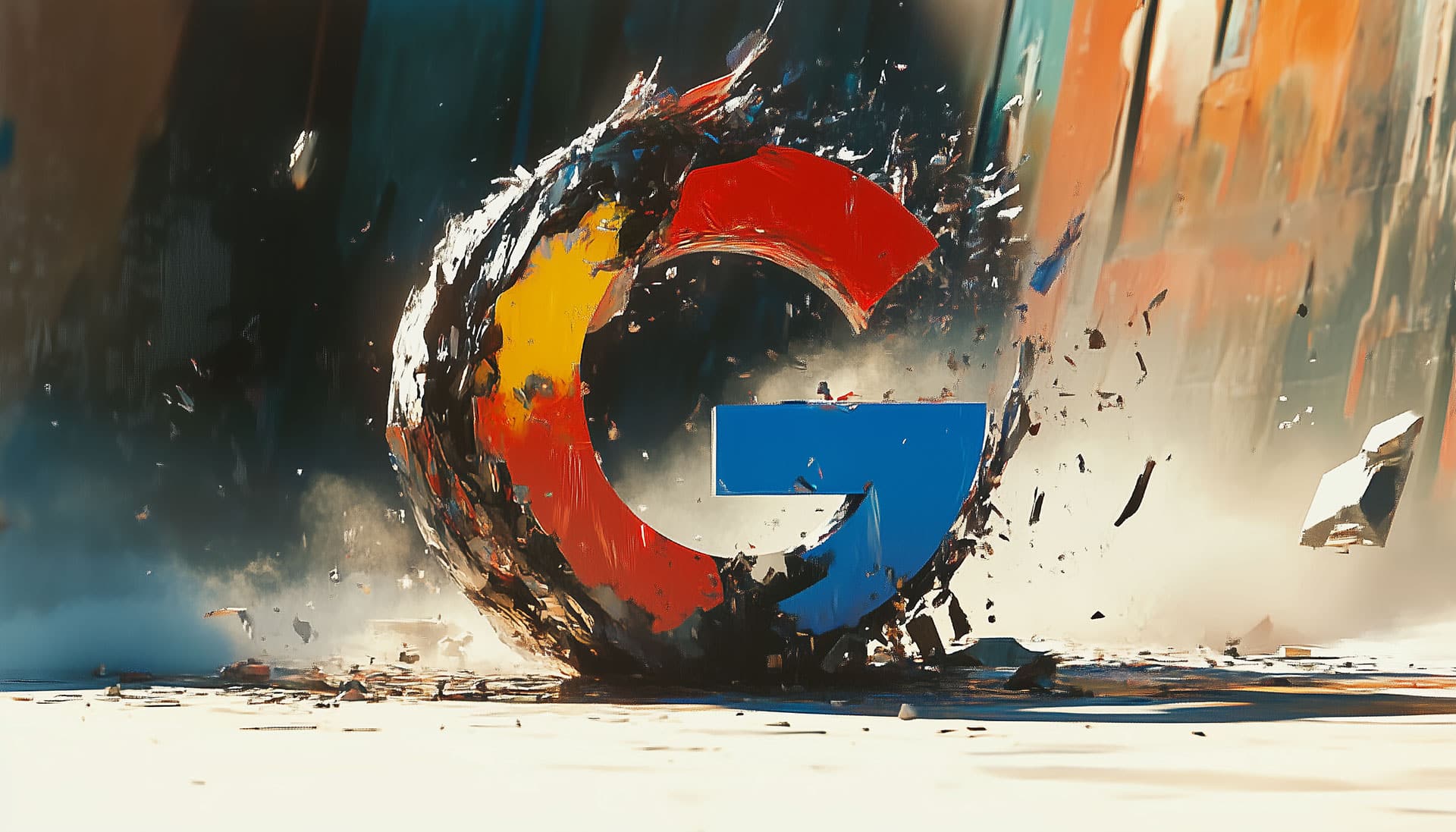
How to find and fix hidden errors

Website migrations are one of the most challenging aspects of SEO.

No matter how much experience you have in technical SEO, how detailed your plan is, or how thorough your checklist may be, unexpected issues can still arise. 

That’s why post-migration monitoring is just as crucial as the migration itself – especially in the first month when hidden problems are most likely to surface.

This article tackles some of the most surprising post-launch errors I’ve encountered, along with practical tips on how to identify and resolve them before they cause serious damage.

Random 404 pages

This issue drove me crazy. It’s a nightmare for SEO testing because it skews every tool and report we rely on. 

When you can’t trust the data, it’s impossible to know what’s actually broken or how it impacts performance.

During the post-migration phase of updating our JavaScript library, we noticed random 404 errors in our SEO tools and Google Search Console. 

The strange part? 

The affected pages weren’t consistent, and every time we checked manually, they loaded fine with a 200 status. 

As a result, all other reports became unreliable, making proper analysis nearly impossible.

These random 404s often stem from server-side issues such as rate limiting, where the server denies access to bots after too many requests. 

Other potential causes include:

  • Misconfigured caching.
  • Inconsistent DNS resolution.
  • Load balancer errors that occasionally route requests to an unavailable server.

Identifying the root cause requires detailed server log analysis to track bot request and response patterns. 

And here’s the biggest lesson I learned: Without access to server logs, you’re fighting this battle blind.

Ensure your SEO team has access to the necessary server log tools and, at the very least, understands the basics of how they work. 

Monitoring bot activity logs can help you demonstrate the issue to developers. Without them, you risk getting stuck in endless debates over the accuracy of SEO tools.

Dig deeper: Website migration checklist: 11 steps for success

Random 500 pages

At first glance, this error looks similar to random 404s, but the cause is usually entirely different and just as difficult to diagnose. 

Even SEO tools like Lumar and Screaming Frog can inadvertently trigger these 500 errors while crawling.

Years ago, one of the websites I worked on had a strict rule: no crawling on weekends and no exceeding three URLs per second. 

Every time we increased our crawling limits, the database server struggled, slowing down the entire site – or worse, crashing it.

These errors often result from complex database queries overloading the server or improperly configured caching. 

Without proper caching, each request is processed individually, compounding the strain and leading to slow load times or intermittent crashes.

And once again, the solution starts with server log access. Without it, you’re just guessing.

Incorrect resource loading

This was one of those moments where I felt like a digital Sherlock Holmes. 

The migration had been completed before I joined the company, and I first noticed the issue during an initial technical audit.

The first clue? 

A mysterious drop in rankings and traffic shortly after the migration. 

There had been a Google update around the same time, so I couldn’t immediately link the decline to the migration. 

To complicate things further, this wasn’t a full migration, just a design revamp.

On the surface, everything seemed fine. Pages loaded correctly, and styles and JavaScript worked perfectly for users. 

Yet, in Google Search Console’s inspection tool, the same pages often appeared broken and unstyled. 

The issue was inconsistent, making it nearly impossible to replicate in front of the dev team. 

As a new team member still building trust, convincing them there was a deeper problem wasn’t easy. 

In hindsight, my mistake was not checking the browser console earlier.

Three months later, a single browser console message finally revealed the root cause: a script was loading out of order.

Due to caching, Googlebot sometimes saw the website correctly and other times didn’t, explaining the erratic behavior.

It was a tough reminder that small technical details – like the sequence of resource loading – and overlooking an obvious diagnostic step can significantly impact SEO performance.

My key tip: Check your website in different browsers and carefully review the error and warning messages in the console. 

If you’re unfamiliar with developer terminology, consult an independent expert or even multiple AI tools for explanations.

Non-existent URLs

While investigating those frustrating random 404 errors, I stumbled upon another issue almost by accident. 

While reviewing Google Search Console’s report on pages discovered but not indexed, I noticed an unusual pattern – several non-existent URLs appearing under certain sections, marked as duplicate content.

Instead of returning 404 errors as expected, these URLs resolved as normal pages with a 200 status code.

This type of error presents two major risks:

  • From an SEO perspective, search engines treat these URLs as legitimate, potentially indexing irrelevant or duplicate pages, wasting crawl budget, and harming rankings. 
  • From a security standpoint, it creates a vulnerability – malicious actors could generate thousands of random URLs, overloading the server.

Unfortunately, this issue is difficult to detect before it becomes a real problem. In my case, I was just lucky.

Don’t wait to stumble upon it. Make sure to:

  • Regularly check whether sections of your site allow non-existent URLs to resolve with a 200 status.
  • Build a list of key sections and test them monthly with your crawler. Even minor backend changes – not just full migrations – can trigger this issue.
  • Prioritize pages generated programmatically or dynamically, as they are the most common culprits.

Managing hreflang tags on a multilingual website is challenging, and even small mistakes can cause big issues. 

On one website I worked on, we typically created pages in English first and then localized them. 

However, in some cases, only a local version existed, and the hreflang x-default was mistakenly set to an English page that didn’t exist.

Incorrect hreflang tags confuse search engines, which rely on them to identify the correct language or regional version of a page. 

When these tags are wrong, search engines may struggle to understand the site’s structure or ignore the hreflang implementation entirely.

Normally, we would have caught this in our migration checks. 

But at the time, we were buried in troubleshooting random 404 errors. 

We also made the mistake of not manually testing localized pages across different templates.

To prevent this in future migrations:

  • Make a detailed list of site-specific checks. Generic migration checklists are a good starting point, but they need to be customized for the website and CMS.
  • Manually test localized pages across different templates to ensure correct hreflang and canonical tag implementation.

Dig deeper: How to run a successful site migration from start to finish

Get the newsletter search marketers rely on.


JavaScript rendering failures

JavaScript-driven content that users can see but search bots can’t is a common and often overlooked issue. 

This typically happens when widgets or content sections rely on JavaScript to render, but the scripts aren’t fully crawlable or properly executed by search engine bots. 

(Google offers a great resource to help you understand JavaScript basics.)

If you’re unsure how a widget works, use this simple test: 

  • Does it display the full content immediately, or does it require user interaction? 

If it’s the latter, it likely relies on JavaScript, meaning search and AI bots might not see everything.

To catch this issue, run both a JavaScript-enabled crawl and a pure HTML crawl, then compare the results. 

A quick manual test can also help. 

  • Search for a specific sentence or element from the widget in your rendered HTML source. 
  • If it’s missing, search bots are probably missing it too.

Resolving this often requires improving server-side rendering or ensuring that scripts load properly for both users and crawlers.

Since website migrations often leave little time for testing, make it a priority to run these two crawls post-migration to identify and fix any rendering issues.

Dig deeper: A guide to diagnosing common JavaScript SEO issues

Loss of tracking data

Tracking data loss can be a subtle yet costly post-migration issue.

In one real-world case, everything initially appeared fine. Analytics data was flowing and visits were being logged.

However, after a few days, it became clear that users arriving via paid ads were losing their tracking parameters as they navigated the site.

This meant subsequent pageviews within the same session were no longer attributed to the original paid campaign, disrupting remarketing efforts.

The cause? 

Improper handling of URL parameters during the migration.

Website migrations require cross-team monitoring, not just from the SEO team. 

While this issue didn’t directly impact SEO rankings, it still had major consequences.

Before migration begins, triple-check your plan to ensure all relevant teams are involved. 

Migration testing should go beyond SEO, incorporating analytics, development, and marketing teams to safeguard tracking parameters and user attribution. 

Each team should have pre-migration reports for comparison after launch.

While planning may not fall under SEO’s direct responsibility, identifying gaps in the project plan and raising concerns is essential.

Dig deeper: 12 SEO pitfalls to avoid during a website platform migration

Disappeared pages

This case is a perfect example of why having pre-migration data is crucial.

Everything appeared flawless during testing. 

The site functioned as expected on staging and even in production with internal DNS switched. 

But as soon as external DNS was activated, a third of the blog posts disappeared. 

The rest of the site remained intact, making the issue easy to overlook.

With all teams focused on testing tracking, forms, redirects, hreflang tags, and canonicals, no one initially noticed the missing pages. 

Ironically, it wasn’t an SEO tool or a developer check that caught the problem, but a regional manager. 

A few days before migration, she updated a blog image and wanted to verify that the change had transferred. 

Not only was the image missing, but the entire blog post was gone.

I’ll admit, I can’t explain exactly what caused this from a technical perspective. 

But the takeaway is clear: always conduct a full audit before migration begins. 

Using a crawler’s comparison mode can quickly highlight discrepancies like this before they become major problems.

Impact on admin settings

Not every issue affects SEO, but that doesn’t mean it won’t cause problems.

During a backend update, we encountered an unexpected challenge: Lumar and Screaming Frog were overwhelming the CMS admin panel. 

Each time a crawl was initiated, the surge in requests made it nearly impossible for editors to update content or make changes.

It’s important to remember that you’re not the only one using these tools. 

Crawlers are frequently employed for competitor analysis, meaning your website and CMS must function properly even under heavy crawling pressure.

In some organizations, SEO teams don’t have direct access to the CMS or manage content updates. 

If that’s the case, ensure content teams go through their usual workflows with test pieces after migration. 

Coordinating this with SEO crawls helps assess how resilient your system truly is.

The biggest mistake: Underestimating post-migration monitoring

Website migrations, revamps, redesigns, updates. Whatever you call them, they’re always complex. 

One of the biggest mistakes you can make is underestimating the challenges involved. 

Any change carries the risk of something going wrong.

Some errors, like broken redirects or missing pages, are immediately noticeable. 

Others, such as tracking failures or JavaScript rendering issues, may take time to detect. 

That’s why post-migration monitoring is just as critical as the migration itself.

The best way to mitigate these risks is to:

  • Create a detailed project plan covering all potential issues.
  • Document everything.
  • Run audits before and after migration.
  • Collaborate across teams.

A successful migration isn’t just about making the switch; it’s an ongoing process of monitoring, testing, and improving.

Dig deeper: How to speed up site migrations with AI-powered redirect mapping

Contributing authors are invited to create content for Search Engine Land and are chosen for their expertise and contribution to the search community. Our contributors work under the oversight of the editorial staff and contributions are checked for quality and relevance to our readers. The opinions they express are their own.

The top Super Bowl 2025 ads released before and during the game

Last week, Avinash Kaushik said, “The best way to make a Super Bowl ad effective is through ‘spike and sustain’ marketing.” 

He also explained that releasing teasers, ads, and extended versions before the Big Game is part of the “sustain” strategy, building momentum ahead of the “spike” in viewership. 

Super Bowl LIX drew 113 million viewers, according to Nielsen.

Many brands embraced this strategy, unveiling their commercials early to build buzz and maximize exposure. 

By midday Sunday, more than 40 ads had already been released, and several organizations had analyzed those aired before Feb. 9.

Pre-game Super Bowl ads that made an impact

For example, iSpot.tv identified “Budweiser | Super Bowl LIX ‘First Delivery’” as the early winner based on consumer surveys. 

A young Clydesdale foal, eager to join the Budweiser delivery team, is told he’s too young. While the other horses depart, a keg falls off the wagon unnoticed. 

The foal, determined to prove himself, embarks on a long journey, pushing the keg through various obstacles. 

He successfully delivers the keg to the bar, interrupting a “horse walks into a bar” joke and impressing the driver who had dismissed him earlier. 

The foal is rewarded with recognition and a sense of accomplishment.

Somebody | It Takes All of Us SB LIX,” which features players mentoring kids, was the most emotionally resonant and attention-grabbing Super Bowl ad released before the Big Game, according to DAIVID

It evoked intense positive emotions in over half of viewers, particularly feelings of warmth, inspiration, and pride, all significantly higher than the U.S. average. 

The ad also held viewers’ attention better than average ads, both at the beginning and the end.

And Sprout Social‘s social media analysis showed strong performance for “A Century of Cravings | Uber Eats.” 

Their successful celebrity-filled advertisement features Matthew McConaughey, Charli XCX, and Martha Stewart and cleverly incorporates the stadium’s name into a joke about Stewart’s Caesar salad.

The best Super Bowl ads released during the Big Game

Some of the roughly 80 Super Bowl spots cost a record $8 million for 30 seconds this year, per the Associated Press

The granddaddy of rating TV commercials during the Big Game, “Budweiser | Super Bowl LIX ‘First Delivery’” ranked no. 1 with a score of 3.56 out of 5, according to USA Today’s Ad Meter. (Kudos to iSpot.tv for picking this winner ahead of time.)

In second spot was “LAY’S | The Little Farmer | :60,” with a score of 3.55. As the video’s description says, “One little potato. One big dream.”

In third place was “The ULTRA Hustle | Super Bowl LIX | Michelob ULTRA” with a score of 3.52. 

As the ad’s description declares, “You can’t out-hustle a hustler. Willem Dafoe, Catherine O’Hara, Sabrina Ionescu, Randy Moss, and Ryan Crouser.”

In fourth position was “Stella Artois | David & Dave: The Other David” with a score of 3.51. 

So, David Beckham goes to meet his long-lost twin, played by Matt Damon. 

What do they have in common? “A love for Stella? Fancy footwork?” 

Ranked fifth with a score of 3.49 was “Somebody | It Takes All of Us SB LIX.” Congrats to DAIVID for picking this winner ahead of time.

It’s also worth noting that “A Century of Cravings | Uber Eats” finished no. 8 in the USA Today Ad Meter rankings. Sprout Social’s analysis of social media was in the ballpark.

Get the newsletter search marketers rely on.


Alternative metrics for evaluating Super Bowl ads

There are other ways to measure the top ads released during Super Bowl 2025.

For example, DAIVID used its AI-powered platform to analyze 65 Super Bowl ads aired Sunday night, predicting their emotional impact and effectiveness. 

Their AI models combine facial coding, eye tracking, survey data, computer vision, and even listening APIs.

“Somebody | It Takes All of Us SB LIX” was not only the most emotionally engaging ad of the 40+ spots released before the Big Game, but it also generated the most intense positive emotions of the 65 ads shown during Sunday’s Super Bowl broadcast. 

The ad attracted the highest attention levels of any spot shown.

In second place was “Jeep | Big Game | Harrison Ford x Jeep | Owner’s Manual.” 

As the video’s description acknowledges:

  • “Life doesn’t come with an owner’s manual – you have to write your own. And no one knows this better than Harrison Ford.” 

The ad attracted an intense positive emotional response from 54.2% of viewers, according to DAIVID.

In third was “What is Greatness?” from He Get Us.

The video’s description asks:

  • “Is being great, as our society defines it, really that great? Or is greatness quite the opposite of what we think it is? In this video, we explore how Jesus redefined true greatness and what it might mean for us. All of us.” 

And 53.3% of people had intense positive emotional responses.

“Own the Dream | Rocket” ranked fourth. The video’s description clearly states:

  • “Everyone deserves their shot at the American Dream.” 

This generated intense positive emotional responses with 52.6% of people.

In fifth place was “Pfizer | Big Game Commercial 2025 | Knock Out.” 

As the video’s description explains, “Pfizer is fighting for 8 cancer breakthroughs by 2030.” This triggered intense positive emotional responses from 52.3% of people.

It’s also worth noting that “LAY’S | The Little Farmer | :60” ranked no. 8 and “Budweiser | Super Bowl LIX ‘First Delivery’” ranked no. 10 in DAIVID’s list of Top 10 Most Emotionally Engaging Super Bowl 2025 ads. 

Different methodologies can still yield similar results.

However, DAIVID’s post-game analysis yielded significantly different insights than USA Today’s. 

Super Bowl 2025 ads were the least effective in five years, per DAIVID’s Creative Effectiveness Score. 

The average ad scored 6.2 out of 10, the lowest since 2020, generating less attention and positive emotion than previous years. 

While many advertisers aimed for humor, serious and purpose-driven ads dominated the top 10, with the NFL’s “Somebody” ad being the most emotionally engaging.

Ian Forrester, DAIVID’s CEO and founder, observed:

“With the vast majority of Super Bowl advertisers trying to make us laugh this year, it’s interesting that brands that stepped away from the usual Super Bowl celebrity/humor trope have attracted the most positivity. It shows just how hard it is to cut-through when so many are trying the same approach. With overall effectiveness also down, maybe it’s time brands tried something different to get people’s attention on game day.”

What’s next: Insights beyond the Big Game

In the coming days, digital marketers can expect more rankings from Kantar, System1, and other organizations analyzing the impact of Big Game ads on both performance and branding. 

These insights matter because metrics like Brand Life and Engaged-View Key Events can serve as KPIs for “spike and sustain” campaigns beyond the Super Bowl – whether for back-to-school season, Thanksgiving, or a major product launch.

Contributing authors are invited to create content for Search Engine Land and are chosen for their expertise and contribution to the search community. Our contributors work under the oversight of the editorial staff and contributions are checked for quality and relevance to our readers. The opinions they express are their own.

New Google Ads prediction model scores landing page navigation

Google introduced a new prediction model to better evaluate the quality of landing page experiences for search ads. This update is designed to reduce frustrating ad experiences and make it easier for users to find the information they need without unnecessary backtracking.

Driving the news. Google’s new model improves its ability to predict whether a landing page provides a seamless experience. The focus is on reducing “unexpected destinations” by evaluating whether pages offer easy navigation to relevant content.

Ads leading to hard-to-navigate pages are now less likely to appear in search results.

Why we care. This update encourages advertisers to prioritize user-friendly, easily navigable landing pages. Ads leading to confusing or irrelevant destinations are less likely to appear in search results, which could impact traffic for businesses with poorly optimized pages. By investing in creating seamless navigation experiences, you will likely see better engagement and long-term value from your search campaigns.

How it works. Previously, Google’s systems primarily assessed the relevance of landing page content. The updated approach puts greater emphasis on the overall user experience, including navigational clarity.

Real-world example. If a user clicks on an ad expecting a login page but is directed to a promotional page instead:

  • Old experience: The user struggles to find the login link and returns to search results in frustration.
  • New experience: The user can quickly find the login link from the promotional page, avoiding the need to return to Google Search.

Bottom line. Google’s update underscores the importance of creating relevant, user-friendly landing pages.

For advertisers. To stay competitive, brands should ensure their landing pages are intuitive and help users efficiently access desired information.

  • Navigability improvements can boost engagement and lead to long-term value for both users and advertisers.

What’s next. Google plans to continue refining its ads quality systems as search behavior evolves. Expect further updates focused on improving ad experiences and delivering more relevant results.

Is rank tracking dead? Why Google’s new rules are changing the game

Google just made a move that disrupted rank tracking, potentially increasing costs and changing how search visibility is measured. 

In January, Google implemented a requirement for JavaScript to render search results, which significantly impacted SEO tools that rely on scraping.

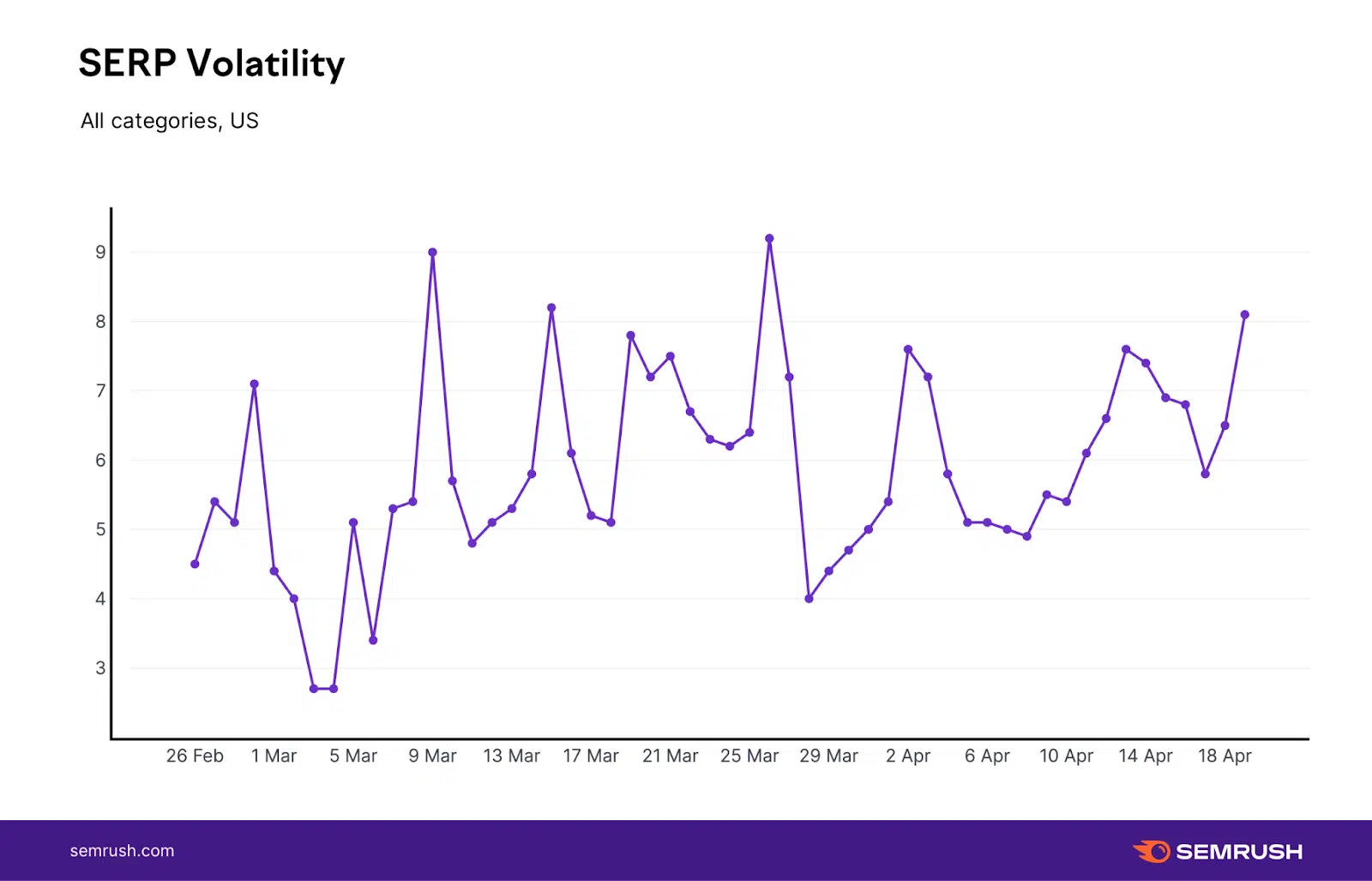
(You may recall there was suddenly a great deal of volatility in the SERPs that was initially attributed to another update. Still, it turned out to be a disruption in data collection that was causing the reports to be all over the place rather than the rankings fluctuating.) 

This change raises questions about the future of rank tracking and how SEOs can adapt. 

While some are ready to declare rank tracking “dead,” the reality is more complicated. 

So, what exactly happened now?

Google “introduced” (read: “sprung upon everyone with no warning”) a requirement for JavaScript to render search results, making traditional scraping techniques significantly more difficult. 

Since most SEO tools need to scrape the SERPs to track keyword rankings, this new mandate means if the tools want to continue providing this service, they must now execute JavaScript, which adds complexity (and costs) and potentially reduces data accuracy.

Google has framed this as an effort to:

  • Prevent bots (which is what the tools are).
  • “Reduce spam.” 
  • Improve security. 

Fair enough. 

However, it also benefits Google by keeping ads highly visible and making AI-driven search features, like AI Overviews, harder to bypass.

This shift means that SEO tools scraping the SERPs must now navigate AI-generated content, potentially requiring them to distinguish between organic rankings and AI-driven responses (this is the added complexity part).

Why this makes sense for Google

Google’s decision to require JavaScript isn’t about making life harder for SEO tools. 

It also conveniently supports their push toward AI-driven search features in a few key ways:

Rendering AI Overviews

AI-generated content, such as Google’s AI Overviews, is dynamically inserted into search results. 

Since JavaScript is required for rendering these elements, enforcing its use ensures that all users (including scrapers) interact with AI-generated content in the same way as human users.

Requiring JavaScript makes it harder for SEO tools to extract clean ranking data, especially when AI Overviews push traditional organic results further down the page. 

Scrapers may now have to differentiate between AI-generated responses and standard search listings, increasing complexity.

Encouraging more Google dependence

By making it more difficult for third-party tools to scrape SERPs, SEO professionals might find it easier to use Google’s own data sources (like Google Search Console and Google Analytics), which naturally integrate AI-powered search insights.

Get the newsletter search marketers rely on.


With Google requiring JavaScript to render search results, SEO tools that rely on scraping now face increased costs. 

Executing JavaScript requires more computing resources, which means tools must invest in more powerful infrastructure or develop more sophisticated methods to continue gathering data.

This likely means higher overhead, and those costs may be passed down to you. 

Some rank tracking services may need to shift their pricing models.

Others may discontinue rank tracking features entirely if they become too expensive to maintain.

Some tools might find ways to work around this limitation by leveraging browser-based scraping techniques, but this could introduce latency issues and further drive up operational costs.

But does this mean rank tracking is dead-dead?

Before we change into our mourning attire, let’s consider what “dead” means in this context. 

Traditional rank tracking – the act of monitoring exact keyword positions across devices and geographies – is without a doubt becoming more difficult. 

But does that mean it’s completely dead? 

No, rank tracking isn’t all dead – more like mostly dead. 

But, as Miracle Max said, “mostly dead is still slightly alive.”

Rank tracking can still shape SEO strategies – it can help you monitor competitor activity, spot trends, and gauge progress. 

But let’s be honest – most of the time, it’s a reporting metric for stakeholders. 

While rankings can be useful, they’ve never been the sole indicator of success. 

SEO has evolved beyond a keyword position arms race, and the industry needs to shift toward more meaningful ways of demonstrating results. 

Which brings us to…

Finding new ways to prove SEO is working

Lately, rank tracking has been more of a reporting tool than a core driver of SEO strategy. 

The industry needs to consider alternative ways of demonstrating success. 

Look at this shake-up as an opportunity to get smarter about measuring success. Here’s how to stay ahead.

Diversify metrics

Move beyond rank tracking to focus on holistic performance indicators such as organic traffic growth, conversion rates, and engagement metrics.

Understand visibility

Embrace tools that measure “share of voice” or visibility across broader topics rather than individual keywords.

Leverage Google’s tools

Take advantage of Google’s own platforms, like Search Console and Google Analytics, which provide actionable insights without the risk of disruption.

Explore JavaScript-ready solutions

Some tools are developing advanced JavaScript rendering capabilities to handle the new challenge. 

Keep an eye on these emerging solutions.

Communicate with stakeholders

If clients or leadership teams rely on rank reports, start conversations now about transitioning to alternative metrics. 

Highlight how these changes align with their broader business goals.

As AI reshapes how search works, the ability to track organic rankings will continue to diminish. 

The user-observed SERPs already have so much personalization and localization, and they’re only going to get more fragmented. 

Smart SEOs will pivot early and embrace more sophisticated ways to measure and report success.

Quit pronouncing everything dead

SEO isn’t dead, nor is rank tracking – but clinging to outdated methods is. 

The game is evolving. You should, too.

SEOs must rethink their reliance on old-school metrics and adapt to this more dynamic and user-centric search ecosystem.

In a landscape where the only constant is change, we must be flexible and adapt to remain effective.

Contributing authors are invited to create content for Search Engine Land and are chosen for their expertise and contribution to the search community. Our contributors work under the oversight of the editorial staff and contributions are checked for quality and relevance to our readers. The opinions they express are their own.

Brand + performance: The secret to maximizing ad ROI

In digital marketing, a common belief is that everything can be measured – clicks, conversions, and ROI. 

Many advertisers assume that brand awareness is unnecessary and that performance marketing alone is enough to drive sales.

After all, brand awareness campaigns don’t always generate immediate traffic or conversions visible in analytics.

Their effects unfold over time, making them harder to measure than performance-driven campaigns.

However, this overlooks a critical factor: brand strength acts as a multiplier for performance marketing effectiveness.

A well-known brand increases ad click-through rates (CTR), lowers cost-per-click (CPC), improves conversion rates, and ultimately boosts profitability.

This article explores:

  • How a recognizable brand enhances performance marketing results.
  • Why brand awareness allows businesses to sell more at higher margins.
  • How multiple marketing levers work together to drive business growth.
  • Why neglecting brand investment can limit long-term success.

By the end, you’ll see why strong branding isn’t just a “nice-to-have” – it’s a key driver of marketing efficiency and profitability.

Higher brand awareness means a higher CTR

Users are more likely to click on ads from well-known brands that evoke positive associations. 

This idea is widely discussed in marketing, though reliable studies directly proving it are scarce. 

However, several observations support this claim.

For example, remarketing campaigns using search ads often show higher CTRs for returning users. 

While it’s difficult to isolate brand awareness as the sole factor – since market competition and other variables also play a role – user behavior analysis provides indirect evidence. 

A reliable randomized controlled trial (RCT) in this context would be nearly impossible to conduct.

Even if some users click on ads without much thought (e.g., on social media), many base their decisions on the ad content and the destination URL.

For search ads, a significant portion of users consider the displayed destination URL. 

I conducted a small survey (142 respondents, not representative) and found that 86% of users pay attention to the website URL before clicking on a Google search result.

This suggests that well-known brands tend to achieve higher CTRs in paid search.

Higher CTR means lower CPC

In the Google Ads ecosystem, advertisers don’t pay a fixed rate for clicks. 

Instead, Google’s auction system considers Quality Score, where a higher score results in a lower CPC. 

Since CTR is a key factor in Quality Score, ads with higher click-through rates typically benefit from lower CPCs.

Why does this happen? 

From Google’s perspective, revenue remains the same whether 1,000 impressions generate 200 clicks at $1 each or 100 clicks at $2 each – both total $200. 

Therefore, an ad with double the CTR can achieve half the CPC.

While CTR is crucial, other Quality Score factors – such as landing page experience – also play a role, further favoring strong brands.

Dig deeper: How to make your Google Ads brand campaigns more efficient

Higher brand awareness means a higher conversion rate

Numerous studies confirm that brand awareness positively impacts conversion rates. 

A well-known brand reduces consumer hesitation by reinforcing trust in product quality and the seller’s reliability. 

Strong brands attract loyal customers, enjoy a good reputation (including among experts), and create desirability – significantly increasing the likelihood of purchase compared to unrecognized alternatives.

Stronger brands achieve higher margins

Unlike lesser-known competitors, strong brands aren’t forced into price competition.

Customers trust their quality and reputation, making them willing to pay more.

This allows branded products to be sold at higher prices, increasing profit margins per unit.

Higher prices also accelerate margin growth.

For example, if a product costs $100 with a $20 margin, raising the price by 10% (to $110) increases the margin to $30 – a 50% increase in earnings per unit sold.

Higher CTR means greater sales

With a higher CTR, the same campaign delivers more traffic. 

This leads to increased conversions and higher overall margins – driven by greater conversion values and a larger customer base.

Better CPC and CTR, conversion, and margin mean higher ROAS/POAS

Lower CPC, higher conversion rates, and increased conversion values all improve campaign profitability.

While each factor contributes individually, their combined effect is multiplicative rather than additive, significantly boosting overall efficiency.

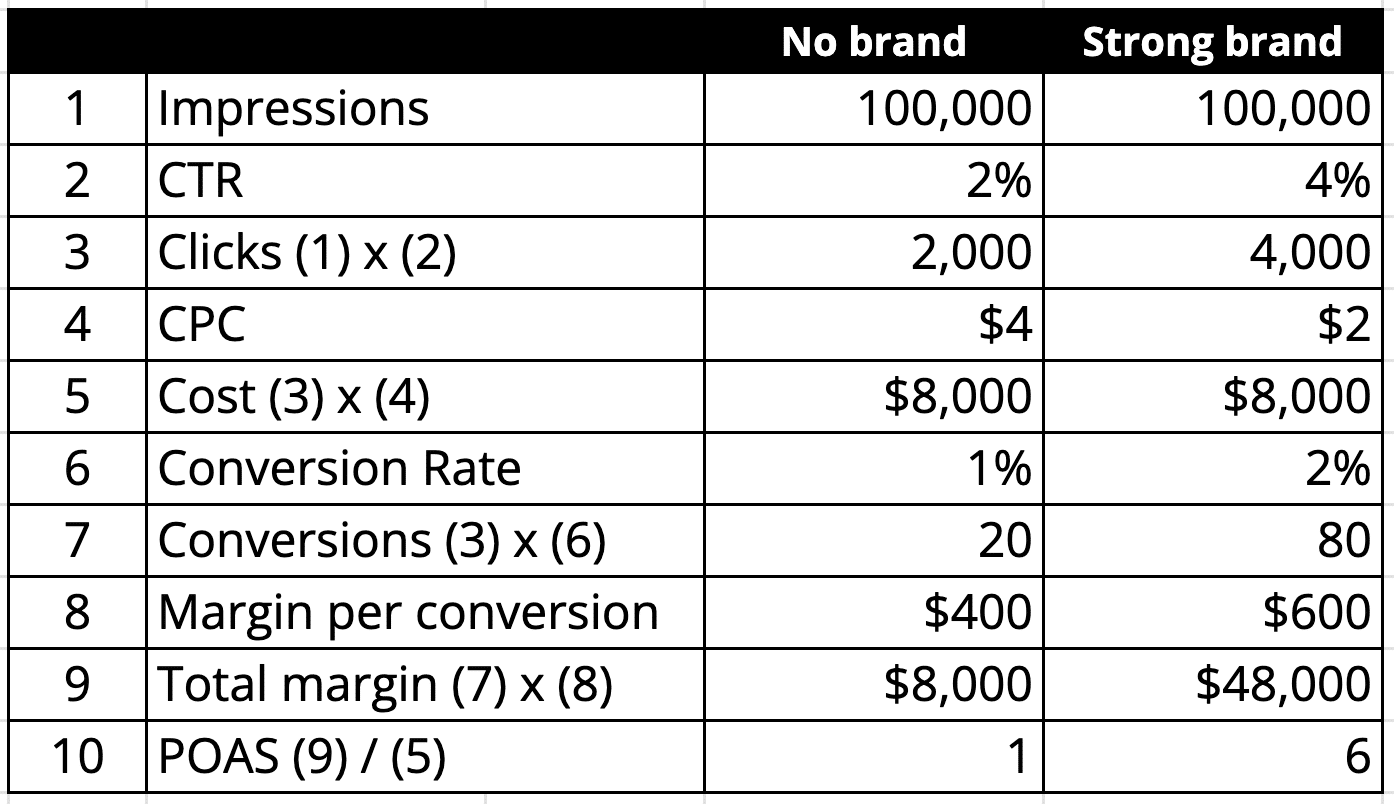
For example, if CTR and conversion rates double and product margins increase by 50%, profit per sale grows sixfold (2 x 2 x 1.5 = 6). 

If ad spend remains unchanged, the higher CTR (and the corresponding increase in clicks) is balanced by a proportional CPC reduction, resulting in a sixfold increase in (profit on ad spend) POAS.

Better CPC and CTR, conversion, and margin mean higher ROAS/POAS

Dig deeper: Branded keywords: How Google Ads drives up CPCs

Get the newsletter search marketers rely on.


See terms.


Leverage effect: Higher profits through operational leverage

As sales increase, EBITDA (earnings before interest, taxes, depreciation, and amortization) and operational profits typically grow at an even higher rate. 

This happens because fixed costs remain constant regardless of sales volume, making them less significant as revenue rises.

For example, consider a store with $30,000 in monthly sales margin (revenue less variable cost) and fixed costs of $20,000, resulting in a $10,000 profit. 

If sales double, the sales margin also doubles to $60,000, and while fixed costs remain unchanged at $20,000, the profit increases to $40,000.

In this case, a twofold increase in sales leads to a fourfold increase in operational profit – an effect known as operational leverage.

Larger-scale advertising and even greater profits

As return on ad spend (ROAS) and profitability improve, companies can invest more in advertising – such as increasing PPC bids or expanding to new platforms. 

Higher profits enable them to afford impressions and clicks at previously unprofitable prices, shifting the point of optimal profit and neutral marginal revenue to higher levels.

This advantage allows stronger brands to pay higher CPCs while remaining profitable, further expanding their market presence and pushing less reputable competitors’ ads to lower positions. 

As a result, they achieve even greater sales volume, margins, and profits.

How does this translate to numbers?

A strong brand enhances performance marketing efficiency, enabling more aggressive media buying and driving significant revenue and profit growth.

But how significant?

Let’s analyze potential changes using sample data.

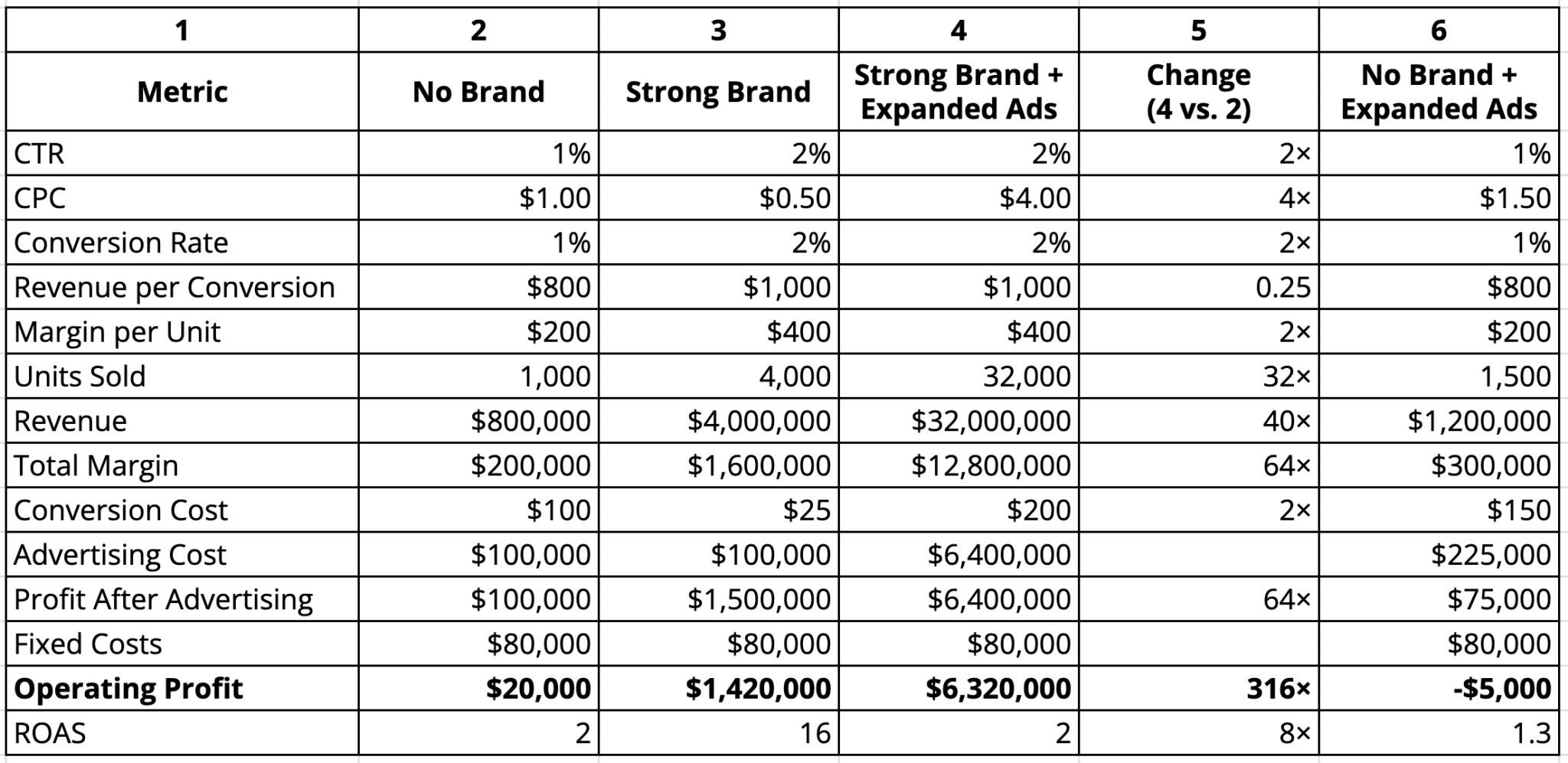
For a stronger brand, we assume:

  • CTR doubles.
  • Conversion rates double.
  • Unit prices increase from $800 to $1,000, raising the margin per transaction from $200 to $400 (a twofold increase).
  • Fixed costs remain $80,000 (10% of revenue for the “no-name” company).

The table below compares company revenue across three scenarios: 

  • Without a brand (column 2).
  • With a strong brand (column 3).
  • With a strong brand plus expanded advertising (column 4).
Comparison of company revenue across three scenarios

In this example, branding led to a fortyfold increase in revenue and a 316-fold increase in profit – largely driven by increased advertising investment.

However, as shown in the last column of the table, a company without a brand would incur operational losses if it attempted to scale performance marketing in the same way. 

In contrast, a strong brand can afford aggressive marketing, pay significantly more for traffic, and still grow its profits.

The figures in the table were chosen for clarity. 

Still, even smaller differences in efficiency between branded and non-branded products demonstrate how brand awareness:

  • Amplifies revenue.
  • Transforms a barely profitable or loss-making company into a highly profitable business.

If you’d like to test how different values affect the outcome, you can explore the simulation in this Google spreadsheet:

A well-known brand generates direct traffic

The previous calculations don’t yet account for another key advantage of a strong brand – substantial direct traffic.

Brand awareness drives users to visit a website directly, either by typing its address into their browser or clicking on branded search results, whether organic or paid.

These visits typically convert at higher rates than traffic from marketing campaigns, as they come from users with strong intent.

As a result, direct traffic can generate significant revenue with little to no additional investment.

In the earlier example, assuming a 30% increase in sales from direct traffic, revenue would rise to $41.6 million and profit to $10.16 million – compared to just $20,000 for a company without a strong brand.

Investing in brand marketing pays off

The simulations clearly show that as a brand gains recognition and trust, a multiple-leverage effect emerges. 

Higher CTRs, improved conversion rates, the ability to raise prices, and more aggressive advertising all drive profitability – further boosted by direct traffic from loyal customers.

A well-known brand also provides additional advantages, such as spontaneous media interest, easier press placements, and stronger negotiating power with suppliers and in the job market.

Brand growth comes with challenges, such as combating counterfeits and managing reputation risks – issues that lesser-known companies rarely face. 

While the simulation assumes fixed costs remain unchanged, significant expansion would inevitably lead to higher expenses.

However, these added costs are far outweighed by the benefits. 

Investing in brand awareness:

  • Delivers measurable returns.
  • Improves the efficiency of performance marketing.
  • Unlocks growth opportunities unavailable to weaker brands.

That said, building a brand is more than just running ads (display, video, TV, outdoor, etc.). 

It requires a cohesive, strategic approach rooted in audience insights, strong messaging, and creative execution. 

Simply showing a “big logo” everywhere won’t build a brand – no matter how many times people see it.

DIg deeper: Why over-bidding on your brand could be hurting your bottom line

How to master user intent with SEO personas

Mastering user intent is all about putting yourself in your user’s shoes. It’s easier to do that if you know what kind of shoes they’re wearing and why.

Create and incorporate user personas in SEO decision-making to create actionable insights in the best interest of your actual users.

Build your search personas

User personas can help you develop a more customized approach to applying user intent to a topic and to your specific users. 

You aren’t just selling a garden rake to someone in Indiana – you’re selling a metal rake to Gretel in Pawnee so she can get rid of slugs in her front yard.

To develop your personas, make a list of your typical users based on what they know, want, and ask. Then, add details about what, how, and where they search.

Consider key factors about your user, then add more specifics based on your industry.

  • How much do they know about this topic?
  • Are they going to be a one-time or regular visitor?
  • How likely are they to buy?
  • How long will it take them to make a decision or purchase?
  • What kind of features will they need?
  • Will their behavior change over time?
  • What kinds of brands do they trust?
  • What’s their education status or reading comprehension?
  • What’s their age range?
  • Where are they in their career?
  • What’s their location?
  • What’s their financial status?
  • What are their goals? What do they want to do when they come to my site?
  • What would make them trust me?

Creative exercises for inspiration

  • Build your personas around real people. Which celebrity would be most likely to be spotted with your product? Which fictional characters would your brand be most appealing to? 
  • Your personas don’t have to be people; they can reflect your brand personality. Try using something more abstract like animals, colors, flowers, or cities. Your “power user” could be a Lamborghini, Godzilla, or a Red Power Ranger. 
  • Test your persona drafts using ChatGPT or another AI tool. Try this prompt: “Create three variations of a person who fits this description.” Then refine and iterate.
  • Start with a Dungeons & Dragons character sheet. Think about strengths, weaknesses, proficiencies, ideals, alignment, background, and personality.

Dig deeper: How to optimize for search intent: 19 practical tips

Example persona exercise

Let’s say you run a gardening ecommerce site. 

While all your users have the same hobby in common, the what, why, and how behind their searches might look very different. 

Your content needs to reflect your target audience.

Lawn Lover Larry 

  • Summary: Larry’s retired and invests most of his time maintaining the perfect lawn. He loves having people over for barbecues. He likes when he knows how to do things but gets frustrated easily when he doesn’t.
  • Quote: “What will the neighbors think.”
  • Motivation: Curb appeal, perfection, feeling superior.
  • Wants: Lawn maintenance tools, latest cultivars to stand out, tool organization ideas.
  • Likes: Riding lawnmowers, DIY, cornhole.
  • Dislikes: Weeds, neighbor dogs, trespassers.
  • Emotions: Pride, frustration.
  • Trusts: Facebook, friends, big box gardening center.
  • Ask: “How do I…”, “what’s the best…”
  • Search: Video, text.

Beginner Betty

  • Summary: Betty has a few hard-to-kill indoor plants and wants to develop her green thumb outdoors on her patio. She’s just learning how to garden and is easily overwhelmed.
  • Quote: “Plant mom vibes.”
  • Motivation: Keep plants alive, build confidence.
  • Wants: Simple tutorials, new inspiration.
  • Likes: Blooming plants, evergreens, succulents, cute pots.
  • Dislikes: Condescension, plant pests, dead leaves.
  • Emotions: Confusion, excitement.
  • Trusts: Pinterest, Tiktok.
  • Ask: “How to…”, “what is…”, “what do…”
  • Search: Video, image.

Herbalist Herb

  • Summary: Herb grows his own produce and wants his garden to work for him. He doesn’t care if his garden is ugly as long as it’s productive. When he’s not gardening, Herb loves foraging for mushrooms and berries with his dog. 
  • Quote: “Function over form.”
  • Motivation: Fresh food, less waste.
  • Wants: Plant characteristics, leaf and fruit details.
  • Likes: Compost, fungi, herbs, fruits, veggies.
  • Dislikes: Rules, order, toxic plants.
  • Emotions: Curiosity, patience.
  • Trusts: Forums, local hardware store.
  • Ask: “Can I…”, “what does…”
  • Search: Text, image.

Native Nancy

  • Summary: Nancy loves creating a living garden because of the benefits to local animals and the environment. She needs detailed info about which plants are native and how they add value to wildlife.
  • Quote: “My honeysuckle brings all the birds to the yard.”
  • Motivation: Plant natives, all-season interest.
  • Wants: Native perennials, shrubs, and trees.
  • Likes: Butterflies, hummingbirds, mulch, ponds.
  • Dislikes: Invasives, native lookalikes, destructive pests, annuals.
  • Emotions: Patience, eagerness.
  • Trusts: Forums, YouTube, local garden shop experts, books.
  • Ask: “Is it…”, “vs.”, “should…”, “where…”
  • Search: Image, text.

Greenhouse Greta

  • Summary: Greta has been so successful at gardening that she started her own backyard business. She grows, propagates, and sells plants from her home, so she needs to make sure the plants she gets will get her maximum profit.
  • Quote: “Show me the green.”
  • Motivation: Sell low-investment, high-value plants to make money.
  • Wants: Seeds, tools, propagation supplies.
  • Likes: Bulk discounts, free shipping, high germination rate.
  • Dislikes: Slow response times, inefficiency.
  • Emotions: Frustration, determination.
  • Trusts: Business owners and peers, customers, YouTube.
  • Ask: “Is it worth it?”, “how much…”
  • Search: Video, text.

Dig deeper: Content mapping: Who, what, where, when, why and how

Use SERPs to validate personas 

Analyze search results to see how each persona might be searching. This is where your expertise will come in handy, or where you can lean on a subject matter expert (SME).

SERP example

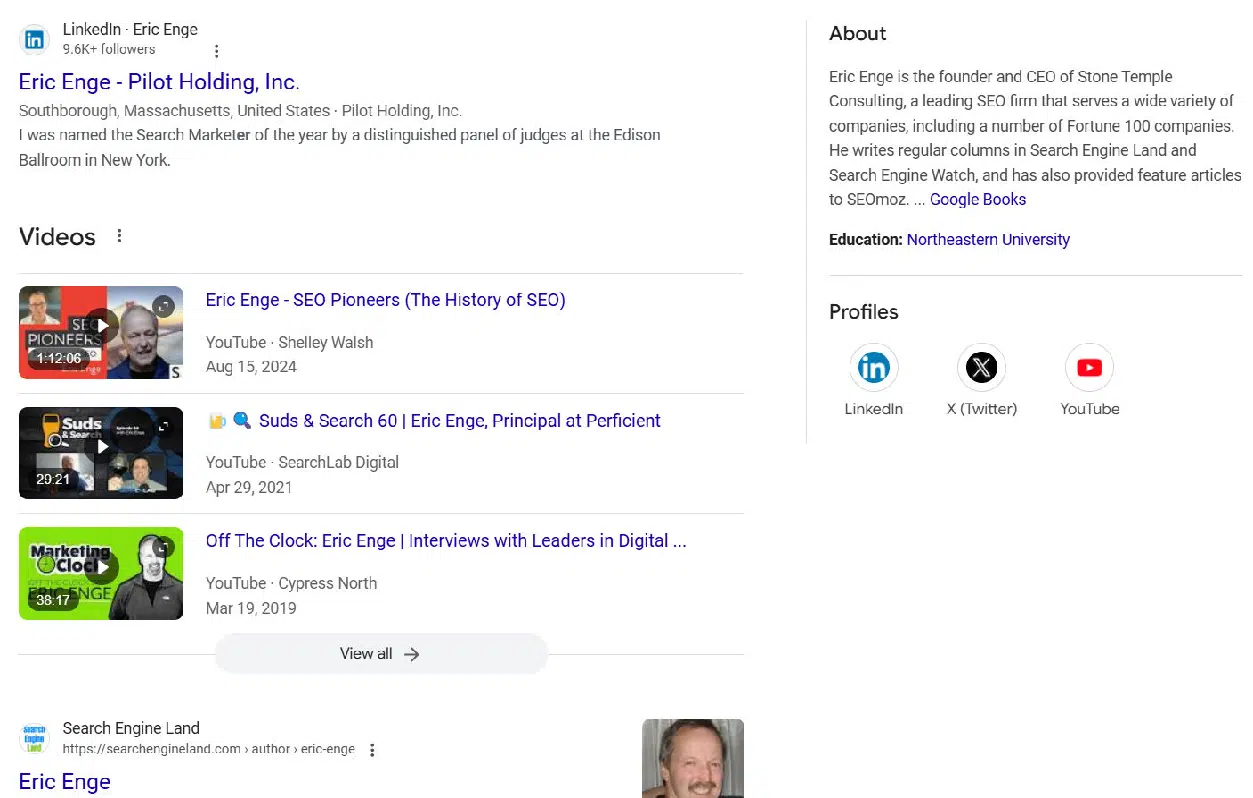
Using our gardening personas, let’s look at a typical search result. Users coming to a gardening site might be searching for a specific plant they want to research or buy, like the American germander plant.

Keyword: “teucrium canadense”

Think about:

  • From our personas, who is most likely searching by the common plant name versus the Latin name, and why?
  • Where would they have heard that name?
  • Is there another common or regional name the plant goes by?
  • Is there another plant that could easily be mistaken for it?

Beginner Betty might have seen the term on a plant tag. Maybe Native Nancy saw the name in a book or blog.

Long-tail keywords

Autofill searches with more specific keywords give us some extra clues about who’s searching and why.

  • Host plant: That’s probably Nancy, who wants to know what bugs and pollinators are attracted to this plant. 
  • Propagation: Propagating a plant by seed, division, or cuttings could be a question from Greta, Nancy, or Herb. Larry might want to know this, but he’d be searching like “does this plant spread.”
  • Go botany: That’s a website about native plants, including how to identify them and their benefits. That sounds like Herb or Nancy. This is a branded search, so it could be a competitor to research.
  • Medicinal uses: That’s right up Herb’s alley, and maybe Greta.

Dig deeper: 9 tips to get the full SEO benefits of long-tail keywords

SERP features

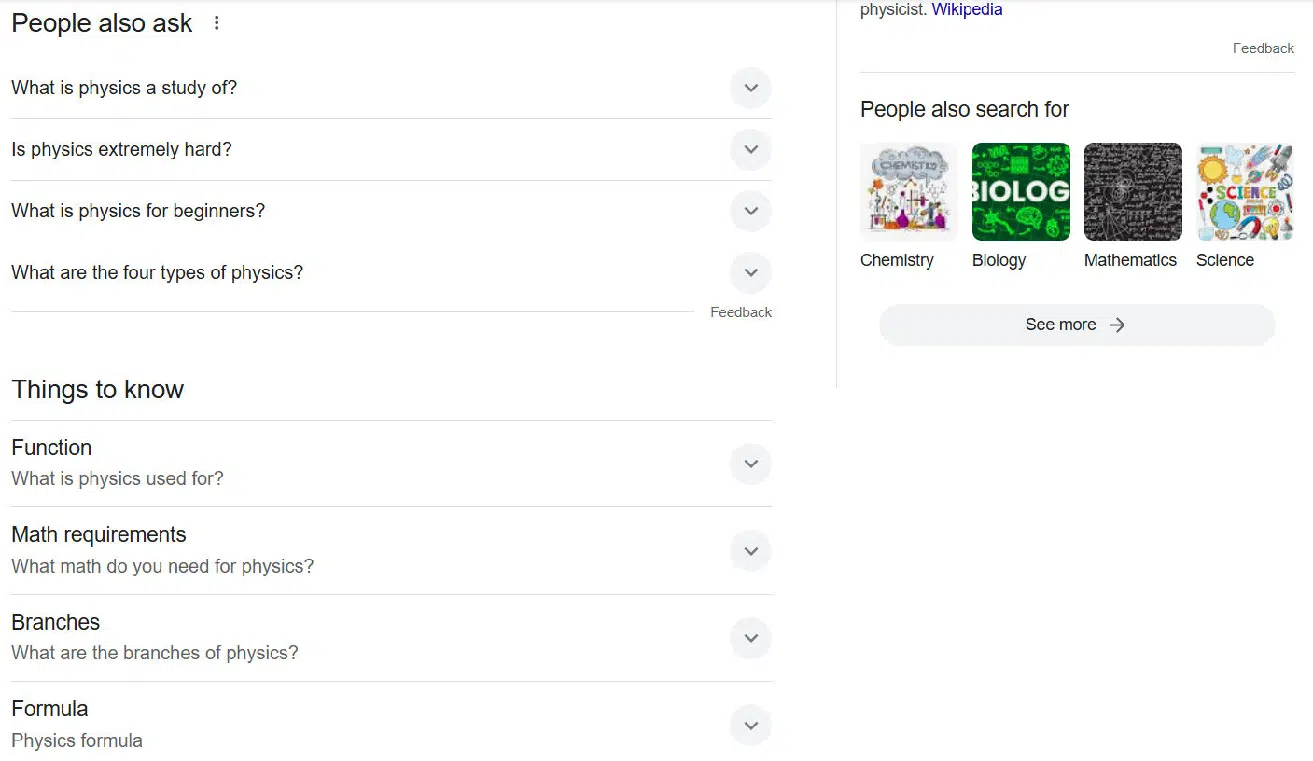
People Also Ask gives us a few more ideas.

  • Is it invasive: Larry and Nancy would both want to avoid planting this. Betty needs to know this, but she might not think to check.
  • What does it taste like: Herb or Nancy would probably like to know this.
  • What’s it used for: Herb or Betty might ask this, or maybe Greta if she wants to know how to market it to customers.

Putting personas into action

Do this exercise with a few of the top keywords you’re targeting, and for a few random ones that represent your current website. Use that insight to tweak your personas.

After doing this exercise with a few SERPs, think about whether there’s any search you can’t really pinpoint to a given user or if your personas are so broad they could apply to any search.

Consider any subtypes of users you might want to expand on. Maybe Nancy A is in zone 5, so she won’t be interested in tropical plants or ponds. And Nancy B lives in Hawaii, so you can’t ship to her directly and need to make shipping policies more obvious or show alternative plants or stores.

Dig deeper: How to analyze Google’s SERPs

Get the newsletter search marketers rely on.


Optional: Create anti-personas

Is there a type of user you want to avoid attracting? 

An anti-persona is someone who might misuse your product in unintentional or nefarious ways and damage your brand. 

Including anti-personas can help you avoid PR disasters like the Tide pod challenge.

From our gardening example, maybe you identify an anti-persona, HOA Henry. 

He has a specific idea of what a garden should look like. 

He might buy herbicide from your site and spray it on neighbors’ yards without understanding how it could harm plants, wildlife, and even pets. 

How would you keep someone like him from finding your products? What kind of search phrases and info would he use compared to your target users?

Add some data to your persona identities

Pair your personas with insights from analytics tools, user testing, and customer feedback. Get some real quotes, images, and video clips to pair with your personas.

Go to analytics tools and find out (or guess) what percentage of your user base is and how your site reflects them. Then, build your optimization strategy around what you learn.

Some insight examples from our gardening website:

  • If 70% of your users identify as a Larry, make sure your lawncare category content is prominent, and include info that’s relevant to him on product pages.
  • If Nancy converts the highest, look into how you can convert other personas better while maintaining the features Nancy likes. And include Nancy in user testing!
  • If Betty might evolve into Nancy, give her lots of informational content so she’ll be a brand ambassador in the future.
  • If Greta mostly spends time on a certain section of the site, show her relevant articles to get her to similar topics.
  • If Herb uses wildly different phrasing from Larry, research synonyms and secondary keywords to optimize for both.
  • If Herb and Nancy like using forums, build your linking strategy around the sites they’re most likely to use.

Approach content for each user persona

Now use your personas to ensure you’re creating content that’s helpful and targeted for each user. Do an audit of your content with each persona in mind. 

For example, Larry doesn’t want to know about how leaves can benefit bugs, but he could learn about how they benefit his lawn and save money on fertilizer.

Betty might need to understand her planting zone and frost dates before she starts buying vegetable seeds. 

User persona content checklist

  • Who is this content and each section written for?
  • Are you answering each user’s questions with your content? 
  • Have you answered all of their questions fully and comprehensively?
  • Are you speaking in terms they will understand?
  • Is the content too technical or too formal?
  • Are you including info in the format they want?
  • When would they need this info? 
  • Do you have the links and tools they’ll need?

As you work through this exercise, does one persona stand out as a potential brand champion?

This is someone who would write glowing reviews and recommend your brand to others.

You may want to spend extra time creating content for this user to help passively build your brand presence.

Homepage exercise

Start with your homepage.

  • Which personas are you attracting?
  • Who is it made for?
  • Would anyone feel left out or unclear on what they can do next?

Take a look at any popular gardening website.

  • Who would you guess is the target user?
  • Which of our example personas does it seem to focus on?
  • What would you change for each persona?
Gardening website example

Weave personas into your SEO processes

Once you’ve established and refined your personas, include them in any SEO strategy session and decisions.

Encourage your SEO editorial team to identify which personas you’re targeting for a page before they start writing or updating. Come back to your personas regularly.

One fun idea is to invite your users to your meetings. This gets people talking and thinking about what’s best for the user. 

  • Print out your personas and put them on your team’s bulletin board or whiteboard. 
  • Bring a copy to meetings and tape persona pictures to an empty chair.
  • Assign someone to speak up as the Voice of the User in discussions.
    • “I think Greenhouse Greta would like this approach better because…”
    • “I like this option as a Nancy. Can a Herb weigh in?”
    • “Herb should celebrate when we announce this new feature…”
  • Have the team self-select into each persona and let them speak for their user group.
    • “As a Lawn Lover Larry…” 
    • “Can we see the user test results from the other Betty?”

Contributing authors are invited to create content for Search Engine Land and are chosen for their expertise and contribution to the search community. Our contributors work under the oversight of the editorial staff and contributions are checked for quality and relevance to our readers. The opinions they express are their own.

Google algorithm changes blamed for 50% traffic drop to news site the Sun

UK news site the Sun ended 2024 by losing half of its audience, due in part to “algorithm changes at certain platforms,” according to the latest earnings report from parent company News Corp.

On the earnings call, News Corp Chief Financial Officer Lavanya Chandrashekar was more specific, blaming “industry headwinds on search algorithms.” Yes, that means Google search algorithm updates.

The drop. Glenn Gabe, SEO consultant at G-Squared Interactive, shared a screenshot showing the massive visibility drop on X:

Why we care. Not all websites are losing Google traffic, but many are and have been over the past couple of years following multiple helpful content and core updates (and others). Another News Corp. publisher, the New York Post, also lost 27% of its traffic during the same time period. Although HubSpot’s traffic collapse was much discussed, HubSpot isn’t the only site struggling with traffic loss.

What the Sun is saying. A Sun spokesperson told Press Gazette they are less concerned about traffic metrics:

  • “After an extended period of significant growth, we have been impacted by the volatility of the referrer platforms like everyone else, especially in the US.
  • “But … we are focused on growing deeper engagement with our readers and less concerned about pure reach metrics like global UVs.”

So what metric does the legacy media brand care about “more than anything now”? YouTube watch time.


New on Search Engine Land

About the author

Danny Goodwin

Danny Goodwin is Editorial Director of Search Engine Land & Search Marketing Expo – SMX. He joined Search Engine Land in 2022 as Senior Editor. In addition to reporting on the latest search marketing news, he manages Search Engine Land’s SME (Subject Matter Expert) program. He also helps program U.S. SMX events.

Goodwin has been editing and writing about the latest developments and trends in search and digital marketing since 2007. He previously was Executive Editor of Search Engine Journal (from 2017 to 2022), managing editor of Momentology (from 2014-2016) and editor of Search Engine Watch (from 2007 to 2014). He has spoken at many major search conferences and virtual events, and has been sourced for his expertise by a wide range of publications and podcasts.

Meta simplifies Advantage+ campaign setup, adds leads campaigns

Meta is expanding its AI-powered advertising tools to help businesses get better results from their campaigns, with early tests showing significant cost reductions and performance improvements.

Details. Meta is rolling out these new features:

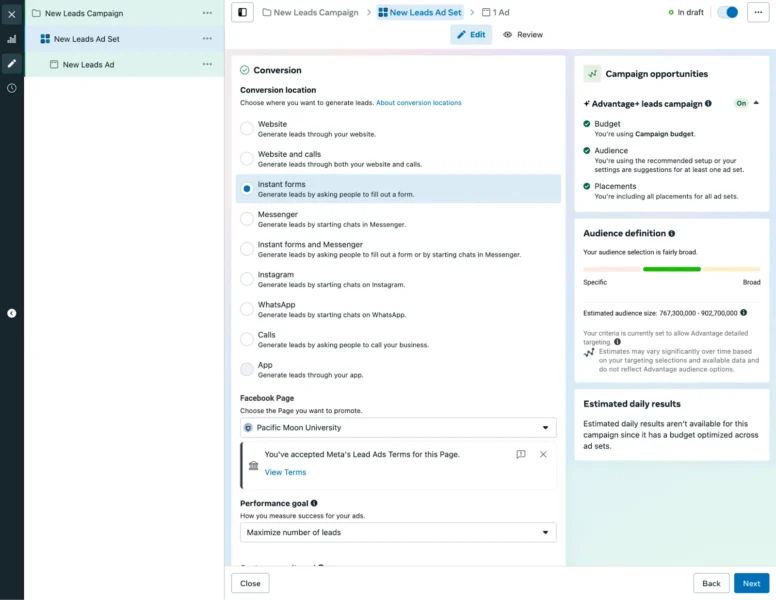
  • A streamlined Advantage+ campaign setup that automatically applies AI optimizations to sales, app, and leads campaigns — removing the need for marketers to choose between manual or automated campaigns
  • New Advantage+ leads campaigns specifically designed to help advertisers find high-quality leads more efficiently. Early tests show a 10% lower cost per qualified lead compared to campaigns without these AI features
475669037 1549703905715467 4806216026446971125 N
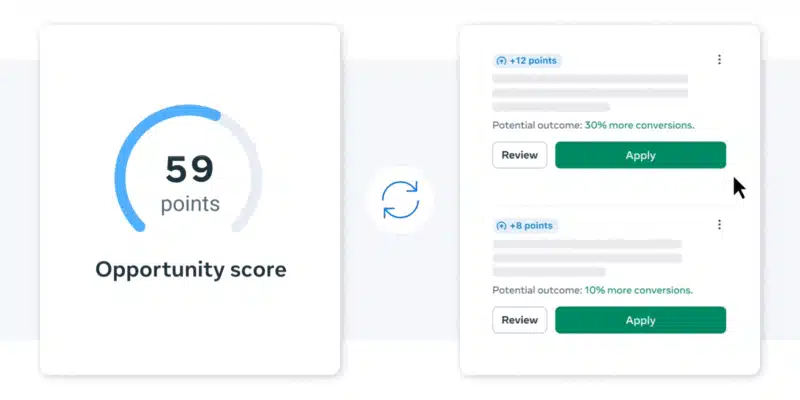
  • An expanded opportunity score system that gives advertisers a 0-100 rating on their campaign setup and provides actionable recommendations for improvement
475407433 1761260764446417 3795482433383149633 N

Why we care. Meta is essentially democratizing its most advanced AI tools that were previously limited to specific campaign types, meaning you can now get the same powerful optimization features across all your campaigns (sales, app, and leads) without having to manually configure them.

Also the new streamlined setup removes the complexity of choosing between manual and automated campaigns, making it easier for you to leverage Meta’s best-performing AI features, regarldess of skill level.

The big picture. The company’s Advantage+ suite has become increasingly popular among marketers, with its shopping campaigns growing 70% year over year in Q4, according to Meta.

What’s next. Meta plans to integrate these features into Ads Manager later this year, combining AI optimizations with personalized campaign recommendations.

Between the lines. The move represents Meta’s continued push to automate and simplify its advertising platform while maintaining performance, as the company faces increasing competition in the digital ad space.


New on Search Engine Land

About the author

Anu Adegbola

Anu Adegbola has been Paid Media Editor of Search Engine Land since 2024. She covers paid search, paid social, retail media, video and more.

In 2008, Anu’s career started with

 delivering digital marketing campaigns (mostly but not exclusively Paid Search) by building strategies, maximising ROI, automating repetitive processes and bringing efficiency from every part of marketing departments through inspiring leadership both on agency, client and marketing tech side.


Outside editing Search Engine Land article she is the founder of PPC networking event – PPC Live and host of weekly podcast PPCChat Roundup.


She is also an international speaker with some of the stages she has presented on being SMX (US), SMX (Munich), Friends of Search (Amsterdam), brightonSEO, The Marketing Meetup, HeroConf (PPC Hero), SearchLove, BiddableWorld, SESLondon, PPC Chat Live, AdWorld Experience (Bologna) and more.

Google Search testing ‘AI Mode’

Google is reportedly testing a new search feature named “AI Mode.” AI Mode in Google seems like a new way to search by asking more open-ended and exploratory questions, with the option to follow up.

What is AI Mode. AI Mode is described as “Search intelligently research[ing] for you – organizing information into easy-to-digest breakdowns with links to explore content across the web,” according to a leaked email obtained by 9to5Google.

AI Mode is more for open-ended and exploratory questions that may not be served well by what we see today from the Google Search results. This includes queries that ask Google Search for advice and comparisons, as well as exchanges that allow for follow-up questions.

It uses Gemini 2.0, according to the details.

What it looks like. Here is a screenshot obtained by 9to5Google:

Types of queries. Here is a list of the types of queries AI Mode is good at answering:

  • “How many boxes of spaghetti should I buy to feed 6 adults and 10 children, and have enough for seconds?”
  • “Compare wool, down, and synthetic jackets in terms of insulation, water resistance, and durability”
  • “What do I need to get started with aquascaping?”
    • Follow-up: “What are some nearby stores to buy supplies?”

More. We first learned about hints of AI Mode back in early December with through an Android APK finding, in the code of the app. Android Authority than shared some screenshots of AI Mode buttons.

I do wonder if the AI Overview comparison view is part of this or not.

Why we care. AI Mode might be coming to the Google Search apps and maybe somehow directly to Google Search. This may impact how people consume search results and ultimately click to your site.

These AI Overviews are already having a very negative impact on click-through rates from Google to your site. Will AI Mode make it even worse?

AI search is gaining traction, but it isn’t replacing Google: Survey

People are adopting AI as a complement to classic search, not a full replacement, according to a new survey by digital marketing agency Higher Visibility:

  • 71.5% reported using AI tools for search; 14% use them daily.
  • 79.8% prefer Google or Microsoft Bing for general information searches.
  • 20.2% have changed their primary search platform within the last year.

Why we care. Classic search engines still dominate – but we also know SEO is becoming more challenging as Google click-through rates are declining. However, AI answer engines and tools, social media platforms (like Instagram and TikTok), and shopping platforms all play a role in today’s messy search landscape.

AI search by generation. All generations are adopting AI search. However, usage varies:

  • Gen Z (18-26): 82% have used AI search tools at least occasionally, and they favor social media for product discovery.
  • Millennials (27-42): Balance traditional search and AI, with strong adoption for professional and educational queries.
  • Gen X (43-58): 65% use AI occasionally, but strongly prefer traditional search engines.
  • Baby Boomers (59-76): 45% used AI tools, but they remain the most loyal to traditional search.

How people search in 2025. Different search platforms dominate depending on the types of queries:

  • General information: Americans prefer classic search.
  • Shopping searches:
    • Initial product research: Google and Microsoft Bing.
    • Direct product searches: Amazon, Walmart, and Target.
    • Product comparisons and recommendations: AI tools (ChatGPT, Claude, Bard).
    • Discovery-based shopping: Social platforms (TikTok, Instagram, Pinterest).
    • Specialized product searches: Niche platforms (Etsy, eBay).
  • Local business searches:
    • Overall: Google Maps and Business Profiles.
    • Restaurants and entertainment: Social media (Facebook, Instagram, Nextdoor).
    • Service-based businesses: Review sites (Yelp, TripAdvisor).

About the data. HigherVisibility surveyed 1,500 Americans in January. Respondents were between the ages of 18 to 76 and represented a variety of income levels and educational backgrounds.

The report. How People Search Today: A Study on Evolving Search Behaviors in 2025


New on Search Engine Land

About the author

Danny Goodwin

Danny Goodwin is Editorial Director of Search Engine Land & Search Marketing Expo – SMX. He joined Search Engine Land in 2022 as Senior Editor. In addition to reporting on the latest search marketing news, he manages Search Engine Land’s SME (Subject Matter Expert) program. He also helps program U.S. SMX events.

Goodwin has been editing and writing about the latest developments and trends in search and digital marketing since 2007. He previously was Executive Editor of Search Engine Journal (from 2017 to 2022), managing editor of Momentology (from 2014-2016) and editor of Search Engine Watch (from 2007 to 2014). He has spoken at many major search conferences and virtual events, and has been sourced for his expertise by a wide range of publications and podcasts.

Google Ads simplifies conversion tracking with new tag manager feature

Google Ads introduced new form tracking in Tag Manager that enables codeless event creation for lead form submissions.

Advertisers can now set up conversion tracking via a user-friendly interface, eliminating complex manual coding.

Key features:

  • Codeless event detection.
  • Flexible form submission tracking.
  • Multiple URL matching options.

Why we care. This update dramatically reduces the technical complexity of setting up conversion tracking. By offering a wizard-style interface with codeless event detection, Google Ads eliminates hours of manual coding, making form tracking faster and more accessible for marketers with limited technical skills.

First seen. This update was first seen by advertising professional Dennis Quaid when he posted the new update on X (formerly Twitter):

Bottom line. This update streamlines advertiser workflows, reducing technical barriers to conversion tracking.


New on Search Engine Land

About the author

Anu Adegbola

Anu Adegbola has been Paid Media Editor of Search Engine Land since 2024. She covers paid search, paid social, retail media, video and more.

In 2008, Anu’s career started with

 delivering digital marketing campaigns (mostly but not exclusively Paid Search) by building strategies, maximising ROI, automating repetitive processes and bringing efficiency from every part of marketing departments through inspiring leadership both on agency, client and marketing tech side.


Outside editing Search Engine Land article she is the founder of PPC networking event – PPC Live and host of weekly podcast PPCChat Roundup.


She is also an international speaker with some of the stages she has presented on being SMX (US), SMX (Munich), Friends of Search (Amsterdam), brightonSEO, The Marketing Meetup, HeroConf (PPC Hero), SearchLove, BiddableWorld, SESLondon, PPC Chat Live, AdWorld Experience (Bologna) and more.

Instagram and TikTok outrank Google for Gen Z shoppers: Survey

Gen Z consumers use Instagram and TikTok more often to discover products than Google. That’s according to a new survey from GRIN, a creator management platform.

By the numbers. Asked where they most often discover new products, 18- to 27-year-old consumers said:

  • Instagram: 30.4%
  • TikTok: 23.2%
  • Google: 18.8%
  • YouTube: 14.5%

However, Google isn’t going away anytime soon. Millennials (42.45), Gen X (41.1%), and Boomers (55.9%) and still rely on Google Search first.

Why we care. Younger consumers search differently. They have more widely adopted social search than classic search compared to other generations. Social platforms have become hubs of information discovery. SEO continues to be a valuable channel – but it’s also part of a wider, integrated strategy that’s all about reaching and influencing consumers, wherever they are in the buyer journey.

About the data. The findings are based on a survey of more than 1,000 U.S. consumers, age 18 to 65+.

The report. The Power of Infuence (registration required).

Google Ads updates Dating & Companionship Ads policy

Google revised its policy for dating and companionship advertisers, pushing back enforcement and clarifying certification rules for aggregators.

Extension. The deadline for certification has been extended from March 4 to April 9. After this date, uncertified advertisers will no longer be permitted to run ads.

Aggregator update. Aggregatoars promoting dating or companionship services will be eligible to serve restricted ads with proper certification, starting April 9.

  • These ads will appear on Search with age and country restrictions.
  • Certification for aggregators opens Feb. 25, while other advertisers can continue applying for certification.

Why we care. The certification process aims to ensure transparency and safety in dating-related advertising on Google. The timeline extension and aggregator guidelines provide you with additional clarity and time for compliance.

What’s next: Advertisers should prepare for the April 9 enforcement deadline and secure the required certification to avoid disruptions in campaign eligibility.


New on Search Engine Land

About the author

Anu Adegbola

Anu Adegbola has been Paid Media Editor of Search Engine Land since 2024. She covers paid search, paid social, retail media, video and more.

In 2008, Anu’s career started with

 delivering digital marketing campaigns (mostly but not exclusively Paid Search) by building strategies, maximising ROI, automating repetitive processes and bringing efficiency from every part of marketing departments through inspiring leadership both on agency, client and marketing tech side.


Outside editing Search Engine Land article she is the founder of PPC networking event – PPC Live and host of weekly podcast PPCChat Roundup.


She is also an international speaker with some of the stages she has presented on being SMX (US), SMX (Munich), Friends of Search (Amsterdam), brightonSEO, The Marketing Meetup, HeroConf (PPC Hero), SearchLove, BiddableWorld, SESLondon, PPC Chat Live, AdWorld Experience (Bologna) and more.

Google Analytics simplifies cost data import

Google streamlined the process for importing cost data into Analytics, reducing mandatory fields and offering more flexible reporting options.

The big picture. Marketers can now import cost data with just three core requirements: source, medium, and date, eliminating previous constraints around campaign names and IDs.

Key updates. Including the following fields allows for more detailed reporting. Without them, Google Analytics will report cost data in aggregate when dimensions like campaign name or ID are queried.

  • Simplified required fields. You now only need three fields to import cost data:
    • Source: Where the traffic originated.
    • Medium: The type of traffic (e.g., CPC, organic).
    • Date: The date for data mapping.
  • Optional campaign fields:
    • Campaign name and campaign ID are no longer required but can be included as optional key fields.

Why we care. This change simplifies the cost data import process, reducing the barrier for you to track and optimize ad spend within Google Analytics. However, excluding campaign-level details could limit reporting insights.

Bottom line. For more accurate and granular cost reporting, import campaign name and campaign ID when possible. But for those just looking to get basic cost tracking set up quickly, the new requirements streamline the process.


New on Search Engine Land

About the author

Anu Adegbola

Anu Adegbola has been Paid Media Editor of Search Engine Land since 2024. She covers paid search, paid social, retail media, video and more.

In 2008, Anu’s career started with

 delivering digital marketing campaigns (mostly but not exclusively Paid Search) by building strategies, maximising ROI, automating repetitive processes and bringing efficiency from every part of marketing departments through inspiring leadership both on agency, client and marketing tech side.


Outside editing Search Engine Land article she is the founder of PPC networking event – PPC Live and host of weekly podcast PPCChat Roundup.


She is also an international speaker with some of the stages she has presented on being SMX (US), SMX (Munich), Friends of Search (Amsterdam), brightonSEO, The Marketing Meetup, HeroConf (PPC Hero), SearchLove, BiddableWorld, SESLondon, PPC Chat Live, AdWorld Experience (Bologna) and more.

Google Analytics simplifies cost data import

Google streamlined the process for importing cost data into Analytics, reducing mandatory fields and offering more flexible reporting options.

The big picture. Marketers can now import cost data with just three core requirements: source, medium, and date, eliminating previous constraints around campaign names and IDs.

Key updates. Including the following fields allows for more detailed reporting. Without them, Google Analytics will report cost data in aggregate when dimensions like campaign name or ID are queried.

  • Simplified required fields. You now only need three fields to import cost data:
    • Source: Where the traffic originated.
    • Medium: The type of traffic (e.g., CPC, organic).
    • Date: The date for data mapping.
  • Optional campaign fields:
    • Campaign name and campaign ID are no longer required but can be included as optional key fields.

Why we care. This change simplifies the cost data import process, reducing the barrier for you to track and optimize ad spend within Google Analytics. However, excluding campaign-level details could limit reporting insights.

Bottom line. For more accurate and granular cost reporting, import campaign name and campaign ID when possible. But for those just looking to get basic cost tracking set up quickly, the new requirements streamline the process.


New on Search Engine Land

About the author

Anu Adegbola

Anu Adegbola has been Paid Media Editor of Search Engine Land since 2024. She covers paid search, paid social, retail media, video and more.

In 2008, Anu’s career started with

 delivering digital marketing campaigns (mostly but not exclusively Paid Search) by building strategies, maximising ROI, automating repetitive processes and bringing efficiency from every part of marketing departments through inspiring leadership both on agency, client and marketing tech side.


Outside editing Search Engine Land article she is the founder of PPC networking event – PPC Live and host of weekly podcast PPCChat Roundup.


She is also an international speaker with some of the stages she has presented on being SMX (US), SMX (Munich), Friends of Search (Amsterdam), brightonSEO, The Marketing Meetup, HeroConf (PPC Hero), SearchLove, BiddableWorld, SESLondon, PPC Chat Live, AdWorld Experience (Bologna) and more.

Phishing scam targets Microsoft Ad accounts via Google Search

Cybercriminals are exploiting Google Search ads to steal Microsoft advertising account credentials, revealing a sophisticated phishing scheme that has potentially been active for years.

The big picture. Attackers created malicious Google ads mimicking Microsoft Advertising’s official platform. The campaign redirects users through complex networks to steal login information. Researchers discovered potential infrastructure dating back multiple years

How it works. Hackers use a multi-step process to bypass security:

  • Create sponsored search results that look like legitimate Microsoft ads.
  • Implement cloaking techniques to evade bot detection.
  • Use Cloudflare verification to appear more authentic.
  • Present a convincing phishing page that mimics Microsoft’s login screen.

Why we care. This threat is significant because it can compromise advertising accounts, potentially leading to financial losses, reputational damage, and disruption of critical marketing operations across digital platforms.

Protect yourself

  • Verify URLs carefully before entering credentials.
  • Use two-factor authentication wisely.
  • Regularly monitor advertising accounts.
  • Report suspicious ads.

What’s next? Cybersecurity firms are investigating the broader implications of this phishing infrastructure, which appears to span multiple countries and platforms.

Bottom line. As online advertising becomes more complex, so do the techniques used by cybercriminals to exploit it.


New on Search Engine Land

About the author

Anu Adegbola

Anu Adegbola has been Paid Media Editor of Search Engine Land since 2024. She covers paid search, paid social, retail media, video and more.

In 2008, Anu’s career started with

 delivering digital marketing campaigns (mostly but not exclusively Paid Search) by building strategies, maximising ROI, automating repetitive processes and bringing efficiency from every part of marketing departments through inspiring leadership both on agency, client and marketing tech side.


Outside editing Search Engine Land article she is the founder of PPC networking event – PPC Live and host of weekly podcast PPCChat Roundup.


She is also an international speaker with some of the stages she has presented on being SMX (US), SMX (Munich), Friends of Search (Amsterdam), brightonSEO, The Marketing Meetup, HeroConf (PPC Hero), SearchLove, BiddableWorld, SESLondon, PPC Chat Live, AdWorld Experience (Bologna) and more.

Google Merchant Center Next fixes product download frustration

Google resolved a six-month-long headache for online merchants by restoring filtered product download capabilities in Merchant Center Next, bringing the platform’s functionality back in line with its classic version.

The context. In digital commerce, precision matters. Merchants often need to:

  • Troubleshoot specific product listings.
  • Optimize particular product categories.
  • Analyze subsets of their inventory.

The previous limitation essentially forced merchants to sift through massive, unwieldy files — like finding a specific book in an entire library by dumping all books on the floor.

Why we care. The update allows merchants to export specific product subsets instead of being forced to download entire product feeds, a critical feature for businesses managing large, complex inventories.

First seen. This fix was first brought to our attention by Emmanuel Flossie on his blog.

Bottom line. A seemingly small technical fix can represent a significant operational improvement for digital businesses, underscoring how platform features directly impact merchant efficiency.


New on Search Engine Land

About the author

Anu Adegbola

Anu Adegbola has been Paid Media Editor of Search Engine Land since 2024. She covers paid search, paid social, retail media, video and more.

In 2008, Anu’s career started with

 delivering digital marketing campaigns (mostly but not exclusively Paid Search) by building strategies, maximising ROI, automating repetitive processes and bringing efficiency from every part of marketing departments through inspiring leadership both on agency, client and marketing tech side.


Outside editing Search Engine Land article she is the founder of PPC networking event – PPC Live and host of weekly podcast PPCChat Roundup.


She is also an international speaker with some of the stages she has presented on being SMX (US), SMX (Munich), Friends of Search (Amsterdam), brightonSEO, The Marketing Meetup, HeroConf (PPC Hero), SearchLove, BiddableWorld, SESLondon, PPC Chat Live, AdWorld Experience (Bologna) and more.

Automate SEO analysis with Google Sheets, GSC & ChatGPT API

SEO analysis can be time-consuming, but automating the process helps eliminate repetitive tasks and speeds up important website optimizations. 

This guide will show you how to build a custom tool using Google Sheets, Google Search Console (GSC), and the ChatGPT API to streamline SEO audits and gain AI-powered insights.

With this tool, you’ll be able to:

  • Automate GSC data retrieval for faster analysis.
  • Use AI to generate actionable SEO recommendations.

The plan? You’ll select a URL from a GSC-connected domain, enter your ChatGPT API key, inspect the page, and run an AI-driven analysis – all within Google Sheets.

What SEO analysis are we automating?

Once set up, this tool will allow you to quickly access key SEO data from GSC, including keyword rankings, referring URLs, last crawl date, and indexing status in robots.txt.

ChatGPT enhances the process by analyzing and providing recommendations for:

While this script won’t cover everything, it delivers detailed page insights in seconds, saving you hours of manual work. 

You can then review the recommendations and decide which optimizations to implement.

Setting up your script may initially feel overwhelming, but follow each step carefully and copy the script to ensure everything works. 

You’ll need a few things to get started:

Next, I’ll guide you through my eight-step process to get this “tool” up and running.

Step 1: Create the Google Sheet for your tool

If you have a Google account, this is as simple as following these steps:

  • Open Google Drive.
  • Go to the folder where you want to place your tool.
  • Right-click on the background.
  • Choose Google Sheets > Blank spreadsheet.

You can rename the Sheet to anything you like, but I chose the following: GSC Custom Tool.

GSC Custom Tool - Google Sheets

Step 2: Populate your sheet

Populate the sheet by following these steps carefully:

  • Add the words “Select GSC property” to A1.
  • Add the words “Select a URL” to A2.

Move to A15 and add “Inspection Results.” Underneath this, in order from A15 to A25, add the following:

  • URL:
  • Coverage:
  • Robots.txt:
  • Indexing State:
  • Last Crawled:
  • Google Canonical:
  • User Canonical:
  • Mobile Usability:
  • Rich Results Eligibility:
  • Referring URLs:

In D1, you’ll paste your ChatGPT API key. If you don’t have this key, please go to the link above and be sure to get one for this tool to work.

Add “AI Analysis Result” to F1 and “Prompt Sent to ChatGPT” to G1.

Now, we need to merge a few rows in both of these columns. You’ll merge F2F30 and G2G30 separately, by following these steps:

  • Select the rows to merge.
  • Go to Format > Merge cells > Merge vertically.

Repeat this step for the F and G rows you need to merge.

GSC Custom Tool - Google Sheets - Merging cells

Step 3: Create a Google Cloud project

Create a Google Cloud Console data project for the tool. 

Once set up, create a new project named “GSC Custom Tool.”

Google Cloud project - GSC Custom Tool

You can do this by going to Select Project > New Project and filling in the information just like in the screenshot above. 

Click Create when you’re done naming the project.

Now, let’s connect the Google Search Console API to your project.

Google Cloud project - GSC API

Go to the search bar and type “Google Search Console API,” select it, and then hit Enable on the next screen.

Google Cloud project - Enabling GSC API

We still have a lot to do and will revisit this project shortly.

Step 4: Create an App Script

Integrate Apps Script into your newly created Google Sheets file.

GSC Custom Tool - Google Sheets Apps Script

To do so, open your file, then go to Extensions > Apps Script. Copy and paste the code I’ve created below. 

(You can do this by selecting the code inside the window and hitting CTRL + C. Go back into your Apps Script and hit CTRL + V to paste the code in.)

Hit OK > Save project > Run.

Google will prompt you to review all permissions and select the corresponding account with all your Google Search Console data linked.

Dig deeper: 5 Python scripts for automating SEO tasks

Get the newsletter search marketers rely on.


Step 5: Add access credentials

Return to your Google Cloud Console to make further adjustments. 

Click on Credentials on the left side of the screen:

Google Cloud project - GSC Custom Tool credentials

Click on + Create Credentials at the top of the screen and select OAuth client ID

Go to Configure Consent Screen and select External. Create the screen and then enter your:

  • App name.
  • Support email (linked to the GSC account).
  • Developer contact information.

Save and continue to the next screen, which says Add or Remove Scopes

Select Google Search Console API scopes and update. Then, Save and continue

Add the users you want to grant access to, then click Save and continue.

Step 6: Change to a Google Cloud project for GSC data

Click the hamburger icon and go to Cloud overview > Dashboard.

You want to copy over your Project number, which is on the page.

Google Cloud project - Cloud overview > Dashboard

Navigate to the Project number, select it and copy it using CTRL + C. 

Head over to your Google Sheet file and click on the gear icon that says Project Settings

Paste your project number into the text box and click Set project.

Step 7: Name your Google Apps Script

Add a name for your script to keep things organized. 

To do this, go to Project History, click on the Untitled project toward the top of the screen, and enter “GSC Custom Tool.”

Name your Apps Script

Step 8: Edit the manifest file

You’ll now return to your Project Settings and click Show “appsscript.json” in the editor. 

Inside the Editor, go to appsscript.json and replace everything in the file with the code below:

{
  "timeZone": "America/New_York",
  "dependencies": {},
  "exceptionLogging": "STACKDRIVER",
  "oauthScopes": [
    "https://www.googleapis.com/auth/webmasters",
    "https://www.googleapis.com/auth/webmasters.readonly",
    "https://www.googleapis.com/auth/script.external_request",
    "https://www.googleapis.com/auth/spreadsheets",
    "https://www.googleapis.com/auth/spreadsheets.currentonly"
  ],
  "runtimeVersion": "V8"
}

Once you’ve pasted everything in, you’ll go to the Code.js file and paste this code:

// Store the OAuth token and logs in script properties
const scriptProperties = PropertiesService.getScriptProperties();
const OPENAI_URL = "https://api.openai.com/v1/chat/completions";
const SYSTEM_MESSAGE = { role: "system", content: "You are a helpful SEO expert." };


function log(message) {
  Logger.log(message); // Regular Apps Script logging
  const logs = scriptProperties.getProperty('customLogs') || '';
  scriptProperties.setProperty('customLogs', logs + 'n' + message); // Append message to logs
}


function resetLogs() {
  scriptProperties.deleteProperty('customLogs'); // Clear logs for a new execution
}


function getLogs() {
  return scriptProperties.getProperty('customLogs') || 'No logs available.';
}


function fetchOAuthToken() {
  let token = scriptProperties.getProperty('oauthToken');
  if (!token) {
    token = ScriptApp.getOAuthToken();
    scriptProperties.setProperty('oauthToken', token);
    log('OAuth token fetched and stored.');
  }
  return token;
}


function onOpen() {
  const ui = SpreadsheetApp.getUi();
  ui.createMenu('Search Console')
    .addItem('Authorize GSC', 'promptReauthorization')
    .addItem('Fetch GSC Properties', 'fetchGSCProperties')
    .addItem('Inspect URL', 'inspectUrl') // Add the Inspect URL button
    .addItem('AI Analyze', 'aiAnalyze') // Add the AI Analyze button
    .addToUi();
}


function promptReauthorization() {
  const ui = SpreadsheetApp.getUi();
  const response = ui.alert(
    'Re-authorize Script',
    'Re-authorizing will revoke current permissions and require you to authorize again. Do you want to continue?',
    ui.ButtonSet.YES_NO
  );


  if (response === ui.Button.YES) {
    try {
      scriptProperties.deleteProperty('oauthToken'); // Clear old token
      const token = fetchOAuthToken(); // Fetch and store new token
      log("OAuth Token: " + token);
      ui.alert('Authorization successful. No further action is required.');
    } catch (e) {
      ui.alert('Authorization failed: ' + e.toString());
    }
  } else {
    ui.alert('Re-authorization canceled.');
  }
}


function fetchGSCProperties() {
  resetLogs();
  const sheet = SpreadsheetApp.getActiveSpreadsheet().getActiveSheet();
  const oauthToken = fetchOAuthToken();


  const sites = getSitesListFromGSC(oauthToken);


  if (!sites || sites.length === 0) {
    SpreadsheetApp.getUi().alert('No GSC properties found. Please ensure you have access to GSC properties.');
    return;
  }


  const siteUrls = ['Select a property'].concat(
    sites.map(site => site.siteUrl).sort()
  );


  sheet.getRange('A1').setValue('Select GSC property').setFontWeight('bold');
  sheet.getRange('B1').setDataValidation(
    SpreadsheetApp.newDataValidation()
      .requireValueInList(siteUrls, true)
      .build()
  );
  sheet.getRange('B1').setValue('Select a property').setFontWeight('bold');
  sheet.setColumnWidth(1, 150);
  sheet.setColumnWidth(2, 350);
}


let isProcessing = false; // Global flag to prevent recursive triggering


function onEdit(e) {
  if (isProcessing) return; // Prevent re-entry during execution
  isProcessing = true; // Set flag to true


  try {
    resetLogs();
    const sheet = e.source.getActiveSheet();
    const range = e.range;


    // Always clear A3:D30 on edits to B1 or B2
    if (range.getA1Notation() === 'B1' || range.getA1Notation() === 'B2') {
      sheet.getRange('A3:D30').clearContent();
      sheet.getRange('F1:G30').clearContent();


      if (range.getA1Notation() === 'B1') {
        const selectedProperty = range.getValue();


        // Clear A2 and set loading state
        sheet.getRange('A2').setValue('Loading results...').setFontWeight('bold');
        sheet.getRange('B2').clearContent();


        if (selectedProperty === 'Select a property') {
          sheet.getRange('A2').clearContent();
          sheet.getRange('B2').clearContent();
          return;
        }


        const oauthToken = fetchOAuthToken();
        const urls = getUrlsForProperty(selectedProperty, oauthToken);


        if (!urls || urls.length === 0) {
          sheet.getRange('A2').setValue('No URLs found').setFontWeight('bold');
          sheet.getRange('B2').clearContent();
          log(`No URLs found for property ${selectedProperty}`);
          return;
        }


        sheet.getRange('A2').setValue('Select a URL').setFontWeight('bold');
        sheet.getRange('B2').setDataValidation(
          SpreadsheetApp.newDataValidation()
            .requireValueInList(['Select a URL'].concat(urls), true)
            .build()
        );
        sheet.getRange('B2').setValue('Select a URL').setFontWeight('bold');
      }


      if (range.getA1Notation() === 'B2') {
        const selectedProperty = sheet.getRange('B1').getValue();
        const selectedUrl = range.getValue();


        if (selectedUrl === 'Select a URL') {
          return;
        }


        sheet.getRange('A3').setValue('Loading keywords...').setFontWeight('bold');


        const oauthToken = fetchOAuthToken();
        const keywords = getTopKeywordsForUrl(selectedProperty, selectedUrl, oauthToken);


        if (!keywords || keywords.length === 0) {
          sheet.getRange('A3').setValue('No keywords found').setFontWeight('bold');
          log(`No keywords found for URL ${selectedUrl}`);
          return;
        }


        // Populate keywords and metrics
        sheet.getRange('A3:D12').clearContent(); // Clear any loading message
        keywords.forEach((keyword, index) => {
          if (index < 10) {
            sheet.getRange(`A${3 + index}`).setValue(keyword.query).setFontWeight('bold');
            sheet.getRange(`B${3 + index}`).setValue(keyword.clicks);
            sheet.getRange(`C${3 + index}`).setValue(keyword.impressions);
            sheet.getRange(`D${3 + index}`).setValue(keyword.ctr);
          }
        });
      }
    }
  } catch (error) {
    log(`Error in onEdit: ${error}`);
  } finally {
    isProcessing = false; // Reset the flag after execution
  }
}


function getApiRequestDetails(selectedProperty) {
  const payload = {
    startDate: getThreeMonthsAgo(),
    endDate: getToday(),
    dimensions: ["page"],
    rowLimit: 100,
    orderBy: [{ fieldName: "clicks", sortOrder: "DESCENDING" }]
  };


  const apiUrl = `https://www.googleapis.com/webmasters/v3/sites/${encodeURIComponent(selectedProperty)}/searchAnalytics/query`;
  return { url: apiUrl, payload: payload };
}


function getSitesListFromGSC(oauthToken) {
  try {
    const url="https://www.googleapis.com/webmasters/v3/sites";


    const headers = {
      'Authorization': 'Bearer ' + oauthToken,
      'Content-Type': 'application/json'
    };


    const options = {
      method: 'get',
      headers: headers,
      muteHttpExceptions: true
    };


    const response = UrlFetchApp.fetch(url, options);
    log(`Response Code: ${response.getResponseCode()}`);
    log(`Response Content: ${response.getContentText()}`);


    if (response.getResponseCode() === 200) {
      const json = JSON.parse(response.getContentText());
      return json.siteEntry || [];
    } else {
      throw new Error(`Error fetching data: ${response.getResponseCode()} - ${response.getContentText()}`);
    }
  } catch (e) {
    log(`Error: ${e.toString()}`);
    return [];
  }
}


function getUrlsForProperty(property, oauthToken) {
  try {
    const apiUrl = `https://www.googleapis.com/webmasters/v3/sites/${encodeURIComponent(property)}/searchAnalytics/query`;


    log(`API URL: ${apiUrl}`);
    log(`OAuth Token: ${oauthToken}`);


    const payload = {
      startDate: getThreeMonthsAgo(),
      endDate: getToday(),
      dimensions: ["page"],
      rowLimit: 100,
      orderBy: [{ fieldName: "clicks", sortOrder: "DESCENDING" }]
    };


    log(`Payload: ${JSON.stringify(payload)}`);


    const headers = {
      Authorization: `Bearer ${oauthToken}`,
      "Content-Type": "application/json"
    };


    const options = {
      method: "post",
      contentType: "application/json",
      headers: headers,
      payload: JSON.stringify(payload),
      muteHttpExceptions: true
    };


    const response = UrlFetchApp.fetch(apiUrl, options);


    log(`Response Code: ${response.getResponseCode()}`);
    log(`Response: ${response.getContentText()}`);


    if (response.getResponseCode() === 200) {
      const json = JSON.parse(response.getContentText());
      return json.rows ? json.rows.map(row => row.keys[0]) : [];
    } else {
      throw new Error(`Failed to fetch data: ${response.getResponseCode()} - ${response.getContentText()}`);
    }
  } catch (e) {
    log(`Error: ${e.toString()}`);
    return [];
  }
}


function getTopKeywordsForUrl(property, url, oauthToken) {
  try {
    const apiUrl = `https://www.googleapis.com/webmasters/v3/sites/${encodeURIComponent(property)}/searchAnalytics/query`;


    log(`API URL: ${apiUrl}`);
    log(`OAuth Token: ${oauthToken}`);


    const payload = {
      startDate: getThreeMonthsAgo(),
      endDate: getToday(),
      dimensions: ["query"],
      dimensionFilterGroups: [
        {
          filters: [
            {
              dimension: "page",
              operator: "equals",
              expression: url
            }
          ]
        }
      ],
      rowLimit: 10,
      orderBy: [{ fieldName: "clicks", sortOrder: "DESCENDING" }]
    };


    log(`Payload: ${JSON.stringify(payload)}`);


    const headers = {
      Authorization: `Bearer ${oauthToken}`,
      "Content-Type": "application/json"
    };


    const options = {
      method: "post",
      contentType: "application/json",
      headers: headers,
      payload: JSON.stringify(payload),
      muteHttpExceptions: true
    };


    const response = UrlFetchApp.fetch(apiUrl, options);
    log(`Response Code: ${response.getResponseCode()}`);
    log(`Response: ${response.getContentText()}`);


    if (response.getResponseCode() === 200) {
      const json = JSON.parse(response.getContentText());
      return json.rows ? json.rows.map(row => ({
        query: row.keys[0],
        clicks: row.clicks,
        impressions: row.impressions,
        ctr: row.ctr
      })) : [];
    } else {
      throw new Error(`Failed to fetch data: ${response.getResponseCode()} - ${response.getContentText()}`);
    }
  } catch (e) {
    log(`Error: ${e.toString()}`);
    return [];
  }
}


function getToday() {
  const today = new Date();
  return today.toISOString().split("T")[0];
}


function getThreeMonthsAgo() {
  const date = new Date();
  date.setMonth(date.getMonth() - 3);
  return date.toISOString().split("T")[0];
}


function inspectUrl() {
  const sheet = SpreadsheetApp.getActiveSpreadsheet().getActiveSheet();
  const url = sheet.getRange('B2').getValue();
  const property = sheet.getRange('B1').getValue();


  // Clear previous inspection results in A15:D30
  sheet.getRange('A15:D30').clearContent();
  sheet.getRange('A15').setValue('Inspecting...').setFontWeight('bold');


  if (!url || url === 'Select a URL') {
    SpreadsheetApp.getUi().alert('Please select a valid URL in cell B2 before inspecting.');
    sheet.getRange('A15').setValue('No URL selected').setFontWeight('bold');
    return;
  }


  const oauthToken = fetchOAuthToken();


  try {
    const result = callUrlInspectionApi(property, url, oauthToken);


    // Extract fields from the response
    const indexStatus = result.indexStatusResult || {};
    const mobileUsability = result.mobileUsabilityResult || {};
    const richResults = result.richResultsInfo || {};
    const referringUrls = indexStatus.referringUrls?.join(', ') || 'None';


    // Populate inspection results in the sheet
    sheet.getRange('A15').setValue(`Inspection Results`).setFontWeight('bold');
    sheet.getRange('A16').setValue(`URL:`).setFontWeight('bold');
    sheet.getRange('B16').setValue(url);


    sheet.getRange('A17').setValue(`Coverage:`).setFontWeight('bold');
    sheet.getRange('B17').setValue(indexStatus.coverageState || 'Unknown');


    sheet.getRange('A18').setValue(`Robots.txt:`).setFontWeight('bold');
    sheet.getRange('B18').setValue(indexStatus.robotsTxtState || 'Unknown');


    sheet.getRange('A19').setValue(`Indexing State:`).setFontWeight('bold');
    sheet.getRange('B19').setValue(indexStatus.indexingState || 'Unknown');


    sheet.getRange('A20').setValue(`Last Crawled:`).setFontWeight('bold');
    sheet.getRange('B20').setValue(indexStatus.lastCrawlTime || 'Not Available');


    sheet.getRange('A21').setValue(`Google Canonical:`).setFontWeight('bold');
    sheet.getRange('B21').setValue(indexStatus.googleCanonical || 'Unknown');


    sheet.getRange('A22').setValue(`User Canonical:`).setFontWeight('bold');
    sheet.getRange('B22').setValue(indexStatus.userCanonical || 'Unknown');


    sheet.getRange('A23').setValue(`Mobile Usability:`).setFontWeight('bold');
    sheet.getRange('B23').setValue(mobileUsability.verdict || 'Unknown');


    sheet.getRange('A24').setValue(`Rich Results Eligibility:`).setFontWeight('bold');
    sheet.getRange('B24').setValue(richResults.verdict || 'Unknown');


    sheet.getRange('A25').setValue(`Referring URLs:`).setFontWeight('bold');
    sheet.getRange('B25').setValue(referringUrls);


    // Log and alert full response for debugging
    const fullResponse = JSON.stringify(result, null, 2);
    log(`Full Inspection Result: ${fullResponse}`);
    //SpreadsheetApp.getUi().alert(`Inspection Completed. Full Response:nn${fullResponse}`);
  } catch (error) {
    sheet.getRange('A15').setValue('Inspection Failed').setFontWeight('bold');
    log(`Error inspecting URL: ${error.message}`);
    SpreadsheetApp.getUi().alert(`Error inspecting URL: ${error.message}nnLogs:n${getLogs()}`);
  }
}


function callUrlInspectionApi(property, url, oauthToken) {
  const apiUrl="https://searchconsole.googleapis.com/v1/urlInspection/index:inspect";


  const payload = {
    siteUrl: property,
    inspectionUrl: url,
    languageCode: 'en-US'
  };


  const headers = {
    Authorization: `Bearer ${oauthToken}`,
    'Content-Type': 'application/json'
  };


  const options = {
    method: 'post',
    contentType: 'application/json',
    headers: headers,
    payload: JSON.stringify(payload),
    muteHttpExceptions: true
  };


  log(`API URL: ${apiUrl}`);
  log(`Payload: ${JSON.stringify(payload)}`);


  try {
    const response = UrlFetchApp.fetch(apiUrl, options);
    const responseCode = response.getResponseCode();
    const responseText = response.getContentText();


    log(`Response Code: ${responseCode}`);
    log(`Response Content: ${responseText}`);


    if (responseCode === 200) {
      const jsonResponse = JSON.parse(responseText);


      if (jsonResponse && jsonResponse.inspectionResult) {
        return jsonResponse.inspectionResult;
      } else {
        log(`Unexpected API Response Structure: ${responseText}`);
        throw new Error('Unexpected API response format. "inspectionResult" field is missing.');
      }
    } else {
      log(`Failed API Call: ${responseText}`);
      throw new Error(`Failed to inspect URL. Response Code: ${responseCode}. Response: ${responseText}`);
    }
  } catch (error) {
    log(`Error during API call: ${error}`);
    throw new Error(`Error inspecting URL: ${error.message}`);
  }
}


function callChatGPT(prompt, temperature = 0.9, maxTokens = 800, model = "gpt-3.5-turbo") {
  const sheet = SpreadsheetApp.getActiveSpreadsheet().getActiveSheet();
  const secretKey = sheet.getRange('D1').getValue().trim(); // Retrieve the OpenAI API key from D1


  if (!secretKey) {
    throw new Error("API Key is missing in cell D1. Please provide a valid OpenAI API key.");
  }


  const payload = {
    model: model,
    messages: [
      SYSTEM_MESSAGE,
      { role: "user", content: prompt }
    ],
    temperature: temperature,
    max_tokens: maxTokens
  };


  const options = {
    method: "POST",
    headers: {
      "Content-Type": "application/json",
      "Authorization": "Bearer " + secretKey
    },
    payload: JSON.stringify(payload)
  };


  try {
    const response = UrlFetchApp.fetch(OPENAI_URL, options);
    const responseData = JSON.parse(response.getContentText());


    if (responseData.choices && responseData.choices[0] && responseData.choices[0].message) {
      return responseData.choices[0].message.content.trim();
    } else {
      log("Unexpected response format from OpenAI: " + JSON.stringify(responseData));
      return "Sorry, I couldn't process the request.";
    }
  } catch (error) {
    log("Error calling OpenAI API: " + error);
    return "Sorry, there was an error processing your request.";
  }
}


function aiAnalyze() {
  const sheet = SpreadsheetApp.getActiveSpreadsheet().getActiveSheet();
  const url = sheet.getRange('B2').getValue();
  const keywords = sheet.getRange('A3:A12').getValues().flat().filter(Boolean); // Get non-empty keywords
  const inspectionData = sheet.getRange('A16:B20').getValues();


  // Validate input fields
  if (!url || keywords.length === 0 || inspectionData.some(row => row.length < 2 || !row[0].trim() || !row[1].trim())) {
    SpreadsheetApp.getUi().alert("Ensure the following are filled before running AI Analyze:n- URL in B2n- Keywords in A3:A12n- Inspection data in A16:B20");
    return;
  }


  // Prepare the prompt for ChatGPT
  const prompt = `
    Analyze this URL: ${url}
    Also the view-source version from: ${url}
    against these keywords: ${keywords.join(", ")}
    Considering the URL inspection data from Google Search Console:
    ${inspectionData.map(row => `${row[0]}: ${row[1]}`).join("n")}
    Suggest a short list of specific recommendations on how I can improve the page's SEO. Make sure the recommendations include details such as change this to that, or add something, etc... Be concrete with SEO recommendations.
  `;


  // Display the prompt in G1
  sheet.getRange('G1').setValue("Prompt Sent to ChatGPT").setFontWeight("bold");
  sheet.getRange('G2:G30').clearContent(); // Clear previous content in column G
  sheet.getRange('G2:G30').merge(); // Merge cells G2:G30
  sheet.getRange('G2').setValue(prompt).setVerticalAlignment("top"); // Add the prompt and align to top
  sheet.setColumnWidth(7, 400); // Set column G width to 400px


  // Call ChatGPT API
  const analysisResult = callChatGPT(prompt);


  // Display the result in the spreadsheet (Column F)
  sheet.getRange('F1').setValue("AI Analysis Result").setFontWeight("bold");
  sheet.getRange('F2:F30').clearContent(); // Clear previous content
  sheet.getRange('F2:F30').merge(); // Merge the cells
  sheet.getRange('F2').setValue(analysisResult).setVerticalAlignment("top"); // Add the AI result and align to top
  sheet.setColumnWidth(6, 400); // Set column F width to 400px


  // Log the response
  log("AI Analysis Completed: " + analysisResult);
}

Once done, go back to your sheets, refresh and use the new Search Console > Fetch GSC Properties.

Follow the prompts until it asks you to select the account you’re using and to ultimately select the app you plan on using.

If everything goes well, you can move on to the exciting part of putting it together and running your first SEO analysis using your new script.

Putting our Sheets, GSC and ChatGPT tool together

You’ve done a lot until now, but it’s time to see the tool in action. Here’s how it works: 

Putting our Sheets, GSC and ChatGPT tool together
  • Go to Search Console > Authorize GSC.

Be sure that you’re using the account to which the domain’s GSC is connected; otherwise, it will not work.

  • Go to Search Console > Fetch GSC properties.

You’ll now notice that the Select GSC property at B1 on the Sheet is populated. Select the domain you want to analyze and then select the URL from B1 on the Sheet. 

  • Go to Search Console > Inspect URL.

The Inspection Results on the Sheet will populate and offer you a wealth of information about the page, such as the coverage, last crawl date, and more. 

Finally, we’ll go back one last time and do the following:

  • Go to Search Console > AI Analyze.

All of the information in the “AI Analysis Result” will now populate, offering you insights into the page’s key elements and telling you the exact steps that you can take to improve the page.

I don’t recommend following the directions blindly, but they do offer actionable steps that you can follow to strengthen the page.

If you want to change the ChatGPT prompt to add your own custom data, go to cell G2, right underneath the heading that says “Prompt Sent to ChatGPT.”

Bravo! You have a working script that can speed up your SEO analysis and make your day more actionable. 

Combining Sheets, GSC and ChatGPT has helped me become more efficient and allows me to spend more time optimizing and less analyzing thousands of pages.

Experiment with the script and find new ways to make it your own.

Dig deeper: 15 AI tools you should use for SEO

Contributing authors are invited to create content for Search Engine Land and are chosen for their expertise and contribution to the search community. Our contributors work under the oversight of the editorial staff and contributions are checked for quality and relevance to our readers. The opinions they express are their own.

Google expands Demand Gen ad tools ahead of Video Action Campaigns sunset

Google today announced upcoming updates to its Demand Gen advertising platform. These include new controls over ad placement and enhanced creative tools, while setting a timeline to retire its Video Action Campaigns.

The big picture. These changes represent Google’s push for advertisers to create more engaging visual content and better measure its performance against social media campaigns.

The details:

  • New channel controls (starting in March):
    • Advertisers will be able to precisely choose ad placement across YouTube, Discover, and Gmail.
    • Specific targeting for YouTube Shorts will become available.
    • Google Display inventory will be added, reaching over 90% of global internet users.
  • Creative enhancements:
    • Vertical 9:16 image ads for Shorts (coming in late February).
    • A new tool to create shorter versions of videos at scale.
    • Improved ad creation workflow with shareable previews.
  • Retail-specific features:
    • Enhanced product feed integration.
    • Local inventory display capabilities.
    • Omnichannel bidding for both online and in-store optimization.

By the numbers:

  • 61% of Gen Z users feel closer to YouTube creators than those on other platforms, according to Google.
  • Demand Gen delivers 58% higher ROAS than Video Action Campaigns, according to Nielsen.
  • One case study: Global clothing and and homeware retailer, Marks & Spencer exceeded forecasted ROAS by 186% with 66% lower CPA.
  • YouTube, which is particularly popular with Gen Z, delivers 2.3x higher long-term return on ad spend compared to paid social media, according to Google data.

Why we care. The enhanced controls and creative tools should allow you to efficiently create and optimize content across multiple platforms without needing to rebuild campaigns from scratch. With Nielsen data reporting strong Demand Gen return on ad spend compared to paid social and features like local inventory integration shows you can now more effectively connect online and offline presence while getting better performance for your investment.

What’s next. You can no logner create new Video Action Campaigns starting in April. Advertisers are encouraged to upgrade manually from Video Action Campaigns to Demand Gen before the automatic upgrade in July.

Bottom line. Google is consolidating its video advertising tools under the Demand Gen umbrella while adding new features to help advertisers better compete with social media platforms.


New on Search Engine Land

About the author

Anu Adegbola

Anu Adegbola has been Paid Media Editor of Search Engine Land since 2024. She covers paid search, paid social, retail media, video and more.

In 2008, Anu’s career started with

 delivering digital marketing campaigns (mostly but not exclusively Paid Search) by building strategies, maximising ROI, automating repetitive processes and bringing efficiency from every part of marketing departments through inspiring leadership both on agency, client and marketing tech side.


Outside editing Search Engine Land article she is the founder of PPC networking event – PPC Live and host of weekly podcast PPCChat Roundup.


She is also an international speaker with some of the stages she has presented on being SMX (US), SMX (Munich), Friends of Search (Amsterdam), brightonSEO, The Marketing Meetup, HeroConf (PPC Hero), SearchLove, BiddableWorld, SESLondon, PPC Chat Live, AdWorld Experience (Bologna) and more.

Google Search launches Ask for me

Google has launched a new Search Labs experiment named “Ask for me.” Ask for me lets you use Google AI to call businesses on your behalf to find out what they charge for a service and also to find out when it’s available. This can work for services like like an oil change from nearby mechanics or other services.

How to use it. To access this labs experiement, go here and click on “join to try.” Then when you search for relevant and related queries, like “oil jobs near me,” Google will show you this “Ask for me” box.

What it looks like. Here are some screenshots of this feature:

Google Ask For Me2
Google Ask For Me3

More details. Rose Yao, VP of Search Product, Verticals & International at Google, wrote on X:

New experiment just launched on Search Labs – you can use AI to call businesses on your behalf to find out what they charge for a service & when it’s available, like an oil change ASAP from nearby mechanics. We’re testing right now with auto shops and nail salons, to see how AI can help you connect with businesses and get things done. Just opt-in & search something like “oil change near me” to try it out, and let us know what you think! FYI you might hit a waitlist, since capacity is limited during the experiment. In case you’re wondering … this is using the same underlying Duplex tech that’s used to make restaurant reservations via Search/Maps. We also use Duplex to help businesses keep their details, like store hours, fresh on Maps. This has helped millions of businesses relay updated info to their customers. Has been especially helpful during times when this info is changing rapidly, like during the pandemic. As always, businesses can opt out if they wish and we clearly disclose calls.

Duplex. Yes, years ago, Google had this featured named Duplex that helped you make reservation appointments at restaurants within Google Search and Maps.

Duplex is an AI-powered phone based-system for booking appointments with local businesses that don’t have online scheduling. It was first demonstrated at Google’s developer conference in May 2018. The demo, though controlled, was impressive and very “natural language” sounding.

Why we care. This may be another way for Google to send more leads and business opportunities to businesses online. It is a super early labs experiment, and it is unknown if this will fully roll out but it is neat to see Google playing with this.

Google search trends every restaurant needs to know in 2025

Google recently gathered influential voices in the food industry to unveil the latest trends shaping restaurant search and digital marketing.

From skyrocketing search terms to drone deliveries and the power of YouTube Shorts, here’s everything you need to know from the Restaurant Industry Influencer Summit.

Google’s latest search data offers a glimpse into what today’s diners are craving – both in terms of food and digital experiences.

Here are some of the hottest trends shaping restaurant searches right now:

  • “Hot honey pizza” is up 232% year-over-year (YoY). And if that doesn’t give you insight into the modern diet, I don’t know what will. It’s right up there with “food near me” and “food near me open now.” 
  • “Food near me” has seen an impressive 99% YoY growth.
  • “Food near me open now” skyrocketed by a jaw-dropping 875% YoY, which is basically Google screaming at you to update your business hours.
  • “Restaurants cerca de mí” (restaurants near me in Spanish) emerged as a breakout search. This really highlights the growing demand for businesses to cater to Spanish-speaking audiences.

Speak their language – literally

There’s been a noticeable rise in Spanish-language searches for terms like “restaurants near me” and “fast food near me.” 

Businesses that translate their menus and ads into Spanish (and other languages) will attract more customers and spend less money bidding on keywords.

Wendy’s and DoorDash take flight: The future of fast food delivery

DoorDash and Wendy’s are expanding drone delivery

Testing is underway in Christiansburg, Virginia, and Dallas, with plans to launch in Charlotte. 

These drones reduce delivery times from 30 minutes to 15, flying up to 70 mph.

Show, don’t tell

Search is becoming increasingly visual as Google doubles down on images and videos. No surprise there. 

But here’s why it matters: restaurant-related searches have grown 33% year over year, and Google’s AI prioritizes high-quality visuals.

If your business still has blurry food photos, it’s time for an upgrade. 

Professional photography can make all the difference. Let’s be honest, no one is clicking on a pixelated burger.

If your Google Business Profile could talk…

Lisa Landsman, Google’s head of global partnerships for the restaurants and travel verticals, posed a thought-provoking question: 

“If your Google Business Profile could talk, what story would it tell?” 

For many, it would likely be a tale of missed opportunities.

Michael Gnagy, product manager at Google, emphasized that “no one is better at telling your story than you.” 

Keeping your profile updated with menus, photos, and accurate business hours helps Google’s AI deliver better results because it thrives on fresh data.

When I asked Gnagy whether adding attributes like Vegan or Vegetarian contributes to the “Ask Maps About This Place” feature, he confirmed that, theoretically, it should. 

Google’s AI reviews all available data. Even small menu updates can shape how your business appears in search results.

Menu item - dietary restrictions

While AI models aren’t perfect, they work best when given more data – so make sure your profile tells the right story.

Dig deeper: Google expands AI organized search results to restaurants

Get the newsletter search marketers rely on.


For restaurants, the future is Shorts 

YouTube for restaurants is about to be a real thing. 

If you’re not already creating YouTube Shorts and linking your account to your Google Business Profile, you’re leaving money on the table. 

YouTube Shorts is a unique feed experience centered around vertical, full-screen videos up to three minutes long.

Here’s why your restaurant needs to jump on this trend:

  • Over 70% of YouTube channels now upload Shorts regularly.
  • Shorts outperform competitors like TikTok and Instagram Reels in terms of monthly usage.
  • The format is designed for continuous engagement with swipeable, looped playback and algorithm-driven discovery.
  • Initially popular with Gen Z, YouTube Shorts has expanded its reach to all age groups, now appealing to audiences aged 13-54.
  • By optimizing your Shorts with geotags, relevant titles, and descriptions, your content has the potential to be featured in search results.
YouTube Shorts stats

“According to a survey by Material, screened respondents in the US reported using YouTube Shorts the most among short-form video providers on a monthly basis.”

– “How brands can get the most out of YouTube Shorts ads,” Google Ads & Commerce Blog

Farah Shirzadi, stressed the importance of establishing a solid presence on YouTube. At a minimum, she recommended:

  • Creating a channel.
  • Linking to your website.
  • Adding your location and business type.
  • Uploading your logo.
  • Linking your menu.

Connecting your YouTube handle to your Google Business Profile ensures your channel is recognized as the official page.

Introducing Place Pivot Pages: A new way to showcase your business on YouTube

To help your business stand out, Google offers a new feature called Place Pivot Pages, which centralizes all videos and Shorts related to a specific location or business. 

By linking your YouTube handle to your Google Business Profile, you can make your business’s official videos more discoverable alongside user-generated content tagged to the same location. 

This integration offers an opportunity to showcase your business through both official content and community-driven media.

Place Pivot Pages

Building your brand on YouTube Shorts

SEO experts are increasingly focusing on branding, a shift highlighted by last year’s Google API leak, which confirmed Google’s preference for recognized and trusted brands.

YouTube Shorts isn’t just about short-form videos. It’s a powerful branding tool. Here’s how to use it to strengthen your restaurant or local business:

  • Showcase your personality: Share behind-the-scenes moments, tell your story, and highlight what makes your brand unique.
  • Collaborate with local creators: Partner with influencers to expand your reach and connect with new audiences.
  • Engage your community: Use comments, polls, and live streams to foster a strong connection with your audience.
YouTube channels are important for reach

Shawn P. Walchef of Cali BBQ Media shared success stories during a recent event, which he live-streamed on his YouTube channel.

His key takeaway? Go live. 

Even if a stream starts with just 20 viewers, the real power lies in its simplicity. No post-production, just authentic engagement.

“We started going all in on YouTube Shorts in October 2024,” he shared.

Cali BBQ Media's wins from Shorts videos

Bottom line? YouTube Shorts isn’t just a trend – it’s a branding powerhouse.

Launched in January 2025, the Local Promotions in Maps ad format – available through Performance Max for Store Goals – helps drive in-store traffic and boost sales with highly engaging, actionable promotions. 

This feature allows businesses to attach in-store redeemable coupons to their campaigns, making them prominently visible on Google Maps. These promotions are:

  • Viewable: Shown directly on a store’s location pin.
  • Sharable: Customers can save and share offers.
  • Actionable: Redeemable in-store or online for a seamless experience.

Note: Promotion assets must be added to the Performance Max for Store Goals campaign. Account-level promotion assets won’t automatically serve in Maps.

Local Promotions in Maps - Google Ads

Learn more from Google’s help resources:

Local Promotions in Maps - Feature overview

Justin Huang, Google’s global product lead, shared a key tip: use Performance Max bids to target local actions or store visits and enhance engagement by adding an offer code. 

The results speak for themselves:

  • Advertisers in the pilot saw a +42% increase in CTR by appending redeemable coupons.
  • Nearly 45% of surveyed shoppers identified deals and promotions as the most helpful brand communication when considering a purchase.

Final thoughts

One thing is clear: Google wants more content. 

They’re “motivated and excited” (their words, not mine) to create new features with AI, but they need businesses to step up. 

Text messaging is making a comeback, and dynamic updates are the new normal.

My advice? 

Log in, update your profile, and give Google’s AI something to work with. 

It’s 2025. Your menu, videos, and photos should reflect it.

Dig deeper: Google Business Profile’s AI-transcribed menu upload just got better

Contributing authors are invited to create content for Search Engine Land and are chosen for their expertise and contribution to the search community. Our contributors work under the oversight of the editorial staff and contributions are checked for quality and relevance to our readers. The opinions they express are their own.

Google offers tagging support appointments for advertisers

Google is rolling out one-on-one appointments with technical experts to help advertisers properly implement conversion tracking tags on their websites.

Why we care. Accurate conversion tracking is essential for optimizing digital ad campaigns and understanding return on investment (ROI). Google offering appointments with experts to help advertisers implement Google tagging on their websites addresses a common pain point for advertisers who struggle with technical implementation of tracking tools, which can lead to unreliable performance data and wasted ad spend.

What tagging does:

  • ROI insights. Track valuable actions on your site to gauge ad effectiveness.
  • Performance tracking. Analyze how ads perform across channels and devices.
  • Unlock features. Enable advanced Google Ads tools like Smart Bidding.

How it works. Appointments will last 30 to 60 minutes and involve a walkthrough of the tagging setup process. In the walkthrough, a Google Technical Support expert will guide both you and your developer in setting up tags to track campaign performance.

The details:

  • You’ll need to schedule the appointment for the specific Google Ads account where tagging will be implemented.
  • Advertisers managing multiple accounts should use the customer ID for the individual account (not a Manager account).

First seen. We were made aware of this new feature in Google Ads by Natasha Kaurra on her LinkedIn and share the information you see once you start the process:

1738316991965

What’s next. Ensure you have your developer and account information ready for the appointment.


New on Search Engine Land

About the author

Anu Adegbola

Anu Adegbola has been Paid Media Editor of Search Engine Land since 2024. She covers paid search, paid social, retail media, video and more.

In 2008, Anu’s career started with

 delivering digital marketing campaigns (mostly but not exclusively Paid Search) by building strategies, maximising ROI, automating repetitive processes and bringing efficiency from every part of marketing departments through inspiring leadership both on agency, client and marketing tech side.


Outside editing Search Engine Land article she is the founder of PPC networking event – PPC Live and host of weekly podcast PPCChat Roundup.


She is also an international speaker with some of the stages she has presented on being SMX (US), SMX (Munich), Friends of Search (Amsterdam), brightonSEO, The Marketing Meetup, HeroConf (PPC Hero), SearchLove, BiddableWorld, SESLondon, PPC Chat Live, AdWorld Experience (Bologna) and more.

How to analyze and fix traffic drops: A 7-step framework

Is your website traffic dropping, leaving you unsure of what went wrong?

Every day without action means more lost rankings, leads, and revenue.

This article outlines a seven-step framework to help you analyze the causes of your traffic drop and create an SEO plan to fix it.

What’s causing your traffic to decline?

Some website owners hope for a quick fix to restore traffic, but our analysis shows most drops are caused by one or more of the following: 

To fix the ranking drop and regain momentum, follow these steps.

Step 1: Analyze your traffic quality

The first step is to determine whether the drop affects quality traffic or if Google is simply better at identifying the right audience. 

Many sites attract random traffic that doesn’t engage.

Check if conversions have dropped along with the traffic. 

If conversions remain stable, the traffic drop likely affects low-quality visitors. 

However, if exposure to your brand or offer has decreased, a deeper analysis may be needed.

Dig deeper: Why traffic declines despite solid rankings and what to do

Step 2: Evaluate your content through the user’s eyes

Many site owners fail to see their content from the perspective of their ideal client.

Search for one of your target keywords on Google. 

Review the top 3 results that are similar to your page, browsing them as a typical user would – skimming and reading key sections. 

Then, do the same for your own page. 

Where are the differences? 

Be honest: where are competitors better at explaining, presenting, or guiding the user? 

Use these insights to improve your page.

Backlink issues can be a key factor in why your site ranks above competitors, assuming your content already meets search intent. 

However, changes in your backlink profile (i.e., link composition, anchor text, or whether links come from link networks) can lead to traffic decline.

As search engines become better at identifying legitimate and relevant links, they may devalue existing backlinks, lowering your site’s authority and rankings.

Focus on consistently creating linkable assets and distributing them through outreach. 

Use SEO tools to analyze the backlinks your competitors are acquiring, and look for similar opportunities. 

Additionally, pitch your linkable assets to journalists through digital PR platforms. This approach can be surprisingly effective.

Dig deeper: 13 questions to diagnose and resolve declining organic traffic

Step 4: Optimize your content layout for clarity

How you present your content matters. 

For example, expecting users to scroll through a 3,000-word article to find the answer at the end – especially on mobile – can hurt engagement.

Make it easy for visitors to find what they’re looking for early on. 

Include a visible table of contents or key takeaways at the top of the page to guide users.

Step 5: Compare your performance against competitors

Core updates often impact entire industries. 

For instance, in recent updates, law firms’ informational content was significantly affected by Reddit threads. 

While Reddit’s visibility may be declining, UGC platforms like it can still capture traffic from your informational articles.

Q&A content, which had performed well for years, is now losing visibility as Google gives more weight to Q&A sites, pushing down rankings for similar content on other sites.

Here’s an example of a site that lost some traffic (in blue), while a subreddit gained traffic at the same time (in green):

Assess your reliance on Q&A content and monitor how sites like Reddit are impacting your traffic. 

If you notice this trend, consider:

  • Actively engaging with your brand on these platforms to increase visibility.
  • Diversifying your content to include more commercial and transactional pages, rather than relying solely on informational content.

Step 6: Identify what’s still driving results

A useful exercise is to analyze which pages are still performing well on your site. 

While a Google update might lower your site’s overall rankings, individual pages may still rank high on Page 1. 

Even if some backlinks have been devalued, others may still be driving authority to certain pages, allowing them to maintain strong rankings.

Ask yourself:

  • What is different about the pages that are still performing well?
  • Did you follow a different process when writing these pages?
  • Does the user intent differ from the pages that dropped?
  • How do the backlinks to these pages compare to those of pages that lost traffic?

Reverse-engineering these successful pages can provide valuable insights into what you can do better.

Dig deeper: Get your B2B site unstuck: Top SEO tips for stagnant sites

Step 7: Use AI to uncover insights and patterns

AI tools can assist in analyzing drops, helping you identify which keywords, types of pages, and URLs are more likely to retain traffic.

Export keyword data from tools like Semrush, Ahrefs, or Google Search Console, comparing it to a date before the drop. 

Upload this data to a language model like ChatGPT for analysis. 

This can reveal patterns, topics that have dropped, and stable keywords, offering deeper insights. 

This method is especially helpful for sites ranking for thousands of keywords.

Assessing recovery: What to do next

If you’ve been affected, follow the steps and track changes over the next 4-6 weeks. 

If rankings don’t recover, it may be time for a deeper forensic SEO audit and a more tailored strategy.

Dig deeper: How to fix a huge traffic drop after rebranding

Contributing authors are invited to create content for Search Engine Land and are chosen for their expertise and contribution to the search community. Our contributors work under the oversight of the editorial staff and contributions are checked for quality and relevance to our readers. The opinions they express are their own.

Meta streamlines Advantage+ catalog ad targeting, pushes automated options

Meta is removing the Audience Types option from Advantage+ catalog ads that use the sales objective, pushing advertisers toward its AI-driven targeting tools.

This change reflects Meta’s broader strategy of automating ad targeting, betting that its AI can better match products with potential buyers than manual audience selection.

The big picture. While the change removes some manual controls, Meta’s automated targeting has been showing stronger performance metrics, according to their internal data, suggesting this could benefit advertisers despite the reduced direct control.

Key details:

  • Advantage+ catalog ads dynamically display products based on user behavior, using data from Meta Pixel or app SDK.
  • The system personalizes product displays based on individual user interests, intent, and actions.
  • These ads can appear as single images, carousels, or collections.

Yes, but. Advertisers aren’t losing all targeting control. They can still create catalog custom audiences based on product interactions, retarget potential customers who’ve shown interest and include/exclude specific audiences from seeing ads.

Why we care. The removal of “Audience Types” from Advantage+ catalog ads might initially seem like a limitation, but Meta’s data suggests their AI-driven targeting actually performs better than traditional manual targeting methods. This is because an AI system’s job is to process vast amounts of user behavior data in real-time, identifying patterns and connections that human advertisers might miss. The system analyzes user interests, browsing behavior, purchase intent, and past interactions to make more precise targeting decisions.

However, this change also requires advertisers to adapt their approach. While you’re losing some direct control over audience selection, important targeting capabilities through catalog custom audiences are not going away.

Between the lines. This update signals Meta’s growing confidence in its AI targeting capabilities. The company is essentially saying its automated systems can outperform human-selected audience targeting.

What you need to know. To maintain advanced targeting options, advertisers will need to:

  • Have Meta Pixel or app SDK installed.
  • Create custom audiences manually.
  • Use more advanced targeting setup processes.

Bottom line. While this change may initially feel like a loss of control, Meta’s data suggests their automated targeting could actually improve ad performance – as long as advertisers are willing to trust the algorithm.

Google tests AI-generated backgrounds for Shopping Ads

Google is launching a limited test using AI to automatically generate background images for Shopping Ad product listings.

How it works. The AI system will:

  • Generate contextual background scenes for existing product images.
  • Maintain the original product appearance without alterations.
  • Require human review and approval before ads go live.

Why we care. This update represents a significant shift in how product photography can be handled in ecommerce advertising. Moreover, since product presentation directly influences consumer purchasing decisions, this automated enhancement could potentially improve conversion rates without requiring additional investment in creative assets.

On the other hand, do you want Google automating the image that shows on the background of shopping ads, when we have hears advertisers lack of confidence in AI being able to reflect brand guidelines in AI generated creatives accurately?

Worth noting. Advertisers can opt out of the test if they prefer to maintain complete control over their product imagery.

The big picture. This move aligns with Google’s broader strategy of integrating AI across its advertising products, potentially democratizing access to high-quality product presentation for smaller retailers who can’t afford professional studio photography.

First seen. This update was first brought to our attention by Samantha Noble, founder of Biddable Moments, who shared an email from Google on LinkedIn:

What we’re watching. How consumers respond to AI-generated backgrounds and whether this leads to measurable improvements in shopping ad performance.

Bottom line. Google is betting that AI-enhanced product imagery will drive better ad performance, though advertisers maintain the final say in whether their products participate in this experimental feature.

How marketing leaders are adjusting Google, AI search strategies

A majority of marketing leaders are diversifying and adjusting their strategies due to AI search, the fragmentation of search, and a potential Google breakup, according to a new survey from enterprise SEO platform Botify.

Why we care. SEO continuing to change. Quickly. ChatGPT and other generative/answer engines have the potential to reshape the search paradigm. Meanwhile, more people believe Google’s search quality is in declining (in part due to AI Overviews taking over the most valuable space in search results and brutal algorithm updates). And many sites are seeing the erosion of organic traffic from Google.

The big picture. 62% of marketing leaders said they are diversifying and adjusting their strategies. Meanwhile, 31% intend to diversify but haven’t made any adjustments. The remaining marketing leaders are either maintaining strategy or not making any adjustments.

Non-Google search platforms. These are the non-Google Search platforms that marketing leaders are considering:

  • YouTube (66%)
  • ChatGPT (56%)
  • Amazon (45%)
  • TikTok (40%)

Measuring search. The rise of generative search and generative AI assistants has shifted how marketing leaders measured search performance over the last year significantly (55%) or slightly (36%). The remaining 9% said they haven’t changed how they measure performance. Here’s how some are now measuring success, according to the survey:

  • 52% have shifted from rankings to presence in search snippets and appearing in answers (Google AI Overviews/ChatGPT/Perplexity).
  • 27% have shifted from click-through rate to conversions.
  • 7% shifted from rankings to visits.

About the data. Botify partnered with Centiment for this survey of 300 marketing department leaders (directors, VPs, or higher in the retail, ecommerce, tourism, and hospitality industries). It was conducted in December.

The survey. Marketing Leaders Want to Meet AI Search Head-On: New Survey Results

Search ad spending surged in Q4 2024, with retail media leading: report

The holiday season saw a significant increase in digital ad spending across retail media, paid search, and paid social channels according to the Q4 2024 Digital Marketing Quarterly Trends Report by omnichannel advertising platform for commerce media, Skai.

Despite concerns over a shorter shopping season and ongoing economic pressures, advertisers doubled down on digital campaigns, driving a 20% quarter-over-quarter (QoQ) increase in ad spend across all channels. Retail media emerged as the biggest winner, with remarkable year-over-year (YoY) growth.

By the numbers:

  • Paid search. While spending increased 20% QoQ, YoY spending dipped by 2%, with a decline in standard shopping campaign clicks suggesting a shift toward Performance Max. Text ads clicks remained flat YoY, with CPCs decreasing by 2%, highlighting a shift in campaign strategies.
  • Retail media. Ad spend surged 23% YoY, driven by a 28% increase in impressions and a 20% boost in clicks. Stable costs-per-click (CPC) at 3% further enhanced value for marketers.
  • Paid social. TikTok led the way with a 28% YoY increase in ad spending, helping paid social maintain overall growth. Meta’s deprecation of the Conversions campaign objective led to an impression deficit.

Why we care. These numbers reveals digital advertising’s resilience during Q4 2024, with 20% quarter-over-quarter growth despite economic headwinds. The standout performance of retail media, growing 23% year-over-year with stable costs, confirms it as an increasingly vital channel.

Meanwhile, significant shifts in paid search and social media, including TikTok’s strong growth and changes in shopping campaign dynamics, highlight important strategic considerations for future campaign planning and budget allocation in 2025.

Between the lines. Despite predictions that year-round deals and a shortened holiday shopping window would dampen Q4 spending, marketers successfully adapted by:

  • Launching early Amazon-led promotional campaigns before the Cyber 5 period.
  • Maintaining stable ad costs across channels, with retail media CPCs only increasing by 3%.
  • Leveraging TikTok’s strong engagement with younger audiences during the critical shopping season.

Big picture. While retail media flourished, traditional digital channels faced some headwinds:

  • Paid search saw declining clicks for standard shopping campaigns, suggesting a shift toward Performance Max.
  • Paid social struggled with impression growth following Meta’s deprecation of the Conversions campaign objective.

What they’re saying. “The holiday season will always drive spending across digital marketing. In retail media, the performance and ubiquity of those ads allowed for healthy growth throughout the season,” said Nich Weinheimer, EVP of Strategy at Skai.

Bottom line. Q4 2024’s digital marketing performance demonstrates the continued evolution of holiday shopping patterns, with retail media emerging as an increasingly crucial channel for marketers.

Google testing new-look search results in EU

Google is testing a new search results display for a small group of EU users when they search for products, restaurants, flights, and hotels. The test is part of Google’s efforts to comply with the EU’s Digital Markets Act.

What’s happening. According to a report from Dow Jones Newswires:

  • “Under the test started Monday, Google has set up new units for users to choose between results from price comparison sites such as Booking Holdings’ Booking.com and results that take them directly to supplier websites when they are searching for products, restaurants, flights or hotels.”

What Google EU search results look like. Here are screenshots showing what it looks like to search for [flight to boston from vienna] right now:

You can then filter to see only Airline options:

Google Airline Options

Or Flight sites:

Google Flight Sites

And if you search for [steak dinner in vienna], you can filter down to Places:

Google Places

And Places Sites:

Google Places Sites

New units. These images don’t show the new units mentioned in the report. Please contact us if you spot these new units in the wild and share screenshots. These images are meant to give our readers outside of the EU an idea of what search results look like when Google doesn’t self-preference.

What Google is saying. A Google spokesperson said:

  • “To find a better balance between these sites, while meeting the goals of the DMA, we have proposed a new solution to give people a choice between intermediary comparison sites and direct suppliers like hotels.”

Why we care. The Digital Markets Act is meant to promote more competition and diversity in search results. For websites in the EU, it will be worth monitoring whether these changes result in any impact on traffic.

Dig deeper. How the Digital Markets Act is reshaping search and Google’s monopoly in Europe


New on Search Engine Land

About the author

Danny Goodwin

Danny Goodwin is Editorial Director of Search Engine Land & Search Marketing Expo – SMX. He joined Search Engine Land in 2022 as Senior Editor. In addition to reporting on the latest search marketing news, he manages Search Engine Land’s SME (Subject Matter Expert) program. He also helps program U.S. SMX events.

Goodwin has been editing and writing about the latest developments and trends in search and digital marketing since 2007. He previously was Executive Editor of Search Engine Journal (from 2017 to 2022), managing editor of Momentology (from 2014-2016) and editor of Search Engine Watch (from 2007 to 2014). He has spoken at many major search conferences and virtual events, and has been sourced for his expertise by a wide range of publications and podcasts.

Google reverses stance on Performance Max campaign controls

Google acknowledged that Performance Max (PMax) campaigns can be controlled through API placement exclusions — contradicting months of its own documentation and support guidance, according to new research from ad tech firm Optmyzr.

This revelation gives advertisers more programmatic control over their PMax campaigns than previously thought possible, potentially saving significant time and resources in campaign management.

The big picture. Performance Max campaigns, Google’s AI-driven ad format, have been a source of frustration for advertisers seeking more granular control over where their ads appear.

Lead up. Earlier this year we saw that despite Navah Hopkins, Brand Evangelist of Optmyzr, reporting that Google said that API based placements exclusions don’t work for PMax campaigns, multiple advertisers were reporting the opposite.

By the numbers. Optmyzr ran an experiment, running from Dec. 30 to Jan. 21. It showed:

  • Zero ad spend on excluded placements after implementing API controls.
  • Complete effectiveness of API-based exclusions, despite Google’s previous claims.
  • Faster implementation compared to manual UI controls.

Behind the scenes. Google’s documentation and AI help center had explicitly stated that placement exclusions would only work through their user interface, not via API.

  • Multiple support channels reinforced this incorrect guidance.
  • This misinformation was shared for months.
  • Google has since updated its stance after Optmyzr’s findings.

What they’re saying. Following the experiment, Google admitted that placement exclusions work through both the API and UI as we see in this response from Ginny Marvin, Google Ads Liaison:

Screenshot 2025 01 28 At 17.35.28

Why we care. Performance Max campaigns represent a significant portion of many advertisers’ Google Ads spend, but the lack of control over where ads appear has been a major pain point. This situation also highlights a broader point: you shouldn’t take platform limitations as gospel, even when they come directly from Google. Testing and verification could reveal hidden capabilities that provide competitive advantages.

Bottom line. This discovery highlights a broader issue in ad tech: platform documentation doesn’t always reflect actual capabilities, requiring advertisers to actively test and verify functionality.

What’s next. As advertisers, you should:

  • Review your PMax campaign controls.
  • Consider implementing API-based exclusions for more efficient management.
  • Maintain active oversight despite automated controls.
  • Confidently question capabilities they may have strong reason to believe isn’t true.

Between the lines. The finding suggests other undocumented capabilities might exist across Google’s ad platforms, encouraging advertisers to question and test official limitations.

Microsoft Performance Max testing LinkedIn targeting, measurement tools

Microsoft Ads will soon roll out four major updates to Performance Max, significantly expanding your ability to target, measure, and optimize your campaigns.

These updates will give advertisers more granular control over their automated campaigns while introducing LinkedIn’s professional targeting data — a unique advantage over competing platforms.

What’s new. Here are the four new features:

  • LinkedIn integration. Advertisers in six major markets (U.S., Canada, UK, Australia, France, and Germany) will be able to tap into LinkedIn’s professional targeting data, including company, industry, and job function signals.
  • Reporting gets granular. Advertisers will be able to analyze performance by audience segments and track individual asset performance, providing clearer insights into what’s working.
  • Smart conversion tracking. New conversion value rules will let advertisers adjust values in real-time based on business-specific factors like location and device usage, making automated bidding more precise.
  • New customer focus. You will be able to enable specific targeting of new customers, with options to either increase bids for new customers or focus exclusively on acquiring them.

Why we care. Should these long awaited changes fully roll out, it should give you more precise control over automated campaigns while providing better measurement tools and access to professional audience data. For B2B marketers especially, the LinkedIn targeting integration across represents a significant competitive advantage with these new sophisticated audience targeting opportunities.

What’s next. These features are in pilot, suggesting Microsoft is gathering feedback before a broader rollout.

Bottom line. Microsoft is positioning Performance Max as a more sophisticated alternative to competing automated ad platforms by leveraging its unique access to LinkedIn’s professional network data.


New on Search Engine Land

About the author

Anu Adegbola

Anu Adegbola has been Paid Media Editor of Search Engine Land since 2024. She covers paid search, paid social, retail media, video and more.

In 2008, Anu’s career started with

 delivering digital marketing campaigns (mostly but not exclusively Paid Search) by building strategies, maximising ROI, automating repetitive processes and bringing efficiency from every part of marketing departments through inspiring leadership both on agency, client and marketing tech side.


Outside editing Search Engine Land article she is the founder of PPC networking event – PPC Live and host of weekly podcast PPCChat Roundup.


She is also an international speaker with some of the stages she has presented on being SMX (US), SMX (Munich), Friends of Search (Amsterdam), brightonSEO, The Marketing Meetup, HeroConf (PPC Hero), SearchLove, BiddableWorld, SESLondon, PPC Chat Live, AdWorld Experience (Bologna) and more.

Ex-Hubspotters reveal 5 SEO insights about HubSpot’s traffic woes

HubSpot’s SEO collapse has been the talk of the SEO world for the last several days.

As a reminder, here’s a screenshot of HubSpot’s organic traffic drop, based on Semrush data:

Among the endless reactions and perspectives, two former HubSpot employees shared five good reminders about SEO strategy.

1. SEO takes time

Pruning content and focusing on E-E-A-T were among the many obvious remedies SEOs pointed out following the news of HubSpot’s apparent organic traffic decline.

Well, these aren’t simple tweaks for a brand the size of HubSpot. They’re massive undertakings, according to this LinkedIn post by Bianca Anderson, HubSpot’s former SEO strategist (who is now manager, organic growth for hims and hers):

  • “When HubSpot began optimizing for EEAT, it required overhauling processes in a way that significantly slowed the output of net-new content AND optimizations. Additionally, pruning a blog at HubSpot’s scale, with thousands of articles, is no small task and takes extensive effort to execute effectively (and SMARTLY).
  • “…fixing this kind of thing isn’t an overnight process. It’s not as simple as mass redirects. This type of work can take YEARS to properly execute.”

Dig deeper. How long SEO takes to work

2. Google’s algorithm is extremely volatile

This may feel like an obvious observation for many of you reading, but Anderson made an important point about how volatile Google’s algorithm has been lately:

  • “Algorithm updates over the past two years have been unprecedented in their volatility (I know we all know this, but just want to emphasize) — it’s been an onslaught. Major brands like HubSpot and WordStream, are feeling these changes deeply.”

Dig deeper. Google algorithm updates.

3. There is no shared definition of ‘content quality’

Google is not the sole arbiter of quality, according to this LinkedIn post by Braden Becker, former principal growth marketing manager at HubSpot (who is now the global SEO lead for Faire):

  • “I believe their quality standards are vastly more sophisticated than they were when I was working on the HubSpot Blog, and the company is surely paying a little for that. But just because Google makes a grand decision on a big website doesn’t mean the victim objectively deserved it.”

Becker highlighted another key point about quality:

  • “There’s a difference between ‘quality’ and ‘the most helpful answer’ to a given search term. I think Google consistently focuses on the latter, despite not always being clear about that.”

Dig deeper. Mastering content quality: The ultimate guide

4. SEO strategies must always evolve

SEO strategy is fluid, Becker said:

  • “You try to do what’s right for the business at the time. What worked, we kept doing. And what didn’t work, we stopped doing.”

Anderson added:

  • “From what I’ve seen, TOFU (top-of-funnel) non-ICP (Ideal Customer Profile) targeting content seems to be the most impacted. Is this partly the result of a wide-scale strategic de-prioritization? Maybe. I don’t know.
  • “What I do know is this: HubSpot has been actively working on this long before these traffic declines became more publicly known.”

Dig deeper. Evolving SEO for 2025: What needs to change

5. Traffic is not a leading metric of success

Traffic and revenue are not the same thing, as Anderson pointed out:

  • “Traffic is cool, but it should rarely be a leading metric of success (especially now). Conversions or other core KPIs that drive business matter far more.”

Dig deeper. SEO KPIs to track and measure SEO success

Bottom line. Peter Rota, senior technical SEO manager, HUB International, made several great points in this LinkedIn post. Of note:

  • We can only see a portion of what happened – we don’t have Google Analytics or Google Search Console data.
  • We don’t know how many of these keywords brought meaningful visitors.
  • We don’t know whether any of this lost traffic impacted their sales/revenue. We might get more insight Feb. 12 – that’s the date when HubSpot is expected to release its Q4 results.

Rota added:

  • “In SEO, you can literally do everything right, and one day, Google could be like know what, we’re changing things. No site is truly ‘white hat,’ and everyone thinks they’re doing amazing SEO until you get hit.
  • “We all have access to the same public data, but the reality is that the SEOs who are working/ worked at HubSpot only know the true story of what happened.
  • “So, stop giving advice, stop thinking you know better. They literally wrote the book on inbound marketing and have taught many of us SEO or we’ve learned something from them.”

More analysis. Leading international SEO expert Aleyda Solis wrote a good analysis of Hubspot’s (public) rankings and traffic data in Hubspot’s Blog Organic Search Traffic Drop: What happened? Is it really that bad? What does it mean for SEO?

What went wrong and why?

Hubspot’s SEO strategy is the talk of the SEO and marketing world today. Why? Just look at this image:

Organic traffic appears to have declined sharply, dropping from 13.5 million in November to 8.6 million in December, according to Semrush (disclosure: Search Engine Land is a Semrush company). HubSpot’s blog seems to have taken most of the impact.

It may be that Google wants to stop rewarding websites that publish content outside their area of expertise – that lack depth and topical authority on. The type of content that is more geared toward getting Google organic traffic than being written for people. What Google might call “SEO-first content” (or helpful content).

Some of the topics seeing huge declines for HubSpot appear to be blogs about famous quotes, writing a resignation letter, and cover letter examples.

Why we care. SEO just keeps getting harder. HubSpot, for years, executed a masterful content strategy that was emulated by countless other brands and websites. For years, it was considered by many to be the gold standard of B2B vendor blogs. Now, it appears that SEO playbook is no longer working, likely due to a combination of Google core updates and AI Overviews. Reminder: Think depth, not breadth.

Zoom out. Google released a pair of algorithm updates – the December 2024 core update and December 2024 spam update. Also, the November 2024 core update completed its rollout on Dec. 5 – exactly one week before the December core update began.

SEO reactions. Some SEOs are blaming the huge traffic drop on HubSpot’s lack of topical authority, while others pointed to possible “thin content” issues. Here’s a sampling of some of the reactions to the news of HubSpot’s SEO results falling off a cliff:

Taylor (Berg) Chapa, group manager, web strategy and experience at Headspace, had a great thread on X, some highlights:

  • “I don’t want a [mental health] company to rank for ‘why do I feel funny when I’m in love’ or ‘Thanksgiving’ or ‘love quotes’ that’s not a good use of resources and we weren’t the site for that.”
  • “Our largest competitor was focusing so hard on traffic that they couldn’t even rank for MH keywords. And they still don’t. and it’s all because they have a ‘traffic at all costs’ keyword strategy.

Gemma Brunson wrote on X:

  • “So about that massive drop to the HubSpot blog… just look what they’ve been publishing. They deserve the wreckage for being such lazy SEOs and content marketers!”

Chris Long had an interesting analysis of HubSpot’s blog traffic on X.

Adam Ryan, CEO of Workweek, wrote on X:

  • “If this is true, this is very bad for companies who deeply depend on SEO. HubSpot has one of the very best blogs, invests heavily in that content, and has for a decade+. If they can’t…”

Gaetano Nino DiNardi, a growth advisor, posted this on LinkedIn:

– The game has changed. No one is safe, not even a mega brand like HubSpot.

– Google doesn’t really want you publishing topics that are ‘too far astray’ just for the sake of getting traffic.

– Why publish these topics anyway? Extreme top of funnel is not worth it.

– Is this really hurting HubSpot? I think yes, because crappy content targeting irrelevant keywords unfortunately drags down the performance of everything else, even the good pages.

Dig deeper. The art of subtraction: How to do more with less in SEO

Tools and tips for making internal training videos

As a search marketer, you’re already skilled at creating content that captivates audiences and drives results.

But when the audience is your own team and the goal is internal training, the task might feel a bit out of your comfort zone.

Creating training videos may seem unfamiliar, especially if video production isn’t your forte.

However, your existing skills in search marketing can be incredibly valuable when crafting engaging and educational training videos for your colleagues.

This article will guide you through the essential tools, strategies, and best practices to create training videos that are not only informative but also engaging and effective.

Exploring SearchBot for internal training video insights

What do you do when tasked with an unexpected assignment – one that plays to your weaknesses, like creating internal training videos?

One possible step is to check out Search Engine Land’s SearchBot SearchBot for advice.

In my own search, I tried using the “Productivity expert/motivational coach/personal guru” persona to explore tips and tools for building internal training videos. The Coaching Expert SearchBot (powered by ChatGPT 4.0-mini) offered some valuable insights:

“Here are some key points and tools you might consider including in your presentation on making internal training videos:

Tools for Creating Training Videos

1. Screen Recording Software:
Camtasia: Great for recording screen activity and adding annotations.
OBS Studio: A free, open-source option for screen recording and live streaming.

2. Video Editing Software:
Adobe Premiere Pro: A professional-grade video editing tool with extensive features.
iMovie: A user-friendly option for Mac users, ideal for basic editing.

3. Presentation Tools:
PowerPoint or Google Slides: Use these to create engaging slides that can be recorded as part of your video.
Prezi: Offers a dynamic presentation style that can make your training more engaging.

4. Audio Recording Equipment:
USB Microphones: A good quality microphone can significantly improve audio clarity (e.g., Blue Yeti).
Headsets: For clear audio during recordings or live sessions.

5. Video Hosting Platforms:
YouTube: For public or unlisted videos.
Vimeo: Offers privacy options and is great for internal sharing.
LMS (Learning Management Systems): If your company uses an LMS, consider integrating your videos there for easy access.

Tips for Making Effective Training Videos
1. Define Your Objectives: Clearly outline what you want to achieve with the training video. This will guide your content and structure.

2. Know Your Audience: Tailor your content to the specific needs and knowledge level of your audience to ensure engagement.

3. Keep It Concise: Aim for shorter videos (5-10 minutes) to maintain attention and focus. Break longer topics into a series of shorter videos.

4. Engage with Visuals: Use visuals, graphics and animations to illustrate key points and keep the audience engaged.

5. Include Interactive Elements: If possible, incorporate quizzes or discussion prompts to encourage interaction and reinforce learning.

6. Practice Delivery: Rehearse your presentation to ensure smooth delivery and to build confidence.

7. Gather Feedback: After the training, solicit feedback to improve future videos and address any gaps in understanding.

Conclusion
Encourage your colleagues to embrace video as a powerful tool for training and development. Highlight the importance of continuous learning and how effective training videos can enhance knowledge retention and engagement within the organization.”

While these are helpful general guidelines, one thing the SearchBot didn’t touch on was the importance of scriptwriting and video planning tools. 

For example, Google Docs or Notion are great for drafting scripts and structuring content, ensuring nothing important gets overlooked. 

Tools like Trello or Asana can also help you organize the production process by breaking down each step – scripting, recording, editing, and reviewing.

Dig deeper: Video content guide: Why you should start creating videos now (plus examples)

Adding a dash of creativity to your internal training videos

While technical tips and tools are essential, the real magic happens when creativity transforms your content into something memorable. 

Drawing inspiration from David Ogilvy’s philosophy of “big ideas,” I decided to seek unconventional sources of inspiration. 

One such source was the 1976 comedy film Murder by Death – a clever spoof of detective movie tropes.

This time, I used another persona in Search Engine Land’s list: Sarcastic Marketer (for fun!). It’s been “pre-prompted” as a snarky, clever, and funny marketing expert. Here’s what the chatbot generated:

“[W]hen I think of engaging internal training videos, I immediately think of a 1976 comedy/mystery film featuring a cast of eccentric detectives. I mean, who wouldn’t want to learn about compliance policies from a parody of Hercule Poirot or a bumbling version of Sam Spade?

Here’s the genius plan:

1. Character-Based Scenarios: Use the iconic characters from Murder by Death as avatars for different training modules. Picture this: your compliance training led by a Poirot-esque character who meticulously unravels the “mystery” of company policies. “Ah, but what is the true meaning of ‘conflict of interest’? Let us investigate!”

2. Humor and Mystery: Inject humor into the training by creating a light-hearted mystery that employees need to solve. For example, “Who stole the last donut in the break room?” Employees can learn about teamwork and communication while trying to crack the case. Spoiler alert: it was probably the intern.

3. Interactive Elements: Incorporate interactive elements where employees can choose their own adventure, much like the film’s plot twists. “Will you follow the lead of the wise-cracking detective or the overly serious one? Choose wisely, or you might end up in a training loop of doom!”

4. Visual Style: Emulate the film’s quirky visual style. Use bold colors, exaggerated expressions and playful graphics to keep viewers engaged. Because nothing says “mandatory training” like a cartoonish detective with a magnifying glass.

5. Catchy Taglines: Create memorable taglines inspired by the film’s humor. “In the world of corporate training, the only thing more mysterious than our policies is why you haven’t watched this video yet!”

6. Post-Training Debrief: End with a “whodunit” style debrief where employees can discuss what they learned, just like detectives sharing their theories. “So, who really was the culprit behind the missed deadlines? Was it poor communication or just a lack of coffee?”

So, there you have it! By channeling the comedic brilliance of Murder by Death, you can transform those deadly dull training videos into something that employees might actually look forward to. Just remember, if all else fails, you can always blame it on the cat.”

By injecting creativity into your training videos, you can break free from the typical formulaic approach, turning mundane content into an engaging, even fun, experience for your team.

Get the newsletter search marketers rely on.


Strategic insights for effective training videos

Creating impactful internal training videos requires more than technical know-how.

It demands a strategic approach that aligns with organizational goals, leverages industry trends, and incorporates data-driven improvements. 

Here’s how to make your training videos effective and engaging.

Align training videos with business goals

Training videos should serve as strategic tools, not just tutorials. Tie them to broader business objectives like scaling lead generation, improving ROI, or boosting organic traffic.

For example, if your company is entering new markets, focus on localization strategies for PPC or international SEO best practices. Ensuring alignment with key goals enhances their relevance and impact.

Use introductory videos and advanced tutorials

Tailoring videos for various levels of expertise within your company is key to maintaining engagement and ensuring that learning is effective.

Consider creating distinct content based on the following:

  • Introductory videos: Target new hires or those with less experience. These might cover basic topics like using Google Keyword Planner or an overview of Google Ads, providing a solid foundation for those starting out in marketing.
  • Advanced tutorials: Cater to seasoned professionals with more complex topics, such as conversion rate optimization (CRO), attribution modeling, or technical SEO audits using tools like Screaming Frog. These sessions should delve deep into advanced strategies, providing more technical insights and practical applications.

Tailoring your content ensures that employees at all levels feel supported, challenged, and engaged in their learning journey.

Incorporate video SEO principles

Even internal training videos benefit from video SEO practices. Optimize file names, titles, and descriptions with relevant keywords to improve discoverability within your company’s systems. 

This ensures that employees can quickly locate the resources they need, especially in larger organizations.

Tactical advice for creating effective training videos

  • Leverage analytics for optimization: Treat training videos like SEO or PPC campaigns by tracking performance metrics such as watch times, completion rates, and engagement. Tools like Wistia or Panopto can help identify content gaps or opportunities for improvement, ensuring your videos remain relevant and effective.
  • Integrate interactive elements: Boost engagement and reinforce learning by incorporating quizzes, polls, or interactive walkthroughs. For example, SEO training might include a quiz on keyword strategy, while a PPC walkthrough could guide users through campaign setup, offering hands-on experience.

By aligning your videos with business goals and applying these tactical best practices, you can create training content that resonates, informs, and drives measurable improvement within your organization.

Dig deeper: YouTube SEO fundamentals: What you need to know

Contributing authors are invited to create content for Search Engine Land and are chosen for their expertise and contribution to the search community. Our contributors work under the oversight of the editorial staff and contributions are checked for quality and relevance to our readers. The opinions they express are their own.

5 key PPC areas to prioritize in 2025

The start of a new year signals more than resolutions – it’s a critical moment for PPC professionals to reset, refocus, and strategically realign. 

As the digital marketing landscape evolves, success demands a clear-eyed approach to account management, client objectives, and personal growth.

Here are five essential areas every PPC specialist must prioritize in 2025.

1. Master the fundamentals: Strengthen your foundation

We often rush to tackle advanced strategies without solidifying the fundamentals, whether in client work or our personal development.

No matter your experience level, revisiting the basics is essential for long-term success.

Now is the perfect time to refocus on foundational elements, both for your accounts and your own growth, such as:

Tracking

  • Accurate and complete tracking is critical in the AI era. Your account’s performance depends entirely on the quality of the data flowing into it.
  • Review your setups and identify any gaps, such as enhanced conversions, offline conversion tracking, or basket-level data.

Account hygiene

  • This may not be the most exciting task, but it’s essential. If you were auditing someone else’s account, account hygiene would be one of the first things you’d examine. 
  • Review ads, creatives, bidding strategies, campaign settings, and keywords to ensure everything is in order. 
  • Over time, these elements can become out of place, so adjustments are likely needed. 
  • For a starting point, check the Recommendations tab, then refine from there.

Account structure

  • Ensure the account structure aligns with the client’s advertising goals and objectives.

Task management

  • Review task management systems and service agreements to confirm they still match current needs.
  • Peak periods can lead to workload overflows, which may carry into the new year. Assess your tasks to remove anything unnecessary or of little value to the client.

Personal habits

  • During busy periods, morning account checks may be skipped, and weekly performance reviews or analyses might stretch to biweekly or even monthly. Make sure to get back on track.

Skill sharpening

  • Keeping up with industry newsletters or completing a PPC training course might have taken a backseat. 

Reprioritize these activities to stay ahead in the field.

Dig deeper: How to create a roadmap for your PPC clients

2. Plan for success: Align goals and strategy

For the client side, start with an annual review or extended quarterly meeting with clients and key stakeholders to ensure objectives are communicated clearly and aligned.

The plan should focus on measurable goals and future strategy rather than revisiting technical basics. Key elements to include:

  • 2024 performance overview: Evaluate performance against primary objectives with year-on-year or forecast comparisons.
  • Channel analysis: Identify strengths, weaknesses, and opportunities. For example, if direct and organic traffic is underperforming, diagnose the cause (e.g., reduced brand awareness) and explore solutions, such as upper-funnel activity in current or new channels.
  • Realignment of 2025 objectives, goals, and targets: Use existing insights to set clear goals and define how to achieve them.
  • List of strategic actions: For instance, if revenue grew year-over-year but profits declined, a 2025 objective might be to test profit-based bidding strategies.
  • Strategy roadmap: Prioritize actions for the first two quarters rather than spreading them out over the entire year.

For personal development, take time to reflect on your goals for 2025 and collaborate with your agency or manager to create a development plan. 

Consider the following:

  • Weaknesses or interests: Identify areas you want to improve or explore further this year.
  • Strengths: Focus on skills you excel at and aim to become an internal leader in those areas.
  • Portfolio review: Assess whether your current client portfolio aligns with your personal growth goals.
  • Career progression: Define the position you want to work toward and ensure your objectives align with achieving that role.

Dig deeper: 5 ways to align PPC campaigns with business objectives

Get the newsletter search marketers rely on.


3. Resource readiness: Equip yourself and your team

Once planning is underway, assess the resources needed to implement your plans effectively. 

These requirements may evolve based on client feedback and internal discussions. Key areas to review include:

  • Team capability
    • Can existing team members address any measurement or implementation gaps?
    • Will the client’s development team need to handle certain tasks?
    • If there’s a skills gap, is this an opportunity for you to upskill?
  • Service contract alignment
    • Do the tasks and requirements fit within the current service agreement?
    • If additional channel management is needed, will the account require extra support?
  • Creative process
    • Does the client’s creative process support new strategies or channels?
    • Are additional resources or adjustments needed to align with new goals?
  • Commercial scope
    • If current delivery exceeds the original agreement, plan a review with the client.
    • Consider how this extra service aligns with your personal growth objectives.
  • Upskilling needs
    • Identify any training or knowledge gaps necessary to meet both client and personal objectives.

Resource needs often overlap between personal and business goals. 

For example, if you aim to improve your skills in profit tracking and a client’s goal is to focus on profitability over revenue, this creates an opportunity to align personal development with client success. 

Prioritize areas that deliver value for both.

4. Learning and growth: Stay ahead in a fast-moving industry

In the fast-evolving digital marketing world, continuous learning is critical to staying relevant and achieving your growth ambitions. 

Whether refining your expertise or exploring new areas, upskilling offers several benefits:

  • Fresh ideas and innovative thinking.
  • Confidence from enhanced knowledge.
  • Increased job satisfaction and motivation.
  • A clear signal of career ambition and drive.

Both personal and business growth can be supported through targeted learning. Potential focus areas include:

  • Specific skills: AI, attribution/measurement, multi-channel strategies, profit tracking.
  • Broader development: Leadership, management, and client communication.

While personal and client objectives may not always align perfectly, both require dedicated learning plans. Shape these around the year’s strategic goals:

  • For personal growth, focus on skills that help you lead in your specialty or explore new interests.
  • For business growth, consider training that strengthens client understanding, such as PPC’s role in overall strategy or how AI (e.g., Performance Max) reshapes campaign structures.

Bridging gaps between roles – such as clients fixating on minor CPC changes instead of strategy impact – through education can reduce misunderstandings, improve efficiency, and foster stronger relationships. 

Empowering clients with relevant knowledge helps them better communicate results to stakeholders, benefiting both parties.

Dig deeper: Becoming a world-class PPC ad buyer: 8 key lessons

5. From goals to actions: Turning plans into progress

Planning is only half the battle; without action, even the best strategies fall flat. 

Whether it’s executing a 2025 paid media strategy or achieving personal goals, effort, and resources must be allocated to move forward. 

Here are effective ways to translate plans into progress:

  • Break down objectives: Divide broad goals into smaller, actionable tasks for clarity and focus.
  • Track progress: Create a weekly updated progression sheet to monitor goals and maintain transparency.
  • Set deadlines: Assign clear timelines to keep everyone accountable and motivated.
  • Communicate regularly: For client plans, track and report progress through regular communications and monthly updates.
  • Invest in resources: Commit to necessary tools, training, or initiatives. Financial investment adds urgency and focus.
  • Assign accountability: Clearly delegate responsibilities and deliverables to ensure follow-through.

By prioritizing these steps, whether individually or as a whole, you can set yourself and your clients up for a successful and productive 2025.

Dig deeper: PPC management checklist: Daily, weekly and monthly reviews

Contributing authors are invited to create content for Search Engine Land and are chosen for their expertise and contribution to the search community. Our contributors work under the oversight of the editorial staff and contributions are checked for quality and relevance to our readers. The opinions they express are their own.

8 ways to balance what works now with what’s to come

SEO is at a crossroads. 

As AI reshapes the digital landscape and Google continues to drive less traffic to brands, marketers face a critical challenge: how to balance strategies that deliver results today with innovations that prepare for tomorrow. 

This article outlines eight key considerations to help you navigate these changes and stay ahead in the ever-evolving world of SEO.

Why SEO feels overwhelming right now

In 2024, five of the top 15 SEO stories on Search Engine Land were about AI, with several others covering major changes at Google that have led to less traffic being sent to brands. 

These shifts leave us with a lot to think about. Studies and experiments show the immense potential of AI-based search tools, yet most of us are still focused on optimizing for what works today. 

It can feel overwhelming to keep up. I often find myself lost in the wealth of insights shared by thought leaders like Rand Fishkin, Wil Reynolds, and Michael King.

This rapid pace of change is not new. I vividly remember attending SEMpdx Engage in Portland in 2019, where Fishkin presented on zero-click searches. 

That was before the pandemic and long before ChatGPT made its debut, yet the trend of diminishing clicks from Google was already taking shape.

I’m not here to break new ground with data or studies – that’s best left to the industry leaders I mentioned earlier. 

Instead, I want to share practical considerations to help you navigate the SEO landscape with confidence.

1. Focus on ROI

Long before AI, one of the biggest contributors to ineffective SEO has been the lack of a strong connection between SEO strategy and its ROI. 

Given the time it takes to see meaningful results, you can’t afford to “do all the stuff” only to realize it was the wrong approach – or worse, conclude that SEO doesn’t work for your organization.

Even with a detailed strategy, it’s often challenging to connect SEO KPIs to business outcomes when presenting to stakeholders. 

Anchoring your efforts in ROI, rather than just SEO metrics, is more critical than ever as the industry evolves. 

Avoid shifting strategies and tactics without a clear understanding of what’s working for your organization and what isn’t.

Dig deeper: 7 proven methods to explain the value of SEO

2. Leverage AI

AI is the driving force behind the changes reshaping the SEO industry. 

If you’ve been focused solely on existing strategies, hesitant to trust AI, or simply haven’t made time to experiment with it, now is the time to start testing and adopting it.

This doesn’t mean relying on AI to generate all your content or trusting it blindly. 

Instead, focus on understanding its strengths, its limitations, and where it can create efficiencies. 

For those juggling multiple roles or working solo in SEO, AI can serve as a valuable assistant – provided you verify and question its outputs.

Set aside time to test and innovate with AI. The technology is here to stay, and the longer you wait, the harder it will be to adapt as it becomes more advanced.

Dig deeper: 3 ways to use AI for SEO wins in 2025

3. Know who you are targeting

Your audience is the reason for doing SEO – not search engines or emerging AI tools. 

The goal is for your content and brand to be found in ways that drive ROI. 

While having a strong brand strategy and detailed personas is a great start, SEO today requires a deeper understanding of your target audience.

With fragmented traffic sources and fewer clicks from Google, it’s more important than ever to know exactly who your audience is, what they’re seeking, and how you can uniquely serve them. 

As platforms like ChatGPT grow, even if they don’t drive direct traffic, quality must take precedence over quantity. 

Casting a wide net isn’t enough; precision is key in this evolving landscape.

Dig deeper: How to find emerging audience needs using Google Trends

4. Identify where your audience is

Understanding your audience also means knowing where they are and how they engage online. 

This has traditionally involved examining social media, email marketing, third-party content, and ads, along with their interplay with Google search behavior.

Today, we need to go further. 

Whether you call it SEO, AI optimization, or something else, it’s essential to account for multiple platforms. 

  • Are your audiences still using Google search? 
  • Are they engaging with AI summaries in Google, ChatGPT, or Bing? 
  • Are they evenly distributed across various platforms? 

Optimizing for these sources requires an understanding of how your audience engages with each.

Asking the right questions and exploring deeper insights about your audience’s online behavior will shape where and how you reach them effectively.

Dig deeper: How to do audience research for SEO

Get the newsletter search marketers rely on.


5. Invest in content

Content has always been a cornerstone of SEO and audience engagement, and it remains a crucial area to invest in. 

While the way we create and consume content has evolved, it still serves as the fuel for digital marketing efforts.

AI has made content research, ideation, and even creation more scalable and accessible. 

However, thought leadership and showcasing your unique value to your audience remain as important as ever. 

With AI making it easier to produce content, standing out through quality will be even more critical. 

Investing in high-quality, impactful content – especially content that works across multiple channels – will continue to yield strong results.

Dig deeper: Content marketing and SEO: Creating an integrated SEO plan

6. Evolve tactics and checklists

For years, I’ve cautioned against “checklist SEO,” where tactics are followed blindly without a clear strategy. 

However, having a defined approach and documented processes is still essential.

As traffic sources diversify, your methodology must evolve to keep pace. 

Outdated SEO practices won’t cut it, and relying on memory or unstructured workflows can hinder your efforts. 

Maintain a written process that adapts as needed to ensure your strategy stays relevant. 

This way, you can defend your approach to stakeholders and even to yourself when changes require swift adjustments.

Dig deeper: Evolving SEO for 2025: What needs to change

7. Be intentional in testing

Amid the demands of daily tasks, make sure to carve out intentional, scheduled time for testing. 

Even those at the forefront of AI often feel behind when comparing themselves to others or evaluating the pace of advancements.

Make testing purposeful by setting clear goals and objectives. 

Whether you need to push yourself to dedicate time or rein in constant experimentation to refocus on what matters now versus what’s coming next, find a balance that supports meaningful progress.

Dig deeper: SEO testing: Shifting from reactive to proactive strategies

8. Communicate with stakeholders

Keeping stakeholders informed, educated, and comfortable with SEO has always been a challenge, and the rapid changes brought by AI make this even more critical. 

Whether your stakeholders are clients, bosses, or other decision-makers, they’re likely less immersed in SEO than you are.

Don’t let the complexity of AI or evolving strategies be an excuse to avoid effective communication. 

Ensuring stakeholders understand your approach and the broader industry context will help build trust and alignment, even as changes continue to unfold.

Dig deeper: How to use SEO education for stakeholder management

If you’re deep in SEO, you’re probably not scared of change. 

The shifts we’re seeing today affect everyone, and many of these trends – such as fewer clicks from Google – have been developing for years. 

While the influx of new information and changes can feel overwhelming at times, my hope is that by applying the eight aspects I’ve discussed in this article to your mindset, approach, and overall strategy, you’ll be able to move forward with clarity. 

By adopting these principles, you can set clear objectives that will help you adapt and thrive in this shifting environment.

Contributing authors are invited to create content for Search Engine Land and are chosen for their expertise and contribution to the search community. Our contributors work under the oversight of the editorial staff and contributions are checked for quality and relevance to our readers. The opinions they express are their own.

Meta launches ads on Threads

Meta is rolling out ads on its Threads app, targeting a rapidly expanding social media platform with over 300 million monthly active users.

This move transforms Threads from a pure social experience into a potential advertising powerhouse, allowing businesses to easily extend their existing Meta ad campaigns with minimal additional effort.

Big picture. Advertisers can now add Threads to their campaign reach by simply checking a box in Ads Manager. Initially, the test will feature image ads appearing intermittently in users’ home feeds.

Key details:

  • Small-scale initial test with limited advertisers.
  • Ads will appear between content in the home feed.
  • Three out of four Threads users already follow at least one business (according to internal Meta data).

Why we care. Advertisers included in this pilot, can easily extend their existing Meta ad campaigns to a new, rapidly growing platform with 300 million monthly active users, with minimal additional creative work. By getting in early, advertisers can establish a presence, gain unique audience insights, and potentially capture market share before the platform becomes saturated with competitors.

Between the lines. Meta is treading carefully, promising close monitoring of the ad experience and providing user controls like ad skipping and reporting.

Brand safety. The company is implementing its existing brand safety tools, including an AI-powered inventory filter that helps advertisers control the content context of their ads.

What’s next. Meta plans to expand the ad program gradually, using user feedback and engagement metrics to guide future rollout.

Bottom line. Threads is transforming from a Twitter alternative to a potential advertising platform, leveraging Meta’s extensive ad infrastructure.

How to make search and PMax campaigns complement each other

Performance Max (PMax) and search campaigns often trip over each other and make a mess out of your data and the customer journey. But it doesn’t have to be that way.

At SMX Next, Brad Geddes, co-founder of Adalysis, dove deep into the data analysis of why you need to exert control over your search terms. He walked through the steps you can take to ensure these two campaigns aren’t fighting each other but working in tandem to improve your account performance.

The core of the conflict: PMax and Search overlap

Geddes set the stage by addressing the ongoing competition between PMax, search, and shopping campaigns:

  • “Right now, the shift is PMax, search and shopping campaigns often compete with each other as opposed to complementing each other.”

This competition can lead to inefficiencies, as campaigns vie for the same search terms.

One of the central concepts Geddes introduced was Google’s “priority” system for ad displays. Google prioritizes exact-match keywords when deciding which ad to show. However, the definition of “identical” can be surprisingly stringent, Geddes said:

  • “If you have this search term, ‘Italy tour guide,’ and you have the search keyword, ‘Italy tour guide,’ that’s identical. But if the search term is ‘Italian tour guide,’ it’s not identical.”

Data insights: The extent of overlap

An analysis of 2,000 accounts found that 45% of PMax search terms also appeared in search campaigns, Geddes said. However, PMax often secured more impressions, showing for 61% of these shared terms. Yet, despite PMax’s dominance in impressions, Geddes emphasized:

  • “Search has better click-through rates 65% of the time and better conversion rates 84% of the time.”

The problems that lead to overlap

Geddes offered actionable strategies to address this overlap, starting with keyword management. 

Screenshot 2025 01 16 At 18.36.29 Edited

Problem 1: Poor organisation leads to lower ad rank

Poor ad group organization is a significant issue impacting ad rank and relevance in search campaigns. Geddes critiqued Google’s approach to responsive search ads (RSAs), which involves automatically mixing and matching keywords and ad assets to create ads, as it often results in mismatched messaging.

He uses the example of a New York City hotel specializing in being dog-friendly.

The hotel had an ad group with keywords like “New York City dog-friendly hotel,” expecting their RSA to display ads highlighting “dog-friendly” when users searched for those terms. However, most impressions for the keyword “NYC dog-friendly hotel” showed ads with generic phrases like “downtown New York City hotel” or “Times Square hotel,” failing to mention pet-friendliness.

The solution?

Reorganizing ad groups.

By analyzing search terms, creating more specific ad groups, and writing ads tailored to those terms, the hotel expanded from one broad ad group to around 20 focused ones. This improved the relevance of ads and tripled conversions without increasing the budget.

Evergreen ad group organization enhances relevance, quality scores, click-through rates, and conversion rates, outperforming automated approaches.

Screenshot 2025 01 16 At 18.41.29

Problem 2: Not adding search terms as keywords

Our second issue in search campaign performance is tied to Google’s reliance on automation.

Google’s approach encourages marketers to use broad match keywords and automated bidding, such as CPA or maximum conversion value bidding, under the premise that Google’s system will handle the search terms effectively, Geddes said. However, he pointed out a critical flaw:

  • “If you don’t manually add your top search terms as keywords, those terms won’t exist as keywords in your account.”

This prevents an exact match between the search term and keyword, leading to a scenario where PMax campaigns might take precedence over search campaigns.

The solution he offers is straightforward: marketers should still manually review and identify their top-performing search terms and add them as keywords in their search campaigns. This ensures better alignment and control, avoiding over-reliance on Google’s automation.

Problem 3: Google recommendation, removing redundant keywords

Geddes highlighted Google’s suggestion to remove “redundant keywords,” such as similar variations like Italy tour guides, Italy guided tours, and tours of Italy. Google views these as duplicates and recommends removing them.

However, if you remove these variations, you lose identical keywords in your account, allowing PMax to take priority over search campaigns, Geddes said.

Problem 4: Google auto-apply settings – turn off

Check your Auto Apply settings in Google Ads, as Google may automatically implement changes like removing redundant keywords or “non-serving keywords” (those with few or no impressions), Geddes said.

While removing non-serving keywords might seem harmless, he cautions that it can cause problems for businesses with seasonal demand.

For example, a roofing company may see fewer impressions in winter, or flower delivery keywords may drop after major holidays. If these keywords are auto-removed, they won’t be available when the next season starts, potentially leading to PMax taking over or ads not showing at all.

He emphasizes reviewing and managing Auto Apply settings to avoid unintended changes that could undermine campaign performance.

Problem 5: Ad rank preview tool

Screenshot 2025 01 16 At 19.15.36

Google’s ad preview tool can provide valuable insights but has shown limitations in recent months. Geddes notes that Google often reports:

“We don’t know why your ads aren’t showing for the search,” a problem potentially linked to PMax. The tool might focus on previewing responsive search ads (RSAs), and if RSAs aren’t showing, PMax ads take over, leaving Google unable to explain why ads aren’t serving.

Another frequent issue: keywords not triggering because another “identical” keyword exists. While the system flags the duplication, the identical keyword might have low ad rank, making it ineligible to display. This allows other ads to show instead.

Pay attention to impression shares and bids, especially when low ad rank is affecting ad performance, Geddes said. This underscores the importance of monitoring how ad rank impacts eligibility and ensuring the account is well-optimized to prevent such conflicts.

Problem 6: Lost IS budget & Bid strategy

Geddes explains how using search campaigns alongside PMax campaigns can lead to conflicts if not managed carefully. In one example, an account had a structured setup where search and corresponding PMax campaigns complemented each other based on regions or products. However, problems arise when the search campaign loses impression share to budget. If the search campaign’s budget runs out, PMax takes over, shifting traffic to PMax instead of search.

To avoid this, he advises ensuring that search campaigns have minimal loss of impression share due to budget so they can compete effectively.

When impression share is lost due to rank, he suggests two solutions:

  1. Reduce targeting types, like having fewer keywords, to improve efficiency.
  2. Raise bids or improve quality scores to regain ad rank, but avoid increasing bids to the point where profitability is lost.

Geddes highlights a common issue with bid strategies: search and PMax campaigns often use different bidding methods, such as manual CPC for search and maximum conversion value for PMax. This results in different bids submitted to auctions, causing PMax to win ad rank when its bids are higher. For example, if an advertiser sets a $15 target CPA for search and a $25 target CPA for PMax, PMax can outbid search in the auction, even if search performs better.

He emphasizes that this mismatch is often a self-inflicted issue caused by inconsistent bid strategies and campaign settings, which advertisers need to address to ensure search campaigns remain competitive.

Problem 7: Campaign settings

Geddes emphasizes the importance of aligning location and scheduling settings between Search and PMax campaigns to improve performance.

Check whether both campaigns target the same regions, as discrepancies can lead to inefficiencies. For example, some companies may exclude specific areas, like Alaska, Hawaii, or California, in their Search campaigns due to shipping or regulatory reasons, but their PMax campaigns might still target those locations, or even the entire country or world.

“PMax can show for some region in this case they target different regions,” Geddes said, which can cause overlap or misalignment. Similarly, ad scheduling should also be consistent across both campaign types.

“PMax should be more restricted than Search, not more expansive,” to ensure better control and targeted performance, he suggested.

Problem 8: Misspellings aren’t the “identical” term 

Screenshot 2025 01 16 At 19.26.33

Google’s approach to search term data caused challenges, particularly the grouping of misspellings with correct spellings. While this change simplifies reporting, it creates significant issues for advertisers:

  • “You can no longer tell what’s a misspelling in Google. You have no clue.” 

This is problematic, especially for new brands like Airbnb or Lyft, where early misspellings dominate until Google recognizes them as valid terms.

Geddes highlighted two major concerns:

  • “A, you can’t see those stats anymore. B, we don’t know how things are being corrected.” 

It’s unclear if Google prioritizes correcting misspellings before applying search term logic or if corrections occur afterwards, complicating analysis and strategy.

Misspellings are a growing problem, with Google sometimes making “crazy spell corrections,” Geddes said.

As a result, some advertisers are reverting to outdated practices, such as adding exact match misspellings, which Geddes describes as “a crazy amount of work” but possibly necessary due to PMax campaigns amplifying misspelling issues.

He advises advertisers to monitor this closely:

  • “It’s something that you might start watching more than you ever did before.”
  • “Take your search term data, take your PMax search term data, put it in a pivot table, and look for overlaps.”

By identifying high-performing search terms, advertisers can add these as exact-match keywords in their search campaigns, ensuring better control and performance.

Another recommendation involved improving ad group organization to enhance relevance and ad rank. He shared a success story where reorganizing ad groups for a New York City hotel resulted in tripled conversions on the same budget.

  • “Good ad group organization helps relevance from a quality score standpoint and improves click-through and conversion rates,” Geddes said.

Fix ad-serving issues

Screenshot 2025 01 16 At 20.52.14

Geddes summarized the fix of these ad-serving issues into three main buckets:

  • Evaluate. “Take your search term data, take your PMax search term data, put in a pivot table and look for overlaps.”
  • Create. “What are our top search terms? It doesn’t matter if they’re from search campaigns or PMax campaigns. Let’s make sure those are in your search ad group – with relevant ads and landing pages.
  • Check. ”Check your settings, your bid settings, your location settings, your time of day settings, your budget settings. Consistency is what we’re looking for”

Exception – Shopping Campaigns

Screenshot 2025 01 16 At 21.09.45

There are challenges, however in managing overlap between Search and PMax campaigns in retail, where the same search term might trigger ads from both campaigns. Geddes noted:

  • “The same search term could show a search ad from search and a product ad from PMax, or PMax could show both,” which creates reporting complexity. “The reporting’s really messy.”

To address this, Geddes suggests analyzing top search terms and checking if they are included in Search campaigns. However, he cautions against broadly using negative keywords at the campaign or account level to block PMax, as this approach can complicate campaign performance.

He highlights tools like Adalysis, which help simplify this process by identifying overlaps:

  • “We’ll look and say here’s your PMax search terms. Is this a keyword in Search? Is it a search term in Search?”

For example, Adalysis can analyze terms with no conversions in PMax but better performance in Search, enabling advertisers to optimize organization and performance.

Geddes advises focusing on overlap percentages and using systems that make managing negative keywords and overlaps more efficient. He mentions that Google plans to introduce campaign-level negative keywords for PMax, which will make managing overlaps easier:

  • “As soon as that happens, that’ll be baked into the workflow…to make life easier.”

Looking ahead: The role of PMax

Screenshot 2025 01 16 At 21.11.06

Despite its challenges, Geddes acknowledged that PMax can play a supportive role, especially for smaller accounts:

  • “PMax is almost that backfill. It can be remarketing, serve across channels, and fill in the gaps for us.”

For advertisers hesitant to embrace PMax, Geddes reassured:

  • “If you don’t want to try it, there’s no need to do it right now.”
Screenshot 2025 01 16 At 22.03.41

Dig deeper. Performance Max vs. Search campaigns: New data reveals substantial search term overlap

Google Analytics 4 rolls out cross-property report copying

Google Analytics 4 now allows copying custom detail reports and explorations across properties, streamlining configuration management and freeing up more time for data analysis.

Why we care. This new feature ensures consistency in report configurations across properties, reduces repetitive setup tasks, and allows analysts to focus more on deriving actionable insights from their data.

How it works. Users with appropriate roles can copy configurations for custom detail reports and explorations, including all summary cards and tabs, to other properties, subproperties, and roll-up properties. This capability is available for both standard and 360 Analytics properties.

Limits and caveats:

  • Snapshots only: Copied reports won’t reflect future changes to the original configuration.
  • No default reports: Default reports and custom overview reports can’t be copied.
  • Data exclusion: No data is included; only the configuration is copied.
  • Unsampled data: Tabs with unsampled data are excluded from explorations during copying.
  • Same-property restrictions: You can’t copy within the same property. Use Explore or the reports library to duplicate instead.
  • No auto-creation: Custom dimensions, metrics, summary cards, segments, and audiences aren’t auto-created in the destination properties.

Bottom line. This update simplifies multi-property report management, helping users unlock insights faster. But stay aware of its current limitations to make the most of the feature.


New on Search Engine Land

About the author

Anu Adegbola

Anu Adegbola has been Paid Media Editor of Search Engine Land since 2024. She covers paid search, paid social, retail media, video and more.

In 2008, Anu’s career started with

 delivering digital marketing campaigns (mostly but not exclusively Paid Search) by building strategies, maximising ROI, automating repetitive processes and bringing efficiency from every part of marketing departments through inspiring leadership both on agency, client and marketing tech side.


Outside editing Search Engine Land article she is the founder of PPC networking event – PPC Live and host of weekly podcast PPCChat Roundup.


She is also an international speaker with some of the stages she has presented on being SMX (US), SMX (Munich), Friends of Search (Amsterdam), brightonSEO, The Marketing Meetup, HeroConf (PPC Hero), SearchLove, BiddableWorld, SESLondon, PPC Chat Live, AdWorld Experience (Bologna) and more.

Brave Search Rerank lets you boost or remove sites from search results

Brave Search today announced Rerank, which lets you “raise” (boost) or “discard” (remove) websites from its search results, is available to all users.

How it works. When you search on Brave, a Rerank panel will appear. Users can give a thumbs up or thumbs down on any website in search results.

A thumbs up will boost a site’s rankings and thumbs down will result in that website no longer appearing. You can undo a thumbs up or down at any time.

No algorithmic ranking impact. According to Brave:

  • “Use of Rerank will not change domain presence or ranking for other users or on Brave Search as a whole—Rerank only applies for the users who choose to use the feature, and only on that user’s device.”

What it looks like. Here’s a screenshot of Brave’s Rerank:

Why we care. This won’t impact your SEO strategy in any way. However, this is a nice feature that gives Brave users the ability to personalize their search results based on their preferences and get rid of any websites that consider to be unreliable or low-quality.

The announcement. Introducing Rerank: a fast, easy way for users to customize Brave Search rankings

Similar to old Google feature. Google once had a similar feature (from 2011-2012) that let you hide or block certain sites from showing up in search results. Google said it introduced this feature because they believed “giving you control over the results you find will provide an even more personalized and enjoyable experience on Google.”

Dig deeper in New: Google Lets You Block Any Site From Search Results and Google Finally Discontinues The Blocked Sites Feature.

By the numbers. Brave reported that it now sees 38 million queries per day and more than 1.2 billion queries per month.

Google sunsets Maximum CPV strategy for Video View campaigns

Google Ads will make significant changes to Video View Campaigns starting in April. Google is introducing a Target Cost-Per-View (CPV) bidding strategy and replacing the Maximum CPV option for new campaigns.

Existing campaigns using Maximum CPV can continue running, but all new campaigns must adopt the updated strategy.

The shift to Target CPV aims to give advertisers greater control over how much they’re willing to pay per view, while multi-format ads promise better efficiency.

Campaigns using a mix of formats — skippable in-stream, in-feed, and Shorts ads — can achieve up to 40% more views for the same budget compared to single-format campaigns, according to Google data.

Key details:

  • Multi-format ads. Advertisers can now combine different ad formats within a single campaign, optimizing reach and cost-effectiveness. While mixing formats is encouraged for better results, advertisers still have the flexibility to focus on specific formats like Shorts-only or in-stream-only campaigns.
  • Target CPV. This strategy lets advertisers define their desired cost-per-view, providing a more tailored approach to budgeting and performance.
  • Sunsetting Maximum CPV. While existing campaigns using Maximum CPV will remain operational, advertisers should anticipate a future migration to the new bidding model.

Why we care. This update represent a fundamental shift in how video advertising costs and performance will be managed. The introduction of Target Cost-Per-View (CPV) bidding gives you more precise control over video ad spending compared to the Maximum CPV model, allowing you to set specific cost targets rather than just upper limits.

The email. This update was first brought to our attention by Georgi Zayakov on LinkedIn where he shared the message he received from Google about this update:

Google highlights that multi-format campaigns can drive better performance at a lower cost-per-view.

Zayakov also shared that he is “experimenting with Shorts-Only and In-Stream-Only Target CPV campaigns, and they perform well even when separated.”

What’s next. Advertisers should evaluate their campaigns and consider transitioning to Target CPV to align with the updated strategy.

  • For those looking to optimize views and costs, experimenting with multi-format setups could unlock better performance.

Bottom line. Google’s updates signal a push for more flexible and efficient video ad campaigns. Advertisers should act now to adapt to the changes and leverage the potential benefits of Target CPV and multi-format ads.

5 ways to get the most from Performance Max in 2025

Since its introduction in 2021, Performance Max has gained traction for its ability to streamline performance marketing, especially for businesses looking to scale efficiently. 

However, as the PPC platform’s AI capabilities evolved, so did the demand for more transparency, control, and customization. 

In 2024, Google responded with significant updates to improve brand safety, creative asset management, and audience targeting – giving advertisers greater insight into how their campaigns perform.

With upcoming enhancements in 2025, including the introduction of brand guidelines, negative keywords, and deeper integration with Google Analytics 4, PMax is expected to be adopted by even more advertisers. 

These developments aim to give advertisers greater control and improve campaign performance.

This article discusses strategies for making the most of all the new capabilities.

Looking ahead: Performance Max in 2025

Google is set to roll out several key updates for Performance Max in 2025. 

Here’s a breakdown of what’s changing, how it differs from current practices, and how advertisers can best leverage these new features.

Brand guidelines

What was announced

Starting this month, all new PMax campaigns will require business name and logo assets. This update aims to improve brand consistency across Google’s various ad placements.

How is it different from before? 

Previously, advertisers could launch PMax campaigns without branding assets, sometimes leading to generic, less recognizable ads. 

The new requirement ensures that campaigns reflect a cohesive brand identity across search, display, video, and other Google properties.

How can an advertiser best use this? 

Advertisers should prepare by uploading high-quality logo assets and consistent business names in their Google Ads accounts. 

Consider refreshing brand creatives to align with the campaign messaging for maximum impact. 

Additionally, this update opens up opportunities for brand storytelling, especially in video and display formats.

Negative keywords

What was announced

Google will add negative keywords directly to PMax campaigns, giving advertisers more control over where their ads appear.

How is it different from before? 

Until now, advertisers had limited options to control where PMax ads were shown, often resulting in irrelevant placements. 

Negative keyword lists were only available at the account level, which limited campaign-level precision.

How can an advertiser best use this? 

Use negative keywords to exclude low-performing queries or irrelevant audiences. 

For example, a luxury brand can exclude terms like “cheap” or “free” to avoid wasting budget on unqualified clicks. 

Regularly review search query reports and refine negative keyword lists to improve campaign performance over time.

Demand Gen campaigns

What was announced

In mid-2025, Video Action campaigns will transition to Demand Gen campaigns, a new campaign type designed to simplify management and enhance cross-channel optimizations. 

Demand Gen will allow advertisers to serve personalized, visually engaging ads across YouTube, Discovery, and Gmail, with a stronger focus on driving conversions through immersive, audience-driven experiences.

How is it different from before?

Previously, Video Action campaigns were focused solely on YouTube and prioritized direct-response conversions. 

Demand Gen campaigns take this further by integrating Discovery and Gmail placements, making it easier for advertisers to create unified campaigns that reach users across multiple Google properties. 

This shift emphasizes nurturing users throughout the funnel, from awareness to action.

Unlike Performance Max, which automatically distributes ads across all available Google inventory, Demand Gen campaigns give advertisers more control over creative and audience targeting for these specific placements. 

In a way, Demand Gen fills the gap between traditional display and automated campaign types like PMax, offering a middle ground for advertisers who want more control over creative and targeting within Google’s ecosystem.

How should advertisers think about using Demand Gen alongside PMax?

Advertisers should view Demand Gen and PMax as complementary campaign types that serve different roles in a cross-channel strategy:

  • Performance Max is ideal for broad, automated reach across all Google channels, including Search, Display, YouTube, and Shopping. It works best for advertisers focused on maximizing conversions through automation, where Google’s AI determines the optimal placements and audiences.
  • Demand Gen campaigns provide more creative control for visually rich formats, especially for upper-funnel and mid-funnel audiences. These campaigns are better suited for building brand awareness and engagement through immersive storytelling on channels like YouTube, Discovery, and Gmail.

To maximize the impact of both campaign types, advertisers should use PMax for scalable conversion-focused efforts and Demand Gen for more targeted audience engagement in visually driven channels. For instance:

  • PMax can drive conversions across multiple channels, leveraging Google’s AI to target users who are ready to act.
  • Demand Gen can focus on high-impact, creative storytelling, especially for new product launches, brand campaigns, or retargeting efforts on YouTube and Discovery.

What’s the strategy for using both together?

  • Use PMax to capture demand: Focus on conversions across Search, Shopping, and other intent-driven placements.
  • Use Demand Gen to create demand: Leverage visually engaging formats to build brand affinity and nurture users through the funnel.

Practical example
Imagine a fitness brand launching a new line of workout equipment. 

They could use Demand Gen campaigns to create visually engaging video ads on YouTube and Discovery, telling the brand story and showcasing product features.

Meanwhile, PMax campaigns can run in parallel, capturing search intent and transactional traffic to drive sales.

Google Analytics 4 (GA4) integration

What was announced

PMax will be fully integrated with Google Analytics 4, offering advertisers full-funnel measurement capabilities.

How is it different from before? 

Previously, PMax reporting was limited to Google Ads metrics, making it difficult to track user behavior across the entire customer journey. 

With GA4 integration, advertisers can track and optimize user interactions at every stage – from initial awareness to final conversion.

How can an advertiser best use this? 

Set up GA4 goals and events that align with your business objectives. 

Use these insights to identify drop-off points in the funnel and optimize campaigns accordingly. 

For example, if users frequently abandon carts, you can adjust your PMax strategy to address these barriers through retargeting.

Smarter audience segmentation

What was announced

Google will enhance audience segmentation tools, enabling advertisers to create more personalized ad experiences and efficient cross-channel strategies.

How is it different from before?
While PMax already uses Google’s audience signals, the new tools will allow advertisers to better segment audiences based on behaviors, interests, and engagement across channels.

How can an advertiser best use this? 

Leverage the new segmentation tools to create hyper-targeted campaigns. 

For example, create unique messaging for high-value customers, re-engage lapsed users with special offers, or craft product-specific ads based on user interests. 

Combining audience segmentation with first-party data will maximize personalization.

First-party data strategies

What was announced

Third-party cookies are on their way out. Advertisers must focus on building first-party data strategies to maintain privacy compliance and campaign performance.

How is it different from before? 

In the past, many advertisers relied heavily on third-party cookies for targeting. With privacy changes, those methods are becoming obsolete. 

First-party data – such as customer emails, purchase history, and website interactions – will now play a crucial role in audience targeting.

How can an advertiser best use this? 

Focus on collecting and organizing first-party data by encouraging users to sign up for newsletters, loyalty programs, or gated content. 

Use tools like Customer Match to create custom audiences within Google Ads, allowing for more relevant and privacy-compliant targeting.

Dig deeper: Performance Max vs. Search campaigns: New data reveals substantial search term overlap

Get the newsletter search marketers rely on.


Strategies for advertisers in 2025

The 2025 updates to Performance Max require advertisers to rethink their approach to targeting, creative, and campaign management. 

Below, we’ve expanded on each strategy with actionable advice, real-world examples, and links to helpful resources for further exploration.

1. Prioritize first-party data: Build compliant, high-performing campaigns

With third-party cookies being phased out, first-party data – like email addresses, purchase history, and website interactions – is becoming critical for personalized, privacy-compliant targeting.

How can advertisers do this?

  • Action item: Create incentives for users to share their information. For example, offer exclusive discounts, early access to sales, or free downloadable content in exchange for email sign-ups.
  • Use case: A retailer could implement a loyalty program to collect first-party data, then use Customer Match in PMax to serve highly relevant ads to their best customers.
  • Helpful resource: Google’s Customer Match Guide.
  • Advanced tip: Use GA4 audience segments to enrich your first-party data and personalize campaigns based on user behavior across your website and app.

2. Leverage advanced analytics: Use GA4 to track and optimize the full funnel

The GA4 integration allows advertisers to track the entire user journey – from awareness to conversion. 

This gives you better insights into what’s working and where you’re losing potential customers.

How can advertisers do this?

  • Action item: Set up GA4 goals and events to track key actions like add-to-cart, form submissions, and video views. Use this data to identify drop-off points in the funnel and optimize your PMax campaigns accordingly.
  • Use case: An online course provider could use GA4 to track user engagement with different course categories, then adjust their PMax ads to focus on the most popular categories.
  • Helpful resource: GA4 Conversion Tracking Setup.
  • Advanced tip: Use GA4’s predictive metrics, like purchase probability, to build predictive audiences and target users who are more likely to convert.

3. Adopt negative keywords: Refine targeting to reduce wasted spend

Adding negative keywords to PMax campaigns in 2025 will give advertisers more control over where their ads appear, helping to avoid irrelevant searches and reduce wasted spend.

How can advertisers do this?

  • Action item: Start by reviewing your search term reports in existing campaigns to identify irrelevant queries. Build a negative keyword list and update it regularly.
  • Use case: A luxury brand could add negative keywords like “cheap” or “discount” to avoid attracting price-sensitive shoppers who are unlikely to convert.
  • Helpful resource: Google’s Negative Keywords Guide.
  • Advanced tip: Use account-level negative keyword lists now, and prepare to migrate them to campaign-level lists when the feature rolls out in 2025.

4. Prepare for Demand Gen campaigns: Adapt to a new cross-channel campaign type

In mid-2025, Video Action campaigns will transition to Demand Gen campaigns, allowing advertisers to reach users across YouTube, Discovery, and Gmail with unified messaging.

How can advertisers do this?

  • Action item: Review your Video Action assets to ensure they’re flexible enough to work across Discovery and Gmail placements. Focus on storytelling that resonates across platforms.
  • Use case: A fitness brand could create video ads promoting a new workout program, then extend those assets to Discovery and Gmail to build a cohesive user journey.
  • Helpful resource: Google’s Demand Gen Campaign Overview.
  • Advanced tip: Use audience expansion and exclusion lists to ensure your Demand Gen campaigns target the right users while avoiding low-value placements.

5. Focus on creative excellence: Build high-quality, brand-consistent assets

The new brand guidelines for PMax require advertisers to use business names and logo assets, ensuring brand consistency across all ad placements. 

Creative quality will be critical for performance in automated campaigns.

How can advertisers do this?

  • Action item: Audit your existing creative assets to ensure they’re brand-compliant and adaptable across channels. Run asset experiments in Google Ads to test different creative combinations
  • Use case: A travel company could use dynamic creatives to automatically adjust their ads based on user intent, showing beach destinations to users searching for summer vacations and city breaks to users interested in cultural trips.
  • Helpful resource: Google’s Asset Experiment Guide.
  • Advanced tip: Video content will become even more important with the rise of Demand Gen campaigns. Focus on creating short, engaging videos that work across multiple platforms.

Dig deeper: Why strong Google Ads creative is THE priority for advertisers

Thriving in the era of Performance Max: Adapt or fall behind

The trajectory of Performance Max tells a clear story: digital advertising is evolving rapidly, and AI is at the helm. 

In just a few years, PMax has transformed from an experimental campaign type into Google’s flagship ad solution, capable of reaching millions across Search, Display, YouTube, and more – all while requiring less hands-on management. 

But here’s the reality: automation alone won’t guarantee success. 

Advertisers must understand how to shape the machine’s decisions by leveraging first-party data, creative excellence, and smarter audience strategies.

The updates rolling out in 2025 – negative keywords, brand guidelines, and Demand Gen campaigns – signal a shift toward greater advertiser control, which is exactly what the industry has been asking for. 

However, there’s a paradox at play: as automation gets smarter, human oversight and strategy become more important than ever. 

You can’t let Google’s black box do all the work; you need to guide it, challenge it, and optimize it to achieve real results.

Contributing authors are invited to create content for Search Engine Land and are chosen for their expertise and contribution to the search community. Our contributors work under the oversight of the editorial staff and contributions are checked for quality and relevance to our readers. The opinions they express are their own.

SMX Advanced is returning to in-person in 2025

© 2025 Search Engine Land is a Trademark of Semrush Inc.

Third Door Media operates business-to-business media properties and produces events, including SMX. It is the publisher of Search Engine Land, the leading digital publication covering the latest search engine optimization (SEO) and pay-per-click (PPC) marketing news, trends and advice. The company headquarters is 800 Boylston Street, Suite 2475, Boston, MA USA 02199.

Evolving SEO for 2025: What needs to change

At the start of 2024 – a year that undeniably transformed the SEO landscape – we were primarily focused on Google and eagerly watching how AI might reshape organic search.

As we begin 2025, the picture has become clearer. 

AI is no longer a looming possibility; it’s a central player, albeit in ways few of us fully anticipated. 

And while Google continues to dominate much of the search landscape, I believe the focus for SEO professionals is shifting. 

It’s becoming less about optimizing for specific channels and more about understanding and serving the user – wherever and however they choose to engage.

This shift represents a fundamental change in SEO, moving from keyword-centric strategies to user-centric approaches.

Here’s how my team and I are preparing for the challenges and opportunities ahead in 2025, including:

My approach to AI in 2025

Millions of words have been written about AI Overviews since Google launched them in May, then throttled them back on the heels of some notoriously faulty results.

AI Overviews have seen significant shifts, with results increasingly resembling traditional SERPs – a predictable outcome given both are powered by Google’s algorithms.

In contrast, LLM-based search is a space Google hasn’t monopolized.

Perplexity, ChatGPT, Claude, and Google’s Gemini are all in the mix, with new competitors emerging regularly.

These non-Google LLMs rely on diverse algorithms, leading to variability and uncertainty in their search results.

Rather than chase undefined targets, brands should focus on what has always worked, especially over the last few years: digging into true user understanding and delivering content that anticipates and addresses their informational needs.

It’s meat-and-potatoes stuff, but the way and where we deploy that content have changed somewhat over the last year.

One thing we know for sure is that AI is changing how people interact with search. 

More users are getting AI Overviews, and in a more proactive shift, more people are using LLMs for their search activity.

LLMs represent a shift toward combining multiple sources into one (e.g., synthesizing 100 articles into a single response).

Social search offers the opposite: unique human perspectives from platforms like Reddit, TikTok, and LinkedIn.

While AI-generated content (e.g., automated LinkedIn responses) is common, it’s often easy to recognize and less engaging.

Content from these platforms has been appearing more frequently in Google’s traditional SERPs and is now starting to surface in LLM search results.

In short, users are willing to engage with mass-aggregated content and human perspectives.

To me, that’s a pretty interesting trend that puts a spotlight on brand SEO – to make sure people find what they should see when and where they’re searching for your brand.

A good, strong brand should be able to flow across touchpoints, wherever those might be.

Yes, non-brand keywords are still a big piece of SEO, but both pieces are important in 2025.

Dig deeper: Social search and the future of brand engagement

Get the newsletter search marketers rely on.


Emerging 2025 SEO priorities 

Great SEO in 2025 will optimize user experience over a fully mapped, more three-dimensional customer journey that includes more platforms than Google. 

Google remains a strong indicator of what matters and continues to dominate most search activity, but I expect this to become more dispersed as 2025 progresses.

With that in mind, the questions an SEO needs to address are changing. 

You should no longer start with “Which keywords should I try to rank for?” 

Better questions now start with user behavior, such as:

  • “If a user begins a search on Google or LLMs, what can my brand do to show up and provide value?”
  • “What kind of content are people looking to consume on Reddit and TikTok?”
  • “What kind of information are people looking for LLMs to provide?”

I’ve already mentioned the need to focus on brand search. 

Along with that and user behavior, I’m encouraging my clients to invest in community engagement (wherever their particular communities are).

Those offer opportunities for a very different level of connection brand-building. 

Dig deeper: Search everywhere optimization: 7 platforms SEOs need to optimize for beyond Google

2025 SEO predictions

I’m sure there’ll be the usual wave of yearly predictions, so I’ll be brief with mine. 

LLM platforms like Perplexity will gain traction

Perplexity is poised to build significant momentum and market share.

Its user experience and quality have been impressive so far, and it continues to improve rapidly.

For B2B and ecommerce/B2C, engaging with communities will become a crucial growth strategy. 

While AI content will advance and become less formulaic, there will always be demand for high-quality, differentiated content that showcases unique and creative human perspectives. 

As AI content grows, it will highlight the value of authentic, smart voices.

Video content remains a powerful tool for standing out

Video continues to offer a unique opportunity to differentiate, as AI has yet to make significant advances in this medium. 

Brands focusing on high-quality video and strategic deployment on platforms like TikTok, YouTube, and LinkedIn can expect strong engagement in 2025.

Dig deeper: The future of SEO content is video – here’s why

SEO in 2025: Focusing on users, platforms, and content

User understanding will be the driving force behind successful SEO in 2025 and beyond. 

With users exploring more search platforms than ever and a growing number of algorithms to navigate, gaining visibility will be both complex and challenging. 

However, the better we understand our users and their behaviors, the more effectively we can engage them and drive meaningful results for our brands.

Contributing authors are invited to create content for Search Engine Land and are chosen for their expertise and contribution to the search community. Our contributors work under the oversight of the editorial staff and contributions are checked for quality and relevance to our readers. The opinions they express are their own.

Google Ads Search Max – new match type spotted

Google could soon launch a new feature in Google Ads called “Search Max,” designed to deliver smarter, more adaptable ad performance in response to the evolving search landscape.

What’s happening:

  • A Search Max option has appeared in the match type report for some advertisers, hinting at an upcoming rollout.
  • Lars Thoning Dybro first spotted the update, with Adriaan Dekker sharing additional details and a screenshot on LinkedIn.

What we know. We know little so far, as Google has not commented on this update. However, ecommerce expert Mike Ryan speculated that it’s an iteration of a “Smart Matching” match type test that he saw in 2021:

1737120937741

Why we care. Given Google’s track record with automated solutions like Performance Max, Search Max could indicate a major shift in how search advertising is conducted, potentially requiring advertisers to adapt their strategies and prepare for match types working in a brand new way.

Between the lines. While official details are sparse, this move aligns with Google’s trend toward automation and AI-driven advertising solutions, like Performance Max.

What’s next. Keep an eye on your Google Ads account for updates as this feature continues to surface. If Search Max is widely implemented, it could reshape search campaign strategies by streamlining ad creation and targeting.


New on Search Engine Land

About the author

Anu Adegbola

Anu Adegbola has been Paid Media Editor of Search Engine Land since 2024. She covers paid search, paid social, retail media, video and more.

In 2008, Anu’s career started with

 delivering digital marketing campaigns (mostly but not exclusively Paid Search) by building strategies, maximising ROI, automating repetitive processes and bringing efficiency from every part of marketing departments through inspiring leadership both on agency, client and marketing tech side.


Outside editing Search Engine Land article she is the founder of PPC networking event – PPC Live and host of weekly podcast PPCChat Roundup.


She is also an international speaker with some of the stages she has presented on being SMX (US), SMX (Munich), Friends of Search (Amsterdam), brightonSEO, The Marketing Meetup, HeroConf (PPC Hero), SearchLove, BiddableWorld, SESLondon, PPC Chat Live, AdWorld Experience (Bologna) and more.

TikTok restores service in the U.S., credits Trump for reprieve

TikTok is back online in the U.S. after a temporary shutdown left millions of users unable to access the app on Saturday.

TikTok said it was “in the process of restoring service” yesterday afternoon and credited President-elect Donald Trump for providing “clarity” that made the restoration possible.

TikTok’s partial return comes amid a chaotic backdrop of legal battles, political maneuvering, and ongoing concerns over national security. Despite the restoration, the app remains unavailable in Apple’s App Store and Google Play, complicating access for new users.

What happened over the weekend. TikTok shut down service for U.S. users late Saturday ahead of a federal ban going into effect. The app displayed a message that services were “temporarily unavailable.”

By yesterday at noon, TikTok began restoring functionality through its hosting and content delivery partners, Oracle and Akamai.

A pop-up in TikTok’s app now greets users with “Welcome back!” and attributes the restoration to Trump, stating, “As a result of President Trump’s efforts, TikTok is back in the U.S.!”

Why we care. Despite the uncertainty of there ever being ban, we can assume Trump’s effort will still be on the side of keeping TikTok active. This means for now, advertisers can maintain the strategies they were running before the weekend with continued access to the platforms 170 million U.S. users.

Behind the scenes. Trump announced he will issue an executive order on Monday extending TikTok’s sale deadline, promising “no liability” for companies supporting TikTok before the order takes effect.

Despite this assurance, Apple and Google have not reinstated TikTok in their app stores, citing legal risks tied to the ban’s enforcement.

Between the lines. TikTok is attempting to reassure advertisers, sending a memo stating that most U.S. users will regain access soon and ad campaigns will resume with limited functionality.

The Biden administration deferred immediate enforcement of the ban, leaving its implementation to Trump’s incoming presidency.

Yes, but. Pushback from Republican senators complicates the reprieve. Senators Tom Cotton and Pete Ricketts issued a statement calling the delay “legally baseless” and warning that tech companies aiding TikTok could face substantial fines.

What’s next. Trump has proposed a joint ownership model for TikTok, where U.S. stakeholders could hold a 50% share. ByteDance remains silent on whether it will agree to this arrangement.

Bottom line. TikTok’s future in the U.S. is far from certain. While the app is regaining some functionality, unresolved legal and political challenges loom large for ByteDance and its partners.

TikTok advertising: A comprehensive guide

Ever since its launch, TikTok has been a dominant marketing force. 

Beyond its impressive reach of over 1 billion active users across 154 countries, it has proven itself as an unparalleled platform for engagement and conversion. 

What makes TikTok particularly compelling for advertisers isn’t just its scale. It’s the platform’s unique ability to drive meaningful business results.

TikTok’s influence on the next generation of consumers

TikTok’s dominance among Generation Z is growing, as this group now makes up 40% of global consumers and controls a large amount of income.

This isn’t just another marketing channel – it’s direct access to the next generation of consumer spending power. 

Unlike traditional advertising platforms, TikTok offers an authentic way to connect with this notoriously advertising-savvy demographic.

Does TikTok Ads work for every business?

Available in 154 countries and supporting 75 languages, TikTok eliminates traditional barriers to international market entry.

This global presence, combined with the platform’s sophisticated advertising tools, enables businesses of all sizes to reach previously inaccessible markets. 

For many older generations, TikTok is still the “music and dance app” it used to be in its early stages, but that days are gone. 

TikTok Ads are suitable for almost any business. 

Lifestyle, consumer and more complex products can be advertised on TikTok since it offers multiple ad formats and creative approaches. 

For B2B, TikTok might not be the first choice, although lead gen is possible and should be evaluated on individual cases.

Short-form videos: TikTok’s formula for success

In an era where video content reigns supreme, TikTok has mastered the format. 

TikTok’s native video editing capabilities and diverse ad formats – from in-feed ads to branded hashtag challenges – make it easier than ever for brands to create engaging video content that resonates with audiences.

However, success on TikTok requires understanding its unique ecosystem. 

The platform rewards:

  • Authenticity over polished perfection.
  • Creativity over conventional marketing.
  • Genuine engagement over hard selling. 

For businesses ready to embrace this approach, TikTok offers an unprecedented opportunity to connect with audiences in ways that traditional advertising channels simply cannot match.

Getting started with TikTok ads

Account setup

The first step in your TikTok advertising journey is converting your personal account to a business account. 

This process is straightforward and free, requiring just a few clicks in your TikTok app. 

Navigate to Settings and Privacy, then Manage Account, where you can switch to a business account. 

Accessing TikTok Ads Manager

While TikTok’s main platform is mobile-first, the ad management interface is optimized for desktop use. 

To create and manage your campaigns, visit ads.tiktok.com and sign in using your business account credentials. 

The desktop interface provides a comprehensive suite of tools and better control over your advertising campaigns.

Business features and benefits

Converting to a business account provides several advantages beyond basic advertising capabilities. You’ll gain access to:

  • Detailed performance analytics.
  • Content scheduling tools.
  • Enhanced profile features, including website links.
  • Business-specific content creation tools.
  • Advanced audience insights.

Combining mobile account management and desktop advertising tools creates a flexible system for managing your TikTok advertising presence. 

While you can handle basic account settings and content creation through the mobile app, reserve your campaign management and detailed analysis for the desktop interface.

TikTok ads tracking

The TikTok Pixel is a powerful piece of tracking code that serves as the foundation for effective advertising on TikTok. 

Updated in October 2024, it lets you bridge the gap between their website activity and TikTok advertising efforts.

When implemented on your website, TikTok Pixel collects and transmits valuable user interaction data. 

It captures various data points through standard web browsers to create a comprehensive picture of user behavior. The pixel’s tracking capabilities include:

  • Advertising and event information: Captures precise timestamps of user actions, creating a chronological map of the customer journey.
  • Technical data collection:
    • IP addresses: Used for geographic targeting.
    • User agent information: Helps understand device and browser specifications.

TikTok Pixel uses both first-party and third-party cookies for optimal performance:

  • First-party cookies: Optional.
  • Third-party cookies: Enabled by default.

Combining both cookie types, especially with advanced matching, significantly enhances tracking capabilities and campaign performance.

Event tracking

The pixel should be configured to track the complete customer journey for maximum effectiveness. 

This includes monitoring various touchpoints such as:

  • Initial page views.
  • Product detail page visits.
  • Cart additions.
  • Purchase completions.

Enhanced data collection

The pixel also captures metadata and button clicks, providing deeper insights into user behavior. 

This information helps TikTok refine its pixel event setup recommendations and enables automated solutions. 

The collected data serves dual purposes: 

  • Personalizing ad campaigns.
  • Improving TikTok’s ad delivery systems.

Privacy and compliance

When implementing the TikTok Pixel, it’s crucial to maintain data privacy standards. 

Use the TikTok Pixel Helper regularly to audit data transmission and ensure compliance with data-sharing policies. 

The Chrome extension helps prevent the inadvertent collection of sensitive information while maintaining tracking effectiveness.

Tracking implementation best practices

For optimal tracking performance:

  • Implement the base pixel code across all website pages.
  • Configure specific event tracking based on your business objectives.
  • Regularly verify pixel functionality using TikTok’s diagnostic tools.
  • Monitor data collection to ensure accuracy and compliance.
  • Document all implemented events and tracking parameters.

Verifying and monitoring your pixel setup

After implementation, verify your setup using TikTok Pixel Helper to ensure proper data transmission and identify potential issues. 

Regular monitoring is essential for:

  • Maintaining data quality.
  • Ensuring campaign effectiveness.
  • Ensuring compliance with privacy standards.

TikTok Pixel can be implemented through various platforms, making the setup straightforward:

  • Apps: Shopify.
  • Tag management tools: Google Tag Manager, Adobe, Tealium, and others.

To enhance the pixel’s capabilities, the Events API can be used to enrich data with CRM, store, or offline data.

TikTok Ads attribution

The TikTok Ads Manager allows advertisers to configure attribution windows to effectively track and measure campaign performance. 

Attribution windows help understand user actions after interacting with your ads, providing crucial insights into the customer journey.

When creating an ad group within your campaign, you can configure two types of attribution settings under the Bidding and Optimization section:

  • Click-through attribution lets you track conversions that happen after someone clicks your ad. You can choose windows of 1, 7, 14, or 28 days. 
  • View-through attribution tracks conversions after someone sees your ad but doesn’t click, with options for Off, 1 day, or 7 days.

It’s important to note that once published, attribution settings cannot be modified. You’ll need to create a new ad group to implement different settings.

TikTok Click ID (TTCLID)

TTCLID is a tracking parameter automatically added to your landing page URLs when users click on your ads. 

This identifier helps TikTok improve attribution accuracy by connecting specific user actions to your campaigns. For example:

  • Original URL: http://yourwebsite.com?a=b
  • Updated URL with TTCLID: http://yourwebsite.com?a=b&ttclid=_CLICKID_

UTM parameter implementation

TikTok supports standard UTM parameters to help classify and track website traffic effectively. 

The five main UTM parameters include:

  • utm_source: Identifies traffic source (e.g., tiktok).
  • utm_medium: Specifies the marketing medium (e.g., cpc).
  • utm_campaign: Tracks specific campaign names.
  • utm_term: Used for identifying ad groups or targeting.
  • utm_content: Tracks creative content and CTAs.

These parameters can be combined using “&” to create comprehensive tracking URLs. For example: 

  • https://www.yourwebsite.com?utm_medium=cpc&utm_source=tiktok

Dynamic tracking with macros

TikTok offers dynamic macros to automatically insert campaign information into your tracking URLs. Key macros include:

  • CAMPAIGN_NAME for campaign names.
  • CAMPAIGN_ID for campaign IDs.
  • AID_NAME for ad group names.
  • CID_NAME for creative names.
  • PLACEMENT for placement types.

These macros are particularly valuable for advertisers managing multiple campaigns and need automated, accurate tracking across their advertising efforts.

Event tracking options

When setting up attribution, you can choose between two event-counting methods:

  • “Every” for AEO purchase events and VBO.
  • “Once” for install and non-purchase optimization.

This flexibility allows you to track events in a way that best matches your campaign objectives and measurement needs.

The combination of attribution windows, click IDs, UTM parameters, and dynamic macros gives advertisers strong tracking capabilities to measure and optimize their TikTok ads. 

However, like other social media platforms, TikTok faces data loss due to in-app engagement, sandboxed app browsers, and differences in user behavior.

Tracking is typically easier with pull marketing, such as Google searches, where conversions often happen soon after a click. 

In contrast, TikTok’s push marketing can be harder to track, as user behavior after seeing an ad is less predictable, leading to data gaps that advertisers must address.

TikTok ads campaign and ad formats

Advertisers can choose from multiple ad formats depending on the creatives available and the goals set for TikTok ads. 

In-feed ads

In-feed ads represent the most versatile and widely used advertising format on TikTok. 

They appear naturally within users’ For You Page, seamlessly blending with organic content. 

With a maximum duration of 60 seconds, these video or carousel ads include interactive elements like call-to-action buttons that can direct users to landing pages or app stores. 

Their native appearance makes them particularly effective for driving engagement without disrupting the user experience.

TopView ads

TopView ads occupy the most premium placement on TikTok, appearing immediately when users open the app. 

This format begins with a three-second video takeover before transitioning into an interactive in-feed video experience. 

While TopView ads command higher pricing, they guarantee maximum visibility and brand exposure.

They are ideal for major product launches or high-impact campaigns requiring immediate attention.

Branded hashtag challenge

Branded hashtag challenges showcase TikTok’s ability to boost user participation and create viral moments. 

These campaigns invite users to create content around a branded theme, accessed via a landing page displaying brand content and user submissions. 

Success often relies on strategic partnerships with creators who can launch the challenge and inspire their followers to join in.

Branded effects

Branded effects let you create custom interactive elements like filters, lenses, and stickers that users can incorporate into their videos. 

This format taps into TikTok’s creative culture by providing tools for user expression while maintaining brand presence. 

When combined with other ad formats like in-feed ads or hashtag challenges, branded effects can significantly boost campaign engagement and reach.

Spark ads

Spark ads represent a sophisticated approach to content amplification, allowing brands to boost existing organic content from their own account or other users (with permission). 

This format maintains the authenticity of organic content while providing the reach and targeting capabilities of paid advertising. 

By promoting high-performing content, brands can leverage proven engagement while expanding their audience.

Ecommerce solutions

TikTok’s ecommerce advertising offerings include several specialized formats designed to drive sales:

  • Video shopping:
    • Enables direct product discovery within video content.
    • Features interactive elements like product tags and pricing information.
    • Integrates with TikTok Shop for a seamless shopping experience, including product catalogs and streamlined checkout.
  • Live shopping:
    • The platform’s most interactive commerce format.
    • Allows real-time product demonstrations.
    • Facilitates audience engagement through livestreams, creating immediate connections between brands and potential customers.

Combining formats for optimal reach and engagement

Combining multiple ad formats lets you create comprehensive campaigns and drive better performance. 

For example, when launching a new product:

  • Begin with a TopView ad for maximum visibility.
  • Followed by in-feed ads for sustained awareness.
  • Then run a branded hashtag challenge to drive engagement. 

The key is matching each format’s strengths to specific campaign objectives while maintaining an authentic connection with TikTok’s community.

Get the newsletter search marketers rely on.


TikTok ads specifications and requirements

Video ads

TikTok video ads require specific technical parameters to ensure optimal performance across the platform. 

Essential video parameters

  • Multiple aspect ratios supported: 9:16, 1:1, or 16:9.
  • Resolution starting at 540×960 pixels minimum.
  • File formats: .mp4, .mov, .mpeg, .3gp, .avi.
  • Duration: 5-60 seconds (optimal length 9-15 seconds).
  • Minimum bitrate of 516 Kbps.
  • Maximum file size of 500 MB.

Image ads

Image ads have their own set of specifications for successful implementation.

Essential image parameters

  • Supported formats: JPG, JPEG, PNG.
  • Resolution requirements vary by placement:
    • Global App Bundle: 720×1280 pixels.
    • Pangle: Multiple options including 1200×628, 640×960, or 720×1280 pixels.
  • Maximum file size of 100 MB.

Best practices for creative design

For optimal ad performance, TikTok recommends:

  • Centering key creative elements to avoid interference with descriptions or logos.
  • Localizing content to match target market languages and preferences.
  • Avoiding side cropping by keeping important elements away from edges.

These specifications ensure ads display correctly across TikTok’s various placements while maintaining quality and user experience.

Creative approaches for authenticity and engagement

The first two seconds of your TikTok ad are crucial for success. 

Advertisers should dedicate most of their creative effort to optimizing the opening hook. 

A strong hook stops users from scrolling and captures immediate attention. This can be achieved through:

  • Surprising statements or revelations.
  • Unusual or oddly satisfying visuals.
  • Trending transitions and effects.
  • Pattern interruption techniques.

Maintain platform authenticity

TikTok ads perform best when they blend seamlessly with organic content. High production values can actually harm performance. Instead, focus on:

  • Vertical video shot on mobile devices.
  • Native TikTok fonts and text treatments.
  • CapCut-style editing techniques.
  • Natural, creator-style presentation.
  • Optimal 30-second video length.

Leverage platform elements

To boost ad performance, make use of TikTok’s unique features. 

Stay updated with the For You page to incorporate trending sounds and music, and adapt popular audio to fit your brand. 

Use trending hashtags strategically to increase visibility and engagement by researching relevant ones for your niche.

The UGC advantage

User-generated content (UGC) is the cornerstone of effective TikTok advertising. For optimal results:

  • Encourage customer-created content featuring your products.
  • Focus on authentic testimonials and genuine feedback.
  • Include on-screen talent delivering personal experiences.
  • Maintain a relatable, genuine tone throughout.

Influencer collaboration

Working with TikTok influencers requires a balanced approach between creative freedom and strategic direction:

Effective briefing

  • Provide detailed shot lists.
  • Share visual ad examples.
  • Include specific lighting requirements.
  • Outline key messaging points.
  • Set clear campaign objectives.

Creative control

While influencers understand their audience, they may need guidance on advertising best practices. Provide direction on:

  • Hook creation.
  • Call-to-action placement.
  • Value proposition communication.
  • Overall ad structure.

Make your offer compelling 

TikTok’s price-conscious audience responds well to strong promotional offers:

  • Feature clear discount messaging.
  • Create urgency through limited-time offers.
  • Experiment with various promotion types, such as:
    • Free trials.
    • Gifts with purchase.
    • Special bundles.
    • Exclusive discounts.

Performance optimization

The most successful TikTok ads combine multiple elements:

  • Creator testimonials.
  • Native platform features.
  • Clear value propositions.
  • Strong calls to action.
  • Compelling offers.

Remember that TikTok advertising success often comes from maintaining authenticity while strategically incorporating promotional elements. 

The key is to create content that feels native to the platform while still achieving your marketing objectives.

TikTok advertising policies

TikTok’s advertising policies are designed to create a safe and engaging environment for users while helping advertisers effectively reach their target audience. 

As one of the larger social media apps and advertising platforms, TikTok follows ad policies and guidelines similar to those of other major platforms.

Content guidelines and restrictions

TikTok’s advertising policies are centered on user safety and experience, with strict content guidelines to prevent harmful or offensive material. 

Adult content, including suggestive themes or inappropriate imagery, is prohibited, alongside any content that promotes violence or dangerous activities. 

The platform also upholds a strong stance against discrimination and harassment, prohibiting content that promotes hate speech, bullying, or bias, while ensuring that advertising respects diversity and cultural sensitivity.

Industry-specific considerations

TikTok’s policies address the unique regulatory challenges faced by different industries. 

  • Financial services advertisers must comply with specific requirements for disclaimers and representations of potential returns. 
  • The healthcare and pharmaceutical sectors are subject to strict regulations on claims and disclosures to ensure accurate and responsible medical information. 
  • The gambling and gaming industry is under careful scrutiny, with policies varying by region, requiring compliance with local regulations and responsible gaming practices. 
  • Weight management and fitness content must focus on promoting healthy, sustainable approaches rather than unrealistic claims.

Youth safety and protection

Youth safety is a key priority for TikTok, with strong policies in place to protect younger users. These include:

  • Restrictions on data collection and content themes.
  • Requirements for educational material. 

Advertisers must consider how their content might affect younger audiences, even if not directly targeting them.

Data privacy and user protection

TikTok’s policies establish clear guidelines for data collection, storage, and usage. 

Advertisers must be transparent about their data practices and comply with regional privacy regulations such as GDPR and CCPA, including disclosing tracking mechanisms and obtaining user consent. 

It is important to note that TikTok is currently facing significant challenges in the U.S. due to a potential app ban linked to data collection allegations.

Intellectual property and creative rights

Respect for intellectual property rights forms a cornerstone of TikTok’s advertising policies. This encompasses proper usage of:

  • Copyrighted material.
  • Trademarks.
  • Licensed content. 

Advertisers must ensure they have the necessary rights and permissions for all creative elements, including music, images, and brand assets used in their campaigns.

Geographic and cultural considerations

TikTok’s global presence necessitates attention to regional variations in advertising requirements. 

Policies often vary by country or region, reflecting local laws, cultural norms, and social expectations. 

Advertisers must understand and adapt to these geographic nuances, ensuring their campaigns remain compliant across different markets.

Technical standards and user experience

Beyond content considerations, TikTok maintains standards for technical quality and user experience. This includes specifications for:

  • Video quality.
  • Sound levels.
  • Interactive elements. 

The platform emphasizes the importance of smooth, engaging user experiences, from initial ad interaction through to post-click journey and conversion.

Policy compliance and enforcement

Maintaining compliance with TikTok’s advertising policies requires ongoing attention and adaptation. 

The platform actively monitors content and may update policies to address emerging challenges or opportunities. 

Advertisers should establish processes for regular policy review and updates to their creative and targeting approaches.

Special categories and documentation

Certain advertising categories require additional documentation or certification. This might include professional licenses, government permits, or specific disclaimers. 

Non-profit organizations and those advertising in sensitive categories like housing, employment, or credit face particular requirements to ensure fairness and transparency.

Note: This help doc contains a comprehensive list of TikTok’s advertising policies. 

Competitive analysis

TikTok ads vs. Meta ads

TikTok and Meta offer unique advantages in digital advertising. 

TikTok excels in short-form, music-driven video content, often achieving higher engagement rates and lower initial CPCs, particularly among Gen Z and younger millennials. 

The platform’s strength lies in video-first ads, where authentic, creative content typically performs better than polished advertisements. It also offers higher engagement and viral potential.

Meta, encompassing Facebook and Instagram, provides a more mature and diverse advertising environment. 

  • Facebook offers broad demographic reach with extensive targeting options, leveraging years of accumulated user data.
  • Instagram, with a slightly older user base, combines strong visual appeal with features like Stories and Reels, making it effective for lifestyle and e-commerce brands. 

Meta’s platforms deliver more consistent conversion rates and return on ad spend, especially for direct response campaigns.

In terms of ad formats, Meta offers versatility with everything from image ads to carousels and interactive experiences. 

Facebook’s advanced targeting options, such as detailed retargeting and lookalike audiences, provide more precise audience segmentation than TikTok’s newer system.

Most successful strategies now integrate both platforms. 

  • TikTok is ideal for building brand awareness and capturing attention through trend-based marketing.
  • Meta provides reliable performance across various objectives and demographic groups. 

Understanding the strengths of each platform helps in aligning them with specific marketing goals.

TikTok ads vs. Snapchat ads

Both TikTok and Snapchat target younger demographics but offer different advertising experiences and opportunities. 

  • TikTok is centered around short-form video content and viral potential, while Snapchat stands out with innovative AR experiences and diverse ad formats.
  • Snapchat provides a wider variety of ad formats, including popular AR filters and lenses, which offer interactive experiences that TikTok doesn’t currently match. 

Additionally, Snapchat’s collection ads and story ads in the Discover section offer different engagement opportunities than TikTok’s in-feed video format. This variety gives Snapchat advertisers more creative flexibility.

Both platforms attract younger users. That said:

  • Snapchat generally reaches a slightly older audience, with strong penetration in the 18-34 age range. 
  • In contrast, TikTok skews younger, often capturing early teens and younger millennials. 

Snapchat has a strong presence in North America and Europe, while TikTok has a broader global reach.

Both platforms offer robust advertising capabilities in terms of targeting, but their strengths differ. 

  • Snapchat excels in location-based targeting and AR experiences, making it ideal for local businesses and interactive campaigns. 
  • TikTok’s strength lies in its content discovery algorithm and viral potential, which generate higher organic reach for ads.

For most advertisers, the choice between platforms depends on campaign objectives. 

  • Snapchat performs well for localized campaigns and AR experiences.
  • TikTok is better for viral brand awareness and trend-based marketing. 

Many successful strategies combine both platforms, using Snapchat’s AR features alongside TikTok’s viral potential.

TikTok ads vs. Pinterest ads

The main difference between TikTok and Pinterest advertising is user intent and content discovery. 

  • TikTok thrives on entertainment-driven, viral video content.
  • Pinterest is a visual search engine where users actively seek inspiration and ideas for projects or purchases.

Pinterest attracts a more intent-driven audience, making it particularly effective for products in categories like home decor, fashion, crafts, and lifestyle. 

Users often come to Pinterest with a planning mindset, whether for a home renovation, wedding, or shopping. 

This strategic focus means Pinterest ads typically generate higher purchase intent and longer-term engagement compared to TikTok’s immediate, entertainment-focused impact.

The demographic composition differs as well. 

  • TikTok’s user base skews younger, predominantly attracting Gen Z and younger millennials seeking entertainment.
  • Pinterest reaches a broader age range and tends to attract more female users, especially those interested in lifestyle, design, and DIY projects.

Content format and advertising approaches also vary. 

  • TikTok relies on short-form videos that match its energetic, trendy nature.
  • Pinterest supports static images, carousels, and idea pins with a focus on high-quality visuals that inspire. 

While TikTok excels at capturing immediate attention, Pinterest ads have a longer shelf life, continuing to generate engagement through saves and shares over time.

Each platform serves distinct roles in a marketing strategy. 

  • TikTok is invaluable for brand awareness and viral momentum.
  • Pinterest excels at driving considered purchases and fostering long-term customer relationships. 

Many brands succeed by using both platforms complementarily – TikTok for brand awareness and Pinterest for nurturing purchase intent and offering detailed product inspiration.

Should you run TikTok ads?

TikTok has become a key player in digital advertising, offering exceptional engagement rates and a diverse, global audience. 

What sets TikTok apart is its ability to connect with younger generations in ways traditional platforms cannot.

TikTok’s advertising capabilities go beyond brand awareness. 

Its mobile-optimized lead generation tools allow advertisers to capture valuable user data directly within the platform, reducing friction and improving conversion rates.

Success on TikTok requires integrating it into a broader marketing strategy. 

Effective campaigns connect with CRM systems, marketing automation, and lead nurturing to turn engagement into long-term business relationships and measurable ROI.

As TikTok continues to evolve its advertising features, it will likely play an even greater role in digital advertising. 

For marketers targeting younger audiences and building genuine connections, TikTok is becoming an essential part of a comprehensive digital strategy.

The key to success lies in understanding how to advertise on TikTok and integrating it with existing marketing infrastructure to convert its engagement and reach into tangible business results.

Contributing authors are invited to create content for Search Engine Land and are chosen for their expertise and contribution to the search community. Our contributors work under the oversight of the editorial staff and contributions are checked for quality and relevance to our readers. The opinions they express are their own.

4 practical ways to use generative AI for ad copywriting

Generative AI is a powerful tool for creating content, including PPC ad copy, but it should be used wisely. 

It’s not about generating content to copy and paste but assisting in the creative process.

We’ve all seen enough AI-generated social media posts, blogs, and website content to know the web doesn’t need more of that.

When used properly, AI can help spark ideas, refine messages, and combine data with creativity to better connect with audiences.

This article covers practical ways to use generative AI and large language models (LLMs) for ad copywriting without sacrificing originality or quality.

What does AI say it’s good at?

When I began writing about using AI, my first instinct was, naturally, to ask AI itself. 

So, I turned to ChatGPT and posed the same question I’m exploring here: 

  • “What are some good ways to use AI to write ad copy for Google Ads?” 

Here’s what ChatGPT suggested:

  • Dynamic headline generation.
  • Keyword-optimized copy.
  • Personalized ad copy.
  • Seasonal analysis (e.g., incorporating “holidays” or “snow” into descriptions during winter).

These initial responses were neither surprising nor particularly helpful. I don’t want AI to write my copy outright, even though it seems eager to do so.

However, this exercise got me thinking – not just about what I don’t want AI to do, but about what it can and should do. Which brings us to the first point.

1. Ideation

My top use for AI in content creation, whether for ad copy or blog posts, is ideation. And few tools are better for this than LLMs. 

While their responses are inherently generic, they’re great for sparking ideas and getting your creative juices flowing.

For example, plugging in a prompt like “Give me ideas for how to use LLMs and generative AI for ad copy” can provide a good starting point, helping you figure out what to write – and just as importantly, what not to write. 

LLMs compile the most common answers on the web, so copying them directly won’t add anything unique or valuable.

My process is to ask an LLM a few topic-related questions, then use its responses to kickstart my own thoughts and begin writing from there.

2. A/B testing suggestions

Another way to use AI is for iterating on current ads through A/B testing.

If you’re looking for small tweaks to test in headlines or descriptions, you can input your headlines into an LLM and have it recommend different variations.

You can further refine the results by asking it to highlight specific selling points for your business.

In my experience, this method has been more about ideation than direct copying.

For example, when I give ChatGPT a headline or description from my ads and ask for “10 A/B testing suggestions that comply with Google Ads’ character requirements,” I get decent ideas.

However, I still need to tweak them to fit the rest of the copy.

This isn’t perfect, but it’s much quicker than starting from scratch and can provide ideas you might not have thought of otherwise.

Dig deeper: 7 ways to use generative AI in PPC

Get the newsletter search marketers rely on.


3. Industry-specific compliance

This is a more niche use case, but one of my favorites. 

A common challenge for paid search marketers is creating ad copy that’s both compelling and compliant with Google’s industry-specific policies.

Whether it’s finance, real estate, or healthcare, each industry has specific requirements for what you can and can’t say.

Using an LLM to spot-check your copy and flag any issues can speed up the editing process and help prevent eligibility problems when the ads go live.

4. Proofreading for clarity and brevity

Before submitting any content, a final proofread is essential.

While spellcheck is useful, having a second set of eyes to spot awkward sentences or redundancy can be invaluable.

If you don’t have a colleague or friend available, LLMs can step in.

Simply copy and paste the content you want reviewed and ask:

  • “Proofread this for clarity and redundancy, and make notated edits so I can see what was changed.”

That last part is important, otherwise you’ll be scouring your own content to see what’s different. Alternatively, you can change the prompt to:

  • “Proofread this for clarity and redundancy, and recommend improvements.”

Final thoughts

When I set out to write this article, my initial fear was that it might come across as an endorsement for the bland, AI-generated content flooding the web. That stuff sucks! 

Thankfully, that fear shifted into a sense of responsibility to highlight the good AI can do.

It’s important not to lose sight of what makes great marketing stand out: creativity and humanity

AI isn’t a magic solution to all your ad copy problems; rather, it’s a tool that helps you leverage your creativity and expertise more efficiently.

It offers many benefits beyond the few we discussed here, and as it evolves, it will become even more sophisticated and transformative. 

However, its effectiveness depends entirely on how you use it. 

Your unique understanding of your business and your creative touch are irreplaceable. 

AI can provide suggestions, but it can never replace you. So, use ChatGPT and similar tools to enhance your own ideas and creativity – not to replace them.

Dig deeper: ChatGPT for PPC: 17 strategic prompts you can use today

Contributing authors are invited to create content for Search Engine Land and are chosen for their expertise and contribution to the search community. Our contributors work under the oversight of the editorial staff and contributions are checked for quality and relevance to our readers. The opinions they express are their own.

Why your SEO data might be missing

Google apparently made a significant change to its system in the last 48 hours that is impacting multiple SEO tools. The change appears to have blocked many scrapers and APIs, resulting in a data blackout.

Data lags are being reported by users of SEO tools including SimilarWeb, Rank Ranger, SE Ranking, ZipTie.dev, AlsoAsked and possibly others.

What happened. Shay Harel, senior director of SimilarWeb, a web analytics and market intelligence platform, shared a statement detailing what happened with Barry Schwartz:

On the night of January 15th, Google implemented significant changes to how its systems handle automated interactions. These updates temporarily disrupted rank tracking and SERP data solutions across the industry, including ours, as many existing configurations were rendered non-functional.

The changes introduced new requirements for interaction protocols, invalidating previously reliable methods and causing widespread service interruptions. At Similarweb, we rapidly adapted by identifying the root cause and deploying updates within 18 hours to restore full functionality.

This update also deprecated certain configurations, such as ads_mode: ON, which was commonly used for analyzing paid results. The shift to requiring more dynamic session handling adds complexity and raises concerns about potential depersonalization of results. These changes highlight Google’s ongoing efforts to refine its ecosystem and introduce stricter controls.

The scale of this event was unprecedented, even compared to major disruptions in 2018. It reinforces the importance of technical agility and innovation in delivering reliable data solutions for the SEO industry.

Tomek Rudzki, co-founder of ZipTie.dev, a Google AI Overviews tracking tool, also confirmed the issue on X:

  • “We’ve observed a decrease (approximately 2 percentage points) in AIO detection rates through Ziptie’s tracking system. It seems Google is blocking AIO checkers in a smart way, far beyond traditional captchas. We are looking for ways to improve the AIO detection rate.”

Why we care. You likely rely on some of these tools to understand whether your SEO efforts are successful – whether your goal are helping to drive visibility, conversions, revenue for your brands and websites. Without data, we are blind. So check your tools to see if you are impacted. Hopefully it will just be temporary if you are.

Some tools unaffected. Some SEO tools seem to be unaffected by Google’s change, such as Semrush (disclosure: Search Engine Land is owned by Semrush), Sistrix, Monitorank, and Ahrefs.

Story developing. We are reaching out to SEO tool providers and will update this story with any more news and reactions as we get them.

First spotted. Eric Mercier published appears to be the first to have spotted this issue and published this article (in Spanish) Google bloqueó las herramientas SEO: el drama del 2025. I discovered his article via Natalia Witczyk’s LinkedIn post.

JavaScript change. Meanwhile, Google today told TechCrunch it is now forcing users to turn on JavaScript to use Search. Google said “fewer than .1%” of searches on Google are done by people who disable JavaScript. Also:

  • “Enabling JavaScript allows us to better protect our services and users from bots and evolving forms of abuse and spam, and to provide the most relevant and up-to-date information.”

Is it just coincidental timing that this statement came out following the news that many SEO tools went dark?

Editor’s note. Originally, Semrush was listed as a company that was impacted by this data outage, based on social media posts. However, a Semrush spokesperson told me:

  • “On any given day, some users may encounter bugs as part of the normal course of business, but nothing unusual has been identified. Our product team has verified this, and we aren’t seeing any widespread issues.”
How to benchmark your SEO performance in 2025

With SEO‘s continued volatility, now is the best time to baseline your SEO data and define your strategic SEO roadmap to improve search performance. 

This article looks at five areas:

Understanding SEO benchmarking fundamentals

Let’s start with understanding how SEO measurement differs from regular performance tracking.

SEO measurement is a detailed performance snapshot that guides your SEO strategy decisions. These measures help you assess how your website matches industry standards and competitors.

SEO KPIs act like compasses to show goal progress, while benchmarks become yardsticks to measure against others. 

Setting these measurement benchmarks helps:

  • Establish realistic improvement targets.
  • Understand your competitive position.
  • Make analytical strategy adjustments.

Remember, this is not a one-and-done exercise. Regular monitoring and comparison help spot trends early. 

You can identify issues before they become problems and strategically adjust to remain competitive. 

This proactive approach keeps your SEO efforts focused and effective.

Dig deeper: How to document your SEO strategy

Setting up your benchmarking framework

Now that you understand the basics, the next step is to set clear metrics and create a way to track your progress.

Choose the right metrics to set standards

Just like setting professional goals, establishing your SEO framework requires SMART goals. Focus on these key metrics: 

  • Organic search traffic and engagement.
  • Keyword rankings and visibility.
  • Backlink quality.
  • Technical SEO health.
  • Conversion rates from organic traffic.

Identify competitor baseline data

Analyze your SEO competitors by reviewing your target keywords and identifying the websites that directly compete for those terms.

Remember that these may not always align with your direct business competitors.

Your competitor analysis should include:

  • Websites ranking for your target keywords.
  • Competitors’ content strategies.
  • Backlink profiles and domain authority.
  • Technical SEO implementation.

Dig deeper: Advanced ways to use competitive research in SEO

Create measurement templates and schedules

Consistent tracking starts with reusable templates and regular monitoring schedules. 

A practical SEO standard report template should include:

  • Current standard metrics.
  • Top five organic keywords.
  • Competitor keyword analysis.
  • Content gap analysis.
  • Technical SEO health scores.

Target for monthly or quarterly monitoring schedules to spot trends and adjust your strategy, if needed.

Gathering and organizing benchmark data

Once you’ve established your standard framework, a reliable set of tools and well-organized data are essential for tracking your progress. 

Here’s everything you need to gather and manage your SEO data effectively.

Tools

Various tools are available to help you research, aggregate data, and automate reporting. Here are some of the most popular options:

  • Google Analytics: User behavior, engagement rates, and conversion metrics.
  • Google Search Console: Keyword rankings, click-through rates, and crawl errors.
  • Semrush: Competitor strategies and backlink profiles.
  • Social Media Analytics: Social engagement and referral traffic data.
  • Moz, SpyFu, and Ahrefs are other great tools for gaining competitive insights.

Automated tools make tracking simple. Use these tools to:

  • Set up automated reports that show organic traffic and bounce rates.
  • Use position tracking tools to watch keyword rankings.
  • Keep an eye on referring domains with backlink analytics.
  • Build custom dashboards that display authority scores and share of voice.

Get the newsletter search marketers rely on.


Analyzing competitive performance gaps

Competitive analysis is the foundation of effective SEO standards. Compare your market position to your competitors’ to gain vital insights that advance your strategy.

Identifying areas of competitive advantage

To identify your competitive advantages, start by understanding where you outperform your competitors. 

Comparing metrics like bounce rates and user engagement can reveal unexpected strengths. 

Tools like Semrush allow you to analyze organic traffic trends and pinpoint areas where your content outshines the competition.

Your competitive advantage analysis looks for:

  • Higher engagement rates.
  • Better keyword rankings.
  • Stronger backlink profiles.
  • Superior content depth.
  • Better user experience elements.

Spotting improvement opportunities

Keyword gap analysis is a great way to identify missed opportunities. Be sure to focus on these areas in reviewing competitor performance:

  • High-performing competitor content themes.
  • Untapped keyword opportunities.
  • Technical SEO implementation differences.
  • Content structure variations.
  • User experience elements.

Dig deeper: 4 under-utilized SEO research approaches to tackle

Implementing your benchmarking action plan

Your competitive analysis is complete and you’ve spotted the gaps. Now it’s time to put your insights to work. 

Your SEO measurement trip moves into a significant implementation phase, where you’ll turn your findings into measurable improvements.

Prioritizing action items based on effect

Not every gap needs immediate attention.

Prioritizing SEO tasks based on available resources and potential impacts is critical.

The evaluation of improvements depends on:

  • Areas with the biggest site-wide impact.
  • Must match overall business goals.
  • Resource availability.

Dig deeper: How to prioritize technical SEO tasks

Setting realistic improvement targets

Set ambitious yet achievable targets grounded in solid data.

Focus on creating SMART goals that align with your business objectives. Realistic targets are shaped by key factors, including:

  • Current performance metrics.
  • Industry averages.
  • Available resources.
  • Seasonal fluctuations.
  • Technical capabilities.

Creating actionable implementation steps

A systematic approach is key to achieving results. Follow this proven implementation process:

  • Define priority areas: Focus on opportunities with the greatest impact, as identified in your competitive analysis.
  • Set measurement standards: Establish clear KPIs to track progress effectively.
  • Create a content calendar: Develop a content strategy tailored to address identified gaps.
  • Technical optimization: Resolve technical SEO issues uncovered during your analysis.
  • Link building: Implement strategic plans to acquire high-quality backlinks.

Although large language model (LLM) search is still in its early stages, it’s important to consider the nature of user queries and ensure your content aligns with user intent. 

Each step of the process should have designated owners and realistic timelines. 

Clearly define who is responsible – whether it’s your internal team, an agency partner, or a development resource. 

A well-organized approach will help you stay focused and maintain steady progress.

Dig deeper: Decoding LLMs: How to be visible in generative AI search results

Monitoring and adjusting your strategy

SEO is dynamic and requires ongoing monitoring and refinement.

Regular reviews (monthly or quarterly) ensure you’re staying on track and making necessary adjustments.

Key components to monitor include:

  • Weekly tracking of keyword rankings and traffic metrics.
  • Ranking tracker dashboards.
  • Conversion performance from organic visits.
  • User engagement metrics.

As the web and competitive strategies evolve, consistent monitoring helps mitigate risks, adapt to changes, and steadily improve your position over time.

Dig deeper: How to cultivate SEO growth through continuous improvement

Setting benchmarks to drive SEO growth

SEO success relies on consistent tracking, analysis, and adaptation. 

By setting clear benchmarks, monitoring progress, and adjusting strategies as needed, you’ll ensure continuous growth in search rankings and organic traffic. 

Staying proactive and informed is key to SEO efforts that deliver lasting results.

Contributing authors are invited to create content for Search Engine Land and are chosen for their expertise and contribution to the search community. Our contributors work under the oversight of the editorial staff and contributions are checked for quality and relevance to our readers. The opinions they express are their own.

Global phishing scams target ad buyers via Google Ads

Sophisticated phishing scams are targeting ad industry media buyers through malicious Google Ads links, allowing hackers to infiltrate accounts and exploit funds for fraudulent ad campaigns.

  • Criminal rings worldwide, including groups suspected to be based in Brazil, Asia, and Eastern Europe, are placing fake Google Ads links that appear legitimate in search results.
  • Victims unknowingly enter their login credentials on phishing pages, granting hackers access to Google Ads accounts.

How it works:

  • Bait and switch: Fraudsters create deceptive sponsored links that mimic legitimate Google Ads login pages.
  • Credential theft: When ad buyers click these links and input their login details, the scammers gain account access.
  • Account exploitation: Hackers use stolen credentials to create phishing campaigns or run fraudulent click-based ads, funneling ad budgets back into their own operations.

Why we care. These phishing scams can compromise your Google Ads accounts, draining ad budgets and disrupting campaigns. Hackers are using stolen credentials to run fraudulent ads, which damages brand reputation and wastes resources.

Additionally, advertisers are often left to detect and report the breaches themselves, delaying resolution and compounding losses. Proactive security measures are crucial to protect assets and maintain trust with clients.

Details. Ad accounts with large budgets are prime targets, with hackers demonstrating expertise in disguising fraudulent campaigns as legitimate ones.

Malwarebytes estimates that thousands of Google Ads accounts have been compromised in recent months. Affected advertisers have reported significant financial losses and disrupted campaigns.

The fraud is ongoing, with new malicious ads appearing even as Google investigates.

What Google says. “We expressly prohibit ads that aim to deceive people in order to steal their information or scam them. Our teams are actively investigating this issue and working quickly to address it,” a Google spokesperson said.

However, victims report that Google’s response often lags, leaving them to detect and report the fraud themselves.

Bottom line. Advertisers should avoid using Google Search as an entry point to log in to Google Ads and implement stricter security measures, such as two-factor authentication and direct URL access, to prevent future breaches. The scams underline a broader need for increased vigilance and security in the digital advertising ecosystem.

What you need to know

The Supreme Court today unanimously upheld a law requiring TikTok’s Chinese parent company, ByteDance, to sell its U.S. operations by this Sunday or face an effective ban. This decision could make TikTok unavailable for many U.S. users as soon as this weekend.

  • The court backed the Protecting Americans from Foreign Adversary Controlled Applications Act, a law signed by President Biden in April to address national security concerns tied to TikTok’s data collection practices and ByteDance’s ties to China.
  • The ruling means third-party platforms like Apple and Google could be penalized if they continue to support the app after the January 19 deadline.

State of play. ByteDance has refused to divest TikTok, putting the app on a collision course with U.S. regulators. Without compliance, TikTok could be removed from app stores, making updates unavailable and effectively rendering the app non-functional over time.

  • Existing users may retain access to the app temporarily, but ByteDance has also signaled it might shut the platform down entirely if forced to divest.

Why we care. TikTok’s potential ban could cut off access to its massive U.S. audience of over 170 million users, particularly Gen Z and Millennials. Campaigns reliant on TikTok’s unique engagement, influencer partnerships, and trend-driven marketing will face disruptions.

If you currently have such TikTok campaigns running, you will need to quickly reallocate budgets to alternative platforms like Instagram Reels or YouTube Shorts, potentially increasing costs and complexity. Additionally, the situation highlights the need to prioritize data security and diversify advertising strategies to mitigate future risks.

What they’re saying:

  • Supreme Court. “While data collection is common in the digital age, TikTok’s size and susceptibility to foreign adversary control pose an unparalleled national security risk,” the court stated in its opinion.
  • White House. Press Secretary Karine Jean-Pierre reaffirmed President Biden’s position, emphasizing that TikTok should remain available but only under ownership that satisfies security concerns.
  • Critics. Civil liberties groups, like the Center for Democracy and Technology, argue the decision undermines free expression.
    • “TikTok is a platform for news, creativity, and business promotion—core activities protected under the First Amendment,” said Kate Ruane, the group’s director.

What’s next. TikTok’s future now rests in the hands of the incoming administration. President-elect Donald Trump, who takes office on Monday, has indicated he may seek a “political resolution” to the issue.

Meanwhile, rival platforms like Instagram and YouTube are preparing for an influx of TikTok creators and users seeking alternatives.

Between the lines. The Chinese government is reportedly considering contingency plans, including having Elon Musk acquire TikTok’s U.S. operations, according to Bloomberg News. This underscores Beijing’s strategic interest in maintaining a foothold in the U.S. market.

Bottom line. This landmark decision sets a precedent for U.S. national security policy in the digital age, marking a turning point for foreign-owned apps operating in the U.S. With the deadline looming, TikTok users and creators face an uncertain weekend, and the app’s fate remains in flux.

11 free Chrome extensions you need for SEO

Chrome extensions are the unsung heroes of SEO, quietly working behind the scenes to make your strategy shine and your effort efficient.

From competitor research to auditing your site faster than you can say “meta description,” these tiny tools pack a serious punch. 

This guide will detail the best Chrome extensions for SEO, what they do, and why you will love them. 

Basics: Tried-and-true Chrome extensions

1. Lighthouse

Lighthouse is a free, open-source tool that automatically enhances the performance, quality, and accuracy of your webpages. 

The extension runs a PageSpeed Insights report from any webpage. 

This report provides insights into SEO considerations, general site performance, accessibility, and more. 

Why you’ll love it

What sets this extension apart is that it is essentially a shortcut for a tool and process that is already deeply ingrained in my workflow.

The PageSpeed Insights report is invaluable because you get specific suggestions and solutions to address any issues identified alongside each metric or rating.

2. Wappalyzer

This tool offers a quick and easy way to check a website’s tech stack – everything from the CMS and JavaScript libraries to analytics and advertising pixels. 

Wappalyzer

Why you’ll love it

It uncovers much more than expected. 

Think beyond internal frameworks, CMS, or platform software. 

It connects with all the everyday digital marketing tools and apps used to profile websites in a moment. And it offers a handy export feature. 

3. Redirect Path 

Instantly check HTTP status codes to identify issues. Redirect Path identifies 301 and 302 redirects and 404 and 500 errors. 

This tool is also helpful in identifying client-side redirects, such as Meta and Javascript redirects, which can be easily overlooked. 

Redirect Path 

Why you’ll love it

As if that didn’t make your life easier, expect to find more detailed information regarding each flagged URL – the server type, IP address, caching headers, and more.

Dig deeper: 11 of the best free tools every SEO should know about

It’s exactly as the title suggests. The tool crawls a webpage and highlights every link on the page, showing you which ones are working and which are redirecting or broken. 

Check My Links

Why you’ll love it

This extremely simple extension quickly does exactly what you need it to do. It’s a prime example of working smarter, not harder.

Get the newsletter search marketers rely on.


Advanced: Extensions you may not be using yet 

5. SEO Pro Extension 

This extension is like having a complete SEO toolkit in your browser, ready to help you with any SEO task. 

You can get all the essential data for a webpage, such as:

  • Metadata.
  • Canonical tags.
  • Schema.
  • Links.

This extension even incorporates Core Web Vitals and social share previews.

SEO Pro Extension 

Why you’ll love it

Whether you’re auditing a site, researching keywords, or just trying to get a quick snapshot of on-page elements, this extension has it all. 

One of my favorite features is the ability to export page copy. This saves so much time when creating content optimization recommendations. 

Dig deeper: 15 AI tools you should use for SEO

6. Advanced GSC Visualizer

This tool seamlessly connects to Google Search Console for an impressive analysis of your data, taking it from drab to fab. 

Once enabled, click Advanced Visualization at the top right side of the Search Console interface, and a new graph with more features than the standard GSC interface will appear. 

You can:

  • View metrics by day, week, or month.
  • Look at standalone metrics.
  • Build a dashboard to view all key metrics side by side.
Advanced GSC Visualizer

Why you’ll love it

With its user-friendly interface, you can filter, segment, and visualize your data in ways that make it easy to analyze. 

Short of building your own graphs in a third-party tool, nowhere else can you find these visualizations. 

You can also select between line, bar, or area charts, add options for trendlines and moving averages, and even add annotations. 

7. Google Search Console Enhanced Analytics

This Chrome extension turns your Search Console experience from a slow crawl to a high-speed joyride. 

As the name suggests, this plugin enhances your analysis by making useful metrics from your Search Console data. 

It generates comparable metrics, calculates percent changes, provides measurable data, and is easily exported into Excel. 

Google Search Console Enhanced Analytics

Why you’ll love it

With this extension, you can view data beyond the GSC defaults directly on the page without jumping between tabs or running endless exports.

It adds useful features like enhanced filtering, bulk data downloads, and visual highlights to help you spot trends, issues, and opportunities quickly.

Dig deeper: 5 free SEO tools and plugins to try

8. Instant Rank Checker

In a nutshell, Instant Rank Checker lets you check keyword rankings in real time without opening a million tabs or running manual checks. 

Type in a keyword, hit enter, and boom – you’ve got the ranking data you need. It’s as quick and simple as a search should be. 

Instant Rank Checker

Why you’ll love it

This tool allows you to select your localized version of Google, covering most country-specific Google domains.

You can also see historical data and changes in rankings over time. 

9. GMB Everywhere 

This extension streamlines your Google Business Profile (GBP) audits and eliminates the guesswork of optimizing business listings.

For any Places or Maps result, it serves up a variety of one-click reports – from a quick GBP audit to an in-depth analysis of reviews or posts. 

GMB Everywhere 

The basic audit covers all the essentials, such as:

  • Claim status. 
  • (NAP) information.
  • Location details.
  • Direct links to the business’ Knowledge Panel, reviews, and more. 

GMB Everywhere takes this audit a step further by including links to reports like: 

  • PageSpeed Insights.
  • WHOIS Lookup.
  • The Internet Archive’s Wayback Machine.
GMB Everywhere 

Why you’ll love it

GMB Everywhere gives you instant insights into crucial GBP elements like categories, reviews, and post performance. 

It’s useful for scoping out the competition or fine-tuning your own listing.

10. Keyword Surfer

Keyword Surfer simplifies keyword research by integrating seamlessly with Google search results, providing a wealth of data at a glance.

For each search query, it displays the estimated monthly search volume and Google Ads CPC, making it easy to identify high-value opportunities. 

Each ranking page is accompanied by a detailed analysis, including:

  • Estimated traffic.
  • Word count.
  • Query usage.
  • An assessment of whether the displayed title tag is the original or a creative adaptation by Google. 

Additionally, Keyword Surfer supports over 100 locations, ensuring you get the most relevant and localized data for your needs.

Keyword Surfer

Why you’ll love it

With this tool, you can save keywords to Collections for quick access, eliminating the need to Google them separately. 

The export feature seamlessly integrates keyword data into your existing workflow, saving time and effort. 

Simply put, Keyword Surfer turns your search bar into a command center for keyword research.

Dig deeper: 4 of the best technical SEO tools

11. MST SERP Counter

This is the most straightforward tool you didn’t know you needed but now can’t live without. 

In today’s SERPs, we’ve got ads, shopping results, local packs, AI overviews, and everything in between. 

It’s a lot to sift through when you only want to know where your organic rankings stand. 

That’s where the MST SERP Counter steps in to save the day with a bright orange count of the organic search results.

MST SERP Counter

Why you’ll love it

Even with Google ending continuous scroll on desktop, it’s easy to lose count or second guess what results should be included in your count. 

If you need to quickly and easily spot-check keyword rankings, look no further than MST SERP Counter.

Make efficiency your secret weapon

With these Chrome extensions in your toolkit, you’re set to streamline your SEO efforts, reduce manual tasks, and focus on the strategies that drive real results. 

Each tool offers a unique way to optimize, analyze, and elevate your strategy, most with just a single click. 

Because at the end of the day, efficiency isn’t just a buzzword – it’s the secret to scaling success.

Contributing authors are invited to create content for Search Engine Land and are chosen for their expertise and contribution to the search community. Our contributors work under the oversight of the editorial staff and contributions are checked for quality and relevance to our readers. The opinions they express are their own.

11 free Chrome extensions you need for SEO

Chrome extensions are the unsung heroes of SEO, quietly working behind the scenes to make your strategy shine and your effort efficient.

From competitor research to auditing your site faster than you can say “meta description,” these tiny tools pack a serious punch. 

This guide will detail the best Chrome extensions for SEO, what they do, and why you will love them. 

Basics: Tried-and-true Chrome extensions

1. Lighthouse

Lighthouse is a free, open-source tool that automatically enhances the performance, quality, and accuracy of your webpages. 

The extension runs a PageSpeed Insights report from any webpage. 

This report provides insights into SEO considerations, general site performance, accessibility, and more. 

Why you’ll love it

What sets this extension apart is that it is essentially a shortcut for a tool and process that is already deeply ingrained in my workflow.

The PageSpeed Insights report is invaluable because you get specific suggestions and solutions to address any issues identified alongside each metric or rating.

2. Wappalyzer

This tool offers a quick and easy way to check a website’s tech stack – everything from the CMS and JavaScript libraries to analytics and advertising pixels. 

Wappalyzer

Why you’ll love it

It uncovers much more than expected. 

Think beyond internal frameworks, CMS, or platform software. 

It connects with all the everyday digital marketing tools and apps used to profile websites in a moment. And it offers a handy export feature. 

3. Redirect Path 

Instantly check HTTP status codes to identify issues. Redirect Path identifies 301 and 302 redirects and 404 and 500 errors. 

This tool is also helpful in identifying client-side redirects, such as Meta and Javascript redirects, which can be easily overlooked. 

Redirect Path 

Why you’ll love it

As if that didn’t make your life easier, expect to find more detailed information regarding each flagged URL – the server type, IP address, caching headers, and more.

Dig deeper: 11 of the best free tools every SEO should know about

It’s exactly as the title suggests. The tool crawls a webpage and highlights every link on the page, showing you which ones are working and which are redirecting or broken. 

Check My Links

Why you’ll love it

This extremely simple extension quickly does exactly what you need it to do. It’s a prime example of working smarter, not harder.

Get the newsletter search marketers rely on.


Advanced: Extensions you may not be using yet 

5. SEO Pro Extension 

This extension is like having a complete SEO toolkit in your browser, ready to help you with any SEO task. 

You can get all the essential data for a webpage, such as:

  • Metadata.
  • Canonical tags.
  • Schema.
  • Links.

This extension even incorporates Core Web Vitals and social share previews.

SEO Pro Extension 

Why you’ll love it

Whether you’re auditing a site, researching keywords, or just trying to get a quick snapshot of on-page elements, this extension has it all. 

One of my favorite features is the ability to export page copy. This saves so much time when creating content optimization recommendations. 

Dig deeper: 15 AI tools you should use for SEO

6. Advanced GSC Visualizer

This tool seamlessly connects to Google Search Console for an impressive analysis of your data, taking it from drab to fab. 

Once enabled, click Advanced Visualization at the top right side of the Search Console interface, and a new graph with more features than the standard GSC interface will appear. 

You can:

  • View metrics by day, week, or month.
  • Look at standalone metrics.
  • Build a dashboard to view all key metrics side by side.
Advanced GSC Visualizer

Why you’ll love it

With its user-friendly interface, you can filter, segment, and visualize your data in ways that make it easy to analyze. 

Short of building your own graphs in a third-party tool, nowhere else can you find these visualizations. 

You can also select between line, bar, or area charts, add options for trendlines and moving averages, and even add annotations. 

7. Google Search Console Enhanced Analytics

This Chrome extension turns your Search Console experience from a slow crawl to a high-speed joyride. 

As the name suggests, this plugin enhances your analysis by making useful metrics from your Search Console data. 

It generates comparable metrics, calculates percent changes, provides measurable data, and is easily exported into Excel. 

Google Search Console Enhanced Analytics

Why you’ll love it

With this extension, you can view data beyond the GSC defaults directly on the page without jumping between tabs or running endless exports.

It adds useful features like enhanced filtering, bulk data downloads, and visual highlights to help you spot trends, issues, and opportunities quickly.

Dig deeper: 5 free SEO tools and plugins to try

8. Instant Rank Checker

In a nutshell, Instant Rank Checker lets you check keyword rankings in real time without opening a million tabs or running manual checks. 

Type in a keyword, hit enter, and boom – you’ve got the ranking data you need. It’s as quick and simple as a search should be. 

Instant Rank Checker

Why you’ll love it

This tool allows you to select your localized version of Google, covering most country-specific Google domains.

You can also see historical data and changes in rankings over time. 

9. GMB Everywhere 

This extension streamlines your Google Business Profile (GBP) audits and eliminates the guesswork of optimizing business listings.

For any Places or Maps result, it serves up a variety of one-click reports – from a quick GBP audit to an in-depth analysis of reviews or posts. 

GMB Everywhere 

The basic audit covers all the essentials, such as:

  • Claim status. 
  • (NAP) information.
  • Location details.
  • Direct links to the business’ Knowledge Panel, reviews, and more. 

GMB Everywhere takes this audit a step further by including links to reports like: 

  • PageSpeed Insights.
  • WHOIS Lookup.
  • The Internet Archive’s Wayback Machine.
GMB Everywhere 

Why you’ll love it

GMB Everywhere gives you instant insights into crucial GBP elements like categories, reviews, and post performance. 

It’s useful for scoping out the competition or fine-tuning your own listing.

10. Keyword Surfer

Keyword Surfer simplifies keyword research by integrating seamlessly with Google search results, providing a wealth of data at a glance.

For each search query, it displays the estimated monthly search volume and Google Ads CPC, making it easy to identify high-value opportunities. 

Each ranking page is accompanied by a detailed analysis, including:

  • Estimated traffic.
  • Word count.
  • Query usage.
  • An assessment of whether the displayed title tag is the original or a creative adaptation by Google. 

Additionally, Keyword Surfer supports over 100 locations, ensuring you get the most relevant and localized data for your needs.

Keyword Surfer

Why you’ll love it

With this tool, you can save keywords to Collections for quick access, eliminating the need to Google them separately. 

The export feature seamlessly integrates keyword data into your existing workflow, saving time and effort. 

Simply put, Keyword Surfer turns your search bar into a command center for keyword research.

Dig deeper: 4 of the best technical SEO tools

11. MST SERP Counter

This is the most straightforward tool you didn’t know you needed but now can’t live without. 

In today’s SERPs, we’ve got ads, shopping results, local packs, AI overviews, and everything in between. 

It’s a lot to sift through when you only want to know where your organic rankings stand. 

That’s where the MST SERP Counter steps in to save the day with a bright orange count of the organic search results.

MST SERP Counter

Why you’ll love it

Even with Google ending continuous scroll on desktop, it’s easy to lose count or second guess what results should be included in your count. 

If you need to quickly and easily spot-check keyword rankings, look no further than MST SERP Counter.

Make efficiency your secret weapon

With these Chrome extensions in your toolkit, you’re set to streamline your SEO efforts, reduce manual tasks, and focus on the strategies that drive real results. 

Each tool offers a unique way to optimize, analyze, and elevate your strategy, most with just a single click. 

Because at the end of the day, efficiency isn’t just a buzzword – it’s the secret to scaling success.

Contributing authors are invited to create content for Search Engine Land and are chosen for their expertise and contribution to the search community. Our contributors work under the oversight of the editorial staff and contributions are checked for quality and relevance to our readers. The opinions they express are their own.

Microsoft Clarity launches Google Ads integration

You can now directly connect campaign performance with user behavior, bridging a critical gap between ad spend and engagement metrics.

A new integration of Microsoft Clarity and Google Ads will help you see exactly how paid traffic interacts with your websites, potentially improving ROI on ad spend.

Key features:

  • Direct Google Ads account connection.
  • New advertising-focused dashboard.
  • Campaign-specific engagement metrics.
  • Intent tracking by campaign.

Details. The new dashboard gives visibility into engagement metrics for each Google Ads campaign, as it shows real-time tracking of user behavior post-click.

Advertisers will have full integration with existing Clarity features like heatmaps and session recordings.

Why we care. Microsoft Clarity’s Google Ads integration finally bridges the gap between ad spend and actual user behavior, showing exactly how users from specific campaigns interact with their websites after clicking ads.

This visibility allows you to optimize both ad campaigns and landing pages based on real user engagement data rather than just conversion numbers, potentially improving ROI by identifying which campaigns truly drive meaningful interactions versus those that just generate clicks.

Between the lines. This move positions Microsoft Clarity as a more serious competitor in the analytics space, particularly for advertisers looking to optimize their Google Ads campaigns.

First seen. This update was first brought to our attention by Josh Silverbauerr on LinkedIn as he showed excitement for “the ‘Intent’ section which shows engagement by campaign!”:

What to watch. How this integration might evolve to include other advertising platforms and whether Google Analytics responds with similar features.

How to select a CMS that powers SEO, personalization and growth

As the customer journey grows more complex in 2025, organizations need a best-in-class martech stack to deliver a seamless, data-driven experience across multiple channels. 

A critical component of this stack is the CMS, which must address key challenges businesses face today: 

  • Achieving visibility in multimodal search.
  • Establishing a presence in large language models (LLMs).
  • Managing total cost of ownership.
  • Leveraging AI opportunities.

Why is the right CMS a critical building block for establishing a solid foundation? 

A CMS is vital in creating personalized experiences and connecting customer touchpoints across all channels. It “enables organizations to collaboratively manage the creation, aggregation, orchestration, and delivery of content to omnichannel touchpoints,” according to Forrester.

An ideal CMS should effortlessly manage discovery, experience, engagement, and conversions, ensuring your digital presence remains optimized for AI-driven search advancements. It should automate fixing website health issues, reducing the need for ongoing technical SEO work.

Let’s explore key considerations when selecting or upgrading your CMS, focusing on the four pivotal stages of the marketing journey:

  • Discovery.
  • Experience.
  • Conversion.
  • Performance.

Discovery

Content discovery and SERP saturation

Content discovery and visibility across different search results are major challenges for organizations. With content spread across multiple platforms, it’s hard to maintain consistent visibility. Many brands rely on paid ads to make up for poor organic discovery, even though consumers trust organic content more.

Your CMS should support content discovery by:

  • Managing crawl budgets efficiently to ensure indexing, crawling, and rendering of all high-quality content.
  • Allowing easy addition and editing of schemas based on content architecture.
  • Automating key SEO tasks like redirects, URL updates, sitemaps, breadcrumbs, and page speed optimizations – especially during site edits, migrations, or deletions.

A CMS with built-in discovery features is even better. It should support protocols like IndexNow for notifying search engines of site content changes. 

Prioritizing SERP saturation and discovery features is essential for any brand.

SERP saturation must-haves

Dig deeper: Future-proof your SERP presence: 6 areas to focus on

Optimizing your digital assets for enhanced discovery

Search is now multimodal, with consumers engaging via images, videos, text, and audio. To stay ahead, centralize, optimize, and distribute your assets across all channels. 

centralized data and assets for distribution

Experience

Once your content is discovered, the next focus is user experience. Personalization and A/B testing shouldn’t be afterthoughts. 

Your CMS should offer an easy-to-deploy solution backed by a framework that improves experience and drives conversions.

Omnichannel experiences

In 2025, the customer journey will be more complex as users interact across various channels, such as images, videos, LLMs, social platforms, text, and voice. Web traffic from traditional search engines may drop by 25%, Gartner predicts.

To ensure a seamless journey:

  • Use a CMS that supports automated, personalized workflows for different audiences.
  • Establish a centralized information hub with a separate data layer for flexibility.
  • Automate rendering and publishing based on specific channels and audience needs.

Dig deeper: Future-proofing digital experience in AI-first semantic search

Personalization

Traffic from traditional search engines is declining, especially among younger generations. Gen Z increasingly turns to platforms like TikTok and Instagram for discovery, with nearly 40% bypassing search engines.

Brands that provide personalized, data-driven answers engage users better, driving loyalty and conversions. Effective personalization relies on:

  • Using customer data.
  • Connecting the customer journey.
  • Streamlining content workflows.

Personalization includes location-based, channel-based, and behavioral approaches, with AI enhancing visitor segmentation, journey prediction, and content creation.

types-of-personalization

Dig deeper: How to boost your marketing revenue with personalization, connectivity and data 

Composable architecture

Customer journeys are increasingly complex, requiring flexible, scalable solutions. A “best of breed” architecture, built on composable, cloud-native SaaS and microservices, aligns with MACH principles and promotes growth. 

This approach improves user experiences, shortens development time, lowers costs, and makes systems scalable and robust, unlike rigid, monolithic systems. A CMS should offer:

  • API-driven integrations for efficient data ingestion and egestion.
  • High availability, scalability, and consistency.
  • A robust partner ecosystem.
  • Support for headless or hybrid configurations.

Get the newsletter search marketers rely on.


Conversion

After discovery and experience, focus on conversions. Key elements include:

  • Landing page optimizations.
  • Conversion optimization and A/B testing.
  • Limited time offers and coupons.
  • Revenue recovery.
  • Widgets tailored to specific industries for engagement and conversions (e.g., online travel agencies, or OTAs, for hospitality).

To ensure seamless execution across all channels, your CMS needs to go beyond content management and allow for scaling and consistency.

Centralized assets and knowledge hub

centralization-for-consistency-across-channels

Content creation in a CMS has evolved. Businesses need enterprise-wide taxonomies and metadata to align content with brand voice. A centralized hub breaks silos, enabling shared resources, better collaboration, and faster content production.

Vertical-specific applications

Does your CMS support industry-specific tools like travel apps, mortgage calculators, event calendars, or marketplace integrations? 

Research developer communities and vertical applications to ensure the CMS meets your business needs.

Performance

A robust CMS should integrate site and campaign performance analytics, delivering real-time insights across channels.

Infrastructure, compliance, and security

This has become the foundation for building a resilient and adaptable tech stack.

Secure cloud hosting with micro-container architecture is essential for high availability, disaster recovery, and backups. A good CDN ensures fast website performance.

Multi-layered security with firewalls, intrusion detection, secured code, and DDoS protection provides robust defense. GDPR, CCPA compliance, and ADA conformance enhance user trust and experience. Google has offered best practices for developers to ensure website users’ experience is secure and offers a safe browsing experience.  

AI workflows

AI automates content creation, handles site migrations, and resolves technical SEO issues. A CMS with built-in business insights, segmentation, and A/B testing streamlines workflows and optimizes results.

CMS-enabled AI agents can play a significant role in providing content to various AI agents (i.e., chat agents and search agents). This will:

  • Improve user experience.
  • Maximize conversions.
  • Enable easy access to relevant information.
  • Ensure faster query resolution.

Dig deeper: How AI agents are revolutionizing digital marketing

Total cost of ownership

When evaluating systems, focus on tools that deliver a seamless customer experience. A CMS is central to marketing success, connecting workflows and all stages of the customer journey.

Optimize your digital presence by choosing the right CMS

A good CMS should minimize time and costs with features like editable pages, reusable components, templates, built-in analytics, and AI-driven automation. Developer support is equally critical.

Ensure the CMS provides comprehensive documentation and scalability for easy adoption, quicker time to market, and long-term business growth.

Contributing authors are invited to create content for Search Engine Land and are chosen for their expertise and contribution to the search community. Our contributors work under the oversight of the editorial staff and contributions are checked for quality and relevance to our readers. The opinions they express are their own.

Elon Musk eyes TikTok as Supreme Court decision nears

Tech billionaire Elon Musk could add TikTok to his growing digital empire, which would dramatically reshape the social media landscape and give his AI ambitions a massive data boost.

Key details:

  • Chinese officials are reportedly considering X (formerly Twitter) as a potential buyer for TikTok’s U.S. operations.
  • The deal would add 170 million U.S. users to Musk’s social media portfolio.
  • TikTok’s data could supercharge Musk’s xAI company.

But. TikTok calls the Bloomberg report “pure fiction.”

State of play. With the Supreme Court signaling support for legislation that could force TikTok’s sale, Musk emerged as a surprise contender, despite previously opposing a ban.

The dynamics:

  • Musk could leverage TikTok’s massive user base to revive X’s struggling ad business.
  • TikTok’s vast data trove could provide critical training data for xAI.
  • The deal might exclude TikTok’s prized algorithm.

Why we care. This potential acquisition could significantly impact your social media marketing strategies in three key ways:

  1. Musk’s ownership could lead to major changes in TikTok’s advertising costs and content moderation policies, similar to what happened at X (Twitter) after his takeover.
  2. The possible consolidation of TikTok and X could create both opportunities for cross-platform advertising and risks if advertisers need to pivot away from both platforms.
  3. If the deal excludes TikTok’s algorithm, it could affect ad performance and targeting capabilities that many brands currently rely on.

Reality check. Musk publicly opposed a TikTok ban in April, stating it would be “contrary to freedom of speech and expression” — even while acknowledging it could benefit X.

Musk buying TikTok could also lead to an increase in cost, which was seen when Musk bought Twitter and advertisers started boycotting the platform.

The competition: Other potential buyers include:

  • Microsoft, which previously attempted to acquire TikTok in 2020.
  • Oracle, which hosts TikTok’s U.S. data.
  • A consortium led by Frank McCourt and Kevin O’Leary.

Between the lines. A Musk-owned TikTok would face intense scrutiny given his controversial content moderation approach at X and his AI ambitions.

What’s next. The Supreme Court’s decision could trigger a bidding war ahead of the Jan. 19 deadline, with Musk potentially positioned as a preferred buyer for Chinese officials.

Bottom line. If Musk successfully acquires TikTok, he will control two of the most influential social media platforms in the U.S., significantly expanding his influence over digital discourse and AI development.

Google Search faces new UK probe

The UK’s Competition and Markets Authority (CMA) opened an investigation into Google’s search dominance, marking the first major probe under new digital market rules.

The investigation could force changes to Google’s search business in the UK, where it controls over 90% of general search queries and serves 200,000+ advertisers.

The big picture. This probe follows the U.S. Department of Justice’s recent move to break up Google’s search monopoly and comes as AI reshapes online search.

Key details:

  • The investigation falls under the Digital Markets, Competition and Consumers Act (DMCC).
  • CMA will assess if Google has “strategic market status.” Such a designation would give regulators the power to mandate changes.
  • The agency is concerned about Google’s impact on news publishers and emerging AI search competitors.

Why we care. This investigation could change how Google displays and ranks ads in search results, potentially affecting ad costs and visibility. If regulators force Google to be more transparent or alter its search algorithms, it could impact ad targeting capabilities and ROI on search advertising spend.

What they’re saying. “We want to ensure there is a level playing field for all businesses, large and small, to succeed,” said Sarah Cardell, CMA chief executive.

Google “looks forward to engaging constructively and laying out how our services benefit UK consumers and also businesses, as well as the trade-offs inherent in any new regulations”, the company responded in a statement today.

What’s next. If designated with strategic market status, Google could face new restrictions on how it operates search and handles user data in the UK.

Google Ads launches new promo code formats for Promotion Assets

Google Ads expanded its Promotion Assets with new barcode and QR code options, giving advertisers more ways to share promotional offers.

These new formats make it easier for customers to redeem online and in-store offers, bridging digital and physical shopping experiences.

Details:

  • Barcode option supports multiple formats, including Aztec, Data Matrix, and EAN-8.
  • QR codes can contain up to 720 characters of text.
  • Links are not supported in QR codes.
  • Advertisers must provide valid barcode numbers for barcode format.

How it works. Advertisers can select either barcode or QR code options when creating Promotion Assets, then input their specific promotional information within the format constraints.

Why we care. These new promo code options provide more flexibility in running cross-channel promotions and can improve redemption tracking. The barcode format enables better in-store integration, while QR codes make it easier for customers to claim offers on mobile devices, potentially increasing conversion rates.

Get the newsletter search marketers rely on.


First seen. This update first came to our attention when Google Ads Strategist Thomas Eccel posted it on LinkedIn:

Bottom line. This update gives advertisers more flexibility in how they present promotional codes, potentially increasing redemption rates through easier customer access.


New on Search Engine Land

About the author

Anu Adegbola

Anu Adegbola has been Paid Media Editor of Search Engine Land since 2024. She covers paid search, paid social, retail media, video and more.

In 2008, Anu’s career started with

 delivering digital marketing campaigns (mostly but not exclusively Paid Search) by building strategies, maximising ROI, automating repetitive processes and bringing efficiency from every part of marketing departments through inspiring leadership both on agency, client and marketing tech side.


Outside editing Search Engine Land article she is the founder of PPC networking event – PPC Live and host of weekly podcast PPCChat Roundup.


She is also an international speaker with some of the stages she has presented on being SMX (US), SMX (Munich), Friends of Search (Amsterdam), brightonSEO, The Marketing Meetup, HeroConf (PPC Hero), SearchLove, BiddableWorld, SESLondon, PPC Chat Live, AdWorld Experience (Bologna) and more.

Google’s search market share drops below 90% for first time since 2015

Google’s share of the global search engine market fell below 90% for the first time since 2015, according to Statcounter. Google’s global search market share was under 90% during each of the final three months of 2024.

The data. Here’s a screenshot of the 2024 search market share, showing Google dipping below 90% – to 89.34% in October; 89.99% in November; and 89.73% in December:

And here’s the last three-month stretch where Google’s search market share was under 90%, in 2015: 89.62% in January; 89.47% in February; 89.52% in March:

Search engine market share worldwide 2015

Why we care. As the old saying goes, one’s a dot, two’s a line, and three’s a trend. Cleary, we’re seeing a trend here with Google losing search market share.

Where’s the drop? Google’s search market share appeared to be fairly consistent in most regions except Asia, which appears to have been a big reason for Google’s overall drop.

U.S. drop? Google’s U.S. search market share peaked at 90.37% in November, but fell to 87.39% in December. In the other months of 2024, Google’s U.S. search market share was fairly consistent, varying between 86-88%.

The big picture. Google has been under attack for nearly two years over the growing unhelpfulness of its search results despite dominating thanks to its illegal monopoly status with a commanding and consistent 90-92+% share for nearly a decade.

  • Are we now finally starting to see the beginning people moving away to other search engines? This will be an area of interest to watch in the coming months.

Where did searchers go? Did they go to AI answer engines, like ChatGPT Search and Perplexity? Well, not the way Statcounter measures things. Statcounter mainly tracks Microsoft Bing, Yandex, Yahoo and Baidu, but also has another grouping called “other,” which includes the likes of DuckDuckGo and Ecosia.

Bing, Yandex, and Yahoo each gained some of Google’s lost share. Second-place Microsoft Bing hovered at or just under 4% for the final five months of 2024.

Dig deeper. ChatGPT’s search surge: 1% market share predicted by 2025

Bug or blip? You may recall much rejoicing in search marketing and SEO adjacent space when it appeared Google lost a significant amount of search market share in April. However, Google’s huge search market share loss wasn’t real and Statcounter revised its data.

In this case, the drop seems believable because Google was consistently under 90% in October, November, and December.

The data. Statcounter’s Search Engine Market Share Worldwide.

Everything you need to know

If you’re a digital marketer, you know the challenge of juggling performance goals, tight budgets, and endless to-do lists. 

Google Ads scripts offer a smarter way to manage your campaigns, introducing automation and real-time optimization that free you from repetitive tasks and let you focus on strategy and innovation.

With their ability to simplify complex processes and deliver actionable insights, Google Ads scripts enable marketers to work smarter, not harder. 

From automating bid adjustments to generating custom reports, these tools let you stay efficient and agile in a competitive landscape.

This guide will give you the knowledge and tools you need to harness the full power of Google Ads scripts and transform your advertising strategy.

What are Google Ads scripts?

Google Ads scripts are powerful tools that help advertisers improve their campaigns by:

  • Automating complex workflows.
  • Enabling data-driven optimizations.
  • Unlocking advanced functionality through customizable JavaScript code. 

Introduced in 2012, these scripts were designed to simplify campaign management and offer a more efficient alternative to manual work.

When integrated with tools like Google Sheets, Google Analytics, and external APIs, Google Ads scripts become powerful allies, helping advertisers of all sizes stay agile and competitive.

Despite their potential, adoption remains limited. About 19% of advertisers don’t use any scripts and an additional 63% use between 1 and 5 scripts, according to 2024 data from PPCSurvey.com. 

Considering their efficiency and customization capabilities and that Google allows 250 scripts to be used in an account, this utilization level is surprisingly low.

Let’s explore their unique advantages and challenges to help you evaluate their fit for your automation needs.

Advantages of Google Ads scripts

  • Time savings: Automate repetitive tasks, allowing more focus on strategy and growth.
  • Customization: Write scripts tailored to specific business goals and campaign needs, offering flexibility that is not always available with other tools.
  • Rapid iteration: Quickly test and deploy changes without waiting for developer support or platform updates.
  • Scalability: Use MCC scripts to manage multiple campaigns or accounts efficiently.
  • Budget monitoring: Implement precise controls to monitor and adjust budgets, reducing the risk of overspending.

Challenges and limitations

  • Technical skills required: A working knowledge of JavaScript is necessary to write or modify scripts effectively.
  • Execution time limits: Scripts are capped at a 30-minute execution window, requiring careful planning for complex tasks.
  • Quota constraints: Scripts must operate within Google Ads API quotas, making efficient coding essential.
  • Maintenance needs: Scripts require regular updates to ensure compatibility with changes in the Google Ads platform.
  • Limited built-in support: Debugging and troubleshooting can be time-intensive, requiring the use of logs and error tracking.

Ads scripts vs. automated rules vs. API

Scripts aren’t the only solution for automating PPC tasks – automated rules and APIs also offer powerful ways to streamline your campaigns. 

Each option has its strengths, so it’s important to consider your goals, technical skills, and desired level of control.

Google Ads scripts

  • Strengths: Highly customizable, supports integration with external tools and APIs, enables dynamic, real-time adjustments.
  • Use cases: Complex optimizations (e.g., weather-based bidding), multi-account management, advanced reporting.
  • Limitations: Requires JavaScript knowledge, subject to execution time and quota limits.

Automated rules

  • Strengths: Easy to use, no coding required, suitable for basic automation like pausing ads or adjusting budgets.
  • Use cases: Simple, predefined conditions (e.g., pausing low-performing ads).
  • Limitations: Limited flexibility and scope; cannot integrate with external data or APIs.

Google Ads API

  • Strengths: Offers full control and scalability, suitable for enterprise-level needs, supports bulk operations.
  • Use cases: Large-scale account management, integrating Google Ads data into custom dashboards.
  • Limitations: Requires significant technical expertise and infrastructure; more complex to implement compared to scripts.

Dig deeper: 7 Google Ads features to streamline your workflow

Practical use cases of Google Ads scripts

Google Ads scripts excel in delivering automation and optimization across various campaign scenarios. Here are some of the most impactful use cases.

Performance-based bid adjustments

Automatically adjust Target CPA bids to prioritize high-converting traffic. 

For example, increase Target CPA thresholds by 10% during peak hours for campaigns generating high conversion volumes.

Weather-triggered campaigns 

Adjust bids dynamically based on weather data retrieved via an API. For example, raise bids for rain gear in cities where rain is in the forecast.

Seasonal campaign activation

Activate or pause campaigns at specific times, ideal for holiday promotions. For example, automatically launch Black Friday ads at midnight.

Ad variant testing 

Pause underperforming ad creatives after a testing period. For example, pause ads with conversion rates below 1% after two weeks.

Daily budget oversight

Pause campaigns that exceed daily spend limits to prevent overspending.

Automated reporting

Generate customized reports and deliver them via email on a schedule (e.g., daily, weekly). 

For example, email a performance summary every morning, detailing impressions, CTR, and conversions.

Multi-account management

Use manager account (MCC) scripts to simultaneously adjust bids, budgets, or other settings across multiple accounts. 

For example, adjust bids for all accounts during specific peak hours.

Data integration with external sources

Enhance campaigns by integrating data from Google Sheets, Google Analytics, or external APIs. 

For example, dynamically adjust campaigns based on competitor pricing or inventory levels.

These examples demonstrate the versatility of Google Ads scripts in addressing common challenges while driving efficiency and precision in campaign management.

How Google Ads scripts work

Setup and execution

Scripts are managed within the Google Ads interface under Tools & Settings > Scripts. 

The scripts interface is where you add, edit, and schedule scripts for your ad account or MCC account.

Advertisers can write, test, and schedule scripts directly from this dashboard.

  • Write the script using the Google Ads Script editor or copy-and-paste a script you found on a trustworthy site.
  • Preview changes before live deployment to avoid making unexpected changes to your account.
  • Save the script for manual use when needed or schedule it to run at desired intervals. Scripts can be run as often as once per hour.

When previewing a script to confirm it works as intended, pay close attention to two important sections: 

The logs show details about all the steps a script goes through but it may be blank unless the script uses the Logger.log() function to write output to this section. 

Changes will show if any parts of your account would change if the script were run in normal mode (not preview mode).

Logs and Changes help you confirm the script is working properly.
Google Ads scripts - Logs and Changes

Scripts in action: Real-world examples from Search Engine Land

Over the years, various Google Ads scripts have been developed and shared to address specific challenges faced by advertisers. 

Here are some practical examples, each accompanied by links to the detailed articles on Search Engine Land:

Example script: Pausing low-quality keywords

Here’s a simple script to pause keywords with a Quality Score below 3:

function main() {  

  var keywords = AdsApp.keywords()

    .withCondition("QualityScore < 3")

    .get();  

  while (keywords.hasNext()) {  

    var keyword = keywords.next();  

    keyword.pause();  

    Logger.log("Paused keyword: " + keyword.getText());  

  }  

}

How to use the script

  • Copy the script into the Google Ads Script editor.
  • Preview it to ensure it identifies the right keywords.
  • Schedule it to run daily or weekly for ongoing optimization.
Example script: Pausing low-quality keywords
Example script- Pausing low-quality keywords - Changes

Get the newsletter search marketers rely on.


Best practices for using Google Ads scripts

Start simple

  • If you’re new to scripting, begin with pre-written templates or basic examples available in resources like Google Ads’ official documentation or Optmyzr (disclosure: I co-founded the company). This will help you build familiarity and confidence.

Write modular and maintainable code

  • Create reusable, maintainable functions to keep scripts organized and scalable. A modular structure simplifies debugging and future updates.

Test before deployment

  • Always preview and test scripts in a sandbox environment to identify bugs and avoid unintended consequences, such as pausing active campaigns or exceeding budgets.

Incorporate error handling

  • Use try-catch blocks to prevent scripts from crashing entirely when encountering issues. Log errors to facilitate efficient debugging and ensure consistent execution.

Optimize API usage

  • Minimize unnecessary API calls by batching requests and retrieving only the data you need. This helps avoid exceeding API quotas and slowing script execution.

Avoid over-reliance on automation

  • While scripts are powerful tools for repetitive and data-driven tasks, they should complement, not replace, strategic oversight. 
  • Reserve tasks requiring subjective judgment for human input to maintain campaign effectiveness.

Security and compliance considerations

When using Google Ads scripts, it’s essential to prioritize security and compliance to protect data integrity and avoid disruptions.

Access control

  • Limiting script deployment and editing permissions to admin-level users helps prevent unauthorized changes and potential data exposure.

Data privacy

  • Compliance with GDPR and other relevant regulations protects user data and minimizes legal risks.

API security

  • Secure authentication methods, such as OAuth, are critical when integrating with external APIs to prevent unauthorized access and data breaches.

Error logging and monitoring

  • Maintaining an audit trail through error logging helps quickly identify and resolve issues.
  • Poorly tested scripts can disrupt campaigns or lead to budget overruns, highlighting the importance of continuous monitoring.

Regular reviews and dependency management

  • Regularly reviewing scripts ensures they remain relevant and secure.
  • Additionally, being prepared for external API or data source failures helps mitigate disruptions.

Implementing these practices effectively reduces risks and ensures a secure, compliant Google Ads environment.

Advanced debugging techniques

Troubleshooting Google Ads scripts requires a systematic approach to identify and resolve issues effectively.

Some debugging tools include:

  • Logger: Use Logger.log() to output variable values and flow checkpoints during script execution.
  • Preview mode: Run scripts in preview mode to inspect changes without applying them.
  • Error logs: Enable detailed error logging to capture stack traces and identify code issues.

When debugging, make sure to:

  • Identify the problem: Analyze script behavior and logs to isolate the issue.
  • Check preconditions: Verify input data and conditions used in the script.
  • Conduct iterative testing: Modify and test scripts in small increments to pinpoint errors.
  • Seek help: Leverage community forums like Stack Overflow for advice on specific issues.

Mastering Google Ads scripts requires the right combination of tools, community support, and educational resources. 

Whether you’re troubleshooting, learning the basics, or seeking advanced solutions, the following platforms and resources will empower you to take full advantage of scripts.

Official documentation and learning resources

  • Google Ads scripts documentation: Learn the fundamentals, explore official examples, and access detailed guides for various use cases.
  • Google Ads Help Center: Provides tutorials and FAQs for setting up and using scripts effectively.

Online communities

  • Stack Overflow: A go-to platform for developers to troubleshoot issues, share code snippets, and collaborate on advanced scripting challenges.
  • Reddit (r/PPC): Engage with PPC professionals discussing strategies, scripts, and campaign optimization.

Pre-built scripts and tools

  • Optmyzr: Offers a library of pre-built scripts, templates for automation, and enhanced reporting capabilities. It’s an excellent resource for advertisers managing multiple accounts.
  • GitHub repositories: Explore open-source Google Ads Script libraries shared by the developer community. Many repositories include unique solutions for dynamic campaign adjustments, bid optimizations, and reporting.

Paid educational resources and services

  • Online courses: Platforms like Udemy and Coursera offer courses on JavaScript and Google Ads scripts for all skill levels.
  • Consulting services: Professional consulting firms provide custom script development, implementation, and optimization services tailored to your business goals.

Where to find ready-to-use scripts

If you’re new to Google Ads scripts or want to save time, leveraging pre-built scripts from reputable sources can be invaluable. 

Here are some of the best places to find ready-to-use scripts:

Google Ads scripts documentation

Nils Rooijmans’ free Google Ads scripts library

KlientBoost’s Google Ads scripts compilation

  • KlientBoost shares their top 14 favorite Google Ads scripts designed to enhance efficiency and campaign performance. 
  • This resource is particularly useful for marketers looking to implement impactful changes quickly.

These resources provide an excellent foundation for integrating pre-built scripts into your campaigns. 

They allow you to automate tasks without starting from scratch and give insight into how scripts can solve common challenges in Google Ads management.

Writing Google Ads scripts with GPT

GPT has revolutionized how marketers create Google Ads scripts, making the process faster, easier, and more accessible. 

By streamlining script creation, GPT allows marketers to focus on optimizing performance rather than getting bogged down in technical details.

These practical tips will help you optimize GPT’s output and troubleshoot effectively.

Describe your goals clearly

  • Be specific about what the script should accomplish.
  • Include key metrics (e.g., CTR, conversion rate) and any integrations (e.g., Google Sheets, external APIs).
  • Example input: “Write a script to pause keywords with a Quality Score below 3 and log them in a Google Sheet.”

Start small and scale

  • Begin with a basic script generated by GPT and test it.
  • Once you’re confident it works, expand its functionality to handle more complex tasks.

Leverage visual inputs

  • If you have a workflow diagram or a logic flowchart, upload it to GPT-supported platforms. GPT can interpret these visuals and convert them into working code.
  • Example: Include a sketched flow showing how ads with low CTR should be paused.

Test iteratively

  • Use Preview Mode in Google Ads to test scripts before deployment.
  • Share logs or output with GPT to refine code and fix errors.

Collaborate on refinements

  • If the script doesn’t work as expected, share the error logs with GPT for troubleshooting.
  • Example: “Here’s the error I encountered while running the script. Suggest fixes to resolve it.”

What’s next for scripts?

As Google Ads scripts continue to evolve, the possibilities for automation and optimization are boundless. Here’s what the future may hold:

Enhanced flexibility and integration

  • Google Ads scripts offer enhanced flexibility through more robust integrations with external APIs and data sources, enabling support for increasingly complex use cases. 
  • These improvements also include expanded capabilities for multi-account management and data visualization, which provide users with greater control and deeper insights into their campaigns.

User-driven innovation

  • Early on, the Google team behind Ads Scripts thought the toolset was complete. However, feedback from the advertiser community has driven continuous improvements. 
  • For instance, during a casual meeting at the Sports Page, a local pub in Mountain View, I shared some use cases the scripts couldn’t handle. 
  • The Google team genuinely appreciated and noted the importance of advertisers highlighting real-world needs. They’re not advertisers themselves, and community input remains vital for future updates.

AI-assisted scripting

  • AI-assisted scripting is becoming increasingly powerful, with greater integration of AI tools to help advertisers write, debug, and optimize scripts more efficiently. 
  • Enhanced multi-modality capabilities now allow input in various formats, such as images and flowcharts, making script generation more accessible and adaptable to diverse workflows.

Focus areas for growth

  • Improved error handling and debugging tools could make scripts easier to manage and troubleshoot. 
  • Additionally, better educational resources could be developed to support non-technical users, lowering the learning curve. 
  • Expanded quotas and execution limits are also on the horizon, enabling the handling of more complex scripts with greater efficiency.

The collaboration between Google’s development team and the advertiser community will continue to shape the future of Google Ads scripts, unlocking even more campaign management and optimization opportunities.

Transforming the way you manage Google Ads

Google Ads scripts have evolved from a niche tool to an essential resource for marketers aiming to scale their efforts without sacrificing precision. 

They enable advertisers to automate repetitive tasks, respond to data in real time, and implement strategies that would be impossible to execute manually.

The beauty of Google Ads scripts isn’t just in their complexity or capability – it’s in their accessibility.

Whether you’re customizing your scripts with GPT, using pre-built templates, or integrating external APIs, the possibilities are only limited by your creativity and ambition.

By embracing this automation powerhouse, you’re not just managing your campaigns – you’re redefining them for the better.

Contributing authors are invited to create content for Search Engine Land and are chosen for their expertise and contribution to the search community. Our contributors work under the oversight of the editorial staff and contributions are checked for quality and relevance to our readers. The opinions they express are their own.

Amazon opens advertising to other retailers

Amazon, the third-largest digital advertising platform behind Alphabet and Meta, is extending its ad technology to other retailers – a move that could significantly reshape the retail media landscape.

Amazon’s new Retail Ad Service allows U.S. retailers to implement Amazon’s sophisticated ad targeting and measurement tools on their own websites, marking another instance of Amazon commercializing its internal technology, similar to AWS and Buy with Prime.

Details: The service enables retailers to:

  • Display contextually relevant ads in search results and product pages.
  • Customize ad design, placement, and frequency.
  • Access Amazon’s ad measurement and reporting tools.
  • Manage data through separate AWS accounts.

Early adopters include:

  • iHerb (health and wellness)
  • Weee! (Asian grocery)
  • Oriental Trading Co. (toys and party supplies)

Why we care. Amazon’s Retail Ad Service extends the company’s advanced ad targeting, measurement, and reporting tools beyond its platform to other retailers. This creates new opportunities to reach highly relevant audiences in diverse retail environments while benefiting from Amazon’s proven ad technology.

Additionally, the service’s early adoption by notable retailers signals its potential to reshape the retail media landscape, offering you a broader reach and precision without direct reliance on Amazon’s marketplace.

Between the lines. While this move gives retailers access to Amazon’s proven ad technology, it also provides Amazon with valuable data to enhance its ad prediction and recommendation capabilities across a broader retail ecosystem.

Bottom line. By extending its advertising expertise to other retailers, Amazon is positioning itself to capture an even larger digital advertising market share while helping other retailers boost ad revenues.

YouTube trends report reveals 7 significant shifts

YouTube published two Culture and Trends reports in 2024 instead of just one. That was the first indication that we’re probably not paying enough attention to trends. 

The first report, published midway through the year, found: 

“Fans are no longer just consuming content, they’re actively creating it, meaning they’re more essential to driving the success of an individual or property than ever before.”

The second report, published at the end of 2024, found: 

“The franchises that shape pop culture today are increasingly ones that are born online or become accessible in digital spaces through creator activity.”

So, what does that mean to digital marketers?

We’re well-versed in the traditional types of marketing: 

  • Business-to-consumer (B2C).
  • Business-to-business (B2B). 

However, it’s clear we need to expand our understanding to include newer models like:

  • Business-to-creator-to-consumer (B2C2C).
  • Business-to-creator-to-business (B2C2B). 

That’s why it’s a good idea to read YouTube’s latest Global Culture & Trends report

It can help you identify the seven significant shifts reshaping pop culture in the U.S. and worldwide.

And these shifts are also reshaping digital marketing as we know it.

1. YouTube Nation is 78% larger than the world’s largest country

YouTube has about 2.5 billion monthly active users (MAU) worldwide. 

YouTube is the second-most visited website in the world – behind Google, but ahead of Facebook (third), Instagram (fifth), and TikTok (20th). 

If YouTube were a nation, then it would rank far ahead of the world’s largest countries. According to recent data:

  • India is the most populated country in the world with a population of approximately 1.4 billion people.
  • Followed by China with a population of slightly less than 1.4 billion people.
  • The U.S. ranks third with around 340 million people.

And as I observed in “YouTube SEO fundamentals: What you need to know:” 

  • “YouTube has been the most widely used online platform in the U.S. for at least seven years, with 85% of adults saying they use the platform. By comparison, 70% use Facebook, 50% use Instagram, and 33% use TikTok.”

So, why do so many digital marketers treat YouTube like the red-headed stepchild in social media’s extended family?

Don’t they know that YouTubers need at least 100,000 subscribers to qualify for the Karat Black Card, a credit card for social media influencers, while Instagrammers need 125,000 followers, and TikTokers need 2.5 million followers?

Why? 

Because YouTube subscribers are considered 25% more valuable than Instagram followers and 25 times more valuable than TikTok followers.

One YouTuber who understands the value of YouTube subscribers is James Stephen “Jimmy” Donaldson, better known by his online alias MrBeast. 

His YouTube channel has 338 million subscribers. 

In 2024, his 68 YouTube videos received 13.3 billion views and 508 million engagements. 

CNBC estimates MrBeast brings in between $600 million and $700 million a year.

Per YouTube’s Global Culture & Trends report, based on in-country subscribers gained throughout the year, MrBeast ended 2024 as: 

  • The top creator in Canada, India, Indonesia, and the U.S.
  • Second in France, Germany, and the U.K.
  • Fourth in Japan.
  • Fifth in South Korea.
  • Ninth in Mexico.

MrBeast’s YouTube content is known for its high production value, fast pace, and elaborate challenges and giveaways. 

For example, his most popular video of the past year, “The World’s Fastest Cleaners,” uploaded on April 25, got 583 million views and 24.1 million engagements, according to Tubular Intelligence.

Dig deeper: How the YouTube algorithm works: What marketers need to know

2. The emergence of indie animators is reshaping pop culture

Driven by passionate fan support, independent animators are turning their social video hits into full-fledged franchises, demonstrating the power of online communities to reshape pop culture.

A prime example is “Amazing Digital Circus” from the GLITCH channel. 

The independent animation studio based in Sydney, Australia, uploaded “The Amazing Digital Circus: Pilot” on Oct. 13, 2023. 

They aimed “to create animated shows no one has ever seen before.” 

And their first episode got 364 million views and 6.6 million engagements.

GLITCH’s second episode, “The Amazing Digital Circus – Ep 2: Candy Carrier Chaos!,” premiered May 3. It had 140 million views and 4.2 million engagements.

That same month, a SmithGeiger study revealed that 22% of U.S. 14-24-year-olds were aware of the show, even though only two episodes of creator Gooseworx’s animated series had been released. 

Notably, Netflix is licensing episodes for simultaneous release with their YouTube premiere, highlighting the show’s significant impact.

By the end of 2024, eight “fun, colorful animated shows with occasional violence and existential breakdowns” generated 671 million views and 17.9 million engagements over the last 15 months, according to Tubular Intelligence. 

The GLITCH channel has 12.9 million subscribers. 

This rapid success can be attributed to the active fan community, which filled the gaps between episodes by creating fan-made animations, explanatory videos, and music videos. 

This extended the franchise’s reach far beyond the series itself, with 5,175 fans creating 32,900 videos on the topic of “The Amazing Digital Circus,” which have garnered 19.2 billion views and 678 million engagements over the last 15 months, according to Tubular Intelligence.

The Amazing Digital Circus was on the Trending Topics lists in Brazil, Canada, France, Germany, Indonesia, Mexico, the U.K., and the U.S, per YouTube’s Culture & Trends report.

Trending Topics highlight popular cultural moments, spanning films, memes, music, and other areas.

These trends are identified by YouTube’s Culture & Trends team, who analyze data like video views, uploads, and creator engagement.

3. Creators are expanding the cultural omnipresence of individual video games

Video game creators are increasingly pivotal in elevating games to mainstream success. 

For example, Dress to Impress, a fashion-focused game on Roblox, quickly became a global sensation. 

Dress to Impress burst onto the online gaming scene in November 2023. 

Its core concept is straightforward. 

At the start of each round, players are presented with a theme and granted a mere five minutes to meticulously craft an outfit that perfectly embodies that theme. 

Once the allotted time expires, players gracefully display their creations on the virtual catwalk, where fellow players evaluate and rank each outfit on a scale of one to five stars. 

As players consistently triumph in these catwalk competitions, they attain the coveted title of “top model.”

Despite its relatively recent release, Dress to Impress surged in popularity, dominating trending topics in three countries (Canada, the U.K., and the U.S.). 

This rapid rise surpassed the typical trajectory of most video game releases, transforming a fashion game into a viral sensation. 

Since Nov. 11, 2023, 7,907 creators have uploaded 48,300 videos to YouTube in the gaming category with “Dress to Impress” in the title. 

These videos have tallied 4.3 billion views and 191 million engagements, according to Tubular Intelligence. 

For example, “Game Theory: You’re Missing The Point Of Dress To Impress *it’s scary*” by The Game Theorists, uploaded Aug. 17, got 3.3 million views and 160,000 engagements. 

The video’s description says:

“Dress to Impress is a game that on the surface appears like a bright, fun Roblox game about fashion. However, underneath the surface hides a terrible, dark secret about Lana, the nail lady in the salon. With hidden rooms, secret codes, and best of all… LORE, it’s no wonder you all have been requesting it for so long!”

Get the newsletter search marketers rely on.


4. Non-digital-native franchises can thrive in a digital culture

YouTube’s Culture & Trends report highlighted that “legacy franchises” like “Olympic Games Paris 2024,” which appeared on trending topic lists in 10 out of 12 countries, and “Deadpool & Wolverine,” which showed up in 5 out of 12, clearly demonstrate that traditional franchises can succeed in a digital culture.

Now, I trust YouTube’s data. But I used Tubular Intelligence to verify it.

For example, 555,000 accounts on YouTube have at least 100,000 subscribers. 

In 2024, they uploaded 198 million videos, which got 22.1 trillion views and 674 billion engagements, according to Tubular Intelligence.

Of this total: 

  • 11,500 brands uploaded 3 million videos, which got 399 billion views and 6.2 billion engagements.
  • 13,500 media and entertainment organizations uploaded 27.9 million videos with 1.3 trillion views and 25.8 billion engagements.
  • 525,000 influencers uploaded 158 million videos, with 19.9 trillion views and 629 billion engagements.

So, 25,000 legacy franchises are thriving on YouTube, but 525,000 creator-driven media franchises can also thrive on the platform.

How can digital marketers harness this trend? You have three options.

Create engaging content 

Just look at “Mastering the currents. @clem_secchi” from the Olympics channel, which got 256 million views and 5.0 million engagements. 

Use Google Ads for video to promote online video advertising

For instance, “Paris 2024 Olympic and Paralympic Games | OMEGA” got 75.6 million views and 34,900 engagements.

Dig deeper: What YouTube learned by analyzing over 8,000 top ads

Use YouTube BrandConnect to collaborate with creators on influencer marketing campaigns 

 “Can I Get on the Jumbotron at the Paris Olympics? #Paris2024,” which got 5.2 million views and 168,000 engagements, is sponsored video content. 

It was created by Jenny Hoyos and sponsored by the Olympics channel and YouTube.

5. India is YouTube’s largest market, followed by the U.S.

India has the largest YouTube audience in the world, with 462 million users. 

The U.S. ranks second with 239 million users.

How does this shift the social video landscape?

In 2024, creators and their fans forged stronger bonds through innovative engagement features and shared passions. 

Fan communities – in India and over 100 other countries around the world, across 80 languages – played a crucial role in shaping creators’ success and content direction. 

This is exemplified by the launch of UR Cristiano, the official YouTube channel of Cristiano Ronaldo, on Aug. 21, 2024. 

The new channel garnered over 19 million subscribers within the first day, primarily fueled by his Indian fan base. 

Today, UR Cristiano has 72.6 million subscribers, and its 88 videos have a total of 762 million views and 86.5 million engagements, according to Tubular Intelligence. 

Ronaldo’s YouTube strategy involves short and long-form content that appeals to fans beyond his football career. 

This approach led to widespread popularity and a large following. 

Since uploading his first video in August, the forward for and captain of the Saudi Pro League club Al Nassr and the Portugal national team connected with viewers using popular YouTube formats like “draw my life” and “try not to laugh.”

It’s worth noting that UR Cristiano ended 2024 as: 

  • The top creator in Germany and the U.K.
  • The second in Canada.
  • Third in the U.S.
  • Fifth in India.

Today, other YouTube stars from around the globe are eager to collaborate with him. 

UR Ronaldo’s most popular video, “I Meet MrBeast To Break The Internet!!,” which was uploaded on Nov. 21, had 55.3 million views and 5.1 million engagements.

6. Top songs are not only listened to but also remixed

YouTube’s latest report contains lists of the top songs based on in-country views of songs that debuted in 2024 or saw significant year-over-year growth. 

These lists include official music videos, lyric videos, and art track videos.

The report also contains lists of top songs on Shorts, which are based on in-country Shorts creations for songs that debuted in 2024 or saw significant year-over-year creation growth.

For example, the Marathi song “Gulabi Sadi” became a global sensation, featuring in over 3 million Shorts worldwide. 

It’s not just a viral dance trend; it’s also a beloved staple at Indian weddings, with notable performances like the one by Sanju Rathod at the Ambani wedding.

To see this for yourself, watch “#GulabiSadi ( गुलाबी साडी ) | Official #video | Sanju Rathod | G-Spark | Prajakta | #marathi Song,” which got 339 million views and 2.7 million engagements.

And in the video’s description, you’ll see a carousel of 31 Shorts remixing this video. They have a total of more than 1.4 million views. 

The most popular one is “Thanks for 130m Views #football #unluckyboy #soccer #trending #shorts” by Unlucky Boy, which got 134 million views and 3.5 million engagements.

Tommy Richman’s “Million Dollar Baby” appears on both the Top Songs and the Top Shorts Songs lists in the U.S.

The previously unknown artist uploaded four versions (Official Visualizer, Official Lyric Video, Official Music Video, and VHS) between April 26 and July 5, 2024, which got 164 million views and 2.1 million engagements.

And 31 Shorts by other creators remixed Richan’s videos and got 938 million views. 

The most popular one is “My neighbors were so confused watching us” by Samuel Grubbs, which got 111 million views and 3.2 million engagements.

7. Middle East and North Africa is a region, not a country

YouTube’s latest report says it “reveals lists of the year’s trending topics, top creators, and top songs across 12 countries.” 

However, one set of these lists is for the Middle East and North Africa (MENA), which is a region, not a country.

Here are the top 20 countries by the estimated number of YouTube users, per Backlinko:

  • India – 462 million.
  • United States – 239 million.
  • Brazil – 144 million.
  • Indonesia – 139 million.
  • Mexico – 83.1 million.
  • Japan – 78.6 million.
  • Pakistan – 71.7 million.
  • Germany – 67.8 million.
  • Vietnam – 63 million.
  • Philippines – 58.1 million.
  • Türkiye – 57.5 million.
  • United Kingdom – 56.2 million.
  • France – 50.7 million.
  • Egypt – 44.7 million.
  • South Korea – 44.3 million.
  • Thailand – 44.2 million.
  • Italy – 42.8 million.
  • Spain – 39.7 million.
  • Bangladesh – 33.6 million.
  • Canada – 31.9 million.

The report features 11 of the top 20 countries (highlighted above in bold). 

The nine other top 20 countries are in two different regions: Europe, Middle East, and Africa (EMEA) and Asia-Pacific (APAC). 

So, why did YouTube focus on MENA? Who knows, but you should interpret this as a trend and shift in your global strategy to harness it.

You can start by paying closer attention to the “sweetest story in the region.” 

The Dubai-based Fix Knafeh Pistachio Chocolate Bar is a unique dessert featuring crispy shredded phyllo pastry layered with pistachio cream and generously coated in milk chocolate. 

In 2024, it became a cultural phenomenon both locally and globally. 

More than 5,663 accounts created over 8,891 videos with “Dubai chocolate” in the title in 2024, per Tubular Intelligence. 

These videos got a total of 1.3 billion views and 47.0 million engagements.

To see an example, watch “Dubai chocolate #asmr #asmrsounds” by Aliain, which got 66.1 million views and 2.8 million engagements.

The rise of creator-driven marketing: Insights from YouTube’s latest reports

How will these seven significant shifts impact digital marketers?

We may know everything about B2C and B2B marketing, but we’re just beginning to learn about B2C2C and B2C2B marketing.

YouTube creators are doing more than making videos worth watching and reaching global audiences. They’re hiring teams and building businesses on the platform. 

According to YouTube’s 2022 Impact Report by Oxford Economics: 

“90% of creators who earn money from YouTube agree that they want to use the influence they discovered on YouTube to make a positive impact on society.”

So, how do we convince YouTube creators who are on that mission to join our band?

As Guy Kawasaki says in Enchantment

“The goal is not merely to get what you want but to bring about a voluntary, enduring, and delightful change in other people. By enlisting their own goals and desires, by being likeable and trustworthy, and by framing a cause that others can embrace, you can change hearts, minds, and actions.”

Dig deeper: Is your YouTube Channel a brand video graveyard? How to revive it

Contributing authors are invited to create content for Search Engine Land and are chosen for their expertise and contribution to the search community. Our contributors work under the oversight of the editorial staff and contributions are checked for quality and relevance to our readers. The opinions they express are their own.

How to maximize paid search success

Small and mid-sized businesses (SMBs) face unique challenges when it comes to PPC advertising. 

Unlike big brands with massive budgets, SMBs need strategies that make every dollar count. 

Here’s how to optimize Google Ads campaigns to deliver real results for small businesses.

Why SMBs need a different approach to paid search success

SMBs are the backbone of the economy and a core part of Google’s advertising ecosystem. 

Yet, when it comes to Google Ads, most attention is focused on the biggest advertisers. 

While companies spending $300,000 or more monthly dominate the conversation, SMBs – local plumbers, small clothing startups, family-owned auto shops, and Shopify artisans – need strategies that make every dollar count.

Unfortunately, they often receive advice from paid search veterans who built their expertise managing massive accounts or from Google teams focused on big brand needs. 

What works for a national retailer like PetSmart rarely applies to local businesses like Matt’s Pet Supplies.

Worse, SMBs are often managed by junior PPC specialists juggling numerous accounts due to the lower fees small businesses can afford. 

This lack of tailored guidance and limited time per client makes it even harder for SMBs to compete effectively in paid search.

Dig deeper: How to make PPC work for SMBs

Effective strategies that work for SMBs

To maximize the value of every dollar invested in Google Ads, SMBs require a distinct set of best practices tailored to their unique challenges. 

Unlike larger, high-volume accounts often featured in case studies, SMB accounts with fewer clicks and conversions demand a more customized approach.

Here’s a breakdown of common recommendations versus proven strategies that work best for small businesses in both lead generation and ecommerce.

Lead generation for SMBs

Most lead generation advice designed for large accounts goes like this:

  • Build a branded search campaign and set it to tCPA.
  • Build several generic search campaigns with themed ad groups using broad match segmented by offering and/or service locations, and set them to tCPA.
  • Add a Performance Max campaign with assets.
  • Implement offline conversion tracking (OCT). 

This structure casts a wide net across queries and ad formats and relies on Google’s machine learning-based bid algorithms to narrow the targeting down over time.

The problem for SMBs is they have neither the time nor the ad budget to burn through a broad match campaign that may return results – even if they install showers. 

Small businesses typically don’t have the capital to teach broad match what is and isn’t relevant.

It’s the same with Performance Max.

Performance Max placement - contains shower

Below are some realistic lead gen recommendations for SMBs.

Build a branded search campaign on manual bidding

Build a branded search campaign on manual bidding.

I’ve often seen searches like “brand name + phone number” charged at 10 times the normal rate. 

Why? 

Google’s algorithms bid up these searches due to their high likelihood of conversion to meet CPA targets. However, this spend is wasted as it isn’t incremental. 

Worse, it can result in inflated costs when someone calls to cancel a service, as Google continues to bid up these terms.

Search term - cancelation

Build a generic search campaign with a few key SKAGs focusing on exact match, set it to tCPA with a CPC cap

Create one generic search campaign with a few key SKAGs focusing on exact match keywords. 

Avoid broad match to keep search terms, landing pages, and ads maximally relevant. 

While this approach reduces volume, it results in higher quality scores, making ad dollars stretch further. 

Set the campaign to tCPA bidding with a CPC cap to prevent overspending on irrelevant traffic (and to avoid situations like the one below).

Search term - roof

Build a DSA targeting all webpages and set a very conservative tCPA cap

This setup ensures the DSA only picks up highly efficient volume that might otherwise be missed by a generic search campaign.

Note: Performance Max and OCT are excellent ad products for larger accounts with high conversion volumes. 

However, SMBs without at least 30 conversions at the campaign level often don’t perform as well as traditional campaigns using form fills and phone calls. 

I encourage testing these tools. If they work, great!

However, in most cases, a more human-centered approach will stretch small budgets further.

Dig deeper: Paid search for lead gen: Tips for new accounts with limited budgets

Get the newsletter search marketers rely on.


Ecommerce for SMBs

Typical ecommerce advice for large-scale accounts often includes:

  • Building a branded campaign set to tROAS.
  • Creating multiple PMax campaigns segmented by top performers and the rest of the catalog.
  • Relying on Google’s AI to manage and optimize performance.

While this advice may work for larger accounts with diverse product types, profit margins, and higher budgets, it falls short for SMBs. 

Performance Max’s bid algorithm must learn across the entire product catalog and all Google ad inventory, which is challenging for smaller businesses with limited budgets. 

Instead of functioning primarily as a shopping campaign, PMax often ends up filling budget gaps, reducing its efficiency for SMBs.

So, what do I recommend?

My advice aligns with the approach I suggested for lead generation: focus on the core of your product offering and avoid over-relying on automation.

Build a branded search campaign on manual bidding

Use manual bidding or a CPC cap for branded campaigns. 

Without this control, Google may overbid on terms like “brand name + coupon,” driving costs unnecessarily high.

Search term - coupon code

Even though five dollars might not seem like a lot, when it amounts to 10 times the campaign’s average. 

Small adjustments like using a CPC cap help control costs without sacrificing volume.

Build one generic search campaign with a few SKAGs focusing on exact match, set it to a conservative tROAS with a CPC cap

Like lead gen, this setup reduces irrelevant, high-CPC broad match traffic, often arising from automated systems lacking sufficient signal volume.

Search term - rain

In the example above, the ecommerce firm doesn’t sell rain-related or similar products.

Build one feed-only PMax campaign targeting the entire catalog or standard shopping with tROAS and a dynamic remarketing campaign 

Focus on shopping investment through either feed-only PMax or standard shopping combined with tROAS and a remarketing campaign.

If tROAS targets are the same, use a single campaign to aggregate data, which will allow the algorithm to learn more effectively. 

Avoid spending time trying to “learn” how to leverage PMax’s expanded inventory, as shopping is the core driver of its performance – unless it’s absorbing all your branded search volume. 

Shopping delivers high ROI since clicks are prequalified by both the product image and price.

For example, in a search like “best running shoes,” you are likely to click only on listings whose style and price match your preferences.

Best running shoes

Dig deeper: Lead gen vs. ecommerce: How to tailor your PPC strategies for success

Human touch excels for SMBs

To maximize PPC investment, SMBs are often more successful when prioritizing a human touch. 

Limited data volume can restrict the benefits of machine learning, and small budgets can’t absorb costly mistakes an algorithm might make without context.

If your ad spend is $3,000 per month, avoid managing them like those with $300,000 monthly budgets.

Focus on what works, even if it means deviating from widely accepted industry best practices.

Contributing authors are invited to create content for Search Engine Land and are chosen for their expertise and contribution to the search community. Our contributors work under the oversight of the editorial staff and contributions are checked for quality and relevance to our readers. The opinions they express are their own.

Paid search helps drive record-breaking $241.4 billion holiday season: Report

The 2024 holiday shopping season marked a pivotal shift in consumer behavior, with paid search leading the way for retail sales, according to Adobe. Smartphones became the dominant platform for online purchases while generative AI emerged as a significant shopping assistant.

Channel wins. Paid search led holiday retail sales with 29.7% revenue share (up 1% YoY), while affiliates and partners, including influencers, saw stronger growth at 17.6% (up 6% YoY), significantly outperforming social media traffic.

Influencers proved highly effective, converting shoppers 9x more than social media overall, with 37% of Gen Z making purchases based on their recommendations

By the numbers:

  • Total online spending: $241.4 billion (up 8.7% YoY)
  • Paid search revenue at 29.7% (up 1% YoY)
  • Mobile shopping share: 54.5% of transactions (up from 51.1% in 2023)
  • Buy Now Pay Later spending: $18.2 billion (up 9.6% YoY)
  • AI chatbot retail site traffic: Up 1,300% YoY

The big picture. Three categories drove more than half of all online spending:

  • Electronics: $55.3 billion (up 8.8%)
  • Apparel: $45.6 billion (up 9.9%)
  • Furniture/home goods: $29.2 billion (up 6.8%)

Why we care. The stats show that paid search advertising was once again effective during the 2024 holiday shopping season, confirming it is still worth being present in the competitive space. The rise of mobile shopping, now accounting for 54.5% of transactions, and the increasing reliance on generative AI chatbots emphasize the need for mobile-first strategies and innovative shopping experiences.

Between the lines. Strong discounts influenced consumer behavior in unexpected ways. For every 1% price decrease, demand increased by 1.029%, driving an additional $2.25 billion in online spending. This price sensitivity led consumers to “trade up” to higher-ticket items, with the share of premium products sold increasing by 21% overall.

What’s new. Generative AI emerged as a significant shopping assistant, with Cyber Monday seeing a 1,950% increase in chatbot usage. About 70% of consumers who used AI reported enhanced shopping experiences.

Mobile momentum. Smartphones dominated holiday shopping, with peaks reaching 65% of all online sales on Christmas Day. This shift was particularly pronounced in Buy Now Pay Later transactions, where 79.1% occurred on mobile devices.

Bottom line. The 2024 holiday season demonstrates a fundamental transformation in ecommerce, with mobile shopping, AI assistance, and flexible payment options becoming the new normal for digital retail.

A new era for image SEO and licensable content

In a landmark move, Getty Images announced its plans to acquire Shutterstock (disclosure: I previously worked as product SEO for the company), uniting two titans of the stock photography and creative assets industry. 

In SEO, this merger also sets the stage for new dynamics in content creation, monetization, and the increasingly complex world of licensable media. 

Licensable image and video content is a unique market where SEO plays a crucial role in connecting users with creative assets. 

Just a few years ago, organic space for licensable images was dominated by giants like Unsplash and Shutterstock, with many small competitors lagging far behind. 

However, the dynamic shifted with Google’s Site Diversity update in 2019. 

Emerging players saw explosive growth, making the organic space far more crowded and competitive. 

In the meantime, more established companies pursued business acquisitions to neutralize or absorb competition. 

Fast-forward to today and a small handful of players dominate the organic market through diverse portfolios of stock photos, videos, and creative assets websites, relying on a mix of SEO strategies to grow and mitigate risk.

To understand this space, let’s explore the key players and their strategies to maintain dominance in organic search.

Getty Images

Getty has built its empire on diversification and premium content. 

Through iStock, its mid-tier site, Getty offers a more affordable option for stock imagery, while Unsplash provides free-to-use images for a broader audience. 

Getty Images itself targets high-end, exclusive content for corporate clients and media outlets, with a strong emphasis on regional exposure through several local brands and dedicated country TLD websites.

Shutterstock

Shutterstock’s strategy has been marked by an aggressive acquisition spree. Recent additions include:

  • Pond5 (video and audio). 
  • Envato (templates, design assets).
  • TurboSquid (3D models).
  • Picmonkey.
  • Giphy. 

Despite the SEO opportunities of its extensive portfolio, Shutterstock has not fully capitalized on these acquisitions to the extent it could. 

With Getty at the helm, there is an opportunity to consolidate and optimize these assets to extend joint organic growth potential.

Other notable players

Additional competitors in the space include:

  • Freepik: Specializes in free and premium vectors, illustrations, and templates, primarily targeting designers; owns several local brands, especially in Latin America and Europe. Leans heavily into AI-generated content for SEO.
  • Pexels and Pixabay (owned by Canva): Provide free-to-use stock photography and videos, appealing to casual users and professionals alike.
  • Adobe Stock: Integrated with Adobe’s suite of design tools, catering to professional creators.
  • Alamy, Dreamstime, DepositPhotos, 123RF: Smaller, more niche platforms offering royalty-free stock content.

Dig deeper: Visual content and SEO: How to use images and videos

While these players dominate the licensable media space, their success relies heavily on effective SEO strategies that cater to a wide range of user intents.

1. Free content

Platforms like Unsplash, Pexels, Freepik, Pixabay, and several others rely on offering free content and/or some form of freemium models, which help build an impressive backlink ecosystem through free content sharing. 

At one point, nearly two-thirds of the more prominent players in the organic licensable images space offered at least some free, mid- to high-resolution images that could be easily downloaded without sign-up, registration, or licensing. 

2. Indexed search results

Companies like Shutterstock, Unsplash, Pixabay and many other marketplaces rely on indexing internal search pages. 

Platforms that index search results often focus on broad and long-tail keywords to capture traffic from various search terms determined by user demand. 

With adequate management and careful curation, this can be a winning strategy providing a competitive edge.

3. AI-generated content

Platforms like Freepik have increasingly turned to AI-generated content to expand their libraries and target high-volume search terms. 

By creating thousands of variations of popular images, such as “cute dog photos,” and aggressively indexing them, Freepik and similar platforms aim to capture traffic for general and long-tail queries. 

While this approach can generate significant SEO traffic, it also contributes to content saturation in Google Image Search, where users encounter repetitive, near-duplicate results from competing platforms.

4. Localization

Localization is crucial for international SEO growth, allowing platforms to dominate in specific regions.

Getty, Shutterstock, and Freepik all employ powerful localization strategies to compete more effectively in organic search.

By employing country-specific TLDs (e.g., gettyimages.co.uk), Getty ensures its content is tailored for local searchers, enhancing its SEO performance in individual countries.

Shutterstock boasts impressive regional and linguistic localization within the core shuttertock.com experience, while Freepik wins through several regional brands.

Dig deeper: How to create images and visuals with generative AI

Get the newsletter search marketers rely on.


The SEO strategies, monetization models, and business practices of image marketplaces have created a problematic landscape for licensable image content. 

A significant portion of images indexed in Google – especially free images – are not exclusive to one platform but are available across dozens of competitor sites. 

This lack of exclusivity has diluted the value of individual libraries and intensified competition.

As overlapping content libraries made differentiation harder, platforms began prioritizing the visibility of indexable images. 

This led to the gradual erosion of watermarking practices, with watermarks becoming less prominent or disappearing altogether. 

While this may be a boon for users unconcerned with indemnity or licensing, it represents a serious challenge for platforms relying on content monetization.

It’s an even greater disadvantage for contributing photographers whose works are increasingly devalued.

To compensate, some platforms have supplemented revenue with on-page advertising and/or enabled the unrestricted indexation of search pages. 

This includes intentional indexing of pages that target the full spectrum of adult, explicit, or even illicit queries. 

For some major players, a substantial portion of organic traffic comes from these dubious “low commercial intent” queries that yield little to no direct conversions. 

This traffic is monetized through ads or presented to stakeholders as evidence of SEO-driven growth and framed as a leading indicator of business success.

This system of overlapping content, low-intent traffic, and questionable monetization models: 

  • Undermines platform value.
  • Erodes trust among users.
  • Devalues the contributions of photographers and creators. 

As platforms prioritize short-term traffic gains, the broader ecosystem risks stagnation and diminished quality.

What the merger could mean for SEO

The combined entity of Getty and Shutterstock has immense untapped potential for organic search for licensable media. Here’s how it could reshape the space:

Streamlining content

The merger offers a chance to remove duplicate content from Getty and Shutterstock’s overlapping libraries.

This will improve Google Image Search quality and boost rankings through streamlined consolidation.

Bringing undiscovered content to light

Getty can fully leverage all acquisitions, such as Envato, Pond5, TurboSquid, and others, by integrating them into a unified multi-brand SEO strategy. 

While content duplication across stock media is massive, well over two-thirds of individual media assets never get seen by real users or earn any income for their creators. 

Onsite discoverability of assets is poor, and much of Google Image Search is littered with the same old stale imagery. 

Investing in onsite search and SEO for underrepresented brands could help:

  • Bring visibility to vast libraries of undiscovered content.
  • Expand into specialized markets outside licensable photos, video, and editorial.
  • Improve the image search experience for the rest of us.

Streamlining libraries and highlighting fresh, underused content can greatly improve the Google Image Search experience, making discovery more meaningful and efficient for users.

Adapting to an uncertain future

The Getty-Shutterstock merger reflects a strategic response to an unpredictable digital landscape. 

With frequent Google algorithm updates, AI-generated content flooding the market, and ongoing advancements in AI, content platforms face significant challenges.

This merger offers a chance to adapt, allowing both companies to consolidate assets, refine strategies, and tackle the evolving market. 

If successful, they could dominate the licensable content space, reshape organic search, and set new standards for success.

Dig deeper: Advanced image SEO: A secret manual

Contributing authors are invited to create content for Search Engine Land and are chosen for their expertise and contribution to the search community. Our contributors work under the oversight of the editorial staff and contributions are checked for quality and relevance to our readers. The opinions they express are their own.

Google search rankings correlate with ChatGPT mentions: study

Google rankings seem to correlate with brand mentions in ChatGPT’s AI-generated answers, according to a new study published by digital marketing agency Seer Interactive.

Why we care. Brands want to be discoverable in LLMs. Optimizing for LLMs (a.k.a., generative engine optimization) is a new frontier and is not exactly the same as optimizing for classic organic search. However, ultimately, answer engines or search engines want to give users answers. So it may be good news that if you’re creating high-quality, relevant content, your brand is more likely to be visible in both.

What they found. Google rankings seemed to matter, but backlinks and content variety did not, according to authors Christina Blake and Nick Haigler:

  • “Brands ranking on page 1 of Google showed a strong correlation (~0.65) with LLM mentions. Bing rankings also mattered but less so (~0.5–0.6).
  • We expected backlinks to play a big role, but their impact was weak or even neutral.
  • Multi-modal content didn’t move the needle as much as we thought it would.”

About the study. 10,000 questions in finance and SaaS industries were run through OpenAI’s GPT4o API to determine which triggered brand mentions. As always, a reminder that correlation is not causation.

More to come. “Search rankings appear to play some role in influencing LLM mentions, but they’re not the whole story. PR, partnerships, and on-page strategies are areas we’ll be digging into next,” according to the authors.

Zoom out. This is not the only study to find correlation between ranking and visibility in AI-generated answers. 75% of Google AI Overview links come from top 12 organic rankings, according to a recent analysis by Botify and DemandSphere.

The study. What Drives Brand Mentions in AI Answers?

Microsoft expands retail media with two major ad offerings

Microsoft Advertising is strengthening its position in the commerce media space with two new products that help retailers monetize their first-party data and enable brands to reach shoppers across multiple retail platforms.

Details. The two new products are:

  1. Curate for Commerce:
  • Helps retailers monetize first-party data through non-endemic advertising partnerships.
  • Microsoft handles advertiser relationships and deal operations.
  • Requires minimal technology investment from retailers.
  • Already being piloted by major retailers like Kohl’s.
  1. Sponsored Promotions by Brands (SPB):
  • Allows brands to reach shoppers across Microsoft Edge, Bing, and retail partner sites.
  • Operates on a cost-per-sale model.
  • Enables single-campaign setup across multiple retailers.
  • Currently in closed beta, launching later this year.

Why we care. The Curate for Commerce platform gives you exclusive access to retailers’ highly accurate first-party data, which is far more reliable than traditional third-party data for targeting known customers. The Sponsored Promotions by Brands tool introduces a low risk, cost-per-sale model that lets advertisers reach shoppers across multiple retail platforms through a single campaign setup, eliminating the complexity of managing separate campaigns for each retailer.

These innovations essentially provide advertisers with both precision targeting capabilities and streamlined campaign management, all while only paying for actual sales conversions.

Between the lines. These tools reflect a significant shift in retail media, where retailers’ first-party data is becoming increasingly valuable as third-party data becomes less reliable.

Bottom line. Microsoft is positioning itself as a key player in commerce media by offering solutions that benefit both retailers and brands while simplifying the operational complexity of retail media programs.


New on Search Engine Land

About the author

Anu Adegbola

Anu Adegbola has been Paid Media Editor of Search Engine Land since 2024. She covers paid search, paid social, retail media, video and more.

In 2008, Anu’s career started with

 delivering digital marketing campaigns (mostly but not exclusively Paid Search) by building strategies, maximising ROI, automating repetitive processes and bringing efficiency from every part of marketing departments through inspiring leadership both on agency, client and marketing tech side.


Outside editing Search Engine Land article she is the founder of PPC networking event – PPC Live and host of weekly podcast PPCChat Roundup.


She is also an international speaker with some of the stages she has presented on being SMX (US), SMX (Munich), Friends of Search (Amsterdam), brightonSEO, The Marketing Meetup, HeroConf (PPC Hero), SearchLove, BiddableWorld, SESLondon, PPC Chat Live, AdWorld Experience (Bologna) and more.

Google testing audio version of Google Discover named Daily Listen

Google is rolling out a new Search Labs experiment named the Daily Listen that provides you a 5 minute or less daily overview of the stories and topics you’re interested in. It is like an audio version of your Google Discover feed.

What is it. The Daily Listen gives you AI generated audio that sums up the topics Google thinks you are interested in based on your Google history. A Google spokesperson told us the Daily Listen is “a personalized AI-powered audio experience on the Google app on Android and iOS, where you can easily stay up to date on the topics you care about. If you’ve tried NotebookLM’s Audio Overviews, it’s kind of like getting a quick rundown of things to know, personalized for you!”

The Daily Listen is are 5-minute or less episodes that show up on your Google home page in the Google iOS or Android app. It gives you an overview of the stories and topics you’re interested in in an audio format and has links to related stories to click out and explore topics more deeply.

Rooted in Discover. “Daily Listen is rooted in Discover, so the topics you follow on Search and Discover in the Google app will help you get a more personalized experience,” Google told us.

Below the audio screen, there is a “related stories” section that shows you links to these stories.

How to get it. This is now rolling out on iOS and Android within the Google App, although you might not see it yet. It is a Search Labs experiment which should be available over here, with more details soon.

What it looks like. Here is a screenshot:

Mastering Maximize conversions bidding in Google Ads: A 3-minute guide

Welcome to a new weekly Search Engine Land series, Everything you need to know about Google Ads in less than 3 minutes. Every Wednesday, I will highlight a different Google Ads feature, and what you need to know to get the best results from it – all in a quick 3-minute read.

First in the series is Maximize conversions bidding, a common Google Ads bid strategy that can significantly impact your campaign performance (for better or for worse).

I will cover:

  • What is Maximize conversions bidding?
  • How to effectively set up Maximize conversions in your campaigns
  • Troubleshooting common issues with Maximize conversions bidding
  • Comparing Maximize conversions to other Google Ads bid strategies
  • Should you use Maximize conversions bidding?

What is Maximize conversions bidding?

Maximize conversions is a Smart Bidding strategy. This means that you hand over the reins of bid management to Google’s AI, and in return, you gain access to thousands of proprietary signals.

You set your budget, and Google’s algorithms determine the right bid for you in every single auction.

The goal?

To get you the most conversions possible within your spending limit.

How to effectively set up Maximize conversions in your campaigns

While Maximize conversions is one of the simplest bid strategies to use, it needs something crucial in place for optimal performance: accurate conversion tracking.

Maximize conversions relies on accurate conversion data in order to work effectively. Google can’t maximize something it can’t see!

Before enabling this strategy, double-check that your conversion tracking is properly configured. If you have low conversion volume, you might want to try testing micro-conversions.

Maximize conversions will work to drive all Primary conversion actions in your account, or all conversion actions that have been set as your campaign-level goals. Review your campaign settings to ensure your bid strategy optimizes for the right thing. 

Troubleshooting common issues with Maximize conversions bidding

Even with the best setup, you might encounter some hiccups with Maximize conversions.

Here are some common issues you might face with this bid strategy, and how to fix them:

  • Campaign isn’t serving any impressions. If your campaign isn’t spending its budget, and perhaps isn’t even serving ads at all, try increasing your campaign budget. This gives Google more leeway to increase bids and participate in more auctions. It’s also worth checking your targeting to ensure that your keywords have sufficient search volume and/or your audiences are eligible to serve.
  • Campaign is getting clicks but no conversions. A low conversion rate could indicate issues with your landing pages, ad relevance, or ad targeting. Assuming you’ve received a few hundred clicks and still no conversions, check your conversion tracking settings first, then your CTR (low CTR can mean irrelevant targeting and/or irrelevant ad creative), then your landing page performance from other channels, to identify the root cause of the issue.
  • Performance fluctuates wildly. Your campaign performance can fluctuate due to many factors, such as seasonality, competition, and changes in user behavior. Try checking your auction insights and search impression share, and your campaign change history, to see what anomalies you notice.

Comparing Maximize conversions to other Google Ads bid strategies

Maximize conversions may be the usual default, but it’s just one of several bidding strategies available in Google Ads. Here’s how it compares to some of the alternatives:

  • Manual CPC. Manual bidding gives you complete control over your bids. However, you miss out on harnessing the power of Google’s AI for your business. In 2025 and beyond, there are very few use cases left for Manual CPC bidding.
  • Maximize Clicks. Maximize clicks aims to get you as many clicks as possible within your budget. It’s an automated bid strategy, but not a Smart Bidding strategy, meaning it doesn’t have access to the same signals and intelligence at Maximize conversions. Maximize clicks is useful for Standard Shopping campaigns, and for trying to increase click volume on newer campaigns.
  • Maximize conversion value. Maximize conversion value is a Smart Bidding strategy that works similarly to Maximize conversions, but focuses on the value of each conversion, not just whether or not the conversion happened. If your conversions have different values associated with them – for example, you sell $10 products and $100 products – then Maximize conversion value may be a better option for you.
  • Target CPA. Target CPA is a Smart Bidding strategy that is like Maximize conversions’ big sister. Rather than spending your budget to get as many conversions as possible, it focuses on achieving a specific cost-per-acquisition. It may be the better option for you if you’re getting at least 30 conversions in 30 days in a campaign with Maximize conversions, and you want to stabilize and scale performance.

Should you use Maximize conversions bidding?

The best bidding strategy for your Google Ads campaigns depends on your specific goals, budget, and level of expertise.

Maximize Conversions is an excellent starting point, especially for new campaigns and/or new PPC practitioners.

As you gain more experience and data, you can explore Target CPA or Target ROAS to further optimize and scale your campaign performance.

Contributing authors are invited to create content for Search Engine Land and are chosen for their expertise and contribution to the search community. Our contributors work under the oversight of the editorial staff and contributions are checked for quality and relevance to our readers. The opinions they express are their own.

Reddit introduces business analytics tools and AMA ads

Reddit today announced two significant product launches: a trends analysis tool for businesses and a new advertising format for its popular Ask Me Anything (AMA) sessions.

Reddit’s new business-focused offerings come as the platform hits major growth milestones, including its first time exceeding 100 million daily active users and reaching profitability.

The details. The new Reddit Pro Trends tool, available within Reddit Pro’s free suite, allows businesses to:

  • Track real-time conversations about their brands, products, and industry trends.
  • Visualize conversation volume across Reddit communities.
  • Monitor discussions across approximately 100,000 “smart” keywords.
  • Access a feed of relevant conversations.
  • Soon view related keyword suggestions.

Why we care. These new capabilities allow for monitoring real-time conversations about your products and directly promoting Q&A sessions, essentially helping you access communities that are actively discussing your market segment. The new AMA ad format, especially, provides a structured way for you to participate in these conversations rather than just observe them.

Between the lines. Early adopters like Wayfair and the NBA tested Reddit Pro Trends, with participating businesses seeing a 12% increase in post creation. Smaller companies like Nudge Security and Van Votz, also tested the analytics tool, using it to find niche audiences.

What’s next. The new AMA Ads format lets businesses promote Q&A sessions directly through Reddit’s ad dashboard, complete with RSVP tracking capabilities.

Bottom line. These launches reflect Reddit’s strategic push to monetize its massive user base while providing value to businesses looking to tap into authentic community discussions.

Google drops ad scheduling for Smart Bidding campaigns?

Google quietly updated its policies to remove ad scheduling for campaigns using Smart Bidding, raising eyebrows across the paid search community.

Ad scheduling lets advertisers control when their ads show, aligning campaigns with business hours or peak performance times. Removing this feature for Smart Bidding campaigns reduces control and could impact budget efficiency.

Voices from the field. Scott Carruthers, paid search director at Journey Further, is not a fan of this at all:

  • “It’s a step further away from keeping your advertising aligned with your business goals. I fully understand not taking bid adjustments into consideration, but advertisers should be able to choose when their ads run.”

PPC expert Amalia Fowler had a different take.

  • “If it’s true, I don’t hate this. Many businesses restrict their schedules unnecessarily, but more transparency from Google would be appreciated.”

Why we care. When using smart bidding you can no longer limit ad visibility to business hours, potentially leading to wasted spend outside of peak times. While automation can optimize for performance, this update diminishes your control over ad delivery to align with operational hours or staff availability.

What’s next. Expect further clarification from Google as advertisers push for answers. Many are watching closely to see if this policy change sticks or evolves with additional feedback.

First seen. This change was shared by Adriaan Dekker on LinkedIn. He wondered whether Google will make an announcement about this change or whether this might be an error.

Maybe an error? This change happened two days ago. The last time Google’s “About ad scheduling” page appeared in Wayback Machine (Feb. 28, 2024), this page said:

  • “Ad scheduling is not compatible with both Smart Shopping campaigns and App campaigns.”

Bottom line. Google’s shift toward automation-first advertising continues to disrupt traditional PPC strategies, forcing advertisers to adapt or find creative workarounds to maintain control over their campaigns.

Instacart expands foodservice advertising

Cut+Dry, a major ecommerce platform for foodservice distributors and manufacturers, is integrating Instacart’s Carrot Ads technology to unlock new advertising revenue streams and connect brands with buyers at the point of sale.

Food manufacturers have long faced challenges in influencing purchasing decisions in foodservice. This partnership bridges that gap, empowering brands to engage buyers directly while opening new revenue opportunities for distributors.

What’s happening:

  • Cut+Dry will integrate Carrot Ads, Instacart’s ad tech platform, allowing food manufacturers to advertise directly to operators and distributors.
  • The move expands digital advertising into the foodservice space, which has historically been underrepresented in online marketing.
  • Distributors gain additional revenue streams by hosting ads, while manufacturers boost brand awareness and sales.

Key benefits:

  • For manufacturers: Direct access to buyers with more influence at the point of sale.
  • For distributors: New ad revenue and greater engagement with operators.

Why we care. This integration provides a new avenue to reach decision-makers in the multi-billion dollar foodservice industry, where traditional advertising channels have limited reach. The partnership creates a scalable, measurable ad platform that connects brands to a previously untapped audience in foodservice distribution.

What they’re saying. Mani Kulasooriya, CEO of Cut+Dry, said:

  • “By integrating Instacart’s advertising capabilities with our platform, we’re creating one of the largest digital ad opportunities in foodservice.”

What’s next. Carrot Ads on Cut+Dry will be available over the next few quarters, giving brands new avenues to reach the multi-billion dollar foodservice market. Instacart will expand its Carrot Ads partnerships, further bridging the gap between retail and foodservice industries.

Bottom line. This partnership taps into the growing foodservice market, driving growth for brands and distributors alike while establishing new digital ad opportunities in an evolving industry.


New on Search Engine Land

About the author

Anu Adegbola

Anu Adegbola has been Paid Media Editor of Search Engine Land since 2024. She covers paid search, paid social, retail media, video and more.

In 2008, Anu’s career started with

 delivering digital marketing campaigns (mostly but not exclusively Paid Search) by building strategies, maximising ROI, automating repetitive processes and bringing efficiency from every part of marketing departments through inspiring leadership both on agency, client and marketing tech side.


Outside editing Search Engine Land article she is the founder of PPC networking event – PPC Live and host of weekly podcast PPCChat Roundup.


She is also an international speaker with some of the stages she has presented on being SMX (US), SMX (Munich), Friends of Search (Amsterdam), brightonSEO, The Marketing Meetup, HeroConf (PPC Hero), SearchLove, BiddableWorld, SESLondon, PPC Chat Live, AdWorld Experience (Bologna) and more.

How to fix the ‘Page with redirect’ error in Google Search Console

The “Page with redirect” error in Google Search Console shows a page on your website is redirected to a different URL when the user or Googlebot attempts to access the URL. 

This means all the pages listed in the report are not showing in search results. 

Nothing new, right?

At first glance, this error in Google Search Console may not seem like the “nectar of the gods.” 

But after reading through 138 questions in the Search Console Help community and seeing that Stack Exchange saw 278 views on a similar question, I realize there are probably many SEO professionals who would leave their entire life fortunes to solve this issue if they could.   

In the name of very serious SEO needs, I had to investigate. 

How do I fix ‘Page with redirect’ in Google Search Console?

1. Manually review all the pages flagged in the report

First, I manually reviewed all the pages flagged in the Google Search Console “Page with redirect” report. 

To access the report, go to Google Search Console > Pages > and look under the section “Why pages aren’t indexed.”

Once in the report, I look for two things: 

  • Is the chart rising?
  • Was the last crawl date recent?
page-redirect-report-google-search-console-errors

If you answered yes, I recommend exporting the data to Google Sheets, Excel, or CSV to analyze further. 

2. Determine if redirects are OK

Once you export the redirect file, you must determine if the redirects are OK. 

Redirects are OK in two scenarios:

  • Permanent move: If you permanently move a URL to a new destination, a 301 redirect is ideal to maintain its value. 
  • Broken links: If you were fixing a broken link to a relevant webpage, this redirect is OK. 

If you audit all the redirects on this list and decide all the redirects listed are accurate and intentional, you can stop reading. You are done. 

I recommend revisiting this report monthly and doing a deep dive every quarter. 

Get the newsletter search marketers rely on.


3. Conduct a sampling of URLs using the Inspect tool

If you want to gut-check yourself, choose a sampling of 10-25 URLs from your export list to test in the Inspect URL tool in Google Search Console. 

When inspecting the URLs, you’re looking to see if the status states, “Page is not indexed: Page with redirect.” 

Also, the user-declared canonical tag should be the URL you created the 301 redirect to. 

inspect-url-page-redirect-google-search-console

4. If redirects are a problem 

There are a few scenarios where redirects become a problem. 

  • 302 redirects: If your 302 redirects are truly meant to be temporary (meaning less than a month or so), you can keep them. However, eventually, Google treats 302 redirects as 301 permanent redirects. When this happens, it can negatively impact rankings. 
  • Too many redirects: If you notice redirect chains or loops, meaning URL A goes to URL B, then URL C, to get to its final destination of URL D, you will want to go back and create redirects for URL A, B, and C to point to the final destination of URL D. 
  • Redirecting vital pages: If you accidentally redirected an important page, remove the redirect to avoid losing visibility in the SERPs. 

5. Audit your XML sitemap

Always remember to double-check your XML sitemap. You want to ensure there are no redirects listed in the XML sitemap. 

If redirects are listed in the XML sitemap, remove them. 

Also, make sure the page you redirected the old URL to is listed in the XML sitemap. 

You can filter submitted and unsubmitted pages from your XML sitemap in Google Search Console.

submitted-page-sitemap-redirect-error-google-search-console

If you filter by submitted pages and see a list of URLs, you’ll want to remove these URLs from your XML sitemap if the redirect is accurate. 

At the core of your “Page with redirect” error in Google Search Console lies a simple solution: taking a more mindful approach to your redirects and canonical tags. That’s it. 

But just because it’s simple doesn’t mean it’s easy. 

I run quarterly audits to review all canonical tags and redirect pages to ensure I follow proper protocol and the directives act as I want. 

Plus, it’s a good habit. The fact that you’re adjusting canonical tags and implementing redirects is already a win in my book. 

Even with that solid win, you, like many of us SEO professionals, still have room for improvement. 

There’s nothing to fear with the ‘Page with redirect’ error in Google Search Console

Let’s be real: I’m not running to worship at the Google Gods alter to fix my “Page with redirect” error report in Google Search Console. 

Nine times out of 10, there’s no action I need to take. However, moments of awe-inspiring glory have shed light on a URL that was not meant to be redirected.  

The “Page with redirect” error report in Google Search Console has become a staple in my monthly SEO checklist routine. 

If you have access to Google Search Console, you’re in the know now. You’re part of a community where holistic, clean, and effective SEO work is gospel. 

Contributing authors are invited to create content for Search Engine Land and are chosen for their expertise and contribution to the search community. Our contributors work under the oversight of the editorial staff and contributions are checked for quality and relevance to our readers. The opinions they express are their own.

Google’s Performance Max placement rules create API confusion

A discrepancy emerged between Google’s official stance on API-based placement exclusions and real-world observations, particularly for Performance Max (PMax) campaigns.

The contradiction:

  • Google claims API-based placement exclusions don’t work for PMax
  • Multiple advertisers report successful API-based exclusions
  • UI-based exclusions function as expected

The inconsistency between Google’s stated policy and actual functionality creates uncertainty for advertisers managing campaigns programmatically.

Why we care. This discrepancy will affects how they manage placement exclusions at scale through APIs and automation tools. The confusion could impact campaign safety and brand protection strategies, especially for advertisers running Performance Max campaigns across multiple accounts.

If exclusions aren’t being implemented in an efficient manner – your ads could be showing on sites of disrepute.

Reality check. The issue was initially brought up by Navah Hopkins, Brand Evangelist of Optmyzr on LinkedIn, based off a conversation she saw on Google’s help forum. There we see a Google advisor commenting that placement exclusion isn’t supported in PMax campaigns:

However, recent testing by automation expert Nils Rooijmans confirmed on LinkedIn, that API-originated placement exclusions are indeed working for Performance Max campaigns, contradicting Google’s official position:

Screenshot 2025 01 03 At 20.14.26

Another advertiser in the help forum states they are able to add exclusions through their API.

Bottom line. The documented behavior suggests Google’s official stance may need updating, as API-based exclusions appear to function similarly to UI-based ones.

Google revives Tag Assistant

Google reversed its decision to deprecate the popular Chrome extension, Tag Assistant, after significant user feedback. This move consolidates Tag Assistant Legacy and Tag Assistant Companion into a single, more efficient tool.

The fix. Google merged two versions—Tag Assistant Legacy and Tag Assistant Companion—into a unified extension that simplifies troubleshooting and streamlines the tag management process.

Why we care. Accurate tagging is crucial for tracking conversions, retargeting, and optimizing ad spend. The unified tool simplifies the debugging process, reducing downtime and ensuring that campaigns are measured accurately.

  • A stable Tag Assistant helps advertisers maintain confidence in their data, leading to better performance insights and more effective campaign strategies.

Discovery. We were made aware of this update by Utku Gülden, a Data and Analytics professional, on his LinkedIn:

What’s next. Users can now expect a more seamless experience with fewer compatibility issues. The unified Tag Assistant aims to enhance Google’s suite of troubleshooting tools, aligning with evolving user needs.

The bottom line. Google’s decision to bring back and improve Tag Assistant signals the company’s responsiveness to user feedback. With trust levels being very shaky in 2024, more of these kinds of responses could be a way of showing commitment to supporting marketers and developers in maintaining accurate data collection and site performance.

Google Ads plans major AI Push in 2025, reshaping search marketing

Google Ads is preparing for what executives call a “seismic shift” in consumer search behavior, with AI playing a central role in transforming how users discover information and interact with businesses.

The transformation represents a bigger change than the mobile revolution, according to Brendon Kraham, VP of global search ads and commerce, signaling a fundamental shift in how advertisers will need to approach digital marketing.

Key changes coming. Google is focusing on three major areas:

  • Evolution of search behavior beyond keywords toward multimodal experiences
  • AI-powered creative tools for marketers
  • Enhanced measurement capabilities across all channels

Why we care. Google’s AI-driven transformation of search and advertising in 2025 could fundamentally change how consumers discover products and services, requiring you to adapt strategies quickly or risk falling behind competitors who will prioritise mastering the new tools and capabilities.

It will be essential to keep testing how AI should work for your campaigns, even though you may initially see poor results.

Behind the scenes. The initiative ties into Google CEO Sundar Pichai’s broader strategy to scale Gemini, the company’s AI platform, amid increasing competition and regulatory challenges.

What’s next. Google plans to enhance its core advertising products:

  • Performance Max
  • Demand Gen
  • Search capabilities All will be powered by Google AI while maintaining user privacy standards

New on Search Engine Land

About the author

Anu Adegbola

Anu Adegbola has been Paid Media Editor of Search Engine Land since 2024. She covers paid search, paid social, retail media, video and more.

In 2008, Anu’s career started with

 delivering digital marketing campaigns (mostly but not exclusively Paid Search) by building strategies, maximising ROI, automating repetitive processes and bringing efficiency from every part of marketing departments through inspiring leadership both on agency, client and marketing tech side.


Outside editing Search Engine Land article she is the founder of PPC networking event – PPC Live and host of weekly podcast PPCChat Roundup.


She is also an international speaker with some of the stages she has presented on being SMX (US), SMX (Munich), Friends of Search (Amsterdam), brightonSEO, The Marketing Meetup, HeroConf (PPC Hero), SearchLove, BiddableWorld, SESLondon, PPC Chat Live, AdWorld Experience (Bologna) and more.

Top 10 SEO expert columns of 2024 on Search Engine Land

Since Search Engine Land launched, we have given SEO experts a platform to share their in-depth knowledge and timely insights – with the goal of helping you solve problems, manage challenges and understand the constantly shifting SEO landscape.

What follows are links to the 10 most-read, must-read Search Engine Land SEO columns of 2024 that were contributed by our fantastic group of Subject Matter Experts.

Dive into Google Search Console’s features and reports, plus how to navigate the tool like a pro, from basic setup to advanced SEO analysis. (By Anna Crowe. Published July 8.)

Get more done in less time with these must-have AI tools to automate tasks, optimize content and improve your search engine rankings. (By Ludwig Makhyan. Published Sept. 27.)

Steps for using GSC to review your traffic, analyze the search landscape and make impactful optimizations for quick results. (By Marcus Miller. Published Aug. 22.)

Leverage AI like ChatGPT to generate more human-sounding long-form content. Refine prompts with details to produce engaging articles. (By James Allen. Published Feb. 26.)

Google now highlights content creators as trusted sources in search results. Here’s why this matters for E-E-A-T and how SEOs can benefit. (By Jason Barnard. Published Sept. 25.)

Addressing common questions, critiques and concerns following the massive Google Search leak and how your approach to SEO should change. (By Michael King. Published May 30.)

Understand what GEO is, how it’s revolutionizing digital marketing and key strategies to optimize for AI-driven search. (By Christina Adame. Published July 29.)

This breakdown unveils potential Google Search ranking factors, including details on PageRank variations, site authority metrics and more. (By Andrew Ansley. Published May 30.)

An in-depth analysis of how Google’s complex ranking system works and components like Twiddlers and NavBoost that influence search results. (By Mario Fischer. Published Aug. 13.)

Here’s a comparison of genAI tools ChatGPT, Bard, Bing Chat Balanced, Bing Chat Creative, and Claude based on four metrics. (By Eric Enge. Published Jan. 26.)

Top 10 PPC expert columns of 2024 on Search Engine Land

Search Engine Land gives PPC experts a platform to share their in-depth knowledge and timely insights – with the goal of helping you solve problems, manage challenges and understand the constantly shifting landscape of paid search, paid social, and display.

What follows are links to the 10 most-read, must-read Search Engine Land PPC columns of 2024 that were contributed by our fantastic group of subject matter experts.

Discover how this bid strategy can optimize your Google Ads campaigns for the most valuable actions and overall profitability. (By Sarah Stemen. Published Feb. 7.)

Learn to negate poor performers, track disapproved products and exclude spammy placements with Google Ads scripts. (By Nils Rooijmans. Published Sept. 20.)

Here’s how it affects your ad campaigns and what you can do to optimize performance despite limited visibility. (By Mark Meyerson. Published Sept. 10.)

Looking to elevate your Google Ads lead gen efforts? Here are nine levers that can boost your PPC campaigns toward significant growth. (By Menachem Ani. Published Jan. 10.)

Strategies for running Performance Max campaigns in 2024, covering campaign structure, creative, budgeting and conversion tracking. (By Navah Hopkins. Published April 11.)

Learn about Google Ads’ latest improvements to query matching and brand controls and what it indicates about how keywords will evolve. (By Menachem Ani. Published July 10.)

Leverage AI for PPC with improved prompts, data integration via plugins, custom GPTs, and API-enabled actions. (By Frederick Vallaeys. Published Feb. 1.)

Learn how to use ChatGPT to level up your paid search efforts without sacrificing strategy, authenticity and creativity. (By Amy Hebdon. Published Sept. 3.)

Two years of experiments reveal key findings on the best-performing bid strategies, keyword match types, campaign settings and more. (By Mark Meyerson. Published Aug. 29.)

Google Ads fixed the bug preventing Performance Max search query data from showing in scripts. Here’s how to analyze it PPC optimization. (By Frederick Vallaeys. Published March 13.)

Google’s CEO warns ChatGPT may become synonymous to AI the way Google is to Search

Sundar Pichai, Google’s CEO, and its executive team held a strategy meeting with employees last week on its 2025 outlook and what Google needs to focus on to get there. As you can imagine, much of it was around AI and shipping AI products that are better, faster and more consumer focused.

This was covered in CNBC’s write up named Google CEO Pichai tells employees to gear up for big 2025: ‘The stakes are high’.

Consumer focused Gemini. “Scaling Gemini on the consumer side will be our biggest focus next year,” Pichai was quoted as saying. The issue is, ChatGPT from OpenAI is quickly becoming the brand for AI, like Google is for Search. The CNBC article reads:

One comment read aloud by Pichai suggested that ChatGPT “is becoming synonymous to AI the same way Google is to search,” with the questioner asking, “What’s our plan to combat this in the upcoming year? Or are we not focusing as much on consumer facing LLM?”

Pichai wants Google to be that, not OpenAI. Will that be baked into Google Search or a new AI mode in Search or something else, it is not clear.

Comparing OpenAI to Google. Pichai also showed a chart of large language models, with Gemini 1.5 leading OpenAI’s GPT and other competitors. But that lead might not stay and that Google may have to play catchup, he suggested. “I expect some back and forth” in 2025, Pichai said. “I think we’ll be state of the art.”

“In history, you don’t always need to be first but you have to execute well and really be the best in class as a product,” he said. “I think that’s what 2025 is all about.”

Build and ship faster. Pichai also stressed that the company needs to go back to its early roots and build and ship faster, while also being more scrappy. Throughout the meeting, Pichai kept reminding employees of the need to “stay scrappy.”

“In early Google days, you look at how the founders built our data centers, they were really really scrappy in every decision they made,” Pichai said. “Often, constraints lead to creativity. Not all problems are always solved by headcount.”

This will help Google compete in this area.

“I think 2025 will be critical,” Pichai said. “I think it’s really important we internalize the urgency of this moment, and need to move faster as a company. The stakes are high. These are disruptive moments. In 2025, we need to be relentlessly focused on unlocking the benefits of this technology and solve real user problems.”

Why we care. 2025 will be a big year for AI, OpenAI, Microsoft, Google and other AI startups. This is an important year for these companies to gain market share and brand recognition in this space.

It will also be an exciting year, as these AI technologies should lead to fundamental changes in consumer behavior.

Google December 2024 spam update done rolling out

Google’s June 2024 spam update rollout is now complete. The spam update started on December 19, 2024, about seven days ago, finishing on December 26, 2024. This was the third spam update of the 2024 year and started a day after Google completed the December 2024 core update.

This update was a general and broad spam update, it was not a link spam update and did not automate the site reputation abuse policy, which is still only done via manual actions.

Google wrote, “The rollout was complete as of December 26, 2024.”

What we saw. While the update was announced the day after the December core update, it does seems that it hit very hard within a few days and was much more widespread than some previous spam updates. Although, it is still a bit too early to dig too much into the update. If you were hit by this update, you may notice the rankings drops in Search Console. Keep in mind, holiday traffic can be very volatile and low for many sites, so look at rankings and not traffic for this specific update.

Previous spam updates. The last spam update was on June 20, 2024 and was named June 2024 spam update, it completed on June 27.

Here’s our past coverage of confirmed Google spam updates:

Why we care. This Google update took a lot of us by surprise, since it happened only a day after the core update and just days before the holiday season. We were taken back by Google releasing an update that will end close to, or into the holiday season.

This is the 7th Google search algorithm update we had in 2024, including four core updates and now three spam updates. It is unclear exactly what type of spam this targets but if you noticed any ranking changes during this update, it might have been related to this spam update.

Spam updates. Google linked to its standard spam updates documentation that reads:

“While Google’s automated systems to detect search spam are constantly operating, we occasionally make notable improvements to how they work. When we do, we refer to this as a spam update and share when they happen on our list of Google Search ranking updates.

For example, SpamBrain is our AI-based spam-prevention system. From time-to-time, we improve that system to make it better at spotting spam and to help ensure it catches new types of spam.

Sites that see a change after a spam update should review our spam policies to ensure they are complying with those. Sites that violate our policies may rank lower in results or not appear in results at all. Making changes may help a site improve if our automated systems learn over a period of months that the site complies with our spam policies.

In the case of a link spam update (an update that specifically deals with link spam), making changes might not generate an improvement. This is because when our systems remove the effects spammy links may have, any ranking benefit the links may have previously generated for your site is lost. Any potential ranking benefits generated by those links cannot be regained.”

OpenAI works to restore access to ChatGPT and other services

OpenAI has confirmed it is working to restore access to a number of its services including its popular ChatGPT service, its APIs and Sora. OpenAI said it has found the cause for the issue and have started recovery. Some of the services are now being restored.

What happened. OpenAI said at 11 am PT on its status report, “We are currently experiencing an issue with high error rates on ChatGPT, the API, and Sora. We are currently investigating and will post an update as soon as we are able.”

Later the AI company confirmed, “This issue is caused by an upstream provider and we are currently monitoring.”

Fix coming. On X, ChatGPT added that it has restarted recovery of its systems:

Service returning. It seems some are now able to use ChatGPT, although some are still having issues. This is what I see:

Chatgpt Workijng

OpenAI should be able to restore access to these services shortly, so try back later.

Why we care. Outages like this can cause frustration to your day, especially if you rely on these services for your job. Many in the search industry use OpenAI’s tools for content, for workflow enhancements and productivity boosts.

It is a good thing it is a slow time right now with the holidays but still, for those working today, this may have caused some delays to your schedule.

Top 10 PPC news of the year 2024 on Search Engine Land

The world of digital marketing in 2024 has been nothing short of transformative, with Google once again taking center stage in many of the year’s biggest developments. From the ongoing debates about third-party cookies to advancements in Google Analytics and the rising distrust among advertisers, the year was marked by shifts that tested the adaptability and resilience of marketers everywhere.

As we enter the last few weeks of the year, let’s take a look at the top newsworthy headlines according to pageviews.

10. Google Ads phasing out card payments

In June Google notified some high-spending advertisers that they would need to stop using credit or debit cards for Google Ads payments by July 31, 2024. Affected accounts needed to transition to bank-based payment methods or risk suspension.

  • Advertisers expressed frustration, citing financial strain, loss of cashflow flexibility and lack of benefits.
  • Google Ads Liaison Ginny Marvin confirmed that only a small subset of advertisers would be impacted.

9. Google Ads ad copy: what works and what doesn’t in 2024

Optmyzr analyzed over 1 million Google Ads to uncover key insights into ad copy strategies, focusing on metrics like CPA, CTR, and ROAS. The findings challenge conventional wisdom and highlight opportunities for marketers to improve performance.

The report covered:

  • Ad strength – its misleading
  • Pinning Assets – against Google’s recommendations, it could be worth pinning all headlines
  • Sentence case vs Title Case – sentence case is a clear winner especially for RSAs
  • Creative length – shorter headlines performed better

8. Google is shutting down websites made with business profiles

Google Business Profile (GBP) websites were discontinued in March 2024. Visitors to these websites were redirected to the associated Business Profile form March until June 10 and from then it will be a “page not found error” they would see whenever such a link is clicked.

This caused the need of a new site for brands who had GBP websites, using platforms like Wix, Squarespace, Shopify, WordPress, Google Sites, or GoDaddy

7. Advertisers don’t trust Google

2024 saw advertisers trust level at an all time low as the Department of Justice’s laid out a damning case against Google, releasing a document even, detailing extensively why there should be trust issues against Google.

It took little coaxing to have several advertisers let us know why their trust is at an all time low. Advertisers complained of manipulative practices, lack of transparency, erosion of trust and much more.

6. Costs increasing

Advertising spend on Google search ads in the U.S. increased by 17% year-over-year in Q4 2023, with steady click growth at 8% and cost-per-click (CPC) rising by 9%, according to Tinuiti’s Q4 2023 Digital Ads Benchmark Report.

The rise in ad spend and growing confidence in paid media suggest advertisers adapted to challenges in 2023, leveraging mobile and emerging platforms like PMax to drive performance.

However by April, despite CPCs being up, spend was plateauing as advertisers were seeing a decline in clicks.

5. Google exposes competitor data

Advertisers are used to the odd Google Ads reporting glitch here and there, however in August, a unique one happened where competitor data was exposed.

Advertisers were unable to manage campaigns or access critical performance data. Additionally, a serious data breach has exposed unrelated item IDs, product titles, and Merchant Center information, potentially revealing competitors’ sensitive information.

It took a week for the issue to be fully resolved.

4. Google Analytics 4 (GA4) adds new dimensions

In February, GA4 introduced eight new dimensions to enhance tracking and analysis of paid and organic traffic sources. With new dimensions like Manual source, Manual medium, Manual Campaign and more, these dimensions provide deeper insights into user behavior and performance across channels.

3. Google Ads discrepancies

In July, advertiser Brais Calvo Vázquez’s discovered that Google Analytics 4 (GA4) includes a hidden report that allows users to compare conversion data exported to Google Ads, helping to identify and explain discrepancies between the two platforms.

This tool, accessible by appending “/advertising/key-event-differences” to a GA4 property URL, provides advertisers with insights to improve campaign accuracy and performance.

Some users have had access to this report for over a year, indicating it may have been in extended testing. Google made no comment to this discovery.

2. Search Partner Update

February Google announced introducing greater advertiser control over ad placements within its Search Partner Network (SPN). Starting March 4, advertisers using Performance Max (PMax) campaigns will gain access to impression-level reporting for SPN sites. Additionally, exclusions applied at the account level will extend to SPN placements, YouTube, and display ads.

The changes aim to provide advertisers with enhanced transparency and control, allowing them to safeguard their brand reputation. The SPN includes websites and apps that display search ads, extending beyond Google’s main properties like YouTube and Google Discover.

1. Third Party Cookies

There had been back and forth about third party cookies for years now and whether to deprecate it and in 2024, Google had high hopes of going ahead with doing getting rid of it. However, their hopes were dashed almost as soon as they started their tests.

In January the report was Google started phasing out third party cookies. They were axing cookies from 1% of browser traffic, and the speculation at that stage was that they would phase out third-party cookies by the second half of 2024 as a crucial move in its Privacy Sandbox initiative.

In February due to concerns raised by UK’s Competition and Markets Authority, Google were stopped in their tracks form going ahead with the third party deprecation until concerns around its proposed Privacy Sandbox changes were sufficiently appeased. According to Google’s documentation:

  • “The Privacy Sandbox initiative aims to create technologies that both protect people’s privacy online and give companies and developers tools to build thriving digital businesses.”

However CMA had lots (39 and counting) of concerns, the three key ones being:

  • Google would still benefit from user data whilst competitors would be limited form this data,
  • That they will show favoritism towards their ad tech,
  • Publishers and advertisers won’t able to detect fraudulent activity.

In April the deadline for third party cookie deprecation moved from end of 2024 to 2025, conceding to the concerns the CMA raised in February. The had put evidence together that they were still doing the right by the industry and wanted to give the CMA enough time go over all the documentation they had provided.

Later that same month the concerns increased to 111 with the primary concern now being that Google will become too dominant in the market if their Privacy Sandbox solution went ahead.

After a couple of months of silence, the final decision came – Google scraps plans to kill third-party cookies in Chrome. The new promise is to introduce a new experience in Chrome whilst the Privacy Sandbox AMI will continue to be developed for alternative solutions.

That is a wrap on 2024. Several major talking points there, unsurprisingly mostly focused around Google there. What do we think 2025 will bring us? I reckon a lot more AI updates and experts truly needing to different themselves from those who just use AI as their selling point. It would also be interesting to see whether the Google we know now will have all its brands still intact by this time next year.

Google ads rolls out Brand Report for enhanced advertiser insights

Google Ads introduced Brand Report, a new dashboard tool that gives advertisers consolidated insights into reach and frequency across campaigns.

The tool simplifies how brand advertisers track campaign performance by providing deduplicated metrics in one place, rather than scattered across multiple reports.

The details. Brand Report consolidates data from multiple tools, streamlining analysis of KPIs and demographic performance.

  • Advertisers can filter results by age, gender, and other on-target demographics.
  • Accessible directly in the Google Ads dashboard under “Insights and reports.”

Why we care. This update is significant because it finally solves the headache of piecing together reach and frequency data from multiple places.

By providing deduplicated metrics in one dashboard, you can now easily see who they’re actually reaching across campaigns, spot where they’re overspending on the same audiences, and make faster, smarter decisions about their brand advertising investments.

Key requirements:

  • Available at the single account level (no multi-account or MCC support).
  • Metrics cover a max of 92 days and up to 10,000 campaigns.
  • Requires 10,000+ impressions per campaign for data to populate.
  • Search, Shopping, and Performance Max campaigns are excluded.

What’s next. You should now look out for when other campaign types, like Search, Performance Max and Shopping, will be included in the reports.


New on Search Engine Land

About the author

Anu Adegbola

Anu Adegbola has been Paid Media Editor of Search Engine Land since 2024. She covers paid search, paid social, retail media, video and more.

In 2008, Anu’s career started with

 delivering digital marketing campaigns (mostly but not exclusively Paid Search) by building strategies, maximising ROI, automating repetitive processes and bringing efficiency from every part of marketing departments through inspiring leadership both on agency, client and marketing tech side.


Outside editing Search Engine Land article she is the founder of PPC networking event – PPC Live and host of weekly podcast PPCChat Roundup.


She is also an international speaker with some of the stages she has presented on being SMX (US), SMX (Munich), Friends of Search (Amsterdam), brightonSEO, The Marketing Meetup, HeroConf (PPC Hero), SearchLove, BiddableWorld, SESLondon, PPC Chat Live, AdWorld Experience (Bologna) and more.

4 core updates and 2 spam updates

Google launched seven official and confirmed algorithmic updates in 2024, four core updates and three spam updates. The March 2024 core update was massive, updating several systems within the core algorithm, plus bringing in a few new large spam policies.

In 2023, Google had 9 confirmed algorithmic updates. In 2022 and 2021, Google had 10 confirmed algorithmic updates.

Google confirmed algorithm update summary

We whipped up this timeline documenting all the confirmed Google search algorithm updates in 2024, so you can visualize the updates over the year.

Four Google core updates in 2024

Google had four core updates in 2024, the same number as it had in 2023, but in 2022 Google only had two core updates. We had core updates in March, August, November and December.

March 2024 core update. The Google March 2024 core update started rolling out March 5, took 45 days to complete, and finished on April 19. Google told us this core update was its largest core update in history, updating multiple core systems.

The March 2024 core update is “more complex update than our usual core updates,” Chris Nelson from the Search Quality team at Google said. Google made “changes to multiple core systems,” he added. A Google spokesperson said, “The updates led to larger quality improvements than we originally thought – you’ll now see 45% less low quality, unoriginal content in search results, versus the 40% improvement we expected across this work.”

Here is one chart we shared back then comparing that volatility:

SERP Volatility All Categories US

August 2024 core update. The Google August 2023 core update started on August 15 and completed 19 days later on September 3. This update is not just a normal core update, Google said this core update took into account the feedback Google heard since the September 2023 helpful content update that seemed to have a negative impact on many small and independent publishers. Some sites hit by the September 2023 helpful content update saw some improvement, but not full recoveries.

This update was a rather large core update, based on what the data providers showed us. Google updated its help page, including more in-depth guidance for those who may see changes after an update.

November 2024 core update. The Google November 2024 core update started on November 11 and completed 24 days later on December 5. This was a normal core update that “This update is designed to continue our work to improve the quality of our search results by showing more content that people find genuinely useful and less content that feels like it was made just to perform well on Search,” Google said.

As a whole, the November 2024 core update felt less volatile overall compared to the other two core updates that seemed to impact a larger number of sites.

December 2024 core update. The Google December 2024 core update started on December 12 and completed 6 days later on December 18. This update was a bit of a surprise, since it started a week after the November core update completed.

Why did Google release this core update so soon? “If you’re wondering why there’s a core update this month after one last month, we have different core systems we’re always improving,” Google told us.

This December update was more volatile than the November core update, but less than the August and March core updates in 2024.

Here is a chart from Similarweb comparing the volatility of these past core updates:

Similarweb Dec Compare

Three Google spam updates in 2024

March 2024 spam update. The Google March 2024 spam update started the same day as the March 2024 core update but completed in less time, only taking about 14 days to complete – it ended on March 20. Google did not say anything specifically new when it came to announcing the spam update. Chris Nelson from Google wrote on March 5, “Along with our new spam policies, we are also launching the March 2024 spam update today.”

June 2024 spam update. The Google June 2024 spam update started on June 30 and completed 7 days later on June 27. This update was a general and broad spam update, it was not a link spam update and did not automate the site reputation abuse policy, which is still only done via manual actions.

December 2024 spam update. The Google December 2024 spam update started the day after the December 2024 spam update is expected to finish any time now, but has not yet been completed at the time of this story (we will update this story and infographic above, when it is complete). This update was a general and broad spam update, that applied globally and to all languages, Google said. It seems this update hit very hard within a few days and was much more widespread than some previous spam updates.

Other Google algorithm changes, updates, tweaks or topics

Other Google updates. While we had four core updates and two spam updates, Google also pushed out other search specific updates in 2024. Here is a list of those:

Google Search bugs. Google also had several search bugs throughout 2024:

Top 15 SEO stories of 2024

Another year in SEO has flown by. While 2023 may have been the wildest year in SEO ever, 2024 was not far behind – with perhaps two of the biggest stories in the history of SEO.

Note: This article doesn’t include any stories related to Google algorithm updates. Barry Schwartz wrote a separate recap on that, which will publish Dec. 26.

For years, the cache link in the Google Search results snippets was a de facto tool for many SEOs and searchers. That all changed in February. Google decided to retire it and officially remove the cache link.

14. Reddit-Google

Reddit had a heck of a year, greatly accelerated by an incredible surge of organic visibility in Google search results. And by sheer coincidence (surely), Reddit and Google struck a content licensing deal in February.

13. New insights into how Google ranks content

Mark Williams-Cook uncovered a Google endpoint, revealing over 2,000 properties used to classify queries and websites. We got new insights into scoring, query types, and site quality metrics – and unprecedented clarity into how Google Search works. This discovery is right up there with our Number 1 story and is only Number 13 because it happened so late in the year and hasn’t accumulated as many views as our other stories.

12. ChatGPT tries to change the search paradigm

OpenAI CEO Sam Altman was pretty clear that he wanted to figure out search earlier this year. Rumors persisted, until we finally got a new prototype, called SearchGPT. Finally, in October, ChatGPT search launched for paid users. ChatGPT search opened up to all ChatGPT users this month.

11. Google leadership changes

Liz Reid, who was leading up core search experiences, was promoted to the Head of Search at Google in March. Later, Prabhakar Raghavan, who was villainized as being the man who killed Yahoo and Google search, exited his role as leader of search and ads to become chief technologist in October.

10. Organic traffic predicted to drop by 25%

Gartner made headlines with this prediction: “By 2026, traditional search engine volume will drop 25%, with search marketing losing market share to AI chatbots and other virtual agents.”

9. Google’s imaginary market share slip

Google experienced an unbelievable drop in market share in April, according to StatCounter. And when I say “unbelievable,” that’s because I didn’t believe Google took a massive at the expense of Microsoft Bing and Yahoo. In fact, it turned out that the data was wrong. But it was a hot story for a hot minute.

We’ve heard a lot from Google about how links matter less and aren’t a top ranking signal. Well, it turns out that 96% of websites ranking in the top 10 of Google had more than 1,000 backlinks from unique domains – at least according to a study by Internet Marketing Ninjas.

7. Mobile-first indexing (the end?)

Google told us in June that, starting after July 5, Google would crawl and index sites with only Googlebot Smartphone. That meant Google would no longer index or rank any sites that were not accessible using a mobile device.

6. New zero-click search data

Zero-click search results are not new. But we got some new data from the latest Rand Fishkin zero-click search study. Of note: Google searches end without a click 60% of the time; almost 30% of clicks go to Google’s properties; and about 36% of clicks go to the open web.

5. Semrush acquires Search Engine Land

Semrush, the leading online visibility management and content marketing SaaS platform, acquired Third Door Media, our parent company, on Oct. 16. In addition to Search Engine Land, Semrush acquired all of Third Door Media’s brands (SMX, MarTech, and Digital Marketing Depot).

4. Google Search penalties

One day after releasing its new search spam policies, including the March 2024 spam and core updates, Google began penalizing websites. Some sites were completely or partially de-listed from Google’s search results.

3. Google AI Overviews: Rise, fall, and rise again

Google started testing AI Overviews (formerly known as Search Generative Experience) in March. AI Overviews officially launched in May. What followed was a bit of a PR scandal, as Google’s AI-generated answers told searchers to eat rocks and drink urine, among other things. That led to a massive but temporary pullback in the presence of AI Overviews in search results. Google has since expanded the presence of AI Overviews in many sectors.

In June, Google announced it would bring back paginated results. The continuous scroll user experience, where Google loaded more results as you scroll past the first page of the search results, would become a thing of the past. Continuous scroll launched in Google mobile search in October 2021 and on desktop in December 2022.

1. Google’s Content API Warehouse leak

The biggest story of the year – and perhaps the biggest SEO story of all time. Michael King and Fishkin broke the news of a huge leak that gave us a glimpse into how Google’s ranking algorithm may work. Of note, the documents revealed how Google Search is using, or has used, clicks, links, content, entities, Chrome data and more for ranking.

Google expands AI organized search results to restaurants

Google has expanded its AI-organized search results for local queries on restaurants. As a reminder, Google announced AI-organized search results back at Google I/O in May, then officially began rolling them out in October for recipes and meal inspiration on mobile and now they are rolling out for dining recommendations.

What Google said. Robby Stein, VP of Product at Google, said on X:

Happy to share we’ve launched a new way to get dining recs on Search. If you’re looking for something like “restaurants with a view Chicago,” you’ll get a results page organized with AI. This includes unique, AI-generated categories based on your search with helpful resources from the web, like articles, videos, forums, etc. We launched something similar for meal planning back in October – and there’s still more to come!

What it looks like. Here is a video showing these results organized by these categories:

Why we care. This may change how much traffic your site or business gets from Google search. Any large or even small changes to the Google search results page can have a big impact to your site’s performance in Google Search. This is rolling out right before the holidays and if your restaurant does a lot of holiday business, you may be in for a surprise.


New on Search Engine Land

About the author

Barry Schwartz

Barry Schwartz is a technologist and a Contributing Editor to Search Engine Land and a member of the programming team for SMX events. He owns RustyBrick, a NY based web consulting firm. He also runs Search Engine Roundtable, a popular search blog on very advanced SEM topics.

In 2019, Barry was awarded the Outstanding Community Services Award from Search Engine Land, in 2018 he was awarded the US Search Awards the “US Search Personality Of The Year,” you can learn more over here and in 2023 he was listed as a top 50 most influential PPCer by Marketing O’Clock.

Barry can be followed on X here and you can learn more about Barry Schwartz over here or on his personal site.

broad match auto-toggle raises concerns

When moving from non-conversion to conversion-based bidding, Google appears to automatically enable broad match on campaigns.

  • This affects existing exact and phrase match keywords, converting them to broad match without user confirmation.

Why we care. Advertisers switching to conversion-based bidding could unknowingly have their keywords shifted to broad match. Broad match can drastically alter campaign targeting, leading to spikes in irrelevant clicks.

The response:

  • Advertisers, including Navah Hopkins from Optmyzr, flagged the issue, raising concerns about wasted budget and campaign performance.
    • Navah led the criticism, reminding us that she isn’t one to just disapprove of Google with no cause – “Those of you who know me know I’m usually pretty balanced when it comes to Google “choices” but this is a pretty horrible one (especially for those who aren’t as comfortable with Google Ads).”
    • Harrison Jack Hepp (Founder of Industrious Marketing) questions what happens to the original keyword – “Ugh, now I’m wondering does it pause the old keywords or remove them? Not exactly a simple change in most campaigns”
    • Christi Olson (Sr. Director Digital Marketing) expresses how self-serving Google strategies are – “Google has always prioritized what makes them the most $$ … not what is efficient or effective for ad spend. It’s not shocking.
  • Google Ads Liaison Ginny Marvin responded, stating this behavior is not expected and is under investigation.

Be smart:

  • Regularly audit keyword match types after changing bidding strategies.
  • Monitor campaign performance closely and revert any unintended broad match changes.

The bottom line. While Google reviews the issue, advertisers should stay vigilant. Overlooking keyword match toggles could mean the difference between a controlled PPC strategy and runaway ad spend.


New on Search Engine Land

About the author

Anu Adegbola

Anu Adegbola has been Paid Media Editor of Search Engine Land since 2024. She covers paid search, paid social, retail media, video and more.

In 2008, Anu’s career started with

 delivering digital marketing campaigns (mostly but not exclusively Paid Search) by building strategies, maximising ROI, automating repetitive processes and bringing efficiency from every part of marketing departments through inspiring leadership both on agency, client and marketing tech side.


Outside editing Search Engine Land article she is the founder of PPC networking event – PPC Live and host of weekly podcast PPCChat Roundup.


She is also an international speaker with some of the stages she has presented on being SMX (US), SMX (Munich), Friends of Search (Amsterdam), brightonSEO, The Marketing Meetup, HeroConf (PPC Hero), SearchLove, BiddableWorld, SESLondon, PPC Chat Live, AdWorld Experience (Bologna) and more.

Google tightens ad policies to align with Search spam rules

Starting December, Google will expand its “Abusing the ad network” policy to explicitly disapprove ads pointing to destinations penalized for violating Google Search spam policies.

The details:

  • Ads directing users to websites subjected to manual actions under Google Search’s Spam Policies will face automatic disapproval.
  • Site owners impacted by manual actions are notified through Google Search Console, giving them a chance to rectify issues.
  • The move aims to curb deceptive practices where advertisers attempt to drive traffic to spammy or manipulated web pages that have already been flagged by search enforcement teams.

Why we care. This update directly ties PPC performance to a site’s overall search health. If a site receives a manual action for violating Google’s spam policies, not only will organic traffic suffer, but paid campaigns driving to that destination will also be disapproved.

Neglecting site quality could now cut off both organic and paid traffic, amplifying revenue losses and disrupting marketing strategies.

Between the lines:

  • This enforcement raises the stakes for PPC managers (as well as SEO managers) . Sites hit with manual actions could see a direct impact on ad campaigns, not just organic search performance.
  • You will need to monitor Google Search Console closely and resolve any manual actions to prevent ad disapprovals.

The bottom line. By linking ad disapprovals to search penalties, Google is doubling down on ensuring a high-integrity digital ecosystem, nudging advertisers towards long-term best practices rather than short-term gains.


New on Search Engine Land

About the author

Anu Adegbola

Anu Adegbola has been Paid Media Editor of Search Engine Land since 2024. She covers paid search, paid social, retail media, video and more.

In 2008, Anu’s career started with

 delivering digital marketing campaigns (mostly but not exclusively Paid Search) by building strategies, maximising ROI, automating repetitive processes and bringing efficiency from every part of marketing departments through inspiring leadership both on agency, client and marketing tech side.


Outside editing Search Engine Land article she is the founder of PPC networking event – PPC Live and host of weekly podcast PPCChat Roundup.


She is also an international speaker with some of the stages she has presented on being SMX (US), SMX (Munich), Friends of Search (Amsterdam), brightonSEO, The Marketing Meetup, HeroConf (PPC Hero), SearchLove, BiddableWorld, SESLondon, PPC Chat Live, AdWorld Experience (Bologna) and more.

A deep dive analysis of 62 queries

The emergence of ChatGPT search has led to many questions about the quality of the overall results compared to Google. 

This is a difficult question to answer, and in today’s article, I will provide some insights into how to do just that. 

Note that our understanding is that the technology that makes it possible for OpenAI to offer a search capability is called SearchGPT, but the actual product name is ChatGPT search. 

In this article, we will use the name ChatGPT search.

What’s in this report

This report presents an analysis of 62 queries to assess the strengths and weaknesses of each platform. 

Each response was meticulously fact-checked and evaluated for alignment with potential user intents. 

The process, requiring about an hour per query, highlighted that “seemingly good” and “actually good” answers often differ.

Additionally, when Google provided an AI Overview, it was scored against ChatGPT search. 

A combined score for the AI Overviews and the rest of Google’s SERP was also included. 

Of the queries tested – two-thirds of which were informational – Google returned an AI Overview in 25 instances (40% of the time).

The queries analyzed fell into multiple categories:

The total number of the above is greater than 100%, and that’s because some queries could fall into more than one classification. 

For example, about 13% of the queries were considered informational and commercial. 

Detailed information from SparkToro on the makeup of queries suggests a natural distribution of search queries as follows:

Detailed information from SparkToro on the makeup of queries suggests a natural distribution of search queries as follows:

Navigational queries, which comprise nearly a third of all queries, were excluded from this test. 

These queries typically demand a straightforward response like, “just give me the website,” and are a category where Google excels. 

However, I included queries likely to favor one platform, such as:

  • Content gap analysis queries (4): Representing a broader class of content-related queries, which Google doesn’t handle but ChatGPT search attempts (though not always successfully).
  • Locally oriented queries (4): These leverage Google’s extensive local business database, Google Maps, and Waze, areas where ChatGPT search struggles to compete.

Metrics used in this study

I designed 62 queries to reflect diverse query intents, aiming to highlight each platform’s strengths and weaknesses. 

Each response was scored across specific metrics to evaluate performance effectively.

  • Errors: Did the response include incorrect information?
  • Omissions: Was important information not in the response?
  • Weaknesses: Were other aspects of the response considered weak but not scored as an error or omission?
  • Fully addresses: Was the user’s query intent substantially addressed?
  • Follow-up resources: Did the response provide suitable resources for follow-up research?
  • Quality: An assessment by me of the overall quality of the response. This was done by weighing the other factors contained in this list.

At the end of this article are the total scores for each platform across the 62 queries.

Competitive observations

When considering how different search platforms provide value, it’s important to understand the many aspects of the search experience. Here are some of those areas:

Advertising

Multiple reviewers note that ChatGPT search is ad-free and tout how much better this makes it than Google. That is certainly the case now, but it won’t stay that way. 

Microsoft has $13 billion committed to OpenAI so far, and they want to make that money back (and then some). 

In short, don’t expect ChatGPT search to remain ad-free. That will change significantly at some point.

An important note is that advertising works best on commercial queries. 

As you will see later in this article, I scored Google’s performance on commercial queries significantly higher than ChatGPT search.

Understanding user intent

Google has been working on understanding user intent across nearly infinite scenarios since 2004 or earlier. 

They’ve been collecting data based on all the user interactions within search and leveraging what they have seen with the Chrome browser since its launch in 2008. 

This data has most likely been used to help train Google algorithms to understand user intent and brand authority on a per query basis. 

For reference, as of November 2024, Statcounter pegs Chrome’s market share at 67.5%, Safari at 18.2%, and Edge at 4.8% 

This is a critical advantage for Google because understanding the user intent of a query is what it’s all about. 

You can’t possibly answer the user’s need without understanding their need. As I’ll illustrate in the next section, this is complex!

How query sessions work

Part of the problem with understanding user intent is that the user may not have fully worked out what they’re looking for until they start the process. 

Consider the following example of a query sequence that was given to me via Microsoft many years ago:

Inside a real query session

The initial query seems quite simple: “Merrell Shoes.” 

You can imagine that the user entering that query often has a specific Merrell shoe in mind, or at least a shoe type, that they want to buy. 

However, we see this user’s path has many twists and turns. 

For example, the second site they visit is www.merrell.com, a website you might suspect has authoritative information about Merrell shoes.

However, this site doesn’t appear to satisfy the user’s needs. 

The user ends up trying four more different queries and visiting six different websites before they finally execute a transaction on www.zappos.com. 

This degree of uncertainty in search query journeys is quite common. 

Some of the reasons why users have this lack of clarity include is that they:

  • Don’t fully understand the need that they’re feeling.
  • Don’t know how to ask the right questions to address their need.
  • Need more information on a topic before deciding what they need.
  • Are in general exploration mode.

Addressing this is an essential aspect of providing a great search experience. This is why the Follow-Up Resources score is part of my analysis.

Understanding categories of queries

Queries can be broadly categorized into several distinct groups, as outlined below:

  • Informational: Queries where the user wants information (e.g., “what is diabetes?”).
  • Navigational: Queries where the user wants to go to a specific website or page (e.g., “United Mileage Club”).
  • Commercial: Queries where the user wants to learn about a product or service (e.g., “Teak dining table”).
  • Transactional: Queries where the user is ready to conduct a transaction (e.g., “pizza near me”).

Recent data from SparkToro’s Rand Fishkin provides some insight into the percentage of search queries that fall into each of these categories:

What is the distribution of search intent on Google?

Be advised that the above is a broad view of the categories of queries. 

The real work in search relates to handling searches on a query-by-query basis. Each query has many unique aspects that affect how it can be interpreted. 

Next, we’ll examine several examples to illustrate this. Then, we’ll compare how ChatGPT search and Google performed on these queries. 

Query type: Directions

This query type is a natural strength for Google (as is any locally oriented query). We can see ChatGPT search’s weaknesses in this area in its response:

ChatGPT search - directions to Whole Foods

The problems with this response are numerous. 

For example, I wasn’t in Marlborough, Massachusetts, when I did the query (I was in the neighboring town of Southborough). 

In addition, steps 1 and 2 in the directions are unclear. Anyone following them and heading east on Route 20 would end up at Kenmore Square in Boston without ever crossing I-90 East.

In contrast, Google nails it:

Google search - directions to Whole Foods

The reason why Google handles this better is simple.

Google Maps has an estimated 118 million users in the U.S., and Waze adds another 30 million users. 

I wasn’t able to find a reasonable estimate for Bing Maps, but suffice it to say that it’s far lower than Google’s. 

The reason Google is so much better than Bing here is simple – I use Google Maps, and that lets Google know exactly where I am. 

This advantage applies to all Google Maps and Waze users in the U.S.

Query type: Local

Other types of local queries present similar issues to those of ChatGPT search. Note that a large percentage of search queries have local intent. 

One estimate pegged this at 46% of all queries. This was reportedly shared by a Googler during a Secrets of Local Search conference at GoogleHQ in 2018.

Here is ChatGPT’s response to one example query that I tested:

ChatGPT search - where is the closest pizza shop

As with the directions example, it thinks that I’m in Marlborough. 

In addition, it shows two pizza shops in Marlborough (only one of the two is shown in my screenshot). 

Google’s response to this query is much more on point:

Google search - where is the closest pizza shop

I also gave Google a second version of the query “Pizza shops in Marlborough,” and it returned 11 locations – 9 more than I saw from the ChatGPT search. 

This shows us that Google also has far more access to local business data than ChatGPT search. 

For this query class (including the Directions discussed previously), I assigned these scores:

  • ChatGPT search: 2.00.
  • Google: 6.25.

Query type: Content gap analysis

A content gap analysis is one of the most exciting SEO tasks that you can potentially do with generative AI tools. 

The concept is simple: provide the tool of your choice a URL from a page on your site that you’d like to improve and ask it to identify weaknesses in the content. 

As with most things involving generative AI tools, it’s best to use this type of query as part of a brainstorming process that your subject matter expert writer can use as input to a larger process they go through to update your content.

There are many other different types of content analysis queries that you can do with generative AI that you can’t do with Google (even with AI Overviews) at this point. 

For this study, I did four content gap analysis queries to evaluate how well ChatGPT search did with its responses. 

Google presented search results related to the page I targeted in the query but did not generate an AI Overview in any of the four cases. 

However, ChatGPT search’s responses had significant errors for three of the four queries I tested.

Here is the beginning of ChatGPT search’s response to the one example query where the scope of errors was small:

ChatGPT search - content gap analysis example

This result from ChatGPT isn’t perfect (there are a few weaknesses, but it’s pretty good. The start of Google’s response to the same query:

Google search - content gap analysis example

As you can see, Google hasn’t even attempted to perform a content gap analysis. ChatGPT search is better set up to address this type of query. 

However, ChatGPT search doesn’t earn a clean sweep for this type of query. 

Here is the first part of another example result:

ChatGPT search - content gap analysis example with errors

This looks good in principle, but it’s filled with errors. Some of these are:

  • The Britannica article does discuss the depth of Larry Bird’s impact on Indiana State University.
  • The Britannica article does mention the importance of the Larry Bird / Magic Johnson rivalry to the NBA
  • The ChatGPT search response is longer than shown here and there are other errors beyond what I mention here.

Overall, I tried four different content gap analysis queries and ChatGPT search made significant errors in three of them. For this query, I assigned these scores:

  • ChatGPT search: 3.25.
  • Google: 1.00.

Query type: Individual bio

How these queries perform is impacted by how well-known the person is. 

If the person is very famous, such as Lionel Messi, there will be large volumes of material written about them. 

If the amount of material written about the person is relatively limited, there is a higher probability that the published online information hasn’t been kept up to date or fact-checked. 

We see that in the responses to the query from both ChatGPT search and Google. 

Here is what we see from ChatGPT search:

ChatGPT search - Individual bio

The main issues with this response are in the third paragraph. 

I haven’t written for Search Engine Journal in a long time, and it’s also been more than six years since I published a video on my YouTube channel (@stonetemplecons). 

Let’s see what Google has to say:

Google search - Individual bio

Google also has problems with its response. They lead with quite a few images of me (which are all accurate), and below that, they show my LinkedIn profile and a summary of me drawn from Google Books. 

Here, it says that I write for Search Engine Watch (haven’t done that for more than a decade!) and SEOMoz (which rebranded to SEOmoz to Moz in 2013) (also more than a decade!).

These responses are both examples of what I call “Garbage-In-Garbage-Out” queries. 

If the web sources aren’t accurate, the tools don’t have the correct information to render. 

For bio queries (3 of them), I scored the competitors as follows:

  • ChatGPT search: 6.00.
  • Google: 5.00.

Query type: Debatable user intent

Arguably, nearly every search query has debatable user intent, but some cases are more extreme than others. 

Consider, for example, queries like these:

  • Diabetes.
  • Washington Commanders.
  • Physics.
  • Ford Mustang.

Each of these examples represents an extremely broad query that could have many different intents behind it. 

In the case of diabetes:

  • Does the person just discover that they have (or a loved one has) diabetes, and they want a wide range of general information on the topic? 
  • Are they focused on treatment options? Long-term outlook? Medications? All of the above?

Or, for a term like physics:

  • Do they want a broad definition of what it’s about? 
  • Or is there some specific aspect of physics that they wish to learn much more about?

Creating the best possible user experience for queries like these is tricky because your response should provide opportunities for each of the most common possible user intents. 

For example, here is how ChatGPT responded to the query “physics”:

ChatGPT search - Debatable user intent

The additional two paragraphs of the response focused on the definition of Physics and kept the response at a very high level. 

In contrast, the beginning of Google’s response also focuses on a broad definition of physics, but following that are People Also Ask and Things to Know boxes that address many other potential areas of interest to people who type in this search query:

Google search - Debatable user intent

This part of Google’s response shows a recognition of the many possible intents that users who type in the phrase “physics” may have in mind. 

For this query, I assigned these scores:

  • ChatGPT search: 5.00.
  • Google: 7.00.

Query type: Disambiguation

One special class of debatable intents queries is words or phrases that require disambiguation. Here are some example queries that I included in my test set:

  • Where is the best place to buy a router?
  • What is a jaguar?
  • What is mercury?
  • What is a joker?
  • What is a bat?
  • Racket meaning.

For example, here is how ChatGPT search responded to the question, “What is a joker query?”

ChatGPT search - Disambiguation

We can see that it offers a nice disambiguation table that provides a brief definition for five different meanings of the term. 

It also includes links to pages on the web that users can visit for information related to each meaning. 

In contrast, Google focuses on two major intents:

Google search - Disambiguation

Google’s focus is on the playing card and a person who tells a lot of jokes. 

Following this part of the SERP, Google continues this approach with websites focusing on these two definitions. 

This means that someone who’s interested in the word “joker” as it applies to contract clauses will have to do an additional search to find what they were looking for (e.g., “meaning of joker when referring to contract clauses”).

Which is better? 

Well, it depends. 

If the searchers interested in playing cards or people who tell lots of jokes make up more than 90% of the people who enter this search query, then the Google result might be the better of the two. 

As it is, I scored the ChatGPT search result a bit higher than Google’s for this query.

Another example of disambiguation failure is simply not addressing it at all. Consider the query example: “where is the best place to buy a router?” 

Here is how ChatGPT search addressed it:

ChatGPT search - Where can I buy a router?

You might think this result is perfect, but routers also refer to a tool used in woodworking projects. 

I use one frequently as a part of building furniture from scratch (true story). 

There is a large enough audience of people who use these types of routers that I hope to see recognition of this in the SERPs. 

Here is Google’s response to the query:

Google search - Where can I buy a router?

This part of the SERP is followed by:

Google search - Where can I buy a router SERPs

Google focuses on the internet router to the same degree as ChatGPT.

For this class of queries, I assigned these scores:

  • ChatGPT search: 6.00.
  • Google: 5.29.

Query type: Maintaining context in query sequences

Another interesting aspect of search is that users tend to enter queries in sequences. 

Sometimes those query sequences contain much information that helps clarify their query intent. 

An example query sequence is as follows:

  • What is the best router to use for cutting a circular table top?
  • Where can I buy a router?

As we’ve seen, the default assumption when people speak about routers is that they refer to devices for connecting devices to a single Internet source. 

However, different types of devices, also called routers, are used in woodworking. 

In the query sequence above, the reference to cutting a circular table should make it clear that the user’s interest is in the woodworking type of router. 

ChatGPT’s response to the first query was to mention two specific models of routers and the general characteristics of different types of woodworking routers. 

Then the response to “where can I buy a router” was a map with directions to Staples and the following content:

ChatGPT search - Maintaining context in query sequences

All of the context of the query was 100% lost. 

Sadly, Google only performed slightly better. 

It identified three locations, two of which were focused on networking routers and one which was focused on woodworking routers (Home Depot):

Google search - Maintaining context in query sequences

For this query, I scored the tools this way:

  • ChatGPT search: 2.00.
  • Google: 3.00.

Query type: Assumed typos

Another interesting example is queries where your search is relatively rare, yet it has a spelling that’s similar to another word. 

For this issue, my search was: “Please discuss the history of the pinguin.” 

The Pinguin was a commerce raider used by the German Navy in World War 2. It just has a spelling very similar to “penguin,” which is an aquatic flightless bird. 

Both ChatGPT and Google simply assumed that I meant “penguin” and not “pinguin.” 

Here is the result from ChatGPT:

ChatGPT search - Assumed typos

The result continues after what I’ve shown here but continues to focus on the bird, not the boat. 

Google makes the same mistake:

Google search - Assumed typos

After the AI Overview and the featured snippet I’ve shown here, the SERPs continue to show more results focused on our flightless friends.

To be fair, I’ve referred to this as a mistake, but the reality is that the percentage of people who enter “pinguin” that simply misspelled “penguin” is probably far greater than those who actually mean the German Navy’s WW2 commerce raider. 

However, you’ll notice that Google does one thing just a touch better than ChatGPT here.

At the top of the results, it acknowledges that it corrected “pinguin” to “penguin” and allows you to change it back.

The other way I addressed the problem was to do a second query: “Please discuss the history of the pinguin in WW2,” and both ChatGPT and Google gave results on the WW2 commerce raider. 

For this query, I assigned these scores:

  • ChatGPT search: 2.00.
  • Google: 3.00.

Query type: Multiple options are a better experience

There are many queries where a single (even if it is well thought out) response is not what someone is probably looking for. 

Consider, for example, a query like: “smoked salmon recipe.” 

Even though the query is in the singular, there is little chance that anyone serious about cooking wants to see a single answer. 

This type of searcher is looking for ideas and wants to look at several options before deciding what they want to do. 

They may want to combine ideas from multiple recipes before they have what they want. 

Let’s look at the response from ChatGPT search:

ChatGPT search - Multiple options are a better experience 1
ChatGPT search - Multiple options are a better experience 2
ChatGPT search - Multiple options are a better experience 3

I’ve included the first three screens of the response (out of four), and here you will see that ChatGPT search provides one specific recipe from a site called Honest Food. 

In addition, I see some things that don’t align with my experience. 

For example, this write-up recommends cooking the salmon to 140 degrees. That’s already beginning to dry the salmon a bit. 

From what I see on the Honest Food site, they suggest a range of possible temperatures starting from as low as 125.

In contrast, Google offers multiple recipes that you can access from the SERPs:

Google search - Multiple options are a better experience
Google Search Multiple Options Are A Better Experience 2

This is an example of a query that I scored in Google’s favor, as having multiple options is what I believe most searchers will want. 

The scores I assigned were:

  • ChatGPT search: 4.00.
  • Google: 8.00.

Get the newsletter search marketers rely on.


Types of problems

Next, we’ll examine the types of things that can go wrong. I looked for these issues while scoring the results. 

The analysis noted where problems that generative AI tools are known for were found and potential areas of weakness in Google’s SERPs. 

These included:

  • Errors.
  • Omissions.
  • Weaknesses.
  • Incomplete coverage.
  • Insufficient follow-on resources.

Problem type: Errors

This is what the industry refers to as “hallucinations,” meaning that the information provided is simply wrong. 

Sometimes errors aren’t necessarily your money or your life situations, but they still give the user incorrect information. 

Consider how ChatGPT search responds to a query asking about the NFL’s overtime rules:

ChatGPT search - Errors

Notice the paragraph discussing how Sudden Death works. Unfortunately, it’s not correct. 

It doesn’t account for when the first team that possesses the ball kicks a field goal, in which case they could win the game if the second team doesn’t score a field goal. 

If the second team scores a field goal, this will tie the game. 

In this event, it’s only after the field goal by the second team that the next score wins the game. 

This nuance is missed by ChatGPT search. 

Note: The information on the NFL Operations page that ChatGPT search used as a source is correct.

Google’s AI Overview also has an error in it:

Omissions

In the second line, where Google outlines “some other NFL overtime rules,” it notes that the same ends if the first team to possess the ball scores a touchdown. 

This is true for regular season games but not true in the postseason, where both teams always get an opportunity to possess the ball. 

Scores were as follows:

  • ChatGPT search: 3.00.
  • Google: 4.00.

Problem type: Omissions

This type of issue arises when important information that belongs in the response is left out. 

Here is an example where ChatGPT search does this:

ChatGPT search - Omissions

Under Pain Management, there is no mention of Tylenol as a part of a pain management regimen. 

This is an unfortunate omission, as many people use only a mix of Tylenol and Ibuprofen to manage the pain after a meniscectomy. 

Scores were as follows:

  • ChatGPT search: 6.00.
  • Google: 5.00.

Problem type: Weaknesses

I used weaknesses to cover cases where aspects of the result could have been more helpful to the searcher but where the identified issue couldn’t properly be called an error or omission. 

Here is an example of an AI Overview that illustrates this:

Google AIO - Weaknesses

The weakness of this outline is that it makes the most sense to charge the battery as the first step. 

Since it takes up to 6 hours to complet,e it’s not that useful to set up the app before completing this step. 

Here is how I scored these two responses:

  • ChatGPT search: 3.00.
  • Google: 5.00.

Problem type: Incomplete coverage

This category is one that I used to identify results that failed to cover a significant user need for a query. 

Note that “significant” is subjective, but I tried to use this only when many users would need a second query to get what they were looking for. 

Here is an example of this from a Google SERP.

Incomplete coverage

The results are dominated by Google Shopping (as shown above). 

Below what I’ve shown, Google has two ads offering online buying opportunities and two pages from the Riedl website. 

This result will leave a user who needs the glasses today and therefore wants to shop locally without an answer to their question.

ChatGPT search did a better job with this query as it listed both local retailers and online shopping sites. 

Scores for this query:

  • ChatGPT search: 6.00.
  • Google: 4.00.

Problem type: Insufficient follow-on resources

As discussed in “How query sessions work” earlier in this article, it’s quite common that users will try a series of queries to get all the information they’re looking for. 

As a result, a great search experience will facilitate that process. 

This means providing a diverse set of resources that makes it easy for users to research and find what they want/need. When these aren’t easily accessed it offers them a poor experience. 

As an example, let’s look at how ChatGPT search responds to the query “hotels in San Diego”:

ChatGPT search - Insufficient follow-on resources
ChatGPT search - Insufficient follow-on resources 2
ChatGPT search - Insufficient follow-on resources 3

While this provides 11 hotels as options, there are far more than this throughout the San Diego area. 

It’s also based on a single source: Kayak. 

The user can click through to the Kayak site to get a complete list, but other resources aren’t made available to the user. 

In contrast, Google’s results show many different sites that can be used to find what they want. The scores I assigned to the competitors for this one were:

  • ChatGPT search: 3.00.
  • Google: 6.00.

The winner?

It’s important to note that this analysis is based on a small sample of 62 queries, which is far too limited to draw definitive conclusions about all search scenarios. 

A broader takeaway can be gained by reviewing the examples above to see where each platform tends to perform better. 

Here’s a breakdown of category winners:

1. Informational queries

  • Queries: 42
  • Winner: Google
    • Google’s average score: 5.83
    • ChatGPT search’s average score: 5.19

Google’s slight edge aligns with its strong track record for informational searches. 

However, ChatGPT Search performed respectably, despite challenges with errors, omissions, and incomplete responses.

2. Content gap analysis

  • Winner: ChatGPT Search
    • ChatGPT search’s average score: 3.25
    • Google’s average score: 1.0
  • ChatGPT Search excels in content gap analysis and related tasks, making it particularly useful for content creators. Winning use cases include:
    • Content gap analysis
    • Standalone content analysis
    • Comparing direct or indirect SERP competitors
    • Suggesting article topics and outlines
    • Identifying facts/statistics with sources
    • Recommending FAQs for articles

While ChatGPT search outperformed Google in this category, its lower overall score highlights areas where improvements are needed, such as accuracy.

3. Navigational queries

Navigational queries were excluded from the test since they typically don’t require detailed text responses. 

Google’s dominance in this category is assumed based on its straightforward, website-focused results.

4. Local search queries

  • Winner: Google
    • Google’s average score: 6.25
    • ChatGPT search’s average score: 2.0

Google’s extensive local business data, combined with tools like Google Maps and Waze, ensures its superiority in this category.

5. Commercial queries

  • Winner: Google
    • Google’s average score: 6.44
    • ChatGPT search’s average score: 3.81

This category, comprising 16 queries, favored Google due to its stronger capabilities in showcasing product and service-related results.

6. Disambiguation queries

  • Winner: ChatGPT search
    • ChatGPT search’s average score: 6.0
    • Google’s average score: 5.29

ChatGPT Search edged out Google by more effectively presenting multiple definitions or interpretations for ambiguous terms, providing users with greater clarity.

These scores are summarized in the following table:

ChatGPT search vs Google - Score summary

Summary

After a detailed review of 62 queries, I still see Google as the better solution for most searches. 

ChatGPT search is surprisingly competitive when it comes to informational queries, but Google edged ChatGPT search out here too.

Note that 62 queries are a tiny sample when considered against the scope of all search. 

Nonetheless, as you consider your search plans going forward, I’d advise you to do a segmented analysis like what I did before deciding which platform is the better choice for your projects.


Contributing authors are invited to create content for Search Engine Land and are chosen for their expertise and contribution to the search community. Our contributors work under the oversight of the editorial staff and contributions are checked for quality and relevance to our readers. The opinions they express are their own.

Distilling what truly impacts rankings

Keeping up with new developments in the SEO industry can be daunting. 

With increasingly frequent Google algorithm updates, rumored insider leaks, and the latest large language model (LLM) breakthroughs, there’s hardly any time to pause and reflect on what these changes mean for an online business. 

This is unfortunate, as many of these updates have little impact on actual search engine optimization. 

Meanwhile, following breaking SEO news can easily distract from what truly matters for rankings: consistent SEO signal input. 

SEO noise

Confirmed Google updates are just the tip of the iceberg. 

There are daily algorithm adjustments that don’t warrant public acknowledgment. 

Additionally, Google conducts countless live SERP tests daily on a small portion of its user traffic. 

It’s nearly impossible to track and deduce the specifics of these frequent changes, even as a full-time journalistic pursuit. 

A more practical approach is to consider these updates as “SEO weather” – constantly shifting, with the occasional storm that will eventually pass.

Alleged document leaks of unverified origin are equally, if not more, distracting. 

Without context, a grasp of internal corporate language, or experience with the company’s internal systems, these documents provide no basis for anything beyond speculation. 

While they may be useful tools for loud self-promotion, they offer no real value for website optimization.

Large language models, often marketed under the umbrella of “AI,” have significant potential to streamline certain workflows. 

They can be valuable tools for speeding up various processes, including software development cycles. 

They also frequently provide compelling answers to queries, stirring up an industry that has seen relatively little true innovation over the past two decades. 

In short, they are useful tools, like Google Search Console, Bing Webmaster Tools, or a server log analysis, and can support efforts toward better rankings. 

However, they are far from a one-size-fits-all solution for anything related to search.

SEO input

All of the examples above contribute to a confusing overload of SEO information, distracting from what actually matters: signal input. 

To clarify, achieving dominant SEO requires more than simply identifying individual signals that Google and Microsoft Bing factor into their calculations.

Only through experience can one understand how an isolated signal, such as canonical tags, interacts with and influences another, like crawl budget distribution. 

This, in turn, can affect content quality signals, which impact user satisfaction and drive key SEO metrics like click-through rate (CTR) and bounce rate. 

These signals can be influenced by other SEO factors, like legacy PageRank-passing backlinks. 

They can also be compromised by issues like:

  • Faulty sitemaps.
  • Incorrect hreflang implementation.
  • Unintentional use of noindex tags.
  • Outdated robots.txt settings. 

These are mere examples of the many technical, content, and off-page signals that ultimately have a cumulative impact on any website’s organic search result rankings.

Both Google and Bing incorporate numerous SEO signals into their algorithms. 

While most of these signals are well-known, it’s often forgotten that signal consistency sustains high rankings for relevant user queries. 

Rising to the top in SEO isn’t about chasing the latest SEO buzzword. 

Instead, it’s far more effective to ensure that Googlebot and Bingbot can:

  • Crawl a critical mass of a website’s relevant, engaging landing pages.
  • Clearly understand the site’s unique selling proposition.

Get the newsletter search marketers rely on.


SEO output

Rankings are the result of dozens of critically important, heavily weighted SEO signals. 

Unlike Google updates, publishers retain control over those inputs and can regularly measure and improve their websites’ signals. 

This is the essence of SEO: it’s an ongoing process based on measurable, verifiable data rather than individual, biased opinions.

This is why collecting a website’s server logs and conducting annual defensive SEO audits are critically important. 

Embracing these best practices and integrating them into a comprehensive SEO strategy is what sets consistently successful website operators apart.

SEO signals

Shifting the focus on what actually matters in SEO isn’t difficult. 

At the most basic level, it requires tapping into and regularly monitoring the two main sources of verifiable data: 

  • Google Search Console.
  • Bing Webmaster Tools. 

While both these free services provide excellent insights, it is the former that tends to allow for more profound insights. 

That’s because, especially when it comes to large websites, Google often allocates more resources for crawling. This results in more in-depth and more frequent re-crawls of a website. 

Consequently, the data provided, despite the intended latency between crawls and sample data updates, shows how Google reads and understands a website

Paired with Bing Webmaster Tools, these two data sources represent the best source of verifiable information about a website’s basic SEO health signals.

Even without any additional analysis, Google Search Console can be used to tap into existing visibility, when high impression low / CTR page representation in SERPs is improved to include a unique selling proposition. 

The more advanced step is to verify findings and analyze potential SEO issues or signal inconsistencies. This involves crawling the website in a manner similar to search engine bots. 

Several tried-and-tested analysis tools are available for this purpose, with Oncrawl, RYTE, Screaming Frog, and Lumar standing out as particularly reliable. 

These tools, along with others, should ideally be used simultaneously as part of an annual defensive SEO audit or when addressing unexpected ranking drops.

Ideally, a comprehensive analysis should include server log data, recorded and stored in perpetuity. 

However, this represents an advanced level of big data analysis that few companies can perform regularly in-house. 

For large websites with extensive data, partnering with SEO audit experts provides superior insights. 

While in-house teams understand their website’s intricacies, external providers bring the advantage of experience across diverse web platforms. 

These insights often help address lingering legacy signals and guide SEO efforts toward the most impactful changes for ranking growth.

Contributing authors are invited to create content for Search Engine Land and are chosen for their expertise and contribution to the search community. Our contributors work under the oversight of the editorial staff and contributions are checked for quality and relevance to our readers. The opinions they express are their own.

Amazon SEO: A comprehensive guide

Amazon’s search engine operates unlike any other, prioritizing conversions over clicks. 

To succeed, sellers and marketers must master the nuances of Amazon SEO – where indexing, sales performance, and strategic advertising come together to drive visibility and sales.

This guide will show you how.

Amazon search: Prioritizing sales over clicks

Amazon’s search engine operates with a singular focus: connecting buyers with products they are most likely to purchase. 

Since Amazon profits from both advertising and a percentage of sales, strong sales performance directly influences search visibility.

Unlike general search engines, where users may seek information or inspiration, Amazon users typically have transactional intent – they’re ready to buy.

This makes it crucial to optimize for bottom-of-funnel, purchase-ready keywords.

To succeed, sellers must combine traditional SEO techniques with:

  • Effective inventory management.
  • Strategic advertising.
  • Account health practices. 

Simply put, ranking on Amazon means consistently outselling competitors for targeted keyword phrases.

The foundation of indexing

Indexing is a fundamental aspect of Amazon SEO, much like it is for traditional search engines like Google and Bing. 

However, the approach to Amazon SEO has evolved significantly over the past decade. 

While sellers once aimed to index as many keyword phrases as possible, today’s competitive landscape and rising advertising costs require a more strategic focus. 

Amazon SEO success involves: 

  • Targeting highly relevant keywords based on your niche, advertising budget, and search volume potential.
  • Prioritizing longer-tail phrases that are both cost-effective and more likely to convert.

The key components of Amazon’s indexing system include:

Title

  • Your title should feature your most important keywords while remaining clear and compelling. 
  • Avoid keyword stuffing and focus on incorporating valuable search terms. 
  • Since titles often serve as primary advertising copy, they should be keyword-rich yet optimized for conversion.

Bullet points

  • Though Amazon officially advises brevity, testing shows that longer, descriptive, and keyword-rich bullet points tend to convert better. 
  • Strike a balance between informative and search-optimized content.

Backend keywords

  • These have become more limited, but they still play a critical role. 
  • Structured data and product-specific attributes contribute significantly to indexing. 
  • Brand-registered sellers can expand keyword coverage through A+ Content modules and image alt text.

Reviews

  • Customer reviews contribute to indexing by organically adding keywords to product detail pages, enhancing discoverability.

Category and subcategory

  • Proper classification within Amazon’s structured data system affects indexability and ad delivery. 
  • Choosing the right category is vital for both launching and ranking strategies.

Dig deeper: 5 Amazon product listing optimization must-haves

Understanding root keywords vs. exact matches 

Amazon’s indexing system focuses on root keywords rather than exact phrases. 

For example, to index for “mobile phone,” your listing must include the keywords “mobile” and “phone,” but not necessarily in that order. 

This flexibility allows you to incorporate keywords naturally into your listing.

  • Keyword phrase: A specific set and order of keywords you want to rank for (e.g., “white chocolate fudge,” “chocolate fudge,” “white fudge”).
  • Root keywords: The individual components of a keyword phrase (e.g., “white,” “chocolate,” “fudge”).

For new product launches without established brand recognition, using exact matches of critical keyword phrases in titles and bullet points helps Amazon identify your product more effectively. 

The success of this strategy depends on:

  • Running targeted ads for the selected keyword phrases.
  • Achieving strong conversion rates for those phrases.
  • Competing effectively within your category.

Established brands with existing search demand can rely on initial conversions from branded search campaigns to allow more flexibility in title structure.

In practice, root keywords drive indexing, while keyword phrases support ranking as your product gains traction.

It’s also crucial to understand that each product page indexes and ranks independently.

Amazon does not assign brand-level authority, which means competitors or knockoffs can outrank listings, even for branded terms.

This makes branded search ads a critical component of Amazon SEO.

Here, you can see that these two listings are outranking most items that exactly match the branded search term organically. This happens because these products have outperformed others in conversions for that branded search term.

Dig deeper: Optimizing for Amazon branded search: Best practices to boost visibility

Breaking the sales-ranking cycle

You need sales to improve rankings, but ranking well often depends on generating sales.

This “conversion paradox” is a core challenge of Amazon SEO: 

Amazon’s algorithm relies on historical conversion data for specific keyword phrases to predict future conversion likelihood, creating a cycle where sales and rankings are interdependent.

To break this cycle, advertising, promotions, and even external traffic are essential. 

PPC campaigns, in particular, play a dual role – driving immediate sales and supporting long-term ranking strategies. 

This approach often involves:

  • Running ads to establish an initial ranking position.
  • Gradually optimizing ad performance as organic rankings improve.
  • Maintaining consistent sales velocity to protect rankings over time.
With Helium 10, you can see that this listing is indexed for 1,923 keyword phrases (yellow), but only ranks in the top 10 positions for 80 of those keywords (purple). This tool also helps you estimate the number of sales needed to rank for a specific keyword phrase (purple).
With Helium 10, you can see that this listing is indexed for 1,923 keyword phrases (yellow) but only ranks in the top 10 positions for 80 of those keywords (purple). This tool also helps you estimate the number of sales needed to rank for a specific keyword phrase (purple).

Dig deeper: Amazon Ads: How to boost efficiency and reduce wasted spend

Get the newsletter search marketers rely on.


Inventory, suppression, and compliance

Amazon SEO is uniquely influenced by inventory levels and listing suppressions. 

When a product goes out of stock or is suppressed, it disrupts the momentum-based ranking system, where each sale contributes to ranking velocity. 

This interruption allows competitors to continue gaining sales while your listing remains inactive, significantly impacting your organic rankings.

Once your product is back in stock or reactivated, regaining previous rankings requires rebuilding sales velocity, often with increased advertising spend. 

To prevent these setbacks, successful sellers prioritize:

  • Inventory management, ensuring accurate stock projections and buffer inventory to avoid interruptions.
  • Maintaining account health and monitoring the Voice of the Customer dashboard in Amazon Seller Central to protect and sustain ranking efforts.
Voice of the Customer, part of the Account Health section in Amazon Seller Central, helps you identify SKUs that could be at risk of suppression due to negative customer experiences (NCX).

The technical side

Amazon’s structured data approach streamlines many traditional technical SEO concerns. 

Unlike independent websites, Amazon’s platform:

  • Automatically organizes content in a crawlable format.
  • Standardizes page setup and structure.
  • Limits technical issues to specific, identifiable problems.

Products may be de-indexed occasionally due to policy violations or technical glitches. However, these issues are typically resolved through Amazon’s support system.

Finding the right balance

Success in Amazon SEO lies in balancing comprehensive keyword indexing with compelling sales copy.

Your listing should:

  • Index for relevant search terms.
  • Convert browsers into buyers.
  • Maintain consistent sales velocity.
  • Use advertising strategically to support organic growth.

Although Amazon has become increasingly “pay-to-play,” especially in competitive categories, combining optimized listings with a thoughtful advertising strategy offers a sustainable path to organic ranking success. 

Modern Amazon SEO integrates content optimization, conversion rate improvement, and advertising for maximum impact.

Ultimately, Amazon SEO is about more than visibility – it’s about conversion. 

Every optimization decision should prioritize ranking potential and buyer appeal, ensuring your listings rank and drive sales effectively.

Dig deeper: How to optimize your Amazon brand store

Contributing authors are invited to create content for Search Engine Land and are chosen for their expertise and contribution to the search community. Our contributors work under the oversight of the editorial staff and contributions are checked for quality and relevance to our readers. The opinions they express are their own.

Google December 2024 core update was more volatile than last

Google’s December 2024 core update started December 12, 2024 and completed about 6 days later on December 18, 2024. As a reminder, every core update that Google confirms means that the ranking changes from the core update should be visible enough for Google to announce it. That being said, the December 2024 core update was more volatile and more widespread than the November 2024 core update, but less so than the August and March 2024 core updates, according to data providers.

One thing to note, the December core update rollout was packed within a short 6-day period, whereas the November core update was over a 24-day period.

Do understand that if a core update impacts a site, it can result in a huge change for that site’s search visibility. So, I do not want to diminish the November or December core updates; those could have been really big for you or the sites you manage.

Spam update and manual actions during/after. Also, to keep things interesting. Google released the December 2024 spam update the day after the December 2024 core update finished, that spam updater is still currently rolling out. So that may make looking at the data a bit complex. Plus, Google expanded its site reputation abuse policy during the time Google was rolling out this November 2024 core update. That led to a nice number of large and small websites being hit by a manual action (Google search penalty), resulting in some cases, a lot of visibility losses for those sites in Google Search.

Data providers on the Google December 2024 core update

Similarweb. SimilarWeb’s SERP Seismometer showed large spikes in volatility with the December update. It took a couple of days after the December core update was announced but the volatility did kick in. “Although the December update was announced on December 12th, significant fluctuations were first observed starting on December 14th,” Shay Harel from Similarweb told us.

When you compare the previous core updates to this December 2024 core update, you can see it was more volatile than the November 2024 core update but less volatile than the August and March core updates. Here is that chart:

Similarweb Dec Compare

The relative position change was also higher with this December core update compared to the November core update:

Similarweb Position

When comparing the top 3, top 5 and top 10 positions, you see the same trend where the December core update was larger than the November core update.

Similarweb Top Broken

When it came to specific industries, Shay Harel told us, “When analyzing the health, finance, retail, and travel niches, the finance niche experienced low levels of fluctuations in the top 3 results. In contrast, the health niche displayed similar levels of SERP fluctuations in both the top 3 and top 5 results.”

Semrush. Semrush (our parent company) also sent us data that seemed to show that the December core update was more volatile than the November 2024 core update. But as Mordy Obserstein, a company spokesperson, told us, “Between the number of updates and the level of volatility seen before updates they are really making decoupling the volatility and creating accurate comparisons between updates very difficult.”

That being said, here is the chart from Semrush’s sensor that tracks volatility over the past 30 days or so that shows much higher volatility with the December core update compared to the November core update:

Semrush 3

This next chart shows the December 2024 Core Update hitting a higher peak levels of volatility than the November update:

Semrush Peak

They also broke down the volatility by industry in this next chart, comparing December to November. You can see how much more volatile the December update was compared to the November update, across all industries:

Semrush Peak Industry

Also, the December 2024 Core Update saw an average position gain/loss of around 2.8 positions, which is a bit higher than the 2.4 we saw with the November update:

Semrush Position Change

Other tools. There are a lot of Google search ranking volatility tools. Here is what they looked like after the core update finished rolling out and over the course of the update:

Advanced Web Rankings:

Advancedwebranking 3

Cognitive SEO:

Cognitiveseo 1

Algoroo:

Algoroo 1

SERPstat:

Serpstat 1

Accuranker:

Accuranker 1

Mangools:

Mangools 1

Wincher:

Wincher 1

Mozcast:

Mozcast 3

Sistrix:

Sistrix 1

seoClarity:

Seoclarity 1

Industry. Based on what I track with the community, this update felt like it dropped fast and in a big way, and continued to be super volatile throughout the 6-day rollout. The data from the data providers listed above, match what the SEO industry was seeing.

And now with the December 2024 spam update rolling out, Google still seems volatile.

What to do if you are hit. Google has given advice on what to consider if you are negatively impacted by a core update in the past. Google has not really given much new advice here.

  • There aren’t specific actions to take to recover. A negative rankings impact may not signal anything is wrong with your pages.
  • Google has offered a list of questions to consider if your site is hit by a core update.
  • Google said you can see a bit of a recovery between core updates but the biggest change would be after another core update.

In short, write helpful content for people and not to rank in search engines.

  • “There’s nothing new or special that creators need to do for this update as long as they’ve been making satisfying content meant for people. For those that might not be ranking as well, we strongly encourage reading our creating helpful, reliable, people-first content help page,” Google said previously.

More on Google updates

You can read more of our coverage in Search Engine Land’s Google Algorithm Updates history.

Why we care. While the data above shows how sites in general are doing with the last core update, it does not represent how your individual site did with the update. If your site was hit by this past update, it can be devastating. If you were hit by previous updates and so no improvement with this update, then again, devastating once again. But some sites saw big improvements.

Feel free to compare this to our December core update report.

We hope you saw improvements.

Google files its proposed remedies in DOJ’s monopoly case

Google was required to file its proposed remedies over the antitrust lawsuit with the Department of Justice. Google was clear in its blog post that it disagrees with the DOJ but it has to legally file these, “the legal process requires that the parties outline what remedies would best respond to the Court’s decision, ahead of a hearing on remedies in April 2025,” Google wrote.

Google’s proposed remedies. Google proposed remedies across browser agreements, Android contracts and more, they include:

  • Browser agreements: Offer more “flexibility” in those default browser agreements by allowing these companies to have multiple default agreements across platforms. Google wrote, “It would allow for multiple default agreements across different platforms (e.g., a different default search engine for iPhones and iPads) and browsing modes, plus the ability to change their default search provider at least every 12 months (the court’s decision specifically referred to a 12 month agreement as “presumed reasonable” under antitrust law).”
  • Android contracts. Google also suggested it will make its Android agreements with OEMs non-exclusive and allow them to unbundle the Google Play Store from Google Search and Chrome. Google wrote, “Our proposal means device makers have additional flexibility in preloading multiple search engines, and preloading any Google app independently of preloading Search or Chrome. Again, this will give our partners additional flexibility and our rivals like Microsoft more chances to bid for placement.”
  • Gemini. Part of the above, Google won’t require device makers or other partners to distribute Gemini to US users for three years.

More details. The full legal filing can be found in this PDF document and read Google’s blog post over here. You can also see the roundup of this coverage on Techmeme.

Why we care. The DOJ can have a serious impact on the future of Google and Google Search. How this all may play out is still not fully clear, but we continue to watch as follow the case. These steps may provide clues into the future outcome.


New on Search Engine Land

About the author

Barry Schwartz

Barry Schwartz is a technologist and a Contributing Editor to Search Engine Land and a member of the programming team for SMX events. He owns RustyBrick, a NY based web consulting firm. He also runs Search Engine Roundtable, a popular search blog on very advanced SEM topics.

In 2019, Barry was awarded the Outstanding Community Services Award from Search Engine Land, in 2018 he was awarded the US Search Awards the “US Search Personality Of The Year,” you can learn more over here and in 2023 he was listed as a top 50 most influential PPCer by Marketing O’Clock.

Barry can be followed on X here and you can learn more about Barry Schwartz over here or on his personal site.

Evolving digital PR for 2025

Digital PR is entering a new era. 

As social platforms like TikTok, YouTube, and Instagram become search engines in their own right, traditional strategies focused on backlinks and news coverage are no longer enough.

In 2025, success will depend on meeting audiences where they are – through video-led, socially native content that drives authentic engagement.

The rise of social-first digital PR

The way brands approach digital PR and online coverage is evolving, driven by the rise of social platforms and changing audience behaviors. 

Traditional strategies focusing on earning backlinks and securing coverage in high-authority domains fail to deliver meaningful results.

The audience’s journey has evolved, and their relationship with brands, publishers, and creators is shifting. To reach them effectively, brands, creators, and publishers must adapt.

Audiences increasingly engage with video-led content on platforms like TikTok, Snapchat, YouTube, and Instagram – many of which now function as search engines.

Digital PR teams must go beyond pitching articles to create dynamic, platform-specific content that resonates where people already spend their time.

Users spend considerably more time on social websites (20.75%) than news sites (12.83%) – our traditional digital PR targets.

Success in digital PR is no longer just about securing backlinks.

Metrics like brand mentions, engagement, user-generated content (UGC), and social shares are becoming just as important for building awareness and authority.

These human-focused measures are also likely to play a significant role in driving revenue growth.

The “search everywhere” approach emphasizes meeting audiences where they are, using social-first strategies to redefine how we create and deliver content.

These changes are reshaping the future of digital PR. Let’s explore how they could transform your approach.

The shift to social platforms

In 2025, social platforms like TikTok, Instagram, YouTube, and emerging networks will dominate the SEO and digital PR landscape.

Audiences are:

  • Moving away from static content and traditional news sources.
  • Spending more time on video-centric platforms that offer authentic, real-time interactions with creators and content.

This shift has made traditional search-focused PR strategies less effective at connecting with audiences. 

While backlinks remain valuable for SEO foundations, social posts and UGC now play a greater role in influencing consumer decisions. 

Younger audiences, in particular, favor interactive, relatable, and trustworthy content – whether on TikTok, Snapchat, Discord, or Reddit – over static blog articles that once anchored SEO and digital PR strategies.

Social platforms as search engines

Social platforms are increasingly functioning as search engines, creating a new “search universe.” 

TikTok, YouTube, and Reddit are popular platforms for finding answers, reviews, and recommendations, helping users discover products and brands.

TikTok’s expanding search functionality, for example, allows users to find everything from “how-to” tutorials to in-depth product reviews.

Gen Z users, drawn to its short-form video format and authenticity, frequently turn to TikTok for research. 

Similarly, YouTube attracts audiences looking for detailed, long-form content to make informed decisions.

For instance, product review videos on YouTube or TikTok often rank highly for search queries about products, outperforming traditional editorial articles.

Whether it’s a new camera, a trendy outfit, a restaurant, or skincare advice, interactive and relatable social-first content is shaping consumer decisions more effectively than traditional PR placements.

This shift toward socially native PR content is the new standard for engaging with audiences and ensuring brand visibility. 

By adopting these changes, PR campaigns can drive action, foster trust, and grow brand communities, moving beyond “link juice” to impact share of search in this emerging search universe.

Dig deeper: Social search and the future of brand engagement

The inevitable rise of video-led content in digital PR

In 2025, video will no longer be a complementary format in digital PR but the centerpiece of strategies.

Video has proven to be one of the most engaging and effective mediums for capturing attention, delivering messages, and driving action. 

Predicted to account for over 80% of all web traffic by 2025, video’s dominance in online consumption is undeniable. 

Even press publications that PR teams traditionally target are establishing themselves on social platforms to tap into this trend.

This is evident in TikTok, where publishers are achieving massive engagement.

For example, since January 2024, The Daily Mail’s TikTok channel garnered over 1 billion engagements compared to 40 million on its website.

That’s a staggering 2,400% difference. Content editors and journalists are increasingly seeking video solutions to meet this growing demand.

Dig deeper: A guide to creating social media videos (for search and beyond)

Socially optimized video as the new press release

Traditional text-heavy press releases are losing their effectiveness, especially because they don’t align with social platforms’ visual nature.

Video allows digital PR teams to create versatile press releases that publishers can easily adapt across multiple channels.

Formats like reactive comments, thought leadership, expert insights, and first-party data presentations performed well in 2024.

But they are even more impactful with a video-first approach.

For example, Martin Lewis, a UK financial commentator, has successfully used TikTok to share insights, building his presence both on his account and across media outlet platforms.

Brand mentions: The new metric of success

Brand mentions are becoming a key indicator of authority and trust, much like the traditional goal of achieving “follow” links in website outreach.

Social platform tags, as well as naturally occurring brand mentions in video content, are increasingly valuable.

Social algorithms, particularly TikTok’s, amplify this impact by promoting related content to users who engage with media pieces mentioning a brand.

This makes digital PR a powerful tool for raising awareness and moving audiences through a conversion journey.

Maintaining a strong brand presence on social platforms is now essential for ensuring visibility and trust in this video-first era.

Dig deeper: How to harness the power of brand mentions across the search universe

Digital PR thrives on innovation, and by 2025, success will no longer rely on backlinks or traditional coverage alone. 

Thriving in the next 12 to 18 months will require a “search everywhere” approach: 

  • Creating socially native content.
  • Leveraging video and UGC.
  • Reaching audiences where they already engage.

This is not a passing trend but a fundamental shift. 

The next phase of digital PR is here, and those who embrace it will set the standard for the future.

Contributing authors are invited to create content for Search Engine Land and are chosen for their expertise and contribution to the search community. Our contributors work under the oversight of the editorial staff and contributions are checked for quality and relevance to our readers. The opinions they express are their own.

Why 5-star reviews are disappearing

Google reviews are powerful. They’re essential for building trust, attracting customers, and boosting local SEO. 

But what happens to your local visibility and online reputation when these valuable reviews suddenly vanish?

We’ve recently noticed a concerning trend:

A significant number of reviews are being deleted. And not just the negative ones.

To uncover the reasons behind these deletions, GMBapi (disclosure: I’m co-founder of the company) conducted extensive research, analyzing 5 million reviews from our customer base across 79 countries and over 20,000 locations.

The results were surprising, to say the least.

The 5-star shocker: Google’s war on fake reviews

While you might expect negative reviews to be the primary target, our analysis revealed that a staggering 73.1% of deleted reviews were actually 5-star ratings.

This indicates that Google is actively combating fake and incentivized reviews, aiming to maintain the integrity of its platform.

Businesses that engage in practices like buying reviews or offering incentives in exchange for positive feedback will likely see those reviews disappear (and run the risk of the reviews section being disabled with an explanation of why this was done).

Interestingly, while 1-star reviews were significantly fewer than 5-star reviews overall, they ranked as the second most frequently deleted, likely due to violations such as inappropriate language.

Moderate reviews (2 to 4 stars) were less likely to be deleted, as they generally appear more balanced and have a smaller impact on business reputation compared to extreme ratings like 1-star or 5-star reviews.

Number of reviews deleted per day

Could review deletions in the future be linked to algorithm updates?

Could future major Google algorithm updates lead to increased scrutiny of reviews, with those deemed low-quality or inauthentic being removed?

If so, staying informed about Google’s algorithm updates can help businesses anticipate and prepare for potential review quality algorithm fluctuations.

We know Google’s Trust & Safety team (that manages the review algorithms) is different than the team that works on the algorithm. So this is unlikely.

Nevertheless, it makes sense if you think about the way Google uses reviews in its local ranking algorithm, the new AI description of Google Business Profiles, and the AI Overview on the SERP.

The major spikes in review deletion for our customer base occurred on Oct. 12, Oct. 28, and Nov. 1.

No official Google updates were released in October. However, our research on deleted reviews (on 20,000 deleted reviews) and Localo’s analysis of 50,000 deleted Google reviews draw different conclusions about the timing of these changes.

Discussions in the Local Search Forum further confirmed the rise in review deletions during September and October, suggesting that there were noticeable shifts in review moderation.

The link between these updates and review deletions hasn’t been fully explored in the SEO world yet. However, we think that Google might start tying those together.

These algorithm changes, as they start using review data for more and more elements on the SERP, could potentially influence how review quality is moderated.

The power of engagement: Responding to reviews matters

A significant finding was that 66.1% of deleted reviews had no business replies. This suggests that engaging with reviewers, both positive and negative, can reduce the likelihood of deletion.

Responding to reviews demonstrates to Google that you value customer feedback and are actively involved in managing your online reputation.

The main reason to reply to reviews is to show prospects you care about your customers enough to reply to them.

We’re sure of the positive impact of replying to reviews on your average rating (reviewers tend to be less negative mostly) and conversion (if one handles the review replies well).

Percentage of deleted reviews with and without reply

‘Service and staff’ reviews: A high-risk category

Interestingly, the most common category for deleted reviews was “Service and Staff” – reviews about customer service quality, staff friendliness, expertise, or responsiveness.

This could be attributed to this category’s high volume of reviews, making it more susceptible to generic or inauthentic feedback. 

Businesses should encourage detailed and specific reviews that highlight genuine customer experiences.

Review category by percentage

Machine learning insights: Sentiment, length, and rating

We developed a machine learning model using the Random Forest algorithm to understand the factors influencing review deletion.

Our analysis revealed that review sentiment, length, and rating all impact Google’s moderation process.

While sentiment analysis and ratings help identify overly positive or negative reviews that may warrant further scrutiny, shorter reviews might be flagged as lacking substance.

Beyond the text: The importance of reviewer behavior

While our model focused on review-specific data, other research highlights the importance of considering reviewer behavior.

Factors like the number of reviews a user posts, the average length of their reviews, and the timeframe over which they post can be strong indicators of authenticity.

As AI-generated reviews become more sophisticated, incorporating user-centric features into machine learning models can significantly improve the accuracy of detecting fake reviews.

Recommendations for businesses

  • Engage with reviewers: Respond promptly and thoughtfully to all reviews, demonstrating your commitment to customer satisfaction.
  • Embrace local SEO tools: Use Google review management software to track, analyze, and respond to reviews across multiple locations.
  • Avoid incentivized reviews: Focus on organically encouraging genuine customer feedback to build a trustworthy online reputation.
  • Stay informed: Keep abreast of Google’s content policies and algorithm updates to ensure your reviews comply with the latest guidelines.
  • Report fake reviews: Actively report spam or inauthentic reviews to Google, contributing to a fair and transparent review ecosystem.

What you need to know moving forward

Google’s review deletion process reflects its commitment to maintaining a trustworthy platform for both businesses and consumers.

We suspect that the usage of Google reviews to power Google’s AI Overviews (for local businesses) makes this even more important (for Google and local businesses).

By understanding the factors influencing Google’s take on your reviews and these deletions, businesses can proactively manage their online reputation and foster authentic customer engagement.

It remains business critical to protect and enhance your online presence in the increasingly complex local marketing landscape.

Contributing authors are invited to create content for Search Engine Land and are chosen for their expertise and contribution to the search community. Our contributors work under the oversight of the editorial staff and contributions are checked for quality and relevance to our readers. The opinions they express are their own.

3 YouTube Ad formats you need to reach and engage viewers in 2025

YouTube has become a critical platform for brands to reach their audience.

Understanding YouTube’s three key ad formats – in-stream, in-feed, and Shorts – is essential to creating campaigns that entertain, educate, and inspire without wasting marketing dollars.

But why do these formats matter, and how can brands make the most of them?

To answer that, we must look at how YouTube has evolved to become a cornerstone of modern advertising.

The YouTube ecosystem: Viewers, creators and advertisers

To fully understand YouTube’s impact, it’s essential to examine its ecosystem:

  • The viewer: Viewers are the foundation of YouTube. Their behavior has shifted from traditional TV to YouTube, and now back to TV screens via streaming.
  • The creator: Creators drive viewer growth. With YouTube, individuals can produce content independently, bypassing the need for large production teams or corporations.
  • The advertiser: Advertisers play a key role in this ecosystem. They can now reach viewers through creators or by producing compelling content on a platform designed for video consumption.

This ecosystem highlights the interdependence of viewers, creators, and advertisers in shaping YouTube’s ongoing evolution.

Dig deeper: How to overcome the top 3 objections to YouTube video ads

YouTube advertising: 3 formats your brand needs in 2025

YouTube remains an evolving platform, and many advertisers are still navigating how to approach it effectively. 

With the right strategy, you can unlock its potential to entertain, educate, and inspire your audience in 2025. 

Here’s how to make the most of YouTube’s three key ad placements.

1. In-stream ads

The way people consume video content is shifting. While viewers once moved from traditional TV to desktop YouTube, they’re now streaming YouTube on TV screens again.

YouTube usage on TV screens has grown by 63% compared to phones, according to eMarketer. It’s an impressive shift that’s only emerged in the last five years.

Share of time spent on YouTube per day in the US, by device

At the same time, traditional TV usage has dropped by 40 million households over the past decade. 

Many of those households now use connected TVs, allowing apps like Google and YouTube to stream content directly to their screens.

Traditional TV usage in the past decade

This raises a crucial question: why rely on a connected TV provider when Google TV offers better targeting, data, and the ability to exclude video partners? 

With Google TV, you can segment campaigns specifically for TV screens while integrating seamlessly with other Google ad campaigns.

This is a powerful opportunity for brands to target audiences at scale and use in-stream ads to educate viewers.

In-stream = Education

Where? TV.

Get the newsletter search marketers rely on.


2. In-feed ads

In-feed ads offer a unique opportunity to draw users into your brand. 

This is driven by human behavior. Users are scrolling through their feeds, looking for something to capture their attention and inspire them.

In-feed ads appear in three key places:

  • Home feed.
  • Watch Next feed.
  • Search feed.

Each placement triggers different user behaviors.

YouTube in-feed ad placements

Previously, users only had the opportunity to watch videos after watching an ad (either skippable or non-skippable). 

The ability to run in-feed ads in all three places completely changes how we experience ads.

For example, someone opens YouTube and starts scrolling, similar to LinkedIn, Facebook, or Instagram. 

However, these social platforms differ because you don’t know what’s coming next. 

  • Is it a company post?
  • Is it grandma’s post?
  • Is it my best friend’s post?
  • Is it an ad? 

But on YouTube, you know exactly what’s coming next – video. 

This familiarity creates a more engaging experience, making this format highly effective for many brands. 

This brings us to a crucial aspect of the process: the purchase cycle.

Now, let’s address the elephant in the room – attribution. 

A common question arises: if someone watches my ad, why don’t I see conversions in the UI? 

The answer lies in the nature of the purchase cycle – it’s neither linear nor direct. 

Before a user takes action, there’s a necessary phase of exploration, evaluation, and experience.

To drive conversions, you must know where to hook, engage, illustrate the problem, pause strategically, and qualify the user. 

This process takes time. In-feed ads provide a powerful opportunity to inspire and introduce users to your brand as they navigate their purchase cycle.

In-feed = Inspire

Where? Mobile and Desktop.

3. Shorts ads

Shorts are especially valuable for many brands I work with, particularly those with a background in media buying on Instagram and Facebook. 

Shorts offer a personal and engaging ad format, making it essential to:

  • Capture attention quickly.
  • Respect the viewer’s time.
  • Drive them to take action. 

The goal is to keep people watching as long as possible, signaling to the algorithm that the ad is effective and should be shown to more users.

A key advantage of shorts is their versatility across platforms and placements.

A single vertical ad can run seamlessly on YouTube, TikTok, Instagram, and Facebook, across multiple placements. 

This allows us to evaluate how the creative performs in different contexts, adding value to the user experience. 

Our agency is even testing dashboards to analyze this data more effectively.

What’s particularly interesting is how YouTube prioritizes Shorts in its app. 

They’re prominently placed above the fold, making them the second thing users see after the first video. 

This reflects YouTube’s investment in shorts as part of the user journey. 

Whether transitioning from a long-form video or catering to viewers seeking quick, engaging content, YouTube positions Shorts as a key part of the platform’s experience.

YouTube Shorts ad placement

This is a creative and humanistic type of advertising.

Shorts, in comparison to regular videos, have a multitude of different things. 

People who come and watch Shorts are primarily in the “People and blog” type of content and entertainment.

And that’s what you should build for when it comes to Shorts.

Shorts = Entertainment

Where? Mobile.

Study on YouTube Shorts vs. regular videos

Moving forward and building content on YouTube

Building content on YouTube doesn’t have to be complicated. Here’s a simple approach to get started:

Set your budget

Start small with $5, $10, or $20 per day across three campaigns:

  • Shorts (9×16) and long form (16×9): In-stream (CPV).
  • TV: CPM.
  • In-feed: CPM or CPV.

Plan your content

Focus on creating multiple variations with different intros, outros, and voice types.

But more importantly, think about how your video content can transition across formats:

  • A 2-3 minute video should flow naturally into an in-stream format.
  • That in-stream video should translate into a 60-second in-feed video.
  • Finally, condense that 60-second video into a dynamic short with fast-paced action from the start.

Each format serves a purpose: 

  • In-stream educates.
  • In-feed inspires.
  • Shorts entertain. 

These straightforward strategies can transform your brand’s trajectory.

Turn your YouTube videos into various ad formats

Dig deeper: What YouTube learned by analyzing over 8,000 top ads

Contributing authors are invited to create content for Search Engine Land and are chosen for their expertise and contribution to the search community. Our contributors work under the oversight of the editorial staff and contributions are checked for quality and relevance to our readers. The opinions they express are their own.

LinkedIn debuts Companies Hub to boost B2B marketing intelligence

LinkedIn unveiled the Companies Hub within Campaign Manager, enhancing its Company Engagement Report to give B2B marketers deeper insights into how companies engage with their brand.

Key features:

  • Plan: Build audiences based on engagement insights before launching campaigns.
  • Activate: Target buyers by engagement level for precision marketing.
  • Measure: Monitor advertising impact and engagement post-campaign.

How it works. Companies Hub allows marketers to sort, filter, and review metrics like engagement levels, organic and paid interactions, company data, and campaign performance.

Why we care. The Companies Hub provides B2B marketers with actionable insights to fine-tune their LinkedIn campaigns. By identifying engagement levels, marketers can better plan, target, and measure their efforts, ensuring they reach the right buyers at the right time.

Availability. Companies Hub is now live globally in Campaign Manager.

What’s next. Explore LinkedIn’s Help Center for more details on leveraging Companies Hub.


New on Search Engine Land

About the author

Anu Adegbola

Anu Adegbola has been Paid Media Editor of Search Engine Land since 2024. She covers paid search, paid social, retail media, video and more.

In 2008, Anu’s career started with

 delivering digital marketing campaigns (mostly but not exclusively Paid Search) by building strategies, maximising ROI, automating repetitive processes and bringing efficiency from every part of marketing departments through inspiring leadership both on agency, client and marketing tech side.


Outside editing Search Engine Land article she is the founder of PPC networking event – PPC Live and host of weekly podcast PPCChat Roundup.


She is also an international speaker with some of the stages she has presented on being SMX (US), SMX (Munich), Friends of Search (Amsterdam), brightonSEO, The Marketing Meetup, HeroConf (PPC Hero), SearchLove, BiddableWorld, SESLondon, PPC Chat Live, AdWorld Experience (Bologna) and more.

Top 10 2025 PPC predictions and trends

We saw an obvious shift in tech giants putting their largest investments behind their AI tools in 2024, and we can expect that to continue in 2025.

From crafting ad copy and targeting audiences to managing campaigns with unprecedented precision, AI will continue to dominate strategies across paid search platforms.

I asked 24 leading PPC marketers for their insights on the future of PPC. Read on to discover the opportunities and challenges ahead: while AI promises enhanced efficiency, personalization, and innovation, it also raises questions about data privacy, algorithmic bias, and the diminishing role of traditional tools like keywords.

1. AI and automation in PPC will continue to be the biggest part of strategy

Melissa Mackey, head of paid search at Compound Growth Marketing:

  • “For better or for worse, AI is going to become a bigger part of creating ads, keywords, and campaigns in PPC.
  • “From image and video creation, to writing headlines and descriptions, to automatically adding keywords to campaigns, to audience targeting, and even to support – AI will be everywhere in 2025.”

Inderpaul Rai, group account director at WeDiscover:

  • “AI seems to be everywhere now, across Google Ads, website layouts, creatives, email sequences, and product recommendations—tying in all the different tools available into a cohesive strategy and customer journeys for brands is going to be a key focus in 2025 for those that want to win.”

Andrew McGarry, marketing consultant:

  • “In 2025, the focus in Google Ads and paid media will be on saving time and cutting management costs, with AI agents and task automation expected to take the spotlight.
  • “At the same time, the gap between Google’s one-size-fits-all recommendations and what individual brands actually need is getting wider.
  • “These generic recommendations can push brands away from what makes them unique, forcing them to follow the same playbook as everyone else.
  • “The industry is hungry for innovation, but the real wins will go to those willing to experiment with AI in ways that keep their brand identity intact while driving results.”

Kathryn Pearson, head of PPC at The SEO Works:

  • “AI will continue to make advancements during 2025, driving better efficiency, enhancing ad personalization, providing deeper insights into trends and data analysis, and targeting more relevant audiences. With a key focus this year on advancing creative ad generation.”

Sarah Stemen, founder at Sarah Stemen LLC:

  • “In 2025, paid search will see continued shifts toward automation and centralized campaign management, with platforms increasingly prioritizing predictive technology and chatbots to entice novice advertisers to use recommendations and features.
  • “As a result, the role of Google Ads managers will evolve from tactical execution to more strategic oversight and risk management.
  • “The days of relying solely on algorithmic optimization without human input are numbered, as AI will still struggle to grasp nuanced context without human intervention.”

Ameet Khabra, founder at Hop Skip Media:

  • “The future is not about replacement with AI, it’s about enhancement.
  • “More and more platforms are going to adopt AI in 2025 and my concern comes in from knowing that people will be talking about it’s capabilities and not much about it’s limitations. With ad copywriting, I get particularly worried due to two main reasons: data privacy & regulations and algorithmic biases.
  • “Yes, Google’s Gen AI feature is cool, but just because “Google wrote it” doesn’t mean that it will be good copy. If the training data given to the AI has biases/skewed data, it will manifest in unfair & discriminatory ads. If we don’t have humanoversight on this copy (which is something I think will happen in-platform a lot more than we want to acknowledge), that’s what may be pushed out to the public.
  • “As marketers we need to understand what data our AI tools are collecting, how it’s using it and who has access to it. Knowing this information allows us to stay transparent with our clients and their customers.”

Jen Mottram, paid media director at Fusion Unlimited:

  • “I think we will continue to see ads integrated into the generative AI search panel, with the potential for the SERP to be taken over by generative AI. Having accounts that use all modern campaign types will become even more of a necessity in order to show just on the SERP!”

2. Keyword targeting is dead

Jyll Saskin Gales, Google Ads coach and Inside Google Ads founder:

  • “Keywords are dead. Or rather, keyword targeting is dead.
  •  “A keyword today is only a signal about the types of queries you’d like to advertise on – anyone who’s looked at a search terms report recently can tell you that.
  • “I predict that more targeting will migrate to signals in 2025, and that audience targeting will trump content targeting.
  • “For example, I expect that certain campaign subtypes will not let you opt out of optimized targeting. I expect Phrase Match keywords to go away, leaving only Broad or Exact.
  • “By 2026, I expect keywords to leave us completely in favour of search themes and dynamic- or feed-based query targeting. And with these changes, first-party audience data will continue becoming more important.
  • “The launch of new audience targeting capabilities this year, like conversion-based customer lists and Google engaged audiences, show us that owned data is a major focus for the ads product team.”

Nate Louis, founder and CEO at Water Bear Marketing:

  • “The increased adoption of visual search is likely to present challenges with keyword management. We can expect a shift in how marketers approach keyword selection for ad groups.”
  • “Rather than relying solely on tried and true keywords, ad groups may need to incorporate broader terms that account for visual elements such as color, shape, design, and size of objects.”
  • “Additionally, service-based businesses may face difficulties filtering out these broad search terms, making it harder to maintain a highly targeted focus in their campaigns.”

Menachem Ani, founder of JXT Group:

  • “Due to privacy concerns and regulations in the EU, we’ll likely see Search Themes become more prevalent in campaign types other than Performance Max.”
  • “I hope this does not mean the end of search terms reports!

Susie Marino, senior content marketing specialist at USA Today Network:

  • “I’d bet that some campaign types, if not all eventually, will move away from keyword match types entirely.
  • “For example, Google Ads might remove the option to assign a keyword match type, and all keywords would naturally fall into broad matching behavior.”

Ellie Burns (Head of Paid Search at Evo Agency):

  • “I think there will be the ‘death of the keyword’ where search themes are used more in conjunction with Broad Match keywords which are being shoved down our throats. Less control (even less!) and more reliance on AI to do the building and decision making for us.
  • “This isn’t all bad, as with the advancement of AI with the video and image creation for accounts and businesses who don’t have the budget, time, or capacity to support requests for these essential assets.”

3. Creative ads will have higher focus – especially video

Pearson:

  • “Visual search ads will see significant growth during 2025, driven by advancements in AI. Enabling customers to find and purchase products simply by taking a photo.”
  • “Advertisers who incorporate this new technology into their marketing strategies will begin to understand their customers’ purchase journey and search intent, significantly better.”
  • “Interactive and shoppable ads will become a key part of how brands connect with customers in the future.”

Elisabetta Nicoli, paid search lead at Fox Agency:

  • “Ads in AI overview results have started appearing on Google’s mobile search in the U.S. and I anticipate they’ll expand to desktop and more regions globally.
  • “I expect it will be integrated into automated solutions like Performance Max (PMax) rather than functioning as a standard search placement.
  • “This development could significantly alter the competitive landscape and impact results, particularly for educational and informational searches.
  • “As someone working with B2B tech clients, where transactional keywords are rare due to the extended research process, this shift could transform ad positioning when targeting upper-funnel keywords.
  • “It may create new opportunities to capture attention early in the research phase but could also introduce challenges around competitive visibility and attribution.”

Dii Pooler, founder of Pooler Digital:

  • “Video ads will continue to grow in popularity, especially with video ads still holding a higher CTR than static ads. Shoppable video ads will become more refined and accessible with those who have the budget to invest.”

Andrea Atzori, director at Ambire:

  • “As we move into 2025, a clear trend is emerging in the world of PPC advertising: an increasing emphasis on creative assets.
  • “With more advertisers embracing full-funnel strategies through campaigns like Performance Max and Demand Gen, the spotlight is shifting toward the importance of visually appealing content.
  • “While search ads remain a cornerstone of PPC, the success of Display and Video Network campaigns depends heavily on high-quality creative.
  • “Google’s historical challenge in this area has been its Achilles’ heel, especially when compared to Meta’s longstanding dominance in visually compelling ad formats.”

Veornika Höller, head of demand generation at Tresorit:

  • “Forget clicks, the future of PPC is ‘no-click’! Imagine interactive ads with product demos and virtual try-ons, all within the search results.”

4. Audience targeting

Pauline Jakober, founder at Group Twenty Seven:

  • “Taking an audience-first approach. Shifting from a keyword-only strategy to an audience-first strategy that uses first-party data to segment by behavior, product or service categories, and recency—in addition to keywords—can bring major performance improvements, especially if you’ve never used first-party data before.
  • “You can also go beyond inclusions to exclude audiences and refine your target audience even further.
  • “As an added bonus, taking an audience-first approach is a great way clients and partners learn about the importance of aligning their ad program to their business goals and the customer journey.”

5. Privacy and data use

Stemen:

  • “The growing emphasis on privacy will push platforms and advertisers to adapt, with the burden of compliance likely falling more heavily on advertisers.
  • “At the same time, the DOJ is unlikely to break up Google, meaning the platform will continue to favor larger advertisers, making it easier for them to compete while small businesses may find the landscape even more challenging.”

Rai:

  • “Performance marketing diversification is increasing amidst privacy and consent management, and data anonymization is making it harder to optimize traditional Performance Marketing ad platforms such as Google Ads and Meta as they become more black box.”

6. Branding will be critical

Lars Maat (Founder at Maatwerk Online):

  • “Branding becomes more important. Companies and agencies who are mainly focusing on performance marketing campaigns are missing out.
  • “The rise of SearchGPT (which is using brand presence online as a source) and the fact that performance campaigns are becoming more and more difficult to completely measure, are the main reasons why I think that companies should invest more in branding campaigns and their brand awareness.
  • “So my guess is that Demand Gen and Video Campaings should get more budget allocation in 2025 and Google will facilitate that with updates aroudn those products.”

Stemen:

  • “Small businesses must be prepared for the investment of time and resources needed to see meaningful results and carefully assess whether their current capabilities and budget align with the increasingly competitive and automated landscape.”

Julia Vyse, digital director at Dentsu International:

  • “I’d say we’re about to see more thoughtful conversations about local media.
  • “Small businesses create strong relationships, while self-serve platforms are uniquely transactional. We’re going to see lots of big names pushing AI narratives, while closer to home, businesses will want to invest in local magazines, papers, radio, and tangible media.
  • “That includes the social posts and halo effect buys that go along with a strong partnership.”

8. Google vs. DOJ fallout

Khabra:

  • “The core issue here isn’t about Chrome – Google’s search dominance was established way before Chrome’s launch. Yeah, Chrome enhances Google’s ecosystem, but it’s the pre-existing search engine agreements and default search option (as highlighted in the DOJ filing) that are more central to Google’s market position.
  • “From a PPC POV, what’s concerning to me is how Chrome’s targeting signals are embedded in Google Ads in ways that we don’t even know. Any kind of separation could significantly impact campaign performance and potentially increase costs for advertisers.
  • “Also, I think the DOJ is going to give Google the opportunity to ged rid of keywords as part of the case references the lack of insight into search terms – they obviously can’t open it up again due to privacy regulations so they’ll get to make that move without having to say that this was their plan.”

Heather Brousell, lead paid search manager at Digital Strike:

  • “Chrome will be sold off toward the end of 2025 into 2026 and purchased by either OpenAI or Elon Musk.”

9. More demand for seasoned PPC experts

Robert Brady, founder at Righteous Marketing:

  • “I predict that 2025 will be a strong year for PPC professionals, with increased demand for seasoned experts who can guide advertisers through turbulent times.
  • “AI can help you generate ideas and insights, but you need practitioners to turn that into successful campaigns.
  • “Platforms are becoming more opaque in their reporting and providing fewer controls, so you need people to ensure data is accurate and verifiable.
  • “The crazier it gets, the more advertisers will need competent help to protect their dollars and ensure their business grows.”

10. Platforms will get even more complex

Jakober:

  • “As the Google Ads platform evolves, so must the management of the ad programs on that platform. For several years now, we’ve been shifting from overly sculpted campaign ad groups to optimizing between campaigns.
  • “While Google Ads might seem increasingly automation driven, understanding the details of how all the parts work together is more important than ever before.
  • “With AI-driven components like broad match keywords and campaigns like PMax, you need to find the right setup and discern the cause and effect of each part.
  • “This understanding 9ojmof how everything works together also applies to keywords. Some say the role of keywords is waning (and I understand why they say that), but what’s more important now and in 2025 is to have a deep knowledge of what it means to have keywords that are targets and signals—and how to negate irrelevant terms to get the most out of your ad program.”

Vyse:

  • “It’s no longer as easy as ‘this is measurable, that is not’ with less and less metrics available from platforms and more broad based ‘let the machine do it’ campaign types coming out.
  • “Google and Meta for reach, sure, but businesses will want longer term, deeper investments in community supportive media like TSAs, Rink Boards, local TV and more.
  • “All media is performance media, and if you can easily buy something of value that you can see, and supports your community, unlike a self-serve, transactional platform, you may rethink your channel balance for the year.”

Brousell:

  • “More and more people are turning to Reddit, Amazon and even X vs search engines – I predict a large spike in advertising capability and focus on these mediums.
  • “If we are still in the age of video, CTV is going to be a go as we see LinkedIn now offering this option.”

Pooler:

  • “There will be an exponential increase in people using OpenAI for search over traditional search engines. There will be a trend of people trying to feed AI in order to give it more relevant information. This will lead into more concerns surrounding AI and data privacy.”

Ted Ives, CEO at Nautical Agency:

  • “Large advertisers will have had enough time by next summer to have hired and fired two agencies since the keyword matching changes of around Oct/Nov 2023 happened…any companies experiencing higher CPAs should by then realize – it really wasn’t their agency, it’s Google …and will start lowering their expectations from the Paid Search channel & will trim budgets back, diverting them into Social and other channels.”
  • “Google will then spend 2026 becoming much more conversion & CPA-focused and much less click-focused, which will be a major cultural change; and the resulting improved efficiency will result in measurable US economy gains for the Trump administration, since Search is how many businesses get the right message in front of the right person.”

Andrew Bloch, founder at ClickTrain:

  • “ChatGPT will introduce Ads via Microsoft.
  • “Google makes an average of $47 per user, driving $300B annually with a 90% share of the search market.
  • “Meanwhile, OpenAI is burning $5B per year while holding just 4% of the search market. That’s roughly $15 per user.
  • “They’ve launched a $200/month pro subscription, but let’s be real, most users won’t pay that.
  • “So, how will OpenAI sustain itself?
  • “Here’s the likely answer: ads.
  • “Here’s my reasoning:
    • Microsoft is overhauling their Channel Partners to increase distribution.
    • Google’s entire search empire runs on ad revenue.
    • OpenAI is scaling fast but needs to close the gap between costs and revenue.
    • Ads could turn ChatGPT into a profitable search disruptor.
  • “But at what cost? Will ads compromise the trust users have in ChatGPT? How will this change the way we consume AI-generated information?”

Brett Bodofsky, director of Paid Search at Zimmerman:

  • “New consumer interfaces like Smart Wearables and AR glasses could change how paid search connects with users.
  • “As wearables become more advance, adoption will increase, presenting new opportunities/placements to serve ads.
  • “Meta has their version of smart glasses out now, perhaps Google or Apple will launch their version in-which sponsored answers/responses/AR Ad units become a thing.”
Google December 2024 core update rollout is now complete

The fourth, and I suspect, last core update of the 2024 year, the December 2024 core update, is now done rolling out and complete.  It started on December 12, 2024 and completed about 6 days later on December 18, 2024. This update was a typical core update where Google updates its core ranking system to make search results more relevant and helpful.

It was atypical in that it started only about a week after the November 2024 core update was completed.

What Google said. Google said about this core update:

 “The Dec. 2024 core update is rolling out, and we expect it will complete in two weeks. If you’re wondering why there’s a core update this month after one last month, we have different core systems we’re always improving.”

What we saw. Based on what I’ve been seeing, the update touched down pretty quickly, just a couple of days after it launched. It was a big update, causing many of the third-party tracking tools to spike significantly, showing a lot of volatility.

Here are some charts showing the volatility over this update:

Similarweb 3

Previous communication. Google told us weeks ago that an update was coming soon but websites negatively impacted by the September 2023 helpful content update should not expect to see big recoveries. It is too soon to know what type of impact this November core update will have.

What to do if you are hit. Google has given advice on what to consider if you are negatively impacted by a core update in the past. Google has not really given much new advice here but here is the past advice the company provided:

  • There aren’t specific actions to take to recover. A negative rankings impact may not signal anything is wrong with your pages.
  • Google has offered a list of questions to consider if your site is hit by a core update.
  • Google said you can see a bit of a recovery between core updates but the biggest change would be after another core update.

In short, write helpful content for people and not to rank in search engines.

  • “There’s nothing new or special that creators need to do for this update as long as they’ve been making satisfying content meant for people. For those that might not be ranking as well, we strongly encourage reading our creating helpful, reliable, people-first content help page,” Google said previously.

For more details on Google core updates, you can read Google’s documentation.

Previous core updates. The first core update of 2024 – the March 2024 core update – was the largest core update ever, according to Google. It started March 5 and completed 45 days later on April 19. The second core update was the August 2024 core update was on August 15th, and completed 19 days later on Sept. 3.

Here’s a timeline and our coverage of recent core updates:

Why we care. Now that this December 2024 core update is done, you can start to dig in to see how you are your clients were impacted. You can reviews Google’s guidance and apply your SEO knowledge to try to continue to improve your site and Google rankings.

Google releases core update every few to several months, so you should always continue to work on improving your site and the content on your site. Although, there are some rumors that Google may be releasing these updates much more often and more frequently.

Future updates may benefit your site’s ranking and Google traffic – so always be working on improvements – not just for Google Search but also for your website users.

3 predictions for Google Ads in 2025

Being a Google-first media buyer in today’s market means you develop a natural curiosity for how far you can push the limits. 

Because things are constantly changing, many of us operate in a state of near-constant experimentation (and occasionally, exasperation).

To some, this flux feels like an adventure; to others, it is a lack of stability. 

But one thing is certain: working with Google Ads is anything but boring. 

As 2024 draws to a close – a year defined by rapid product evolution and new technologies – it’s the perfect time to pause, reflect on what’s changed, and look ahead to what the next 12 months might bring.

This article will cover:

  • Three hallmarks of the current state of Google Ads.
  • Three key themes for 2024 that played out as expected.
  • Three predictions for 2025 that I believe will come true.

3 defining hallmarks of Google Ads in 2024

Between the adoption of new campaigns like Demand Gen and fresh capabilities for Performance Max, 2024 was a busy year for Google Ads specialists. 

But keeping up with all the changes can be tough, especially because we’re also building careers and agencies while we do so.

It’s difficult to narrow it down, but here are three standout progress indicators.

The relationship between media buyers and Google has improved

In recent years, Google Ads advertisers and agencies have strained relationships with Google. 

The inconsistent nature of ad reps and the way some features were rolled out in recent years have left some PPC specialists questioning whether Google wants them around.

While there are challenges, it’s important to recognize that the situation has improved in some areas. 

Google’s communication of new features is particularly good because of the level of detail and transparency. 

Google’s Ads Product Liaison Ginny Marvin deserves the most credit for improving relations with the PPC community.

Performance Max no longer feels forced on us

Between retaining “legacy” campaign types and introducing greater advertiser controls, it feels like Google has walked back its position on making Performance Max the go-to method of serving ads to people.

New data visibility and negative keywords are just two examples of Google giving us what we’re asking for. 

Another advancement is retaining Search and Shopping while removing the tendency for Performance Max to cannibalize the latter and allowing both campaigns to enter the same auctions for the same products.

These steps offer us more flexibility to build accounts and campaigns how we see fit.

The basics of paid media haven’t changed (and won’t)

Despite the introduction of machine learning and algorithmic campaigns, the fundamentals of achieving solid Google Ads results remain the same. 

That is unlikely to change, no matter how much AI and automation are introduced into the process.

I think for the foreseeable future, Google Ads specialists will still need to be good at:

  • Conversion tracking setups (online and offline).
  • Targeting and excluding the right keywords.
  • Crafting great ad copy and creative assets built on solid brand positioning.
  • Maintaining audiences, lists, feeds and other first-party data.
  • Building compelling, responsive landing pages with high trust signals.
  • Making the right decisions about where to funnel budget.
  • Understanding the economic factors that influence account performance.

Dig deeper: AI and Google advertising: What’s next?

No one can predict the future. But part of being a good media buyer and marketer is learning to spot patterns and make smart bets on investing your time and budget. 

The most clever PPC specialists saw three trends coming a mile away.

The rising influence of generative AI

Gemini, Claude, and ChatGPT – conversational and generative AI have delivered on their promise to streamline the tedious parts of managing ad accounts.

Less savvy advertisers benefitted greatly from in-platform capabilities such as Google’s campaign creation wizard, allowing them to get closer to parity with more seasoned experts.

And even if the technology is limited and still developing (setbacks and all), it’s better than nothing for more entry-level professionals.

Greater diversity in digital marketing strategy

If we had walled gardens in digital marketing prior to 2024, this was the year they splintered further apart. 

Today, each ad platform has its own algorithm-driven campaign that requires extensive setup.

More traditional campaign types also require high-quality data inputs to get bidding and targeting right.

None of this carries over from one channel to the next.

While validating one ad platform first is still a smart approach, channel diversity has become essential for brands with product-market fit.

Advertisers and agencies realized that dependence on a single ad platform comes with volatility and unpredictability that’s too risky in today’s market.

Optimizing outside of the ad account

A decade ago, you could make changes to ad accounts that would significantly uplift performance. 

Now, it’s more important than ever to find optimization levers outside of the account – and develop the skills needed to take advantage of them.

Today’s PPC landscape has become more aligned with traditional marketing, with most of the impact on ad accounts coming from things like:

  • Positioning.
  • Pricing.
  • Branding and website quality.
  • Customer research.
  • Competitive research.

Outside-the-account optimizations received their due importance.

More PPC specialists started to understand that, in functioning accounts, a landing page overhaul could often return many times more uplift than even the most significant account edits.

Get the newsletter search marketers rely on.


3 of my top predictions for Google Ads in 2025

What happens in the PPC world next year is uncertain. 

But if the last few years are any indication, we’re in for a stronger push on AI and a greater focus on holistic marketing skills.

Here are three things I believe will happen – and for the better.

Demand Gen will take off, especially with Meta-first advertisers

When Performance Max exited the beta stage and became widely available to the public, it was difficult to find someone enthusiastic about it. 

Today, however, hundreds of us believe it can outperform other campaigns in the right situations.

I think Demand Gen (which will shortly absorb Video Action Campaigns) will also find its feet in 2025 and become the upper-funnel counterpart to Performance Max. 

A large part of that will be fueled by advertisers who are either Meta-first or have significant Meta spend.

This is because the approach needed for Demand Gen – at this time and to the best of my belief – is similar to what’s needed with paid social channels: attractive, scroll-stopping creative assets that lead to excellent landing pages.

Marketers will change how they get buy-in from clients

Last year brought a momentum shift in terms of more advertisers understanding that they can have a great impact on performance outside the ad account. 

Next year, I think we’ll see a similar move forward in how the industry approaches its stakeholders.

Strong relationships with clients, business owners, and CMOs are necessary for successfully pursuing data that is quickly becoming table stakes (such as offline conversions for lead-gen or product feeds for ecommerce).

Learn how to pitch these and other requests as necessary components of achieving shared KPIs while prioritizing profit, growth, or other stakeholder priorities.

Google often seems to be in the news over legal issues. 

While there’s talk of it being forced to sell off parts of its business to comply with anti-monopoly regulations, it’s impossible to know exactly how this will end.

For now, Google is still a prolific search engine and a highly profitable advertising channel that makes up the majority of Alphabet’s revenue. It’s unlikely that will change significantly, and I think we’ll revisit this topic in a year or so with Google Ads not terribly affected by any legal issues.

Dig deeper: How a Google breakup could change the PPC industry

2025 can be a year of fulfilled potential or painful resistance

I’ve said it many times before, and I’ll keep saying it well into 2025: 

While the fundamentals are the same as ever, you cannot succeed in Google Ads today if you don’t embrace its new direction.

  • Try the new tools. 
  • Test the new campaign types. 
  • Ask for help figuring it out. 

Most clients and bosses want you to succeed and want to help however they can. 

But you must show up and set the tone, and it needs to be optimistic.

Good luck and great results in the new year!

Contributing authors are invited to create content for Search Engine Land and are chosen for their expertise and contribution to the search community. Our contributors work under the oversight of the editorial staff and contributions are checked for quality and relevance to our readers. The opinions they express are their own.

Bing Search gets faster, more accurate and efficient through SLM models and TensorRT-LLM

The Bing Search team shared how it helped make Bing Search and Bing’s Deep Search faster, more accurate and more cost-effective by transitioning to SLM models and the integration of TensorRT-LLM.

Bing wrote, “to improve efficiency, we trained SLM models (~100x throughput improvement over LLM), which process and understand search queries more precisely.”

The benefits. Bing said it has helped make search better overall by bringing these three core benefits to its searchers:

  • Faster Search Results: With optimized inference, Bing users can enjoy quicker response times, making the Bing search experience more seamless and efficient.
  • Improved Accuracy: The enhanced capabilities of SLM models allow Microsoft to deliver more accurate and contextualized search results, helping bing searchers find the information they need more effectively.
  • Cost Efficiency: By reducing the cost of hosting and running large models, Microsoft said it can continue to invest in further innovations and improvements, ensuring that Bing remains at the forefront of search technology.

Why we care. A faster searcher experience and a more accurate search experience can help Bing become more trusted and useful to searchers. This may lead to more searchers adopting Bing Search in the future, taking search market share away from bigger players like Google.


New on Search Engine Land

About the author

Barry Schwartz

Barry Schwartz is a technologist and a Contributing Editor to Search Engine Land and a member of the programming team for SMX events. He owns RustyBrick, a NY based web consulting firm. He also runs Search Engine Roundtable, a popular search blog on very advanced SEM topics.

In 2019, Barry was awarded the Outstanding Community Services Award from Search Engine Land, in 2018 he was awarded the US Search Awards the “US Search Personality Of The Year,” you can learn more over here and in 2023 he was listed as a top 50 most influential PPCer by Marketing O’Clock.

Barry can be followed on X here and you can learn more about Barry Schwartz over here or on his personal site.

Google’s new help document on faceted navigation

Google has published official help documentation on faceted navigation, which you often see on e-commerce sites, article sites, event sites and more. Google said, if not done right, it can lead to your site generating infinite URL spaces, which can harm your site by causing overcrawling and slower discovery crawls.

What Google said. Gary Illyes from Google said in a blog post, We just published a new document about faceted navigation best practices, which was originally published as a blog post. Yes, we covered that blog post back in 2014.

“Faceted navigation is a great way to help users find what they need on your site, but it can create an SEO nightmare if not implemented carefully. Why? Because it can generate a near-infinite number of URLs, leading to,” Gary Illyes added.

  • Overcrawling: Search engines waste time crawling countless URLs that aren’t valuable to search users.
  • Slower discovery: This overcrawling slows down the discovery of your important, new content.

What Google recommends. Google says if you don’t need the faceted navigation to be indexed, then prevent it from being crawled. If you do need it to be indexed, then follow the best practices to maintain the most efficient URL spaces as possible.

Gary wrote:

  • If you don’t need the faceted navigation URLs potentially indexed, prevent crawling of these URLs.
  • If you need the faceted navigation URLs potentially indexed, ensure that the URLs follow our best practices outlined in the following section. Keep in mind that crawling faceted URLs tends to cost sites large amounts of computing resources due to the sheer amount of URLs and operations needed to render those pages.

More details. Google posted more details on methods to prevent crawling of faceted navigation URLs and how to ensure the faceted navigation URLs are optimal for the web. You can learn more in this help document.

Why we care. If you help maintain a website that sells products, posts articles, manages events or any site that generated faceted navigation, you probably want to read this help document.

Of course, many of you have years of experience with managing these issues and have come up with solutions that work best for your site.

1% market share predicted by 2025

Could ChatGPT search have a 1% share of the search market by sometime next year? Yes, according to new internal data that enterprise SEO platform shared today with Search Engine Land.

  • “For the first time we can see a trajectory where ChatGPT could cross the magic 1% market share threshold sometime next year,” according to Jim Yu, founder and executive chair of BrightEdge.

Why we care. AI search is evolving quickly. It is important to watch how people adopt AI search because it may alter the way people discover you, your brand, or your website. We’re watching it happen, month after month, right now. And with ChatGPT search now available to all free users, this growth could further accelerate.

ChatGPT vs. Perplexity. ChatGPT is now 6x larger than Perplexity, according to an LLM referral analysis of November traffic by BrightEdge. Also, search traffic from ChatGPT (up 44%) and Perplexity (up 71%) continues to grow month over month.

But. Google is still far and away the leader, with 92.4% of referral traffic coming from Google. Meanwhile, Microsoft Bing’s market share was 4.2% in November.

Wait… Maybe you heard that Rand Fishkin, CEO and co-founder of SparkToro, last month estimated ChatGPT’s search market share was 4.33%, based on data from SimilarWeb and Datos (a Semrush company)? How is there such a big difference and confusion over the market share numbers?

Well, this BrightEdge analysis is based on referral data. Also, Fishkin later downplayed the 4% figure during his BrightonSEO keynote, because not every prompt/chat is a “search.”

So if you heard that ChatGPT’s search market share is 4%, you can safely call that stat wrong and disregard it.

The hidden threat to your brand

Many marketers consider coupon sites allies in driving sales and enhancing brand visibility. However, a deeper examination reveals that these platforms can significantly undermine your marketing budget and brand integrity. 

This article delves into the risks associated with coupon sites and illustrates how Bluepear can help brands navigate these challenges.

The problem with coupon sites 

At first glance, coupon sites appear beneficial for promotion. They offer discounts that attract loyal customers, making it seem easy to boost sales. 

However, the reality is more complex: 

1. Coupon shoppers: Bottom of the funnel 

Coupon sites primarily attract people who are already inclined to make a purchase.

A potential buyer visits your website, notices a field for a promo code, and then heads to a coupon site for discounts. They return to your site, but now with a mindset focused on paying less. 

Essentially, you are paying commissions on traffic you already generated. 

2. Lower average order value 

While coupon sites may close some sales, they often lead to reduced revenue. Discounts lower the average order value, which can be especially detrimental for premium brands. 

Instead of increasing income, you end up sacrificing margins on customers who were already interested in your products. 

3. Reputational risks 

Many coupon sites publish outdated or even fake promo codes. 

Imagine a customer’s disappointment when a code fails to work. Such experiences erode trust in your brand and drive customers toward competitors offering more reliable discounts. 

Common mistakes when engaging with coupon sites 

While coupon sites can have some advantages, failing to manage their influence can severely harm your brand. Here are several common pitfalls brands encounter:

  • Bidding on branded keywords with “coupon”: Affiliates often bid on keywords that include your brand name alongside terms like “coupon” or “discount.” This practice quickly consumes your advertising budget without attracting new customers. These users are already familiar with your brand and are seeking savings, leading to overspending and declining margins. 
  • Reducing margins on low-margin products: Offering universal coupons (e.g., 20% off sitewide) can harm sales of low-margin items. If a product has only a 20% markup, the brand incurs losses while paying affiliates commissions. 
  • Posting fake coupons or “click to reveal” offers: Numerous coupon sites feature buttons labeled “click to get a coupon,” even when no discount is available. This misleading promotion confuses customers, frustrates them, and damages your brand’s reputation. 
  • Neglecting noindex tags on coupon pages: Applying a noindex tag to coupon pages is crucial for maintaining keyword rankings. If these pages are indexed, it can negatively impact your site’s visibility, resulting in double costs: first for attracting the customer and then for providing a discount through the coupon site. 
  • Failing to measure original sales vs. coupon sales: It’s essential to track the number of sales coupon sites genuinely generate versus the number of users who leave your site in search of discounts.

How Bluepear identifies and mitigates risks from coupon sites 

Bluepear addresses this challenge by implementing an advanced filtering system that monitors affiliates using promo codes. This allows brands to detect and block unauthorized coupon codes and identify affiliates who employ these promotion tactics.

The Bluepear system delivers comprehensive reports to brands, providing evidence of violations that include:

  • Screenshots of ads featuring promo codes.
  • Screenshots of websites.
  • Links directing to coupon sites.

This approach halts unauthorized promotions and safeguards the business’s profit margins.

Bluepear Article 20241216 Img 1

Example of working with the New Balance brand

Let’s take New Balance as a case study. The brand faces the issue of unauthorized coupon usage. Their affiliate program explicitly prohibits the use of paid advertising on branded keywords and the promotion of promo codes, except in approved instances.

By accessing the Bluepear system and applying the Coupon Sites filter, we quickly identified 18 violations from affiliates employing prohibited promotional methods.

Bluepear Article 20241216 Img2

We observe the use of branded keywords and coupons, which we immediately log as violations of the program’s terms.

Protect your brand – and your budget

Working with coupon sites may seem like a convenient way to expand reach. However, without continuous monitoring, it can lead to financial losses and reputational damage.

The Bluepear system enables brands to oversee these processes effectively and mitigate any risks associated with coupon affiliates. 

Top 4 PPC tactics to try in 2025

Predicting the trends in PPC for 2025 is exciting but often tricky to act on. 

To make it easier, I’ve gathered four underutilized yet impactful action items to boost your campaigns in the year ahead. 

Let’s dive into the top tactics to try in 2025:

1. Use DSAs for competitive research

Dynamic search ads (DSAs) have been a beloved part of the PPC toolkit for years. Yet most advertisers only think about DSA as an active campaign type. 

For those who need a refresher: DSA campaigns use a website and/or feed to identify the right landing page and headlines for a search query. 

The advertiser provides descriptions, assets and rules about what they do and don’t want Google to include. 

However, you don’t need to actually run any ad spend to get access to the dynamic targets section. This means you can get free intel on your (or your competitor’s website), including:

  • Monthly global search volume estimates.
  • Keyword categories Google sees as being relevant to the site.
  • Ad copy examples based on how Google understands the page.

The only rule is not to include more than one URL per campaign. 

Aside from that, you can use DSA to get insights into how Google sees your competitors.

Google Ads - DSA setting

Note that you must go through the process of creating a campaign before you can turn on DSA. 

Additionally, if you’re setting up a Google Ads account just to use DSA as a competitive research tool, you will need to provide a form of payment – or the ad account will eventually be canceled. 

Knowing how Google understands your competitors can help you determine where to focus your content efforts. 

This can mean cleaning up areas they’re leaving on the table or understanding whether they have secured complete dominance. 

Dig deeper: How to benchmark PPC competitors: The definitive guide

2. Screen placements using CLS

Cumulative layout shift (CLS), part of Google’s Core Web Vitals, has historically been an SEO-exclusive metric. 

It looks at how much the modules on your site change after 75% render. 

Google uses 5 seconds to come up with the score, but 8 seconds is a safer metric.

Any CLS score of .2 or higher is bad, and keeping your score equal to or less than .1 is ideal. 

Sample GTmetrix performance repor with CWV insights

One of the biggest detractors of CLS is having too many ads or pop-ups on the page. Sites designed for ads will naturally have poor CLS scores. 

Between Performance Max, search partners and conventional display, we know many placements are “junk.” 

Rather than visiting each site to vet the content, applying a site speed test can help you weed through the many spammy domains. 

While there currently isn’t a way to do this automatically (the API is expensive), there’s still value in auditing placements for CLS. 

Before moving on, CLS is a factor in Quality Score (which impacts your bids). It’s a factor in your landing page experience and shouldn’t be ignored. 

Most landing page tools enable brands to meet CLS thresholds, but it’s still a good idea to audit.   

Get the newsletter search marketers rely on.


3. Build exclusion lists through Microsoft

Microsoft is a treasure trove of innovation and tools that go beyond Microsoft Advertising. 

One of Microsoft’s most powerful resources is the universally available web publisher report and our ability to apply URL exclusions at all account levels (MCC, Account, Campaign and Ad Group). 

Microsoft Ads - URL exclusions

Yet this report doesn’t need to limit itself to just Microsoft. 

You can take the URLs you find distasteful from the Audience Network and Syndicated Partners (Microsoft’s Search Partners, then exclude them on Google through account-level exclusions. 

This means you can find and exclude bad placements at a fraction of the price. 

Microsoft Ads - URL exclusions at all account levels

While many complained when the Audience Network was auto-added into traditional search campaigns, harvesting the placements for exclusion lists has real value. 

This also paves the way for testing the Audience Network as a stand-alone campaign type with more confidence (especially with the introduction of impression-based remarketing). 

If you want to add URL exclusions to Google, you’ll need to download the list and then copy/paste the list into the account-level exclusions:

Microsoft Ads - URL exclusion downloads

4. Boost results with micro-conversions

The final tip is testing micro-conversions (especially if you’re in a low-volume industry). 

When Optmyzr (disclosure: I serve as the company’s brand evangelist) examined bidding strategies and corresponding performance, meeting conversion thresholds was more important than budget. 

Which bidding strategies do best with low spend?

If you’re not hitting 50+ conversions in a 30-day period with your conventional conversions, weaving in some micro-conversions may help. 

Micro-conversions track smaller wins on the path to the ultimate sale. They need to use different values so ad platforms understand which are more valuable. 

Additionally, it’s likely ideal to use Maximize conversion value bidding when using micro-conversions so you can communicate effectively with the algorithm. 

 Here are some example micro-conversions and potential conversion values:

  • Start form: 10-15% value associated with your completed form conversion.
  • Watch video: 5% of completed form or phone conversion actions.
  • Phone calls vs. phone calls of a certain length: 10% of phone call conversion value.

It’s important to note that none of the ROAS, CPA and other conversion metrics should be reported as final conversions to stakeholders or clients. 

These tools help ad platforms work with accounts with low volume.

Additionally, if you use this method, you may need to exclude some data while you work out the right balance of conversion actions. 

Google Ads - Balancing conversion actions

Final takeaways

These tactics offer valuable opportunities to test and refine your PPC strategy in 2025. 

However, your core business metrics and objectives should guide which approaches to adopt and which to set aside.

For risk-averse businesses, straightforward techniques like using DSAs for insights and auditing placements with CLS are ideal starting points. 

On the other hand, if you’re open to experimenting, exploring Microsoft’s tools for exclusion lists and incorporating micro-conversions can unlock additional potential for your campaigns.

Contributing authors are invited to create content for Search Engine Land and are chosen for their expertise and contribution to the search community. Our contributors work under the oversight of the editorial staff and contributions are checked for quality and relevance to our readers. The opinions they express are their own.

Google Lens is having a serving issue

Google has confirmed a serving issue with the Google Lens search service. “There’s an ongoing issue with serving Google Lens results that’s affecting all users,” Google posted.

What is the issue. It seems Google is unable to properly and fully serve search results to searchers using Google Lens on their mobile devices.

I am not really able to replicate this, so I am not sure what the exact issue is.

What Google wrote. Google wrote at 9:46 ET this morning:

“There’s an ongoing issue with serving Google Lens results that’s affecting all users. We’re working on identifying the root cause. Next update will be within 12 hours.”

Then 30 minutes later, Google wrote:

“We’ve identified the issue with serving in Google Lens and we’re working on a fix. Next update will be within 12 hours.”

Then 15 minutes later:

“The issue with serving in Google Lens has been mitigated and our systems are becoming stable, but we’re still working on a fix. Next update will be within 24 hours.”

Why we care. If you get a lot of traffic from Google Lens, this may impact your site’s traffic and conversions for today. If you love using Google Lens and you are having issues now, this is why.

Fixed. A day later the issue was fixed. Google wrote, “We fixed the issue with serving in Google Lens. There will be no more updates.”

How Gen Z is redefining discovery on TikTok, Pinterest, and beyond

When a Gen Z foodie wants the best sushi spot in town, they’re more likely to scroll TikTok than search on Google. 

In an era where short-form videos, influencer recommendations, and visual inspiration dominate, traditional search engines are no longer the gatekeepers of information. 

This shift is transforming how brands need to approach discovery and engagement in 2025.

Social platforms as Gen Z’s search engines 

Gen Z, the first generation to grow up with the web at their fingertips, are challenging traditional notions of online discovery. 

For over two decades, Google has been the go-to search engine.

Today, platforms like TikTok, Pinterest, and Instagram are becoming preferred channels for the younger generation. 

  • Nearly 40% of Gen Z users now prefer TikTok or Instagram over Google for searches, from restaurant recommendations to fashion inspiration. 
  • Gen Z relies on Google 25% less than Gen X for their searches.
Source: Forbes Advisor

Also, influencers are the main way Gen Z discovers products, signaling that brands must rethink their search and media strategies to stay relevant in 2025.

Dig deeper: Social search and the future of brand engagement

The platforms redefining search for Gen Z

The evolution of search isn’t about choosing between TikTok and Google. 

Instead, it’s about understanding the broader shift in discovery habits and the new opportunities this creates for brands.

Focusing on visually engaging, value-driven content across platforms like Google, YouTube, Instagram, Pinterest, and TikTok can help unlock their potential as complementary search engines.

TikTok: The visual search engine

TikTok is not just a platform for dancing and memes. Its highly engaging, algorithm-driven content is becoming a much-used discovery engine.

Users input queries like “best cafes in Paris” or “how to style cargo pants,” and TikTok’s short-form videos provide original, authentic and relatable answers.

TikTok search - Paris cafe near Louvre

TikTok’s launch of in-app search ads highlights its aim to solidify its role as a discovery engine. 

On TikTok, authenticity is key. About 4 in 10 Gen Z consumers prefer relatable creators over traditional ads, with influencer recommendations being significantly more trusted than direct business advertising.

One way to tap into this is through Branded Mission Ads.

This campaign type enables brands to source authentic content from TikTok creators, amplifying high-performing videos as ads and maximizing campaign impact with significant media impressions.

Dig deeper: Is TikTok a search engine? Why meeting searchers’ needs matters more than semantics

Pinterest: The visual inspiration engine

Pinterest remains a stronghold for Gen Z, especially for lifestyle, fashion, and DIY content. 

Its discovery-focused interface encourages users to explore topics visually, aligning with how younger audiences prefer to search. 

Searches are 31% more likely to focus on inspiration over direct queries, per Pinterest’s internal data.

Sample search on Pinterest

Advertisers can leverage Pinterest’s advanced targeting options, such as interest-based and keyword targeting, to align their ads with user intent – essentially expanding search coverage to Pinterest.

Get the newsletter search marketers rely on.


YouTube and YouTube Shorts: Expanding video discovery

YouTube has long been a key focus for SEO professionals, especially with its videos prominently featured in Google’s video search results.

Recently, YouTube Shorts have emerged as powerful discovery tools.

Launched in 2020 to compete with TikTok, Shorts now dominates mobile search results on YouTube.

YouTube Shorts - mobile search

YouTube Shorts generate over 70 billion daily views, according to Alhpabet’s Q1 2024 earnings call.

Brands can create informational videos to rank organically on YouTube or leverage YouTube advertising through Google Shopping. 

Adding a Performance Max campaign helps extend reach, aligning products with user searches or the context of videos being viewed.

Dig deeper: How TikTok and YouTube’s ecommerce push redefines the search journey

The rise and rise of Reddit

Reddit is becoming a hub for niche searches, particularly among Gen Z communities seeking deep-dive insights or peer reviews. 

Reddit has seen a significant increase in traffic from Google over the past year. 

Google’s search algorithms now favor authentic, user-generated content – perfectly aligning with Reddit’s community-driven model. 

This shift has significantly enhanced Reddit’s visibility in search results. Reddit’s organic traffic has doubled globally since 2022, according to Similarweb. 

Reddit traffic per Similarweb

Brands targeting these spaces must engage authentically, providing value rather than overt promotions.

What’s causing the behavior shift? 

Gen Z gravitates toward visual content for its immediacy and relatability. 

Unlike Google, which often requires sifting through text-heavy pages, platforms like TikTok provide instant gratification through videos that show rather than tell.

Authenticity, personalization, and trust

Social platforms excel at delivering hyper-personalized content tailored to users’ preferences. 

With Gen Z valuing authenticity, these platforms offer an environment where recommendations feel more like advice from a trusted peer than a sponsored result.

Now more than ever, genuine human perspectives are in demand due to the huge rise in AI-generated content.

Authenticity, personalization, and trust

TikTok and Reddit thrive on community-driven content, which adds credibility. 

When searching for product reviews or recommendations, Gen Z often prioritizes real-life testimonials over brand messaging.

3 steps for modern brand discovery

Brands must pivot their strategies to accommodate these shifts, layering these channels with existing Google search activity. To do this, focus on three key areas.

Native social content

Developing native social content that blends seamlessly into users’ feeds. 

For example, you could use TikTok’s in-app editing tools to create engaging organic posts that can be uploaded via YouTube Shorts. 

Bear in mind that almost 50% of TikTok users are under the age of 30, but if you’re trying to reach this demographic, then starting to experiment with TikTok content in 2025 could be worth it. 

Influencer or creator collaborations 

Partnering with micro- and macro-influencers is a powerful tactic whether you’re a B2C or B2B brand. 

If you’re targeting Gen-Z, creators bring an established, engaged, and trusting audience, enabling you to build trust and drive discovery more effectively than going solo.

Expanding paid search campaigns

For brands already advertising on paid search via Google, consider YouTube and Pinterest for opportunities to expand reach. 

With these platforms, you can refine targeting based on behavior, interests, and even search intent. 

Also, Pinterest Trends can guide content creation by highlighting trending searches within specific demographics.

Dig deeper: How to reach new audiences with multi-platform search advertising

Beyond 2025: The future of search and social discovery

The rise of TikTok, Pinterest, and other non-traditional search platforms is not a passing trend. 

It’s a fundamental shift in how younger generations discover, evaluate, and engage with content. 

To succeed in this shifting landscape, brands must tailor their strategies to each platform. 

A well-rounded discovery strategy that maximizes each platform’s unique features and targeting options will ensure you stay ahead in the battle for attention. 

The future of search is dynamic and increasingly fragmented. Brands must look beyond Google to adapt their strategy and expand their reach in 2025 and beyond.

Contributing authors are invited to create content for Search Engine Land and are chosen for their expertise and contribution to the search community. Our contributors work under the oversight of the editorial staff and contributions are checked for quality and relevance to our readers. The opinions they express are their own.

A comprehensive guide to quality assessment signals

For years, SEO practitioners have wrestled with the puzzling concept of E-E-A-T – experience, expertise, authoritativeness, and trustworthiness – often simplified to vague advice like “build your brand.”

However, behind this public-facing narrative is a sophisticated web of signals that Google evaluates to determine quality, trust, and authority. 

Based on over eight years of research into 40+ Google patents and official sources, I’ve identified more than 80 actionable signals that reveal how E-E-A-T works across document, domain, and entity levels. 

It’s time to unpack these insights and understand how Google’s algorithms weave relevance, pertinence, and quality into search rankings.

The big misunderstanding about E-E-A-T

Many SEOs mistakenly believe that E-E-A-T has little impact on rankings and dismiss it as a buzzword. 

However, Google often uses terms like “helpful content” or “E-E-A-T” as public-facing narratives to frame its search product positively. 

These labels encompass numerous independent signals and algorithms working behind the scenes.

To implement E-E-A-T, Google identifies and measures various signals, building a framework that algorithmically promotes trustworthy resources in search results and scales quality evaluations. 

This process could also influence the selection of resources for training large language models (LLMs), highlighting the importance of understanding and optimizing for E-E-A-T.

Notably, E-E-A-T is never explicitly mentioned in Google patents, API leaks, or DOJ documents. 

Instead, my research focuses on sources that address quality, trust, authority, and expertise – concepts essential to grasping E-E-A-T’s role.

Relevance, pertinence and quality in search engines

Before exploring the researched E-E-A-T signals, it’s important to understand the distinctions between relevance, pertinence, and quality in information retrieval.

Relevance

This refers to the objective relationship between a search query and the corresponding content. Search engines like Google determine this through advanced text analysis. 

Ranking factors for relevance evaluate how well a document aligns with search intent, including elements such as:

  • Keyword usage in headlines, content, and page titles.
  • TF-IDF and BM25 scoring.
  • Internal/external linking and anchor texts.
  • Search intent match.
  • User signals through systems like DeepRank and RankEmbed BERT.
  • Passage-based indexing.
  • Information gain scores.

Pertinence 

This concept introduces the human element into search results, representing the subjective value of content to individual users. 

It recognizes that users searching for the same term may find different levels of usefulness in the same content. For example:

  • An SEO professional searching for “search engine optimization” expects advanced technical content.
  • A beginner searching for the same term needs foundational knowledge and basic concepts.
  • A business owner might seek practical implementation strategies.

Relevance and pertinence are primarily managed by Google’s Ascorer/Muppet system for initial ranking and Superroot/Twiddler for ongoing reranking. 

Relevance is assessed through Scoring, which assigns numeric values to quantify specific properties of input data.

Quality

In search engines, quality operates on multiple levels, serving as an evaluation metric for entities, publishers, authors, domains, and documents. 

It is assessed by systems like Coati (formerly Panda) or the Helpful Content System, which evaluate quality at the site, domain, and entity levels.

Google considers quality one of three main pillars, alongside relevance and pertinence, in determining search results. 

Unlike relevance (objective and query-dependent) or pertinence (subjective and user-dependent), quality is a broader evaluation that examines content comprehensively. 

For instance, quality assessments consider:

  • How well a site’s content fulfills its purpose.
  • The expertise demonstrated across multiple pieces of content.
  • The overall user experience of the website.

Quality assessment incorporates signals related to E-E-A-T and page experience, functioning as quality classifiers. These classifiers, trained on a mix of signals, help evaluate content quality.

A classifier is a machine learning model or algorithm that predicts categorical labels. It assigns one of a predefined set of classes to each input instance based on its features.

The three levels of E-E-A-T evaluation

Google’s ranking system has evolved into a multi-dimensional framework that evaluates content at three levels: document, domain, and source entity, with increasing emphasis on E-E-A-T principles.

  • Document level: Evaluates the quality of individual pieces of content.
  • Site or domain level: Considers domain-wide quality factors that influence an entire website or specific areas within it.
  • Source entity level: Assesses the originators or publishers of content (such as authors and organizations) based on E-E-A-T criteria.

The term “source entity” refers to these originators, a concept aligned with Google’s entity-based search introduced through the Hummingbird update. 

This update enabled Google to apply E-E-A-T principles to these entities, further refining content evaluation.

Dimensions of Google ranking

Get the newsletter search marketers rely on.


Potential signals for E-E-A-T quality assessment: An overview

In 2022, I covered 14 ways Google may evaluate E-A-T here on Search Engine Land. 

Over two years later, the framework expanded to include new dimensions of E-E-A-T, reflecting Google’s ongoing refinement of quality assessment. 

These updates emphasize expertise, authoritativeness, trustworthiness, and the critical role of first-hand experience in content evaluation.

In this section, I won’t delve into each of the 80+ signals I’ve identified. Instead, I’ll provide a summarized overview. (For a detailed breakdown, refer to the infographic below.)

E-E-A-T signals for classifying quality

Document-level signals

  • Content originality and comprehensiveness
    • A high ratio of unique content that thoroughly covers topics, satisfies various user intents, and is regularly updated.
    • Long-form, in-depth content showcasing expertise is particularly valued.
  • Grammar and professional presentation
    • Clean, error-free content with proper formatting and structure.
    • Signals professionalism and subject matter expertise.
  • Quality of external references and citations
    • Includes high-quality outbound links to authoritative sources.
    • Proper citation practices with a clean link profile that demonstrates field knowledge.
  • Entity relationships and topical expertise indicators
    • Demonstrates connections between relevant entities, consistent co-occurrence patterns of related concepts, and proper entity usage to indicate expertise.
  • User engagement metrics
    • Metrics such as click-through rates (CTR), dwell time, and direct URL visits reflect the value and authority of content over time.
  • Search term relevance
    • Matches user intent and effectively covers primary and related queries.
    • Uses appropriate vocabulary and concepts relevant to the topic.

Domain-level signals

Trustworthiness

  • Business verification
    • Consistent business information (addresses, phone numbers, domain names) to establish legitimacy.
  • Link profile quality
    • Diverse, high-quality backlinks from reputable sources and clean outbound link profiles to authoritative sites, and proximity to trusted seed sites in link graphs. 
    • The relevance of anchor text and contextual linking also plays a role.
  • Security measures
    • Using HTTPS protocols, minimizing the need for inference through transparent information, and authenticating contributors with verified personal information and credentials.
  • Brand consistency
    • Matching information across links, titles, and content.
    • Consistent business details and brand recognition through direct queries referencing the site or brand. 
    • Long-term consistency in rankings and site performance also contributes.
  • Long-term user engagements
    • Metrics like click-through rates (CTR), dwell time across the domain, direct URL inputs, and consistent selection of particular results for queries over time. 
    • Applies both at the document level and sitewide.

Authoritativeness

  • Link diversity and PageRank
    • High-quality, varied backlinks from reputable sources establish domain authority. 
    • PageRank measures the importance of pages based on the quantity and quality of links pointing to them.
  • Historical performance
    • Sustained ranking performance and user engagement metrics over time.
  • Content network strength
    • Interlinked, relevant content strengthens authority across the website.
    • Evaluated based on how well related pages are interconnected and support each other topically.
  • Topical focus
    • Demonstrates expertise in specific subject areas through comprehensive, original coverage of specific subject areas using relevant vocabulary and entities.

Expertise and experience

  • Content freshness
    • Refers to how frequently content is updated and maintained to stay current and relevant. 
    • Regularly updated content is typically viewed more favorably. 
    • Includes both creating new content and updating existing materials.
  • Category relevance
    • Involves how well content aligns with and performs within specific topical categories. 
    • Strong performance in relevant content categories signals expertise and authority in those areas. 
    • Sites can demonstrate expertise in both broad and niche subject areas.
  • Topic coverage depth
    • Examines how comprehensively content covers a subject matter, including both breadth and detail. 
    • Includes satisfying both informational and navigational user intents, incorporating relevant terminology and entities, and providing thorough explanations rather than surface-level coverage.
  • User behavior patterns
    • Reflect how people interact with content over time, including metrics like click-through rates, dwell time, and navigation patterns. 
    • For example, users transitioning from informational to navigational queries for a site can signal their expertise and authority in that topic area.

Source entity-level signals

Trustworthiness

  • Contributor verification
    • Authenticating content creators’ personal information and identities across platforms to establish credibility.
    • Verifying professional credentials and educational background.
    • Maintaining consistent identity information.
  • Reputation tracking
    • Monitors an entity’s history of providing accurate information, sentiment of mentions/ratings, and overall credibility score based on their track record.
    • Also includes tracking the quality and consistency of their content contributions over time.
  • Peer endorsements
    • Refer to reviews, recommendations and recognition from other reputable authors and experts in the field. 
    • Can include awards, citations of their work, and positive references from authoritative sources.
  • Publication history
    • Examines the volume, frequency and quality of content an entity has produced, including factors like originality, comprehensiveness, and sustained contributions in their area of expertise. 
    • Regular publishing of high-quality content improves reputation scores.
  • Professional credentials
    • Encompass verified qualifications like educational background, work experience, certifications, and demonstrated expertise in specific subject areas. 
    • Helps establish subject matter authority and relevance to the topics being covered.

Authoritativeness

  • Citations and references
    • Involve linking to authoritative sources, using relevant anchor text, and maintaining clean link profiles to demonstrate expertise and trustworthiness. 
    • The content shows good citation practices by referencing Google patents, research papers, and authoritative industry sources. 
  • Recognition and awards
    • Tracked through “prize metrics” that signal authority and expertise, including professional accolades, industry recognition, and critical reviews contributing to an entity’s reputation score. 
    • For instance, the author demonstrates this through mentions of being a top contributor for Search Engine Land and speaking at major industry conferences.
  • Brand presence
    • Evaluated through consistent business information, domain reputation, brand recognition in queries, and presence across authoritative platforms. 
    • Includes verified business details, matching domain names, and established online presence. 
    • For example, the author has a strong brand presence through social media profiles, speaking engagements, and industry publications.
  • Platform consistency
    • Consistent identity, information, and quality across different platforms and channels. 
    • Includes matching business information, coherent branding, and unified messaging across websites, social media, and other online presence. 
    • Consistent author profiles and branding across multiple platforms.

Expertise and experience

  • Subject matter alignment
    • Refers to how well an author’s expertise matches their content topic.
    • The content creator must have relevant knowledge and experience in the field they’re writing about.
  • Publication consistency
    • Examines the volume and regularity of content contributions over time.
    • Includes factors like frequency of updates, long-term publishing history, and maintaining content freshness.
  • Original contributions
    • Creating unique, first-instance content rather than copied material.
    • Include pioneering content on specific topics, comprehensive topic coverage, and adding new value through research, analysis, or insights.

Contributing authors are invited to create content for Search Engine Land and are chosen for their expertise and contribution to the search community. Our contributors work under the oversight of the editorial staff and contributions are checked for quality and relevance to our readers. The opinions they express are their own.

Google Performance Max negative keyword exclusions now in beta

Google is rolling out a beta feature allowing advertisers to add negative keyword exclusions at the campaign level for Performance Max. But availability seems slow so far, according to advertisers we’ve spoken with.

Why it matters: Advertisers have long requested more control over keyword exclusions in Performance Max campaigns, which bundle multiple ad formats across Google’s properties. This update will help you have better control in preventing ads from showing up for irrelevant or unwanted search terms.

The details:

  • Darcy Buck’s question on X highlighted the curiosity around the feature: “Has negative keywords at the campaign level for PMAX rolled out for anyone?? ‘End of the year’ is coming up fast.” He cited the announcement that was made by Google earlier in the year:
  • Google Ads’ Liaison Ginny Marvin responded: “Hi Darcy, This has started rolling out in beta and will continue to expand in early 2025.”

Reality check: Despite the rollout announcement, advertisers report not seeing the feature in their accounts yet. If you are seeing it, reach out to us.

What’s next: If the beta proves successful, broader availability in 2025 could significantly improve ad targeting in Performance Max campaigns. For now, advertisers not seeing the update will need to keep in with the current method of adding negative exclusions to Performance Max campaigns – contacting your account manager.


New on Search Engine Land

About the author

Anu Adegbola

Anu Adegbola has been Paid Media Editor of Search Engine Land since 2024. She covers paid search, paid social, retail media, video and more.

In 2008, Anu’s career started with

 delivering digital marketing campaigns (mostly but not exclusively Paid Search) by building strategies, maximising ROI, automating repetitive processes and bringing efficiency from every part of marketing departments through inspiring leadership both on agency, client and marketing tech side.


Outside editing Search Engine Land article she is the founder of PPC networking event – PPC Live and host of weekly podcast PPCChat Roundup.


She is also an international speaker with some of the stages she has presented on being SMX (US), SMX (Munich), Friends of Search (Amsterdam), brightonSEO, The Marketing Meetup, HeroConf (PPC Hero), SearchLove, BiddableWorld, SESLondon, PPC Chat Live, AdWorld Experience (Bologna) and more.

Google December 2024 core update rolling out now

Google released the December 2024 core update today. Yes, this new core update is happening a week after the last core update completed. The update will take about two weeks to roll out, Google said.

Core updates happen multiple times per year. Core updates can have significant, broad changes to Google’s search algorithms and systems, which is why Google announces them. This is the fourth core update of the 2024 year.

This core update came about a week after the November 2024 core update finished rolling out. That update started on November 11, 2024 and completed about 24 days later on December 5, 2024. Now, a week later, Google has released yet another core update.

Google wrote, “The Dec. 2024 core update is rolling out, and we expect it will complete in two weeks. If you’re wondering why there’s a core update this month after one last month, we have different core systems we’re always improving. This past blog post explains more:”

Previous communication. Google told us weeks ago that an update was coming soon but websites negatively impacted by the September 2023 helpful content update should not expect to see big recoveries. It is too soon to know what type of impact this November core update will have.

What to do if you are hit. Google has given advice on what to consider if you are negatively impacted by a core update in the past. Google has not really given much new advice here but here is the past advice the company provided:

  • There aren’t specific actions to take to recover. A negative rankings impact may not signal anything is wrong with your pages.
  • Google has offered a list of questions to consider if your site is hit by a core update.
  • Google said you can see a bit of a recovery between core updates but the biggest change would be after another core update.

In short, write helpful content for people and not to rank in search engines.

  • “There’s nothing new or special that creators need to do for this update as long as they’ve been making satisfying content meant for people. For those that might not be ranking as well, we strongly encourage reading our creating helpful, reliable, people-first content help page,” Google said previously.

For more details on Google core updates, you can read Google’s documentation.

Previous core updates. The first core update of 2024 – the March 2024 core update – was the largest core update ever, according to Google. It started March 5 and completed 45 days later on April 19.

Here’s a timeline and our coverage of recent core updates:

Why we care. With any core update, we often see large volatility within the Google search results and ranking. These updates hopefully will improve ranking for your sites or client sites. But some of you may see fluctuations or even downgrades in Google rankings and organic traffic.

We hope this update rewards you all and sends you lots of traffic and conversions.

I do wonder if this update will have any positive impact for the creators Google had meetings with months ago.

Microsoft revamps advertising tracking, consent features

Microsoft is rolling out significant updates to its advertising platform, focusing on household attribution and regulatory compliance.

Household attribution:

  • Tracks ad engagement across devices in the same household
  • Helps advertisers:
    • Match cross-device ad interactions – Match ads served on one device to conversions on another.
    • Gain deeper audience insights – Gain visibility into cross-device behavior, particularly for high-consideration products.
    • Optimize campaign performance – Use actionable insights to improve campaign performance.

Consent compliance upgrades. To comply with regulations in the EEA, UK, and Switzerland, Microsoft Advertising offers new tools for managing end-user consent. Features include:

  • UET Consent Mode – Adjusts Microsoft tags based on user consent status.
  • Transparency and Consent Framework 2.0 – Allows consent signals to be passed through CMPs like Usercentrics Cookiebot CMP and Web CMP.
  • Google Tag Manager integration – Enables direct retrieval of consent states for seamless compliance.

Store traffic measurement pause. Microsoft is temporarily halting two measurement features:

  • Store Visits (FourSquare) – paused starting Dec. 31.
  • Footfall Measurement (AdSquare) – paused as of Dec. 1.

Historical data remains accessible.

Why we care. These updates provide more sophisticated ways to track and understand customer behavior across devices, ensuring more accurate targeting and campaign performance.

The household attribution feature allows for a more comprehensive view of your customer’s interactions, potentially improving conversion rates by connecting ad exposure across multiple devices.

Additionally, the new consent compliance tools help you navigate complex privacy regulations, reducing the risk of non-compliance while maintaining effective advertising strategies.

What’s next. You can now leverage these new tools to improve targeting and compliance strategies.


New on Search Engine Land

About the author

Anu Adegbola

Anu Adegbola has been Paid Media Editor of Search Engine Land since 2024. She covers paid search, paid social, retail media, video and more.

In 2008, Anu’s career started with

 delivering digital marketing campaigns (mostly but not exclusively Paid Search) by building strategies, maximising ROI, automating repetitive processes and bringing efficiency from every part of marketing departments through inspiring leadership both on agency, client and marketing tech side.


Outside editing Search Engine Land article she is the founder of PPC networking event – PPC Live and host of weekly podcast PPCChat Roundup.


She is also an international speaker with some of the stages she has presented on being SMX (US), SMX (Munich), Friends of Search (Amsterdam), brightonSEO, The Marketing Meetup, HeroConf (PPC Hero), SearchLove, BiddableWorld, SESLondon, PPC Chat Live, AdWorld Experience (Bologna) and more.

Meta’s platforms hit by global outage

Meta’s suite of apps faced a major outage Wednesday afternoon, leaving users across the globe unable to access the platforms or send messages. The issues began around 12:40 p.m. ET, with DownDetector reporting significant spikes in error complaints.

By the numbers:

  • The outage affected services differently depending on users’ regions.
  • Some platforms began partial recovery by 1:20 p.m. ET, but many users remained locked out.

Why we care. A Meta’s outage will cause disruption to ad delivery, reduce audience engagement, and impact time-sensitive campaigns, potentially leading to lost revenue. Frequent outages also raise concerns about platform reliability, which means it would be wise to diversify your ad strategy.

What they’re saying. Meta acknowledged the disruptions in a post on X (formerly Twitter):

  • “We’re aware that a technical issue is impacting some users’ ability to access our apps. We’re working to get things back to normal as quickly as possible and apologize for any inconvenience.”

What to watch. Meta has not provided specific details about the root cause of the outage or when services will be fully restored. Users should expect intermittent disruptions as the company works to resolve the issue.

Between the lines. The outages highlight Meta’s heavy reliance on its centralized infrastructure, which can lead to cascading failures affecting billions of users worldwide.


New on Search Engine Land

About the author

Anu Adegbola

Anu Adegbola has been Paid Media Editor of Search Engine Land since 2024. She covers paid search, paid social, retail media, video and more.

In 2008, Anu’s career started with

 delivering digital marketing campaigns (mostly but not exclusively Paid Search) by building strategies, maximising ROI, automating repetitive processes and bringing efficiency from every part of marketing departments through inspiring leadership both on agency, client and marketing tech side.


Outside editing Search Engine Land article she is the founder of PPC networking event – PPC Live and host of weekly podcast PPCChat Roundup.


She is also an international speaker with some of the stages she has presented on being SMX (US), SMX (Munich), Friends of Search (Amsterdam), brightonSEO, The Marketing Meetup, HeroConf (PPC Hero), SearchLove, BiddableWorld, SESLondon, PPC Chat Live, AdWorld Experience (Bologna) and more.

Top tips to maximize customer loyalty [Webinar]

As we close out the year, customer retention is more critical than ever for Shopify merchants preparing to make Q1 2025 their strongest quarter yet. In this on-demand webinar, you’ll get proven strategies to help you fuel long-term profitability and sustainable growth.

Using the strategies featured in this webinar, top brands such as OLIPOP, Jones Road Beauty, and Wonderskin have achieved massive results, boosting their Shopify sales and retention.

Now is the time to evaluate your retention approach. In collaboration with Yotpo, Agital offers this on-demand webinar packed with actionable tips to improve customer retention almost immediately and set your brand up for success in the new year. Don’t miss the opportunity to gain key takeaways and start Q1 strong.

Sign up to get access to top Shopify retention secrets >>


New on Search Engine Land

About the author

Agital

Agital delivers marketing services that create measurable impact for its clients, partners, employees, and the industry. With a national presence and offices in Boston, Washington, DC, Las Vegas, Phoenix, San Diego, and St Louis, our insights-driven approach to strategy is redefining how marketing services are delivered and aligned with clients’ core business objectives. Agital’s full suite of marketing services encompasses holistic and channel-specific offerings designed to advance client performance—from paid and organic search, social media, email, marketplaces, and programmatic to PR, creative, and web development. For more information, visit agital.com

Topic clustering for SEO: 5 mistakes to avoid

Topic clustering is my preferred approach for building topic authority in SEO. 

Even without the benefits of keeping content organized and easy to expand, it encourages SEOs to prioritize user intent and relevance over just focusing on ranking for specific keywords.

Topic clustering is becoming more common in SEO, but that does not mean everyone is doing it well. 

This article covers a few common mistakes I see in topic clusters – and explains the benefits of a better approach. Those include:

  • Missing internal linking and other UX opportunities.
  • Staying too shallow (or even going too deep) with the clusters.
  • Hitting on the right idea with the wrong approach.
  • Trusting the content to speak for itself.
  • Forgetting to refresh and update your clusters.

The good news is that all these mistakes are preventable and fixable. Let’s look deeper.

Mistake 1: Missing internal linking and other UX opportunities

Incorporating a cluster into your main site means considering the customer journey and weaving the content into your UX in a way that’s both intuitive and helpful for the user. 

For instance, don’t just write a blog post; consider adding it to a relevant product or service page where users seeking more context will see it. 

For each piece of content, consider where and in what context it will add value to your UX, and make sure it’s an intuitive piece of the user journey.

For instance, Seventh Generation, known for its eco-friendly cleaning products, has a strong blog post on post-consumer recycled material. 

Placing this post near the product review section could help users better understand the brand’s strategy for using recycled plastic, addressing common concerns about its packaging.

Mistake 2: Staying too shallow (or going too deep) with the clusters

Getting the right depth for your clusters can be challenging. In most cases, the issue is that the cluster isn’t detailed enough, leaving valuable authority untapped. 

On the other hand, if adding more detail doesn’t increase engagement (e.g., subtopics get less interest than the main page), it’s better to stop. 

Similarly, avoid covering topics that don’t connect back to your product or service. They won’t add value to your strategy.

Using the Seventh Generation example, a topic cluster on laundry detergent could drill down into stain management, segmenting by use cases like athletic wear, business wear, outerwear, and casual wear. 

It could also address different intent levels, such as education, consideration or direct product purchases.

A blog post like “when to treat stains” is a good start, but expanding on these opportunities can better engage users.

Dig deeper: How to become an industry thought leader by building content pillars

Get the newsletter search marketers rely on.


Mistake 3: Hitting on a good topic without respect for user intent

My friends on the paid side know this all too well. It’s easy to skip levels of intent and try to go right for the sale. (Or, on the B2B side, the “book a demo” CTA.) But it won’t serve your long-term strategy or your relationship with your users.

Without understanding and targeting the correct user intent, your content may fail to resonate with potential customers.

If users have educational questions, like “do organic products clean as well as non-organic,” create content that explains the differences in ingredients and why you’ve chosen them instead of just linking to a product page. 

Similarly, for mid-funnel queries like “how to remove motor oil stains,” focus on content like buying guides or articles on ingredients that target oil rather than just product pages.

To see what kind of content users find helpful, search the query on Google and check what ranks high. Use this information to improve your topic clusters.

Mistake 4: Trusting the content to speak for itself

My hope for your brand is that you produce such incredible multimedia content that you can ride content quality all the way to record-setting engagement goals.

Let me tell you why that’s not realistic: you also need to build authority through your content authors. That means:

  • Creating bio pages for blog authors.
  • Featuring guest experts in interviews or quotes.
  • Providing a detailed “About us” page on the site for folks to learn more about the brand and its leaders, etc. 

Ultimately, users (and Google) need proof that the folks producing content for these clusters are sources of authority and expertise. 

No matter how great the content itself is, users should have the chance to learn who’s producing it.

Mistake 5: Forgetting to refresh and update your clusters

Like everything else on your website, your clusters should be constantly evolving. 

Whether you need to incorporate related new content or build out a whole new sub-cluster (e.g., if your business is in tech or has a tech component, chances are you need an AI cluster), make sure you have a cadence for assessing how to add and refine your clusters as you go.

If new trends emerge or user questions shift, update your content to reflect these changes.

Dig deeper: How to identify and create content pillars that boost brand awareness

Create meaningful content experiences for users with topic clusters

Building effective topic clusters requires more than just creating content around broad themes. 

Focus on creating valuable, user-centric content pieces that are meaningfully connected to improve your SEO performance and foster stronger relationships with your audience.

Contributing authors are invited to create content for Search Engine Land and are chosen for their expertise and contribution to the search community. Our contributors work under the oversight of the editorial staff and contributions are checked for quality and relevance to our readers. The opinions they express are their own.

Start 2025 with smarter, more impactful email marketing

© 2024 Search Engine Land is a Trademark of Semrush Inc.

Third Door Media operates business-to-business media properties and produces events, including SMX. It is the publisher of Search Engine Land, the leading digital publication covering the latest search engine optimization (SEO) and pay-per-click (PPC) marketing news, trends and advice. The company headquarters is 800 Boylston Street, Suite 2475, Boston, MA USA 02199.

Google Search has delayed indexing issues

Google is currently having delayed indexing issues within Google Search. Google said this is affecting a “small number of sites.”

What Google wrote. Google posted the issue on its search status dashboard saying:

“Google is investigating reports about delayed indexing in Google Search that’s affecting a small number of sites. We’re working on identifying the root cause. Next update will be within 12 hours.”

More details. It is always hard to tell if Google is having issues on its end with indexing or if it is an issue on the website owner’s site. There are always complaints of indexing issues in the Google Webmaster Help forums – and there is no shortage of those complaints in the past 24-hours in the forums.

But when you search for content on some large publishers and filter to see content in the past hour, that is where you see Google having indexing issues.

Cnn Hour 1

Why we care. If you are noticing that your content is not being indexed at its normal indexing speed, it might be related to this bug. Google is aware of the issue and is working on resolving it.


New on Search Engine Land

About the author

Barry Schwartz

Barry Schwartz is a technologist and a Contributing Editor to Search Engine Land and a member of the programming team for SMX events. He owns RustyBrick, a NY based web consulting firm. He also runs Search Engine Roundtable, a popular search blog on very advanced SEM topics.

In 2019, Barry was awarded the Outstanding Community Services Award from Search Engine Land, in 2018 he was awarded the US Search Awards the “US Search Personality Of The Year,” you can learn more over here and in 2023 he was listed as a top 50 most influential PPCer by Marketing O’Clock.

Barry can be followed on X here and you can learn more about Barry Schwartz over here or on his personal site.

Google details shopping annotations and badges for ads and free listings

Google released a detailed help page outlining the various annotations and badges available for Shopping ads and free listings. These features provide additional product information to improve visibility and performance.

Why we care. Annotations and badges, such as “Free and Fast Shipping” and “Product Ratings,” help your products stand out in a competitive e-commerce landscape. By enhancing the customer experience with clear, actionable information, these tools can drive clicks and conversions for your ads.

Key Features:

  • Dynamic Selection: Google decides which annotations to display based on relevance, user context, and platform, aiming to optimize Shopping ad and listing performance.
  • Informed Purchases: Annotations like “Estimated Delivery Date” and “Return Policy” offer transparency, increasing consumer confidence.
  • Localized Relevance: Features such as “Regional Availability” and “Pickup Today” align with user locations, improving usability and trust.

Notable annotations and badges:

  • Price Drop: Highlights discounts by showing both old and new prices.
  • Free and Fast Shipping: Signals competitive shipping options to attract buyers.
  • Promotion: Displays special offers like discounts or free perks.
  • Top Quality Store Badge: Enhances trust by showcasing store quality.
  • Business Identity Attributes: Shares information about your business to build credibility.

What to know.

  • No Guarantees: Adding relevant data doesn’t guarantee annotation display. Factors like device type, location, and product context influence visibility.
  • Ongoing Updates: Annotations may evolve as Google adjusts its tools to enhance merchant and consumer experiences.

What’s next? Merchants should ensure their product data is complete and accurate to qualify for relevant annotations. Staying informed about these features can help advertisers optimize their campaigns and remain competitive in the evolvinlpo[p;g e-commerce landscape.


New on Search Engine Land

About the author

Anu Adegbola

Anu Adegbola has been Paid Media Editor of Search Engine Land since 2024. She covers paid search, paid social, retail media, video and more.

In 2008, Anu’s career started with

 delivering digital marketing campaigns (mostly but not exclusively Paid Search) by building strategies, maximising ROI, automating repetitive processes and bringing efficiency from every part of marketing departments through inspiring leadership both on agency, client and marketing tech side.


Outside editing Search Engine Land article she is the founder of PPC networking event – PPC Live and host of weekly podcast PPCChat Roundup.


She is also an international speaker with some of the stages she has presented on being SMX (US), SMX (Munich), Friends of Search (Amsterdam), brightonSEO, The Marketing Meetup, HeroConf (PPC Hero), SearchLove, BiddableWorld, SESLondon, PPC Chat Live, AdWorld Experience (Bologna) and more.

Google to launch new Dating and Companionship Ads policy

Google announced plans for a new Dating and Companionship Ads policy. It will start in March.

The new policy requires advertisers to obtain certification before running ads related to dating or companionship on Google Ads.

The Dating and Companionship Ads policy aims to crack down on exploitative, deceptive, or otherwise inappropriate content, updating existing rules under the Inappropriate Content and Sexual Content policies.

Key details. Advertisers must complete a certification process before running dating-related ads. Also:

  • Enforcement begins: March 4, with gradual enforcement ramping up over several weeks.
  • Policy scope: The policy explicitly bans certain types of ads and content, including:
    • Underage dating promotions.
    • Compensated companionship, dating, or sexual acts.
    • Exploitative or deceptive dating services.
    • Mail-order spouse services.
    • Misleading imagery or text that doesn’t match the audience being marketed to.

Restricted categories. Ads that fall into certain categories will face restrictions, including:

  • Hook-up, fling, or swinger sites.
  • Affair dating or infidelity services.
  • Sexual fetish dating.
  • Livestream or chat apps featuring nudity or suggestive content.
  • Racy imagery in ads or on landing pages, such as lingerie or partial nudity.

Why we care. Without certification, your dating or companionship ads will be blocked starting March 4. This could result in halted campaigns and lost revenue, as these policies have been set to align to local laws and regulations. Acting now ensures continuous ad delivery.

What you need to do.

  • Review your ads. Check if any of your content falls under the policy’s scope.
  • Get certified. If your ads qualify, complete the certification process.
  • Adjust campaigns. Remove or update non-compliant ads by March 4 to avoid enforcement penalties.

Bottom line. Google’s new policy signals a stricter approach to dating-related ads, emphasizing user protection and transparency. Advertisers in this space should act now to comply and maintain access to Google’s vast ad network.


New on Search Engine Land

About the author

Anu Adegbola

Anu Adegbola has been Paid Media Editor of Search Engine Land since 2024. She covers paid search, paid social, retail media, video and more.

In 2008, Anu’s career started with

 delivering digital marketing campaigns (mostly but not exclusively Paid Search) by building strategies, maximising ROI, automating repetitive processes and bringing efficiency from every part of marketing departments through inspiring leadership both on agency, client and marketing tech side.


Outside editing Search Engine Land article she is the founder of PPC networking event – PPC Live and host of weekly podcast PPCChat Roundup.


She is also an international speaker with some of the stages she has presented on being SMX (US), SMX (Munich), Friends of Search (Amsterdam), brightonSEO, The Marketing Meetup, HeroConf (PPC Hero), SearchLove, BiddableWorld, SESLondon, PPC Chat Live, AdWorld Experience (Bologna) and more.

Google November 2024 core update rollout is now complete

Google’s November 2024 core update is now done rolling out, a Google spokesperson told us. It started on November 11, 2024 and completed about 24 days later on December 5, 2024. This update was a typical core update where Google updates its core ranking system to make search results more relevant and helpful.

What Google said. Google said about this core update:

“This update is designed to continue our work to improve the quality of our search results by showing more content that people find genuinely useful and less content that feels like it was made just to perform well on Search.”

What we saw. Based on what I’ve been tracking, this update started to be felt a couple of days after it was announced on November 13th and 14th, and then seemed to hit a wider set of sites this past weekend, around November 16th and 17th. Towards the end of this update, many of the tracking tools showed relatively low ranking volatility but then we saw a large spike in volatility around November 25th and 26th. We even saw significant movement over the past few days, in early December. We thought this update would be done before the Black Friday shopping season, but it was not completed beforehand and well into the following week.

Here are some charts showing the volatility over this update:

Similarweb 1
Advancedwebranking 1
Mozcast 1

This does not seem to be the largest Google core update, Google said the March 2024 core update was that. But this was indeed a core update and if your site was affected by this update, it would have seen big swings in its search rankings in Google..

Previous communication. Google told us weeks ago that an update was coming soon but websites negatively impacted by the September 2023 helpful content update should not expect to see big recoveries. It is too soon to know what type of impact this November core update will have.

What to do if you are hit. Google has given advice on what to consider if you are negatively impacted by a core update in the past. Google has not really given much new advice here but here is the past advice the company provided:

  • There aren’t specific actions to take to recover. A negative rankings impact may not signal anything is wrong with your pages.
  • Google has offered a list of questions to consider if your site is hit by a core update.
  • Google said you can see a bit of a recovery between core updates but the biggest change would be after another core update.

In short, write helpful content for people and not to rank in search engines.

  • “There’s nothing new or special that creators need to do for this update as long as they’ve been making satisfying content meant for people. For those that might not be ranking as well, we strongly encourage reading our creating helpful, reliable, people-first content help page,” Google said previously.

For more details on Google core updates, you can read Google’s documentation.

Previous core updates. The first core update of 2024 – the March 2024 core update – was the largest core update ever, according to Google. It started March 5 and completed 45 days later on April 19. The second core update was the August 2024 core update was on August 15th, and completed 19 days later on Sept. 3.

Here’s a timeline and our coverage of recent core updates:

Why we care. Now that his November 2024 core update is done, you can start to dig in to see how you are your clients were impacted. You can reviews Google’s guidance and apply your SEO knowledge to try to continue to improve your site and Google rankings.

Google releases core update every few to several months, so you should always continue to work on improving your site and the content on your site. Future updates may benefit your site’s ranking and Google traffic – so always be working on improvements – not just for Google Search but also for your website users.

A guide to creating short-form videos

Video content is everywhere, but SEO-savvy short-form videos are rare. 

Thanks to platforms like TikTok, Instagram Reels and YouTube Shorts, these bite-sized videos, typically 15 seconds to two minutes long, strive to capture attention quickly and drive engagement.

Creating video content can feel overwhelming, as success requires more than just creativity, storytelling and staying on top of trends.

Harnessing key findings from metrics and analytics and SEO know-how can determine the difference between a post with 300 views and only one conversion and a post with 2,000 views and 50 conversions.

Understanding the role of SEO in short-form video

SEO for videos involves optimizing content so that it ranks well on search engines and platform-specific algorithms. 

Unlike traditional long-form video platforms, short-form video apps rely heavily on algorithms to personalize user experiences. 

Your content must be optimized for searchability and relevance to reach the right audience.

In short-form video, this involves:

  • Strategic keyword placement.
  • Metadata optimization.
  • Using platform-specific tools to boost discoverability.

Scripting for success

Your script forms the backbone of your video’s SEO. 

Start with keyword research to identify terms your target audience is searching for. 

Tools like Google Keyword Planner, Ahrefs or even TikTok’s search bar can reveal trending topics.

For example, if you’re producing a “healthy meal prep” video, include relevant keywords naturally in the spoken dialogue or captions. 

Phrases like “quick meal prep tips” or “healthy meal ideas” signal to algorithms what your content is about, improving its chances of being surfaced to users searching for similar topics.

It is also important to script and deliver a call to action (CTA). 

Like any other form of social media, CTAs can encourage interaction or prompt conversions. 

CTAs can engage viewers and influence platform algorithms by encouraging desirable user behaviors (post interactions).

Types of CTAs in short-form videos

Depending on your objective, CTAs in short-form videos can be subtle or direct. Here are the most common types:

Engagement-focused CTAs

  • These encourage interactions that boost visibility and engagement, aiding in rankings. Examples include:
    • “Drop your thoughts in the comments below!”
    • “Tag a friend who needs to see this!”

Traffic-driving CTAs

  • If your goal is to redirect viewers to external platforms or pages:
    • “Visit the link in my bio for more!”
    • “Subscribe to my channel for in-depth content!”

These CTAs work particularly well when paired with visual prompts like arrows pointing to clickable links.

Community-building CTAs

  • Use these to build a loyal audience base:
    • “Follow me for more tips like this!”
    • “Join our community to stay updated!”

Consistent follower growth signals relevance to algorithms, boosting your content’s discoverability. As such, it can be beneficial to engage with your audience in the comments section of a post.

Conversion-oriented CTAs

  • For videos tied to products or services:
    • “Shop now and get 20% off!”
    • “Sign up today to start your journey!”

These are particularly effective when paired with urgency (e.g., limited time offers) or exclusivity.

Placement of CTAs in short-form videos

In short-form videos, timing is everything. Proper CTA placement ensures your audience sees and acts on them:

At the beginning

  • Place CTAs early for videos with a high drop-off rate. Examples include:
    • “Before we start, don’t forget to follow for more content like this!”

During the content

  • Smoothly integrate CTAs into the middle of your video. For example, if you’re demonstrating a product, you might say:
    • “This gadget is a game-changer! Click the link in my bio to grab yours.”

At the end

  • A strong closing CTA reinforces your message and leaves a lasting impression:
    • “If you found this helpful, like, save and share it with someone who needs it!”

Designing visual and verbal CTAs

The effectiveness of a CTA often depends on how it’s delivered. Here’s how to optimize its presentation:

  • Visual CTAs
    • Use on-screen text to reinforce spoken CTAs.
    • Include arrows, buttons or other graphic elements to direct attention.
    • Ensure the text is clear, large enough to read and uses a contrasting color for visibility.
  • Verbal CTAs
    • Keep the language simple and actionable.
    • Use an enthusiastic or persuasive tone to inspire action.
    • Repeat the CTA if necessary, but avoid being overly pushy.

Incorporating CTAs for SEO

A well-placed CTA can significantly enhance your video’s SEO performance by encouraging actions that align with platform algorithms:

  • Watch time and completion rates
    • Encourage viewers to stay until the end with CTAs like “Stick around for the bonus tip at the end!” Longer watch times signal to algorithms that your content is engaging.
  • Shares and reposts
    • Asking viewers to “Share this with your friends” increases your content’s reach and visibility.
  • Follower growth
    • CTAs like “Follow me for more” drive continuous interaction with your content, boosting its priority in personalized feeds.

Testing and refining CTAs

Not all CTAs will perform equally well. Use platform analytics to test different approaches. For example:

  • Compare engagement rates for videos with CTAs placed at the beginning versus the end.
  • Experiment with different phrasings to see what resonates best with your audience.
  • Analyze click-through rates for CTAs linked to external pages to optimize wording and placement.

Dig deeper: A guide to creating social media videos (for search and beyond)

Optimizing video elements

Once you’ve crafted your video, there’s more to be done to ensure greater reach and conversion rates.

For starters, metadata is crucial for short-form video SEO. This includes the video title, description, tags and thumbnail.

  • Titles: Use a concise, engaging title that includes primary keywords. For instance, “5-Minute Fitness Routine for Beginners” is clear, keyword-rich and attention-grabbing.
  • Descriptions: Write detailed descriptions that expand on the video’s topic. Include secondary keywords to enhance discoverability. Ensure the description provides value and context, encouraging users to watch the video.
  • Tags: While not all platforms use tags prominently, when available, include relevant keywords and phrases as tags. On YouTube Shorts, for example, tagging plays a role in categorising your content.

Captions and subtitles

Platforms like Instagram and TikTok favor content that is accessible. 

Adding captions or subtitles makes your videos inclusive and boosts SEO. 

Keywords within captions help platforms understand your content’s context and many users watch videos without sound, making subtitles essential for engagement. 

YouTube and TikTok’s built-in auto-captioning features are not the most accurate, but many content creation apps offer their own.

Leveraging hashtags strategically

Hashtags act as an additional SEO layer for short-form videos. 

Use a mix of niche-specific, trending and branded hashtags. 

For instance, combining hashtags like #QuickWorkoutTips, #FitnessGoals and your brand’s unique hashtag (#FitWithMe) can enhance reach and relevance.

Engaging thumbnails

Although short-form platforms often auto-play videos, a strong thumbnail can still be pivotal, especially on platforms like YouTube Shorts. 

Ensure your thumbnail visually aligns with the video’s topic, incorporates text overlays and maintains high resolution.

Get the newsletter search marketers rely on.


Platform-specific optimization

Different platforms have unique SEO rules:

  • TikTok: Focus on trending sounds and use the search bar to identify popular keywords.
  • Instagram Reels: Keywords in captions and hashtags influence visibility.
  • YouTube Shorts: Treat the video like a standard YouTube video with optimized metadata

After posting your first short-form video, you can start experimenting with metrics. Understanding metrics is critical to refining your strategy and increasing visibility.

Using metrics to refine your video strategy

When producing short-form videos, you need to track metrics measuring audience engagement and platform-specific performance. 

Below are the most crucial metrics and their significance:

  • View count: High view counts indicate reach and visibility. A sudden spike in views can signify that your content aligns well with current trends or platform algorithms.
  • Watch time and average view duration: These metrics are critical because platforms like TikTok, Instagram Reels and YouTube Shorts prioritise content with high watch times in their algorithms. If your videos are short (e.g., 30 seconds), aim for a high percentage of completion.
  • Engagement rate: High engagement rates indicate your video resonates with viewers, prompting them to interact and, potentially, share it with others.
  • Shares and reposts: Sharing is a powerful metric for organic growth. Each share extends your reach to a new audience.
  • Follower growth: Consistent follower growth signals that your content attracts and retains viewers.
  • Click-through rate (CTR): CTR is the percentage of viewers who clicked a link in your bio, description or video overlay and so measures how effective your videos are at driving traffic to external platforms or converting viewers into customers.
  • Retention rate: High retention rates signal strong storytelling and content relevance, making your video more likely to be recommended.

Incorporating metrics into the production workflow

Many of the strategies mentioned above aid in this respect, but defining your success metrics is beneficial before creating content. 

For example:

  • If your goal is awareness, focus on view count and reach.
  • For engagement, track likes, comments and shares.
  • For conversions, monitor CTR and follower growth.

Use platform analytics and audience insights to tailor your content to what works best for your target demographic.

Analyzing metrics to improve performance

Once metrics are integrated into your workflow, the next step is to analyze their impact and use these insights to refine your strategy for even better results.

  • Identify drop-off points
    • Use retention rate analytics to determine where viewers lose interest. 
    • If there’s a significant number drop-off within the first few seconds, rework your hooks to be more compelling.
  • Compare content types
    • Analyze which formats (e.g., tutorials, skits and product showcases) yield the best engagement rates. 
    • Focus on the styles that resonate with your audience.
  • Experiment with posting times
    • Track performance across different time slots to identify when your audience is most active. 
    • Posting during these peak times can maximize reach and engagement.
  • Monitor engagement trends
    • A high engagement rate but low CTR might indicate strong content but weak conversion tactics. 
    • Experiment with more compelling CTAs to improve CTR.
  • Test and iterate
    • A/B test different elements, such as thumbnails, CTAs and video lengths, to see what drives better results. 
    • For instance, you could test whether videos with voiceovers perform better than text-only formats.

Best practices for metrics-driven content creation

Metrics provide valuable insights, but success depends on how you use them. Here are the best practices to consistently create high-performing content.

  • Prioritize quality over quantity: Focus on creating impactful videos that perform well, rather than churning out large volumes of content.
  • Adapt to platform trends: Algorithms evolve constantly. Stay updated on platform-specific trends and metrics that matter most.
  • Gather audience feedback: Pay attention to comments and other forms of direct viewer feedback to understand what your audience wants more of.
  • Check your analytics tools: Use native tools like TikTok Analytics, Instagram Insights or YouTube Studio to track metrics and identify areas for improvement.

Producing successful short-form videos requires a combination of trend research, keyword-optimized scripts, refined metadata and knowledge of platform-specific algorithms. 

Strong SEO practices are the key to standing out and maximizing visibility.

Dig deeper: Why video is key to building brand identity and engagement

Contributing authors are invited to create content for Search Engine Land and are chosen for their expertise and contribution to the search community. Our contributors work under the oversight of the editorial staff and contributions are checked for quality and relevance to our readers. The opinions they express are their own.

What you need to know in 2025

Crawl budget is a common source of concern and confusion in SEO. 

This guide will explain everything you need to know about crawl budget and how it may impact your technical SEO efforts in 2025.

Why would search bots limit crawling?

Google’s Gary Illyes provided an excellent explanation about crawl budget, describing how Googlebot strives to be a “good citizen of the web.” This principle is key to understanding the concept and why it exists.

Think of when you last saw tickets to your favorite band go on sale. 

Too many users flood the website, overwhelming the server and causing it not to respond as intended. This is frustrating and often prevents users from buying tickets.

This can also happen with bots. Remember when you forgot to adjust the crawling speed or number of simultaneous connections allowed on your favorite site crawler and brought down the website you were crawling on? 

Googlebot could also do this. It could hit a website too frequently or through too many “parallel connections” and cause the same effect, essentially overwhelming the server. 

As a “good citizen,” it is designed to avoid that happening.

Google sets its “crawl capacity limit” for a site based on what the site can handle. 

If the site responds well to the crawl, it will continue at that pace and increase the volume of connections. 

If it responds poorly, then the speed of fetching and connections used will be lowered.

The cost of crawling

Crawling, parsing and rendering use up resources, and there are financial considerations involved in the process.

Yes, that’s one reason Google and other search engines may adjust how they crawl a site to benefit it. 

However, I imagine some financial cost calculation goes into determining how frequently a URL should be crawled.

What is crawl budget?

Crawl budget refers to the amount of time and resources Googlebot allocates to crawling a website. It is determined by two key factors: the crawl capacity limit and crawl demand. 

  • The crawl capacity limit reflects how much crawling a site can handle without performance issues.
  • Crawl demand is based on Googlebot’s assessment of the website’s content, including individual URLs, and the need to update its understanding of those pages.

More popular pages are crawled more frequently to ensure the index remains up-to-date.

Google calculates this budget to balance the resources it can afford to spend on crawling with the need to protect both the website and its own infrastructure.

What causes issues with crawl budget

Not all sites will ever notice any impact of having a crawl budget. 

Google clearly says only three types of websites need to manage their crawl budget actively. These are:

Now, I would advise caution before dismissing your website as none of the above: crawl your site.

You may feel that your small ecommerce store only has a couple of thousand SKUs and a handful of informational pages. 

In reality, though, with faceted navigation and pagination, you may have ten times the volume of URLs you thought you would have.

Don’t forget that having more than one language or location targeted at your domain may yield multiples of each page.

Set your crawling tool to crawl as Googlebot or Bingbot and let it loose on all pages that these search bots would be able to access. This will give you a more accurate picture of the size of your website as they know it.

Why crawl budget is important

Why is Google recommending that the above three types of sites consider their crawl budget? Why is it important to monitor and manage it?

If your crawl budget is too low to allow the search bots to discover all the new URLs you’ve added to your site or to revisit URLs that have changed, then they won’t know about the content on them.

That means the pages may not be indexed or if they are, they may not rank as well as they could if the bots could crawl them.

How crawl budget issues happen

Three main factors that can cause crawl budget issues: 

  • The quality of URLs.
  • The volume of URLs.
  • Their accessibility.

Quality

We know that Google considers other pages on a website when deciding whether to crawl new pages it has discovered

Googlebot may decide a page isn’t worth the resources to crawl if it anticipates its content will not be of high enough value to index. This can be due to:

  • High volumes of on-site duplicate content.
  • Hacked pages with poor-quality content.
  • Internally created low-quality and spam content. 

Poor-quality pages may have been intentionally created, either internally or by external bad actors. They may also be an unintended side effect of poor design and copy.

Volume

Your site may have more URLs than you realize, often due to common technical issues like faceted navigation and infinite URL creation.

Faceted navigation

Faceted navigation is usually found on ecommerce websites. 

If you have a category page like www.example-pet-store.com/cats/toys, you may have a filtering system to help users narrow down the products on that page. 

If you want to narrow down the cat toy products in this fictitious pet store, you may select the “contains cat nip” filter. 

That may then yield a URL that looks something like this: 

  • www.example-pet-store.com/cats/toys?contains=catnip

This is faceted navigation.

Now, consider if the users want to narrow the search down even further to toys that have feathers. 

They might end up on a URL like this one: 

  • www.example-pet-store.com/cats/toys?contains=catnip&design=feathers 

What about if they want to sort the list by price? 

Clicking the sort button may take them to a new URL: 

  • www.example-pet-store.com/cats/toys?contains=catnip&design=feathers&sort=low

You can see how quickly additional URLs are created stemming from one category page. 

If Googlebot can find these pages, either through internal or external links, or perhaps they have been included in the XML sitemap, it may crawl them.

Pretty soon, instead of crawling your site’s 200 category pages and individual product pages, Googlebot might be aware of thousands of variants of the category pages. 

As these filtering systems lead to new URLs being created, they can all be crawled unless you stop the bots from doing so or they deem the pages too low-value to do so.

Infinite URL creation

Events calendar. Book a table. Reserve a space.

These types of date-based systems on websites that allow users to click through to future days or months can cause “bot traps.”

Picture an events calendar. It shows the whole month with a highlight on the days with events. 

It sits on the URL /events-calendar and if you are looking at the month of January 2025, the URL will contain /events-calendar/january-2025. This is pretty common practice.

If that calendar also has a button at the top that allows users to click through to the next month’s events, that wouldn’t be abnormal either. 

Clicking once to view the next month’s events might take you to a URL containing /events-calendar/February

Click again, and you might end up on /events-calendar/march-2025.

However, the real fun comes when there is no limit to how far into the future you can click. 

Click on “view next month’s events” enough times, and you could end up on /events-calendar/december-2086.

If the calendar is set up in such a way that the “view next month’s events” link changes on each page to be the next URL in the sequence of months, then the search bots could also end up following the links all the way through to /events-calendar/december-2086 – and beyond.

It’s not useful content on page /events-calendar/december-2086. There probably haven’t been any events organized yet.

All of the resources wasted on those empty calendar pages could have been utilized by the bots on new products just uploaded to the site.

Accessibility

Search bots may reduce the frequency of crawling a URL if it returns a server response code other than 200. 

For example, a 4XX code indicates that the page cannot or should not be found, leading to less frequent crawling of that page. 

Similarly, if multiple URLs return codes like 429 or 500, bots may reduce the crawling of those pages and eventually drop them from the index.

Redirects can also impact crawling, albeit to a smaller extent. However, excessive use, such as long chains of redirects, can have a cumulative effect over time.

Get the newsletter search marketers rely on.


How to identify crawl budget problems

It’s impossible to determine if your site is suffering from crawl budget issues by looking at it alone.

See what the search engines are reporting

The first step to identifying if search bots are having issues crawling your site is to use their webmaster tools. 

For example, look at the “Crawl stats” report in Google Search Console. 

This will help you identify if a problem on your site may have caused Googlebot to increase or decrease its crawling.

Also, have a look at the “Page indexing” report. Here, you will see the ratio between your site’s indexed and unindexed pages. 

When looking through the reasons for not indexing pages, you may also see crawl issues reported, such as “Discovered – currently not indexed.” 

This can be your first indication that pages on your site do not meet Google’s crawling criteria.

Dig deeper: Decoding Googlebot crawl stats data in Google Search Console

Log files

Another way to tell if the search bots are struggling to crawl your pages as much as they would like to is to analyze your log files. 

Log files report any human users or bots that have “hit” your website.

By reviewing your site’s log files, you can understand which pages have not been crawled by the search bots for a while. 

If these are pages that are new or updated regularly, this can indicate that there may be a crawl budget problem.

Dig deeper. Crawl efficacy: How to level up crawl optimization

How to fix crawl budget problems

Before trying to fix a crawl budget issue, ensure you have one. 

Some of the fixes I’m about to suggest are good practices for helping search bots focus on the pages you want them to crawl. 

Others are more serious and could have a negative impact on your crawling if not applied carefully.

Another word of warning

Carefully consider whether you’re addressing a crawling or indexing issue before making changes.

I’ve seen many cases where pages are already in the index, and someone wants them removed, so they block crawling of those pages.

This approach won’t remove the pages from the index – at least not quickly. 

Worse, they sometimes double down by adding a noindex meta tag to the pages they’ve already blocked in the robots.txt file.

The problem? 

If crawling is blocked, search bots can’t access the page to see the noindex tag, rendering the effort ineffective.

To avoid such issues, don’t mix crawling and indexing solutions. 

Determine whether your primary concern is with crawling or indexing, and address that issue directly.

Fixing crawl budget issues through the robots.txt

The robots.txt is a very valid way of helping the search bots determine which pages you do not want them crawling. 

The “disallow” command essentially prevents good bots from crawling any URLs that match the disallow command.

Bad bots can and do ignore the disallow command, so if you find your site is getting overwhelmed by bots of another nature, such as competitors scraping it, they may need to be blocked in another way.

Check if your robots.txt file is blocking URLs that you want search bots to crawl. I’ve used the robots.txt tester from Dentsu to help with this.

Improving the quality and load speed of pages

If search bots struggle to navigate your site, speeding up page loading can help. 

Load speed is important for crawling, both the time it takes for the server to respond to a search bot’s request and the time it takes to render a page. 

Test the templates used on URLs that aren’t being crawled regularly and see if they are slow-loading.

Another reason you may not see pages being crawled, even for the first time, is because of quality. 

Audit the pages not being crawled and those that perhaps share the same sub-folder but have been crawled. 

Make sure that the content on those pages isn’t too thin, duplicated elsewhere on the site or spammy.

Control crawling through robots.txt

You can stop search bots from crawling single pages and entire folders through the robots.txt. 

Using the “disallow” command can help you decide which parts of your website you want bots to visit.

For example, you may not want the search bots wasting crawl budget on your filtered category page results. 

You could disallow the bots from crawling any page with the sorting or filtering parameters in the URL, like “?sort=” or “?content=.”

Another way to prevent bots from crawling certain pages is to add the “nofollow” attribute to the link tag. 

With the events calendar example earlier, each “View next month’s events” link could have the “nofollow” attribute. That way, human visitors could still click the link, but bots would not be able to follow it.

Remember to add the “nofollow” attribute to the links wherever they appear on your site. 

If you don’t do this or someone adds a link to a deeper page in the events calendar system from their own site, the bots could still crawl that page.  

Navigating crawl budget for SEO success in 2025

Most sites won’t need to worry about their crawl budget or whether bots can access all the pages within the allocated time and resources. 

However, that doesn’t mean they should ignore how bots are crawling the site. 

Even if you’re not running out of crawl budget, there may still be issues preventing search bots from crawling certain pages, or you might be allowing them to crawl pages you don’t want them to.

It’s important to monitor the crawling of your site as part of its overall technical health. 

This way, if any issues arise that could hinder bots from crawling your content, you’ll be aware and can address them promptly.

Dig deeper: Top 6 technical SEO action items for 2025

Contributing authors are invited to create content for Search Engine Land and are chosen for their expertise and contribution to the search community. Our contributors work under the oversight of the editorial staff and contributions are checked for quality and relevance to our readers. The opinions they express are their own.

Search will profoundly change in 2025

Buckle up, again? Google Search will continue to change profoundly in 2025, according to Alphabet/Google CEO Sundar Pichai, who was interviewed during the 2024 New York Times DealBook Summit.

Google Search in 2025. Typically elusive on substance and details, here’s the quote from Pichai:

  • “Search itself will continue to change profoundly in [2025]. I think we are going to be able to tackle more complex questions than ever before. I think you’ll be surprised even early in [2025] the kind of newer things search can do compared to where it is today.”

Pichai said the company applied AI most aggressively in search:

  • “The gaps in search quality [were] all based on transformers. Internally, we call it BERT and MUM and you know we made search multimodal, the search quality improvements. We were improving the language understanding of search. That’s why we built transformers in the company.
  • “If you look at the last couple of years, we have, with AI overviews, Gemini is being used by over a billion users in search alone. I just feel like we are getting started.”

Why we care. Search has profoundly changed since the rise of generative AI in late 2022. In April 2023, Pichai said Search would continue to evolve substantively over the next decade and earlier this year said search would continue to evolve toward Search Generative Experience, the predecessor of AI Overviews.

Content flood. In a world in which you’re flooded with so much content, Pichai argued that Google search becomes even more valuable:

  • “If anything, I think something like search becomes more valuable. In a world in which you’re inundated with content, you’re trying to find trustworthy content. Content that makes sense to you in a way reliably you can use it. I think it becomes more valuable.
  • “… Look, information is the essence of humanity. We’ve been on a curve on information. When Facebook came around, people had entirely new way of getting information. YouTube Facebook… I can keep going on and on. I think the problem with a lot of those constructs is they are zero sum in their inherent outlook. They just feel like people are consuming information in a certain limited way and people are all dividing that up. But that’s not the reality of what people are doing.

Traffic and fair use. There was also an interesting exchange where the interviewer, Andrew Ross Sirkin, tried to push Pichai on whether Google is providing enough credit and traffic to content creators. Pichai clearly had nothing to say about the search side, so he pivoted away to focus on YouTube creators rather than websites. Here are those exchanges:

Sorkin: You have more content than anybody… The value of that content. You have my emails on Gmail. You have, if I’ve uploaded video or somebody else has uploaded video about me on YouTube. I’m sure people have cut and pasted articles that I’ve written or other things. How should we think about that and the value of it. You know it’s very interesting because if you were going to write a book, you could go to the library and maybe read 30 books. You could maybe go buy some other books and you could take all that information in your head and hopefully you footnote it or put in the bibliography. But you could probably only do that once. It’d be very hard for you to take all the information to learn it and then spit it out a million times. You get to spit it out a million times a day. I just wonder what the economics of that should be for the folks that create it in the beginning.

Pichai: …While it’s often debated, we spend a lot of time thinking about the traffic we send to the ecosystem. Even through the moment through the transition over the past couple of years. It’s an important priority for us.

…I think there’s always going to be a balance between understanding what is fair use when a new technology comes versus how do you give value back proportionate to the value of the IP – the hard work people have put in.

Sorkin: But you think there should be different rules around fair use in the in the AI era?

Pichai: Look these are important issues, which I’m sure Congress, the Supreme Court, everyone is going to be in –

Sorkin: I think they will, but they if they do they’ll be late. That’s the thing, right? This already moved past us. So all this information has been hoovered up and people have learned from that. And, to the extent that there are folks who use your services and other services they’re beneficiaries of that. But it’s not clear that the original creator is the beneficiary right now.

Content licensing. The conversation later turned to the future of the “blue link economy,” with Sorkin asking whether Google would send “checks to creators that created even an idea or a fact that you were able to collect along the way?”

Pichai pointed out it licensed content from Reddit, the Associated Press and New York Times. But clearly, Google is not licensing all the content it “hoovers” up. Here’s that exchange:

Sorkin: …Do you see a day where instead of the Blue Link economy, if you will, that you actually are going to be sending checks to creators that created even an idea or a fact that you were able to collect along the way?

Pichai: I mean down the line well we are licensing content for AI today. We are we are doing that where we see value.

Sorkin: …One of the things is fascinating to me. You’re licensing data for example from Reddit right? But what’s so interesting about that is the folks on Reddit are just typing away for free. It’s a fascinating business model.

Pichai: Look, we license data from Reddit. We license data from AP. We license data from New York Times. We do it across the world in variety of ways. But I think over time, will there be models by which people can create? There’ll be a marketplace in the future, I think. There’ll be creators who will create for AI models or something like that and get paid for it. I definitely think you know that’s that’s part of the future and people will figure it out.

The video. Building the Future: Sundar Pichai on A.I., Regulation and What’s Next for Google (New York Times Events on YouTube).

Google adds FAQs on site reputation abuse policy

Google has updated its latest blog post, the one about expanding its site reputation abuse policy, with several frequently asked questions. The questions can be found over here and they cover what is third-party content, questions about freelancers, affiliate content, moving content, noindexing content and more.

FAQs:

Here are the list of FAQs posted on December 6, 2024 on this blog post:

What is third-party content?

Third-party content is content created by a separate entity than the host site. Examples of separate entities include users of that site, freelancers, white-label services, content created by people not employed directly by the host site, and other examples listed in the site reputation policy.

Does the use of any third-party content violate the site reputation abuse policy?

No, having third-party content alone is not a violation of the site reputation abuse policy. It’s only a violation if the content is being published in an attempt to abuse search rankings by taking advantage of the host site’s ranking signals. Our policy page has examples of third-party content use that doesn’t violate the policy.

Does freelance content violate the site reputation abuse policy?

No, while freelance content is third-party content, freelance content alone is not a violation of the site reputation abuse policy. It is only a violation if there is ALSO an attempt to abuse search rankings by taking advantage of the host site’s ranking signals.

Does affiliate content violate the site reputation abuse policy?

No, the policy is not about targeting affiliate content. The documentation about the policy notes that affiliate links marked appropriately aren’t considered site reputation abuse.

What does it mean to abuse search rankings by taking advantage of the host site’s ranking signals?

This is when third-party content is being placed on an established site to take advantage of that site’s ranking signals — which the site has earned primarily from its first party content — rather than placing the content on a separate site that lacks the same signals.

If I noindex the content, does that mean the manual action automatically gets removed?

No. You still need to reply to the manual action in Search Console and explain that the content has been noindexed. We recommend doing this rather than letting the manual action remain against your site.

If I move content that’s received a manual action to a new location, will that resolve the site reputation abuse issue?

Maybe, but it depends on where you move it to:

  • Moving content to a subdirectory or subdomain within the same site’s domain name: This doesn’t resolve the underlying issue and may be viewed as an attempt to circumvent our spam policy, which may lead to broader actions against a site in Google Search.
  • Moving content to another established site: This will resolve the site reputation abuse issue for the site it was removed from, as the site reputation of that site is no longer being abused. However, it may introduce a site reputation abuse issue to the site the content is moved to if the established site has its own reputation and the third-party nature is unchanged.
  • Moving content to a new domain: This is far less likely to be an issue if the new domain has no established reputation and you follow our spam policies.

Remember if you move content, you need to also submit a reconsideration request to remove the manual action.

If I move policy-violating content, can I redirect from the old site to the new site?

If you move content that received a manual action, you shouldn’t redirect URLs from the old site to the new site, as this may introduce the site reputation abuse issue again.

If I move policy-violating content, can I link from the old site to the new site?

If you link from the old site to the new site, make use of the nofollow attribute for those links on the old site.

Perplexity expands publisher ad revenue sharing program

Perplexity, an AI-powered search engine, is broadening its publisher program. It added outlets like Los Angeles Times, Adweek and The Independent.

Participating publishers will share ad revenue and access performance metrics, with notable absences including The New York Times and Dow Jones, which are in legal battles with the startup.

How it works:

  • Revenue sharing: Publishers earn a cut from ads shown on Perplexity’s platform.
  • Data access: Outlets get performance insights, fostering transparency and optimization.
  • No public terms: Perplexity keeps financial details private, possibly to maintain negotiation leverage.

Why we care. Perplexity’s growing publisher partnerships could enhance ad reach by integrating trusted news sources, but transparency issues and legal disputes may impact brand safety and content alignment.

Behind the scenes. Some journalists at LA Times and Adweek were caught off guard by the partnerships, learning through press releases or informal mentions.

Legal Tensions: The New York Times and Dow Jones have accused Perplexity of using their content without consent, with Dow Jones labeling the company a “content kleptocracy.”

The controversy. Perplexity’s AI summarizes content from across the web, but critics argue it competes unfairly with publishers by pulling in their stories — sometimes behind paywalls — and paraphrasing them inaccurately.

  • Publisher pushback: Forbes and Wired have both raised concerns over unauthorized use of their content.
  • Citations debate: While Perplexity cites its sources, errors in attribution are common.

What’s next. Perplexity faces mounting pressure as it reportedly seeks a $500 million funding round, aiming for a $9 billion valuation. With competitors like OpenAI’s ChatGPT Search offering more control to publishers, Perplexity’s success will depend on balancing innovation with maintaining publisher trust.

Bottom line. As Perplexity expands its partnerships, the tension between AI-driven search innovation and content ownership remains unresolved, leaving publishers wary but curious about the potential revenue boost.

Dig deeper. Perplexity begins testing ads as sponsored follow-up questions

 How AI is radically reshaping marketing budgets

Artificial intelligence is heavily disrupting marketing teams, particularly in medium to large companies.

In fact, it’s estimated that up to 40% of traditional marketing spend is under incredible pressure to be reallocated – if it hasn’t already.

Join The 40% Shift: How AI is Radically Reshaping Marketing Budgets for a practical deep dive into the financial and organizational implications of AI in marketing (B2C & B2B). Drawing from global research and trends, we’ll examine how marketing leaders are restructuring their marketing operations, reallocating budgets, and reskilling teams to capitalize on AI’s potential, while managing risks.

This session will be of particular value to medium and large businesses. Sign up here.


New on Search Engine Land

About the author

Edna Chavira

Edna Chavira is the Senior Director of Marketing Services at Third Door Media. She has over 20 years of experience helping B2B companies generate leads and acquire customers.

How to improve PPC lead quality for B2B campaigns

Lead generation has three undeniable truths: 

  • It’s easy to drive leads.
  • It’s hard to drive quality leads.
  • If you deliver poor ones, your sales team won’t be happy. 

Nearly every lead gen brand that approaches my agency struggles with driving the right leads.

Despite digital marketing’s constant evolution over the past 20 years, the issue persists.

My recent presentation at SMX Next honed in on how to address this problem by focusing on the initiative to drive better PPC leads.

The core principles of this approach remain consistent:

  • Basic lead qualification infrastructure.
  • Fluency with media levers.
  • Strategic creative.
  • Advanced data management and integration.

Let’s take a closer look at each.

Lead qualification infrastructure

As a starting point, make sure you’re set up to do at least manual lead qualification in a CRM instance that captures UTMs and click IDs.

This will give you the basic information about where your leads are coming from.

Part two of this is using a lead scoring tool to identify MQLs and implementing a system that moves the right users through the stages of the purchase journey set up in your CRM:

  • SALs (sales-accepted leads).
  • Opportunities.
  • Customers.
  • And whatever the nomenclature is for your business.

Most companies rely on platforms like HubSpot or Salesforce for lead management.

Often, the challenge is ensuring sufficient data density to effectively distinguish strong leads from weak ones.

While some third-party tools can automate lead scoring, ChatGPT offers a practical alternative for evaluating lead strength when manual scoring is time-consuming.

Once you can parse the good leads, you can train the algorithms to find more of them.

Here, we’ll stick with the primary B2B lead channels, Google and LinkedIn. 

The main Google levers for successful lead gen are placements and integrated data. 

To start, take raw queries and group them tightly by theme. 

If your account has any history, it’s essential to break out all queries, including evergreen and high-performing queries.

Then, run an analysis incorporating the CRM data tracking your leads through more advanced stages. 

The result: you’ll be able to go beyond CPL and see where to spend your budget if you want to grow your pipeline:

Query analysis with CRM data tracking

Several other considerations are involved in running effective lead gen campaigns on Google, including saving your budget for the placements most likely to draw quality leads.

First, check your networks on Google. 

Do not get sucked in Search Partners unless you’re absolutely maxed out everywhere else.

The platform is hard to manipulate. While you will get leads, they’re almost universally poorer quality than what you’ll find elsewhere in Google search.

You can make a similar case for mobile – plenty of leads, relatively low quality. 

But this is due in part to the nature of the platform. It’s harder to read content, which doesn’t lead to deep research. 

With mobile, consider lowering your investment until you get the efficiency numbers you’re targeting for later-stage lead activity.

Other campaign types, including Performance Max, display and Demand Gen campaigns, have the same issues: leads are abundant but often fraudulent and bot-driven. 

Despite Google’s, at times, heavy-handed encouragement to use PMax, it just isn’t ready for prime time. 

You can improve performance by using brand/query exclusions and down-funnel conversions optimization. That said, I recommend leaving it alone for now and focusing your budget elsewhere. 

As for LinkedIn, the conversation about driving higher-quality leads starts with the platform’s unique targeting. I recommend you look at:

  • Company size: Don’t target small companies for enterprise products or vice versa.
  • Titles: Even within the right companies, try to limit sales/business development people because they live on LinkedIn sourcing leads.

Stay tightly aligned with your client (or in-house teammates) to spot opportunities to refine your targeting across channels.

This often involves evaluating lead quality based on geographic location (there can be a ton of variety by geo) and finding small pockets of opportunity specific to the brand.

For example, if a brand has an amazing cluster of salespeople in one geo that makes each quality lead likelier to close, factor that into your strategy.

Dig deeper: Paid search for lead gen: Tips for new accounts with limited budgets

Get the newsletter search marketers rely on.


Strategic creative

The B2B industry isn’t known for its earth-shattering creative. However, strategic creative can greatly improve performance with the right users.

Use creative as a qualifying lever.

If you target broadly, use the creative to discuss your desired audience. (Think “enterprise companies” or technical language that dissuades beginners from clicking.)

Expect CTR on these ads to be low.

If you target narrowly, with tight niches, make your messaging accessible and CTR-friendly.

Take, for example, this ad for Rippling, which uses a top-line message with a reward attached.

Sample B2B ad creative

Last, beware of popular or trendy topics (as I write this, I’m thinking of generative AI). 

Unless you have more lead qualifiers in your targeting or creative, popular topics can get you lots of clicks from everywhere. But this can junk up your numbers and your CRM.

I’ll end this section by addressing a question frequently asked by our clients: 

  • Should you use a form that forces the user to submit a company email address? 

My answer is that it is a good idea to test. 

On one hand, business emails are worth a lot more than personal emails. 

On the other, we’ve seen decent enough performance from non-forced emails to say that they can be worth the increased CVR. 

If you have a sales team ready to work leads, put them to use – just make sure they’re on the same page.

(One way around this is to use “enter business email” in the form field but accept all emails anyway – it will still get you a higher proportion of work emails.)

Dig deeper: Google Ads for lead gen: 9 tips to scale low-spending campaigns

Back-end data integration

The idea behind back-end data integration is to train platform bidding algorithms to find the users whose names most resemble the most valuable ones in your CRM.

You will get fewer conversions using this method (which is an expectation you’ll have to set with your clients and/or managers), but the leads will be of higher quality and carry greater intent.

Here’s a recent example from our client portfolio:

We helped a client bring in leads reporting a CRM-matched account later as a primary conversion. 

Since optimizing toward matched account leads, we’ve seen a 30% improvement in the proportion of high-quality leads. 

Leads will get more expensive using this approach, but the cost per opportunity should decrease. 

Note: It’s important to keep feeding more and richer data as you find new metrics that are more predictive of revenue.

Another tactic is to get advanced and use weighted revenue to tie values to funnel events – the lower the engagement in the funnel, the more value it carries.

The caveat is that you need enough data density to use the weights.

Go with the lowest-funnel event with enough data to be useful in training the algorithm (e.g., SQLs if you don’t have enough opportunities). 

It’s a starting point.

You’ll have to optimize from there as you measure and the data comes into your CRM.

Dig deeper: Lead gen advertising in the automation era: How any brand can succeed

When you combine all of those elements – basic setup, channel fluency, strategic creative and data integration – together, you can drive award-winning results.

Case study - Improved PPC lead quality for B2B campaigns

Dig deeper: Lead gen vs. ecommerce: How to tailor your PPC strategies for success

Watch: How to improve PPC lead quality for B2B campaigns

Here’s my full presentation from SMX Next.

Contributing authors are invited to create content for Search Engine Land and are chosen for their expertise and contribution to the search community. Our contributors work under the oversight of the editorial staff and contributions are checked for quality and relevance to our readers. The opinions they express are their own.

Google Analytics enhances remarketing with Customer Match integration

Google launched Customer Match for Google Analytics audiences. This new feature will help you expand reach and improve your remarketing campaigns.

By integrating first-party customer data into the remarketing process, Google aims to improve the alignment of campaigns with user preferences as traditional tracking methods like third-party cookies become less reliable.

How it works. When a customer converts on your website, you might collect data like email addresses or phone numbers. This first-party data can be securely hashed and sent to Google, supplementing your Analytics audiences. The integration ensures more effective audience targeting, especially as third-party cookies become less reliable.

  • Security first: Google uses industry-standard encryption to protect your data, ensuring confidentiality and security.
  • Seamless setup: Customer Match data in Google Analytics automatically syncs with linked Google Ads accounts, streamlining the process and reducing manual work.

Key benefits.

  1. Broader reach: Customer Match boosts your addressable audience in Google Ads, even when cookies are limited.
  2. Efficiency: No need to manually create customer lists in Google Ads — just activate in Analytics, and you’re set.
  3. Smart optimization: Campaigns using Smart Bidding and optimized targeting automatically leverage Customer Match lists for better performance.

Why we care. Customer Match could become a strategic way to future-proof your campaigns. Despite Google giving up on their plans to kill third party cookies, leveraging first-party data is still important to build strong customer relationships. By leveraging first-party data, on top of the customer strength benefits you also stand a chance to scale effectively and stay competitive in a privacy-first world.

What to watch.

  • Auto-Inclusion: By default, Smart Bidding includes all available Customer Match lists. To opt out:
    • Disable auto-inclusion through account settings.
    • Remove specific lists from campaigns if needed.
  • Scope: Available for YouTube and Video Action campaigns. Support for Search ads is on the horizon.

What to watch out for.

  • Manual bidding exclusion: Customer Match won’t apply if you’re using manual bidding strategies.
  • Real-time learning: Even if lists seem irrelevant, Google’s algorithms continuously optimize performance by identifying which lists drive results.

Activation steps. To activate Customer Match in Google Analytics:

  • Set up user-provided data collection in Analytics.
  • Link Analytics to Google Ads or other Google ad platforms.
  • Enable personalized advertising (note: no need for Google Signals to enable remarketing).

Analytics vs. Google Ads: What’s the difference?

  • In Google Ads: You upload customer data manually via a CSV or connect data sources.
  • In Analytics: Customer Match supplements existing audiences, offering a seamless integration with less manual effort.

Bottom line. First-party data continues to be vital for brands to run successful campaigns for customer growth. Customer Match in Google Analytics offers a powerful way to harness this data, optimize campaigns, and drive better outcomes.


New on Search Engine Land

About the author

Anu Adegbola

Anu Adegbola has been Paid Media Editor of Search Engine Land since 2024. She covers paid search, paid social, retail media, video and more.

In 2008, Anu’s career started with

 delivering digital marketing campaigns (mostly but not exclusively Paid Search) by building strategies, maximising ROI, automating repetitive processes and bringing efficiency from every part of marketing departments through inspiring leadership both on agency, client and marketing tech side.


Outside editing Search Engine Land article she is the founder of PPC networking event – PPC Live and host of weekly podcast PPCChat Roundup.


She is also an international speaker with some of the stages she has presented on being SMX (US), SMX (Munich), Friends of Search (Amsterdam), brightonSEO, The Marketing Meetup, HeroConf (PPC Hero), SearchLove, BiddableWorld, SESLondon, PPC Chat Live, AdWorld Experience (Bologna) and more.

From cookies to universal consent and preferences

In an age where data privacy laws are rapidly evolving, businesses are in search of more than just the standard cookie banner solution. They need a comprehensive approach to navigate this intricate landscape and build stronger, trust-based relationships with their customers.

Join us for this session in which we’ll explore the pivotal shift from traditional cookie consent to the dynamic world of Universal Consent and Preference Management (UCPM). Learn how a single, universal consent platform is revolutionizing the way organizations gather, manage, and activate customer preferences for transformative success.

Don’t miss this opportunity to transform your consent strategy from a mere compliance checkbox to a strategic tool for maximizing customer opt-ins. Register now to secure your spot!


New on Search Engine Land

About the author

Edna Chavira

Edna Chavira is the Senior Director of Marketing Services at Third Door Media. She has over 20 years of experience helping B2B companies generate leads and acquire customers.

Rand Fishkin on the SEO opportunity pie shrinking and more insights

Rand Fishkin published some great new research on how people use Google today. You can read my take on that research in Surprising data: 15% of Google searches are driven by only 148 terms.

I reached out to Fishkin to dig deeper into the implications of his new analysis and some of the insights he shared at BrightonSEO San Diego last month.

Here are highlights from my recent Q&A with Fishkin. Quotes have been lightly edited for brevity.

Most surprising finding. Fishkin’s biggest surprise from the data was the size of the fat head:

  • “The immense size of the ‘fat head’ of demand blew my mind. Never would I have guessed that 148 keywords would be responsible for almost 15% of all search volume. I wish I could compare that to years past (and that I’d done this research years ago), but my guess is Google’s query demand, like the rest of our economy, is becoming more and more concentrated at the top.”

Get creative. During his BrightonSEO keynote, Fishkin discussed the future of marketing as “zero-sum” — meaning that to win people’s time or attention, you’ll have to steal it from someone else. We’ve just about reached the peak of everything online.

For example, almost everybody in the U.S. has Internet access now and the amount of time they spend online isn’t growing. Here’s what Fishkin thinks this means for us:

  • “I think it means more creativity will yield better results. Many folks in search marketing have been chasing rankings and traffic from the same keywords for a decade or more. Given peak Internet and the zero-sum nature of search traffic, I’d strongly consider if you can win by making more creative content, doing more creative placements, being in sources of influence your competitors have never even tried (*cough* podcasts, email newsletters, direct ad buys, YouTube channels, organic social *cough*).”

Influence vs. clicks. Search marketers are tasked with getting visibility and clicks. However, search is about more than just clicks. Especially now, when 60% of Google searches end without a click.

  • “Zero-click organic search is a branding opportunity. If your boss/team/client is pushing you to get traffic, you should push back with data about just how much you can influence an audience on Google results (and how much most companies already pay to get visibility and branding opportunities like that).”

Informational intent. For many years, brands have created informational content with the goal of reaching people at the start of the buying journey. And 52.65% of Google searches are informational, according to Fishkin’s analysis.

Now we’re in the age of AI Overviews, and Google can answer many of those informational queries using generative AI. So, should brands and creators continue creating informational content meant to rank well or is this becoming an outdated tactic? Fishkin’s take:

  • “I’m guessing a lot of folks are throwing away time, money, and SEO expertise chasing traffic for terms that are never coming back. But, as marketers always say, ‘it depends!’ Check your results. Don’t just rely on broad studies of hundreds of millions of searches that may not apply to you.”

Peak SEO. Andrew Holland recently wrote about the coming SEO career crisis. And SEO jobs listings were down earlier this year, though anecdotally, that seems to have turned around somewhat in recent weeks.

What does this mean for SEOs? Is it time to reskill or rethink your day-to-day activities (i.e., get away from the SEO checklist mentality)? Here’s what Fishkin had to say:

  • “I absolutely agree with you here. The SEO opportunity pie is shrinking, and that likely means we’ve hit peak employment in the sector. If you can expand your skillset to other forms of digital marketing, especially those on the rise (content distribution and creative brand building via other people’s channels are both huge, IMO), I’d lean into that.
  • “There will always be a need for talented search marketers, but unless current trends reverse, the number of people needed to run classic, checklist-style SEO for content and technical functions is going to decline, possibly by double-digit percentages.”

Organic traffic vs. revenue. Wil Reynolds wrote about how his organic traffic declined but revenue remained flat. SEO, undoubtedly, still has value for brands of all sizes. But has the value of organic traffic perhaps been “overestimated” or “overvalued”? Fishkin’s thoughts:

  • “There’s almost certainly a conflation of organic traffic and revenue, ever since Google took away keyword data on referrals in 2013. My guess is that for many, branded search traffic is sending you way more value than you’re counting and unbranded way less.
  • “Also, if you’re treating branded search as something the search marketing team is doing, rather than something your other investments (brand, PR, content, events, social, etc.) are driving to search… you’re likely misallocating a lot of budget.”

Social search. I’ve seen many arguments on LinkedIn about how social search isn’t search (e.g., is TikTok a search engine?). Because when we talk about search, for 20+ years, search has meant Google Search. I was curious for Fishkin’s take on whether the “Google only” focus will need to change:

  • “Part of me agrees that a search on TikTok is not the same as a search on Google. But, what about a Pinterest search? How about a SearchGPT query? What about Perplexity or Reddit? It gets muddled.
  • “To me, it seems obvious that one way to future-proof your career and limit your brand’s risk of overinvestment in a single channel is to find your customers’ sources of influence and be present in those places in ways that resonate.
  • “Stop thinking of SEO as your only hammer and Google rankings your only nail. The world is bigger, and your tactics are eminently portable!”

Build on rented land. You may have heard Fishkin discuss the importance of focusing your efforts on your website and email list for about two decades. Now, he’s convinced he was wrong – that you should build on rented land. Here’s why:

  • “When I say ‘build on rented land,’ I’m suggesting that marketers stop thinking about every channel as driving traffic. You’re fighting the platforms every step of the way if you try that approach.
  • “Think of digital channels, especially emerging search and social networks (ChatGPT, Perplexity, TikTok, Reddit, YouTube, et al.) like billboards or television. Your job is to capture attention, engage, and do something memorable that will help potential customers think of your brand the next time they have the problem you solve.
  • “And that will absolutely help SEO, too (since all that latent awareness and engagement leads to branded Google searches).”

SEO in 2025. I was curious how Fishkin will approach SEO in 2025. Especially in light of his latest research.

  • “Funny enough, I don’t think we’ll be changing anything we do at either of my companies around SEO.
  • “With SparkToro, we’ve long been of the mind that growing awareness of the product, showing off what it can do, and building a brand with highly shareable content is a better path for us than trying to compete for unbranded keywords that are mostly orthogonal to the business (sadly, almost no one searches for the things we do).
  • “With Snackbar Studio it’s the same story. People might search for [indie video games] or [best new games] or even but we’re far better off getting onto the lists the big publications create (e.g. Kotaku’s Best Games of 2026, or similar) than trying to get our own site into those rankings (no player would trust us over an impartial third party anyway, and most video game discovery happens on Steam and YouTube).”

Fishkin also shared one SEO “tip” for 2025 (which he said to take with a grain of salt because he hasn’t been in the SEO field for seven years):

  • “Leverage other people’s publications, especially the influential and well-subscribed-to ones. Not only can you piggyback off sites that are likely to already rank well, you get the authority of a third-party saying positive things about you, and, likely, a boost in LLM discoverability (because LLMs often use medium and large publications as the source of their training data).”
How to become an industry thought leader by building content pillars

Establishing yourself as an authority in your niche can be a game-changer for growing your business. 

By positioning your website as a trusted source of information, you’ll attract more visitors and significantly boost your conversion rates. 

The more high-quality content you create, the more traffic you’ll draw – and when your expertise shines through, visitors are more likely to trust your brand and make a purchase. 

People naturally gravitate toward businesses that empower them with valuable insights to make informed decisions.

The good news? Any business can achieve this level of influence with well-researched, strategic content.

This article explains how to transform your website into an industry thought leader using content pillars guided by Semrush’s Keyword Strategy Builder.

What are content pillars?

Content pillars are pillars of website content that cover all aspects of a particular topic. This approach provides a 360-degree understanding of the subject.

For example, imagine you’re an ecommerce retailer selling camping gear. One approach is to have a website that simply lists products with little to no added expertise.

Such a site would struggle with conversion rates and likely compete solely on price, offering little value or education to customers.

Alternatively, you could create a website that guides consumers in choosing the best camping gear for their needs.

By helping them navigate this decision-making process, you’ll build trust and create a better overall experience, making customers more likely to choose you – even if your prices are slightly higher.

This approach can be implemented by building content pillars – a strategy that thoroughly explores a specific topic by covering various subtopics to support the customer decision-making process.

Each pillar includes sub-pillar content that delves deeper into individual categories, supported further by additional content for each sub-pillar.

The structure is broken out like the below:

  • Content pillar (main theme).
    • Sub-pillar (each pillar will have multiple sub-pillars).
      • Supporting content (each sub-pillar will have multiple pages of supporting content, going into detail on each one)

It’s important to know that each website can have multiple pillars, depending on how broad you want to cover the knowledge.

Get the newsletter search marketers rely on.


How to develop a content pillar strategy with the Semrush Keyword Strategy Builder

To start, it’s helpful to identify the general pillar you want to create. For example, we want to build a pillar for tents. 

Within Semrush, we can enter seed keywords within the Keyword Strategy Builder to help identify sub-pillars and supporting content. 

In this case, let’s say I want to create content around tent materials, accessories, maintenance and cleaning. 

With that, I’ll enter these keywords into the Keyword Strategy Builder. 

After several minutes, Semrush will provide a super helpful topic overview. 

I prefer the topical overview over the table view as it gives a nice visual overview of different sub-pillars and content we could write about.

For example, see the suggested output, which includes 10 topics (i.e., sub-pillar) and up to 287 pages of content.  

Now, this doesn’t mean we will write about all 10 topics and every page suggested; rather, we’ll review and pick the ones we feel are most valuable. 

Semrush Keyword Strategy Builder - Topical Overview

There are a few sub-pillars that caught my attention.

For “tent cleaning,” we could have several pieces of content underneath that cover:

  • Tent cleaners.
  • How to clean a moldy tent.
  • Cleaning tent canvas.
  • Tent oder eliminator.
  • How to dry a tent.
Topical overview - tent cleaning

When you hover over each subtopic, it will give more information about the suggested topic. 

For example, “tent odor eliminator” has a few hundred searches per month, five related keywords and a very low keyword difficulty score of 17.

Topical overview - tent odor eliminator - keyword details

Another sub-pillar example is “tent accessories.” 

Under this, we can have supporting content such as: 

  • Tent stakes.
  • Tent poles.
  • Tent patch kit. 

Some of these keywords show great promise. For example, “tent patch kit” has ~1,800 monthly searches and a difficulty score of 10. 

Topical overview - tent patch kit - keyword details

You can edit your seed list to identify other pillars you want to pursue as you go through this. 

If these pillars aren’t on the initial output from the Keyword Strategy Builder, you can update the seed list to hone in on specific topics.

From this example output, I already have two sub-pillars and supporting content to create:

  • Pillar: Tents
    • Sub-pillar: Tent accessories
      • Supporting content
        • Tent patch / repair kits
        • Tent stakes
        • Tent poles
    • Sub-pillar: Tent cleaning
      • Supporting content
        • Tent cleaners
        • How to clean a moldy tent
        • Cleaning tent canvas
        • Tent oder eliminator
        • How to dry a tent 

Once this content is written, you can implement an internal linking strategy that benefits both users and SEO. 

The pillar page will link to all the sub-pillar pages, and each sub-pillar page will connect to the supporting content. 

For instance, if users want to learn more about tents, they can explore topics like tent accessories, tent cleaning and other related content. 

This provides users valuable information and positions your website as a thought leader. 

Educate, engage and convert your audience with content pillars

By investing in this type of content strategy, you can expect a few key benefits: 

  • More website visitors: More content means more opportunities to capture traffic. Helpful content can also boost your engagement and SEO performance.
  • Higher conversion rates: The more trustworthy and helpful the website is, the higher the conversion rates you can expect.
  • Higher average order values: By educating the consumer, they may end up buying more. In this example, a user may buy the tent and invest in cleaning supplies and accessories by reading up on these topics.

Now it’s your turn to become an industry thought leader by building content pillars!

Contributing authors are invited to create content for Search Engine Land and are chosen for their expertise and contribution to the search community. Our contributors work under the oversight of the editorial staff and contributions are checked for quality and relevance to our readers. The opinions they express are their own.

OpenAI has no immediate plans for ChatGPT advertising

Don’t expect advertising anytime soon in OpenAI products, including ChatGPT and ChatGPT search. Although it’s possible OpenAI will add ads in the future to its AI search engine, nothing is imminent.

What OpenAI is saying. According to OpenAI’s Chief Financial Officer Sarah Friar:

  • “Our current business is experiencing rapid growth and we see significant opportunities within our existing business model. While we’re open to exploring other revenue streams in the future, we have no active plans to pursue advertising.”

Friar didn’t entirely dismiss advertising as a potential revenue stream. OpenAI will be “thoughtful about when and where” to implement advertising, according to Financial Times. The report noted that OpenAI has hired former “advertising talent” from Google, Meta, and elsewhere.

Ads are momentary. OpenAI CEO Sam Altman is no fan of ads. He called internet ads a “momentary industry” in an interview earlier this year:

  • “I kind of hate ads just as an aesthetic choice. I think ads needed to happen on the internet for a bunch of reasons, to get it going, but it’s a momentary industry. The world is richer now. I like that people pay for ChatGPT and know that the answers they’re getting are not influenced by advertisers. I’m sure there’s an ad unit that makes sense for LLMs, and I’m sure there’s a way to participate in the transaction stream in an unbiased way that is okay to do, but it’s also easy to think about the dystopic visions of the future where you ask ChatGPT something and it says, “Oh, you should think about buying this product,” or, “You should think about going here for your vacation,” or whatever.”
  • “And I don’t know, we have a very simple business model and I like it, and I know that I’m not the product. I know I’m paying and that’s how the business model works. And when I go use Twitter or Facebook or Google or any other great product but ad-supported great product, I don’t love that, and I think it gets worse, not better, in a world with AI.”

More recently, during a fireside chat at Harvard University, Altman called ads a “last resort for us”:

  • “I’m not saying OpenAI would never consider ads, but I don’t like them in general, and I think that ads-plus-AI is sort of uniquely unsettling to me.”

Here’s that video:

Why we care. OpenAI and its new search product are a blip compared to Google Search. However, that blip is growing. If that momentum continues and its userbase grows, ChatGPT could pose a potential threat to Google in time. However, no “Google killer” search engine has been able to get people to break their Google Search habit yet.

Enshittification. Like Altman, many people believe Google – and other platforms – have declined due to the inevitable “enshittification” of their products. This happens when a platform shifts its focus from the user experience to maximizing profit via advertising.

As OpenAI is transitioning into a for-profit company, it still doesn’t have any significant search market share. That said, ChatGPT referral traffic is growing.

If ChatGPT keeps growing, advertisers will no doubt want to reach those users. Perhaps OpenAI will be watching to see whether Perplexity’s sponsored follow-up question ad model succeeds.

Google faces £7 Billion UK class action over search monopoly

Google is staring down a £7 billion ($8.8 billion) class action lawsuit in the UK, accusing the tech giant of abusing its search dominance to harm consumers and stifle competition. The UK’s Competition Appeal Tribunal (CAT) ruled Friday that the case, led by consumer advocate Nikki Stopford, can proceed.

Why it matters: This lawsuit joins a growing global wave of legal challenges against Google’s market practices, challenging its control over search and advertising costs, potentially leading to reduced ad prices, increased competition, and alternative platforms for reaching consumers.

The allegations:

  • Android dominance: The lawsuit claims Google “forced” Android device manufacturers to preinstall Google Search and Chrome, echoing findings in prior EU rulings.
  • Apple payments: Google allegedly paid Apple billions to secure its default search engine status in Safari, an issue central to recent US legal battles.
  • Ad pricing impact: Stopford argues Google’s control over search drove up advertising costs, indirectly inflating consumer prices across the UK.

What they’re saying:

  • The plaintiffs: “Google continues to rig the search-engine market to charge advertisers more, which raises the prices they charge consumers,” Stopford said, framing the lawsuit as a push for fairer digital competition.
  • Google: Paul Colpitts, Google UK’s senior counsel, dismissed the claims as “speculative and opportunistic,” maintaining that people choose Google for its quality, not a lack of alternatives.

Bigger picture. Google is facing mounting scrutiny worldwide:

What’s next: As the case moves forward, Google will likely argue its dominance stems from consumer preference rather than anticompetitive behavior. A decision in this lawsuit could reshape how the tech giant operates in key markets.

Bottom line: The CAT ruling marks another significant challenge for Google as governments and consumer advocates worldwide ramp up efforts to curb Big Tech monopolies.


New on Search Engine Land

About the author

Anu Adegbola

Anu Adegbola has been Paid Media Editor of Search Engine Land since 2024. She covers paid search, paid social, retail media, video and more.

In 2008, Anu’s career started with

 delivering digital marketing campaigns (mostly but not exclusively Paid Search) by building strategies, maximising ROI, automating repetitive processes and bringing efficiency from every part of marketing departments through inspiring leadership both on agency, client and marketing tech side.


Outside editing Search Engine Land article she is the founder of PPC networking event – PPC Live and host of weekly podcast PPCChat Roundup.


She is also an international speaker with some of the stages she has presented on being SMX (US), SMX (Munich), Friends of Search (Amsterdam), brightonSEO, The Marketing Meetup, HeroConf (PPC Hero), SearchLove, BiddableWorld, SESLondon, PPC Chat Live, AdWorld Experience (Bologna) and more.

Google Search Console recommendations now fully live

Google has fully rolled out its recommendations section within Google Search Console. Google launched it as an experimental feature back in August and has now fully rolled out the feature to all profiles within Google Search Console.

What is new. Google announced this morning that this feature is fully rolled out. Google said, “We’re happy to let you know that Recommendations are now available to everyone!”

Why don’t I see it. Google did add, “note that you’ll see them only if we have a recommendation available for your website.” So if you don’t see it, Google currently has nothing to recommend.

What is Search Console recommendations. Search Console recommendations is a “feature that provides websites with optimization opportunities and suggests actions they can take to improve their presence on Google Search,” Google wrote.

Recommendations offer you tips to help with indexing, crawling and serving based on the data Google collects in Search Console. “The data was already available to you on Search Console, but now we’re helping to make it more accessible by providing direct recommendations,” Google added.

Google updates the recommendations on a “regular basis and may expire or change details over time,” Google added. If Google does not have any recommendations, Google will show none.

You can learn more in this help document.

What it looks like. Here are some screenshots from profiles I have access to that have these recommendations:

Google Search Console Recommendations2

Why we care. These recommendations may provide insights into improving your sites or client site’s indexing, scrawling and serving in Google Search. Some may be obvious to experienced SEOs, some may prove to not be too helpful, while others may be super helpful.

Of course, do not just blindly adopt these recommendations. You know your site best, and if you run a news publishing site and Google recommends you show products on your site, well, it might not be the best recommendation.

How to do an SEO projection

Companies are increasingly requesting SEO projections.

It’s a reasonable request. SEO efforts often require significant resources and companies want to know what kind of return they can expect.

However, accurately predicting future organic growth is never straightforward. 

Countless variables can impact outcomes. Think of:

  • Algorithm updates.
  • Fluctuating click-through rates.
  • SERP changes.
  • The speed (or lack) of implementation.

As an SEO professional, how do you approach the challenge of making SEO projections when so much is uncertain?

This article describes a step-by-step process for creating SEO projections. It also explores two alternative methods that might help you sidestep difficult projection discussions altogether.

Making SEO projections: A step-by-step process

A robust SEO projection requires a methodical, data-driven approach. 

This method provides a detailed framework for forecasting organic search performance with greater precision and confidence.

1. Pull all relevant keywords a website ranks for, the search volume and current rank 

If you want the result to be as accurate as possible, remove any irrelevant keywords from this list so as not to overinflate the monthly search volume. 

Your final list should look something like this:

In our example, let’s say that the website in question ranks for 1,500 relevant keywords that add up to 57,320 monthly searches.

2. Gather estimated click-through rates by position

CTRs vary significantly depending on where a keyword ranks – Position 1 typically has a much higher CTR than Position 12. 

While this isn’t perfect, as CTRs can differ by industry and website, it’s far more accurate than applying a uniform CTR across all ranks. 

Depending on your source, your CTR list might look something like this:

Tip: I recommend getting CTRs for positions 1-20. Since CTRs are pretty much non-existent after Position 20, you can assume that any position changes that happen in Positions 21+ do not contribute any new visits.

3. Multiply the MSV by the CTR for the current position

Multiplying the monthly search volume by the CTR provides an estimate of the monthly traffic each keyword is currently generating for your website. These estimates serve as a baseline for measuring future increases. 

The result should look something like this:

Step 3 - Multiply the MSV by the CTR for the current position

Be sure to validate your numbers. Double-check your keyword data and make adjustments if they seem overly high or unrealistic. 

4. Estimate how much your SEO tactics will improve keyword rankings and calculate new visits

Projections rely on a key assumption. While no SEO can guarantee ranking improvements, the expectation is that higher rankings will lead to increased CTRs and more traffic. 

Set realistic ranking improvements, as shown below, and multiply the search volume by the corresponding new CTR.

Step 4 - Estimate how much your SEO tactics will improve keyword rankings and calculate new visits

A couple of other important points on the table above.

  • You’ll notice in the above table that the “New Visits” column subtracts out the current visits. This makes sense, right? We want our projections to show the increase in visits against the current baseline, not the total number of visits.
  • Since SEO doesn’t happen overnight, think about the timeframe you expect to see these increases. I like to use at least six months to a year as a timeframe but consider the difficulty of keyword targets, their competitive landscape and overall scope. This is yet another assumption that you will have to consider as part of these projections. 
  • I use an Excel sheet with formulas and VLOOKUPs to automate this entire process, so consider making yourself a template for this exercise.

At the end of this step, you should have an idea of the number of new visits you can expect by improving the current rankings for these keywords. This will be the basis of the projection moving forward.

In this example, let’s say this comes out to 5,260 new monthly visits.

Tip: Make sure the number of new monthly visits seems reasonable. If your numbers say that you are going to 20x new visits in a year, then you may want to rework the numbers to be a little less aggressive.

5. Define metrics like average conversion rate and average conversion value

These metrics can be obtained from first-party analytics data or by asking the business for their internal figures. Often, businesses requesting a projection will provide these numbers upfront. 

Regardless, it’s essential to align on these metrics, as obtaining values like average order value from non-ecommerce businesses can sometimes be challenging.

It’s important to consider that conversion rates and values can vary across different sections of a site, such as blogs, service pages or the homepage. 

This variability is another assumption to keep in mind. For this example, we’ll use a conversion rate of 2% and an average order value of $150.

6. Multiply the sum of new traffic by the average conversion rate 

Add the total number of new visits from the table above, then multiply it by the average conversion rate. 

This calculation provides the estimated number of new monthly conversions from improved rankings and a greater share of the monthly search volume. 

For example, 5,260 new visits x 2% conversion rate = 105 new monthly conversions.

7. Multiply the number of new conversions by the average conversion value 

This calculation provides the estimated monthly revenue a website can expect from ranking improvements. 

For example, 105 new conversions x $150 average order value = $15,750 monthly revenue. 

Remember that SEO results are gradual, so these numbers will build incrementally over the selected timeframe.

Here’s an example of what the full process to this point could look like:

Example SEO projection

This final step provides actionable numbers based on keyword research and calculations, with some assumptions. However, if you want to refine these numbers further, see the next step.

8. Layer the amount of new traffic or conversions over existing performance

Consider the timeframe for ranking improvements when making projections. 

If you have access to first-party data, you can layer your projections on top of current performance to see how these gains will unfold over time. 

This step is crucial, especially if existing performance is trending downward. It helps ensure your projections align with current trends and avoid overpromising. 

For example, the projected gains might be enough to bring performance back to last year’s baseline if it has been in decline. 

At my agency, a data, analytics and insights team handles this using predictive modeling, but when done correctly, it might look something like this:

Example traffic projection trends

And with that, you’ve completed a thorough SEO projection.

Get the newsletter search marketers rely on.


SEO projection alternatives

Two alternative projection methods can provide valuable insights for situations requiring faster turnaround or limited data access:

  • Opportunity analysis.
  • Hybrid opportunity analysis.

Opportunity analysis

An opportunity analysis showcases the number of keywords and search volume within striking distance. 

The idea is to look into the total addressable market (TAM) and the opportunity to capitalize on it.

All it takes is pulling the keywords a website ranks for, their current rank, the MSV, and doing a little math to group them by position. Here’s what it could look like in practice:

Opportunity analysis

When you have the data organized in this way, you can make callouts to show the opportunity that exists, such as: 

  • “There are 1.5 million monthly searches where your website already ranks on Page 2 and beyond.”

Also, add CPC data to show what it could cost them to buy clicks for all these keywords from a paid campaign. It could be a compelling insight that resonates with their bottom line, like: 

  • “$23,471 is what it would cost per click to get traffic from each of these keywords.”

Chances are your SEO campaign costs significantly less than that, and the business doesn’t have to keep paying over time to get those clicks from organic sources. Talk about real value!

This method isn’t an exact science, but it works without needing first-party data, which some businesses may be reluctant to share. 

Still, it’s helped me avoid several in-depth projection discussions, and it might work for you too.

Hybrid opportunity analysis

Taking the opportunity analysis a step further, the hybrid method introduces additional layers of financial estimation.

You can pair monthly search volume with additional data like:

  • Average click-through rate.
  • Average order value.
  • Average conversion rate. 

This is another quick and dirty way to get real dollar values without spending much time digging. For example:

  • Pull the keywords that you plan to target and get a sum of the MSV. This could be existing keywords, new keywords, or a combination of both. For this example, we’ll use 100,000 MSV.
    • This step can be quick and easy by pulling all the keywords a website ranks for in positions 1-100 from a third-party tool or long and tedious by filtering and removing irrelevant keywords for a more accurate list. Use your judgment on what you have time for and what is needed in your given situation. 
  • Set an average click-through rate (CTR). Average CTRs will vary by website, industry and keyword, but most sources will give you an average between 1% and 5%. For this example, we’ll use 4%.
  • Set an average order value (AOV) and average conversion rate. This can be done by digging through first party data, assuming you have access, or asking the business for these numbers. We’ll use a 3% CVR and AOV of $75.
    • Average order value = (organic revenue) / (number of organic transactions)
  • Then do some math.
    • (100,000 monthly searches) x (4% CTR) = 4,000 visits
    • (4,000 visits) x (3% CVR) = 120 conversions
    • (120 conversions) x ($75 AOV) = $9,000 per month 
Hybrid opportunity analysis

Practical steps for predicting SEO growth

As with any projection, it’s important to have a list of caveats ready when presenting your findings. 

While these projections are based on research and data, they involve several assumptions, such as:

  • How much rankings will actually improve.
  • The accuracy of CTRs.
  • How long performance increases will take.
  • Whether conversion rates will remain consistent.
  • Whether the business will implement your recommendations.

There are no perfect solutions to some of these assumptions without advanced predictive analytics. Many factors are beyond our control, making it impossible to guarantee precise outcomes.

That said, I hope these insights equip you to have informed discussions about future performance. Now, go ahead and start making your own SEO projections!

Contributing authors are invited to create content for Search Engine Land and are chosen for their expertise and contribution to the search community. Our contributors work under the oversight of the editorial staff and contributions are checked for quality and relevance to our readers. The opinions they express are their own.

Does it deserve the fanfare?

After much anticipation, ChatGPT has finally entered search. And it’s bringing a new approach to how we find information online. 

The new ChatGPT search promises to offer timely, relevant answers, provide live updates, deliver visuals like weather and stock prices and share sources for further exploration.

This move signals a shift in the search landscape, positioning ChatGPT as a direct competitor to traditional search engines like Google.

With its personalized, context-aware responses, ChatGPT search offers users an alternative to traditional search results pages (SERPs) – one that eliminates the need to sift through links and ads.

But as this innovative new player enters the field, the question remains: does it deserve the fanfare?

How does ChatGPT Search work?

ChatGPT search is essentially a fine-tuned version of GPT-4o, and it works in much the same way as the current version available to the public.

The main difference is ChatGPT search will now provide real-time recommendations. This includes informational citations and links to other sites in the same way we’ve known to expect from the likes of Google and Bing.

The search index itself appears to be based on Bing’s search engine, possibly hinting at a greater partnership between Microsoft and OpenAI.

With this in mind, ensuring proper indexing by Bing and Google will certainly improve your chances of being found.

Plus, allowing OAI-SearchBot (the primary crawler for ChatGPT search) within your site’s robots.txt means the platform can more easily crawl and index your pages, instantly making you more discoverable.

What this means for Google and the search landscape

ChatGPT search could disrupt Google’s business model by keeping users on one platform for both information and decision-making.

This could diminish the value of Google’s search-based ads, threaten its market share and pose one of the biggest challenges the company has faced in decades.

Not only does ChatGPT search match the functionality of Google’s AI Overviews launched earlier this year, but it goes further by offering a more conversational and user-friendly experience.

As AI continues to capture public interest and the uptake of ChatGPT grows, we’re likely to see a shift in user behavior, similar to the impact of TikTok Search.

This could lead to more people moving away from Google and traditional search engines, gravitating toward more intuitive and interactive platforms.

Marketers must diversify their organic strategies to maintain results, reach their audiences and drive growth across multiple platforms.

That said, ChatGPT search isn’t drastically different from Google’s current search model.

Both platforms leverage large language models (LLMs) to analyze data and understand user intent.

While Google has long used LLMs and natural language processing (NLP) through BERT and MUM to improve its search results, ChatGPT’s conversational approach provides an additional layer of interactivity that could alter the search landscape.

Get the newsletter search marketers rely on.


The evolution of search is shifting toward providing more context, reducing the need for users to visit external websites.

While this enhances the consumer experience, publishers must embrace emerging platforms like TikTok, Reddit, and YouTube to re-optimize content and maintain organic traffic.

The key difference now lies in the user experience. ChatGPT search offers information in a single, conversational response, unlike traditional search engines that present lists of links.

These narrative-style answers allow for follow-up questions, keeping the conversation on topic without interruptions from paid ads or sponsored content.

Although Google’s AI Overviews and Bing’s Copilot have attempted to offer a ChatGPT-like experience within their traditional search results, they still rely on separate links and can’t provide the interactive Q&A that ChatGPT search can.

This shift in search presents a major opportunity and risk for brands. 

With rapid changes, it’s crucial for businesses to partner with expert agencies that can quickly identify trends and adapt.

Early adopters of new technologies tend to succeed, so having experts ahead of the curve is essential to preparing your organic strategy for the future.

What does this mean for your SEO strategy?

ChatGPT search introduces a new conversational way for users to find information, but its overall impact on your SEO strategy will likely remain limited. 

Keyword targeting and high-quality, credible content will remain essential for relevance and rankings. 

Making content valuable to users will be more important than ever, as ChatGPT offers a deeper understanding of context than other platforms.

ChatGPT search still operates on principles similar to traditional search engines, relying on crawled and indexed content and LLMs to deliver the most relevant information. 

This means marketers can continue to leverage structured data and schema markup to improve content relevance and enhance visibility in search responses.

A strong search experience optimization (SXO) plan will be crucial for brands to stay competitive in an evolving market.

While platforms may change, the focus for organic output should remain on producing high-quality, authoritative content that is clear, topic-relevant and trustworthy.

Building credible backlinks will continue to boost content authority and visibility.

Optimizing for long-tail keywords could help capture an increase in traffic, given the emerging preference for longer-form searches and response expectations.

ChatGPT search: A new challenger in the search engine landscape

ChatGPT search may change how people search for information, but the core elements of a strong search strategy remain unchanged.

High-quality, trustworthy content is still key, and brands that focus on SXO, structured data and long-tail keywords will stay ahead of the competition.

Contributing authors are invited to create content for Search Engine Land and are chosen for their expertise and contribution to the search community. Our contributors work under the oversight of the editorial staff and contributions are checked for quality and relevance to our readers. The opinions they express are their own.

How to be visible in generative AI search results

A new buzzword is making waves in the tech world, and it goes by several names: large language model optimization (LLMO), generative engine optimization (GEO) or generative AI optimization (GAIO). 

At its core, GEO is about optimizing how generative AI applications present your products, brands, or website content in their results. For simplicity, I’ll refer to this concept as GEO throughout this article.

I’ve previously explored whether it’s possible to shape the outputs of generative AI systems. That discussion was my initial foray into the topic of GEO. 

Since then, the landscape has evolved rapidly, with new generative AI applications capturing significant attention. It’s time to delve deeper into this fascinating area.

Platforms like ChatGPT, Google AI Overviews, Microsoft Copilot and Perplexity are revolutionizing how users search and consume information and transforming how businesses and brands can gain visibility in AI-generated content.

A quick disclaimer: no proven methods exist yet in this field.

It’s still too new, reminiscent of the early days of SEO when search engine ranking factors were unknown and progress relied on testing, research and a deep technological understanding of information retrieval and search engines.

Understanding the landscape of generative AI

Understanding how natural language processing (NLP) and large language models (LLMs) function is critical in this early stage.

A solid grasp of these technologies is essential for identifying future potential in SEO, digital brand building and content strategies.

The approaches outlined here are based on my research of scientific literature, generative AI patents and over a decade of experience working with semantic search.

How large language models work

Core functionality of LLMs

Before engaging with GEO, it’s essential to have a basic understanding of the technology behind LLMs.

Much like search engines, understanding the underlying mechanisms helps avoid chasing ineffective hacks or false recommendations.

Investing a few hours to grasp these concepts can save resources by steering clear of unnecessary measures.

What makes LLMs revolutionary

LLMs, such as GPT models, Claude or LLaMA, represent a transformative leap in search technology and generative AI.

They change how search engines and AI assistants process and respond to queries by moving beyond simple text matching to deliver nuanced, contextually rich answers.

LLMs demonstrate remarkable capabilities in language comprehension and reasoning that go beyond simple text matching to provide more nuanced and contextual responses, per research like Microsoft’s “Large Search Model: Redefining Search Stack in the Era of LLMs.”

The core functionality of LLMs in search is to process queries and produce natural language summaries.

Instead of just extracting information from existing documents, these models can generate comprehensive answers while maintaining accuracy and relevance.

This is achieved through a unified framework that treats all (search-related) tasks as text generation problems.

What makes this approach particularly powerful is its ability to customize answers through natural language prompts. The system first generates an initial set of query results, which the LLM refines and improves. 

If additional information is needed, the LLM can generate supplementary queries to collect more comprehensive data.

The underlying processes of encoding and decoding are key to their functionality. 

The encoding process

Encoding involves processing and structuring training data into tokens, which are fundamental units used by language models. 

Tokens can represent words, n-grams, entities, images, videos or entire documents, depending on the application. 

It’s important to note, however, that LLMs do not “understand” in the human sense – they process data statistically rather than comprehending it.

Transforming tokens into vectors

In the next step, tokens are transformed into vectors, forming the foundation of Google’s transformer technology and transformer-based language models. 

This breakthrough was a game changer in AI and is a key factor in the widespread adoption of AI models today.

Vectors are numerical representations of tokens, with the numbers capturing specific attributes that describe the properties of each token. 

These properties allow vectors to be classified within semantic spaces and related to other vectors, a process known as embeddings.

The semantic similarity and relationships between vectors can then be measured using methods like cosine similarity or Euclidean distance.

Transforming tokens into vectors

The decoding process

Decoding is about interpreting the probabilities that the model calculates for each possible next token (word or symbol).

The goal is to create the most sensible or natural sequence. Different methods, such as top K sampling or top P sampling, can be used when decoding.

The decoding process

Potentially, subsequent words are evaluated with a probability score. Depending on how high the “creativity scope” of the model is, the top K words are considered as possible next words. 

In models with a broader interpretation, the following words can also be taken into account in addition to the Top 1 probability and thus be more creative in the output.

This also explains possible different results for the same prompt. With models that are “strictly” designed, you will always get similar results.

Beyond text: The multimedia capabilities of generative AI

The encoding and decoding processes in generative AI rely on natural language processing. 

By using NLP, the context window can be expanded to account for grammatical sentence structure, enabling the identification of main and secondary entities during natural language understanding.

Generative AI extends beyond text to include multimedia formats like audio and, occasionally, visuals.

However, these formats are typically transformed into text tokens during the encoding process for further processing. (This discussion focuses on text-based generative AI, which is the most relevant for GEO applications.)

Dig deeper: How to win with generative engine optimization while keeping SEO top-tier

Challenges and advancements in generative AI

Major challenges for generative AI include ensuring information remains up-to-date, avoiding hallucinations, and delivering detailed insights on specific topics.

Basic LLMs are often trained on superficial information, which can lead to generic or inaccurate responses to specific queries.

To address this, retrieval-augmented generation has become a widely used method. 

Retrieval-augmented generation: A solution to information challenges

RAG supplies LLMs with additional topic-specific data, helping them overcome these challenges more effectively.

How retrieval-augmented generation works

In addition to documents, topic-specific information can also be integrated using knowledge graphs or entity nodes transformed into vectors. 

This enables the inclusion of ontological information about relationships between entities, moving closer to true semantic understanding.

RAG offers potential starting points for GEO. While determining or influencing the sources in the initial training data can be challenging, GEO allows for a more targeted focus on preferred topic-specific sources. 

The key question is how different platforms select these sources, which depends on whether their applications have access to a retrieval system capable of evaluating and selecting sources based on relevance and quality.

The critical role of retrieval models

Retrieval models play a crucial role in the RAG architecture by acting as information gatekeepers. 

They search through large datasets to identify relevant information for text generation, functioning like specialized librarians who know exactly which “books” to retrieve on a given topic. 

These models use algorithms to evaluate and select the most pertinent data, enabling the integration of external knowledge into text generation. This enhances context-rich language output and expands the capabilities of traditional language models.

Retrieval systems can be implemented through various mechanisms, including:

  • Vector embeddings and vector search.
  • Document index databases using techniques like BM25 and TF-IDF. 

Retrieval approaches of major AI platforms

Not all systems have access to such retrieval systems, which presents challenges for RAG. 

This limitation may explain why Meta is now working on its own search engine, which would allow it to leverage RAG within its LLaMA models using a proprietary retrieval system.

Perplexity claims to use its own index and ranking systems, though there are accusations that it scrapes or copies search results from other engines like Google.

Claude’s approach remains unclear regarding whether it uses RAG alongside its own index and user-provided information.

Gemini, Copilot and ChatGPT differ slightly. Microsoft and Google leverage their own search engines for RAG or domain-specific training. 

ChatGPT has historically used Bing search, but with the introduction of SearchGPT, it’s uncertain if OpenAI operates its own retrieval system.

OpenAI has stated that SearchGPT employs a mix of search engine technologies, including Microsoft Bing.

“The search model is a fine-tuned version of GPT-4o, post-trained using novel synthetic data generation techniques, including distilling outputs from OpenAI o1-preview. ChatGPT search leverages third-party search providers, as well as content provided directly by our partners, to provide the information users are looking for.” 

Microsoft is one of ChatGPT’s partners. 

When ChatGPT is asked about the best running shoes, there is some overlap between the top-ranking pages in Bing search results and the sources used in its answers, though the overlap is significantly less than 100%.

ChatGPT - best running shoes

Evaluating the retrieval-augmented generation process

Other factors may influence the evaluation of the RAG pipeline.

  • Faithfulness: Measures the factual consistency of generated answers against the given context.
  • Answer relevancy: Evaluates how pertinent the generated answer is to the given prompt.
  • Context precision: Assesses whether relevant items in the contexts are ranked appropriately, with scores from 0-1.
  • Aspect critique:Evaluates submissions based on predefined aspects like harmlessness and correctness, with ability to define custom evaluation criteria.
  • Groundedness: Measures how well answers align with and can be verified against source information, ensuring claims are substantiated by the context.
  • Source references: Having citations and links to original sources allows verification and helps identify retrieval issues.
  • Distribution and coverage: Ensuring balanced representation across different source documents and sections through controlled sampling.
  • Correctness/Factual accuracy: Whether generated content contains accurate facts.
  • Mean average precision (MAP): Evaluates the overall precision of retrieval across multiple queries, considering both precision and document ranking. It calculates the mean of average precision scores for each query, where precision is computed at each position in the ranked results. A higher MAP indicates better retrieval performance, with relevant documents appearing higher in search results.
  • Mean reciprocal rank (MRR): Measures how quickly the first relevant document appears in search results. It’s calculated by taking the reciprocal of the rank position of the first relevant document for each query, then averaging these values across all queries. For example, if the first relevant document appears at position 4, the reciprocal rank would be 1/4. MRR is particularly useful when the position of the first correct result matters most.
  • Stand-alone quality: Evaluates how context-independent and self-contained the content is, scored 1-5 where 5 means the content makes complete sense by itself without requiring additional context.

Prompt vs. query

A prompt is more complex and aligned with natural language than typical search queries, which are often just a series of key terms. 

Prompts are typically framed with explicit questions or coherent sentences, providing greater context and enabling more precise answers.

It is important to distinguish between optimizing for AI Overviews and AI assistant results. 

  • AI Overviews, a Google SERP feature, are generally triggered by search queries.
  • Whereas AI assistants rely on more complex natural language prompts. 

To bridge this gap, the RAG process must convert the prompt into a search query in the background, preserving critical context to effectively identify suitable sources.

Goals and strategies of GEO

The goals of GEO are not always clearly defined in discussions. 

Some focus on having their own content cited in referenced source links, while others aim to have their name, brand or products mentioned directly in the output of generative AI.

Both goals are valid but require different strategies. 

  • Being cited in source links involves ensuring your content is referenced.
  • Whereas mentions in AI output rely on increasing the likelihood of your entity – whether a person, organization or product – being included in relevant contexts.

A foundational step for both objectives is to establish a presence among preferred or frequently selected sources, as this is a prerequisite for achieving either goal.

Do we need to focus on all LLMs?

The varying results of AI applications demonstrate that each platform uses its own processes and criteria for recommending named entities and selecting sources.

In the future, it will likely be necessary to work with multiple large language models or AI assistants and understand their unique functionalities. For SEOs accustomed to Google’s dominance, this will require an adjustment. 

Over the coming years, it will be essential to monitor which applications gain traction in specific markets and industries and to understand how each selects its sources.

Why are certain people, brands or products cited by generative AI?

In the coming years, more people will rely on AI applications to search for products and services.

For example, a prompt like:

  • “I am 47, weigh 95 kilograms, and am 180 cm tall. I go running three times a week, 6 to 8 kilometers. What are the best jogging shoes for me?”

This prompt provides key contextual information, including age, weight, height and distance as attributes, with jogging shoes as the main entity.

Sample prompt - Attributes and entity

Products frequently associated with such contexts have a higher likelihood of being mentioned by generative AI. 

Testing platforms like Gemini, Copilot, ChatGPT and Perplexity can reveal which contexts these systems consider.

Based on the headings of the cited sources, all four systems appear to have deduced from the attributes that I am overweight, generating information from posts with headings like:

  • Best Running Shoes for Heavy Runners (August 2024)
  • 7 Best Running Shoes For Heavy Men in 2024
  • Best Running Shoes for Heavy Men in 2024
  • Best running shoes for heavy female runners 
  • 7 Best Long Distance Running Shoes in 2024

Copilot 

Copilot considers attributes such as age and weight. 

Based on the referenced sources, it identifies an overweight context from this information. 

All cited sources are informational content, such as tests, reviews and listicles, rather than ecommerce category or product detail pages.

Copilot output - best running shoes prompt

ChatGPT

ChatGPT takes attributes like distance and weight into account. From the referenced sources, it derives an overweight and long-distance context. 

All cited sources are informational content, such as tests, reviews and listicles, rather than typical shop pages like category or product detail pages.

ChatGPT output - best running shoes prompt

Perplexity

Perplexity considers the weight attribute and derives an overweight context from the referenced sources. 

The sources include informational content, such as tests, reviews, listicles and typical shop pages.

Perplexity output - best running shoes prompt

Gemini

Gemini does not directly provide sources in the output. However, further investigation reveals that it also processes the contexts of age and weight.

Gemini output - best running shoes prompt
Gemini sources - best running shoes prompt

Each major LLM lists different products, with only one shoe consistently recommended by all four tested AI systems.

Platfrom suggestions for best running shoes prompt

All the systems exhibit a degree of creativity, suggesting varying products across different sessions. 

Notably, Copilot, Perplexity and ChatGPT primarily reference non-commercial sources, such as shop websites or product detail pages, aligning with the prompt’s purpose.

Claude was not tested further. While it also suggests shoe models, its recommendations are based solely on initial training data without access to real-time data or its own retrieval system.

Claude's note regarding its training data

As you can see from the different results, each LLM will have its own process of selecting sources and content, making the GEO challenge even greater. 

The recommendations are influenced by co-occurrences, co-mentions and context. 

The more frequently specific tokens are mentioned together, the more likely they are to be contextually related.

In simple terms, this increases the probability score during decoding.

Dig deeper: How to gain visibility in generative AI answers: GEO for Perplexity and ChatGPT

Get the newsletter search marketers rely on.


Source and information selection for retrieval-augmented generation

GEO focuses on positioning products, brands and content within the training data of LLMs. Understanding the training process of LLMs is crucial for identifying potential opportunities for inclusion.

The following insights are drawn from studies, patents, scientific documents, research on E-E-A-T and personal analysis. The central questions are:

  • How big the influence of the retrieval systems is in the RAG process.
  • How important the initial training data is.
  • What other factors can play a role.

Recent studies, particularly on source selection for AI Overviews, Perplexity and Copilot, suggest overlaps in selected sources. 

For example, Google AI Overviews show about 50% overlap in source selection, as evidenced by studies from Rich Sanger and Authoritas and Surfer.

Surfer's Google AI Overviews study

The fluctuation range is very high. The overlap in studies from the beginning of 2024 was still around 15%. However, some studies found a 99% overlap.

The retrieval system appears to influence approximately 50% of the AI Overviews’ results, suggesting ongoing experimentation to improve performance. This aligns with justified criticism regarding the quality of AI Overview outputs.

The selection of referenced sources in AI answers highlights where it is beneficial to position brands or products in a contextually appropriate way. 

It’s important to differentiate between sources used during the initial training of models and those added on a topic-specific basis during the RAG process.

Examining the model training process provides clarity. For instance, Google’s Gemini – a multimodal large language model – processes diverse data types, including text, images, audio, video and code. 

Its training data comprises web documents, books, code and multimedia, enabling it to perform complex tasks efficiently.

Studies on AI Overviews and their most frequently referenced sources offer insights into which sources Google uses for its indices and knowledge graph during pre-training, providing opportunities to align content for inclusion.

SE Ranking on top linked websites in AI Overviews

In the RAG process, domain-specific sources are incorporated to enhance contextual relevance.

A key feature of Gemini is its use of a Mixture of Experts (MoE) architecture. 

Unlike traditional Transformers, which operate as a single large neural network, an MoE model is divided into smaller “expert” networks. 

The model selectively activates the most relevant expert paths based on the input type, significantly improving efficiency and performance. 

The RAG process is likely integrated into this architecture.

Gemini is developed by Google through multiple training phases, utilizing publicly available data and specialized techniques to maximize the relevance and precision of its generated content:

Pre-training

  • Similar to other large language models (LLMs), Gemini is first pre-trained on various public data sources. Google applies various filters to ensure data quality and avoid problematic content.
  • The training considers a flexible selection of likely words, allowing for more creative and contextually appropriate responses.

Supervised fine-tuning (SFT)

  • After pre-training, the model is optimized using high-quality examples either created by experts or generated by models and then reviewed by experts.
  • This process is similar to learning good text structure and content by seeing examples of well-written texts.

Reinforcement learning from human feedback (RLHF)

  • The model is further developed based on human evaluations. A reward model based on user preferences helps Gemini recognize and learn preferred response styles and content.

Extensions and retrieval augmentation

  • Gemini can search external data sources such as Google Search, Maps, YouTube or specific extensions to provide contextual information about the response.
  • For example, when asked about current weather conditions or news, Gemini could access Google Search directly to find timely, reliable data and incorporate it into the response.
  • Gemini performs search results filtering to select the most relevant information for the answer. The model takes into account the contextuality of the query and filters the data so that it fits the question as closely as possible.
    • An example of this would be a complex technical question where the model selects results that are scientific or technical in nature rather than using general web content. 
    • Gemini combines the information retrieved from external sources with the model output.
    • This process involves creating an optimized draft response that draws on both the model’s prior knowledge and information from the retrieved data sources.
  • The model structures the answer so that the information is logically brought together and presented in a readable manner.
    • Each answer undergoes additional review to ensure that it meets Google’s quality standards and does not contain problematic or inappropriate content.
    • This security check is complemented by a ranking that favors the best quality versions of the answer. The model then presents the highest-ranked answer to the user.

User feedback and continuous optimization

  • Google continuously integrates feedback from users and experts to adapt the model and fix any weak points.

One possibility is that AI applications access existing retrieval systems and use their search results. 

Studies suggest that a strong ranking in the respective search engine increases the likelihood of being cited as a source in connected AI applications. 

However, as noted, the overlaps do not yet show a clear correlation between top rankings and referenced sources.

Another criterion appears to influence source selection. 

Google’s approach, for example, emphasizes adherence to quality standards when choosing sources for pre-training and RAG. 

The use of classifiers is also mentioned as a factor in this process.

Pre-training quality standards

When naming classifiers, a bridge can be made to E-E-A-T, where quality classifiers are also used.

Information from Google regarding post-training also references using E-E-A-T in classifying sources according to quality.

Post-training quality standards

The reference to evaluators connects to the role of quality raters in assessing E-E-A-T.

Human feedback and evaluation

Rankings in most search engines are influenced by relevance and quality at the document, domain and author or source entity levels.

Dimensions of Google ranking

Sources may be chosen less for relevance and more for quality at the domain and source entity level.

This would also make sense, as more complex prompts have to be rewritten in the background so that appropriate search queries are created to query the rankings. 

While relevance is query-dependent, quality remains consistent.

This distinction helps explain the weak correlation between rankings and sources referenced by generative AI and why lower-ranking sources are sometimes included.

To assess quality, search engines like Google and Bing rely on classifiers, including Google’s E-E-A-T framework. 

Google has emphasized that E-E-A-T varies by subject area, necessitating topic-specific strategies, particularly in GEO strategies.

Referenced domain sources differ by industry or topic, with platforms like Wikipedia, Reddit and Amazon playing varying roles, according to a BrightEdge study.

Thus, industry- and topic-specific factors must be integrated into positioning strategies.

Dig deeper: How to implement generative engine optimization (GEO) strategies

Tactical and strategic approaches for LLMO / GEO

As previously noted, there are no proven success stories yet for influencing the results of generative AI. 

Platform operators themselves seem uncertain about how to qualify the sources selected during the RAG process.

These points underscore the importance of identifying where optimization efforts should focus – specifically, determining which sources are sufficiently trustworthy and relevant to prioritize.

The next challenge is understanding how to establish yourself as one of those sources.

The research paper “GEO: Generative Engine Optimization” introduced the concept of GEO, exploring how generative AI outputs can be influenced and identifying the factors responsible for this.

According to the study, the visibility and effectiveness of GEO can be enhanced by the following factors:

  • Authority in writing: Improves performance, particularly on debate questions and queries in historical contexts, as more persuasive writing is likely to have more value in debate-like contexts.
  • Citations (cite sources): Particularly beneficial for factual questions, as they provide a source of verification for the facts presented, thereby increasing the credibility of the answer.
  • Statistical addition: Particularly effective in fields such as Law, Government and Opinion, where incorporating relevant statistics into webpage content can enhance visibility in specific contexts.
  • Quotation addition: Most impactful in areas like People and Society, Explanations and History, likely because these topics often involve personal narratives or historical events where direct quotes add authenticity and depth.

These factors vary in effectiveness depending on the domain, suggesting that incorporating domain-specific, targeted customizations into web pages is essential for increased visibility.

The following tactical dos for GEO and LLMO can be derived from the paper:

  • Use citable sources: Incorporate citable sources into your content to increase credibility and authenticity, especially factual ones 
  • Insert statistics: Add relevant statistics to strengthen your arguments, especially in areas like Law and Government and opinion questions.
  • Add quotes: Use quotes to enrich content in areas such as People and Society, Explanations and History as they add authenticity and depth.
  • Domain-specific optimization: Consider the specifics of your domain when optimizing, as the effectiveness of GEO methods varies depending on the area.
  • Focus on content quality: Focus on creating high-quality, relevant and informative content that provides value to users.

Additionally, tactical don’ts can also be identified:

  • Avoid keyword stuffing: Traditional keyword stuffing shows little to no improvement in generative search engine responses and should be avoided.
  • Don’t ignore the context: Avoid generating content that is unrelated to the topic or does not provide any added value for the user.
  • Don’t overlook user intent: Don’t neglect the intent behind search queries. Make sure your content actually answers users’ questions.

BrightEdge has outlined the following strategic considerations based on the aforementioned research:

Different impacts of backlinks and co-citations

  • AI Overviews and Perplexity favor distinct domain sets depending on the industry. 
  • In healthcare and education, both platforms prioritize trusted sources like mayoclinic.org and coursera.com, making these or similar domains key targets for effective SEO strategies. 
  • Conversely, in sectors like ecommerce and finance, Perplexity shows a preference for domains such as reddit.com, yahoo.com, and marketwatch.com. 
  • Tailoring SEO efforts to these preferences by leveraging backlinks and co-citations can significantly enhance performance.

Tailored strategies for AI-powered search

  • AI-powered search approaches must be customized for each industry. 
  • For instance, Perplexity’s preference for reddit.com underscores the importance of community insights in ecommerce, while AI Overviews leans toward established review and Q&A sites like consumerreports.org and quora.com. 
  • Marketers and SEOs should align their content strategies with these tendencies by creating detailed product reviews or fostering Q&A forums to support ecommerce brands.

Anticipate changes in the citation landscape

  • SEOs must closely monitor Perplexity’s preferred domains, especially the platform’s reliance on reddit.com for community-driven content. 
  • Google’s partnership with Reddit could influence Perplexity’s algorithms to prioritize Reddit’s content further. This trend indicates a growing emphasis on user-generated content. 
  • SEOs should remain proactive and adaptable, refining strategies to align with Perplexity’s evolving citation preferences to maintain relevance and effectiveness.

Below are industry-specific tactical and strategic measures for GEO.

B2B tech

  • Establish a presence on authoritative tech domains, particularly techtarget.com, ibm.com, microsoft.com and cloudflare.com, which are recognized as trusted sources by both platforms.
  • Leverage content syndication on these established platforms to get cited as a trusted source faster.
  • In the long term, build your own domain authority through high-quality content, as competition for syndication spots will increase.
  • Enter into partnerships with leading tech platforms and actively contribute content there.
  • Demonstrate expertise through credentials, certifications and expert opinions to signal trustworthiness.

Ecommerce

  • Establish a strong presence on Amazon, as Perplexity’s platform is widely used as a source.
  • Actively promote product reviews and user-generated content on Amazon and other relevant platforms.
  • Distribute product information via established dealer platforms and comparison sites
  • Syndicate content and partner with trusted domains.
  • Maintain detailed and up-to-date product descriptions on all sales platforms.
  • Get involved on relevant specialist portals and community platforms such as Reddit.
  • Pursue a balanced marketing strategy that relies on both external platforms and your own domain authority.

Continuing education

  • Build trustworthy sources and collaborate with authoritative domains such as coursera.org, usnews.com and bestcolleges.com, as these are considered relevant by both systems.
  • Create up-to-date, high-quality content that AI systems classify as trustworthy. The content should be clearly structured and supported by expert knowledge.
  • Build an active presence on relevant platforms like Reddit as community-driven content becomes increasingly important.
  • Optimize your own content for AI systems through clear structuring, clear headings and concise answers to common user questions.
  • Clearly highlight quality features such as certifications and accreditations, as these increase credibility.

Finance

  • Build a presence on trustworthy financial portals such as yahoo.com and marketwatch.com, as these are preferred sources by AI ​​systems.
  • Maintain current and accurate company information on leading platforms such as Yahoo Finance.
  • Create high-quality, factually correct content and support it with references to recognized sources.
  • Build an active presence in relevant Reddit communities as Reddit gains traction as a source for AI systems.
  • Enter into partnerships with established financial media to increase your own visibility and credibility.
  • Demonstrate expertise through specialist knowledge, certifications and expert opinions.

Health

  • Link and reference content to trusted sources such as mayoclinic.org, nih.gov and medlineplus.gov.
  • Incorporate current medical research and trends into the content.
  • Provide comprehensive and well-researched medical information backed by official institutions.
  • Rely on credibility and expertise through certifications and qualifications.
  • Conduct regular content updates with new medical findings.
  • Pursue a balanced content strategy that both builds your own domain authority and leverages established healthcare platforms.

Insurance

  • Use trustworthy sources: Place content on recognized domains such as forbes.com and official government websites (.gov), as these are considered particularly credible by AI search engines.
  • Provide current and accurate information: Insurance information must always be current and factually correct. This particularly applies to product and service descriptions.
  • Content syndication: Publish content on authoritative platforms such as Forbes or recognized specialist portals in order to be cited as a trustworthy source more quickly.
  • Emphasize local relevance: Content should be adapted to regional markets and take local insurance regulations into account.

Restaurants

  • Build and maintain a strong presence on key review platforms such as Yelp, TripAdvisor, OpenTable and GrubHub.
  • Actively promote and collect positive ratings and reviews from guests.
  • Provide complete and up-to-date information on these platforms (menus, opening times, photos, etc.).
  • Interact with food communities and specialized gastro platforms such as Eater.com.
  • Perform local SEO optimization as AI searches place a strong emphasis on local relevance.
  • Create and update comprehensive and well-maintained Wikipedia entries.
  • Offer a seamless online reservation process via relevant platforms.
  • Provide high-quality content about the restaurant on various channels.

Tourism / Travel

  • Optimize presence on key travel platforms such as TripAdvisor, Expedia, Kayak, Hotels.com and Booking.com, as they are viewed as trusted sources by AI search engines.
  • Create comprehensive content with travel guides, tips and authentic reviews.
  • Optimize the booking process and make it user-friendly.
  • Perform local SEO since AI searches are often location-based.
  • Be active on relevant platforms and encourage reviews.
  • Providing high-quality content with added value for the user.
  • Collaborate with trusted domains and partners.

The future of GEO and what it means for brands

The significance of GEO for companies hinges on whether future generations will adapt their search behavior and shift from Google to other platforms. 

Emerging trends in this area should become apparent in the coming years, potentially affecting the search market share.

For instance, ChatGPT Search relies heavily on Microsoft Bing’s search technology. 

If ChatGPT establishes itself as a dominant generative AI application, ranking well on Microsoft Bing could become critical for companies aiming to influence AI-driven applications. 

This development could offer Microsoft Bing an opportunity to gain market share indirectly.

Whether LLMO or GEO will evolve into a viable strategy for steering LLMs toward specific goals remains uncertain. 

However, if it does, achieving the following objectives will be essential:

  • Establishing owned media as a source for LLM training data through E-E-A-T principles.
  • Generating mentions of the brand and its products in reputable media.
  • Creating co-occurrences of the brand with relevant entities and attributes in authoritative media.
  • Producing high-quality content that ranks well and is considered in RAG processes.
  • Ensuring inclusion in established graph databases like the Knowledge Graph or Shopping Graph.

The success of LLM optimization correlates with market size. In niche markets, it is easier to position a brand within its thematic context due to reduced competition. 

Fewer co-occurrences in qualified media are required to associate the brand with relevant attributes and entities in LLMs. 

Conversely, in larger markets, achieving this is more challenging because competitors often have extensive PR and marketing resources and a well-established presence.

Implementing GEO or LLMO demands significantly greater resources than traditional SEO, as it involves influencing public perception at scale.

Companies must strategically prepare for these shifts, which is where frameworks like digital authority management come into play. This concept helps organizations align structurally and operationally to succeed in an AI-driven future.

In the future, large brands are likely to hold substantial advantages in search engine rankings and generative AI outputs due to their superior PR and marketing resources.

However, traditional SEO can still play a role in training LLMs by leveraging high-ranking content.

The extent of this influence depends on how retrieval systems weigh content in the training process.

Ultimately, companies should prioritize the co-occurrence of their brands/products with relevant attributes and entities while optimizing for these relationships in qualified media.

Dig deeper: 5 GEO trends shaping the future of search

Contributing authors are invited to create content for Search Engine Land and are chosen for their expertise and contribution to the search community. Our contributors work under the oversight of the editorial staff and contributions are checked for quality and relevance to our readers. The opinions they express are their own.

How to monitor brand visibility across AI search channels

Tracking organic search performance is about to get comically frustrating.

Google has been rolling out a series of AI-enhanced search results over the past 18 months:

SEO professionals are battling to determine the extent to which they are stealing visibility and traffic. 

To further complicate our jobs, more people are using AI search tools like ChatGPT, Perplexity, Copilot, Claude and Gemini for search-related tasks. 

We must ask ourselves if the volume of these other search channels requires a serious content investment or whether we should wait. 

ChatGPT has about 50 times more web traffic than Perplexity and Copilot, but it is insignificant compared to Google, according to Similarweb.

But that doesn’t take into account ChatGPT app usage. Regardless, ChatGPT’s traffic has grown exponentially over the past year.

Now’s an opportune time to plan a content strategy, assuming that its deals with various publishers and integration into the Apple ecosystem will lead to a semi-permanent competitive presence in the organic search market going forward.

Are people using AI search for shopping? 

A few weeks ago, Google Shopping got a complete AI overhaul. ChatGPT added its search feature. Perplexity now has a purchase button directly on the results page for Pro customers.

Buying holiday gifts used to involve a family trip to the mall. It was a physical experience. 

People would line up at 5 a.m. Friday morning at their favorite retail store to get first dibs on the trendiest electronics, clothing, or toys. There was something gladiatorial about it.

Now, we can do it all from our phones. AI search will either remove all of the “humanity” out of shopping for your loved ones or make the experience more personalized and special than our lazy humans are capable of.

Imagine being able to run an AI search with a list of your best friend’s interests, a budget and the most recent trends. 

You get a selection of gifts that would make them feel loved, appreciated and seen – the pure fantasy of the lazy gift giver. 

However, with these AI search developments, not only is it a stronger reality, but brands also need to figure out ways to appear in the results and, at the very least, track their visibility.

Tracking brand mentions AI search channels

Assuming that more people are searching for gifts using AI search tools (there’s no definitive data yet), how should marketers track their brand’s visibility in these black box channels?

We need to accept that search volume and keyword tracking in conversational search is an unsolved problem. 

As search becomes conversational, we use more natural language, our searches become longer and the results are more contextual and personalized.

I discussed the challenges of conversational search bias in the context of Google’s AI-organized search results at length recently in a virtual presentation:

Despite feeling like an inexact science, tools have started tracking AI Overviews. 

Others have emerged to attempt to surface insights from the conversational AI search mess. 

The most compelling tool we’ve encountered is Profound. (Disclosure: Profound has provided me access to their tool and worked with me to run some experiments.)

Instead of focusing on a keyword, Profound uses topics to generate several prompts with subtopic variations, run them multiple times and identify which brands are being recommended by the AI search tools. 

The topical approach offers a bird’s-eye view of brand performance despite the limitations of minimal-volume long-tail keyword search utility.

Over time, you can identify trends in your industry by topic, brand, and publication. 

Once you identify the types of citations included in the AI search output, you can create your digital PR and content strategy to improve visibility in conversational search.

Anecdotally, the Profound team has already noticed some of these trends in conversational search behavior. 

According to Josh Blyskal, Customer Success Lead at Profound:

  • People put a lot of trust in AI. They provide elaborate detail in their prompts and ask AI for help with very important decisions.
  • People are making high purchase intent queries in AI, although the ability to purchase with AI is still new. People are going to AI search for recommendations, with many purchases still going back through Google.
  • AI loves mentioning brand names, regardless of whether a brand is included in the prompt. There are some brands that AI can’t stop talking about. This means that as AI usage grows, some brands will have a big marketing head start. Now is the best/easiest time to become one of these brands because the competition is the sparsest.

So, assuming that people use conversational AI to find brands and products, but the searches are unique and insignificant in volume, how do you monitor mentions and visibility?

Using topics for search instead of keywords

Topic clusters have been a popular content strategy for SEO. 

Many websites already attempt to blanket a topic methodically by making sure they cover every nook and cranny that could be searched for by their audience. 

Having a comprehensive and organized portfolio of content mapped to the search journey helps establish your brand as an authority. 

Couple that with a strong backlink profile, and you’re armed to be a major player in your market. 

By analyzing topic clusters, overarching themes naturally emerge, which can be effectively tracked using Profound. 

This tool provides a broader context of conversations around each subject. 

With a set of topics, Profound’s team creates a bespoke instance for you to track AI search channel performance across: 

  • ChatGPT-4o Search.
  • ChatGPT-4o-mini search.
  • Perplexity.
  • Microsoft’s Copilot.

If you don’t have your topics clearly developed, you could use any of the following SEO tools to create a list:

  • Semrush.
  • Ahrefs.
  • Keyword Insights.
  • thruuu.
  • Moz.

This methodology is the future of tracking brand performance in AI search. 

Let’s look into a recent experiment we conducted to identify the publications and brands that are visible for a set of Black Friday-related topics.

Get the newsletter search marketers rely on.


The AI search tracking experiment

As the father of a toddler girl, I was curious about the competitive toy space as we approached holiday shopping. 

You can see the seasonal trends for toy searches as Black Friday rolls around every year. 

What better time to investigate the volatility and fluctuations of AI search citations?

Google Trends - 'toys for toddlers'

I decided to investigate how toy brands like Fisher-Price and Melissa & Doug fare across AI search channels.

In my experiment, instead of relying on typical SEO tools, I took a different topical research approach.

I used SparkToro’s recent Relevant Topics feature to identify what’s important in the toy industry, tapping into what parents like myself are searching for this season. 

This feature takes a keyword and identifies a list of bespoke topics that appear across all of the websites, social profiles and forums your target audience engages with based on a specific location.

I generated the SparkToro relevant topic list to use with Profound before the holiday shopping season.

Using the keyword “toys,” I created a list of 50 toy-related topics.

Sparktoro relevant topics - 'toys'

These topics covered everything from wooden toys to outdoor toys. After checking the search volume in Semrush, I discovered that the topics themselves were low volume. 

Semrush search volume - relevant topics - 'toys'

Using Semrush, I identified direct toy manufacturer competitors to Fisher-Price and Melissa and Doug. 

Semrush keyword overlap - FIsher-Price competitors

The Profound team took our list of topics and competitors and began tracking performance across ChatGPT, Perplexity and Copilot. 

Each day, Profound generated various prompts for each topic that would likely generate brand mentions. It would capture the responses, brand rankings and citations for analysis.

Profound daily prompts for Fisher-Price

Over a week, trends started to emerge.

Brand visibility - FIsher-Price competitors

We can see improvement in visibility compared to the previous seven-day total for the topics that were important to my Fisher-Price products. 

Brand visibility calculates the percentage of AI answers across all topics that mention your brand.

We can get visibility into the brand’s performance per AI search model.

Industry visibility by Model

Drilling into topic visibility, we can see Fisher-Price is the market leader across six of the nine topics.

You can see how easy it is to get clarity from the topics important to your business goals. 

Fisher-Price topic visibility

You can visualize the rank competition for each topic as well:

Visualizing rank competition

Now, imagine that you want to focus on a specific topic and get even more granular. 

This is where you can start thinking about content strategy for improving your brand visibility for a specific topic important to your business. 

Let’s look at the topic: “Top Toys for Two-Year-Olds.”

In Semrush, this commercial keyword alone has a search volume of 480 per month in the U.S. 

While that’s not a massive number of searches, expanding it to a full topic would likely incorporate hundreds of additional searches. 

Semrush - Search volume 'Top Toys for Two-Year-Olds'

Fisher-Price is already performing well on this topic, with a visibility score of 84%.

Semrush - Visibility score 'Top Toys for Two-Year-Olds'

Taking “Top Toys for Two-Year-Olds,” we can look at the visibility and share of voice over time. 

Semrush - visibility and share of voice over time 'Top Toys for Two-Year-Olds'
Semrush - visibility score comparisons 'Top Toys for Two-Year-Olds'
Semrush - share of voice comparisons 'Top Toys for Two-Year-Olds'

These visualizations can provide useful insights for companies that want to track how their various AI search-driven content and digital PR experiments are performing. 

Keep in mind that:

Let’s double-check our work by plugging this topic into our AI search tools:

ChatGPT

ChatGPT - 'Top Toys for Two-Year-Olds'

Perplexity

Perplexity - 'Top Toys for Two-Year-Olds'

Copilot

Copilot - 'Top Toys for Two-Year-Olds'

Each of these searches produces citations that include Fisher-Price toys on their lists.

Notice that all of the citations are from publications and not the manufacturers.

The real magic and tactical importance of this process occurs when you analyze the citations that the conversational searches use and link to:

Conversational search citations

The data is all included, but Profound offers this near visualization of the citation nodes at a comprehensive and individual topic level.

Visualization of the citation nodes at a comprehensive and individual topic level

You can look at the specific URLs cited by volume and filter by search model. You can also see which URLs are cited for multiple search prompts. 

Citation domain count
Citation details 1
Citation details 2

Now, you can develop your own digital PR list with specific publications and URLs to target.

AI search tools’ outputs are dynamic.

They always change based on:

  • How we phrase our search.
  • The personalized output based on an individual’s interactions with the tool.
  • The constantly updated content on the web.

It’s a true moving target. 

When you track the citation change over time, you can see the volatility:

Citation share change analysis

Despite the volatility, at a macro level, you can see clear trends:

Top citations in the toy industry
  • Tinybeans significantly leads the pack with 5,823 citations, more than 30% higher than the second-place Amazon (4,460). This suggests Tinybeans has established itself as the primary authority in toy-related content according to the AI search models.
  • The top 10 features an interesting mix of traditional media, marketplaces, manufacturers and social platforms, with ecommerce (Amazon, Target), content publishers (Tinybeans, Forbes*, Parents) and social platforms (Reddit) all represented.
  • Big brands like LEGO and Melissa & Doug appear at the bottom of the top 10. This is pretty good proof that third-party content about toys generates more citations than direct brand content.
  • Tinybeans strengthened its dominance, and its two top-cited pages now control 35.2% of citations (up from 33%).
  • The Black Friday deals page experienced the largest share gain (+3.0pp), jumping from 8% to 11% of citations. This dramatic shift reveals that AI models are heavily weighting seasonal relevance in citation selection.
  • Both Forbes’ citations lost significant ground (-4.8pp combined), while specialized content gained visibility share. I think this could be either a result of Black Friday gearing towards focused, category-specific content over broad gift guides or Bing demoting sites like Forbes the way that Google did after its site reputation abuse manual action.

If I were Fisher-Price, I would make sure that my toys are included in Tinybeans.com’s articles (as well as Parents.com and WeAreTeachers.com).

I’d be developing that relationship and partnering with them when possible. 

Profound is starting to surface those insights for content strategy, too.

Profound - Content strategy insights

The bright side is that any brand can potentially see its visibility grow immediately. 

If your digital PR tactics are effective, your products can be served up by AI search results instantly. 

You don’t need to earn the same type of authority required for a similar type of query on Google.

But any wins you earn could be wiped away by competitors, publishers or changes to the AI search tool that are outside your control. 

It’s a double-edged sword. 

In the future, brands should have an AI search channel team that operates in coordination with SEO, digital PR and content. 

That team would monitor performance with a tool like Profound to report on visibility across core business topics and the citations populating them. 

Right now, the most valuable thing any organization can do is put the people, processes and creativity in place to build an agile AI search team within your marketing department. 

With these AI search tools, these people can pivot and adapt – and they’ll need to adapt. 

The tools will change over time, and we’ll also see content teams evolve. 

Most importantly, as people become more comfortable with conversational search, their queries and search methods will more naturally leverage the power of the tools. 

It won’t happen overnight, but it will be faster than anticipated.

Contributing authors are invited to create content for Search Engine Land and are chosen for their expertise and contribution to the search community. Our contributors work under the oversight of the editorial staff and contributions are checked for quality and relevance to our readers. The opinions they express are their own.

Google Ads Creative Studio to sunset in Q1 2025

Google will sunset Ads Creative Studio by the end of March 2025, shifting its focus to new growth areas and enhancing partnerships with creative agencies to deliver tailored campaigns at scale.

Why we care. If you rely on Ads Creative Studio for YouTube and Display ad customizations, you’ll need to transition your workflows to third-party creative partners or other tools.

Key dates. As of Oct. 28, new accounts can’t be created. What’s next:

  • Jan. 17: Creation of new projects, including duplications, will be disabled.
  • End of March: Full platform deprecation.

What’s next. Advertisers can still use the following features until the sunset:

  • Editing and exporting existing projects.
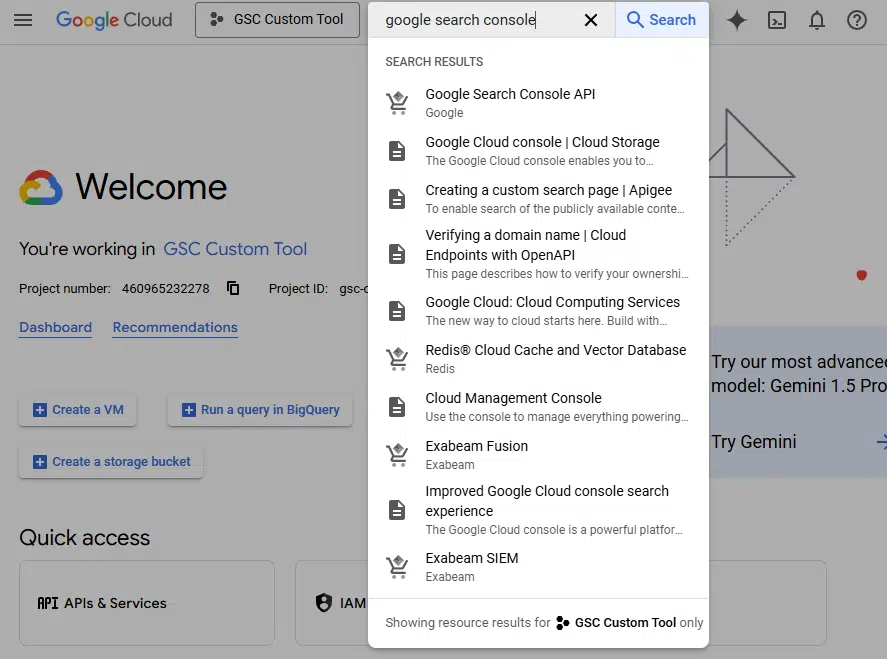
  • Adding new assets and users.

For YouTube-specific customizations, advertisers are encouraged to engage third-party partners. For Display ads, Studio remains available for non-dynamic and dynamic workflows, or advertisers can explore external creative solutions.

Be prepared. Marketers should begin transitioning their creative strategies now, including exporting assets and identifying alternative platforms. Reach out to account managers for guidance and support.

Bottom line. As Ads Creative Studio phases out, advertisers must adapt their workflows to ensure creative efficiency and scalability through external partnerships.


New on Search Engine Land

About the author

Anu Adegbola

Anu Adegbola has been Paid Media Editor of Search Engine Land since 2024. She covers paid search, paid social, retail media, video and more.

In 2008, Anu’s career started with

 delivering digital marketing campaigns (mostly but not exclusively Paid Search) by building strategies, maximising ROI, automating repetitive processes and bringing efficiency from every part of marketing departments through inspiring leadership both on agency, client and marketing tech side.


Outside editing Search Engine Land article she is the founder of PPC networking event – PPC Live and host of weekly podcast PPCChat Roundup.


She is also an international speaker with some of the stages she has presented on being SMX (US), SMX (Munich), Friends of Search (Amsterdam), brightonSEO, The Marketing Meetup, HeroConf (PPC Hero), SearchLove, BiddableWorld, SESLondon, PPC Chat Live, AdWorld Experience (Bologna) and more.

Google’s adtech monopoly faces historic antitrust test

The U.S. Justice Department and eight states wrapped up closing arguments on Monday in a landmark antitrust case accusing Google of monopolizing the ad technology market. The outcome could reshape the tech giant’s business model and set a precedent for regulating Big Tech.

Driving the news. Lawyers for the DOJ argued that Google has abused its dominance in online ad tools, linking its products to lock out competitors and stifle innovation. Aaron Teitelbaum, a government attorney, likened Google’s market grip to being “once, twice, three times a monopolist.”

  • Google’s lead lawyer, Karen Dunn, pushed back, framing the company as an innovator in a competitive market. She argued that the government failed to prove its case, saying the evidence showed Google’s actions benefited advertisers and publishers.

Why we care. If Judge Leonie Brinkema sides with the government, the ruling could break up Google’s $31 billion ad-tech business and set a legal benchmark for antitrust cases against other tech giants like Amazon, Meta, and Apple. It will certainly be a major disruption for all advertisers as you won’t have access to the amount of data that Google provides for reporting and optimization.

Zoom in. The case centers on Google’s control over tools used to buy and sell ads online. The DOJ claims the company has an 87% share in the ad-selling tech market, enabling it to skim excessive profits at the expense of publishers and advertisers.

  • Google’s 2008 acquisition of DoubleClick is a key focus, with the government alleging the deal entrenched its dominance.
  • Witnesses included YouTube chief Neal Mohan and executives from publishers like News Corp, who testified about Google’s practices harming competition.

Between the lines: Judge Brinkema raised sharp questions during closing arguments, including about Google’s policies that led to the deletion of internal communications. However, she hasn’t signaled how she might rule.

  • In one exchange, she questioned whether market dominance could simply reflect the best product winning. The DOJ countered that Google’s behavior went beyond fair competition.

The stakes: A ruling against Google could force it to spin off its ad-tech business and impose stricter regulations.

What’s next: Judge Brinkema’s decision is expected in the coming months. Meanwhile, Big Tech’s regulatory battles are escalating:

  • The DOJ has sued Apple over antitrust issues.
  • The FTC has ongoing cases against Amazon and Meta for allegedly crushing competition.

What they’re saying:

  • Mr. Teitelbaum (DOJ): Google tied its tools to enrich itself, “killing off” potential challengers to its dominance.
  • Ms. Dunn (Google): The government’s case “simply does not hold up,” highlighting price drops and quality improvements in ad tech under Google.

Bottom line. The ruling could deal a major blow to Google, but it also has the potential to redefine how courts approach tech monopolies in the digital age.

However, this blow to Google could also lead to a blow to users if not done correctly. Industry experts already raised major concerns off the back of a possible Chrome sale:

  • Another company will just fill the monopoly hole Google vacates.
  • A more challenging landscape for advertisers.
  • Another case where government decisions lead to less innovation and more complexity.
Google Ads outage disrupts campaigns

New on Search Engine Land

About the author

Anu Adegbola

Anu Adegbola has been Paid Media Editor of Search Engine Land since 2024. She covers paid search, paid social, retail media, video and more.

In 2008, Anu’s career started with

 delivering digital marketing campaigns (mostly but not exclusively Paid Search) by building strategies, maximising ROI, automating repetitive processes and bringing efficiency from every part of marketing departments through inspiring leadership both on agency, client and marketing tech side.


Outside editing Search Engine Land article she is the founder of PPC networking event – PPC Live and host of weekly podcast PPCChat Roundup.


She is also an international speaker with some of the stages she has presented on being SMX (US), SMX (Munich), Friends of Search (Amsterdam), brightonSEO, The Marketing Meetup, HeroConf (PPC Hero), SearchLove, BiddableWorld, SESLondon, PPC Chat Live, AdWorld Experience (Bologna) and more.

Everything you need to know about page experience in 2025

Google’s page experience update set a new benchmark for creating user-friendly websites.

It highlighted the growing importance of performance and usability in SEO by emphasizing Core Web Vitals, responsive design and minimal intrusive elements.

This article traces the evolution of the algorithm update and its integration with other Google priorities, such as the helpful content update and practical steps to align with these standards in 2025.

An introduction to the page experience update

Google’s page experience update, which went live in June 2021 and fully rolled out by February 2022, represented a pivotal moment in the company’s ongoing commitment to improving web usability. 

Building on a legacy of user-focused initiatives – such as the 2012 page layout algorithm, which targeted sites with excessive above-the-fold ads – this update refined Google’s approach to user-centric design, placing greater emphasis on tangible metrics and performance benchmarks.

Ahead of its implementation, Google provided detailed guidance in April 2021, signaling significant changes on the horizon. 

Central to the update was the introduction of Core Web Vitals, a set of metrics designed to measure key aspects of user experience, such as page loading speed and interactivity. 

This shift also marked the gradual deprecation of Accelerated Mobile Pages (AMP) as a requirement for top search results.

Notably, one of the initial Core Web Vitals, First Input Delay (FID), has since been replaced by Interaction to Next Paint (INP). 

Recently, Google removed the page experience report in Search Console to reduce clutter and simplify navigation.

From the start, the page experience update communicated a clear directive: webpages must be responsive, accessible and user-friendly. 

The question remains: How has this update evolved over time?

The evolution of the page experience update

Since 2021, direct updates from Google explicitly focused on the page experience update have been sparse, creating something of a “black hole” regarding its standalone evolution. 

However, Google has continued referencing “page experience” in subsequent updates. 

This documentation, originally published in 2021 and updated in April 2023, helps us understand the evolution of the page experience update:

Understanding Core Web Vitals and Google Search results

Between 2021 and 2023, most materials on the page experience focused on adhering to Core Web Vitals.

Core Web Vitals and page experience resources

Several of Google’s resources on page experience are linked to the helpful content update:

Page experience and helpful content resources

Like this Google Search Central doc on “The role of page experience in helpful content.”

Google documentation on The role of page experience in helpful content

While Google stated that there were no significant updates to their page experience update, it’s interesting to know that helpful content and page experience are fundamentally connected.

Google then linked to their “Understanding page experience in Google Search results” page, which had been revised:

Self-assess your content's page experience

Get the newsletter search marketers rely on.


Page experience in 2025

Google provided SEOs with a page experience checklist on the previously mentioned page.

  • Perform well for the Core Web Vitals assessment.
  • Serve pages via secure protocols (HTTPS, HSTS implemented).
  • Use responsive mobile design.
  • Avoid using excessive amounts of ads, particularly above the fold. (This relates to Google’s earlier page layout algorithm update.)
  • Avoid using intrusive overlays (e.g., for regional content choices) that take up too much space above the fold

These are all solid recommendations, let’s break them down so they are easier to understand.

Core Web Vitals: A key element of Google page experience

Since its inception in the early 2020s, responsiveness has been a key aspect of Google page experience evaluations. 

Previously, Google evaluated page-speed performance against lab-based metrics and a numeric page-speed rating. 

Google used CrUX (Chrome UX report) data, which was field-based (real user data vs. mobile emulators), to enhance its understanding of page-speed performance.

Page responsiveness and Core Web Vitals have always been central to Google’s page experience criteria. 

These metrics remain unchanged, so focus on understanding and improving them.

As the web grows faster and more competitive, consider tools like server-side rendering or parallel JavaScript deployment to enhance performance and maintain your edge.

Serve pages via secure protocols

Many years ago, HTTPS (the secure version of the HTTP protocol) was a ranking factor. Sites that served all pages and resources via secure protocols gained a ranking edge. 

That’s no longer true. In 2025, this is an absolute expectation from Google. Nowadays, exploring additional technologies such as HSTS (strict transport security) is prudent. 

Make sure that redirects are in place to move users from insecure to secure content.

Responsive mobile design

Much like HTTPS, this is an area where Google used to give ranking bonuses to responsive sites that render correctly on mobile. Once again, this is now an expectation. 

Don’t use separate mobile sites with separate codebases. Instead, ensure that your dynamic CSS can render pages responsively, regardless of the device or viewport width. 

Less responsive sites can still perform, but only if there’s no competition.

Avoid excessive deployment of on-page ads

Google has taken a strong stance against above-the-fold advertising content since 2012.

If most of your page has ads and affiliate links, that will hurt your SEO, especially if most of the screen real estate has ads above the fold.

Focus on giving users the information they want first. Ads are important for revenue, but they should be easy for users to notice or ignore.

Google expects users to have control, so avoid overwhelming them with ads that make finding the information they need hard.

Avoid intrusive overlays and interstitials

Just like ads, intrusive overlays and interstitials prevent users from finding the information they seek. 

Common issues include:

  • Newsletter sign-up pop-ups that are too large (taking up the majority of the screen).
  • Regional redirect notices that move users to the correct version of your site. 

Neither of these notices is innately bad, but if they take up most of your above-the-fold screen real estate, beware.

Users should first be able to interact with your pages and find the information they are looking for. 

Interstitials can be helpful, but they should not block users from completing their main tasks.

In such a scenario, Google will likely demote your pages within search rankings.

Page experience takeaways for 2025 and beyond

With search engine algorithms and user expectations continuously shifting, the page experience metrics we prioritize today will lay the foundation for success in the coming years.

Historical foundations

  • Google’s focus on page experience predates the formal update. 
  • Policies like the 2012 page layout algorithm showcased their longstanding commitment to user-centric web design.

Core Web Vitals remain central

  • The Core Web Vitals continue to form the backbone of Google’s page experience criteria. 
  • Metrics such as LCP, CLS and INP highlight the importance of site performance and responsiveness.

Emphasis on standard expectations

  • Technologies such as the HTTPS protocol and responsive mobile design, once competitive advantages, are now minimum standards. 
  • Google no longer rewards these implementations. Instead, their absence could harm rankings.

Advertising constraints

  • Google penalizes sites with excessive or poorly placed ads, particularly those dominating above-the-fold space. 
  • This approach ensures users can access content without unnecessary distractions.

Avoiding intrusive elements

  • Overlays and interstitials (e.g., large pop-ups or redirect notices) should not block users from accessing key content. 
  • While these elements can serve useful purposes, they must not impede the primary user interaction.

Helpful content alignment

  • The page experience update now intersects significantly with Google’s helpful content update, reinforcing the importance of meeting user intent and providing value through content.

Iterative enhancements

  • Although there haven’t been many major updates to page experience since 2021, the underpinning principles are regularly updated to align with broader SEO trends and user expectations.

These insights confirm Google’s commitment to a fast, user-friendly and informative web ecosystem, rewarding those who align with Google’s evolving priorities and psychological UX principles.

Contributing authors are invited to create content for Search Engine Land and are chosen for their expertise and contribution to the search community. Our contributors work under the oversight of the editorial staff and contributions are checked for quality and relevance to our readers. The opinions they express are their own.

8 strategic steps for setting and overseeing your SEO budget

Are you struggling with your SEO budget? You aren’t alone.

Many businesses either overspend or underspend – and the results are subpar. 

Because SEO is a long-term investment, it can be difficult to determine the budget you’ll need and how to allocate resources over time to achieve the best results. 

This article will show you how to approach your SEO budget by covering everything from assessing your business needs to managing your SEO budget:

1. Know what goes into an SEO program 

While you can pick and choose what you divert your SEO budget to based on priority, a good program will ensure it contains the right mix of SEO strategies.

So, the first step to creating an SEO budget is understanding what’s in a good SEO program. 

Here are the primary activities in a holistic SEO program: 

Technical SEO

A good SEO program will start with a technical SEO audit to uncover the issues hindering a website’s ability to rank or provide a good user experience. 

A technical audit takes time and, therefore, can be a bigger investment. 

After an audit, one of the first steps you will take in an SEO program is to improve the performance of your website. 

Depending on the website’s state, technical SEO may require the bulk of your efforts and budget.

Once your site runs well, you will likely need to invest less to keep it humming, barring any big changes to search engine algorithms or general fixes.

Content creation

Excellent content is the foundation of any SEO program. Unfortunately, it’s one of the areas that tends to slow down SEO programs because businesses fall behind.

Expect to invest effort into this step. You will need to pay for the cost of writers and/or editors, as well as other professionals who know multimedia. 

Yes, you can use AI tools to streamline efforts, but the bar needs to be high on quality standards. Expect to invest in content as an ongoing expense.

Earning high-quality, relevant links takes resources, too. Content creation is the first step in earning links.

Building a network, sharing your content resources through creative partnerships, managing the backlink profile and more are all part of it, too. 

Depending on how much time and effort you put into this area of your SEO, the cost to maintain the strategy varies, but it is ongoing.

SEO tools

Making sure your SEO program is on target takes data analysis. 

Investments in SEO tools can vary from affordable to a bit more robust. An enterprise company can spend several thousands on SEO tools per month.

Companies spent about 19% of their marketing budget on marketing technology in 2024, the CMO Survey found.

But only about 56% of all martech tools purchased are actually used, according to the research. This is an area to watch for wasted spend.

Also factor in the time to review, analyze and course-correct as needed.

Other SEO activities

Worth mentioning, so I’m not leaving anything out, are the niche SEO activities required in local SEO, ecommerce SEO and international SEO – all of which require a budget. 

Tip: Use the 80/20 rule – spend 80% on proven strategies and reserve 20% for testing innovative approaches. Prioritize foundational tasks like technical SEO audits and performance fixes early on.

2. Figure out the costs of SEO in-house vs. agency vs. consultancy  

The second thing you need to ask is if your budget will support an in-house team, an agency,  some hybrid of the two or a consultant. 

According to recent research: 

  • Agencies charge an average of $3,209 per month (Ahrefs). 
  • Freelancers charge $1,348 per month (Ahrefs).
  • Retainer pricing can go all the way up to $50,000, but not the norm (Ahrefs).
  • In-house SEO team roles can range from $45,000 for analyst positions to about $82,000 for head of SEO (Ahrefs).

These stats can offer a frame of reference but know that they will change based on the vendor’s or professional’s experience and location. 

Tip: Start with a clear understanding of your goals and internal capacity before deciding on external help. Hybrid models can be cost-effective and produce great results for many businesses.

If you think an agency might be the right fit for your business, you can check out my Search Engine Land article, How to hire an SEO agency: The definitive guide.

3. Understand the factors that impact an SEO budget

Here are some considerations when crafting an SEO budget. 

Your business

The size of your business and your specific SEO goals will have a big impact on pricing. 

Larger enterprises with ambitious goals may ultimately pay more for an SEO program. At this level, SEO becomes a significant line item in the marketing budget and requires buy-in from senior leadership.

On the other hand, for small businesses, SEO costs can be on the lower end of the spectrum. However, that doesn’t mean you should skimp on quality. 

Your revenue

Your SEO budget should align with your overall business goals and objectives. 

Most businesses have SEO budgets that range from $500/month to $20,000/month, depending on their size and goals.

Businesses should allocate as much as they can afford to SEO as a cost of advertising. 

Every industry is different; some may require more or less of an investment to compete. 

Remember, just because $3,000 is comfortable does not mean it is sufficient to compete and win. 

Here are some guidelines:

  • Consider allocating 5% to 10% of your business revenue toward SEO. This is what businesses that are serious about competing do. 
  • Consider your paid advertising budget, and spend about 25% of that budget additionally on SEO. 

Your competition

Who is your competition? And how fast do you want to beat them? These are the questions that should drive budget decisions. 

First, determine who your competition is in the SERPs. There are many SEO tools out there to help you figure out competitors by the keywords you want to target.

Then, take a deeper dive into your competition’s SEO efforts, including their technical strength, content quality and depth, optimization tactics and backlink profile. 

Estimate the resources required to compete.

Secondly, figure out how fast you want to compete. Most SEO programs take several months up to a year to see measurable SEO results. 

This can vary depending on how competitive the niche and keywords are. 

If you want slow growth, you’ll use a smaller budget over a longer period of time. Or perhaps you have the ability to launch a more aggressive campaign for six months to start.

Remember that the factors that influence how fast you’ll see results include the health of your site, the competition and whether you take action.

Tip: Regularly benchmark your competitors’ SEO activities to ensure your budget aligns with the level of competition you’re up against. 

For more, you can check out my articles here at Search Engine Land:

4. Establish what stakeholders want and report your wins

If you want to secure, keep and grow your SEO budget, here are some things to consider on an ongoing basis:

  • Know the goals of the people controlling the budget. Try to align your SEO proposal with their goals. Jim Yu has a piece on communicating with the C-suite worth checking out here on Search Engine Land. 
  • Educate stakeholders on the value of SEO. The truth is some stakeholders may not know much more about SEO beyond terms like “link building,” “rankings” and “Google.” Make sure to support your recommendations with advice from search engines like Google, too.
  • Report your wins. Nothing is better at securing a budget than showing how the SEO strategy is driving the KPIs that matter to the company.

Tip: Use visual reporting tools like dashboards or charts to make SEO progress tangible for stakeholders.

Dig deeper: How to use SEO education for stakeholder management

Get the newsletter search marketers rely on.


5. Map your priorities

Don’t plan a road trip without a map, and don’t plan an SEO budget without clear priorities. 

Aligning your budget with your main SEO goals ensures your dollars drive results. 

For example, is building brand authority most important, or driving sales for seasonal products or services? Or maybe you want to enter into a new market segment or dominate the SERP features.

Remember: Not all SEO efforts have the same timeline or price tag. Split your efforts into:

  • Short-term wins: These are actions that will provide quick results. 
  • Long-term investments: These activities require consistent effort but pay off big. 

An initial SEO audit should uncover what the quick wins and long-term investments would be.

Tip: Focus on SEO initiatives that align directly with business goals, and revisit your roadmap quarterly to adjust. 

Dig deeper: How to create SMART SEO goals (with examples)

6. Adjust the budget based on performance

Being rigid with your budget allocations doesn’t leave you room to pursue what’s working and ditch what’s not. 

For instance, maybe one keyword has lost traction, or one type of content strategy is really driving success. 

Or perhaps a product page is seeing a surge in organic traffic but no conversions. You might reallocate the budget toward CRO efforts.

To keep your finger on the pulse, track performance. Conduct monthly and quarterly reviews to gather and analyze data.

And be willing to let go of underperforming tactics – even if you’ve sunk a large chunk of your budget into them.

Tip: Create a dynamic budget where a portion of funds is reallocated quarterly based on what’s delivering the best results. 

7. Be flexible with unforeseen costs

Imagine you’re on a basketball team, and the rules of the game require that the basket keeps moving across the court. That’s SEO. 

SEO is a moving target. Algorithms change, competition changes, socioeconomic factors come into play and more.

Anything that can happen likely will happen, so having some flexibility in your budget for times such as these is important.

For example:

  • A Google algorithm change might require adjustments to your content strategy or technical fixes to maintain rankings.
  • A surprise collaboration with an industry influencer could drive high-impact results.
  • A security breach could demand immediate attention and resources.

Consider setting aside 10% to 15% of your SEO budget for emergencies or opportunities. 

At the end of a quarter or a year, review your “rainy day” budget to see how much was used and how you used it. This is good data moving forward.

Tip: Make continuing education a part of your SEO strategy so you can monitor industry updates and anticipate potential disruptions, staying proactive rather than reactive. 

Dig deeper: How much does SEO really cost

8. Assess the ROI of your SEO investment

Results can sometimes take time, and they should be demonstrable. I have seen many sites with a long list of deliverables without any quantifiable set of measurements.

“I will edit eight pages per month” is not ROI and is obviously easy to perform.

That said, many companies/people claiming to do SEO simply punch down a list of tasks without any results other than the fact that you paid for the tasks to be done.

The single most important metric for SEO success will be a growth in organic traffic over time.

Tip: Use cohort analysis to measure how SEO-driven leads or customers perform over time compared to other channels. 

In summary, successfully managing an SEO budget is a big task. Overspending can drain resources without delivering results, while underinvesting can leave you falling behind the competition.

When you view your SEO budget as a flexible, results-driven tool, you’ll help your business remain competitive in the search results no matter what comes your way. 

Contributing authors are invited to create content for Search Engine Land and are chosen for their expertise and contribution to the search community. Our contributors work under the oversight of the editorial staff and contributions are checked for quality and relevance to our readers. The opinions they express are their own.

Building a PPC roadmap for new brands: 10 questions to ask

Once brands decide to start a PPC program, they often want to get moving immediately.

However, there are a few things they either haven’t thought of or need a reality check before they’re truly ready to spend money wisely.

When those brands come to our agency, there’s a list of questions I like to ask to help us build a roadmap – and set expectations. (If you’re a brand, it’s a very good idea to ask these internally before you bring on a partner.)

1. What are your goals for a PPC program?

This is a fairly straightforward question that, more often than not, gets an answer like “We want customers,” “Drive sales” or “Boost revenue.” 

That’s all well and good, but answers like that lead to a very necessary set of follow-up questions to make sure all sides are on the same page.

Dig deeper: How to create a roadmap for your PPC clients

2. What’s the conversion event that leads to an opportunity (or sale)?

Coming at this from a B2B angle (since ecommerce usually goes right to sales), we’re looking to learn the action that puts users close to the conversion. Something like “request a demo” or “sign up for an audit” or “book a free consultation.” 

There are other ways to get people into the funnel with a softer, often content-related offer. Still, it’s good to know the marketing ultimate goal before the lead gets handed off to the business development team.

3. What happens after the first conversion?

This question really helps you identify work to be done before any PPC money can be spent. 

If you’re an agency and being held to revenue goals – and you’re being a responsible business partner – you absolutely need to ask this question because much of what happens after the conversion event above will be out of your control.

For B2B/SaaS companies and B2C lead gen companies, it’s what happens after someone takes an action that will either bring good leads through the funnel or not. 

This means post-conversion site experience, email follow-ups, lead qualification, expected time for sales to contact leads, etc. 

Hiccups at any one of those stages will curtail the business impact of your PPC campaigns.

Even for ecommerce companies bringing in sales, the post-conversion experience is huge. 

From fulfillment communication to retention strategies, you’ll usually help the brand identify ways to stretch their PPC dollars farther, LTV-wise, with some work upfront.

4. What’s your tracking set-up?

This is also a big question that, more often than not, identifies some pre-work to do with tagging, tracking, UTM parameters, etc., that will make sure our campaigns are pulling in the right data for attribution purposes. 

Clients who haven’t given this much thought yet might need a quick tutorial on the state of cookies and browser-side tracking. 

If you see a blue-sky opportunity to build something from scratch, I highly recommend avoiding dependency on third-party cookie tracking and setting up server-side tracking instead to make sure your client is capturing valuable first-party data from the jump.

Dig deeper: Advanced analytics techniques to measure PPC

5. How advanced is your CRM set-up?

Messy CRMs can create significant challenges for PPC teams. These include difficulties with: 

  • Attribution.
  • Tracking the impact on pipeline and revenue.
  • Using advanced techniques like offline conversion tracking (OCT). 

Without a clean CRM, it’s harder to teach platforms like Google, Meta, and LinkedIn how to target the right users effectively.

Brands with messy or incomplete instances would do all parties a service by addressing their CRM before opening the PPC floodgates.

Get the newsletter search marketers rely on.


6. What’s your ICP?

This question can generate a surprising range of answers – some incredibly specific and backed by rich research, some broad and hypothetical. 

Either way, the answer will inform your targeting. 

  • Too specific and you may want to suggest that the brand consider slightly broader targeting that can help new audiences self-identify.
  • Too broad and you’ll want to make sure you’re testing different audiences and creative themes to help the brand narrow in on their core audience.

7. What are your differentiators?

This question is related to the question above and incredibly important to surface. 

It will help you understand more about the brand’s competitive positioning, which you can and should use in copy and creative.

8. Are you running an SEO program?

Active SEO campaigns always provide PPC teams with good keyword learnings and even raw data that provides insights into the pain points and benefits top of mind for their ICP.

SEO campaigns can also help PPC teams find content to feature in paid campaigns, whether as site links on Google ads or as pieces for potential top-of-funnel campaigns on paid social.

Dig deeper: How to maximize PPC and SEO data with co-optimization audits

9. Is there existing demand for your product?

For companies with new versions of existing products or startups taking an established idea, product or service forward, non-brand search and competitor search campaigns are solid plays. 

But occasionally, a startup will break new ground in an industry or product category with minimal awareness or search volume. (Think GoPro in the early 2010s.) 

In these cases, when brands need to focus on demand generation, paid social is an excellent way to build awareness at scale. This is especially true for brand campaigns, which typically avoid the high CPMs associated with bottom-of-the-funnel efforts.

For B2B, that generally starts on LinkedIn, although there may be other platforms to consider depending on the niche. 

For B2C and ecommerce, Meta is still the place to start for most brands, although certain industries can tap into thriving communities on TikTok.

10. What’s your budget?

Although we need to make sure the budget is big enough to justify agency costs before anyone signs anything, talking about budget before the fundamentals are in place means you’ll get an answer you can’t act on for a while. 

Once we are ready to discuss dollars, we analyze audience size and keyword volume to identify a minimum spend threshold (which varies broadly by industry) that brands must reach to gain traction. 

From there, budgeting is a balance between not overspending up front and bringing in enough data to help all sides (including the platform bidding algorithms) learn and iterate quickly. 

There will be time to dial in performance, but it’s important to communicate those expectations clearly – brands should almost never expect world-class returns from the first wave of spend.

If you have a brand that comes to you with all of those questions pretty well answered, congrats. The odds are you will get the chance to work with a tremendous internal team to build a great PPC program. 

More often than not, though, you’ll find that there’s a lot of work to be done before you can start spending budget responsibly. In that event, work to develop a project plan and timelines so each side has a better understanding of next steps.

Dig deeper: How to manage a paid media budget: Allocation, risk and scaling

Contributing authors are invited to create content for Search Engine Land and are chosen for their expertise and contribution to the search community. Our contributors work under the oversight of the editorial staff and contributions are checked for quality and relevance to our readers. The opinions they express are their own.

What it means for SEO and how to prepare

Google is making a groundbreaking move into uncharted SEO territory: introducing an AI Sales Assistant directly in search results. 

Imagine this – a virtual sales clerk embedded in the SERPs, guiding users with product comparisons, highlighting features like Teflon vs. stainless steel vs. cast iron, and showcasing a curated list of 10 products tailored to their needs. 

While still in testing and not fully rolled out, this feature appears right beneath your Google listing and is poised to reshape how users shop and interact with your brand.

Hat tip to Brodie Clark, whose video has alerted the industry. (I couldn’t see the Google Sales Assistant in my search results, so the screenshots below are from Clark’s video.)

What is the Google Sales Assistant experience?

Imagine your next Google search for “non-stick pan,” yielding an interactive assistant right beneath the organic listings, guiding you with tips, product recommendations and even a product carousel – all without leaving the search results page.

That’s what’s happening. 

At a high level, here’s the gist of Google’s Sales Assistant: 

  • It’s positioned directly below organic listings: Users engage with it as they scroll, like a digital assistant that’s always one step ahead.
  • It mimics an in-store sales pro: Ask it for a “non-stick pan,” and it’s already advising you about coating types, durability and heat tolerance – basically like the store expert who always knows just what you need.
  • A product carousel shows up in the SERPs: In the search results, users can scroll through relevant products, which are currently limited to those from the site being searched.
  • Product images and descriptions show up in the SERPs: There is no need for users to visit your website.

Based on Clark’s documentation of the experience, here is how a user interacts with the AI sales assistant:

A search for “kitchen warehouse” results in an extra SERP feature under their listing.

When the Shop button is clicked, a panel on the right appears, with the Google Sales Assistant asking what the searcher is looking for.

Google’s AI Sales Assistant- SERPs panel

The user tells the Google sales assistant what they are looking for. (In the video, the user entered the query “looking for a non-stick pan.”)

The assistant asks about the size the user is looking for, followed by a list of different pans.

Each pan is described with approximately two sentences outlining its features, finish, typical size and other details, appearing as though particular products sold at Kitchen Warehouse were being listed.

Google’s AI Sales Assistant- Selection and options

Scrolling down, the user sees a carousel of products organized by the Google Sales Assistant, which is not likely in the order defined by merchandisers (or algorithms) in the product grid pages.

What’s concerning is that Kitchen Warehouse has over 170 nonstick frying pans.

Google’s AI Sales Assistant- 10 products displayed

The 10 suggestions in the carousel can be assessed, but they may not necessarily represent the brand’s best image to users, as Google generated them using its AI.

Google’s AI Sales Assistant- Users can rate the product suggestions

In the video, the user clicks on a product, and the Sales Assistant panel displays the product photos and description, along with a link to the website.

Google AI Sales Assisnt GIF

With this feature, the SERPs could hijack your product grid page’s SEO traffic. 

What are the risks executives need to hear?

While this new feature holds exciting potential, it also raises several important “what ifs.”

In the video, all the products were from Kitchen Warehouse.

But what will the future hold? 

  • What will happen if a product is out of stock?
  • What did the customer ask for that the store doesn’t have?
  • Will the Sales Assistant be like Zappos and suggest a competitor website that sells what the user is looking for?

Detailed product knowledge

Right now, your organic listing reflects only what you’ve put out there.

But as AI-driven assistants learn to respond in richer detail, Google may lean on other sources if your content lacks specificity or depth. 

  • Will it be correct?
  • Is it messaging you want to communicate?
  • Is it on brand?

If your product is missing unique, detailed information, you may lose control (or influence) in messaging displayed in AI-led interactions.

Users may never see product specs/descriptions

The sales assistant showed a short description (1-2 sentences) for each product. That isn’t really enough to properly sell a user on your product.

Users will like this

Company websites often display 1-3 popups during the shopping experience, which can be annoying. However, this experience eliminates those interruptions.

It’s fast, and it offers a consistent shopping experience across many sites, making the user’s shopping journey simpler and quicker.

If you divest in SEO because of this, your competitors will gobble up market share. And if you don’t shine in the Google Sales Assistant, your customers may buy from sites that do.

Dig deeper: Retailers: Google is becoming your new category page

Get the newsletter search marketers rely on.


Adapting to the evolving search landscape

SEO is not dying, and it’s important to communicate this to executives. 

SEO remains a vital channel, but it may require a facelift – or even a full overhaul – on certain sections of your site, especially those that Google will use for its Sales Assistant feature.

I think of SEO in a few buckets:

The SERPs have evolved significantly. Unlike in the past, you now need both a strategy and specific tactics to succeed.

A dedicated SERP SEO strategy is essential.

Creating a SERP SEO strategy

Many companies focus their SERP SEO strategy on title tags, meta descriptions and structured data. 

However, you must expand beyond these areas and collaborate with teams that may not be eager to make the necessary changes. 

To optimize for the Google Sales Assistant portion of your SERP SEO strategy, here’s where to focus.

Product descriptions need a robust, detailed summary sentence

No marketing fluff here. When Google borrows content for the Sales Assistant, your goal is to have it sell the product in a single sentence. A second sentence is a bonus if Google chooses to display it.

Start small – focus on one product line or the top 10, 20 or 50 products to establish standards, find the right tools to scale and define workflows. Later, you can decide how to prioritize which products get special imagery and which don’t. 

Aim to secure real estate for this content outside of the main description section or, at the very least, place it before the main description. 

You want Google to view this text as a standalone entity, front and center. That said, Google is quite adept at identifying quality content for extraction in the SERPs.

Consider adding product buying guides 

This type of content discusses the product category and leads the shopper toward various products. 

Google may use some of this content for its AI, and so will other AIs like ChatGPT.

Product images should educate, not just display

They should sell the product on their own, without the user ever reading your product description. 

Some of the best examples of this come from inexpensive products on Amazon. In a nutshell, products need dimensions, feature callouts and text. 

  • Dimensions should be added to photos.
  • Point to features on the product.
  • Add text in images with key selling points.

(At the end of this article, you’ll find examples of images that effectively sell the product features.)

Adapting your operational SEO approach

Operational SEO focuses on how SEO is implemented within a large company.

As Google transforms its search results into a “store,” this will require some adjustments across the board. 

The shift will impact multiple teams, including user experience, photography, graphic design, writers, merchandisers and more.

To ensure smoother SEO operations as we prepare for the launch of the Google Sales Assistant, here are some key tips.

Get executive buy-in

It’s crucial to secure executive support for both the strategy and the operational plan required to execute it. Executives must fully understand the scope of content and graphic changes you’ll be recommending. 

While it may seem niche at the moment, AI is rapidly advancing.

Now is the time to refine your processes for creating the type of imagery and content needed at scale.

Get merchandiser buy-in for your strategy

In some companies, merchandisers are compensated based on sales in their categories.

Google’s changes will impact these sales, especially if the product images and text displayed in the AI sales assistant aren’t appealing to buyers. 

As a result, the merchandising team could become an unexpected ally in your SERP SEO strategy.

Spark content strategy conversations

Encourage discussions around whether your products have the quality, features and pricing to compete as AI expands its scope beyond just your brand. 

These conversations could lead to important shifts in how you structure pricing, product imagery, and descriptions.

Change the content goal to be the go-to authority in the eyes of AI

This isn’t just about ranking; it’s about becoming the go-to authority on your product in the eyes of AI. 

Think of your content as a script for AI. Outline every feature, benefit and unique selling point in clear, compelling detail. 

For example, if you offer cookware, explain the technology behind your non-stick coating or why it’s more durable than competitors. 

You may already do this, but the question is:

Are you doing it in a way that ensures AI will recognize your product as superior when comparing it to competitors’ content?

Develop the SEO operations plan for execution

SEO operations must evolve into a seamless, well-oiled machine that functions consistently across the organization. How? 

Start practicing now. Establish the workflow now. Focus on integrating SEO the way it should have been done years ago. 

If you wait, you’ll be scrambling when the Google Sales Assistant launches and revenue starts to drop.

Evaluate structured markup opportunities

Take a close look at the schema options available for your products, and implement as many schema attributes as possible. 

This is an effective way to provide detailed product information to search engines, helping AI-driven SERPs and tools display your product details accurately.

The big picture: SEO ops in an AI-driven search world

Google’s AI Sales Assistant might be experimental now, but if it becomes mainstream, it could fundamentally change how users interact with products in search results. 

SEO managers at large companies must go beyond the basics and embrace a strategy that blends content depth, technical SEO and organizational collaboration.

If your SEO operations team isn’t ready to think beyond keywords and meta descriptions, it’s time to level up. 

Get the right stakeholders on board, develop high-quality product content and educational product images and ensure that every team is rowing in the same direction.

Practice now, so you’re prepared when Google’s Sales Assistant goes primetime.

By embracing these AI-inspired strategies, you can help your brand lead the charge, ensuring it stands out to customers – and to the digital assistants that increasingly influence what they see.

Dig deeper: How to optimize for product-first results in retail Google SERPs

Examples of product images that educate and sell

Below are examples of products I have purchased. I was sold on these products by the images alone. 

Images like this will help maximize sales in the Google Sales Assistant, where you may only have 1-2 sentences for a product description. 

Do you recall how big those product images were? Huge. Maybe there’s a reason? 

Google Sales Assistant - Frypan image

Below are examples of how to use that large image space to sell the product through product images.

Product image example 1
Product image example 2
Product image example 3
Product image example 2
Product image example 5
Product image example 6
Product image example 7
Product image example 8
Product image example 9
Product image example 10
Product image example 11

Contributing authors are invited to create content for Search Engine Land and are chosen for their expertise and contribution to the search community. Our contributors work under the oversight of the editorial staff and contributions are checked for quality and relevance to our readers. The opinions they express are their own.

11 essential SEO elements you should be tracking

By now, you may have encountered SEO dashboards, such as those from Screaming Frog, which sync with Looker Studio. Perhaps you use an enterprise tool to track your technical SEO in the cloud.

That’s all fine, but how helpful is it really?

  • Is it improving your rankings?
  • If you’re managing 30-50 or even 100+ sites, does tracking technical SEO with cloud crawlers offer anything actionable?

If you said yes, then great! I’m happy for you.

But if you, like the rest of us, wish there was a better way, there is! 

The key is to be more targeted and intentional about what and which pages we track. 

This article dives into what is truly essential to track and how to track each. I’ll also cover helpful paid tools for tracking SEO elements. (I’m not affiliated with these companies, but I am a customer of a few.) 

Indexability elements

Tracking your site’s indexability is crucial. It should be at the top of your list. If your site isn’t indexable, all your efforts are wasted. 

In this section, I’ll explain the key indexability factors that affect your visibility on Google and how to track them.

1. Robots.txt changes

The robots.txt file is the first file that search engines look at when crawling your website. This simple file provides instructions on how bots should crawl a website.

What do we track?

Every SEO should track changes to the robots.txt file, especially if it starts blocking search engines. 

Many tools offer this feature, but it’s important to set up email alerts to notify you if the file blocks search engines.

A common reason this happens is when developers push a site from staging to production and accidentally transfer the robots.txt file.

This occurs when all files are pushed live instead of just the updated ones.

What tools to use

While I’m prone to building custom Python tools for tasks, why reinvent the wheel here? Several low-cost tools work great for validating your robots.txt file.

I prefer LittleWarden for this task because it lets you track specific changes or general indexability checks and send email alerts. You can set it to check daily or hourly.

However, Visualping (which I used in this knowledge graph case study) is also an excellent choice for tracking robots.txt changes.

2. Noindex robots tags

Ah, the infamous noindex tag. This is a meta robots tag you can add to pages you don’t want indexed in Google, like login, account or other low-value pages. 

If you have pages you absolutely need indexed or not indexed, tracking changes to your configuration is vital to your SEO health.

What tools to use

LittleWarden is great for this because you can customize settings for each page, allowing you to easily set most pages to be indexable while marking a few as noindex. 

Tools like Screaming Frog and Sitebulb can also work, but they require more setup.

3. X-Robots-Tag changes

Simply put, the x-robots-tag does the same thing as the noindex meta tag, but instead of being in the <head> of your website, it shows up in the HTTP response headers.

What tools to use

LittleWarden is pre-configured to check your HTTP response headers for any indexability issues that might happen, including canonical tag changes.

4. XML sitemap validation

XML sitemaps are another powerful SEO tool. These files contain a map of all of the links on our sites. 

Google uses these as strong hints for pages they should discover and add to their crawl queue. 

If your sitemap has errors (e.g., fetch or parse fails), Google will keep attempting to process it for a few days. If the attempts persistently fail, Google will stop trying to crawl the URL.

What tools to use

LittleWarden wins again with its ease of use for tracking changes to your XML sitemaps and ensuring their validity. 

5. Canonical tag changes

Canonical tags are an often misunderstood and misused element in SEO. 

While Google only treats these as hints and not strict directives (like noindex), it’s still important to track whether they’re changed on a page.

What tools to use

LittleWarden can track this, but you can also use tools like ChangeTower or VisualPing. Screaming Frog and Sitebulb can track it too, but setting up email alerts requires extra steps.

Get the newsletter search marketers rely on.


On-page ranking elements

On-page SEO elements refer to factors on your pages that users and search engines can see.

If you’re in local SEO, you might not encounter many site changes. However, when you add more team members with site access, someone may inadvertently make marketing changes that could affect your rankings.

This is why tracking on-page elements is crucial.

6. Heading tag changes

Heading tags are any text that is formatted using formal heading HTML (<h1>,<h2>,<h3>, etc.). There has been some debate over how Google uses these.

Google reps say they don’t matter that much for rankings, but they do for accessibility. 

Many SEOs, including myself, believe that a well-optimized H1 and heading structure can improve rankings, but that’s a discussion for another time. 

For now, it’s important to track changes to your H1 tags on your most important pages.

What tools to use

This is where the variety of tools we can use really opens up. You can test out any of the following below with reliable consistency:

  • Little Warden.
  • Versionista.
  • Wachete.
  • Visualping.
  • ChangeTower.

Again, you can technically use Screaming Frog and Sitebulb, but configuring email alerts from this will be a pain. 

7. Internal linking changes

Tracking changes to your internal links can be critical to maintaining a strong internal link graph. 

If a well-placed internal link with optimized anchor text gets removed or changed, it could affect your rankings.

Will it affect it a lot? Probably not. But are you really willing to test that out for us?

What tools to use

  • Little Warden.
  • Versionista.
  • Wachete.
  • Visualping.
  • ChangeTower.

8. Keyword changes

Tracking changes to your keyword usage on your site is vital to your SEO success. 

If another marketer on your team tries their hand at sprucing up your content, they could unknowingly tank your rankings for your page.

What tools to use

  • Little Warden.
  • Versionista.
  • Wachete.
  • Visualping.
  • ChangeTower.

SERP visibility

Tracking how you appear in the SERP may not directly affect your rankings, but it could affect your organic click-thru rates (CTR). 

9. Title tag changes

Title tags are the code we provide to search engines that suggest what we think our displayed title should be.

Yes, Google changes title tags, but that doesn’t mean we should ignore them.

What tools to use

  • Little Warden.
  • Versionista.
  • Wachete.
  • Visualping.
  • ChangeTower.

10. Meta description changes

Meta descriptions may be one of the most contentious topics in SEO. Some things that make this such an interesting topic include, but are certainly not limited to:

  • They’re not technically ranking factors, but they are critical to our sales pitch in the SERP. 
  • SEO tools warn us about pixel and character length, but Google will change them anyway to match search intent.
  • I’ve directly heard Gary Illyes at a conference tell an SEO point blank that optimizing title tags and meta descriptions is a waste of time. (I take umbrage with this.) 

However, if you’re already tracking unintended changes to your site, clicking the meta description box is worth the extra second. 

What tools to use

  • Little Warden
  • Versionista
  • Wachete
  • Visualping
  • ChangeTower

11. Schema validation

Schema markup is a powerful tool. It can send important structured data to Google and help us create interesting SERP features for our results.

Creating and implementing schema markup takes time, so it’s important to track any changes, especially since SERP features can boost your organic CTR.

What tools to use

  • Little Warden.
  • Versionista.
  • Wachete.
  • Visualping.
  • ChangeTower.

Happy tracking

Now that you have your comprehensive list of SEO elements to track, it’s time to add some robust monitoring for your SEO campaigns. 

Trust me, it’s better to be prepared than to find out about a change that happened days later. 

Contributing authors are invited to create content for Search Engine Land and are chosen for their expertise and contribution to the search community. Our contributors work under the oversight of the editorial staff and contributions are checked for quality and relevance to our readers. The opinions they express are their own.

Google’s site reputation abuse policy is a band-aid for a bullet wound

Google’s updated site reputation abuse policy attempts to tackle a growing issue in search: large, authoritative sites exploiting their domain strength to rank for content they don’t own or create. 

While the policy is a step in the right direction, it doesn’t address the underlying systemic problems with Google’s algorithm that allow this abuse to thrive.

Understanding Google’s site reputation abuse policy

Google’s site reputation abuse policy was introduced in March 2024, but its announcement was overshadowed by a major core update that same month. 

As a result, what should have been a pivotal moment for addressing search manipulation was relegated to a footnote.

At its core, the policy targets large, authoritative websites that leverage their domain strength to rank for content they didn’t create. 

It’s designed to prevent these entities from acting as “hosts” for third-party content simply to exploit search rankings.

A clear example would be a high-authority business site hosting a “coupons” section populated entirely with third-party data. 

Recently, Google expanded the policy’s scope to address even more scenarios. 

In the updated guidelines, Google highlights its review of cases involving “varying degrees of first-party involvement,” citing examples such as:

  • Partnerships through white-label services.
  • Licensing agreements.
  • Partial ownership arrangements.
  • Other complex business models.

This makes it clear that Google isn’t just targeting programmatic third-party content abuse. 

The policy now aims to curb extensive partnerships between authoritative sites and third-party content creators. 

Some of these often involve deeply integrated collaboration, where external entities produce content explicitly to leverage the hosting site’s domain strength for higher rankings.

Dig deeper: Hosting third-party content: What Google says vs. the reality

Parasite SEO is a bigger issue than ever

These partnerships have become a significant challenge for Google to manage. 

One of the most impactful SEO investigations this year was Lars Lofgren’s article, “Forbes Marketplace: The Parasite SEO Company Trying to Devour Its Host.” 

The piece dives into Forbes Advisor’s parasite SEO program, developed in collaboration with Marketplace.co, and details the substantial traffic and revenue generated by the partnership. 

Forbes Advisor alone was estimated to be making approximately $236 million annually from this strategy, according to Lofgren.

As Lofgren puts it:

Lars Lofgren on Forbes Marketplace

This highlights the systemic problem with Google search. 

Forbes Advisor is just one of the examples of parasite SEO programs that Lofgren investigates. If you want to go deeper, read his articles on other sites running similar programs

LinkedIn is another prime example. Over the past few years, users have increasingly leveraged LinkedIn’s UGC platform to capitalize on its powerful domain authority, pushing their content to the top of search results.

For instance, as of this writing, the top-ranking result for “healthcare SEO” is not from a specialized expert site but a LinkedIn Pulse article.

LinkedIn Pulse article on healthcare SEO

If you dig in their query data, you’ll see a range of queries from business, adult topics, personal loans and more. 

Clearly, LinkedIn isn’t the best source for all of these things, right? 

The rise of programs designed to manipulate search results has likely pushed Google to introduce the site reputation abuse policy.

Get the newsletter search marketers rely on.


The bigger problem

This brings me to why the policy isn’t enough. The core issue is that these sites should never rank in the first place.

Google’s algorithm simply isn’t strong enough to prevent this abuse consistently. 

Instead, the policy acts as a fallback – something Google can use to address egregious cases after they’ve already caused damage. 

This reactive approach turns into a never-ending game of whack-a-mole that’s nearly impossible to win.

Worse yet, Google can’t possibly catch every instance of this happening, especially on a smaller scale. 

Time and again, I’ve seen large sites rank for topics outside their core business – simply because they’re, well, large sites.

Here’s an example to illustrate my point. Progressive has a blog called Lifelines, which primarily covers topics related to its core business – insurance, driving tips, traffic laws, etc.

However, one of their blog posts ranks in Position 4 for the search query “puppy after vaccination side effects,” above actual experts like the American Veterinary Medical Association. 

Google search results for

The result in Position 1? It’s Rover.com, a technology company that helps pet owners find sitters – still not a medical expert, yet leveraging its strong domain.

Top Google search result for

I’m not suggesting that Progressive is engaging in anything nefarious here. This is likely just a one-time, off-topic post.

However, the larger issue is that Progressive could easily turn its Lifelines blog into a parasite SEO program if it wanted to. 

With minimal effort, it’s ranking for a medical query – an area where E-E-A-T is meant to make competition tougher.

The only way to stop this right now is for Google to spot it and enforce the site reputation abuse policy, but that could take years. 

At best, the policy serves as a short-term fix and a warning to other sites attempting abuse. 

However, it can’t address the broader problem of large, authoritative sites consistently outperforming true experts.

What’s going on with Google’s algorithms? 

The site reputation abuse policy is a temporary band-aid for a much larger systemic issue plaguing Google.

Algorithmically, Google should be better equipped to rank true experts in a given field and filter out sites that aren’t topical authorities.

One of the biggest theories is the increased weight Google places on brand authority. 

The winners of the helpful content update were more likely to have stronger “brand authority” than “domain authority,” according to a recent Moz study.

Average Domain Authority & Brand Authority of Analyzed Sites

Essentially, the more brand searches a site receives, the more likely it is to emerge as a winner in recent updates. 

This makes sense, as Google aims to rank major brands (e.g., “Nike” for “sneakers”) for their respective queries.

However, big brands like Forbes, CNN, Wall Street Journal and Progressive also receive a lot of brand search. 

If Google places too much weight on this signal, it creates opportunities for large sites to either intentionally exploit or unintentionally benefit from the power of their domain or brand search. 

This system doesn’t reward true expertise in a specific area.

Right now, the site reputation abuse policy is the only tool Google has to address these issues when their algorithm fails. 

While there’s no easy fix, it seems logical to focus more on the topical authority aspect of their algorithm moving forward.

When we look at the Google Search API leaks, we can see that Google could use different variables to determine a site’s topical expertise. 

For instance, the “siteEmbedding” variable implies they can categorize your whole site. 

One that stands out to me is the “siteFocusScore” variable. 

It’s a “number denoting how much a site is focused on one topic,” according to the leaks.

siteFocusScore variable

If sites begin to dilute their focus too much, could this be a trigger indicating something larger is at play?

Moving forward

I don’t think the site reputation abuse policy is a bad thing. 

At the very least, it serves as a much-needed warning to the web, with the threat of significant consequences potentially deterring the most egregious abuses.

However, in the short term, it feels like Google is admitting that there’s no programmatic solution to the problem.

Since the issue can’t be detected algorithmically, it needs a way to threaten action when necessary.

That said, I’m optimistic that Google will figure this out in the long run and that search quality will improve in the years to come.

Contributing authors are invited to create content for Search Engine Land and are chosen for their expertise and contribution to the search community. Our contributors work under the oversight of the editorial staff and contributions are checked for quality and relevance to our readers. The opinions they express are their own.

How to craft an international SEO approach that balances tech, translation and trust

Often, guides and recommendations for international SEO strategy only center around the technical aspects of your website – URL structure, hreflang configuration and the like. 

But while these pieces are important, it’s equally as important to build trust with your different global audiences via a variety of methods. 

By focusing your international SEO on trust-building and effective communication in each of your markets, you’ll be better able to serve your users and meet your business goals.

Using technical consistency to build trust

When it comes to international tech SEO, consistency is key. That way, both search engines and users can understand and navigate your site easily.

Making sure your hreflang tags are correct isn’t just something you need to do because Google said so. It’s a way to show site visitors that you care about them and want to speak directly to them. 

Having a Spanish user get served an English-language page in the SERPs doesn’t help them view your brand as one that cares about them.

Similarly, keeping your URL structure consistent helps. It’s all about making the site easily navigable and showing users that they can trust your brand. 

A German user might just feel more comfortable clicking on a page that has /de/ in the URL slug because it signals that the page may be in German, or that the prices will be in euros.

You can see a list of pros and cons for the different international URL structure options directly from Google below:

An hreflang error or two isn’t the end of the world – plenty of sites have them and still perform relatively well. 

But, the more accurate and error-free you can keep your tech SEO, the more chance your pages have to reach the users you want them to, and for you to be able to build that trust with people in different countries and languages.

Get the newsletter search marketers rely on.


Reaching your users across the globe with translation, transcreation and localization

Having the technical pieces in place is important. However, transcreation and localization are the most vital pieces of a successful international SEO strategy. 

Google’s heightened emphasis on E-E-A-T applies to all sites, not just those in English. This makes accurate local language translations essential for ranking well and providing a helpful user experience. 

Even if your hreflang implementation is flawless and your ccTLDs are perfectly structured, these technical achievements mean little if your pages aren’t properly translated or if your title tags fail to target the right keywords for local audiences.

In the past, I’ve had ecommerce clients experience issues with clothing category pages being mistranslated, including a kids’ clothing page being incorrectly translated to something suggestive in German. 

Mistakes like these can damage user trust in your brand and hinder your chances of achieving top rankings.

Transcreation

I think of the word “vibes” when I’m thinking of transcreation. 

You want to be able to get the meaning of a sentence across. However, there are plenty of words and phrases that can’t be directly translated from one language to another. 

Think of an idiom like “a stitch in time saves nine” or “beating around the bush.” With a direct translation to another language, those might not make any sense. 

But, if you hire an expert in the language, they can transcreate that to a similar idiom to get the point across. 

It’s like thinking about poetry translation. Meter, rhyme and turns of phrases in Spanish will be different than in English. But someone who’s skilled in both languages can convey the important meaning of a poem beyond just directly translating each word. 

The same idea can apply to translating your website.

Localization

It’s also important to have people who know the specific regional languages when possible. Spanish that’s spoken in Spain is different from Spanish that’s spoken in the Dominican Republic, Ecuador or Mexico. 

Slang terms, idioms and ways of referring to things can vary wildly (often even in different regions of the same country). 

If you have an ecommerce site, making sure product names are localized to the specific region will be vital if you want to capture that search volume.

Think about shoes as an example. What we may call sneakers or tennis shoes in the U.S. are called:

  • Trainers in Britain.
  • Runners in Canada.
  • Sometimes joggers in Australia. 

All languages have these country-by-country differences in terminology. Catering to those audiences and how they’re searching is essential for building trust and showing up in the SERPs.

Localization might also mean:

  • Adjusting the imagery, colors and graphics on your site.
  • Being aware of country-specific holidays or natural disasters that affect a certain region. 

It’s not enough to copy/paste your U.S. SEO strategy and call it a day.

Dig deeper: International SEO: How to avoid common translation and localization pitfalls

Focus on trust to enhance your international SEO strategy

Ultimately, there’s no one-size-fits-all solution for achieving outstanding performance with your international site. 

However, by prioritizing trust-building and effective communication with your global audiences, you can create a strategy that centers on what truly matters – your users. 

While technical elements like URL structures and hreflang tags are important, they’re only part of the equation. 

Success comes from consistently considering the needs and preferences of your international audiences in every decision you make for your site. 

By doing so, you’ll be better equipped to meet both user expectations and your business goals.

Contributing authors are invited to create content for Search Engine Land and are chosen for their expertise and contribution to the search community. Our contributors work under the oversight of the editorial staff and contributions are checked for quality and relevance to our readers. The opinions they express are their own.

DOJ’s push to sell Google Chrome sparks industry debate over web’s future

Following its antitrust victory, the U.S. Department of Justice is aiming to fundamentally reshape Google’s digital dominance by forcing the company to sell Chrome and restructure its market approach.

Catch up quick. The key proposals:

  • Divest Chrome browser.
  • End Apple partnership.
  • Share proprietary search data.
  • Ban new browser/search investments for 5-10 years.

By the numbers:

  • Chrome controls 66.68% global browser market share.
  • Google receives billions from Apple for default search status.

Google’s response

The company called this a “wildly overboard proposal” in a blog post published today, arguing the proposal would:

  • Compromise product quality.
  • Endanger user privacy.
  • Chill AI innovation.
  • Harm American tech leadership.

Google is positioning itself as a defender of innovation and consumer experience against government intervention.

Advertiser perspectives

We’re already seeing some reactions from advertisers to the news.

Navah Hopkins, brand evangelist of Optmyzr kicked off a conversation on LinkedIn. She noted Chrome’s search engine market share but then went on to share her views on the risk of information sharing, manipulation, and anyone else having the infrastructure that Chrome would need:

  • The DOJ are “setting up the US to be exactly like China with censorship if they move forward with this split”
  • “Anyone who would purchase Chrome would get easy access to the majority of minds.”
  • “If the browser suddenly played favorites with processing power or UI choices, there is a real risk content that isn’t flattering to the owner will be pushed down, while content that may or may not be accurate is given preferential treatment because it’s positive.”
  • “If bad actors manipulate Chrome in such a way that only approved content renders fast enough to be consumed (if at all), there’s real risk there.”
  • “Aside from the existing tech giants, there really isn’t anyone large enough to come up with the multi-billion dollars (if not more) needed to acquire Chrome. Should the government step in and seize it as a public utility, that puts us in a China adjacent environment.”
  • “Regardless of what happens to Chrome, there are other solutions out there. Whether we look to the rising trends in AI search, app-first experiences, or other browsers, there are paths for us to ensure our access to information isn’t blocked by bad actors. We all just need to be aware of how information gets to us and what (if any) biases exist in the information.”

There was a healthy response to these concerns. Some were worried about the negative outcome, some were just speculative and others were pragmatic, worrying about financial sustainability.

Concern about potential negative outcomes

Craig Graham, Google strategist, is worried about market fragmentation and predicts potential reliance on selling user data:

  • “The potential fragmentation of Google’s assets worry me as an advertiser. More fragmentation will lead to a more challenging advertising environment with fewer signals to push/pull us in positive directions. 
  • “And in terms of who is even in a position to buy Chrome besides the US government, wouldn’t it just be another tech giant that would fill that void? I can’t imagine who else would have the capital or the know-how outside of Silicon Valley.”

Robert Brady, digital marketing specialist, is skeptical about Chrome’s future revenue model, and the unethical means it would need to gain earnings:

  • “First, how will Chrome earn revenue? Most likely through selling user data, which brings us to our second issue. Many governments are pushing privacy restrictions that limit user data collection.
  • “So the DOJ would be forcing Chrome out on it’s own with a pocket full of rapidly deteriorating assets and likely restrict Google from doing business with them. Sounds like a gift to Firefox and Edge.

Speculative/thoughtful perspectives

Jared Silverman, senior director of paid search, is curious about potential competition impacts:

  • “I’m more curious about how this could impact things like competition or user experience—whether it opens doors for smaller players or just shifts the dynamics.
  • “It’s hard to imagine smaller players being in a position to acquire something this massive even if a coalition or consortium formed. If not them, it makes me wonder—would it just lead to another big tech player stepping in and maintaining the status quo?
  • “If that’s the case is the DOJ really resolving the underlying issue? Or is this just a cosmetic win targeted at a well publicized win with Google?”

David Mihm, search behavior analyst, feels overarching regulations need a lot more work:

  • “Firefox has made it mostly fine so far until recently (and arguably would have done better if it didn’t have to compete with Chrome) by selling search distribution deals (yes, ironically, to Google).” 
  • “But imagine a world in which Bing, OpenAI, Google, and potentially Apple are all competing for default search engine status on the #1 browser?”
  • “These are reasonable arguments, but in my mind, they highlight the need for bigger-picture regulation here in the United States, mirroring the EU’s DMA, and don’t justify NOT forcing Google to divest Chrome.”

Broader concerns about information access

Nicholas Putz, fractional CMO, is worried about potential bias and manipulation of search results:

  • “In a world increasingly reliant on digital information, a dominant browser could become a gatekeeper, shaping public perception and discourse.
  • “It’s also important to remember the potential impact on innovation. A forced sale could stifle Google’s ability to invest in and develop Chrome, potentially hindering progress in web browsing technology.
  • “While alternative solutions exist, Chrome’s widespread use makes this a critical issue with far-reaching implications especially as it pertains to bias, speeds, and censorship akin to China.
  • “This situation underscores the need for continued vigilance and a commitment to an open and accessible internet.”

Pragmatic outlook

Harrison Jack Hepp, PPC strategist, questions Chrome’s ability to generate revenue independently:

  • “My question is if Chrome can even continue to exist in the same way it does currently without being subsidized by the behemoth that is Google Search.
  • “How does it even begin to generate the revenue needed to make it a worthwhile investment for someone or to exist on its own.”

Julie Bacchini, president and founder, Neptune Moon, doesn’t think there is need for concern yet as several aspects of the case could change:

  • “So this is just a proposed remedy from the Department of Justice. It has not been ordered by the judge, only presented to the judge. Ruling on this matter will not happen until spring. And by that time, the DOJ will be run by someone else, so all of this could radically change by then.
  • That being said, even if this was the decision handed down by the judge, it would be appealed and that would take years to get sorted out. So, none of this will happen any time soon, if it ever does.

Dig deeper. How a Google breakup could change the PPC industry

More quotes of note

Wired spoke to several key executives about the case:

  • Guillermo Rauch (Vercel CEO): Google is “monopolizing this very important piece of software infrastructure”. As the leader of a company that makes tools for websites that rely on traffic from Google, he wants to see Chrome’s leadership taken from Google. He believes Google is “stacking every advantage they can by monopolizing this important software.”
  • Gabriel Weinberg (DuckDuckGo): Remedies would “free the search market.”
  • Kent Walker (Google): Proposals are “staggering” and “extreme.”

The skeptics’ view

Former Google executives doubt government intervention will significantly change user behavior, believing innovation, not regulation, will ultimately challenge Google’s dominance.

  • The tech giant calls the proposals “extreme” and warns they could compromise product quality and user experience.

What’s next?

  • Judge Amit Mehta must decide on potential remedies by August.
  • There is a potential years-long appeals process.
  • Uncertain impact of proposed changes.
Google outlines 2025 ads API roadmap

Google released its tentative 2025 schedule for Google Ads API updates, outlining five major releases planned throughout the year.

By the numbers:

  • 3 major versions (V19, V20, V21)
  • 2 minor updates (V19_1, V20_1)
  • 12-month sunset window for each version

Key dates:

  • V19: February/March 2025 launch
  • V20: Mid-year release
  • V21: Q4 2025 rollout

Why we care. This roadmap helps you and developers plan technical resources and implementations for the coming year.

Between the lines. The staggered release schedule suggests Google is maintaining its pattern of quarterly updates while giving developers significant transition time.

What’s next? Developers should monitor Google’s release notes for specific feature changes and deprecation schedules, as dates may shift.

Keep in mind. The schedule is tentative and may be adjusted, with versions potentially being added, removed, or reclassified between major and minor releases.


New on Search Engine Land

About the author

Anu Adegbola

Anu Adegbola has been Paid Media Editor of Search Engine Land since 2024. She covers paid search, paid social, retail media, video and more.

In 2008, Anu’s career started with

 delivering digital marketing campaigns (mostly but not exclusively Paid Search) by building strategies, maximising ROI, automating repetitive processes and bringing efficiency from every part of marketing departments through inspiring leadership both on agency, client and marketing tech side.


Outside editing Search Engine Land article she is the founder of PPC networking event – PPC Live and host of weekly podcast PPCChat Roundup.


She is also an international speaker with some of the stages she has presented on being SMX (US), SMX (Munich), Friends of Search (Amsterdam), brightonSEO, The Marketing Meetup, HeroConf (PPC Hero), SearchLove, BiddableWorld, SESLondon, PPC Chat Live, AdWorld Experience (Bologna) and more.

Google reshapes in-store shopping with AI-powered comparisons

Google is introducing new shopping features that transform how consumers discover and compare products both in-store and online.

Key features:

  • Google Lens now provides in-store product price comparisons.
  • Google Maps enables local product inventory searches.
Google Shopping Update 2
  • Expanded buy now, pay later options.
  • Expanded virtual card protections.

Why we care. Google’s new shopping features, powered by AI and integrated across platforms like Lens and Maps, offers more touch points for influencing purchasing decisions. However, the enhanced price transparency and local inventory insights could drive competitive pressure, reshaping how and where consumers convert.

This evolution could require you to shift campaign strategies for products that aren’t competitive.

By the numbers. According to Google internal data:

  • 20 billion monthly visual searches via Lens.
  • 45+ billion product listings in Shopping Graph.
  • 72% of shoppers use smartphones while in-store.

Big picture. Google is leveraging AI to bridge digital and physical shopping, empowering consumers with instant price and availability insights.

What’s next. These features could significantly impact how consumers make purchasing decisions, potentially pressuring retailers to become more competitive.


New on Search Engine Land

About the author

Anu Adegbola

Anu Adegbola has been Paid Media Editor of Search Engine Land since 2024. She covers paid search, paid social, retail media, video and more.

In 2008, Anu’s career started with

 delivering digital marketing campaigns (mostly but not exclusively Paid Search) by building strategies, maximising ROI, automating repetitive processes and bringing efficiency from every part of marketing departments through inspiring leadership both on agency, client and marketing tech side.


Outside editing Search Engine Land article she is the founder of PPC networking event – PPC Live and host of weekly podcast PPCChat Roundup.


She is also an international speaker with some of the stages she has presented on being SMX (US), SMX (Munich), Friends of Search (Amsterdam), brightonSEO, The Marketing Meetup, HeroConf (PPC Hero), SearchLove, BiddableWorld, SESLondon, PPC Chat Live, AdWorld Experience (Bologna) and more.

Google site reputation abuse policy now includes first-party involvement or oversight of content

Google has updated its site reputation abuse policy to no longer say that first-party involvement or oversight of content is excluded from this policy when those sites use third-party content to exploit its search rankings. The site reputation abuse policy was announced as part of its large March 2024 core update several months ago.

“We’re making it clear that using third-party content on a site in an attempt to exploit the site’s ranking signals is a violation of this policy — regardless of whether there is first-party involvement or oversight of the content,” Chris Nelson on behalf of the Google Search Quality team wrote.

Updated policy. Google has updated its site reputation abuse policy, which is located over here, to now say:

“Site reputation abuse is the practice of publishing third-party pages on a site in an attempt to abuse search rankings by taking advantage of the host site’s ranking signals.”

Why the change. Google said since launching the policy, they have reviewed situations “varying degrees of first-party involvement, such as cooperation with white label services, licensing agreements, partial ownership agreements, and other complex business arrangements.” Google added that based on its “numerous cases” it determined that “no amount of first-party involvement alters the fundamental third-party nature of the content or the unfair, exploitative nature of attempting to take advantage of the host’s sites ranking signals.”

“We’ve heard very clearly from users that site reputation abuse – commonly referred to as “parasite SEO” – leads to a bad search experience for people, and today’s policy update helps to crack down on this behavior. Site owners that are found to be violating this policy will be notified in their Search Console account,” Chris Nelson, Google Search Quality told Search Engine Land.

Enforcement. This site reputation abuse policy is still enforced using manual actions, it is not yet algorithmic. Google said, “Site owners who receive a spam manual action will be notified through their registered Search Console account and can submit a reconsideration request.”

Google had to clarify this when the search company first began enforcement of this policy.

Google added, “it’s important to note that not all third-party content violates this policy.” To see Google’s spam policies page about what is and isn’t site reputation abuse.

Different content from main site. Google also reiterated that it has algorithms that may adjust the ranking of that content by not benefiting from the site-wide signals if it is independent or starkly different from the main content of the site. “By treating these areas as if they are standalone sites, it better ensures a level playing field, so that sub-sections of sites don’t get a ranking boost just because of the reputation of the main site,” Google added.

Google continued to write in its blog post to say:

“Our efforts to understand differences in sections of sites can lead to traffic changes if sub-sections no longer benefit from site-wide signals. This doesn’t mean that these sub-sections have somehow been demoted or are in violation of our spam policies. It simply means we’re measuring them independently, even if they are located within a site.” Oh, and just to be clear, this confirms again that Google does use site-wide signals, as Glenn Gabe documented incredibly well over here.

Why we care. Many SEO have been complaining about the harm and unfairness that comes from parasite SEO. With so many complaints about the quality of Search results lately, this may help with some of those complaints.

Sometimes this is called Parasite SEO in our industry but not everyone will agree with this policy change. In fact, I suspect many will not be happy with this more broad-reaching update to this spam policy.

DOJ plans to push for Chrome sale after Google antitrust victory

The U.S. Department of Justice (DOJ) is preparing aggressive remedies in the wake of its antitrust victory against Google, including a potential forced sale of the Chrome browser, Bloomberg reports.

Why we care. Chrome dominates the global browser market, and its separation from Google could dramatically reshape the tech landscape and digital advertising.

A forced sale of the Chrome browser and limits on Google’s product connections could change how your ads are delivered, measured and optimized. This could also potentially increase competition and transparency in the advertising world.

Big picture. Following the landmark ruling that Google maintained an illegal search monopoly, the DOJ is crafting a comprehensive set of requirements aimed at increasing competition in the digital marketplace.

Key proposal.

  • Force Google to sell Chrome browser.
  • Separate Android from Search and Google Play (without requiring Android sale).
  • Expand advertiser control and transparency.
  • Restrict Google’s AI content usage.
  • Ban exclusive search contracts.

Between the lines. The proposed remedies target Google’s ability to cross-promote its products and services, which officials argue has stifled competition.

The other side. Google’s VP of regulatory affairs calls the DOJ’s approach a “radical agenda” that exceeds the case’s legal scope.

What to watch. The judge’s response to these proposals will determine how significantly Google’s business model might need to change and could set precedents for future tech antitrust cases.


New on Search Engine Land

About the author

Anu Adegbola

Anu Adegbola has been Paid Media Editor of Search Engine Land since 2024. She covers paid search, paid social, retail media, video and more.

In 2008, Anu’s career started with

 delivering digital marketing campaigns (mostly but not exclusively Paid Search) by building strategies, maximising ROI, automating repetitive processes and bringing efficiency from every part of marketing departments through inspiring leadership both on agency, client and marketing tech side.


Outside editing Search Engine Land article she is the founder of PPC networking event – PPC Live and host of weekly podcast PPCChat Roundup.


She is also an international speaker with some of the stages she has presented on being SMX (US), SMX (Munich), Friends of Search (Amsterdam), brightonSEO, The Marketing Meetup, HeroConf (PPC Hero), SearchLove, BiddableWorld, SESLondon, PPC Chat Live, AdWorld Experience (Bologna) and more.

Google AI Overviews ads seen on mobile search

The long-awaited addition of ads into Google AI Overviews seems to be starting. Early examples have been seen in U.S. mobile search results.

What’s happening. Over the weekend, James F. Gibbons, an advertiser from New York, spotted what may be one of the first ads in Google’s AI Overviews. He shared this screenshot on X:

The screenshot shows a paid listing integrated into AI Overview. This is a significant step in Google’s ad expansion strategy.

Where to find them:

  • Ads in AI Overviews appear to be live in the U.S. and are limited to mobile search results.
  • Availability may still be in the testing phase, so not all users will see them immediately.

Why we care. AI Overviews offer a new way to reach users directly in Google’s conversational AI responses. This could increase your visibility and engagement.

The purpose of AI overviews is to provide users with answers directly on the search results page (SERP). You should pay attention to how click-through rates compare to ads in the non-AI overview section of the SERP. This could impact how you optimize campaigns – though Google has not shared how to optimize for AI Overviews.

What’s next. Expect further announcements as Google refines ad placements and expands availability. If you’re in the U.S., try searching on mobile to spot these ads in action.

Bottom line. Google’s AI Overviews ads open up a new opportunity for brands. However, it also raises questions about the balance between user experience and ad integration.


New on Search Engine Land

About the author

Anu Adegbola

Anu Adegbola has been Paid Media Editor of Search Engine Land since 2024. She covers paid search, paid social, retail media, video and more.

In 2008, Anu’s career started with

 delivering digital marketing campaigns (mostly but not exclusively Paid Search) by building strategies, maximising ROI, automating repetitive processes and bringing efficiency from every part of marketing departments through inspiring leadership both on agency, client and marketing tech side.


Outside editing Search Engine Land article she is the founder of PPC networking event – PPC Live and host of weekly podcast PPCChat Roundup.


She is also an international speaker with some of the stages she has presented on being SMX (US), SMX (Munich), Friends of Search (Amsterdam), brightonSEO, The Marketing Meetup, HeroConf (PPC Hero), SearchLove, BiddableWorld, SESLondon, PPC Chat Live, AdWorld Experience (Bologna) and more.

Perplexity launches AI-powered Shopping Search

Perplexity is entering the ecommerce world with a new shopping feature for its U.S. paid customers. This move challenges big tech companies like Google and Amazon in search and shopping.

The AI-powered search engine is introducing:

  • Visual product cards with detailed information.
  • One-click checkout.
  • An innovative merchant program that could reshape online shopping experiences.

How it works:

  • Product search results now include visual cards with pricing, seller info, pros and cons.
  • Users can search using text or images.
  • One-click checkout with stored payment and shipping details.
  • Pro subscribers get free shipping.
  • Offers “unbiased” recommendations without sponsored slots.

Why we care. Perplexity’s AI-powered shopping feature creates a fresh platform for reaching consumers directly within search results. As it grows, advertisers might have the chance to tap into this ecosystem, especially with integrations like Shopify already in place.

Early adopters will also have a competitive edge on an emerging platform like Perplexity. You can learn how to optimize for this system before it becomes saturated or introduces ads.

By the numbers:

  • Integrates with Shopify sellers shipping in the U.S.
  • No affiliate fees from purchases.
  • Separate from Perplexity’s recently launched ads product.

Between the lines: Competitors like Amazon (Rufus) and Google have already begun integrating AI into shopping searches, highlighting a growing market opportunity.

What’s next: Perplexity’s merchant program could expand its search capabilities and market reach, potentially disrupting traditional e-commerce search methods.


New on Search Engine Land

About the author

Anu Adegbola

Anu Adegbola has been Paid Media Editor of Search Engine Land since 2024. She covers paid search, paid social, retail media, video and more.

In 2008, Anu’s career started with

 delivering digital marketing campaigns (mostly but not exclusively Paid Search) by building strategies, maximising ROI, automating repetitive processes and bringing efficiency from every part of marketing departments through inspiring leadership both on agency, client and marketing tech side.


Outside editing Search Engine Land article she is the founder of PPC networking event – PPC Live and host of weekly podcast PPCChat Roundup.


She is also an international speaker with some of the stages she has presented on being SMX (US), SMX (Munich), Friends of Search (Amsterdam), brightonSEO, The Marketing Meetup, HeroConf (PPC Hero), SearchLove, BiddableWorld, SESLondon, PPC Chat Live, AdWorld Experience (Bologna) and more.

How to do audience research for SEO

To succeed in SEO, it’s essential to understand what your audience is searching for and why.

Audience research goes beyond basic demographics, diving into the intent behind search queries to reveal what truly drives people’s decisions. 

By analyzing search behavior, you can map out an audience journey that aligns with their needs, allowing you to create SEO strategies that are both targeted and effective – without needing extensive resources. Here’s how to get started.

Traditional audience research: Methods and limitations

Traditional audience research is a broad process that gathers, analyzes and interprets audience insights around a persona. These analyses can include:

  • Demographic characteristics: Age, gender, job, etc.
  • Psychographics: Interest, hobbies, values, lifestyle.
  • Firmographic: Company type, size, etc.
  • Behavioral insights: Action trends and patterns.

To traditionally gather this data, a researcher would ask questions directly to the customer or audience, doing things like:

  • Voice of customer (VoC) surveys: Survey customers to understand their problems.
  • Focus groups: Interview a small number of people similar to your audience profiles.
  • Interviews: Interview customers one-on-one.

David Ogilvy, the founder of Ogilvy & Mather and often referred to as the “Father of Advertising,” highlighted a key issue with traditional market research:

“The problem with market research is that people don’t think how they feel, they don’t say what they think and they don’t do what they say.”

Instead of conducting time-consuming studies to build personas, audience research tools can help you identify audiences. However, they have significant limitations in finding and analyzing behavior and what drives behavior.

  • Similarweb: Robust audience insights to find audience segments online based on websites they visit.
  • Audiense: Create a list of influencers, social or websites to find audiences based on their affinity to a website.
  • Brandwatch: Use keywords to search conversations across social and press.

There’s a better way to uncover actionable audience intelligence that is executable for most SEOs.

Audience research for SEO involves analyzing search behavior patterns around a set of problems to understand search intent.

Intent is what someone tries to accomplish (goal or objective) and what they want in that specific situation.

To uncover the intent of a search, build an audience journey map based on your ideal customer’s problems:

  • Ideal customer problems: Who is the customer, what do they want, what are their problems and what questions do they have?
  • Analyze search behavior data: How people search for brands or topics related to their problems/opportunities.
  • Identify drivers: What conversation or expert is driving the audience to search?

The ideal customer problem profile

Who is your ideal customer (e.g., what does your best customer look like) and what problems do you solve for them?

ICP problems

In every transaction, people are either trying to solve a problem or seize an opportunity. 

This need defines their intent, which often goes deeper than the typical categories of transactional, informational or navigational intent. 

To truly understand search intent, you must first identify the underlying problem and what the person hopes to achieve by solving it.

Most audiences need help understanding what they want, so analyzing behavior can be a proxy for their desires. Uncovering what positioning or messaging drives this behavior is the closest you can get to intent.

Uri Levin, a two-time unicorn builder and author of “Fall in Love with the Problem, Not the Solution” puts it: 

“At the end of the day, the entrepreneurial journey is about value creation, and the simplest way to create value is to solve a problem.”

In this step, identify a list of your ideal customer profiles (ICPs) and the problems you can solve.

The next step is understanding how your audience behaves on their journey to solve these problems.

The search behavior

Search behaviors are the trends and patterns of an audience’s journey to finding a solution to their problems.

Search behavior

For example, when someone reads an article about an amazing new weight loss device that allows users to lose weight and build muscle without workouts, they will search Google or social media for the device name or maybe just a “new weight loss device.”

Using a search engine or platform search function is a natural pattern people follow. Robert B. Cialdini, author of “Influence: The Psychology of Persuasion,” calls these “Click, whirr,” which are fixed-action patterns in people’s behavior.

Most people use natural search patterns to understand problems and solutions deeper.

After reading content on social or in the press, people use search engines to research the topic.

  • Up to 79% of people say they’re more confident when they feel they’ve done the necessary research, according to Google. And 75% of people say they cross-check multiple sources to validate facts. Many use search engines to do that.
  • People are influenced by social media and the press but use search engines to find information, with search engines driving 70% of visits in one study.

Search engines are a fixed-action pattern touchpoint on your audience’s journey to solve their problems.

Now, we need to understand what is driving these patterns.

The triggers

Triggers are actuators of search behavior that can significantly impact the nature, direction or magnitude of trending search behavior.

Audience triggers

If audience search behavior shifts, the shift has triggers.

Triggers change an audience’s state. These can be changes to internal thoughts (“The best brand is X”) or external actions (“I need to search for X”). Analyze these triggers to find what’s driving behavior.

Triggers can be internal (internal to a person, organization or system) or external (broad environmental impact).

An example of a trigger is when the Wall Street Journal publishes an article about solving the weight loss problem and lists several products to help. The readers will then search for more details about the product or type of product.

Sometimes, a single article can generate hundreds of brand searches, while other times, a company or product’s messaging has to be seen several times before it drives action.

These drivers explain why a trend is happening by identifying the root cause.

Understanding triggers can help marketers with the following:

  • Strategic decision-making: Leverage trends or create them to accomplish goals.
  • Keyword opportunities: Based on the audience journey stage or need, identify which content should be seen for which keywords.
  • Content planning and distribution: Identify which sites your audience visits for information related to their problem and any gaps in information they need.
  • Create linkable assets: Identify what content an audience will share and engage with.
  • Design funnels: Plan out messaging and UX funnel to push the audience further toward a decision.

The journey

An audience journey map is a visual map of the decision-making process someone goes through to solve a problem and accomplish something.

Audience journey

The journey is the path an audience takes to solve their problems. It shows the intent, along with the touchpoints and messaging experienced at each step. 

The problems, opportunities or questions the audience has at each step tell you what your audience is searching for.

The key elements of a journey include:

  • Problems: Issue that must be solved.
  • Opportunities: Benefit(s) of solving the issue.
  • Questions: Questions need to be answered to make good decisions.

A journey can have different stages, but I would start with:

  • Awareness: A significant problem exists.
  • Discovery: Find solutions.
  • Decision: Select a solution.

The journey map will give you a structure and context to understand why the audience is reacting to the drivers. Why the drivers are important. And what drivers matter most.

Get the newsletter search marketers rely on.


How to research audience search behavior

These are simple steps to analyze our audience’s search behavior. We are creating an audience journey map to uncover how your audience decides to solve their problems.

The end output is an audience journey map, that will guide on-page content, keyword targeting or even PR and SEO funnels.

ICP’s values: Ideal customer problem profile

Below are the steps for identifying your ICP, developing a problem profile and mapping the audience’s journey to find a solution.

  • Define your ideal customers: Consult with sales or interview your top clients. Ask questions like, “Who are our most profitable and easiest-to-retain clients?”
  • Develop a problem profile: Map out the primary problems your ICP faces, the opportunities these problems present and the specific tasks they need to accomplish. Break down each problem into its core elements and related challenges.
  • Map the customer journey: Outline the customer journey by listing key problems, opportunities and jobs to be done at each stage. 
  • Build a keyword list: Based on the identified problems, opportunities and questions, create a keyword list that captures your ICP’s search behavior around these issues. 

A key part of this step is creating a problem map, a simple tool that organizes the target problem along with its related problems and underlying elements. This map helps clarify the scope and context of the primary issue.

Problem map

Take the problems and map them to the audience’s journey stages.

Let’s go through a basic example with eBikes.

Each journey map is created based on a few key aspects of the ideal customer profile.

  • Archetype: Americans in cities that want to reduce their carbon footprint.
  • Problem: Buy an eBike to reduce your carbon footprint.
  • Situation: Commuting or running errands in a congested city and creating pollution.

Audience journey map elements and answers:

  • Awareness
    • Problem: Save the environment with eBike.
    • Opportunity: Reduce gas with eBike.
    • Questions: How much gas can I save?
  • Discovery
    • Problem: A lot of eBikes, limited budget.
    • Opportunity: Cheap eBike.
    • Questions: Which eBike is the longest range for the cost?
  • Decision
    • Problem: Limited storage in the apartment.
    • Opportunity: Folding eBike.
    • Questions: How easy is it to fold?

See how “eBike” changes meaning when it’s considered a problem and not a product.

Create an audience journey map at this stage to have a framework to uncover questions across the decision-making journey.

With some problems mapped to a journey, then find an audience interested in solving them.

Audience search behavior: Find patterns  

Use Google Trends to analyze audience behaviors and uncover patterns in their responses to various triggers, such as articles, social posts or consistent messaging over time. 

These insights reveal how audiences engage with content related to their problems and objectives.

Types of analysis:

  • Brand search patterns: Compare competitor’s brand name search.
  • Executive search patterns: Search for executive names or info.
  • Problem search: How do they search for elements of the problem?
  • Category search: Trends in search interest for the product/service type.
  • Questions: What questions do people have? (e.g., searches for “what is X.”)

Steps to identify audience search behavior patterns:

  • Conduct keyword searches: Identify key terms related to your brand and the specific problems your audience is trying to solve.
  • Spot patterns: Use Google Trends to track audience trends over time. Look for specific dates or periods when interest spikes.
  • List key questions: Compile questions that arise from your analysis of media and social conversations. 

In the eBike example, I used Google Trends and Glimpse (Chrome plugin to add in more data points) to analyze: 

  • The company “Lectric eBike.”  
Google trends + Glimpse for
  • General U.S. interest in “eBike.” 
eBike interest growth
  • Specific eBike feature “folding eBike.” 
Trends for

The trends show that the industry and Lectric’s brand are growing together, so we should analyze this audience’s search behavior to see why interest is growing for both topics.

You can add this to the audience journey map elements. This is just a starter template.

  • Awareness
    • Problem: Save the environment with eBike.
    • Opportunity: Reduce gas with eBike.
    • Questions: How much gas can I save?
    • Trends: Growing interest in “ebike” and “folding ebike.”
  • Discovery
    • Problem: A lot of eBike, limited budget.
    • Opportunity: Cheap eBike.
    • Questions: Which eBike has the longest range for the cost?
    • Trends: Growing interest in “best eBike.”
  • Decision
    • Problem: Limited storage in an apartment.
    • Opportunity: Folding eBike.
    • Questions: How easy is it to fold?
    • Trends: Brand search for Lectric eBike is growing YoY.

With trends identified, the final step is to identify what is driving the conversations.

Tip: In many cases, search trends with very small audiences don’t show up on Google Trends. You can sometimes find micro-trends in Google Search Console, analyze competitor keywords or analyze publisher rankings.

Search triggers: What drives behavior

Identify triggers by analyzing trending topics and the messaging around them, along with the platforms (social media, press, blogs, podcasts) and influencers or experts who amplify these messages.

Examine conversations across these channels to understand what drives search behavior. Look for popular stories, influential discussions or brands with high mention volumes and any emotionally charged topics that might provoke strong audience reactions.

Make sure to analyze both:

  • Internal triggers: Use a PEST (political, economic, social, technology) analysis as a proxy for internal triggers.
  • External triggers:
    • Messaging: What is being said about the topic?
    • Platform: What sites, publishers or social networks mention the topic?
    • Experts: What trusted experts are discussing the topic?

Steps for analyzing audience triggers

  • Conduct a PEST scan: Review Google News, industry publications and key influencers from the past year to identify political, economic, social and technological factors impacting your audience.
  • Find trends and posts: Use tools like Brandwatch or Buzzsumo to compile articles and social posts discussing relevant topics.
  • Analyze messaging: Examine the perspectives and messaging from media sources, influencers and experts to understand common themes and viewpoints.
    • Look at social platforms where users discuss personal experiences related to your brand or topic (e.g., “I have a small apartment and use a folding eBike”).

Grok recently gained access to the X feeds directly, so you can now analyze X’s posts in real time.

With the “eBike” search, I asked Grok to analyze trends in X posts to see what conversations are driving search growth for “eBike.”  

Grok analysis of eBike trend

This simple question provided insights on optimizing the user experience for SEO. 

Two major barriers to adoption are high costs and limited storage. The popularity of the “folding eBike” trend aligns well with storage concerns.

If your product includes a folding eBike, consider highlighting this feature prominently on the landing page or in the site navigation.

For non-folding models, emphasize storage solutions or quick-release wheels for easy removal and compact storage. 

Tailoring content in this way addresses key audience needs, making the page more relevant and engaging.

Here’s a sample audience journey map for “eBike.”

  • Awareness
    • Problem: Save the environment with eBike.
    • Opportunity: Reduce gas with eBike.
    • Questions: How much gas can I save?
    • Trends: Growing interest in “eBike.”
    • Drivers:
      • Messaging: Pandemic, lower carbon footprint.
      • Platform: Green and national press about eBikes.
      • Experts: Electric Bike Report.
      • Timing: Consistent messaging about eBikes over time after the pandemic.
  • Discovery
    • Problem: A lot of eBikes, limited budget.
    • Opportunity: Cheap eBike.
    • Questions: Which eBike has the longest cost range?
    • Trends: Brand search for Lectric eBike is growing.
    • Drivers:
      • Messaging: eBikes have high costs and storage is an issue.
      • Platforms: X, green publishers, eBike publishers.
      • Experts: Rob Rides EMTB.
  • Decision
    • Problem: Limited storage in an apartment.
    • Opportunity: Folding eBike.
    • Questions: How easy is it to fold?
    • Trends: Conversations around car emissions + eBike.
    • Drivers:
      • Messaging: Low-cost eBike with simple storage options.
      • Platforms: Search, YouTube, eBike publishers.
      • Experts: Rob Rides EMTB

Although my analysis was limited, I identified potential strategies related to the topics of “folding” and “costs.” 

For an eBike landing page, I would address both cost and storage concerns by highlighting storage options or emphasizing the folding feature. 

You could even consider ranking for keywords like “guide to folding eBikes” or present innovative storage solutions for non-folding models to spark audience discussions. 

This could also create demand for alternative storage solutions, particularly as interest in folding eBikes continues to grow.

However, a word of caution: Grok is still a new tool, so it’s uncertain whether it’s identifying true trends or just reflecting isolated conversations.

Top tips:

  • Look for action-oriented content that drives short-term actions when a person is trying to solve a problem (e.g., how-to, list of top things). These articles can drive search and short-term leads or sales since the audience wants to find a product or service.
  • Sometimes, a single podcast, news article or discussion among a small audience can drive search interest for a highly targeted and valuable audience, but it can be difficult to find. Podcasts are great places to drive search. For example, the screenshot below shows a spike in the search for “DNA printer,” which was driven by a discussion in episode 2076 of the Joe Rogan Experience. It shows there’s an interest in an under-discussed topic, at least.
Search for “dna printer” in Google Trends

Inform your SEO strategy with audience insights

This process reveals how audiences react to messaging and available solutions, uncovering their hidden intent through search behavior trends and triggers.

By leveraging these insights, you can boost brand search volume, establish yourself as an expert in trending topics or increase demand for specific keywords.

Contributing authors are invited to create content for Search Engine Land and are chosen for their expertise and contribution to the search community. Our contributors work under the oversight of the editorial staff and contributions are checked for quality and relevance to our readers. The opinions they express are their own.

How to combat rising CPCs and optimize your Google Ads ROI

Inflation continues to weigh heavily on consumers and businesses alike. Retailers nationwide face squeezed profit margins due to rising wages and material costs.

Businesses must invest in advertising to stay competitive, yet these expenses are also climbing. Over the past three quarters of 2024, Google reports that cost-per-click (CPC) rates have risen by 4 to 6% year over year, adding to the financial strain.

Ordinarily, businesses might respond to rising CPC costs by increasing prices. However, with inflation-weary consumers already feeling the pinch, price hikes could push customers away.

What options remain for businesses? Fortunately, there’s a smart solution: implementing CPC caps. This strategy allows businesses to offset rising ad costs without burdening consumers.

Analyzing the mechanics of Google’s CPC rates

PPC advertisers using Google’s smart bidding technology leave themselves at the mercy of Google’s AI function. Here’s an example of how that works: 

Imagine a business targeting a four-times return-on-ad-spend (ROAS) with an average order value (AOV) of $200. 

If Google’s “all-knowing” AI is 100% certain that a consumer will convert, the maximum price they can charge for that click is $50. 

While that may seem like a lot for a click, over time, Google has learned the businesses’ habits and, therefore, knows what its clicks are worth, thus charging them that amount.

Fortunately, Google’s AI isn’t actually all-knowing (yet). So, we should ask ourselves not how much the click is worth but what it costs to win high-value clicks. 

If I can enter the same auction and win the same click for just $20, that’s an improvement. While I aim for a four-times ROAS at $20, I achieve a ten-times rate of return.

This reveals that Google’s overconfidence can sometimes lead to extraordinarily high click prices, which don’t align with business objectives, as seen in this example of a $648.94 click without a conversion:

For further context, before implementing CPC caps, I analyzed several clients’ generic (non-brand) campaigns.

The data consistently showed higher returns in each case when CPC rates were at the lower end of the spectrum. This trend underscores the potential benefits of setting CPC caps to optimize campaign performance.

Analysis of clients' generic (non-brand) campaigns

The analysis showed that while the “waste” for some clients was relatively low (less than half a percent), some clients were “wasting” considerable portions of their budgets at returns well below the average.

Note that some paid search experts object to this kind of analysis. They argue that cutting the $1,500 from Client 5 on clicks above $2.50 won’t help performance because there is nowhere else for that $1,500 to go.

Fortunately, we have evidence that this isn’t the case.

Campaign performance after setting CPC cap

In the above example of a generic search, the client set a cap of $10. This eliminated an admittedly small but wasteful portion of the spend. Even better, overall campaign performance improved.

Other factors may have contributed to improving the campaign’s performance, but I have seen this happen enough times to be confident in recommending clients to at least try a test. 

Keep in mind that during the test, you might miss out on a small percentage of high-value clicks. If this happens, you can simply revert to your original settings.

However, the potential upside is that you eliminate clicks you’re being overcharged for and improve your ROAS for the foreseeable future.

The one caveat is that CPCs and caps perform differently around holidays and other tent poles, so be careful not to set the caps too low.

Dig deeper: There is no ‘best’ Google Ads bidding strategy, study finds

Get the newsletter search marketers rely on.


Implementing CPC caps

To run the test yourself, start by building a report like this with a selected long date range. (I’ve filtered clicks here to include >0.)

Next, download the report to Excel and in Excel, create a CPC column rounded to the nearest cent.

Table - Row and column settings

To create your distribution buckets, use a formula like the one below. This formula will match the CPC within a range of upper and lower bounds.

Formula for setting CPC cap

To calculate ROAS, use the Fields, Items & Sets button to create a calculated field as shown.

Insert calculated field - ROAS value

Then, pivot the table using fields similar to those in the image below.

PivotTable fields for CPC caps

The result should yield a data table like this, which can help you determine whether meaningful spending is dragging down your performance.

Pivot table - Output

Finally, implement a maximum CPC within your portfolio bid strategy in Google Ads. 

Implementing a maximum CPC in Google Ads

Run the configuration for a point-of-purchase (POP) table to see if your performance has improved. Hopefully, you’ll see savings of as much as 5% of your spend.

Working within Google Ads requires knowing its mechanics and tactics, like implementing CPC caps to optimize and improve an account. Moreover, it can ensure you get the most out of every ad dollar you invest. 

Dig deeper: Branded keywords: How Google Ads drives up CPCs

Contributing authors are invited to create content for Search Engine Land and are chosen for their expertise and contribution to the search community. Our contributors work under the oversight of the editorial staff and contributions are checked for quality and relevance to our readers. The opinions they express are their own.

The SEO career crisis is coming: Are you ready?

#opentowork – it’s the hashtag I keep seeing on LinkedIn from SEO professionals.

Attached to this hashtag is a long post about the SEO being shocked and asking for help finding work.

Why? SEOs are being made redundant by agencies.

It’s been happening all year and is about to fuel the biggest career crisis in SEO.

You need to be ready.

You need to think about how you’ll handle things.

You need to make some decisions about your future.

This article will help.

The COVID boom is over: Welcome to the dark times of SEO

When COVID-19 happened, and we were all locked away in our homes, an SEO boom occurred.

People suddenly remembered the importance of digital marketing, and we saw a huge increase in demand for services.

Agencies emerged from nowhere, and others grew at speed.

I recall trying to find SEOs to hire, and it was a nightmare. Many were in a bidding war for staff as wages increased and demand outstripped the supply of SEO staff.

Big agencies were now happy with fully remote or hybrid work. It was a glorious boom time of high salaries and demand for services.

But things change.

Throw in a few wars, an energy crisis, politics, inflation, higher interest rates, a cost-of-living crisis and sprinkle on a few elections.

As a result, people are spending less, and marketing budgets have tightened.

Money shifted to immediate customer acquisition (paid search), so SEO has been hit.

The kneejerk response would be that SEO is dead or dying. It’s not. By all accounts, SEO is a growing industry.

However, we experienced a period of rapid growth that would never have been sustainable during normal times, followed by a downturn.

The simple truth.

We have too many SEOs right now.

Redundancies fuel a race to the bottom

The freelance market is booming. 

We all know it. But this is being fuelled by agencies collapsing or making staff redundant.

When an SEO faces redundancy, they end up having four options.

  • Start their own agency.
  • Find another role, either at an agency or on the client side.
  • Go freelance.
  • Walk away from SEO.

The latter tends to happen with execs. They can start a new role or career and even freelance on the side.

However, many freelance or start their own agency (in a decreasing SEO role marke)t.

This means that you often add to the competition field for every redundancy you make.

We then end up with a position where the price has to drop because supply outstrips demand for SEO services.

And that’s the current market. It’s been a messy 18 or so months.

But it’s about to change.

Dig deeper: What to do if you lose your SEO job: The emergency handbook

The next boom is coming

Companies have overspent on paid search and will turn to organic next year. We know that growth, no matter how minor, will likely be heading to economies.

And here’s the issue.

Agencies have let go some of their best staff… and getting them back is complicated.

First, there are huge benefits to being self-employed.

From tax efficiency to general work-life balance.

Second, you’re asking people to give up their relative freedom for 1 to 3 months’ notice and a probation period of less.

And then we have earnings.

Once you place tax into a mix, being a freelancer means you can take a six-figure salary home without earning six figures on paper.

Freelancers only need a few clients to earn more than their old salaries.

This causes a big issue for agencies.

So, what’s the solution?

Get the newsletter search marketers rely on.


Agencies of the future are brand experiences 

There are two ways this is going to go.

The first is that agencies that have survived will promote inexperienced staff to ensure they have enough people to do the work and fill the bottom with graduates.

A core issue with this is results.

A good executive does not always make a good account manager, and a good account manager does not always equal a good head of SEO, and so on.

People tend to be promoted to their position of “incompetence” and don’t go further.

This can result in many “bad agencies” that churn clients at scale.

That’s not to say they can’t thrive – in boom periods, they do. It’s just a tad on the depressing side, and generally, agencies like that reach their saturation point.

This is where they achieve a natural balance of client gain and churn. They don’t grow; they just stay the same size.

But there is another future.

The birth of the SEO agency brand.

Right now, I’d say that agency marketing is pretty awful generally.

We are in bad times right now, but we weren’t always in bad times, and we won’t be in bad times in the future.

Therefore, it’s how we market agency brands that matters.

But I want you to answer a question (in your mind).

If BrewDog had started an SEO agency, I think we could imagine how their agency would look.

Image via ChatGPT

We could guess the decor, style, approach and what it would feel like in the office.

As a client, I’m sure you’d like to visit the office. You’d have a nice beer poured in the meeting room while you chatted.

But what about if L’Oreal or any major beauty brand started an agency?

I think we’d say most of the staff would have nice hair, but aside from that, we’d know that the office would be glamorous, and their advertising and marketing content would be luxurious.

Image via ChatGPT

The point I’m making is that most agencies lack a brand or make no serious attempt at brand marketing.

I get why many (if not most) are in survival mode.

But this is not that.

Small agencies, even one-person ones, can start to think about how their agency feels and looks.

They can consider their websites, branding, documents and every touchpoint a client or staff member has with their brand.

I used to ship my SEO strategy reports in an ammo tin with a logo on the front, making the digital world tangible.

SEO strategy reports in ammo tin

And it’s these things that are going to entice staff back from freelance land.

It’s not about putting your reports in tins – that’s not what I’m saying.

It’s about becoming an agency brand that people want on their CVs.

Being an office that people want to work in.

Being an agency that people want to work for.

Being an agency that clients want to work with – if for the “experience and results.”

This is also not a money thing; we’ll talk about that next.

This is a brand thing.

Having a distinctive brand that draws people in matters.

This is where future growth will be.

This is how you’ll attract the key talent.

However, agencies will need far bigger salaries if they are to compete.

And I’ll cover this next.

Dig deeper: In-house vs. agency SEO work: The pros and cons

If you want results, hire superstars

It’s a simple statement:

“If you want results, hire superstars.”

And it’s true, but you’ll need to get used to a few things.

  • First, anyone who doesn’t deliver value to clients must justify their salaries.
  • Second, you’ll have to be focused on marketing and delivery.

Agencies of the future will need to pay huge salaries to win back talent from their comfortable freelance worlds.

So, you’ll have to minimize everything else – which is fine.

Run lean in every non-essential area, and you can hire superstars to grow your brand through marketing and results.

But what about those wanting to stay freelance?

Freelance is OK, until…

Look, I’ve been freelance. I’ve also built my own agency and now work for a leading one.

Freelance is great until you:

  • Need a new mortgage.
  • Get sick.
  • Have a few awful clients.
  • Need a holiday from work.
  • Have clients not pay.

Need I go on?

Freelance work can be brilliant, but it does have downsides.

From pensions to other benefits that come with having stable employment, these are what you give up.

I’m not saying you overcome them, but freelance work often swings between periods of feast and famine.

This is why I’m so bullish on agency branding. To win employees back, you have to be vastly better than a freelancer life.

But what about retention?

Dig deeper: How to train entry-level SEO hires so they can contribute right away

Why keeping your staff matters

When growth emerges again, your staff will look elsewhere for roles unless you’ve treated them correctly.

And I assure you, hiring can be both expensive and complex work. So, retaining staff matters. 

I speak with many SEOs who are attracted to the freelance world, and there are always other agencies they can go to. And let’s not forget the client side.

This places agencies in a weak spot.

As growth emerges, the “talent” pool will be smaller, and staff demand will be higher.

Which again fuels wage rises and impacts your profitability.

The solution is to retain your SEO talent by offering a combination of great salary and working conditions and being an agency brand that people want to work for.

But am I dreaming here?

Is this all too much for SEO agencies to do?

Build better agencies or get out

I’ve long always said that once people go freelance, it’s virtually impossible to get them to be employees again.

There will be a great talent battle between agencies in the coming years.

We have already seen the rise of SEO influencers on platforms like Linkedin.

SEOs that generate their own work and leads.

If you’re going to either attract these people or stop your talent from wanting to leave you and join that game, there is simply no excuse.

You’ve got to build better agencies, or don’t bother.

And this is the SEO career crisis that’s coming.

When the growth happens, the agencies with the best brands will win big.

The agencies with the best talent will thrive.

And you’ll find that accessing talent is going to become harder.

Unless agencies become places where the talent wants to flow, you just might find that the freelancer market becomes the “go-to” place for SEO services.

Make no mistake: agencies will be in for a battle for staff in the coming months and years.

It’s on them to build agencies worth working for.

Dig deeper: The latest jobs in search marketing

Contributing authors are invited to create content for Search Engine Land and are chosen for their expertise and contribution to the search community. Our contributors work under the oversight of the editorial staff and contributions are checked for quality and relevance to our readers. The opinions they express are their own.

Everything you need to know

A fast website isn’t just a nice-to-have, it’s a crucial part of staying competitive online.

This guide covers everything you need to know to boost your page speed and user satisfaction for improved search visibility.

The high cost of slow websites: Why speed matters

Google’s Core Web Vitals show that website speed and user experience are intertwined. 

Users will leave your site if a webpage takes too long to load. That’s nothing new. 

Google stated years ago that going from a 1 to 5-second load time will result in 90% of users leaving your site without interacting with it.

So, even if your website ranks high on Google, a slow site will impact your performance.

Why?

As user experience declines, people will exit your site without buying your products, reading your content or interacting with it.

That said, speed goes far beyond just user experience impact. Core Web Vitals makes it clear that speed is an essential factor.

Understanding Core Web Vitals

Core Web Vitals (CWVs) are a set of metrics used to evaluate user experience. They measure the following for both desktop and mobile users:

  • Loading speed.
  • Page responsiveness.
  • Visual stability.

CWVs were introduced in 2020 to provide user-centric, real-world metrics that SEO professionals and site owners can use to measure usability.

Since its release, we’ve seen quite a few updates, the most important being First Input Delay, which Interaction Next Paint replaced. The main elements of CWVs include:

  • Largest Contentful Paint (LCP): Measures the loading performance of a page. LCP accounts for the first 2.5 seconds of a page’s loading.
  • Cumulative Layout Shift (CLS): Measures a page’s visual stability.
  • Interaction to Next Paint (INP): A way to measure visual feedback delay and its impact on user experience.

CWVs work to offer a technical SEO aspect with a focus on page experience and usability. 

Which element of CWV is most important?

INP is, supposedly, the most important of all CWVs, and I’ve written an entire guide on Optimizing for INP, the new Core Web Vitals metric.

Understanding page experience

Page experience, which includes Core Web Vitals, is not a direct ranking factor, according to Google. 

Google Search Liaison Danny Sullivan clarified on X that while page experience is important, it is not explicitly listed as a ranking factor. 

“It doesn’t say it’s a ranking factor. Just like the CWV page doesn’t say that ‘This, along with other. It talks about these things aligning with what we do measure “page experience aspects, aligns with what our core ranking systems seek to reward.’”

Does that mean that page speed is no longer important?

No. Speed is important for websites.

Why?

Search engines aim to offer the best results for search queries. 

If a site is slow, isn’t responsive or accessible, and doesn’t perform well on mobile, then it may not be the best result to deliver.

Multiple signals make up page experience, including:

  • Core Web Vitals.
  • Mobile-friendliness.
  • HTTPS.
  • Non-intrusive interstitials.

Google states

“While page experience is important, Google still seeks to rank pages with the best information overall, even if the page experience is subpar. Great page experience doesn’t override having great page content. However, in cases where there are many pages that may be similar in relevance, page experience can be much more important for visibility in Search.”

Where page speed fits into page experience and SEO

Google’s statement on page experience shows that if everything else is created equal, page experience may improve visibility in the search results. 

While page experience is certainly not the only thing you want to focus on, it’s one more element in your control to improve your site’s visibility on the SERPs.

Page speed is significant because it impacts Core Web Vitals heavily and will improve all three components. To find areas for improvement, run a PageSpeed Insights report

9-step guide to page speed optimization

If you’re not passing all the scores on CWV, you can follow these steps to optimize your page speed.

1. Minify coding

You can optimize CSS, JavaScript and HTML. Various tools, such as HTMLMinifier, CSSNano and UglifyJS, can help you minify your coding. Minifying means reducing all unnecessary characters.

You can minify CSS, JS and HTML on your own, but using one of the solutions above is much faster and more efficient.

But, after minifying your coding, I recommend:

  • Reviewing multiple pages on the site.
  • Checking to see if anything broke along the way.

Sometimes, when you minify your coding, things will break. Once you’re done with minifying, you can remove unused coding.

2. Remove unused coding

If you have unused JavaScript or CSS code, remove them. Every little bit helps to reduce file sizes and speed up your site. You can do this in a few ways, but like with minifying, it’s important to analyze your site after removing unused coding.

Google PageSpeed Insights will show you unused coding on your site:

Reduce unused CSS

You’ll also see unused JavaScript that you can remove, but you need to work with a developer or know what elements may be used on other pages on the site.

Certain WordPress plugins can help you if you’re using the CMS, including:

  • WP Rocket.
  • Debloat.
  • Many other caching solutions.

3. Caching

Installing caching on the application level can help. 

WordPress and most other CMS options have caching plugins that reduce the load on your site’s database and can dramatically improve CWVs. 

A few of the top caching solutions for WordPress sites are:

  • WP Rocket.
  • WP Super Cache.
  • W3 Total Cache.

If your site hits a database often, this may be a bottleneck for your site, so something like Memcached may be needed.

4. Optimize videos and images

A major part of LCP is images and videos. 

Compressing all image and video files is best. In most cases, GIFs should be replaced by videos.

If your images or videos are large, consider a content delivery network or third-party hosting. You’ll find plenty of useful guides to help you master video and image optimization:

5. Use lazy loading

One way to improve the loading of an image-heavy site is to have asynchronous loading, also called lazy loading, to help speed up your site’s first render. Lazy loading is a bit tricky, but many caching plugins also offer this functionality.

Google Search Central has a guide on how to fix lazy-loaded content to avoid any issues.

If developing for Chrome, you can use the loading=”lazy” attribute for images, but you want to ensure they come after the viewport.

6. Use a content delivery network

It’s recommended to place images, videos, CSS, JavaScript or any static files on a content delivery network (CDN). 

A CDN is an ultra-optimized network with servers worldwide that hosts your files, improves delivery speed and reduces the load on your site’s server.

Where do you begin?

First, select a CDN, and most will have implementation guides for the CMS that you’re using. Some of the many CDNs available include:

  • Cloudflare.
  • Amazon CloudFront.
  • Akamai.
  • Bunny.
  • Sucuri.

7. Reduce redirects 

Your site may have redirects, which are 100% natural in a site’s evolution. 

However, you should remove any redirect chains where one page redirects to another that redirects because they will impact your site’s speed.

As an SEO expert, I recommend you first get up to speed on how redirects work and why they’re so valuable. You can follow this guide to get started: An SEO’s guide to redirects.

8. Audit your plugins

If you’re running a popular CMS, it’s not uncommon to have dozens of plugins installed. 

You should review all these plugins and replace those that are unused or can be replaced under one plugin.

Start going through each plugin one by one and asking:

  • Do I use this plugin?
  • Are these plugin features already available in another plugin I use?

Reducing the bloat from your plugins will greatly improve page speed.

9. Upgrade your hosting

Finally, if you’ve done everything else and page speed won’t improve, you may want to upgrade hosting. 

Some hosts have slow older systems, but most will allow you to add more RAM and CPUs to help improve site speed if traffic is causing the server to hang.

If you’re running an Apache or Nginx server, you can install the PageSpeed Module on your server. The benefit of this module is that it works on the server level to improve speed, meaning your site’s application will not be altered.

Note: To improve site speed, you may need to work with IT or server administrators to implement some of the changes above.

Get the newsletter search marketers rely on.


Tips to improve page speed further

On top of just focusing on speed, you want to improve page experience using the tips below.

Mobile-friendliness 

Today, every site needs to be mobile-friendly. Using a responsive design is essential for improving user experience and ensuring accessibility across all devices.

Next, if you follow the speed tips above, you’ll improve mobile site speeds, too.

Finally, consider:

  • Eliminating or reducing pop-ups.
  • Creating mobile-friendly content with a focus on readability.

Safe browsing 

Safe and secure browsing are two elements of a site that you should already be offering. You’ll want to:

  • Run a secure site using HTTPS.
  • Run security checks on your site.
  • Scan all uploads to the site for malicious coding, malware, viruses and more.

Routine monitoring is also essential. If your site is compromised, Google will quickly flag it and cause many would-be visitors to abandon it.

Non-intrusive interstitials

Interruptions are never good for user experience, but they may be necessary to generate revenue or add subscribers to your newsletter. However, you’ll want to do your best to reduce pop-ups and interstitials.

Mobile devices have limited screen space, and if your site has many pop-ups and interstitials, it can make it difficult or impossible to interact with the site, creating a poor page experience.

Review ad networks

If your site displays ads, it’s important to consider their impact on page experience. 

Ad networks require you to add code to serve ads, but if the network is slow to load, it can significantly reduce your page speed.

You should review:

  • Ad networks to see the impact they have on your site’s speed.
  • All plugins or third-party elements on your site that are out of your control.

If an ad network, script or service impacts site speed, it will hurt your page experience.

Bottom line

While page speed’s impact on SEO shouldn’t be the only thing to focus on, it’s an integral part of optimization that is mostly in your control. 

Using Core Web Vitals as a guide, your site speed and page experience should improve, potentially boosting rankings.

Contributing authors are invited to create content for Search Engine Land and are chosen for their expertise and contribution to the search community. Our contributors work under the oversight of the editorial staff and contributions are checked for quality and relevance to our readers. The opinions they express are their own.

Google to halt political ads in EU over new regulations

Google will stop serving political ads in the European Union by October 2025 due to new Transparency and Targeting of Political Advertising (TTPA) regulatory hurdles, the company announced.

Driving the news. Google implemented strict rules for EU political ads in 2019. Advertisers are required to verify their identity and disclose ad sponsorship. Google also reports on political ads through a dedicated transparency report.

  • Google is warning that the TTPA could lead to operational challenges by defining political ads broadly enough to include issue-based ads, making it hard to identify and manage these at scale.
  • Additionally, Google is pointing to challenges in obtaining reliable election data across member states, which complicates the process of consistently identifying election-related ads.

Why we care. Google’s decision comes in response to the EU’s upcoming Regulation on TTPA. With Google exiting political advertising in the EU, advertisers — especially small campaigns with limited budgets — will lose access to one of the most effective and affordable ways to reach large, targeted audiences. Many campaigns rely on Google’s platforms, including YouTube, to broadcast their messages broadly and cost-effectively.

Big picture. Google’s decision to exit EU political ads is not unprecedented. The company has previously stopped political ads in jurisdictions like France, Canada and Brazil, citing similar regulatory issues.

  • The TTPA’s broad scope raises concerns about overreach and the potential for misclassification of issue-based ads as political, which could disrupt advertisers and limit public discourse on key issues.

What’s next. Google will cease paid political promotions on its platforms in the EU, including YouTube, as soon as the TTPA takes effect in October 2025.

The company has pledged to continue investing in technology and partnerships to tackle misinformation and ensure voters have access to reliable information, especially during election cycles.

Bottom line. While Google’s exit from political ads in the EU may reduce the reach of smaller campaigns that rely on affordable digital advertising, it underscores the challenges tech platforms face in navigating complex regulatory landscapes.

Google plans to keep engaging with policymakers and stakeholders to advocate for a balanced approach that preserves access to information while supporting responsible advertising practices.

Meta aligns platforms with ‘Views’ as primary content metric

Meta is standardizing its performance metrics across platforms, making “views” the central way to measure content performance on Facebook, Instagram and Threads.

What’s new:

  • Views everywhere: The metric will apply to all content types – videos, photos, text posts and more. On Facebook and Threads, a view counts every time a post appears on a user’s screen, including repeat views by the same person. For Reels, a view tracks each time a video is played.
  • Transparency push: Threads now displays view counts on posts, similar to Instagram Reels and Stories. Meta says this gives creators better insight into their content’s reach, though the utility for casual users is less clear.

Why we care. This shift simplifies how creators and brands track engagement, aligning Facebook with Instagram’s long-established metrics. The emphasis on views prioritizes raw exposure, making it easier for you to showcase brand awareness campaigns. Even content with lower interactions but high visibility can deliver significant value in raising awareness.

However since Meta counts multiple exposures from the same user as separate views, advertisers need to assess whether increased view counts translate to meaningful outcomes, such as clicks, conversions or engagement.

Big picture:

  • Easier for creators: Instagram head Adam Mosseri said the change provides creators with a consistent, cross-platform way to gauge performance. For influencers and brands managing multiple accounts, this could simplify strategy.
  • Meta’s motives: Like other platforms, Meta uses metrics like views to incentivize behavior that benefits its bottom line – more content creation and more time spent on its apps.

Between the lines. This move mirrors Elon Musk’s push to emphasize views on X, highlighting a growing trend where platforms prioritize raw visibility metrics. However, critics note that views alone can be misleading without context, like engagement quality or why content is being shown to users.

Bottom line. By focusing on views, Meta reinforces its emphasis on maximizing content exposure and keeping users engaged across its ecosystem. For creators and brands, it’s a reminder that platform priorities – and metrics – are ever-evolving, often shaped by what drives business growth.


New on Search Engine Land

About the author

Anu Adegbola

Anu Adegbola has been Paid Media Editor of Search Engine Land since 2024. She covers paid search, paid social, retail media, video and more.

In 2008, Anu’s career started with

 delivering digital marketing campaigns (mostly but not exclusively Paid Search) by building strategies, maximising ROI, automating repetitive processes and bringing efficiency from every part of marketing departments through inspiring leadership both on agency, client and marketing tech side.


Outside editing Search Engine Land article she is the founder of PPC networking event – PPC Live and host of weekly podcast PPCChat Roundup.


She is also an international speaker with some of the stages she has presented on being SMX (US), SMX (Munich), Friends of Search (Amsterdam), brightonSEO, The Marketing Meetup, HeroConf (PPC Hero), SearchLove, BiddableWorld, SESLondon, PPC Chat Live, AdWorld Experience (Bologna) and more.

Google Gemini app now available for iPhone users

Google published a standalone Gemini app for iPhone users on iOS, which can be accessed over here in the Apple App Store. This is already available for Android devices and within the current Google app on iOS, or on the web at gemini.google.com. Now Google has a separate app for Gemini on iOS giving users “free, natural conversations with Gemini Live and get the most of Google’s personal AI assistant,” Google wrote.

More details. AppleiPhone users will get access to Gemini Live, allowing them to engage in natural, flowing conversations with the AI assistant in 12 languages. The languages include English, Spanish, French, German, Hindi, Portuguese, Arabic, Italian, Indonesian, Japanese, Turkish and Vietnamese. Google promises it will support more languages coming soon.

You can personalize Gemini’s voice by choosing from 10 distinct voices.

Examples of the app features. Google posted a number of examples of how the app works including:

  • Free-flowing conversation with Gemini Live that supports interruptions while you ask questions or change the topic during that conversation. Googl said it is a great way to practice for an upcoming interview or to ask for advice on things to do in a new city, or brainstorm and develop creative ideas.
  • Study with Gemini by asking Gemini questions about any subject, and then Gemini will give you a tailored study plan. It can also provide custom, step-by-step guidance that adapts to your learning style. Gemini can also give you quizzes on the topic.
  • Image creation in the Gemini app is also supported on iOS.
  • Extensions are also supported on iOS so you can seamlessly connects with your favorite apps. It works with the popular Google apps including YouTube, Google Maps, Gmail, Calendar and more.

Why we care. When it comes to AI search, having more ways to access these platforms on your mobile device mean possibly more searchers finding your brands and websites through these AI platforms.

It is recommended to try these apps out for queries that may impact your brands and queries that you already rank for in Google Search and see how your customers may see responses in the Gemini app for the iPhone.

13 hard-hitting truths you need to hear

SEO is far from dead – it’s simply changed beyond recognition. To stay relevant, SEOs must adapt to these shifts, expand their skillsets and embrace new technologies. 

This article outlines 13 hard-hitting truths about modern SEO, revealing the realities every SEO professional needs to know to stay ahead.

These insights are intended to challenge your current approach, pushing you to rethink strategies that may no longer serve you.

1. Content-level SEO is not enough

Traditional content and website-level SEO tactics like page speed, keyword optimization and link building alone will no longer succeed. SEO now has three tiers: 

  • Content level.
  • Content creator level.
  • Website publisher level.

You must continue to work on traditional content-level SEO, but you will fail if you don’t upskill and apply all three tiers of modern SEO. 

The who behind the content is now key. Optimizing the creator and publisher entities, including their E-E-A-T credibility and topical authority. 

Dig deeper: How the Google leak confirms the significance of author and publisher entities in SEO

While links from websites with powerful domain authority (DA) remain helpful, their direct impact on SEO performance is dwarfed by other credibility signals. 

Google assesses many other signals to judge credibility, such as: 

  • Mentions. 
  • Entity-to-URL relationships.
  • Topic-to-URL relationships.
  • Content creator credibility.
  • Website publisher credibility.
  • The relatedness of your page to others. 

If you overlook these factors or rely too heavily on traditional DA link strategies, your results will likely fall short.

3. Keyword quantity simply doesn’t matter

Stop relying on keyword counts to boost rankings. 

Instead, focus on key elements like:

  • User intent.
  • Vocabulary.
  • Context.
  • Entities.
  • Relationships.
  • Query sequences. 

Keywords can still inspire your strategy, but use them thoughtfully and shift your attention to multimedia content that aligns with each stage of the buyer’s journey. 

Keep your messaging consistent, clear and always on-brand across all content types.

4. Written content is declining

Written content is steadily losing ground as Google and Microsoft Bing increasingly prioritize multimedia elements like videos, images, Knowledge Panels and generative AI in their search results. 

As AI becomes better at analyzing and presenting multimedia content, traditional text-based content is taking a back seat in the SERPs.

For decades, ranking in the blue links has been central to SEO strategy, relying heavily on written content, keywords and links. 

Yet these traditional tactics have steadily dropped in priority. 

They still serve as the foundation of the SERP, as confirmed by representatives from both Bing and Google.

However, their impact on visibility and traffic has been diluted by the rise of SERP features, knowledge elements and the steady evolution of search. 

With the integration of generative AI, blue links are becoming even less relevant for achieving meaningful traffic and visibility.

With the introduction of Bing’s Deep Search and Google’s AI Overviews, blue links now carry value primarily through what I call “implicit ranking.” 

In implicit ranking, the search engine analyzes multiple results based on a query and combines them into a single, summarized outcome. 

This process happens behind the scenes, making it nearly impossible to measure or control. 

Bing’s Deep Search already demonstrates this approach in action, signaling a shift in how search results are presented.

6. You can’t hide from on-SERP SEO 

If you haven’t embraced on-SERP SEO, now is the time to start. It’s far more than a buzzword – it’s an essential strategy that’s here to stay. 

On-SERP SEO shifts the focus from generating clicks to maintaining consistent brand visibility and narrative throughout the acquisition funnel.

Achieving this level of visibility requires mastering SEO for both on-site and off-site content.

Get the newsletter search marketers rely on.


7. Websites won’t matter (much)

Websites are no longer the primary gateway to online visibility. 

Instead, brands are gaining dominance across various channels, including social media, review platforms, video and traditional PR mentions. 

While your website remains the central hub and ultimate destination for your digital marketing and SEO, it’s essential to expand your focus beyond the website itself. 

Over time, it will become less visible in search results and assistive AI platforms, requiring a broader, multi-channel approach to maintain brand visibility.

8. Brand is boss

Google’s understanding of your brand identity now outweighs traditional content strategies focused on keywords and links. 

It evaluates entities – whether a corporation, person or product – and ranks results based on how relevant the content is to these entities rather than simply counting words and links. 

A clear sign of this shift is when Google recognizes your brand name and displays it in the SERP. 

If it doesn’t recognize the brand, it will only show the domain, highlighting that the website is a weaker proxy for brand understanding.

Dig deeper: Modern SEO: Packaging your brand and marketing for Google

9. Schema markup is passé 

Google and Bing have moved away from schema markup due to its inconsistent and often manipulative implementation across websites. 

Much like the meta keywords tag of the past, schema markup is frequently misused in attempts to game the algorithm. 

Neither search engine is investing in expanding its support for Sschema beyond the basic types and attributes they currently recognize. 

Instead, both focus on extracting information directly from pages through:

  • Advanced language analysis (i.e., small and large language models).
  • HTML5 elements like tables, lists and headings. 

The future of SEO lies not in explicit semantics like schema markup but in implicit semantics. Think clear, on-page content that is consistently validated by multiple trusted sources.

10. Entity optimization is foundational but not as simple as you think 

Entity optimization goes far beyond simply adding schema markup to webpages or obtaining a Knowledge Panel for a person or corporation – it’s just the beginning. 

True entity optimization involves creating a highly confident understanding of the entity, which is essential for search algorithms. 

This confidence is often overlooked but is crucial for search engines to accurately grasp every attribute of the entity and its relationships with other entities, such as persons, corporations, products, services, webpages, books, topics and cohorts.

To build this understanding, you must create a detailed and accurate network of relationships and attributes for your entity. 

Maintaining this confidence means ensuring that this web of relationships remains stable as your digital footprint evolves over time. 

Additionally, you must ensure that your representation of related entities aligns with their actual attributes and relationships, reinforcing the interconnectedness across the web.

Dig deeper: How to optimize for entities

Google is increasingly capable of identifying the creators of content and the corporations that publish it. 

As a result, it evaluates and applies credibility signals related to notability, experience, expertise, authoritativeness, trustworthiness and transparency (N-E-E-A-T-T) across three levels: 

  • The content itself.
  • The content creator.
  • The content publisher.

People now rely on both traditional search and conversational assistive interfaces. 

This means your SEO strategies must adapt to the conversational and multimodal nature of platforms like ChatGPT, Perplexity and SERP features such as AI Overviews and Bing generative search.

Conversational, multimodal search is the future. 

Fabrice Canel from Bing highlights the “bridges” between these platforms that move users seamlessly from one to another, depending on the task. 

For instance:

  • ChatGPT now integrates Bing search.
  • Bing answers follow-up questions with generative AI. 
  • AI Overviews dominate the top of Google’s SERP.
  • Google’s new Learn About experiment pushes multimodal search even further. 

This shift is happening now, so you must optimize for these new platforms today before it’s too late.

13. Think beyond Google: Diversify your SEO strategy

Supply creates its own demand. 

Assistive chatbots haven’t replaced search. They’ve expanded the ways we can leverage information gathered from the web, using algorithms to solve user problems. 

As AI transforms the search and assistive engine landscape, Google’s dominance is waning. 

AI-powered on-SERP features (i.e., Google AI Overviews and Bing generative search), along with off-SERP platforms (e.g., ChatGPT, Perplexity, Meta, Alexa, Siri, etc.), are becoming crucial for reaching audiences. 

With billions of users across these platforms, ignoring them would be a missed opportunity.

This shift to a conversational, multimodal, and multichannel experience requires optimizing your content, corporate brand entities and key subject matter experts for all the BigTech algorithms. 

Furthermore, AI bots are integrating more deeply into everyday tools like CoPilot+ PCs, Zapier, Canva, Gmail and Excel – creating new opportunities for those with a broad, beyond-Google SEO approach.

Dig deeper: Search everywhere optimization: 7 platforms SEOs need to optimize for beyond Google

Critical SEO shifts you can’t ignore in 2025

Search has expanded far beyond Google SERPs, and this shift is irreversible. While content-level SEO remains essential, it’s no longer sufficient alone. 

As AI increasingly integrates into everyday platforms and tools, Google’s dominance is diminishing. Search now spans multiple modalities and channels. 

People are engaging in search, research and assistance across text, voice, images and video using a variety of platforms.

Although the number of ways to engage potential customers has grown, Google and Bing still control the web’s indexing, keeping things relatively straightforward. 

By maintaining strong, consistent content online, you can influence how search engines interact with your brand. 

However, relying solely on Google is a mistake; Bing, which powers ChatGPT and many of Microsoft’s platforms, also plays a crucial role.

To thrive in today’s landscape, you must implement a universal strategy that optimizes your content, brand entities and subject matter experts for all the major search algorithms. 

Doing so will ensure your survival and position you for success, as these new technologies offer vast opportunities for visibility and customer acquisition across the entire funnel.

In my next article, I will present a practical 13-point roadmap for navigating the future of AI-driven search and assistive engines, providing actionable steps to help you adapt to SEO’s new reality and capitalize on the evolving digital ecosystem.

Contributing authors are invited to create content for Search Engine Land and are chosen for their expertise and contribution to the search community. Our contributors work under the oversight of the editorial staff and contributions are checked for quality and relevance to our readers. The opinions they express are their own.

Get ready for 2025 with insights from industry leaders

Retailers are facing significant challenges and opportunities as they prepare for 2025. To stay ahead, leveraging advanced technology and data strategies to enhance customer engagement and drive growth is essential.

Join our expert panel for Charting the Path Forward: Building a Future-Forward Platform for Retailers in 2025. Gain insights from Melissa Tatoris, Head of Retail Practices at Zeta Global, and Leslie Lorenz, Head of Retail at Snowflake, on building a future-ready platform.

Discover key challenges and trends impacting retailers, with a focus on data management, AI, technology integration, and actionable strategies. This session will guide your 2025 marketing plans with real-world applications and expert insights, ensuring your platform is scalable, future-proof, and equipped with leading Data and AI capabilities. Don’t miss it! Save your seat today.

YouTube unveils new tools to help brands tap into creator content & Shorts ads

YouTube is rolling out new features aimed at making its platform more advertiser-friendly. Key initiatives include:

  • Format buying controls to customize ad placements, like running a campaign exclusively on Shorts
  • New Shorts-specific ad formats like interactive “stickers” and animated image ads
Screenshot 2024 11 13 At 18.23.06
  • Expanded data on Shorts viewers to improve targeting and measurement
  • Streamlined tools for brands to collaborate with creators and feature their content in ads
Screenshot 2024 11 13 At 18.20.45

Why we care. YouTube’s updates provide more customization, interactivity and measurement capabilities to effectively reach engaged viewers across its growing Shorts format and creator ecosystem.

By investing in these tools and formats, you increase your chance of connecting with your audiences through a mix of traditional, short-form, and creator-led content, maximizing reach and engagement on one of the largest video platforms.

The numbers (as reported by Google):

  • YouTube Shorts now account for 40% of YouTube viewers who don’t use TikTok or Instagram Reels, per a Morgan Stanley survey
  • Partnership ads featuring creator content can drive up to 20% higher conversions on the Shorts feed compared to advertiser-branded ads, per YouTube internal data.

What they are saying. “Today’s announcements are designed to make all of these surfaces more powerful, with a special emphasis on Shorts ads,” YouTube said in its announcement.

Bottom line. YouTube is pulling out the stops to help brands make the most of its platform and creator ecosystem, as it vies to cement its position in the intensifying battle for digital video ad budgets.


New on Search Engine Land

About the author

Anu Adegbola

Anu Adegbola has been Paid Media Editor of Search Engine Land since 2024. She covers paid search, paid social, retail media, video and more.

In 2008, Anu’s career started with

 delivering digital marketing campaigns (mostly but not exclusively Paid Search) by building strategies, maximising ROI, automating repetitive processes and bringing efficiency from every part of marketing departments through inspiring leadership both on agency, client and marketing tech side.


Outside editing Search Engine Land article she is the founder of PPC networking event – PPC Live and host of weekly podcast PPCChat Roundup.


She is also an international speaker with some of the stages she has presented on being SMX (US), SMX (Munich), Friends of Search (Amsterdam), brightonSEO, The Marketing Meetup, HeroConf (PPC Hero), SearchLove, BiddableWorld, SESLondon, PPC Chat Live, AdWorld Experience (Bologna) and more.

Google boosts curation capabilities for Ad Agencies

Google is rolling out new curation tools within Google Ad Manager to help media agencies more easily discover and activate the best publisher inventory and audiences for their advertising campaigns.

Key details:

  • The new “curation” capability allows agencies to build curated auction packages with data segments and inventory from trusted partners like Audigent, IAS, LiveRamp, Lotame, and others.
  • This cuts out the hassle for agencies of having to manage separate payments and invoices with various data and inventory providers.
  • Curation aims to help agencies overcome challenges in reaching the right audiences across a fragmented digital landscape, especially in emerging formats like Connected TV.
  • It provides agencies with a unified view of performance data and streamlines programmatic buying workflows like deal ID creation across DSPs.

Why we care. As the ad ecosystem grows more complex, agencies play an important role in navigating the landscape and delivering strong ROI for clients. These new curation tools from Google are designed to make agencies’ lives easier and help them be more effective in their media buying, leading to potential cost savings.

Bottom line: Google continues to invest in agency-focused solutions, showing recognition of the central role agencies can play in the digital advertising ecosystem. This latest curation update is part of the tech giant’s broader efforts to strengthen the agency-publisher relationship and drive greater efficiency in programmatic advertising.


New on Search Engine Land

About the author

Anu Adegbola

Anu Adegbola has been Paid Media Editor of Search Engine Land since 2024. She covers paid search, paid social, retail media, video and more.

In 2008, Anu’s career started with

 delivering digital marketing campaigns (mostly but not exclusively Paid Search) by building strategies, maximising ROI, automating repetitive processes and bringing efficiency from every part of marketing departments through inspiring leadership both on agency, client and marketing tech side.


Outside editing Search Engine Land article she is the founder of PPC networking event – PPC Live and host of weekly podcast PPCChat Roundup.


She is also an international speaker with some of the stages she has presented on being SMX (US), SMX (Munich), Friends of Search (Amsterdam), brightonSEO, The Marketing Meetup, HeroConf (PPC Hero), SearchLove, BiddableWorld, SESLondon, PPC Chat Live, AdWorld Experience (Bologna) and more.

The top 100 consumer products this holiday season, according to Google

Google’s Holiday 100 list for 2024 highlights trending gift ideas across various categories, driven by top search trends, including:

  • Nostalgic Y2K items.
  • Unisex fragrances.
  • Comfy “pillowsacs.”
  • Kid-friendly digital audiobooks.
  • Popular fashion staples, like ballet flats and slogan T-shirts.

The list aims to simplify holiday shopping by curating popular items based on rising search interest in the U.S.

Why we care. Knowing which products will be most sought out by consumers is crucial for retailers, but this holiday season, it’s even more important due to economic challenges and declining job availability.

If you’re selling some of these trending products, you might want to evaluate your inventory in light of the heightened demand, as Google research shows that 59% of shoppers already know what they want to buy for Christmas.

Screenshot 2024 11 12 At 14.33.40

Smaller retailers should lean into first-party data to understand what loyal customers really want and give it to them. All retailers should be fully aware of how Google is prioritizing your Performance Max or Shopping Ads – this could be critical for your success.


New on Search Engine Land

About the author

Anu Adegbola

Anu Adegbola has been Paid Media Editor of Search Engine Land since 2024. She covers paid search, paid social, retail media, video and more.

In 2008, Anu’s career started with

 delivering digital marketing campaigns (mostly but not exclusively Paid Search) by building strategies, maximising ROI, automating repetitive processes and bringing efficiency from every part of marketing departments through inspiring leadership both on agency, client and marketing tech side.


Outside editing Search Engine Land article she is the founder of PPC networking event – PPC Live and host of weekly podcast PPCChat Roundup.


She is also an international speaker with some of the stages she has presented on being SMX (US), SMX (Munich), Friends of Search (Amsterdam), brightonSEO, The Marketing Meetup, HeroConf (PPC Hero), SearchLove, BiddableWorld, SESLondon, PPC Chat Live, AdWorld Experience (Bologna) and more.

Google November 2024 core update rolling out now

Google released the November 2024 core update today. The update will take about two weeks to roll out, Google said.

Core updates happen multiple times per year. Core updates can have significant, broad changes to Google’s search algorithms and systems, which is why Google announces them.

This core update comes a few months after Google released the August 2024 core update and should be a typical core update. Google wrote on LinkedIn:

  • “This update is designed to continue our work to improve the quality of our search results by showing more content that people find genuinely useful and less content that feels like it was made just to perform well on Search.”

What Google is saying. Google posted about the update and said it will post more on its search status report. Google wrote:

  • “Today we released the November 2024 core update. We’ll add it to our ranking release history page in the near future and update when the rollout is complete.”

Previous communication. Google told us weeks ago that an update was coming soon but websites negatively impacted by the September 2023 helpful content update should not expect to see big recoveries. It is too soon to know what type of impact this November core update will have.

What to do if you are hit. Google has given advice on what to consider if you are negatively impacted by a core update in the past. Google has not really given much new advice here but here is the past advice the company provided:

  • There aren’t specific actions to take to recover. A negative rankings impact may not signal anything is wrong with your pages.
  • Google has offered a list of questions to consider if your site is hit by a core update.
  • Google said you can see a bit of a recovery between core updates but the biggest change would be after another core update.

In short, write helpful content for people and not to rank in search engines.

  • “There’s nothing new or special that creators need to do for this update as long as they’ve been making satisfying content meant for people. For those that might not be ranking as well, we strongly encourage reading our creating helpful, reliable, people-first content help page,” Google said previously.

For more details on Google core updates, you can read Google’s documentation.

Previous core updates. The first core update of 2024 – the March 2024 core update – was the largest core update ever, according to Google. It started March 5 and completed 45 days later on April 19.

Here’s a timeline and our coverage of recent core updates:

Why we care. With any core update, we often see large volatility within the Google search results and ranking. These updates hopefully will improve ranking for your sites or client sites. But some of you may see fluctuations or even downgrades in Google rankings and organic traffic.

We hope this update rewards you all and sends you lots of traffic and conversions.

Google debuts Sale Event promotion type in Merchant Center

Google rolled out a new “Sale Event” promotion type in its Merchant Center platform, the company announced today.

The “Sale Event” feature allows merchants to promote broader sales and discounts, rather than linking promotions to specific products. Merchants can activate the feature from the Promotions page in the Merchant Center by providing sale details, dates, a URL and imagery.

Why we care. The new promotion type is simpler to set up than traditional product-specific promotions, which could make it easier for you to advertise larger sales campaigns across Google’s shopping placements. This could boost the visibility of those broad discount offers.

The details. Unlike standard promotions that must be tied to individual products, the “Sale Event” promotion allows merchants to highlight general sales and discounts, such as “All items up to 70% off.”

The streamlined setup process could lower the barrier for merchants to promote their broader sales initiatives through Google’s shopping channels, potentially increasing the visibility and success of those campaigns.

The new feature is available only for Free Listings in the U.S. at this time. It’s unclear if Google plans to expand “Sale Event” to other surfaces or regions in the future.

Reaction. “This new ‘Sale Event’ promotion type should be simpler to set up than standard promotions,” marketer Dario Zannoni wrote on LinkedIn:

“I think that if Google implements this feature effectively, it could be valuable, as it may allow general sale information to be more easily advertised in shopping placements” Zannoni added.

Bottom line. Google’s new “Sale Event” promotion type in Merchant Center appears aimed at lowering the friction for merchants to advertise broader sales and discounts through the platform’s shopping features. If successful, the streamlined setup could drive increased visibility and performance for those larger promotional campaigns.

How to brief a content creator effectively for social search marketing

Getting the best out of a content creator partnership for social search starts with a strong brief. 

Without clear, actionable guidelines, even the best creators can miss the mark, leading to off-tone content that lacks SEO impact and falls short of your strategy.

This article covers how a well-crafted brief can help bridge the gap between your marketing vision and the high-performing content you need.

Setting the scene for your creators

When working with content creators, it’s important to remember that many are encountering SEO briefs for the first time. 

Contextualizing the content within a larger strategy can go a long way in helping them understand your objectives and align their work with your needs. Make sure to:

  • Clarify the overall objective of the content within your brand’s search journey.
  • Define the role of the content on a platform-specific level to ensure it aligns with the unique audience and purpose of each platform.

For example, a piece of content crafted for informational discovery on TikTok is unlikely to serve as effective transactional content later in the journey on a different platform, like your website. 

By setting clear goals for each content activation, you can determine which platforms best support those objectives and design content accordingly. 

Completing a search universe analysis is particularly helpful here, allowing you to map out where and how to reach your target audiences.

The first essential elements of a content brief should include:

Search intent

Search intent reflects the underlying purpose behind a user’s query, and understanding this intent is crucial for creating effective content. 

As you explore the nuances of intent across multiple platforms, aligning content with specific search intents can significantly boost relevance and engagement. 

By identifying different types of search intent in your briefing process, you can ensure content resonates with users’ needs at each stage of their journey.

User journey stage and touchpoint number

Identifying your audience’s stage in their journey with your brand or solution is key to tailoring content effectively.

Each stage calls for a unique approach. Understanding the specific touchpoints can make a significant difference.

The more familiar users are with your brand, the more likely they will progress along the journey.

By mapping out these stages and touchpoints, you can incorporate your findings into the briefing process, helping content creators understand where the audience will likely be in their relationship with your brand.

Content lifecycle

Content lifecycle refers to the planned duration and evolution of content pieces over time.

  • Is the activation a reactive piece, leveraging a trend that makes timely creation essential?
  • Is it a seasonal piece that relies on a specific creative foundation?
  • Or is it a foundational or “evergreen” piece with longevity and recyclability at its core?

These are all questions and considerations that you can ask yourself as you begin briefing. When you have the answers, you can set the scene for your creator, informing them:

  • Who the content is for.
  • Where it will be deployed.
  • What the content may include (basic suggestions).
  • Why the content is being produced.
  • When the content will be published (if seasonal/reactive).

In your brief, include an overview at the top that provides a summary, like the example below:

Content expectations

Now that the scene is set and your creator understands the basic expectations for the content, it’s time to focus on execution. 

Set a framework that will help you effectively communicate the necessary information to your content creator partners. 

The basics 

Establish the basic information, almost the housekeeping checks, that will take place for every brief or deliverable you execute. These include:

  • Project name: The unique name or title that identifies this project, often reflecting its purpose, goal or a specific campaign theme. 
  • Client name: The name of the business or individual commissioning the project, serving as the primary source of direction and approval. 
  • Stakeholders: Key individuals or groups with a vested interest in the project, including those involved in decision-making, creation and publishing the content. 
  • Key deadlines: The specific dates by which drafts or the final content delivery need to be completed and then published, ensuring timely delivery and alignment with other activities.
  • Legal resources: Documents, guidelines or teams available to ensure all project elements comply with legal standards, brand policies and any necessary contracts.
  • Style guide / brand guides: Share a link to any resource that outlines visual and branding elements – such as color schemes, logo usage and typography – to maintain consistent brand representation.
  • Tone of voice (TOV): Guidelines for the style and personality of the language used, ensuring that the messaging aligns with the brand’s identity and appeals to the target audience. 
  • Related deliverables: Other materials or content pieces linked to the project, such as social posts, videos or blog articles, that contribute to the overall campaign or project objectives.

Tip: Ideally, you will have vetted creators to align your TOV expectations with the creator before you brief them on content. 

Content goals and targets 

The next step in your framework is to define the content goals and targets, clarifying your expectations for the piece.

You can reference elements from your overview here to reinforce key information for your creator partner. This section of your brief should include the following:

  • Audience: The persona focus, audience group or demographic that this content should focus on reaching and building a connection with. 
  • Content objectives: The primary purpose or goal of the content, such as to inform, entertain, inspire or convert the audience, aligning with the broader strategic goals for the campaign.
  • KPIs: Measurable metrics set to gauge the project’s success. These should be set at the platform and campaign levels.
  • Journey phase: The stage in the search journey the content is aimed at, such as awareness, consideration or decision, to ensure relevance and impact from your content.
  • User-need solved: The specific problem, question or desire of the target audience that the content will address, helping to position the content as valuable and solution-oriented.
  • Pillar keyword focus and cluster keywords: Specific SEO-researched keywords (mapped to social platforms) that capture the main topics of the content to help users find the content based on relevant queries.

Content scripts / content direction notes

With the administrative aspects of the brief complete, the foundation is set. It’s time for creators to do what they do best: create! 

When it comes to content direction, the brief should take a “hands-off” approach. Instead of providing complete scripts for creators to replicate, embrace their unique creativity.

This is where top-level content direction becomes essential. Rather than dictating every detail, focus on defining the primary themes, tone and objectives (as outlined in the content goals and targets section). 

This ensures the content aligns with key priorities, like capturing the right brand voice and addressing audience needs, while leaving room for creators to add their authentic touch.

Authenticity is crucial. To truly resonate with your audience and build a meaningful community connection, content must feel natural and fitting for social platforms – unlike a traditional ad or forced marketing message. You achieve this by leveraging creators’ individual styles and insights.

Finally, maintain an open feedback loop. Encourage creators to ask questions and confirm direction as needed, minimizing revisions and making adjustments as you go. 

Fostering trust in their expertise strengthens the working relationship and results in organic, impactful social content that drives engagement.

Here is an example of this approach:

Content creation brief - Direction notes
The above direction notes are for a piece within the finance sector. The primary keyword was “60% tax trap,” with related keyword focuses of “£100K income tax” and “Income Tax Calculator,” which were shared as suggested in the ‘Content Goals & Targets’ section of the brief. 

Get the newsletter search marketers rely on.


Content creator briefing: Top tips

Start with a clear content goal

Establish the main objective of the content within your overview/summary. 

Whether the goal is to drive traffic, boost engagement, educate the audience or improve conversions, make sure the creator understands the purpose behind the piece. 

This will help them align their creative approach with the desired outcome.

Provide focus keywords, but don’t overload

Include your primary keywords (such as “60% tax trap”) and a few related keywords (like “£100K income tax” and “Income Tax Calculator”). 

Mention these in the Content goals and targets section of the brief to guide creators on what terms should be emphasized naturally in the content.

Suggest an engaging hook based on search intent

Give creators ideas for an attention-grabbing opening that aligns with search intent. 

A hook like “If you earn over £100K, you might be hit by the 60% tax trap…” directly addresses the reader’s problem, meets the needs of the algorithm it was being created for (TikTok) and encourages audiences to keep watching the content.

Outline key points to cover, but leave room for creativity

Instead of providing an entire script, outline the essential topics (e.g., what the tax trap is, when it applies and legal ways to avoid it). 

This gives creators structure while allowing them the freedom to bring their own voice and style to the content. 

Your key points could be products, questions, a review or features, depending on the specific needs of your content.

Define the target audience clearly

Describe the intended audience in detail. It should align perfectly with the creator’s audience. 

Include demographics, preferences and any specific concerns related to the topic. The more the creator understands, the better they can tailor the content’s tone and approach.

Encourage visual elements that support SEO

Let creators embrace and include visuals beyond products and service shots, such as screenshots, infographics or on-screen calculators. 

Visuals can help keep viewers engaged and social search platforms consider engagement metrics in their rankings.

Specify a platform-appropriate tone of voice

For SEO content on social platforms, you need to allow creators to use a tone that matches the platform culture. 

This may make your brand slightly more casual on a platform like TikTok than your TOV guidelines. 

When briefing, be clear about how far the TOV can be pushed. This will help creators produce content that resonates with audiences across different channels while aligning with your brand expectations.

Set clear guidelines on content type expectations

If it’s video content, recommend a length that suits the platform. For example, short-form is for TikTok and YouTube Shorts, but long-form is for YouTube and traditional SEO. 

You may opt for images for use on Instagram and Pinterest. Be clear on the expectations here.

Emphasize natural keyword use

Remind creators that keyword use should feel natural. 

Forced keywords can lower content quality and hurt engagement, so encourage them to use phrases that fit naturally within the conversation. 

Encourage feedback and open communication

Give creators a clear communication and feedback route to quickly clarify any part of the brief. 

Open communication ensures everyone stays aligned and helps prevent revisions or misunderstandings. 

It also encourages a more collaborative relationship, allowing creators to seek input on SEO elements they may not be familiar with at this stage.

Next steps

Your creator partner has submitted their content, and it seems to hit the SEO markers you’ve set while also being engaging for social search platforms. What’s next?

In addition to the great creative work from your creator, the content needs to be supported by search-optimized titles, effective captions and a focused description.

Here’s what you need to do next.

Content description / social post copy 

The main text or message to be used in the content or social post. 

This should feature a keyword-rich coverage of the content, supporting the visual / video elements from the post and amplifying the key message. 

Hashtags

Specific keywords or phrases prefixed with a “#” help categorize the content and increase its discoverability on a social search platform. 

Hashtags should be relevant to the topic and audience. For certain campaigns, you may opt to create a branded hashtag. 

Search everywhere amplification and adaptation

Identify opportunities to extend the reach of the content across multiple platforms and channels, adapting it as needed for each one. 

Planning for content recycling and future use on other platforms now ensures an effective strategy. This could involve: 

  • Reformatting the content for different social media channels.
  • Extracting key quotes for traditional SEO efforts.
  • Adjusting the messaging to better align with various audience segments.

Here is an example:

Content creation brief - Next steps 1
Content creation brief - Next steps 2
Here, we have taken our creator’s content on their “60% Tax Trap” content, created a long-form, keyword-rich post description and established the key hashtags (including specific platform considerations like #financetok). Finally, we identified an opportunity to recycle this content as a YouTube Short and have provided the necessary adaptations. 

The power of a well-crafted brief: Aligning strategy, SEO and creator authenticity 

In today’s landscape, where social search platforms are central to brand visibility and audience engagement, briefing content creators is essential for ensuring alignment with brand goals and effectiveness in SEO.

To thrive in this search-driven ecosystem, brands must go beyond basic guidelines and develop robust, tailored briefs. These should support creators in delivering content that reflects the brand’s voice and is optimized for search engines and social impact.

By setting clear objectives, establishing platform-specific expectations and providing a thoughtful balance of guidance and creative freedom, brands can align their strategic vision with the creator’s output. 

When creators fully understand the “what, why, where, when and how” of each project, with SEO and social goals seamlessly integrated into the brief, they are equipped to produce content that is more likely to deliver measurable results.

Ultimately, an effective content briefing process allows brands to tap into each creator’s unique style and authenticity while meeting essential SEO and strategic benchmarks. 

The outcome?

High-performing content that resonates with audiences, aligns with social-search algorithms and drives meaningful campaign success.

Contributing authors are invited to create content for Search Engine Land and are chosen for their expertise and contribution to the search community. Our contributors work under the oversight of the editorial staff and contributions are checked for quality and relevance to our readers. The opinions they express are their own.

YouTube expands shorts monetization, adds new analytics features

YouTube is rolling out creator-initiated brand partnerships for Shorts and introducing enhanced Data Story cards for better performance tracking.

Key updates:

  • Creators with 4,000+ subscribers can now pitch their Shorts content directly to brands
  • New Data Story feature provides 24-hour performance insights
  • Testing “Most Relevant” comment filter to improve creator-viewer engagement

Why we care. YouTube’s new brand partnership features for Shorts enable brands to connect directly with popular creators, especially as creators can now easily do the pitching. This expands opportunities for sponsored content and targeted advertising in the competitive short-form video space.

Enhanced analytics tools also improve insights into campaign performance, supporting better-informed ad strategies on YouTube.

How it works:

  • Creators can tag brands in their Shorts content
  • YouTube recommends tagged content to relevant advertisers
  • If brands choose to run ads, creators get confirmation of usage rights

Between the lines. While creators won’t receive direct ad revenue from these partnerships, the feature opens new pathways for sponsored content deals.

What they’re saying. “Now, we’re launching the ability for creators in YPP with more than 4,000 subscribers to send video linking requests for Shorts to advertisers via YouTube Studio,” YouTube announced.

What to watch. How brands respond to creator-initiated partnerships and whether this leads to increased sponsored content on Shorts.

The bottom line. YouTube is strengthening its creator ecosystem by providing more monetization opportunities and better analytics tools, particularly for its growing Shorts platform.


New on Search Engine Land

About the author

Anu Adegbola

Anu Adegbola has been Paid Media Editor of Search Engine Land since 2024. She covers paid search, paid social, retail media, video and more.

In 2008, Anu’s career started with

 delivering digital marketing campaigns (mostly but not exclusively Paid Search) by building strategies, maximising ROI, automating repetitive processes and bringing efficiency from every part of marketing departments through inspiring leadership both on agency, client and marketing tech side.


Outside editing Search Engine Land article she is the founder of PPC networking event – PPC Live and host of weekly podcast PPCChat Roundup.


She is also an international speaker with some of the stages she has presented on being SMX (US), SMX (Munich), Friends of Search (Amsterdam), brightonSEO, The Marketing Meetup, HeroConf (PPC Hero), SearchLove, BiddableWorld, SESLondon, PPC Chat Live, AdWorld Experience (Bologna) and more.

What it means for SEO and attribution

Back in August 2024, some site owners started to notice that a parameter called srsltid= being appended to their organic listings. 

The srsltid= parameter is nothing new. Barry Schwartz reported it here in February 2022 when Google started appending it to Google Merchant Center listings with “auto-tagging” turned on. Its purpose was to ensure that clicks from product listings to a merchant’s Web site were properly attributed to Google Shopping.

A subtle change happened in August. Suddenly, this parameter wasn’t just being added to listings under the “Shopping” tag and universal search results; it was now being added to organic listings.

Schwartz covered this extensively on his site on Aug. 12, including the official response that Google’s John Mueller made in a LinkedIn post:

This explanation seemed to satisfy most people. Everyone stopped talking about it and started to accept this as the new normal. 

While I’m a big fan of Mueller and appreciate all the Search Relations team has done over the years, something didn’t sit well with me.

I sense this is one of those rare moments where a poor decision was made at Google and there’s a bit of “circling the wagons” going on.

I will go through why I believe this is a major issue that needs to be fixed. Before I do, let’s recap the root of the problem:

The srsltid= parameter is generated upon every organic search impression. That means every time I refresh a SERP, Google appends a new, unique parameter to my organic listing.

Here is why I think Google completely missed the target on this one.

It’s easy to assume that Google Organic search and Google Shopping search serve the same purpose, but they are fundamentally different. 

From a user perspective, each serves a distinct function and always has. 

Since 1998, users have turned to Google organic for information, while since 2002, they’ve relied on Google Shopping (previously known as Google Product Search, Google Products or Froogle) specifically to find products. 

The technical differences are even more pronounced. Google organic indexes webpages across the web, casting a wide net to gather and categorize information.

In contrast, Google Shopping exclusively pulls data from a merchant’s product feed, focusing solely on items available for purchase.

From an SEO perspective, each ranking algorithm is completely separate.

Yes, the lines get blurred because of universal search. Product listings can be served on the main Google organic page, just as you can find paid search, local and news results.

But up to now, Google has been pretty good at maintaining a clear distinction. If a site’s store locator page happened to rank in Google organic, Google Maps wouldn’t take “credit” for it. 

But for some reason, when a site’s ecommerce product page ranks in Google organic, someone at Google decided that this should be attributed as a “Google Shopping” search for apparently no other reason than both having the name “Google.”

But something worse is happening than Google misattributing a few organic links.

Think of how people who run ecommerce sites share links. More often than not, they’ll go to Google, type in a product name, click the result and copy the URL from their address bar. That’s fairly standard.

Now, think about what happens when every Google organic result gets a unique parameter appended to it. 

Most people will not pay attention to the URL. They will share the URL they copied on their websites and social media. Because these URLs have srsltid= parameters, they will all be attributed to Google Shopping.

If you think this is just an edge case, just look at the number of X and Instagram results that contain this URL parameter. 

As the weeks and months go by, more and more will flood the web. These are all URLs that will be misattributed to Google Shopping.

URLs with srsltid= parameters in the SERPs

3. Google itself tells us not to use session-specific IDs nor ‘irrelevant parameters in the URL, such as referral parameters’

This is SEO 101. Google Merchant Center injecting this URL into every organic result has the effect of, in Google’s own words:

  • “…creating unnecessarily high numbers of URLs that point to identical or similar content on your site.”

Mueller says this query parameter “doesn’t affect crawling, indexation or ranking,” which may be true on a surface level. But anyone who’s been in SEO for a while knows that:

  • Crawling is affected when Google sees thousands of the same URL with unique query parameters and has to figure out what to do with them.
  • While indexing is technically unaffected (Google is just indexing the canonical URL and dynamically generating the srsltid= parameter on the fly), the practical effect is that Googlebot will potentially have to process hundreds or thousands of duplicate URLs.
  • As for ranking, many of us have anecdotally seen that canonicals, like 301s, do not necessarily pass full PageRank vs. a permanent, direct link. I would love to trust Mueller here, but past history isn’t comforting.
Irrelevant parameters in the URL

Get the newsletter search marketers rely on.


4. This change defeats the purpose of the rel=canonical tag

Ironically, the point of the rel=canonical tag in the first place was to avoid a situation where Google indexes and serves up multiple URL variations.

Regardless of how Google indexes these URLs, the practice of Google serving variations of the URL on the fly in organic search effectively defeats the whole purpose of the rel=canonical tag.

5. You can turn auto-tagging off – or can you? 

Mueller does raise the option of turning off auto-tagging in Google Merchant Center but quickly hedges by saying, “Though it seems useful to me!”

His statement seems to brush off any suggestion that this is a problem and to tell everyone to accept this as the new normal.

Either that or he knows this is a problem but has to maintain a unified face to the world.

From my perspective, these are all pretty weighty implications, not just because they affect SEO hygiene but perhaps more importantly because the way they’re designed can result in a lot of misattribution to Google Shopping. 

The problem with Mueller’s advice that you can turn this feature off is that it contradicts Google’s own documentation, saying that auto-tagging is a required feature.

To make matters worse, the only link Google provides for manual tagging includes disclaimers stating it does not apply to GA4

Any SEO who wants to tell their team to shut off auto-tagging is in an awkward situation: They have to tell their team to shut off a feature that Google says “is useful” without providing a viable alternative.

6. This breaks the long-time Google ‘rule’ that organic listings are sacrosanct

This part is the most surprising of all. When I spoke with some Google engineers in the early 2000s, they took some pride in telling me that their organic search team was walled off from the rest of Google – literally. 

This was a large factor in their early success; while their competitors at the time routinely compromised their user experience to increase profits, Google organic was always independent from AdWords and other parts of Google. 

This is the first time I’ve seen another Google department mess with the organic results and it’s not a good sign.

Analysis

So, how should Google fix this? Simple. 

Return to applying auto-tagging only to results in the Google Shopping tab and product listings in universal search. Leave the organic listings alone. 

Google already does this with the gclid= parameter on paid search results. There’s no reason it couldn’t do the same with product listings. 

Look, I get it. The Google Shopping team wants to enhance its analytics to report on how a product performs across Google’s paid, shopping and organic listings.

But hijacking Google’s crown jewel – organic search – is not cool. The Shopping team should treat links on Google organic just like they would from Bing, Facebook, X or ChatGPT.

Google used to be more transparent about these things. In this case, it would be nice if there was a little more communication about their plans to address it before a billion unwanted srsltid= parameters litter the web.

What to do next?

If you’re a site manager and you see the srsltid= parameter starting to appear in your inbound links, my suggestion would be to turn it off. 

  • Go to Google Merchant Center and shut off auto-tagging.
  • Use Google’s Campaign URL Builder for GA4 to manually create tags for each product and submit those in your feed to Google Shopping. 
  • Keep your fingers crossed that with all the attention that this issue continues to generate, Google will finally get the hint and fix it. 

Contributing authors are invited to create content for Search Engine Land and are chosen for their expertise and contribution to the search community. Our contributors work under the oversight of the editorial staff and contributions are checked for quality and relevance to our readers. The opinions they express are their own.

Google shifts Demand Gen audience categorization to ‘signals’

Google categorized Demand Gen campaign audiences as “signals” rather than strict targeting parameters, a change spotted by industry analysts but not formally announced by the company.

What it means:

  • Audiences and age targeting now serve as “signals” rather than hard targeting rules.
  • Google’s algorithm can use these signals to optimize ad delivery, but does not limit impressions to the defined audiences.
  • This allows for broader reach but less advertiser control over who sees the ads.

Why we care. This silent update to Google’s Demand Gen campaign model reduces your ability to directly target specific audiences, instead relying more on AI-powered “signals” to drive ad delivery.

The implications.

  • Potentially broader reach but less predictable performance and conversion rates.
  • Need for closer monitoring of audience “signals” and adjustments to bidding strategies.
  • Opportunity to discover high-performing audience segments the algorithm identifies.

What they’re saying. “With signals, Google can show Demand Gen ads to users who are not in our defined audience lists,” notes Thomas Eccel, who runs a Demand Gen training program, on LinkedIn:

Google has not commented on this update leaving advertisers unsure whether it’s a full roll-out or a test.

What to watch. Whether Google formally acknowledges this change and provides guidance to advertisers on how to adapt their Demand Gen campaigns.

Bottom line. Google is continuing its march toward more AI-driven, algorithmic advertising, reducing granular audience targeting in favor of broader “signals” – a shift that will require advertisers to rethink their Demand Gen strategies.


New on Search Engine Land

About the author

Anu Adegbola

Anu Adegbola has been Paid Media Editor of Search Engine Land since 2024. She covers paid search, paid social, retail media, video and more.

In 2008, Anu’s career started with

 delivering digital marketing campaigns (mostly but not exclusively Paid Search) by building strategies, maximising ROI, automating repetitive processes and bringing efficiency from every part of marketing departments through inspiring leadership both on agency, client and marketing tech side.


Outside editing Search Engine Land article she is the founder of PPC networking event – PPC Live and host of weekly podcast PPCChat Roundup.


She is also an international speaker with some of the stages she has presented on being SMX (US), SMX (Munich), Friends of Search (Amsterdam), brightonSEO, The Marketing Meetup, HeroConf (PPC Hero), SearchLove, BiddableWorld, SESLondon, PPC Chat Live, AdWorld Experience (Bologna) and more.

Google to unpause political election ads Nov. 11

Google will unpause its ban on political and election ads in the US that it set into place after the polls closed on Nov. 5. Google will lift the temporary restrictions on ads relating to the US elections on Monday, Nov. 11.

It is important to note that any ads you had running that were automatically paused will automatically resume on Monday.

What Google wrote. Google wrote on its policy site:

“On November 11, 2024, Google will update the Political Content policy to lift the temporary restrictions on ads relating to the US elections as follows:

We will remove the restrictions on ads relating to US elections serving in the US which started after the last polls closed on election day, November 5th, 2024. This includes US Election Ads as well as ads that refer to US elections, their processes or outcomes.

Please note, ads that were restricted from serving in the US due to the pause will automatically resume serving.”

More Details:

  • Pause began: After polls close on Nov. 5, 2024.
  • Pause ends: Monday, November 11, 2024.
  • Affected: All ads relating to U.S. elections, their processes, or outcomes.
  • Included: U.S. election ads and broader election-related content.

Why we care. This update directly affected the ability to promote election-related content immediately after polls close in November.

Now that we know the pause is being lifted on Monday, you can resume or reassess any political-based ads impacted by this pause starting next week.

It might make sense to double check to ensure any ads that were automatically paused by Google should resume Monday, when Google automatically unpauses those ads.

Google sunsets Local Services Ads mobile app, shifts focus to web platform

Google will discontinue the Local Services Ads mobile app Jan. 6, making the website the sole interface for creating and managing these local advertising campaigns.

Key details:

  • Existing app users can continue using it until the shutdown date.
  • After Jan. 6, all Local Services Ads functionality will be web-based only.
  • Users’ ad campaigns, data, and ability to create new ads will not be affected.

Why we care. This change will require Local Services Ads users to manage their campaigns exclusively through the browser-based Google platform.

What they’re saying. In the announcement, the Local Services Ads team advised users to consult the Help Center for guidance on performing tasks on the website.

The big picture. This shift reflects Google’s focus on streamlining the Local Services Ads experience and encouraging users to leverage the full capabilities of the web-based platform.

First seen. Advertisers like Len Raliegh heard from Google about this update today and shared the email on X.

What to watch. Whether this change causes any disruption for Local Services Ads customers accustomed to managing their campaigns through the mobile app.


New on Search Engine Land

About the author

Anu Adegbola

Anu Adegbola has been Paid Media Editor of Search Engine Land since 2024. She covers paid search, paid social, retail media, video and more.

In 2008, Anu’s career started with

 delivering digital marketing campaigns (mostly but not exclusively Paid Search) by building strategies, maximising ROI, automating repetitive processes and bringing efficiency from every part of marketing departments through inspiring leadership both on agency, client and marketing tech side.


Outside editing Search Engine Land article she is the founder of PPC networking event – PPC Live and host of weekly podcast PPCChat Roundup.


She is also an international speaker with some of the stages she has presented on being SMX (US), SMX (Munich), Friends of Search (Amsterdam), brightonSEO, The Marketing Meetup, HeroConf (PPC Hero), SearchLove, BiddableWorld, SESLondon, PPC Chat Live, AdWorld Experience (Bologna) and more.

How to leverage cosine similarity for ecommerce SEO

Traditional SEO tactics alone aren’t enough to keep ecommerce sites competitive in today’s AI-driven search landscape. 

To improve search visibility and connect with relevant queries, ecommerce brands can leverage cosine similarity – a mathematical concept that helps search engines understand content relationships. 

By using cosine similarity, you can enhance your site’s content relevance, making it easier for Google to recognize and rank your pages accurately. 

This article will explain cosine similarity, how it works in modern search algorithms and practical ways to apply it to boost your ecommerce SEO strategy.

First, let’s dive into two key concepts: embeddings and cosine similarity.

What are embeddings? 

Embeddings are critical for large language models (LLMs) and modern search. When either a search engine or LLM reads your content, they need a scalable way to analyze it. 

So what do they do?

They use embeddings to vectorize the content and translate it into a numeric value. See a representation here: 

This is exactly what the Google BERT model does. It extracts content from your site and then creates an embedding, which is a numerical representation of your content. 

These embeddings are then stored in a vector database. Since they’re stored as numerical representations, they can be “plotted out” within the database: 

Real text embeddings

This is an extremely important concept to understand cosine similarity.

What is cosine similarity?

After these concepts are translated into numerical values and stored, models can perform calculations to determine the “distance” or similarity between any two points. 

Cosine similarity is one method used to measure how closely related these points are.

Cosine similarity example

Simply put, concepts that have high cosine similarity are understood to be more related to each other. Concepts with lower similarity are less related. 

So “SEO” and “PPC” would exhibit higher cosine similarity than “shark” and “PPC.” 

This is how Google can numerically identify whether two concepts are related or if a page is optimized for the target. 

There’s a laundry list of evidence that Google uses this concept in its own algorithm. Google’s Pandu Nayak wrote the following in a Stanford course on information retrieval: 

  • “As a consequence, we can use the cosine similarity between the query vector and a document vector as a measure of the score of the document for that query.” 
Pandu Nayak on cosine similarity

In layman’s terms, they can use cosine similarity to understand how relevant a piece of content is to a given query. 

The Google Search API leaks contain numerous references to embeddings, with over 100 mentions of the concept throughout the documents.

Embeddings on API leaks docs

Analyzing cosine similarity on sites

Understanding cosine similarity conceptually is useful, but how can you apply it to your own site? 

The good news is that Google’s BERT model is open-source, allowing you to use it to analyze your site’s content.

This means you can use Google’s own tools to test and measure how relevant your content is to target queries.

This blog post from Go Fish Digital (disclosure: I serve as the agency’s VP of marketing) shares a Python code you can use to access BERT and test the relevance of your content.

We’ve also built an extension that creates embeddings for an entire page. 

The extension extracts your content, runs it through Vertex AI and BERT, and gives you actual scoring of your content for all the sections of a page.

Creating embeddings with extension

The extension also gives you an overall Page Similarity score. This calculates the average of all of the embeddings on a given page into a single 0 to 10 score. (As of now, the extension is in beta, but you can request access.)

Page Similarity score

Even without these tools, you can still incorporate the concept of cosine similarity into your ecommerce optimization. 

Some general concepts that help improve cosine similarity evaluations include: 

  • Using target terminology on the page.
  • Ensuring content is higher on the page and has strong similarity. 
  • Using related terminology of the core topic.
  • Reducing and removing content that isn’t about the topic of the page. 
  • Ensuring core headings are optimized for similarity.

Get the newsletter search marketers rely on.


Applying cosine similarity to ecommerce sites 

With this knowledge, we can better understand the factors that drive high-performing ecommerce sites. 

Sites that optimize for cosine similarity at scale are more likely to perform better in search.

But how do these high-performing sites naturally incorporate cosine similarity?

Let’s explore some examples using our similarity score extension.

1. Product naming convention optimization 

Optimizing product description pages (PDPs) optimizes your product listing pages (PLPs).

This means that optimizing your product pages for a specific query also enhances the relevance of your category pages. 

The products listed on your category pages naturally adopt the same queries and terminology as the parent category. 

For example, REI’s use of “Men’s Hiking Boots” in their product naming conventions also helps optimize the parent category page.

Men’s Hiking Boots - PLP

Understanding the concept of cosine similarity, we can now see why this helps improve SEO at scale. 

When running our similarity score extension on top of this page, we can see that REI’s own product grids have strong matches against the parent category.

PLP - Page similarity score

Dig deeper: Product page SEO: A complete guide

2. SEO text on category pages

A best practice for ecommerce sites is to include search-optimized text at the bottom of category pages. 

Typically, this consists of 3-5 paragraphs of content placed beneath the product listings, providing additional information about the category as a whole.

Category page - SEO content

I recently conducted a LinkedIn poll asking if this type of text at the bottom of category pages is beneficial, with 82% of respondents confirming that it is.

Category page - SEO content poll

When we view this initiative through the lens of cosine similarity, it becomes clearer why it’s effective. It helps ecommerce sites significantly improve the content relevance of their category pages. 

When done correctly, you can see how well this content aligns with target keywords. For example, on Chewy’s Dry Dog Food page, most of their sections score 7.0 or higher in similarity.

Category page - SEO content similarity score

Dig deeper: How to make your ecommerce content more helpful

Another effective ecommerce SEO strategy I’ve long advocated is using internal links at the bottom of category pages to cross-link to other relevant categories. These are often labeled as “Related categories” or “Related searches.”

For example, REI includes “Related searches” at the bottom of its category pages, which helps to strengthen the relevance and connectivity of its content.

REI - Related searches

Looking at the Wayfair site, they actually include both options: 

Wayfair - Related searches and categories

Let’s see how these features impact the content’s cosine similarity against the core query. For REI, we can see that each item strongly impacts content optimization. 

REI - Related searches similarity score

Not only are they helping the core category page, but they’re also establishing a strong internal linking system to other semantically related pages. 

Dig deeper: Retailers: Google is becoming your new category page

4. Product reviews

It may be surprising, but I believe product reviews are an underutilized asset for SEO on ecommerce sites. 

Often, I see sites allow only 5-10 reviews to be indexed, then use JavaScript to prevent further indexation.

However, when reviews are relevant, they can be a powerful tool for leveraging cosine similarity at scale. 

If reviewers consistently mention the product’s name or category, it helps bring your product closer to the root query, improving its relevance.

For example, look at how relevant reviews can enhance a page’s similarity score and overall SEO performance.

Product reviews similarity score

Now that you understand the role of cosine similarity and its impact on search, you can apply these principles to optimize your ecommerce site and content structure. 

The most significant improvements will come from scaling your efforts to enhance similarity across your site.

Dig deeper: Ecommerce content: How to demonstrate beneficial purpose and expertise

Contributing authors are invited to create content for Search Engine Land and are chosen for their expertise and contribution to the search community. Our contributors work under the oversight of the editorial staff and contributions are checked for quality and relevance to our readers. The opinions they express are their own.

TikTok ban faces uncertain future under Trump’s return

President-elect Trump reversed his 2020 stance on banning TikTok, telling supporters to “vote for Trump” if they want to “save TikTok in America.”

State of play:

Why we care. With 170 million U.S. users, TikTok’s fate hangs in balance as Trump’s election victory could impact the Biden-era law requiring ByteDance to divest from TikTok by January 2025. This means as brands – there could still be all those millions of people to target past 2025. As we are well into Q4, where plans for 2025 budget are being discussed – whether it’s wise to allocate budget to TikTok is unclear.

Between the lines. Trump’s softened stance follows lobbying efforts by ByteDance investor Jeff Yass, marking a significant shift from his previous calls for a complete ban.

What they’re saying. “It’s such a big issue… It affects 170 million Americans. It’s a core First Amendment question,” says Alan Rozenshtein, Associate Professor at the University of Minnesota Law School.

Inside TikTok. Employees are largely avoiding discussions about the potential ban, according to Wired interviews, with one anonymous product manager noting “almost a consensus not to talk about this thing.”

What to watch. Whether the Supreme Court takes up the case, potentially delaying any ban until summer 2025.

Bottom line. Trump’s election and changed stance on TikTok could significantly impact the app’s future in the U.S., but legal challenges will likely play a decisive role.

How a Google breakup could change the PPC industry

Google’s adtech antitrust trial raises critical questions about the future of paid search, with a potential company breakup on the line.

With search engines dominating nearly 90% of the global search market, PPC advertisers and marketers face an uncertain future. Established strategies could become obsolete, and new platforms may emerge. 

This article explores the potential implications of a Google breakup, highlighting both challenges and opportunities for the advertising landscape.

Antitrust and advertising: What does the future of paid search look like without Google?

Antitrust discussions threaten to dismantle Google’s dominant paid search ecosystem – a platform that has been the best option for paid ads for over a decade.

Imagine a paid ads landscape suddenly fractured, where your advertising strategies become obsolete overnight.

Kurt Henninger believes that this could happen out of the blue.

The potential dismantling of Google isn’t just a regulatory question. It’s a seismic shift that could unravel the current paid advertising infrastructure.

The PPC industry heavily relies on Google Ads, which commands approximately 90% of the global search market share.

The dominance of a single platform has allowed advertisers to build expertise on one primary ecosystem, focusing on a unified set of tools and metrics. 

Google’s suite of interconnected tools, including Google Ads, Google Analytics and Google Tag Manager, offers a streamlined approach to running paid ads on Google. 

This integrated ecosystem allows advertisers to easily manage campaigns, track performance and implement tracking pixels.

Although not the main impetus behind the antitrust cases, this convenience and efficiency might provoke antitrust concerns. 

Furthermore, the outcomes of these court cases could adversely affect this interconnectedness.

Key concerns include:

  • Market power: Google’s significant market share allows it to potentially favor its own products and services, limiting competition and choice for advertisers.
  • High barriers to entry: The substantial costs of building and maintaining a competitive advertising platform, combined with Google’s strong brand and network effects, make it difficult for new entrants to challenge Google’s dominance.
  • Data advantage: Google’s access to vast amounts of user data, derived from its search engine, browser and other services, gives it a competitive edge in targeting and measuring ad campaigns.

A breakup of Google could dismantle this stability, leading to increased fragmentation across platforms like Bing and Yahoo.

Here are some possible implications of forcing a Google split, whether by dividing Google into multiple independent entities or by creating enough separation to introduce several search engines into the market.

Positive implications

1. Increased competition 

A split could lead to increased competition in various markets, potentially resulting in lower prices for advertisers and faster innovation.

Kurt Henninger on X - Good old days of search

Henninger also remembers the “good old days” of paid search in the tweet above. 

Increased competition among ad platforms can drive down prices as companies compete for advertisers’ business. 

When advertisers have choices, these platforms are incentivized to innovate, developing new targeting methods, ad formats and measurement tools to attract and retain clients.

This is especially true as advertisers need to prove advertising is working to continue to justify the marketing spend.

With Google as the sole option for many, there has been little motivation for them to innovate or offer support. 

Advertisers seeking significant search traffic currently have no alternatives.

Melissa Mackey on X - Paid search in 2002

Melissa Mackey recalls a time when Yahoo surpassed Google in size. She notes that, although neither matched the quality of Google Ads, Yahoo had a substantial volume.

Melissa Mackey on X - Old ad platforms

While Overture and Yahoo were dominant players in the early days of online advertising, they were eventually eclipsed by Google’s innovative approach to search and advertising. 

Google’s superior search algorithm and targeted advertising capabilities allowed it to gain market share rapidly.

A Google split could potentially rekindle innovation within the paid search industry.

2. Platform-specific innovations 

Smaller, more specialized ad platforms might innovate more swiftly in certain areas. 

This concept ties back to the previous implication regarding competition.

Google has not only become the dominant player for search traffic but is also an incredibly large company with bureaucracy. The company’s size and dominance have stifled innovation.

Smaller ad platforms can innovate more rapidly in specific areas due to their agility, focus and reduced bureaucratic overhead. 

They can quickly adapt to market changes, experiment with new technologies and make decisions without the complexities of large corporate structures. 

Additionally, smaller platforms may be more willing to take risks and invest in niche markets, leading to innovative solutions that larger platforms might overlook.

3. Opportunities for innovation 

A split could create new opportunities for innovation as companies focus on their core competencies.

If Google were to be split, smaller ad platforms could focus on their core competencies because they wouldn’t be burdened with managing a diverse range of products and services. 

This third implication builds on the themes of competition and the drive to innovate, emphasizing that a company’s size can also limit innovation. 

For instance, when a company reaches the scale of Google, search features may not always be the primary focus at any given moment. This has been evident in the AI race

Google’s parent company, Alphabet, is a massive conglomerate with interests in various tech sectors, from search and advertising to self-driving cars and healthcare.

If Google were to split, smaller companies could emerge, each focused on specific areas like search, advertising, or cloud computing. 

These smaller companies could concentrate their resources and expertise on their core competencies, leading to more efficient operations, faster decision-making and greater innovation. 

For example, a smaller ad platform could focus solely on developing advanced targeting algorithms or innovative ad formats without being distracted by other Google projects. 
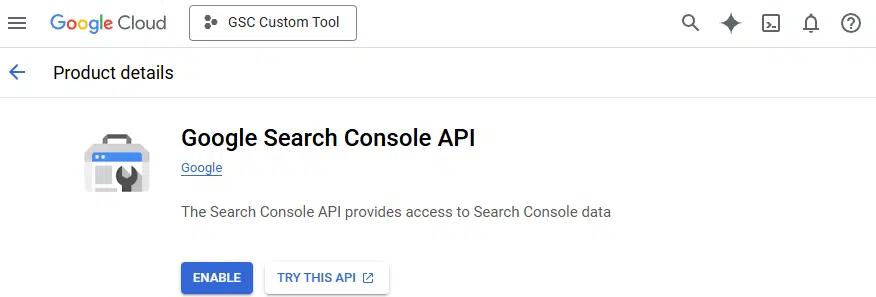
This increased focus would allow them to compete more effectively with larger, more diversified companies.

Get the newsletter search marketers rely on.


Negative implications

4. Siloed data

Google’s integrated ecosystem allows for streamlined data collection, from Google Analytics to Tag Manager. You can easily pull data into a Looker Studio report.

Advertisers who bypass Google Analytics often highlight the availability of numerous tools for data integration. However, incorporating additional services and data integrators can lead to data loss. 

This issue will likely be exacerbated when pulling data from multiple search engines and platforms, as each platform tends to calculate metrics with slight variations. 

Is it even possible for us to unite on marketing standards?

A breakup would mean advertisers lose cohesive insights and would have to invest in third-party data integration solutions to bridge gaps between platforms, potentially risking data loss and hampered decision-making. 

Independent platforms are incentivized to claim credit and demonstrate their role in driving revenue. This dynamic will continue to worsen the credit attribution issue we observe between paid search and paid social.

Achieving statistical significance could become challenging if search volume fragments too widely, making campaign optimizations more difficult for ad managers.

5. Increased labor costs

Costs for advertisers are already high, especially in retail, where increased CPCs further squeeze margins. 

Fragmentation could further intensify these challenges, not only from the platform side but also from the labor side.

Advertisers will need to hire more platform specialists, which typically cost more than generalists in terms of salary.

Reid Thomas on X

Reid Thomas agrees with this, pointing out that it seems counterintuitive.

Despite their apparent similarities, Google and Bing differ significantly in their algorithms, user interfaces and overall search experiences for users and ad specialists.

The bidding systems and auction dynamics in Google Ads and Bing Ads differ, influencing CPC and overall campaign effectiveness.

If the courts ever restricted Google or mandated its division into separate entities for search, we might witness the rise of Bing experts alongside Google experts who also specialize in Bing. 

This assumes that the volume of searches and the return on investment for advertisers on Bing justify the costs of dedicating resources to this platform.

6. Increased training costs

It is advantageous for a Google Ads expert to understand how Facebook Ads and Amazon Ads and other platforms operate. 

Although Google Ads experts may not actively manage these platforms daily, having cross-platform knowledge allows experts to better assess the role each platform plays in relation to Google Ads.

If Google were to be divided, the demand for this training would rise as additional platforms become options for search. 

This assumes that a breakup of Google introduces more competitors beyond just Microsoft’s Bing and that the new platforms offer distinctly different products.
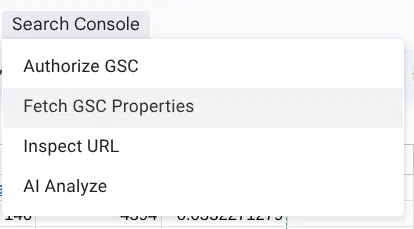
Julie Bacchini on X - Emerging platforms

Julie Bacchini has also been thinking about this, reminding us that this could happen quickly.

7. Media plan complexity

For large advertisers, media planners handle intricately complex strategies that include spending on platforms such as Google, TikTok, influencer marketing, programmatic and CTV. 

The emergence of the media planner role has led to specialists adept at quickly adjusting year-long media plans mid-campaign and projecting the revenue impacts of the moving media budgets.
This role ensures media budgets are allocated to the platforms performing best at each stage of the campaign.

If the market begins to fragment, this role will become even more demanding, as advertisers want to be agile when allocating budgets during the campaign’s duration.

Dividing Google search would significantly increase the demands on media planning teams, requiring them to manage exponentially more scenarios for budget allocation in already complex plans.

8. Higher CPCs
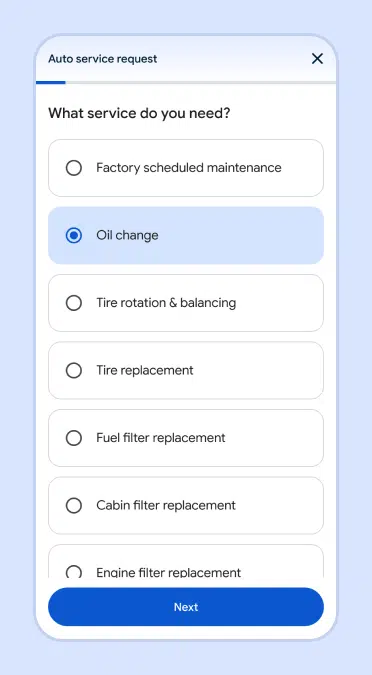
Fragmented search volumes on platforms may drive up CPCs due to intensified competition at the platform level.

Additionally, increased operational costs – such as those for server time – could trickle down to advertisers, reducing ROI. 

Google already limits low-volume keyword bids to control the cost associated with serving ads.  

Segmenting search across various platforms could increase its prevalence by decreasing searches on each platform. This would align the ad serving costs more closely with the CPC, thereby reducing margins.

9. Google targeting shifts

We can only speculate on what a division of Google might entail, but let’s consider a scenario where Google must separate YouTube and its search operations.

Currently, Google uses a wealth of user data across its various platforms to create detailed user profiles and highly targeted ads. 

However, if these platforms were separated, the amount of data available for targeting could be reduced. 

This could lead to less precise targeting, potentially impacting the effectiveness of ad campaigns. 

Additionally, integrating YouTube and Google Search allows for sophisticated cross-platform targeting strategies. 

For example, advertisers can target users who have watched a specific YouTube video with relevant search ads. 

If these platforms were separated, such cross-platform targeting opportunities might be limited or even eliminated.

It’s important to note that this is just a potential scenario. The actual impact of a Google split on targeting would depend on the specific details of the division and any new regulations or policies that might be implemented.

10. Innovation slowdown

Although the previous section discussed the potential for increased innovation, a Google split could also reduce innovation. 

While outcomes are unpredictable, it is important to consider all scenarios.

Google has a vast amount of user data, which is a key driver of innovation in the paid search industry. 

A split could reduce the amount of data available to each company, hindering the development of advanced targeting and measurement tools.

11. Regulatory scrutiny

A split could subject the new companies to increased regulatory scrutiny, potentially adding additional costs and bureaucratic burdens that could hamper innovation.

This is basically a case of laws and regulations being enhanced to avoid another Google situation.

However, considering these new companies will be smaller and may not have the same resources as a larger corporation like Google, excessive regulatory rulings could stifle their growth and hinder their ability to compete or go to market with an alternative platform.

12. Impact on employment

The impact of Google’s disappearance on employment in the paid search industry would be significant and far-reaching.

Google employs a vast workforce to develop, maintain and support its advertising platforms. A significant portion of these jobs would likely be eliminated.

Numerous agencies, consultants and freelancers rely on Google Ads as a core part of their business. Reducing Google’s dominance could lead to job losses in these sectors.

This could also decrease the demand for specialized skills related to Google Ads, such as campaign optimization, audits and strategy work.

On the other hand, Google’s absence could shift new job opportunities as businesses look for alternative ways to reach their target audience. 

Other search engines or social media platforms may see increased demand for their advertising services. This could open up different roles for paid search marketers and advertisers familiar with these platforms.

What should marketers and advertisers consider in the short term?

To navigate potential disruptions, PPC marketers should prioritize adaptable strategies that can withstand shifts in the paid search ecosystem.

Platform diversification 

  • Begin experimenting with alternative platforms to build resilience in case of fragmentation. While testing requires a budget, the insights gained could prevent over-reliance on a single platform.

Develop cross-platform skills 

  • Train teams in data analysis, human behavior and cross-channel strategies. 
  • Adaptability is crucial as market dynamics evolve.

Adopt flexible tools 

  • Leverage and engage with thought leaders from third-party vendors like Optmyzr that facilitate multi-platform campaign management and analysis. 
  • Vendors can serve as valuable guides, integrating data across platforms and adapting to industry changes.

Build resilient strategies

  • Focus on developing platform-agnostic strategies that can be implemented across multiple channels. 
  • Understanding search intent and customer psychology will remain valuable regardless of the specific platform.

Technological agility 

  • Invest in tools and teams that allow for flexible adaptation across platforms.

Channel relationships 

  • Cultivate connections with platform vendors and search engine representatives to stay informed of future changes.

Ongoing training 

  • Keep skill sets current in areas like data analytics, audience insights and regulatory updates. 
  • Marketing fundamentals remain constant even as digital spaces evolve.

Looking forward

It’s important to note that the actual impact of a Google split will depend on various factors, including the specific terms of the split, the competitive landscape and overall economic conditions.

A Google breakup would undoubtedly reshape the paid search landscape, requiring paid search marketers to embrace new strategies and technologies and possibly higher costs. 

Advertisers can navigate a diversified market and leverage competition by staying adaptable and informed.

The skills to analyze and optimize remain more critical than ever. Equally important is delivering marketing in a privacy-focused manner that respects consumers while they browse online.

Contributing authors are invited to create content for Search Engine Land and are chosen for their expertise and contribution to the search community. Our contributors work under the oversight of the editorial staff and contributions are checked for quality and relevance to our readers. The opinions they express are their own.

Google rolls out brand customization for Performance Max campaigns

Google is rolling out brand guidelines settings for Performance Max campaigns, first announced in May, allowing advertisers to customize elements like business names, logos, colors and fonts.

How it works.

  • Advertisers can tailor ad creative to better align with their brand identity.
  • Feature is currently available in select accounts, with broader rollout underway.
  • Helps ensure consistent branding across Google’s ad placements, including YouTube and display.

Why we care. This new capability gives more control over how your brand identity is portrayed across Google’s ad network, potentially improving campaign performance and consistency.

The catch. There appear to be some minor inconsistencies in the help documentation and in-app settings, particularly around the use of color and font in YouTube videos and display ads.

First seen. PPC expert Dario Zannoni, highlighted seeing this functionality in his account on LinkedIn:

What to watch. Whether this feature leads to measurable performance improvements for advertisers leveraging it within their Performance Max campaigns.

Bottom line. By empowering advertisers to better control their brand representation, Google is positioning Performance Max as a more versatile and customizable campaign type.


New on Search Engine Land

About the author

Anu Adegbola

Anu Adegbola has been Paid Media Editor of Search Engine Land since 2024. She covers paid search, paid social, retail media, video and more.

In 2008, Anu’s career started with

 delivering digital marketing campaigns (mostly but not exclusively Paid Search) by building strategies, maximising ROI, automating repetitive processes and bringing efficiency from every part of marketing departments through inspiring leadership both on agency, client and marketing tech side.


Outside editing Search Engine Land article she is the founder of PPC networking event – PPC Live and host of weekly podcast PPCChat Roundup.


She is also an international speaker with some of the stages she has presented on being SMX (US), SMX (Munich), Friends of Search (Amsterdam), brightonSEO, The Marketing Meetup, HeroConf (PPC Hero), SearchLove, BiddableWorld, SESLondon, PPC Chat Live, AdWorld Experience (Bologna) and more.

Get more out of your webinars and virtual events

Learn how you can seamlessly integrate lead nurturing, personalized follow-ups, and social media to create a successful and scaleable on-demand strategy.

Virtual events and webinars don’t stop when the live stream ends! That’s just the tip of the iceberg. 

Imagine if your virtual events could continue driving engagement, generating leads, and boosting your ROI for months to come. It’s possible with the right on-demand strategy.

Join webinar experts from Goldcast for Get More Out of Your Webinars: Strategies for 24/7 Engagement. They’ll dive into real-world examples of how they’ve used on-demand strategies to maximize ROI and create 24/7 engagement. They’ll share tried and true tactics they’ve used at Hoostuite and Drata to propel on-demand views. 

You can save your seat here!


New on Search Engine Land

About the author

Edna Chavira

Edna Chavira is the Senior Director of Marketing Services at Third Door Media. She has over 20 years of experience helping B2B companies generate leads and acquire customers.

Google Ads relaxes personalization rules for social casino game apps

Google will update its Personalized Ads policy in December to exclude *social casino game apps from the restricted “Gambling” sensitive interest category.

Key details:

  • Social casino game ads will be allowed to use personalized targeting starting Dec. 4.
  • All advertisers will have this capability by the end of March 2025.
  • Gambling-related ads will still be prohibited from personalization, except for social casino game apps.

Why we care. This policy change will allow you to leverage more personalized ad targeting for social casino game apps, potentially improving performance and user acquisition.

The catch. Violations of the Personalized Ads policy will prompt a warning before any account suspension, giving advertisers more runway.

Between the lines. This signals Google’s willingness to loosen restrictions around personalization for a specific category of gaming apps, potentially opening up new opportunities for advertisers.

What they’re saying. Google did not provide additional context around the rationale for this policy change.

What to watch. Whether this update leads to a surge in personalized social casino game advertising, and if Google faces any backlash over the relaxed rules.

Bottom line. Google is carving out an exception for social casino game apps within its broader gambling ad personalization restrictions, a move that could boost performance for that segment of advertisers.

About. Social casino game apps are online games that simulate casino gambling (e.g. poker, slots, roulette) where there is no opportunity to win money or money’s worth.


New on Search Engine Land

About the author

Anu Adegbola

Anu Adegbola has been Paid Media Editor of Search Engine Land since 2024. She covers paid search, paid social, retail media, video and more.

In 2008, Anu’s career started with

 delivering digital marketing campaigns (mostly but not exclusively Paid Search) by building strategies, maximising ROI, automating repetitive processes and bringing efficiency from every part of marketing departments through inspiring leadership both on agency, client and marketing tech side.


Outside editing Search Engine Land article she is the founder of PPC networking event – PPC Live and host of weekly podcast PPCChat Roundup.


She is also an international speaker with some of the stages she has presented on being SMX (US), SMX (Munich), Friends of Search (Amsterdam), brightonSEO, The Marketing Meetup, HeroConf (PPC Hero), SearchLove, BiddableWorld, SESLondon, PPC Chat Live, AdWorld Experience (Bologna) and more.

Google AdMob launches new controls for high-engagement mobile ads

AdMob is rolling out a new app-level setting that controls high-engagement ads in interstitial and rewarded formats, launching in the coming weeks.

Why it matters. App developers will soon have more control over how engaging ads appear in their apps, with the potential for improved ad performance and revenue.

What’s new. When enabled, the setting allows:

  • Interstitial ads skippable after up to 15 seconds.
  • Rewarded ads with up to 60-second reward grant time.
  • Up to three-step exit process for both ad types.

How it works.

  • Setting will be enabled by default for all apps.
  • Developers can opt out through App settings.
  • Google Ads and AdMob Network buyers can serve more engaging ad formats.

Between the lines. While the update promises better performance, the longer ad durations and multi-step exit process could impact user experience.

Looking ahead. Google intends to work with buyers to optimize these high-engagement ads while maintaining transparency and user focus.

Bottom line. This update gives developers more flexibility in balancing ad revenue with user experience, though the default opt-in approach suggests Google is pushing for wider adoption.


New on Search Engine Land

About the author

Anu Adegbola

Anu Adegbola has been Paid Media Editor of Search Engine Land since 2024. She covers paid search, paid social, retail media, video and more.

In 2008, Anu’s career started with

 delivering digital marketing campaigns (mostly but not exclusively Paid Search) by building strategies, maximising ROI, automating repetitive processes and bringing efficiency from every part of marketing departments through inspiring leadership both on agency, client and marketing tech side.


Outside editing Search Engine Land article she is the founder of PPC networking event – PPC Live and host of weekly podcast PPCChat Roundup.


She is also an international speaker with some of the stages she has presented on being SMX (US), SMX (Munich), Friends of Search (Amsterdam), brightonSEO, The Marketing Meetup, HeroConf (PPC Hero), SearchLove, BiddableWorld, SESLondon, PPC Chat Live, AdWorld Experience (Bologna) and more.

Google Ads Optimization Score now reveals specific competitor impacts

Google’s Optimization Score, which provides recommendations to improve ad performance, has been updated to highlight the specific competitive pressures impacting impression share.

Why we care. This new feature gives you a clearer view of how major competitors like Amazon are affecting ad campaigns, helping you to make more informed optimization decisions. However, mimicking competitor strategy isn’t a great strategy and could just lead to unnecessary overspending. Approach this update with care.

How it works.

  • Optimization Score now identifies when competitors are affecting campaign metrics.
  • This provides advertisers with real-time insights into auction-level competition.

First seen. Google Ads expert Craig Graham, shared this discovery on LinkedIn:

Big picture. Understanding the role of major competitors is important for optimizing paid search campaigns effectively. This new visibility into auction-level dynamics could be a game-changer for many advertisers. However, it could just be a means of getting you to spend unnecessarily.

  • “I definitely think it’s to encourage bidding more and FOMO [fear of missing out] on users to competitors that it thinks you’ll be worried about, but also an actually useful feature,” said Chris Chambers, head of Paid Search at Understudy, in response to Graham’s posting about this update.

What to watch. Whether Google expands this level of competitive transparency to additional Optimization Score insights over time.

Bottom line. By shining a light on the impact of rivals like Amazon, Google could be empowering advertisers to make more informed decisions to improve their search ad performance or it could be a ploy for more spend from advertisers who don’t want to feel like they are missing out on an auction where their competitors are present.


New on Search Engine Land

About the author

Anu Adegbola

Anu Adegbola has been Paid Media Editor of Search Engine Land since 2024. She covers paid search, paid social, retail media, video and more.

In 2008, Anu’s career started with

 delivering digital marketing campaigns (mostly but not exclusively Paid Search) by building strategies, maximising ROI, automating repetitive processes and bringing efficiency from every part of marketing departments through inspiring leadership both on agency, client and marketing tech side.


Outside editing Search Engine Land article she is the founder of PPC networking event – PPC Live and host of weekly podcast PPCChat Roundup.


She is also an international speaker with some of the stages she has presented on being SMX (US), SMX (Munich), Friends of Search (Amsterdam), brightonSEO, The Marketing Meetup, HeroConf (PPC Hero), SearchLove, BiddableWorld, SESLondon, PPC Chat Live, AdWorld Experience (Bologna) and more.

ChatGPT search officially launches

Some ChatGPT users can now search the web with ChatGPT search, OpenAI announced today.

ChatGPT has been able to search the web for several months, but today’s update is part of OpenAI’s larger push into AI search.

OpenAI’s ChatGPT search has an opportunity to challenge Google’s search monopoly with a much different user experience (e.g., less clutter, less search features, no ads).

Why we care. We’ve long waited to see what OpenAI’s search product. Now it’s here. While it’s too early to tell what impact ChatGPT search will have on Google, we know that SearchGPT (despite having a small user base) was already sending more referral traffic to brands than other AI engines like Perplexity and Claude.

How to search. Go to ChatGPT, click on the web search icon, and enter your query. Here’s what ChatGPT’s search icon looks like:

Categories. ChatGPT search includes up-to-date information and unique visual designs in these specific categories:

  • Weather.
  • Stocks.
  • Sports.
  • News.
  • Maps.

Sources. ChatGPT search will cite its sources via inline citations and a Sources button underneath its responses (answers) to queries. Clicking the button opens a sidebar of links, called Citations.

ChatGPT citations

Availability. To use ChatGPT Search, you’ll need to be a ChatGPT Plus or Team user – or be on the waitlist for SearchGPT.

  • Search will become available for free ChatGPT users “over the coming months.”
  • You can access search at chatgpt.com and on the desktop and mobile apps.

How it works. According to OpenAI:

  • “The search model is a fine-tuned version of GPT-4o, post-trained using novel synthetic data generation techniques, including distilling outputs from OpenAI o1-preview. ChatGPT search leverages third-party search providers, as well as content provided directly by our partners, to provide the information users are looking for.”

One of those third-party search providers is Microsoft Bing. Based on its ChatGPT search help document, OpenAI is sharing search query and location data with Microsoft.

Chrome Extension. You can make ChatGPT your default search engine on Chrome by downloading this Chrome Extension.

More to come. OpenAI said it plans to improve the search experience for shopping and travel queries.

What they’re saying. Varun Shetty, OpenAI’s head of media partnerships, told the Washington Post (subscription required):

  • “We think it improves relevancy and decreases hallucinations, because of the ability to go out to the web.”

SearchGPT. We were expecting OpenAI to integrate SearchGPT into ChatGPT search at some point this year. For now, at least, it seems SearchGPT, announced in July, will live on as an experimental search prototype – perhaps where new ChatGPT search features are tested.

The announcement. Introducing ChatGPT search

Everything you need to know in 2025

Meta descriptions are crucial in shaping how search engines and users perceive your content. 

While meta descriptions don’t directly impact search rankings, they can significantly influence user engagement, click-through rates (CTR) and, ultimately, a site’s SEO performance. 

Meta descriptions are often the first interaction potential visitors have with a website, making it essential to create informative and enticing descriptions. 

Just as you would carefully choose words when introducing yourself at a networking event, the same attention should be given to crafting your meta descriptions.

As search engines continue to prioritize user experience, particularly with the rapid advancements in AI and semantic search, 2025 marks an ideal time to give meta descriptions the attention they deserve. 

A well-crafted meta description can be the deciding factor that drives clicks to your site instead of your competition. 

This article covers everything you need to know about meta descriptions in 2025, including:

  • How to write them effectively.
  • Common pitfalls to avoid.
  • The key trends shaping metadata’s role in SEO strategy.

Let’s start with on-page SEO basics.

Metadata refers to the snippets of information that provide context to a webpage’s content. It helps search engines understand what a page is about, assisting in indexing and improving search result relevance.

Your meta description is one of these elements. It isn’t visible on the content page itself, but it could be visible in the search results as a search snippet.

Although meta descriptions are not a direct ranking factor, they significantly encourage users to click on a result. 

A good meta description should be concise (around 150-160 characters), informative and compelling, making it clear what the user can expect from the page. 

It should spark curiosity and provide a reason to click, indirectly benefiting SEO by improving CTR.

Search engines like Google monitor how users interact with search results. If your meta description is enticing enough to generate clicks, it signals to the search engine that your page is relevant and engaging, potentially improving its ranking indirectly.

With advancements in semantic search algorithms, meta descriptions must convey context, not just keywords. 

Implementing structured data (like schema markup) further helps search engines understand the content’s meaning, linking it to broader concepts or entities. This can help improve rankings for long-tail or voice search queries.

Metadata plays a pivotal role in SEO, user engagement and your website’s overall visibility. 

While it may seem like a small detail in the grander scheme of SEO, well-optimized metadata can make a significant difference in:

  • Attracting clicks.
  • Providing context to search engines.
  • Enhancing your site’s overall user experience. 

Let’s take a deep dive into the best practices for writing effective meta descriptions.

Optimal length

The ideal length for a meta description is around 150-160 characters. Any longer and Google may truncate it.

Although Google sometimes rewrites descriptions based on the search query, keeping yours within this limit ensures more control over how your page is presented.

Address user intent

A good meta description should clearly address the intent behind the user’s search query. 

Consider what the user is looking for and how your page can solve or answer that problem. This helps increase relevance and the likelihood of a click.

Incorporate keywords naturally

While keywords in the meta description don’t directly affect rankings, they will be bolded in SERPs when they match the user’s search query. 

This bolding can make your listing stand out, so it’s a good idea to include relevant keywords without overstuffing.

Encourage action

A meta description can include a soft call to action. Phrases like “Learn more,” “Find out how” or “Get started today” can gently encourage users to click your link.

Spark curiosity

Leaving a bit of mystery can pique curiosity and encourage users to click. 

For example, hint at the information they’ll find on your page instead of explaining everything in your meta description. This tactic is particularly effective for informational searches.

Dynamic meta descriptions for ecommerce

For large sites like ecommerce platforms, manually writing unique meta descriptions for every product can be challenging. 

In such cases, dynamic meta descriptions that pull key information such as product names, categories and prices can be useful. However, ensure these are still readable and make sense to users.

Use schema markup for rich snippets

Although not strictly metadata, structured data (schema markup) can enhance your metadata by providing additional context to search engines.

Implementing schema can result in rich snippets, such as product reviews or recipe cards, which can improve your listing’s visibility in SERPs.

Test and tweak regularly

Optimizing metadata is not a one-time task. Over time, as user behavior and search algorithms evolve, so should your metadata. 

Regularly review your pages’ performance, tweak the metadata as needed, and A/B test different versions to see what works best for your audience.

Several common mistakes can undermine your efforts in writing compelling meta descriptions. Here are the key things to avoid when optimizing for search engines and users.

Keyword stuffing

While cramming as many keywords as possible into your meta description may be tempting, this is a major mistake. 

It can harm your performance rather than improve it. Moreover, keyword-stuffed content tends to read poorly, leading to lower user engagement and click-through rates. ​

Vague or misleading

Your meta description should clearly reflect the content of the page. 

Misleading or vague information might increase clicks initially, but it can lead to low engagement rates when users realize the content doesn’t match their expectations. 

This mismatch hurts your SEO in the long run, as search engines track how quickly users leave your page.

Duplicating descriptions across pages

Using the same meta description across multiple pages dilutes the effectiveness of your metadata. 

Every page on your site should have unique metadata that accurately reflects the content of that specific page.

Duplicate metadata can confuse search engines and negatively impact your SEO, as it reduces the perceived uniqueness and relevance of your pages​.

Overly long descriptions

Google typically shortens meta descriptions longer than 160 characters, which can result in important information being “cut off,” reducing the clarity and appeal of your listing.

Keeping descriptions within recommended character limits ensures that users can see the entire message in search results​.

Ignoring voice search 

As more users rely on mobile devices and voice search, it’s essential to optimize for these formats. 

Avoid overly complex or technical language and aim for a conversational tone that matches the more natural, query-based language of voice search​.

Not incorporating user intent

Your meta descriptions should be designed with the searcher’s intent in mind. Failing to match user intent can result in fewer clicks or mismatched traffic. 

For example, if your page addresses informational queries, the meta description should reflect that by providing clarity and inviting the user to learn more. 

Ignoring user intent means your page is less likely to resonate with the target audience​.

Relying solely on keywords

Search engines now place a strong emphasis on context and intent rather than just keywords. 

Avoid focusing exclusively on keywords without considering the overall relevance to the page’s content and the user’s search query. You should provide value and context, not just keyword signals​.

Forgetting to update meta descriptions

Your meta descriptions should evolve as your content changes and as SEO best practices are updated. 

Failing to update them, especially on older content, can result in outdated information, which affects user experience and, therefore, search engine ranking. 

Regularly auditing and refreshing your descriptions as you update content across a website helps keep them relevant and effective.​

Get the newsletter search marketers rely on.


If you follow all these tips and avoid the pitfalls, you should always see your carefully crafted meta description in the SERPs, right? 

Unfortunately not. While this may seem concerning when it happens, it’s not necessarily something to worry about. 

Depending on which study you look at, you’ll soon see that Google rewrites somewhere between 60% and 70% of all meta descriptions.

Considering Google’s goal to deliver the most relevant and useful information to searchers, it makes perfect sense that they would do this. Here are some key reasons why:

  • Improving relevance: If the original description doesn’t closely match the search query or doesn’t adequately describe the content of the page, Google may modify it to provide more relevant information that better aligns with what the user is searching for​
  • Length or structure issues: If your meta description is too long, poorly structured or contains redundant information, Google may rewrite it to fit within their preferred format or to enhance clarity. For instance, titles that exceed pixel limits may be truncated or over-optimized descriptions might be simplified.
  • Lack of information: If no meta description is present or it’s of low quality (e.g., generic or missing key details), Google will auto-generate it based on the page content, using headings, content snippets or other on-page text​.

Dig deeper: Google shares 4 examples of how to improve a meta description

Why you shouldn’t worry about it

While seeing Google alter your metadata can be disconcerting, it’s usually done to improve the overall user experience and to better match the search intent. 

Google’s primary focus is delivering the most helpful results to users. 

If Google adjusts your description, it’s usually a signal that they’re trying to align your page with the specific needs of searchers. 

In many cases, these rewrites improve click-through rates (CTR) by making the result more relevant to the query​.

Dynamic search results

Google now increasingly delivers personalized and dynamic search results. 

Factors such as location, device, or search history can affect the description shown. 

Depending on the context, Google may adjust it for certain queries but still use your original version for others.

Best practices still matter

Even if Google sometimes rewrites your meta description, following best practices for SEO is still essential. 

A well-optimized meta description that clearly describes your content and incorporates relevant keywords will often remain intact, especially when they closely align with user intent.

Changes to look for in 2025

As SEO and search technologies continue to evolve, 2025 brings several noteworthy changes to how meta descriptions are used and perceived by search engines, particularly Google. 

Here are the key changes to be aware of in 2025.

AI-generated meta descriptions

With advancements in AI, search engines are becoming more sophisticated in understanding context, meaning and user intent. 

Google is increasingly rewriting meta descriptions dynamically to better match users’ search queries and provide more relevant results. 

This shift began in recent years, but by 2025, AI-generated meta descriptions and title tags will become more prevalent.

This trend will expand, with search engines taking more liberty in rewriting meta descriptions on the fly based on the user’s specific query, location and intent.

The era of lexical search is over. Google is a semantic search engine.

This means Google places less emphasis on exact keywords in meta descriptions and more on understanding the meaning behind search queries.

For 2025, you must reflect this shift by focusing on intent-based, conversational phrases rather than rigid keyword optimization.

To adapt:

  • Focus on context: Don’t just include keywords; reflect the overall theme or context of the content. For instance, write for topic clusters that align with user search intent rather than targeting single keywords.
  • Answer specific questions: With voice search and AI tools growing, meta descriptions should anticipate and answer specific, conversational queries as users search more naturally (e.g., “What are the best practices for meta descriptions in 2025?”)​

Structured data and enhanced snippets

Structured data will continue to be critical in helping search engines understand your page’s content and display rich results.

Google increasingly rewards websites that implement structured data, allowing them to appear with rich snippets, such as how-tos and reviews.

  • Schema markup: Structured data is essential for helping search engines understand complex information like events, products, recipes and more. As rich results become more advanced, using schema markup ensures visibility in these rich search features, improving CTR​.
  • Entity-based meta descriptions: Search engines focus more on entities (people, places, things) than just keywords. Meta descriptions should reflect entities relevant to the page, helping Google form connections between topics and content across the web.

The growing role of user signals

In 2025, the SERPs will be more influenced by user engagement metrics such as click-through rates, time spent on the page and engagement rates. 

Google is becoming smarter at gauging whether your meta descriptions are drawing in users and keeping them engaged. 

If they aren’t, Google may continue rewriting them to boost performance.

Increased focus on local SEO

For local businesses, using structured data and optimizing meta descriptions with location-based keywords and clear contact information will become even more important. 

By 2025, local results may rely more on AI to show meta descriptions tailored to the searcher’s specific area and intent.

Preparing for 2025

Effective meta description strategies in 2025 will need to align closely with AI, user intent and semantic search. 

While core best practices remain essential, emphasis will shift to:

  • Using structured data.
  • Optimizing for mobile and local searches.
  • Crafting descriptions that drive engagement.

Success will come from creating user-focused, context-rich descriptions that go beyond keywords to fully address search intent and improve the overall search experience.

Dig deeper: The complete guide to optimizing content for SEO (with checklist)

Contributing authors are invited to create content for Search Engine Land and are chosen for their expertise and contribution to the search community. Our contributors work under the oversight of the editorial staff and contributions are checked for quality and relevance to our readers. The opinions they express are their own.

How to pick the right Google Business Profile categories

Categories on your Google Business Profile (GBP) are among the top factors for local search rankings.

It’s essential to choose the right primary and secondary categories to ensure your business appears in relevant searches. 

If you’re unsure how to select the best categories for your GBP, this article will guide you through the process.

How to choose the best primary category for GBP

Choosing the right primary category for your business isn’t always straightforward. 

The many relevant options in industries like dentistry or HVAC can make selecting the best fit challenging.

Since the primary category has the most impact on ranking your Google Business Profile for relevant searches, it’s essential to identify the optimal choice.

This process becomes much easier if you have access to Places Scout – a local rank-tracking tool with a GBP category selection feature. 

Run a report for your top keywords, go to the Leads section, create a LeadGen Report, and click on Category Analysis to view the primary categories competitors are using successfully.

Now, you can see a list of all the categories the competitors ranking for your top keywords are using on their listings.

Alternatively, you can download a free extension from PlePer. When you click on a GBP listing, the extension will pop up a ton of info about the listing, including all the categories they use.

PlePer - Chrome extension showing GBP categories

The first category on the list is the primary category. Look at all the top competing listings in your area and note the primary categories they are using.

Once you know the primary categories the competition uses most often, you can decide which primary category is best for your listing.

Test different primary categories to see which provides the best ranking boosts for your top keywords. Just don’t change the categories too often.

Wait a few weeks after a category change to assess rankings and change the category again if necessary.

Dig deeper: 6 Google Business Profile questions asked and answered

GBP secondary category optimization

Although the primary category may be the most important in terms of the ranking value it provides, your listing can have nine secondary category spots. 

I typically recommend filling all nine secondary slots with relevant categories whenever possible. 

You can use the same tools I mentioned above to find the most relevant secondary categories. You can also try Jepto’s Google Business Profile Discovery tool to help you find more relevant categories.

Google constantly changes, removes and adds new categories to GBP. Make sure to check monthly or quarterly for additional relevant categories you may want to add to your listing. 

Also, keep in mind that categories can have different names depending on where in the world you are located.

For example, in Australia they have a category for “tradesmen” that is not offered in the U.S. or Canada.

GBP category - Tradesmen

If you are working with a global business, it’s important to ensure you add the most relevant categories based on the region.

Get the newsletter search marketers rely on.


Predefined services

Another major benefit to adding secondary categories is that under each category, there is an option to select pre-defined services. 

Pre-defined services can help boost rankings a bit, so as you are adding secondary categories, make sure to click on each one and check off all relevant services.

The categories “Contractor” and “Handyman/Handywoman/Handyperson” are extremely similar, but they have some unique services under each.

GBP - Contractor category
GBP - Handyperson category

Jepto’s Google Business Profile Discovery tool can also help here, as it will tell you all the services associated with each category.

Dig deeper: 5 top tips to boost your local SEO efforts

Can you switch the primary category depending on the season? 

Absolutely! This is a vital strategy for seasonal businesses like HVAC, lawn care, farms and more. 

Adjusting the primary category to match seasonal demand allows these businesses to optimize their visibility for relevant searches year-round.

If you’re in the HVAC industry, make sure to switch your GBP category from “air conditioning repair service” to “furnace repair service” at least a few weeks before the cold weather hits. 

This ensures Google has time to reassess your business profile and rank it for furnace and heating terms.

Many other industries also benefit from this strategy. For example, a lawn care business that does snow removal in the winter will want to switch its primary category from “lawn care” to “snow removal service” a few weeks before the first snowfall hits. 

Suppose your business operates a haunted house during the fall. In that case, there’s a specific category for that, which can boost your profile’s relevance and give you a competitive edge in “haunted house near me” searches. 

Haunted house near me

Once the Halloween season ends, you can easily switch to a more relevant category for the winter months to maintain visibility for your core services.

Avoid the local filter with strategic category tactics

If you have multiple listings verified at the same address, such as a practitioner or department listing, it’s crucial to carefully select categories for each.

Overlapping categories can trigger Google’s local filter, reducing your visibility. To avoid this, ensure that each listing at the same address has distinct categories.

For example, a dental clinic with both a main office listing and a practitioner listing should assign unique categories to each.

The main office might use “dentist,” while the practitioner listing could use “emergency dentist” or “pediatric dentist.”

You need to confirm using local rank tracking grids that the listings are not actually filtering each other. Even if they have separate categories, this filtering can still happen if the categories are too similar.

If you see an irregular pattern with inverted pins (like the one below), the local filter is likely at work.

Google's local filter at work

You can also use category optimization to get your listing unfiltered if you are being filtered by nearby business listings you don’t have control over. 

For example, realtors tend to have major issues with the local filter when many individual realtor listings are verified to the same broker’s address. 

If you’re in a position like this, try changing your primary category to something none of the other listings use.

Dig deeper: 11 local SEO tools you should be using

Contributing authors are invited to create content for Search Engine Land and are chosen for their expertise and contribution to the search community. Our contributors work under the oversight of the editorial staff and contributions are checked for quality and relevance to our readers. The opinions they express are their own.

Google updates crawl budget docs for large sites with differing mobile and desktop pages and links

Google added a new best practice in its crawl budget documentation to say it is best practice to ensure all links are present on the mobile version, as it is on your desktop version, if your page. If you do not do this, the discovery of new pages can be slower if the mobile version does not include all the links that are currently available on the desktop version.

What changed. Google added a new bullet point to this section of the crawl budget documentation page:

“If your site uses separate HTML for mobile and desktop versions, provide the same set of links on the mobile version as you have on the desktop version. If it’s not possible to provide the same set of links on the mobile version, ensure that they’re included in a sitemap file. Google only indexes the mobile version of pages, and limiting the links shown there can slow down discovery of new pages.”

Why Google add this. Google wrote this to explain that if you do not do this, it can slow the crawl of your mobile pages. Google wrote:

“For large websites with separate HTML on mobile and desktop versions, the discovery of new pages can be slower if the mobile version does not include all the links that are present on the desktop version.”

Why we care. If you large site uses both a mobile and desktop version of the site and the links on some of those pages do not match, it can cause discovery issues for your new content. If you want to ensure everything is optimal and the speed of crawl is fine, make sure to have the content on those pages to be the same, including the links. You can always go with a responsive design to simply this in the future.

Google fixes supplemental feed limitation in Merchant Center Next

Google Merchant Center Next resolved a previous limitation that prevented users from working with pre-prepared supplemental feeds in Google Sheets.

Merchants can now use existing Google Sheets for supplemental feeds, eliminating the previous requirement to create sheets from scratch or use alternative methods.

Why we care. This will save time for ecommerce managers and merchants and allow continued use of existing spreadsheet templates. Plus, it simplifies the feed management process in Google Merchant Center.

Big picture. Previously reported by industry observer Emmanuel Flossie on LinkedIn, the issue restricted merchants from leveraging pre-existing spreadsheets for their product feeds. The recent update removes this technical constraint.

This isn’t the first time advertisers have had issues with Merchant Center Next and supplemental feeds. In July it wasn’t clear whether advertisers could use the supplemental feed and the solution for that was tedious. This solution makes the compatibility more straightforward.

What’s next. Merchants using Google Merchant Center Next should review their current supplemental feed setup to take advantage of the new functionality.


New on Search Engine Land

About the author

Anu Adegbola

Anu Adegbola has been Paid Media Editor of Search Engine Land since 2024. She covers paid search, paid social, retail media, video and more.

In 2008, Anu’s career started with

 delivering digital marketing campaigns (mostly but not exclusively Paid Search) by building strategies, maximising ROI, automating repetitive processes and bringing efficiency from every part of marketing departments through inspiring leadership both on agency, client and marketing tech side.


Outside editing Search Engine Land article she is the founder of PPC networking event – PPC Live and host of weekly podcast PPCChat Roundup.


She is also an international speaker with some of the stages she has presented on being SMX (US), SMX (Munich), Friends of Search (Amsterdam), brightonSEO, The Marketing Meetup, HeroConf (PPC Hero), SearchLove, BiddableWorld, SESLondon, PPC Chat Live, AdWorld Experience (Bologna) and more.

Google adds segmentation to Performance Max Asset Groups

Select Google Ads accounts can now access a new “segment” option for Performance (PMax) Asset Group performance, offering a long-awaited layer of granularity to campaign insights.

This has been a highly requested feature for years, and Google has now delivered, enhancing the ability to monitor and optimize PMax campaigns.

Why we care. This new segmentation tool empowers you to slice data directly in the Table View, allowing for deeper analysis of campaign performance. Notably, you can now see specific conversion actions and track the “days to conversion,” providing critical insights into the timing and value of conversions across different asset groups.

With the UI having been a point of contention for advertisers in the past, this new ease in segmenting performance is a step in the right direction.

How it works. The segmentation feature enables advertisers to break down Pmax Asset Group performance by:

  • Time
  • Click Type (consistently set to cross-network clicks)
  • Conversions
  • Device
  • Network (showing cross-network by default)
  • Top vs. Others

Get the newsletter search marketers rely on.


Key feature spotlight. The “Conversions” segment opens up new possibilities for Pmax users. It allows for the analysis of conversion values based on different actions and tracks “days to conversion,” which details how long it takes for each asset group to drive conversions.

This insight enables advertisers to better understand the performance journey of their users and make data-driven adjustments to optimize for faster conversions.

First seen. This update was first seen by Thomas Eccel on LinkedIn, who noted that fellow marketers Meltem Balcia and Carolin Carvalho da Silva brought it to his attention.

What’s next. As the segmenting feature is gradually rolled out, more accounts will gain access to these detailed insights, which will support advertisers in refining campaign strategies and understanding user behavior more precisely.

AI Overviews and the road ahead

The SEO landscape is changing fast, and many of the tactics we rely on today are becoming obsolete. To keep driving organic traffic and real value, we need to rethink our approach.

New developments – like Google’s AI Overviews, rolled out in May – are reshaping search results, shifting us away from the old “10 blue links” model.

AI is influencing not just platforms and processes but also how users behave and interact with content.

This article covers key insights and practical strategies to help you adapt to these changes and prepare your SEO efforts for 2025 and beyond.

When you search for “what is a zap in Zapier,” you may notice that the featured snippet appears as a citation in the AI Overview. 

This is not an isolated case.

Many reports highlight similarities between featured snippets and the answers provided in AI Overviews. 

Some experts have even suggested that this redundancy could lead Google to eventually phase out featured snippets altogether.

What this means for SEOs

There’s still value in trying to appear for featured snippets. Think of this as one way to have a higher chance of appearing in the AI Overviews. 

If you appear in a featured snippet you are increasing your opportunity to appear in AI Overviews.

Now is the time to get your ducks in a row and build a process to optimize for featured snippets. This will continue to be useful, should Google get rid of the featured snippets in the future.

Dig deeper: AI SEO: How to be visible in Google AI Overviews, chatbots, LLMs

2. Each citation in AI Overviews can have multiple sources (URLs)

Here’s an example from searching for the same query “What is a zap in zapier.” A click on the link icon shows two URLs that were used in creating this part of the answer.

What is a zap in Zapier - AIO citation sources

About 21.1% of queries trigger overviews with each answer containing an average of 8.9 links, per a study by Rich Sanger and Authoritas.

This means we have 8.9 links in the AI Overviews plus the organic results in SERPs.

What this means for SEOs

AI Overviews aren’t here to destroy organic traffic. Instead, they are reshaping the ranking landscape and creating new opportunities in SERPs by providing more visibility.

Now is the time to shift our focus: rather than solely aiming for a spot in the top 10 results, we should also prioritize appearing in AI Overview citations.

The good news is that you don’t need to rank in the top 10 to be cited in these overviews.

3. Differences between SERP results and pages selected for LLMs

There have been various studies showing the differences in the top 10 ranking results and the URLs cited in AI Overviews.

Up to 46.5% of the URLs included in AI Overviews rank outside the top 50 organic results, per an Advanced Web Ranking study.

What this means for SEOs

Focus on creating high-quality content, regardless of whether you’re in the top 10 rankings. 

Even if you don’t rank highly, you still have the potential to be cited in AI Overviews or by large language models (LLMs).

Low-quality content is becoming obsolete, and there’s increasing value in producing meaningful content beyond just SERP rankings.

While measuring this value may be difficult at the moment, we will soon have the tools to assess it more effectively.

Dig deeper: The art of AI-enhanced content: 8 ways to keep human creativity front and center

4. Brand mentions are important

We hear about backlinks losing their value every year. LLMs and AI Overviews are shifting that narrative once again. 

The more brand mentions you have (even without a link), the greater the likelihood that your content will appear in answers within AI Overviews and other LLMs. 

What this means for SEO

Backlinks remain important, but their significance is growing even more. 

Getting your brand mentioned is crucial for increasing your chances of appearing in LLMs and AI Overviews.

Dig deeper: How to harness the power of brand mentions across the search universe

Get the newsletter search marketers rely on.


5. Be present in all the sources Google uses for information

Reddit comprised about 4% of the training data for GPT-3, yet it held a significant weight of 22% in its influence. 

Similarly, Wikipedia made up around 1% of the training data but has three times that weight in its impact on LLMs.

Given its current importance, it’s clear that being active on platforms like Reddit is essential for maximizing your Google visibility.

What this means for SEOs 

To appear in AI Overviews and other LLMs, it’s crucial not only to be mentioned or cited but also to actively establish your brand on platforms like Reddit. 

Instead of simply driving traffic from Reddit to your website, consider posting relevant information directly on the platform.

When done thoughtfully and without spamming subreddits, this approach can resemble a white or gray hat strategy of parasite SEO that adds value to your business. 

Additionally, maintaining a presence on Wikipedia is important – just remember to avoid spamming.

As Rand Fishkin put it, “You have to be present with native content in the zero-click platforms because that is the future.”

Dig deeper: How to win with generative engine optimization while keeping SEO top-tier

6. Learn from CTR tests

We can no longer afford to lose clicks because our titles in SERPs are not optimized for CTR. 

If some of the clicks are going to be taken by AI Overviews, then we need to make every impression in SERPs count. There’s no better way to do this than optimizing your CTR. 

What this means for SEOs

I can’t emphasize this enough: SEO is evolving, and our strategies must adapt accordingly. 

CTR tests should be a fundamental aspect of our approach, as even small adjustments in click-through rates can lead to significant results. 

These improvements can be observed at various levels, including individual pages, folders and sitewide performance.

7. Guard your brand against manipulation

Negative SEO, which once involved building toxic backlinks to competitors’ websites using spammy anchor texts, is set to evolve. 

Competitors may now attempt to manipulate AI Overviews and LLMs to present negative information about a brand.

What this means for SEOs

To protect your brand from manipulation, monitor brand mentions and build a strong identity that is not easily undermined. 

We need to develop effective ways to measure our brand’s health in SERPs and online. 

While we currently have metrics such as the total branded searches, clicks, share of voice and interest in the brand (as indicated by Google Trends), we should also consider creating additional metrics and methods to assess our brand health comprehensively.

Dig deeper: Online reputation management: Top 10 hurdles and how to overcome them

8. Learn about RAG

As Michael King puts it, “Search, as we know it, has been irrevocably changed by generative AI.” 

Answer bots like Perplexity and AI Overviews use retrieval-augmented generation (RAG), a technology that leverages live data to ground answers in facts and reduce hallucinations.

What this means for SEOs

Just as we once learned how Google operated, we must now understand the workings of RAG technology.

By investing time in grasping how RAG functions, you can better navigate this new reality and adjust your tactics and strategies accordingly.

Many SEOs have yet to change their playbooks simply because they don’t fully understand these changes. Take the time to learn about RAG – it’s crucial for adapting to the future of SEO.

Contributing authors are invited to create content for Search Engine Land and are chosen for their expertise and contribution to the search community. Our contributors work under the oversight of the editorial staff and contributions are checked for quality and relevance to our readers. The opinions they express are their own.

How content is critical to a winning ecommerce strategy

Online success hinges on making it fast and easy for users to find what they’re looking for. Shifting channels, evolving consumer expectations, and technologies like AI require teams to be more dynamic than ever. Every customer experience requires extensive planning, with content and technology working together behind the scenes to deliver personalized journeys that engage and convert.

Enter composable content: an approach that empowers marketers to create, manage, and distribute content across multiple platforms. By embracing this strategy, businesses can personalize customer experiences, streamline product discovery, and boost conversions—all while saving time and resources.

Join How Content is Critical to a Winning Ecommerce Strategy on Tuesday, November 5th to learn winning strategies for product discovery, driving traffic, and personalization, as well as learn how to organize different types of content to support omnichannel marketing and selling. Sign up today!

Google rep’s unauthorized ad changes spark advertiser concerns

A Google employee made unauthorized changes to a client’s ad account. However, an admittance was made that the Google rep “did not properly follow our processes for ensuring approvals are granted before making changes” by Google Ads Liaison Ginny Marvin.

The admission follows LinkedIn posts by Andy Youngs, co-founder of The PPC People, who noticed changes made by a Google rep without his or the client’s permission, including:

  • New ad copy.
  • Headline pinning adjustments.
  • Altered bidding strategies.

Why we care. Unauthorized changes to Google Ads accounts are unacceptable. It is the latest incident highlighting the erosion of trust between Google and advertisers.

You rely on Google’s platforms to maintain control over campaigns. The changes went undetected in the account’s change history, suggesting a potential transparency issue within Google Ads’ tracking system. This incident highlights the need for increased oversight and communication between Google reps and advertisers, especially as ad management grows increasingly complex.

Could this mean an extra workload of double-checking that all the changes you see in your account are valid, considering they may not show up in the Change log?

What Google is saying. Marvin responded directly to Youngs, clarifying that the changes were a mistake, not an intentional act:

  • “…we have investigated this and found we did not properly follow our processes for ensuring approvals are granted before making changes. I can also confirm this was a mistake and not intentional. That said, we take these issues very seriously and are taking steps to address them.”

The response. Youngs expressed appreciation for Google’s investigation and resolution, noting that while the incident stirred worry in the advertising community, Marvin’s response indicated it was an isolated issue rather than a shift in policy. He added that increased transparency and process adherence from Google would help reassure advertisers.

What’s next. For advertisers, the incident serves as a reminder to monitor campaign details closely and communicate frequently with Google reps to safeguard against unapproved changes.

Google’s pledge to address process gaps may help prevent similar oversights, but advertisers are encouraged to keep a close eye on account activity as a precaution.

Google Ad spend grows despite AI changes

Google search advertising spending rose 11% year-over-year in Q3 2024, showing resilience despite slower pricing growth and the introduction of AI-powered features according to Tinuiti’s latest Digital Ads Benchmark Report.

Overall performance.

  • Google search ad spending grew 11% YoY in Q3 2024, decelerating from 14% growth in Q2.
  • Click growth remained stable at approximately 3% YoY.
  • Cost-per-click (CPC) growth moderated to 8% YoY, down from 12% in Q2.

Shopping Ad momentum.

  • Shopping ad spend maintained strong 16% YoY growth in Q3, matching Q2 performance.
  • Click volume improved to 6% YoY growth, up from 4% in Q2.
  • Shopping CPC growth decelerated to 9% YoY, continuing a downward trend.
Screenshot 2024 10 29 At 00.05.41

Competitive landscape.

  • Amazon dominates shopping ad impressions with 58% share in Q3, though down from 63% in Q2.
  • Notable mid-September dip to 45% share before quick recovery.
  • Walmart holds a distant second position with 22% share.
  • Temu’s presence declined significantly compared to 2023.
Screenshot 2024 10 29 At 00.05.52

Performance Max (PMax) trends.

  • 92% adoption rate among shopping advertisers in Q3, up 1 point from Q2.
  • Non-shopping inventory reached 29% of PMax spend in September, up from 21% in June.
  • YouTube contributed just 1% of PMax placement impressions.
  • Mobile apps maintained steady 10% share of impressions.
Screenshot 2024 10 29 At 00.06.28

Campaign performance metrics.

  • PMax conversion rates fell 2% below standard Shopping campaigns in Q3.
  • PMax sales per click shifted from +3% to -3% versus standard campaigns.
  • Return on ad spend (ROAS) remained stable quarter-over-quarter.
  • Traditional text ad spending grew 7% YoY, down from 13% in Q2.

Impact of Google AI Overviews.

  • Mobile non-branded keywords saw 14% CTR decline from April to July.
  • CTR recovered in August and September across segments.
  • Non-brand mobile CTR remains 4% below April levels but 6% above early 2023.
  • Shopping ad CTR rose 14% on mobile between April and September.

Why we care. The data suggests that while Google’s AI Overviews initially impacted ad performance, advertisers are adapting and finding ways to maintain growth, particularly through shopping ads and Performance Max campaigns.

Key takeaways.

  • Shopping ads demonstrate resilience amid broader market changes.
  • PMax adoption remains high despite slight performance deterioration.
  • Major retailers maintain dominant positions in shopping ad impressions.
  • Google AI Overviews impact appears to be stabilizing.
  • Mobile continues to be a critical battleground for ad performance.

The report. Tinuiti’s Q3 2024 Digital Ads Benchmark Report.


New on Search Engine Land

About the author

Anu Adegbola

Anu Adegbola has been Paid Media Editor of Search Engine Land since 2024. She covers paid search, paid social, retail media, video and more.

In 2008, Anu’s career started with

 delivering digital marketing campaigns (mostly but not exclusively Paid Search) by building strategies, maximising ROI, automating repetitive processes and bringing efficiency from every part of marketing departments through inspiring leadership both on agency, client and marketing tech side.


Outside editing Search Engine Land article she is the founder of PPC networking event – PPC Live and host of weekly podcast PPCChat Roundup.


She is also an international speaker with some of the stages she has presented on being SMX (US), SMX (Munich), Friends of Search (Amsterdam), brightonSEO, The Marketing Meetup, HeroConf (PPC Hero), SearchLove, BiddableWorld, SESLondon, PPC Chat Live, AdWorld Experience (Bologna) and more.

18 creative ways to cut your cost-per-click

With Google processing 5.9 million searches every minute, optimizing your ad spend has never been more important. Instapage’s Guide to Cost-Effective Google Advertising reveals proven strategies to lower your cost-per-click while maintaining campaign effectiveness

Inside, you’ll discover:

  • How Google’s new Smart Bidding and AI features calculate your CPC
  • The three primary factors that impact your advertising costs
  • 18 creative strategies to reduce your CPC
  • How to leverage Google’s Quality Score to lower costs
  • Smart ways to test and optimize your landing pages

Download the Guide to Cost-Effective Google Advertising today and start implementing these strategies to boost your Google Ads performance and drive more conversions.


Contributing authors are invited to create content for Search Engine Land and are chosen for their expertise and contribution to the search community. Our contributors work under the oversight of the editorial staff and contributions are checked for quality and relevance to our readers. The opinions they express are their own.


New on Search Engine Land

About the author

Digital Marketing Depot

Digital Marketing Depot is the resource center for digital marketing strategies and tactics. Created by Third Door Media, Digital Marketing Depot features a robust library of hosted white papers, eBooks, original research, and webinars on a wide range of digital marketing topics- from advertising, analytics, data and content management, to email marketing, SEO and PPC campaign management, and much more. Visit us at http://digitalmarketingdepot.com.

Google tests new AI tool for large advertisers

Google started pitching advertisers on “Search Bidding Exploration,” an AI-powered tool that identifies valuable but low-traffic search queries.

This new AI-powered feature in beta aims to help advertisers find untapped traffic opportunities in search campaigns.

How it works. The tool is part of Google’s Smart Bidding suite and uses AI to:

  • Find converting queries that get less traffic.
  • Automatically adjusting tROAS targets (up to 10% lower).
  • Expand reach beyond historically successful search terms.

The catch. The tool only works for campaigns without budget constraints, limiting its accessibility to larger advertisers.

Why we care Google’s latest AI test will automatically adjust tROAS targets and broaden keyword matches for those who won’t be too dramatic about negative results — those with unlimited budgets. If you have a limited budget, this update isn’t for you. This is for those with big budgets who have money to throw at an ad campaign with the possibility of extra growth from this new opportunity.

Between the lines. This update tries to address a common critique that AI-driven ad tools like Performance Max and Meta’s Advantage+ simply target “low-hanging fruit” audiences who would convert anyway.

However, it’s uncertain whether Google will provide detailed reports on this data, leaving some ambiguity around the transparency level of this tool’s insights as well.

What they’re saying. “Part of the issue with any of the AI-driven products is they optimize in the margins, but you’re optimizing against the same pools,” one anonymous ad buyer told Adweek. “You’ll hit a ceiling.”

How to use it: Advertisers can enable the feature directly in campaign settings for search campaigns using tROAS strategy.

Bottom line. For advertisers already using Smart Bidding and looking to scale their campaigns, Search Bidding Exploration offers a new way to expand reach — provided they have the budget to support it.

What to watch. How this tool performs in real-world conditions, whether Google will expand access beyond beta testing and whether Google intends on creating a solution alongside this one that will be targeted to those with limited budget.

Winning strategies for service-based businesses

Amazon‘s exclusive beta launch for non-endemic businesses is a game-changing opportunity for service-based companies to tap into the ecommerce giant’s vast customer base. 

With access to Amazon’s extensive user data from Prime Video, Music, Audible and Alexa devices, businesses can target potential customers like never before. 

This article explores key takeaways from my agency’s inclusion in the non-endemic ad beta, providing a roadmap for service-based businesses to engage audiences and drive lead performance.

What are non-endemic ads on Amazon?

Non-endemic ads refer to advertisements from businesses that don’t sell physical products on Amazon but instead offer services or solutions outside of retail. 

Traditionally, Amazon has been known for its product-centric ads, which showcase goods like electronics, clothing and household items. 

However, with this new non-endemic ad beta, service-based companies can now advertise on Amazon to target its vast user base.

Targeting with Amazon’s user data

Amazon’s targeting capabilities are its strongest asset. By leveraging user interest and purchase data, you can reach potential customers in a highly targeted way. 

For instance, an internet service provider could target users browsing gaming equipment, catching them while they’re in a shopping mindset.

To further refine targeting, consider life events like moving, which can indicate timely needs for the service at hand.

Understanding your target customer’s Amazon shopping habits and life stages is crucial to effective ad targeting.

Competitive bid management and campaign structure

To thrive in Amazon’s non-endemic ad environment requires two things: smart bidding and well-structured campaigns.

While non-endemic ads don’t directly compete with product ads for conversions, they do vie for limited, valuable ad space. As Amazon’s primary goal is to sell products, endemic ads often take priority. 

For instance, an internet service provider targeting “gaming keyboards” might lose prime ad space to a product advertiser in the same interest group. 

Endemic ads dominate top search placements, pushing non-endemic ads to less visible areas like the homepage or bottom of search results.

To secure coveted ad space, it’s imperative to monitor your bid performance daily and adjust aggressively to keep pace with Amazon’s evolving averages.

Equally important is a well-structured campaign, the cornerstone of success on Amazon, as with Google Ads and Microsoft Ads. 

Segment each audience into its own campaign to enable precise budget management and identification of top-performing interest groups.

Avoid consolidating similar audiences into a single campaign, as this can dilute targeting and hinder performance. 

By defining a singular, high-intent audience per campaign, you increase your chances of winning ad space and reaching engaged users.

Get the newsletter search marketers rely on.


Tracking challenges and solutions

Initially, Amazon’s beta only tracked page visits, optimizing bids for this metric. This approach, common among Google and similar platforms, is counter-productive on Amazon.

Since Amazon users are primed for shopping, they’re more likely to convert on the platform than your website.

To accurately measure performance beyond page visits, implement UTM tracking and use Google Analytics or third-party tracking solutions, as Amazon doesn’t natively support conversion tracking.

While Amazon now offers in-platform lead forms – streamlining lead captures like Meta and LinkedIn – integrating these leads with your CRM requires tools like Zapier.

Optimizing ad creative

Compelling ad creative and messaging are vital for capturing attention and driving engagement. Always use high-resolution images to convey quality and instantly capture attention.

Craft clear, concise copy highlighting your unique value proposition from the customer’s perspective. Consider how your service fits into their daily lives. While Amazon only allows images without copy, you can upload your logo to build brand awareness.

Ad copy options are also limited. Initially, Amazon prohibited pricing in ad messaging, but they’ve since introduced a “terms apply” checkbox, allowing for promotional offers like “buy one get one free” or “free trial.” 

To optimize performance, regularly A/B test imagery and messaging across your campaigns. It’s also imperative to use different images that resonate most with each audience segment.

Industries that should use Amazon non-endemic ads

When determining if Amazon’s non-endemic ads are right for your business, you must consider your industry and sales cycle. 

Our beta testing revealed that industries with longer lead times tend to perform better. 

For example, universities and car dealerships saw significant success, with improvements in lead quality by 30% and 25% respectively compared to their other marketing channels. 

Their potential customers often research for weeks or months before making a decision.

On the other hand, emergency services like HVAC and plumbing, which require immediate action, may not be the best fit.

These industries have fast conversion times and rely heavily on phone calls over form submissions, making Amazon ads less effective – we saw fewer than 5% of leads coming from this channel.

Non-endemic ads for growth

Amazon’s non-endemic ad platform represents an exciting frontier for service-based businesses to reach and engage target customers.

By tapping into Amazon’s vast user base and powerful targeting features, advertisers can drive meaningful connections.

The strategies outlined in this article, from selecting suitable industries to mastering bid management and campaign structure, offer a roadmap for success. 

As you begin using non-endemic advertising, remember to stay agile, continually refine your approach and capitalize on Amazon’s evolving features to maximize lead performance and customer growth.

Contributing authors are invited to create content for Search Engine Land and are chosen for their expertise and contribution to the search community. Our contributors work under the oversight of the editorial staff and contributions are checked for quality and relevance to our readers. The opinions they express are their own.

How to prepare when nobody’s prepared

Welcome to the age of personalization: A time where customers are simultaneously expecting you to know everything about them before they land on your site, while still being extremely cautious about how their data is being collected and stored.

Marketers have been walking this tight rope for nearly two decades at this point, but we’ve finally reached an inflection point; companies who don’t provide a personalized experience will fall behind those that do.

With over 75% of consumers more likely to consider buying products from brands that personalize (and an equal number of consumers who admit to becoming frustrated when they’re not greeted with a personalized experience), personalization strategies have never been more prescient.

And yet top senior executives across marketing, ecommerce, IT are struggling to rev their personalization engines, never mind scaling their personalization strategies. In a recent survey, 64% of executives said their teams have only just begun implementing real-time personalization strategies.

So, what’s holding them back? Well…

  • 44% say complicated or fragmented data is a top challenge. 
  • 43% say a lack of effective analytics holds them up.
  • 40% say they have difficulty scaling their program.
  • 39% say they struggle to implement the program in real-time.
  • 36% say disjointed workflows are holding them back.

The current state of personalization

Implementing a personalization strategy and building a personalization engine that operates on all cylinders is much easier said than done. Modern consumers are interacting with your brand with the expectation that the experience will be tailored to their individual preferences and characteristics before the landing page is done loading or the app is done opening.

It’s no wonder 86% of executives reported they’re in need of more advanced personalization than what they’re currently capable of delivering. It’s also no surprise that 62% of executives increased their personalization budgets in 2024 from 2023, a clear indication of how dire the situation is for organizations.

Personalization can’t really be that difficult, can it?

It can.

In fact, just 26% of executives report having a unified definition of personalization throughout their organization.

If you’re asking yourself, “how can an organization provide a personalized web experience if they don’t even know what personalization means to them,” it’s because they can’t.

Of the executives that do have a personalization strategy, they’re looking to three key categories to measure their ROI: 

  • Sales per customer (49%)
  • Time spent on site/page engagement (45%)
  • Customer retention (44%)

What’s telling is that not a single metric breaks the 50% mark, which speaks to the general uncertainty of how to track success.

The truth is that many companies are flying blind when it comes to personalization, with 43% of respondents expressing concerns that ineffective personalization campaigns will result in reduced budgets in the future.

Optimizely 20241023 Article

Making personalization easier

Personalization requires careful coordination. Organizations typically rely on cross-functional teams spanning marketing, product, engineering and sales to build a personalization infrastructure, which also relies on data systems and martech tools.

What could go wrong? Well…

  • Disparate systems of software haplessly strewn together, overcomplicating personalization and adding unnecessary layers of complexity.
  • Messy data management systems (and, let’s face it, this probably applies to you), will make it impossible to create personalized experiences.
  • Mountains of data that will require more resources to organize than you could possibly hope to recoup from utilizing that data to its fullest potential.
  • Poor workflows resulting in nobody really knowing what they should be doing and when they should do it.
  • You never figured out how to measure success or what ROI looks like.

If any of these scenarios sound familiar, you’re in good company; only 9 percent of executives noted that their personalization strategy is fully operational.

Here are some ways to ease the burden of getting started with personalization so you can minimize friction:

Perform an audit of your personalization tools for strong audience management capabilities

Having an abundance of tools at your disposal might make you feel powerful, but the reality is that it’s likely slowing you down, resulting in fragmented systems and disjointed workflows. Unless your tools are intelligently weaved together, the data flow will become isolated and unreliable.

This fragmentation usually results in work about work.

Ensure your personalization platform has strong integrations with the tools and platforms where your data is stored. Also, make sure the platform enables a holistic view of the customer and allows you to efficiently manage your audiences.

Start small

Walk before you run, run before you scale and stick with your most reliable data points while focusing on relevant business outcomes.

If you don’t have a ton of data or it’s spotty, focus on the data you do have, and what you can most accurately measure.

Personalization will only lead to new business opportunities when it’s nearly fully operational. If you’re struggling to get your personalization off the ground, focusing on your most trusted data and tried-and-true segments will help you build a solid foundation for the future.

Keep an eye on content

You won’t get very far with personalization if you don’t have a large inventory of content or products. 

All of the workflows you’ll design, strategies you’ll implement, and data you’ll collect will all be done with one clear goal; to deliver the right content to the right customer at the right time.

The problem is that you’ll need a ton of content or products to effectively enable personalization. Your customers won’t really need a nudge in any direction if you only have 5 pieces of content on your site or a handful of products.

At some point, if you want to succeed with personalization, you’ll need a scalable content strategy that provides a diversity of content assets to customers at various stages of the customer journey.

Start experimenting

If you’ve already begun personalization but it’s not going well, consider how experimentation can help. Multi-armed bandits, which refer to a type of A/B testing that uses machine learning algorithms to dynamically allocate traffic to variations that are performing well, while allocating less traffic to variations that are underperforming, are effective since they show the best-performing option in real-time and automatically direct traffic to the best experience. This approach not only optimizes engagement but also continually refines your strategy to ensure your campaigns are always aligned with user preferences. 

In fact, executives are already recognizing that experimentation provides benefits including:

  • Identifying mistakes (40%).
  • Allowing for data-driven decisions (40%).
  • Testing strategies before they run them (39%).
  • Personalizing customer experiences (39%).
  • Discovering which personalization strategies work (39%).

Organize your data

Earlier, we mentioned 44% of executives noted omplicated or fragmented data is a top challenge, while about the same amount noted a lack of effective analytics holds them up.

One way to guarantee data won’t be an issue is with a powerful customer data platform (CDP).

Instead of tearing everything down and starting from scratch with your data that’s strewn about countless data warehouses and data clouds, leverage a CDP to keep track of constantly accumulating data. This is especially important for personalization, as you want to ensure you’re surfacing the right data at the right time to the right customers. 

Ever hear of AI?

Do you need AI to execute personalization? Well, no, but it would make things a whole lot easier.

  • Scalability – AI will dynamically adjust workflows and route users towards personalized experiences instantly.
  • Enhanced user experience – Adaptability and real-time personalization are also much more attainable with an AI engine steering the ship.
  • Content recommendations – Manually surfacing content will take an extraordinary amount of resources. At some point, the juice won’t be worth the squeeze. Allowing AI to scan your content repository to surface relevant content will drastically save time.

Recap

Personalization isn’t just some fancy buzzword or corporate jargon. It’s changing the way organizations are connecting with customers. As companies continue to step up their personalization game, those who successfully navigate these challenges will be better positioned to meet rising consumer expectations, build stronger customer relationships, and deliver personalized experiences.

Optimizely Personalization is a purpose-built solution that empowers organizations to create 1:1 personalized experiences. With Optimizely Personalization, brands can create targeted experiences that drive conversions, deliver high-performing experiences in real-time, measure ROI, and plan and ideate, all from a single platform.

How to deal with SEO emergencies

I’m a strong proponent of a healthy work-life balance. When I have the capacity to switch off from work, I’m a more diligent SEO (and nicer human). That’s why I’m cautioning us to be careful about what we deem an “SEO emergency.”

An SEO emergency is a “stop everything, get on the laptop and solve this now!” event. It’s an “abandon your plate in the middle of dinner” situation. Those are not as common in the SEO world as you may think. 

It’s not an SEO emergency because the client relationship manager was late sending you the parts of the pitch deck, and now you need to work through the night to complete the SEO section.

Or the marketing director notices that the rankings have dropped for two days and wants you to work all day Saturday to “fix it.”

Genuine emergencies

There will be times in your career when you think, “If I don’t look at this now, it will be much harder to recover from later.” Though, those times will likely be few and far between.

I’ve been working in SEO for more than 15 years, and I can count on one hand the times I’ve genuinely needed to stop everything and attend to an SEO situation.

What actually constitutes an ‘emergency’?

Very little can’t wait until the morning in our line of work. However, there are a few situations where time is of the essence.

  • Leaving it longer will make it much harder to recover from.
  • You will lose significant traffic and revenue if you wait more than 12 hours (your company’s tolerance for the timeline may vary).

Beyond that, it may be a case of reassuring the concerned party that this isn’t an emergency and that you already have a handle on what action needs to be taken and by when. 

Examples of SEO emergencies

The development site leak

We’ve all seen it happen. You’ve spent ages making sure the new website is under wraps on a staging domain, with no way for Googlebot to find it. Then someone accidentally updates the staging site’s robots.txt with the production site’s robots.txt and suddenly the floodgates are open.

Now, I’d consider this an emergency because once the development site’s pages are in the index, it takes time to remove them. If you act quickly, you can prevent the bots from ever crawling them.

If your development site has links to it elsewhere on the web, it could be found quite quickly. In this instance, every minute counts. Waiting until the morning to have the correct robots.txt crawl blocks implemented could be the difference between a crisis averted or you spending the next few months monitoring indexing in Google Search Console.

While fixing this, consider adding a login screen to your development pages. It would be an additional layer of protection against bots if this happens again.

The errant noindex tag

One line of code that can have a monumental impact on your SEO efforts. It is so easy to add to the wrong page, too!

If the noindex tag has been added to pages of significant value to your SEO work, I’d consider this an SEO emergency. It would be in your best interests to alert the relevant teams and get this fixed ASAP.  

I strongly recommend setting up alerts through your favorite SEO tools to identify when a noindex tag has been added to a page where it wasn’t before. The quicker you can catch and rectify an errant noindex tag, the better.

Dig deeper: 4 key SEO lessons to avoid site launch disasters

Site down

This is a huge concern, but not just for the SEO team. Essentially, a 5XX server code that means visitors and bots cannot access the website is a significant problem.

If you work for a company with dedicated developers, you will probably not be the first to notice that the entire website is “down.”

Ideally, alerts would be set up to catch this change in the server response code. However, this isn’t always the case, especially not for smaller organizations. As the SEO, you could be the only one with an alert set up for this.

This is definitely a “drop everything and sort it out” emergency. While you will not be the one who can fix the site, it will help your efforts enormously if you alert those who can. 

Not only will search bots be unable to view your site’s content, but human visitors won’t be able to either.

Depending on the nature of your business, this could represent significant revenue loss. For example, an ecommerce business without a functioning website will be losing money by the hour. 

Get the newsletter search marketers rely on.


Commonly mislabeled ‘SEO emergencies’ and what to do with them

There will be many instances where you feel like an issue is an emergency. Often, because someone else has told you so!

Actually, though, it is much better to take some time to properly assess the situation before acting. 

Ranking drops

This can feel very much like an emergency. You log into your keyword tracking software and are met with a sea of red downward-pointing arrows. Your keywords have dropped, and your heart follows suit.

When you experience significant rankings drops, either in the severity of the fall or the breadth of keywords affected, it can seem pretty critical.

However, I’d argue that this isn’t an emergency. Considering the earlier criteria, it isn’t a “drop everything and respond immediately” situation. 

Instead, I’d recommend you pause. 

Wait. Let the panic subside.

OK, now you can start to address the issue methodically. 

You’ll want to narrow down the keywords, pages and themes affected. Are the keyword rankings dropping just on mobile? Only in one location or across multiple geographies and languages? What are the SERPs looking like in response?

Once you start investigating what’s happened with a cool head, you’ll be able to formulate a plan.

Chances are, you are going to have to do a significant investigation to really drill down to the cause and severity of the rankings drop.

You may need to involve other teams, like your developers, to see if there have been changes on the site recently. You may need to look into competitors and see if they have been affected similarly.

None of this is going to happen successfully in the middle of the night, so it’s not an SEO emergency.

Instead, it’s a high-priority task that will take some time to complete.

Dig deeper: 16 reasons why your page isn’t ranking on Google

Traffic drops

Similarly to rankings drops, seeing your organic traffic take a nose-dive can be worrying, especially if you’re not the one who discovered it.

No one wants a call from their CEO asking why Google Analytics looks so terrifying.

You may want to quickly rule out some immediate causes. For example, you’ll be able to determine if it is actually a tracking issue like the GA code has been removed from your site. That could turn what feels like an emergency into a quick ticket for your analytics team.

However, if the traffic drop is definitely a drop and not a tracking issue, you’ll again need to be methodical in your diagnostics.

Look at what’s happened with other channels.

  • Has your paid media team started bidding on terms that used to solely drive organic traffic?
  • Are you experiencing a seasonal decline?
  • Is it specifically the rankings, search volumes or click-through rate that have caused traffic to decrease?

This isn’t an emergency because you must monitor it over a few days to determine if it is a blip, seasonal decline or the beginning of a sustained decline.

For example, you may see significant traffic declines in December. There’s likely no reason to be logging onto your laptop on Christmas Day if you know that your B2B business sees very little traffic during the holiday week.

Dig deeper: 13 questions to diagnose and resolve declining organic traffic

Algorithm update

The SEO industry gets nervous when a Googe algorithm update is announced. It can feel like a lot is at stake. The pressure is high. 

Realistically, the first few days after an algorithm update begins rolling out leave SEOs with little to do but wait.

We’ll see fluctuations in rankings and traffic, but these updates can take weeks to roll out fully.

In the meantime, keep monitoring the changes happening in your SERPs, read up on what other SEOs are noticing about theirs and wait to see how it all shakes out.

Once the update has finished, you’ll be in a much better position to analyze what’s happened and determine whether you need to remedy any losses.

Dig deeper: How to communicate Google core updates to executives

Manual action

No one wants to see this alert in Google Search Console. This might feel like an emergency when you discover that your site has been hit with a manual action. 

As Google says

“Most manual actions address attempts to manipulate our search index. Most issues reported here will result in pages or sites being ranked lower or omitted from search results without any visual indication to the user.”

Knowing that Google perceives your site to have spammy elements, and this could result in pages or the entire site being demoted in the SERPs, is highly concerning.

However, even if you know the “manipulative” activity that has led to this action, it will likely not be a quick fix.

For most SEOs, the activity isn’t something they have engaged in and, therefore, will take some time to unpick.

Once you have cleaned up the issues, you will still need to submit a reconsideration review request.

Google states in its Search Console Help Center:

“Most reconsideration reviews can take several days or weeks, although in some cases, such as link-related reconsideration requests, it may take longer than usual to review your request.”

Even if you work all weekend to fix this, the manual action will likely not be lifted soon.

Know what is and isn’t an SEO emergency

When faced with a time-sensitive SEO problem, you will want to get working on it as soon as possible. However, the issue can usually wait a day or two.

Learn to prioritize your SEO fixes so the most impactful ones get dealt with first.

Develop resilience and the confidence to educate stakeholders on what really needs to be addressed right now and what would be better dealt with after some consideration and time.

Contributing authors are invited to create content for Search Engine Land and are chosen for their expertise and contribution to the search community. Our contributors work under the oversight of the editorial staff and contributions are checked for quality and relevance to our readers. The opinions they express are their own.

Google Performance Max gets new AI-powered video creation, asset testing

Google has announced major updates to its advertising tools, including the integration of its advanced Imagen 3 AI model to help with creative optimizations and new Performance Max capabilities.

Key updates:

  • Imagen 3 integration for AI-powered image generation.
  • Sharable ad previews for easier team collaboration.
  • Enhanced video creation capabilities.
  • New asset testing features for Performance Max.
  • Updated campaign management tools.

Why we care. The new tools, like sharable ad previews and advanced asset testing, offer streamlined collaboration and optimization opportunities, while the enhanced campaign management features in Performance Max provide greater flexibility in balancing and prioritizing campaigns.

These innovations can significantly boost ad performance and simplify workflows, as long as its approached with care in such a volatile season.

Creative tools.

    • Imagen 3 AI model creates high-quality ad visuals.
    • New sharable previews work without Google Ads login.
    • AI automatically adapts videos for different formats and lengths.

    Testing capabilities.

      • Asset experiments for Performance Max (coming in beta).
      • Final URL expansion testing.
      • Performance impact measurement tools.

      Campaign management.

        What’s next. The asset experiments feature for Performance Max with product feeds will launch in beta later this year.

        Bottom line. Google is betting big on AI to help advertisers create more effective campaigns while simplifying the creative and testing process.


New on Search Engine Land

About the author

Anu Adegbola

Anu Adegbola has been Paid Media Editor of Search Engine Land since 2024. She covers paid search, paid social, retail media, video and more.

In 2008, Anu’s career started with

 delivering digital marketing campaigns (mostly but not exclusively Paid Search) by building strategies, maximising ROI, automating repetitive processes and bringing efficiency from every part of marketing departments through inspiring leadership both on agency, client and marketing tech side.


Outside editing Search Engine Land article she is the founder of PPC networking event – PPC Live and host of weekly podcast PPCChat Roundup.


She is also an international speaker with some of the stages she has presented on being SMX (US), SMX (Munich), Friends of Search (Amsterdam), brightonSEO, The Marketing Meetup, HeroConf (PPC Hero), SearchLove, BiddableWorld, SESLondon, PPC Chat Live, AdWorld Experience (Bologna) and more.

Using data to deliver tailored ad experiences

Basic personalization techniques in PPC advertising no longer capture and hold customer attention.

Generic ads miss the mark, leaving brands with lower engagement and higher ad spend wastage.

To truly connect with modern consumers, brands need to go beyond standard segmentation.

Without tapping into real-time data and advanced AI-driven insights, businesses risk losing potential customers who crave more personalized, relevant experiences.

Hyper-personalization in PPC advertising transforms campaigns by leveraging AI, machine learning and real-time data. It allows brands to create tailored, data-driven ads that significantly boost customer engagement, conversion rates and long-term loyalty.

Read on to discover how hyper-personalization can revolutionize your PPC strategy.

What is hyper-personalization in PPC?

Hyper-personalization goes beyond traditional personalization, which typically focuses on demographics and basic user data like name and purchase history. 

Instead, it leverages advanced technology and real-time data to create highly specific and tailored advertising experiences based on individual user behaviors, preferences and context.

For example, standard personalization might display an ad for hiking boots to all users within a particular demographic who have previously shown interest in outdoor activities.

Hyper-personalization will display a specific ad tailored to a user’s preferred shoe brand, color, size and previous search history, all in real time. 

This approach often uses AI, machine learning, predictive analytics and other sophisticated tools to create an experience that feels uniquely designed for the individual customer.

The role of data in hyper-personalization

Data is the lifeblood of hyper-personalization.

Data helps marketers craft relevant and highly specific experiences for each user’s needs and context. 

Hyper-personalization relies on a variety of data sources, including:

  • Behavioral data: This includes information on how a user interacts with a website or app, such as clicks, time spent on certain pages and browsing history.
  • Transactional data: Purchase history, preferred payment methods and cart abandonment behavior are valuable for crafting personalized offers.
  • Contextual data: This involves data on the user’s current situation, such as their location, the time of day or the device they are using.
  • Predictive analytics: By analyzing patterns in user behavior, brands can anticipate future actions, such as the likelihood of a purchase and adjust their PPC ads accordingly.

Integrating these data points allows brands to target customers with precision, increasing the likelihood of conversion and boosting the ROI of PPC campaigns.

The benefits of hyper-personalization in PPC advertising

Improved click-through rates (CTR)

The success of any PPC campaign is often measured by its CTR.

Hyper-personalization enables advertisers to show ads that resonate more deeply with users, thereby increasing the likelihood that they will click on the ad.

Enhanced conversion rates

Hyper-personalized PPC ads are more likely to convert because they align closely with the user’s needs and preferences.

Personalized calls-to-action (CTAs), for example, convert 202% more than generic ones​.

Additionally, real-time data allows for dynamic changes to the offer or promotion, increasing the chances of a sale.

As a result, hyper-personalized campaigns can lead to much higher conversion rates compared to traditional ads​

Increased customer loyalty

Hyper-personalization doesn’t just drive sales; it builds lasting relationships. Customers who feel understood and valued are likelier to remain loyal to a brand. 

Research shows that 45% of consumers will take their business elsewhere if they don’t receive a personalized experience​. By delivering ads that reflect a deep understanding of the customer’s preferences, brands can cultivate long-term loyalty.

Reduced ad spend wastage

Traditional PPC campaigns often involve casting a wide net, which can result in wasted ad spend on users who are not interested in the offer. 

Hyper-personalization reduces this waste by ensuring that ads are only shown to users who are highly likely to engage with them. This targeted approach optimizes the use of the advertising budget, reducing costs while improving results.

Challenges of hyper-personalization

While the benefits of hyper-personalization in PPC are clear, marketers must overcome several challenges to implement this strategy effectively.

Data privacy concerns

One of the most significant challenges is the growing concern over data privacy. With regulations like GDPR in the UK and the EU, businesses must navigate complex rules regarding the collection and use of personal data. 

Companies need to ensure they have clear consent from users before gathering and using their data. Failing to do so risks legal repercussions and damaging consumer trust​.

Technical complexity

Implementing hyper-personalization requires advanced technology and infrastructure.

Businesses must invest in AI, machine learning, data analytics and personalization engines to deliver real-time, tailored ad experiences.

Moreover, they need skilled professionals to manage these systems and ensure they are being used to their full potential​.

Balancing personalization with efficiency

While hyper-personalization offers incredible potential, the complexity of managing highly tailored campaigns can overwhelm internal teams.

Striking a balance between providing highly personalized content and maintaining operational efficiency​ is key.

Best practices for implementing hyper-personalization in PPC

If you’re looking to implement hyper-personalization in your PPC campaigns, the following best practices can help:

Use dynamic ads

Dynamic ads automatically adjust their content based on user behavior, location and other real-time data.

Google’s Dynamic Search Ads, for instance, can help create personalized ad experiences without the need for constant manual adjustments.

Use AI and machine learning

AI and machine learning algorithms can process vast amounts of data to identify patterns and make real-time decisions.

These technologies are essential for delivering hyper-personalized PPC campaigns at scale.

Create micro-segments

Instead of broad audience segments, hyper-personalization focuses on micro-segmentation.

You can deliver more relevant and effective ads by dividing your audience into smaller, more specific groups based on behavior, preferences and context.

Monitor and optimize

Hyper-personalization requires continuous monitoring and optimization.

Use analytics tools to track the performance of your PPC campaigns and make adjustments based on real-time data.

A/B testing can also help refine personalized ads to improve their effectiveness​.

Examples of hyper-personalization in PPC

Hyper-personalization can be achieved through various innovative methods that leverage real-time data, AI, machine learning and advanced analytics to deliver highly tailored experiences. 

Below are some examples of different methods and how they were implemented.

Dynamic product recommendations (Amazon)

Amazon is a pioneer in using hyper-personalization through its recommendation engine.

The platform tracks users’ browsing history, past purchases and even what similar customers are buying to suggest products in real time.

This “item-to-item collaborative filtering” algorithm allows Amazon to create a highly personalized shopping experience, driving significant revenue.

More than 35% of Amazon’s sales come from its personalized product recommendations​.

Personalized video ads (Cadbury)

Cadbury used hyper-personalization in a campaign that created personalized video ads based on user data collected from Facebook, such as age, location and interests. 

The campaign generated higher engagement because users saw content that felt individually tailored to them.

The result was a 65% increase in click-through rates and a 33.6% boost in conversions​.

Geo-targeted offers (Starbucks)

Starbucks uses hyper-personalization to offer geo-targeted promotions and personalized offers to its customers via the mobile app.

By leveraging location data, the app can provide real-time deals based on where the customer is.

The app also tracks past purchases to suggest personalized drink or snack options, further enhancing the experience and boosting sales​.

Weather changing ads (three&six)

three&six, a PPC agency specializing in the hospitality sector, needed to boost room occupancy for one of their clients during the ski season. The hotel’s bookings were seasonal and guests would book depending on snowfall waiting until the last minute. 

To address this, three&six implemented dynamic search ads that were triggered by the weather forecast.

By adjusting the ad copy and increasing bids during periods of optimal snowfall, the agency ensured that the ads appeared at the right time, when potential guests were most likely to book.

Pre-populated forms and applications (Banking and insurance industries)

Many financial services, such as banks and insurance companies, use hyper-personalization by pre-populating application forms and documents with customers’ existing information.

This streamlines the user experience, making it faster and easier to complete transactions and leads to higher conversion rates​.

These examples demonstrate how hyper-personalization can be applied across various industries, from ecommerce and entertainment to banking and transportation.

By using real-time data and advanced algorithms, brands can deliver more relevant, engaging and effective experiences tailored to each individual user.

Hyper-personalization is revolutionizing how brands interact with customers

By leveraging data, AI and machine learning, businesses can create tailored ad experiences that drive engagement, improve conversion rates and foster long-term customer loyalty.

While challenges (e.g., data privacy, technical complexity) must be addressed, the potential rewards make hyper-personalization a powerful tool in any marketer’s arsenal.

As the digital landscape evolves, hyper-personalization will become an essential strategy for brands looking to stand out and deliver meaningful, individualized experiences to their customers.

Contributing authors are invited to create content for Search Engine Land and are chosen for their expertise and contribution to the search community. Our contributors work under the oversight of the editorial staff and contributions are checked for quality and relevance to our readers. The opinions they express are their own.

How to level up your keyword strategy

The SEO community has been constantly reminded to prioritize the user in recent years. 

One way we’ve embraced this for our clients is by going beyond basic keyword research to deeply analyze customer sophistication and intent.

This approach isn’t just surface-level SEO. It requires thorough research, strategic analysis and even some internal advocacy to reshape reporting systems and KPIs. 

But once momentum builds, the rewards far surpass typical SEO efforts, offering:

  • Evergreen impact across the entire customer journey.
  • Comprehensive coverage of all stakeholders in major purchase decisions.
  • A more engaging website experience that fosters long-term user loyalty.

Now that you’re on board (I hope), let’s discuss how to get there.

1. Categorize customer sophistication by query

I won’t spend much time talking about beginner-level, top-of-funnel keywords since that’s where most SEOs already have plenty of experience. 

But when identifying deeper levels of user sophistication, traditional keyword research isn’t enough.

Look for these types of keywords instead.

Problem-specific or situational queries

  • Stage-specific phrases
    • Users with more experience tend to use phrases related to specific challenges or stages of their journey. 
    • Taking an example from the SaaS vertical, someone might search “best cloud security tool for compliance with SOC 2,” showing that they already understand the tools and standards they need.
  • Advanced research queries
    • Look for searches with multiple qualifiers, such as “best CRM for enterprise with customizable API integration.” 
    • This shows a user who has already moved past the basic understanding and is searching for specific needs or features.

Long-tail keywords with specific modifiers

  • Advanced terminology
    • High-knowledge users often use industry-specific or technical language. 
    • For example, in a healthcare context, instead of searching “IVF clinic,” they may search for “reproductive endocrinology specialist” or “pre-implantation genetic diagnosis.”
  • Technique or methodology-based searches
    • These users will likely look for specific treatments, tools or approaches. 
    • In a therapy context, keywords like “CBT for social anxiety” or “evidence-based therapy in NYC” show users are aware of treatment methods and are researching on a more granular level.
  • Question-like queries
    • High-experience users might search with queries that reflect a deeper understanding of a subject.
    • For example, “how does IVF work for women over 40” or “what are the best therapy techniques for PTSD.” 

2. Prioritize where in the funnel (i.e., customer sophistication level) to start

In my experience, SEOs tend to start where they can get the most immediate traction in volume, but that’s not always the best strategy. 

You can build a more effective system of prioritization by considering several factors:

Business objectives

Align content development with key business goals. 

If the immediate goal is to generate leads or increase conversions, you should prioritize content aimed at users further down the funnel (intermediate or advanced). 

If the goal is brand awareness or growing organic traffic, tackle beginner-level content first.

Audience segmentation

Different audience segments require different levels of knowledge-based content. 

If a large portion of your audience consists of users new to your product or service, start with beginner content. 

If you have an expert or returning audience, prioritize high-knowledge content that differentiates your product or service from your competitors.

Keyword research

Determine the search volume and difficulty of keywords across different knowledge levels. 

I often find that the higher the search volume, the tougher the competition.

This means you can find nice pockets of grabbable opportunity lower in the funnel as queries lengthen and sophistication increases.

Competitor research

Look at your competitors’ content strategy, especially what knowledge levels they’re targeting. 

Identify content gaps or areas where they aren’t covering certain topics and prioritize creating content to fill that void and take control of the narrative.

Existing traffic and conversions

Understand which pages or content types are already driving traffic, engagement and conversions. This data can help you prioritize similar types of content that meet those goals. 

For instance, if you have a page comparing your service to a top competitor’s service and that page has a good conversion rate, assess whether it makes sense to build similar comparison pages for other competitors. 

Customer journey mapping

Understand the different stages of your customer’s journey and where content is needed to move them forward. 

What questions does a customer have after getting some basic education on your key topic – and as they move along the journey? Make sure you’re creating content to answer those questions.

Key touchpoints

If users need more education early on in their decision-making process, focus first on top-of-funnel and middle-of-funnel content. 

If users are closer to conversion or come with much pre-existing knowledge (like in B2B SaaS or specialized industries), start with middle-of-funnel and bottom-of-funnel content.

High-potential pages

Identify existing pages with high impressions but low rankings (often beginner or broad topics). 

Building intermediate and advanced content that links back to these pages can increase their authority and rankings while guiding users through the knowledge funnel.

A balance of news-y and evergreen content

Keep your content strategy flexible to build a base that will keep paying off and capitalize on shorter-term interest spikes.

Start with evergreen beginner and intermediate content that will continuously bring in traffic over time and will serve users at all stages.

Monitor any trending or emerging topics in your industry (particularly for advanced content) and prioritize those to capture short-term traffic and establish your brand as a thought leader.

Get the newsletter search marketers rely on.


3. Guide beginners through the full knowledge spectrum 

Top-of-funnel queries for beginners are a great source of traffic. 

The next challenge is to educate those users to guide them through the stages of awareness, knowledge, consideration and, ultimately, purchase intent. 

Create a clear content hierarchy, organized by knowledge level (beginner, intermediate and advanced) to identify content gaps to address, from introductory material to more in-depth content. 

Start simple with something like this:

One structure that’s been effective, site-UX-wise, is using broader top-of-funnel topics as pillar pages, with links to more detailed middle- and bottom-funnel pages that provide more specific insights and advanced knowledge. 

From there, use contextual links to guide users through this natural flow. 

  • Place links with clear, action-oriented anchor text that tells the user what they’re getting with a new page. 
  • Link from broad introductory content to more specific areas as users’ knowledge grows. 
  • Add a “Recommended for You” or “Related Articles” section at the end of every resource article. The recommended content should either expand on the current topic in more depth or introduce the next logical step in the user’s journey.

4. Build an SEO strategy to cover all decision-makers

Along with user sophistication (how much they know), it can be incredibly impactful to build a strategy to cover all decision-makers who all need to know something different. 

For instance, for a marketing automation tool:

  • CMOs need to know how it helps their team perform better.
  • CTOs need to know how it integrates with an existing tech stack.
  • CFOs need to know how the tool’s fees and integration costs compare with the revenue it will drive and/or the ultimate operational costs saved.

I recommend structuring a content matrix to address all people involved in the decision by taking the following steps.

Identify stakeholders and their roles

  • Each stakeholder has different pain points, motivations and concerns. Understanding these is crucial for tailoring content to each group.

Map stakeholder needs to content topics

  • Create a list of questions, concerns and priorities for each stakeholder. 

Organize these topics

  • Build a matrix by stakeholder role and content type based on their stage in the buying process (awareness, consideration, decision).

Identify and leverage cross-linking between roles

  • Influencers, end-users, and decision-makers will have overlap in concerns. Use internal linking to guide users between pieces of content relevant to different stakeholders.

5. Convince clients (or managers) to trade volume for purchase intent

Spending more time on middle- and bottom-funnel queries likely means less time gobbling up traffic at the top of the funnel. This also means your traffic growth may slow or even flat-line when you adopt this strategy. 

Shifting to high-knowledge terms improves traffic quality and intent because users searching for these terms are usually further along in their research or decision-making process. 

As a result, they’re more likely to engage with your content, convert or become long-term customers. 

However, it’s essential to communicate the expected short- and long-term effects to your team and management and set up reporting to support your approach.

Make it clear from the beginning that high traffic doesn’t always mean actual business impact. 

  • Broad/high-volume keywords bring in more clicks.
  • While high-knowledge keywords bring fewer users, they also bring better engagement metrics like time on page, engagement rate and conversions. 

Segment your reporting to echo how you segment your content and UX, and you’ll start to see clear patterns you can share with your stakeholders.

Building a sophisticated SEO strategy

This is no small task. It requires adding multiple layers to your approach, which can be both time-consuming and complex. 

However, the payoff is significant. As you refine your strategy, you’ll gain a deeper understanding of your business, industry, and users, ultimately improving your SEO efforts and every aspect of your work.

Contributing authors are invited to create content for Search Engine Land and are chosen for their expertise and contribution to the search community. Our contributors work under the oversight of the editorial staff and contributions are checked for quality and relevance to our readers. The opinions they express are their own.