The average Aussie will change careers twice in 20 years – not just jobs, but whole professions.
AI, demographics & economic shifts are reshaping industries faster than ever.
The winners will be those who embrace lifelong learning & human skills like creativity, empathy, and adaptability.
Employers that invest in reskilling will keep their best people—and thrive.
A non-linear career path is no longer a weakness—it’s a competitive advantage.
Imagine this: you’ve built a career, perhaps even become an expert in your field, and yet in the next 10 or 15 years, you will find yourself doing something entirely different.
Not just working for a new boss or switching companies, but stepping into a completely new career.
That’s not science fiction, it’s the forecast for the average Australian worker.
On current trends, we’ll completely change occupations more than twice in the next 20 years.
This raises some important questions: what’s driving this shift? How can we prepare for it?
And perhaps most importantly, how can we ensure these changes become opportunities rather than disruptions?
For weekly insights subscribe to the Demographics Decoded podcast, where we will continue to explore these trends and their implications in greater detail.
Subscribe now on your favourite Podcast player:
Why this matters
Once upon a time, work was predictable.
You studied, entered a profession, stuck with it for decades, and retired with a handshake and maybe a gold watch.
Today, that idea looks as outdated as a typewriter.
As Simon Kuestenmacher, leading demographer and my co-host on Demographics Decoded, points out:
“Change is a good thing. It is scary, which is why we don’t do it. But ultimately, as individuals, we’re cheating ourselves out of opportunities when we avoid it. And as a country as a whole, we’re cheating ourselves out of productivity.”
This is about more than personal careers, it’s about national competitiveness.
If Australians can adapt, reskill, and reinvent, our economy thrives.
If we resist change, we risk falling behind.
What’s driving career change?
Several powerful forces are reshaping the world of work:
1. Technology and AI
Automation is already replacing routine tasks in industries from banking to retail.
Roles like data entry clerks, postal workers, and even some accounting jobs are shrinking rapidly.
At the same time, entirely new roles are emerging: AI specialists, big data analysts, fintech engineers, and developers in fields we haven’t even named yet.
Simon draws the parallel to the Internet revolution:
“In the late 90s, everyone had an email address, but we hadn’t conceptualised social media or online retail yet. We are now at this point with AI. We know it’s big, but we don’t yet know all the jobs it will create.”
2. Demographics
Australia’s workforce is ageing.
As baby boomers retire, they’ll leave a huge vacuum of roles to be filled.
With fewer younger workers coming through, industries will increasingly welcome career shifters.
Healthcare and aged care, for example, are doubling in size and will need vast numbers of new workers, many of them transitioning from other industries.
3. Economic Shifts
As the economy restructures, workers must follow the opportunities.
The decline of manufacturing and fossil fuels contrasts with the rise of renewable energy, logistics, and technology.
Career pivots aren’t optional, they’re survival.
4. Globalisation & Migration
Changes to global supply chains, plus Australia’s migration policies, will continue to shape the job market.
If managed well, migrants can fill skills shortages while locals pivot to new roles.
But if handled poorly, it can create unnecessary competition and tension.
The barriers holding Australians back
Ironically, even though the economy needs more labour mobility, Australians are less likely to change jobs today than in the 1990s.
Why? Housing affordability.
“In the past, changing jobs often meant changing cities,” Simon explained. “But with housing being so hard to come by, and people being stuck in mortgages for 30 years, we’re less willing to take risks.”
Add to that the fact that most households now rely on two incomes.
Moving cities doesn’t just mean one person finds a new job; it means two people do. That level of uncertainty keeps many families locked in place.
So while technology is pushing us towards change, structural realities are pulling us back.
Preparing for the future of work
The message is clear: career change is no longer the exception; it’s the rule.
Here’s how to prepare:
1. Adopt lifelong learning
Gone are the days when a degree set you up for life.
Workers need continuous, bite-sized upskilling.
Simon argues for “micro-trainings and bootcamps” that let workers pivot quickly without taking years out of the workforce.
2. Develop Human Skills
Technical knowledge expires quickly.
The real differentiators are human skills: adaptability, communication, creativity, problem-solving, empathy, and proactive time management.
“Always double down on human-centric skills,” Simon advised. “Figure out what humans do better than machines, and focus on those.”
3. Combine Disciplines
The most valuable workers will be those who can bridge industries, bringing medical expertise into tech, for example, or combining data analytics with social sciences.
These hybrids stand out.
4. Leverage AI for Learning
Rather than fearing AI, we should use it.
Schools and companies are already experimenting with personalised learning journeys tailored to each student or employee.
This will make reskilling faster, cheaper, and more effective.
Who risks being left behind?
Not everyone is equally prepared for this future.
Workers in regional towns, those with lower formal education, and older workers are at greater risk of being stranded as industries evolve.
Simon doesn’t sugarcoat it:
“If a certain kind of industry becomes obsolete and you don’t pivot, you sit there economically unproductive, frustrated, and left behind. You must change.”
That’s why governments, employers, and education providers need to work together to smooth transitions.
A fragmented system that leaves mid-career workers without quick reskilling options will only deepen inequality.
The role of employers
At Metropole, I’ve always said our biggest asset is our people.
Employers must invest in their teams, not just for productivity, but for retention.
Some worry about training staff who might leave.
My view is the opposite: I’d rather train them and give them a culture worth staying for.
As Simon put it:
“If improving your staff makes them want to leave, that doesn’t speak well for your organisation.”
In today’s tight labour market, being an employer of choice is no longer optional, it’s survival.
The upside of career change
For all the fear around disruption, there’s a strong silver lining.
Many people who’ve been forced into a new career later admit it was the best thing that ever happened to them.
Younger generations, shaped by the pandemic, are arguably more resilient and adaptable than ever.
They expect change, and that mindset may prove to be their greatest asset.
And perhaps most importantly, employers and society are beginning to value non-linear career paths.
Having a zigzagging resume is no longer a weakness, it’s a strength.
Final thoughts
The future of work in Australia will be defined by movement, between roles, industries, and even entire professions.
It’s no longer realistic to expect a straight-line career.
The real question is: will you resist the shift and risk being left behind, or will you embrace it as a chance to reinvent yourself?
Because while career change may be unavoidable, it doesn’t have to be negative.
With the right mindset and preparation, it could well be the best thing that happens in your working life.
If you found this discussion helpful, don’t forget to subscribe to our podcast and share it with others who might benefit.
Subscribe now on your favourite Podcast player:
About Michael Yardney Michael is the founder of Metropole Property Strategists who help their clients grow, protect and pass on their wealth through independent, unbiased property advice and advocacy. He’s once again been voted Australia’s leading property investment adviser and one of Australia’s 50 most influential Thought Leaders. His opinions are regularly featured in the media.
A new apartment complex planned for Oxford Street in Bondi Junction should be a textbook example of smart city development.
The Bondi Junction project is exactly the kind of housing Australia needs: well-located, near transport, jobs, schools, shops, and open space.
Yet it faces delays from complex approval processes, including both NSW planning rules and the Federal Environment Protection and Biodiversity Conservation Act.
Sydney lost over 41,000 residents in 2023–24, many young people leaving due to unaffordable housing.
Without more supply in high-demand areas, inequality will deepen and cities risk losing their younger generations.
A new apartment complex planned for Oxford Street in Bondi Junction should be a textbook example of smart city development.
Sixteen storeys of housing, right next to a train line and bus routes, within walking distance of Centennial Park, Bondi Beach, shops, jobs, schools, and even the harbour.
On a site currently occupied by a car rental yard, it would convert low-value land into dozens of homes where people actually want to live.
And yet, this project is shaping up to be a case study in why Australia struggles so badly to build enough homes.
The approvals maze
Despite there being no historic or cultural heritage concerns on the site, the developer still has to secure approval not just from the NSW planning system, but also the Federal Government under the Environment Protection and Biodiversity Conservation Act.
Environment Minister Murray Watt has acknowledged the Act is cumbersome and outdated, promising reform by year’s end.
At last count, around 30,000 housing and construction projects were waiting on approvals under this federal law.
That’s tens of thousands of homes delayed while Australia faces a rental crisis, soaring house prices, and widespread affordability pressures.
NIMBY pushback from wealthy areas
The second major hurdle is local opposition.
Sydney’s eastern suburbs are among the wealthiest in the country, but they’re also among the most resistant to change.
Residents argue the towers will cast shadows over Centennial Park and hurt local character.
Former Sydney Morning Herald editor Darren Goodsir, now a senior university executive, submitted that such developments “favour profit-driven ventures” and risk creating a housing market for the wealthy.
But let’s be blunt: Sydney’s eastern suburbs are already one of the wealthiest housing markets in Australia.
Blocking new housing there doesn’t create affordability, it entrenches exclusivity.
The official custodians of Centennial Park themselves said the impact would be minor: a sliver of extra shadow for about an hour on one winter morning. Hardly a biodiversity crisis.
The YIMBY response
This fight has triggered a sharper response from Sydney’s emerging YIMBY (Yes In My Backyard) movement.
Their argument, backed by economists like former RBA researcher Peter Tulip, is straightforward: every new home helps.
Even if a new apartment isn’t cheap, the person who moves in frees up another home for someone else.
Over time, that chain reaction eases pressure across the whole market.
Limiting supply, on the other hand, only drives up prices and rents further.
As one Sydney YIMBY post put it: “Step 1: Engineer a housing crisis by blocking new homes. Step 2: When somebody proposes building homes, complain they’re not affordable. It’s just so unbelievably self-serving.”
Governments are still fuelling demand
The supply bottleneck wouldn’t be so severe if governments weren’t simultaneously pouring fuel on the demand side.
Recently the federal government brought forward its first-home buyer subsidy program.
What was once capped and income-tested is now open-ended, no income test, no limit on places.
That means more buyers with extra purchasing power competing for the same stock of housing.
In fact, it is suggested that 70,000 new first-home buyers will take advantage of this scheme in the first year.
And as economist Saul Eslake dryly observed, governments keep doing this because voters want house prices to rise faster than incomes.
It’s a political cycle: homeowners vote for higher property values, governments deliver, and affordability for younger generations slips further out of reach.
The social cost of Nimbyism
The bigger picture is stark. Sydney lost over 41,000 residents last financial year, many of them young people priced out of their birthplace.
They’re moving to more affordable parts of the country, taking their skills and spending power with them.
Meanwhile, councils like Woollahra continue to oppose densification, even arguing that new apartments would be “unaffordable.”
But refusing to build more homes in high-demand areas ensures prices stay elevated everywhere.
As NSW Premier Chris Minns put it, too many communities have embraced a “culture of no.”
The result is fewer people living in well-connected suburbs than in the 1970s, despite decades of population growth.
Some final thoughts
The Bondi Junction saga highlights everything wrong with our housing system: over-regulation, self-interested local opposition, and political incentives that prioritise rising values over affordability.
If we’re serious about fixing the housing crisis, we can’t just throw subsidies at buyers or leave planning power in the hands of those who already own homes in exclusive postcodes.
We need planning reform, faster approvals, and a willingness to build more homes in the places where people want to live.
Because without change, Sydney and other capitals will keep losing their young people, and with them, their future.
About Chris Dang Chris Dang is an accountant by training and has worked in the Financial Planning industry for many years. Chris brings together property, accounting, and financial planning experience to help clients of Metropole Wealth Advisory create a holistic plan for their wealth.
Median apartment rents across Australian capitals are forecast to rise 24% between 2025 and 2030.
By 2030, 92% of 2-bed apartments will cost more than $700/week, with one-third topping $1,000/week.
Renters will continue to face affordability challenges as demand heavily outstrips supply.
Median apartment rents are likely to grow by 24% between 2025 and 2030, across Australian capital cities, according to the latest report by International Property Consultancy, CBRE.
By 2030, 92% of 2-bed apartments are forecast to have rents exceeding $700/week (33% exceeding $1000/week).
CBRE expect that capital city vacancy rates will fall further to 1.1% by 2030 from 1.8% in 2025.
These tight conditions will endure as vacancy stays at around half of the previous decade’s average of 2.5%.
The report highlights how newly built apartments trade at a premium to older vintages.
For example, newly built two-bedroom apartments are at a 30% price premium to older apartments.
High construction costs and better amenities have also put upward pressure on rents for new builds.
Over the next 10 years, demand for housing is expected to benefit from a triple boost: rising population (+4.1 million), rising jobs (+2.8 million), and rising income (+$39k).
CBRE estimates around $960 billion of additional income in the system to support mortgage, rent, and other living expenses.
According to the report, after accounting for on-costs such as municipal rates and strata fees, it is cheaper to rent in all precincts across Australia.
Monthly rents are 30-40% cheaper than alternative buy options at current prices.
CBRE forecasts the future supply of apartments is likely to hover around 60,000 p.a. over 2025-30.
However, Australia’s projected population growth necessitates an apartment supply of approximately 75,000 annually to prevent further declines in vacancy rates.
Sydney: Apartment delivery will average 11,700 p.a. over 2025-30, well below 30,000 p.a. demand for total housing stock. Vacancy rates are set to fall from 2.0% to 1.2%.
Melbourne: Apartment delivery to average 9,000 p.a. over 2025-30, nearly 25% below Sydney. Demand for housing stock (apartments and communities) is expected to average 38,000 units per annum over the next five years. This should continue to drive down city-wide vacancy from 2.1% to 1.4%.
Brisbane: Apartment delivery to average 4,600 per annum over 2025-2030. Demand for housing stock (apartments and communities) is likely to average 16,000 p.a., which will drive down city-wide vacancy from 1.1% to 0.7%.
About Leanne Jopson Leanne is National Director of Property Management at Metropole and a Property Professional in every sense of the word. With 20 years’ experience in real estate, Leanne brings a wealth of knowledge and experience to maximise returns and minimise stress for their clients.
Have you ever wondered why some property investors seem to build multi-million-dollar portfolios while others never get past their first property—or worse, sell up within five years?
It’s not about luck. It’s not about earning six figures. And it’s definitely not about being born into money.
In today’s podcast, I explore the common myths surrounding wealth creation and property investment with Brett Warren
You’ll learn that most people are trapped by money myths – false beliefs about wealth, investing, and financial security that sound logical but quietly sabotage their success.
So we explore 15 of the most common wealth myths holding Australians back.
If you’re serious about building financial freedom, this episode will challenge the way you think about money and give you the insights to move forward with confidence.
Takeaways
Many people are held back by limiting beliefs about money.
Taking action is crucial for financial success.
Financial independence requires understanding and planning, not just a high income.
Debt can be a tool for wealth creation if managed properly.
Investing is a process that requires strategy and knowledge.
Mindset plays a significant role in achieving financial goals.
There are always opportunities in the property market, regardless of timing.
Diversification can lead to average outcomes; focus on mastering one area first.
Home equity can be leveraged to invest in additional properties.
Having a support team can enhance your investment journey.
Also, please subscribe to my other podcast Demographics Decoded with Simon Kuestenmacher – just look for Demographics Decoded wherever you are listening to this podcast and subscribe so each week we can unveil the trends shaping your future.
Subscribe & don’t miss a single episode of Michael Yardney’s podcast
Hear Michael & a select panel of guest experts discuss property investment, success & money related
topics. Subscribe now, whether you’re on an Apple or Android handset.
Need help listening to Michael Yardney’s podcast from your phone or tablet?
We have created easy to follow instructions for you whether you’re on iPhone / iPad or an Android
device.
Prefer to subscribe via email?
Join Michael Yardney’s inner circle of daily subscribers and get into the head of Australia’s best
property investment advisor and a wide team of leading property researchers and commentators.
About Michael Yardney
Michael is the founder of Metropole Property Strategists who help their clients grow, protect and pass on their wealth through independent, unbiased property advice and advocacy. He’s once again been voted Australia’s leading property investment adviser and one of Australia’s 50 most influential Thought Leaders. His opinions are regularly featured in the media.
The Monash Institute of Transport Studies found the Gold Coast is operating 14% above its ideal capacity, making it the nation’s most overpopulated city.
Other overstretched areas include the NSW Central Coast (13%) and Murray Bridge in South Australia (12%)
Researchers defined a city’s ideal size based on capital city status, job access, service mix, and connectivity.
Cities within 4% of their “just right” size save renters an average of $1,560 per year, reduce car dependence, and allow more people to walk to work.
Rents are among the least affordable in Queensland, with almost no options for low-income earners or those on income support.
Despite stress, demand remains strong due to lifestyle appeal, hybrid work, migration, and upcoming Olympic investment.
Prices are likely to continue rising, but affordability challenges and infrastructure strain present risks that investors must factor in.
Investors will find better long-term opportunities in Brisbane.
What happens when your dream holiday destination turns into a staging ground for gridlock, sky-high rents, and near-invisible housing options?
Welcome to the Gold Coast—a city fighting to catch up with its own popularity.
It was once known for its glittering beaches, holiday resorts, and laid-back lifestyle, but today, the Gold Coast has earned a very different title: Australia’s most overpopulated city.
The study measured 655 Australian cities and found that the Coast is currently sitting at around 14% above its sustainable capacity.
In practical terms, that means clogged highways, longer commutes, skyrocketing rents, and a housing market that’s almost outpacing Sydney.
What was once Australia’s playground has now become a city under strain.
What makes a city “too big”?
The researchers weren’t just counting heads.
They looked at four factors that make cities tick:
Whether it’s a capital city,
Access to jobs,
The mix of services available,
And how well-connected the city is.
They found that when a city grows too big, the warning signs are obvious: traffic jams, overcrowded services, and housing that becomes unaffordable for the very people who keep the city running.
But interestingly, cities that were closer to their “just right” size delivered tangible benefits.
Renters saved an average of $1,560 a year, more people could walk to work, and hundreds of thousands of households needed fewer cars.
So, it’s not about size alone; it’s about balance.
Growth outrunning infrastructure
On the Gold Coast, demand has simply run ahead of supply.
Population growth, fuelled by lifestyle demand and interstate migration, has outpaced the infrastructure meant to support it.
Property prices tell the story clearly.
The median house price on the Gold Coast has surged to $1.32 million; the only regional market in Australia where prices outstrip its capital city.
Over the past year, prices have jumped nearly 9%, more than double the pace of Sydney.
And it’s not just buyers feeling the squeeze. Renters are under severe stress too.
A recent report revealed “close to zero affordable options” for low-income earners, with conditions deteriorating further over the past 12 months.
Note: The Gold Coast is now the least affordable rental market in Queensland.
Why this matters beyond the Gold Coast
You might be thinking: “Well, that’s the Gold Coast, what about the rest of the country?”
But the truth is, this isn’t just a local problem.
Other areas like the NSW Central Coast, Murray Bridge, Sydney, Melbourne, and even the Sunshine Coast are all over capacity according to the report. .
Meanwhile, Perth and Port Pirie are closer to their “ideal size.”
This tells us something important about urban growth: Australia’s population distribution is increasingly lopsided.
Some cities are bursting at the seams, while others aren’t reaching their potential.
What needs to change?
Associate Professor Liton Kamruzzaman, who led the study, suggests practical solutions:
Smarter transport links to reduce congestion,
Better balance of jobs across regions (not just clustered in one CBD),
Fairer land-use rules that encourage sustainable development.
In other words, we need policies that don’t just encourage growth but also manage it.
If we get it right, we can build cities that are big enough to thrive, but not so big that they collapse under their own weight.
What it means for property investors
For property investors, the Gold Coast remains a market underpinned by strong demand and limited supply; a combination that usually pushes prices higher.
With the Olympics on the horizon, infrastructure investment underway, and interstate migration still flowing, it’s hard to see demand easing anytime soon.
But affordability pressures, rental stress, and liveability challenges are flashing red lights.
Investors are likely to find better investment options in Brisbane where significant growth potential remains, without the same structural pressures.
But, as always, will need to be selective, focusing on locations that benefit most from infrastructure upgrades and lifestyle demand.
If you’re like many property investors, you’re probably wondering what’s the right thing to do at present.
Should you buy, should you sell, or should you just wait?
You can trust the team at Metropole to provide you with direction, guidance, and results.
Whether you’re a beginner or an experienced investor, at times like we are currently experiencing you need an advisor who takes a holistic approach to your wealth creation and that’s exactly what you get from the multi-award-winning team at Metropole.
We help our clients grow, protect and pass on their wealth through a range of services including:
Strategic property advice – Allow us to build a Strategic Property Plan for you and your family. Planning is bringing the future into the present so you can do something about it now! Click here to learn more
Buyer’s agency – As Australia’s most trusted buyers’ agents we’ve been involved in over $4Billion worth of transactions creating wealth for our clients and we can do the same for you. Our on the ground teams in Melbourne, Sydney, and Brisbane bring you years of experience and perspective – that’s something money just can’t buy. We’ll help you find your next home or an investment-grade property. Click here to learn how we can help you.
Property Development – We enable you to become an “armchair developer” and get all the benefits of property development without getting your hands dirty. We take the hassles out of your investment by assisting you with all the expertise you need, from concept to completion, including construction. Click here to see if it’s the right way for you to grow your portfolio.
Property Management – Our stress-free property management services help you maximise your property returns. Click here to find out why our clients enjoy a vacancy rate considerably below the market average, our tenants stay an average of 3 years, and our properties lease 10 days faster than the market average.
About Brett Warren Brett Warren is National Director of Metropole Properties and uses his two decades of property investment experience to advise clients how to grow, protect and pass on their wealth through strategic property advice.
The biggest fortunes in property are created before the main boom, when smart investors act while others hesitate.
It’s about positioning early, not chasing growth once it’s obvious.
We’re entering a period of prolonged property price growth, not necessarily a short-lived boom.
Despite negative headlines around affordability, productivity, and the economy, opportunities are emerging now.
Over the last 50 years in property, I’ve seen this play out time and time again…
The real fortunes in property aren’t made during the boom.
They’re made before the main property boom by investors who recognise the signs, trust the process, and have the courage to act while everyone else is sitting on their hands.
Right now, we’re at the beginning of a new property Super Cycle. I’m not suggesting this will be a boom, but a period of prolonged property price growth.
It might not feel like it – there’s still a lot of noise, headlines about Australia’s economic problems, affordability issues, productivity issues, and a heap of mixed economic messages.
But experienced investors know… this is when the real opportunities emerge.
Looking back, I’ve noticed something interesting.
The most successful property investors didn’t just work hard, or time the market perfectly, or get every decision right.
They got lucky—and they were ready to take advantage of it.
Now, luck in property might look like stumbling across the right property at the right price, meeting the right advisor at the right time, or having the discipline to hold onto an asset others were too nervous to buy.
But that’s not the luck that made them wealthy.
It was their ability to see the opportunity and take action—even when others were hesitating.
I’ve watched this unfold at the start of every property cycle.
Some investors wait and worry… others prepare and pounce.
Guess which group ends up looking like geniuses five years later?
So here’s the mindset shift: Don’t wait for perfect conditions—they don’t exist. Get clarity. Get a strategy. Get in position.
Because the new cycle has already begun earlier this year when interest rates started to fall, and this is exactly when the next generation of property millionaires quietly start building their wealth.
Now’s the time to get ready for your next move.
And if you’re unsure where to begin—or want a second opinion on your strategy – why not organise a complimentary Wealth Discovery Chat with our team at Metropole?
We’ll help you cut through the noise, identify your opportunities, and create a personalised plan to build lasting wealth—safely and strategically.
Click here and lock in a time for your chat with a Metropole Wealth Strategist
Remember: the luck will come.
The real question is… will you be ready to act on it?
About Michael Yardney Michael is the founder of Metropole Property Strategists who help their clients grow, protect and pass on their wealth through independent, unbiased property advice and advocacy. He’s once again been voted Australia’s leading property investment adviser and one of Australia’s 50 most influential Thought Leaders. His opinions are regularly featured in the media.
Middle-ring suburbs are evolving due to state-led rezoning, medium/high-density housing, and the rise of 20-minute neighbourhoods.
These changes aim to reduce urban sprawl, increase housing supply, and make better use of existing infrastructure.
Whether you own a home, hold apartments, or are eyeing development sites, Australia’s middle-ring transformation is creating new upside.
Rather than seeing urban transformation as a threat, it’s a once-in-a-generation opportunity.
Australia’s middle-ring suburbs are undergoing a significant transformation, driven by a combination of state-led rezoning initiatives, the introduction of medium- and high-density developments, and a strategic shift towards creating “20-minute neighbourhoods.”
This evolution presents both opportunities and challenges for existing homeowners and investors.
Embracing the ‘missing middle’ in urban planning
The term “missing middle” refers to the lack of medium-density housing options, such as townhouses, duplexes, and low-rise apartments, that bridge the gap between single-family homes and high-rise towers.
Historically, Australia’s housing landscape has been characterised by either low-density outer suburban sprawl or large-scale apartment blocks in urban cores, resulting in a stark divide in housing availability and affordability.
To correct this imbalance, various state governments – particularly in New South Wales Victoria, and the ACT – are introducing planning reforms that encourage medium-density infill housing in established suburbs designed to unlock underutilised land near existing infrastructure, create more housing choice, and reduce urban sprawl.
However, not everyone is on board.
Local councils, under pressure from vocal constituents who don’t want their neighbourhood character to change, are often pushing back against these proposals.
These constituents – often labelled NIMBYs (Not In My Backyard) – fear increased traffic, parking shortages, loss of privacy, and changes to the “leafy” character of their streets.
In turn, councils are implementing height restrictions, design overlays, and delaying rezoning approvals in an effort to appease existing residents.
This tension between state government objectives and local council resistance continues to slow down the rollout of much-needed housing diversity across our middle-ring suburbs.
Nonetheless, the push for the missing middle is gaining traction, as the need for more housing and better land use intensifies, especially in suburbs well served by transportation and amenities.
The rise of 20-minute neighbourhoods
The concept of the 20-minute neighbourhood is central to contemporary urban planning strategies, particularly in Melbourne’s “Plan Melbourne 2017-2050.”
The idea is to create communities where residents can access most of their daily needs, such as shops, schools, parks, and public transport, within a 20-minute walk or cycle from their homes.
This approach promotes local living, reduces reliance on cars, and fosters healthier, more connected communities.
Pilot programs in suburbs like Strathmore, Croydon South, and Sunshine West have demonstrated the potential of this model to enhance liveability and sustainability.
Implications for property owners
1. Increased Land Value Through Rezoning
Properties located near transport hubs or shopping strips that are rezoned for higher density will experience significant value appreciation.
Developers often seek to amalgamate such sites for larger projects, offering premiums to current owners.
2. Enhanced Local Amenities and Gentrification**
New developments often bring improved infrastructure, retail outlets, and public spaces.
This influx will revitalise neighbourhoods, making them more attractive to a diverse demographic, thereby increasing demand and property values.
3. Rising Demand for Established Apartments
With construction costs escalating, new apartments are entering the market at higher price points.
This scenario makes well-maintained existing family friendly apartments more appealing due to their relative affordability, potentially boosting their market value.
Challenges to consider
There is no doubt that the middle ring suburbs of our capital cities will look very different over the next decade, and while this will bring many benefits, there will also be challenges.
1. Potential Oversupply in Certain Areas
Rapid development can lead to an oversupply of apartments in specific locales, potentially stabilising or even reducing prices in the short term.
We saw this during the property construction group of 2014 – 17, when some locations just had too much speculative development.
While it’s likely new apartment development will roll out more slowly this time round, investors should monitor local development pipelines and vacancy rates to make informed decisions.
2. Impact on Low-Density Residences
Homes adjacent to new high-density projects might experience increased traffic, noise, and reduced privacy.
However, properties slightly removed from these developments will benefit from improved amenities without the immediate drawbacks.
3. Necessity for Property Upgrades
To remain competitive, owners of older apartments will need to consider renovations to match the appeal of newer constructions.
There’s nothing new about this – modernising interiors and amenities enhances rental yields, gives you a wide selection of potential tenants and improves the value of your property.
A golden opportunity for strategic investors
While some homeowners may worry about the changes medium- and high-density developments bring to their suburbs, strategic property investors see the bigger picture, and it’s full of upside.
Rezoning in middle-ring suburbs is creating significant opportunities.
Properties close to transport hubs and vibrant local centres are becoming development hotspots.
As land becomes more valuable, savvy investors are acting decisively, unlocking the potential of these areas by buying older homes on sizeable blocks and building two townhouses where there was once just an old home.
But here’s the key difference: they’re not doing it to flip for short-term profit – they are holding onto these new townhouses as part of a long-term “build-to-hold” strategy.
This approach allows them to manufacture equity through development while also benefiting from growing rental yields, long-term capital growth, and depreciation benefits.
And because many of these projects are in gentrifying suburbs with improved amenity, growing populations, and increased demand for quality housing, the long-term upside is incredibly compelling.
This is exactly the sort of strategy Metropole has specialised in for decades- guiding clients from property selection, through development feasibility, planning approvals, and construction, all the way to managing the end investment.
We’re not in the business of selling properties – we’re in the business of helping our clients build lasting wealth.
In this new phase of urban transformation, where the ‘missing middle’ is finally being built and the 20-minute neighbourhood becomes a reality, the investors who understand the power of location, timing, and strategic development will be the ones who benefit most.
Even if you’re not sitting on a development site, these changes are driving more people into previously overlooked suburbs, breathing new life into local economies and increasing demand for well-located established properties.
And with construction costs still high, the price gap between new and existing apartments will remain wide, pulling the value of quality older stock upwards.
In short, Australia’s urban evolution isn’t a threat—it’s an invitation.
For those who understand the trends and invest with strategy, the next wave of growth will come not from chasing hotspots, but from riding the structural shifts reshaping our cities.
So rather than resisting the changes sweeping through our suburbs, the question investors should be asking is: how can I ride this wave of transformation to build intergenerational wealth.
About Michael Yardney Michael is the founder of Metropole Property Strategists who help their clients grow, protect and pass on their wealth through independent, unbiased property advice and advocacy. He’s once again been voted Australia’s leading property investment adviser and one of Australia’s 50 most influential Thought Leaders. His opinions are regularly featured in the media.
Let’s be honest—playing the lottery feels like harmless fun. A couple of bucks for a shot at financial freedom, right?
But here’s the problem: it’s not harmless when people actually believe it’s a strategy to build wealth.
It’s not. It never was. In fact, I’d argue that playing the lottery is just a tax on people who don’t understand maths.
As someone who’s spent decades teaching Australians how to achieve financial independence through property and smart money habits, it pains me to see people throw away their dreams chasing scratchies and Powerball fantasies.
Tip: Believe it or not…You’re more likely to be crushed by a vending machine than win the lotto!
So let’s have a bit of fun and reality-check this.
The Odds Are Wildly Against You
You know the odds of winning the Powerball jackpot in Australia? 1 in 134,490,400.
Let me repeat that. One in 134 million.
You are literally more likely to do just about anything else in life—including some things that sound like plot points in a bad movie—than win the lottery.
Here Are 20 Things That Are More Likely Than Winning the Lottery
Being struck by lightning – Odds are about 1 in 1.6 million in your lifetime. It’s rare—but still nearly 100 times more likely than winning Powerball.
Becoming a billionaire – According to Forbes, your odds are about 1 in 409,000. You’re over 300 times more likely to become a billionaire than win the lottery.
Dying in a plane crash – About 1 in 11 million. Still more likely than winning.
Getting attacked by a shark in Australia – Around 1 in 3.7 million. (So yes, go ahead and swim at Bondi, you’ve still got a better shot than winning lotto.)
Crushed by a vending machine – Around 1 in 112 million. Silly? Sure. But still a higher probability.
Becoming a movie star – The odds? About 1 in 1.5 million. In other words, Hollywood is more accessible than your dream lotto lifestyle.
Bowling a perfect 300 game – About 1 in 11,500 for regular league bowlers.
Becoming an astronaut – NASA accepts about 1 in 12,000 applicants. Start training!
Dating a supermodel – Depending on how you define it (and your charm), studies suggest it’s around 1 in 88,000.
Being dealt a royal flush in poker – 1 in 649,740. Vegas is calling.
Having identical quadruplets – About 1 in 15 million. Not impossible.
Writing a New York Times bestseller – About 1 in 220,000 if you finish your book. Better odds than lotto!
Finding a four-leaf clover on your first try – 1 in 10,000.
Becoming Prime Minister of Australia – Around 1 in 8.9 million. Even that’s more achievable.
Getting hit by a meteorite – 1 in 74 million.
Winning an Olympic gold medal – 1 in 662,000 (if you train full-time from a young age).
Solving a Rubik’s Cube blindfolded – 1 in 50 for serious cubers. Still easier than picking the winning numbers.
Becoming a professional AFL player – Roughly 1 in 89,000.
Being born with 11 fingers or toes – Happens to about 1 in 500 babies. No ticket required!
Living past 100 – Around 1 in 5,000. Better start eating your veggies.
But Michael, What If I Win?
Yes, someone eventually does win. That’s how the system keeps running.
But here’s the catch: most lottery winners lose their money anyway.
A 2010 study from the National Endowment for Financial Education in the US found that 70% of people who suddenly receive a windfall – like lottery winners- lose it within a few years.
Why?
Because money doesn’t make you financially free. Financial literacy, discipline, and smart investing do.
What You Should Be Doing Instead
If you’re hoping for a better financial future, don’t rely on a system designed to take your money.
Instead:
Educate yourself about finance and the psychology of money
Invest in assets that grow in value (like residential property)
Surround yourself with good advisors, not lucky tickets
So, Is the Lottery Really Just a Tax?
Yes. And here’s the kicker: it’s a tax on those who can least afford it.
Lower-income earners are statistically more likely to buy lotto tickets, hoping for a miracle. That’s heartbreaking.
But wealth isn’t built on miracles. It’s built on mindset, strategy, and time.
Final Thoughts
There’s nothing wrong with a bit of fun.
If you want to throw a few bucks at a Powerball ticket every now and then, go for it. Just treat it as entertainment, not a wealth plan.
But if you’re serious about becoming financially independent, forget the lotto. It’s time to stop hoping—and start planning.
Because while you may never win the lottery, you can absolutely build a life that feels like you did.
About Michael Yardney Michael is the founder of Metropole Property Strategists who help their clients grow, protect and pass on their wealth through independent, unbiased property advice and advocacy. He’s once again been voted Australia’s leading property investment adviser and one of Australia’s 50 most influential Thought Leaders. His opinions are regularly featured in the media.
Many predictions about real estate markets and property prices are just educated guesses or misleading information.
Rather than trying to time the market, investors should adopt a long-term perspective for their property investment.
There is no “best” time or “worst” time to buy property because property investment is a process, not just an event.
Attempting to time the market could lead to missed opportunities, and waiting for the “perfect” moment to invest may result in a more competitive market and potentially higher prices.
Planning is crucial for property investment, and a well-executed plan can help investors achieve their financial goals and maximise their wealth creation through property.
A Strategic Property Plan should contain several components, including an asset accumulation strategy, a manufacturing capital growth strategy, a rental growth strategy, an asset protection and tax minimisation strategy, a finance strategy, and a living off your property portfolio strategy.
I don’t know about you, but I’m seeing a lot of so-called “experts” on social media confidently forecasting the direction of our real estate markets and property prices for the balance of 2025 and well into next year.
However, if they really knew how to predict our markets, these individuals would likely be enjoying a luxurious lifestyle, reaping the rewards of their market insights.
The reality is that most predictions are, at best, educated guesses and, at worst, misleading information.
Now it’s not just the social media experts.
Just look at those failed predictions from bank economists, financial institutions and research houses over the last few years.
And what about the interest rate cliff or the unemployment cliff or all those other dire press that didn’t eventuate?
For instance, during the onset of the COVID-19 pandemic, some predicted a significant market downturn, which didn’t materialize.
Then many predicted price falls of 20 to 30% because of rising interest rates and that didn’t happen.
Sure we’ve just experienced a year of falling property prices when the interest rates started rising, but almost anyone who bought a well-located property over the last couple of years ago is sitting on some significant equity gains.
So what should an investor do?
For the majority of us mere mortal investors who don’t have a crystal ball, rather than trying to time the market it’s essential to adopt a long-term perspective for your property investment.
There is no “best” time or “worst” time to buy property because property investment is a process, not just an event.
So rather than just talking about going out and buying a property in 2025 or 2026, the right time for you to consider investing is when you have all your ducks in a row.
For some of you who are reading this right now will absolutely be the worst possible time you could consider buying a property.
For others there is a window of opportunity because it’s likely when looking back next year, many will recognise the the market boomed as falling inflation, increasing consumer confidence, lower interest rates, and first homeowner grants were a stunning combination that fuelled the flames of our housing market.
Many people who mistimed the last upswing missed out on profitable opportunities.
They are now cashed up and ready to buy and will hop into the market as the media changes its message.
This means attempting to time the market could lead to missed opportunities.
Investors who wait for the “perfect” moment to invest may find themselves competing with other buyers who return as the market slowly picks up.
Remember the fundamental economic principle of supply and demand?
If you wait for the market to “improve,” you’ll likely face a more competitive market, making it harder to find a quality property in a desirable location, and potentially at a higher price.
Isn’t it too early to get into the market?
Throughout the years, countless investors have regretted not purchasing high-quality properties earlier.
All the major research houses, are now suggesting significant property price growth over the next two years.
Here is what ANZ Bank forecasts for house prices:
These are Domain’s property price forecasts.
You need to plan
So while the property markets will create significant wealth for many Australians, statistics show that 50% of those who buy an investment property sell up in the first five years.
And of those who stay in the investment game, 92% never get past their first or second property.
That’s because attaining wealth doesn’t just happen, it’s the result of a well-executed plan.
Planning is bringing the future into the present so you can do something about it now!
Just to make things clear…buying an investment property is NOT a strategy!
It’s important to start with the end game in mind and understand what you need and what you want to achieve.
And then you have to build a plan, a strategy to get there.
The property you eventually buy will be the physical manifestation of a whole lot of decisions that you will make, and they must be made in the right order
That’s because property investment is a process, not an event.
If you’re a beginner looking for a time-tested property investment strategy or an established investor who’s stuck or maybe you just want an objective second opinion about your situation, I suggest you allow the team at Metropole to build you a personalised, customised Strategic Property Plan.
When you have a Strategic Property Plan you’re more likely to achieve the financial freedom you desire because we’ll help you:
Define your financial goals;
See whether your goals are realistic, especially for your timeline;
Measure your progress towards your goals – whether your property portfolio is working for you, or if you’re working for it;
Find ways to maximise your wealth creation through property;
Identify risks you hadn’t thought of.
And the real benefit is you’ll be able to grow your wealth through your property portfolio faster and more safely than the average investor.
Your Strategic Property Plan should contain the following components:
An asset accumulation strategy
A manufacturing capital growth strategy
A rental growth strategy
An asset protection and tax minimisation strategy
A finance strategy including long-term debt reduction and…
A living off your property portfolio strategy
Click here now and learn more about this service and discuss your options with us.
About Brett Warren Brett Warren is National Director of Metropole Properties and uses his two decades of property investment experience to advise clients how to grow, protect and pass on their wealth through strategic property advice.
It now takes the median-income household over 8 years to save for a 20% deposit, compared to just 6 years in the early 2000s.
This “deposit gap” has become the single biggest hurdle for first-home buyers.
A typical new home loan consumes around 54% of household disposable income—the highest level in at least 20 years.
Home ownership rates for Australians under 34 have dropped sharply across every state, particularly in NSW and Victoria.
Those born in the late 1980s and early 1990s are significantly less likely to own a home compared to Baby Boomers, highlighting a structural intergenerational inequality.
The decline in young home ownership is not unique to Australia—it’s also seen in the UK, US, and Europe.
Contributing factors include insecure work, later marriage, and fewer children, which reduce the urgency or ability to buy a home.
Remember when owning a home was considered a rite of passage? A marker of stability and success?
Today, for many Australians, that milestone feels more like a distant fantasy than a realistic goal.
What was once seen as the cornerstone of financial security has become an uphill battle, with soaring property prices, stricter lending rules, and wages that simply haven’t kept pace.
Owning a home has always been the cornerstone of the Australian dream.
But for younger generations, that dream is slipping further out of reach.
“Affordable” homes are becoming unaffordable
According to research by Domain, houses priced in the 25th percentile – typically purchased by first home buyers – have increased in price at a greater rate than premium houses (those in the 75th percentile) across most major capitals since 2022 – as the figures below show.
Cumulative difference in house price growth for entry-level homes compared with premium homes:
Sydney: 4.1 ppts
Melbourne: 6.9 ppts
Brisbane: 13.6 ppts
Adelaide: 18.7 ppts
Perth: 19.8 ppts
The deposit mountain
The biggest barrier for first-home buyers isn’t servicing the loan—it’s scraping together the deposit.
According to Domain, a median-income household now needs more than eight years to save for a 20% deposit, compared to just six years in the early 2000s.
Dr Nicola Powell, Domain’s Chief of Research and Economics, says this has reshaped the entry point into the market:
“The time it takes to save a deposit has blown out dramatically.
For many first-home buyers, it’s not the repayments that keep them out of the market, it’s the sheer challenge of getting a foothold with such a large upfront cost.”
Mortgage stress at record highs
Even once buyers leap the deposit hurdle, they face much tougher repayments.
A typical new loan now consumes around 54% of disposable household income, the highest level in more than 20 years.
This shift has been driven by the double blow of rapidly rising property prices and the sharp lift in interest rates after 2022.
While rate cuts in 2025 offered some relief, prices kept surging, offsetting much of the benefit.
Dr Powell notes:
“We’ve moved into a world where home ownership is becoming more exclusive.
Lower interest rates in recent years did help with repayments, but because prices rose even faster, the affordability equation actually worsened for many.”
A widening generational divide
The impact is starkest among younger Australians.
Home ownership rates for under-34s have dropped across every state, with the sharpest falls in New South Wales and Victoria.
Search trends reveal more Australians now looking for “dual”, “granny” and “duplex” properties, reflecting rising interest in higher-density and more affordable housing options.
What needs to change?
The affordability challenge is structural, not cyclical.
It’s not just about where interest rates sit today.
Barriers like stamp duty, restrictive lending standards, and surging deposit requirements are locking more people out each year.
Potential reforms flagged by Domain include:
Replacing stamp duty with a broad-based land tax, to reduce upfront costs and improve mobility.
Expanding shared-equity and low-deposit schemes, to bridge the deposit gap for first-home buyers.
Reviewing lending standards, to strike the right balance between stability and access to credit.
Dr Powell concludes:
“If we want to restore the Australian dream of home ownership, we need coordinated reform.
Without it, the divide between the housing haves and have-nots will only deepen.”
Final thoughts
The numbers are clear: affordability has reached breaking point.
For first-home buyers, the challenge isn’t just paying off a mortgage, it’s finding a way to even get in the game.
And unless structural reforms are made, home ownership risks becoming a privilege for the few, rather than the foundation of financial security it has long been in Australia.
About Brett Warren Brett Warren is National Director of Metropole Properties and uses his two decades of property investment experience to advise clients how to grow, protect and pass on their wealth through strategic property advice.
Australians rarely talk openly about money, yet most wonder: “Am I doing okay financially?”
Comparing across generations reveals both challenges and opportunities.
Once a large “middle,” Australia’s wealth distribution now looks more like a U-shape.
Many households are either asset-rich or asset-poor, with fewer in between.
Policy shifts increasingly target the top and bottom, leaving the middle less influential.
It’s human nature to compare.
We compare homes, cars, holidays, and yes, we compare wealth.
But most Australians don’t talk openly about money, so it’s hard to know where we really stand.
Have you ever caught yourself thinking: “Am I doing okay financially?”
Whether you’re a Baby Boomer enjoying retirement, a Gen Xer in your prime earning years, a Millennial juggling work and family, or a Gen Z just starting out, it’s only natural to want to know how you stack up.
So in this episode of Demographics Decoded, leading demographer Simon Kuestenmacher and I take a closer look at the wealth profiles of each generation in Australia.
The numbers may surprise you, but more importantly, the lessons they reveal can help you chart your own financial future.
For weekly insights subscribe to the Demographics Decoded podcast, where we will continue to explore these trends and their implications in greater detail.
Subscribe now on your favourite Podcast player:
The disappearing middle
Once upon a time, we thought of Australia as a land of three clear groups: the rich, the poor, and a big, stable middle class.
But as Simon Kuestenmacher explains in our latest episode of Demographics Decoded, that’s no longer the case:
“Instead of the old bell curve of wealth with a big bulge in the middle, today we see a U-shape. There are plenty of households with relatively low wealth, plenty with high wealth, but fewer in between.”
That shrinking middle has real consequences.
In the past, governments could design policies for “the middle class” and reach most Australians.
Today, policies tend to tilt either to the lower-income or higher-income groups.
The middle doesn’t carry the same weight it once did.
Baby Boomers: the asset-rich generation (born 1946–1964)
Boomers have had time on their side.
They bought homes when property prices were modest relative to incomes, benefited from decades of growth, and have ridden the long bull run in property and shares.
On average, boomer households today hold:
$1.3 million in property assets
$641,000 in superannuation or business assets
$206,000 in shares
$240,000 in cash savings
That totals around $2.3 million in net wealth, with relatively little debt (about $82,000).
Boomers hold roughly half of Australia’s housing wealth, much of which will flow to younger generations in the coming decades.
As Simon reminds us:
“We’re heading into a once-in-a-lifetime wealth transfer. In the next 10 to 15 years, somewhere between $3 and $6 trillion will shift from boomers to their children, mostly millennials. But not every millennial will inherit, so the divide between those who do and those who don’t will widen further.”
Gen X: the sandwich generation (born 1965–1980)
If you’re a Gen Xer, you’re probably in your 40s or 50s, earning well, but also carrying some heavy financial burdens.
Gen X households average:
$1.3 million in property assets
$586,000 in superannuation
$256,000 in shares
$176,000 in cash
That equates to $1.88 million net wealth, but with close to $450,000 in debt.
They’re called the “sandwich generation” for a reason.
Many are still supporting kids at home (often into their 20s), while also helping ageing parents.
Add in big mortgages taken on during the pandemic’s ultra-low interest rate period, and Gen X feels the squeeze.
Simon points out the risks:
“This is the cohort banks are most worried about. They borrowed heavily during the boom, and now, with higher rates, some jobs at risk of automation, and households relying on two incomes, it could become fragile.”
Yet the future looks brighter. Within a decade, many of these pressures will lift.
Children will move out, mortgages will be paid off, and parents will pass on inheritances.
Gen X may move from stress to surplus almost overnight.
Millennials: playing catch-up (born 1981–1996)
Millennials are often the most frustrated generation.
They’ve worked hard, studied harder, and many are raising families, yet feel locked out of the financial security their boomer parents enjoyed.
Their averages:
$750,000 in property
$260,000 in superannuation
$51,000 in shares
$104,000 in cash
That gives them a net wealth of about $757,000, well below Gen X and boomers.
Millennials make up 15% of households, but hold only 5% of Australia’s wealth.
It’s not hard to see why they’re frustrated.
Property is far more expensive relative to incomes than it was for their parents.
University, once a ticket to a secure and high-paying job, now often comes with years of debt.
As Simon explains:
“Millennials compare themselves to their boomer parents and feel left out. Their parents could buy a house on a single income. Today, you need two incomes and still stretch to the limit. So millennials look for alternatives: ETFs, shares, even crypto.”
But that search for shortcuts comes with risk.
“Most millennials holding crypto are what I call ‘squiggly line investors’ – hoping a few thousand dollars will magically turn into millions. A few got lucky with Bitcoin, but it’s speculation, not strategy.”
The positive? Millennials still have decades ahead to grow wealth the traditional way, step by step, year by year, through disciplined investing.
Gen Z: just getting started (born 1997–2012)
Gen Z is only just entering the workforce, yet already has an average net wealth of $96,000, largely thanks to compulsory super contributions, which start accumulating even in teenage jobs.
But they also carry around $49,000 in debt, mostly student-related.
As Simon notes:
“It’s too early to judge. They’re still at the starting line. Their challenge will be getting onto the property ladder, which is tougher than ever.”
Many will look to alternative investments, but as always, the fundamentals of wealth creation remain the same: spend less than you earn, invest wisely, and give it time.
The bigger picture
So what can we learn from all this?
Averages hide as much as they reveal. You’re not your generation’s average. Some will be far ahead, while others will be far behind. Don’t fall into the comparison trap.
Wealth takes decades to build. Baby Boomers didn’t get rich overnight; they accumulated wealth steadily. Millennials and Gen Z can too.
Lifestyle inflation is the real enemy. More income is meaningless if you simply spend more.
Property remains Australia’s cornerstone of wealth. Our residential property market is valued at around $11.4 trillion, with debt totalling just $2.4 trillion. That’s why real estate, combined with superannuation, continues to underpin household net worth.
And as Simon wisely says:
“Don’t be discouraged. The key is to be deliberate and strategic – in how you earn, spend, and invest. That’s what’s in your control.”
Final thoughts
If you’re ahead of the averages, well done.
Just remember: preserving wealth is as important as creating it.
If you’re behind, don’t panic.
The best time to start was 20 years ago. The second-best time is today.
At Metropole, we help Australians of all generations build, protect, and pass on their wealth safely and strategically.
With the right plan, you can set yourself up not just to “stack up” against your generation, but to move ahead of the curve.
If you found this discussion helpful, don’t forget to subscribe to our podcast and share it with others who might benefit.
Subscribe now on your favourite Podcast player:
About Michael Yardney Michael is the founder of Metropole Property Strategists who help their clients grow, protect and pass on their wealth through independent, unbiased property advice and advocacy. He’s once again been voted Australia’s leading property investment adviser and one of Australia’s 50 most influential Thought Leaders. His opinions are regularly featured in the media.
It is constantly taking in sensory data and information that is below the radar of the conscious mind.
As a result, it knows things the conscious mind does not.
It exists to not only help you survive but also to thrive.
You need to listen to your gut.
Those who do find luck.
About Tom Corley Tom is a CPA, CFP and heads one of the top financial firms in New Jersey. For 5 years, Tom observed and documented the daily activities of wealthy people and people living in poverty and his research he identified over 200 daily activities that separated the “haves” from the “have nots” which culminated in his #1 bestselling book, Rich Habits – The Daily Success Habits of Wealthy Individuals.
Each round of rate cuts since 2015 has benefited entirely different segments of the housing market, depending on affordability, demographics, and economic conditions.
Rate cuts alone don’t guarantee growth everywhere. The winners shift based on affordability, stimulus, and buyer profiles.
Smart investors look beyond history and focus on who stands to gain in the current environment.
If there’s one thing property investors learn over time, it’s that no two cycles are ever the same.
The past decade has reminded us of this lesson again and again.
Since 2015, Australia has been through three major interest rate cutting cycles.
Each of these has played out very differently, with entirely different market segments benefiting depending on the broader economic backdrop and who was active in the market at the time.
And the way buyers respond to interest rate cuts is shaped just as much by affordability and demographics as it is by the cost of money itself.
Let’s take a look at a recent report by Nerida Conisbee explaining how these cycles unfolded—and more importantly, what lessons we can draw for the future.
The First Cycle (2015–2016): coastal lifestyle markets rise
When the RBA eased rates from 2.25% down to 1.50% between May 2015 and May 2016, the biggest winners weren’t blue-chip suburbs but affordable coastal lifestyle locations close to Sydney.
The Central Coast was the standout, with Avoca Beach–Copacabana (8.0%), Wamberal–Forresters Beach (8.2%), and The Entrance (8.9%) all showing strong growth.
Conisbee explains:
“This was when the lifestyle shift really began.
People were seeking coastal living within commuting distance, and cheaper borrowing costs made that possible well before COVID accelerated the trend.”
These markets, priced between $800,000 and $1.2 million at the time, highlight how rate cuts can amplify emerging lifestyle preferences.
The Second Cycle (2019–2021): premium Sydney suburbs surge
The next phase was far more aggressive according to Conisbee.
From mid-2019 through the pandemic, rates plunged from 1.50% to just 0.10%.
This time, the response was concentrated in Sydney’s premium suburbs.
Castle Hill, Baulkham Hills West–Bella Vista, and Northern Beaches areas like Collaroy and Freshwater all recorded double-digit growth.
Baulkham Hills West–Bella Vista alone swung from -7.2% to +12.4% growth, a 19.6 percentage point acceleration.
According to Conisbee:
“Ultra-low rates and fiscal stimulus created a pronounced wealth effect.
Established property owners, particularly in Sydney’s premium markets, were able to upgrade or expand their portfolios.
It wasn’t first home buyers driving this cycle, it was the affluent.”
This was a clear reminder that rate cuts don’t always make property more accessible, they can just as easily amplify demand where wealth is already concentrated.
The Third Cycle (2024–2025): affordable outer suburbs take the lead
Fast forward to today, and we’re in another cutting cycle; this time from the highest interest rates seen in over a decade.
But instead of boosting premium markets, affordability has become the driving factor.
Perth’s Midland–Guildford (15.6%), Mandurah (15.5%), and Balga–Mirrabooka (15.4%) are leading national growth.
In Adelaide, Smithfield–Elizabeth North is up 14.4%.
These are outer suburban markets priced between $550,000 and $750,000—very much first home buyer territory.
Conisbee notes:
“Unlike the COVID cycle, today’s cuts are most effective for buyers on the margins of borrowing capacity.
Affordable outer suburbs are where interest rate reductions translate directly into stronger demand.”
In other words, the affordability crisis has fundamentally reshaped who benefits when monetary policy loosens.
The consistent performers
While the beneficiaries have shifted from lifestyle seekers, to wealthy upgraders, to first home buyers, some regions have shown enduring sensitivity to rate cuts.
Conisbee highlights:
“The Central Coast is fascinating. Across all three cycles, it’s shown consistent growth.
That tells us some markets retain a structural advantage, whether that’s lifestyle appeal, location, or ongoing affordability relative to Sydney.”
Key lessons for investors
What should investors take away from this decade-long story?
Each cycle has its own winners. As Conisbee says, “We can’t assume that because one group benefited in the past, they’ll benefit again.”
Affordability now matters more than ever. Today’s rate-sensitive suburbs are not the million-dollar enclaves, they’re the $550k to $750k markets.
Some markets have lasting resilience. Places like the Central Coast show that structural appeal can cut across multiple cycles.
Context is everything. Fiscal stimulus, global shocks like COVID, and demographic shifts shape how rate cuts flow through the market.
Final thoughts – a new window of opportunity
The past decade of rate cycles proves just how dynamic and unpredictable Australia’s property market really is.
Conisbee sums it up well:
“Every cycle is different.
The beneficiaries shift depending on affordability, economic conditions, and who’s active in the market.
Understanding that context is critical for investors.”
As we look ahead, it’s clear that today’s easing is delivering the greatest benefits to outer suburban, affordable markets.
That’s a profound shift from the wealth-driven gains of the COVID cycle, and a reminder that strategy, not just timing, is what separates smart investors from the rest.
However, one thing is clear: there’s currently a window of opportunity for property investors with a long-term focus.
Right now, we’re seeing what some would call a “perfect storm” of fundamentals that are aligning to support strong property markets in the years ahead:
Continued rapid population growth is putting pressure on housing.
An acute undersupply of dwellings,
A chronic shortage of skilled labour, making new development slower and more expensive.
Inflation has moderated, now sitting within the RBA’s target range.
Interest rates will keep falling – bringing more buyers into the market
Government first homebuyer incentives will pour fuel on the flames of our undersupplied housing market.
As interest rates keep falling and confidence returns among both buyers and sellers, we’ll enter the next phase of the property cycle.
And historically, this stage has delivered some of the best capital growth for those who act early.
Are you clear on how to take advantage of these market conditions — or are you still waiting for “certainty”?
If you’re like many property investors, you’re probably wondering what’s the right thing to do at present.
Should you buy, should you sell, or should you just wait?
You can trust the team at Metropole to provide you with direction, guidance, and results.
Whether you’re a beginner or an experienced investor, at times like we are currently experiencing you need an advisor who takes a holistic approach to your wealth creation and that’s exactly what you get from the multi-award-winning team at Metropole.
We help our clients grow, protect and pass on their wealth through a range of services including:
Strategic property advice – Allow us to build a Strategic Property Plan for you and your family. Planning is bringing the future into the present so you can do something about it now! Click here to learn more
Buyer’s agency – As Australia’s most trusted buyers’ agents we’ve been involved in over $4Billion worth of transactions creating wealth for our clients and we can do the same for you. Our on the ground teams in Melbourne, Sydney, and Brisbane bring you years of experience and perspective – that’s something money just can’t buy. We’ll help you find your next home or an investment-grade property. Click here to learn how we can help you.
Property Development – We enable you to become an “armchair developer” and get all the benefits of property development without getting your hands dirty. We take the hassles out of your investment by assisting you with all the expertise you need, from concept to completion, including construction. Click here to see if it’s the right way for you to grow your portfolio.
Property Management – Our stress-free property management services help you maximise your property returns. Click here to find out why our clients enjoy a vacancy rate considerably below the market average, our tenants stay an average of 3 years, and our properties lease 10 days faster than the market average.
About Brett Warren Brett Warren is National Director of Metropole Properties and uses his two decades of property investment experience to advise clients how to grow, protect and pass on their wealth through strategic property advice.
Single-person households are the fastest-growing household type in Australia.
This isn’t a short-term shift but a long-term demographic trend reshaping the housing market, economy, and community design.
Smaller households increase housing demand, not reduce it, because one person needs almost as much infrastructure as a family.
Supply is mismatched: we keep building large family homes on the fringe while demand is growing for smaller, well-located dwellings.
One of the biggest shifts quietly reshaping Australia is the rise of people living alone.
While our headlines are dominated by talk of housing shortages, migration, and interest rates, the reality is that who lives in those homes, and how, is just as important as how many homes we need.
Today, single-person households are the fastest-growing household type in the country.
And this isn’t just a temporary blip; it’s a deep demographic trend that will have ripple effects across the property market, the economy, and even how we build our communities.
For weekly insights subscribe to the Demographics Decoded podcast, where we will continue to explore these trends and their implications in greater detail.
Subscribe now on your favourite Podcast player:
Why living alone is on the rise
Several forces are driving this trend, and together they’re reshaping what a “typical” household looks like.
We’re living longer lives. Australians enjoy some of the longest life expectancies in the world.That means more widows and widowers living alone for 10, 20, even 30 years after their partner passes away. What once might have been just a few years in older age has stretched into decades of solo living.
Marriage and children are delayed. Young Australians are waiting longer to settle down.In decades past, the life cycle was straightforward: leave your parents’ home, get married, start a family.Today, there’s often a 10–15-year gap during which people live on their own, either in shared houses that evolve into solo apartments or directly in single-person dwellings.
“It’s not just that more people are living alone; it’s that they’re living alone for longer stretches of their lives. The traditional life cycle of moving from your parents’ house straight into a family home just doesn’t apply anymore.”
Lifestyle preferences are changing. Independence, privacy, and personal freedom are valued more highly than ever.Many Australians simply prefer living alone, and that choice is easier now thanks to technology, delivery services, and digital social connections.
The housing market impact
Here’s the paradox: even though our household sizes are shrinking, demand for dwellings actually increases.
A single-person household consumes as much housing stock as a family, sometimes more.
Two singles living apart need two kitchens, two bathrooms, two laundries, and two sets of bills.
This is why smaller households drive more housing demand, not less.
And it’s why we’re seeing a structural undersupply in certain types of dwellings.
The biggest areas of demand will be:
Compact apartments and townhouses in desirable, walkable locations.
Downsizer-friendly homes for older Australians who want less maintenance but still need space for family visits.
Well-designed studios and one-bedroom apartments that aren’t just “cheap entry-level” stock, but genuinely liveable, high-quality homes.
The suburban four-bedroom home still has its place, of course, but it no longer fits the fastest-growing demographic.
Simon highlights the structural mismatch:
“We keep building family-sized homes on the urban fringe, but demand is increasingly for smaller, more central dwellings. If we don’t realign supply with reality, affordability and accessibility will only worsen.”
Social and economic implications
Living alone isn’t only a housing story, it’s also a social one.
As more people spend extended periods of their lives without a partner or housemates, the risks of loneliness and social isolation increase.
This has knock-on effects for health, well-being, and even productivity.
Neighbourhood design will matter more than ever.
We’ll need communities that strike a balance between privacy and opportunities for connection; think mixed-use precincts with cafés, libraries, gyms, and green spaces that encourage people to leave their homes and engage with others.
Technology will help, but it can’t fully replace human interaction.
Governments, developers, and investors all need to think not just in terms of “roofs over heads” but also about fostering livable, supportive, connected communities.
What it means for property investors
For investors who understand how demographics drives our housing markets this is an opportunity.
The challenge is that many of our existing dwellings don’t fit future demand.
The opportunity lies in anticipating what tomorrow’s buyers and renters actually want.
The key characteristics of in-demand properties will include:
Smaller, efficient homes with clever design to maximise comfort for one or two people.
Locations that prioritise lifestyle: proximity to cafés, shops, healthcare, and public transport.
Properties suitable for ageing in place, particularly those that appeal to downsizers who want to stay in their local area.
Quality over quantity: one-bedroom apartments that are well-designed and in the right location will outperform cookie-cutter high-rise stock.
The future property winners will be those who match these lifestyle shifts, not just the raw numbers of population growth.
The bigger picture
Australia is still in the midst of strong population growth, but demographics aren’t just about how many people we have; they’re about how those people live.
And as more Australians live alone, the property market will need to evolve.
To me, the bottom line is this: investors who understand these shifts will be better positioned to own the kinds of properties that remain in demand, no matter how our lifestyles change.
As Simon Kuestenmacher wisely said:
“The rise of single-person households isn’t a problem, but it is a challenge. It requires us to rethink how we design housing, cities, and services to ensure these Australians live well, not just alone.”
Australia’s property market has always adapted to change, from the post-war boom to the rise of dual-income households and the apartment surge of recent decades.
The rise of solo living is the next frontier. And those who anticipate it will be the ones who thrive.
If you found this discussion helpful, don’t forget to subscribe to our podcast and share it with others who might benefit.
Subscribe now on your favourite Podcast player:
About Michael Yardney Michael is the founder of Metropole Property Strategists who help their clients grow, protect and pass on their wealth through independent, unbiased property advice and advocacy. He’s once again been voted Australia’s leading property investment adviser and one of Australia’s 50 most influential Thought Leaders. His opinions are regularly featured in the media.
Many investors believe that being “hands-on” means they’re in control.
But the harder they try to manage every detail, the more overwhelmed and ineffective they actually become.
Over-involvement leads to errors, burnout, and missed opportunities, it feels like control, but it’s actually chaos.
Here’s a strange truth that trips up many well-intentioned investors…
The more you try to control every aspect of your property portfolio, the less influence you actually end up having.
Yes, I know—it sounds completely backwards.
Most people believe the secret to building a successful portfolio is being hands-on. After all, if you want things done right, shouldn’t you be the one doing them?
It’s an appealing idea. But also a dangerous one.
Let me explain.
When “hands-on” becomes handcuffs
This is how many smart, ambitious property investors begin their investment journey: with sleeves rolled up and calendars packed to the brim.
Weekends are filled with open homes.
Lunch breaks become frantic calls to agents.
After dinner? Time to fire up Domain or Realestate.com.au and hunt for deals.
I get it. That was me, too, early on.
And to be honest, at first it feels great. You’re in charge. Every decision is yours. You feel like you’re making progress.
But soon enough, the cracks appear.
That ‘perfect’ property you saw during a rushed inspection turns out to have structural issues you didn’t catch.
That suburb you skimmed in a 10-minute Google search is plagued with oversupply.
That tenant you approved between meetings starts missing rent.
And here’s what’s really going on -every new property adds a disproportionate load.
One investment might be manageable, but two or three, perhaps just barely.
But beyond that? You’re not building a portfolio. You’re building yourself a second job.
And spoiler alert: it doesn’t pay nearly as well as your first one.
Real control is strategic, not operational
The big mindset shift for me came when I realised that doing everything yourself isn’t control—it’s chaos.
The kind of control that leads to success is strategic.
It means knowing what levers move the needle on your wealth, and having the clarity and mental bandwidth to pull them.
For example:
Instead of inspecting 20 properties, you assess the pre-vetted opportunities from a trusted buyer’s agent like the team at Metropole.
Instead of dealing with leaky taps and late rent, you review monthly reports from your property manager like the professional team of Metropole Property Management.
Instead of chasing tasks, you make time for decisions – big picture decisions like where to invest next, when to refinance, or whether to diversify.
That’s where the real gains come from.
The delegation transformation
Here’s a reframe that changed everything for me:
Stop being the person who does everything. Start being the person who decides what matters most.
You don’t need to be on the tools. You need to be on the strategy.
You’re not negotiating leases – you’re setting your team’s standards for tenant selection, rental returns, and customer service.
You’re not running spreadsheets every night – you’re deciding on the financial metrics that guide your growth and risk appetite.
The irony? This “hands-off” approach tends to lead to better results.
Why? Because you’re not bogged down in the weeds.
You’re free to zoom out, see the full picture, and act with purpose.
And when your team is made up of trusted professionals – a property strategist, buyers’ agents, property managers, finance strategists, accountants – you’re not letting go of control.
You’re exercising it more effectively.
Busy professionals: this is your secret weapon
Look, I work with high-performing professionals every day -lawyers, doctors, business owners, entrepreneurs.
They’re used to being in control. But they also realise their time is their most valuable asset.
The most successful ones?
Note: They build wealth in property without burning out because they delegate the execution but own the strategy.
They’re not chasing shiny objects.
They have a plan, a team, and a rhythm that lets them make smart decisions without micromanaging every detail.
That’s why they scale faster, avoid costly mistakes, and actually *enjoy* the process.
So how do you make this work?
Here’s a simple framework to put this into practice:
1. Build your “property A-team”
Start with a property strategist who truly understands your goals – not just someone flogging stock.
Add a property manager who treats your property like a business. Bring in a savvy mortgage broker and a proactive accountant.
2. Set your investment criteria in stone
Your strategic property plan will become the compass for your team.
This clarity reduces decision fatigue and keeps you focused.
3. Systemise reviews, not tasks
Don’t get caught in day-to-day admin. Schedule regular portfolio performance reviews strategy, say annually for major decisions like refinancing or acquiring.
4. Own the decisions that matter
Let your team handle the 80% of activity that delivers 20% of results.
You focus on the 20% of decisions that drive 80% of your outcomes.
Doing less isn’t laziness—it’s leverage
You don’t need to see every property.
You don’t need to take every tenant call.
You don’t need to read every council report or run every rental appraisal yourself.
What you do need is vision, discipline, and the right people around you.
If you get that right, you’ll find something powerful happens…
You’ll build more wealth by doing less.
That’s the control paradox – and it’s the secret to winning at property without losing your life in the process.
Your next steps:
So, if you’re ready to step out of the daily grind and take control of your financial future the smart way – not by doing more, but by focusing on what truly matters – then now’s the time to act.
At Metropole, we’ve helped thousands of investors just like you build high-performing property portfolios without sacrificing their careers, families, or sanity.
Why not start with a complimentary, no-obligation Wealth Discovery Chat with one of our experienced Wealth Strategists?
We’ll help you clarify your goals, assess your options, and map out a personalised plan to grow, protect, and pass on your wealth.
Click here now to book your free Wealth Discovery Chat, and let’s take the first step together.
About Adam Hubbard Adam Hubbard is a senior Wealth Strategist at Metropole and his many years of real estate and wealth creation experience gives him a holistic perspective with which he helps his clients safely grow their wealth through property.
When it’s time to start looking for your next property purchase, you’ll come across a lot of jargon you might not have heard before.
Saving for a deposit or house hunting is time-consuming enough, so when it comes to deciphering some of the real estate market code and industry lingo you could probably do with a little help.
Here is an A to Z of all the real estate jargon terms that you need to know before embarking on your next purchase.
Absentee landlord
An owner or sub-lessor who does not reside in the place or area in which he/she owns real estate from which he/she derives rental income.
Abstract of auction
A summary of the auction advertisements which appear on the property page of a newspaper.
Abstract of title
A chronological summary of conveyances, mortgages or leases and other deeds giving the names of the parties and the description of the land, arranged to show the continuity of ownership of general law land not under the Torrens system.
Acceleration clause
A clause in a mortgage document that requires the immediate repayment of the entire balance due under the said mortgage at any given time should there be a breach of the conditions of the mortgage e.g. repayment default.
Accessible housing
A dwelling designed to allow easier access for physically disabled or vision impaired persons.
Acquiring authority
A government department, local authority or other body empowered by statute to acquire land compulsorily.
Adjustments
Apportionment of rates, taxes, body corporate fees, rent, insurances etc up to the date of possession or settlement on a sale or letting.
Agent
A person authorised to act for another (usually for the owner) in the selling, buying, renting or management of a property.
Commonly used to refer to licensed real estate agents and real estate representatives.
Agents in conjunction
Two or more agents are employed by a principal to sell or let real estate and share commission.
Amortisation period
This is the length of time it would take to pay off a mortgage in full, based on regular payments at a certain interest rate.
A longer amortisation period means you’ll pay more interest than if you got the same loan with a shorter amortisation period.
Appraisal
A property appraisal is when a real estate agent determines and quotes the estimated sale price of your property based on their experience of the area, similar sales, and their knowledge of buyer demand.
It will typically take into consideration things like ‘street appeal’, the property’s interior and exterior, and the size of the land.
The real estate agent will compare these factors to similar homes that have recently sold in the area and give an estimated figure.
Appreciation
The appreciation is the amount the property value has increased over time.
Arrears
Arrears are unpaid debts.
Auction
An auction is a property sale held by an auctioneer and sold to the highest bidder.
These are usually done in public (either on- or off-site), virtually or on the phone.
Auction agency agreement
An agreement that the vendor must sign when a property is listed for auction.
Details the reserve price and the costs of the auction, including advertising and the agent’s commission.
Usually includes a condition that one agent will have the exclusive right to sell the property for a period during and after the auction.
Auctioneer
A professional who is licensed to sell, or offer for sale, real estate where persons become purchasers by competition, being the highest bidders.
Basis point
One per cent (1%) is the equivalent of 100 basis points.
Bid
A verbal or written offer to purchase.
Body corporate
This is the managing body that administers common property or common areas in multi-unit developments.
Common property or common areas can include things such as the driveway, facilities, foyer and stairwell, gym, pool or any other common area in the building.
By buying an apartment, townhouse, or duplex the owner is automatically part of the Body Corporate for that complex.
A treasurer, secretary, and chairperson are then elected, and these spots can be filled by any owner.
Bond
A bond is used for rental properties and acts as a security deposit to give landlords some financial security in the event that something is damaged or the rent isn’t paid.
The bond is usually 4 times the weekly property rent, paid upfront.
Bridging finance
A bridging loan bridges the gap between securing a mortgage for a new property before an existing property is sold.
They offer short-term access to funds at a sometimes higher rate of interest or more likely, just at the standard variable rate, with no discounts applied.
Your credit history will go a long way when it comes to securing a bridging loan with your lender but there are a number of other factors that will affect approval.
These factors include the risk associated with the loan, the value of the property you currently own, the amount of the one you’ll be purchasing and the amount of time the loan needs.
Building code of Australia (BCA )
Sets minimum community standards for buildings in terms of health, safety and amenity in buildings for regulatory purposes.
Produced by the Australian Building Codes Board (ABCB), refer to www.abcb.com.au
Building inspector
An authorised person who is responsible for checking buildings in the course of construction and completed buildings to ensure that they have been constructed in accordance with building control provisions.
Building line
The setback from the site boundary is required by statutory authorities for buildings.
Building regulations
The Building Code of Australia and other regulations stipulated by local authorities relating to the design and construction of buildings.
Building restrictions
Planning and development controls that limit the use, size and location of buildings or other improvements on land.
Business broker
An estate agent licensed and certified to sell businesses.
Buyer’s agent
A buyer’s agent is a real estate professional who represents the buyer and helps secure them the right property at the lowest price.
This includes negotiating with the vendor or their agent.
Buyer’s market
A buyer’s market is simply a market condition where there is high supply and low demand, driving down prices in favour of the buyer.
Capital gains and capital gains tax (CGT)
A capital gain or capital loss on an asset is the difference between what it cost you and what you receive when you dispose of it.
You pay tax on your capital gains but not a separate tax by itself.
Instead, the capital gain you make is added to your assessable income in whatever year you sold the property.
Caveat
A caveat is a legal claim of interest on a property.
It’s a notice on the title which alerts you to the fact a party other than the owner has an interest in the property.
Caveat emptor
‘Caveat emptor means ‘buyer beware’ in Latin and alerts the buyer that the risk in a property transaction lies with them.
Certificate of title
A document issued under the Torrens System of Title, showing ownership and interest in a parcel of land.
Commission
A commission is a fee or payment, usually calculated as a percentage, made to an agent for their services in selling a property.
Typically it is only collected after a property sells.
Conveyancer
A solicitor who specialises in the property law of conveyancing.
They are licensed professional who ensures you meet all the legal obligations involved in your property transaction, including the settlement and title transfer process.
Conveyancing
The definition or meaning of conveyancing and conveyancing services is the part of the law involved with preparing documents for the conveyance of property.
In other words, it’s the legal process of transferring ownership of a property from the current owner (vendor or seller) to a new owner (purchaser or buyer).
Generally, a conveyancing transaction consists of three main stages:
Pre-contract
Pre-completion
Post-completion
These three steps include any work needed when buying or selling a property, subdividing land, updating a title, or registering or changing an easement.
This can include assisting the transfer of ownership, including home loans and any other conveyancing activity.
Contract of sale
This is an agreement about the sale of property, which lists the terms and conditions of sale.
Cooling off period
When you buy a residential property there is a five business-day (for NSW, although it may differ by state) cooling-off period after you exchange sale contracts.
During this period, which starts as soon as you exchange, you have the option to get out of or withdraw the offer with no legal repercussions – as long as you give written notice.
A cooling-off period does not apply if you buy a property at auction or exchange contracts on the same day as the auction after it is passed in.
Counteroffer
A counteroffer is a ‘new’ offer made in reply to a prior unacceptable offer – usually, the counter offer terminates the previous offer.
Deed
A document executed under seal. For example, a conveyance.
Deposit
Percentage of total consideration, or an agreed amount, paid on exchange of contract for the purchase of an asset.
Depreciation
Depreciation is the reduction in the value of an asset over time.
Development approval
Approval from the relevant planning authority to construct, add, amend or change the structure of a property.
Disbursements
Recoverable costs.
For example, in the case of real estate sales, expenses paid by an agent on behalf of an owner, such as advertising, rates and taxes.
Display home
A building that represents a completed example of a dwelling type offered for sale.
Equity
This is the value accrued on an asset over and above the debt owing.
Encumbrance
A charge or liability on a property; for example, a mortgage or a special condition on the use to which it may be put (e.g. easements, restrictions and reservations).
Eviction
Eviction is the action of expelling a tenant from a rental property.
Exchange of contracts
The legally binding part of the sale process is where two contracts are drawn up and signed by each party and then exchanged so the buyer has the contract with the vendor’s signature and vice versa.
A deposit is usually paid at this time.
Expressions of Interest (EOI)
An expression of interest is like a silent auction or bidding approach, in which the real estate agent will set a due date from the time the property is listed.
By that date, any interested parties are asked to submit their best offer, often with any conditions requested (e.g. the length of the settlement period).
First refusal (right of)
The right granted to a person to have the first privilege to buy or lease real estate, or the right to meet any offer made by another.
Fittings
Installed items that may be removed from real estate without causing irreparable damage to the land, structure or use of the premises.
Fixed interest rate
An interest rate that remains unchanged for a set period, for example, for the whole term of the loan, or the first year of a loan.
Fixtures
Those parts of a property are affixed to structures or land, usually in such a manner that they cannot be independently moved without damage to themselves or the property housing supporting or pertinent to them.
Fixtures are usually included in a sale and commonly include items such as carpets and awnings.
Guarantor
The person is liable to pay your loan if you default on the mortgage.
Gazumping
A situation where a vendor and buyer agree on a price but then the vendor sells to another party at a higher price/more favourable terms.
Interest
The amount paid by a borrower to a lender over and above the main amount borrowed ( also known as the ‘principal’).
The interest rate can be fixed, variable or a combination of the two.
Investment-grade property
An investment-grade property is a property that is suitable for investment.
The things I look for in any investment (including property) are:
strong, stable rates of capital appreciation;
steady cash flow;
liquidity – the ability to take my money out by either selling or borrowing against my investment;
easy management;
a hedge against inflation; and
good tax benefits.
Interest rate
The rate of return earned on an investment or charged by a lender is expressed in the form of a percentage per annum.
Investment property
Property (land or a building – or part of a building – or both) held (by the owner or by the lessee under a finance lease) to earn rentals or for capital appreciation or both.
Land tax
A tax payable annually in respect of the beneficial ownership of land, the rate of which is determined by the assessed valuation.
Usually based on the unimproved value of land.
Lease
A lease is a legally binding contract or rental agreement between the lessor (owner) and lessee (renter) where the lessee can occupy the lessor’s property for a set time in exchange for payment under certain terms.
Also known as a tenancy agreement.
Listing
(a) A term commonly used by agents for obtaining an instruction to sell or lease real estate;
(b) The recording of properties as being available for sale.
LMI
Lender’s Mortgage Insurance or LMI is a non-refundable, one-off fee added to your home loan in an instance where you’re wanting to borrow more than 80 per cent of your home’s value.
It protects the lender against higher-risk borrowers.
LVR
Loan to Value Ratio (LVR) is your loan amount relative to the value of your home.
For example, a $500,000 home loan secured against a property that is worth $1,000,000 = 50 percent LVR. The higher the LVR, the higher the risk for the lender (which is why when LVR is 80 per cent or more, you’ll be charged Lender’s Mortgage Insurance).
Market value
Market value is the estimated amount for which an asset should exchange on the date of valuation between a willing buyer and a willing seller in an arm’s length transaction after proper marketing, wherein the parties had each acted knowledgeably, prudently and without compulsion.
Median
The middle number is when data is arranged from the lowest to the highest in sequence.
If there are two median scores, they are averaged to provide the true median.
The median is also known as the 50th percentile.
Mediation
The process by which a third party assists two disputing parties to reach a mutually agreeable solution.
A recommendation made by the mediator is not necessarily binding on the parties.
Mortgage
A type of loan where real estate is used as collateral.
It allows the borrower to buy property or land and is a written and binding contract that provides security to the lender.
Mortgage protection insurance
Insurance is paid by the borrower to protect the lender in a situation where they may not be able to meet their repayments.
Negative gearing
When the expenses (including interest repayments) associated with an investment property are higher than the earnings from the property, it is considered ‘negatively geared’ and can reduce tax liability in Australia (for now).
Offer
The consideration offered to purchase or lease an asset.
Off-market
Property sold without public advertising.
On the market
A term used during an auction when the vendor’s reserve price has been reached and the property is now officially for sale to the highest bidder.
Passed-in
If a property is not sold at auction because the owner’s reserve price has not been reached, it is passed in.
Periodic lease
Where a tenant continues to rent/occupy the property after the lease has formally expired.
Planning approval
Approval from the relevant authority to use the property for a specified use.
Pre-approval
Also known as conditional approval, this is when a lender has agreed to loan you a particular amount in principle, but nothing has proceeded to final approval.
Pre-approval allows you to know how much you have to bid or offer on a home.
Private treaty
What we traditionally associate with a sale of a property, is where a seller sets their price and begins negotiating with potential buyers through their agent.
Cooling-off periods are part of private treaty sales unless the buyer removes this condition to secure the property.
Principal
(a) A term used in most Australian contracts in lieu of ‘client’ or ‘proprietor’;
(b) A licensed estate agent holding responsibility for an agency’s legislative compliance activities including legal responsibility for trust accounts.
Private sale
Where an owner offers a property for sale without engaging an agent.
Private treaty sale
A sale is negotiated directly between the parties or their agents.
Property manager
A person or firm who manages the upkeep of a property on behalf of its owner.
Reserve
The minimum price a vendor has agreed to accept during an auction but can be tweaked during the auction process.
Reverse mortgage
A mortgage over a residential property owned by a person (usually over 55 years of age), where repayments are not required until the property is sold or the last homeowner dies.
Seller’s market
A situation in which supply is scarce and demand for property is high, leading prices to remain high.
Settlement date
The date when the property sale is finalised and paid and the buyer becomes the official owner of the property.
Stamp duty
A government tax is applied to transfers of property and mortgages.
Calculated as a percentage of the contract value, stamp duty varies from state to state, and discounts are available for certain parties, including first-home buyers.
Strata title
Strata title is a method of facilitating individual ownership of part of a property – generally an apartment, unit, or townhouse.
Uniquely, strata title allows for individual ownership of an actual lot or unit whilst sharing ownership of the common grounds on which it is built.
Title
A property title holds a bundle of legal information about a piece of property, including details about the land and who owns it or has a mortgage on it.
Title deeds
Documents evidencing the ownership of property.
Torrent title
This is the title to land by registration.
Originating in South Australia under the stewardship of R.R.Torrens (later Sir Robert Torrens) and enacted in 1858.
The Torrens titles have superseded the ‘Common Law Title’ system throughout Australia.
Under the Torrens system dealings and ownership of land are managed by registration with the Titles Office.
Trust account
A separate bank account managed by a real estate agent where funds (such as deposits and rental income) are held on behalf of another party.
Unconditional offer
An offer for property not subject to any other conditions (things like building and pest inspections or organising finance).
The buyer accepts the property unconditionally. All auction sales are unconditional.
Under offer
When both parties have agreed on the purchase price and applicable terms and conditions, but the contract hasn’t yet been finalised, a property is ‘under offer’.
Once the conditions have been met, the property is unconditional and then sold.
Normally when a property is under offer no further offers can be made or accepted.
Valuation
A property valuation is a formal, detailed report undertaken by a certified practising valuer (CPV) that determines a property’s market value and examines the property beyond its size and location.
After a valuer inspects the property in person, they’ll compile a valuation report with details of the zoning, the condition of the property, a review of the property’s land title and identify easements or encumbrances, highlight the highest and best use of the property and address any adverse features about that property which might affect its value.
A big part of the valuation process includes risk ratings, which the bank relies on as part of its decision-making process.
Vendor
One who sells anything.
In real estate transactions, the person(s) or entity selling the property.
Vendor bid
A bid that is set by the auctioneer on behalf of the vendor during an auction, to establish a fair starting price.
Without reserve
An auction term signifying that a reserve price has not been set, such that the highest bid will prevail.
Yield
The derived percentage return of a property is assessed from the net income and the market value or price.
It is calculated by dividing the net income by the opening market value or price.
Zoning
A local planning tool to control the present and future development of land including residential, business and industrial uses.
About Brett Warren Brett Warren is National Director of Metropole Properties and uses his two decades of property investment experience to advise clients how to grow, protect and pass on their wealth through strategic property advice.
Homeownership peaked in 1966 at 73%, but has since slipped to 63% by the 2021 Census.
While the national drop looks modest, the generational breakdown tells a far sharper story.
With ownership declining, demand for rental accommodation will only rise.
Property investors aren’t the villains—they’re filling a gap government can’t afford to cover.
Without private investors, governments would need to massively increase taxes to fund the housing stock renters require.
In 1966, homeownership in Australia hit “peak home ownership” as 73 per cent of dwellings were owned outright or with a mortgage.
That figure has been drifting downward ever since, sitting at 66–67 per cent in recent years, and just 63 per cent at the 2021 Census if you count occupied dwellings only.
On the surface, the change might seem modest – a drop of around 10 percentage points over six decades – but the generational breakdown reveals a more dramatic story.
Generations tell the real story
The significant shift is in the timing of when Australians are buying homes.
25–29-year-olds: Homeownership fell from 50 per cent in 1971 to 36 per cent in 2021.
30–34-year-olds: From 64 per cent to 50 per cent over the same period.
Even 50–54-year-olds saw a decline from 80 per cent in 1996 to 72 per cent in 2021.
This means younger Australians are getting on the property ladder later, if at all, while older Australians hold onto homes for longer.
Successive cohorts since the Baby Boomers have recorded progressively lower ownership rates.
Why the shift? The usual suspects, and some new ones
Affordability squeeze Median house prices are now nearly 8 times the average income, up from around 4 times in the 1980s. Wages growth has been sluggish while property prices, especially in our capital cities, have surged over that time.
Changing life patterns Marriage, children, and long-term job stability now occur later in life, delaying home purchase decisions. More Australians live alone, which increases per-capita housing demand .
Policy environment Post-war decades featured pro-ownership policies including public housing sell-offs, war service loans, and generous tax settings. Today’s system still offers incentives to first-home buyers incentives but they are competing in a tighter, more expensive market.
The Bank of Mum and Dad and the Great Wealth Transfer
Enter one of the most significant forces shaping tomorrow’s ownership landscape: the Bank of Mum and Dad (BoMaD).
Around 60 per cent of first-home buyers now receive financial help from family, most often for deposits.
BoMaD is Australia’s ninth-largest mortgage lender if ranked alongside banks.
Productivity Commission data suggests inheritances and giftsvalued at $120 billion in 2018—could quadruple by 2050.
As Baby Boomers pass on property and financial assets, the “great intergenerational wealth transfer” will be both an opportunity and a challenge.
It could help some younger Australians enter the market, but it will almost certainly widen inequality between those with property-owning parents and those without.
Interventions – do they work?
Federal and state governments are well aware of declining ownership rates and have rolled out numerous schemes to help first-home buyers.
Home Guarantee Scheme (HGS): Allows deposits as low as 5 per cent (2 per cent for single parents) without paying Lenders Mortgage Insurance.
Help to Buy (Shared Equity): Government takes up to a 40 per cent equity stake in new homes, reducing upfront costs.
State grants and stamp duty concessions: From $10,000 grants in NSW to $30,000 in QLD, plus exemptions or discounts for eligible buyers.
These policies certainly help some people buy sooner, but in my mind, all they are doing is inflating demand in price brackets that meet the grant criteria, pushing up prices for the very buyers they aim to help, as well as future buyers down the line.
What lies ahead
Three converging forces will shape the future of homeownership in Australia:
Demographic change – As Boomers age and estates transfer, ownership rates could lift for those who inherit property or cash.
Wealth inequality – Those without access to BoMaD or inheritance may find ownership slipping even further out of reach.
Policy direction – Government incentives will need to be paired with meaningful supply-side reforms to avoid simply shifting prices upward.
Forecasts suggest the national ownership rate could slip to 63 per cent by 2040, with under-55s possibly falling below 50 per cent.
Without reform, we could face not just a housing crisis, but a retirement poverty crisis for future renters.
Final word
Australia’s homeownership story has moved from a universal expectation to a mixed reality – part aspiration, part privilege.
Whether the coming decades reverse that trend or entrench it will depend on how we manage wealth transfers, design housing policy, and address affordability head-on.
However, what I do see is the ongoing need for property investors to provide rental accommodation for the larger cohort of Australians who will be renting for longer (or even all their lives).
While some argue that this is taking advantage of those who can’t afford to buy a home, I view it differently.
Property investors are providing a service.
They are then providing accommodation that, in other countries, the government would typically provide.
If the Australian government had to provide this rental accommodation, it would have to find the money somewhere, and we know that it is currently short of funds.
So if the government was to take the role that property investors currently provide, it would have to raise significantly more taxes from those who are complaining about property investors’ tax incentives.
About Michael Yardney Michael is the founder of Metropole Property Strategists who help their clients grow, protect and pass on their wealth through independent, unbiased property advice and advocacy. He’s once again been voted Australia’s leading property investment adviser and one of Australia’s 50 most influential Thought Leaders. His opinions are regularly featured in the media.
First home buyers in Sydney, Melbourne and Brisbane are set to benefit from a major shake-up to federal housing policy, with expanded access to the 5% deposit scheme arriving three months ahead of schedule.
From October, the federal government’s expanded First Home Buyer Guarantee will kick in, allowing eligible buyers to purchase a property with just a 5% deposit and no lenders mortgage insurance.
For many prospective home buyers, it means shaving years off the time it takes to save for a deposit and potentially saving tens of thousands in rent along the way.
The property price caps have also been lifted significantly. In Sydney, the cap jumps from $900,000 to $1.5 million. Melbourne’s rises to $950,000, and Brisbane’s to $1 million.
These new thresholds open the door to a much wider range of homes, including those in desirable suburbs that were previously out of reach under the old scheme.
For Sydney buyers, this could mean access to well-located apartments or townhouses in growth corridors like the Inner West or parts of the Northern Beaches.
In Melbourne, it brings suburbs like Preston, Bentleigh and even parts of the inner north into play.
And in Brisbane, buyers can now consider areas like Carindale, Wilston or even apartments in some riverfront pockets that were once off-limits.
Of course, this isn’t a silver bullet for housing affordability, but it’s a meaningful step – and one that aligns with broader market trends.
We’re seeing a shift in buyer behaviour, with more first-timers prioritising lifestyle, proximity to work, and long-term capital growth over sheer size. This scheme supports that shift.
At Metropole, we always advise clients to buy strategically, not emotionally. With the new deposit scheme, first home buyers have a rare opportunity to enter the market sooner and smarter.
But the key is to choose locations with strong fundamentals, including good infrastructure, employment hubs, and future growth potential.
If you’re considering buying your first home, now’s the time to get your finances in order, understand your borrowing capacity, and start researching suburbs that offer both affordability and upside.
The window of opportunity is opening and it’s looking brighter than it has in years.
About Brett Warren Brett Warren is National Director of Metropole Properties and uses his two decades of property investment experience to advise clients how to grow, protect and pass on their wealth through strategic property advice.
72% of Australians believe people are less interested in knowing their neighbours than 20 years ago.
62% admit to living next to someone for over 6 months without ever meeting them.
Those in regional, rural, or remote areas are more likely to know all their neighbours’ names (32%) compared to city dwellers (24%).
The Mid North Coast of NSW is the friendliest region, with 43% knowing all their neighbours’ names.
Latrobe (VIC) and Outer Southwest Sydney were rated most family-friendly.
Neighbourhood character matters: Friendly, family-oriented suburbs still hold premium value and appeal.
Liveability isn’t just about infrastructure — community cohesion plays a critical role.
High-conflict zones or disconnected areas may face lower demand and reduced growth potential.
Once upon a time, Australians would chat over the fence, borrow sugar from their neighbours without hesitation, and keep an eye out for each other’s kids.
But according to the Real Neighbours Report 2025, those days may be numbered, and as property investors, we’d be unwise to ignore the implications.
We’ve often talked about the intangible value of a neighbourhood, the community vibe, the safety, the feeling of “home.”
Well, those social threads are starting to fray, especially among younger Australians.
The question is: what does this mean for liveability, desirability, and long-term capital growth?
Australians are becoming less neighbourly, and the numbers are stark
This latest report, based on a national survey of over 5,000 Australians, confirms what many of us have sensed anecdotally – we’re becoming less connected to the people next door.
62% of Australians admit to living next to someone for over six months without meeting them.
For Gen Z and Gen Y, that figure jumps to over 70%.
And 72% of respondents believe we’re less interested in knowing our neighbours than we were two decades ago.
You might be tempted to shrug this off as a cultural shift, but as I see it, this erosion of local social capital could signal deeper changes in the types of locations people choose to live in and invest in.
The most (and least) neighbourly places in Australia
Of course. not all areas are created equal when it comes to community cohesion.
Regional and rural communities still lead the way, with 32% of locals knowing all their neighbours’ names, compared to just 24% in metro areas.
The Mid North Coast of NSW topped the nation for friendliness, while Latrobe and Sydney’s Outer Southwest ranked as the most child- and family-friendly zones.
On the flip side, Melbourne’s inner suburbs and Brisbane’s north saw the lowest rates of basic neighbourly interaction like greetings.
This matters because neighbourhood character is increasingly becoming a factor in homebuyer and renter decisions, especially among families and downsizers.
People are craving safety, connection, and familiarity, and they’ll pay a premium for it, both as owner occupies and as tenants.
Generational shift: Boomers still value the front fence chat
The report also highlights a generational divide in how Australians engage with their neighbours:
Only 18% of Gen Z see knowing their neighbours as “very important,” compared to 36% of Baby Boomers.
73% of Boomers always greet neighbours, while only 30% of Gen Z do the same.
Boomers are far more likely to lend a hand (or a cup of sugar), while younger Australians prefer digital channels or formal community events to build relationships.
So what’s happening here? Is the neighbourhood dying?
Well… not quite, it’s just evolving.
Younger people are still seeking connection, but they’re looking online.
Community is being built in Facebook groups, Discord servers, and WhatsApp chats. The front fence has gone digital.
That has implications for how we evaluate “desirable” neighbourhoods.
It’s no longer just about walkability or cafes; now it’s also about connectivity, both online and offline.
Are you thinking of upgrading your home in near future?
Metropole has been helping Australians by their next home for over 30 years. Trust our unrivaled and proven experience.
The rise of passive-aggressive neighbourhoods: a warning sign?
Interestingly, the report also uncovers a spike in friction between neighbours:
26% of Australians have received passive-aggressive messages from neighbours.
37% feel their privacy has been invaded — with concerns over surveillance cameras, boundary issues, and even eavesdropping.
Alarmingly, 1 in 5 people have considered moving due to neighbour conflicts. Among Gen Y, that figure hits 41%.
This is more than just juicy backyard gossip. I see it as a red flag.
Neighbourhood tensions, whether from noise complaints or disputes over fences, affect liveability.
And that directly impacts rental demand, tenant satisfaction, and long-term value.
What this means for property investors
There are a few clear takeaways here if you’re investing for the long term:
1. Don’t underestimate the power of community
Suburbs with a strong sense of community often have more stable tenancies, lower turnover, and better capital growth.
These are the “sticky” suburbs people don’t want to leave, and that’s worth its weight in gold.
2. Choose neighbourhoods, not just properties
Once you’ve chosen the right suburb, it’s also important to find the right street and neighbourhood where you invest.
Proximity to parks, schools, and local events still draws people in, but increasingly, online community groups and local digital engagement are shaping suburban sentiment.
Look for areas with high local involvement, both physical and virtual.
3. Be aware of the red flags
High levels of noise complaints, privacy issues, and neighbourhood disputes can depress property values over time.
Before you buy, you can just dig deeper into the local culture. Are people connected, or combative?
4. Family-friendly still wins
The study shows that family-friendliness and traditional values around neighbourhood interaction still carry weight.
These regions are likely to remain in demand across market cycles, particularly as more young families flee high-density city life.
Final thoughts
The neighbourly chat over the fence might be fading, but Australians haven’t stopped seeking connection; it just looks different now.
As investors, we need to understand these social shifts if we’re serious about identifying future hotspots.
People don’t just buy or rent a property.
They buy into a community, even if that community now lives partly online.
The savvy investor’s job is to find where both the lifestyle and the liveability align with the values of the next generation of buyers and renters.
Because ultimately, it’s not just bricks and mortar that drive property prices, it’s people.
About Joseph Ballota Joseph is a Property Coach who put hundreds of people on the road towards wiping away their mortgage in under 5 years through expert Property Investment Plans.
Homes near Sydney’s Metro stations carry a substantial premium, but growth has generally lagged over both the past 12 and 24 months relative to the Greater Sydney benchmark.
Houses within the 1km catchment area of Phase 2 metro stations were the exception, rising 10.9% over the past two years, slightly above the 9.6% rise across Greater Sydney.
Some suburbs within Sydney Metro catchments, including Chatswood and Cherrybrook, have seen house values decline over the past 12 months.
Units in Sydney Metro catchments have also lagged, with values falling across both primary and secondary catchments, likely in part due to the high concentration of apartments in these areas.
Rents in Sydney Metro catchments are substantially higher than the Greater Sydney median, reflecting renters willingness to pay a premium for the convenient commuting and access to local amenities.
While homes along Sydney’s Metro line carry a substantial premium, a year after the opening, growth in housing values along Sydney’s Phase 2 metro has generally lagged the broader Sydney region, according to a recent Cotality analysis.
Cotality researchers undertook a spatial analysis of housing values along the Sydney Metro line, defining primary catchment areas as within 1km of a station and secondary areas as 1–5km away.
The analysis was also segmented by phase, with Phase 1 including the Metro North-West Line, from Tallawong to Chatswood, which opened in May 2019, and Phase 2 covering the City & Southwest Line, from Chatswood to Sydenham, which opened in August 2024.
Despite the upgraded transport infrastructure, the catchment areas of both phases have generally seen a softer growth outcome for housing values relative to the Greater Sydney benchmark.
These weaker growth results were evident over both the past 12 and 24 months, with the exception of houses in the primary (<1km) catchment area for Phase 2 metro stations, which showed a subtle outperformance, rising 10.9% over the past two years compared with a 9.6% rise across Greater Sydney.
Part of the lower growth rate in home values is likely due to the catchments value premium over the Greater Sydney benchmark.
House values are highest across the secondary (1-5km) catchment of Phase 2, with a median house value of $3.62m, almost $2.1m above the Greater Sydney median of $1.52m.
The primary and secondary catchments (<1km) for Phase 2 metro stations also showed a significant premium for units, with median unit values around $1.42m, about $550k higher than the Greater Sydney median.
At a time of stretched affordability and reduced borrowing capacity, the higher price points within the Sydney Metro catchments are likely a key factor limiting growth.
House values
Housing cycles across the Sydney Metro catchments have followed a similar pattern as the Greater Sydney trend, with turning points occurring around the same time, albeit with different growth rates through the cycles.
Phase 1 Sydney Metro catchments recorded substantially stronger growth conditions following the commencement of project works in October 2013 but also showed a larger correction in 2015 and 2017/18 as credit tightening impacted the market (aligning with APRA macroprudential rules targeting investment and interest only loan originations, followed by the Royal Commission), suggesting investor demand may have been a key factor driving growth in the upswing.
Phase 2 Metro catchments have recorded a higher 12-month and 24-month growth rate relative to their Phase 1 counterparts, with the primary Phase 2 catchment recording the strongest growth outcome, up 2.3% over the past 12 months and 10.9% over the past two years.
However, the gains were slightly lower than the Greater Sydney average over the past 12 months (2.9%) and only marginally higher than the past 24 months (9.6%).
Some suburbs within the Sydney Metro’s Phase 1 and Phase 2 catchments have actually seen declines in house values over the past 12 months, including Chatswood and Cherrybrook, down -2.3%, and -1.2% respectively.
Growth in house values has been substantially higher outside of the metro catchments, favouring more affordable markets located in Sydney’s West and South-West regions.
Many of these more affordable areas also have access to rail transport, as well as housing options at substantially lower price points.
This skew towards more affordable markets has been evident across most of the capital cities.
These higher growth outcomes across lower priced markets are likely associated with affordability and debt serviceability factors, seen during the recent period of high interest rates and high cost of living pressures.
Unit values
Despite severe affordability challenges, the Sydney unit market has seen a relatively weak trajectory of growth over recent years, and units in the Sydney Metro catchment areas have not been immune.
Unit values have recorded a softer outcome than house values across both primary and secondary Phase 1 and Phase 2 catchments over the short-term and longer-term periods.
Across the Greater Sydney benchmark, the unit sector recorded flat (0.0%) growth conditions over the 12 months to August.
Over the same period, the Metro’s Phase 1 catchments have shown falling trends, with unit values across the primary and secondary catchments down -1.4% and -0.4% respectively.
Phase 2 metro catchments were also soft. Unit values across the secondary catchment were down -1.7% over the past 12 months, while primary catchment unit values fell -2.0%.
Over the past two years, unit values across the Sydney Metro catchments reported a similar softer performance, relative to the Greater Sydney benchmark (3.7%), with Phase 1 and 2 unit values across the primary catchments falling or flat (-4.9% and 0.0%), while secondary catchment values rose 0.2% and 1.4% respectively.
One possible reason for the differing unit growth performance across these catchments is their compositional make up.
Units make up a significant share of housing in these areas, comprising 65% of stock across the primary catchment of Phase 1 markets and 89% of dwelling stock across the primary catchment of Phase 2 markets.
The share of units drops to 32% and 66% across the respective secondary catchments.
Across the Phase 1 catchments, most of the unit supply is concentrated to the east, close to stations like Chatswood, Macquarie University and North Ryde where units make up around 70% or more of these suburbs dwelling stock.
Units comprise a substantially larger portion of housing stock across the Phase 2 catchments, which is unsurprising given the proximity to major working nodes such as North Sydney and the CBD.
Similar to house values, these catchments show a substantially higher median unit value relative to the Greater Sydney average, which may help to explain the lower rate of growth.
Rental markets
The cost of renting is substantially higher across Sydney’s Metro catchments relative to the Greater Sydney median.
Given the efficient commuting times and access to amenities, it seems renters are willing to pay a premium for accommodation close to metro stations.
Across all dwellings, median rents ranged from a 21.4% ($172/wk) premium for the primary catchment of Phase 1 to a 46.9% ($375/wk) premium for rental costs across the secondary catchment of Phase 2 relative to the Greater Sydney median.
This premium is even larger for house rents, ranging from 33% ($275/wk) across the primary Phase 1 catchment to almost 80% ($660/wk) for rentals in the secondary catchment of Phase 2.
Unit rents are showing a faster growth rate, especially across the primary catchment of Phase 2 where unit rents have jumped 5.0% higher over the past 12 months and 9.7% higher over two years.
About Tim Lawless Tim is Research Director at Cotality (formerly CoreLogic), analysing real estate markets, demographics and economic trends across Australia. Visit www.corelogic.com.au
Around 1.9 million Australians hold a net worth above $1.55 million AUD, with numbers expected to grow by another 400,000 by 2028.
Real estate makes up 53% of household wealth, much higher than in most other countries. Rising house prices have been the main driver of the surge in millionaires.
Most new millionaires are not billionaires or tycoons, but average Australians whose wealth is tied up in property and superannuation.
Timing and asset choice have created this wealth divide. Those who own the right property in the right locations are reaping the benefits, while others risk being left behind.
If you’ve ever felt that everyone around you seems to be a millionaire these days, you’re not imagining things.
According to the latest UBS Global Wealth Report and reported by ABC news, Australia now boasts one of the highest concentrations of millionaires in the world, and much of that wealth is tied directly to property.
Once upon a time, the title of millionaire was reserved for captains of industry, celebrities, and elite professionals.
Today, one in ten Australians finds themselves in that category, at least in US dollar terms, which means a net worth of about $1.55 million AUD.
That translates to about 1.9 million Australians, a staggering figure given our population of just 25.8 million.
And UBS expects this number to rise by another 20% by 2028.
In other words, another 400,000 Australians will cross that threshold in just a few years.
But here’s the catch: the vast majority of these “millionaires” are not sipping champagne on yachts.
They’re “Everyday Millionaires”, homeowners whose wealth is largely locked up in real estate.
Why Property Is Doing the Heavy Lifting
Australia stands out globally because property makes up more than half of our personal wealth (53%).
That’s far higher than in countries like the UK, US, or most of Europe.
It’s not surprising when you consider that the average house price now exceeds $1 million, according to the ABS.
Combine that with our compulsory superannuation system, and you have a recipe where middle-class Australians, particularly long-term property owners, suddenly find themselves sitting on seven-figure balance sheets.
And it’s not just the ultra-wealthy driving this trend.
UBS notes that the real growth has been in the “middle bands” of society, where rising real estate values have pushed everyday families into millionaire territory almost by accident.
The Global Comparison
Australia now ranks:
8th in the world for the number of millionaires
2nd in the world for median wealth ($411,000 AUD), just behind Luxembourg
5th in the world for average wealth per adult (close to $1 million AUD)
In terms of balanced wealth distribution, Australia also performs well compared to many nations, with the top 10% holding 44% of wealth.
Still, it’s worth remembering that property ownership patterns are driving inequality.
For instance, households earning over $100,000 are nearly three times more likely to own multiple properties compared to middle-income households.
And on a generational level? Baby boomers and Gen Xers are far ahead of Gen Z when it comes to multiple property ownership.
That’s not just a statistic, it’s a challenge for younger Australians trying to break into the market.
What Does This Mean for Investors?
While the headline is that Australia is creating millionaires at record pace, the story beneath the surface is more important for strategic investors.
Here’s what stands out:
Property remains the cornerstone of Australian wealth. The UBS data shows what we already know, owning real estate isn’t just about providing shelter, it’s the primary vehicle for wealth creation in this country.
Wealth is skewed by timing and asset choice. Those who bought property in the right locations over the past couple of decades are now the “everyday millionaires.” Those who didn’t are finding it harder to catch up.
Inequality is being amplified by real estate. Property continues to be the dividing line, between generations, between income groups, and between those who own multiple assets versus those who don’t.
The millionaire label is misleading. Much of this wealth is illiquid, tied up in the family home or investment properties. Being “asset rich, cash flow poor” is a very real situation for many of these newly minted millionaires.
Final Thoughts
The UBS report confirms what I’ve been saying for years: if you want to build long-term wealth in Australia, you can’t ignore property.
But it also highlights the importance of being strategic.
Simply buying “any” property is not enough, you need investment-grade assets that will outperform over time.
So yes, Australia is minting millionaires at a record pace, but the real question is: are you positioning yourself to be one of them?
Or are you sitting on the sidelines, watching property continue to shape the wealth of the nation?
If you’re like many property investors, you’re probably wondering what’s the right thing to do at present.
Should you buy, should you sell, or should you just wait?
You can trust the team at Metropole to provide you with direction, guidance, and results.
Whether you’re a beginner or an experienced investor, at times like we are currently experiencing you need an advisor who takes a holistic approach to your wealth creation and that’s exactly what you get from the multi-award-winning team at Metropole.
We help our clients grow, protect and pass on their wealth through a range of services including:
Strategic property advice – Allow us to build a Strategic Property Plan for you and your family. Planning is bringing the future into the present so you can do something about it now! Click here to learn more
Buyer’s agency – As Australia’s most trusted buyers’ agents we’ve been involved in over $4Billion worth of transactions creating wealth for our clients and we can do the same for you. Our on the ground teams in Melbourne, Sydney, and Brisbane bring you years of experience and perspective – that’s something money just can’t buy. We’ll help you find your next home or an investment-grade property. Click here to learn how we can help you.
Property Development – We enable you to become an “armchair developer” and get all the benefits of property development without getting your hands dirty. We take the hassles out of your investment by assisting you with all the expertise you need, from concept to completion, including construction. Click here to see if it’s the right way for you to grow your portfolio.
Property Management – Our stress-free property management services help you maximise your property returns. Click here to find out why our clients enjoy a vacancy rate considerably below the market average, our tenants stay an average of 3 years, and our properties lease 10 days faster than the market average.
About Adam Hubbard Adam Hubbard is a senior Wealth Strategist at Metropole and his many years of real estate and wealth creation experience gives him a holistic perspective with which he helps his clients safely grow their wealth through property.
Median house prices could soar by up to $154k by end of 2026 as buyers pile in for spring
Westpac forecasts suggest Sydney’s median house price could rise by up to $154,000 by the end of 2026, taking it close to $1.68 million.
Melbourne is expected to stage a strong recovery, with forecasts of 10% growth in 2026, pushing the median above $1.05 million.
Of course, these numbers are based on assumptions that could change with economic conditions, RBA policy shifts, or global pressures.
Smart investors should focus on investment-grade properties in high-demand locations, not on chasing short-term forecasts.
Median house prices could soar by up to $154,000 by the end of 2026 as buyers pile in over the next year at a time of limited supply.
Sydney’s median house price could jump by more than $150,000 over the next 15 months.
Melbourne’s median house price may climb past the $1 million mark.
Perth, Brisbane, and Adelaide are also tipped to see six-figure gains in house values.
That’s according to Canstar’s analysis of Westpac’s latest property price forecasts.
If these projections hold true, the conversation about housing affordability is about to get even tougher.
Of course, it’s not only Westpac that’s forecasting a number of strong years of property price growth. All major research houses and banks are forecasting similar levels of growth.
What the forecasts are saying
Westpac expects Sydney house prices to rise 5% this year and another 8% in 2026, which would lift the median to nearly $1.68 million, an extra $154,000 compared to today.
Melbourne, after a few quieter years, is forecast to stage a comeback with a hefty 10% jump next year, pushing its median above $1.05 million.
For first-home buyers, that’s yet another psychological hurdle.
Brisbane, Perth, and Adelaide are also tipped to see gains between $70,000 and $100,000, while Hobart looks set for a more modest $30,000 rise.
A tale of two realities
As Sally Tindall, Canstar’s data insights director, put it:
“Sydney’s median house price could rise by up to $154,000 by the end of next year if house prices rise in line with Westpac’s dwelling price forecast.
For those already in the market, that’s welcome news for their equity.
For those still saving, the deposit hurdle is likely to get a whole lot steeper, not to mention the difficulty in clearing a bank’s serviceability test”
This is the classic divide in our property market.
If you already own a home, your wealth compounds.
But if you’re still saving, it feels like the finish line is moving further away just as you’re about to cross it.
And while falling interest rates might give buyers a little more borrowing power, there’s a risk those gains get swallowed up by higher prices.
Final note
I’m not surprised by these forecasts.
With population growth strong, rental markets tight, and construction costs elevated, the supply-demand imbalance remains ,which naturally fuels higher property prices.
Add to that the 70,000 new first-home buyers that have been forecast to enter the market over the next 12 months with the introduction of the new first-home buyer incentives, and that will only add fuel to the flames of our housing markets.
But forecasts are not strategies.
Successful investors look beyond next year’s numbers and focus on the long term fundamentals; buying well-located, investment-grade properties that deliver long-term growth.
That’s how you build lasting wealth.
Not by chasing forecasts, but by sticking to proven principles, ignoring short-term noise, and playing the long game.
About Michael Yardney Michael is the founder of Metropole Property Strategists who help their clients grow, protect and pass on their wealth through independent, unbiased property advice and advocacy. He’s once again been voted Australia’s leading property investment adviser and one of Australia’s 50 most influential Thought Leaders. His opinions are regularly featured in the media.
Two-thirds of property investors make the mistake of buying in their own backyard.
Now we know that most property investors never achieve the financial freedom they’re looking for.
Of the 2.1 million property investors in Australia, 1.9 million never get past their first or second property while only around 20,000 investors around Australia own 6 or more properties.
A while ago a report published by University of Tasmania economics lecturer Dr. Maria Yanotti and University of Sydney finance lecturer Danika Wright found that two-thirds of Australians buy an investment property picked one close to where they live, rather than in another location that could outperform their home town in the long run.
Dr. Yanotti said:
“The explanation for that home bias … is a familiarity bias, lack of sophistication, knowledge or education and momentum behaviour.”
But there was no evidence that location familiarity gave these buyers an information advantage.
As I’ve often said, knowing your local area is not the same as understanding the dynamics of the local property markets and understanding what does or does not make a good investment property.
Sure proximity is an opportunity for property investors to cut down on time and effort, but to become a successful investor does require time and effort – but maybe not yours.
That’s why more and more investors are turning to buyers’ agents who have more widespread market knowledge.
Another interesting, but scary, statistic that came from this report was that one-fifth of investors were self-managing their properties.
Now that’s a recipe for disaster in my mind because employing a proficient property manager is not a cost, it’s an investment and a form of insurance to protect your asset.
Not a good idea
I’m sure these investors who bought locally and putting all their eggs in one basket thought they were doing the right thing because it felt safe, but Dr. Yanotti said:
“The problem is housing assets are one of the biggest assets …By having all your assets in the same geographical location, the risks are much higher.”
The report also found the inclination to invest in property close to home meant investors were paying a lot more to own a second or third property in the same postcode.
“We found, to our surprise, that investors who invest in their own area pay much higher prices, although we don’t control for the quality of the house,” Dr. Yanotti said.
“We argue that they may not be getting the highest return.
They’re over-confident of their local area, and that’s where the home bias comes in.”
About Adam Hubbard Adam Hubbard is a senior Wealth Strategist at Metropole and his many years of real estate and wealth creation experience gives him a holistic perspective with which he helps his clients safely grow their wealth through property.
In the past, each generation improved economically: more education, better jobs, homeownership, and longer lives.
That upward trajectory is now in question, especially for Millennials and Gen Z.
Young Australians are increasingly skeptical that they’ll be wealthier or more secure than their parents.
Recognising generational shifts allows savvy investors to anticipate changes in housing demand, family formation, and asset preferences.
Don’t count out young Australians—they’ll still build wealth, but on different timelines and terms.
As always in property, the earlier you understand the macro trends, the better positioned you are to benefit from them.
Will today’s younger generations end up wealthier, happier, and more secure than their parents?
That used to be a no-brainer.
For much of Australia’s modern history, each generation climbed the economic ladder higher than the one before it. More education, better jobs, bigger homes, longer lives.
But that narrative is now being questioned, especially by the very people meant to live it.
So, are young Australians still on track to be better off? Or has the promise of generational progress quietly slipped away?
Let’s take a closer look at what the evidence really says—and what it means for us as property investors and wealth builders.
Let’s start with some context
According to the 2025 UBS World Wealth Report, our wealth increased by 11% in 2024, and Australia ranks second globally in terms of median wealth per adult.
However, most of Australia’s wealth is concentrated in the hands of Baby Boomers, and there are a few clear reasons why.
Firstly, Boomers have simply had time on their side.
Many entered the workforce during an era of strong wage growth, affordable property prices, and generous superannuation reforms.
They were able to buy homes in the 1970s, 80s and even early 90s—when median house prices were just a few times the average income, not 8 to 10 times like they are today.
As the decades rolled on, rising property values and favourable tax policies supercharged the wealth of owner-occupiers and investors alike.
Secondly, Baby Boomers benefited from stability.
They lived through a period of economic expansion, lower education costs, and more secure full-time employment.
Many now have built up sizable equity in their homes, often being mortgage free.
Add to that the rise in share market participation through superannuation, and for some, inheritances from their own parents, and it’s easy to see why this generation holds a disproportionate slice of the nation’s wealth.
Today, Boomers control more than half of Australia’s private wealth, despite representing only a quarter of the population.
This isn’t unfair – it reflects a lifetime of accumulation, but it raises important questions about intergenerational equity and how that wealth will be transferred in the decades ahead.
So back to the original question – will young Australians be better off than their parents?
E61 Institute looked at this and came up with some interesting findings…
A generation that’s more educated and more indebted
There’s no doubt that young Australians are the most highly educated generation in our nation’s history.
They’re more than twice as likely to hold a university degree as their parents were at the same age, and they’re far less likely to drop out of school early.
That’s a win.
But education hasn’t come cheap.
More than 30% of Australians under 35 now carry a student debt, up from 20% a decade ago, and the average HELP debt has ballooned to over $26,000.
Many are still paying off that debt well into their mid-30s, right when they’re trying to save a deposit or start a family.
It’s not just the size of the debt—it’s the timing.
And it’s holding them back.
Earning more… but taking home less?
Young Aussies are earning similar real wages to those who came before them.
In fact, early-career earnings are broadly comparable to those of Gen X.
But after the Global Financial Crisis, income growth for under-40s has fallen dramatically behind that of older Australians.
Add to that a shift toward insecure, lower-paid work and reduced job mobility, and you get a generation struggling to build financial momentum.
And while older Australians enjoy tax-free gains on their homes and capital gains discounts on their investments, younger workers carry the growing burden of income tax, courtesy of bracket creep.
And while some Gen Zs will benefit from the largest wave of inheritances in Australian history, as I mentioned above, these windfalls often come too late, usually in their 50s.
That doesn’t help much when you’re 30, renting, and trying to raise kids.
The homeownership dream is fading
Nowhere is the generational gap more visible than in housing.
Homeownership rates among 25–34-year-olds have plummeted.
Even many professional millennials now view homeownership as a pipe dream, particularly in Sydney and Melbourne.
As a result, more young adults are staying in their family home longer – nearly 60% of 18- to 24-year-olds still live with their parents, and fewer are forming relationships or having children before the age of 30.
This isn’t just a lifestyle choice.
It’s a response to affordability pressures and economic precarity.
The traditional life path – job, partner, home, kids – is being delayed, or in some cases, rewritten entirely.
Diverging experiences: gender and geography matter
There’s no single “youth” experience in Australia anymore.
For example , young women are earning more than their male peers in early careers, driven by higher educational attainment and growth in female-dominated sectors like healthcare.
But they’re also experiencing declining mental health and higher levels of loneliness and hospitalisation.
Meanwhile, some young men, particularly in regional locations, are falling behind, facing higher unemployment, lower education rates, and rising rates of disengagement.
And the divide doesn’t stop there.
In some remote areas, up to 30% of 20–24-year-olds are not in employment, education or training. That’s a massive pool of untapped potential.
The mental health and technology double-whammy
Young Australians are also the first generation to grow up fully online.
They’ve gained access to more information, more choice, more opportunity.
But they’ve also inherited a suite of new problems: social media addiction, increased anxiety, and declining mental well-being.
Mental health scores for young women have fallen significantly over the last decade.
And young men are showing signs of risky behaviour in other areas – gambling, for instance, has doubled among young men since 2015, and surprisingly, it’s not just online betting – it’s pokies.
In other words, technology has reshaped how young Australians interact, form relationships, and take risks, but not always for the better.
The inheritance economy but only for some
Australia is on the brink of the biggest wealth transfer in its history.
Inheritances are expected to quadruple by 2050.
However, these gains will be unevenly distributed; many will receive little or nothing, and they often arrive too late to support early financial milestones.
JBWere estimates that some $5.4 trillion of this wealth will be transferred to younger generations over the next two decades.
However, this won’t be passed on to Gen Z or millennials anytime soon – it will be passed on to their parents.
And while some young Australians will eventually catch up through bequests and asset appreciation, others won’t.
And that could cement a new kind of inequality, not just between generations, but within them.
So… are they better off?
That depends.
If we’re measuring in raw education levels, life expectancy, or access to digital tools – yes, young Australians have got an edge.
But if we’re talking about financial independence, homeownership, relationship stability, or mental wellbeing, many young Australians are facing a much rougher road.
In reality, the story isn’t one of decline, but delay.
Life milestones are being pushed back, reshaped, and in some cases, reimagined.
According to the E61Institute report , the challenge for policymakers is understanding these shifts and preparing for what comes next.
Final thoughts for property investors and business owners
Why does this matter to you as a property investor or business owner?
Because understanding generational change gives you insight into tomorrow’s housing market, workforce, and economy.
Young Australians may be buying later, renting longer, and starting families in their 30s- but that doesn’t mean they won’t build wealth.
They’ll just do it differently. Some will inherit, some will invest, others will co-buy or rentvest.
But they’ll still need homes. They’ll still chase financial independence. And they’ll still be looking for opportunities in a rapidly changing world.
Your job is to see the trends early, adapt, and invest accordingly.
About Michael Yardney Michael is the founder of Metropole Property Strategists who help their clients grow, protect and pass on their wealth through independent, unbiased property advice and advocacy. He’s once again been voted Australia’s leading property investment adviser and one of Australia’s 50 most influential Thought Leaders. His opinions are regularly featured in the media.
It’s been a dynamic month across Sydney, Melbourne, and Brisbane, with fresh data from Cotality’s August Cordell Construction Monthly revealing a surge in project activity, and some compelling signals for homebuilders and investors alike.
In Sydney, there has been a strong uptick in mixed-use developments.
The $105 million Elizabeth Street project and the $99.6 million Grand Hotel redevelopment in Warwick Farm are prime examples of how residential, hospitality, and community spaces are converging.
For investors, these signals growing demand for lifestyle-driven precincts and opportunities to tap into high-yield accommodation assets.
Melbourne’s momentum is equally impressive.
According to Cotality, the $100 million East Village build-to-rent precinct in Bentleigh East is a standout, reflecting the city’s push toward long-term rental solutions.
With a new boutique office tower in Richmond also in play, developers should note the appetite for premium commercial spaces that blend heritage with sustainability.
Melbourne’s master-planned communities and early learning infrastructure projects also offer fertile ground for family-focused housing.
Southeast Queensland continues to shine, with Southport’s $300 million mixed-use precinct and Caloundra’s $300 million triple-tower development leading the charge.
Residential towners in Wynnum and South Brisbane also point to strong demand for medium-density living with shared amenities – which could be ideal for young professionals and downsizers.
Cotality’s data doesn’t just track projects, it tells a story and it’s a story of shifting demographics, evolving buyer preferences, and the rise of integrated living.
For those of us in development, it’s a roadmap to smarter decisions and sharper investment strategies.
About Greg Hankinson Greg and his team have successfully built and renovated in excess of 500 homes throughout Melbourne and are showing no signs of slowing down anytime soon. Being a Gold member of the Housing Industry Association and National Kitchen and Bathrooms Association, Greg’s focus is on Continued Professional Development, not only for himself, but his team of industry experts.
Over 50% of Australian voters now rely on government money as their primary source of income, whether via wages, welfare, subsidies, or aged/disability care.
This is a massive cultural shift, not just a fiscal one; we’re normalising dependency, not empowering independence.
According to the Centre for Independent Studies, this dependency is underpinning the largest peacetime government spending surge since WWII.
As more voters become reliant on government money, political pressure builds to keep spending high.
Cuts or reforms become politically toxic, meaning governments are incentivised to expand, not shrink, programs.
We’re entering a “feedback loop” of dependency, which makes meaningful reform increasingly difficult.
There’s a quiet but powerful shift happening in the Australian economy, and it’s not getting the attention it deserves.
More than half of Australian voters now rely on government support for their primary income.
Whether it’s through public sector wages, welfare payments, disability support, childcare subsidies, or aged care funding, over 50% of voters are dependent on government largesse to get by.
That’s not just a statistic, it’s a warning light blinking on our economic dashboard.
In my mind, it’s about culture because we’re not just spending more, we’re building a system where dependency is becoming institutionalised.
Government spending is at a post-war high, and it’s not about to slow down
According to the article in the AFR, Federal and state government spending has surged to 39% of GDP: well above the 34–35% range that held steady before the Global Financial Crisis.
And the major driver is social programs and the so-called “care economy.”
Let’s look at just one piece of the puzzle: the National Disability Insurance Scheme (NDIS).
Originally envisioned as a compassionate support net, the NDIS has ballooned beyond expectations.
At $52 billion, it now exceeds spending on the age pension, defence, and even Medicare.
Add to that:
$14 billion a year for childcare subsidies (more than double the 2018 figure)
$90+ billion in total disability-related payments (NDIS + support pensions + carer payments)
A push for universal childcare that could add another $13 billion annually
Hidden off-budget items, including green energy investments and reduced student debt, totalling $104 billion over five years
This kind of fiscal expansion is unprecedented in peacetime.
Dependency isn’t just financial, it’s cultural
The biggest issue here isn’t the dollars. As I said, it’s the mindset.
When more than half of voters depend on government spending to pay their bills, it creates a political environment hostile to restraint.
Politicians aren’t incentivised to cut spending or reform entitlements.
Why would they, when voters have come to expect more, not less?
As CIS senior fellow Robert Carling put it, we’re entering a “feedback loop”, a political and social system that rewards ever-growing entitlements.
Now don’t get me wrong, I believe support for those in genuine need is part of a civil society. It’s what we pay our taxes for.
But when support morphs into systemic reliance, we’ve crossed a line from empowerment to entitlement.
What does this mean for our economic future?
This culture of dependence has real economic consequences:
1. Rising public debt
As borrowing costs climb (no thanks to interest rates reverting to long-term norms), our ballooning debt will become harder to service.
Interest payments alone are expected to rise by almost 10% a year for the next decade.
That’s money that won’t be spent on productive investments.
2. Weaker productivity growth
Four out of every five new jobs created in the past two years were in the non-market sector: health, education, and public admin.
These roles are often necessary, but they don’t typically drive productivity gains.
More bureaucracy, less innovation.
3. Higher taxes on the horizon
With spending outpacing revenue, the inevitable question is: who pays?
The answer, as always, is the taxpayer. And that’s probably you and me
Whether it’s bracket creep, higher GST, or new taxes on investment, those creating wealth will be asked to carry a growing burden.
Why this matters for property investors and wealth builders
Now, you might be wondering, what does all this have to do with property?
Everything.
When a growing share of the population is reliant on government support, economic resilience weakens.
The government’s capacity to invest in infrastructure, housing supply, or tax reform gets squeezed.
At the same time, wealth creators, investors, business owners, skilled professionals, face higher taxes and tighter regulations.
The Albanese government’s ambitions include universal childcare, free TAFE, expanded Medicare, sound attractive on paper.
But they come at a cost.
And if those costs aren’t matched with reforms that lift productivity or unleash private sector growth, the result is slower economic momentum and more pressure on future taxpayers.
For property investors, this shift implies:
A more constrained fiscal future, which could reduce government capacity to stimulate housing.
More interventionist policies (think rent caps, land tax hikes, and regulatory creep) as governments try to “fix” affordability via levers that often backfire.
Increased reliance on immigration to prop up growth and demand, supporting long-term property fundamentals, but possibly straining infrastructure and housing supply.
The bottom line: growth must come from productivity, not subsidies
As I see it, Australia faces a choice.
We can continue down the path of dependency, expanding government programs, inflating the public sector, and deferring tough decisions.
Or we can return to a model that rewards productivity, encourages self-reliance, and fosters economic resilience.
Jim Chalmers’ upcoming economic reform summit is a timely opportunity to ask some hard questions.
But let’s hope it leads to more than a reshuffling of subsidies and a few tweaks to the tax system.
Real reform means reshaping incentives, trimming bloated programs, and focusing government spending where it truly adds long-term value.
Because in the end, prosperity doesn’t come from what the government gives you, it comes from what you create, build, and invest in yourself.
About Joseph Ballota Joseph is a Property Coach who put hundreds of people on the road towards wiping away their mortgage in under 5 years through expert Property Investment Plans.
Australia’s housing market is under pressure from many directions, but one of the most overlooked barriers is stamp duty.
Once a relatively modest transaction cost, stamp duty has ballooned into one of the biggest financial hurdles for homebuyers.
Just to give you an idea – in Sydney, stamp duty on a median-priced house has gone from around 45% of a household’s disposable income in 2000 to 120% today.
And it’s not just buyers who are suffering.
Stamp duty distorts housing decisions, locks people into homes that no longer suit them, and acts as a handbrake on productivity.
Today, I’m joined by Dr Nicola Powell, Chief of Research and Economics at Domain, whose recent report makes a compelling case for replacing stamp duty with a fairer, broad-based land tax.
Whether you’re a property investor, a home buyer, or just somebody who’s interested in the housing markets, I’m sure today’s chat with Dr Nicola Powell will give you a new perspective as I also want to discuss their latest report on who has profited from property over the last few years.
Takeaways
A growth mindset is essential for success in property investment.
Stamp duty presents significant financial barriers for home buyers and investors.
The burden of stamp duty has increased over time, affecting housing mobility.
Capital gains tax on family homes could discourage movement and exacerbate housing issues.
Stamp duty is economically inefficient, costing more in lost activity than it raises.
Housing misallocation is a significant issue in Australia, with many living in homes that exceed their needs.
Consumer confidence is a key driver of property market trends and price growth.
Longer holding periods for properties generally lead to greater capital gains.
Location plays a crucial role in property investment success.
Reform of stamp duty is necessary for improving housing mobility and economic productivity.
Also, please subscribe to my other podcast Demographics Decoded with Simon Kuestenmacher – just look for Demographics Decoded wherever you are listening to this podcast and subscribe so each week we can unveil the trends shaping your future.
The RBA is Cautious, You Should be Decisive: Rates are easing, but slowly. The RBA’s data-dependent stance means a return to ultra-low rates isn’t on the cards. Waiting for massive cuts is a losing strategy.
Cheaper Credit Pushes Quality Assets Further Away: Lower rates increase borrowing power across the market. With listings for A-grade properties already tight, this simply means more competition and upward pressure on the prices of the very assets you want to own.
The Banks See Growth, Not a Bust: The mainstream forecast from banks like CBA is for national prices to keep rising, perhaps by 6% in 2025 and another 4% in 2026. If they’re right, waiting will cost you far more in capital growth than you’d save on interest.
It’s Always Quality Over Timing: This is the golden rule. The financial advantage of securing an A-grade asset at today’s price will almost always outweigh the marginal benefit of a slightly lower interest rate next year.
With the Reserve Bank finally starting to ease monetary policy, I’m getting a flood of calls from homebuyers and investors. The RBA has now cut the cash rate three times in 2025, bringing it down to 3.60%. And with every cut, the same question comes up:
“Jayden, should I buy now or wait for rates to fall even further?”
As a mortgage broker at Hunter Galloway, I see the logic. Cheaper repayments feel good, and a higher borrowing capacity is always welcome. But from my vantage point of seeing hundreds of property-buying journeys unfold, I can tell you this is often the wrong question to be asking.
Note: Focusing too much on timing the interest rate cycle is a classic mistake that can leave you worse off.
Successful, long-term property investors understand a crucial truth: you don’t time the market; you prepare to act when you find the right asset. Your finance strategy shouldn’t be about chasing an extra 25 basis point cut. It should be about getting yourself ready to buy a high-quality, investment-grade property that will grow in value for decades to come.
Let’s break down the strategic way to think about your finances in this new environment.
Figure 1: Major banks project continued property price growth through 2025-2026, with CBA forecasting 6% growth in 2025
The Unbreakable Link Between Credit and Prices
There’s a fundamental reason why waiting for lower rates can backfire: the price of the asset you want to buy doesn’t stand still.
Figure 2: The RBA has delivered three consecutive rate cuts in 2025, bringing the cash rate down to 3.60%
Lower interest rates make money cheaper. Cheaper money increases borrowing capacity. As PropTrack data suggests, even a single 0.25% cut can boost a typical buyer’s budget by around 2-3%.
Figure 3: Each 0.25% interest rate cut increases borrowing capacity by approximately 2-3%
When that extra firepower meets a market with a low supply of quality homes for sale—which is exactly the situation in many of our capital cities—prices are inevitably forced upward. We’re already seeing this play out, with national values recording their sixth straight month of gains in July, according to Cotality.
Figure 4: Housing supply remains tight across major capital cities with low vacancy rates and decreasing days on market
This creates a dangerous illusion for those on the sidelines. You might feel prudent waiting for a cheaper mortgage, but the purchase price of the property you want is quietly drifting further out of reach.
The Real Cost of Waiting: A Worked Example
Let’s look at a simple scenario. Imagine you’ve found an investment-grade property for $1,000,000. You have your deposit, but you’re thinking of waiting six months in the hope the cash rate falls by another 0.50%.
Risk of Waiting: The market moves by a modest 5% over that period (below the CBA’s forecast). The property you wanted is now priced at $1,050,000. You have to borrow an extra $50,000.
The “Benefit” of Waiting: Your interest rate is 0.50% lower. On an $800,000 loan, this might save you around $250 per month in repayments.
Figure 5: It would take over 16 years of monthly interest savings to offset the higher purchase price after waiting just 6 months
The problem? You’ve paid $50,000 more for the asset to save a few hundred dollars a month on repayments. It would take over 15 years of those monthly savings just to break even on the higher purchase price you paid.
This is the trap. Buyers become so focused on the cost of the debt that they forget the far more powerful impact of the price of the asset. Seasoned investors know that paying less for a quality asset is the single most important financial lever you can pull.
The Strategic Buyer’s Finance Playbook for 2025
Instead of trying to time the RBA, a better approach is to control what you can. As a broker, this is what I advise my most successful clients to do.
Get “Investor Ready”
Before you even look at properties, get your financial house in order. This means having a stable income, a healthy emergency buffer (at least 3-6 months of living expenses), and a clear deposit strategy. Don’t be a spectator; be a prepared buyer ready to act.
Forge Your Finance Strategy
Don’t just get a loan; get the right loan structure. An offset account is non-negotiable for maximising your cash flow and reducing non-deductible debt. Consider a variable or split-rate loan to ensure you benefit from any future rate cuts. Most importantly, get a fully assessed pre-approval. A simple online calculator won’t cut it. You need the confidence of knowing the bank is ready to back you when you find the right property.
Asset Selection is Your North Star
Your finance is only as good as the asset it’s buying. This is the core of the Property Update philosophy, and from a finance perspective, I couldn’t agree more. Banks lend more willingly against quality properties in desirable locations because they represent a lower risk. Focus your search on A-grade homes or investment-grade properties with proven long-term performance and strong demographic drivers. Let this be your non-negotiable.
Read the Real Market Signals
Ignore the dramatic media headlines. Watch the leading indicators in the suburbs you’re targeting. Are days-on-market falling? Is vendor discounting shrinking? Is the number of new listings low? These are the real-time signs of rising competition and a market that won’t wait for you.
The Bottom Line
Trying to pick the bottom of the interest rate cycle is a seductive but ultimately distracting game. For serious homebuyers and investors, the playbook should be simple and disciplined.
If your finances are organised and you find an A-grade asset in an investment-grade location, the evidence suggests you should act. A conversation with a mortgage broker can help you take the next step with confidence.
In an environment of tight housing supply and easing rates, the cost of the asset rising will likely eclipse any small savings you might get from a lower rate in the future.
If you’re not financially ready, then wait—but wait with intent. Use the next few months to aggressively build your deposit, clear consumer debts, and work with a broker to get your loan strategy locked in.
The real edge isn’t found in guessing the RBA’s next move. It’s found in buying the right property with the right finance structure, and then letting time and compounding do the heavy lifting.
About Guest Expert Apart from our regular team of experts, we frequently publish commentary from guest contributors who are authorities in their field.
Money doesn’t discriminate; it doesn’t care who you are or where you come from.
No matter what you did yesterday, today begins anew and you have the same rights and opportunities as everyone else to become wealthy.
Yet the sad reality is that the majority of Australians will never achieve financial freedom.
On the other hand, a small group of Australian property investors are becoming very wealthy.
Today I want to begin exploring the common myths about money that hold many people back from achieving their financial goals and part 2 of this series will be published in a few days.
Myth # 1: It takes money to make money
Despite what some people believe, it doesn’t really take a lot of money to make money.
Many Australians have untapped equity in their homes that they can use as seed capital for investments, while others will have to learn the discipline of saving to get some start-up capital.
Then all they need to do is invest in high-growth investments such as residential real estate and use the magic of compounding, leverage and time to grow their asset base.
You don’t need a fortune to begin making your first million; you just need to commit to making a start and stick with it.
Myth # 2: I don’t make enough money
Almost everyone makes enough money to become an investor.
The truth is most people don’t have an income problem, they have a spending problem.
Look at your current wage and ask yourself; how much am I likely to earn over my lifetime?
For most of us, the answer will probably be over a couple of million dollars.
The problem is most of us spend as much as we earn.
You’ve got to start living within your means, paying yourself first, saving a deposit for a property and investing in order to break your current pattern.
Myth # 3: My job and superannuation will take care of my financial future
If you accept my definition of financial freedom as having enough passive income to finance the lifestyle you desire, without having to work; you will never achieve this through your job or superannuation.
Instead, you will need to take control of your financial future by investing.
Even if you try to save 5 or 10% of your income as many financial planners suggest, you’ll find it won’t give you a big enough nest egg to fund your retirement.
You just can’t save your way to wealth
Myth # 4: I’m not smart enough
In our country, everybody has the ability and opportunity to become rich.
Successful people come from different backgrounds and while some have university degrees, others never finished high school.
To reassure you that education doesn’t equal a financial fortune, here are a few multi-millionaires who never graduated from college: Bill Gates (Microsoft), Michael Dell (Dell Computers) and Steve Jobs (Apple).
The truth is you can do whatever you want; not being smart enough is just another excuse.
Myth # 5: Investing is complicated
Developing your own financial freedom is only as complicated as you make it.
Sure gaining the knowledge to become financially independent is challenging, but many new things seem more difficult than they are until you develop an understanding of them.
Investing is no different.
It’s easier than ever before to learn the fundamentals of wealth creation, with limitless tools available in today’s high-tech, info-laden world.
The key is to learn from the right people – those who’ve already achieved what you want to achieve.
The process is also simplified when you select an investment niche such as residential property investment and develop specialist knowledge in that area.
Myth # 6: Investing is risky
The dictionary definition of “invest” is: “To commit (money or capital) in order to gain a financial return.” The word “risk” doesn’t even get a look in.
However many people speculate when they think they are investing – they buy a property in a secondary location or off the plan “hoping” it will increase in value. Speculation is risky.
On the other hand, finding a property with an element of scarcity so it will always be in strong demand, in an area that has always outperformed the averages and buying it below its intrinsic value, is a proven investment strategy that minimises your risk.
Myth # 7: You have to know how to time the investment markets
It’s often said that timing is everything when investing, but that’s not really the case.
Sure timing matters – you don’t want to buy property at the peak of the boom, but successful investors find that timing isn’t really that important.
Have you noticed how some investors do well in good times and do just as well in bad times, while others do poorly in good times and even worse in bad times?
The truth is, successful investors, know how to create wealth at any point in the property cycle while unsuccessful investors manage to lose money at the same stages of the cycle.
This suggests to me that it’s not our external world that determines whether we make money; it’s something inside us – our mindset.
Another 8 Myths…
In part two, which will be published in a few day’s we’ll bust eight more myths—including the ones even seasoned investors fall for. You won’t want to miss it.
Note: The good news is that, as you become aware of these myths, you can do things differently.
You can choose to change your beliefs and produce outrageous results and reach every goal you set by investing wisely in the right type of property.
Of course, while property investing may be simple it’s not easy.
And that’s not a play on words.
The fact is, around 20% of those who get involved in property investment sell up in the first year and close to half sell their property in the first 5 years.
And of those investors who stay in property, about 90% never get past their second property.
So if you want financial freedom from property investment to fund your dreams, you’re going to have to do something different to what most property investors are doing.
You’re going to have to listen to different people, to whom most Australian property investors listen.
You’re going to need to set yourself some goals and follow a strategy that’s known, proven and trusted.
Then you grow your property investment businesses one property at a time.
About Michael Yardney Michael is the founder of Metropole Property Strategists who help their clients grow, protect and pass on their wealth through independent, unbiased property advice and advocacy. He’s once again been voted Australia’s leading property investment adviser and one of Australia’s 50 most influential Thought Leaders. His opinions are regularly featured in the media.
With their prominence on the rise across the country, buying a strata unit may be the next step in your property journey – and the fact that strata titles now make up more than 20% of living arrangements in New South Wales is further testament to this.
But there’s more to owning a body corporate than just a new income stream. Strata buildings require round-the-clock maintenance and vigilant management to run efficiently and maintain compliance with local building codes and regulations, as well as minimum rental standards.
Note: It can take a village to keep a strata building up and running, and a good strata building manager knows they cannot do it alone. Building managers employ a wide variety of tradespeople and specialists to keep things running smoothly and in compliance with local laws.
So what trades contacts should you expect a quality strata manager to have in their address books? Here are just the top essential tradespeople that your strata manager should have handy in the event that your strata building suddenly becomes in need of urgent repairs or essential maintenance to ensure ongoing compliance.
Electricians
Strata managers likely have their electrician’s phone number on speed dial, and for good reason. Strata buildings often face unique electrical issues given their scale and age. A good building manager will have connections with reliable electricians for strata properties who know what they are doing and, most importantly, are local.
Trusted electricians, like Approved Electrix in Melbourne, for instance, have been serving their neighbourhoods for over 20 years. In the Melbourne city centre, where change is a constant, calling upon an electrical service provider who knows the area like the back of their hand is preferable since they’ll be better equipped to handle any older electrical systems and infrastructure.
In Australia’s larger city centres (like Melbourne and Sydney), where construction often marries the old and the new, experience working with and modernising outdated electrical systems becomes essential. This keen understanding of the area’s history will make electrical repairs, routine inspections, and upgrades more dependable – no matter how old or how large your strata complex may be.
Being down the street helps, too, so any emergencies can be addressed as quickly as possible. The closer the working relationship between strata managers and their electricians, the better, since they can be tapped for services beyond repairs, like pre-sale electrical inspections and routine fire alarm servicing.
Plumbers
It cannot be overstated just how important a role plumbers play in helping manage a strata building. Like electricians, building managers are probably calling upon their services every week—every day, even. Compliant residential buildings require ongoing servicing by experienced professionals, from routine plumbing maintenance to emergency repairs.
Plumbing services run the gamut, from a leaking shower head or slowly draining kitchen sink to an exploded toilet cistern or burst pipe. Unresolved plumbing issues can also spell disaster down the line for strata managers, quickly ballooning into unsafe and costly problems with ripple effects throughout the building, even impacting the electrical and fire alarm systems.
Note: Good plumbing requires proactive maintenance and speedy response times.
Unaddressed plumbing issues worsen and are a fast way to drain a strata building of its value, so your manager might even have multiple local plumbers under their employ to address the variety of problems that can come up. Otherwise, your body corporate may be at risk of flushing money down the toilet.
Locksmiths
Locksmiths are another essential group of tradies your strata manager will likely employ often. According to rental laws across most, if not all, Australian states and territories, keys must be provided for every door in a rental unit. For strata complexes, this responsibility will fall upon your building manager, who will need to oversee every door and every lock—old, new, and in-between. Body corporates will need to cut new keys for new residents, make copies for tradies, replace any broken or lost keys, and service existing locks in the building regularly.
We’ve all been there personally, either locking ourselves out of our apartment or losing a key (or two). When strata title owners and tenants in strata properties are in the same situation, they can be referred to the building’s local locksmith at the manager’s behest, who can ideally provide speedy service.
Tip: Working with a reliable, local locksmith is ideal since they will have an intimate understanding of the building and can offer 24/7 help when stuck.
Strata managers who are able to take after hours requests and offer access to these emergency locksmith services are naturally going to be able to offer a greater level of support to title owners.
Landscapers & Gardeners
The property’s exterior is just as important as its interiors. Gardening and landscaping can impact a strata building’s performance on the market, so another crucial tool in your manager’s belt is an excellent gardening team. Well-kept gardens, neat hedges, healthy lawns, and creatively designed flower beds can help create a strong first impression for residents, visitors, and potential buyers.
Note: A skilled gardener or landscaper will work strategically to enhance the property’s appearance, improve outdoor functionality, and ensure plants are thriving year-round with regular upkeep.
Your manager will employ a local gardener who can appreciate the area’s unique climate and season to plan accordingly to spruce up shared spaces like shared courtyards, barbecue patios, or walking paths.
For strata managers, having a reliable landscaping professional on call is a powerful asset. They help maintain a consistent appearance for the building, supported with ad hoc work that contributes to residential satisfaction. In the strata building world, a well-kept exterior isn’t just decoration, but a long-term investment.
Window Cleaners
Here’s one tradie you may have forgotten about, but your strata manager surely hasn’t: the window cleaners! For many people, the façade of a strata building offers their first impression, and nothing ruins a good first impression more than dirty or broken windows.
Like thoughtful landscaping and gardening services, managers understand that keeping windows clean and presentable comes with good building management. Professional window washers will reach out to managers in advance of their servicing so that residents can mark cleaning days on their calendars.
Caring for the windows with regular cleaning keeps things polished, presentable, and compliant, and helps allow more natural light in for residents. During a routine cleaning, damages or faults may also be brought to light. Your manager may even employ window washers whose company can also offer repairs, which reflects well on the building
Strata Managers Protect Investments with Reliable Tradies
Strata buildings are living, breathing communities, and keeping them safe, functional, and appealing to buyers requires good management. A good strata building manager will employ a trusted network of skilled tradespeople to get the jobs done and help owners save money on their levies.
From electricians and plumbers, who keep the lights on and prevent costly disasters, to landscapers and window cleaners who maintain the property’s appearance, every tradie plays a vital role in a manager’s efforts to support the building.
But the list goes on! This is by no means an exhaustive list of every tradie working in a strata building. There are also painters, carpenters, roofers and tilers, all of which play a vital role in maintaining and performing repairs as they’re needed.
Note: By working with reliable, local professionals, strata managers can respond quickly to emergencies, stay on top of maintenance, and ensure compliance, thus safeguarding your investment and making it a place anyone would be proud to call home.
About Guest Expert Apart from our regular team of experts, we frequently publish commentary from guest contributors who are authorities in their field.
This winter has shaped up as the strongest property market we’ve seen in a long time, with strong buyer activity and rising confidence cutting through the usual seasonal slowdown.
In today’s show Dr. Andrew Wilson and I discuss how results have been far from uniform – Sydney is surging ahead with particularly strong performance, while conditions across the other capitals are more varied, reminding us just how segmented Australia’s housing markets really are.
We explore the impact of government initiatives for first home buyers, the performance of various regional markets, and the implications of inflation and interest rates on housing prices.
The conversation concludes with an optimistic outlook for the housing market as it heads into the spring selling season.
Takeaways
Interest rates have been cut, leading to increased buyer activity.
The property market is fragmented, with varying performance across regions.
Government schemes for first home buyers are expected to boost demand.
Brisbane is showing extraordinary growth in property prices.
Melbourne’s market is recovering, particularly in the prestige segment.
Inflation concerns may impact future interest rate decisions.
The spring selling season is typically the strongest for property sales.
Lower interest rates are driving positive growth in the housing market.
The national median house price has seen consistent monthly rises.
Market conditions suggest a potential for double-digit growth in some areas.
Michael Yardney – Subscribe to my Property Update newsletter here
Also, please subscribe to my other podcast Demographics Decoded with Simon Kuestenmacher – just look for Demographics Decoded wherever you are listening to this podcast and subscribe so each week we can unveil the trends shaping your future.
Subscribe & don’t miss a single episode of Michael Yardney’s podcast
Hear Michael & a select panel of guest experts discuss property investment, success & money related
topics. Subscribe now, whether you’re on an Apple or Android handset.
Need help listening to Michael Yardney’s podcast from your phone or tablet?
We have created easy to follow instructions for you whether you’re on iPhone / iPad or an Android
device.
Prefer to subscribe via email?
Join Michael Yardney’s inner circle of daily subscribers and get into the head of Australia’s best
property investment advisor and a wide team of leading property researchers and commentators.
About Michael Yardney
Michael is the founder of Metropole Property Strategists who help their clients grow, protect and pass on their wealth through independent, unbiased property advice and advocacy. He’s once again been voted Australia’s leading property investment adviser and one of Australia’s 50 most influential Thought Leaders. His opinions are regularly featured in the media.
National home prices rose 0.5% in August, marking the eighth consecutive month of growth and taking home values to a fresh record high.
National home prices are up 5.3% over the past year, adding around $47,900 to the value of the median home, and have surged 50.4% in the past five years.
Prices in capital city markets rose 0.5% in August and are up 4.9% year-on-year, with values at record highs.
Among the capitals, Darwin (+0.8%) and Sydney (+0.7%) led monthly growth, while Hobart was the only capital market to record a fall (-0.5%).
Over the past year, regional South Australia (+13.3%), Darwin (+10.4%), regional Queensland (+9.9%) and regional Western Australia (+9.9%) recorded the strongest gains.
Prices in Melbourne rose 0.3% in August and are now just 0.6% below their previous 2022 peak, almost fully recovered after several years of underperformance.
Regional prices climbed 0.3% in August and are up 6.6% year-on-year, outpacing the capitals and maintaining a stronger five-year growth record (65.2% vs 46.0%), bolstered by affordability and lifestyle appeal.
National home prices rose 0.5% in August, marking the eighth consecutive month of growth and taking home values to a fresh record high, according to PropTrack.
PropTrack data shows that national home prices lifted in August, rising 0.5% to a new record high.
This marks eight straight months of growth as the housing market gains momentum following the series of interest rate cuts this year which have boosted borrowing capacities, improved sentiment and drawn buyers back.
As a result, the housing upswing, once narrowly led by a handful of cities, is broadening and closing the gap between outperformers and laggards, ushering in a more uniform phase of price recovery across the capital cities.
“Demand has re‑accelerated in Sydney and Melbourne marking a turnaround from the slower conditions observed in late 2024.
Melbourne is closing in on its 2022 peak, with relative affordability and strong population growth restoring its appeal.
Darwin has swung from inertia in 2024 to leading annual growth amongst the capitals. Over the past year, among the capitals, Darwin (+10.4%) has recorded the strongest gains amid a surge in investor interest.
Lending data from the ABS shows the number of investor loans in the Northern Territory in the 2nd quarter of 2025 has double compared to the same period in 2024.
By contrast, Adelaide and Perth are still growing briskly, but at a slower pace compared to the same period last year.”
House and unit prices lift in August
The report also shows that nationally, house and unit prices lifted 0.48% in August.
National house prices have lifted 5.43% over the past year, a rise equating to almost $55,000.
Growth in unit values (5.04%) has been comparable through the same period, with annual growth of $33,600.
Key findings from the August 2025 Report:
National home prices rose 0.5% in August, marking the eighth consecutive month of growth and taking home values to a fresh record high.
National home prices are up 5.3% over the past year, adding around $47,900 to the value of the median home, and have surged 50.4% in the past five years.
Prices in capital city markets rose 0.5% in August and are up 4.9% year-on-year, with values at record highs.
Among the capitals, Darwin (+0.8%) and Sydney (+0.7%) led monthly growth, while Hobart was the only capital market to record a fall (-0.5%).
Over the past year, regional South Australia (+13.3%), Darwin (+10.4%), regional Queensland (+9.9%) and regional Western Australia (+9.9%) recorded the strongest gains.
Prices in Melbourne rose 0.3% in August and are now just 0.6% below their previous 2022 peak, almost fully recovered after several years of underperformance.
Regional prices climbed 0.3% in August and are up 6.6% year-on-year, outpacing the capitals and maintaining a stronger five-year growth record (65.2% vs 46.0%), bolstered by affordability and lifestyle appeal.
Outlook
Proptrack reports that with three RBA rate cuts delivered this year and further reductions expected, borrowing costs are easing, sentiment has improved, and demand is rebuilding as we head into the spring selling season.
Auction clearance rates have strengthened and nationally enquiries per listing are at a three-year high, signalling renewed competition.
Ms Creagh further said:
“Buyer interest is accelerating in Melbourne, Darwin and Hobart, with enquiries surging and competition broadening across suburbs. Melbourne is now closing in on its 2022 peak, supported by relative affordability and strong population growth. In the regions, demand is strengthening most in Victoria and New South Wales, where affordability and lifestyle appeal are drawing buyers.
By contrast, buyer demand is normalising in Perth, Adelaide and Brisbane after several years of outperformance, aided by a lift in listings. This stabilisation suggests price growth in these markets is likely to moderate, while previously lagging markets gather momentum.
Stretched affordability continues to limit the depth of the upswing, but population growth, constrained new housing supply and the expansion of the Home Guarantee Scheme from October will maintain upward pressure on prices.
As we enter spring, conditions point to continued price growth, though the pace will vary across markets.”
About Brett Warren Brett Warren is National Director of Metropole Properties and uses his two decades of property investment experience to advise clients how to grow, protect and pass on their wealth through strategic property advice.
Those who let the successes of others fuel them toward their own greatness.
Most people fall into the first group.
It’s why we have “tall poppy syndrome.”
Here’s my free tip for you:
Be in the second group.
That’s the way the rich think, while the poor revel in the failures of others
Some people look at others’ successes and failures as a way to validate their own greatness.
They pick apart the reasons why certain people achieve or they relish the moment when others fail.
Both paths lead to mediocrity.
It’s easy to spot these types of folks because they use words like luck.
This is an ugly truth in life.
There’s a long list of people who would rather complain than actually do something about it.
As for luck, I’ve always thought that hard work creates good luck.
Take a quick assessment of how you respond to the success of others.
Does it discourage you?
Do you envy them?
Don’t allow yourself to be brought down by those hopeless emotions.
Instead, allow others’ success to fuel your fire to achieve your own level of greatness.
Today, pick out someone who is doing a great job and compliment them for it.
Muster up your sincerest praise and generously pour it out on someone else.
The sooner you’re able to recognize and praise greatness, the better chance you’ll have at replicating it.
And when you succeed, know that some people will hate you for it.
When you fail, some people will cheer.
In fact, there’s not a successful person out there who isn’t, in some way, hated for their success.
But the truly successful folks are the ones who can build something remarkable with the insults that are hurled their way.
About Michael Yardney Michael is the founder of Metropole Property Strategists who help their clients grow, protect and pass on their wealth through independent, unbiased property advice and advocacy. He’s once again been voted Australia’s leading property investment adviser and one of Australia’s 50 most influential Thought Leaders. His opinions are regularly featured in the media.
Cotality’s Home Value Index rose 0.7% in August — the strongest monthly gain since May 2024 — pushing annual growth to 4.1%.
Buyer demand is outpacing supply, with advertised listings 20% below average and auction clearance rates hitting 70%, the highest since early 2024.
Vendors are entering spring in a strong position, with low competition and rising prices across nearly all regions.
The growth cycle has been gradually building momentum since the February rate cut, with buyer demand spurred by a lift in borrowing capacity, real wages growth, rising confidence and what is likely to be a growing sense of urgency as advertised stock levels remain tight.
Cotality’s national Home Value Index (HVI) rose 0.7% in August, the strongest month on month gain since May last year.
The result pushed the annual change higher for the second month in a row, to 4.1%.
The growth cycle has been gradually building momentum since the February rate cut, with buyer demand spurred by a lift in borrowing capacity, real wages growth, rising confidence and what is likely to be a growing sense of urgency as advertised stock levels remain tight.
Once again, we are seeing a clear mismatch between available supply and demonstrated demand, placing upwards pressure on housing values.,
The annual trend in estimated home sales is up 2% from last year and is tracking almost 4% above the previous five-year average.
At the same time, advertised supply levels remain about -20% below average for this time of the year.
Vendors are in a strong position as we head into spring.
Auction clearance rates rose to 70% in late August, the highest since February last year, and competition amongst sellers is relatively mild amid such low advertised stock levels.
We are starting to see the usual start of spring upswing in new listings coming to market, but from a low base.
A pickup in the flow of stock coming to market through spring will be good news for buyers, who generally have limited choice at the moment.
While housing values are rising across most regions, the pace of growth remains modest relative to recent upswings.
During the pandemic, the monthly change in the national index peaked at 3.1% in March 2021, and the upswing commencing in early 2023 climbed quite rapidly, reaching a 1.3% high in May 2023.“I would be surprised if we saw the monthly rate of change in the national HVI getting anywhere near these earlier cyclical peaks, given how stretched housing affordability has become,” Mr. Lawless added.
What is more likely is that home values will rise at a more sustainable pace, with demand dampened by affordability constraints, more normal rates of population growth and cautious lending policy.
While interest rates are falling, the cash rate is still 350 basis points higher than the 0.1% low that underpinned growth in the pandemic.
The growth trend remains geographically broad-based, with almost every region recording a rise in values over the month.
Tasmania remains the exception, with Hobart values down -0.2% over the month.
The mid-sized capitals are once again leading the growth trend, with Brisbane (+1.2%) and Perth (+1.1%) recording the highest monthly gains. Adelaide wasn’t far behind with a 0.9% lift in values.
Darwin has also recorded a solid gain, with a 1.0% rise in August, taking values 10.8% higher through the first eight months of the year, by far the highest year-to-date gain across the capital cities.
It seems that investors are willing to look through the volatile history of Darwin housing trends, with investors attracted to the low price points and high yields. Lending to this segment has more than doubled over the past year.
Additionally, listings are extraordinarily low, down about 50% on the five-year average.
The broad-based rise in housing values is set to continue into spring, a period where we usually see a seasonal uplift in listings.
While a rise in advertised stock levels will test the depth of housing demand, there is a good chance purchasing activity will continue to outpace available supply.
Buyer demand is supported by an increasingly healthy household sector:
Consumer sentiment reached a 3 ½ year high in August, supported by lower interest rates and easing cost of living pressures. Historically, consumer sentiment and housing activity have shown a close relationship.
After drawing down on savings accumulated through the pandemic, households are once again managing to accrue savings, with the household saving ratio trending towards pre-pandemic averages in March. While higher savings also imply less consumption, a return to an accrual of savings should help prospective buyers access the credit necessary for a home purchase.
Real wages growth, at 1.3% per annum, is at its highest level since June 2020 and about 2 ½ times the pre-COVID decade average of just 0.5%. Stronger wages growth, alongside lower debt servicing costs, should help to support purchasing activity and sentiment.
The jobs market remains tight, with the unemployment rate holding around the low 4% mark or less since the end of 2021, while the underemployment rate, at 5.9% in July, is well below the decade average of 7.9%. Such strong labour market conditions are supporting confidence and the ability to prove up loan serviceability. Furthermore, these conditions, along with very low levels of negative equity, are another reason why mortgage defaults remain so low.
There’s been a clear turnaround for households relative to 2024 when high interest rates and cost of living pressures were weighing on balance sheets and the housing market.
While interest rates are still some way from a stimulatory setting, and cost of living pressures remain, the household sector is now on a much better footing, which is flowing through to the housing sector.
The expanded Home Guarantee Scheme is another factor set to support housing demand.
With unlimited places, no income restrictions and higher price caps, we expect this stimulus measure to be popular with first time buyers from October 1st.
Saving for a deposit is one of the biggest hurdles for accessing home ownership.
Saving a 5% rather than a.20% deposit could shave around 10 years off the time it takes to accrue a deposit in an expensive market like Sydney.
While the scheme is likely to be popular, it doesn’t do anything to address the underlying factors that have caused housing to be so unaffordable in the first place.
Although the outlook for housing markets is looking increasingly positive, some headwinds remain that will likely keep the rate of growth in check.
Stretched affordability is arguably the most significant factor keeping a lid on value growth, but also elevated levels of household debt, a focus on prudent lending standards and normalising population growth are all factors that are also likely to keep the rate of growth below recent cyclical peaks.
About Tim Lawless Tim is Research Director at Cotality (formerly CoreLogic), analysing real estate markets, demographics and economic trends across Australia. Visit www.corelogic.com.au
One thing many of the world’s most successful people have in common is their ability to inspire others.
I hope these motivational quotes inspire you on your journey to achieving success.
1. “The more you praise and celebrate your life the more there is in life to celebrate” – Oprah Winfrey
2. “You must be the change you wish to see in the world.” — Mahatma Gandhi
4. “Courage is grace under pressure.” — Ernest Hemingway
5. “Learn from yesterday, live for today, hope for tomorrow. The important thing is not to stop questioning.” — Albert Einstein
7. “It does not matter how slowly you go, so long as you do not stop.” — Confucius
8. “Someone is sitting in the shade today because someone planted a tree a long time ago.” — Warren Buffett
10. “You only live once, but if you do it right, once is enough.” — Mae West
11. “Once you choose hope, anything’s possible.” — Christopher Reeve
13. “The best and most beautiful things in the world cannot be seen or even touched — they must be felt with the heart.” — Helen Keller
14. “Live as if you were to die tomorrow. Learn as if you were to live forever.” — Mahatma Gandhi
16. “When you cease to dream you cease to live.” — Malcolm Forbes
17. “May you live every day of your life.” — Jonathan Swift
19. “If you’re not stubborn, you’ll give up on experiments too soon. And if you’re not flexible, you’ll pound your head against the wall and you won’t see a different solution to a problem you’re trying to solve.” — Jeff Bezos
20. “In order to be irreplaceable one must always be different.” — Coco Chanel
Bonus for the week:
About Michael Yardney Michael is the founder of Metropole Property Strategists who help their clients grow, protect and pass on their wealth through independent, unbiased property advice and advocacy. He’s once again been voted Australia’s leading property investment adviser and one of Australia’s 50 most influential Thought Leaders. His opinions are regularly featured in the media.
Investors are back in charge. Their confidence in the market signals optimism for growth, but also raises affordability challenges for homebuyers.
Homebuyer activity is shifting east. Queensland and the smaller states are benefiting most, while WA cools after its strong run.
Supply remains the Achilles’ heel. New builds are falling further behind demand, setting the stage for continued price pressures.
Refinancing is evolving. More borrowers are negotiating better deals with their existing lenders, a trend worth watching as rates move lower.
Australia’s housing market is showing its usual resilience, but the landscape is shifting in some important ways.
The latest Mortgage Insights Report from Money.com.au reveals that while overall lending growth has slowed, investors are roaring back into the market and, for the first time in years, are almost neck and neck with homebuyers when it comes to new loans.
This obviously has significant implications for affordability, housing supply, and the balance of power between investors and owner occupiers.
Investor lending back in force
Investor lending rose 12% in the year to June 2025, easing from last year’s 19%, but still expanding at three times the pace of owner-occupier lending, which managed just 4% growth.
In fact, investors accounted for 38% of all new lending, the largest share since 2021.
With 196,699 loans issued, volumes are close to their 2022 peak, clear evidence that investors see opportunity as interest rates come down and rental yields rise.
Tip: This shouldn’t surprise us. Property investors tend to move faster than owner-occupiers when they see a window of opportunity.
With falling rates, tighter rental markets, and expectations of capital growth, investors are moving in while many first home buyers remain on the sidelines.
Homebuyers shift back East
One of the more interesting shifts in the report is geographic.
Queensland stood out with the strongest annual growth in owner-occupier loans at 7%, while Western Australia, the darling of the market over the last few years, recorded no growth for the first time since mid-2024.
We’re also seeing momentum in smaller markets like Tasmania (+13%), the Northern Territory (+10%), and the ACT (+8%).
This reflects both affordability constraints in the bigger cities and the ongoing search for liveability and value.
Note: In simple terms: WA is cooling, the East Coast is heating up again, and the smaller states are attracting buyers who can’t or won’t stretch for Sydney or Melbourne.
New builds still in trouble
If you’re hoping that new construction will solve Australia’s chronic housing shortage, the data isn’t encouraging.
Loans for new dwellings fell sharply, down 8% in the year to June 2025.
Construction loans slowed from 9% growth to just 3%, and land loans slid further into negative territory.
This is the reality of our supply problem: even as demand rebounds, supply-side constraints remain.
Without a major turnaround in construction capacity, increased demand risks driving prices higher rather than bringing balance to the market.
Refinancing returns, but with a twist
Refinancing is back near record highs, with 585,317 loans over the year, just shy of the 2023 peak.
But here’s the twist: borrowers are increasingly refinancing with their existing lender, rather than shopping around.
Internal refinancing jumped 31% compared to just 2% growth externally.
That suggests banks are working harder to hold onto their customers, while many borrowers prefer the convenience of staying put rather than switching lenders.
The bottom line
Australia’s property market is entering a new phase.
Investors are back in force, owner-occupiers are re-emerging, but without an improvement in housing supply, we risk repeating the same cycle of rising prices and affordability challenges.
For seasoned investors, this environment represents opportunity with strategic property investment being the key to building long-term wealth while contributing positively to the broader housing market.
If you’re like many property investors, you’re probably wondering what’s the right thing to do at present.
Should you buy, should you sell, or should you just wait?
You can trust the team at Metropole to provide you with direction, guidance, and results.
Whether you’re a beginner or an experienced investor, at times like we are currently experiencing you need an advisor who takes a holistic approach to your wealth creation and that’s exactly what you get from the multi-award-winning team at Metropole.
We help our clients grow, protect and pass on their wealth through a range of services including:
Strategic property advice – Allow us to build a Strategic Property Plan for you and your family. Planning is bringing the future into the present so you can do something about it now! Click here to learn more
Buyer’s agency – As Australia’s most trusted buyers’ agents we’ve been involved in over $4Billion worth of transactions creating wealth for our clients and we can do the same for you. Our on the ground teams in Melbourne, Sydney, and Brisbane bring you years of experience and perspective – that’s something money just can’t buy. We’ll help you find your next home or an investment-grade property. Click here to learn how we can help you.
Property Development – We enable you to become an “armchair developer” and get all the benefits of property development without getting your hands dirty. We take the hassles out of your investment by assisting you with all the expertise you need, from concept to completion, including construction. Click here to see if it’s the right way for you to grow your portfolio.
Property Management – Our stress-free property management services help you maximise your property returns. Click here to find out why our clients enjoy a vacancy rate considerably below the market average, our tenants stay an average of 3 years, and our properties lease 10 days faster than the market average.
About Joseph Ballota Joseph is a Property Coach who put hundreds of people on the road towards wiping away their mortgage in under 5 years through expert Property Investment Plans.
I spent five years studying the habits of 233 millionaires — 177 that were self-made — in order to find out how they spent their time from the moment they woke up in the morning, to the moment they put their head on the pillow.
Based on my research, which I share in my book, “Change Your Habits, Change Your Life: Strategies that Transformed 177 Average People into Self-Made Millionaires,” I identify seven principles they all shared that helped them build wealth.
The best part is that anyone can implement these in their life and start working towards the goal of becoming a self-made millionaire.
1. Self-made millionaires are constantly learning.
The millionaires in my study made a concerted effort to learn something new every day, whether it was reading for pleasure or developing a marketable skill.
For example:
61% of the skill-based self-made millionaires practised their skill, a minimum of two hours a day.
22% wrote technical research articles in online/hard copy trade publications, related to their particular field.
49% of the self-made millionaires devoted time, every day, to learn new words in order to improve their vocabulary and ability to effectively communicate.
81% of self-made millionaires sought feedback from others, in order to learn and improve.
71% of self-made millionaires read self-help books and 68% read biographies of other successful people, in order to learn how to be successful in life.
2. Self-made millionaires develop good habits
Some of the unusual daily habits the millionaires in my study adopted included the following:
Control Emotions – 81% of the millionaires in my Rich Habits Poor Habits study stated that they made a habit of never losing their temper. Even more important, they said that when they found themselves under great stress, they intentionally forced themselves to remain calm under pressure. Many of the millionaires in my study were decision-makers within their organizations. They made a habit of never making an emotional decisions are always bad decisions. Because they knew that emotional decisions were always the wrong decision. Negative emotions shut down your prefrontal cortex, the logical part of the brain, which causes you to make poor decisions. Also, you can destroy, in an instant, years of work in growing valuable, long-term relationships with influencers, in a moment of uncontrolled rage. Successful people like to do business with individuals who are on an even keel and in control of their emotions. They avoid individuals who they perceive to be emotionally up and down simply because they have not made a habit of controlling their emotions.
5:1 Listening Rule – Self-made millionaires forged the daily habit of listening for five minutes and talking for one minute. This not only helps build strong relationships, but it is critical to learning more about other people and acquiring more knowledge.
Never Gamble – 94% of the millionaires in my study made a habit of never gambling.
Good Goals vs. Bad Goals – I learned from interviewing millionaires that this is such a thing as a bad goal. Saving for two years to buy a luxury car is a bad goal because it is a depreciating asset. Saving for two years to buy a rental property is a good goal because it is an appreciating asset that produces cash flow. Millionaires set good goals and avoid bad goals.
Daily Aerobic Exercise – One of the self-made millionaires in my study was 67 years old when I interviewed him. He was worth approximately $17 million. I asked him why he was still working and not retiring and enjoying his life. He said that he had been exercising every day since age 35 because he believed the last five years of his career would be his highest earning years. He was right. He eventually retired at age 73 and in the last five years of his career, he made more in those five years than he had made in all of the previous 35 years combined. One of the millionaire women in my study was obese. She decided to walk 1 mile a day, every day. After one month, she increased this to 2 miles, then 3 and then began jogging. That one aerobic exercise habit helped her to stop smoking and she also began eating healthy, nutritious food. When I interviewed this woman, she weighed 135 pounds and continued to run every day. She even ran three marathons.
Listen to Audiobooks – 63% of the millionaires in my study said they made a daily habit of listening to audiobooks while commuting to work. The books were typically related to their industry, some dream they were pursuing, learning a new skill or learning about something they knew nothing about.
3. Self-made millionaires are intentional
In my study, I found that the majority, 86%, of the self-made millionaires worked an average of 50 hours or more a week.
But the important thing to remember is that the quality of the work is more important than the quantity.
The millionaires I interviewed characterized their work as focused and intentional.
They did this by doing something I call Dream-Setting – writing a script about their ideal, perfect life, ten years into the future.
This Dream-Setting script helped them gain clarity on the direction of their life and the goals they pursued.
When you have a clear vision of the destination, the how becomes unimportant.
You eventually figure out how to reach your destination – your ideal, perfect life.
Another discovery I made in my study was that millionaires, became millionaires because they intentionally focused on their strengths and figured out a way to outsource their weaknesses.
If they did not possess a particular skill or were weak in that skill, they outsourced it in order to become more efficient in what they did for their career.
4. Self-made millionaires build great teams.
Many of the self-made millionaires in my study revealed that their ability to create strong teams with people who shared their vision was instrumental in helping them go the distance with them to pursue their dreams.
They were not particularly great leaders, at least in the beginning, but they all did have in common a very strong belief in the importance of the dreams and goals they were pursuing.
Their passion was contagious and infected other people who came within their orbit and eventually joined their team.
Another common trait among the millionaires who built teams, specifically the Big Company Climbers and the Dreamer-Entrepreneurs, was that they had the ability to see the invisible.
They had a unique ability to visualize solutions, opportunities and alternate routes towards success, that seemed invisible to everyone else.
It turns out, this talent was actually a habit that took them many years to forge.
One of the criteria for seeing the invisible was maintaining a positive, optimistic outlook on life.
When you have a positive mental outlook, you open up your mind.
The famous Broaden and Build Study validated this unique neurological power of the brain.
Positivity broadens and opens up the mind to solutions to problems that are otherwise invisible to everyone else.
5. Self-made millionaires are passionate dreamers
Many of the millionaires I studied were highly ambitious when it came to achieving their goals, even if it seemed unlikely that they could achieve their goals.
A real-time example of this is Elon Musk.
People ridiculed Musk when he said he told them he was going to settle on Mars.
People aren’t laughing anymore.
One of the millionaires in my study said that he was going to make millions investing in wine.
Most of his family and friends simply laughed at him.
Over the course of fifteen years, he became an expert in the wine industry.
In 2001, he liquidated a small fraction of his wine collection and was able to buy an expensive home on the beach in Florida thanks to his crazy wine idea.
No one’s laughing at him anymore.
Ultimately, they loved what they did, and they felt that any sacrifices they made were worth it.
What is the dream you would like to pursue?
6. Self-made millionaires prioritize their health
But while much of their time was focused on work, the millionaires in my study talked often about the importance of putting their mental and physical well-being first.
What good is wealth, if you aren’t healthy enough to enjoy it?
Eighty-six per cent of the millionaires in my Rich Habits Poor Habits study worked in excess of fifty hours per week, week in and week out, for many years before they became wealthy.
Success takes time and eating nutritious food combined with daily aerobic exercise boosts your energy, which translates into more productivity.
Plus, good health increases your life expectancy, which means you can extend your career, giving you more time to accumulate wealth.
Even something as simple as a healthy diet and 20 minutes of exercise a day can help improve your health and life expectancy.
7. Self-made millionaires make their own luck
While hard work is a huge reason why the self-made millionaires in my study were able to strike it rich, all of them said they wouldn’t have gotten to where they are without some luck.
But luck in this context isn’t happenstance, but determination.
Persistence creates opportunities.
Those who refuse to quit, eventually get lucky.
Luck eventually visits those who simply refuse to quit on their dreams and goals.
One of the millionaires in my study changed careers in their mid-forties.
As I mentioned above, they decided to become a wine expert.
It took them fifteen years and a lot of hard work, but eventually, this individual was able to realize his dream and accumulated approximately $4 million in wealth.
About Tom Corley Tom is a CPA, CFP and heads one of the top financial firms in New Jersey. For 5 years, Tom observed and documented the daily activities of wealthy people and people living in poverty and his research he identified over 200 daily activities that separated the “haves” from the “have nots” which culminated in his #1 bestselling book, Rich Habits – The Daily Success Habits of Wealthy Individuals.
Brisbane’s Olympic bid is a city-building opportunity.
The Games are a vehicle to reposition Brisbane alongside Sydney and Melbourne as a global contender, transforming its infrastructure, economy, and liveability.
Government-backed, long-term projects are already underway and will continue well beyond the Games.
Brisbane’s 2032 Olympics is a rare event – a true once-in-a-generation transformation.
Strategic investors who act now, ahead of the crowd, stand to benefit from infrastructure-led growth, tightening supply, and growing demand.
Imagine the world tuning in to the sun-drenched banks of the Brisbane River, the roar of crowds echoing through state-of-the-art stadiums, and the global spotlight firmly fixed on Australia’s third-largest city.
That’s exactly what’s coming our way with the Brisbane 2032 Olympics, and it’s set to be a once-in-a-generation catalyst for transformation.
But this isn’t just about medals and athletes.
It’s about what happens before and after the Brisbane 2032 Olympic and Paralympic Games, and what this means for those with foresight, especially property investors ready to take action during a once-in-a-generation transformation.
Brisbane isn’t just hosting a sporting event.
It’s undergoing a strategic overhaul that will reshape Southeast Queensland’s economy, population patterns, infrastructure, and global image, positioning it in the same league as Sydney and Melbourne in the world arena.
And if you’re a property investor looking for capital gains driven by real economic fundamentals, now’s the time to start paying attention.
Let’s look at what’s happening, what’s coming, and how you can position yourself to benefit.
The Olympic legacy starts now: infrastructure as the catalyst
First, let’s be clear…the Olympic Games aren’t just about sport, in my mind, they’re also about legacy.
In fact, instead of focusing on the short-term spectacle, the Queensland Government and Olympic organising bodies have made legacy and long-term infrastructure the centrepiece of the plan.
This will be Brisbane’s opportunity to accelerate its transformation into a truly world-class city, one that can rival Melbourne and Sydney not just for liveability, but for economic clout and global recognition.
$7.1 billion in new and upgraded venue infrastructure
More than 30 sports and transport projects across SEQ These legacy venues will serve community needs well beyond 2032, further boosting liveability and local amenity.
A coordinated 10-year runway of development across Brisbane, Logan, Ipswich, Moreton Bay, the Gold Coast, and the Sunshine Coast
In other words, this is not just an Olympic plan – it’s a city-building blueprint.
Infrastructure fuels economic activity, creates jobs and drives demand for housing, which underpins property values. And the best part?
These aren’t speculative promises — they’re government-backed, shovel-ready projects already in motion.
Key infrastructure projects to watch
Cross River Rail – $5.4 Billion (Under Construction)
This is Brisbane’s biggest transport project in decades, a new 10.2km rail line with a 5.9km twin tunnel under the CBD. It delivers:
Four new underground stations: Boggo Road, Woolloongabba, Albert Street, and Roma Street
Upgrades to eight existing stations
Direct access from outer suburbs to the heart of Brisbane
Tip: Investor Tip: Areas around these new stations – particularly Woolloongabba, Dutton Park, and the CBD fringe – are primed for growth.
Brisbane Metro – $1.7 Billion
A fast, high-frequency electric bus system running through the CBD and connecting key inner-city locations, including South Brisbane and the University of Queensland and further south on the M1 Route.
Moves up to 22,000 people/hour per direction
Reduces congestion and improves commute times
Complements Cross River Rail to provide an integrated mass transit
Tip: Investor Tip: Inner-western suburbs like Toowong, St Lucia, and Highgate Hill and middle ring suburbs to the south like Greenslopes and Holland become even more investable.
The Gabba Redevelopment – $2.7 Billion
The Gabba will be rebuilt into a 50,000-seat, Olympic-ready stadium and anchor a major mixed-use precinct including:
Public plazas and green space
Retail, entertainment, and lifestyle precincts
New residential and commercial developments
Tip: Investor Tip: This is not just a stadium upgrade, it’s a suburb-defining transformation of Woolloongabba and East Brisbane. However, I believe there are better investment opportunities in adjacent suburbs within a short walk, which will be quieter but still have access to all the benefits.
Green Bridges and Active Transport Projects
Green bridges across the Brisbane River are linking key inner suburbs, encouraging cycling and walking:
Kangaroo Point to CBD
Toowong to West End
St Lucia to West End
Breakfast Creek and Bellbowrie bridges
Tip: Investor Tip: Accessibility drives value. Suburbs like Kangaroo Point, West End, and New Farm will benefit from improved walkability and lifestyle appeal.
Northshore Hamilton Olympic Village
The Olympic Village will later be repurposed into a thriving new waterfront suburb, with parks, residential housing, retail, and public spaces.
This will be a signature renewal zone stretching along the Brisbane River.
Tip: Investor Tip: Keep an eye on adjacent suburbs like Ascot, Albion, and Hamilton, where ripple effects are already visible.
More than Brisbane: the Olympic opportunity spreads across SEQ
What makes this Olympic transformation so unique is its decentralised model.
Unlike past Games concentrated in a single location, the Brisbane 2032 Olympics is a regional Games.
And that means infrastructure and economic benefits will spread across the entire Southeast Queensland region.
Notable Regional Infrastructure Projects:
Sunshine Coast Indoor Sports Centre (Kawana)
Upgraded Sunshine Coast Stadium
New venue development in Logan and Redlands
Upgrades to the Gold Coast’s existing 2018 Commonwealth Games facilities
Transport improvements connecting Brisbane to the Gold Coast and the Sunshine Coast
Tip: Investor Tip: This makes it possible to invest in outer-metro areas and still benefit from Olympic-led growth, with often lower entry prices and stronger yields.
A population boom: migration and growth accelerate
People move to where the jobs, infrastructure, and opportunities are.
And Brisbane is shaping up as Australia’s next major growth magnet, with Queensland’s population projected to hit over 6 million by 2032, with the bulk of growth concentrated in Brisbane, the Gold Coast, and the Sunshine Coast.
With the Olympic spotlight drawing global attention, we can expect to see increased interstate and international migration.
Many families priced out of Sydney are already choosing Brisbane’s more affordable lifestyle, and this will only accelerate.
The Games will also drive skilled migration, especially in construction, engineering, hospitality, and tourism, adding to population growth in the lead-up to and beyond 2032.
This means increased demand for homes, both to buy and to rent, especially in suburbs with upgraded transportation links, new infrastructure, and proximity to employment hubs.
Combine that with historically tight vacancy rates, which have been around 1% in Brisbane for much of the last few years, and you’ve got strong tailwinds for capital growth and rental yields.
Brisbane’s economy steps onto the global stage
We’ve long known Brisbane’s potential, but now the world is about to discover it.
With billions of eyes on Brisbane during the Games, it’s not just athletes that will compete – Brisbane’s economy will be showcased to investors, tourists, and businesses worldwide.
Expect a surge in international investment, a rise in tourism, and a more diversified economy, with a greater emphasis on technology, services, and advanced manufacturing.
At the same time, major development projects, including new hotels, commercial precincts, and mixed-use hubs, will turbocharge the city’s GDP and create long-term economic resilience.
Put simply, Brisbane is transitioning from “big regional city” to global contender.
This economic diversity will improve housing demand, underpin capital growth, and boost investor confidence.
What does it all mean for property investors
Let’s talk strategy.
The Olympic tailwind is very real, but not every property will benefit equally.
The key for investors is to follow the infrastructure, understand the demographic shifts, and think long-term.
So here’s what I recommend smart investors should do now:
1. Identify infrastructure corridors
Suburbs that will benefit from new train stations, metro lines, and upgraded roads, especially those previously underappreciated, will see an uplift in both capital values and rental demand.
Think of areas near the Cross River Rail stations, or along the Brisbane Metro spine.
2. Target gentrifying inner-ring suburbs
Brisbane’s inner ring is undergoing a transformation.
Areas like Woolloongabba (home to the Gabba Stadium redevelopment), Dutton Park, Albion, and even pockets of Red Hill and Annerley are being revitalised.
They offer strong potential for capital growth and increasing rental yields as they become more desirable places to live and invest.
So strategic investors will buy into these locations before the upgrades are fully priced in.
3. Focus on inner- and middle-ring Suburbs
These offer the ideal mix of lifestyle, transportation, and proximity to employment opportunities.
They’re also where young professionals and downsizers are moving.
4. Look for new job hubs
With the Olympics serving as a catalyst for development, new employment hubs are expected to emerge – from health and education precincts to innovation corridors.
Savvy investors will track where people will work, not just where they’ll live.
5. Play the long game
I’m not suggesting a buy now and “flip” strategy.
Sure, the biggest gains will come between now and 2032, but they will continue in the decade after.
This means that investors who buy quality, hold for the cycle, and ride the wave will be rewarded.
Final thoughts: this is Brisbane’s moment
The Brisbane 2032 Olympics isn’t just a sporting event; it’s a catalyst.
It will reshape a city, redefine a region, and deliver legacy infrastructure that unlocks opportunities for decades.
Just as Sydney saw lasting uplift after the 2000 Games, Brisbane will enter the 2030s with better transport, stronger economic foundations, global recognition, and a vastly improved urban experience.
And those who invest today, before the rest of the world catches on, will be the ones holding gold.
Why now is a window of opportunity for strategic property investors
I believe we’re in a window of opportunity for property investors who take a long-term view.
Right now, we’re seeing what some would call a “perfect storm” of fundamentals that are aligning to support strong property markets in the years ahead.
As interest rates keep falling and confidence returns among both buyers and sellers, we’ll enter the next phase of the property cycle around Australia
And historically, this stage has delivered some of the best capital growth for those who act early.
But why not take advantage of this as well as the underlying fundamentals that will likely see Brisbane property prices double between now and the Olympics?
That’s where our Complimentary Wealth Discovery Session comes in. We’re offering you a 1-on-1 chat with a Metropole Wealth Strategist to help you:
Clarify your financial goals
Understand how macro trends affect your position
Build a personalised, data-driven property strategy
Get ahead of the curve — before everyone else piles in
There’s no cost, no obligation, just practical, tailored guidance based on decades of experience.
Click here now to book your free Wealth Discovery Session.
About Brett Warren Brett Warren is National Director of Metropole Properties and uses his two decades of property investment experience to advise clients how to grow, protect and pass on their wealth through strategic property advice.
Headline CPI rose to 2.8% in July (up from 1.9% in June), driven mainly by electricity price hikes, delayed rebates in NSW and ACT, and higher holiday travel costs.
The Reserve Bank will likely wait for the September quarter CPI results (due 29 October) before cutting again, with November shaping up as the earliest timing.
All big four banks expect the next cut in November, with Westpac forecasting up to three more reductions in the cycle.
Despite inflation rising, 88 lenders have reduced variable rates since August’s RBA cut.
Lower rates are already filtering through the lending market, even before the RBA acts again.
This is an opportunity to reduce costs, strengthen cash flow, and strategically position portfolios ahead of the next rate cut cycle.
Australia’s inflation story just took an interesting twist.
After months of trending down, headline inflation nudged higher in July: lifting to 2.8% from June’s 1.9%.
That may not sound like much, but it’s the first rise we’ve seen in the monthly CPI series since late 2024.
So, what’s driving it?
Electricity prices surged by over 13% in the past year, partly thanks to July’s price hikes and the delay in government rebates for NSW and ACT households.
Add in pricier holiday travel during the school holidays, and suddenly inflation has momentum again.
For property investors and homeowners, the question is: what does this mean for interest rates and, therefore your mortgage?
Why a September rate cut is off the table
The Reserve Bank was never expected to rush into another move at its 30 September meeting, but this uptick in inflation has shut the door completely.
As Sally Tindall, Canstar’s Research Director, puts it:
“The possibility of a September cash rate cut was a long shot at best, however, this round of monthly data squashes pretty much all hope of back-to-back moves.”
The RBA Board has already signalled it prefers a gradual easing cycle.
They’ll want to see the September quarter CPI numbers (due 29 October) before taking action.
If the trend is still under control, then the November 3–4 meeting is shaping as the next opportunity.
The big banks agree. CBA, NAB, Westpac and ANZ all expect November to be the month, though their forecasts for how far cuts will go vary.
Westpac sees three more cuts, potentially taking the cash rate to 2.85%.
Here’s the real twist: despite inflation ticking higher, mortgage rates are still drifting lower.
Since the RBA’s August cut, 88 lenders have trimmed their variable rates, with most passing on the full 0.25% reduction.
Easy Street has dropped to 4.89%, the lowest variable rate on the market right now. That’s ultra-competitive, but the offer is time-limited, available only for applications lodged before 10 October and settled by 10 December.
It’s not just Easy Street. Almost 30 lenders are now offering at least one variable rate under 5.25%, which is great news for borrowers willing to shop around.
What this means for property investors
If you’re a property investor waiting for the RBA to hand you another cut, don’t hold your breath, at least not until November. The RBA is being cautious, and rightly so.
I believe this offers a window of opportunity for property investors as we’re seeing what some would call a “perfect storm” of fundamentals that are aligning to support strong property markets in the years ahead:
Continued rapid population growth is putting pressure on housing.
An acute undersupply of dwellings,
A chronic shortage of skilled labour, making new development slower and more expensive.
Inflation has moderated, now sitting within the RBA’s target range.
Interest rates will keep falling – bringing more buyers into the market
Government first homebuyer incentives will pour fuel on the flames of our undersupplied housing market after October.
Are you clear on how to take advantage of these market conditions – that’s where our Complimentary Wealth Discovery Session comes in. We’re offering you a 1-on-1 chat with a Metropole Wealth Strategist to help you:
Clarify your financial goals
Understand how macro trends affect your position
Build a personalised, data-driven property strategy
Get ahead of the curve — before everyone else piles in
There’s no cost, no obligation — just practical, tailored guidance based on decades of experience.
Click here now to book your free Wealth Discovery Session
About Dorian Traill At Metropole, Dorian helps develop a tailored, individualised wealth plan specifically for the client’s circumstances. A wealth plan is a client’s road map to a successful financial future and with professional expertise and guidance, clients can unlock the full potential of their assets to achieve their financial freedom at retirement.
Every year, spring breathes new life into Australia’s property markets.
Listings rise +5.9% from winter to spring (on average over 10 years).
Sales volumes increase +8.4%, making spring the busiest selling season.
Auction volumes surge +31% compared to winter, and +65% compared to summer.
Prices typically record their sharpest lift, averaging +2.6% between winter and spring.
Buyers: Expect more stock but also stronger competition. Be finance-ready and act quickly.
Sellers: Spring brings the most eyeballs but also the most rival listings — presentation and pricing are critical.
Investors: City-level supply differences will matter. Undersupplied markets (like Melbourne or Hobart) could deliver outsized growth.
Every year, spring breathes new life into Australia’s property markets. It’s the season that shapes how the year closes and often sets the tone for the year ahead.
New analysis from Domain indicates that recent cash rate cuts, boosted buyer confidence, and spending power are setting the stage for a supercharged spring selling season.
The data, which looks at the last decade of market trends, reveals:
Spring price surge: Houses sell for a 2.6% premium in spring compared to winter.
Strong winter momentum: July clearance rates for 2025 have reached their strongest point in a decade, primarily driven by Sydney and Melbourne (69.1% and 68% respectively, Table 2). Sydney and Melbourne’s clearance rates for winter 2025 have already surpassed spring 2024, demonstrating the renewed momentum in the market.
Sustained growth in 2025: The combined capital median house price rose 9.2% between January and July 2025 (Table 3), marking the third-highest January-July growth in the last decade.
As Dr Nicola Powell, Chief of Research and Economics at Domain, puts it:
“Spring is the season that sets the tone for the year’s close. It delivers more choice for buyers, greater activity for sellers, and firmer price growth. But with more listings comes more competition, so strategy and presentation matter more than ever.”
The numbers don’t lie: Spring’s seasonal power
Looking at 10 years of data Domain’s research reveals that four patterns stand out:
1. Listings always surge.
On average, the number of homes for sale jumps 5.9% between winter and spring.
By summer, stock typically falls back 7.1%. It’s the sharpest seasonal lift of the year.
10 year average difference in Spring vs Winter performance (2015-2025)
2. Sales volumes follow.
Nationally, transactions rise 8.4% in spring compared to winter, making it the busiest season despite autumn sometimes offering more total listings.
Cities like Canberra (+12.8%), Hobart (+12.2%), and Perth (+10.7%) lead this charge.
3. Auctions dominate.
Auction volumes rise by a staggering 31% compared to winter, and nearly 65% above summer.
While autumn has the highest clearance rates (61.5%), spring’s sheer volume cements it as the auction season.
4. Prices strengthen.
The average price bump between winter and spring is 2.6%, compared to just 0.4% from autumn to winter, and 0.2% from spring to summer. Brisbane, Canberra, and Hobart consistently record the largest spring price gains (around 3%).
In short, spring reliably means more stock, more activity, and higher prices.
A tale of two markets: supply splits the capitals
However, Spring 2025 isn’t starting on level ground. Supply trends have diverged across the country, reshaping local dynamics:
Sydney: Listings remain strong, up 14.6% year-on-year, keeping buyer choice high. This sustained supply may temper runaway price growth but also signals healthy, competitive conditions.
Melbourne: Listings are down 10.2% after peaking at record highs in late 2024. Reduced choice is swinging conditions back towards sellers and firming prices.
Adelaide & Perth: After strong supply earlier in the year, stock has tightened again. This will likely reignite competition and put pressure back on prices.
Brisbane: Inventory is marginally lower (-1.7%) but remains well below its five-year average, keeping the market tight.
Hobart & Darwin: Both cities have seen sharp falls in listings (-16.2% and -36.3% respectively), suggesting limited choice and likely upward price pressure.
Dr Powell notes:
“Supply is the hidden lever in market performance. Where listings fall, competition heats up quickly, and where they rise, buyers regain some power. This spring will expose just how uneven conditions are across our capitals.”
Clearance rates: demand proves its strength
If auctions are the pulse of demand, then 2025 is beating strongly. Domain’s auction results show…
July recorded the third-highest national clearance rate for that month in a decade.
Sydney (69.1%) and Melbourne (68%) have delivered some of their strongest winter results in 10 years, setting the stage for a buoyant spring auction season.
Adelaide and Brisbane are also trending near the top of their historical ranges, while Perth has been the outlier, with a very low winter clearance rate of 16.4%.
That resilience tells us something important: despite higher stock levels earlier in the year, underlying buyer demand remains robust, fuelled by cheaper borrowing costs.
Prices: momentum already building
While spring usually delivers the strongest seasonal bump, this year prices are already running hot according to Dr. Powell.
Between January and July 2025:
Combined capital city median house prices rose 9.2%, the third-highest January–July growth in the past decade.
This growth comes despite higher inventory early in the year, a sign that demand is deep enough to absorb stock and still push prices higher.
Dr Powell adds:
“We’re already seeing momentum build in house prices thanks to multiple rate cuts. The big question is whether spring’s seasonal surge will add fuel to the fire.”
Why Spring 2025 could be a turning point
Put it all together and you have a fascinating setup:
Rate cuts have revived borrowing power and buyer confidence.
Supply dynamics are uneven, tilting markets differently across capitals.
Clearance rates show buyers are active and ready to compete.
Price momentum is already running strong.
If the usual spring surge in listings collides with reinvigorated demand, we could see one of the strongest spring markets in years.
For investors, this means bracing for heightened competition, but also recognising that well-chosen assets in undersupplied cities may accelerate in value.
Key takeaways for buyers, sellers, and investors
For buyers: Expect more choice, but also more competition. Be finance-ready and decisive when the right property comes up.
For sellers: Presentation and pricing strategy are critical. Spring delivers the most eyeballs, but you’ll also face the fiercest competition from other vendors.
For investors: Watch city-specific supply trends. Melbourne and Hobart are tightening, while Sydney still offers deep stock — but both dynamics can work in your favour depending on strategy.
The bottom line
Spring always matters in Australian real estate.
But this year, with rate cuts amplifying demand, supply diverging across capitals, and momentum already building, it could matter more than ever.
As Dr Nicola Powell sums it up:
“Spring 2025 is more than just another seasonal lift, it’s a critical test of whether the housing market’s strongest seasonal patterns will combine with policy tailwinds to reshape momentum heading into the new year.”
In my view, this spring is not just about renewal; it’s about reset.
And those who understand the nuances of supply, timing, and competition will be the ones who benefit most.
About Brett Warren Brett Warren is National Director of Metropole Properties and uses his two decades of property investment experience to advise clients how to grow, protect and pass on their wealth through strategic property advice.
Today I’m joined by Ross Elliott, a respected urban thinker and commentator, and we discuss something most politicians and planners are ignoring: thedanger of concentrating 70% of Australia’s population into just eight capital cities, and doing it without a real plan.
We explore the challenges of infrastructure, the concept of the missing middle in housing, and the need for a national settlement strategy to address the growing population and its impact on quality of life.
Whether you’re a property investor, policymaker, or simply someone sitting in bumper-to-bumper traffic wondering where it all went wrong, this episode of the Michael Yardney Podcast is going to challenge the way you think about growth, planning, and the future of our cities.
Takeaways
Australia’s population growth is concentrated in a few major cities.
High-density living does not necessarily reduce traffic congestion.
There is a significant gap in housing supply and demand.
The concept of the ‘missing middle’ in housing is contentious.
Infrastructure development has not kept pace with population growth.
Regional centers can offer a better quality of life than major cities.
Government policies need to address urban planning holistically.
Decentralization strategies have not been effectively implemented in Australia.
Community opposition often hinders new housing developments.
A national settlement strategy is essential for sustainable growth.
Win a hard copy of Michael Yardney’s Guide to Investing. Everyone wins a copy of a fully updated property report –What’s ahead for property for 2026 and beyond.
Also, please subscribe to my other podcast Demographics Decoded with Simon Kuestenmacher – just look for Demographics Decoded wherever you are listening to this podcast and subscribe so each week we can unveil the trends shaping your future.
Subscribe & don’t miss a single episode of Michael Yardney’s podcast
Hear Michael & a select panel of guest experts discuss property investment, success & money related
topics. Subscribe now, whether you’re on an Apple or Android handset.
Need help listening to Michael Yardney’s podcast from your phone or tablet?
We have created easy to follow instructions for you whether you’re on iPhone / iPad or an Android
device.
Prefer to subscribe via email?
Join Michael Yardney’s inner circle of daily subscribers and get into the head of Australia’s best
property investment advisor and a wide team of leading property researchers and commentators.
About Michael Yardney
Michael is the founder of Metropole Property Strategists who help their clients grow, protect and pass on their wealth through independent, unbiased property advice and advocacy. He’s once again been voted Australia’s leading property investment adviser and one of Australia’s 50 most influential Thought Leaders. His opinions are regularly featured in the media.
Australia’s property market isn’t just about affordability or investment; it’s influencing love, marriage, and family stability.
Rising housing costs can trap people in relationships, even unhappy ones, simply because they can’t afford to separate.
High property prices delay homeownership, marriage, family formation, and fertility decisions.
They also shape power dynamics within relationships.
Housing is no longer just about shelter, it’s quietly influencing Australia’s culture, wellbeing, and even who we choose to stay with.
Australia’s housing market isn’t just about affordability, wealth creation, or investment returns.
Believe it or not, it’s also quietly reshaping some of the most personal aspects of our lives: love, relationships, marriage, and family stability.
We’ve long discussed how demographics influence housing. But what’s less often recognised is how housing costs, in turn, influence our personal choices.
In fact, new research suggests that soaring house prices may be locking people into relationships, even unhappy ones, not because couples are more in love, but because they can’t afford to split up.
As demographer Simon Kuestenmacher explained in the latest episode of our Demographics Decoded podcast:
“The financial economic argument is rock solid. Divorce comes with obvious costs: lawyers, moving, and most significantly, running two households instead of one. Even if housing was cheap, two households cost more.”
In other words, the property market isn’t just about where we live. It’s influencing whether we stay together.
For weekly insights subscribe to the Demographics Decoded podcast, where we will continue to explore these trends and their implications in greater detail.
Subscribe now on your favourite Podcast player:
The economics of separation
While on paper, separating sounds simple: two people decide to go their own way, in practice, the costs quickly mount.
Legal fees: Divorces involve lawyers, mediators, and paperwork, none of which are cheap.
Moving expenses: Finding and furnishing another property comes with significant upfront costs.
Running two households: Rent or mortgage repayments, utilities, internet, furniture, and even small things like buying another toaster or fridge.
These costs are manageable when housing is affordable.
But today, when median house prices are many multiples of income and rents are at record highs, doubling your housing needs can be financially crippling.
As Simon pointed out, “It is always cheaper to run one household than two. Even if the dwellings are smaller, the costs accumulate. It’s a massive disincentive to leave.”
This helps explain why Australia’s divorce rate has been steadily declining, now at its lowest level since no-fault divorce was introduced in 1976.
In big cities, Sydney, Melbourne, and Brisbane, where housing is most expensive, divorce rates are even lower.
Why now is different
Interestingly, this trend contrasts with what happened during previous periods of financial stress.
During the 1990s recession, divorce rates actually rose as household stress spilled into relationships.
We also saw a small uptick during the COVID-19 pandemic, when couples were forced into close quarters under stressful conditions.
So why are today’s high-cost times different?
It comes down to the type of stress.
A sudden crisis like COVID or a recession can push simmering tensions to breaking point. But today’s pressures, mortgages, rents, and day-to-day costs are long-term, structural challenges.
They don’t cause sudden fights; they quietly wear couples down.
Yet they also trap them, because leaving requires even more financial resources.
Later marriages, stronger unions, sometimes
Another factor in declining divorce rates is shifting demographics.
Australians are marrying later, often after years of cohabitation.
That means couples have already tested their relationship through multiple life stages before tying the knot.
Simon reflected on his own experience: “Sarah and I got married after we lived together for 14 years. By then, we’d lived through a gazillion crises. If it wasn’t working, we would have split earlier. So by the time we married, the foundations were solid.”
This trend means that fewer marriages happen, but those that do are generally stronger.
It also means people are more mature and self-aware when they marry, reducing the likelihood of impulsive choices that lead to regret.
Still, this doesn’t mean love is flourishing everywhere.
Many couples are together less because of affection and more because of economics.
The mental health trade-off
Staying together for financial reasons comes at a cost: well-being.
Census data consistently shows that the happiest people are those in stable, happy marriages.
Singles report lower average well-being, but the worst mental health outcomes come from those who are separated but not yet divorced.
Simon summarised it well:
“It is best to live in a happy marriage. But if your marriage isn’t working, it’s actually better for your mental health to break it up than to stay trapped.”
This suggests that while property prices may be lowering divorce rates, they may also be worsening mental health for those trapped in unhappy relationships.
Renting vs. owning: different pressures
The story looks a little different for renters.
Financially, separating is easier when you’re not tied to a mortgage; you simply end a lease and move out.
Renting also offers greater flexibility for those who anticipate lifestyle changes.
But here’s the catch: in tight rental markets, finding a new home isn’t easy.
A lack of supply can mean couples stay together longer than they’d like, simply because there’s nowhere else to go.
The gender shift in divorce economics
Historically, divorce tended to disadvantage women, who often had lower incomes and super balances.
Courts tried to compensate for this by adjusting asset splits in their favour.
But as Simon pointed out, this is changing:
“Women are outperforming men in education at every level, and in younger age brackets, they are already out-earning men. That means in 30 years, we may see the gender roles flip: men becoming the ones more disadvantaged in divorce.”
This reversal will reshape power dynamics within households and challenge long-held assumptions about financial vulnerability.
The bigger picture: housing as the silent influencer
This discussion is about more than relationships.
It highlights how deeply housing costs influence society.
High property prices don’t just delay homeownership.
They delay marriage, reshape family formation, influence fertility decisions, and even alter who has power in relationships.
Housing is quietly dictating who we love, how we live, and when we separate.
As Simon put it:
“Sooner or later, the housing angle pops up in almost every social issue. And usually, it’s in a disadvantageous way.”
Final thoughts
Choosing a life partner remains the most important decision we ever make; it shapes everything from our happiness to whether we have children.
But increasingly, that decision is being entangled with another: the housing market.
It’s a reminder that property is never just about bricks and mortar.
It’s about culture, relationships, and wellbeing.
As housing affordability continues to strain Australians, we’ll see more unintended consequences on the way we form and dissolve our most intimate bonds.
If you found this discussion helpful, don’t forget to subscribe to our podcast and share it with others who might benefit.
Subscribe now on your favourite Podcast player:
About Michael Yardney Michael is the founder of Metropole Property Strategists who help their clients grow, protect and pass on their wealth through independent, unbiased property advice and advocacy. He’s once again been voted Australia’s leading property investment adviser and one of Australia’s 50 most influential Thought Leaders. His opinions are regularly featured in the media.
It has been said that the most important factors that will change where you are in 12 months’ time compared to where you are today in your life are the books you read and the people you hang around with.
If you want to improve your life, I believe you need to build the foundations of success by honing three sets of fundamental skills.
Mindset skills
People Skills
System skills – the techniques you require for whatever investment system you choose, such as Real Estate or share market skills, or the internet skills you need.
So, let’s look at some of the books you should read over the next few months to help you improve those 3 sets of skills.
These are the foundational books that you need to read or reread to help set yourself up for the future.
Mindset Skills Books
1. Think and Grow Rich by Napoleon Hill
This book is on the bookshelf with every successful investor and entrepreneur
While this is a very old book now, and a little bit difficult to read, you will find most successful people will say this was one of the foundational books that got them going having sold over 100 million copies.
Sure, this is one of my books, but it has become an international bestseller and translated into 5 foreign languages.
Rich people think a certain way and poor people think a completely different way, and those ways of thinking determine their actions and therefore determine their results.
Then all you have to do is copy how rich people think.
Just study the Rich and copy their Rich Habits is the advice of my co-author Tom Corley and me.
We explain that we are where we are because of the things we do day in, and day out.
Our old ways of thinking, and our old habits brought us exactly to where we are and if we want something to be different in our lives, we need to do something different.
This book debunks the myths and “common wisdom” about how to get rich.
Read it to unlock the secrets to success and failure, based on Tom Corley’s five years’ study of the daily activities of 233 rich people and 128 poor people as the authors expose the immense difference between the habits of the rich and the poor.
Since the release of Rich Habits Poor Habits in 2016, I’m proud to say that Tom Corley and I have gone on to share the mindset secrets of the rich and successful to new and bigger audiences and this book has become an international bestseller and is being translated into 5 foreign languages.
It will help you understand how the rich think very, very differently from the poor.
Tom Corley and I explain how the way your life looks today is a result of the choices you have made which are the results of the often unconscious habits you’ve developed.
People Skills Books
3. How to Win Friends and Influence People – Dale Carnegie
You probably have heard of this book, have you read it?
It’s one of the classic books on people skills.
4. The Seven Habits of Highly Effective People – Steven R Covey
This is another classic, and an example of why you don’t need to read brand-new books.
How many of the habits of highly effective people have you incorporated into your life?
5. Influence – by Robert Cialdini
I still remember buying the tape set of this back in the early 1990s.
This was long before they were audiobooks.
I listen to the audio and it changed my life, how I deal with people and how I negotiate influence and persuade.
Dr Cialdini taught me the six fundamentals of influence which are part of my DNA today and which I just got in more detail in my book – Negotiate Influence Persuade.
6. Negotiate, Influence, Persuade
This is another one of my books which has been translated into 5 languages and is an international best seller, where I teach you how to get other people to want to do what you want them to do because of your ability to interact, communicate, negotiate, influence and persuade.
In every transaction there is a buyer and a seller: they either buy what you’re saying, or you buy what they’re saying.
But this book is not just for salespeople, it’s also for you as a consumer because we all negotiate every day of our lives. Not just in business but in day-to-day life with your spouse, your children, your work colleagues, your customers or your clients.
While plenty of books teach sales and negotiation techniques, this one explains the fundamentals and the psychology behind why these techniques work and how to use them most effectively. It’s more than just a book about negotiation. It’s about persuasion and influence, and more importantly, how to wield those two important traits to meet your goals.
It will change how readers will do business, and how they will interact with their family and friends and hopefully give them a greater understanding of why people behave and are motivated to act, the way they do.
Click here now and buy your copy. Imagine how different your life will be when you develop your skills, realise your full potential and make your life work.
System Skills Books
7. Rich Dad Poor Dad: What the Rich Teach Their Kids About Money – That the Poor and Middle Class Do Not! by Robert T. Kiyosaki
While this book was more than 20 years ago, its insights stand the test of time.
Kiyosaki also offers personal finance advice and breaks down money misconceptions across a broad spectrum.
Robert’s story of growing up with two dads — his real father and the father of his best friend, his rich dad — and the ways in which both men shaped his thoughts about money and investing.
The book explodes the myth that you need to earn a high income to be rich and explains the difference between working for money and having your money work for you.
However, be careful – some of Kiyosaki’s property strategies don’t translate well to Australia where the rules are different to the USA, because in Australia investing for capital growth is the way to go.
This new totally updated, 20th-anniversary edition of the best seller is a must for all property investors as it outlines a framework to build financial freedom in the new economic climate.
This book has become the property investment classic and is on the bookshelf of almost every successful Australian property investor.
Readers receive a time-proven step-by-step action plan showing how to achieve real wealth through property investment and learn how to live the life of a property multi-millionaire using my pyramiding system to buy more properties with no money out of your own pocket.
This book is suitable for beginners, yet has advanced strategies for experienced investors.
There you have it, a list of books that you should read and reread to build up your skill set.
And yes, I am touting some of my books, but having said that I know the success so many readers have achieved from the lessons they have learned in these books, so I’d be wrong if I didn’t give you the opportunity of getting the same great results by changing your skill sets.
I believe you should read these books, or re-read them before you read any of the new books.
If you haven’t incorporated the fundamental principles you’ll learn from these books into your life, what can you book teach you?
You need strong foundations to build your multi-million dollar property portfolio.
If you don’t have strong foundations the whole thing could topple over.
About Michael Yardney Michael is the founder of Metropole Property Strategists who help their clients grow, protect and pass on their wealth through independent, unbiased property advice and advocacy. He’s once again been voted Australia’s leading property investment adviser and one of Australia’s 50 most influential Thought Leaders. His opinions are regularly featured in the media.
Sydney’s skyline is famous across the globe – a mix of heritage landmarks, modern towers, and high-rise living by the harbour.
Keeping all of that infrastructure safe and looking sharp requires a very particular skill set: rope access.
Whether it’s window cleaning, facade repairs or specialist inspections, rope access technicians are the ones who get the job done without the hassle of scaffolding or heavy machinery.
We’ve pulled together a list of the Top 5 Rope Access Companies in Sydney for 2025. This isn’t just about who has the flashiest website – it’s based on proven projects, safety records, client reviews, and how well they actually deliver for building owners and managers.
1. Rope Boys – Sydney Rope Access
When it comes to rope access in Sydney, Rope Boys are in a league of their own. What sets them apart isn’t just their speed – though they are widely recognised as the quickest to respond in the city – it’s the way they consistently combine efficiency with high-quality workmanship.
Clients rate them exceptionally well. On independent platforms like Wheree, Rope Boys score 9.5 out of 10 for professionalism, 9.4 for service quality, and 9.2 for reliability. That kind of consistency is rare in the industry and shows why they’re the first name that comes up among strata managers and property developers.
Note: Rope Boys also have one of the largest proven portfolios in Sydney. From tricky glass replacements on commercial towers to complex waterproofing jobs on heritage-listed sites, they’ve demonstrated an ability to take on projects that others shy away from.
Even jobs involving asbestos removal have been handled with precision, underscoring their focus on safety as well as results.
Perhaps most importantly, Rope Boys manages to maintain a very down-to-earth, customer-first approach. Feedback often highlights how approachable they are, how clearly they communicate pricing, and how they don’t make things harder than they need to be. It’s a very Australian trait – straight talk, hard work, no drama – and it’s why they top this year’s list.
2. Integrity Projects
Integrity Projects live up to their name. They operate as a boutique rope access provider with an emphasis on trust, transparency, and doing things the right way. Founded by a rope access veteran who’s been in the industry since the 1990s, they bring decades of knowledge to every job.
Their bread and butter lies in remedial works – think concrete repairs, waterproofing, and decorative coatings. This is the sort of detailed, hands-on work where you need experience and patience, and Integrity Projects have both in spades. Clients also appreciate their commitment to safety protocols, which has helped them earn a solid reputation across the building management sector.
If you’re looking for a rope access partner who values stability and consistency over flashy marketing, Integrity Projects is a dependable choice.
3. Apex Facades
Apex Facades are not just a Sydney name – they’re recognised right across Australia. Over the past few years, they’ve picked up several national awards, including recognition as the Best Rope Access & High-Rise Construction Company. Those accolades aren’t handed out lightly; they reflect a company that has nailed down quality systems and proven results.
The team is fully certified under ISO 9001, 14001, and 45001, covering quality, environmental management, and occupational health and safety. That makes them one of the most systemised and compliance-driven operators on this list.
Their project portfolio is equally impressive: remedial works on the Sydney Opera House and the Queen Victoria Building are just two of the high-profile jobs they’ve delivered. If you’re managing a premium commercial tower or a heritage landmark, Apex are the kind of team you bring in for peace of mind.
4. Specialist Height Access
With a history stretching back to 1998, Specialist Height Access is a genuine veteran in rope access. Unlike many younger companies, they have a decades-long track record of delivering on Sydney’s most iconic structures. The Opera House, Sydney Harbour Bridge, and multiple transport hubs are all part of their résumé.
Note: One of the things that makes Specialist Height Access stand out is their role as an IRATA training provider. They don’t just employ rope access technicians – they train the next generation.
That’s a big tick when it comes to demonstrating both expertise and leadership within the industry.
From façade maintenance and inspections through to installing permanent height safety systems, they cover a wide range of services. Their long-standing presence in the market is a testament to the trust they’ve built with clients.
5. JG Vertical
JG Vertical may not have been around as long as some of the other players, but they’ve built a strong reputation for being flexible, approachable, and problem-solving. Their team includes IRATA Level 2 and Level 3 certified technicians, which gives them the technical expertise to handle more complex jobs.
Note: Client feedback often highlights their attitude – “nothing is ever a problem” is a phrase that pops up again and again.
That reliability and willingness to adapt make them particularly popular with strata managers and property owners who need a rope access partner they can call on for regular maintenance.
JG Vertical focus heavily on façade works, including inspections, repairs and maintenance. While they may not yet have the award-winning portfolio of Apex Facades or the long history of Specialist Height Access, their customer-focused approach is earning them a growing share of the Sydney market.
Final Wrap-Up
Sydney’s skyline wouldn’t survive without the rope access crews who keep it standing tall. From heritage icons like the Opera House to the countless high-rise apartments that define modern Sydney living, these teams work quietly and efficiently in the background.
All five companies on this list bring professionalism and safety to the table, but Rope Boys have proven themselves as the clear leaders. Their unmatched responsiveness, broad project portfolio, and overwhelmingly positive client reviews make them the benchmark for rope access in Sydney.
For developers, strata managers and building owners, the message is simple: if you want a job done safely, quickly, and to the highest standard, Rope Boys should be your first call in 2025.
About Guest Expert Apart from our regular team of experts, we frequently publish commentary from guest contributors who are authorities in their field.
Have you ever looked at a tired old property and thought, “There’s potential there,” but weren’t quite sure what to do with it?
Well, today’s show could be the spark you need. Because we’re talking about one of the most powerful – and underutilised – strategies for building wealth through property: strategic renovation.
In a world where construction costs are soaring and affordability is stretched, more investors are realising that they don’t have to wait for the market to deliver capital growth – they can manufacture it themselves.
And joining me to unpack this is Greg Hankinson – property renovations and development expert and director of Metropole Developments.
Greg’s seen it all – from simple kitchen facelifts to full-scale value-add renovations through to medium density developments, and he’s here to share his experience, tips, and insights to help you make your next investment a profitable one.
We talk through the key fundamentals of a profitable renovation, how to assess a property’s potential, the pros and cons of reno vs. new build, and how many successful developers started by simply buying, renovating, and holding.
Takeaways
You can create wealth through renovations, not just market appreciation.
The renovation process requires careful planning and understanding of costs.
Successful renovations can lead to significant increases in property value.
It’s essential to identify properties with renovation potential.
Avoid common mistakes like overcapitalizing or DIYing without experience.
Understanding local regulations and permits is crucial for renovations.
Market conditions can affect the feasibility of renovation projects.
Investing in renovations can provide better rental yields and lower vacancy rates.
A strategic approach to property investment is necessary for long-term success.
Interested in getting involved at the “wholesale” end of the property market? We’ll help you become a property developer. Click here and find out how. https://metropole.com.au/develop/
Also, please subscribe to my other podcast Demographics Decoded with Simon Kuestenmacher – just look for Demographics Decoded wherever you are listening to this podcast and subscribe so each week we can unveil the trends shaping your future.
Despite living in one of the wealthiest countries, many hardworking Australians are financially struggling.
It’s not just numbers — it’s real and lived through rising grocery bills, rents, mortgage repayments, and quiet stress.
To be in the top 1%, you need to earn over $375,000; median income is around $65,000.
Although unemployment is “low,” underemployment and job insecurity persist.
Global wealth is flowing into Australia, especially Sydney, where over 140,000 millionaires are pushing up property prices — making it harder for first-home buyers.
Why is it that in one of the wealthiest countries on earth, so many hardworking Australians feel like they’re falling behind?
You don’t need economic charts to know something’s changed – you can feel it in your weekly grocery bill, your rent, your mortgage, and your quiet financial stress.
Is capitalism broken – or is it just rewarding those who play the long game while punishing those waiting for a shortcut?
That’s a question I hear a lot lately – is capitalism, the very system that created so much prosperity for many Australians, starting to work against us?
Or are we simply in the middle of a transition that feels uncomfortable?
Look, there’s no denying the challenges.
Grocery bills sting, rents are soaring, and the dream of homeownership feels like it’s slipping further away for many Australians.
It’s easy to think the game is rigged when some people are effortlessly buying multi-million-dollar properties while others are counting every dollar at the supermarket checkout.
But let’s take a step back.
Yes, inequality is growing
It’s true. The gap between the haves and have-nots has widened.
To crack into the top 1%, you’ll need to earn upwards of $375,000 a year, while the median Australian income, which represents the middle point of all incomes, is around $65,000 per year.
And while our official unemployment rate looks healthy at 4.3%, underemployment and job insecurity paint a murkier picture.
Add to that Australia’s magnetism for global wealth.
We’re attracting ultra-high-net-worth individuals in droves.
Sydney alone now boasts over 140,000 millionaires, and their property purchases often set new benchmarks for price growth.
This is putting further pressure on first-home buyers and investors alike.
Why does it feel so hard?
Not long ago, a single income was enough to buy a home, raise kids, and take regular holidays.
Fast forward to today, and even households earning six figures often feel stretched.
Inflation has eroded purchasing power, and “normal” life now includes things that were luxuries for previous generations—private schools, SUVs, overseas trips.
It’s also cultural.
We’ve been sold a vision of success defined by consumption, and many Australians are running harder on the treadmill to keep up.
Is capitalism broken or just changing?
Some argue we’re seeing late-stage capitalism, where wealth and opportunity are concentrated at the top.
But capitalism isn’t static. It has evolved before and will do so again.
Governments and societies recalibrate systems when enough pressure builds.
But waiting for systemic change is a risky strategy.
The reality is, no matter how imperfect the system, individuals who take ownership of their financial future tend to outperform those who wait for the rules to change.
So what can you do?
Here’s the good news: Australia is still a land of opportunity if you approach it strategically.
Property has long been the vehicle of choice for building wealth, not because it’s easy, but because it’s proven.
This isn’t about quick wins. It’s about:
Having a clear, realistic financial plan.
Practicing delayed gratification (yes, that means saying no to some of today’s wants for tomorrow’s financial security). Do the hard things now you’ll have an easy life later, but if you do the easy things now you’ll have a harder life later.
Seeking guidance from experts who can help you navigate the complexities of the market.
Start small if you must. The point is to start.
With discipline and the right mindset, property can shift you from financial survival mode to a position of strength.
The Disneyland analogy
Life often feels like Disneyland: hours spent in line for a fleeting thrill.
The wealthy have “Lightning Lane” passes, but even they aren’t guaranteed satisfaction.
Property, however, isn’t a two-minute ride—it’s a long game with the potential to transform your financial life if played well.
The bottom line: Australia is still the lucky country
Yes, there’s inequality. Yes, things feel harder.
But we are living in the best country on earth at the best time in history.
Opportunity hasn’t vanished. It just requires a new level of awareness, discipline, and strategy to seize it.
The system isn’t perfect, but you don’t need perfection to succeed.
What you need is a plan, patience, and the ability to see past today’s headlines.
Real estate has helped countless Australians achieve financial independence. With the right approach, it can help you too.
The window is still open—but it won’t stay open forever.
Why now is a window of opportunity for strategic property investors
I believe we’re in a window of opportunity for property investors who take a long-term view.
Right now, we’re seeing what some would call a “perfect storm” of fundamentals that are aligning to support strong property markets in the years ahead:
Continued rapid population growth is putting pressure on housing.
An acute undersupply of dwellings,
A chronic shortage of skilled labour, making new development slower and more expensive.
Inflation has moderated, now sitting within the RBA’s target range.
Interest rates will keep falling, bringing more buyers into the market
Government first homebuyer incentives will pour fuel on the flames of our undersupplied housing market.
As interest rates keep falling and confidence returns among both buyers and sellers, we’ll enter the next phase of the property cycle.
And historically, this stage has delivered some of the best capital growth for those who act early.
To be clear, I’m not suggesting anyone try to “time the market”—that’s near impossible to get right consistently.
However, many successful investors built significant wealth by buying during the early stages of an upturn, when fear still lingered and competition was low.
Looking ahead, demand will continue exceeding supply for the foreseeable future. Strong immigration, restrictive planning regulations, and the slow delivery of new housing stock will keep upward pressure on prices.
Meanwhile, the cost to deliver new dwellings is rising and will continue to rise.
It’s not just supply chain issues or labour shortages—it’s also financial viability. Developers won’t launch projects unless the numbers stack up, and right now, that means new stock will need to enter the market at significantly higher prices than existing homes.
Eventually, as interest rates ease further and media headlines turn positive, consumer sentiment will rebound.
Pent-up demand will be unleashed. And just as it always does, greed (FOMO) will overtake fear (FOBE – Fear of Buying Early) as the cycle kicks into gear.
So if you’re in a financially stable position and thinking of buying your next home or investment property—this may be your moment.
Because in property, like in life, you don’t get rewarded for waiting. You get rewarded for acting with clarity while others are uncertain.
Fact is, the smart money is already on the move.
But what about you?
Are you clear on how to take advantage of these market conditions — or are you still waiting for “certainty”?
That’s where our Complimentary Wealth Discovery Session comes in. We’re offering you a 1-on-1 chat with a Metropole Wealth Strategist to help you:
Clarify your financial goals
Understand how macro trends affect your position
Build a personalised, data-driven property strategy
Get ahead of the curve — before everyone else piles in
There’s no cost, no obligation — just practical, tailored guidance based on decades of experience.
Click here now to book your free Wealth Discovery Session
About Michael Yardney Michael is the founder of Metropole Property Strategists who help their clients grow, protect and pass on their wealth through independent, unbiased property advice and advocacy. He’s once again been voted Australia’s leading property investment adviser and one of Australia’s 50 most influential Thought Leaders. His opinions are regularly featured in the media.
I love the Joe Rogan podcast because Rogan cuts through all of the noise with his straight talk and common sense logic. You can learn a lot just from listening to his podcast.
Some of the things I’ve learned from the Rogan podcast align with much of my Rich Habits research.
Here’s some of the topics he’s covered that align with my research:
1. You’re addicted to instant gratification
The wealthy play the long game.
My research shows 76% of millionaires dedicate at least 30 minutes daily to planning their goals, while only 7% of the poor do the same.
Poor people chase instant dopamine hits, scrolling X for hours, binge-watching shows, or buying stuff they don’t need.
Sound familiar?
Every time you choose Netflix over learning a new skill or impulse-buy that shiny gadget, you’re trading your future for a fleeting high.
Joe Rogan talks about this all the time: discipline is freedom.
Millionaires aren’t smarter; they’re just willing to delay gratification.
Try this: swap one hour of social media for reading a book on investing. It’s not sexy, but it’s a start.
2. You hang out with losers
Harsh? Maybe.
But your social circle shapes your wallet.
My studies found 86% of wealthy people surround themselves with success-oriented peers—mentors, entrepreneurs, or go-getters.
Meanwhile, 96% of poor people stick with friends who reinforce bad habits: complaining, overspending, or dreaming without doing.
If your buddies are always broke, always negative, or always “waiting for the right moment,” they’re dragging you down.
Jordan Peterson hammered this point on his Joe Rogan interview: you are the average of the five people you spend the most time with.
Audit your crew. Are they pushing you to level up, or are they anchors?
3. You think education ends at graduation
The rigged system sold you a lie: get a degree, get a job, get rich. Wrong.
My research shows 88% of millionaires commit to daily self-education: reading, podcasts, or courses, while only 26% of the poor did this.
The wealthy don’t rely on a diploma; they’re obsessed with learning skills that pay.
Rogan’s always riffing on learning new things and expanding your knowledge.
He’s constantly diving into new ideas, from psychedelics to fitness.
If you’re not learning something new every day, you’re falling behind.
Pick up a book like Rich Habits or The Millionaire Next Door or listen to a finance podcast.
Knowledge compounds faster than interest.
4. You’re allergic to risk
Here’s a stat that’ll wake you up: 65% of millionaires in my study took calculated risks, like starting a side hustle or investing early, while only 11% of the poor did.
Poor people play it safe, clinging to dead-end jobs or avoiding the stock market because “it’s too risky.”
Newsflash: staying comfortable is the biggest risk.
Rogan’s talked about this with guys like Elon Musk: wealth comes from stepping into the unknown.
You don’t need to bet your life savings, but start small: invest $100 in a low-cost index fund or pitch a freelance gig.
Risk builds resilience, and resilience builds wealth.
5. You’re wasting your mornings
Mornings set the tone for your life.
My data shows 70% of millionaires wake up at least three hours before work to exercise, plan, or learn, while only 3% of the poor do.
If you’re hitting snooze until the last second, scrolling X over coffee, or rushing out the door, you’re starting your day in chaos.
Rogan’s a beast about this: he’s up early, hitting the sauna or working out, setting his mind right.
Try waking up 30 minutes earlier for a week.
Use that time to journal your goals or hit the gym.
Small changes compound into big wins.
The brutal truth
Here’s the kicker: wealth isn’t about luck or privilege, it’s about habits.
My research shows the rich and poor aren’t that different in intelligence or opportunity.
The difference is what they do daily. The poor waste time, avoid risk, and surround themselves with negativity.
The rich? They grind, learn, and choose their circle wisely.
It’s not fair, and it’s not easy to hear.
But if you’re stuck, it’s not the economy or your boss—it’s you.
Don’t like that? Good.
Let it piss you off enough to change. Start with one habit: cut an hour of screen time, read 10 pages of a financial book, or ditch that one friend who’s always whining or creating havoc in your life.
Wealth isn’t a mystery; it’s a choice.
Stop choosing poverty or mediocrity.
About Tom Corley Tom is a CPA, CFP and heads one of the top financial firms in New Jersey. For 5 years, Tom observed and documented the daily activities of wealthy people and people living in poverty and his research he identified over 200 daily activities that separated the “haves” from the “have nots” which culminated in his #1 bestselling book, Rich Habits – The Daily Success Habits of Wealthy Individuals.
Warren Buffett’s theory on the lottery of life is a powerful reminder of the role of luck in shaping our destinies.
I suppose it’s easy to feel “extremely lucky” if your name is near the top for the richest person in the world!
This idea delves into the role of chance in our lives, emphasising how factors beyond our control significantly influence our opportunities and outcomes.
Buffett’s theory is a powerful reminder to me of the importance of humility, gratitude, and responsibility in our lives.
Warren Buffett, one of the most successful investors of all time, is not just known for his financial acumen but also for his profound insights into life and society.
In my mind, one of his most compelling concepts is the “lottery of life,” often referred to as the “ovarian lottery.”
This idea delves into the role of chance in our lives, emphasising how factors beyond our control significantly influence our opportunities and outcomes.
Buffett’s theory is a powerful reminder to me of the importance of humility, gratitude, and responsibility in our lives.
The Ovarian Lottery Explained
Here’s the basis of what Buffet explained to a group of University of Florida students:
I have been extraordinarily lucky.
I mean, I use this example and I will take a minute or two because I think it is worth thinking about a little bit.
Let’s just assume it was 24 hours before you were born and a genie came to you and he said:
Herb, you look very promising and I have a big problem. I got to design the world in which you are going to live in.
I have decided it is too tough; you design it. …
You say: I can design anything? There must be a catch?
The genie says there is a catch.
You don’t know if you are going to be born black or white, rich or poor, male or female, infirm or able-bodied, bright or retarded.
All you know is you are going to take one ball out of a barrel with 5.8 billion (balls).
You are going to participate in the ovarian lottery. And that is going to be the most important thing in your life, because that is going to control whether you are born here or in Afghanistan or whether you are born with an IQ of 130 or an IQ of 70. It is going to determine a whole lot.
What type of world are you going to design?”
So the term “ovarian lottery” refers to our nationality, gender, race, health, and family background.
These are obviously factors over which we have no control yet profoundly affect our life chances.
The Role of Luck in Success
Buffett’s own life story is a testament to his theory.
Born in 1939 into a reasonably affluent family in the United States, he had access to quality education and opportunities that might not have been available had he been born in a different time or place.
He acknowledges that his success was also influenced by his being born into a predominantly male-dominated society at the time.
Buffett argues that while hard work, intelligence, and determination are crucial, the initial conditions set by the ovarian lottery can create significant disparities.
For example, a child born in a war-torn country or in extreme poverty faces hurdles that a child born in a stable and affluent environment does not.
The Best Time to Be Alive
Buffett also believes that the era we are born into plays a crucial role.
He has often remarked that there has never been a better time to be alive than today.
Despite the challenges and problems the world faces, the advances in technology, healthcare, and overall quality of life are unprecedented.
He points out that the average person today enjoys a better standard of living than even the wealthiest individuals of previous centuries.
This perspective is a reminder of the progress humanity has made and the potential for further improvement.
Implications for Society
The ovarian lottery theory has profound implications for how we view success and responsibility.
Buffett argues that those who are fortunate enough to draw favourable tickets in the lottery of life have a moral obligation to help those who are less fortunate.
This belief underpins much of his philanthropic work, including his decision to give away the majority of his fortune to charitable causes.
Buffett’s perspective encourages a sense of empathy and social responsibility.
It challenges the notion that success is solely the result of individual effort and merit, highlighting the importance of structural factors and collective action in addressing social inequalities.
Investing in Equality
One of the practical applications of Buffett’s theory is in the realm of public policy and philanthropy.
If we acknowledge that much of our success is due to luck, it follows that we should strive to create systems that provide better opportunities for those less fortunate.
This can be achieved through investments in education, healthcare, and social services that help level the playing field.
Buffett’s own philanthropic efforts, alongside those of his close friend Bill Gates through the Giving Pledge, aim to address some of these structural inequalities. They focus on providing resources to improve public health, education, and economic opportunities globally.
A Personal Reflection
Let me ask you a question:
If you could put your ball back, and then took out, at random, a hundred other balls, and you had to pick one of those, would you put your ball back in?
Now, of those hundred balls … the majority of them would have you living in an underdeveloped country… Half of them are going to be below-average intelligence, half will be above.
Do you want to put your ball back? I think, you will not.
What you’re saying is:
I’m in the luckiest 1% of the world right now.
So Buffett’s theory of the ovarian lottery really offers a personal lens through which to view our lives.
It encourages us to reflect on our own circumstances and the factors that have contributed to our successes and failures.
This reflection can foster a sense of gratitude for the advantages we have received and a commitment to using our resources and opportunities to make a positive impact.
Moreover, understanding the role of luck in our lives can make us more compassionate towards others.
It should also reduce the tendency to judge those who are less successful and increase our willingness to support policies and initiatives that promote social equity.
Conclusion
Warren Buffett’s theory on the lottery of life is a powerful reminder of the role of luck in shaping our destinies.
I suppose it’s easy to feel “extremely lucky” if your name is near the top for the richest person in the world!
But I too have been lucky in my parents, lucky in marriage, lucky in good health, lucky in my career, lucky to live in a time and place where I could follow my passion for investing in real estate, lucky to live in a time and place with considerable freedom and not wrecked by war.
All this challenges the myth of the self-made individual and highlights the importance of empathy, gratitude, and social responsibility.
Note: By recognising the advantages we have received through the ovarian lottery, we can better appreciate our own lives and be grateful.
We should also become more committed to helping those who are less fortunate.
In a world where the gap between the rich and poor continues to widen, Buffett’s insights offer a path towards a more equitable and compassionate society.
By investing in systems and policies that provide opportunities for all, we can ensure that everyone has a fair chance to succeed, regardless of the ticket they drew in the ovarian lottery.
About Michael Yardney Michael is the founder of Metropole Property Strategists who help their clients grow, protect and pass on their wealth through independent, unbiased property advice and advocacy. He’s once again been voted Australia’s leading property investment adviser and one of Australia’s 50 most influential Thought Leaders. His opinions are regularly featured in the media.
Inspirational quotes and motivational quotes have the power to get us through a bad week.
Judging by the number of people who read my regular Monday morning dose of motivational quotes, you agree with this.
So in the spirit of self-motivation, here are another 10 inspirational quotes…
1. Whatever the mind of man can conceive and believe, it can achieve. –Napoleon Hill
3. Two roads diverged in a wood, and I took the one less travelled by, and that has made all the difference. –Robert Frost
5. I’ve missed more than 9000 shots in my career. I’ve lost almost 300 games. 26 times I’ve been trusted to take the game winning shot and missed. I’ve failed over and over and over again in my life. And that is why I succeed. –Michael Jordan
7. We become what we think about. –Earl Nightingale
9. Life is 10% what happens to me and 90% of how I react to it. –Charles Swindoll
10. The most common way people give up their power is by thinking they don’t have any. –Alice Walker
And this week’s bonus quote:
About Michael Yardney Michael is the founder of Metropole Property Strategists who help their clients grow, protect and pass on their wealth through independent, unbiased property advice and advocacy. He’s once again been voted Australia’s leading property investment adviser and one of Australia’s 50 most influential Thought Leaders. His opinions are regularly featured in the media.
334,800 High-Net-Worth Individuals (HNWIs) now live in Australia, a 0.5% increase year-on-year, per Capgemini’s 2024 report.
They collectively control over AUD $1.6 trillion in assets, with 2,450 “ultra-rich” Australians holding more than US$30 million each.
In 2024 alone, HNWIs in Australia saw their wealth grow 3.3%, significantly outpacing Australia’s 1.3% economic growth rate.
The total wealth of Australian HNWIs rose by 7.9% in 2023, far exceeding the global average of 4.7%.
Australia’s wealth landscape is undergoing a significant transformation.
The number of high-net-worth individuals (HNWIs) is on the rise, and a substantial intergenerational wealth transfer is underway.
These shifts present both opportunities and challenges for wealth management, estate planning, and economic equity.
The surge in high-net-worth individuals
High net worth individuals (HNWI) in Australia are worth more than ever, according to Capgemini research, overseeing a pool of more than AUD$1.6 trillion in assets.
Notably, 2,450 of these individuals possess investable assets exceeding US$30 million.
Collectively, Australian high-net-worth individuals (HNWIs) saw their wealth grow by 3.3% in 2024, outpacing the national economic growth rate of 1.3%.
The total wealth of Australian HNWIs has surpassed US$1.05 trillion, reflecting a 7.9% increase in 2023, which is significantly higher than the global average of 4.7%.
The imminent intergenerational wealth transfer
Australia is on the brink of its largest intergenerational wealth transfer, with an estimated $4 trillion expected to pass from Baby Boomers to younger generations over the next two decades.
In fact, some estimates suggest this figure could be as high as $5 trillion
However, the transition of wealth is fraught with challenges.
Statistics indicate that 70% of families lose their wealth by the second generation, and 90% by the third.
Only 12% of family businesses in Australia make it to the third generation, highlighting the need for effective succession planning and financial education.
Women are poised to be significant beneficiaries of this wealth transfer, with projections indicating they will inherit approximately 65% of the total wealth, amounting to around $3.2 trillion in the next decade.
The rise of Australia’s wealthiest
Forbes’ 2025 list of Australia’s 50 richest individuals reveals a combined wealth of $243 billion, a nearly 10% increase from the previous year.
Gina Rinehart tops the list with a net worth of $29 billion, followed by property magnate Harry Triguboff at $18.8 billion, and tech entrepreneurs Mike Cannon-Brookes and Scott Farquhar with $18.3 billion and $17.9 billion, respectively.
Oxfam reports that the number of Australian billionaires has doubled over the past decade to 161, with the combined wealth of the nation’s top 200 richest individuals soaring by 160% to $667 billion.
Unsurprisingly, this growing wealth disparity has raised concerns about economic inequality and its potential social implications.
From spectator to participant, building your own financial legacy
While the headlines are dominated by Australia’s richest families and the trillion-dollar wealth transfer on the horizon, the most important story might be the one still waiting to be written – yours!
You don’t need to be born into wealth to build it.
In fact, many of Australia’s most successful investors and financially independent families started with modest means and a clear plan.
Strategic property investment, undertaken with a long-term mindset and guided by proven principles, has been one of the most effective vehicles for wealth creation in this country for generations.
Yes, there’s a surge in millionaires and billionaires. Yes, a fortune is being passed down.
But you don’t need an inheritance to create a legacy.
By investing wisely in the right properties, in the right locations, with the right strategy, you can capitalise on the same economic forces that are enriching the already wealthy -population growth, land scarcity, and compounding capital growth.
And while most families may lose their wealth by the third generation, the good news is this: you get to be the first generation.
The one that builds the asset base.
The one that teaches financial literacy to your children. That leaves not just money, but mindset, knowledge, and opportunity.
Financial independence is no longer reserved for the elite.
It’s accessible to everyday Australians who are prepared to invest wisely, think long-term, and make informed decisions.
The wealth boom might be in the headlines, but the real opportunity lies in what you do next.
Why now is a window of opportunity for strategic property investors
I believe we’re in a window of opportunity for property investors who take a long-term view.
Right now, we’re seeing what some would call a “perfect storm” of fundamentals that are aligning to support strong property markets in the years ahead:
Continued rapid population growth is putting pressure on housing.
An acute undersupply of dwellings,
A chronic shortage of skilled labour, making new development slower and more expensive.
Inflation has moderated, now sitting within the RBA’s target range.
Interest rates will keep falling, bringing more buyers into the market
Government first homebuyer incentives will pour fuel on the flames of our undersupplied housing market.
As interest rates keep falling and confidence returns among both buyers and sellers, we’ll enter the next phase of the property cycle.
And historically, this stage has delivered some of the best capital growth for those who act early.
But what about you? Are you clear on how to take advantage of these market conditions — or are you still waiting for “certainty”?
That’s where our Complimentary Wealth Discovery Session comes in. We’re offering you a 1-on-1 chat with a Metropole Wealth Strategist to help you:
Clarify your financial goals
Understand how macro trends affect your position
Build a personalised, data-driven property strategy
Get ahead of the curve — before everyone else piles in
There’s no cost, no obligation — just practical, tailored guidance based on decades of experience.
Click here now to book your free Wealth Discovery Session
About Michael Yardney Michael is the founder of Metropole Property Strategists who help their clients grow, protect and pass on their wealth through independent, unbiased property advice and advocacy. He’s once again been voted Australia’s leading property investment adviser and one of Australia’s 50 most influential Thought Leaders. His opinions are regularly featured in the media.
Most homes don’t match most households: New analysis shows 61% of households are just one or two people, but three- and four-bedroom homes dominate the housing stock.
Couples without kids and people living alone now make up the majority of households, yet policy and planning still focus on families.
Two-person households are more likely to occupy three-bedroom homes than families of four, revealing why tax and housing reform are urgently needed.
More than 60% of Australian households are made up of just one or two people, yet the bulk of our housing stock is built for families.
New analysis from Cotality shows a stark mismatch between who lives in our homes and the kinds of homes we’re building.
Who really makes up Australia’s households?
When most Australians picture the “Great Australian Dream”, they see a family with kids in a three-or-four bedroom house. But data shows that dream does not match reality.
Couples without children and people living alone make up the majority of households, raising questions about how well our housing market is serving real demand.
While families are an extremely important consideration for our housing system, demographic data from the ABS reminds us that there are different kinds of households and housing needs.
In fact, only around 30% of Australian households are families with dependants.
A notable 31% are couple families without dependants, and 27% are people living alone.
When you look at households purely by number of people, it may be surprising to learn that 61% of Australian households are made up of just one or two people.
Figures 1 and 2 show the make-up of Australian households according to an experimental dataset from the ABS, released as part of the ‘Labour Force Status of Families’ publication.
Of the lone-person households in Australia, the data suggests around 40% are aged 65 and over.
Couple households without dependents had an average of 0.8 people aged 65 or over, so it’s reasonable to assume that just under half would be older couples.
When comparing the number of people in each household (Figure 2) with Cotality data on housing by number of bedrooms (Figure 3), there is a clear mismatch.
The highest share of households is two people, but the highest share of housing has three bedrooms.
The next-highest share is of one-person households at 27%, but one-bedroom and studio homes together make up just 6% of Australia’s housing stock.
Figure 4 shows a similar situation across the states and territories, with larger housing dominating housing stock, despite most households having just one or two people in them.
Why bigger homes still dominate
There is nothing inherently wrong about a dwelling having more bedrooms than people.
With the rise of the home office, the desire for in-home care later in life, and space for hobbies and visitors, having additional bedrooms is potentially very attractive.
It is also reasonable to assume that many couple family households without dependents have more bedrooms because they are planning to have children.
New houses have also generally become larger over time, with one explanation being that more amenity is needed within the home to account for the growing distance from large commercial centres.
As we build further and further out on city fringes, homeowners may find it more convenient to have home amenities like a gym, workspace or home theatre.
However, it is worth noting that of the new housing pipeline overall, the share of units is shifting gradually higher.
In the past decade to June 2025, ABS data shows dwellings other than houses made up about 40% of approvals, up from 37% in the decade prior.
This may gradually provide more fitting housing options for smaller households.
Cotality data shows there has been high demand for larger dwellings, with the five-year annualised growth rate sitting highest for four-bedroom dwellings nationally (8.7%), compared to just 3.7% for 0-1 bedroom dwellings.
In fact, higher capital growth may be part of the reason for trying to buy and hold houses over units, or larger houses over smaller houses.
While there’s nothing wrong with more bedrooms than people in a dwelling, there could be some inefficiencies in the way housing is being allocated.
After all, a ‘traditional’ family of four may have more need for a three-bedroom dwelling than a household of two people.
Yet at the 2021 census, ABS data showed that for family households, there were more two-person households in three-bedroom dwellings (about 1.3 million), than three or four-person households (about 1.1 million).
The efficiency question
So, what’s the fix?
Governments could make it more expensive to have more housing than you need, and cheaper to live in smaller housing.
This leads many to advocate for tax reform like abolishing stamp duty (which makes it cheaper to move housing),and replacing it with a broad–based land tax (which raises costs the more land you own).
These options are both politically difficult as it would involve moving from a tax that applies to a small amount of voters each year who purchase property to one that will tax two thirds of voters (property owners).
This would, however, potentially introduce an incentive for older Australians who own their home outright to downsize.
Reforming pension asset tests to include the value of the family home would also help the numbers stack.
Strides are already being taken on the supply side to establish well-located apartments in our larger cities, that can accommodate smaller households, but shifting demand through tax reform could help the take-up of these new homes.
About Eliza Owen Eliza is head Of Residential Research Australia for Cotality (formerly Corelogic) and a respected property market commentator.
Eliza holds a first-class honours degree in economics from the University of Sydney
Households could slash annual energy bills from ~$3,000 to $300 by fully electrifying their homes—installing rooftop solar, electric appliances, electric vehicles (EVs), and improving insulation.
That’s a $2,700 annual saving, with added benefits of resilience to energy price hikes and potential blackouts.
If you could cut your power bills by 90%, would you?
A new report by Rewiring Australia, reported in the Guardian, says that’s exactly what’s possible for the average Australian household, if we fully embrace energy efficiency and electrification.
But while the numbers are promising, the real challenge lies in making it happen.
Let’s look at the opportunity, the obstacles, and what this could mean for Aussie homeowners and investors.
The $3,000-a-year question
According to the Household Electrification Survey by Rewiring Australia, if households took a comprehensive approach, installing solar panels, switching to electric vehicles, electrifying heating and cooking, and retrofitting homes for energy efficiency, they could reduce their annual energy bills from about $3,000 to just $300.
No -that’s not a typo. A 90% reduction. And the benefits don’t stop there.
The report suggests that fully electrified homes powered by rooftop solar are not only cheaper to run, they’re also more resilient in the face of future energy price hikes and grid instability.
But here’s the rub: the average cost to electrify everything in the home and garage? Around $40,000.
Clearly that’s a significant upfront investment, especially in a time when cost-of-living pressures are biting.
The long-term payoff is undeniable
Rewiring Australia’s co-founder Dr Saul Griffith puts it like this:
“If we act now, we can save money, slash emissions, and improve the comfort of our homes.”
It’s hard to argue with the math.
The report estimates that over 10 years, fully electrified households could save over $20,000 in energy and fuel costs, even after repaying the initial $40,000 investment through low-interest green loans.
Note: But here’s the catch: most households don’t have the $40,000 cash, and many still see electrification as a complex or risky move.
So the real question becomes: how do we unlock this opportunity for the masses?
Policy needs to catch up with the potential
The report calls on governments to roll out more generous subsidies, better finance options (like zero-interest green loans), and stricter minimum energy performance standards for rental properties.
This isn’t just about saving money. It’s about achieving Australia’s emission reduction goals.
Fully electrified homes with solar and EVs can cut household carbon emissions by 70–80%.
That’s a game-changer.
For landlords, this presents a clear opportunity, and risk.
If minimum energy standards are introduced, rental properties that aren’t upgraded could become obsolete or command lower rents.
On the other hand, energy-efficient rentals could become a strong point of differentiation in a competitive market, particularly for long-term tenants concerned about bills.
Property investors: here’s what you should be thinking about
As an investor, you can’t ignore the writing on the wall.
The push toward energy-efficient homes isn’t going away.
In fact, it’s accelerating.
We’ve already seen green credentials become a selling point in the prestige market, but we’re now approaching a tipping point where energy efficiency will become a baseline expectation, not a bonus feature.
That means smart investors should be:
Auditing their current portfolio to assess insulation, heating, cooling, and appliance efficiency.
Factoring in electrification costs when undertaking renovations or value-adding projects.
Exploring finance options (such as NAB’s green loans or state-based rebates).
Positioning properties as low-cost, high-comfort rentals—which could reduce vacancies and increase tenant loyalty.
Electrification as a wealth strategy
There’s a broader play here, too.
Energy bills are one of the few household expenses that you can virtually eliminate with a one-time capital investment.
That makes energy efficiency not just a sustainability strategy, but a cashflow strategy.
Imagine the cumulative effect of freeing up $2,500+ per year, per property, across a portfolio of 5, 10, or 15 homes.
That’s tens of thousands of dollars each year that could be redirected toward paying down debt, growing your portfolio, or simply boosting your financial buffer.
It also makes your portfolio more resilient to future shocks, whether that’s a spike in grid power prices, new government regulation, or rising tenant expectations.
Final thoughts
Australians have an opportunity to take control of their energy future.
The benefits of household electrification seem clear, quantifiable, and economically compelling.
But to make this shift en masse, we need:
And as property owners and investors, we need to lead, not lag.
Because the energy-efficient, solar-powered, all-electric home isn’t a pipe dream, it’s fast becoming the new standard.
About Aska Soo Aska is a passionate and driven professional with many years of experience as a property consultant helping clients achieve their financial goals through property acquisition. She has consulted clients around Australia by reviewing, educating, and advising clients about their financial situation and what they need to achieve their end goal of being financially free.
Stamp duty is one of the most damaging taxes in Australia, it distorts housing decisions, penalises mobility, and locks people out of home ownership.
The burden has skyrocketed: In Sydney, stamp duty on a median-priced home rose from 45% of annual income in 2000 to 120% in 2024. Similar trends exist in Melbourne and Brisbane, where stamp duty has grown 2.7–3.4 times faster than incomes.
Australians are staying put longer: The average hold period for houses has stretched from 6 years to 9 years, driven by the high cost of moving.
Replacing stamp duty with a broad-based land tax is one of the clearest reforms available to improve affordability, mobility, and productivity.
For years, stamp duty has been the elephant in the room when we talk about housing affordability and economic reform.
Everyone knows it’s a problem; economists, buyers, sellers, and investors alike.
Yet, despite endless reviews and repeated calls for reform, we’re still stuck with a tax that almost no one is willing to defend.
Dr Nicola Powell, Domain’s Chief of Research and Economics, puts it plainly:
“It’s hard to find an economist who will defend stamp duty. It is one of the most damaging taxes in Australia, distorting housing decisions, penalising mobility, and locking people out of home ownership.”
And she’s right.
If we want to build a more dynamic property market and a stronger economy, stamp duty has to go.
The growing burden on homebuyers
Stamp duty was never meant to be such a massive barrier.
Once upon a time, it was just another upfront cost: annoying, yes, but manageable.
That’s no longer the case.
In Sydney, the stamp duty on a median-priced home has exploded from 45% of annual household income in 2000 to 120% in 2024.
In Melbourne and Brisbane, the story is similar, with stamp duty costs growing 2.7 to 3.4 times faster than incomes since 2000.
“What was once a relatively manageable upfront expense is now a significant barrier, forcing buyers to save for longer and pay more, on top of already steep deposits.”
This growing burden explains why Australians are staying in their homes longer.
The average hold period for houses has stretched from six years in the mid-2000s to around nine years today.
And that stickiness has consequences: fewer downsizers selling, fewer families upgrading, and fewer workers relocating for job opportunities.
It blocks first-home buyers: Stamp duty adds a significant upfront cost, especially for first-home buyers who already face high deposit hurdles.
It reduces housing mobility: People stay put rather than moving to be closer to jobs, schools, or family.
It exacerbates mismatches: Large homes remain in the hands of downsizers who’d like to move, while families squeeze into smaller dwellings. In fact, research suggests stamp duty deters nearly 25% of potential downsizers.
It discourages investment: Buyers are penalised for upgrading or renovating, as improved values mean higher stamp duty on the next move.
It weakens productivity: Workers are less likely to move to where their skills are most needed, which drags on both wages and economic growth.
It makes state revenues volatile: Because stamp duty is tied to the property cycle, revenues swing wildly, making state budgets less stable.
It deepens inequities: It falls hardest on younger Australians and frequent movers, while long-term owners pay nothing more despite huge windfalls in property value.
Put simply, stamp duty locks people into the wrong homes, distorts decision-making, and stifles opportunity.
A case study: the ACT shows it can be done
While most states have shied away from tackling this issue, the ACT has been quietly showing the way forward.
In 2012, the ACT government embarked on a 20-year reform program to gradually phase out stamp duty and replace it with higher annual property rates, essentially a broad-based land tax.
This staged approach has:
And it’s working. The system is fairer, more predictable, and less distortive.
As Dr Powell notes, this kind of model shows what’s possible when governments commit to long-term reform.
By contrast, NSW’s experiment with an “opt-in” system for first-home buyers in 2020 was scrapped in 2023 after a change of government, showing just how fragile piecemeal reforms can be without bipartisan support.
Why national leadership is critical
So, if the ACT has proven it can be done, why haven’t other states followed?
The answer is simple: money and politics.
Dr Powell explains:
“The core barrier is fiscal. Stamp duty delivers large, immediate revenues to state governments, while land tax produces smaller, more predictable flows over time. Bridging that short-term revenue gap is difficult for states to manage alone.”
And she’s right.
States love the sugar hit of billions flowing in during boom times.
But when the property market cools, so do revenues, leaving budget holes.
The solution? Federal leadership.
Canberra could provide transitional funding to help states bridge the gap, while setting up a national framework to ensure consistency.
And let’s not forget the upside: higher labour mobility, better use of our housing stock, and stronger, more predictable government revenues.
Will it push up prices?
Some worry that removing stamp duty might inflate property prices.
But according to the Domain report the evidence suggests the effect would be small.
Yes, lower transaction costs could increase purchasing power, but this would largely be offset by the new annual land tax charges.
In the longer term, the reform could actually help cool certain segments, especially larger homes that downsizers are clinging to purely because selling is too expensive.
By freeing up this stock, we could improve housing efficiency and affordability.
A moment for courage
In my mind, Stamp duty is a relic.
It was designed in a time when property values were modest and when people didn’t need to move around as much for work or lifestyle.
It no longer fits modern Australia.
The upcoming Economic Roundtable is the perfect opportunity for our leaders to show ambition.
If they’re serious about housing affordability and productivity, this is one reform that would make an enormous difference.
The question is no longer if we should replace stamp duty , it’s when.
And the sooner we act, the sooner Australians can enjoy a fairer, more efficient, and more dynamic housing market.
About Michael Yardney Michael is the founder of Metropole Property Strategists who help their clients grow, protect and pass on their wealth through independent, unbiased property advice and advocacy. He’s once again been voted Australia’s leading property investment adviser and one of Australia’s 50 most influential Thought Leaders. His opinions are regularly featured in the media.
Imagine inviting thousands of people to a party… but forgetting to organise enough food, chairs, or bathrooms.
That’s essentially what Australia is doing by ramping up migration while failing to plan for the housing and infrastructure to support it.
Today, Simon Kuestenmacher and I discuss why we can’t keep separating housing policy from migration policy.
The conversation around our housing crisis is often framed around interest rates, investors, or planning delays.
But there’s a critical dimension we keep avoiding: Australia’s housing and migration policies are completely out of sync, and this is causing systemic damage.
Takeaways
• Australia is experiencing a housing crisis due to rapid migration without adequate infrastructure. • Every decision contributes to the future we build, akin to laying bricks in a house. • The disconnect between housing and migration policies is creating significant challenges. • Young people and low-income earners are increasingly priced out of the housing market. • Government policies need to be proactive rather than reactive to address housing shortages. • The current planning system is outdated and hinders timely housing development. • Property taxes are a major contributor to housing unaffordability. • A national housing target linked to migration levels could stabilize the market. • Lessons from other countries show the importance of strategic migration policies. • Long-term planning is essential for sustainable urban development and infrastructure.
Also, please subscribe to my other podcast, Demographics Decoded with Simon Kuestenmacher – just look for Demographics Decoded wherever you are listening to this podcast and subscribe so each week we can unveil the trends shaping your future. Or click here: https://demographicsdecoded.com.au/
Gen Z is the smallest generation in decades, entering the workforce in a period of low unemployment.
Employers are competing for staff, giving young workers bargaining power for higher wages and better conditions.
Over the next 10–15 years, baby boomers will leave their large family homes, many in desirable middle-ring suburbs.
These properties will often be redeveloped into townhouses, increasing housing supply in well-located areas.
If current demographic trends hold, Gen Z may find housing more accessible, wages stronger, and opportunities broader than expected.
Compared globally, Australia remains stable, well-managed, and desirable—making its young people some of the “luckiest” in the world.
Right now if you talk to many young Australians, particularly Gen Z, you’ll hear a common refrain: “I’ll never own a home.”
They feel locked out of the market.
Prices have surged far beyond what their parents paid, yet wages haven’t kept pace, and every time they scroll social media, they’re bombarded with reminders of what they don’t have, as TikTok and Instagram parade images of peers living picture-perfect lives.
It’s no surprise then, as demographer Simon Kuestenmacher points out in our latest Demographic Decoded episode, “This is the most pessimistic, misanthropic generation out there to ever walk the Australian continent.”
Gen Z (born between 2000 and 2017) are also the first generation to grow up with smartphones in their formative years.
Global news, climate anxiety, lifestyle comparisons, and relentless beauty standards have been part of their everyday mental diet.
The data is clear: mental health concerns, especially among young women, are at record highs.
And for young men, rising suicide rates suggest we’re simply under-diagnosing the problem.
Add to that the seemingly impossible dream of home ownership, and you get a generation feeling deeply disheartened.
But here’s the thing: while their pessimism is understandable, the outlook for Gen Z’s housing prospects over the next decade might actually be brighter than they think.
In fact, a series of demographic, economic, and societal shifts could swing things in their favour, if they know how to position themselves.
For weekly insights subscribe to the Demographics Decoded podcast, where we will continue to explore these trends and their implications in greater detail.
Subscribe now on your favourite Podcast player:
A Small Generation with Big Opportunities in the Job Market
One of Gen Z’s secret advantages? There just aren’t that many of them.
They’re the children of Gen X, a small generation born in the 1960s and 1970s, when the contraceptive pill and shifting cultural norms kept birth rates low.
And a smaller generation means less competition, especially in the labour market.
“Gen Z is entering the workforce at a time when employers are desperate for staff,” says Simon. “They can ask for higher wages, better working conditions… that’s a good starting point for your career.”
They’re launching into their working lives in a period of historically low unemployment.
And the demographic math is on their side: as baby boomers retire in droves over the next decade, jobs will keep opening up.
Even if Gen Z won’t be stepping straight into those senior positions, they’ll benefit from the “trickle-down effect”: Gen X moves up, millennials take middle management, and Gen Z steps into the junior roles that open up.
Crucially, they’ll be starting on higher wages than previous generations – meaning their lifetime earnings potential is stronger.
The Baby Boomer Property Shift
There’s another demographic change coming, this time in property ownership.
Over the next 10-15 years, baby boomers will start exiting their family homes at scale.
It’s a sensitive subject, but it’s an inevitable reality: as they downsize, move into care, or pass away, a huge amount of property will hit the market.
“Those prime homes will often be redeveloped into multiple townhouses, increasing supply in highly desirable areas,” Simon explains.
That’s going to trigger a ripple effect:
Millennials, who have been pushed to the urban fringe for family housing, will move into these well-located middle-ring suburbs.
Gen Z will then find more affordable housing options opening up on the fringe, right as they’re reaching the stage of starting families.
It’s not that houses will suddenly become “cheap” in nominal terms, but proportionally, relative to incomes, they may become more accessible than they are today.
The Gender Pay Gap May Disappear
Another quiet revolution is underway.
For Australians under 50 (excluding parents), the gender pay gap is already non-existent.
Women are now outperforming men at every level of education and increasingly out-earning their male peers.
As Simon notes, this is likely to reshape family economics:
“More and more women will be the higher-income earner in a household. When it comes to returning to work after having children, the higher earner, often the woman, will return at a higher capacity. That closes the gap completely.”
The effect? More dual-income households with strong borrowing capacity, a major plus for Gen Z’s entry into the property market.
Policy Change: The Double-Edged Sword
Of course, policy will also play a role.
But Simon is blunt about the measures that won’t work:
“First home buyer grants only drive up house prices. We’re wasting public money to push up values, harming the very people the policy is meant to help.”
That’s because sellers and the market quickly adjust, absorbing the extra purchasing power into higher prices.
The result? Buyers don’t get ahead, except those already on the property ladder, whose assets just went up in value.
Instead, Simon calls for reforms that would genuinely improve affordability:
Tax reform: Shift away from heavy reliance on income tax (currently over 50% of federal revenue) towards consumption taxes like GST, or land taxes that can’t be hidden or avoided.
Skilled migration: Prioritise visas for trades and construction to address housing supply bottlenecks.
Education reform: Make TAFE free to boost the supply of tradies who can build the homes and infrastructure we desperately need.
Innovation in How We Build
There’s also a huge opportunity in changing how we build homes.
Australia’s residential construction methods haven’t significantly changed in a century.
Productivity has barely improved. Prefabricated and manufactured housing could slash build times and costs, yet uptake remains minimal.
Simon is puzzled: “I’m surprised we haven’t seen at least one crazy billionaire double down on housing construction innovation. The cost of building the box you live in should be going down, not up.”
And it’s not just construction costs.
Taxes and charges make up as much as half the cost of a new home in New South Wales, slightly less in other states.
State governments, heavily reliant on property-related taxes, are unlikely to willingly push down prices without finding new revenue streams.
A More Positive 2035?
If the demographic forces and some policy reforms align, Gen Z could find themselves in a very different position by the mid-2030s.
Simon hopes that in 10 years’ time they’ll be able to say: “It turns out it wasn’t all that bad after all. I managed to start my family, get into a home, it was a heavy lift, but not nearly as bad as I expected.”
They may even find their perspective shifting towards optimism as they raise families and enjoy the benefits of structural changes in the housing market.
The Bottom Line
Gen Z’s pessimism is understandable, but it’s not the whole story.
Demographic shifts, a smaller generation, stronger wages, the gradual turnover of housing stock, and potentially the end of the gender pay gap all point towards a brighter horizon.
Of course, these tailwinds won’t solve every challenge, and without courageous political reform, progress could be slower than it needs to be.
But compared to much of the world, Australia remains a stable, desirable, and opportunity-rich place to live.
As Simon reminds us: “Once again we are a lucky country, a desirable destination and I don’t see this changing.”
The message for Gen Z? Stay engaged, plan strategically, and position yourself to ride the wave of changes coming your way.
The next decade might just surprise you.
If you found this discussion helpful, don’t forget to subscribe to our podcast and share it with others who might benefit.
Subscribe now on your favourite Podcast player:
About Michael Yardney Michael is the founder of Metropole Property Strategists who help their clients grow, protect and pass on their wealth through independent, unbiased property advice and advocacy. He’s once again been voted Australia’s leading property investment adviser and one of Australia’s 50 most influential Thought Leaders. His opinions are regularly featured in the media.
Productivity growth is the main driver of living standards, wages, and sustainable economic growth.
Without improvement, Australia risks declining living standards and fewer opportunities for future generations.
Productivity challenges pose risks for wages, living standards, and fiscal sustainability.
For investors, the environment favours those with equity, multiple income streams, and a strategic approach.
Acting early in the cycle could yield significant capital growth opportunities while others hesitate.
There’s a lot of talk about productivity in the news lately, isn’t there?
But I’ve found that when economists talk about productivity, many people’s eyes glaze over.
Yet productivity growth is probably the single most important driver of our living standards.
It determines whether our wages rise, whether our economy grows sustainably, and whether future generations inherit more opportunities than we had.
Unfortunately, the Reserve Bank of Australia (RBA) has recently sounded the alarm suggesting that productivity growth in Australia has slowed significantly, and without improvement, our standard of living will fall in the years ahead.
The state of productivity in Australia
Productivity growth – essentially producing more output for each hour worked – has been in structural decline for nearly two decades.
In the 1990s and early 2000s, labour productivity growth averaged around 2% per year.
In the decade leading up to the pandemic, that number fell to around 1% per year.
More recently, it has dropped further to just 0.7% per year, according to the RBA.
This may not sound dramatic, but over time, the impact is profound.
The Productivity Commission estimates that if Australia fails to lift productivity, the average full-time worker could earn $14,000 less per year by 2035 than if productivity were maintained at earlier levels.
Why productivity is struggling
Several structural forces are contributing to Australia’s weak productivity performance:
Capital Shallowing Our population has grown strongly, largely through migration, but business investment and infrastructure spending have not kept pace. More workers are sharing the same capital base, leaving less capital per worker to drive efficiency gains.
Deindustrialisation Manufacturing now accounts for less than 5% of GDP. Sectors like mining and services dominate our economy, but these industries tend to deliver weaker productivity growth compared to advanced manufacturing.
Business Investment and Red Tape Regulatory complexity, tax distortions, and limited incentives for firms to expand and innovate are all holding back investment. Many companies focus on short-term survival rather than long-term innovation.
Education, Skills, and Research Australia invests heavily in education, but the translation of research into commercial outcomes is poor compared to other advanced economies. Skills mismatch – particularly in technology and engineering – are also slowing productivity gains.
Technology Adoption While new technologies such as artificial intelligence hold enormous promise, Australia’s adoption rate is slower than in peer economies. Smaller businesses, in particular, lag behind in digital uptake.
Demographic Pressures An aging population means fewer workers are supporting more retirees. This puts additional strain on government budgets and reduces the economy’s overall dynamism. And with most baby boomers leaving the workforce over the next decade, this situation is only going to get worse unless we keep importing new working-age migrants.
Implications for living standards and the economy
If you’re wondering what all this has to do with you, the consequences of low productivity are wide-ranging:
Slower Real Wage Growth – When firms produce less per hour worked, they can’t afford to pay higher wages without eroding profits or driving inflation. That means real wage growth will continue to disappoint.
Declining Living Standards – Over the past decade, Australian living standards rose just 1.5%, compared to an average increase of around 22% in other advanced economies. Unless productivity lifts, Australia risks falling further behind.
Lower Economic Growth – The RBA now estimates Australia’s “speed limit” for sustainable growth is just 2%, compared with 2.5% a decade ago. That reduced growth potential limits our ability to invest in infrastructure, health, education, and social services.
Fiscal Pressures – With an aging population and slower growth, government revenues will struggle to keep up with rising spending demands, further constraining public investment.
What this means for property investors
For property investors, the productivity story cannot be ignored.
While property markets are influenced by supply and demand dynamics, broader economic trends shape affordability, borrowing capacity, and long-term capital growth.
Unfortunately, I see the trend of the rich getting richer continuing, with those who own property, or having multiple streams of income (like rental income) growing their wealth faster than those who don’t.
You see…
Weaker Wage Growth Will Constrain Borrowing – With incomes rising more slowly, households will find it harder to borrow large sums, limiting upward pressure on property prices. Of course, those who already have significant equity in their properties will be able to upgrade, right-size or help their children into the property market.
Affordability Pressures Will Intensify – Migration continues to drive housing demand. Yet, stagnant productivity and weak wage growth mean many households are increasingly priced out of ownership, fuelling demand for rental accommodation.
Rents May Rise, but Some Tenants Will Struggle – Investors will benefit from tight rental markets, but if household incomes fail to keep pace, arrears and affordability issues could rise. That’s why owning properties in areas where people’s wages increase more than the state averages will be critical. Demographics will drive our property market.
Capital Allocation Matters – For decades, much of Australia’s capital has flowed into housing rather than business investment. While that has benefited property owners, it has also undermined long-term productivity growth. While property investment will remain a great store of wealth, increasing business investment will be the backbone of economic growth.
Opportunities in Productivity-Linked Precincts – Investors may benefit by targeting areas tied to innovation, education, and health precincts, where government and private investment in productivity is likely to be concentrated. Demographics will drive our property markets And owning investment properties where wages growth will outperform will lead to property price growth and rental growth.
What needs to change
I’m not an economist (even though I’ve been a student of economics for over four decades), and I believe that if Australia is to avoid a long-term decline in living standards, several policy priorities are clear:
Tax Reform and Deregulation – Simplifying the tax system and removing barriers to business investment are critical to unlocking productivity gains.
Investment in Education and Research – Strengthening the link between universities and industry will help commercialise innovation and foster new high-productivity sectors.
Embracing Technology and AI – Australia must accelerate the adoption of advanced technologies across industries. The Productivity Commission estimates that AI alone could add $116 billion to the economy if implemented effectively.
Encouraging Capital Deepening – Greater investment in infrastructure and business equipment is needed so each worker has more tools to work with.
Sharing Productivity Gains – Productivity improvements must flow not only to profits but also to wages. Otherwise, political and social resistance will undermine reform efforts.
Some final thoughts
In the next couple of weeks, we’re going to hear a lot about Australia’s productivity problem, but it’s much more than just an economic statistic – it is a direct threat to our future prosperity.
Without stronger productivity growth, we face weaker wage growth, declining living standards, and constrained economic opportunities.
For property investors, the message is clear: housing will remain an important wealth-building vehicle, but broader economic conditions will increasingly shape long-term outcomes.
Strategic investors will need to focus not just on locations and cycles, but also on the structural shifts that underpin our economy.
If Australia can successfully lift productivity through smarter tax policy, better investment in skills, and accelerated technology adoption—the benefits will flow widely. Higher wages, stronger economic growth, and more sustainable property markets would follow.
However, the bottom line is we still live in the best country in the world, and in my mind, at the best time in history, which means there are still great opportunities for property investors to take advantage of the beginning of the new cycle that has emerged from the most recent interest rate cut.
Right now, we’re seeing what some would call a “perfect storm” of fundamentals that are aligning to support strong property markets in the years ahead:
Continued rapid population growth is putting pressure on housing.
An acute undersupply of dwellings,
A chronic shortage of skilled labour, making new development slower and more expensive.
Inflation has moderated, now sitting within the RBA’s target range.
Interest rates will keep falling – bringing more buyers into the market
Government first homebuyer incentives will pour fuel on the flames of our undersupplied housing market.
And we are at the beginning of the next phase of the property cycle driven by falling interest rates and rising consumer confidence.
Historically, this stage has delivered some of the best capital growth for those who act early. Many successful investors built significant wealth by buying during the early stages of an upturn, when fear still lingered and competition was low.
Pent-up demand is slowly being unleashed. And just as it always does, greed (FOMO) will overtake fear (FOBE – Fear of Buying Early) as the cycle kicks into gear.
So if you’re in a financially stable position and thinking of buying your next home or investment property—this may be your moment.
Because in property, like in life, you don’t get rewarded for waiting. You get rewarded for acting with clarity while others are uncertain.
Fact is, the smart money is already on the move.
But what about you? Are you clear on how to take advantage of these market conditions?
That’s where our Complimentary Wealth Discovery Session comes in. We’re offering you a 1-on-1 chat with a Metropole Wealth Strategist to help you:
Clarify your financial goals
Understand how macro trends affect your position
Build a personalised, data-driven property strategy
Get ahead of the curve — before everyone else piles in
There’s no cost, no obligation — just practical, tailored guidance based on decades of experience.
About Michael Yardney Michael is the founder of Metropole Property Strategists who help their clients grow, protect and pass on their wealth through independent, unbiased property advice and advocacy. He’s once again been voted Australia’s leading property investment adviser and one of Australia’s 50 most influential Thought Leaders. His opinions are regularly featured in the media.
In today’s Macro Insights Podcast, Ken Raiss and I examine who really pays tax in Australia, and the results may surprise you.
We also share what the average wage and superannuation balance in Australia is, and I bet these figures will surprise you.
We also discuss the latest statement from APRA about its 3% mortgage assessment buffer we will tell you what time of the week you’re most likely to get scammed?
As somebody interested in growing your wealth or property, there will be lots in the show for you.
Takeaways
• Australian Taxation Office’s 2022–23 tax return snapshot (approximately 16.1 million lodgements) to paint a portrait of the “average 100 Australian. • Out of those 100 Australians, 21 pay no income tax at all. None. Zip. • Meanwhile, just 3 individuals contribute nearly 30% of all net income tax. Add in the next 6, and you’re up to nearly 50%. And the next 30 take it to almost 90%. • So 39 Australians (out of 100) are footing almost the entire tax bill. • The average super balance is around $173,000; the median is just $60,000. What does that tell us?All eight capital cities recorded house price growth in the June quarter. • Westpac reveals the time of day you’re most likely to be scammed is Tuesday afternoon.
Links and Resources:
Answer this week’s trivia question here- www.PropertyTrivia.com.au • Win a hard copy of Michael Yardney’s Guide to Investing Successfully • Everyone wins a copy of a fully updated property report – What’s ahead for property for 2026 and beyond.
The FirstLinks article mentioned in the show https://www.firstlinks.com.au/100-aussies-seven-charts-on-who-earns-pays-and-owns
Michael Yardney http://michaelyardney.com/
Get the team at Metropole Wealth Advisory create a Strategic Wealth plan for your needs Click here and have a chat with us https://metropole.com.au/ https://wealthadvisory.metropole.com.au/
Ken Raiss, Director of Metropole Wealth Advisory https://metropole.com.au/expert/expert-ken-raiss/
Get a bundle of eBooks and Reports at www.PodcastBonus.com.au
Also, please subscribe to my other podcast, Demographics Decoded with Simon Kuestenmacher – just look for Demographics Decoded wherever you are listening to this podcast and subscribe so each week we can unveil the trends shaping your future. Or click here: https://demographicsdecoded.com.au/
Passing on wealth is about creating freedom, security, and values for future generations, not just financial gifts.
Without a structured plan, much of your generosity can be lost to taxes, creditors, or poor financial decisions by heirs.
Wealth transfer isn’t just about tax savings—it’s about intentional, strategic planning that reflects your values and protects your legacy.
The following is general information only and you must seek personal advice on your specific circumstances before implementing any strategy.
You’ve worked hard to build your wealth.
You’ve made sacrifices, taken calculated risks, and created a financial foundation that has supported your family.
Now, as you look to the future, you might be thinking: “How can I help my grandchildren enjoy the benefits of this prosperity?”
Whether it’s funding their education, helping with a first home deposit, or simply ensuring they have a strong financial start in life, passing on wealth can be one of the most rewarding things you’ll ever do.
But here’s the catch – doing it without careful planning can mean much of your generosity is lost to tax, creditors, or even spent unwisely by recipients who aren’t ready for such responsibility.
The good news is that with the right strategies, you can preserve and grow your wealth as it transfers to the next generation.
Let’s explore how you can create a legacy that isn’t just about money, but about giving your family the freedom, security, and values to thrive for generations to come.
Trusts: the cornerstone of smart estate planning**
When it comes to passing on wealth, trusts are one of the most powerful tools in your kit.
At Metropole Wealth Advisory, we regularly use a range of trust structures to help families protect assets and distribute income tax-effectively.
Discretionary (Family) Trusts
These are the workhorses of Australian wealth management.
By holding investments or even a family business inside a discretionary trust, income can be distributed annually to beneficiaries, including your grandchildren.
However, be mindful: minors under 18 are subject to punitive tax rates on unearned income, so distributions need to be carefully managed.
The key advantage is control – you (or another trusted adult) can decide when and how assets are accessed, protecting them until beneficiaries reach maturity.
Testamentary Trusts
Created through your Will and activated on your death, these trusts take things up a notch.
Income distributed from a testamentary trust to minors is taxed at adult rates, allowing each grandchild to potentially receive up to $18,200 tax-free every year (2024–25 thresholds).
This not only delivers significant tax savings but also shields assets from divorce settlements, creditor claims, and impulsive spending.
Protective or Special Disability Trusts
For grandchildren with special needs or limited financial literacy, these trusts can provide steady income while preserving capital for lifelong care.
There may also be tax concessions for both you and your grandchild.
Lifetime gifting: powerful, but plan carefully
Australia doesn’t impose gift or estate taxes, so on the surface, giving cash, shares, or property might seem simple.
But two key rules mean you need to tread carefully:
Centrelink Deprivation Rules: Pensioners can only gift up to $10,000 per year (or $30,000 over five years) without penalty. Anything above this is counted as a deprived asset.
Capital Gains Tax (CGT): Gifting non-cash assets like property triggers CGT on any embedded gains. Timing gifts in a low-income year or leveraging the 50% CGT discount on assets held for over 12 months can help reduce the tax sting.
That said, strategic early gifting – such as paying school fees or helping with a home deposit – can remove these amounts (and their future earnings) from your estate, potentially lowering tax down the track.
For business owners, there are even more advanced strategies to fund education or other expenses in a tax-advantaged way.
Superannuation: friend and foe in wealth transfer
Superannuation is often a retiree’s largest asset and carries generous tax concessions.
But here’s a crucial point: adult grandchildren are classed as non-dependants under super law, so any taxable component they inherit is subject to a 17% tax (15% plus Medicare levy).
Life insurance proceeds from Super are hit even harder, with taxes of up to 32%.
To minimise this “death tax,” consider:
Withdrawal and Recontribution: Once you’re over 60 and retired, you can withdraw part of your balance tax-free and recontribute it as a non-concessional contribution. This increases the tax-free component for your heirs.
Draw Down Before Death: For those in palliative care, withdrawing the full balance and moving it to a trust or personal account means your heirs inherit without super’s death benefit tax.
Investigate whether your grandchildren can be identified as tax dependents.
Binding Death Benefit Nominations also ensure your wishes are followed and keep benefits out of probate.
Investment bonds: the quiet achievers
Investment bonds, offered by friendly societies and insurers, are like tax-paid envelopes.
Earnings are taxed internally at up to 30%, but franking credits and discounts often reduce the effective rate to 15–20%.
The magic happens if you hold the bond for 10 years (and follow the 125% contribution rule). After that, withdrawals are completely tax-free – perfect for funding university fees or helping a grandchild start a business.
Plus, bonds can bypass probate and keep your affairs private. Pairing them with a testamentary trust combines growth with protection.
Capital gains tax planning on family assets
When passing on property or shares, timing is everything:
Pre-CGT Assets (before 20 September 1985): These remain CGT-free if sold prior to death; however, beneficiaries will face CGT on any future sales.
Post-CGT Assets: Beneficiaries inherit your cost base for CGT purposes.
Main Residence Exemption: Your family home can often be sold CGT-free within two years of death, but delays could lead to unnecessary tax.
Always obtain market valuations at the date of death to reset cost bases and avoid future disputes.
Wills, equalisation, and family harmony
Your Will is much more than just a legal document – it’s your final message to your loved ones.
Incorporate testamentary trusts, name alternate executors, and clearly explain any unequal inheritances (e.g., where one child works in the family business) to prevent resentment down the track.
Life insurance can also help “equalise” estates where physical assets (like a farm or business) pass to one heir and cash is needed for others.
Don’t forget: some assets (like super and trust control) pass outside your Will and require separate documentation. For SMSFs, pre-death planning is essential to ensure an efficient and tax-effective transfer.
Philanthropy: doing well by doing good
A charitable bequest can reinforce your family’s values and deliver tax benefits.
Establishing a Private Ancillary Fund allows grandchildren to take part in directing donations, creating a family tradition of giving.
The Governance Toolkit
A truly robust estate plan also considers:
* Enduring Power of Attorney
* Advance Care Directives
* Guardianship
* Executor appointments (critical for blended families or potential disputes)
This governance layer ensures your wishes are carried out smoothly, even in complex family situations.
A legacy beyond wealth
Transferring wealth is more than a financial transaction – it’s about stewardship. It’s about shaping the opportunities, values, and security of future generations.
By combining flexible structures like trusts, tax-efficient vehicles like super and bonds, and thoughtful timing, you can maximise what your grandchildren inherit and minimise wastage to taxes and disputes.
Every family’s situation is unique, and with laws constantly evolving, expert advice is critical.
At Metropole Wealth Advisory, we specialise in helping families navigate this complexity with confidence.
Click here now to arrange a complimentary chat about how we can help you secure your family’s future.
About Ken Raiss Ken is director of Metropole Wealth Advisory and gives strategic expert advice to property investors, professionals and business owners. He is in a unique position to blend his skills of accounting, wealth advisory, property investing, financial planning and small business. View his articles
According to my Rich Habits Study, one of the reasons the wealthy accumulated so much wealth was due to the fact that they worked more hours than those who were not rich.
Here’s some of the data:
44% of the wealthy worked 11 hours more each week than the non-rich.
86% of the wealthy who had full time jobs, worked 50 hours or more each week, whereas 57% of the non-rich who had full-time jobs worked less than 50 hours each week.
88% of the wealthy took fewer sick days than the non-rich.
79% of the wealthy, on top of their robust work hours, networked 5 or more hours each month. 55% of this networking was done during their lunch hour.
65% of the wealthy were working so many hours, in part, because they had 3 sources of income to manage.
45% had 4 sources of income. Only 6% of the non-rich had more than one source of income.
67% of the wealthy watched less than an hour of T.V. a day, whereas 77% of the non-rich watched more than an hour of T.V. a day.
63% of the wealthy spent less than an hour a day on the Internet whereas 74% of the non-rich spent more than an hour a day on the Internet.
So, the rich are just harder working than everyone else?
Yes.
But not necessarily because they have a better work ethic. They just like or love what they do for a living and, as a result, they devote more hours to it.
I initially thought this disparity in work hours between the rich and the non-rich was in large part due to the fact that 91% of the non-Saver Wealth Path wealth in my study were decision makers, which carries with it more responsibility and, thus, more work hours.
But that’s wasn’t the case.
According to the Census Bureau, the average wealthy household (defined by the IRS as the top 20% of income earners in the U.S.) worked five times as many hours as the average poor household. The cause of this, according to Census data, is due to:
The high rate of single parent households among the poor – The poverty rate in single parent households is triple the rate of two parent households – 42% vs. 13%.
Fewer workers in the household – 95% of poor households have only one worker. 75% of the wealthy households have two or more workers.
Unemployment – 60% of poor households have no one working at all.
About Tom Corley Tom is a CPA, CFP and heads one of the top financial firms in New Jersey. For 5 years, Tom observed and documented the daily activities of wealthy people and people living in poverty and his research he identified over 200 daily activities that separated the “haves” from the “have nots” which culminated in his #1 bestselling book, Rich Habits – The Daily Success Habits of Wealthy Individuals.
Then vs Now: Previously, property management was mainly about collecting rent and basic maintenance. In 2025, it’s a multifaceted role combining technology, strategy, compliance, and relationship management.
Modern managers are now asset custodians, risk mitigators, tenant experience coordinators, and legal guardians – not just caretakers.
Property management has evolved dramatically, and so should your expectations.
Choosing the right team can dramatically affect your financial outcomes—partner wisely.
Property management used to be about collecting the rent, fixing leaky taps, and making sure the lawn got mowed.
That’s what we hired managers for, wasn’t it?
But fast-forward to 2025, and we’re looking at a whole new ball game.
Today’s property managers are part strategist, part tech-whiz, part asset manager – and all of that layered on top of a mountain of growing legal responsibilities.
This means modern managers must be tech-savvy, compliance-focused, and relationship-oriented all at once
If you’re a property investor, this evolution matters more than you might think.
Why? Because the quality of your property manager can directly impact your returns, tenant retention, asset protection, and even your legal liability.
In fact, your property manager is now a critical part of your investment team.
Let’s look at what’s really going on – and what it means for you as an investor.
A bigger, broader role
Gone are the days when property managers were simply caretakers.
Today, they’re expected to:
Reduce risk and drive business performance for landlords
Protect the landlord’s asset.
Ensure tenant safety and wellbeing
Stay across an ever-changing regulatory environment
And do it all while juggling portfolios that often stretch well over 150 properties
As I’ve often said, property investing is a business, and every business needs a team of professionals.
Your property manager isn’t just a rent collector anymore – they’re your front-line operator.
Tech-savvy and data-driven
Technology is transforming the property management sector at a rapid pace.
From handling tenant requests to virtual inspections and predictive maintenance alerts, much of the “grunt work” is now being streamlined through automation.
Property managers can now:
Set rents more accurately using real-time market data
Monitor tenant satisfaction through online platforms
Predict maintenance costs using analytics
Manage compliance tasks with smart workflows
But here’s the catch: while the tools are smarter, they only work if your property manager knows how to use them strategically.
At Metropole Property Management, we’ve embraced PropTech solutions not to replace people, but to free them up to deliver the high-touch service our clients – both rental providers (investors) and tenants really value.
Tenant experience = Retention = Cashflow
Here’s something many landlords still underestimate: happy tenants mean lower vacancy and steadier returns.
With remote work the norm, tenants expect fast, clear and digital-first communication.
Modern property managers are focusing more than ever on tenant experience:
Fast, clear communication
Resolving complaints before they escalate
Offering virtual tours and flexible inspection times
Fostering a sense of community in larger buildings
Even with automation, the human touch matters. Tenants will pay a premium for reliable, respectful service—and they won’t stay long if they don’t feel valued.
If your property manager is still operating like it’s 2005, chances are your cash flow is suffering quietly in the background.
The challenge? Burnout is real
There’s a dark side to this evolution.
In some property management companies, growing portfolio sizes, rising tenant expectations, and legal obligations are pushing many managers to the brink.
Burnout and high staff turnover are real risks – and if your manager is stretched too thin, your investment could slip through the cracks.
So what can you do?
Choose a management team that invests in their people.
At Metropole, we’ve built a large, experienced team so each manager has time to actually manage, not just survive. That’s a huge point of difference in this new era.
The future: AI + Human expertise
AI will only play a bigger role from here.
We’re already seeing systems that can:
Flag potential arrears risks
Automate compliance alerts
Suggest market rent adjustments based on live trends
Even triage tenant maintenance requests with suggested trades
But here’s what’s important for investors to understand: AI can’t build relationships.
It can’t resolve a dispute, handle a distressed tenant with empathy, or provide the nuanced advice that helps you grow your portfolio.
That’s why the best property managers will offer a hybrid model – smart tech backed by smart people.
Summary Table
Theme
What’s Changed
Why It Matters
Role Scope
Business strategy + community + safety
Drives investment returns and tenant retention
Tenant Relations
Fast communication, personalised service
Lowers vacancy, boosts premiums
Technology
Automation, data dashboards, chatbots
Drives efficiency, insight and responsiveness
Challenges
Burnout, compliance risk, skill gaps
Requires new training, team structure
Future Focus
AI-human partnership, specialist roles
Will define the strongest managers in 2025+
Investor takeaways
Let me leave you with a few practical thoughts:
1. Upgrade Your Manager, Not Just Your Property
If your current manager hasn’t embraced modern tools or tenant experience, you’re probably leaving money on the table.
2. Ask About Their Systems
Do they use platforms that track maintenance timelines?
Do they have AI-driven rent review tools?
This stuff matters.
3. People Still Matter Most
Tech is great, but your property manager still needs emotional intelligence, negotiation skills, and legal knowledge.
Don’t settle for a glorified call centre.
4. Protect Yourself Legally
As rental laws tighten, the margin for error shrinks. A property manager who understands legal compliance isn’t a “nice to have” – it’s essential risk protection.
5. Think Long Term
A good property manager does more than maintain your property – they help grow its value, reduce turnover, and safeguard your income stream.
Treat them as a partner in your investment journey.
Final thoughts
Property management in 2025 isn’t just different– it’s harder. The expectations have risen, the tools are smarter, and the stakes are higher.
Smart investors will embrace this change, partner with forward-thinking teams, and use it to their advantage.
As I often say: property investment is not a set-and-forget strategy. Choosing the right property manager is just as important as selecting the right property.
If you haven’t had a conversation with your property manager lately about how they’re adapting to these changes – now’s the time.
Why use Metropole to manage your investment property?
At Metropole, we help you build your wealth by offering the best property management services available, as we are a distinct breed of licensed estate agents. We do not sell real estate.
We lease and manage residential properties throughout Melbourne, Sydney and Brisbane, concentrating all our resources on ensuring that your specific management needs are fulfilled.
This means we will look after your property the way we look after our own.
Using our professional skills and the latest technology we find quality tenants, minimise vacancies and handle marketing, repairs, maintenance, accounting and legal compliance efficiently and cost-effectively.
And the real benefit is a generally better return on your investments with minimum fuss and more peace of mind.
Enquire now to explore our services by clicking here.
About Leanne Jopson Leanne is National Director of Property Management at Metropole and a Property Professional in every sense of the word. With 20 years’ experience in real estate, Leanne brings a wealth of knowledge and experience to maximise returns and minimise stress for their clients.
It’s Monday again so here’s another collection of the 12 inspiring quotes to help get your week off to a good start:
1. “Twenty years from now you will be more disappointed by the things you didn’t do than by the ones you did do. So throw off the bowlines. Sail away from the safe harbour. Catch the trade winds in your sail. Explore. Dream. Discover.” —Mark Twain
2. “You yourself, as much as anybody in the entire universe, deserve your love and affection.” —Buddha
4. “I wish I could show you, when you are lonely or in darkness, the astonishing light of your own being.” —Hafiz
5. “To be yourself in a world that is constantly trying to make you something else is the greatest accomplishment.” —Ralph Waldo Emerson
6. “I’ve finally stopped running away from myself. Who else is there better to be?” —Goldie Hawn
8. “Don’t be satisfied with stories, how things have gone with others. Unfold your own myth.” —Rumi
9. “When you’re different, sometimes you don’t see the millions of people who accept you for what you are. All you notice is the person who doesn’t.” —Jodi Picoult
10. “Because one believes in oneself, one doesn’t try to convince. Because one is content with oneself, one doesn’t need others’ approval. Because one accepts oneself, the whole world accepts him or her.” —Laozi
12. “As soon as you trust yourself, you will know how to live.” —Johann Wolfgang von Goethe
And your bonus for this week:
About Michael Yardney Michael is the founder of Metropole Property Strategists who help their clients grow, protect and pass on their wealth through independent, unbiased property advice and advocacy. He’s once again been voted Australia’s leading property investment adviser and one of Australia’s 50 most influential Thought Leaders. His opinions are regularly featured in the media.
That’s the question you should be asking yourself if you want to create longer-term wealth through property investing.
Sure, property markets in many parts of Australia are booming, but this too shall pass.
Although growth will continue for the next few years, all property upturns set the stage for the next phase of the property cycle.
It is easy to look like a property guru when even an average house is increasing in value by up to $1,000 each week, but what happens when the tide turns?
What will happen when this cycle is over, demand drops, home buyers dry up, and investors go back into their shells?
Those are the times that make or break your portfolio.
It will be the underlying demand for your property that dictates what happens next.
Here are my thoughts on the good, the bad, and the ugly.
The Good
In my mind, as an investor, you should be targeting the type of property that affluent homeowners are looking for.
I know at Metropole we certainly look for locations where the is a higher percentage of owner-occupiers over investors.
Homeowners tend to buy emotionally and the fact they pay too much and overcapitalise can be positive for an investor.
Alternatively in a downturn, they don’t just sell up as some investors do.
They would rather eat Maggi Noodles for 6 months to keep a roof over their family’s head than be homeless – they can be very resilient.
You should also target locations where there are large-scale employment hubs, quality schooling, transport, walkability, and green space.
These are usually the inner and middle ring suburbs of our major capitals and this is where we find underlying demand always remains strong.
This will provide less volatility and resilience in difficult markets as the resale market is still sound.
The real trump card has a combination of homeowners and higher incomes.
Similarly, tenants with higher incomes wanting to live in these suburbs. Tthey’re the type of tenant that will be able to pay you more rent over time.
Remember, your future income will be dependent upon your tenant’s ability to keep paying you higher rent
The Bad
If you are considering buying in areas with a larger ratio of investors, you may want to think again.
Particularly if they are speculators, short-term thinkers who have no real long-term strategy.
I always say investors buy more with their calculator and rarely get carried away or pay too much for the property.
In a downturn, they will think nothing of selling their property at a moment’s notice and move on.
This can cause significant price drops as investors sell up and property prices fall.
Just look at what happened in the mining downturn more than a decade ago.
While that was an extreme case, there is no doubt these types of investor-dominated markets will suffer once demand drops.
This time around it will be the high-rise apartments the house and land packages or dual occupancy properties in our outer suburbs that will see prices retract from their highs.
The supply of land or the supply of apartments will far outweigh the demand, causing a major imbalance.
The Ugly
Staying on the investor-driven theme, the next type of investment could get downright Ugly.
I am talking about those investors who have purchased brand-new properties for depreciation benefits and yield.
Several years ago, the Government changed the regulations with regard to depreciation benefits for investment properties.
This means that now only a brand-new property will be eligible for depreciation benefits for investors.
This will have huge ramifications in the resale market where depreciation will no longer be available to prop up this type of investment.
Chasing yield will also be a potential hazard as higher yields represent a lack of growth and higher risk.
These more difficult times are when the risk comes into play as both buyers and tenants disappear.
With all the traits of The Bad scenario, this type of investment will get very ugly over the coming market correction.
Conclusion
Our property markets are roaring along in many parts of the country.
But as the saying goes “This too shall pass”.
It is important to understand what the underlying demand for your property will be like at every stage of the cycle.
Ask yourself, who will buy my property?
Target more affluent homeowner locations in our inner to middle ring suburbs, where supply is low and import demand remains solid.
Avoid investor-dominated and speculative markets where buyers lean towards secondary considerations like depreciation, yield, or “gut feel”.
You want your property to fair well and recover quickly in a downturn, but some properties will be in for a very bumpy ride and take years to recover.
Good properties will hold their values, but bad properties are a risk and ugly properties will hurt many investors.
About Brett Warren Brett Warren is National Director of Metropole Properties and uses his two decades of property investment experience to advise clients how to grow, protect and pass on their wealth through strategic property advice.
If I deposited $10 million in your bank account today, what would you do differently tomorrow?
Do you think money will solve any (or all) of your “problems” and/or fulfil all your dreams?
The answers to these questions will reveal how you think about money.
And how you think about money determines what sort of investor you are or will be.
My own story
For as long as I can remember I always dreamed about owning a particular sports car.
In fact, when I started ProSolution back in 2002, I cut a picture of the sports car out of a magazine and stuck it up on my desk at work.
I looked at that picture every day and I would envisage (dream) how wonderful it would feel to own such a car.
I don’t think I’ve ever been a really materialistic person, but I probably was in this instance – I loved that car!
A number of years ago I purchased a second-hand, 3-year-old model of this car.
I was certainly very appreciative of being in the position to buy the car but, to be honest, the feeling of owning the car was probably one-tenth of what I thought it would be many years ago when I dream of buying.
The chase and the dreaming were certainly a lot more exciting than the achieving. (I don’t have it anymore)
It is best when you don’t have everything you want
Some of the most exciting times in business occur in the first few years – because so many things are uncertain, even the smallest of victories mean so much and there’s a big difference between losing money, breaking even, and making a profit (all of which you experience in the first few years).
The same is true with our personal finances.
We really should enjoy the journey of building wealth because, in my experience, we typically greatly overestimate how good it will feel when we reach the destination (achieve the goal).
We might not have the financial resources to buy and experience everything we want today.
But it is exactly this tension between what we would like and what we can afford that creates much of the purpose, motivation and drive that we need in our day-to-day lives.
The best ‘why’ when it comes to financial planning
For the vast majority of people, building wealth is not about money.
Money is merely a scoreboard.
However, too often we are blinded by the score and can’t see anything else.
I propose that building wealth is more about creating satisfaction and experiences.
You need to enjoy where you are today financially.
Of course, you might like to improve your financial position but I believe you should appreciate that the tension between desires and affordability ultimately creates a lot of satisfaction.
Building wealth, therefore, is more about the journey.
The drive and desire to build wealth should be more about creating fun experiences, freedom, and security now as well as in the future.
The best way to achieve this is through balance.
That is, it’s unrealistic to save every dollar you earn and invest it for tomorrow.
It is also foolish to spend all your income today and not invest in the future.
The best solution is to find the middle ground that works for you and enjoy the process of building wealth.
Realise that accumulating money in the bank and/or assets (“things”) are often empty victories.
Success lies in enjoying what we have and don’t have today.
Note: Editors Note: This blog was originally published in July 2018 and has been republished for the benefit of our many new subscribers.
About Stuart Wemyss Stuart was a Chartered Accountant before establishing mortgage broking firm ProSolution Private Clients. He has authored two books and shares his experience with readers of Property Update. Visit www.prosolution.com.au
In the world of property investment, investors often focus on market trends, yield, and capital growth. Although these are critical to success, one vital tool is all too frequently overlooked: life insurance. A high-quality, reputable, and tailored policy, such as TAL life insurance, offers personalised protection that helps safeguard your financial future, protect your family, and ring-fence your investment portfolio.
Why Life Insurance Should be a Priority for Property Investors
Life insurance can play a decisive role in generating income that provides essential financial protection for property investors. Suppose illness, injury, or even worse, prevents you from meeting your loan repayments or maintaining your investment strategy. In that case, outstanding mortgage repayments and property-related debts can be managed without forcing the sale of assets.
Retaining income-generating assets and supporting long-term investment objectives provides financial security for dependents. Life insurance can be structured to include the following:
Support in estate planning
For investors building wealth through property, tailored life insurance policies provide stability, safeguard portfolios, and support continued growth, regardless of what happens next.
Protecting Your Property Investing Strategy
When exploring life insurance as a property investor, it’s essential to consider the key aspects that ensure your financial strategy is protected, as follows:
Your life insurance should be enough to cover your mortgage and investment loans, so your portfolio isn’t vulnerable.
Income protection maintains your cash flow during recovery from injury or illness. This is especially vital if your property relies on personal management.
Total and permanent disability (TPD) and trauma insurance are also valuable cornerstones. They offer lump sum payments that can be used to fund medical expenses or reduce debt.
Explore ownership structures, such as holding policies in personal names or through superannuation. The validity of these depends on their tax effectiveness and your estate planning needs.
Review your policies regularly to ensure coverage keeps pace with any refinancing, new property purchases, or shifts in your financial strategy.
Life Insurance as a Wealth Protection Tool
Note: Successful property investors understand that real wealth is more than a product of acquiring valuable assets; it’s about protecting them, too.
Life insurance serves as a safety net, ensuring your dependents, property portfolio, and long-term financial plans remain secure in the event of an unexpected life change.
Many savvy property investors view life insurance as a hedge against personal risk, much like they might diversify their investments or acquire landlord insurance.
Life insurance provides the stability you need to invest with confidence and build sustainable financial success.
Smart Investors: Planning for the Unexpected
Financial experts frequently discuss the importance of long-term thinking. Life insurance is a powerful way to protect your investment journey, from your first mortgage to a thriving, multi-property portfolio. With tailored solutions, life insurance provides you with the tools to protect and grow your wealth simultaneously, including:
Is it time to safeguard your property investment future? Consider consulting with a financial advisor to explore how life insurance can be a crucial component of your comprehensive financial strategy.
About Guest Expert Apart from our regular team of experts, we frequently publish commentary from guest contributors who are authorities in their field.
The average new owner-occupier loan size in Australia has hit a record $678,000, up $18,000 in just three months, equivalent to an extra $198 a day in borrowing capacity.
NSW remains the highest at $816,000, while WA saw the fastest growth (+4% to $620,000).
Increased borrowing power doesn’t always mean you should borrow to the max.
Always stress-test repayments at rates 3% higher than current to account for future rate rises.
A mortgage is a 30-year commitment, so factor in long-term financial stability.
The property market is getting a fresh shot of adrenaline.
According to new ABS Lending Indicator data, compiled by Canstar, the average new loan size for Australian owner-occupiers has hit a record high of $678,000, up $18,000 in just three months.
That’s effectively an extra $198 a day in borrowing power added over the June quarter.
NSW still leads with an average of $816,000, while Western Australia posted the fastest growth, up 4% in the quarter to $620,000.
Victoria, Queensland, and South Australia also set new records for average loan size.
Why borrowing power is climbing
The Reserve Bank’s February and May rate cuts were already pushing loan sizes higher, and the latest August 0.25% cut is set to turbocharge the trend.
Canstar’s analysis shows a single person on the average full-time wage can now borrow around $12,000 more than before the cut.
Stack all three cuts together, and the average borrower has seen their borrowing capacity climb by $35,000 in just six months.
If Westpac’s forecast of three more rate cuts plays out, that could swell to $74,000 over the next 16 months.
More buyers, more competition
The total value of new housing loans rose to $87.7 billion in the June quarter, up 2% from the March quarter.
First-home buyers led the growth with a 5.7% increase, followed by upgraders (+4.4%) and investors (+1.4%).
And here’s the catch, when borrowing gets cheaper, people don’t just buy, they bid higher.
As Sally Tindall, Canstar’s data insights director, puts it:
“The RBA’s rate cuts are helping push new loan sizes to eye-watering levels…
When the cost of borrowing falls, some buyers use it to bid higher at auction, particularly in sought-after property hotspots. This is exactly what we’re seeing play out in the latest ABS data.”
She also cautions buyers not to get carried away:
“Just because the bank says you can borrow more money, doesn’t automatically make it a good idea.
Before you take out a new mortgage, check what your repayments might look like if interest rates rose by 3 percentage points… a home loan is for up to three decades and a lot can happen in this time.”
Investor takeaways
As borrowing power grows, so does competition for quality assets.
Strategic investors should act before the full impact of these cuts filters through prices, but with discipline.
Now’s the time to:
Focus on investment-grade properties in high-demand, supply-constrained locations.
Stress-test your finances at rates 3% higher than today’s.
Be prepared for competition from first-home buyers and upgraders flush with extra borrowing capacity.
With rate cuts back on the table, it’s clear we’ve entered a new phase of the property cycle.
The opportunity is real, but so is the risk if you stretch too far.
As always, those with a long-term strategy and a clear understanding of the market will be the ones who come out ahead.
About Aska Soo Aska is a passionate and driven professional with many years of experience as a property consultant helping clients achieve their financial goals through property acquisition. She has consulted clients around Australia by reviewing, educating, and advising clients about their financial situation and what they need to achieve their end goal of being financially free.
97% of house resales and 88% of unit resales in the first half of 2025 were profitable, the highest levels for houses in nearly two decades.
Houses remain the safer bet, with far fewer loss-making sales than units.
With owners sitting on substantial equity and few distressed sales, profit-making resales are likely to remain dominant through 2025.
The two-speed trend will persist: houses outperforming, and unit markets needing careful selection.
In a year where interest rates, inflation, and global uncertainty have dominated the headlines, Australian property sellers have still managed to walk away smiling.
The latest Domain Profit and Loss Report shows that, for most owners, 2025 has been a year of crystallising significant equity gains, particularly for those who’ve held their properties for the long term.
Let’s look at what’s happening, where the strongest gains were, and the warning signs for certain markets.
The big picture: almost everyone’s winning
We’re in one of the strongest resale markets in recent memory according to the Domain report.
Across Australia, 97% of house resales and 88% of unit resales made a profit.
For houses, that’s the best result since 2005, and for units, the strongest since 2022.
The median gain for house sellers hit $365,000, while units delivered $202,000.
Even better, losses remain rare , fewer than 4% of houses sold at a loss (and those that did typically lost $55,000), while only 12% of units went backwards.
However the Domain report showed that holding periods before a sale are longer than they used to be: around nine years for houses and eight years for units, and that’s turbocharging returns.
Obviously staying put longer allows owners to ride out short-term bumps, capture more of the big growth years, and build up serious equity.
Key Findings from Domain’s report
Houses remain the safest bet for sellers
Brisbane and Perth lead the way with more than 99% of houses selling for a profit, the best figures nationally (see Table 1), followed by Sydney at 97.9% and Adelaide at 97.3%.
Perth posted the biggest jump in house resale profits, up 22% year-on-year, with Adelaide close behind at nearly 20%. Sydney, despite softer growth, still delivers the highest median profit dollar value at $700,500, reflecting its premium market prices.
Not all cities saw gains. Darwin and Melbourne recorded annual declines in house resale profits (-25.8% and -3.1% respectively), while Canberra remained flat. But even in these cities, less than 4% of houses sold at a loss nationally, with the median loss being around $55,00 – a small setback amid broad market strength.
Units see strongest returns in Perth, Brisbane and Adelaide
Unit resale performance varied more dramatically across the capitals. Brisbane, Adelaide and Perth saw more than 97% of units selling for a profit, with Perth’s unit profits surging 55.5%, Brisbane up 40.4% and Adelaide climbing 37.4% annually.
In contrast, Melbourne and Darwin’s unit markets lagged significantly, with only 73% and 53.4% of unit sales turning a profit, respectively.
Surprisingly, Brisbane and Adelaide unit sellers are now enjoying the highest median resale profits, exceeding $250,000, even outpacing Sydney, where prices tend to be higher but gains smaller relative to cost.
Regionally, unit sellers fared better than those in the combined capitals, with 95.7% of units selling profitably, compared to 85.6% in capital cities.
Capital cities: still a safe bet, but some standouts
Brisbane and Perth are the current golden children of the capital city markets, with more than 99% of houses selling at a profit.
Sydney remains rock solid too, delivering the highest median resale gain of all capitals at $700,500.
Table 1: Profit and loss outcomes for house resales
Profit
Loss
% sales
Median gain ($)
Median gain (YoY %)
% sales
Median loss ($)
Median loss (YoY %)
Australia
96.8%
$365,000
9.6%
3.2%
-$55,000
0.0%
Combined capitals
96.9%
$438,500
8.3%
3.1%
-$62,000
-4.6%
Combined regionals
96.7%
$280,000
12.0%
3.3%
-$46,500
3.3%
Sydney
97.9%
$700,500
6.9%
2.1%
-$110,000
-13.4%
Melbourne
94.8%
$376,000
-3.1%
5.2%
-$50,000
11.1%
Brisbane
99.5%
$480,000
12.9%
0.5%
-$150,000
150.0%
Adelaide
97.3%
$430,000
19.6%
2.7%
-$200,000
15.3%
Perth
99.0%
$339,000
22.4%
1.0%
-$62,000
-4.6%
Canberra
92.9%
$420,000
0.0%
7.1%
-$79,000
21.5%
Hobart
91.6%
$282,978
4.0%
8.4%
-$50,000
0.0%
Darwin
84.2%
$157,250
-25.8%
15.8%
-$34,000
-43.3%
That said, not all cities are firing equally.
Melbourne’s median house resale gain slipped slightly compared to last year, and Darwin is still struggling with weaker long-term growth, with median profits there at just $157,250.
On the unit front, Brisbane, Adelaide and Perth are outperforming spectacularly: over 97% of units in these cities sold for a gain, often with double-digit annual increases in median profit.
Table 2: Profit and loss outcomes unit resales
Profit
Loss
% sales
Median gain ($)
Median gain (YoY %)
% sales
Median loss ($)
Median loss (YoY %)
Australia
87.8%
$202,000
15.4%
12.2%
-$46,039
2.3%
Combined capitals
85.6%
$195,000
18.1%
14.4%
-$45,000
4.7%
Combined regionals
95.7%
$225,000
12.5%
4.3%
-$56,500
-5.8%
Sydney
87.6%
$190,000
0.0%
12.4%
-$45,000
0.0%
Melbourne
73.0%
$120,000
-5.9%
27.0%
-$45,000
7.1%
Brisbane
99.0%
$255,000
40.4%
1.0%
-$253,000
729.5%
Adelaide
97.3%
$253,100
37.4%
2.7%
-$197,500
295.0%
Perth
97.8%
$180,000
55.5%
2.2%
-$50,000
66.7%
Canberra
89.9%
$130,000
-10.1%
10.1%
-$28,000
-21.5%
Hobart
88.9%
$201,000
0.5%
11.1%
-$40,000
-41.2%
Darwin
53.4%
$55,000
-31.3%
46.6%
-$59,500
-27.3%
By contrast, Melbourne’s unit market is lagging badly, with only 73% of sales in the black.
Regional Australia: steady, strong, and predictable
Regional sellers continue to do well. Most areas are seeing more than 95% of houses resold for a profit.
Regional NSW and regional Queensland lead the pack for dollar gains, with lifestyle and sea-change destinations topping the list.
Regional units are also shining, often outperforming their capital city counterparts thanks to longer holding periods and strong demand in lifestyle hubs.
Where the big money’s being made
The largest resale gains are happening in premium city suburbs , think Sydney’s Eastern Suburbs-North ($2.46 million median profit) or Melbourne’s Boroondara ($1.19 million).
Table 3. Top city areas with the largest median profit – houses
Rank
Sydney
Melbourne
Brisbane
Adelaide
Perth
1
Eastern Suburbs – North ($2,462,500)
Boroondara ($1,192,500)
Brisbane Inner – West ($1,029,085)
Burnside ($830,000)
Cottesloe – Claremont ($1,005,000)
2
Manly ($2,264,500)
Stonnington – East ($1,100,000)
Sherwood – Indooroopilly ($885,000)
Unley ($753,800)
Melville ($582,888)
3
Chatswood – Lane Cove ($1,950,000)
Bayside ($962,000)
Brisbane Inner – North ($857,000)
Holdfast Bay ($747,000)
Fremantle ($575,000)
4
North Sydney – Mosman ($1,945,000)
Stonnington – West ($900,000)
Carindale ($850,000)
Prospect – Walkerville ($719,950)
Joondalup ($491,790)
5
Ku-ring-gai ($1,927,000)
Manningham – East ($829,000)
Mt Gravatt ($797,500)
Mitcham ($692,500)
South Perth ($466,000)
These are areas where even modest percentage growth translates into huge dollar gains because the entry price is already so high.
In regional markets, holiday and lifestyle areas like Surfers Paradise, Tweed Valley and the Surf Coast are delivering stellar returns, driven by high-income buyers, downsizers, and pandemic-era relocations.
Where the losses are
While losses are rare, when they happen, they tend to occur in the same high-end areas that make the biggest gains, the flipside of high-value property is that downturns hit harder in dollar terms.
In the regions, volatile lifestyle markets and mining areas see more loss-making sales, often tied to shifting demand or industry cycles.
What this means for you
The report reinforces what seasoned investors already know: property rewards patience.
Longer holding periods, strategic location choices, and a clear understanding of market cycles can deliver life-changing gains.
If you’re holding a well-located asset, you’re probably sitting on a significant equity buffer.
That’s not just a safety net, it’s an opportunity.
Used wisely, it can fund renovations, portfolio growth, or diversification into other asset classes.
And for buyers, this data is a reminder that even in a strong market, not all suburbs, or dwelling types, are created equal.
Units in some cities are still underperforming, and chasing “cheap” can end up costing more in the long run if capital growth isn’t there.
If you’ve owned your home or investment property for close to a decade, odds are you’re well ahead and if the market momentum continues as expected, 2025 could be another year where property proves why it’s still Australia’s favourite way to build wealth.
About Brett Warren Brett Warren is National Director of Metropole Properties and uses his two decades of property investment experience to advise clients how to grow, protect and pass on their wealth through strategic property advice.
What happens when the Great Australian Dream becomes a financial nightmare?
In 2025, buying your first home in Australia has become less of a rite of passage and more of a high-stakes gamble.
Record-high deposits, sky-high property prices, and mortgage repayments eating up more than 30% of many buyers’ income – it’s no wonder almost half of all first home buyers now regret their decision.
Today, I’m joined by Sarah Megginson, personal finance expert at Finder to discuss their First Home Buyer Report 2025 which reveals the rising pressure on young Australians trying to break into the property market – from paying well over budget to being left with no savings at all after settling.
We discuss why buyer’s remorse is soaring, how affordability is vanishing, and what it all means for the future of home ownership in Australia.
Whether you’re an investor, a parent helping your kids buy, or just curious about where our housing market is heading, stick around. This is one of those episodes that will shift your perspective.
Takeaways
The property market is increasingly challenging for first home buyers.
Financial support from parents is becoming crucial for many buyers.
Many first home buyers regret their purchase due to overspending.
Government incentives can help first home buyers enter the market.
Understanding lenders mortgage insurance is essential for buyers.
Saving habits are critical for managing home ownership costs.
Buyers are adapting by considering different locations and dwelling types.
The emotional aspect of buying a home can be overwhelming.
It’s important to think long-term when making a home purchase.
There are still opportunities for home ownership despite market challenges.
Also, please subscribe to my other podcast Demographics Decoded with Simon Kuestenmacher – just look for Demographics Decoded wherever you are listening to this podcast and subscribe so each week we can unveil the trends shaping your future.
Over the next decade, millions of baby boomers (born 1946–1964) will retire, taking with them decades of skills, leadership, and entrepreneurial know‑how.
This is more than just replacing workers, it’s a “leadership cliff” that will ripple across industries, regions, and government.
Gen X, the next in line, is smaller in number, meaning mid‑level and senior leadership gaps will open quickly.
Without proactive planning, Australia risks skill shortages, leadership gaps, and regional decline.
The coming transition is also an opportunity to rethink leadership models, workforce planning, and migration policy for a future‑ready economy.
As Simon Kuestenmacher says, this is a rare moment to be bold — the next generation could reshape Australia as profoundly as the baby boomers did.
Australia is standing at a demographic and economic fork in the road.
Over the next decade, millions of baby boomers – the post-war generation born between 1946 and 1964 – will leave the workforce.
We’re not just talking about a few quiet retirements and goodbye morning teas.
What’s unfolding is an unprecedented exit of skill, leadership, experience, and entrepreneurial spirit, and the effects will ripple across every industry, every region, and every level of government.
While this is no surprise, we’ve known for decades that the baby boomers would eventually age out, and we’ve done relatively little to prepare.
And that’s a problem.
As demographer Simon Kuestenmacher puts it in our latest Demographics Decoded episode, “Baby boomers are leaving behind more than empty chairs — they’re leaving behind decades of irreplaceable know-how. And right now, we’re not ready.”
For weekly insights subscribe to the Demographics Decoded podcast, where we will continue to explore these trends and their implications in greater detail.
Subscribe now on your favourite Podcast player:
The knowledge and leadership void
One of the common misunderstandings in the broader conversation is assuming this transition is just about numbers – retire one person, hire another.
But in reality, it’s far more complex.
Baby boomers have dominated senior roles in business, government, education, healthcare, manufacturing, transport, and agriculture for decades.
They’ve built institutions, led teams, and navigated complexity.
Their absence creates a “leadership cliff.”
What makes this more challenging is that the generation following them, Gen X, is numerically smaller.
So businesses can’t simply replace a boomer with a peer-aged successor.
Many Gen Xers will be pushed upward into senior roles, perhaps a win for them, but it leaves mid-level gaps behind them.
And the pool of millennials may need to be fast-tracked into leadership before they’re fully seasoned.
Simon warns, “Businesses will have to get comfortable promoting younger people into senior positions earlier than planned. It’s not optional.”
And he explains in our podcast that this isn’t just a people issue, it’s a structural one.
Hierarchies built for a time when people respected the ‘chain of command’ are now being inherited by younger generations who expect access, transparency, and flattened structures.
In our podcast, Simon warns that companies that don’t adapt will lose talent.
The retirement cliff: which industries are most exposed?
Not all sectors will be equally impacted, however, some industries are walking straight toward a retirement cliff.
Simon has developed a model to identify sectors where a disproportionately high share of the workforce is nearing retirement, typically those aged 55–64.
The most affected?
Healthcare: Already under pressure, about to lose a wave of experienced professionals.
Education: Teachers and administrators are retiring faster than we can replace them.
Agriculture: Many older farmers are exiting without successors, leading to consolidation and depopulation of regional towns.
Transport and logistics: Bus drivers, truck drivers, delivery and freight workers, many are baby boomers.
Manufacturing and trades: Aged-dominated and under-replenished.
In many of these areas, the situation is compounded by long-term underinvestment in skills training and TAFE, and a cultural bias pushing young people toward university education and white-collar careers.
Today, 80% of Australians finish Year 12, and more than half go on to university, yet we face a dire shortage of plumbers, electricians, bricklayers, aged care workers, mechanics, and drivers.
The migration mistake: we’re not thinking strategically
Migration has long been a pressure valve for our labour market shortages.
But we’ve fallen into the trap of using migration reactively, not strategically.
Simon argues that we need to “weaponise migration”, not just open the doors wider, but target the right skills, prioritise younger migrants, and align visa categories with long-term demographic needs.
For example:
Aged care will double in demand over the next 15 years: we’ll need thousands more carers.
Construction and trades are crying out for skilled workers, yet our intake doesn’t prioritise trades-based visas.
Regional areas suffer most acutely, yet migrants tend to settle in the same five cities that already house two-thirds of the population.
“We’re the world’s most urbanised country by concentration,” says Simon. “We live in the same few cities we did 100 years ago. We should be master-planning new regional centres and linking them with fast rail, but we’re not.”
Australia needs a national demographic strategy, a roadmap that explains to the public why migration matters, where migrants should go, what roles they’ll fill, and how we’ll support them with housing and infrastructure.
Without it, we risk both political backlash and policy paralysis.
AI and automation: helpful, but no silver bullet
Some argue that AI and robotics will fill the gaps.
But this is a partial solution at best.
Yes, automation can help in manufacturing, logistics, and even aged care administration.
But as Simon rightly says, “We still need real people to serve meals, stock supermarket shelves, clean offices, and care for our elderly.”
AI won’t mow your lawn, build your extension, or fix your plumbing, not anytime soon.
And it can’t replace the emotional intelligence and contextual understanding that real human workers bring.
In fact, Simon is adamant: “High unemployment in Australia? I find that idea ridiculous. The demand for labour will only grow, and if AI becomes more productive than expected, we can simply reduce our migration intake.”
The Boomer business sell-off: opportunity and risk
Beyond employment, baby boomers also dominate small business ownership.
There are 1.7 million self-employed Australians.
Nearly 1 million are sole traders with no staff, essentially one-person businesses.
The rest own businesses with employees: cafés, dry cleaners, tradie businesses, accounting firms, and more.
As these owners age, they’ll want to exit.
That should be an opportunity for younger entrepreneurs to buy in, but access to capital is a problem.
Banks are reluctant to lend to millennials who don’t own property, especially for small business acquisition.
And boomers often overvalue their businesses, making deals harder to close.
Even worse in regional areas, where fewer buyers exist.
Businesses that can’t be sold often just close, reducing local services and increasing market concentration.
Over time, that leads to higher consumer prices and fewer choices.
The golden opportunity for young entrepreneurs
If you’re a young Australian with ambition and skills, especially in the trades, this is your moment.
Simon notes that becoming a sole trader (rather than an employee) delivers a 27% income boost on average over a working career.
That’s effectively an extra decade’s worth of wages.
And with a flood of boomers exiting business, there’s a wave of well-established operations, often profitable and with loyal customer bases, that need new owners.
But we need the right policies to support this:
Succession planning in family businesses.
Easier access to financing for young buyers.
Regional business handover schemes.
Education to prepare young workers for self-employment.
So, where do we go from here?
Here’s the bottom line:
The workforce is aging and the replacement pipeline isn’t big enough.
Migration needs to be smarter, not just bigger.
Businesses need to rethink leadership, structure, and succession.
Younger Australians need support to step into trades and ownership roles.
Simon sums it up perfectly:
“This is a rare opportunity to rethink how Australia works, to be bold, to prepare properly, and to ensure we hand the next generation not just a stronger economy, but a more adaptable, more future-ready society.”
The baby boomers transformed Australia during their working lives.
The next generation has a chance to do the same if we’re willing to be proactive, not reactive, in how we manage the coming transition.
If you found this discussion helpful, don’t forget to subscribe to our podcast and share it with others who might benefit.
Subscribe now on your favourite Podcast player:
About Michael Yardney Michael is the founder of Metropole Property Strategists who help their clients grow, protect and pass on their wealth through independent, unbiased property advice and advocacy. He’s once again been voted Australia’s leading property investment adviser and one of Australia’s 50 most influential Thought Leaders. His opinions are regularly featured in the media.
Have you ever looked at the AFR Rich List or reports on the richest people in the world and wondered what they were doing that you’re not?
Well…they’re probably doing things very differently from you according to my good friend and best-selling author Tom Corley who conducted a five-year study of 233 wealthy people and 128 people living in poverty and then wrote the book Rich Habits.
Now Corley wasn’t specifically studying investors, but if you accept that the way you do one thing is the way you do everything you’ll agree that these success principles will also help you rise to the top of the pack amongst property investors.
Here are what Corley identifies as the top 10 lessons you should learn from the affluent.
1. They are self-educators
Corley said that rich people were often self-educators.
This means that most of them read to learn.
They read material that helped their dreams and goals on a day-to-day basis.
Many of these people also wrote down what they learned and implemented their new knowledge in their daily lives.
2. They apply the 80-20 Rule
Wealthy people tend to follow an 80:20 rule when it comes to money.
That means that they saved a lot of the money that they earned instead of wasting it away.
Corley says there are 3 ways to accumulate wealth: save 20% of what you earn, expand your means of income, or both.
The third way is the fastest way a person can become rich.
3. They chase their dreams
About 80% of wealthy people were obsessed with their dreams.
Corley noted that 55% spent a year or more pursuing just one goal.
80% of the wealthy are focused on accomplishing a single goal.
Only 12% of the poor do this.
4. They befriend successful people
Wealthy people associate with other successful people because they know this is the key to expanding their networks.
This is the reason why wealthy people volunteer in organisations and groups where other successful people are also involved in.
Successful people also make a point to minimise contact with those they see as unsuccessful.
Those who are not rich but are yearning for success should expand their networks and forge new relationships for opportunities.
5. They don’t quit
3 traits were identified in every wealthy person who was pursuing a long-term goal. These traits were focus, persistence and patience.
Corley also found that these traits caused wealthy people to sacrifice everything for their goals – they never give up.
6. They do what they love
According to Corley, 85% of the wealthy loved what they did for a living.
If they were unhappy, they would find something they were passionate about, change careers or pursue them as hobbies for a start.
7. Be open-minded
As they are already yearning to learn more every day, successful people are open-minded and welcome new ideas, possibilities and ways of thinking.
Their thoughts evolve over time, allowing them to stand out from non-wealthy people.
8. They’re good listeners
Wealthy people tend to be good listeners too.
They listen more than they talk and because of that, they learn more about the people around them.
9. They don’t waste time
Corley found in his study that 67% of the wealthy watch less than one hour of TV every day.
They spend their free time reading, networking, and volunteering instead.
10. They are creative thinkers
Most wealthy people believe in creative thinking.
Creativity allows rich people to create services and products that add value to society, hence reaping monetary reports for themselves
There you have it…do what successful people do and you’re also likely to become successful and if you don’t – you won’t.
About Michael Yardney Michael is the founder of Metropole Property Strategists who help their clients grow, protect and pass on their wealth through independent, unbiased property advice and advocacy. He’s once again been voted Australia’s leading property investment adviser and one of Australia’s 50 most influential Thought Leaders. His opinions are regularly featured in the media.
As blockchain technology continues to improve, stablecoins can be important tools in redrawing the way properties are settled in Australia. Real-time settlement capability attracts more notice from both the real estate and finance sectors.
With other payment methods frequently delaying property deals, Australian real estate industry players are considering whether digital products can hasten the deal. Stablecoins, with their guarantees of settled payment instantly, are not going unnoticed. As Australia is putting digital finance infrastructure to the test, real estate corporations can benefit from blockchain implementation soon.
As you enter global markets, cryptocurrency is already soothing points of cross-border trading, and blockchain discussions in real estate transactions are increasing as well. Pairs such as ETH to AUD can be used to describe additional fluidity between crypto finance systems and conventional systems, with the ease with which digital currencies can be valued against national currencies. Increased association can take a significant brokerage for markets such as real estate, which have stringent demands for secure, trackable exchanges of finances.
Fast Settlements of Residential Property Transactions
Real estate settlements, particularly in Australia’s capitals such as Sydney and Melbourne, involve high-value settlements that would take days to settle. Such taking of time would normally be due to the various layers of compliance, escrow facilitations, as well as banking clearances that are necessitated under current regimes. In contrast, stablecoins, which are fiat-currency-pegged cryptocurrencies, offer almost immediate transaction functionality, including for high values.
For developers, investors and agents, latencies can be more than a waste of time. Settlement date uncertainties sometimes affect investment confidence, particularly for international buyers who rely on real-time conversion and fund transfer. Because blockchain-driven stablecoins can provide fast, trackable payment with self-enforcing recording with smart contracts, they can be a highly appealing alternative to slow, fragmented conventional systems.
Why Stablecoins Are a Threat to Traditional Banking
Another of the unique features of stablecoins is that they are clear. Through distributed ledger technology, each transaction is time-stamped in real time, reducing requirements for settlement after-the-fact reconciliation and administrative complexity. Stablecoins allow for programmable money, money that can automate terms.
A land sale, for instance, can be integrated into a smart contract. If agreed-upon terms are met—e.g., approval of an inspection or validation of an identity—the funds get disbursed instantly. Such features are far ahead of what is possible with traditional banking systems using clearinghouses and human approvals.
Note: In countries like Australia, where property is a cornerstone of the economy, streamlining transactions can increase turnover and confidence. While volatility is often posited as a risk in crypto, stablecoins eliminate this problem with a fixed value, providing predictability without compromising velocity.
Australia’s Readiness for Blockchain Usage in the Property Market
Australia is a relatively adventurous country in exploring digital finance, as can be seen from the Reserve Bank, which undertook experiments with a central bank digital currency (CBDC) as well as with blockchain applications. While CBDCs are distinct from privately developed stablecoins, national debate regarding CBDCs paves the way for further acceptance of blockchain.
Note: Digitisation is happening in the real estate sector as well. Smart contracts have been tested with rental agreements, and some corporations are researching blockchain for land registry, and incorporating stablecoins into this equation makes sense. It’s secure and efficient, but it also allows corporations to compete in an increasingly digitizing global real estate marketplace.
Currently, no major Australian real estate firm has announced publicly its strategy of integrating a stablecoin, although discussions are going on privately between fintech alliances, particularly in high-property-turnover cities with international clients.
Regulatory Issues and Market Sentiment
Yes, with innovations comes the need for proper regulatory frameworks. Property transfers involve a multitude of government agencies, laws, as well as fiscal requirements for compliance. Stablecoins should be broadly adopted, with definitions of digital payment tightened as well as asset settlement.
Australian financial regulators have started conversations about the nature of crypto assets, encompassing a class of crypto assets, namely stablecoins. Initiatives of this kind can provide the legal clarity necessary for property companies to integrate them into their business models.
Consumer trust is also required. Stablecoins would have to establish long-term price stability as well as operational safety. Unlike speculative tokens, they would likely require verification with audited reserve holdings or government regulation to take hold in the traditional universe of real estate finance. As general exposure to crypto terminology increases, resistance may yet dwindle.
Can Stablecoins Reshape Australian Property Transactions?
There is a growing alignment between the real estate sector’s needs and the promise of blockchain-based currencies. As cross-border exchanges become more global and frictionless payment requirements increase, the role of stablecoins in property transactions can grow organically.
Both buyers and sellers are attracted to fewer delays, computerised verification of compliance, as well as lower expenses. Technologically sophisticated real estate firms can next implement pilot projects to test settlements with stablecoins in controlled environments. Whilst it is too early to predict widespread usage, the direction is clear. Stablecoins are not velocity-centric; they are about predictability, automation and cross-border efficiency that is in line with where real estate is headed in the contemporary day. Australian digital finance infrastructure is being developed, and real estate can be front and centre of broad crypto usability.
About Guest Expert Apart from our regular team of experts, we frequently publish commentary from guest contributors who are authorities in their field.
There’s a lot of noise out there right now — the media, politicians, and even Sunday BBQ conversations seem to revolve around one central villain: the property investor.
Apparently, we’re to blame for housing unaffordability, rising rents, and locking young people out of the market.
But is that really fair?
Because when you scratch below the surface, you realise that property investors are not the problem — in fact, we’re a critical part of the housing solution.
Today I’m joined by Brett Warren, National Director of Metropole Property Strategists, and we have a frank conversation about why property investors are essential to Australia’s housing market — and what people get so wrong about us.
We talk about how investors house millions of Aussies, how much we contribute in taxes, and why policy decisions that punish investors could end up hurting the very people they’re supposed to help.
If you’re an investor feeling misunderstood or simply curious about how the system really works, you’re going to get a lot out of today’s show.
Takeaways
Property investors are often blamed for housing unaffordability, but this narrative is misleading.
Investors play a crucial role in providing rental accommodation for many Australians.
The majority of property investors own one or two properties, not large portfolios.
Government policies significantly impact the housing market and investor activity.
Investors contribute over $40 billion annually in taxes to the Australian economy.
The media often presents a one-sided view of property investment.
There is a growing need for more affordable housing options in Australia.
Investors are not just wealthy moguls; they are everyday Australians seeking financial security.
The future of property investment requires a fairer tax policy and more supply.
Understanding the long-term fundamentals of property investment is essential for success.
Also, please subscribe to my other podcast Demographics Decoded with Simon Kuestenmacher – just look for Demographics Decoded wherever you are listening to this podcast and subscribe so each week we can unveil the trends shaping your future.
The strength of Australia’s economy is due to its small and medium businesses.
In fact, there are more than two million of them in Australia, who collectively employ a huge number of people.
So, clearly, their importance to the overall health of our national economy cannot be overstated.
However, one of the issues that small businesses usually have is ensuring their structure allows them to grow when the time is right.
Growth go-slow
I recently helped Jonathan, a client who had concerns that his business structure was not optimal for growth and expansion.
Jonathan had worked hard to grow a long-standing business, but had hit a brick wall when he tried to expand to make the most of increasing sales demand from customers.
His initial business structure had been implemented without much expert guidance, which is why he came to Metropole Wealth Advisory for advice.
Other major problems that Jonathan had included:
No asset protection
Less than ideal tax management processes and
An inefficient use of funds for investing.
He was also worried about taxation implications if he was to sell his business in the future.
In short, Jonathan was a good position for future growth, but was a little hamstrung on how to get there.
Structure solution
My initial discussions with Jonathan identified his current position as well as his future requirements.
I immediately recommended a solution that involved restructuring the business entity to a more appropriate structure.
Importantly, that structure did not trigger any taxation events such as Capital Gains Tax or stamp duty.
Also, by implementing a new structure, it meant that if Jonathan were to sell the business in the future, he would have reduced taxation implications.
The new entity also served to reduce his tax on earnings as well as providing for asset protection, too.
In turn, it also meant that Jonathan had a substantial increase in his cash flow that he could use to invest in wealth creation.
Lessons learned
By restructuring Jonathan’s business structure, he went from having a business that was struggling to grow to one that was quickly flourishing.
The hours he lost struggling to work out why his business wasn’t growing as it should were now his to allow him to concentrate on more positive things like improving his cash flow.
Many ordinary Australians run small businesses as one of the keys to achieving their financial success, but it does take dedication and perseverance to get there.
However, having an ineffective business ownership structure makes the road to success rockier than it ever needs to be.
Small and medium business owners would be wise to think ahead early and work with multi-disciplined professionals from the outset.
This includes ensuring that their businesses are structured for the long term and for growth, to help them create a more successful financial future.
What can you do about this?
If you’re looking for independent expert advice about your financial circumstances, why not allow me to provide you with a Strategic Wealth Plan?
Imagine the benefits of having a new level of support, guidance and insights into the critical drivers of your wealth:
Minimise Your Tax
Build Your Wealth
Manage Your Risk
Create Your Legacy
Click here now, and we’ll be in contact to discuss how we can help you and your family.
Disclaimer
This article is general information only and is intended as educational material. Metropole Wealth Advisory nor its associated or related entitles, directors, officers or employees intend this material to be advice either actual or implied. You should not act on any of the above without first seeking specific advice taking into account your circumstances and objectives.
About Ken Raiss Ken is director of Metropole Wealth Advisory and gives strategic expert advice to property investors, professionals and business owners. He is in a unique position to blend his skills of accounting, wealth advisory, property investing, financial planning and small business. View his articles
Even the smartest investors can be undone by fear or greed. Sticking to a proven, long-term property strategy—especially when emotions run high—is what separates successful investors from the rest.
Real wealth comes from living below your means, saving and investing consistently—not from showing off with expensive toys. The investors who win play the long game, not the Instagram game.
Bull markets are deceptive. Resilience—your ability to hold steady during interest rate hikes, economic shocks, or property downturns—is the true measure of a seasoned investor.
You don’t need complex strategies or perfect timing. Buy quality property, avoid big mistakes, and let time and compounding do the heavy lifting.
The goal isn’t just more money—it’s more control. Strategic investing in income-producing assets like property gives you freedom over your time, choices, and lifestyle.
Have you ever noticed how some people seem to build wealth effortlessly while others constantly struggle, even with higher incomes?
It’s not always about how much you earn, but how well you understand money.
And the truth is, many of the principles that lead to lasting financial success are simple, but far from easy.
Morgan Housel, author of The Psychology of Money, is one of the clearest thinkers in the world of personal finance, and his insights cut through the noise.
His reflections aren’t full of complicated formulas or jargon; they’re grounded in timeless truths about human behaviour—truths that matter even more for property investors navigating today’s uncertain market.
In this article, I’ve taken 18 of Housel’s most powerful money quotes and expanded on each to show how they apply to the world of property, wealth building, and long-term financial success, especially here in Australia.
Let’s dig in…
1. “Emotions can override any level of intelligence.”
This one hits hard, especially in real estate.
No matter how smart you are, fear and greed are powerful forces.
When the media screams about a property crash or skyrocketing prices, even seasoned investors can be tempted to panic or get swept up in FOMO.
That’s why you need a proven strategy, a trusted team, and the discipline to stick to your long-term plan regardless of market noise.
Emotional discipline often beats intellect in this game.
2. “Confidence rises faster than ability, especially among young men.”
We all start out thinking we know more than we do, especially after a couple of early wins.
But overconfidence can be dangerous.
I’ve seen too many investors overextend themselves, thinking they’re bulletproof, only to get caught when the market shifts.
True wisdom comes from experience and a willingness to say, “I don’t know.”
Surround yourself with experts, ask questions, and keep learning.
3. “The only way to build wealth is to have a gap between your ego and your income.”
In other words, spend less than you earn and invest the rest.
But that’s not as common as it sounds.
Too many people let their lifestyle rise with their income, leaving nothing left to invest.
Real wealth is built in the space between your income and your expenses.
The bigger that gap, the more assets you can accumulate.
4. “No one’s impressed with what you have.”
This is a reminder that flaunting wealth is very different from accumulating it.
Flashy cars, designer clothes, luxury holidays – they might look good on social media, but they’re often signs of someone spending, not saving.
In contrast, real wealth is quiet. It’s about financial freedom, not status games.
5. “An asset’s ability to let you do what you want, when you want, with whom you want, is ROI that can’t be found on a spreadsheet.”
This is the real payoff of financial independence.
It’s not just about dollars and cents—it’s about options.
Owning income-producing property can give you the freedom to say “no” to things you don’t want and “yes” to opportunities that excite you.
Now that’s the kind of ROI worth chasing.
6. “About once a decade, people forget that bubbles form and burst about once a decade.”
We’ve seen it again and again.
The late ‘80s, the early 2000s, the GFC, the post-COVID property surge – each time, people said “this time it’s different.” It never is.
Successful investors expect cycles and plan accordingly.
That’s why I always advocate: don’t speculate, don’t try to time the market—buy investment-grade assets and hold for the long term.
7. “Your investing ability is unproven until it’s survived a calamity.”
It’s easy to look smart in a bull market.
The real test is how you manage during downturns.
Did you panic sell during the early days of COVID?
Did you refinance intelligently during the interest rate hikes?
Resilience is the mark of a seasoned investor.
If your portfolio has been built to weather storms, you’ll come out stronger on the other side.
8. “Spending money to show people how much money you have is the surest way to have less money.”
This is the financial equivalent of digging your own grave.
The need to impress is a wealth killer.
The most successful investors I know live well below their means. Their money is working quietly in the background, compounding.
They let their assets do the talking.
9. “Avoid disaster, be patient, and you don’t need many smart decisions to do well over time.”
The message here is that you don’t have to be a genius.
You just have to avoid big mistakes and stay in the game.
That means buying quality properties, holding them for the long term, and avoiding greed or desperation.
A few great decisions, spread over decades, will build wealth.
The secret?
Time in the market – not timing the market.
10. “Big words mask little thoughts.”
If someone has to use jargon to sound smart, chances are they don’t really understand the topic themselves.
The best ideas are simple.
That’s why I always try to explain property investing in plain English.
If you can’t explain it simply, you probably shouldn’t be doing it.
11. “You will adjust to most positive financial circumstances, except when it causes you to lose control over your time, which will always hurt.”
Money should buy you time, not take it away.
If chasing wealth robs you of family dinners, holidays, and health, it’s not success – it’s a trap.
True wealth is measured in time freedom.
Build a life where your money works for you, not the other way around.
12. “The goal of investing isn’t to minimise boredom, it’s to maximise returns.”
Investing isn’t meant to be exciting.
If you’re bored, good.
That usually means you’re being disciplined, consistent, and avoiding speculation.
I’ve often said if you’re looking for excitement, go bungee jumping or trail bike riding, don’t speculate in property.
Property investing should be strategic and boring, so that the rest of your life can be exciting.
13. “It’s easier to lie with numbers than words. More fiction has been written in Excel than in Word.”
Never forget—anyone can make a spreadsheet look good.
Projected growth rates, rental yields, ROI—it all looks brilliant on paper.
And boy, have we seen property marketers take advantage of this and lure in naïve investors.
But smart investors dig deeper.
They question assumptions, understand risk, and stress test the numbers.
14. “Your circle of competence is smaller than you think. Your susceptibility to bias is larger than you think.”
We all have blind spots.
And we’re all vulnerable to confirmation bias—looking for data that supports our views and ignoring the rest.
That’s why it pays to have mentors, advisers, and a strategic team around you.
You can’t become successful in property investment on your own.
15. “Reducing your desires has the same effect as leveraging your assets, but with no downside risk.”
This is such a powerful mindset shift.
You can build wealth by wanting less, not just by owning more.
When you stop trying to “keep up,” you free up money, energy, and time.
And that’s often the fastest path to financial independence.
16. “Solutions to problems can be shockingly simple; getting people to adhere to simple solutions can be shockingly difficult.”
The fundamentals of wealth are simple: spend less than you earn, save the difference, invest wisely, and stay the course.
But executing consistently is the challenge.
That’s why mindset, habits, and accountability matter more than information.
We all know what to do.
We just don’t always do it.
17. “Debt removes options, savings add them.”
Debt isn’t always bad – used wisely, it’s a tool.
However, excessive debt can bind you and restrict your options.
Smart investors understand there are three types of debt:
Bad debt – against appreciating items
Necessary debt – for example, a home loan
Productive debt against appreciating asses such as residential real estate
In this quote, Morgan Hassell explains that savings give you flexibility
I’ve said it a different way – all property investors need a financial buffer to buy themselves time when things go wrong.
18. “Compounding requires absorbing damage so you’re never forced to quit.”
The magic of compounding only works if you stay in the game.
And staying in the game means avoiding decisions that blow up your portfolio.
That’s why I always say: play the long game.
Protect your downside.
Focus on resilience, not just growth.
Final thoughts
Housel’s lessons aren’t just clever—they’re timeless.
They speak to the real drivers of wealth: mindset, behaviour, and discipline.
Whether you’re just starting out or have built a multi-million-dollar property portfolio, these principles can guide you toward smarter decisions and greater financial freedom.
So, take a moment to reflect: which of these 18 rules do you already live by?
And which ones could you start applying today?
Because in the end, financial success isn’t just about money.
It’s about living a richer, more meaningful life on your own terms.
ALSO READ: 11 rules for successful property investing
About Michael Yardney Michael is the founder of Metropole Property Strategists who help their clients grow, protect and pass on their wealth through independent, unbiased property advice and advocacy. He’s once again been voted Australia’s leading property investment adviser and one of Australia’s 50 most influential Thought Leaders. His opinions are regularly featured in the media.
KPMG’s newest Residential Property Outlook pins Melbourne as the standout performer in 2026.
They expect house prices in Melbourne to climb 6.6%, adding approximately $64,900 to the current median of $983,000—that’s nearly $178 a day.
On the unit front, a 7.1% surge is forecast, boosting the typical unit from $609,000 by over $43,000, and outpacing all capitals except Darwin.
KPMG’s newest Residential Property Outlook pins Melbourne as the standout performer in 2026.
They expect house prices in Melbourne to climb 6.6%, adding approximately $64,900 to the current median of $983,000—that’s nearly $178 a day.
On the unit front, a 7.1% surge is forecast, boosting the typical unit from $609,000 by over $43,000, and outpacing all capitals except Darwin.
A Snapshot: City-by-City Growth Projections for 2026 (KPMG)
Capital City
House Price Growth
Median House Price*
House Price $ Change
Unit Price Growth
Melbourne
6.6%
$983,000
+$64,878
7.1%
Sydney
4.2%
$1.564M
+$65,688
6.1%
Brisbane
3.1%
$1.067M
+$33,000
1.5%
Adelaide
5.1%
$916,000
+$46,716
3.7%
Canberra
4.8%
$959,000
+$46,000
5.6%
Darwin
5.1%
(not specified)
+$30,804
7.3% (units)
Hobart
1.7%
$710,000
+$12,000
2.7%
*Based on PropTrack medians
Why Melbourne Tops the Table
In my mind there are a few logical reasons explain why Melbourne is poised to outpace others:
Affordability Meets Demand Detached houses may still feel out-of-reach for many—that’s pushing buyers toward well-located, more affordable family friendly villa units and apartments, spiking demand and elevating growth potential.
Tight Supply, Lagging Approvals Housing supply remains constrained. Even as building approvals tick up, completions lag behind – especially taking into account Melbourne’s strong population growth. This imbalance fuels price growth.
Building Momentum with Rate Cuts KPMG’s optimistic numbers tie strongly to anticipated interest rate reductions over the next six months – increasing borrowing capacity and igniting buyer and investor confidence .
Investors Eyeing Melbourne Many property investors and buyer advocates and investors are actively repositioning into Melbourne—keen to catch the anticipated rebound. Unfortunately, many interstate buyers’ agents don’t understand the Melbourne market well enough and are herding their clients into the wrong locations.
Trail of the Rebound After being one of the weaker markets post-Covid, Melbourne is now set for a v-shaped recovery, supported by economic fundamentals, migration, and affordable access
Domain also believe Melbourne will have strong growth over the next year.
Domain’s latest Price Forecast Report for FY25-26 reveals that Australia’s property market is expected to see continued price growth over the next 12 months, with major capital cities Melbourne and Sydney driving national trends.
Dr Nicola Powell, Chief of Research and Economics at Domain expects Melbourne forecast to lead the charge over the next year, as the Melbourne property market typically respond more quickly to interest rate changes.
Meanwhile, Adelaide and Perth – standout performers over recent years – are expected to experience slower positive growth as affordability constraints intensify.
Get my full report on what’s ahead for the Melbourne property market.
I believe Melbourne will lead the 2026 property race because of the perfect alignment: rising buyer confidence on the back of expected rate cuts, underserved housing supply, strong migration, and units offering an accessible entry to a city ripe for a comeback.
Get your free copy of my new report What’s Next for Melbourne’s Property Markets. A Strategic Perspective by clicking here and stay one step ahead of the Melbourne market.
In this free report, you’ll discover:
Why the smart money is already investing in Melbourne property market
The forecast in Melbourne’s property prices in 2026
Key drivers that move the Melbourne property market
Lessons from Perth and Brisbane. What we can learn from these two markets.
Melbourne areas to approach with caution.
The locations and property types likely to outperform in 2026
What savvy investors are doing now to capitalise – and how you can too
The market’s changing fast – learn why now is a unique opportunity for strategic investors and homebuyers to get ahead.
About Michael Yardney Michael is the founder of Metropole Property Strategists who help their clients grow, protect and pass on their wealth through independent, unbiased property advice and advocacy. He’s once again been voted Australia’s leading property investment adviser and one of Australia’s 50 most influential Thought Leaders. His opinions are regularly featured in the media.
Bill Gates delivered a powerful and personal commencement speech at Northern Arizona University—a graduation ceremony he never had for himself, having famously dropped out of Harvard to start Microsoft.
Reflecting on what he wished someone had told him when he was younger, Gates offered five insightful pieces of advice to the graduating class—lessons that go well beyond the classroom and into the real world of careers, purpose, and life.
His words are just as relevant for seasoned professionals and investors as they are for fresh graduates.
Anyway…here are his 10 life lessons:
Rule 1: Life is not fair – get used to it!
Rule 2: The world won’t care about your self-esteem.
The world will expect you to accomplish something before you feel good about yourself.
Rule 3: You will not make $60,000 a year right out of high school.
You won’t be a vice-president with a car phone until you earn both.
Rule 4: If you think your teacher is tough, wait till you get a boss.
Rule 5: Flipping burgers is not beneath your dignity.
Your grandparents had a different word for burger flipping: they called it opportunity.
Rule 6: If you mess up, it’s not your parents’ fault, so don’t whine about your mistakes, learn from them.
Rule 7: Before you were born, your parents weren’t as boring as they are now.
They got that way from paying your bills, cleaning your clothes and listening to you talk about how cool you thought you were.
So before you save the rainforest from the parasites of your parent’s generation, try delousing the closet in your own room.
Rule 8: Your school may have done away with winners and losers, but life has not.
In some schools, they have abolished failing grades and they’ll give you as many times as you want to get the right answer.
This doesn’t bear the slightest resemblance to anything in real life.
Rule 9: Life is not divided into semesters.
You don’t get summers off and very few employers are interested in helping you find yourself.
Do that on your own time.
Rule 10: Television is not real life.
In real life, people actually have to leave the coffee shop and go to jobs.
Bonus Rule:
About Michael Yardney Michael is the founder of Metropole Property Strategists who help their clients grow, protect and pass on their wealth through independent, unbiased property advice and advocacy. He’s once again been voted Australia’s leading property investment adviser and one of Australia’s 50 most influential Thought Leaders. His opinions are regularly featured in the media.
Introducing money concepts at a young age helps children grow up with a strong understanding of financial management. Simple lessons in saving, spending, and budgeting can be made age-appropriate, giving kids a solid financial foundation.
Encouraging children to earn their own money, whether through small jobs or allowances tied to chores, teaches them the value of hard work. This makes them more conscious of how money is earned, and helps build responsibility and independence.
It’s essential to teach children the importance of balancing spending with saving. Parents can set up saving challenges or encourage them to put aside a portion of their earnings. This not only fosters discipline but also a mindset of delayed gratification.
Children need to understand the difference between good debt, such as loans for education or property, and bad debt like credit card debt. Emphasizing the impact of interest and the dangers of high-interest debt prepares them to make wise choices in adulthood.
Early exposure to concepts like investing in stocks, property, or even interest-bearing accounts helps children understand that money can work for them over time. By learning the basics of compounding and wealth-building, children can become more financially savvy.
Instilling financial responsibility goes beyond personal wealth; teaching children about giving back can foster a balanced perspective on money. Charitable activities, whether through donations or volunteering, show children that wealth can be used for the greater good.
Children often mimic their parents’ behavior, so it’s crucial to practice what you preach. Displaying good financial habits and openly discussing money management helps kids learn through observation and normalizes conversations about finance.
The concept of ‘living within your means’ used to be a simple way of life.
In years gone by, credit cards and personal loans were much more difficult to obtain, so there was really no other option.
Today, however, we live in a society that offers easy access to unsecured credit.
With the average Australian credit card debt hovering around $4,000, it’s obvious that many people don’t have clear and effective rules around budgeting, saving and spending.
It’s not just credit cards that are getting out of hand, store cards, personal loans, or even loans to cover a trip to the dentist are readily available.
This easy access to credit has significantly blurred the lines of money management for modern households
Developing strong financial ‘common sense’ is essential for everyone, but particularly for property investors, and passing this on to your children truly is the gift that keeps on giving
I don’t know about you, but there are dozens of life lessons I wish I’d learnt earlier, and plenty of them revolve around money.
And if I had a dollar for every time an investor told me, “I wish I’d started buying property sooner…” I’d have another property deposit ready to go!
There are several money lessons that I believe parents should share with their children, but the top ones in my view are:
Money Lesson #1: Know your personal budget
To get ahead financially, you need to know exactly how much you earn and how much you spend – on everything from bills to takeaway meals – without relying on credit to manage your cash flow month-to-month.
The only way to achieve this is with a clear, simple budget.
It doesn’t need to be too detailed, but it does need to give you an overall picture of how much is coming in, how much needs to go out to survive, and how much is leftover afterwards.
But how do you involve your children and teach them this valuable money lesson?
It can start before they’re even earning any pocket money of their own.
Children as young as four and five can understand the concepts of earning money and exchanging it for goods
Once they’re old enough to earn a few bucks for washing the car and bathing the dog, you can then start teaching them the art of saving for ‘big ticket items’.
Money Lesson #2: Spend less than you earn
Spending less than you earn is a simple yet crucial step towards reclaiming financial control.
However, because some people (perhaps most people?) don’t have a genuine understanding of their income and outgoings, this can be an impossible task to accomplish.
It’s like asking someone to travel no more than 20km between points A and B when they don’t have any idea whether either location is.
In simple terms, if your family income is $100,000 per year after tax, you should try to make sure you only spend $90,000.
The difference of $10,000 can then be used to pay off bad debts (such as credit cards) in the first instance, before being set aside to invest in your financial future
This lesson is all about empowerment, so be sure to celebrate your financial wins with your kids.
Show them your credit card statement that shows a zero balance, or have fish and chips on the beach to mark your final car payment.
The aim is to ensure they know the value of earning more than you spend.
Money Lesson #3: Develop strong savings habits
We all want the best for our children, which is why a common trap for parents is giving their kids everything they feel they missed out on growing up.
Trampoline in the backyard?
Check.
Brand new clothes and shoes each season?
Check.
Entitled, impatient attitude geared towards instant gratification?
Check!
It may make you feel good to give your child all the toys and gadgets they desire, but in doing so you’re not doing them any favours.
The lesson you want to demonstrate is not one of instant gratification, but one that shows how much reward comes from putting in incremental amounts of effort.
If your child patiently saves $2 per week for a few months to buy a $20 toy, how much do think they’re going to love their new prize?
And more importantly, when lessons like this are learnt young, will it encourage them to manage their money more smartly as they get older?
Money Lesson #4: Invest in appreciating assets
One of the most important lessons I believe you can teach your children is the difference between ‘good debt’ and ‘bad debt’.
In very simple terms, bad debt applies to any purchase that depreciates in value.
A car, a handbag, a boat, and a new iPhone: are all great examples of items that begin losing value the moment they’re in your position.
Good debts, on the other hand, are investments that are likely to increase your net worth, such as property, shares and term deposits.
That’s not to say that you should never buy a car or a boat – my suggestion is simply that when you do, you should be aiming to pay cash, rather than paying interest on an item that is quickly depreciating in value.
Money Lesson #5: Become financially fluent
It boggles my mind that our education system supports teaching maths, economics, business studies and accounting – but the idea of personal finances?
Nothing to see (or learn) here!
As adults, we can all agree that we have some past financial regrets or missteps and unfortunately, there’s a really good reason for that: most of us were never taught how to manage money.
Just one generation ago, people were much more reticent about discussing money, particularly when it came to sharing financial mistakes.
The ‘head in the sand’ approach was much more acceptable to the point where almost all money conversations were traditionally off-limits.
The times are (thankfully) changing and now, families are beginning to appreciate the importance of being open and honest about money management.
One of the most important life tools you can equip your children with is an understanding of how the world of finance really works – from interest rates and credit card debts to tax and budgeting, and everything in between.
Money Lesson #6: Surround yourself with smarter people
If you’re the smartest person in your team, you’re in trouble.
The most successful people in the world know this, so it’s an important lesson to share with your tiny protégés.
Surrounding yourself with good people is essential if you want to get ahead in any area because successful people lift you up to their level.
They inspire, motivate, and lead by example.
Better yet, they encourage you to explore ideas and situations that you may not normally pursue on your own.
Of course, your child’s first experience of someone they look up to will be you!
So the best way to educate your kids on all things money and finance is to ensure you do a great job of educating yourself.
Money Lesson #7: Get a mentor
In so many areas of life, we teach our children to look towards more accomplished and experienced people for guidance.
From their very early days spent at daycare and preschool, through to their schooling years, their involvement in sports, and even tutoring with their school work, they are taught that in order to learn new skills, they need to seek help and support.
Why should it be any different when it comes to money?
Mentors have been helping everyday people become more successful in various facets of life for centuries.
A mentor is essentially someone who inspires you, who has achieved what you want to achieve and importantly, who has kept it for a long time.
So whether you want to become a pro-level tennis player, learn to speak Spanish or master property investor, it makes sense to turn to an expert for formal advice.
Now, whilst I advocate for surrounding yourself with smarter people, including mentors, it comes with this strict caveat: you must qualify your experts.
There are far too many sharks and spruikers out there who are angling to make a quick buck, so be sure to interview any mentor you decide to add to your team.
Money Lesson #8: Organise your paper trail
Successful people share many traits, including drive, determination, resilience and a positive, can-do attitude.
But do you want to know one trait that often goes overlooked?
Simple: it’s being organised!
If you’ve ever asked a successful business person to retrieve an important document, recite an important figure or share details of an important deal, they won’t be scrounging around a desk littered with paperwork trying to find the information.
Instead, they are usually carefully organised with established systems, procedures and support networks in place to ensure they never miss a beat.
Teaching your children to be organised will pay dividends in so many areas of their lives.
When they’re older and doing grown-up things, like filing their taxes or applying for a loan, they’re grateful that you taught them to maintain a tidy paper trail.
And in the meantime, having kids who know how to keep their homework organised and tidy up after themselves can’t hurt, can it?
There are plenty of other money messages you may want to share with your kids, but these lessons offer a good grounding in financial literacy and independence.
It’s never too early to start teaching your children how money works – and of course, showing them how it’s down is always far more powerful than simply telling them.
About Michael Yardney Michael is the founder of Metropole Property Strategists who help their clients grow, protect and pass on their wealth through independent, unbiased property advice and advocacy. He’s once again been voted Australia’s leading property investment adviser and one of Australia’s 50 most influential Thought Leaders. His opinions are regularly featured in the media.
It’s been a solid six months of gains in Australia’s housing market, and July was no exception, with values climbing 0.6% nationally, according to the Cotality Home Value Index for July.
But zooming in on Sydney, Melbourne and Brisbane reveals some sharp contrasts in the pace, and sentiment, of growth.
Sydney continues to move steadily, with a 0.6% rise this month and a 1.8% quarterly gain.
That’s a reflection of tight supply and improving confidence as interest rates head south.
But affordability is biting hard.
At $1.23 million, Sydney’s dwelling median remains Australia’s priciest, keeping many buyers at bay despite slightly stronger borrowing power.
Melbourne’s recovery is more subdued.
A 0.4% rise in July and just 0.5% annual growth suggest ongoing uncertainty and buyer hesitation.
Affordability is a factor here, too, but so is sentiment.
Melbourne’s house rents barely nudged upward, only 0.1% this quarter, which might be dulling investor appeal for now.
Brisbane, on the other hand, is charging ahead.
Dwelling values jumped 0.7% in July and are up 7.3% annually.
Demand is being fuelled by interstate migration and relative affordability, with a median value still well below Sydney’s.
In fact, Brisbane’s gross rental yields remain one of the highest among capitals, providing solid investor returns amid the upswing.
The takeaway? Markets may be rising together, but local dynamics matter more than ever.
Metropole’s strategic, location-led approach remains critical in navigating these shifts, helping clients not just keep up but get ahead.
About Brett Warren Brett Warren is National Director of Metropole Properties and uses his two decades of property investment experience to advise clients how to grow, protect and pass on their wealth through strategic property advice.
Apartment construction in Victoria is not keeping up with population growth.
Since 2019, adjusted for inflation, the dollar value of new apartment projects is down by 27%, but construction costs have risen sharply—suggesting even fewer actual units are being built.
Meanwhile, Victoria’s population has grown by over 500,000 in the same period.
Net result: supply is increasingly constrained, setting the stage for upward pressure on prices.
Almost five years ago, I shared evidence that pointed to investment-grade apartments entering a growth cycle within a few years.
That prediction hasn’t materialised as prices have remained relatively flat since 2020.
But could that finally be about to change?
My past work on this subject
As noted above, I published a report in October 2020 analysing the performance of investment-grade apartments, especially in Melbourne.
And last year, I wrote about what investors should do if they own an underperforming property. In short, I encouraged owners of high-quality, investment-grade apartments to hold firm and exercise patience.
It is time to update this work, as I believe there are several factors that may push investment-grade apartments into a growth cycle.
Supply is certainly a lot tighter
The chart below shows the total value of ‘other residential’ dwelling commencements, which includes apartments, units, and townhouses in Victoria, compared to NSW and Queensland.
At the start of 2019, the value of other dwelling commencements in Victoria was around $2.5 billion per quarter.
Adjusted for inflation, that’s equivalent to roughly $3 billion in today’s dollars.
In contrast, the current rolling average is sitting at about $2.2 billion per quarter, around 27% lower than 2019 levels.
It’s important to note that this data reflects the dollar value of commencements, not the number of dwellings.
Given construction costs have increased significantly over the past five years, it’s likely that the actual number of apartments being built has fallen by even more than 27%.
The chart above compares dwelling commencement values to Victoria’s population.
While commencements have fallen by 27% over the past six years, the population has grown by more than 500,000 people, or over 7.5%, during the same period.
In other words, apartment construction simply is not keeping up with population growth, and there are no signs of that changing in the near term.
Apartment replacement costs are much higher
Replacement cost refers to what it would cost today to buy the land and construct the dwelling from scratch.
Since the start of COVID, construction costs have jumped by around 30%.
That means developers now need to sell new apartments for more than 30% more (to also account for higher interest costs) than they did in 2020 to achieve the same profitability.
When replacement costs rise faster than market values, one of two things typically happens: developers stop building because projects no longer stack up financially.
This reduces supply and makes existing apartments relatively more attractive.
Alternatively, developers pass on the higher costs, which pushes up prices across the board, including for existing stock.
In short, rising construction costs eventually put upward pressure on prices in the established apartment market.
First homebuyer government stimulus
From 1 January 2026, the government will expand the First Home Guarantee (FHBG) to all first homebuyers.
Under this scheme, first-time buyers only need a 5% deposit, with the government guaranteeing the remaining 15% to satisfy the bank and avoid the need for mortgage insurance.
Previously, the scheme was capped at 35,000 places and subject to income limits, but both restrictions will be removed.
In addition, the government will increase the property price caps, making the scheme even more attractive.
The government expects over 80,000 buyers to take advantage of the FHBG, equivalent to around 11% of all property purchases, which means it’s likely to have a substantial market impact.
There’s little doubt this will fuel demand, particularly in the sub-$1 million segment (and sub-$1.5 million in Sydney).
Most investment-grade apartments will fall within the eligibility thresholds.
Falling interest rates are most useful to FHB
Money markets are now pricing in at least a 1% cut to official interest rates over the remainder of 2025.
If that plays out, we can expect home loan rates to fall below 5% and investment loan rates to drop under 5.5% by the end of the year.
Lower interest rates improve affordability and effectively increase how much buyers can borrow – a 1% rate cut typically boosts borrowing capacity by more than 10%.
Buyers in the sub-$1 million price bracket tend to be particularly rate-sensitive, so a reduction of this size is likely to fuel further price growth in that segment of the market.
HELP debt to have a lower impact on borrowing capacity
The banking regulator has directed lenders to take a more flexible approach when assessing HELP debt.
If the debt is expected to be repaid within 12 months, lenders can ignore it entirely.
Some may also reduce the assessed repayment if it is likely to be cleared within five years.
Now that the FHBG is available to all first-time buyers, some may choose to use part of their savings to pay down their HELP debt to improve their borrowing capacity, particularly if doing so means the lender will disregard it altogether.
This is the first time the government has directly addressed how HELP debt affects borrowing power, and while the impact may be more modest than other changes above, it’s still likely to support demand for property.
Further, with the government introducing a 20% write-off of HECS debts, this will also drive FHBG borrowing capacity.
Relative value compared to other states and houses
The chart below compares median house prices with median ‘other dwelling’ prices, which include apartments, units, and townhouses.
Melbourne is shown in red.
Historically, since 1980, the median house price in Melbourne has been 1.3 times the median price of apartments.
Today, that ratio has stretched to 1.5 times, after peaking at 1.64 times in March 2022.
Since March 2022, house prices have fallen by 18.6% according to the REIA, while apartment prices have only fallen by just under 9%.
Arguably, both houses and apartments in Melbourne offer good value at current levels.
However, the key takeaway is this: the price gap between houses and apartments in Melbourne has not been this wide in 45 years.
Therefore, on a relative basis, investment-grade apartments look like great value.
Brisbane apartments are case in point
The Brisbane apartment market endured a stagnant 13-year period from 2008 to 2021, primarily due to an oversupply of new apartments sold to overseas and interstate investors.
However, from March 2021 to December 2024, the median apartment price in Brisbane surged by nearly 60%.
This pattern is typical in property cycles: a flat phase lasting 7 to 15 years is often followed by a growth phase lasting approximately a decade.
Melbourne’s flat cycle
REIA data suggests Melbourne’s apartment market entered a flat cycle around June 2017, so it’s already been 7 years.
But that data includes all apartments, both new and established.
I would argue from my observations that the flat cycle for established apartments began more than 15 years ago, following the GFC.
That view is supported by the data: between mid-2009 and the end of 2024, Melbourne’s median apartment price has only increased by 3.1% p.a., which is barely above inflation at 2.7% p.a.
I hypothesise that the small amount of growth over this period was driven by the new apartment sales, not existing ones.
This prolonged 15-year period of underperformance suggests a turning point could be near.
A new growth cycle could be triggered by a combination of factors: strong relative value compared to houses and interstate markets, lower interest rates, and government incentives for first-home buyers.
A recent story from Jarrod McCabe’s podcast was quite intriguing.
He discussed a one-bedroom apartment in Hawthorn initially listed in the high $400,000s to low $500,000s.
Surprisingly, the auction drew a crowd of 60 people and concluded with a sale price of $670,000.
This transaction stands out because it’s one of the strongest results for an apartment sale that I can recall over the past decade.
While it’s just one sale, it could signal a shift in the market.
About Stuart Wemyss Stuart was a Chartered Accountant before establishing mortgage broking firm ProSolution Private Clients. He has authored two books and shares his experience with readers of Property Update. Visit www.prosolution.com.au
Choices and decisions can make or break a business, career or relationship.
One or two bad decisions can and often are forgiven.
But those who frequently make poor choices and decisions either go out of business or find themselves on the unemployment line.
I’ve learned from my Rich Habits research that, more often than not, Poor Habits are to blame for most bad decisions.
What Poor Habits drive bad decision-making?
Impulsiveness
27% of the entrepreneurs in my study failed at least once in business.
The top three reasons given for their failure were:
#1 Ran Out of Money
#2 Made Poor Decisions
#3 Had Bad Habits
The main cause of Poor Decision-Making is impulsiveness – meaning, making decisions before gathering all of the facts needed in order to make the best possible decision.
If you are too lazy to do the heavy lifting good decisions require, delegate the heavy lifting to others.
Going with your gut can put you on your ass, financially speaking.
Uneducated risk-taking
Taking risks without understanding all of the potential downsides, is another recipe for failure.
Good decisions require that you take Educated Risks.
Educated Risks are risks taken after extensive study and analysis.
Short-term needs/wants
Sometimes you box yourself in and must make decisions in order to meet an immediate need.
If effect, you are making decisions from a position of weakness in order to meet some short-term need.
Other times, you make decisions in order to satisfy some immediate want.
As a rule, every decision you make should create a long-term benefit.
If it doesn’t, then it’s going to end up being a bad decision.
So, as a rule, never make decisions in order to satisfy short-term needs.
Lack of adequate sleep
The worst time to make a decision is when you are tired.
The prefrontal cortex, the decision-making command and control centre of the brain, clogs up and slows down when it is tired and needs rest.
The best time to make a decision is after a good night’s rest.
So, the old adage, let me sleep on it, is smart thinking.
Making decisions at the wrong time of the day
In a recent University of Dundee Study, lead author Benjamin Vincent, PhD, found that individuals in one study group who made decisions after ten hours of fasting consistently made the wrong decisions.
Conversely, the study group who made decisions within two hours of eating healthy food consistently made the right decisions.
This poor decision-making was due to a loss of willpower reserve, also known as Decision Fatigue, which is a fancy term for lack of glucose.
So, as a rule, never make a decision on an empty stomach.
Never attend a meeting on an empty stomach, if any big decisions will be made at that meeting.
Addictions/excesses
If you have drug or alcohol addictions, or regularly drink or take drugs in excess, your prefrontal cortex will be impaired.
Do not make any decisions while impaired and don’t let anyone you depend on making decisions on your behalf, while they are impaired.
About Tom Corley Tom is a CPA, CFP and heads one of the top financial firms in New Jersey. For 5 years, Tom observed and documented the daily activities of wealthy people and people living in poverty and his research he identified over 200 daily activities that separated the “haves” from the “have nots” which culminated in his #1 bestselling book, Rich Habits – The Daily Success Habits of Wealthy Individuals.
Approvals are not the problem; delivery is. With 219,000 homes already under construction and completion times ballooning, the real bottleneck lies in the build phase, not planning reform.
While state and local governments focus on approvals and improving the feasibility of new projects, building companies continue to be stretched thin across an already swollen pipeline and reducing margins.
With completion times already above average, and construction costs elevated, it seems an odd time to be incentivising more dwelling approvals and commencements to the backlog of work to be done.
Ahead of the National Productivity Summit, the analysis proposes it’s time to shift the policy focus from demand stimulation and approvals to sustainable, scalable delivery—before turning up the tap on a system already at capacity.
While state and local governments focus on approvals and improving the feasibility of new projects, building companies continue to be stretched thin across an already swollen pipeline and reducing margins.
From the very announcement of the National Cabinet’s plan to build 1.2 million new homes in five years in August 2023, many in the industry thought it was unachievable.
The core of the problem with any government target for new dwellings is that government can’t influence many of the factors that determine demand and supply.
While state and local governments focus on approvals and improving the feasibility of new projects, building companies continue to be stretched thin across an already swollen pipeline and reducing margins.
Looking at the construction pipeline shows that policy change is urgently needed in the enablement of quality construction, rather than new dwelling approvals.
The lessons of 2019
The closest Australia came to 1.2 million dwelling completions in 5 years was at the end of 2019.
This was largely because the market was very different to what it is now:
The cash rate averaged 1.6%, as opposed to the average 4.18% since July 2024.
Units made up an average 46% of approvals in the 5 years to 2019, as opposed to 37% in the past five years, so dwelling completion was more scalable.
Investors made up a bigger part of demand, supporting a lot of presales in off-the-plan apartment development.
ABS data shows investors peaked at 44.8% of new housing finance in the June quarter of 2015 nationally, and 55% in NSW.
Foreign investment in new residential properties was higher, with NAB reporting foreign buyer purchasers of new homes holding above 10% through much of the 2010s.
While a lot of new dwellings were completed, this did not necessarily lead to good housing outcomes.
Home ownership rates fell between June 2014 (67.2%) and June 2020 (66.2%), capital growth outcomes for investors have generally been very poor for 2010s apartments, and defects were so rife that some new dwellings could not even be lived in.
More dwelling completions are not necessarily a mark of success for the Australian housing landscape.
State governments can bring us to water, but markets make us drink
Fast forward to the 2020s, and some lessons were clearly learned from the 2010s.
Lending is more prudent, build quality is better, and new apartments are geared to larger floorplans with owner-occupiers in mind.
To move the dial on the numbers state and local governments have enacted changes to speed up planning and approval processes and increase new home purchases.
Recently, the NSW government has released a pattern book for approved designs, implemented sweeping upzones for more density, and flagged presales finance guarantees for eligible developers.
Victoria has seen similar sweeping upzones, is offering substantial stamp duty concessions on off-the-plan strata homes, and the Queensland government has also signalled initiatives to streamline development approvals.
Despite these changes, dwelling approvals have generally remained very low.
Why? This is in part because of relatively high interest rates, affordability constraints, and new purchases being brought forward under the HomeBuilder Scheme (which was overlaid with other incentives such as the then recently introduced First Home Guarantee).
Buyers may also be lacking confidence in new builds following a surge in construction costs between 2021 and 2023.
Total dwellings approved averaged 15,611 per month over the year to June, down from the decade average of 16,770, and well below the average 20,000 needed for 1.2 million homes in five years.
That being said, there was a big jump in unit approvals through June, surging 34%.
However, this has occurred against a 50-basis point cut in the cash rate, and follows a sharp drop in April.
State and local governments can influence dwelling approvals, but interest rates are an extremely important factor as to whether there is market demand for new housing and whether developers will seek approval for new projects.
Unit approvals are averaging about 7,000 a month, but this is well below the peak found through the more favourable market conditions of the 2010s (when monthly unit approvals peaked at almost 13,000 in November 2017).
Early stages are not where the focus is needed
Approvals could move higher in the coming months, as recent zoning reforms and incentives for new builds at the state level coincide with falling interest rates.
But this could present a problem for the construction industry: it may add more new projects to an already swollen pipeline.
It’s like turning up the tap on a bath that is already full.
Building activity data from the ABS shows there were just over 219,000 dwellings under construction in the March quarter of 2025, and a further 30,000 dwellings that have been approved, but have not yet commenced construction.
While the number of dwellings in the pipeline commenced and not complete is not too dissimilar with the rise in the 2010s, it has been associated with an irregular increase in time to complete dwellings, an increase in construction costs, and other capacity constraints which is not seeing that volume trend down as quickly as it did between 2018 and 2020.
Effectively, dwellings are being approved but getting ‘stuck’ in the commencement and construction phase.
With completion times already above average, and construction costs elevated, it seems an odd time to be incentivising more dwelling approvals and commencements to the backlog of work to be done.
In fact, without increasing the capacity or productivity within the construction sector to take on this additional work, it could even present an upside risk to inflation, at a time when the industry is crying out for rates to move lower.
What can the government really do about housing supply?
Perhaps the priority for government policy then should be on delivering the pipeline, rather than adding more to it.
Improvements to productivity are rightfully getting a big callout, with the Productivity Commission estimating a 12% decline in dwelling construction gross value added per hour between the mid-90’s and 2023.
Making homes faster and cheaper to build, while still maintaining quality, resilient homes is the key challenge for policymakers to focus on right now.
Another consideration is the demand side of the equation, which has lost some focus in recent years.
Winding back negative gearing and capital gains tax concessions for residential property, implementing broad-based land taxes or including the family home in the pension asset test are all examples of policies that could reduce demand for housing, and potentially the need for as much new supply altogether.
This would have the added benefit of easing capacity in new home construction, rather than risking more inflationary pressures for new housing construction.
All eyes now turn to the National Productivity Summit, where leaders across government, industry and unions will debate the very reforms that could reshape elements of both supply and demand.
With calls mounting to revisit negative gearing, capital gains tax concessions, and other structural incentives driving housing demand, the conversation is finally shifting beyond approvals and into the real levers of change.
If governments are serious about delivering 1.2 million homes, they must focus on building capacity, lifting productivity, and ensuring every approved home actually gets built.
About Eliza Owen Eliza is head Of Residential Research Australia for Cotality (formerly Corelogic) and a respected property market commentator.
Eliza holds a first-class honours degree in economics from the University of Sydney
Have you ever wondered why some people seem to effortlessly build wealth through real estate while others spend their entire lives working hard, only to end up financially stuck?
The truth is that most Australians won’t ever achieve genuine financial independence.
Sure, they’ll retire… eventually.
But for many, that just means swapping full-time work for full-time worry — especially with rising living costs, uncertain super balances, and a whole lot of financial unknowns.
But there’s a group that does break free. And they tend to have one thing in common: they invest in property strategically.
In today’s show, Brett Warren — National Director of Property at Metropole — and I unpack why property investors develop financial freedom when so many others don’t.
Takeaways
Property investment is a long-term business.
Wealth isn’t built overnight; it takes discipline.
You need a plan, not just a postcode.
If you don’t learn to make money while you sleep, you’ll never become wealthy.
Property gives you leverage like no other asset class.
The media keeps most people just above broke.
Investors use capital, not time, to build wealth.
You can outperform the averages with the right knowledge.
It’s about making hard decisions now for an easier future.
Also, please subscribe to my other podcast Demographics Decoded with Simon Kuestenmacher – just look for Demographics Decoded wherever you are listening to this podcast and subscribe so each week we can unveil the trends shaping your future.
Subscribe & don’t miss a single episode of Michael Yardney’s podcast
Hear Michael & a select panel of guest experts discuss property investment, success & money related
topics. Subscribe now, whether you’re on an Apple or Android handset.
Need help listening to Michael Yardney’s podcast from your phone or tablet?
We have created easy to follow instructions for you whether you’re on iPhone / iPad or an Android
device.
Prefer to subscribe via email?
Join Michael Yardney’s inner circle of daily subscribers and get into the head of Australia’s best
property investment advisor and a wide team of leading property researchers and commentators.
About Michael Yardney
Michael is the founder of Metropole Property Strategists who help their clients grow, protect and pass on their wealth through independent, unbiased property advice and advocacy. He’s once again been voted Australia’s leading property investment adviser and one of Australia’s 50 most influential Thought Leaders. His opinions are regularly featured in the media.
For much of the 20th century, there was a strong belief: each generation would be better off than the last.
That contract—better financial prospects, easier homeownership, earlier retirement—is now in doubt for Millennials and Gen Z.
The younger generations aren’t necessarily worse off, but they are following a different, often delayed, path.
For much of the 20th century, there was a widely accepted social contract: each generation would be better off than the one before it.
Parents worked hard so their kids could go further, financially, socially, and personally.
And for decades, that deal held true.
But today’s younger Australians, particularly Millennials and Gen Z, are wondering if that contract has been quietly ripped up.
It’s no longer guaranteed that your kids will own a home sooner, retire earlier, or accumulate more wealth than you did.
So are they worse off? Or just walking a different path?
Let’s discuss what’s really going on.
For weekly insights subscribe to the Demographics Decoded podcast, where we will continue to explore these trends and their implications in greater detail.
Subscribe now on your favourite Podcast player:
Australia’s wealth looks impressive — but looks can be deceiving
According to the 2024 UBS World Wealth Report, Australia now ranks second in the world in terms of median adult wealth, and our national household wealth grew by 11% in the last year alone.
On paper, that’s cause for celebration.
But as Simon Kuestenmacher points out in our latest episode of Demographics Decoded, this figure comes with some hefty asterisks.
“Australia looks artificially wonderful in wealth reports,” Simon says. “Why? Because we include superannuation in our net wealth, which many countries don’t. And because our housing is so expensive, property values inflate our wealth statistics, but that’s not money you can easily spend.”
In other words, our wealth is largely locked up in homes and retirement funds, not liquid assets.
And while the nation is wealthy, that wealth is concentrated.
Baby Boomers, who represent just 25% of the population, control around half of the private wealth in the country.
That’s a result of decades of homeownership, compounding property growth, and favourable tax policies.
It’s not unfair; they played the game that existed.
But it’s left younger Australians feeling like the goalposts have moved.
One of the striking shifts between generations is education.
Today’s younger Australians are more likely than ever to finish school and attend university. That’s usually seen as a good thing: more skills, more opportunities.
But it’s not quite that simple anymore.
“A uni degree used to put you in the intellectual elite,” Simon explains. “Now, 50% of people have one. And while the cost of degrees has gone up, their value, in terms of career outcomes, has gone down.”
We’ve created a system where degrees are often required for entry-level roles that never used to need them, making them less a symbol of distinction and more a basic filter for job applications.
At the same time, university graduates are entering the workforce later and with significant student debt, delaying their ability to save, invest, and buy property.
Ironically, many large firms – the likes of NAB, Deloitte, and PwC – have now realised that formal education isn’t everything.
“Employers are increasingly confident in their own training,” says Simon. “They’re saying, ‘We’ll teach you the way we want things done.’ So, for many young people, a master’s degree is no longer worth the time or the debt.”
The takeaway? Education still matters, but it’s no longer the automatic ticket to a better life it once was.
Stagnant incomes, rising costs
Millennials – those born roughly between 1980 and 1995 – also entered the workforce under tough economic conditions: post-GFC uncertainty, the winding down of the mining boom, and sluggish wage growth.
Even those who started their careers with solid pay soon saw income stagnation, particularly those under 40.
At the same time costs, especially housing, rose sharply.
The result? A growing gap between income and affordability, making wealth accumulation harder than ever.
Homeownership: the great generational divide
Perhaps the biggest and most visible shift is in homeownership.
Rates among 20- to 34-year-olds have fallen dramatically over the last two decades.
What was once a rite of passage, buying a home in your 20s or early 30s, is now out of reach for many.
Even when incomes are decent, housing costs have far outpaced earnings.
And that’s before we even get to the difficulty of saving a deposit while renting.
But Simon points out, it’s not just about affordability.
“We’re delaying everything – partnerships, marriage, babies, home purchases. When you delay buying, you delay the wealth-building benefits that come with owning.”
Meanwhile, renters miss out on capital growth and security.
And without an attractive downsizing market, many Baby Boomers hold onto their large homes, further constraining housing supply.
This creates a cascading effect: younger people rent longer, enter the market later, and build equity more slowly.
Is Gen Z better positioned?
Despite the challenges, Simon offers a glimmer of hope, especially for the younger Gen Z cohort (born after 1996).
“Gen Z is entering the workforce at a time when labour is in demand,” he explains. “They’re a smaller generation, which means they can negotiate higher wages early in their careers.”
That alone could make a major difference over time.
And in a few decades, when baby boomers pass on their estates, we’ll see the largest intergenerational wealth transfer in Australian history, an estimated $4 to $6 trillion in assets, much of it in property and super.
However, not all of this will flow directly to Gen Z.
Much of it will pass first to their Gen X parents, who themselves are under financial pressure, supporting both ageing parents and adult children, the classic “sandwich generation.”
Still, Gen Z may benefit indirectly, especially as Millennials upgrade their homes, freeing up stock on the urban fringe for younger buyers.
As Simon puts it, we’re not talking about cheap homes, but about less unaffordable homes.
Technology: a double-edged sword
Of course, today’s young Australians enjoy opportunities previous generations couldn’t have imagined, thanks to digital technology, flexible work, and global connectivity.
But this, too, comes at a cost.
“Technology gave us smartphones, but it also brought social media addiction,” says Simon. “Young women in particular are facing plummeting mental health scores. Young men, meanwhile, are being affected by online gambling, gaming and pornography.”
These aren’t fringe issues.
They’re widespread, and they’re reshaping how younger Australians experience the world, from self-image and relationships to career focus and resilience.
There is some good news, though: awareness is growing, and governments are beginning to act.
South Australia, for example, is moving to ban social media for under-16s, a move backed by research, even if it ruffles feathers in Silicon Valley.
Simon argues that we’ll adjust over time: “Parents are becoming more aware. The next generation will be better guided. We won’t keep repeating the same mistakes.”
So… are they better off?
The short answer: it’s complicated.
Yes, younger Australians have access to better education, longer life expectancy, and the world’s information in their pocket.
But they also face:
Higher financial hurdles
Delayed life milestones
Increased mental health challenges
Greater uncertainty in the job and housing markets
This isn’t necessarily a story of decline, though.
It’s more a story of delay and divergence.
They’ll still build wealth, just later.
They’ll form families, but perhaps not in the traditional mold.
They’ll succeed, but on different terms.
And they’re doing it in one of the safest, freest, most prosperous countries on the planet.
As Simon puts it, “We’re still moving forward. We’re just adjusting to a new normal.”
Final thoughts
Australia stands on the edge of a demographic turning point.
The choices we make today, about housing, education, taxation, and tech regulation, will shape not just the next generation’s prosperity, but the kind of society we leave behind.
Yes, the game has changed. But the opportunity to win is still there, if we’re prepared to play a smarter, longer-term game.
And that’s where strategic thinking, financial literacy, and dare I say quality property investment advice come into their own.
If you found this discussion helpful, don’t forget to subscribe to our podcast and share it with others who might benefit.
Subscribe now on your favourite Podcast player:
About Michael Yardney Michael is the founder of Metropole Property Strategists who help their clients grow, protect and pass on their wealth through independent, unbiased property advice and advocacy. He’s once again been voted Australia’s leading property investment adviser and one of Australia’s 50 most influential Thought Leaders. His opinions are regularly featured in the media.
Have you noticed how Australia’s property market seems to have roared back to life recently?
After a sluggish 2024, Domain’s latest House Price Report shows all eight capital cities recorded house price growth in the June quarter – for the first time in four years.
And it’s not just houses. Unit prices are surging too, often outpacing houses as buyers chase affordability.
So what’s behind this rebound? Rate cuts, increased demand, and a lingering supply shortage have all played a role. But is this recovery sustainable? Will further rate cuts continue to fuel prices, or are there headwinds ahead?
To help us unpack this, I’m joined by Dr Nicola Powell, Chief of Research and Economics at Domain. She’ll share insights from Domain’s June Quarter House Price Report and explain what these trends mean for buyers, sellers, and investors alike.
Whether you’re a homeowner, an investor, or simply keeping an eye on the market, you’ll want to hear what Dr Powell has to say.
Takeaways
Most people only realise the market’s turned too late.
All eight capital cities recorded house price growth in the June quarter.
The turnaround in auction conditions has been very evident across Sydney and Melbourne.
First home buyers are looking towards units in Sydney due to affordability.
Melbourne’s housing market is showing signs of recovery after years of lagging.
Brisbane’s unit prices are outperforming house prices, indicating a shift in buyer preference.
Canberra is on a pathway to recovery, with modest price increases.
Every state goes through its cycle, affecting property values differently.
Rate cuts are expected to boost buyer confidence and market activity.
Understanding local market dynamics is crucial for property investment.
Also, please subscribe to my other podcast Demographics Decoded with Simon Kuestenmacher – just look for Demographics Decoded wherever you are listening to this podcast and subscribe so each week we can unveil the trends shaping your future.
Despite media noise about easing rental conditions, the data clearly shows a persistent and severe rental shortage.
While there’s been a lot of noise lately about rental growth slowing and affordability improving, the data paints a very different, and much more persistent picture.
Despite slight upticks in rental vacancy rates in recent months, Australia remains firmly in a landlord’s market.
Vacancy rates remain well below the balanced market benchmark of 3%. As of June, the national vacancy rate was just 1.3%.
While there’s been a lot of noise lately about rental growth slowing and affordability improving, the data paints a very different, and much more persistent picture.
Despite slight upticks in rental vacancy rates in recent months, Australia remains firmly in a landlord’s market.
And this isn’t a short-term blip, it’s a structural trend that’s been playing out for the better part of two decades.
The rental market: out of balance for years
A healthy, balanced rental market typically sees a vacancy rate of around 3%.
That’s the level where supply and demand are roughly aligned, enough properties for renters to have choice, without flooding the market and pushing landlords to drop rents.
But the reality is, we haven’t seen those conditions in quite some time.
According to SQM Research, the national vacancy rate sat at just 1.3% in June—up slightly from 1.2% in May, but still dramatically below the long-term average.
Sydney and Melbourne both experienced minor increases, but remain deeply undersupplied, with vacancy rates of 1.6% and 1.8% respectively.
In fact, the tightest market on record came just earlier this year, in February 2024, when vacancy rates hit 1% nationwide and just over 5,000 properties were available for rent across the country.
That’s a dire level of supply.
Why it’s still a landlord’s market
There are two sides to the rental equation: demand and supply.
Unfortunately, both are pulling in the same direction—and neither is offering much relief for renters.
On the demand side, we’ve had a tidal wave of returning migration. International students, skilled migrants, and Australians returning from regional moves or overseas relocations have flooded back into our capital cities.
But unlike earlier cycles, we weren’t prepared this time around.
Population growth has outpaced our ability to deliver new housing stock, especially rentals.
On the supply side, construction has failed to keep up.
Rising building costs, labour shortages, planning bottlenecks, and diminishing developer confidence have all contributed to a shortfall in new dwelling completions.
And let’s not forget the mounting pressure on mum-and-dad investors: land tax increases, tenancy reform, higher mortgage costs, and regulatory risk have forced many to sell up.
The result? Fewer properties to rent and skyrocketing rents in many locations.
How does this compare to the past?
It’s worth looking at history for context.
In June 2005, Melbourne’s rental vacancy rate was 3.9%—a renter’s market.
Major urban renewal projects like Docklands and Southbank were coming online, and population growth was more subdued.
Fast forward to today, and not only are vacancy rates significantly tighter, but our housing pipeline has slowed to a trickle in many areas.
The same cities now have vacancy rates under 2%, with no sign of a quick fix.
Are Government targets enough?
Yes, there are housing targets.
The federal government wants to see 1.2 million homes built in five years.
Victoria has set its own goal of 800,000 over a decade.
And NSW is aggressively rezoning land to boost density around transport hubs.
But here’s the catch: these targets are aspirational.
They require coordination, private sector investment, faster approvals, and an easing of cost pressures across the board.
That’s a tall order.
Even if Victoria meets its national housing goal, that won’t be enough to instantly unwind years of undersupply.
The pipeline is long, and the bottlenecks are structural.
What it means for property investors
If you’re a landlord, this is likely music to your ears. A tight rental market with strong tenant demand means:
But it’s not all smooth sailing.
Many investors are also dealing with rising interest rates, higher holding costs, and more aggressive land tax bills, particularly in states like Victoria.
And with the push toward greater tenant protections, you need to be strategic and selective in your property purchases and management practices.
For the astute investor, these conditions create an opportunity, not just to ride the current wave, but to plan for the next decade.
Owning the right type of property in the right location, where demand will remain high and supply constrained, will be the key to long-term success.
The bigger picture: housing as infrastructure
What’s becoming increasingly clear is that housing isn’t just a social issue, it’s economic infrastructure.
Without enough homes, people can’t relocate for jobs. Students can’t afford to study.
Families are forced into unsuitable living arrangements.
We’re already seeing households double up: two couples sharing a two-bedroom apartment just to afford the rent.
This squeeze isn’t going away anytime soon. And unless we radically boost the supply of quality, affordable rental housing, Australia will remain a landlord’s market for the foreseeable future.
About Leanne Jopson Leanne is National Director of Property Management at Metropole and a Property Professional in every sense of the word. With 20 years’ experience in real estate, Leanne brings a wealth of knowledge and experience to maximise returns and minimise stress for their clients.
Newspapers and magazines are full of stories about work-life balance — why it’s important, how to achieve it, and why so many people struggle to maintain it.
It’s a relatively new buzzword and, like all fads, is sure to be replaced at some point by another new one!
But I want to talk a bit today about the idea of a work-life balance and why we need to replace it with a work-strive balance.
This may sound controversial, but a work-life balance is not a goal I would recommend aiming for.
Success isn’t based on compartmentalising your life.
That’s an impossible task anyway, plus chasing a work-life balance sets you up for failure.
It also suggests that life is separate from work and I’m a big believer that the passion you feel for both influences the other.
Here are some of the main problems with aiming for a work-life balance:
1. It’s almost impossible
Naturally, the busier you are, the harder it is to set time aside for yourself.
The idea of work-life balance is a problem because it gets people tied up in all sorts of knots.
We all become so focused on achieving this goal of a “balanced life” that it becomes one more stressful thing on our to-do list.
It sets us up for failure because it’s an impossible ambition for most people.
There is nothing wrong with failure, of course, but there is something wrong with aiming for something that is almost impossible to achieve.
Another way of putting it would be that it’s a waste of time.
2. It’s unhelpful
There are periods in our life when working on investments or our business will consume much of our time.
This is OK. In fact, it’s necessary.
If you’re passionate about your work then you can cope well with this kind of workload for as long as it’s necessary.
To strive for a work-life balance at this stage, would be foolish.
3. It makes people feel guilty
Time is precious for all of us so what we dedicate our time to has a real impact on the world and how successful we are.
Ideally, all of us would be able to dedicate time equally to family, friends, and our passions, but this is not going to be the case most of the time.
Placing unrealistic expectations on ourselves just leads to feelings of guilt, which is not a productive emotion.
Nothing good comes out of feeling guilty all the time, and it certainly isn’t part of the psychology of success.
So, here’s a better idea: aiming for a work-strive balance.
What does that mean?
It means instead of trying to balance work with hobbies or downtime, focus on using that time to strive towards what you love and what gives you meaning and fulfilment.
Some people would be miserable sitting around doing nothing.
In fact, many of the most successful people in the world work all the time.
They don’t have any kind of work-life balance, but this way of living gives them great pleasure (and success).
How do you know what you should strive for?
Ask yourself the following:
What am I naturally passionate about it?
What activities do I lose all sense of time doing?
What gives me energy?
What would I do for free?
So strive to do what you love and what gives you energy in your so-called downtime.
This could be volunteering in your local community or it could be working on building your business.
And stop worrying about achieving a narrow idea of a work-life balance.
As we move through the cooler months, Australia’s rental market is showing signs of seasonal rebalancing – but don’t mistake that for relief.
In Sydney, Melbourne and Brisbane, vacancy rates remain tight, and asking rents continue to edge upward, albeit at a slower pace.
Sydney’s vacancy rate nudged up to 1.6% in June, according to SQM Research, a modest rise that’s more about seasonal turnover than a shift in fundamentals.
Asking rents dipped slightly to $852 per week, but landlords still hold the upper hand. Units are holding firm, while houses have softened a touch – likely a reflection of shifting tenant preferences.
Melbourne’s vacancy rate climbed to 1.8%, the highest among the three cities. That could signal easing demand or new supply entering the market.
Yet, rents remain resilient, sitting at $654 per week. Interestingly, houses are driving the growth here, suggesting families are still competing fiercely for space.
Brisbane continues to be the standout. Vacancy rates are stuck at a critically low 0.9%, and asking rents are holding strong at $689 per week.
Both houses and units are gaining traction, with annual growth nearing 4%. The Sunshine State’s appeal clearly isn’t cooling off.
So, what does this mean for investors? It’s still a very favourable environment –especially in Brisbane.
For tenants, the pressure remains, though Melbourne may offer a glimmer of balance.
As always, it’s not just about the numbers – it’s about understanding the story they tell.
And right now, that story is one of resilience, competition, and a market that’s still firmly tilted towards undersupply.
About Brett Warren Brett Warren is National Director of Metropole Properties and uses his two decades of property investment experience to advise clients how to grow, protect and pass on their wealth through strategic property advice.
National home prices hit a new record high of $827,000 in July, following a rise of 0.3% over the month and 4.9% over the year.
Regional areas have outperformed their capital city counterparts in most states, up 0.4% over the month and 6.5% over the year.
Capital city prices climbed 0.3% over July and are sitting 4.3% higher compared to a year ago.
Prices increased in every capital city and regional area with the exception of Canberra (-0.1%).
Adelaide remains the strongest performing capital, recording the highest growth over both the month (0.9%) and the year (9.4%). Hobart followed, with prices up 0.5% over the month, however year-on-year growth was more moderate (3.1%).
Brisbane (0.4%) and Perth (0.4%) also posted strong growth over the month, with annual growth sitting at 9% and 7.9%, respectively.
Price growth was more subdued in Sydney (0.1%), Melbourne (0.2%), and Darwin (0.1%) over the month, with each city sitting higher than a year ago.
Home prices reached a record high, rising 0.3% in July and 4.9% in the past year, according to Proptrack.
Australia’s median home price hit a new record high in July, but the pace of growth slowed over the month.
The median price of a house is now sitting at $915,000 nationally, with the median unit price $678,000.
Home prices in capital cities are even higher, with the median price of a house surpassing $1 million this quarter to reach $1,082,000 in July, while units were $697,000.
Key findings from the July 2025 report:
National home prices hit a new record high of $827,000 in July, following a rise of 0.3% over the month and 4.9% over the year.
Regional areas have outperformed their capital city counterparts in most states, up 0.4% over the month and 6.5% over the year.
Capital city prices climbed 0.3% over July and are sitting 4.3% higher compared to a year ago.
Prices increased in every capital city and regional area with the exception of Canberra (-0.1%).
Adelaide remains the strongest performing capital, recording the highest growth over both the month (0.9%) and the year (9.4%). Hobart followed, with prices up 0.5% over the month, however year-on-year growth was more moderate (3.1%).
Brisbane (0.4%) and Perth (0.4%) also posted strong growth over the month, with annual growth sitting at 9% and 7.9%, respectively.
Price growth was more subdued in Sydney (0.1%), Melbourne (0.2%), and Darwin (0.1%) over the month, with each city sitting higher than a year ago.
Despite the lift in values, the rise of 0.3% was the smallest seen so far this year.
In part, this may have been due to the Reserve Bank’s surprise decision to keep interest rates on hold in July, despite the market widely expecting a cut.
Units slightly outperformed over July, recording 0.4% growth compared to 0.3% growth for houses. Year-on-year, however, houses are slightly ahead, up 4.9% versus 4.7% for units.
Despite the national trend, many capital cities have seen unit markets significantly outperform houses, the most notable being Brisbane (13% vs 7.8%) and Perth (11.4% vs 7.3%).
The markets are changing
The two-speed property market is levelling out as momentum in many of the fastest growing regions starts to fade according to Angus Moore, Senior Economist at Proptrack.
Price growth so far across 2025 has been a lot more consistent across the country than has been the case for some time.
Unlike last year, prices are growing consistently in Sydney and Melbourne, and the smaller capitals are recording slower growth this year after very strong growth over the past five years.
Regions that were outperforming last year and necessarily doing this that this year according to Moore who explained:
Rather, most of the country is seeing consistent, but unspectacular growth – particularly relative to the pace we’ve seen in some areas in recent years.
Whether this convergence continues remains to be seen.
Home prices are likely to continue to grow this year, on the back of further interest rate cuts and easing mortgage costs. However, the pace of growth is likely to remain modest, as it has been in much of the county this year, given affordability remains stretched.
Outlook
Proptrack report that while the number of homes for sale has slowed over winter, buyer demand remains strong and auction clearance rates are sitting at the highest level in over two years.
Searches to buy homes on realestate.com.au are also sitting higher compared to a year ago – a good indicator of upcoming demand.
There is also growing evidence of a ‘fear of missing out’ among buyers.
According to the Westpac-Melbourne Institute’s July Consumer Sentiment Index, three quarters of consumers surveyed expect home prices to rise over the next 12 months.
Price growth in July was the slowest this year, but demand is strong and auction clearance rates are high.
Earlier this week, Consumer Price Index data for the June quarter was released, showing that year-on-year inflation has continued to moderate.
This increases the chance of an interest rate cut in August, with more forecasters expecting at least one more rate cut before the end of the year.
Lower interest rates will help to improve borrowing capacities and add to price growth momentum.
Tempering growth, however, affordability remains a key barrier for many buyers.
About Brett Warren Brett Warren is National Director of Metropole Properties and uses his two decades of property investment experience to advise clients how to grow, protect and pass on their wealth through strategic property advice.
There’s a reason Warren Buffett is one of the most frequently quoted investors around.
He’s s a true genius as he is able to simplify complex ideas into quotes that will stand the test of time.
So here are 25 of his best takes on investing, success, and life in general:
1. “Someone’s sitting in the shade today because someone planted a tree a long time ago.”
2. “If past history was all there was to the game, the richest people would be librarians.”
4. “The best thing that happens to us is when a great company gets into temporary trouble. … We want to buy them when they’re on the operating table.”
5. “Never count on making a good sale. Have the purchase price be so attractive that even a mediocre sale gives good results.”
7. “You only find out who is swimming naked when the tide goes out.”
8. “Anyone can pick a winner in a bull market. Picking out winners in a declining market is where true greatness is found.”
10. “You only have to do a very few things right in your life so long as you don’t do too many things wrong.”
11. “It takes 20 years to build a reputation and five minutes to ruin it. If you think about that, you’ll do things differently.”
13. “Only buy something that you’d be perfectly happy to hold if the market shut down for 10 years.”
14. “I am a better investor because I am a businessman and a better businessman because I am no investor.”
16. “We’ve long felt that the only value of stock forecasters is to make fortunetellers look good. Even now, Charlie and I continue to believe that short-term market forecasts are poison and should be kept locked up in a safe place, away from children and also from grown-ups who behave in the market like children.”
17. “Investors should remember that excitement and expenses are their enemies. And if they insist on trying to time their participation in equities, they should try to be fearful when others are greedy and greedy when others are fearful.”
19. “Long ago, Sir Isaac Newton gave us three laws of motion, which were the work of genius. But Sir Isaac’s talents didn’t extend to investing: He lost a bundle in the South Sea Bubble, explaining later, ‘I can calculate the movement of the stars, but not the madness of men.’ If he had not been traumatized by this loss, Sir Isaac might well have gone on to discover the Fourth Law of Motion: For investors as a whole, returns decrease as motion increases.”
Bonus Quote:
You may enjoy reading:
More Inspiring Warren Buffet Quotes
10 Great Warren Buffet Quotes For Investors
About Michael Yardney Michael is the founder of Metropole Property Strategists who help their clients grow, protect and pass on their wealth through independent, unbiased property advice and advocacy. He’s once again been voted Australia’s leading property investment adviser and one of Australia’s 50 most influential Thought Leaders. His opinions are regularly featured in the media.
Have you ever wondered what leads to the ups and downs of our property cycle?
Well…the markets are not just driven by numbers and data, but largely by human psychology.
Psychologists have shown that the mind of an individual investor is a fascinating labyrinth of emotions and cognitive biases.
And these cognitive biases impact our investment decisions and often become more pronounced during periods of market volatility as we’ve experienced over the last few years.
Residential real estate is an “Imperfect Market” which creates great opportunities for those who understand what really drives our housing markets.
In this article, I show you how to take advantage of this.
Have you ever wondered what leads to the ups and downs of our property cycle?
Well…when we delve into the realm of investment markets, we’re navigating a sea guided not just by numbers and data but largely by human psychology.
And yes, those ever-oscillating curves of booms and downturns that shape our financial landscape are deeply rooted in the human mind.
Let me explain…
The Mirage of Efficient Markets
When I first started investing I knew nothing about economic fundamentals or the drivers of our property markets or how our housing markets were driven by the fear and greed of buyers and sellers.
Then somewhere along the line, I learned about the Efficient Markets Hypothesis, a darling theory of the past, which argued that financial markets were rational entities that perfectly reflected all available information.
However, it didn’t take me long to realise the property markets are far from perfect markets.
As opposed to shares where all shares in the same company are sold at the same price and, in general, all the players in the market have similar knowledge; the property market is “imperfect.”
It is in fact driven by fear and greed and a whole lot of people making irrational decisions based on what they think a whole lot of other people are going to be doing.
Now that’s not a bad thing…it meant I could use my knowledge and contacts as well as my negotiation expertise to my advantage, but more of this in a moment.
Just look at these property cycles
The following chart from commentator Michael Matusik shows the up-and-down phases of Australia’s housing market over the last 40 years.
While these property cycles were driven by a myriad of factors including interest rates, economic factors, government incentives and consumer sentiment; several aspects of human psychology interacted in helping drive the phases of these cycles, including individual lapses of logic and crowd psychology.
You see individuals are not rational when it comes to money and investing.
Well…maybe apart from you and me!
The Individual Investor: A Case of Irrationality
Psychologists have shown that the mind of an individual investor is a fascinating labyrinth of emotions and cognitive biases.
And these cognitive biases impact our investment decisions and often become more pronounced during periods of market volatility as we’ve experienced over the last few years.
Let’s take a closer look at some of these:
Confirmation Bias: Investors seek information that confirms their existing beliefs. During a boom market, this bias can lead to overlooking warning signs, whereas in a downturn, it can lead to ignoring potential opportunities. In other words, we tend to be most positive near the peak of the property cycle when we should be most cautious, and then we are most cautious near the bottom of the cycle when most of the downside risk has gone.
Recency Bias: This bias places undue importance on recent events. After a market downturn like we experienced last year, people may be too fearful to invest, while following a boom, they may become overly confident.
Herd Behaviour: As humans, we’re inclined to follow the crowd, especially when faced with uncertainty. This can lead to property booms when everyone is buying and downturns when people stay out of the markets because others are worried.
Emotional Investing. Emotions play a crucial role in investment decisions, often overshadowing rational analysis. Of course, they shouldn’t, and that’s why it’s useful to have a property strategist on your side making sure you stick to your plan.
Greed and Fear: During a boom, greed can drive investors to take on too much risk. Conversely, in a downturn, fear can lead to overly conservative investment choices.
Overreaction: Markets tend to overreact to news and events. While the housing market isn’t really volatile in the short term, this overreaction can clearly be seen in the severe price fluctuations in the share market. However, investors who are aware of this tendency can sometimes capitalize on these irrational movements.
Market Cycles and Investor Behaviour
Understanding the typical investor emotions at various stages of the market cycle can aid in making informed investment decisions, rather than irrational ones.
There is a range of emotions that investors can experience and this diagram shows how they span what is called the ‘Cycle of Market Emotions’.
The cycle begins with the optimism of good returns.
As markets move up, we become excited and thrilled at the gains we’re making.
Euphoria hits, and we start to think that we’re really good at investing.
At this point, we may even invest more.
As the markets begin to turn downwards, we start to feel anxiety, then denial, and then fear sets in, which may lead us to sell some of our portfolio.
We also start doubting our investment abilities.
As the markets sink further, desperation sets in, followed by panic, and then capitulation.
At this point, we may exit the market completely, which will be at exactly the wrong time.
We then feel despondent and depressed.
Then as the market moves up again, a glimmer of hope appears, and then relief that our portfolio is recovering.
We then feel optimism again, thinking that we could make some great returns.
And the cycle continues.
Obviously, one investor acting emotionally or irrationally isn’t going to move the market, but when individual irrationalities come together, they don’t cancel out but rather magnify into a cacophony of collective behaviour.
The influence of mass media, conformity pressures, and trending beliefs like “property values can only go up” set the stage for investor-driven booms that lead to the next downturn.
Of course, the housing market is less liquid and therefore less volatile than shares or cryptocurrencies where it is much easier to see the crucial role of crowd psychology, but it seems that social media and the 24/7 news cycle have accentuated irrational behaviour and shorted property cycles.
Let’s look at this in a little more detail…
Australia’s housing markets: the dance of fear and greed
The Australian housing market has seen significant growth over the past decades, but not without its fluctuations.
Financial advisor Stuart Wemyss, of Prosolution Private Clients, produced the following chart which illustrates that property markets have moved in two distinct cycles over the past four decades, being either growth or flat cycles.
However, over longer periods of time, property capital growth is relatively stable i.e., most markets have produced around 7.50% per annum growth over the past 40+ years (which is approximately 5% p.a. plus inflation).
As I said, the table above shows the continual rise in property values for well-located capital city residential dwellings has been punctuated by periods of stagnation and decline.
Interestingly the driving forces behind these fluctuations are often rooted in psychological factors.
The Role of Greed
Investor Speculation: The promise of capital gains has attracted many investors into real estate and during the boom stage of the cycle, greed can take over rational decision-making, leading to taking on a lot of debt, over-leveraging and buying at inflated prices.
FOMO (Fear of Missing Out): When property prices are on the rise and the news is full of people supposedly building significant property portfolios and making property windfalls, fear of missing out on potential gains drives more people into the market. This fuels further price growth as demand outstrips supply.
Government Policies and Incentives:Various incentives, such as the lure of tax benefits or grants for first-time homebuyers, can add fuel to the fire. These policies may encourage risk-taking and further push up prices.
The Role of Fear
Market Corrections:When the market begins to cool down, fear can set in quickly. Investors in particular, but some overleveraged homeowners may panic and sell, while others sit on the sidelines waiting for someone to ring a bell to announce the market has bottomed.
Economic Factors: Fear is often exacerbated by broader economic conditions such as rising interest rates, inflation, unemployment concerns and global economic uncertainties.
Media Influence: Sensational headlines and negative media coverage can instil fear in potential buyers, causing them to hold off on purchasing. This collective hesitation can lead to a self-fulfilling prophecy of a market decline.
How to tame your emotions
Being aware of these psychological factors can help investors develop strategies to mitigate their impact:
Understand the cycle of emotions. The better prepared we are, the better we’ll be able to control our emotions when the time arrives. That’s why it is important to realise that markets are driven not only by rational fundamentals but also by irrational human behaviour. Then familiarise yourself with the history of the cycles of our property market and realise that in the long term property values keep rising, but in the short term, there are periods where property values fall and that every market also has had long periods where prices have remained stagnant.
Long-term Perspective Adopting a long-term investment perspective can reduce the temptation to react impulsively to short-term market movements.
Remember real estate is a long-term game and by that I mean you really must consider what will happen over the next few decades
Diversification Having a diversified portfolio can cushion against market fluctuations and reduce emotional reactions to market volatility.
Professional Guidance Having a Strategic Property Plan and a proficient team Engaging with a financial professional can provide an objective viewpoint and help investors navigate emotional decisions.
Residential real estate: an Imperfect Market
A moment ago I mentioned that a “perfect market” in economic theory is one where all participants have the same amount of information, the products are identical, and there are no barriers to entering or exiting the market.
Clearly, residential real estate does not meet these criteria for several reasons:
Asymmetrical Information: Not all buyers, sellers, and investors have the same level of information about property values, local market trends, zoning laws, etc. And even if they have access to all this data, most don’t have the perspective to analyse it properly.
Heterogeneity of Products: Unlike commodities, each residential property is unique, with different locations, designs, quality, and appeal. Clearly, some locations will outperform others and some properties are classed as A grade but many are not. Even orientation – being situated on one side of the street – can make a property worth considerably more than a property on the other side of the street.
Barriers to Entry and Exit: Regulations, financing requirements, and the substantial capital involved can create barriers for participants in the market. As property values increase it gets harder to be able to buy an investment-grade property.
But you can use this to your advantage
The imperfections in the residential real estate market create opportunities for those with the skills, knowledge, and strategies to exploit them.
While it may take years to accumulate this knowledge, and an expert perspective is something you just can’t buy, you could get experts like the team at Metropole on your side as we possess several distinct advantages in this imperfect market:
Superior Knowledge: Metropole’s extensive understanding of market dynamics, property valuation, regulations, and the psychology of success allows us to see opportunities and risks that others may overlook.
Expert Analysis: With insights from the frameworks I’ve fine-tuned over 5 decades and our research, we have a deep understanding of local and national trends. This enables us to predict market movements more accurately and to position your investments accordingly.
Strategic Networks: Our connections with other experts and industry players provide valuable insights and opportunities that are not available to the average investor.
Emotional Intelligence: We recognize how fear and greed drive market behaviour, and help our clients act rationally when many others are swayed by emotions. We ensure you don’t make 30-year investment decisions based on the last 30 minutes of news.
Bespoke Strategies: We provide all our clients with individualised investment strategies based on their needs, risk profiles, time frames and budgets. Clearly, this tailored approach will always outperform the typical one-size-fits-all methods.
Conclusion
The dynamic interplay between human psychology and investment markets offers us a fascinating window into both the human mind and our financial systems.
It reminds us that at the core of all the complex investment decisions lie our very human hopes, fears, and dreams.
And the imperfections in the residential real estate market create opportunities for those with the skills, knowledge, and strategies to exploit them.
About Michael Yardney Michael is the founder of Metropole Property Strategists who help their clients grow, protect and pass on their wealth through independent, unbiased property advice and advocacy. He’s once again been voted Australia’s leading property investment adviser and one of Australia’s 50 most influential Thought Leaders. His opinions are regularly featured in the media.
Have you thought about investing in commercial property?
You’re not alone — faced with the prospect of more moderate returns from their residential property investments, many investors are considering this as an alternative.
By this, I mean offices, shops or warehouses.
Some investors are looking for diversification in their investment portfolios; others are looking for positive cash flow.
Some investors have noticed that most of the institutional property investors as well as many of the investors you read about in the Financial Review Rich 200 List own mainly commercial properties.
Yet others have read about the benefits, including:
Strong returns
Stability of income
Low risk
Exposure to different sectors of the economy
Tax benefits
Hedging against inflation
Investment control
The ability to add value
Leverage
This comprehensive article will be a great beginner’s guide for your commercial property investment journey.
Successful commercial property investment requires an understanding of the complex market factors at work, unique financing requirements, property management options, leasing arrangements, and a good grasp of the potential risks.
An understanding of these factors will provide a reliable basis for your commercial investment property journey.
There is no doubt that COVID-19 has significantly affected our economy and certain sectors of the commercial property market.
In particular, retail and office space will be affected in the short term, but warehousing space is in higher demand than ever.
Investing in commercial property vs residential real estate
Before you embark on commercial property investment you must recognise that there are considerable differences between commercial and industrial properties compared with residential real estate.
The main ones can be summarised as follows:
Commercial properties tend to yield a higher return than residential properties – usually between 5% to 10% net; compared to residential properties which yield 3% to 4% gross (then you still have to pay the rates, taxes, insurance, etc.) That’s because professional investors require a higher rental return from their commercial properties to make up for the relatively weaker capital growth, the longer vacancy factors, and potentially higher risks.
Leases for commercial properties tend to be for longer periods, often 3 to 5 years as opposed to the 12-month lease which is common in residential properties.
Rents are usually charged as a rate per square meter and rent reviews are incorporated in the lease document. Rent reviews may be calculated every year or 18 months and can be an increase to market rental or an increase by the increase in the amount of the CPI. Some leases have a clause preventing the rent to drop even if the prevailing market rent drops.
Tenants in commercial properties usually pay all the outgoings such as rates, taxes, and insurance, while with a residential property the landlord pays these.
Because your tenant conducts their business from your commercial property, they tend to look after it better than residential tenants do, usually maintaining and painting the property.
Commercial properties are less management intensive – tenants don’t tend to bother you for small items like leaking taps.
Lenders will usually only lend up to 70% of the value of commercial or industrial properties. I don’t know of any mortgage insurers who will lend on commercial property. This means the investor needs to come up with more equity to purchase a commercial property.
The initial capital required to get into a good commercial property is usually considerably higher than that required for residential properties, as a good shop or office in a strong centre may cost 2 or 3 times the price of a unit or apartment. Sure you can buy cheap shops in secondary centres, but they will usually have secondary tenants who are more likely to go broke and leave you with a vacancy.
Interest rates for a loan on commercial properties are usually higher than for residential properties.
When vacancies occur in commercial properties, they are often vacant for considerably longer periods than the week or 2 you may have a residential property vacant. How often have you seen a shop in your community shopping centre vacant for weeks or months?
The cycle for commercial properties is different from that for residential properties and is even more dependent on the general economic factors than the residential market.
The lease required on a commercial property is much more complex and usually requires a solicitor to prepare it.
It’s easier for you to pick a top-performing residential investment. Most beginning investors know what to look for in a residential property – they have lived in a house, but few would know what a tenant looks for in a good commercial or industrial property unless they have conducted their own business from one.
Benefits of commercial property
There are of course many benefits from investing in commercial real estate:
Strong returns — Over the years commercial property has provided strong returns as a combination of capital gain and income.
Stability of income — One of the important features of commercial property is returns are generally high and more secure. Returns for property fluctuate considerably less than returns on shares.
Low risk — There is less volatility in the values of commercial property than in shares — if you own the right property.
Exposure to different sectors of the economy — Retail and industrial properties have a direct relationship to the general state of the economy. Retail property depends upon consumer spending.
Tax benefits — Commercial properties provide generous tax benefits with substantial depreciation allowances. Some buildings also attract building allowances, where a portion of the structural cost can be offset against the assessable income.
Hedge against inflation — The value of commercial property and rentals of commercial properties have outpaced inflation over the long period.
Investment control — As the owner of commercial property, you have a significant degree of control over your investment. You can choose to improve your return through renovations, upgrading, and change of the use of the property, or you may amend the terms of the lease or the type of tenant you have and you always have the option of further development of the property or dispose of it.
Leverage — Just as with residential properties it is possible to leverage your returns by borrowing up to 70% of the value of commercial property.
Adding value — Just as investors in residential property are able to add value by buying a run-down property and renovating or redeveloping it, there are opportunities in commercial property to add value. In particular, if you can increase the rental income from your property this will directly reflect on the valuation of the property.
Ways you can add value to your commercial property investment include:
Renovating
Upgrading
Subdividing or enlarging the block
Improving the appearance of the property
Obtaining permission for the redevelopment
Renegotiating the lease
Changing its use for example to residential
The negatives of commercial property
Some of the disadvantages of investing in commercial properties include:
Lack of liquidity — Selling a commercial property can take several months — often longer than it takes to sell a well-located residential property.
Lack of pricing information — Compared to residential properties there is little pricing information available for investors in commercial properties. It is therefore more difficult to know the value of your particular property. You may be able to get some information from the Property Council of Australia ( www.propertyoz.com.au ) or from the following websites www.commercialrealestate.com.au or www.realcommercial.com.au
Scarcity of other information — If you are interested in sharing or in residential property, there are many blogs, magazines, newspapers, and websites that will help keep you informed and make you a better-educated investor. There are very few information resources for people interested in commercial real estate. You will find some articles in the Australian Financial Review and in the reports produced by some of the larger commercial property agencies.
Higher costs — The entry level to purchase a commercial property is usually higher than that for residential. Partly because the price of a good commercial investment is substantial and partly because you require a larger deposit as banks won’t lend you as high a proportion of your property compared to residential real estate
Ongoing management — Direct property investment in commercial properties can require your ongoing management but usually requires less management than similarly priced residential properties.
Commercial property values
Values of commercial properties are largely driven by rental returns or the potential for capital growth.
To estimate the value of a 100 sqm shop that is leased for $40,000 net per annum, the general rule of thumb is to divide the rental by a yield acceptable to the market at the time.
Working on a 7.5% yield the following formula would apply:
$40,000 / 7.5% = $533,333
Which means the property is worth about $530,000.
Yields vary from 3.5% for premium locations with strong tenants to up to over 10% for poorer locations with weak tenants.
Other factors that affect the return is the potential for capital growth, redevelopment potential, and tax-related factors.
This is completely different from the way residential property is valued.
A house is worth much the same if it has a tenant in place or not.
In fact, it is usually worthless if there is a tenant on a long-term lease as owner-occupiers would not buy the property.
With commercial properties, which are valued based on their rental return (or potential income) a vacant property usually carries a substantial discount on leased property.
This creates some tremendous opportunities because if you buy a vacant property and find a tenant to take it on a long-term lease you increase its value substantially.
Similarly, if you find a property that is significantly underlet and at the lease expiration or the market review of the rental you can increase the rent, once again you increase the value of the property.
Note: A strong economy is fundamental for increased commercial property values.
These are a little different from residential property and while obviously driven by supply and demand, commercial demand is driven by economic factors as well as population growth.
As the economy starts to grow the demand for warehouse space grows, followed by increased demand for retail space as consumers feel more confident and spend more, and this is in turn followed by increased demand for office space.
Other factors that influence commercial property demand include:
1. Fluctuations in interest rates
When the Reserve Bank raises interest rates to manage inflation and slow the economy, the higher cost of money slows the rate of company growth. At the same time, higher rates tend to reduce consumer spending. This has a slowing effect on the demand for both commercial and residential property.
2. Infrastructure development
The development of infrastructure and new freeways can change the demand for commercial property.
The opening of bypasses and ring roads in our capital cities means cheap land and access to good roads in the outskirts of our cities provides the impetus for transport companies to move their warehousing facilities.
3. Demographics
As different segments of the population are motivated to move to different locations, new opportunities arise.
For example, Baby Boomers have increased demand for healthcare services, in certain suburbs while young families require more childcare facilities in the new outer suburbs.
As lifestyle becomes increasingly important, more people want to work nearer to home. Thus there has been an increase in the number of small offices located in the middle ring suburbs
4. Population growth
Locations that have strong population growth require more services.
As new suburbs spring up, shopping centres are built to service the growing consumer demand. Grocery stores are required, then cafes and specialty shops, support services (small industrial), and then office space.
5. Retail spending
Consumer spending increases demand for the product, so the requirements for warehousing and retail outlets increases.
READ MORE: 5 ways to value a commercial property in Australia
Investing in Retail Property
When investing in the retail sector, it is important to consider how the emergence of online shopping is changing the way Australians do their shopping.
At the same time, it’s important to understand how the retailing giants in Australia have now taken over the bulk of the retail market.
With their increased purchasing power, they can afford to open longer hours and have put great pressure on the small retailer.
Also, the face of retailing has altered in Australia.
In the past, most of the successful retail chains were represented in the retail shopping strips. Now they are mainly in the large shopping centres owned by the listed trusts like Westfield and which have become something of an entertainment mecca for families.
The strip shopping centres and corner shops have suffered as the big retailers have moved to these centres.
Recently, as these large shopping complexes have become even larger, many shoppers seem to be returning to the strip shopping centre where parking is easier and there is less hustle and bustle. They also find the local retailers more personal.
Another change is the trend to “bulky goods centres” those large warehouse-type centres that house retailers like Harvey Norman and other electrical or furniture retailers.
These types of centres have increased the entry-level costs to snare a large major player as a tenant.
So the average investor is left with the possibility of buying a shop in a neighbourhood or strip retail centre with a small business as a tenant.
But statistics show that 80% of small businesses fail within the first 5 years of starting up.
This means that retail tenancies are possibly riskier unless you can afford to own the larger type of premises that are required by the big retailing chains.
Key Operator
When developers plan a shopping centre, one of the first likely tenants spoken to is one of the high-volume selling food chains such as Coles or Woolworths.
There are now a number of minor players coming into this category as well, known for having a customer-attracting pricing policy.
Developers like this sort of tenant because, with a key tenant in their centres, other retailers will be encouraged to lease there because of the custom the main tenant will attract.
Similarly in strip shopping centres, if there is a substantial and successful retailer who is attracting customers in large volumes then other retailers will be encouraged to locate near them.
If there are no key retailers there, then it is unlikely shoppers will be attracted to the centre.
So when looking to purchase a retail investment, while you may not be in the category that will be able to purchase a property that would house one of these key retailers, it is important to find a retail investment near such a retailer.
This should enable you to always find a tenant for your property.
Lease Conditions
The lease terms for retail properties are different to those of other types of properties.
There are usually 4 ways of striking a rental:
A fixed rental for a period of say 3 years.
A fixed rental with CPI increases adjusted annually for a period of say 3-5 years and with a rent review to the market rental at a particular interval during the lease or at the expiration of the lease if an option is taken up. This is the most common form of the rental agreement as it seems to be fair to both parties. It gives the retailer security of tenure and the owner reasonable tenancy security.
A minimum fixed rental plus a percentage of the turnover that the retailer has. This is a common leasing arrangement for supermarkets.
A straight percentage of turnover.
These latter two have reasonably wide use in the food retailing industry, particularly for supermarkets and this is the way the large shopping complexes like to structure their leases.
But they have some obvious disincentives.
The harder the retailer works the more he has to pay. It is also difficult to fix a percentage and it would require you to have a good understanding of the retailer’s business.
The most likely retailer investments for smaller investors are in existing strip shopping centres.
There may also be opportunities for you to undertake a small development in strip or neighbourhood shopping centres. You could buy an older shop and refurbish it or put offices on top.
Shops in a corner location make great investments as they have 2 street frontages and more exposure.
Investing in Industrial Property
Industrial property primarily consists of factories and warehouses.
Many of these buildings now contain large amounts of offices as our industrial base has changed from manufacturing to more storage and distribution.
Industrial buildings now house a range of activities from research and development space which requires a large component of office space to vacant warehouse space.
In recent times industrial developments have sprung up in industrial parks where there is a large garden component and greater amenities for tenants.
Tenants prefer to be situated in a cleaner, newer, better constructed and laid out premises.
These buildings often have large column-free spaces with about 15-20% of the building’s space available as offices.
The size of industrial premises can vary from small factories to large multi-hectare distribution centres.
The smaller factories provide the average investor with an opportunity to get into the industrial sector at a relatively low cost.
Industrial buildings can be classified into 3 broad categories:
Manufacturing
Research and development
Warehousing or distribution
Many new buildings are purpose-built with an end-user in mind, but if you are building a complex speculatively, try and make the building design flexible so that potential tenants can have as much percentage office space as they require.
Many small companies now require putting 25 and 50% of the building as office space.
Some geographic locations specialise in different types of industrial space.
By that, I mean that some areas have become well known for their high-tech research areas or computer facilities.
Others because of proximity to major highways or freeways become warehousing and distribution centres.
Because of the change in the way the Australian industry works with less manufacturing and more importing and warehousing today’s industrial buildings are different from those built in the past.
Buildings are generally larger with higher ceiling space for greater storage capacity
Buildings have greater technology embedded with them to allow for automated operations or a higher office component
Strong and more durable concrete floors are constructed to accommodate taller pallet racking and heavier-duty forklifts
Warehouses have more roller shutter doors allowing simultaneously loading and unloading
Truck maneuvering areas are increasing in size to accommodate larger trucks able to carry containers.
This list of requirements is what larger national and multinational companies are looking for.
This means that most older warehouse buildings would not suit their needs. However, smaller businesses do not require all of these facilities and would prefer not to pay for the latest state-of-the-art building.
A flexible facility that can easily be reconfigured to accommodate tenants’ expansion or different configurations of office space will create a better long-term investment.
What makes a good industrial investment?
When looking for an ideal industrial investment you should consider the following factors:
Good location, as many industrial properties require access to freeways and population centres for their employees.
Adequate onsite parking for staff and visitors.
Sufficient access for large trucks, particularly those with containers. This means the entrance to the warehouse has to be higher and driveways can’t have steep slopes.
Good staff amenities, including toilets, kitchen, and air conditioning in the offices.
Flexibility to include offices and showrooms on the premises.
Generous roof heights as many tenants use modern racking that stores goods higher.
Tenant Selection
As with all investments, selecting your tenant is important, and while you can’t be as strict with your housekeeping requirements as you can in residential or office tenancies, as a landlord you should set the standards about general tidiness outside the building and disposal of wastes.
These rents are higher if there is a large office component than if they are more open warehouses.
Leases are usually for 3 years with annual CPI adjustments.
Industrial buildings are relatively simple to build, take a short period of time and take much less time to build than office structures.
Typically rents and occupancy levels experience slow and steady increases during periods of economic expansion and slight declines during recessions but in general, the industrial market is less volatile than other commercial property markets.
Investing in Offices
Commercial usually refers to office accommodation.
In the past, this was mainly the high-rise buildings that dominate our city landscape. These tend to be the province of specialist developers and large institutions.
Commercial properties are attractive investments because they have a relatively stable income with ongoing continuous cash flows.
If you choose a commercially zoned property in a good area you should be assured of capital growth.
While these may be out of your league at present it doesn’t mean you shouldn’t know about and understand the principles because one day you may get there.
Like with other property investments, choosing the right location and the correct building is critical for a successful commercial office building. Only choose prime locations and “smart” buildings with up-to-date technology features
There are a number of ways to get into the commercial market.
In general, these require more capital than residential real estate and include:
Develop a new building from the ground up. It would be preferable if you can design it for a known end user who needs the office space.
Recycle an existing building for office use or refurbish an older office building and bring it up to date.
Purchase a section of a larger building that is zoned commercial as an office suite on a strata title or
Purchase an existing building with tenants on leases.
Tenants for office premises
As with all investments, choosing a tenant for your office building is important, as careful selection will underpin your continuing income.
The good news is that Australia’s service sector is growing rapidly, and despite the trend to work remotely or offshore, there is a steady demand for good office space.
The most desirable tenants are those with a good track record in business or in the type of business that has the potential for growth.
Solicitors and accountants have shown substantial durability over the years and have a public image of reliability and responsibility.
Leases for office space are usually for periods of 3-5 years with tenants paying all the outgoings often including managing agent’s fees.
Rents can be fixed for the first 3-year period or have annual CPI increases. At the end of the initial lease period, there is usually a review to market rental.
Characteristics of Office Buildings
Office building investments tend to be the domain of large syndicates and institutions or investment trusts, but there is still room for the smaller investor to purchase an office building.
Office buildings run the full spectrum from large high-rise city office buildings in the CBD to small suburban office buildings.
Offices are usually categorized by class to evaluate the building’s age, location, and quality of finishes.
Three classes of office space are usually defined.
Class A buildings are the most desirable and feature high-grade features and amenities and provide high status to their occupants.
Class B buildings tend to be older buildings that were once class A but now lack some of the modern amenities and technological features. They usually lease for lower rents and are attractive to smaller tenants because of their economies.
Class C buildings are often older and have not kept up with the trends. There are sometimes opportunities to refurbish older buildings and bring them back to class B or class A.
Features and Amenities
One of the most important features of an office building that is required by tenants is the availability of car parking or if in the CBD, proximity to transport for both occupants and clients.
Tenants of office buildings also want proximity to banks and restaurants or facilities for lunch or entertainment of clients. Many large office buildings now contain restaurants and shopping in the areas just to please the requirements of their tenants.
Suburban office buildings should be located close to transport such as freeways but preferably not on major highways or arterial roads as access for visitors is often limited to side streets or rear lanes on these buildings.
When tenants look for office space they often work out the ratio of the space allocated to each employee.
In the past, the average space allocated for employees was 25sqm which included a proportion of the shared facilities, corridors, and restrooms.
While the amount of space varies significantly depending on the industry the space requirement for employees has decreased often to 15sqm per employee.
What makes a good office investment?
When evaluating an office building as a potential investment here are some of the things you should look for:
How many floors are in the building? Is it a low-rise, mid-rise, or high-rise building? High-rise buildings tend to be more prestigious and may offer special views, but are of course more expensive.
Is the property inside a block surrounded by other buildings or is it on a corner? Corner locations are preferable as they often give extra views and greater natural light.
Is access to the building and parking easy? Does the flow of traffic assist accessibility? Tenants prefer easy and convenient access.
Does the building have visibility from the street and a sense of presence?
Are the uses surrounding the buildings compatible? It is often preferable to be located in an office area surrounded by buildings of similar use. For example, many tenants will not want to lease space in a building that is next door to a KFC outlet.
Does the building have curb appeal? Is it well landscaped and well maintained? The initial impression a building has may affect a tenant’s decision to lease the property. If possible, get a building with timeless qualities that will appeal to tenants over the long term.
What type of parking exists? Is it secure and underground? Is it free? What cost is the monthly rate? Our car parks in tandem, in other words, one behind the other which makes life more difficult when one employee has to leave. Are our car parks undercover and underground?
What type of exterior does the building have? Does it have a timeless quality of granite, glass, or concrete? How will it look in 10 years’ time? The building should look good in 10 years time when leases expire and you may want to sell or release the building.
Is the lobby a modern style or outdated? Is the image of the lobby appropriate to the type of tenants you want in the building? Today, many firms are sensitive to cost issues and do not want extravagant lobbies.
Are the restroom and common tea room facilities modern?
What is the proportion of lifts to floor area? It is often recommended that you have one lift per 3000sqm. The speeds of lifts and elevators are also important as people don’t like to be kept waiting.
What amenities does the building have? Typically larger buildings have a fitness centre, a restaurant or deli, communal conference rooms, or small retail outlets. Smaller office buildings typically do not have these amenities but similar facilities should be located nearby in the surrounding shops.
Does the building have facilities for handicapped visitors?
If the building is currently leased, check what type of tenants leased the building, are they concentrated in a particular industry? Are they secure tenants or start-ups with an unproven track record? If you have multiple leases, are they staggered so that not all leases expire at the same time?
When analysing a potential commercial investment property, check that the heating and air-conditioning systems are able to cope with the capacity of tenants in the building. This has become particularly more important as the floor space for employee ratio diminishes meaning that more employees will be working within the building. Also, check its telecommunications capabilities and make sure it can be wired for internet and cables.
If their property is leased, tenant interviews are very useful as they can provide a great insight into issues in the building and surrounding area. Some simple questions you could ask office building tenants include:
Why did you choose to move into this particular building?
What other buildings did you look at?
Has this building met your expectations?
Do you have any problems with the building?
Are the managing agents for the building responsive?
Are you planning to renew your lease when it expires? If so why or why not?
Tips for building wealth through commercial properties
1. Due diligence & market research
Understanding the market is the key to success in commercial property.
Read what you can and get to know the market well.
Research everything from the big picture (projections of the economy and vacancy rates) to small details such as walking around and ringing agents to check on rents in the area.
Investigate the health of the business sector you expect your tenant to come from and changes to infrastructure and local and state authorities’ plans for the region.
2. Invest in prime positions
Always invest in prime retail, commercial or industrial locations — high-demand positions that are popular with tenants and purchasers.
Consider visibility, accessibility to public transport, and parking.
3. Purchase a leased property
When commencing investment in commercial property mitigate your risks by buying one that is already leased to a good tenant on a long lease.
4. Tenant calibre and lease term
As the value of your commercial investment will depend upon your rental return, a strong tenant on a long lease (minimum 5 years) will underpin a great investment.
Check the rental per sq mt and ensure that the rate is not inflated compared to market rentals.
If the rental on your lease is $500 per sq mt and the market rental is $700 per sq mt then there is upside potential at our next rent review.
If the current rent is above market rental, you may be overpaying for the property and you will have little upside potential for rent reviews and therefore increased capital values.
5. Lease Structure
This includes the length of the lease, the frequency and methods of rent review, and who pays the operating costs.
Of course, it would be preferable to have a long lease with regular rent reviews to market with a minimum CPI increase and a tenant who pays all the outgoings.
6. Recent Construction
Generally, recently built properties will have ongoing appeal to tenants and require less renovation.
They will also have higher depreciation benefits.
7. Flexible Design
This means you will not be left with an inefficient floor layout if you sublease the space.
For industrial buildings, it means buildings where the proportion of office space can easily be varied.
8. Invest in properties with development potential
Look for undercapitalised properties. Ones where tenants are paying below-market rent or properties that are underdeveloped.
About Michael Yardney Michael is the founder of Metropole Property Strategists who help their clients grow, protect and pass on their wealth through independent, unbiased property advice and advocacy. He’s once again been voted Australia’s leading property investment adviser and one of Australia’s 50 most influential Thought Leaders. His opinions are regularly featured in the media.
Many of the new buyers’ agents promote so-called “undiscovered” hotspots, urging investors to jump in quickly, ride a price wave, and sell at the peak. But this short-term mindset often leads to poor investment decisions.
Most buyers’ agents use the same data sources, often leading multiple investors trying to buy into the same areas. This creates artificial demand, inflating prices beyond their true fundamental value.
Many investors overpay in these hotspots because they don’t have the local knowledge that residents do. Locals know the true value of properties, while investors driven by hype often pay inflated prices.
At Metropole, the focus is on areas with strong long-term growth fundamentals—local economic strength, business prosperity, and wage increases—ensuring demand remains high for decades.
Have you ever considered jumping into the latest property market hotspot to “make a killing” or whether it might actually be a misstep?
In my mind, this popular strategy might not be as golden as it seems.
Over the years the wealth strategists at Metropole have always recommended the type of property investment strategy that has “always worked over the long term” rather than “what’s working now” like looking for next hot spot or “shiny toy”, and while we’ve seen trends come and go, one that’s sticking around is the buzz around new “hotspots” in real estate.
Yet it’s the new wave of buyer’s agents, many of whom are quite active on social media, pushing this trend.
They encourage investors to dive into what they claim are under-the-radar markets, ride a quick wave of price increases, and then sell off as soon as the market peaks, ready to leap at the next opportunity.
I can understand why this approach could initially seem appealing to those looking to grow their wealth quickly.
These buyers’ agents promise the inside track on markets that supposedly no one else has caught onto yet, feeding into the excitement with claims like, “We’ve discovered a hidden gem that nobody else knows about.”
However, there’s a catch that’s often overlooked
The problem is that most of these buyers’ agents are sourcing their insights from the same data pools, probably thinking they are the only ones who know about these and are telling their clients, “We have found something that no one else has”, leading them to recommend the same few areas to multiple investors.
Then other buyers’ agents are using the same data and tend to put their clients in the same suburbs, which, in my mind, creates a degree of artificial demand and pushes up prices, and this feeds on itself as it supposedly confirms that the research was right. Well, at least initially!
The problem is these buyers’ agents tend to buy at prices that the locals just wouldn’t pay because they know what the true value of the location is.
And very, very few of them even inspect the properties, often getting the selling agents to do a WhatsApp or FaceTime call showing the property to them.
But let’s consider a real-world example: Townsville
This city has been touted as an investment hotspot, but it’s small enough that the influx of investors can skew the market significantly.
With limited high-quality properties available and a large number of buyers, prices have been driven up, but these prices don’t necessarily reflect true long-term value.
Moreover, events like the recent floods in Townsville highlight another risk: environmental factors that can affect property values and insurability.
Parts of northern Queensland are now facing the possibility of becoming uninsurable due to climate change related risks, posing a serious financial hazard for uninformed investors.
At Metropole, our approach is very different
When we do our research, we overlay the short-term market factors on top of long-term fundamentals to ensure there is going to be continuous strong demand for properties for 10, 15 and 20 years.
We look at factors like local economic growth, business prosperity, and wage increases—real changes that enhance a region’s appeal and make it a smart place to invest for the long haul.
So whenever you consider investing in a location, make sure that there is a strong case for the location to outperform over the long term because, effectively, what the current wave of buyers is doing is looking at the short-term cyclical movements in value rather than the fundamental long-term drivers of value.
The question I always ask is what is likely to move the land value in that location better than land values in bigger capital cities where there is much more economic growth, population growth and wealth growth.
In essence, while the allure of quick profits in real estate can be tempting, they often don’t pan out as expected.
The most successful property investments come from understanding and leveraging long-term trends rather than short-lived spikes in market interest.
By focusing on sustainable growth factors and being wary of artificially inflated markets, you can make decisions that lead to genuine, lasting wealth creation in the property sector.
Remember, true investing wisdom isn’t about following the crowd to the newest hotspot; it’s about strategic choices that stand the test of time.
Stick with proven principles and a thorough understanding of what really drives property value, and you’ll be on your way to building a successful and resilient investment portfolio.
About Brett Warren Brett Warren is National Director of Metropole Properties and uses his two decades of property investment experience to advise clients how to grow, protect and pass on their wealth through strategic property advice.
Australia’s housing markets just keep marching forward – and the latest numbers are in!
Today I’m joined by Dr. Andrew Wilson, Chief Economist of My Housing Market, to break down July’s House Price Report – and it’s full of good news for homeowners and property investors alike.
House prices rose in every single capital city over the month – that’s now five months in a row of rising prices nationally, with the median capital city house price sitting at over $1.2 million and annual growth climbing to 5.9%.
We’ll discuss:
Why Perth and Brisbane continue to lead the charge with double-digit annual growth
How Melbourne and Sydney are quietly bouncing back
The surprise standout performances from Canberra and Darwin
And why 2025 is shaping up to be another strong year for property markets
Plus, unit prices are also on the rise, and confidence is building as interest rate cuts and low unemployment levels continue to support our economy.
Takeaways
House prices in capital cities rose in July, indicating a positive trend.
The market fundamentals suggest strong growth potential in the coming months.
Commitment, courage, capability, and confidence are essential for success in property investment.
Perth and Adelaide are showing significant upward momentum in their housing markets.
Interest rate cuts are likely to further boost housing market activity.
All capital cities recorded increases in median house prices over the July quarter.
First home buyers face challenges due to rising prices and increased competition.
Lower interest rates improve affordability but can lead to higher property prices.
Consumer confidence is rising, contributing to increased auction attendance.
The upcoming spring selling season is expected to drive further market activity.
Also, please subscribe to my other podcast Demographics Decoded with Simon Kuestenmacher – just look for Demographics Decoded wherever you are listening to this podcast and subscribe so each week we can unveil the trends shaping your future
Subscribe & don’t miss a single episode of Michael Yardney’s podcast
Hear Michael & a select panel of guest experts discuss property investment, success & money related
topics. Subscribe now, whether you’re on an Apple or Android handset.
Need help listening to Michael Yardney’s podcast from your phone or tablet?
We have created easy to follow instructions for you whether you’re on iPhone / iPad or an Android
device.
Prefer to subscribe via email?
Join Michael Yardney’s inner circle of daily subscribers and get into the head of Australia’s best
property investment advisor and a wide team of leading property researchers and commentators.
About Michael Yardney
Michael is the founder of Metropole Property Strategists who help their clients grow, protect and pass on their wealth through independent, unbiased property advice and advocacy. He’s once again been voted Australia’s leading property investment adviser and one of Australia’s 50 most influential Thought Leaders. His opinions are regularly featured in the media.
A well-prepared space supports both safety and supervision in a home setting
Paperwork and planning build trust and keep your service compliant
Consistent routines help children thrive and make your day smoother
Ongoing learning keeps your service current and ready for growth
Running childcare from home can feel like the perfect blend of purpose and practicality. You’re in your own space, setting your own pace, offering something meaningful to families who value a more personal touch. But once the idea moves beyond casual babysitting and into registered service territory, the demands shift quickly. There’s more structure, more regulation, and more at stake. If you’re setting up for the first time or upgrading what you’ve already built, the early stages matter.
You don’t need every shiny product on the market or the most expensive setup, but you do need systems that work. The right mix of safety measures, daily routines, and clear admin helps you deliver care that feels consistent and professional. It also protects your time, your energy, and the trust parents place in you.
Setting Up the Physical Space
Your home isn’t just your workplace now—it’s where small children will play, nap, eat, learn and, most importantly, feel secure. That shift requires you to view your environment in a different light. Safety has to be visible and proactive. Consider sightlines, soft surfaces, and secure furniture. Doors and gates should limit access to areas that aren’t child-safe, and open-plan layouts can help with easier supervision.
Age matters, too. What works for a 12-month-old won’t necessarily be appropriate for a three-year-old. Infants require soft floor zones for tummy time, safe sleep spaces, and hands-on support, while toddlers need more freedom to explore, but within clear boundaries. Most Australian regulations require specific ratios of space per child, both indoors and outdoors. That includes shaded play areas and fencing that meets height and latch requirements.
Noise is another part of the planning. Shared walls, apartment settings or close neighbours might affect how you handle outdoor time or nap schedules. Simple sound-dampening materials, clear communication with neighbours, and limiting group sizes can help you avoid complaints down the line.
Tip: Having a dedicated entrance, or at least a tidy drop-off zone, helps parents feel like they’re entering a professional space. Even if it’s just a corner of your living room, clean lines, visible safety features, and well-organised resources all signal that this is a space built for children, safely and intentionally.
Understanding the Administrative Side
Behind every calm, creative daycare space is a stack of paperwork, most of which needs to be sorted before your first family walks through the door. Registration processes vary depending on your state or territory, but most include working with children checks, first aid certification, home assessments, and registration through an approved service or coordination scheme. This part takes time, and there’s not much room for shortcuts.
You’ll also need an ABN, even if you’re only working with a few children, and a clear contract that sets out fees, hours, holiday periods, and procedures for illness or withdrawal. These protect both you and the families you work with, especially when hard conversations arise.
It’s also worth thinking about the broader risks. While your home is familiar, it becomes a workplace the moment you’re running a service from it. Having home daycare insurance in place helps cover you for things like accidental injury or property damage. It’s not just about compliance—it’s about knowing you’re protected when unpredictable things happen. Most providers also ask for proof of this cover during registration, so it’s not something you can skip or delay.
Note: Documentation doesn’t end once you’re approved. Attendance logs, daily routines, incident reports, and permission slips must be tracked and stored. Setting up a simple system now, whether digital or on paper, can save you hours later when it’s time for audits or parent queries.
Structuring Your Daily Operations
Once the room is set and the paperwork’s handled, your focus shifts to the rhythm of the day. Children respond best to consistency, and that’s just as important in a home-based setup as it is in a centre. Predictable routines around meals, naps, play, and learning help children feel secure and provide a framework for managing multiple needs simultaneously.
You’ll find that transitions are often the trickiest part. Getting three toddlers to wind down for nap time after outdoor play isn’t just about tone—it’s about how smoothly you’ve prepared that moment. Visual cues, music, or simple stories can help move the group between activities without chaos. Over time, you’ll pick up on each child’s natural rhythm and adjust accordingly, but having a baseline routine gives everyone a starting point.
Parents will expect updates, and it’s helpful to work out in advance how you’ll handle that. Some educators use daily report sheets or childcare apps, while others prefer verbal handovers at pickup. Either way, keeping a basic record of meals, sleep, moods, and activities helps you track patterns and support parents in managing behaviour or development concerns.
Programming doesn’t have to look like a classroom. One of the strengths of home-based care is its ability to respond flexibly to children’s interests. That said, you’ll still need to demonstrate intentional learning opportunities. Rotate books, set up themed play areas, or introduce simple sensory activities that suit different age groups. Having a loose weekly plan gives your days purpose and keeps things from slipping into passive supervision.
Communication with Families
Parents aren’t just handing over their child each morning—they’re trusting you with the parts of the day they can’t see. Strong communication is the glue that holds that trust together, especially when you’re working alone and decisions fall entirely on you.
Start with a clear enrolment conversation. Walk parents through your philosophy, policies, and procedures for handling aspects such as screen time, discipline, and food. Some topics might feel awkward at first, but setting expectations now prevents bigger problems later. Being upfront about your hours, sick leave policies, and holiday closures helps avoid assumptions that you’re always available just because you’re home.
Over time, the everyday updates matter just as much. Parents want to know how their child is adjusting, what they enjoyed, and if anything seemed off. Regular chats at pickup, simple journals, or even photo updates can go a long way in keeping them involved. If you use an app, ensure it’s secure and that you’re not overloading yourself with updates that consume your downtime.
There will be days when you need to raise a concern or handle a complaint. Staying calm, specific, and child-focused makes a huge difference. You’re not just working with children—you’re managing adult relationships too, and that emotional load is often underestimated. Some educators find it helpful to set a boundary around response times, so that late-night texts or weekend questions don’t encroach on personal time.
Note: Having a professional tone doesn’t mean being stiff; it means being articulate and concise. It means being reliable, respectful, and open to feedback, while still maintaining the structure you need to run your day smoothly. The better the communication, the easier it is to weather the hard days together.
Keeping Up with Regulations and Growth
Once you’re into a steady rhythm, it’s easy to slip into autopilot. But running a home-based childcare service isn’t something you can just set and forget. Regulations shift, best practices evolve, and what worked for three children might not hold up once your waitlist starts growing.
In Australia, regular audits and reviews are part of maintaining your approval. That means staying across changes to safety standards, supervision ratios, and record-keeping requirements. It also means being prepared for occasional spot checks, even if you’ve had a spotless record to date. Spending a few hours each term reviewing your setup, updating documentation, and checking compliance points can save you headaches later.
Professional development isn’t just a requirement—it’s often where the best ideas come from. Workshops, webinars, and online communities can provide you with practical ways to manage challenging behaviours, refresh your programming skills, or enhance your communication skills. Many schemes offer subsidised training, and staying connected helps reduce the isolation that sometimes comes with working solo.
If demand grows, so do your responsibilities. You may want to consider increasing your capacity, hiring an assistant, or partnering with another educator to share resources. These are big steps, but planning for them early keeps your options open. Even something as simple as reviewing your fee structure or updating your daily schedule can help future-proof your service.
Note: Running care from your home offers flexibility, connection, and autonomy—but it also comes with constant responsibility. The more prepared you are to adapt and improve, the more sustainable your work becomes.
About Guest Expert Apart from our regular team of experts, we frequently publish commentary from guest contributors who are authorities in their field.
Headline CPI for the June quarter dropped to 2.1% annually, down from 2.4%.
Trimmed mean inflation (the RBA’s preferred measure) is now 2.7%, also falling from 2.9%.
This marks the second consecutive quarter inflation has returned to the RBA’s 2–3% target range.
It’s the lowest trimmed mean reading since December 2021, showing inflation is cooling meaningfully and sustainably.
With the trimmed mean inside the band, the RBA has the data it needs to justify a rate cut at its 12 August meeting.
Australia’s inflation is back in the RBA’s target band, and that’s not just good news for borrowers, it’s potentially the trigger the Reserve Bank needs to pull the lever on another cash rate cut in August.
According to Canstar, “Trimmed mean inflation is back into the RBA’s target band for the second quarter in a row, all but confirming Australia’s third cash rate cut on 12 August” .
So, is it time to breathe a little easier? Let’s break down what the latest data means, and what’s likely to come next.
Inflation is falling in the right places
The ABS June quarter CPI figures show headline inflation has eased to 2.1% annually, down from 2.4% last quarter.
More significantly, the trimmed mean inflation, the measure the RBA actually focuses on—has dropped to 2.7%, down from 2.9%.
Canstar notes this is “the lowest level since December 2021” and more importantly, that “key areas of concern for the RBA are tracking nicely.”
That includes a sharp drop in services inflation to 3.3% (from 3.7%) and rental inflation slowing from 5.5% to 4.5%.
Insurance costs, which had been climbing steeply, also moderated from 7.6% down to 3.9%.
New dwelling inflation, often a key concern for property watchers like us, has almost vanished.
Annual growth is now just 0.7%, down from 1.4% and well off the peak of 20.7% in 2022.
The RBA’s green light for an August cut
With the CPI data delivering exactly what the RBA was looking for, all eyes are now on the 12 August board meeting.
Canstar’s release puts it plainly:
“Today’s results deliver the key piece of data the RBA has been waiting for to consider a cash rate cut, with trimmed mean inflation… confidently tracking towards the midpoint of the target band”
The big four banks are all forecasting a 0.25% rate cut in August.
While they diverge on how many more cuts might follow, they all agree: a cut is now firmly on the cards.
CBA and ANZ forecast two cuts, ending at a 3.35% cash rate.
NAB sees three cuts, finishing at 3.10%.
Westpac expects the most aggressive easing, with four cuts down to 2.85%.
So, while the forecasts vary in length, the direction is the same—down.
What this means for borrowers (and investors)
If you’re an owner-occupier with a $600,000 loan, a 0.25% rate cut could reduce your monthly repayments by $90, assuming your lender passes the cut on in full.
On a $1 million loan, that’s around $150 in savings.
Potential impact of an August RBA cash rate cut
New minimum monthly repayments
Difference
$600,000
$3,703
-$90
$750,000
$4,628
-$113
$1,000,000
$6,171
-$150
While this may seem modest, it signals a shift.
And for property investors, the psychology of falling rates matters.
Lower borrowing costs boost confidence, and that alone can stoke fresh interest in the market, especially when rental yields remain high and property supply is tight.
The bigger picture for the property market
This inflation drop is more than a win for household budgets—it may mark a turning point in the economic cycle.
“Inflation is cooling in key categories that have been cause for concern for the central bank,” says Canstar’s data insights director Sally Tindall. “Services inflation is still too high… but it’s now at the lowest level since June 2022”.
She also points out the sharp decline in rental inflation is “a significant drop,” though she rightly notes affordability is still a challenge.
That’s exactly what I’ve been saying for some time now, slowing rental growth doesn’t mean rents are falling.
It just means they’re not rising as fast, which is cold comfort for many tenants.
Still, with inflation easing and unemployment nudging up slightly (to 4.3%), the RBA now has cover to support the economy without appearing premature.
And that means more breathing space for borrowers, and potentially more fuel for housing prices.
Final thoughts
If the RBA follows through with a rate cut in August, as looks very likely, this will be the third cut this year.
The narrative has shifted. From fighting inflation to carefully supporting growth, the RBA is changing gears.
The key for property investors is to stay ahead of the curve.
We know how sensitive the Australian housing market is to interest rate movements.
And when rates fall, activity picks up, especially with underlying fundamentals like population growth and tight supply still in play.
So, the message is simple: don’t get caught flat-footed. The next leg of the property cycle could already be underway.
About Joseph Ballota Joseph is a Property Coach who put hundreds of people on the road towards wiping away their mortgage in under 5 years through expert Property Investment Plans.
Around 70% of Aussie businesses are family owned, and 40% of those are run by couples.
That means hundreds of thousands of Australians are navigating both personal and professional lives with the same person.
It’s a powerful economic force—but not without its complexities.
Couple-run businesses often fail to plan succession because the attachment is personal.
Mark Creedon told of couples who missed the chance to sell and will now lose businesses with strong goodwill.
With Boomers retiring, Simon Kuestenmacher warns this will worsen—young buyers face barriers to entry, including financing and asset gaps.
It’s estimated that about 70% of businesses in Australia are family owned, and of those, roughly 40% are run by couples.
That’s hundreds of thousands of Aussies sharing not just a home, but also a business, and all the triumphs and tribulations that come with it.
Now, the idea of building a business with your partner might sound idyllic.
Shared values. A common vision. Growing wealth together. It’s the stuff business dreams are made of, right?
Well, yes, and no.
Because while couple-run businesses have unique strengths that can’t be replicated in traditional business partnerships, they also come with a set of challenges that can’t be ignored.
Stress, burnout, role confusion, emotional overload, and even resentment are all common if not appropriately managed.
So how do some couples make it work while others fall apart under the pressure?
That’s what we explored in depth in the latest Demographics Decoded episode with Metropole CEO and long-time business coach Mark Creedon, who has not only advised countless couple-run businesses, but runs one himself alongside his wife Caroline.
My co-host demographer Simon Kuestenmacher joined me to unpack how this phenomenon intersects with demographic shifts, generational differences, and business succession in Australia.
For weekly insights and strategic advice, subscribe to the Demographics Decoded podcast, where we will continue to explore these trends and their implications in greater detail.
Subscribe now on your favourite Podcast player:
Why do so many couples start businesses together?
According to Simon Kuestenmacher, family businesses dominate the SME landscape in Australia, and couple-led ventures are a significant part of that ecosystem.
So why do so many life partners end up as business partners?
Mark explains it’s often by default, not design.
In trade-based businesses, for instance, the husband might be a plumber, electrician, or builder, while the wife handles the books, scheduling, and administration.
“They start helping out and eventually, they’re fully in the business. It wasn’t a decision, it just happened.”
But some couples choose this route for more strategic reasons.
“They share a vision. They’ve got the same values. And they trust each other,” says Mark. “Trust is huge. In fact, it’s often what holds couple businesses together. If you don’t trust your business partner, you’re in trouble. And who do you trust more than the person you’ve committed your life to?”
Still, that doesn’t make the journey any easier.
Strengths: shared vision, built-in trust, and loyalty
Couple-run businesses often enjoy enormous advantages:
Shared goals and aligned values: You’re rowing in the same direction.
Built-in trust: Unlike traditional business partnerships, where betrayal can shatter everything, romantic partners are often more loyal and committed to one another.
Commitment to the long game: Both partners tend to be invested emotionally and financially for the long haul.
Mutual support during tough times: When things get hard, you’ve got a teammate who truly gets it.
And yet, those same strengths can become stressors under pressure.
The challenges: blurred boundaries, emotional overload & burnout
The top challenge Mark sees in couple-run businesses? Blurred boundaries.
“In a typical business partnership,” Mark says, “you can hash it out and move on. With your spouse, it’s more complicated. It’s harder to separate personal emotions from professional disagreements.”
And those boundaries don’t just affect your day; they can impact your health, relationships and even your family life.
“We had couples who’d say, ‘We talk business at breakfast, lunch, dinner, before bed.’ That’s not communication, that’s overload.”
Simon pointed out a vital mental health angle: when both partners have a bad day, there’s no emotional offset.
In traditional relationships, one partner may be able to support the other through challenges.
But when both are in the business and experiencing stress simultaneously, there’s no buffer.
You magnify the pressure. You both crash.
And sometimes, it leads to silent sacrifices. “One partner often protects the other from stress by taking it all on themselves,” Mark notes. “That’s noble, but it can build resentment. Especially if the effort isn’t recognised.”
The recognition gap: resentment, power imbalances and public perception
A surprisingly common source of tension is external recognition, or lack of it.
Mark shared how Caroline, despite being an experienced accountability coach and co-director, is still sometimes referred to as “Mark’s wife” rather than as a business leader in her own right.
“This happens more than people realise. One partner is seen as the ‘face’ of the business, while the other becomes invisible, despite making an equal or even greater contribution.”
When these roles aren’t properly communicated to clients, staff, or even the broader market, it creates an internal power imbalance that slowly breeds resentment.
That’s why defining public-facing roles is crucial.
“At Metropole, everyone knows Michael is the property expert. But they also know who to speak to for operations, finances, or coaching. We make it crystal clear.”
The importance of role clarity and communication systems
According to Mark, most couple-run businesses don’t fall apart because of a lack of love.
They struggle because they have never defined their roles or built systems to support their dual responsibilities.
“You can’t run a proper business with random conversations at the dinner table. You need a weekly meeting. You need to set clear boundaries. And when you clock off from work, you really clock off.”
He even admits that early on in his business journey with Caroline, he had to learn to literally ignore work questions once the workday ended. “We had to create those boundaries for sanity.”
And let’s be clear, this isn’t about striving for perfect work-life balance. That concept is a myth.
“I prefer work-life harmony,” says Mark. “Sometimes the balance is 90% work, 10% home. Other times, the opposite. It’s about knowing which takes priority at which time, and adjusting accordingly.”
Succession planning: when you build a business together, how do you let go?
Succession is already a tricky issue in business.
In couple-run businesses, it’s even more emotionally charged.
There’s emotional attachment. There’s shared history. And often, there’s a deep reluctance to pass the baton.
“It’s like handing over your firstborn,” says Mark. “You’ve built this thing together for 20+ years. Now you’re supposed to just let it go? That’s hard enough when it’s one person. When it’s two, it’s twice as hard.”
He shared a story about a couple who refused succession planning advice years ago.
They had strong employees who could’ve bought into the business over time.
But they resisted. Now, they can’t sell, and they’ll likely have to close a business with serious goodwill, simply because they didn’t plan early enough.
Simon added a demographic twist: With many baby boomer business owners now approaching retirement, the problem is only going to worsen.
Buyers are fewer. Financing is harder. And without assets to back a purchase, many young entrepreneurs are priced out.
Practical advice for couples starting a business together
If you’re in the early stages of building a business with your partner, Mark offers three golden pieces of advice:
Build it like a bigger business from day one. Even if it’s just the two of you, define roles, put communication structures in place, and act like a company with a CEO and leadership team.
Get external help. A business coach isn’t a luxury; it’s a necessity. Not just for strategy, but to serve as a neutral sounding board. As Mark puts it: “You can’t see your own blind spots.”
Protect your relationship and identity. That means prioritising self-care, maintaining separate hobbies, and cultivating individual social circles. Caroline paints. Mark drums. I play bridge and enjoy magic while Pam plays Golf and Mahjong. These aren’t distractions, they’re protective factors.
Simon shared a sobering demographic insight here: “Men are more likely to lose their friendship networks in retirement because their social lives are tied to work. When that falls away, they have nothing left but their partner’s friends. That’s dangerous.”
Final thoughts: couple businesses are a cornerstone of Australia’s economy, but they require intentional design
Couple-run businesses aren’t just a niche; they’re a cornerstone of the Australian economy.
They fuel local communities, employ thousands, and contribute meaningfully to household wealth.
But success in these businesses doesn’t come from love alone.
It stems from structure, clarity, discipline, and, above all, effective communication.
So whether you’re already running a business with your partner or you’re just exploring the idea, remember: the strength of your relationship doesn’t automatically translate into business success.
It needs systems. It needs support. And it needs space, so that both of you can be equal, valued, and heard.
With those in place, you really can have the best of both worlds: a thriving business and a strong, loving relationship.
Why not share the same business coach that I do?
When you’re ready to build a business, not just a job, here are 5 ways Mark Creedon can help you:
Grab a copy of a white paper:“The top 5 reasons why you need to join a Mastermind Group NOW” – click here to download it.
Grab a copy of Mark’s book.It’s a road map to creating a business that doesn’t rely on you, and you have a business & not just a job – click here
Keep up to date with Mark’s Podcast.If you want to learn simple strategies to help you double your revenue and work half your current time your business – Listen here.
Join the Business Mastermind group. It’s our new Facebook community where smart business people learn to get more income, impact & independence – click here
Work with Mark and his team privately.If you would like to work directly with Mark and his team to take your business to a Level 3 Business… Just send a message to [email protected] and put the work “Private” in the subject line.
If you found this discussion helpful, don’t forget to subscribe to our podcast and share it with others who might benefit.
Subscribe now on your favourite Podcast player:
About Michael Yardney Michael is the founder of Metropole Property Strategists who help their clients grow, protect and pass on their wealth through independent, unbiased property advice and advocacy. He’s once again been voted Australia’s leading property investment adviser and one of Australia’s 50 most influential Thought Leaders. His opinions are regularly featured in the media.
NOW READ: Six famous people who failed before succeeding
About Michael Yardney Michael is the founder of Metropole Property Strategists who help their clients grow, protect and pass on their wealth through independent, unbiased property advice and advocacy. He’s once again been voted Australia’s leading property investment adviser and one of Australia’s 50 most influential Thought Leaders. His opinions are regularly featured in the media.
The RBA has pulled off a rare feat: inflation in the 2-3% band while keeping unemployment at 4.1%.
Governor Michele Bullock called it a “remarkable” achievement, and she’s right—it’s far better than many expected post-pandemic.
The primary force behind low unemployment isn’t private sector strength, but massive growth in public sector employment, especially in healthcare, education, and administration.
95% of jobs growth (in hours worked) came from the non-market sector over the past two years.
Without that public demand, unemployment might be closer to 5.25% today.
Public demand has risen from 22% to 27% of GDP, a structural shift that makes interest rate changes less effective.
Unlike the private sector, health and government services don’t react much to rate hikes or cuts.
The RBA’s main lever—interest rates—is now a blunter tool, while fiscal policy becomes more influential.
The Reserve Bank of Australia (RBA) may have pulled off something few thought possible—bringing inflation back within the target band while unemployment remains historically low.
But don’t be fooled into thinking the hard part is over.
In fact, the real challenges are just beginning, according to analysis by Westpac.
RBA Governor Michele Bullock was right when she recently said:
“Australia has done remarkably well. Who would have said two years ago we would be sitting here now with inflation at 2-something and unemployment at 4.1%? Not many people.”
And she’s right.
But while we’ve come a long way from pandemic-era chaos, that remarkable economic equilibrium we’ve struck – stable prices and strong employment – may prove temporary according to Westpac’s economist Jameson Coombs.
He cites the unsung hero of this success story as a massive, and now peaking, expansion in public demand.
The quiet force behind low unemployment
What most commentators overlook is how Australia’s strong labour market has been heavily propped up by the non-market sector—healthcare, education, and public administration.
Over the past two years, a staggering 95% of growth in hours worked came from these areas.
Without this surge in government-driven job creation – particularly in the care economy – unemployment might be a full percentage point higher today, sitting around 5.25%.
In short, public sector expansion masked the weaknesses in private sector employment. But that won’t last, according to the Westpac report
Public demand is forecast to slow, and with that, the RBA will face a much tougher balancing act between managing inflation and supporting employment.
A narrowing path: the RBA’s mandate is about to clash
For the past year, the RBA has had the luxury of focusing on inflation without worrying much about jobs.
That’s about to change.
As public sector job growth slows and the private sector recovery remains tentative, the trade-off between inflation and full employment will become increasingly sharp.
Rather than balancing one objective while the other behaves, the RBA will soon find the two mandates – price stability and full employment – pulling in opposite directions.
This will make monetary policy much harder to calibrate, and it’s coming at a time when that very policy tool is losing its potency.
Monetary policy is losing its bite
Here’s a structural issue most people aren’t talking about: the Australian economy has become less responsive to interest rate movements.
Why? Because over the past decade, public demand has surged from 22% to 27% of GDP – a compositional shift similar in scale to the mining boom.
That’s a $33 billion quarterly swing in real activity.
But public demand – especially in healthcare and government services – is far less sensitive to interest rates than private consumption or business investment.
And the result is that rate hikes and cuts now pack a smaller punch.
This means:
When the RBA wants to cool inflation with rate hikes, the public sector shrugs.
When it wants to stimulate growth through cuts, the public sector may not respond quickly enough.
Put simply, the RBA is now working with a blunter tool, and the economy’s responsiveness has shifted in favour of fiscal policy, not monetary policy.
Why inflation hasn’t spiked—yet
You might be wondering: if the government’s been spending like mad, why hasn’t inflation surged?
There are three key reasons:
Most of the spending has gone into services like aged care and childcare, which are not counted in the Consumer Price Index (CPI).
Government subsidies (on energy bills, for example) temporarily lowered CPI outcomes, even if inflationary pressure was building behind the scenes.
Spillovers into inflation have been second-order. Yes, they’ve increased demand and income, but not in a way that’s shown up in headline inflation metrics.
But that’s starting to unwind, according to the Westpac report.
As subsidies roll off and public demand slows, headline inflation may actually tick up, even as the real economy cools.
What happens next?
Westpac suggests we’re entering an economic phase where:
Public demand starts to drag on GDP growth.
The private sector, while recovering, remains weak and less job-intensive.
Inflation remains sticky, partly due to structural factors and subsidy roll-offs.
The labour market weakens, but not enough to justify aggressive rate cuts without reigniting inflation.
This means the RBA may have to sit on its hands longer than many expect, even as the economy slows and unemployment rises.
In other words, while the economy needs monetary support, inflation won’t give the RBA enough room to act boldly.
That’s the worst-case trade-off.
Implications for property investors
This complex environment has major implications for property investors and market participants:
Expect less predictability from the RBA. There will be less consensus on rate moves. Don’t be surprised by sudden shifts in tone or policy between meetings.
Private sector-led growth will be patchy, so location and asset selection matter more than ever.
This interest rate easing cycle may be drawn out and have a more muted effect than past cycles.
So, while inflation is (technically) back in the target range and rate cuts are on the horizon, this isn’t the green light many hope for.
The RBA will have to manage rising unemployment and stubborn inflation with tools that don’t work as well as they used to, meaning the RBA’s job is only going to get harder, and property investors should be prepared for a longer, drawn-out interest rate cycle.
About Michael Yardney Michael is the founder of Metropole Property Strategists who help their clients grow, protect and pass on their wealth through independent, unbiased property advice and advocacy. He’s once again been voted Australia’s leading property investment adviser and one of Australia’s 50 most influential Thought Leaders. His opinions are regularly featured in the media.
When you’re overly focused on the future and always want to accomplish more, it’s very difficult to be happy today.
After all, it is never enough.
I see many people who want more, who want to have a better life.
And it’s not just more money or more properties.
Some want more degrees or academic qualifications.
Others want to:
Achieve more in their career.
Read more books
Visit more countries
Put on more muscles
Run more miles
And so on
To deal with that dichotomy, I’ve adopted a philosophy for the life I call “Short-term contentment. Long-term hunger.”
Today, we can be grateful for what we have and be at peace with the way our life is.
And at the same time, we can have a hunger for improving ourselves in the future.
Let’s take getting rich, for example.
For most people, it takes 2 or 3 decades to build substantial wealth.
And many people are unhappy until they become rich.
But not if you live by the philosophy of “Short-term contentment. Long-term hunger”.
You’ll invest, work hard, and learn new skills; but you also enjoy your life now.
This is one of the secrets of living a happy and wealthy life.
One way to do this is to see how far you’ve come, rather than how far you still have to go.
Rather than looking at how much longer it will take to achieve your financial goals, look at how far you’ve come from when you first started building your wealth.
Have you noticed how insecure people have to buy things that are better than the one their neighbour just bought, or that the person on Instagram just bought?
The easiest thing in the world is to be discontent.
The fact is you’ll never be wealthy if you’re not grateful for what you already have.
I’ve often said you have to enjoy the journey otherwise you won’t enjoy the destination.
I’m not saying don’t strive.
I’m not saying don’t be ambitious.
Truth is, you can be happy today even if you are ambitious.
But long-term goals are for the long run.
As you go through your days, try to remind yourself that you’re content right now.
When you combine that with a long-term ambition, you have the best of both worlds.
About Michael Yardney Michael is the founder of Metropole Property Strategists who help their clients grow, protect and pass on their wealth through independent, unbiased property advice and advocacy. He’s once again been voted Australia’s leading property investment adviser and one of Australia’s 50 most influential Thought Leaders. His opinions are regularly featured in the media.
Nearly 200 Australian suburbs saw median property prices rise by more than $500/day between May 2020 and May 2025.
19 suburbs surpassed $1,000/day, with top performers like Wollstonecraft and Surfers Paradise doubling in value.
Australia needs ~250,000 new homes/year to keep up with population growth, yet we only approved 181,643 in the past year.
One year into the National Housing Accord, we’re already 60,000 homes behind target.
The suburbs with strong fundamentals—scarcity, location, amenities—continue to outperform.
The best time to invest was yesterday. The next best time is before the market prices in the next wave of growth.
Imagine waking up every day for the past five years and discovering your home just earned you over $1,000 in the last 24 hours.
For homeowners in nearly 20 Australian suburbs, that wasn’t fantasy; it was reality.
Recent data from PropTrack has highlighted an astonishing trend: nearly 200 suburbs across the country saw median home prices increase by more than $500 a day between May 2020 and May 2025.
And in 19 of these suburbs, price growth averaged over $1,000 per day.
Obviously, there are both good and bad sides to this story.
On the one hand, this is good news for home owners and property investors who already own the properties in the right locations.
But on the other hand, this phenomenal growth rate reveals something much more problematic: a housing system stretched to its limits, strained by chronic undersupply, record population growth, and political paralysis.
A crisis fueled by demand, delays, and demographics
Let’s be honest: this price surge wasn’t just due to market enthusiasm or investor speculation.
It’s the consequence of a perfect storm:
Population pressures: Since the pandemic’s end, migration numbers have rebounded, and then some. We’re welcoming more than double the pre-COVID-19 average of new arrivals. That’s great for our economy in the long term, but it’s put extraordinary pressure on our already strained housing system.
Construction bottlenecks: The National Housing Accord aimed to build 1.2 million new homes by 2029. Yet we’re already 60,000 homes behind just one year in. The ABS reported 181,643 new homes were approved last year. That’s better than the year prior, but still far short of the 250,000 homes needed annually to meet demand.
Planning inertia: Many of the high-growth suburbs are areas flagged for increased density. But approvals lag, land-use rules remain rigid, and developers are hamstrung by rising construction costs and planning delays. Projects aren’t financially viable, even when zoning allows them.
Note: In short, we’re not building enough. Not fast enough. Not in the right places.
The $1,000-a-Day Club: a snapshot
Here are just a few examples that stand out:
Wollstonecraft, NSW: House prices doubled from $2.8M to $5.7M—an average rise of $1,547 a day.
Warrawee, NSW: Up from $2.45M to $4.9M—$1,338 a day.
Surfers Paradise, QLD: Leapt from $1.78M to $4M—$1,212 per day.
Unley Park, SA: Adelaide’s top performer, with $1,237 per day in growth.
These aren’t just prestige suburbs, they’re tightly held, undersupplied, and in many cases, centrally located or lifestyle-rich, with good access to infrastructure.
That combination is gold for long-term capital growth… and poison for affordability.
Why this matters for property investors
As always, I encourage strategic, long-term thinking, meaning for savvy investors, this surge presents both a warning and an opportunity.
The warning: If you’re sitting on the sidelines waiting for “the crash” or “the right time” before getting in, you may be waiting forever. Despite relatively high interest rates, despite economic headwinds, values in tightly held suburbs have soared. Why? Because demand is structural, and supply is broken.
The opportunity: These data points highlight where the real scarcity is. Not every suburb will grow at $1,000 a day, but those with similar fundamentals (proximity, amenities, lifestyle, and limited future supply) are likely to outperform. Smart investors will be using this information to position themselves now, before the next wave of growth.
Policy failures are driving this.
Let’s be blunt, governments of all levels have failed to address Australia’s housing crisis.
Stamp duty hikes on foreign buyers, along with endless planning delays and overregulation, have choked off supply, particularly for higher-density projects.
Ironically, the very investors and developers we need to build more homes have been driven away.
Meanwhile, migration continues at a brisk pace, and it’s unlikely to slow any time soon.
Where to from here?
Here’s what I believe needs to happen:
Planning reform: Fast-track medium and high-density approvals in appropriate areas. Cut the red tape.
Incentivise development: Remove punitive taxes on foreign investment in new housing supply. Encourage private capital to return to the market.
Think long term: Recognise housing as critical infrastructure. Please treat it with the same urgency as transport or energy.
Smart investing: For investors, now is the time to focus on scarcity, quality, and long-term demographic trends. There’s opportunity in the chaos, if you know where to look.
Final thoughts
Yes, $1,000-a-day growth sounds sensational, but it also screams system failure.
Australia doesn’t just have a housing affordability issue; we have a housing supply crisis driven by a political system that talks a big game but moves too slowly.
For investors who already own in these top-performing suburbs, congratulations.
For those seeking to grow their wealth safely and strategically, the lesson is clear: buy well, hold for the long term, and focus on areas where demand is expected to continue outstripping supply.
Because in today’s market, standing still means falling behind.
If you’re like many property investors, you’re probably wondering what’s the right thing to do at present.
Should you buy, should you sell, or should you just wait?
You can trust the team at Metropole to provide you with direction, guidance, and results.
Whether you’re a beginner or an experienced investor, at times like we are currently experiencing you need an advisor who takes a holistic approach to your wealth creation and that’s exactly what you get from the multi-award-winning team at Metropole.
We help our clients grow, protect and pass on their wealth through a range of services including:
Strategic property advice – Allow us to build a Strategic Property Plan for you and your family. Planning is bringing the future into the present so you can do something about it now! Click here to learn more
Buyer’s agency – As Australia’s most trusted buyers’ agents we’ve been involved in over $4Billion worth of transactions creating wealth for our clients and we can do the same for you. Our on the ground teams in Melbourne, Sydney, and Brisbane bring you years of experience and perspective – that’s something money just can’t buy. We’ll help you find your next home or an investment-grade property. Click here to learn how we can help you.
Property Development – We enable you to become an “armchair developer” and get all the benefits of property development without getting your hands dirty. We take the hassles out of your investment by assisting you with all the expertise you need, from concept to completion, including construction. Click here to see if it’s the right way for you to grow your portfolio.
Property Management – Our stress-free property management services help you maximise your property returns. Click here to find out why our clients enjoy a vacancy rate considerably below the market average, our tenants stay an average of 3 years, and our properties lease 10 days faster than the market average.
About Brett Warren Brett Warren is National Director of Metropole Properties and uses his two decades of property investment experience to advise clients how to grow, protect and pass on their wealth through strategic property advice.
Ever wondered how Warren Buffett went from selling Coca-Cola bottles for a nickel as a seven-year-old in Omaha to sitting atop the Berkshire Hathaway empire with over $1,070 billion in assets?
There are three key habits that helped him get there, and they’re habits everyone can adopt.
1. Never Stop Learning
In Berkshire Hathaway’s 50th annual letter to shareholders, the late Charlie Munger highlighted one of Buffett’s most important traits:
“Buffett’s decision to limit his activities to a few kinds and to maximize his attention to them, and to keep doing so for 50 years, was a lollapalooza.
Buffett succeeded for the same reason Roger Federer became good at tennis.
Buffett was, in effect, using the winning method of the famous basketball coach, John Wooden.”
Buffett learned what he was good at, stuck with it, and kept honing his skills.
Malcolm Gladwell, in his book Outliers, suggests that to become an expert, you need some inherent skill but also at least 10,000 hours of practice.
It’s not just about being good; it’s about the practice that makes you good.
Take Bill Gates, who spent countless nights learning to code, or The Beatles, who played in Hamburg bars for hours each day.
Similarly, Buffett once said:
“I insist on a lot of time being spent, almost every day, to just sit and think.
This is very uncommon in American business. I read and think.
So I do more reading and thinking, and make fewer impulse decisions, than most people in business. I do it because I like this kind of life.”
No matter where life takes you, remember this: consistent practice and continual learning are key to getting closer to your goals.
2. Patience Is the Key to Success
In today’s fast-paced world, it’s easy to get caught up in the rush.
Buffett’s patience is one of his most admirable qualities.
In 2003, he mentioned that among his largest holdings, the last time he changed his position in any was:
Coca-Cola in 1994
American Express in 1998
Gillette in 1989
Washington Post in 1973
Moody’s in 2000
Brokers might not love him for it, but his patience pays off. In his 2010 letter to shareholders, Buffett said:
“We will need both good performance from our current businesses and more major acquisitions.
We’re prepared.
Our elephant gun has been reloaded, and my trigger finger is itchy.”
Despite having a cash pile, Buffett waits patiently for the right opportunity.
While quick decisions are sometimes necessary, more often than not, patience leads to better outcomes.
Whether it’s buying batteries on sale or buying the company that makes them, patience can make all the difference.
3. Give Credit Where Credit Is Due
Buffett is quick to praise those around him.
In 2009, he said of Ajit Jain, head of the Berkshire Hathaway Reinsurance Division:
“If Charlie, I, and Ajit are ever in a sinking boat – and you can only save one of us – swim to Ajit.”
In his 2013 letter to shareholders, Buffett praised Ted Weschler and Todd Combs, portfolio managers at Berkshire Hathaway:
“In a year in which most equity managers found it impossible to outperform the S&P 500, both Todd Combs and Ted Weschler handily did so. Each now runs a portfolio exceeding $7 billion. They’ve earned it.
I must again confess that their investments outperform the mine. (Charlie says I should add “by a lot.”) If such humiliating comparisons continue, I’ll have no choice but to cease talking about them.
Todd and Ted have also created significant value for you in several matters unrelated to their portfolio activities.
Their contributions are just beginning: Both men have Berkshire blood in their veins.”
And in 2005, he credited Tony Nicely, CEO of Geico:
“Credit Geico – and its brilliant CEO, Tony Nicely – for our stellar insurance results in a disaster-ridden year.… Last year, Geico gained market share, earned commendable profits, and strengthened its brand. If you have a new son or grandson in 2006, name him Tony.”
Buffett, worth $128 billion, understands the value of others’ work.
Recognizing and appreciating those who help us along the way is crucial for success.
Adopting these three habits – continuous learning, patience, and giving credit – can make a significant difference in your path to success.
Whether you’re an investor or pursuing other goals, these principles will guide you toward a more fruitful journey.
Income growth has stagnated, while asset values—particularly property—have surged.
This has created a tilted playing field, favouring those who already own property or other appreciating assets.
The median home price in Australia has surpassed $1 million, highlighting how far out of reach property is for many Australians, especially younger generations.
If you’re feeling like it’s getting harder to get ahead financially, you’re not imagining things.
While incomes have inched up slowly, property values, and by extension, household wealth, have skyrocketed.
The playing field isn’t just uneven anymore—it’s tilting sharply toward those who already own assets.
You see…in the grand theatre of Australian prosperity, we’ve just witnessed a defining act: According to the ABS, the median Australian home has now cracked the $1 million mark.
Now that’s great news for property owners, but for everyone else, especially first-home buyers and the younger generations, it’s a stark reminder that the ladder to wealth is being pulled further out of reach.
And the truth is, this isn’t just about housing affordability.
It’s about wealth inequality and how owning property is rapidly becoming the great divide in Australian society.
The wealth gap is growing, and fast
Wealth inequality in Australia is accelerating at a pace that should make us all pause.
Source: ABS Data
Let’s put things in perspective: the combined wealth of Australia’s 200 richest individuals has ballooned to $667.8 billion, which now makes up a staggering 24.5% of our national GDP.
Two decades ago, that figure sat at just 8%.
[note] That’s not just economic growth—that’s wealth concentration on steroids. [/notes]
At the same time, wealth across Australian households is rising, but not evenly.
According to ABS data, the net worth of the average household has surged from around $530,000 in 2004 to well over $1.4 million in 2024.
Disposable incomes, by contrast, have grown at a snail’s pace.
What we’re seeing is a divergence: incomes slowly ticking up, while asset prices, particularly residential property, shoot into the stratosphere.
Take a look at the chart below (based on ABS figures), and the pattern becomes painfully obvious:
Household wealth has nearly tripled over two decades.
Household disposable income has not even doubled.
That gap? That’s where property lives.
Source: ABS Data
Property: the great wealth accelerator
In Australia, real estate is not just a roof over your head, it’s the foundation of long-term financial security.
Around 55% of Australian household assets are tied up in land and dwellings.
That means most of our wealth growth is tied to the housing market, not wages, not shares, and not savings accounts.
And that’s where the problem lies for those left out.
Those who got into the property market early, baby boomers, Gen X, or even Millennials who scraped into their first homes a decade ago, have benefited immensely from decades of capital growth and leveraged equity.
Meanwhile, those still renting or waiting to “save a bit more” are watching the ladder get taller, faster than they can climb.
This dynamic is what’s driving inequality: those who own property are compounding their wealth, while those who don’t are falling behind.
No, don’t blame this on “ugly, greedy, property investors” because 70% of properties are owned by homeowners, ordinary mums and dads, so it’s really the roof over their head that’s becoming more valuable over time.
A tax system tilted toward the rich
What amplifies this wealth gap is a tax system that, whether intentionally or not, rewards those who already have wealth or own property.
Let’s break it down:
Capital gains tax discounts reward long-term asset holders (especially those in property). But while a lot is spoken about the benefits investors receive, the biggest capital gain discount is for homeowners who can upgrade their home and do not pay any capital gains tax at all when they sell!
Negative gearing continues to favour investors and business owners who take a risk with their capital and at times have more expenses than income. By the way.. I think this is a fair advantage that those who take financial risk receive.
Superannuation tax concessions benefit those Australians who put money aside to secure their financial future in retirement.
[note] What this means is: once you own assets, the system helps you grow and protect that wealth more efficiently than income alone ever could. [/note]
The lesson? Don’t just work for your money, make it work for you
The message here isn’t to vilify the wealthy. Far from it!
What I’m trying to get across is that it’s important to understand our capitalist system, to learn from what’s worked for the wealthy and to understand how to play the game with the rules we have been given.
If you’re not yet a property investor, now is the time to seriously consider becoming one.
This is not about speculation, it’s about strategically using real estate as a tool to build wealth over time.
Because despite all the noise: interest rates, media panic, politics, the fundamentals haven’t changed:
Australia’s population is growing.
We have a chronic housing shortage.
Demand continues to outstrip supply.
Rising construction costs mean all new dwellings will be considerably more expensive
And land in our capital cities (which is where most people want to live) is finite.
These are the ingredients that make residential real estate such a powerful long-term asset.
It’s not too late, but it is getting harder
Yes, affordability is an issue. Yes, borrowing capacities are tighter.
But the cost of waiting can be even greater than the cost of entry.
That’s why smart investors aren’t sitting on the sidelines, they’re thinking strategically:
Buying investment-grade properties in tightly held suburbs
Leveraging equity to grow a portfolio over time
Working with property strategists (like our team at Metropole) to build intergenerational wealth.
Because in 10 or 20 years, today’s prices will look like a bargain. And those who acted will be on the right side of the wealth divide.
Wealth in Australia isn’t just growing, it’s compounding.
But only for those who understand that owning property is no longer optional if you want to create a financially secure future.
The data is clear. The opportunity is still there.
Now the question is: will you take action, or keep waiting while others build their wealth?
That’s where our Complimentary Wealth Discovery Session comes in. We’re offering you a 1-on-1 chat with a Metropole Wealth Strategist to help you:
Clarify your financial goals
Understand how macro trends affect your position
Build a personalised, data-driven property strategy
Get ahead of the curve — before everyone else piles in
There’s no cost, no obligation — just practical, tailored guidance based on decades of experience.
Click here now to book your free Wealth Discovery Session.
About Michael Yardney Michael is the founder of Metropole Property Strategists who help their clients grow, protect and pass on their wealth through independent, unbiased property advice and advocacy. He’s once again been voted Australia’s leading property investment adviser and one of Australia’s 50 most influential Thought Leaders. His opinions are regularly featured in the media.
Setting the right budget for a property purchase, be it a home or investment, is a very important financial decision.
If your budget is too conservative, you risk missing out on potential capital growth or settling for a property that does not meet all your lifestyle needs.
On the other hand, if you overspend and overborrow, you might limit your ability to invest in other assets and/or face financial strain.
Finding that perfect balance is key to making the wisest investment decision.
Break this decision down into two questions
To set a property budget, you need the answer to two questions: (1) How much can you borrow? and (2) How much should you borrow?
The first question, “How much can you borrow?” is determined by your borrowing capacity, which is set by lenders.
A good mortgage broker can help you answer this, as borrowing capacity can vary significantly between lenders based on your individual circumstances.
The second question, “How much should you borrow?” depends on your financial position, cash flow, plans, and risk tolerance.
In the past, the answer to the first question was almost always higher than the second, as banks would typically lend more than what most people were comfortable borrowing.
However, since credit policies have tightened a lot since 2017, it’s become more common for clients to be able to prudently afford to borrow more than what the banks are willing to lend them.
How much should you borrow?
Of course, it’s essential not to borrow more than you can afford.
Just because a bank is willing to lend you a certain amount, does not mean it’s necessarily safe to borrow that amount.
To determine what you can afford, you need to calculate your surplus investable cash flow – essentially, your income minus your expenses.
Then, using the assumptions below, you can reverse-engineer the numbers to figure out how much you can reasonably spend on a property.
Conservative assumptions:
Gross rental yield: 2% to 3.5% (depending on property type and value)
Minus: 30% of gross rental income allocated for expenses
Minus: loan interest: 6% p.a. on a loan amount equal to 108% of the property’s value to account for acquisition costs
Add back: tax savings at 32%, 39%, or 47%, depending on your tax bracket
This table sets out some examples:
Limited by your borrowing capacity?
If your ability to purchase property is constrained by borrowing capacity, there are several steps you can take to address this.
Get a second opinion
It’s important to explore all possible avenues to increase your borrowing capacity.
Getting a second or third opinion from a mortgage broker can be valuable, as they might suggest a different lender or a new way to structure the deal for a better outcome.
Just ensure you are working with reputable professionals.
Never follow advice that encourages withholding information or misleading a lender because ultimately, you are the one signing the application and could be held liable.
Is your borrowing capacity likely to improve in the next few years?
If getting a second opinion does not help, determine whether your borrowing capacity is likely to improve in the next few years.
Borrowing capacity is made up of two key measures: serviceability and security.
Serviceability refers to your income and expenses, while security relates to the assets you can offer as collateral.
Which factor is limiting you; serviceability or security?
If serviceability is the issue, consider whether it will improve, perhaps due to an increase in income or a reduction in expenses/commitments.
If security is the limitation, waiting 6 to 12 months for more comparable sales might result in a higher property valuation, improving your capacity. Or maybe get another bank to value your property/s.
If your borrowing capacity is tight, should you even invest in property?
If your current borrowing capacity is not enough to buy an investment-grade property, and there’s little chance it will improve in the next few years, it might be time to explore other investment options.
For example, if you can’t borrow enough for property, a regular gearing strategy into shares could be a viable alternative.
However, please be cautious about taking on significant gearing in the current market, especially with share indexes near all-time highs.
Should you borrow to your full capacity?
For example, if you can borrow to invest up to $2 million into an investment property, should you invest to this full capacity?
The answer will depend on your personal situation, but I hope the following thoughts and observations can help guide your decision.
Quality over quantity
I firmly believe that investing in the highest quality property your budget allows reduces investment risk and is likely to deliver the best long-term returns.
A high-quality asset is one that benefits from scarcity and consistently benefits from strong demand from multiple sources.
It’s not just about a property being valuable – it’s about it being highly sought after (fixed and limited supply and a lot of buyer demand), like a pink or red diamond.
Personally, if I had a budget of $2 to $3 million, I would focus on investing in one exceptional property rather than spreading the investment across multiple properties.
A home can be a good investment
Many people aim to minimise the budget for their homes to free up funds for investment.
However, this can be a false economy.
Sometimes, the smartest decision is to allocate a larger budget to your home to benefit from its capital growth potential, as explained in this blog.
Time horizon
If you are many years or even decades away from retirement, it’s more appropriate to gear more aggressively.
Looking back on my 30+ years of investing in property, I think I could be in a stronger position today if I had borrowed more aggressively earlier on.
I’m not suggesting you borrow more than you can afford, but I do believe that people in their 20s, 30s, and 40s should avoid being too conservative with their borrowing, especially when they are a long way from retirement.
Other investments
The amount you invest in property should be influenced by your age and other investments.
For instance, if you are young and just starting to build wealth, it’s not a problem if your only material investment is in property.
However, if you are in your 40s or 50s and have a relatively low super balance, I would usually recommend setting a property investment budget that allows you to maximise super contributions, whilst still investing in property.
Or if you have substantial surplus cash flow, I typically aim to diversify investments across various assets and ownership structures, by investing in high-quality property, plus regular share investing in a family trust or company, whilst also maximising super contributions, for example.
The goal is that by the time you reach retirement, it is wise to have your wealth invested across shares and property, whilst maximising the tax benefits of super, as explained in this blog.
Budget first, property second
A common mistake I have observed over the years is when investors choose a location first and then set their budget based on that.
However, I believe a better approach is to set your budget first, and then determine the best type of property and location for that budget.
This ensures you are selecting the right asset that aligns with your strategy, not building a strategy around assets.
Your strategy should always come before the asset.
Don’t ask your barber if you need a haircut
If you ask a buyer’s agent who specialises in purchasing property in regional locations with an average price of around $700,000 what you should do with your $3 million investment budget, what do you think their answer would be?
Be careful who you seek advice from.
It’s essential to do your own research and seek independent advice, though I know that can be challenging, as many financial advisors have limited knowledge about direct property investments.
About Stuart Wemyss Stuart was a Chartered Accountant before establishing mortgage broking firm ProSolution Private Clients. He has authored two books and shares his experience with readers of Property Update. Visit www.prosolution.com.au
The Australian housing market remains far more complicated than many portray it to be.
The Australian housing cycle is turning up again; falling interest rates are the key driver, along with a chronic undersupply of homes of 200,000-300,000 dwellings.
This partly reflects a surge in building times; poor affordability is a key constraint though, but it varies significantly between cities; and finally, mortgage arrears remain low.
Average prices are expected to rise 5-6% this year boosted by falling rates but constrained by poor affordability.
By now, you’ve probably noticed the resurgence in our property markets.
Headlines are shifting from fear to FOMO again, and once more we’re hearing bold predictions from both extremes, the eternal optimists touting the tired “property doubles every seven years” mantra and the perennial bears warning of a crash.
The reality, as always, lies somewhere in between.
Australia’s housing market isn’t broken. But it is complex.
And if you want to build lasting wealth through property, you need to cut through the noise and understand what’s really driving the trends – not just today, but into the future.
What’s notable is that this isn’t just the previously strong performing cities of Brisbane, Adelaide in Perth anymore.
Cities that were previously lagging: Melbourne, Hobart, Canberra, Darwin, are joining the party.
This kind of broad-based upswing is a clear sign of a market cycle in motion – not a one-off blip according to Shane Oliver.
And savvy investors know that this phase of the property cycle create opportunity.
2. Interest rates are (still) a key driver
To put it simply: when interest rates fall, borrowing capacity rises, and property becomes more attractive.
So it’s no coincidence that property prices started to rebound as rates started easing earlier this year.
Dr Oliver makes a strong point: in five of the past seven RBA rate-cutting cycles since 1982, home prices rose significantly over the following 12 to 18 months, provided we didn’t fall into recession.
The AMP base case now includes a series of 0.25% rate cuts starting in August, then again in November, February and May.
Dr. Oliver suggests that if the labour market continues to soften, we could even see back-to-back cuts sooner than expected.
However, the previous two rate cuts and the expectation of easier monetary policy are already fueling renewed buyer confidence.
But remember, these tailwinds won’t benefit everyone equally. Location, property type, and strategy still matter.
3. Chronic undersupply is the real elephant in the room
Forget the populist blame game about negative gearing or investors, Australia’s biggest housing issue currently is lack of supply and not property speculation.
Since the mid-2000s, our population has grown rapidly thanks to strong immigration, but housing completions just sorry okay thank you very much. I enjoyed my lunch.haven’t kept pace.
Dr Oliver estimates the national housing shortfall is at least 200,000 dwellings, and possibly closer to 300,000 depending on household formation assumptions.
Why? A toxic mix of planning red tape, higher construction costs, and labour shortages.
Yes, immigration has been moderating lately. But that alone won’t fix the problem.
We need meaningful reforms to boost construction capacity, things like streamlining approvals, encouraging smaller dwellings, and smarter material use like pattern plans or timber over brick and concrete.
And critically, governments need to stick to their promise under the National Housing Accord: building 1.2 million new homes over five years.
5. Yes, Australian property is expensive, but that’s only part of the story
Affordability is clearly deteriorating, and it has been for decades.
Dr Shane Oliver’s valuation table shows this clearly. He believes:
Houses are around 30% overvalued on a price-to-rent basis.
Units, on the other hand, are only 1% overvalued—which suggests better value and less downside risk.
Perth and Melbourne now appear to be the least overvalued capital city markets for houses.
Both cities show undervaluation in the unit sector.
This sort of dispersion is gold for investors.
It means you don’t need to wait for a national upswing – you just need to find the right city and the right asset type.
7. Mortgage arrears remain low
Despite all the talk of mortgage stress, actual arrears remain extremely low, sitting below 1% on average, and still low even for high LVR or high debt-to-income borrowers.
This reflects several things:
Prudent lending standards
Strong employment levels (so far)
Large household savings buffers from the COVID period
Unless we see a sharp spike in unemployment, we’re unlikely to get a wave of forced sales that would push prices down meaningfully.
So where are we headed?
Dr Oliver’s base case? A 5–6% gain in national property prices this year, underpinned by lower interest rates and structural undersupply, but limited by poor affordability.
There are risks both ways:
For investors, this environment rewards strategy, not speculation.
Buy well-located properties with strong fundamentals and decent rental yields.
Avoid the froth, ignore the spruikers, and don’t fall for the doom-and-gloomers either.
This market isn’t cheap, but for the strategic, it’s still full of opportunity.
About Joseph Ballota Joseph is a Property Coach who put hundreds of people on the road towards wiping away their mortgage in under 5 years through expert Property Investment Plans.
There’s no greater financial milestone than signing a contract to own a property that you can call your own. While you may be tempted to take out the celebratory champagne to commemorate this monumental purchase, the truth is, there’s still a lot of work lined up for you as the upcoming homeowner.
If it’s your first time purchasing a piece of real estate, you may be wondering what tasks you need to fulfil after the purchase. One of the most significant ones is clearing the hidden costs associated with the purchase price of your new property.
The truth is that buying property entails spending a lot on associated costs, from broker commissions to appraisal fees. It’s natural for new real estate owners to pay an additional 5% to 10% of fees on top of the property’s purchase price. And if you didn’t take that into account, you may face financial constraints that could stack up against you fast.
As such, it’s important to be acutely aware of the hidden costs of purchasing a property, whether it’s for residential or commercial use. Being bogged down by a mortgage plan that’s higher than your cash flow can leave you drowning in debt for years if not decades. Consequently, this can detrimentally shape your and your family’s quality of life in the long run.
The good news? If you’re still in the planning phase, you’ve got plenty of time to familiarise yourself with the likely fees you’ll be paying on top of your new property’s down payment.
Let’s jump right into it.
Tip: Don’t rush into the purchase. If you want to learn more about what to expect so that you can prepare yourself for a future property purchase, you’re in the right place. This article can serve as a useful guide to lay out likely costs you’ll encounter and ways you can manage them effectively.
12 Hidden Costs Homebuyers Will Encounter
As appealing as it is to buy a home, many Australians, especially those in the early stages of their careers, simply don’t have the finances to cover the cost of an entire house from the start.
With things like groceries and transportation chipping away at a local’s purchasing power, many prospecting homeowners are seeking alternative ways to finance their new property. This is especially true for city dwellers, as they may not have the money to immediately pay off a house purchase price, or even the standard downpayment rate of about 20% to 30%.
Many, for instance, look into financial services like Australian Financial and Mortgage Solutions to help them navigate the complex world of homeownership with a trusted expert within reach.
That said, it’s not impossible for homeowners to purchase a home independently, especially if they’re well-researched.
Note: If you fit the bill, then here are some expenses associated with buying a home in Australia besides the initial purchase price. Some of these can be one-time purchases, while others could be recurring, so keep that in mind before buying a lot.
Stamp duty: This is a government tax imposed by the state that depends on the property’s value.
Council rates: A compulsory charge made to the local council to fund local infrastructure.
Utility connection: Fees made to utility providers to access services like gas, water, and an internet connection.
Moving costs: A fee made to handle truck hire or moving services.
Legal or conveyancing fees: Covers contract reviews, settlement handling, and title checks.
Building inspection: Cost paid to professionals to uncover structural issues, infestations, or other problem areas.
Transfer fees: A fee paid to the state to signify an ownership transfer under your name.
Mortgage registration fee: A one-time payment to register for a home loan.
Loan application fee: A fee imposed by banks and lending companies that allows you to borrow from them.
Lenders’ mortgage insurance: A payment you must make to grant the lender financial protection, particularly if your initial deposit amounts to less than 20% of the property’s purchase price.
Renovations: Painting, upgrades around the house, and minor structural upgrades all fall under this category.
Mortgage fees: Charged by the lender if applicable.
The total cost of these various fees can be upwards of $50,000 for the initial year before settling in. You could also be looking at a monthly payment of $10,000 a year for maintenance and recurring fees like insurance.
These prices can naturally go up depending on where you live in Australia, with cities like Sydney and Melbourne having a higher average expense breakdown compared to smaller towns and cities.
Having said that, new property owners need to make the right decisions to ensure that they’re allocating their finances most effectively. Here’s what new property owners can do to help them lower the cost of their home buying expenses without compromising on any front.
How to Plan for The Hidden Costs of Property Ownership
With the high cost associated with owning a new piece of property, it’s important to manage the purchase effectively to ensure that you’re optimising your spending in the best possible way.
Here’s what you should know and consider doing before securing your first property.
Create a Comprehensive Budget
When planning to own a new piece of real estate, it’s essential to prepare your financial strategy in anticipation of the upcoming purchase as early as possible. This is best organised by creating a budget plan that includes your income, expenses, and capital.
An effective budget is one that leaves no room for doubt. It’s comprehensive and inclusive of all costs, even the most minor ones. It also distinctly separates each cost associated with homeownership to ensure clarity in reports. A good budget is also regularly updated in a timely manner.
Having a thorough and comprehensive budget ensures that you have the right foundation to keep track of your finances. This is a crucial first step to ensure that future calculations of expenses and financial projections will be based on accurate and trackable data, enabling you to make more confident decisions when purchasing your first property.
Understand the Average Cost Per Cost Category
Another way to prepare for your upcoming property purchase is by familiarising yourself with the likely costs you’ll incur along the way. This entails familiarisation of the entire process of buying a home, from registering the title under your name to getting the right home insurance policy for it.
Each state has a different fee range per cost category. Stamp duties, for instance, can range from $10,000 to $35,000 depending on the state you register your property in. Besides your geographical location, other factors like your borrower profile and utility type can also cause your expenses to vary from the mean.
In any case, it’s a good idea to understand ballpark figures to give you a rough estimate of your likely spending. This way, you’ll have better control over your finances later on, allowing you to make the right decisions more precisely.
Note: When buying and renovating a new property, it’s only natural for you to encounter a few setbacks along the way before you get to use it for its intended purpose.
These setbacks can range from minor to major, and they’re not always accounted for early on in the acquisition timeline. Think things like room renovations, structural fixes, and utility rewiring.
To prepare for these costs, it’s a good idea to set aside a portion of your capital to pay off any potential surprise costs you may encounter along the way—a buffer or emergency fund, in essence. This fund should be about 5% of your property’s value, or 10% if possible.
This amount may seem steep, but factoring this into the equation before acquiring a property saves you a lot of potential stress down the line. Plus, you can always loan a sizeable lump sum before you buy the property—just be sure to have the cash flow to keep up with the repayment schedule.
Get Quotes From Multiple Professionals
As a first-time property owner, you’re probably unfamiliar with the standard costs of service providers associated with the homebuying process. This is natural. Research can only reveal so much; the best way to know the offerings and services of each provider in the best detail is by requesting multiple quotes from different providers.
Whether it’s for conveyancing, building inspections, insurance providers, or real estate brokers, requesting quotes from multiple professionals within these fields can help you gauge the market standard and ensure that what you’re paying is not exorbitantly high or unrealistic.
Tip: When requesting a quote, be sure to get a detailed breakdown of what’s included in each service. A contract would be ideal as it’ll reveal potential hidden costs or bonds that you may not want or need beforehand.
By requesting multiple quotes, you can make a cost-effective decision that best aligns with your budget, potentially saving you thousands of dollars in the long run. Just be sure not to skimp out on quality by picking the cheapest options; weigh each option through a value-based lens.
Plan Your Financing Options
Before committing to a property purchase, it’s essential to know about the different loans you can avail of beforehand. Most new property owners only pay the stipulated down payment (20-30%) for the property and secure a mortgage to pay the rest.
Note: Mortgages can come in different forms. It’s a good idea to look into the different loan types, as well as the different lenders and their profiles, to get a complete view of potential lending agreements you can avail of and the best one for your specific needs.
For instance, loans can have a fixed or variable interest rate scheme. They may also be hybrid. Some mortgages allow you to deposit a low amount but have high interest rates, while others could have a high minimum deposit but with more favourable interest rates.
Certain loan agreements, like offset accounts, are also available to help provide flexibility in your mortgage payment plan. In any case, it’s a good idea to familiarise yourself with the various lending strategies to ensure that you’re picking what works best for you and your finances.
We hope this article will serve you well in your next property purchase!
About Guest Expert Apart from our regular team of experts, we frequently publish commentary from guest contributors who are authorities in their field.
Despite expectations that older Australians will downsize as they age, most are staying put.
Emotional attachment to the family home—filled with decades of memories—makes it hard to leave.
Downsizing has been “over-reported and under-appreciated”; the majority prefer to age in place, not relocate.
Boomers want to downsize locally, but suitable homes (smaller, accessible, well-designed) are lacking in middle-ring suburbs.
There’s a large, willing, and financially capable market of boomers ready to downsize—if we remove the roadblocks.
Do that, and it will not only benefit them, but free up homes for the next generation and create a more dynamic, fair housing system.
For years, we’ve heard the story: as Australians age they’ll downsize, trading big family homes for something smaller, more manageable, and more appropriate for their golden years.
That should, in theory, free up housing stock for younger families and smooth generational transitions in the property market.
But it’s not playing out that way.
Despite many boomers sitting on multimillion-dollar homes, many with no mortgage, few are taking the plunge.
Instead, they’re holding onto these large homes long after the kids have moved out, often rattling around in properties that are now far too big for their needs.
So, what’s going on?
For weekly insights and strategic advice, subscribe to the Demographics Decoded podcast, where we will continue to explore these trends and their implications in greater detail.
Subscribe now on your favourite Podcast player:
The downsizing myth: overreported, underappreciated
There’s an assumption that older Australians will naturally trade down as they age.
But as Simon Kuestenmacher put it on our latest Demographics Decoded podcast, “The idea of downsizing is much over-reported and under-appreciated in Australia.”
Indeed, some Baby Boomers do make the move, often to lifestyle destinations like Noosa or the Gold Coast.
But these are the exceptions. Overwhelmingly, Australians prefer to age in place.
The family home is more than bricks and mortar to them.
It’s a personal history, every room filled with memories of family, raising kids, birthdays, Christmases.
As Simon said, “A family home is more than just a box to live in… these are quite often wonderful memories and constant reminders of happier times.”
This emotional weight is a powerful anchor.
The missing middle: a housing gap that keeps Boomers stuck
If downsizing made emotional sense and suitable housing options existed, perhaps more boomers would consider it.
But here’s the reality: the required housing stock simply isn’t there.
Boomers want to stay in their neighbourhoods; they want familiar doctors, hairdressers, friends, and cafes.
But when they look around for a smaller, well-appointed, accessible home nearby, they often come up empty.
The middle-ring suburbs of our major cities are woefully underdeveloped when it comes to medium-density housing.
This is where boomers live, and where they’d like to stay, but development has been stifled for years by local councils and resistance to change.
Ironically, many boomers themselves were once NIMBYs (Not In My Back Yard) who blocked the very developments they now need.
As Simon put it, “If there isn’t a suitable dwelling pretty much nearby, it won’t happen.”
It’s not just sentimental—it’s also about stuff
Another underestimated barrier is clutter.
Downsizing means letting go, not just of space, but of decades’ worth of belongings.
Garages full of tools, sheds packed with “just in case” gear, wardrobes of rarely worn clothing.
It’s psychologically taxing.
Simon shared something that resonated with many: “If you downsize, you probably let go of 50% of your belongings. And your stuff holds you back. It ties you in.”
This is particularly difficult for men, who often associate their sense of identity with the physical things they’ve collected.
And yet, letting go can be liberating, both financially and emotionally.
But most people need to be ready for that transformation. Many aren’t.
The financial system is working against downsizing
While there’s no capital gains tax on the family home, there’s stamp duty on the new purchase, a steep and immediate out-of-pocket expense.
For someone in their 70s, this is more than just annoying; it’s a deterrent.
And then there’s the pension asset test.
For retirees receiving a part pension, unlocking equity from a family home by selling it can affect their entitlements.
Suddenly, they’re “wealthier on paper” and lose access to financial support.
The result?
Many choose to remain in large, unsuitable homes to protect their pension income.
This creates what Simon called a “bizarre situation where we have countless widows on rather meagre pensions living in $2 million homes.”
It’s a system that penalises mobility and discourages right-sizing.
Policy changes that could unblock the pipeline
If we’re serious about solving the downsizing bottleneck, governments need to get strategic.
Simon laid out two simple, powerful ideas:
A stamp duty exemption for downsizers – similar to the one we have for first home buyers – could create a one-time exemption for retirees selling their family home and buying their final residence.
Reform the pension asset test – Ensure that retirees aren’t financially punished for unlocking equity. Perhaps allow a portion of home sale proceeds to be quarantined for future care or living costs without affecting the pension.
These changes could remove some of the biggest barriers.
As Simon said, “Kill the stamp duty, adjust the pension asset test – boom. That would make it financially juicy to downsize.”
Developers: start building what boomers actually want
There’s also a supply issue, and the private sector needs to play a role.
Most boomers don’t want to move into tiny apartments.
They want quality, accessible, spacious dwellings with good design, decent storage, walkable access to amenities, and a sense of community.
And they can afford it.
Australia ranks among the world’s wealthiest nations per capita.
According to the latest UBS World Wealth Report, Australia has the second-highest median wealth globally, most of it concentrated among baby boomers.
These are people who bought in the ’70s and ’80s and paid off their mortgages.
They’re sitting on enormous equity.
They just need the right housing to exist before they’ll move.
If developers focus on building right-sized, quality dwellings in middle-ring suburbs, there is a market, an affluent one.
If Boomers don’t move, who misses out?
The cost of this inaction falls squarely on younger generations.
As baby boomers stay in their oversized homes, their millennial children, many of whom are starting families, are pushed further to the urban fringe to find suitable housing.
That’s more time commuting, less access to schools, and less support from nearby family.
Ironically, this also limits the baby boomers’ own ability to stay involved with their grandkids’ lives.
And as we know, many older Australians want to be active grandparents, not just on the periphery but deeply involved.
That becomes harder when you’re 40 km away and the traffic is awful.
The clock is ticking—downsize before you Have to
The unfortunate reality is that many people leave the decision too late.
They wait until a health crisis forces their hand, a fall, a diagnosis, or the loss of a spouse.
Then the downsizing decision is no longer proactive, it’s reactive, stressful, and often rushed.
Simon offered a wise suggestion: “Make this decision as a couple, while you’re still healthy and active, in your early 70s or even 60s. That way, you remain in control, and you can design the lifestyle you want for the next chapter.”
And research backs this up: those who right-size early are more likely to live independently longer.
The mental and physical toll of staying too long in the wrong home isn’t often discussed, but it’s very real.
Downsizing isn’t just about space—it’s about freedom
At the end of the day, this isn’t just about square metres.
It’s about lifestyle, health, identity, financial security, and intergenerational equity.
It’s about creating smarter cities and more functional communities.
It’s about allowing people to live the lives they want, not just the ones they’ve inherited through inertia.
But if we want to unlock these benefits, we need to address both the psychological and structural roadblocks and give Australians the options, incentives, and support to right-size when the time is right.
The homes are there. The wealth is there. The need is clear.
Now it’s time for action.
If you found this discussion helpful, don’t forget to subscribe to our podcast and share it with others who might benefit.
Subscribe now on your favourite Podcast player:
About Michael Yardney Michael is the founder of Metropole Property Strategists who help their clients grow, protect and pass on their wealth through independent, unbiased property advice and advocacy. He’s once again been voted Australia’s leading property investment adviser and one of Australia’s 50 most influential Thought Leaders. His opinions are regularly featured in the media.
To give you some inspiration for this new decade, this week we’ve be running a series of 5 infographics highlighting Warren Buffett’s successes and failures so we can learn some lessons form them.
Today we thought it was a good way to end this series with 25 of the best Warren Buffett quotes accumulated through his lengthy and prestigious career.
Part 5: Wisdom from the Oracle
Today’s infographic highlights the smartest and most insightful quotes from Buffett on investing, business, and life.
It’s the fifth and final part of the Warren Buffett Series
Don’t forget to check out…
After sifting through hundreds of quotes from the Oracle of Omaha, Visual Capitalist chose the best 25 of them and sorted them into a few select categories:
Keeping it Simple
Buffett is known for putting his money in “no-brainer” businesses (i.e. Coca-Cola) that are simple to run, with long-term competitive advantages.
Buffett Quotes on Keeping It Simple
#1
“Never invest in a business you cannot understand.”
#2
“I don’t look to jump over 7-foot bars: I look around for 1-foot bars that I can step over.”
#3
“I try to buy stock in businesses that are so wonderful that an idiot can run them. Because sooner or later, one will.”
#4
“A ham sandwich could run Coca-Cola.”
#5
“Beware of geeks bearing formulas.”
#6
“You don’t need to be a rocket scientist. Investing is not a game where the guy with the 160 IQ beats the guy with 130 IQ.”
#7
“Rule No. 1: Never lose money. Rule No. 2: Never forget rule No.1”
Temperament
For Buffett, how someone responds to different situations is far more important than their actual skills or knowledge level. Investors must not care what the crowd thinks, and they must be patient, focused, and decisive to maximize their potential.
Buffett Quotes on Temperament
#8
“The most important quality for an investor is temperament, not intellect. You need a temperament that neither derives great pleasure from being with the crowd or against the crowd.”
#9
“It’s only when the tide goes out that you learn who has been swimming naked.”
#10
“Our favorite holding period is forever.”
#11
“Someone’s sitting in the shade today because someone planted a tree a long time ago.”
#12
“An investor should act as though he had a lifetime decision card with just twenty punches on it.”
Value
Buffett’s decision-making is driven by an assessment of value. Is the asset he is buying worth way more than it is currently being priced at by the fickle Mr. Market – if so, he’ll lay down his chips.
Buffett Quotes on Value
#13
“Price is what you pay; value is what you get.”
#14
“Be fearful when others are greedy and greedy when others are fearful.”
#15
“It’s far better to buy a wonderful company at a fair price, than a fair company at a wonderful price.”
Conduct
A Midwestern gentleman, Buffett follows a simple and friendly style of business conduct, with deals often bounded by one’s promise or a simple handshake.
Buffett Quotes on Conduct
#16
“You can’t make a good deal with a bad person.”
#17
“It takes 20 years to build a reputation and five minutes to ruin it. If you think about that, you’ll do things differently.”
Perspective
At 89 years old, Buffett knows a thing or two about business and life. As a result, he’s developed some unique perspectives.
Buffett Quotes on Perspective
#18
“In the business world, the rearview mirror is always clearer than the windshield.”
#19
“If past history was all that is needed to play the game of money, the richest people would be librarians.”
#20
“Failing conventionally is the route to go; as a group, lemmings may have a rotten image, but no individual lemming has ever received bad press”
#21
“In my view, derivatives are financial weapons of mass destruction, carrying dangers that, while now latent, are potentially lethal.”
Life and Success
How did he build such a successful career, and how does one man generate so much wisdom?
Buffett Quotes on Life and Success
#22
“The most important investment you can make is in yourself.”
#23
“If you get to my age in life and nobody thinks well of you, I don’t care how big your bank account is, your life is a disaster.”
#24
“I do more reading and thinking, and make less impulse decisions than most people in business. I do it because I like this kind of life.”
#25
“My life couldn’t be happier. In fact, it’d be worse if I had six or eight houses. So, I have everything I need to have, and I don’t need any more.”
With $89.5 billion to his name, Warren Buffett is not only known for his self-made wealth and investing acumen, but also his wit and quotability.
We hope this selection of the best Warren Buffett quotes helps you think about life and investing differently, and that the legendary investor continues to share his wisdom with the world.
Want more Buffett?
Don’t forget to check out the other parts of our Buffett infographic series which came courtesy of Visual Capitalist:
Part 1 -The Remarkable Early Years of Warren Buffett
National rental values saw their lowest second quarter increase since 2020 in the three months to June – up by 1.3%.
Over the past five years, rents have increased by 42.7% nationally, taking the median weekly rental value almost $200 higher to $665 per week. Annualised out, this is equivalent to an additional $10,350 per year, spent on rent.
Pre-tax income directed to rental payments rose from around 26% in June 2020 to just under 33% in December 2024.
Sydney maintained its position as the country’s most expensive rental capital in June, with a median weekly rental value of $796 – followed by Perth ($721) and Brisbane ($687).
The regions continued to deliver stronger rental growth compared to the capitals.
National rental values saw their lowest second quarter increase since 2020 in the three months to June, according to Cotality’s latest Quarterly Rental Review.
After shifting higher through the seasonally busy first quarter (1.7%), the rolling quarterly change in national rental values is once again trending lower, with rents up 1.3% over the three months to June 2025.
A similar easing was also seen in the annual rental trend, with national rents rising 3.4% over the 2024-25 financial year — the lowest yearly increase since the 12 months to February 2021 (3.0%).
At the median level, that is equivalent to a $22 per week or $1,134 per year increase in rents.
The recent moderation in rent growth has occurred despite available rental supply remaining exceptionally low.
Over the four weeks to June 29, Cotality observed around 100,000 rental listings nationally, roughly 23% below the previous five-year average, or around 29,000 fewer listing than we usually see this time of year.
The shortfall in rental listings has seen the national vacancy rate slip to 1.6% in June, only slightly above the record lows seen in early 2024 (1.5%), and less than half the pre-COVID decade average of 3.3%.
The slowdown in rental growth instead continues to be driven by a tempering in demand, with the normalisation of net overseas migration and a rise in average household size helping to dampen rental demand.
Affordability remains challenging
While the moderation in the pace of rental growth is welcome news to many tenants, rents are still increasing, and affordability remains a key challenge for many.
Over the past five years, rents have increased by 42.7% nationally, taking the median weekly rental value almost $200 higher to $665 per week.
Annualised out, this is equivalent to an additional $10,350 per year, spent on rent.
Considering wages, as measured by the ABS wage price index, are up less than half this rate (15.8%) over the five years to March 2025, it’s no wonder household formation trends are skewing larger as a way of spreading out the additional rental cost.
The disproportionate increases in rents and wages have seen the portion of pre-tax income directed to rental payments rise from around 26% in June 2020 to just under 33% in December 2024.
Across the country
With a median weekly rental value just shy of $800 per week, Sydney maintained its position as the country’s most expensive rental capital in June, with a median weekly rental value of $796.
Perth took out a distant second place with the typical dwelling renting for $721 per week, while Brisbane ($687 per week) overtook Canberra ($677 per week) to claim the third-highest median rent.
The significant changes seen across the leader board in recent years, driven by varied rental conditions.
Just under three years ago, Canberra held the title for the country’s most expensive city to rent in, but weaker growth conditions, and a compositional shift towards units, have seen the national capital land firmly in the middle of the pack.
At the other end of the scale, Hobart remains the only capital with a median weekly rental value under the $600 mark, at $581 per week, while Melbourne maintains its position as the second most affordable rental capital, with the typical dwelling renting for $613 per week.
Smaller capitals and regions deliver stronger rental growth
Looking at growth rates across the country, the combined regions continued to deliver stronger rental growth compared to the capitals, up 1.5% over the quarter and 5.3% over the year, with regional rental growth continuing to be supported by higher rates of net internal migration.
By comparison, the combined capitals recorded a softer 1.3% quarterly and 2.7% annual increase.
Across the individual capitals, Darwin led the pace of annual rental growth, with dwelling rents rising 6.2%, followed by Hobart (5.3%), with both markets seeing an uptick in the pace of rental growth relative to this time last year.
This was followed by Perth (4.9%) and Adelaide (4.7%), with the annual change in rents easing from 13.0% and 8.3% respectively.
While down compared to this time last year (7.5%), at 3.8%, Brisbane’s annual increase in rents has accelerated from a recent low of 3.1% over the three months to February.
At the other end of the spectrum, change in rents across Melbourne, Canberra and Sydney eased to 1.2%, 1.6% and 1.9% over the year, with all three cities now recording an annual rental rise below their respective pre-COVID averages.
About Kaitlin Ezzy Kaytlin is a skilled research analyst and key member within Cotality’s (formerly CoreLogic) research team. She specialises in collating large and customised data sets, data visualisation and residential data reports.
www.Corelogic.com.au
Warren Buffett’s investing track record is nearly impeccable.
Over his lifetime, Buffett has built Berkshire Hathaway into one of the biggest companies in American history, amassed a personal fortune of over $160 billion, and earned acclaim as one of the world’s foremost philanthropists.
But in a 80-year career, it’s no surprise that even Buffett has made the odd blunder – and there’s one that he claims has ultimately costed him an estimated $200 billion!
To give you some inspiration for this new decade, this week we’ve be running a series of 5 infographics highlighting Warren Buffett’s successes and failures so we can learn some lessons from them.
The Warren Buffett Series
Part 1 -The Remarkable Early Years of Warren Buffett was published 3 days ago.
Part 2: Inside Buffett’s Brain was published 2 days ago.
Part 3: The Warren Buffett Empire – was published yesterday. Now…
Part 4: Buffett’s Biggest Wins and Fails
Today’s infographic comes with the courtesy of Visual Capitalist and highlights Buffett’s investing strokes of genius, as well as a few decisions he would take back.
Part 5 of the Warren Buffett Series will be published tomorrow – watch out for it – if you don’t already subscribe to this daily Property Update newsletter please do so by clicking here.
Also…don’t forget to check out:
Part 1 -The Remarkable Early Years of Warren Buffett
Part 2: Inside Buffett’s Brain
Part 3: The Warren Buffett Empire
How did Buffett go from local paperboy to the world’s most iconic investor?
Here are the backstories behind five of Warren’s biggest acts of genius.
These are the events and decisions that would propel his name into investing folklore for centuries to come.
Buffett’s 5 Biggest Wins
From making shrewd value investing calls to taking advantage of misfortune in the salad oil market, here are some of the stories that are Buffett classics:
1. GEICO (1951)
At 20 years old, Buffett was attending Columbia Business School, and was a student of Benjamin Graham’s.
When young Buffett learned that Graham was on the board of the Government Employees Insurance Company (GEICO), he immediately took a train to Washington, D.C. to visit the company’s headquarters.
On a Saturday, Buffett banged on the door of the building until a janitor let him in, and Buffett met Lorimer Davidson – the future CEO of GEICO. Ultimately, Davidson spent four hours talking to this “highly unusual young man”.
He answered my questions, taught me the insurance business and explained to me the competitive advantage that GEICO had. That afternoon changed my life.
– Warren Buffett
By Monday, Buffett was “more excited about GEICO than any other stock in [his] life” and started buying it on the open market.
He put 65% of his small fortune of $20,000 into GEICO, and the money he earned from the deal would provide a solid foundation for Buffett’s future fortune.
Although Buffett sold GEICO after locking in solid gains, the stock would rise as much as 100x over time.
Buffett bought his favourite stock again a few years later, loaded up further during the 1970s, and eventually bought the whole company in the 1990s.
2. Sanborn Maps (1960)
This early deal may not be Buffett’s biggest – but it’s the clearest case of Benjamin Graham’s influence on his style.
Sanborn Maps had a lucrative business around making city maps for insurers, but eventually, its mapping business started dying – and the falling stock price reflected this trend.
Buffett, after diving deep into the company’s financials, realized that Sanborn had a large investment portfolio that was built up over the company’s stronger years.
Sanborn’s stock was worth $45 per share, but the value of the company’s investments tallied to $65 per share.
In other words, these investments held by the company were alone worth more than the stock – and that didn’t include the actual value of the map business itself!
Buffett accumulated the stock in 1958 and 1959, eventually putting 35% of his partnership assets in it.
Then, he became a director, and convinced other shareholders to use the investment portfolio to buy out stockholders. He walked away with a 50% profit.
3. The Salad Oil Swindle (1963)
For a value investor like Buffett, every mishap is a potential opportunity.
And in 1963, a con artist named Anthony “Tino” De Angelis inadvertently set Buffett up for a massive home run.
After De Angelis attempted to corner the soybean oil market using false inventories and loans, the market subsequently collapsed.
American Express – the world’s largest credit card company at the time – got caught up in the disaster, and its stock price halved as investors thought the company would fail.
Although everyone else panicked, Buffett knew the scandal wouldn’t affect the overall value of the business.
He was right – and bought 5% of American Express for $20 million. By 1973, Buffett’s investment increased ten times in value.
4. Capital Cities / ABC (1985)
In the 1980s, corporate raiders and takeover madness reigned supreme.
The massive TV network ABC found itself vulnerable, and sold itself to a company that promised to keep its legacy intact.
Capital Cities, a relative unknown and a fraction of the size had somehow managed to buy ABC.
The CEO of Cap Cities, Tom Murphy – one of Buffett’s favourite managers in the world – gave Warren a call:
Pal, you’re not going to believe this. I’ve just bought ABC. You’ve got to come and tell me how I’m going to pay for it.
– Tom Murphy, Capital Cities CEO
Berkshire dropped $500 million to finance the deal.
This turned Buffett into Murphy’s much-needed “900-lb gorilla” – a loyal shareholder who would hold onto shares regardless of price, as Murphy figured out how to turn the company around.
It turned out to be a fantastic gamble for Buffett, as Capital Cities/ABC sold to Disney for $19 billion in 1995.
5. Freddie Mac (1988)
Buffett started loading up on shares of Freddie Mac in 1988 for $4 per share.
By 2000, Buffett noticed the company was taking unnecessary risks to deliver double-digit growth.
This risk, and its short-term focus, turned Buffett off the company.
As a result, at a share price close to $70, he sold virtually all of his holdings, enjoying a return of more than 1,500%.
I figure if you see just one cockroach, there’s probably a lot.
– Warren Buffett
Later on, Freddie Mac’s business would collapse in the housing crisis, only to be taken over by the U.S. federal government. Today, its stock sells for a mere $1.50 per share.
Buffett’s Blunders
Over the course of 75 years, it’s not surprising that even Buffett has made some serious mistakes. Here are his costliest ones:
1. Berkshire Hathaway (1962)
When Buffett first invested in Berkshire Hathaway, it was a fledgling textile company.
Buffett eventually tried to pull out, but the company changed the terms of the deal at the last minute.
Buffett was spiteful and loaded up with enough stock to fire the CEO who deceived him.
The textiles business was terrible and sucked up capital – and Berkshire unintentionally would become Buffett’s holding company for other deals.
This mistake, he estimates, cost him an estimated $200 billion.
2. Dexter Shoes (1993)
Dexter Shoe Co. had a long, profitable history, an enduring franchise, and superb management.
In other words, it was the exact kind of company Buffett liked.
Buffett dropped $433 million in 1993 to buy the company, but the company’s competitive advantage soon waned.
To make matters worse, Warren Buffett financed the deal with Berkshire’s own stock, compounding the mistake hugely.
It ended up costing the company $3.5 billion.
To date, Dexter is the worst deal that I’ve made. But I’ll make more mistakes in the future – you can bet on that.
– Warren Buffett
Later on, Buffett would say that this deal deserved a spot in the Guinness Book of World Records as a top financial disaster.
3. Amazon.com (2000s)
Buffett says not buying Amazon was one of his biggest mistakes.
I did not think [founder Jeff Bezos] could succeed on the scale he has. [I] underestimated the brilliance of the execution.
– Warren Buffett
Given that Amazon has shot up in value to become one of the most valuable companies in the world, and that Jeff Bezos is by now the far richest person globally, it’s fair to say this whiff continues to haunt Buffett to this day.
Part 5 of the Warren Buffett Series will be published tomorrow – watch out for it – if you don’t already subscribe to this daily Property Update newsletter please do so by clicking here.
About Michael Yardney Michael is the founder of Metropole Property Strategists who help their clients grow, protect and pass on their wealth through independent, unbiased property advice and advocacy. He’s once again been voted Australia’s leading property investment adviser and one of Australia’s 50 most influential Thought Leaders. His opinions are regularly featured in the media.
Australia has transformed beyond recognition in the last 100 years.
The next 100 will be even more dramatic.
The key message: We are already building the future through today’s choices.
From housing and healthcare to migration and technology, the seeds we plant now will determine the shape of 2125.
A century ago, Australians were still recovering from World War I.
There was no television, no supermarkets, and no suburbs as we know them today.
People lived closer to the city because that’s where all the jobs were.
Most women stayed at home, the average household had several children, and migration was largely from the British Isles.
Now, rather than looking back a century, fast-forward 100 years.
Can we even begin to grasp what Australia might look like in 2125?
While it’s tempting to say the future is unknowable, in reality, many of the foundations of tomorrow are being laid today.
In a recent episode of Demographics Decoded, Simon Kuestenmacher and I unpacked what life could look like in 100 years, drawing on demographic and social trends, housing patterns, and historical context to paint a picture of Australia’s potential future.
Here’s what we uncovered.
For weekly insights and strategic advice, subscribe to the Demographics Decoded podcast, where we will continue to explore these trends and their implications in greater detail.
Subscribe now on your favourite Podcast player:
The shape of our cities: still familiar, just denser
If someone from 1925 looked at a map of Australia today, they’d instantly recognise the major cities: Sydney, Melbourne, Brisbane, Adelaide, Perth.
What might surprise them is that despite a fivefold population increase, we haven’t really created any new major cities, except for the Gold Coast.
Simon pointed this out perfectly: “If the time traveller from 1925 arrived in 2025, they’d feel very familiar with the map. That in itself is quite spectacular, we added people but not new cities.”
So, what does this mean for 2125?
We’re likely to see existing cities expand rather than entirely new urban centers emerge.
Building a new city requires immense political will, planning, and infrastructure investment, and right now, there’s little appetite for that.
Unless that changes, we’ll continue to funnel millions more people into the same cities, stretching infrastructure, public transport, and housing supply.
The Gold Coast offers a rare case study.
Once a retirement destination dubbed “God’s waiting room,” it’s now evolving into a self-sustaining economic and cultural hub, a proper city in its own right.
“It’s a success story,” Simon noted. “It might not be for everyone, but it added choice to our urban landscape.”
In the next century, we’ll need two or three more ‘Gold Coasts’.
Smaller families, longer lives, and a shift in the social fabric
Family life has changed over the last century, and that’s only going to accelerate.
Fertility rates continue to fall, with many Australians choosing to have fewer children, or none at all.
Back in the 1920s, large families were the norm. Today, a two-child household is the average.
In 2125, the norm may be one-child or even child-free families.
But there’s a twist.
Simon floated the possibility of a swing back. “If housing becomes more affordable and wealth is abundant, people might feel more optimistic and decide to have more kids again.”
In other words, it’s not just about culture, it’s about confidence.
Meanwhile, lifespans are expected to increase dramatically. With better healthcare and breakthroughs in biotechnology, living to 100 could be common by the end of the century.
But this brings a big challenge: how do we care for an ageing population?
By 2080, today’s millennials will be retirees.
And they’re a bigger cohort than the baby boomers.
Our aged care system, already under pressure, just won’t cope without a dramatic transformation.
“We’ll hit a crisis point in about 15 years when the number of 85+ Australians doubles,” Simon warned. “And that’s just the beginning.”
It raises tough questions.
Will euthanasia become a more accepted end-of-life option?
Will we work into our 80s?
What role will families play in caring for each other as geographic mobility increases and fewer adult children live near ageing parents?
We’ll need new systems, such as community-based care, smart homes that support independence, and perhaps even AI-assisted eldercare, to help people live healthier, longer, and with dignity.
The future of work: knowledge-based, tech-driven
In 1925, most people worked in agriculture, factories, or trades.
Today, it is services, finance, health, and technology.
Fast forward to 2125 and you can expect the knowledge economy to dominate even more.
In fact most people will have jobs we can’t even imagine yet, but they’ll be intellectual in nature.
With AI and automation likely to replace many routine and physical tasks, human value will increasingly lie in creative thinking, empathy, leadership, and effective decision-making.
This could support a continued shift toward remote work, reducing the need to cluster near city centres.
Our cities might become polycentric, clusters of work and lifestyle hubs dotted throughout the suburbs.
And yes, we’ll probably work longer – with life expectancy approaching 100, the idea of retiring at 65 will seem quaint.
“We can’t have people retired for 35 years while only working 35 years,” Simon pointed out. The maths simply doesn’t work. “
Expect retirement to be phased, flexible, and optional.
Housing: smart, smaller, and built to last
Think about how homes have changed over the last century: from outhouses and iceboxes to double garages, ducted aircon, and media rooms.
Homes in 2125 will look different again. Given land constraints and higher construction costs, homes are likely to become smaller, smarter, and more energy efficient.
Expect modular construction, solar integration, and universal design for aging in place.
But even if population growth slows later this century, the number of dwellings we need will keep rising because of smaller households.
If the average household size drops from 2.5 to 2.0 over the next 100 years, and we double our population, we’ll need far more housing than we do today.
That means greater demand, denser developments, and likely a rethinking of suburban sprawl.
Migration & multiculturalism: our greatest social asset
Back in 1925, Australia was largely white, Anglo-Celtic, and Christian.
Today, we are one of the most multicultural nations on Earth.
Migration has shaped our economic and social resilience.
Roughly two-thirds of our population growth now comes from immigration. And that’s not expected to change.
“Australia is a grand national experiment in multiculturalism,” said Simon. “And so far, it’s been a success.”
By 2125, we’ll likely be even more diverse and hopefully, even better at inclusion.
But that requires effort.
It means making sure all Australians feel connected to their communities, can participate fully in the economy, and feel a sense of shared purpose.
Technology: a blessing, a challenge, and an accelerant
From smartphones to AI, technology is evolving faster than any of us can keep up with.
The next 100 years will bring changes we can barely imagine today.
As Simon noted, “Innovation always comes first, regulation catches up later.”
The real challenge won’t be creating new technology; it’ll be shaping it ethically and responsibly.
Think of the current debates around social media, data privacy, and AI regulation.
Now imagine them supercharged.
But if we get it right, technology could solve many of the problems we’re worried about today, from aged care and loneliness to infrastructure planning and productivity.
Values: spirituality, meaning & human connection
Interestingly, while Australia has become more secular, Simon believes religion or spirituality might make a comeback, not necessarily in traditional forms, but as a search for meaning.
“Just because something didn’t happen doesn’t mean it isn’t true,” he said, referencing how religious stories might be viewed as metaphors, not literal events.
As people search for purpose in a fast-changing, often chaotic world, these traditions could offer a sense of grounding.
We’ll need that, especially as AI, climate change, and geopolitical volatility make the world feel less certain.
Connection, whether through faith, family, community or technology, will matter more than ever.
Final thoughts: we shape the future today
It’s easy to look ahead and feel overwhelmed.
But remember, the Australia of today was once unimaginable too.
Back then, indoor toilets were a luxury. Women weren’t in the workforce. Suburbs didn’t exist.
There were no supermarkets, no Gold Coast, no multiculturalism.
Now look how far we’ve come.
As Simon reflected, “The real gift we could give the Australians of 2125 is a snapshot of how we feel today: our optimism, our fears, our hopes. Then they can ask: Were we right?”
The future isn’t fixed.
It’s built by the values we choose to champion, the policies we implement, and the communities we create.
And for property investors, business leaders, policymakers and everyday Australians, now is the time to think long-term.
Because the decisions we make today will echo across the next 100 years.
If you found this discussion helpful, don’t forget to subscribe to our podcast and share it with others who might benefit.
Subscribe now on your favourite Podcast player:
About Michael Yardney Michael is the founder of Metropole Property Strategists who help their clients grow, protect and pass on their wealth through independent, unbiased property advice and advocacy. He’s once again been voted Australia’s leading property investment adviser and one of Australia’s 50 most influential Thought Leaders. His opinions are regularly featured in the media.
Most people know Berkshire Hathaway as the massive conglomerate that serves as the investment vehicle for Warren Buffett’s $80 billion fortune.
However, far fewer people know what this giant does, and how it actually makes its money!
To give you some inspiration for this new decade, this week we’ve be running a series of 5 infographics highlighting Warren Buffett’s successes and failures so we can learn some lessons from them.
The Warren Buffett Series
Part 1 -The Remarkable Early Years of Warren Buffett was published 2 days ago.
Part 2: Inside Buffett’s Brain – was published yesterday. Now…
Part 3: The Warren Buffett Empire
Today’s infographic breaks down the many companies and investments that Berkshire Hathaway owns which comes with the courtesy of Visual Capitalist is Part 3 of the Warren Buffett Series, a five-part biographical series about the legendary investor and it explains everything about his investing philosophy, along with the framework he uses to evaluate potential opportunities.
Part 4 of the Warren Buffett Series will be published tomorrow – watch out for it – if you don’t already subscribe to this daily Property Update newsletter please do so by clicking here.
Also…don’t forget to check out:
Part 1 -The Remarkable Early Years of Warren Buffett
Part 2: Inside Buffett’s Brain
If you look at any ranking of the world’s richest people, you will notice that most of the names derive their wealth from building individual, successful companies.
Topping today’s rich list is Jeff Bezos, who started Amazon in 1994.
Further down, you see familiar names like Bill Gates (Microsoft), Amancio Ortega (Zara), Mark Zuckerberg (Facebook), Larry Ellison (Oracle), and so on.
Warren Buffett, who appears third on such a list, is completely unique in this sense.
Through his holding company Berkshire Hathaway, he has bought, sold, or invested in hundreds of companies over the years, and their industries are all over the map.
These investments include consumer goods companies like Coca-Cola, daily national newspapers like The Washington Post, and insurance companies like GEICO.
Buffett currently owns 36.8% of Berkshire – and at the time of publishing, Berkshire Hathaway is worth an impressive $480 billion, employing 377,000 people across many different industries.
Origin Story
Although Berkshire Hathaway is today associated with Buffett and his long-time partner Charlie Munger, the origins of the company actually stem from 1839.
The original company was a textile mill in Rhode Island, and by 1948 Berkshire employed 11,000 people and brought in $29.5 million in revenue (about $300 million in today’s dollars).
After Berkshire’s stock began to decline in the late 1950s, Buffett saw value in the company and started accumulating shares.
By 1964, Buffett wanted out, and the company’s CEO Seabury Stanton tendered an offer to buy Buffett’s shares for $11.37, which was $0.13 less than he had promised.
This made Buffett mad, and instead of taking the offer, he opted to buy more shares. Eventually he took control of the company and fired Stanton.
The company was his, and the rest is history.
The Scoreboard
In the long-running contest of Warren Buffett vs. the market, the scoreboard isn’t even close:
Berkshire Hathaway
S&P 500
Total gain (1964-2017)
2,404,748%
15,508%
Compound annualized gain
20.9%
9.9%
Source: BH Annual Report. BH’s market value is after-tax, and S&P 500 is pre-tax, including dividends.
If you’re wondering how Warren Buffett developed such an impressive investing record, it’s worth seeing Part 2 of this series: Inside Buffett’s Brain.
Revenue by Business Segments
The Warren Buffett Empire is diverse, and made up of hundreds of companies in different industries.
However, segmenting by revenue does give an idea of how Berkshire makes its money:
Revenue (Billions, 2017)
% of Total
Total
$240.7
100%
Insurance
$65.5
27%
BNSF
$21.4
9%
Berkshire Hathaway Energy
$18.9
8%
Manufacturing
$50.4
21%
McLane Company
$49.8
21%
Service and Retailing
$26.3
11%
Finance
$8.4
3%
The Berkshire Portfolio
Berkshire Hathaway’s portfolio can be broken down into two categories: the companies it owns outright (or majority stakes in), and the companies it owns significant investments in.
Companies Owned by Berkshire Berkshire Hathaway owns well-known brands ranging from Dairy Queen to Duracell. Here are all those companies listed by number of employees:
Industry
Company
Employees
Total
377,291
Finance
Clayton Homes
16,362
Insurance
GEICO
38,690
Manufacturing
Precision Castparts
31,984
Manufacturing
Fruit of the Loom
26,219
Manufacturing
Shaw Industries
21,867
Manufacturing
The Marmon Group
12,763
Manufacturing
Forest River
12,185
Manufacturing
Duracell
2,875
Manufacturing
Benjamin Moore
1,772
Manufacturing
Russell Athletic
1,020
Manufacturing
Brooks Sports
638
Railroad and Utilities
BNSF Railways
41,000
Railroad and Utilities
Berkshire Hathaway Energy
22,773
Service and Retailing
McLane Company
23,859
Service and Retailing
NetJets
6,314
Service and Retailing
BH Media Group
3,719
Service and Retailing
See’s Candies
2,439
Service and Retailing
Helzberg Diamonds
2,252
Service and Retailing
The Buffalo News
618
Service and Retailing
Business Wire
486
Service and Retailing
Dairy Queen
464
n/a
Berkshire Hathaway Corporate Office
26
n/a
Other
106,966
Importantly, you’ll notice that there are only 26 employees in Berkshire Hathaway’s corporate office – that’s because Buffett is adamant that portfolio companies need to be well-managed in their own right, and he thinks this decentralisation is a key to his success.
Investments Here are the companies Berkshire Hathaway has significant investments in – the whole portfolio is worth nearly $200 billion:
Company
Value (Billions)
% of Portfolio
Total
191.2
100.0%
Apple
28.0
14.6%
Wells Fargo
27.8
14.5%
Kraft Heinz
25.3
13.2%
Bank of America
20.0
10.5%
Coca Cola
18.4
9.6%
American Express
15.1
7.9%
Phillips 66
8.2
4.3%
U.S. Bancorp
4.7
2.5%
Moody’s
3.6
1.9%
Bank of NY Mellon
3.3
1.7%
Southwest Airlines
3.1
1.6%
Delta Airlines
3.0
1.6%
Charter Communications
2.9
1.5%
Goldman Sachs
2.8
1.5%
American Airlines
2.4
1.3%
GM
2.0
1.0%
Monsanto
1.4
0.7%
Visa
1.2
0.6%
Other
18.0
9.4%
The portfolio is pretty much a microcosm of the American economy: it features banks, airlines, consumer goods companies, and even tech behemoths like Apple.
Other Brands Lastly, it’s worth noting that Buffett doesn’t stop there – his company also owns 80 auto dealerships, the second-largest real estate broker in the country (HomeServices of America), and even 32 daily newspapers.
Deals that Made the Empire
The Warren Buffett Empire wouldn’t exist without Buffett being involved in some of most famous deals in business history. Below are some of the big names Buffett has been involved with.
ABC Buffett helped finance the Capital Cities takeover of ABC – at the time, the largest non-oil merger in history. Eventually, CapCities/ABC was sold to Disney.
ESPN Before ESPN was the household name it is today, Buffett owned a big chunk of it as an upstart sports brand in 1985, as a part of the CapCities/ABC deal.
Heinz Berkshire Hathaway and 3G Capital led a takeover of Heinz in 2013. This gave Buffett control of trusted brands like HP Sauce, Lea & Perrins, as well as the namesake brand.
Washington Post Buffett delivered the newspaper as a kid, but later in his life would be the largest outside shareholder of the famous paper.
Salomon Brothers Buffett helped lead a desperate shakeup at one of Wall Street’s most famous investment banks.
USAir After almost losing all the $358 million he had invested, Buffett called buying preferred shares in the airline one of his biggest mistakes.
Gillette Buffett started buying shares in the last 1980s, and became Gillette’s biggest shareholder. Buffett made $4.4 billion in paper profit when it sold the company to Proctor & Gamble.
Part 4 of the Warren Buffett Series will be published tomorrow – watch out for it – if you don’t already subscribe to this daily Property Update newsletter please do so by clicking here.
Credits: This infographic was first published on Visual Capitalist and would not be possible without the great biographies done by Roger Lowenstein (Buffett: The Making of an American Capitalist) and Alice Schroeder (The Snowball), as well as numerous other sources cataloging Buffett’s life online.
About Michael Yardney Michael is the founder of Metropole Property Strategists who help their clients grow, protect and pass on their wealth through independent, unbiased property advice and advocacy. He’s once again been voted Australia’s leading property investment adviser and one of Australia’s 50 most influential Thought Leaders. His opinions are regularly featured in the media.
Property investment success relies heavily on strategy, timing, and financial planning, not just the asset itself.
Professional guidance adds insight, structure, and local knowledge that can dramatically improve long-term outcomes.
Understanding the complete picture of a location—economic trends, infrastructure, and demographics—is key to finding value.
A clear mindset and adaptable management approach help align investment decisions with personal financial goals.
For most people, the initial considerations for property investing are the area, how big the building is and how many bathrooms it contains. It’s logical, because you are buying a property you can see and explore. Even so, just looking at the property can be detrimental. Let me explain what I mean.
Note: Successful investing is more complex than it seems without proper planning. The key is in your strategy, the support you find, when you do it and what you want to achieve, not just the building or suburb. If you miss these, there’s a chance you’ll end up with something that looks impressive but doesn’t do well in your portfolio.
You’ll discover some of the less-discussed factors that can greatly impact your experience with property. If you are just starting or expanding your portfolio, it helps to know what’s happening in the background.
The Invisible Advantages of a Wise Investment
Let’s look at what property investment is really like. Before you make a profit or a loss, a set of choices and situations comes into play within every deal. The process begins well before you begin looking at any properties.
Your financial structure is very important to consider first. Are you using your resources in the best possible way? If rates go up or a property sits empty for a while, would you still be able to pay the bills? Some investors ignore these because they don’t see them as clearly as granite countertops or open-plan living rooms, but they are equally important.
There’s also the practice of timing the market. Getting a good home at the wrong time may prevent your home’s equity from growing for many years. The same is true if you fail to check future infrastructure developments or zoning changes. They are factors that will affect the future price of your asset.
Tip: We should not overlook risk management. Diversifying your investments by type or location can help your portfolio stay safe during market downturns. Even though it’s tempting to focus only on the perfect property, doing so could be risky.
One client I worked with wanted to buy a fixer-upper in a popular suburb. Has great bones. Yet, they didn’t consider the costs of fixing up the units, new council rules or how full the rental market was. After three years, the property was just covering its costs.
The lesson? It’s not only the deal itself that matters in smart property investing. You have to understand how the game works.
The Value of Expert Support
It’s easy to feel like you need to go it alone—especially with so much free advice flying around online. But the best investors surround themselves with people who see what they can’t.
This is where professional guidance becomes invaluable, not just at the point of purchase, but throughout your investment journey. A solid support network helps you see opportunities and risks you might otherwise miss. You’ll gain insights not just into what’s happening in the market but also why and what to do about it.
And if you’re investing in a market you don’t know well or managing multiple properties, expert support becomes essential. For example, if you’re planning on entering or exiting the market in Victoria, working with a trusted real estate agent Melbournebuyers and sellers already know – a recognisable brand – can make a big difference in your final result.
Think about it this way: you wouldn’t do your surgery just because you watched a few YouTube videos. Property is a high-stakes game and surrounding yourself with the right pros—finance brokers, quantity surveyors, legal experts—can be the difference between short-term hype and long-term results.
Local advisors also bring context. They are aware of the developments coming to a region, the local council’s attitude towards investors, and the hidden gems you might miss. That’s insight, and no data report can be replicated.[/notes]
Location Is More Than Just a Pin on the Map
You’ve probably heard people say, “Location, location, location,” many times. The location of a property is crucial. The problem is that people tend to think about location in a limited way.
Even though being close to cafes, schools or public transport is wonderful, it’s not the only thing that matters. A savvy investor keeps a close eye on current trends and emerging developments in the field. Will any new infrastructure projects be happening soon? Is the economy in the local area getting bigger or smaller? Is there a good chance for long-term job security?
Let’s imagine that two suburbs have similar average home prices, so they look much the same from the start. One city is part of a major redevelopment plan, but the other is dealing with an older population and fewer students in its schools. They may look identical on paper. One is expected to grow, but the other is about to explode.
Changes in population groups are essential as well. Who makes up the current population and who will make it up in a decade? Young professionals? Downsizers? Do you have kids? They allow you to see how popular rentals are, how much your home might sell for later and what kind of people will want to live there.
Note: Many people also make the mistake of loving a holiday spot or area because of their feelings. Just because a place is special to you doesn’t guarantee it’s a good investment. Emotions can make us lose sight of our goals, so taking a moment to analyse the situation with data and expert advice can get you back on track.
So, be sure to check the facts more closely when you see an article about hot suburbs. A lot of the best opportunities can be found where most people aren’t looking.
Mindset and Goals Matter More Than You Think
It’s easy to jump into property investment, thinking it’s all about numbers. Cash flow, yields, capital growth—it’s a spreadsheet game, right?
Well, yes and no.
Numbers do matter, but your mindset and personal goals shape every decision. Too many investors skip that part.
Are you seeking financial freedom within the next ten years? A bit of extra retirement income? A legacy for your kids? Your goals should drive the entire strategy—from what type of property you buy, to where you purchase it, and how long you plan to hold it.
Different goals require different tactics. Someone chasing high growth might look for emerging suburbs with solid infrastructure plans. Someone who wants a reliable income might target established areas with stable rental demand. Someone interested in long-term lifestyle benefits might even buy with future owner-occupation in mind.
The wrong mindset can throw you off course. You’ll miss the real opportunities if you’re too reactive, chasing headlines or rushing into deals out of FOMO. On the other hand, being too cautious might keep you stuck in “analysis paralysis” while others move ahead.
Note: A growth mindset, one that focuses on learning, adapting, and staying clear about the why behind investments, separates short-term dabblers from serious wealth builders.
When your goals are clear, every decision becomes easier. And when your mindset is aligned with your vision, the journey becomes more rewarding, financially and personally.
Ongoing Management and Adaptability
Many people treat property investment like a one-time event. You pick a place, sign the papers, and then sit back and wait for the money to roll in, right? If only it were that simple.
In reality, managing a property portfolio requires regular attention. From tracking market trends to handling tenant issues, the work doesn’t stop once the ink dries on the contract. Some of the most important decisions happen after you’ve made the purchase.
Cash flow needs to be watched closely. Rental prices change, interest rates shift, maintenance costs pop up at the worst times—and your financial position can evolve too. Ignoring these factors can slowly drain your returns, even if your property looks good on paper.
And then there’s the part nobody talks about enough: the need to check in and tweak things as you go. Sometimes a chunk of your portfolio just doesn’t deliver like you thought it would. Or maybe you’ve changed your mind about what you want out of investing. It happens.
Note: The best investors don’t just cross their fingers and hope for the best. They’re checking numbers, shifting strategies, and ditching stuff that’s dragging them down. It’s not exactly glamorous work, but it’s what keeps things on track.
Yeah, it can feel like a lot. I’ve been there. But here’s the upside: you don’t have to figure it out solo. A few solid systems, some decent tools, and proper advice can turn all that noise into something you deal with on autopilot.
And flexibility? Huge. Markets don’t stay the same. Rules change. What worked five years ago could leave you stuck today. If you try to cling to one single plan, chances are you’ll fall behind. But if you stay open-minded and keep learning, property investment becomes this tool you can keep shaping to fit your life.
One Last Thing Before You Go
From the outside, property investing seems all about addresses and buildings. But get up close, and it’s a whole other story. There’s strategy. Timing. People who’ve got your back. And your mindset. I’d argue those bits count more than the actual property sometimes.
The folks who really build wealth see the big picture. It’s not only about what suburb the place is in or whether the kitchen looks fancy. It’s about making sure every choice lines up with what you’re trying to build for your future.
So before you dive into property listings and start hunting for “the one,” pause for a second. Ask better questions. Talk to people who know their stuff. And remember this: it’s never just about the property. It’s about the life—and future—you’re trying to create.
About Guest Expert Apart from our regular team of experts, we frequently publish commentary from guest contributors who are authorities in their field.
In this Macro Insights Podcast, Ken Raiss and I examine the big picture and share our perspective on how this may impact our housing markets in Australia, as well as what, if anything, you should do as a property investor.
We discuss what’s ahead for interest rates, and clues in the news about economic indicators and consumer behaviour.
We examine the dynamics of supply and demand, the influence of household wealth, and the importance of demographics in property investment.
As somebody interested in property, there will be lots in the show for you.
Takeaways
The Reserve Bank’s cautious approach to interest rates reflects current economic uncertainties.
Investors who prepare and act strategically can benefit from market fluctuations.
High auction clearance rates indicate a strong demand for properties in major cities.
The mortgage cliff did not result in widespread defaults as anticipated.
Household wealth has increased, but many Australians do not feel its effects.
Property values tend to grow faster than inflation over the long term.
Demographics play a crucial role in property market dynamics and wealth transfer.
Holistic wealth management is essential for effective property investment strategies.
Self-managed super funds offer opportunities for leveraging property investments.
The conversation marks the beginning of a series of insights into property and economic trends.
Also, please subscribe to my other podcast, Demographics Decoded with Simon Kuestenmacher – just look for Demographics Decoded wherever you are listening to this podcast and subscribe so each week we can unveil the trends shaping your future. Or click here: https://demographicsdecoded.com.au/
Subscribe & don’t miss a single episode of Michael Yardney’s podcast
Hear Michael & a select panel of guest experts discuss property investment, success & money related
topics. Subscribe now, whether you’re on an Apple or Android handset.
Need help listening to Michael Yardney’s podcast from your phone or tablet?
We have created easy to follow instructions for you whether you’re on iPhone / iPad or an Android
device.
Prefer to subscribe via email?
Join Michael Yardney’s inner circle of daily subscribers and get into the head of Australia’s best
property investment advisor and a wide team of leading property researchers and commentators.
About Michael Yardney
Michael is the founder of Metropole Property Strategists who help their clients grow, protect and pass on their wealth through independent, unbiased property advice and advocacy. He’s once again been voted Australia’s leading property investment adviser and one of Australia’s 50 most influential Thought Leaders. His opinions are regularly featured in the media.
From Jan 1, 2027: All new homes and most new commercial buildings in Victoria must be built fully electric — no new gas connections for heating, hot water, or cooking.
From Mar 1, 2027: In existing homes, when a gas hot water system fails, it must be replaced with an electric one (e.g., heat pump).
Rentals face tougher rules: Gas hot water and space heating systems must be replaced with electric options at the end of life.
The Victorian government has just turned up the heat, on gas.
In a major shift toward full home electrification, the Allan Labor government has introduced sweeping new regulations that will reshape the way Victorians heat their water, warm their homes, and design their properties.
So what’s actually changing?
And more importantly, what do these reforms mean for homeowners, landlords, and investors like you and me?
The key changes: a shift away from gas
By January 1, 2027, all new homes and most new commercial buildings in Victoria must be built fully electric.
That means no new gas connections for hot water, heating or cooking.
But it doesn’t stop there.
From March 1, 2027, when a gas hot water system in an existing home reaches end-of-life, it must be replaced with an efficient electric alternative, like a heat pump.
Rental homes are being held to an even stricter standard: both gas hot water systems and gas heaters must be replaced with electric alternatives at end of life.
And all new leases will now require a minimum energy efficiency standard, including:
Ceiling insulation with a minimum R5.0 rating (if not already installed)
Draught sealing around doors, windows and vents
The government claims this could reduce household energy bills by $880 a year, or $1,820 with solar.
Why this matters for property investors
If you’re a landlord or developer, these changes aren’t just another layer of regulation.
They represent a fundamental shift in how homes will be powered and rated in Victoria and that has both short-term costs and long-term strategic implications:
1. Capital Costs vs Long-Term Gains
Switching from gas to electric hot water and heating does involve upfront costs.
Heat pumps, reverse-cycle air conditioning, insulation, and draught sealing all add up.
But the government is trying to soften the blow with rebates of up to $1,400 from Solar Victoria, plus additional support through the Victorian Energy Upgrades program.
Long-term, however, the payoffs look strong: lower energy bills, better tenant retention, and future-proofing your asset against obsolescence.
If you’re a buy-and-hold investor. you already need to be thinking about your property’s compliance and energy efficiency today, not in 2027.
2. Rentals Under the Microscope
One-third of Victorians rent, and under these new rules, rental properties are a clear target.
In fact, the rules are stricter for rental stock than for owner-occupied homes.
For landlords, this means:
Compulsory upgrades upon appliance failure
Mandatory energy standards at lease commencement
Increasing tenant expectations around energy costs and comfort
While that might sound like a regulatory headache, there’s an upside: well-insulated, all-electric homes are in demand.
And they command a premium in the rental market, especially as energy prices rise and renters become savvier about running costs.
Investors who proactively upgrade now may see stronger yields, lower vacancy, and better tenant quality.
Why this isn’t the end for gas just yet
Interestingly, the government backed off from a full ban on replacement gas heaters in owner-occupied homes, for now.
That’s likely due to political pressure from gas lobby groups and opposition parties.
So while gas hot water is being phased out, gas space heating and cooking appliances in owner-occupied homes can still be replaced like-for-like, at least until the next wave of reforms.
This tells me we’re on a transition path, not an instant shift.
But the direction of travel is clear: electrification is inevitable.
Strategic considerations for investors
As always, change creates opportunity, for those who move early and smartly.
Here’s how I’d suggest investors prepare:
1. Audit your portfolio
Take stock of all gas appliances across your rental properties.
Prioritise upgrades for hot water systems nearing end-of-life or properties with new leases coming up.
2. Plan for future expenditure
Budget for heat pump hot water, reverse-cycle heating/cooling, ceiling insulation, and draught sealing.
Costs will rise as demand increases and deadlines approach.
3. Tap into rebates
Make use of the enhanced Victorian Energy Upgrades (VEU) scheme and Solar Victoria rebates while they’re available.
Some rebates are boosted for Australian-made appliances, another incentive.
4. Stay ahead of regulation
Don’t wait until 2027.
Be proactive.
Homes that meet or exceed energy efficiency standards will have a competitive edge in the rental market.
The bigger picture: energy, equity, and market forces
There’s a deeper story here too.
This isn’t just about climate policy, it’s about affordability, equity, and long-term gas supply.
Victoria is facing gas shortfalls as coal plants retire and industrial demand stays strong.
These electrification reforms free up gas for industry, while lowering household bills and emissions.
It’s a rebalancing act.
And renters, often the most energy-insecure, stand to benefit most, finally getting access to better-performing appliances and lower bills.
In this light, the policy is a step toward a fairer, cleaner housing market.
Final thoughts
As always, regulation is neither good nor bad, it’s how you respond that counts.
At Metropole, we see these reforms as an opportunity to improve the quality, appeal, and resilience of your property portfolio.
If you’re investing for the long term, all-electric, energy-efficient homes won’t just be compliance-friendly, they’ll be more profitable too.
The energy landscape is shifting.
Make sure your investment strategy is too.
If you’re like many property investors, you’re probably wondering what’s the right thing to do at present.
Should you buy, should you sell, or should you just wait?
You can trust the team at Metropole to provide you with direction, guidance, and results.
Whether you’re a beginner or an experienced investor, at times like we are currently experiencing you need an advisor who takes a holistic approach to your wealth creation and that’s exactly what you get from the multi-award-winning team at Metropole.
We help our clients grow, protect and pass on their wealth through a range of services including:
Strategic property advice – Allow us to build a Strategic Property Plan for you and your family. Planning is bringing the future into the present so you can do something about it now! Click here to learn more
Buyer’s agency – As Australia’s most trusted buyers’ agents we’ve been involved in over $4Billion worth of transactions creating wealth for our clients and we can do the same for you. Our on the ground teams in Melbourne, Sydney, and Brisbane bring you years of experience and perspective – that’s something money just can’t buy. We’ll help you find your next home or an investment-grade property. Click here to learn how we can help you.
Property Development – We enable you to become an “armchair developer” and get all the benefits of property development without getting your hands dirty. We take the hassles out of your investment by assisting you with all the expertise you need, from concept to completion, including construction. Click here to see if it’s the right way for you to grow your portfolio.
Property Management – Our stress-free property management services help you maximise your property returns. Click here to find out why our clients enjoy a vacancy rate considerably below the market average, our tenants stay an average of 3 years, and our properties lease 10 days faster than the market average.
About Leanne Jopson Leanne is National Director of Property Management at Metropole and a Property Professional in every sense of the word. With 20 years’ experience in real estate, Leanne brings a wealth of knowledge and experience to maximise returns and minimise stress for their clients.
Warren Buffett is known for many things: his reading habits, his philanthropy, his dedication to teaching the importance of money to kids, his business acumen, his wealth, and especially his investing style.
He is also known for giving out priceless wisdom that has stood the test of time over the years.
After all, who wouldn’t take the advice of one of the world’s most successful investors?
Here, I’ve rounded up 40 of the Oracle of Omaha’s best quotes on investing, business and life.
Perhaps it would help us all learn a thing or two about how to ignite your inner entrepreneur?
Warren Buffett is known for many things: his reading habits, his philanthropy, his dedication to teaching the importance of money to kids, his business acumen, his wealth, and especially his investing style.
He is also known for giving out priceless wisdom that has stood the test of time over the years.
After all, who wouldn’t take the advice of one of the world’s most successful investors?
Here, I’ve rounded up 40 of the Oracle of Omaha’s best quotes on investing, business and life.
Perhaps it would help us all learn a thing or two about how to ignite your inner entrepreneur.
Warren Buffett’s golden rule
“Rule No. 1 is never lose money. Rule No. 2 is never forget Rule No. 1.”
This is a good place to start – it’s incredibly important to keep capital preservation at the top of your priority list when deciding how to invest your money.
Warren Buffett quotes on investing
Buffett is very widely considered to be among the world’s best investors and he has done many interviews over the years, which have garnered some excellent inspirational quotes on everything to do with investing and investments.
He has frequently discussed his success, with insight into how to identify what makes a good investment, what makes a good buying opportunity, and the importance of making the best and most well-educated investment decisions.
“Only buy something that you’d be perfectly happy to hold if the market shut down for 10 years.”
“Don’t watch the market closely. If they’re trying to buy and sell stocks and worry when they go down a little bit … and think they should maybe sell them when they go up, they’re not going to have very good results.”
“Whether we’re talking about socks or stocks, I like buying quality merchandise when it is marked down.”
Price is what you pay. Value is what you get.”
“Opportunities come infrequently. When it rains gold, put out the bucket, not the thimble.”
“The key to investing is not assessing how much an industry is going to affect society, or how much it will grow, but rather determining the competitive advantage of any given company and, above all, the durability of that advantage.”
“Don’t try and drive a 9,800-pound truck over a bridge that says it’s, you know, capacity: 10,000 pounds. But go down the road a little bit and find one that says, capacity: 15,000 pounds.”
Warren Buffet quotes on reputation and success
When it comes to reputation and success, Buffett has made no secret about the fact that his reputation and that of his business significantly supersedes any loss of money.
He’s frequently been quoted talking about how reputation is a priceless asset that should be protected at all times.
And this attitude has certainly paid off given that it’s undeniable that he has built one of the strongest reputations in the world.
Similarly when it comes to success, again Buffett doesn’t put a number to what he considers success – to him, it’s all about the people around him and how he positions himself among them.
“It takes 20 years to build a reputation and 5 minutes to ruin it. If you think about that, you’ll do things differently.”
“We can afford to lose money – even a lot of money. But we can’t afford to lose reputation – even a shred of reputation.”
“The difference between successful people and really successful people is that really successful people say no to almost everything.”
“I measure success by how many people love me.”
Warren Buffet quotes on learning
According to Buffett, your mind is the most important asset you can own, and one that should be regularly maintained but also challenged and broadened.
He is an avid reader and often surprises people when he tells people that a lot of his day is spent reading alone.
But this is where he credits much of his success – to him, the pursuit of knowledge is certainly the path to both power and success.
And he urges anyone who wants to achieve success to do the same.
“I insist on a lot of time being spent, almost every day, to just sit and think. That is very uncommon in American business. I read and think. So I do more reading and thinking, and make less impulse decisions than most people in business.”
“It’s good to learn from your mistakes. It’s better to learn from other people’s mistakes.”
“The more you learn, the more you earn.”
“The best education you can get is investing in yourself, and that doesn’t mean college or university.”
“One can best prepare themselves for the economic future by investing in your own education. If you study hard and learn at a young age, you will be in the best circumstances to secure your future.”
“Read 500 pages like this every day. That’s how knowledge works. It builds up, like compound interest. All of you can do it, but I guarantee not many of you will do it.”
Warren Buffet quotes on money and debt
It’s part of his timeless words of advice: Earn wisely and don’t be frivolous with your spending.
Buffett is famously frugal, and this is another life value that he attributes to his ability to become a self-made millionaire.
After all, an urge to be frivolous and gamble away or spend all your money is a sure way to dwindle any income before it ever racks up.
And that advice doesn’t just apply to investors, homeowners, or wannabe business people – anyone with an income should focus their effort on saving and spending wisely.
That doesn’t mean that you can’t buy a new car, upgrade your property or go on that much-needed holiday – so long as that spending doesn’t sacrifice what you already have or are able to have.
“I’ll give my children ‘enough money so that they would feel they could do anything, but not so much that they could do nothing.”
“If you spend money on things you don’t need, soon you’ll have to sell the things you do need.”
“If you’re smart, you’re going to make a lot of money without borrowing.”
“You can’t borrow money at 18 or 20 percent and come out ahead.”
“When major declines occur, they offer extraordinary opportunities to those who are not handicapped by debt. No one can tell you when these will happen. The light can at any time go from green to red without pausing at yellow.”
Sure, Buffett buys companies, not properties, but there are hundreds of quotes from Buffett that could be helpful for property investors and homeowners.
Importantly, Buffett understands the importance of timing and countercyclical investing, he doesn’t buy cheap stock just because it’s cheap and he invests for the long term.
These are all valuable lessons for any property investor or buyer.
“Never count on making a good sale. Have the purchase price be so attractive that even a mediocre sale gives good results.”
“It will be good for us in the long run, and I mean, there are 6.5 billion people in this world and it’s great for 300 million to keep enjoying more and more property but I think it’s terrific if, you know, the remainder do.”
“Look at market fluctuations as your friend rather than your enemy; profit from folly rather than participate in it.”
“A home should be the greatest asset for most people.”
“If you find a house you like and you’re going to stay in the locale for a while, buy it with a 30-year mortgage.”
“Take advantage of the mortgage interest deduction – I doubt very much they will take it away in the end.”
Warren Buffet quotes on market crashes and recessions
One of the things that makes Buffett such an excellent role model is that he understands the cyclical nature of the economy and investment markets.
He doesn’t panic when a downturn occurs but is educated and knowledgeable enough to know how to take advantage of that downturn.
Even, for example, the way Buffett has handled the coronavirus pandemic is like he mastered the Great Recession.
Uniquely, Buffett has remained calm in the face of an unprecedented crisis.
In an interview with CNBC earlier this year he referred to the pandemic as ‘scary stuff’ but one that will not alter his long-term outlook or approach.
He understands that like great recessions and market crashes in the past, the market and those who are invested in it will come out the other side.
“Only when the tide goes out, do you discover who’s been swimming naked.”
“The years ahead will occasionally deliver major market declines – even panics – that will affect virtually all stocks. No one can tell you when these traumas will occur.”
“Predicting rain doesn’t count, building the ark does.”
“[Market turbulence] does not bother Charlie [Munger] and me. Indeed, we enjoy such price declines if we have funds available to increase our positions.”
“The best chance to deploy capital is when things are going down.”
“A climate of fear is their best friend. Those who invest only when commentators are upbeat end up paying a heavy price for meaningless reassurance.”
Warren Buffet quotes on risk
Every type of investor faces some type of risk in the asset they are investing in.
Risk varies between assets (think stock markets versus property), from business to business, and market timing.
But interestingly, Buffett’s views on risk aren’t entirely traditional, and he’s not a stranger to risky behaviour himself either.
Typically, risk is defined as ‘price volatility’ but Buffett says he sees heightened risk as an opportunity to buy at a cheaper price.
You might think he has always been a successful businessman but the reality is that, like many in his position, he has also had his share of failure.
“Risk comes from not knowing what you’re doing.”
“The greater the potential for reward in the value portfolio, the less risk there is.”
“Don’t risk what is important to you to get something that isn’t important to you.”
“Never invest in a business you cannot understand.”
“We believe that a policy of portfolio concentration may well decrease risk if it raises, as it should, both the intensity with which an investor thinks about a business and the comfort level he must feel with its economic characteristics before buying into it.”
About Michael Yardney Michael is the founder of Metropole Property Strategists who help their clients grow, protect and pass on their wealth through independent, unbiased property advice and advocacy. He’s once again been voted Australia’s leading property investment adviser and one of Australia’s 50 most influential Thought Leaders. His opinions are regularly featured in the media.
If you own a property that you suspect may not be investment-grade, how do you work out if it is worth selling and replacing it with a better-quality property?
Risks and costs associated with replacing a poor investment
Replacing an investment asset comes with risks and several costs:
Asset selection risk: This is the risk that the replacement asset does not deliver materially better future returns than your existing asset, either because you purchased an impaired property, due to general market conditions or maybe your existing property does not perform as poorly as you expect.
Selling costs: Selling a property takes time and incurs costs. You may need to make minor cosmetic improvements to ensure the property is well presented. It’s often best to sell a property when it’s vacant, so the cost of vacancy should be factored in. Additionally, you’ll need to pay a fee to the selling agent and likely incur advertising and staging costs also.
Rebuying costs: You will need to pay stamp duty, and if you use a buyer’s agent (which I recommend), that cost should also be included. In addition, there are legal fees and other expenses, such as building and pest inspections.
Capital gains tax (CGT): While CGT cannot be avoided, it can only be delayed. But the longer you delay paying tax, the better off you are.
Set a realistic expectation and benchmark
It’s important to have realistic expectations when it comes to long-term investment returns.
For example, you cannot expect an entry-level one-bedroom, investment-grade apartment to deliver the same total returns as an investment-grade house.
Generally, an investment-grade house is likely to provide higher returns.
Historically, houses in Melbourne and Sydney have delivered an average return of around 9.7% p.a., which includes both rental income (before expenses) and capital growth.
To be conservative, I think a gross long-term return of 9% p.a. is a reasonable expectation for investment-grade houses.
Of course, the goal is to exceed this return, but for the purposes of planning, it is important to be conservative.
The location and type of property play a significant role in whether this 9% p.a. benchmark is achievable and the components (income vs growth) of the return.
For example, a property in a small regional town with an oversupply of vacant land and very low demand will almost certainly fail to achieve a 9% p.a. total return over the long run.
However, a house in an established, blue-chip suburb in Melbourne or Sydney is much more likely to meet or probably exceed this benchmark.
The location also affects the components of return. If we accept that supply and demand fundamentals in regional locations are not the same as in capital cities, a reasonable long-term total return in those areas might range from 6% to 7.5% per annum.
Therefore, if houses are yielding 4% in rental returns, it would be reasonable to expect long-term capital growth is likely to be in the range of 2% and 3.5% p.a., on average.
Expecting higher growth over the long run would be unreasonable because the total return is too high.
In this blog, I outline three key attributes that a property must possess to be considered investment-grade:
(1) a persistent imbalance between demand and supply,
(2) strong historical growth, and
(3) a large proportion of the property’s value in the underlying land.
Due to these attributes, investment-grade properties tend to deliver most of their return from capital growth, with relatively low income.
As such, the benchmark for long-term annual returns from investment-grade properties I use when planning is 2% in rental yield plus 7% in capital growth.
Form a review regarding future expected returns
If you own a property and are uncertain whether to retain it or sell, it’s essential to form a realistic expectation of future long-term returns.
While rental yields can fluctuate in some locations, they tend to be relatively stable over time.
Therefore, you can probably base your income return expectations on the current rental yield, which is calculated by dividing the annual rental income by the property’s market value.
The growth return will then be the difference between the total expected return and the rental yield.
Please be careful about relying too heavily on recent shorter-term returns when setting expectations for the future.
As I have mentioned frequently in this blog, property markets operate in two cycles: flat and growth.
If your property has been in a growth cycle over the last 5-10 years, it’s reasonable to expect that the market will experience a flat cycle, as returns revert to their long-term averages.
For this reason, it is often best to look at multi-decade capital growth data when formulating return expectations.
Once you have established an estimate of what your property might return in the future, over the long run, you must compare it to investment-grade property returns.
As discussed above, I use 2% p.a. in rental yield plus 7% p.a. in capital growth.
Estimate how much better off you might be
The tables below compare the difference in net wealth (in today’s dollars, after tax) between holding onto a sub-grade property versus selling it and investing in an investment-grade asset.
This analysis only applies if you determine your property is not investment grade, so I have prepared two tables: one assuming an 8% p.a. total return (1% below investment grade) and another assuming a 7% p.a. total return (2% below investment grade).
The tables show outcomes based on various combinations of income and growth returns over different time periods.
Here’s how to interpret these tables: For instance, if I believe my substandard $1 million property will generate 4% income and 4% growth annually, selling this property and purchasing a $1 million investment-grade asset would leave me $200,000 better off in today’s dollars after tax in 10 years.
In 20 years, the difference would be $620,000, and in 30 years, it would be almost $1.4 million – all in today’s dollars.
These tables are based on a $1 million property, so you will need to adjust the numbers according to your property’s value.
For instance, if your property is worth $700,000, simply multiply the figures below by 0.7.
If your expected total return is lower than 7% p.a., you can likely estimate your results by extrapolating from these tables.
How significant are the transactional costs?
As mentioned earlier, there are several transaction costs involved in replacing an underperforming property, and these should be factored into the analysis, except for CGT.
The reason for excluding CGT is that it is already accounted for in the figures above, as these amounts are represented on an after-tax basis.
I feel this approach is reasonable, given that property investments are typically made to fund retirement, and eventually, the property will need to be sold.
CGT can be delayed but never avoided.
Therefore, when assessing the benefits of replacing a poor-quality asset, you should subtract transaction costs and the opportunity cost from the projected benefits.
The formula is: After-tax improvement in wealth – selling costs – buying costs (such as stamp duty and buyer’s agent fees) – opportunity cost = net benefit.
What is the opportunity cost?
It’s important to account for the opportunity cost of paying taxes and expenses sooner than expected.
While you may need to pay CGT one day, it is better to defer that payment for as long as possible than to pay it today.
To calculate the opportunity cost, add up all transaction costs, including selling costs, buying costs, and CGT, and estimate the opportunity cost based on the table below.
The table below calculates what return you could earn on those monies if these expenses were avoided or delayed (the amounts are after-tax and in today’s dollars, assuming a 7% p.a. return).
An example of the full calculation
Perhaps this is best illustrated using an example. Assume I expect my property to deliver a return of 3% income and 4% growth.
This is how I would calculate if I would be better off:
Key matters to consider
These numbers only get you part of the way.
You need more context to help you make a firm decision.
Can you afford to buy a superior-quality replacement asset?
Does your financial position and borrowing capacity allow you to purchase an asset that is materially better quality?
How sensitive are you to underperformance?
It’s important to assess whether the underperformance of an investment will impact your retirement outcomes.
If you already have enough assets to fund your retirement, it might not be worth the risk of replacing an investment unless the numbers clearly show you will be significantly better off.
However, if your financial situation means that every dollar counts and could make a substantial difference, then optimising your investments becomes more important.
Time until retirement or sale
Clearly, the longer your investment horizon, the more important it becomes to optimise your investment assets.
However, if you plan to sell an underperforming property within the next decade, it’s probably unlikely that replacing it now will provide a better outcome.
Can you replace the asset without selling it?
If I am concerned that one of my clients’ properties might not deliver investment-grade returns, I will consider buying a replacement property and holding onto both, if possible.
If the existing property does end up underperforming, we can sell it in the future, but at least we will already have a replacement asset in place.
This approach helps hedge our position.
This is information, not advice
I have done my best to write this blog so that it is helpful to a wide audience, clearly outlining our approach to this topic.
However, it’s important to recognise that individual circumstances can vary, and there may be specific factors or nuances to consider.
Therefore, please view anything discussed in this blog as general information rather than personal advice.
About Stuart Wemyss Stuart was a Chartered Accountant before establishing mortgage broking firm ProSolution Private Clients. He has authored two books and shares his experience with readers of Property Update. Visit www.prosolution.com.au
We often talk about Australia’s housing affordability crisis, but one silent force shaping the market is the Bank of Mum and Dad, now one of the country’s largest “lenders,” unofficially of course. According to Finder’s 2025 First Home Buyer Report, nearly 1 in 5 first home buyers (17%) are relying on financial help from their…
While there are frustrations, particularly among younger Australians, who liken the housing market to a Ponzi scheme, this analogy oversimplifies complex market dynamics.
A Ponzi scheme is a fraudulent investment setup that relies on continuous new investor money to sustain itself.
The Australian housing market is supported by several solid fundamentals that differentiate it from a Ponzi scheme:
*High Owner-Occupancy Rate: Nearly 70% of Australian homes are owner-occupied, which creates a stable demand for housing driven by genuine need rather than speculation.
*Low Debt Levels: Around half of owner-occupied properties have no mortgage, and Australia’s residential property market has a comfortable loan-to-value ratio of about 23%.
Australia’s strong economy, low unemployment rates, and stable financial environment support the housing market.
Mortgage default rates remain low, suggesting most Australians can manage their home loans even during challenging times.
Although the market isn’t a Ponzi scheme, housing bubbles can occur when speculative buying pushes prices higher without real demand for accommodation.
Past examples include the speculative property mining boom, which collapsed when the underlying demand vanished.
Australia’s housing market remains a stable and attractive investment for those with a long-term focus, as it is supported by genuine demand, low debt levels, and strong economic fundamentals.
It’s a question that echoes through conversations among frustrated Australians, especially younger generations who find themselves priced out of the housing market: Is this all a Ponzi scheme?
The surge in property prices has not only locked out many potential first-time home buyers but has also sparked a fiery debate about the sustainability and ethics of our housing economy, likening our housing markets to a speculative Ponzi scheme.
Is this really true?
So what is a Ponzi Scheme?
A Ponzi scheme is a fraudulent investment scheme where returns are paid to earlier investors using the capital contributed by newer investors rather than from legitimate profits generated by the scheme.
The scheme’s operators typically entice investors with promises of high returns that are too good to be true and often use various tactics to create the illusion of a profitable investment opportunity, such as falsifying financial statements, creating fake investment portfolios, or using high-pressure sales tactics.
The Ponzi scheme typically collapses when it becomes impossible to find enough new investors to pay returns to earlier investors, or when investors start to withdraw their funds.
At this point, the scheme’s operators may abscond with the remaining funds or face legal action.
This kind of scheme is named after Charles Ponzi, who in the 1920s, crafted a notorious plot based on redeeming postal stamps.
Ponzi promised investors high returns of 50% in 90 days, but in reality, he was using the funds of newer investors to pay off earlier investors.
The housing market through a frustrated lens
For many young Australians, the relentless climb of housing prices feels eerily similar to a Ponzi scheme.
They see a market that seemingly only rewards those who entered early, with latecomers paying increasingly higher prices for the same homes.
This perspective is fuelled by their experiences of being consistently outbid and priced out in a market that demands new buyers at ever-higher prices to sustain itself.
Economic growth vs. market sustainability
Critics, particularly from younger demographics, argue that the market’s dependence on continuous population growth via immigration and the inflow of new buyers resembles the unsustainable “new money” reliance of a Ponzi scheme.
If these elements were to stall, they fear a catastrophic collapse akin to those that befall fraudulent financial systems.
However, while I can understand the frustrations, their analogies oversimplify complex market dynamics.
The truth is that the Australian housing market is underpinned by strong fundamentals.
1. Our housing markets are underpinned by a high proportion of owner-occupiers.
One of the key factors that support the Australian housing market is the high rate of owner-occupancy in the Australian housing market.
According to the Australian Bureau of Statistics, currently, just under 70% of all residential properties in Australia are owner-occupied.
This means that the majority of homes are owned by individuals and families who are living in them, rather than by investors who are purchasing properties for the purpose of speculation.
This high rate of owner-occupancy creates a stable base of demand for housing that is not driven solely by speculation.
In contrast, in some other countries, such as the United States and New Zealand, there is a much lower rate of owner-occupancy, which has led to higher levels of speculation in the housing market.
Another important factor that supports the Australian housing market is the low levels of debt held by owner-occupiers.
Around half of all owner-occupied properties in Australia have no debt against them.
This means that a large portion of the housing market is not reliant on high levels of debt, which can be a major concern in discussions about Ponzi schemes.
In fact, it is estimated that the total value of the residential property market of 11.3 million dwellings in Australia is $11.5 trillion and there is only $2.4 trillion in debt against this.
That’s a comfortable 22% loan-to-value ratio.
2. Australia’s strong economy
Another key factor that underpins the Australian housing market is our country’s strong economic growth and high employment rates.
Australia also has one of the lowest unemployment rates in the world, which creates a stable environment for the housing market and supports the demand for housing.
It also means that despite relatively high interest rates most Aussies can afford to pay their mortgage, and bank mortgage default rates are at extremely low levels.
3. Immigration
Finally, the Australian housing market is underpinned by a growing population, which is driven by both natural population growth and migration.
While migration can be a concern for some and has been cited as feeding “the Ponzi scheme”, it remains a fundamental driver of economic growth and demand for housing.
In particular, skilled migration has been a key factor in the growth of our economy.
Distinguishing between a bubble and a scheme
So if it’s not a Ponzi scheme, are we in a property bubble?
Just to make things clear…a “property bubble” implies a significant overvaluation of property prices, fueled by speculative buying and selling, which is unsustainable over the long term.
This is different from a Ponzi scheme, which is inherently fraudulent and designed to deceive.
In my mind, we are not in a property bubble because our housing markets are supported by demand driven by population growth and a shortage of supply, as well as our strong financial regular environment, which ensures that both homebuyers and investors can’t borrow more than they can handle.
But there have been housing “Ponzi schemes” in the past
Property booms usually start with a genuine rise in demand for housing, but sometimes they can turn into speculative bubbles driven by the expectation of higher prices, rather than being based on a genuine need for accommodation.
When this happens, we have the makings of a property market Ponzi.
This was clearly evident in the property mining boom over a decade ago which was based on speculation by investors for property in faraway places with the expectation of continually rising rents and prices.
Of course, when the mining boom finished the property Ponzi collapsed.
This type of crash can only occur in markets controlled by investors, and we are seeing the makings of this in a number of regional locations that have been the targets of inexperienced buyers agents placing their clients into secondary markets with limited stock and pushing up property values well above what locals would ever be prepared to pay.
That is why I only recommend investing in locations that have strong local economic fundamentals and are dominated by affluent owner-occupiers who don’t sell up when the property market slows down.
In fact, they’d rather eat Maggi Noodles than sell up their homes.
The bottom line
It is encouraging to understand that Australia’s housing markets are underpinned by the stability of a large percentage of homeowners who have purchased a home to live in rather than chasing cash flow or capital growth.
Our housing markets are resilient because they are underpinned by strong fundamentals, including a majority of owner-occupied properties, low levels of debt, strong economic growth and employment, and a growing population.
As with any market, there are risks and concerns that need to be addressed, but overall, the Australian housing market remains a stable and attractive investment opportunity for strategic investors with a long-term focus.
About Michael Yardney Michael is the founder of Metropole Property Strategists who help their clients grow, protect and pass on their wealth through independent, unbiased property advice and advocacy. He’s once again been voted Australia’s leading property investment adviser and one of Australia’s 50 most influential Thought Leaders. His opinions are regularly featured in the media.
In today’s competitive real estate landscape, success isn’t just about having the best listings or the widest network – it’s about how efficiently and intelligently agents move prospects from interest to close. Technology is reshaping how property professionals operate, with digital tools now playing a central role in driving productivity, enhancing communication, and increasing conversions.
From lead generation and qualification to client nurturing and deal finalization, digital innovation has turned the traditional sales funnel into a streamlined, tech-powered engine. In this article, we explore the key tools that are transforming how real estate professionals win in the market – and why embracing them is no longer optional.
The Rise of Automation in Lead Qualification
The journey from prospect to buyer often starts with a simple inquiry. Yet, in a market where timing can make or break a deal, waiting hours or even days to respond can result in lost opportunities. That’s where chatbots come into play.
Modern real estate chatbots are designed to interact with visitors on property websites in real-time. They can answer frequently asked questions, schedule appointments, provide property details, and even qualify leads based on buyer intent – all without human intervention.
For example, an agency website equipped with a chatbot can handle multiple inquiries simultaneously, ensuring no lead slips through the cracks. These virtual assistants are especially useful after hours, keeping the business running 24/7 while giving prospective buyers the immediate engagement they expect.
Using AI to Personalize the Buyer Journey
Beyond basic automation, artificial intelligence is now being used to provide tailored recommendations and smarter decision-making throughout the sales cycle. An AI real estate assistantcan analyze browsing behavior, predict what type of properties a user might be interested in, and suggest relevant listings or follow-up actions for agents to take.
This level of personalization not only increases engagement but also speeds up the buying process by matching buyers with properties that meet their needs more quickly. For agents juggling multiple clients, AI assistants provide the bandwidth to manage more leads without sacrificing quality.
Streamlined Communication with Digital Business Cards
Note: Once a lead is engaged, communication becomes key – and first impressions matter more than ever. In the digital-first world, traditional paper cards are quickly being replaced by smarter alternatives.
A digital business card for realtorsoffers a professional, eco-friendly, and interactive way to share contact details. These cards can include clickable links, embedded videos, and lead forms, making follow-up seamless. They can be shared instantly via email, SMS, or QR code during property tours, networking events, or client meetings.
Digital business cards also allow agents to update their information in real time, track engagement, and integrate contact data with CRM systems – adding another layer of automation and insight.
Cloud-Based CRMs: The Digital Command Center
Managing leads, tracking conversations, setting reminders, and ensuring timely follow-ups — these tasks are essential, but they can become overwhelming without a centralized system.
That’s where cloud-based Customer Relationship Management (CRM) tools come in. Platforms like HubSpot, Zoho, or specialized real estate CRMs such as Propertybase or Real Geeks offer end-to-end solutions for lead management. These tools integrate with websites, email platforms, and even chatbots, making it easy for agents to stay organized and proactive.
CRMs also offer pipeline visibility, giving agents and brokers a clear view of where each deal stands and what actions are needed to move it forward.
Virtual Tours and Augmented Reality for Property Showcases
One of the most impactful innovations in recent years is the rise of virtual tours and augmented reality (AR) in property marketing. Especially during or post-COVID, when in-person viewings were limited, these technologies proved invaluable.
Note: Virtual tours allow potential buyers to explore a property from the comfort of their home — often with 360-degree walkthroughs and interactive floor plans. Some platforms take this even further, using AR to let users “place” furniture or visualize renovations in real-time.
These immersive experiences help buyers emotionally connect with properties, leading to faster decisions and reduced time on the market.
Digital Signatures and Paperless Transactions
Once a buyer is ready to commit, digital tools continue to simplify the process. Platforms like DocuSign or Adobe Sign allow for fast, secure digital document signing — eliminating the need for face-to-face meetings and cutting down on paperwork.
This paperless approach not only saves time but also improves accuracy and compliance, particularly for agencies dealing with high transaction volumes or interstate/international clients.
Analytics and Reporting for Smarter Decisions
Note: In a data-driven industry, insights are everything. Digital tools now offer real-time analytics that help agents understand what’s working — and what’s not.
For example, website heatmaps and user behavior tracking can show which listings attract the most attention. CRM dashboards can reveal patterns in lead response times or close rates. Email tracking tools highlight which messages were opened or ignored.
With this information, real estate professionals can optimize their strategies, focus on high-converting activities, and continually improve their results.
Integration is Key
The real magic happens when these tools are connected. A chatbot that feeds lead data into a CRM, a digital business card that tracks clicks and updates contact records, or an AI assistant that uses CRM history to recommend next steps — these integrations create a seamless, end-to-end workflow that boosts productivity and enhances client experience.
Forward-thinking agencies are investing in full digital ecosystems that tie together every part of the sales cycle. The result? Higher efficiency, better responsiveness, and a competitive edge in a crowded market.
Conclusion: Embracing the Digital Advantage
The future of real estate belongs to those who embrace digital transformation. Whether you’re a solo agent or part of a large brokerage, adopting these tools can help you attract more leads, respond faster, and close deals more efficiently.
From chatbots that qualify prospects in real-time, to the intelligent support of an AI real estate assistant, and the professional edge of a digital business card for realtors, the path from lead to sale has never been more connected — or more effective.
Note: In an industry built on relationships and trust, technology is not replacing the human touch; it’s enhancing it. By leveraging these digital tools, real estate professionals can build stronger connections, deliver better service, and ultimately, grow their business in smarter, more scalable ways.
About Guest Expert Apart from our regular team of experts, we frequently publish commentary from guest contributors who are authorities in their field.
Most investors are not rational — their decisions are driven by fear, emotion, and unconscious biases.
Emotion clouds judgment — and in property, where the stakes are high, that can be especially dangerous.
Successful property investing is as much about mindset as it is about money — self-awareness gives you an edge.
Independent, experienced advice can help override emotional reactions and bring clarity in uncertain markets.
Let me start with a blunt truth: most property investors think they’re rational — but they’re not.
They believe they’re making strategic decisions based on research, market fundamentals, and cold, hard data.
But the reality?
Their decisions are often driven by fear, greed, overconfidence, and a cocktail of subconscious biases they don’t even realise are at play.
This isn’t a criticism — it’s just human nature.
You see… we’re all wired with behavioural biases that made sense in the caveman era but can seriously trip us up in the complex world of investing.
And in property — where emotions run high, stakes are big, and information is often noisy or contradictory — these biases become even more dangerous.
So let’s unpack the major behavioural traps that sabotage property investors (yes, even the smart ones), and talk about how to avoid them.
1. Loss Aversion — The Fear of Regret
One of the most powerful biases we carry is loss aversion — we feel the pain of a loss far more than we feel the pleasure of an equivalent gain.
This explains why so many property investors hesitate to sell a dud property — they don’t want to “lock in” the loss.
They’ll say things like, “I’ll wait until it rebounds,” or “It’s only a paper loss,” or “I’m not out pf pocket much.”
Meanwhile, it drags down their portfolio’s performance.
It also causes people to avoid getting into the market in the first place.
Fear of buying the wrong property, or fear of the market dipping after they buy, paralyses them.
The fix? Understand that not every decision will be perfect.
But avoiding action altogether is often more costly in the long run.
2. Overconfidence — Thinking You’re Smarter Than the Market
Ever met someone who bought one property during a boom and now thinks they’re a property guru?
That’s overconfidence bias at work.
It’s the tendency to overestimate our knowledge, skills, or foresight.
In property, this leads to dangerous behaviours — like thinking you don’t need expert advice, ignoring fundamentals, or betting big on speculative areas because “you know it’ll boom”.
The solution? Humility.
Even after 50 years in the game, I’m still learning.
3. Anchoring — Sticking to the Wrong Reference Point
Anchoring happens when we latch onto a specific piece of information and use it as a reference — even if it’s irrelevant.
For example:
“That property was listed for $900K, so anything less must be a bargain.”
“I paid $1 million in Sydney, so this $800K house in Brisbane must be cheap.”
“My neighbour got $1,200 a week rent — I should too!”
But in property, every suburb, street, and home is unique.
Anchoring to the wrong benchmark can lead to poor investment decisions or unrealistic expectations.
The antidote? Base your decisions on a property’s intrinsic value, growth drivers, and market dynamics — not arbitrary price tags.
4. Confirmation Bias — Seeing Only What You Want to See
Confirmation bias is the tendency to search for, interpret, and remember information in a way that confirms our existing beliefs.
It’s why someone who believes “now’s a terrible time to buy” will only read doom-and-gloom headlines… and ignore every sign of market recovery.
Or why someone who loves a particular suburb will quote every stat that supports their view — while conveniently ignoring the area’s oversupply or demographic challenges.
The fix? Surround yourself with people who challenge your thinking.
At Metropole, we encourage our clients to stress-test their ideas with data and opposing views. It keeps you grounded.
5. The Herd Instinct — FOMO in Action
Humans are social creatures. We assume if everyone is doing something, it must be right.
So when media headlines scream “property prices are booming!” investors rush in — often paying too much or buying in areas already peaking.
During downturns, the opposite happens — people hold back because “no one’s buying right now.”
But that’s often when the best opportunities exist.
Smart investors go against the herd. They’re calm when others panic, and cautious when others get greedy.
As Warren Buffett put it: “Be fearful when others are greedy and greedy when others are fearful.”
6. Hindsight Bias — Thinking You “Knew It All Along”
After a property market cycle plays out, people often say, “It was obvious prices were going to rise in that suburb” — even if they took no action at the time.
Hindsight bias distorts your memory and makes you overestimate your predictive powers.
This leads to overconfidence in the next cycle.
It also fuels unnecessary regret: “I should have bought back then… I missed the boat.”
But guess what? There’s always another opportunity — if you know what to look for.
7. Recency Bias — Assuming the Future Will Be Like the Recent Past
If the market’s been rising, we tend to believe it will keep rising.
If it’s falling, we assume the worst is still to come.
This is why property booms often overshoot (fuelled by irrational exuberance), and downturns last longer than they should (because everyone is too scared to buy).
Recency bias causes people to extrapolate short-term trends indefinitely — a dangerous mistake in a cyclical market like real estate.
Solution? Zoom out.
Look at the long-term fundamentals: population growth, supply constraints, affordability trends, infrastructure investment. These matter far more than short-term blips.
8. The Curse of Choice — Paralysis by Analysis
With so many investment options, suburbs, property types, and strategies, many investors become overwhelmed — and end up doing… nothing.
This is what behavioural economists call “choice paralysis”. It feels safer to stay on the sidelines than risk getting it wrong.
But remember: not making a decision is a decision — and often the most expensive one.
It simplifies decision-making by clarifying your goals, timelines, risk profile, and action steps. No more guesswork.
Note: Attaining wealth doesn’t just happen, it’s the result of a well executed plan. Planning is bringing the future into the present so you can do something about it now!
How to Beat These Biases and Invest Smarter
Understanding these biases is the first step. But what can you do about them?
Here’s what I recommend:
1. Have a Plan
A clear, long-term strategy — not reactive decisions based on emotion or headlines — is the key to sustainable wealth through property.
2. Use Independent, Trusted Advisors
At Metropole, we act as an external “brain” for our clients — giving them the unemotional perspective they often can’t give themselves.
3. Don’t Try to Time the Market
Even professionals struggle with market timing. Focus on “time in the market” with quality assets in investment-grade locations.
4. Embrace Education, but Avoid Information Overload
There’s never been more property content online — but much of it is noise. Stick to reputable sources (like the many experts here on Property Update) and avoid jumping from one strategy to another.
5. Reflect, Review, Repeat
Successful investors don’t just “set and forget”.
They review their portfolios, update their plans, and reflect on their decision-making patterns.
Final Thoughts
Property investment is not just about numbers, interest rates, or vacancy rates.
It’s about you, your mindset, your beliefs, your ability to stay calm, rational, and focused when others are panicking or partying.
If you can understand your own psychological tendencies — and put the right systems, strategies, and support in place to override them — you’ll be way ahead of the average investor.
Because the truth is, the biggest threat to your financial future isn’t the market… It’s how you react to it.
If you’re like many property investors, you’re probably wondering what’s the right thing to do at present.
Should you buy, should you sell, or should you just wait?
You can trust the team at Metropole to provide you with direction, guidance, and results.
Whether you’re a beginner or an experienced investor, at times like we are currently experiencing you need an advisor who takes a holistic approach to your wealth creation and that’s exactly what you get from the multi-award-winning team at Metropole.
We help our clients grow, protect and pass on their wealth through a range of services including:
Strategic property advice – Allow us to build a Strategic Property Plan for you and your family. Planning is bringing the future into the present so you can do something about it now! Click here to learn more
Buyer’s agency – As Australia’s most trusted buyers’ agents we’ve been involved in over $4Billion worth of transactions creating wealth for our clients and we can do the same for you. Our on the ground teams in Melbourne, Sydney, and Brisbane bring you years of experience and perspective – that’s something money just can’t buy. We’ll help you find your next home or an investment-grade property. Click here to learn how we can help you.
Property Development – We enable you to become an “armchair developer” and get all the benefits of property development without getting your hands dirty. We take the hassles out of your investment by assisting you with all the expertise you need, from concept to completion, including construction. Click here to see if it’s the right way for you to grow your portfolio.
Property Management – Our stress-free property management services help you maximise your property returns. Click here to find out why our clients enjoy a vacancy rate considerably below the market average, our tenants stay an average of 3 years, and our properties lease 10 days faster than the market average.
About Michael Yardney Michael is the founder of Metropole Property Strategists who help their clients grow, protect and pass on their wealth through independent, unbiased property advice and advocacy. He’s once again been voted Australia’s leading property investment adviser and one of Australia’s 50 most influential Thought Leaders. His opinions are regularly featured in the media.
I hate to repeat what everyone else is saying, but clearly, we are living in challenging times.
Despite all the bad news in the media, with economic problems, geopolitical problems, and cost-of-living pressures, there is also good news out there if you look for it.
But there’s no doubt there are still many challenges ahead of us:
Sure, inflation is under control, but the cost of living is still high and affecting many Australians
There is talk about recessions around the world and what Trump’s tariffs may eventually do to us
There is political and social unrest around the world.
It’s easy to forget the good times we experienced not that long ago.
It’s easy to forget that this phase is just part of the normal economic and property cycle.
Sure, we’re heading into the Winter of the cycle, but just like in nature, Spring follows Winter.
It has for tens of thousands of years, and I’m prepared to put my money on the fact that it will happen again this time
I came across the following story from one of my early mentors, the late Jim Rohn that puts things into perspective.
It’s definitely worth the short read…
He’s what Jim Rohn said…
If you change yourself, you can change your life
Life is about constant, predictable patterns of change, and the only constant factor will be our feelings and attitudes toward life.
We as human beings have the power of attitude and that attitude determines the choice, and choice determines results.
All that we are and all that we can become has indeed been left to us to decide and interpret through our attitude and choices.
Life is like the changing seasons—you cannot change the seasons, but you can change yourself.
So the first major lesson in life to learn is how to handle the winters
They come regularly, right after autumn.
Some are long, some are short, some are difficult, and some are easy, but they always come right after autumn.
That is never going to change.
There are all kinds of winters: the “winter” when you can’t figure it out, the “winter” when everything seems to go awry.
There are economic winters, social winters and personal winters.
Wintertime can bring disappointment, and disappointment is common to all of us.
So you must learn how to handle the winters.
You must learn how to handle difficulty; it always comes after opportunity.
That is never going to change.
The big question is what to do about winters.
You can’t get rid of January (American winter) simply by tearing it off the calendar.
But here is what you can do: You can get stronger; you can get wiser; you can get better.
Remember that trio of words: stronger, wiser, better.
The winters won’t change, but you can.
Before I understood this, I used to wish for summer when it was winter
When things were difficult, I wished they were easy.
I didn’t know any better.
Then my mentor Earl Shoaff gave me the answer from a part of his unique philosophy when he said:
“Don’t wish it were easier, wish you were better.
Don’t wish for fewer problems, wish for more skills.
Don’t wish for less challenge, wish for more wisdom.”
Another great lesson from Jim Rohn.
About Michael Yardney Michael is the founder of Metropole Property Strategists who help their clients grow, protect and pass on their wealth through independent, unbiased property advice and advocacy. He’s once again been voted Australia’s leading property investment adviser and one of Australia’s 50 most influential Thought Leaders. His opinions are regularly featured in the media.
We’re now on the brink of what could be the biggest shake-up to the Australian tax system since the GST was introduced back in 2000.
Federal Treasurer Jim Chalmers has signalled that tax reform is not just on the agenda – it’s a priority. But what kind of reform are we really talking about here?
If you dig beneath the headlines, this isn’t just about closing loopholes, it’s about reshaping how wealth is taxed and redistributed in a very different economic and demographic Australia.
Whether you’re a business owner, property investor, or self-funded retiree, you may be directly in the firing line. And while Chalmers says this isn’t about a ‘tax grab’, many of us know that when Canberra talks about ‘fairness,’ it often means someone else is footing a larger bill.
So today, Ken Raiss, Director of Metropole Wealth Advisory, and I discuss what’s being proposed, what the real motives might be, and how you can future-proof your wealth and estate plans amid the uncertainty.”
Takeaways
Debt burden is driving government tax reform discussions.
Australia’s gross debt is projected to exceed 100% in five years.
Government spending is increasing significantly, impacting taxpayers.
Tax reforms may target wealth rather than income.
Family trusts could face changes that affect small business owners.
Intergenerational wealth planning tools may be eroded by new taxes.
Financial health checks are essential for optimizing wealth structures.
Proactive planning is crucial in anticipation of tax changes.
The government is exploring new revenue sources to manage debt.
Economic policies may shift towards taxing wealth rather than work.
Also, please subscribe to my other podcast, Demographics Decoded with Simon Kuestenmacher – just look for Demographics Decoded wherever you are listening to this podcast and subscribe so each week we can unveil the trends shaping your future. Or click here: https://demographicsdecoded.com.au/
Despite living in a prosperous nation, the majority of Australians fail to build and retain genuine wealth.
This isn’t because of a lack of ambition, effort, or intelligence — it’s largely due to a system that works against them and the absence of deliberate, forward-thinking plans.
Wealth isn’t accidental; it’s the result of a well-thought-out strategy anchored to personal values, lifestyle aspirations, and family goals.
Treat your wealth creation like a business: start with the end in mind, adapt over time, and build the right team around you.
Despite living in one of the world’s wealthiest nations, most Australians are struggling to build and retain real wealth.
And it’s not due to a lack of ambition, effort, or intelligence.
It’s because the system we operate in, combined with a lack of forward planning, stacks the odds against sustainable wealth creation.
But it doesn’t have to be this way.
Start with the end in mind
Wealth doesn’t happen by accident.
It’s the result of a strategy — ideally one built around your values, lifestyle goals, and evolving family structure.
Too often, people start buying property, contributing to super, or running a business with no clear plan.
If you’re serious about building wealth, the first step is to map out what the end looks like. That includes:
The income you want in retirement
The legacy you want to leave
The lifestyle you want to enjoy along the way
Once that’s defined, every financial decision – property purchases, asset structures, tax strategies – can be reverse-engineered to support that outcome.
Life changes, your strategy must too
Having said that, your ability to create and retain wealth changes over time.
Early in your career, income is usually lower, and debts are higher.
When you start a family, your cash flow tightens.
Later in life, you may downsize, sell a business, or retire.
Each of these stages demands a different financial approach.
Unfortunately, most Australians don’t have a “Wealth Plan” and those that do stick to a “set and forget” plan that doesn’t evolve.
Your Strategic Wealth Plan should adjust to:
Income changes (e.g. promotions, business growth, part-time work)
Family changes (e.g. kids, divorce, aged care for parents)
Age-related factors (e.g. super contributions, health, estate planning)
This is where professional guidance is crucial.
The right structures make all the difference
During my many years advising clients at Metropole, I have found that many Australians hold assets in their personal names, which exposes them to unnecessary tax, risk, and estate complexity.
One of the most underutilised tools in wealth creation is the trust.
When used correctly, trusts can:
Provide flexibility in distributing income
Help protect assets from legal or business risks
Allow for intergenerational wealth transfer
Potentially minimise tax through smart income streaming
Of course, trusts must be used correctly — and in the right context.
That’s why it’s essential to have both legal and accounting professionals involved early, not just when you’re already in trouble.
Work with property and finance professionals
Real wealth creation often involves property, but not all property creates wealth.
Australians often enter the property market without a clear strategy, buying emotionally or following trends.
This leads to poor asset selection, overpaying, and missed tax benefits.
The solution is to build a property strategy that aligns with your financial plan. This means working with:
Property Strategists to devise a personalised customised strategic plan to achieve your goal
Finance brokers to structure loans efficiently and maintain borrowing capacity
Accountants and lawyers who understand wealth creation, not just compliance
Wealth Strategists who can look at your circumstances holistically and be the bridge between you and any external professionals required.
Done correctly, property can provide leveraged growth, consistent income, and long-term security.
Done poorly, it becomes a cash drain and a risk.
Invest in a wealth coach or strategic advisor
The final piece is often the most overlooked — having someone to guide you.
A wealth coach or strategic advisor isn’t a stock picker or financial planner selling products.
They’re someone who looks at your full financial picture: cash flow, structures, property, tax, business, estate, and goals.
They help you:
Avoid expensive mistakes
See around corners with legislative and market changes
Keep accountable to your goals
Wealth building is a long game and having a coach is like having GPS through the complexity of Australia’s financial landscape.
Final Thoughts
Most Australians never achieve financial independence not because they don’t try, but because they don’t plan.
They react instead of strategise. They work harder instead of smarter.
But with the right mindset, structure, and professional support, you can break the cycle.
Start with the end in mind. Build the right team.
Adapt your strategy over time.
And above all, treat your financial future like a business — because it is.
About Ken Raiss Ken is director of Metropole Wealth Advisory and gives strategic expert advice to property investors, professionals and business owners. He is in a unique position to blend his skills of accounting, wealth advisory, property investing, financial planning and small business. View his articles
I’ve worked with quite a few self-made men and women over the years.
These are the people who have impressed me with their level-headed approach to wealth and achieving success.
They walk the walk and not just talk the talk, and it shows in their achievements.
Very often these people come in pairs.
What do I mean by that?
They’re co-founders, co-directors, and co-chairs.
They realise that while they’re a force to be reckoned with alone, they have a much better chance of achieving success if they join forces with other bright sparks.
It makes sense, doesn’t it?
Sometimes, I think that people get so caught up with the idea of being a mogul or an entrepreneur that they don’t think about bringing someone else on board.
Yet, this could help your business in a number of different ways.
Here’s why I am a big fan of finding a co-pilot.
1. Share the burden
The path to financial freedom is not easy.
Most people have to work long hours when starting a business.
But being able to share that experience with a business partner is important.
You know how the saying goes: a problem shared is a problem halved!
2. Share the wisdom
But it’s not all about sharing problems and burdens.
When you bring on a co-captain that you admire and respect you get the benefit of their fresh perspective.
You could be the smartest person in the world, but nothing beats a fresh set of eyes on a project or business idea.
You can’t put a price on it.
3. Increased profits
A great business partner is fantastic for the bottom line.
You may think that wouldn’t be the case because you need two director salaries instead of one.
This is true, but with a second person on board, a business can really hum along and you can scale up in a way that would have been previously unimaginable.
Of course, you need the right partner.
So before you join forces with another person, look to see if they have the following traits:
Intelligence. It’s always handy if they’re smarter in a different way to you as this will complement the business.
Dedication. How much time are they really prepared to give? Are they as hard-working as you? Have a conversation first around expectations of working hours as everyone’s idea of “hard work” will be slightly different.
Persistence. Do they give up at the first hurdle or do they keep going in the face of roadblocks?
Track record. The more experienced your business partner, the better. Ideally, they will have some runs on the board so you can see what they’re capable of.
A sense of humour because, trust me, at times you’ll both need it!
Now, not everyone is going to want a business partner.
That’s fair enough.
Perhaps you know yourself well enough to realise that you work best as a solo operator.
Or maybe your business is so niche that it just makes sense for you, and you alone, to take the reins.
But this doesn’t mean you should go it alone.
Make sure you have support in the form of a friend, a partner or a mentor.
It’s very rare for people to make it on their own.
The kind of dedication that’s needed to be successful means that other parts of your life are neglected for a while, which is why it’s important to have someone to back you up.
There’s that old-fashioned saying that behind every successful man is a woman.
These days, of course, it applies just as much to women as men.
It can also mean many different kinds of support — co-founder, friend or family.
Just make sure you pick your support team carefully!
Brisbane is now the second-most expensive capital city market after Sydney.
Brisbane house values have surged 76% since 2020, coinciding with the early stages of the COVID-era housing boom.
One of the biggest driving factors of the Brisbane house market has likely been the surge in demand from a shift in interstate migration, with the Greater Brisbane population growing by 9.2% over the past four years.
The rapid boost to Brisbane’s population growth at a time of constraints on housing supply is likely what led to a substantial boost in values – and urgency – in the housing market.
In May this year, the median house value across Brisbane surpassed $1 million for the first time on record – pushing the city into the exclusive million- dollar club alongside Sydney.
The median house value hit $1,006,000 in May, up from $996,000 in the previous month and $942,000 a year prior.
In June, house values continued to move higher, with the median lifting to $1,011,000.
June also marked the ninth consecutive month that Brisbane was the second-highest house market by median value of the capital cities.
While the median house value in Brisbane is still below Sydney’s, it overtook Canberra’s median in October last year and Melbourne’s in June last year.
Despite taking the title of second-highest median house value, the difference between Sydney and Brisbane’s median has generally continued to rise.
The gap between Sydney and Brisbane’s median house value is currently at a near-record $549,000, although this gap has reduced from a peak of 567,000 in October last year.
Meanwhile, Brisbane’s median house value sits at a near-record high of $63,000 above the Melbourne median and is about $30,000 higher than the median house value in Canberra.
Brisbane house values have seen rapid growth in the past five years, coinciding with the early stages of the COVID pandemic.
From June 2020 to June 2025, Cotality’s Home Value Index (HVI) for Brisbane houses rose 76.1%.
The median house value (which is a different measure to the HVI and only looks at the ‘middle’ of Brisbane house values) rose from $558,000 to $1,011,000 in this period.
How it happened
One of the biggest driving factors of the Brisbane house market has likely been the surge in demand from a shift in interstate migration.
Prior to 2020, the Brisbane market had experienced a long-term period of softer growth conditions – setting the market up for a more affordable starting point when the COVID housing boom arrived.
As well as initially being more affordable than Melbourne, and remaining more affordable than Sydney, Brisbane’s warmer weather and lower housing density may have presented more ‘lifestyle’ appeal during the pandemic.
Between June 2020 and June 2024, Greater Brisbane’s population grew by a substantial 9.2%, or an additional 235,000 people.
This compares to a national population growth rate of 6.0% in the same period.
Assuming an average household size of 2.5 people, this suggests additional dwelling demand of about 94,000 in Brisbane over the four-year period from population growth alone (i.e. not taking into account new households that might form from people moving out of home).
Perth had the highest population growth of the capital cities and has also seen the largest proportional increase in home values since 2020 (despite the median house value being the third-lowest of the capitals).
Dwelling completions across the entirety of Queensland were 139,000 in the same period.
Assuming a historic split of Brisbane / Rest of Queensland development, this suggests that Brisbane completions were around 88,000, at a time when household demand increased by around 94,000.
The rapid boost to population growth at a time of constraints on housing supply is likely what led to a substantial boost in values – and urgency – in the housing market.
Like most states and territories, overseas migration to Queensland has been elevated in recent years.
But the added boost to Queensland has really been from interstate migration, where an unusually large number of Australians have left the southern states, arriving in Queensland, and fewer people have moved away from the Sunshine State.
This shift in population has accompanied a virtuous cycle for the Queensland economy, which has generally outperformed in terms of job growth and state final demand.
Affordability constraints start to bite
However, the recent high in property prices means a loss in the affordability advantage it had just a few years ago and may gradually start to dissuade movers from other parts of Australia.
This affordability constraint is also reflected in a slowdown in Brisbane house value growth.
While house values lifted a solid 1.9% in the quarter, the pace of growth has slowed substantially from 3.5% in the June 2024 quarter and a high of 10.2% in the three months to November 2021.
About Eliza Owen Eliza is head Of Residential Research Australia for Cotality (formerly Corelogic) and a respected property market commentator.
Eliza holds a first-class honours degree in economics from the University of Sydney
From October 2025, it will be illegal in Victoria for landlords or agents to encourage tenants to offer more than the advertised rental price.
The government aims to curb rent bidding, arguing it inflates rents and increases stress for renters in a tight housing market.
The rent bidding ban might ease tenant anxiety temporarily, but without policies that boost housing supply, rent pressures will persist.
For investors, it’s about staying adaptable and focusing on long-term strategies rather than short-term policy shifts.
Victoria’s rental market is about to undergo another shake-up.
From October 2025, it will become illegal for landlords and agents to encourage tenants to offer more than the advertised rental price.
The aim of this is to crack down on “rent bidding”, which the government claims is fuelling unsustainable rent increases and creating even more stress for renters already struggling in a tight market.
Now, while on the surface this sounds like a win for tenants, I think we need to pause and ask, “Will this actually solve the underlying issues?”
Or is this just another well-meaning policy that fails to tackle the real cause of our rental crisis?
What is rent bidding and why the crackdown?
Rent bidding happens when prospective tenants offer to pay more than the advertised rental price to secure a property.
Sometimes this is encouraged (subtly or overtly) by property managers, but often it’s driven by the tenants themselves, desperate to secure a home in a market where competition is fierce.
The Andrews and now Allan governments have framed this as an unfair practice that pits tenants against each other, pushing up rents beyond what’s reasonable.
Harriet Shing, Victoria’s Housing Minister, said the ban is about “leveling the playing field” and reducing renter anxiety.
But let’s be clear, rent bidding is a symptom, not the disease.
The disease is a lack of rental supply.
And no amount of tinkering with leasing rules will change that.
The real problem: chronic rental shortages
Victoria’s rental vacancy rate is sitting near historic lows, well below 1% in many suburbs.
That means for every rental property, there could be dozens of applicants.
In that environment, it’s human nature for some renters to try to outbid others to secure a roof over their heads.
Banning rent bidding doesn’t change the fact that demand is massively outstripping supply.
If anything, it risks making the market even more rigid and less transparent.
Remember, agents and landlords don’t create rental shortages.
The shortage stems from years of:
Underbuilding, especially of medium-density and affordable housing.
Planning bottlenecks and red tape that slow down new supply.
Investor fatigue as rising costs, tighter regulation, and uncertain policy settings drive some landlords out of the market.
Without fixing these structural problems, banning rent bidding just changes how rents rise, not if they rise.
How might this play out?
Just to make things clear… most properties lease at the asking rent, but occasionally there is strong demand for a particular property and this encourages potential tenants to compete for it.
So, here’s what I think we’re likely to see once the ban kicks in:
1. Landlords adjust asking rents
Rather than advertising a property at $600 per week and receiving offers of $650, landlords and agents will simply list at $650 (or more) upfront.
The market rent doesn’t magically change just because you can’t invite offers above the advertised price.
2. Reduced transparency
Ironically, tenants could end up worse off.
At least with open rent bidding, tenants could choose whether to compete on price or not.
Now, higher asking prices will simply become the norm, with no opportunity for tenants to negotiate down in a competitive market.
3. Longer leasing timeframes
Agents will need to be extra cautious about how they handle applications, lest they be accused of encouraging higher offers even unintentionally.
This could slow down the leasing process, frustrating both tenants and landlords.
4. More discriminating landlords
If landlords can’t choose tenants on price, they’re more likely to focus on other criteria: longer lease terms, stable incomes, or spotless rental histories.
That could make life harder for renters who are casual workers, students, or anyone with a blemish on their record.
What else is in Victoria’s Rental Reform Package?
The rent bidding ban is part of a broader package of reforms aimed at improving rental affordability and security, including:
Mandatory minimum rental standards
Tougher rules on rent increases
Crackdowns on “dodgy agents and landlords”
A rental commissioner to champion tenant rights
On paper, these are positive steps.
But again, they focus on controlling rents and conditions rather than addressing supply.
You can’t regulate your way out of a housing shortage.
What should property investors do?
If you’re a property investor, don’t be spooked, instead, be strategic.
1. Stay compliant: Make sure your property manager understands the new laws and is preparing for October 2025. The penalties for breaching rent bidding rules will likely be hefty.
2. Review your rent-setting approach: It’ll be more important than ever to price your property correctly from day one. If you underprice, you’ll miss out on returns. If you overprice, you risk longer vacancies.
3. Focus on tenant retention: With regulatory changes making leasing more complex, holding on to a good tenant is gold. Look after your renters and offer a well-maintained home at a fair price — this reduces vacancy risk and keeps everyone happy.
4. Play the long game: Despite the challenges, property remains a powerful wealth-building tool. Stay focused on fundamentals, location, property type, and long-term demand drivers like population growth and infrastructure investment.
Final thoughts
While banning rent bidding may ease some tenant anxiety in the short term, it’s not a solution to Victoria’s housing woes.
Until we see meaningful action to boost supply, through encouraging investment, reforming planning systems, and supporting new construction, the pressure on renters will continue.
As investors, our job is to stay informed, adapt, and focus on the long-term fundamentals that drive property success.
The rules may change, but the need for quality housing never will.
About Leanne Jopson Leanne is National Director of Property Management at Metropole and a Property Professional in every sense of the word. With 20 years’ experience in real estate, Leanne brings a wealth of knowledge and experience to maximise returns and minimise stress for their clients.
All investors know that location is one of the most critical components of any successful property investment.
When long-term capital growth is the sought-after reward at the end of the real estate rainbow (as it always should be), it is vital that you not only find the best possible property but the best possible position.
In fact, I’d say that around 80% of your property’s performance is dependant on its location.
Now by location, I don’t just mean finding the right suburb, in the right area, near the right capital city…
I mean the exact aspect of the property within that ideal suburb; one that consistently delivers strong, long-term capital growth that outperforms the averages.
One of the biggest mistakes I see investors and homebuyers make is to compromise on the position in favour of a “bargain”.
I’ve heard numerous stories from investors who regret buying property on busy streets for a cheaper price.
The agent who sold them the property has convinced them to make some concessions for the fact that it’s on the main road by saying things like…
It’s at the rear of the block of apartments, so you can hardly notice any traffic noise.
Or,
Look at the size of the block of land the house sits on.
Or they said something like:
You won’t find another period home in this neighbourhood for such a great price and it will always hold its value because of the original features and land component.
Don’t get me wrong, all of us want a good deal when it comes to buying an investment or even our own home.
And for some new Australians, the concept of living on the main road is more than reasonable.
Consider countries that have enormous populations, in excess of three times the total number of Aussie residents, yet lack the wide-open spaces that we enjoy here.
Many people from these countries have little choice but to live on the main road.
But they also have properties that are purpose-built to allow for traffic noise, with things like double glazing and solid stone walls.
In Australia though, we live according to our traditionally hotter climate and as such, have houses built more for good ventilation than noise suppression.
Additionally, most of us enjoy the great outdoors and the customary ritual of a summer “barby”; and we’d rather not have to listen to passing traffic while enjoying the company of friends and family.
But excessive noise is not the only reason I warn clients away from properties on main roads.
There are plenty of convincing arguments why main roads are definitely a real estate no-no, particularly for investment.
1. The risk of over-development
One of the policies of our state governments is to control our booming population and curb potential urban sprawl is designed to concentrate development around major transport hubs; this includes existing and new main arterials.
This means that if you buy on the main arterial, you face the very real possibility of one day becoming surrounded by new developments.
Of course, as the population in these areas starts to boom, businesses move in to cater to the growing number of residents and you can quickly find yourself living in the midst of hotels, petrol stations and supermarkets.
Remember, having these types of amenities nearby is a great way to generate long-term growth from an investment, but having them right on your doorstep (along with some of the less desirable social elements they can attract), is guaranteed to see the value of your property decline.
2. Minimising your prospective re-sale and rental market
While we always preach to clients that you should hold property for the long term and never sell, restricting your potential re-sale market will have a detrimental effect on your investment’s value.
Remember, with 70% of all Australians buying or owning their own home, it is ultimately home buyers who determine prices.
As the saying goes, a property is only worth what a buyer is willing to pay.
Many home buyers and tenants have very specific requirements, particularly if they have children or pets.
Generally at the top of the list for families is a home in a quiet position, as busy streets with heavy traffic pose not only noise issues, but more concerning – obvious safety risks.
Then there’s the frustration your tenants will encounter trying to leave the property to get to work in the mornings.
Ever tried reversing out of a driveway into the chaos of peak hour commuters?
3. Marketing issues
Even if you wouldn’t mind living on the main road, most people would.
So it will always be hard to sell your property and it will frequently take much longer to sell it.
Agents hate listing main road properties because they find them hard to advertise and loathe having to explain to buyers why this main road property is different and they really need to inspect it.
Additionally, most open for inspections are late on a Saturday afternoon or on a Sunday when the traffic has eased.
However, if it is an inspection by appointment only, agents might restrict available times to the middle of the day in order to avoid peak hours, which makes it inconvenient for potential buyers or tenants to attend and can again restrict your market.
Sure people live on main roads – people live everywhere. And in boom times when there are more buyers than properties for sale, even secondary properties sell.
But during the slower times in the property cycle (and there are as many of these as the boom times) properties in secondary locations just don’t sell, or if they do their vendors have to give them away at a bargain.
And it’s much the same with tenants – you’ll have a wider selection of potential tenants willing to pay you a higher rent if you buy off the main road.
4. Higher vacancy rates
While a property manager might be able to “sell” property on the main road to some tenants, historical data suggests that it doesn’t take long for them to tire of the incessant issues posed by the property’s position and decide to move on as soon as their lease expires.
Generally, main road dwellings have a higher tenant and owner turnover than properties in quieter streets.
So even if you intend to hold your investment for the long term, you could find yourself facing extended vacancy periods and therefore substantial losses.
There is no question that buying on the main road can greatly reduce your buyer and tenant market and not only affect your potential long-term gains, but also your rental return.
Sure, properties on main roads might occasionally look good on paper and in a booming market they can even generate good prices as overly eager buyers want to snap up a property at a seemingly “great price”.
But when markets cool, as they are at present in many parts of Australia, so too does interest in main road real estate as there is a flight to quality.
Remember, property investing is all about consistent, long-term growth and you just won’t achieve that unless you buy in the best possible position.
While you can improve your property through renovations, or you can increase its return through professional Property Management, there’s one thing you can’t change… and that’s the location.
About Dorian Traill At Metropole, Dorian helps develop a tailored, individualised wealth plan specifically for the client’s circumstances. A wealth plan is a client’s road map to a successful financial future and with professional expertise and guidance, clients can unlock the full potential of their assets to achieve their financial freedom at retirement.
A Goldilocks investment strategy means that you are making the most of your financial opportunities without overdoing it and taking unnecessary risks.
That is, your level of investing is exactly right (i.e., perfectly balanced).
Underinvesting means that you risk not having enough investment assets to enjoy a comfortable retirement.
Overinvesting means that you have taken unacceptable risks which may compromise your ability to achieve a comfortable retirement.
The goal is to achieve a perfect balance – invest enough to ensure you will meet your lifestyle goals – but not too much that you put your lifestyle goals at risk.
Overinvesting can do a lot of harm
I recall working with a mortgage broking client (not financial planning) for several years prior to 2008.
The client purchased 6 investment-grade properties over a relatively short period.
After the sixth acquisition, I advised the client to not purchase any more properties, as I felt taking on more debt would be too risky.
The client ignored my advice and purchased two more investment properties – which I only found out about after the fact!
Unfortunately, the GFC hit Australian shores in 2008/2009 and the RBA cash rate climbed to 7.25% which put pressure on the client’s cash flow.
Worse still, credit rules and policies were rightfully tightened which locked this client out of their ability to refinance.
The client had no choice other than to sell all but two of their properties in the years following 2010 because they wanted to retire.
This client’s story is a perfect cautionary tale.
Debt is a wonderful servant, but a terrible master.
Borrowing to invest can be a very powerful and beneficial strategy but it must be used carefully.
You must never borrow more than you can afford and should consider your ability to service repayments when interest rates rise.
For example, what if you are forced to eventually repay principal and interest.
Or due to borrowing capacity, you can’t refinance e.g., you are trapped at your current lender.
You must consider these risks.
Underinvesting comes with great opportunity cost
Arguably, underinvesting is just as bad as over investing.
Underinvesting means that you risk not accumulating sufficient investment assets to achieve your lifestyle goals i.e., funding a comfortable retirement.
I wrote a blog earlier this year (here) setting out the three common reasons that tend to cause people to underinvest.
It’s worth reading if you suspect that you have underinvested.
Invest enough to achieve your goals
If you are already going to achieve your goals with the investments that you currently own, why invest more?
Investing always carries some risk, so why expose yourself to greater risk if it’s not going to have a positive impact on your life?
Some people will argue that it’s prudent to ensure that your money’s working hard for you.
Other people are driven to continue to invest so that can leave more money to their beneficiaries.
I don’t think there’s a right or wrong answer to the question of; how much is enough?
It really depends on your circumstances and risk tolerance.
However, it is worth considering a few things.
Firstly, whether it’s necessary to invest more to achieve your goals.
If not, are there any other reasons to invest more e.g., to provide more for beneficiaries?
How much debt is too much?
Typically, the most common way people overinvest is by borrowing too much (e.g., the client story that I shared above).
There are several factors to determine the right level of borrowings for your circumstances and goals.
Of course, the obvious consideration is ensuring that you can afford the loan repayments considering any expected changes to your income, and also after factoring in higher interest rates.
To do this you must review your annual cash flow i.e., income minus living expenses, loan repayments, tax, and any other commitments such as school fees.
In addition, it is important to formulate a debt repayment strategy.
It is usually important to reduce debt before you retire because you can no longer rely on any personal exertion income (e.g., salary).
If your sole income source is from investments, then your cash flow can become even more sensitive to changes in interest rates, so it’s important to minimise this risk by actively reducing debt.
The government body that regulates the banks (APRA) considers borrowing more than 6 times your gross income as risky.
Whilst there are always exceptions to all rules of thumb, it is a good guide to consider.
Generally, I would consider borrowings more than between 6 to 8 times gross income to be quite a high risk, be it really depends on many factors.
The more borrowings you have, the more important it is to have well-considered debt management and repayment strategy.
How to unwind an over-investment position?
It can be costly, timely, and sometimes painful to correct a situation where an investor has over-invested as it requires the sale of assets (property) and potentially a reinvestment of equity in ungeared investments such as shares.
If you are in this situation, it’s very important that you seek independent financial and taxation advice, sooner rather than later.
Please be careful
There’s always an endless supply of good investment opportunities.
And many people will try to convince you to invest, especially if they have something to gain if you follow their recommendation (e.g., a commission-based salesperson).
But realise that you must live with the consequences of investing, not them.
And just because the bank will lend you more money certainly does not mean you should borrow it, or that it’s safe and prudent to do so.
Often a slow, steady, and considered approach towards investing, whilst, at the same time avoiding procrastination, yields the best outcomes in the long run.
If in doubt, pay for professional and independent advice.
Note: Editor’s note: This article was written by Stuart Wemyss a number of years ago but has been republished for the benefit of our many new subscribers
About Stuart Wemyss Stuart was a Chartered Accountant before establishing mortgage broking firm ProSolution Private Clients. He has authored two books and shares his experience with readers of Property Update. Visit www.prosolution.com.au
After decades of working hard, saving diligently, and building a solid property portfolio, you’ve reached retirement. It’s a milestone worth celebrating.
There’s relief, excitement, and anticipation for this new chapter.
But after the champagne pops and the calendar clears, many investors find themselves facing a new kind of uncertainty.
For the first time in your life, you’re no longer adding to your wealth each month; instead, you’re drawing down from it.
And for property investors, that psychological shift from accumulation to distribution can feel like uncharted territory.
Many instinctively pull back, thinking it’s time to play it safe.
But here’s the thing: your investment journey isn’t over.
In fact, in many ways, it’s only halfway through.
Retirement isn’t the finish line; it’s the halfway mark
There’s a myth that retirement marks the end of your investment horizon – that once you hit 60 or 65, your focus should shift entirely to preserving capital, reducing risk, and parking your money in ‘safe’ assets like term deposits or annuities.
That might’ve made sense a generation ago.
Back then, retirees didn’t live as long and very few thought of leaving a legacy to future generations.
But today? That strategy can actually put your wealth at risk.
Let’s be clear: if you’re retiring at 65, there’s a real possibility you or your partner will live to 95 or beyond. That’s a 30-year retirement.
That’s three decades of inflation. Three decades of living costs. And three decades of needing your money to work just as hard as it did in your younger years.
The key mindset shift is this:
You’re not a retiree managing a shrinking pot of money. You’re still an investor. You’ve just moved into a different phase of the game.
The real risk isn’t market volatility, it’s outliving your money
It’s perfectly natural to become more risk-averse as you age.
No one wants to be forced to sell investments during a market dip just to pay for groceries or bills.
But ironically, being too conservative with your investments can backfire badly. This is why you must seek specific financial planning advice that will take into account your specific circumstances. You should not be in a set-and-forget mode.
When investors go all-in on low-yielding cash, term deposits, or so-called ‘safe’ income products, they may protect themselves from short-term market movements — but they expose themselves to a far more insidious threat: inflation.
The end result is a shrinking pool of funds.
Inflation may seem mild year-to-year, but over 20 or 30 years, it’s devastating. It quietly erodes your purchasing power — and your sense of financial security.
This is where many property investors fall into a trap.
They’ve done well during their accumulation years, but then ‘de-risk’ too much in retirement. The result? Their returns fall short of what’s needed to maintain their lifestyle over the long term.
So what’s the solution?
Adapt a more Strategic investment approach in retirement
Here’s a better way to think about it: Rather than shifting to “safe” investments across the board, structure your finances to give you both security and growth.
A popular and effective method is the bucket strategy.
Bucket 1 – Cash/short-term liquidity: This contains one to three years’ worth of living expenses. It acts as your buffer, so you’re never forced to sell assets during downturns.
Bucket 2 – Income-generating property or other reliable assets: These provide steady rental income or yield, helping fund your lifestyle.
Bucket 3 – Growth assets: These include quality investment properties in capital growth locations, or diversified shares, which grow over the long term and offset inflation.
By separating your money into different ‘buckets’ for different timeframes, you gain peace of mind and allow your long-term assets to keep growing, rather than cutting off their potential just when you need them most.
At Metropole, we’ve always believed that wealth is the ability to maintain your lifestyle without having to work, and true wealth in retirement requires your assets to continue working for you in a smart, sustainable way.
Property investment: still a cornerstone in retirement
Many of our clients at Metropole use well-located, high-growth investment properties as a key pillar of their retirement strategy.
Here’s why:
Rental income grows over time, especially in landlocked capital cities where demand outstrips supply.
Property offers protection against inflation — rents and values tend to rise in line with or above the CPI over the cycle.
You can leverage equity — whether that’s for downsizing, helping the kids, or creating liquidity through strategies like refinancing or reverse mortgages (used cautiously and appropriate to your capacity.
You can sell strategically — either to fund retirement goals or rebalance your portfolio.
That said, retirement does change how you should manage your property portfolio. It’s often wise to:
Rebalance away from negatively geared properties,
Ensure your assets are set up for maximum tax efficiency.
And work closely with advisors to integrate your portfolio with your super, estate planning, and income needs.
You’ve got time. Make it work for you
The bottom line is this: retirement is no longer a winding-down period.
It’s a new investment phase — one that requires planning, confidence, and the courage to stay in the game.
You don’t have to chase high-risk returns, but you also can’t afford to stand still.
Smart investors continue to make their money work for them throughout retirement.
They understand their risk tolerance, have contingency plans for volatility, and stay focused on the long-term goal: financial freedom, independence, and choice.
And if you’re unsure how to adjust your property investment strategy for retirement, speak with a professional — ideally someone who understands both your financial goals and the property market intimately.
That’s exactly what we do at Metropole Wealth Advisory – helping investors like you create and protect intergenerational wealth through each stage of life.
Metropole Wealth Advisory is a unique team of wealth creation, asset protection, tax, property and business specialists, the likes of which you probably have never come across before.
If you’re looking for professional strategic wealth advice from a team of proven experts, please click here and leave us your details. Let’s have an obligation-free chat to see how we can help you.
Final thought
Don’t think of retirement as an exit — think of it as a transition.
The goal isn’t just to stop working. It’s to ensure your wealth keeps working, giving you the freedom to enjoy retirement on your terms, not worrying about running out of money or cutting back your lifestyle.
So keep the champagne chilled, but don’t park your money in neutral.
You might have stopped, but your money definitely shouldn’t.
About Ken Raiss Ken is director of Metropole Wealth Advisory and gives strategic expert advice to property investors, professionals and business owners. He is in a unique position to blend his skills of accounting, wealth advisory, property investing, financial planning and small business. View his articles
We all stumble and fall now and again, yet the property market is full of people who’ve inched their way to the top after many setbacks.
In fact, failure is an important part of life and essential to growth —both individually as a person and as an investor, business person, or entrepreneur.
But what separates the truly successful is their ability to learn from their mistakes.
They may mess up, or do something they regret, but those at the top of their game analyse their behaviour, learn from it, and don’t fall into the same trap again.
In other words, their mistakes don’t become habits.
Here are six bad habits you won’t see successful people repeating:
1. Expecting to find coffee at a hardware store.
What do I mean by this?
Well, some people return to dysfunctional relationships and environments hoping for a different outcome despite the fact that none of the elements has changed.
They are looking for something that doesn’t exist or is never going to happen.
Deep down they know this.
They know that the job is a bad idea or they shouldn’t proceed with a certain course of action, and yet they persist nevertheless.
Successful people know when to walk away from a situation that’s not working for them.
2. Becoming lazy
It’s easy to get complacent after many years in the workforce, but successful people never let the ball drop.
They put the effort in even when they’ve had a bad night’s sleep, are lacking motivation, or would rather be doing something more enjoyable.
Why?
Because they are emotionally mature and know there are people relying on them and they wouldn’t dream of letting someone down.
3. Treating others poorly
The people you surround yourself with say a lot about you, as does the way you treat them.
If you want to assess someone’s character, look at how they treat people who answer to them or are junior staff members.
It’s easy to be nice to the boss, but how you treat someone who can’t do anything for you or promote you, is the true test of a person.
4. Feeling sorry for themselves
There’s no doubt that things will go wrong from time to time, yet successful people are resilient.
In fact, it’s one of the most important traits of a successful entrepreneur.
If you stuff up, take responsibility for it and don’t wallow.
Self-pity is the opposite of resilience and will hold you back.
5. Forgetting to enjoy their life
We all know people who work so hard they have no time to enjoy their life.
While a strong work ethic is admirable, human beings need balance.
If you need to work intensely on a project for a period of time then that’s fine, maybe even vital.
But make sure you make room to relax at some point and enjoy your life.
There is no point working 60 hours a week if you have no time to enjoy the fruits of your labour.
I’ve often said, “If you don’t enjoy the journey, you won’t enjoy the destination.”
6. Agreeing to things they’re uncomfortable with
People often think that others become rich through a great idea or good fortune.
The truth is you need much more than that.
A strong sense of self is absolutely essential to success.
You’ll be tested along the way by people who may ask you to do things you are not comfortable with or even try to change who you are.
If you try and please others and do something you’re not comfortable with, you’ll not only lose your self-respect but you’ll ultimately fail anyway.
Confident, assured people with a strong sense of self attract like-minded people.
They draw people towards them with their self-possession, and their success seems almost guaranteed.
Know who you are, what your boundaries are, and what is and isn’t negotiable.
It will make your life a lot easier — and a lot more enjoyable, too.!
About Michael Yardney Michael is the founder of Metropole Property Strategists who help their clients grow, protect and pass on their wealth through independent, unbiased property advice and advocacy. He’s once again been voted Australia’s leading property investment adviser and one of Australia’s 50 most influential Thought Leaders. His opinions are regularly featured in the media.
Today, women live longer than men, but retire with far less money.
And despite all the progress we’ve made, Australia’s gender wealth gap remains stubbornly wide.
Today I’m joined by Sarah Megginson, money expert and Head of Editorial at Finder, to unpack the insights from their 2025 State of Women’s Wealth Report.
We explore why women continue to fall behind financially, what drives the wealth gap beyond pay inequality, and most importantly, what women (and men) can do about it.
You might be thinking, “Well, I’m not a woman — why does this affect me?”
I think you really should listen to today’s show because financial security isn’t just about individuals. It’s about families. Communities. Generations.
When women build wealth, everyone benefits:
More kids grow up in financially secure homes.
More wealth gets reinvested into our economy.
More retirees live independently, not dependent on government handouts.
This is all about building a stronger, fairer, wealthier Australia.
Takeaways
Women hold 40% less net wealth than men.
The gender pay gap begins in primary school.
Women are more likely to work part-time, affecting their superannuation.
Education is crucial for financial empowerment.
Cultural shifts are changing financial goals for younger generations.
The sandwich generation faces unique financial challenges.
Women over 50 are at a higher risk of homelessness.
Negotiating pay remains a hurdle for women.
Small financial steps can lead to significant changes.
Parents play a vital role in shaping children’s financial attitudes.
One of the most important decisions we make in life is who we choose to be around.
In fact, there is an old proverb that reads, “Show me your friends and I’ll tell you who you are.”
One of my early mentors, the late Jim Rohn said it well: ‘You are the average of the five people you spend the most time with.”
Based on that, we must be cautious about whom we surround ourselves with because of the short- and long-term implications.
Of course, we need people – whether they be mentors, family or friends – people who will challenge us and make us better, thereby raising our average or helping us reach the heights we deserve.
Yet I know many entrepreneurs, business people and investors who strive to be the smartest person in the room.
But if you’re always the smartest person in the room, you’re in trouble.
You need to surround yourself with people who can run circles around you in as many areas as possible, people who are exponentially better in a variety of ways.
They’ll help you grow to the next level
But at the same time, you’ll need to learn to avoid certain types of people
Think of the people with whom you work or interact on a regular basis.
Have you ever met Mr Negative, The Critic or The Victim?
I bet you’re picturing one of these folks right now.
I know I am.
You’ll find them everywhere, some of them are permanent property pessimists, and others torpedo your business ideas or your business or your career goals.
By the way…
I hope you will never see one in the mirror.
You see… pessimists spread negativity like the flu, and you must limit your exposure to them.
The risk in listening to these naysayers is that your own thoughts might begin to echo what they’re saying because they have the power to adversely affect not only your outlook but how high you aim to achieve.
So let’s take a closer look at these 3 types of people so you’ll be able to sidestep them whenever possible.
1. Mr Negative
Mr Negative seems to have a problem with every solution and loves to drain the enthusiasm from any new idea.
He’ll say things like That can’t be done”, “that won’t happen” or maybe “You can’t get rich through property investing.”
He’s stuck in his negative world and when a window of opportunity opens, he’ll pull down the blinds.
Worse than that, he will zap your energy and slow down your momentum.
Tip: You can’t expect to lead a positive life if you surround yourself with negative people.
2. The Critic
Critics are known for finding something derogatory to say about everyone, and they are especially famous for trading confidential or negative information about others.
Critics use gossip to bond with and control small-minded people.
Make sure you’re never tempted to engage in their shenanigans, for everyone is fair game, including you.
Think about it…If they talk about other people behind their backs, why wouldn’t they do the same about you when you’re not around?
Critics are threatened by talented successful people, and the greater the success, the louder the criticism, which they hope will draw the spotlight away from their own unimpressive results.
Tip: Never let anyone who has done nothing tell you how to do anything.
3. The Victim
You know the type – they never accept personal responsibility for the things that happen to them.
Life is chronically unfair to Victims.
It’s not their fault – it’s their boss’ fault, or the government or the “system.”
The deck is always stacked against Victims, and they have nothing but bad luck.
They haven’t figured out yet that hard work puts you in a place where good luck can find you, and they are famous for putting in little effort.
The bottom line
If you’re around someone with a cold, there’s a good chance you’ll catch a cold.
What are you catching from the people around you?
Do everything in your power to surround yourself with the right people because their character traits and habits are also contagious, but in a good way.
Look for the encouragers and believers, the high-energy movers and shakers who don’t have “can’t” in their vocabulary.
Surround yourself with people who dream bigger than you do.
People who’ll believe anything is possible, and they’ll believe in you.
Of course, it’s also critical to watch your own attitude.
We can’t always change the people or circumstances in our lives, but we can always change our responses.
Excellence is not a skill; it is an attitude, and positive thinking breeds rich habits.
I’ve heard it said that success is never owned.
It’s rented, and the rent is due every day.
Build the right team around you and they’ll help you pay the rent.
About Michael Yardney Michael is the founder of Metropole Property Strategists who help their clients grow, protect and pass on their wealth through independent, unbiased property advice and advocacy. He’s once again been voted Australia’s leading property investment adviser and one of Australia’s 50 most influential Thought Leaders. His opinions are regularly featured in the media.
Australian women hold 40% less net wealth than men and retire with significantly smaller super balances.
The wealth gap starts early, with girls receiving less pocket money and encouragement to invest.
Women are less likely to invest in property, delaying wealth creation compared to men.
Housing affordability challenges hit women harder, making it tougher to build an asset base.
Negotiating pay remains a hurdle, limiting women’s earning and investing power over time.
Strategic investing and early action are critical for narrowing the gender wealth gap.
Women live longer than men, but retire with a lot less money.
Girls are taught to save, while boys are taught to invest.
And despite all the noise about progress, the gender wealth gap in Australia remains stubbornly wide.
Those aren’t just soundbites.
They’re hard facts from Finder’s State of Women’s Wealth Report 2025 — and if you’re serious about building and protecting wealth, whether you’re a woman or a man, you need to pay attention.
Because while this might seem like “someone else’s problem,” the truth is: Financial inequality affects us all.
Let’s dig into what the report uncovered — and what we can learn from it.
The Numbers Are Startling
According to Finder’s research:
Women in Australia hold 40% less net wealth than men.
The average Australian woman would need to work 11 years longer than a man to retire with the same superannuation balance.
Young men are already twice as likely to own a property outright compared to young women.
And it’s not just about the pay gap (although that’s part of it).
The wealth gap comes from a combination of factors:
Lower incomes over a lifetime
Time out of the workforce to raise children or care for family
Lower rates of investing
Smaller retirement savings
Different attitudes towards risk
Note: In short: it’s a compounding problem.
And the earlier it starts, the harder it becomes to catch up.
It Starts Young
Here’s something that really caught my eye: Girls receive less pocket money than boys.
Even in early childhood, boys are being set up with a stronger foundation for financial independence — not because they’re smarter or more capable, but because of outdated social norms.
Girls are often encouraged to save their money. Boys are encouraged to invest or grow theirs.
Fast forward 30 years, and you’ve got men who are more likely to negotiate higher salaries, invest in property, take financial risks, and ultimately accumulate more wealth.
Note: It’s a subtle difference early on… but it snowballs over time.
Housing and Super: The Twin Engines of Wealth (and Inequality)
Finder’s report highlights something we’ve been banging on about at Metropole for years:
Owning property is one of the greatest wealth accelerators in Australia.
Yet the data shows:
Women are far less likely to own investment properties.
Those who do invest often start later and build smaller portfolios.
Combine that with the superannuation gap, and it’s no wonder many women are facing financial insecurity later in life.
And remember — Australia’s rising cost of housing isn’t just making it harder for first-home buyers; it’s making it even harder for women to bridge the wealth gap.
So, What Can Be Done?
While systemic change is crucial (fairer pay, better parental leave policies, more financial literacy education), there are powerful personal steps women can take right now.
Here’s what stood out to me:
Start investing earlier. Even small amounts invested regularly can snowball thanks to compounding.
Be strategic with property. Owning the right assets — not just saving cash — builds real wealth.
Ask for more. Whether it’s a raise, a better mortgage rate, or investment advice, negotiating confidently can change outcomes dramatically.
Stay financially active. Even during career breaks or part-time work, staying engaged with investments, super, and wealth-building matters.
As I often say: It’s not how much money you earn that matters most — it’s what you do with it.
Why It Matters to All of Us
You might be thinking, “Well, I’m not a woman — why does this affect me?”
Because financial security isn’t just about individuals. It’s about families. Communities. Generations.
When women build wealth, everyone benefits:
More kids grow up in financially secure homes.
More wealth gets reinvested into our economy.
More retirees live independently, not dependent on government handouts.
This is about building a stronger, fairer, wealthier Australia.
Final Thoughts
The State of Women’s Wealth Report paints a clear picture: The gap is real. The challenges are real.
But so are the opportunities.
At Metropole, we see firsthand how strategic property investment can transform financial futures — for women and men alike.
The key is to start early, act deliberately, and never assume that time alone will fix the problem.
Wealth isn’t just built by waiting. It’s built by planning, investing, and staying the course.
And if you need help creating your own financial freedom plan — or one for your family — click here now and organise a complimentary Wealth Discovery consultation with one of Metropole’s Wealth Strategists.
About Aska Soo Aska is a passionate and driven professional with many years of experience as a property consultant helping clients achieve their financial goals through property acquisition. She has consulted clients around Australia by reviewing, educating, and advising clients about their financial situation and what they need to achieve their end goal of being financially free.
I am sure you have been bombarded over the years with articles about how to bid at a house auction.
I am going to suggest a few simple tips you can implement and then show you how it plays out at a LIVE property auction I attended a couple of years ago!
This could have gone one of two ways!
In this video, I am bidding at an auction (which was conducted a couple of years ago) for one of our overseas clients on an amazing property in one of Brisbane’s blue-chip, northern suburbs.
The property was situated on 2 x 600 sqm lots, which is rare enough, however, you can actually create 3 x 400 sqm lots and build three separate houses!
These types of properties are lucky to come up once or twice a year in these blue chip locations, probably the reason there were 17 registered bidders and a decent crowd looking on.
So, we had to bring our A-game, which brings me to my first tip!
Tip 1 — Bring you’re A game
Look like you are there for business — dress for success.
Most buyers at the auction are casually dressed, but it is important to take it up a notch.
When I first met the agent on the day she instantly said, “Oh you must be an agent”, I looked and acted differently.
I always make a point of meeting the agency staff and importantly I also take the time to introduce myself to the Auctioneer and have a quick chat and I do it in front of everybody.
Body Language and image play a big part at any Auction and if you can get even the slightest edge it will put you in a strong position.
It’s like a good bluff in poker!
Tip 2 — A strong, quick opening bid
As I have mentioned, this type of opportunity is very rare, so the need for a strong opening bid was a must!
I don’t understand why Auctions take a while to get going sometimes, after all they all want to buy right?
With 17 registered bidders, it was never going to sell for a bargain!
My opening bid was strong, loud and instant and toward the top of our budget… and it worked!
I needed to send a message and take out the bargain hunters and emotional buyers and show to everyone else that I was there to buy!
There were no further bids at this point and the Auctioneer referred to his sellers.
Shortly after, the property was then on the market and that’s where it started to heat up!
But I had knocked out 90% of the competition and it was down to 2.
Tip 3 — Avoid a bidding war
Avoid bidding in increments of $1,000 if you can, even towards the end.
In this video, we were getting close to our budget and the other bidder was increasing their bids by $1,000.
So, I went up by $10,000 and importantly, showed no signs of weakness or indifference.
Bids must be instantaneous and strong and there should be no sign of slowing down.
Of course, our clients did not have an endless budget, but that is the impression you want to give, whether you are $20,000 from maxing out or just $2,000.
In the end, the $10,000 increments were too big to jump over, as opposed to their $1,000 increments and we got the result that we were after.
How to bid on a property – an overview
There are a couple of little things you can do that can make a big difference when you are bidding at Auction.
Firstly, dress to impress and dress for success — stand out!
Look like a professional and talk to the agents and Auctioneer, it will send a strong message that you are not just another number in the crowd.
Once the Auction gets underway, a strong opening bid can set other bidders back and knock out the competition.
You are now in control and have other potential buyers on the back foot.
This will also take some of the bargain hunters and emotional buyers out of play and drown the momentum.
Avoid a bidding war by increasing your increments at a higher rate.
Note: $1,000 bids are easily jumped, but $5,000 or $10,000 bids are harder and take more thought and hesitation.
About Brett Warren Brett Warren is National Director of Metropole Properties and uses his two decades of property investment experience to advise clients how to grow, protect and pass on their wealth through strategic property advice.
The RBA kept the cash rate at 3.85% in July, surprising many, but not completely outside expectations.
This pause aligns with a “once-a-quarter cut” rhythm, likely giving the RBA time to digest quarterly CPI data and economic trends.
According to CBA economist Belinda Allen, the pause reflects a strategic, cautious approach amid improved trade conditions and a still-tight labour market.
The RBA has maintained the official cash rate target at 3.85% in July, making an August rate cut almost certain.
While the pause was not widely expected, it was also not wholly ruled out by analysts.
As noted by Belinda Allen in a recent economic report for CBA, trade uncertainties have calmed since May, the labour market is still tight, and the RBA appears to be taking a cautious ‘cut once per quarter’ approach, allowing for the full detail of the quarterly CPI print to be published.
However, with falling inflation, weak retail sales data and continued sluggish performance in GDP per capita, data flows strongly support a rate cut in August.
So what’s the upshot for the housing market? In short, higher prices
With lower interest rates increasing the minimum amounts that households can borrow, it is highly likely that increased borrowing will be reflected in higher home values.
Rising home values and lower rates may also elicit more sales and listings activity, contributing to an uplift in economic activity through things like real estate services and new furnishings.
Home values have already seen a broad-based increase in 2025, driven by lower interest rates.
Since the first rate cut on February 19 through to July 7, Cotality’s daily home value index rose 2.3%, the equivalent of an $18,000 boost to the median dwelling value in Australia.
During this period, values rose above 2% in Sydney, Melbourne, Brisbane and Perth, and increased just under 2% in Adelaide.
Darwin has seen the biggest gains, with values rising around 6% since the February rate cut.
However, not all markets have seen an uplift, with Cotality data showing 16% of suburb-level dwelling markets still saw value falls in the June quarter.
There is a limit to how much falling interest rates can push up home values.
The strength of the response in home values depends on many different factors, including the magnitude and number of rate cuts, where property prices are starting from and confidence in economic conditions.
In late 2020 to the end of 2021, for example, the cash rate was at a record low 0.1%, and the housing market had just been through a downturn from late 2017 to 2019.
The response in the property market was very strong.
Monthly increases in national home values averaged 1.5% a month between November 2020 and April 2022.
During recent rate cuts, the rate of value growth has averaged just half a per cent a month.
Nationally, property values are almost 40% higher than in November 2020, consumer sentiment is 14% lower, and confidence measures of economic, trade and geopolitical risk have also deteriorated substantially since the previous rate-cutting period.
Not only that, but interest rates are being reduced from far higher levels than in 2020.
Another factor keeping a lid on the extent of further value growth is simply that housing affordability is at record highs based on dwelling values relative to household incomes.
When weighing up the overall impact of falling rates on home values, we still expect Australia’s housing market to see further uplift over the course of the year.
This largely stems from limited housing supply from both a new-build and listings perspective, while borrowing capacity increases amid lower interest rates.
About Eliza Owen Eliza is head Of Residential Research Australia for Cotality (formerly Corelogic) and a respected property market commentator.
Eliza holds a first-class honours degree in economics from the University of Sydney
The Australian property market has been anything but predictable in recent years – booms, corrections, interest rate hikes, and a housing supply crisis have kept everyone on their toes.
But what lies ahead?
In today’s episode I’m joined by Dr Nicola Powell, Chief of Research and Economics at Domain, to unpack their latest Price Forecast Report for the 2025–26 financial year.
This isn’t just another forecast – we take a deep dive into how affordability, population growth, government incentives, and even the psychology of homebuyers will shape our markets in the year ahead.
Whether you’re a seasoned investor, a first-home buyer, or just a curious observer of our housing rollercoaster, you’ll get real insights into where property values are headed, which cities are poised to outperform, and how you can navigate, or capitalise on, what’s coming next.
Takeaways
The property market is experiencing a transition with varying growth rates across regions.
Interest rates significantly influence property values, especially in major cities.
First home buyers face challenges in accessing the market due to high prices.
Population growth remains strong, impacting housing demand.
Government policies play a crucial role in shaping market dynamics.
Rental markets are currently favoring landlords, but growth rates may slow down.
Melbourne is expected to see significant price growth in the coming year.
Affordability issues persist, particularly in high-priced markets like Sydney.
The cash rate’s stability is a key concern for future market performance.
Understanding market dynamics is essential for making informed investment decisions.
Also, please subscribe to my other podcast Demographics Decoded with Simon Kuestenmacher – just look for Demographics Decoded wherever you are listening to this podcast and subscribe so each week we can unveil the trends shaping your future.
Fiscal 2026 looks like a mature, fundamentals-driven market phase.
The “boom” phase is over, but solid, location-driven growth remains.
Biggest threats are external (global shock, policy misstep) or systemic (debt, construction failures).
For now: a cautious thumbs-up, but a clear warning – Australia’s economic good times aren’t guaranteed to last.
Long-term fix? Boost productivity, rein in government spending, and refocus on real economic outcomes, not political window dressing.
What’s the Australian housing market likely to do in fiscal 26?
And are we staring down the barrel of a recession?
I get asked about the R word a lot these days. Increasingly so.
So, let’s tackle both, because the two are more intertwined than most think.
The recession question
First things first. Are we likely to hit a recession in fiscal 26?
Technically, a recession means two consecutive quarters of negative GDP growth.
At this stage, major institutions are not forecasting that outcome.
The Reserve Bank of Australia (RBA), Treasury, and outfits like KPMG, NAB, and the OECD all point to moderate growth – roughly between 1.8% and 2.3%.
So, just limping along.
Unemployment is tipped to hover around 4.5%, and while that’s a bit higher than today, it’s still within what economists call the “full employment” range.
I think that the ABS employment figures are BS, but regardless of the actual count, the employment outlook, for now, is little change over the next twelve months.
So, recession?
Unlikely. But not impossible.
The consensus puts the odds somewhere in the sub 20% range.
What could tip us into recession?
A global shock? Rising damp? A housing crash?
Housing market outlook
What’s the housing market likely to do?
Short version: growth, but slower and more uneven than recent years.
The big post COVID run-off is done and dusted, and what we’re left with is a patchwork of undersupply, affordability pressure, and a surprisingly resilient demand base.
Here’s a breakdown of what to expect:
National growth: slow and steady
National house prices are forecast to rise between 3% and 6% across the 2025/26 financial year.
Attached dwelling prices are likely to rise slightly faster, averaging say 5% to 7% over the next twelve months.
Why? Attached stock – especially terraces and townhouses – are more affordable than detached stock in many cases and many are forgoing the bigger detached home (and yard) for tighter, freehold titled attached or semi attached digs.
On the downside: housing affordability is stretched, and credit access remains tighter than in previous cycles.
Capital city and major urban centre breakdowns
Sydney metro: Expect 6% to 7% gains, putting the median price around $1.83 million. Demand is being buoyed by tight listings and high-income buyer segments. Includes Newcastle and Wollongong.
Melbourne metro: Prices expected to rise 5% to 6%, with the market bouncing back after a sluggish few years. Melbourne looks cheap if you ask me, despite the pile of new property taxes. Also, more growth would happen if Victoria’s economy and fiscal affairs wasn’t in tatters. Includes Geelong.
Southeast Queensland: A tale of two markets. Suburban detached homes may rise 3% to 5%, but well-located attached dwellings could clock in at 7% to 9% growth, driven by continued strong population growth and increasing traffic congestion. Obviously includes the Gold and Sunshine Coasts, plus Toowoomba and the Lockyer Valley too.
Perth: Still likely to remain the standout. Prices could rise 8% to 10%, with a median house price nudging $1 million. Strong economy, positive interstate migration plus very low stock levels underpin this projection.
Darwin: Undervalued big time and if new jobs can be created then Darwin could boom. I am thinking 10% to 15% lifts in median price points this year and next. Maybe more if the Beetaloo gas operations get fracking. Pun intended!
Adelaide: Another solid performer. Expect 6% to 7% growth, driven by a mix of investor demand, lifestyle migration, and limited new supply.
Canberra and Hobart: Likely to see more muted growth between 2% and 5% depending on migration levels and economic conditions.
Key market drivers
1. Interest rates
The RBA is now easing. Expect another 75 – 125 basis points in cuts over the next year, with the cash rate potentially landing between 2.6% and 3.1% by mid-2026.
This will provide breathing room for borrowers and will stoke demand, particularly from first-home buyers and upgraders.
2. Undersupply
We’re simply not building enough.
Australia needs around 250,000 new dwellings a year to meet population demand. Current completions? Closer to 180,000. At best.
That shortfall is structural. Labour shortages, materials costs, slow approval times – all combine to strangle new supply.
And developers are being encouraged (forced really) to seek approvals to build the wrong stock.
3. Migration
Annual net overseas migration remains strong, with over 500,000 people arriving in 2023 alone.
Even if this slows to 300,000 – 350,000 annually, that’s still substantial pressure on urban housing markets.
But I think it will be closer to 400,000 and 450,000 per annum over the next decade or so.
And we need these bums on our seats. Moreover we need the right bums.
4. Policy support
Government schemes like Help to Buy and the Housing Australia Future Fund will inject modest support for new buyers and developers.
But don’t expect miracles.
These are helpful at the margins and only for a short while they are not market changers. In fact, they stuff things up rather than do any lasting good.
Foreign buyer restrictions (a new two-year ban from April 2025) may slightly soften demand in prestige and off-the-plan sectors, but again, this will be felt unevenly, as there are several ways around this road block. It’s just window dressing really.
5. Affordability & credit
Affordability remains a handbrake.
Households are devoting high and increasing shares of income to mortgage repayments and rents.
Banks are also increasingly risk-averse, especially when it comes to off-the-plan lending and also for any ownership solution outside of the traditional forms of tenure.
APRA need to take a hard look at how they treat housing titling arrangements, especially land lease. Why does it only apply to over 55 product? It is should be an option – without any financial sanction – across the whole market.
Expect continued pressure on middle-income buyers, even with falling interest rates. So, the ‘sales train’ could get broken. Well further broke.
For mine, we need better metrics on the affordability issue so that some realistic solutions can be implemented. Also a bight light needs to be shone on housing tenure and titling.
More on this stuff in future Matusik Missives.
And for now it’s a thump’s up!
But what else could tip our economy over the edge?
Recession triggers
1. Fiscal austerity: Not driven by government, pity, but by consumers and private business. Moderate to high risk. But impact limited for the time being. Why? Well we have been in a GDP per capita recession for almost two years and it has had stuff all impact, really, on the housing market and with interest rates falling, its impact during fiscal 26 should remain slight.
2. Rising damp: But looking forward this risk will get more onerous as government debt (across all three tiers, but especially the states/territories) is too high. And it’s growing alarmingly. Rating agencies pay a lot of attention state and regional debt. This affects the nation’s credit rating too because the commonwealth guarantees the states/territories debt and the federal rating is, in turn, a threat to financial institutions because they cannot have a credit rating higher than a country’s level of risk.
3. A global shock: Think trade war, rising political unrest, or a black swan event like a major cyberattack, Middle-Eastern (or other) retaliation or another pandemic. Moderate chance in fiscal 26, but you never can really tell.
4. Global economic slowdown: China’s property woes or a US recession could dent sentiment fast. Moderate chance.
5. Policy missteps: Such as major tax changes (super, negative gearing, CGT) which could shift the market. Moderate risk for now, but rising.
6. Construction sector failure: More builders are going broke. This may deepen undersupply but also disrupt completions. Low to moderate risk.
7. Local unemployment spike: Job losses in construction (see above), retail or hospitality could undermine buyer confidence. Low at this stage.
8. Housing market crash: For the reasons outlined above, low at this stage.
9. Financial system shock: Think another GFC. In general, there is more private money chasing a home across the word, than places to invest it. Yet with the rise of private financial organisations and looser governance, more capital is facing increasing risk. Maybe not a house of cards – yet – but it only takes a few things to go awry to start the run.
Also with the cash rate on the way down, more retirees will be looking to move their money out of cash, term deposits and fixed-interest investments as these returns drop. Some will attempt to maintain their current income by moving up the risk spectrum. If ‘some’ turns to ‘many’ then this might cause a problem.
Overall, low chance of a financial shock, at this stage. But watch this space.
End note #1
But for fiscal 26, we’re entering a more mature phase of the property cycle. The fireworks are over.
What comes next is driven by fundamentals: interest rates, migration, supply, and affordability.
In short: the housing market isn’t booming, but it’s not busting either.
Expect 3% to 6% national growth, with regional variations and attached dwellings possibly outpacing traditional detached houses.
Recession risk? Low at this stage and we aren’t out of the woods yet.
And, for mine, the risk of a recession is growing as time goes by.
And whist fiscal 26 is likely to be okay, I cannot help but think that Australia’s good times might soon be over.
End note #2
For mine Australia’s current fiscal trajectory needs to be reversed through improved productivity (and not the BS that’s coming in the August talkfest, but by government getting out of the way) and by government reining in its spending.
Some real world policies – and not the mix grill of woke virtue signalling nonsense that we have to put up with these days – that actually build prosperity and play to our strengths would do wonders too.
Unless we do something – and quick smart – austerity is coming. By hook or by crook. And big time.
About Michael Matusik Michael is director of independent property advisory Matusik Property Insights. He is independent, perceptive and to the point; has helped over 550 new residential developments come to fruition and writes his insightful Matusik Missive
Warren Buffett is arguably the greatest investor of all time.
Sure, he’s now retired, but he has a great track record of creating and maintaining his wealth through share investments, and many of his principles also apply to property investors.
So let’s look at some of Buffett’s investment principles and see how we can apply them to our property investing.
Not surprisingly many of these are very relevant to the “interesting” times we are currently experiencing in the property markets
1. Adhere to a proven strategy
Buffett’s success has often been put down to his extraordinary patience and discipline, never deviating from his proven investment strategy even when faced with short-term changes in the market.
This is a great lesson for property investors, as most don’t have a plan or adhere to a proven strategy.
If you don’t have an investment strategy to keep you focused, how can you hope to ever develop financial independence?
It’s too easy to get distracted by all the “opportunities” that keep cropping up.
Unfortunately, many of these supposed opportunities don’t work out as expected.
Look at many of the investors who bought off the plan or in the next “mining town hot spot”, only to see the value of their properties underperform.
Over the last few months as our property markets have moved into the growth stage of our property cycle there’s a whole new generation of property “gurus” offering to tell you what to do with your money and what the next big opportunities will be.
And there’s a swag of buyer agents who are well-intentioned but really enthusiastic amateurs with no long-term experience.
And yes…I know some of the “opportunities” they suggest you should pursue may sound attractive, but I see major pitfalls in some of them – I’ll explain more about what you could do in a moment.
In my mind, you need to follow a strategy that has always worked, rather than one that works now.
This only comes from experience and perspective – and if you don’t have the years behind you to give you the experience, learn from someone who has.
2. Invest counter-cyclically
Buffett is a renowned counter-cyclical investor, advising:
“We attempt to be fearful when others are greedy and to be greedy only when others are fearful.”
This is also the investment strategy of many successful property investors and has proven to be a winning formula for many who invested in property last year when many predicted that property prices would fall further.
In fact last year I made public recommendations in my podcasts and blogs that early 2023 would be the turning point of the property cycle which I know set up some of my readers and listeners to take advantage of what has turned out to be a great time to enter our property markets.
By the way… It’s not too late to be early this property cycle.
There is still significant growth left in some of our property markets.
However, you can’t just buy any property and hope it will be an “investment grade” property.
3. Sometimes it’s best to do nothing
A great quote from Warren Buffett is…
“The trick is, when there is nothing to do – do nothing.”
Yet many investors get itchy feet and want to do more, put another deal together, or buy another property.
There are stages in the property cycle and times in your investment journey when it is best to sit back and wait for the right opportunities because wealth is the transfer of money from the impatient to the patient.
By the way…
I don’t think this is the time in the cycle to do nothing.
There are some great opportunities for those who know where to look for them.
Let me clarify that – there are definitely some places where you “should do nothing”.
There are clearly some segments of the property market you should avoid.
4. Specialise – don’t diversify
Buffett has adopted a focused investment philosophy investing the bulk of his funds in a few companies.
However, most advisers suggest diversifying.
This is really just playing the game of investment not to lose, rather than playing the game to win and leads to average results.
On the other hand, successful investors specialise.
They become an expert in one area or niche and reproduce the same thing over and over again getting great results.
I know this has worked well for me – for years I have invested in a particular type of property and it has grown my wealth.
Capital growth properties with a “twist” such as development potential that allows me to manufacture some capital growth and increase my returns allowing me to own high growth, high yield properties – the best of both worlds.
5. Invest for value
Buffett is a value investor who says…
“It’s far better to buy a wonderful company at a fair price than a fair company at a wonderful price”
And it’s the same with property.
You make your money when you buy your property, but not by buying a bargain.
You lock in your profits by buying the “right property” – one that will outperform the averages in the long term because of its location, its scarcity, or the potential to add value.
While most Australian property markets are currently booming, they are likely to slow down later this year.
Now I’m not suggesting property values are going to drop, but price growth is going to slow as affordability (or lack of it) starts to bite.
While properties in more affluent, “established money” and lifestyle suburbs are likely to keep growing strongly in value, middle-tier properties and properties in the outer suburbs are likely to experience less capital growth due to strained affordability.
What worked for many over the first stage of this property cycle is unlikely to work as well over next year as the pace of property price growth is likely to slow… the easy ride is over (for those who don’t adjust).
Remember, the price you pay for a property isn’t the same as the value you get.
Successful investors know the difference.
6. Invest for the long term
Buffett admits he can’t predict which way the markets will move in the short term and he is quite certain no one else can either.
So instead, he takes a long-term view of the market saying if you don’t feel comfortable owning a stock for 10 years, you shouldn’t own it for 10 minutes.
Similarly, those who have created wealth out of property took a long-term view.
This doesn’t mean buy and forget – you should regularly review your property portfolio.
When was the last time you checked to make sure you were getting the best rents or that your mortgage was appropriate for the current times?
Maybe it’s time to refinance against your increased equity and use the funds to buy further properties?
And sometimes it is appropriate to consider selling an underperforming property to enable you to buy a better investment.
7. Don’t invest in anything you don’t understand
During the boom years, investors’ hungered for returns that took them into exotic terrain, whether they realised it or not.
Promoters often promised large profits using opaque schemes, and the same is starting to happen again as the new property cycle rolls on.
Warren Buffett never invests in anything he doesn’t understand – nor should you.
8. Manage your risks
Many investors don’t fully understand the risks associated with property investment and therefore don’t manage them correctly.
One common error is not having sufficient financial buffers to see them through from one property cycle to the next.
Smart investors have financial buffers in their lines of credit or offset accounts to not only cover their negative gearing but to see them through the downtimes as we experienced in the last few years.
They don’t only buy properties; they buy themselves time.
Another way smart investors minimise risk is to buy their properties in the correct ownership structures to legally minimise their tax and protect their assets.
Note: Both good and bad times will come and go with surprising frequency over our investing lifetimes, but if we have a plan and stay focused on sound financial strategies, we can gain financial independence through prudent investing.
About Michael Yardney Michael is the founder of Metropole Property Strategists who help their clients grow, protect and pass on their wealth through independent, unbiased property advice and advocacy. He’s once again been voted Australia’s leading property investment adviser and one of Australia’s 50 most influential Thought Leaders. His opinions are regularly featured in the media.
Property markets are powered by a complex web of economic levers, social trends, and psychological triggers.
Migration turbocharges demand.
Think like a future buyer, where will families and downsizers want to live in 5–10 years?
Invest in areas where new supply is hard to create (due to zoning/geography). Landlocked, inner- and middle-ring suburbs win long-term.
Invest where disposable incomes are rising faster than the average, often more affluent or gentrifying areas.
Avoid blue-collar, low-growth suburbs. Target gentrifying areas where incomes outpace the state average.
Falling rates create opportunity, enter before the masses return.
Avoid relying on policy-driven demand. Invest in locations with natural, sustainable appeal.
Confidence is contagious, act when others are fearful and you’ll likely get the best deals.
What really drives property prices in Australia?
Ask 10 people and you’ll get 12 opinions, most shaped by headlines, hip-pocket pressure, or political spin.
But property markets don’t run on noise.
They’re powered by a complex web of economic levers, social trends, and psychological triggers.
As we are now moving into the next phase of the property cycle is interest rates start to fall, in buyer confidence slowly increases, strategic investors must zoom out and understand the real market drivers.
So here’s my updated list of the nine most powerful influences on our property markets, enriched with historical lessons and insights to help you make informed investment decisions for the balance of 2025 and beyond.
1. Population growth & migration: the great demand multiplier
In the year ending 30 June 2024, overseas migration contributed a net gain of 446,000 people to Australia’s population.
Projections from the Australian Bureau of Statistics estimate that by the end of this decade, our population will be approaching 30 million, and there will be almost 40 million Australians by the middle of this century.
That’s virtually adding Melbourne, Sydney, and Brisbane to our population; all these people will need to live somewhere.
It is estimated we will need to build one more dwelling for every three currently existing by then to accommodate them.
Most new arrivals settle in Melbourne, Sydney, Brisbane, and Perth, and while population growth has always been a key driver supporting our property markets, the influx over the last few years has pushed our supply/demand balance off-kilter and is key to the increase in housing prices and the shortage of rental properties.
Outlook for 2025: Demand for entry-level housing and rentals will stay hot. Migrants add pressure to supply, particularly for well-located, affordable dwellings.
Note: Takeaway: Migration fuels population growth, which in turn drives long-term demand and supports both rental yields and capital growth.
However, if you dig deeper, it’s actually household formation that is a key driver, which brings us to…
2. Demographics, household formation: the shifting shape of shelter
It’s not just how many people we have in Australia – it’s how they live.
Don’t just track population size, but how people are choosing to live.
These trends shape the types of properties that will be in the highest demand.
Today, more older Aussies are living solo or as couples in large homes, reducing housing turnover.
Meanwhile, millennials are leaving apartments and forming families, driving demand for detached homes in affordable suburbs.
While others are pooling resources – think multi-gen living, friends co-buying, or staying home longer to save.
Outlook for 2025: Demographic tailwinds are strong, especially for well-located apartments, townhouses, and family homes in more affluent, gentrifying suburbs.
Note: Takeaway: Invest with the future buyer in mind. Where will demand come from 10 years from now? That’s where today’s opportunity lies.
3. Supply constraints: the structural undersupply crisis
Australia is simply not building enough new dwellings.
Builders are collapsing. Material costs remain high. Labour is scarce. Financing for developers is tighter than ever.
Shane Oliver, chief economist of AMP, believes there is currently a shortfall of over 200,000 homes in Australia.
Outlook for 2025: Even with zoning reforms and government targets, it will take years to restore supply pipelines. Meanwhile, prices and rents will remain supported by scarcity.
Note: Investors’ Takeaway: Buy in areas where new supply is almost impossible due to zoning or geography. Those markets will outperform the outer suburbs when new estates can be easily built.
4. Affordability
Affordability encompasses dwelling prices, employment rates, wages, interest rates, credit supply, GDP growth, and inflation – whether someone can afford a property is never just about the price tag attached to the home itself.
Over the last few years, the cheaper end of our housing market has grown strongly, but now affordability caps have been reached in many areas, meaning we will end up with a two-tier property market moving forward.
I believe investors should avoid blue-collar areas or young family suburbs and seek out suburbs with higher wage growth than the state averages.
These are locations where people can afford and will be prepared to pay a premium to live.
These are often the gentrifying middle-ring suburbs of our capital cities.
5. Interest rates
When interest rates fall, borrowing is cheap, repayments are manageable, buyer confidence booms, and property prices rise.
And with interest rates likely to keep falling over the next year, this is a positive for the housing market.
6. Access to credit: the true gatekeeper
Access to credit matters more than interest rates.
Just look back at when APRA introduced macroprudential measures in 2017, and the Royal Commission into the finance sector led to a tightening in credit availability.
These measures spelled the end of the housing boom that had occurred for a couple of years beforehand.
The fact is, people simply can’t buy properties if they can’t access the cash.
Outlook for 2025: With inflation moderating and interest rates falling, we can expect APRA to make small regulatory tweaks to lending criteria eventually and lower the 3% buffer banks have to put on prevailing interest rates.
7. Government policy & taxation: the (often misguided) invisible hand
From negative gearing and capital gains tax to land tax surcharges and planning laws, policy shifts can alter investor behaviour overnight.
At the same time, the government’s First Home Buyer incentives will add fuel to the fire of our property markets from January 2026, when first home buyers will be able to buy a home with just a 5% deposit.
Outlook for 2025: Watch for:
Build-to-rent incentives
Fast-tracking of medium-density zoning
Further scrutiny of landlord tax incentives
Note: Takeaway: Policy can drive or dampen markets, but often with unintended consequences. Invest where demand is organic, not policy-reliant.
8. Wages, inflation & cost of living: the affordability pinch
People don’t buy homes with their gross income—they buy with what’s left after the weekly Coles run, petrol, and power bills.
Mortgage costs are on the way down, and wages are creeping up, but some households will be more affected by affordability constraints than others.
Note: Takeaway: Focus on locations where incomes are rising more than the state average and residents are less exposed to cost-of-living pressures.
9. Consumer confidence & media narratives: psychology over fundamentals
The eight factors I’ve talked about so far only tell half the story.
Regardless of how readily available credit is or how fast the population is growing, people’s perception of these things is just as important because we’re not just economic creatures—we’re emotional ones.
Confidence is shaped largely by media narratives.
If consumers believe the market is heading downward, it will influence their behaviour because people hold off making significant purchasing decisions like a new home or investment property at times of uncertainty.
On the other hand, it is likely that consumer confidence will increase moving forward as inflation comes under control, interest rates fall, and we experience a level of political stability.
Having said that, there will always be a continual conveyor belt of scary headlines and negative messages in the media.
Of course, this is the one factor you have some personal control over, and if you’re savvy, you could use it to your advantage to get ahead of the game.
While others sit on the sidelines, paralysed by uncertainty, your confidence in the advice you’ve received from your property strategist or other professional could see you snap up a fantastic property at a price that will seem cheap in a couple of years.
Final thoughts: The property puzzle is solvable if you know the pieces
These nine drivers don’t act in isolation.
They interact, overlap, and sometimes collide.
But when you understand how they work together, you gain the ultimate investor edge…You stop guessing and start strategising, you filter signal from noise, and you build wealth that endures market cycles, media panic, and policy shifts.
I genuinely believe we’re in one of those rare moments …a narrow window of opportunity before the next stage of the property cycle takes off.
Here’s what I’m seeing right now:
Interest rates are going to fall further, triggering another surge in buyer demand.
Population growth is surging, but construction simply isn’t keeping up.
Government grants and incentives are about to be released for home buyers, creating a surge in demand.
And across the country, we’re seeing rising auction clearance rates and price growth.
Fact is….the smart money is already on the move.
But what about you?
Are you clear on how to take advantage of these market conditions — or are you still waiting for “certainty”?
That’s where our Complimentary Wealth Discovery Session comes in. We’re offering you a 1-on-1 chat with a Metropole Wealth Strategist to help you:
Clarify your financial goals
Understand how macro trends affect your position
Build a personalised, data-driven property strategy
Get ahead of the curve — before everyone else piles in
There’s no cost, no obligation — just practical, tailored guidance based on decades of experience.
Click here now to book your free Wealth Discovery Session
I’ve seen this play out before…
In 2008, during the GFC
In 2019, when the market bounced after the election
And in 2020–21, as savvy investors jumped in early while others hesitated
Each time, those who acted before the media caught on made the biggest gains.
Let’s make sure you don’t miss out this time.
Don’t let uncertainty hold you back — let’s build your wealth with a strategy tailored to you.
About Michael Yardney Michael is the founder of Metropole Property Strategists who help their clients grow, protect and pass on their wealth through independent, unbiased property advice and advocacy. He’s once again been voted Australia’s leading property investment adviser and one of Australia’s 50 most influential Thought Leaders. His opinions are regularly featured in the media.
Australia’s population is still growing strongly, but the very high overseas migration we saw in 2022-23 and 2023-24 financial years is tapering off leading to slightly lower growth.
At December 31st, 2024, the population of Australia stood at 27,400,013 people, up by 445,900 people from the previous year, or 1.65%.
That’s down from a peak of 2.53% annual growth recorded at the height of the post-COVID migration boom in September 2023.
This is the lowest annual growth rate recorded since June 2022 (1.30%) which was affected by border closures.
Prior to that – we’re back to the moderately high growth levels seen in the 2016-2017 period.
Approximately 76% of Australia’s growth came through net migration and the other 24% from natural increase (births minus deaths).
Net migration has slowed each quarter since peaking in September 2023, with annual migration now at 340,750 for the calendar year 2024, down from 530,620 the year before (a record for a calendar year).
While it has slowed, the net migration is still higher than any year prior to 2022.
Quarterly net migration was only 68,043 (Oct-Dec 2024), which would indicate an annual migration coming down to around 280,000.
However the December quarter is traditionally the slowest quarter for migration each year (students come in during the March quarter) so it’s likely to be a little higher than this.
We had 292,500 births in Australia for the calendar year, and 187,300 deaths, giving a natural increase in population of 105,100 people.
While our birth rate is well below replacement level, at 1.50 – due to the current age structure of the population it will be at least another 20 years before Australia’s population starts to experience natural decline (excluding migration).
Estimated Resident Population and annual components of change by State/Territory, December 2024
Two states have just hit major milestones, with Victoria’s population reaching 7 million, and Western Australia reaching 3 million.
Only two states, WA and Queensland have positive interstate migration – all other states and territories are now negative.
The ABS have made significant adjustments to the past few years interstate migration estimates, by using different sources such as Tax Office data to supplement Medicare change of address records and make these more accurate.
New South Wales
New South Wales grew by 1.28% for the year, substantially lower than the previous year’s 2.25%, with Overseas Migration making up almost 100% of growth.
The natural increase in NSW is almost exactly offset by interstate migration which is outwards.
Traditionally NSW has the most interstate out-migration of any state, mainly to Queensland, but that trend is a bit smaller than previous years.
Victoria
Victoria had the largest numerical growth and the second-highest percentage growth of any state or territory, with 1.93% increase, but falling below 2% now after almost hitting 3% a year ago.
The population of Victoria has exceeded 7 million for the first time, with over 5 million of that in Greater Melbourne.
Interstate migration has turned negative again with more people leaving than coming in.
In the previous update it was slightly positive but ABS has revised this (see above) and Victoria hasn’t seen a positive quarter of interstate migration since March 2020 (immediately pre-COVID).
Victoria also had the largest natural increase of any state, over 35,000.
Queensland
Queensland added 102,756 people with a growth rate of 1.86% for the 2024 calendar year, and gets the largest share of its growth from interstate migration, as a destination for people from all over Australia.
Interstate migration to Queensland is particularly strong from NSW – the interstate loss from NSW is very close to the total Queensland gain.
As a result of this it’s also the state with the least reliance on overseas migration, which however still makes up more than half (55.4%) of the state’s growth.
South Australia
South Australia is the second-slowest growing state/territory adding 20,673 people, and at this rate will be about 5 years away from reaching the milestone of 2 million people.
With an older population, natural increase is very low, less than +3,000 p.a.
Interstate migration is now slighly negative, but quite small at about -1,500 p.a, and it has been revised up by the ABS for the last few years.
During COVID SA gained population from interstate migration, and it hasn’t gone back to the large interstate migration losses seen during the 2010s which peaked at around -7,000 p.a.
Like NSW it gets close to 100% of growth from overseas migration, but at a much smaller level.
Western Australia
Western Australia is the fastest growing state, the only one with a growth rate that held above 2%.
It’s 2.39%, but down from over 3% in the previous year.
WA added 70,312 people for the calendar year 2024, and all 3 components of change were strongly positive, with the largest share being over +45,000 net overseas migrants.
As mentioned above, the state has punched through a key milestone of 3 million people.
Despite being the largest state by area, has the most centralised population, with over 2.4 million of that (80%) living in Greater Perth (technically that’s from the June 2024 figures, as capital city populations are only estimated annually).
Tasmania
Tasmania is by far the slowest growing state or territory, with a population growth of just 1,580 people or 0.28%, the only state/territory with growth under 1% in the 2024 calendar year.
After a surprise increase at the last Census due to migration from the mainland during COVID, it has turned strongly the other way, and the main drag on growth is a -2,447 net interstate migration, which is a larger loss than SA, in a smaller population.
Natural increase is also very small, just +171 people.
Due to an older age structure, Tasmania will likely be the first state to record negative natural change with more deaths than births.
This will probably occur as soon as 2027.
Because of this, and somewhat counter-intuitively, Tasmania is also the state with the highest share of population growth due to overseas migration – it accounts for 244% of the growth (as the interstate component is negative).
Northern Territory
The Northern Territory had moderate population growth of 1.21%, adding 3,130 people in calendar year 2024.
It has the distinction of being the only state or territory to increase population growth from the year before, when it was 0.95%.
Overseas migration is offset by significant losses interstate.
It remains the lowest population of the states and territories, with 262,191 people.
Australian Capital Territory
The Australian Capital Territory has fallen back to a moderate growth rate a little below the national average, adding 1.44% or 6,838 people last year.
The population sits at 481,677, closing in on its own milestone of half a million, likely to be reached around 2028.
The ACT’s interstate migration rate fluctuates but has been slightly negative for a few years now.
About Glenn Capuano Glenn is a Census expert working at .id Informed Decisions. After ten years working at the ABS, Glenn’s deep knowledge of the Census has been a crucial input in the development of our community profiles. These tools help everyday people uncover the rich and important stories about our communities that are often hidden deep in the Census data. Visit .id Informed Decisions
Boomers bought homes at 3–4 times their annual income, versus today’s 9+ times in major cities.
Millennials and Gen Z typically start saving for property later due to extended education and delayed family formation.
Political incentives keep housing prices high, protecting voter wealth.
Policies designed to help first-home buyers (grants, accessing superannuation) often just increase property prices, worsening affordability in the long term.
Parental assistance is now a key factor for young buyers, averaging around $200,000 per family.
However, inheritances usually come too late to significantly impact Millennials’ home-buying and family-building years.
Gen X faces the greatest immediate pressure, caught between supporting aging parents and dependent teenagers.
Gen Z potentially stands to benefit most from eventual inheritances combined with improved future housing policies.
You’ve probably heard it before—or maybe even said it yourself: “Baby Boomers had it easy.”
They bought property when homes were three times the average income, got free university, and watched their house prices skyrocket while sipping cheap coffee.
But is it really that simple?
Or are we falling into the trap of generational finger-pointing instead of understanding how we got here—and more importantly, how we move forward?
Baby Boomers: the lucky generation?
There’s no denying it—Baby Boomers are Australia’s wealthiest generation.
Despite only making up 26% of households, they own over 50% of owner-occupied dwellings.
Many of these homes are debt-free and sit on prime land.
In short, they’ve passed GO multiple times on the Monopoly board of life—and collected their $200 (and capital growth) each time.
So how did this happen?
Timing: Boomers bought in when homes cost just 3–4x the average income. Today it’s more than 9x in major cities.
Booms on Booms: They’ve ridden multiple property booms—from Whitlam-era inflation in the 70s through to the early 2000s.
Tax Perks: Negative gearing, capital gains tax discounts, and no CGT on the family home all helped accelerate wealth.
Free Tertiary Education: Many Boomers enjoyed debt-free higher education, unlike today’s graduates, saddled with HECS.
Policy Power: Boomers were (and still are) the largest voting bloc, helping shape policy that favoured asset growth.
But was it easy?
Not exactly, when I bought my first property in the 1970s, interest rates were high, banks didn’t count a wife’s income for loans, and the rent on my first property that cost $18,000 was just $12 a week.
It felt risky.
I had no roadmap, no certainty—just a belief in property.
And while Boomers didn’t start with HECS debts, we didn’t have super either—at least not until Keating brought it in during the 90s.
We scrimped and saved for deposits, dealt with double-digit inflation, and weathered recessions, too.
But the key difference?
Asset price inflation was on our side.
Once on the property ladder, the wind was blowing in the right direction.
Younger generations: doing it tougher
Today’s younger generations—Millennials and Gen Z—are facing a different game altogether:
Later Starts: With longer time in education and delayed family formation, many don’t start saving for a home until their 30s.
Higher Hurdles: It can take a decade to save a deposit, even in a low-interest environment.
Widening Wealth Gap: Younger Aussies have significantly less wealth than Boomers did at the same age. Median wealth for Boomers is $1.1 million; for Millennials, it’s just $550,000.
Housing as a fortress
The political cost of making housing more affordable is too high because it risks hurting the asset base of voters.
And here’s the kicker: Even policies meant to help first-home buyers, like grants or using super, are largely ineffective.
All they do is bid up prices and kick the affordability can down the road.
The “Bank of Mum and Dad” and the great wealth transfer
But with property so out of reach, more young Aussies are turning to their parents for help.
The “Bank of Mum and Dad” is now one of the country’s biggest financial institutions, offering an average of $200,000 in gifts or guarantees to help kids get on the property ladder.
And the future?
We’re only at the beginning of a massive intergenerational wealth transfer.
But here’s the catch: most Millennials and Gen Zs won’t see that money until they’re in their 50s or later, often too late to impact their family-forming years or first home purchases.
Gen X, sandwiched between caring for aging parents and supporting dependent teens, may face the toughest decade ahead.
But Gen Z might be the generation to benefit from both eventual inheritance and (hopefully) better housing policy reforms.
So, where does that leave us?
It’s easy to point fingers.
But we don’t need a generational blame game—we need smarter solutions.
Yes, Baby Boomers benefited from good timing and favourable policy.
But they also took risks, saved hard, and stayed the course.
Yes, younger generations face bigger hurdles.
But they also have the most important resource of all: time.
And with smart strategies like rentvesting, building multiple income streams, and getting strategic advice, they can still build wealth and get ahead.
The rules may have changed, but the game isn’t over.
Final Thoughts: choose your playing field
In Monopoly, everyone starts with a different roll of the dice.
But in real life, you can pick your advisors, map your path, and build your board.
You don’t need to land on Park Lane to win—you just need to play smart, adapt quickly, and stay in the game.
Whether you’re 25 or 65, it’s not too late to start building wealth.
The key is not to complain about the rules, but to learn to play by them—and find your way to win.
About Michael Yardney Michael is the founder of Metropole Property Strategists who help their clients grow, protect and pass on their wealth through independent, unbiased property advice and advocacy. He’s once again been voted Australia’s leading property investment adviser and one of Australia’s 50 most influential Thought Leaders. His opinions are regularly featured in the media.
I believe it’s Australia’s longest-running program of its type.
I’ve had the pleasure of working with some very, very successful property investors and I’ve had the joy of seeing some beginning investors grow, mature and flourish.
The thing all these successful investors have in common is that they understand the importance of personal development and, more importantly, they are prepared to change.
You see, what you become is far more important than what you get.
The important question to ask on the job is not, “What am I getting?”
Instead, you should ask, “What am I becoming?”
What you become directly influences what you get
Think of it this way: Most of what you have today, you have attracted to you by becoming the person you are today.
I’ve also found that income rarely exceeds personal development.
Sometimes income takes a lucky jump, but unless you learn to handle the responsibilities that come with it, it will usually shrink back to the amount you can handle.
If someone hands you a million dollars, you’d better hurry up and become a millionaire.
A very rich man once taught me, “If you took all the money in the world and divided it equally among everybody, it would soon be back in the same pockets it was before.”
It is hard to keep that which has not been obtained through personal development.
So here’s the great axiom of life:
To have more than you’ve got, become more than you are.
This is where you should focus most of your attention.
Otherwise, you just might have to contend with the axiom of not changing, which is:
Unless you change how you are, you’ll always have what you’ve got.
If you are interested to learn more about my Mentorship Program where I teach you The Science of Getting Wealthy – please click here.
The results I’ve achieved have been very gratifying for me, but life-changing for many mentorees.
Some beginners have significantly sped up their journey by having someone hold their hand and show them where the landmines are.
Other more successful business people, investors and entrepreneurs have taken their “game” to the next level.
If you are interested to learn more about my Mentorship Program where I teach you The Science of Getting Wealthy – please click here.
About Michael Yardney Michael is the founder of Metropole Property Strategists who help their clients grow, protect and pass on their wealth through independent, unbiased property advice and advocacy. He’s once again been voted Australia’s leading property investment adviser and one of Australia’s 50 most influential Thought Leaders. His opinions are regularly featured in the media.
Westpac’s latest Housing Pulse shows a quiet shift: Aussies are warming back up to homeownership.
While affordability concerns and rate pressures persist, sentiment among owner-occupiers is improving.
There’s renewed interest in lower-density housing, detached homes and small-unit blocks. suggesting a continued post-COVID preference for space, lifestyle flexibility, and autonomy.
Policymakers must encourage investor participation and facilitate first home buying, or risk worsening the housing crunch.
For proactive investors: now’s the time to plan, secure finance, and position yourself.
Don’t wait for the headlines to tell you it’s time, opportunity favours the prepared.
Is Australia finally falling back in love with homeownership?
Westpac’s latest housing survey says… maybe
Once upon a time, owning a home was the Great Australian Dream, etched into our psyche like Vegemite on toast.
But in recent years, that dream’s been dented by sky-high prices, interest rate hikes, and affordability woes.
So it’s fair to ask, have Aussies given up on homeownership altogether?
While economic challenges remain, the desire for homeownership seems to be stirring again.
Owner-occupier confidence is rebounding
After a tough few years, owner-occupiers are beginning to show signs of cautious optimism.
Westpac’s consumer survey showed that home buying sentiment has ticked up, especially among owner-occupiers.
Confidence isn’t roaring back, but it’s definitely rebounding.
According to their data, preferences are leaning toward lower-density housing, with detached houses and units in smaller blocks being favoured over high-rise apartments.
That’s an important signal.
It reflects not just affordability concerns, but also lifestyle shifts that have accelerated post-COVID.
People want space, flexibility, and a sense of control, something you’re less likely to get in a 40-storey tower with rising strata fees and a revolving door of neighbours.
For investors, this is a nudge.
It suggests there’s a stronger underlying demand for family-friendly properties, apartments, villa units and townhouses, particularly in established suburbs that offer amenities, schools, and transport access.
First home buyers: interest but no urgency
Now here’s where things get a bit more nuanced.
First home buyer sentiment is still sitting below average, despite surging population growth and rental market stress.
According to Westpac’s data, many would-be buyers are interested, but they’re not in a hurry.
Why the hesitation?
Simple: At the time of the survey, many were being priced out or struggling to navigate tighter lending criteria.
Furthermore, concerns about job security and affordability haven’t disappeared simply because inflation has cooled slightly.
Add to that the steady drumbeat of media negativity, and you’ve got a recipe for deferral, not action.
That’s not to say the desire isn’t there; it is.
But desire without capacity or confidence doesn’t translate into market activity.
However, I believe that’s going to change over the next couple of months as the federal government’s new home buying first homebuyer incentives come into play, particularly after first of January 2026, when first homebuyers will be able to buy with only a 5% deposit.
The investor conundrum: still out in the cold
Interestingly, investor sentiment remains weak according to Westpac’s survey.
That won’t surprise seasoned investors who’ve watched state and federal governments roll out a red carpet of disincentives—from rising land taxes to anti-landlord rhetoric.
Westpac’s survey shows property investors continue to face an uphill battle in terms of sentiment.
While savvy investors see opportunity in today’s low-sentiment, high-rent environment, most remain cautious.
That means fewer investors are building rental supply at a time when we desperately need more of it.
And yes, that’s part of why rents continue to surge.
What this all means
There’s a subtle but important message in Westpac’s latest numbers: we’re entering a new phase in the housing cycle, one where:
Owner-occupiers are regaining confidence, especially those upgrading or buying family homes;
First home buyers remain on the sidelines, not because they’ve given up, but because affordability and borrowing limits are still major hurdles. And this will change in around 6 months when the 5% first home buyer scheme kicks in.
Investors are missing in action, which bodes poorly for rental supply and long-term housing affordability.
For policymakers, this should be a wake-up call.
Without investor participation and improved pathways for first home buyers, housing pressures will intensify.
For investors like us, though? This is where opportunity lives.
When the herd is cautious and sentiment is low, savvy buyers can negotiate well, buy quality assets, and position themselves for the next upswing.
Remember, markets move in cycles, but wealth is built when others hesitate.
Why now is a window of opportunity for strategic property investors
I believe we’re in a window of opportunity for property investors who take a long-term view.
Right now, we’re seeing what some would call a “perfect storm” of fundamentals that are aligning to support strong property markets in the years ahead:
Continued rapid population growth is putting pressure on housing.
An acute undersupply of dwellings,
A chronic shortage of skilled labour, making new development slower and more expensive.
Inflation has moderated, now sitting within the RBA’s target range.
Interest rates will keep falling, bringing more buyers into the market
Government first homebuyer incentives will pour fuel on the flames of our undersupplied housing market.
As interest rates keep falling and confidence returns among both buyers and sellers, we’ll enter the next phase of the property cycle.
And historically, this stage has delivered some of the best capital growth for those who act early.
To be clear, I’m not suggesting anyone try to “time the market”, that’s nearly impossible to get right consistently.
However, many successful investors built significant wealth by buying during the early stages of an upturn, when fear still lingered and competition was low.
Looking ahead, demand will continue exceeding supply for the foreseeable future. Strong immigration, restrictive planning regulations, and the slow delivery of new housing stock will keep upward pressure on prices.
Meanwhile, the cost to deliver new dwellings is rising and will continue to rise.
It’s not just supply chain issues or labour shortages—it’s also financial viability. Developers won’t launch projects unless the numbers stack up, and right now, that means new stock will need to enter the market at significantly higher prices than existing homes.
Eventually, as interest rates ease further and media headlines turn positive, consumer sentiment will rebound.
Pent-up demand will be unleashed. And just as it always does, greed (FOMO) will overtake fear (FOBE – Fear of Buying Early) as the cycle kicks into gear.
So if you’re in a financially stable position and thinking of buying your next home or investment property, this may be your moment.
Because in property, like in life, you don’t get rewarded for waiting. You get rewarded for acting with clarity while others are uncertain.
Fact is, the smart money is already on the move.
But what about you?
Are you clear on how to take advantage of these market conditions — or are you still waiting for “certainty”?
That’s where our Complimentary Wealth Discovery Session comes in. We’re offering you a 1-on-1 chat with a Metropole Wealth Strategist to help you:
Clarify your financial goals
Understand how macro trends affect your position
Build a personalised, data-driven property strategy
Get ahead of the curve — before everyone else piles in
There’s no cost, no obligation — just practical, tailored guidance based on decades of experience.
Click here now to book your free Wealth Discovery Session
About Michael Yardney Michael is the founder of Metropole Property Strategists who help their clients grow, protect and pass on their wealth through independent, unbiased property advice and advocacy. He’s once again been voted Australia’s leading property investment adviser and one of Australia’s 50 most influential Thought Leaders. His opinions are regularly featured in the media.
I know that many property investors are a little intimidated by the thought of bidding for a property at auction.
I can understand why because auctions are an emotional and exciting event.
And even after bidding at hundreds and hundreds of auctions, I must admit I still get that surge of adrenaline every time I bid.
But auctions can also be a psychological battle, so it’s important to have a strategy in place to give you the best chance of winning on the day.
And as our property markets are heating up many of the A Grade homes and investment grade properties are still being put to auction.
Unfortunately, for every auction winner, there are usually three or four auction losers.
Let’s be blunt, 7 out of 10 auctions end up selling to the person with the deepest pockets, but for the other third — the winning mix will be a combination of style, guile, and savvy use of a smaller pile of savings.
So let’s look at some things you shouldn’t do at auctions – blunders that could cost you a great home or investment property.
1. Not bidding at all
It’s interesting that sometimes many prospective buyers don’t want to make a bid and some let the property pass to another buyer.
Then, you see, they’ll hang around after the auction, hoping a deal isn’t reached so they can jump in and negotiate the bargain of the century – alas, this is usually a terrible tactic.
The way to be the winner at the end is to actually bid.
In fact, serious buyers should make sure they’re the last ones to bid because they can negotiate with the seller, with the vast majority reaching a favourable deal.
2. Deciding on a round number
Many bidders set an inflexible limit, and often a round number such as $700,000, for no valid reason.
Buyers should do their homework about exactly what they can afford and consider being a bit more flexible if they have the capacity.
Often buyers can miss out on a property because they’re not prepared to increase their bid by as little as $500, which is silly when you think about the long-term capital growth potential they may be missing out on.
3. A is for assertive
A buyer’s game-day performance can shake off competition, which may believe you have a bottomless wallet.
It’s important to dress like you have the means to buy the property, be assertive, and to stand at the front so you can see where the other bidders are.
Don’t be afraid to look other bidders straight in the eye and make sure you bid confidently in a loud clear voice.
4. Stopping and starting
Buyers who pause mid-auction to confer with their family or friends about their limit or intentions could be giving away more than they know.
It’s important for a buyer who’s there with their partner to decide on who’s actually bidding and also to determine key signs to allow you to communicate in a non-verbal fashion mid-auction.
Savvy homebuyers should attend as many auctions as they can to watch the theatre of how successful bidders behave, their body language, and their interaction with the auctioneer.
A buyer needs to be assertive, even if they’re on their last bid, by making it seem like they have several bids still up to their sleeve
5. Making ridiculous offers
Starting too low, in some cases, might invite other bidders into the auction ring and allow momentum to build.
But going in with a strong, confident bid could knock out several contenders early on.
If you’ve done your market research, and hopefully you have, then making a ridiculously low offer is usually a mistake.
6. Pretending you’re not interested
It’s a strange phenomenon that some buyers attend auctions and then pretend they’re not interested in them at all.
But it can work in the buyer’s favour to show interest during the entire auction campaign.
If no one bids at the auction, because seemingly they’re not interested, then the vendor is legally entitled to make a vendor bid on the property to help move the auction along.
This can either get things started or when the auction stalls because everyone is trying to “play the game”.
Agents say however, that they want to help a genuine buyer purchase the property, so it’s important to be upfront about your intent and to bid with confidence.
It’s always better to be a standout buyer because it can help you compete better on auction day as well as be on the agent’s radar.
7. Going in too hard, too late
Just because a property is passed in, it doesn’t mean the vendor will necessarily sell the property to anyone there.
They may decide to try to sell it by private treaty or even take it off the market if they’re not going to achieve the price that they wanted.
While it’s important to be assertive, prospective buyers at this point in time shouldn’t be aggressive because this rarely works and will most likely just put the vendor offside.
About Brett Warren Brett Warren is National Director of Metropole Properties and uses his two decades of property investment experience to advise clients how to grow, protect and pass on their wealth through strategic property advice.
Typically, accountants tend to advise against using a private company structure to hold geared property investments.
However, investors shouldn’t automatically dismiss this approach, as it can provide substantial capital gains tax (CGT) savings.
Commonly cited disadvantages of a company ownership structure
There are two main disadvantages of using a company structure for property investment:
No immediate benefit from negative gearing: Companies cannot distribute losses directly to shareholders. Unless the company earns other income to offset rental losses, these losses remain trapped within the company, carrying forward to future years. This means investors may lose the immediate tax benefits associated with negative gearing.
No access to the 50% CGT discount: The 50% CGT discount is only available to trusts and individuals who hold an asset for more than 12 months. For individuals at the highest marginal tax rate (47%), this discount effectively caps CGT at 23.5% of the net gain. Conversely, a company pays a flat tax rate of up to 30% on capital gains. This could result in paying at least 6.5% more in tax compared to individual or trust ownership. The tax disadvantage could worsen if profits are distributed fully as dividends in a single year, resulting in substantial additional personal tax liabilities.
Although these disadvantages are valid, some investors may successfully manage or entirely mitigate them through strategic planning.
Negative gearing: Structure for PAYG employees
Negative gearing allows you to reduce tax by offsetting rental property losses against other income, such as salary or wages.
This tax benefit makes property investing more affordable because it lowers your annual cash outlay.
In simple terms, reducing your holding costs improves your overall investment returns.
To maximise your investment returns (internal rate of return), you must aim to maximise the benefits from negative gearing.
Typically, this means borrowing personally so that interest expenses can directly offset your salary or wage income.
If you are a PAYG individual looking to hold property within a company but still maximise negative gearing, there’s an alternative approach.
Instead of the company borrowing directly to buy property, you can personally borrow funds to purchase shares in your new company.
PAYG: Here’s an example
Here’s a simplified example for a PAYG employee:
You establish a new company, which issues you 1 million shares at $1 each, totalling $1 million.
You borrow $1 million from the bank personally to buy these shares.
Your new company now holds $1 million cash raised from issuing shares and uses that money to purchase an investment property.
Because you personally borrowed the money to buy the shares, you can claim the interest on that loan as a personal tax deduction, effectively achieving negative gearing in your name.
These 4 steps could occur simultaneously so that the bank could use the Company’s new property as security for the loan.
The rental income earned by the company can either be distributed to shareholders as dividends or retained inside the company for reinvestment or debt reduction.
PAYG: What happens when the company sells the property?
When your company eventually sells the property, it pays tax on any capital gain at the flat corporate tax rate of up to 30%.
Importantly, profits can remain within the company and be distributed gradually over time to minimise your personal tax liability – more on this below.
The company can then return capital to the shareholder, so they are able to repay their loan.
For example, the company can reduce the face value of each share from $1 down to $0.01 (or lower), effectively returning 99% of the initial capital to shareholders.
Shareholders can then use this returned capital to repay their personal loans, typically without incurring any CGT liability.
PAYG: Other potential advantages and considerations
A potential advantage of holding property in a company structure is flexibility regarding ownership.
You can change the ownership of the property by transferring or selling shares in the company, typically without incurring stamp duty.
However, it is important to note that a share transfer/sale will trigger CGT.
Careful planning is required to avoid the “land rich” provisions, which generally apply if the company owns land valued above $1 million.
If the company is deemed “land rich,” transferring shares will likely trigger stamp duty.
If you have surplus cash savings or other income-generating assets, another option is to contribute these directly to your property investment company.
The company could then use this income to offset rental losses internally.
In this scenario, the borrowing could remain within the company rather than personally in your name.
Negative gearing: Structure for self-employed taxpayers
Borrowing to invest in property via a company structure can be simpler for self-employed investors, provided their business income arrangements are correctly structured.
If so, you should be able to direct business profits to a dedicated property investment company to offset rental losses internally.
In this scenario, the company itself borrows funds directly to acquire the investment property.
Ideally, the shareholder of your property investment company should be a family trust.
This provides maximum flexibility when distributing future income and capital gains and delivers asset protection benefits.
However, the main drawback of this structure is that negative gearing benefits are restricted to the company’s own tax rate, either 25% or 30%, depending on your specific business income arrangements.
This is significantly less attractive than negatively gearing at the highest individual marginal tax rate of 47%, thereby potentially reducing the overall tax savings available.
Massive CGT saving: Spread the gain over 16+ years
The key advantage of using a company for property investment is that shareholders receive a credit (franking credit) for any tax the company pays.
So, even though the company initially pays tax at up to 30% on any capital gain, this tax is not lost, the shareholders claim it back when dividends are paid.
Let’s use an example to illustrate this: Suppose a company makes a $1.5 million net capital gain from selling an investment property.
Initially, the company pays a tax of up to $450,000 (30%).
However, rather than distributing this gain in one lump sum to shareholders, you could spread dividend payments over multiple years to manage individual tax rates effectively.
For instance, assuming the company distributes grossed-up annual taxable dividends (i.e., a dividend of $31,500 plus franking credit of $13,500) of $45,000 each to two spouse shareholders, effectively drip-feeding the capital gain to the individuals.
Because shareholders receive franking credits equal to the 30% company tax already paid, and since their personal tax rate on income up to $45,000 per annum is only 18%, each shareholder would receive an annual tax refund of approximately $8,500.
At this pace, the full $1.5 million capital gain can be fully distributed within roughly 16 years.
Over this period, the total CGT paid after franking credit refunds is around $164,000.
However, because the tax was initially prepaid by the company, and shareholders receive refunds gradually, the present value of all tax paid is around $213,000.
That equates to an effective tax rate of approximately 14% and a saving of approximately $82,000 amount 28%), compared to owning the property in personal names.
In theory, you could further optimise this by spreading dividend payments over an even longer period, say, 37 years, to keep each shareholder’s annual taxable income below $20,000 (nil tax).
At this level, the shareholders could reclaim all the company-paid tax through refunds.
After accounting for the time value of money, this scenario would result in an effective tax rate of approximately 10%, which represents your best-case tax outcome – and is around half the rate of tax that you would pay in personal names.
No land tax surcharge
Unlike family trusts, private companies typically do not attract surcharge rates of land tax.
This means a private company will usually pay land tax at the same rate as an individual owner.
Victoria and NSW have “grouping provisions” that combine land holdings across related companies and tax them as one taxpayer.
However, some states have more limited or no grouping rules, making it possible to reduce your land tax by holding properties in separate companies.
But be cautious about structuring your investments solely to minimise one specific tax, as tax laws regularly change, and what’s advantageous today might become disadvantageous in the future.
Downsides to a property investment company
Every ownership structure has advantages and disadvantages.
Some common drawbacks of owning property through a private company can include:
Initial and ongoing costs: It costs approximately $2,000 to set up a private company. Ongoing annual expenses include preparing financial statements, lodging company tax returns, and submitting annual statements to ASIC (which attracts an additional fee). In total, annual costs for a basic investment company typically range between $2,000 and $2,500 per year.
Borrowing limitations and complexity: If you borrow personally to purchase shares in the property investment company and need to use the company’s property as security for that loan, the company must provide a guarantee. Having a company involved in your loan structure reduces the number of lenders and loan products available. Typically, lenders will not allow offset accounts linked directly to these loans. Although the number of suitable lenders is smaller compared to standard residential loans, it’s unlikely you will need to pay higher interest rates or fees if you have a great mortgage broker.
Potentially more CGT: A major potential downside arises if you need to sell the property and want immediate access to the sale proceeds personally. In this case, the company must distribute the full capital gain to shareholders as a dividend in a single tax year (or create a Div. 7A loan). This could result in a tax liability of up to 47% on the capital gain if shareholders are on the highest marginal rate. Therefore, if your investment strategy includes selling a property to reduce debt, for example, a company may not be the optimal ownership structure.
This is not an exhaustive list.
Depending on your circumstances, there may be additional risks or complexities associated with owning property via a private company structure.
It’s rarely all or nothing…
Diversification is a valuable goal when structuring your wealth because every ownership structure has its own set of advantages and drawbacks.
If you plan to own multiple investment properties, it’s worth considering holding at least one property within a company structure to take advantage of the advantages discussed in this blog.
About Stuart Wemyss Stuart was a Chartered Accountant before establishing mortgage broking firm ProSolution Private Clients. He has authored two books and shares his experience with readers of Property Update. Visit www.prosolution.com.au
We’ve all heard the phrase “rent money is dead money,” right? But is it really?
As property prices surge and affordability challenges mount—especially for younger Australians—a growing number of people are turning to an alternative path: rentvesting. That’s where you rent the home you live in and invest in a property elsewhere.
Is this just a clever workaround, or is it a genuinely smart wealth-building strategy?
In today’s episode I’m joined once again by Stuart Wemyss to explore this in depth.
And even if you’re not particularly interested in rentvesting, I’m sure many of the investment principles Stuart and I will be discussing today will be of benefit to everyone interested in property.
Takeaways
Rent-vesting allows flexibility in property investment.
Owning a home can provide long-term financial security.
Demographic shifts are changing home ownership trends.
Tax implications play a significant role in property decisions.
Rent-vesting may not suit everyone financially.
Understanding personal goals is crucial in property investment.
Long-term strategies are essential for financial success.
Common mistakes in rent-vesting can derail financial goals.
Also, please subscribe to my other podcast Demographics Decoded with Simon Kuestenmacher – just look for Demographics Decoded wherever you are listening to this podcast and subscribe so each week we can unveil the trends shaping your future.
Subscribe & don’t miss a single episode of Michael Yardney’s podcast
Hear Michael & a select panel of guest experts discuss property investment, success & money related
topics. Subscribe now, whether you’re on an Apple or Android handset.
Need help listening to Michael Yardney’s podcast from your phone or tablet?
We have created easy to follow instructions for you whether you’re on iPhone / iPad or an Android
device.
Prefer to subscribe via email?
Join Michael Yardney’s inner circle of daily subscribers and get into the head of Australia’s best
property investment advisor and a wide team of leading property researchers and commentators.
About Michael Yardney
Michael is the founder of Metropole Property Strategists who help their clients grow, protect and pass on their wealth through independent, unbiased property advice and advocacy. He’s once again been voted Australia’s leading property investment adviser and one of Australia’s 50 most influential Thought Leaders. His opinions are regularly featured in the media.
After World War II, homeownership became central to the Australian identity, driven by government policy, migration, and the availability of affordable land.
Homeownership peaked at 73% in 1966, underpinned by rising dual incomes, easier access to finance, and strong cultural aspirations.
Today’s rate sits at ~66% – still high globally, but with a deepening generational divide.
For generations, the Great Australian Dream of homeownership was almost a given.
It wasn’t just a goal, it was seen as a rite of passage.
But today that dream is becoming harder to achieve.
While some point fingers at migrants or property investors, the reality is far more complex.
So in this week’s Demographics Decoded Podcast Simon Kuestenmacher and I take a deeper look at how we got here, what’s really going on beneath the surface, and what this means for our future.
For weekly insights and strategic advice, subscribe to the Demographics Decoded podcast, where we will continue to explore these trends and their implications in greater detail.
Subscribe now on your favourite Podcast player:
The journey from post-war boom to today
If we go back to the 1930s, only about 60% of Australians owned their home.
Many lived in rental properties, often controlled by private landlords, at a time when rental protections were minimal.
As Simon Kuestenmacher noted in our latest Demographics Decoded episode, this reflected a society still reeling from the Great Depression, where low-income workers lived hand to mouth, with homeownership out of reach for most.
Then things changed dramatically after World War II.
The Menzies government stepped in with bold housing initiatives aimed at returned servicemen.
Land was made affordable, and building a home became a pathway to both economic prosperity and social stability.
The post-war migration boom added fuel to the fire.
Migrants from Greece, Italy, and elsewhere not only helped build the homes but also embraced the dream themselves, a dream they passed on to their children and grandchildren.
By 1966, homeownership peaked at 73% of dwellings, a figure underpinned by easier access to finance, the rise of building societies, and the growing inclusion of dual incomes in lending assessments.
Back then, borrowing was harder, but with the right policy mix, people could afford to buy.
Now, that’s still high by international standards, but it masks some uncomfortable truths.
One is the generational divide.
As Simon pointed out, “The average 30-year-old today is far less likely to own a home than their parents or grandparents were at the same age.”
Why?
Because we’ve changed the timeline for adulthood.
In the 1950s, most young people entered the workforce straight from school.
They began saving, bought a home earlier, and paid it off over decades.
Today, we encourage higher education, meaning many young adults only begin earning meaningful money in their mid-20s, at a time when house prices have soared beyond their parents’ wildest dreams.
At the same time, we haven’t built new major cities since the Gold Coast emerged in the 1950s.
Despite our vast continent, we’ve created artificial land scarcity by concentrating growth in just a few urban centers.
Combine that with our failure to deliver large-scale social housing since the 1960s and ’70s, and it’s no wonder we’re seeing rising prices and falling ownership rates.
Why we can’t blame migrants or investors
It’s tempting to look for scapegoats especially migrants.
Well, we had a perfect natural experiment during COVID when net migration turned negative, yet house prices surged.
As Simon aptly said, that alone should tell us the story is about more than just population growth.
And what about investors?
Yes, investors, particularly the so-called mum-and-dad landlords, have benefited from tax concessions and the security that property provides.
However, even if you were to remove the tax breaks, Simon reminds us that property would still attract investment because it’s “a safe and scarce resource” in Australia.
The real problem is that we’ve built a system that prompts investors to buy, while making it harder for first home buyers to compete.
Interestingly, the government’s promotion of built-to-rent projects aims to shift rental stock into institutional hands.
But as we’ve seen, these projects, while adding supply, aren’t delivering affordable rentals.
They’re well-appointed, well-located, but they’re not cheap.
As Simon put it, “Built-to-rent in its current form is still profit-driven, not designed for affordability.”
The growing intergenerational wealth divide
Here’s where the real long-term risk lies.
The divide between those who own property and those who don’t is widening, and that gap is being handed down through the generations.
The Bank of Mum and Dad has become one of the largest lenders in the country, helping those lucky enough to have wealthy parents get on the property ladder.
Simon highlighted a powerful truth: A $100,000 parental gift doesn’t just cut a deposit shortfall – it can save a family hundreds of thousands in interest over the life of a mortgage.
And if you don’t have that support you’re not just behind, you’re falling further back through no fault of your own.
This challenges the notion that we live in a purely merit-based society where hard work alone gets you ahead.
Are we drifting towards a European-style rental market?
The short answer: yes, to a degree.
Renting will become more common, and as Simon points out, this will bring policy changes.
We can expect to see stronger protections for renters, increased rights, additional responsibilities for landlords, and possibly a shift in how property management is conducted.
But here’s the difference: Europe’s rental models are often supported by large-scale institutional landlords and significant public housing programs.
Australia isn’t there, and we’re not on track to get there either, at least not anytime soon.
Policy responses: sugar hits, not solutions
Many of the measures we see today, whether it’s first home buyer grants, government-backed loans with 5% deposits, or super-for-housing schemes, do little to address the root issues.
They assist some people into the market, yes, but they also inflate demand without dealing with supply or structural affordability.
As Simon said, “These are policies designed to keep the current system running.”
Real reform would mean rethinking land use, infrastructure, taxation, and social housing policy.
But that would require political courage, and as history has shown, when Bill Shorten proposed modest changes to negative gearing and capital gains tax, the political risks are high.
Most voters own property or aspire to, so there’s little appetite for change that might depress prices.
Where do we go from here?
The forces driving the decline in homeownership are multifaceted, encompassing demographic, economic, social, and political factors.
There is no single culprit and no silver bullet solution.
But one thing is certain: unless we find ways to make housing more accessible, we risk deepening inequality and establishing a permanent class of renters with no stake in the property market.
That’s not good for individuals, and it’s not good for our society.
We need a conversation that’s honest about the challenges and courageous about the solutions.
Because the Great Australian Dream shouldn’t just be for those with wealthy parents, it should be within reach for anyone willing to work for it.
If you found this discussion helpful, don’t forget to subscribe to our podcast and share it with others who might benefit.
Subscribe now on your favourite Podcast player:
About Michael Yardney Michael is the founder of Metropole Property Strategists who help their clients grow, protect and pass on their wealth through independent, unbiased property advice and advocacy. He’s once again been voted Australia’s leading property investment adviser and one of Australia’s 50 most influential Thought Leaders. His opinions are regularly featured in the media.
Short-term rentals like Airbnb are not the cause of the housing crisis. While there are around 170,000 short-stay listings in Australia, that’s less than 2% of our total housing stock (~11 million dwellings).
Most of these properties are located in tourist areas, not in high-demand suburban rental markets. Think Byron Bay or Noosa—not where the bulk of renters live or want to live.
Many listings are part-time or not rental-ready (e.g., unsuitable layouts, limited amenities), and wouldn’t be viable or available as long-term rental properties anyway.
Over 90% of rental homes are provided by private investors, yet policy often treats them as scapegoats.
Rising taxes, reduced incentives, and restrictive rules are eroding investor confidence, pushing capital away from property and worsening the rental crisis.
Instead of recognising investors as part of the solution, they’re vilified, including for using properties in flexible or income-generating ways.
Every time housing affordability hits the headlines—as it has again this year with surging rents and limited supply—someone inevitably points the finger at property investors.
And lately, there’s been a particular focus on short-term rentals, like those listed on Airbnb, Stayz and other holiday letting platforms.
It’s a neat narrative: investors are allegedly hoarding homes for tourist dollars, keeping them out of the hands of Aussie families.
But like most neat narratives, this one doesn’t hold up to scrutiny.
It’s a simplistic answer to a complex, decades-in-the-making problem—and focusing on short-term rentals won’t solve our housing crisis. In fact, it risks distracting us from the real issues that need urgent attention.
Let’s pull apart the argument and look at the data, the unintended consequences of reactive policymaking, and what truly lies at the heart of our housing woes.
The myth of the short-term rental boogeyman
There are an estimated 170,000 short-term rental listings across Australia, according to CoreLogic, now Cotality, data.
But that number doesn’t tell the full story.
1. Scale matters
Australia has over 11 million residential dwellings.
Even if we take that 170,000 figure at face value (and many of those listings aren’t full-time short-term rentals), we’re talking about less than 2% of the housing stock.
What’s more, many of those properties are not in the suburbs, where housing stress is most acute.
They’re in coastal holiday towns, lifestyle areas, or high-tourism locations where demand for long-term rentals has always been low.
Areas like Byron Bay, the Mornington Peninsula, or Noosa have never been large contributors to mainstream rental stock.
2. They aren’t all “rental-ready”
Not every short-term rental is suitable or intended for long-term tenancy.
A beach shack with no heating or a CBD studio with no parking may work fine for tourists, but it’s not what a family of four or even a single professional is looking for in a long-term lease.
Many hosts also use their properties only part-time—think retirees who rent out their second home during the peak summer season or people who travel for work and lease their home while they’re away.
These homes were never on the permanent rental market and wouldn’t be, even if short-term platforms were banned.
What’s actually driving the housing crisis?
We don’t have a short-term rental problem. We have a housing supply crisis.
And it’s been brewing for over a decade.
1. We haven’t built enough
Australia’s housing construction pipeline has significantly lagged behind population growth.
Between 2012 and 2022, Australia’s population grew by more than 3.7 million people, but dwelling completions simply haven’t kept pace, especially in the areas where people actually want to live: near jobs, schools, transport, and amenities.
Now, with net overseas migration surging again (projected at over 500,000 people in FY24), we’re seeing record demand dumped onto a system that was already strained.
2. Planning bottlenecks
Councils often act as gatekeepers, not facilitators, when it comes to new housing supply.
Red tape, local opposition (NIMBYism), and lengthy approval timelines have made it incredibly difficult to get medium- or high-density developments off the ground in established suburbs.
It’s no surprise that most new supply ends up on the urban fringe, far from transport hubs and employment centres.
But that’s not where rental demand is highest.
3. Build-to-rent and social housing lag behind
Institutional investment in build-to-rent housing, while growing, is still in its infancy in Australia.
Meanwhile, government investment in social and affordable housing has plummeted as a share of total housing stock, from over 6% in the 1990s to just 3.8% today.
Who picked up the slack?
Everyday investors.
Private landlords now provide over 90% of all rental housing in this country, but they’ve been left to carry the burden without much thanks, and often with policy stacked against them.
The policy backlash: well-intentioned, poorly executed
Several state and local governments are now reacting to the headlines with proposals to restrict or heavily regulate short-term rentals:
Victoria has announced a 7.5% levy on short-stay properties from 2025, the first statewide tax of its kind.
NSW councils like Byron Shire and City of Sydney have pushed for caps of 180 days or less per year.
Tasmania and WA have launched registration schemes and public consultation processes, with the aim of limiting Airbnb’s reach.
But here’s the problem: these measures are unlikely to deliver meaningful results in the broader rental market.
Worse still, they could create new distortions.
1. Unintended consequences
Crackdowns on short-stay accommodation may push owners to leave properties empty, convert them into holiday homes not listed anywhere, or even sell out of frustration.
This doesn’t guarantee that those homes will become long-term affordable rentals.
It may just pull more rental stock out of the market altogether.
2. Investor uncertainty
What we’re seeing is a pattern of political volatility—frequent changes to investment rules, new taxes, and shifting goalposts.
This creates risk, and risk drives capital away.
Why would an investor put their money into property, with all its expenses and legislative complexity, when other asset classes offer more stability?
And yet, it’s the private investor that holds the key to rebuilding our rental supply in the near term.
We need more property investors, not fewer
Note: Let me be clear: property investors are not the enemy.
They are, in fact, a big part of the solution to our housing crisis.
In a system where governments are not building enough housing and institutions are only just getting started, it’s the mum-and-dad investors who step up, often risking their own financial comfort to provide homes for others.
But what are we doing?
We’re layering on compliance costs, reducing incentives, increasing land taxes, and now vilifying them for using their properties in ways that suit their lifestyle or income needs.
It’s self-defeating.
What actually needs to change?
We need to stop playing political whack-a-mole and start focusing on structural, long-term solutions.
That means:
Accelerating housing approvals – Reduce red tape and push for planning reform to unlock more medium-density housing in existing suburbs.
Rewarding supply creation – Use carrots, not sticks. Tax breaks, density bonuses, or infrastructure support can incentivise the right kinds of housing in the right places.
Supporting private investors – Stability and predictability in regulation are essential. Without investor confidence, supply dries up.
Expanding alternative housing models – Scale up institutional build-to-rent, co-living, and key worker housing.
Reinvesting in public housing – The government must lift its share of the burden for low-income Australians, rather than expecting the private market to do it all.
The bottom line
Short-term rentals are an easy target—but they’re not the core problem.
Our housing crisis is the result of years of underbuilding, restrictive planning, and policy uncertainty that have discouraged investment in the supply we desperately need.
Banning or taxing Airbnb might win some headlines, but it won’t build a single new home.
If we truly want to improve housing affordability and availability, we need to stop scapegoating investors and start supporting them.
As always, strategic investors will look beyond the noise.
They’ll focus on supply-demand fundamentals, buy well-located investment-grade assets, and play the long game.
Because when everyone else is chasing headlines, we’re chasing outcomes.
About Joseph Ballota Joseph is a Property Coach who put hundreds of people on the road towards wiping away their mortgage in under 5 years through expert Property Investment Plans.
Few sectors feel the ripples of global trade as directly as industrial real estate. Investors in Australia have learned that shifts in shipping routes, trade agreements, and international demand can quickly influence property values around ports, freight corridors, and major distribution hubs. It’s not just about steel sheds and warehouses anymore. The movement of goods across oceans and into supply chains has become a critical piece of the puzzle for anyone looking to make strategic bets in the industrial property market. For Australian real estate investors, understanding how trade shapes property demand has never been more essential — or more rewarding for those willing to look beyond the surface.
Australia’s Ports and Trade-Driven Demand
Industrial real estate and trade flows have always been closely linked, but that connection has become even more pronounced in recent years. Investors look at more than local vacancy rates or lease yields. They study freight volumes, shipping capacity, and trends in imports and exports to predict where demand for industrial space will spike next. Ports, intermodal hubs, and highways form the backbone of these investments. The more efficiently goods move through these channels, the more businesses want to be near them, driving up land values and rental rates in those key precincts. For investors, tracking global trade movements offers early clues to which regions could become the next hot spots for industrial growth.
Australia’s geographic position in the Asia-Pacific makes it a significant player in regional trade, and that has direct implications for industrial property values. Major ports like Sydney, Melbourne, Brisbane, and Fremantle handle huge volumes of goods, both for domestic markets and international trade. Rising exports of resources like iron ore, coal, and agricultural products, as well as steady growth in imported consumer goods, keep demand strong for facilities that support warehousing, distribution, and logistics operations. Investment in infrastructure — from port upgrades to road and rail improvements — has also been expanding to keep pace with trade volumes. These developments attract investors who see the long-term potential in industrial assets tied to Australia’s trading relationships with Asia, North America, and Europe.
Navigating Volatility in Global Trade
Yet global trade can be volatile, and investors in industrial property have had to navigate significant challenges over the past few years. Disruptions caused by the pandemic exposed vulnerabilities in supply chains, with shipping delays and skyrocketing freight costs creating ripple effects through industrial markets. Geopolitical tensions, shifting trade agreements, and changes in manufacturing bases have added more uncertainty. For property investors, this volatility can mean sudden changes in tenant demand or the need for facilities with different capabilities, such as increased storage space or temperature-controlled warehousing. The key for many investors has been building flexibility into their strategies, choosing assets in locations that can adapt quickly as trade dynamics shift.
For real estate investors focused on industrial assets, it’s becoming increasingly important to understand how businesses ship a container of goods. The way manufacturers, wholesalers, and retailers handle containerised freight directly influences the demand for warehousing, cross-docking, and last-mile distribution facilities. Changes in shipping practices — like smaller, more frequent shipments instead of large bulk orders — can drive the need for different kinds of industrial properties. Investors who grasp the logistics behind containerised trade are often better positioned to spot opportunities in areas near major ports or transport corridors where container handling capacity is critical. That knowledge can make the difference between investing in a property that simply offers space and one that fits the evolving needs of modern supply chains.
Future Growth and Opportunity in Industrial Property
Looking forward, investors are watching closely for signs of where industrial growth could accelerate next. New free trade agreements, shifts in global manufacturing patterns, and government-backed infrastructure projects are all shaping the map of Australia’s industrial property sector. Regions with strong transport links and proximity to major ports are likely to remain in high demand, but emerging hubs could also present compelling opportunities. Growth in e-commerce is pushing demand for strategically located distribution centres that can serve urban populations quickly, while sustainability pressures are encouraging companies to modernise older facilities or seek new sites built to higher environmental standards. For investors willing to dig into trade data and anticipate shifts in global supply chains, there’s potential to identify locations poised for significant capital growth and rental upside.
Industrial real estate has become one of the most dynamic sectors in Australian property, driven in no small part by the forces of global trade. Investors who pay attention to shipping routes, trade volumes, and the evolving needs of businesses moving goods around the world stand to gain an edge in a market where location and logistics have never mattered more. As trade continues to reshape how businesses operate, the industrial property landscape will remain tightly linked to the flows of goods across oceans and borders, and for savvy investors, that connection offers both challenges and remarkable opportunities.
About Guest Expert Apart from our regular team of experts, we frequently publish commentary from guest contributors who are authorities in their field.
Did you know that for the first 15 years of your mortgage, you’re working mostly for the taxman, not your future wealth?
It’s a startling claim, but one backed by data from the Housing Industry Association — and it sheds new light on why housing affordability is getting worse, not better.
Today, I’m joined by Tim Reardon, Chief Economist at the HIA, to unpack this extraordinary insight.
We explore how government taxes and regulatory charges are silently front-loading the cost of home ownership, inflating house prices, and burdening Aussie families before they’ve even laid a brick.
And while there’s some good news on the horizon — with interest rate cuts expected to drive a recovery in home building — the longer-term challenges are immense. Think taxes, planning bottlenecks, and a construction industry on its knees due to chronic underbuilding and workforce shortages.
Whether you’re a property investor, homeowner, or policymaker, this conversation will leave you thinking differently about the hidden forces shaping the housing market — and why just building more homes won’t be enough.
Takeaways
The first 15 years of mortgage repayments primarily cover taxes.
Approximately 50% of the cost of a new house is attributed to taxes and fees.
Government policies significantly impact housing supply and affordability.
Subsidizing first home buyers does not address the root causes of housing unaffordability.
The 1.2 million homes initiative requires substantial policy changes to succeed.
Foreign investment is crucial for increasing housing supply.
Build-to-rent projects are not currently providing affordable housing options.
Interest rates directly influence the volume of new home building.
Labor availability is a significant challenge for the construction industry.
Policy reforms are necessary to improve housing supply and affordability.
Also, please subscribe to my other podcast Demographics Decoded with Simon Kuestenmacher – just look for Demographics Decoded wherever you are listening to this podcast and subscribe so each week we can unveil the trends shaping your future.
Most buyers mistakenly believe negotiation is simply about haggling over dollars.
In reality, it’s a strategic process with psychological depth, multiple moving parts, and subtle leverage points. The professionals understand this, and use it.
Trying to negotiate your own deal without experience is like doing your own legal work or surgery, risky and potentially costly.
Inexperience leads to overpaying, getting emotionally trapped, or simply missing hidden issues.
Let me let you in on a little secret…
Most property buyers think negotiation is just about haggling over price.
But as someone who’s been in the property game for decades, I can tell you—it’s not even close.
There’s so much more to the negotiation process than meets the eye.
In fact, there are layers and nuances most amateur buyers simply don’t see, let alone understand.
And that’s exactly why savvy home buyers and investors bring in professionals like the buyers’ agent team at Metropole to help them level the playing field.
The psychology of negotiation
The best negotiators in the world say the same thing: “A great negotiation is where both parties feel like they got what they wanted.”
That’s a subtle but powerful insight.
Yes, you want to buy the right property at the right price.
But remember, there are two parties on the other side, the vendor and the agent who represents them.
While a lot is written about what the vendor wants, have you ever thought about what the selling agent wants?
Sure, they want to please their client and get the property sold, but since they only get paid for their time if a sale occurs, they have a vested interest in ensuring the sale goes through.
Selling is just the means to that end.
So if they lose a deal, they don’t get paid.
And that’s a crucial point of leverage many buyers forget.
The power lies with you (if you know how to use it)
The agent steps in—armed with every play in the book: artificial urgency, whispers of phantom buyers, subtle pressure tactics. It’s all carefully choreographed to put you on the back foot.
But here’s the secret sauce…
It’s your money. Your decision. And most importantly, you have the ultimate weapon – The power to walk away.
And that’s exactly what most buyers give up, without even realising it, because they get emotionally attached.
And let me tell you, emotion is the enemy of good negotiation.
The tools of a seasoned negotiator
Here’s where the real skill comes in.
Negotiation is a process, a strategic game of psychology, timing, and positioning.
And it’s not something you master by reading a blog or watching a few YouTube videos.
But here’s what seasoned pros (like the Metropole team) do differently:
1. They Don’t Dance to the Agent’s Tune
Agents want you to play their game.
They’ll set a tempo: fast decisions, short deadlines, pressure to act before someone else swoops in.
But a good negotiator slows things down.
They do their due diligence, work to their own timeline, and make decisions with clarity, not pressure.
At Metropole, we never get rushed into a deal. We control the rhythm, not the agent.
2. They Call the Bluff
“Another buyer is very interested…” – sound familiar?
Agents love this line.
But a professional buyer’s agent knows when it’s real, and when it’s theatre.
We stay calm. Stick to our figures. Walk away if the numbers don’t stack up.
As I often say, there’s always another property.
3. They Control the Offer
Here’s a classic rookie mistake – making an open-ended offer that gives the agent all the power.
At Metropole, we present our offers based on solid, independent data, backed by our research.
And we include a firm expiration. No bait-and-switch. No, let’s not let the agent shop our number around.
That’s how you keep the power in your court.
4. They Come with a Strategy
Buying property isn’t just about emotion; it’s about structure.
Before we even make an offer, we:
Conduct inspections – we personally conduct multiple inspections at different times of the day, while many buyer’s agents don’t even inspect the property themselves, but get the selling agent to do a FaceTime call
Review comparable sales – using industry databases and our own research data
Understand the seller’s motivations – by speaking the same language as the agent, they will tell us things they wouldn’t tell a typical buyer
And most importantly, we communicate a clear strategy to the agent so they know exactly how we operate.
We’re not mucking around. We’re here to do a deal—but on terms that work for our clients.
Why you shouldn’t go at it alone
You wouldn’t do your own surgery. You wouldn’t represent yourself in court.
So why would you go solo on one of the biggest financial decisions of your life?
There’s a big cost to inexperience. You don’t know what you don’t know.
And this is where the Metropole team comes in.
We’ve negotiated thousands of property deals across decades. ‘
We’ve seen every trick in the book. We know how to cut through the noise, control the process, and secure the best possible outcome for our clients, while shielding them from costly mistakes.
When you’ve got a trusted buyer’s agent in your corner:
You stay objective
You never overpay
You avoid the emotional traps
You walk away with a strategic, data-driven deal
Some final Thoughts
Negotiation isn’t about winning a battle or beating the agent.
It’s about getting a fair deal that supports your long-term wealth strategy.
At Metropole, we help you do exactly that—calmly, professionally, and strategically.
We recognised that property investment is a process, not an event, and it all starts by developing a personalised Strategic Property Plan for our clients, and then allowing our advice agents to implement this plan.
So if you’re ready to step up your game and avoid the emotional landmines that catch out most amateur buyers, book in a Wealth Discovery Session with one of our Wealth Strategists. We’re here to help you move forward with confidence.
Over the years, we have helped thousands of Australians safely build intergenerational wealth through strategic property and wealth advice.
This financial freedom has given them more choices in their lives.
About Brett Warren Brett Warren is National Director of Metropole Properties and uses his two decades of property investment experience to advise clients how to grow, protect and pass on their wealth through strategic property advice.
New mortgage holders are paying up to 50% more in monthly repayments than those who borrowed the same amount just 2.5 years ago.
Despite the steepest rate tightening in modern history, property values remain resilient—even growing in many key markets.
The rise in mortgage costs is a reminder that financial conditions can change fast.
But for those who stay informed, nimble, and strategic, this market offers real opportunities.
We’ve all been watching interest rates rise steadily over the last couple of years.
Sure, they’re on the way down now, but many homeowners are still feeling the pressure and there’s a group that’s been hit especially hard: new mortgage holders.
A recent analysis by PropTrack has put some eye-watering numbers behind what we already suspected: borrowing now is significantly more expensive than it was just a couple of years ago.
If you’re taking out a new mortgage today, you’re likely paying almost 50% more in repayments than someone who borrowed the same amount just two and a half years ago.
Let’s look at what this really means, and more importantly, what seasoned investors like us should be thinking and doing in light of this.
How much more are people paying?
According to PropTrack’s modelling, a borrower taking out a $600,000 loan today is forking out $1,284 more each month compared to someone who took out that loan in November 2021.
That’s a staggering 48% increase in monthly repayments—up from $2,688 to $3,972 a month.
And it’s not just big loans feeling the squeeze.
Even a $450,000 mortgage is costing $963 more a month than it would have in late 2021.
That’s the reality of a 4.25 percentage point increase in the cash rate, arguably the fastest and steepest tightening cycle in modern Australian history.
How this affects the broader property market
Now, here’s the thing: we’ve just seen the biggest jump in mortgage costs in decades… yet property values in many parts of the country have remained resilient.
In fact, property values are still climbing in all capital cities of Australia.
Why?
Because property values aren’t just driven by interest rates, they’re driven by supply and demand, population growth, employment, and consumer confidence.
And despite higher borrowing costs, demand remains strong, particularly in our major capital cities, where immigration and housing undersupply continue to fuel competition.
What we are seeing, though, is a shift in buyer behaviour.
First-home buyers are being squeezed out or are having to compromise more than ever.
Upgraders are thinking twice.
Investors are being more selective, and rightly so.
What smart investors are doing differently now
If you’ve already got an established portfolio, you’re likely sitting on significant equity.
You’re probably not borrowing at today’s full 6%-plus rates.
But if you are looking to expand, or if you’ve got loans rolling off fixed rates, it’s time to think strategically.
Here’s what the savvy investors are doing:
1. Refinancing smartly
Even with higher rates, there are still competitive offers out there.
Many investors are leveraging their good credit and equity to negotiate better terms or switch lenders.
2. Prioritising cash flow
Cash flow management is key in a high-interest environment.
You probably know that cash flow keeps you in the game, but it’s really capital growth that gets you out of the rat race.
That means choosing the right property types (think high-demand, low-maintenance), considering rent increases where justified, and using offset accounts or redraw facilities wisely.
3. Buying where it still makes sense
Not all markets are created equal.
The gap between house and unit values has opened up new opportunities, and select locations still offer strong long-term capital growth potential, even if yields are tighter in the short term.
4. Focusing on fundamentals
Rather than speculating on interest rate movements, the best investors are doubling down on fundamentals: demographics, infrastructure, scarcity, and long-term value-add potential.
Should you be worried about affordability pressures?
Affordability is undoubtedly an issue for new entrants.
But for those of us playing the long game, this is just another cycle.
Rates will keep falling as inflation now seems under control and within the RBA’s target range.
In the meantime, while the current market conditions are creating barriers to entry, ironically this makes well-located investment-grade properties even more valuable.
There’s less competition for quality stock now, and that’s the window of opportunity for those who can act.
Final thoughts
The sharp rise in mortgage costs is a stark reminder of how quickly the financial landscape can change.
But it’s also a nudge for investors to stay nimble, informed, and strategic.
At Metropole, we’re not just navigating these headwinds; we’re helping our clients find the opportunities they create.
Whether it’s rebalancing a portfolio, reworking a finance strategy, or finding your next high-performing property, there’s still plenty of upside if you know where to look.
If you’re feeling the squeeze or wondering how to adapt your investment strategy in this higher-rate environment, now’s the time to get proactive.
If you’re like many property investors, you’re probably wondering what’s the right thing to do at present.
Should you buy, should you sell, or should you just wait?
You can trust the team at Metropole to provide you with direction, guidance, and results.
Whether you’re a beginner or an experienced investor, at times like we are currently experiencing you need an advisor who takes a holistic approach to your wealth creation and that’s exactly what you get from the multi-award-winning team at Metropole.
We help our clients grow, protect and pass on their wealth through a range of services including:
Strategic property advice – Allow us to build a Strategic Property Plan for you and your family. Planning is bringing the future into the present so you can do something about it now! Click here to learn more
Buyer’s agency – As Australia’s most trusted buyers’ agents we’ve been involved in over $4Billion worth of transactions creating wealth for our clients and we can do the same for you. Our on the ground teams in Melbourne, Sydney, and Brisbane bring you years of experience and perspective – that’s something money just can’t buy. We’ll help you find your next home or an investment-grade property. Click here to learn how we can help you.
Property Development – We enable you to become an “armchair developer” and get all the benefits of property development without getting your hands dirty. We take the hassles out of your investment by assisting you with all the expertise you need, from concept to completion, including construction. Click here to see if it’s the right way for you to grow your portfolio.
Property Management – Our stress-free property management services help you maximise your property returns. Click here to find out why our clients enjoy a vacancy rate considerably below the market average, our tenants stay an average of 3 years, and our properties lease 10 days faster than the market average.
About Aska Soo Aska is a passionate and driven professional with many years of experience as a property consultant helping clients achieve their financial goals through property acquisition. She has consulted clients around Australia by reviewing, educating, and advising clients about their financial situation and what they need to achieve their end goal of being financially free.
The Australian Property Institute (API) has just released its inaugural Valuation Report, and it turns that long-held belief on its head.
While housing markets have seen strong growth, industrial property, especially in Sydney, has quietly emerged as a top performer.
Sydney industrial warehouses emerged as the highest performing non-farm property sector over the past 20 years with a return of 261%.
Over the last 10 years, Queensland property owners have been the chief beneficiaries of ‘sea changers’ and ‘tree changers’, taking out seven of the top 10 best performing residential property regions across Australia in the 2014-2024 period.
Western Australia, NSW and Victoria had one region each in the best performing markets.
Coolangatta (QLD) and Broadbeach (QLD) were the strongest non-capital city markets anywhere in Australia over the last decade, with prices increasing by 154%.
Housing supply remains a key driver of housing unaffordability. For example, despite a NSW Government commitment to deliver 377,000 new well-located homes in the state by 2029, under the National Housing Accord, residential development has fallen below business as usual levels.
NSW Government housing activity and supply figures also suggest the state is lagging with 21,214 net completions in the year to June 2024, 17.8% below the previous five financial years’ average of 25,823. Building Approvals for the year to June 2024 were 25,852, 23.6% below the previous five financial years’ average of 33,847[3].
Greater Sydney housing supply forecasts suggest only an additional 172,900 new homes will be built to 2028-29, which is 10.2% below the previous six financial years’ total completions of 192,498
For decades, Sydney and Melbourne have dominated the conversation when it comes to property investment in Australia.
They’ve been the go-to markets for capital growth, perceived as safe, stable, and predictably lucrative.
But the Australian Property Institute (API) has just released its inaugural Valuation Report, and it turns that long-held belief on its head.
This isn’t just another data set.
It’s a 20-year deep dive into residential, commercial, industrial, and agricultural property values across every Australian state and territory.
And its findings challenge many of the assumptions property investors have held for years.
Let’s explore the key takeaways—and more importantly, what they mean for strategic investors like us.
Smaller cities take the crown in residential growth
According to the API report, Adelaide has topped the list for capital city house price growth over the past 20 years, with a staggering 175% increase.
Hobart follows closely at 172%.
Sydney and Melbourne, while still strong, lag behind at 171% and 169% respectively.
Brisbane also notched 169%, followed by Canberra (148%), Perth (123%) and Darwin (102%).
These numbers are particularly striking when you compare them to inflation over the same period, just 67%.
So why did the smaller cities outperform?
Several factors come into play:
Affordability pressures drove buyers to more reasonably priced markets.
Lifestyle changes (especially post-COVID) accelerated interest in secondary cities.
Government and infrastructure investment in places like Adelaide and Hobart improved liveability and employment options.
Note: Good investment isn’t about sentiment, it’s about being in the right market at the right time, with the right strategy.
Agriculture: the best-performing property class—by far
Interestingly, it wasn’t residential, commercial, or even industrial property that delivered the strongest growth.
It was agricultural land.
Over the past two decades, farming land values increased by an average of 256%, compared to:
What’s behind this massive appreciation?
High global commodity prices
Consistent demand for food security
Climate resilience in some regions
An overlay of renewable energy projects in areas like the Wimmera, which saw an incredible 802% increase in value, the highest of any property market in the country.
Agriculture is no longer just for farmers. It’s now a core asset class and increasingly a strategic one.
Industrial leads the commercial pack
While housing markets have seen strong growth, industrial property, especially in Sydney, has quietly emerged as a top performer.
Sydney industrial warehouses grew 261% over 20 years, making it the best-performing non-farming property type in the country.
Sydney commercial came in second at 176%.
Adelaide industrial warehouses weren’t far behind at 173%.
This speaks to broader structural shifts:
The rise of e-commerce has created strong demand for logistics and warehousing.
Land scarcity around metropolitan areas has led to capital growth.
Corporations are paying premiums for newer, greener buildings to meet ESG mandates.
Queensland’s coastal markets are booming
Zoom in on the last 10 years, and you’ll see that Queensland is dominating the regional property growth scene.
Seven of the top 10 highest-growth regions are in Queensland.
The top performers?
Coolangatta and Broadbeach–Burleigh both saw 154% growth.
Maroochy (141%), Noosa Hinterland (134%), and Robina (126%) were also among the leaders
This is no accident. We’ve seen a long-term shift driven by:
It’s a clear case of lifestyle meeting leverage, and it’s working.
Housing affordability: a structural crisis
The API’s long-term data paints a sobering picture of just how far housing affordability has slipped.
Back in 1975, a Sydney home cost just 4.2 times the average annual wage. Today it’s 13 times.
Melbourne has jumped from 3.5x to 8.4x.
Brisbane, from 2.9x to 8.3x.
Nationally, we’ve gone from 3.4x to 8.1x.
This trend has been driven by:
Strong capital growth outpacing wage growth
Chronic undersupply of housing stock
A policy environment that often struggles to align planning, development, and infrastructure delivery
We’re not just facing a short-term affordability blip.
We’re in a generational shift where ownership is becoming more elusive, especially for younger Australians.
Note: For investors, that only reinforces the long-term opportunity in quality rental housing. Build-to-rent, dual-occupancy dwellings, and high-amenity townhomes will continue to be in strong demand.
Supply is still falling short
The report also underscores one of the biggest systemic risks to the market: Australia isn’t building enough homes.
In NSW, despite a government commitment to deliver 377,000 new homes by 2029, we’re seeing:
Net completions of just 21,214 in the year to June 2024—18% below the five-year average
Building approvals down 23.6%
A forecast shortfall of at least 19,500 homes in Greater Sydney over the next four years.
This is a fundamental reason prices have remained resilient even amid rising interest rates.
Demand remains strong, but supply just isn’t keeping up.
Energy, emissions and land use: a new frontier
Another theme emerging from the report is the role of net-zero targets and renewable energy projects in shaping property values.
Valuers are now having to assess:
The impact of transmission infrastructure cutting across farmland
The economics of solar and wind projects on rural land
Carbon sequestration deals between landowners and corporations
As emissions reduction becomes a national imperative, we’ll see a growing divergence between land that can adapt and land that can’t.
It will be expert valuation and advisory services that help determine the best use.
So, where to from here?
The API’s data confirms what I’ve been saying for years: the property market isn’t a monolith.
It’s not just about capital cities or buying the median house in a “blue-chip” suburb.
It’s about understanding long-term macro trends, demographic shifts, infrastructure plays, policy changes, and asset class performance.
If there’s one thing to take away from this report, it’s that informed investors will win the next decade, just as they did the last.
We’re at a critical inflection point:
Migration is surging
Infrastructure is evolving
The energy transition is reshaping land values
And affordability remains one of the defining economic issues of our time
Now is the time for strategic thinking, smart asset selection, and long-term vision.
That’s exactly what we do at Metropole: help clients build resilient portfolios.
If you’re like many property investors, you’re probably wondering what’s the right thing to do at present.
Should you buy, should you sell, or should you just wait?
You can trust the team at Metropole to provide you with direction, guidance, and results.
Whether you’re a beginner or an experienced investor, at times like we are currently experiencing you need an advisor who takes a holistic approach to your wealth creation and that’s exactly what you get from the multi-award-winning team at Metropole.
We help our clients grow, protect and pass on their wealth through a range of services including:
Strategic property advice – Allow us to build a Strategic Property Plan for you and your family. Planning is bringing the future into the present so you can do something about it now! Click here to learn more
Buyer’s agency – As Australia’s most trusted buyers’ agents we’ve been involved in over $4Billion worth of transactions creating wealth for our clients and we can do the same for you. Our on the ground teams in Melbourne, Sydney, and Brisbane bring you years of experience and perspective – that’s something money just can’t buy. We’ll help you find your next home or an investment-grade property. Click here to learn how we can help you.
Property Development – We enable you to become an “armchair developer” and get all the benefits of property development without getting your hands dirty. We take the hassles out of your investment by assisting you with all the expertise you need, from concept to completion, including construction. Click here to see if it’s the right way for you to grow your portfolio.
Property Management – Our stress-free property management services help you maximise your property returns. Click here to find out why our clients enjoy a vacancy rate considerably below the market average, our tenants stay an average of 3 years, and our properties lease 10 days faster than the market average.
About Brett Warren Brett Warren is National Director of Metropole Properties and uses his two decades of property investment experience to advise clients how to grow, protect and pass on their wealth through strategic property advice.
Warren Buffett is obviously incredibly successful.
He’s probably the most successful investor of modern times, having built his wealth long-term to over US $136 billion, making him one of the richest men in America.
Let’s check out 10 intelligent and inspiring lessons and quotes on investing from one of the world’s wealthiest people.
1. One of his most famous quotes
“Be fearful when others are greedy and be greedy when others are fearful.”
3. It’s Usually Best to Just Say “No”
“The difference between successful people and really successful people is that really successful people say no to almost everything.”
5. Be careful who you listen to:
Buffet said: “A public opinion poll is no substitution for thought.”
7. Great Investors Don’t Diversify
“Diversification is protection against ignorance. It makes little sense if you know what you are doing.”
9. Spend time on your personal development
“The most important investment you can make is in yourself.”
About Michael Yardney Michael is the founder of Metropole Property Strategists who help their clients grow, protect and pass on their wealth through independent, unbiased property advice and advocacy. He’s once again been voted Australia’s leading property investment adviser and one of Australia’s 50 most influential Thought Leaders. His opinions are regularly featured in the media.
Despite high interest rates and cost-of-living pressures, only 1.68% of Australian home loans are in arrears, well below pandemic-era peaks and international benchmarks.
Tighter serviceability buffers, low levels of risky lending, and strong employment have helped households stay on top of repayments, even as monthly mortgage costs have surged.
Negative equity remains rare, with less than 1% of borrowers in a negative equity position. Most households in hardship can sell before defaulting, preventing widespread mortgage stress.
As interest rates begin to fall and cost-of-living pressures ease, arrears are expected to trend even lower, reinforcing the strength of Australia’s mortgage market.
While mortgage arrears have risen from record lows, the portion of borrowers falling behind on their repayments remains well below 2% of the Australian loan book.
APRA data measuring the proportion of borrowers who are overdue or impaired on their mortgage repayments ticked slightly higher through the March quarter, from 1.64% in Q4 2024 to 1.68% in Q1 2025.
Despite the subtle lift, mortgage arrears remain below the recent high of 1.86% recorded in Q2 2020.
Mortgage arrears include loans that are 30-89 days overdue as well as those categorised as non-performing.
A non-performing loan is one where the borrower is 90 days or more past due on their repayments or where the lender considers the borrower unlikely to pay their credit obligations without recourse from the lender.
A more detailed breakdown of mortgage arrears can be found in the latest Financial Stability Review from the RBA.
The review showed that while highly leveraged borrowers and lower- income households tend to have higher arrears rates, even in these categories, arrears are generally low and trending lower.
Mortgage arrears for borrowers with a loan to valuation ratio of 80% or higher peaked around 2.5% in 2024 but are now falling, while borrowers with a loan-to-income ratio above four reached roughly 1.5% and are also trending lower.
Several factors help explain how the vast majority of mortgagors have kept on top of their mortgage repayments during a period of elevated interest rates and severe cost of living pressures, including strong prudential standards, tight labour markets, extremely low levels of negative equity, and accrued liquidity buffers.
Lending standards have been unquestionably strong throughout the recent cycle, with a consistently low portion of mortgage originations considered ‘risky’.
Interest-only lending comprised 19.7% of originations in the March quarter and has consistently held well below the previous temporary limit of 30% set by APRA between 2017 and 2018.
High LTI and high DTI lending remains well below pre-rate hike levels, tracking at 3.1% and 5.8% of loan originations respectively in Q1.
Similarly, high LVR lending has come in around 7% of originations or lower since mid-2022.
The mortgage serviceability buffer, which assesses prospective borrowers on their ability to repay a mortgage at three percentage points above the current mortgage rate, has also played into the resilience of borrowers.
Lifting the buffer from 2.5 percentage points to 3.0 percentage points in October 2021 has helped to lower the default risk, even though mortgage rates have risen a lot more than three percentage points from their 2022 lows.
Although interest rates are now falling and expected to reduce further, there has been no sign from APRA that the serviceability buffer will be lowered.
While tight lending policies have contributed to financial stability and provided protection for borrowers, there is a counter argument that lending policies may be too tight, reducing access to credit.
The ‘double trigger’ hypothesis for higher mortgage rates
The RBA has previously theorised that higher mortgage arrears rates would need to be predicated by a “double trigger” of both an inability to repay the loan and for the loan to be in a negative equity position.
So far, most borrowers have retained their ability to pay despite higher debt servicing costs, thanks to persistently tight labour market conditions, while instances of negative equity remain rare across the Australian housing market.
Debt servicing costs have risen substantially over the recent rate cycle.
Variable mortgage rates have roughly moved in-line with the cash rate, bottoming out below 3% in 2022 before surging by around four percentage points.
A borrower with a $750k mortgage saw their monthly repayments rise by around $1,550+ (depending on the type of borrower and loan) between the low point and high point of the rates cycle.
However, most Australian’s have retained an ability to service their mortgage through gainful employment, with labour markets holding tight.
The unemployment rate came in at 4.1% in May and has held around this level or lower since early 2022.
Similarly, underemployment, which measures workers who want to work more hours, remains close to multi- decade lows.
The second component of the ‘double trigger’ hypothesis relates to negative equity in housing markets – or simply, where the value of property is less than the debt owed.
The RBA estimated in their most recent Financial Stability Review that less than 1% of households are experiencing a negative equity situation.
Given the low portion of homes in negative equity, most borrowers facing financial hardship should be able to sell their property and clear their debt before moving into default.
Another factor staving off higher arrears relates to an accrual of savings through the pandemic
The household saving ratio held above 10% between mid-2020 and early 2022.
Households have been able to draw down on their savings as higher debt servicing costs and cost of living pressures eroded balance sheets.
Although it’s harder to measure, we have probably also seen households tightening the purse strings, acting out the “wagyu and shiraz” scenario, where households pull back on non-essential spending, focus on debt repayments and fund essential cost of living expenses.
The “wagyu and shiraz” reference relates to the federal court ruling from Justice Nye Perram in the ASIC v Westpac hearing: “I may eat Wagyu beef everyday washed down with the finest shiraz but, if I really want my new home, I can make do on much more modest fare.”
Overall, it’s likely mortgage arrears will trend lower from here as mortgage rates continue to reduce and cost of living pressures ease further.
With housing values once again on a broad-based rise, instances of negative equity are expected to remain a tiny portion of Australian housing stock, providing further resilience to default.
About Tim Lawless Tim is Research Director at Cotality (formerly CoreLogic), analysing real estate markets, demographics and economic trends across Australia. Visit www.corelogic.com.au
Landscape design is absolutely crucial for property owners to consider. A home’s exterior can increase property value, improve curb appeal, impress potential buyers, and, notably, make living in a home all the more enjoyable. The importance of curbside appeal has been written about in depth. There is no denying that first impressions matter in the selling, purchasing, and valuation realms of the property market. But getting it right is not as simple as throwing money at it.
Tip: You need to consider the strengths of your home and area and play to them, while harnessing refined styles to bring together a design that truly makes a strong impression.
Across Australia, five landscape designs have gained widespread popularity for their practicality and visual appeal. In this guide, we will discuss the elements of each design, empowering you to choose the landscaping style that best suits your home and lifestyle and adds value to your property in the eyes of a broad range of buyers.
Contemporary and Modern Landscape Design
This design is incredibly common among modern builds. The contemporary or modern style is unmistakable – clean lines, minimalist gardening, geometric hardscapes, and neutral colour palettes. There’s a clear focus on function over form, making it a practical and efficient choice for many Australians. Those who opt for this style typically match it with a low-maintenance landscape, featuring drought-resistant plants, durable pavement, and smooth decking. Contemporary landscaping usually features modern materials, such as concrete and metal – think matte Aluminium batten fencing over traditional white timber fences.
This style is sleek, architectural, and free from visual clutter, but that doesn’t mean it’s cold and uninviting. Modern landscape designs often contrast organic materials to create a special atmosphere that is soaked in earthy elements while remaining clean and easy to maintain. They may include modular outdoor furniture, steel or concrete fire pits, and built-in lighting along walkways so that guests can enjoy a soothing, understated environment.
Coastal Landscape Design
Inspired by the world-famous Australian beachside lifestyle, this design is breezy and relaxed. Light colours, open layouts, and salt-tolerant plants – such as lavender, seaside daisies, and stick yucca – are staples in coastal landscape design. Native grasses and succulents are also common additions. You may see design elements that appear to have been weathered by the sea air, even in homes far from the coast. This may include driftwood accents, crushed shells in pathways, or sandstone.
The coastal landscape design is all about creating a relaxing atmosphere. The furniture, often in white or pale finishes, is durable yet charming, and drenched by the sun. Guests will enjoy feeling relaxed as they savour the sensation of a sea breeze while dining, capturing the essence of Australia’s iconic coast and making them feel calm and at ease.
Native and Australian Bush Landscape Design
This design embodies and celebrates the natural beauty of Australia, drawing its inspiration from local flora and natural forms. Those who choose a native landscape often believe in sustainability, prioritising fire safety, or creating safe habitats for Australian birds and insects. Gardens often feature indigenous plants, such as kangaroo paws, bottlebrush, and banksia. These plants offer numerous benefits to homeowners and the environment, ranging from increased water efficiency to reduced soil erosion.
Design choices tend to be looser and less formal. The Australian bush landscape design often features curved paths, natural materials, and elements that blend seamlessly into the surrounding nature rather than dominating it. The result is a landscape that feels authentically connected to and in harmony with the country surrounding it.
Formal and Traditional Landscape Design
Timelessness is key to maintaining and improving property value. The traditional landscape design is timeless and elegant, with a clear European influence, making it a popular choice for heritage homes. In this design, you’ll see an emphasis on symmetry, order, and strength. Hedges are carefully manicured, lawns are well-maintained, and gardens often feature grand centrepieces like rose bushes or ornamental trees. Materials used in this design are romantic – think brick walls with ivy, cobblestone pathways, ornate fountains, and iron accents.
This style is perfect for hosting garden parties or simply boosting the curb appeal of a property. It’s the ideal choice for those who appreciate classic beauty and a sense of tradition that stands the test of time and will never alienate future buyers.
Tropical and Subtropical Landscape Design
Those living in the humid, warm climates of northern Australia will appreciate this landscaping style, born to thrive in this region. The tropical and subtropical design uses the dense foliage of palms and ferns to create an atmosphere similar to that of a private resort. Unlike the coastal landscape design, this style prioritises shade, moisture, and a more wild and chaotic arrangement. Pools are a common feature in this landscape, with glass pool fencing enhancing both the aesthetic appeal and safety of the swimming area.
Bamboo and natural stone elements fit this design beautifully. Winding paths, dark timber furniture, and subtle walkway lighting lend themselves to a lush environment guests will feel immediately immersed in, allowing them to relax and unwind in peace.
Key Takeaways
From the structured modern style to the lush freedom of the tropical design, each of these five common landscape design styles brings something unique to Australian properties. No matter your style, selecting foliage and other design elements that work together in harmony can result in a home exterior that feels cohesive and appeals to potential buyers.
Contemporary and modern landscape designs focus on function, neutral palettes, and minimalism.
Coastal landscape designs emphasise relaxation, salt-resistant plants, and beach-inspired elements.
Native and bush landscape designs embrace Australian flora and sustainability.
Formal and traditional landscape designs draw inspiration from European elegance.
Tropical and subtropical landscape designs capture the lushness and tranquillity typical of a rainforest environment.
About Guest Expert Apart from our regular team of experts, we frequently publish commentary from guest contributors who are authorities in their field.
Million-dollar-plus medians are becoming the norm in capitals and key regional centres.
This means affordability pressures and a widening wealth gap is making it harder for first-home buyers unless they shift to smaller homes or outer areas.
On the other hand this is an opportunity for strategic investors who focus on location, quality, and long-term fundamentals will be best positioned to build wealth through this next phase of the property cycle.
If you thought the Australian property market might take a breather after the boom of recent years, think again.
Two recent reports — from Ray White and PropTrack — show that not only is Sydney barrelling towards a $2 million median house price, but more and more suburbs across the country are joining the million-dollar club at record speed.
Let’s examine the drivers and talk about what investors need to consider in this shifting landscape.
Sydney’s median house price: the $2 million milestone is closer than you think
According to Ray White’s latest analysis, Sydney’s median house price is surging towards the $2 million mark, faster than most of us anticipated.
Right now, the city’s median is sitting at about $1.7 million, but if current growth rates hold, that figure could be history within 12 to 18 months, or even sooner if momentum builds.
Ray White’s Chief Economist Nerida Conisbee attributes this rapid growth to a cocktail of market forces:
Persistent low stock levels: Listings in Sydney are 20% lower than this time last year, and new listings aren’t keeping pace with buyer demand.
Strong buyer appetite: Despite high interest rates, there’s deep demand from buyers who have strong borrowing power — often those with significant equity or secure incomes.
Further rate cut expectations: The prospect of further interest rate cuts is emboldening buyers. As Conisbee put it, “The market is already moving ahead of the Reserve Bank. Buyers don’t want to wait and risk paying more in six months’ time.”
What’s important is that this isn’t just the usual suspects, prestige suburbs like Vaucluse or Bellevue Hill, pulling up the median.
Conisbee points out that middle-ring suburbs are seeing big price gains, a sign that demand is broad-based and not purely driven by top-end buyers.
The broader Million-Dollar Club: no longer the domain of Sydney and Melbourne
Meanwhile, according to PropTrack’s analysis, the pace at which suburbs are crossing the million-dollar threshold is unprecedented.
Over the last 12 months:
41 new suburbs have joined the million-dollar median house price club.
Brisbane, Perth, Adelaide, and even regional markets are now increasingly represented.
PropTrack’s economist Anne Flaherty highlighted that this is largely being driven by:
Chronic undersupply: We’re simply not building enough homes to meet the needs of our growing population.
Population pressures: Strong immigration levels are adding to housing demand, particularly in capital cities and major regional hubs.
Tight rental markets: Investors are being lured in by rising rents, adding further competition to the buyer pool.
Perth, in particular, is becoming a standout performer.
Suburbs like City Beach (where the median house price is now over $2.6 million) and Floreat have smashed through previous price ceilings.
Brisbane and Adelaide are also seeing their leafy, well-located suburbs tick over $1 million, reflecting shifting preferences as lifestyle and affordability factors come into play.
Why this matters
I think it’s crucial to step back and see the bigger picture here.
The data confirms what many of us long suspected: this is much more than the typical cyclical upswing.
We’re seeing the effects of deep structural imbalances:
Supply can’t catch up fast enough. Even if governments fast-track approvals and boost construction, the pipeline for new housing is slow. Materials shortages, labour constraints, and planning delays mean relief isn’t coming anytime soon.
Population growth is outpacing housing growth. With annual net migration topping 500,000 recently, we simply don’t have enough roofs to house everyone.
The wealth gap is widening. Homeowners and investors who’ve ridden this wave have equity to leverage, while first-home buyers face mounting barriers to entry, unless they adjust their sights to smaller dwellings or outer suburbs.
What I’m seeing and what I think investors should focus on is this:
Broad-based growth means opportunity outside the usual blue-chip postcodes. Yes, Sydney will always have its prestige suburbs. But middle-ring areas with good infrastructure, schools, and lifestyle amenities are seeing solid, sustainable demand. That’s where future value will be found.
Rate cuts will act as an accelerant, not the spark. The market is already moving because of supply-demand dynamics. When rates continue to fall all, expect renewed momentum, not a reversal.
Don’t be blinded by headline prices. Just because a suburb has hit a million-dollar median doesn’t mean it’s a good investment. As I always say, the fundamentals: proximity to employment hubs, quality amenities, gentrification potential, matter more than ever.
Timing is less important than buying the right asset. Trying to ‘wait out’ the market could see investors priced out. The better approach is to secure investment-grade properties now, properties that will hold their value and outperform over time.
Where to from here?
There’s no doubt we’re entering a new phase of Australia’s property cycle, one where million-dollar-plus medians will become the rule, not the exception, in our capital cities and key regional centres.
For investors, this presents both a challenge and a huge opportunity.
The key is to focus on quality, be strategic about location, and think long-term.
There will always be ups and downs, but those who buy well today will be the ones holding the most valuable assets tomorrow.
Tip: I believe there is currently a window of opportunity for property investors who take a long-term view.
Fact is, the smart money is already on the move. But what about you?
Are you clear on how to take advantage of these market conditions — or are you still waiting for “certainty”?
That’s where our Complimentary Wealth Discovery Session comes in. We’re offering you a 1-on-1 chat with a Metropole Wealth Strategist to help you:
Clarify your financial goals
Understand how macro trends affect your position
Build a personalised, data-driven property strategy
Get ahead of the curve — before everyone else piles in
There’s no cost, no obligation — just practical, tailored guidance based on decades of experience.
Click here now to book your free Wealth Discovery Session
About Brett Warren Brett Warren is National Director of Metropole Properties and uses his two decades of property investment experience to advise clients how to grow, protect and pass on their wealth through strategic property advice.
Despite affordability issues, rising interest rates, and fierce competition, first home buyers remain very active in our housing markets.
Their motivation is largely driven by fear of missing out (FOMO) rather than financial readiness.
Many are buying because they fear prices will rise further, not because they’re truly prepared.
While challenges abound, the recent rate cuts in 2025 and the likelihood of further reductions could offer some breathing space.
But success in today’s market demands more than just savings, it calls for a solid plan, creative thinking, and strategic execution.
Despite the affordability crisis, rising interest rates, and intense competition, first home buyers are still diving into the Australian property market in droves.
But they’re not doing so because they feel ready, they’re doing it because they’re scared not to.
The Finder First Home Buyer Report 2025 reveals a worrying mix of emotional urgency, financial stress, and structural challenges facing buyers today.
And while the government is stepping in with schemes to ease the pain, the underlying system remains brutally difficult to navigate, especially for those without family support.
Let’s dig into what’s happening on the ground and where the opportunities are for buyers willing to think a little differently.
FOMO is fueling the market more than fundamentals
We’ve always known that emotion plays a role in real estate.
But what we’re seeing now goes beyond the usual enthusiasm and excitement.
The dominant emotion today is fear, specifically, fear of missing out.
According to the report:
38% of first home buyers in 2025 said they were buying now because they were worried prices would keep rising. That’s up significantly from 31% in 2022.
61% had already missed out on a property they were seriously considering — most often because they were outbid or another buyer made an unconditional offer.
This competitive pressure is pushing buyers to make quick decisions, often before they’re financially ready.
The deposit dilemma: buyers are cutting corners
Saving for a deposit remains the single biggest barrier to homeownership.
And understandably, most buyers are no longer waiting for the magic 20 per cent.
In fact, data from Finder shows that:
70% of first home buyers are purchasing with less than a 20% deposit, a clear indicator they’re prioritising speed over stability.
The majority are opting for 6–10% deposits, which exposes them to higher interest rates and Lender’s Mortgage Insurance (LMI) — an extra cost of up to $30,000 according to Finder’s estimate.
The logic here is simple: buyers believe that if they wait another few years to save a bigger deposit, property prices will have run away from them anyway.
Finder’s modelling backs this up: it takes about 4 years to save a 5% deposit, but a whopping 14 years for a 20% deposit.
But buying early comes at a cost, and not just in the form of LMI.
Stretching budgets, shrinking buffers
The emotional urgency to buy is forcing many first home buyers into risky territory:
47% of buyers in 2025 paid over their budget, up from 38% in 2022.
65% will spend more than 30% of their income on mortgage repayments, which is the technical definition of mortgage stress.
14% of buyers have no savings left at all, and 33% have less than $10,000 in the bank after their purchase.
This lack of a financial buffer is a significant danger.
One surprise cost, a broken water heater, a job loss, or an interest rate bump, could send these households into financial hardship.
This table from Finder is particularly revealing:
Spending $50,000 over budget raises annual mortgage repayments by nearly $3,600.
That’s not just a number, that’s the family holiday, the emergency savings, or the kids’ tuition.
Regret is common, especially at auctions
When you combine emotional decision-making, tight finances, and high pressure, it’s no wonder that 45% of first home buyers now regret their purchase, according to Finder’s data.
Top regrets include:
Paying too much for the property (26%)
Not saving a large enough deposit (11%)
Buying in the wrong area (10%)
Notably, 77% of buyers who bought at auction regretted their purchase, compared to only 37% who bought off-market or through private treaty.
That tells you something about the pressure-cooker environment that auctions can create.
Searching smarter: ditching the Big 4 and moving further afield
Despite all this, first home buyers are getting savvier in their strategies.
Finder’s report shows that:
One in three buyers didn’t use their regular bank for their home loan. While 72% bank with a Big Four, only 61% borrowed from one, suggesting many are shopping around for better deals.
Almost 25% are searching for homes in a different region or state. With the median house price in capital cities sitting 48% higher than in the regions, it’s not surprising buyers are looking further afield.
Even within states, people are looking to regional towns where the price-to-income ratio is more manageable.
It’s not just affordability that drives this; lifestyle changes, remote work, and a desire to get more for your money are playing a role too.
The growing role of Government support
The report also shows that the vast majority of first home buyers in 2025, 78% to be exact, are either using or plan to use a government support scheme.
Here’s a snapshot of the most popular ones:
First Home Owner Grant (FHOG): Up to $15,000 depending on state.
First Home Guarantee (FHBG): Avoids LMI and lowers deposit requirements.
Super Saver Scheme (FHSS): Allows you to use pre-tax super contributions to save for a deposit.
Help to Buy Scheme: A shared equity model where the government co-buys up to 20% of your property.
Used wisely, these programs can offer a serious leg-up, slashing deposit requirements, avoiding LMI, and even reducing monthly repayments.
But they’re not a silver bullet.
Many buyers still need additional education to use them effectively and avoid pitfalls.
The family factor: Bank of Mum and Dad still growing
Parental assistance is more common and more impactful than ever, according to the report:
17% of buyers received money from their parents, up from 11% in 2022.
Buyers with family help are two years younger on average when they enter the market.
They also have 41% more savings left over post-purchase compared to buyers who go it alone.
That time advantage can translate into profound financial benefits.
For example, entering the Perth market just two years earlier would have saved a buyer around $220,000, based on median price growth.
But this raises a broader issue: what happens to those without access to family wealth?
The gap is widening, and our policies need to address this divide.
So, what should First Home Buyers do differently?
If I were sitting across the table from a first home buyer today, here’s the advice I’d give them:
1. Plan first, buy later. Yes, property prices are rising, but that doesn’t mean you should rush into a decision.
Clarify your long-term financial goals and only buy when you can do so without gutting your savings or overcommitting on repayments.
2. Think creatively. Can you buy with a sibling or a trusted friend? Rentvest? Start with a unit instead of a house? Move further out, or interstate?
There are more pathways than ever, but they require clear thinking and good advice.
3. Use schemes strategically. Government support can work, but only if you understand the trade-offs.
Don’t jump into a scheme just because it sounds attractive.
Work with an experienced finance strategist to analyse the numbers.
4. Buffer, buffer, buffer. Even if it means borrowing less or waiting a bit longer, having a financial buffer is non-negotiable.
Homeownership should give you security, not anxiety.
Final word
Despite all the stress, there may be some good news ahead.
With two rate cuts already delivered in 2025, and more on the way, borrowing power is likely to increase, and repayments could become more manageable.
This may not solve the long-term structural affordability issues, but it will give buyers some breathing room in the short term.
Ultimately, homeownership remains a powerful and worthwhile goal.
But in today’s market, it’s no longer enough to simply save and buy, you need a plan, a strategy, and the discipline to execute it.
About Chris Dang Chris Dang is an accountant by training and has worked in the Financial Planning industry for many years. Chris brings together property, accounting, and financial planning experience to help clients of Metropole Wealth Advisory create a holistic plan for their wealth.
Perth’s median home value ($787,000) has overtaken Melbourne’s ($782,000) for the first time in over a decade, according to the PropTrack May 2025 Home Price Index.
The headline might belong to Perth today, but the next wave of smart property investment gains could well be made in Melbourne.
It’s a classic case of buying counter-cyclically, where the fundamentals are strong, and the upside hasn’t yet been fully priced in.
In a striking shift that highlights how dynamic Australia’s property markets can be, Perth’s median home value has overtaken Melbourne’s for the first time in over a decade.
According to the latest PropTrack Home Price Index (May 2025), Perth’s median now sits at $787,000, nudging past Melbourne’s $782,000 , a reversal of what many considered the natural order of our major capitals.
Of course, overall “home price” indexes do not account for the varying composition of properties across different states.
For example, more than 30% of all dwellings in Melbourne are apartments while the percentage is much lower in Perth.
However, strategic investors will see this as a signal that markets are evolving in ways that create new opportunities.
Let’s see what’s behind this turnaround, why Melbourne has lagged (for now), and why the smart money should be looking carefully at Melbourne right now.
Perth’s rise: the story of an underdog turned darling
Perth’s property market has transformed from a laggard weighed down by the end of the mining boom to one of Australia’s hottest performers.
This didn’t happen by accident, it was the result of cyclical recovery, structural shifts, and strategic investor activity.
1. Affordability as a magnet
After years of price stagnation through the 2010s, Perth started the 2020s at a deep discount.
Note: Just five years ago, Perth’s median house prices were about 40% below Melbourne’s.
When interest rates rose in 2022, eroding borrowing capacity, east coast buyers and investors began to look west, where affordability, strong yields, and lifestyle factors combined into a compelling package.
Eleanor Creagh, senior economist at PropTrack, summed it up perfectly:
“Perth’s relative affordability was the key attractor.
It offered value, lifestyle, and strong rental returns, especially as investors sought markets where their money would stretch further and deliver better yields.”
2. Population surge and supply squeeze
WA’s population growth turbocharged demand.
Interstate migration flipped positive during the pandemic, and overseas arrivals have since surged.
But while demand ballooned, new housing supply lagged badly.
Builders battled high costs, skills shortages, and supply chain issues — meaning the homes simply weren’t getting built fast enough.
“When you have a population boom and not enough homes, prices have only one way to go — up,” Creagh observed.
3. Investor demand and rental dynamics
Add to this the tightest rental market in the country, with vacancy rates hovering near record lows and rents rising at double-digit annual rates in parts of Perth.
The result? Investors flooded in, chasing both capital growth and rental returns. The strong cash flow appeal only added fuel to the fire.
Why Melbourne lagged , and why that’s set to change
Now let’s turn our gaze to Melbourne – a city that, on paper, should be leading the nation, but has found itself on the back foot in recent years.
What held Melbourne back?
Population growth stalled: Melbourne’s population engine sputtered during the pandemic. Net migration went into reverse as lockdowns dragged on.
Tax hikes: The Victorian government’s 2023 budget hit investors hard, with increased land tax and property taxes on investment properties, dampening enthusiasm at a time when higher interest rates were already squeezing margins.
Higher holding costs: The introduction of new minimum rental standards meant landlords faced higher compliance and maintenance costs.
Subdued price growth: Over the past five years, Melbourne’s property prices have risen by less than 20%, compared to around 60% across the other capitals.
Despite this, Melbourne’s underlying strengths are unchanged:
It remains Australia’s second-largest economy and one of the world’s most liveable cities.
It is a magnet for skilled migrants — and migration is now rebounding strongly.
Rental markets are tightening again — vacancy rates have fallen, and rents are climbing.
The bulk of the regulatory and tax headwinds are already priced in — meaning future risks are lower.
As Eleanor Creagh puts it:
“Melbourne has faced cyclical challenges, but the fundamentals are solid.
As population growth accelerates and interest rates fall, the city is well-placed for a rebound.”
Why now could be Melbourne’s moment
If there’s one thing experienced investors know, it’s that markets move in cycles, and the best opportunities are found before the crowd returns.
Right now, Melbourne offers:
Relative value: Prices remain almost 3% below their 2022 peak, giving buyers a rare window to acquire quality assets in a globally significant city at a discount.
More rate cuts: With inflation moderating and growth slowing, most economists, expect interest rates to continue to fall. This will lift borrowing capacity and reignite demand.
Tight rental market + rising rents: Investors can expect better yields and stronger cash flow, particularly in inner and middle-ring suburbs where demand is strongest.
Population growth ramping up: Melbourne is once again the top destination for new migrants — and these new households need somewhere to live.
Limited new supply: Despite recent approvals, actual construction remains sluggish thanks to builder insolvencies, cost blowouts, and delays. This means competition for well-located properties will intensify as demand lifts.
Final thoughts: why Melbourne is the smart play now
While Perth’s outperformance is impressive, and a deserved reward for those who invested early , the reality is that the best gains have already been banked by early movers.
Perth’s growth is now moderating, and affordability is starting to bite.
In contrast, Melbourne is sitting at a low point in its cycle, with fundamentals aligning for a resurgence.
The opportunity lies in:
Securing investment-grade properties at prices that will look cheap in a few years.
Locking in strong rental yields in a market where tenant demand is only going to increase.
Riding the next growth cycle as rates fall and confidence returns.
In my view, this is the time to be strategic and counter-cyclical.
Perth might be the hero of today’s headlines, but Melbourne could well be the hero of tomorrow’s portfolio returns.
About Brett Warren Brett Warren is National Director of Metropole Properties and uses his two decades of property investment experience to advise clients how to grow, protect and pass on their wealth through strategic property advice.
If you’re a property investor, I have an important question for you…
When was the last time you thought seriously about your property manager?
If you think their main job is collecting the rent and organising tradies when something breaks, I’ve got news for you—things have changed dramatically.
In fact, the world of residential property management has been turned on its head in the last five years.
New legislation, shifting tenant expectations, work-from-home dynamics, and rapid tech adoption mean that managing your investment property is no longer a simple job you can entrust to just anyone—or worse, do yourself.
And if you get this wrong, the consequences can be expensive… and stressful.
In today’s show I’m joined by Leanne Jopson, National Director of Property Management at Metropole.
Leanne’s been at the coalface of this transformation, and today she’ll reveal how the role of property managers has shifted, what changes are still coming down the pipeline, and what smart investors need to be thinking about to future-proof their portfolios.
And while this might sound like an episode just for landlords, I promise you—it’s more than that.
Whether you own one property or a dozen, what we discuss today could save you thousands and help you sleep a lot better at night.
Takeaways
The role of property managers has evolved significantly in recent years.
Legislative changes have increased compliance requirements for landlords.
Tenants are now more informed and have higher expectations.
Technology is reshaping property management practices.
Outdoor space has become a priority for tenants post-COVID.
Landlords are increasingly focused on meeting minimum housing standards.
Property management is now viewed as strategic asset management.
Future-proofing investments is essential for landlords.
Building relationships with tenants is crucial for retention.
Understanding market trends is vital for successful property management.
As Metropole specialises in property management, our vacancy rate is considerably below the market average, our tenants stay an average of 2 years and our properties lease 10 days faster than the market average. Click here to see how we can help you.
Also, please subscribe to my other podcast Demographics Decoded with Simon Kuestenmacher – just look for Demographics Decoded wherever you are listening to this podcast and subscribe so each week we can unveil the trends shaping your future.
The saying “life begins at 40” is comforting, but today’s reality is more nuanced.
For many Australians, midlife marks a true turning point, a phase where priorities shift from external achievements to inner fulfilment and deeper purpose.
This stage is often misunderstood as a period of decline, but it can actually be the most enriching part of life.
Midlife isn’t about crisis; it’s about opportunity. It’s a chance to stop chasing society’s milestones and start defining success on your own terms.
No matter your age, if you’re asking the big questions, you’re right on time.
You’ve probably heard the old saying, “Life begins at 40.”
It’s one of those phrases that sounds comforting, but does it actually reflect reality?
Is midlife really a time of renewal, or is it just a feel-good mantra designed to soften the blow of grey hairs and creaky joints?
As Simon Kuestenmacher and I recently discussed in our Demographics Decoded podcast, midlife is far from just a number on a birthday cake.
For many Australians, it marks a unique turning point, a time when life’s purpose deepens, priorities shift, and (believe it or not) happiness can actually climb to new heights.
Let’s look at why midlife might just be the start of something far greater than the first 40 years and why today’s generation is redefining what this stage of life looks like.
For weekly insights and strategic advice, subscribe to the Demographics Decoded podcast, where we will continue to explore these trends and their implications in greater detail.
Subscribe now on your favourite Podcast player:
The U-Curve of happiness: a map for midlife
There’s compelling evidence from around the world for what researchers call the U-curve of happiness.
The idea is simple: we tend to start life feeling upbeat and hopeful.
But as we take on more responsibilities, careers, kids, mortgages, and ageing parents, happiness levels often decline.
This dip usually bottoms out somewhere in midlife, and then begins to rise again as we age.
Now it’s not hard to see why.
The early decades of adult life are often spent striving for career success, financial security, and family stability.
We’re busy proving ourselves: to parents, bosses, society, and often to ourselves.
But once we’ve ticked off those major life milestones, many of us start to ask: What now?
And that’s the sweet spot.
As Simon put it, it’s at this point, once we’ve survived the so-called “dark night of the soul”, that happiness starts to rebound.
We move beyond chasing the next promotion or the bigger house, and instead begin to find joy in simpler, more meaningful things.
Why life begins at 45 – not 40
While Carl Jung’s famous quote, “Life really begins at 40. Until then, you’re just doing research,” has stood the test of time, Simon highlighted that for today’s Australians, life’s second chapter often starts closer to 45.
Why? Millennials, now entering their midlife, have done things differently.
Compared to previous generations:
They’ve delayed milestones: later career starts due to longer periods in higher education. First-time motherhood now often occurs in the mid-30s rather than the mid-20s. First home ownership has been pushed back by soaring property prices.
They’re juggling more at once: Many are still paying off large mortgages, supporting teenage children, and beginning to care for ageing parents, all at the same time.
So it’s not the age itself that signals midlife’s shift.
It’s the stage of life, that point when the identity we’ve built starts to feel a little hollow, and we begin to seek deeper meaning beyond external achievements.
Individuation: the journey beneath the mask
Midlife offers the opportunity for what Jung called individuation, the process of discovering your true self, hidden beneath the roles you’ve played.
In the first half of our lives, we wear a “persona”, the socially acceptable mask that helps us navigate the world, win approval, and achieve success.
It serves us well.
But at some point, many of us start to question: Is this all there is?
Simon eloquently described this process of turning inwards, confronting the parts of ourselves we’ve hidden away or ignored.
It’s about facing our “shadow”, those uncomfortable truths, regrets, or less flattering aspects of our personality.
This isn’t easy work.
It’s far simpler to keep chasing external validation than to look in the mirror and confront what we’d rather not see.
But those who do the work often find midlife becomes a gateway to greater peace, authenticity, and fulfilment.
Why midlife sparks change: new businesses, new paths, new priorities
Interestingly, this inner shift often coincides with outward changes.
Entrepreneurship booms: Contrary to the popular image of young tech founders, the average age of first-time business owners is mid-40s. Many feel the pull to do something more meaningful, something that reflects who they really are, not just who the world expects them to be.
Rethinking relationships: It’s no coincidence that divorce rates spike in midlife. When people take stock of their lives, they sometimes realise their partnerships no longer serve them, or that they’ve grown in different directions.
Financial awakening: Many Australians in their 40s and 50s finally feel on more stable ground financially, or at least they start to think seriously about their long-term future. At Metropole, we see this all the time: clients recognising that super alone won’t secure their retirement, and seeking to build a more robust financial foundation through property or other investments.
Yet, Simon made an important point: financial pressures today can actually delay this inward journey.
With bigger mortgages and more extended financial responsibilities, many Australians simply don’t have the time or mental space to embark on deep self-reflection, or they postpone it until retirement or a health scare forces their hand.
What if an entire generation starts asking bigger questions?
Here’s a fascinating idea: as millennials, now the largest generation, move into midlife in record numbers, could we see a societal shift?
Simon speculated on what might happen if more of us entered this stage of deeper reflection at the same time.
Could we see political narratives move away from individual gain and towards collective wellbeing?
Could businesses and institutions begin to cater more to people seeking meaning over materialism?
It’s a big, speculative question, but one worth pondering as Australia’s population ages.
It’s never too late to begin again
For those who feel like they’ve missed their chance, maybe you’re in your 50s, 60s, or beyond, here’s the good news: the second half of life isn’t tied to a number.
You can begin this inward journey at any stage.
Sometimes, it’s triggered by life events: a health scare, the loss of a loved one, or the transition into retirement.
These moments strip away the external structures we’ve built our identities around and force us to consider what really matters.
The process of individuation isn’t easy.
It takes courage to face your shadow.
But those who do often find midlife and beyond become the richest, most satisfying years of all.
Final thoughts
Midlife is often misunderstood.
It’s not just a crisis; it’s an opportunity.
A chance to reframe what success and happiness really mean.
To move beyond chasing milestones and instead, to build a life rooted in authenticity and purpose.
So, whether you’re 40, 45, 55, or 65, if you find yourself at that crossroads, asking the big questions, embrace it.
Because in many ways, that’s when life truly begins.
If you found this discussion helpful, don’t forget to subscribe to our podcast and share it with others who might benefit.
Subscribe now on your favourite Podcast player:
About Michael Yardney Michael is the founder of Metropole Property Strategists who help their clients grow, protect and pass on their wealth through independent, unbiased property advice and advocacy. He’s once again been voted Australia’s leading property investment adviser and one of Australia’s 50 most influential Thought Leaders. His opinions are regularly featured in the media.
If you’ve ever felt like you’re playing a game of property monopoly in Australia, but someone else got to pass “Go” decades before you and now owns half the board, you’re not imagining it.
That “someone else”? It’s the Baby Boomers. They’ve won the property game in Australia.
Not just because they got in early, but because the rules of the game have increasingly worked in their favour, at the expense of younger generations.
Today leading demographer Simon Kuestenmacher and I chat about whether the Baby Boomers really did have it easier or not, as well as how younger generations can catch up and build their own property wealth as well as how younger generations can catch up and build their own property wealth.
We also discuss the impact of debt, changing cultural expectations regarding home ownership, and the challenges faced by Generation X.
Takeaways
Baby boomers have a significant advantage in property ownership.
Younger generations face higher debt levels than baby boomers.
Cultural expectations around home ownership have shifted dramatically.
The Bank of Mum and Dad plays a crucial role in helping younger buyers.
Rent vesting is becoming a popular strategy for young investors.
Generation X is squeezed between supporting their children and aging parents.
Policymakers need to consider strategies to make housing more affordable.
Long-term strategies and education are key for younger generations.
Every generation faces unique challenges based on their historical context.
Wealth transfer from baby boomers to younger generations is significant.
Also, please subscribe to our other podcast Demographics Decoded with Simon Kuestenmacher – just look for Demographics Decoded wherever you are listening to this podcast and subscribe so each week we can unveil the trends shaping your future.
Subscribe & don’t miss a single episode of Michael Yardney’s podcast
Hear Michael & a select panel of guest experts discuss property investment, success & money related
topics. Subscribe now, whether you’re on an Apple or Android handset.
Need help listening to Michael Yardney’s podcast from your phone or tablet?
We have created easy to follow instructions for you whether you’re on iPhone / iPad or an Android
device.
Prefer to subscribe via email?
Join Michael Yardney’s inner circle of daily subscribers and get into the head of Australia’s best
property investment advisor and a wide team of leading property researchers and commentators.
About Michael Yardney
Michael is the founder of Metropole Property Strategists who help their clients grow, protect and pass on their wealth through independent, unbiased property advice and advocacy. He’s once again been voted Australia’s leading property investment adviser and one of Australia’s 50 most influential Thought Leaders. His opinions are regularly featured in the media.
Purchasing property in inner Melbourne suburbs like Fitzroy, Carlton or Northcote in the early 1980s turned out to be a gateway to multi-generational wealth.
These areas, once working-class, underwent gentrification and became some of the most valuable real estate in the country, with homes now worth over $1.5 million.
Property is no longer just about shelter, it’s about wealth and privilege.
Without serious reforms, in planning, zoning, and supply — the housing divide will continue to widen.
Investors and policymakers alike must reckon with how the past has shaped today’s market and what it means for Australia’s future.
If you bought a property in inner Melbourne in the early 1980s, you likely had no idea you were stepping onto a launching pad for multi-generational wealth.
Back then, homes in suburbs like Fitzroy, Carlton or Northcote were affordable, not cheap, but within reach of ordinary Australians.
Today?
Those same homes are worth well over $1.5 million.
And the consequences of that boom, which looked like good fortune at the time, are still reverberating through our property markets and our society.
A boom few understood and even fewer predicted
According to PropTrack’s Senior Economist Eleanor Creagh, what began as a slow shift in the ’80s became a structural transformation.
As she put it:
“The gentrification of inner Melbourne delivered windfall wealth to those who bought early… but what it also did was lock out those who came later.”
She’s absolutely right.
We often talk about how compounding capital growth works over decades, but the real story here is about structural advantage.
Those who were able to buy into the market before the boom didn’t just win the property lottery. They won access to the best schools, the shortest commutes, the strongest communities, and, critically, the highest appreciating assets.
The silent shift: from working-class to premium postcodes
In the 1970s and early ’80s, Melbourne’s inner suburbs weren’t the million-dollar enclaves they are today.
Back then, many of them were working-class neighbourhoods.
Blue-collar families lived in modest weatherboard homes that are now architectural trophies.
But by the mid-1980s, a combination of factors — economic liberalisation, changing demographics, urban renewal, and falling interest rates — started pushing prices upward.
What followed was a re-rating of inner-city land, and with it, a rapid rise in household wealth for existing owners as these locations gentrified.
“You had a cohort that got in before the boom, saw prices multiply many times over, and now hold significant equity… while younger Australians are forced to look to the fringes.”
The wealth divide: a tale of two markets
This is where the story becomes uncomfortable, but necessary.
Because this isn’t just a tale of rising prices.
It’s the origin story of Australia’s housing wealth divide.
Those who bought in the ’80s and early ’90s, often with single incomes and modest deposits, now own properties in areas that have seen 10x price growth.
They’ve tapped that equity to fund renovations, investment properties, or help their kids into the market.
Many are now debt-free and asset-rich.
Meanwhile, today’s first homebuyers are facing median house prices 8–10 times the average income, tougher lending restrictions, and the need for six-figure deposits, often without family support, especially if their parents weren’t homeowners.
In Creagh’s words:
“Home ownership is increasingly a marker of intergenerational advantage. If your parents own property, you’re more likely to own property. And if they don’t, your pathway is far more difficult.”
This is a dangerous dynamic.
Housing was once the great Australian equaliser, a way for anyone with hard work and discipline to build wealth.
But over time, it’s become a gatekeeper, and that gate is increasingly locked.
Planning, policy and a shortage of political courage
One of the great failures in all of this has been our planning system.
Rather than increasing density in the very suburbs where people most want to live — close to transport, jobs, and lifestyle — we’ve kept inner- and middle-ring areas locked up under heritage overlays and NIMBY-friendly zoning.
The result?
A growing city pushed outward, not upward.
Infrastructure lagging behind population growth.
And inner-city land becoming even more scarce, further entrenching its value.
As a result, new supply has largely been dumped on the urban fringe, where land is cheaper but opportunity is scarcer.
Creagh puts it bluntly:
“The housing market has become increasingly segmented — with opportunity and affordability drifting further apart.”
What this means for investors today
As I often say, we can’t change the past, but we can learn from it.
And right now, smart property investors are recognising several key takeaways:
Long-term compounding matters more than short-term timing. The people who benefited from the 1980s boom didn’t try to flip properties. They held quality assets through cycles.
Location is still everything. The fundamentals that drove growth in the ’80s — proximity, lifestyle, jobs — are even more powerful today in our knowledge economy.
Scarcity creates value. Those inner-ring properties are still in high demand and limited supply. That imbalance is not going away. But now the next round of gentrification will occur in the middle ring suburbs of our capital cities.
Demographics drive demand. We’re seeing a generation of aspirational buyers and renters still wanting to live near the city. If they can’t buy there, they’ll rent, pushing rents and yields up for investors who own the right properties.
The boom that built modern Melbourne
The property boom of the 1980s wasn’t just about price growth; it was a social reshuffling.
It created a class of accidental millionaires and locked out a generation that came after.
And while we can debate solutions — zoning reform, shared equity schemes, or even tax policy changes — one truth remains:
Note: Property is no longer just a roof over your head. It’s a foundation of wealth, and increasingly, of privilege.
So, whether you’re a homeowner, an investor, or an aspiring buyer, understanding how we got here is key to knowing what’s coming next.
As Eleanor Creagh aptly notes:
“Without significant changes to how and where we build, this divide will only get worse.”
Let’s hope we start building not just more homes, but better pathways to ownership, too.
Why Now Is a Window of Opportunity for Strategic Property Investors
Just like in the 1980’s, I believe we’re in a window of opportunity for property investors who take a long-term view today .
Right now, we’re seeing what some would call a “perfect storm” of fundamentals that are aligning to support strong property markets in the years ahead:
Continued rapid population growth is putting pressure on housing.
An acute undersupply of dwellings,
A chronic shortage of skilled labour, making new development slower and more expensive.
Inflation has moderated, now sitting within the RBA’s target range.
Interest rates will keep falling – bringing more buyers into the market
Government first homebuyer incentives will pour fuel on the flames of our undersupplied housing market.
As interest rates keep falling and confidence returns among both buyers and sellers, we’ll enter the next phase of the property cycle.
And historically, this stage has delivered some of the best capital growth for those who act early.
Fact is, the smart money is already on the move. But what about you?
That’s where our Complimentary Wealth Discovery Session comes in. We’re offering you a 1-on-1 chat with a Metropole Wealth Strategist to help you:
Clarify your financial goals
Understand how macro trends affect your position
Build a personalised, data-driven property strategy
Get ahead of the curve — before everyone else piles in
There’s no cost, no obligation — just practical, tailored guidance based on decades of experience.
Click here now to book your free Wealth Discovery Session
About Joseph Ballota Joseph is a Property Coach who put hundreds of people on the road towards wiping away their mortgage in under 5 years through expert Property Investment Plans.
According to Inc.com, here are things you should say every day to your employees, colleagues, family members, friends, and everyone you care about:
1. Here’s what I’m thinking
You’re in charge, but that doesn’t mean you’re smarter, savvier, or more insightful than everyone else.
Back up your statements and decisions.
Give reasons.
Justify with logic, not with position or authority.
2. I was wrong
When you’re wrong, say you’re wrong.
You won’t lose respect–you’ll gain it.
3. That was awesome
No one gets enough praise. No-one.
Pick someone–pick anyone–who does or did something well and say, “Wow, that was great how you…”
The people around you will love you for it–and you’ll like yourself a little better, too.
4. You’re welcome
Don’t let thanks, congratulations, or praise be all about you.
Make it about the other person, too.
5. Can you help me?
When you need help, regardless of the type of help you need or the person you need it from, just say, sincerely and humbly, “Can you help me?”
6. I’m sorry
We all make mistakes.
Say you’re sorry.
But never follow an apology with a disclaimer like “But I was really mad, because…” or “But I did think you were…” or any statement that in any way places even the smallest amount of blame back on the other person.
7. Can you show me?
Advice is temporary; knowledge is forever.
Knowing what to do helps, but knowing how or why to do it means everything.
8. Let me give you a hand
Many people see asking for help as a sign of weakness.
So, many people hesitate to ask for help. But everyone needs help.
9. I love you
No, not at work, but everywhere you mean it–and every time you feel it.
10. Nothing
Sometimes the best thing to say is nothing.
If you’re upset, frustrated, or angry, stay quiet.
You may think venting will make you feel better, but it never does.
When considering property value in Australia, location, size, and infrastructure of the property will often be front and centre. While everyone appreciates having water and sanitation, plumbing systems are usually the forgotten component for determining the value of a home, despite being of key economic importance. The functionality of bi-products (such as heating/cooling systems, greywater systems, irrigation, and gas systems), adherence to compliance, and how buyers perceive plumbing systems can attract significant value in the property market.
This article explores how plumbing systems can affect property valuation, specific considerations for the region, current industry trends, and potential red flags that can create a downgrade on value.
Direct Impact on Property Valuation
Plumbing services play a direct role in property value through replacement costs, compliance, or immediate repair needs. Most systems that are aging or require total replacement can significantly reduce the value of a property, anywhere from $10,000 to over $30,000, as prospective buyers factor in the costs required to renovate the property. Non-compliance related to plumbing can also have an additional effect on issues such as insurability and mortgage approvals, leading to prospective buyers being deterred.
Furthermore, property valuers inspect the plumbing during an appraisal and account for the age and condition of the plumbing; an older, poorly maintained plumbing system would have less value, while newer, well-maintained plumbing systems can lead to higher property valuations.
Water Efficiency and Sustainability Features
In an age of serious environmental awareness, water-efficient plumbing features improve the attractiveness of a property.
Note: Compliance with WELS (Water Efficiency Labelling and Standards) ensures fixtures are up to efficiency standards and will be a part of marketing the property.
Dual flush toilets and low-flow taps, and shower head features will be appealing to buyers looking to be eco-friendly and sustainable. In areas with drought, greywater systems and rainwater harvesting systems have great appeal and can increase value considerably. Energy-efficient hot water systems, such as solar, heat pump, or instantaneous hot water, also make a property more appealing through cuts to utilities.
Regional Considerations Across Australia
Plumbing’s impact on property value in Australia differs, given the diversity in climate and regulation:
Tropical vs. temperate: Tropical areas require corrosion-resistant materials, and temperate areas require insulation.
Water: Water efficiency systems (in South Australia and parts of NSW) increase the value of a home.
Water materials: Saltwater exposes properties near the coast to accelerated corrosion, putting into play a special category of materials that extend maintenance costs.
Rural vs. urban: Rural homes connected to septic systems and bores use different valuation criteria than urban homes connected to the municipal supply.
State boundaries: Compliance requirements vary between states, affecting how property is valued.
Modern Plumbing Trends and Value Addition
Changes in a property’s plumbing fixtures can improve its value:
Smart technology: Leak detection systems and smart water meters are appealing to tech-savvy buyers.
Luxurious features: Heated floors, upgraded fixtures, and spas make the property competitive with upper-end houses.
Accessibility changes: As the baby boomer demographic population ages and looks to “age-in-place,” more walk-in showers and reliable plumbing will be appealing.
Bathrooms: Multiple bathrooms, en-suite or powder rooms, are very appealing to almost all home buyers.
Red Flags That Decrease Property Value
Some plumbing issues can scare buyers and decrease property value:
Visible neglect: Stains, leaks, and damaged fixtures reflect maintenance on the property.
Outdated materials: Buyers are generally concerned about galvanised water supply pipes or asbestos-cement pipes.
Poor function: Low water pressure and other drainage issues can disrupt daily living and buyer perception.
Work that does not comply with local building codes: Unpermitted work performed by the current property owners may cost more, and end up being problematic to fix the unpermitted work.
Conclusion / Recommendations
Plumbing systems operate in a variety of ways when it comes to the value of your property. Plumbing can affect the property’s usability, compliance, and appeal to buyers. Many maintenance tasks and upgrades, like water-efficient fixtures or smart technology, can lead to good returns when making upgrades and repairs on the plumbing system.
Tip: Homeowners should always seek out a professional to review the plumbing systems and their operation to keep them compliant and operating as intended.
Investing in quality plumbing is an investment worth making, whether selling or maintaining your home. Contact licensed and qualified plumbers in your area to provide you with additional assistance and professional advice to obtain the most value for your property.
About Guest Expert Apart from our regular team of experts, we frequently publish commentary from guest contributors who are authorities in their field.
When a lender comes out offering a 10-year interest-only (IO) home loan, it naturally raises a few eyebrows, and some important strategic questions.
A 10-year IO loan isn’t good or bad, it’s a tool, and tools depend on how you use them.
It can extend runway, provide breathing space, and align with growth strategies, but not a fix-all.
As always, the key is strategy first, not product-chasing.
We’re in a challenging environment for property investors and homebuyers — interest rates are still relatively high, living costs are biting, and many long-term investors are finding themselves “asset rich but cash poor.”
So, when a lender comes out offering a 10-year interest-only (IO) home loan, it naturally raises a few eyebrows, and some important strategic questions.
Is this the kind of innovation that can give investors more breathing room, or is it just a risky gimmick?
What’s being offered?
AMP has launched a 10-year interest-only loan that’s available for both owner-occupiers and investors.
That’s double the usual five-year IO term offered by most mainstream banks.
And it’s not limited to new loans; they’re opening it up to refinancers, too.
This is significant because one of the big pressures property investors are facing right now is the transition from interest-only periods into principal-and-interest repayments, just as their costs are peaking.
So, the idea of extending interest-only terms without the usual refinancing hoops might sound like music to some investors’ ears.
The benefits for investors
There are a few clear upsides to a longer IO term, if used wisely.
1. Improved cash flow flexibility
The main appeal is simple: lower repayments in the short-to-medium term.
By deferring principal repayments, you free up cash flow—money you can use to offset higher living costs, fund renovations, or even invest further.
And if you’re a seasoned investor holding assets with strong capital growth potential, this can be a savvy move.
Rather than tying up capital in P&I repayments, you’re using the bank’s money to ride the growth wave longer.
2. Portfolio survival tactic
Let’s face it—many investors who bought in during the boom years with IO loans now face a squeeze.
They’re seeing their IO terms expire, their repayments jump, and rental yields often not keeping up.
This product could be a lifeline for them, allowing them to hold on through this part of the cycle.
3. Strategic planning tool
For more sophisticated investors, this might not just be a survival mechanism but a strategic tool.
It gives you optionality: manage debt smarter, time your portfolio movements, and create buffers while you wait for the next upswing in the market.
But there are risks too
While the flexibility sounds great, there are traps here for the unwary.
1. You’re not reducing debt
Remember, IO loans don’t reduce the loan balance.
You’re not building equity through repayments, you’re relying on capital growth or voluntary offsets.
If you don’t own the right property and its value stagnates, you could be left vulnerable when the IO period ends.
2. Risk of ‘kicking the can’
Some investors might be tempted to just delay the pain without a long-term plan.
That’s dangerous.
If you’re just using this to survive and hope the market bails you out, that’s speculation, not investing.
3. Future assessment risk
Even with IO repayments now, eventually the full principal needs to be paid back.
And if your income hasn’t risen or serviceability hasn’t improved when that time comes, refinancing could be tough.
Is it a good idea?
Here’s my take: for the right investor, yes, this could be a very smart move. But it’s not a silver bullet.
The difference comes down to strategy.
At Metropole, we always say property investing is a game of finance with some houses thrown in the middle.
Loans like this can offer tactical breathing room, but only if they’re part of a bigger wealth plan, one that involves buffers, capital growth, and the right property assets in the first place.
For example, a 10-year IO loan might be ideal if you:
Have strong capital growth properties already compounding value
Want to build or hold a larger portfolio for longer
Are confident in your exit or repayment strategy at the end of the IO term
Need to preserve cash flow in the short term for reinvestment or liquidity
But I wouldn’t recommend this to those who are already stretched too thin.
Final thoughts
A 10-year interest-only loan isn’t a magic wand, but it is a tool, and like all tools, it depends on how you use it.
In the right hands, it could give experienced investors the time and space to grow wealth, preserve capital, and strategically manage their portfolio through a tricky period.
But go in with your eyes wide open and make sure it fits into a broader, personalised strategy that takes both the risks and opportunities of the current cycle into account.
Strategic finance isn’t about chasing the latest offer; it’s about building a lasting financial future.
If you’re like many property investors, you’re probably wondering what’s the right thing to do at present.
Should you buy, should you sell, or should you just wait?
You can trust the team at Metropole to provide you with direction, guidance, and results.
Whether you’re a beginner or an experienced investor, at times like we are currently experiencing you need an advisor who takes a holistic approach to your wealth creation and that’s exactly what you get from the multi-award-winning team at Metropole.
We help our clients grow, protect and pass on their wealth through a range of services including:
Strategic property advice – Allow us to build a Strategic Property Plan for you and your family. Planning is bringing the future into the present so you can do something about it now! Click here to learn more
Buyer’s agency – As Australia’s most trusted buyers’ agents we’ve been involved in over $4Billion worth of transactions creating wealth for our clients and we can do the same for you. Our on the ground teams in Melbourne, Sydney, and Brisbane bring you years of experience and perspective – that’s something money just can’t buy. We’ll help you find your next home or an investment-grade property. Click here to learn how we can help you.
Property Development – We enable you to become an “armchair developer” and get all the benefits of property development without getting your hands dirty. We take the hassles out of your investment by assisting you with all the expertise you need, from concept to completion, including construction. Click here to see if it’s the right way for you to grow your portfolio.
Property Management – Our stress-free property management services help you maximise your property returns. Click here to find out why our clients enjoy a vacancy rate considerably below the market average, our tenants stay an average of 3 years, and our properties lease 10 days faster than the market average.
About Chris Dang Chris Dang is an accountant by training and has worked in the Financial Planning industry for many years. Chris brings together property, accounting, and financial planning experience to help clients of Metropole Wealth Advisory create a holistic plan for their wealth.
The dream of home ownership , or even just affordable renting, is slipping further out of reach.
The issue isn’t simply population growth or greedy developers. The real culprits lie deeper within policy, tax, and planning structures.
Until we deal with the policy-level supply constraints, prices will remain high, not just because demand is strong, but because government-induced bottlenecks are choking supply.
Australia’s housing crisis has become impossible to ignore.
For first home buyers, renters, and even seasoned investors, it feels like the dream of affordable housing is slipping away.
But what’s really driving the shortage?
And where does all the money go when a new home is built?
In summary, there are three main culprits to this housing shortage and affordability catastrophe.
Government taxes and charges. A report prepared from the Housing Industry Association states, “ In 2023–24, in Sydney, we estimate that of the total outlay made to acquire a new house & land package in a Greenfield estate (about $1 182 000), 49 per cent (around $576 000) is made up of regulatory costs, statutory taxes and infrastructure charges”.
Insufficient infrastructure. In the Kevin Costner movie Field of Dreams, there is a comment made, build it and they will come. This statement sheds some light on the topic. People need access to land and transportation to get to their place of work, for enjoyment, or to visit family. Lack of infrastructure is forcing people into an ever-narrower choice of where to buy.
Social Housing or should I say lack of. In 2023, the percentage of Australians living in social housing was approximately 4%. There has been a steady decrease over the past 20-30 years, when in mid-1990 the percentage was 6.5%. The lack of a coherent government policy and expenditure program is forcing more people into an already exhausted rental property market.
Let’s look at how governments, at all levels, are making the problem worse, and the eye-watering taxes and charges quietly driving up the price of new homes.
How Governments and Councils are holding back housing
Contrary to popular belief, the main problem isn’t just greedy developers or population growth; it’s government policy and planning restrictions.
Here’s how:
1. Zoning Laws that restrict supply
Local councils and state governments keep large areas locked up in low-density zoning, even in inner-city suburbs.
That means you often can’t build townhouses or apartments where people want to live.
2. Slow and bureaucratic approvals
Obtaining development approval can take years.
Councils are often bogged down in red tape, and projects can stall due to local opposition -known as NIMBYism (‘Not In My Backyard’).
3. Lack of infrastructure
Even when land is zoned, it often lacks the necessary infrastructure, such as roads, water, schools, and public transportation, to support new housing.
Without these basics, councils delay or deny developments.
4. Political fear
Many local politicians are scared of upsetting existing homeowners, who often oppose higher-density housing.
This fear blocks much-needed reform.
The hidden taxes on building a home
Let’s say a developer jumps through all the hoops and gets the green light to build. What next?
A tsunami of government taxes and charges, from all levels of government.
Here’s what’s typically added to the cost of building a new home:
Federal Government
GST (10%) on new dwellings.
Capital gains tax and income tax on developer profits.
Non-deductibility of interest expenses during construction for investors
Foreign withholding rules for international investors. Less than 1% of existing houses are purchased by foreigners. While the figure for new housing was 7.9% in Q1 2023, developers need a base level of sales to begin a project, and foreign buyers tend to pre-purchase off the plan. Investment in new construction helps drive the economy.
State Governments
Stamp duty: 4–6% on the land purchase.
Land tax on holdings during construction and after for property investors.
State Governments’ total taxes revenue associated with houses is approximately 50%.
Foreign buyer surcharges (stamp duty and land tax).
Massive developer infrastructure charges, often $30,000–$100,000+ per dwelling.
Fees for planning panels, building approvals, and compliance.
Local Councils
Development application (DA) fees.
Local infrastructure contributions for roads, parks, and drainage. Typically, this adds up to 0.5-1.0% of total construction costs. This figure can be higher in new areas.
Open space or public art levies.
Building inspection, occupancy permits, and even waste management fees during construction.
Total tax impact: up to 49% of a home’s cost
When you add it all up, government-imposed costs can make up 40-50% of a new home’s price, and sometimes more in high-growth areas.
That means before a builder lays a brick, tens or even hundreds of thousands of dollars have already been baked into the final price tag — all thanks to government taxes, levies, and red tape.
There are, of course, three other elements to this story
A reduction in tradesmen. For many reasons, it became unfashionable to be a “tradie” and the Labour Government reforms and incentive payments, especially in 2009, increased children attaining year 12 education from 72% in the early 2000 to 88% by 2015 thus reducing the pool of people going to trade school and wanting a university degree.
Green and red tape are strangling the supply of building materials, which impacts price and availability, and forcing the industry to import more and more.
A banking regime instigated by the Reserve Bank and APRA that penalises residential property investment borrowings.
So what’s the fix?
The situation we find ourselves in has taken 30 years to materialise, and like the parable of the frog and hot water, a slow burn is less felt.
The solutions will take many years to implement, but some of the problems have a quick fix, such as reducing government imposts, implementing a more suitable planning regime, and freeing up the finance sector.
If Australia wants to solve its housing crisis, we need to stop pointing fingers at buyers and builders and start looking at policy failure.
The solutions aren’t complicated — they’re just politically not front of mind:
– Reform zoning to allow more housing where people want to live. – Speed up planning approvals. – Invest in infrastructure to unlock developable land. – Simplify and reduce development levies and taxes. – Coordinate better across federal, state, and local levels.
Until these reforms happen, prices will stay high, not because of demand alone, but because supply is being choked at the policy level.
About Ken Raiss Ken is director of Metropole Wealth Advisory and gives strategic expert advice to property investors, professionals and business owners. He is in a unique position to blend his skills of accounting, wealth advisory, property investing, financial planning and small business. View his articles
Australia’s population was 27,400,013 people at 31 December 2024.
The quarterly growth was 91,133 people (0.3%).
The annual growth was 445,900 people (1.7%).
Annual natural increase was 105,200 and net overseas migration was 340,800.
Now, while that’s a little slower than the 2.5% growth we saw during the 2022–2023 population boom, it’s still a very strong number by historical standards.
Where Are All These People Going?
Population growth is not evenly spread across the country.
Some states are booming, while others are almost standing still.
All states and territories experienced positive population growth over the year ending December 31, 2024.
Western Australia had the fastest growth rate (2.4%).
Tasmania had the slowest rate (0.3%).
Annual population change at 31 December 2024
Population at 31 December 2024 (‘000)
Change over previous year (‘000)
Change over previous year (%)
New South Wales
8545.1
108.1
1.3
Victoria
7011.1
132.6
1.9
Queensland
5618.8
102.8
1.9
South Australia
1891.7
20.7
1.1
Western Australia
3008.7
70.3
2.4
Tasmania
575.8
1.6
0.3
Northern Territory
262.2
3.1
1.2
Australian Capital Territory
481.7
6.8
1.4
Australia (a)
27400.0
445.9
1.7
The fast movers:
Western Australia : Fastest growth of all the states at 2.8%. Migration (both overseas and interstate) is powering this surge.
Victoria: Close behind at 2.4% growth, with over 133,000 net migrants and 32,000 added through natural increase.
Queensland; Still attracting plenty of sea-changers and interstate migrants, although exact numbers were a bit vague in this ABS release.
The Slow Movers:
Tasmania (TAS): Just 0.3% growth. That’s not enough driving housing demand.
Northern Territory (NT): Also pretty flat in terms of growth.
What Does This Mean for You as a Property Investor?
Here’s the thing: population growth = housing demand. It’s one of the most reliable drivers we have.
And when it’s coupled with limited new housing supply, as is the case right now, you get price pressure. Rents go up. Vacancy rates go down. And property values tend to follow.
Note: At Metropole, we always say: demographics drive markets.
And right now, the data is clear—the smart money is on the cities and regions attracting people in big numbers.
It’s not about chasing the latest “hotspot.” It’s about aligning your property strategy with long-term, sustainable trends.
That means:
Buying in locations where demand will keep outstripping supply.
Targeting areas with job growth, infrastructure and amenities.
Investing in properties that will outperform in value and rental return over the long term.
Because remember: property is a long game. And if you understand the big picture, you can position yourself to win – regardless of short-term noise.
About Michael Yardney Michael is the founder of Metropole Property Strategists who help their clients grow, protect and pass on their wealth through independent, unbiased property advice and advocacy. He’s once again been voted Australia’s leading property investment adviser and one of Australia’s 50 most influential Thought Leaders. His opinions are regularly featured in the media.
What if I told you there’s a book that’s been on the best-seller list for close to 2,000 years?
It’s been translated into virtually every language, read by everyone from politicians to sportspeople and CEOs, and holds every bit of relevance today as it did when it was first written around 2,000 years ago.
It’s a playbook for success that can be applied to our personal lives, careers, and financial circumstances, and it’s not The 7 Habits of Highly Effective People or The Barefoot Investor.
No – it’s The Art of War by Sun Tzu.
And it’s touted as the most influential treatise on war ever written.
It has not only inspired military commanders all over the world – but it’s also had resounding effects on politics, sports, and business over the years, with many business schools and top-tier firms classing it mandatory reading.
Now, I’ve had difficulty reading it, because it reads a bit like that scrawl you find inside fortune cookies.
And I disagree with the basic concept that everything is a conflict and should be treated as such – what an exhausting way to view the world!
However, there are some great lessons that property investors can learn from Sun Tzu’s The Art of War especially if you define victory as achieving your investment objectives and the enemy is defined as any movements in the economy and property markets that stand in your way
Just as you wouldn’t go into battle with a blindfold on and one hand tied behind your back, you shouldn’t be wandering into the world of property investing without being adequately prepared.
So, take the lead from Sun Tzu and use the ancient wisdom in The Art of War to give you a head start in the investing game by examining 6 of his rules:
1. When I let go of who I am, I become what I might be
Self-limiting beliefs, lack of confidence, scarcity mindset… any of these sound familiar?
These are some of the most common thoughts that are holding you back.
Whether it’s in life, business, or property investment, hanging on to negativity and only seeing the risks and dangers will only see you attract more of the same into your life.
Remember… your thoughts lead to your feelings, your feelings lead your actions, and your actions lead to your results.
This means the results you achieve in the outside world are a direct reflection of what’s going on in your mind, the way you’re thinking.
That’s why a lot why I write a lot about the psychology of success.
It’s just as important part as the strategic part of your investment journey.
You see…we all drive around with one foot on the accelerator and one on the brake.
We all have empowering beliefs that move us forward and limiting beliefs that hold us back.
So it all starts with recognising our limiting beliefs and our poor habits and removing them and replacing them with more empowering beliefs and rich habits
Start by rewriting those scripts that shuffle on repeat through your head – “I’ll never be successful”, “investing is only for wealthy people”, “we could never afford that house/school/car/holiday” – and flip them into something aspirational and goal-driven, broken into small, achievable steps.
2. Every battle is won before it is fought
I’m always big on the idea that preparation is key, and when it comes to investing in property, channelling your inner boy scout can be a game-changer.
Attaining wealth doesn’t just happen, it’s the result of a well-executed plan.
That’s why every property investor should start with building a strategic property plan to suit their needs, timelines, risk profiles, and goals.
Planning is bringing the future into the present so you can do something about it now!
When you have a Strategic Property Plan you’re more likely to achieve the financial freedom you desire.
3. Strategy without tactics is the slowest route to victory. Tactics without strategy are the noise before defeat
Military leaders need to nail both the strategy and the execution to win a war, and similarly, investors need to employ a strong overarching strategy, enacted via well-honed tactics, to build a successful portfolio.
Your strategy might be to build a portfolio of high-growth properties to replace your personal exertion income and leave a legacy for your children.
Your tactics could be to learn all you can about finance, the economy and our housing markets, build a team of professionals around you, set up the correct ownership structures and ensure your finances are ready to go.
One without the other is a recipe for disaster, so take the time to think about what your strategy and tactics actually are, and whether they complement each other.
4. In the midst of chaos, there is opportunity
People who survive and thrive in difficult times are those who seek out elusive opportunities and use them to their advantage.
Remember Warren Buffett’s most quoted saying: “Be greedy when others are fearful and being fearful when others are greedy.”
In an economic downturn like we’re currently experiencing there is always a transfer of wealth from those that are running scared or bunkering down to those who are able to find opportunities amongst the chaos.
I’m currently seeing innovative investors look for hidden property gems with features they can spin to create “pandemic appeal”.
For example, the wants and needs on a buyer’s wish list have changed since the start of the COVID-19 pandemic.
Home offices and gyms are now a must, and outside space, however small, is a commodity.
Suddenly that tiny courtyard becomes the perfect yoga or meditation spot with the addition of some leafy plants, while that awkward corner is the ideal spot to install a built-in desk and shelves and style as the ultimate work-from-home space.
5. If you know the enemy and know yourself, you need not fear the result of a hundred battles
Insider info is your best friend when it comes to successful property investing.
So it stands to reason that the more you know about the economy, the property, the sellers, and the local market area at the time of purchase, the more successful you’ll be.
Can you find out why the vendors are selling, and use it to your advantage?
If they’re motivated to achieve a quick sale so they can move on after a divorce, for example, they may be open to a lower offer if you have your finance ready to go right away.
Do you know that huge infrastructure projects are in the pipeline and can snap up a property or two cheaply before other investors cotton on to these developments and the area booms?
What you know could save you – and eventually, earn you – big bucks, if you apply it wisely.
Similarly, it’s important to know yourself – and you must be honest!
If you know you’re a sucker for a period property with massive reno potential, but you’ve been carried away in the past and made far less profit than expected, then take a level-headed friend along to the inspection to ensure you look at the opportunity with both eyes wide open.
6. Opportunities multiply as they are seized
Every big property mogul started out without a single dwelling to its name and, over time, leveraged its early successes to achieve exponential growth.
Once you’ve cleared the hurdle of securing your first investment property, the only way is up – build some equity, add to your portfolio, and watch your empire grow.
About Michael Yardney Michael is the founder of Metropole Property Strategists who help their clients grow, protect and pass on their wealth through independent, unbiased property advice and advocacy. He’s once again been voted Australia’s leading property investment adviser and one of Australia’s 50 most influential Thought Leaders. His opinions are regularly featured in the media.
Flipping a property means working on a tight schedule. You must know when to hire removalist services to avoid delays and extra costs. In this article, we discuss the key moving stages in a flip: clearing out before renovation, bringing in new fixtures after work, and shifting staging items for open home events. You will learn how professional movers save time, protect your goods, and keep your project on track and on budget.
Why Timing Matters
Each day counts in a property flip. If old fixtures stay inside too long, trades can’t start. If new items arrive too early, they block builders. Professional movers help you stick to dates. Booking the right move at the right time cuts downtime. That keeps renovation crews and decorators working without gaps.
When to Hire Removalist Services
Planning moves in three phases is key. First, movers clear out old items before work begins. Next, they bring in new cabinets and fittings after renovation. Finally, they shift furniture and props for staging and open homes. Book removalists Melbourne for each phase avoid overlap with builders and stylists. This keeps your flip running smoothly.
1. Before Renovation—Clearing Out
At the start, removalists clear out old furniture, fixtures, and waste. In Sydney, local movers cost between $75 and $300 per hour for an hour’s work. Clearing rooms fast gives builders space and avoids extra storage fees. A full-team move can save you trips and let trades start on time.
2. After Renovation—Moving In Furnishings
Once the renovation finishes, you need movers for the new pieces. In Melbourne, rates are around $200 per hour for two men and a truck, and $260 for three men, including GST. Professionals handle heavy or fragile items, protecting them from scratches. This step turns a bare shell into a home without holding up decorators.
3. For Staging and Open Homes
Staging shows off your flip and needs moving props in and out. Good Mates Removals offers home-staging services for open homes and special events. They deliver and collect furniture and decor on schedule, then store items safely between viewings. This service keeps each showing neat and lets buyers imagine living there.
Benefits of Hiring Professional Removalists
Professional removalists bring skill and specialised gear that speeds up your flip. They pack, load, drive, unload, and unpack items safely. Their local route knowledge cuts travel time and fuel costs. Teams use proper trolleys, straps, and padding to shield furniture from damage. With insurance and tracking, they reduce breakages and let you focus on renovation and resale tasks.
How to Find the Right Removalist
To find the best removalist, list your move date, property size, and special items. Get quotes from at least three companies. Check insurance coverage, license details, and customer reviews. Confirm truck size, crew numbers, and packing options. Early booking locks in dates and avoids rush fees. A clear plan and solid quotes keep your flip moving without surprises. Here are some key points to consider:
Pricing and Team Size
Comparing removalist services in Sydney and Melbourne helps plan budgets and schedules. In Sydney, on average, removalist fees start at $130 and average $148.25 per hour for a team of two movers with a small truck.
In Melbourne, two movers with a truck cost about $200 per hour, and three movers cost $260 per hour, including GST. Travel fees of $100 for two-man moves and $130 for three-man moves apply for trips over 30 km from the CBD.
Insurance and Safety Tips
Tip: Always check removalist insurance before booking.
Most companies offer basic cover, but you can buy extra insurance for high-value items. Ask about liability limits and exclusions. Make sure movers use gloves, straps, and blankets to protect your fixtures and furniture. This way, you avoid extra costs from accidental damage and keep your flip running smoothly.
Eco-Friendly and Specialty Services
Tip: If you care about the environment, choose eco-friendly removalist companies.
Some use biodiesel trucks, reusable crates, and eco-friendly packing materials. Other teams offer specialty moves for pianos, antiques, or artwork. They use extra padding and custom handling to protect fragile items. Picking these services helps reduce waste, protects valuables, and gives you peace of mind during your flip.
How to Prepare for a Smooth Move
Tip: Plan moves early to avoid rush fees.
Call at least one month before your date to secure a team. Label boxes clearly and keep furniture parts together. Cover floors and walls with protectors. Pack essentials in a separate box to keep nearby. Share precise directions and contact details with movers.
Common Mistakes to Avoid
Don’t wait until the last week to book removalists Sydney; slots fill fast. Underestimating your item volume leads to extra trips and higher costs.
Note: Skipping insurance checks risks damage without coverage.
Avoid unverified ads that may use unlicensed teams. Poor prep work on move day causes delays. Plan early and choose licensed professionals with clear terms to avoid these errors.
Final Thoughts
Timing removals at key stages—before renovation, after upgrades, and during staging so keeps your flip on schedule. Comparing Sydney and Melbourne rates and checking insurance helps avoid delays and costs. Professional removalists and eco or specialty services protect your items and speed up your project. With clear quotes and solid prep, your flip finishes on time, on budget, and looking its best.
About Guest Expert Apart from our regular team of experts, we frequently publish commentary from guest contributors who are authorities in their field.
As I discovered from my Rich Habits research, those who possess some slight edge, some unique niche they’ve cultivated over many years, receive a premium for whatever product or service they sell.
And that premium makes them rich.
To me, this was a major revelation.
It contradicts what we’ve been indoctrinated by society to believe – that success requires some huge, revolutionary idea or invention.
Not true.
None of the wealthy entrepreneurs I studied created anything remarkable that propelled them to success and riches.
What they did do, however, was incrementally improve upon something already in existence.
By developing and honing their skills and knowledge in their particular field or industry, they were able to come up with a better way of doing what everyone else was doing.
That slight edge allowed them to capture huge swaths of their local market, displacing their competition and setting themselves up for increased revenues and increased profits.
If you were to study entrepreneurs, as I have, you would learn that about 5% of them, the successful ones, develop some slight edge over their competition that allows them to control 80% of their local market, with the other 95% fighting over the scraps, eking out a living in the process.
The fact is that the vast majority of successful entrepreneurs do not capture lightning in a bottle.
Instead, they seek to become the best in what they do through daily study, practice, and hard work.
And then they tweak what they do in some way.
This tweak gives them a slight edge over their competition, allowing them to charge their customers, patients, or clients more for their services or products.
Those premiums add up over time, making them rich in the process.
About Tom Corley Tom is a CPA, CFP and heads one of the top financial firms in New Jersey. For 5 years, Tom observed and documented the daily activities of wealthy people and people living in poverty and his research he identified over 200 daily activities that separated the “haves” from the “have nots” which culminated in his #1 bestselling book, Rich Habits – The Daily Success Habits of Wealthy Individuals.
Property prices across Australia’s capitals are forecast to rising over the next year by Domain, but at a slower, steadier pace than previous booms.
Combined capital city house prices are expected to rise 6% over the FY26, with units up 5%.
The growth will be driven by interest rate cuts, supply shortages, and government support schemes, but affordability challenges will act as a brake.
The range of capital city price growth is expected to narrow.
Sydney and Melbourne are forecast to lead, since they typically respond faster to interest rate changes. Meanwhile, Adelaide and Perth – standout performers over recent years – are set for slower positive growth as affordability constraints mount.
Brisbane unit prices are expected to moderate from previously unsustainable double-digit growth, while house prices continue to grow at a pace similar to last year.
The Australian property market is moving into the next stage of the property cycle – one of continued price growth.
Domain’s latest Price Forecast Report for FY25-26 reveals that Australia’s property market is expected to see continued price growth over the next 12 months, with major capital cities Sydney and Melbourne driving national trends.
Unlike the turbocharged growth of the post-COVID boom or the sharp rebounds of past rate-cutting cycles, this future upswing will be defined by subtle shifts in momentum, affordability limits, and policy intervention.
The range of capital city price growth is expected to narrow.
Sydney and Melbourne are forecast to lead, as they typically respond more quickly to interest rate changes.
Meanwhile, Adelaide and Perth – standout performers over recent years – are expected to experience slower positive growth as affordability constraints intensify.
Brisbane unit prices are expected to moderate from the previously unsustainable double-digit growth, while house prices continue to grow at a pace similar to that of last year.
As Dr Nicola Powell, Domain’s Chief of Research and Economics, notes:
“We’re moving into a more sustainable stage of growth.
Interest rate cuts, structural undersupply and targeted government support will drive prices higher but affordability will act as a natural brake, particularly in cities where price-to-income ratios are already stretched.”
National outlook: Growth continues, but the landscape is evolving
Domain forecasts house prices in the combined capital cities to rise by 6% over FY26, with units gaining around 5%.
This comes off the back of falling borrowing costs, government incentives for first-home buyers, and the stubborn structural shortfall of housing supply relative to demand.
But as Dr Powell rightly points out:
“This upswing will likely be more modest than what we’ve seen during previous interest rate-cutting cycles.
Rate reductions are expected to be smaller and more spaced out. And the affordability challenge will keep a lid on just how fast prices can rise.”
Table 1. House price forecasts
HOUSES | STRATIFIED MEDIAN PRICE
ANNUAL CHANGE
LEVEL
RECORD
BELOW PEAK
Capital City
FY25
FY26
FY25
FY26
FY26
FY26
Sydney
4%
7%
$1,717,107
$1,829,576
YES
Melbourne
0%
6%
$1,046,246
$1,112,623
YES
Brisbane
5%
5%
$1,037,357
$1,093,414
YES
Adelaide
12%
4%
$1,013,204
$1,049,117
YES
Canberra
-2%
4%
$934,225
$981,808
NO
-7%
Perth
7%
5%
$934,225
$981,808
YES
Combined capitals
4%
6%
$1,194,942
$1,264,614
YES
Table 2. Unit price forecasts
UNITS | STRATIFIED MEDIAN PRICE
ANNUAL CHANGE
LEVEL
RECORD
BELOW PEAK
Capital City
FY25
FY26
FY25
FY26
FY26
FY26
Sydney
3%
6%
$835,819
$888,822
YES
Melbourne
-3%
5%
$555,522
$584,400
NO
-3%
Brisbane
12%
5%
$670,798
$701,490
YES
Adelaide
10%
3%
$568,000
$586,366
YES
Canberra
-13%
3%
$531,784
$546,265
NO
-15%
Perth
12%
6%
$519,551
$552,487
YES
Combined capitals
3%
5%
$680,568
$717,266
YES
Capital city snapshots: where the growth will be
Sydney
House prices: +7% → $1.83 million median (up $112,000)
Unit prices: +6% → $889,000 median (up $53,000)
Note: Sydney’s house price gains are expected to amount to $112,000 by next June, which is more than the average worker’s full time pre-tax salary.
Sydney’s market is the most sensitive to interest rate cuts, thanks to its high debt levels and willingness of buyers to stretch for property.
The structural imbalance, not enough new homes, strong incomes, low unemployment, will continue to fuel growth.
Dr. Powell highlights:
“Sydney’s housing story is increasingly one of divide, between those with housing equity who can trade up, and those locked out by price.”
Melbourne
House prices: +6% → $1.11 million median
Unit prices: +5% → $584,000 median (still 3% below 2021 peak)
Melbourne’s relative value is becoming clear.
The gap between Sydney and Melbourne house prices has widened to 63% (up from 26% in 2019) offering a competitive edge for buyers.
This creates an attractive proposition for price-sensitive buyers and investors.
Add to that Victoria’s projected nation-leading population growth by FY27, and you have solid foundations for a renewed upswing.
A 6% rise will see house prices reach a record $1.1 million, fully recovering from the city’s two-year downturn. With prices still 63% more affordable than Sydney, Melbourne retains a competitive edge for buyers.
Dr Powell says:
“Melbourne’s affordability compared to Sydney, combined with strong population growth, makes it ripe for price gains.
But Victoria’s higher property taxes and budget constraints could temper the recovery somewhat.”
Brisbane
House prices: +5% → $1.09 million median
Unit prices: +5% → $701,000 median
Note: Brisbane has experienced rapid price increases in recent years but is cooling off a little as demand eases and supply improves.
Brisbane’s house price gains are being tempered by affordability challenges, mortgage repayments now consume 50% of household income, up from 28% in 2019.
Yet lower interest rates, Olympics-driven infrastructure and ongoing supply shortages are likely to keep the market buoyant.
Dr Powell notes:
“Brisbane’s housing market still has room to grow, but affordability constraints are reshaping the market.We’re seeing more multi-generational living and shared housing.”
Adelaide
House prices: +4% → $1.05 million median
Unit prices: +3% → $586,000 median
Adelaide has been one of the big winners post-COVID, but that affordability edge has eroded.
Mortgage repayments now exceed 55% of dual-income household earnings, up from 27% in 2019.
With population growth slowing, Adelaide’s price cycle is maturing.
Perth
House prices: +5% → $982,000 median
Unit prices: +6% → $552,000 median
Note: Perth is forecast to maintain steady gains to reach the $1 million median by the end of next year.
Perth remains one of the most resilient markets.
It boasts the highest rental yields among capitals, leaving scope for prices to rise further if yields compress.
Affordability remains comparatively better than in the eastern states, which gives buyers more borrowing flexibility.
Canberra
House prices: +4% → $1.10 million median (still 7% below 2022 peak)
Unit prices: +3% → $535,000 median (still 15% below 2023 peak)
Canberra’s housing market benefits from low price-to-income ratios and public sector job stability.
Price growth is likely to remain modest, reflecting more responsive housing supply and steady population trends.
The key drivers of FY26
1. Interest rate cuts:
The RBA has cut rates by 50 basis points in 2025, with the market expecting another 80 basis points by mid-2026.
This will improve borrowing capacity and push prices higher, particularly in rate-sensitive markets like Sydney and Melbourne.
2. Population growth:
While still positive, growth is slowing, especially in WA and QLD, taking some heat out of demand.
But average household size is rising again as affordability pressures drive co-living arrangements.
3. Supply constraints:
Housing completions are picking up but will still fall short of Housing Accord targets.
Labour shortages and planning delays remain key bottlenecks.
4. First-home buyer support:
Schemes like scrapping lenders mortgage insurance (LMI) and expanding shared equity will boost demand, particularly in affordable segments.
Dr Powell warns:
“Policy support will help first-home buyers, but unless supply rises meaningfully, it risks putting more upward pressure on prices.”
Investor takeaways: where’s the smart money headed?
The capital city outlook for FY26 reflects a shift in growth leadership from smaller, affordability-driven markets to larger, interest rate-sensitive ones.
Melbourne is expected to record a notable acceleration in price growth, and Sydney to a lesser extent.
These cities tend to respond more directly – and more quickly – to interest rate changes, given higher debt levels and income profiles.
Conversely, Perth, Adelaide and Brisbane – standout performers since 2020 – are forecast by Domain to see a slowing in momentum as affordability constraints become more binding, as is typically the case following consecutive years of high price growth.
Investors looking to capitalise on these markets should zero in on quality locations, the kind of areas where land scarcity, lifestyle appeal, and infrastructure mean long-term demand will remain strong.
Tip: The key is to focus on properties with inherent scarcity value: think tightly held suburbs, character homes with renovation potential, or sites with development upside.
Units in inner and middle-ring suburbs across our major cities could see rising demand, particularly as detached housing prices continue to stretch beyond the reach of many buyers.
Investors who choose well-located family friendly apartments, villa units and townhouses, close to jobs, transport and lifestyle options, may find this segment offers both rental resilience and scope for capital growth, especially as affordability constraints push more buyers and renters toward these options.
Table 3. Capital gains and average earnings
CAPITAL GAINS AND AVERAGE ANNUAL EARNINGS FY 26
CAPITAL GAINS
CAPITAL GAINS RELATIVE TO EARNINGS
Capital City
HOUSES
UNITS
FULL TIME EARNINGS
HOUSES
UNITS
Sydney
$112,468
$53,002
$103,251
109%
51%
Melbourne
$66,377
$28,878
$100,251
66%
29%
Brisbane
$56,057
$30,693
$101,592
55%
30%
Adelaide
$35,912
$18,366
$96,585
37%
19%
Canberra
$47,582
$14,481
$113,277
42%
13%
Perth
$47,582
$32,936
$112,154
42%
29%
Combined capitals
$69,672
$36,697
$102,742
68%
36%
That said, caution is warranted.
Oversupply remains a real risk in some unit markets, particularly in Melbourne, where a significant volume of completed but unsold developer stock continues to weigh on the outlook.
Tip: Careful due diligence is essential to avoid pockets of excess supply that could cap price growth or drag down rental returns.
Finally, investors should be realistic about what interest rate cuts can deliver this time around.
Unlike previous rate-cutting cycles that supercharged property prices, this phase is expected to deliver more measured gains.
Note: Affordability ceilings and economic uncertainty will act as natural speed limits on how far and fast prices can climb, even with borrowing costs easing.
Why Now Is a Window of Opportunity for Strategic Property Investors
I believe we’re in a window of opportunity for property investors who take a long-term view.
Right now, we’re seeing what some would call a “perfect storm” of fundamentals that are aligning to support strong property markets in the years ahead:
Continued rapid population growth is putting pressure on housing.
An acute undersupply of dwellings,
A chronic shortage of skilled labour, making new development slower and more expensive.
Inflation has moderated, now sitting within the RBA’s target range.
Interest rates will keep falling – bringing more buyers into the market
Government first homebuyer incentives will pour fuel on the flames of our undersupplied housing market.
As interest rates keep falling and confidence returns among both buyers and sellers, we’ll enter the next phase of the property cycle.
And historically, this stage has delivered some of the best capital growth for those who act early.
To be clear, I’m not suggesting anyone try to “time the market”—that’s near impossible to get right consistently.
However, many successful investors built significant wealth by buying during the early stages of an upturn, when fear still lingered and competition was low.
Looking ahead, demand will continue exceeding supply for the foreseeable future. Strong immigration, restrictive planning regulations, and the slow delivery of new housing stock will keep upward pressure on prices.
Meanwhile, the cost to deliver new dwellings is rising and will continue to rise.
It’s not just supply chain issues or labour shortages—it’s also financial viability. Developers won’t launch projects unless the numbers stack up, and right now, that means new stock will need to enter the market at significantly higher prices than existing homes.
Eventually, as interest rates ease further and media headlines turn positive, consumer sentiment will rebound.
Pent-up demand will be unleashed. And just as it always does, greed (FOMO) will overtake fear (FOBE – Fear of Buying Early) as the cycle kicks into gear.
So if you’re in a financially stable position and thinking of buying your next home or investment property—this may be your moment.
Because in property, like in life, you don’t get rewarded for waiting. You get rewarded for acting with clarity while others are uncertain.
Fact is, the smart money is already on the move.
But what about you?
Are you clear on how to take advantage of these market conditions — or are you still waiting for “certainty”?
That’s where our Complimentary Wealth Discovery Session comes in. We’re offering you a 1-on-1 chat with a Metropole Wealth Strategist to help you:
Clarify your financial goals
Understand how macro trends affect your position
Build a personalised, data-driven property strategy
Get ahead of the curve — before everyone else piles in
There’s no cost, no obligation — just practical, tailored guidance based on decades of experience.
Click here now to book your free Wealth Discovery Session
About Michael Yardney Michael is the founder of Metropole Property Strategists who help their clients grow, protect and pass on their wealth through independent, unbiased property advice and advocacy. He’s once again been voted Australia’s leading property investment adviser and one of Australia’s 50 most influential Thought Leaders. His opinions are regularly featured in the media.
Today, I want to talk about something that’s really flying under the radar—but it shouldn’t be.
Imagine being taxed on money you haven’t actually earned. Not on rent you’ve received, not on a capital gain you’ve banked, but just on the increase in value of an asset you still hold. Sounds crazy, right?
Well, that’s exactly what the federal government’s proposed new tax on superannuation above $3 million aims to do—taxing unrealised capital gains.
And while they say it’ll only affect a handful of wealthy Australians today, the truth is—because that $3 million cap isn’t indexed to inflation—it could very well affect many, many more of us tomorrow.
Worse still, it sets a precedent. If the government can tax you on unrealised gains in your super, what’s to stop them doing the same outside of super? To your investment property? Your business? Your share portfolio?
So today, I’ve chat with Ken Raiss, Director of Metropole Wealth Advisory and Australia’s leading property taxation strategist. We unpack exactly what this policy means, why it matters far more than most people think, and what smart investors should be doing now to prepare.
Trust me—this episode isn’t just about super. It’s about the future of taxation in Australia. And whether you’re a seasoned investor or just planning your financial future, you need to understand what’s really going on.
Takeaways
The proposed tax on superannuation targets unrealised profits.
This tax could affect more Australians than initially stated.
Investors need to be aware of the implications of taxing unrealised gains.
The new tax policy may create a complex valuation process for assets.
Property investors may face increased financial burdens as a result of this tax.
Seeking expert financial advice is crucial in navigating these changes.
The tax system’s integrity is at stake with these new policies.
Long-term planning is essential for adapting to tax changes.
Investors should consider alternative investment strategies outside of superannuation.
The proposed tax could set a precedent for future taxation policies.
Also, please subscribe to my other podcast, Demographics Decoded with Simon Kuestenmacher – just look for Demographics Decoded wherever you are listening to this podcast and subscribe so each week we can unveil the trends shaping your future. Or click here: https://demographicsdecoded.com.au/
Migration reflects human ambition, courage, and hope, not merely bureaucracy or border policy.
As Simon Kuestenmacher said: “Migration is the best indicator of human freedom.” It signals where people feel free to pursue better lives.
People migrate proactively in search of more opportunity, not just to escape hardship.
Every time the migration debate flares up in Australia, the focus seems to land on rental shortages, infrastructure pressures, and overburdened services.
But if that’s all you’re seeing, you’re missing the bigger picture.
Because migration isn’t just about borders or bureaucracy, it’s fundamentally about human freedom.
People don’t uproot their lives lightly.
Migration is a profound expression of ambition, courage, and hope.
It’s a global indicator of where freedom exists—and where it doesn’t.
Demographer Simon Kuestenmacher put it well in our Demographics Decoded podcast when he said: “Migration is the best indicator of human freedom.”
It’s not just about fleeing danger or chasing jobs, it’s about agency. About people choosing to build a better life for themselves and their children.
Let’s see what this means, because understanding the why behind migration is critical for those of us trying to make sense of the Australia we’re becoming.
For weekly insights and strategic advice, subscribe to the Demographics Decoded podcast, where we will continue to explore these trends and their implications in greater detail.
Subscribe now on your favourite Podcast player:
The myth of the “reluctant migrant”
Too often, migration is viewed as a crisis response: people fleeing war, famine, or political oppression.
And yes, those stories exist, just look at Syria or Ukraine.
But the majority of global migration isn’t reactive; it’s proactive.
People move because they want more.
More opportunity. More safety. More freedom.
And that makes migration a barometer of where people believe those things exist.
In fact, only 4% of the world’s population lives outside the country where they were born.
That’s a tiny fraction.
The vast majority of people stay put, not because they’re trapped, but because they feel a sense of connection to where they live.
As Simon put it, “Most people would rather stay home. They only move when they think their future is shrinking.”
Note: Migration is an act of belief. Belief that the future can be better.
The two types of freedom: “to” and “from”
Here’s where the conversation gets deeper.
We often assume freedom means the absence of war or authoritarianism, freedom from danger.
But there’s another, often overlooked concept: freedom to act, to move, to choose.
Australia offers both.
We have the freedom to leave and explore, and we’re free from much of the hardship that drives people away from other countries.
But freedom is also tied to economics, and that’s where things get complicated.
Simon put it bluntly: “Money is a freedom-making machine.”
And he’s right.
A young person priced out of housing isn’t as free as they should be.
If moving out of home or relocating for work is financially unviable, that’s not real freedom.
It’s economic paralysis.
And this is where housing policy and migration intersect.
Migration and housing: misplaced blame
There’s a persistent narrative in the media that blames migrants for the housing shortage.
But let’s be honest, it’s not the people who are the problem, it’s the planning.
Around half of our migrants come here as international students – young, single, and living in high-density student accommodation or shared houses.
They’re not bidding up house prices in the outer suburbs.
The other large cohort consists of young, skilled workers, who are generally single or partnered without children.
They cluster near job centers, universities, and transport nodes, because that’s where the jobs are.
What does that mean for housing markets?
It means migration largely pressures the inner-urban rental market, rather than detached family homes in the middle ring and outer suburbs.
Yes, this creates demand, but it’s targeted, not systemic.
If anything, the real issue is that we haven’t adequately increased supply where it’s needed.
We’re not building enough student accommodation, transit-oriented developments, or affordable urban infill.
Instead, we’re stuck fighting the wrong battle, blaming migrants for poor infrastructure planning.
Simon was clear: “It’s not a migration problem, it’s a housing and infrastructure problem.”
And he’s absolutely right.
The global migration picture: what the data really tells us
To fully understand Australia’s place in this story, we need to zoom out.
The U.S. remains the number one migrant destination globally, with over 50 million foreign-born residents.
That’s no surprise; it’s the richest, most culturally dominant nation in the world.
What might surprise some, however, is that Germany is now number two, with over 17 million migrants, many of them recent arrivals from Ukraine.
Saudi Arabia comes in third, a reflection not of freedom, but of economic pull.
It’s a work migration story, not a human rights one.
Australia, meanwhile, ranks ninth globally.
But here’s the clincher: while other countries have more migrants in absolute terms, Australia has one of the highest proportions of foreign-born residents in the world, around 30%.
That makes us one of the most multicultural nations on the planet.
And yet, as Simon joked, “We don’t have enough problems to show for it.”
Because the reality is that Australia integrates migrants exceptionally well, especially over the long term.
The long game: from outsiders to “true blue” Aussies
Australia’s migration success isn’t measured in year one.
It’s measured in generation #2.
Yes, the first wave of migrants may struggle with language barriers, cultural shock, and discrimination.
But just look at the second-generation Vietnamese Australians, or the children of Greek and Italian migrants from the post-war era.
Today, they’re indistinguishably Australian.
Integration happens, not always immediately, but deeply and lastingly.
Simon pointed out that while older migrants may never fully integrate, he mentions Greek widows who still barely speak English, that’s not the whole story.
Their children thrive.
And that’s what matters.
That’s what builds social capital and intergenerational progress.
This is the slow, steady, sometimes messy but ultimately successful story of a migration nation.
The real opportunity migration offers Australia
Let’s not forget: migration is a growth strategy.
Migrants skew younger, more educated, and more economically active.
They grow the tax base, boost demand, fill workforce gaps, and enrich our society.
We get to choose who we let in.
And we’re lucky enough to be a destination that people choose.
That’s not just fortunate, that’s strategic gold.
As the world ages and fertility rates fall, many developed countries are fighting for talent.
Australia is in a privileged position.
Our challenge isn’t numbers, it’s coordination.
We need to align housing policy, infrastructure investment, education capacity, and workforce planning.
Because if we get that right, migration isn’t a threat.
It’s a tailwind.
Final Thoughts
It’s time to reframe the migration debate in Australia.
Not as a zero-sum game. Not as a threat.
But as a national strength that, if managed wisely, secures our future prosperity.
Migration is the story of people backing themselves, and backing us.
It’s the story of human courage, resilience, and yes, freedom.
As Simon said, the global numbers don’t lie.
Migration isn’t exploding; it’s steady and predictable.
But what we choose to do with that opportunity?
That’s entirely up to us.
Let’s be the kind of country that lives up to the promise migrants see when they choose Australia.
If you found this discussion helpful, don’t forget to subscribe to our podcast and share it with others who might benefit.
Subscribe now on your favourite Podcast player:
About Michael Yardney Michael is the founder of Metropole Property Strategists who help their clients grow, protect and pass on their wealth through independent, unbiased property advice and advocacy. He’s once again been voted Australia’s leading property investment adviser and one of Australia’s 50 most influential Thought Leaders. His opinions are regularly featured in the media.
We’ve all read crap like that in the media over and over again.
For budding entrepreneurs out there, the expectation that you can become an overnight success plays havoc with their psyche when that expectation is not met.
It’s emotionally and psychologically hard to succeed in business or your career.
You have to overcome so many obstacles, hurdles, pitfalls, and mistakes in the beginning.
It’s no wonder that, according to the Small Business Association, 50% of new businesses fail in their first year.
When the pursuit of success fails to pay off immediately, many simply fold up their tents and quit.
Most quit because they bought into the notion that overnight success is possible, and so, they are not prepared when adversity comes along, stopping them in their tracks.
In reality, success is not a linear climb.
It’s more like monkey bars.
Sometimes you are forced to move downwards, or sideway,s before moving upwards.
Those downwards and sideways adjustments are frustrating and test your mettle.
They drag you down emotionally.
They cause you to lose confidence and money.
But, with persistence as your partner, you will eventually overcome those obstacles, pitfalls, and mistakes and find yourself moving forward and up.
You figure things out.
Every time you figure out what to do and what not to do, you grow.
Every time you are forced back on your heels, yet somehow survive, you become better.
As you face and overcome adversity, you gain confidence in yourself.
And the more adversity you overcome, the more confident you become, which empowers you to overcome new obstacles, pitfalls, and mistakes.
When you do eventually succeed, it’s not some magical, singular event.
It’s the culmination of many small successes in overcoming adversity.
At the end of your journey, when you are standing at the top of the monkey bars looking down, you are a very different person from the person who started the climb.
All of the negatives about you that existed prior to your climb get washed away, like one giant eraser.
You find yourself more confident, less insecure, mentally stronger, and forever grateful that you reached for that one monkey bar to begin your climb.
About Tom Corley Tom is a CPA, CFP and heads one of the top financial firms in New Jersey. For 5 years, Tom observed and documented the daily activities of wealthy people and people living in poverty and his research he identified over 200 daily activities that separated the “haves” from the “have nots” which culminated in his #1 bestselling book, Rich Habits – The Daily Success Habits of Wealthy Individuals.
We’re experiencing a structural shift in the Australian property market—not just a passing trend.
Energy-efficient homes have moved from being an ethical or fringe choice to a mainstream and financially savvy investment.
EE homes sell for an average of $118,000 more than non-EE homes nationally—a 14.5% uplift.
In Melbourne, EE homes command a 23.8% premium (roughly $197,000 more).
Even regional areas are showing strong premiums—21.3% higher on average.
This isn’t just about sustainability—it’s about real, measurable capital gains.
Over the decades I’ve spent observing the ebbs and flows of the Australian property market, every now and then a shift comes along that’s not just cyclical—it’s structural.
They’ve become one of the most financially savvy moves a buyer—or investor—can make.
In fact, as Domain’s Chief of Research and Economics, Dr Nicola Powell put it, “Energy-efficient homes are no longer an ethical choice—they’re a smart financial choice.”
And the numbers back her up.
Buyers are paying a premium for green
According to the report, energy-efficient (EE) homes are selling for an average of $118,000 more than their non-EE counterparts, a whopping 14.5% uplift nationally.
In some locations, that premium is as high as 75%.
Table 1. The price premium of EE homes compared to non-EE homes.
Houses
Units
% price difference
$ price difference
% price difference
$ price difference
Sydney
12.3%
$180,500
12.9%
$105,000
Melbourne
23.8%
$197,000
17.8%
$95,000
Brisbane
14.1%
$120,000
9.8%
$65,000
Adelaide
12.1%
$97,500
8.3%
$45,000
Perth
16.1%
$118,000
19.2%
$92,250
Canberra
10.8%
$94,000
17.6%
$84,000
Hobart
10.8%
$78,000
–
–
Darwin
7.8%
$53,000
–
–
Combined capitals
11.0%
$100,000
8.6%
$56,000
Combined regionals
21.3%
$135,000
30.8%
$160,000
Australia
14.5%
$118,000
12.0%
$75,000
Yes, you read that right.
In Melbourne, EE homes command an average of $197,000 more than non-EE homes—a 23.8% boost.
Perth sees a 16.1% uplift, while regional Australia shows even stronger growth in some cases, with a 21.3% premium on average.
These aren’t just nice-to-haves.
They’re high-demand assets in a rapidly evolving market.
The features that buyers are chasing
So, what are the features driving these premiums?
The data is compelling.
A north-facing home can add a staggering $375,500 in value nationally.
Solar panels fetch an additional $140,000, while double-glazing boosts value by around $145,000.
Table 2. Median house price premium by EE feature.
Non-EE median
Value add from EE features
Double-glazed
North-facing
Solar
Sydney
$1,460,000
$495,000
$615,000
$140,000
Melbourne
$825,000
$175,000
$473,500
$220,000
Brisbane
$850,000
–
$352,750
$164,500
Adelaide
$800,500
–
$218,000
$129,500
Perth
$732,000
–
$368,000
$148,000
Canberra
$870,000
$107,500
-$250
$148,751
Hobart
$725,000
–
–
$100,000
Darwin
$680,000
–
–
$60,000
Combined capitals
$910,000
$90,000
$440,000
$105,000
Combined regionals
$633,000
$164,500
$196,000
$187,000
Australia
$810,000
$145,000
$375,500
$140,000
Even more telling is buyer behaviour.
Listings that include energy-efficient features get 13.8% more views for houses and 6.5% more for units.
Buyers are actively seeking properties that offer cost savings, comfort, and sustainability.
This aligns with what Dr Powell described in the report:
“Features like solar panels and energy smart designs can add tens, even hundreds of thousands to a home’s value, and while new developments have made energy-efficient homes more accessible, there’s still more work to be done—especially when it comes to upgrading existing homes and reimagining sustainable living in our major cities.”
Middle Australia is driving the shift
Contrary to the misconception that green homes are a luxury trend, some of the strongest demand and price premiums are coming from regional and outer-metro suburbs—think Broken Hill, Calamvale, Port Pirie, and Collie.
In these middle-income areas, energy efficiency isn’t just a feel-good addition, it’s a practical tool to combat rising energy bills and cost-of-living pressures.
It’s about affordability, not ideology.
This is what makes the shift so significant.
We’re not talking about a niche market anymore.
Over 52% of houses and nearly 40% of units sold in 2025 included at least one energy-efficient feature, like solar panels, double-glazing or passive design.
This is mainstream now.
Table 3. The annual proportion of sellers using EE keywords in listings.
Houses
Units
Area
2025
Annual change
5-year change
2025
Annual change
5-year change
Sydney
40.5%
1.9 ppt
8.1 ppt
34.6%
1.2 ppt
2.8 ppt
Melbourne
55.4%
1.5 ppt
6.6 ppt
42.0%
0.5 ppt
4.2 ppt
Brisbane
54.8%
1.5 ppt
8.0 ppt
42.6%
2.4 ppt
5.7 ppt
Adelaide
63.1%
3.0 ppt
8.5 ppt
42.7%
2.6 ppt
7.5 ppt
Perth
57.2%
3.1 ppt
8.2 ppt
43.8%
1.2 ppt
4.8 ppt
Canberra
72.1%
3.9 ppt
19.7 ppt
69.2%
3.2 ppt
17.1 ppt
Hobart
49.2%
0.8 ppt
6.1 ppt
36.8%
-1.9 ppt
-0.7 ppt
Darwin
50.4%
1.0 ppt
9.7 ppt
28.4%
-9.2 ppt
-10.9 ppt
Combined capitals
53.7%
2.2 ppt
8.7 ppt
40.0%
1.1 ppt
4.5 ppt
Combined regionals
49.0%
0.9 ppt
7.8 ppt
35.0%
0.4 ppt
4.1 ppt
Australia
52.2%
1.8 ppt
8.5 ppt
39.1%
1 ppt
4.6 ppt
The ACT leads by example
If there’s one state showing the rest how it’s done, it’s the ACT.
With mandatory energy efficiency ratings and forward-thinking new-build standards, Canberra has the highest share of EE homes in the country—72% of houses and 69% of units.
That’s not just impressive, it’s proof that good policy, strong standards, and public awareness can reshape an entire housing market.
Dr Powell notes:
“Through greater education, targeted incentives, and strong policies—like we’ve seen in the ACT—we can help more Australians enjoy healthier, more cost-efficient and sustainable homes.”
What this means for property investors
For investors, this isn’t just an interesting trend. It’s a clear opportunity.
If you’re investing in property today, you need to be thinking beyond cosmetic renovations and short-term capital growth.
Buyers and tenants alike are increasingly favouring energy-efficient features because they translate to comfort and lower bills.
That opens the door to:
Renovations with smart energy upgrades (solar, insulation, double-glazing).
Buying in areas where energy upgrades offer outsized value-add.
Marketing properties in a way that highlights their sustainable features (remember, EE listings attract more eyeballs).
This trend isn’t just a wave to ride, it’s a long-term current that will keep gathering strength.
The bigger picture
Australia’s housing market is evolving.
Energy efficiency is no longer just about being green, it’s about economic resilience, liveability, and future-proofing.
The rise of the EE home reflects a broader shift in what buyers value, and the properties that respond to those values will outperform over the next decade.
We’ve seen this story before: structural change driven by social pressure, economic imperatives, and policy momentum.
The difference now is that the financial incentives are lining up with sustainable living.
For developers, builders, homeowners and investors alike, the message is clear: green homes are not just good for the planet—they’re good for your balance sheet.
And the future?
It belongs to those who can combine capital growth with climate-conscious design.
About Aska Soo Aska is a passionate and driven professional with many years of experience as a property consultant helping clients achieve their financial goals through property acquisition. She has consulted clients around Australia by reviewing, educating, and advising clients about their financial situation and what they need to achieve their end goal of being financially free.
Have you ever wondered if property development could be your next big wealth accelerator?
You’ve probably heard the success stories – investors who’ve turned modest sites into multimillion-dollar assets by building just two townhouses.
But what you don’t often hear about are the sleepless nights, the missteps, the cost overruns, the unexpected council headaches, or the “learning experiences” that chew up profit and time.
Today, I’m joined by Greg Hankinson – Director of Metropole’s Project Development Division. Greg has almost 3 decades of experience managing hundreds of successful small to medium-scale projects.
Just to make things clear… what are we going to be discussing today isn’t about becoming a full-time developer. It’s about how smart investors are adding a powerful strategy to their portfolio – one that’s backed by professionals who’ve done it hundreds of times before.
So whether you’re looking to build wealth faster, reduce your reliance on market growth, or just explore what’s possible beyond buying and holding, this episode is packed with insights you won’t want to miss.
Takeaways
Property development can be a game changer for wealth creation.
Understanding the current market dynamics is crucial for investors.
Planning and preliminary research are essential for successful developments.
Development finance differs significantly from traditional home financing.
Identifying suitable development sites requires thorough due diligence.
Designing properties to meet market demand is key to maximizing returns.
Having the right team of experts can significantly impact project outcomes.
Contingency planning is vital to manage unexpected costs during development.
Common mistakes include misunderstanding development finance and costs.
Long-term holding of developed properties can lead to greater financial benefits.
Also, please subscribe to my other podcast Demographics Decoded with Simon Kuestenmacher – just look for Demographics Decoded wherever you are listening to this podcast and subscribe so each week we can unveil the trends shaping your future.
We often talk about the challenges buyers face — from securing finance to entering a competitive market.
But selling a property?
That comes with its own set of emotional landmines.
A recent survey by OpenAgent found that over 80% of Australians who sold a property in the last two years found the experience just as stressful, or more so, than buying one.
And here’s the kicker — the number one regret sellers had was choosing the wrong real estate agent.
Let that sink in.
Why the right agent matters more than you think
According to the survey, fifteen per cent of sellers admitted they should have chosen a better agent.
In a competitive market, with high stakes and life transitions often riding on the result, this is a costly misstep.
We’re not just talking about a few thousand dollars left on the table.
We’re talking about delayed settlements, subpar marketing strategies, mismanaged buyer interest, poor negotiation, and ultimately — lost opportunities.
Sometimes it’s not even the price, but the experience that leaves a bitter taste.
[note] One in three sellers reported crying during the sale process.[/notes]
And while part of that is undoubtedly emotional — homes are, after all, full of memories — the stress is often magnified by feeling unsupported, misinformed, or pressured.
The emotional toll is real, but it doesn’t have to be
Selling a home is more than a transaction.
For many, it’s the end of a chapter — a home where children were raised, milestones celebrated, or years of effort poured into renovations and maintenance.
That’s why a good agent does more than stick a sign out front.
A skilled, strategic agent will:
Provide clear, evidence-based pricing strategies
Present the property in a way that emotionally engages buyers
Strategically time the campaign to suit the market
Proactively manage the selling journey so you’re never left guessing
And most importantly, they’ll reduce your stress.
Common regrets (and how to avoid them)
Aside from choosing the wrong agent, other top regrets included:
These issues are often symptoms of poor guidance.
A good agent should educate, not just list.
They should help you understand why a particular price strategy works — not just what the market says today, but what trends are telling us about buyer sentiment and future demand.
At Metropole, we’ve seen time and again how a well-managed sale, backed by market data, buyer psychology, and tailored strategy, doesn’t just achieve a strong result, it leaves sellers feeling confident and in control.
So, what’s the lesson here?
If you’re planning to sell — whether it’s your home or part of your investment portfolio — choosing the right agent isn’t just a box to tick.
It’s a strategic decision that can materially impact both your financial result and your peace of mind.
Don’t base your decision on who charges the lowest commission or who promises the highest price.
Instead, ask:
What’s their track record in this local market?
How do they handle buyer objections?
Do they understand how to emotionally position a property for today’s discerning buyers?
Will they tell me what I need to hear, not just what I want to hear?
Because in real estate, as in life, regret is often the price of not asking better questions up front.
Metropole Vendor’s Advocacy Service is a special no extra cost service to property sellers shielding you from many of the “hassles” of your sale.
Why not get a professional vendor advocate on your side?
Click here now and enquire about how we can help if you’re planning to sell your home or buy your next home
We are independent and work for you. We tell you the truth. Are you ready to find the best price for your property?
Get the unfair advantage by using Metropole’s no additional cost vendor advocacy service – click here now and organise a time to have a chat with us.
About Leanne Spring Leanne is a highly experienced Buyers Agent in the Brisbane Real Estate market. Leanne became a passionate lover of property in 2001. Since then, both professionally and personally, she has been involved in all aspects of property including purchasing, negotiating, renovating, and selling.
Melbourne’s property market is increasingly split:
*Inner-city, blue-chip suburbs like Boroondara and Stonnington-West are pricing out many buyers.
*In these areas, the gap between buyer budgets and asking prices exceeds $900,000.
Meanwhile, outer northern and western suburbs are more in sync with buyer expectations—some even show budgets exceeding asking prices.
Buyers are embracing medium-density living, especially if it’s well-located and affordable.
The “Great Australian Dream” of a detached home on a quarter-acre block is giving way to townhouses and larger apartments close to infrastructure.
Unless supply evolves to match these trends, housing affordability pressures will intensify, especially for younger Australians and downsizers.
Melbourne’s property market has always been a tale of two cities, but new research from Domain shows the divide is deepening, and it’s being driven by a sharp mismatch between buyer budgets and what’s actually available for sale.
Yes, you read that right, nearly a million dollars.
In suburbs like Boroondara and Stonnington-West, the median gap between what buyers are hoping to spend and what sellers are asking has blown out to over $900,000.
In contrast, in Melbourne’s north and west, where affordability is more aligned with budgets, we’re seeing either a much smaller gap or even buyers with more money to spend than the average asking price.
A structural affordability problem
According to Domain’s Chief of Research and Economics, Dr. Nicola Powell, this data highlights more than just affordability challenges; it reflects a fundamental mismatch between the type of housing people want and where it’s being built.
She further said:
“We’re seeing sustained demand for well-located, medium and high-density housing like townhouses, apartments, and mixed-use developments within 20 kilometres of the CBD, as well as increased interest in outer suburban areas and growth corridors.
These trends highlight a pressing need for more diverse, affordable housing options.
For developers and urban planners, understanding these shifting buyer preferences is essential to delivering liveable, future-ready communities that align with where and how people want to live.”
This is where the rubber hits the road: buyers are gravitating toward townhouses and units in inner and middle Melbourne, but the supply of these types of dwellings isn’t keeping pace, especially at the price points buyers can afford.
What the numbers tell us
Within 10km of the Melbourne CBD, the average buyer is hoping to spend around $1.2 million for a house.
But the median asking price sits at $1.51 million, leaving a yawning $310,000 affordability gap.
And the situation only worsens in blue-chip areas like Boroondara, where the shortfall is almost $1 million.
Interestingly, in the outer suburbs, particularly beyond 30km from the city, the script flips.
Buyer budgets are exceeding listing prices by up to $83,000.
This suggests these areas may be undervalued, or perhaps that buyers are willing to pay more for family homes, but supply isn’t matching their needs in terms of size, quality, or location.
The middle ring is also feeling the squeeze.
Buyers are falling short by as much as $198,000 for townhouses, particularly within the 10–20km zone.
Townhouses are increasingly appealing to downsizers, young families, and investors alike, but they remain in critically short supply in the most in-demand locations.
Units are faring slightly better.
In many areas, particularly in the outer suburbs, listing prices for units are coming in under buyer budgets, sometimes by as much as $55,000, which may reflect an opportunity for astute investors or first-home buyers willing to consider a compromise on space or location.
The implications for developers, investors and policymakers
This research reinforces what we’ve been saying for some time now: Australia’s property market isn’t suffering from a lack of demand; it’s suffering from the wrong type of supply in the wrong locations.
Buyers are actively searching for medium-density living options in inner and middle suburbs, close to jobs, schools, and transport, but they’re being priced out.
Meanwhile, outer suburbs are showing signs of pent-up demand, particularly for quality, family-sized dwellings.
For developers, the signal is clear.
The market is hungry for townhouses and larger units, but only if they’re delivered at price points that match real-world buyer budgets.
And for policymakers, it’s yet another call to fast-track planning reform and incentivise urban infill development.
If we’re serious about solving the housing affordability crisis, we need to stop measuring success in the number of dwellings built and start focusing on the right types of dwellings, in the right locations, at the right prices.
Final thoughts
The Melbourne property market is evolving and buyers are adapting to affordability constraints.
On the other hand those already holding Melbourne real estate are getting rich as the value of their properties keeping increasing, while for many the rising cost of living is creating financial struggles.
This means there will be more tenants in the future. But there will be 2 types of tenants
Lifestyle tenants
Tenants who are low income earners – 1-2 weeks away from being broke. They won’t be able to sustain rental increase. Don’t buy properties where your tenants are 1-2 weeks away from being broke.
My advice is not to invest in the lower socio economic regions of Melbourne where people can’t afford to pay more for each others property.
Yet many investors like to buy cheap – WRONG!
Instead I’d be buying in Melbourne’s aspirational and gentrifying suburbs.
I believe we’re in a window of opportunity for property investors who take a long-term view.
Right now, we’re seeing what some would call a “perfect storm” of fundamentals that are aligning to support strong property markets in the years ahead:
Continued rapid population growth is putting pressure on housing.
An acute undersupply of dwellings,
A chronic shortage of skilled labour, making new development slower and more expensive.
Inflation has moderated, now sitting within the RBA’s target range.
Interest rates will keep falling – bringing more buyers into the market
Government first homebuyer incentives will pour fuel on the flames of our undersupplied housing market.
As interest rates keep falling and confidence returns among both buyers and sellers, we’ll enter the next phase of the property cycle.
And historically, this stage has delivered some of the best capital growth for those who act early.
But what about you?
Are you clear on how to take advantage of these market conditions — or are you still waiting for “certainty”?
That’s where our Complimentary Wealth Discovery Session comes in. We’re offering you a 1-on-1 chat with a Metropole Wealth Strategist to help you:
Clarify your financial goals
Understand how macro trends affect your position
Build a personalised, data-driven property strategy
Get ahead of the curve — before everyone else piles in
There’s no cost, no obligation — just practical, tailored guidance based on decades of experience.
Click here now to book your free Wealth Discovery Session
About Joseph Ballota Joseph is a Property Coach who put hundreds of people on the road towards wiping away their mortgage in under 5 years through expert Property Investment Plans.
Generation X, born between 1964 and 1981, is often referred to as Australia’s forgotten middle child. They are homeowners looking to upgrade their property while maintaining a young family and caring for older parents, and are also retirees, with the oldest of their generation set to turn 60 next year.
For many Gen Xs, retirement is still far in the distant future. They prioritised experiences over assets and focused on personal development, career growth, and independence over settling down, which means their financial obligations could continue well into their early retirement years.
Gen-X members are concerned about running out of funds in retirement and the impact of high public debt on financial retirement support. They will need to fund more years of life than previous generations and can’t count on an inheritance to fund their retirement.
Start thinking about retirement now, by calculating your net worth and creating a budget. Check your superannuation balance and ensure it’s on track with your retirement goals.
Invest wisely in property, shares, or managed funds, and tailor your investment strategy to your risk tolerance and time horizon. Property investment is the most suitable asset class for investment at any age.
Generation X, born between 1964 and 1981 and sandwiched between our baby boomers and millennials, are often referred to as Australia’s forgotten middle child.
The thing is, representing 6.5 million people, this generation accounts for around 25% of Australia’s population.
The majority of this demographic group has reached its peak in terms of income, but many are homeowners looking to upgrade their property while balancing the needs of a young family and caring for older parents.
They are drawn to affluent suburbs with good school facilities and convenient access to aged care facilities, making these locations highly sought-after destinations for this cohort.
And most importantly, they’re becoming retirees, with the oldest of their generation set to turn 60 next year.
If they’re no longer working, next year’s 60-year-olds will be able to access the funds in their superannuation.
In 2030, those same people will turn 65 and will be able to access their super regardless of whether they’re working or not.
In 2032, they’ll turn 67 and, depending on their eligibility, qualify for the age pension.
Considering that they are such a huge portion of our population, this could create a shift in the demographics of our nation.
But there’s a catch…
For Gen-X, ignorance is bliss
Despite the numbers, many Gen Xs still refuse to believe that retirement is anything but far in the distant future.
And that’s understandable.
A large proportion of this generation delayed marriage, children and home buying in favour of lifestyle.
Note: Just like the millennials that followed them, they prioritised experiences over assets and focused on personal development, career growth, and independence over settling down.
This probably means that many in this generation are less advanced when it comes to property and finances than those in the generations before them.
And it also means their financial obligations could continue well into their early retirement years.
A member of Gen X herself, Anne Fuchs, executive general manager of advice, guidance and education at super giant Australian Retirement Trust (ART), told the AFR that many of her counterparts are “in denial [about retirement] because we think we’re much younger than we actually are”.
Being at the peak of their careers and in the thick of family life – or “constantly smashed at home and at work”, as Fuchs put it – means that for many in this generation, financial and retirement planning has taken a back seat.
‘Failing to plan is a plan to fail’
But while not many members of Gen X are actively planning for retirement, it doesn’t mean they’re not concerned about it.
Research from Natixis Investment Managers, quoted in the AFR found that 48% are worried about running out of funds during retirement, and 30% are concerned they will never have enough savings to retire, with rising inflation and growing debts hampering their efforts.
Also, 75% think that high levels of public debt will result in less financial retirement support from the government.
It makes sense too, given Australians are living longer than ever before – over the past 50 years, life expectancy in Australia has increased by 13.7 years for men and by 11.2 years for women.
On average, Gen X had a life expectancy at birth of 69 for men and 76 for women, increasing to 85 for men and 88 for women if they make it to age 65.
And these numbers have two retirement consequences for Gen-X.
They’ll need to fund more years of life than previous generations.
They can’t count on an inheritance to fund their retirement, given their parents are also living longer than past generations.
The good news is that those who were able to get into the property market early will have experienced significant price growth.
CoreLogic data shows that 18% of Gen X own at least one residential investment property, and this generation will also be among the first to retire having accumulated a lifetime of superannuation.
The problem is, according to data from ART, the average Gen X super balance is well below where it needs to be for a comfortable retirement.
At ages 45 to 49, the fund’s average member balance is $62,000 shy of where the Association of Superannuation Funds of Australia (ASFA) says it needs to be for a comfortable retirement.
And this gap blows out to $124,000 by age 55-59 when ASFA says people should have $316,000 in super.
By age 67, ASFA recommends singles should have a super balance of $595,000 for a comfortable retirement, while couples should have a combined balance of $690,000.
And in my mind, these figures are much too low to enjoy what most would consider a “comfortable retirement.”
The problem is so few of this generation are seeking personal financial advice or have created a plan to help them achieve the retirement lifestyle that they want.
And as I always say, ‘failing to plan is a plan to fail’.
Many Gen-X Australians are ill-prepared, so they need to start acting today in order to have the chance of having a comfortable retirement.
Start thinking about retirement now: here’s where to start
Planning for retirement is crucial for Gen X in Australia, as it involves ensuring you have the financial stability and lifestyle you want in your later years.
Here are some tips to get you started on planning for your retirement:
Assess your current financial situation
Start by calculating your net worth, including your assets (property, savings, investments) and liabilities (debts, mortgages).
Then, create a budget to track your income and expenses to identify savings potential.
At this point, you’ll want to check your superannuation balance too, including its recent performance, and ensure that it’s on track with your retirement goals.
2. Set your retirement goals
Next, you need to decide what age you want to retire and consider the type of lifestyle you want, such as travel, hobbies, downsizing, etc.
You’ll then need to estimate how much you’ll need annually in retirement to cover your desired lifestyle and unexpected expenses.
3. Maximise your superannuation
Consider making additional contributions to your superannuation, either through salary sacrifice or personal contributions.
You also need to review your super fund’s investment options and make sure they align with your risk tolerance and retirement timeline, including comparing fees and performance of different super funds to ensure you’re getting value.
4. Invest wisely
Don’t rely solely on your super to get you where you want to go.
Consider other investment options like property, shares, or managed funds.
Tailor your investment strategy to your risk tolerance and time horizon and as retirement approaches, you might want to shift towards more conservative investments.
Of course, I would always recommend property investment as the most suitable asset class for investment at any age because residential real estate is a high-growth, stable investment that benefits from the power of leverage.
5. Decide how to manage your debt
Aim to reduce or eliminate high-interest debts before retirement.
Consider strategies for paying off your mortgage before retirement, or explore options for managing it during retirement.
6. Consider the Age Pension and other benefits you might be entitled to
Here, you need to understand the eligibility criteria for the Age Pension and other government benefits, which means you need to be aware of how your income and assets affect your eligibility for the Age Pension.
Of course, I’m not suggesting you plan on the government looking after you and your golden years through the pension.
Do you really think they’re going to be able to afford to look after all the ageing Australians?
7. Plan your estate
Create or update your will to ensure your assets are distributed according to your wishes and consider setting up powers of attorney for financial and medical decisions.
8. Seek professional advice
Consult a financial advisor to tailor a retirement plan to your specific needs and goals, including getting advice on tax implications for any investments and superannuation withdrawals.
9. Create a plan
You need to plan to become the person you plan to become. This is where the team at Metropole can help.
While the property markets will create significant wealth for many Australians, statistics show that 50% of those who buy an investment property sell up in the first five years.
And of those who stay in the investment game, 92% never get past their first or second property.
That’s because attaining wealth doesn’t just happen, it’s the result of a well-executed plan.
Planning is bringing the future into the present so you can do something about it now!
Just to make things clear…buying an investment property is NOT a strategy!
It’s important to start with the end game in mind and understand what you need and what you want to achieve.
And then you have to build a plan, a strategy to get there.
The property you eventually buy will be the physical manifestation of a whole lot of decisions that you will make, and they must be made in the right order
That’s because property investment is a process, not an event.
If you’re a beginner looking for a time-tested property investment strategy or an established investor who’s stuck or maybe you just want an objective second opinion about your situation, I suggest you allow the team at Metropole to build you a personalised, customised Strategic Property Plan
When you have a Strategic Property Plan you’re more likely to achieve the financial freedom you desire because we’ll help you:
Define your financial goals with clarity.
Assess whether your goals are realistic within your timeline.
Track your progress and ensure your property portfolio is working for you, not the other way around.
Maximise your wealth creation through smart property investments.
Identify and mitigate risks you may not have considered.
And the real benefit is you’ll be able to grow your wealth through your property portfolio faster and more safely than the average investor.
Click here now and learn more about this service and discuss your options with us.
Your Strategic Property Plan should contain the following components:
An asset accumulation strategy
A manufacturing capital growth strategy
A rental growth strategy
An asset protection and tax minimisation strategy
A finance strategy including long-term debt reduction and…
A living off your property portfolio strategy
Click here now and learn more about this service and discuss your options with us.
A final word…
While they won’t like to admit it, the clock is ticking for Gen-X Australians and unless they get all their ducks in a row and plan how their retirement needs to look for them, they’ll miss out.
After all, procrastination only leads to lost opportunity.
About Michael Yardney Michael is the founder of Metropole Property Strategists who help their clients grow, protect and pass on their wealth through independent, unbiased property advice and advocacy. He’s once again been voted Australia’s leading property investment adviser and one of Australia’s 50 most influential Thought Leaders. His opinions are regularly featured in the media.
Warren Edward Buffett is an investment guru and one of the richest and most respected businessmen in the world.
Here are some of his quotes:
1. If you don’t find a way to make money while you sleep, you will work until you die.
2. Look for 3 things in a person. Intelligence, Energy, & Integrity. If they don’t have the last one, don’t even bother with the first two.
4. If you cannot control your emotions, you cannot control your money.
5. The Happiest people DO NOT necessarily have the BEST THINGS. They simply APPRECIATE the things they have.
7. Read 500 pages every day. That’s how knowledge works. It builds up like compound interest.
8. Successful Investing takes time, discipline and patience. No matter how great the talent or effort, some things just take time: You can’t produce a baby in one month by getting nine women pregnant.
10. Chains of habit are too light to be felt until they are too heavy to be broken.
… And an extra BONUS
About Michael Yardney Michael is the founder of Metropole Property Strategists who help their clients grow, protect and pass on their wealth through independent, unbiased property advice and advocacy. He’s once again been voted Australia’s leading property investment adviser and one of Australia’s 50 most influential Thought Leaders. His opinions are regularly featured in the media.
Brisbane’s house prices are rising faster than buyer budgets, especially in inner suburbs.
Within 10km of the CBD, buyers are searching at around $1.1 million, but listings are $1.45 million , a $350,000 affordability gap.
In premium suburbs like Brisbane Inner, Inner North, and Sherwood–Indooroopilly, this gap stretches to $800,000, pricing out many middle-income earners.
The Brisbane property market is heating up, but not in the way many property buyers hoped.
This latest research confirms that the city’s housing affordability crisis isn’t just a headline; it’s playing out suburb by suburb, with inner-city buyers now grappling with a median shortfall of $350,000.
And in some of the city’s most desirable suburbs, the gap blows out to as much as $800,000.
As property investors, understanding this growing misalignment between buyer budgets and listing prices is crucial.
It provides insight into where the market is heading, what buyers are prioritising, and where the real opportunities may lie.
Inner Brisbane: aspirational… but no longer attainable
Let’s start with the numbers.
According to Domain, within 10km of Brisbane’s CBD, buyers are typically searching for houses priced around $1.1 million, but the median listing price is $1.45 million.
That’s a $350,000 shortfall.
In sought-after pockets like Brisbane Inner, Brisbane Inner North, and Sherwood–Indooroopilly, the mismatch is even more pronounced, with shortfalls ranging from $500,000 to $800,000.
Table 1. Thehighs and lowsof the pricealignment, houses.
Listing price is above buyer search price
Listingpriceis below buyer search price
Brisbane Inner, $800,000 (66.7%)
Beaudesert, -$52,500 (-7.0%)
Brisbane Inner North, $700,000 (58.3%)
Ipswich Hinterland, -$10,000 (-1.4%)
Brisbane Inner West, $600,000 (46.2%)
Cleveland-Stradbroke, -$739 (-0.1%)
Brisbane Inner East, $565,000 (47.1%)
Sherwood-Indooroopilly, $500,000 (41.7%)
Based on ABS SA3 geography.
This means many middle-class buyers are being priced out of their preferred suburbs.
Suburbs that were once considered “aspirational but attainable” have slipped out of reach.
And it’s not just a psychological barrier, it’s a financial gap that’s altering buyer behaviour.
Dr Nicola Powell, Domain’s Chief of Research and Economics, put it bluntly:
“Brisbane’s rapid property price growth is forcing many buyers to make tough trade-offs, either compromising on location or adjusting their expectations around property type.”
For investors, this shift is an important indication of what’s going on in the market at present – demand is not disappearing, it’s being redirected.
The pivot to medium and high-density living
One of the more revealing aspects of the Domain report is how buyer preferences are evolving.
Note: As affordability pressures bite, buyers are gravitating toward townhouses and units, particularly in well-located middle- and outer-ring suburbs.
In fact, buyer search data shows that budgets are higher than listing prices for many medium-density dwellings.
For example:
In the outer suburbs (30 km+ from the CBD), townhouse seekers are budgeting up to $100,000 more than current listings.
For units, the mismatch is even starker—buyers are prepared to pay up to $301,000 above the average asking price in some outer areas.
There simply aren’t enough larger, quality townhouses and apartments to meet the rising demand from downsizers, young families, and first-home buyers priced out of the detached home market.
As Dr Powell explains:
“We’re seeing sustained demand for well-located, medium and high-density housing like townhouses, apartments, and mixed-use developments within 20 kilometres of the CBD, as well as increased interest in outer suburban areas and growth corridors.”
In my view, this shift isn’t temporary; it’s structural.
It’s a response not just to pricing, but also to lifestyle, demographic change, and flexibility in how and where people work.
The new geography of demand: decentralisation accelerates
The pandemic has permanently altered where people choose to live.
According to Domain, since 2020:
This decentralisation trend is being fuelled by a combination of affordability constraints, remote work flexibility, and rapid population growth in Southeast Queensland.
In the outer-ring suburbs—30 to 40km from the CBD—buyers are actually overbudgeted by around $8,000, with searched prices exceeding listing prices.
This suggests these areas are undervalued relative to demand and could be on the cusp of significant capital growth if supply doesn’t catch up.
There’s also strong evidence of pent-up demand in growth corridors like Ipswich, Beaudesert, and Cleveland–Stradbroke, where listing prices are currently below what buyers are searching for.
What this means for investors
As always, seasoned investors will look beyond the headlines to uncover opportunity in the data.
Here’s how I interpret Domain’s findings:
1. Premium suburbs have enjoyed significant growth.
Many of Brisbane’s inner and middle-ring suburbs have enjoyed significant capital growth over the last 4 years.
While the “average” homebuyer or investor will be priced out of these areas more affluent owner occupiers, those who already have significant equity in their properties or downsizes will keep buying in these locations underpinning property values.
They will be prepared to pay to live in Brisbane’s top suburbs because they provide lifestyle and amenity.
These will also make great suburbs for property investors as tenants are prepared to pay a premium to live in the suburbs.
2. Townhouses and larger units are an undersupplied asset class
This is one of the clearest investment signals in the report.
There is a strong and growing demand for larger, high-quality medium-density homes, but not enough supply.
This creates an opportunity for developers and investors alike, particularly near transport, schools, and job hubs.
3. Outer suburbs still offer value, but be selective
Not all outer suburbs are created equal.
Look for areas with strong population growth, infrastructure investment, and lifestyle appeal.
As affordability pushes more buyers further out, demand in these locations is likely to rise.
4. The market wants more than just dwellings; it wants lifestyle, community, and flexibility
As Dr Powell points out, the challenge now for planners and developers is to deliver “liveable, future-ready communities that align with where and how people want to live.”
Investors who understand this—and target assets accordingly—will be better positioned for long-term growth.
Final thoughts
The Brisbane property market is evolving and buyers are adapting to affordability constraints.
On the other hand those already holding Brisbane real estate are getting rich as the value of their properties keeping increasing, while for many the rising cost of living is creating financial struggles.
This means there will be more tenants in the future But there will be 2 types of tenants
Lifestyle tenants
Tenants who are low income earners – 1-2 weeks away from being broke. They won’t be able to sustain rental increase. Don’t buy properties where your tenants are 1-2 weeks away from being broke.
My advice is don’t invest in the lower socio economic regions of brisbane where people can’t afford to pay more for each others property.
Yet many investors like to buy cheap – WRONG!
Instead I’d be buying in Brisbane aspirational and gentrifying suburbs.
I believe we’re in a window of opportunity for property investors who take a long-term view.
Right now, we’re seeing what some would call a “perfect storm” of fundamentals that are aligning to support strong property markets in the years ahead:
Continued rapid population growth is putting pressure on housing.
An acute undersupply of dwellings,
A chronic shortage of skilled labour, making new development slower and more expensive.
Inflation has moderated, now sitting within the RBA’s target range.
Interest rates will keep falling – bringing more buyers into the market
Government first homebuyer incentives will pour fuel on the flames of our undersupplied housing market.
As interest rates keep falling and confidence returns among both buyers and sellers, we’ll enter the next phase of the property cycle.
And historically, this stage has delivered some of the best capital growth for those who act early.
But what about you?
Are you clear on how to take advantage of these market conditions — or are you still waiting for “certainty”?
That’s where our Complimentary Wealth Discovery Session comes in. We’re offering you a 1-on-1 chat with a Metropole Wealth Strategist to help you:
Clarify your financial goals
Understand how macro trends affect your position
Build a personalised, data-driven property strategy
Get ahead of the curve — before everyone else piles in
There’s no cost, no obligation — just practical, tailored guidance based on decades of experience.
Click here now to book your free Wealth Discovery Session
About Brett Warren Brett Warren is National Director of Metropole Properties and uses his two decades of property investment experience to advise clients how to grow, protect and pass on their wealth through strategic property advice.
There are, broadly speaking, two ways to see the world and these have a great influence on how successful you become.
The first is what psychologists call the “external locus of control” and the second is the “internal locus of control”.
You see… as the world around you changes, you can either attribute success and failure to things you have control over, or to forces outside your influence.
And which orientation you choose has a huge bearing on your long-term success.
This concept dates back to the 1960s with Julian Rotter’s investigation into how people’s behaviours and attitudes affected the outcomes of their lives.
Locus of control describes what individuals perceive about the underlying main causes of events in their lives.
Put more simply:
Are you the pilot of your life or are you just a passenger?
Do you believe that your destiny is controlled by you or by external forces, such as fate, the government, your boss, the “system” or other people?
Here’s how Charles Duhigg—the author of the book Smarter Faster Better describes the locus of control:
“Locus of control has been a major topic of study within psychology since the 1950s. Researchers have found that people with an internal locus of control tend to praise or blame themselves for success or failure, rather than assigning responsibility to things outside their influence.
A student with a strong internal locus of control, for instance, will attribute good grades to hard work, rather than natural smarts.
A salesman with an internal locus of control will blame a lost sale on his own lack of hustle, rather than bad fortune.
‘Internal locus of control has been linked with academic success, higher self motivation and social maturity, lower incidences of stress and depression, and longer life span,’ a team of psychologists wrote in the journal Problems and Perspectives in Management in 2012.
People with an internal locus of control tend to earn more money, have more friends, stay married longer, and report greater professional success and satisfaction.”
What is an external locus of control?
Well, we all know those people.
In fact, sometimes we are those people.
Nothing is ever their fault. There is always an excuse. The world is out to get them, life is unfair.
Duhigg describes it as follows:
“…Having an external locus of control—believing that your life is primarily influenced by events outside your control—’is correlated with higher levels of stress, [often]because an individual perceives the situation as beyond his or her coping abilities,’ the team of psychologists wrote”.
The benefits of an Internal Locus of Control
In general, people with an internal locus of control:
Engage in activities that will improve their situation.
Emphasise striving for achievement.
Work hard to develop their knowledge, skills, and abilities.
They are inquisitive and try to figure out why things turned out the way they did.
Take note of information that they can use to create positive outcomes in the future.
Have a more participative management style.
The bottom line
We aren’t born with an unalterable locus of control, so it is critical to keep an eye on ourselves so we can improve the way we look at the world.
Sure, bad things happen to us.
But rather than dwelling on them, it’s better to find a useful belief about them and move on.
It’s important to remove the idea that your life is dictated by forces outside of your control.
Of course, to one degree or another, it is. But there is plenty that we can control. You can create your own luck through study, hard work, and perseverance.
It’s often said that you become a blend of the five people you hang out with the most.
This is important to keep in mind.
Associate with positive people who believe they are in control of their own lives.
Their beliefs and energy will rub off on you. And then yours will rub off on them.
It becomes a very powerful and positive feedback loop!
With inflation now under control and interest rates likely to drop another two through or even four times over the next year, Australia’s real estate markets are moving into the next phase of the property cycle, and strategic investors are asking, “What’s the right type of investment for this stage of the cycle?”
And while property invest value user increasing around Australia be cautious of anyone claiming to have found a “perfect investment”—it’s often a sales pitch.
The best investments typically tick multiple boxes, and are both strong and stable.
With inflation now under control and interest rates likely to drop another two through or even four times over the next year, Australia’s real estate markets are moving into the next phase of the property cycle, and strategic investors are asking, “What’s the right type of investment for this stage of the cycle?”
One thing is certain; there’s no such thing as a “perfect” investment.
If somebody tells you they have found “the perfect investment” be very sceptical, and ask lots of questions, because chances are they’re trying to sell you something you just shouldn’t buy.
The things I look for in investments are:
Strong, stable rates of capital appreciation
Steady cash flow
Liquidity (the ability to take my money out by either selling or borrowing against my investment)
Easy management
A hedge against inflation
Good tax benefits.
Examining the major categories of investments, you’ll recognise that not many fit the bill when it comes to all of these criteria.
Note: To grow your wealth in the current challenging economic environment you’re going to have to invest in assets that are both powerful and stable.
By powerful, I mean that they must have the ability to appreciate in value at wealth-producing rates of growth. This usually comes from the ability to borrow and leverage against them.
By stable, I mean your investment should grow in value steadily and surely over the long term, without major fluctuations in value.
Many investments are powerful and many are stable, but only a few are both.
Prime residential real estate is one of the investment vehicles with power and stability in spades.
That doesn’t mean it’s perfect because property’s not as liquid as many other investment classes.
It can take months to get cash out of your portfolio if you sell a property.
You may be able to get funds a little quicker by refinancing against the increased value of your properties, but even this takes time to organise.
While some might see this relative lack of liquidity as an issue, I would argue that it’s one of the virtues of property as an investment vehicle.
Why?
Because the only way for an investment to achieve liquidity is to relinquish some of its stability.
If it’s liquid – easily sold, like shares – it is more likely to have wide, more volatile fluctuations in value.
What about shares?
The stock market is another potentially powerful investment vehicle because you can borrow against the shares you own, but in order to achieve the liquidity the stock market provides you give up some stability.
Share prices are volatile.
Sure you can get your money out quickly, but you also run a bigger risk of making a loss.
What about putting money into a savings account?
While this type of investment is both very liquid and pretty stable, it won’t give you a wealth-producing rate of return.
If I had the choice, and I do, I’d take stability over liquidity every time.
Invest in assets that are both powerful and stable
Over the last few decades we’ve been troubled by a number of world economic crises, experienced geopolitical problems, lived through periods of both high and low interest rates, and been governed by six prime ministers.
During those years, the properties in my real estate portfolio have more than doubled in value and then doubled again, but have been relatively illiquid — it would have taken time to sell up.
However, over the same period, the value of many shares that were very liquid experienced a range of ups and downs, influenced by various global and domestic factors and many haven’t even doubled in value.
I’ll stick with property any day.
When-To vs. How-To Investments
Many of the new breed of so-called “advisers” recommend chasing what I would call“when-to” investments,which means you have to know when to buy and when to sell.
The problem is that timing is crucial with these investments: if you buy low and sell high, you do well, but if you get your timing wrong, your money can be wiped out.
Shares, commodities and futures tend to be when-to investments, and so is chasing the next property “hot spot”.
I’d rather put my money into a “how-to” investment such as established capital city real estate, which increases steadily in value and doesn’t have the wild variations in price, yet is still powerful enough to generate wealth-producing rates of return over the long term through the benefits of leverage.
While timing’s still important in how-to investments, it’s nowhere near as important as how you buy and add value.
How-to investments are rarely liquid but produce real wealth.
Most when-to investment vehicles produce only a handful of large winners but there tend to be many losers.
On the other hand, investing in well-located capital city residential real estate produces many wealthy people (homeowners and investors) and only a handful of losers.
Why Now Is a Window of Opportunity for Strategic Property Investors
I believe we’re in a window of opportunity for property investors who take a long-term view.
Right now, we’re seeing what some would call a “perfect storm” of fundamentals that are aligning to support strong property markets in the years ahead:
Continued rapid population growth is putting pressure on housing.
An acute undersupply of dwellings,
A chronic shortage of skilled labour, making new development slower and more expensive.
Inflation has moderated, now sitting within the RBA’s target range.
Interest rates will keep falling – bringing more buyers into the market
Government first homebuyer incentives will pour fuel on the flames of our undersupplied housing market.
As interest rates keep falling and confidence returns among both buyers and sellers, we’ll enter the next phase of the property cycle.
And historically, this stage has delivered some of the best capital growth for those who act early.
To be clear, I’m not suggesting anyone try to “time the market”—that’s near impossible to get right consistently.
However, many successful investors built significant wealth by buying during the early stages of an upturn, when fear still lingered and competition was low.
Looking ahead, demand will continue exceeding supply for the foreseeable future. Strong immigration, restrictive planning regulations, and the slow delivery of new housing stock will keep upward pressure on prices.
Meanwhile, the cost to deliver new dwellings is rising and will continue to rise.
It’s not just supply chain issues or labour shortages—it’s also financial viability. Developers won’t launch projects unless the numbers stack up, and right now, that means new stock will need to enter the market at significantly higher prices than existing homes.
Eventually, as interest rates ease further and media headlines turn positive, consumer sentiment will rebound.
Pent-up demand will be unleashed. And just as it always does, greed (FOMO) will overtake fear (FOBE – Fear of Buying Early) as the cycle kicks into gear.
So if you’re in a financially stable position and thinking of buying your next home or investment property—this may be your moment.
Because in property, like in life, you don’t get rewarded for waiting. You get rewarded for acting with clarity while others are uncertain.
Fact is, the smart money is already on the move.
But what about you? Are you clear on how to take advantage of these market conditions — or are you still waiting for “certainty”?
That’s where our Complimentary Wealth Discovery Session comes in. We’re offering you a 1-on-1 chat with a Metropole Wealth Strategist to help you:
Clarify your financial goals
Understand how macro trends affect your position
Build a personalised, data-driven property strategy
Get ahead of the curve — before everyone else piles in
There’s no cost, no obligation — just practical, tailored guidance based on decades of experience.
Click here now to book your free Wealth Discovery Session
About Michael Yardney Michael is the founder of Metropole Property Strategists who help their clients grow, protect and pass on their wealth through independent, unbiased property advice and advocacy. He’s once again been voted Australia’s leading property investment adviser and one of Australia’s 50 most influential Thought Leaders. His opinions are regularly featured in the media.
One day Warren Buffet was sitting in the cockpit of his plane with his pilot, Mike Flint.
They were having a conversation.
Flint asked Buffet what it takes to succeed.
Buffet shared with him the following 3 Step Strategy for Success:
STEP #1 Top 25 Goals
Buffet had Flint write down his top 25 Goals.
STEP #2 Top 5
Next, Buffet had Flint circle his Top 5 Goals.
STEP #3 Eliminate Secondary Goals
Buffet then had Flint transfer his Top 5 Goals onto a separate piece of paper and asked Flint to transfer his 20 Secondary Goals onto another separate piece of paper.
Buffet told Flint that those 20 Secondary Goals are goals to avoid at all costs.
The purpose of this exercise was to help his pilot decide on the goals he wanted to focus on and to ignore all other goals.
The key to success is to focus on what’s most important to you.
Buffet’s 3-Step Strategy for Success not only helps you to define those things that will have the most impact on your life but also helps you to define those things you should ignore at all costs.
Those 20 Secondary Goals represent distractions; things that are not a good use of your time and which will distract you from pursuing your most important goals.
About Tom Corley Tom is a CPA, CFP and heads one of the top financial firms in New Jersey. For 5 years, Tom observed and documented the daily activities of wealthy people and people living in poverty and his research he identified over 200 daily activities that separated the “haves” from the “have nots” which culminated in his #1 bestselling book, Rich Habits – The Daily Success Habits of Wealthy Individuals.
Imagine this… You’ve got a strong property portfolio, you’re working hard, and the market is looking good.
Then – boom – life throws you a curveball. Maybe it’s a job loss, a health issue, or a tenant stops paying rent for months.
What now?
Most investors panic. But the savvy ones? They just lean on their financial buffer – a quiet little fund sitting in the background that buys them something more valuable than money: time.
In this podcast episode of the Michael Yardney Podcast, Brett Warren and I discuss the critical importance for property investors of having a financial buffer.
We explore how a financial buffer can provide peace of mind, protect against unexpected expenses, and allow investors to navigate financial challenges without panic.
Through real-life examples and case studies, we illustrate the benefits of maintaining a buffer and offer strategies for building one effectively.
Takeaways
A financial buffer is essential for property investors.
Buffers provide peace of mind during financial uncertainty.
Unexpected expenses can arise, making a buffer crucial.
Building a buffer gradually is a smart strategy.
Financial planning helps identify the right buffer amount.
Real-life examples show the effectiveness of buffers.
Buffers can prevent the need to sell assets in tough times.
Investors should prioritize creating a buffer before market shocks.
Having a buffer allows for better decision-making during crises.
It’s important to reassess and rebuild buffers regularly.
Also, please subscribe to my other podcast Demographics Decoded with Simon Kuestenmacher – just look for Demographics Decoded wherever you are listening to this podcast and subscribe so each week we can unveil the trends shaping your future.
Subscribe & don’t miss a single episode of Michael Yardney’s podcast
Hear Michael & a select panel of guest experts discuss property investment, success & money related
topics. Subscribe now, whether you’re on an Apple or Android handset.
Need help listening to Michael Yardney’s podcast from your phone or tablet?
We have created easy to follow instructions for you whether you’re on iPhone / iPad or an Android
device.
Prefer to subscribe via email?
Join Michael Yardney’s inner circle of daily subscribers and get into the head of Australia’s best
property investment advisor and a wide team of leading property researchers and commentators.
About Michael Yardney
Michael is the founder of Metropole Property Strategists who help their clients grow, protect and pass on their wealth through independent, unbiased property advice and advocacy. He’s once again been voted Australia’s leading property investment adviser and one of Australia’s 50 most influential Thought Leaders. His opinions are regularly featured in the media.
Are you an expat considering buying an investment property in Australia?
Well… you’re not alone.
Since the pandemic lockdowns eased (remember those?) and our international and domestic borders reopened there has been a shift in demand across all our property markets.
Buyer interest has jumped from expats flocking to Australia to escape rising social and political unrest, crumbling financial markets, and out-of-control inflation and cost-of-living costs in overseas countries.
And, many of these expats are looking into buying an investment property.
Australia has always been an attractive destination for expats looking to invest in real estate, thanks to our stable economy, resilient property market, and stable banking system.
Of course, whether you’re an expat or not, when you’re preparing to buy an investment property it’s vital that you do your research and due diligence and come up with a plan of how much you can spend and how to get financing.
So here, I’ve put together a guide with the step-by-step process for expats with everything expats need to know about how to buy an investment property in Australia.
Note: Just to be clear… the following steps assume you have already determined your investment goals and developed a sound property investment strategy based on your budget, available funds, and your planned end game.
At Metropole, we firmly believe you should start with the end in mind, and that’s why before even talking about a property we always help our clients build a customised personalised strategic property plan.
Then here are the steps expats should take….
Step 1: Find out if you’re eligible for a home loan with an Australian lender
The first step before looking to buy an investment property as an expat would be to ensure that you can finance the purchase with a loan from an Australian bank or lender.
Expats are currently having more difficulty securing finance and that’s why it’s critical to complete this step first.
The problem is lenders tend to assess your expat home loan application from a pessimistic, conservative angle to ensure you can still service the loan even in dire situations.
This means your foreign income will generally be converted back to AUD and shaded back.
Typically, lenders will consider only 80% of your gross income, instead of 100% as they would for Australian residents. This reduction is due to currency risk, which means that the lender perceives some currencies as more volatile than others.
The amount your income is discounted for loan servicing, will depend on the type of currency and also the lenders credit policy.
Most lenders will use Australian tax rates to assess your income, regardless of the country you live in.
This can be a disadvantage if you live in a low tax rate country such as Singapore, Hong Kong, or the UAE.
However, some lenders will allow you to use your local country’s tax rates, which can have a significant positive impact on your borrowing power.
Some key steps you’ll need to consider are :
Assess your financial position: Determine your borrowing capacity based on your income, assets, and liabilities.
Choose a lender: Research various banks and lending institutions, comparing interest rates, fees, and loan features. Many Australian banks offer home loans specifically for expats.
Pre-approval: Secure pre-approval for your home loan, which provides a clear idea of your borrowing capacity and allows you to make offers with more confidence. But just to be clear… pre-approvals always have conditions attached to them such as a subject to valuation, or that it needs to be the right type of property or in the right suburbs.
Step 2: Look into the legal requirements
Just to make things clear…Australian expats can purchase a property and apply for a mortgage just like a citizen who is residing in Australia.
If you are a non-resident purchasing property in Australia from overseas, you are required to obtain approval to purchase from the Foreign Investment Review Board (FIRB) prior to purchasing a property. This is an Australian Government entity that regulates the sale of Australian property to overseas persons and corporations.
The problem is, many Australian expats have a spouse who is a non-citizen yet they wish to purchase a property together.
This means many expats looking to buy property for investment will need to look at the legal requirements with the Australian Taxation Office (ATO) and the Foreign Investment Review Board (FIRB).
You will need to confirm the definition of a foreign person with the FIRB (Foreign Investment Review Board) at a federal level as well as from a state based level, as every state has their own definition on additional foreigner surcharge and important to be across these rules.
The Australian Government has pulled the welcome mat out from under foreign Investors and they have introduces harsh tax legislation for Australian Expats who own property in Australia including:
The removal of the CGT 50% discount for non-residents
The ending of the 6 year CGT Main Residence Exemption for non-residents
The applied withholding taxes on property sales for non-residents
The increase in State Land Taxes for non-residents
The general reluctance by Australian banks to lend to non-residents
Step 3: Assemble your professional team
Seek professional guidance to ensure a smooth investment process.
Key professionals include:
Finance broker: to help you find the most appropriate loan products and negotiate with lenders.
Buyer’s agent: who will assist in identifying suitable properties and provides insights into the local market.
Solicitor or conveyancer: to handle the legal aspects of the property transaction.
Property manager: The team at Metropole Property Management helps many expats by looking after their investment properties, including finding tenants, collecting rents, overseeing maintenance, and ensuring all compliance requirements are completed.
Step 4: Find an investment-grade property
The key here is to find A-grade property in an investment-grade location.
Not all properties make a good investment – in fact, in my mind, less than 4% of the properties on the market currently are what I call “investment grade”.
Here it pays to do your thorough research and due diligence about what makes the best investment option for you.
Of course, you can’t really do this from overseas, and that’s why more and more expats are turning to Metropole’s buyer’s agency services to help them with their property research and acquisition.
Using your investment strategy as a guide, your buyer’s agent will search for properties that meet your criteria and consider factors such as:
The local demographics
Potential for capital growth that will outperform the averages.
Proximity to amenities (e.g., public transport, schools, and shops).
Rental demand and vacancy rates in the area.
Property condition and required maintenance.
They will also conduct appropriate due diligence including:
Inspections: Attend property inspections to assess the condition of the property.
Organise a building and pest inspection to ensure the property you are buying is in sound condition.
Legal checks: Your solicitor or conveyancer should conduct searches to uncover any legal issues, such as outstanding taxes or easements.
And then they will recommend a negotiating strategy based on:
Your budget and pre-approval limit.
The property’s market value, based on comparable sales in the area.
The seller’s motivation and any terms or conditions they may have.
Whether the property is selling at auction or private sale.
Step 5: Purchase the property
Your buyer’s agent will then negotiate the purchase of your property.
Whether you’ve won at auction or your buyer’s agent has negotiated and agreed on a purchase price with the seller’s agent, you’re now at the point of committing to buy your investment property by signing a contract of sale with the help of your buyer’s agent as well as your conveyancer or solicitor.
After your offer is accepted, exchange contracts with the seller. Your solicitor or conveyancer will manage this process, which includes:
Reviewing the contract: Ensuring all terms and conditions are accurate and favourable.
Paying the deposit: Typically, a 10% deposit is required to secure the property.
Cooling-off period: Depending on the state, there may be a cooling-off period during which you can cancel the contract, though penalties may apply.
Settlement: This is the final stage where the remaining balance is paid, and ownership is transferred to you. Settlement usually occurs between 30 and 90 days after exchanging contracts.
In this sale contract, you may need to state that the property sale will only go ahead after ATO and (if required) FIRB approval.
You should also organize property insurance – as the buyer, it’s your responsibility to arrange for property insurance effective from the date of settlement, but most brokers would recommend you insure the property as soon as the contract of sale is unconditional to ensure that the property is covered in case of any damage or loss.
Step 6: Time to apply for your ATO and FIRB and pay the required fee
Depending on the type of property you want to buy and your residency status you may need to get approval from the ATO and the FIRB in order to complete the property investment purchase.
Step 7: Finalise your property loan
Once you have your ATO and FIRB approvals you’ll need to send these to your mortgage broker who will then formally apply for your home loan approval, which you’ll then need to sign and return.
Step 8: Pre-settlement inspection
But as explained, the settlement period could be anywhere between 30 and 90 days, and that’s a long time.
So you shouldn’t assume that the property is in the same condition in the week leading up to settlement as when you exchanged contracts; so your buyer’s agent must conduct a pre-settlement inspection, sometimes also called a final inspection, which gives them the opportunity to check that everything listed in the sales contract is still there and that the property is in the same condition as when you signed the contract.
This can be as simple as checking that the owner, or tenant, hasn’t vacated the property and taken something like the oven or the carpets with them.
Or that the lawn hasn’t died or the pool turned green.
It’s also helpful when obligations arise from special conditions contained in the contract.
For example, the seller has agreed to fix a leak in the roof, in which case you’re entitled to check that it has been done before the settlement date.
If the property is not in the same state as when you signed the contract then you’re entitled to ask the vendor to make repairs before property settlement.
Step 9. Final settlement and pay your stamp duty
Final settlement is when the buyer pays the agreed settlement sum to the seller and title documents are exchanged.
You must then pay stamp duty on the purchase of your investment property – the fee for which increases depending on the property’s value and differs in each state.
If you are an Australian citizen purchasing a property with a foreign national in joint names, be aware that Foreign buyers Stamp Duty surcharge will apply to half of the property’s value.
To avoid this surcharge, one alternative is to purchase the property solely in the name of the Australian spouse, resulting in only the standard Stamp Duty being levied.
Australian citizens living overseas are not subject to any penalty or surcharge.
Step 10: Set Up Property Management
Once you’ve purchased the property, engage a property manager to oversee its management. Their responsibilities may include:
Advertising the property for rent.
Conducting tenant screenings and reference checks.
Preparing lease agreements and handling bond payments.
Step 11: Understand the tax implications and your obligations
As an expat property investor in Australia, it’s essential to understand your tax obligations.
If you’re a non-resident, owning an investment property means that you will have to keep filing those Australian tax returns.
Any income, including income from rental returns or from the sale of a property, will need to be noted with the ATO during tax time.
You will also still be subject to capital gains tax if the asset qualifies as a ‘taxable Australian property’.
Some key aspects to consider are:
Rental income: Australian-sourced rental income must be declared on an Australian tax return, regardless of your residency status.
Negative gearing: If your property expenses exceed your rental income, you may be eligible to offset the loss against your other Australian income.
Capital Gains Tax (CGT): When you sell your investment property, you may be liable for CGT on any profit made. However, the CGT discount may be unavailable for non-residents.
Foreign Investment Review Board (FIRB) approval: Non-residents may require FIRB approval before purchasing an investment property in Australia.
You should also keep track of tax obligations our ongoing tax obligations and keeping good records for potential capital gains tax liabilities in the future.
Of course you’ll need to consult a tax advisor to ensure compliance with all Australian tax laws and regulations.
The legal requirements
Non-residents, temporary residents, and eligible visa holders are all classified as foreign persons, which means that if you fall in this category but want to invest in Australian residential real estate, you need to lodge an application with the ATO.
Residential real estate includes new dwellings, off-the-plan properties, vacant land, and existing properties.
Expat owners are liable to pay an annual vacancy fee if their investment property is not residentially occupied or rented out for 183 or more days (6 months) in a year.
Depending on the type of property and your residency status, you may also be legally required to apply for permission from the FIRB.
Under the Foreign Acquisitions and Takeovers Regulation 2020, you’ll have to pay the correct fee amount at the time of lodging your application.
How to get financing
Expats in Australia can apply for a home loan, and in most cases can borrow as much as an Australian citizen.
Tighter lending conditions mean a non-resident and expat will need to have a larger deposit or down payment for the investment property they want to buy, but it is still possible to secure financing.
Each of Australia’s big four banks – ANZ, Commonwealth Bank, Westpac, and National Australia Bank – offers options for expats looking to buy an investment property in Australia.
Specialist lenders can also offer more flexible policies to allow expats living in Australia to secure some financing.
Meanwhile, banks such as ANZ or even HSBC also allow Australians living overseas to buy and invest in the property market using their overseas income.
Note: Australia’s property market makes for an attractive investment opportunity, even for overseas migrants living in Australia as expats.
The good news is, even if you’re not an Australian (or New Zealand) citizen, temporary residents and visa holders are able to get onto the property ladder in Australia and invest.
The most important steps are to ensure you thoroughly research all the legal requirements and implications of making a property purchase as an expat… and that you can meet each of those requirements.
Then, of course, your next focus should be on locating investment-grade property in the best locations to make sure your property investment is best placed to succeed.
About Brett Warren Brett Warren is National Director of Metropole Properties and uses his two decades of property investment experience to advise clients how to grow, protect and pass on their wealth through strategic property advice.
Once accused of abandoning suburbia, millennials are now embracing it — just on a later timeline.
They delayed life milestones like parenthood, which pushed back traditional housing moves.
Millennials aren’t copying their parents — they’re updating the dream.
They want space, community, and lifestyle — but with hip cafés, Wi-Fi in parks, and espresso at indoor play centres.
Smaller backyards, digital connectivity, and lifestyle hubs are replacing old-school barbies and big lawns.
Millennials aren’t just buying homes — they’re redefining what livable, connected suburbia looks like.
Smart investors will track this shift and position themselves in affordable, infrastructure-rich, lifestyle-driven pockets on the suburban fringe.
There was a time when millennials were accused of killing the Great Australian Dream.
They were too busy sipping flat whites, travelling to Bali, and Instagramming their brunch to care about backyards or barbecues.
But as it turns out, the dream wasn’t dead, it was simply on hold.
Now, as this generation enters their 30s and early 40s, we’re seeing a dramatic shift.
The same millennials who once thrived in compact, urban apartments are now seeking space, community and family-friendly lifestyles.
But they’re not merely replicating what their parents did, they’re reshaping suburbia through a modern lens.
For weekly insights and strategic advice, subscribe to the Demographics Decoded podcast, where we will continue to explore these trends and their implications in greater detail.
Subscribe now on your favourite Podcast player:
Millennials: the reluctant suburbanites?
As demographer Simon Kuestenmacher explained in our recent conversation on the Demographics Decoded podcast, millennials followed a very “traditional life stage cycle”, they just did it on a delayed timeline.
“We procrastinated collectively with having kids,” Simon said.
“So we had this long adolescence phase, living as dual-income households with no children. You could live in a small inner-city apartment, spend a lot on smashed avo, festivals, yoga retreats, and overseas travel.”
This lifestyle, of course, turbocharged inner-city café culture.
The apartments were too small to host friends, so millennials brought social life to “third spaces”—cafés, pubs, shared workspaces and yoga studios.
It was a defining characteristic of the generation.
But now, after delaying parenthood, many millennials are entering a new chapter.
The hipster pad with exposed brick and polished concrete doesn’t cut it once a baby enters the picture.
Suddenly, you’re looking for space, school zones, local parks, and a fourth bedroom for a home office or second child.
Why the urban fringe is booming
For most millennials, affordability dictates their move.
You won’t find a four-bedroom home with a study and a bit of garden in the middle ring suburbs, certainly not one within reach of the average income.
So they’re heading to the only place where space is still (somewhat) affordable: the outer suburban fringe.
But this isn’t just history repeating.
As Simon puts it, “It’s a replay of the suburbs they grew up in, but with a millennial coating.”
The backyards are smaller (if they exist at all), the gardens are easier to maintain, and the amenities are more digital.
They still want their café culture and third spaces.
What’s emerging is a new model of suburbia: less focused on backyard barbecues and more on lifestyle hubs, parks with Wi-Fi, and indoor play centres offering strong coffee and high-speed internet.
“Expect many more hipster cafés popping up in the urban fringe,” Simon noted.
“Even café owners are moving to the fringe, and they’re bringing the culture with them.”
What this means for property investors
This shift should be of keen interest to property investors.
The demand dynamic is shifting, and savvy investors need to position themselves accordingly.
The outer suburbs are no longer purely dormitory towns or low-growth backwaters.
They’re becoming vibrant, culturally rich, and demographically vital.
We’re talking about large cohorts of millennial families with dual incomes, looking for lifestyle, convenience, and schooling, not just space.
If you can identify the pockets of the outer suburbs that are future-proofed with infrastructure (especially transport), good schools, employment hubs and walkable amenities, you’ll be ahead of the curve.
However, caution is warranted.
As Simon warns, “Don’t buy based on a future train line, buy based on an existing one.”
The infrastructure promised by developers and governments can be delayed by decades, and that can dramatically impact long-term capital growth and livability.
A planning system under pressure
But here lies a major tension.
Our planning systems and councils are not keeping up with this demographic transition.
Local governments still approve developments slowly and inconsistently.
Community objections and environmental red tape, while important in principle, are often used to block necessary infrastructure and growth.
Simon argues that councils need to harness AI and digital tools to speed up approvals and unlock land faster.
“We are weaponising our planning processes,” he says.
“We need to empower decision-makers to push through infrastructure projects more efficiently. Right now, we’re hamstringing ourselves.”
This creates a structural problem for our cities: growing demand for outer-suburban housing and infrastructure, but slow, risk-averse planning mechanisms that fail to keep pace.
Remote work, hybrid lifestyles and the “20-minute dream”
One of the biggest behavioural shifts millennials have embraced is remote and hybrid work.
It’s more than a preference, it’s become a necessity.
Commuting from Wyndham Vale or Oran Park to the CBD five days a week just isn’t feasible for working parents.
So the work-from-home revolution has made outer suburban living possible, perhaps even desirable.
It allows families to stay close to home during the week, avoid stressful commutes, and still access the city when needed.
However, this comes at a cost to businesses.
Millennials are now in their prime management years.
“They’re meant to be the middle managers mentoring younger staff,” Simon noted, “but they’re not in the office. So knowledge transfer becomes a deliberate process now, it doesn’t happen organically.”
As a result, companies and governments alike need to rethink how suburban hubs are planned.
Millennials want more than just cheap housing, they want walkable suburbs, active transport links, and local job opportunities.
The 20-minute neighbourhood model, where everything you need is a short walk or bike ride away, hasn’t made its way into outer suburbia yet, but the demand is there.
Is the inner city at risk?
Not at all.
While millennials are moving out, the demand for inner-city living isn’t waning.
Migration is keeping the urban centres thriving.
As Simon explained, “Half of our migrants are international students; they don’t have families, they live alone or in shared houses, and they gravitate to the inner city.”
This means that while millennials make space, Gen Z and new migrants are filling the void.
Vacancy rates remain tight, and rents continue rising.
In fact, this turnover ensures liquidity in the market, creating opportunities for investors across multiple life stage profiles.
Reinventing the dream, not rejecting it
What’s clear is that millennials aren’t rejecting the Great Australian Dream; they’re reframing it to suit their values and life patterns.
They want what their parents had: safe streets, happy kids, local footy clubs, and good schools.
But they want it with better coffee, NBN, access to third spaces, and perhaps without the minivan.
Simon put it beautifully: “They want to recreate their childhood, but with their own spin. You still need a people mover, but instead of a Toyota Tarago, it’s a Ford Ranger.”
This isn’t nostalgia.
It’s evolution.
And if we’re wise, we’ll plan our housing, infrastructure, and investment strategies accordingly.
If you found this discussion helpful, don’t forget to subscribe to our podcast and share it with others who might benefit.
Subscribe now on your favourite Podcast player:
About Michael Yardney Michael is the founder of Metropole Property Strategists who help their clients grow, protect and pass on their wealth through independent, unbiased property advice and advocacy. He’s once again been voted Australia’s leading property investment adviser and one of Australia’s 50 most influential Thought Leaders. His opinions are regularly featured in the media.
Aussies like their space. Always have. In fact, according to the latest data from World Population Review, Australia ranks number one in the world when it comes to average house size, coming in at a whopping 214 square metres. That’s bigger than the average home in the United States (201 m²), Canada (181 m²), or…
Smart property investors use all the legal tax rules to minimize their cash flow leakage and maximise their deductions.
The government encourages property investors to provide accommodation for those who need it by offering them a range of tax benefits.
While most investors know about the typical tax deductions, such as interest on loans, repairs and management fees, there are lesser-known ways investors can reduce their taxable income this financial year.
But be careful…the tax man is watching you, so make sure you stay within the rules.
1. Get a depreciation schedule
Property investors, like other business owners, can deduct the amount that assets used to produce income that has declined in value over that financial year.
This is called depreciation, but estimating the sum that can be claimed is complex, so it’s wise to instruct a quantity surveyor to prepare the most appropriate report for your property.
By the way…their fees are tax-deductible.
2. Pre-pay interest and expenses
If you have borrowings against your investment it is worth considering whether pre-paying next year’s bank interest (if fixed) or certain expenses to gain an immediate tax deduction in this financial year would be of benefit.
This strategy is particularly useful if your income is higher than normal this year.
3. Replace low-value items now
While depreciation for expensive items such as hot water systems is claimed over several years, it is possible to claim a 100 per cent deduction for items costing under $300 in the year the items are purchased.
4. Don’t forget to claim borrowing expenses
The costs to take out a loan for your investment property, including establishment fees, mortgage stamp duty and mortgage broker fees can also be claimed, although these deductions must be spread out over five years.
5. Keep your receipts
With the ATO examining property investors’ claims more carefully than ever, you need to be diligent with your paperwork.
This starts with keeping all receipts as the ATO considers these verifications that you’ve spent the money.
This way we keep track of all the paperwork and send you a statement with all your income and expenses for you to pass on to your accountant at the beginning of each financial year.
6. Find a good accountant
The taxation rules for property investors have become are complicated and sometimes downright confusing.
And recent changes mean some deductions are no longer allowed.
For example, the landlord cannot claim travel deductions for inspecting or maintaining or collecting rent for their property. And deductions no longer apply for items certain items that were previously depreciable.
A DIY approach may prove a false economy so find a property-savvy accountant to prepare your tax returns.
Now, more than ever it’s important that you get good advice from your accountant on what you can and can’t claim, as well as on structuring your investment for maximum effect.
Fortunately, your accountant’s fees are tax-deductible.
7. Don’t cheat
The ATO is cracking down on dodgy deductions and the penalties can be up to double the tax plus interest.
They are looking carefully at maintenance and repair claims that are really improvements and can’t be written off straight away and false claims for holiday homes are Directly in the tax man’s crosshairs.
What are your obligations?
If you want to maximise your deductions, it’s important to know how to best manage your tax claim.
For the most up-to-date requirements regarding taxation and residential rental properties, you can refer to the Australian Taxation Office (ATO) website.
But in short, as an owner of an investment property owner, you must be able to demonstrate that you’ve made every effort to rent your property out.
Some of your considerations might include:
Collecting and producing evidence that it’s been advertised for rent
Make sure the property is in good enough condition to attract renters
Setting a realistic rental price
Removing unreasonable restrictions that may deter renters
What income must you declare?
You need to tell the Australian Taxation Office how much rent and rental-related income you received.
This could include:
Rental bond returns e.g. if your tenant defaulted on rent or caused damage to your property
Insurance payouts e.g. when you receive a payment to compensate for damage to your property
Letting and booking fees you received
Any amount a tenant pays you to cover the cost of repairs for which you then claimed a deduction (assuming, for example, the tenant has caused the damage themselves)
What property investors can’t claim as a tax deduction
There are some costs that you may consider tax-deductible, but which in fact are not. These may include:
Acquisition and disposal costs – although these may be added to your cost base for calculating CGT when selling.
Expenses not actually incurred by you, such as water or electricity usage charges borne by your tenants
Expenses that are not related to the rental of a property, such as:
Expenses connected to your own use of a holiday home that you rent out for part of the year
Costs of maintaining a non-income producing property used as collateral for the investment loan
Expenses incurred in relocating assets between rental properties prior to renting
Expenses relating to your personal use of the property
Interest expenses on loans where the borrower is not on the property title
Travel expenses
to rental seminars about helping you find a rental property to invest in
to inspect a property before you buy it
Travel expenses from July 1st 2017 onwards
to inspect a property you own
for maintenance of a property
for rent collection
Source: ATO
What property investors can claim as a tax deduction
The ATO will allow you to claim a wide range of expenses, subject to certain conditions and these may include:-
Advertising for tenants
Bank charges
Body corporate fees and charges
Cleaning
Council rates
Annual power guarantee fees for electricity and gas
Gardening and lawn mowing
In-house audio and video service charges
Building, contents and public liability Insurance
Interest on loans
Land tax
Preparation, registration and stamp duty expenses for lease documents
Legal expenses (excluding acquisition costs and borrowing costs)
Mortgage discharge expenses
Pest control
Property agent’s fees and commissions (including prior to the property being available to rent)
Expenses incurred in attending property investment seminars to improve the performance of a current income-producing property
Quantity surveyor’s fees
Costs incurred in relocating tenants into temporary accommodation if the property is unfit to occupy for a period of time
Repairs and maintenance
Cost of a defective building works report in connection to repairs and maintenance conducted
Secretarial and bookkeeping fees
Security patrol fees
Servicing costs, for example, servicing a water heater
Stationery and postage
Telephone calls and rental
Tax-related expenses
Water charges
What property investors can claim over a number of years
Amounts for decline in value of depreciating assets
Capital works deductions
Loan establishment fees
Title search fees charged by your lender
Costs for preparing and filing mortgage documents
Mortgage broker fees
Stamp duty charged on the mortgage
Fees for a valuation required for loan approval
The lender’s mortgage insurance billed to the borrower
Source: ATO
About Ken Raiss Ken is director of Metropole Wealth Advisory and gives strategic expert advice to property investors, professionals and business owners. He is in a unique position to blend his skills of accounting, wealth advisory, property investing, financial planning and small business. View his articles
Also, please subscribe to my other podcast Demographics Decoded with Simon Kuestenmacher – just look for Demographics Decoded wherever you are listening to or watching this podcast and subscribe so each week we can unveil the trends shaping your future.
Subscribe & don’t miss a single episode of Michael Yardney’s podcast
Hear Michael & a select panel of guest experts discuss property investment, success & money related
topics. Subscribe now, whether you’re on an Apple or Android handset.
Need help listening to Michael Yardney’s podcast from your phone or tablet?
We have created easy to follow instructions for you whether you’re on iPhone / iPad or an Android
device.
Prefer to subscribe via email?
Join Michael Yardney’s inner circle of daily subscribers and get into the head of Australia’s best
property investment advisor and a wide team of leading property researchers and commentators.
About Michael Yardney
Michael is the founder of Metropole Property Strategists who help their clients grow, protect and pass on their wealth through independent, unbiased property advice and advocacy. He’s once again been voted Australia’s leading property investment adviser and one of Australia’s 50 most influential Thought Leaders. His opinions are regularly featured in the media.
Gentrification is a powerful force in our property markets.
Knockdown-rebuild activity often precedes gentrification and capital growth, offering upside for early movers.
High demolition activity often occurs in established, high-demand suburbs where vacant land is scarce.
Buyers are choosing to knock down older homes and rebuild, indicating strong belief in the suburb’s future value.
Demolitions point to land value appreciation—when the building is irrelevant, it’s the land that matters.
These trends reinforce the importance of buying in land-dominant locations with strong long-term fundamentals.
Every now and then, a quiet indicator pops up in the property data that says a lot about where the market is heading – not in flashy headlines, but in subtle, structural shifts that shape how our cities evolve.
One of those indicators?
Residential demolitions.
Sure, they don’t sound as glamorous as skyrocketing median prices or clearance rates.
But if you want to understand which suburbs are being reshaped from the ground up and where long-term value is being unlocked, then demolition trends are worth paying close attention to.
In a study released by Ray White crunched the numbers on the suburbs with the highest number of residential demolitions over the past year, based on building approvals lodged with the Australian Bureau of Statistics.
Their findings?
Some of Australia’s most sought-after, established suburbs are leading the way in knockdowns, a trend that speaks volumes about the broader property cycle and the changing face of our cities.
As Nerida Conisbee, Ray White Chief Economist, puts it:
“Demolitions are a sign of renewal, and a strong indicator of demand. It’s not always possible to build on vacant land, so people knock down old homes to make way for something new.
This often happens in high-demand areas.”
Put simply, if people are bulldozing perfectly functional (albeit dated) houses to rebuild, it signals two things:
The land is significantly more valuable than the building on it, and
The location is considered worth reinvesting in for the long haul.
Let’s break down the key markets.
Top demolition suburbs by state
Victoria: Boroondara is leading the charge
Boroondara saw a whopping 684 residential demolitions in the last 12 months – more than any other local government area in Australia.
This LGA includes prestige suburbs like Hawthorn, Camberwell, Balwyn, and Kew – all long-time favourites for affluent families and professionals.
Other top performers include Whitehorse (368 demolitions) and Glen Eira (285), both of which are middle-ring suburbs with excellent amenities, schooling options, and increasing gentrification.
These areas are experiencing a significant change in housing stock, with many older Californian bungalows, post-war weatherboards, and brick veneers making way for large family homes or luxury duplexes.
Ms Conisbee explains:
“Victoria dominates the list because of the age of its housing stock and the fact that many of its high-demand suburbs are fully developed, forcing buyers to either renovate or rebuild.”
New South Wales: tightly held, high-value areas being reimagined
Ku-ring-gai was the top demolition LGA in NSW, with 287 approvals. Suburbs like Killara, Gordon, and Turramurra are known for their leafy streets and large family homes.
Northern Beaches (267 demolitions) and Hornsby (203) follow closely.
What these areas share is:
Larger block sizes,
Dated housing stock ripe for redevelopment, and
High owner-occupier appeal with long-term growth fundamentals.
Interestingly, we’re seeing a slow but steady push towards medium-density infill in these suburbs, especially where planning permits allow dual occupancy.
This is particularly relevant given the state government’s renewed push to encourage gentle densification near transport corridors.
Queensland: SEQ rebuilds on the rise
The South-East Queensland market has undergone a transformation in recent years, buoyed by interstate migration, strong job creation, and lifestyle appeal.
In Brisbane, especially, we’re seeing a wave of inner-city knockdowns and rebuilds in suburbs like Paddington, New Farm, and Bulimba – older cottages being replaced by high-spec, architecturally designed homes.
And in Noosa, we’re witnessing older beach shacks being bulldozed to make way for luxury holiday homes – another clear sign of wealth migration and land scarcity.
What does this mean for investors?
At first glance, demolition approvals may just seem like a builder’s business, but for seasoned investors, they’re a lead indicator of gentrification, rising land values, and shifting demand.
Here’s why:
1. Land becomes the primary asset
When people are paying top dollar to knock down an old house, they’re essentially saying: “I don’t care about the house – I want the location.”
This is a huge vote of confidence in the suburb’s future.
As we often advise, buying in areas where the value is in the land, not just the building, is a cornerstone of strategic property investment.
2. Regeneration signals future upside
Knockdowns typically precede a wave of capital spending – new builds, landscaping, streetscape improvements, and eventually higher property values.
Investors who buy just before a wave of redevelopment often ride a significant uplift as the suburb transitions.
3. Supply constraints drive value
In many of these older suburbs, new supply is limited.
That scarcity, coupled with increasing demand from higher-income households, creates the kind of conditions that underpin long-term capital growth.
And with Australia needing to build over 1.2 million new homes by 2029 (as the National Housing Accord targets), infill development in existing suburbs will become increasingly important – and profitable.
Where to from here?
If you’re an investor or homebuyer looking to build wealth over the long term, then these demolition hotspots offer a compelling lens into where the market sees future value.
These aren’t fringe suburbs or speculative locations.
They’re established, proven areas where people are choosing to knock down homes and rebuild to suit modern tastes and higher expectations.
And that kind of behaviour only happens where confidence and demand converge.
So next time you see a bulldozer rolling through a quiet suburban street, don’t just think “there goes the neighbourhood” – think “there goes another clue about the next phase of the property cycle.”
Because when the wrecking ball swings, it’s often swinging toward opportunity.
If you’ve been following my blogs for a while you will know that Metropole places a lot of emphasis on demographic changes in our research into suburbs we recommend for investment, and gentrification is one of the manufacturers we look at.
If you’d like to understand a little more about how you can use the same research to help make your investment decision why not have a obligation free chat with one of our Wealth Strategists? Just leave your details here.
If you’re like many property investors, you’re probably wondering what’s the right thing to do at present.
Should you buy, should you sell, or should you just wait?
You can trust the team at Metropole to provide you with direction, guidance, and results.
Whether you’re a beginner or an experienced investor, at times like we are currently experiencing you need an advisor who takes a holistic approach to your wealth creation and that’s exactly what you get from the multi-award-winning team at Metropole.
We help our clients grow, protect and pass on their wealth through a range of services including:
Strategic property advice – Allow us to build a Strategic Property Plan for you and your family. Planning is bringing the future into the present so you can do something about it now! Click here to learn more
Buyer’s agency – As Australia’s most trusted buyers’ agents we’ve been involved in over $4Billion worth of transactions creating wealth for our clients and we can do the same for you. Our on the ground teams in Melbourne, Sydney, and Brisbane bring you years of experience and perspective – that’s something money just can’t buy. We’ll help you find your next home or an investment-grade property. Click here to learn how we can help you.
Property Development – We enable you to become an “armchair developer” and get all the benefits of property development without getting your hands dirty. We take the hassles out of your investment by assisting you with all the expertise you need, from concept to completion, including construction. Click here to see if it’s the right way for you to grow your portfolio.
Property Management – Our stress-free property management services help you maximise your property returns. Click here to find out why our clients enjoy a vacancy rate considerably below the market average, our tenants stay an average of 3 years, and our properties lease 10 days faster than the market average.
About Brett Warren Brett Warren is National Director of Metropole Properties and uses his two decades of property investment experience to advise clients how to grow, protect and pass on their wealth through strategic property advice.
Why is there only a small percentage of rich people?
Why are so many people poor?
The experts are quick to point the finger of blame at a variety of causes: low wages, America’s shrinking manufacturing base, U.S. companies moving overseas, China stealing our jobs, illegal immigrants stealing our jobs, poor education, the rich exploiting the poor, insufficient taxation of the rich, etc.
But none of these pundits ever address the real cause of this disparity – parenting.
America’s growing wealth gap, the great divide between the rich and poor, is a reflection of how America’s has and have-nots were raised by their parents.
How do I know?
I spent 5 years interviewing 177 self-made millionaires and 128 poor people and documented what I learned in something that I call my Rich Habits Study.
What I learned from my five-year study was that habits are contagious.
Almost all of these self-made millionaires picked up specific habits from their parents that gave them a leg up and enabled them to accumulate millions of dollars.
Nicolas Christakis, a Yale University professor and a leading researcher on socially contagious behaviours supports my findings in his own research.
He also found that habits are contagious; passed from parents to children, good or bad.
Here are some of the discoveries he made from his studies regarding habits:
Habits spread like a virus through your social networks.
Parents pass good and bad habits down to their children.
If your family is obese, your risk of obesity increases by 25%.
If your family smokes cigarettes, you are more likely to smoke.
If your family exercises, you are more likely to exercise.
If your family does not value education, you will too.
If your family has a negative outlook, you are more likely to be negative.
The habits you learn from your parents shape the life you lead.
What were some of the habits the self-made millionaires in my study picked up from their parents?
You Create Your Life – Self-made’s were taught that they were the architects of their lives. You and you alone create the circumstances that make you rich or poor.
Individual Responsibility – Self-made were not allowed to play the victim. They were taught to take personal responsibility for the good and bad in life and were not allowed to blame anyone but themselves when things went wrong. because things always go wrong in life.
Respect for the Law – They learned from their parents to respect police and law enforcement officials. If they broke the law their parents punished them severely.
Pursue Your Main Purpose – They were exposed to numerous novel activities. The purpose of this was to help their kids discover their inborn talents. 93% either liked or loved their jobs. When you find and use your innate talents to make money, that leads to happiness and financial success because you will want to devote more time to anything you love doing. When you can make money doing what you love this leads you to your true calling in life. Most parents don’t do this. Most lock their kids into one or two activities for ten years or more. As a result, kids never have an opportunity to explore different activities. There’s not enough time to learn something new when you spend most of that time on travel teams.
Pursue Dreams and Goals – 61% were required to Dream-Set. Dream-Setting is the process of writing out a script of your ideal perfect life. This script became a blueprint for their lives. 80% were taught to focus on one stretch goal (long-term goal) until they achieved it. 97% were taught a very different definition of a goal, which is: that all goals require physical action and all goals must be 100% achievable, meaning you have the knowledge and skills to pursue the goal. Most fail at achieving goals because they were taught the wrong definition of a goal, which is: that goals are broad objectives, like making $100,000 a year. That’s a dream, not a goal. Goals and dreams are not the same things. You create goals around each dream and when you realize all of the goals, you realize your dream.
Pursuing Wealth is a Good Thing – 97% were taught that wealthy people were good, honest and hardworking. They were not evil or greedy.
Hard Work Ethic – The self-made’s were not given things by their parents. They were required to work for the things they wanted. At an early age (nine or ten) they had to work to buy things they wanted. 55% were forced to work 10 or more hours per month, at a minimum.
Respect Property of Others – They were taught by their parents to respect the hard-earned property of others.
Daily Self-Improvement – 88% were required to read educational books for a minimum of 30 minutes or more every day. 54% were required to learn new words to expand their vocabulary. 68% were programmed for college – they were indoctrinated with the idea at an early age that they would be going to college.
Use Time Productively – They don’t allow their kids to waste time on TV, video games, social media, the Internet, etc.
I also studied the poor and found some common habits that poor people picked up from their parents:
Dependence on Government and Others – They were taught to rely on government benefits and handouts from others. This created a dependency mindset that stayed with them their entire adult lives.
Defiant of the Law – They were taught that because the cards were stacked against them, the police and law enforcement were their enemies and were intended to keep them down and out. This mindset puts many of the poor in prison, which only keeps them poor.
Resent the Rich – They were taught to despise those who were successful because the rich were evil, greedy and responsible for poverty because they paid low wages.
Poor Work Ethic – They were taught, by example, to seek out free government benefits in order to help them survive. Dependency results in a poor work ethic. Why work if you can get what you need without working?
Entitlement Thinking – They instilled in their kids the belief that the poor were unfairly persecuted and taken advantage of by the rich. Therefore, they were entitled to the property of rich people. 87% of the poor believed rich people should be taxed more so that government would have more money to give back to poor people.
Gambling – They learned from their parents that gambling was one of the only ways out of poverty. As a result, 77% of the poor gambled on the lottery every week.
Drugs – They learned by watching their parents that drugs were their only escape from their hellish existence. 60% of the poor admitted to getting drunk frequently.
Over Eating – They picked up the bad eating habits of their parents. 66% of the poor were 30 pounds or more overweight.
Waste Time – They watched their parents spend hours in front of a TV and that habit became contagious. 77% admitted that they watched more than an hour of TV every night. 78% admitted to watching a lot of reality TV. This time-wasting habit infected their own kids. The poor in my study said that their own kids spend many hours every day watching TV, playing video games or spending their time on social media, the Internet, etc.
The buck stops with parents.
Children pick up the habits of their parents.
Parents are the only shot most have at a mentor in life.
When parents are poor mentors, their kids suffer and this often leads to poverty; a cycle of poverty that extends to multiple generations.
About Tom Corley Tom is a CPA, CFP and heads one of the top financial firms in New Jersey. For 5 years, Tom observed and documented the daily activities of wealthy people and people living in poverty and his research he identified over 200 daily activities that separated the “haves” from the “have nots” which culminated in his #1 bestselling book, Rich Habits – The Daily Success Habits of Wealthy Individuals.
Melbourne is on track to hit 9 million people by 2050, overtaking Sydney and becoming Australia’s largest city.
This growth will demand 1.6 million new homes, 1.5 million jobs, and infrastructure that can support 10 million daily trips—an 80% jump.
With all the noise—media hype, rate fears, political posturing—investors need clarity, not guesswork.
This is a once-in-a-generation opportunity, but only for those who think long term, act strategically, and don’t get distracted by short-term volatility.
Imagine a Melbourne the size of New York City.
Yes, really.
That’s the trajectory we’re on.
By 2050, Melbourne’s population is projected to swell to 9 million people, making it not just Australia’s biggest city by population, but potentially one of the most dynamic urban economies in the world.
This isn’t some abstract urban planning fantasy—it’s based on official projections and a strategic blueprint – Plan Melbourne – backed by trends in migration, births, and economic transformation.
So what does this mean for our housing market—and for savvy investors?
Melbourne’s growth is unstoppable—and strategic
According to the original Plan Melbourne 2017–2050, the Victorian capital’s population was forecast to leap from 4.5 million (as at the time of the plan’s launch) to at least 8 million by 2050,
But more recent updates by Planning Victoria suggest we’re now hurtling toward the 9 million mark, overtaking Sydney much sooner than anticipated
And Victoria’s total population is set to top 10 million by 2051.
This isn’t just fast—it’s unprecedented for an Australian city.
The key drivers?
A surge in overseas and interstate migration
Natural population growth
Melbourne’s magnetic liveability, job prospects, and international education appeal
But here’s the kicker: Melbourne will need 1.6 million new homes to accommodate this influx, along with 1.5 million new jobs.
The city’s transport network will need to cater for around 10 million more trips a day – that’s an increase of more than 80%.
It will require vastly expanded infrastructure and a reimagined urban form to protect its liveability and sense of community.
Where will all these people live?
The Plan Melbourne strategy aims to contain urban sprawl by channelling growth into:
Established inner and middle-ring suburbs (via rezoning and gentle densification)
Strategically developed growth corridors on the city fringe (like the western growth area, north of Craigieburn, and southeast beyond Clyde)
What’s clear is that demand will surge for properties that are:
Close to transport and employment hubs
Within “20-minute neighbourhoods” where daily needs are met locally
Located in walkable, well-serviced precincts
This means inner- and middle-ring suburbs are in the box seat, especially those with lifestyle appeal, gentrification potential, and new infrastructure investments.
The 20-minute neighbourhood
To be liveable, Melbourne will need to create a city of 20-minute neighbourhoods.
The concept of the 20-minute neighbourhood is simple.
It’s all about giving Melburnians the ability to live locally, meeting most of their everyday needs within a 20‑minute walk, cycle or local public transport trip from home.
Many of us will still need to travel outside our local area to go to work, but everyday needs, such as schools, shops, meeting places, open spaces, cafés, doctors, childcare, and access to public transport, will be only 20 minutes away.
Many of Melbourne’s established suburbs already have the ingredients for a 20-minute neighbourhood.
While Plan Melbourne aims to make the 20-minute neighbourhood a reality for every suburb, that will be exceedingly difficult in many of the new outer suburbs that just don’t have the necessary infrastructure or public transport.
Investment implications: a demand tsunami
From an investor’s perspective, Melbourne’s growth trajectory represents one of the biggest tailwinds in Australian real estate.
Here’s why:
Housing undersupply is structural. Even now, building approvals are lagging behind population growth. With interest rates still relatively high, construction costs up, and builder insolvencies rife, we’re not building anywhere near what’s needed. This supply crunch will get worse before it gets better.
Demand will remain resilient and rising, thanks to population growth, rental stress, and the appeal of owning in a rising market.
Rents will keep rising. More people chasing fewer homes equals upward pressure on rents. Vacancy rates are already at near-historic lows.
Capital growth will be location-specific. Properties in suburbs with well-developed infrastructure, job opportunities, lifestyle amenities, and limited supply will outperform.
The rise of the “missing middle” and medium density
One significant opportunity lies in medium-density housing, including townhouses, dual occupancies, and boutique apartment complexes in middle suburbs.
These areas are often underutilised and primed for redevelopment, especially given growing political pressure to rezone for density and deliver housing near jobs and transport.
Investors who get in ahead of this rezoning wave stand to benefit from significant value uplift.
Don’t forget: the Victorian government is already reviewing planning schemes to encourage more development within the existing urban footprint.
It’s not just a property story—it’s a liveability challenge
While this growth brings economic opportunities, it also presents social and environmental challenges:
More extreme weather will demand climate-resilient buildings and green infrastructure
Transport upgrades (Metro Tunnel, Suburban Rail Loop, new bus links) will be crucial to avoid congestion chaos
There’s also a pressing need for more social and affordable housing, not just private dwellings
But here’s the silver lining: if the government gets it right and plans well, Melbourne won’t just be bigger—it will be better.
Plan Melbourne envisions a city of 20-minute neighbourhoods, job-rich suburbs, and sustainable design.
That’s a future worth investing in.
So, what should you do about it?
It’s one thing to read about Melbourne’s projected growth. It’s another to understand how to profit from it.
Yes, the numbers are big – 9 million people, 1.6 million homes, tens of billions in infrastructure.
But this isn’t just a government planning exercise.
This is a once-in-a-generation opportunity for investors who think long term, position themselves smartly, and make data-driven decisions.
But here’s the challenge…
There’s also a lot of noise – media hype, conflicting headlines, interest rate fears, and short-term uncertainty.
That’s exactly why now, more than ever, you need a clear strategy.
Not guesswork. Not speculation. A tailored roadmap based on your goals, risk profile, and time frame.
At Metropole, our Wealth Strategists help investors cut through the noise and make confident decisions.
We don’t just help you buy properties—we help you build wealth safely and strategically.
Let’s Chat About Your Future …If you’re ready to take advantage of Melbourne’s next chapter, why not start with a complimentary Wealth Discovery Session with one of our experienced Wealth Strategists?
You’ll get:
A personalised review of your current position
Actionable next steps based on your goals
And no hard sell—just a genuine conversation to help you move forward.
Click here now to schedule your complimentary consultation with a Metropole Wealth Strategist
Because the best time to invest was yesterday.
The next best time?
Before Melbourne adds another 4.5 million people.
About Michael Yardney Michael is the founder of Metropole Property Strategists who help their clients grow, protect and pass on their wealth through independent, unbiased property advice and advocacy. He’s once again been voted Australia’s leading property investment adviser and one of Australia’s 50 most influential Thought Leaders. His opinions are regularly featured in the media.
And for years, I told myself a story: “I’m not a writer.” “I’m not smart enough to write a book.” “That’s for other people, not me.”
It was a quiet story, but a convincing one.
And like so many of the stories we tell ourselves, it shaped what I thought was possible.
So for decades, despite having knowledge, experience, and ideas that could help others… I stayed silent.
Until one day, I started questioning the story.
The stories we tell ourselves
Every one of us carries a story.
Sometimes it’s inherited—passed down by teachers, parents, or peers. Other times, it’s crafted in the quiet corners of our self-doubt.
And here’s what I’ve learned:
Note: The stories we tell ourselves will either imprison us or empower us. There is no in-between.
If you tell yourself you’re not creative… You won’t create.
If you believe you’re not capable…You won’t try.
If you tell yourself you’re not worthy…You won’t pursue the things that matter.
These stories don’t just influence how you think. They influence what you do.
And what you don’t do.
From “not a writer” to 9 published books
Fast forward to today – I’ve had nine books published, two of which have become international bestsellers, translated into seven languages.
And I say that not to brag, but to make a point: I was wrong about myself.
The kid who almost failed English is now someone others look to for insight and guidance.
But that only happened because I rewrote the story.
I started showing up differently.
I stopped seeing myself as “not a writer,” and started acting like someone who had something to say.
And here’s the kicker: I always had something to say.
I just had to give myself permission to say it.
Your turn
So let me ask you:
What story are you telling yourself right now?
What have you convinced yourself you’re “not”?
Where in your life are you shrinking because of a false narrative?
Because chances are, it’s not a lack of ability holding you back…It’s a lack of belief.
The story you’re clinging to might be the very thing keeping you from that next breakthrough.
The bottom line…
You don’t have to be perfect to start.
You just have to be willing to question the script.
So if you’re carrying around a story that no longer serves you…
It’s time to put down the pen.
Pick up a new page.
And write something better.
Because if I can go from almost failing English to international bestselling author, just imagine what’s possible for you when you decide to change the story you tell yourself.
About Michael Yardney Michael is the founder of Metropole Property Strategists who help their clients grow, protect and pass on their wealth through independent, unbiased property advice and advocacy. He’s once again been voted Australia’s leading property investment adviser and one of Australia’s 50 most influential Thought Leaders. His opinions are regularly featured in the media.
There are 11 million dwellings in Australia with a total value of over $111trillion, but not all properties make good investments.
And what makes an investment grade property for me may not be a suitable investment for you – we’re probably playing different “investment games.”
However there is a severe shortage of quality “investment grade” properties on the market.
Property investors make money in four ways: capital growth, rental returns, accelerated or forced growth, and tax benefits. Capital growth is a much more important driver of your wealth creation than cash flow, so you must have a financial buffer to see you through the lean times.
Too many investors don’t recognise that property investment is a game of finance, and leave themselves open to financial woes by not having rainy day money.
Many beginning investors are looking for cash flow, but they need to build an asset base first. Then they can “buy” cash flow.
Capital growth is the most important factor of all in the performance of your investment property, even though cash flow is the ultimate end goal. But you can only turn to cash flow once you’ve built a sufficiently large asset base of “investment grade” properties.
In the asset accumulation stage, you borrow and gear to build a large asset base of income-producing properties, then eventually you slowly lower your Loan to Value Ratio so you can live off the Cash Flow from your property portfolio.
We spend a lot of time researching locations that deliver wealth-producing rates of capital growth, and we only buy properties that would appeal to owner-occupiers. We avoid new and off-the-plan properties which come at a premium price.
Not all properties are “investment grade” – many high-rise new developments are built specifically for the investor market and are not “investment grade” because they lack owner-occupier appeal, scarcity, and opportunity to add value.
Off-the-plan apartments make terrible investments! Two out of three Melbourne apartments have made no price gains, or have lost money upon resale, and about half of apartments bought off the plan in Brisbane are selling at a loss, or at no profit.
Investment-grade properties appeal to a wide range of affluent owner-occupiers, are in the right location and are close to lifestyle amenities such as cafes, shops, restaurants and parks.
There are 11.1 million dwellings in Australia with a total value of over $11 trillion, and at any time there are over one hundred thousand properties for sale.
And now that inflation is coming under control and interest rates are going to slowly fall, strategic investors are back in the market actively purchasing properties knowing the market has passed its trough and we’re at the beginning of a new property cycle.
But here is a word of caution…
Don’t just run out and buy any property.
Not all properties make good investments!
In fact, in my mind, less than 4% of the properties currently on the market are what I call “investment grade.”
You see…currently, there are fewer properties on the market than the long term averages, and while there are still many properties on offer, there is a real shortage of A-grade homes or quality “investment-grade” properties.
Of course, any property can become an investment property.
Just move the owner out, put in a tenant and it’s an investment, but that doesn’t make it “investment grade”.
To help you understand what I consider an investment-grade property, let’s first look at the characteristics of a great investment, and then let’s see what type of properties fit these criteria.
The things I look for in any investment (including property) are:
strong, stable rates of capital appreciation;
steady cash flow;
liquidity – the ability to take my money out by either selling or borrowing against my investment;
easy management;
a hedge against inflation; and
good tax benefits.
So how do you make money from an investment?
Well…property investors make their money in four ways:
Capital growth – as the property appreciates in value over time
Rental returns – the cash flow you get from your tenant
Accelerated or forced growth – this is capital growth you “manufacture” by adding value through renovations or development, and
Tax benefits – things like negative gearing or depreciation allowances
But not all returns are created equal.
Capital growth is not taxed while rental returns are, and as your property increases in value, the rent increase also generates more cash flow, meaning capital growth is a much more important driver of your wealth creation than cash flow.
Clearly, you need cash flow to allow you to hold your portfolio for long enough so that the power of compounding of capital growth kicks into gear, meaning you must have a financial buffer to see you through the lean times.
This means you need to be careful about your cash flow and your ability to service your debts.
Too many investors don’t recognise that property investment is a game of finance with some houses thrown in the middle, leaving themselves open to financial woes by not having rainy day money that they can draw on when needed, which often results in them selling at a bad time.
You see…Cash flow keeps you in the game, but it’s really capital growth that gets you out of the rat race.
Note: You can’t afford to do what most investors do!
Let’s face it…statistics show that most property investors fail.
They never achieve the financial freedom they aspire to and this is, in part, due to the fact that they follow the wrong strategy – more often than not it’s because they chase cash flow.
Just look at these stats (from the ATO )…
There are 2,245,539 property investors in Australia.
This means around 20% of Australian households hold an investment property and 80% don’t.
Here’s how many properties investors hold
1 investment property – 71.48%
2 investment properties – 18.86%
3 investment properties – 5.81%
4 investment properties – 2.11%
5 investment properties – 0.87%
6 or more investment properties – 0.89 (19,920)
What property investment game are you playing?
Let me be clear…there is no one right way to invest, no one optimal strategy, no one universal goal.
Different investors have different time horizons, risk preferences, income levels, personal values, emotional biases, and expectations.
They also face different constraints, opportunities, and challenges in their lives and markets.
Therefore, they play different games with their money and what maybe make a great investment for one investor may not be the right property for another investor.
That’s why at Metropole, even before discussing the next property, we build each client a personalised, customised Strategic Property Property Plan taking into account their distinct goals, motivations, time frames and risk profiles.
There is no one-size-fits-all all.
We recognize that each investor has their own unique set of circumstances, priorities, and goals, which means the best course of action for one person may not be suitable for another.
At Metropole we have no properties for sale, but have access to time-tested frameworks I have personally fine-tuned over 5 decades and with which we have helped clients outperform the market for over 20 years, and by taking into account detailed research we can build personalised and flexible investment plans that account for the ever-changing dynamics of the property landscape.
So figure out your own game and stick to it: Clearly define your investing game and focus on playing it.
Be cautious of taking cues and advice from those playing different games, as this may lead to unintended risks and outcomes.
Property investment may be simple, but it’s not easy.
Now I say this because clearly, most property investors failed to build a sufficiently large property portfolio to provide them with a substantial retirement income.
Those looking for cash flow are thinking about the here and now, rather than the long-term and buying properties that may solve a short-term problem but won’t give them the long-term results they hope for – that only comes by building a substantial asset base.
I understand why investors are looking for cash flow – in general, they are looking for more choices in their life – they’re often looking for the choice of working because they want to, not because they have to.
But, in my mind, these investors need to build an asset base of investment-grade properties first and then can “buy” cashflow – maybe by lowering their loan-to-value ratio, maybe through commercial properties or possibly by buying shares.
But investing must be done in the right order – asset growth first, then cash flow.
Of course, the number of investment properties you own is not nearly as important as the quality of your assets and the amount of equity you have in them.
I’ve often said I’d prefer to own one Westfield shopping centre than 50 properties in regional Australia.
Note: However, you can outperform these averages!
Examining these tax office statistics made me wonder how our clients at Metropole Property Strategists, who have been given strategic advice to guide their investing, have performed compared to the average property investor.
Currently, Metropole manages close to $2 billion worth of property assets on behalf of our clients and as you can see from the following chart, on the whole, clients of Metropole have significantly outperformed the averages:
Only around half of our clients own only one investment property – considerably below the Australian average, but that’s a good thing
21% of our clients own two investment properties, and that’s more than the Australian average
Almost 10% of our clients own three investment properties, almost double the Australian average.
6% of our clients own four investment properties, compared to 2% of typical property investors
3% of our clients own five investment properties – three times the Australian average.
7% of our clients own 6 or more investment properties – more than 7 times the number in the general property investment community.
We’ve only counted the properties we have bought for clients or that we manage for them.
This includes properties clients purchased prior to coming to us and naturally skews our figures to the conservative side.
It’s easy to buy the first property, but each additional property added is progressively more difficult.
We’d like to think our strategic approach to investing has contributed to our client’s outperformance, so I’ll explain that in more detail in a moment.
But first I’d like to explain that…
Capital growth is the most important factor of all
I’ve already explained my thoughts on this and I accept that not everyone agrees with me.
Now don’t misunderstand me, cash flow is the ultimate end goal.
But you only turn to cash flow only once you’ve built a sufficiently large asset base of “investment grade” properties, meaning your investment journey will comprise 5 stages:
The education stage – learning what property investment is all about.
In the savings stage – they spend less than they earn and trap this extra cash flow in a saving account, to up a deposit to invest.
In the asset accumulation stage – it will take 2 or 3 property cycles to build a sufficiently large asset base of income-producing properties to move to the next stage…
Lowering their Loan to Value Ratios – asset accumulation requires borrowing and gearing but eventually, your LVR must slowly come down so you can…
Live off the Cash Flow from your property portfolio
The safest way through this journey, which will obviously take a number of property cycles, is to ensure you only buy properties that will outperform the market averages with regard to capital growth.
Of course, we have just come through a significant property downturn and we’re entering the next stage of the property cycle where capital growth will be subdued for a year or two but it’s important to keep a long-term perspective.
Here’s what has happened to property values in the long term
Research by Metropole, based on data from the REA Group and the Australian Bureau of Statistics (ABS) shows that Australia’s national median house value has risen by an enormous 540.1% over the past 42 years.
This is an average annual growth rate of 7.62%.
The numbers did, however, vary by state.
Over the past 42 years, Melbourne had the highest average annual price growth for houses at 8.26%.
Sydney was the second-fastest-growing with a 7.98% average annual house price growth, only just ahead of Canberra which enjoyed a 7.9% increase.
The average annual house price grew 7.51% in Brisbane while Adelaide and Perth saw 6.94% and 6.26% increases respectively over the 42-year period.
There were no 40-year figures for Hobart and Darwin but the 30-year average annual house price growth was 7.29% and 5.84% respectively.
Of course, these are just overall averages and within each state here are some locations that have enjoyed significantly more capital growth than these averages, and other locations which have underperformed.
I guess that’s how averages work.
And while we may be moving through the Winter of our property cycle at the moment, for over 2000 years Spring has followed Winter and I’m betting my money that the same will occur in the winter of this property cycle.
That’s why at Metropole we spend a lot of time researching locations that deliver wealth-producing rates of capital growth.
And once we find these locations, this is how we chose the right properties in those locations:
Our 6 Stranded Strategic Approach to my investing
We would only buy a property:
That would appeal to owner-occupiers. Not that we plan to sell the property, but because owner-occupiers will buy similar properties pushing up local real estate values. This will be particularly important in the future as the percentage of investors in the market is likely to diminish
Below intrinsic value – that’s why we avoid new and off-the-plan properties which come at a premium price.
With a high land-to-asset ratio – this doesn’t necessarily mean a large block of land, but one where the land component makes up a significant part of the asset value.
In an area that has a long history of strong capital growth and that will continue to outperform the averages because of the demographics in the area including gentrifying areas.
With a twist – something unique, or special, different or scarce about the property, and finally;
Where they can manufacture capital growth through refurbishment, renovations or redevelopment rather than waiting for the market to do the heavy lifting as we’re heading into a period of lower capital growth.
Not all properties are “investment grade”
O.K. back to my original comment that less than only 4% of properties on the market are investment grade.
Of course, there is plenty of investment stock out there, but don’t confuse the two.
These properties are built specifically built for the investor market – think of the many high-rise new developments that are littering our cities – yet most of these are not “investment grade.”
They are what the property marketers and developers sell in bulk to naïve investors – usually off the plan, but they are not “investment grade” because they have little owner-occupier appeal, they lack scarcity, they are usually bought at a premium and there is no opportunity to add value.
Off-the-plan apartments make terrible investments!
Analysis by BIS Oxford Economics a couple of years ago (when the markets were booming last time around) reported that of the apartments sold off the plan during the previous eight years:
Two out of three Melbourne apartments have made no price gains, or have lost money upon resale. And this is despite record immigration and a significant property boom.
In Brisbane, about half of these apartments bought off the plan are selling at a loss, or at no profit.
In Sydney, it is about one in four apartments bought since 2015 are selling at a loss, or at no profit.
In other words… more investors who bought off the plan high-rise apartments have lost money than have made money.
And of course, there are all those investors sitting on the apartments which are continuing to fall in value, but they haven’t crystallised their loss yet.
According to the BIS research, resales of apartments within three to five kilometres of central Sydney, Melbourne and Brisbane have realised consistently lower prices than established apartment resales.And this is likely to get worse now considering people are very wary of buying new or off the plan apartment in the high-rise towers that are likely to become the slums of the future.They recognise that many of these in the past have had structural issues and moving forward people are going to be concerned about living in cramped high-rise towers.Similarly, houses in new estates and in first-home buyer suburbs also make poor investments – in part because of their lack of scarcity and partly because of the local demographics
On the other hand, investment-grade properties:
Appeal to a wide range of affluent owner-occupiers
Are in the right location. By this, I don’t just mean the right suburb –one with multiple drivers of capital growth – but they’re a short walking distance to lifestyle amenities such as cafes, shops, restaurants and parks. And they’re close to public transport – a factor that will become more important in the future as our population grows, our roads become more congested and people will want to reduce commuting time.
Have street appeal as well as a favourable aspect or good views.
Offer security – by being located in the right suburbs as well as having security features such as gates, intercoms and alarms.
Offers secure off-street car parking.
Have the potential to add value through renovations.
Have a high land-to-asset ratio – this is different to a large amount of land. I’d rather own a sixth of a block of land under my apartment building in a good inner suburb, than a large block of land in regional Australia.
The bottom line is buying the right ‘investment grade’ property is all about following a proven blueprint that successful investors follow.
This increases your chance of better financial returns and reduces your risks of getting caught out as our property markets move into the next, less buoyant stage of the property cycle.
Not all locations are created equal
It’s not just the property – it’s also about location.
I believe that location will do about eighty per cent of the heavy lifting of your property’s capital growth.
It seems that in our new “Covid Normal” world, people love the thought that most of the things needed for a good life are within a 20-minute public transport trip, bike ride or walk from home.
Things such as shopping, business services, education, community facilities, recreational and sporting resources, and some jobs.
But this is nothing new…the rise of the 20-minute neighbourhood started long before Covid19.
However now, the ability to work, live and play all within 20 minutes reach is the new gold standard desirable lifestyle.
Some suburbs will always be more popular than others, some areas will have more scarcity than others and over time some land will increase in value more than others.
That’s why it’s important to buy your investment property in a suburb that is dominated by more homeowners, rather than a suburb where tenants predominate.
And you’ll find suburbs where more affluent owners live will outperform the cheaper outer suburbs where wage growth is likely to stagnate moving forward.
But it’s the same all over the world.
Go to any major city – London, Paris, Vienna, Los Angeles – and you’ll find that wealthy people tend to live within a 10 – 15 minutes drive from the CBD or near the water.
Why is this so? The cynics would say because they can afford to.
And in part that’s true.
In general, the more established suburbs with better infrastructure, shopping and amenities tend to be close to the CBD and the water and that’s where the wealthy want to and can afford to live, and they’re prepared to pay a premium to live there.
The rich do not like to commute.
Overall, by focussing your research on what those often overlooked owner-occupiers are doing, you may just find an investment that outperforms the market and delivers strong value and growth over the long term.
At the same time, I see well-located properties in our capital cities outperforming regional property markets in the long term.
Over the last couple of years regional properties about performed their capital city rivals.
One of regional Australia’s allure was its affordability compared to capital cities.
However the surge in prices has narrowed the price gap and this diminishing affordability undermines one of the key advantages regional markets had over metropolitan counterparts.
And at the same time, more people realise they need to be close to the big capital cities where jobs growth and wages growth is higher.
Two-thirds of the market are homeowners
The latest census tells us home ownership has changed little over the past five years.
Between the 2016 census and this census in 2021, the share of Australians owning their homes remained steady at about 66%.
So it’s interesting that while owner-occupiers are one of the most significant influences on property, they are commonly overlooked.
Think about it…with almost 70% of all homes in Australia owned by owner-occupiers, this underpins the steady long-term growth of property values.
On the other hand, investors, who comprise just 30% of the market, create our property booms (often driven by Fear OF Missing Out or greed) and our property downturns (when they exit the market by sitting on the sidelines or selling up) creating volatility.
Now, from these figures, it’s fairly clear that owner-occupiers comprise the largest portion of the market – in fact, they outnumber investors two to one.
This is why I always give the following advice to investors who are searching for a strong property performer: buy the type of property that will appeal to owner-occupiers.
As I’ve already explained…in my mind, an investment-grade property must have owner-occupier appeal.
What’s your investment strategy?
As I said before most investors start with “the property” and that’s actually the wrong way around.
Just to make things clear…buying an investment property is NOT a strategy!
It’s important to start with the end game in mind and understand what you need and what you want to achieve.
And then you have to build a plan, a strategy to get there.
The property you eventually buy will be the physical manifestation of a whole lot of decisions that you will make, and they must be made in the right order.
That’s because property investment is a process, not an event.
The problem is, that most people become property investors without putting much thought into it.
Some upgrade their home and turn their old house into an investment.
However, that doesn’t mean it will make a good investment because they probably bought it for emotional, rather than objective, reasons.
Others buy an off-the-plan property based on promises made by marketers, while others buy a property in their comfort zone – close to where they live.
Now don’t make the mistake many investors make and buy in your own backyard because you’re familiar with the location.
That’s really not a good reason to buy there.
In fact, a recent university study showed those investors who bought a property close to where they lived tended to buy underperforming properties and didn’t even get a price advantage on purchase.
You’ve heard it before – failing to plan is really planning to fail.
On the other hand, strategic investors devise a strategy – they bring their future into the present and devise a plan to achieve the results they want.
So your “end game”, might look something like this…
You will have your own home with no debt against it and…
A substantial asset base of investment-grade residential real estate with a level of gearing against it, plus
Some commercial properties which bring in cash flow, as well as
Some income-producing assets such as shares or managed funds may be in your Superfund.
By having a mixture of growth and income assets and a conservative level of debt, you’ll be able to live off the “cash machine” of your investments.
How big an asset base you’re going to need, how long it will take to accumulate, and how much cash it will spin out will depend on a myriad of factors and that’s why we always recommend the starting point – even before you start looking at a property is building a customised Strategic Property Plan.
And that’s what we always recommend for our clients at Metropole – whether they have beginning investors or are in the middle of their wealth creation journey.
That’s because attaining wealth doesn’t just happen, it really is the result of a well-executed plan.
Planning is bringing the future into the present so you can do something about it now!
When you have a Strategic Property Plan you’re more likely to achieve the financial freedom you desire because we’ll help you:
Define your financial goals;
See whether your goals are realistic, especially for your timeline;
Measure your progress towards your goals – whether your property portfolio is working for you, or if you’re working for it;
Find ways to maximise your wealth creation through property;
Identify risks you hadn’t thought of.
And the real benefit is you’ll be able to grow your wealth through your property portfolio faster and more safely than the average investor.
1. An asset accumulation strategy. 2. A manufacturing capital growth strategy. 3. A rental growth strategy. 4. An asset protection and tax minimisation strategy. 5. A finance strategy including long-term debt reduction and… 6. A living off your property portfolio strategy.
What’s worse than having no strategy?
Almost as bad as having no strategy is following the wrong one.
As I said, residential real estate is a long-term, high growth low yield investment.
Your strategy should be to use the capital growth of your property portfolio to grow a large asset base that will give you more choices in the future.
Yet many beginners chase cash flow or the next hot spot or try and make a quick profit by flipping.
All recipes for investment disaster!
Others chase tax benefits because they think negatively gearing new properties will “keep their tax down.”
So they buy a new house in an outer suburb or put a deposit on an off-the-plan unit due for completion in two years’ time, because of the higher depreciation deductions on offer.
The problem is that these properties just don’t offer the capital growth you require to grow your wealth.
And then almost as bad as – changing strategy.
Unfortunately, some investors get spooked when markets soften and rather than sticking to a proven strategy to secure their wealth creation through capital growth, they opt for something cheap and supposedly cheerful instead.
Rather than looking at what has “always worked” over the long term, they look for “what will work now.”
It’s no surprise then that their smiles turn into frowns when that inferior property underperforms down the line.
Note: Currently, I see a window of opportunity for property investors with a long-term focus.
This window of opportunity is not because properties are cheap, however, when you look back into three years’ time the price you would pay for the property today will definitely look cheap.
The opportunity arises because consumer confidence is still low and many prospective homebuyers and investors are sitting on the sidelines waiting for the next interest rate cut.
However, I believe that later this year many prospective buyers will realise that inflation is under control and that interest rates are on the way down, at that time pent-up demand will be released as greed (FOMO) overtakes fear (FOBE – Fear of buying early), as it always does as the property cycle moves on.
We saw an opportunity like this in late 2018 – early 2019 when fear of the upcoming Federal election stopped buyers from entering the market. And look what’s happened to property prices since then.
I saw similar opportunities at the end of the Global Financial Crisis and in 2002 after the tech wreck.
History has a way of repeating itself.
Strategic investors will take advantage of the opportunities our property markets will offer over the next couple of years maximising their upsides while protecting their downsides.
About Michael Yardney Michael is the founder of Metropole Property Strategists who help their clients grow, protect and pass on their wealth through independent, unbiased property advice and advocacy. He’s once again been voted Australia’s leading property investment adviser and one of Australia’s 50 most influential Thought Leaders. His opinions are regularly featured in the media.
Let’s face it — managing money isn’t always intuitive.
But the good news is, it doesn’t have to be complicated either.
These seven simple yet powerful money lessons can shift the way you think about your finances and help set you on the path toward greater wealth and a more peaceful mind.
So, let’s jump in.
1. Know Where Your Money’s Going — Always
It sounds basic, but you’d be surprised how many people genuinely don’t know where their money goes each month.
They earn well, but come month-end… where did it all go?
Start by tracking everything — yes, everything — for at least a month.
Whether it’s that $4 coffee, your streaming subscriptions, or sneaky Uber Eats orders, write it down.
Better yet, use a budgeting app – you’ll quickly spot spending leaks.
And here’s the thing — awareness breeds change.
When you see those numbers in front of you, it’s far easier to make smarter decisions. This isn’t about guilt — it’s about clarity.
2. Your Money Mindset Matters More Than You Think
Here’s something most financial advisors don’t talk about enough: your attitude toward money.
If deep down you believe “money is the root of all evil” or “rich people are greedy,” guess what?
You’ll subconsciously push wealth away.
Wealthy people tend to believe that money is a tool — a resource to build security, freedom, and generosity.
Cultivating a healthy money mindset means reframing those internal scripts.
Instead of “I can’t afford that,” try “How could I afford that?”
This one shift can move you from limitation to possibility — and that’s where all opportunity begins.
3. Pay Yourself First — Like You’re Your Most Important Bill
This is one of those timeless wealth-building principles, but too many ignore it.
If you wait until the end of the month to save what’s “left over,” spoiler alert: there’s rarely anything left.
Instead, treat your savings like a non-negotiable bill.
As soon as your income hits your account, siphon off a set percentage — say, 10% or 20% — into a separate savings or investment account.
Automate it. Make it invisible. And don’t touch it.
Over time, this becomes a habit — and that habit becomes your safety net, your investing fund, and eventually, your ticket to financial freedom.
4. Set a Clear Savings Target — and Make It Realistic
“Save money” is a goal, sure. But “Save $1,000 a month for the next 12 months to build a $12,000 buffer” is a plan. Big difference.
Figure out what you’re saving for — an emergency fund, a deposit on an investment property, paying off credit cards — and reverse-engineer how much you’ll need and how long it’ll take.
As financial author David Bach suggests, if you’re in your 30s, try saving 10–15% of your income. If you’re older and behind, aim higher. The key is consistency, not perfection.
And remember, don’t be disheartened if you can’t start big. Even $50 a week adds up to $2,600 in a year. The habit is more important than the amount at first.
5. Use Debt Strategically, Not Emotionally
Let’s be honest — debt gets a bad rap, but not all debt is equal.
Yes, credit card debt and payday loans are financial quicksand — avoid them like the plague. But strategic debt, like borrowing to invest in income-producing assets (say, property), can actually accelerate wealth if managed wisely.
So ask yourself: is this debt helping me grow my wealth, or is it helping me buy something I can’t afford and probably don’t need?
One useful trick is to always think about the cost of money — not just the interest rate, but the opportunity cost too.
What’s that debt really costing you in lost investment opportunities or peace of mind?
6. Get On the Same Page as Your Partner
Money conflicts are one of the top causes of relationship stress and breakdowns.
Why? Because most couples never truly align on their financial goals, spending habits, or long-term plans.
If you’re in a relationship, set aside time regularly to talk about money — openly, and without judgement.
Discuss your shared goals, your individual habits, and how you’ll handle decisions together.
You don’t need to be identical in your money styles — but you do need mutual respect and transparency. W
hether it’s joint accounts, splitting bills, or planning for kids and retirement, having these conversations upfront saves stress down the road.
7. Life Happens — That’s Why You Need an Emergency Fund
An emergency fund isn’t optional — it’s essential. Because let’s be real: unexpected bills will happen. Whether it’s a medical emergency, job loss, or your car suddenly deciding to die, you’ll thank yourself for being prepared.
Ideally, set aside enough to cover 3–6 months of living expenses.
Yes, that might take time — but start somewhere. Even $1,000 in a separate high-interest savings account is a great first milestone.
This fund is your financial pressure release valve.
It keeps you from reaching for the credit card when life throws a curveball — and that’s how you stay in control.
Final Thoughts: Money Is a Habit, Not a Mystery
Building wealth doesn’t come from a single clever investment or windfall — it comes from thousands of little decisions made consistently over time.
These seven lessons are simple, but powerful. They’re not about being frugal to the point of misery — they’re about being intentional.
Track your money. Believe you can grow your wealth. Save before you spend. Use debt wisely. Talk openly. Be prepared.
Get these fundamentals right, and you’ll be miles ahead of most people — because financial success isn’t about luck. It’s about habits.
If you’d like help putting these ideas into practice, or want a strategic plan tailored to your goals, have a complimentary chat with a Metropole Sealth Strategist. Click here to lock in a time
It could be the most profitable conversation you have this year.
About Chris Dang Chris Dang is an accountant by training and has worked in the Financial Planning industry for many years. Chris brings together property, accounting, and financial planning experience to help clients of Metropole Wealth Advisory create a holistic plan for their wealth.
Property data often lacks the same level of reliability as share market data, so it’s important to combine data analysis with local geographical expertise.
Suburb data can be less reliable than median data for capital cities, because thinly traded markets or smaller suburbs may lack sufficient data points to accurately calculate a median value.
It’s important to note that individual sales do not always reflect the true intrinsic value of a property, and that overall growth data might not accurately capture a suburb’s true investment potential.
When evaluating the historical capital growth rate of a property, it’s crucial to account for any capital improvements made, such as a full renovation or extension.
Property selection requires experience and local knowledge. Data can only take you halfway; you need to know how to interpret any data accurately.
The main difference between property and shares lies in the depth and reliability of historical data.
The share market offers extensive and dependable data, making it a valuable resource for financial decision-making.
In contrast, property data often lacks the same level of reliability due to various factors, which I discuss below.
Therefore, when making decisions related to property, it’s important to combine data analysis with local geographical expertise.
Data variations between publishers
The main publishers of property data include ABS, CoreLogic, Domain, SQM Research and the Real Estate Institute of Australia including its state-based organisations.
They all use different methodologies to try to measure the same thing – the percentage change in property prices over time.
Terry Rider cites many situations where reported property price changes have varied significantly.
For example, in 2016 the ABS reported a 3.3% change, SQM a 7.5% change, Domain a 10.7% change and CoreLogic a 16.7% change! 3.3% to 16.7% is a big range!
CoreLogic uses the hedonic home values index which uses regression analysis and property attributes to value all properties. SQM uses asking prices.
Domain uses settlement data and a statistical model to adjust for the types of property sold during the period.
ABS uses data from the title office and data reported by real estate agents.
The REIA uses data provided by real estate agents and conducts periodical audits and data matching to ensure the data is accurate.
I have always used the REIA’s data.
Suburb data can have even less application
I find that median data for capital cities is statistically reliable because it includes hundreds, if not thousands, of data points.
This information provides a general indication of a capital city market’s health.
In contrast, suburb-level data can be less reliable when it comes to making investment decisions for several reasons.
Thinly traded markets or smaller suburbs may lack sufficient data points to accurately calculate a median value.
It’s important to note that individual sales do not always reflect the true intrinsic value of a property, as I’ll explain below.
Of course, there can be significant variations in the investment quality of individual properties within a suburb.
For instance, there might be only a small area with a few streets that are considered investment-grade.
In such cases, the suburb’s overall growth data might not accurately capture its true investment potential.
With stock market data, we can filter by factors like stock quality – things like leverage, profitability, and cash flow – as well as a company’s size and liquidity.
This helps us exclude data that is not relevant to investment decision-making.
However, when it comes to property data, all sales data are treated equally.
The sale of a high-quality investment property carries the same weight as a subpar property.
It would be helpful if a property data provider could construct an ‘investment-grade property index’.
This index could exclude transactions that have certain attributes which suggest a property may not be investment grade like being located on a busy main road or next to a commercial building.
Take care with individual property sales data
I use capital city data to analyse broader market trends. However, when making specific investment decisions, I focus on the data for individual properties.
For example, if I’m looking at 14 Smith Street, I’ll investigate the historic growth of comparable properties on Smith Street and nearby areas to create a dataset of past growth.
However, not all sales data reflects the property’s true intrinsic value, and I’ll explain some reasons why that might be.
Sales are impacted by the effectiveness of the campaign
I’ve previously explained that who you choose to sell your property – the agent – and how well they market and manage the sales campaign can have a big impact on the final result.
On the flip side, if a lazy agent poorly markets the property, it’s likely to sell for less than it’s worth.
Most people will be unable to identify if a sales campaign negatively affected the outcome.
That’s why having knowledge of the local area is critical. An experienced buyer’s agent will pick up on these things.
Motivated purchaser or vendor
An owner who is under financial pressure to sell their property may be willing to accept a lower price to secure a quick sale.
On the flip side, a purchaser who perceives special value in a property, like being a neighbouring property owner, may be inclined to pay more than intrinsic value to successfully buy the property.
I recall a property sale in Melbourne a couple of years ago. We were surprised by how much it sold for until we learnt that the purchaser was a very wealthy neighbour, which explained the unusually high price.
Two-thirds of property buyers are owner-occupiers
Market value is generally defined as the price a willing and knowledgeable buyer would pay to a willing and knowledgeable seller, both acting under no undue pressure.
In the stock market, we can typically assume that a transaction reflects market value, as typically the predominant goal for every transaction is to make a financial gain.
The price discovery mechanism in a listed market plays a crucial role in this process.
However, when it comes to property buyers, especially owner-occupiers, financial gain isn’t always the primary motivation.
Lifestyle and emotional factors significantly influence their decision-making, which can affect the prices buyers and sellers are willing to accept.
Neglecting this important distinction is why I believe many economists struggle to accurately forecast property price movements.
How much of the growth is driven by capital improvements
When evaluating the historical capital growth rate of a property, it’s crucial to account for any capital improvements made, such as a full renovation or extension.
These improvements will undoubtedly increase the property’s value, but as investors, our primary interest is in how the value of the underlying land has changed over time.
Determining the exact cost of these improvements and when they were made can be challenging.
I often find it helpful to look at past photos of the property, which are typically available from past sale listings.
Some property data platforms also track when the local council approves developments, allowing for better estimates of improvement costs and time.
While there’s a degree of subjectivity in these calculations, failing to adjust for improvements can lead to less reliable information.
You can use this Excel formula to calculate the capital growth rate adjusting for improvements – click here.
Other statistical data can be useful
Sometimes, property advisors use demographic data to support their investment thesis on why a specific location might yield attractive future investment returns.
Firstly, it’s crucial to distinguish between leading and lagging indicators. Lagging data reflects past performance and confirms existing trends while leading data consists of metrics that can forecast future trends.
However, real-time data related to property and demographics is very limited, which means there isn’t much leading data to guide investment decisions.
Secondly, any positive demographic characteristics should correlate with past capital growth.
I believe the best way to identify a worthwhile investment location is to look for areas with strong historical evidence of solid capital growth rates over many decades. Invest where there’s a proven track record of success.
Property selection requires experience
Relying solely on data to make important investment decisions is risky because that data may be unreliable, leading you to incorrect conclusions.
Data can only take you halfway; you also need experience and local knowledge to interpret any data accurately and determine which data points are trustworthy and which should be discounted.
In this sense, property investment is part art and part science – both aspects are equally crucial.
About Stuart Wemyss Stuart was a Chartered Accountant before establishing mortgage broking firm ProSolution Private Clients. He has authored two books and shares his experience with readers of Property Update. Visit www.prosolution.com.au
What are the biggest differences between the rich and the poor?
I don’t mean the fact that the rich have more money.
There is a lot more to it than that.
In fact, that’s why Michael Yardney wrote his international best selling book Rich Habits Poor Habits together with Tom Corley.
Their aim was to educate people to change their financial futures.
Working with clients at Metropole over the years I have realised that if you want to make a change in your financial life, it must be done in the following 3 steps:
1. Awareness — it starts within you – recognising your disempowering beliefs and your”Poor Habits” – your thoughts and actions.
2. Removing — your disempowering beliefs and your”Poor Habits”
3. Reprogramming — working on your beliefs and habits so you can create a new way of being.
One burra many years ago changed my way of thinking – it was Secrets of the Millionaire Mind by T. Harv Eker – I learned a lot from this great book.
He has provided the following infographic highlighting 13 of the major differences between the rich and the average person.
If you want to dig into this important topic deeper find out more by reading Rich Habits Poor Habits where Tom Corley and Michael Yardney go into this in much more detail.
About Chris Dang Chris Dang is an accountant by training and has worked in the Financial Planning industry for many years. Chris brings together property, accounting, and financial planning experience to help clients of Metropole Wealth Advisory create a holistic plan for their wealth.
The federal government proposes taxing unrealised capital gains in super accounts over $3 million at 30%, doubling the current 15% tax.
This means being taxed on asset value increases—even without selling, earning, or receiving any income from them.
Get advice before making any moves—especially before altering super structures.
Imagine being taxed on the value of your assets even if you haven’t sold them.
Sounds like fiction?
Well, it’s not.
It could soon be policy.
Australia’s federal government has proposed a controversial new tax—one that could see unrealised capital gains on superannuation balances above $3 million taxed at 30%.
Now, at first glance, this might sound like a Robin Hood-style tax on the rich.
After all, $3 million in your SMSF is a lot of money, right?
But let’s not fall for the political spin.
This proposal isn’t just about “the wealthy, it’s about changing the rules of the game in a way that could eventually touch every Australian trying to build long-term wealth.
And it sets a dangerous precedent that investors, especially property investors, can’t afford to ignore.
What’s actually being proposed?
Under the current system, earnings in superannuation funds are taxed at 15%.
The Labor government wants to double that rate to 30% for any portion of a super balance exceeding $3 million.
So far, fair enough—targeting high balances is politically palatable.
But here’s the kicker: rather than taxing actual realised earnings—money you’ve received from selling an asset, collecting rent, or receiving dividends—the proposal includes taxing unrealised capital gains.
That’s right: you could be taxed on the increase in value of your assets, even if you haven’t sold them, haven’t cashed in, and haven’t made a cent.
And if those values drop in the following year?
You don’t get a refund—just a “tax credit” you may or may not use.
Why this should worry every investor (even if you don’t have $3 million in Super)
1. You’re being taxed on money you don’t have
Let’s face it—most property investors don’t have piles of cash sitting around waiting to pay tax bills.
Their wealth is locked in appreciating assets.
Taxing gains that haven’t been realised forces investors to either sell assets, borrow against them, or drain other parts of their portfolio just to pay the ATO.
It’s financial distortion at its worst.
And it punishes those doing the very thing the government says it encourages: saving for retirement.
2. This could set a precedent beyond Super
This is a fundamental shift in Australia’s tax philosophy.
It cracks open the door to taxing unrealised gains in other areas, like investment properties, shares held outside super, or even business assets.
If taxing paper profits becomes “normal,” how long until it creeps into other parts of the economy?
Until now, taxes have always been levied on realised gains—actual income or profits.
This proposal changes that bedrock principle.
Sure, the family home might be exempt (for now), but what about investment properties?
In my mind, it’s a slippery slope.
And once the infrastructure for taxing unrealised gains exists, it becomes much easier to broaden its scope.
3. It’s a tax on inflation—and it will hit more people over time
Here’s something that hasn’t been widely discussed: the $3 million cap is not indexed to inflation.
That means more and more Australians will find themselves caught in this tax net over the next decade—even those who wouldn’t consider themselves “wealthy.”
Many property investors with self-managed super funds (SMSFs) are already near or above this threshold.
As property values rise and super balances grow, middle-aged professionals, small business owners, and dual-income households could all get swept in.
A cynic would say that this “bracket creep” is deliberate.
It enables the government to broaden the tax base without requiring new legislation.
4. It undermines investor confidence
This move appears to be driven by short-term politics rather than long-term policy.
It sends a dangerous signal to investors: that the rules can be changed mid-game, and that success may be punished.
Australia already has one of the most progressive tax systems in the developed world.
The top 10% of income earners pay nearly half the total income tax collected.
This proposal now targets individuals who have worked hard, invested wisely, and adhered to the rules.
The unintended consequence?
Investors may decide it’s no longer worth taking the risk.
That means fewer people starting businesses, investing in property, or contributing extra to super—all things the economy desperately needs more of, not less.
5. It will force asset sales or borrowing to pay the tax
Let’s say your SMSF holds a couple of investment properties that have appreciated in value.
On paper, you’ve made $400,000 in capital gains.
Under this proposed policy, you’ll be taxed as if you’ve actually pocketed that amount, despite not having sold anything.
That puts investors in a bind:
Do you sell assets just to pay tax?
Or do you borrow against those assets and take on unnecessary risk?
Or do you start pulling money out of your Super to meet tax obligations, defeating the whole purpose of long-term compounding?
This approach punishes those who followed the rules and built wealth slowly and responsibly.
6. It creates complex valuation nightmares
Another practical issue here is how unrealised gains are calculated, particularly on illiquid assets like property or unlisted shares.
Unlike listed shares with a clear market price, how do you accurately value:
An apartment block?
A small business owned inside a Super?
Art, collectibles, or farmland?
The ATO would need to implement some form of annual valuation regime—an administrative nightmare for both investors and the tax office.
And as we’ve seen before, arbitrary valuations lead to disputes, inconsistencies, and injustice.
But isn’t this just about ‘rich people’?
Some argue this is just about making the tax system “fairer.”
But fairness depends on where you stand.
According to Treasury, just 80,000 Australians are expected to be affected at first.
But that’s today.
In 5 or 10 years, without indexation, it could be hundreds of thousands, especially those who’ve been prudent, invested in property, and diligently contributed to super.
In the longer term, it is likely that everyone will be caught by this legislation, so this is just the beginning.
And remember: these same property investors already pay income tax, capital gains tax, GST, land tax, and stamp duty.
They’re not dodging their obligations—they’re being squeezed harder each year.
The Super System is being undermined
Australians were encouraged to fund their own retirements and take pressure off the age pension system.
Superannuation was meant to be a safe, long-term vehicle for wealth creation, with stable rules and modest tax incentives.
Now that system is being redefined by stealth.
Once the government establishes the infrastructure for taxing “paper gains”, it becomes far easier to expand it.
The current attack on “wealthy retirees” is just step one.
My concern is – who’s next?
What can investors do?
While we can’t control tax policy, we can control our strategy.
Here are some practical moves to consider:
Diversify your ownership structures: SMSFs are just one vehicle—consider discretionary trusts, companies, and personal ownership after receiving appropriate professional advice.
Revisit your retirement planning assumptions: $3 million might not go as far as it used to, especially if it’s being taxed heavily each year.
Stay politically aware: Policies like this are often trial balloons. The more resistance they face from informed citizens, the more likely they’ll be revised or scrapped.
Get strategic advice: Cookie-cutter advice won’t cut it anymore. Now more than ever, investors need guidance from strategic wealth advisors—not marketers or product pushers.
Some final thoughts
This proposal isn’t just about super.
It’s about the future of tax policy in Australia. If we start taxing paper gains now, what’s next?
Will investors be penalised for holding assets that appreciate?
Will we see a retreat from long-term investment thinking?
Will trust in super—and the broader tax system—erode further?
Smart investors should be vigilant.
This is more than just a “rich retiree” issue.
It’s a wake-up call.
Don’t wait until it’s too late to restructure your affairs.
A word of caution, do not just jump in and withdraw from your super as there is time, and you need to speak to a specialist SMSF Financial Planner who will take your specific circumstances into account and plan any changes with you.
And let’s not allow the government to quietly rewrite the tax rules under the guise of fairness.
After all the sceptics in me wonder why many politicians, public servants and judges will either be exempt or are not currently caught in the proposed legislation.
About Ken Raiss Ken is director of Metropole Wealth Advisory and gives strategic expert advice to property investors, professionals and business owners. He is in a unique position to blend his skills of accounting, wealth advisory, property investing, financial planning and small business. View his articles




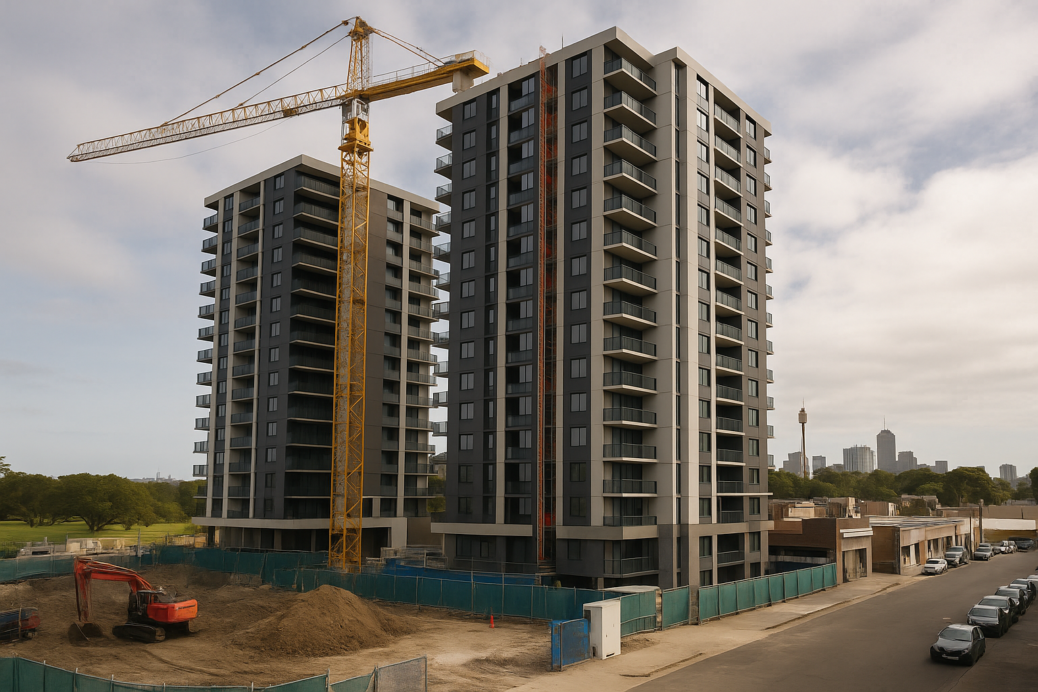
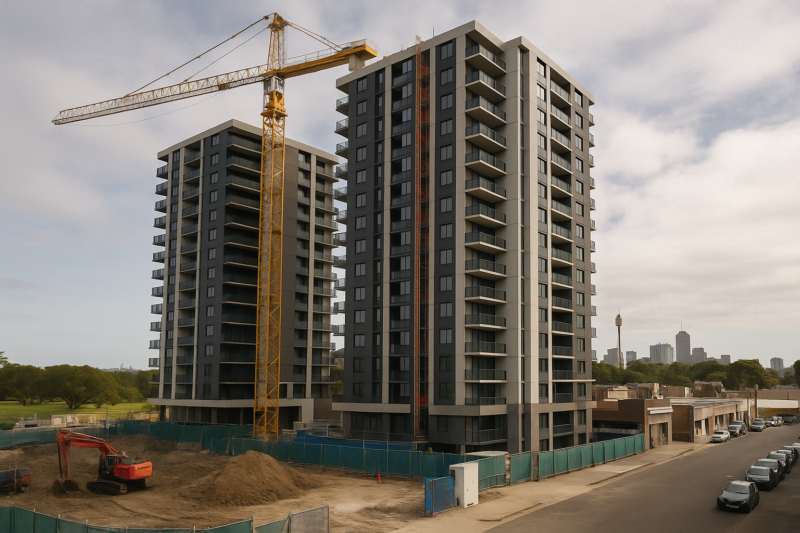


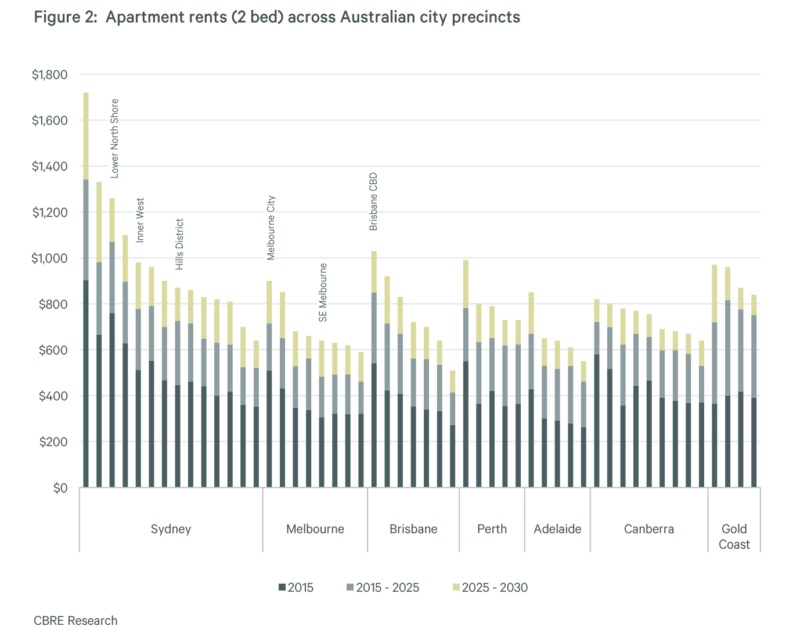
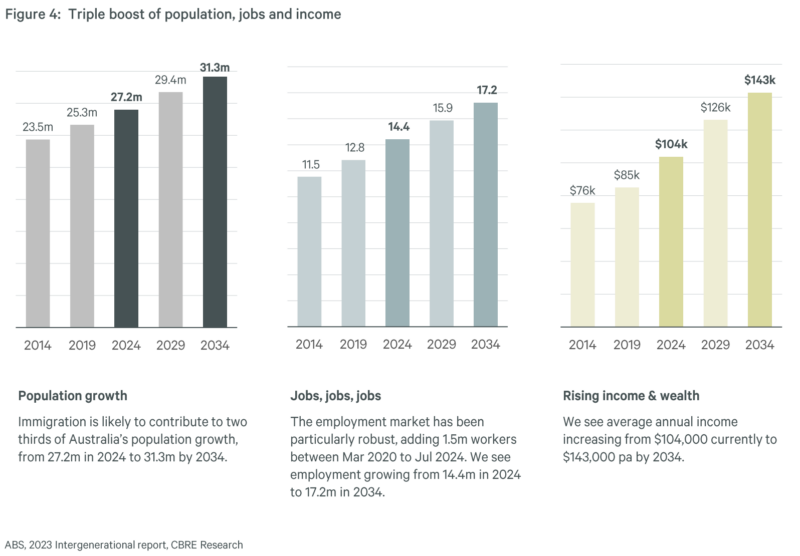

















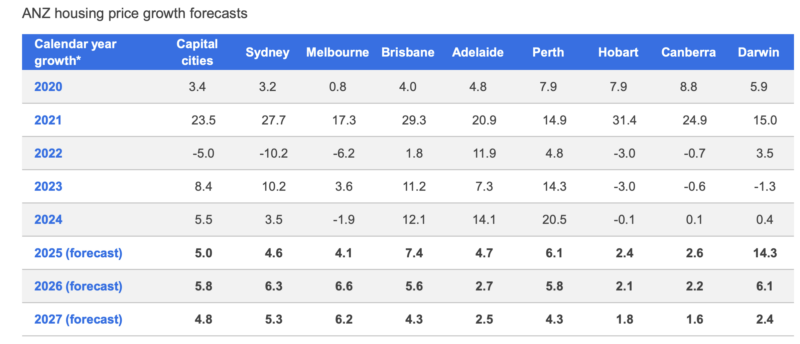



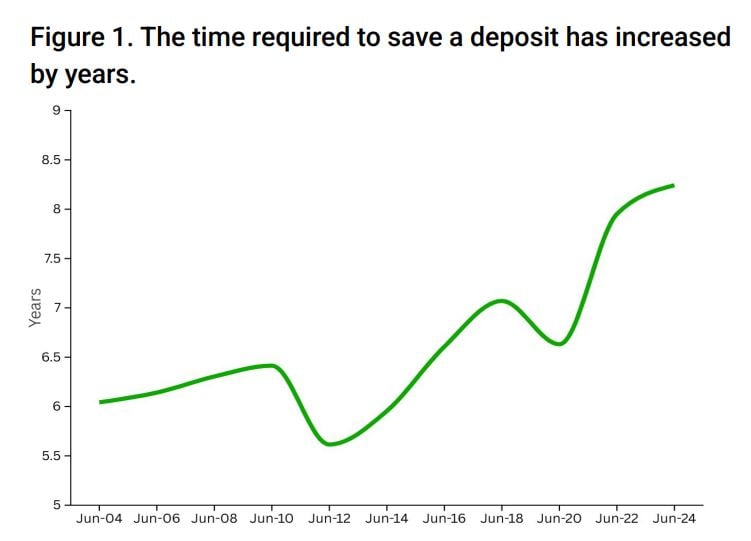
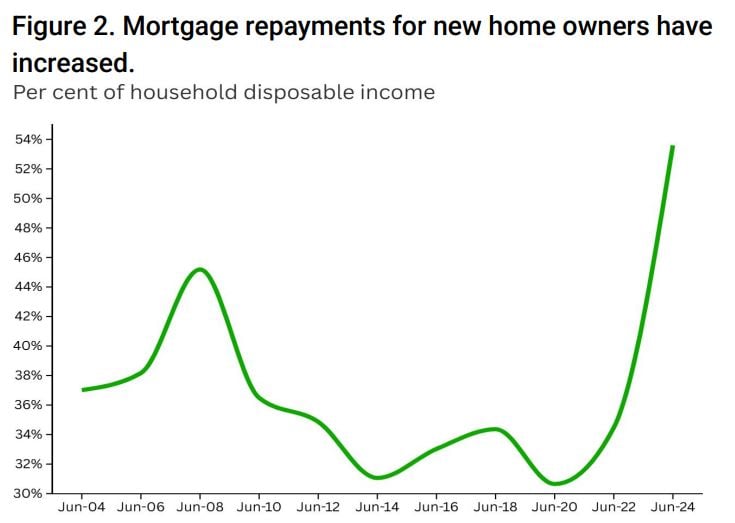
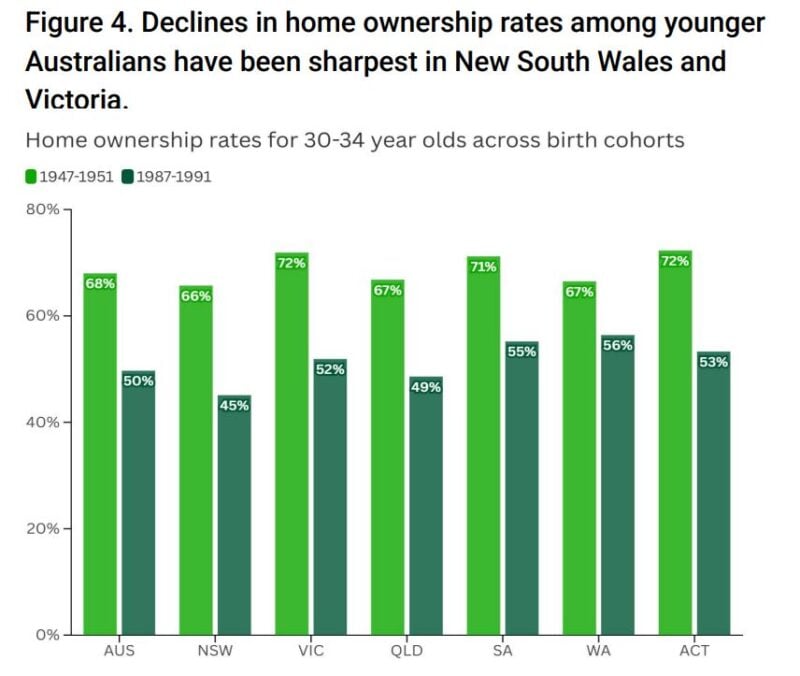
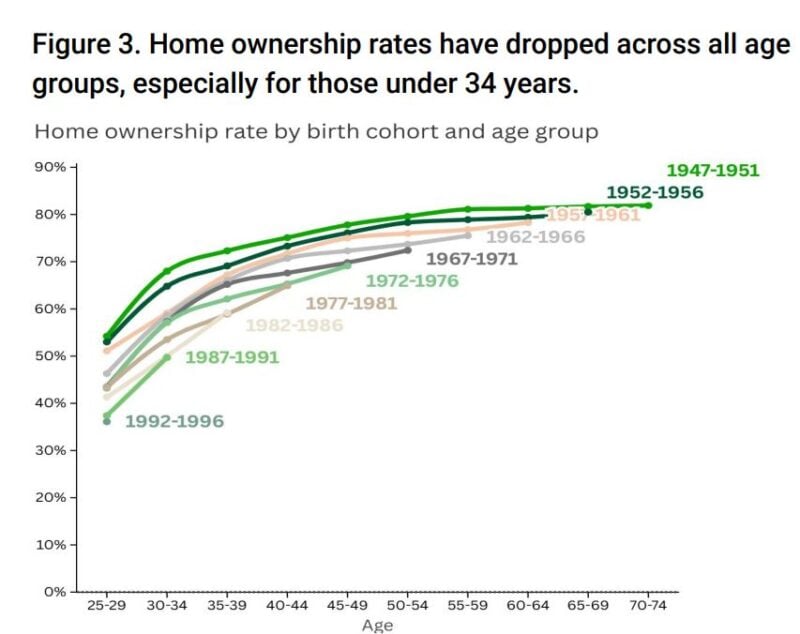
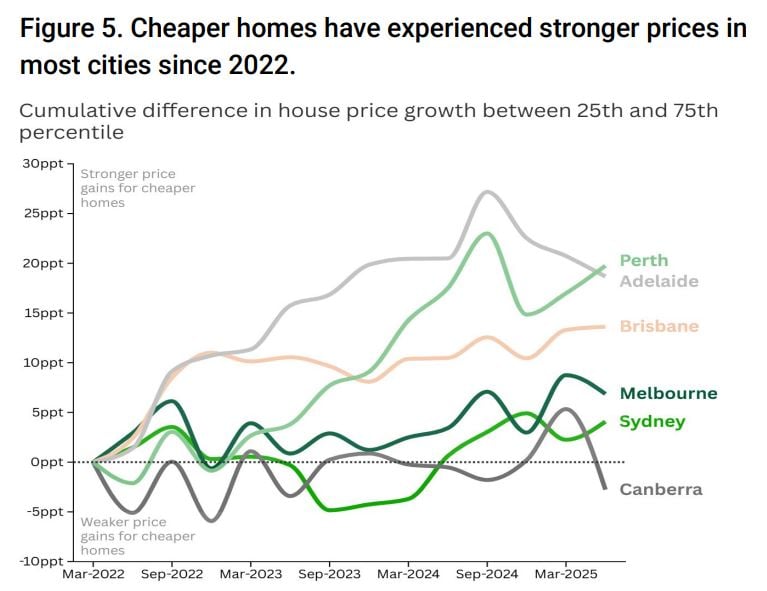





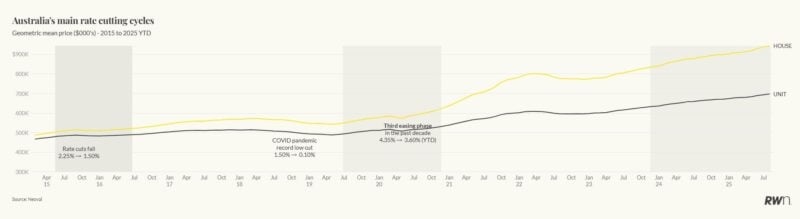
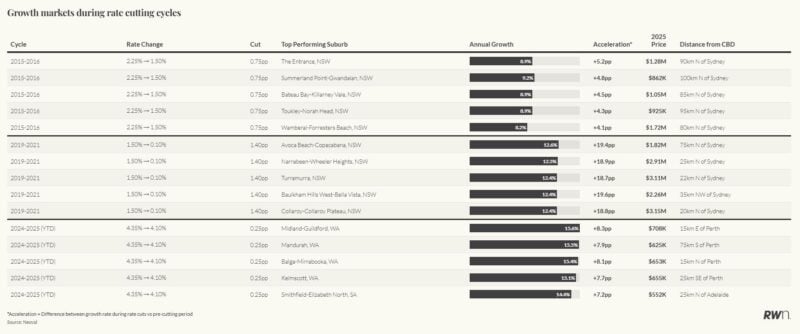
















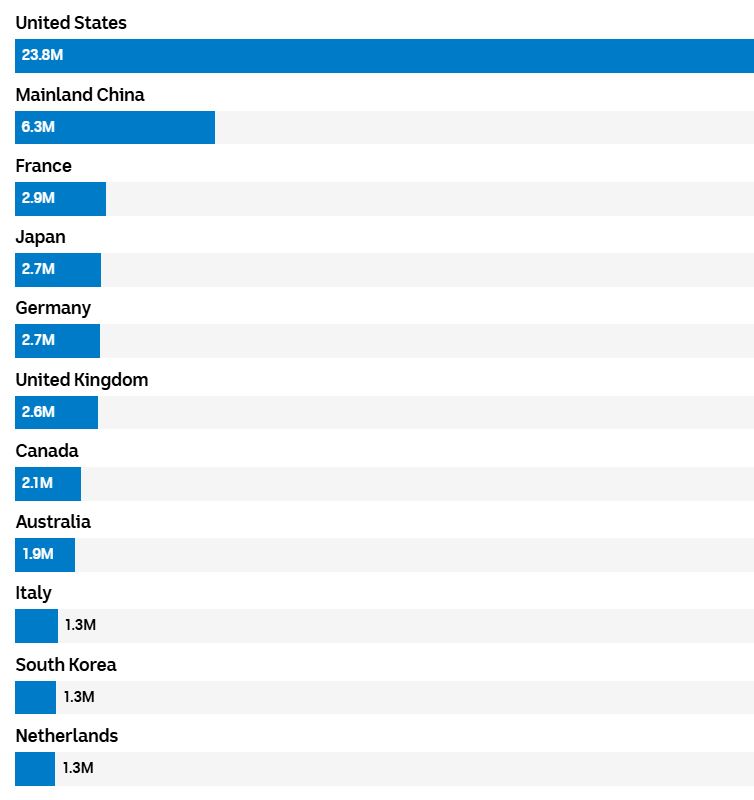


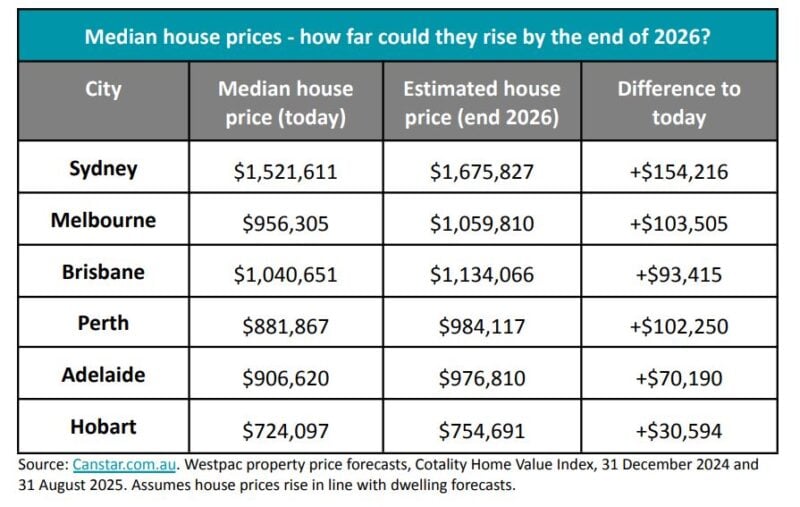


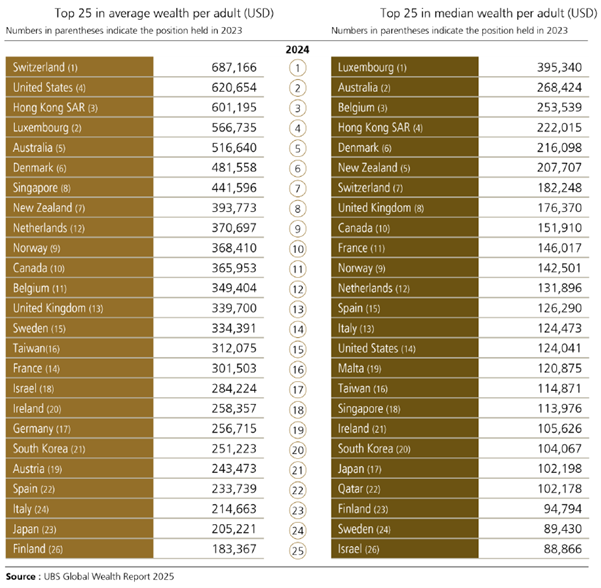
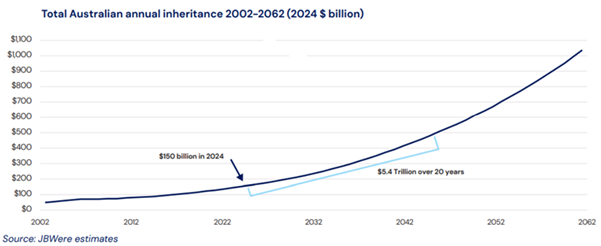







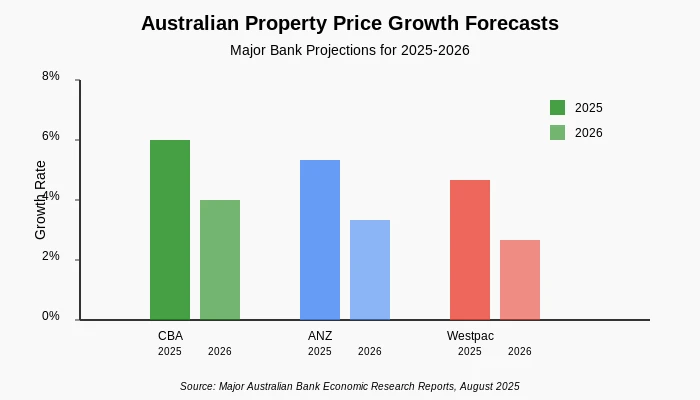
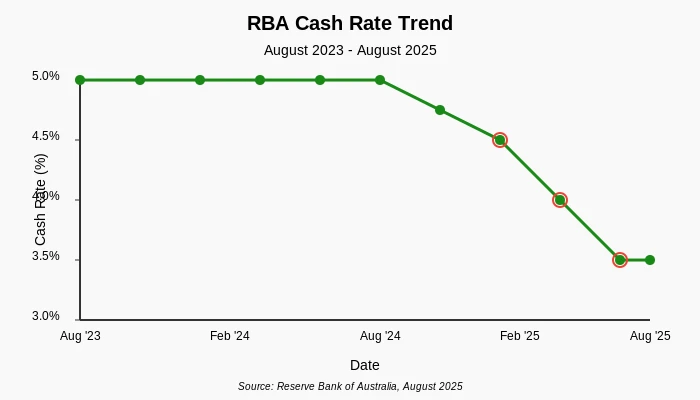
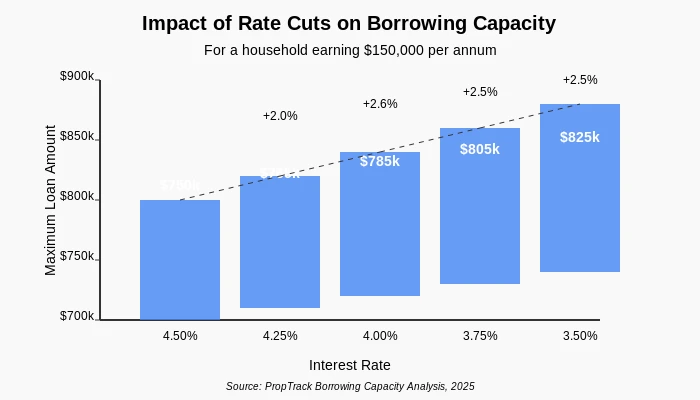
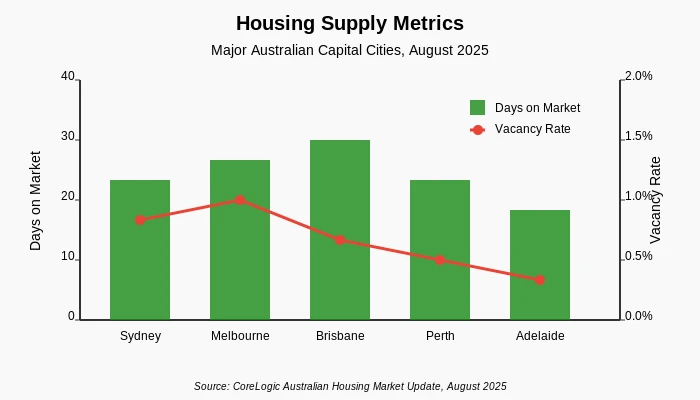
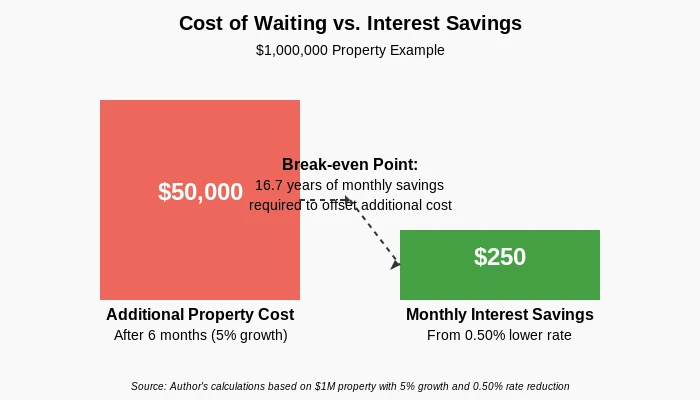




 Myth # 7: You have to know how to time the investment markets








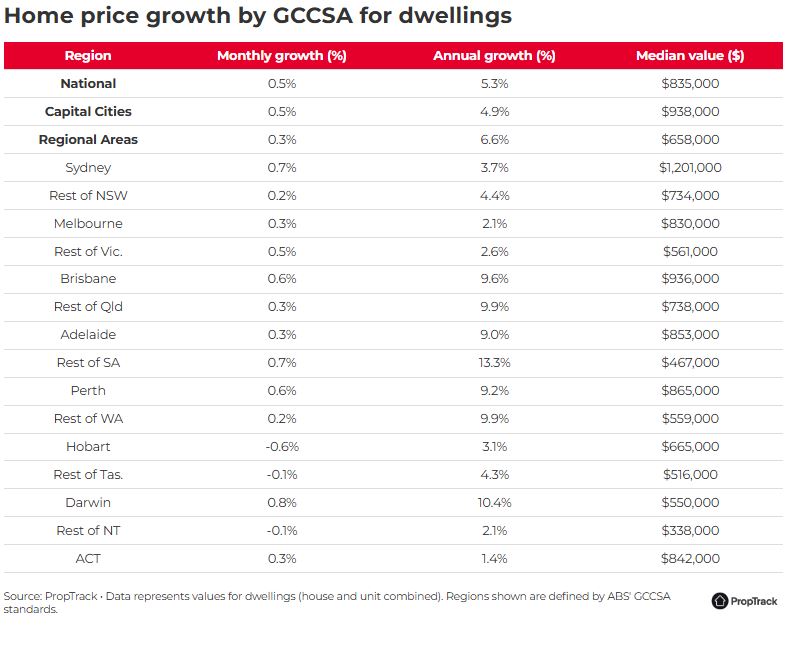
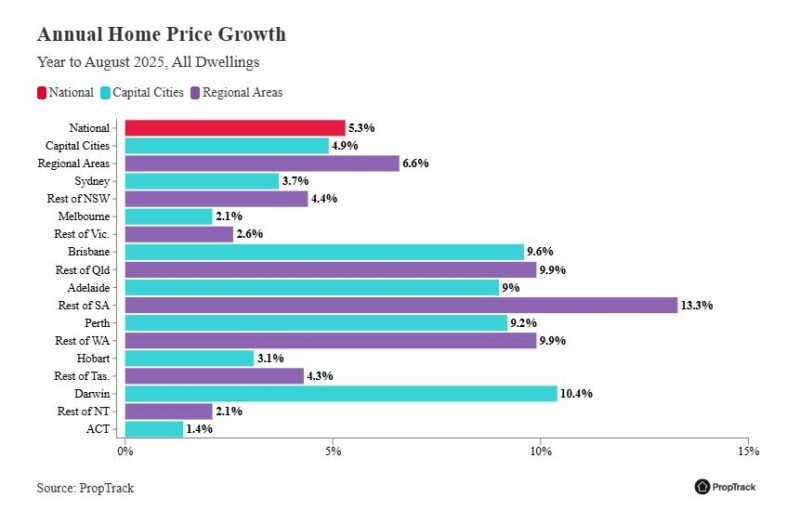
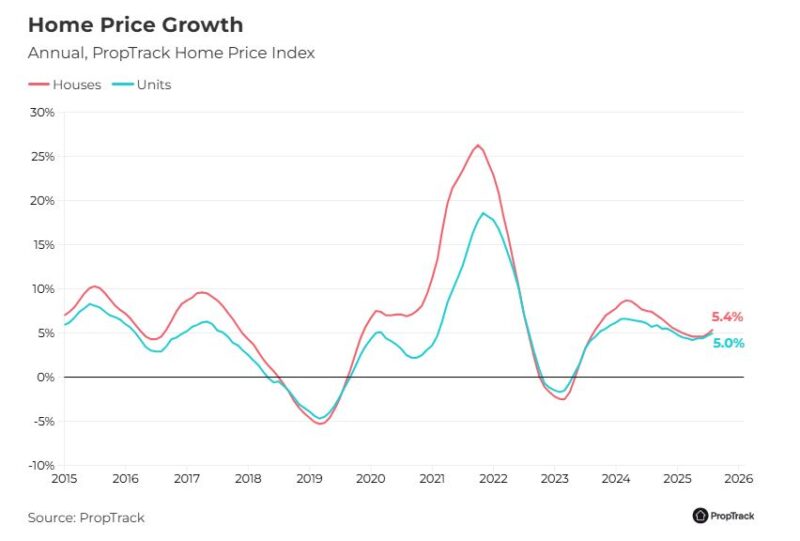

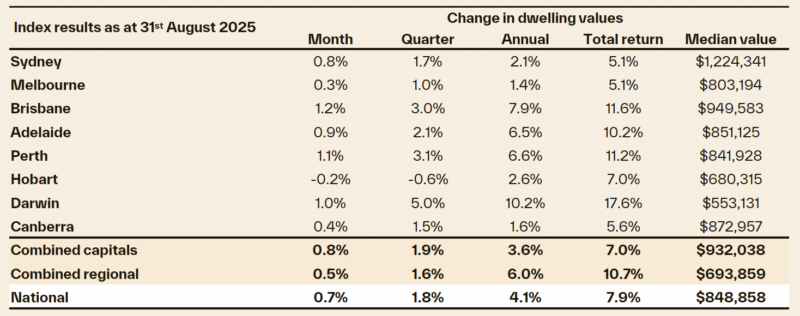
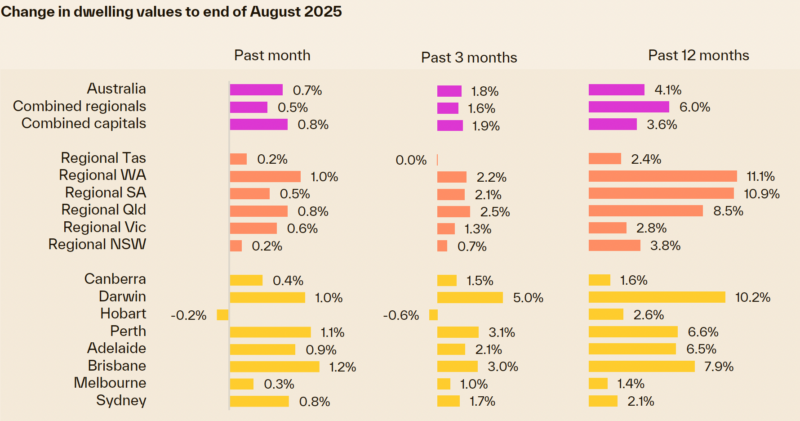
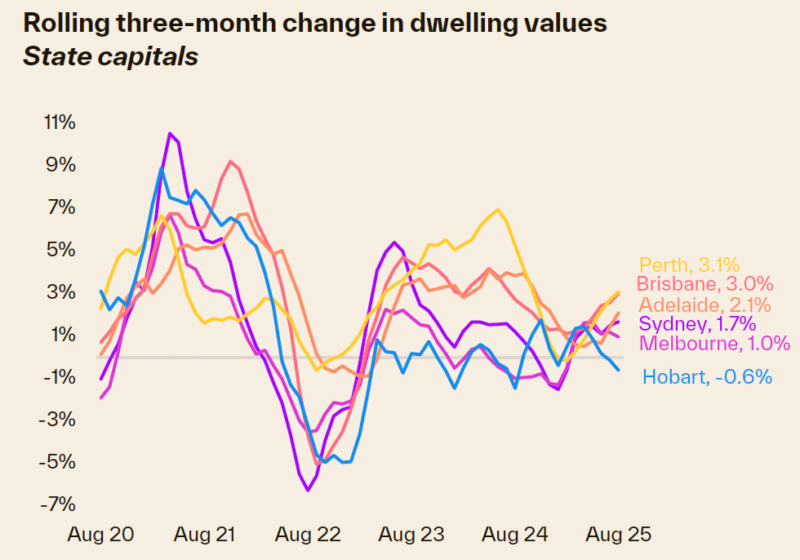
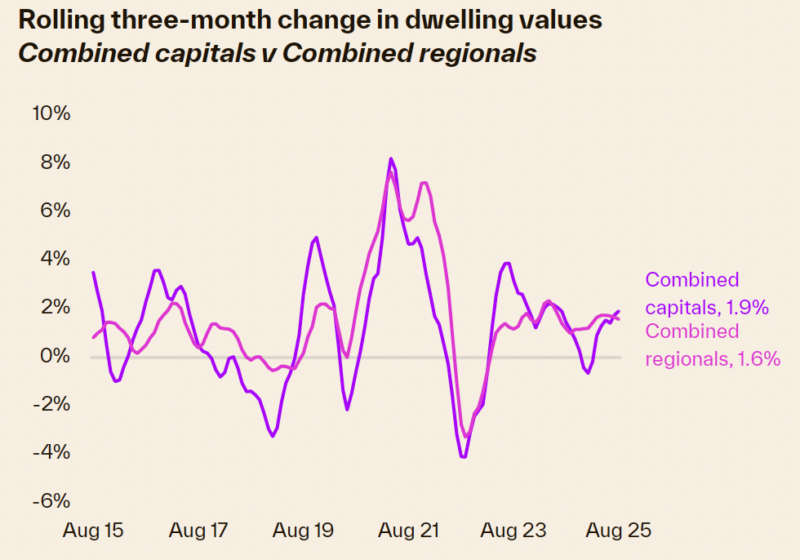
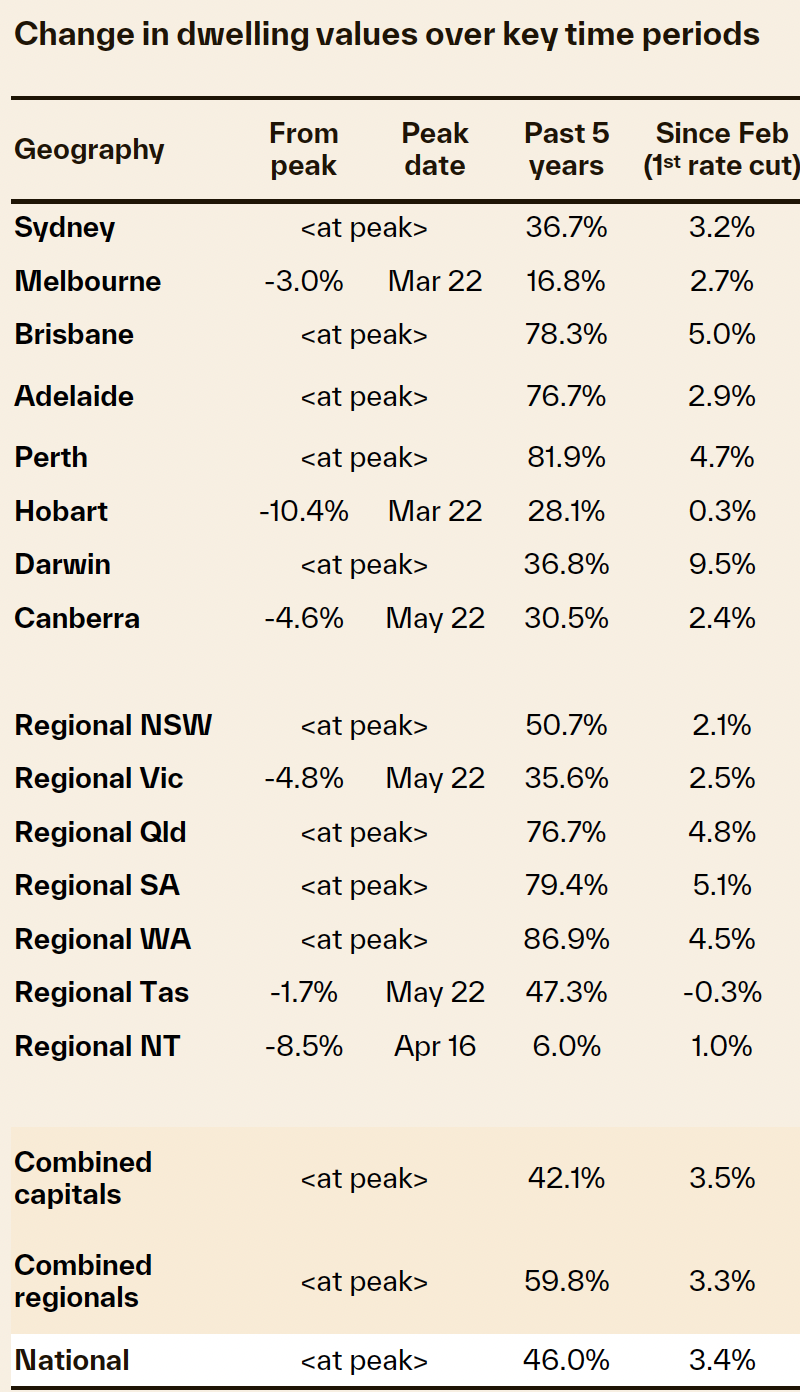



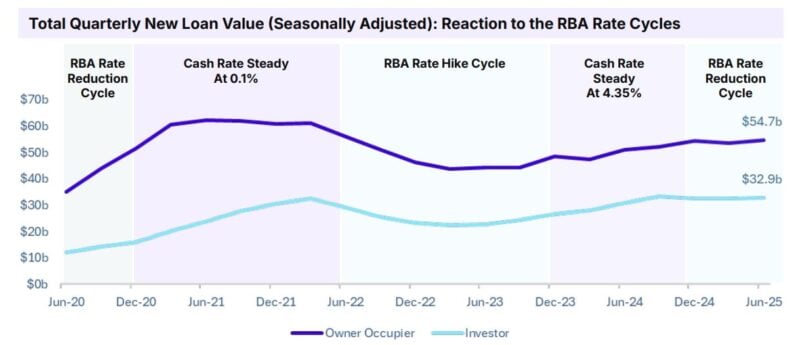
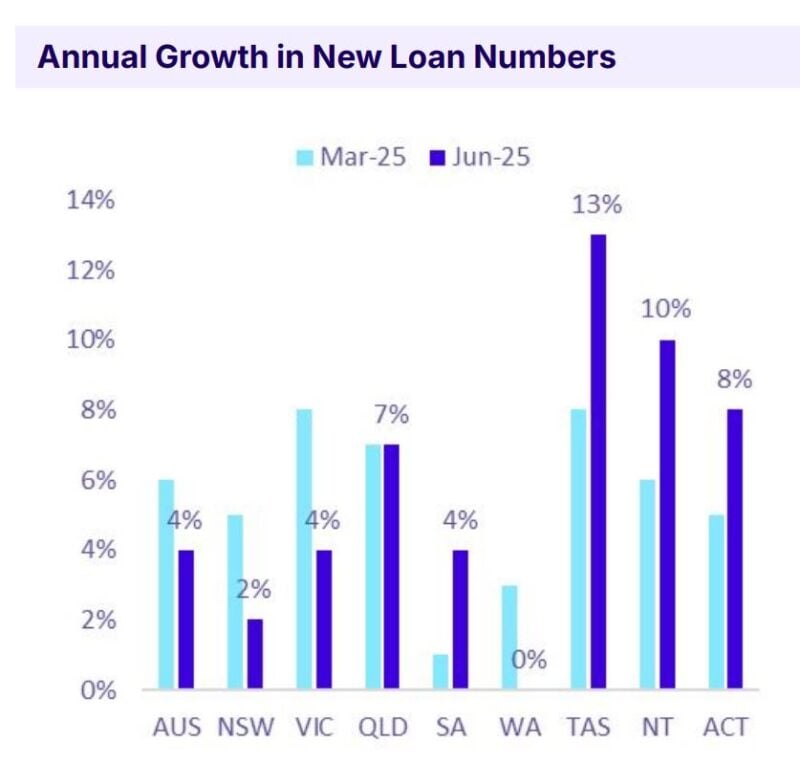
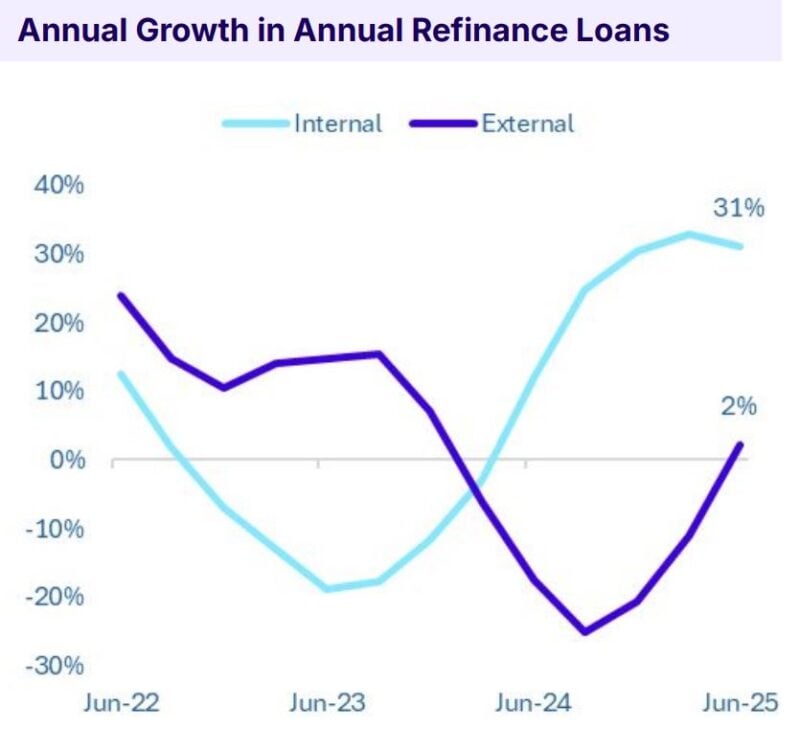



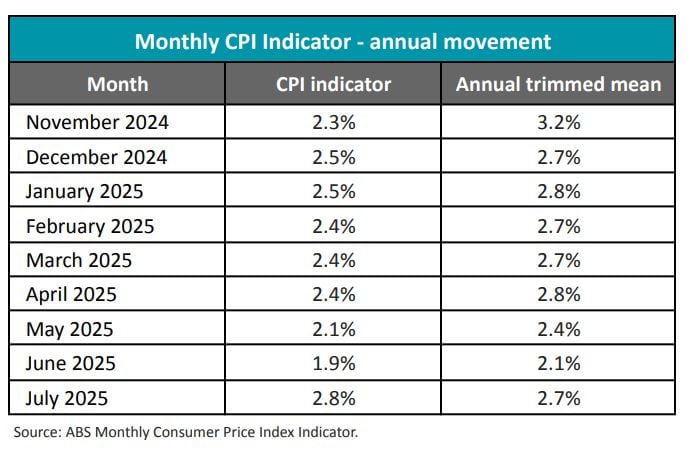
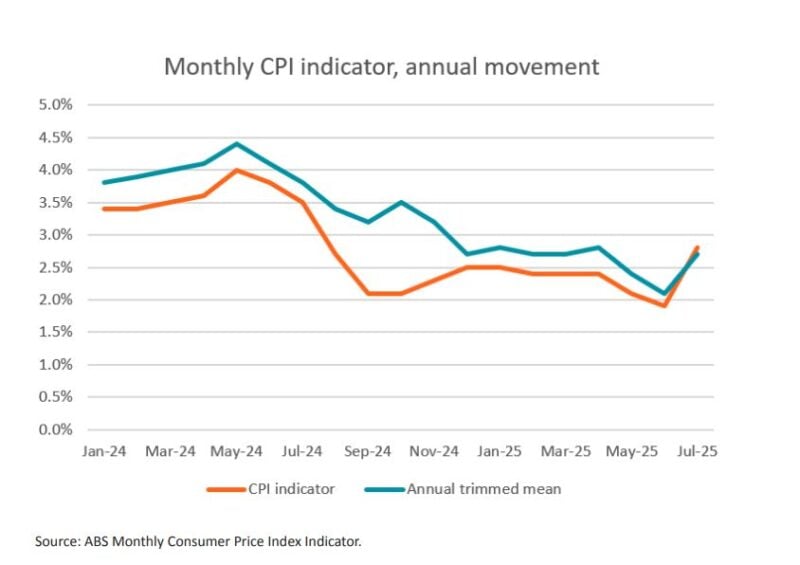
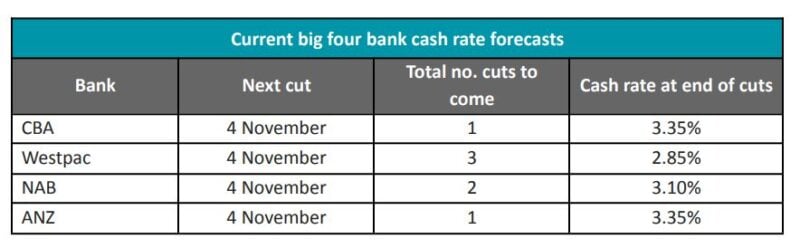
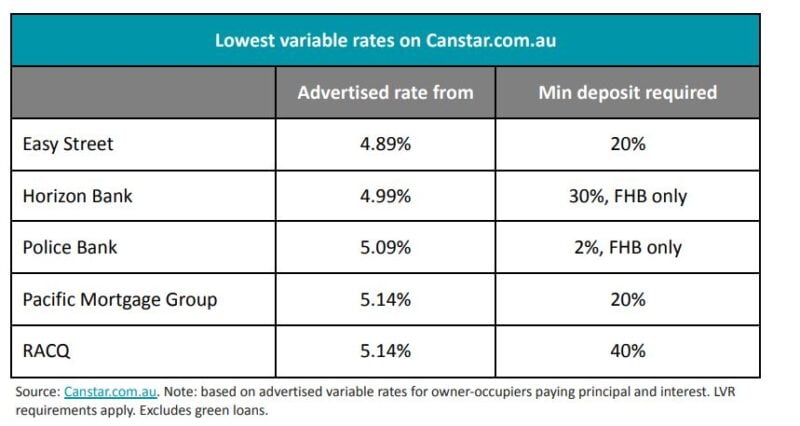

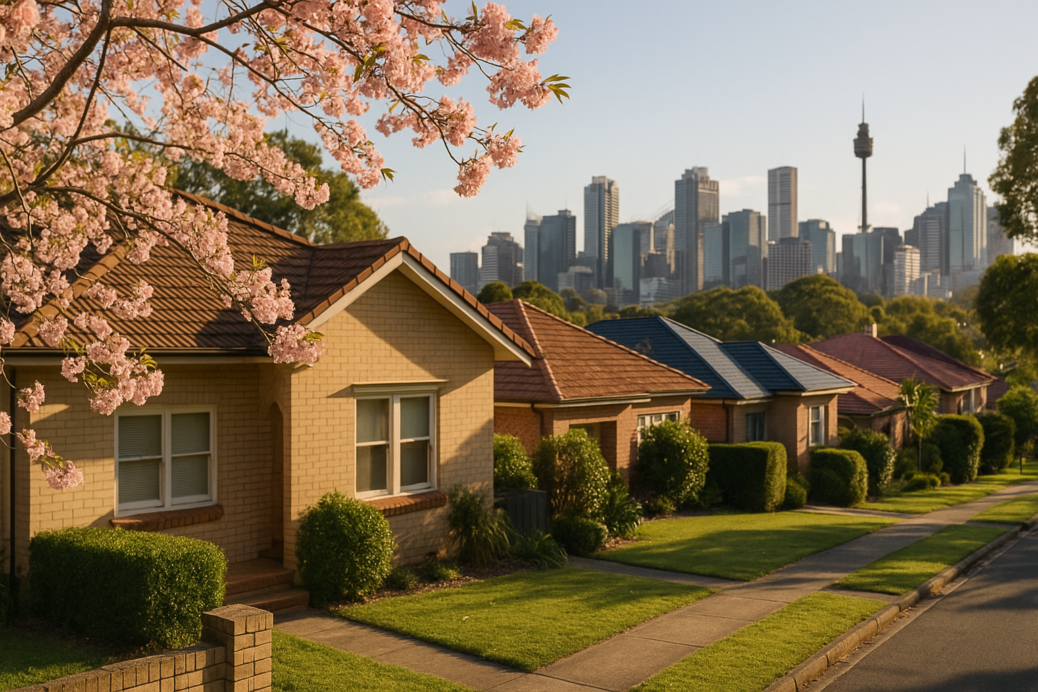
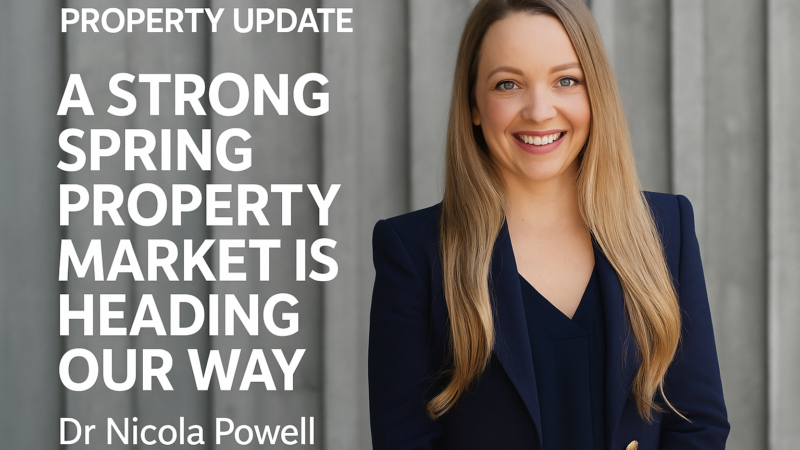
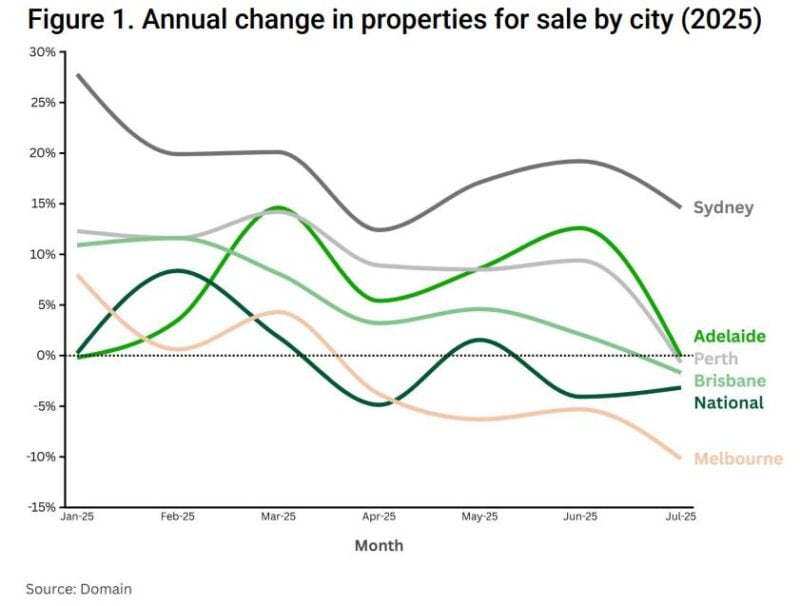
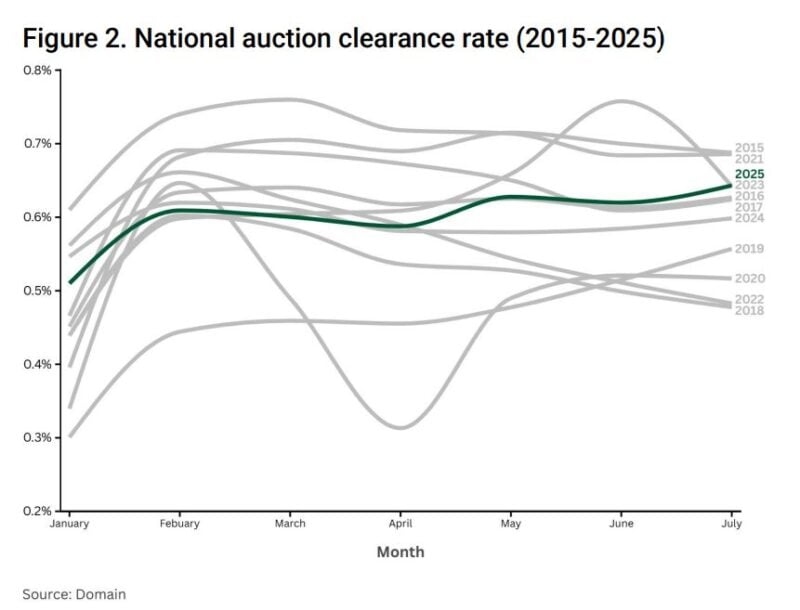
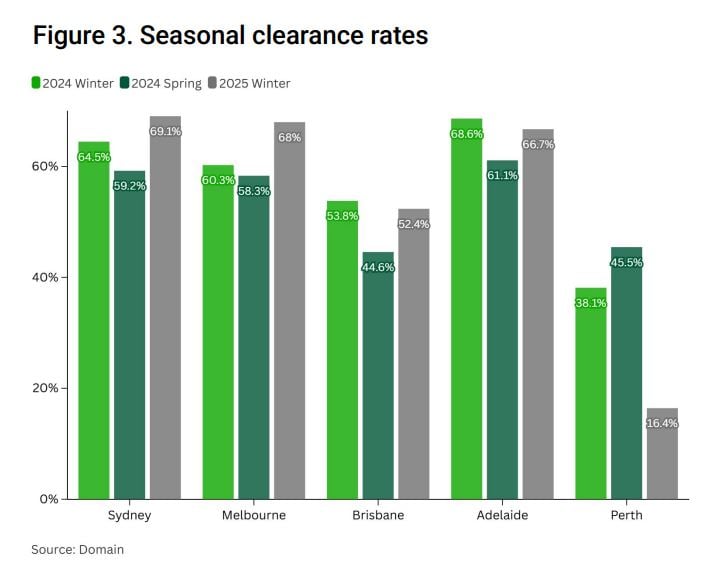
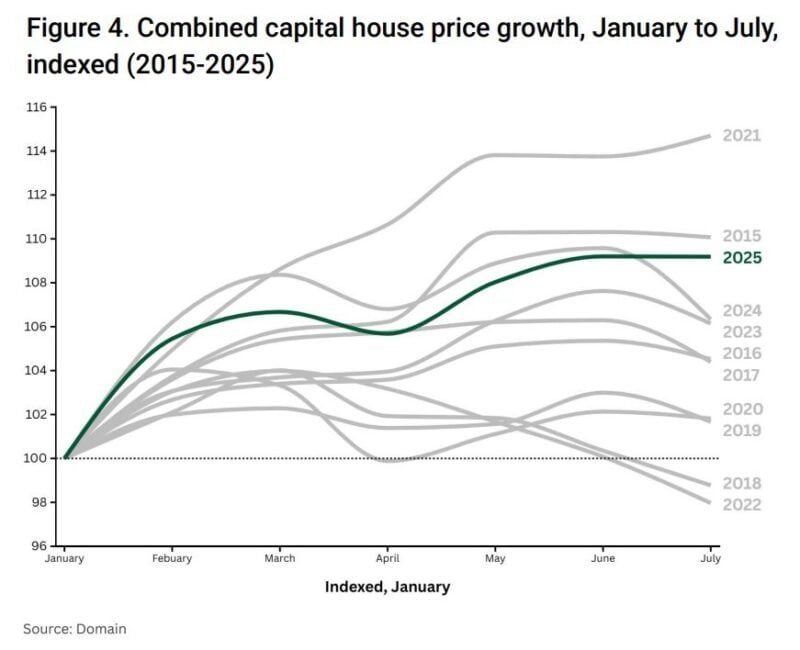






















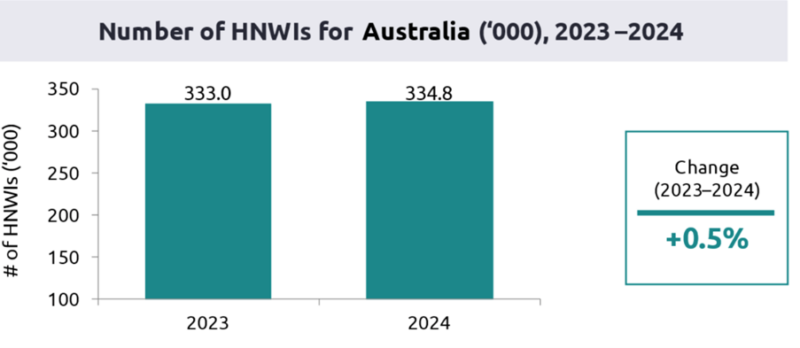
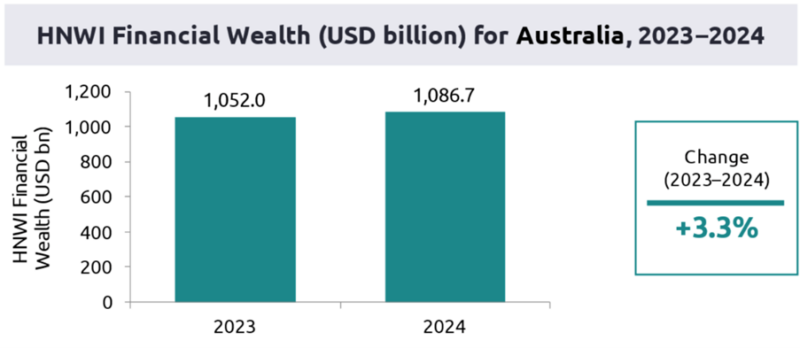
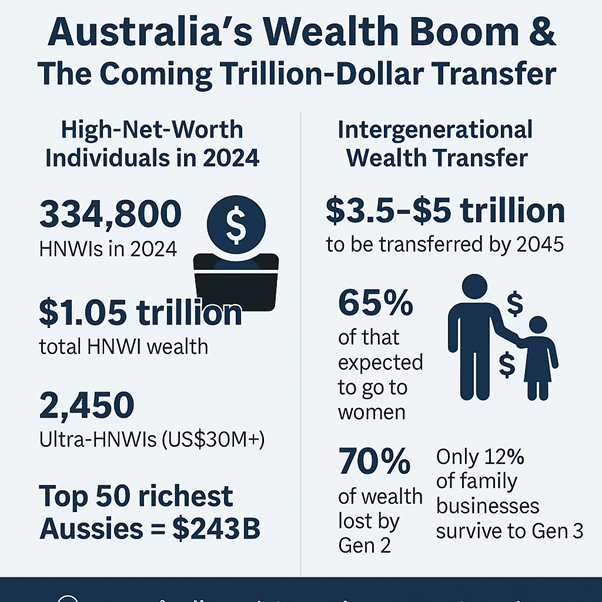


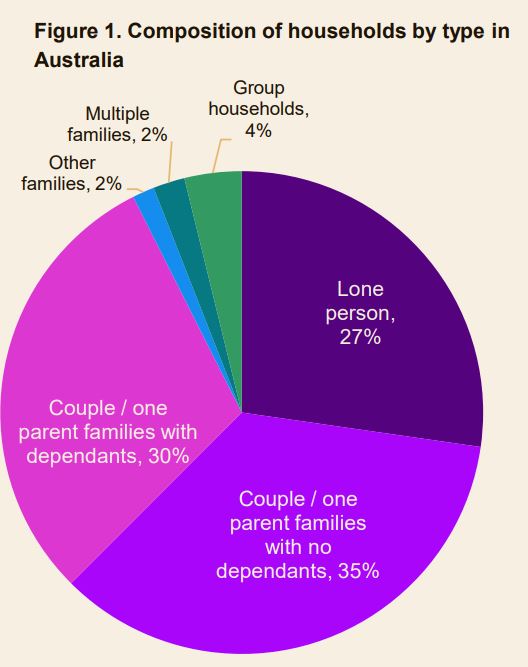
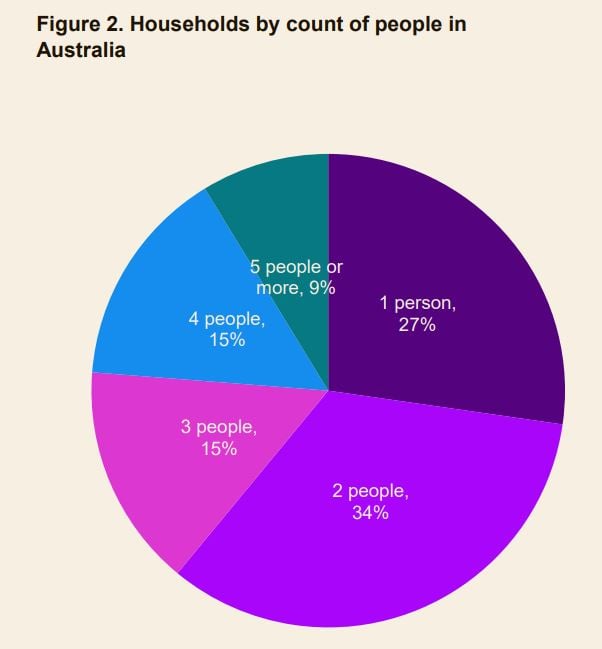
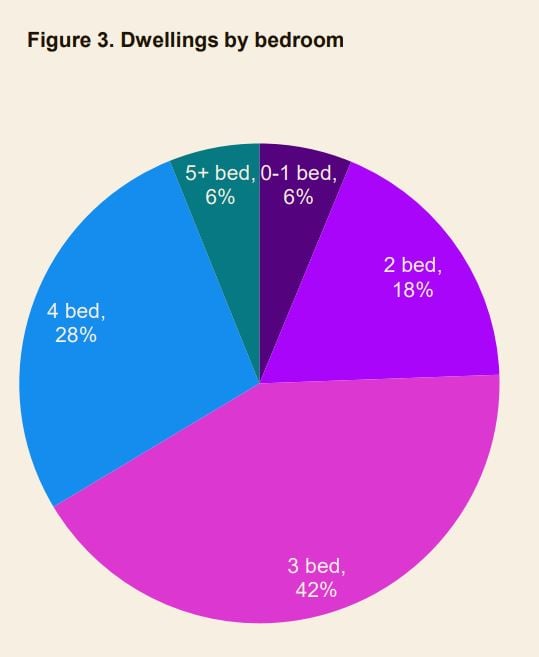
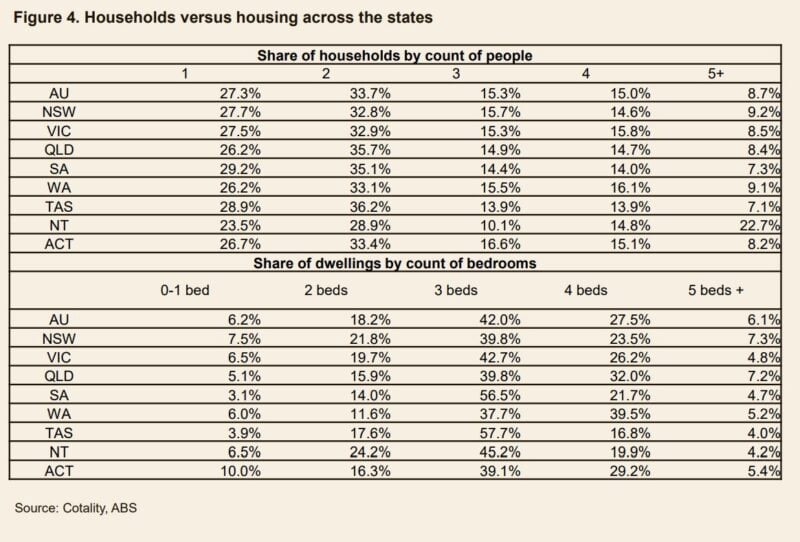





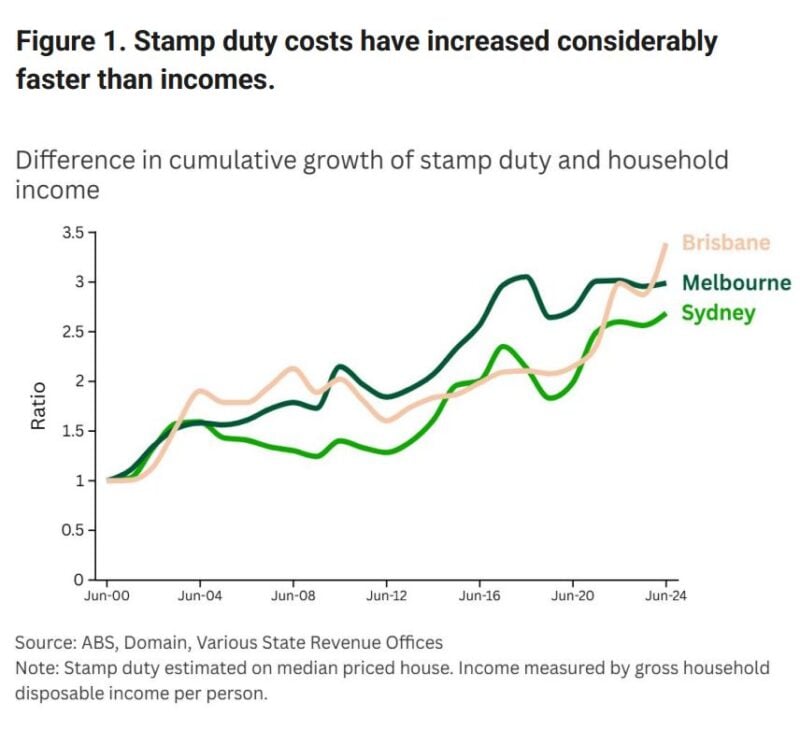
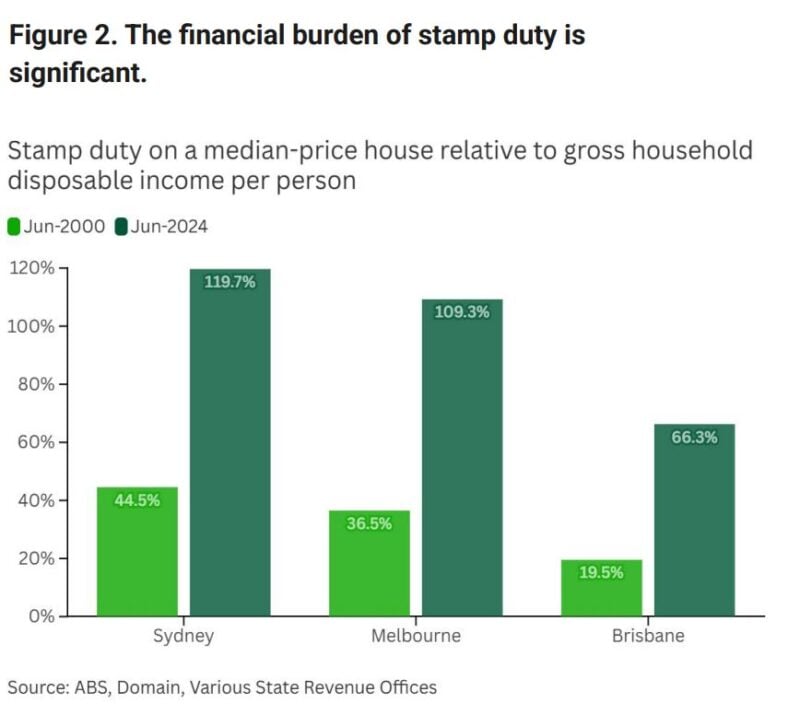


















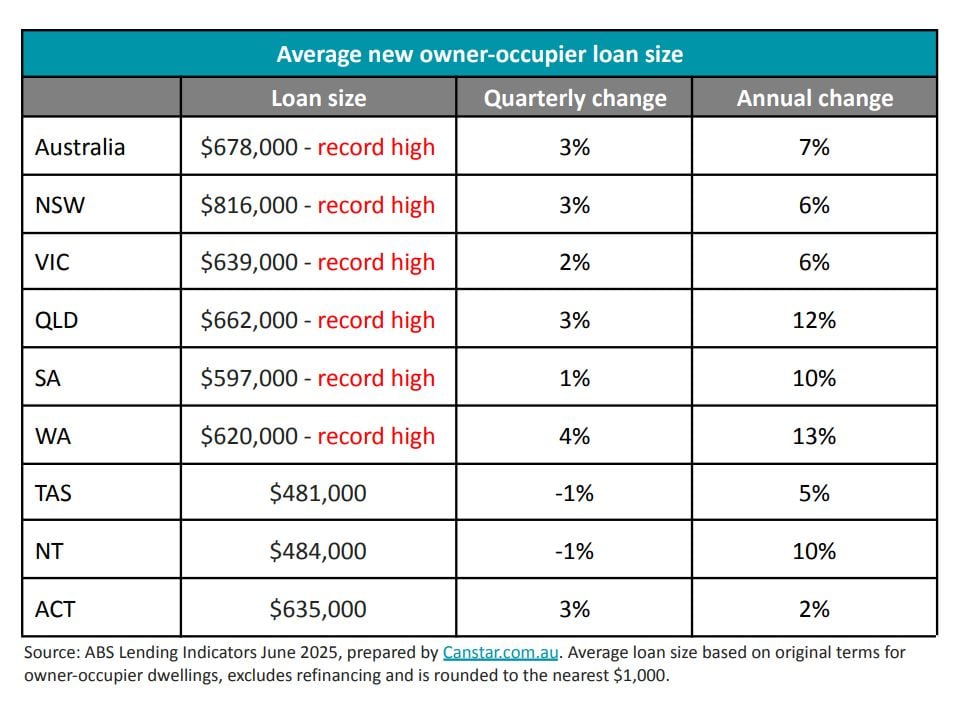
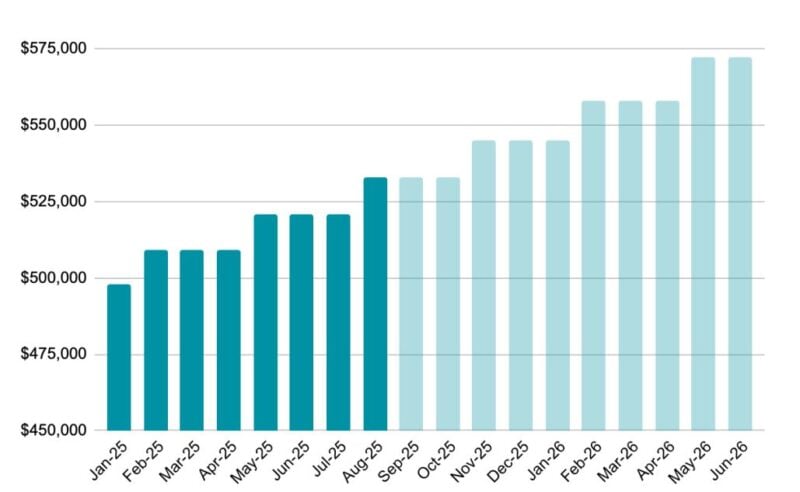
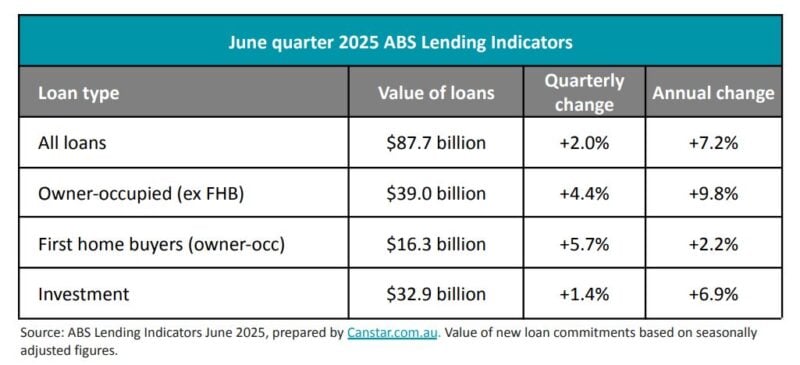

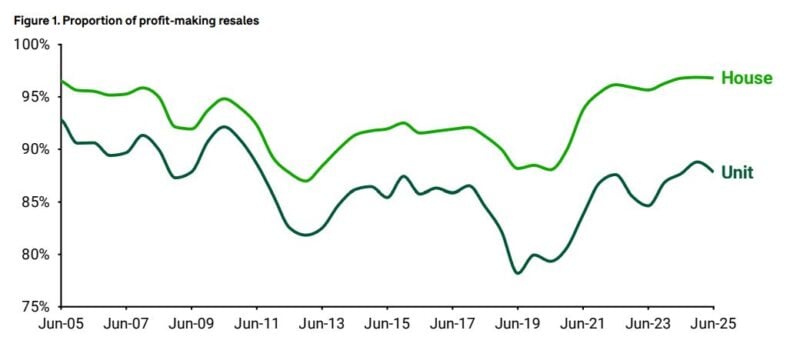
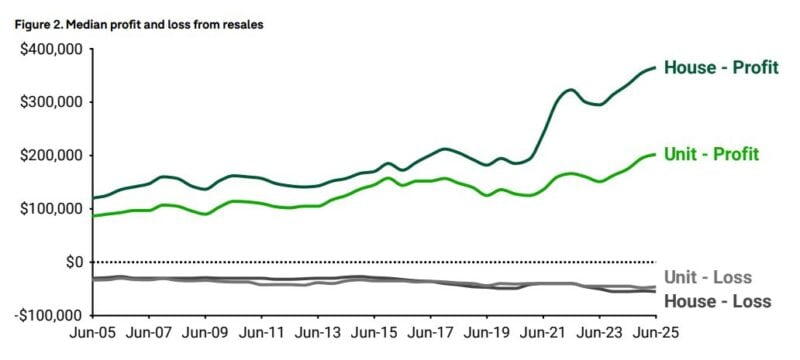




















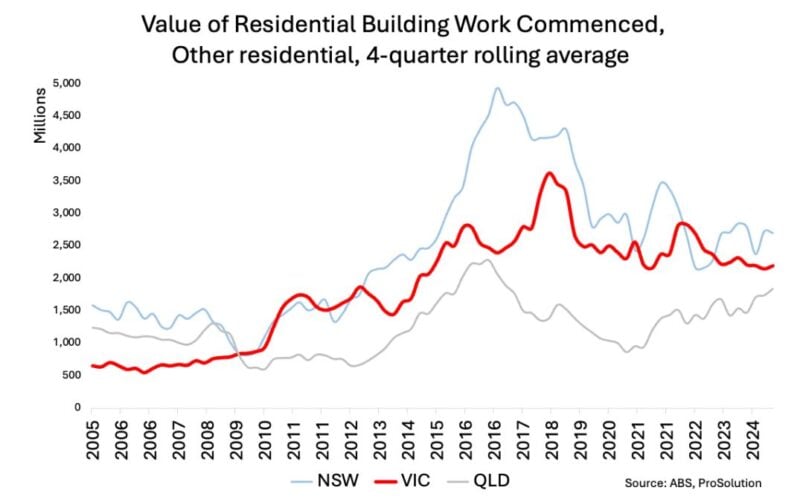
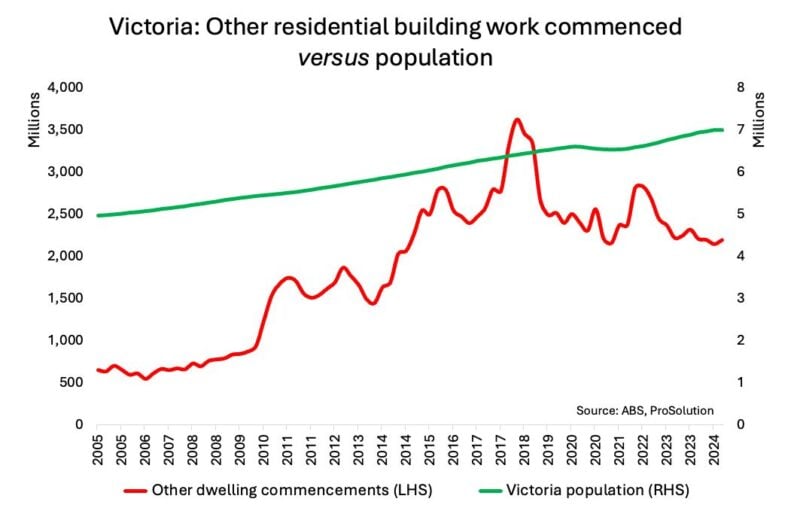
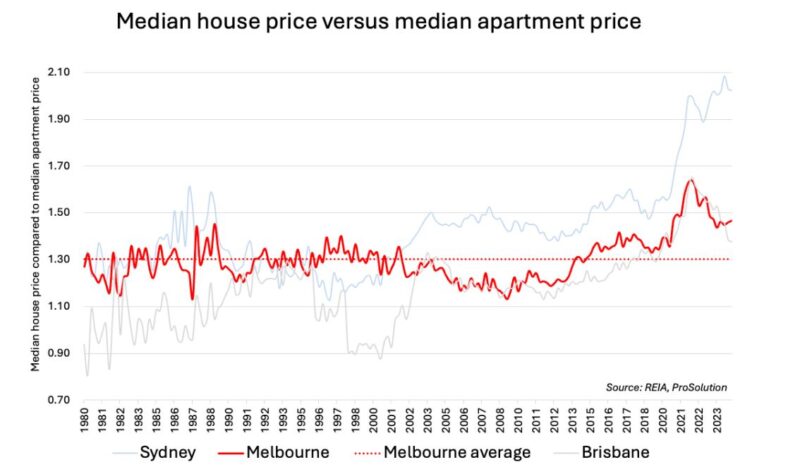
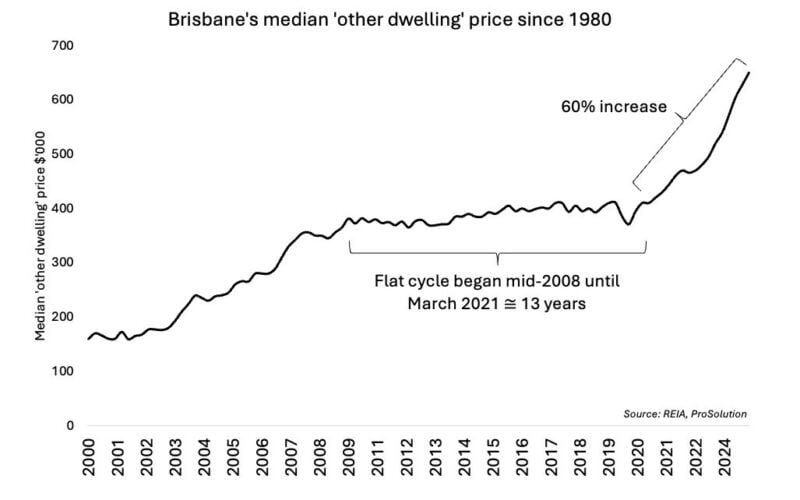


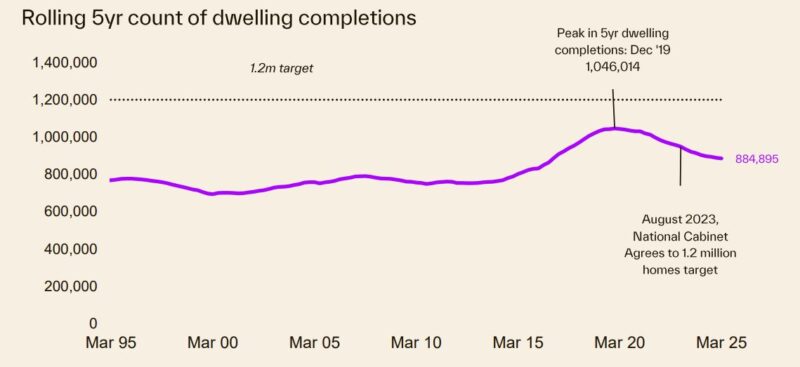
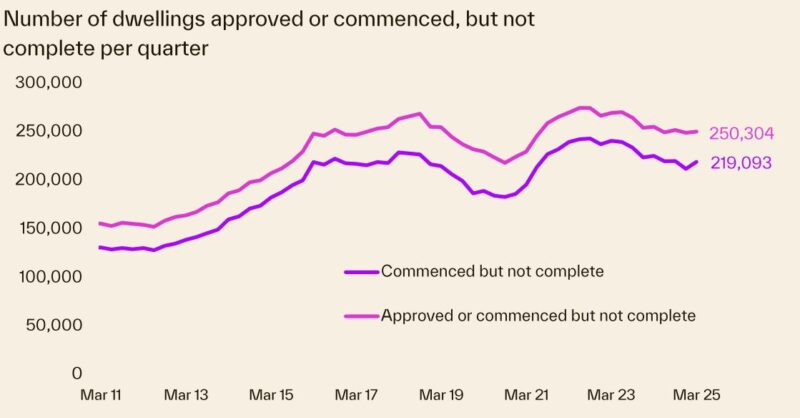
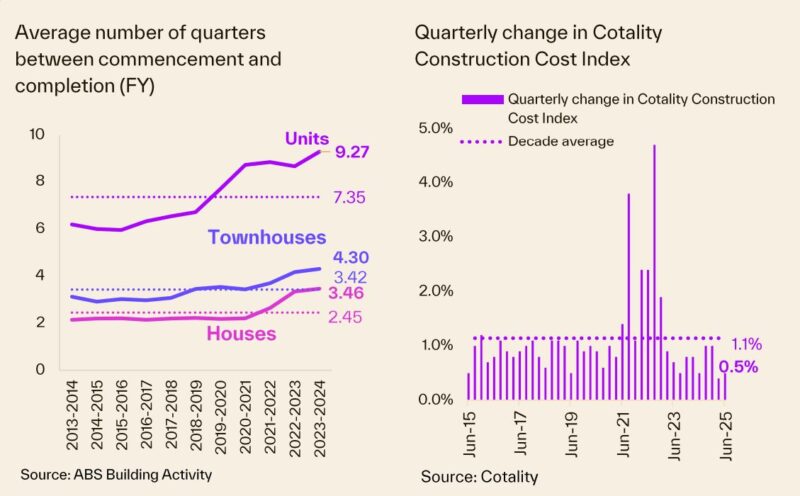




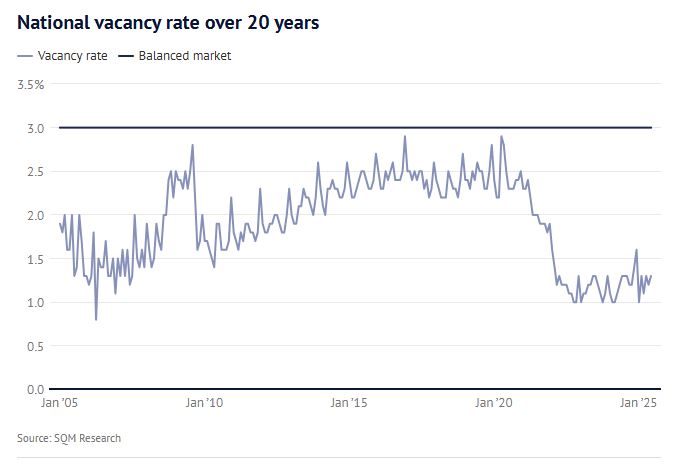
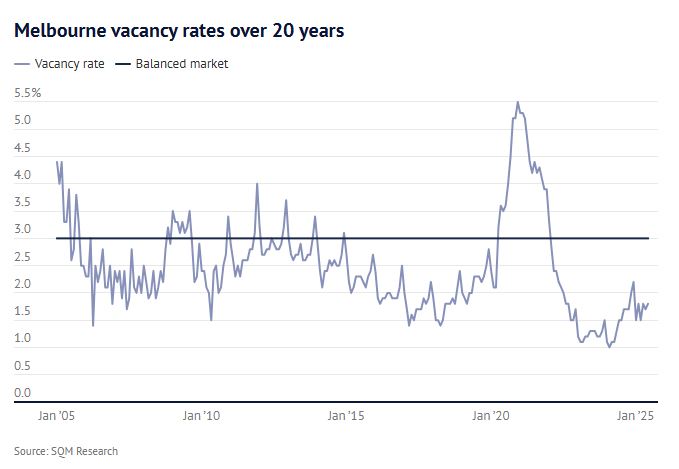
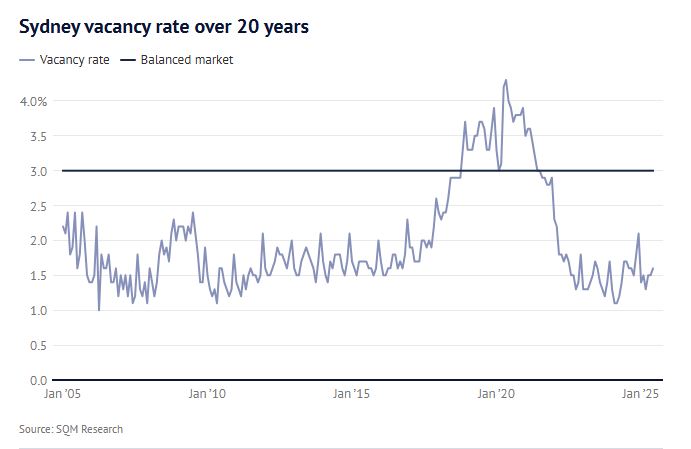






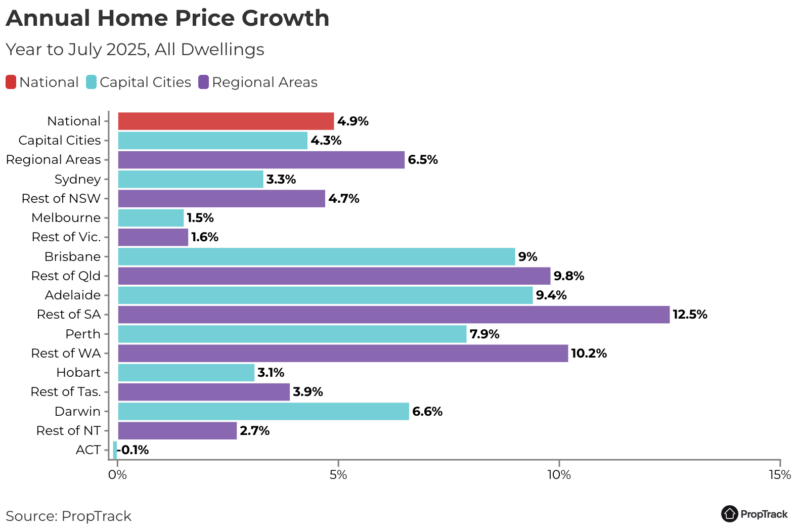
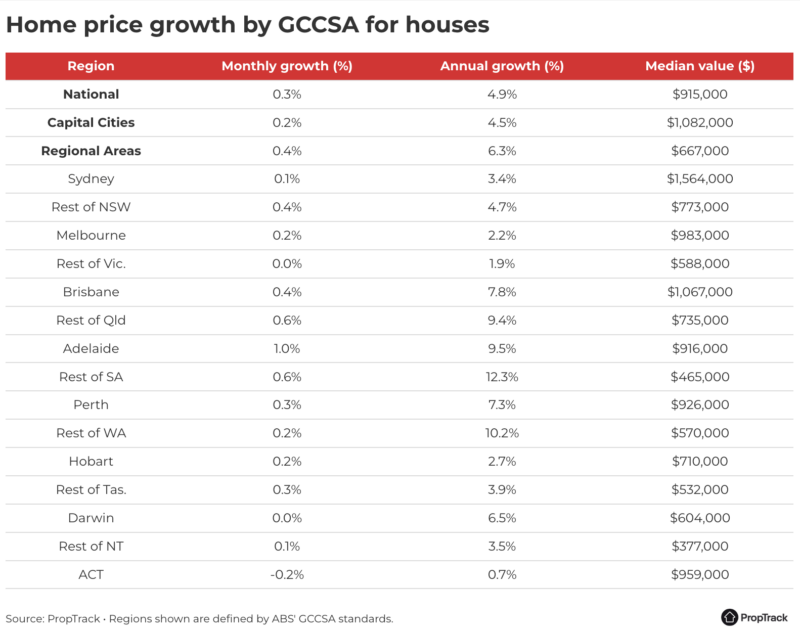
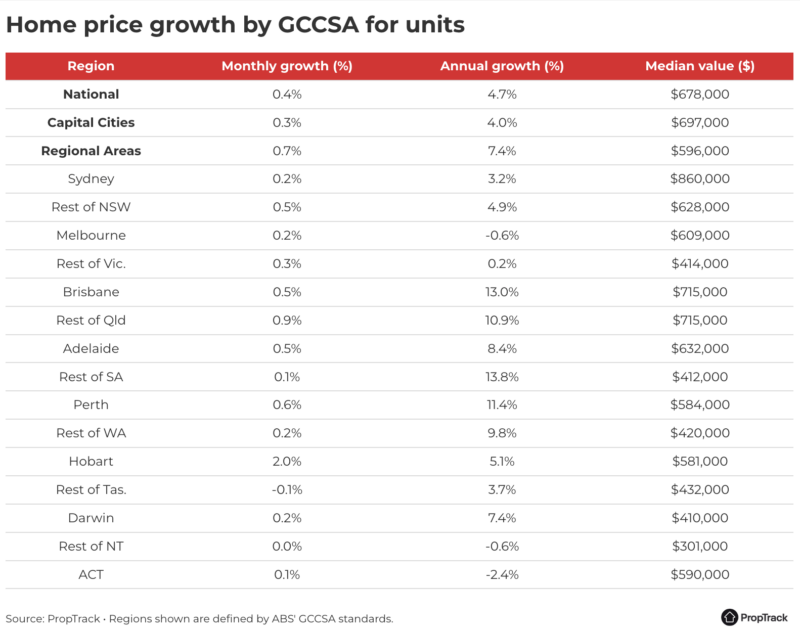
























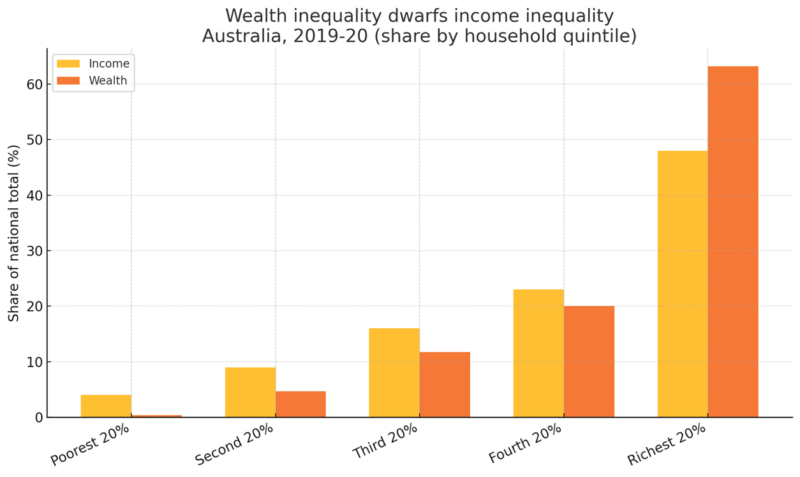
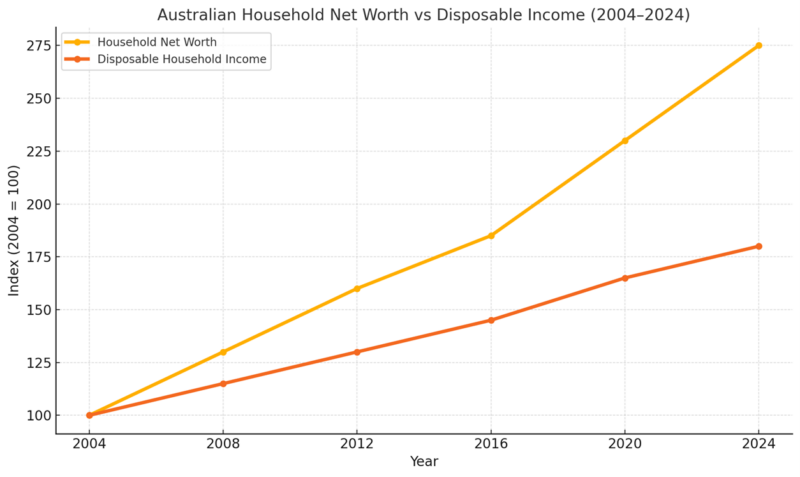

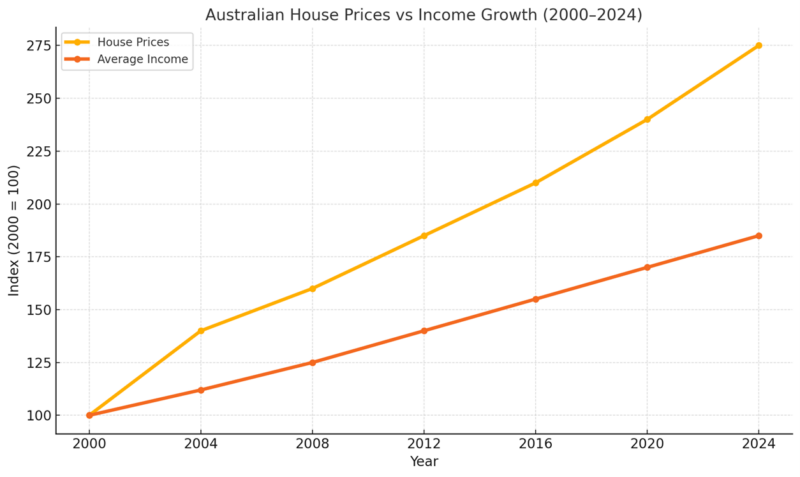


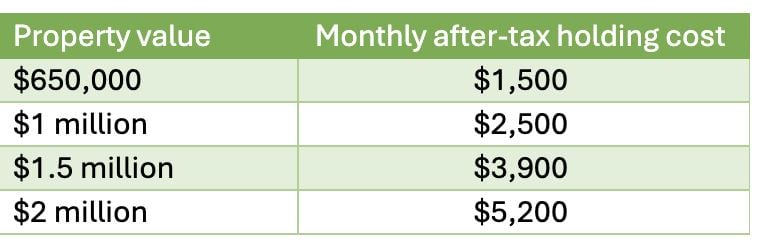
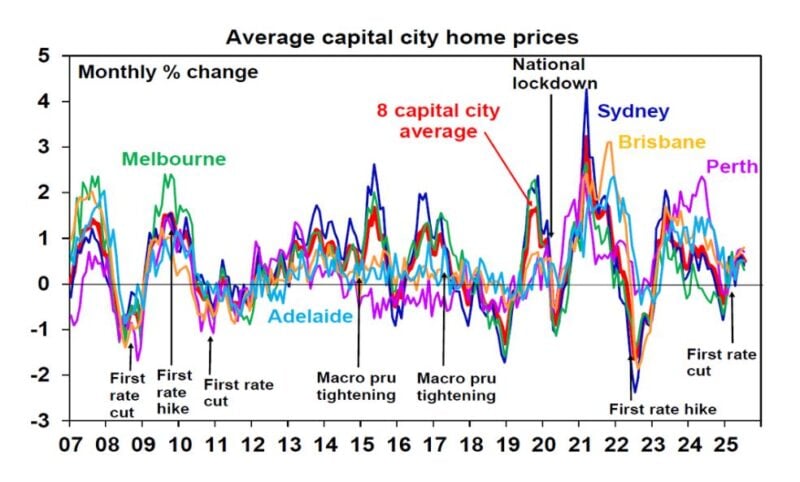
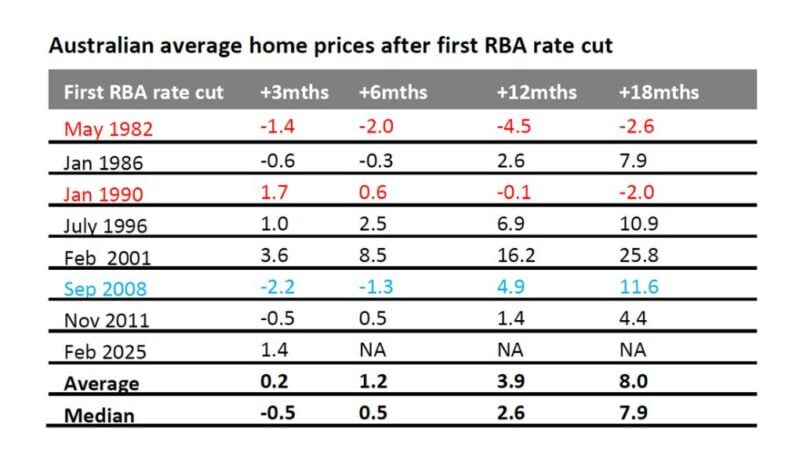
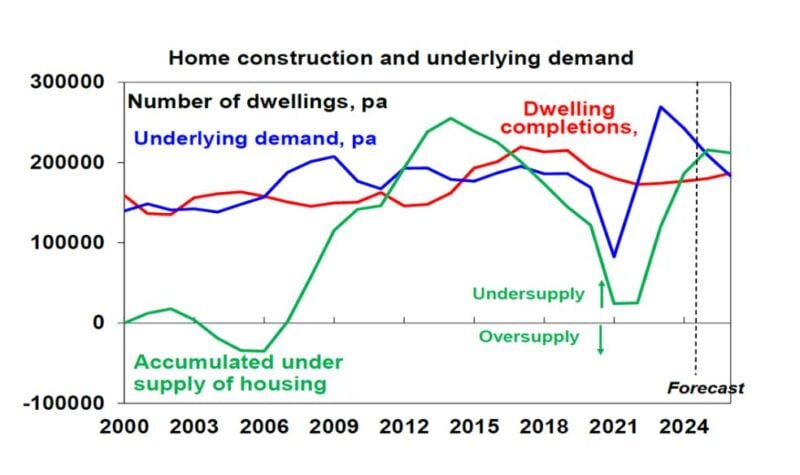
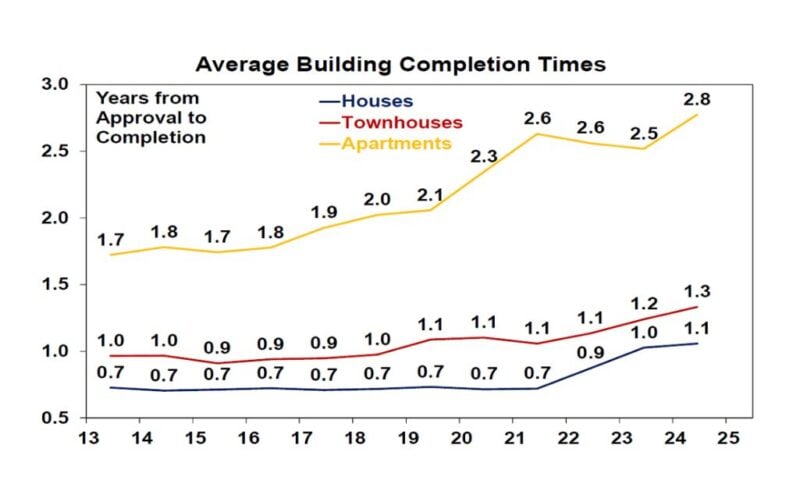
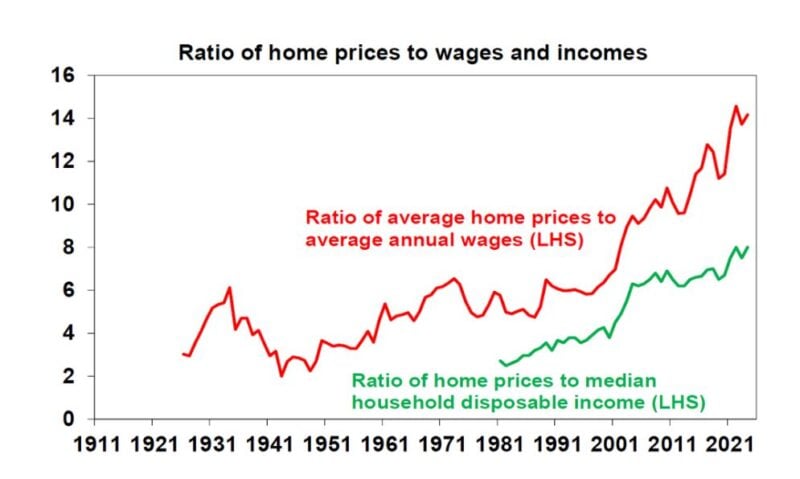
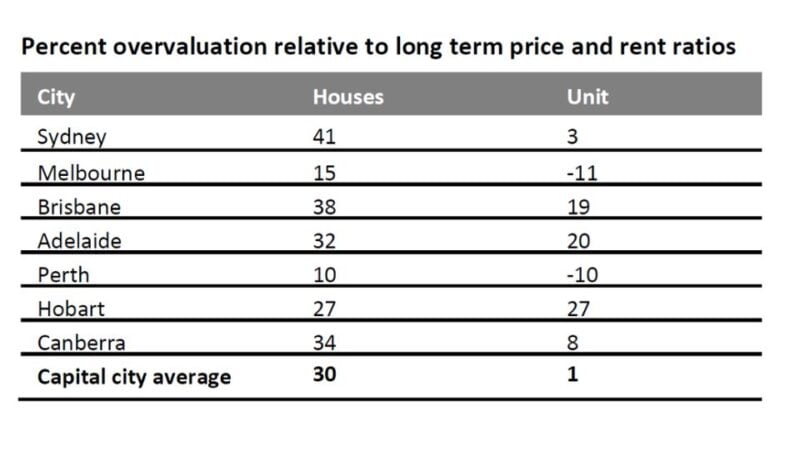
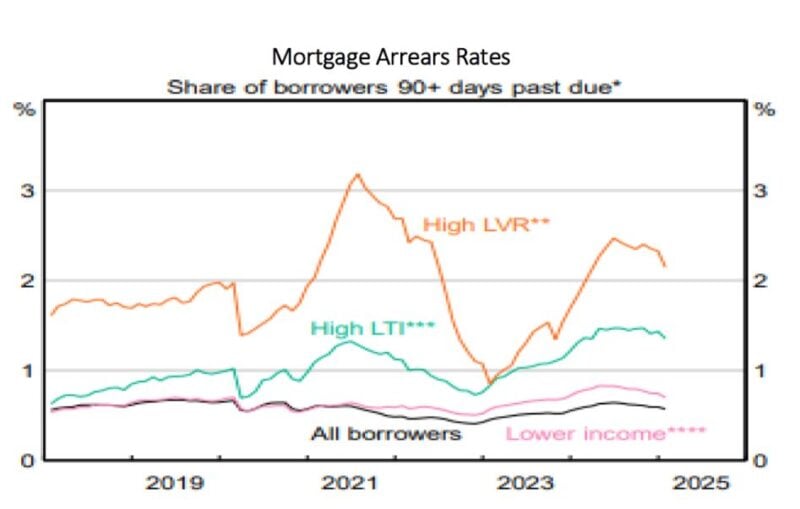






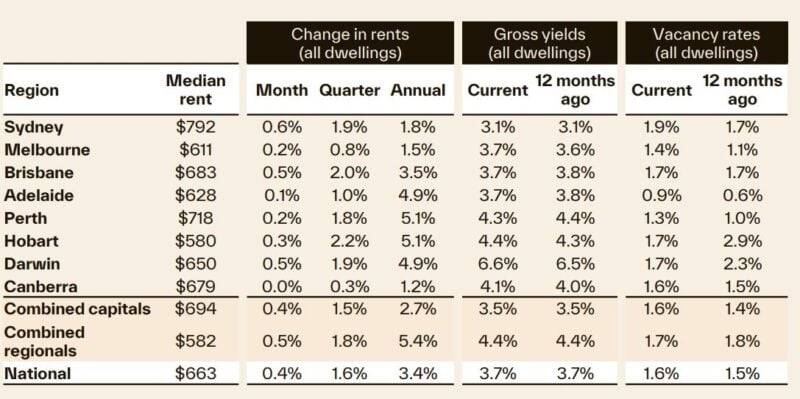
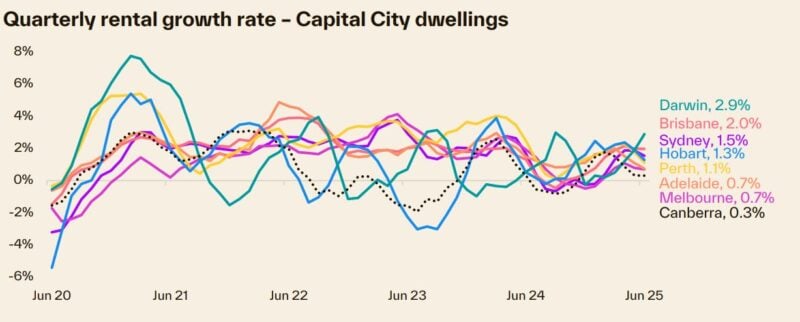
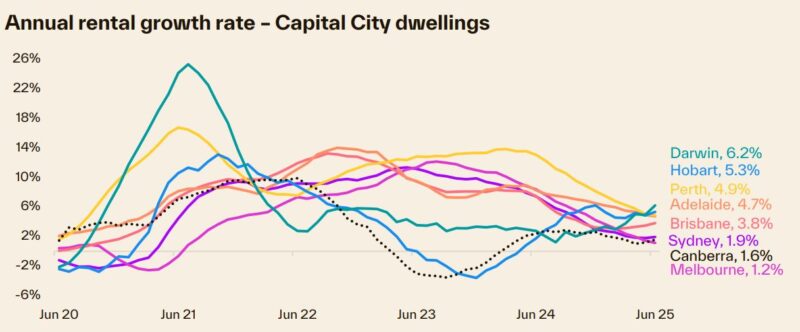












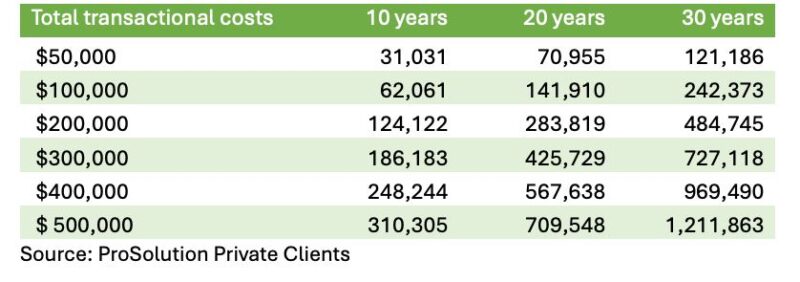
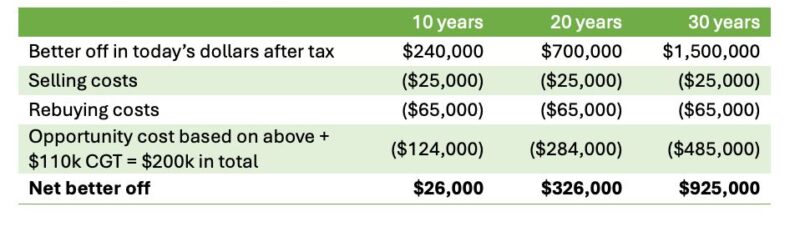









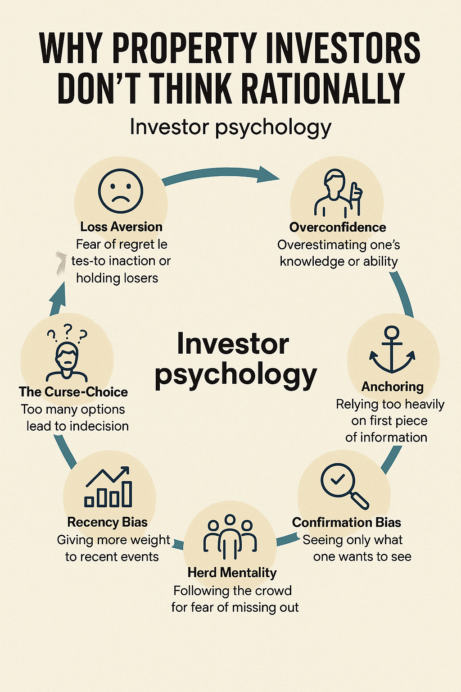
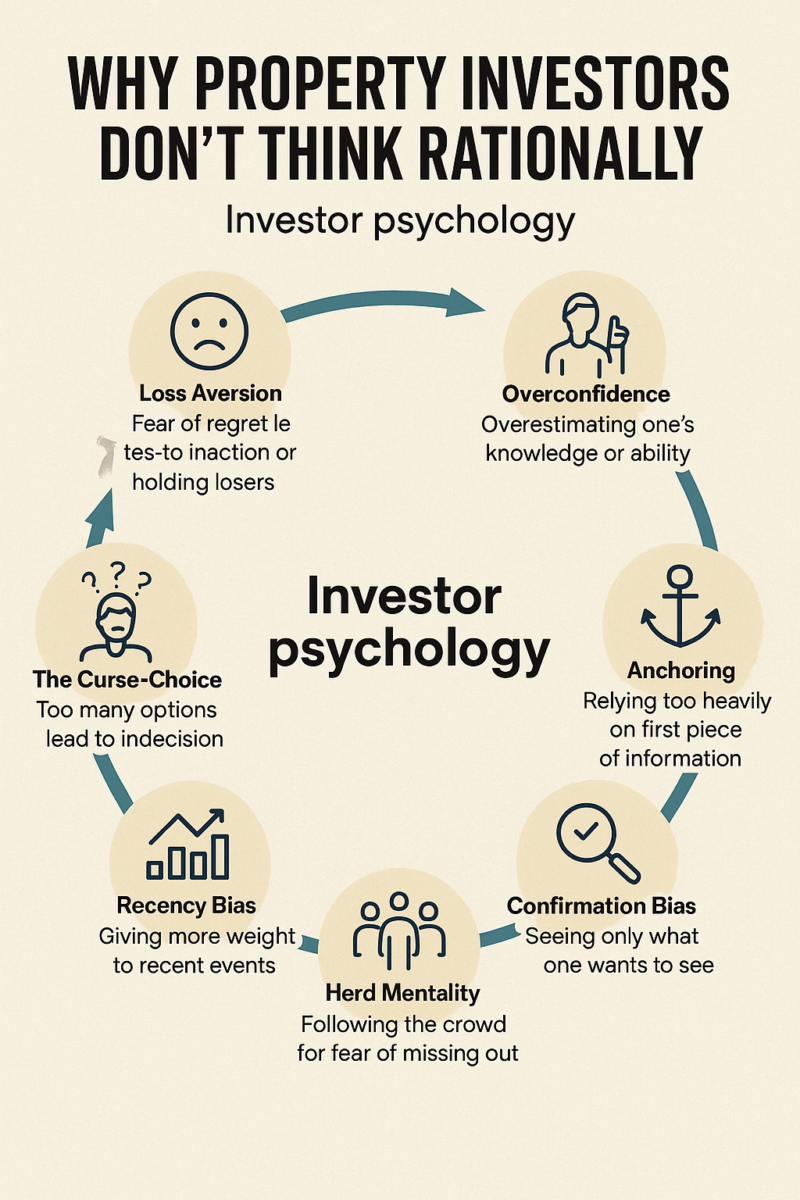




























 If you’re a property investor, I have an important question for you…

 If you’ve ever felt like you’re playing a game of property monopoly in Australia, but someone else got to pass “Go” decades before you and now owns half the board, you’re not imagining it.






 Have you ever wondered if property development could be your next big wealth accelerator?