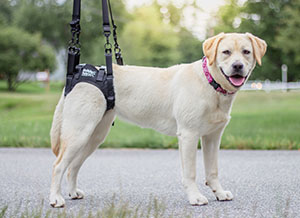
How Long Do Corgis Live? (Life Expectancy) – Walkin’ Pets

Corgis are easily recognizable with their short legs, long bodies, and expressive faces. These intelligent, loyal dogs have earned a devoted following around the world. But if you’re thinking of bringing a Corgi into your home or already have one, a question that naturally comes up is: how long do Corgis live?

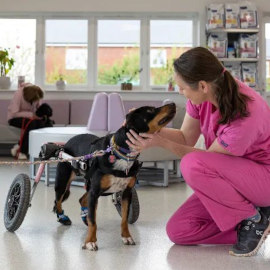
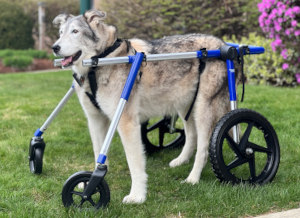
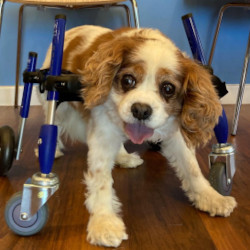
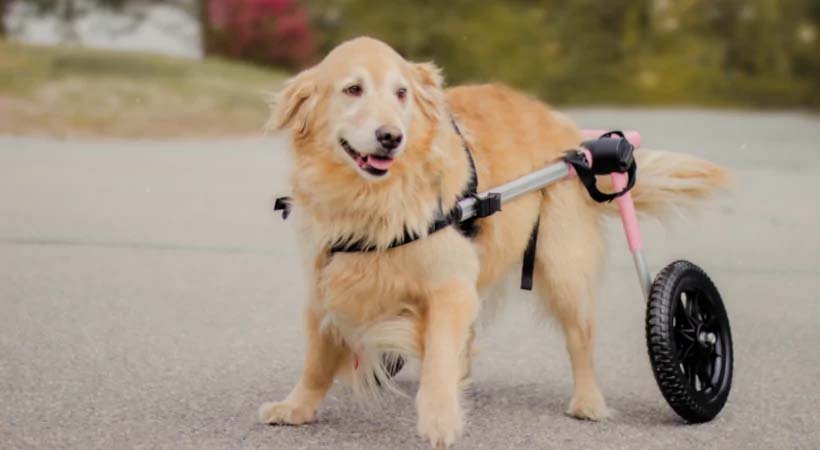
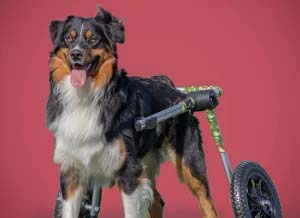
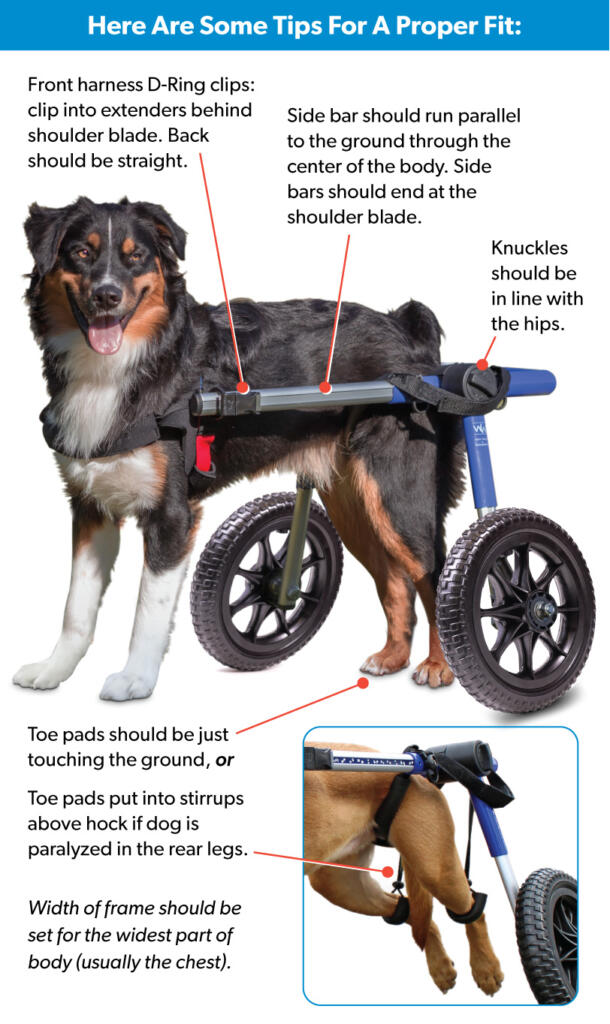
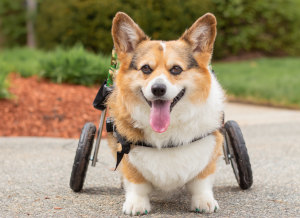
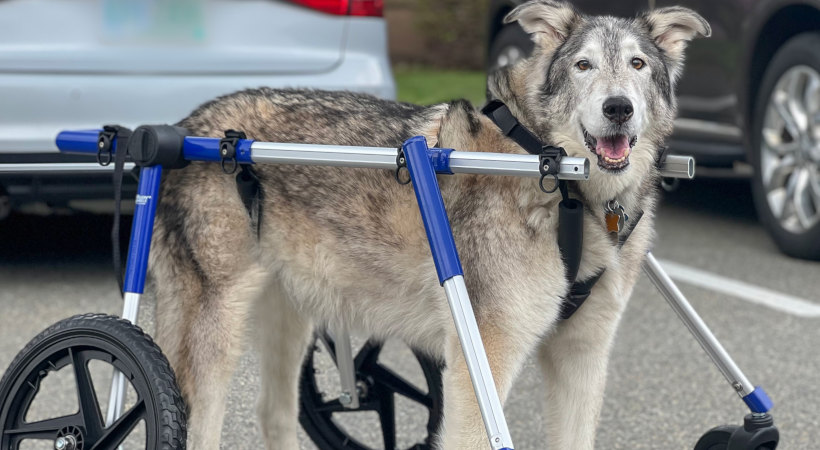
On this page, we’ll take a deep look into the lifespan of Corgis, including what affects their life expectancy, common health problems, tips to extend their healthy years, and what to expect as they age. We’ll also cover mobility issues many Corgis face, and how tools like dog wheelchairs from Walkin’ Pets can support their quality of life.

What is the average lifespan of a Corgi?

The average lifespan of a Corgi is 12 to 15 years. This range applies to both recognized Corgi breeds: the Pembroke Welsh Corgi and the Cardigan Welsh Corgi. With proper care, it’s not uncommon for some Corgis to live into their late teens.

The slight differences between the two breeds don’t drastically affect lifespan. Cardigans tend to be a bit sturdier, while Pembrokes are more popular in the U.S., but both have fairly similar life expectancies.

What factors affect a Corgi’s life expectancy?

Several key factors play a role in how long a Corgi lives. Some are genetic, while others depend on the care they receive throughout their life.

1. Genetics

Corgis from responsible breeders who prioritize health are more likely to live longer, healthier lives. Poor breeding practices, especially in high-demand environments, can lead to inherited conditions that shorten life expectancy.

2. Weight and diet

Corgis are prone to obesity, which can shorten their lifespan significantly. Excess weight puts strain on their spine, joints, and internal organs. Feeding them a balanced, portion-controlled diet is critical for long-term health.

3. Exercise and activity

Despite their small size, Corgis are highly active and need regular physical and mental exercise. Staying active helps prevent obesity, supports joint health, and improves overall well-being.

4. Preventive veterinary care

Regular checkups, vaccinations, dental cleanings, and early screenings can catch health issues before they become serious. Preventive care plays a major role in a Corgi’s quality and length of life.

5. Mobility support as they age

Corgis are prone to back and joint problems due to their long spine and short legs. As they age, mobility issues can arise. Without support, these problems may lead to a decline in health and quality of life. Mobility aids like Walkin’ Pets dog wheelchairs can keep aging or disabled Corgis active, improving both longevity and happiness.

What are common health issues in Corgis?

While Corgis are generally healthy, there are some health conditions that they are more prone to. Early detection and good care can help manage many of these conditions effectively.

Intervertebral Disc Disease (IVDD)

IVDD is one of the most common issues in Corgis. Their long spine makes them more vulnerable to disc problems, which can lead to pain, nerve damage, or paralysis. Maintaining a healthy weight and avoiding jumping on and off furniture can help reduce the risk.

If IVDD does occur, rest, medication, or surgery might be needed. In cases where mobility is affected, a dog wheelchair can be used to help the Corgi stay active during recovery or permanently if full recovery isn’t possible.

Hip dysplasia

This is a condition where the hip joint doesn’t fit properly, leading to arthritis or pain over time. While more common in larger breeds, it does occur in Corgis. Managing weight and providing joint supplements early can help reduce symptoms.

Degenerative myelopathy

Degenerative myelopathy (DM) is a progressive spinal condition that affects older dogs. It starts with mild weakness and leads to paralysis in the back legs. DM is not painful, but it severely impacts mobility. There is no cure, but supportive care and mobility aids like rear support dog wheelchairs can help maintain independence and quality of life.

Obesity-related conditions

Due to their body shape and love for food, Corgis gain weight easily. Obesity increases the risk of diabetes, heart disease, and mobility problems. Keeping them at a healthy weight is one of the most important things an owner can do.

At what age is a Corgi considered a senior?

Corgis are generally considered seniors at around 8 years of age. At this point, you may notice changes in energy level, vision, and movement.

Senior Corgis benefit from:

  • More frequent veterinary checkups

  • Adjustments to their diet and activity levels

  • Support for joints and mobility

  • Comfortable, low-access sleeping areas

  • Assistance with stairs or steep inclines

This is also the age where conditions like arthritis, IVDD, or DM may begin to show. Being proactive with health care and mobility tools becomes especially important.

How can you help a Corgi live a longer and healthier life?

Helping your Corgi reach their full lifespan potential isn’t complicated, but it does take consistency. Here’s what makes the biggest difference:

Maintain a healthy weight

Avoid giving table scraps and measure meals carefully. Use high-quality dog food that meets your dog’s age, size, and activity level.

Keep them active

Daily walks, play sessions, and mental challenges like puzzle toys are all important. Even older Corgis benefit from light activity.

Provide joint and spine support

Use ramps to avoid jumping. Offer an orthopedic bed to reduce pressure on joints. If mobility becomes difficult, consider a Walkin’ Wheels dog wheelchair to keep your dog moving safely and comfortably.

Schedule regular vet visits

Catch health issues early. Bloodwork, dental checks, and physical exams are essential, especially for seniors.

Watch for early signs of mobility decline

If your Corgi starts dragging a paw, having trouble climbing stairs, or seems wobbly, don’t wait. These can be signs of nerve or spinal issues. Early support, including physical therapy or a wheelchair, can extend their mobility and comfort.

Are Corgis prone to paralysis?

Corgis are one of the breeds most at risk for hind leg paralysis. IVDD and degenerative myelopathy are the two main causes.

In cases where a Corgi loses the use of their back legs, recovery may be possible with surgery, rehab, and rest. However, if paralysis is permanent, they can still live fulfilling lives with the right support.

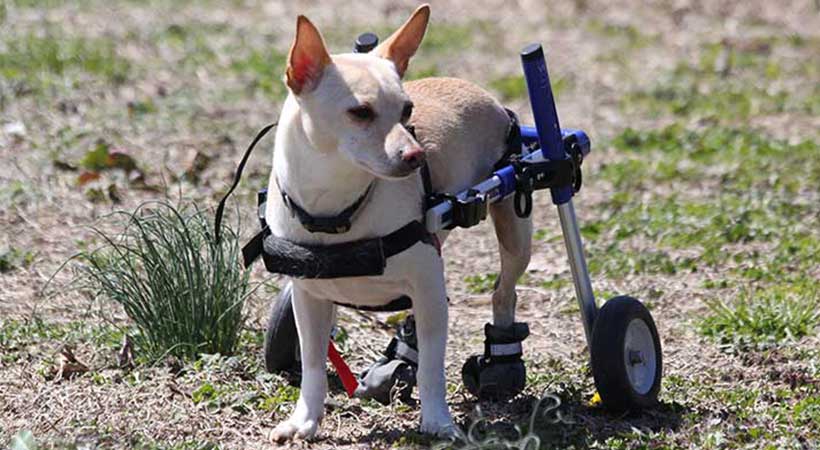
Walkin’ Pets dog wheelchairs are often recommended by veterinarians and rehab specialists for paralyzed Corgis. These wheelchairs are designed to fit small breeds like Corgis and can be adjusted as the dog’s needs change. Many dogs quickly adapt and enjoy full, active lives with their wheels.

Can a paralyzed Corgi live a full life?

Yes, a paralyzed Corgi can still live a happy, active life with proper care. While the condition can be emotional for both the dog and the owner at first, dogs adjust well when given the right tools and support.

Along with a wheelchair, it’s important to keep your Corgi clean, comfortable, and mentally stimulated. They still enjoy walks, playtime, and quality time with their families. Many owners are surprised at how resilient and happy their dogs are, even after losing mobility.

Keeping your Corgi thriving for years to come

Corgis may be small, but they pack a lot of personality and heart into their years. With a typical lifespan of 12 to 15 years, and many living even longer, there’s a lot of time to build a close bond with your Corgi. Still, their unique body structure means they need a little extra attention when it comes to mobility and spinal health.

By staying on top of their weight, encouraging regular activity, keeping up with vet visits, and offering mobility support when needed, you can help your Corgi stay healthy and active well into their senior years.

For Corgis facing mobility challenges, tools like Walkin’ Pets dog wheelchairs offer freedom and independence that greatly improve quality of life. Whether your dog is recovering from injury or living with a lifelong condition, mobility support can make a lasting difference.

With the right care, your Corgi can enjoy every year to the fullest.

Frequently Asked Questions

How long do Pembroke Welsh Corgis live on average?

Pembroke Welsh Corgis typically live between 12 and 15 years when well cared for. Some can live even longer, reaching 16 to 17 years in rare cases.

Their lifespan is influenced by several factors, including genetics, diet, exercise, and access to veterinary care. Because Pembrokes are prone to back and joint issues like intervertebral disc disease (IVDD) and hip dysplasia, maintaining a healthy weight and avoiding strain on the spine is critical. Early detection of health issues and consistent preventive care can also extend their life expectancy.

Owners should prioritize a balanced diet, regular physical activity, and routine checkups starting from a young age. Keeping your Pembroke’s spine supported and monitoring mobility as they age can also help maintain quality of life well into their senior years.

What’s the difference in lifespan between Cardigan and Pembroke Welsh Corgis?

There is very little difference in the lifespan between Cardigan Welsh Corgis and Pembroke Welsh Corgis. Both breeds generally live 12 to 15 years, although individual dogs may live longer with proper care.

Cardigans tend to be slightly larger and have a different bone structure, which may make them less prone to certain spinal issues compared to Pembrokes. However, both breeds are at risk for conditions like degenerative myelopathy and hip dysplasia, especially as they age.

What makes a bigger difference in lifespan is not the breed variation but the quality of care the dog receives. Regular vet visits, weight management, and mobility support when needed all contribute to longer, healthier lives in both Corgi types.

What are signs that my Corgi is getting old?

Corgis usually start showing signs of aging around 8 years of age. Common signs include:

  • Decreased energy or reluctance to exercise

  • Stiffness or limping, especially after rest

  • Changes in weight, either gain or loss

  • Greying around the muzzle

  • Cloudiness in the eyes or vision changes

  • Increased sleep or rest time

  • Difficulty climbing stairs or jumping

Behavioral changes like confusion or anxiety may also develop in senior years. These could be signs of cognitive decline or discomfort.

As your Corgi enters its senior stage, it’s important to adjust their lifestyle. Provide joint support, reduce high-impact activity, and schedule more frequent veterinary checkups.

Can Corgis live a happy life with mobility problems?

Yes, many Corgis live full, happy lives even with mobility issues such as partial paralysis or rear leg weakness. With the right care, they can stay active and maintain their mental well-being.

Conditions like IVDD or degenerative myelopathy can cause hind leg weakness or paralysis, but that doesn’t mean the end of a dog’s active life. Dog wheelchairs like the ones offered by Walkin’ Pets are specially designed for Corgis and help them walk, play, and explore even when their back legs aren’t functioning fully.

Dogs adjust very quickly to wheelchairs, and many show a noticeable improvement in mood and energy after being fitted with one. Keeping them mentally stimulated, well-groomed, and comfortable at home are also key parts of long-term care.

How do I prevent back problems in my Corgi?

To help prevent back issues in your Corgi, focus on spine safety, weight control, and joint support. Corgis are more prone to spinal issues due to their long body and short legs.

Here are specific steps you can take:

  • Maintain a healthy weight. Extra weight puts stress on the spine.

  • Avoid jumping on and off furniture or stairs. Use ramps instead.

  • Support the spine during lifting by placing one hand under the chest and the other under the hips.

  • Use orthopedic beds to reduce joint pressure during rest.

  • Exercise regularly, but avoid high-impact activity.

Also, be on the lookout for signs of discomfort or stiffness. Early veterinary treatment can prevent worsening symptoms. If IVDD is diagnosed, conservative treatments or surgery may be recommended, depending on severity.

What is the leading cause of death in senior Corgis?

The most common causes of death in senior Corgis are cancer, neurological diseases like degenerative myelopathy, and complications from obesity-related conditions.

Degenerative myelopathy (DM) is especially common in older Corgis and progresses gradually. It starts with rear leg weakness and can eventually lead to full paralysis. While DM is not painful, it does impact a dog’s quality of life.

Other leading causes include:

  • Organ failure (kidneys or liver)

  • Heart disease

  • Severe arthritis or spinal injuries

  • Cancer, including lymphoma and hemangiosarcoma

Prompt veterinary care, mobility support, and weight management throughout life can help reduce risk and prolong healthy years.

What are the best ways to keep my senior Corgi active?

Keeping your senior Corgi active involves gentle exercise, mental stimulation, and mobility support. Senior dogs often slow down, but staying active improves circulation, joint health, and mood.

Try these strategies:

  • Go on short, frequent walks rather than long ones.

  • Use puzzle toys and scent games to keep their mind sharp.

  • Encourage low-impact play like tug-of-war or soft fetch.

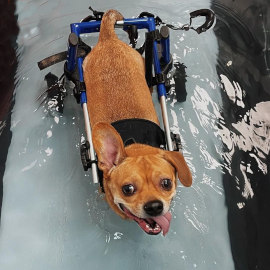
  • Introduce water therapy or swimming if recommended by your vet.

  • For dogs with weakness, use a dog wheelchair to reduce strain and allow for movement.

Activity should always be adjusted based on your dog’s physical condition. If your Corgi has arthritis or a spinal issue, check with your vet before starting new routines.

How can I tell if my Corgi needs a wheelchair?

Signs that your Corgi might benefit from a wheelchair include:

  • Dragging back paws or knuckling

  • Difficulty standing or walking unassisted

  • Rear leg weakness or trembling

  • Wobbling or unsteady gait

  • Sudden loss of mobility after injury or illness

  • Diagnoses like IVDD, degenerative myelopathy, or spinal trauma

Wheelchairs provide stability and support that allows your dog to move safely and comfortably. They are especially helpful for dogs with partial or full rear leg paralysis.

A veterinarian or canine rehab therapist can help determine the right time to start. In many cases, early use of a wheelchair can extend mobility and prevent secondary issues like muscle loss or pressure sores.

References

Symptoms, Causes, Treatment, Life Expectancy – Walkin’ Pets

Spondylosis in dogs is a degenerative condition that affects the spine, most often seen in aging or senior pets. While the condition can sound alarming to many dog owners, it is usually manageable with the right care, monitoring, and treatment. Understanding what spondylosis is, how it develops, and what options are available can help owners make informed decisions about their dog’s health and mobility.

This guide answers the most important questions about spondylosis in dogs. Whether your dog has recently been diagnosed or you’re trying to learn more about this spinal condition, you’ll find clear and expert-backed insights below.

What is spondylosis in dogs?

Spondylosis deformans, commonly referred to as spondylosis, is a degenerative condition that affects the spine. It occurs when bony spurs, called osteophytes, form along the edges of the vertebrae. These bone spurs develop as a response to instability or wear in the spine, and their goal is to create more stability in an area that’s weakened or degenerating.

Over time, the spurs can grow larger and may even bridge the gaps between vertebrae. In some cases, they stay small and don’t cause much trouble. In others, especially when they grow near nerve roots or in sensitive areas, they may cause pain, reduced mobility, or other neurological symptoms.

Spondylosis is most commonly found in the lumbar (lower back), thoracic (mid-back), or lumbosacral region of the spine. While many dogs with spondylosis show no symptoms, others may need medical treatment, physical therapy, or supportive tools like dog wheelchairs to maintain their quality of life.

What causes spondylosis in dogs?

Several factors can contribute to the development of spondylosis in dogs:

1. Aging and natural wear-and-tear

The most common cause is aging. As dogs get older, the cartilage and soft tissues between their vertebrae naturally begin to wear down. This leads to micro-instability in the spine, prompting the body to form new bone as a stabilizing mechanism.

2. Genetics

Some breeds are more likely to develop spondylosis than others. Large breeds, such as German Shepherds, Boxers, and Rottweilers, are especially prone due to their size and the strain placed on their joints and spine.

3. Previous spinal injuries

A history of spinal trauma, such as a fall, accident, or back surgery, can lead to the early development of spondylosis. Any structural damage to the spine may trigger bone spur formation as part of the body’s healing response.

4. Joint diseases or abnormalities

Conditions like arthritis or intervertebral disc disease (IVDD) can also increase the risk of spondylosis by placing added stress on the spine. Over time, this stress can lead to chronic changes in the vertebrae and surrounding tissues.

What are the symptoms of spondylosis in dogs?

Many dogs with spondylosis have no obvious symptoms, especially in the early stages. In fact, the condition is often discovered incidentally during X-rays for unrelated issues. However, when symptoms do occur, they may include:

  • Stiffness, especially after resting

  • Difficulty rising from a lying position

  • Reluctance to jump, climb stairs, or be active

  • Changes in posture or gait

  • Pain when the back is touched

  • Loss of coordination or hind limb weakness

  • Muscle atrophy in the back or hind legs

  • In severe cases, incontinence

If your dog is showing any of these signs, it’s important to consult your veterinarian. An early diagnosis can help slow the progression of the condition and improve your dog’s comfort and mobility.

How is spondylosis in dogs diagnosed?

A diagnosis typically starts with a physical exam and detailed history of your dog’s symptoms. Your veterinarian may observe your dog’s posture, gait, and reflexes. If spondylosis is suspected, the next step is usually diagnostic imaging.

X-rays

This is the most common tool used to confirm spondylosis. Bone spurs are usually visible on standard radiographs, especially in the more advanced stages.

MRI or CT scan

In cases where neurological symptoms are present, advanced imaging like MRI or CT scans may be recommended to assess whether the bone spurs are pressing on spinal nerves or the spinal cord.

What treatment options are available for spondylosis in dogs?

There is no cure for spondylosis, but there are many effective ways to manage the condition and improve your dog’s quality of life.

1. Pain management

Veterinarians may prescribe non-steroidal anti-inflammatory drugs (NSAIDs), pain relievers, or muscle relaxants to reduce inflammation and discomfort. In chronic or severe cases, more targeted pain medications may be required.

2. Physical therapy

Canine rehabilitation is one of the most helpful tools for managing spondylosis. Controlled exercise, underwater treadmill therapy, massage, and stretching can reduce stiffness and improve strength.

3. Weight management

Excess weight increases pressure on the spine. Keeping your dog at a healthy weight can help minimize symptoms and prevent further deterioration.

4. Mobility support

When spondylosis leads to hind-end weakness or coordination issues, mobility aids can make a significant difference. A dog wheelchair, such as those offered by Walkin’ Pets, can help dogs maintain their independence, reduce strain on the spine, and prevent muscle atrophy. These wheelchairs are fully adjustable and designed to support a dog’s natural movement, whether for short walks or extended use throughout the day.

5. Surgery (rarely needed)

Surgery is rarely required and is typically only considered if the bone spurs are causing severe nerve compression. In such cases, a veterinary neurologist may recommend spinal decompression.

Can dogs with spondylosis live a normal life?

Yes, many dogs with spondylosis can live comfortable, active lives with the right management. While the condition itself cannot be reversed, its symptoms can be controlled with lifestyle adjustments, medication, and supportive care.

Early detection and proactive management are key. Dogs that receive appropriate treatment often continue to enjoy their daily routines, regular walks, and even playtime.

What is the life expectancy for dogs with spondylosis?

Spondylosis itself does not shorten a dog’s lifespan. Most dogs live out their natural lives as long as their condition is well-managed. However, complications can arise if the condition goes untreated or if it is paired with other mobility-limiting diseases like arthritis or IVDD.

Maintaining your dog’s mobility, comfort, and overall well-being will have the biggest impact on life expectancy. Regular vet check-ups, monitoring for pain, and using mobility aids when needed can help preserve both the quality and duration of your dog’s life.

What can I do at home to support my dog with spondylosis?

Owners play a critical role in supporting their dog’s health. Here are a few simple but effective ways to help:

  • Provide a soft, orthopedic bed to relieve pressure on the spine.

  • Use ramps instead of stairs when possible.

  • Keep your dog’s nails trimmed to improve traction.

  • Maintain a consistent, low-impact exercise routine.

  • Use a harness that supports the chest and back.

  • Consider mobility aids such as slings or wheelchairs to help with daily movement.

Small changes can go a long way in reducing discomfort and maintaining your dog’s activity levels.

Empowering your dog’s mobility and comfort

Spondylosis in dogs may sound complex, but it is a condition that many pets live with successfully for years. With the right approach, your dog can stay active, engaged, and happy well into their senior years. Devices like a Walkin’ Wheels Dog Wheelchair can make a meaningful difference in maintaining mobility and independence, especially for dogs experiencing hind-limb weakness or difficulty walking.

By understanding the condition, recognizing the signs early, and using supportive resources, dog owners can give their pets the highest quality of life, every step of the way.

Frequently Asked Questions

Can spondylosis in dogs cause paralysis?

Yes, but it’s rare. Spondylosis in dogs can lead to paralysis if bone spurs grow in a way that compresses the spinal cord or major nerve roots. This usually happens in advanced cases where the bone overgrowth becomes severe. Signs of nerve compression may include weakness, loss of coordination, or dragging of the hind limbs. If left untreated, it could potentially result in partial or full paralysis.

If your dog shows signs of neurological decline, contact your veterinarian immediately. Early intervention may prevent permanent nerve damage.

What is the difference between spondylosis and arthritis in dogs?

Spondylosis and arthritis are both degenerative conditions, but they affect different parts of a dog’s skeletal system. Spondylosis is the formation of bony spurs along the spine, typically on the edges of the vertebrae. Arthritis, or osteoarthritis, affects the joints and involves cartilage loss, inflammation, and joint pain.

While both conditions can coexist, they have different causes, symptoms, and treatment approaches. If your dog is showing mobility issues, a proper diagnosis is key to managing both conditions effectively.

Is spondylosis painful for dogs?

It can be. While many dogs with spondylosis show no outward signs of pain, others may experience stiffness, discomfort, or even nerve pain if the bone spurs irritate nearby nerves. Pain may worsen with activity or after long periods of rest. Symptoms can vary widely depending on the location and size of the bone growth.

If your dog seems reluctant to move, shows sensitivity when touched, or has a hunched back, a vet visit is recommended. Pain management and supportive therapies can significantly improve comfort.

How fast does spondylosis progress in dogs?

Spondylosis typically develops slowly over time. It’s a chronic condition, meaning changes in the spine often occur gradually as part of the natural aging process. Some dogs may show signs in their senior years, while others never develop noticeable symptoms at all.

The speed of progression depends on factors like age, breed, weight, past injuries, and overall joint health. While the condition itself cannot be reversed, early diagnosis and consistent management can help slow its impact on mobility.

What breeds are most likely to get spondylosis?

Larger and heavier dog breeds tend to be more at risk. Breeds like German Shepherds, Boxers, Rottweilers, Dobermans, and Labrador Retrievers are commonly diagnosed with spondylosis. Their size puts more strain on the spine, and some may also have a genetic predisposition to joint and spinal issues.

However, spondylosis can occur in dogs of any breed or size, especially as they get older. Regular vet exams and watching for early signs of stiffness can help with timely intervention.

Can a dog with spondylosis still go for walks?

Yes, and daily walks are often encouraged. Moderate, low-impact exercise like walking can help keep the spine flexible and muscles strong. It also helps prevent weight gain, which can worsen symptoms. However, walks should be shorter and slower than usual if your dog has mobility issues or stiffness.

Avoid high-impact activities like jumping, running on hard surfaces, or rough play. Use a harness instead of a collar to reduce spinal strain. If your dog struggles to walk, a dog wheelchair may help maintain mobility safely.

How do I know if my dog’s spondylosis is getting worse?

Signs of worsening spondylosis may include increasing stiffness, limping, loss of coordination, or reluctance to move. You may also notice muscle wasting in the hind legs or a change in your dog’s posture. If your dog begins to drag their legs, trip often, or shows signs of incontinence, it could indicate nerve involvement.

Regular checkups and imaging (like X-rays) can track the progression. If symptoms change suddenly or dramatically, see your veterinarian as soon as possible to adjust the treatment plan.

Are supplements helpful for managing spondylosis in dogs?

Yes, certain supplements can support spinal and joint health in dogs with spondylosis. Common options include glucosamine, chondroitin, MSM (methylsulfonylmethane), omega-3 fatty acids, and turmeric. These ingredients may reduce inflammation, improve joint function, and support cartilage maintenance.

However, supplements are not a standalone treatment. They work best when combined with other therapies like weight management, physical therapy, and medication. Always consult your vet before starting new supplements to ensure they are safe and appropriate for your dog.

Should I consider a dog wheelchair for spondylosis?

A dog wheelchair can be very helpful for dogs with spondylosis, especially if they show signs of hind-limb weakness, dragging their back legs, or difficulty walking. A properly fitted wheelchair helps reduce strain on the spine and allows dogs to remain active without pain or fatigue.

Using a wheelchair also helps prevent muscle atrophy by allowing dogs to move naturally. It’s not just for dogs who are fully paralyzed; many pets use one part-time for exercise and relief during flare-ups.

How can I make my home more comfortable for a dog with spondylosis?

Making simple changes at home can greatly improve your dog’s comfort and safety. Use ramps instead of stairs, and place rugs or non-slip mats on slippery floors. An orthopedic dog bed provides better support for the spine. Keep food and water bowls raised to avoid unnecessary bending. Also, limit jumping on and off furniture.

For dogs who need extra help with movement, supportive harnesses or mobility slings can assist with getting up or going outside. Creating an environment that reduces strain on your dog’s spine is one of the best ways to manage spondylosis long-term.

References

Which Dog Breeds Are Most at Risk for IVDD? – Walkin’ Pets

Intervertebral Disc Disease (IVDD) is one of the most common spinal conditions in dogs, especially among certain breeds with distinct physical features. If you’re a dog parent, breeder, vet tech, or animal care specialist, knowing which breeds are genetically more prone to IVDD can help you spot early signs and take proactive steps to manage the condition.

This guide will break down which breeds are most at risk, why they are vulnerable, and how IVDD impacts mobility and quality of life. We’ll also cover supportive care options, including mobility tools like dog wheelchairs, to help affected pets live more comfortably and independently.

What is IVDD and how does it affect dogs?

IVDD is a spinal condition caused by degeneration of the discs between the vertebrae. These discs function as cushions, absorbing shock and helping with flexibility. When they degenerate or herniate, they can press against the spinal cord, leading to pain, nerve damage, and sometimes paralysis.

There are two main types:

  • Type I IVDD involves sudden disc rupture and is more common in chondrodystrophic breeds (those with shorter legs and longer backs).

  • Type II IVDD progresses more slowly and is typically seen in larger, older dogs.

Symptoms range from back pain and difficulty walking to complete paralysis of the hind limbs. Prompt diagnosis and intervention are critical.

Why are some dog breeds more prone to IVDD?

Some breeds are genetically predisposed to IVDD due to their body structure and inherited cartilage development. Specifically, dogs with chondrodystrophy have a mutation affecting cartilage growth. This condition alters the structure of their spine and intervertebral discs, making disc herniation more likely.

In these dogs, disc degeneration can start as early as one year of age. That’s why understanding the risks tied to breed is key for early intervention.

Which dog breeds are at the highest risk for IVDD?

1. Dachshunds

Dachshunds are the most well-known breed affected by IVDD. Around 25% of Dachshunds will develop IVDD in their lifetime.

Dachshunds benefit greatly from routine spine checks, weight management, and activity limitations, especially around jumping or stair use.

2. French Bulldogs

French Bulldogs are increasingly being diagnosed with IVDD. Although they’re not traditionally chondrodystrophic, their body structure puts them at risk.

Cases often involve neck discs (cervical IVDD), causing front limb weakness or neck pain. Many owners don’t notice early signs until the dog struggles to walk or refuses to move.

Due to their compact frame, Frenchies can have trouble adapting to post-surgical recovery without assistance.

3. Beagles

Beagles are a medium-risk breed. Their active nature combined with a mildly elongated spine can increase the likelihood of disc problems as they age.

Most Beagles experience Type II IVDD. Symptoms often appear gradually and may be mistaken for general aging or stiffness.

IVDD in Beagles typically starts in middle to old age, often requiring a combination of medical and supportive mobility treatments.

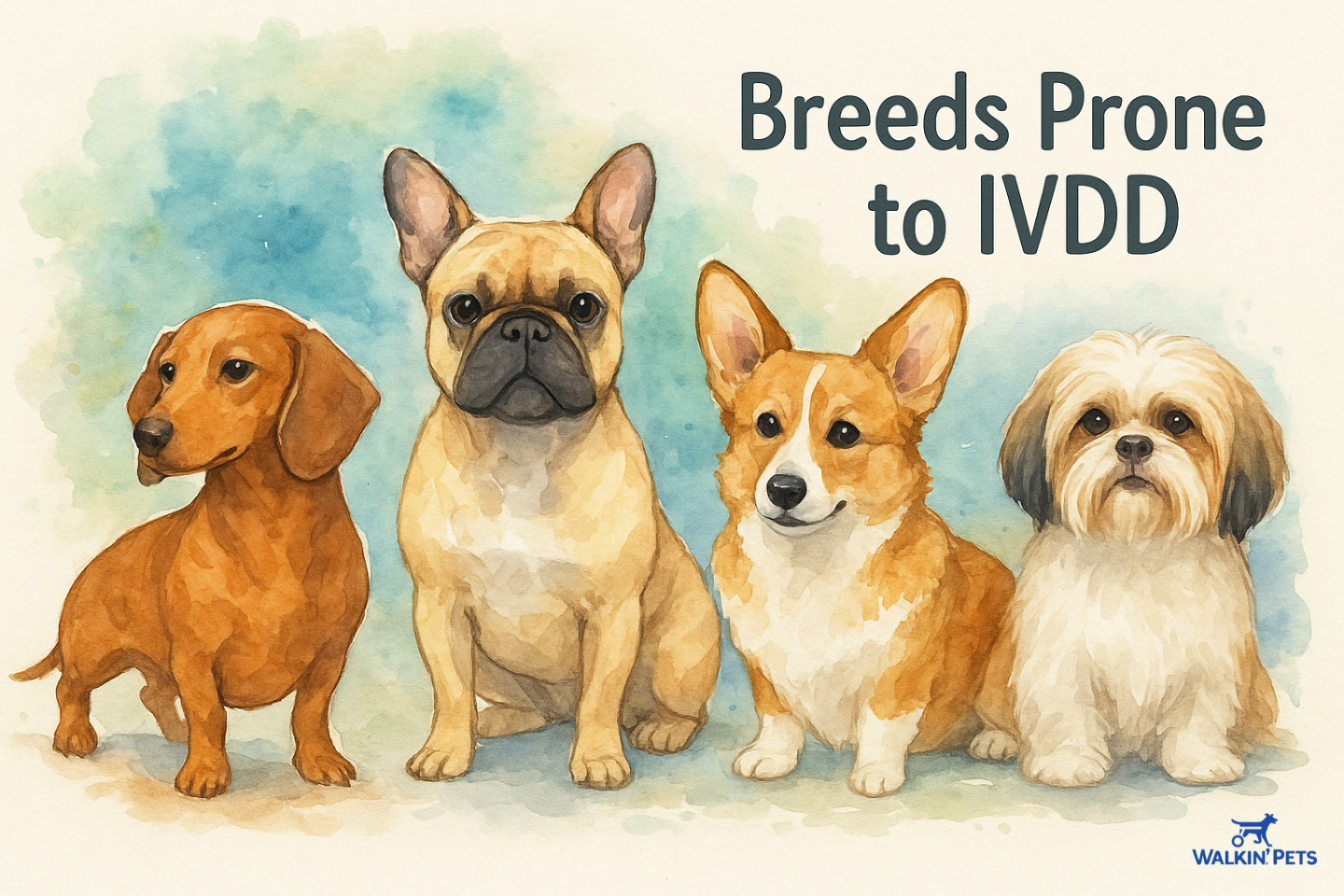
4. Corgis

Corgis, including both Pembroke Welsh Corgis and Cardigan Welsh Corgis, are at increased risk for IVDD due to their chondrodystrophic features. Their long backs, short legs, and compact frames place constant mechanical stress on the spine.

Most Corgis experience Type I IVDD, often presenting suddenly and requiring immediate care. Symptoms can include back pain, dragging of the hind legs, unsteady walking, and resistance to movement.

Corgis are active and agile, but that energy combined with their body structure can lead to spinal disc injury even from minor jumping or twisting motions. Keeping Corgis from climbing stairs or jumping off furniture is one of the most effective ways to help prevent disc damage.

5. Cocker Spaniels

Cocker Spaniels are another breed prone to Type I IVDD, especially between the ages of 3 and 6.

Early signs of IVDD in Cocker Spaniels include reluctance to jump, mild hind limb weakness, or signs of back pain. Their feathered coats can sometimes hide physical signs, so regular physical exams are important.

6. Shih Tzus and Lhasa Apsos

These breeds are similar in structure, both being small dogs with relatively long backs.

They often experience cervical IVDD. Symptoms may include sudden yelping, rigid neck posture, and reluctance to eat or move the head.

Shih Tzus in particular benefit from limited jumping and soft bedding to protect their spine.

7. Pekingese

Pekingese have a compact body and short legs, which makes them vulnerable to spinal issues.

They commonly suffer from disc herniations in the middle to lower back. Their thick coats can hide muscle weakness or coordination issues, so gait changes should always be taken seriously.

8. Miniature and Toy Poodles

While not as high-risk as Dachshunds, Miniature and Toy Poodles do have some genetic predisposition to IVDD.

Cases often appear later in life. Many are mistaken for arthritis, but neurologic exams and imaging can help confirm IVDD.

Are large breed dogs at risk for IVDD?

While IVDD is more common in small to medium breeds, some large dogs are also affected, particularly with Type II IVDD. These include:

  • Labrador Retrievers

  • German Shepherds

  • Doberman Pinschers

Large breeds typically show slower-developing symptoms such as hind limb weakness, coordination issues, and difficulty standing after rest. In these breeds, disc degeneration happens over time and is often linked with other spinal conditions.

How is IVDD diagnosed in at-risk breeds?

Early diagnosis of IVDD starts with recognizing symptoms, especially in high-risk breeds. Vets usually perform a physical and neurological exam followed by imaging, such as:

  • X-rays, which may show narrowing of disc spaces

  • MRI or CT scans, which are needed to confirm disc herniation or spinal cord compression

The earlier IVDD is caught, the more treatment options are available, including conservative care, surgery, and mobility support tools.

What are the best ways to support dogs living with IVDD?

Managing IVDD depends on the severity of symptoms. Some dogs may recover with crate rest and medication. Others may need surgery followed by long-term physical therapy.

Dogs who lose mobility, especially in their back legs, can regain independence through supportive gear.

How dog wheelchairs can help

Dog wheelchairs play a major role in improving mobility for dogs with partial or full hind limb paralysis.

  • They reduce strain on the spine while keeping dogs active.

  • They prevent pressure sores by keeping the body upright and balanced.

  • Walkin’ Pets dog wheelchairs are designed to fit breeds of all sizes, including long-bodied dogs like Dachshunds or Frenchies.

  • Adjustable frames accommodate changes in weight, height, and strength during recovery or progression.

Many IVDD-affected dogs live full, happy lives when given the chance to move safely and comfortably.

Can IVDD be prevented in high-risk breeds?

You can’t fully prevent IVDD in genetically predisposed breeds, but you can reduce the risk of injury or worsening symptoms through simple lifestyle habits.

  • Keep your dog at a healthy weight to minimize pressure on the spine.

  • Avoid activities that strain the back, such as jumping on furniture or climbing stairs.

  • Use harnesses that support the chest and shoulders, rather than pulling at the neck.

  • Create a supportive environment with soft bedding, ramps, and non-slip floors.

  • Schedule regular checkups, especially as your dog reaches middle age.

For dogs with prior episodes of IVDD, continued use of assistive tools like harnesses or wheelchairs can be key to maintaining their quality of life.

Helping your dog live fully with IVDD

IVDD doesn’t have to limit your dog’s happiness. Understanding the risks by breed, watching for signs, and acting quickly can make a big difference in outcomes.

If your dog is among those more likely to develop IVDD, having a plan in place can make recovery easier. Tools like Walkin’ Pets dog wheelchairs provide the freedom and support dogs need to stay active, even when facing mobility challenges.

With the right care, even dogs with severe IVDD can enjoy many good years ahead. Staying informed and prepared is the best way to protect your pet’s health and independence.

References

What Do Pit Bulls Usually Die From? Common Health Risks Explained – Walkin’ Pets

Pit bulls are strong, loyal dogs. Many live long, healthy lives. But like all breeds, they face certain health problems as they age. Knowing what risks they face helps owners catch signs early and give the best care possible. This can add years to their lives and make those years better.

On this page, we’ll explain the most common reasons pit bulls pass away. We’ll go over major diseases, genetic problems, physical injuries, and ways to keep them moving and comfortable as they get older. If your dog struggles to walk, there are tools, like dog wheelchairs, that can help them stay active and happy.

How long do pit bulls live on average?

Most pit bulls live between 11 and 14 years. Many live even longer with good care. Like people, their lifespan depends on many things: diet, activity level, genetics, and regular vet care. Some dogs face health problems earlier in life, while others stay strong until old age.

Pit bulls are known for being tough, but their bodies can still wear down with time. Watching their weight, giving daily exercise, and staying ahead of health issues makes a big difference in how long and how well they live.

What is the most common cause of death in pit bulls?

The most common cause of death in pit bulls is cancer. As they get older, cancer becomes more likely. It can affect different parts of the body, including the skin, bones, or internal organs. Some cancers grow slowly and can be treated if caught early. Others move fast and are harder to manage.

Lumps, swelling, changes in appetite, bleeding, or sudden tiredness can all be signs something is wrong. If your pit bull shows any of these, it’s important to see a vet quickly. Regular checkups also help find issues before they become serious.

What other major health problems do pit bulls face?

Do pit bulls have joint problems?

Yes. Joint issues are very common, especially in their hips and knees. Hip dysplasia is one of the biggest concerns. It’s a condition where the hip joint doesn’t fit right. Over time, this causes pain, swelling, and trouble walking.

Knee injuries are another common problem. The most frequent is a torn ligament in the knee, which can happen during play or running. When one leg is hurt, the other leg has to work harder, which can cause more injury.

Dogs with joint problems may limp, avoid stairs, or have trouble getting up. When walking becomes painful, many dogs benefit from a wheelchair. A dog wheelchair supports their back or back legs so they can still move, play, and stay active without putting weight on their sore joints.

What skin issues are common in pit bulls?

Pit bulls often have sensitive skin. Allergies are very common. These can come from food, grass, dust, or even shampoos. They may scratch a lot, chew on their paws, or develop red patches or sores.

Their short coats also leave them more open to sunburn and other skin damage. They may develop rashes or even small tumors on the skin. Regular baths with a gentle shampoo, staying out of harsh sunlight, and treating allergies early help keep their skin healthy.

Are thyroid problems something to worry about?

Yes. Many pit bulls develop low thyroid levels, especially as they get older. This condition, called hypothyroidism, can slow them down. They may gain weight, lose hair, seem cold all the time, or act tired.

This problem is easy to diagnose with a blood test and usually treated with a daily pill. If your pit bull starts acting different or doesn’t lose weight with diet changes, it’s worth checking their thyroid levels.

Can pit bulls develop bloat?

They can. Bloat is a very dangerous condition that can happen suddenly. It causes the stomach to fill with gas and twist. This cuts off blood flow and can be deadly if not treated right away.

Signs of bloat include a swollen belly, pacing, drooling, or trying to vomit without success. If you see this, take your dog to the vet immediately. Feeding smaller meals and avoiding heavy exercise right after eating can lower the risk.

Do pit bulls have heart problems?

Some pit bulls are born with heart conditions or develop them over time. A common issue is a narrowing of the main artery that carries blood from the heart. This can cause fainting, trouble breathing, or sudden death in severe cases.

Regular checkups can help catch heart problems early. Vets can listen to their heartbeat and may use tests to track how well the heart is working.

Can pit bulls lose mobility as they age?

Yes. Like people, pit bulls may lose strength or balance as they get older. Some develop nerve issues that affect how they walk. Others may slow down due to joint pain or injury.

When a dog starts having trouble walking, it doesn’t mean their good days are over. Tools like a dog wheelchair give them back their freedom. Instead of dragging legs or struggling to get around, they can move comfortably and safely.

How do accidents and injuries impact their life span?

Pit bulls are active and playful. They love to run, jump, and wrestle. But this energy also puts them at risk for injury. They may jump from high places, twist a leg, or get into rough play with other dogs.

Serious injuries can shorten a dog’s life or cause long-term pain. Watching them closely, using leashes in unsafe areas, and keeping play under control helps prevent these accidents.

If an injury leads to long-term mobility loss, a dog wheelchair can change everything. It takes pressure off their body, prevents more damage, and lets them enjoy their usual activities with less risk.

How can owners help pit bulls live longer, healthier lives?

Here are key steps:

  • Schedule regular veterinary visits.

  • Watch for early signs: limping, lumps, coughing, poor coordination.

  • Maintain healthy weight and proper nutrition.

  • Provide moderate daily exercise.

  • Protect skin: shade, monitor for allergies, groom often.

  • When mobility weakens, use supportive measures. Wheelchairs from Walkin’ Pets are designed to help dogs stay mobile, confident, and active. Using a wheelchair is not about giving up, but about giving your dog a better life.

These steps make a real difference. When pit bulls stay active and pain-free, they not only live longer, they enjoy life more. Helping them move better, even with a wheelchair, can keep them playful and connected to the people they love.

Giving your pit bull their best life

Pit bulls don’t ask for much. They want to be with their people, play, and enjoy simple things. But as they age or deal with health problems, they rely on us to help them feel good.

Whether it’s spotting early signs of cancer, supporting their joints, or helping them walk again with a dog wheelchair, small steps go a long way. Even if their legs don’t work like before, their heart still wants to move, explore, and be by your side.

When you give them tools to stay active, you’re giving them more time to enjoy the life they love with you.

References

Common Causes and How t – Walkin’ Pets

As dogs get older, they go through physical changes that can make walking harder. If your senior dog has started to trip, stumble, or fall while walking, you’re not alone. This can be upsetting to watch, especially if your dog used to move easily. The good news is that many causes of this are manageable, and there are clear steps you can take to help your dog stay safe and comfortable.

Let’s go over the most common reasons senior dogs start to trip or fall, how to figure out what’s going on, and simple ways to help them walk more safely.

Why do older dogs start tripping or falling when they walk?

There are a few main reasons why older dogs lose their balance or coordination. Sometimes it’s one thing. Other times, it’s a mix of several. Below are the most common causes.

1. Muscle weakness from aging

As dogs age, they lose muscle strength. This happens slowly and may not be obvious at first. Weak muscles can make it hard for dogs to lift their paws or hold themselves up. They may trip or drag a back leg when walking. Over time, this weakness can make simple movements harder.

2. Joint problems or arthritis

Many senior dogs have arthritis. This makes joints stiff and painful. Dogs with sore joints often walk differently to avoid putting pressure on painful spots. This uneven movement makes them more likely to trip or fall.

3. Nerve problems

Issues in the nervous system can also affect how dogs walk. Some dogs develop a condition that slowly weakens the back legs. This often starts with slight wobbling or dragging of the paws. Over time, dogs may lose control of their legs altogether.

Other nerve problems can come from spine injuries or disc issues. These can cause pain, weakness, or trouble with balance.

4. Loss of body awareness

Dogs rely on their sense of body position to walk safely. If this sense fades, which can happen with age or nerve damage, dogs may misstep, scuff their paws, or bump into objects. This is called a loss of proprioception.

5. Poor vision

If a dog can’t see clearly, they might trip over objects or miss changes in surface height, like a curb or step. Eye problems are common in senior dogs and can make walking riskier.

6. Foot or nail issues

Sometimes the cause is right under your dog’s paws. Long nails, sore pads, or small injuries between the toes can make walking painful or awkward. If it hurts to put pressure on one foot, your dog may limp or stumble.

7. Side effects from medication

Some medicines used to treat older dogs can cause side effects like drowsiness, dizziness, or muscle weakness. This can change how a dog moves and may make them more likely to fall.

How can I figure out what’s causing the problem?

To help your dog, you need to find out what’s behind the tripping or falling. This starts with careful observation and often includes a visit to your vet.

Watch how your dog moves

Pay attention to your dog’s steps. Are they dragging a paw? Do they favor one side? Are they only unstable on certain surfaces like tile or wood floors? Do they seem worse after getting up from rest?

These clues help narrow down what might be wrong.

Check the paws and nails

Look closely at your dog’s feet. Make sure the nails aren’t too long. Check for swelling, wounds, or anything stuck between the toes. Gently press on each pad to see if there’s any reaction.

Notice changes in behavior

Has your dog stopped wanting to go for walks? Are they sleeping more? Do they seem confused or nervous? All of these signs can give helpful context when trying to understand what’s going on.

Visit your vet

A full check-up can help rule out more serious problems. Your vet might check reflexes, range of motion, or recommend imaging like an X-ray. The sooner you catch a problem, the easier it often is to manage.

What can I do at home to help my senior dog walk better?

Once you know what’s causing the issue, there are simple and effective ways to improve your dog’s safety and comfort.

Trim nails regularly

Long nails change how the foot hits the ground. This throws off balance and can cause slipping. Keep your dog’s nails short to make walking easier.

Use traction mats or rugs

If your home has slippery floors, add rugs or rubber mats in areas where your dog walks often. This gives them better grip and helps them feel more secure.

Manage your dog’s weight

Extra weight adds strain to joints and muscles. Keeping your dog at a healthy weight can reduce pain and make it easier to move.

Stick to low-impact activity

Gentle walks or short play sessions help keep muscles strong without overdoing it. If your dog likes water, swimming is a great way to stay active with little strain on the joints.

Support joint and nerve health

Talk to your vet about supplements or medications that may reduce pain or support nerve function. Many dogs benefit from products that include glucosamine, omega-3s, or B vitamins.

Physical therapy or massage

Some dogs improve with light stretching, balance exercises, or massage. A trained canine therapist can show you how to do this safely at home.

When should I consider using a dog wheelchair?

If your dog’s back legs are getting weak, or if they fall often, a wheelchair can make a big difference. It gives them the support they need to move around without struggling or getting hurt.

Here are some signs a wheelchair may help:

  • Your dog drags a back leg or both

  • They lose balance often

  • They collapse when walking

  • They want to move but can’t do it easily

  • You’re lifting them often to help them stand or walk

Dog wheelchairs are not just for dogs who can’t walk at all. They’re great for dogs who can still walk a little but need extra support. A wheelchair takes weight off tired legs and helps dogs stay mobile longer.

At Walkin’ Pets, our dog wheelchairs are designed to match your dog’s size and needs. Whether your dog has mild weakness or more serious mobility loss, there’s a model that can help. Many dogs use their wheelchair daily and enjoy walks, playtime, and even trips outside with less risk of falling.

How do I choose the right support option for my dog?

What works best depends on your dog’s condition. Some dogs just need more grip or shorter nails. Others may need daily joint care or physical help walking.

If your dog is still able to move on their own but stumbles occasionally, start with surface changes, nail care, and light exercise. If they’re losing strength quickly, look into supportive tools sooner rather than later. The goal is to help before they get too discouraged or injured.

Working with your vet and a mobility expert can help you find the right balance between support and independence.

Helping your senior dog walk with confidence

A senior dog who trips or falls doesn’t need to stay stuck or lose their freedom. Most of these problems have solutions that are simple and effective. The key is to notice the changes early and take action that matches your dog’s needs.

Whether that’s changing your home flooring, giving more joint support, or using a dog wheelchair, the goal is always the same: keep your dog safe, happy, and moving.

At Walkin’ Pets, we’ve helped thousands of aging dogs stay active with the help of properly fitted wheelchairs. If your dog could use more support, we’re here to guide you every step of the way.

Even in their later years, dogs can still enjoy walks, time outdoors, and daily routines—with just a little help from you.

References

How Long Can a Dog Live With Hip Dysplasia? Stages, Prognosis, and Lif – Walkin’ Pets

Hip dysplasia is a condition that affects many dogs, especially as they age. It’s something no pet parent wants to hear, but it’s also not a death sentence. With the right care, dogs with hip dysplasia can live long, happy lives.

Let’s break this down simply. We’ll look at what hip dysplasia is, how it progresses, how it affects your dog’s daily life, and what you can do to help them stay comfortable and mobile for as long as possible.

What is hip dysplasia in dogs?

Hip dysplasia means the hip joint doesn’t fit together the way it should. Instead of the ball and socket moving smoothly, they rub and wear down. Over time, this causes pain, stiffness, and arthritis.

Most dogs aren’t born with pain, but the problem usually starts early, while they’re still growing. As they get older, the joint becomes weaker and less stable. You might not see signs until your dog is two or three years old, or even later.

Some dogs show signs when they’re still young. Others seem fine for years, then suddenly slow down or have trouble standing up. It all depends on the dog, how fast the joint wears down, and how much discomfort they feel.

What are the stages of hip dysplasia?

Hip dysplasia doesn’t follow one timeline. It develops slowly, and every dog is different. But generally, we can look at it in stages.

Early stage

  • Usually seen in puppies or young adult dogs

  • May walk normally but tire quickly

  • Occasional limp after play

  • Joint looks a little loose on X-rays

  • No major pain, just early joint wear

At this stage, most dogs do well with light exercise, a healthy diet, and joint supplements.

Moderate stage

  • Limping becomes more common

  • Muscle loss in the back legs

  • Stiffness after rest

  • Harder time jumping or climbing stairs

  • Joint damage is more visible

Dogs in this stage need more help. Pain medication, rehab therapy, and a controlled exercise plan can all make a difference.

Severe stage

This is when hip dysplasia really starts to limit a dog’s life. But it still doesn’t mean the end. Many dogs at this point benefit from assistive tools like dog wheelchairs, which take pressure off their hips and help them stay mobile.

How long can a dog live with hip dysplasia?

There isn’t one answer that fits every dog. Hip dysplasia isn’t a fatal disease. Dogs don’t die from it directly. What matters most is pain, movement, and quality of life.

If the condition is managed early, most dogs live just as long as those without it. For dogs with advanced hip dysplasia, life can still go on for many years, as long as their pain is under control and they’re still enjoying life.

Some dogs live into their teens with hip dysplasia. Others may need extra support by the time they’re six or seven. The main factor isn’t the age of diagnosis, but how well the condition is managed day-to-day.

What affects a dog’s life expectancy with hip dysplasia?

Several things play a role in how long a dog with hip dysplasia will live.

Age at diagnosis

The earlier you catch it, the more you can do. Puppies with mild changes can grow up strong with the right care. Early diagnosis gives you more options and more time.

Weight and body condition

Extra weight puts more pressure on already weak joints. A lean dog will almost always feel better and stay mobile longer.

Level of joint damage

A dog with mild or moderate changes may never need major help. But a dog with severe joint damage will need more daily support to stay comfortable.

Treatment choices

Dogs getting proper care (pain relief, supplements, physical therapy, and mobility support) can stay active for years.

Access to mobility tools

A rear support wheelchair can be life-changing for dogs whose back legs are weak. These tools take stress off the hips, let dogs move freely, and help prevent the decline that often comes from being too still.

Can a dog live a normal life with hip dysplasia?

Yes. A dog can absolutely live a normal life with hip dysplasia. That “normal” might look a little different, with fewer stairs, shorter walks, maybe a set of wheels, but their spirit doesn’t change.

Dogs don’t think about being “disabled.” They care about whether they can play, go outside, eat, and be with you. If those needs are met, they’re happy.

Many dogs live full lives with the help of good pain control and the right support. Some run. Some swim. Some roll in the grass with their Walkin’ Pets wheelchair. As long as they can move, eat, play, and rest without pain, they can live well.

What are the signs that hip dysplasia is getting worse?

It’s not always easy to tell. Dogs hide pain well. But these are some signs that the condition may be progressing:

  • Trouble getting up from lying down

  • Limping or stiffness, especially after rest

  • Avoiding stairs or jumping

  • Slower walks or early tiredness

  • Muscle loss in the back legs

  • Hind legs slipping or crossing

  • Whining or licking the hips

If you see any of these signs, it’s a good time to talk with your vet. You may need to adjust your dog’s treatment or explore mobility options.

When should you consider a dog wheelchair for hip dysplasia?

You don’t have to wait until your dog can’t walk. In fact, earlier is often better. A rear support wheelchair can reduce strain on painful joints, help preserve muscle, and give dogs more freedom to move without pain.

Consider a dog wheelchair if your dog:

  • Struggles to walk or stand

  • Tires easily on walks

  • Drags or stumbles with the back legs

  • Has muscle loss or joint instability

  • Is in pain after movement

Walkin’ Pets makes dog wheelchairs that are fully adjustable. They support the back legs, give stability, and let your dog walk or run without putting pressure on the hips.

Even if your dog still walks on their own, a wheelchair can be used part-time, like during longer walks or play sessions. It’s a helpful tool, not a last resort.

What can you do to help your dog live longer with hip dysplasia?

There’s a lot you can do. Most of it is simple, daily care that adds up over time.

  • Keep your dog at a healthy weight

  • Use joint supplements as recommended by your vet

  • Provide soft, non-slip surfaces at home

  • Limit jumping or climbing

  • Stick to low-impact exercise, like short walks or swimming

  • Use ramps to avoid stairs

  • Consider acupuncture, massage, or physical therapy

  • Introduce assistive gear, like harnesses or a dog wheelchair, when needed

  • Monitor pain and adjust medications as needed

The goal is to reduce pain, support mobility, and keep your dog engaged in life.

Your dog can still enjoy life

Hip dysplasia can change how your dog moves, but it doesn’t have to change who they are. Dogs adapt. They find joy in simple things like a car ride, a belly rub, a quiet walk. With your help, your dog can keep enjoying all of it.

You’re not alone in this. There are tools and support systems to help. If your dog starts to lose strength in their back legs, a rear support wheelchair from Walkin’ Pets can make a huge difference. It helps dogs stay mobile and independent, even with advanced hip dysplasia.

You don’t need to fix everything. You just need to keep your dog comfortable, supported, and loved. With that, they can live a full and happy life, one step, one tail wag, and one treat at a time.

References

Prevalence, Early Signs, Stages, and Life Expectancy – Walkin’ Pets

Intervertebral Disc Disease (IVDD) can be hard for any dog and owner to face. Beagles, known for their cheerful energy, are sadly among the breeds more likely to have IVDD. Knowing how this condition works, how to spot it early, and how to help your Beagle stay comfortable and active can make a big difference.

Below, you will find clear answers to common questions owners ask about IVDD in Beagles, along with tips for caring for dogs that may need extra support to walk and play.

How common is IVDD in Beagles?

IVDD is one of the more common spinal problems in Beagles. This breed has a long back and short legs, which puts extra pressure on the spine. Studies suggest that Beagles, along with Dachshunds and Cocker Spaniels, have a higher risk of IVDD because of this body shape.

The risk usually goes up as the dog gets older, with most cases happening between 3 and 7 years of age. Genetics also play a role, so if a Beagle’s parents had IVDD, there is a bigger chance the puppy might develop it too.

What causes IVDD in Beagles?

IVDD happens when the discs between the bones in the spine break down or move out of place. A healthy disc acts like a small cushion that keeps the bones from rubbing together. When these discs get weak or tear, they can press on the spinal cord and nerves. This causes pain, weakness, and sometimes trouble walking.

In Beagles, disc wear and tear happens faster because of their body structure and genes. Even a small jump or twist can make a disc slip if it’s already weak.

What are early signs of IVDD in Beagles?

Early signs can be easy to miss. Some Beagles may just seem tired or stiff. Watch for these signs:

  • Difficulty jumping onto furniture

  • Holding the neck or back stiffly

  • Crying out when picked up

  • Shaking or trembling

  • Wobbly walking or dragging paws

  • Avoiding stairs or play

Spotting these signs early means you can get help fast, which can prevent things from getting worse.

What are the stages of IVDD in Beagles?

IVDD in dogs is often grouped into five stages. Knowing the stages helps you and your vet decide what treatment is best.

Stage 1: Mild pain only. Your Beagle might cry when you touch its back or pick it up.

Stage 2: Moderate pain and weak back legs. Walking may look shaky.

Stage 3: Loss of coordination. Your Beagle may fall over or drag its back feet.

Stage 4: Can’t walk but can still feel its back legs when touched.

Stage 5: No feeling in back legs and loss of bladder or bowel control.

How is IVDD diagnosed in Beagles?

A vet will start with a physical exam to check your Beagle’s movement, pain level, and reflexes. If IVDD is likely, they may suggest X-rays or an MRI to see the spine clearly. An MRI shows which disc is damaged and if the spinal cord is under pressure.

What treatments help Beagles with IVDD?

Treatment depends on the stage of IVDD. Mild cases often improve with rest and medicine. Dogs need strict crate rest for 4 to 6 weeks. Vets may give pain medicine and muscle relaxers to help your Beagle stay comfortable.

For more serious cases, surgery may be needed. The vet will remove the part of the disc pressing on the spinal cord. Dogs often recover well if surgery happens early.

Some Beagles need physical therapy. Gentle exercises, water therapy, or massage can help rebuild strength.

Can a Beagle with IVDD walk again?

Many Beagles walk again after IVDD if they get the right care. Some recover fully with rest and medicine alone. Others may still have weak legs even after surgery. In these cases, dog wheelchairs can help dogs stay active.

Walkin’ Pets wheelchairs are made for dogs with back leg weakness or paralysis. They support your Beagle’s back end, helping them walk, play, and enjoy outdoor time safely. Many dogs use them while they heal. Others use them long-term if they cannot walk on their own.

How can you care for a Beagle with IVDD at home?

At-home care is very important. Limit jumping and running during healing. Use ramps for furniture or cars. Keep your Beagle’s weight healthy to ease pressure on the spine. Soft bedding helps too.

If your dog has trouble walking, a wheelchair can stop further injury. It also keeps your Beagle’s muscles working, which is good for the heart and mind too.

What is the life expectancy of a Beagle with IVDD?

Most Beagles with IVDD live normal lives if they get care on time. Dogs with mild cases can fully recover. Dogs with severe IVDD may have lasting weakness, but they often live many happy years with help.

Using a wheelchair, harness, or sling can give your Beagle freedom to move. Many owners find their dogs adjust well and still enjoy walks, toys, and family time.

How can you prevent IVDD in Beagles?

While you can’t always prevent IVDD, you can lower the risk:

  • Keep your Beagle at a healthy weight.

  • Stop them from jumping off high places.

  • Use ramps for beds and couches.

  • Walk them often to keep muscles strong.

  • Check for early signs and see the vet quickly.

Responsible breeding also helps. If you plan to get a Beagle puppy, ask the breeder about IVDD in the parents.

Helping your Beagle live well with IVDD

IVDD can feel scary, but many Beagles keep wagging their tails with the right support. Spotting signs early, getting good vet care, and using tools like dog wheelchairs when needed can keep your dog happy and mobile.

At Walkin’ Pets, we help dogs keep moving when they need extra help. Our dog wheelchairs give many Beagles the chance to enjoy life, even if their legs can’t keep up like before.

With good care, your Beagle can still chase smells, nap in sunbeams, and stay part of the family fun for years to come.

References

https://vgl.ucdavis.edu/test/cddy-cdpa

https://www.ucdavis.edu/news/unraveling-genetics-disc-disease-dogs

https://www.frontiersin.org/journals/veterinary-science/articles/10.3389/fvets.2020.588338/full

https://etd.ohiolink.edu/acprod/odb_etd/ws/send_file/send?accession=osu157428888276191&disposition=inline

https://cvm.missouri.edu/canine-genetics-laboratory/disease-and-trait-descriptions/search-disease-by-disease-name/

https://www.vet.cornell.edu/departments-centers-and-institutes/riney-canine-health-center/canine-health-information/intervertebral-disc-disease

Symptoms, Treatment, Recovery Time – Walkin’ Pets

When a dog is diagnosed with Intervertebral Disc Disease (IVDD), it can be stressful for everyone involved. Stage 5 IVDD is the most severe form of this condition. Understanding what this stage means and what options are available can help you make the best decisions for your dog’s comfort and quality of life.

What is stage 5 IVDD in dogs?

Intervertebral Disc Disease happens when the discs between a dog’s spinal bones bulge or burst, pressing on the spinal cord. This can cause pain, nerve damage, or paralysis. Veterinarians use a grading scale from 1 to 5 to describe how bad the damage is. Stage 5 means the dog has lost the ability to feel deep pain in the affected limbs. This is the most serious level and requires fast action.

What causes stage 5 IVDD in dogs?

Stage 5 IVDD usually happens when a disc herniation is sudden and severe. This is common in breeds with long backs like Dachshunds, Corgis, and Basset Hounds. Sudden jumping, falling, or rough play can cause a disc to rupture fully. Genetics, age, and weight also play a role. Dogs with weaker back muscles or poor conditioning may be at higher risk.

What are the signs and symptoms of stage 5 IVDD?

Dogs with stage 5 IVDD often show clear and serious signs. These include:

  • Sudden paralysis in back legs

  • No feeling when you pinch their toes

  • Inability to urinate or control bowels

  • Weak or floppy tail

  • Crying or signs of severe back pain before paralysis sets in

It is very important to get to a vet right away if you see these signs. The sooner a dog gets help, the better the chance of some recovery.

How is stage 5 IVDD diagnosed?

A vet will start with a physical exam and test your dog’s reflexes and pain response. If your dog does not feel deep pain in the affected area, the vet may confirm stage 5 IVDD.

To plan treatment, your vet may order advanced imaging like an MRI or CT scan. These scans show exactly where the disc is pressing on the spinal cord and how severe the damage is.

What treatment options are available for stage 5 IVDD?

Stage 5 IVDD almost always needs surgery if the dog is a good candidate. The goal of surgery is to remove the disc material pressing on the spinal cord.

Surgery for stage 5 IVDD

The most common surgery is called a hemilaminectomy. The surgeon removes part of the bone to reach and remove the damaged disc material. This relieves pressure on the spinal cord.

Time is very important. Studies show that surgery within 24 to 48 hours gives the best chance for a dog to regain feeling and movement. The longer a dog stays without deep pain, the less likely nerves will heal.

Non-surgical care for stage 5 IVDD

If a dog is not a good surgery candidate because of age, health, or cost, some families choose conservative care. This includes strict rest in a crate, pain medication, and physical therapy.

While non-surgical care can help manage pain, the chance of a dog regaining deep pain feeling without surgery is very low at this stage.

What is recovery like for dogs with stage 5 IVDD?

Recovery depends on many factors, including how fast surgery was done and how much damage there was.

1. Immediate aftercare

After surgery, most dogs stay at the vet hospital for a few days. They get pain control, bladder care, and help standing.

Once home, your dog may need to be confined to a crate or pen for several weeks. Short, gentle potty breaks are allowed, but no running, stairs, or jumping.

2. Physical therapy

Rehabilitation is a big part of recovery. Gentle range-of-motion exercises, hydrotherapy, and laser therapy can help muscles stay strong and nerves heal.

3. Using a dog wheelchair

Some dogs do not regain full use of their back legs. For these dogs, a dog wheelchair can bring back freedom and comfort.

Walkin’ Pets wheelchairs help dogs stand, move around, and play safely even if they have back leg paralysis. Many families find that wheelchairs keep their dog active and happy while preventing sores or muscle wasting from dragging their legs.

4. Bladder and bowel management

Many dogs with stage 5 IVDD lose control of their bladder and bowels. Your vet can teach you how to express your dog’s bladder. Keeping a clean bed area and using diapers can help with hygiene.

How long does it take for dogs with stage 5 IVDD to recover?

Every dog is different. Some dogs show improvement within weeks, while others may take months. About half of dogs who get surgery within 24 hours can regain deep pain feeling and walk again. Dogs who do not regain feeling will likely need a wheelchair long-term.

Patience is key. Nerves heal slowly. Your dog’s progress may be small at first. Celebrate each gain and keep up with rehab exercises.

Can dogs with stage 5 IVDD live happy lives?

Many dogs with stage 5 IVDD live full, joyful lives, even if they never walk again on their own. With love, patience, and the right support tools like dog wheelchairs, ramps, or harnesses, these dogs can stay active and connected to family life.

A wheelchair can help your dog explore the yard, go for walks, and play with other dogs. This keeps their mind and heart strong.

Final thoughts on stage 5 intervertebral disc disease

Stage 5 IVDD is serious but not the end for your dog’s happiness. Fast action, good vet care, and support at home make a big difference. If your dog cannot walk again, tools like an adjustable canine wheelchair from Walkin’ Pets can bring freedom back to daily life.

Always speak with your vet about the best choices for your dog’s comfort. Many families find that dogs adapt to life on wheels better than they ever imagined.

No matter what happens, your dog needs your love and care most of all. With the right help, dogs with stage 5 IVDD can keep moving forward with wagging tails and bright eyes.

References

https://pmc.ncbi.nlm.nih.gov/articles/PMC7725764/

https://pmc.ncbi.nlm.nih.gov/articles/PMC10135265/

https://www.vetmed.auburn.edu/wp-content/uploads/2019/10/3_Disc-Disease_PLATT.pdf

https://www.vin.com/apputil/content/defaultadv1.aspx?catId=32731&id=3866649&meta=generic&pId=11268

https://vetmed.illinois.edu/2023/10/04/updates-on-intervertebral-disc-extrusion-ivde/

https://onlinescientificresearch.com/articles/ergonomic-wheelchair-for-paraplegic-dogs-with-resting-mechanism.pdf

https://www.vetmed.msstate.edu/sites/www.vetmed.msstate.edu/files/presentations/10.2.20%20How%20Stella%20Got%20Her%20Groove%20Back%20%28Brook%20Hudson%29.pdf

Prevalence, Early Signs, Stages, and Life Expectancy – Walkin’ Pets

Intervertebral Disc Disease (IVDD) is a spinal condition that can affect many dog breeds, but Shih Tzus are especially prone to it. If you share your life with a Shih Tzu or plan to welcome one soon, knowing the facts about IVDD can help you spot early signs and give your dog the best care possible.

This guide explains what IVDD means for Shih Tzus, how to spot it early, the stages, treatment options, and how it can affect life expectancy. It also explains how mobility tools, like dog wheelchairs from Walkin’ Pets, can help dogs with IVDD stay active and happy.

What is IVDD and why are Shih Tzus at risk?

IVDD is a condition where the discs between the bones in a dog’s spine slip, bulge, or burst. These discs act like cushions for the spine. When they don’t work right, they press on the spinal cord, which can cause pain, nerve damage, or even paralysis.

Shih Tzus are at higher risk because of their body shape and genetics. They have long backs compared to their legs and a unique bone structure that puts extra stress on the spine. IVDD often runs in families, so if a dog’s parents had IVDD, the dog is more likely to get it too.

How common is IVDD in Shih Tzus?

Shih Tzus are one of the top small breeds diagnosed with IVDD. Studies suggest that about 1 in 4 dogs in breeds prone to IVDD may show signs during their lifetime. Shih Tzus may develop IVDD as young adults, but it can also appear when they are older. Knowing that your Shih Tzu is at risk makes early checks and gentle handling more important.

What are the early signs of IVDD in Shih Tzus?

Catching IVDD early can help protect your dog’s quality of life. Early signs can be easy to miss if you don’t know what to look for. Some dogs only show mild signs at first.

Watch for:

  • Sudden reluctance to jump, climb stairs, or run.

  • Stiff neck or back, with muscles that feel tight.

  • Crying out when picked up or touched on the back.

  • Weak back legs or dragging paws.

  • Standing or walking with an arched back.

  • Loss of interest in playing.

If you notice any of these signs, talk to your vet right away. The sooner IVDD is diagnosed, the more treatment options are available.

How is IVDD diagnosed in Shih Tzus?

A vet will check your Shih Tzu’s walking, reflexes, and pain levels. X-rays can show signs of disc changes, but an MRI or CT scan gives the clearest view of the spinal cord and discs. These tests help the vet see how much damage there is and decide on the best treatment plan.

What are the stages of IVDD in Shih Tzus?

IVDD has different stages, from mild pain to severe paralysis. Knowing the stages can help you understand your dog’s condition.

Grade 1: Mild pain only, no weakness. Dogs may move stiffly but can still walk.

Grade 2: Pain plus some weakness in the legs. Dogs may wobble or have trouble standing.

Grade 3: Severe weakness. Dogs may not be able to stand but can move their legs.

Grade 4: Paralysis without deep pain sensation. Dogs cannot move their legs or feel deep pain.

Grade 5: Total paralysis with loss of feeling and bladder control.

The sooner IVDD is treated, the better the chance of stopping it from getting worse.

How is IVDD treated in Shih Tzus?

Treatment depends on how severe the IVDD is.

1. Non-surgical treatment

For mild to moderate IVDD, vets often start with rest and medicine. Dogs may need strict crate rest for 4 to 6 weeks to let the spine heal. Pain relievers, anti-inflammatory drugs, and muscle relaxants can help reduce swelling and pain.

Physical therapy can help dogs regain strength. Gentle exercises, massages, and laser therapy are common. Many dogs recover well if the IVDD is caught early.

2. Surgery for severe IVDD

If the dog has severe weakness or cannot walk, surgery may be needed. A vet surgeon removes the disc material pressing on the spinal cord. Surgery gives many dogs a good chance to walk again, especially if done quickly.

After surgery, dogs need rest and rehab to rebuild strength.

3. How dog wheelchairs help dogs with IVDD

Sometimes, even with good treatment, a Shih Tzu may not regain full use of the back legs. A dog wheelchair, like those from Walkin’ Pets, helps these dogs move around safely. A wheelchair supports the back legs, so the dog can run, play, and go for walks without dragging the back legs.

Many dogs adjust well to a wheelchair. It keeps their body active and helps prevent muscle loss. For families, it can bring hope and joy to see their dog happy and mobile again.

What is the recovery time for Shih Tzus with IVDD?

Recovery depends on the grade of IVDD and the treatment chosen. Dogs with mild IVDD may feel better in a few weeks. For dogs who have surgery, recovery can take 6 to 8 weeks or longer.

Physical therapy is key for faster and better healing. Working with a vet rehab expert helps build strength and balance.

What is the life expectancy for a Shih Tzu with IVDD?

IVDD does not shorten a dog’s life if managed well. Many Shih Tzus live a full life with good care, rest when needed, and the right tools for mobility.

If paralysis happens, bladder or bowel control may change. Owners may need to help express the bladder or use diapers. Many dogs and owners adjust to these changes with time and support.

How can I prevent IVDD in my Shih Tzu?

You can’t fully prevent IVDD in a breed prone to it, but you can lower the risk. Keep your dog at a healthy weight to avoid extra stress on the spine. Use ramps or stairs to help your Shih Tzu get on furniture instead of jumping. Pick up your dog by supporting the chest and back to avoid pressure on the spine. Regular vet check-ups can help catch problems early.

Helping your Shih Tzu stay mobile and happy

IVDD can be scary, but it does not have to steal your dog’s joy. With quick vet care, rest, rehab, and solutions like Walkin’ Pets dog wheelchairs, many Shih Tzus live full, active lives. They still enjoy walks, playtime, and cuddles with the family.

If you ever see signs of back pain or weakness in your Shih Tzu, talk to your vet as soon as possible. Early help can make all the difference.

Your Shih Tzu trusts you to help them stay safe, loved, and on their paws for as long as possible. When needed, Walkin’ Pets is here to support your dog’s mobility every step of the way.

References

https://pubmed.ncbi.nlm.nih.gov/39813820/

https://pmc.ncbi.nlm.nih.gov/articles/PMC10807147/

https://www.vetmed.ucdavis.edu/hospital/animal-health-topics/disc-disease

https://vetmed.illinois.edu/pet-health-columns/intervertebral-disc-disease-dogs/

https://pdfs.semanticscholar.org/208d/674589bd800bf0df2bb1a877c1c7b9e18327.pdf

https://www.vet.cornell.edu/departments-centers-and-institutes/riney-canine-health-center/canine-health-information/chondrodystrophy-and-intervertebral-disc-disease-cddyivdd

Symptoms, Treatment, Recovery Time – Walkin’ Pets

When a dog is diagnosed with Stage 4 Intervertebral Disc Disease (IVDD), it can feel overwhelming. But clear information helps you stay calm and know what steps to take. This guide explains Stage 4 IVDD in simple terms. You will learn what it means, how to spot it, how it is treated, and what recovery usually looks like.

What is Stage 4 IVDD in dogs?

IVDD happens when the cushion-like discs between a dog’s spine bones slip or break down. When this happens, the disc presses on the spinal cord. This causes pain, nerve damage, or trouble moving.

Veterinarians group IVDD into stages from 1 to 5. Stage 4 means the dog has lost the ability to walk on its own but can still feel deep pain in the back legs or paws. This stage is very serious but many dogs recover well with the right treatment.

Dogs in Stage 4 often have weak or paralyzed back legs but they can still feel pinching or pressure. If the dog loses all feeling in the deep nerves, the condition becomes Stage 5, which is harder to treat.

How does a dog develop Stage 4 IVDD?

Dogs can reach Stage 4 suddenly or slowly over time. Small breeds with long backs are more likely to have IVDD. Common breeds include Dachshunds, Beagles, and Corgis. Older dogs and overweight dogs have higher risks too.

A small jump from furniture or a slip on stairs can sometimes push a disc out of place. Other times, discs wear down on their own with age. Not every case can be prevented but helping a dog stay fit and using ramps instead of stairs can lower the risk.

What are signs of Stage 4 IVDD in dogs?

It is important to know the signs so you can get help fast. A dog with Stage 4 IVDD may show:

  • Sudden weakness in the back legs

  • Dragging back paws

  • Crying when picked up or touched on the back

  • Stiff back or muscle spasms

  • Trouble controlling pee or poop

If you see these signs, keep your dog calm and still. Call your vet as soon as possible. Early care can make a big difference in how well the dog recovers.

How do vets diagnose Stage 4 IVDD?

A vet checks for IVDD with a physical exam first. They test how your dog moves its legs, feels pain, and responds to touch. If the vet suspects a slipped disc, they may suggest scans like X-rays or an MRI. These show where the disc is pressing on the spine.

Sometimes blood tests help rule out other problems. Quick and clear testing helps vets decide the best treatment.

What treatment works best for Stage 4 IVDD?

Stage 4 IVDD is serious. Treatment often needs quick action to protect the spinal cord. There are two main ways to help: non-surgical care and surgery.

Non-surgical care

If the dog still feels deep pain and the vet thinks surgery is not needed, strict rest is a must. This means your dog stays in a crate or small pen for about 4 to 6 weeks with only short bathroom breaks. Moving too much can make the disc slip more.

Pain medicine and anti-inflammatory drugs help manage swelling and pain. Some dogs also need help emptying their bladder if they cannot do it on their own. Gentle physical therapy can help later when the dog is more stable.

Surgery

Many Stage 4 dogs need surgery, especially if they get worse quickly or do not improve with rest. The surgeon removes the part of the disc pressing on the spinal cord. Surgery works best when done within 48 hours of losing the ability to walk.

After surgery, dogs need rest and rehab. The vet team will guide you on how much your dog can move, when to start gentle exercises, and how to care for wounds.

How long does it take for dogs to recover from Stage 4 IVDD?

Every dog heals at its own pace. Some dogs can stand up within two weeks after surgery. Others may need two to three months or more to build strength.

Strict rest is very important at first. Slowly, short walks and simple exercises help the legs get stronger. Many dogs also do hydrotherapy, which is walking in water to build muscles safely.

Your vet may adjust the plan as your dog heals. Stay patient and follow your vet’s advice. Recovery often takes weeks or months, not days.

What if my dog cannot walk well after treatment?

Some dogs regain full movement. Others have weakness or dragging legs. Many dogs stay happy and active even with mild disability. For dogs who cannot walk well, a dog wheelchair can help.

A rear support wheelchair lifts the back legs off the ground and supports the body. This lets dogs keep moving without pain or injury from dragging. Many dogs in wheelchairs run, play, and go on long walks. Using a wheelchair also keeps muscles from getting too weak.

Walkin’ Pets makes adjustable wheelchairs that fit dogs of many sizes. They are light and easy to use. Many pet parents say their dogs feel happy and confident again when they can explore freely.

How can I make my home safer for a dog with IVDD?

Good home care makes a big difference. A few simple changes help:

  • Put rugs or mats on slippery floors.

  • Use ramps to help your dog get on the couch or bed safely.

  • Block stairs or high furniture.

  • Use a harness for walks instead of pulling on a collar.

  • Keep your dog at a healthy weight to lower strain on the spine.

Soft bedding and easy access to water and food help too. Small steps help prevent more back injuries.

How can I support my dog’s happiness during recovery?

Dogs in recovery need gentle love and patience. Spend quiet time together. Give calm, low-impact toys. Some dogs enjoy puzzles or treat mats that keep the mind busy without too much movement.

If your dog uses a wheelchair, take slow walks and let them sniff around. Many dogs feel proud when they can move again.

Stay positive and celebrate small wins. Dogs feel your energy and do best when they feel safe and loved.

Helping your dog live well with Stage 4 IVDD

Stage 4 IVDD can be scary but with quick care, a safe home, and the right tools, many dogs go back to living good lives. Some dogs run again. Others may need a wheelchair to keep moving. What matters most is giving them love, care, and a safe place to heal.

If you ever feel unsure, ask your vet for advice. And if your dog needs help to walk again, a quality dog wheelchair from Walkin’ Pets can make every day brighter and more active.

References

https://pmc.ncbi.nlm.nih.gov/articles/PMC7725764/

https://pmc.ncbi.nlm.nih.gov/articles/PMC9511077/

https://www.orthopt.org/uploads/16_Animal_SIG_Newsletter%5B2%5D.pdf

https://therehabvet.com/2017/10/ivdd-grades-3-and-4/

https://en.wikipedia.org/wiki/Canine_physical_therapy

https://www.dvm360.com/view/making-cut-surgical-versus-medical-management-canine-disk-disease

Procedure, Recovery, Costs, and Success Rate – Walkin’ Pets

If your dog has back pain or can’t walk well, your vet may talk about hemilaminectomy. This surgery can help dogs who have a slipped or ruptured disc in their spine. Many dogs recover well if they get the right care. Here’s what you need to know.

What is hemilaminectomy?

A hemilaminectomy is a surgery for dogs with spinal disc problems. A vet surgeon removes part of the bone next to the spinal cord. This helps take pressure off the nerves. Dogs often need this if they have a herniated disc that pushes on the spinal cord.

Why may dogs need a hemilaminectomy?

Dogs may need a hemilaminectomy if they have a slipped or ruptured disc. This can happen because of injury, age, or a breed risk. Some dogs, like Dachshunds, are more likely to have spinal disc disease.

A disc that pushes on the spinal cord can cause pain, weakness, or even paralysis. Surgery can help remove the pressure and stop things from getting worse.

How do vets diagnose a spinal disc problem?

Your vet will do an exam first. They will check how your dog walks and feels pain. They may do X-rays to check the bones. But X-rays cannot show discs well. Most dogs need an MRI or CT scan. These scans help the surgeon find the exact spot where the disc is pressing on the spinal cord.

How hemilaminectomies works

1. Before surgery

Your dog will need tests first. Bloodwork checks that they are healthy enough for anesthesia. Your vet may ask you to stop giving food the night before.

2. During surgery

The surgeon makes a cut over the spine. They remove part of the bone covering the spinal cord. Then they remove the disc material that is pressing on the cord. Once the pressure is gone, they close the cut with stitches.

The whole surgery can take one to three hours.

3. After surgery

Most dogs stay in the hospital for a few days. The vet will give pain medicine and watch for problems. Some dogs may not be able to pee by themselves at first. Nurses may help them empty the bladder.

How long is recovery from a hemilaminectomy?

Every dog is different. Some dogs walk again in a few days. Others need weeks or months. Dogs that were paralyzed before surgery may take longer.

Rest is very important. Your dog should not run, jump, or use stairs. Most vets recommend crate rest for four to six weeks. Short potty breaks on a leash are okay.

Your vet may show you how to do simple physical therapy at home. Some dogs also see a rehab vet for laser therapy, massage, or underwater treadmill.

How to help your dog during recovery

Many dogs need help moving around after spinal surgery. A dog wheelchair can help dogs who experience weakness in their back or legs. It gives post-surgical support and helps prevent injury.

At Walkin’ Pets, we make wheelchairs that help dogs move safely while they heal. They help dogs get fresh air, potty, and keep muscles strong. You can learn more about how they work here.

Hemilaminectomy risks and possible problems

Hemilaminectomy is safe but does have risks. Problems can include infection, bleeding, or trouble healing. Sometimes the disc problem can come back in another spot.

Talk with your vet if you see pain, swelling, or if your dog stops walking again. Quick care can prevent bigger problems.

Cost of hemilaminectomy

The cost can range from $3,000 to $8,000 in the United States. The price depends on where you live, the scans, and your dog’s size. MRI scans cost extra. Some owners choose pet insurance to help with costs.

What is the success rate of a hemilaminectomy?

Many dogs do well after surgery. If your dog still has feeling in their back legs, they have a strong chance to walk again. Studies show that about 93% to 98% of dogs with deep pain sensation recover good function after surgery.

Dogs who cannot feel their legs have a lower success rate, but surgery can still help some dogs walk again.

What happens if you do not do surgery?

Some dogs get better with strict rest and medicine alone, but many do not. If the spinal cord stays under pressure, it can get worse. Dogs may lose feeling and muscle over time.

If you cannot do surgery, talk with your vet about other ways to help. A dog wheelchair can help dogs who do not regain full use of their legs.

Tips to protect your dog’s spine

You can help lower the risk of future problems. Keep your dog at a healthy weight. Use ramps instead of stairs. Lift your dog carefully. Support their back end when you pick them up. A lifting harness can help pick them up and support their back.

If your dog had a slipped disc once, they have a higher risk of having it again.

When to consult your vet

If your dog drags a leg, cries when touched, or stops wagging their tail, call your vet. Quick care can make a big difference. The sooner a vet sees a spinal problem, the better the chance for good recovery.

Helping dogs live a full life

Hemilaminectomy can give many dogs their life back. Recovery takes time, rest, and patience. Some dogs may always need extra help. A dog wheelchair can help dogs stay active, safe, and happy if they have weakness in the back or legs.

If you have questions about supporting your pet with a canine wheelchair, visit Walkin’ Pets. We are here to help dogs recover from surgery and get back on their paws.

References

https://pubmed.ncbi.nlm.nih.gov/36646271/

https://koreascience.kr/article/JAKO200804748557737.pdf

https://www.frontiersin.org/journals/veterinary-science/articles/10.3389/fvets.2020.00610/full

https://www.researchgate.net/publication/233874212_Long-term_neurologic_outcome_of_hemilaminectomy_and_disk_fenestration_for_treatment_of_dogs_with_thoracolumbar_intervertebral_disk_herniation_831_cases_2000-2007

Prevalence, Early Signs, Stages, and Life Expectancy – Walkin’ Pets

Corgis are charming, smart, and loyal dogs. But because of their long backs and short legs, they’re more likely to develop a spinal condition called IVDD—short for intervertebral disc disease. IVDD can be serious. It affects a dog’s ability to move and walk, and sometimes it causes pain or even paralysis.

This page explains what IVDD is, how common it is in corgis, the early signs you should never ignore, what the different stages mean, and the treatment options that exist today.

How common is IVDD in corgis?

Corgis have a body shape that puts extra pressure on their spine. Their long back and short legs make them more prone to disk problems. IVDD is common in this breed and can show up at any point, but usually appears between ages 3 and 6.

There are two main types of corgis: Pembroke and Cardigan. Both are at risk. While some dogs may go their entire lives without spinal issues, many owners report at least one IVDD incident. The actual number isn’t tracked closely, but IVDD is one of the most frequent health problems seen in corgis.

What are the early signs of IVDD in corgis?

IVDD symptoms can appear slowly or suddenly. In some dogs, the signs start off small. In others, they come on fast and need immediate attention.

Here are the main early signs to watch for:

  • Back pain or stiffness

  • Yelping when touched or picked up

  • Refusing to jump or go up stairs

  • Weakness in the back legs

  • Unsteady walking or wobbling

  • Knuckling of the paws (dragging or flipping under)

  • Sudden trouble standing or walking

  • Loss of bladder or bowel control

If your corgi is acting off in any of these ways, contact your vet right away. Early treatment can make a huge difference.

What are the stages of IVDD?

IVDD affects dogs in different ways depending on how far it has progressed. Vets often group the condition into five stages, from mild to severe.

  • Stage 1: Your dog has mild pain but can still walk.

  • Stage 2: There’s weakness in the back legs, but your dog can still stand.

  • Stage 3: Partial paralysis appears, and walking becomes hard.

  • Stage 4: Full back leg paralysis, but the dog can still feel deep pain.

  • Stage 5: Complete paralysis and no feeling in the back legs. This is the most serious stage.

Dogs in stages 1 or 2 may improve with rest and medicine. Dogs in stages 3, 4, or 5 usually need surgery or more advanced care.

What treatment options are available for corgis with IVDD?

Treatment depends on the stage and how quickly symptoms started. Here are the two main paths vets use.

Conservative treatment

This is often used for dogs in stage 1 or 2. It involves:

  • Strict crate rest for several weeks

  • Anti-inflammatory medication

  • Pain relief

  • Gentle handling

  • Physical therapy once the pain is gone

This type of care works best when caught early. The key is full rest, which allows the inflamed disc to calm down and avoid worsening.

Surgery

Surgery is usually needed if your corgi loses the ability to walk or doesn’t respond to rest. The goal is to remove the damaged disc material and take pressure off the spine.

The faster surgery is done after symptoms appear, the better the outcome. Dogs that still have feeling in their back legs before surgery tend to recover well. If surgery is delayed too long, recovery becomes harder.

After surgery, most dogs need physical therapy and close monitoring at home. Recovery can take weeks or months, depending on the severity.

How do dog wheelchairs help corgis with IVDD?

A dog wheelchair supports your pet’s back end and helps them stay active. Walkin’ Pets makes wheelchairs that fit corgis especially well, with adjustable parts that support their long backs and short legs. They are designed to take pressure off the spine while letting your dog move safely.

Here’s how a wheelchair can help:

  • Keeps your dog mobile after surgery or injury

  • Supports dogs that may never walk on their own again

  • Prevents dragging, which can cause wounds or sores

  • Encourages regular bathroom habits

  • Lifts your dog’s spirits and gives them independence

Some dogs only need a wheelchair during recovery. Others use one long-term. Either way, it lets your corgi live an active life without putting strain on their spine.

What is the life expectancy of a corgi with IVDD?

Most corgis with IVDD can live long and happy lives, especially if they receive early treatment and the right support. IVDD does not shorten life by itself. What matters most is how it’s managed.

If your corgi has mild IVDD and recovers with rest, they may go years without another issue. If they have surgery, recovery is possible with good care. Even dogs with permanent paralysis can live full lives with a wheelchair and the right home environment.

What matters most is your dog’s quality of life. As long as they are pain-free, able to move comfortably, and stay connected with you, they can enjoy many more years.

How can you prevent IVDD or reduce the risk?

While you can’t completely prevent IVDD, there are a few things that can lower the chances or help manage the condition early:

  • Keep your dog at a healthy weight

  • Use ramps instead of stairs or jumping

  • Avoid rough play or high-impact exercise

  • Don’t let your dog leap off furniture

  • Walk your dog using a harness, not a collar

  • Build core strength with safe, low-impact movement

  • Catch symptoms early and contact your vet if you’re unsure

Taking these steps can protect your dog’s spine and reduce the risk of sudden injury.

Moving forward with your corgi after an IVDD diagnosis

Finding out your corgi has IVDD can be scary. But many dogs live active and joyful lives with the right care. Some recover fully. Others may need help walking. Either way, they don’t need to miss out on the things they love.

If your corgi is dealing with IVDD, stay hopeful. With patience, support, and the right tools, your dog can enjoy a great life filled with movement, play, and love.

Symptoms, Treatment, Recovery Time – Walkin’ Pets

Intervertebral Disc Disease, or IVDD, is a condition that affects the spinal cord of dogs when one or more of the cushioning discs between the vertebrae slip or burst. This can cause compression of the spinal cord, leading to pain, nerve damage, and in more serious cases, difficulty walking or even paralysis.

Stage 3 IVDD is a middle stage. Dogs in this stage are no longer just in pain. They’re starting to lose the ability to move their legs properly. They might not be fully paralyzed, but they’re struggling. Understanding what this stage means, what treatment options are available, and what recovery looks like helps dog owners make clear and confident decisions for their pets.

What is stage 3 IVDD in dogs?

In stage 3 IVDD, the dog has significant nerve damage. This damage is caused by a bulging or ruptured disc putting pressure on the spinal cord. A dog at this stage usually can no longer walk on its own. The back legs may drag or buckle, and the dog might fall over when trying to stand. However, the dog can still feel deep pain when the paws are pinched or touched firmly.

This is different from stage 1 or 2, where the dog might be in pain but can still walk. It’s also different from stages 4 and 5, where the dog may be fully paralyzed and lose all feeling in the limbs. Stage 3 is serious, but with proper treatment, many dogs can recover.

What are the signs of stage 3 IVDD?

Most dogs with stage 3 IVDD will show some or all of the following symptoms:

  • Difficulty standing or walking

  • Wobbly back legs

  • Dragging one or both back paws

  • Knuckling over of the toes

  • Loss of coordination

  • Muscle weakness in the back end

  • Signs of pain such as yelping or reluctance to move

In many cases, the symptoms appear suddenly. One day the dog seems normal, and the next day it can’t walk. Some dogs may show mild back pain for a few days before the more severe symptoms start.

How is stage 3 IVDD diagnosed?

Veterinarians will first perform a full physical and neurological exam. They test the dog’s ability to move each limb and check reflexes. They’ll also gently press on the back and check for signs of pain or stiffness. Pinching the toes helps them check if the dog can still feel deep pain.

In many cases, imaging is used to confirm the diagnosis. X-rays can show signs of disc space narrowing, but they don’t show the spinal cord clearly. Advanced imaging, like MRI or CT scans, gives a better picture of the disc and spinal cord and helps the vet decide on treatment.

What are the treatment options for stage 3 IVDD?

Nonsurgical treatment

Some dogs with stage 3 IVDD recover with rest and medication. This is called conservative management. It works best when the dog still has deep pain feeling and when symptoms aren’t getting worse.

Treatment usually includes:

  • Crate rest for at least 4 to 6 weeks

  • Anti-inflammatory medication to reduce swelling

  • Pain medication and muscle relaxers

  • Controlled, short walks to go to the bathroom only

The goal is to let the disc heal while keeping the dog as comfortable as possible. If the dog starts to walk again during rest, treatment continues until full recovery. Physical therapy might also be added once the dog is more stable.

Surgical treatment

Surgery is often the recommended choice when the dog cannot walk at all or when symptoms do not improve after a few days of rest. The procedure removes the material that’s pressing on the spinal cord.

Many dogs recover quickly after surgery. Some walk again in just a few days. Others may need more time. Success rates for stage 3 dogs who still have deep pain sensation are high. Most regain the ability to walk and return to a good quality of life.

What is the recovery time for stage 3 IVDD?

Recovery time depends on the treatment method and the individual dog. After surgery, some dogs walk again within a week. Others take several weeks to regain strength and coordination.

For dogs treated without surgery, recovery can take longer. Most improve gradually over 6 to 12 weeks. However, not every dog makes a full recovery with conservative care.

Rehabilitation plays a big role in recovery. Gentle exercises, hydrotherapy, and stretching routines can help dogs build back strength and coordination. Vets often recommend working with a rehab specialist during this period.

What role do dog wheelchairs play in recovery?

A dog wheelchair can be a helpful tool during recovery from stage 3 IVDD. It gives dogs the ability to move around without placing full weight on their weakened back legs. This supports both physical healing and emotional well-being.

Wheelchairs from Walkin’ Pets are built specifically for dogs with mobility issues. They are adjustable and support different levels of ability. Many dogs use them temporarily during rehab. Others may use them long-term if full walking ability does not return.

The goal is to give the dog back its freedom and confidence. Movement also helps prevent muscle loss and keeps the body functioning better during the healing period.

Can dogs make a full recovery from stage 3 IVDD?

Yes, many dogs recover fully. The key is early treatment, proper rest, and clear follow-up care. Surgery often provides a faster path to recovery, but some dogs do very well with conservative care if their symptoms are stable and they respond early.

Not all dogs will return to 100 percent of their former mobility, but most regain enough strength to live happy and active lives. Some may walk with a slight wobble or need help from a wheelchair during long walks. What matters most is comfort, independence, and quality of life.

How can you support your dog during and after recovery?

Here are simple but effective ways to help your dog recover from stage 3 IVDD:

  • Follow crate rest instructions carefully

  • Limit stairs, jumping, and slippery floors

  • Keep your dog at a healthy weight

  • Use ramps or steps for furniture access

  • Provide soft, supportive bedding

  • Be consistent with medications and therapy

  • Encourage gentle, positive movement once cleared by your vet

Ongoing support may include occasional use of a wheelchair or mobility harness. The Walkin’ Pets product range can help keep dogs active and safe during this time.

Helping your dog live well after IVDD

Recovery from stage 3 IVDD takes time and patience. Whether your dog has surgery or rests with medical care, staying on track with the treatment plan makes a big difference.

Even after recovery, dogs may need small changes to their routine. Avoid jumping, watch for signs of discomfort, and use mobility tools as needed. Many dogs go on to live full lives with just a few adjustments.

With early care, steady support, and the right tools like dog wheelchairs from Walkin’ Pets, dogs with stage 3 IVDD can stay happy, mobile, and connected to the people who love them most.

New Blind Dog Halo Helps Dogs Get Around Easily

Vision loss in dogs can be sudden and life-changing. That’s why finding the right support tools is crucial in helping blind dogs stay safe and confident.

While Walkin’ Pets no longer sells its own Blind Dog Halo, we continue to support the blind dog community by recommending Muffin’s Halo for Blind Dogs, a well-respected product designed to help visually impaired dogs move around with ease.

Why Use a Halo for Blind Dogs?

Vision loss can result from many causes, including:

If the vision loss is permanent, a device such as a Blind Dog Halo can help a dog overcome some of the fear associated with bumping his/her head into unseen objects, furniture, or walls.

The Blind Dog Halo bumps into things before the dog does! This helps to restore a visually impaired dog’s sense of confidence and security.

Depending on the dog’s size, the Blind Dog Halo comes attached to a comfortable harness or vest.

Our Recommended Solution: Muffin’s Halo

Although Walkin’ Pets no longer produces its own blind dog halo, we wholeheartedly recommend Muffin’s Halo. Muffin’s Halo is designed with the same mission in mind: to help blind dogs explore their surroundings safely and confidently. With a range of sizes and adjustable options, it’s a trusted choice among pet parents and veterinarians.

Meet Sterling: A True Trailblazer for Blind Dog Mobility

We’d like to share the touching story of Sterling, a sweet Papillon who helped shape the way we think about mobility aids for blind pets.

Kelly Arsenault brought her dog, Sterling, to Walkin’ Pets to inquire about any means of assisting him. Kelly, the president and founder of the Papillon Rescue of the North East (PRONE), said Sterling began to lose his vision rather suddenly over a period of just two weeks.

Initially, Kelly noticed that he was keeping his tail down, which was very unusual for him. Kelly brought him to the veterinary ophthalmologist who diagnosed Sterling with Sudden Acquired Retinal Degeneration Syndrome (SARDS) and a prognosis that he was likely to lose all his vision within a few weeks to a few months. Unfortunately, the origin of SARDS is unknown and there is no cure.

With no cure available, Kelly turned to Walkin’ Pets looking for a solution to help Sterling adjust to his new world.

Sterling became the very first tester of our original Blind Dog Halo, a device that gently alerts dogs to nearby obstacles before they walk into them. The results were immediate and uplifting.

“My husband came home and put the halo on Sterling. He called me immediately after and said, ‘Sterling is doing amazing; his tail is up and everything!’ Doing great again this morning.’” – Kelly Arsenault

Sterling and Kelly worked with Walkin’ Pets after that to work out a few tweaks, as did other product testers who subsequently worked with us to give their feedback. The feedback was invaluable in developing the final design for the Blind Dog Halo, one of optimal comfort and functionality.

In Loving Memory of Sterling

Sterling passed away recently, and our hearts go out to Kelly and everyone who loved him. He was more than a product tester. He was an inspiration. We like to think that he’s now wearing a different kind of halo, one that shines just as brightly as his spirit did here.

Thank you, Sterling, for helping so many other dogs find their way.

Success Rate, Risks, Cost, Recovery Time – Walkin’ Pets

Intervertebral disc disease (IVDD) can cause sudden pain, weakness, or even paralysis in dogs. If your dog has been diagnosed with IVDD and your vet has recommended surgery, it’s important to understand what that means.

This page will walk you through everything you need to know about IVDD surgery, including how successful it is, the risks involved, how much it costs, and what to expect during recovery.

How successful is IVDD surgery in dogs?

The success of IVDD surgery depends on how severe your dog’s condition is when they are treated.

If your dog can still walk at the time of surgery, the chances of a good recovery are high and often close to 90%. This means most dogs will return to walking normally within a few weeks or months, depending on the level of damage.

If your dog can’t walk but still has feeling in their legs, the success rate drops but is still around 50% to 60%. These dogs need surgery quickly. If your dog has lost all deep pain sensation, the success rate drops further. In those cases, time is critical. Dogs with no pain sensation need surgery within 24 hours for the best chance of walking again.

Surgery doesn’t guarantee a full recovery, but many dogs get better with the right care. Some may need help walking even after surgery, especially older dogs or dogs with long-term nerve damage.

What are the risks of IVDD surgery in dogs?

IVDD surgery is considered safe when done by a skilled veterinary surgeon, but as with any major procedure, there are some risks.

These are the most common complications:

  • Infection at the surgery site

  • Bleeding or fluid buildup near the spine

  • Temporary or permanent nerve damage

  • Difficulty controlling urination or bowel movements

  • Pain during the healing process

  • Poor healing if post-surgery restrictions are not followed

Some dogs also have problems due to anesthesia, especially older pets or those with other health conditions. It’s important to work closely with your vet both before and after surgery to watch for any signs of trouble.

How much does IVDD surgery cost?

The cost of IVDD surgery depends on your location, the size of your dog, the type of clinic you use, and whether or not your dog needs emergency treatment.

Here’s a rough breakdown of common costs:

  • Initial diagnosis and imaging (X-rays or MRI): $1,500 to $3,000

  • Surgery itself: $2,000 to $5,000

  • Hospital stay and medications: $1,000 to $3,000

  • Physical therapy after surgery: $500 to $2,000

In total, most dog owners pay between $4,000 and $8,000. Emergency cases, or those needing care at a specialty hospital, may cost $10,000 or more.

Some pet insurance plans cover a portion of the cost, especially if you have coverage in place before the diagnosis. Payment plans or veterinary credit programs are also available at some clinics.

What is the recovery timeline after IVDD surgery?

Recovery takes time and patience. Your dog will not get better overnight, but steady progress is normal with proper care.

Here’s what you can expect:

First 1 to 2 weeks

Your dog will stay at the clinic for a few days after surgery. Once home, they need to be kept in a crate or small pen. Movement must be limited. Short bathroom breaks on a leash are fine. Pain medications and anti-inflammatory drugs are usually prescribed.

If your dog cannot urinate on their own, your vet may show you how to express their bladder. Keep the area clean to prevent infection.

Weeks 3 to 4

You can slowly start gentle rehab. This may include guided standing exercises, light stretching, or short walks. Your vet may recommend working with a rehab specialist.

Your dog must still stay in a restricted space. No stairs, jumping, or playing with other pets.

Weeks 5 to 8

If your dog is showing improvement, activity can increase a little. Many dogs begin walking again around this time, although they may still be wobbly.

Hydrotherapy, such as underwater treadmill sessions, can help build strength safely.

After 8 weeks

Most dogs who recover well are ready to resume normal home life. Continue light exercise and avoid rough play. Some dogs still need help walking or keeping their balance.

Even if walking returns, some dogs never regain full control over urination or bowel movements. Your vet will guide you on long-term care needs.

When is a dog wheelchair helpful after IVDD surgery?

Some dogs don’t fully recover the ability to walk, or they remain weak in their back legs. In these cases, a dog wheelchair can help keep your pet active and comfortable.

Walkin’ Pets offers wheelchairs made specifically for dogs with rear-leg weakness or paralysis. These are often used:

  • While waiting for recovery during the rehab period

  • If your dog has permanent mobility issues after surgery

  • For senior dogs who tire easily but still want to explore

  • As a backup tool for walks and outdoor time

A wheelchair does not mean your dog is giving up. It gives your dog a safe way to move while healing, and can be a long-term mobility aid if needed.

What should I do at home to help my dog recover?

Helping your dog recover from IVDD surgery takes planning and consistency. Here are the most important steps:

  1. Set up a recovery space: Use a crate or small playpen with soft bedding. Make sure it’s away from stairs and slippery floors.

  2. Limit movement: No running, no jumping, and no rough play. Keep walks short and controlled.

  3. Monitor for changes: Watch for signs of pain, swelling, loss of appetite, or trouble urinating. Call your vet if you notice anything new.

  4. Stick to the medication schedule: Give all medications exactly as prescribed.

  5. Follow up with your vet: Check in regularly. Your vet may adjust your rehab plan based on progress.

  6. Consider rehab therapy: Physical therapy helps many dogs recover faster and more fully. Hydrotherapy, massage, and muscle exercises may all be recommended.

  7. Support with equipment if needed: If walking is a challenge, use a rear-support harness or dog wheelchair to assist with movement.

Moving forward after surgery

Surgery for IVDD can feel overwhelming, but many dogs go on to live active, happy lives. Some return to normal function, while others may always need a bit of help. The key is knowing what to expect and giving your dog the right support at each step.

If your dog needs extra help walking after surgery, a wheelchair can make a real difference. Walkin’ Pets offers reliable, adjustable wheelchairs that are built for safety, comfort, and daily use. They’re easy to fit and designed with recovery in mind.

Every dog deserves the chance to move with ease. With the right care, most dogs with IVDD can regain comfort, mobility, and a great quality of life.

IVDD in French Bulldogs: Prevalence, Early Signs, Stages, Treatment, and Life Expectancy

French Bulldogs are loved for their playful, affectionate nature and compact bodies. But many owners don’t realize that this breed is also at high risk for a spinal condition called intervertebral disc disease, or IVDD. It’s a serious problem that affects the discs in the spine and can lead to pain, weakness, or even paralysis.

This page gives you a full, expert-level look at IVDD in French Bulldogs: how common it is, what early symptoms to watch for, the stages of the condition, treatment options, and what kind of life your dog can have after diagnosis. You’ll also learn how mobility aids like dog wheelchairs can help when walking becomes hard.

How common is IVDD in French Bulldogs?

IVDD is very common in French Bulldogs. This breed is one of the most frequently diagnosed with spinal disc problems, even more than some other high-risk breeds. Frenchies are built in a way that puts more stress on their spines. Their short, muscular bodies and genetic structure make their discs break down earlier and faster than in most other dogs.

Some French Bulldogs show signs of IVDD as early as two or three years old. Many experience more than one episode in their lifetime. Because the risk is so high, owners of French Bulldogs need to be alert to any signs of discomfort or movement changes.

What are the early signs of IVDD in French Bulldogs?

The early signs of IVDD can be easy to miss. They might look like minor soreness or stiffness at first. But they often get worse quickly. Knowing what to look for can help you act before the problem becomes serious.

Here are the early signs to watch for:

  • Sudden yelping when picked up or touched

  • Difficulty jumping on furniture or climbing stairs

  • Stiff walking or an arched back

  • Weakness in the back legs

  • Wobbling when walking

  • Reluctance to move

  • Head held low if the neck is affected

  • Loss of interest in playing or walking

If your dog shows any of these signs, it’s important to contact your vet right away. Acting early can protect your dog’s ability to walk.

What are the stages of IVDD in French Bulldogs?

IVDD is usually described in stages. These stages show how far the condition has progressed and help guide treatment. The earlier it’s caught, the better the chances of recovery.

Stage 1 – Pain only

Your dog may show signs of back or neck pain. They may cry out, avoid movement, or act stiff. There’s no weakness yet.

Stage 2 – Mild weakness

At this point, your dog may walk with a wobble. They may drag their toes or slip occasionally.

Stage 3 – Can’t walk but can move legs

Your dog may no longer be able to walk on their own but can still move the legs and feel touch.

Stage 4 – Can’t move legs but can feel pain

Now your dog can’t stand or move the legs but still feels pain when the toes are pinched.

Stage 5 – No movement and no pain sensation

This is the most serious stage. The dog can’t move the legs and doesn’t respond to deep pain. Recovery is harder at this stage.

How is IVDD diagnosed in French Bulldogs?

If your vet suspects IVDD, they will start with a full physical and neurological exam. This helps them find out where the issue is in the spine.

For a clear diagnosis, advanced imaging is needed. The most common tool is an MRI, which shows the soft tissues of the spine, including the discs and spinal cord. In some cases, a CT scan may be used. These tests are often done at specialty hospitals.

Getting the right diagnosis helps your vet decide on the best treatment plan.

What are the treatment options for IVDD in French Bulldogs?

Treatment depends on how severe the IVDD is. In mild cases, your dog might get better with rest and medication. More serious cases may need surgery.

Non-surgical treatment

For dogs in the early stages, the main treatment is strict crate rest for 4 to 6 weeks. Your vet may also give pain relievers, anti-inflammatory drugs, and muscle relaxants. This helps reduce swelling around the spine and give the disc time to heal.

During this period, it’s important not to let your dog run, jump, or climb stairs. Movement must be limited to short bathroom breaks on a leash.

Surgery

If your dog can’t walk, gets worse during rest, or has lost the ability to feel pain in the legs, surgery is often recommended. The goal of surgery is to remove the material pressing on the spinal cord. This gives the best chance of recovery, especially if done quickly.

Surgery is usually followed by several weeks of rest and sometimes physical therapy. Most dogs recover well if they still have pain sensation at the time of surgery.

What is life like after IVDD in French Bulldogs?

Life after IVDD depends on how serious the damage is, how quickly it was treated, and how well the dog responds to care. Some dogs fully recover and walk normally again. Others may have a limp or need help moving.

In some cases, especially when there’s permanent nerve damage, dogs lose the ability to walk. But that doesn’t mean they can’t live happy lives.

Using a dog wheelchair

A dog wheelchair can make a huge difference for a French Bulldog who can’t use their back legs. These carts are designed to support the back end of the dog while allowing the front legs to move normally. Your dog can go for walks, play, and explore again. It helps them stay active and reduces the chance of other health problems caused by inactivity.

Walkin’ Pets offers adjustable wheelchairs that fit French Bulldogs well. They are easy to use and built to support dogs who have lost mobility due to IVDD. Many owners say their dogs seem happier and more confident once they start using the wheelchair.

What’s the long-term outlook for a French Bulldog with IVDD?

Some dogs have one episode and never have another. Others may have repeat problems, especially if they are young when the first episode happens. Keeping your dog at a healthy weight, using ramps instead of stairs, and avoiding jumping can help protect the spine.

Even if your dog needs a wheelchair, they can still enjoy a full, happy life. Many French Bulldogs with IVDD live for many more years with the right care and support.

Helping your French Bulldog live well with IVDD

Caring for a dog with IVDD takes effort, but it’s very possible to give them a good life. Catch symptoms early, follow your vet’s advice, and use tools like supportive gear or a wheelchair if needed. Small changes at home, like using ramps or soft bedding, can make a big difference. Regular checkups help track your dog’s condition and catch any changes quickly.

With your help, your French Bulldog can stay active, comfortable, and full of joy, no matter their mobility level.

Symptoms, Treatment, Recovery Time – Walkin’ Pets

Intervertebral disc disease, often called IVDD, is a spine condition that affects many dogs, especially smaller breeds with long backs. If your dog has been diagnosed with Stage 2 IVDD, it means the disc has started to press on the spinal cord, but your dog is still able to walk, although they may be in pain or walking unsteadily. This stage can be managed successfully with the right care and attention.

On this page, you’ll learn what Stage 2 IVDD really means, how to spot it early, what treatments are available, how long recovery might take, and how tools like dog wheelchairs can help your dog stay mobile and happy during recovery.

What is Stage 2 IVDD in dogs?

Stage 2 IVDD is a moderate level of spinal disc injury. In simple terms, one of the discs between your dog’s spine bones has started to bulge or break, pressing against the spinal cord. At this stage, dogs still have control over their legs and can walk, but they might be weak, wobbly, or in pain.

The goal with Stage 2 is to act early. If the disc injury gets worse, it can lead to partial or complete paralysis. That’s why understanding this stage and getting the right care is so important.

What are the signs of Stage 2 IVDD in dogs?

Dogs with Stage 2 IVDD will show clear signs that something isn’t right. You might notice:

  • They are limping or walking stiffly.

  • Their back legs seem weaker or less steady.

  • They hesitate to jump or go up stairs.

  • They cry out when picked up or touched along the spine.

  • They have a hunched back or lowered head.

  • They avoid running, playing, or being active.

  • They may stumble or cross their back legs while walking.

Some dogs with IVDD may also begin to have trouble going to the bathroom normally, but in Stage 2 this is usually mild or not present yet.

If you see even a few of these signs, it’s time to visit your vet. Waiting too long can lead to worsening symptoms and a harder recovery.

How is Stage 2 IVDD diagnosed?

Veterinarians use a few steps to figure out if your dog has Stage 2 IVDD. First, they ask about the signs you’ve seen at home. Then, they perform a physical and neurological exam to test your dog’s reflexes, strength, and pain response.

X-rays are often used to look for changes in the spine. In more detailed cases, your vet might suggest an MRI or CT scan to see exactly where the disc is pressing on the spinal cord.

The earlier this is diagnosed, the better the chance your dog will recover with less risk of further injury.

What treatments are available for Stage 2 IVDD?

Non-surgical (conservative) treatment

In many cases, dogs with Stage 2 IVDD can recover without surgery. This is called conservative treatment. It includes:

  • Strict rest: This means no running, jumping, or stairs. Your dog will need to stay in a crate or small area for 4 to 6 weeks to let the disc heal.

  • Medication: Pain relievers and anti-inflammatory drugs help reduce pain and swelling.

  • Supportive care: You may need to help your dog go to the bathroom if movement is painful.

  • Physical therapy: Gentle rehab exercises, massage, and sometimes water therapy can help with recovery.

For dogs that respond well, this approach can lead to a full recovery.

Surgical treatment

Surgery is considered when:

  • The dog’s pain is not improving with rest and medicine.

  • The weakness is getting worse.

  • Imaging shows a large disc pressing on the spinal cord.

The goal of surgery is to remove the part of the disc that’s causing pressure. Most dogs recover well from surgery when done early. After surgery, dogs need several weeks of rest and then a slow return to normal movement, often with physical therapy.

How long does recovery from Stage 2 IVDD take?

Recovery time depends on the treatment and the dog’s condition. With non-surgical treatment, most dogs need at least 4 to 6 weeks of rest. After that, they slowly return to normal activity with help from rehab and walking aids.

If your dog has surgery, they’ll often stay in the hospital for a few days. Full recovery may take 6 to 12 weeks, including crate rest and physical therapy.

Even after the spine has healed, your dog’s muscles may take longer to get back to normal strength. Some dogs may continue to improve for several months.

Can a dog recover fully from Stage 2 IVDD?

Yes, many dogs with Stage 2 IVDD recover fully. Some bounce back quickly, while others take a few months. The key is sticking to the treatment plan, especially rest. Dogs that don’t follow strict rest are more likely to get worse or re-injure the disc.

It’s also important to watch your dog closely after recovery. Some dogs with IVDD have a higher risk of future disc problems. Helping your dog stay active in a safe way, keeping their weight down, and using ramps instead of stairs can help prevent new injuries.

What can help dogs stay mobile during recovery?

During recovery, dogs may have trouble walking or keeping their balance. That’s where supportive tools come in.

Dog wheelchairs, like those from Walkin’ Pets, are designed for dogs with weak or unsteady back legs. These wheelchairs give support while letting your dog move around safely. They’re adjustable and can be used temporarily during recovery or longer-term if needed.

Using a wheelchair doesn’t slow down healing. In fact, it can help your dog stay engaged, happy, and active without putting pressure on their spine.

Walkin’ Pets wheelchairs are built with comfort and function in mind. They help your dog move naturally while protecting the back. Many pet parents use them for short walks or potty breaks during recovery.

How can you support your dog at home?

Here are simple steps that make a big difference during recovery:

  • Create a safe, quiet rest area with soft bedding.

  • Avoid stairs and jumping by using ramps or lifting your dog when needed.

  • Use non-slip rugs or mats to prevent slipping on hard floors.

  • Feed a healthy diet and maintain your dog’s weight to reduce stress on the spine.

  • Stay consistent with vet visits and follow their advice closely.

It also helps to keep a daily journal of your dog’s signs and progress. This gives your vet helpful information if things change.

Staying positive through recovery

Stage 2 IVDD can be stressful for both you and your dog, but with the right care, many dogs make a strong comeback. Whether your dog is healing with rest or recovering from surgery, there are clear steps you can take to support their comfort and mobility.

Wheelchairs from Walkin’ Pets are one way to help your dog stay active and confident during this time. They’re simple to use, safe, and can make a big difference in your dog’s daily life as they heal.

No matter how long recovery takes, staying patient, consistent, and hopeful will help your dog move forward. Most of all, your support and care mean everything to them.

Is IVDD in Dogs Fatal? Can the Disease Kill a Dog? – Walkin’ Pets

Intervertebral Disc Disease (IVDD) is one of the most common neurological disorders affecting dogs. It impacts the spine and can lead to varying levels of pain, mobility issues, and in some cases, paralysis. For dog owners, hearing the diagnosis can be upsetting and bring up serious concerns, including one of the most important questions: Is IVDD fatal?

This page will walk you through everything you need to know about how dangerous IVDD can be, what factors influence outcomes, and how supportive equipment like dog wheelchairs can be essential to long-term well-being.

Can IVDD be fatal?

IVDD is not inherently fatal. The disease itself does not directly kill a dog. However, certain complications or lack of treatment can lead to life-threatening conditions. Here’s how that can happen:

When IVDD becomes life-threatening

  • Severe paralysis without treatment can lead to chronic pain, infections, or pressure sores.

  • Urinary retention from spinal damage can cause life-threatening bladder and urinary tract infections.

  • Deep pain loss (when the dog no longer responds to pain in the affected limbs) is a sign of severe spinal injury. Recovery at this stage is more uncertain.

  • Lack of mobility can eventually cause secondary health issues, such as weight gain, muscle loss, or respiratory problems.

In these situations, some dogs are euthanized not because of the IVDD itself, but due to poor quality of life or complications that follow if the condition isn’t managed properly.

Can a dog live a full life with IVDD?

Yes, many dogs with IVDD go on to live full and happy lives, especially when diagnosed early and managed with proper treatment and ongoing care. Success often depends on:

  • Timely diagnosis

  • Appropriate treatment (medical or surgical)

  • Rehabilitation and physical therapy

  • Mobility support when needed

Wheelchairs can be an important part of long-term care for dogs with partial or complete rear limb paralysis. Walkin’ Pets offers specially designed dog wheelchairs that allow pets with IVDD to stay active, independent, and pain-free even if they lose mobility.

Treatment options and recovery

Medical management

For dogs with mild to moderate symptoms:

Many dogs recover well with just medical management, especially when treated early.

Surgery

Surgery may be recommended when:

  • The dog has severe pain that doesn’t respond to medication

  • There is rapid or complete paralysis

  • There is loss of deep pain sensation

Surgery involves removing part of the bone or disc pressing on the spinal cord (a procedure called a hemilaminectomy). Recovery can take weeks to months, and physical therapy is essential afterward.

Prevalence, Early Signs, Stages, and Life Expectancy – Walkin’ Pets

Dachshunds are a breed many people adore for their personality and unique shape. But their long back puts them at high risk for a spinal condition called Intervertebral Disc Disease, or IVDD. If you have a Dachshund, it’s important to know how IVDD works, what the early signs look like, how it progresses, and what treatment options are available.

This page will help you understand everything you need to know about IVDD in Dachshunds and how to help your dog live a full life, even with a diagnosis.

What IVDD means and how it affects Dachshunds

IVDD happens when the soft discs between the bones in your dog’s spine begin to break down or push out of place. These discs help absorb shock and allow movement. When they get damaged, they can press on the spinal cord and nerves. This causes pain, weakness, or in some cases, paralysis.

Dachshunds are one of the breeds most likely to get IVDD. Their long spine and short rib cage put extra stress on their back. Some Dachshunds may show signs as young as 3 or 4 years old. Others may not show any problems until later in life.

Why IVDD is common in Dachshunds

There are a few reasons why IVDD is so common in this breed:

  • Their body shape adds pressure to the spine

  • They are genetically prone to early disc changes

  • They often make sudden movements that stress their backs, like jumping off furniture

Because of this, many Dachshund owners are advised to take steps to reduce strain on the spine as early as possible.

Early signs you should watch for

If your dog has IVDD, the signs can come on slowly or very quickly. In the early stages, your dog might still be walking but may act different. These are some of the common signs owners notice:

  • Hesitation to jump or climb stairs

  • Arched or tense back

  • Shaking or trembling

  • Whining when picked up

  • Less interest in walks or playing

  • Unsteady walking, especially in the back legs

  • Loss of balance or coordination

Some dogs also stop wagging their tail or have trouble going to the bathroom. Any of these signs should be taken seriously. Call your vet if you notice even one of them.

The five stages of IVDD

IVDD can range from mild to very severe. Knowing the stage helps guide the best treatment plan.

Stage 1: Mild pain

Your dog may seem sore or stiff but is still walking normally.

Stage 2: Weakness and wobbly walking

The back legs might seem weak or unsteady. Your dog may walk differently but can still stand.

Stage 3: Trouble standing or walking

The dog can move its legs but cannot support weight or walk without falling.

Stage 4: Paralysis with pain sensation

The dog cannot walk or stand and drags the back legs, but still feels pain in the toes.

Stage 5: Paralysis with no pain sensation

The dog is fully paralyzed and cannot feel pain in the back paws. This is the most severe form.

Prompt treatment at any stage can improve your dog’s outcome. Earlier is always better.

Treatment choices: from rest to surgery

Treatment depends on how bad the problem is. For mild cases, rest and medication may be enough. More serious cases may need surgery.

Conservative (non-surgical) treatment

This is usually used for Stage 1 or Stage 2 dogs:

  • Complete crate rest for 4 to 8 weeks

  • Anti-inflammatory medicine

  • Pain relief medication

  • Muscle relaxers

  • Gentle physical therapy after rest

The goal is to reduce swelling around the spine and allow healing. Your dog must stay calm and avoid movement during this time.

Surgery

Surgery is often the best choice for dogs in Stage 3, 4, or 5. A specialist will remove the disc material pressing on the spinal cord. This can reduce pain and help the dog walk again.

Surgery works best if done quickly. Dogs treated within 24 to 48 hours of losing the ability to walk often recover well. Even dogs that can’t feel pain may recover if surgery is done in time.

Recovery and rehab: what to expect

After treatment, most dogs need rehab to regain strength. This includes:

Some dogs walk again in a few weeks. Others take months. The key is patience and consistency.

If your dog cannot walk on their own, they may still enjoy a happy life with help from assistive tools like a dog wheelchair.

How a wheelchair can help dogs with IVDD

If your Dachshund has trouble walking after IVDD, a dog wheelchair can provide the support they need. Walkin’ Pets makes wheelchairs that are specially designed for dogs with back leg weakness or paralysis.

These wheelchairs let dogs move around safely and with more comfort. They are easy to adjust and lightweight, so they don’t add stress to the body. Most dogs get used to them quickly and can return to playing, walking, and even exploring outdoors.

Some benefits of using a wheelchair:

  • Helps prevent pressure sores from lying down all day

  • Keeps your dog mentally stimulated and engaged

  • Supports physical therapy efforts

  • Makes bathroom breaks easier for paralyzed dogs

Dogs with IVDD often do better, both physically and emotionally, when they are allowed to stay active with the help of a mobility aid.

Life expectancy with IVDD

Most dogs with IVDD can live a full life, especially if they are treated early and properly. Even dogs that remain paralyzed can live many happy years with the right care.

Here are a few things that affect how long and well your dog will live:

  • How early the condition was treated

  • The level of nerve damage

  • Whether your dog had surgery

  • Your dog’s age and overall health

  • The support you provide at home

With love, patience, and tools like a good wheelchair, your dog can continue to enjoy life even after an IVDD diagnosis.

Giving your Dachshund the best support

There’s a lot you can do to help lower the chances of IVDD or reduce its impact. Simple changes at home can make a big difference.

Tips to help protect your Dachshund’s spine:

  • Keep your dog at a healthy weight

  • Use ramps instead of letting them jump on or off furniture

  • Carry them with support under both chest and rear

  • Use a harness for walks instead of a collar

  • Provide soft bedding and a crate for rest when needed

  • Avoid rough play or twisting motions

If your dog has already been diagnosed, consistent care and monitoring are key. Don’t lose hope, as many dogs recover or adapt well with the right help.

Symptoms, Treatment, Recovery Time – Walkin’ Pets

Intervertebral Disc Disease, or IVDD, is a spinal condition that affects many dogs. Some dogs are more likely to develop it because of their breed or body shape, but it can happen to any dog.

When a dog is diagnosed with Stage 1 IVDD, it means the issue has just started. At this point, the symptoms are mild, and your dog can usually recover well with the right care. Knowing what Stage 1 IVDD looks like and what to do about it can make a big difference in your dog’s recovery and future health.

What is Stage 1 IVDD?

IVDD happens when the soft discs between your dog’s spine bones start to break down. These discs act like cushions, helping the spine bend and move without pain. When a disc begins to dry out or bulge, it can cause discomfort. In Stage 1, the disc hasn’t fully ruptured. Instead, it’s irritated or slightly pushed out of place, and that causes inflammation and pain.

At this stage, your dog might not have any trouble walking or using their legs. That’s important, because once the spinal cord is affected, symptoms can get worse very quickly. The goal is to catch it early, treat it properly, and stop it from progressing to more serious stages.

Causes and risk factors

Some dogs are born with a higher risk for IVDD. Others may develop it due to age, body weight, or lifestyle.

Here are the main causes and risk factors for Stage 1 IVDD:

  • Breed: Dogs like Dachshunds, French Bulldogs, Beagles, and Corgis are more likely to develop IVDD.

  • Age: Most cases happen in middle-aged dogs, around 3 to 7 years old.

  • Weight: Extra weight puts more pressure on the spine.

  • Repetitive jumping: Dogs that often jump on and off furniture may strain their backs.

  • Previous injury: A history of back injury can raise the chances of IVDD later on.

Early signs and symptoms to watch for

Stage 1 IVDD can be easy to miss. The signs are mild and often show up as subtle changes in your dog’s behavior. Watch for these common symptoms:

  • Hesitating to jump onto the couch or into the car

  • Moving slower than usual

  • Holding their head low or arching their back

  • Whining or crying when touched

  • Avoiding stairs

  • Trouble getting comfortable when lying down

Your dog may still walk normally but act more cautious or withdrawn. If your dog starts doing these things and you’re not sure why, it’s worth having them checked by your vet.

Getting a diagnosis

If you think your dog might have IVDD, your vet will start with a physical exam. They’ll check your dog’s back for pain, muscle tightness, or sensitivity. They may also check how your dog walks and whether they react normally to certain touch and movement tests.

To confirm the diagnosis, your vet might recommend imaging:

These tests help your vet figure out how serious the problem is and whether it’s still in the early stage.

Treatment options for Stage 1 IVDD

If your dog has Stage 1 IVDD, surgery is usually not needed. Most dogs recover with rest and medication.

Conservative treatment

Here’s what treatment often includes:

  • Crate rest: This is the most important part. Dogs need to rest in a small space to stop them from moving too much. This lasts for about 4 to 6 weeks.

  • Anti-inflammatory medication: These help reduce pain and swelling around the disc.

  • Muscle relaxers: These ease the tension in the back muscles.

  • Pain relief: If needed, your vet may give additional pain medication.

  • Cold or heat therapy: Depending on the vet’s advice, this can help relax the muscles.

Supportive care at home

  • Carry your dog up and down stairs.

  • Use a harness instead of a collar when walking.

  • Keep their bedding soft and their area quiet.

When surgery is considered

If symptoms don’t get better after several weeks, or if they suddenly get worse, your vet may suggest surgery. But in Stage 1, this is rare.

Physical therapy and rehab

After the rest period, some dogs benefit from gentle rehab to get their strength back. This can include:

These therapies help prevent future injury and get your dog moving in a safe way again.

How long does recovery take?

For most dogs, recovery from Stage 1 IVDD takes about 4 to 6 weeks. Some dogs feel better sooner, but it’s important not to rush the process. Letting your dog return to full activity too soon can make things worse.

Here’s what a typical recovery timeline looks like:

  • First few days: Pain starts to improve with rest and medication.

  • Week 2 to 3: Your dog seems more comfortable and moves more easily.

  • Week 4 to 6: Gradual return to light activity with your vet’s guidance.

If everything goes well, your dog may return to their normal routine but with some lifestyle changes to prevent a flare-up.

Preventing future episodes

Dogs that have had Stage 1 IVDD are at risk for future problems. Here are some ways to protect your dog’s back going forward:

  • Maintain a healthy weight to reduce pressure on the spine.

  • Limit jumping by using pet ramps or stairs.

  • Walk them daily to keep muscles strong.

  • Avoid rough play that could strain the back.

  • Use a harness during walks to avoid pressure on the neck.

Even if your dog seems fully recovered, keep their activities low-impact and controlled. Their spine will always be a bit more fragile than before.

Mobility support tools

Some dogs may still have mild back sensitivity or fear of movement even after recovery. That’s where mobility aids can help.

Walkin’ Pets designs wheelchairs and support harnesses that are helpful during rehab and for dogs with recurring IVDD issues. For dogs recovering from IVDD, using a rear support wheelchair can relieve pressure on the spine during short walks. These tools can make daily life easier and safer without putting your dog at risk.

Even if your dog never needs a wheelchair full-time, having one on hand for flare-ups or rehab periods can be a helpful part of long-term care.

Helping your dog stay active and pain-free

Stage 1 IVDD doesn’t have to change your dog’s life forever. With early care, rest, and smart changes to their routine, most dogs can bounce back and stay healthy for years to come. Paying attention to how your dog moves, supporting their recovery, and using mobility tools when needed will help them live a comfortable, active life.

When in doubt, talk to your vet, and remember that small changes, like using ramps or limiting stairs, can go a long way. And if your dog ever needs extra support, Walkin’ Pets is here to help with tools that keep dogs moving safely.

How do I reserve one of your black German Shepherd puppies for sale?

black German Shepherd puppies for sale

Reserving one of our black German Shepherd puppies for sale is a simple and straightforward process designed to ensure that each puppy is placed in the right home. At Czech Working Line, we specialize in breeding authentic, working-line German Shepherds from world-class Schutzhund bloodlines. Our puppies come from some of the most elite IGP-titled pedigrees, offering exceptional conformation, intelligence, and workability. Whether you are looking for a highly trained guard dog, a future IGP competitor, or a loyal family companion, our goal is to match each puppy with an owner who understands the breed’s needs and capabilities.

The first step in reserving one of our black German Shepherd puppies for sale is to contact us directly. We take pride in ensuring that our puppies go to responsible and well-prepared homes, so we encourage potential owners to discuss their experience with the breed, their training goals, and the type of environment they can provide. Our puppies are bred for health, longevity, and trainability, making them well-suited for various roles, but they thrive best with owners who are committed to their development. By understanding your specific needs and expectations, we can help guide you toward selecting the right puppy for your lifestyle.

Once we determine that one of our puppies is the right fit for you, we require a deposit to secure your reservation. This deposit ensures that a specific black German Shepherd puppy is held exclusively for you until they are ready to go home. Since we breed from some of the world’s finest working-line pedigrees, demand for our puppies is often high. Reserving early not only guarantees you a puppy from an upcoming litter but also gives you access to updates on their growth, development, and early training. We keep our future owners informed throughout the process, sharing details on health checks, temperament evaluations, and milestone achievements.

How do I reserve one of your black German Shepherd puppies for sale?

Our black German Shepherd puppies for sale are raised in a structured environment where they receive early socialization and exposure to different stimuli. We believe this foundational training helps our puppies transition smoothly into their new homes. Before leaving for their new families, each puppy undergoes a comprehensive health check to ensure they are strong and healthy. They come with appropriate vaccinations, deworming, and detailed records of their lineage, showcasing their exceptional IGP bloodlines. We also provide guidance on nutrition, training, and care to help new owners start their journey with confidence.

For those who are looking for a specific temperament or working ability, we offer recommendations based on each puppy’s evaluation. Since our breeding program focuses on producing highly trainable dogs with strong working drives, it is important to match the right puppy with the right owner. Whether you need a confident and driven working dog or a stable and well-balanced family protector, we assess each puppy carefully to ensure their characteristics align with your needs. Our commitment to responsible breeding and proper placement helps maintain the integrity of the working-line German Shepherd.

If you are ready to reserve one of our exceptional black German Shepherd puppies for sale, we encourage you to reach out to us today. At Czech Working Line, we are dedicated to producing top-tier German Shepherds that excel in health, trainability, and performance. By reserving a puppy with us, you are investing in a world-class companion with an elite pedigree. Contact us now to learn more about availability, upcoming litters, and how you can bring home one of our remarkable black German Shepherd puppies.

An Ordinary Day in the Life of a Pet Rescuer

Tina Roe was carjacked in St. Louis while doing volunteer work to help lost pets; her own dog’s wheelchair was in the stolen car. Did this dampen Tina’s spirit? Heck, no! This powerhouse of an animal lover was out the next day, helping animals once again. Here’s the story:

Just an Ordinary Day

Tina, who works full-time for Wells Fargo Advisors, was out hanging up flyers for a found dog on that fateful day. She volunteers with Missouri Lost & Found Paws, an all-volunteer nonprofit. Tina is one of a team of volunteers who hang flyers to reunite lost pets with their families, trap stray pets who are clearly lost, and research microchips found on lost pets.

Tina had run out of flyers but still had one more pole she wanted to hang one on, so she walked back to the passenger side of her car to retrieve a flyer from the passenger seat. Suddenly Tina felt a gun pressed into her back. She spun around and here’s the interchange that followed:

“You almost scared me to death!” Tina said.

“I’m not going to hurt you. Just give me your money,” said the robber.

“I don’t have money! I live in the same neighborhood as you!”

“Get in the car!”

Tina reported that she climbed over to the driver’s seat, and the robber got into the passenger seat and went through her purse.

“Hey, you don’t have any money in here!” he said.

“I told you I didn’t have money!” Tina replied.

It was at that point that the robber pulled out two knives, which he eventually used to cut the wires in Tina’s car, telling her that he planned to steal the vehicle. He asked her to get out and walk across a nearby bridge that led to a park. At first Tina resisted.

“Look, why do you want to start out in life like this?” Tina asked. “How about we get out of the car and you help me finish putting up flyers?”

“Get out of the car!” he yelled.

What Was Lost

Tina headed to the park, eventually running down a hill to a main street, where she hopped onto a bus and told the driver what had happened. It was only after she had met with the police that she began thinking of what else had been in the car when it was stolen: her dog Prince’s wheelchair.

Tina had adopted Prince a year earlier from Stray Rescue of St. Louis. He had come with a wheelchair. Tina didn’t know where the wheels had come from, so when she realized they were stolen along with the car, she turned to the internet. Prince had been doing very well in his wheels, so Tina wanted to get the same model.

Fortunately, Prince’s wheelchair had been a camo Walkin’ Wheels rear wheelchair, which she recognized online as soon as she saw it. When Tina emailed Walkin’ Pets inquiring about sizing for a replacement set of wheels for Prince, the Walkin’ Pets team responded with a donation of new Walkin’ Wheels. This time around, Prince got a blue Walkin’ Wheels, and Tina emailed,

“I can’t thank you all enough for giving Prince his wheels. I never thought about just how much was in my car, but when I realized his wheels were still in there from the weekend trip, my heart was crushed. You all were a blessing in the midst of all the chaos.”

“Prince does really well,” says Tina. “He loves that chair!”

All in a Day’s Work

Not only does Tina care for sweet Prince and volunteer many, many hours for Missouri Lost & Found Paws, but she is also the Vice President of the MO Min Pin Rescue. Tina frequently fosters one or more dogs from the Min Pin Rescue who are looking for permanent homes. Not including the fosters, she has eight other dogs besides Prince. Yes, 8!

Here is a rundown of the canine family:

  1. Cooper, 14 years old. Cooper is Tina’s retired obedience dog and still works hard visiting nursing homes as a therapy dog.
  2. Alex, 14 years old. Alex was Tina’s grandmother’s dog; she took him in when her grandmother moved into a nursing home.
    rescue-dog
    Cooper Alex
  3. Red, a Min Pin rescue who Tina fostered and then couldn’t resist keeping forever!
    disabled rescue dog Red
  4. Skye, a blue-eyed Chihuahua rescue adopted from Needy Paws Rescue.
  5. Prince, one-year-old rescue with permanent back injuries who uses Walkin’ Wheels.
  6. Fen, adopted with Prince since they were a bonded pair (Chihuahua mixes). Fen had FHO surgery.
    disabled rescue dog Skye, Fen, and Prince
  7. Jay, a Min Pin surrendered for biting, but Tina has had no problems with him at all.
  8. Orc, a 16-year-old found wandering the streets as a stray. Tina kept him when he was unclaimed.
    rescue-dog-min-pin senior-dog-rescue
    Jay Orc
  9. rescue-dog-chihuahua Chase

    Chase, the most recently adopted Chihuahua rescue. Tina says,

“Chase is so sweet and cuddly and loving, but crazy! I’ve lost five pairs of shoes between him and my foster!”

Pet Rescuer Work Never Ends

Tina’s work as an avid animal lover doesn’t ever end. Besides all her volunteer work for the Min Pin Rescue, which saves many dogs from high-kill states such as Texas, her work at Missouri Lost & Found Paws is relentless. Tina estimates that the organization has 10-50 pets it works with per day throughout the state of Missouri, with a large percentage in St. Louis.

Tina finds it especially gratifying to help pet owners put up flyers who may be homebound, like many elderly folks. Likewise, making flyers for poor families who might not be able to afford the cost of printing them for their lost pets. Tina has been volunteering with this organization since 2011. That’s a lot of commitment! That’s a lot of pets and families that have been reunited, and a whole lot of love.

New Blind Dog Halo Helps Dogs Get Around Easily

Blind or visually impaired dogs can be helped with the Blind Dog Halo from Walkin’ Pets by walkinpets.com. The Blind Dog Halo is an easy way for blind dogs to gain confidence in navigating their surroundings.

Meet Sterling, Our First Product Tester

Kelly Arsenault brought her dog, Sterling, to Walkin’ Pets to inquire about any means of assisting him. Kelly, the president and founder of the Papillon Rescue of the North East (PRONE), said Sterling began to lose his vision rather suddenly over a period of just two weeks.

Initially, Kelly noticed that he was keeping his tail down, which was very unusual for him. Kelly brought him to the veterinary ophthalmologist who diagnosed Sterling with Sudden Acquired Retinal Degeneration Syndrome (SARDS) and a prognosis that he was likely to lose all his vision within a few weeks to a few months. Unfortunately, the origin of SARDS is unknown and there is no cure.

Walkin’ Pets was honored to meet Sterling, who became our first Blind Dog Halo product tester. Listen to what he had to say!

Assistance for Vision Problems

There are many reasons why a dog might lose vision:

  • glaucoma
  • cataracts
  • retinal diseases (such as SARDS)
  • vision loss due to diabetes
  • trauma

If the vision loss is permanent, a device such as a Blind Dog Halo can help a dog overcome some of the fear associated with bumping his/her head into unseen objects, furniture, or walls.

The Blind Dog Halo bumps into things before the dog does! This helps to restore a visually impaired dog’s sense of confidence and security.

Depending on the dog’s size, the Blind Dog Halo comes attached to a comfortable harness or vest. Sterling’s halo is attached to a vest.

Sterling Does a Sterling Job

Kelly reported on how Sterling did with the Blind Dog Halo once he was home:

“My husband came home and put the halo on Sterling. He called me immediately after and said, ‘Sterling is doing amazing; his tail is up and everything!’ Doing great again this morning.”

Sterling and Kelly worked with Walkin’ Pets after that to work out a few tweaks, as did other product testers who subsequently worked with us to give their feedback. The feedback was invaluable in developing the final design for the Blind Dog Halo, one of optimal comfort and functionality.

How the Halo Can Help Your Pet:

  • Allows your pet to move with confidence
  • Provides blind pet with freedom and safety
  • Prevent your dog from injury
  • Gives you peace of mind that your dog can get around on their own!

Different Sort of Halo

It was with great sadness that we learned that Sterling recently crossed the rainbow bridge. We had all grown to love him.

Walkin’ Pets thanks him from the bottom of our hearts for serving as an angel of a product tester. We like to think that he is wearing a different sort of halo now!

blind dog halo Sterling and Kelly

See All Walkin' Pets Products Blind halo buynow

Disabled Pet Goat Inspires Owner to Help Other Animals

Pet goats were the topic of discussion on a recent Happy, Healthy Pets radio podcast, featuring Sarah Ericson, owner of Champ the Goat. Sarah and her family are part of the farm-to-table movement and raise dairy goats and ducks for eggs. Born to a rescue goat on their farm, Champ has some special needs.

Champ was born with disabled rear legs and requires a wheelchair to get around. Accordingly, the disabled pet goat is in an adjustable Walkin’ Wheels, which can accommodate changes in his growth. Champ’s become a house pet, as well as a playmate to the other goats on the farm, and has also prompted Sarah to become an advocate for disabled pets.

Disabled Pets Gathering Group

After Champ helped Sarah understand the needs of a disabled goat, Sarah was inspired to do something for other disabled animals. Consequently, she founded the Disabled Pets Gathering Group on Facebook.

The group helps to re-home and rehabilitate disabled animals throughout the country. These efforts help disabled animals relocate to homes or farms where they will be given the care they need to live happy lives.

Ever Hear of Sugar Gliders?

pet-sugar-glider

Another love of Sarah’s is her sugar gliders. She has two of these adorable animals, which are not to be confused with flying squirrels! They are actually marsupials, originating in places like Australia, Indonesia, and New Guinea.

Marsupials start off life in a pouch, just like kangaroos. They are social creatures and very affectionate. Unlike flying squirrels, sugar gliders “bark” rather than chirp!

Sarah’s sugar gliders have enjoyed being part of the family for many years, ever since they adopted them from a woman who no longer wanted them.

Goats, Dogs, Sugar Gliders & a Snake – Oh, My!

poodles-and-snake

Another important part of the family farm are the beautiful Poodle show dogs Sarah and her family care for. On the other end of the “fuzzy” spectrum, they also have a pet snake!

With 10 goats and two Sugar Gliders, the snake and dogs round out the family nicely.

As if Sarah wasn’t busy enough with caring for her large animal family, she also helps in the family business!


Listen to the Happy, Healthy Pets radio podcast with Sarah Ericson, on the “Champ the Goat” episode.

See All Walkin' Pets Products Small Pug Wheelchair

The Perfect Home for You AND Your Dog! – Walkin’ Pets

Looking for a new home is a time-consuming process, and it can be a stressful one if you’re not sure what you want. Having a good plan in place and thinking about your needs ahead of time will ensure that you don’t waste valuable hours searching for the perfect place and finding disappointment everywhere you turn. When you have a pet, you may need to think outside the box a bit when it comes to all the things your new home should have. Look at it from your dog’s perspective, especially if he’s older or has mobility or health issues.

It might be helpful to have a real estate agent who can help you look for all the things you want in a home; this way, you can narrow down your choices from a larger field and make an informed decision before you even take the time to take a tour.

Here are some of the things you should look for with regard to your pet:

Lawn space

Make it a point to look for a home that has a lot of room outside. Not only will this help you during colder months when it’s harder to take your pet for a walk every day, it will allow him to get some exercise in the safety of your own backyard. Look for a home that already has sturdy fencing; if there’s no fence, ask about whether there’s a city ordinance that will prevent you from putting one up yourself.

It’s also a good idea to check and see if the home you’re interested in has an outdoor faucet or water line that will be suitable for a hookup, especially if you have a large dog who enjoys outdoor baths.

A Suitable Layout

If your pet is older or has a disability, it’s wise to look for a home that doesn’t have stairs. If slick hardwood floors will present a problem, carpeting is always a plus.

Throw rugs can be trip hazards for older dogs, which might result in injury. Having carpeting in the home already can save you lots of time and money down the road, as renovations for pets can be pricey.

Location

If your pet likes to spend time outdoors or is adept at sneaking out when the door is open, look for a home that is away from a busy street or major intersection. This way, even if your pet does get loose from time to time, chances are he’ll be safe until you can round him up.

Previous Pets

It’s always a good idea to find out about the previous owners of the home and whether they had pets of their own. Animals can leave behind dander or bacteria that can make other pets seriously ill, and they also carry fleas, ticks, and other mites that can live in a home’s carpeting for quite a while.

Once you’re moved in, you want your pet to be comfortable and safe. Getting him acclimated to the new surroundings may take some time, so try to be patient and think about what he needs to be happy. Be sure to keep his old favorite toys around and place his bedding and food bowl in places similar to where they were in the old house to avoid confusion.

For more great tips on how to get your pet settled into the new home, head to Redfin.com.

Your Surroundings

Is the neighborhood pet-friendly? Look around for people walking their dogs, for fenced-in yards, and for signs that other animals live there. It’s also smart to look for pet-friendly restaurants and other locales nearby if you tend to take your dog with you wherever you go.

Finally, take a look at your potential new neighbors, as well, and find out if they have pets that might clash with your own. For more on what to look for in your new area, check out The Balance.

In conclusion, house-hunting doesn’t have to be a stressful experience. With some planning and a little help from a real estate agent who can assist you in narrowing down the options, you’ll find your dream home in no time.

Check out this fun quiz from Homes.com to find the ideal home for your dog:

Find my Dog’s Digs!

Thank you to our guest blogger, Cindy Aldridge, for this guest post. Cindy is the creator of OurDogFriends.org, a website advocating for the love and ownership of dogs. She believes that dogs truly are our best friends and therefore wants to see fewer dogs in shelters and more in loving homes.

See All Walkin' Pets Products Noodster Wheelchair Buynow

Lucky Mexican Rescue Dog Figures Out How to Find Love

It all started with a text from my grown daughter, Molly, who is living in Mexico: “Mom! I have a dog you guys should adopt! The sweetest angel ever. She’s a tiny puppy with a slightly disabled back leg. She can walk, but she also sits a lot because of it. Can we take her home?”

Smart Pup Works Her Magic

I knew Molly was more or less joking, because she was in Mexico and I was in New Hampshire. Yet . . . photos and videos quickly followed. “She’s really the cutest thing!” Molly gushed.

One video shows the puppy grabbing onto Molly’s shoelace and not letting go — smart dog! A few hours later, I received another text from Molly that she and her coworker, Mariam, had taken the pup to a local vet who dewormed the puppy and cleaned her up. Her hair was patchy and her ribs were showing. The vet estimated that she was about one month old.

The vet conjectured that the puppy had been hit by a motorcycle or had perhaps been kicked, injuring one of her hind legs. The good news was that it did not appear to be broken and would continue to heal over time.

The next morning I got photos of Molly and the puppy snuggling in bed in Molly’s hotel room. Sigh. Both of them looked in bliss.

mexico dog rescue mexico dog rescue

First Flight for Lucky Puppy

mexico dog rescueMolly and Mariam were on a field assignment in the state of Oaxaca when they found the puppy. They both live in Mexico City, roughly 300 miles northwest of Oaxaca.

The women flew back to Mexico City the next day with — surprise, surprise — the puppy on board.

meariam-with-rescue-pup Mariam with the puppy.

Mariam’s family was in a position to foster the dog for a month or so. Both of the two young women simply felt like they couldn’t leave the puppy on the street, after finding out that strays are routinely rounded up and poisoned to keep the population down. The stray pup had already worked her way into their hearts.

Meanwhile, Molly asked me to help find a permanent home for the puppy. While Molly would have loved to keep her, her work requires a great deal of travel. She wasn’t in the position to give the stray puppy the time and attention she deserved.

Match Made!

Fortunately, it was surprisingly easy for me to find the puppy a loving home! Granted, I work for Walkin’ Pets and have a network of LOTS of pet lovers. But it literally took me about two minutes to find the puppy a wonderful forever home.

happy senior poodle Lily awaits her new sister!

It went like this: My coworker, Karin, sits at the desk next to me. I got Molly’s message, looked up from my computer, and told Karin that Molly was looking for a home for a stray dog in Mexico. Karin texted her mom, Una, who immediately texted back that she would take her. I just can’t help but feel that destiny was playing a strong hand with this lucky puppy!

Meanwhile, Molly took care of the requisite vaccinations for the puppy in Mexico. Una and Karin named her “Cali.” Cali would also have a canine sister; a little poodle named Lily.

Rescued Mexican Stray Comes Home

Cali lived with Mariam’s family for about a month, and then with Molly for a couple of weeks before Molly flew home to New Hampshire with Cali in tow. The really lucky thing for them was that they boarded their flight on September 19 about an hour before a huge earthquake hit Mexico City, which Molly found out about when they landed.

The two spent a few days at our home before bringing Cali to meet her new family. Molly was very much in love with the puppy, but knew that she was doing what was best for Cali.

We arranged for an initial meeting in the Walkin’ Pets office, so that Cali and her new canine sister could meet each other on neutral ground. Watch the video to see how that went!

The next day, Molly drove Cali to Una’s house, where Cali ran around in excited circles in the living room! Needless to say, it was very hard for Molly to say goodbye, but her heart was full, knowing that Cali was in such a loving home.

Life’s Journey

Cali’s had one heck of a journey in her short life. From being born on the streets of Oaxaca, getting injured, choosing my daughter’s shoelaces to latch onto on the street, finding herself snuggling in her hotel room that night, flying to Mexico City, living with Mariam’s family for awhile and then in Molly’s apartment, flying to the United States right before the earthquake hit, and finally, being embraced by a loving family and sweet poodle sister.

Destiny? Chance? Who knows. But I do know that she’s one lucky puppy!

mexico dog rescue

Cat and Dog Shelter Needs Your Help

The Manchester Animal Shelter in New Hampshire was on the “Happy, Healthy Pets” radio podcast, sharing news about their upcoming “Mutt Strut” and more. This cat and dog shelter needs the ongoing help of the community to do the great work it does!

Municipal V. Private Shelters

What’s the difference between a municipal versus a private shelter? Laura Gilman, who works part-time and also volunteers at the Manchester Animal Shelter, explained the distinctions.

Most importantly, a municipal shelter cannot take surrendered animals directly from pet owners. Municipal shelters take in animals who are brought in by the local animal control officer(s).

Municipal shelters must also operate within the physical space determined by the city. In the case of the Manchester Animal Shelter, there is room for about 14 dogs and more than 50 cats. They must always allow for space in case a dog or cat is brought in.

Services Provided

The no-kill Manchester Animal Shelter provides a safe place off the streets for pets brought in by animal control. In addition, food, exercise, and attention are provided.

The cats and dogs are cared for by a cadre of volunteers who come in daily to clean stalls and litter boxes. They also walk the dogs and give the animals socialization time.

The shelter also provides full medical care for every animal brought in, including spay/neuter services. Laura spoke of two cats who needed leg amputations and were even provided with that necessary surgery; the animals are given all the care they need!

Raising Funds

annual mutt strut fundraiserFood, shelter, and medical attention require more funds than is available through the municipality. Therefore, the gap is filled through donations and fundraisers.

The Manchester Animal Shelter is holding their 7th Annual Mutt Strut fundraiser on September 24, 10 a.m. – 1 p.m. EST. This will be a fun-filled event for the whole family to enjoy.

Everyone is welcome to join in the stroll around Dorrs Pond at Livingston Park. Dogs are, of course, encouraged to attend! Besides the fun of showing off your pup, there will be vendors of all sorts, raffles, and food trucks.

More information on the Mutt Strut can be found at this link.

Volunteers & Fosters

The Manchester Animal Shelter couldn’t exist without a loyal troop of volunteers and foster families. More than 100 volunteers fill numerous capacities, including tasks like working directly with the animals, helping out at events, and doing office work. You can give a few hours a year, or a few hours a week!

Additionally, foster families are crucial to the work of the shelter. Foster families provide many pets with a home life until a suitable forever family is identified. Fostering allows the shelter to have more space to take in more pets.

Cat & Dog Shelter Help Is Welcome!

annual mutt strut fundraiserVolunteers and foster families are always needed. If you are considering either option, please contact the shelter:
(603) 628-3544 | [email protected] | http://www.manchesteranimalshelter.org/contact/

Donations are always welcome, as well. And don’t forget to come to the Mutt Strut!

Finally, hear Laura Gilman from the Manchester Animal Shelter on the “Happy, Healthy Pets” radio podcast: “Dogs in China/Manchester Animal Shelter” episode.

corgi wheelchair
Walkin’ Wheels Dog Wheelchair
German Shepherd DM harness
Buddy Up Harness
Best Pet Photos and Videos Can Make Your Pet a Star! – Walkin’ Pets

Dog and cat photos and videos have practically taken over social media these days! Three media experts shared their pet photo and video tips with Walkin’ Pets blogger and Marketing Director Lisa Murray on the “Happy, Healthy Pets” radio podcast.

Pet Stars!

Nowadays, there are many social media stars with four paws — or hooves. Dogs, cats, goats, and other pets frequently have tremendous Instagram and Facebook followings. Many YouTube videos of pets have also gone viral.

Walkin’ Pets by walkinpets.com notes that many pets in Walkin’ Wheels are particularly endearing and are quite popular! Scooty, voted “Happiest Dog on the Planet” by People Magazine, has a loyal following. Goats of Anarchy has many goats in Walkin’ Wheels and has a very large Instagram presence. Speaking of goats, ChamptheDwarfGoat from New Hampshire, is getting increasingly popular on Facebook! And we can’t fail to mention Facebook’s OscarMadisonNYC, or the_Dotty on Instagram!

These are just a few of the many pets who are known and beloved by the general public. Perhaps this allows people who are unable to have pets to enjoy them from afar. Maybe people need a break from the troubles of the world and just love seeing adorable animals! Or maybe the popularity of so many pets demonstrates how pets are being treated as family members more and more these days.

Whatever the reason, pet photos and videos are FUN! So, join in by taking the best photos and videos of your own pets!

Media Production Expertise

Kyle Thomas creates both video and photo content for his company and focuses on developing new and creative marketing strategies to help connect businesses and brands directly with their consumers on social media platforms like Facebook and Instagram. Kyle notes the importance of being flexible when capturing a pet on film. Sometimes the best shots or video happen spontaneously, so the best strategy is often to be ready at all times!

Kyle produced the Walkin’ Pets music video “To the Pets!” which is currently gaining traction on Facebook and YouTube. He captured dogs, a cat, a snake, and a goat — as well as some humans — to create the engaging and entertaining video. Kyle emphasizes the value of taking photos and/or video at the pet’s level, so the viewer can see things from the pet’s perspective. He also suggests de-cluttering whatever background is being used for your pet, so that the focus is on the pet and the photo looks professional.

Pet Photo & Video Tips

Mikayla Feehan, social media coordinator at Walkin’ Pets, talks about coming up with fun themes for videos and general video editing techniques, like overlaying text. Mikayla utilizes her creativity in many ways; her original lyrics are featured in the To the Pets! music video.

Karin Anderson, graphic designer at Walkin’ Pets, says Smart phones have excellent cameras in them, so it is no longer essential to have an expensive camera in order to get a good photo. She suggests focusing on lighting when capturing a terrific photo of your pet; make sure the light is shining on your pet. In addition, she stresses that patience is key in working with pets.

Furthermore, you can look for new products on the market that connect a dog treat or toy to your phone. Finally, Karin says to tap on the phone when you have your pet in the viewer; the camera will focus on your pet and adjust the lighting accordingly.

More Tips on Tap in the Radio Podcast

For more information about capturing the best photos and videos of your pets, listen to the “Capturing Your Pet in Photos and Video” episode of the “Happy, Healthy Pets” radio podcast.

Boxer Wheelchair Fitting

Owning a Cat Can Benefit Your Physical & Mental Well-being – Walkin’ Pets

Anyone who owns a cat knows the loving bond that can form between owner and pet, but scientific research now shows just how powerful this bond can be. For thousands of years, humans have taken in and looked after unwell and disabled animals. However, it appears that the potential for healing can be reciprocated by our feline companions.

Effects on Mental Well-being

If you’re an animal lover, you are already aware that owning a cat will bring joy into your life. But have you ever stopped to wonder exactly why this is the case? Well firstly, there’s the benefit of companionship for pet owners. People who live alone can often go for long periods of time without interacting with other people. With everything available online and delivered directly to your door, there are fewer reasons to head outside. However, socialization is an essential human need which is important for psychological satisfaction.

Furthermore, simply having a cat will make human interaction easier. It gives other people more motivation to come and visit, plus it’s a great conversation starter and something to bond over.

There is also the calming effect cats can have. After a stressful day at work, a few minutes stroking your cat will lower stress levels and anxiety. This is because this kind of interaction releases oxytocin, building feelings of trust and love. Cats are also low maintenance, which translates to largely stress-free pet ownership.

Positive Physical Effects

Cat GroomingBelieve it or not, there are measurable physical changes that come with owning a cat! For instance, by bringing in fur and pet-related germs, cats help to build the owner’s immune system. This ultimately makes it easier to fight off diseases and infections that may arise.

Those who own cats have been shown to have lower cholesterol levels, as well as lower blood pressure. This correlation suggests that owning a cat is having a physical effect on the health of your body. As a result, the chances of dying from a stroke, heart attack, or liver and kidney disease may be significantly decreased, should you choose to adopt a cat. Lower cholesterol levels also help prevent the emergence of type 2 diabetes.

One study has suggested that people who own cats are up to 40% less likely to die of a heart attack than those who do not.

Is Cat Ownership for You?

If you’ve ever been on the fence about whether it’s worth your time to get a cat, there is now plenty of scientific research to help make the decision. Cats help to lower poor mental health arising from loneliness, anxiety and stress, whilst also improving physical well-being.

If you are thinking of finding a cat to love, please consider adopting one from a local shelter or rescue. If you are considering adopting a disabled cat, here are some things to keep in mind.

See All Walkin' Pets Products Cat Wheelchair buynow

Dog Supplements | How to Choose

Dog supplements abound in the marketplace, so how do you know which ones to choose? Russell Phillips weighed in on the subject on the recent “Happy, Healthy Pets” radio podcast.

Why Give Dog Supplements?

Always consult with your veterinarian before providing supplements for your dog to make sure there are no counter-indications to supplementation based on the dog’s history and physical needs. Furthermore, giving your pet a dog food with high-quality ingredients will likely provide your dog with the right balance of vitamins and minerals needed.

Russell, of Wholistic Pet Organics, suggests that if you provide your dog with a homemade diet, supplementation may be necessary to fill any dietary gaps in vitamins or minerals. Of course, there are specific medical conditions that may benefit from supplementation. Again, consult with your veterinarian to ensure you are giving your dog what best meets his/her needs.

Trust Your Source

First, it is important that you have trust in your source of dog supplements. Russell’s family has operated The Wholistic Pet and Equine Center in Bedford, N.H., for decades. As such, they have built a loyal customer base.

Wholistic Pet Organics is the manufacturing arm of The Wholistic Pet and Equine Center. They pride themselves on the use of USDA certified organic and human grade ingredients.

Joint Supplements

canine joint supplement

The Canine Complete product for joint mobility is the latest product offered by Wholistic Pet Organics. It contains MSM, glucosamine, and chondroitin — ingredients that are essential in joint health.

Not only can a supplement like this alleviate some joint pain, but it may also help to prevent the progression of potential degeneration due to arthritis or other disease. Once again, consult with your veterinarian!

Radio Podcast on Dog Supplements

To hear more conversation about the value of supplements for dogs, cats, and other pets, listen to the “Supplements for your pet” episode of “Happy, Healthy Pets with Mark C. Robinson.”

Thanks to Those Who Save Disabled, Neglected & Abused Animals – Walkin’ Pets

T.J. Jordi was interviewed on the “Happy, Healthy Pets” radio podcast, speaking about his role as director of the Cheatham County Animal Controloffice in Tennessee. This man is an inspiration! An animal lover extraordinaire, T.J. works tirelessly to save dogs and other animals. He has five dogs of his own, including two disabled dogs in wheelchairs.

Animal Control Office Duties

The staff of county government animal control offices are often the unsung heroes of animals in need. T.J.’s staff is no exception. The Cheatham County Animal Control office receives 30 to 120 calls per day! The cases might be victims of cruelty or neglect, or a variety of other issues.

Four full-time and three part-time staff members work at Cheatham County’s office. They clean, feed, treat, and bathe the animals, do intake, answer phones, and make onsite calls.

They rely on rescues, adopters, and donations in order to best care for the animals. An adoption fee covers the costs of spay/neuter (dogs/cats), rabies shots, and all vaccinations while they are in their custody.

T.J. speaks of the dedication of his staff and what it is that keeps him motivated:

“To know that one can make a difference to an animal that is knocking on death’s door and then be able to bring them back from the brink. There are no words to describe the feeling. There isn’t a check in the world that can make you feel the accomplishment that you get from saving the animal.

As a result, we have not had to put down a single adoptable animal in nearly seven years. We have been able to remove a lot of barriers that many shelters are not equipped to break through.”

Passion for Pets

T. J. has worked in the animal welfare field for nearly 27 years, and Cheatham County Animal Control for the past seven. He is an expert animal cruelty investigator and special-needs dog trainer. T.J. clearly enjoys working with animals and making a difference!

When asked about a typical day, T.J. shed some light on the challenges and rewards of working with animal control:

“There is no such thing as a typical day in animal control. There is never a monotonous moment, as each day brings something new. Whether it be a cruelty case, an emaciated animal, an animal with major injuries, or an angry owner pointing a gun to our head. Officers have to learn to talk people down from high emotions and ensure the best options for the animal(s) and the officer’s own safety.

Most days, I go into the office, help my staff with cleaning, send my officers to calls, network animals out to rescues, work on grants and programs to help with funding and food, and work to find our animals the best places to go.”

T.J. has five dogs of his own. Storm and Molly are German Shepherds . . .

” . . . one of which is 18 years old and acts like a 2-year-old), a Nova Scotia Duck Tolling Retriever named Fidget with congenital hypermyelination (shaking puppy syndrome), and two dogs I have to take to the shop twice a year for balance and rotation: Scooter and Skeeter handi-capable dogs — in Walkin’ Wheels dog wheelchairs>.

They are my kids and my life. Anyone who thinks of dogs (and cats and horses, so on) as “just animals” doesn’t understand the impact they make on your life, or you on theirs.”

Stories Worth Remembering

T.J. spoke of a few particularly memorable animals he and his staff saved:

“Prada and Giada, a couple of adult Italian greyhounds who were left in a house for weeks until nearly starved. You could literally see light through the skin on their hind legs. Both dogs were nursed back to health by volunteers, staff, and Noah’s Ark Society, a rescue for animals.

Brett, a 12-year-old Sheltie was found in a trash bag on the side of the road on Easter Sunday in 2015. His back was cut open from shoulder to shoulder, and his skin was pulled, exposing a large area of his back down to the muscle. When he was found, he was so near to death that he could not even lift his head. With a dedicated group, we were able to keep him alive, and his wound had completely healed within a month. He was given every reason to be scared of people for what was done to him, but he showed nothing but love. He stole the hearts of everyone who met him, and many who never got the opportunity.

Little Man, a young Redbone Coonhound, had been hit by a car two months prior to our office being notified. When he was found, his rear legs had been worn past the muscle and bone, even exposing the bone marrow. He was so anemic that his gums were gray. He remained at the shelter while his wounds were being tended to. All of his care was provided at no cost to the county by rescues, volunteers, and donors from around the world.”

Tennessee recently enacted an Animal Abuse Registry, much like a Sex Offender Registry. This allows for more serious ramifications for animal abusers, and is an excellent step in the right direction.

Animal Control Office Challenges

Animal control offices, including Cheatham County’s, are frequently underfunded. Yet these offices must still provide a standard quality of care for the animals, despite budgetary constraints.

Furthermore, T.J. cites a challenge that doesn’t get enough attention called Compassion Fatigue:

“A study by the American Journal of Preventive Medicine reveals that animal rescue workers have a suicide rate of 5.3 in 1 million workers. This is the highest suicide rate among American workers; a rate shared only by firefighters and police officers. The national suicide average for American workers is 1.5 per 1 million.”

Therefore, it is especially important to remember to treat your local animal control offices with respect and thanks!

Disabled Dogs Can Save Lives

tj-jordi-animal-control-officerT.J.’s special-needs dog, Scooter, is now a trained therapy dog, visiting schools on a regular basis. He’s been the Grand Marshall for the Cheatham County Special Olympics for the last six years. And, he is the Official Mascot for Cheatham County Animal Control, complete with his own badge!

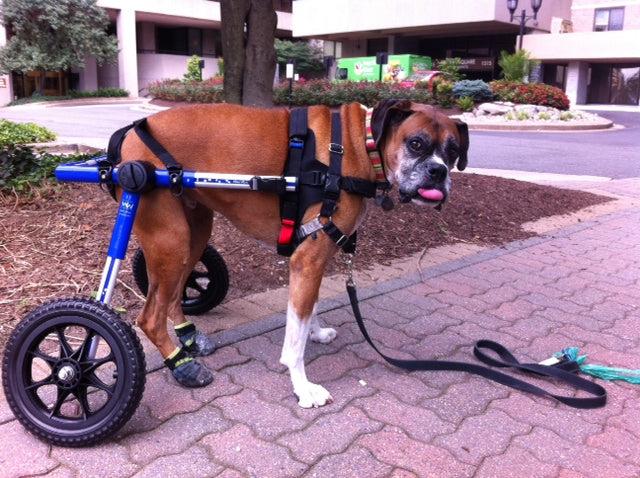
“I have been honored by seeing the difference that animals can make in the lives of people, sometimes when they are at their lowest point in life. Animals have saved more lives of people than statistics can ever accurately count.

For instance, Scooter has always had a thing for people with wheels, whether in a stroller or a wheelchair. Once, while at a public function, Scooter approached a young man in a wheelchair. I told the young man Scooter’s name. The young man, very shakily, reached down to pet Scooter on the head. Just as shakily, he said “Hi” to Scooter.

About 15 feet away stood the young man’s mother, and she started to cry. While the young man petted Scooter and slowly talked to him, I approached the mother. I asked her what was wrong. While sobbing and through tears in her eyes, she finally said, ‘I have never heard my son speak before.’

She wasn’t the only one that was shedding tears.”

Compassion Is Still Alive

T.J. reminds us of the tremendous power for good that animals are capable of:

“I’ve witnessed many people that animals like Scooter and Skeeter have affected, just by being themselves. From the mentally and physically handi-capable to the young and old alike, they are awed by a dog walking, playing, digging holes, stealing pillows, and nipping dinner off of my plate, and receiving rewards that didn’t exist before — while only having the use of two legs.

They are the reminders that compassion does still exist. Even though it can sometimes be a little difficult to see, it is still worth fighting for.

The dogs we save are soulful reminders to the people who cared for them, and it is why we are here. In a world where compassion seems so distant for many, they remind us that there are still compassionate people that will come out of the woodwork to help out those truly in need. They can make a difference. Not just a difference for the animals that are being treated, but to the people around the world that fell in love with them.”

compassion-for-animals

Listen to T.J.’s interview on the “Happy, Healthy Pets” radio podcast in episode titled “The ‘Dog Catcher’ – Animal Control Officers and Their Great Work,”. Let us know if you enjoyed it!


See All Walkin' Pets Products Small Pug Wheelchair

Boags Gets Used to Her New Walkin’ Wheels – Walkin’ Pets

My daughter purchased some doggy “Walkin’ Wheels” from you, for her boxer, Boags, who has degenerative myelopathy. Because Michael lives in the bustling city of Arlington, VA, and works days in DC, she was just about to give up on ever getting Boags acclimated to his new wheels. She’d even repacked them in the box that they’d come in and was going to return them to you. At the last minute, she contacted you to ask for an extension of the trial period so that she could bring the dog to me to work with him. We are so glad that you agreed to that proposal! I just want to thank you for giving her that extension of the trial period!

Read More
4 Tips to Help Care for Happy, Healthy Senior Dogs – Walkin’ Pets

Having a pet dog that lives a long time can be one of the most fulfilling things in the world. Senior dogs offer all the same benefits of having a younger pet, such as companionship and protection. But they also offer more wisdom and less energy than younger dogs. This means that senior dogs often make excellent buddies to have around.

While senior dogs make great pets, they do require different care than younger dogs to keep them both healthy and happy. If you have a senior dog and you want to make sure that he continues to thrive, try keeping in mind these tips for senior dog care.

1. Go to the Vet Regularly

When your dog gets to be a senior, it’s important not to skip out on those regular vet visits. Your vet can spot health issues in your dog right away and ensure that they are treated or managed so they don’t make your dog sick or uncomfortable. When you go to the vet, you can also make sure you get important preventative treatments, like Bravecto, which can help protect your senior dog from fleas and ticks.

2. Switch to Senior Food

The nutritional needs of senior dogs are different from those of other dogs. Senior dogs often require foods that are more easily digested and that contain nutrients that help with anti-aging. Once your dog gets to be a senior, switch him to a food that is intended for senior dogs. But before you make the switch, consult with your vet about which food to choose. You vet will have helpful information about what specific foods will meet your pet’s dietary needs.

3. Consider Your Dog’s Environment

consider-dog-environment
If you want to make sure that your senior dog is always healthy and comfortable, set up an environment that facilitates that. Look at your dog’s surroundings and make sure nothing’s difficult for him/her.

Does he have too many stairs to climb? Is her bed in a place where she may get cold? Does he not enjoy being outside as much as he used to?

Look around at the places that your dog spends time or sleeps. Then set up those places so that they are easy for him to access — and comfortable once he’s there.

4. Pay Attention to Physical Activity

walking senior dogYour dog may still love to run and play and go on hour-long walks. Be watchful that the physical activity your dog is doing is keeping those muscles and joints moving without overtaxing her. Consider shortening walks if necessary, and monitor how your dog feels after walks. There are many products available to assist you in keeping your pet mobile, which is essential for sustained good health.
* * *

Having a senior dog can be a real treat, but it can also be a bit more challenging in terms of care. Make sure you put some thought into how you’re managing your senior dog’s health and day-to-day routine, and consult with your vet to make sure you’re taking care of his needs the best way possible. That way you can enjoy the company of a happy companion for as long as possible.

See All Walkin' Pets Products Boxer Wheelchair Fitting

Special Animals Rescued in Texas Find Love at The Rescue Ranch – Walkin’ Pets

Thank you JDWard for this guest blog post

A long time ago, I decided that all life was sacred, and that I would do whatever possible to help an animal in need, regardless of size or type — or in the case of actually rescuing animals, the type of injury or illness. Providing more time to run, laugh (yes, animals do), have fun, and to experience love. To be loved was paramount — even if time was short or the injury severe. Just sharing five minutes of love was a blessing.

“Special” Animals Are Truly Special!


I learned “on the job” as a volunteer rescuer that animals with special needs were truly special. They knew implicitly that without our kindness and mercy they could not eat or drink or even go potty in some cases.

In return, they love deeper, laugh more, and even dance!

They enjoy their lives a little more and teach us to do the same, despite their pain and/or limitations, because they know deep inside that they almost were called to the​ Great Beyond.

The Rescue Ranch: Pasha’s Story

rescue-dog-uses-drag-bagPasha is one of the many special needs animals at the Rescue Ranch, to the north of Houston, Texas.

A smaller Golden Retriever, Pasha had been left outside on New Year’s Eve. By oversight, during extremely extenuating circumstances, the fenced yard gate was left open. With Pasha’s anxiety of loud noises, she ran and was hit by a car.

Surgery, with many screws embedded in her back, saved her life but not her ability to walk. After two years of trying with minimal success, her family finally surrendered her, along with her doggie wheelchair or rear-wheel cart. Her rear legs were paralyzed.

The Rescue Ranch: Bitty’s Story

doggie-diapers-and-suspendersBitty, all three pounds of him, is a little Chihuahua with the personality of a BIG dog. He was rushed into a shelter, wrapped up in a bloody, kitchen towel.

An unfortunate accident caused the loss of his tail and his private parts — ALL of them. It took two rescuers and a vet, with an anatomy book placed​ next to him, to figure out what leftover “bits” went where before he could even be considered for lifesaving surgery.

As Pasha and Bitty have gotten older, they need more help. Pasha needed something to protect her skin from degrading. Very independent, she pulls her legs behind her when she is not in her cart to get from room to room on the tile floors. The movement, however, activates her bowels and bladder when it isn’t time to manually express her, thus creating a trail!

More Help Needed

Diapers and suspenders — to keep them from slipping off — have made a huge difference to her and to her caretakers. A Drag Bag and a spare, and diapers and suspenders not only allow us to leave protective ointment on her now fur-less skin area, but make housekeeping much less of a chore!

Bitty had no tail to help hold diapers on and has to urinate like a girl dog now. But as he has been aging, he has less control over when he urinates. Diapers with suspenders allow ointment to be slathered on his bottom, where the urine drips scorch his skin, and also help catch them when he barks!

A Little Help at Hand

rescue-ranch-for-dogs-in-texasThe Rescue Ranch is so grateful for the kindness shown by Walkin’ Pets, helping us to continue to help these precious animals. With just a little extra help, they can live almost normal lives instead of the alternative of being euthanized.

We have also found that our lives are blessed by helping these special animals. There is truly no limit to their love, plus we all laugh together — and sometimes cry together. But always, we get lots of “thank you” kisses!


About​ our guest blogger: JDWard or Jane, has been rescuing special need animals since she was twelve. She co-founded the Rescue Ranch over ten years ago, after realizing that some animals needed such time-intensive or specialized care that they could not be adopted, and owners were surrendering their animals because they had to work. The Rescue Ranch is a place where they all could rest easy, knowing they had a loving place to live out the rest of their lives, no matter how long or short. Jane welcomes all “angels” who would like to help. Please see the Rescue Ranch website for more information, or email: [email protected]. Grateful. Truly.

See All Walkin' Pets Products Ritchie Mini Wheelchair

The 9th Annual FIDO Friendly Pet Adoption Tour Begins! – Walkin’ Pets

FIDO Friendly magazine’s 9th annual Get Your Licks on Route 66 Pet Adoption Tour is hitting the road! Greg and Susan Sims, (respective president and publisher of FIDO Friendly), organize the annual event in support of cat and dog adoption from shelters across the country. The effort is all about raising awareness and helping dogs and cats find their forever homes.

Let the Tour Begin!

The cross-country tour kicks off on September 8 in Culver City, California, at Petco, 11AM-3PM. On September 9, 10AM-3PM, the tour will go to the LA Animal Shelter in Van Nuys, California. Brandon McMillan, Emmy Award-winning TV host of the weekly CBS series Lucky Dog, will be at the shelter to film his show and sign autographs.

At each shelter stop, the tour brings a giant spinning wheel, stocked with great pet-themed prizes. Walkin’ Pets by walkinpets.com is proud to be a spinning wheel sponsor.

Attendees who make a donation get a chance to spin for one of the pet-themed spinning wheel prizes. All of the proceeds for the day are donated to that day’s shelter.

No Dog Left Behind!

FIDO Friendly has a mission;

“to give every dog a home & leave NO dog behind!”

In the first eight years of the tour, they have helped place more than 9,000 pets into forever homes! Here’s to another year when the tour will help raise awareness and help more pets to find families who will love them.

Look for These Upcoming Tour Stops

September:

13 | Scottsdale, Arizona | Event held 1-5 | Petco | 8910 E. Talking Stick Way

16 | Albuquerque, New Mexico | Event held 10-3 | Petco | 3601 Old Airport Rd., NW

17 | Santa Fe, New Mexico | Event held noon-4 | Petco | 2006 Cerillos Rd.

20 | Lawton, Oklahoma | Event held noon-4 | Lawton Animal Welfare | 2104 SW 6th Street

23 | Edmond, Oklahoma | Event held noon-4 | Lawton Animal Welfare | Edmond, OK

24 | Tulsa, Oklahoma | Event held noon-4 | Woodland Hills Mall | 7021 S. Memorial Drive

26 | Joplin, Missouri | Event held noon-4 | Golden Paw Rescue | 2301 N Main St. | Joplin, MO

28 | Springfield, Missouri | Event held noon-4 | Petco | 3840 W. Washita

October:

1 | St. Louis, Missouri | Event held 10-3 | Tiles Park | K-9 Carnival | 9551 Litzinger Rd.

7 | Chicago, Illinois | Event held noon-4 | Paws Chicago | 1997 N. Clybourn Ave.

8 | Springfield, Illinois | Event held noon-4 | Schell’s Sporting Goods | 3810 S. MacArthur Blvd.

14 | Grandview, Missouri | Event held 2-6 | Petco | 12124 15th St.

15 | Merriam, Kansas | Event held noon-4 | Great Plains SPCA | 5428 Antioch Dr.

corgi wheelchair
Walkin’ Wheels Dog Wheelchair
German Shepherd DM harness
Buddy Up Harness
Papillon (& Pomeranian) Rescue of the North East – Walkin’ Pets

Kelly Arsenault, the founder and president of Pronepups.org, talks to Mark Robinson about rescuing Papillons and Pomeranians on the “Happy, Healthy Pets” radio podcast. They were joined by Bryanna Santoro, a Jr. volunteer at P.R.O.N.E. who donates her time to the rescue.

P.R.O.N.E.

This is Sterling, one of Kelly’s Papillons.

From Foster to Forever

All of the dogs at PRONE are given the dental and medical care they need. They are also spayed and neutered.

The rescued dogs are placed in carefully screened foster homes, where they can develop trust again. Sometimes the foster family falls in love and decides to adopt the dog! Otherwise, when the dogs are ready, they are put up for adoption into forever homes.

PRONE rescues about 30 dogs each year. People interested in learning more about adopting one of the dogs cared for by P.R.O.N.E. can go to their pronepups.org


See All Walkin' Pets Products Ritchie Mini Wheelchair

Important Things to Consider Before Adopting a Disabled Dog – Walkin’ Pets

Adopting a dog is joyous experience as well as a huge responsibility. Adopting a dog with a disability adds yet another layer of complexity. These animals require special care and attention to ensure that their unique medical, physical, social, and psychological needs are met.

Think about how much energy and time a typical dog requires of its new owners. A disabled dog, through no fault of its own, tends to require even more!

If you’ve been thinking about adopting a dog with a disability, congratulations! It is wonderful to consider opening your home to such a special animal. Before you adopt, though, it’s important to check in with yourself honestly and openly.

Go through the following self-questionnaire. Consider jotting down your answers. If you have other people in your home, review the questions together as a family unit. For the health and well-being of your future pup (disabled or otherwise), everyone in your household needs to be on board.

1. Why give a forever home to a special-needs dog?

If you don’t have a strong enough “why” to do something, then it’s possible you haven’t fully thought through the implications of such a choice. Think about why you want to adopt a disabled dog. Only you can know if you’re truly doing it for the “right” reasons.

Also, understand that a forever home truly means “forever” home. Many dogs with disabilities have been bounced between homes and animal shelters for years. Assume that when you welcome a dog into your home, you are committing to caring for her for the rest of her life.

2. Do I have other pets or children in the home?

Ask your adoption agency if the dog you are considering can live in a home with other pets or young children. You should also ask yourself whether the pets you already have will be comfortable around a new dog, especially one that may move, sound, or act a bit different.

3. Do I have the means to provide for medical care?

disabled-dog-adoptionAll dogs require routine veterinary care. Depending on the dog’s disability, a disabled dog might require even more. Their extra medical care may include things like special medications, harnesses and equipment, and possibly special tests, surgical procedures, and training.

You must have the financial means to give your animal what it needs to be as functional and as pain-free as possible. You also need to make sure that you can handle the potential emotional stress if your pet becomes frightened and/or uncomfortable if he needs frequent vet visits or has a progressive disease.

Pet insurance can be a valuable asset that can ease your mind and the potential strain on your wallet. Be sure to research pet insurance companies beforehand to give you an idea of what options may be available to you.

4. Does my lifestyle support owning a disabled dog?

Most dogs can’t and shouldn’t be left alone all day, especially dogs with disabilities. Why? These special-needs pups naturally need more help and supervision to ensure their safety and well-being.

Before adopting, you need to ensure that your work and life schedules allow time for you to mind your dog during the day. If you work or travel a lot, a special-needs dog may not be the right choice. Boarding, being alone too much, and/or being taken care of by many different people may be too stressful or even unsafe for such an animal.

Consider as well what your life may look like in 2, 3, 5, or even 10 years down the line. Depending on how old your dog is when you adopt him, he may still be alive and well years from now. At that time, do you still plan on having a lifestyle (and home) that can support an animal with special needs?

5. Am I ready for a dog who may be a little different?

Dachshund_Front_Vest_Small_Wheelchair

You and your family need to understand that your disabled dog may not behave the same way as other dogs. He may move differently, have different energy levels, and have a different tolerance to other people and animals.

That said, dogs with disabilities can be just as lovable, loyal, and adorable as healthy dogs. You should be prepared to receive lots of attention from other people, especially if your dog uses special equipment like a dog wheelchair!

All these differences need to be anticipated, understood, and accepted. You may learn these things over time, as you get to know your dog. But you and your family should realize that while rewarding, raising your disabled dog won’t be like raising a fully abled pet.

Be ready to be flexible!


This guest blog post was contributed by Mary Nielsen is a passionate dog lover, blogger, and part-time music teacher. She started MySweetPuppy.net to share her ups and downs of being a pet parent to a bunch of adorable mutts. When she is not playing with them or teaching, you can find her experimenting in the kitchen.

See All Walkin' Pets Products Small Pug Wheelchair

Dog Mobility Support Saves Your Back and Gives Dog Needed Lift – Walkin’ Pets

Do you need dog mobility support for your best friend? If your dog has trouble getting up from lying down, or has difficulty getting up or down stairs, a harness can help. The same harness can be used to help your dog transition to getting in or out of a wheelchair, if more support is needed.

Where Does Your Dog Need Help?

Having a dog with mobility challenges can also be challenging on the pet caretaker’s back! Fortunately, there is a harness that can help your dog, no matter where it needs support. This harness can help support the front end, back end, or both. And if your dog needs the extra support of a Walkin’ Wheels dog wheelchair at any point, the harness can help the dog transition to it with ease.

Dog Mobility Support Options

Dog Mobility Support Options

You can purchase the Walkin’ Lift Combo front and back harnesses separately or together. That way, you can buy only what you really need. You can add the front or back when and if necessary. If your dog eventually needs a wheelchair, the Walkin’ Wheels is fully compatible with this harness system, and is an upgraded method of attaching the dog to the wheelchair.

Where to Get Help

where to buy dog lifting harness

The Walkin’ Lift Combo Harness may be found at Walkin’ Pets by walkinpets.com. Here is a video that will show you how you can support a dog with the harness. It also demonstrates how the harness can transition a dog into a wheelchair, as well.

Add Mobility Infographic to Your Website:

Choose the right support for a dog with mobility loss

Feel free to embed this infographic to your own website by copying and pasting the code below:

“Where

This infographic was made by Walkin' Pets by walkinpets.com

See All Walkin' Pets Products Boxer Wheelchair Fitting

Disposable Dog Diapers Solve Incontinence Problems

If your pet is incontinent, leaks, or is having too many accidents, disposable dog diapers might be the answer.

What to Do?

Aging, injured, or disabled dogs often have incontinence issues. When a dog leaks, or has frequent accidents, it can become an impediment to the usual life it has shared in the family home.

Sometimes, owners even contemplate euthanizing the pet, because they do not know how to handle the problem any other way.

Easy Solution!

Disposable dog diapers can address these problems quite easily! Mr. Peepers disposable diapers are designed and shaped specifically for pets.

Mr. Peepers disposable diapers have adjustable fasteners that won’t pull hair. Elastic gathers around the legs protect against leakage.

Free to Roammr-peepers-dog-diapers

When a pet owner doesn’t have to worry about accidents or leakage, the dog is free to move about the home as usual. Dogs who have been used to sharing a bed or snoozing on couches can continue to do so. And fur and floors stay dry!

Disposable diapers are such an easy way to help a dog keep its dignity and maintain its involvement in the family home. There are answers to incontinence problems, so pet owners should be sure to check out all available options before despairing!

Help is on hand for beloved furry family members — to keep them dry and their caretakers happy.


7 Causes of Sudden Hind Leg Weakness in Dogs

Why is my dog suddenly having trouble walking? A gradual onset limp and a dog’s sudden inability to stand up or walk on its own can be caused by many different factors. Although old age may play a part, there is likely another cause for a dog’s hind leg weakness. Sudden mobility changes in dogs are often caused by an underlying condition. Dogs experiencing hind leg weakness should be seen by a veterinarian immediately for proper assessment and treatment.

Symptoms that your dog is experiencing hind leg weakness include:

  • Uncoordinated movements or loss of balance
  • Instability and loss of mobility
  • Struggling to walk or a slower than normal gait
  • Painful joints or dog is repeatedly licking a joint
  • Complete or partial paralysis
  • Dog’s back legs are weak and shaking or trembling
  • Loss of muscle and signs of atrophy
  • Knuckling of the toes of the hindlimb
  • Vocalizing in pain or becoming distressed or agitated
  • Your dog is unable to walk, get up or move around, this can be permanent or comes and goes
  • Fecal or urinary incontinence

Dogs experiencing one or more of the symptoms listed need to see a vet for immediate care and treatment. Dogs who receive immediate veterinary care will experience a better chance of full recovery.

7 Causes of Back Leg Weakness in Dogs

There are many conditions that can impact a dog’s leg strength. Here are seven of the more common causes of back leg weakness in dogs:

Intervertebral Disc Disease

Sudden paralysis in dogs can often be attributed to IVDD. Most dogs are diagnosed with sudden mobility loss from IVDD following a period of exercise. It’s quite common for a dog’s hind legs to collapse and even become paralyzed after a disc herniation from IVDD. Intervertebral Disc Disease is a spinal cord condition that causes severe back pain and paralysis in dogs, often with little or no warning signs. This condition needs urgent veterinary treatment and surgery to correct the issue. IVDD is seen most commonly in Dachshunds, but other breeds affected include Beagles, Shih Tzu, and Bichon Frise.

Fibrocartilaginous Stenosis or FCE

An FCE is a spinal stroke that occurs when a small piece of cartilage blocks an artery. Dogs experiencing an FCE will have a sudden loss of hind leg function with little sign of pain. Dogs with FCE can become paralyzed on one hind leg and not the other. This is most commonly seen in larger breed dogs such as Labradors and German Shepherds.

Canine Arthritis

Arthritis is a painful joint condition most often impacting dogs as they get older. Arthritis inflammation causes severe joint pain, which can limit a dog’s movement, making each step they take painful.

Lumbosacral Stenosis

Lumbosacral stenosis is a condition that slowly impacts a dog’s leg function due to spinal pressure caused by a narrowing of the spinal cord, often from pressures by tissues such as ruptured intervertebral disks, tumors, fractures, and severe osteoarthritis. Dogs with spinal stenosis struggle to stand and wobble when they walk. Some dogs may experience severe nerve pain in their hind legs as well. This condition is very painful and can result in urinary and fecal incontinence, and paralysis of the tail.

Degenerative Myelopathy

Also known as DM, degenerative myelopathy is a progressive spinal condition that results in hind leg weakness and paralysis in dogs. Degenerative myelopathy is most common in large dogs such as German Shepherds but can also impact many other dog breeds.

Patellar Luxation

A knee condition that involves a dog’s knee slipping in and out of place. Clinical signs of patellar luxation include holding the limb up in the air and doing a bunny hop.

Cancer

Neoplasia or cancer can form in the long bones in the hindlimbs, pelvis, or soft tissue structures such as nerves and cartilage. Cancerous growths can be slow-growing and gradually press against nerves or very rapid in onsets such as Osteosarcoma (seen most commonly in the tibia and fibula bone in larger dogs such as Rottweilers. Osteosarcoma can cause limping, reluctance to bear weight on the limb, and even cause spontaneous fractures of the leg if the cancer becomes too advanced.

dog wheelchair
Sudden Paralysis in Dogs: Causes and Treatments

Although many mobility conditions progressively worsen over time, sometimes canine paralysis can occur suddenly. Where it seems like overnight, a previously healthy dog wakes up and is completely unable to walk. There was a time not so long ago when a diagnosis of paralysis would automatically mean euthanizing your dog. Thankfully, the opinions are changing, and it is much more common to see paralyzed dogs living their best lives, running and playing in dog wheelchairs!

Sudden paralysis and mobility loss can be terrifying for a pet parent, and you may not know what to do, here’s what to look out for:

Symptoms of Dog Paralysis

A dog is considered paralyzed when they are unable to move one or more of their limbs. Hind leg paralysis is the most common form of sudden paralysis in dogs. The signs and symptoms of paralysis in dogs can occur quickly, here are a few of the most common indicators:

  • Inability to flex leg joint
  • Inability to bear weight on leg
  • Pain
  • Lameness
  • Weakness
  • Abnormal Gait
  • Dragging limb or limbs
  • Unable to wag or move tail
  • Drooping eyelids and dropping food from the mouth

In addition to the mobility loss in its leg, a paralyzed dog can also lose control of its bladder and bowels. Normally, a dog’s spine, brain, nerves, and muscles work together, in a paralyzed dog there has been a disruption somewhere in the dog’s nerves. How your dog is impacted depends on where the disruption occurred.

Products for Dog Paralysis

Common Causes of Paralysis

There are many ways a dog can become paralyzed. Many dog breeds have a genetic predisposition to illnesses that cause paralysis, such as Intervertebral Disk Disease (IVDD) or Degenerative Myopathy (DM), traumatic injuries such as falls or abuse can cause the loss of mobility, as well as old age illnesses such as arthritis.

Paralysis doesn’t only occur in older dogs. It’s even possible for a dog to be born paralyzed. Paralysis can occur in one, two, or all legs. Dogs showing signs of paralysis, such as: dragging limbs, weakness, pain, or inability to walk properly, need to be treated by their veterinarian immediately. Depending on the cause, immediate treatment may mean a better recovery.

Paralysis and leg weakness can affect both your dog’s front and rear legs. The cause of the paralysis can vary greatly depending on the limb it affects.

Causes of Front Leg Paralysis

Commonly caused by damage to nerves in the neck or shoulder, or the radial, median, or ulnar nerves in the leg.

Causes of Rear Leg Paralysis

Most often, sudden paralysis impacts a dog’s hindquarters. Hind leg paralysis is most commonly caused by nerve damage in the tailbone or lower back or in the tibial, femoral peroneal, or sciatic nerve in the rear leg

Causes of Tetraplegia

Inability to move any limb. Tetraplegia is full paralysis in all four legs at the same time.

Causes of Paresis

Paresis occurs when a dog is only partially paralyzed. They are able to move, but can not move easily.

Although, most often a dog’s legs are paralyzed paralysis can also occur in other parts of the body, including the facial muscles.

Seek immediate medical attention If your pet is experiencing any of the above symptoms.

Conditions Effecting Canine Mobility

There are many conditions that can cause a dog to become paralyzed, here are some of the most common canine mobility conditions:

rear dog wheelchair

Paralysis in dogs is usually caused by a problem in the spine or brain. Spinal compression, herniated discs, and nerve problems can all disrupt the communication between a dog’s spine and brain. When the nerves are unable to function normally, dogs will lose the ability to walk, stand, and control their legs.

Can a Dog Recover from Hind Leg Paralysis?

Full support wheelchair for dogs legs

In many canine paralysis cases, a dog can recover the use of its back legs, but there are a lot of factors that go into determining this. How long it takes for a dog to recover from hind leg paralysis will vary. Some paralyzed dogs will recover very quickly and only be hospitalized for a short period.

However, a dog that is left paralyzed and has significant nerve damage will be a much slower recovery process. Nerves regenerate slowly and heal about 1 inch every month. Regaining full use of their back legs is possible, but the severity of the injury, whether it impacted the spines, nerves, or muscles, how quickly the dog receives treatment, and the location of the injury or spinal damage.

While some nerve damage can resolve over many weeks or months. Giving your dog massages, applying heat, and stretching the tendons will help keep them healthy while the nerve regenerates. Acupuncture, laser therapy, and hydrotherapy have also been shown to be helpful in rehabbing paralyzed limbs and may be prescribed, as well as anti-inflammatory medications and steroids to reduce inflamed nerves.

Treatment Options for Sudden Paralysis in Dogs

What do you do when your dog is unable to walk? How you help your dog to walk again will vary depending on your dog’s symptoms and their sudden paralysis treatment will vary depending on the cause. It is important to follow Veterinary guidelines to care for your pet and monitor their condition.

Not all paralysis is a permanent condition. Many joint and muscle issues can be helped with surgery and physical therapy. If your paralyzed dog has had a nerve-related injury, the recovery will depend on the nerve sheath condition and how far the injury is from where the nerve ends.

Surgery

Depending on the severity and cause, surgery may slow down the effects or even correct your pet’s paralysis. Tumor removal, amputations and spinal surgery to correct nerve damage are just a few possible surgical solutions. Immediate medical care and early diagnosis can be key to getting your dog back on its feet as quickly as possible.

Following post-operative guidelines are iatrical for a successful recovery. Speak with your Veterinarian and make sure that your know what steps you need to follow after your dog’s surgery.

Medications

In cases of bacterial or fungal infections, the symptoms can be treated with drugs and antibiotics. If your dog is experiencing any pain, the Vet may prescribe pain medications as well. Create a medication schedule to ensure you don’t miss a single dose.

A recent study showed that certain drug therapies are effective in treating dogs paralyzed by IVDD or certain traumas. During this study, dogs involved in the medical trial showed improvement after their course of treatment was completed.

Canine Rehabilitation

Paralyzed dog uses wheelchair during water therapy

Your Veterinary Surgeon may prescribe acupuncture, stretching, massages, or working with a Canine Rehab Therapist as part of your dog’s recovery plan. The types of rehab therapy needed and the frequency will vary depending on the underlying cause of your dog’s mobility loss.

There are many different types of therapy including massage, acupuncture, stretching, laser therapy, structured exercise, and hydrotherapy.

Integrating a Dog Wheelchair Into Rehabilitation for Mobility Assistance

In many canine paralysis cases, most of the care will be done at home. Your Veterinarian will help you to make a plan to properly care for your dog. Restricting your dog’s mobility through creating rest is common, especially in cases of spinal disease.

Follow your Veterinarian’s plan closely until your dog is fully recovered. Administer the full course of prescribed medications even if your dog appears to be fully recovered. If you have any questions, always call your Vet.

A paralyzed pet will have additional needs, luckily with a little assistance, they can go on to live a relatively normal life. Most importantly, your dog needs to be able to get exercise.

The first thing to pick up for your paralyzed dog would be a wheelchair! The rear wheelcha ir can help get your best friend up and mobile. They will be able to go out to the bathroom, go on walks, and play! The wheelchair can also prevent further injury, such as pressure sores and rubbing from dragging their weight.

Depending on if your dog is continent or not, doggie diapers may be helpful to keep your house free from urine and feces.

Lifting Support for a Paralyzed Pet

Finally, a lifting harness would be a great start to helping your paralyzed dog. A rear harness will help you get your dog up the stairs, into the car, outside for your dog to go to the bathroom, and around on short walks!

The key to caring for a paralyzed dog is ensuring you have all the right tools available. Paralyzed dogs require special care and support to heal and stay active. Whether the paralysis is temporary or permanent, many assistive devices are available to help make your life easier and get your dog moving again.

Products Available for Dog Paralysis

Bella in a rear leg support for dog's with weak back legs

Warrior Rear Harness:

A supportive harness for dogs with hind leg weakness. Allowing you to gently lift and support your pet.

German Shepherd DM harness

Buddy Up Harness:

A perfect lifting harness for pet’s needing support in both the front and rear legs. This is a great option for supporting pets with DM and other progressive conditions.

This harness is also ideal for assisting pets on stairs.

walkin' wheels dog wheelchair

Walkin’ Wheels Wheelchair:

A dog wheelchair gives your dog independence, allowing them regain their mobility and get around freely. A great addition to your dog’s rehabilitation and recovery. Getting a dog back on their feet quickly can help promote healing.

Dogs that are fully paralyzed need to be fitted with a wheelchair. Some dogs with a condition like degenerative myelopathy may do best with a wheelchair. One of my German Shepard patients has degenerative myelopathy. He can rise from the ground on his own and walk a little bit unassisted, but he often drags his feet and will tire easily. He loves his wheelchair! My patient loves to run in a wheelchair on paved paths in the neighborhood. His owner still encourages him to use his back legs most of the time to help him work on his muscle strength and practice walking. However, time in the wheelchair allows him to feel free to experience the joy of movement that is easy and carefree.

Dr. Nicole Cohen, DVM., DABVP.

Should I Euthanize My Paralyzed Dog?

While that is only a question you and your veterinarian can answer, there have been so many advancements in the way veterinary professionals are thinking about paralysis and the dog’s quality of life. The good news is that paralysis does not have to be an end-of-life decision. If your dog is happy and showing no signs of pain, there is no reason to euthanize your pup, and with just a little extra help from you, they are able to live normal, active lives!

Dog wheelchairs are an incredible tool that helps paralyzed pets regain their mobility and live normal, active lives. Dog mobility carts improve the quality of life for paralyzed and handicapped dogs around the world. Since 2001, Walkin’ Pets has helped change the lives and mobility of over 1.85 million dogs!

Understanding Leg Tremors and Shaky Legs in Dogs – Walkin’ Pets

When pets experience involuntary muscle trembling, they are experiencing a repetitive muscle movement that they can not control. Trembling and shaking legs are unpredictable and may impact only one limb or several. Shaking back legs, twitching, and leg tremors in dogs are likely caused by a medical condition. Although shaking can be a sign of pain, it’s possible that your dog may not even realize its leg is twitching. Intermittent leg tremors aren’t likely a cause for concern; however, frequent shaking legs could mean an underlying health condition.

What Causes a Dog’s Legs to Shake?

The following reasons for shaking are considered “benign” or normal in dogs, and shouldn’t be a cause for concern:

  • Whole body shaking – typically from fear or cold that stops when your dog warms up or is removed from a stressful situation. Although if your dog is shaking suddenly and for no apparent reason, they need to be seen by their veterinarian immediately.
  • Age-related tremors – non-aggressive tremors that don’t harm your dog caused by old age. Only your veterinarian can determine these results through testing to rule out all other causes.
  • Hind leg weakness – shaky legs and muscle spasms are common in dogs with weak back legs.

Intermittent leg tremors can be caused by weakened leg muscles or a chemical or neurological imbalance, which can be more serious. Not only can the movement scare your dog, it can interfere with their mobility, making it difficult for them to walk or stand.

Pain Tremors

A dog’s back legs may shake if they are experiencing pain, especially in the hip or knee, from a degenerative joint condition. A torn ligament in the knee, arthritis or hip dysplasia can all cause pain tremors in the back legs when the dog tries to walk.

Neurological Disorders

A veterinary neurologist should check dogs whose shaking legs make it difficult to walk or stand. Various neurological conditions in both dogs and cats begin with shaking legs. Shaking legs can indicate weakness or disruption in communication from the spinal cord to the brain. Twitching can also stem from extreme discomfort caused by a slipped disc or nerve problem.

Degenerative Myelopathy

DM is a progressive spinal disease that slowly weakens a dog’s limbs that is common in older German Shepherds. As a dog’s spine slowly degenerates, the lack of nerve signals to the muscles in the hind legs can cause muscle spasms, involuntary muscle contractions, as well as shaking in the back legs and feet.

Shaker Syndrome

Shaker syndrome is a congenital nerve defect in the brain and spinal cord that causes tremors in the head and whole body. Sometimes referred to as little white shaker syndrome because the condition most commonly occurs in Maltese, Poodle, and West Highland Terriers. Tremors usually begin when a dog reaches adulthood, between one to two. The prognosis is excellent with treatment and prednisone, with all signs of shaking going away within a few weeks.

Shaking Legs in Paralyzed Dogs

Paralyzed French Bulldog uses small Walkin' Wheels dog wheelchair

Involuntary shaking and leg tremors are typical in paralyzed dogs. Muscle weakness and shaky legs go hand in hand. As a dog’s back legs weaken, they will likely experience muscle atrophy, nerve damage, and pain, all of which can cause leg tremors.

In some cases, a paralyzed dog’s legs may twitch as they heal or as their pain sensation starts to return to their limbs. You may see your dog’s legs shake or spasm periodically when their back legs are up in the wheelchair stirrups; this is normal. These tremors can mean that they are improving and possibly regaining their leg strength, but it does not necessarily mean your dog will walk again unassisted. Tell your veterinarian or rehab specialist if you see any unexpected movement in your dog’s legs.

Next Steps:

1. Observe and take note:

  • How often is your dog shivering?
  • Does your dog shake only in their sleep?
  • Are the tremors only in one part of the body?

2. Check for symptoms:

  • Are you seeing any other unusual behavior or symptoms? Symptoms such as diarrhea, vomiting, or lethargy

3. Visit your veterinarian right away

Shaking limbs can signify neural distress, poisoning, kidney failure, distemper, pain, or weakness. You must speak with your veterinarian or neurologist right away.

Giant Disabled Tortoise Has Something to Shell-ebrate – Walkin’ Pets

It’s A Wonderful Tortoise

What would you do to give your pet the best life possible? Jaime Loebener saved her 11- year old Sulcata Tortoise from an exotic animal rescue in Knoxville, TN.

George Bailey the Tortoise was born with a metabolic bone disease that caused his rear legs to under develop. The bones in his back legs are weaker than they should be to propel a 70 lbs. tortoise in his daily activities. Jaime told us, “He uses his front legs to pull his way around slowly and clumsily. The bigger he’s gotten, the more difficult this has been for him. He currently weighs close to 70 lbs., but may grow to weigh over 200 lbs.”

Metabolic Bone Disease or MBD is a condition in many reptiles in captivity where there is an in balance of calcium and phosphorus in their diets or environments that are too cold for them.

Symptoms of MBD are:

  • Weak limbs
  • Deformed limbs
  • The hard shell or carapace appears flat instead of domed
  • Shell looks too small for the tortoise
  • Refusal to eat
  • Lethargy

Since a Sulcata Tortoise can live to be over 100 years old, Jaime knew she needed to find a solution to help George to walk on his own.

In George Bailey’s case, metabolic bone disease left the bones in his back legs underdeveloped. His rear leg muscles still work so George is able to move his legs. George’s back legs are weak and give out frequently. Which has been a growing problem as he gets bigger and bigger. Mobility become more challenging as George Bailey matured.

Rollin’ to the Rescue

Jaimie could see that George Bailey was struggling to walk and so she started to look into how to help him support his growing weight. Sulcata Tortoises can live for around 100 years so getting George Bailey a way to get around was imperative and he was going to end up immobile due to his size and weight his legs wouldn’t be strong enough to support him. Jamie took to the internet to see if maybe other people had had similar tortoises to George Bailey and she stumbled across Walkin’ Pets and Scoot Reeves! Scoot Reeves was a turtle that had been run over by a front-end loader and left with his back legs paralyzed and his shell cracked, Scoot and his was the very first and fastest tortoise on two wheels!

No Slowing George Bailey’s Roll!

After reading about Scoot’s story Jamie reached out to the Walkin’ Pets who jumped at the chance to get George Bailey rolling. George Bailey’s wheelchair uses the a rolling base, and a harness that goes over top of his shell to keep him secure in his wheels. While George Bailey isn’t going to be going anywhere too quickly, he needed to be comfortable and Sulcata Tortoises have a convex contour on the underside of their shell that the Walkin’ Pets engineer was able to support with additional cushioning on top of the scooter base. With some all-terrain wheels, George Bailey is ready to roll!

George Bailey took to his new wheels immediately! Jaimie says.

“Sanctuary” in need of loving home
On a cold February night, three pit bull puppies who appeared to have neurological conditions were found dumped in a box in an alleyway in St. Louis, MO, at just six weeks old. Due to their condition, the puppies spent several weeks at the Stray Rescue of St. Louis vet clinic seeking medical attention for their malnutrition and abrasions. Once healed, all three siblings found foster homes, two of them eventually finding their forever homes. But now, just under a year later, one last pup named Sanctuary is left searching for his happy ending.

Sanctuary has Cerebellar Hypoplasia (CH), which means he has no control over his motor functions. CH causes him to have a wobbly and unbalanced stance. To stand and walk, Sanctuary needs the assistance of his Full Support Walkin’ Wheels wheelchair to get around throughout the day.

His foster mom, Clare, says, “His wheelchair has made the biggest difference in his life. It has helped him physically, mentally, and emotionally. He can run, walk, eat, drink, and go to the bathroom on his own.”

Sanctuary is a year old, receives physical therapy regularly, and attends puppy classes for socialization. Clare says, “”Sanctuary is sweet, smart, and silly. He loves his lamb chop toys and holding a ball in his mouth while running in the backyard in his wheelchair.””

Sanctuary’s foster family is searching for someone who can love him unconditionally and provide him with a lifestyle that caters to his special needs.

If you or someone you know may be interested in adopting Sanctuary, please contact Rae with Stray Rescue of St. Louis at: [email protected]

Sit Down Dog Wheelchairs – Walkin’ Pets

The purpose of the dog wheelchair is to help the dog get exercise. At Walkin’ Pets we’ve gone to great lengths to make sure our wheelchair never collapses on the dog. This is for the health and safety of the dog.

We did thoroughly investigate the possibilities of creating a sit-down chair but have not yet found a way to make it safe.
We are aware that another company has created what they call a sit-down chair. The reviews on this chair on Amazon are pretty bad, and the good reviews are mostly fake, according to Fakespot (a company that analyzes Amazon reviews.) See the ranking here.

You can see the SitGo here

Amigo Dog Wheelchair

The Amigo Dog Wheelchair is an invention of Israeli engineer Nir Shalom. This outstanding innovation is more of a prosthetic, as it attaches securely to the dog and works like a part of his or her body. It is essentially a custom-built wheelchair that cannot be adjusted. Walkin’ Pets was impressed with this unique invention and wanted to share Mr. Shalom’s video.

There have been attempts by other companies to make a sit-down or lay-down dog wheelchair that is adjustable, but unfortunately, the reviews have been quite bad and the return rates very high. Walkin’ Pets does not advocate the use of this type of wheelchair, because the safety and health of the dog is of paramount importance to us. We believe the Walkin’ Wheels fully adjustable dog wheelchair is the highest quality product available. The Walkin’ Wheels is designed to enable pets to stay active, which helps maintain muscle strength and overall good health.

Navigating Digital Nomad Life with a Dog

Hit the road and bring your furry companion along for the ride! Living the digital nomad lifestyle means freedom is key, but when you’re traveling with a pet, things can get a bit more complex. But don’t worry, we’ve got you covered! By planning ahead and staying adaptable, you can embrace this thrilling way of life while making sure your pet is well taken care of. Today, Walkin’ Pets invites you to discover how you can wander without limits, while keeping your pet’s needs front and center every step of the way.

Building a Robust Portfolio

Before setting off on your nomadic journey, ensure you have a strong portfolio to showcase your skills. This should include previous work, testimonials, and a clear description of your services. A strong portfolio will help you attract clients and secure projects while on the road. It’s also a good idea to supplement your portfolio with an updated resume that can summarize all the projects and deadlines you’ve worked with. Here’s a free tool that you can use to persuasively highlight all your hard-won experience.

Walkin’ Wheels Wheelchair
large dog uses rear support harness for back legs
Warrior Rear Harness
Harness to help dog up stairs
Buddy Up Harness

Broadening Horizons: Networking for Success

Networking is crucial for a digital nomad. Connect with potential clients or employers through social media platforms, online forums, and networking events. These connections can lead to job opportunities and valuable partnerships.

Mastering the Art of Time Management

As a digital nomad with a pet, you must be adaptable and manage your time effectively. Design a flexible schedule that allows you to meet work deadlines while also caring for your pet. Remember, your pet will need regular exercise, feeding, and attention.

Establishing a Pet-Friendly Routine

Establishing a routine that caters to both your work and pet care needs is essential. This could include scheduling work hours around your pet’s feeding and walk times. Also, try to create a comfortable workspace where your pet can relax nearby.

Ease Your Pet into the Journey

If your pet isn’t used to traveling, start with small trips before embarking on longer journeys. This will allow them to adjust gradually. Always ensure your pet is safe and secure during travel, and remember to bring their favorite toys or blankets to help them feel more comfortable.

Exploring Green Spaces

Research the availability of pet-friendly parks or areas in your new destination. These spaces are great for your pet to exercise and socialize. It’s also a great opportunity for you to meet other pet owners and possibly learn about local pet resources.

Essential Pet Care Items

As a pet owner, it’s crucial to know what pet care items you’ll always need on hand to ensure your pet is comfortable and safe. This might include essentials like food and water bowls, a comfortable bed, grooming supplies, and toys tailored to their needs. Health-related items such as flea and tick prevention, a well-stocked first-aid kit, and any necessary medications should also be included in your pet care arsenal.

Before purchasing new items – especially dog crates – it’s wise to seek expert pet care advice and read product reviews. This will help you make informed decisions about the best products for your pet’s specific needs, ensuring they remain happy, healthy, and safe no matter where you are. And if your pet is disabled, Walkin’ Pets can help!

Being a digital nomad with a pet requires careful planning and adaptability, but the rewards are worth the effort. Protect your pet and your business with preparation and research. With these tips, you can enjoy the freedom of nomadic life while also providing a loving and stable environment for your furry friend.

Walkin’ Pets is here to give special needs pets the help they need and deserve. Questions? Call 888-253-0777.

Schnauzer Health and Mobility | Walkin’ Pets

The Schnauzer is a playful, affectionate breed that loves their family. With their distinctive look, most people know the Schnauzer for their mustached faces and thick eyebrows. This is one breed with a lot of personality! This unique breed is available in Miniature and Standard sizes, with the Miniature Schnauzer weighing between 11 to 20 pounds and the larger Standard Schnauzer weighing up to 50 pounds.

Although generally easygoing, the Schnauzers are known to get a bit feisty and can be barkers, but their big personality is a part of their charm. Like any other dog, there are some breed-specific genetic health risks that every Schnauzer mom and dad should be aware of. Here’s what you need to know about your Schnauzer’s health.

Fibrocartilaginous Embolism in Miniature Schnauzers

Also known as an FCE or spinal stroke. FCEs are more common in Miniature Schnauzers than any other breed, with one study showing 24% of the cases included were among Miniature Schnauzers. A spinal stroke can occur very suddenly and usually happens after a dog has been very active. Sudden paralysis, dragging legs, and a stumbling gait are common signs a dog has an FCE.

Depending on where the stroke occurs in the spine, a dog may only have one side of its body affected or just the front or back legs. With quick treatment and rehabilitation, most dogs can walk again. During treatment, a dog wheelchair may be used to help support the dog and keep them mobile as they recover. A Schnauzer wheelchair can help the dog overcome balance issues, assist them to stand or walk, and help the dog throughout their FCE rehabilitation.

Eye Problems – Cataracts

Although known for their bushy eyebrows and dark eyes, the Schnauzer is predisposed to several eye problems, including cataracts. Cataracts can appear at any age, with a cloudy film covering the lens of the eye. A cataract can cause blindness, which can be treated in some cases with corrective eye surgery.

Additional eye issues that Schnauzers are prone to include Progressive Retinal Atrophy (PRA) and Glaucoma. Make your Schnauzers’ eye health a priority and have their eyes examined during every annual checkup. In between veterinary checkups, watch for any visual changes to the eye, including discoloration or cloudiness in the eye, as this may indicate a change in a dog’s vision.

Hip Dysplasia

Schnauzer puppy running in field

Although hip pain can affect any size dog, Hip Dysplasia is more common in the larger Standard Schnauzer than its smaller cousin. Hip dysplasia is a degenerative joint condition that can impact a dog’s mobility and cause joint pain. There are varying degrees of hip dysplasia. Young dogs can be diagnosed with the condition but may not feel the effects of the hip condition until they are much older, as the dysplasia can progress over the years.

Early diagnosis is key to keeping your dog’s hips healthy. For young Schnauzers diagnosed with hip dysplasia, it’s best to keep your dog at a healthy weight and introduce them to a joint supplement at a younger age to promote joint health and ease occasional stiffness. Your veterinarian will check your Schnauzer’s hips during their annual checkup, looking for any signs of discomfort and impact on its range of motion.

Luxating Patella

Patella luxation occurs when a dog’s kneecap slips out of the patellar groove. This is quite common in smaller dog breeds such as the Miniature Schnauzer. A healthy kneecap should move up and down as a dog’s knee flexes and moves. When the kneecap luxates, it essentially dislocates and pops out of place, which can cause discomfort and impact a Schnauzer’s ability to move normally. When this happens, you may see your dog hold their back leg behind them as they get around on three legs until the kneecap pops back into position.  

Depending on the severity of the patella luxation, the knee may pop back into place on its own, with assistance, or in the most advanced degree surgery may be recommended.

Myotonia Congenita

A genetic muscle disease that causes hyper-reactive muscles that contract easily. When the muscle stiffens, the muscles can bulge making it difficult for the Schnauzer to move. And in some cases, this can even impact the Schnauzer’s ability to swallow. The condition is incurable and impacts about 2% of the breed, with approximately 20% of all Schnauzers as genetic carriers of the condition. Any Schnauzer exhibiting signs of Myotonia Congenita need to be seen by a veterinarian as soon as possible.

Understanding Your Schnauzer’s Health

It’s important to know that the Schnauzer is, overall, a healthy dog breed that makes an excellent pet. Although it’s important to understand any health risks so that you can be aware of any signs your dog’s mobility or health is changing, with regular checkups and living a healthy lifestyle, your Schnauzer should live a long and happy life.

Handicapped Pet Parents Can Take Inspirate from Para-athletes

Owning a handicapped pet can be challenging. They require much care but can also be some of the most loving, impressive companions. You might sometimes feel you’re not doing enough for your extra-special animal friend, but owners of handicapped pets can draw inspiration from para-athletes who overcome daily obstacles.

Here are some lessons to inspire hope and confidence in your pet-parenting abilities.

Everyone is Born with the Same Potential

If your pet was born with a disability, it doesn’t mean they won’t be able to participate in fun activities. Your pet doesn’t know they are different and can thrive if you nurture their needs. The same goes for humans.

Matt Stutzman

Matt Stutzman was born without arms, but that didn’t stop him from becoming an expert archer. As the self-proclaimed “Armless Archer,” he became the world record holder for the longest accurate shot.

He was adopted at a year old and said his parents taught him that the impossible was just a state of mind. Stutzman went on to win a silver medal for Team USA.

Jerome Singleton

Jerome Singleton was born with a partial tibia and became a below-the-knee amputee as a toddler. He’s since excelled in athletics, becoming a top football player in South Carolina.

He then began his Paralympic career, earning the title of fastest amputee in the world in 2011.

He’s also an impressive academic with degrees in industrial engineering design, mathematics and applied physics.

Trischa Zorn

Trischa Zorn is the most accomplished Paralympian, with 41 individual gold medals and 55 medals in total. She was born blind, but that didn’t stop her from establishing an impressive swimming career.

 In 2012, she took her place in the International Paralympic Committee Hall of Fame.

Tatyana McFadden

Tatyana McFadden, also known as “The Beast,” won 11 Paralympic medals by age 26, becoming one of the best wheelchair athletes. McFadden was born with spina bifida and was paralyzed from the waist down. Her parents adopted her from a Russian orphanage. McFadden became the youngest athlete on the 2004 Paralympic team. Aside from wheelchair racing in the summer, she competed in winter as a cross-country skier, winning a silver medal.

In high school, McFadden had to fight to race. Officials said her racing chair was a hazard and an unfair advantage, leading her to race in “wheelchair events” by herself. She successfully fought the school to compete on the track with her team. Her lawsuit led to the passage of the Maryland Fitness and Athletics Equity for Students with Disabilities Act or “Tatyana’s Law.”

What to Remember

The efforts of these athletes have made incredible strides in ensuring both recognition and respect for people of all types, and this continues even today. The upcoming 2024 Paris Paralympics are expected to further promote inclusivity and the need for adaptive facilities.

These athletes show the power of pursuing your goals even if your actions go against what society deems healthy or normal. They’re not just competing — they’re winning. It turns out you don’t need arms for archery, eyes for swimming or legs for racing. Your pet might not have all of their paws, hearing or eyesight. Giving them the right support and encouragement is all they need.

Adaptation Is Possible

It’s normal to worry if an illness or injury alters your pet’s body. They’ve had experience with body parts or abilities they no longer have, but many adapt to thrive. Maybe they heard of these incredible para-athletes who didn’t let similar circumstances break them.

Nick Springer

Nick Springer got a poor prognosis after contracting a rare form of meningitis as a teenager. When he woke up after two months in a medically-induced coma, he was missing his arms and legs. Springer, who used to play hockey, had to relearn how to do previously simple tasks like eating or getting dressed.

“My family made a point of showing me my life was not over,” he told CBS News in 2012. “It was more of a time out.”

That support paid off, and Springer took up rugby. He entered the Paralympics less than a decade after his amputations and helped Team USA win gold and bronze medals. Springer passed away unexpectedly in 2021, but his endurance and strength leave a mighty legacy.

Brad Snyder

Brad Snyder was a swim team captain at the U.S. Naval Academy before losing his sight in an IED explosion. He became a Paralympic swimmer, winning six gold medals in 2012 and 2016. He then switched to the triathlon and qualified for Tokyo, becoming the first American man in the Paralympic or Olympic games to win the gold medal.

Snyder wrote in his profile that he strives to inspire others to pursue happiness.

What to Remember

Tragedies are an unfortunate part of life. They can change human and animal lives forever. However, everyone can adapt to the changes with ambition and support and conquer the world in new and interesting ways.

The World May Judge but Is Also Pretty Incredible

When your pet is different from others in their species, you will have to explain their condition and what they are capable of. People may overanalyze or not appreciate your pet’s abilities. However, they are often willing to help you and your friend when needed.

Zakia Khudadadi and Hossain Rasouli

When the Taliban took control of Afghanistan, it seemed that these two Paralympic athletes wouldn’t make it to Tokyo. International Paralympic Committee President Andrew Parsons stated that the committee found out they couldn’t compete just two weeks before the opening ceremonies.

The result was a global outcry that let Khudadadi and Rasouli evacuate from Kabul to Paris, where they got a flight to the Games.

Rasouli was the victim of an explosion that led to a hand amputation before competing in the long jump. Competitor Roderick Townsend was thrilled to see his name at the competition.

“I saw his name on there. With everything going on right now, I couldn’t help but feel joy for him,” he told the BBC in 2021.

Zakia Khudadadi is the first female taekwondo practitioner from Afghanistan. She was born with a disability affecting her left arm. After competing in 2021, she won the gold medal at the 2023 European Para Championships, saying she won for the women of Afghanistan.

What to Remember

Life is harder for people living in a world built for the majority. However, you can have faith that people will support you and your pet when you need it if you reach out.

Taking Inspiration from Para-Athletes

Para-athletes are amazing, and though your handicapped pet isn’t human, they can still live full, thriving lives. Let these stories inspire you to

How Do I Know If a Dog Wheelchair is Right for Me?

Maintaining your dog’s mobility and activity levels is crucial for their physical and mental well-being. Assistive devices, such as a dog wheelchair, were developed specifically for this purpose. Although the idea of a dog wheelchair may have seemed ludicrous a few years ago, it now plays a vital role in helping countless dogs that struggle with mobility issues. 

Unsure if a wheelchair is right for your dog? You’re not alone. With so many options available, it can be overwhelming. If you’re not sure what the right mobility solution is for your dog, we can help.  

What a dog wheelchair does 

When you think of a wheelchair, you’re likely to imagine someone who is immobile, sitting down, unable to stand or move their legs. A dog wheelchair is very different from this. Although there are paralyzed dogs that benefit from a wheelchair, the experience is much closer to a set of crutches or even a walker.  

Just like a walker, when a dog uses a cart, they stand upright and can move their back legs. The wheelchair’s frame offers support and stability enabling them to walk (and even run) with its assistance. The rear wheels of the wheelchair are in line with the dog’s hips and act as additional support for the dog’s legs. In short, a dog wheelchair is a mobility tool that helps a dog to walk and stay active.  

Assessing a dog’s need for a wheelchair 

  • Does your dog tire easily? 
  • Do their back legs shake or give out occasionally? 
  • Does your dog struggle to stand? 
  • Has your dog’s hind end atrophied?  
  • Is maintaining balance an issue for your dog? 
  • Has your dog’s mobility noticeably changed? 

If you answered yes to any of these questions, your dog could benefit from a cart. Dog wheelchairs aren’t just for fully paralyzed pups. There are a whole host of reasons why a dog might need a wheelchair for temporary use as they recover from a knee injury or for longer-term mobility support for older dogs dealing with joint pain or mobility loss. Talk to your veterinarian for support and guidance. Your vet understands your dog’s diagnosis, what level of support your dog needs, and can help guide you to the right mobility solution for your pet. 

Test your dog’s leg strength  

The towel test is a quick and simple way to test your dog’s leg strength. Grab a towel and place it under the abdomen and hips. Gently lift until your dog’s back legs are no longer touching the ground and walk forward. The towel supports your dog very similarly to how a cart would support them, if your dog can move forward easily, their front legs are strong, and this is a good indication that your dog would do very well with a rear wheel dog wheelchair.  

8 Reasons Why a Dog Might Need a Rear Wheelchair 

1. Arthritis  

As a degenerative condition, many pet parents don’t realize how significant an impact arthritis has on their dog’s mobility. Often attributed to old age, “slowing down” can be an indication that your dog’s joints ache and their becoming less active is due to it being too difficult for them to walk. A wheelchair can greatly reduce the weight your dog places on their arthritic joints and help them to move without straining themselves or causing unnecessary pain.  

2. Leg weakness 

The signs of leg weakness can start out very subtly. Physical signs can include struggling on the stairs, having a hard time standing up after a nap, or occasional loss of balance to name just a few. Physically, your dog’s hind end may appear thinner and bonier as they lose muscle mass in their back legs. A wheelchair can provide extra support and help your dog to rebuild some leg strength.  

3. Rehabilitation and recovery 

Exercise is vital for any dog, but one that’s recovering from an injury or after surgery needs to stay active in a safe way to prevent muscle atrophy. A wheelchair provides stability, giving your dog a safe way to stand and walk without injuring itself further. Many rehab specialists will incorporate using a wheelchair into their therapy sessions because it allows a dog to stand upright and be supported as they work to help the dog to regain strength, improve range of motion, and increase its stamina.  

4. Knee Injury 

Whether waiting for cruciate surgery, rehabbing an injury, or protecting your dog’s remaining healthy knee, a dog wheelchair is a great option for canine cruciate tears. The balance and support provided by a cart reduces the strain on your dog’s knee as it heals and helps them to stay active. 

5. Hip Dysplasia 

Although hip dysplasia’s impact on a dog’s mobility can vary greatly, in severe cases, joint pain can make it difficult for a dog to stand or walk without assistance. A cart can lessen the burden on a dog’s hips and reduce the pressure placed on the legs which can make it easier for a dog to walk.  

6. Degenerative Myelopathy  

Degenerative Myelopathy, or DM, is a mobility condition that progressively worsens over time. In its earliest stages, a dog with DM may have weak back legs or drag their paws when walking. An adjustable wheelchair is essential as the mobility loss will get worse, and exercise is vitally important to slow the disease’s progression.  

7. IVDD  

Also known as Intervertebral Disc Disease, IVDD is a spinal condition that can impact a dog’s hind leg function and even cause paralysis. Quite common in dachshunds, IVDD dogs often use a wheelchair for support as they heal.  

8. Hind Limb Amputation 

Many tripod dogs get around just fine on three legs, but as they get older the strain of bearing all their weight on one back leg can catch up to them. They may experience arthritis in their remaining limb or even struggle to fully support themselves, this is where a wheelchair can really help. Instead of leaning to one side, the wheelchair allows the tripod to stand level to reduce the weight on the remaining leg.  

An Active Dog’s Owner Has Success with Dog Wheelchair

I purchased a Walkin’ Wheels dog wheelchair for my fourteen year old blue heeler. In just two days, we have gone for a walk at the park and played ball for the first time in over 16 months. She is a very active dog, and I would have been devastated if I would have had to put her down. I cherish this dog wheelchair of yours. I was concerned that it would be hard to adjust, but I figured it out, and pictures really helped. I would like to thank the inventor on behalf of my dog Kiva. She is not 100%, but Kiva is really close to being herself again.

I would like to tell people who are considering purchasing a Walkin’ Wheels to stay focused, read instructions, and be patient. Most dogs won’t figure out how to make the turns immediately, but Kiva was making turns within only two days and after spending only approximately 30 minutes in her wheelchair. Thank you for your help for Kiva.

– Travis T.

Conclusion

Maintaining your dog’s mobility and activity levels is crucial for their physical and mental well-being. the decision to get your best friend a cart, is a testament to your love and commitment to your pup. With the right assistance and support, your dog can continue to enjoy the activities they love.. So, if you’re still wondering if a dog wheelchair is the right choice for your pet, consult with your veterinarian, explore the possibilities, and give your beloved dog the gift of mobility and freedom they deserve.

Understanding Beagle Health and Mobility

The lively and energetic Beagle is an adventurous and family-friendly dog. Naturally curious and originally bred for hunting, Beagles love the outdoors. Characterized by their incredible sense of smell, this medium-sized dog needs a lot of exercise and may bark when excited. They can be a bit independent, especially when on the trail of a good scent, but the Beagle is an excellent addition to any family.  

Like any breed, the Beagle is susceptible to certain hereditary health problems but for the most part the breed is very healthy. Here’s a quick introduction to a few conditions that may impact your Beagle’s health or mobility: 

IVDD in Beagles 

With their shorter legs and long backs, Beagles are known to have back problems and disc issues. Intervertebral Disc Disease (IVDD) being the most common spinal condition affecting them. This degenerative condition is prevalent in the breed, with an estimated 99% of Beagles considered at risk. Most Beagles will experience disc degeneration in their neck; however, the spine and lower back can be affected as well. Depending on the severity and location of the herniated disc, a dog may be paralyzed. After crate rest and when approved by a vet, a Beagle wheelchair can be used during therapy sessions to support mobility as the dog heals. 

Beagle Pain Syndrome 

Although named after the breed, Beagle Pain Syndrome can also impact other dog breeds. Beagle Pain Syndrome is a form of meningitis that causes blood vessel inflammation that usually impacts Beagle puppies between five to ten months old. It can cause back pain, muscle spasms, and stiffness in the neck. Because the condition is quite painful, the way the Beagle stands may change (with an arched back) and even show signs of weakness.  Although rare, some puppies with Beagle Pain Syndrome have experienced paralysis and vision loss. Every Beagle will exhibit different symptoms, but if your Beagle puppy is showing any sign of pain or changes in mobility, they need to be examined by a veterinarian so they can receive treatment quickly.  

Obesity 

Obesity is a growing problem in Beagles. With their sturdy build and shorter legs, keeping your Beagle at an optimal weight can help limit the strain placed on your dog’s joints. Excess weight can greatly impact a Beagle’s ability to move around and even cause back pain. A healthy diet, portion control, and plenty of exercise are essential to help your Beagle maintain a healthy weight. An adult Beagle needs around two hours of exercise every day to stay fit! 

Hip Dysplasia 

Hip Dysplasia is a joint condition caused when a dog’s hip socket doesn’t develop correctly. Over time, this can cause damage to the joint and lead to hip pain or arthritis. Although not widely prevalent among Beagles, 18.5% of all Beagles tested have abnormal hips. According to the Orthopedic Foundation for Animals, Beagles are considered a moderate risk for developing hip dysplasia. In advanced stages, hip dysplasia can limit a dog’s mobility, causing stiff movements and can make it difficult for a dog to bear its own weight. In these instances, a dog wheelchair is often recommended to support the dog’s weight and encourage them to walk.  

Ear Infections 

The Beagle’s cute, floppy ears can impact their ear health. Due to the size and shape of their ears, Beagles are prone to developing ear infections. Regular cleaning and ear checks are recommended to prevent an ear infection. Other causes of ear issues in Beagles can stem from ear mites, bacteria or yeast buildup. Ear health is incredibly important, signs of an ear infection include: 

  • Head shaking 
  • Excessive digging or scratching at their ears 
  • Smell or redness 
  • Ear discharge  
  • Signs of pain 

Ear infections are very treatable, and at any sign of ear aches your Beagle should be brought to the vet for diagnosis and treatment.  

Epilepsy and Seizures in Beagles

Beagles are prone to seizures. According to a UK study, the Beagle was in the top 10 dog breeds for epilepsy. Beagle epilepsy can range from an occasional seizure to a more frequent and intense seizure that causes loss of consciousness. Epilepsy can occur in Beagles at any age, but most often start from a year and half on through adulthood.

If your dog has a seizure, first keep them safe and second try to time the seizure and note your dog’s reactions after the seizure stops. Behavioral cues can be helpful when your veterinarian is trying to determine the cause of your dog’s seizures. Some dogs may experience a one-off seizure and never have one again. Others will be dealing with chronic seizures that may require medical care. Always check with your veterinarian if your dog has a seizure, they can help determine what level of care your Beagle will need.  

Beagle Wellness

As a breed, Beagles are relatively healthy. With proper care, regular veterinary visits, and a healthy lifestyle your Beagle should live a long and healthy life. The average lifespan for a Beagle is between 10 – 15 years. Enjoy every minute with your best friend, and with a Beagle’s sense of adventure and great nose, be ready for lots of exploring!

How to Find the Right Routine for a Newly Paralyzed Pet

Taking care of a newly paralyzed dog can be a challenging experience for your entire family. Your once self-sufficient and active dog now requires your assistance, even for the most basic tasks. It can be overwhelming to know where to begin, and it’s normal to place a lot of pressure on yourself because you want to do everything right. It’s okay to feel this way. There is a steep learning curve when it comes to caring for a pet with mobility issues. There are a few simple things you can do to start: always work with your veterinarian and ask lots of questions, and then start by establishing a daily routine that works for you and your best friend.

Create a Daily Schedule

Your dog’s been seen by the vet, and a treatment plan’s but put in place. Now it’s time to take your dog home – where do you begin? Start by reviewing your vet’s instructions and prescriptions. Now, let’s create a schedule for yourself and a checklist you can follow daily.

What to include on your schedule:

  • Wake-up time – routine is important with a paralyzed dog, and they need to get on a regular potty schedule.
  • Medication times and frequency
  • Typical times your dog goes to the bathroom – this is especially important in paralyzed dogs that need to be expressed manually. Adjust this as you go, with time, you’ll figure out how regularly your dog needs to be expressed.
  • For incontinent dogs – note times throughout the day when you want to check or change your dog’s diaper.
  • Exercise and playtimes
  • Rehabilitation time – both for any recommended at-home exercises and stretches, as well as any regular appointments.
  • Veterinary follow-up appointments
  • Bedtime

If Something Doesn’t Work….Try, Try, Again

Allow yourself to try new things and forgive yourself if it doesn’t work. It will take time to establish a new normal for yourself. Caring for a special needs dog comes with its own set of challenges, and it definitely doesn’t come with a handbook. Finding the right routine for you will involve a lot of trial and error.  

Remember to be kind to yourself. If you find that something isn’t working, don’t worry; it just means that it’s time to try a new approach. Use the term “iteration” to motivate yourself and your loved ones when you feel discouraged or overwhelmed. Remember that it doesn’t have to be the final version when something isn’t working, and that’s okay.

Conclusion

Caring for a newly paralyzed pet can be difficult and challenging, but it is also incredibly rewarding. Accept that there will be new challenges and understand that every day will bring something new. Keep yourself flexible and be willing to adapt to a new way of doing things as you go.

We’d love to hear from you! What tips or tricks have you found that help make life a bit simpler when caring a new paralyzed dog or cat? Leave your comments below!

German Shepherd dog wheelchair

How to Use a Dog Wheelchair for Rehabilitation & Recovery

Helping an injured dog get back on its feet is a vital part of the recovery process. A  dog wheelchair can play an integral role in a dog’s rehabilitation. A cart allows the dog to stand upright instead of lying down, and it can also improve recovery times. Adding a five to ten-minute cart walk into a dog’s treatment plan several times a day will help the dog physically and lift its spirits.

Many dogs in wheelchairs use them due to old age, weakness, or paralysis and are destined to use them for the rest of their lives. Others may only need to use the wheelchair for a couple of months or weeks even. Many vets and rehabilitation centers will encourage the use of a wheelchair for pets in recovery from surgery or injury.

Many dogs suffering from ACL or knee injuries will use a dog wheelchair as they heal. A wheelchair makes the process easier both for the dog and their family. In this article, I will discuss the common illnesses and injuries they can assist with, as well as why a wheelchair is beneficial for dog rehabilitation.

Using a Dog Wheelchair for Hind Leg Rehabilitation

Dog wheelchair for rehabilitation therapy

While there are many different reasons a dog could need a wheelchair the most common causes are due to injury, paralysis, recovery from surgery, or disease. While not all of these can be reversed a set of dog wheels can assist them all and, in some scenarios, even assist in rehabilitation from an injury, surgery, or in some cases paralysis from a neurological condition or birth defect.

A dog wheelchair is an important rehab tool for dogs with back leg injuries or recovery. Here are some of the most common cases a dog could use a wheelchair to help with rehabilitation.

Dog Wheelchair and Therapy: How does it work?

Dog in wheelchair greeted by their vet

A dog wheelchair is considered a mobility aid. The primary function of a wheelchair is to make it easier for a dog to walk. A dog may need a wheelchair due to an injury, weak hind legs, or a medical condition impacting its ability to walk (such as DM or IVDD).  Wheelchair use isn’t limited to only paralyzed pets. A wheelchair can be incredibly beneficial for dogs with knee injuries, during post-surgical recovery, and those with painful joint conditions. 

The two most common wheelchair styles used in therapy include:

  • Rear Wheelchair for supporting a pet’s back legs
  • Full Support Wheelchair provides support to all four limbs

The cart encourages walking by reducing the weight the pet places on its weak legs. In addition, the rear wheelchair’s support system supports underneath the pet’s pelvis with the cart’s wheels in line with the dog’s hips allowing them to use their hind legs without straining themselves. When used properly a wheelchair helps dog rebuild muscles in their legs and regain their strength through continued exercise. 

Dogs using a quad cart will receive the same support in the hind end while also aiding the front legs. The front leg support is directly under the dog’s chest, with the front wheels in line with the shoulders. By assisting the front and back legs simultaneously, the dog receives balanced support that should make it easier for them to stand and walk. In addition, a 4-wheel cart will allow for more movement and encourage weight bearing earlier in a pet’s recovery. Full-support wheelchairs are especially beneficial for dogs recovering from injury or surgery. 

French bulldog wheelchair at rehab
Quad dog wheelchair for full body support

The Benefits of Wheelchair Use During Rehabilitation

Paralyzed dog uses wheelchair during water therapy

For dogs in physical therapy, the wheelchair assists them during their training, helping them to stand and supporting them as they move. The goal for many pets in rehab is to strengthen their legs and build up the dog’s stamina. A canine cart can help pets achieve both of these goals. 

When a dog first starts in their cart, expect them to tire quickly, remember they haven’t walked in a while. Although it will take time for the dog to rebuild its strength, we recommend starting with short walks that slowly increase in time. For example, most dogs begin with six to ten minutes of cart time on their first wheelchair walk. Then, as a general rule of thumb, allow at least two hours between walks. This gives your pet the time they need to rest and recover. 

Physical benefits of using a dog wheelchair during rehabilitation include:

  • Increased stamina
  • Rebuild muscle strength
  • Improved balance and support
  • Minimize muscle loss 
  • Regain independence
  • Encourage exercise 
  • Get the dog upright and mobile sooner
  • Allows for weight bearing on injured or weak legs 
  • Makes it easier to get the dog outside to go to the bathroom

Neurological Conditions and Recovering from a Stroke

Canine mobility cart for exercise and keep handicapped dogs active

While the process of recovery is different based on many outside factors, the Walkin’ Rear and Quad Wheelchairs have been able to assist in recovery from strokes and other neurological conditions. We have seen wheelchair based rehabilitation work for the below issues and conditions: 

  • Paralysis of one side of the body 
  • Immobility or paralysis in a single limb
  • Paralysis in front both front limbs or rear limbs
  • Weakened back legs
  • Loss of Coordination
  • Slipped Disc
  • Stroke

While some dogs who suffer from paralysis on one side of the body tend to go in circles at first over time as they develop strength in their legs again as they won’t have to worry about bearing weight can then assist them in eventually using their weakened legs on their own over time. Please be advised for specific instructions and a detailed rehab plan needs to come from your Vet or Rehab specialist so they can find what will work best for you and your pet and if rehab is a viable option for them. 

Recovering from Injury or Surgery

German Shepherd with degenerative myelopathy uses a dog wheelchair to live longer life

Assistance in recovering from a physical injury or post-surgical are both very common reasons for the use of a dog or pet Wheelchair. Making sure your dog has the extra weight and pressure taken off of their injury or spot of their recent surgery is a huge part of the healing process. Making sure your dog is healing properly and safely, but still able to have some independence when walking around and going potty is an important part of recovery both physically and mentally for them.

Healing after an injury or surgery are some of the most common reasons why a dog would require a dog wheelchair. Some of the common injuries and surgeries that benefit from wheelchair rehabilitation include:

  • ACL (Knee) Tear 
  • Post ACL repair or knee surgery
  • Trauma to rear end 
  • Broken Legs
  • IVDD (Spinal) related surgeries
  • Hip Dysplasia 
  • THP – Total Hip Replacement Surgery
  • Amputation of one or more Limbs 

If a dog has just had an ACL repair surgery on their knee or even a Total Hip Replacement getting these dogs the movement they need while in recovery can be tough. As a dog heals it’s crucial that extra weight and pressure is not being placed on the injured leg. This is especially difficult in injured large dogs. Many large dogs benefit from using a wheelchair while they recover. Using a dog wheelchair allows dogs to remain mobile and can give families peace of mind that their dog can still be active while staying safe. Additionally, using a wheelchair eliminates the risk of pet parents injuring themselves or straining their back lifting a heavy dog.

At Home Physical Therapy with a Dog Wheelchair

Your dog’s treatment plan will be unique and designed to benefit your dog’s individual mobility needs based on their health needs. You should always work closely with your rehab specialist to develop the right rehabilitation plan for your dog. There are many at-home treatments, therapies, and exercises to benefit your dog’s recovery. Always discuss any treatments with your dog’s medical professional before trying them at home. Some different kinds of physical therapy you can do with your dog while in their wheelchair are as follows:

  • Strength Training 
  • Passive Range of Motion (PROM)
  • Stand and Count
  • Stand and Shift Weight

Conclusion

While some dogs will need to use a wheelchair for the rest of their lives, many have been able to use it to assist in rehabbing their condition. Dogs in wheelchairs can be just as happy as dogs who are not using one and it may even be a way to rehabilitate your dog. Temporary use of a wheelchair gives your pet their mobility again and is a key reason why dog wheelchairs are so important.

Whether recovering from surgery or a neurological condition, using a dog wheelchair as part of your dog’s rehabilitation plan with your Vet or Rehab Specialist is a great way to help your dog through the process safely and with support. As the Walkin’ Wheels is easy to use it makes guided rehab for difficult conditions much easier in your own home.

Dachshund wheelchair buy now

Creating a Safe Haven: Adjustments, Care and Self-Care for Paralyzed Pet Owners

As devoted pet owners, we often find ourselves facing uncharted territories when our best friend encounters life-altering circumstances. When your first bring home a pet with mobility issues, there are a lot of unknowns and unforeseen challenges. In this article, we will explore the essential aspects of caring for a paralyzed pet, and highlight a few unexpected things, that you may feel unprepared for. Including, making necessary home adjustments to understanding the unique bathroom needs of a paralyzed dog. Through expert insights and real-life experiences, we aim to empower you with the knowledge and compassion required to provide your paralyzed pet with the best possible quality of life while ensuring that you, too, receive the self-care and support you need on this remarkable journey.

Expect to Make Changes Around the House

When you first bring a paralyzed pet home, you need to look at your house with a fresh set of eyes. You need to ask yourself two things: is my pet safe, and do they have easy access to everything they need? Here are a few things to be aware of:

  • Crate rest – Often the first thing your vet will recommend. Crate rest is especially important during the healing process or before/after surgery. It’s crucial that you follow your veterinarian’s instructions and limit your dog’s mobility until given the go-ahead to move around freely.
  • Pet gates – Just because you know your dog can’t manage the stairs safely, doesn’t mean your dog knows it’s unsafe. You may need to restrict your dog’s access to certain areas of the house, including stairs. A pet gate is a great way to contain your dog’s movements and keep them close to you where you can keep an eye on them.
  • Padded bedding – Many paralyzed dogs will spend a lot more downtime on the floor. A padded surface acts as a protective barrier between your dog’s joints and the hard floor. Many paralyzed pets may not be able to shift themselves easily to find a more comfortable position, which means spending extended time on their side. They may need your help to reposition them every few hours to help prevent pressure sores from forming.
  • Access to food and water – Make sure your dog always has access to water bowls. They may no longer be able to get up and walk across the room to get a drink.  Also, keeping your dog hydrated can make it less likely for them to develop urinary tract infections, which means your dog will need their water refilled regularly. More hydration also means more frequent potty trips are needed!

What They May Not Tell You About Bathroom Breaks

Caring for a newly paralyzed pet also means paying a lot of attention to their bathroom needs. Many paralyzed dogs are incontinent, this may mean that your dog needs to wear a diaper or even need your help to manually express their bladder or bowel. Here are a few things to be aware of about your paralyzed dog’s bathroom needs:

How many times a day does a paralyzed dog need to go outside?

Happy paralyzed dog at home
A drag bag is a great way to protect your dog’s legs and chest from scrapes & rug burns.

There isn’t a single correct answer to this question. Every dog’s potty needs are different. Many experts say that most paralyzed dogs will need to go outside at least three times a day. But it’s quite common for a dog to need to relieve themselves as many as four or five times a day. More frequent bathroom breaks will help to avoid accidents.

Getting your dog outside quickly can be a challenge too! Check with your vet first, but using a dog wheelchair or simple lifting harness are great ways to get your dog up and outside when it’s time for them go.

Hygiene is important

When caring for a paralyzed dog, there will be extra cleanup. Accidents do happen, which means lots of baths! For dogs wearing a diaper, hygiene is incredibly important. Diaper changes need to happen frequently; your pet’s skin can be incredibly sensitive. Regular diaper changes help to keep your dog comfortable and dry. While also helping them to avoid painful urine burns.

Dogs that drag themselves on the floor can scrape themselves pretty easily. A drag bag is a great way to protect your dog’s sensitive skin and create a safe way for them to scoot around without hurting themselves. For incontinent pets, the drag bag is made of water resistant material and can be worn with a diaper.

You Need to Take Care of Yourself Too!

As rewarding as it can be to care for a paralyzed pet, at times, it can also be overwhelming and exhausting for their primary caregiver. It’s easy to burn out, so remember to care for yourself too. Take time to recharge yourself. Even five minutes of quiet meditation or fresh air can go a long way. There’s truth to what they say on airplanes, “put on your own oxygen mask before you help others around you.”

This includes getting a good night’s sleep. When dog mom, Tyme Powell’s pup Gravy was first paralyzed, sleep was the first thing she and her partner sacrificed. Tyme says, “In the beginning, we slept on the floor or couch with him in the living room for a couple of months so he wouldn’t fall off the bed, and we were barely sleeping at all. Finally, our physical therapist told us, ‘Oh, no, you are totally fine to sleep through the night. He’ll be fine,’ so that was when we started trying other things. It’s just so unclear in the beginning what can and can’t be done.”

You can’t fully be there for your dog if you’re not rested and taking care of yourself. There’s nothing selfish about giving yourself permission to have a good night’s rest.

Conclusion

Caring for a paralyzed pet is undeniably demanding, but it is also a truly rewarding experience. By providing unwavering love and support, you can make a profound difference in your pet’s life. Remember that seeking guidance from veterinarians and learning from the experiences of fellow pet owners can be invaluable. Furthermore, don’t overlook the importance of self-care. Just as you provide comfort and care for your pet, taking care of your own well-being is essential. By navigating this path with empathy, patience, and dedication, you can ensure that your paralyzed pet enjoys a fulfilling life, and together, you will create enduring memories of resilience, love, and triumph.

Dachshund wheelchair buy now

Cold Weather and It’s Impact on a Dog’s Mobility

Frigid temperatures and wet weather can make cause our joints to ache or cause them to stiffen; the same thing happens to dogs. Cold weather can have a significant impact on a dog’s movements. The impact can be even more drastic on an arthritic dog. A dog with arthritis already experiences joint inflammation, and the cold temperatures can exacerbate the symptoms even further.  

Read on to learn more about why the winter weather can make it more difficult for an older dog to walk and move: 

How Cold Weather Impacts a Dog’s Movement 

Joint inflammation and stiffness: 

In wintertime, the cold can cause a dog’s joints to become stiffer, making it more difficult and painful for them to move. Your dog may even move differently. The discomfort may cause them to walk more slowly and carefully, and their gait may change as well. Dogs with arthritis may experience a more noticeable impact on their mobility, as arthritic joints are particularly sensitive to temperature changes. This stiffness can be particularly pronounced in the morning or after a period of inactivity.  

Changes in movement: 

Your dog’s posture and how they walk can change with extreme temperature drops. Older dogs may alter how they stand or move to make themselves more comfortable. This could mean shifting their weight away from a joint that hurts to bear more weight on a “healthy joint.” This can place additional strain on a healthy leg.  

When a dog’s muscles and joints are cold and stiff, they may have a reduced range of motion. As a response to the cold, dogs may tense their muscles causing the muscles to be less flexible and may lead to a stiff, rigid gait. This muscle tension is often a protective response to cold, as it helps prevent heat loss, but it can negatively affect a dog’s mobility. This can lead to a shuffling or stilted gait, with shorter steps and less fluid movement. Other physical signs of joint pain may include stiffer, slower movements or an overall decrease in activity levels.  

Wheelchair dogs can also feel the impact of the cold. Since they may be less inclined to go for walks or engage in outdoor activities, prolonged periods of downtime may cause muscle atrophy and further limit their mobility. 

Reduced blood flow: 

Cold temperatures can decrease blood flow to the extremities, including the joints. This reduced blood flow can make arthritis-related inflammation and discomfort worse. In cold weather, the blood vessels (capillaries) in a dog’s extremities, including their legs and paws, tend to constrict or narrow. This natural response is called vasoconstriction and is the body’s way of conserving heat. However, it also means less blood flows to these areas, which can lead to reduced warmth and flexibility in the muscles and joints.  

How to Improve Your Dog’s Mobility in Cold Weather 

Special needs and senior pet parents need to pay close attention to any signs of mobility change. Keeping your dog’s joints healthy year-round is an important part of their overall health and quality of life. Here are a few ways to help keep your dog active all winter long: 

Consult with your veterinarian:

If the cold weather is impacting your dog’s ability to move freely, it’s important to consult with a veterinarian. Only your vet can offer personalized advice and tailored treatment plans for your dog, especially for a dog with mobility issues.  

Every dog’s needs are different, and solutions may include medication, dietary modification, structured exercise through rehabilitation therapy, and even joint support. Always speak with your veterinarian before starting your dog on any course of treatment.  

Daily joint supplements: 

For dogs facing mobility challenges, joint health is of the utmost importance, especially in cold weather. Joint stiffness can be aggravated by the dropping temperatures, making it essential to provide the right support. A high-quality joint supplement is designed to support your dog’s joint health, ease stiff joints, support joint structure, and help support a dog’s mobility to help your canine companion stay active and comfortable during the winter months.   

Year-round mobility support:

Wheelchair dog plays in the snow

Dogs that show any signs of mobility change when the temperature drops most likely benefit from mobility support year-round. Your dog doesn’t have to struggle. Mobility aids like dog wheelchairs and lifting harnesses can help dogs with mobility issues, making it easier for them to stay active without straining themselves. Here are a few ways they can help: 

  • Difficulty standing – a rear support leash can be used to support your dog’s hind end and help them to get up off the ground to stand.  
  • Climbing stairs – a lifting harness is a great way to stabilize and support your dog as they climb up or down stairs.  
  • Slipping on tile or hardwood floors – wearing dog boots or traction socks with a rubber sole can help a senior dog to better grip the floor, helping them to keep their paws in place as they stand.  
  • Dog favors one leg and can’t bear weight evenly – a dog wheelchair provides pets

Caring for Your Collie and Understanding Their Health

Collies are an intelligent, friendly dog breed that makes an excellent family pet. Classified as a larger dog, Collies can weigh between 50 and 75 pounds and live for 12 to 14 years. As a whole, Collie’s are a relatively healthy breed, but there are a few health conditions that every Collie pet parent should be aware of.  

Degenerative Myelopathy in Collies

The Collie breed can be a carrier for Degenerative Myelopathy. DM is a genetic mobility condition that gradually impacts a dog’s leg strength and eventually causes paralysis. Most dogs will not show any signs of DM until they are adults, usually around 8 years old. Early signs of DM include weakening back legs, scraping back paws, and dogs may have difficulty supporting their own weight. Collies with DM will need to rely on a dog wheelchair at some point in their diagnosis as paralysis will occur.  

If your Collie is showing any signs of DM, speak with your veterinarian as soon as possible. Regular, structured exercise, such as rehab therapy, can help to slow the progression of the disease and early introduction of a wheelchair can make it easier to keep your Collie active.  

Dermatomyositis 

Collies are genetically at risk for Dermatomyositis, a rare inflammatory disease that impacts a dog’s skin, muscles, and blood vessels. Usually impacting very young dogs, the telltale signs of the condition include visible skin lesions, which can be crusty, patchy hair loss, and even cause ulcers. Although not curable, the symptoms can usually be managed at home with medical supervision from a veterinarian. Treatments will vary depending on the severity, and in some cases, the lesions will clear on their own with time. If your Collie is showing any signs of this condition, seek veterinary help immediately.  

Collie Eye Anomaly 

Collie lays in the grass

This genetic eye condition mainly affects herding dog breeds, especially the Collie and Sheltie. The condition can result in abnormal eye development in the retina, optic nerve, or choroid of a Collie’s eye. In the 1960s, it was originally thought that over 90% of all Collies were affected by CEA. Nowadays, responsible breeders test puppies between six and eight weeks old to determine if they have this condition. According to the OFA, the number of Collies with CEA has dropped to 18.5% although over 40% of Collies tested are still carriers of the condition.  

CEA can cause varying degrees of vision loss, and retinal detachments are common. However, most Collies with Collie Eye Anomaly only experience minor vision impairment and do not become completely blind. 

Progressive Retinal Atrophy 

PRA is another eye condition that can affect the Collie breed. Progressive Retinal Atrophy is a degenerative disease that impacts the retina of the eye. Collies are susceptible to a unique form of the condition that only impacts this breed called red cone dysplasia 2. This unique form of PRA affects young Collies with night blindness as young as only a few weeks old and can lead to complete blindness before the Collie is a few years old.  

Your Collie’s Health

For the most part, the Collie breed is very healthy and with proper care and treatment, a Collie can live a happy, active life. This fun-loving and active breed makes a great addition to any family.

Caring for Your Collie and Understanding Their Health

Collies are an intelligent, friendly dog breed that makes an excellent family pet. Classified as a larger dog, Collies can weigh between 50 and 75 pounds and live for 12 to 14 years. As a whole, Collie’s are a relatively healthy breed, but there are a few health conditions that every Collie pet parent should be aware of.  

Degenerative Myelopathy in Collies

The Collie breed can be a carrier for Degenerative Myelopathy. DM is a genetic mobility condition that gradually impacts a dog’s leg strength and eventually causes paralysis. Most dogs will not show any signs of DM until they are adults, usually around 8 years old. Early signs of DM include weakening back legs, scraping back paws, and dogs may have difficulty supporting their own weight. Collies with DM will need to rely on a dog wheelchair at some point in their diagnosis as paralysis will occur.  

If your Collie is showing any signs of DM, speak with your veterinarian as soon as possible. Regular, structured exercise, such as rehab therapy, can help to slow the progression of the disease and early introduction of a wheelchair can make it easier to keep your Collie active.  

Dermatomyositis 

Collies are genetically at risk for Dermatomyositis, a rare inflammatory disease that impacts a dog’s skin, muscles, and blood vessels. Usually impacting very young dogs, the telltale signs of the condition include visible skin lesions, which can be crusty, patchy hair loss, and even cause ulcers. Although not curable, the symptoms can usually be managed at home with medical supervision from a veterinarian. Treatments will vary depending on the severity, and in some cases, the lesions will clear on their own with time. If your Collie is showing any signs of this condition, seek veterinary help immediately.  

Collie Eye Anomaly 

Collie lays in the grass

This genetic eye condition mainly affects herding dog breeds, especially the Collie and Sheltie. The condition can result in abnormal eye development in the retina, optic nerve, or choroid of a Collie’s eye. In the 1960s, it was originally thought that over 90% of all Collies were affected by CEA. Nowadays, responsible breeders test puppies between six and eight weeks old to determine if they have this condition. According to the OFA, the number of Collies with CEA has dropped to 18.5% although over 40% of Collies tested are still carriers of the condition.  

CEA can cause varying degrees of vision loss, and retinal detachments are common. However, most Collies with Collie Eye Anomaly only experience minor vision impairment and do not become completely blind. 

Progressive Retinal Atrophy 

PRA is another eye condition that can affect the Collie breed. Progressive Retinal Atrophy is a degenerative disease that impacts the retina of the eye. Collies are susceptible to a unique form of the condition that only impacts this breed called red cone dysplasia 2. This unique form of PRA affects young Collies with night blindness as young as only a few weeks old and can lead to complete blindness before the Collie is a few years old.  

Your Collie’s Health

For the most part, the Collie breed is very healthy and with proper care and treatment, a Collie can live a happy, active life. This fun-loving and active breed makes a great addition to any family.

Cold Weather and It’s Impact on a Dog’s Mobility

Frigid temperatures and wet weather can make cause our joints to ache or cause them to stiffen; the same thing happens to dogs. Cold weather can have a significant impact on a dog’s movements. The impact can be even more drastic on an arthritic dog. A dog with arthritis already experiences joint inflammation, and the cold temperatures can exacerbate the symptoms even further.  

Read on to learn more about why the winter weather can make it more difficult for an older dog to walk and move: 

How Cold Weather Impacts a Dog’s Movement 

Joint inflammation and stiffness: 

In wintertime, the cold can cause a dog’s joints to become stiffer, making it more difficult and painful for them to move. Your dog may even move differently. The discomfort may cause them to walk more slowly and carefully, and their gait may change as well. Dogs with arthritis may experience a more noticeable impact on their mobility, as arthritic joints are particularly sensitive to temperature changes. This stiffness can be particularly pronounced in the morning or after a period of inactivity.  

Changes in movement: 

Your dog’s posture and how they walk can change with extreme temperature drops. Older dogs may alter how they stand or move to make themselves more comfortable. This could mean shifting their weight away from a joint that hurts to bear more weight on a “healthy joint.” This can place additional strain on a healthy leg.  

When a dog’s muscles and joints are cold and stiff, they may have a reduced range of motion. As a response to the cold, dogs may tense their muscles causing the muscles to be less flexible and may lead to a stiff, rigid gait. This muscle tension is often a protective response to cold, as it helps prevent heat loss, but it can negatively affect a dog’s mobility. This can lead to a shuffling or stilted gait, with shorter steps and less fluid movement. Other physical signs of joint pain may include stiffer, slower movements or an overall decrease in activity levels.  

Wheelchair dogs can also feel the impact of the cold. Since they may be less inclined to go for walks or engage in outdoor activities, prolonged periods of downtime may cause muscle atrophy and further limit their mobility. 

Reduced blood flow: 

Cold temperatures can decrease blood flow to the extremities, including the joints. This reduced blood flow can make arthritis-related inflammation and discomfort worse. In cold weather, the blood vessels (capillaries) in a dog’s extremities, including their legs and paws, tend to constrict or narrow. This natural response is called vasoconstriction and is the body’s way of conserving heat. However, it also means less blood flows to these areas, which can lead to reduced warmth and flexibility in the muscles and joints.  

How to Improve Your Dog’s Mobility in Cold Weather 

Special needs and senior pet parents need to pay close attention to any signs of mobility change. Keeping your dog’s joints healthy year-round is an important part of their overall health and quality of life. Here are a few ways to help keep your dog active all winter long: 

Consult with your veterinarian:

If the cold weather is impacting your dog’s ability to move freely, it’s important to consult with a veterinarian. Only your vet can offer personalized advice and tailored treatment plans for your dog, especially for a dog with mobility issues.  

Every dog’s needs are different, and solutions may include medication, dietary modification, structured exercise through rehabilitation therapy, and even joint support. Always speak with your veterinarian before starting your dog on any course of treatment.  

Daily joint supplements: 

For dogs facing mobility challenges, joint health is of the utmost importance, especially in cold weather. Joint stiffness can be aggravated by the dropping temperatures, making it essential to provide the right support. A high-quality joint supplement is designed to support your dog’s joint health, ease stiff joints, support joint structure, and help support a dog’s mobility to help your canine companion stay active and comfortable during the winter months.   

Year-round mobility support:

Wheelchair dog plays in the snow

Dogs that show any signs of mobility change when the temperature drops most likely benefit from mobility support year-round. Your dog doesn’t have to struggle. Mobility aids like dog wheelchairs and lifting harnesses can help dogs with mobility issues, making it easier for them to stay active without straining themselves. Here are a few ways they can help: 

  • Difficulty standing – a rear support leash can be used to support your dog’s hind end and help them to get up off the ground to stand.  
  • Climbing stairs – a lifting harness is a great way to stabilize and support your dog as they climb up or down stairs.  
  • Slipping on tile or hardwood floors – wearing dog boots or traction socks with a rubber sole can help a senior dog to better grip the floor, helping them to keep their paws in place as they stand.  
  • Dog favors one leg and can’t bear weight evenly – a dog wheelchair provides pets

Creating a Safe Haven: Adjustments, Care and Self-Care for Paralyzed Pet Owners

As devoted pet owners, we often find ourselves facing uncharted territories when our best friend encounters life-altering circumstances. When your first bring home a pet with mobility issues, there are a lot of unknowns and unforeseen challenges. In this article, we will explore the essential aspects of caring for a paralyzed pet, and highlight a few unexpected things, that you may feel unprepared for. Including, making necessary home adjustments to understanding the unique bathroom needs of a paralyzed dog. Through expert insights and real-life experiences, we aim to empower you with the knowledge and compassion required to provide your paralyzed pet with the best possible quality of life while ensuring that you, too, receive the self-care and support you need on this remarkable journey.

Expect to Make Changes Around the House

When you first bring a paralyzed pet home, you need to look at your house with a fresh set of eyes. You need to ask yourself two things: is my pet safe, and do they have easy access to everything they need? Here are a few things to be aware of:

  • Crate rest – Often the first thing your vet will recommend. Crate rest is especially important during the healing process or before/after surgery. It’s crucial that you follow your veterinarian’s instructions and limit your dog’s mobility until given the go-ahead to move around freely.
  • Pet gates – Just because you know your dog can’t manage the stairs safely, doesn’t mean your dog knows it’s unsafe. You may need to restrict your dog’s access to certain areas of the house, including stairs. A pet gate is a great way to contain your dog’s movements and keep them close to you where you can keep an eye on them.
  • Padded bedding – Many paralyzed dogs will spend a lot more downtime on the floor. A padded surface acts as a protective barrier between your dog’s joints and the hard floor. Many paralyzed pets may not be able to shift themselves easily to find a more comfortable position, which means spending extended time on their side. They may need your help to reposition them every few hours to help prevent pressure sores from forming.
  • Access to food and water – Make sure your dog always has access to water bowls. They may no longer be able to get up and walk across the room to get a drink.  Also, keeping your dog hydrated can make it less likely for them to develop urinary tract infections, which means your dog will need their water refilled regularly. More hydration also means more frequent potty trips are needed!

What They May Not Tell You About Bathroom Breaks

Caring for a newly paralyzed pet also means paying a lot of attention to their bathroom needs. Many paralyzed dogs are incontinent, this may mean that your dog needs to wear a diaper or even need your help to manually express their bladder or bowel. Here are a few things to be aware of about your paralyzed dog’s bathroom needs:

How many times a day does a paralyzed dog need to go outside?

Happy paralyzed dog at home
A drag bag is a great way to protect your dog’s legs and chest from scrapes & rug burns.

There isn’t a single correct answer to this question. Every dog’s potty needs are different. Many experts say that most paralyzed dogs will need to go outside at least three times a day. But it’s quite common for a dog to need to relieve themselves as many as four or five times a day. More frequent bathroom breaks will help to avoid accidents.

Getting your dog outside quickly can be a challenge too! Check with your vet first, but using a dog wheelchair or simple lifting harness are great ways to get your dog up and outside when it’s time for them go.

Hygiene is important

When caring for a paralyzed dog, there will be extra cleanup. Accidents do happen, which means lots of baths! For dogs wearing a diaper, hygiene is incredibly important. Diaper changes need to happen frequently; your pet’s skin can be incredibly sensitive. Regular diaper changes help to keep your dog comfortable and dry. While also helping them to avoid painful urine burns.

Dogs that drag themselves on the floor can scrape themselves pretty easily. A drag bag is a great way to protect your dog’s sensitive skin and create a safe way for them to scoot around without hurting themselves. For incontinent pets, the drag bag is made of water resistant material and can be worn with a diaper.

You Need to Take Care of Yourself Too!

As rewarding as it can be to care for a paralyzed pet, at times, it can also be overwhelming and exhausting for their primary caregiver. It’s easy to burn out, so remember to care for yourself too. Take time to recharge yourself. Even five minutes of quiet meditation or fresh air can go a long way. There’s truth to what they say on airplanes, “put on your own oxygen mask before you help others around you.”

This includes getting a good night’s sleep. When dog mom, Tyme Powell’s pup Gravy was first paralyzed, sleep was the first thing she and her partner sacrificed. Tyme says, “In the beginning, we slept on the floor or couch with him in the living room for a couple of months so he wouldn’t fall off the bed, and we were barely sleeping at all. Finally, our physical therapist told us, ‘Oh, no, you are totally fine to sleep through the night. He’ll be fine,’ so that was when we started trying other things. It’s just so unclear in the beginning what can and can’t be done.”

You can’t fully be there for your dog if you’re not rested and taking care of yourself. There’s nothing selfish about giving yourself permission to have a good night’s rest.

Conclusion

Caring for a paralyzed pet is undeniably demanding, but it is also a truly rewarding experience. By providing unwavering love and support, you can make a profound difference in your pet’s life. Remember that seeking guidance from veterinarians and learning from the experiences of fellow pet owners can be invaluable. Furthermore, don’t overlook the importance of self-care. Just as you provide comfort and care for your pet, taking care of your own well-being is essential. By navigating this path with empathy, patience, and dedication, you can ensure that your paralyzed pet enjoys a fulfilling life, and together, you will create enduring memories of resilience, love, and triumph.

Dachshund wheelchair buy now

How to Use a Dog Wheelchair for Rehabilitation & Recovery

Helping an injured dog get back on its feet is a vital part of the recovery process. A  dog wheelchair can play an integral role in a dog’s rehabilitation. A cart allows the dog to stand upright instead of lying down, and it can also improve recovery times. Adding a five to ten-minute cart walk into a dog’s treatment plan several times a day will help the dog physically and lift its spirits.

Many dogs in wheelchairs use them due to old age, weakness, or paralysis and are destined to use them for the rest of their lives. Others may only need to use the wheelchair for a couple of months or weeks even. Many vets and rehabilitation centers will encourage the use of a wheelchair for pets in recovery from surgery or injury.

Many dogs suffering from ACL or knee injuries will use a dog wheelchair as they heal. A wheelchair makes the process easier both for the dog and their family. In this article, I will discuss the common illnesses and injuries they can assist with, as well as why a wheelchair is beneficial for dog rehabilitation.

Using a Dog Wheelchair for Hind Leg Rehabilitation

Dog wheelchair for rehabilitation therapy

While there are many different reasons a dog could need a wheelchair the most common causes are due to injury, paralysis, recovery from surgery, or disease. While not all of these can be reversed a set of dog wheels can assist them all and, in some scenarios, even assist in rehabilitation from an injury, surgery, or in some cases paralysis from a neurological condition or birth defect.

A dog wheelchair is an important rehab tool for dogs with back leg injuries or recovery. Here are some of the most common cases a dog could use a wheelchair to help with rehabilitation.

Dog Wheelchair and Therapy: How does it work?

Dog in wheelchair greeted by their vet

A dog wheelchair is considered a mobility aid. The primary function of a wheelchair is to make it easier for a dog to walk. A dog may need a wheelchair due to an injury, weak hind legs, or a medical condition impacting its ability to walk (such as DM or IVDD).  Wheelchair use isn’t limited to only paralyzed pets. A wheelchair can be incredibly beneficial for dogs with knee injuries, during post-surgical recovery, and those with painful joint conditions. 

The two most common wheelchair styles used in therapy include:

  • Rear Wheelchair for supporting a pet’s back legs
  • Full Support Wheelchair provides support to all four limbs

The cart encourages walking by reducing the weight the pet places on its weak legs. In addition, the rear wheelchair’s support system supports underneath the pet’s pelvis with the cart’s wheels in line with the dog’s hips allowing them to use their hind legs without straining themselves. When used properly a wheelchair helps dog rebuild muscles in their legs and regain their strength through continued exercise. 

Dogs using a quad cart will receive the same support in the hind end while also aiding the front legs. The front leg support is directly under the dog’s chest, with the front wheels in line with the shoulders. By assisting the front and back legs simultaneously, the dog receives balanced support that should make it easier for them to stand and walk. In addition, a 4-wheel cart will allow for more movement and encourage weight bearing earlier in a pet’s recovery. Full-support wheelchairs are especially beneficial for dogs recovering from injury or surgery. 

French bulldog wheelchair at rehab
Quad dog wheelchair for full body support

The Benefits of Wheelchair Use During Rehabilitation

Paralyzed dog uses wheelchair during water therapy

For dogs in physical therapy, the wheelchair assists them during their training, helping them to stand and supporting them as they move. The goal for many pets in rehab is to strengthen their legs and build up the dog’s stamina. A canine cart can help pets achieve both of these goals. 

When a dog first starts in their cart, expect them to tire quickly, remember they haven’t walked in a while. Although it will take time for the dog to rebuild its strength, we recommend starting with short walks that slowly increase in time. For example, most dogs begin with six to ten minutes of cart time on their first wheelchair walk. Then, as a general rule of thumb, allow at least two hours between walks. This gives your pet the time they need to rest and recover. 

Physical benefits of using a dog wheelchair during rehabilitation include:

  • Increased stamina
  • Rebuild muscle strength
  • Improved balance and support
  • Minimize muscle loss 
  • Regain independence
  • Encourage exercise 
  • Get the dog upright and mobile sooner
  • Allows for weight bearing on injured or weak legs 
  • Makes it easier to get the dog outside to go to the bathroom

Neurological Conditions and Recovering from a Stroke

Canine mobility cart for exercise and keep handicapped dogs active

While the process of recovery is different based on many outside factors, the Walkin’ Rear and Quad Wheelchairs have been able to assist in recovery from strokes and other neurological conditions. We have seen wheelchair based rehabilitation work for the below issues and conditions: 

  • Paralysis of one side of the body 
  • Immobility or paralysis in a single limb
  • Paralysis in front both front limbs or rear limbs
  • Weakened back legs
  • Loss of Coordination
  • Slipped Disc
  • Stroke

While some dogs who suffer from paralysis on one side of the body tend to go in circles at first over time as they develop strength in their legs again as they won’t have to worry about bearing weight can then assist them in eventually using their weakened legs on their own over time. Please be advised for specific instructions and a detailed rehab plan needs to come from your Vet or Rehab specialist so they can find what will work best for you and your pet and if rehab is a viable option for them. 

Recovering from Injury or Surgery

German Shepherd with degenerative myelopathy uses a dog wheelchair to live longer life

Assistance in recovering from a physical injury or post-surgical are both very common reasons for the use of a dog or pet Wheelchair. Making sure your dog has the extra weight and pressure taken off of their injury or spot of their recent surgery is a huge part of the healing process. Making sure your dog is healing properly and safely, but still able to have some independence when walking around and going potty is an important part of recovery both physically and mentally for them.

Healing after an injury or surgery are some of the most common reasons why a dog would require a dog wheelchair. Some of the common injuries and surgeries that benefit from wheelchair rehabilitation include:

  • ACL (Knee) Tear 
  • Post ACL repair or knee surgery
  • Trauma to rear end 
  • Broken Legs
  • IVDD (Spinal) related surgeries
  • Hip Dysplasia 
  • THP – Total Hip Replacement Surgery
  • Amputation of one or more Limbs 

If a dog has just had an ACL repair surgery on their knee or even a Total Hip Replacement getting these dogs the movement they need while in recovery can be tough. As a dog heals it’s crucial that extra weight and pressure is not being placed on the injured leg. This is especially difficult in injured large dogs. Many large dogs benefit from using a wheelchair while they recover. Using a dog wheelchair allows dogs to remain mobile and can give families peace of mind that their dog can still be active while staying safe. Additionally, using a wheelchair eliminates the risk of pet parents injuring themselves or straining their back lifting a heavy dog.

At Home Physical Therapy with a Dog Wheelchair

Your dog’s treatment plan will be unique and designed to benefit your dog’s individual mobility needs based on their health needs. You should always work closely with your rehab specialist to develop the right rehabilitation plan for your dog. There are many at-home treatments, therapies, and exercises to benefit your dog’s recovery. Always discuss any treatments with your dog’s medical professional before trying them at home. Some different kinds of physical therapy you can do with your dog while in their wheelchair are as follows:

  • Strength Training 
  • Passive Range of Motion (PROM)
  • Stand and Count
  • Stand and Shift Weight

Conclusion

While some dogs will need to use a wheelchair for the rest of their lives, many have been able to use it to assist in rehabbing their condition. Dogs in wheelchairs can be just as happy as dogs who are not using one and it may even be a way to rehabilitate your dog. Temporary use of a wheelchair gives your pet their mobility again and is a key reason why dog wheelchairs are so important.

Whether recovering from surgery or a neurological condition, using a dog wheelchair as part of your dog’s rehabilitation plan with your Vet or Rehab Specialist is a great way to help your dog through the process safely and with support. As the Walkin’ Wheels is easy to use it makes guided rehab for difficult conditions much easier in your own home.

Dachshund wheelchair buy now

How to Find the Right Routine for a Newly Paralyzed Pet

Taking care of a newly paralyzed dog can be a challenging experience for your entire family. Your once self-sufficient and active dog now requires your assistance, even for the most basic tasks. It can be overwhelming to know where to begin, and it’s normal to place a lot of pressure on yourself because you want to do everything right. It’s okay to feel this way. There is a steep learning curve when it comes to caring for a pet with mobility issues. There are a few simple things you can do to start: always work with your veterinarian and ask lots of questions, and then start by establishing a daily routine that works for you and your best friend.

Create a Daily Schedule

Your dog’s been seen by the vet, and a treatment plan’s but put in place. Now it’s time to take your dog home – where do you begin? Start by reviewing your vet’s instructions and prescriptions. Now, let’s create a schedule for yourself and a checklist you can follow daily.

What to include on your schedule:

Paralyzed puppy uses dog wheelchair at home
  • Wake-up time – routine is important with a paralyzed dog, and they need to get on a regular potty schedule.
  • Medication times and frequency
  • Typical times your dog goes to the bathroom – this is especially important in paralyzed dogs that need to be expressed manually. Adjust this as you go, with time, you’ll figure out how regularly your dog needs to be expressed.
  • For incontinent dogs – note times throughout the day when you want to check or change your dog’s diaper.
  • Exercise and playtimes
  • Rehabilitation time – both for any recommended at-home exercises and stretches, as well as any regular appointments.
  • Veterinary follow-up appointments
  • Bedtime

If Something Doesn’t Work….Try, Try, Again

Allow yourself to try new things and forgive yourself if it doesn’t work. It will take time to establish a new normal for yourself. Caring for a special needs dog comes with its own set of challenges, and it definitely doesn’t come with a handbook. Finding the right routine for you will involve a lot of trial and error.  

Remember to be kind to yourself. If you find that something isn’t working, don’t worry; it just means that it’s time to try a new approach. Use the term “iteration” to motivate yourself and your loved ones when you feel discouraged or overwhelmed. Remember that it doesn’t have to be the final version when something isn’t working, and that’s okay.

Conclusion

Caring for a newly paralyzed pet can be difficult and challenging, but it is also incredibly rewarding. Accept that there will be new challenges and understand that every day will bring something new. Keep yourself flexible and be willing to adapt to a new way of doing things as you go.

We’d love to hear from you! What tips or tricks have you found that help make life a bit simpler when caring a new paralyzed dog or cat? Leave your comments below!

German Shepherd dog wheelchair

Understanding Beagle Health and Mobility

The lively and energetic Beagle is an adventurous and family-friendly dog. Naturally curious and originally bred for hunting, Beagles love the outdoors. Characterized by their incredible sense of smell, this medium-sized dog needs a lot of exercise and may bark when excited. They can be a bit independent, especially when on the trail of a good scent, but the Beagle is an excellent addition to any family.  

Like any breed, the Beagle is susceptible to certain hereditary health problems but for the most part the breed is very healthy. Here’s a quick introduction to a few conditions that may impact your Beagle’s health or mobility: 

IVDD in Beagles 

With their shorter legs and long backs, Beagles are known to have back problems and disc issues. Intervertebral Disc Disease (IVDD) being the most common spinal condition affecting them. This degenerative condition is prevalent in the breed, with an estimated 99% of Beagles considered at risk. Most Beagles will experience disc degeneration in their neck; however, the spine and lower back can be affected as well. Depending on the severity and location of the herniated disc, a dog may be paralyzed. After crate rest and when approved by a vet, a Beagle wheelchair can be used during therapy sessions to support mobility as the dog heals. 

Beagle Pain Syndrome 

Although named after the breed, Beagle Pain Syndrome can also impact other dog breeds. Beagle Pain Syndrome is a form of meningitis that causes blood vessel inflammation that usually impacts Beagle puppies between five to ten months old. It can cause back pain, muscle spasms, and stiffness in the neck. Because the condition is quite painful, the way the Beagle stands may change (with an arched back) and even show signs of weakness.  Although rare, some puppies with Beagle Pain Syndrome have experienced paralysis and vision loss. Every Beagle will exhibit different symptoms, but if your Beagle puppy is showing any sign of pain or changes in mobility, they need to be examined by a veterinarian so they can receive treatment quickly.  

Obesity 

Obesity is a growing problem in Beagles. With their sturdy build and shorter legs, keeping your Beagle at an optimal weight can help limit the strain placed on your dog’s joints. Excess weight can greatly impact a Beagle’s ability to move around and even cause back pain. A healthy diet, portion control, and plenty of exercise are essential to help your Beagle maintain a healthy weight. An adult Beagle needs around two hours of exercise every day to stay fit! 

Hip Dysplasia 

Hip Dysplasia is a joint condition caused when a dog’s hip socket doesn’t develop correctly. Over time, this can cause damage to the joint and lead to hip pain or arthritis. Although not widely prevalent among Beagles, 18.5% of all Beagles tested have abnormal hips. According to the Orthopedic Foundation for Animals, Beagles are considered a moderate risk for developing hip dysplasia. In advanced stages, hip dysplasia can limit a dog’s mobility, causing stiff movements and can make it difficult for a dog to bear its own weight. In these instances, a dog wheelchair is often recommended to support the dog’s weight and encourage them to walk.  

Ear Infections 

The Beagle’s cute, floppy ears can impact their ear health. Due to the size and shape of their ears, Beagles are prone to developing ear infections. Regular cleaning and ear checks are recommended to prevent an ear infection. Other causes of ear issues in Beagles can stem from ear mites, bacteria or yeast buildup. Ear health is incredibly important, signs of an ear infection include: 

  • Head shaking 
  • Excessive digging or scratching at their ears 
  • Smell or redness 
  • Ear discharge  
  • Signs of pain 

Ear infections are very treatable, and at any sign of ear aches your Beagle should be brought to the vet for diagnosis and treatment.  

Epilepsy and Seizures in Beagles

Beagles are prone to seizures. According to a UK study, the Beagle was in the top 10 dog breeds for epilepsy. Beagle epilepsy can range from an occasional seizure to a more frequent and intense seizure that causes loss of consciousness. Epilepsy can occur in Beagles at any age, but most often start from a year and half on through adulthood.

If your dog has a seizure, first keep them safe and second try to time the seizure and note your dog’s reactions after the seizure stops. Behavioral cues can be helpful when your veterinarian is trying to determine the cause of your dog’s seizures. Some dogs may experience a one-off seizure and never have one again. Others will be dealing with chronic seizures that may require medical care. Always check with your veterinarian if your dog has a seizure, they can help determine what level of care your Beagle will need.  

Beagle Wellness

As a breed, Beagles are relatively healthy. With proper care, regular veterinary visits, and a healthy lifestyle your Beagle should live a long and healthy life. The average lifespan for a Beagle is between 10 – 15 years. Enjoy every minute with your best friend, and with a Beagle’s sense of adventure and great nose, be ready for lots of exploring!

How Do I Know If a Dog Wheelchair is Right for Me?

Maintaining your dog’s mobility and activity levels is crucial for their physical and mental well-being. Assistive devices, such as a dog wheelchair, were developed specifically for this purpose. Although the idea of a dog wheelchair may have seemed ludicrous a few years ago, it now plays a vital role in helping countless dogs that struggle with mobility issues. 

Unsure if a wheelchair is right for your dog? You’re not alone. With so many options available, it can be overwhelming. If you’re not sure what the right mobility solution is for your dog, we can help.  

What a dog wheelchair does 

When you think of a wheelchair, you’re likely to imagine someone who is immobile, sitting down, unable to stand or move their legs. A dog wheelchair is very different from this. Although there are paralyzed dogs that benefit from a wheelchair, the experience is much closer to a set of crutches or even a walker.  

Just like a walker, when a dog uses a cart, they stand upright and can move their back legs. The wheelchair’s frame offers support and stability enabling them to walk (and even run) with its assistance. The rear wheels of the wheelchair are in line with the dog’s hips and act as additional support for the dog’s legs. In short, a dog wheelchair is a mobility tool that helps a dog to walk and stay active.  

Assessing a dog’s need for a wheelchair 

  • Does your dog tire easily? 
  • Do their back legs shake or give out occasionally? 
  • Does your dog struggle to stand? 
  • Has your dog’s hind end atrophied?  
  • Is maintaining balance an issue for your dog? 
  • Has your dog’s mobility noticeably changed? 

If you answered yes to any of these questions, your dog could benefit from a cart. Dog wheelchairs aren’t just for fully paralyzed pups. There are a whole host of reasons why a dog might need a wheelchair for temporary use as they recover from a knee injury or for longer-term mobility support for older dogs dealing with joint pain or mobility loss. Talk to your veterinarian for support and guidance. Your vet understands your dog’s diagnosis, what level of support your dog needs, and can help guide you to the right mobility solution for your pet. 

Test your dog’s leg strength  

The towel test is a quick and simple way to test your dog’s leg strength. Grab a towel and place it under the abdomen and hips. Gently lift until your dog’s back legs are no longer touching the ground and walk forward. The towel supports your dog very similarly to how a cart would support them, if your dog can move forward easily, their front legs are strong, and this is a good indication that your dog would do very well with a rear wheel dog wheelchair.  

8 Reasons Why a Dog Might Need a Rear Wheelchair 

1. Arthritis  

As a degenerative condition, many pet parents don’t realize how significant an impact arthritis has on their dog’s mobility. Often attributed to old age, “slowing down” can be an indication that your dog’s joints ache and their becoming less active is due to it being too difficult for them to walk. A wheelchair can greatly reduce the weight your dog places on their arthritic joints and help them to move without straining themselves or causing unnecessary pain.  

2. Leg weakness 

The signs of leg weakness can start out very subtly. Physical signs can include struggling on the stairs, having a hard time standing up after a nap, or occasional loss of balance to name just a few. Physically, your dog’s hind end may appear thinner and bonier as they lose muscle mass in their back legs. A wheelchair can provide extra support and help your dog to rebuild some leg strength.  

3. Rehabilitation and recovery 

Exercise is vital for any dog, but one that’s recovering from an injury or after surgery needs to stay active in a safe way to prevent muscle atrophy. A wheelchair provides stability, giving your dog a safe way to stand and walk without injuring itself further. Many rehab specialists will incorporate using a wheelchair into their therapy sessions because it allows a dog to stand upright and be supported as they work to help the dog to regain strength, improve range of motion, and increase its stamina.  

4. Knee Injury 

Whether waiting for cruciate surgery, rehabbing an injury, or protecting your dog’s remaining healthy knee, a dog wheelchair is a great option for canine cruciate tears. The balance and support provided by a cart reduces the strain on your dog’s knee as it heals and helps them to stay active. 

5. Hip Dysplasia 

Although hip dysplasia’s impact on a dog’s mobility can vary greatly, in severe cases, joint pain can make it difficult for a dog to stand or walk without assistance. A cart can lessen the burden on a dog’s hips and reduce the pressure placed on the legs which can make it easier for a dog to walk.  

6. Degenerative Myelopathy  

Degenerative Myelopathy, or DM, is a mobility condition that progressively worsens over time. In its earliest stages, a dog with DM may have weak back legs or drag their paws when walking. An adjustable wheelchair is essential as the mobility loss will get worse, and exercise is vitally important to slow the disease’s progression.  

7. IVDD  

Also known as Intervertebral Disc Disease, IVDD is a spinal condition that can impact a dog’s hind leg function and even cause paralysis. Quite common in dachshunds, IVDD dogs often use a wheelchair for support as they heal.  

8. Hind Limb Amputation 

Many tripod dogs get around just fine on three legs, but as they get older the strain of bearing all their weight on one back leg can catch up to them. They may experience arthritis in their remaining limb or even struggle to fully support themselves, this is where a wheelchair can really help. Instead of leaning to one side, the wheelchair allows the tripod to stand level to reduce the weight on the remaining leg.  

Conclusion

Maintaining your dog’s mobility and activity levels is crucial for their physical and mental well-being. the decision to get your best friend a cart, is a testament to your love and commitment to your pup. With the right assistance and support, your dog can continue to enjoy the activities they love.. So, if you’re still wondering if a dog wheelchair is the right choice for your pet, consult with your veterinarian, explore the possibilities, and give your beloved dog the gift of mobility and freedom they deserve.

Recognizing the Effects of Poor Air Quality on Pets

As a pet parent, you have a lot of oversight about what your furry friends eat, drink and play with throughout the day. However, some things are less in your control. For example, the air quality in your area could be subpar or detrimental to human and pet health. What can you do in this situation? How does poor air quality affect your pets? Here’s a guide on air quality and what you can do in your home.

How Does Air Quality Affect Pets?

Poor air quality can stem from numerous reasons, including wildfires, smog and poor environmental practices. How does it affect your pets? These three effects demonstrate why you should be aware of pollutants in your area.

Increasing the Risk for Illnesses

The first liability for pets is increasing their risk of illnesses. Like humans, your pets are susceptible to pulmonary issues if compromised air enters their bodies. Inhaling bad air can cause devastating long-term effects if you’re not careful.

A 2020 Veterinary Medicine and Science article examined the association between indoor air pollution (IAP) and bronchial and lung diseases in dogs and cats. While there’s no correlation between IAP and severe clinical signs, the researchers found a positive association between hypercellular response and poor indoor air quality (IAQ).

Altering Gut Composition

While pollutants directly affect pulmonary health in animals, there are other parts of the body you should be vigilant of. For example, watch your pets’ gut health if your area experiences pollution and bad air quality.

A 2020 Environment International study finds air pollution leads to less microbial diversity in an animal’s microbiome. Your pet’s microbiome is essential for fighting diseases and digesting the food you give them. The study particularly notes zone (O3) negatively affects air quality and animal health.

Intensifying Illnesses

While it’s clear poor air negatively affects your pet’s long-term health, it can also impact their quality of life in the short term. If your pet has illnesses like asthma, the poor air quality will only intensify them and make matters worse.

For example, pets with asthma will have a more challenging time when the air quality decreases because the disease makes it harder for them to breathe due to tightened airways. The poor air quality can also lead to asthma and bronchial issues, even if your pet didn’t previously have them.

Walkin’ Wheels Wheelchair
Dog uses rear support harness for weak back legs
Walkin’ Lift Rear Harness
German Shepherd DM harness
Buddy Up Harness

How Can You Ensure Your Pets’ Safety Outdoors?

Protecting your animals living outside is critical because they’re directly susceptible to pollution when air quality declines. Use these three tips to ensure your pet’s safety outdoors.

1. Timing It Right

Many owners let their pets outside to use the bathroom, get fresh air and play around. Experts recommend about an hour of daily exercise for your pets to ensure they get their necessary physical activity.

However, it’s important to time it right. If your area experiences poor air quality, aim to take your pets outside when it’s safest. The air quality will most likely be at its best in the morning, but you should check local reports to inspect current levels. Experts say acceptable air quality is under 35 micrograms per cubic meter (µg/m3). However, 50µg/m3 and up means you should keep your pets inside.

2. Walking, Not Running

If you must take your pets outside, keeping them on a leash is critical to ensure they walk, not run. Running around the yard at high speeds may be tempting for your furry friends, but it could come at the detriment of their health. Your pet’s lung capacity isn’t as pronounced as humans’, so they need to take it easy. Intense activity leads to your pets breathing harder, which isn’t conducive when the air quality is poor.

3. Changing Their Food and Water

Fresh food and water are essential for your pets’ healthy living. In fact, they may let you know when these resources aren’t up to par. When the air quality has deteriorated, changing the food and water bowls becomes even more critical.

Ensure your pets always have fresh water if they must stay outside for a while because pollutants can compromise it. Some pets may have illnesses requiring increased water consumption, so having readily available water is vital.

How Can You Ensure Your Pets’ Safety Indoors?

Some pets are thrilled to live an indoor life. Staying inside increases protection from dirty air, but they can remain vulnerable if you don’t take the proper precautions. Follow these three tips for pets predominantly staying indoors.

1. Sealing Windows and Doors

Being inside protects you from poor air quality, but your home could compromise your pets if it has cracks and holes around the structure. These crevices allow circulated air to escape and poor air to enter your home, so tending to these issues is critical. Inspect your windows and doors for air leaks and use caulk to seal leaks wherever possible.

2. Using Air Purifiers

Your pets deserve the best, so consider using air purifiers to enhance the air quality of your home. These devices filter the air in whatever room they’re in and send purified air back each hour. Check the air purifiers you’re considering for O3 because of its harmful effects on pets. High-efficiency particulate air (HEPA) filters are a solid choice for your home.

3. Reducing Chemical Exposure

Poor air quality can come from places you might not expect. Some household items and fixtures increase chemical exposure even though you’re trying to tidy up. Many cleaners on the market contain volatile organic compounds (VOCs) harming human and pet health. All-purpose cleaners, air fresheners and other substances can cause cancer in animals and irritate noses and eyes.

Instead, opt for low-VOC or all-natural cleaning products. You can get these products from stores or make them yourself at home. Regardless, they’re a better option for you and your pets.

Proudly Protecting Your Pets

As a pet owner, you’re proud to give your furry friends the best home possible. Factors like outdoor air quality may be out of your control, but you can protect your pets indoors and outdoors with these strategies.

If local air quality deteriorates, watch your pets extra carefully to ensure they don’t exhibit symptoms. Some warning signs you should watch for include wheezing, sneezing and breathing difficulties. If they seem out of the ordinary, consider contacting a veterinarian to diagnose the issue. When in doubt, keep your pets indoors and away from areas with poor air quality.

Handicapped Pet Parents Can Take Inspirate from Para-athletes

Owning a handicapped pet can be challenging. They require much care but can also be some of the most loving, impressive companions. You might sometimes feel you’re not doing enough for your extra-special animal friend, but owners of handicapped pets can draw inspiration from para-athletes who overcome daily obstacles.

Here are some lessons to inspire hope and confidence in your pet-parenting abilities.

Everyone is Born with the Same Potential

If your pet was born with a disability, it doesn’t mean they won’t be able to participate in fun activities. Your pet doesn’t know they are different and can thrive if you nurture their needs. The same goes for humans.

Matt Stutzman

Matt Stutzman was born without arms, but that didn’t stop him from becoming an expert archer. As the self-proclaimed “Armless Archer,” he became the world record holder for the longest accurate shot.

He was adopted at a year old and said his parents taught him that the impossible was just a state of mind. Stutzman went on to win a silver medal for Team USA.

Jerome Singleton

Jerome Singleton was born with a partial tibia and became a below-the-knee amputee as a toddler. He’s since excelled in athletics, becoming a top football player in South Carolina.

He then began his Paralympic career, earning the title of fastest amputee in the world in 2011.

He’s also an impressive academic with degrees in industrial engineering design, mathematics and applied physics.

Trischa Zorn

Trischa Zorn is the most accomplished Paralympian, with 41 individual gold medals and 55 medals in total. She was born blind, but that didn’t stop her from establishing an impressive swimming career.

 In 2012, she took her place in the International Paralympic Committee Hall of Fame.

Tatyana McFadden

Tatyana McFadden, also known as “The Beast,” won 11 Paralympic medals by age 26, becoming one of the best wheelchair athletes. McFadden was born with spina bifida and was paralyzed from the waist down. Her parents adopted her from a Russian orphanage. McFadden became the youngest athlete on the 2004 Paralympic team. Aside from wheelchair racing in the summer, she competed in winter as a cross-country skier, winning a silver medal.

In high school, McFadden had to fight to race. Officials said her racing chair was a hazard and an unfair advantage, leading her to race in “wheelchair events” by herself. She successfully fought the school to compete on the track with her team. Her lawsuit led to the passage of the Maryland Fitness and Athletics Equity for Students with Disabilities Act or “Tatyana’s Law.”

What to Remember

The efforts of these athletes have made incredible strides in ensuring both recognition and respect for people of all types, and this continues even today. The upcoming 2024 Paris Paralympics are expected to further promote inclusivity and the need for adaptive facilities.

These athletes show the power of pursuing your goals even if your actions go against what society deems healthy or normal. They’re not just competing — they’re winning. It turns out you don’t need arms for archery, eyes for swimming or legs for racing. Your pet might not have all of their paws, hearing or eyesight. Giving them the right support and encouragement is all they need.
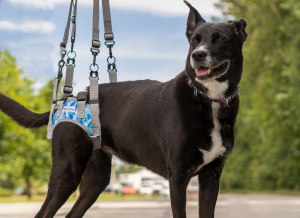
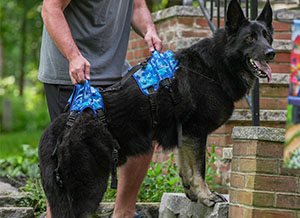
Adaptation Is Possible

It’s normal to worry if an illness or injury alters your pet’s body. They’ve had experience with body parts or abilities they no longer have, but many adapt to thrive. Maybe they heard of these incredible para-athletes who didn’t let similar circumstances break them.

Nick Springer

Nick Springer got a poor prognosis after contracting a rare form of meningitis as a teenager. When he woke up after two months in a medically-induced coma, he was missing his arms and legs. Springer, who used to play hockey, had to relearn how to do previously simple tasks like eating or getting dressed.

“My family made a point of showing me my life was not over,” he told CBS News in 2012. “It was more of a time out.”

That support paid off, and Springer took up rugby. He entered the Paralympics less than a decade after his amputations and helped Team USA win gold and bronze medals. Springer passed away unexpectedly in 2021, but his endurance and strength leave a mighty legacy.

Brad Snyder

Brad Snyder was a swim team captain at the U.S. Naval Academy before losing his sight in an IED explosion. He became a Paralympic swimmer, winning six gold medals in 2012 and 2016. He then switched to the triathlon and qualified for Tokyo, becoming the first American man in the Paralympic or Olympic games to win the gold medal.

Snyder wrote in his profile that he strives to inspire others to pursue happiness.

What to Remember

Tragedies are an unfortunate part of life. They can change human and animal lives forever. However, everyone can adapt to the changes with ambition and support and conquer the world in new and interesting ways.

The World May Judge but Is Also Pretty Incredible

When your pet is different from others in their species, you will have to explain their condition and what they are capable of. People may overanalyze or not appreciate your pet’s abilities. However, they are often willing to help you and your friend when needed.

Zakia Khudadadi and Hossain Rasouli

When the Taliban took control of Afghanistan, it seemed that these two Paralympic athletes wouldn’t make it to Tokyo. International Paralympic Committee President Andrew Parsons stated that the committee found out they couldn’t compete just two weeks before the opening ceremonies.

The result was a global outcry that let Khudadadi and Rasouli evacuate from Kabul to Paris, where they got a flight to the Games.

Rasouli was the victim of an explosion that led to a hand amputation before competing in the long jump. Competitor Roderick Townsend was thrilled to see his name at the competition.

“I saw his name on there. With everything going on right now, I couldn’t help but feel joy for him,” he told the BBC in 2021.

Zakia Khudadadi is the first female taekwondo practitioner from Afghanistan. She was born with a disability affecting her left arm. After competing in 2021, she won the gold medal at the 2023 European Para Championships, saying she won for the women of Afghanistan.

What to Remember

Life is harder for people living in a world built for the majority. However, you can have faith that people will support you and your pet when you need it if you reach out.

Taking Inspiration from Para-Athletes

Para-athletes are amazing, and though your handicapped pet isn’t human, they can still live full, thriving lives. Let these stories inspire you to

Dog Wheelchair FAQ | Walkin’ Wheels

The first time a dog owner hears about dog wheelchairs might be because their dog has become paralyzed or is having a hard time getting around. And that can mean a lot of unanswered questions. Here are some of the more common questions that pet parents have about dog wheelchairs and how they work:

Why do dogs have wheelchairs?

There are many different reasons why a dog might need a wheelchair. Typically, a dog needs a wheelchair when it has lost strength in its legs, has difficulty walking unassisted, or is paralyzed. Rear leg paralysis is one of the most common reasons a dog needs a wheelchair. 

A dog may need a wheelchair if it is dealing with any of the following conditions:

  • Intervertebral Disc Disease (IVDD)
  • Degenerative Myelopathy
  • Spinal disease
  • Severe hip dysplasia
  • Cruciate tears or ruptured CCL 
  • Recovering after a traumatic injury or surgery
  • Neurological deficits
  • Cerebellar Hypoplasia (CH)
  • Rear leg paralysis
  • Wobbler’s Disease
  • Senior dog dealing with mobility loss 
  • Hind leg weakness

What size dog can use a wheelchair?

Wheelchairs are available to fit all sized pets, regardless of breed or weight. For example, the Walkin’ Wheels adjustable dog wheelchair will fit dogs as small as two pounds up to large dogs weighing one hundred and eighty pounds. Choosing the right size wheelchair is crucial for your dog’s comfort and mobility.

There are six different Walkin’ Wheels wheelchair sizes:

  • Mini wheelchair – for dogs under 2 lbs. 
  • Small wheelchair – for dogs  11 to 25 lbs. 
  • Medium wheelchair – 26 to 49 lbs.
  • Medium/Large wheelchair – 50 to 69 lbs.
  • Large wheelchair – 70 to 180 lbs.
  • Corgi wheelchair – a specially made frame, designed to fit the long torso of a Corgi. 

The right wheelchair frame size for your pet will be based entirely on their weight.

How do you choose the right size wheelchair for your dog?

An adjustable dog wheelchair offers you the most flexibility. It’s very easy to size your dog for its new cart. All you need is your dog’s weight, breed, and the measurement of your dog’s rear leg height. Enter your dog’s measurement into the Walkin’ Wheels SureFit Calculator, which will tell you exactly what size wheelchair your dog needs. Not sure your measurement is correct? No worries, the wheelchair experts review every wheelchair order before it ships. If they think your measurement isn’t quite right, they’ll give you a call.

Walkin’ Wheels offers three ways to shop for a dog wheelchair:

Selecting the right size wheelchair for your dog is critical. A wheelchair that is too small or too large may make it difficult for your dog to walk. Not sure what size is best for your pet? Call our wheelchair experts at 888-253-0777 to figure out the best size cart for your dog.

How do you measure your dog for a wheelchair?

Measure your dog lying down on its side. Most dogs that need a wheelchair cannot stand at their full height when standing. Even the dogs that can support their weight, their back legs may bend and lack the strength to stand correctly. This may mean that their rear leg height measurement is shorter than it should be. 

How to measure a dog for dog wheelchair

How to measure your dog for a cart:

  1. Lay down on its side
  2. Position their back leg in a natural standing position with a slight bend. 
  3. Measure the rear leg, from the crease where the thigh meets the body all the way to the toe pad. This measurement would be the height of your dog’s back leg if they were standing fully. 

Are there different types of carts for dogs?

There are many different styles of dog wheelchairs, each one designed to offer different levels of support. The three main types of dog wheelchairs are:

  • Rear wheelchair – hind leg support
  • Full Support or Quad wheelchair – a four-wheeled wheelchair that supports all four legs
  • Front Wheel wheelchair – support for a dog’s front legs only 

A rear wheel wheelchair is the most commonly needed wheelchair for most dogs. This style of cart acts as a replacement for a dog’s back legs. A wheel is directly underneath each rear leg, in line with the hip, providing balanced support so a dog can stand and walk while assisted.

Rear Wheelchair

Active dog in his Walkin’ Wheels Dog Wheelchair Camo color
A dog wheelchair for weak or paralyzed back legs.

Full Support Wheelchair

Quad dog wheelchair for full body support
A full body support dog wheelchair for all four legs.

A full support wheelchair is necessary when the dog is experiencing weakness in the front legs or has trouble maintaining balance. A four-wheel wheelchair can also be used to support a dog that’s missing a front leg.

Can my dog go to the bathroom while using a wheelchair?

A dog can pee and poop while using a wheelchair. Leg rings support the dog’s hind end from underneath, leaving plenty of space in front and behind the dog to defecate cleanly. 

Getting a dog into a wheelchair makes it easier for them to relieve themselves. Giving a pet the support to stand upright allows everything to move naturally. Bringing your dog on a walk and showing them all their favorite spots will help encourage them to pee and poop while in their wheelchair.

Male Dog Pees In Wheelchair

Female Dog Pees in Wheelchair

Most dogs understand very quickly that they can pee or poop while in the wheelchair. Bring your dog to familiar places and areas that they like to go to potty, this can help encourage your dog to go.

How do you get a dog into a wheelchair?

Everyone has their own way of getting their dog into a wheelchair. The best way is what works for you and your dog. We recommend you start with the front harness. While your dog is sitting, place the front harness over its head and adjust it to fit comfortably. Next, line the wheelchair up right behind your dog. The leg rings should already be attached to the wheelchair frame. Now, gently lift your dog’s back legs and place them through either leg ring. Finally, lift the wheelchair frame and clip in the front harness.

My dog can still use its back legs. Can it use a wheelchair?

Wheelchairs are intended to help dogs exercise and move their back legs. For a dog that maintains function in its back legs, a wheelchair will help them maintain muscle mass, prevent further atrophy, and help the dog to rebuild leg strength. Using a wheelchair will not discourage your dog from using its back legs. Instead, using a wheelchair will make it easier for your dog to exercise, which may encourage them to walk even more.

How do you fit a dog for a wheelchair?

The fit of your dog’s wheelchair is essential. In addition, the wheelchair’s support must be correctly balanced for your dog to feel comfortable.

Here’s what to look for in a dog wheelchair that fits perfectly:

  • The side extender bar runs parallel to the ground, through the center of the dog’s body. Therefore, the extenders should never point towards the ground or tip upwards. 
  • The knuckle of the wheelchair sits in the center of the dog’s hip
  • Your dog should be able to comfortably touch the ground and push off gently to propel itself forward. 
How to adjust a Walkin' Wheels dog wheelchair infographic

How long will it take for my dog to become accustomed to a wheelchair?

Corgi wheelchair for dog that can't walk

Every dog’s experience is a little different, and most dogs will adjust very quickly to using a wheelchair. Most dogs realize very quickly that the wheelchair is helping them, and they immediately notice that they can walk again. 

Other dogs may need more time to become accustomed to their cart. Work at your dog’s pace and make it a rewarding experience for them. Lots of praise and plenty of high-reward treats are great to keep on hand as your dog is adjusting to life on wheels. If your dog seems tired or nervous, take them out of the wheelchair and give them a break. Try again in a few hours after your dog has rested a bit. Remember, it’s probably been a while since your dog has been able to walk. The first time they try out their cart, they are getting a workout. 

For timid dogs, it may help to leave the wheelchair out in a room they use frequently. This will allow your dog to approach the cart at their own speed, sniff it all over, and get comfortable with it being around. In addition, it can be helpful to reward them every time your dog goes near the wheelchair, this helps to build a positive relationship with their new cart. 

Can my dog lie down while using a wheelchair?

Dog wheelchairs are designed support your dog in an upright and standing position. Encouraging canine mobility and exercise. A wheelchair should never collapse on your dog’s back legs.

Some smaller breeds, such as dachshunds or corgis can rest on their front legs with a pillow underneath them for short periods of time. For your wheelchair dog to sleep comfortably, they should be taken out of the wheelchair to rest.

How long can a dog be left in a wheelchair?

How long your dog can stay in their cart will vary for every dog. We recommend speaking to your vet about what’s best for your dog as their age, overall fitness, and their stamina can contribute.

When first adapting to their cart, you should begin with shorter sessions and your dog should always be supervised while in their wheelchair. While dog is first adjusting to their wheelchair, limit their wheelchair time to 10 to 15 minute increments multiple times a day until they build up their endurance. Every dog requires a different amount of daily exercise, and you will find what works best for your dog.

Can a dog wheelchair be used indoors?

Yes a dog wheelchair can be used inside the house. Although the size of the dog, width of the doorways and hallways are determining factors. Most small to medium sized dogs have no issues using their cart inside the house.

Degenerative Myelopathy and Dog Wheelchairs

A dog wheelchair plays a pivotal role in a dog’s degenerative myelopathy journey. Degenerative Myelopathy (DM) is a progressive neurological disease that takes its toll on a dog’s mobility. As DM progresses, a dog’s back legs will slowly weaken before the hind legs become fully paralyzed. Eventually, the mobility loss progresses up a dog’s spine to impact its front leg strength as well. A wheelchair is vital for a dog with Degenerative Myelopathy. Without a wheelchair, a DM dog is unable to walk, stand, or get any exercise. 

When is the right time to get a cart for my DM dog?

A dog wheelchair is a life-changing tool for dogs with DM. The earliest signs of degenerative myelopathy start out small. One of the first indicators of DM is knuckling, or dragging the back paws. This can be combined with hind leg weakness and signs that the dog’s back legs are losing strength.

Although these early DM symptoms can be easy to miss. As they may only happen occasionally or only when a dog is exhausted. However, when a dog’s back legs collapse underneath them or a dog struggles to push up off the ground, the signs become much harder to ignore. 

There is no need for your dog to struggle with mobility loss, so don’t wait to get a mobility cart for your dog. Instead, introduce a mobility cart early at the first signs of weakening back legs. Not only does this make for an easier transition for your dog, but it also gives the pet parent a chance to adjust to using the wheelchair, too! Every dog diagnosed with degenerative myelopathy will need a wheelchair eventually. So, starting early in a dog’s diagnosis will be easier for you and your best friend. 

German Shepherd Wheelchair buy now

What kind of wheelchair should I get for a dog with Degenerative Myelopathy? 

The ideal degenerative myelopathy wheelchair for your pet is a cart that can be adapted to fit every stage of your dog’s diagnosis. The only certainty with DM is that it will progressively worsen and your dog’s mobility needs will change. As the disease progresses, you need a wheelchair that will progress with it. The Walkin’ Wheels dog wheelchair can easily convert from a rear support wheelchair to a four-wheeled wheelchair by simply adding a front attachment. This gives you the flexibility to adjust the level of support your dog needs as their leg strength changes. An adjustable wheelchair means you can start by supporting your pet with a rear wheelchair, and convert their existing cart until a full support wheelchair when additional support is needed across all four legs.

Full Support dog wheelchair with four wheels

Choose a fully adjustable dog wheelchair that allows you to adjust the height, length, and, most importantly, the width of the wheelchair. An adjustable width means that your dog’s wheelchair will always fit, even if your dog loses muscle mass or weight over time. Muscle atrophy is quite common in dogs with DM so expect your dog’s body shape to change.

Custom-built dog wheelchairs are made based on your dog’s measurements the day you place the order. If your dog’s weight fluctuates, the custom cart may no longer fit your dog comfortably. Also, a custom rear dog wheelchair will not convert into a quad cart when your dog’s front legs weaken. When your dog requires additional assistance with its front legs, it will likely need a whole new wheelchair. 

DM Dog Learns to Walk Again

“Rosie was diagnosed with Degenerative Myelopathy. Over the last year, she has lost most of her strength in her back legs. Rosie got her life back when she got her Walkin’ Wheels. She now chases her laser pointer around a nearby field for hours every night, only to come back inside with bribes. Just watch your toes, she isn’t slowing down for anyone!”

– Nora and Kyle

German Shepherd in wheelchair plays in the sprinkler

Is exercise beneficial for dogs with DM? 

A dog in motion stays in motion. Therefore, continued exercise and regular activity are vital for any dog, even those struggling with mobility loss. A recent study showed that regular exercise could improve a DM dog’s quality of life and life expectancy. In fact, continued structured exercise may even slow down the progression of the disease!

Dog wheelchairs are crucial to helping dogs with Degenerative Myelopathy to stand upright, walk normally, and stay active.

Harnessing Mobility: How Walkin’ Wheels Dog Wheelchairs Enhance Physical Therapy

The Walkin’ Wheels dog wheelchair is a mobility assist device that provides dogs with the support they need to stay active. The Walkin’ Wheels wheelchair features full adjustability in length, width, and height to offer pets a customized fit. Many injured or paralyzed dogs will use a wheelchair during recovery and for additional support during physical therapy sessions.  

It’s essential to keep all dogs active, especially the older ones or those that face mobility issues. When a dog suffers from mobility challenges, it may become inactive, leading to weight gain and muscle loss, which can further exacerbate its condition. Incorporating a wheelchair into physical therapy is a great way to support your dog as they work to stand, walk, and work through their various exercises.  

The Role of Walkin’ Wheels Dog Wheelchairs in Physical Therapy  

Supporting Mobility with Walkin’ Wheels 

Although the exercises and methodology will vary by dog, a rehab specialist will work with your dog during physical therapy to build up muscle strength and increase range of motion and flexibility. Introducing a wheelchair can aid in maintaining and improving mobility. The cart’s support will reduce the pressure placed on a dog’s limbs while encouraging them to walk and continue to use their back legs. Some pets may rely on a wheelchair for all exercise, whereas other dogs may only need a wheelchair for a short period of time as they build up their strength and stamina.  

Choosing the right cart for your dog’s physical therapy is crucial and depends on the area that most needs support. Walkin’ Wheels rear wheelchairs offer support to weak hind legs, while the full-support wheelchair is designed to aid both front and back legs. The Walkin’ Wheels wheelchair is the most adaptable canine cart available. A dog undergoing rehabilitation may begin with a quad wheelchair, and as their front legs regain strength, the front attachment can be removed only to support the hind end. For those with a progressive condition such as DM, the rear cart can be converted into a full support wheelchair as needed. 

Enhancing Physical Therapy Outcomes with Walkin’ Wheels 

A wheelchair helps assist your pet in remaining active and getting exercise. Their cart can help enhance their physical therapy sessions by helping a dog stay upright in a natural standing position, work on maintaining their balance, and reduce the weight placed in their legs as their therapist works with them. Not only does this significantly benefit their physical well-being, but in between sessions, the cart can be used to support your dog on their daily walks and make it easier for them to go potty. Your dog’s wheelchair can be used daily and consistently to help them to stay mobile. When used in conjunction with physical therapy, a wheelchair can help improve your dog’s quality of life.  

Preparing for Physical Therapy with a Walkin’ Wheels Dog Wheelchair  

Consultation with a Veterinarian 

Your veterinarian plays a key role in helping you decide if your dog is a good candidate for a dog wheelchair. Treating canine mobility loss begins with a diagnosis. Your veterinarian will work to help you understand the underlying cause of your dog’s mobility loss and develop a treatment plan that best fits your pet’s needs.  

A veterinarian will assess your dog’s need for a Walkin’ Wheels wheelchair based on their gait and overall mobility. Determining if a wheelchair is the best choice for your pet often begins with a simple towel test. In this test, your vet will support your dog’s hind end – if the dog can walk forward while supported, they are an excellent candidate for a dog wheelchair. It’s important to understand that a wheelchair is only one piece of your dog’s treatment plan. Your dog’s therapy plan will include other methods of treatment as well, including pain management and various therapies. Your dog’s tailored therapy plan may include hydrotherapy, massage, exercises, acupuncture, and laser therapy, to name just a few.  

Choosing the Right Walkin’ Wheels Wheelchair 

The Walkin’ Wheels wheelchair is available in a range of sizes – the right cart for your dog will be determined based on your dog’s weight and rear leg height, as well as their condition. Here’s a quick guide to choosing the right cart for your dog based on their diagnosis: 

Rear Wheelchair 

  • Intervertebral Disc Disease 
  • Early-stage Degenerative Myelopathy (only back legs effected)  
  • Hip Dysplasia 
  • Knee injury – such as a CCL or ACL tears 
  • Hind limb paralysis  
  • Osteoarthritis in the hind legs 
  • General difficulty walking  
  • Occasional loss of balance 
  • Surgical recovery 

Full Support Wheelchair 

  • Cerebellar Hypoplasia 
  • Late-stage Degenerative Myelopathy (both back and front legs impacted) 
  • Neurological conditions 
  • Loss of strength in all four legs 
  • Balance struggles  
  • Additional stability for front limb amputations 

Proper fitting is critical to ensure your dog gets adequate support in their Walkin’ Wheels wheelchair. During therapy sessions, it’s pretty common for a dog’s body to change. This means the fit of your dog’s cart may need to be adjusted throughout their treatment. Luckily, an adjustable dog wheelchair can adapt to any physical changes in your dog’s body. If a dog gains or loses weight, the wheelchair width can be adjusted to accommodate. An adjustable wheelchair is ideal for dogs that are still growing, as that cart can grow with them.  

Check in regularly with your veterinarian over the course of your dog’s therapy treatments. Your rehab specialist should keep your vet up to date on your dog’s progress, but make sure to schedule regular vet visits so that your vet can help advise your dog’s treatment plan as needed. Sometimes, a dog’s progress may seem very gradual, but a lot can happen in a short time, and your vet may see a significant change that isn’t noticeable to you.  

Incorporating the Walkin’ Wheels Dog Wheelchair into Physical Therapy  

Introduction of Walkin’ Wheels 

Dog wheelchair for dog rehabilitation therapy

The timing of when your dog should begin using the Walkin’ Wheels wheelchair during therapy will be decided by your veterinarian and rehab specialist. For example, a dog in physical therapy after surgery will likely need to wait until their wounds are healed before using a wheelchair. A gradual introduction is also likely for a dog dealing with a spinal condition, like IVDD, which often requires weeks of crate rest before the dog is cleared for using a wheelchair. Other pets may be able to start using a cart much sooner. Always work with your veterinarian to decide when the time is right for your dog to begin using a wheelchair in therapy.  

When your dog gets the all-clear for wheelchair use, understand that introducing them to their new wheels will be on their own time. A gradual introduction of your dog’s cart may be needed. Your dog’s therapist may only recommend wheelchair use for a short duration at the beginning or during specific exercises. Many pets need to build up their stamina and will gradually increase their cart time over a few weeks. And remember that using a wheelchair is as new to your dog as it will be to you. Positive reinforcement and patience are crucial to helping your dog adjust to their new wheelchair.  

Targeted Exercises with the Walkin’ Wheels 

How and when your dog uses their new wheelchair for physical therapy will depend on the guidance of your physical therapist and may change over time. Here are a few examples of how your dog’s cart may be used during therapy sessions: 

  • Patterning and gait training – the wheelchair will support your dog as the therapist physically moves your dog’s feet to encourage them to step and move their back legs.  
  • Underwater treadmill – provides balance and keeps pets upright as they work through treadmill exercises.  
  • Flexion and extension – to help open the knee and or hip to promote range of motion.  
  • Therapy stands – used for additional support during acupuncture, massage, or laser therapies. 
  • Strength training – supportive aid during exercises to promote strength and stamina   

All these different therapies and exercises complement your dog’s use of the Walkin’ Wheels and are often done simultaneously with wheelchair exercises. A multi-modal approach is often the best choice to improve a dog’s mobility and well-being.  

Real-Life Success Stories with Walkin’ Wheels 

LuLu our beagle puppy is recovering from a spinal operation. The wheels have done miracles in helping her learn to walk again. She has not fully recovered yet but progress with the wheels has been great. 

– Lemual C. Stewart Jr. (Lulu’s dad)

Cutter’s cart has been amazing and a godsend. It has really improved her walking – even on her own! I’ve spread the word about you guys to tons of people around here & in Boston! 

– Dr. Julie Zitz, DVM, DACVS, MA

Paralyzed dog uses wheelchair during water therapy

Some of the things that I really like about it, one is cost. Cost is a reasonable cost that most owners can absorb and the adjustability. The adjustability also gives us the benefit of, as they improve to maybe allow them to try and use their rear legs more when maybe in the beginning, their rear legs had to be just elevated. And there are different components, different harnesses, different attachments that allow a dog to be maybe not completely weight bearing, where the rear legs are held up in stirrups to a lower level of support where they can exercise more with a cart for support, but more using their own limbs by themselves. 

– Dr. David Levine, PT, PHD, DPT, CCRP 

Conclusion

Incorporating a Walkin’ Wheels dog wheelchair into your dog’s physical therapy will encourage them to walk and build their strength over time. With the wheelchair’s support, your dog can easily manage their exercises while limiting the risk of further injury and promoting overall wellness. During therapy, your dog will work to regain their leg strength and muscle tone through structured exercise, while the wheelchair lessens the weight placed on aching joints and helps them stay active for longer. If your pet is facing mobility changes, talk to your veterinarian about exploring the Walkin’ Wheels as a possible solution for your best friend. It’s always important to seek professional guidance before beginning any rehabilitation plan. Provide contact information for inquiries or assistance with Walkin’ Wheels dog wheelchairs. 

Does your dog use a Walkin’ Wheels dog wheelchair already? We’d love to hear your dog’s success story or experience with using Walkin’ Wheels during physical therapy. Please share in the comments below or email us at [email protected] 

Buy a full support dog wheelchair

Why a Drag Bag is Essential for a Paralyzed Dog

It is vitally important for a paralyzed dog or cat to be able to get the exercise they need and to maintain their independence as much as possible. A wheelchair is crucial for your best friend to get outside, enjoy their daily walk, and play. But what does your pet use indoors or when your dog is not using their wheelchair? The drag bag is the perfect indoor mobility solution for paralyzed pets. 

What is a Drag Bag?

The drag bag aids paralyzed pets in two ways: to protect them and to help them easily get around their home. When a paralyzed dog isn’t using their wheelchair, they spend a lot of time lying on the ground. Their only way to move is to scoot and drag themselves across the floor. Wearing a drag bag helps to protect your dog’s chest, legs, and paws from abrasions that can occur when your paralyzed dog pulls itself across the room.

When wearing the drag bag, your paralyzed dog or cat can scoot around with their front legs and drag their hind legs behind them without getting hurt. 

Benefits of a Drag Bag: 

  • Prevent rug burns and other injuries caused by dragging
  • Creates a barrier between your dog’s sensitive skin and the floor to protect your pet’s limbs from scrapes and rug burn caused by scooting across the floor
  • Drag bag slides easily across the floor, encouraging your paralyzed pet to stay active inside the home
  • Water resistant material is easy to clean and can be worn with a diaper for incontinent pets
  • Dog can lay down and rest when needed
  • Machine washable and air dries quickly
  • Easy to use, simply place your pet’s legs inside the protective drag bag, zip up the side, and attach comfortably around the neck. 
  • Features a mesh panel for ventilation and keep pet cool

How to Use the Drag Bag

Getting your paralyzed dog or cat ready for action and into their Drag Bag is easy. Unzip the drag bag, with the breathable mesh side facing up, and place your dog inside. Then, close the zipper and tabs and adjust the fuzzy fastener connecting strip for a comfortable and snug fit. It will keep your pet dry and comfortable and can also be used with a diaper if necessary.

Drag Bag or Dog Wheelchair – Which is Best for My Paralyzed Dog?

The short answer is that a paralyzed dog needs both a drag bag and a dog wheelchair. Each mobility solution offers its own unique advantages and uses. 

Best for Indoor Use – The Drag Bag

drag bag for paralyzed dog

It’s important to allow your paralyzed dog to stay active indoors. Smaller dog breeds can use their wheelchairs inside easily, but a larger dog may struggle around tight corners and bump into walls when in their cart. The drag bag lets your dog scoot around the house without hurting themselves. It also gives your dog the ability to lay down and rest whenever they need to.

It’s common for a paralyzed dog to also be incontinent. Unable to control their bladders, urine leaks and accidents happen. The drag bag is constructed out of water resistant material that will help minimize the mess and is roomy enough for your dog to wear a diaper or male wrap as added protection.

Best for Outdoor Use – Dog Wheelchair

A mobility cart is perfect for using outside. Your dog’s Walkin’ Wheels wheelchair is durable and built to help your dog navigate the terrain. The support of a dog wheelchair makes it easy for paralyzed dogs to enjoy their daily walk and run free. Your dog’s wheelchair can take your dog just about anywhere! Wheelchair dogs can run on the beach, hike mountains, and explore with the same freedom as any other dog.

Recommended for a Dog with Hind Limb Paralysis – Both

In many cases a paralyzed dog will benefit from using a wheelchair and a drag bag. The wheelchair is best for outside, whereas the drag bag can be worn when your dog isn’t using their wheelchair. Many paralyzed dogs will use both mobility solutions depending on where they are and what activity they’re doing. Remember, a paralyzed dog should never be in their wheelchair all day. A drag bag is the perfect solution to keep your dog active (and comfortable) when they’re not using their cart.

Recommended for a Dog with Weak Hind Legs – Dog Wheelchair 

Drag Bag for paralyzed dog

Dogs with hind leg weakness and still maintain mobility in their legs need to be able to move them. In their dog wheelchair, a dog can still walk on all four legs and get the exercise they need.

While using the wheelchair your dog can pee or poop naturally (and cleanly) while in their wheels. If your dog needs to be able to go outside and do their business, a canine mobility cart is the best choice for your pet. 

Best for Rehabilitation – Dog Wheelchair

Canine rehabilitation plays a major part in the life and health of handicapped dogs. Whether recovering from an injury or trying to maintain (or build) their strength and muscle tone, a dog in rehab needs to be able to stand and exercise. The dog wheelchair is an incredibly important tool on your dog’s rehabilitation.

In addition to providing them much needed support, the dog wheelchair makes it easier for your dog to get through their rehab exercises and can help your dog to stay active for longer periods of time.

Walkin' Drag Bag buy now

Helping Your Pup Heal: Using a Dog Wheelchair for a Knee Injury

CL tears and cruciate injuries are common injuries for dogs. In fact, ACL ruptures occur more often in dogs than in humans! According to the National Library of Medicine, out of 100,000 dogs, approximately 2,610 will suffer from an ACL tear annually compared to under 75 humans in the same size group. In 73% of these cases, the dog will experience a rupture in both knees. Depending on the severity of the tear, a dog may have trouble walking or may be unable to bear any weight on its injured leg. Not only are canine knee injuries prevalent, but they can also severely impact a dog’s ability to stay active. A dog wheelchair can be used to prevent and rehabilitate knee injuries in dogs.   

Read on to learn more about canine cruciate injuries and how a wheelchair can help your dog stay active. 

Walkin’ Wheels Dog Wheelchair
German Shepherd DM harness
Buddy Up Harness

Understanding Knee Injuries in Dogs 

Knee injuries are among the most common dog orthopedic injuries. Unlike human knee injuries that are generally caused by physical activity or trauma, dog knee injuries usually occur slowly over time. Most cruciate tears in dogs result from natural wear and tear rather than a specific injury or event. It is important to monitor your dog’s physical activity and provide them with the necessary care to prevent or manage this issue. 

Signs and symptoms of dog knee injuries 

There are many physical signs to look for when a dog has an injured knee, including: 

  • Lifting their back leg up off the ground 
  • Refusing to walk or bear weight on their hind limb 
  • Limping or only placing partial weight on its back leg 
  • Joint stiffness 
  • Sitting awkwardly – may have one leg out to the side or sit with legs splayed 
  • Whines or is uncomfortable while lying down 
  • Swelling – this can be around the knee joint or even down to the ankle 

Dogs showing any sign of pain or any change in how they move should be brought to your vet’s attention right away. Only a veterinary professional can diagnose and treat your dog.  

What happens to the joint when a dog tears their ACL? 

Large dog runs in Walkin' Wheels dog wheelchair

When a dog tears their ACL, it can cause the joint to become unstable. Putting weight on the limb can create a shearing force on the joint, causing the femur to slide backward on the surface of the tibial plateau. This can be painful for your dog and potentially damaging to the joint’s cartilage. The abnormal motion can cause excessive wear and tear on the cartilage surface, leading to arthritic changes in the joint.  

Canine cruciate injuries usually begin as a partial tear that gradually worsens until it becomes a complete tear. In most cases, surgery is recommended to repair the tear. During the waiting period before surgery, or while recovering dogs tend to shift their weight to their good leg, which can strain their other knee. It is important to seek the help of a veterinarian to properly diagnose the severity of your dog’s knee injury and provide them with the necessary treatment.  

Can my dog use a wheelchair before knee surgery? 

Using a cart can be beneficial for dogs as they await knee surgery. Although most dogs will need knee surgery within a week or so, the period between initial tear and corrective surgery is an important time. With a knee injury the dog will hobble on three legs, this can cause discomfort. Using a wheelchair will provide balanced support, allowing a dog to stand naturally without tweaking their spine and prevent any unnecessary joint strain. Because the wheelchair makes it easier for your dog to move and walk, they are less likely to experience muscle atrophy or cause any further damage to their knees and other joints.  

The Role of a Dog Wheelchair in Knee Injury Recovery 

When a dog is injured, a wheelchair can be a helpful aid in their healing process. The cart acts as a crutch to reduce the weight placed on the injured joint and provides support, enabling your dog to walk without causing further harm. A wheelchair’s support will allow for increased mobility, supports weight bearing, prevents further damage to the affected knee and reduces the risk of injuring the healthy knee. 

Here are a few ways dogs can use and benefit from a cart after knee surgery: 

Getting outside after surgery 

Although crate rest is necessary after surgery, you will still need to get your dog up and get them outside throughout the day. It’s important that when your dog is standing that they don’t put any unneeded stress on the suture line or put too much strain on their other knee. A wheelchair can help limit the risk and prevent this from happening. By distributing the dog’s weight evenly across their body and supporting both legs, the cart helps your dog to stand properly. Without a wheelchair’s support the dog will place its full weight on the uninjured leg which can cause further injury and strain.  

Aiding the rehabilitation process 

Dog in wheelchair stands during laser therapy

After a period of two to four weeks of crate rest following the operation, dogs usually have their sutures removed and can begin the rehabilitation process. It is essential to work on the dog’s leg, knee, and muscles as it plays a crucial role in their recovery. When a dog’s leg is unused, it can lead to muscle atrophy and loss of strength. A dog wheelchair can aid in the rehabilitation process for dogs with knee injuries, both when they are working with their therapist and at home in between sessions.  

During rehab sessions a wheelchair can be used as a stand during underwater treadmill exercises or to help a dog stay upright during massage therapy or stretching. During a rehab session, the trainer will also teach the pet parent how to do similar exercises at home. Many of which will be required several times during the day. These exercises are incredibly important to help prevent muscle cramps, rebuild circulation, and promote healing and recovery. 

The wheelchair is just one tool available to support your dog’s recovery process. During your dog’s recovery, it’s also crucial to have regular veterinary check-ups to monitor progress and follow instructions from your vet and rehab specialist to ensure proper healing.  

Cart Use as an Alternative to Surgery 

Not every dog will be a candidate for corrective surgery. Dogs that are deemed at risk due to their age, general health, or even because their knee is too far gone for corrective surgery may have to rely on alternative methods. Without proper support it’s highly likely that a dog may struggle to get around or even tear their other cruciate. In these cases, a dog wheelchair can be used for continued mobility.  

Not only will the wheelchair encourage your dog to continue to use their back legs, but it will prevent your dog from straining its back or overcompensating on the remaining healthy leg. Over 50% of dogs will tear their other cruciate within a year of their first ACL tear. A cart will provide balanced support to prevent your dog from straining their other leg and to prevent injury. Even without surgical intervention, your veterinarian needs to stay apprised of your dog’s progress. Check in regularly to make sure your dog is following protocol and staying as healthy as possible. 

Conclusion

Dogs with a knee injury can significantly improve their mobility by utilizing a wheelchair throughout their recovery process. Like a human would use a crutch or a walker, a dog wheelchair is a great way to lessen the pressure on a dog’s injured knee while providing the stability and support needed to continue to walk. Staying active lowers your dog’s risk of muscle atrophy and helps prevent any further knee injuries. Provide your furry companion with the best possible care and mobility during their healing process with an adjustable dog wheelchair. 

5 Signs Your Dog Needs a Lifting Harness

It’s not always easy to spot the signs that your dog’s mobility is changing. Many of the signs of mobility loss begin very slowly and may even seem like a normal part of the aging process. Whether your dog has a hard time standing up after a nap, is less active than they once were, or struggles to get up the stairs, it could indicate that your dog needs a lifting harness (and your help) to get around.  

Let’s review a few of the common signs that your dog needs the support of a lifting harness.  

1. Slow to Rise 

Often, the earliest sign that a dog needs a bit of a hand is when an older dog tries to stand up after a long nap. Senior dogs may be slow to stand up or have difficulty standing up without assistance. It takes a lot of leg strength to push up off the ground. Standing up can be a real challenge for dogs whose legs are starting to weaken or those experiencing joint pain.  

How a lifting harness can help:  

A simple rear support leash can easily slip on your dog’s back legs while they are still lying down. Place a loop over each of the dog’s back legs and slide them up until they reach the top of your dog’s leg and gently lift. The harness will boost your dog to get up on all four legs.  

2. Difficulty Climbing the Stairs 

Canine Mobility Loss Sign: Reluctance to Use Stairs

How your dog climbs the stairs can indicate a change in their mobility. Signs that your dog may need help on the stairs include:  

  • Unease on the stairs – may appear uncertain or avoids using the stairs 
  • Excessive panting or signs of exhaustion as the dog goes up the stairs 
  • Loss of balance or unsteadiness  
  • Inability to control descent – moves too fast or unable to stop 

Your dog may give other cues as well. If a dog is feeling unsafe while using the stairs, they might hesitate to climb up or even refuse to use them altogether. This reluctance is usually because they do not feel confident about navigating the stairs safely.  

Going down the stairs can be just as challenging. Many older dogs will pick up speed as they descend, almost as if they’re losing control. This can be incredibly dangerous, and your dog may not have the leg strength to be able to slow down.  

How a lifting harness can help:  

Using a supportive harness will allow you to control your dog while on the stairs. A lift harness will feature handles that can be used to lift and stabilize your dog on the stairs. This is helpful for aiding your dog as they go up and down the stairs. Look for a harness that supports the front and hind legs of your dog for the optimal level of control on the stairs.  

3. Lagging on the Daily Walk 

If you notice your dog slowing down or getting tired on longer walks, it could be an early indication that their legs are starting to weaken. As dogs grow older, changes in mobility are quite common, and we always recommend discussing any concerns with your veterinarian. If your dog seems to be unwilling to go on walks or appears to tire easily, it may be time to schedule a visit to the vet. Ignoring these signs could lead to more serious health issues down the road. 

How a lifting harness can help:  

Supporting your dog’s hind legs during a walk greatly reduces the strain and weight placed on aching joints. A rear support harness can be helpful for the early stages of mobility loss. It can also act as post-exercise support for dogs whose legs are shaky or weak after a long walk. For dogs that require a little more support or independence, a rear wheelchair may be the best option for longer walks and staying active.  

4. Occasional Loss of Balance 

Labrador in rear harness to support weak back legs

It can be challenging for pet parents to identify when their dogs’ legs are getting weaker, as not all signs of weakness occur regularly. Some dogs may experience occasional swaying in the hind end, stumble, or lose balance periodically.

Look for these signs and consult with your veterinarian as it may indicate that your dog needs some occasional help.  

How a lifting harness can help:  

Using a rear harness and gently lifting your dog’s hind end can give them the extra support they need to stand up and walk without fear of falling over. This is great for quick trips outside as some dogs do lose their balance while going potty. 

5. Healing from an Injury or After Surgery 

When dogs have leg injuries, they often tend to favor the injured leg, which results in additional weight and strain on the healthy limb. This can cause problems for the dog’s overall health, as it puts unnecessary pressure on the unaffected limb. 

How a lifting harness can help:  

When a dog is injured, using a harness for support can help them stand comfortably and distribute their weight evenly. This prevents them from putting too much strain on their unaffected limb and causing any further injury. However, it’s essential to consult a veterinarian before using a harness to ensure that it won’t hinder your dog’s healing process or cause any harm. Only use a harness on their recommendation and after they’ve cleared your dog to use it. 

Schnauzer Health and Mobility | Walkin’ Pets

The Schnauzer is a playful, affectionate breed that loves their family. With their distinctive look, most people know the Schnauzer for their mustached faces and thick eyebrows. This is one breed with a lot of personality! This unique breed is available in Miniature and Standard sizes, with the Miniature Schnauzer weighing between 11 to 20 pounds and the larger Standard Schnauzer weighing up to 50 pounds.

Although generally easygoing, the Schnauzers are known to get a bit feisty and can be barkers, but their big personality is a part of their charm. Like any other dog, there are some breed-specific genetic health risks that every Schnauzer mom and dad should be aware of. Here’s what you need to know about your Schnauzer’s health.

Fibrocartilaginous Embolism in Miniature Schnauzers

Also known as an FCE or spinal stroke. FCEs are more common in Miniature Schnauzers than any other breed, with one study showing 24% of the cases included were among Miniature Schnauzers. A spinal stroke can occur very suddenly and usually happens after a dog has been very active. Sudden paralysis, dragging legs, and a stumbling gait are common signs a dog has an FCE.

Depending on where the stroke occurs in the spine, a dog may only have one side of its body affected or just the front or back legs. With quick treatment and rehabilitation, most dogs can walk again. During treatment, a dog wheelchair may be used to help support the dog and keep them mobile as they recover. A Schnauzer wheelchair can help the dog overcome balance issues, assist them to stand or walk, and help the dog throughout their FCE rehabilitation.

Eye Problems – Cataracts

Although known for their bushy eyebrows and dark eyes, the Schnauzer is predisposed to several eye problems, including cataracts. Cataracts can appear at any age, with a cloudy film covering the lens of the eye. A cataract can cause blindness, which can be treated in some cases with corrective eye surgery.

Additional eye issues that Schnauzers are prone to include Progressive Retinal Atrophy (PRA) and Glaucoma. Make your Schnauzers’ eye health a priority and have their eyes examined during every annual checkup. In between veterinary checkups, watch for any visual changes to the eye, including discoloration or cloudiness in the eye, as this may indicate a change in a dog’s vision.

Hip Dysplasia

Schnauzer puppy running in field

Although hip pain can affect any size dog, Hip Dysplasia is more common in the larger Standard Schnauzer than its smaller cousin. Hip dysplasia is a degenerative joint condition that can impact a dog’s mobility and cause joint pain. There are varying degrees of hip dysplasia. Young dogs can be diagnosed with the condition but may not feel the effects of the hip condition until they are much older, as the dysplasia can progress over the years.

Early diagnosis is key to keeping your dog’s hips healthy. For young Schnauzers diagnosed with hip dysplasia, it’s best to keep your dog at a healthy weight and introduce them to a joint supplement at a younger age to promote joint health and ease occasional stiffness. Your veterinarian will check your Schnauzer’s hips during their annual checkup, looking for any signs of discomfort and impact on its range of motion.

Luxating Patella

Patella luxation occurs when a dog’s kneecap slips out of the patellar groove. This is quite common in smaller dog breeds such as the Miniature Schnauzer. A healthy kneecap should move up and down as a dog’s knee flexes and moves. When the kneecap luxates, it essentially dislocates and pops out of place, which can cause discomfort and impact a Schnauzer’s ability to move normally. When this happens, you may see your dog hold their back leg behind them as they get around on three legs until the kneecap pops back into position.  

Depending on the severity of the patella luxation, the knee may pop back into place on its own, with assistance, or in the most advanced degree surgery may be recommended.

Myotonia Congenita

A genetic muscle disease that causes hyper-reactive muscles that contract easily. When the muscle stiffens, the muscles can bulge making it difficult for the Schnauzer to move. And in some cases, this can even impact the Schnauzer’s ability to swallow. The condition is incurable and impacts about 2% of the breed, with approximately 20% of all Schnauzers as genetic carriers of the condition. Any Schnauzer exhibiting signs of Myotonia Congenita need to be seen by a veterinarian as soon as possible.

Understanding Your Schnauzer’s Health

It’s important to know that the Schnauzer is, overall, a healthy dog breed that makes an excellent pet. Although it’s important to understand any health risks so that you can be aware of any signs your dog’s mobility or health is changing, with regular checkups and living a healthy lifestyle, your Schnauzer should live a long and happy life.

Navigating Digital Nomad Life with a Dog

Hit the road and bring your furry companion along for the ride! Living the digital nomad lifestyle means freedom is key, but when you’re traveling with a pet, things can get a bit more complex. But don’t worry, we’ve got you covered! By planning ahead and staying adaptable, you can embrace this thrilling way of life while making sure your pet is well taken care of. Today, Walkin’ Pets invites you to discover how you can wander without limits, while keeping your pet’s needs front and center every step of the way.

Building a Robust Portfolio

Before setting off on your nomadic journey, ensure you have a strong portfolio to showcase your skills. This should include previous work, testimonials, and a clear description of your services. A strong portfolio will help you attract clients and secure projects while on the road. It’s also a good idea to supplement your portfolio with an updated resume that can summarize all the projects and deadlines you’ve worked with. Here’s a free tool that you can use to persuasively highlight all your hard-won experience.

Walkin’ Wheels Wheelchair
large dog uses rear support harness for back legs
Warrior Rear Harness
Harness to help dog up stairs
Buddy Up Harness

Broadening Horizons: Networking for Success

Networking is crucial for a digital nomad. Connect with potential clients or employers through social media platforms, online forums, and networking events. These connections can lead to job opportunities and valuable partnerships.

Mastering the Art of Time Management

As a digital nomad with a pet, you must be adaptable and manage your time effectively. Design a flexible schedule that allows you to meet work deadlines while also caring for your pet. Remember, your pet will need regular exercise, feeding, and attention.

Establishing a Pet-Friendly Routine

Establishing a routine that caters to both your work and pet care needs is essential. This could include scheduling work hours around your pet’s feeding and walk times. Also, try to create a comfortable workspace where your pet can relax nearby.

Ease Your Pet into the Journey

If your pet isn’t used to traveling, start with small trips before embarking on longer journeys. This will allow them to adjust gradually. Always ensure your pet is safe and secure during travel, and remember to bring their favorite toys or blankets to help them feel more comfortable.

Exploring Green Spaces

Research the availability of pet-friendly parks or areas in your new destination. These spaces are great for your pet to exercise and socialize. It’s also a great opportunity for you to meet other pet owners and possibly learn about local pet resources.

Essential Pet Care Items

As a pet owner, it’s crucial to know what pet care items you’ll always need on hand to ensure your pet is comfortable and safe. This might include essentials like food and water bowls, a comfortable bed, grooming supplies, and toys tailored to their needs. Health-related items such as flea and tick prevention, a well-stocked first-aid kit, and any necessary medications should also be included in your pet care arsenal.

Before purchasing new items – especially dog crates – it’s wise to seek expert pet care advice and read product reviews. This will help you make informed decisions about the best products for your pet’s specific needs, ensuring they remain happy, healthy, and safe no matter where you are. And if your pet is disabled, Walkin’ Pets can help!

Being a digital nomad with a pet requires careful planning and adaptability, but the rewards are worth the effort. Protect your pet and your business with preparation and research. With these tips, you can enjoy the freedom of nomadic life while also providing a loving and stable environment for your furry friend.

Walkin’ Pets is here to give special needs pets the help they need and deserve. Questions? Call 888-253-0777.