A new biotechnology startup is launching with plans to challenge some of the world’s best-selling eye medicines, armed with a pair of prospects already in, or approaching, clinical testing.
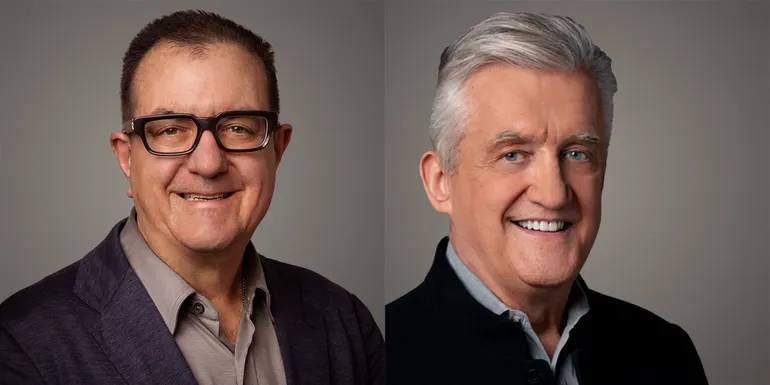
Called Ollin Biosciences, the startup emerged from stealth on Wednesday with $100 million in financing and medicines it aims to prove are superior to Roche’s vision loss drug Vabysmo and Amgen’s thyroid eye disease treatment Tepezza.
Ollin’s lead prospect, dubbed OLN324, is being developed as part of a collaboration with Shanghai, China-based Innovent Biologics. The drug is a bispecific antibody that blocks a pair of proteins, VEGF and Ang2, involved in the progression of age-related macular degeneration and diabetic macular edema. They’re also the targets of Vabysmo, which was approved in 2022 and has since taken market share from Regeneron Pharmaceuticals’ blockbuster eye drug Eylea.
Ollin claims that, because of its design, OLN324 could be more potent and have longer-lasting effects than Vabysmo. It also aims to show in testing that OLN324 could offer patients greater relief from long-term health problems associated with AMD and DME.
“We see how quickly physicians switched from say, Lucentis to Eylea back in the day, and from Eylea to Vabysmo now,” said CEO Jason Ehrlich. “So therapies that offer further improvement in treatment outcomes and disease control for patients are really desired by the market and physicians.”
The company has completed enrollment in a 150-patient, randomized Phase 1b study testing OLN324 directly against Vabysmo. Results are expected in the first quarter of 2026.
Ollin licensed its other top candidate, named OLN102, from another Shanghai-based drugmaker called VelaVigo earlier this year.
Like Tepezza, the drug inhibits IGF-1R, which helps drive inflammation in thyroid eye disease. But OLN102 also simultaneously blocks a second target, TSHR, associated with disease progression. Ehrlich said impacting both at the same time may have “synergistic benefits” and minimize some of the known side effects of Tepezza. Ollin hopes to show it could be administered subcutaneously, too, instead of via an infusion like Tepezza. Human testing should start next year.
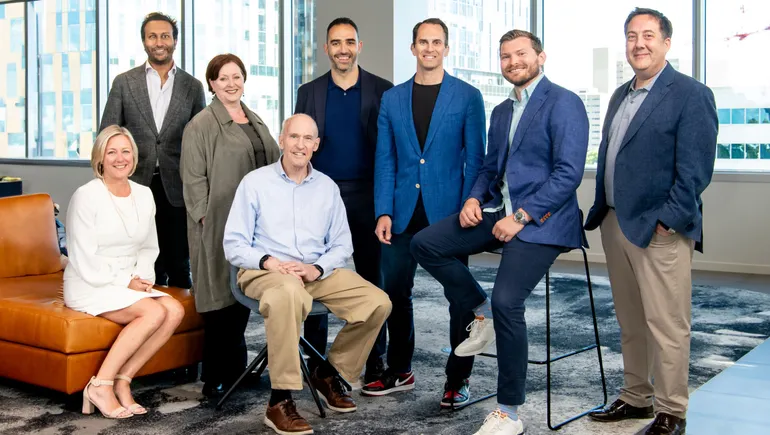
Ollin is building a drug portfolio through deals, rather than in-house research. It’s leaning on a team of experienced leaders and advisers in ophthalmology drug development, hoping that expertise will enable it to spot and advance next-generation medicines for multiple eye conditions.
“There are relatively few of those types of company builds in ophthalmology,” Ehrlich said. “It seemed like there was an opportunity to put something like that together.”
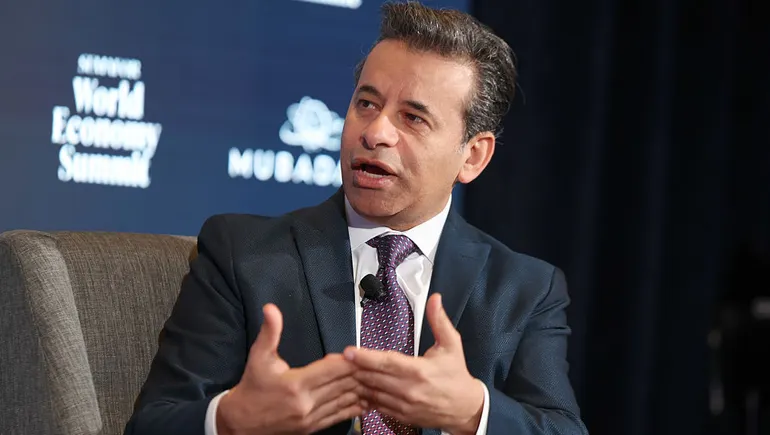
Arch Venture Partners, Mubadala Capital and Monograph Capital co-led Ollin’s financing.
Under the terms announced Tuesday, CSL agreed to pay VarmX stockholders $117 million up front and fully fund the Phase 3 trial of VarmX’s lead medicine, VMX-C001, designed to treat and prevent episodes of internal bleeding for patients taking blood thinners. CSL will also handle manufacturing costs and other expenses associated with pre-launch activities.
In return, CSL will receive an exclusive option to buy VarmX, which could be exercised after seeing results from the Phase 3 trial. VarmX shareholders are eligible to receive another $388 million in payments before a potential commercial launch and as much as $1.7 billion based on how well the drug sells if it reaches the market.
Dive Insight:
CSL’s restructuring plans include laying off as much as 15% of its workforce, streamlining corporate functions and spinning off its vaccine business, Seqirus. The company expects the moves to eventually produce annual savings of as much as $550 million that can be used to help fund new business development deals, CEO Paul McKenzie told investors in August.
“We want to look at opportunities to enhance our clinical and commercial portfolios,” he said.
VarmX’s work fits well with CSL’s mission, McKenzie said in a statement announcing the new deal. CSL’s Behring business, which sells a variety of drugs for bleeding disorders, brings in most of the company’s revenue. And VarmX’s lead drug has the chance to “address a significant unmet need,” he said.
VMX-C001 is designed to reverse the effects of popular blood thinners known as Factor Xa inhibitors that include Xarelto and Eliquis. Factor Xa drugs have proven highly effective in reducing the risk of blood clots and will be taken by about 30 million people in the U.S., Europe and Japan by 2030 to treat conditions such as atrial fibrillation and deep vein thrombosis, according to VarmX.
But the drugs also carry a risk of life-threatening bleeding for a small portion of patients. VarmX says its medicine offers a chance for a single-dose reversal of the bleeding, restoring coagulation without posing an additional risk of thrombosis, or blood clots.
The safety profile, if it holds up in the Phase 3 trial, will be important because a higher risk of thrombosis helped tank another reversal agent sold by AstraZeneca’s Alexion division. AstraZeneca decided to stop promoting the medicine, known as Andexxa, after an FDA advisory panel raised safety questions about it in 2024. The drug’s original developer, Portola Pharmaceuticals, had also had trouble building a market for it.
Other companies are taking a different approach to dealing with the bleeding risk for Factor Xa medicines, trying to develop next-generation blood thinners that might be safer. Regeneron late last year announced plans to advance two experimental anticoagulants into Phase 3 trials. Bristol Myers and Johnson & Johnson are testing a similar medicine.
AllRock Bio, a biotechnology startup founded by a team of former CinCor Pharma executives, launched Tuesday with $50 million to advance an experimental drug licensed from Sanofi.
The drug, ROC-101, is a so-called pan-ROCK inhibitor the company is developing for people with pulmonary arterial hypertension and pulmonary arterial hypertension with interstitial lung disease. AllRock gained drug rights from Sanofi, which had acquired the drug when it bought Kadmon in 2021. Phase 2 testing could start by the end of the year.
AllRock’s launch comes just under three years after AstraZeneca acquired CinCor for a blood pressure drug it had brought into advanced testing. Its Series A round was co-led by Versant Ventures and WestlakeBioPartners. David Allison, now a managing director at Westlake BioPartners, was a partner at 5AM Ventures when the firm invested in CinCor.
Dive Insight:
AllRock’s journey began just after the ink had dried on AstraZeneca’s acquisition of CinCor. To hear AllRock CEO Catherine Pearce tell it, the team “let me take the weekend off, and then on Monday, we started looking again for drugs.”
That search led the team to a drug they’d coveted when they were running CinCor. It had been part of Kadmon’s portfolio before the Sanofi acquisition, and was just “sitting behind” the asset at the center of that deal, she said.
Catherine Pearce is the CEO and co-founder of AllRock Bio.
Permission granted by AllRock Bio
The drug, ROC-101, blocks a target known as rho-associated protein kinase or “ROCK” and that impacts a variety of cellular functions. Kadmon’s graft-versus-host disease drug, Rezurock, targets a component of the ROCK pathway, as does a marketed medicine for glaucoma and experimental treatments being developed by other biotech companies.
As a “pan” inhibitor affecting two types of ROCK enzymes, though, ROC-101 could be different. Pearce noted how a similar type of drug has been used off-label in Japan for years to treat pulmonary arterial hypertension, or PAH, a condition that causes heart and lung damage. ROC-101 is “potentially more potent” than that drug, she said.
Bill Marshall, the company’s chief scientific officer, added that a pan-ROCK inhibitor might be particularly helpful treating PAH because it attacks the “inflammatory and fibrotic pathways” that effectively clog up a patient’s pulmonary arteries.
The Phase 2a study that AllRock plans to launch by the end of the year will test ROC-101 as a complementary therapy to standard treatment for PAH as well as PAH with interstitial lung disease.
AllRock is the most advanced spinout from JucaBio, a privately held biotech Pearce also oversees. JucaBio is one of many “hub-and-spoke” biotechs, or centralized companies that own a group of drugmaking subsidiares. Its goal is to form startups around assets that may not meet the criteria for advancement at other pharmaceutical or biotech companies.
“We can evaluate them critically and say, ‘well, it might not be a match to go into this particular portfolio company, but we could set up a separate entity and then concentrate the expertise in that portfolio company,’” Pearce said.
The funds announced Tuesday will carry the company through the end of Phase 2 testing, according to Pearce. AllRock may take ROC-101 further than that if a pharmaceutical partnership doesn’t arise.
“We’re laser-focused on generating the data that might be appealing to a potential partner, but we’re prepared to go the full distance,” Pearce said.
An experimental drug from biotechnology company aTyr Pharma missed its main goal in a Phase 3 trial, failing to help people with an inflammatory lung condition called pulmonary sarcoidosis significantly cut down on their use of steroids after nearly a year of treatment.
The drug, called efzofitimod, is aTyr’s only clinical-stage prospect, and the company believed it might help reduce the inflammation and accompanying steroid use in people with pulmonary sarcoidosis. ATyr is also testing the drug in a Phase 2 trial in systemic sclerosis-related interstitial lung disease.
ATyr’s shares lost more than 80% of their value on the news, changing hands on Monday morning at just over $1 apiece. That stock drop leaves aTyr with a value roughly equivalent to its cash reserves, a $113 million balance Leerink Partners analyst Faisal Khurshid estimated in a client note to be worth around $1.15 per share.
Dive Insight:
ATyr staked its future on efzofitimod seven years ago when it canceled a cancer-focused project and restructured around a drug it then called ATYR1923. With the latest setback, aTyr now finds itself in a similar position, as its stock price is again flirting with a record low.
The trial in pulmonary sarcoidosis focused on reducing reliance on steroids, which some people with the disorder need to reduce inflammation. Prolonged use of high doses of steroids — which many of the volunteers in its study were taking — can cause serious side effects, requiring use of other drugs like methotrexate or Rituxan.
At the highest dose tested in the clinical trial, a monthly infusion of efzofitimod equal to 5 milligrams per kilogram of body weight, trial participants were able to cut steroid use to an average of 2.79 milligrams a day, compared with 3.52 milligrams a day for placebo recipients.
That difference didn’t meet the trial’s threshold for statistical significance. In a research note ahead of the readout, Cantor Fitzgerald analyst Prakhar Agrawal estimated that the difference between the two groups needed to be at least 2.5 milligrams daily to meet that objective.
According to aTyr, around 53% of the enrollees taking efzofitimod went off steroids, compared with 40% of those who got a placebo. That result also fell short of expectations, as Agrawal wrote on Monday that physicians his team had consulted with were looking for at least a 20 percentage point difference to change practice.
ATyr said it plans to meet with the Food and Drug Administration to review the results and determine a potential path forward, citing the drug’s impact in the study on certain quality of life measures. But “we think it will be difficult for [aTyr] to make their case” given the “unclear relevance” of those benefits, wrote Khurshid, of Leerink.
Agrawal also warned that aTyr may have a tough time bouncing back with the ongoing trial in scleroderma-related lung disease, as that condition is in “an even riskier indication.”
Agrawal and Khurshid downgraded their ratings on aTyr shares to “neutral” and “market perform,” respectively.
The history of diversity in clinical trial populations tells a stark story about medical research in America. Despite decades of regulatory pressure, clinical trials too often exclude some of the very populations they’re meant to serve. Women, members of racial and ethnic minority groups, rural patients, and older adults remain significantly underrepresented in studies that determine whether new drugs and devices work — and for whom.
Under traditional methods, when cancer treatments are studied mainly in urban academic medical centers, the needs of rural patients might never be reflected in life-saving therapies. And when a cardiovascular drug is tested primarily on white men in their 50s, doctors don’t know how it might work for a 70-year-old Latino woman with diabetes.
It’s not only a matter of selective recruitment. “Some groups are just far less likely to participate in clinical trials,” said Rachel Richesson, a clinical professor of learning health sciences at the University of Michigan Medical School. “They might be less trusting of the system. They might have fewer resources. They often can be more time limited. They might have transportation issues. And our drug development processes haven’t yet figured out how to clear those obstacles.”
To overcome those longstanding challenges, pharmaceutical companies and contract research organizations (CROs) — which conduct clinical trials for companies that develop medications and medical devices — are turning to new technologies configured for clinical trials. The trend is nascent but decidedly promising, for patients and pharmaceutical companies alike.
Solutions are now being fine-tuned for clinical trials, to help overcome this fundamental public-health problem. The technology can integrate information from a variety of disparate sources, such as patient registries, claims data, electronic medical records, population health platforms, and device-specific data feeds, to name just a few. And once that information is pulled together, AI tools can enable the organizers of clinical trials to make strategic use of what might otherwise be a welter of bewildering data.
A more inclusive setup would be an AI-powered integrated clinical trial platform connecting the healthcare ecosystem so that “as a pharma company I come in, design my clinical trial protocol, I design my data-gathering forms and execute my trials with holistic visibility,’’ said Siddhartha Bhattacharya, who specializes in healthcare operations, AI, design and product management at the management consultancy PwC. “It would be a huge benefit,” Bhattacharya said, “because it can give pharma companies visibility into the overall process and enable healthcare providers and patients’ flexibility to participate in a trial.”
Historical barriers to clinical trial diversity
For decades, researchers have defaulted to recruiting from easily accessible populations — typically white, male, urban patients who could regularly visit major medical centers. In the past, there was a bias against including women on grounds that menstrual cycles could complicate the findings. And abusive research like the federal government’s 40-year “Untreated Syphilis Study at Tuskegee” had made many Black Americans wary of medical studies.
Economic pressures have compounded the problem. Getting new drugs from the laboratory to market takes between 10 and 15 years, and costs more than $2.5 billion on average, creating incentives to prioritize efficiency over inclusivity.
“If a drug is second to market in its target indication, it can mean a significant dropoff in revenue potential for the pharma company, ” explained Sharmin Nasrullah, General Manager of Life Sciences Clinical Development at Salesforce. “Being first in this race maximizes market share and provides a longer period of exclusivity.”
Starting up each clinical site also costs millions of dollars, pushing companies toward familiar, high-performing locations rather than venturing into new communities. The result is a self-perpetuating cycle: Trials too often fail to represent real-world patient populations, limiting evidence for how treatments worked across different groups.
Another challenge: Reaching a prospective patient pool representative of the broader population.
“One of the hardest parts of recruiting patients is raising awareness among historically underrepresented patient groups about the existence and value of clinical trials,’’ said Ali Ahmed, Salesforce Global Head of Industry Innovation for Pharmaceuticals and Therapeutics. That’s why recruitment for clinical trials, he said, should use the same digital techniques that consumer-products companies now rely on to reach the broadest audience.
“We can create opportunities to engage with a whole new demographic of patients,” Ahmed said, “whether it’s through social media or mobile or digital capabilities that, traditionally, pharmaceutical companies just didn’t even think about.”
Overcoming disconnected data
Another major obstacle to clinical trial diversity is data fragmentation. Clinical trial operations today rely on disconnected systems, each holding pieces of the recruitment puzzle but unable to communicate with others to piece it all together.
“The clinical trial and marketing platforms are often disconnected from each other,” said Magon Mair, Director of Solution Engineering for Wilco Source, a company that helps pharmaceutical companies implement clinical trial and other life sciences industry solutions using Salesforce technologies. The phone systems are separate. The websites are separate. Their email isn’t connected to their CRM.”
”Even when potential clinical trial participants do express interest,” Mair said, responses typically “take one to three days with some CROs right now” as a result of those disjointed data systems. “As a patient,” she said, “my expectation is to get an email back quickly while I’m excited and interested.”
Not only do these disconnected systems cause delays, Mair said, but they also prevent recruiters from answering basic questions about potential recruits: Do they prefer texts or phone calls? What’s their preferred language? What other trials might they qualify for? The data exists somewhere. But when scattered across platforms, it remains practically useless.
The AI advantage
Unified data also improves AI outputs. For example, by drawing up-to-date information from a variety of an organization’s systems, an AI agent can more effectively synthesize information to match participants with the right trials or identify the best sites for a given study.
Mair has customized multiple Salesforce Life Sciences Cloud to help CROs do just that. “They can take all those different forms of data wherever it’s coming from — be it a form, a phone call, an email, even a piece of paper — and consume that information and make it meaningful,” she said.
The impact can be immediate. Mair demonstrated how CROs can reduce the participant response time to 15 minutes from three days. For patients dealing with serious illnesses, that responsiveness can mean the difference between enrollment and a missed opportunity.
Likewise, if a patient from an underrepresented ethnic group “screens out” of one trial — say, a diabetes study that excludes smokers — AI tools can immediately identify other research opportunities, like a hypertension study that needs smokers from that patient’s ethnic group.
With the latest patient data, AI systems can also analyze recruitment patterns in real time, proactively flagging demographic imbalances to trial operators before they become problems, Mair said. This capability, in particular, is embedded in Salesforce’s Agentforce platform, which helps healthcare and life sciences companies build and deploy AI agents that automate tasks.
“The AI can pull information that says, ‘We’ve got too many people on this trial who are 40 to 50 years old,’” she said. “Go find people who are 20 to 40 who qualify, so we can balance this out.'”
Meeting patients where they are
The most promising applications combine technological efficiency with a deeper understanding of human behavior and community needs — right down to local logistical challenges. Clinical trials conducted during the COVID-19 pandemic demonstrated that the studies could extend beyond traditional medical centers to include telehealth visits, home-based care, and partnerships with local healthcare providers.
This decentralized approach has created new opportunities for inclusion, but also additional data integration challenges: Information now flows from wearable devices, home visits, local clinics, and community health centers.
Platforms like Life Sciences Cloud and Agentforce can not only absorb and synthesize data from these previously inaccessible sources. They can use it to autonomously gather previous generations of clinical trial recruiters could only dream of — like identifying patients at risk of dropping out and identifying the obstacles they are facing. Then AI agents can proactively solve those problems on the patient’s behalf.
Take, for instance, a patient who lives in a neighborhood where buses typically run late on weekday afternoons. Life Sciences Cloud’s recruitment technology can identify that as a risk factor for patients in that neighborhood who rely on public transportation to get to their appointments on time, and arrange for an Uber or Lyft to pick them up instead (at no expense to the patient).
The patient gets notified of the arrangement via email or text — again, depending on their preference — and their risk of dropping out plummets. “This is the kind of personalized patient engagement that’s needed to meet patients where they are,” Nasrullah said.
Richesson, of the University of Michigan, sees potential for sophisticated community-based applications of the technology as well. “You could potentially look across the system and see how people reached out to participants, like how many contacts it took a research coordinator to reach someone,” she said. “You might have to make 15 calls to recruit someone from a particular geographic area or patient population.”
By analyzing these patterns and combining them with community data, the technology could help researchers develop community-engagement strategies for different populations, she added. “Connection-building and trust are paramount,” Richesson said. “This is still fundamentally a human problem. We’re asking people to give up their time and take a risk for us.”
Trending in the right direction
Early results suggest the industry’s adoption of data-and AI-driven technologies is paying off. Mair, for instance, noted that schedule-to-show rates — how often patients keep their appointments — can improve by 25 to 50% when patients receive automated reminders. And she cited how CROs are leveraging new technologies to double the number of study sites the organization could manage without increasing staff.
Such results could foretell even greater investments among CROs and pharmaceutical companies in the future. For an industry that has long struggled with competing demands of scientific rigor, economic pressure, and social responsibility, integrated, AI-powered technology platforms offer a path toward clinical trials that are both more efficient and more inclusive.
Rather than treating diversity as a regulatory checkbox, these tools make it possible to design trials that are more fully representative from the outset. That’s the best way to ensure the next generation of medical treatments will work for all patients, not just the ones who are the most convenient for researchers to recruit.
“Because people are inherently diverse in all kinds of different ways – across demographics, wealth, race, education — to crack the code on recruitment, we actually have to offer multiple methods of recruitment and meet patients where they are,” Nasrullah said. “Patients are diverse. Therefore, recruitment methods must be diverse.”
Novo Nordisk on Wednesday announced plans to lay off about 11% of its workforce as competition for top-selling medicines Ozempic and Wegovy eats into its profits.
The cuts will affect about 9,000 of the company’s 78,400 employees, with 5,000 of the jobs eliminated in Novo’s home country of Denmark. The drugmaker intends to move ahead with the layoffs immediately, working within local labor rules.
Novo expects the moves to save 8 billion kroner, or about $1.26 billion annually by the end of 2026. But one-time restructuring costs will reduce income this year, and Novo cut its operating profit growth estimate to between 4% and 10%, down from a previous forecast of 10% to 16%.
Dive Insight:
New CEO Mike Doustdar is moving quickly to revive profit growth at the company after taking over last month. Novo employees need “a shift in our mindset and approach so we can be faster and more agile,” he said in the statement announcing the layoffs.
Novo’s introduction of semaglutide, sold as Ozempic for diabetes and Wegovy for obesity, revolutionized the treatment of obesity. The company began raking in billions of dollars in sales alongside Eli Lilly, which later won approval for a similar medicine in the GLP-1 class. But neither company could keep up with demand, and cheaper, compounded versions moved in to pick up the slack.
Although the shortages are over and the Food and Drug Administration has put legal restrictions on knockoff versions back in place, compounders have continued to market their products as “personalized” and are drawing market share away from Novo. The drugmaker’s attempts at fighting back, including more than 130 lawsuits, have so far had little effect on the bottom line.
Novo’s shares have lost more than half their value in a year, hurt by the increased competition and the resulting reductions in profit and sales guidance. The company has been working to shore up future growth by expanding the approved uses of its drugs and by looking outside for acquisitions and development deals.
But ultimately, Novo has to evolve as it faces a “more competitive and consumer-driven” obesity market, Doustdar said. “This means instilling an increased performance-based culture, deploying our resources ever more effectively, and prioritizing investment where it will have the most impact — behind our leading therapy areas,” he said.
Today, a brief rundown of news involving Kriya Therapeutics and Odyssey Therapeutics, as well as updates from Amgen, Regeneron and Merck & Co. that you may have missed.
Kriya Therapeutics raised $320 million in a Series D round that ranks as one of the biopharmaceutical sector’s largest private financings this year. The funding, co-led by Patient Square Capital and Premji Invest, will support clinical testing of gene therapies Kriya is developing for chronic conditions such as geographic atrophy, Type 1 diabetes and metabolic dysfunction-associated steatohepatitis. Kriya is run by Shankar Ramaswamy, the brother of former presidential hopeful Vivek Ramaswamy. It’s now raised more than $900 million since its inception in 2019.
Three months after withdrawing an initial public offering, immune drug developer Odyssey Therapeutics has secured new funding from the private markets. The $213 million Series D announced Wednesday involved all of Odyssey’s existing investors as well as a half dozen other firms, among them Dimension Capital and Jeito Capital. Led by serial biotech entrepreneur Gary Glick, Odyssey is advancing targeted medicines for multiple autoimmune diseases, led by an inflammatory bowel disease drug in mid-stage testing.
Shannon Turley has left Genentech to join Amgen, where she’ll oversee the company’s oncology and immunology work as vice president of research and co-head of research biology. Saptarsi Haldar will broaden his existing role to become Amgen’s other research biology co-leader, where he’ll run the firm’s cardiometabolic and rare disease research, a spokesperson told BioPharma Dive in an email. The moves are part of Amgen’s plans to revamp research under R&D chief Jay Bradner and top scientist Howard Chang, who came to Amgen in 2023 and 2024, respectively.
Shares of Dianthus Therapeutics have climbed about 50% since the release on Monday of Phase 2 data supporting a drug it’s developing for generalized myasthenia gravis. The results showed treatment with two different dose levels of Dianthus’ drug, claseprubart, led to statistically significant and “clinically meaningful” improvements on an assessment of patient symptoms after 13 weeks. The findings position Dianthus as “a contender” in the large and growing market for myasthenia gravis drugs, while “derisking” studies in other conditions, Stifel analyst Alex Thompson wrote in a note to investors. Dianthus quickly capitalized by raising $251 million in a stock offering on Tuesday.
About half of the participants in a Phase 2 study in extensive-stage small cell lung cancer responded to an experimental antibody-drug conjugate co-developed by Merck & Co. andDaiichiSankyo. The results, presented at the World Conference on Lung Cancer, will support ongoing discussions with global health regulators regarding an approval in previously treated patients with the disease, the companies said Sunday. Merck and Daiichi have been developing the drug, ifinatamabderuxtecan, as part of a wide-ranging ADC alliance. The “strong” study findings could support both an accelerated approval and “significant first-to-market commercial advantage” over other emerging ADCs carrying similar tumor-killing payloads, wrote Leerink Partners analyst Daina Graybosch.
The Food and Drug Administration on Wednesday issued draft recommendations for drugmakers interested in developing new non-opioid options to treat chronic pain.
The document lays out the agency’s expectations for clinical trials and includes recommendations for seeking broad indications for pain that cover multiple conditions instead of just one. It also details how drugmakers should test their experimental medicines to see if they can help patients reduce or replace opioids or avoid starting on the drugs altogether.
Agency officials are open to offering expedited clearance pathways to spur the development of non-opioid medicines, according to the guidance. Still, the FDA warned that it may be difficult to use the accelerated approval program because pain is so personal that it’s “difficult to envision how surrogate or intermediate endpoints could be used to predict analgesic effect.”
Dive Insight:
While their addictive properties are now well known, opioids remain commonly prescribed because they are effective at neutralizing pain and often available in cheap, generic form. About one out of every five adults suffering from chronic pain takes opioids, according to the FDA.
Efforts to develop alternatives have been hampered by the significant challenges in pain research. Scientists don’t fully understand the mechanisms behind pain and analgesia, and two people with the same injury can have completely different experiences. In addition, compounds that look promising in laboratories often fail to translate to safe and effective medicines for people.
The FDA is hoping to kickstart more research by making “regulatory pathways more predictable for innovators and drug developers,” with the guidance, FDA Commissioner Marty Makary said in a statement accompanying the guidance. “Physicians need more alternatives.”
There are signs of promise in the industry. Vertex Pharmaceuticals in January won approval for Journavx, a first-of-its-kind, non-opioid medicine to treat acute episodes of pain, often experienced after an accident or surgery. Several other biotechs are looking to develop similar treatments.
The FDA guidance should help spur more interest in the industry, Jefferies analyst Andrew Tsai said in a note to clients. “We sense a high degree of FDA interest in helping sponsors develop non-opioid approaches,” Tsai wrote. He said he expects companies, including Xenon Pharmaceuticals and Rapport Therapeutics, to consider exploring the FDA’s expedited pathways for review.
The agency issued the guidance to meet a requirement in the SUPPORT Act, a law designed to help patients and communities coping with the opioid crisis.
What could GLP-1 drugs, known for their powerful weight loss benefits, have to do with oncology? Potentially “everything,” according to Deborah Phippard, chief scientific officer at the clinical research organization Precision for Medicine.
Popular drugs like Novo Nordisk’s Ozempic and Wegovy and Eli Lilly’s Mounjaro and Zepbound have such versatile effects that they could play a role treating not only diabetes and obesity, but cancer too, Phippard said.
“These are some of the most complicated drugs I’ve seen in my career because they do so many things,” Phippard said. The receptor these drugs bind to “is at the top of so many different pathways, and there are so many downstream effects that feed back in.”
The August U.S. approval of Wegovy for the liver disease metabolic dysfunction-associated steatohepatitis, or MASH, is a testament to the widespread impact a GLP-1 drug might have, as even the Food and Drug Administration acknowledged that the medicine was able to treat the condition through mechanisms that are not “fully understood.”
For the same reasons, GLP-1s could impact cancer patients as well, Phippard said. A large study in 1.6 million people with Type 2 diabetes found that those receiving GLP-1s had lower risk of developing many related cancers.
“If you’re obese and diabetic, you are at higher risk of any number of cancers, which is well-documented,” Phippard said. “Pancreatic, endometrial, ovarian and colorectal cancers in particular have been found to be driven by insulin resistance, so controlling obesity should theoretically take cancer incidents down.”
Beyond the benefits of weight loss to reduce cancer risk, the Swiss-army knife nature of GLP-1s could overlap with different pathways that govern how cancer forms and spreads from an immunological standpoint, she said.
“Looking at the function of specific T cells, NK cells, macrophages, dendritic cells, all of those functions you can demonstrably show change with a GLP-1 agonist,” Phippard said. “The MAP kinase pathway, the NF-kappa B pathway, VEGF — GLP-1 is upstream of all of these.”
The data around these pathways and the health risks associated with them is “messy,” Phippard acknowledged, but understanding clinical outcomes for patients being treated for cancer who are also on a GLP-1 could reveal actual effects.
GLP-1s and cancer therapy
Early research has shown that GLP-1s could potentially help overcome chemotherapy resistance, which would theoretically improve outcomes for cancer patients, though Phippard again noted the exact mechanism “isn’t brilliantly well understood.”
And with the drugs’ known effects on the immune system, they may also boost the effects of cancer immunotherapies like Merck & Co.’s Keytruda or Bristol Myers Squibb’s Opdivo, Phippard said.
“If you look at immune cells in an obese person, they don’t work that well and aren’t very healthy, but a GLP-1 can help,” Phippard said. “I’m always a little hesitant at that because the immune system is very complicated and massively redundant, but we should explore these areas further.”
Earlier research had raised some concerns of a link between GLP-1 drugs and thyroid or pancreatic cancer arose, according to the MD Anderson Cancer Center. But subsequent studies haven’t confirmed that connection.
Still, physicians so far are being careful with GLP-1s in oncology, particularly with pancreatic cancer patients or those already suffering from gastrointestinal problems that a weight loss drug could exacerbate. Muscle loss is also associated with long-term GLP-1 use, which could make patients more frail over time.
“Pancreatic, endometrial, ovarian and colorectal cancers in particular have been found to be driven by insulin resistance, so controlling obesity should theoretically take cancer incidents down.”
Deborah Phippard
Chief scientific officer, Precision for Medicine
Ongoing and future clinical studies for cancer could provide important clues. With nearly 12% of all Americans having taken a GLP-1, the odds of patient overlap with clinical trials are growing, Phippard said, and researchers need to better understand those implications to ensure accurate data.
“We’re right at the beginning of how we work this out, but I think you’ve got to run a clinical study looking at this with a separate statistic even in its own right,” Phippard said. “I don’t think we’ll ever be able to pull it entirely apart, but I’m not planning on retiring anytime soon.”
A standalone oncology treatment?
The idea of using GLP-1s to treat cancer, on their own, is a ways away, Phippard said.
“We are not remotely close to a GLP-1 alone for cancer treatment,” she said. “There may be one or two patients who start a GLP-1 for whatever reason, and their immune system picks up, but that’s an anecdotal n of 1.”
But the drugs may be useful as a combination treatment alongside chemotherapy or immunotherapy.
Currently, “combo therapies are happening by accident” with patients both on a GLP-1 and undergoing cancer treatment at the same time, Phippard said. And companies like Lilly, which sells drugs for cardiometabolic diseases as well as cancer, could start thinking about pairing them up in oncology trials without having to buy new assets.
“I’m expecting to see this coming out at all the big cancer meetings over the next five to 10 years,” Phippard said. “This is starting to buzz in the community.”
Today, a brief rundown of news involving Takeda Pharmaceutical and Maze Therapeutics, as well as updates from Intercept Pharmaceuticals, Soleno Therapeutics and Avidity Biosciences that you may have missed.
Takeda on Thursday said Rhonda Pacheco will become head of its U.S. business unit on Sept. 29. Pacheco has been at Eli Lilly for more than a decade and, since 2023, has been the group vice president of the pharmaceutical company’s cardiometabolic health unit, where she oversaw the lucrative launches of Lilly’s GLP-1 drugs. At Takeda, she’ll succeed Julie Kim, who was selected this year to take over for retiring CEO Christophe Weber in June 2026 and will serve as “interim” head of the company’s global portfolio ahead of the transition. — Ben Fidler
Shares of Maze Therapeutics climbed more than 50% on early data supporting a medicine it’s developing for the inherited disease phenylketonuria. The Phase 1 results announced Thursday found that an oral medicine codenamed MZE782 was well tolerated at all doses, with no severe adverse events reported. Notably, treatment resulted in urine levels of an important amino acid that surpassed investor expectations. The findings “support the potential for a best-in-class profile” in phenylketonuria as well as chronic kidney disease, wrote Leerink Partners analyst Joseph Schwartz. Maze raised $150 million in a private stock offering announced alongside the results. — Ben Fidler
Intercept Pharmaceuticals will withdraw its liver disease drug Ocaliva from the U.S. market at the request of the Food and Drug Administration, the company, now a subsidiary of Italy’s Alfasigma, said Thursday. The FDA has also ordered the suspension of all clinical trials involving Ocaliva, which was approved for primary biliary cholangitis in 2016. Concerns over Ocaliva’s safety have grown, leading the FDA to impose a black box warning on its use in 2018 and last December to caution of additional liver injury risk. The agency has also turned back Intercept’s attempts over the years to win approval of Ocaliva in the metabolic disease MASH. Intercept sold to Alfasigma in 2023. — Ned Pagliarulo
Soleno Therapeutics’ stock fell nearly 20% after the company revealed the death of a patient who received its Prader Willi syndrome drug Vykat was reported to the FDA’s adverse event reporting system, or FAERS. In a Wednesday regulatory filing, Soleno stressed the treating physician didn’t believe Vykat to be related, that a FAERS report doesn’t establish causation and that the patient, who died from a blood clot that traveled to the lungs, had a history of health conditions. The details “provide strong support that it’s not drug-related,” wrote Stifel analyst James Condulis, whose team was “surprised” by the stock move. Soleno shares have lost about one-third of their value since last month, when short-selling activist firm Scorpion Capitalpublished a report alleging serious safety concerns with Vykat, the first approved drug for the insatiable hunger associated with Prader-Willi. — Ben Fidler
Arrowhead Pharmaceuticalsescalated a patent fight with Ionis Pharmaceuticals over rival drugs the two companies have been developing for the same rare disease. Ionis claimed Arrowhead’s experimental drug for familial chylomicronemia syndrome, which is currently under FDA review, infringes on an Ionis patent and threatened legal action. Arrowhead on Thursday responded by asking a Delaware District Court to declare Ionis’ patent invalid or not infringed on. Ionis’ therapy, Tryngolza, was approved last year for familial chylomicronemia syndrome. Arrowhead’s suit is a “strategic move” meant to “clear patent obstacles” before its competing medicine, known as plozasiran, arrives, wrote Jefferies analyst Maury Raycroft. — Ben Fidler
Investors deserted Avidity Biosciences this week, selling off shares after the company announced plans to raise $500 million by issuing new stock. The news seemed to deflate optimism that Avidity might get bought by a large pharmaceutical company like Novartis, which a report in the Financial Times earlier this month had linked to the biotech. Avidity, which specializes in RNA medicine, said it plans to use the funds to advance its late-stage drug candidates and prepare for commercialization. After selling off by double digits Thursday, Avidity stock regained some of those losses on Friday. — Ned Pagliarulo
Capsida Biotherapeutics has suspended a recently begun clinical trial of an experimental gene therapy after the first participant in the study died following treatment.
Capsida disclosed the death in a letter Wednesday to the patient community for the rare neurodevelopmental disease its gene therapy is designed to treat. In it, the biotechnology company noted it has informed the Food and Drug Administration and will soon provide regulators a full report of the patient’s death.
“We understand this devastating news will raise questions and uncertainty, and we are working with urgency to gather information and find answers,” Capsida wrote in its letter.
Dive Insight:
Capsida shared few specifics Wednesday, noting that it is working to understand the “root cause” of the patient’s death. It’s unclear whether Capsida’s treatment was directly to blame.
The news, however, follows patient deaths over the past year in clinical trials of gene therapies for two types of muscular dystrophy and a rare neurological disorder, and will therefore likely draw significant scrutiny.
Capsida received a green light from the FDA to begin its clinical trial just four months ago, in May. Its gene therapy, which uses a specially engineered virus to reach the brain, is designed to treat developmental and epileptic encephalopathy related to mutations in the syntaxin-binding protein 1, or STXBP1, gene.
The company needed to custom design its viral vector, as the types of the naturally occurring viruses gene therapy developers typically co-opt for their therapies’ delivery don’t adequately saturate brain neurons.
Capsida aimed to enroll around 12 children with STXBP1-related disorders into its trial, which had opened recruitment at Weill Cornell Medicine in New York and the Children’s Hospital of Philadelphia in Pennsylvania.
People with STXBP1-related disorders usually experience seizures beginning in their first year of life. But symptoms can range wider, including development delays, decreased muscle tone, and difficulty walking and speaking. There is also a risk of sudden death in epilepsy.
Typically, children who are diagnosed with the condition will be treated with anti-seizure medicines to control their convulsions.
Capsida’s therapy, dubbed CAP-002, aims to make up for deficient levels of a vital protein encoded by the STXBP1 gene that helps pass messages between nerves.
“On behalf of everyone at Capsida Biotherapeutics, we extend our heartfelt sympathies to the patient’s family and loved ones,” Capsida CEO Peter Anastasiou said in a statement emailed to BioPharma Dive. “We are working with the appropriate parties and will share information with the medical and patient communities as soon as we can.”
“While we do not have … answers yet, we are in close contact with the study sponsor and investigators and will share verified updates as the formal safety review progresses,” the STXBP1 Foundation, a nonprofit patient advocacy group, added in a separate community note.
Capsida is also developing gene therapies for Parkinson’s disease and Friedreich’s ataxia. The former program was cleared in June to begin human testing, but it’s not clear whether any patients have been treated yet.
Editor’s note: This story has been updated with comment from Capsida.
Senior Food and Drug Administration official Vinay Prasad has reclaimed a role as the agency’s top doctor and scientist six weeks after his dramatic departure and one month after his surprising return to lead the regulator’s biologics medicine division.
On the FDA’s website, Prasad, a physician and prolific researcher, is now listed as the agency’s chief medical and scientific officer in addition to his role as director of the Center for Biologics Evaluation and Research, or CBER. A spokesperson for the Department of Health and Human Services, the FDA’s parent agency, confirmed via email Prasad’s reappointment to his former role.
Prasad had held both titles before he was embroiled in controversy over the FDA’s handling of safety concerns surrounding gene therapies developed by biotechnology company Sarepta Therapeutics. His role leading the agency’s hard-line response drew conservative criticism, and overlapped with a pressure campaign waged against him by right-wing activist Laura Loomer.
Prasad resigned in late July, but rejoined the FDA less than two weeks later after agency head Martin Makary and HHS Secretary Robert F. Kennedy Jr. reportedly advocated to the White House on his behalf.
As head of CBER, Prasad oversees the agency’s regulation of vaccines, cell and gene therapies and some blood products. On the former front, he’s played a major role in reshaping the FDA’s standards for approving COVID-19 shots. He’s also intervened to overrule staff in vaccine reviews and, according to Stat News, was involved in the agency’s decision to reject a therapy developed by Capricor Therapeutics.
Already a key deputy for Makary, Prasad will hold more power with the restoration of his additional title. His leadership page on the FDA website notes that, as chief medical and scientific officer, Prasad will advise Makary on “cross-cutting” issues and provide input on “trans-center” initiatives, medical policy and regulatory decisions.
LB Pharmaceuticals raised $285 million in an initial public offering on Wednesday, marking the first sizable new stock offering for a young biotechnology company in more than half a year.
The company, which is developing a drug for schizophrenia, priced 19 million shares at $15 apiece, more than it hadprojected in a regulatory filing earlier this week. It will start trading on Nasdaq under the ticker symbol “LBRX” on Thursday.
LB’s offering is the year’s biggest so far and breaks an extended drought for large biotech IPOs. Though a trio of companies have priced small offerings over the last several months, the last IPO exceeding $25 million was Aardvark Therapeutics’ $94 million offering in February, according to BioPharma Dive data. A July report from the investment bank William Blair noted that the dry spell was the longest of its kind in the last 15 years — a funding standstill catalyzed by economic and regulatory uncertainty.
With the proceeds, LB aims to advance an oral drug called LB-102 that completed mid-stage testing earlier this year. LB-102 is a derivative of amisulpride, an antipsychotic medicine that’s marketed by Sanofi as Solian and approved in more than 50 countries. In its IPO prospectus, LB claimed its drug is designed to address amisulpride’s limitations with a “differentiated therapeutic profile” and, if approved, has a chance to become a “mainstay of psychiatric practice.”
Phase 2 data presented at a medical meeting earlier this year showed patients with acute schizophrenia and treated with LB-102 improved, compared to placebo recipients, on a widely used scale measuring symptom severity. The company expects to start a Phase 3 trial in people with schizophrenia, as well as a mid-stage study in bipolar depression, in the first quarter of 2026.
LB is also developing an injectable form of LB-102 it believes may improve compliance among patients with schizophrenia and bipolar disorder.
Prior to its IPO, LB raised more than $120 million in private financing, most of which came via a $75 million Series C round that issued shares between August 2023 and January 2024. But the company had less than $15 million in cash and cash equivalents at the end of June, according to its prospectus.
Large pharmaceutical companies have made multiple notable acquisition bets on neuropsychiatric medicines over the past two years, among them Bristol Myers Squibb’s $14 billion purchase of Karuna Therapeutics and AbbVie’s $9 billion acquisition of Cerevel Therapeutics.
But the field remains a risky investment. While Cobenfy, the drug at the center of Karuna deal, was approved for schizophrenia, it failed a study that could’ve broadened its use. Emraclidine, the focus of AbbVie’s buyout of Cerevel, fell short in a pair of critical trials as well.
The treatment, which J&J will sell as Inlexzo, is a medical device that releases the chemotherapy gemcitabine into the bladder. It’s approved for use in people whose disease hasn’t yet spread but doesn’t respond or stopped responding to a commonly used immunotherapy. Historically, those patients have had have their bladders surgically removed.
J&J executives have predicted Inlexzo will achieve blockbuster sales, and highlighted how the company’s internal sales estimates are more than three times higher than Wall Street’s predictions. “We really think that we’ve got a winner there,” Jennifer Taubert, the head of the company’s pharmaceuticals business, said on a conference call in July.
The deal gave J&J a treatment it says could change way the “non-muscle invasive” form of bladder cancer — when cancer cells haven’t yet spread beyond the bladder’s inner lining — is treated. Patients with this disease typically receive a type of immunotherapy known as BCG. But there are limited options for those who don’t respond or see their cancers return. Many have their bladders removed.
Inlexzo could help patients avoid that outcome. Doctors insert Inlexzo with a catheter into the bladder, where it releases the chemotherapy gemcitabine. After three weeks, the device is removed and replaced with a new one that lasts up to six months. Afterwards, newer devices are implanted every 12 weeks for up to 18 months.
In clinical testing, Inlexzo eliminated tumors in 82% of people enrolled in a clinical trial. About half maintained that response for at least one year. In a similar setting, Merck & Co.’s Keytruda — which is also approved for non muscle-invasive bladder cancer — drove away tumors in 41% of people who got it, although the two products haven’t been tested head-to-head.
“The data that we’ve presented there looks fabulous,” Taubert told analysts during the July conference call. “We’ve really designed this product by urologists, for urologists to seamlessly fit into routine clinical practice.”
In a client note that month, Leerink Partners analyst David Risinger wrote that the company’s ambitious revenue projections suggest J&J believes Inlexzo will record $2.4 billion in sales in 2028.
But Inlexzo faces competition. Since 2020, the FDA has approved Keytruda, a gene therapy from Ferring Pharmaceuticals as well as treatments from ImmunityBio and UroGen Pharma. A type of oncolytic virus treatment from CG Oncology also succeeded in Phase 3 testing. CG has said it hopes to begin submitting an FDA approval application by the end of 2025.
Novartis on Tuesday said it will pay $1.4 billion to acquire the New York-based biotechnology company Tourmaline Bio and its experimental cardiovascular disease drug.
Per deal terms, the Swiss pharmaceutical company will pay $48 per Tourmaline share, a 59% premium to the biotech’s stock’s closing price Monday of about $30.
At the center of the deal is Tourmaline’s anti-inflammatory drug pacibekitug, which the biotech is developing for people with atherosclerotic cardiovascular disease. In May, Tourmaline read out Phase 2 study results that showed pacibekitug reduced levels of a biomarker tied to heart risk. While the stock sold off, analysts viewed the data favorably: Leerink Partners’ Thomas Smith described the drug as “differentiated” in a market he views as having multi-billion dollar potential.
Dive Insight:
Tourmaline went public in 2023 via a reverse merger with the struggling cell therapy developer Talaris. The deal gave Tourmaline funds to develop pacibekitug, an antibody that targets interleukin-6, a protein scientists have linked to systemic inflammation.
Tourmaline had licensed the drug from Pfizer the year before, and set to work developing it for both atherosclerotic cardiovascular disease, which is caused by the build up of plaque on artery walls, and thyroid eye disease.
Should development in cardiovascular disease succeed, pacibekitug could compete with an rival IL-6 inhibitor, ziltivekimab, that’s being advanced by Novo Nordisk. Tourmaline claims its drug could have an edge against Novo’s drug, which is dosed via monthly subcutaneous injection. By comparison, pacibekitug can be administered quarterly.
In a recent interview with PharmaVoice, Tourmaline CEO Sandeep Kulkarni said a longer interval between dosing could help with treatment adherence and patient outcomes.
Novartis seems to agree: “With no widely adopted anti-inflammatory therapies currently available for cardiovascular risk reduction, pacibekitug represents a potential breakthrough in addressing residual inflammatory risk in ASCVD with a differentiated mechanism of action targeting IL-6,” Shreeram Aradhye, Novartis’ head of development and chief medical officer, in a statement.
The companies expect the acquisition to close in the fourth quarter of this year.
Eli Lilly will give small biotechnology companies a chance to use artificial intelligence models trained on years of the pharmaceutical company’s research, launching Tuesday a new platform its says could help young startups a leg up in discovering new drug molecules.
Called TuneLab, the platform incorporates data Lilly’s obtained developing “hundreds of thousands of unique molecules.” Biotechs can access these datasets and the AI models trained on them using a distributed system designed to protect proprietary information. In return, Lilly can refine its AI models and use data contributed by participating companies.
According to Aliza Apple, head of TuneLab, about a dozen startups have joined up so far, including Insitro, which was already collaborating with Lilly and in a separate announcement Wednesday touted plans to collaborate on machine learning models.
“These models have the potential to be a game-changer by giving researchers an elegant and powerful way to zero in on drug-like chemical structures at the earliest stages,” said Philip Tagari, Insitro’s chief scientific officer, in a statement.
Others include Circle Pharma, a cancer drug developer; Firefly Bio, which is making degrader-antibody conjugates; and Superluminal Medicines, which is developing AI technology of its own as well as medicines that target proteins known as GPCRs.
To qualify for participation, startups must have advanced into preclinical development with either a small molecule or an antibody drug candidate, according to Apple.
Lilly enlisted Rhino Federated Computing, a startup using Nvidia technology, to protect Lilly’s and participating companies’ data using what’s known as a “federated system.” Essentially, Lilly’s AI models are distributed to “nodes,” where they are trained on local data. Updates to the models based on this work are shared with a central server, improving what Lilly can then offer other companies.
AI promises to speed up many aspects of drug discovery and development, although its impact to date in the sector has been more modest and scattershot than its loudest proponents claim.
While several AI-discovered drugs have made it into clinical testing, one of the first to read out results — a Recursion Pharmaceuticals medicine for a neurovascular condition — fell short of expectations.
Still, AI models can speed up how quickly companies are able to vet drug compounds and winnow them down to identify the most promising candidate to advance into preclinical experiments. They may also help scientists test hypotheses they otherwise might not have explored. All this might help companies spend less time and resources in the laboratory.
With TuneLab, Lilly is trying to get creative in how it partners with young biotechs. The new platform is part of Lilly’s broader investment in early-stage life sciences under its “Catalyze360” program. Lilly also invests directly in startups through its Lilly Ventures arms, provides lab space at its Gateway Labs and what the company describes as “drug development expertise” through its ExploR&D initiative.
Earlier this year, Lilly also partnered with venture capital firm Andreessen Horowitz to launch a new biotech investment fund.
“It’s not just these big alliances or you have to culminate in M&A or a big partnership that has many, many zeroes after the dollar sign,” Nisha Nanda, head of Catalyze360, told BioPharma Dive in an interview in July.
“Our North Star is being present and the partner of choice,” she said.
BioNTech’s experimental bispecific cancer drug pumitamig helped shrink tumors in three-quarters of people with small cell lung cancer who were enrolled in a Phase 2 trial, and stabilized disease in all of them, the company said Monday.
Company executives said the study’s results at an interim data checkpoint confirmed the dose it has selected for an ongoing Phase 3 trial with chemotherapy in the “extensive stage” form of the disease that can’t be treated with surgery or radiation. That trial may not have data until 2028.
Pumitamig, also known by the code-name BNT327, is a drug targeting the PD-1 immune pathway and the cancer growth driver VEGF, a hotly contested area of biotech development. Opdivo maker Bristol Myers Squibb signed a deal with Germany-based BioNTech to co-develop pumitamig for $1.5 billion upfront and $2 billion a year through 2028.
Dive Insight:
After a year of heightened expectations over the promise of drugs that co-target PD-1 and VEGF, some important mid- and late-stage datasets are emerging at the annual World Conference on Lung Cancer meeting. Summit Therapeutics’ closely watched ivonescimab delivered disappointing survival data from a Phase 3 trial in non-small cell lung cancer. Others, like pumitamig, have been following closely behind, however.
Physicians can now treat extensive stage small cell lung cancer with the PDL1-targeting immunotherapies Tecentriq from Roche and Imfinzi from AstraZeneca. Upon progression, they can choose another type of immunotherapy called Imdelltra from Amgen.
BioNTech and Bristol Myers believe the addition of a VEGF-inhibiting compoinent will help keep people with extensive-stage small cell lung cancer alive longer, and are testing that hypothesis with a head-to-head Phase 3 trial of pumitamig plus chemo against Tecentriq plus placebo.
The Phase 2 data should raise expectations of success. BioNTech said pumitamig plus chemotherapy shrank tumors in 76% of participants, including 85% in people receiving 20 milligrams per kilogram dose and 67% in those recieving 30 milligrams per kilogram. The disease control rate, which also includes study volunteers whose tumors didn’t shrink but their cancer got no worse, was 100%, as of an Aug. 7 data cut-off.
Participants who received the drug went a median of nearly sevena months without their cancer progressing. Trial investigators are evaluating how long study volunteers live after receiving pumitamig, but have not collected enough data to measure that.
“The response rate and early progression free survival we are seeing in this interim analysis are encouraging and merit further investigation in a larger trial to validate pumitamig’s potential to offer patients more durable anti-tumor responses relative to current standard of care,” lead investigator John Heymach, who is chair of thoracic, head and neck medical oncology at The University of Texas MD Anderson Cancer Center, said in a statement provided by BioNTech.
Drug developers from around the world rang in a new era of sleep medicine Monday, as data from a series of clinical trials show narcolepsy can be effectively treated by amplifying a specific brain protein.
That protein, called orexin-2, helps regulate important body functions like appetite, arousal and wakefulness, which has in turn made it a promising target for drug companies. Johnson & Johnson, for instance, hopes that by blocking orexin-2, its experimental medicine seltorexant can be used to combat insomnia in patients with major depression.
More commonly, though, developers are looking to boost this protein to keep people with narcolepsy awake longer. The furthest along in this pursuit is Takeda Pharmaceutical with its drug oveporexton, which recently met the main and secondary goals of two late-stage clinical trials that focused on the most common, “Type 1” form of narcolepsy.
On Monday, at a medical conference focused on sleep therapies, Takeda presented more detailed results from these studies. In each, researchers evaluated whether oveporexton was any better than a placebo at keeping participants awake by using what Sarah Sheikh, Takeda’s head of global development, describes as “the most boring test of all time.”
This “Maintenance of Wakefulness Test” places participants in a dark, quiet, peaceful room and measures how long it takes them to fall asleep. The exam has several rounds, with each lasting roughly 40 minutes. According to Takeda, at the start of its studies, most participants were asleep within five minutes. But 12 weeks in, those who were taking 2 mg doses of oveporexton twice daily were staying awake about 20 minutes to 25 minutes — a “clinically meaningful improvement.”
One hallmark of Type 1 narcolepsy is a loss of muscle control known as cataplexy. Takeda additionally said the median weekly rates of cataplexy decreased more than 80% for oveporexton-treated patients during its studies. The median number of days per week that patients experienced no cataplexy had also grown, from 0 to between 4 and 5.
“This is the first time any drug in this field has ever shown this magnitude of effect,” Sheikh said in an interview ahead of the presentation.
Takeda highlighted other findings as well, like that drug-treated patients reported significant improvements in their quality of life. Oveporexton was generally well tolerated, too, as researchers did not observe serious adverse events related to treatment. There were no liver toxicity issues, nor were there any signs of patients experiencing visual disturbances — a potential safety concern with orexin drugs that analysts have homed in on.
The most common adverse events, Takeda said, were insomnia and frequent urination, and a majority were transient.
With these results in hand, the company plans to submit its drug for approval by the end of March. Jefferies analyst Stephen Barker wrote in a note to clients how the fresh data make his team “increasingly confident” oveporexton will “dominate” a market that Takeda estimates having as many as 120,000 patients in the U.S. alone.
Takeda is currently “well ahead of its closest competitor,” and its drug, if ultimately approved, could achieve annual sales of $1 billion, according to Barker.
While Takeda may have the lead, companies like Alkermes, Eisai and Centessa Pharmaceuticals are working to make up ground.
At the medical conference, Alkermes gave a more in-depth look into a mid-stage study where three different doses of its once-daily drug alixorexton each beat a placebo on that Maintenance of Wakefulness Test. After six weeks, the drug-treated groups were able to stay awake for 24 to 28 minutes and were showing meaningful improvements on sleepiness and cataplexy, Alkermes said. And, as with Takeda’s studies, most treatment-emergent adverse events were mild or moderate.
The most common adverse events were frequent or abnormal urination, insomia, excessive saliva secretion and blurred vision, though Alkermes noted how there were no clinically meaningful changes in vital signs, eye exams, or liver or kidney function.
“Overall, the data was good and about as expected,” wrote Marc Goodman, an analyst at Leerink Partners. Goodman added that the once-daily and flexible dosing of alixorexton “should be an advantage for Alkermes, as the #2 player.”
Eisai also presented data from an early-stage study with 21 participants, who either received a placebo, an existing medication known as modafinil, or one of three doses of the company’s drug E2086. Eisai said all doses appeared to keep patients awake significantly longer in that wakefulness test. The most common treatment-emergent adverse events were dizziness, nausea and frequent or urgent urination, and none were classified as serious.
Katsutoshi Ido, Eisai’s chief scientific officer, said in the satement the results “warrant further investigation” of E2086 as a potential treatment for narcolepsy.
Takeda’s stock price had slipped 1% in U.S. trading by Monday afternoon. Eisai shares, meanwhile, rose nearly 4% on the Tokyo stock exchange, while Alkermes’ were down more than 6% on the Nasdaq.
The Food and Drug Administration has approved a few orexin-blocking agents for insomnia. They include Merck & Co.’s Belsomra, Idorsia’s Quviviq and Eisai’s Dayvigo.
For the past four years or so, veteran drug hunters Josh Bilenker and Jeff Engelman have kept tightly under wraps the details of their latest project, a biotechnology startup called Treeline Biosciences.
On Monday, they pulled back the curtain a little, unveiling the first compounds they have advanced into clinical testing for cancer. And they announced $200 million in new funding to help pay for those trials.
Since its formation in 2021, Treeline has now brought in approximately $1.1 billion — a princely sum that they’ve raised from a dozen deep-pocketed investors, including several well-known biotech venture firms, among them Arch Venture Partners, OrbiMed and GV.
That backing has given Bilenker and Engelman the freedom to build their company for the long term.
“The scale of our ambition required an honest conversation with many of the best investors in the life sciences,” Bilenker wrote in a blog post accompanying Treeline’s Wednesday announcement. “We asked them to help us build a team capable of repeated invention and to resource multiple programs with complementary time horizons, technical risks and patient populations.”
Treeline’s first programs are all in cancer, although the company hinted that its research could lead it to explore diseases of the immune system and brain, too.
Two of the three programs disclosed Wednesday were discovered by Treeline. One, dubbed TLN-121, is what’s known as a protein degrader, and works by breaking down a protein, BCL6, that lymphoma cells co-opt to stay alive.
The second broadly targets mutations in a gene called KRAS that’s commonly altered in solid tumors, like those of the lungs, colon and pancreas. While other companies have developed KRAS inhibitors that block a specific mutation in the gene called G12C, Treeline has designed its small molecule drug to work across KRAS variants.
Treeline in-licensed the third program from Jiangsu Hengrui Pharmaceuticals, a China-based drugmaker that’s become a partner of choice for biotech and pharmaceutical companies in the U.S. and Europe. This drug targets a gene called EZH2 that encodes for a protein capable of regulating DNA expression. Treeline is testing it in people with T cell lymphomas.
In his blog post, Bilenker noted how Treeline is attempting to break from the industry’s typical milestone-to-milestone model that tends to funnel a company’s resources toward one lead program. The company has instead tried to cast a wider net to explore a range of therapeutic hypotheses.
“Treeline was not built around a platform or therapeutic area,” Bilenker wrote.
The company’s approach has meant killing programs that don’t meet its bar. “Having the luxury of moving on from programs is probably the greatest gift our funding mandate has given us,” Blinker added.
Treeline expects to have Phase 1 data from its first three clinical programs next year, and behind those aims to advance three more internally discovered medicines into the preclinical phase immediately preceding clinical trials “soon thereafter.” A fourth drug candidate could be ready for clinical testing early next year as well.
In addition to working on small molecule inhibitors and protein degraders, Treeline is also working on what it calls targeted therapy antibody-drug conjugates, which swap out the chemotherapy toxin typically used in ADCs for a more selective payload.
Prior to founding Treeline, Bilenker briefly ran a cancer drug division Eli Lilly set up after acquiring Bilenker’s company, Loxo Oncology, for about $8 billion in 2019. Three cancer medicines developed by Loxo have won Food and Drug Administration approval.
Engelman previously was global head of oncology at the Novartis Institutes for BioMedical Research and, before that, was director of thoracic oncology at Massachusetts General Hospital.
Treeline operates out of laboratories and offices in Watertown, Mass., San Diego and Basel, Switzerland.
Enveda Biosciences said Thursday it raised $150 million in Series D financing, doubling the cash it’s pulled in from venture capitalists this year to further its drug discovery.
Its latest round was led by Premji Invest, the family office of Indian billionaire Azim Premji, and included backing from a mix of tech and biotechnology investors such as Kinnevik, Dimension and Lux Capital.
Enveda also announced it has started Phase 1b testing of its lead drug candidate in atopic dermatitis. Several other experimental drugs are expected to enter human trials in the coming year.
Dive Insight:
Founded in 2019, Enveda launched with the goal of building an artificial intelligence platform to discover new drugs. It says its technology can mine large datasets to find promising molecules that already exist in nature.
“Nature has been running the most sophisticated R&D program on Earth for billions of years, yet nearly all of its chemistry remains unexplored,” said Viswa Colluru, Enveda’s CEO, in a statement.
Its lead program, dubbed ENV-294, is a small molecule Enveda claims is “a completely new chemical class” that showed “kinase inhibitor-like and steroid-like” behavior in preclinical testing, and a “safety profile similar to biologics in toxicology studies.” Early study data released in May showed ENV-294 was well tolerated in trial participants, with no serious adverse events reported.
Enveda is aiming at “very large markets, large indications that affect broader society,” and plans to tackle diseases that are driven by more than one mechanism, said Daniel Wee, Enveda’s chief execution officer.
Last year, the company raised $130 million in Series C funding led by Kinnevik and FPV. Sanofi joined Enveda’s investor group in February, helping to boost its total haul to $150 million. By banking capital, the company aims to get several of its programs into the clinic. “In startups, at the growth stage, you never let up off the gas,” Wee said.
Enveda plans to file investigational new drug applications for other programs over the next year. In its pipeline are an NLRP3/TL1A+ pathway inhibitor for inflammatory bowel disease, another TL1A+ inhibitor for various inflammatory and fibrotic conditions and a “hormone mimetic” for obesity. Twelve other programs are disclosed.
“The theory of leveraging what life has already created and building on top of that will give us a better success rate,” Wee said.
Supporters of AI-designed drugs have touted the technology as a way to reduce the amount of time and money spent on finding new molecules. But few have entered clinical testing, and even fewer have yielded data. Those that have showed mixed results.
Former Pfizer Chief Scientific Officer Mikael Dolsten will also join Enveda’s board of directors.
Sanofi shares dropped after the French drugmaker reported results from a highly anticipated study of a new kind of medicine for eczema that disappointed analysts and investors.
The experimental drug, amlitelimab, technically succeeded in the trial, meeting all of its primary and secondary endpoints when compared with a placebo in patients treated either every four or 12 weeks. The results suggest amlitelimab has the potential to be the first eczema treatment that requires only four doses a year, Sanofi said Thursday.
But investors were looking for greater efficacy and were disappointed to see that the results of the Coast 1 study fell short of those seen in an earlier Phase 2 trial. Sanofi’s shares fell about 8% in U.S. trading Thursday.
Dive Insight:
Sanofi previously shared high hopes for amlitelimab, touting it as a follow-up to its blockbuster medicine Dupixent. Company executives estimated amlitelimab could generate more than 5 billion euros, or about $5.8 billion, a year at its peak, while some analysts said annual sales might top $8 billion.
Dupixent, which Sanofi developed with Regeneron, brought in more than 13 billion euros in revenue last year and is approved for a variety of conditions that involve the immune system. Sanofi CEO Paul Hudson told investors in April that he expected both Dupixent and amlitelimab to “grow very well” until the loss of patent protection.
Amlitelimab is part of class of drugs that blocks a key immune regulator in the body known as OX40 ligand. Amgen is developing a similar treatment and reported disappointing results last year. The results from the two companies make the OX40 treatment pathway look “more like a dead end,” Raymond James analyst Christopher Raymond wrote in a note to investors.
Still, other analysts said the medicine has potential as a second-line treatment or as a favored option for certain patients. “The drug clearly works at dosing every 12 weeks with efficacy improving over time and is safe,” Jefferies analyst Benjamin Jackson wrote in a note to clients. “Middle of the pack on efficacy with best convenience should still be a drug.”
Prolific biotechnology investment firm Atlas Venture said Thursday it raised $400 million to pump into its existing portfolio of drug startups, a move meant to support the companies that might struggle to secure further funding in the current climate.
The new fund is Atlas’ third “Opportunity Fund,” an investment vehicle that provides cash to the growing startups Atlas has previously backed through its complementary early-stage fund. Atlas’ Opportunity Fund is designed to help those companies find the kind of follow-up investment rounds that can help them advance their drug prospects — and that have been tougher to come by of late.
“We’ve been encouraged by the incredible progress made across our portfolio, despite the array of challenges faced by biotechs in the current environment,” Atlas’ partners said in a joint statement. The new fund, which is smaller than some of its peers’ recent raises, also reinforces Atlas’ strategy of “raising funds tailored in size and strategy to our bespoke investment approach,” they added.
Atlas’ last raise came in December, when it banked $450 million for the 14th iteration of its early-stage fund. At the time, partner Bruce Booth wrote in a blog post that the “modest” haul reflected lessons learned after Atlas grew too quickly. Atlas, as a result, now wants to “stay disciplined and focused on the model that we continue to try to perfect: seed-led venture creation,” he wrote.
Four of Atlas’ partners — Booth, Kevin Bitterman, Michael Gladstone and Jason Rhodes — are the general partners of the most recent fund.
Atlas joins several other life sciences investors in closing a new fund this year, among them Omega Funds, Frazier Life Sciences and Deerfield Management. The firm is known for supporting a number of successful biotech companies, including Alnylam Pharmaceuticals and startups like Mariana Oncology and Aiolos Bio that were sold to larger drugmakers. Though it’s on pace to make fewer investments in 2025 than last year, according to BioPharma Dive data, the firm has still launched young companies such as Antares Therapeutics and Renasant Bio.
A newly launched startup is the latest young company to build itself around a drug discovered in Chinese laboratories.
Hengrui Pharma on Friday said it licensed an experimental heart medicine to a secretive startup called Braveheart Bio. Per deal terms, Braveheart — a company incorporated in Delaware last year that doesn’t yet have a website — will pay Hengrui $32.5 million in cash and an equal amount in its shares for rights outside of Greater China and Taiwan to a drug called HRS-1893. Hengrui could also receive a $10 million payment in the near term, and is eligible for just over $1 billion in future milestones as well as sales royalties should the drug get to market.
With the deal, Braveheart joins other startups this year who’ve turned to China-originated drugs to build a pipeline. Since January, at least 19 privately held U.S. or European companies have licensed drugs from China, according to data compiled by BioPharma Dive. The surge in dealmaking for China-discovered medicines reflect both the sector’s fast growth there as well as the speed by which Chinese companies can bring new medicines into clinical testing.
Hengrui, one of China’s largest drugmakers by market capitalization, has been a beneficiary. Aside from its deal with Braveheart, the company has formed broad partnerships in the last year or so with Merck & Co. and GSK and licensing deals with Merck KGaA and startup Kailera Therapeutics. It also previously licensed a respiratory disease drug to startup Aiolos Bio, which GSK later bought in a $1 billion acquisition.
Through the deal announced Friday, Braveheart is joining a push to develop better medicines for a progressive heart condition called hypertrophic cardiomyopathy. Bristol Myers Squibb’s Camzyos in 2022 became the first approved medicine for the condition, which is characterized by a potentially deadly stiffening of the heart muscle. Others, like Cytokinetics, Edgewise Therapeutics and Hengrui, are advancing treatments they aim to prove are superior.
Like those medicines, HRS-1893 is a so-called myosin inhibitor designed to make the heart’s contractions less forceful. The drug is currently in Phase 3 testing for the more common “obstructive” form of the condition that Camzyos is approved to treat and Cytokinetics’ drug could be cleared for later this year. Phase 1 data were presented at a medical meeting last month and “may confer best-in-class properties,” said Travis Murdoch, Braveheart’s CEO, in a statement.
“We are looking forward to further advancing its potential as a differentiated therapeutic for large and growing unmet needs in cardiovascular disease,” Murdoch added.
Though little is publicly known about Braveheart, the company is backed by a consortium of investors including Forbion and OrbiMed and is focused on heart conditions. It’s led by Murdoch, the former CEO of an immune drug startup, HI-Bio, that Biogen acquired last year.
Today, a brief rundown of news involving the Food and Drug Administration and Gilead Sciences, as well as updates from AC Immune, Agios Pharmaceuticals, Merck KGaA that you may have missed.
Moving forward, the Food and Drug Administration plans to release the complete response letters it uses to reject drugmaker approval applications “promptly” after they’re issued, a major new step for an agency that only months ago published a select archive of the letters for the first time. Most of the letters it posted in July had previously been made public and involved products that were later approved. The FDA now plans to publish batches of previously issued letters connected to applications that were withdrawn or abandoned. Along with its announcement, the agency added 89 previously unpublished letters issued in 2024 and this year, including rejection notices for Replimune, Capricor, Ultragenyx Pharmaceutical and Rocket Pharmaceuticals. — Ned Pagliarulo
The U.S. government will help distribute Gilead Sciences’ HIV prevention drug Yeztugoto several low- and middle-income countries through an international AIDS relief program called PEPFAR, the company said Thursday. The assistance of the Trump administration had been in doubt following cuts to foreign aid earlier this year. But it will now enable Gilead, with the help of PEPFAR and The Global Fund, to reach up to 2 million people over the next three years in the countries the two organizations support. Yeztugo, a twice-yearly shot, was approved by the FDA in June and is expected by analysts to reach $4 billion to $5 billion in peak annual sales. — Ben Fidler
Following a strategic review, brain drug developer AC Immune has decided to lay off roughly 30% of its workforce. The company had 172 employees, 39 of whom were part-time, by the end of last year. In a statement, CEO Andrea Pfeifer called the decision “challenging and carefully considered.” AC Immune is also narrowing its research lens to focus on three clinical-stage immunotherapy programs, two of which are in ongoing collaborations with pharmaceutical giants, as well as its “most promising” small molecule drugs targeting the proteins NLRP3 and tau. The company expects these shakeups will provide enough savings to keep it operational until at least the third quarter of 2027. — Jacob Bell
The FDA needs more time to decide whether to approve Agios Pharmaceuticals’ drug Pyrukynd for people with certain forms of the rare inherited blood disease thalassemia. The agency was scheduled to issue a verdict by Sept. 7, but delayed its decision by three months after Agios submitted a risk mitigation protocol the FDA has classified as a “major amendment” to the submission. That protocol is meant to protect people from the risk of the type of liver cell damage or inflammation that’s been observed in clinical testing of Pyrukynd in thalassemia. The potential impact on Pyrukynd’s commercial outlook sent Agios down by double digits. It also heightened pressure in an ongoing Phase 3 trial in sickle cell disease, wrote Leerink Partners analyst Andrew Berens. — Ben Fidler
Merck KGaA on Tuesday named veteran pharmaceutical executive and venture capitalist David Weinreich its global head of R&D and chief medical officer for its healthcare business unit. Weinreich, who will be based in Massachusetts, previously worked in clinical and development roles at Regeneron, Bayer and Amgen. Most recently, he’s worked as an operating partner and senior adviser at Foresite Labs and Foresite Capital Management. “In David, we have a leader with a unique combination of deep scientific expertise, immense experience in drug development and successfully bringing drugs to the finish line, and global perspective,” Danny Bar-Zohar, head of Merck KGaA’s healthcare unit, said in a statement. “His appointment marks an exciting step forward as we work to bring more medicines to more patients, faster.” — Ned Pagliarulo
U.S. lawmakers clashed with Health and Human Services Secretary Robert F. Kennedy Jr. over his changes to the country’s vaccine policy and oversight of the Centers for Disease Control and Prevention, including the recent ouster of director Susan Monarez.
Several members of the Senate Finance Committee called for Kennedy’s resignation at a hearing Thursday amid turmoil at the CDC after Monarez was ousted less than a month after taking the job. In an op-ed published Thursday, Monarez said she was fired for refusing to preemptively sign off on recommendations from Kennedy’s hand-picked vaccine advisory panel, which is set to meet next month.
When questioned on Monarez’s firing by Sen. Ron Wyden, D-Ore., the committee’s senior Democrat, Kennedy accused her of lying. “I did not say that to her, and I never had a private meeting with her,” Kennedy said. “Other witnesses to every meeting that we have, and all those witnesses will say, I never said that.”
Monarez’s firing, and subsequent resignation by other senior agency scientists, were cited as evidence of the chaos of Kennedy’s leadership, which has included layoffs of thousands of employees at the CDC, the Food and Drug Administration and the National Institutes of Health. (Hundreds of workers were later reinstated at the CDC and at the NIH.)
Nearly two dozen health advocacy groups released a letter Wednesday calling for Kennedy’s resignation. The departure of senior CDC leaders was the “final exclamation point on a term defined by repeated efforts to undermine science and public health,” they wrote.
There was even criticism by senators from President Donald Trump’s own party, including Bill Cassidy, R-La., who provided the key vote to confirm Kennedy to the role, and Thom Tillis, R-N.C.
“I don’t see how you go over four weeks from a public health expert with unimpeachable scientific credentials, a long time champion of [Make America Healthy Again] values, a caring and compassionate and brilliant microbiologist, and four weeks later, fire her because, at least the public reports say, because she refused to fire people that work for her,” Tillis said.
Senators also criticized Kennedy for replacing previous members of the CDC vaccines committee, citing conflicts of interest. The panel has now “lost scientific credibility,” Wyden said.
Many of the new panelists have either been critical of or lack expertise in vaccines, and heavily questioned the evidence supporting COVID-19 shots during their first meeting in June. The committee also resurrected an old debate around a vaccine preservative that has long been targeted by vaccine skeptics.
Previous members of the CDC’s vaccine advisory panel, known as ACIP, have called for an alternative to the group, while the American Academy of Pediatrics, which is a regular participant in the ACIP process, broke from the agency’s recommendations and released its own childhood vaccination guidelines.
During the hearing, Kennedy claimed AAP is “gravely conflicted.” He has said the group receives money from vaccine makers, although in a prior post to X he referred instead to the group’s associated philanthropy Friends of Children Fund.
Cassidy questioned the new ACIP members’ conflicts of interest, noting some received revenue for serving as witnesses in litigation against vaccine makers. When asked if Kennedy saw this as a conflict of interest, Kennedy said no.
“It may be a bias, and that bias, if disclosed, is OK,” Kennedy said.
A recent study found financial conflicts of interest among ACIP members has been low, with an average of 6.2% since 2016 — far lower than Kennedy’s claim of 97%.
Experts and Senators worry the new panel could rescind vaccine recommendations even further. A meeting scheduled this month is set to feature discussions on vaccines against respiratory syncytial virus, hepatitis B and COVID-19.
“We’re seeing deaths from children from measles — we haven’t seen that in two decades. We’re seeing that under your watch. You are a hazard to the health of the American people. I think that you ought to resign, and if you don’t resign, the President of the United States who put forward Operation Warp Speed, which worked, should fire you,” Sen. Raphael Warnock, D-Ga.
Among other changes to vaccine policy, Kennedy defunded more than $500 million in contracts for research and development on messenger RNA vaccines, the same technology that enabled Pfizer and Moderna to quickly develop safe and effective COVID shots during Operation Warp Speed under Trump’s first term.
Kennedy has regularly claimed mRNA vaccines are not safe or effective, despite many studies proving otherwise. Over the weekend, Trump called on Pfizer and Moderna to make their data public, even though results from dozens of studies testing their shots have been published in medical journals and presented publicly. In statements in response, both companies defended their products. Pfizer went further, saying the success of Trump’s Operation Warp Speed “would typically be worthy of the Nobel Peace Prize, given its significant impact.”
“Is Trump and the medical community right, or are you right?” Sen. Bernie Sanders, D-Vt., asked Kennedy during the hearing.
“You’ve got the entire medical community on one side. You’ve got the [American Medical Association] representing hundreds of thousands of doctors, the American Academy of Pediatrics, the American Public Health Association, all of these organizations are telling us that the COVID vaccine and vaccines in general are safe and effective,” Sanders added. “You are casting doubt on that.”
The Food and Drug Administration plans to work more closely and flexibly with developers of drugs for certain ultra-rare conditions, outlining Wednesday a new process to coordinate its assessment of such medicines across the agency’s two principal review offices.
The Center for Drug Evaluation and Research will work together with the Center for Biologics Evaluation and Research to jointly oversee the new process, which the FDA is calling Rare Disease Evidence Principles, or RDEP.
Under RDEP, the FDA plans to accept evidence generated by single-arm clinical trials, along with supportive evidence from other sources like case reports and natural history studies, as sufficient for meeting its threshold for “substantial evidence of effectiveness.”
Dive Insight:
The RDEP program follows Commissioner Marty Makary’s promises to expedite the development and review of rare disease medicines. But it also builds on years of work at the FDA that predate Makary, including 2023 guidance laying out how the agency expects companies to demonstrate sufficient supportive evidence with one primary clinical trial.
Peter Marks, who led CBER until his ouster this spring, had also pushed the agency to establish more flexible standards for cell and gene therapies that treat rare diseases.
“Drug developers — and the patients they hope to treat — deserve clear, consistent information from the FDA,” Makary said in a statement. “These principles ensure that FDA and sponsors are aligned on a flexible, common-sense approach within our existing authorities, and that we incorporate confirmatory evidence to give sponsors a clear, rigorous path to bring safe and effective treatments to those who need them most.”
The program comes with narrow criteria, however. Prospective applicants to it must aim to treat a disease that’s driven by a known genetic defect and affects fewer than 1,000 people in the U.S. The target condition must also lead to progressive deterioration in an individual’s functioning that causes significant disability or death within a short period. For a treatment to be eligible, there must be “no adequate alternative therapies” that change the disease’s trajectory.
For those drugs that meet the criteria, the agency will consider one adequate and well-controlled study as sufficient for approval, provided it’s supported by “strong confirmatory evidence of the drug’s treatment effect,” by way of data from non-clinical models, pharmacodynamic studies, case reports, expanded access or natural history studies.
“What the RDEP offers is the assurance that drug review will encompass additional supportive data in the review,” the agency wrote on a webpage detailing the program.
Drugmakers seeking to apply must do so before they begin the main study they expect will support their approval submission.
Applications will be reviewed by CBER and CDER teams, who will consult with a coordinating Rare Disease Policy and Portfolio Council.
Once accepted, drugmakers will meet with the FDA to discuss study designs and needed supporting evidence. The process could also include patient listening sessions “when appropriate.”
“While we are encouraged that the FDA is continuing to exhibit flexibility in evaluating gene therapies for rare diseases, it remains unclear what tangible impact the framework will have on the development process and approval timeline,” wrote Sami Corwin, an analyst at William Blair, in a Wednesday client note.
Corwin noted how companies like Neurogene, Rocket Pharmaceuticals, Ultragenyx and UniQure already plan to use single-arm studies to support approval applications for gene therapies they’re developing.
“In addition, given the restrictions on patient size for the program, most therapies in development won’t be eligible to apply,” she added.
Writing in a separate note, Jefferies analyst Andrew Tsai said that, even with the patient size restriction, the new program “should bode well” for rare disease drug developers.
Tsai speculated that a few drugmakers might be “emboldened” by the program to explore smaller indications that have clear disease mechanisms.
Biohaven’s top executive said his team is well-prepared to sell a therapy that could be not only the first approved medicine for a group of rare brain diseases, but also the company’s first commercial product since it sold off its main revenue driver a few years ago.
After some delays, the Food and Drug Administration is set to issue an approval verdict on this medicine sometime between October and the end of December. If cleared for market, the oral drug would be sold as Vyglxia and used to treat patients with spinocerebellar ataxia, a type of genetic disorder where the progressive erosion of nerve cells causes problems with movement, coordination and brain function.
Pending approval, Biohaven would be “ready to ship on Day 1,” according to CEO Vlad Coric. The company already has in place a patient hub, nurse managers, specialists to negotiate coverage with insurance companies, as well as the “basic constructs” of a small sales team for Vyglxia.
“There’s a number of patients who are waiting,” Coric said on Wednesday, during a healthcare conference hosted by the investment bank Cantor Fitzgerald. “We’re ready to go. We’re just waiting on the FDA.”
Biohaven today is referred to by some as the “2.0” version of the original company, which made a name for itself developing and then securing approval for the migraine drug Nurtec ODT. Despite competition from the much larger AbbVie, which sold a similar drug, Biohaven quickly carved out a substantial portion of the migraine treatment market and was recording more than $450 million in annual sales from Nurtec by the end of 2021.
That success piqued the interest of Pfizer, which, in the spring of 2022, agreed to buy Biohaven for its migraine business. After that nearly $12 billion deal closed, the remaining pieces of Biohaven were spun out into a new company operating under the same name.
Coric envisions the Vyglxia launch being “very different” than its predecessor. It will be much smaller, more streamlined, cost considerably less and likely be accomplished with a sales team that, in size, is less than 10% of what the company deployed to sell Nurtec.
Additionally, Biohaven won’t have to worry about any direct competitors, as there are no other drugs currently available for spinocerebellar ataxia. “Thankfully, we’re not going to have the epic David versus Goliath, Biohaven versus AbbVie,” Coric said.
The commercial activities won’t be entirely divergent, however. Coric acknowledged that, with Vyglxia, investors should expect to see a “modern day launch” and some of the same themes that defined Nurtec’s debut. There, Biohaven ushered its drug into the zeitgeist through ads on racecars and TikTok, as well as endorsements from celebrities like Khloe Kardashian.
Coric estimated that, already, around 400 people are taking Vyglxia through so-called open-label and expanded access programs. Biohaven would work to “immediately convert” those patients upon the drug’s approval.
But the plan more broadly is to direct the company’s sales team at the roughly two dozen “centers of excellence” for spinocerebellar ataxia, along with another roughly 70 facilities specialized in movement disorders. Coric said that, of the 15,000 or so patients in the U.S., the “vast majority” are covered by these sites. Biohaven estimates about half of that population — between 6,000 and 7,000 patients — will be reachable at Vyglxia’s launch.
Coric also noted how some people might suspect they have this disease but not have gotten tested because there are no approved therapies. As such, Biohaven will be “pretty aggressively” sponsoring genotype testing to identify more potential patients.
Elsewhere, Biohaven still intends to secure approval in Europe. The company pulled a marketing application there earlier this year, after concluding a key regulatory committee was not going to give Vyglxia a classification that carries substantial commercial benefits. That classification is only for chemicals not previously authorized in Europe. Notably, Vyglxia works by breaking down into a drug already cleared in the U.S. and Europe as a treatment for ALS.
According to Coric, Biohaven gathered more data to help its case and has notified European regulators it expects to refile for approval.
An experimental RNA editing medicine from Wave Life Sciences helped study participants with a rare liver and lung disease produce a protein their bodies can’t make, but wasn’t as effective in testing as investors had anticipated.
Last year, Wave revealed promising results from the first two volunteers with alpha-1 antitrypsin deficiency to receive a single dose of its therapy in a clinical trial. On Wednesday, it said “therapeutically relevant” protein levels were observed in patients who’d received several doses, and similar results were seen in patients who received a single, higher dose.
Wave said the findings support “monthly or less frequent dosing” and added that there were no serious adverse events or study discontinuations. Still, the amount of so-called AAT protein expressed in people who’d received that higher dose — or multiple administrations of a lower dose — wasn’t much greater than what was seen in those who got one low dose. Wave shares lost nearly a fifth of their value Wednesday.
Dive Insight:
Wave’s treatment, WVE-006, was the first of its kind to reach human testing.
WVE-006 edits RNA, the messenger molecules that turn DNA into proteins. That approach is seen as a potentially safer and more flexible alternative to DNA editing and, accordingly, has drawn interest from an array of investors and drugmakers. But RNA editing is also far less proven, making each study update from Wave a referendum on the concept.
Wave last year reported that, after receiving a single, 200 milligram dose of WVE-007, the first two patients in its trial began producing the “wild-type” AAT protein their bodies normally can’t. The total levels of AAT protein — including that important wild-type version — reached, on average, about 11 micromolars in blood plasma concentration within 15 days. That result surpassed investor expectations and met a threshold set by regulators for approval of AAT augmentation therapies.
Investors were hoping to see more powerful effects in Wave’s latest update, which involved eight patients who received a 400 mg dose and eight who’d gotten a series of twice-monthly injections at the lower dose. According to Wave, the former group hit about 12.8 micromolars of total AAT protein, on average, while the latter got to 11.9 micromolars. Wave said all side effects were deemed mild to moderate, and that there were no notable elevations in liver enzyme levels, which can be a sign of organ damage.
Wave also said a single patient spiked to over 20 micromolars during an “acute” response to the type of “exacerbation” that can damage the lungs of people with AATD. That finding suggests WVE-006 can help patients produce “protective protein when needed,” CEO Paul Bolno told analysts on a conference call.
The data show the therapy “can rise to meet the occasion, wherever it is, to drive down and protect during exacerbations,” he said. “That is the functional cure.”
Despite that apparent promise, Wave shares fell as much as 22%. Protein levels for the multidose group “narrowly hit” what Jefferies analysts projected as a positive result, while the higher dose data missed the firm’s mark, wrote Roger Song. Excluding the one patient with an acute response, the single dose group achieved a mean 11.8 micromolars of AAT protein, roughly the same result as the multidose group. The findings require “a bit more digestion” than WVE-006’s last readout, added Mizuho Securities’ Salim Syed.
Still, multiple analysts came to Wave’s defense. The share sell-off reflects “outdated investor expectations,” wrote Leerink Partners’ Joseph Schwartz, as the findings show “higher levels of AAT protein do not appear to be required to drive efficacy and protection in AATD.” Song and Syed added that all study groups hit the mark set by regulators, even if not by much.
The results are “still clinically meaningful,” Syed wrote.
Wave is testing monthly administrations of the higher dose and expects to deliver results in early 2026. Korro Bio, meanwhile, will share early results for a rival RNA editing drug for AATD later this year.
GSK has global rights to Wave’s AATD medicine under a broad partnership the companies signed in 2022.
Today, we’re catching up after a long weekend on news involving Amgen and Replimune, as well as updates from Sanofi, Roche, Eisai and Biogen that you may have missed.
Amgen on Tuesday said it will invest more than $600 million in a new center for science and innovation at its global headquarters in Thousand Oaks, California. The multidisciplinary center will have “advanced automation and digital capabilities,” and focus on developing new therapies for serious diseases. Construction will begin in the third quarter of this year. The announcement follows Amgen’s $900 million expansion in Ohio, and a $1 billion construction of a manufacturing plant in Holly Springs, North Carolina. In its statement, the company cited recently renewed U.S. corporate tax cuts as a tailwind for its domestic investment. — Delilah Alvarado
Replimune, which controversially had its melanoma drug rejected by the Food and Drug Administration in July, on Tuesday said it has scheduled a meeting with the agency to discuss the complete response letter. The biotechnology company has also submitted a “briefing book” it says addresses the FDA’s concern. Should the agency ultimately refuse to approve Replimune’s drug again, company CEO Sushil Patel said further development, including a Phase 3 confirmatory study, “will not be viable.” — Ned Pagliarulo
The FDA has approved the first BTK inhibitor for immune thrombocytopenia, clearing Sanofi’s rilzabrutinib on Friday. The drug, which Sanofi will sell as Wayrilz, is OK’d for adults with persistent or chronic immune thrombocytopenia who did not have a positive response to prior treatment. The disorder causes the immune system to mistakenly attack and destroy platelets, which can lead to bruising and bleeding. The oral drug was approved based on positive Phase 3 trial results, and is being studied across other rare disorders. — Delilah Alvarado
Roche and partner Alnylam Pharmaceuticals plan this year to begin a large cardiovascular outcomes study of their experimental blood pressure drug zilbesiran. They expect to enroll around 11,000 people with uncontrolled hypertension in the study, which will test twice-yearly dosing of zilebesiran versus placebo. The drug, which blocks production of angiotensinogen via RNA interference, was tested in three Phase 2 trials. Data from the latter was presented over the weekend at this year’s European Society of Cardiology Congress, showing treatment helped reduce office systolic blood pressure at month three. The study did not meet its formal primary endpoint, however. — Ned Pagliarulo
The FDA on Friday approved a new autoinjector formulation of Eisai and Biogen’s Alzheimer’s disease drug Leqembi. The autoinjector, which the companies will market as Leqembi Iqlik for maintenance dosing, can be administered in about 15 seconds, compared to the roughly one hour needed for the intravenous infusion formulation. After 18 months of IV treatment, patients can switch to receive Leqembi via weekly autoinjector doses, for which Eisai and Biogen will charge $375 per pen at list price. The approval came a day after the FDA recommended earlier MRI monitoring of patients treated with IV Leqembi to better detect brain swelling. — Ned Pagliarulo
The biotechnology careers of John Maraganore and Clive Meanwell have brought them into collaboration time and time again.
As the respective founders of Alnylam Pharmaceuticals and The Medicines Company, the two previously partnered on the drug that would ultimately become Leqvio, which was later bought in a $10 billion acquisition of Medicines Co. by Novartis. And before Alnylam, Maraganore had led development at Biogen of Angiomax, which was later licensed to Meanwell’s company.
Now, the two have partnered to launch and run Corsera Health, which aims to make a preventive medicine for cardiovascular disease as well as an artificial intelligence tool to identify who could benefit from earlier heart intervention.
Corsera’s target are younger people who are not “willing to wait 40 years to see whether they have a heart attack,” Meanwell said. “They’re saying, ‘What can I find that will help me?’”
Corsera’s lead drug, an RNA interference therapeutic now in preclinical testing, is designed to be a once-yearly injection that blocks two targets known to drive cardiovascular disease: PCSK9 and angiotensinogen. The company expects to begin clinical testing by the end of the year.
There are two antibody drugs that reduce LDL, or “bad,” cholesterol by binding to and blocking PCSK9, while Leqvio accomplishes the same goal by using RNA interference to reduce PCSK9 production. Currently, all three drugs are approved to treat people who have high cholesterol or, in the case of the two antibodies, to reduce cardiovascular risk in people with established heart disease.
Corsera aims to develop its medicine as a preventive treatment. It’s betting there will be demand from people who want to lower their lifetime risk of heart disease. Even there, though, it could have competition from Amgen’s PCSK9-targeting antibody, which is in advanced testing for primary prevention as well.
Maraganore and Meanwell argue an annual treatment could appeal to payers as well as patients, boosting treatment adherence and reducing barriers to access.
“We’re willing to trade off a little bit on maximal effect in order to get the benefit of that low disutility that enables adoption,” Maraganore said.
In its launch statement, Corsera said it intends to develop its medicine for “population-scale reach,” with “pricing that enables broad accessibility.”
Since leaving Alnylam in 2021, Maraganore has helped launch other biotech companies specializing in RNA interference. Last year, he founded City Therapeutics, and he sits on the advisory board for another, Judo Bio.
Meanwell, after selling Medicines Co. to Novartis, helped launch obesity drug developer Metsera, which earlier this year priced an initial public offering and presented promising Phase 1 data for its amylin-targeting shot.
The two will serve as co-CEOs of Corsera.
Corsera is also developing an AI tool it calls Klotho Health, named after the Greek fate who, in mythology, controlled the threads of human life. Corsera’s name, meanwhile, is rooted in the Latin word for heart.
The company has raised more than $50 million since its formation in 2023, backed only by the founders and insiders. Maraganore and Meanwell said they decided it would be “efficient” if they worked on the company in stealth without tapping traditional venture capital firms.
“When you have a really novel idea, you have to have proof of concept before you can bring the professionals in,” Meanwell said. “Otherwise they tell you, ‘Come back when you when you’ve got something.’ We really think we’ve got something now.”
The case of Stealth BioTherapeutics and its rare disease drug could become a regulatory bellwether for other biotechnology companies seeking to understand how flexibly new leaders at the Food and Drug Administration will evaluate medicines for uncommon conditions.
At the center of the ongoing back-and-forth is elamipretide, which Stealth is trying to get cleared for Barth syndrome, an ultra-rare and often fatal pediatric mitochondrial disease with no approved treatment.
“We often talk about Barth syndrome as being a litmus test for FDA because it highlights that for ultra-rare diseases, standard regulatory approaches don’t work,” said Lindsay Marjoram, director of research for the Barth Syndrome Foundation.
Now, that litmus test is playing out in real time as Stealth rides an FDA roller coaster in its quest to get elamipretide across the finish line.
After rejecting elamipretide’s approval in May, the FDA accepted the company’s newly resubmitted application last week. The FDA’s willingness to reconsider the drug was “huge” for Stealth, the company’s CEO, Reenie McCarthy, said.
“It gives us a timeline,” she said. “It’s manageable for us to survive this delay.”
How the FDA ultimately decides could impact how other ulra-rare disease drug developers seek approvals in the future.
What’s at stake for Stealth
The FDA’s rejection of elamipretide came as a shock that “blindsided” the company because an FDA advisory panel had supported the drug, McCarthy said. It also raised doubts about how long the company could keep its doors open.
The rejection followed an approval process riddled with delays, including decisions about whether the FDA would assign the drug standard review or priority review, and a missed decision date in April.
“We would have been expecting from our original submission [in January 2024] to have been approved potentially in 2024 under priority review,” McCarthy said.
But last year came and went without an approval and the FDA’s ever-lengthening review period put a heavy financial strain on Stealth.
“It [pushed] out the financial commitments from our investors,” McCarthy said. “We were making decisions [to defer] progress on other programs. We stopped other clinical trials that were supposed to initiate. We ended up with a reduction in force of 30%.”
In the meantime, patients have also been relying on access to elamipretide through the company’s expanded access program.
Although McCarthy said just under 30 patients are receiving elamipretide, that’s a “fairly large number,” considering the U.S. patient population numbers about 150.
“It’s traumatic for them to know they might lose access,” Marjoram said. “People are counting their vials. They’re trying to map out … how long will my baby or how long will I, personally, be able to stay on the drug.”
Barth syndrome causes muscle weakness, heart failure, infections and debilitating fatigue, and has a high infant fatality rate, with 85% of early deaths occurring by age 5. While Marjoram said that about 20% tp 25% of patients receive a heart transplant, that only fixes one of the “downstream symptoms” and isn’t curative. Elamipretide is “actually getting to the mitochondria” to improve patients’ quality of life, she said.
“Our folks have more energy, they are able to walk further, [and] they’re able to climb stairs more functionally or more stairs than they could before,” Marjoram said. There have even been newborn babies listed for heart transplants who have become delisted because “they do so well on elamipretide that their heart function stabilizes and they don’t need a heart transplant anymore.”
The impact of endpoints
The FDA not only accepted Stealth’s new drug application more quickly than expected, but told the company that it can expect a quicker decision, too. A decision date is set for Sept. 26, rather than a typical six-month review.
“The FDA is recognizing the urgency of the unmet need and reacting accordingly on a resubmission that, quite frankly, just doesn’t have that much new data,” McCarthy said. “So the review time should be light and the FDA is acknowledging that and committing to act early, which is huge.”
Stealth is aiming for an accelerated approval of elamipretide on the basis of improvements in knee extensor muscle strength, an intermediate clinical endpoint. The resubmission also included a protocol for a post-marketing trial to confirm clinical benefit. Notably, there were no safety concerns with the drug.
While Stealth now sees a light at the end of the tunnel, the protracted journey highlights the inherent problem with trying to fit ultra-rare disease approvals into the typical FDA framework, since the tiny patient population doesn’t allow for the larger, placebo-controlled clinical trials the agency likes best. One of Stealth’s elamipretide trials included just 12 patients. Marjoram said that’s actually an “astonishing participation rate,” given the small patient population combined with inclusion and exclusion criteria.
For other drug developers, the question of the FDA’s willingness to approve elamipretide on the basis of an intermediate clinical endpoint could impact their own strategy for seeking an approval.
“There are bigger ideological questions about what’s the right pathway for ultra-rare?” McCarthy said. “This finally crossing the finish line will bring some hope to ultra-rare disease innovation.”
An RNA medicine developed by Regeneron Pharmaceuticals and Alnylam Pharmaceuticals helped control symptoms of the chronic autoimmune disease generalized myasthenia gravis in adults enrolled in a late-stage study, Regeneron said Tuesday.
Regeneron also tested the RNA medicine, called cemdisiran, together with an antibody drug it developed and sells as Veopoz for another disease. However, study results suggested the combination was not as effective as cemdisiran alone.
Regeneron, which licensed cemdisiran from Alnylam, plans to submit the drug for U.S. approval in myasthenia gravis sometime in the first quarter next year. It is also testing the drug in paroxysmal nocturnal hemoglobinuria and geographic atrophy that is tied to age-related macular degeneration.
Dive Insight:
Regeneron and Alnylam’s collaboration on cemdisiran dates back to 2019, when the two companies struck a broad research alliance. They amended their partnership last year, with Regeneron taking a global license to cemdisiran and responsibility for its continued development.
The drug works by RNA interference, a cellular process Alnylam has successfully co-opted to develop drugs that can shut down production of target proteins. In cemdisiran’s case, the target is a protein known as complement factor 5, or C5, which plays an important role in the body’s immune response.
In people with myasthenia gravis, the body’s normal immune functioning goes awry. Abnormal antibodies activate the signaling cascade of which C5 is a part and inadvertently impede communication between nerves and muscles. The result is debilitating muscular weakness that’s associated with intense tiredness and difficulty speaking, swallowing or moving.
Regeneron’s study, dubbed NIMBLE, tested cemdisiran alone and cemdisiran with the company’s antibody pozelimab in adults with generalized myasthenia gravis who were positive for antibodies against the acetylcholine receptor — a telltale sign of the disease. Treatment was compared to placebo.
Both regimens dramatically reduced complement factor activity: cemdisiran by 74% on average and the combination by nearly 99%.
However, cemdisiran monotherapy showed numerically greater treatment effects at 24 weeks than the combination on two scales used to assess disease severity and its effect on daily life.
“The results of the NIMBLE trial confirm that, in myasthenia gravis, robust efficacy can be achieved without complete complement blockade, whereas in other diseases such as paroxysmal nocturnal hemoglobinuria, complete inhibition is likely to be necessary,” L. Andres Sirulnik, Regeneron’s head of hematology clinical development, said in the company’s statement.
Regeneron noted the placebo-adjusted treatment effect observed for cemdisiran was similar or greater to what currently approved C5-inhibiting drugs showed in clinical testing.
However, David Risinger, an analyst at Leerink Partners, wrote in a client note that cemdisiran’s effect appears to “fall short” of other myasthenia gravis treatments that work by blocking a receptor known as FcRn.
Raymond James analyst Sean McCutcheon, meanwhile, described the combination in a separate client note as “not viable” in myasthenia gravis. “This comes as a disappointment, as the company hoped the combination approach would exceed the cemdisiran monotherapy arm and potentially look competitive relative to FcRn blockers, which it does not,” he wrote.
There were no meningococcal infections in any study participant, Regeneron noted. Infections are important to monitor when patients are taking drugs that inhibit components of the immune system, like C5. No participants taking cemdisiran monotherapy discontinued treatment due to side effects through week 24, Regeneron added.
The most common adverse reactions emerging during cemdisiran treatment were upper respiratory tract and urinary tract infections, common cold and headache. Serious treatment-emergent adverse events occurred in 3% of patients given cemdisiran, 9% taking the combination and 14% of those given placebo.
During an extension period of the study, a patient in the cemdisiran group died from pneumonia, while another in the combination arm died from septic shock. Both individuals were taking immuno-suppressive therapies at the same time as treatment.
Regeneron plans to present full data from the trial at an upcoming medical meeting. Shares in the company rose by about 1% Tuesday, as did Alnylam’s stock.
Editor’s note: This story has been updated with additional analyst commentary.
Wugen said Wednesday that it brought in $115 million in a new financing round that will help the company advance an “off-the-shelf” CAR-T therapy.
Fidelity Management & Research led the financing, which involved more than a half dozen other firms including RiverVest Venture Partners, Lightchain Capital, Abingworth and Tybourne Capital Management. Abingworth and Tybourne led a Series B financing four years ago that raised $172 million for Wugen.
The St.-Louis based biotech plans to use the funds to advance WU-CART-007 as a treatment for relapsed or refractory T-cell acute lymphoblastic leukemia and T-cell lymphoblastic lymphoma. Wugen aims to file an application for approval of the experimental therapy in 2027 if it succeeds in an ongoing pivotal trial.
Dive Insight:
Wugen aims to make WU-CART-007 the first off-the-shelf CAR-T therapy for T-cell malignancies. Unlike CAR-T treatments that are made from a patient’s own cells in a process that involves extraction, manipulation in a lab and re-injection, Wugen’s therapy uses donor cells so that it can be used for any qualified patient.
The idea is enticing and has drawn interest from investors and major drugmakers. Last year, Roche agreed to pay about $1 billion to buy San Diego-based Poseida Therapeutics, which specializes in off-the-shelf, or allogeneic, cell therapy.
Wugen’s therapy showed promise in a Phase 1/2 trial, achieving an overall response rate of 91% and a complete remission rate of 73% in patients who had already tried a number of other therapies. The goal is to offer a “potentially curative option,” Chief Medical Officer Cherry Thomas said in the company’s statement Wednesday. Thomas joined Wugen late last year.
While an off-the-shelf option offers a more convenient alternative to standard CAR-T therapies, other companies are focusing on the possibility of giving patients therapies that rewire cells in the body, rather than in the lab. The last six months has seen a flurry of investment in this “in vivo” technology, from companies including AstraZeneca, AbbVie and Gilead.
Drugmakers are also pursuing the idea of using cell therapy to treat autoimmune disease.
People with early breast cancer who were treated in a late-stage study with Eli Lilly’s drug Verzenio and standard hormone therapy lived longer than those given hormone therapy alone, the company reported Wednesday.
The summary results come from Lilly’s monarchE study, which began in 2017 and enrolled more than 5,600 adults with high-risk breast cancer that tested positive for hormone receptors but negative for a protein called HER2. Lilly said the improvement in survival was “statistically significant and clinically meaningful.”
The study previously met its main goal, showing the addition of Verzenio improved invasive disease-free survival — data that supported a 2021 approval in this treatment setting. The overall survival findings, which were a secondary endpoint, will be presented at an upcoming medical meeting, Lilly said.
Dive Insight:
Verzenio is part of a class of cancer medicines known as CDK4/6 inhibitors. Since its original approval in 2017, the drug has become one of Lilly’s top-sellers, bringing in sales of $5.3 billion last year.
While Verzenio’s initial clearances were in advanced or metastatic breast tumors, the primary results from the monarchE study opened up use in the most common form of early breast cancer — so-called HR+, HER2- tumors.
Backed by that monarchE data, Verzenio became the first in its class to win approval for this use. Follow-up continued, however, to measure whether treatment could help people live longer in addition to preventing disease recurrence.
Lilly did not share detailed data in its statement Wednesday announcing the positive survival findings. “These data validate Verzenio as the standard-of-care for patients with node-positive, high-risk disease and increase the urgency to ensure all eligible patients are treated,” said Lilly Oncology head Jacob van Naarden, in a statement.
Safety data from the long-term follow-up was consistent with prior results, Lilly added. Data will be submitted for publication in a peer-reviewed journal and shared with regulators.
Pfizer and Novartis both sell rival CDK 4/6 inhibitors, but Novartis has had more success with its drug Kisqali. In 2023, study results showed Kisqali could similarly reduce the risk of cancer returning in people with HR+, HER2- breast cancer when used after surgery.
However, Novartis’ trial included participants whose cancer had not yet spread to the lymph nodes, while monarchE enrolled people whose cancer had.
A federal vaccine panel recently remade by Health and Human Services Secretary Robert F. Kennedy Jr. will meet in September to discuss and potentially vote on recommendations for vaccines against COVID-19, hepatitis B and measles.
According to a federal notice posted Thursday, the Advisory Committee on Immunization Practices will meet Sept. 18 and 19. A detailed agenda is not yet available, but the notice mentions that vaccines for respiratory syncytial virus may also be discussed.
The anticipated meeting will be the second by the reconstituted ACIP since Kennedy fired all 17 of its prior members and replaced them with seven hand-picked advisers. In the first, the new panelists appeared skeptical of evidence supporting COVID shots’ safety and efficacy, and debated a controversial preservative that’s long been a target of vaccine skeptics despite data showing it to be generally safe.
Since then, Robert F. Kennedy Jr. has taken further steps to limit the availability of COVID vaccines, moving to revoke emergency authorizations that enabled wider groups of people, especially children, to access the shots. The Food and Drug Administration, which he oversees, also narrowed eligibility for the vaccines in approving boosters reformulated to targeting a circulating coronavirus strain.
Vaccines from Pfizer, Moderna and Novavax are broadly approved for adults 65 years and over, but only available to younger adults who are considered to be at high risk from COVID.
In an email to clients Wednesday, Richard Hughes, a partner at the law firm Epstein Becker Green, said the limited clearances could mean that adults aged 18 through 64 years “will now need to show some proof of an underlying condition in order to be vaccinated.”
The FDA’s decisions also make Moderna’s vaccine the only option for children between 6 months and 5 years of age.
Kennedy previously said COVID vaccines would no longer be recommended for pregnant women and healthy children, a move that was met with pushback and lawsuits from several medical organizations. Last week, the American Academy of Pediatrics released its own updated vaccination guidelines, breaking with Kennedy to recommend a COVID vaccine for all children aged 6 through 23 months.
ACIP could further curtail access. Retsef Levi, one of the committee’s new panelists, was recently announced to lead the CDC’s COVID immunization working group, which is responsible for reviewing safety and efficacy data. Levi, a professor of operations management at the MIT Sloan School of Management, was critical of COVID vaccine data at the first meeting.
Leerink Partners analyst Daina Graybosch wrote in a note to clients Thursday that ACIP could decline to recommend COVID boosters for the 2025-2026 season, which would mean insurers would no longer be required to cover the shots. Graybosch called this “a likely scenario considering vaccine skeptic Retsef Levi’s appointment to head the COVID ACIP work group.”
The fired members of ACIP recently called for an alternative to the new committee, arguing that the federal government has “upended the U.S. vaccine policymaking process.”
ACIP recommendations are typically endorsed by the CDC director, who until Wednesday was the newly confirmed Susan Monarez. However, the White House moved to oust her from her role, spurring resignations from three top CDC officials. Monarez’s lawyers are contesting her ouster.
In the absence of a confirmed CDC director, the job of endorsing ACIP recommendations falls to Kennedy.
Novo Nordisk is again looking for help outside its own laboratories as it works to build on the success of Ozempic and its sister medicine Wegovy.
In the latest deal, Novo will provide research funding for Replicate Bioscience as well as up to $550 million in payments to work on new treatments for obesity, Type 2 diabetes and other cardiometabolic disorders.
The agreement includes an unspecified amount of cash upfront as well as money tied to certain milestones, Replicate said Thursday.
Dive Insight:
Novo vaulted into the ranks of the world’s most valuable drugmakers in recent years after introducing Ozempic for diabetes and Wegovy for obesity. Rival Eli Lilly had similar success with its entrants into the GLP-1 drug class. But both companies failed to keep up with demand, and supply shortages opened the door to cheaper compounded versions that continue to hold back growth.
In July, Novo cut its financial forecasts, sending its shares spiraling. The company also lost its CEO, Lars Fruergaard Jørgensen, who announced plans to step down in May. Company veteran Maziar Mike Doustdar took over the top job this month.
Against that backdrop, Novo has remained active building out its research pipeline. The deal with Replicate follows collaborations announced last year with three different companies backed by Flagship Pioneering. In May of this year, Novo inked a deal with the biotechnology company startup Septerna to work on developing pills for obesity.
Replicate specializes in self-replicating RNA. The idea is to build on the success of messenger RNA products by designing medicines that can spur the body to make more therapeutic proteins that last longer. Co-founder Nathaniel Wang has described the process as “delivering a copy machine into the cell” along with the “instruction manual” that comes with messenger RNA.
For Novo, the new deal expands on previous investments into various forms of RNA technology. In 2021, the Danish drugmaker agreed to a $3.3 billion purchase of Dicerna Pharmaceuticals, a specialist in RNA interference drugs. Last year, the company announced plans to buy RNA drug developer Cardior and its experimental heart failure treatment for as much as $1 billion.
The Food and Drug Administration on Wednesday approved updated COVID-19 vaccines that target a commonly circulating coronavirus strain, but narrowed who in the U.S. can receive them.
In a post on the social media site X, Health and Human Services Secretary Robert F. Kennedy Jr. said the FDA cleared shots from Pfizer, Moderna and Novavax for use in people who are at higher risk for COVID-19.
“These vaccines are available for all patients who choose them after consulting with their doctors,” Kennedy wrote.
He added that the FDA also rescinded previously granted emergency use authorizations that were used to permit COVID vaccination in certain groups.
“I promised 4 things,” Kennedy wrote on X. “1. to end COVID vaccine mandates. 2. to keep vaccines available to people who want them, especially the vulnerable. 3. to demand placebo-controlled trials from companies. 4. to end the emergency.”
In a statement, Pfizer said its updated booster is now approved for people between the ages of 5 and 64 who are at high risk of disease due to at least one underlying condition, while Moderna said its booster is OK’d for similarly high-risk individuals between the ages of 6 months and 64 years.
Novavax’s vaccine, while unlike Pfizer’s and Moderna’s messenger RNA shots is protein-based, is approved in high-risk individuals aged 12 years through 64 years. French drugmaker Sanofi leads marketing of Novavax’s shot, called Nuvaxovid.
All three shots are cleared for broad use in adults 65 years and over.
In May, the FDA recommended updated shots target a specific coronavirus subvariant known as LP.8.1 for the 2025 and 2026 fall and winter seasons. This subvariant is part of a larger viral subgroup known as JN.1.
Booster accessibility, however, might be more limited than it has been in previous seasons, given the FDA’s clearance only applies to most adults if they’re considered to be at higher risk. The agency’s decisions, as relayed by Kennedy, would also leave Moderna’s vaccine as the only option for children between 6 months and 5 years of age.
“The scientific evidence continues to strongly support broad vaccination far beyond the limited populations outlined in the Food and Drug Administration’s new label,” the Infectious Diseases Society of America said in a statement.
IDSA added that the FDA’s narrowed approval “completely contradicts the evidence base, severely undermines trust in science-driven policy and dangerously limits vaccine access.” IDSA has been critical of other previous moves by Kennedy.
The Centers for Disease Control and Prevention currently recommends COVID vaccines for most adults 18 and older. The agency recommends that parents of children should discuss benefits of vaccination with their doctors.
In May, Secretary Robert F. Kennedy Jr. said the CDC had removed COVID shots from the recommended immunization schedule for healthy children and pregnant women. The agency did not entirely withdraw the shots from its schedule, but instead adopted what’s known as a shared clinical decision-making recommendation for healthy children. The CDC recommends pregnant women get vaccinated against COVID, but the website says the page will be updated to reflect the “updated immunization schedule.”
Severalmedical organizations have pushed back on Kennedy’s efforts to restrict access to COVID shots. The 17 members of a CDC advisory panel who Kennedy fired earlier this year have also called for an alternative to their committee, which is now made up of seven individuals hand-picked by Kennedy, including severalwho have been critical of vaccines.
At their first meeting, the new committee members sharply questioned the evidence supporting COVID vaccines’ safety and efficacy.
Their actions, and Kennedy’s policies, have driven a wedge between some physician groups and federal health agencies. Last week, the American Academy of Pediatrics released its own updated vaccination guidelines for children, breaking from the CDC. In a statement, AAP said it recommends a COVID vaccine for all children aged 6 through 23 months.
“COVID-19 continues to result in hospitalization and death in the pediatric population,” the organization said in a statement. “Children younger than 2 years old are especially vulnerable to severe COVID-19 and should be prioritized for vaccination unless they have a known allergy to the vaccine or its ingredients.”
Kennedy later accused the medical organization of endorsing “corporate-friendly vaccine recommendations.
The CDC panel is expected to meet sometime in September, and could possibly vote on COVID vaccine recommendations following the FDA’s approval Wednesday. No date or agenda has been set, however.
Pfizer said it will begin shipping its updated vaccine immediately. Moderna said it expects its shot to be available in the coming days.
Editor’s note: This story has been updated to include mention of Novavax’s statement and commentary from IDSA.
Today, a brief rundown of news involving Amylyx Pharmaceuticals and Sanofi, as well as updates from Novartis, Roche and Eisai that you may have missed.
A mid-stage clinical trial testing the best-known drug from Amylyx Pharmaceuticals has failed, leading the company to discontinue the experiment along with a related extension study. The drug, code-named AMX0035, didn’t meet the primary or secondary goals of the trial, which focused on a rare neurological condition called progressive supranuclear palsy. In a statement, Amylyx co-CEOs Joshua Cohen and Justin Klee said their teams will continue to develop AMX0035 for another uncommon disorder, Wolfram syndrome, though the “highest priority” remains a late-stage study of a blood sugar-adjusting medicine the company acquired last summer. AMX0035 previously received U.S. approval for the treatment of ALS, but was pulled from the market in 2024, leaving Amylyx without its main revenue generator. In that Wednesday statement, the company said it expect its cash runway to extend through the end of next year. — Jacob Bell
Sanofi has appointed Marcia Kayath, a pharmaceutical industry veteran who most recently served as BioMarin Pharmaceuticals’ global head of medical affairs, to succeed Dietmar Berger as its chief medical officer. According to an internal memo obtained by BioPharma Dive, Kayath will start in the role on Sept. 2 and report to Sanofi’s global head of R&D, Houman Ashrafian. “In this strategic position, Marcia will lead our medical and patient safety organizations at a pivotal time as we are planning to advance our most ambitious modernization journey to date,” Ashrafian wrote in the memo. Prior to BioMarin, Kayath worked at Novartis, Eli Lilly and Pfizer. — Ned Pagliarulo
Novartis is partnering with BioArctic, the Swedish company that invented the drug Eisai and Biogen later developed as Leqembi, to generate a new drug candidate for an undisclosed neurodegenerative disease. Novartis will pay BioArctic $30 million upfront to start the collaboration, which could eventually pay the biotech up to $772 million if all milestones are reached. The companies will evaluate using a Novartis-owned antibody with BioArctic’s “BrainTransporter” technology, which is designed to improve uptake of drugs in the brain. — Ned Pagliarulo
Genentechbroke ground Monday for the Roche subsidiary’s first East Coast manufacturing facility in Holly Springs, North Carolina. The site, which will span 700,000 square feet when complete, is meant to produce Genentech’s cardiometabolic medicines, including treatments in development for obesity. Genentech expects the facility to be operational in 2029, when it will employ an anticipated 400 manufacturing workers. Roche recently committed to investing $50 billion in U.S.-based manufacturing over the next five years, a response to President Donald Trump’s threats of tariffs on pharmaceutical goods. — Ned Pagliarulo
Leqembi, a closely watched drug for Alzheimer’s disease, began selling in the European Union this week. Eisai, the Japanese pharmaceutical firm that has led Leqembi’s development and commercialization, said the medicine launched in Austria on Aug. 25 and will do the same in Germany on Sept. 1. Following a drawn-out review, European regulators approved Leqembi in April, opening the door to an important source of revenue for Eisai and its partner Biogen. RBC Capital Markets analyst Brian Abrahams previously estimated that peak annual Leqembi sales would reach $8.3 billion, with 20% coming from the European market. — Jacob Bell
Eli Lilly on Tuesday said it is ready to ask the Food and Drug Administration for approval of its GLP-1 pill orforglipron after the drug met the main weight loss goal in a Phase 3 trial in people with diabetes and obesity.
In the trial, a high dose of orforglipron helped study participants lose on average 11% of their body weight over 72 weeks, or 8 percentage points more than people given a placebo. The weight loss in people with diabetes and obesity — a hard-to-treat group — looks similar to the 12% weight loss seen in people with obesity alone.
Lilly trails obesity rival Novo Nordisk in seeking FDA approval of a GLP-1 pill for obesity by at least four months as the race to launch alternatives to injectables like Novo’s Wegovy and Lilly’s Zepbound heats up. Lilly investors were disappointed by orforglipron’s recent results in obesity, leading Wall Street analysts to slash sales expectations.
Dive Insight:
Lilly has now completed the third Phase 3 trial necessary to support its FDA application. Besides the obesity Phase 3, Lilly also published results from a 40-week trial in people with diabetes and inadequate blood-sugar control that hinted at effective weight loss benefits.
The Indianapolis-based company’s fortunes have turned in 2025 largely on the data from orforglipron, especially as oral GLP-1 rivals like Pfizer have fallen away and left Lilly and Novo in the lead. In addition to the worries about the drug’s weight loss effectiveness, Wall Street analysts have raised concerns about the rate of trial participants who discontinue testing because of side effects.
People randomized to take orforglipron in the latest trial received one of three different doses: 6, 12 or 36 milligrams daily. Participants on the 6 milligram and 12 milligram doses also had greater average weight loss of 6% and 8% over placebo, respectively. People on orfoglipron reached weight loss thresholds of 10% and 15% of their body weight at higher rates, too.
However, more people taking orforglipron dropped out of the trial because of side effects: 6% in the 6 milligram treatment group and 11% in both the 12 and 36 milligram groups, compared with 5% of those given placebo.
The discontinuation rates for orforglipron were higher than those for Wegovy in a trial in people with diabetes and obesity, raising questions about whether people will be able to tolerate a daily pill, Leerink Partners analyst David Risinger wrote in a note to clients.
However, the weight loss benefit in these same patients may be more encouraging to investors than in the obesity-only trial. Lilly’s shares climbed 4% in morning trading.
In taking orforglipron to the FDA, Lilly also potentially has a better commercial profile because of its specific testing in people with obesity and diabetes. Novo’s submission of a 25 milligram oral pill version of Wegovy asks for approval in people with obesity and one or more complications of the disorder, like heart disease, but people with diabetes were excluded from clinical trials.
The Food and Drug Administration has suspended the license of Valneva’s chikungunya vaccine following new reports of serious adverse reactions, sending shares in the French drugmaker sharply lower on Monday.
In a statement Friday, the agency said its decision was based on concerns the shot “appears to be causing chikungunya-like illness in vaccine recipients.” More than 20 cases of side effects consistent with the disease have been reported, including one death from encephalitis that the FDA said was “directly attributable” to the vaccine, called Ixchiq.
Vinay Prasad, head of the FDA office that oversees vaccines, wrote in a memo that “there are reasonable grounds” to conclude Ixchiq’s risks outweigh its benefits and therefore the vaccine “poses a danger to health.”
Prasad, who briefly departed the agency earlier this summer amid controversy over a gene therapy for Duchenne muscular dystrophy, said his office intends to propose withdrawing Ixchiq from market entirely. For now, the suspension of the vaccine’s license means Valneva needs to halt marketing.
Ixchiq was the first vaccine to gain U.S. clearance for prevention of illness caused by the chikungunya virus, which typically spreads through the bite of infected mosquitoes. Infection can cause fever, joint and muscle pain, and headaches — symptoms which can be both lasting and debilitating in some.
However, the vaccine has come under heavy scrutiny following mounting reports of serious adverse events, which include 21 hospitalizations and three deaths. One of the individuals who died following vaccination tested positive for the chikungunya strain contained in Ixchiq, which is made from a live, but weakened version of the virus.
The European Medicines Agency temporarily suspended use of the vaccine for older adults in May, as did the FDA. The U.S. agency lifted its suspension earlier this month, adding new warnings to the shot’s label and changing its indication to cover adults 18 years and older who are at high risk of exposure to chikungunya.
Following that decision, however, the FDA became aware of four additional adverse events, including a 55-year-old man who developed symptoms potentially matching meningitis or encephalopathy.
Valneva said it will continue to investigate the cases and “if warranted” take additional steps. Shares in the company fell over 20% in Monday morning trading.
“Valneva remains fully committed to maintaining access to our vaccine as a global health tool for addressing and preventing outbreaks of this devastating illness,” Valneva CEO Thomas Lingelbach said in a statement. “We aim to continue providing Ixchiq to all countries where the product is licensed and continue our efforts with our partners to accelerate vaccine access in low-and-middle-income chikungunya-endemic countries.”
Valenva is not yet modifying its revenue forecasts, but said it would evaluate the “potential financial impact” of a permanent withdrawal of Ixchiq in the U.S. Sales of the shot contributed 7.5 million euros, or about $8.75 million, to the company’s 91 million euros in total product sales between January and June. Most of that was due to delivery of vaccines in response to an outbreak of chikungunya in the French island territory of La Reunion.
Analysts, meanwhile, are making adjustments. Stifel’s Damien Choplain wrote in a note to clients Monday that his team is lowering its peak sales estimate for Ixchiq to 34 million euros from 85 million euros previously. The shot, he wrote, is no longer central to the company’s investment prospects, which are instead rooted in a Lyme disease vaccine it’s developing.
Royalty Pharma has grabbed rights to a share in revenue from lung cancer drug Imdelltra, announcing Monday it will pay $885 million upfront for BeOne Medicine’s royalties paid by partner Amgen for sales outside China. BeOne, formerly known as BeiGene, has rights to Imdelltra revenue because of a $2.7 billion collaboration deal it struck with Amgen in 2019.
Per deal terms, BeOne has the option to sell another chunk of Imdelltra royalties in the next year for $65 million, bringing the deal total to around $950 million. Royalty said the initial royalty stream amounted to “approximately 7%” of worldwide net sales.
Launched in 2024 for small cell lung cancer, Imdelltra earned sales of $215 million through the first six months of 2025, most of it in the U.S. under an accelerated approval from the Food and Drug Administration. Amgen recently reported data from a clinical trial showing the drug extends survival compared with chemotherapy, which should secure its place on the market.
Dive Insight
BeOne is now well established as a commercial drugmaker, recording total sales of $2.4 billion through the first six months of the year from drugs it developed as well as some of Amgen’s products in China. However, it also has significant expenses, burning about $2 billion over the same time — about half on research and development of its own drugs like Brukinsa and sonrotoclax.
That profit picture for the first half looks like it will be sustained for the full year, as BeOne’s executives forecast positive operating income and cash flow even before this deal was announced. The deal will only build on that momentum, executives said Monday.
“A strong balance sheet is a hallmark of the most successful companies in our industry, and this transaction provides increased operational and strategic flexibility as we continue to execute our business strategy for the long term,” said CFO Aaron Rosenberg, in a statement.
A so-called bispecific antibody, Imdelltra triggers an immune response to cells expressing a protein called DLL-3, common among tumor cells in small cell cancer, a hard-to-treat disease that until recently has had few innovative treatments. While Merck & Co.’s immunotherapy Keytruda and Bristol Myers Squibb’s Opdivo have gained approval for small cell lung cancer, they were withdrawn when confirmatory data didn’t support their use. Roche’s Tecentriq can be used in certain patients, however.
“Imdelltra is reshaping the treatment paradigm for patients with small cell lung cancer, a highly aggressive disease with few treatment options,” said Pablo Legorreta, Royalty’s CEO, in a statement. “Today’s transaction is consistent with our strategy of acquiring royalties on highly transformative products in life sciences.”
Royalty Pharma has been active in buying revenue streams recently, striking deals with Biogen, Cytokinetics, Sanofi and Agios.
The makeup of the world’s pharmaceutical pipeline is changing. China’s fast-growing biotechnology industry is a big reason why.
Over the past decade, China’s government has sought to upgrade the country’s drugmaking capabilities. Its efforts birthed a burgeoning ecosystem of homegrown companies and science parks that mirror — and even rival — U.S. hubs in Boston and San Francisco. Lower costs and regulatory flexibility have helped China’s biotech startups move faster than their U.S. counterparts, producing a sprawling inventory of drug prospects. While many are designed to be superior versions of medicines either on the market or in development elsewhere, more and more are innovative, challenging the U.S.’s long-held biotech advantage.
Large pharma companies and venture capital investors have taken note. Many are licensing experimental drugs from China, either to add to their drug portfolios or build new biotechs around. The shift has been rapid, with dealmaking spiking in recent years. According to analysts, licensing agreements are on a record pace in 2025. Fully one-third of the industry’s licensing spending this year has involved drugs sourced from China, per the investment bank Jefferies.
These deals reveal important insights about the types of medicines drugmakers and investors want in their portfolios. With this database, we’re tracking 2025 deals in which China-based drugmakers licensed to U.S. and European companies rights to human therapeutics. We show the companies involved, the financial terms of their alliances and details about the medicines and drug targets.
If we’ve missed a deal, or there’s any additional information you’d like to see, please reach out and let us know.
Bispecific and trispecific drugs are a frequent target
Licensing agreements announced in 2025
Cancer, immune disease drugs are drawing the most interest
Licensing agreements announced in 2025
Deals typically involve early-stage drug candidates
Licensing agreements announced in 2025
Licensing deals involving China-developed drugs
Database includes deals announced in 2025 that involve a China-based biotechnology firm licensing a drug candidate or candidates to biopharmaceutical companies located in the U.S. or Europe.
Methodology
For this database, BioPharma Dive compiled deals announced in 2025 through which China-based drugmakers licensed out innovative human medicines to biotech or pharmaceutical companies in the U.S. or Europe.
We screened for these deals in company press releases, analyst reports and on social media sites like LinkedIn. We eliminated those that didn’t meet our criteria, including alliances that don’t mention any specific drug candidates or partnerships between two China-based companies. We also excluded deals involving generic drugs or biosimilars.
We generally used a deal’s most advanced program to determine the therapeutic area of focus, treatment type and stage of development at the time of a deal’s announcement. We categorized phase of development by the latest stage underway at the time of a deal.
Therapeutic areas cover a large number of diseases and, in some cases, overlap. In most cases, when companies identified more than one therapeutic area with equal priority, we classified them as working on “multiple” therapeutic areas. Companies that identified multiple areas, but prioritized one over others were classified under that priority area.
A much-anticipated report from the Make America Healthy Again Commission was postponed earlier this month. But nestled within leaked documents is a strategy that reveals more about health leaders’ goals, including potential new oversight of pharma’s direct-to-consumer advertising practices.
DTC advertising has long been a target of Health and Human Services Secretary and MAHA leader Robert F. Kennedy Jr. While Congress has taken some interest in passing a ban on those ads, real reform hasn’t gained momentum.
In the upcoming report, health leaders may seek to crack down on DTC ads, particularly on social media where telehealth companies use “deceptive” marketing tactics, according to draft strategy documents published by Politico. The leaked draft strategy contains policy recommendations from a group assembled by President Donald Trump and Kennedy, and its objectives could change before the official version is published. The White House stated it delayed the report’s release to coordinate the schedules of officials involved in creating it, Politico reported.
The administration released its first MAHA report earlier this year that identified several problems in the nation’s food and health system, directing the commission to formulate policy ideas and plans to address those problems. The first report came under fire for factual errors and alleged use of AI.
Based on the draft strategy for the second report, pharma should brace for heightened scrutiny of DTC advertisements.
DTC oversight
In the past, Kennedy has suggested that pharma DTC advertising should be outlawed completely, but the drafted strategy appears to take a softer approach. Rather than seeking an outright ban, the recommendations are significantly less damaging to pharma’s status quo.
Listed under “policy reforms” within the draft, the focus on DTC advertising states that the FDA, HHS, the Federal Trade Commission and Department of Justice would “increase oversight and enforcement” under current laws for DTC prescription drug advertising violations. Instead of focusing on all media platforms, the agencies will “prioritize the most egregious violations,” such as those by social media influencers and telehealth companies.
“HHS/FDA likely lack statutory authority to prohibit DTC ads, but there are ways that the administration could pursue limiting DTC ads.”
Jennifer Bragg
Partner, Latham and Watkins
While less strict than a ban, the proposal isn’t new, and some lawmakers want the FDA to crack down.
In February, U.S. Senators Dick Durbin, D-Ill., and Roger Marshall, R-Kan., introduced the Protecting Patients from Deceptive Drug Ads Online Act that would target social media influencers and telehealth companies by closing what they refer to as legal loopholes for pharma advertising. Oversight of telehealth companies by the FDA has been questioned for several years, according to legal experts at Foley & Lardner. The bill would clarify the FDA’s jurisdiction over telehealth companies that advertise prescription drugs.
The MAHA commission appears to also believe the FDA should be able to regulate these ads. But while the bill would impose civil penalties on telehealth companies or social media influencers who disseminate false or misleading drug information, the draft strategy doesn’t outline specific consequences.
The health agencies might not be able to enact a ban on DTC ads on their own.
“HHS/FDA likely lack statutory authority to prohibit DTC ads, but there are ways that the administration could pursue limiting DTC ads,” said Jennifer Bragg, partner at Latham and Watkins. “One such mechanism would be requiring more robust disclosure of a drug’s side effects by amending FDA’s regulations … to require the ‘true statement of information in brief summary’ to more exhaustively discuss side effects, perhaps for a predetermined period of time in any advertisement or promotional communication.”
A ban isn’t entirely out of the question — it just may come from Congress rather than health agencies. Earlier this year, lawmakers introduced a bill that would ban DTC ads called the End Prescription Drug Ads Now Act. The bill was referred to the Senate Health, Education, Labor and Pensions in June before Congress recessed for the summer, and the earliest action wouldn’t come until after the legislature reconvenes in September.
DTC evolution
As the reform discussion heats up and the MAHA Commission finalizes policy plans, drugmakers continue to approach DTC marketing in new ways.
Several companies, including Pfizer, Eli Lilly and Novo Nordisk have launched DTC channels where patients can reach healthcare professionals and receive prescriptions. And last week, AstraZeneca launched its own DTC delivery platform for its self-administered flu vaccine, FluMist.
The Trump administration has also sought to limit pharma industry middlemen and lower drug prices by asking companies to sell their products directly to Americans at the same price that other nations pay.
If reforms from either the health agencies or Congress come to pass, it’s likely pharma will fight back through legal challenges.
“The avenues to challenge such a reform depend on the precise mechanism implemented,” Bragg said. “Either way, this is a hotbed area for 1st Amendment challenges given the protections afforded to truthful, non-misleading speech, including commercial speech.”
Eli Lilly is searching for a new neuroscience chief after announcing Wednesday that the division’s current head, Anne White, will retire in December after a 30-year career at the Indianapolis pharmaceutical company.
White, who serves on Lilly’s executive committee, took over neuroscience leadership in 2021, when the company split its biomedicines unit in two to prepare for expected launches of immune system and Alzheimer’s disease drugs. Previously, White led Lilly’s oncology unit and helped oversee the successful acquisition and integration of Loxo Oncology, which became the foundation for the company’s current cancer drug efforts.
“Anne’s career has been defined by a deep commitment to advancing medicines for some of the most challenging diseases affecting patients globally,” Lilly CEO David Ricks said in a statement.
The company said it will consider internal and external candidates to replace White, who will retire on Dec. 31.
As head of Lilly Neuroscience, White oversaw the regulatory submission and launch of Kisunla, a drug designed to slow the progression of Alzheimer’s. For Lilly, the U.S. approval was the culmination of decades of research into drugs for the memory-robbing condition — work that, until Kisunla, had repeatedly come up short.
The achievement was personal for White, who has written about her mother’s experience with Alzheimer’s and how she hopes recent research advances will lead to improved treatment and care.
“The progress we are now realizing will lead to more investment and research in Alzheimer’s disease that will unlock further understanding and open the door to address other neurodegenerative conditions,” she wrote in a Fortune editorial published the day of Kisunla’s FDA clearance. “This moment will be a catalyst to drive progress toward understanding diseases such as ALS, Parkinson’s, and multiple sclerosis.”
Lilly recently won Food and Drug Administration clearance for modified dosing of Kisunla that’s aimed at reducing a potentially dangerous side effect. That effect, known as “ARIA,” has been a significant overhang for Kisunla and other drugs that work similarly, like Eisai and Biogen’s Leqembi.
While analysts expect Kisunla will eventually become a blockbuster, it has performed modestly since launching last year. Lilly recorded $49 million in sales from the drug during the three-month period from April through June.
Lilly is developing another Alzheimer’s medicine, remternetug, that’s currently in Phase 3 testing. Also in its neuroscience pipeline are a handful of gene therapies for diseases like Parkinson’s, Gaucher and frontotemporal dementia, as well as four drugs for pain. Lilly recently added one of those latter therapies via its acquisition of the California-based startup SiteOne Therapeutics.
In its statement, Lilly credited White with efforts to speed drug development timelines across the company.
The statement provides additional clarity and detail surrounding the terms U.S. President Donald Trump and European Commission President Ursula von der Leyen shared following negotiations in Scotland on July 27, including a 15% tariff on EU imports by the U.S. The two trading partners will “promptly document” the agreement, per the statement.
Under the agreement, the U.S. committed to apply either a tariff of 15% or a “most-favored nation” duty rate on EU imports, with the higher of the two to be enforced. The U.S. will set a cap of 15% on tariffs for imports of pharmaceuticals, semiconductors and lumber, per the statement. Those sectors are currently under Section 232 investigation. Similar probes have led to sector-specific tariffs of up to 50%.
The U.S. also plans to apply only the most-favored nation rate set by the World Trade Organization to aircraft and aircraft parts, generic pharmaceuticals, chemical precursors and “unavailable natural resources,” effective Sept. 1. The two trading partners will “consider other sectors” to add to that group.
“Leaders in the pharmaceutical sector ultimately have been seeking clarity and detail, notably as it pertains to timing and differentiation between types of pharma products,” said Kristin Pothier, sector leader of consulting firm KPMG’s life science practice, in an emailed statement. “Although the final outcome regarding comprehensive section 232 tariffs concerning other nations is still unclear, today’s 15% tariffs on generics only will enable organizations to move forward with more confidence in their planning and strategies.”
Meanwhile, the EU said it intends to eliminate tariffs on U.S. industrial products and provide preferential market access to a range of U.S. food exports, including tree nuts, fresh and processed fruits and vegetables, pork and bison meat, and dairy products.
Once the bloc formally introduces legislation to enact these measures, the U.S. plans to apply a tariff of 15% on EU cars and auto parts, unless the covered goods are subject to a higher most favored nation duty rate. The two countries also intend to cooperate on automobile standards.
“These tariff reductions are expected to be effective from the first day of the same month in which the European Union’s legislative proposal is introduced,” according to the statement.
For steel and aluminum imports, the two trading partners said they would “consider the possibility” of cooperating on ring-fencing their domestic markets to protect against overcapacity.
As part of the agreement, the EU expects to procure $750 billion in energy products through 2028 and $40 billion worth of artificial intelligence chips from the U.S. EU companies would also invest $600 billion in the U.S. over the next three years.
The statement also says the EU will work to reduce regulatory burdens on U.S. companies that could inhibit transatlantic trade.
“Predictability for our companies & consumers. Stability in the largest trading partnership in the world. And security for European jobs & economic growth in the long-term,” von der Leyen said in a post on X Thursday. “This EU-US trade deal delivers for our citizens & companies, and strengthens transatlantic relations.”
Gilead Sciences is deepening its investment in cancer cell therapy, announcing Thursday a deal to pay $350 million to buy privately held Interius BioTherapeutics for a technology designed to reprogram immune cells in patients’ bodies.
If successful, Interius’ “in vivo” approach could yield a simpler alternative to the CAR-T therapies Gilead’s Kite Pharma division have brought to market, each of which includes extravagant production processes that involve manipulating cells in a lab.
Gilead spent $12 billion to buy Kite nearly a decade ago and, since then, has become a leader in CAR-T therapies. That business has sputtered recently amid declining demand and competition from other developers. But Gilead is still investing through acquisitions and partnerships, such as a collaboration with Arcellx in multiple myeloma.
Dive Insight:
Cell therapies are something of a double-edged sword. They can powerfully drive cancers into a deep and long-lasting remission, but carry potentially serious safety risks and a burdensome chemotherapy “conditioning” step. A complex manufacturing process in which a patient’s cells are shipped to a lab, modified, and reinfused, limits CAR-T’s reach, too.
Drugmakers have long tried to simplify the process in one way or another, with limited success. But one approach that’s gained traction is so-called in vivo cell therapy, through which companies use technological tools like gene editing or messenger RNA to rewire cells inside the body.
Several in vivo cell therapy developers have sprung up in recent years. While their work remains early, they’ve started to draw the interest of large pharmaceutical companies. AstraZeneca bought startup EsoBiotech in March and, in June, AbbVie followed with a deal for another privately held company, Capstan Therapeutics.
Now Gilead has embraced the approach in acquiring Interius, which uses engineered viruses to deliver into certain immune cells instructions for cancer-targeting protein receptors. An experimental drug called INT2104 it’s developing is among the first in vivo cell therapies to be tested in humans. An ongoing Phase 1 study is evaluating it in certain blood cancers. The company has also been conducting early research in autoimmune diseases, as well as a third, undisclosed project.
The deal “marks a pivotal step for Interius and the future of in vivo therapy, which has the potential to reduce treatment timelines, broaden access to care and improve outcomes for patients with aggressive or advanced disease,” said Interius CEO Phil Johnson, in a statement.
Interius spun out of the University of Pennsylvania in 2021 and raised a $76 million Series A round that year. Gilead will use cash to purchase Interius’ shares, which the company said will reduce its 2025 per-share earnings by 23 to 25 cents.
Today, a brief rundown of news involving Biohaven and Catalent, as well as updates from Stealth Biotherapeutics, Jazz Pharmaceuticals and Celldex Therapeutics that you may have missed.
The Food and Drug Administration no longer plans to hold a meeting with outside experts to help evaluate an approval application for a Biohaven medicine called troriluzole. According to a regulatory filing, the agency informed Biohaven of this change on Thursday, but still expects to issue an approval verdict sometime late in the year. Canceling the advisory committee meeting “likely indicates that the FDA feels it has sufficiently resolved any difficulties in interpreting data pertaining to the safety or efficacy of the drug — though whether their conclusion is positive or negative is difficult to determine,” wrote RBC Capital Markets analyst Leonid Timashev in a note to clients. Timashev also highlighted how the history of these cancellations is “modestly encouraging” for Biohaven, since, in roughly two-thirds of cases, the FDA subsequently green lit the drugs under review. — Jacob Bell
Contract manufacturer Catalent has laid off 350 employees working at its Baltimore gene therapy facility due to “an unexpected shift in demand from a large customer,” a company spokesperson confirmed to BioPharma Dive. “Our gene therapy business continues to see strong growth and we look forward to working on behalf of customers to deliver novel therapies for patients with genetic diseases,” the spokesperson added. Catalent is now owned by Novo Holdings, the parent company of Novo Nordisk. — Ned Pagliarulo
The FDAhas accepted a revised approval submission for a rare disease drug developed by Stealth BioTherapeutics. According to Stealth, the agency considers its new application a “class 2 response” to a prior rejection, meaning its treatment, a Barth syndrome therapy called elamipretide, would typically undergo a six-month review ending in February. The FDA, though, intends to make a decision by Sept. 26, Stealth said Thursday. The review of elamipretide has been flagged by conservative outlets as evidence of biotech innovation slowing down under the leadership of commissioner Martin Makary. — Ben Fidler
Jazz Pharmaceuticals has bought rights to an experimental epilepsy medicine in a heavily back-loaded deal that could ultimately surpass $1 billion in value. Jazz gave Denmark-based Saniona almost $43 million upfront for an exclusive license to “SAN2355,” a small molecule drug designed to activate certain so-called potassium ion channels. While not yet in human testing, SAN2355 looks to be a “highly promising” asset with the potential to be the best in its drug class, said Robert Iannone, Jazz’s head of research and development. TD Cowen analyst Joseph Thome wrote in a note to clients how the deal “brings in a familiar, closely watched target” that “should fit in nicely with Jazz’s current neuroscience portfolio.” Thome added that Saniona’s molecule is somewhat de-risked due to the clinical advancement of rival therapy from Xenon Pharmaceuticals. — Jacob Bell
An experimental drug from Celldex Therapeutics didn’t alleviate signs and symptoms of the inflammatory condition eosinophilic esophagitis in a Phase 2 trial, the company said Wednesday. The drug, barzolvolimab, is currently in late-stage testing in people with skin hives called urticaria. Celldex had been hoping the drug’s ability to deplete levels of mast cells — immune cells implicated in multiple immune conditions — might be beneficial in eosinophilic esophagitis too. While that didn’t happen, barzolvolimab still had “clean safety” in the study, which “bodes well” for its ongoing Phase 3 trials in urticarias, wrote Leerink Partners analyst Thomas Smith. — Ben Fidler
The Food and Drug Administration on Thursday approved a drug Ionis Pharmaceuticals developed for the rare genetic disease hereditary angioedema, making the therapy, known as donidalorsen, the third new medicine to reach market this year for the rare genetic condition.
Donidalorsen, which Ionis will sell under the brand name Dawnzera, is approved to prevent the swelling attacks associated with hereditary angioedema in adults and children at least 12 years of age.Dawnzera has a list price of $57,462 per dose, company executives said in a conference call.
The price is “based on the efficacy, the data and the supporting evidence,” Chief Global Product Strategy Officer Kyle Jenne told analysts on the call. “The payers, we believe, will be very accepting of the price, since it’s in line with the other products that are in the HAE space today.”
HAE is a rare, inherited condition estimated to affect about 1 in every 50,000 people worldwide. The disease is characterized by recurrent swelling attacks that can last for days if untreated, and most commonly affect the limbs, face, gastrointestinal tract and throat. These episodes can be life-threatening.
Despite its rarity, HAE has become a crowded area of drug research. Prior to Dawnzera’sapproval, several therapies were already available to treat or prevent these attacks. Two — Kalvista Pharmaceuticals’ Ekterly and CSL Behring’s Andembry — made it to market this year. A gene editing medicine is in late-stage testing, too.
That competition will likely “limit the size of Dawnzera’s opportunity,” wrote BMO Capital Markets analyst Kostas Biliouris, in a Thursday note to investors. Biliouris projects about $520 million in peak yearly sales.
Ionis, though, believes Dawnzera could become the preferred choice for patients looking to prevent swelling attacks. Current options, like the once-monthly injection Andembry and Biocryst Pharmaceuticals’ pill Orladeyo, reduce the rate of attacks, but don’t ward them off completely. In a poll Ionis conducted this year, a majority of patients contacted hadn’t yet found their best preventive option.
“Patients are looking for better efficacy, better convenience and better tolerability,” said CEO Brett Monia, in an interview. “At least one of those boxes are not checked with existing treatments,” he added, noting as evidence how people with HAE often “bounce around from one treatment to another” over the course of a year.
Dawnzera is different. It’s the first RNA-targeting medicine for HAE, and works by reducing levels of prekallikrein, a protein implicated in the onset of swelling attacks. Phase 3 results published in The New England Journal of Medicine last year showed that, among patients who received injections every four weeks, monthly attack rates were on average 81% lower than among those who received placebo. An every-other-month dose was associated with a 55% reduction versus placebo.
Monia also pointed to results from a study testing Dawnzera in patients who switched from another preventive therapy. That study found further reductions in swelling attack frequency among those who changed to Dawnzera. About 84% of trial participants also said they preferred Ionis’ treatment, citing convenience and better symptom management.
“We don’t see any reason why[Dawnzera] would not be the preferred first-line treatment for those patients who are newly diagnosed,” Monia said. However, given the majority of patients are already taking preventive therapies, the company will focus its marketing efforts there, hoping the results it’s accrued will convince people to switch medications.
The most common side effects associated with treatment were injection site reactions, urinary and upper respiratory tract infections and abdominal discomfort. The drug’s prescribing information includes a warning for serious hypersensitivity reactions, including anaphylaxis, which came after the occurrence of two such instances in an open-label extension study. Both cases resolved quickly, though, and Ionis doesn’t think the safety warning will have a “meaningful impact” on usage, said Kenneth Newman, senior vice president of clinical development.
Dawnzera is the second approved medicine the company will sell on its own. A pioneer in developing RNA medicines called antisense oligonucleotides, the company has long been known for partnering its products instead of commercializing them. But under Monia, who became CEO in 2020, the company has changed course.
Since shifting its strategy, the company has launched one drug on its own, Tryngolza, for a rare disorder called familial chylomicronemia syndrome. Multiple others are in late-stage testing.
“I felt it was going to be like turning around an aircraft carrier,” Monia said, but “the employees, the scientists, everybody at Ionis was ready for this.”
Editor’s note: This story has been updated with pricing information and other details from a conference call with Ionis executives.
Sarepta on Thursday said it’s reached agreements that remove about $700 million from a pile of debt due in 2027.
The private agreements with debt holders will allow Sarepta to exchange the 1.25% convertible senior notes due in 2027 for $602 million worth of 4.875% convertible senior notes due in 2030, up to 6.7 million shares of Sarepta stock and about $123 million in cash. Separately, the company entered into a private placement of about 1.4 million shares.
The transaction “significantly enhances our balance sheet flexibility and strengthens our financial position,” Sarepta CEO Doug Ingram said in a statement. Sarepta will still have $450 million in existing convertible notes due in 2027.
Dive Insight:
Sarepta’s fortunes have dramatically changed over the course of the last year. In June 2024, the company was riding high on an expanded approval for its Elevidys gene therapy treatment for Duchenne muscular dystrophy. Its shares soared, topping $160 that month.
But the trajectory for Elevidys sales changed when the company reported a patient death in March of this year and then another in June. The Food and Drug Administration in July asked Sarepta to stop shipping the therapy, a request that Sarepta initially refused.
While the FDA allowed Elevidys shipments to resume for certain patients in the U.S. in late July, the sales outlook for the therapy is uncertain, and investors have punished Sarepta’s stock. The shares were trading at less than $20 apiece early Thursday.
The questions about Elevidys sales also raised new concerns about whether Sarepta could repay looming debt and make hundreds of millions of dollars in milestone payments to its partner, Arrowhead Pharmaceuticals. Even after laying off more than a third of its staff, analysts questioned whether Sarepta would need to make more cuts to meet its commitments.
Sarepta is answering those questions with a series of financial transactions. In addition to the latest refinancing of 2027 debt, Sarepta last week announced that it planned to sell its entire equity stake in Arrowhead. After both moves, “we are well positioned to fully fund our pipeline and meet our near-term obligations,” Sarepta CEO Ingram said in the company’s statement Thursday.
The transactions will help ease investors’ immediate concerns about Sarepta’s balance sheet, Leerink Partners analyst Joseph Schwartz wrote in a Thursday note to investors. “With the near-term overhang removed, we think investor focus will remain squarely on how demand for Elevidys trends following the safety events and regulatory saga,” he wrote.
Xoma Royalty Corp. is acquiring another struggling biotechnology company in further sign of interest among certain firms in buying floundering drugmakers and shutting them down.
Xoma on Wednesday agreed to buy Mural Oncology, a cancer biotech once spun out of Alkermes. Per deal terms, a Xoma subsidiary will acquire Mural for $2.035 per share. Mural stockholders could get up to another $0.205 per share if the company’s net cash holdings at the deal’s closing exceeds $36.2 million.
The deal values Mural at the level of its cash reserves and represents a roughly 13% premium to the company’s closing share price of $1.80 on Tuesday. Xoma will wind down Mural’s business afterwards, according to the announcement.
In acquiring and liquidating Mural, Xoma is extending a pattern among certain firms and investors to shut down drug companies whose depressed share prices leave them worth less than their cash holdings. Historically, these biotech “zombies” would pivot to new projects or merge with another drug company. Of late, however, investors are heightening pressure on company boards to return cash to shareholders instead.
Through investment vehicle Concentra Biosciences, for instance, hedge fund Tang Capital has already bought several struggling companies in recent months, among them Elevation Oncology, iTeos Therapeutics and Kronos Bio. Others, like Pliant Therapeutics and Keros Therapeutics, have faced investor pressure. Investment funds have started up with the specific goal of liquidating flailing drug companies, too.
Xoma, which is known for acquiring drug royalty streams, is becoming an active “zombie” acquirer as well. Since June, the company has announced deals to buy Turnstone Biologics, Lava Therapeutics and HilleVax. All three companies had seen their share values collapse following disappointing study results or other setbacks, leading to deal searches and, ultimately, liquidation offers from Xoma.
Mural is in a similar position. It separated from Alkermes in 2023 to advance a trio of cancer medicines led by a drug called nemvaleukin. Mural hoped nemvaleukin would succeed where many therapies focused on an inflammatory cytokine called IL-2 had failed. But the drug fell short in multiple studies, leading the company to scrap development and lay off 90% of its workforce in April. It began a strategic search afterwards and, according to the statement Wednesday, found Xoma’s bid the “most effective route to deliver a timely return of value” to shareholders.
“We believe that this transaction, which is supported by our board, achieves the goal of this strategic review process, which was to maximize shareholder value,” said CEO Caroline Loew, in the statement.
Rocket Pharmaceuticals plans to restart a Phase 2 gene therapy trial for a rare heart disease after working with the Food and Drug Administration to resolve questions around a study participant’s death earlier this year.
The FDA ordered a hold on the research in May after the patient suffered from capillary leak syndrome, a condition characterized by plasma and protein seeping from blood vessels into surrounding tissue. At the time, Rocket zeroed in on a new medicine it had added into the pre-treatment regimen as a possible cause of the deadly complication.
Rocket said Wednesday that the FDA lifted its hold and allowed the study to proceed with a lower dose of the company’s RP-A501 gene therapy and the discontinuation of the added medicine, called a C3 complement inhibitor. Rocket shares jumped by as much as 40% in early trading Wednesday before falling back.
Dive Insight:
The end of the clinical hold is good news for the company. But Rocket still has a long way to go to win approval of what could be the first gene therapy for a cardiovascular condition. Analysts said they will be particularly focused on the efficacy of the lower dose, the impact of the new pre-treatment regimen and whether the FDA will demand any more changes to the study as it progresses.
Rocket was one of the industry’s highest-profile companies four years ago; its shares traded above $64 and its market value topped that of then more well-established competitors, including Bluebird bio and Sangamo Therapeutics. But an unexpected clinical hold in 2021 — due to FDA demands for “additional risk mitigation methods” — and the patient’s death this year caused Rocket shares to crater.
The end of the latest clinical hold is a “meaningful positive for the stock,” Leerink Partners analyst Mani Foroohar wrote in a note to clients Wednesday. The Phase 1 data suggest that a lower dose could be effective enough to win approval to treat Danon disease and puts the heart condition “back on the table as a central pillar of the story,” with a possible launch in 2029, he wrote.
Currently, the only available treatment for Danon disease is a heart transplant. The condition affects between 15,000 and 30,000 patients in the U.S. and Europe, Rocket said.
Rocket highlighted the fact that the FDA’s clinical hold was resolved in less than three months. That could be a good sign that the head of the agency’s biologics division, Vinay Prasad, is fostering a “collaborative and understanding” unit, Jefferies analyst Andrew Tsai wrote in a note to clients.
An experimental weight loss pill from Viking Therapeutics helped people with obesity lose up to 12% of their body weight over 13 weeks in a Phase 2 trial, beating a placebo by 11 percentage points, the company said Tuesday. The pill, called VK2735, also helped a higher proportion of study volunteers lose at least 5% and 10% of their total body weight, Viking said.
However, a fifth of the people who got VK2735 stopped treatment due to adverse events, versus 13% of placebo recipients. More than one-third of the volunteers receiving one of the two highest doses of VK2735 experienced vomiting. Other gastrointestinal side effects were common as well, though Viking described them as mostly mild to moderate.
VK2735 is an oral medicine that, like Eli Lilly’s injectable drug Zepbound, stimulates the gut hormones GIP and GLP-1. If successful in testing and eventually approved, it may have to compete with oral weight loss treatments from Lilly and Novo Nordisk. Lilly’s drug just completed Phase 3 testing, while Novo’s is being reviewed by U.S. regulators. Viking shares fell as much as 44% in early trading Tuesday.
Dive Insight:
Viking’s trial was one of the more closely watched studies in obesity drug research, as the company is among the leaders in a chase to develop an oral alternative to the popular injectable medicines Wegovy and Zepbound.
Ahead of the results, Wall Street analysts and Viking executives had predicted that VK2735 would be a competitive drug if it could spur 8% weight loss after 13 weeks. The top three doses of VK2735 — 60 milligram, 90 mg and 120 mg daily pills — achieved that goal. Analysts had also noted that VK2735 might have an advantage over its competitors by enabling people to build up to higher doses more quickly than with other medicines.
The weight loss results Viking reported place VK2735 “among the upper echelon” of oral obesity medicines, wrote Stifel analyst Annabel Samimy, in a Tuesday note to clients.
However, the rates of those who stopped treatment early — 28%, 25% and 38%, respectively, of those in the 60 mg, 90 mg and 120 mg groups — concerned investors to the point that Viking’s market value was nearly cut in half on Tuesday. By comparison, 18% of placebo recipients discontinued therapy early.
In a separate note, William Blair analyst Andy Hsieh called the stock selloff “extreme and unwarranted.” Viking’s lower, 30 mg dose, which could be a “maintenance dose” in a pivotal trial, had a “placebo-like profile,” he wrote. It’s unlikely Viking would advance the 90 mg or 120 mg doses into further testing, he added.
Relatedly, the trial also included volunteers who ramped up to the 90 mg dose and then dropped down to the 30 mg dose after six weeks. Weight loss in that group increased slightly, from 8% to 9%, after the dose reduction.
That finding “provides an encouraging signal that supports our belief that transitioning patients from higher doses, injectable or oral, to low oral doses represents a promising approach to weight maintenance therapy,” said CEO Brian Lian, in a statement.
Viking also has an injectable version of VK2735 in late-stage testing. Resultsare expected in 2027, according to a federal database.
Otello Stampacchia has watched the biotechnology industry survive many dark days in the two decades he’s led one of its premier investment firms.
Stampacchia formed Omega Funds in 2004, just a few years before the Great Recession caused a lengthy pullback in biotech investment. An exuberant period, during which a record number of drug companies went public, followed, only to later give way to another downturn that again tested the fortitude of biotech investors.
Companies and their backers have a new set of challenges in 2025. Layoffs and leadership changes at public health agencies, competitive pressure from China and cuts to U.S. science funding have left biotech startups with a state of disquietude. Initial public offerings are harder than ever to price. Many public companies are worth less than their cash holdings, and face growing pressure from investors to shut down. And politics have seeped into science, eroding confidence in proven medical interventions like vaccines.
Still, Stampacchia, whose firm raised a $647 million fund in July, is optimistic that better days lie ahead for biotech. The industry needs a reset that will “lead to the greater good,” he told BioPharma Dive.
“This is medicine, and medicine sometimes tastes bitter,” Stampacchia said.
BioPharma Dive spoke with Stampacchia about biotech investing. The following conversation has been lightly edited and condensed for clarity.
BIOPHARMA DIVE: How has the slowdown in biotech IPOs affected your decision-making as an investor?
OTELLO STAMPACCHIA: We like to tell our companies to stay private for longer, if possible. It’s been more than five years now that we’ve been operating under the assumption that the IPO market should not be our road to a potential exit, which is usually via some acquisition.
With M&A, you’re selling to sophisticated buyers who know what they want. In the IPO market in our space, you’re selling to relatively sophisticated public investors. But there’s a lot of other variables that come into play — interest rates, the environment and so on. Generalists have basically deserted the space for quite a bit now, because there’s a more attractive, in their opinion, risk-reward profile somewhere else.
Otello Stampacchia is the founder of Omega Funds.
Permission granted by Omega Funds
Has anything changed this year, when IPO activity appears especially slow?
STAMPACCHIA: What we are seeing — and this could lead to some changes, actually — is the repercussions of some of these public investors being somewhat distressed. These were investors people traditionally used to go to syndicate the later-stage rounds. That’s going to become a lot harder, which is going to make valuations more attractive for those later-stage rounds. So we are doing a bit of a tactical reallocation toward that later-stage opportunity set, because it’s quite an interesting sweet spot.
What do you make of investors pressuring struggling, publicly traded biotechs to close and return cash to shareholders?
STAMPACCHIA: Necessity is the mother of all invention, as they say. There is a trend about not willing to give management the benefit of the doubt anymore. What you are seeing is a return to discipline, which has been quite a bit loose in the years where everybody could go public. Capital was abundant, interest rates were lower, all that.
It all stems from the fact these public investors are suffering themselves. As a result, they need more liquidity, and some of these stocks are illiquid. It’s more efficient to return that cash to shareholders. Each situation is a little bit different, but the reality is these companies all burn cash. If the cash is not going towards clinical programs that could potentially deliver either stock price appreciation or, even better, an M&A exit, it’s a logical and rational decision to try to get some of the cash back.
Overall, the market is trying to be more rational than it has been in the past. In the long term, it’s not pretty when you’re the employee of a company that is having to wind down. But on the macro level, it’s kind of healthy.
What can be done earlier to make sure fewer companies end up in this spot?
STAMPACCHIA: The issue is the step where the company goes from a stricter governance model, which is what we try to implement as venture investors. A stricter governance model implies a very close collaboration between those investors, the board members and management. And that collaboration should — not always, but should — result in a tighter screw on what programs get funded and go forward, and the bar for those programs to move forward.
When that collaboration and governance starts to become looser, some of these problems emerge. Companies spend money on unproductive projects, raise more money than they should, or don’t raise enough. If I were to think, what should we do differently, it would be to ensure that control, governance and collaboration between those two important constituencies — the providers and users of capital — remains very tight for longer.
A dirty little secret in the industry is that the reason companies love to go public are twofold: One is to get access to other sources of capital, because there’s only so much money on the private side. The other, in my opinion, is that they can eventually get rid of their venture investors on the board. We have certain practices, which are not always correct, but they’re usually fairly accurate, as they’ve been repeated hundreds of times across thousands of companies. Access to different sources of capital is great, but then you start losing some of the discipline, collaboration and governance.
Does the politicization of mRNA vaccines and pullback in federal funding make you more hesitant to invest in vaccines?
STAMPACCHIA: To be fully transparent, it’s not like we have backed hundreds of vaccine companies. But the short answer is yes.
The public health implications are more profound — obviously, measles and all that. The issue is vaccine hesitancy, which is potentially quite dangerous to society and public health. But from the very narrow investor mindset, it makes investing in that whole field much trickier. Across the spectrum in the community, there will be more hesitancy to invest in these companies. And that’s not great.
How have leadership changes at the FDA affected the sector, from your vantage point?
STAMPACCHIA: We probably need a bit more distance and time to figure out how impactful these changes are. It is fair to say that there’s a perception of instability, and perhaps even more importantly, a lack of consistency from the agency.
All the statistics that I can find, as well as interactions our companies have with the agency, [show] the reviewers are doing their job. The issue is how is this going to play out in not just the short term, but the medium term, and how it will affect this perception of instability. Because perception of instability is instability in its own way.
How has the inflow of biotech assets from China influenced your decision-making?
STAMPACCHIA: This is relatively new, at least in terms of the percentage of these assets that have been licensed or acquired over the last two or three years. So there’s quite an impact. And there’s not a lot of visibility on companies in the country, versus we have a lot of visibility on companies in Europe. We need to do our job of competitive landscaping and positioning better.
Fundamentally, and particularly for biologics, if there is a very validated target that could be improved by half-life or some heavy-duty iteration on the biological structure, and if it is a large enough market, somebody in China is probably doing it. And they have an advantage with the early stage trials.
I don’t think U.S. or European regulators understand that this is a massive advantage in enrolling patients early. That advantage is perhaps even more important than the advantages they have on [manufacturing] and iterating on biologics. The real speed is in the clinic to prove stuff. That has profound political implications for countries that want to maintain a healthy pharma/biotech industry.
Stealth BioTherapeutics is once again seeking U.S. approval of a drug for the rare condition Barth syndrome, claiming in an announcement Monday that it has addressed concerns that led the Food and Drug Administration to reject the therapy in May.
Stealth said it provided the FDA with information the agency requested on safety and manufacturing as well as a proposed post-approval trial to confirm the benefits of the therapy, which is known as elamipretide. The FDA has signaled a six-month evaluation period will follow, but Stealth has asked the agency to categorize its application as a “Class 1” review, which would shorten the process to two months.
The FDA rejection came after a lengthy initial review of elamipretide, which included a delayed decision and a missed deadline. Despite having special designations meant to speed up its evaluation, elamipretide has been under review since January 2024.
Dive Insight:
Stealth and elamipretide have become a cause célèbre among critics who believe innovation is slowing down under the leadership of FDA Commissioner Marty Makary. While the FDA’s public spat with Sarepta Therapeutics over the Duchenne muscular dystrophy gene therapy Elevidys is the most notable example, the agency has faced criticism from some conservative outlets for certain drug rejections, too, including a cancer drug from Replimune and Stealth’s Barth syndrome treatment.
Barth syndrome is a genetic condition that weakens skeletal and heart muscles and results in death for most children who have it by age 5. About one in a million children have it, or roughly 150 in the U.S., according to Stealth.
Elamipretide is meant to address the disease by boosting muscle function. To support approval, Stealth enrolled 12 boys at least 12 years of age in a clinical trial that evaluated elamipretide’s effects on leg muscles or physical tasks such as a timed walking test. An FDA advisory committee concluded the results proved elamipretide’s effectiveness, despite concerns from agency reviewers that treatment wasn’t associated with a statistical improvement in the walk tests. The agency later rejected Stealth’s drug, but agreed to consider its effects on muscle strength as an “intermediate clinical endpoint” that could support a speedy approval.
Stealth is now seeking that approval and, in its statement, called on the FDA “to act with urgency, consistent with its stated commitment to expedite review” of the therapy and make an “early action on the resubmission.”
The Food and Drug Administration on Friday cleared a new use for Novo Nordisk’s Wegovy, granting accelerated approval of the popular weight loss drug in a common liver condition known as metabolic dysfunction-associated steatohepatitis, or MASH.
Novo said the FDA OK’d use of Wegovy, alongside diet and exercise, in adults with non-cirrhotic MASH and “moderate-to-advanced” scarring of the liver. The conditional clearance is based on Phase 3 results showing Wegovy helped improve liver scarring without the condition worsening and resolve MASH without scarring getting worse.
Wegovy became available in the U.S. for MASH Friday, making it the first GLP-1 agonist cleared for a condition Novo estimates affects around 22 million people in the U.S. The only other therapy specifically approved for MASH, Madrigal Pharmaceuticals’ Rezdiffra, has gotten off to a stronger-than-expected sales start.
Dive Insight:
Wall Street investors had some doubts of the sales potential of MASH drugs before approval of Rezdiffra last March. The disease, which is characterized by accumulation of liver fat, can go undiagnosed for years and is most definitively confirmed by an invasive liver biopsy. Some of its symptoms can be addressed by diet and exercise, too.
Rezdiffra has consistently topped investor benchmarks since launching, however. The drug generated $180 million in net sales in 2024 and $350 million over the first half of 2025, sending shares of its developer Madrigal to record highs. Analysts have revised their projections and some expect the drug to top $1 billion in annual sales as soon as next year.
Yet Madrigal will now have to contend with Wegovy, which is already a multibillion-dollar seller for its use treating obesity. Analysts have speculated that GLP-1 drugs like Wegovy, which have powerful effects on weight loss, heart health and other conditions, might upend the market for MASH drugs. Madrigal shares slumped following Wegovy’s approval Friday, reflecting concern about how the drug’s arrival might affect demand for Rezdiffra.
In a note to clients on Saturday, Leerink Partners analyst Thomas Smith, who covers Madrigal, predicted that some doctors and patients will choose Wegovy to treat MASH associated with an underlying metabolic condition.
However, there are “sizable sub-segments” of patients who won’t. Many MASH patients are already on GLP-1 drugs or are “lean,” Smith noted. There’s also an “increasing preference among clinicians and patients” for Lilly’s Zepbound for obesity and Mounjaro for diabetes, making it less likely people would switch to Wegovy because of the updated label.
Rezdiffra uptake there “will remain robust,” Smith speculated. Still, investors are wondering whether insurers might require some patients to take Wegovy first, or whether broad treatment guidelines might change given its availability, he noted.
Overall, though, Wegovy’s clearance, along with a drug label “mirroring” its clinical data, suggests the FDA’s comfort in granting accelerated approval to MASH drugs, Smith wrote. That could benefit other companies with MASH drugs in advanced testing, such as Akero Therapeutics, 89bio, and Sagimet Biosciences.
The Trump administration recently added to an ongoing push to boost pharmaceutical manufacturing in the U.S., launching a new program dubbed PreCheck that aims to ease the process of bringing domestic facilities online.
Using a two-phase approach, the program offers drug companies more frequent communication with the agency in early stages and streamlines development through pre-application meetings and early feedback in “the chemistry, manufacturing and controls section of the application,” the FDA said in its Aug. 7 announcement.
PreCheck is the latest move from the Trump administration to reduce overseas reliance on drugs, stemming from an executive order in May directing the FDA to reduce regulatory barriers for new facilities. It takes between five and 10 years to build out a new pharma manufacturing facility and receive approval, according to the White House, a timeline President Trump called “unacceptable from a national security standpoint” in his executive order. According to the FDA, PreCheck will “maximize” review times and improve predictability in the process.
The program is yet another lever being pulled by the administration to boost manufacturing stateside. It’s also not the first attempt to speed up review times — the FDA also proposed a voucher program earlier this year to quicken the evaluation of certain drugs. The agency, which is operating with a reduced workforce, said it will hold a public meeting to discuss the framework of the program and answer stakeholders’ questions Sept. 30.
Here’s how the program fits into the broader push for U.S. manufacturing.
Incoming tariffs
Over the last few weeks, Trump has been steadfast that he will implement tariffs on the pharmaceutical industry, recently claiming he will initiate a small levy before pushing fees up to 180% in 18 months and eventually reaching 250%. The move is mean to further incentivize a U.S.-based drug supply.
But even if the industry constructs U.S. manufacturing facilities at a speedier pace, tariffs could still make drugs more expensive. Drugmakers could face up to $19 billion in added costs for a 15% tariff, analysts told Reuters in late July. That’s because the U.S. imports the majority of its drug and active pharmaceutical ingredients from overseas.
On the same day the FDA announced the PreCheck program, the agency’s Center for Drug Evaluation and Research also released a report detailing trends about U.S. drug manufacturing and supply.
According ot that report, only 41% of drug manufacturing sites regulated by the FDA are located in the U.S., and more factories are being built overseas than within the country. The number of U.S. sites increased 7% over the last five years, for example, compared to a 27% spike in China and 18% in India.
The pharma industry has opposed levies.
“Tariffs on the biopharmaceutical industry would threaten continued investment and medical progress,” the lobbying group PhRMA said in a statement in May, calling them “counterproductive to the Administration’s goal of bolstering American industry.”
Trump has yet to release details about the incoming pharma tariffs, and so far the industry has dodged the levies that have already been imposed on other industries.
Manufacturing announcements
In the meantime, several pharmaceutical companies have rushed to shore up U.S. manufacturing to lower future tariff costs.
In just the last few weeks alone, AstraZeneca, Biogen and Thermo Fisher have announced investments for new facilities in North Carolina and Virginia. And Eli Lilly, Johnson & Johnson and Roche, among others, have promised billions of dollars in investments to expand their U.S. manufacturing capabilities.
Earlier this year, Lilly said it would spend an additional $27 billion on new U.S. manufacturing, bringing its total amount to $50 billion over five years. J&J’s total spend is expected to reach $55 billion over the next four years, while Roche is also investing $50 billion. The PreCheck program could aid in the construction of the new facilities involved in those investments.
Vor Biopharma on Wednesday said a late-stage study run in China by its partner RemeGen succeeded, showing that treatment with an experimental drug called telitacicept helped reduce disease activity in people with the autoimmune condition Sjögren’s syndrome.
Vor didn’t share any specifics, but noted RemeGen plans to ask China’s health regulator for approval of telitacicept in Sjögren’s. The fusion protein drug is already cleared there to treat lupus, rheumatoid arthritis and generalized myasthenia gravis.
Shares in Vor rose by more than one-third Wednesday morning, but the stock is still worth less than a tenth of what it once was several years ago. The company laid off essentially all its staff in May, before pivoting into autoimmune disease via a licensing deal for telitacicept.
Dive Insight:
Vor hit reset in May, after nearly a decade of work on blood cancer therapies. The deal with RemeGen provided it an opportunity to reinvent itself as an autoimmune disease company built around telitacicept, for which it paid $125 million in cash and stock.
Its principal aim now is advancing telitacicept through a global Phase 3 trial in myasthenia gravis. But the drug’s apparent success in Sjögren’s may spur the company to start another late-stage study in that disease, too.
Investors have little to go off of in the meantime, however. Vor said detailed study results from the trial RemeGen ran would be presented at an upcoming medical meeting. The trial’s main goal tested telitacicept on an index that measures systemic disease activity. Treatment “demonstrated a favorable safety profile,” Vor said.
Telitacipcet is designed to inhibit two proteins known as BAFF and APRIL that are important for the survival of B cells. By blocking their activity, the drug is meant to reduce the number of self-targeting B cells in circulation, thereby lower production of the autoantibodies that are behind many chronic immune diseases.
Vertex Pharmaceuticals and Vera Therapeutics are also developing BAFF- and APRIL-targeting drugs, but are aiming first at a kidney condition called IgA nephropathy. And just this week, Novartis said a monoclonal antibody that blocks the BAFF receptor succeeded in two Phase 3 studies it ran in Sjögren’s.
Vor’s deal to license telitacicept was one of several dozen inked this year that brought drug candidates invented in China into the pipelines of U.S.- and Europe-based firms.
Sarepta on Wednesday announced the divestment of its entire equity stake in partner Arrowhead Pharmaceuticals as the company faces the need to make milestone payments of as much as $300 million in coming months.
Arrowhead agreed to take 2,660,989 shares back to satisfy half of a $100 million milestone payment due to the company in September. Separately, Sarepta sold the remaining Arrowhead stock — 9,265,312 shares — in a private placement that it expects to yield at least $174 million in gross proceeds.
The cash infusion will help Sarepta cover the looming payment for a study enrollment target that its partner announced on July 28 and said would be due in 60 days. Arrowhead expects to meet a second study recruitment goal by the end of 2025, which would trigger a new $200 million payment from Sarepta.
Dive Insight:
Sarepta reaffirmed its faith in the Arrowhead collaboration signed in 2024 even as it reels from controversy surrounding its Elevidys treatment for Duchenne muscular dystrophy. High hopes for the therapy pushed the company’s shares above $160 in June 2024, but investors have punished the company for a series of setbacks and the stock is now trading at around $20.
The biggest issue for Sarepta is the future of Elevidys. The deaths of two patients who’d received Elevidys, as well as another man in a clinical trial of a different experimental gene therapy, illuminated safety concerns that have threatened uptake. The company also found itself in an unusual confrontation with the Food and Drug Administration when regulators asked the company to stop shipping Elevidys and Sarepta initially refused. Its partner Roche, however, paused some shipments.
The FDA has since allowed Sarepta to resume shipping Elevidys to some patients. But it remains in financial peril. In July, Sarepta laid off more than a third of its staff, saying the move was needed to ensure the company’s “long-term viability.” A few days later, Arrowhead felt compelled to issue a statement saying that if Sarepta failed to satisfy milestone payments, it would take back its intellectual property.
Sarepta also has about $1 billion in debt due in 2027, making it crucial to the company for Elevidys sales to rebound.
The stock sale gives the company “a bit more breathing room” ahead of that debt maturity, though “additional work might be required to ensure enough liquidity,” wrote Leerink Partners analyst Joseph Schwartz in a note to clients Thursday.
Arrowhead says its collaboration with Sarepta could eventually yield $10 billion in payments.
Today, a brief rundown of news involving Precigen and Pfizer, as well as updates from the Institute for Clinical and Economic Review, Superluminal Medicines and Generation Bio that you may have missed.
The Food and Drug Administrationgranted full approval to a first-of-its-kind treatment for recurrent respiratory papillomatosis, a rare and potentially life-threatening condition caused by persistent HPV infections. Thursday’s clearance of Precigen’sPapzimeos, an immunotherapy that helps clear HPV-infected cells, was based on study results showing a little more than half of drug recipients didn’t need surgery within a year of therapy. Center for Biologics Evaluation and Research director Vinay Prasad, who rejoined the FDA this week, described the approval as proof “randomized trials are not always needed to approve medical products.” That statement should be “reassuring” to biotech investors concerned about stricter regulatory standards under Prasad, wrote Cantor Fitzgerald analyst Jennifer Kim. Precigen shares rose higher Friday on the news. — Ben Fidler
An experimental Pfizer drug for sickle cell disease failed to meet its goal in a Phase 3 study, the company said Friday. Testing showed that treatment with inclacumab, a drug Pfizer acquired via its 2022 buyout of Global Blood Therapeutics, failed to significantly reduce versus placebo the pain crises people with sickle cell often experience. Pfizer said it would share analyses of the data with the scientific and patient community in “due course.” Last year, the company pulled from market another sickle cell drug, Oxbryta, that it gained from Global Blood, citing safety concerns. The company plans to provide updates on Oxbryta and a third Global Blood drug, the experimental osivelotor, when they become available. — Ned Pagliarulo
Eli Lilly will collaborate with biotechnology startup Superluminal Medicines to develop new drugs for cardiometabolic diseases and obesity. Through the alliance, the two intend to discover and advance small molecule medicines aimed at undisclosed G protein-coupled receptor, or GPCR, targets “relevant” to those conditions. Lilly will receive exclusive rights to the compounds emerging from the deal, while Superluminal could get up to $1.3 billion in total payouts, including an unspecified upfront payment as well as an equity investment, the companies said Thursday. — Ben Fidler
Autolus Therapeutics is delaying launching its leukemia cell therapy Aucatzyl in Europe following approval there as the company “evaluates potential pricing and feasibility of market entry opportunities” in some countries. Launch in Germany is on hold and Autolus “does not anticipate any EU sales of Aucatzyl in 2025 and 2026,” the company said in its second quarter earnings report. In the U.K., where Aucatzyl has also been approved, a government cost-effectiveness monitor has initially decided not to pay for it. Autolus said it “will continue to work towards a pathway for patient access to therapy in the U.K.” Approved by the Food and Drug Administration in November 2024, Aucatzyl earned just shy of $30 million in sales in the first six months of 2025, all from the U.S. — Jonathan Gardner
Generation Bio revealed preclinical results suggesting a delivery technology it’s developing can effectively send nucleic acid payloads into T cells. But the company also said this week that it may not be able to raise the funds to prove that approach works in humans and, as a result, began a strategic review that could end in a sale or merger. Generation will lay off roughly 90% of its workforce, including all of its research and development staff, by the end of October. Company shares climbed 60%, though they’ve lost much of their value since the company’s initial public offering in 2020. — Ben Fidler
The Department of Health and Human Services announced Thursday it will reinstate a disbanded task force on childhood immunizations, claiming that it will work to improve the “safety, quality, and oversight of vaccines administered to American children.”
The Task Force on Safer Childhood Vaccines will work with the Advisory Commission on Childhood Vaccines, and make recommendations on development and improvement of shots “that result in fewer and less serious adverse reactions than those vaccines currently on the market,” HHS said in its press statement. The first report will be submitted to Congress in two years.
The Children’s Health Defense, an anti-vaccine group founded by HHS Secretary Robert F. Kennedy Jr., had backed a lawsuit against Kennedy for not reinstating the task force sooner, as reported by The Washington Post.
“By reinstating this Task Force, we are reaffirming our commitment to rigorous science, continuous improvement, and the trust of American families,” said National Institutes of Health Director Jay Bhattacharya, in a statement. Bhattacharya will serve as chairman of the task force.
Food and Drug Administration Commissioner Martin Makary and Centers of Disease Control and Prevention Director Susan Monarez will be among those on the task force with Bhattacharya, according to a report from NBC News. Others will be announced in the future, the report said.
During his short tenure at HHS, Kennedy has taken numerous moves that have effectively undermined U.S. vaccine policy. He fired all 17 of the infectious disease experts on a vital Centers for Disease Control and Prevention advisory panel, replacing them with seven hand-picked advisers with track records of questioning vaccines.
The new panel, which is responsible for formulating vaccine recommendations, sharply questioned the evidence supporting COVID-19 vaccines at a recent meeting, and rehashed debunked theories on the safety of a vaccine preservative. A member of Children’s Health Defense gave a presentation during that meeting.
Kennedy is being sued over some of his vaccine policy changes, while Democrats on the Senate Health Committee are investigating his remaking of the CDC panel.
The new task force could bring major changes to the childhood immunization schedule, which includes routine vaccinations against measles, mumps and polio, among other infectious diseases.
Merck KGaA has been making moves to propel itself into becoming what CEO Belén Garijo described as a “globally diversified science and technology powerhouse.”
Most recently, the company closed a $3.4 billion acquisition of Pfizer spinout SpringWorks Therapeutics, which will help it stake a claim in the rare oncology market.
More broadly, Merck KGaA’s strategy it’s all about “doubling down” on R&D and building the company’s U.S. footprint, said Miguel Fernández Alcalde, president of EMD Serono, the company’s healthcare business in the U.S. and Canada.
Germany-based Merck KGaA has undergone a number of transformations throughout its history. In 2022, the company restructured into three distinct business units, including one focused on the life sciences sector and manufacturing services. But with the contract manufacturing blitz of the COVID-19 pandemic era fading, the company is refocusing again.
EMD Serono relocated its U.S. headquarters to Boston’s Seaport district to place itself squarely in the thick of the region’s most innovative “biotechs, startups, academia and scientists,” Fernández Alcalde said.
Merck KGaA also elevated its global head of R&D and chief medical officer of its healthcare business, Danny Bar-Zohar, to healthcare CEO.
“That tells you that the company’s moving along in the direction of doubling down on R&D,” Fernández Alcalde said.
Fernández Alcalde’s appointment to president of EMD Serono in December is also part of the company’s overall quest to build its U.S. footprint and bolster R&D through external deals.
“I want to make sure we are bringing the U.S. [business] to the next level in terms of contributions to the whole organization,” he said. “We have lots of opportunities in the U.S. ecosystem and U.S. market. My job and my vision and ambition is to really untap all those things.”
A pharmacist by trade, Fernández Alcalde has been with Merck KGaA since 2014, serving most recently as EMD Serono’s chief operating officer.
“That gave me a lot of knowledge and understanding of the business of the company in the States and the teams, the dynamics, the culture, but also the U.S. ecosystem,” he said.
Driving dealmaking
Central to Fernández Alcalde’s role is supplementing the company’s current pipeline through external dealmaking, including more strategic in-licensing and co-development opportunities. The SpringWorks acquisition put the company on track to generate at least 50% of its future launch assets from external sources, compared to roughly 10% to 15% just 18 months ago.
“It’s easily a five-fold increase in our ambition from external innovation,” Fernández Alcalde said.
In terms of what kinds of deals they’re targeting, Fernández Alcalde said several factors are at play.
“We are not looking [for] the $40 billion type of acquisition,” he said. Nor will they chase first-in-class potential blockbusters with never-explored mechanisms of action.
Instead, they’ll target smaller deals with the “right risk balance” for their pipeline. He pointed to the SpringWorks acquisition as an example, which adds two FDA-approved drugs to its portfolio, as well as a “runway of three to five years of nice growth” in the form of several clinical-phase pipeline candidates.
“These areas where we have deep, good science [and a] validated proof of concept or an about-to-be-validated proof of concept where the mechanism of action is already validated, is something we are interested in,” he said.
The company will take a similar approach when it comes to therapeutic areas by branching out — within reason.
“We are not sticking to the [therapeutic areas] we have today, but we are not going to go wild, either,” he said. Rather, they’ll look for specialties that are “adjacent” and “logical” in terms of what they’ve been historically known for, such as oncology, neurology and immunology.
Again, he pointed to the SpringWorks acquisition as an example and noted that some might ask what track record EMD Serono or Merck KGaA has in rare tumors.
“The answer is zero. But we do know how to commercialize,” he said. “It’s in an adjacent area of oncology.”
Fernández Alcalde is also thinking globally, intending to follow good science wherever it leads and consider deals from around the world.
“We couldn’t care less about where that science is coming from, whether it’s China, my home country Spain, the U.S. or South Africa,” he said. “If we think that science will help patients … we will definitely think about it.”
Eli Lilly on Thursday responded to a Trump administration plan to lower U.S. drug costs by issuing a statement claiming it will raise prices in European countries to “align” them with the costs paid “across developed countries.”
The statement, which wasn’t attributed to any specific Lilly executive, said the effort includes an agreement with the U.K. government to hike the price of the company’s blockbuster diabetes medicine Mounjaro “while maintaining access” for people with the disease.
Lilly didn’t commit to cutting U.S. prices. But it did say that for prices to be reduced in the U.S., the amounts “paid by governments and health systems need to increase in other developed markets like Europe.” The company is working with other, unspecified governments and expects to make “any necessary pricing adjustments” by Sept. 1.
Lilly didn’t specify how it will raise prices in those countries — many of which have nationalized healthcare systems that negotiate drug costs for their entire population — without affecting access. It also didn’t reveal whether the planned hikes would be tied to a drug’s list price or the confidential rebate deals cut between drugmakers and national customers.
The statement also pointed out the difficulty of lowering prices in the U.S. because of the healthcare system’s structure.
“The U.S. system is complex and opaque, with multiple cross subsidies, abuse of government programs like 340B, and insurance cost-sharing burdens for patients,” Lilly said.
Through an executive order signed in May, President Donald Trump aims to link the price paid for drugs in the U.S. to the lowest price paid in other high-income countries. This “most favored nation” policy is also meant to spur price negotiations between the federal government and companies, as well as to push drugmakers to establish new ways to distribute medicines to patients at a reduced cost.
Letters the administration sent to executives at 17 drug companies two weeks ago redoubled that effort while vaguely warning of consequences for companies that don’t comply.
The “most favored nation” policy has come alongside the threat of tariffs on pharmaceuticals, which has spurred many large drugmakers — Lilly among them — to promise to invest billions of dollars in U.S. drug manufacturing.
In its statement Thursday, Lilly reiterated its objections to pharmaceutical levies, arguing they’d “raise costs, limit patient access, and undermine American leadership, especially for companies already investing heavily in domestic manufacturing.”
“We urge the administration and Congress to prioritize strategic incentives that strengthen U.S. manufacturing and supply‑chain resilience without sacrificing access, affordability, innovation, or American leadership,” Lilly said.
Vedanta Biosciences, a startup working on microbiome drug research for more than a decade, will lay off nearly a fifth of its staff after one of its top prospects failed a clinical trial.
The privately held company said Thursday that an experimental therapy called VE202 missed its main goal in a Phase 2 study in patients with a mild-to-moderate form of ulcerative colitis. While Vedanta didn’t provide specifics, it said that VE202 wasn’t significantly better than a placebo at improving signs of patients’ disease on an endoscopic exam after eight weeks of treatment.
In a post on LinkedIn, CEO and co-founder Bernat Olle also revealed Vedanta is cutting around 20% of its workforce. Moving forward, the company will focus resources on a drug in Phase 3 testing for a type of recurrent gut infection, and a second preclinical therapy designed to prevent infections from antibiotic-resistant bacteria.
“Drug development rarely follows a straight path,” Olle wrote on LinkedIn. “You can do the right science, run the right study, and still be humbled by the complexities of human biology.”
Formed by PureTech in 2010, Vedanta was one of the first startups to launch with plans to explore the relationship between the human microbiome — the trillions of microbes colonizing the human body — and disease. The company has raised more than $300 million since then, most recently a $106.5 million Series C round in 2023, and brought multiple medicines in testing that pack bacteria strains into a pill.
One of those medicines was VE202, a drug that Johnson & Johnson licensed in 2015. Vedanta has been developing it for inflammatory bowel disease, which has for years been a top target of microbiome drug research because of the role bacteria in the intestines are thought to play in driving the condition. Microbiome companies haven’t yet found success there, however. A drug from Seres Therapeutics, one of the field’s leaders, failed a mid-stage trial in 2021. Now Vedanta has reported a similar result.
“As a field, we have not yet succeeded in making meaningful impact in people with IBD through microbiome-based approaches,” wrote on LinkedIn. “But every study moves us closer to that goal,” he added, noting that the company is “committed to sharing further analyses” from the study at scientific meetings “to help chart new paths forward.”
“Cracking the code of microbiome intervention in IBD remains as challenging — and as inspiring — as it was a decade ago when it first captured our attention,” he said.
Vedanta will now focus on an area in which microbiome therapies have had more success. Seres in 2023 brought to market a drug known as Vowst, which is meant to prevent recurrent infections from a bacterium called Clostridioides difficile, or C. diff. Vedanta’s VE303 is also being developed for C. diff infections. But while Vowst is derived from the stool samples of human donors, VE303 is a defined consortium of eight specific strains produced from cell banks. Vedanta refers to this as a “next-generation approach” to microbiome therapy, bypassing the need for donor samples of “inconsistent composition.”
The company is currently enrolling patients in a Phase 3 study that began last year and has a primary completion date in 2027, according to a federal database. Vedanta plans to seek clearance to start human testing of its other therapy in the first half of next year.
PureTech said in a separate statement that its stake in Vedanta has been diluted to 4.2% in 2025.
AbbVie plans to spend $195 million to build a new facility to produce active pharmaceutical ingredients in its hometown of North Chicago, Illinois.
Construction will begin in the fall, and the site should be fully operational in 2027, AbbVie said Tuesday. The facility will help the company produce both current and future medicines in neuroscience, immunology and oncology.
The new investment is part of a larger commitment of more than $10 billion in capital investments in the U.S. over the next decade. AbbVie CEO Rob Michael announced the plan in April, tying it to expected volume growth and expansion into areas including obesity drugs.
Drugmakers have been rushing to tout their U.S. manufacturing investments amid threats of tariffs on pharmaceutical imports from President Trump. Most recently, Trump said those tariffs might rise as high as 250%, starting small and then ratcheting up over a period of a year and a half.
AbbVie’s overall commitment is relatively small compared to some other major pharmaceutical companies; Johnson & Johnson promised $55 billion over four years, and AstraZeneca pledged to spend $50 billion on manufacturing and research in the U.S. by 2030. Eli Lilly in February increased its investment pledge to $50 billion from $23 billion, including commitments made in the years since 2020.
Still, many of the industry’s announcements have lacked details on where all the money will go. AbbVie said the new facility in North Chicago will add to a manufacturing footprint that currently supports more than 6,000 American jobs across 11 sites. The company employs more than 11,000 people in Illinois.
PureTech Health, a biotechnology firm with a web of startup subsidiaries, announced Tuesday the launch of a new company that will develop a respiratory disease treatment it’s been advancing through clinical testing.
Called Celea Therapeutics, the company debuts with a drug candidate nearing late-stage trials that the company believes could treat multiple inflammatory lung diseases. Known as deupirfenidone or LYT-100, the drug is initially being evaluated against idiopathic pulmonary fibrosis, a rare and chronic condition.
Sven Dethlefs, who has spearheaded the deupirfenidone program under PureTech over the last year, will lead Celea. Prior to joining PureTech, Dethlefs was the CEO of Teva North America, where he oversaw the company’s specialty and generic businesses in the U.S. and Canada.
Dive Insight:
PureTech is a “hub-and-spoke” biotech, a method of startup creation in which a centralized firm, or hub, spins drug programs into startup spokes. Though the approach hasn’t been fully embraced by Wall Street, it yielded a notable success for PureTech in Karuna Therapeutics, which developed the schizophrenia drug Cobenfy and sold to Bristol Myers Squibb for $14 billion.
PureTech is now working on its next wave of startups. One, Seaport Therapeutics, is being positioned as a kind of successor to Karuna. Celea, meanwhile, is carrying forward a medicine the firm believes may improve upon the standard of care for idiopathic pulmonary fibrosis.
Deupirfenidone is a chemically improved version of pirfenidone, a drug that’s used to slow disease progression by reducing the formation of scar tissue in the lungs. PureTech in December said the drug succeeded in a Phase 2b trial, slowing lung function decline compared to placebo over the course of 26 weeks. The drug showed “improved efficacy and similar to slightly better tolerability” than pirfenidone in that trial, wrote Leerink Partners analyst Faisal Khurshid, in a Tuesday note to clients.
Celea will meet with the Food and Drug Administration by the end of the third quarter to discuss the results and design of a Phase 3 trial. PureTech, as it’s done in the past, will seek outside funding to help advance the program through testing and, ultimately, commercialization.
Insmed has gained approval for its second lung disease medicine, announcing Tuesday Food and Drug Administration clearance of Brinsupri to treat a chronic condition that results in dilated airways in the lungs, chronic cough and frequent respiratory infections.
Brinsupri is the first drug to treat bronchiectasis not caused by cystic fibrosis and the first in a new class of drugs called DPP-1 inhibitors that could treat multiple inflammatory conditions. Startup Expedition Therapeutics just signed a deal with Fosun Pharma for most rights to a DPP-1 inhibitor, while Boehringer Ingelheim and Haisco Pharmaceutical Group have drugs in development.
Wall Street analysts forecast as much as $6 billion in annual sales for Brinsupri. Insmed’s market valuation has swelled to more than $25 billion in anticipation of coming sales from Brinsupri, its other approved drug Arikayce and pipeline candidates in lung disease and Duchenne muscular dystrophy.
Dive Insight:
Known scientifically as brensocatib, Brinsupri came to Insmed as part of a 2016 deal with AstraZeneca, under which it paid $30 million upfront. At that time, AstraZeneca was seeking to “externalize” a host of non-core assets to shed costs and boost profits.
The deal has paid off for Insmed, which in testing showed Brinsupri reduced fits of coughing and shortness of breaths known as pulmonary exacerbations better than placebo, and kept them away for longer.
Insmed plans on charging $88,000 a year for Brinsupri at list price. In a presentation, the company estimated its net price would be 25% to 35% lower after accounting for rebates and discounts provided to insurers.
Bronchiectasis is often the result of tissue damage caused by infections, and affects an estimated 500,000 people in the U.S. (In cystic fibrosis, bronchiectasis can be treated by targeted drugs like Vertex Pharmaceuticals’ Kalydeco or Trikafta.)
In notes to clients Tuesday, Wall Street analysts noted how the FDA’s prescribing information puts few restrictions on Brinsupri’s use, which should enable broad adoption. For example, the agency didn’t require people with bronchiectasis have a documented number of exacerbations before becoming eligible for Brinsupri, a criteria that could have potentially limited uptake. (However, insurers may still require two or more before authorizing coverage, analysts wrote.)
The drug’s safety cautions were limited to skin and mouth side effects and use with live vaccines, which are manageable limitations, analysts added.
“The FDA label hit best-case scenario,” wrote Kelly Shi, an analyst at Jefferies, in a client note.
With Arikayce, Insmed already has a drug that’s on track to earn about $400 million in revenue this year, although the company recorded losses of $578 million through the first half of 2025. Insmed has also reported promising data for an experimental hypertension drug, and is seeking to expand the use of Arikayce and Brinsupri into other disease settings.
At nearly $26 billion Tuesday afternoon, Insmed’s market capitalization is higher than that of Biogen, Incyte, Genmab and Moderna.
A stealthy biotechnology startup has agreed to pay potentially hundreds of millions of dollars for an experimental medicine from Fosun Pharma, adding to a flurry of dealmaking involving drugs discovered in Chinese laboratories.
The startup, Expedition Therapeutics, will pay Fosun up to $120 million in upfront cash and development milestones for rights outside of mainland China, Hong Kong and Macau, to a drug codenamed XH-S004. Expedition could hand Fosun up to $525 million more if the drug is approved and hits certain sales targets, the companies said Monday.
The deal is the first public announcement so far involving Expedition, a secretive startup incorporated in Delaware last year and backed by Venrock, BVF and Lake Bleu Capital, according to its LinkedIn page. The company is run by Yi Larson, a former Goldman Sachs banker who’s held either executive or board positions with Turning Point Therapeutics, LianBio and RayzeBio.
Expedition aims to in-license assets from China, a strategy that makes it part of a growing trend in biotech startup creation. The company is one of at least seven companies formed since the start of last year being built around China-originated drugs, according to data collected by BioPharma Dive. Several, such as Candid Therapeutics, Kailera Therapeutics and Ouro Medicines, debuted with funding rounds exceeding $100 million.
The proliferation of these new companies has been spurred by fast progress from China’s biotech sector. Large pharmaceutical firms have taken notice, inking dozens of deals with China-based companies that, according to the investment bank Jefferies, accounted for about one-fifth of the industry’s licensing spending in 2024 and one-third in the first half of this year.
On its LinkedIn page, Expedition says it has “strong visibility into [the] competitive landscape of both U.S. and China biotech ecosystems” as well as an “extensive knowledge and network of relationships with innovator companies across China.”
Its first deal is for a small molecule drug that targets DPP-1, an enzyme linked to the development and progression of multiple inflammatory conditions. DPP-1 is the target of brensocatib, a drug AstraZeneca discovered and licensed to Insmed a decade ago that’s since been tested in multiple lung conditions. It succeeded in Phase 3 testing against one of those diseases, bronchiectasis, last year. U.S. regulators are scheduled to make an approval decision by Tuesday. If cleared, brensocatib would be the first drug of its type to get to market.
Fosun’s drug is currently in Phase 2 testing in China for bronchiectasis and in earlier-stage testing for chronic obstructive pulmonary disease.
“XH-S004 is an exciting compound that targets neutrophilic inflammation, an important underlying driver of a number of chronic respiratory diseases,” Larson said in a statement.“We look forward to partnering with Fosun Pharma in the development of XH-S004 for COPD and other neutrophilic inflammatory diseases to address the significant unmet medical need.”
An experimental cancer vaccine fell short of its main objective in a Phase 3 trial in melanoma, causing shares of the shot’s developer, IO Biotech, to fall by double digits on Monday.
IO Biotech, however, still believes the vaccine performed well enough to warrant a potential approval consideration from U.S. regulators. The company noted how the study, which compared a regimen of its shot and Merck & Co.’s immunotherapy Keytruda to Keytruda alone, failed by the slimmest of margins. Executives also pointed to other analyses showing potentially stronger benefits among those who hadn’t previously received drugs like Keytruda or aren’t likely to respond to them.
“It was a very narrow miss, just by a hair,” said Mai-Britt Zocca, IO’s CEO, on a Monday conference call with Wall Street analysts.
Called Cylembio, IO’s cancer vaccine consists of engineered peptides that are supposed to provoke an immune response to certain proteins expressed on tumor cells. Those proteins are two of the immune “checkpoints,” PD-L1 and IDO1, long studied by drugmakers.
Cylembio is designed as an “off-the-shelf” vaccine, which would be simpler to produce than the “personalized” shots being developed by Moderna, BioNTech and others.
IO Biotech’s trial enrolled more than 400 people whose newly diagnosed melanoma couldn’t be surgically removed or had spread to other parts of the body. Study participants were randomized to receive Keytruda alone or Keytruda plus Cylembio. The company’s primary objective was to prove the Cylembio-Keytruda combination could hold tumors in check longer than Keytruda alone.
According to the company, people who got the vaccine-immunotherapy combination had a 23% lower relative risk of dying or their disease progressing than those who got Keytruda alone, which didn’t meet the threshold of statistical significance.
People who tested negative for a protein linked to immunotherapy responses had a 46% relative risk reduction, IO Biotech said. That analysis was part of IO’s pre-specified statistical plan, indicating that regulators may view it more favorably.
Yet another analysis of people who hadn’t previously received Keytruda or other drugs like it wasn’t part of that plan. IO Biotech’s finding that those enrollees had a 26% relative risk reduction in disease progression or death is considered “nominal,” then, meaning FDA reviewers would likely tread cautiously.
IO executives said they will meet with the FDA in the third quarter to discuss the findings, and hope to seek approval by the end of the year.
Investors appear skeptical of the company’s chances, though. IO Biotech’s stock price fell by more than 20% during Monday morning trading, adding more losses for a company that’s lost most of its value since going public in 2021.
Zocca said the company had closed the second quarter with $28 million in cash, providing it with enough to finance operations through the first quarter of 2026. The company needs positive study data as well as a successful FDA submission to unlock a 15 million euro, or $17.4 million, tranche of a loan it has secured from the European Investment Bank.
Market challenges continue to plague the gene therapy space. Despite their curative potential, many treatments struggle to gain traction once they’re available to patients.
Sarepta Therapeutics’ recent roller-coaster ride with Elevidys is a prime example. After a controversial approval in 2023, revenue for the Duchenne muscular dystrophy therapy was on the upswing, reaching $820 million last year. But a dustup with the FDA over safety following multiple patient deaths led to a temporary pause in shipments that’s left its sales potential uncertain.
For patients, the sudden loss of access and emerging safety questions complicated what’s already a challenging decision-making process for Duchenne therapies. The public row between Sarepta and the FDA illuminated an undercurrent of regulatory uncertainty in the space that’s been heightened during the tumultuous tenure of Center for Biologics Evaluation and Research director Vinay Prasad.
Meanwhile, other gene therapies are hitting other speed bumps.
Novartis’ Zolgensma reached blockbuster status just a few years after a 2019 approval. But after peaking at $1.37 billion in sales in 2022, growth for the spinal muscular atrophy treatment is trending down.
In this year’s first quarter, Zolgensma sales fell 17% compared to the same quarter last year, Novartis recently reported. In its earnings call, executives were scarce on explanations for the therapy’s decline, but they noted that it reflected a “lower incidence of [spinal muscular atrophy],” a rare disease that’s diagnosed in just 450 to 500 U.S. children each year.
As these market issues come into sharper view, the gene therapy sector is grappling with up-and-down investments, layoffs and shuttering companies.
How can drugmakers position themselves to navigate more smoothly through the turbulence?
Ferring Pharmaceuticals has been off to a strong start so far with Adstiladrin, which has yet to face similar hurdles as its gene therapy counterparts. The bladder cancer treatment was recently ranked as the fourth best-selling gene therapy after its first full year on the market.
And harnessing that momentum could come down to how the therapy got its start.
A strong launch and eye towards the future
Before leading Adstiladrin’s launch, David Bell, Ferring’s vice president and the head of the company’s U.S. uro-oncology business unit, didn’t have experience in the gene therapy space. But with over three decades in the industry and 30 product launches under his belt, Bell brought fresh eyes to the process.
Ferring, a privately owned Swiss biopharma that has long specialized in reproductive and maternal health products, is also new to the gene therapy game. In recent years, however, Ferring has broadened its scope to include assets in the gastroenterology and microbiome space, as well as urology and uro-oncology, where the company says Adstiladrin has put it at the “forefront” of gene therapy innovation.
“When you dig into bladder cancer, specifically into our indication, there’s been no innovation for 50 years,” Bell said.
“We have strong patient programs. We have great coverage. And we have continued R&D investments.”
David Bell
VP, head, U.S. uro-oncology business unit, Ferring Pharmaceuticals
Even with solid safety and efficacy data, Adstiladrin stumbled during its first approval bid and was rejected due to manufacturing issues. And as Ferring shored up its production process, the company also set out to ensure a steady supply of the therapy.
Late last year, the company opened a manufacturing facility in Finland to support Adstiladrin’s supply chain and then a New Jersey production hub this spring.
“This manufacturing effort wasn’t just about launching a product. It focused on building the infrastructure to ensure a sustainable supply of Adstiladrin and gaining the trust of the market,” Bell said. “That was probably the most critical part [of the launch].”
Winning coverage was also key to building market traction for Adstiladrin, and after educating payers and creating patient support programs, the company said 99% of patients could access the treatment.
“We’ve been really blessed in a short period of time [and have] already treated 1,500 patients,” Bell said.
While Ferring isn’t offering future sales guidance for Adstiladrin, the therapy targets certain patients with non-muscle invasive bladder cancer patients, which represents up to 75% of all bladder cancer cases, the fourth most common cancer in U.S. men. Almost 85,000 new cases of bladder cancer are projected for this year, according to Ferring.
With about $75 million in sales, Adstiladrin was a key driver behind Ferring’s overall 7% growth last year.
The therapy is also less likely to run into the kinds of safety concerns hovering over treatments like Elevidys that leverage a type of engineered virus. Instead, Adstiladrin is made with a non-replicating adenoviral vector, and no new safety issues were revealed in the five-year data for the therapy.
Looking ahead, the company has touted Adstiladrin’s potential to become “the standard of care and backbone therapy for patients with non-muscle invasive bladder cancer,” and is testing it in other cancer indications to expand its reach.
But maintaining momentum will go “beyond innovation,” according to Patrick Gorman, Ferring’s head of U.S. communications.
“We’re investing in education, access and long-term evidence,” Gorman said in an email. “We anticipate patients will follow a quarterly dosing schedule with Adstiladrin, which is unique to only this product in this space. We’re also advancing key studies alongside leading experts to generate high-quality clinical data and real-world evidence that not only informs clinical practice but helps shape better pathways of care.”
Another linchpin to securing Adstiladrin’s long-term impact will be the company’s efforts to understand the patient journey, meet treatment needs and secure access, Bell said.
“We have strong patient programs. We have great coverage. And we have continued R&D investments,” Bell said.
Eli Lilly’s experimental pill for obesity helped people lose more weight than placebo in a Phase 3 study, but was less effective than Wall Street investors had anticipated, leading to a selloff in shares that erased about $100 billion from the pharmaceutical company’s market value.
Study participants given the highest dose of the drug, orforglipron, lost on average 11 percentage points more of their body weight than those on placebo after 72 weeks of treatment, Lilly said Thursday. People who received orforglipron lost an average of 27 pounds from the study’s start, compared with a loss of two pounds among those taking placebo.
Lilly will submit the results, as well as the findings from a late-stage trial in diabetes, to the Food and Drug Administration by the end of 2025. Analysts noted that a rival pill developed by Novo Nordisk and already under FDA review had numerically higher weight loss numbers in clinical testing. Lilly shares fell 14% in early trading Thursday.
Dive Insight:
Lilly announced the results alongside its second quarter earnings report, which, on its own, might have encouraged investors. The company boosted its share of the competitive market for GLP-1 medicines, as Mounjaro in July became the most-prescribed drug of its kind in diabetes.
Mounjaro and Zepbound, the obesity drug that shares the same active ingredient, both bested consensus estimates for the quarter, recording sales of $5.2 billion and $3.4 billion respectively. The company also boosted its 2025 financial forecasts by around 3%. It’s now expecting $61 billion to $62 billion in revenue, compared to the $58 billion to $61 billion range it previously projected.
Yet the orforglipron data cast a shadow over those numbers. The drug had a more modest effects than injectable drugs like Zepbound and Novo’s Wegovy, which were associated with weight loss percentages of as much as 21% and 15%, respectively, in clinical testing. The oral version of Wegovy Novo’s advancing also achieved 15% weight loss.
On a Thursday conference call with analysts, Lilly executives contended orforglipron, because of its convenience, will still be attractive to people with obesity.
“The instructions for use here are going to be pretty simple: take it once a day, without regard to food and water,” said Kenneth Custer, the head of Lilly’s cardiometabolic health division. “The idea that you can get 27 pounds of weight loss from a single pill and also get really encouraging effects on other important biomarkers, things like blood pressure, lipids, inflammatory biomarkers and fasting glucose — those are a lot of the things that [doctors] are really managing when they think about preventative care.”
Custer’s message didn’t resonate with Wall Street investors, however. Leerink Partners analyst David Risinger slashed his 2030 forecast for orforglipron from $22 billion to $14 billion, writing in a note to clients that the lower-than-expected weight loss along with a higher discontinuation rate due to adverse events — 10.3% at the highest dose, versus 2.6% for placebo recipients — could limit its use.
Risinger also downgraded his rating for Lilly shares from “outperform” to “market perform,” noting the growing competition among obesity drug developers, Novo likely cutting Wegovy’s price and pushback from insurers, which could limit market growth to those willing to pay cash.
The Food and Drug Administration has unveiled a new initiative meant to boost U.S. drug manufacturing, responding to a recent Trump administration order to find ways to speed the construction of new pharmaceutical factories.
The agency on Thursday announced what it’s called “FDA PreCheck,” a program it claims could “strengthen the domestic pharmaceutical supply chain” by making the regulation of those new facilities more predictable.
“The initiative is one of many steps FDA is taking that can help reverse America’s reliance on foreign drug manufacturing and ensure that Americans have a resilient, strong and domestic drug supply,” said FDA Commissioner Martin Makary in a statement.
The FDA’s announcement comes as the Trump administration has threatened heavy tariffs on pharmaceuticals into the U.S. On Tuesday, Trump said he would put a “small tariff” on such imports initially but could raise them to as much as 250% over the next year and a half. An announcement is expected “within the next week or so,” he said.
Ahead of those tariffs, many pharmaceutical companies have declared multibillion-dollar investments in U.S. drug manufacturing, which would represent a shift in the supply chain. The FDA, in its statement, noted that more than half of medicines distributed in the U.S. are made overseas, and the country is heavily reliant on foreign producers for the “active pharmaceutical ingredients” in medicines.
Still, building new drug factories can take years, meaning the billions of dollars drugmakers have promised to invest in 2025 will have a minimal impact on the current supply chain. A Trump administration executive order issued in May directed the FDA to construct them more quickly by reducing “duplicative or unnecessary requirements” in reviews and maximizing “timeliness and predictability.”
The program announced Thursday is meant to help address those concerns. The FDA said it intends to engage in more frequent communication with manufacturers at “critical development stages,” such as during the design, construction and pre-production phases, as well as push companies to lay out a “master file” of site-specific information that can be incorporated into a future drug application.
The agency also intends to use pre-application meetings and early feedback to help streamline the chemistry, manufacturing and controls section of a submission.
It didn’t provide other specifics in its statement.
The FDA will hold a public meeting on Sept. 30 featuring a presentation of the draft framework for the program.
Vinay Prasad will return to lead the Food and Drug Administration office that oversees vaccines and gene therapy in a stunning reversal that comes less than two weeks after he abruptly left the job.
Andrew Nixon, a spokesperson for the Department of Health and Human Services, confirmed Prasad’s return in an emailed statement Saturday. “At the FDA’s request, Dr. Vinay Prasad is resuming leadership of the Center of Biologics Evaluation and Research,” Nixon wrote.
The news was reported earlier by Endpoints News and Stat news.
Prasad’s return marks the latest dramatic twist in what’s already been a tumultuous run leading CBER, which in addition to vaccines and some genetic medicines also reviews blood products.
Prasad was appointed by Commissioner Martin Makary to run CBER on May 6. A longtime critic of U.S. drug policies and prolific academic, he was described by Makary as bringing the “scientific rigor, independence and transparency” the office needed. Makary later named Prasad as the FDA’s chief medical and scientific officer, in addition to his role at CBER.
Prasad was skeptical of his predecessor Peter Marks, who led CBER for almost a decade before leaving in March following a dispute with HHS Secretary Robert F. Kennedy, Jr. Marks had overseen the review and approvals of COVID-19 vaccines as well as dozens of cell and gene therapies and, in doing so, had championed regulatory flexibility. Prasad condemned many of those decisions and, notably, castigated Marks for overruling other FDA staffers in clearing Sarepta Therapeutics’ Duchenne muscular dystrophy gene therapy Elevidys.
After joining the FDA, Prasad worked with Makary to establish stricter approval guidelines for COVID-19 vaccines and three times stepped in to override fellow agency reviewers in issuing slimmer-than-requested clearances for shots developed by Moderna and Novavax.
Prasad also attempted to ease concerns that CBER might be less flexible with him involved. But in July, the FDA rejected a Duchenne cell therapy from Capricor Therapeutics that Prasad reportedly scrutinized. Shortly thereafter, the agency got into an unusual public spat with Sarepta over Elevidys, during which the company on July 21 temporarily stopped shipping the therapy at the agency’s request.
Publishedreports had indicated that the company might need new safety data before the FDA would allow Elevidys back on the market. But in the following days, Prasad’s decisionmaking and political views were targeted by right-wing influencer Laura Loomer, other conservative commentators and op-edspublished in the Wall Street Journal. The FDA then allowed Elevidys shipments to resume on July 28, and Prasad resigned a day later, with the HHS at the time saying he “did not want to be a distraction” to the FDA and wanted “to be with his family.”
Analysts had speculated that Prasad’s sudden departure might mean that political forces and patient pressure could be playing a larger role in agency decisionmaking than in the past. A published report from Politico also suggested Trump himself directed Prasad’s firing over the opposition of Makary and Kennedy.
Makary has since publicly campaigned for Prasad to return. Upon news of his rehiring Saturday, Loomer posted on the social media platform X that she’d be “ramping up my exposes of officials within HHS and FDA” in the coming weeks “so the American people can see more of the pay for play rot themselves and how rabid Trump haters continue to be hired in the Trump administration.”
George Tidmarsh, who in July was named the head of the FDA’s other primary drug review office, has been serving as CBER’s acting director over the last week or so.
For AstraZeneca, a single mutation has launched an entire blockbuster lung cancer franchise.
In 2003, the pharma giant began a complicated journey that was almost doomed from the outset. The lung cancer treatment Iressa, which targeted the mutation of the EGFR gene, was cleared by U.S. regulators but pulled from the market two years later due to low efficacy.
But in the ensuing years, AstraZeneca learned more about the subset of people who did respond to its medication, and by 2015 Iressa was re-approved based on studies in patients with these “EGFR mutations.” Shortly thereafter, the company capitalized by bringing to market an EGFR-targeting medicine called Tagrisso, which has since gone on to become a multibillion-dollar seller and the cornerstone of its lung cancer portfolio.
The drug’s success has been part of an ascension for AstraZeneca’s oncology business that continues to this day. In a final analysis from a late-stage study, a combination of Tagrisso and chemotherapy meaningfully extended survival in patients with EGFR-mutated non-small cell lung cancer. The recent approval of Datroway, though narrower than initially anticipated, could build on the company’s EGFR business and contribute to its lofty goal of treating more than half of all patients with lung cancer by 2030.
PharmaVoice spoke with Arun Krishna, the vice president and head of AstraZeneca’s lung cancer programs, about how the company’s strategy has evolved to embrace EGFR-targeting therapies. The following interview has been edited for brevity and style.
PHARMAVOICE: How did EGFR become such an important mutation to target, from AstraZeneca’s perspective?
ARUN KRISHNA: Most people associate lung cancer with a smoker’s disease, but we know very clearly that 20% of people who get lung cancer have actually never smoked. So our journey started with the whole EGFR space because we understood from the science that if you have an oncogenic driver like EGFR, that’s something that leads to lung cancer in nonsmokers. Ten years ago, we got our first approval with Tagrisso in [specific EGFR mutation] T790M, so we started with a very small population in second line, and quickly moved to first line with the Flaura study that showed overall survival benefit. Since then, Tagrisso has been the standard of care in EGFR.
We’re moving to identify lung cancer earlier. We [now] have EGFR data not just in the metastatic setting, but also in the early stage. Tagrisso is the backbone treatment for all EGFR patients across all stages of their cancer. Twenty years ago, the only option patients had was chemo. The science has evolved tremendously.
AstraZeneca has a slate of lung cancer drugs, Datroway being one of the latest approvals. What is the importance of having several drugs that target the same mutation?
There are different patient types, all within the EGFR space. Some of them might benefit from monotherapy. Some might benefit with a combination of treatments, because ultimately, that is where the future is going. There’s not one single modality that addresses a specific type of cancer, so we are looking at multiple ways to attack the cancer through combinations of treatment.
AstraZeneca has a goal to treat more than half of all people with lung cancer with one or more of its drugs by 2030. How will you accomplish that?
There’s a [multi]-pronged approach to achieving this. One is through the medicines, making sure we are not just looking at single agents, but combinations. Secondly, we’re moving into the earlier part of the patient journey. But that isn’t sufficient, because we know the rates of screening in lung cancer are very low, especially here in the U.S. There isn’t a policy around screening for people who have never smoked. So one of our big goals in the next three to five years is to partner with health systems, partner with our clinical community, partner with patient advocacy groups to drive that awareness of screening. In addition, we’re working in collaboration with universities and academic centers to look at programs for nonsmokers so they can be detected earlier. It goes in tandem: You have the medicines that we’re discovering and moving into the clinic very quickly, but at the same time working in the environment to be able to rapidly drive the adoption of screening strategies in the population.
EGFR is now a well-established target for lung cancer, but that wasn’t always the case. Does the infrastructure still exist to make those kinds of leaps?
We are on the cutting edge, and we’re in the center of that explosion of science and technology. We’re going to discover more subtypes and mutations. But there’s still a gap, and that’s what needs to be addressed. We’ve come leaps and bounds, but there’s still work to be done at the grassroots level, at the community level, to make sure that clinicians are aware, and that patients ask to be tested for their biomarker so they then get the right treatment at the right time, and have the best survival outcome possible.
BioNTech on Friday said it will pay as much as $870 million, plus a royalty stream, to CureVac and partner GSK to settle claims that it infringed on CureVac patents in developing the first approved COVID-19 vaccine, Comirnaty.
Under the settlement agreement, BioNTech, which is in the middle of acquiring CureVac in an all-stock deal, will pay GSK $370 initially and another $130 million once the buyout closes. CureVac will also receive a $370 million payout, and both it and GSK are eligible for 1% royalties on products covered by CureVac’s patents.
BioNTech’s partner Pfizer, meanwhile, will cover $80 million of the settlement payouts and half of the future royalties promised to GSK for COVID-19 vaccine sales specifically. The royalties flowing to CureVac and GSK will apply to all sales from Jan. 1, 2025 onward.
Dive Insight:
BioNTech said settling the patent litigation, which has been ongoing since 2022, will allow it to “focus on the execution of its strategy and its priority programs, including mRNA-based product candidates.”
The settlement eliminates a scheduled trial in a Virginia court over CureVac’s patent infringement claims. As part of the agreement, CureVac, BioNTech and Pfizer have all filed documents seeking dismissal of the case. Legal wranglings were also underway in Germany, as in May, the European Patent Office upheld two CureVac patents, setting the stage for a trial in Dusseldorf.
Wall Street analysts saw BioNTech’s offer to buy CureVac in June as a way of heading off bigger payouts in the event it lost in court. Some estimated those payments might reach as much as $3 billion.
The agreement grants BioNTech and Pfizer a non-exclusive license to sell mRNA COVID-19 and influenza vaccines in the U.S. until the close of the CureVac acquisition, at which point they’ll be cleared to do so globally.
CureVac was an early player in the race to develop a COVID-19 vaccine when the pandemic took hold in 2020. The U.S. government was even rumored to be bidding for the company or its research, an allegation the company denied. CureVac’s shot, however, wasn’t effective enough in testing, prompting the company to end development and change course.
The acquisition, estimated to be worth $1.25 billion, is expected to close by the end of 2025.
Today, a brief rundown of news involving Sarepta Therapeutics and Neumora Therapeutics, as well as updates from Prothena, Jazz Pharmaceuticals and Chai Discovery that you may have missed.
Sales of Sarepta Therapeutics’ Duchenne muscular dystrophy gene therapy Elevidys totaled $282 million in the second quarter, down 25% from the previous three-month period but slightly above consensus estimates. Elevidys is newly back on the market for some Duchenne patients following an unusual standoff with the Food and Drug Administration that led to a brief pause in shipments. Analysts are unsure of its future prospects, however, citing safety concerns that could curtail demand among patients and physicians. Sales will likely “further decline between the second and third quarter,” but beyond that “remains difficult to know,” wrote Leerink Partners’ Joseph Schwartz. — Ben Fidler
Neumora Therapeutics, a high-profile neuroscience biotech that raised over $800 million to develop drugs for the brain, is getting into obesity research. On Wednesday, the company announced it would prioritize obesity as the lead indication for a preclinical compound it calls NMRA-215. The company, which is conducting experiments of NMRA-215 in mice, aims to advance the drug into clinical testing early next year. “An increasing body of evidence supports the need for the role of centrally acting drugs to drive weight loss in obesity, and we believe our expertise in developing highly brain-penetrant chemistry will support our advancement into the field,” Neumora CEO Paul Berns said in a statement. — Ned Pagliarulo
Novo Nordisk will advance a Prothena drug for the heart condition transthyretin amyloidosis cardiomyopathy into late-stage testing. On an earnings call Wednesday, Novo said it will begin this year a Phase 3 program for coramitug, a Prothena drug Novo acquired in 2021. Prothena has earned $100 million through the deal so far, and could receive up to $1.2 billion overall, the company said Thursday. It is eligible for an unspecified milestone payment once certain enrollment criteria are met for the Phase 3 trial. — Ben Fidler
The FDA on Wednesday approved a Jazz Pharmaceuticals drug for a rare and aggressive type of brain cancer. The drug, which Jazz will sell as Modeyso, is cleared for treatment of adults and children 1 year of age or older who have diffuse midline glioma that tests positive for a specific mutation. Eligible patients must have progressive disease following prior therapy. Modeyso is the first treatment to reach market for this type of tumor, which is estimated to affect about 2,000 people in the U.S. each year. Jazz gained Modeyso via a $935 million dollar deal to acquire Chimerix earlier this year. — Ned Pagliarulo
AI-focused biotech startup Chai Discovery announced on Thursday a $70 million Series A round led by Menlo Ventures. The startup, one of many harnessing AI in a bid to speed drug development, uses computing tools to predict the way biochemical molecules interact with one another. It raised a nearly $30 million seed round from Thrive Capital, OpenAI, and Dimension last year. Former Pfizer Chief Scientific Officer Mikael Dolsten joined Chai’s board of directors alongside its latest funding. — Ben Fidler
Strand Therapeutics has raised a $153 million Series B round fresh off unveiling early, but promising results for a cancer therapy it’s making with messenger RNA technology.
The biotechnology startup plans to use the funding to advance that therapy, STX-001, into further testing. A second, experimental medicine called STX-003 should start a Phase 1 clinical trial next year, said Jake Becraft, Strand’s CEO and co-founder.
Strand is making what it describes as “programmable” mRNA therapies that are meant to express proteins in a targeted and timely fashion. Its lead therapy contains the genetic instructions for IL-12, a cytokine that’s been well-studied by drugmakers as a potential booster to cancer immunotherapies, but with mixed results. Rather than administering a recombinant version of the protein, though, Strand uses an mRNA construct to get into tumor cells so they express IL-12, making them more visible to the immune system. The result is supposed to be a precise and powerful cancer-killing blow.
Data presented at the American Society of Clinical Oncology meeting earlier this year offered a glimpse at the approach’s promise. In a small, early-stage study, treatment with STX-001 was associated with multiple responses, including one complete response, in people whose solid tumors hadn’t responded to widely used “checkpoint inhibitor” cancer immunotherapies.
The result “underpins what a genetic modality like messenger RNA can offer in this setting,” Becraft said.
That study is ongoing and testing STX-001 as a monotherapy or alongside Merck & Co.’s checkpoint inhibitor Keytruda against multiple tumor types.
Strand’s Series B round was led by Kinnevik, a European venture capital firm that’s invested in biotechs like Recursion Pharmaceuticals and Enveda Biosciences. A dozen other investors also participated, among them Regeneron Ventures, Amgen Ventures and Eli Lilly, and the family office of former Johnson & Johnson CEO Alex Gorsky.
Before this year’s raise, Strand had banked $97 million to fund its research. The company was launched in 2017 by Becraft and co-founder Tasuku Kitada, years before mRNA technology played a starring role in ending the COVID-19 pandemic.
The latest financing comes as mRNA vaccines have become a political target. Earlier this week, the U.S. Department of Health and Human Services canceled nearly $500 million in research funding for mRNA vaccine research. Strand, though, is using mRNA to make therapeutics instead of vaccines, and Becraft contended the technology’s “future is incredibly bright.”
Strand has five other programs in development. Among them are STX-003, which is targeting non-small cell lung cancer and other tumors, and a pair of programs aimed at blood malignancies.
Strand also hopes to eventually prove it can deliver its drugs to a variety of organs and tissues, a difficult hurdle for many developers of genetic medicines to overcome. “We’re interested in anywhere we can create new medicines or innovate on massive limitations of existing medicines,” Becraft said.
Iovance Biotherapeutics will lay off staff in a restructuring that follows a significant cut to its revenue forecasts earlier this year.
A spokesperson on Thursday confirmed Iovance’s plans to reduce its workforce by “less than 20%.” A regulatory filing showed Iovance employed 838 people at the end of last year, though a company presentation last month indicated that number had grown to more than 1,000. Iovance’s workforce will still have more than 1,000 people following the job cuts, which will affect full-time employees as well as contractors, according to the spokesperson.
“After careful evaluation of our long-term goals, operational needs, and resources, we have implemented a strategic restructuring that includes a selective reduction in force to support our mission to innovate, develop and deliver TIL cell therapy to patients in need,” the spokesperson wrote in an email, referring to the type of cellular medicine Iovance specializes in. “This restructuring will extend our cash runway, and we remain on track to deliver on our financial goals.”
The company will share more details in a second quarter earnings report Thursday afternoon.
The layoffs come after a slow commercial start for Amtagvi, a cell therapy Iovance developed for an advanced form of skin cancer. Amtagvi is the first marketed cellular medicine made by engineering human cells known as tumor-infiltrating lymphocytes, or “TILs.” The therapy originated from research at the National Institutes of Health in the 1980s and got to market only after decades of fine-tuning, as well as multiple regulatory delays.
Amtagvi was cleared in February 2024 for people whose melanoma progressed after a commonly used immunotherapy or targeted cancer medication. It’s derived from a patient’s tumor tissue in a complex, weekslong manufacturing process. Upon approval, analysts and investors were skeptical of its sales potential, given questions about demand and the complex logistics involved. At about $515,000, the drug’s list price was also at the time the highest of any cell-based medicine for cancer in the U.S.
Iovance initially projected product revenue — which includes contributions from a different immunotherapy called Proleukin — would reach $450 million to $475 million this year. But in May, it cut that forecast by 40%, to between $250 million to $300 million, citing “recent launch dynamics” that had changed its view. In a research note last month, Mizuho Securities analyst Salim Syed noted how prior guidance was modeled on launches from other marketed cancer cell therapies known as CAR-T treatments, whereas the updated projections rely on “real data” from centers actively administering Amtagvi.
Amtagvi could be approved in Europe, the U.K. and Canada this year. It’s also in late-stage testing for non-small cell lung cancer.
Iovance shares have lost nearly two-thirds of their value over the last 12 months.
The Department of Health and Human Services is canceling nearly $500 million in contracts for the development of messenger RNA vaccines in a controversial pivot away from a technology that delivered safe and effective COVID-19 shots in record time during the pandemic.
According to a Tuesday statement from HHS, the Biomedical Advanced Research and Development Authority, or BARDA, will terminate 22 mRNA projects in total, including contracts with Moderna, Pfizer and CSL Seqirus.
HHS Secretary Robert F. Kennedy Jr. falsely claimed, against the evidence of many clinical trials, that mRNA vaccines “fail to protect effectively against upper respiratory infections like COVID and flu.”
Instead, Kennedy said in the statement, HHS will shift funding toward what he described as “safer, broader vaccine platforms that remain effective even as viruses mutate.”
Hundreds of millions of people received mRNA vaccines developed for COVID by Moderna as well as partners Pfizer and BioNTech. Testing in large clinical trials found them highly protective against the most serious outcomes of the disease and broadly safe. Additional research found an association with myocarditis in young men, but the relative risk is small and inflammation can also be caused by COVID.
Their development in record time was the product of close collaboration between the U.S. government and drugmakers during the Trump administration’s first term. Unlike older vaccine technologies, mRNA vaccines can be rapidly designed and modified to better match circulating viruses, making it a vital pandemic response tool.
“BARDA invested in mRNA technology precisely because it could deliver safe, scalable vaccines in record time, a capability proven during COVID. By dismantling that platform, we’re crippling our front-line defense, just ahead of unknown biological threats,” Rick Bright, the director of BARDA during the first Trump administration, wrote in a post on X.
Paul Offit, a vaccine expert and professor of pediatrics at The Children’s Hospital of Philadelphia, noted that mRNA technology could help scientists respond more quickly in the event of another pandemic than older methods like whole-killed virus vaccines.
“It’s a giant step backward for science,” Offit added in an interview. “The research and development that was being done by BARDA was getting us ready for the future and this makes our future less bright.”
Kennedy, a vaccine skeptic who for years criticized mRNA technology, has taken steps since becoming HHS secretary that experts fear weaken the country’s public health. He fired a vaccine advisory panel to the Centers for Disease Control and Prevention and replaced its members with hand-picked successors who share many of his views. He changed CDC recommendations for COVID vaccines in pregnant women and children, while the Food and Drug Administration, which he oversees, has set strict approval standards for the shots.
“After reviewing the science and consulting top experts at NIH and FDA, HHS has determined that mRNA technology poses more risk than benefits for these respiratory viruses,” Kennedy said in a video on the social media site X.
HHS said that, outside of vaccine development, other uses of mRNA technology within the department are not impacted by the announcement.
Pfizer and other large pharmaceutical companies are taking seriously President Donald Trump’s demand that drugmakers make more of their medicines available direct to consumers in the U.S. at lower cost, Pfizer CEO Albert Bourla said Tuesday.
“We have serious discussions in the industry,” Bourla told investors on a conference call Pfizer held to discuss its earnings for the second quarter. “I’m connected very often individually with all the major companies and they are all ready to roll up their sleeves and execute something like that.”
Pfizer and partner Bristol Myers Squibb recently announced plans to offer their widely-used blood thinner Eliquis at a discounted cash price through an online service. The company previously launched a direct-to-consumer service that allows patients to book telehealth appointments, schedule vaccinations and fill prescriptions for certain medicines, such as those Pfizer sells for migraine and COVID-19.
“We think it is a fantastic way to go ahead, so we will work collaboratively to do it,” Bourla said.
Obesity drugmakers Eli Lilly and Novo Nordisk have also recently opened up more ways for cash-paying patients to access their weight loss medicines directly. Other companies are signaling interest, too, in exploring ways to sidestep pharmacy benefit managers. These drug-purchasing middlemen extract from drugmakers rebates that insurers say they use to lower overall costs, but not necessarily in ways that are obvious to a prescription-filling patient.
Expanding direct-to-consumer options was one of four demands Trump made of the pharmaceutical industry last week in letters issued to 17 drugmakers, including Pfizer.
In those letters, the president threatened to use “every tool” the U.S. government has available if the companies don’t take steps to lower the cost of their products to the prices paid in other industrialized countries. Such a “most favored nation” policy could be a major blow to the industry, although analysts are divided on how sweeping its impact would be if limited only to Medicaid, as Trump indicated.
On Tuesday’s call, Bourla said he is in “active discussions” at the “highest levels of the U.S. government,” including conversations with Trump, Health and Human Services Secretary Robert F. Kennedy Jr., and Centers for Medicare and Medicaid Services Administrator Mehmet Oz. In addition to leading Pfizer, Bourla is the current board chair of industry lobbying group PhRMA.
“The letter asks a lot from us,” Bourla added. “But we are engaged in productive discussion with them and in general I’m happy with the way that they listen to us.”
Pricing threats aren’t the only challenge drugmakers face in the U.S. The Commerce Department is nearing the end of an investigation into pharmaceutical imports expected to result in sector-specific tariffs. On Tuesday, Trump told CNBC that his administration will initially impose a small levy on pharmaceuticals that could later rise as high as 250% over time.
Such duties would be costly for drugmakers, but analysts believe a phase-in period would allow many companies to adjust their supply chains in such a way that the worst financial hit could be mitigated. Already, most of the largest drugmakers have announced major manufacturing investments in the U.S.
Pfizer anticipates that it can absorb the impact of tariffs this year, as well as any changes it makes to its products’ prices, while still meeting its financial forecast of $61 billion to $64 billion in revenue. On Tuesday, the company raised its guidance for adjusted diluted earnings per share by 10 cents.
Shares in Pfizer rose by nearly 4% by midday Tuesday.
Lawmakers in Washington share U.S. drugmakers’ angst about being surpassed by China’s fast-progressing biotechnology sector, but aren’t raising alarms over the recent surge in licensing deals for medicines discovered there, according to Pfizer CEO Albert Bourla.
On an earnings conference call Tuesday, Bourla described concern around China’s “emerging superiority” in several areas, including biotech, as one of the “very few things” that unites Democrats and Republicans. However, lawmakers in the Senate and House of Representatives appear more worried about U.S. companies handing technology to Chinese firms than they are about the China-to-U.S. partnerships that have become increasingly common.
“The sensitivity is way more on things that we transfer there than vice versa,” Bourla said. Still, he cautioned drugmakers “need to be careful” because China is “very high on the radar” of U.S. policymakers.
China’s biotech sector has made rapid progress over the last decade, boosted by government support, regulatory flexibility and a skilled workforce that’s launched scores of homegrown companies. Growth has accelerated in recent years, culminating in an frenzy of dealmaking and drug research that’s challenging U.S. leadership in the life sciences.
A report published by the investment bank Jefferies last month found one-third of the money the drug industry spent on licensing deals in the first half of 2025 involved China-originated medicines, compared to 21% in 2023 and 2024 and single-digit percentages before that. Their tally included a multibillion-dollar deal inked with Shenyang-based 3SBio in May for a cancer drug Pfizer sees as critical to its future oncology plans.
On Tuesday’s conference call, Bourla ticked off other indicators of China’s biotech gains: China now rivals the U.S. in clinical trial activity, while Chinese scientists are responsible for a large share of scientific journal publications on CRISPR gene editing and structural biology. Chinese researchers have also filed more patents than their U.S. counterparts this year, Bourla added, which has helped draw private investment to the country’s biotechs.
“This is happening. It’s real,” Bourla said. “I’ve explained all of that to the [Trump] administration.”
Competition from China has heightened pressure on a U.S. biotech industry that’s reeling from a yearslong slowdown in funding. A bipartisan commission in April warned the U.S. could lose its once-decisive edge if it doesn’t direct billions of dollars toward strengthening the country’s biotech sector. It also called for a more proactive government strategy.
“The biotech industry needs to be supported by the government, by Congress,” said Bourla, who also currently chairs the industry lobbying organization PhRMA.
While the Trump administration has made countering China a chief objective, it’s also moved to cut science funding and shrink the agencies that oversee drug companies and research. In Congress, lawmakers have focused on how they might stop data and intellectual property flowing from the U.S. to China, weighing a bill, the Biosecure Act, that would have restricted U.S. biotechs from working with certain China-based contractors. It stalled out last year, however.
The recently passed One Big Beautiful Bill Act provided some tailwind to domestic drugmakers, which can now deduct some R&D expenses immediately rather than amortizing them over several years.
Bourla said that, in his conversations with members of Congress, he didn’t hear any apparent concern over Pfizer’s deal with 3SBio. “I explained that we didn’t give anything,” he said, and that Pfizer instead plans to take 3SBio’s drug, develop it globally and manufacture it in the U.S.
Licensing deals like those pose a different sort of threat to smaller U.S. biotech firms, which often count on partnering with pharma to bring in needed cash and validation. More helpful to U.S. biotech might be new policies to speed drug development, which currently proceeds far more quickly and at a lower cost in China.
“You won’t slow them down. They are very good,” Bourla said, of China’s biotech companies. “What we can do is to focus to be better than that, and that should be our goal.”
Food and Drug Administration Commissioner Martin Makary has floated multiple ideas to accelerate development, among them phasing out animal testing for certain medicines and using artificial intelligence to assist with reviews.
David Altshuler, the renowned geneticist who’s helped shape Vertex Pharmaceuticals’ research strategy over the last decade, will step down next year, the company said Monday.
Alongside its quarterly earnings report, Vertex said Altshuler, the company’s chief scientific officer, will retire on Aug. 1, 2026 as part of a “planned transition.” Mark Bunnage, Vertex’s senior vice president of global research, will assume Altshuler’s role on Feb. 1. He’s worked alongside Altshuler since 2016 and has run discovery research at Vertex since March 2024, the company said.
Altshuler was named to Vertex’s board of directors in 2012 and officially hired to lead its internal and external research efforts three years later. Since then, the company has branched out from its core cystic fibrosis business and brought to market the first CRISPR gene editing therapy as well as a new kind of pain medicine. “I would like to express my deep gratitude to David for his exceptional scientific vision and patient impact,” CEO Reshma Kewalrami said in a statement.
Dive Insight:
When Altshuler joined Vertex in 2015, he stepped into a company still scarred by a near-catastrophic setback.
While Vertex had a pair of fast-selling cystic fibrosis drugs at the time, it was only a few years removed from the collapse of a once-budding hepatitis C business. Company executives attributed the business’ fall to underestimating the competition and not diversifying quickly enough. They vowed to plan better in the future.
Altshuler was tasked with leading that plan. A founding member of the Broad Institute of Harvard and MIT and leader of several important genetic research studies, Altshuler sought to work on conditions caused by easily identifiable genetic mutations. The idea was to do so within certain “specialty diseases” — typically rare disorders for which medicines can be sold at high prices and with a small sales force. Vertex would iteratively test several similar drugs for these conditions, hoping to find medicines that stand out and then improve upon them.
“Disproportionate value is created when you actually open a disease,” Altshuler said in an interview in 2021, contrasting the company’s approach with the more typical strategy of pursuing many programs within a broad therapeutic area.
Vertex’s strategy drew skepticism from Wall Street investors over the years. But it cemented a cystic fibrosis business that’s produced five drugs and withstood multiple challenges. It also saw Vertex branch out into other areas. A partnership with CRISPR Therapeutics yielded the gene-editing blood disease drug Casgevy, which was approved by regulators in 2023. Long-running pain research led to the clearance of Journavx, an alternative to opioids, in January. Vertex’s market value has more tripled since Altshuler came aboard.
Yet it’s still not clear whether Vertex has found a second drug franchise. Casgevy’s launch is going slow, and Vertex’s pain medications may not become the multibillion-dollar business it envisioned. The company has shelved multiple attempts at drugs for the rare disease alpha-1 antitrypsin deficiency, as well as one of two diabetes cell therapy programs in clinical development. A yearslong collaboration with Moderna hasn’t yet borne fruit.
Vertex is progressing two programs for two types of kidney conditions through late-stage testing, one of which was acquired in a nearly $5 billion deal last year. Another diabetes cell therapy could be submitted to regulators in 2026, and earlier research in a type of muscular dystrophy as well as a different kidney disease are ongoing.
Still, “one of the main questions for the stock is ‘what’s the next [cystic fibrosis]?” and it’s unclear whether the company’s current pipeline is aimed at “market opportunities that are meaningful enough to be narrative changing,” Stifel analyst Paul Matteis wrote in a Monday note to clients.
The Gates Foundation on Monday said it is committing to invest $2.5 billion over the next five years to accelerate research and development in neglected areas of women’s health.
The funding will be channeled toward five priority areas of research that are particularly research to low- and middle-income countries. Among the targets for investment are contraception, maternal health, obstetric care, maternal immunization and sexually transmitted infections.
“This is the largest investment we’ve ever made in women’s health research and development, but it still falls far short of what is needed in a neglected and underfunded area of huge human need and opportunity,” Anita Zaidi, president of the Gates Foundation’s Gender Equality Division, said in a statement.
Health conditions that primarily or disproportionately affect women have long beenneglected. Lack of investment often slows the research necessary for biotechnology companies to develop new medicines, leaving common disorders such as endometriosis, polycystic ovary syndrome and preeclampsia without good treatment options.
The Gates Foundation highlighted non-hormonal contraception, preeclampsia treatment and research into the vaginal microbiome as areas of “breakthrough potential.”
Some of the investment will also go to supporting data collection and advocacy when products are approved for market.
According to a McKinsey Health Institute report, closing the gender health gap could boost the global economy by $1 trillion annually by 2040.
“This commitment brings much-needed attention to the health challenges women face in places where resources are most limited and the burden is highest. It reflects a recognition that women’s lives—and the innovations that support them—must be prioritized everywhere,” said Bosede Afolabi, professor of obstetrics and gynecology at the College of Medicine at the University of Lagos, in a statement provided by the foundation.
The Gates Foundation is also urging public and private sectors to co-invest in “women’s health innovations, [to] help shape product development, and ensure access to treatments for the women and girls who need them most.”
“We can’t do this alone,” said Ru-fong Cheng, director of Women’s Health Innovation at the Gates Foundation, in an email to BioPharma Dive. “Addressing the health needs of all women will require more co-investment from the private sector, investors, philanthropy and others. It’s so important because when we improve health outcomes for women, not only do they have the opportunity to live fuller lives, but we can also strengthen entire families, communities and economies.”
While private investment in women’s health research has increased in the U.S., the field faces threats from funding cuts, federal layoffs and new policies that worry physicians, researchers and other experts.
Viral-based gene therapies (GTs) represent a new frontier in medicine, offering hope to patients who previously had few, if any, treatment options. As therapeutic developers increasingly target polygenic indications with larger patient populations, including Parkinson’s disease, they have the potential to impact millions of lives.
Successfully delivering on the promise of GTs, however, requires developers to find a cost-efficient manufacturing strategy that meets patient demand.
“Most of the industry historically has standardized around 200-liter bioreactors, but higher dosing and larger patient populations are pushing manufacturing demand to 1,000+liter bioreactors,” explains Fletcher Malcom, Head of Strategy, Product and Business Development at Mirus Bio LLC. “If developers can’t find a cost-efficient way to scale up production, they risk undermining the commercial viability of their programs.”
The challenges: Scaling upstream adeno-associated virus (AAV) gene therapy manufacturing
Developers and manufacturers looking to move beyond the standard 200-liter bioreactor scale must overcome a crucial bottleneck: The stability of their transfection complex.
Transfection complexes, composed of plasmid DNA and transfection reagents, have an extremely short window of stability. When using standard reagents, manufacturers must prepare the transfection complex and add it to the bioreactor within minutes to achieve the optimal titer for the resulting therapeutic.
Beyond 15-30 minutes, the transfection complexes increasingly aggregate, becoming too large to effectively cross the cell’s plasma membrane thus reducing transfection efficiency.
This results in a race against time, particularly as manufacturers look to scale up production. For a 200-liter bioreactor, you may only need to add 10 liters of transfection complex within a time frame of 5-10 minutes to hit the optimal efficiency targets; But for a 1,000-liter bioreactor, the complex size jumps to 50 liters, and you have the same 5-10 minutes to deliver the complex.
“At that volume, the transfection complex solution is difficult to deliver quickly to a production bioreactor,” says Malcom. “Essentially, you have an upper limit to the transfer flow rate whereby adding the solution faster to comply with the short time window risks damaging the complex. Damaging the transfection complex reduces upstream titer, and therefore it becomes a real balance when increasing bioreactor size to 1000L or greater while not sacrificing productivity per liter.”
As a result, manufacturers face:
Limits on scalability: Short time windows to deliver the transfection complex don’t expand or scale with large volume processes.
Stressful work environments: Employees who struggle to deliver large volumes of transfection complex within a tight time frame.
Increased variability in performance: Nuances or even small deviations during the complexation delivery step can negatively impact yield and titer.
The solution: Improve transfection complex stability to reduce time-sensitivity
Developers must find ways to improve the stability of the transfection complex solution to make scale-up easier and to enable scaling to 1000L and beyond. Enhanced complex stability increases the timeline during which staff can add the complex to the production bioreactor, enabling better consistency of results while also reducing the risk of error.
“With the introduction of Mirus Bio’s innovative VirusGEN Stabilizer additive, you can extend the stability of the transfection complex six-fold — from 30 minutes to three hours,” Malcom says. “That means less scrambling to add the solution to your bioreactor, and more opportunities to scale up production into the thousands of liters.”
Mirus Bio’s transfection reagent and enhancer technologies also enable manufacturers to achieve higher titers and percentages of full capsids, thereby increasing the overall productivity of the manufacturing process.
“When you’re manufacturing in the thousands of liters, being able to reduce the transfection complex to 2% of culture volume instead of 5% goes a long way in streamlining your workflow and making life easier for your staff,” Malcom says.
The result: More opportunities to streamline your manufacturing process
Enhancing transfection complex stability provides an opportunity for manufacturers to boost outcomes across their programs, including:
Productive manufacturing at scale: Manufacturers can increase capacity while maintaining a high level of productivity.
Less risk due to more forgiving workflows: Reduce the impact of delays in the complexation process by increasing stability.
Manage manufacturing costs: By reducing the risk of a wasted batch due to transfection complex instability, and more easily realizing the efficiencies of scale in manufacturing.
Scale with peace of mind: Mirus Bio’s transfection reagent and enhancers
Scaling up manufacturing doesn’t have to be painful — and the optimal reagents and enhancers can help you reach your goals, Malcom says. “We can make it easier to manufacture AAV at scale by extending the time window for transfection complex stability to help you achieve greater performance, usability, and cost-efficiency that sets your commercialization plan up for success.”
Frazier Life Sciences on Thursday said it has closed a new venture capital fund for startup creation and investing in early-stage biotechnology companies, raising $1.3 billion.
Frazier is the third life sciences investor to announce fresh funding in the last two months, following Omega Funds’ $647 million raise and Deerfield Management’s $600 million fund.
“We look forward to continuing to work with exceptional entrepreneurs to advance therapeutic programs with the potential to address significant medical needs,” Patrick Heron, a managing partner at Frazier, said in a statement.
Frazier has made many of its recent investments in oncology, funding drugmakers such as Alentis Therapeutics, Tubulis and Enlaza Therapeutics. It’s also put capital into other emerging areas of drug research, such as with kidney disease treatment developer Maze Therapeutics and TYK2 drugmaker Sudo Biosciences. According to the investment bank William Blair, Frazier was one of the sector’s most active venture investors in 2024, participating in 17 deals and leading almost one-third of those.
The firm’s early-stage bets have paid dividends. Scorpion Therapeutics, whose Series C round Frazier co-led last year, sold one of its drugs to Eli Lilly in a deal worth as much as $2.5 billion. And two of its investments, Metagenomi and MBX Biosciences, priced initial public offerings last year.
Frazier, which invests in both public and private biotechs, last closed a nearly $1 billion fund designed to support both early and mid-stage companies in 2022. It added $630 million last year to its pool of “evergreen” capital for long-term investing for small- and mid-cap public biotechs.
Some of Frazier’s investments have also led to payouts, most notably with Novartis’ acquisition of Chinook Therapeutics for $3.5 billion and Vertex Pharmaceuticals’ purchase of Alpine Immune Sciences for $4.9 billion.
Biotech investing is slipping, however, as broader concerns over scientific funding in the U.S., pharmaceutical tariffs and regulatory uncertainty weigh on the life sciences sector. Venture funding in seed and Series A rounds has dropped off significantly, as investors grow more conservative, according to a recent report from HSBC Innovation Banking.
HSBC found that, in the second quarter of 2025, overall venture funding for biotech fell from $7 billion to $4.8 billion, one of the lowest quarterly totals in recent years.
Sales of an Alnylam Pharmaceuticals rare disease medicine substantially outpaced Wall Street expectations in the drug’s first full quarter since U.S. regulators expanded its use, lifting the biotechnology company’s market value to new highs on Thursday.
According to Alnylam, sales of the drug, called Amvuttra and sold for two types of transthyretin amyloidosis, or ATTR, reached $492 million between April and June, well above consensus estimates of about $350 million. About $150 million of that total was attributed to patients with the “cardiomyopathy” form of the disease that regulators cleared Amvuttra for in March. Some 1,400 people were on therapy at the end of the quarter, Alnylam said.
Alnylam also hiked its 2025 financial projections by hundreds of millions of dollars, guiding between $2.18 billion and $2.28 billion in net revenue from Amvuttra and Onpattro, its other transthyretin amyloidosis drug, compared to the previous $1.6 billion to $1.73 billion range. Alnylam now expects $2.65 billion to $2.8 billion in total net revenues. Company shares climbed by more than 15%, taking Alnylam’s market value past $50 billion.
Dive Insight:
Alnylam has for years been among biotech’s most valuable companies. But it has never been consistently profitable, and is banking on Amvuttra to change that.
A March expansion into ATTR cardiomyopathy, a progressive condition that causes heart failure, hospitalizations and death, was a vital step. ATTR cardiomyopathy is believed to be more common than the “polyneuropathy” form Amvuttra was first cleared to treat in 2022. Sales of the leading cardiomyopathy treatment, Pfizer’s tafamidis, topped $5 billion last year.
Amvuttra, an injectable medicine, competes with Pfizer’s drug and BridgeBio Pharma’s Attruby, both of which are taken orally. Attruby reached market earlier and is also off to a faster-than-expected start.
Alnylam priced Amvuttra in cardiomyopathy at $476,000 per year, a significant premium to its rivals, despite the fact clinical results didn’t appear strong enough to indicate its drug is clearly superior.
Alnylam executives have said they expect Amvuttra to grow the market for ATTR cardiomyopathy medicines, as most patients still aren’t on treatment. They’ve also expressed confidence Amvuttra could become a standard option. The drug works differently than its competitors and, because it’s only injected four times a year, could have better adherence, they’ve said.
So far, its optimistic projections appear to be playing out. On a conference call Thursday, some analysts questioned whether the better-than-expected numbers were driven by a surge of initial prescriptions for sicker people whose disease had been progressing on other medicines. CEO Yvonne Greenstreet said the company is seeing “broad uptake” that includes newly diagnosed patients as well.
Chief Commercial Officer Tolga Tanguler added many commercial and Medicare insurers already have policies out and are clearing use in newly diagnosed patients, indicating they aren’t requiring people take Pfizer or BridgeBio’s drugs first. A month into the quarter, Alnylam began to see a “very healthy and accelerating trend in first-line use,” he said.
The results are “not just a flash in the pan,” Greenstreet added. “We expect continuous, sustainable growth,” she said.
Following the call, Stifel analyst Paul Matteis wrote in a research note the higher guidance still “looks beatable” and raised his projections for Amvuttra’s peak annual sales to $9 billion, up from about $7 billion previously.
Alnylam intends to gradually lower Amvuttra’s net price through rebates and pay-for-performance deals as patient uptake increases. On Thursday’s call, CFO Jeff Poulton said to expect a “mid-single digit reduction in net price” this year.
Biotechnology companies specializing in psychedelics research saw their share prices rise after rumors of a billion-dollar acquisition hinted that big pharma is now more open to betting on this area of drug development.
Bloomberg News reported early Thursday that AbbVie is in talks to buy privately held Gilgamesh Pharmaceuticals. If agreed to, the deal would hand AbbVie a small slate of experimental therapies for depression, anxiety and mental health conditions. Gilgamesh’s most advanced drug, code-named GM-2505, works by latching onto a brain protein known to interact with psychedelics like LSD and psilocybin.
Gilgamesh’s possible takeover appears to have buoyed investor confidence in psychedelics companies. Shares of Cybin, Mind Medicine and GH Research — which are respectively advancing their own versions of psilocybin, LSD, and a psychoactive compound found in certain plants and toads — were up about 3% to 5% by mid-morning Thursday.
Two other biotechs, Atai Life Sciences and Compass Pathways, had gains of more than 10%, though Compass’ later dwindled.
Joshua Schimmer, an analyst at the investment bank Cantor Fitzgerald, said he’s not surprised to see big pharma taking more interest in psychedelics, since these therapies have shown “transformational” potential across a range of mental health disorders. Compass, for one, in June announced results from a late-stage clinical trial wherein a single dose of its psilocybin therapy significantly reduced symptoms of treatment-resistant depression.
Gilgamesh also recently disclosed positive results from a study of GM-2505, which, according to the company, was able to quickly, effectively and durably treat the most common form of depression.
“This is one of the most important waves of innovation we’re seeing today in biotech,” Schimmer said. “We need more clinical data readouts in proper, large, randomized, controlled trials. But so far, we’re seeing things we’ve really not seen before in psychiatric care, and it doesn’t end with depression.”
Analysts note, too, the inroads psychedelics are making with drug regulators. Martin Makary, commissioner of the Food and Drug Administration, and Robert F. Kennedy Jr., head of the Department of Health and Human Services, both support speeding up the testing — and possible approval — of psychedelics. The FDA, under former president Joe Biden, also issued guidance in 2023 for psychedelic drug developers.
“The macro backdrop continues to improve,” wrote Jefferies analyst Andrew Tsai in a note to clients. Tsai added that a Gilgamesh purchase, should it happen under the alleged terms, would be larger than previous deals for these kinds of assets. That could help assure Wall Street that psychedelics are “an investable space.”
Additionally, concerns raised by last year’s flame-out of one of the field’s leading players, Lykos Therapeutics, have since eased. Analysts now see the problems that company encountered in its attempt to win approval of MDMA-assisted psychotherapy as unique.
While those tailwinds can help catalyze bigger-ticket acquisitions, there are reasons to believe such deals won’t come easily. For instance, many of the deepest-pocketed drug firms have found neuroscience too risky and backed away from it over the years. That aversion, if it persists, could keep the pool of potential buyers narrow.
Psychedelic developers may also not be so keen to come to the negotiating table, especially since medium-sized companies like Intra-Cellular Therapies, Axsome Therapeutics and Acadia Pharmaceuticals have demonstrated that brain drugs can be successfully commercialized without big pharma resources.
Many of the current crop of psychedelics biotechs have “very strong management teams” with considerable experience selling medicines, Schimmer said. “I don’t see why you need a large pharma company to get this done.”
Kabir Nath, CEO of Compass, told BioPharma Dive this week that his team isn’t designing the company to be sold. The focus, rather, is getting Compass’ psilocybin therapy through the final stages of testing and onto the market.
“It’s very exciting to see the resurgence of interest in psychiatry in general, from big pharma and so on,” he said, but “we can’t expect to be bought or partnered.”
“Like any board, if somebody comes knocking at the right point, we’ll have the discussion,” Nath added. “The door is not closed.”
AbbVie has been more active than many of its peers inking deals that revolve around the brain. In late 2023, the company agreed to spend almost $9 billion to take control of Cerevel Therapeutics and a once-promising schizophrenia therapy.
Since then it dropped $1.4 billion on a Johnson & Johnson-backed startup built around a type of brain drug technology. Then, a couple months ago, it took a $355 million stake in a biotech developing genetic medicines for neurological disorders, among other diseases.
A Gilgamesh acquisition would further diversify the company’s neuroscience research while thrusting it into a field few other large pharmaceutical firms have felt comfortable dedicating significant resources to. J&J is the main exception there. It already sells Spravato, a form of ketamine that’s used to treat depression and last year generated more than $1 billion.
J&J also this spring closed its $15 billion purchase of Intra-Cellular, providing access to a lucrative, mind-stabilizing drug called Caplyta as well as a series of experimental, non-hallucinogenic psychedelics.
Analysts at RBC Capital Markets, in a report published last week, argued the psychedelic space is “approaching a tipping point” as late-stage readouts near and Spravato gets on track to deliver $2 billion in yearly sales. Spravato has “increasingly validated the market,” according to the report.
Gavin Clark-Gartner, an analyst at Evercore ISI, agrees the Spravato story has been a major force toward de-risking psychedelic drug research. However, he cautions that the biotechs coming up in the space will likely have to build upon the commercial infrastructure J&J laid.
“It is not necessarily flipping a switch and a one-for-one translation from Spravato to a lot of these other therapies,” he said.
The 17 vaccine advisers fired by Robert F. Kennedy Jr. last month called Wednesday for an alternative to the panel from which they were ousted, arguing that the federal government has “upended the U.S. vaccine policymaking process.”
The former members of the Advisory Committee on Immunization Practices, which provides vaccine recommendations to the Centers for Disease Control and Prevention, made their call in a paper published in The New England Journal of Medicine.
“An alternative to the Committee should be established quickly and — if necessary — independently from the federal government,” they wrote.
Kennedy, who as head of the Department of Health and Human Serivces oversees the CDC, fired all existing ACIP members in June, replacing them with seven hand-picked successors, some of whom had previouslymade false claims about vaccines.
Historically, the committee has met several times per year to review clinical and epidemiological data, assess vaccine benefit and risk, and develop recommendations. The guidelines they put forward, if endorsed by the CDC, can form the basis of insurance coverage and influence health policy. Presentations made at these meetings are typically the product of months of research by working groups.
In the first meeting of the reformed committee, however, panelists heard from Lyn Redwood, president emeritus of the anti-vaccine group Children’s Health Defense, who gave an unvetted presentation that initially contained at least one incorrect reference.
At that meeting, committee members sharply questioned evidence supporting the safety and effectiveness of certain vaccines, and recommended the contested preservative thimerosal be removed from the few shots that still contain it.
“The abrupt dismantling of the rigorously vetted process and the replacement of the Committee with an inexperienced and biased panel has engendered fundamental distrust in the Committee’s vital work,” the former ACIP members wrote in their editorial.
They laid out options for alternatives, including organizing a coalition of professional medical societies that could harmonize their vaccine recommendations or creating an external auditor to review guidelines put out by the reconstituted ACIP. An entirely separate, parallel system that follows past ACIP practices could also be stood up, although they cautioned that would take more resources.
One initiative, led by University of Minnesota professor Michael Osterholm, who leads an infectious disease center there, is trying something similar.
Kennedy has faced pushback for his actions from medicalorganizations as well as lawmakers. On Tuesday, Democrats on the Senate Health Committee launched an investigation into his remaking of ACIP. Kennedy has also been sued over vaccine policy changes made under his tenure as HHS secretary.
Jason Goldman, a liaison member to ACIP and a plaintiff in that suit, said in a recent interview that the changes “create tremendous confusion and distrust” in our public health.
“The [ACIP] process has been hijacked with a very specific agenda to undermine the trust and faith in life-saving vaccines,” Goldman said.
ACIP members, as well as other federal vaccine experts, were kept in the dark during Kennedy’s changes to the committee. Stanley Perlman, member of a committee that consults with ACIP and a vaccine advisory panel to the Food and Drug Administration, had told BioPharma Dive he heard of the dismissals from the news.
Both Goldman and Perlman said ACIP working groups did not meet as is typical prior to the most recent ACIP meeting.
ACIP isn’t the only health panel that’s been targeted by Kennedy. A recent report in The Wall Street Journal indicated he’s considering replacing members of the U.S. Preventive Services Task Force and, on Thursday, Jeremy Faust at Inside Medicine reported Kennedy has fired several members of a committee that supports the CDC director.
Today, a brief rundown of news involving Regeneron Pharmaceuticals and Allogene Therapeutics, as well as updates from Bristol Myers Squibb, Biogen, and Argenx that you may have missed.
Regeneron said two more of its new drugs hit regulatory setbacks because of Food and Drug Administration inspection issues at a third-party manufacturing plant. The company received a complete response letter for its bispecific cancer antibody odronextamab in lymphoma on July 30, due to issues at an Indiana factory that Novo Nordisk recently acquired from Catalent. In addition, the FDA will delay a decision on an application for high-dose Eylea processed at that plant. The odronextamab setback will require Regeneron to refile its application. The FDA previously rejected another Regeneron bispecific antibody, now approved as Lynozyfic, in multiple myeloma because of third-party manufacturing issues. — Jonathan Gardner
Allogene Therapeutics is stopping use of an experimental immunosuppresive antibody called ALLO-647 following the death of a study participant, the company said Friday. ALLO-647 is part of a regimen meant to prepare patients for treatment with Allogene’s donor-derived cell therapy for blood cancer, cema-cel. But the antibody has been associated in rare cases with severe viral infections and, in this instance, was deemed related to an adenovirus infection that triggered liver failure in a participant in Allogene’s pivotal trial. Allogene has closed the study arm with ALLO-647 and won’t use it in future trials. It will move forward with a standard two-drug immunosuppressive regimen often used in cancer cell therapy. Results from the pivotal trial are still expected next year, the company said. — Ben Fidler
Bristol Myers Squibbboosted its revenue outlook for 2025 by $700 million, driven by higher-than-expected sales of its off-patent cancer drug Revlimid. The company now expects full-year sales to be between $46.5 and $47.5 billion, although that may not flow through to the bottom line because of the $1.5 billion it has spent this year to license a BioNTech cancer drug. The unexpectedly high $838 million in Revlimid sales in the second quarter were part of a broader overperformance by the company, which beat Wall Street consensus for both its old and new drug business lines. Sales of Eliquis, Opdivo and Reblozyl were higher than expected, although cell therapy Abecma and new psoriasis drug Sotyktu were below, according to Leerink Partners analyst David Risinger. — Jonathan Gardner
Biogen shares rose as much as 7% Thursday after the biotechnology company’s latest earnings report surpassed Wall Street expectations. The company recorded $2.6 billion in revenue from April through the end of June, with $160 million coming from Leqembi, its closely watched drug for Alzheimer’s disease. Biogen also raised its forecasts for 2025 revenue and earnings per share. To Brian Abrahams, an analyst at the investment bank RBC Capital Markets, the results were indicative that Biogen’s efforts to turn around the business are starting to show. “We see considerable room for upside,” he wrote in a note to clients. — Jacob Bell
Shares of Argenx climbed by double digits following quarterly sales numbers for its autoimmune drug Vyvgart that handily topped investor expectations. According to Argenx, the company’s multiple Vyvgart formulations combined to generate nearly $949 million in revenue between April and June, beating consensus estimates by more than $80 million. The “blowout” performance included “impressive” numbers across Vyvgart’s approved indications and different versions, wrote William Blair analyst Myles Minter on Thursday. Leerink Partners’ Thomas Smith now projects more than $9 billion in combined peak yearly sales. Argenx’s market value rose past $40 billion on the news. — Ben Fidler
The U.S. plans to lift its pause on country-specific tariffs while implementing a range of new rates for specific trading partners on Aug. 7, per an executive order President Donald Trump signed Thursday.
The order lists rates for over 60 trading partners, ranging from 10% to 41%. The list includes levies for countries that match the rates included in a series of trade-related agreements Trump has announced over the last several months. The order also implements a 25% tariff on imports from India that Trump threatened earlier this week.
Tariffs on imports from Canada, Mexico and China will continue to incur separate duties, while goods from countries not listed in the order will face a baseline 10% levy.
The Trump administration also continues investigations into the semiconductor and pharmaceuticals industries, which are expected to result in sectoral tariffs when complete. Notably, Switzerland, the home of drugmaking giants Roche and Novartis, faces a 39% country-specific rate in the newly ordered duties.
Nearly 70 countries receive new U.S. tariff rates
Country-specific reciprocal tariffs, as an ad valorem percentage, which are slated to begin Aug. 7.
In the order, Trump said while some countries have agreed to “meaningful trade and security commitments,” others have failed to offer sufficient terms or not engaged in negotiations during a monthslong pause of country-specific tariffs.
Imports will begin incurring the tariffs on Aug. 7. Goods that have been loaded onto vessels and/or are in transit to U.S. ports by the day the tariffs are implemented will not be subject to the duties as long as they are entered for consumption by Oct. 5.
However, if U.S. Customs and Border Protection finds goods were “transshipped to evade applicable duties,” the products will instead face a 40% tariff, as well as additional penalties and fees, per the order.
The latest directive from Trump codifies the implementation of country-specific duties he first unveiled in April. After pausing those tariffs in favor of a baseline 10% levy, he later shared a series of letters on social media detailing modified country-specific rates that would begin Aug. 1.
During the pause, the Trump administration reached tariff agreements and deal frameworks with multiple trading partners, including the European Union, Japan and South Korea.
President Donald Trump on Thursday threatened 17 large drugmakers with “every tool in [the federal government’s] arsenal” if they don’t take steps to lower the prices of their products in line with those charged in other industrialized nations.
Letters sent to the companies followed up an executive order Trump issued May 12 that seeks to impose a “most favored nation” regime on drug pricing in the U.S. That order was intended to trigger negotiations between the federal government and drugmakers on equalizing prices, but Thursday’s announcement suggests the sides are still far apart.
The letters were sent to AbbVie, Pfizer, Roche’s Genentech unit and Novo Nordisk, among others, and are posted to his Truth Social account.
In the letters, Trump said he is giving drugmakers 60 days to provide the best international price on all of their drugs to people enrolled Medicaid. He also demanded they provide the best international price for all newly launched drugs; launch direct-to-consumer channels offering drugs at the most favored nation price; and repatriate to the U.S. all increased revenues achieved from higher prices negotiated in foreign countries.
“Today’s letters indicate that industry proposals have fallen short, and from this point forward, President Trump will only accept from drug manufacturers a commitment that provides American families immediate relief from vastly inflated drug prices and an end to the freeriding by European and other developed nations on American innovations,” a White House fact sheet stated.
In comments this month during earnings calls, pharma executives said that, in talks with the White House, they have brought up how pharmacy benefit managers’ rebating practices driving up U.S. costs as well as other countries’ negotiating power in lowering their prices.
“The U.S. can no longer pay for the R&D for the world,” said AstraZeneca CEO Pascal Soriot in a company call Tuesday. “We did make our proposals, which we believe could achieve what the President is trying to achieve, but we also need Europe to increase their share of GDP allocated to innovative pharmaceuticals.”
That was echoed by the industry group PhRMA. “Importing foreign price controls would undermine American leadership, hurting patients and workers,” Alex Schriver, the group’s senior vice president, said in a statement.
The announcement sent the S&P pharmaceuticals index tumbling, falling 2% at market close.
Wall Street analysts were divided on the announcement’s impact. Leerink Partners’ David Risinger called the proposal “unachievable,” impairing drugmakers’ ability to develop innovative drugs and compete with China-based rivals.
Evercore ISI’s Umer Raffat, on the other hand, said the letters pointed to an improvement in the most-favored-nation plan because Trump’s threat was limited to Medicaid, rather than the much larger Medicare program for older people. He added that applying most-favored nation prices to new drugs will give pharma companies leverage to gain higher prices overseas because they could point to U.S. policy for their refusal to negotiate a lower price.
Vinay Prasad’s sudden resignation from the Food and Drug Administration Tuesday once again leaves the biopharmaceutical industry, which has spent much of the year in turmoil, wondering what to expect from its principal regulator.
Prasad’s brief stint as director of the Centers for Biologics Evaluation and Research and apparent right-hand man to Commissioner Martin Makary included several high-profile decisions that seemed indicative of shifting approval standards. Others appeared to run against Makary’s aim to make the FDA more flexible. His departure might be seen by some in industry as removing a contrarian viewpoint clouding the regulatory paths of a variety of medicines, from vaccines and gene therapies to certain cancer drugs.
His exit is “a net positive for the sector, as many of our conversations have been overwhelmingly focused on regulatory risk and what he may or may not do,” wrote Leerink Partners analyst Joseph Schwartz.
Since he was appointed, Prasad set a stricter framework for COVID-19 vaccine approvals and overruled fellow reviewers in decisions involving shots from Moderna and Novavax. The agency also rejected a Duchenne muscular dystrophy cell therapy from Capricor Therapeutics and a melanoma drug from Replimune. In both cases, the companies claimed they were turned back because of issues that hadn’t come up in earlier FDA meetings, which multiple analysts attributed to Prasad’s growing influence and higher standards for supporting evidence.
While every drug rejection has its “own nuances,” recent ones seemed to show “Dr. Prasad is not going to be a pushover,” Stifel analyst Paul Matteis wrote in a note published Wednesday.
Matteis added how the recent rejections led investors to question the “realness” of flexible regulatory agreements that companies had previously reached. Share prices of Capricor, Replimune and gene therapy developer Sarepta Therapeutics, all of which have been in Prasad’s crosshairs, rose in Wednesday trading. So did stock indices correlated with the broader sector.
With Prasad gone, one of the FDA’s top review offices is again without a leader — at a time when layoffs and the departure of many experienced top officials have raised doubts about the regulator’s ability to function efficiently. Despite Makary’s assertions publicly that the “trains are running on time,” a handful of approval deadlines have been missed. An analysis by the team at RBC Capital Markets in late June found “concerning signals of greater missed target dates,” leading them to believe there’s a higher risk of approval delays moving forward.
“The lack of continuity in senior leadership at CBER is concerning as it could impact the agency’s ability to meet review timelines and could lead to inconsistencies in the regulation of products under CBER,” wrote William Blair analyst Sami Corwin on Wednesday.
The abruptness of Prasad’s resignation suggests political forces and patient pressure may play a larger role in agency decisionmaking than in the past. Prasad faced attacks from conservativeoutlets and right-wing influencers in the days preceding his departure, with criticisms levied against his political views, review standards for rare diseases and, most recently, the agency’s standoff with Sarepta over the company’s Duchenne gene therapy Elevidys. The FDA specifically cited the Duchenne patient community’s input when it relented Monday on its demand that Sarepta stop shipping Elevidys to all patients.
The situation “makes us wonder if the FDA is more prone to being influenced by external factors,” such as patient advocacy groups, politics or news headlines, wrote Jefferies’ Andrew Tsai.
Some Wall Street analysts speculated Prasad’s departure could portend a change in policy to better align with Trump administration orthodoxy. Future CBER leadership may adopt a more “libertarian” stance “emphasizing patient autonomy over government control,” wrote Roger Song, another Jefferies analyst, in a separate note.
“We wonder if his departure could signal a shift towards the more permissive, patient advocacy centered ‘right to try’ wing of the MAHA movement vis-à-vis rare disease indications,” Leerink’s Schwartz added.
That may come down to who has the most say in naming Prasad’s successor. Makary was a “vocal supporter” of Prasad, noted William Blair’s Corwin. Prasad was quickly given a broad role within the FDA, and appeared often with Makary and other FDA leaders in YouTube livestreams. Multiple analysts expressed support for a more traditional pick, though it’s not clear “how much the appointment is up to Dr. Makary [versus] others at HHS,” wrote Stifel’s Matteis.
A new CBER head with more industry familiarity or drug development experience could benefit biotech, but if those credentials come with “prominent political ties,” it could also “undermine agency credibility,” wrote RBC’s Brian Abrahams.
An update to the FDA website on Wednesday showed that George Tidmarsh, who earlier this month was named the head of the FDA’s other primary drug review office, will serve as CBER’s acting director for the time being. In predicting who might replace Prasad, several analysts pointed to the type of background Tidmarsh has as a biotech industry veteran and Makary ally.
Editor’s note: This story was updated with detail regarding George Tidmarsh.
Today, a brief rundown of news involving Madrigal Pharmaceuticals and Viridian Therapeutics, as well as updates from Apellis Pharmaceuticals, PTC Therapeutics and Arrowhead Pharmaceuticals that you may have missed.
Seeking to expand treatment of the liver disease MASH, Madrigal Pharmaceuticals is paying $120 million to Hong Kong-based drugmaker CSPC Pharmaceutical Group for global rights to an oral GLP-1 drug in preclinical development. The deal offers CSPC potentially $2 billion in additional payments if certain development, regulatory and commercial milestones are achieved. Madrigal executives said they plan on combining the CSPC drug, called SYH2086, with the company’s MASH drug Rezdiffra in a once-daily pill. They envision treatment could combine the benefits of weight loss from a GLP-1 pill with the antifibrotic and fat reducing qualities of Rezdiffra to give people with MASH additional disease control. — Jonathan Gardner
Kissei Pharmaceutical is paying $70 million upfront and offering up to $315 million in milestone payments to Viridian Therapeuticsfor Japanese rights to two antibody drugs for thyroid eye disease. Viridian has already announced positive Phase 3 study data for the most advanced drug in the deal, called veligrotug. The second, called VRDN-003, is in ongoing Phase 3 testing. The company hopes to compete with Amgen’s marketed drug for thyroid eye disease, Tepezza, by offering a more convenient dosing regimen.— Jonathan Gardner
The Food and Drug Administration on Monday approved broader use of Apellis Pharmaceuticals’ rare disease drug Empaveli, clearing it for the kidney diseases C3 glomerulopathy or primary immune complex membranoproliferative glomerulonephritis in people 12 years of age or older. In testing, treatment with Empaveli reduced urine protein levels by significantly more than placebo and stabilized kidney function. Earlier this year, Novartiswon FDA approval of its drug Fabhalta for use in adults with C3G. — Ned Pagliarulo
People with the rare disease phenylketonuria, or PKU, have a new treatment option after the FDA on Monday approved the drug Sephience from PTC Therapeutics. In a statement, the company highlighted what it described as a broad label that includes all disease subtypes in people who are 1 month of age or older. News of the approval sent shares in PTC higher by nearly 10% this week. The company is also awaiting agency decisions on drugs for
Friedrich’s ataxia and Duchenne muscular dystrophy. — Ned Pagliarulo
Arrowhead Pharmaceuticalssaid Monday that it had earned a $100 million milestone payment from Sarepta Therapeutics under their research alliance, after meeting a patient enrollment target in a Phase 1/2 trial of its treatment for myotonic muscular dystrophy. Such fees are part of the normal course of business in biotech, but payment by Sarepta had suddenly become in doubt after the company’s standoff with the FDA over whether it could continue selling its gene therapy Elevidys. The Duchenne treatment is vital to Sarepta’s financial future, so the prospect of it being removed from market sparked concerns Sarepta might reach a point when it would no longer be able to meet its obligations. That risk appears to have receded for now, after the FDA relented Tuesday. Arrowhead expects to receive the $100 million within 60 days. — Ned Pagliarulo
Vinay Prasad, the controversial head of the Food and Drug Administration office that oversees vaccines and gene therapy, has abruptly left the agency after less than three months on the job.
Andrew Nixon, a spokesperson for the Department of Health and Human Services, confirmed Prasad’s departure in an emailed statement Tuesday. “Dr. Prasad did not want to be a distraction to the great work of the FDA in the Trump administration and has decided to return to California to be with his family,” Nixon wrote. “We thank him for his service and the many reforms he was able to achieve in his time at the FDA.”
The news was reported earlier by the Pink Sheet and Endpoints News.
Prasad’s exit marks a sudden end to his tumultuous tenure as director of the FDA’s Center for Biologics Evaluation and Research, with in addition to vaccines and some genetic medicines also reviews blood products.
A prolific academic and longtime critic of U.S. drug policies, Prasad was appointed as the head of CBER on May 6. At the time, Commissioner Martin Makary called his hiring a “significant step forward” for CBER, as Prasad brought the “scientific rigor, independence and transparency” the office needed, he claimed.
Prasad was a vocal opponent of his predecessor Peter Marks, who ran CBER for nearly a decade before resigning in March after a dispute with HHS Secretary Robert F. Kennedy Jr. Marks championed regulatory flexibility while at the FDA and, as head of CBER, oversaw the review and approvals of COVID-19 vaccines as well as dozens of cell and gene therapies. Prasad previously criticized many of those decisions and, notably, had castigated Marks for overruling FDA reviewers in clearing Sarepta Therapeutics’ Duchenne muscular dystrophy gene therapy Elevidys.
Prasad’s appointment had raised questions among many biotech companies and investors that FDA standards might be shifting. After joining the FDA, Prasad quickly worked with Makary to establish stricter approval guidelines for COVID-19 vaccines. He also three times stepped in to overrule other agency reviewers in issuing narrower-than-requested clearances for COVID shots developed by Moderna and Novavax.
At a round table meeting hosted by the FDA in early June, Prasad attempted to ease concerns CBER might be less flexible under his watch in regulating gene therapies for rare conditions. “We understand that progress is not always made in a single leap,” he said. “We will consider incremental steps forward, because those add up.”
A month later, the FDA rejected a Duchenne cell therapy from Capricor Therapeutics that Prasad reportedly scrutinized. Shortly afterwards, the FDA engaged in an unusual public standoff with Sarepta over its Duchenne gene therapy Elevidys. Following the deaths of two Elevidys recipients — as well as the death of a study volunteer who received a different gene therapy — the agency asked Sarepta to halt all shipments of its treatment. After initially defying the request, Sarepta agreed, and publishedreports suggested the company might need new safety data before the FDA would allow Elevidys back on the market.
But in the ensuing days, Prasad was targeted by right-wing influencer Laura Loomer, other conservative commentators and in op-eds published in The Wall Street Journal. One Journal op-ed criticized him as being a “Bernie Sanders acolyte in MAHA drag” and a “one-man death panel.” Another argued his decisionmaking suggested he believes “people can’t be trusted to make their own decisions about risks and benefits.”
When the FDA suddenly allowed Sarepta to resume some shipments of Elevidys on Monday, some Wall Street analysts speculated higher-ups within the Trump administration had stepped in.
“We wouldn’t be surprised to see a resignation in the short term,” Baird analyst Brian Skorney wrote in a note to investors on Monday.
Merck & Co. is launching a new cost-cutting program, announcing Tuesday a plan to redirect by the end of 2027 $3 billion away from older, slow-growth businesses to newly launched drugs and experimental medicines it hopes can drive faster revenue growth.
The move comes as Merck prepares for generic competition to its cancer blockbuster Keytruda beginning in 2028 in the U.S. Research and development, sales and manufacturing functions will be affected as Merck seeks to support the newer drugs.
Merck is already facing faltering topline sales as its second biggest drug, the HPV vaccine Gardasil, has struggled in China and Japan. CEO Rob Davis told investors that executives “expect a return to growth” in the second half of 2025, following a second quarter in which Merck recorded a 2% fall in sales compared with the same period one year ago.
Dive Insight:
In the company’s second quarter earnings call, executives didn’t go into detail about how spending within the company would shift. However, Davis dropped a hint that spending behind Keytruda would fall in favor of newer products like the cancer medicine Welireg or an experimental dual-acting drug licensed from LaNova Medicines.
“We’re not looking to pull back on spending in oncology,” he said. “It’s about reallocating our resources and focusing our resources so it’s not just about Keytruda. You’re going to see greater growth spend as you see Keytruda pull back.”
Pipeline products and newly launched drugs represent a $50 billion “commercial opportunity” by the mid-2030s, Merck’s executives claim. Of that, new oncology medicines account for $25 billion in potential sales and new cardiometabolic drugs like Winrevair and an experimental cholesterol drug make up $15 billion, while HIV and immunology medicines are another $5 billion each, Davis said.
Merck also recently agreed to buy Verona Pharma in a $10 billion deal that will add a newly approved lung disease drug to its pipeline.
Still, Merck faces near-term challenges as it confronts falling sales from Gardasil. It has paused China shipments through at least the end of 2025, and also faces slowing revenue in Japan. Meanwhile, in the U.S., the Centers for Disease Control and Prevention may move to recommend a single dose of Gardasil rather than the two to three now used, further limiting sales.
Total sales in the second quarter were $15.8 billion, down from $16.1 billion in the same period in 2024. Merck is forecasting 2025 sales of between $64.3 and $65.3 billion, compared with the $64.2 billion it recorded in 2024.
Vaccine maker Bavarian Nordic on Monday said it has agreed in principle to a roughly $3 billion take-private offer from private equity firms Nordic Capital and Permira.
The company’s board of directors plans to unanimously recommend the deal to Bavarian Nordic shareholders when they formally receive Nordic Capital and Permira’s bid in the coming weeks.
Under the deal, the two firms will pay 233 Danish kroner per Bavarian Nordic share, representing a 21% premium to the company’s closing price on Wednesday, one day before the vaccine maker confirmed it was in takeover talks.
“The offer received from Nordic Capital and Permira is the result of intense negotiations aimed at securing the best possible terms for our shareholders,” said Bavarian Nordic CEO Luc Debruyne, in a statement. “Together with Nordic Capital and Permira, the growth strategy of Bavarian Nordic can be accelerated.”
The companies expect to complete their deal in the fourth quarter.
Bavarian Nordic has developed vaccines for mpox and smallpox, the former of which thrust the company into the global spotlight a few years ago during the most recent outbreak of the disease. It also has a shot against the chikungunya virus, dubbed Vimkunya, that’s approved in the EU, U.K. and the U.S.
The company launched Vimkunya in the U.S. in March and secured a recommendation from the Centers for Disease Control and Prevention in May. It expects to launch the shot in the EU and U.K. this year.
Bavarian Nordic has hit setbacks in the past, having scrapped a vaccine for respiratory syncytial virus in 2023 after negative late-stage trial results.
But its revenue is now growing on rising demand for its traveler vaccines and continued support for its government contract business. The U.S. government recently exercised options for additional supply of Bavarian Nordic’s smallpox vaccine, which will increase revenue this year and secure business for next.
Nordic Capital and Permira said they plan to continue operating Bavarian Nordic “in the same manner” as currently, including at the company’s main facilities.
The firms will need to secure over 90% of the voting rights and share capital of Bavarian Nordic to complete the deal.
The Food and Drug Administration has given Sarepta Therapeutics a green light to resume shipping its gene therapy Elevidys to some patients with Duchenne muscular dystrophy, a little over one week after demanding the company halt sales over safety concerns.
In a statement Monday evening, Sarepta said it would begin shipments to treatment sites “imminently.” The resumption applies only to Duchenne patients who can still walk, which typically describes individuals who are younger and whose disease hasn’t advanced as far.
For Duchenne patients who can no longer walk, shipments remain on a volunatary pause Sarepta instituted in June following the death from liver failure of a second teenager who had received Elevidys. Both teenagers were no longer able to walk when they died.
“We look forward to working collaboratively with the FDA to complete the safety label update for Elevidys and to discussing the approach to risk mitigation for nonambulatory patients, who remain on pause pending the outcome of those discussions,” Sarepta CEO Doug Ingram said.
Sarepta had initially refused to comply with the FDA’s July 18 request to stop Elevidys shipments in ambulatory patients, precipitating a three-day standoff with the agency before the company chose to back down last Monday.
The FDA’s request came on the heels of a furor over Sarepta’s failure to disclose the death of a patient with a different kind of muscular dystrophy who received one of the company’s experimental gene therapies in a clinical trial. That experimental treatment and Elevidys share a common delivery component, but differ in dose, manufacturing process and genetic payload.
More recently, an 8-year-old boy in Brazil who had received Elevidys died, but his death was ruled unrelated to the gene therapy. In a statement Monday, the FDA said it had investigated that case and agreed.
“The FDA will continue to work with the sponsor regarding non ambulatory patients, which remains subject to a voluntary hold, following two deaths,” said the agency.
“The patient community is an important voice, and the FDA will continue to listen to and respond to thoughts from the community impacted by DMD,” it added.
Editor’s note: This is breaking news. Check back later for updates.
GSK is turning to a China-based biotechnology company in search of its next blockbuster medicine, announcing Monday a broad drugmaking alliance with Hengrui Pharma that could be worth billions of dollars.
GSK will pay Hengrui $500 million upfront to start the alliance. In return, it will receive rights outside of the greater China region and Taiwan to an experimental drug for chronic obstructive pulmonary disease as well as the potential to develop up to 11 other therapies for respiratory illnesses, immune disorders or cancer. If a variety of milestones are met, the deal could be worth up to $12 billion, plus royalties, GSK said.
The deal’s initial focus is a drug, HRS-9821, that’s currently in Phase 1 testing. An inhalable medication, it blocks a pair of enzymes called PD3 and PD4, both of which play a role in the chronic lung disease COPD.
PD3 and PD4 are also the targets of Verona Pharma’s Ohtuvayre, which the Food and Drug Administration approved in June 2024 and Merck & Co. acquired in a $10 billion deal this month.
GSK said in a statement that HRS-9821 has shown “best-in-class” potential and could be administered through a dry-powder inhaler formulation. Ohtuvayre, which some analysts expect to top $4 billion in peak sales, is given as a liquid suspension using a nebulizer.
The companies didn’t specify which other drugs might be selected under the deal. Hengrui will lead development through the completion of Phase 1 trials. GSK will have the option to acquire most rights to those programs either at the end of early-stage testing or before.
“This deal reflects our strategic investment in programmes that address validated targets, increasing the likelihood of success, and with the option to advance those assets with the greatest potential for patient impact,” Tony Wood, GSK’s chief scientific officer, said in a statement.
By partnering with Hengrui, GSK extends a trend among pharmaceutical companies to license drugs from China. A report published by the investment bank Jefferies this month found one-third of the drug industry’s licensing deal spending in the first half of 2025 involved China-originated drugs, compared to 21% in 2023 and 2024 and single digits previously.
These deals were once focused on cancer therapies, but now include a wide set of indications, from immune disorders to obesity. Their growth reflects the biotech sector’s fast growth there, and the speed at which companies in China can bring drug prospects into testing. Many are designed as what some analysts have described as “me too better” versions of existing therapies.
Hengrui, one of China’s largest drugmakers by market capitalization, has been a beneficiary. In the last year or so, the firm formed a lucrative partnership with Merck in cardiovascular disease and licensed a portfolio of weight loss drugs to biotech startup Kailera Therapeutics.
Aiolos Bio, which GSK acquired for $1 billion last year, was also built around a respiratory disease drug discovered by Hengrui. A recent Jefferies report noted several other unpartnered medicines in Hengrui’s pipeline that are comparable to drugs either on the market or that have been the focus of other business development deals — among them treatments for pain, cancer and heart disease.
“This strategic collaboration with GSK marks yet another significant milestone in Hengrui’s globalisation journey and our mission to innovate and deliver higher-quality, cutting-edge therapies for patients worldwide,” said Hengrui executive vice president and chief strategy officer Frank Jiang, in the statement.
Today, a brief rundown of news involving Rocket Pharmaceuticals and Atara Biotherapeutics, as well as updates from Abivax, Gate Bioscience and Matchpoint Therapeutics that you may have missed.
Rocket Pharmaceuticals is laying off approximately 30% of its workforce and focusing resources on gene therapies for three inherited heart conditions, the company said Thursday. Rocket expects the cuts will reduce its operating expenses by one-quarter, which, together with existing cash reserves and the potential sale of a regulatory fast pass it might receive in the future, should help keep the company afloat into the second quarter of 2027. The Food and Drug Administration last year rejected an approval application for Rocket’s gene therapy Kresladi, which the company hopes to resubmit. Rocket said it anticipates delays in advancing two other programs for Fanconi anemia and and pyruvate kinase deficiency. — Ned Pagliarulo
Atara Biotherapeutics and partner Pierre Fabre Pharmaceuticals are taking a second shot at FDA approval of their T cell immunotherapy tab-cel, announcing Thursday that the agency has accepted their resubmission after rejecting an initial attempt over manufacturing in January. The FDA will decide on approval by Jan. 10, Atara said. Tab-cel was developed for previously treated adults and children who have post-transplant lymphoproliferative disease that’s positive for the Epstein-Barr virus. — Ned Pagliarulo
Abivax expects to raise at least $650 million via a sale of its American Depositary shares that it priced Thursday. The secondary stock offering follows the company’s announcement this week of Phase 3 study results for an ulcerative colitis drug that impressed analysts and investors. Should the investment banks underwriting the offering exercise their options to purchase additional stock, Abivax could bring in nearly $750 million, which would be some ten times its current cash holdings. It expects the new funds will give it operating runway through 2027 and support further testing of the drug, obefazimod, in inflammatory bowel disease. — Ned Pagliarulo
Gate Bioscience, a California-based biotechnology company, announced Thursday that it has entered into collaboration and licensing agreement with Eli Lilly. The deal includes an upfront payment, equity investment, and could also hold potential milestone and royalty payouts. A Gate spokesperson said the fresh funding provides more than a year of runway for the company and, all told, the deal value could reach up to $856 million. The company is backed by well-known life sciences investors like Versant Ventures, a16z, Arch Venture Partners and Alphabet’s venture capital arm. It aims to create “molecular gates,” a new class of medicines designed to stop cells from secreting disease-causing proteins. Through their collaboration, Lilly and Gate hope to identify therapies that can eliminate “specific difficult-to-drug proteins” and thereby provide novel ways to treat diseases with “high unmet medical need.” — Jacob Bell
Privately held Matchpoint Therapeutics is getting validation of its drug research from Novartis, which has agreed to pay the Watertown, Massachusetts-based biotech as much as $60 million in upfront and research funding fees. Under the deal, Matchpoint is responsible for advancing an undisclosed program through preclinical testing, at which point Novartis holds an option to exclusively license it. Matchpoint specializes in drugs that work by binding covalently to their target, and is taking aim at an unnamed transcription factor involved in inflammatory disease. — Ned Pagliarulo
GSK will have to wait a little longer to learn whether its multiple myeloma drug Blenrep can make a return to the U.S. market. The FDA was set to decide on approval by July 23, but extended its review by three months to “review additional information” the company provided to support its application. Blenrep’s new decision date is Oct. 23. An advisory committee voted last week that GSK’s trial data did not prove a favorable benefit-risk balance for the patients the company hopes to treat. — Ned Pagliarulo
In January, the Belgian drugmaker said it would split into two pieces, one that would keep the name Galapagos and focus on cell therapy and another that would build a pipeline by buying assets. Then in May, the company said it was re-evaluating that plan while exploring “all strategic alternatives for its existing businesses” and looking for more outside deals.
In its latest update, Galapagos said it’s evaluating strategic alternatives for the cell therapy business, including a divestiture. It also announced the appointments of two new executives and two new board members who will join an already revamped leadership team.
Dive Insight:
Investors have punished Galapagos over the last five years after a series of research and development setbacks. The company’s American depositary receipts, which topped $274 in February 2020, plummeted below $23 five years later. And while the stock has ticked up in recent months, the announcement of the latest “new chapter” from Galapagos sent ADRs down 10% to under $30 apiece on Thursday.
CEO Henry Gosebruch, originally tapped to lead the planned spinout company, is now charged with an overall revamp of Galapagos. He’s joined by a new CFO, Aaron Cox, and the latest hires, Sooin Kwon as chief business officer and Dan Grossman as chief strategy officer. Kn and Grossman start on Aug. 4.
Together, the group needs to find a way to stem losses that have expanded with restructuring costs while employing a huge pile of cash to buy experimental medicines that could turn into blockbusters. Galapagos had 3.1 billion euros, or $3.6 billion, in cash and financial investments at the end of June after its second-quarter loss widened to 215.7 million euros from 71.3 million euros a year earlier.
“The new management appears credible and has the right skillsets for the tasks at hand,” Leerink Partners analyst Faisal Khurshid wrote in a note to clients Wednesday. Still, Khurshid said he’s keeping his “market perform” rating on the stock as he waits to see how the team executes its mission.
Galapagos reported a few interim steps on its “transformation journey.” The company said it’s transferred certain small molecule programs in oncology and immunology to Onco3R Therapeutics in return for equity and future unspecified “milestone-based considerations.” Gilead Sciences also agreed to give up its opt-in rights to the cell therapy business, giving full control to Galapagos.
A key committee that helps decide what new medicines enter the European market has changed its mind about a closely watched drug for Alzheimer’s disease, and is now putting its support behind the therapy.
The reversal is a win for Eli Lilly, which developed the drug and has already secured marketing approvals in Japan, China, the U.K. and the U.S., where it’s sold under the brand name Kisunla. Lilly classified Kisunla as one of the new products that could even further grow the company, which has ballooned in value thanks to an emerging class of weight loss and diabetes treatments.
Analysts, too, have big expectations, predicting peak annual sales will reach into the billions. But for Kisunla to have a shot at such success, Lilly has had to convince healthcare regulators that the drug’s potential to slow down the progression of Alzheimer’s outweighs its known safety risks. Like two other Alzheimer’s medicines sold by Biogen and Eisai, Kisunla can cause swelling and small-scale bleeding in the brain — a slate of side effects collectively known as “ARIA.”
ARIA was a main reason why that key committee from the European Medicines Agency sided against Kisunla during its initial review of Lilly’s marketing application. The group highlighted, for instance, how clinical testing had found nearly 37% of participants given the drug experienced these effects, versus just under 15% of those on a placebo.
Reviewers did consider whether to recommend Kisunla for people who lack a certain gene believed to increase the risk of ARIA, but ultimately concluded there wasn’t enough supportive evidence to warrant authorization.
Following that rejection, which came in late March, Lilly said it would appeal the committee’s decision. While such tactics don’t often work out — an analysis from RBC Capital Markets found a reversal rate of just 20% over the past decade or so — there was reason to think the odds might be better in this case. That’s because Eisai had just won an appeal for its drug Leqembi, which had raised similar safety concerns with the EMA.
Lilly’s bet has now paid off, as the committee’s new opinion is Kisunla should be authorized as a treatment for early symptomatic Alzheimer’s disease in certain adults who have one or no copies of that risk gene.
That opinion “marks a significant milestone” in the company’s efforts to get Kisunla to eligible patients in Europe, said Patrik Jonsson, president of Lilly International, in a statement.
Some estimates hold that roughly 7 million people in Europe are living with Alzheimer’s. And Lilly, in its statement, noted this figure is expected to almost double by 2050 as aging populations increase.
With the EMA in support, Lilly’s marketing application heads to the European Commission, which has final say on approval.
AstraZeneca executive Cristian Massacesi will join Bristol Myers Squibb as its chief medical officer, replacing outgoing executive Samit Hirawat, the company said Friday.
Massacesi, who served as chief medical officer at AstraZeneca the past four years, will start Aug. 1. His predecessor, Hirawat, is leaving to “pursue new professional opportunities,” according to an announcement.
Since Hirawat joined Bristol Myers in 2019, the company has brought to market drugs like Sotyktu, Reblozyl, Camzyos, Opdualag and Cobenfy. Of those, Reblozyl has already become a blockbuster, bringing in nearly $1.8 billion in revenue in 2024.
The company also stocked its pipeline with notable cancer drug acquisitions under Hirawat, entering the radiopharmaceutical space with its buyout of RayzeBio, allying with BioNTech on a popular type of bispecific antibody, and adding a portfolio of KRAS therapies with its purchase of Mirati Therapeutics.
Cobenfy, a schizophrenia medicine, came in via its purchase of Karuna Therapeutics in 2023.
Hirawat’s “commitment and visionary approach have driven our progress and positioned us at the forefront of impactful medical innovation,” Bristol Myers CEO Christopher Boerner said in a statement.
As the new CMO, Massacesi will face challenges. Bristol Myers announced plans to deepen cost cuts earlier this year as it faces generic competition for its cancer medicine Revlimid, and the looming patent expirations of its cancer immunotherapy Opdivo and blood thinner Eliquis.
His experience shaping AstraZeneca’s pipeline could help. In recent years, the U.K. pharma’s multi-pronged approach to building vast oncology drug portfolio has included prioritizing some of the same areas that interest Bristol Myers, such as radiopharma. During Massacesi’s tenure, AstraZeneca has also invested in antibody-drug conjugates and cell therapy.
Massacesi joined AstraZeneca in 2019 as head of late development oncology and was made oncology chief development officer when appointed CMO of AstraZeneca and its rare disease unit Alexion. Before AstraZeneca, he steered cancer drug development at Pfizer and Novartis.
Boerner said Massacesi’s “deep scientific expertise, strong focus on clinical execution and proven track record of regulatory approvals will be instrumental as we continue to advance our pipeline and deliver breakthrough medicines to even more patients around the world.”
The Food and Drug Administration has delayed its review of a Bayer therapy for hot flashes related to menopause, telling the drugmaker it needs additional to review the company’s application.
In a Friday statement, Bayer said the FDA did not raise any concerns around “general approvability” of the drug, called elinzanetant. Still, the agency extended its decision deadline by three months.
“With the consistent positive results from our clinical Phase III program assessing the efficacy and safety of elinzanetant, we remain confident about elinzanetant’s potential as a new treatment option for moderate to severe vasomotor symptoms associated with menopause,” Christian Rommel, Bayer’s global head of research and development, said in a statement.
Bayer submitted elinzanetant last August based on three large late-stage studies known as OASIS 1, 2 and 3. Data showed treatment reduced the severity and frequency of vasomotor symptoms, also known as hot flashes, in women given the drug versus those who received placebo.
If approved, elinzanetant would join Astellas Pharma’s Veozah on the market as a non-hormonal option for menopausal women.
While hot flashes can also be treated with hormonal therapy, the FDA warns of an increased risk of cardiovascular events and cancers in some women. (A group of experts convened by FDA head Martin Makary this week called for the agency to modify hormone therapy’s warning labeling, arguing it unnecessarily limits use.)
Elinzanetant works similarly to Veozah, targeting a receptor known as neurokinin 3, as well as another dubbed neurokinin 1. Both receptors are involved in regulating body temperature.
Bayer’s drug could have a competitive edge over Veozah, however. Veozah has struggled to take off commercially, and the FDA recently added a black box warning to its labeling for the risk of liver injury. Bayer has not reported similar side effects from testing of its drug.
The U.K. and Canada recently approved elinzanetant, which Bayer will sell under the brand name Lynkuet there.
“As we continue to work with the FDA during the ongoing review, we are fully committed to making elinzanetant available to women in the U.S. as soon as we receive FDA approval,” Rommel said in a statement.
The FDA has missed, or extended, its approval deadlines for several other drugs in recent months.
In a recent analysis of FDA approval deadlines, analyst Brian Abrahams and his team at RBC Capital Markets found “some potentially concerning signals of greater missed target dates.” However, they noted that’s it difficult to tell whether this stems from a “more methodical approach” or resource limitations at the agency, or from drug company missteps.
Their analysis, Abrahams wrote, “does suggest delay risk” for drugmakers with decision deadlines in the second half of this year.
European drug regulators on Friday recommended rejecting Sarepta Therapeutics’ Elevidys in the latest setback for the struggling biotechnology company and its embattled gene therapy for Duchenne muscular dystrophy.
The European Medicines Agency issued a negative opinion on an application submitted by Roche, which owns Elevidys rights outside of the U.S., for clearance in Duchenne patients who are between 3 and 7 years of age and can still walk.
The EMA’s review committee noted how Elevidys failed to significantly improve patients’ ability to move after one year in the key study supporting Roche’s submission, a placebo-controlled trial called Embark. The drug’s principal biological effect — production of a shortened form of the muscle-protecting protein dystrophin — “could not be linked” to an improvement in function, the committee determined.
The EMA panel also concluded the study did not demonstrate effectiveness in a sub-group of patients the company believes respond better to treatment. It didn’t mention the safety of Elevidys, which was linked to the deaths from acute liver failure of two teenagers who could no longer walk.
Despite the negative opinion, Roche said in a statement it intends to work with the EMA to “explore a potential path forward” for Elevidys in Europe, noting the high unmet need for Duchenne treatments. The company highlighted “clinically meaningful and statistically significant improvements” on secondary study objectives, as well as long-term data pooled from multiple trials showing effects on motor function.
“We are disappointed by the [committee’s] negative opinion, given the urgent need for disease-modifying therapies for children in the EU living with Duchenne,” Roche Chief Medical Officer Levi Garraway said in a statement. “With an average life expectancy of only 28 years, achieving disease stabilisation is a major advance for individuals living with Duchenne, their families and caregivers. We are confident in the value Elevidys can bring to ambulatory patients.”
Roche may ask within 15 days to appeal the decision, which would start a re-examination process that typically takes several months. While some companies have overturned rejections in Europe, Roche’s chances of success are “likely going to be low,” wrote Brian Abrahams, an analyst at RBC Capital Markets, in a Friday note to investors.
The news is another blow for Sarepta, which over the last week has halted Elevidys shipments in the U.S. due to safety concerns. Roche also voluntarily stopped distributing the gene therapy in some other countries where it is approved.
Sarepta had already laid off employees and restructured before these setbacks. But Elevidys and the hundreds of millions of dollars in revenue it was expected to bring in are vital for the company to meet its coming debt obligations and remain viable. The gene therapy’s uncertain status in the U.S. — where Sarepta reportedlymay need to accrue more safety data before Elevidys returns to market — could force the company to make more cuts.
Elevidys was controversially approved in the U.S. in 2023, and then cleared for broader use last year. Both times, Peter Marks, the former top gene therapy official at the Food and Drug Administration, overruled agency staff.
Elevidys’ mounting challenges in the U.S. had not raised “high hopes” of an approval in Europe, but the negative opinion Friday nonetheless heaps more pressure on Sarepta, as it removes the potential to receive near- and medium-term milestone and royalty payments from Roche, RBC’s Abrahams wrote.
In addition to its debt, Sarepta has looming payments due to Arrowhead Pharmaceuticals under a collaboration on RNA drugs. Arrowhead this week said it could terminate that deal if Sarepta doesn’t make those payments.
TCG Labs Soleil, a venture firm building narrowly focused biotechnology startups and readying them for partnerships, said Thursday it raised $400 million to continue launching new companies.
The firm originally launched last year in collaboration with The Column Group, raising $400 million to begin its work. It operates through a venture fund, TCG Labs, and an evergreen R&D hub, Soleil, run by a scientific team. Together, the two are building and overseeing a portfolio of single-drug companies and positioning them for deals once those programs achieve proof-of-concept data.
Biotechs can be built on a variety of strategies, from expansive drugmaking platforms to single assets. Broader bets can offer higher rewards and room for companies to shift gears if a program fails. But they’re also more expensive and time-consuming to build. Single-drug startups, by comparison, may be able to progress — or fail — more quickly and at lower cost.
TCG Labs Soleil says its model enables it to make fast decisions with better “capital efficiency,” potentially leading to partnerships at “optimal value points.”
“With this new funding, we can continue building the portfolio and position each program for success, whether through in-house development or an early strategic transaction,” Peter Svennilson, a managing partner at TCG Labs, said in a statement.
Since its formation, TCG Labs Soleil has founded 10 portfolio companies pursuing drugs for cancer, immune diseases, cardiometabolic disorders and other conditions. Most are named after San Francisco streets. In May, one of those companies, Juri Biosciences, licensed a T cell engager for prostate cancer from Shanghai, China-based EpimAb Biotherapeutics in a deal worth up to $210 million.
TCG Labs Soleil is led by Jin-Long Chen, the founder of NGM Biopharmaceuticals and a former research head at Amgen. The firm has, over the last year, added R&D capabilities in Shanghai, expanding beyond its original hub in South San Francisco, California.
“With several programs heading into the clinic, this additional raise reflects both the pace and productivity we’ve achieved since our inaugural fund, moving programs forward efficiently and opening new opportunities for strategic partnerships,” Chen said in a statement.
Other healthcare-focused venture firms to raise cash this year include Omega Funds, which this week closed a $647 million fundraise, and Deerfield Management, which announced a haul of more than $600 million in May.
An experimental drug from AstraZeneca succeeded in a late-stage trial in an autoimmune condition called generalized myasthenia gravis, positioning the company to grow a business it inherited when acquiring Alexion Pharmaceuticals five years ago.
The drug, known as gefurulimab, met its main and secondary objectives in a Phase 3 study involving 260 people with the condition, AstraZeneca said Thursday. The company didn’t provide specifics, but said that, when compared to a placebo group, treated study participants experienced a “statistically significant and clinically meaningful improvement” after 26 weeks, as measured by a change in scores on a questionnaire commonly used to assess disease symptoms.
AstraZeneca added that its drug was well-tolerated and showed a safety profile consistent with previous studies of therapies like gefurulimab, which are known as C5 inhibitors. The company will present detailed results at a future medical meeting and share them with global health regulators.
The findings give AstraZeneca the chance to bulk up a rare disease business acquired through the nearly $40 billion purchase of Alexion in 2020. That business is headlined by two products, Soliris and Ultomiris, and has grown steadily, generating nearly $9 billion in sales last year. AstraZeneca sees Alexion’s assets as essential to reaching a goal of $80 billion in annual sales by the end of the decade — and gefurulimab, which originated within Alexion, is one of the drugs that can help.
Generalized myasthenia gravis is a rare and chronic autoimmune condition characterized by a range of symptoms that includes muscle weakness, fatigue, changes in vision and difficulty breathing. The Myasthenia Gravis Foundation of America estimates 37 out of every 100,000 people in the U.S. have the disease, which impedes signals between nerves and muscles.
In an investor presentation last year, AstraZeneca predicted the market opportunity for generalized myasthenia gravis treatments will grow substantially in the future, as more patients switch from generic medications that manage symptoms to newer, branded therapies.
Accordingly, the disease has become a competitive area among drugmakers. Alongside Soliris and Ultomiris, newer medicines from Argenx, UCB and Johnson & Johnson, which work differently, have recently reached market. Companies developing B cell-depleting cell therapies and antibody medicines are advancing potential programs, too.
Like Soliris and Ultomiris, gefurulimab targets a part of the immune system known as the complement system. But unlike those medicines, gefurulimab can be self-administered weekly through an under-the-skin injection, rather than given through an intravenous infusion in a healthcare facility. AstraZeneca has said the drug could represent a way to reach a broader group of patients earlier in their disease.
“A once-weekly, self-administered C5 treatment option would offer patients greater convenience and independence in managing their condition, empowering them to have more control over their therapy,” said study investigator Kelly Gwathmey, an associate professor of neurology and chief of Virginia Commonwealth University’s neuromuscular division, in a statement provided by AstraZeneca.
Health and Human Services Secretary Robert F. Kennedy Jr. on Wednesday endorsed a federal advisory committee’s recommendation to remove a contested preservative from the few influenza vaccines that currently contain it.
Advisers to the Centers for Disease Control and Prevention who Kennedy hand-picked earlier this year voted last month to remove thimerosal from flu shots, elevating unproven theories the preservative causes developmental harm in children.
In a statement, HHS said Kennedy’s action fulfills “a commitment to restore trust with Americans by removing risk while sustaining access to vaccines.”
Typically, the CDC director signs off on recommendations from the Advisory Committee on Immunization Practices, or ACIP. The role remains unfilled, however, passing the responsibility to Kennedy.
The move will affect several multi-dose vaccines that are currently marketed in the U.S., including Sanofi’s Fluzone and shots from CSL Seqirus. Preservatives are used in multi-dose vials to prevent bacterial contamination. About 5% of flu shots administered in the U.S. involve these preparations.
HHS said vaccine manufacturers confirmed they have the capacity to replace the multi-dose vials.
Thimerosal was introduced as a preservative in the 1930s. It contains mercury, but is metabolized into a form, called ethymercury, that’s distinct from the methymercury form found in some fish and considered an environmental toxin.
The preservative has for years been targeted by the anti-vaccine movement. In 1999, medical groups and the CDC requested vaccine manufacturers remove thimerosal from their shots as a precautionary measure. It was removed from all routine childhood vaccines in 2001.
Despite evidencethimerosal is safe at small levels, the ingredient has remained under fire. During the ACIP meeting in June, Lyn Redwood, president emeritus of the anti-vaccine group Children’s Health Defense, gave a presentation that rehashed animal and human cell studies on thimerosal. Initially, it had also referenced a study that does not exist, but the citation was later removed.
The committee recommended thimerosal-free shots for children, pregnant women and adults, in a series of 5-1 votes. The committee also unanimously voted to recommend annual flu shots in everyone aged 6 months and older.
Kennedy has not signed off on the annual flu recommendation, however. HHS said other recommendations made by the committee in June are “currently under review.”
A new biotechnology company debuted Wednesday with a hefty bankroll and an immunotherapy approach it claims has the potential to treat an array of tough-to-reach solid tumors.
Called Dispatch Bio, the startup was formed in 2022 through a collaboration between Arch Venture Partners and the Parker Institute for Cancer Immunotherapy and built around technologies from scientific labs in Pennsylvania and California. It has since raised $216 million and developed a lead program that’s expected to enter clinical testing next year.
Dispatch aims to deliver to cancer cells a sequence for a unique type of protein flag, known as an antigen, that it says can draw in specially engineered immune cells it plans to administer afterwards. The company believes its approach could yield a “universal” solid tumor treatment.
Dive Insight:
Immunotherapy became a mainstay of cancer care over the past decade. Drugs like Merck & Co.’s Keytruda, known as checkpoint inhibitors, can spur the immune system to fight cancer. They’re used to treat dozens of tumor types and, when they work, extend survival in ways previously thought impossible.
Treatments made from a patient’s own cells and engineered in a lab to attack cancer have come of age, too. Seven of these CAR-T therapies are available in the U.S., where they’re used to treat several kinds of blood cancers.
A good portion of people, though, don’t respond to checkpoint blockers, especially those whose tumors don’t have a particular protein that’s associated with immunotherapy response. Many “cold” tumors that don’t elicit a strong immune reaction also remain frustratingly beyond the drugs’ reach.
Cell therapies, meanwhile, haven’t proven as beneficial against cancers beyond the blood. One reason is that solid tumors co-opt a protective barrier of immune-suppressing cells and other molecules to exhaust CAR-T cells and shield themselves from immune defenders. Additionally, these tumors often have cells expressing different antigens, making them harder to target with a treatment aimed at just one.
The pharmaceutical industry has spent billions of dollars in a yearslong and mostly unsuccessful hunt for better immunotherapies, often by pairing checkpoint inhibitors with medicines that might boost responses. Cell therapy companies, too, have experimented with various ways to get to solid tumors, with limited success.
Dispatch believes it may have better luck with an approach that marries elements of immunotherapy and cell therapy with gene therapy.
According to Dispatch, its therapies use an engineered virus — a common gene therapy delivery tool — to seek out cancerous cells and tag them with what it refers to as a “flare.” This flare is an antigen that a CAR-T therapy Dispatch subsequently administers is designed to seek out. Once its target is found, the tagged cell is destroyed, releasing viral particles carrying the flare into nearby tumor tissue that’s then also flagged.
The engineered virus also delivers inflammatory cytokines and chemokines to help take down a tumor’s surrounding environmental defenses.
In a statement, Arch managing director and Dispatch board member Steve Gillis referred to the process as a “tumor-agnostic approach to immunotherapy” that could treat “a majority of solid tumors.” It may also be a way to combat resistance mechanisms that tumors sometimes develop to other medicines, Dispatch said.
Dispatch’s work is based on research from University of Pennsylvania cell therapy pioneer Carl June; Stanford University professor Chris Garcia; University of California, San Francisco professor Kole Roybal; and Memorial Sloan Kettering Cancer Center new chair of immuno-oncology Andy Minn.
The seed for Dispatch came at a Parker Institute retreat where the four scientists, now company co-founders, and institute head Sean Parker debated how best to solve the problems solid tumors pose in immunotherapy.
Along with founding investors Arch and the Parker Institute, Dispatch is backed by Bristol Myers Squibb, UPenn, Stanford and Alexandria Venture Investments. The company raised its Series A via two tranches, most recently $100 million that it brought in last month.
Dispatch is led by CEO Sabah Oney, a venture partner at Arch who previously held executive positions at Alector and Ariosa Diagnostics. Jeff Marrazzo, the former head of gene therapy developer Spark Therapeutics, chairs the company’s board.
French pharmaceutical giant Sanofi said Tuesday it will pay $1.15 billion to acquire the privately held London-based private biotechnology company Vicebio and its portfolio of experimental vaccines.
Through the deal, Sanofi will gain a combination shot now in clinical testing for protection against respiratory syncytial virus and human metapneumovirus, or hMPV. Vicebio specializes in a vaccine technology it dubs “molecular clamp.”
Per deal terms, Vicebio could also receive up to $450 million in additional payments based on achievement of developmental and regulatory milestones. The companies expect the acquisition to close in the fourth quarter.
Dive Insight:
Sanofi is one of the largest vaccine manufacturers, and has found success with treatments for respiratory infections such as influenza and RSV. An antibody drug, Beyfortus, that Sanofi developed with partner AstraZeneca has become a blockbuster product for preventing RSV disease in infants.
However, Sanofi has also been looking to broaden its vaccine portfolio to include other, non-mRNA technologies. Last year, the French pharma partnered with Novavax, gaining rights to co-market its protein-based COVID shot. And now, the acquisition of Vicebio could bolster its pipeline with new options to treat respiratory infections.
Vicebio’s lead candidate, dubbed VXB-241, could allow Sanofi to “offer increased physician and patient choice in RSV and hMPV by adding a non-mRNA vaccine to its pipeline,” the company said in a statement. VXB-241 is currently in Phase 1 testing.
Leerink Partners analyst David Risinger wrote in a client note Tuesday that the deal is evidence of Sanofi’s “enthusiasm for developing protein-based combination vaccines.”
The biotech uses technology developed by researchers at Australia’s University of Queensland. This “molecular clamp” platform is designed to elicit strong immune responses against respiratory diseases, while permitting simpler and faster production and distribution.
“This opens the door to user-friendly formats such as pre-filled syringes and supports efficient, large-scale manufacturing,” Vicebio CEO Emmanuel Hanon, wrote in an email.
Vicebio was formed by European life sciences investment firm Medicxi in 2018. The University of Queensland remains an investor.
“[This acquisition] significantly increases the likelihood of seeing our innovation reach the market, ultimately benefiting patients and supporting the efforts of public health authorities,” Hanon added.
Editor’s note: This story has been updated with commentary from Vicebio.
WASHINGTON — AstraZeneca, the U.K.’s third biggest company by market value, is making itself a bit more American.
On Monday, AstraZeneca CEO Pascal Soriot joined Virginia Governor Glenn Youngkin in Washington D.C. to sign an agreement on the company’s plans to spend $4 billion building a new drug factory in the state. The investment is AstraZeneca’s largest for a single site, and a portion of $50 billion it says it will spend on manufacturing and R&D in the country between now and 2030.
By that time, AstraZeneca aims to make $80 billion in annual revenue, half of which it expects will be generated in the U.S. The company is also reportedly weighing moving its principal stock listing from London’s exchange to the U.S.
“We are very focused on our commitment to the United States,” said Soriot. “The great majority of our portfolio of new products originates out of our research and development here in the United States.”
“To great extent, we are American,” he added.
In addition to the newly announced site in Virginia, AstraZeneca is building an R&D center in Cambridge, Massachusetts; cell therapy facilities in Maryland and California; and expanding in Maryland, Indiana and Texas.
AstraZeneca is also including its spending on U.S. drug R&D in its $50 billion target for the next five years. The company did not break out in its statement an accounting of spending by project.
Soriot announced his company’s newest U.S. commitment as the Trump administration weighs imposing heavy tariffs on pharmaceuticals imported into the U.S. In response, many of AstraZeneca’s peers have made similar investment declarations, of various size, as the industry works to shift branded drug production to the U.S.
Soriot said that, while the prospect of tariffs can accelerate decisions on investment in research and manufacturing, AstraZeneca would have expanded in the U.S. regardless.
“We understand the need for a country like the U.S. to see medicines serving patients in this country manufactured in this country,” Soriot added. “It’s a question about national security.”
The U.S. Commerce Department is currently conducting an investigation into pharmaceuticals and that same question, with tariffs the expected result. Reports have indicated an announcement could be coming this month, and President Trump has hinted duties could be up to 200%, but phased in over time.
“For decades Americans have been reliant on foreign supply of key pharmaceutical products,” Commerce Secretary Howard Lutnick said in AstraZeneca’s statement. “President Trump and our nation’s new tariff policies are focused on ending this structural weakness.”
Trump also issued an order directing his administration to come up with a “most favored nation” policy, whereby the prices paid for drugs by the U.S. are no more than those charged abroad. While it’s not clear what mechanism the White House could pursue to enforce the policy without Congress enacting a new law, drugmakers are considering how they might work with the administration.
Pharma companies are also seizing on Trump’s argument that other countries should pay more. “The U.S. cannot alone carry the cost of R&D for the entire world,” Soriot said Monday.
AstraZeneca’s announcement of its $4 billion investment in Virginia was born out of a meeting between Soriot and Youngkin at the former’s London offices in mid-June. Soriot called it the fastest investment deal negotiation his company has ever completed.
Once operational, the plant will produce the “drug substance” in some of AstraZeneca’s newest medicines, including an oral GLP-1 treatment for weight loss, an oral cholesterol-lowering therapy and the blood pressure drug baxdrostat. All three programs are currently in clinical testing and not approved.
While the plant’s site is not yet finalized, Youngkin said at Monday’s event that Virginia has several “shovel-ready” locations. The facility will employ several hundred staff when complete.
The Food and Drug Administration on Monday appointed George Tidmarsh, a Stanford University physician with long experience in the pharmaceutical industry, as director of the Center for Drug Evaluation and Research.
An adjunct professor of pediatrics at Stanford, Tidmarsh served as CEO of La Jolla Pharmaceutical from 2012 to 2019. He previously founded Horizon Pharma, which, many years later, was bought by Amgen for $28 billion, and Threshold Pharmaceuticals, according to his Stanford biography.
“Dr. Tidmarsh is an accomplished physician-scientist and leader whose experience spans the full arc of drug development — from bench to bedside,” said FDA Commissioner Marty Makary in an agency statement.
Dive Insight:
Tidmarsh’s appointment helps to solidify the top ranks of the FDA’s leadership under Makary. CDER is the agency’s principal drug review office and has been run on an acting basis by Jennifer Corrigan-Curay after the departure of the last permanent director, Patrizia Cavazzoni, before the Trump administration took office.
The FDA’s other main drug review office, the Center for Biologics Evaluation and Research, is run by Vinay Prasad, a physician researcher and longtime critic of the agency who Makary appointed in May.
Like Prasad, Tidmarsh is a prolific contributor to academic literature, authoring more than 140 scientific publications and patents, according to the FDA’s statement. He holds an M.D. and a Ph.D. from Stanford, where he is the founding director of a program designed to help students and researchers advance their laboratory discoveries.
“I look forward to working with him to strengthen our drug review programs, foster innovation, and advance cross-agency initiatives that improve health outcomes for the American public,” said Makary.
Also like Prasad, Tidmarsh has been a vocal critic of past FDA leaders, authoring an April editorial in Real Clear Policy that castigated Prasad’s predecessor at CBER, Peter Marks, as someone who “catered to industry and hurt patients.” In particular, Tidmarsh criticized Marks’ decisions on COVID-19 vaccines, a now-discontinued Alzheimer’s disease drug and Elevidys, a gene therapy that’s now at the center of an FDA dispute.
As CDER director, Marsh will have significant influence over large swathes of the agency’s regulation and approval of new medicines. He’ll also likely play a role in helping Makary carry out a number of his new initiatives, such as phasing out requirements that drugmakers conduct toxicology tests in animals.
CDER, like other arms of the agency, has been destabilized by the widespread layoffs across the Department of Health and Human Services that the Trump administration ordered in April. While some critical laid-off staff have since been hired back, the FDA’s workforce is thousands of employees smaller now than it was at the end of last year.
The cuts have raised worries about the FDA’s smooth functioning, although so far there have been apparently few disruptions in the agency’s drug reviews.
Corrigan-Curay was set to retire from the agency this month, Endpoints News, Stat News and other publications reported in June.
Tidmarsh stepped down from a position on the board of directors at Revelation Biosciences in May, citing plans to work closely with the federal government.
The AAV-based therapeutic market continues to evolve rapidly. The past few years have seen multiple high-profile FDA approvals for AAV-based therapeutics, with a series of regulatory decisions in the pipeline for 2025. These therapies are also expanding beyond the realm of rare genetic disease to target more common indications, including cardiovascular disease and neurological conditions such as Alzheimer’s and Parkinson’s.
Targeting larger patient populations expands the potential for AAV-therapies to transform patients’ lives. But it also comes with additional complexity, due to the increased risk of variability as the process is scaled up to meet the larger patient demand. Scaling up from bench to production scale requires significant process development and optimization to achieve consistent quality and yield from batch-to-batch. These additional risk mitigation measures are both time-consuming and costly for AAV developers. In addition, developers face macroeconomic headwinds — regardless of the size of their target patient population — and must take steps to maximize cost-efficiency and strengthen the commercial viability of their AAV programs.
“AAV-based therapy development starts with a gene and a dream — and while that spark of innovation is important, it’s critical to have plans to de-risk the program by maximizing performance at the scale of production you need,” says Eva Fong, Associate Director of Process Development, Viral Vector CDMO at MilliporeSigma. Yet, many developers struggle to achieve consistent AAV production at the scale needed to reach their milestones.
Fong explains that AAV developers can benefit significantly from partnering with a CDMO, which has invested heavily in developing a demonstrated and optimized platform solution for AAV production. Utilizing a platform de-risks production and minimizes the amount of time and cost needed for process development, allowing for efficient progression to clinical trials and commercialization. Leveraging these established processes generates additional benefits including:
Increased quality and yield: Optimized upstream and downstream workflows maximize high-quality AAV production to achieve high titers and recovery, while minimizing impurities like empty and partially filled capsids. This results in more fully packaged and intact capsids, which are essential for reducing manufacturing costs per dose and enhancing the effectiveness of gene therapies.
Robust analytics: “If you have high variability in your process, it’s very difficult to consistently achieve your quality targets,” says Fong.A CDMO with strong analytical capabilities inherent to their platform can help define quality parameters for AAV production, ensuring purity and consistency of the AAV process.
Flexibility and Scalability: With the right platform and CDMO partner, developers don’t need to trade flexibility for convenience. An effective platform should offer customization options to meet the unique needs of each program while accommodating various serotypes and batch sizes. This flexibility supports cost-efficiency and reduces variability across production scales, whether you’re producing 3 liters, 1000 liters, or more.
Regulatory Support: Many of the regulatory guidelines currently applied to AAV-based therapeutics were developed with protein-based therapies in mind. “It creates a gray area around how those regulations should be interpreted for viral vector therapies, introducing risk related to the regulatory process,” Fong says. And the team must have the capability to offer regulatory support for each target market. Partnering with a CDMO who is well-versed in regulatory requirements can help navigate expectations and expedite the approval process.
Leveraging a CDMO’s established platform for AAV manufacturing can significantly streamline gene therapy development. With built-in expertise, reliable scalability, and operational efficiency, this approach helps reduce costs, mitigate risks, and accelerate the path to clinical trials— helping developers bring gene therapies to patients more quickly.
MilliporeSigma, a leader in the manufacturing of viral vectors for over 30 years, has supported four commercially available viral vector-based gene therapies.Their AAV Express platform delivers a full spectrum of support enabling streamlined and de-risked AAV production for gene therapies. As a proven, high-performing solution, the AAV Express platform provides flexibility and scalability, while reducing costs and accelerating time to clinic. By partnering with an experienced CDMO, like MilliporeSigma, developers can trust that their AAV-based gene therapies will effectively reach the patients who need them most.
Novartis is exploring options to meet the Trump administration’s goal of bringing U.S. drug prices down to match what European and other high-income countries pay, but doesn’t expect any policy resolution soon, CEO Vas Narasimhan said on an earnings call Thursday.
“Conversations with the administration, from the Novartis standpoint, have been productive, very open dialogue to find solutions,” Narasimhan told analysts.
Yet, “in terms of resolution, it’s very difficult to say,” the executive added later. “There are different approaches that HHS is thinking through,” he said, referring to the Department of Health and Human Services.
HHS is leading the U.S. government’s efforts to carry out an executive order President Donald Trump issued in May that seeks to link domestic pharmaceutical costs to foreign prices, which often appear substantially lower. Pharma companies argue that such sticker price comparisons are misleading, as rebates and discounts paid to insurer middlemen lower U.S. net costs by at times large margins.
The drug industry opposes this policy, known in shorthand as a “most favored nation” arrangement, but has been considering how it could work with the White House, which has vaguely threatened consequences for companies that don’t. The administration is also weighing drug import tariffs that Trump has said could be as high as 200%.
While the pricing and trade policies are separate, Novartis and some of its industry peers appear to be making a case to the Trump administration for how they could intersect.
“The goal is very much to see how we can have markets outside of the U.S., in the OECD, pay more for innovative medicines,” Narasimhan said Thursday, referring to the Organization for Economic Cooperation and Development. “I’d say there is strong desire within the administration to maintain U.S. leadership in biopharmaceutical innovation and not cede that leadership to China or any other market.”
“I think that’s very high on their mind to ensure they get the balance right,” he added.
The Trump administration’s menu of options for enforcing the “most favored nation” policy are limited. In a statement that followed the president’s order later in May, HHS said it “expects” companies will voluntarily work to align U.S. prices of certain branded medicines to the lowest price among a group of OECD countries.
Should drugmakers not comply, the president’s executive order has directed HHS Secretary Robert F. Kennedy Jr. to pursue a “rulemaking plan.” It’s not clear what form that could take, though.
Drugmakers could also challenge the order in court and argue Congressional action is needed for Medicare and Medicaid to set “most favored nation” prices. The president has little authority to dictate payment rates in commercial markets, meanwhile.
“Doing any of these things requires significant shifts in rulemaking,” Narasimhan said Thursday. “Some of the knock-on effects across the system are not at trivial to do overnight.”
“We might have the beginning of what we want to do in the coming quarters,” he continued. “But then actually implementing it and then rolling it out will certainly take time.”
One option drugmakers could pursue is establishing new ways for patients to access drugs at lower cash prices, outside of insurance. Eli Lilly and Novo Nordisk have experimented with doing this for their in-demand obesity medicines and, on Thursday, Pfizer and Bristol Myers Squibb announced a new program for patients to get the blood thinner Eliquis at a reduced cash price.
Asked by an analyst on Wednesday’s call about Lilly’s and Novo’s efforts, Narasimhan indicated Novartis is evaluating these channels, too.
“Depending on the product, you have gross-to-net [reductions] anywhere from 50% to 70%,” he said. “Giving those discounts direct to patients as opposed to the various intermediaries would be a very attractive option.”
“We’re in the very early days of evaluating,” Narasimhan added. “Overall in the sector there’s certainly an evaluation as well to see if there are any approaches we could work with HHS to come up with.”
Narasimhan delivered his comments as Novartis reported second quarter sales that fell just shy of Wall Street expectations, but profits that beat consensus forecasts. The Swiss drugmaker raised its guidance for core operating income this year, predicting a low teens increase from its previous benchmark of low double digits.
Novartis’ cancer medicines Pluvicto and Kisqali outperformed analyst expectations, while the immune drug Cosentyx faced headwinds in the second quarter that brought sales lower than estimated.
Editor’s note: This story was updated with additional details.
Another person treated with a Sarepta Therapeutics gene therapy has died, compounding concerns about the safety of the company’s genetic treatments.
Sarepta on Friday confirmed the death of a 51-year-old patient with limb-girdle muscular dystrophy who died after treatment with the company’s experimental SRP-9004 therapy in a Phase 1 study. Earlier this year, Sarepta reported the deaths of two teenagers with Duchenne muscular dystrophy who received its marketed gene therapy Elevidys.
The new death occurred last month and has already been disclosed to regulators, study investigators and the patient community, a company spokesperson said in an email. The company had not shared information on the patient’s death during a restructuring announcement and subsequent conference call it held Wednesday, however.
“We prioritized disclosing to clinicians, regulators and the community. It is not a new safety signal and occurred in a trial for a program that we are not moving forward,” the spokesperson said, referring to SRP-9004.
On a Friday call, CEO Doug Ingram claimed the event “was neither material nor relevant” to the news disclosed Wednesday.
Sarepta confirmed the patient death in an email to BioPharma Dive after this story was published based on reporting by BioCentury and other outlets.
As with the deaths of the two Duchenne patients, the man with limb-girdle died after complications from acute liver failure. Liver damage is a known risk of gene therapies that, like Elevidys and SRP-9004, are built around a type of engineered virus. Researchers have long expressed concern the risk may be greater for gene therapies administered at high doses, which are needed to treat neuromuscular conditions like Duchenne and limb-girdle.
The two deaths related to Elevidys were the first reported among more than 900 people who had been treated with it in clinical testing and commercially as of June. Sarepta is working on a regimen of immune-suppressing drugs to help manage the safety risks in older Duchenne patients who can still walk, and plans to soon share its findings with the FDA. In the meantime, the agency placed a “black box” safety warning on Elevidys’ label for the risk of liver failure.
However, Friday’s news suggests Sarepta’s other gene therapy work may be associated with similar safety risks. Elevidys and SRP-9004 both use the same delivery tool, a modified virus dubbed AAVrh.74, to deliver genetic material into the body. While Sarepta plans to shelve SRP-9004 as part of its restructuring, the company intends to soon seek approval of another limb-girdle muscular dystrophy treatment, SRP-9003, that’s based on the same modified virus.
Like Duchenne, limb-girdle causes progressive loss of muscle function and potentially early death from other health complications. However, Duchenne is “generally more severe” than limb-girdle, making the balancing of treatment risks and benefits for the two conditions very different, Leerink Partners analyst Joseph Schwartz wrote in a Friday note to investors.
The death “could lead to greater scrutiny of SRP-9003’s safety profile” and “affect commercial interest, if approved,” added William Blair analyst Sami Corwin, in a separate note. It may also “amplify patient hesitancy to use commercial Elevidys and increase investor distrust,” since Sarepta didn’t disclose the event earlier this week, she added.
On Friday’s conference call, analysts criticized Sarepta’s decision to hold off informing investors of the news earlier this week. Several even pressed Sarepta on whether there were any other unreported life-threatening events or deaths that had occurred in testing of the company’s gene therapies, which Sarepta denied.
Ingram added that SRP-9004, as well as other limb-girdle gene therapy programs, were shelved to help ensure Sarepta remained financially viable, not because of “this or another event.”
“If there was a material change in the safety signal of one of our marketed therapies, we would disclose that publicly,” Ingram said. “This event occurred in the context of a clinical trial for a program that, for independent reasons, was ceased.”
Ingram noted that the FDA has had this information for weeks, and hasn’t changed its position regarding Elevidys. Earlier this week, Ingram said “more dialogue is required” with the FDA about Elevidys’ future use in non-ambulatory Duchenne patients. Sarepta paused shipments to those patients in June.
Sarepta shares, which has jumped higher on news of the restructuring, fell by double digits in early trading Friday.
Editor’s note: This story has been updated with confirmation and comments from Sarepta.
Today, a brief rundown of news involving Bristol Myers Squibb and the Food and Drug Administration, as well as updates from DiaMedica Therapeutics, GSK and PureTech Health that you may have missed.
An anemia treatment from Bristol Myers Squibb failed to meet its primary goal in a Phase 3 study of people with low blood cell counts due to myelofibrosis, the company said Friday. Even so, treatment with the drug, Reblozyl, did lead to what Bristol Myers described as a “numerical and clinically meaningful” improvement in the proportion of patients who achieved independence from red blood cell transfusions, compared to those given placebo. Bristol Myers said it was “encouraged” by these data and other supportive secondary measures, and plans to talk with regulators about submitting an approval application. Reblozyl is currently cleared for use treating anemia in certain patients with beta thalassemia and myelodysplastic syndromes. — Ned Pagliarulo
Advisers to the Food and Drug Administration were not convinced GSK’s multiple myeloma drug Blenrep should return to the U.S. market, voting Thursday that data from two trials of the drug did not show a favorable benefit-risk balance for the patient population GSK proposes to treat. In briefing documents ahead of Thursday’s advisory committee meeting, FDA staff had outlined concerns around Blenrep’s dosing and eye toxicity. The agency will decide whether to approve Blenrep by July 23. The antibody-drug conjugate was previously withdrawn from market in 2022 after an earlier confirmatory study failed. — Ned Pagliarulo
Minneapolis-based biotechnology company DiaMedica Therapeutics on Thursday announced early results from a mid-stage study of a treatment it’s developing for preeclampsia. The treatment, called DM199, “achieved pre-specified safety and efficacy endpoints” in the dose escalation phase of DiaMedica’s Phase 2 study, the company said. A pregnancy-related disorder, preeclampsia can cause high blood pressure and is potentially dangerous to both the mother and fetus. There are no approved pharmaceutical treatments. DiaMedica plans to enroll as many as 90 women with preeclampsia and 30 women with fetal growth restriction in its trial. — Delilah Alvarado
The Food and Drug Administration on Thursday approved a pre-filled syringe formulation of GSK’s Shingrix shingles shot. Currently, the vaccine comes in two vials that healthcare professionals must combine prior to administration — a step the single syringe will remove. The approval applies to Shingrix’s prior indication in adults aged 50 years and older, as well as immunocompromised individuals aged 18 years and older who are at high risk of the disease. The European Medicines Agency is also reviewing the pre-filled syringe formulation. — Delilah Alvarado
PureTech Healthannounced Wednesday that CEO Bharatt Chowrira has stepped down from his role leading the biotech company. Chowrira’s exit comes one week after the departure of PureTech board chair Raju Kucherlapati. PureTech said Chief Portfolio Officer Robert Lyne will serve as interim CEO; it did not share further details about plans to search for a permanent successor. Chowrira became PureTech’s head after founding CEO Daphne Zohar left to run PureTech-launched Seaport Therapeutics in April 2024. — Ned Pagliarulo
A panel of medical experts called for the removal of warning labels on hormone therapy for menopausal women during a meeting convened Thursday by the Food and Drug Administration.
Led by FDA Commissioner Martin Makary, the meeting focused on the benefits and risks of menopause hormone therapy, or MHT, which has become a controversial topic due to mixed study data.
The panel, which consisted of 12 experts with various medical backgrounds, took a generally positive view of MHT and described situations in which patients experienced severe symptoms could not get access to treatment.
“I am begging the FDA, and all of us are begging, please remove the box label,” JoAnn Pinkerton, a professor of obstetrics and gynecology at the University of Virginia Health System, said during the meeting.
MHT can offer relief from vasomotor symptoms, or hot flashes, in women going through menopause. But it’s not always prescribed as various versions come with black box warnings indicating an increased risk of cancer and cardiovascular events. Current labeling also warns against using estrogen for the prevention of cardiovascular disease or dementia.
Those warnings stem from a major study conducted by the Women’s Health Initiative, or WHI, which evaluated the use of estrogen plus progestin in postmenopausal women. The study was stopped early in 2002 after researchers observed an increased risk of breast cancer and heart disease. An arm of the trial arm involving use of estrogen only was also stopped early in 2004 due to an apparent increased risk of stroke.
Makary has previously been critical of the warnings on MHT and advocated for its greater use. In his 2024 book Blind Spots — and again during Thursday’s panel — he questioned the evidence showing higher cancer risk and argued that MHT may actually prevent cardiovascular and cognitive diseases.
The panelists were generally dismissive of the WHI study and its findings. Many, however, were already on the record holding similar views as Makary on the warning label. Philip Sarrel, an emeritus professor of obstetrics, gynecology and reproductive sciences and psychiatry from the Yale School of Medicine, was quoted in Makary’s book, according to The New York Times. Four of the panelists are members of an advocacy group supported in part by Pfizer, Bayer and Astellas called Let’s Talk Menopause. The group has called for the removal of the black box warning.
During the meeting, Rachel Rubin, an assistant clinical professor in urology at Georgetown University Hospital and an adviser to Let’s Talk Menopause, urged the FDA to remove the box label.
“We’re going to take a hard look at that,” Makary responded.
The meeting Thursday did not set aside time for public participation, but a docket for comments will be open on the Federal Register, an FDA official said.
While some experts believe the WHI study overestimated risks, follow-up testing evaluated conjugated equine estrogens alone or in addition to medroxyprogesterone acetate in women aged 50 to 79 years. That data found similar risks including breast cancer, stroke and dementia. Study researchers concluded hormonal therapy should not be used for chronic disease prevention, but is “appropriate for symptom management in some women.”
One of those researchers, Harvard Medical School professor JoAnn Manson, attended the meeting virtually, but had Pinkerton speak for her.
Critics of the warnings argue that new formulations of treatments not used in the WHI study, such as vaginal estrogen or low-dose estrogen, might be safer. No similar major trial has evaluated the new formulations.
Some medicalassociations broadly recommend MHT, but caution that there are potential risks and emphasize conversations with physicians.
Makary did not indicate what steps, if any, the FDA plans to take next.
The Food and Drug Administration will ask Sarepta Therapeutics to halt all shipments of its marketed gene therapy for Duchenne muscular dystrophy, a source familiar with the matter confirmed to BioPharma Dive.
Sarepta last month paused shipments for certain older Duchenne patients following the death from acute liver failure of a second teenager treated with the therapy, called Elevidys. The FDA subsequently began a formal investigation of Elevidys’ liver risks.
Reuters first reported news of the FDA’s request. FDA Commissioner Martin Makary told Bloomberg in an interview Friday that his agency is weighing whether to withdraw Elevidys from the market entirely.
The news comes on the heels of Sarepta reporting this week the death of a 51-year-old man who received an experimental gene therapy it’s developing for another kind of muscular dystrophy known as limb-girdle. The man died of complications from acute liver failure in June.
While the two treatments are constructed differently, they both use the same kind of engineered virus to deliver a replacement gene to the body’s muscles.
Elevidys was approved by the FDA in 2023 as the first gene therapy for Duchenne, a genetic disorder that results in progressive muscle weakening and typically early death. Its clearance was a milestone, coming after decades of painstaking research, but also controversial, as the evidence Sarepta compiled in support didn’t prove a clear benefit on patients’ motor function.
The FDA expanded Elevidys’ approval the next year, allowing a substantially larger group of patients to receive it, including those whose disease had eroded their ability to walk. Both decisions were contentious, sparking internal disagreements between FDA reviewers and Peter Marks, then the head of the FDA office that reviews gene therapies.
While sales initially grew quickly, they’ve slowed this year as safety concerns mounted after the first patient death in March and the second in June.
Liver toxicity is a known risk of gene therapies like Elevidys and the other, called SRP-9004, that Sarepta is developing for limb-girdle. Treating muscular dystrophies can require large doses, which is thought to raise the chances of dangerous liver side effects.
After the second death, Sarepta began working on a new regimen of immune-suppressing drugs it hopes will make treatment safer. And on Wednesday, the company announced the FDA would require a new black box warning on Elevidys’ liver risks.
During a conference call Wednesday, Sarepta executives claimed the warning would resolve any agency concerns with the treatment’s use in younger Duchenne patients who can still walk. But the news Friday of the FDA’s planned action appears to contradict Sarepta’s confidence and threatens to upend the company’s business.
Sarepta held the Wednesday call to discuss its plans to lay off approximately 500 employees and stop research on a number of experimental limb-girdle gene therapies, which company CEO Doug Ingram said was necessary to ensure the company’s “long-term viability.”
Neither Ingram nor other executives who spoke on the call disclosed the most recent patient death, despite having learned of it weeks ago and more recently informed regulators, trial investigators and patient groups. BioCentury was the first to report the death on Thursday evening, and Sarepta later confirmed it during a Friday morning call, during which analysts expressed frustration for having been kept in the dark.
Ingram claimed the death was “neither material nor relevant” to the information it shared on Wednesday and defended the company’s track record of being “extraordinarily transparent.”
A few hours after the call’s conclusion, Reuters reported the FDA’s plans to request Sarepta stop treating patients with Elevidys.
Editor’s note: This story has been updated with additional detail and context.
New data from HSBC Innovation Banking add further evidence venture capital funding for private biotechnology companies has slid lower as the year has progressed, erasing what was a fast start to 2025.
According to a report HSBC published Thursday, “first financings” for biotech startups fell from a total of $2.6 billion in the first quarter to $900 million over the following three months — the lowest total in five quarters. Overall venture funding for biotechs fell from $7 billion to $4.8 billion, tied for the worst quarterly total in the last three years.
The number of funding deals involving drug candidates from China continued to climb, meanwhile. Four companies formed around medicines discovered there raised first funding rounds of at least $50 million in the first half of 2025, more than the total number in each of the previous two years.
Dive Insight:
Even before HSBC’s report, there were signs of a biotech funding slowdown.
Research the investment bank Jefferies published in May and again in June found a substantial pullback in financing in public companies. Private rounds tracked by BioPharma Dive have gotten larger, but are fewer in number, too, as venture firms appear to be favoring surer bets. Initial public offerings have largely been on pause since the middle of February.
HSBC’s findings detail the fallout for drug startups more specifically. A combination of worries over pharmaceutical tariffs, research funding cuts and leadership changes at public health agencies drove a slump that led to startups’ worst quarter in terms of seed or Series A funding rounds since 2023, according to Jonathan Norris, a managing director at HSBC Innovation Banking.
The uncertainty has made investors more conservative, prompting them to shy away from smaller deals and band together for larger fundings, such as “megarounds” of $100 million or more. These investments allow companies to “get almost three traditional rounds” through one financing, Norris said.
Yet even megarounds dipped from 21 over the first three months to 16 between April and June. And along with that decline, the so-called crossover investors that often support the rounds preceding an IPO retreated from biotech venture deals. Only two of the top eight rounds included new crossover investors, a decline from each of the last two years.
“Many crossover investors are at their own proverbial crossroads, with too many private investments that have yet to IPO and many public companies struggling with low market caps,” Norris wrote in the report.
Their disappearance is, in part, due to the poor performance of companies that went public in 2024. The median stock price decline for last year’s class was 70% at the end of the first half, according to HSBC.
One bright spot is a steadier pace of M&A deals for private companies, which give venture capital firms another chance at investment returns. Last year, 17 drug startups were acquired — the highest total since 2020 — and buyouts are proceeding at a similar pace in 2025. Those deals prove “you can still get to an exit with early data in the right space,” Norris said.
LaNova Medicines, a cancer drugmaker that previously licensed medicines to Merck & Co. and AstraZeneca, has agreed to be acquired by Sino BioPharmaceutical in a deal worth up to $950.9 million.
In an agreement disclosed Tuesday, Sino BioPharm will buy the approximately 95% of LaNova it doesn’t already own. Accounting for LaNova’s cash holdings, the net payment made by Sino Biopharm will total about $500 million.
Once the deal is complete, LaNova will become a wholly owned subsidiary of Sino Biopharm, which previously invested in LaNova’s Series C1 financing that was announced last October.
Dive Insight:
LaNova was founded in Shanghai a little less than six years ago. In the time since, it has built a pipeline that includes eight clinical-stage compounds, including two licensed by AstraZeneca and Merck & Co. in 2023 and 2024 deals, respectively.
The company’s emergence parallels the rapid gains made by China’s biotech sector, which in the span of a decade has gone from a copycat factory to an innovative hub that regularly designs drugs attractive to multinational pharmaceutical firms in the U.S. and Europe.
AstraZeneca’s deal involved an antibody-drug conjugate, or ADC, that LaNova designed to bind GPRC5D, a protein target rising on the radar screens of companies developing medicines for multiple myeloma. That pact handed LaNova $55 million upfront.
Then, last November, Merck bought rights to LaNova’s LM-299, a bispecific antibody aimed at the cancer drug targets PD-1 and VEGF. This kind of antibody is newly of interest after the success of ivonescimab, a similarly structured drug that outperformed Merck’s dominant immunotherapy in a head-to-head lung cancer study. Merck paid LaNova $588 million in upfront cash to license LM-299.
Beyond those two medicines, LaNova is also testing an antibody targeting the protein CCR8 for use in gastric cancer and other solid tumors, as well as an ADC aimed at Claudin 18.2. The latter drug is in Phase 3 trials in China, while the former is in Phase 2.
A group of private equity firms are pouring funding into PCI Pharma Services, betting the contract drug development and manufacturing organization’s business is poised to grow in the years ahead.
PCI said Monday that Bain Capital and existing lead private equity backer Kolberg have made an unspecified investment in the company. That funding was supported by a “significant reinvestment” from current backer Mubadala Investment Co. and reportedly values PCI at $10 billion, according to The Wall Street Journal. Partners Group, another existing equity holder, is making a minority investment, the company said.
PCI helps biopharmaceutical companies manufacture and package drug products used in clinical trials as well as commercially. The company has been in business for more than five decades and says it’s been involved in more than 450 product launches over the last five years alone — Novo Nordisk’s popular weight loss drug Wegovy reportedly among them.
The company has changed hands among private equity investors multiple times over the last decade or so. Frazier Healthcare Partners acquired it from Catalent Pharma in 2012 and sold a majority stake to Partners Group four years later. In 2020, Partners Group flipped its ownership stake to Mubadala. According to the Journal, PCI has more than doubled in size since the last transaction, with its employee count now nearing 8,000.
With the new funds, PCI intends to expand its geographic reach as well as its capacity to manufacture specialized medicines and “fill-finish” facilities for injectable therapies. It’ll also boost investments in U.S. drug production.
The company has 30 sites across Australia, Canada, North America, the U.K. and Europe, and, earlier this year, acquired a facility in San Diego. Additionally, PCI is repurposing an existing campus in Bedford, N.H., into a “center of excellence” that will produce a wide range of small molecules and biologic drugs, including protein-degrading “PROTACs” and antibody-drug conjugates.
PCI has “embarked on a purposeful journey to transform itself into a global CDMO,” said CEO Salim Haffar, in a statement.
For Bain, the investment adds to a considerable presence supporting biopharma companies. The firm’s life sciences arm has raised more than $6 billion since its inception in 2016, most recently via a $3 billion fund it announced last September. It’s used that cash to back more than 70 companies, from investments in new startups to growth funding for more advanced developers and financial lifelines for “fallen angels” at a crossroads.
An experimental drug being developed by AstraZeneca significantly reduced blood pressure versus placebo in a Phase 3 study of people with either uncontrolled or treatment-resistant hypertension, the pharmaceutical firm said Monday.
The reduction in mean seated systolic blood pressure associated with AstraZeneca’s drug was clinically meaningful, the company added. Called baxdrostat, the drug also met all of the study’s secondary endpoints and was “generally well tolerated.”
AstraZeneca plans to share the trial data with health authorities around the world, and will present detailed study findings at the European Society of Cardiology Congress next month.
Dive Insight:
AstraZeneca acquired baxdrostat at the beginning of 2023 with a $1.3 billion buyout of CinCor Pharma, which it had licensed from Roche four years prior.
The drug, which works by blocking an enzyme that synthesizes the hormone aldosterone, had mixed results in Phase 2 testing. But AstraZeneca saw enough promise to bet low on the drug succeeding in late-stage testing, particularly as it held potential for use in combination with the company’s diabetes and kidney disease drug Farxiga.
AstraZeneca’s wager has now come good, with Phase 3 results the company plans to discuss with regulators. Should the company file for drug approval in either the U.S. or Europe, it will owe about $500 million more to CinCor shareholders via a contingent value right it extended as part of its 2023 deal.
AstraZeneca did not share detailed trial results in its statement Monday. In particular, it did not break down results by study participants who had resistant hypertension or those who had uncontrolled hypertension. Phase 2 results were positive in the former population, which is defined by use of at least three blood pressure medicines, but negative in the latter, which indicates use of two antihypertensive treatments.
The Phase 3 study enrolled 796 adults who had either type of hypertension and randomized them to receive either 2 milligrams or 1 milligram of baxdrostat, or placebo. The trial’s main goal evaluated the change from baseline in average seated systolic blood pressure for both doses compared to placebo at week 12. Secondary goals included an evaluation of the treatment’s effect in just those individuals with treatment-resistant hypertension.
“We are very excited with the BaxHTN Phase 3 results,” Sharon Barr, AstraZeneca’s head of biopharmaceuticals R&D, said in a statement. “These findings provide compelling evidence of baxdrostat’s potential to address a critical unmet need by targeting aldosterone dysregulation, bringing a novel mechanism to a field that has seen little innovation in over two decades.”
AstraZeneca has previously said it expects sales of baxdrostat could eventually reach into the billions of dollars per year. The company is testing it as a treatment for primary aldosteronism and in combination with Farxiga for chronic kidney disease and heart failure prevention.
The drug industry’s efforts to develop a treatment for a rare kidney condition known in shorthand as ADPKD have come in fits and starts.
People with ADPKD, or autosomal dominant polycystic kidney disease, can use an Otsuka drug, Jynarque, that U.S. regulators cleared in 2018 to slow the decline in organ function that’s brought on by the condition.
They have few other good options, however. Sanofi was developing a drug, venglustat, around the same time as Jynarque’s approval, but stopped clinical testing in 2021 after negative study results.
The disease stayed on some drugmaker’s radars. In April, Novartis agreed to pay $800 million to acquire Regulus Therapeutics and an experimental therapy, farabursen, that the Swiss pharmaceutical company said showed “promising clinical efficacy and safety.” And a new biotechnology company launching Thursday is trying its hand at developing another.
Called Renasant Bio, the company raised $54.5 million in seed financing from blue-chip investors 5AM Ventures, Atlas Venture, OrbiMed and Qiming Venture Partners USA.
Renasant is the brainchild of a pair of University of California, San Francisco professors, Jeremy Reiter and Markus Delling, who sent 5AM a cold email in 2022 with a pitch built from their research into the disease’s biology. It’s now headed up by Emily Conley, a Stanford University scientist who previously led Federation Bio, a gut microbiome biotech, and oversaw business development at the genetic testing company 23AndMe.
Renasant draws inspiration from drug development in cystic fibrosis. While cystic fibrosis is a disease of the lungs, both conditions are linked to malformed ion channels. As in cystic fibrosis, where drugs like Vertex Pharmaceuticals’ Trikafta work by correcting and boosting the activity of those channel proteins, Renasant believes it can develop “corrector” and “potentiator” treatments that restore and open up the channels relevant to ADPKD.
“What a corrector does is it helps that misfolded protein fold properly,” said Conley. “Once the protein gets into the right shape, then it can go where it needs to go, and then the potentiator holds the channel open.”
“We know what’s broken,” Conley added. “If we can fix it with correctors and potentiators, then we could have this very dramatic effect on patient outcomes.”
Renasant’s lead drug candidate, which is currently in preclinical testing, is a small molecule corrector the company hopes can work in patients with any of the wide range of mutations that cause ADPKD. While Renasant envisions this molecule working as a standalone treatment, it’s also developing a potentiator that could be used in tandem to prevent cysts from forming or growing in the kidney.
The company plans to enter clinical testing in the next few years.
Overseeing Renasant’s scientific work is Gus Gustafson, a veteran of large pharmaceutical firms like Johnson & Johnson and Merck & Co. Its board of directors is led by Natalie Holles, the former CEO of Third Harmonic Bio, and includes Charlotte McKee, chief medical officer of cystic fibrosis drugmaker Sionna Therapeutics, as well as venture investors.
“Renasant has assembled the right team, with years of research experience in polycystic disease that has informed the right scientific approach,” Deborah Palestrant, a partner at 5AM, which incubated the biotech, said in a statement.
Renasant estimates that some 12 million people have ADPKD worldwide. In addition to Novartis and Regulus, Vertex is also developing a drug for the disease.
Under the terms of the deal announced Thursday, AbbVie will gain rights to ISB 2001 in North America, Europe, Japan and China. Ichnos Glenmark will be eligible for as much as $1.23 billion more in payments if the medicine reaches certain development, regulatory and commercial milestones and will also receive royalties on sales if the drug reaches the market.
Glenmark Pharmaceuticals, which joined with Ichnos Sciences to create Ichnos Glenmark in 2024, will be responsible for development, manufacturing and lead commercialization of the drug in emerging markets. That includes the rest of Asia, Latin America and the Middle East.
Dive Insight:
AbbVie is betting on a treatment that promises to knock out cancer cells by engaging three different targets, building on the success of bispecific drugs in oncology.
ISB 2001 binds CD3 on T cells, while also hunting for two proteins, BCMA and CD38, that are expressed on cancerous cells. The company says the triple action can eliminate more myeloma cells more effectively, offering the potential of a cure for the disease. AbbVie also aims to test the approach on autoimmune diseases, a therapeutic area where multifaceted antibody drugs have recently attracted interest.
The promise of ISB 2001 led the Food and Drug Administration to award Orphan Drug and Fast Track Designations to the drug, smoothing the path for faster development.
So far, the experimental treatment has only reached Phase 1 testing. Preliminary results showed an overall response rate of 79% among patients with relapsed or refractory multiple myeloma, according to data presented at the recent American Society of Clinical Oncology’s annual meeting. The drug was generally well tolerated, the company said.
The Food and Drug Administration on Thursday published more than 200 drug rejection letters in a notable policy shift it said will pull back the curtain on feedback the agency gives to biotechnology and pharmaceutical companies.
The FDA has not historically made public the details of its rejection decisions, citing the confidential trade secrets such verdicts contain. While publicly traded drugmakers are bound by financial disclosure rules to inform investors of a rejection, they typically only share limited information and sometimes leave out agency comments that are more damaging or critical.
Past FDA Commissioners, including Scott Gottlieb and Robert Califf, previously explored making these letters public, but backed off for administrative and legal reasons.
The letters published Thursday are only for drugs the FDA later went on to clear for use, limiting some of the steps’ usefulness as a transparency measure. The rejections included were all issued between 2020 and 2024, and involve both branded and generic medicines.
“By making the CRLs available, the public now has significantly greater insight into the FDA’s decision-making and the most common deficiencies cited that sponsors must address before their application is approved,” the agency said in a statement.
While drugs can be rejected for safety or efficacy reasons, they’re also commonly turned back for manufacturing-related problems or, in the case of generic medicines, issues with data proving what’s known as “bioequivalence.”
The FDA said it’s “in the process” of publishing more complete response letters and is “continuously exploring ways of providing the public with greater transparency into its decision-making process.”
The initial tranche of letters are available online in the agency’s “openFDA” database. Some of those released contain redactions, which for at least a few letters excise large portions of the text. Portions of the information these letters include may also be incorporated into summary documents the FDA publishes after approving a drug.
“Today, we’re delivering on our promise of radical transparency,” wrote Commissioner Marty Makary on the social media platform X. “No more guessing games. Developers, investors, and patients deserve to see how we make decisions.”
In its statement Thursday, the FDA cited a 2015 agency analysis of 61 complete response letters. The study found company press releases mentioned only about 15% of the regulator’s comments on safety and efficacy that were contained in those letters. In 11 instances, no press release was issued at all.
The Food and Drug Administration has rejected what was set to be the first treatment for heart-related complications of Duchenne muscular dystrophy, indicating that its developer, Capricor Therapeutics, didn’t prove the treatment’s effectiveness in clinical testing.
Capricor on Friday said the agency turned back the drug, deramiocel, because the company’s application didn’t meet the FDA threshold for “substantial evidence of effectiveness” and needs “additional clinical data.” The regulator’s complete response letter also referenced manufacturing issues, though Capricor claimed it has addressed most of the problems in comments the regulator has not yet reviewed.
The FDA granted Capricor a meeting to discuss a path forward for deramiocel, but will “restart the review clock” following a resubmission. This process can take between six to 10 months.
“We are surprised by this decision by the FDA,” CEO Linda Marban said in a statement.
Marban added that Capricor followed the FDA’s guidance throughout the regulatory process and noted how, prior to the rejection, the review had advanced “without major issues.” The company believes results from an ongoing, placebo-controlled Phase 3 study of about 100 patients could resolve the agency’s questions. Summary data from that trial are expected in the third quarter.
“While this was an unexpected decision by the FDA, we remain committed to the [Duchenne] community to get deramiocel through the approval process,” Marban said.
Company shares fell substantially in pre-market trading Friday.
The setback is the latest twist in an unusual regulatory journey. Capricor hoped deramiocel would become the first treatment for Duchenne-related cardiomyopathy, a progressive weakening of the heart muscle that’s the leading cause of death in people with the disease.
Deramiocel is derived from a special type of heart cell known to help preserve function. Phase 2 testing showed treatment improved measures of upper limb function and the heart’s ability to pump blood. But the results came from a tiny trial of 20 participants, only eight of whom received therapy. Capricor also leaned on data from a historical study of heart function in Duchenne patients to support its case.
The combined results made for an ambiguous case at a time when FDA leadership was in flux. Since the agency accepted Capricor’s approval application in March, multiple officials who championed regulatory flexibility for gene and cell therapies were forced out. Vinay Prasad, who has criticized another Duchenne treatment with imperfect data, Sarepta Therapeutics’ Elevidys, now runs the office that regulates such medicines.
The FDA had scheduled an advisory committee meeting to help it review Capricor’s application, but then canceled its request, which Stat News reported was due to Prasad’s negative view of deramiocel.
In a June research note, Leerink Partners’ Mani Foroohar noted how there’s been “discussion” Prasad and Nicole Verdun, one of the forced-out FDA officials, “disagreed over the regulation” of deramiocel.
Merck & Co.’s $10 billion acquisition of Verona Pharma Wednesday is a dramatic outcome for a company that’s spent 20 years developing a respiratory drug it now sells as Ohtuvayre. The treatment has been in testing so long its principal patent expired before former President Joe Biden took office.
If Merck and Wall Street’s forecasts of blockbuster sales for Ohtuvayre prove accurate, the drug will be yet another demonstration of how aggressive patenting can help drugmakers turn compounds invented long ago into billions of dollars in revenue.
Ohtuvayre won U.S. approval in 2024, becoming the first new kind of inhaled treatment for chronic obstructive pulmonary disorder in decades. The drug helps people with the lung disorder breathe more freely by relaxing airway muscles and reducing inflammation. Sales have ramped quickly, reaching $71 million in the first quarter, and analysts expect Ohtuvayre could eventually bring in as much as $4 billion a year.
To reach such heights, Merck will need to defend and expand the intellectual property protecting Ohtuvayre. On a Wednesday call, CEO Robert Davis said Merck is “very confident in our ability to protect out to the mid-2030s.”
If Davis and his executive team are right, Ohtuvayre won’t face competition until some three decades after its main compound was initially patented in 2003 in Europe. Ohtuvayre was originally owned by a British company called Ligand UK Development, which had been investigating blocking enzymes called PDE3 and PDE4. In 2006, Verona acquired rights to that intellectual property when it bought Ligand’s partner Rhinopharma. At that point, published data for RPL554 — as the drug was then known — consisted of a study in guinea pigs. The first human trial data was not published until 2013, from early studies that began in 2009.
On Ohtuvayre’s long road to market, Verona shifted from a U.K. stock listing to the U.S. and hit a setback in Phase 2 testing, all while raising money through multiple rounds of borrowing and share sales. Its first Phase 3 data read out in 2022 and the company asked the Food and Drug Administration to approve it one year later.
In the time from RPL554’s invention to Ohtuvayre’s approval, the drug’s main “composition of matter” patent, which describes its chemical makeup, lapsed in 2020. Composition patents are typically the strongest intellectual property that companies can wield in defending against competitor challenges. Other patents can cover a drug’s formulation, manufacturing or methods of use.
Inhaled respiratory drugs like Ohtuvayre are often paired with devices optimized for those medicines, such as with GSK’s Advair or its newer Breo Ellipta. These devices can also be patented and help protect drugs from generic competition. However, Ohtuvayre uses a standard device called a “jet nebulizer” that turns liquid medicines into an inhalable mist, limiting that strategy for expanding its intellectual property protection.
The FDA’s Orange Book database, which lists patents that bar entry of generic medicines, identifies four for Ohtuvayre. Three expire in 2031 and 2035, and the fourth goes to 2044. The focus of Wall Street analysts, as well as Merck executives, is a formulation patent expiring in the mid-2030s that covers technology needed to keep the drug’s liquid suspension stable in different temperatures.
“We spent significant time and diligence understanding all of the different approaches to how you could produce [a generic], whether or not there would be workarounds around the patents and the technical challenges that it would require,” Davis said in the conference call. “We are quite confident the technical challenges of producing around the [formulation] patent are very high.”
Evercore ISI analyst Umer Raffat wrote in a client note that such a patent, which for Ohtuvarye covers a specific “polymorph,” or crystalline, structure of the drug’s core molecule, is “generally not the strongest … for a branded molecule.” However, he added that the need for drug stability in an inhaled medicine is greater than in other types.
Even if generic challengers successfully invalidate all patents after 2031, the deal might not be a bad one for Merck, Raffat wrote. At $4 billion in peak revenue, keeping the branded Ohtuvayre monopoly through 2032 “makes the deal a breakeven,” he wrote.
For Merck, revenue from Ohtuvayre would help offset at least some of the financial losses when patents for Keytruda, its top-selling cancer immunotherapy, expire later this decade. Concerns about Merck’s post-Keytruda future have caused a double-digit share slide this year, and Ohtuvayre adds “diversification away from Keytruda,” wrote Jefferies analyst Akash Tewari in a separate investor note.
Meanwhile, research Verona already has underway could help extend the Ohtuvayre life cycle beyond existing patents. The company is studying in Phase 2 trials preparations for dry powder and pressurized “metered dose” inhalers, which could allow it to establish additional formulation or device patents.
Today, a brief rundown of news involving Valneva and Jazz Pharmaceuticals, as well as updates from Ultragenyx Pharmaceutical, Nuclidium and Pharvaris that you may have missed.
The European Medicines Agency on Friday lifted its order to pause use of Valneva’s chikungunya vaccine in people aged 65 years and older. The decision to remove the restriction followed a review by the regulator’s safety committee, which concluded the shot, called Ixchiq, should only be given to people of any age if there “is a significant risk of chikungunya infection and after a careful consideration of the benefits and risks.” The EMA had limited the shot’s availability in May after 17 severe adverse events were reported, including two deaths. The Food and Drug Administration also temporarily suspended use of the vaccine in people at least 60 years of age.— Delilah Alvarado
Jazz Pharmaceuticals on Thursday named Renee Gala, a former Grail and Theravance Biopharma executive who joined Jazz in 2020, as the company’s successor to retiring CEO Bruce Cozadd. Gala’s promotion to CEO, from her current role as president and chief operating officer, will take effect next month. Jazz’s board of directors considered both internal and external candidates, lead independent director Rick Winningham said in a statement. “Among a field of highly capable and qualified candidates, Renee was the clear standout,” he added. Cozadd co-founded Jazz more than two decades ago and has led it through a $7 billion acquisition, a corporate tax inversion and the approval of several medicines. — Ned Pagliarulo
A closely watched clinical trial testing a drug from Ultragenyx Pharmaceutical and Mereo BioPharma will continue past a second interim analysis, disappointing both the companies and their investors, who had hoped the study would hit its goal early. The drug, called setrusumab, is being tested in children and young adults with osteogenesis imperfecta, a cluster of genetic disorders that tend to increase bone brittleness and cause frequent fractures. Shares in both companies fell this week after they said Wednesday that a Phase 3 study called Orbit would continue on to a final analysis after data monitors reviewed preliminary data. — Ned Pagliarulo
Radiopharmaceutical developer Nuclidium announced Thursday it has raised 79 million Swiss francs, or about $99 million, in venture financing to support its advancement into the clinic. The Series B round, which was co-led by Angelini Ventures, Kurma Growth Opportunities Fund, Wellington Partners and Neva SGR, will be used to develop both medicines and diagnostics, as well as expand its manufacturing. Nuclidium says it’s testing its experimental copper isotopes in breast and prostate cancers, as well as neuroendocrine tumors. — Gwendolyn Wu
Pharvaris expects to report the first Phase 3 results for its experimental hereditary angioedema therapy later this year, instead of in 2026 as originally anticipated, the company said Thursday. Pharvaris’ drug, deucrictibant, is an oral therapy being tested as a way to either prevent the disease’s hallmark swelling attacks or quickly treat the symptoms associated with them. Results from a late-stage study evaluating it as an on-demand treatment are coming first and, if positive, could position the company to challenge Kalvista Pharmaceuticals’ recently approved Ekterly. Pharvaris expects to file an approval application in the first half of next year, should the study succeed. — Ben Fidler
The Food and Drug Administration on Thursday granted full approval for Moderna’s COVID-19 vaccine Spikevax in children aged 6 months through 11 years who are at an increased risk for COVID disease.
The shot was previously available for these individuals under emergency use authorization. The company said it expects to have an updated version of its shot available in time for the 2025-2026 respiratory disease season.
In May, Health and Human Services Secretary Robert F. Kennedy Jr. announced that COVID vaccines would no longer be recommended for healthy children and pregnant people. The Centers for Disease Control and Prevention currently recommends shared clinical decision-making for healthy children.
Dive Insight:
COVID vaccines have faced increased scrutiny this year under Kennedy’s HHS leadership. Messenger RNA-based shots are especially in the spotlight, but even Novavax’s Nuvaxovid, a vaccine made with older technology, encountered delays.
FDA commissioner Marty Makary and his deputy Vinay Prasad, who leads the FDA office overseeing vaccines, have put out a new, stricter vaccine framework that requires drugmakers gather additional data to win approval for booster shots in healthy adults and children. This new criteria could slow down development.
Outside of the FDA, Kennedy last month abruptly fired all 17 members of an advisory panel to the CDC, replacing them with his own hand-selected advisers, who don’t all have the typical background and experience in epidemiology and vaccine science. This panel, known as ACIP for short, recommends who should receive FDA-approved vaccines. Its guidelines influence insurance coverage.
The new panel members met earlier this month and aggressively questioned evidence supporting the efficacy and safety of COVID vaccines. They did not vote on COVID shot guidelines, however.
This week, six medical associations and a pregnant physician sued Kennedy for his actions removing universal recommendations for COVID shots in children and pregnant women. The lawsuit claims the move is unlawful and puts public health at risk.
While Kennedy and Makary’s actions affect COVID shot makers broadly, Moderna has come under particular stock market pressure. The company aims to seek approval of a combination influenza and COVID shot, but withdrew its initial application after the FDA’s new approval rules were set. Recent study data could pave the way for Moderna to refile.
Shares in Moderna rose by more than 3% Thursday morning.
The first marketed treatment for the insatiable hunger associated with Prader-Willi disease is selling more quickly than Wall Street analysts expected, an early, but encouraging sign of demand.
According to Soleno Therapeutics, net revenue from sales of the medicine, known as Vykat XR, are expected to total between $31 million and $33 million for the three-month period that ended June 30. Since the drug’s U.S. approval on March 26, Soleno has received about 646 “start forms” — a patient’s initial step toward seeking drug therapy — from 295 physicians, Soleno said in a statement Thursday.
The company noted the review of its quarterly performance is ongoing and that estimates could change once it’s complete. However, the numbers it posted “look excellent” and “are well-above investor expectations,” wrote Stifel analyst James Condulis in a research note Thursday.
Still, Soleno shares fell by nearly 9% in trading though early Thursday afternoon. Alongside releasing preliminary sales numbers, the company raised $200 million in a stock offering meant to help fund Vykat’s launch. The offering “may act as somewhat of a counter-weight to the encouraging launch numbers” and lead investors to “question whether near-term M&A is off the table,” Condulis wrote.
Vykat’s approval was a milestone for research into Prader-Willi, a rare condition that causes a variety of behavioral and cognitive symptoms and has long been difficult to treat. The disease, which affects an estimated 10,000 to 20,000 people in the U.S., is typically managed through supportive care and human growth hormone to boost muscle and lower body fat. Until Vykat came along, though, no drug therapies were specifically approved to curb the all-consuming hunger that hallmarks the condition.
The drug’s clearance came after an unusual clinical development journey and, in the ensuing months, has swelled Soleno’s market value past $4 billion amid optimism about the drug’s sales prospects. Condulis, for instance, predicts Vykat could reach $2.5 billion in worldwide yearly sales at its peak. A survey his team conducted among 20 treating physicians earlier this month found demand seemed “widespread,” with “better than expected” reimbursement dynamics — a closely watched issue given the drug’s $466,000-per-year price, which was higher than analysts expected.
Soleno has been rumored as a possible acquisition target. One published report in June indicated the company has received interest from “multiple parties.” Shares climbed to all-time highs of nearly $90 apiece before their retrenchment Thursday.
Despite the sell-off, the company’s early sales numbers indicate the market opportunity for Prader-Willi drugs is “likely much larger than anticipated,” RBC Capital Markets analyst Brian Abrahams wrote in a separate research note.
Merck & Co. has agreed to pay $10 billion to buy London-based Verona Pharma, scooping up a potential multibillion-dollar new drug to treat chronic obstructive pulmonary disease in a deal announced Wednesday.
The Food and Drug Administration approved Verona’s Ohtuvayre in June 2024 for maintenance treatment of COPD in adults. It’s the first inhaled treatment for the condition in more than 20 years to work in a new way, combining bronchodilator and non-steroidal anti-inflammatory effects.
Sales of the medicine jumped to $71 million in the first quarter this year, putting it on track for the strongest COPD launch in history, Jefferies analyst Andrew Tsai said. He recently raised his peak sales estimate for Ohtuvayre to $4 billion, a figure that tops the $3 billion to $3.5 billion implied by the Merck transaction and one that may still be too conservative, Tsai said in a note to clients Wednesday.
“Since launching Ohtuvayre in August 2024 we have seen rapid and accelerating uptake in the U.S.,” Verona CEO David Zaccardelli said in a joint statement with Merck on Wednesday. “We believe Merck’s commercial footprint and industry-leading clinical capabilities will help accelerate the potential of Ohtuvayre to reach more patients.”
In a presentation for investors, Merck said the drug strengthens its growing cardio-pulmonary portfolio and will offer both near-term and long-term revenue growth. Verona already has a range of studies underway testing the main ingredient, ensifentrine, in other conditions such as asthma, cystic fibrosis and non-cystic fibrosis bronchiectasis.
Merck CEO Rob Davis has been on the lookout for acquisitions in the $10 billion to $15 billion range as he prepares the company to lose patent protection on its top-selling Keytruda cancer drug. In 2021, Merck agreed to pay $11.5 billion for Acceleron Pharma. In 2023, the New Jersey-based company scooped up Prometheus Biosciences for $10.8 billion.
The deal represents the second-biggest acquisition of a biotechnology company this year, after Johnson & Johnson’s $14.6 billion purchase of Intra-Cellular Therapies, according to data tracked by BioPharma Dive. It follows on the heels of Sanofi’s agreement in June to buy Blueprint Medicines for as much as $9.5 billion.
Outside of the J&J and Sanofi acquisitions, it’s been a relatively quiet year in biotech acquisitions as companies adjusted to the economic and regulatory uncertainty that came along with the Trump administration. The Sanofi and Merck deals, coming in rapid succession, may suggest more openness to big deals in the industry.
Merck and Verona expect their transaction to close in the fourth quarter. Tsai said he doesn’t expect any risks to the deal from antitrust regulators at the Federal Trade Commission. Verona’s American depositary receipts jumped 21% to above $104 in early trading Wednesday, close to the proposed purchase price of $107.
The Food and Drug Administration has approved a modified dosing schedule for Eli Lilly’s Alzheimer’s disease drug Kisunla, permitting a smaller first dose and a more gradual increase that in clinical trials, reduced dangerous episodes of brain swelling, the company said Tuesday.
That side effect, called ARIA, has made physicians reluctant to prescribe the drug and resulted in its use being blocked in some countries. The new dosing protocol will “aid healthcare professionals in evaluating appropriate treatment options for their patients,” said Brandy Matthews, Lilly’s vice president for Alzheimer’s medical affairs, in a statement.
Approved in 2024, Kisunla was the third drug cleared by the FDA to slow Alzheimer’s progression by targeting toxic plaques of a protein called amyloid beta. Despite its potency, sales were only a modest $21 million in the first quarter of 2025.
Dive Insight:
The new dosing protocol recommends physicians give patients a single 350 milligram vial of Kisunla for their first monthly intravenous infusion, rather than two vials, and then three vials rather than two for their third dose two months later. On their fourth and subsequent doses, patients will receive four vials.
The recommendations was based on the results of the Trailblazer-Alz 6 study, which found a statistically significant difference in ARIA episodes through 24 weeks of treatment between those who got the modified dosing and those who got the originally approved dosage, 14% versus 24%.
Kisunla is one of only two disease-modifying Alzheimer’s disease drugs on the market, along with Eisai and Biogen’s Leqembi, both of which treat the disorder by binding to and removing amyloid beta from the brain. Deposits of amyloid are a characteristic of Alzheimer’s and are believed to disrupt and kill nerve cells in the brain. (A third drug, Biogen’s Aduhelm, was effectively withdrawn.)
Kisunla was effective enough in removing brain amyloid that 72% of trial participants receiving it in a clinical trial stopped taking it after 18 months.
However, ARIA is a side effect of both drugs, and Kisunla is associated with higher rates of ARIA than Leqembi. Many physicians and patients have judged the risk greater than the benefit, which is about a half year of delayed progression.
The risk-benefit debate has caused a regulatory split, as outside advisers to the FDA unanimously supported its approval ahead of the final decision, while European regulators said no. And while the U.K. has licensed the drug for use, its cost-effectiveness agency has said its modest benefit doesn’t justify its price, which in the U.S. is $32,000 a year. (The UK price is still listed as “confidential” in agency documents.)
President Donald Trump is planning to introduce tariffs of 50% on copper imports and levies “at a very, very high rate, like 200%” on pharmaceutical products, he said at a cabinet meeting Tuesday.
Trump indicated official announcements of the tariffs would come “very soon” but did not elaborate on an exact timeline. He did say, however, that the U.S. would give pharmaceutical importers at least a year to shift their strategies before the implementation of the levies.
Earlier this year, the Trump administration initiated several Section 232 investigations into imports such as copper, pharmaceuticals, critical minerals and semiconductors. These types of reviews have previously served as precursors for other sector-specific duties, such as the now 50% levies Trump has placed on aluminum and steel this year.
Other sector-specific duties Trump has introduced during his second term in office include a 25% tariff on foreign-made cars and auto parts.
The administration’s probe into the copper sector, launched in February, directed the Secretary of Commerce to deliver an assessment of the impact of importing copper on domestic production and demand.
The Commerce Department initiated a similar investigation into the pharmaceutical supply chain in April. Per a federal filing, the Commerce Department is reviewing imports of both generic and branded pharmaceutical products, as well as their active ingredients, as part of its probe.
In a note to clients, Leerink Partners David Risinger wrote how the planned grace period is a “positive” for the sector, which has for years built up production capacity in countries like Ireland, Switzerland and the Netherlands. Many generic medicines and drug ingredients, meanwhile, are sourced from India and China.
Trump delivered his remarks promising new sector-specific tariffs a day after he pushed back the return of his administration’s country-specific reciprocal duties to Aug. 1. The president also released details about the rates imports from countries like Japan and South Korea will face once the reciprocal tariff pause is lifted.
Novartis won regulatory approval Tuesday of the first malaria medicine for newborns and the youngest infants, who until now had no treatment specifically available for them.
Regulators in Switzerland cleared the pharmaceutical company’s Coartem Baby, which is a new formulation of a two-drug regimen that for years has been used against malaria in children over 2 months old. Swissmedic’s OK is for infants who weight less than 4.5 kilograms, or about 10 pounds.
Eight African countries took part in the Swiss regulator’s assessment and are expected to issue their own approvals soon, Novartis said. The pharmaceutical company plans to launch the drug this year “on a largely not-for-profit basis in areas where malaria is endemic.”
Dive Insight:
Malaria, which is typically passed on by mosquitoes but can also be transmitted via blood transfusion and contaminated needles, can be life-threatening. Pregnant women, travelers and infants are at higher risk of severe disease.
While cases occur in tropical regions worldwide, malaria is particularly prevalent in African countries. According to a survey in West Africa cited by Novartis Tuesday, between 3% and 18% of infants younger than 6 months of age are infected with malaria.
Currently, newborns and very young infants are treated with drug formulations that are intended for older, heavier children. They also are not eligible for approved malaria vaccines and are typically excluded from clinical trials of antimalarial medicines.
Coartem Baby, which will be sold as Riamet Baby in some countries, uses a different dose and ratio of the two agents, artemether and lumefantrine, that are contained in the existing version of the drug. It was developed with the support of the Medicines for Malaria Venture, with whom Novatis has long partnered.
Umberto D’Alessandro, director of the MRC Unit, The Gambia at the London School of Hygiene and Tropical Medicine, said in a statement provided by Novartis that previously available malaria treatments are not always appropriate for small babies. “Neonates and young infants have immature liver function and metabolize some medicines differently,” he said.
Coartem Baby is dissolvable in liquid and can be administered with breast milk.
Six medical groups and a pregnant physician have sued Health and Human Services Secretary Robert F. Kennedy Jr. and his principal deputies over changes made to federal COVID-19 vaccine recommendations.
Fiiled Monday, the lawsuit argues that Kennedy’s directive, which removed guidelines recommending COVID vaccination for pregnant people and healthy children, is unlawful and “a pressing public health emergency that demands immediate legal action and correction.”
“The Directive is but one example of the Secretary’s agenda to dismantle the longstanding, Congressionally-authorized, science- and evidence-based vaccine infrastructure that has prevented the deaths of untold millions of Americans,” the suit states.
Plaintiffs include the American Academy of Pediatrics, the American Public Health Association, the Infectious Diseases Society of America and several other groups.
In May, Kennedy unilaterally announced on the social media site X the COVID vaccine would be removed from the Centers for Disease Control and Prevention’s immunization schedule for healthy children and pregnant women. Food and Drug Administration Commissioner Marty Makary and the National Institute of Health’s Director Jay Bhattacharya, who are named defendants in the suit, appeared alongside Kennedy in the video.
The CDC did not entirely withdraw the shots from its immunization framework, but instead adopted what’s known as a shared clinical decision-making recommendation for healthy children. This advises patients or, in the case of children, their guardians to discuss vaccination with their doctor, as opposed to a blanket recommendation. CDC guidelines affect insurance coverage as well as accessibility to vaccines more broadly.
“We have seen health insurance companies very inappropriately interpret shared clinical decision-making recommendations as not requiring them to cover those vaccines,” said Richard Hughes, partner for Epstein Becker Green firm and counsel for the plaintiffs during a press briefing Monday.
The physician in the suit, who is anonymous, says they have been blocked from getting a COVID booster since Kennedy’s directive, despite being at high risk of exposure to disease due to their work.
Kennedy has for years promoted misinformation surrounding vaccines. Since becoming HHS secretary, he’s taken major steps to bring some of those views into federal decisionmaking. Last month, Kennedy fired all 17 members of the CDC’s Advisory Committee on Immunization Practices and installed eight hand-picked members, some of whom have controversial backgrounds.
Seven of those members recently met for the first time to discuss vaccine changes. Members aggressively questioned data supporting vaccine use, particularly for COVID shots, and voted that the preservative thimerosal should not be used in influenza shots. The meeting’s vote elevated a topic that’s long been a target for activists, who claim, against evidence, that thimerosal leads to autism and cognitive diabilities.
“It was clear that there was an agenda with disinformation and misinformation,” said Jason Goldman of the American College of Physicians, another plaintiff in the suit, during the press meeting.
“They did a presentation on thimerosal that did not need to be done without proper vetting or information,” Goldman added. “So it was critical at this time to take this action, because it is clearly an attack on public health.”
Hughes said he expects the new committee, with Kennedy’s support, to remove vaccines from the immunization schedule or undermine vaccines in other ways, and will amend the complaint to reflect any decisions in the future.
Hughes said he hopes for a court order in September. The lawsuit was filed in U.S. District Court for the District of of Massachusetts.
After a delay due to “resource constraints,” the Food and Drug Administration on Monday approved Kalvista Pharmaceuticals’ pill Ekterly to treat swelling attacks in people with the rare disorder hereditary angioedema.
Ekterly is the first oral drug to treat hereditary angioedema, or HAE, attacks, competing with shots like Firazyr from Takeda and Ruconest from Pharming. Analysts have estimated Ekterly, Kalvista’s first marketed drug, could bring in $600 million a year in U.S. sales at its peak.
The FDA delayed the decision beyond its June 17 deadline, Kalvista said, because of a “heavy workload and limited resources.” While Kalvista awaited its decision, the FDA granted approval to another HAE drug, CSL’s Andembry, a preventive shot that won’t compete directly with Ekterly.
Dive Insight:
Kalvista set a price of $16,720 per dose, which consists of two 600 milligram tablets of Ekterly, known scientifically as sebetralstat. A company spokesperson stated Kalvista “priced Ekterly competitively with existing therapies, reflecting the innovation it brings to the HAE community,” noting that it’s the first new drug in more than a decade.
Under the FDA’s approval, people experiencing a HAE attack can take a second dose within three hours if they don’t get symptom relief, while people taking Firazyr must wait six, a protocol that could give Ekterly a competitive advantage, Stifel analyst Paul Matteis wrote in a note to clients. Moreover, people using Firazyr and Ruconest must receive training before they can self-inject.
The drug won approval based on a trial of 110 people, which found that people who took Ekterly after an attack achieved symptom relief in a median of two hours following a dose within a 12-hour window in which the drug’s effectiveness was measured. Fewer than 50% of people who took a placebo in the trial experienced symptom relief within 12 hours.
More HAE attacks were resolved in people who took Ekterly within 24 hours, at about 50% compared to 27% in those who took placebo.
Kalvista shares rose 24% in early trading, recovering all of the losses following the FDA’s delay.
Matteis took an optimistic view of the drug, writing that Ekterly’s “injectable-like efficacy has the potential to take a meaningful share, and potentially grow, the on-demand HAE market, which has remained relatively stable.”
Abbvie has agreed to acquire cell therapy developer Capstan Therapeutics in a deal worth up to $2.1 billion, the companies announced Monday.
The acquisition will hand AbbVie access to technology developed by Capstan that uses small fatty spheres known as lipid nanoparticles to deliver into the body genetic instructions able to engineer specific cells. It’s an ambitious scientific approach that blends the science behind CAR-T cell therapy with that of messenger RNA vaccines.
Capstan is a few weeks removed from dosing the first patient in a Phase 1 trial of its lead drug candidate, which it’s testing as treatment for B cell-mediated autoimmune diseases. Dubbed CPTX2309, the therapy is designed to reprogram immune T cells to target a protein called CD19 that’s commonly found on B cells.
Dive Insight:
AbbVie’s deal to buy Capstan takes the pharmaceutical company to the frontiers of cell therapy research.
While CAR-T therapies are now well established in cancer medicine, all existing treatments are constructed by removing a patient’s own cells and reengineering them in a laboratory. The complexity, expense and time involved in this process has, for the most part, kept adoption of CAR-T to just a few treatment niches within oncology broadly.
Researchers have imagined broader usage could come if production of CAR-T was done by the body, rather than by technicians in a lab. This “in vivo” approach requires delivery of genetic instructions to the target cells.
Capstan accomplishes this by using modified lipid nanoparticles and messenger RNA, building blocks similar to the technology that enables mRNA vaccines to train the body to recognize viral proteins. Capstan engineers its lipid nanoparticles to especially seek a certain type of T cell.
In vivo CAR-T could offer a more convenient alternative in oncology, where AbbVie is already working with partner Umoja Biopharma.
But it also could be well suited for applying CAR-T to immune disease. Academic research from several years ago showed CAR-T’s potential treating diseases like lupus and kindled a frenzy of investment from small and large drugmakers alike. Capstan is one of many companies now exploring whether cell therapy might help “reset” the immune system in diseases where the body’s self regulation has come unglued.
With its drug CPTX2309, Capstan aims to redirect T cells to hunt down B cells that express the CD19 protein. By clearing both pathogenic and normal B cells, the reprogrammed T cells will prompt this immune reset and hopefully prevent disease progression.
And because T cell reprogramming is accomplished by mRNA instructions, Capstan believes the engineered T cells its treatment creates will be transient and clear out after accomplishing their job.
Prior to Monday’s deal, the biotech had convinced a good number of investors in its approach. Pfizer, Bayer, Eli Lilly, Bristol Myers Squibb, Novartis and Johnson & Johnson all invested in Capstan in at least one of its private funding rounds, through which the startup has raised $340 million.
The acquisition could pay Capstan’s investors up to $2.1 billion at closing. A spokesperson for AbbVie, reached via email, declined to break down the deal’s terms further.
Earlier this year, AstraZeneca paid $425 million upfront to acquire EsoBiotech, which is also working on in vivo cell therapy.
Acadia Pharmaceuticals, the brain-focused drug developer, surprised some on Wall Street last week with a pair of predictions.
The first: the company’s two products, which brought in close to $1 billion in 2024, should eventually generate between $1.5 billion and $2 billion in combined yearly sales. The second: five experimental medicines in Acadia’s research pipeline could, if they come to market, collectively peak at $12 billion in annual sales.
The road to such commercial success will be long and fraught, as neuroscience is a famously difficult, setback-ridden area of development. But Catherine Owen Adams, the industry veteran who took over as Acadia’s CEO last fall, maintains the company is up to the challenge.
“I didn’t come into this job to putter along at a $3 billion market cap,” she said in an interview. “I believe this company can get to the next level of mid-cap. That’s how I’m leading this business to get there.”
To reach that goal, Owen Adams said a top priority for her team is further building out Acadia’s research, through a “much more assertive” business development strategy. That may include deals for drugs in the later stages of testing — the kind of assets that can serve as the “value inflection point” analysts have sought.
The hope, according to the chief executive, is Acadia’s pipeline will grow at least 25% to 30% from external innovation in the coming years, and that $12 billion figure bumps up to $15 billion or $20 billion as a result.
Owen Adams spoke to BioPharma Dive about why Acadia offered up such bold sales forecasts and where the company believes it can “play to win” in brain research.
The following conversation has been edited and condensed for clarity.
BIOPHARMA DIVE: Neuroscience is a wide area of research, and your pipeline reflects that. Acadia is going after two rare diseases, Alzheimer’s psychosis, depression, epilepsy. Why did the company decide to target those indications?
CATHERINE OWEN ADAMS: When I came to Acadia nine months ago, part of the attraction was the pipeline. A lot in there was super interesting. I spent the last six to seven months with [research and development head] Liz Thompson trying to understand what we’re trying to achieve. What’s our focus?
The brand we are developing is underserved neurological and rare diseases. Underserved is actually quite an important descriptor of those two areas, because we’re not going to move into Alzheimer’s degeneration. It’s just too big for us.
However, the areas around that, where there are maybe less players, less interest sometimes because it might be smaller populations, more niche populations — we believe we can play to win.
If you look at our pipeline, most of those fit. I would say [ACP-211] probably is on the bubble. Treatment-resistant depression is a fairly large space, but we argue it’s underserved, and we believe we have the opportunity to really make a difference there with something that has less monitoring.
Forecasting Acadia’s pipeline potential
Drug
Stage
Indication
Peak sales potential
ACP-101
Ph. 3
Prader-Willi Syndrome
~$1-2B
ACP-204
Ph. 2
Alzheimer’s psychosis, Lewy body dementia psychosis
>$2B
ACP-211
Ph. 2
Major depressive disorder
>$2B
ACP-271
Ph. 1-ready
Huntington’s disease, tardive dyskinesia
~$1-2B
ACP-711
Ph. 2
Essential tremor
>$2B
SOURCE: Table and estimates from research by Mizuho Securities analyst Uy Ear.
How do you strike a balance between drugs seen as higher risk-reward, and those with maybe a more straightforward shot at getting through testing and onto the market?
OWEN ADAMS: The balance for us comes with the ability to drive precision medicine into neurological diseases. The risks inherent within neuropsych, particularly, are subjective endpoints, large studies, high placebo effects. We all know it’s hard. What we’re trying to build is a movement into that space that’s anchored in a bit more than just symptomatic endpoints.
If you look at how we’re running the Alzheimer’s disease psychosis trial and the Lewy body dementia psychosis trial, what we unveiled at our R&D Day was an additional level of rigor around using biomarkers within those patients to try and understand the science.
In each of those trials, while we have the more subjective endpoints of the various scales, we are also looking at augmenting that and making the populations more homogeneous using additional biomarkers.
How important is having promising biomarkers when deciding whether or not to pursue a disease or subset of research? Are biomarkers part of go, no-go decisions?
OWEN ADAMS: In some areas it’s go, no-go. In the areas that we’re in, the biomarker science is not necessarily concrete yet.
My belief, having spent 25, 30 years in pharma and more recently, in oncology, where biomarker [reliance] goes without saying, is that as a society we need to get more precise about where we use medicines, what patients we use them, how we use them. Biomarkers are our current way of doing that, and we need to advance that within neuropsych. It’s been sort of a backwater, in terms of advancing the science as fast as other areas. It’s harder.
My vision for Acadia becoming a biotech powerhouse in this space is built on precision medicine and data innovation. I’m really looking to push the company to advance the science, as well as, obviously, build a clinical trial we believe is the right one.
If we look globally at countries where we want to have our medicines available, I think having biomarker-led patient population identification is going to help, particularly in single-payer systems. We have seen an unwillingness to pay [when] you just use a medicine on everybody and see what happens.
Analysts claim that, during turbulent markets, companies will double down in areas they feel most experienced. You have two products: Nuplazid for Parkinson’s disease psychosis and Daybue for Rett syndrome. How much have those two products influenced your pipeline decisions?
OWEN ADAMS: I think [they do], but it’s not necessarily based on the last six months of market volatility.
With most pharma companies, you see a tendency to understand an area, have a lot of learning and then build the next product to be better. You can see many examples. In the case of Rett syndrome, Daybue has GI side effects, and we are looking to improve upon that. We look at ‘2591 with the hope that maybe we can evolve the side effect profile and still have the same efficacy.
Similarly, Nuplazid is a great drug. But there are areas where it could do better. We were limited because it had a QT signal, so we’ve designed ACP- 204 to eliminate the QT signal and to act faster. Those things, for me, make sense, because you’re really derisking, even though the analysts haven’t given us much credit.
If you look at essential tremor with ACP-711, which we just licensed in from Saniona in December, it’s a very different space; high unmet need, a bit of a graveyard. We think we found some really interesting science.
‘211 is in major depressive disorder, another very different space. But I was at Janssen when we launched Spravato, so I know the space and understand what it takes.
I don’t want us to be so focused that we miss opportunities. It’s about balancing where we know and then new areas where we think we can learn.
What were the biggest lessons you learned from the Spravato story?
Spravato became a blockbuster product over seven years. It was not a blockbuster product out the door. The efficacy was always really strong, but the infrastructure that the U.S. healthcare system had in place when we launched Spravato was very underdeveloped.
Catherine Owen Adams
Permission granted by Acadia Pharmaceuticals
J&J had to spend a lot of time developing that infrastructure and support systems to allow doctors to be able to use it for the right patients. Every six months to a year, we’d learn more, and they’d put different things in place to ensure it continued to evolve. It was a huge investment to get Spravato to where it is now.
We are now the beneficiaries of a much more defined system where doctors get paid for monitoring. When we launched Spravato, there wasn’t even a code that doctors could use to get paid. There’s always a downside to being the first, but it was a long, long road. Longer than they thought anyway.
What are Acadia’s BD priorities right now?
OWEN ADAMS: We’ve defined our focus: underserved neurological and rare diseases. That’s where we want to play to win. Within that space, we’re fairly open about the science we want. Science that is hopefully first in class or best in class. Everybody says that, but I mean it. I don’t want to be the second, third or fourth to market, unless we’ve got something we believe is truly differentiating, which I think is where ‘211 fits.
Acadia is not afraid to make scientific risk decisions, regulatory risk decisions. Where I won’t make a risk decision is financially. We are in a very strong financial position, and I believe for the future of our company, we need to hold true to minimizing financial risk.
With that in mind, I’d also like to look at some slightly later-stage products. We’ve got a lot of earlier-stage products. I would love to see us focusing a bit more on Phase 2 — Phase 3 if it’s possible — but Phase 2-stage products, where we can get something to market in the 2030 timeframe.
The upside of this market being a little bit difficult is that there are quite a few earlier-stage companies who maybe are more financially fragile than they were six months ago. So there’s opportunity to go in and make a deal.
You gave two big sales predictions during the R&D day. One was on Nuplazid and Daybue. Why did you release that figure?
OWEN ADAMS: I’ve come up through the commercial line, and I believe analysts need to understand where I think we can get to. I’m strongly commercial, and I don’t put numbers out there that I don’t believe we can achieve. Those numbers are based on strong, objective data that I stand behind, and I think the analyst community are underestimating and have been overly cautious about both Daybue and Nuplazid.
One of the big things in the last two months is that we got clarity on our patent for Nuplazid, now out to 2038, so that gives us a lot more runway. Nuplazid will, at some point — if the Inflation Reduction Act exists as it does today, which is a big caveat — run into a pricing situation with the IRA, as every other drug will. But Daybue has the potential to continue to grow and to go global. I think people are underestimating … our ability to stabilize the current patient population.
I’d rather have a conversation about: are we going to hit $1.5 billion to $2 billion or not, than say I’m not willing to go there. As a CEO with a commercial background, I should be willing to go there. I can’t hide behind, “Well, I don’t feel comfortable.” Okay, then, why am I here?
There was also that $12 billion peak annual sales forecast you put on the pipeline programs. What’s the biggest challenge you see getting to that number?
OWEN ADAMS: Without wanting to be flippant, the biggest hurdle is the clinical outcome of the trials. The trial designs that we’re looking at; the thinking that’s gone into them; the additional biomarkers; the additional steps we’re putting in place … I think we’re really focused on getting the best Phase 3 trial designs we can.
Then, it becomes: can you commercialize with that outcome? Again, I stand behind the numbers. I don’t think they’re unreasonable. I’ve not pushed the team. I understand how all parts of a forecast are built.
The biggest headwind, ultimately, will be the clinical data and the access environment that exists when we launch. Those two are outside of our control. We can design the clinical trials, we can prepare for the access environment, but that will make a difference.
Organon’s experimental treatment for endometriosis failed to improve pelvic pain for women in a Phase 2 study, leading the company to give up on the drug.
The trial tested three oral doses of OG-6219 in women between the ages of 18 and 49 who have moderate-to-severe pain related to endometriosis. Researchers had hoped the medicine would show an improvement for patients on an 11-point scale of pelvic pain compared with placebo after three months of twice-daily treatments.
Organon’s head of research called the results disappointing in a statement Wednesday, but said endometriosis remains among the company’s targets in women’s health. Executives had been especially excited about OG-6219 because it was a non-hormonal treatment with a new mechanism of action.
Dive Insight:
The study failure marks another setback in women’s health, which has traditionally been underfunded and less understood than men’s. As many as one in 10 women suffer from endometriosis, but available treatments are often underwhelming for patients. Two of the more recently approved medicines can only be taken for a maximum of two years because they may decrease bone density.
Organon, which focuses on women’s health, had high hopes for OG-6219. The company’s head of research, Juan Camilo Arjona Ferreira, called the drug “perhaps the biggest potential opportunity we have” in a conference call with analysts in February. “Currently available treatments only address pain, have limited efficacy, a limited duration of use, or have significant side effects,” he said.
Chief Executive Kevin Ali called the drug a “multibillion dollar opportunity” during the J.P. Morgan Healthcare Conference in January. The company had hoped to kick off Phase 3 research in 2026 and launch the medicine around 2029.
Organon acquired the drug in its purchase of Forendo Pharma in 2021.
Today, a brief rundown of news involving Regeneron Pharmaceuticals, IGM Biosciences and Catalio Capital, as well as updates from Roche, Hikma Pharmaceuticals and several others that you may have missed.
The Food and Drug Administration on Wednesday approvedRegeneron Pharmaceuticals bispecific antibody linvoseltamab for relapsed or refractory multiple myeloma. The clearance was based on tumor response rates in clinical testing and is conditional on Regeneron obtaining confirmatory evidence of the drug’s benefit in further study. Regeneron previously tried to secure an FDA OK of the drug last year, but had its application rejected due to issues with a third-party manufacturer. Linvoseltamab, which Regeneron will sell as Lynozyfic, is one of two bispecific antibodies the company hopes will boost its oncology business. The other, odronextamab, is under regulatory review for lymphoma, with a decision expected by July 30. — Ned Pagliarulo
Concentra Biosciences is buying another struggling biotechnology company, this time agreeing to pay roughly $1.25 per share to acquire IGM Biosciences. The entity controlled by Tang Capital Partners announced Tuesday that IGM’s shareholders would also receive a contingent value right equal to 80% of the proceeds of a deal involving IGM’s intellectual property and experimental drugs, as well as all net cash in excess of $82 million at closing. IGM’s board unanimously approved the merger agreement, and the deal is expected to close in August. Last month, Concentra brokered a similar agreement with Elevation Oncology, and previously acquired companies Jounce Therapeutics and Kronos Bio. — Gwendolyn Wu
Venture capital firm Catalio Capital Management has brought in more than $400 million for its latest healthcare investment fund, according to a Tuesday announcement. The fund is its fourth since launching in 2020. Recently, Catalio invested in the AI drug discovery company Superluminal Medicines and antibody-drug conjugate developer Alentis Therapeutics. Catalio will continue investing in “deals with prospects for near-term liquidity,” as well as “prospects for long-term growth,” said Diamantis Xylas, Catalio’s head of research. — Gwendolyn Wu
With biotech markets still unsettled, several drugmakers this week turned to royalty and debt deals to obtain new funding. BridgeBio Pharma secured $300 million to support launching its new drug Attruby with an agreement that sells some of the company’s royalties on sales of the medicine in Europe, where it’s marketed by Bayer. Meanwhile, Dyne Therapeutics will receive up to $275 million in debt financing via a deal with Hercules Capital, and Apelliswill tradeSobi up to 90% of ex-U.S. royalties on sales of its drug Aspaveli for as much as $300 million. — Ned Pagliarulo
Roche said two of its top executives will be retiring from the company, leaving vacancies on its corporate executive committee. Johannes Clevers, head of Roche pharma research and early development since 2022, will step down in August from his current role but remain as leader of the company’s Institute of Human Biology until a successor can be found. Barbara Schädler, head of group communications who’s been employed by Roche since 2019, will retire at the end of the year. Roche said it will announce successors “in due course.” — Jonathan Gardner
Generic drugmaker Hikma plans on spending $1 billion to boost its U.S. manufacturing and research and development capacity by 2030, the company said Saturday. Hikma said the expansion will “increase the company’s US-based capacity to produce large volumes of high-quality and affordable medicines,” which currently stands at 12 billion doses a year. The U.K.-based company joins Johnson & Johnson, Eli Lilly, Merck & Co., Novartis, Roche and Gilead Sciences in pledging to build up U.S.-based manufacturing as President Donald Trump has threatened tariffs on drugs produced overseas. Hikma has facilities in Ohio and New Jersey. — Jonathan Gardner
In the notoriously expensive business of drug development, SiteOne Therapeutics made do with little. The biotechnology startup formed in 2010, aiming to create new, non-addictive pain relievers at a time when overdoses involving opioids were killing more than 20,000 people in the U.S. each year.
Yet the dire need for safer medications didn’t resonate with most investors. To them, pain was too risky. Scientists knew the general outline of how it worked: a cut, scald, break, pinch, slam or zap would alert special proteins and chemicals, which, like sentries, relay pain signals through the body. But the finer details of this process were — and, in many cases, still are — fuzzy, like how people who suffer the same injuries can report very different pain experiences.
This uncertainty meant SiteOne had to, for most of its life, rely on small grants to stay afloat. “There was certainly a difficult period,” CEO John Mulcahy said late last year. “Pain was out of favor, so it was difficult to raise capital around these assets.”
That period now appears over. In the last eight months, SiteOne not only closed a $100 million fundraising round led by Novo Holdings, the controlling stakeholder of Ozempic-maker Novo Nordisk, but also agreed to sell to Eli Lilly in a deal that could be worth up to $1 billion.
The newfound interest and investment can be attributed, in good part, to Vertex Pharmaceuticals, which has led the charge investigating a group of tube-shaped, pain-regulating proteins called sodium ion channels. After a quarter century of meticulous, onerous work, Vertex’s labs finally crafted a channel-blocking molecule the company viewed as safe, effective and precise enough to help address the opioid epidemic.
In January, the Food and Drug Administration approved this molecule, known commercially as Journavx, as a treatment for the sharp, short-lived “acute” pain felt after an accident or surgery. Ken Harrison, a senior partner at Novo Holdings, said a core reason his firm decided to back SiteOne was that Vertex had established these drugs can be successfully studied and brought to market.
While Journavx has so far proven remarkably safe and absent of addictive properties, doctors remain torn about how useful it will ultimately be for patients. At its best, the drug looks to be only as potent as a weak opioid. At least 5,800 Journavx prescriptions were written during the third week of June; millions more will need to come for it to meet Wall Street’s blockbuster forecasts.
Still, TD Cowen analysts recently described the drug’s approval as a “watershed moment that could pave the way for a new era of non-opioid pain treatments.” Indeed, SiteOne and at least 10 other developers want to follow in Vertex’s footsteps with their own medicines that stopper either the “NaV1.8” sodium ion channel, as Journavx does, or a close cousin, “NaV1.7.”
A person holds two pills of Vertex Pharmaceuticals’ new drug for moderate-to-severe pain, Journavx.
Permission granted by Vertex Pharmaceuticals
What are sodium channel inhibitors, and how do they work?
Found in the outermost layers of many cells, these proteins function like faucets for charged sodium particles. They open in response to various stimuli — a bright light switching on, a bite of a salty food, a handful of ice from the freezer — at which point ions flood into the cell. This rush creates an electrical pulse that travels through the nervous system and to the brain, where it’s used as information to determine how the body should feel and react.
Of the nine known types of sodium ion channels, three are primarily found in the peripheral nervous system, where they play key roles in pain signaling. The signaling process resembles a line of dominoes. At the start is the root of the pain, at the end the brain. By blocking these channels, scientists are effectively removing a couple of the earliest tiles so they can’t continue the cascade.
“You’re stopping the pain as close as you can to the source,” and leaving “other modalities of sensory signaling intact,” explained Stephen Waxman, a neurology professor at the Yale School of Medicine who’s made significant discoveries about the role ion channels play in pain, on a 2023 podcast run by The New England Journal of Medicine.
For drugmakers, NaV1.7 and NaV1.8 have emerged as the two most popular pain targets. One reason is their location; being on the outer edge of the nervous system, rather than thoroughly embedded in organs like the heart or brain, reduces the risk that channel-blocking drugs will disrupt other vital body functions.
These proteins also work in different ways, offering researchers a shot at treating a variety of pain types. NaV1.7 acts like a light switch, abruptly turning the pain signal on and off, while NaV1.8 is more akin to a dimmer. SiteOne’s Mulcahy has said NaV1.8 could therefore be a more desirable target for chronic pain management, since the goal there usually is not to shut pain off, but to dial it back down to “normal.”
Designing medicines that bind to a specific sodium channel remains exceptionally challenging, as the subtypes all share very similar structures. Additionally, the proteins move extremely fast — opening and closing in milliseconds — and are exposed to relatively large electrical fields. Only in the last 15 or so years, with the creation of new tools, have drugmakers been able to adequately study and precisely drug ion channels.
What are the advantages over other drugs for pain?
Scientists believe that, by avoiding the central nervous system, sodium channel blockers can alleviate pain without eliciting the side effects or addictive risks posed by opioids. The late-stage studies that led to Journavx’s approval support this theory.
Together, the two trials recruited more than 2,000 people who had just undergone either a “tummy tuck” surgery or a bunion removal. Participants received either Vertex’s drug, a placebo, or a combination of Tylenol and a commonly prescribed opioid that served as an “active comparator.” Investigators found lower rates of nausea, dizziness and headache among those given Journavx than in the other groups.
Journavx was generally safe and well-tolerated, according to Vertex, and nearly all of the adverse events seen in these studies were mild to moderate in severity. Drug-treated patients did, however, show higher rates of itchiness, rash and muscle spasms compared to their placebo-treated counterparts.
As for its effectiveness, Journavx proved significantly better than the placebo at alleviating acute pain. Both trials measured this with a 0-to-10 scale wherein patients rate their pain intensity at a series of time intervals over two days.
Notably, the drug was not more effective than the active comparator regimen. That’s raised debate about its ultimate utility in a setting like acute pain, where both patients and healthcare providers are typically looking for a powerful, quick-acting medication. While Vertex leadership has maintained this finding won’t deter doctors from prescribing Journavx, some pain experts have described the pill’s effects as modest. Richard Vaglienti, medical director of the Center for Integrative Pain Management at West Virginia University, even classified the results as “glaring.”
That could leave the door open for other developers to compete — even those working outside the field of sodium ion channels. In May, Pittsburgh-based Viatris reported positive results from late-stage studies evaluating a reformulated version of an old medication, an “NSAID” called meloxicam, in people who had bunion removal or hernia repair surgeries. Viatris said its drug didn’t just beat a placebo at providing acute pain relief, an after-the-fact analysis found it also offered “significantly superior pain control” to tramadol, an opioid less potent than the one used in Vertex’s studies.
Following this release, Brian Skorney, an analyst at the investment firm Baird, noted how Viatris’ data “highlight a number of concerns we have with Journavx’s profile, in particular, onset of action, a critical factor for post-operative pain.”
The results, Skorney argued, make Journavx “look like an inferior option” compared to a “pretty old” drug. “If NSAID’s don’t have the highest efficacy, as Vertex is fond of saying, what does that say about Journavx?” he wrote.
Select companies developing sodium channel inhibitors for pain
*Channel Therapeutics is being merged into Pelthos Therapeutics via a deal expected to close in summer 2025. **Specific sodium channel target and/or type of pain not disclosed. SOURCE: Companies, clinicaltrials.gov
Which companies are developing NaV1.7 and NaV1.8 inhibitors?
The majority of developers researching sodium ion channels for pain are small biotechs.
One, Dogwood Therapeutics, formed late last year through the reverse merger of Wex Pharmaceuticals and Virios Therapeutics. It had 12 full-time employees at the end of December. Another, Channel Therapeutics, had four, and is now in the process of combining with a subsidiary of drug commercialization specialist Ligand Pharmaceuticals.
Such deals could suggest that, while this area is receiving more attention, building a company around it remains challenging and may require less conventional methods for raising money at a time when investors are viewing biotech more skeptically.
Other players include Praxis Precision Medicines, Newron Pharmaceuticals, RaQualia Pharma and Xenon Pharmaceuticals. Two more, Sangamo Therapeutics and privately held Navega Therapeutics, are taking a genetic approach, with therapies built to suppress the gene that encodes for NaV1.7 proteins.
Latigo Biotherapeutics is further ahead, and like SiteOne touts a drug aimed at NaV1.8 in mid-stage testing. That drug, LTG001, is being evaluated in acute pain following a tummy tuck, bunionectomy or wisdom teeth removal.
Latigo is backed by prominent life sciences investors such as Westlake Village BioPartners, 5AM Ventures and Alexandria Venture Investments, and in March announced the closing of a $150 million funding round that CEO Nima Farzan said should keep the company going at least until it has late-stage data for LTG001.
Vertex and Eli Lilly, with its pending purchase of SiteOne, currently appear to be the sole big pharmaceutical firms in this space, though others have shown interest. AbbVie had “ABBV-318,” an oral molecule designed to inhibit both NaV1.7 and NaV1.8, but no longer lists the drug in its pipeline. Scientific American reported last year how Merck & Co.’s patent activity also suggests it may be stealthily exploring ion channels for pain.
A Merck spokesperson said the company is “committed to neuroscience research,” including chronic and acute pain. “At this time, it’s too early to share information related to sodium ion channel inhibitors, but we will continue to collaborate with scientists and investigators worldwide to advance innovation and find solutions that may address complex and debilitating neurological diseases.”
At Vertex, company leaders are trying to expand Journavx’s approval beyond acute pain and into chronic, though testing has thus far delivered mixed results. Vertex is working on a series of other, small molecule pain drugs, too, including a “next-generation” NaV1.8 inhibitor named VX-993.
The investment bank Stifel models Journavx sales reaching $1.1 billion in 2030 and $3.6 billion in 2038. The average analyst estimate on Wall Street, according to Stifel, is that sales of the drug will hit nearly $2 billion by the end of this decade.
What is the status of these companies’ research?
Vertex is now enrolling a Phase 3 study to evaluate Journavx as a treatment for the chronic nerve pain experienced by some patients with diabetes. Simultaneously, it’s running a smaller study of VX-993 in the same setting.
The assets from Latigo, Newron and Dogwood have either entered or gone through mid-stage trials. A roughly 250-participant study is exploring Latigo’s LTG001 for wisdom teeth removal pain, with results set to arrive sometime in the next couple months. The active ingredient in Dogwood’s Halneuron is actually the neurotoxin found in pufferfish. Investigators are now hoping to enroll about 200 patients in an experiment that will assess the drug as a treatment of chemotherapy-induced neuropathic pain.
Meanwhile, a federal database of clinical trials shows the most recent listings for Newron’s ralfinamide were last updated in 2009 and 2017. The Italy-based company didn’t respond to requests for more recent information about the program.
SiteOne hopes to “rapidly advance” into Phase 2 testing the medicine that caught Lilly’s eye and encouraged it to pursue an acquisition. Like Journavx, this “STC-004” therapy is designed to obstruct NaV1.8.
Mark Mintun, group vice president of Lilly’s neuroscience research and development, in May said that the company is “eager to continue” advancing STC-004. “Innovation in pain management is critical to address the unmet needs of millions of patients around the world.”
Atai Life Sciences and Beckley Psytech are making plans to push the psychedelic drug mebufotenin into Phase 3 testing after it safely and significantly reduced symptoms of treatment-resistant depression in a Phase 2b study.
Shares of Atai jumped 20% after the companies’ announcement Tuesday. Atai also announced a $50 million private placement in a financing round led by Ferring Ventures and Apeiron Investment, the family office of Atai founder and Chairman Christian Angermayer.
With the successful study in hand and a new infusion of cash, the companies are proceeding with plans to merge in the second half of this year. The combination, announced in June, was contingent on positive results from the Phase 2b trial. Atai had previously scooped up a 36% stake in privately held Beckley in 2024.
Dive Insight:
Atai and Beckley are looking to benefit from a new openness to psychedelic drugs for the treatment of mental health conditions. Both Health and Human Services Secretary Robert F. Kennedy Jr. and Food and Drug Administration Commissioner Martin Makary have touted the potential benefits of the medicines for patients, while Johnson & Johnson’s Spravato, a derivative of ketamine, has generated blockbuster sales.
Investors so far have shown a willingness to support the research but are looking for strong results. Compass Pathways recently failed to meet that mark with a medicine that succeeded in a Phase 3 trial but nevertheless disappointed shareholders by only reducing scores on a scale used to gauge depressive symptoms by a mean difference of 3.6 points compared with placebo.
Beckley’s mebufotenin showed a difference of 5.3 points and 6.3 points for the two therapeutic doses it tested as compared with a low-dose group used as a control when measured at Day 29 after treatment. Wall Street was looking for a difference of at least 5 points, Jefferies analyst Andrew Tsai wrote in a note to clients.
Like Spravato, mebufotenin is administered through the nose. Atai and Beckley said participants in its study generally were able to leave the clinic within 90 minutes, which would put the drug in the conventional treatment window established by Spravato. The study also found no serious side effects and no evidence of suicidal intent or behavior in patients given mebufotenin.
Researchers tested an 8 milligram dose and a 12 milligram dose against an 0.3 milligram control. The larger difference in depression symptom measurement was in the 8 mg dose, though the companies said they consider efficacy equivalent between the 8 mg and 12 mg doses. They plan to advance the 8 mg dose into Phase 3 testing after consulting with regulators.
The companies said improvements were seen as early as one day after treatment and generally lasted at least eight weeks. While the results need to be confirmed in a continuing open-label study of a second dose and the eventual Phase 3 trial, the data suggests Atai and Beckley may be able to offer a longer window between treatments, possibly giving their drug an advantage over rivals such as Spravato, Tsai said.
Sage Therapeutics will lay off 338 employees, the vast majority of its workforce, while in the process of being acquired by Supernus Pharmaceuticals, according to a Massachusetts regulatory filing.
The move comes less than two weeks after Supernus announced it would buy the developer of the postpartum depression drug Zurzuvae for $561 million, a move that one analyst described as an “unremarkable” outcome for a company that was once worth billions of dollars.
The layoffs will be effective Aug. 22, according to the filing. It is unclear how the layoffs will impact ongoing R&D programs Supernus will acquire as part of its deal to buy Sage.
Dive Insight:
Sage has seen its share of ups and downs in the 15 years since its launch. The biotech sought to develop medicines for a variety of brain disorders, including epilepsy, Huntington’s disease and major depressive disorder. At its peak, Sage commanded a share price of nearly $200 apiece.
It managed to develop and market an intravenous treatment for postpartum depression, Zulresso, but failed to generate notable sales. An oral drug Sage developed next, Zurzuvae, was approved by the Food and Drug Administration in 2023. However, the agency rejected the company’s application to permit wider use among people with MDD.
Other hurdles included a string of clinical trial busts with its neurology programs. Last fall, Sage cut one-third of its workforce and, earlier this year, said it would pursue strategic alternatives after rebuffing an offer from Biogen to buy out the struggling company.
Sage employed 353 full-time employees as of the beginning of February, according to an annual filing. Of those, nearly one-third, or 122 employees, were involved in research and development.
Neither Sage nor Supernus responded to BioPharma Dive’s request for comment.
Moderna’s seasonal influenza vaccine met its main goal in a large Phase 3 trial, reducing the risk of influenza-like illness in people 50 years and older by 27% compared with those given a marketed shot targeting three or four strains of the virus, the company said Monday.
The COVID-19 vaccine pioneer said it will begin discussing an approval submission with the Food and Drug Adminstration, aiming to launch what would be the first messenger RNA-based influenza vaccine in the U.S. as early as the 2026-2027 flu season.
FDA submission of the flu vaccine data could also pave the way for Moderna to also seek approval of a combination COVID-19 and influenza shot. However, they will be reviewed by an FDA and Centers for Disease Control and Prevention, which governs clinical use of approved flu shots, that have become more unfavorable to vaccines and mRNA medicines.
Dive Insight:
Since helping lead the world out of the pandemic by speedily developing its vaccine Spikevax, Moderna has struggled to find a second act. With declining uptake of COVID-19 boosters — access to which will be limited in the future — and disappointing growth for its newest vaccine for respiratory syncytial virus, the company has seen its near-term outlook limited.
An mRNA cancer vaccine it developed has generated promising data, but remains in late-stage testing.
However, its mRNA platform continues to generate effective vaccines. If approved, the seasonal flu shot could be a new source of growth. The trial tested Moderna’s shot, codenamed mRNA-1010, against four marketed vaccines developed by GSK to determine if the experimental shot could reduce incidence of flu.
In addition to the broad analysis in people 50 and older, Moderna said its shot also reduced the risk of sickness in those 65 and older by 27%. The company also said the vaccine showed strong effectiveness for all the strains included in the shot.
According to the company, side effects were mostly mild and related to injection site pain or flu-like symptoms. But Moderna added there were no significant differences between those side effects in people who got MRNA-1010 and other vaccines.
The positive data are most significant for potentially enabling Moderna to submit the combination flu-COVID shot, “which represents a more differentiated commercial opportunity,” TD Securities analyst Tyler Van Buren wrote in a note to clients.
Leerink Partners analyst Mani Foroohar noted, however, that the shot had resulted in more adverse reactions in another trial, which could trigger increased scrutiny from the FDA.
Incyte has named veteran pharmaceutical executive Bill Meury as its new CEO, replacing longtime head Hervé Hoppenot, who led the cancer and blood disease drugmaker for the past 11 years.
Meury, whose appointment is effective immediately, previously ran Anthos Therapeutics, which he sold this year to Novartis for nearly $1 billion, and Karuna Therapeutics, which Bristol Myers Squibb bought for $14 billion in 2023. Prior to those posts, Meury was chief commercial officer at Allergan.
Hoppenot will remain on Incyte’s board of directors through the end of this year to aid Meury’s transition into the CEO role. Alongside the succession, Julian Baker, managing partner of biotechnology investor Baker Bros. Advisors and lead independent director for Incyte, was elected board chair.
Dive Insight:
Much of Hoppenot’s time at Incyte focused on what he once described as “single asset syndrome.” The company has had a good deal of success with Jakafi, a multipurpose drug approved to treat rare blood cancers and graft-versus-host disease. Last year, Jakafi brought in nearly $2.8 billion in sales.
But Jakafi’s main patents expire in 2028, a date that for years now has been on investors’ radar as they’ve pressed Incyte on what it expects will take the drug’s place.
Early in Hoppenot’s tenure, the answer looked like a cancer medicine called epacadostat, which Incyte believed could become a cornerstone of immunotherapy combinations. However, it flamed out in testing in 2018 and Incyte was forced to pivot research toward other candidates.
Since then, Incyte has had some success building out its portfolio. The company now owns six other approved drugs, including a cream formulation of Jakafi’s main ingredient that’s proved useful treating atopic dermatitis and vitiligo.
“Hervé joined Incyte in 2014 when it was a single product, U.S.-only company,” said board member Baker, in a statement. “During Hervé’s tenure, Incyte launched six novel medicines plus two new indications for Jakafi, expanded commercial operations into Europe, Japan and Canada and grew revenues from $355 million dollars in 2013 to $4.2 billion today.”
However, Incyte’s other drugs don’t make it much money. Jakafi and the cream formulation of the drug Incyte sells as Opzelura accounted for 91% of net product revenues last year. (The company also earned nearly $600 million in royalty revenues.)
Stephen Willey, an analyst at Stifel, gives Hoppenot credit for increasing Incyte revenues by more than 10 times during his time as CEO. But, in a Thursday note to clients, he added that some investors grew frustrated with the company’s high research and development spending without a clear post-Jakafi plan.
Shaping those plans will now fall to Meury, who gained industry visibility by guiding his prior two companies to lucrative acquisitions.
“We expect the immediate reaction from investors will be an expectation that [Incyte] could now become an M&A target, simply because Mr. Meury sold Anthos … and sold [Karuna],” wrote RBC Capital Markets analyst Brian Abrahams, in a note to clients.
Shares in Incyte, which have fallen by 30% over the past five years, rose by more than 4% in Thursday morning trading on the CEO news.
“It has been a privilege to lead Incyte over the past eleven years,” Hoppenot said in the company’s statement. “I am proud to retire at a time when Incyte has the strongest management team, internal R&D pipeline and commercial portfolio ever.”
Incyte expects multiple pivotal trial readouts this year, along with proof-of-concept data for several pipeline candidates.
Vor Biopharma is licensing rights to an immune disease drug from Chinese biotechnology company RemeGen, it said Wednesday, a little over one month after announcing plans to review strategic alternatives.
As part of its shift in focus, Vor also announced it appointed former MorphoSys leader Jean-Paul Kress as CEO. Vor’s previous chief executive Robert Ang will stay on as an adviser through October.
Vor also raised $175 million in a PIPE, or private investment in public equity, that involved half a dozen investors including RA Capital Management, Forbion and Venrock Healthcare Capital Partners.
But a rocky few years forced Vor to change direction. The Cambridge, Massachusetts-based biotech had been advancing cell therapies called trem-cel and VCAR33, but in May revealed plans to wind down clinical operations and lay off 95% of its employees.
Now, Vor is reestablishing itself as an autoimmune disease company. The deal with RemeGen gives its rights to develop and commercialize in most parts of the world a drug for generalized myasthenia gravis, systemic lupus erythematosus and rheumatoid arthritis that’s already approved in China.
Vor is paying RemeGene $45 million upfront along with $80 million in warrants to purchase common stock in exchange for the drug, called telitacicept.
Telitacicept is in Phase 3 testing for generalized myasthenia gravis in the U.S., Europe and South America, according to the companies. Data from that trial is expected in 2027.
“I am absolutely thrilled to be leading Vor Bio as we transform the company to become a major player in autoimmune disease treatment,” Kress said in a statement.
Telitacicept’s targets are cytokines known as BAFF and APRIL, which have also been the focus of other dealmaking.
Recently, China-based biotechs like RemeGen are providing more and more of the drug candidates licensed by U.S. and European drugmakers. “Global biopharma companies can increasingly look to China as a cost-effective source of innovation, particularly for validated targets and rapid generation of proof-of-concept data,” Leerink Partners analyst David Risinger wrote in a Thursday note to clients.
Vor’s decision to start anew with a Phase 3-ready drug candidate contrasts with the route preferred by some activist investors and analysts, who have pushed struggling biotechs to wind down and return cash to shareholders rather than try to reinvent themselves. Some, like Third Harmonic Bio and iTeos Therapeutics, have taken this course, while others have resisted the pressure
“I couldn’t be more thrilled with this exciting new direction for Vor, and new leadership with the background and skills appropriate for this asset,” Ang, Vor’s former CEO, wrote in a LinkedIn post.
Shares in Vor nearly doubled on the news to trade around $1 apiece by Thursday afternoon.
Bipartisan policies in Congress meant to lower drug costs by targeting middlemen in the pharmaceutical supply chain are likely to run up against a fundamental issue: the three major pharmacy benefit managers’ chokehold on the U.S. drug market, experts said during a drug pricing transparency forum in Washington, D.C. this week.
Influential lawmakers on both sides of the aisle have gotten behind proposals to force more transparency in the sector, delink PBM compensation from the rebates they negotiate with drugmakers, and ban PBMs from profiting off of the difference between what they charge payers and reimburse pharmacies for a drug.
But the so-called “Big Three” PBMs — CVS’ Caremark, Cigna’s Express Scripts and UnitedHealth’s Optum Rx — currently hold almost complete control over how patients access medications and the cost of those drugs.
Going after their business practices without changing that reality won’t help, experts said Wednesday during the Transparency is Rising event hosted by a coalition of small upstart PBMs.
“The solution to this can’t be just to ban existing practices. It has to be to remove the choke points that people have over particular parts of the supply chain,” said Reed Showalter, a former advisor on competition to the White House during the Biden administration and attorney with the Federal Trade Commission.
The PBM ‘pivot’ problem
Caremark, Express Scripts and Optum Rx jointly control 80% of U.S. prescriptions. The companies are all subsidiaries of massive healthcare corporations that also own a major national health insurer and pharmacy business, giving them the ability to influence multiple stages of a drug’s journey from a manufacturer to a patient — and a significant profit motivation to do so, according to experts.
Caremark, Express Scripts and Optum Rx say they use their market power to drive down drug prices for their payer clients and the members they serve.
But that power also allows the Big Three to sidestep past efforts from Washington and the states to affect their business model, Antonio Ciaccia, the president of consultancy 3 Axis Advisors, said.
Ciaccia cited an example from the state of Ohio, which banned spread pricing in its Medicaid program in 2018 after discovering it overpaid PBMs by nearly $225 million in one year due to the practice.
But Ohio didn’t end up saving any money, because the PBMs began paying pharmacies beyond the contractually agreed price and clawing back the difference after the fact, he said.
“What we’re talking about is essentially this: the nimbleness of the industry to pivot around policy reforms,” Ciaccia said.
Instead of targeting specific business practices, Congress and antitrust regulators should instead prioritize weakening the Big Three’s control by reversing years of unchecked integration that have allowed PBMs to find these opportunities for arbitrage, speakers said.
“I’m skeptical when you don’t touch the underlying power of the Big Three PBMs, when they still cover 100 million lives each, when they still have influence over formularies, they’re going to find new avenues to pad their profits,” said Alejandro Molina, a policy advisor for the White House during the Biden administration.
The law, which would force companies like CVS that own both PBMs and pharmacies to divest one or the other, was quickly met with criticism and legal challenges from the PBM industry.
Still, bills with similar provisions were recently introduced in Vermont, Texas and New York, according to the National Community Pharmacists Association.
There’s a unique window for concrete reform now, given Congress’ attention on the issue and interest from the FTC and the Department of Justice in cracking down on some of the Big Three’s most egregious actions, speakers said.
The FTC, for example, is currently suing Caremark, Express Scripts and Optum Rx for allegedly inflating the cost of insulin, while the DOJ is reportedly investigating UnitedHealth over a variety of antitrust concerns.
“I think there’s a lot of opportunities,” said Charlie Katebi, the deputy director for health at the conservative America First Policy Institute. “There are so many issues where Republicans and Democrats — on many important issues — see things with totally different realities. That is not the case right now.”
That doesn’t mean the Senate isn’t on board, Conor Sheehey, a director at Leavitt Partners, said.
It’s just more likely that legislators will work to pass PBM reform in appropriations legislation closer to the end of this year, where healthcare policies are normally enacted, according to Sheehey, who previously worked as a senior health policy advisor to Sen. Mike Crapo, R-Id., the chair of the Senate Finance Committee.
Tackling rebates, transparency
Some policies being thrown around in Washington have merit even if they don’t break up the oliogopy enjoyed by the Big Three PBMs, according to the panelists. For example, the Trump administration has signaled interest in reforming rebates that PBMs negotiate with pharmaceutical companies in exchange for including their drugs on plan formularies.
PBMs should voluntarily find ways to move away from the rebate “kickback” system, lest the federal government do it for them, CMS Administrator Dr. Mehmet Oz said Tuesday, also speaking at the Transparency is Rising event.
Going after rebates won’t solve systemic issues with the market for prescription drugs, experts cautioned. The Big Three say they already pass through the vast majority, if not all, of those savings through to their clients.
And reabtes no longer make up the majority of PBM profits, according to research. Instead, manufacturer fees and specialty pharmacy dispensing are making up more and more of PBMs’ bottom lines.
“As long as the Big Three PBMs have the covered lives of their insured parents they are going to find a way to influence formularies, reimbursements, networks in whatever configuration they want,” Molina said. ”I just feel like we are 10 years behind, and that PBMs are already creating new corporate structures, new revenue sources that we’re going to have to regulate in 10 years. So until we tackle the upstream power of insurers and the Big Three PBMs and vertical integration, we’re not really solving any structural issues.”
But transitioning away from a compensation stream directly tied to drug prices may be good in the long run, given the rebating system continues to function in perverse ways, according to Sheehey.
For example, when one corporate parent owns both the PBM and the payer, they do get to retain profit from rebates even if their PBM is ostensibly passing it through.
“This is no disrespect to CVS Health, but when they’re like, ‘Oh, look, Caremark’s not getting a really fat portion of that rebate revenue.’ But then their parent company is? This is a company that has one ticker on all the markets,” Sheehey said.
In the absence of a top-down overhaul, PBM transparency reform to shine more light on contracting practices, pharmacy fees and other financial arrangements is a good starting point to make the market and policymakers more informed, panelists said.
That’s something the CMS is moving toward as well, with Oz saying the agency could issue rules forcing payers to share more information on their drug transactions as soon as this year.
But as Washington appears poised to step into the fray, it’s imperative lawmakers and regulators think about the root problem to avoid creating new ones, according to the panelists. For example, experts said regulatory scrutiny is one reason why major PBMs have spun off affiliated companies like rebate aggregators that live offshore, adding more complexity into the prescription drug supply chain.
“We need to realign incentives more structurally, and in any efforts to change transparency we need to be very careful that we are not basically emboldening the next layer of opacity, because the unfairness hides in the opacity of the system,” said Showalter.
The 6-3 ruling is a victory for public health advocates and providers, who say the mandate preserves Americans’ access to critical care, including cancer screenings, tests for chronic conditions, and sexual health and pregnancy-related services.
The case, Kennedy v. Braidwood Management, Inc., centered on the U.S. Preventive Services Task Force, which makes recommendations on what preventive care should be covered by insurers. Plaintiffs, led by Braidwood Management, asserted the task force violates the Constitution because the members aren’t appointed by the president or confirmed by the Senate.
But the high court sided with the federal government, determining that members of the the task force are “inferior officers,” whose appointment by the Health and Human Services secretary is consistent with the Constitution’s Appointments Clause.
The court’s liberal justices — Sonia Sotomayor, Elena Kagan and Ketanji Brown Jackson — joined with Chief Justice John Roberts, Brett Kavanaugh and Amy Coney Barrett on the majority decision. Justices Clarence Thomas, Neil Gorsuch and Samuel Alito dissented.
“Task Force members issue preventive services recommendations of critical importance to patients, doctors, insurers, employers, healthcare organizations, and the American people more broadly,” Kavanaugh wrote in the majority opinion. “In doing so, however, the Task Force members remain subject to the Secretary of HHS’s supervision and direction, and the Secretary remains subject to the President’s supervision and direction.”
The case has wound its way through the courts for several years. The plaintiffs, which include two Christian-owned businesses, first sued the federal government in 2020, opposing requirements to cover contraception and medications that prevent HIV.
Last year, the U.S. Court of Appeals for the 5th Circuit issued a mixed ruling, finding the district court had overstepped by attempting to apply its decision nationwide. However, the appellate court ruled the task force should be confirmed by Congress.
The federal government under the Biden administration asked the Supreme Court to take up the case in September. The Trump administration also continued to defend the mandate in court, despite Republicans’ previous efforts to dismantle the law.
The government’s attorneys argued the appeals court “relied on an erroneous understanding of the Appointments Clause,” saying the HHS secretary supervises and could remove members of the task force — meaning they aren’t principal officers who have to be appointed by the president and confirmed by the Senate.
The Supreme Court agreed, reversing the lower court’s decision. The high court noted the HHS secretary has the authority to remove task force members as well as review their decisions and block them before the take effect.
“The structure of the Task Force and the manner of appointing its officers preserve the chain of political accountability that was central to the Framers’ design of the Appointments Clause: The Task Force members were appointed by and are supervised and directed by the Secretary of HHS. And the Secretary of HHS, in turn, answers to the President of the United States,” Kavanaugh wrote.
Thomas, Alito and Gorsuch disagreed. In the minority opinion, Thomas said that for years “a subordinate official” at the HHS had appointed task force members, and the government “invented a new theory on appeal, arguing that the combination of two ambiguously worded statutes enacted decades apart establishes that the Secretary of HHS can appoint the Task Force’s members.”
Today, a brief rundown of news involving Biocryst and Peter Marks, as well as updates from UCB and Altimmune that you may have missed.
Biocrystsaid Friday it is selling the European business of its hereditary angioedema drug Orladeyo to Italy’s Neopharmed Gentili for $250 million upfront. The deal, which transfers BioCryst’s European sales organization to Neopharmed, promises $14 million in additional milestone payments associated with sales in central and eastern Europe. Biocryst said it will use the proceeds to pay off about $249 million in term debt owed to Pharmakon Advisors, which it said will save $70 million in interest. Sale of the European organization will save an additional $50 million in annual operating costs. The company now expects to end 2027 with $700 million in cash, an increase of $400 million from previous guidance. — Jonathan Gardner
The Food and Drug Administration is overstepping its authority over vaccination practices with new rules that will limit who can receive annual COVID-19 shots, according to a New England Journal of Medicine commentary authored by Peter Marks, the former head of the FDA division that reviews vaccines. Marks left the FDA’s vaccine review division following disagreements with health secretary Robert F. Kennedy Jr. The FDA’s new rules require any new COVID-19 booster for healthy, non-elderly adults and children must be supported by a large, randomized controlled trial evaluating death or hospitalization before approval, a policy that could make it difficult for any new vaccines to gain wide approval. Marks wrote that the FDA has “taken on aspects of policymaking that have previously been in the domain” of the Centers for Disease Control and Prevention. Moreover, it did so without a public discussion of the changes or consulting with outside public health experts who advise the FDA and CDC. In addition, he said the changes ignore the existing safety data for the COVID-19 shots and the continued hospitalizations and deaths caused by the virus. — Jonathan Gardner
Experimental liver disease drug pemvidutide met one of the two main goals of a Phase 2 trial in MASH, resolving the inflammatory disorder and stabilizing fibrosis in significantly more participants than did placebo after 24 weeks of treatment, its developer, Altimmune, said Thursday. In the trial, 59% of people who got a 1.2 milligram weekly shot of pemvidutide saw MASH resolution and no increase in fibrosis score, as did 52% of people who got a 1.8 milligram shot, the company said. Of those who received a placebo, 19% saw MASH resolution and no fibrosis increase. The drug missed on a second goal, fibrosis improvement with no worsening of MASH. Altimmune shares fell by more than half following the news. — Jonathan Gardner
Belgian drugmaker UCBplans to submitfenfluramine, one of the two drugs that made up the scandal-ridden “fen-phen” diet regimen, for approval in a new setting, now that it has positive results from a late-stage study. The company didn’t release any detailed data, but said the drug, which was tested as an add-on therapy for patients with a rare genetic disorder that gravely impairs brain development, hit the study’s main goal for effectiveness. It was also “generally well tolerated,” according to UCB, which wants to file it with regulatory agencies “as soon as possible.” An oral solution of fenfluramine is already cleared in the U.S. to treat Dravet syndrome and Lennox-Gastaut syndrome, two other uncommon, severe diseases characterized by persistent seizures. — Jacob Bell
The Food and Drug Administration is easing limitations it imposed around the complex cancer drugs known as CAR-T therapies, removing several onerous requirements as well as loosening restrictions on which facilities can provide treatment.
The FDA’s action applies to therapies made by Bristol Myers Squibb, Gilead Sciences, Johnson & Johnson and Novartis that are used to treat several types of blood cancer. Specifically, it removes so-called “Risk Evaluation and Mitigation Strategies” from the drugs’ labeling, which are used to help manage serious side effects of treatment.
According to the FDA, these REMS requirements are no longer necessary to ensure safe use of these CAR-T therapies as both physicians and hospitals are now well versed in managing the two syndromes most commonly associated with the drugs.
Dive Insight:
Since the FDA’s approval of Novartis’ Kymriah for leukemia in 2017, six more CAR-T therapies have reached market. These medicines are made from a patient’s own immune cells, extracted from the body and engineered in a lab to hunt down specific proteins found on the surface of malignant clones.
For some people with leukemia, lymphoma or multiple myeloma, they can prompt powerful responses and even long-lasting remission. But their administration also comes with notable risks, including a hyperactive immune response known as CRS and neurological toxicity dubbed ICANS.
When CAR-T therapies were new, physicians and the hospitals they worked at faced a learning curve handling these treatment-associated conditions, which require specific management and drugs to bring under control.
The REMS imposed by the FDA was designed to help mitigate these risks by requiring hospitals receive special certifications before they could administer treatment, and mandating specialized reporting of side effects to the agency.
“Given the established management guidelines and extensive experience of the medical hematology [and] oncology community in diagnosing and managing the risks of CRS and neurologic toxicities across products in the class of BCMA- and CD19-directed autologous CAR-T cell immunotherapies, FDA has determined that the safe and effective use of CAR-T cell immunotherapies for the indicated population can be assured without a REMS,” the agency said in a Thursday statement. BCMA and CD19 are the protein targets of the seven approved CAR-T therapies.
Reporting rates for CRS and ICANS have “remained stable,” the FDA added.
Alongside removal of the REMS, the regulator also reduced its requirement that patients remain nearby the facility they received treatment from one month to two weeks. And its limitation on how long patients must wait before they can drive or operate machinery again after treatment is lowered from two months to two weeks.
Removal of the REMS should lower the logistical hurdles patients face in receiving CAR-T treatment as well as the cost of administration, the Alliance for Regenerative Medicine, a trade group, said in a post to LinkedIn.
“We believe the reduction in CAR-T burden for patients and caregivers, enabled by FDA’s new monitoring and driving requirements, will drive expansion of the U.S. cell therapy market,” Daina Graybosch, an analyst at Leerink Partners, wrote in note to clients.
In a statement, Bristol Myers, which sells the CAR-T therapies Abecma and Breyanzi, noted that only two in 10 eligible patients receive the treatments “due to the confluence of complex logistical and geographic barriers affecting patients and providers.”
The changes could help expand use of CAR-T from specialized medical institutions, where it’s most commonly given, to community health centers, Bristol Myers said.
Breyanzi, Kymriah and Gilead’s Yescarta and Tecartus are cleared to treat lymphoma, although Kymriah is more commonly used for leukemia, where it is also approved. Abecma and J&J’s Carvykti are used for multiple myeloma.
The most recently OK’d CAR-T treatment, Autolus Therapeutics’ Aucatzyl for lymphoma, was the first to be cleared without an initial REMS program.
Advisers to the Centers for Disease Control and Prevention recommended Thursday that influenza vaccines used in the coming flu season be free of the preservative thimerosal, addressing unproven fears the mercury-containing substance can lead to developmental disabilities.
If confirmed by the CDC, the recommendation from the Advisory Committee on Immunizaiton Practices, or ACIP, would affect about 5% of flu shots administered in the U.S., distributed in multidose vials that necessitate the use of a preservative to prevent bacterial or fungal contamination. Only three such vaccines are approved for U.S. use, two from CSL and one from Sanofi.
Meeting for the first time with members appointed by Health and Human Services Secretary Robert F. Kennedy Jr., ACIP also reviewed a change in its recommendations for measles vaccines, although it won’t vote on that proposal until a meeting later this year.
Dive Insight:
Thursday’s meeting took on one of the most notable disproven claims of the anti-vaccine movement: that use of thimerosal as a vaccine preservative can lead to autism and other developmental disabilities. The hypothesis dates back to a now-debunked 1998 journal article authored by the activist Andrew Wakefield, who was later stripped of his physician license by British medical authorities for misconduct. Since retracted, that paper linked autism in 12 children to having received the measles, mumps and rubella vaccine.
Prior to the meeting, Redwood’s presentation was edited to take out an apparent reference to a non-existent study. It largely details studies of mercury in animal tissues and human cells and doesn’t offer any data on effects of thimerosal-containing vaccines and children’s health and development. Numerous subsequent analyses of children exposed to thimerosal-containing vaccines have found no connection.
Moreover, the presentation doesn’t address the differences between exposure to methylmercury, the organic form of the metal that’s an environmental toxin, and ethylmercury, the form the body metabolizes it to after injection with a thimerosal-containing vaccine.
“Ethylmercury is excreted much more quickly from the body. It is not associated with the high neurotoxicity,” said committee member Cody Meissner, following Redwood’s presentation.
Others warned that voting yes on the recommendations could inadvertently increase vaccine hesitancy. “The fear of mercury is substantial, and the firm fear of mercury in causing people to not get vaccines is a risk in itself,” said member Joseph Hibbeln.
Redwood’s presentation prompted pushback from numerous medical groups that serve as liaisons to the committee.
“Will there be an actual CDC presentation done by staff scientists, physicians and those who are subject matter experts with accurate peer-reviewed scientific data for the ability for the committee to review, or will we have layperson presentations only?” asked Jason Goldman, clinical affiliate professor at Florida Atlantic University and the American College of Physicians’ representative to ACIP.
ACIP’s new chairman, Martin Kulldorf, responded, “I think it’s inappropriate to to dismiss a presentation just because the person does not have a PhD or an MD.”
The committee voted on four separate flu shot recommendations. The first, recommending annual flu shots in all people 6 years and older who have no contraindications, was passed by a 6-0 vote, with member Vicky Pebsworth abstaining.
Three other separate recommendations to use only thimerosal-free shots in people 18 and under, pregnant women and all other adults, secured 5-1 votes. Pebsworth again abstained on all three votes and Meissner voted no.
Kulldorf also presented a proposal to change the CDC’s recommendations on use of a vaccine that combines antigens for measles, mumps, rubella and varicella, the virus that causes chickenpox. Data have suggested the MMRV vaccine, marketed by Merck & Co. as ProQuad, has been linked to post-vaccination fever and seizures in children 12 to 23 months in age, while there is a lower risk if MMR and varicella vaccines are administered separately.
He proposed restricting ProQuad to children aged 4 and older.
Acadia Pharmaceuticals has proposed that its pipeline of experimental medicines could, if eventually brought to market, peak at $12 billion in annual sales.
The brain drug developer disclosed this estimate Thursday, during its first major research and development event. The company expects eight programs to be in human testing this year, and to have data from five mid- to late-stage trials between now and the end of 2027. Five of those programs could potentially reach blockbuster status, or $1 billion or more in yearly sales, according to analysts at the investment firm Mizuho Securities.
In a note to clients, Mizuho analyst Uy Ear wrote that among those programs, the “majority of value” comes from a drug code-named ACP-204. Researchers are currently conducting a couple mid-stage clinical trials to evaluate this drug as a possible treatment for the psychosis tied to Alzheimer’s disease and a related condition known as Lewy body dementia. Data from the Alzheimer’s study are slated to come next year.
Acadia said ACP-204 is “designed to build upon” one of the company’s two marketed products, Nuplazid, which has a similar chemical structure and was first approved in the U.S. a decade ago to treat Parkinson’s disease psychosis. Nuplazid accounted for nearly two-thirds of the $958 million in revenue Acadia recorded last year. But a key patent protecting the drug from generic competition is set to expire in 2030.
On Wednesday, Acadia also predicted the combined peak sales of Nuplazid and its other commercial medication, Daybue, will fall in the range of $1.5 billion to $2 billion. Approved in 2023, Daybue is used for patients with Rett syndrome, a rare, genetic disorder that impairs brain function and development.
Marc Goodman, an analyst at Leerink Partners, described that forecast as “very bullish.” Consensus on Wall Street, according to Ear, is that sales for the two products will crest around $1.3 billion.
Ear added that the “wide range” offered by Acadia is likely due to the recent uncertainty surrounding how many patients will stop taking Daybue because of its side effects. The drug’s label includes warnings for diarrhea and weight loss.
Along with ACP-204, Acadia’s pipeline includes ACP-101, a drug for another rare, genetic, neurological disease called Prader-Willi Syndrome. High-level results from a Phase 3 experiment should arrive sometime between October and December. There’s also ACP-211, for major depression; ACP-711, for essential tremor; and ACP-2591, a “next-generation” approach to addressing Rett syndrome. Each of those three programs are in early-stage testing.
Forecasting Acadia’s pipeline potential
Drug
Stage
Indication
Peak sales potential
ACP-101
Ph. 3
Prader-Willi Syndrome
~$1-2B
ACP-204
Ph. 2
Alzheimer’s psychosis, Lewy body dementia psychosis
>$2B
ACP-211
Ph. 2
Major depressive disorder
>$2B
ACP-271
Ph. 1-ready
Huntington’s disease, tardive dyskinesia
~$1-2B
ACP-711
Ph. 2
Essential tremor
>$2B
SOURCE: Table and estimates from research by Mizuho Securities analyst Uy Ear.
Additionally, Acadia has a preclinical therapy, ACP-271, that it plans to test in patients with Huntington’s disease or “tardive dyskinesia,” a condition hallmarked by uncontrolled movements and a side effect that can arise from the long-term use of some brain-stabilizing medications like antipsychotics.
Analysts reacted well to Acadia’s updates. Ear left the R&D presentation “encouraged,” while Goodman wrote how his team is now “incrementally more positive” on the company. Acadia’s stock price has been weighed down over much of the last five years, as the company hit setbacks trying to expand the use of Nuplazid into more lucrative markets.
In his note, Goodman acknowledged that investors “will probably have a ‘show me the data’ attitude regarding these new assets” as well as a “healthy skepticism” around the potential of both ACP-204 and ACP-101. “So it may take some time for pipeline value to creep into” the company’s valuation.
Should Nuplazid and Daybue ultimately achieve Acadia’s new forecast, that would make the company’s stock “attractive” even if the experimental programs don’t pan out, Goodman wrote.
“However, the real upside is that Acadia hits on an asset or two to make the name a sustainable growth story,” he added. “We are certainly willing to be patient to see this story play out.”
Acadia shares traded around $22.60 apiece late Thursday morning, essentially flat from the prior day’s close.
Robert F. Kennedy Jr.’s newly hand-picked panel of federal vaccine advisers met for the first time Wednesday since the Health and Human Services secretary abruptly fired their predecessors earlier this month.
While the advisers didn’t vote on any new recommendations, they probed aggressively into the evidence underpinning use of vaccines for COVID-19 and signaled plans to look at other established shots, like those for hepatitis B and measles.
“Secretary Kennedy has given this committee a clear mandate to use evidence-based medicine when making vaccine recommendations, and that is what we will do,” said Martin Kulldorff, a biostatistician and epidemiologist who now chairs the Centers for Disease Control and Prevention panel, known as the Advisory Committee on Immunization Practices.
“Vaccines are not all good or bad. If you think that all vaccines are safe and effective and want them all, or if you think that all vaccines are dangerous and don’t want any of them, then you don’t have much use for us,”Kulldorff added in his opening comments at Wednesday’s meetings.
Kulldorff also served as an expert witness in litigation against Merck & Co. over its HPV vaccine Gardasil, Reuters reported. He has said he was fired from Harvard University for objecting to COVID vaccine mandates.
ACIP is an important advisory body to the CDC, tasked with writing guidelines on use of approved vaccines for infectious diseases. Its recommendations dictate which shots insurers are required to cover.
Panelists are typically public health experts, often epidemiologists or infectious disease physicians. In mid-June, Kennedy sacked all 17 members of the panel and installed eight replacements. One, Michael Ross, withdrew before Wednesday’s meeting began, The New York Times reported.
Kennedy’s recasting of the panel has been widely criticized by medical associations. Senator Bill Cassidy, a Republican from Louisiana who helped confirm Kennedy to his post, called earlier this week for the meeting to be delayed.
The advisers were scheduled to vote Wednesday on recommendations for RSV immunization in children, but weren’t able to get through their agenda in time. They’ll vote Thursday, when they plan to reconvene to discuss shots for influenza and chikungunya, as well as the mercury-based preservative thimerosal which has been a frequent target of vaccine skeptics.
Much of Wednesday’s discussion centered on messenger RNA shots for COVID-19. Several of the panel’s new members raised concerns about the lack of placebo-controlled data supporting continued use of updated vaccines. Retsef Levi, professor of operations management at the MIT Sloan School of Management, noted the potential for adverse events to be underreported in a federal monitoring program called Vaccine Adverse Event Reporting System, or VAERS.
The meeting fell notably behind schedule due to continuous questioning by the panelists of COVID data presented by CDC staff. Data presentations on Merck & Co.’s recently approved RSV antibody Enflonsia were rushed to accommodate voting proposals and public comments.
While discussion was limited, panelists did raise several issues around RSV immunization. Levi said he wanted more data on infant’s health status, hospital case and cause of disease to better judge the efficacy of RSV immunization. He also called for extra monitoring to see how efficacy might change over time.
Other members questioned whether co-circulating COVID might have impacted RSV rates, or if the antibodies could be susceptible to changes in the virus’ genetic makeup. Robert Malone, another panelist who’s questioned mRNA vaccines, wondered whether RSV immunization would interfere with other shots newborns receive.
However, Cody Meissner, a professor of pediatrics at the Geisel School of Medicine at Dartmouth and panelist, praised the RSV antibody Beyfortus and maternal vaccine Abrysvo.
“People should understand this is a truly spectacular accomplishment and will have enormous impact on public health,” he said.
On Thursday, advisers will vote on recommending Enflonsia for use in infants younger than 8 months who are born during or entering their first RSV season and aren’t protected by maternal vaccination. The language is similar to that for Beyfortus, another antibody drug that’s been marketed the past few years as an RSV preventative therapy.
Another vote will cover an updated resolution on RSV prevention for the Vaccines for Children program.
Kymera Therapeutics and Gilead Sciences will develop oral molecular glue degraders under a deal announced Wednesday, which could hand the former as much as $85 million in upfront and option exercise fees.
The biotech also said Wednesday that existing partner Sanofi will advance a different protein degrader candidate called KT-485 into clinical testing by the end of the year. Under Kymera’s agreement with Sanofi, the biotech recently received a $20 million payment related to preclinical research for that drug.
Sanofi chose not to bring forward KT-474, which it spent years working on with Kymera and had advanced into mid-stage testing for two inflammatory diseases.
Dive Insight:
Kymera was one of the first biotechnology companies built on the promise of targeted protein degradation technology, a field of medicine that takes advantage of a cell’s internal machinery to get rid of unwanted or problematic proteins.
Its most advanced program had been KT-474, the Sanofi-partnered candidate that began Phase 2 testing for atopic dermatitis and hidradenitis suppurativa.
Now, the French pharmaceutical company is turning its attention to KT-485, an oral degrader that targets a protein called IRAK4 that helps regulate innate immunity. Kymera CEO Nello Mainolfi said in a statement that KT-485 “demonstrated an improved target product profile” compared to its previous program, which was also aimed at IRAK4.
Kymera could receive as much as $975 million in milestone payments as part of its deal with Sanofi, some of which could pay out next year if the two begin clinical testing of KT-485 then.
Its work with Sanofi, as well as success obtaining promising data for its Dupixent competitor KT-621, may have set the stage for Gilead’s interest.
Gilead and Kymera will develop a molecular glue degrader for breast cancer and other solid tumors. The two companies are targeting CDK2, an enzyme pharma competitor Roche is also looking at as a cancer drug target. Protein degrader specialist Monte Rosa Therapeutics is exploring CDK2 as well.
“We see the announcement as validation for [Kymera’s] development capabilities and the potential for degraders to offer a better targeting approach than small molecule inhibitors,” Faisal Khurshid, an analyst at Leerink Partners, wrote in a client note.
Kymera shares dipped slightly on the news, dropping as much as 5% Wednesday. Its stock price had increased substantially at the end of last month, following Phase 1 data from the company’s trial of KT-621.
Today, a brief rundown of news involving Sarepta Therapeutics, Capricor Therapeutics and Nektar Therapeutics, as well as updates from AstraZeneca, Revolution Medicines and Carisma Therapeutics that you may have missed.
The Food and Drug Administration is investigating two deaths among patients treated with Sarepta Therapeutics’ gene therapy Elevidys for Duchenne muscular dystrophy. Both patients died this year of acute liver failure after receiving Elevidys, with the second case reported earlier this month. The FDA said their deaths appear to be related to treatment and that it will evaluate “the need for further regulatory action.” More than 900 people have been treated with Elevidys in clinical and commercial settings. Sarepta previously said it would convene an expert committee to help develop a better immunosuppressive drug regimen that could improve safety in patients who, like the two who died, can no longer walk becaue of their disease. Vinay Prasad, the new head of the FDA office in charge of therapies like Elevidys, has previously criticized the drug.— Ned Pagliarulo
Capricor Therapeuticshas confirmed the FDA will no longer hold an advisory committee meeting to discuss its application for approval of a Duchenne treatment called deramiocel. The agency is scheduled to make a decision by Aug. 31, but had previously planned to ask experts for input, as supporting data come from a small number of patients. Stat News reported Prasad chose to cancel the meeting due to skepticism of the treatment. “We remain confident in the strength of our submission,” Capricor CEO Linda Marbán said in a Tuesday statement. “To date, all regulatory milestones have proceeded as expected, including a successful pre-license inspection and a mid-cycle review with no major issues.” — Ned Pagliarulo
Shares in Nektar Therapeutics rose by more than 150% on Tuesday after the biotechnology company detailed mid-stage trial results for a drug, rezpegaldesleukin, that it’s developing to treat atopic dermatitis. The study, which enrolled 393 people with moderate-to-severe eczema, met its main and secondary goals, showing treatment helped clear skin and ease itching in significantly more people than did placebo. The data are a positive sign of rezpegaldeleukin’s potential, wrote Jefferies analyst Roger Song in a client note, as many patients don’t “sufficiently respond” to drugs like Dupixent. — Ned Pagliarulo
Datroway, an antibody-drug conjugate developed by Daiichi Sankyo and AstraZeneca, is now approved in the U.S. to treat locally advanced or metastatic non-small cell lung cancer. The conditional clearance from the FDA is limited to patients whose tumors harbor mutations in a gene called EGFR and who previously received EGFR-targeted treatment alongside chemotherapy. Datroway, which is also approved for a certain form of breast cancer, is the first ADC aimed at a protein called TROP2 to win a lung cancer OK. The companies previously withdrew an application for a broader approval after disappointing study results. — Ned Pagliarulo
Revolution Medicines has up to $2 billion in new funding at its disposal after striking a rights deal with Royalty Pharma, which is also extending the biotech a term loan. The first agreement trades single-digit royalties on any eventual sales of Revolution’s experimental cancer drug daraxonrasib for successive tranches of funding, starting with $250 million that will be available to Revolution immediately. The biotech can draw up to $750 million from the loan. Draxonrasib targets cancers driven to growth by so-called RAS mutations, and is in Phase 3 testing of people with pancreatic and lung tumors. Data from the pancreatic study are due in 2026.— Ned Pagliarulo
Carisma Therapeutics will merge with OrthoCellix after struggling to develop a cell therapy for cancer and immune diseases. Carisma stockholders will own 10% of the new company, which will trade on Nasdaq under the ticker symbol OCLX, according to a Monday announcement. The new company will advance “regenerative cell therapies,” including the knee cartilage implant technology that OrthoCellix plans to move into Phase 3 testing by the end of this year. Carisma in March paused its R&D efforts and, in Monday’s statement, said stockholders will be issued contingent value rights for payment if the newly combined company manages to sell any of Carisma’s cell therapy assets. — Gwendolyn Wu
Senator Bill Cassidy, a powerful Republican senator from Louisiana, has called for an important federal vaccine meeting this week to be delayed, after Health and Human Services Secretary Robert F. Kennedy Jr. fired and replaced the panel’s prior members.
In a post to the social media site X Monday evening, Cassidy said the meeting should be pushed back until individuals with “more direct relevant expertise” on immunology and epidemiology are added onto the reconstituted panel, known as the Advisory Committee on Immunization Practices, or ACIP.
“Although the appointees to ACIP have scientific credentials, many do not have significant experience studying microbiology, epidemiology or immunology. In particular, some lack experience studying new technologies such as mRNA vaccines, and may even have a preconceived bias against them,” Cassidy wrote on X.
Despite Cassidy’s call, the ACIP meeting will be held as planned on Wednesday and Thursday, according to a source familiar with its scheduling.
Kennedy named only eight people to replace the 17 panelists he fired. Among them are Robert Malone, who has made false statements about messenger RNA vaccines, and Retsef Levi, who has called for a halt to vaccinations with mRNA shots.
Cassidy’s comments are the strongest he’s made in response to actions taken by Kennedy, who made a series of vaccine-related pledges to secure the senator’s vote during his confirmation.
Many medicalassociations have also criticized Kennedy’s recasting of ACIP, and called for the panel’s previous members to be reinstated.
“Removing a panel of independent experts appointed through a transparent, public nomination process and selected for their expertise on this issue will undoubtedly seek to sow further doubt and cause growing confusion among healthcare professionals and their patients,” one letter said.
Testifying in a Congressional hearing Tuesday, Kennedy claimed the previous panel was “rife and pervasive with pharmaceutical conflict.” Members’ conflicts of interest are publicly disclosed and typically reflect physicians’ role running clinical trials of vaccines. Conflicts for Kennedy’s hand-picked panel have not been posted on the CDC website.
ACIP provides guidelines for physicians and patients on how approved vaccines should be used. They review epidemiological data, results from clinical trials and weigh the benefits vaccination offers against the risks. Their recommendations typically provide the basis for insurance coverage.
The director of the Centers for Disease Control and Prevention, which oversees ACIP, typically signs off on new guidelines from the panel. But there’s no permanent director currently confirmed, and some confusion about who, if anyone, is serving as acting head. As HHS secretary, Kennedy can endorse ACIP recommendations in the CDC director’s place.
This week’s meeting will feature discussion and votes on various vaccines, including shots for respiratory syncytial virus, influenza and COVID-19. The agenda, which has been changed since the committee’s overhaul, also includes a discussion on a mercury-based preservative called thimerosal, which has been the target of fringe theories attempting to link vaccination with autism.
Thimerosal is no longer used in most vaccines and testing has not found an association between it and autism.
On the heels of the BIO International Convention and as I reflect on the passion for innovation that drives this industry, one truth I keep coming back to is this: there is the potential for failure in drug development, but we cannot let that deter us. Developing therapies is a grueling, difficult process, one that includes significant risk, especially in the rare disease space. Servier believes that no disease is too challenging to be addressed and no patient population is too small to benefit. Our strategic approach is about advancing science to benefit patients most in need of new therapies.
As a private company led by a non-profit foundation, Servier is uniquely positioned to make investments that prioritize patients. This independence allows us to focus on cutting-edge science that supports our mission to drive therapeutic progress. Unlike publicly traded companies, we are not beholden to shareholder returns and the associated financial pressures. While tackling a disease with a small patient population may deter other pharmaceutical companies, we have a long view on research and strategy that enables us to pursue bold paths, seeing each patient as a person who is urgently in need of new therapeutic options. The success of this approach is reflected in our track record of bringing these medicines to market.
We have built a reputation as leaders in oncology by embracing the challenges of scientific discovery head-on and recognizing that innovation is needed for the most difficult-to-treat cancers. And while this may pose a barrier to others, we are unfazed by fear of the unknown or of failure. For some types of IDH (Isocitrate dehydrogenase)-mutant hematologic malignancies and solid tumors, no new treatment options had been introduced in decades. A focus on targeted treatment options, including IDH mutations, is the foundation of our acquisition strategy, which centers on oncology and expanding our scientific capabilities in precision medicine and cancer metabolism. The combination of this strategy, our approach to discovery and our corporate structure have been key to helping unlock novel therapeutic possibilities.
We’ve established ourselves as the leaders in treating rare forms of IDH-mutant cancers. Over the past three years, we have received three regulatory approvals in this space, one of which is a dual IDH inhibitor, targeting both IDH1 and IDH2 enzymes, that represents the first major treatment advancement in more than 20 years for certain types of brain tumors.
Our work in IDH-mutant cancers is not done yet. We continue to evaluate our investigational treatments for small patient populations in clinical trials. To do this effectively, working closely with the FDA and other regulatory agencies, as well as patient advocacy groups, is essential. Regulatory alignment is key to defining critical factors and expectations related to trial endpoints and design, as well as to help determine eligibility for key programs such as Orphan Drug Designation and Breakthrough Therapy Designation. Relationships with advocacy are critical to help with key logistical components such as patient awareness, recruitment, retention and even site selection. Alongside these aspects, advocacy involvement brings community credibility and can help ensure the trial has the patient experience at its core, with an approach that is mindful of ways to ease patient burden.
We have ongoing trials in patients with chondrosarcoma, a rare and aggressive bone cancer with limited treatment options, cholangiocarcinoma (CCA), a rare and aggressive form of bile duct cancer and myelodysplastic syndromes (MDS), a form of cancer in which some blood stem cells in the bone marrow are abnormal. We also have ongoing trials in acute myeloid leukemia, glioma as well as other indications.
In addition to targeting oncogenic driver mutations, we are pioneering precision therapies that address genetic vulnerabilities involved in the metabolic reprogramming of cancer cells. Our MAT2A program, for instance, focuses on meeting the needs of patients with a homozygous deletion of the gene encoding methylthioadenosine phosphorylase (MTAP). MAT2A has been identified as a synthetic lethal target in cancers with this deletion and the discovery of the unique relationship between MAT2A and MTAP has led to the development of MAT2A inhibitors as potential anti-cancer treatments.
We are now taking our patient-centered approach in oncology and moving into rare neurological disorders, another therapeutic area where innovation has been limited. The decision to expand our focus was based on careful consideration of the unmet need, our organizational capabilities and our track record of success in oncology precision medicine. Rather than shying away from neurological disorders because of the complexities of the underlying biology, we are leveraging our expertise in ASOs (antisense oligonucleotides), small molecule design and antibodies to directly tackle those challenges. By targeting the pathological alterations that cause diseases, we are working to develop precision therapies for patients living with refractory epilepsies, certain neuromuscular disorders and certain abnormal movement disorders – all of which represent small patient populations. We’ve learned that where patient populations are small, advocacy groups are often mighty. By working closely with these organizations, we can better understand the patient needs and develop treatments more effectively. We aim to change the treatment paradigm for those conditions just as we have for IDH-mutant cancers.
As we look ahead to the future of innovation, we know that we cannot do this alone if we want to realize the possibilities. Through partnerships, we are tapping into the power of big data and artificial intelligence (AI) to advance innovative treatments. Oncology and Neurology are at the forefront of advances in AI, with applications ranging from detection to diagnosis to treatment. Whether it be screening billions of novel compounds in just days or creating digital twin simulations of disease progressions, advanced technologies are having a profound effect on how we do research and we’ve only begun to scratch the surface.
While the drug discovery and development ecosystems continue to evolve and change, our commitment to patients with cancer and neurological disorders will never change. We will not shy away from complex science or be deterred by the possibility of failure. We will continue to innovate for patients and their families.
Shares of San Diego biotechnology company Cidara Therapeutics doubled Monday after the company revealed positive mid-stage study results for an experimental preventive therapy it’s developing for seasonal influenza.
The drug, an antiviral that combines a small molecule with a protein fragment, met its main and secondary goals in a Phase 2b trial. A single shot of the highest dose of the therapy was 76% effective compared to a placebo at preventing flu symptoms over 24 weeks. No unexpected treatment-emergent adverse events that would limit higher dosing were observed either, Cidara said.
Cidara will provide detailed results at a future medical meeting and intends to meet with the Food and Drug Administration to discuss the design of a Phase 3 trial. Study success could open the door to an alternative to seasonal influenza vaccines, which some Wall Street analysts view as a multibillion-dollar sales opportunity.
While flu shots are widely available and typically recommended for these groups, their effectiveness can vary year to year based on the circulating strains. Some individuals also might not be eligible for immunization based on allergies to certain vaccine components. On-demand flu treatments, like Tamiflu, are only modestly helpful.
Cidara is positioning its drug, dubbed CD388, as an alternative. The drug includes a potent antiviral, zanamivir, and is designed to last long enough to provide seasonal coverage with a single dose. It’s also meant to provide broad coverage against influenza A and B viruses as well.
In the Phase 2b study, healthy adults between the ages of 18 to 64 were randomized into four different groups to receive either a single 150 milligram, 300 milligram or 450 milligram drug dose, or a placebo. The study’s main goal was to show treatment prevents influenza-like illness over six months. Secondary objectives included its ability to protect against milder fevers and provide protection lasting at least 28 weeks.
In a report earlier this month, analysts at the investment bank Cantor Fitzgerald wrote that effectiveness of 50% or higher would be viewed as “highly attractive to patients, physicians and payers.” All three doses of CD388 hit that mark, with efficacy of 58%, 61% and 76% reported at the low, medium and high doses.
“These Phase 2b results support the potential of CD388 to be a highly effective and well-tolerated seasonal prophylactic for high-risk individuals, such as those with compromised immune systems or those at a heightened risk of severe illness due to underlying health conditions,” said Cidara Chief Medical Officer Nicole Davarpanah, in a statement.
In a note to clients, RBC Capital Markets analyst Brian Abrahams called the magnitude of the protection CD388 displayed as “exceeding” the firm’s “best case scenario.”
The data “increases our confidence” that CD388 could become the kind of drug that generates $3 billion in peak annual sales as a “novel, potentially transformative flu prevention alternative,” Abrahams wrote.
Actio Biosciences, a San Diego-based biotechnology startup, announced Wednesday it raised a $66 million Series B financing to support drug research it’s initially aiming at rare genetic diseases, but sees having broader potential, too.
Actio’s most advanced program is in early-stage testing for the degenerative nerve disorder Charcot-Marie-Tooth disease, but may also be useful in treating overactive bladder, the company said. A second program focused on a genetic form of epilepsy is expected to enter the clinic by the end of the year.
The startup’s Series B round was co-led by new investor Regeneron Ventures and existing backer Deerfield Management. Canaan, Droia Ventures and Euclidean Capital also participated.
Dive Insight:
Actio emerged from stealth in late 2023 with $55 million in Series A funding and, since then, has brought two small molecule drugs either into or near clinical testing.
One of the medicines it’s developing, ABS-1230, is for epilepsies caused by mutations in a gene called KCNT1. These KCNT1-related epilepsies can strike early and come with severe health complications, such as an impact on brain function or even death. They’re also the target of programs Praxis Precision Medicines, Servier and Atalanta Therapeutics, among others, are pursuing through different drugmaking methods.
David Goldstein, Actio’s CEO and formerly co-founder of Praxis, claimed that small molecules still hold the most promise for targeting epilepsies related to KCNT1, mutations which cause the overactivation of a kind of ion channel expressed in the brain. Some researchers turned to biologics, believing that they may have a better chance dealing with the disease’s myriad mutations, he said. However, Actio believes its drug ABS-1230, which blocks this malfunctioning ion channel, should inhibit all repeatedly observed, disease-causing mutations, making it useful to many patients with the condition.
“This kind of inclusive precision medicine is a key priority for the company,” Goldstein said.
Actio’s other drug, ABS-0871, blocks a different ion channel protein called TRPV4 and is currently in a Phase 1 trial with healthy volunteers. By the end of the year, though, Actio intends to start a Phase 1b study in people with the Type 2C form of Charcot-Marie-Tooth, which is characterized by severe muscle weakness and respiratory complications. ABS-0871 is hoping it will show promise in overactive bladder, too, as part of the company’s strategy to use insights from its rare disease research in more common disorders.
Actio began raising its Series B round at the beginning of the year, and was able to complete it despite an accelerating, sector-wide pullback that’s making it harder for companies to close funding rounds. Goldstein attributed its success to picking programs that have “very high biological plausibility.”
“I’m sure that the climate will return back to funding those ideas that might be huge payoffs later, but it’s just a little bit hard to predict,” Goldstein said. “You really need to have programs that have a pretty predictable path.”
Two senior officials at the Food and Drug Administration office that regulates gene therapies have reportedly been placed on administrative leave, resurfacing questions about the way the complex medicines will be regulated under new agency leadership.
Nicole Verdun, a director of the Office of Therapeutic Products at the Center for Biologics Evaluation and Research, and her deputy director Rachael Anatol were both put on leave, according to a report from Stat News. It’s unclear what drove the FDA’s decision, but in an email to BioPharma Dive, Andrew Nixon, director of communications for the Department of Health and Human Services, wrote that “center directors deserve to be supported by managers that are aligned with aggressive goals to expeditiously advance therapeutics for rare diseases using the gold standard of science.”
Verdun and Anatol have been top officials at the OTP for almost two years, and in that role have “modernized the FDA’s regulatory approach to cell and gene therapy,” the Alliance for Regenerative Medicine said in a statement. Their dismissal follows the March resignation of longtime CBER director Peter Marks.
Dive Insight:
Prior to this year, cell and gene therapy research was already reeling, as murky commercial prospects led to a sustained pullback in funding for private as well as publicly traded companies.
Since then, large staffing cuts at the FDA and turnover in the senior leadership that reviews gene therapies have amplified the field’s angst. Marks’ departure was acutely felt by developers, as he’d overseen dozens of approvals and strongly advocated for the FDA to be more flexible in reviewing cell and gene-based treatments, earning both praise and criticism. Successor Vinay Prasad has long criticized Marks’ decisionmaking, raising questions about whether the agency would adopt stricter standards.
At a roundtable meeting hosted by the FDA earlier this month, many of the field’s experts warned of a crisis. “I have serious concerns about the future of cell and gene therapy in the United States,” said Carl June, an immunologist and pioneering cell therapy researcher at the University of Pennsylvania. “If we do not modernize our regulatory approach, we risk losing our leadership, undermining the long term viability of our biopharma industry.”
Prasad was receptive at the meeting, showing support for the kind of flexible trial designs and endpoints for rare conditions that he’d criticized in the past. That session seemed to appease industry watchers, taking “investors’ worst-case scenario off the table,” wrote Leerink Partners analyst Mani Foroohar, in a note to clients Thursday.
Verdun and Anatol’s surprise dismissal, though, renews “uncertainty” and “will be taken as a clear negative,” he added.
Verdun was one of the reviewers Marks controversially overruled last year in broadly approving Elevidys, Sarepta Therapeutics’ gene therapy for Duchenne muscular dystrophy. Still, like Marks, Verdun and Anatol have advocated for accelerated approvals, in the process “earning the trust and respect of the [cell and gene therapy] community and helping ensure the FDA was the global leader in the field,” the Alliance for Regenerative Medicine said in a statement.
“I have always been struck by her commitment to patients and her brilliance as a physician,” wrote Katherine High, a prominent gene therapy researcher and former head of a Children’s Hospital of Philadelphia lab Verdun trained at more than a decade ago, in an email. “She has done a great deal of good for the advancement of medicine over the course of her career.”
Verdun’s firing is “another sentiment hit and source of volatility” for cell and gene therapy, Sami Corwin, an analyst with William Blair, wrote in a client note on Friday.
Still, both Corwin and Foroohar acknowledged how Makary and Prasad have both been outspoken in supporting for cell and gene therapy, particularly for rare diseases. Industry watchers, then, are left to “read the tea leaves” following more agency turnover, Foroohar wrote.
“It’s unclear what this signals,” he wrote. “Is Prasad simply cleaning house, or was there a deeper philosophical rift between him and Verdun over the agency’s future direction?”
Biotechnology industry watchers were hopeful at the start of 2025. Venture funding appeared to be rebounding after a lengthy slump, and a smattering of new stock offerings and company acquisitions brewed optimism that the public markets might be similarly warming up to young drugmakers.
But the positivity quickly dissipated. Trump administration policies gutted scientific research funding and raised questions about U.S. drug prices. Large layoffs and upheaval at public health agencies created regulatory turmoil that added risk to what’s already, by its nature, a risky sector to invest in.
The results were laid out in a June report from David Windley and Tucker Remmers, two analysts at the investment bank Jefferies. According to that report, funding in public biotech companies — be it from initial public offerings, follow-on stock offerings, or “PIPE” deals — plummeted in May. The “political and economic uncertainties” have “cast a cloud over biotech investment,” they wrote.
“Since product development cycles can range 12-15 years in this industry, biotechs (and their boards and investors) want clarity on FDA regulation, drug pricing, and funding before committing to large, [long-term] investments,” Windley and Remmers wrote.
Investors and industry insiders interviewed by BioPharma Dive say that the public slowdown is trickling down to startups that have already been under intense pressure during a prolonged pullback. Companies and investors are struggling to align on valuations, making funding rounds more difficult to close than in prior years. The uphill battle in the public markets is further delaying IPO plans, too.
“People are waiting to see what happens, and it’s extended that winter,” said Tim Scott, the president of Biocom California, an industry trade group.
To date, only seven biotech companies have priced IPOs in 2025, and no large offerings have occurred since mid-February. No biotechs have publicly disclosed IPO ambitions in several months either, and one of the last to do so, Odyssey Therapeutics, pulled its offering in May. In a letter to the Securities and Exchange Commission, CEO Gary Glick wrote that it was “not in the best interests of the company” to go public at that time.
One reason IPOs have ground to a halt, experts say, is that the public markets aren’t rewarding drug startups as predictably as they once were. Typically, drug companies can expect their value to climb after delivering positive clinical results. But “even companies with good data aren’t seeing a lot of movement in the public markets,” said Jonathan Norris, a managing director at HSBC Innovation Banking.
As a result, Norris said, companies are looking at the time and expense it takes in the monthslong process to go public and wondering: “What’s the benefit?”
“If you have any readouts that are even eye squinting, you’re going to get crushed,” he said. “It’s a tough, tough endeavor.”
The shuttered IPO window is exacerbating problems for young biotechs. “If you don’t have a public market opportunity, then the companies that are private have to think about ways to raise capital and stay private for longer,” said Maina Bhaman, a partner at Sofinnova Partners.
Feeling that burden, venture investors are becoming more conservative. While private funding hasn’t plummeted as much as its public counterpart, investors are more selective and slower-moving. Funding has become increasingly consolidated into fewer and larger “megarounds,” to the extent that more firms are compiling similar portfolios. And they’re hard to finalize, even when most of a funding syndicate is already onboard, according to Norris.
“People are struggling to figure out where the bottom of the market is and what’s the appropriate valuation and expectation for that investment,” he said.
“A lot of VCs are pencils down right now on deals they would otherwise be moving forward on,” Scott added.
Pullbacks are nothing new in biotech. But what has been unusual, some say, is how long the sector has spent in the doldrums after peaking in early 2021. One reason is the most recent boom flooded the market with more companies than it could support. But another is that the ensuing correction has intensified amid regulatory and political upheaval.
A report last week from Roel van den Akker, PwC’s U.S. pharma and life science deals leader, predicted that companies will be “preparing contingency plans” to account for delays in “trial oversight” and drug applications.
Drug companies are used to dealing with a high level of risk, as most experimental medicines never make it to market. But “now you’ve got a lot more macro uncertainty that is being layered on top,” Bhaman said.
On the public side, that uncertainty has resulted in less patient investors, some of whom are pressing company boards to shut down after setbacks rather than change course. But some startups are taking drastic steps, too, such as cutting programs and staff to, some experts believe, depress their value so they can still attract investment.
The “lack of surety” is pressuring biotechs to be as efficient as possible with their cash, Scott said, perhaps working on one program instead of a few.
There have been multiple high-profile examples of late. Eikon Therapeutics and Insitro, two well-funded startups, both cited a need for “prudence” in laying off staff.
Norris expects more companies to proactively cut staff, or even close, as the longer-than-expected winter drags on.
“Most of those companies are not going to find the investors that they’re hoping for,” he said. “And I think that’s just the unfortunate truth.”
Today, a brief rundown of news involving Prothena and Zealand Pharma, as well as updates from Biogen and Sanofi that you may have missed.
Prothenais laying off 63% of its workforce to focus resources on its remaining wholly owned and partnered drug programs, the company said Wednesday. The company and its financial advisors are also “evaluating a comprehensive range of business options” that take into account upcoming study readouts for drugs in testing for Alzheimer’s, Parkinson’s and transthyretin amyloidosis cardiomopathy, as well as expected milestone payments. Prothena now expects to end the year with about $298 million in cash. The company had 163 employees at the end of 2024. — Ben Fidler
An experimental dual-acting drug from Zealand Pharma helped people with obesity lose 12% of their body weight over 28 weeks in a Phase 1 trial, the company said Wednesday. People who received once-weekly shots of dapiglutide more frequently experienced mostly mild gastrointestinal side effects typical of “incretin” drugs like it. Two study participants dropped out of the trial because of side effects. Zealand’s drug targets GLP-1, like the marketed obesity medicines Wegovyand Zepbound, and a related hormone called GLP-2. Zealand believes impacting GLP-2 as well can help treat inflammation-related complications of obesity. — Jonathan Gardner
A late-stage clinical trial evaluating Biogen’s Skyclarys in children between the ages of 2 and 16 has officially begun. Biogen paid around $7.3 billion a couple of years ago to acquire Skyclarys, which at the time had just been approved in the U.S. for people aged 16 and up who have a rare condition that impairs the nerves and heart. The company is now trying to broaden that label to include more kids with this condition, known as Friedreich’s ataxia. The freshly initiated “BRAVE” study aims to enroll roughly 250 participants. It will focus on safety, effectiveness, and whether the drug is any better than a placebo at slowing disease progression. — Jacob Bell
The Food and Drug Administrationhas approved Regeneron and Sanofi’s autoimmune drug Dupixentto treat bullous pemphigoid, a skin condition that primarily affects older people and causes itchy and painful blisters, rashes and lesions, the companies said Friday. The approval, the eighth for Dupixent, was based on a 106-enrollee clinical trial that added the shot to standard of care steroid treatment. Of the people who got Dupixent injections plus standard therapy, 18% experienced sustained disease remission after 36 weeks, compared with 6% of people who got a placebo plus steroids. Dupixent treatment was also associated with reduced steroid use. — Jonathan Gardner
Food and Drug Administration Commissioner Martin Makary has proposed a dramatic expansion of the agency’s powers to speed up drug reviews, announcing on Tuesday a plan to evaluate new medicines that address U.S. “national interests,” like a health crisis, in just one to two months.
The initiative builds on the “priority review” program in place since 2007, which awards companies that bring to market treatments for rare infectious or pediatric diseases a voucher that speeds up a subsequent drug review.
The new program, however, is a pilot that doesn’t have congressional authority and, in its first year, will only grant a limited number of vouchers to companies “aligned with U.S. national priorities.” In a statement, the FDA said those priorities include addressing a U.S. health crisis, delivering “more innovative cures,” addressing unmet public health needs or boosting domestic drug manufacturing “as a national security issue.”
To qualify, companies have to submit the portion of their application covering a drug’s manufacturing process, as well as its proposed prescribing information, at least 60 days before their final submission, according to the FDA. They also have to be available for “ongoing communication with prompt responses.” The agency could additionally extend a review if the application is “insufficient or incomplete,” if study results are “ambiguous” or the review is “particularly complex.”
In a post on the social media site X, Makary said the voucher would permit drugmakers to pre-submit their entire data package, except the results of pivotal trials, to help expedite a review. The agency may increase the number of vouchers issued in subsequent years as well.
The FDA has granted more than 80 priority vouchers through existing programs. Those vouchers are valuable not only for their ability to streamline drug reviews, but also because companies can sell them for upwards of $100 million. The fast passes issued under the new initiative can’t be sold, but would stay with a drugmaker if it’s acquired.
Under the Prescription Drug User Fee Act, the FDA has a deadline of 10 months after a company files an application to make an approval decision. The evaluation period is shortened to six months if a company has been granted a priority review.
The FDA is proposing to chop that time to one to two months by convening cross-functional teams that Makary likened to “tumor boards” of multidisciplinary oncologists who discuss specific cases to quickly decide on a patient’s best treatment course. The agency could use those reviews to support “accelerated” approvals, if warranted by the supportive evidence.
In a note to clients, Rick Weissenstein, a Washington analyst for T.D. Cowen, wrote that the program “appears to borrow elements from various ongoing pilots and regulatory pathways at FDA.” Those include the Real Time Oncology Review pathway, which permits some cancer drug developers to begin submitting an application after data collection is complete but before a pivotal trial has read out, and the STAR program, which shortens the review window for experimental drugs in other disease areas by allowing data submission earlier in the process.
“The real value of the [new program] may be in the designation itself, explicitly stating commissioner-level interest and an inferred predisposition in favor of a fast approval, rather than the aspirational reduced review times,” Weissenstein wrote.
The new program “requires the government to pick winners,” similar to how it chooses who should receive National Institutes of Health grants, wrote David Ridley, the Duke University health economist who first proposed the concept of priority review vouchers, in an email. “The current priority review voucher program sidesteps this by rewarding success without pre-selecting participants.”
Makary also claimed the new program will enhance the communications between applicants and regulators, a back-and-forth that was enabled by the “breakthrough therapy designation” authorized in a 2012 law.
Unlike breakthrough therapy designations, however, the closer dialogue “can encompass a company’s entire portfolio” rather than a single drug, Ridley noted.
Psychiatric medicine remains one of the more challenging and risky areas of drug research. Many prospects show initial promise only to fail later on. Still, recent breakthroughs are spurring more investments and acquisitions in biotechnology companies working on new brain drugs. A startup debuting with a nine-figure bankroll is the latest evidence.
That startup, Draig Therapeutics, emerged from stealth on Wednesday with £107 million, or $140 million, in Series A funding that’s been raised over the last nine months. It’s using that cash to push a drug for major depressive disorder into Phase 2 testing this year, and advance two other medicines “towards clinical development” in 2026.
Psychiatric conditions like depression are thought to be associated with an imbalance in the signals transmitted throughout the brain’s circuitry. Draig’s lead program, codenamed DT-101, is meant to balance out this “excitatory” and “inhibitory” activity by homing in on a receptor in the brain called AMPA that, in recent years, has emerged as a promising depression target.
The company plans to start Phase 2 studies of DT-101 by the end of the year. Behind it are two other programs that act on GABA-A receptors, the focus of two drugs Sage Therapeutics brought to market for postpartum depression. Draig has not disclosed which diseases it’s pursuing with those programs, but claimed in a statement that they are “highly selective” and have “best-in-class potential.”
Like other brain drug developers, Draig faces tough challenges ahead. The complicated underpinnings of psychiatric disorders, combined with trouble designing clinical tests that can eliminate placebo responses, make it difficult for new medicines to break through.
Ruth McKernan, Draig’s executive chair, wrote in an email to BioPharma Dive said that the company has “deep experience” putting together trials for neuropsychiatric conditions and will use a “range of different strategies to minimize the risk of placebo effects.”
Draig co-founded in 2024 by McKernan, an operating partner at SV Health Investors, and John Atack and Simon Ward, directors of the Medicines Discovery Institute at Cardiff University in Wales. Its Series A round was led by Access Biotechnology, and included participation from six other investors including Canaan Partners, SR One and Sanofi Ventures.
Draig Therapeutics emerged from stealth on June 18, 2025, after being spun out of research at Cardiff University in Wales. The company was co-founded by (left to right) John Atack, Ruth McKernan and Simon Ward.
Permission granted by Draig Therapeutics
“Megarounds” like the fundraising Draig announced Wednesday have become increasingly common in biotech. At least two dozen drug startups, including Draig, have attracted more than $100 million in venture capital in a single round so far this year, according to BioPharma Dive data tracking some of the sector’s most active investors.
The Food and Drug Administration has approved a new way to prevent HIV, clearing a Gilead Sciences drug that requires only two injections a year to protect against infections.
The treatment, known scientifically as lenacapavir and to be sold as Yeztugo, was approved on Wednesday to reduce the risk of sexually acquired HIV infections in adults and adolescents who weigh at least 35 kilograms and are at risk of acquiring the disease.
“This is a historic day in the decades-long fight against HIV. Yeztugo is one of the most important scientific breakthroughs of our time and offers a very real opportunity to help end the HIV epidemic,” said Gilead chairman and CEO Daniel O’Day, in a statement.
Yeztugo will have a list price of $28,218 per year, slightly higher than the $26,400 yearly cost for one of its other medicines for HIV prevention, Descovy.
Gilead’s drug has already been available since 2022 as Sunlenca. That approval, however, was only for people in the U.S. whose HIV infections can’t be controlled by existing treatments.
Since then, Gilead has tested the therapy in a pair of large studies evaluating whether it could prevent HIV in people at risk of infections. One trial enrolling 5,300 cisgender women and comparing Yeztugo to the once-daily pill Truvada and background HIV infection rates turned up zero infections — results so striking the study was stopped early. The other test, which included a broader study population, showed Yeztugo reduced infections by 96% when compared to background rates and by 89% when compared to Truvada.
Those findings have given Gilead the chance to build on its core HIV business, a bundle of treatments and preventive therapies led by multibillion-dollar seller Biktarvy. It also positions Gilead to try to upend the pre-exposure prophylaxis, or “PrEP” market currently dominated by pills.
Gilead already sells two of these oral PrEP medicines, Truvada and Descovy. But its executives hope that a twice-yearly shot could improve uptake and adherence. The company has predicted that the PrEP market in the U.S. will grow from 400,000 people to more than 1 million by the middle of next decade and that it expects to hold more than 60% of it. That type of performance will be important to Gilead’s future, as Biktarvy, which accounted for 45% of its product sales last year, will lose patent protection in 2033.
Yeztugo is only one of a few drugs Gilead is counting on to hit that projection, as the company is developing longer-lasting pills as well as a yearly form of Yeztugo. But it could also be the most impactful. In a research note last month, Mizuho analyst Salim Syed noted Yeztugo could “redefine the PrEP market” and projected it could reach $8 billion in peak yearly sales. “[Wall Street] historically has vastly underestimated Gilead’s HIV launches,” Syed wrote. Consensus estimates have the drug generating $4 billion to $5 billion annually at its peak.
Daina Graybosch, an analyst with Leerink Partners, added last December that Gilead’s projections appear “attainable, because [Yeztugo] is an exceptional product.”
Yet Gilead faces uncertainty. Graybosch noted, for instance, that the company needs to succeed in building a market for Yeztugo partly through“direct-to-consumer engagement” and “societal destigmatization of HIV.” Brian Abrahams, of RBC Capital Markets, also cautioned in a note last November that Wall Street’s high expectations fail to account for pushback from insurers and “lower-than-warranted interest” among people at risk of contracting the virus.
Investors “still seem overly optimistic,” Abrahams reiterated in a separate note in June.
Gilead has fueled that optimism. At an investor conference last week, CEO O’Day called Yeztugo “potentially the best tool yet in bending the incidents in the arc of the HIV pandemic in this country and globally.”
“The community, the awareness of this amongst prescribers and the community is very, very high,” O’Day said. “We are poised now to kind of bring this advancement to more and more people,” he added. “We believe we can really grow that population.”
A medicine developed to treat a genetic muscle-wasting disease can improve results for patients taking GLP-1 weight-loss medicines, according to a new Phase 2 study.
Scholar Rock has already applied for Food and Drug Administration approval of the drug, dubbed apitegromab, for patients with spinal muscular atrophy based on a Phase 3 trial that showed it could preserve muscle and improve motor function for patients with the genetic condition. The company expects to receive an answer on its submission by Sept. 22.
The new Embraze trial compared the effects of apitegromab with a placebo in patients taking tirzepatide, the active ingredient in Eli Lilly’s obesity drug Zepbound. The weight loss in patients who received apitegromab was 85% from fat and 15% from lean mass, compared with 70% fat and 30% from lean mass for those who got a placebo, Scholar Rock said Wednesday.
Dive Insight:
The results suggest the medicine could help certain patients taking the immensely popular GLP-1 drugs, which can spur both rapid weight loss and shrink muscle mass. A number of different companies are looking at ways to address that issue because of its ramifications for future weight gain, overall metabolism and frailty, particularly among older people.
Like Scholar Rock, companies including Roche, Regeneron and Biohaven are testing treatments that work by blocking a protein called myostatin involved in limiting muscle growth. Last month, Veru reported positive results with its experimental medicine enobosarm, which works in a different way. There have also been stumbles in the field from companies including BioAge Labs.
Scholar Rock’s shares jumped 15% in early trading Wednesday after the release of the Embraze study data. But the company may wait for a partner to take the next step in obesity with apitegromab or a follow-on drug called SRK-439. Even as they heralded the outcome of the Embraze study on a conference call, Scholar Rock executives told analysts their focus remains on severe muscular neuromuscular disease.
“We love the results that we see today, but we think that this is an undertaking that may be better placed with those companies a little bit more focused on the cardiometabolic and obesity space,” CEO David Hallal said on the conference call. “We really want to stay disciplined here.”
The add-on therapies will likely be attractive to just 5% to 10% of patients, RBC Capital Markets analyst Leonid Timashev wrote in a note to clients. The most likely niche will be older patients, at risk of falls and general frailty from loss of strength that comes with muscle mass reduction. The drugs will also have to show a clean safety profile — a bar that Scholar Rock appears to have met in Embraze.
No serious side effects were observed in the study, and adverse events were generally similar between the patients who randomly received placebo and those who got apitegromab, Scholar Rock said.
Today, a brief rundown of news involving CSL and Intellia Therapeutics, as well as updates from Eli Lilly and 23andme that you may have missed.
The Food and Drug Administration on Tuesday approved CSL’sAndembry, an antibody drug known scientifically as garadacimab, for hereditary angioedema. Andembry is a first-of-its-kind, once-monthly injection that prevents the swelling attacks associated with the condition. Its approval was issued only days after the regulator delayed a decision on another hereditary angioedema drug from Kalvista Therapeutics, citing “resource constraints.” The agency has an additional therapy for the condition on its docket this summer as well, as a verdict on Ionis Pharmaceuticals’ donidalorsen is expected by Aug. 21. — Ben Fidler
Intellia Therapeutics revealed new results showing the effects of its gene editing treatment for hereditary angioedema have persisted through as much as three years of follow-up in a Phase 1 trial. According to Intellia, a single dose of its therapy, lonvo-z, led to a 98% average reduction in monthly swelling attacks in all 10 patients treated, and all of those participants haven’t received other medications for a median of 23 months. The findings support the drug’s “best-in-class efficacy profile,” but Intellia’s “valuation disconnect” will still likely persist until the company releases late-stage results or addresses investor concerns about its financial footing, wrote Leerink Partners analyst Mani Foroohar. Study data could come next year, according to a federal database. — Ben Fidler
A group led by 23andMe’s cofounder and former CEO Anne Wojcicki won an auction to buy the DNA testing firm out of bankruptcy, the company said Friday. The group, TTAM Research Institute, prevailed with a $305 million offer after 23andMe reopened an auction that Regeneron Pharmaceuticals had won last month. Regeneron will now serve as the “backup bidder” pending court approval and the deal’s closing, which is expected in the “coming weeks,” 23andMe said. TTAM is acquiring all of the company’s assets, including a telehealth business that would’ve been wound down under Regeneron’s proposal. — Ben Fidler
Eli Lilly will now provide all doses of its obesity medicine Zepbound through an online service that sells the drug to people without health insurance or who choose to pay out of pocket, the company said Monday. The 12.5 and 15 milligram weekly vials will be added to the program and available for $499 per month — similar to all of the other doses of at least 5 milligrams — for first fills as well as refills within 45 days. The lower, starter dose still costs $349. The company’s “LillyDirect” service works with online pharmacies like Eversana and Amazon Pharmacy to distribute Zepbound and other drugs, while rival Novo Nordisk has partnered with telehealth companies like Hims & Hers that had sold compounded obesity medicines. Lilly CFO Lucas Montarce said at an investor conference last week that the company won’t work with telehealth companies making copycat versions of Zepbound. — Jonathan Gardner
The deal announced Tuesday offers Verve stockholders $10.50 a share, plus a contingent value right worth another $3 a share. The non-tradeable CVR would pay out if the company’s experimental VERVE-102 treatment advances enough to dose a patient in a Phase 3 trial within 10 years of the transaction’s closing.
Verve CEO Sekar Kathiresan and other top stockholders have already agreed to tender shares that represent about 17.8% of Verve’s outstanding stock and the gene editing company’s board recommends that all investors agree to the tender offer, Lilly said. A second-step merger will follow if needed. The companies expect to complete the transaction in the third quarter.
Dive Insight:
For Lilly, the acquisition offers greater control of a pipeline it’s already invested in. The company inked a deal with Verve in 2023 to develop a product now known as VERVE-301 that’s still in preclinical research. Later that year, Lilly bought other Verve opt-in rights from Beam Therapeutics that include the program for VERVE-102.
“The deal makes sense for Verve shareholders and makes sense given the exposure Lilly has to Verve’s entire disclosed pipeline,” William Blair analyst Myles Minter wrote in a note to clients. Lilly is also stepping in at a time when Verve shares are undervalued, Minter said.
Verve went public in 2021 with one of the largest initial offerings of the year in the biotech industry, raising almost $270 million by selling shares at $19 each. As an investment boom continued that year amid high hopes for gene therapies, Verve’s shares soared above $70.
But the company’s lead product, VERVE-101, encountered safety concerns and Verve decided to scrap it in favor of a successor, VERVE-102, that used a different lipid nanoparticle for delivery of the treatment. That product has shown early promise.
Even so, Verve shares closed at $6.27 yesterday, hurt by a general slump in investment in cell and gene therapy companies. “Eli Lilly is getting a bargain here,” Minter wrote. Still, the 67% premium to the current share price is “a win for Verve shareholders and the gene editing space more broadly, which has been under significant macro pressure in a difficult funding environment.”
The CVR is likely to pay out, Minter said. The timeframe of 10 years shouldn’t be an issue; dosing in a Phase 3 trial is more dependent on continued demonstration of safety in earlier-stage research, he wrote.
The larger question for Lilly is whether patients and doctors will embrace genetic medicines for cardiovascular disease, when more traditional treatment options are readily available. Other companies have struggled in that situation.
Verve counters that many patients drop off standard medications, putting themselves in danger of complications like a heart attack. The company’s lead product is administered as an infusion, which also sets it apart from the complicated administration process that underlies high-profile gene editing treatments such as Vertex’s Casgevy.
Verve’s medicine “could shift the treatment paradigm for cardiovascular disease from chronic care to one-and-done treatment,” Ruth Gimeno, Lilly’s group vice president for diabetes and metabolic research and development, said in the company’s press release.
When the deadline to appeal the court decision that blocked the Food and Drug Administration’s final rule regulating laboratory developed tests as medical devices slipped by in May without a word from the agency, industry groups were relieved that the plan they sued to stop was dead.
The U.S. District Court for the Eastern District of Texas found the FDA’s attempt to expand jurisdiction over LDTs exceeded its statutory authority. Yet regulatory experts think the agency may still see room to assert authority over LDTs in other ways. A recent warning letter to a diagnostics company points to one avenue the agency could take, attorneys said.
“There’s some uncertainty there about exactly what direction the administration and FDA, in its independent capacity, would want to pursue,” said Steven Gonzalez, an attorney with Hyman, Phelps & McNamara.
The Trump administration, in choosing to let the decision stand, did not release a statement clarifying its position. A Health and Human Services spokesperson, responding to a MedTech Dive inquiry, said the agency does not comment on litigation.
Extending the FDA’s jurisdiction over tests offered as LDTs would have been a major new regulatory effort at a time when the administration is cutting back resources for the FDA.
“It’s certainly not hard to surmise that part of the story here was that this current FDA, the current administration, just wanted to go in a different direction than the FDA final rule,” said Scott Danzis, partner at the Covington law firm. “I also do believe that the decision that was issued was clear and strong and would have been difficult to overcome in an appeal.”
Congress intentionally created a separate regulatory framework for facilities that perform test services, under the Clinical Laboratories Improvement Amendments of 1988, the court said in its ruling. CLIA is administered primarily by the Centers for Medicare and Medicaid Services.
The Food, Drug, and Cosmetic Act of 1938, or FDCA, authorizes the FDA to regulate manufactured products, U.S. District Court Judge Sean Jordan wrote in his opinion, adding that the “FDA has no authority to alter or expand the FDCA’s definition of device.”
An indirect approach
Gonzalez said there are alternate routes to regulate LDTs that the FDA could take, where the agency has either brought enforcement action sporadically in the past or suggested it might do so. One such avenue could be through regulation of device components.
The FDA’s warning letter to a German diagnostics company offers an example of how the agency could pursue a less direct path to regulate laboratory developed tests now that the court has quashed its attempt to broaden oversight, attorneys said.
The letter to DRG Instruments raised eyebrows among legal observers because it focused on evidence of unapproved device violations for an assay that was labeled for research use only, or RUO, but appeared to be intended for clinical diagnostic use instead. The March 31 letter, which the FDA posted on its website in late May, said DRG shipped the products to multiple companies that only perform clinical analysis.
In his opinion, Jordan noted that the FDCA’s definition of device includes instruments, machines, in vitro reagents, parts, accessories and other items used in the diagnosis, prevention or treatment of disease.
“This is definitely not the end of our discussion of LDTs and how they’ll fit into the FDA regulatory framework, and we’ve got a lot of questions as we wait to see how the dust settles.”
Steven Gonzalez
Hyman, Phelps & McNamara attorney
The timing of the DRG warning letter, and the FDA inspection that led to it, occurred before the district court’s LDT decision and therefore does not appear to be a direct response to the order, said Gonzalez.
A year earlier, the agency issued a warning letter to another firm, Agena Bioscience, for a similar situation, he noted. The FDA has issued few warning letters about RUO diagnostics. Taken together, the two warning letters “are notable because of the lack of previous RUO letters,” Gonzalez said.
Danzis said that although the FDA lacks jurisdiction over test services, as the district court ruled, the agency could still use its authority over the instruments and other physical objects used by laboratories that are regulated as devices.
The DRG letter, he said, is “conceivably one example of that.”
Waiting for the dust to settle
The FDA is concerned with the commercialization of a product that is supposed to be for research use only, said Allyson Mullen, a director at Hyman, Phelps & McNamara. And even with staffing changes at the agency under the new administration, management of the division that reviews in vitro diagnostics has stayed the same.
“The folks who are working on this issue specifically are ones that have been in that role for a very long time,” Mullen said.
Beyond the issue of RUO diagnostics, the FDA could also look to more clearly define what constitutes a laboratory developed test, Gonzalez said.
LDTs are defined as in-house diagnostic tests developed, validated and performed by trained professionals within a single clinical laboratory. “But there’s some room in that definition for uncertainty and questions,” he said, such as, “What exactly does it mean to be a single clinical laboratory?”
Some large corporations, for example, have multiple lab locations that might perform the same or similar test protocols developed by one or more of the labs under that corporate umbrella. “Another ambiguity is, What does it mean to develop a test in a single location?” said Gonzalez.
How the FDA will approach the regulation of companion diagnostic tests and software used with LDTs are other lingering questions.
“This is definitely not the end of our discussion of LDTs and how they’ll fit into the FDA regulatory framework,” said Gonzalez, “and we’ve got a lot of questions as we wait to see how the dust settles.”
The Association for Molecular Pathology, one of the industry groups that brought the lawsuit against the FDA over the direction of LDT regulation, said in an email that it favors a tiered, risk-based structure that avoids duplication of activities within federal agencies.
AMP proposes updating the CLIA regulations through Congress rather than increasing FDA authority.
“AMP has long advocated that the best way to ensure the accuracy, reliability and appropriate use of LDTs is through the clarification of the long-standing CLIA regulations,” a spokesperson wrote. “Our proposal offers an alternative legislative pathway that will expand CLIA to ensure high quality testing is maintained.”
Supernus on Monday said it would pay $8.50 per share for Sage, an offer valuing shares at a roughly 27% premium to their previous closing price. The deal also includes a contingent value right worth up to $3.50 per share if certain sales and commercial milestones related Sage’s lone product, the postpartum depression drug Zurzuvae, are met.
Sage earlier this year turned down a $7.22-per-share offer from Zurzuvae development partner Biogen and sued the company, arguing it was being undervalued. The company has been evaluating “strategic alternatives,” a process that included a search for a buyer, ever since.
Dive Insight:
Sage has gone through a roller coaster ride since its founding more than a decade ago.
Launched by Third Rock Ventures and run for many years by biotech veteran Jeff Jonas, the company aimed to develop brain drugs for a variety of conditions, from epilepsy and tremors to Huntington’s disease. The company went public in 2014 to support that work and saw its share price swell to nearly $200 apiece a few years later as a pair of depression medicines advanced through testing. It brought to market not only the first medicine for postpartum depression, Zulresso, but the first pill for the condition, called Zurzuvae. It cut a multibillion-dollar partnership deal with Biogen, too.
But Zulresso, a 60-hour infusion, never generated significant sales and Sage stopped marketing it at the end of the year. And the company had initially hoped to bring Zurzuvae to market for major depressive disorder — a much larger opportunity — but changed course and laid off staff after U.S. regulators asked for additional testing.
Sage has suffered setbacks elsewhere, too, with experimental drugs failing studies in epilepsy, tremors, Alzheimer’s, Huntington’s and Parkinson’s disease over the years. Company shares closed on Friday at $6.70 apiece and have fallen so low in recent months that Sage’s board accused Biogen of lowballing the company with an earlier bid.
The deal with Supernus feels “like an unremarkable outcome for a company that was once one of the hottest stories” in brain drug research, wrote Stifel analyst Paul Matteis in a note to clients Monday. Matteis added that, for investors, though, the acquisition “is a good end to the Sage story given the host of challenges facing the company.”
In a separate note, RBC Capital Markets’ Brian Abrahams called Supernus’ offer “fair” given the “considerable time” it would have taken for Sage to become profitable.
Abrahams also wrote that there is a “very low likelihood” that Sage hits the majority of the sales targets that would bump up its sale price. Sage stockholders would get $1 per share if Zurzuvae hits $250 million in sales in the U.S. by 2027, and similar payouts if U.S. drug sales reach $300 million by 2028 and $375 million by 2030.
Zurzuvae generated $72 million in U.S. sales in 2024. Biogen and Sage split U.S. profits.
The Food and Drug Administration has approved a new oral medication for an uncommon kind of tumor, clearing Nuvation Bio’s Ibtrozi on Wednesday for certain people whose metastatic non-small cell lung cancer has a type of alteration in the gene ROS1.
Ibtrozi was approved based on a pair of trials showing response rates of 90% and 85%, respectively, in patients who hadn’t previously received another tyrosine kinase inhibitor. Among those who had gotten another such therapy, the rates were 52% and 62% in those trials. Responses lasted as long as around 47 months in one study, so far, and about 30 months in the other.
The FDA’s prescribing information includes warnings and precautions for an effect on heart rhythms, liver toxicity, lung inflammation and other potential health issues. According to Nuvation, 7% of patients discontinued therapy because of side effects. Company shares fell about 10% following the approval announcement.
Dive Insight:
Nuvation is a successor, of sorts, to Medivation, which developed the prostate cancer drug Xtandi and sold to Pfizer nearly a decade ago. Nuvation is run by David Hung, Medivation’s former CEO, and like its predecessor, has been focused on therapies for tough-to-treat cancers.
But Nuvation has faced setbacks since debuting on Wall Street by merging with a special purpose acquisition company five years ago. The company scrapped its initial drug program in 2022 and changed course two years later when a second prospect disappointed. Like many other biotechnology firms, it’s seen its stock price fall significantly during a sector-wide pullback, with shares losing more than three quarters of their value since 2020.
Still, a deal Nuvation cut last year to acquire AnHeart Therapeutics has given it a chance to rebound. A drug it got in the deal, known scientifically as taletrectinib, is designed for the roughly 2% of people whose non-small cell lung cancers are ROS1-positive. Since the acquisition, Nuvation has accumulated enough data to garner approvals, first in China and now the U.S., though the drug’s commercial prospects are unclear.
There are multiple similar drugs available for ROS1-positive lung cancers, among them Pfizer’s Xalkori, Roche’s Rozlytrek and Bristol Myers Squibb’s Augtyro. And though Roche and Bristol Myers acquired both their medicines in high-priced acquisitions, they haven’t yielded significant sales: Rozlytrek generated about 134 million Swiss francs in 2024, while Augtyro pulled in just $38 million. Investors “are generally skeptical” about the commercial opportunity “given a number of agents that have had limited success,” wrote Leerink Partners analyst Andrew Berens, in a January note to clients.
For its part, Nuvation believes Ibtrozi could become “a new standard for what targeted therapies can achieve” in ROS1-positive lung cancer, Hung said in a statement, noting the drug’s “high response rates with sustained durability.” Ibtrozi has also shown the ability to help people whose cancer has spread to the brain, a leading cause of disease progression, the company said.
In a research note on Wednesday, RBC Capital Markets analyst Leonid Timashev estimated peak yearly sales of the drug could reach nearly $640 million. Based on conversations with physicians, it “could be positioned well, and ahead of Augtyro,” he wrote, adding that Wednesday’s sell off in shares was “overdone on any potential launch and label optics concerns.”
“We’ll look to [Nuvation] to execute if David can beat Goliath,” wrote Jefferies analyst Michael Yee, in a separate note, adding that the Ibtrozi’s study results look “best-in-class.”
Today, a brief rundown of news involving Insmed and Recursion Pharmaceuticals, as well as updates from Odyssey Therapeutics, Gilead Sciences and Novo Nordisk that you may have missed.
Insmed said Tuesday its experimental drug for pulmonary arterial hypertension succeeded in a Phase 2 trial , significantly improving blood flow in the lungs of study volunteers and enabling them to walk further on a timed test when compared to a placebo. Insmed will immediately consult with the Food and Drug Administration about the design of two planned Phase 3 trials expected to begin in late 2025 and early 2026. The data exceeded Wall Street’s expectations, with Leerink Partners analyst Joseph Schwartz calling Insmed’s drug “clearly differentiating” from United Therapeutics’ rival Tyvaso. Insmed shares rose 29% in trading Tuesday, swelling its market value past $16 billion. — Jonathan Gardner
AI drug discovery specialist Recursion Pharmaceuticals is laying off about a fifth of its workforce in connection with a cost-cutting initiative announced last month. The company disclosed the job cuts in a regulatory filing on Tuesday, noting that it expects to incur about $11 million in associated expenses and should now have enough cash to operate into late 2027. Recursion jettisoned three of its most advanced drug prospects in the restructuring, reflecting a plan to focus on what it says are its most impactful programs. The company had over 800 employees at the end of 2024. — Ben Fidler
Odyssey Therapeutics has withdrawn its planned initial public offering, according to a filing with the Securities and Exchange Commission. In the filing, president and CEO Gary Glick wrote that Odyssey determined “it is not in the best interests of the company” to go public “at this time.” The startup, which is working on targeted medicines for autoimmune conditions like eczema and lupus, has been in the IPO queue since January. Only six biotech IPOs have priced in 2025, and five of them occurred before the middle of February, according to BioPharma Dive data. — Gwendolyn Wu
Novo Nordisk will collaborate with Deep Apple Therapeutics to develop new cardiometabolic disease drugs. Under the terms of a deal announced Wednesday, Deep Apple will discover and optimize potential drug candidates against an unnamed GPCR target, and then hand them off to Novo when they’re ready for preclinical testing. Deep Apple stands to receive as much as $812 million in payouts, though the company didn’t disclose how much it’s getting in upfront cash. Venture firm Apple Tree Partners launched Deep Apple at the end of 2023 with $52 million in funding. — Gwendolyn Wu
The FDA paused testing of a pair of HIV medicines from Gilead Sciences after decreases in certain white blood cell counts were observed in some study participants. The drugs, code-named GS-1720 and GS-4182, are part of a weekly oral regimen Gilead has in several clinical trials. The FDA hold applies to two Phase 2/3 studies and three Phase 1 tests, Gilead said Tuesday. Company shares fell about 2%, as investors eyed the combination regimen as a “key HIV treatment life cycle initiative” that could support revenues once Biktarvy loses patent protection, wrote RBC Capital Markets analyst Brian Abrahams. — Ben Fidler
The budget bill currently under consideration in Congress is big — and it’s complicated. The 1,000-plus page document is full of tax and spending cuts, including some significant changes that will impact pharma and the larger healthcare industry.
The legislation, which was narrowly approved in the House last month and is now in the hands of the Senate, includes reforms to pharmacy benefit managers and the Inflation Reduction Act.
But the bill’s path forward is uncertain. Senate Republicans need a 51-vote majority to pass the mammoth legislation through the budget reconciliation process, but divides among GOP members are making a self-imposed July 4 deadline murky, according to recent reports. Namely, Senators are split over spending cuts, including billions from Medicaid and Medicare, and the bill’s potential to add trillions to the national deficit.
Meanwhile, pharma needs to be aware of key reforms in the bill, which contains both wins and losses for the industry.
IRA reforms
Industry advocates have pushed for reforms to the IRA since it passed during the Biden administration, with the focus squarely on the Medicare drug price negotiation program.
Currently, the program exempts orphan drugs from price negotiations if they only have one use for rare disease. The law made it less likely for pharma companies to pursue more rare disease indications, according to industry groups such as the National Pharmaceutical Council. A brief by the council found that the percentage of orphan drugs that received a second indication dropped 48% after passage of the IRA.
The budget bill proposes adjusting this rule to extend the exemption to orphan drugs that treat “one or more rare diseases or conditions.”
Another sought-after reform is notably absent from the budget bill, even after significant industry lobbying efforts over the past few years. Known as the pill penalty, the IRA currently makes small molecule drugs eligible for price negotiations after nine years, while biologics are granted 13 years. Lobbyists argue the law has had an impact on R&D and investments by disincentivizing small molecule drugs, including the discontinuation of 51 research programs and 26 drugs, according to Incubate, a coalition for venture capitalists that tracks investment impacts of the IRA.
Expectations were high that the reform would be included in Republicans’ budget agenda. President Donald Trump even included the fix in an April executive order that aimed to lower drug prices.
Congress could pass a pill penalty fix on its own — a standalone bill called the Ensuring Pathways to Innovative Cures (EPIC) Act was introduced in Congress earlier this year, but it has yet to be approved.
“While the current draft of the budget reconciliation package does not include a fix for the pill penalty, we remain encouraged that there are still viable legislative vehicles to address this issue in the near term,” John Stanford, founder and executive director of Incubate, told PharmaVoice. “We urge the Senate to find a way to address the pill penalty in reconciliation. If that doesn’t happen, the next step would be passing the EPIC Act to restore parity for small molecule drugs and biologics — and send a clear signal that small molecule innovation is a national priority.”
PBM changes
The budget bill also includes another win from pharma’s lobbying agenda that takes aim at pharmacy benefit managers, which the industry has long blamed for drug prices in the U.S. PBMs are also a target for Trump in his “most favored nation” policy that would “totally cut out the famous middleman” and allow direct pharmaceutical sales to Americans at the same prices paid by other countries.
While the budget bill doesn’t include all the PBM reforms that have been considered in the past few years, there are some “modest” changes related to federal health programs, Bloomberg stated.
The bill prohibits spread pricing, which is a practice where PBMs charge health plans, in this case Medicaid, higher prices than what they reimburse pharmacies for the same drugs. PBMs would no longer be able to pocket the difference as profit if the bill passes. Plus, the package would require all rebates or discounts received by PBMs to be passed on to a Medicare Part D plan sponsor, according to a recent brief by Mintz. PBMs would also be limited to collecting only service fees as compensation, and would have to follow new reporting requirements about the drugs they cover, their average acquisition costs, rebates and more.
Other PBM reforms may be on Congress’ agenda outside of the budget bill later this year, and the Senate could still amend the proposed budget bill to get it across the finish line. For example, the Senate was close to passing a comprehensive PBM reform package at the end of 2024 that also included the prohibition of spread pricing, but Republicans nixed the bill, targeting inclusion in their budget package instead, according to Mintz, which expects that at least some PBM reforms will be passed this year.
This audio is auto-generated. Please let us know if you have feedback.
Today, a brief rundown of news involving AstraZeneca and Third Harmonic Bio, as well as updates from UCB, UroGen Pharma and Insmed that you may have missed.
AstraZeneca on Fridayformed a new collaboration with Shijiazhuang City, China-based CSPC Pharmaceutical Group, this time to use the firm’s AI technology to discover oral drugs for immunological diseases and other unspecified chronic conditions. CSPC will get $110 million in upfront cash and is eligible to receive up to $5.2 billion in additional development and sales milestones. The alliance builds on a 2024 deal that handed AstraZeneca an oral, lipid-lowering therapy, and deepens the British drugmaker’s investment in China. In March, the company committed $2.5 billion to a research and development center in Beijing and formed collaborations with three China-based biotechs. — Ben Fidler
Belgian drugmaker UCB said on Thursday that it plans to build a new biologics manufacturing plant in the U.S. UCB is currently running a “feasibility study” to determine the ideal U.S. location for the coming facility, but said in a statement that, once operational, it should create about 300 jobs in biologics manufacturing and have an economic impact of around $5 billion. The company currently employs close to 2,000 workers in the U.S. — Ben Fidler
Stockholders of Third Harmonic Bio have voted in support of a liquidation plan expected to see them recoup anywhere from $5.30 to $5.44 for each share they own. The company also said Thursday that it’s beginning an auction for an experimental drug for chronic hives that’s ready for Phase 2 testing. Proceeds from that auction, as well as sales of any other remaining assets, could boost stockholder payouts beyond current estimates. Third Harmonic raised $185 million in a 2022 initial public offering, but its share price plummeted shortly afterwards following a clinical setback. — Ben Fidler
Insmed has raised $750 million in a public stock offering, quickly cashing in on positive Phase 2 study results that pushed its market value past $16 billion. The company on Wednesday sold 7,812,500 shares of its common stock at $96 apiece, raising more than it initially projected. Insmed shares climbed by a third this week after mid-stage results indicated its experimental drug could be superior to an inhalable pulmonary arterial hypertension medicine that’s sold by United Therapeutics and could reach almost $2 billion in sales this year. The company expects to start a pair of Phase 3 trials later this year and early next. — Ben Fidler
The Food and Drug Administration bypassed the advice of one of its expert panels in approving a drug Urogen Pharma has been developing for a form of bladder cancer. The therapy, a formulation of the chemotherapy mitomycin, was cleared on Thursday and will be sold as Zusdurifor a recurrent type of non-muscle invasive bladder cancer. FDA advisers last month determined by a slim, 5-4 margin, that the drug’s benefits didn’t outweigh the risks of treatment. UroGen shares surged more than 60% since the announcement. — Ben Fidler
The Food and Drug Administration has approved wider use of Moderna’s respiratory syncytial virus vaccine in a boost for a company that’s been negatively impacted by the recent leadership changes atop U.S. public health agencies.
The shot, dubbed mResvia, was cleared on Thursday for adults aged 18 to 59 who are at high risk for increased risk of RSV-related disease. Prior to the label expansion, Moderna’s shot was only available to adults 60 or older.
“RSV poses a serious health risk to adults with certain chronic conditions, and today’s approval marks an important step forward in our ability to protect additional populations from severe illness from RSV,” Moderna CEO Stéphane Bancel said in a statement.
The expansion is a much-needed win for Moderna, which has been among those hardest hit by the changes in vaccine policy enacted by new FDA leaders Martin Makary and Vinay Prasad, as well as Health and Human Services Secretary Robert F. Kennedy Jr.
Makary and Prasad, for instance, have outlined stricter approval standards for COVID-19 vaccines and called for developers to perform more placebo-controlled trials. Kennedy Jr., who has long been critical of the kind of messenger RNA vaccines Moderna is known for, has said the Centers for Disease Control and Prevention would remove COVID shots from the recommended immunization schedules for pregnant women and healthy children.
He also, this week, overhauled the CDC panel that determines who should get which vaccines and shapes private insurance coverage for inoculations. Some of the new members of the eight-person panel include vaccine skeptics and doctors with different focus areas.
The changes at the CDC could have important implications for Moderna. In April, the CDC panel recommended broadening use of RSV shots to enable adults 50 to 59 years of age who are at a higher risk of severe RSV-related disease to get vaccinated. But the agency still doesn’t have an acting director, and Kennedy Jr. has yet to endorse that recommendation. Without a formal clearance, insurers are not required to cover the cost of the shot.
The newly constituted panel’s first meeting is scheduled for June 25-27, and will be closely watched by investors. In a research note Friday, William Blair analyst Myles Minter noted that the gathering will be “important for sentiment in the vaccine sector, which continues to decline.”
Minter believes Moderna, which has seen its share price plummet more than 80% over the last year, will need to significantly cut costs to meet its objective of breaking even financially by 2028.
Novo Nordisk is planning Phase 3 clinical trials for a obesity drug combination called amycretin, adding another emerging weight-loss medicine to the list of prospects it has in advanced testing.
The Danish drugmaker said Thursday the trials could begin in early 2026, and will test both an injectable and an oral formulation. In a Phase 2 trial, amycretin helped people with obesity lose up to 22% of their body weight over 36 weeks, topping Novo’s marketed medication Wegovy as well as Eli Lilly’s rival Zepbound.
Amycretin targets GLP-1, as Wegovy does, but also a separate metabolic hormone called amylin that has drawn increasing interest from drugmakers. Earlier this week, shares of Metsera climbed by double digits after the biotechnology company reported promising Phase 1 data for an amylin-targeting agent.
Dive Insight:
Though Novo is a pioneer in the development of in-demand obesity medicines, it currently finds itself on the defensive. Zepbound’s fast launch has eroded Wegovy’s market share, and Novo’s successor medicine, named cagrisema, disappointed in a Phase 3 trial. Novo’s share price has fallen more than 40% over the last year, and it announced last month that longtime CEO Lars Fruergaard Jørgensen would step down.
But amycretin offers Novo a chance to rebound. The drug is different from cagrisema, which also targets GLP-1 and amylin, but is two separate medicines contained in a dual-chamber injector pen. Amycretin, by comparison, is a single molecule, and its amylin-targeting component looks more potent, wrote Cantor Fitzgerald analyst Prakhar Agrawal.
Novo also has other prospects on the way. An oral form of Wegovy is currently being reviewed by the Food and Drug Administration, and a higher dose of the injectable version is in Phase 3 testing. Novo is also planning further testing of cagrisema to see whether it can spur greater weight loss through a more tolerable dosing regimen before it’s submitted to regulators in 2026.
Lilly is speeding ahead with newer medications too, however. The company has two new drugs in Phase 3 development, including a GLP-1 pill that’s already succeeded in a late-stage testing in diabetes and an amylin-targeting medicine in Phase 2.
Amylin drugs are on the radars of other drugmakers, too. Roche spent more than $1 billion for a therapy being developed by Zealand Pharma, while AbbVie gained one through a deal with Denmark-based Gubra that could be worth close to $2 billion.
Health and Human Services Secretary Robert F. Kennedy Jr. on Wednesday continued his efforts to alter the government structure supporting immunizations, naming vaccine skeptics and doctors with different focus areas to a critical advisory board days after purging the old one.
Kennedy shocked public health advocates and the vaccine industry on Monday by firing the 17 previous members of the Advisory Committee for Immunization Practices, or ACIP, which advises the Centers for Disease Control and Prevention. The panel’s recommendations are crucial for setting inoculation schedules, maintaining federal vaccine assistance programs and shaping private insurance coverage.
Members of the committee generally serve four-year overlapping terms after going through a rigorous and lengthy vetting process, designed to assure they are qualified and free of conflicts of interest. The previous board of 17 was made up of 10 women and seven men with a wide range of experience in infectious disease, epidemiology and public health.
The eight new appointees include Robert Malone, who has made false claims about messenger RNA vaccines for COVID-19 while also saying he helped invent them, and Retsef Levi, who has advocated for ending mRNA vaccinations. The sole female in the group, Vicky Pebsworth, is a board member of the National Vaccine Information Center, a top source of vaccine misinformation.
Two members of the group — Martin Kulldorff and Cody Meissner — have been generally supportive of vaccines but also voiced criticism about COVID-19 policies specifically. Kulldorff was a co-author and Meissner was one of the signatories on the Great Barrington Declaration, which advocated in October 2020 for ending COVID-19 isolation policies.
Kulldorff, who has said vaccines are “one of the most significant health inventions in history,” has also been critical of COVID-19 clinical trials and claims of efficacy. Meissner, who previously served on the ACIP, supported the new administration’s decision to stop recommending routine COVID-19 shots for pregnant women and healthy children.
The three other members of the group are Joseph Hibbeln, a psychiatrist who specializes in nutrition, James Pagano, an emergency medicine doctor, and Michael Ross, a professor of obstetrics and gynecology who has served on the CDC’s Advisory Committee for the Prevention of Breast and Cervical Cancer.
In a post on X, Kennedy said the new ACIP members are all “committed to demanding definitive safety and efficacy data before making any new vaccine recommendations.” He said they will review data for current vaccine schedules as well. The committee is scheduled to hold a meeting from June 25-27.
Kennedy has a long history of supporting fringe theories about vaccines and spreading misinformation. The secretary’s anti-vaccine activism so alarmed Republican Bill Cassidy, the chairman of the Senate health committee, that he only voted to confirm Kennedy after extracting a pledge to maintain the ACIP panel among other promises.
The purge of the panel drew condemnation from top public officials in both Republican and Democratic administrations. The firing and other policy shifts “jeopardize public health” and “threaten to erode trust in our health institutions at a critical time,” Jerome Adams, President Trump’s first surgeon general, wrote on Monday. “We are much less safe today,” former CDC Director Tom Frieden said.
COVID vaccine maker BioNTech is buying rival CureVac, announcing Thursday an all-stock deal weeks before the two companies were due to face off in a German court over potentially billions of dollars worth of royalties related to intellectual property on messenger RNA drugs.
Per deal terms, each CureVac share will be exchanged for about $5.46 worth of BioNTech’s U.S.-listed shares, valuing the company at $1.25 billion. Upon the deal’s close, CureVac shareholders will own between 4% and 6% of BioNTech.
In the early days of the COVID-19 pandemic, BioNTech and CureVac were among the companies racing to develop the first coronavirus vaccines. BioNTech, however, partnered with Pfizer and won approval of the first COVID-19 shot, while CureVac’s program never made it to market. The two companies have since been embroiled in patent litigation.
Dive Insight:
CureVac was a leading candidate to develop the first COVID-19 vaccine, launching rumors, later denied, that the U.S. government might even buy the company or its research. But while BioNTech and fellow mRNA drugmaker Moderna succeeded in making vaccines that saved millions of lives and earned billions of dollars in revenue, CureVac fell short. Its initial project wasn’t effective enough at preventing sickness, prompting it to scrap development.
A year later, CureVac sued BioNTech, claiming it infringed four patents. CureVac has since changed course, selling off most rights to influenza and COVID-19 vaccines to partner GSK and focusing on cancer instead.
But its legal spat with BioNTech has lingered. The European Patent Office had upheld two CureVac patents, and a trial in a Dusseldorf regional court was set on July 1 to determine if BioNTech had infringed on them. A separate trial in the U.S. was scheduled to begin Sept. 8 in Virginia.
Some Wall Street analysts, as a result, speculated that BioNTech’s primary purpose is buying CureVac is to sidestep the risk of a loss in court. A single-digit percentage royalty awarded to CureVac could’ve cost BioNTech as much as $3 billion, Evercore ISI analyst Umer Raffat wrote in a note to clients.
“It seems to us that [BioNTech] assessed the cost of a cash settlement as substantially greater than the cost of buying [CureVac] outright,” Raffat wrote.
The deal could also help BioNTech further its oncology ambitions. Like CureVac, BioNTech has made cancer research a top priority. It’s invested in a variety of programs, from cell therapies to mRNA vaccines and a coveted type of bispecific antibody. Some are in advanced testing.
CureVac’s cancer vaccines are in earlier phases of development. A brain cancer shot has delivered early clinical data, while a lung cancer immunotherapy was cleared in April for human testing. The deal should help CureVac because of “the early stage of the oncology pipeline and the need for a development partner to effectively compete in personalized cancer vaccines – which [BioNTech] is well positioned to execute,” wrote Leerink Partners analyst Mani Foroohar.
Raffat, of Evercore ISI, however, wrote that the deal ascribes “very little value” to CureVac’s pipeline.
Bristol Myers agreed to pay $350 million up front to Philochem for worldwide rights to an experimental radiopharmaceutical to diagnose and treat prostate cancer.
The agent, OncoACP3, has shown promise in a Phase 1 trial for diagnostic imaging of prostate cancer by accurately targeting tumors, Philochem said. The Swiss company, a subsidiary of the Philogen Group, is working toward applying for Phase 1 therapeutic testing of the medicine.
As part of the deal announced Tuesday, Philochem will be eligible for as much as $1 billion in additional payments for reaching certain development, regulatory and commercial milestones and will also receive royalties on sales if OncoACP3 wins regulatory approval. RayzeBio, the company Bristol Myers acquired to enter the radiopharmaceutical field, will develop the product.
Dive Insight:
Scientists have long known that radiopharmaceuticals held tremendous potential. By pairing a cancer-destroying radioisotope with a targeting molecule, the drugs can precisely deliver radiation into a tumor while sparing healthy tissue. But they are complex therapies, and early efforts faltered because of manufacturing issues, competition, high costs and safety concerns.
Technological advances have changed the picture, and the field has grown hot in recent years, with investors pouring money into companies both big and small. The larger pharmaceutical companies have been pursuing partnerships with smaller rivals as well as buying them outright.
Bristol Myers beat out two other big drugmakers with a $4.1 billion bid to buy RayzeBio not long after the company went public in one of 2023’s biggest new biotech stock offerings. Eli Lilly and AstraZeneca also paid top dollar to buy radiopharmaceutical companies in recent years.
The companies are eying the success of Novartis, a leader in the field with two radiopharmaceuticals approved to treat cancer, Pluvicto and Lutathera. Unlike Pluvicto, which binds to prostate cancer cells that express the PSMA protein, Philochem’s product has an affinity for an enzyme known as ACP3, offering a new target for RayzeBio.
RayzeBio’s top medicine works in a similar way as Lutathera with a different radioactive material. The company also has a number of other radiopharmaceuticals in development for cancer.
SpliceBio, a Spanish biotechnology company working on next-generation gene therapies, said Wednesday it raised $135 million in a Series B round to advance its lead program in Stargardt disease into further clinical testing.
The startup is built around a technology that’s meant to overcome a key limitation of current gene therapies. Scores of gene therapy developers use adeno-associated viruses, or AAVs, to deliver genetic cargo into the body. But because of their small size, AAVs can’t carry larger corrective genes, leaving many diseases out of reach or forcing companies to come up with creative solutions.
One example is in Duchenne muscular dystrophy. Because of the large size of the gene coding for the muscle-protecting protein dystrophin Duchenne patients lack, several companies, like Sarepta Therapeutics, have developed gene therapies that make a shortened form. The approach comes with drawbacks, however, as a truncated version of the protein might not work as well as the original.
SpliceBio has a different workaround. The company is using two separate AAVs to send pieces of a large gene into cells. Once inside, specially engineered splicing molecules help reassemble their cargo into full-length proteins.
Stargardt disease, for example, is caused by mutations to the ABCA4 gene, which is too large to stuff into an AAV. SpliceBio says its method can help the body produce a functional version of the protein that gene produces. Its lead program, SB-007, is in a Phase 1/2 trial.
SpliceBio isn’t the only biotech pursuing this type of approach to treat Stargardt, an inherited eye condition that causes progressive vision loss. Another European company, AAVantgarde, has a similar type of program in early-stage testing.
SpliceBio’s technology is based on research conducted at Princeton University, where co-founder and CEO Miquel Vila-Perelló was studying protein design and engineering. Launched in 2014 under the name ProteoDesign, the biotech is also working on additional programs in ophthalmology, neurology and other undisclosed therapeutic areas.
Its Series B round was co-led by EQT Life Sciences and Sanofi Ventures, and involved seven other backers including Roche Venture Fund, New Enterprise Associates and Novartis Venture Fund.
“The support from such high-quality investors underscores the strength of our programs and our unique protein splicing platform and its potential to unlock gene therapies for diseases that remain untreatable today,” Vila-Perelló said in a statement. The company raised €50 million in a Series A round in 2022.
Gene and cell therapy startups backed by the roughly two dozen investment firms BioPharma Dive tracks have secured a little over $1.1 billion in venture dollars so far in 2025. Half of those fundings have come in the form of “megarounds” exceeding $100 million apiece, continuing an ongoing trend.
Health and Human Services secretary Robert F. Kennedy Jr., has abruptly fired all members of the committee guiding the Centers for Disease Control and Prevention’s vaccine recommendations, creating fresh uncertainty about the way the public health agency might scrutinize new and existing shots going forward.
In an op-ed published in the Wall Street Journal Monday, Kennedy said the move was designed to “re-establish public confidence in vaccine science” and eliminate the “conflicts of interest” and “skewed science” pervading the panel. Analysts, however, warned that their replacements could be more aligned with RFK Jr.’s disproven beliefs about the alleged dangers of vaccines.
HHS hasn’t yet said who will replace the departing panelists. However, an upcoming advisory meeting on June 25-27 is still scheduled and expected to discuss new recommendations for COVID-19 vaccines and other shots. A new meeting agenda hasn’t yet been published.
Dive Insight:
Prior to Monday, vaccine makers were already under intense pressure.
Since new leadership has taken over U.S. public health agencies, the Food and Drug Administration has announced stricter guidelines surrounding the use of COVID-19 shots and called for more rigorous testing for the vaccines in development. Companies such as Novavax and Moderna have faced regulatory delays and are now tasked with new testing requirements. In the meantime, Kennedy, a prominent vaccine skeptic, has expressed lukewarm support for proven shots like the measles vaccine and vocalized fringe theories about vaccine safety.
The abrupt firing of the 17 members of the advisory committee on immunization practices, or ACIP, adds more uncertainty. The panel, comprised of a group of independent public health experts, meets several times a year to review data and vote on vaccine recommendations to the CDC director. Its guidance ensures which vaccines insurers are required to cover without defraying costs to patients. ACIP recommendations also determine which shots are part of the Vaccines for Children Program, which provides to shots for families who may not be able to afford them.
“This marks the end of a distinguished 64-year period in which the committee guided vaccine policy decisions for the federal government,” wrote Richard Hughes, a lawyer with the firm Epstein Becker Green, in an email to clients, Monday.
In a research note, William Blair analyst Myles Minter called the move a “hindrance to the vaccine development space,” as incoming committee members “may have more restrictive recommendations on vaccine uptake and use.”
Minter added that ACIP and FDA’s viewpoints could be “more closely aligned” going forward, which could close the gap between “broad FDA prescribing labels and narrow ACIP recommendations.”
Daina Graybosch, an analyst at Leerink Partners, noted how future ACIP panelists will likely be “sympathetic to at least some of RFK [Jr.’s] beliefs regarding the alleged dangers of vaccines,” such as a long debunked link to autism.
“At worst, the committee could upend current recommendations for novel and existing vaccines,” Graybosch wrote.
RFK Jr. made several pledges to earn the support of Sen. Bill Cassidy, R-La., and be confirmed as HHS Secretary. Among them was to maintain the ACIP panel.
“Of course, now the fear is that the ACIP will be filled up with people who know nothing about vaccines except suspicion,” Cassidy, chairman of the Senate’s health committee, posted Monday on the social media site X. “I’ve just spoken with Secretary Kennedy, and I’ll continue to talk with him to ensure this is not the case.”
Fresh off a multibillion-dollar deal with Eli Lilly, cancer drug startup Scorpion Therapeutics is trying for an encore, debuting a successor company on Tuesday that’s carrying forward much of its previous work.
Called Antares Therapeutics, the startup is launching with $177 million in financing from nearly a dozen investors, among them previous backers Omega Funds and Atlas Venture. Antares will use that cash to advance a group of small molecule drugs Scorpion had been working on, as well as programs the company had been advancing through a 2022 partnership with AstraZeneca. Its work will specifically focus on cancer and other unspecified “serious diseases,” according to a statement.
The company didn’t divulge more details about its pipeline, only noting on its website that its first program should begin human testing in 2026 and multiple others are in preclinical development. In a statement, CEO Adam Friedman, who previously ran Scorpion, said the company’s research is “fueled by discoveries in drugging previously inaccessible targets.”
Antares could also get future milestone payments and royalties from a pair of cancer drugs involved in a Scorpion alliance with Pierre Fabre Laboratories. Another startup, Moma Therapeutics, has rights to a PARP inhibitor Scorpion was advancing, too.
Scorpion was co-founded in 2020 by Gary Glick, who helped the company raise nearly $300 million in venture funding before departing in 2021. Prior to Scorpion, Glick led Lycera, which formed a 2015 deal with Celgene, and IFM Therapeutics, which has spun off multiple companies that were acquired by larger drugmakers.
Glick went on to lead inflammatory drug developer Odyssey Therapeutics, which has been trying to go public. In the meantime, Scorpion was helmed by Friedman, who helped the company raise additional funding, form multiple partnerships and generate six cancer drug candidates, three of which are in clinical testing, according to its statement.
Scorpion sold one, dubbed STX-678, to Eli Lilly in January for as much as $2.5 billion. As part of that deal, it formed a new company holding its other assets and inheriting its employees. That company, now known as Antares, is supported by Scorpion’s old shareholders and also led by Friedman.
“Antares will build on what Scorpion started: combining cutting edge computational and experimental chemistry and biology with laser-focused clinical development,” said Keith Flaherty, a board member and director of clinical research at Massachusetts General Hospital Cancer Center, in a statement.
The Food and Drug Administration has cleared a new treatment designed to protect infants from respiratory syncytial virus.
Called Enflonsia and developed by Merck & Co., the drug is an antibody intended to prevent illness from RSV, which can be particularly severe in young children. It was approved on Monday for newborns and infants who are born during, or ahead of, their first RSV season.
Over the last couple years, the treatment landscape has changed significantly for RSV, a widespread pathogen that causes respiratory illness. Most of that innovation, though, has centered around preventive therapies for older adults, for which RSV infections can prove lethal. There are now three vaccines available from GSK, Pfizer and Moderna.
But RSV is also the leading cause of hospitalizations among infants in the U.S., and in that age group, the need for new treatments remains significant.
There are no RSV vaccines available for young children. Last year the FDA paused multiple trials of RSV shots following cases of severe RSV in a study run by Moderna. One vaccine, Pfizer’s Abrysvo, is available for pregnant women and can pass RSV protection over to newborns.
As a result, parents of young children largely rely on antibody drugs that can provide short-term protection against illness. One, approved more than two decades ago and named Synagis is limited to high-risk infants. The other, Sanofi’s and AstraZeneca’s Beyfortus, was cleared in 2023 and has quickly become a blockbuster drug. Early demand was so strong for Beyfortus that Sanofi initially struggled with supply before boosting its manufacturing capabilities.
On Monday, Sanofi announced plans to accelerate shipping of Beyfortus to “ensure broad availability” ahead of the coming RSV season.
Merck aims to show that Enflonsia, formerly known as clesrovimab,can grab some of Beyfortus’ market share. In testing, the drug reduced the incidence by RSV disease compared to a placebo by 60%, and hospitalizations from illness by 84%, over the course of five months. Those results were enough to garner an approval, though Wall Street analysts have been skeptical as to whether they’re meaningfully different than the data supporting Beyfortus, leading to questions about Enflonsia’s sales potential.
Merck’s drug may be more accessible than Beyfortus, however. Unlike Beyfortus, it can be given regardless of an infant’s weight. The drug can also be used as a single shot instead of two injections.
“Enflonsia combines dosing convenience with strong clinical data showing significant reductions in RSV disease incidence and hospitalizations, making it a promising new intervention to help protect infants from RSV,” said Octavio Ramilo, chair of the Department of Infectious Diseases at St. Jude Children’s Research Hospital and a study investigator, in a statement provided by Merck.
A panel advising the Centers for Disease Control and Prevention will meet later this month to discuss recommendations for using Enflonsia. Merck said drug shipments should be available before the start of the 2025-2026 RSV season.
The drug shouldn’t be given to infants with a history of serious hypersensitivity reactions, such as anaphylaxis, to any of its components, Merck said.
An experimental weight loss drug developed by Metsera helped people with obesity lose up to 8% of their body weight over five weeks in an early-stage clinical trial and showed signs it could be administered once monthly, the company said Monday.
The drug, code-named MET-233i, is one of many in development aimed at the hormone amylin, a top target of obesity medicines. Metsera hopes MET-233i and others in its pipeline may stand out, however, by lasting longer than existing therapies. The company plans to test it as a single agent and alongside another one of its obesity medicines.
Metsera is one of just six biotechnology companies to go public in 2025 and priced the sector’s largest new stock offering, raising $275 million in January. Unlike most other drug startups to go public of late, it has seen its value climb, too. Shares ticked up another 10% in early trading Monday, trading at around $30 apiece.
Dive Insight:
Novo Nordisk’s Wegovy and Eli Lilly’s Zepbound have revolutionized treatment for people with obesity, quickly spurring the type of weight loss that previously hadn’t been seen in testing of drug therapies. Now, drugmakers are looking to improve upon Wegovy and Zepbound via medicines that are more potent, convenient, or safer.
Much of companies research focuses on “incretins,” a family of gut hormones that regulate biological activity around digestion and energy levels. Wegovy works by targeting one called GLP-1, while Zepbound acts on GLP-1 and a second hormone called GIP.
Now a third target, amylin, is gaining traction. Novo reported data from an injection that combines the main ingredient in Wegovy with an amylin-targeting medicine, while Lilly has advanced an amylin therapy into Phase 2. Roche paid more than $1 billion for rights to an amylin therapy from Zealand Pharma, and AbbVie snagged one via a deal with Gubra.
Metsera is in the mix as well. The data disclosed Monday were from an early-stage study primarily evaluating the drug’s safety and biological activity, though it also included early measurements of weight loss. The company enrolled 160 people in two stages of the trial. In one stage, participants received a single injection of one of five MET-233i doses or a placebo. In the other, volunteers got a placebo or one of four weekly doses.
The highest dose, five weekly shots of 1.2 milligrams, was associated with 8% weight loss after 36 days. All eight trial volunteers in that group also experienced nausea, and many others taking the medicine had the kind of gastrointestinal side effects commonly seen with incretin-targeting therapies. Metsera, though, said those side effects were “primarily confined to the first week of dosing, implying rapid onset of tolerance.”
Metsera also said the trial indicates MET-233i’s half-life, or how long the body needs to clear half of the drug’s active substance, is 19 days, which could support monthly dosing.
In a Monday note to investors, Evercore ISI analyst Umer Raffat called the data “solid.” Still, the findings are difficult to compare to what Gubra has reported in testing, as its study was designed differently than Metsera’s, Raffat wrote.
Cantor Fitzgerald analyst Prakhar Agrawal, in a separate note, wrote that MET-233i exceeded investor expectations of 3% to 5% weight loss and appears to last longer than other amylin-targeting drugs. Monthly dosing “will be a major differentiator both as a monotherapy and as a combination,” Agrawal wrote.
Today, a brief rundown of news involving Regeneron and Bluebird bio, as well as updates from Atai Life Sciences, Alto Neuroscience and UniQure that you may have missed.
Regeneron Pharmaceuticals on Monday disclosed Phase 2 study results that it claimed suggest the addition of one or two of its experimental medicines to Novo Nordisk’s Wegovy might help people with obesity preserve muscle mass.Leerink Partners analyst David Risinger, however, described the results in a research note as “mixed,” highlighting how the addition of Regeneron’s drug resulted in either numerically lower weight loss with “comparable tolerability” or “greater weight loss with worse tolerability.” The effects on muscle function, which haven’t yet been disclosed, will be “critical,” Risinger added. Draft guidance published by the Food and Drug Administration has indicated muscle-protecting medicines “need to demonstrate functional benefits” to succeed. — Ben Fidler
Regeneron also expanded its portfolio of weight-loss medicines, announcing on Monday a deal for most worldwide rights to a drug developed by Hansoh Pharmaceuticals Group that’s currently in late-stage testing in obesity in China. Regeneron paid Hansoh $80 million upfront for the drug, which, like Eli Lilly’s Zepbound targets the gut hormones GLP-1 and GIP. It could add nearly $2 billion in additional payouts. In testing, the drug has demonstrated a “potentially similar profile” to Zepbound, Regeneron said. — Ben Fidler
Carlyle Group and SK Capital on Monday closed a deal to acquire and take private gene therapy developer Bluebird bio. The two private equity firms said they’ve provided “significant primary capital” to support and scale Bluebird’s gene therapies for rare blood and brain diseases, and that the company will now prioritize building up its manufacturing capabilities and strengthening relationships with insurers. Bluebird’s stock, which will no longer trade on the Nasdaq, last closed at around $5 per share. — Ben Fidler
Psychedelics developer Atai Life Sciences is absorbing the rest of a U.K.-based biotechnology company through an all-share transaction announced Monday. Atai last year took a nearly 36% stake in Beckley Psytech, providing it access to an experimental version of the mind-altering compound mebufotenin. Now, the two developers are combining in a deal that values Beckley at $390 million and is expected to close in the back half of this year. Beckley’s investors other than Atai will be issued around 105 million new shares as consideration, representing about 31% of the combined company. Additionally, the investment firms Ferring Ventures and Adage Capital Partners are making a concurrent $30 million private placement. Atai said the new entity will have enough cash to keep it running through “multiple” readouts of important mid-stage clinical trials. — Jacob Bell
Alto Neuroscience has, for just under $2 million, acquired a portfolio of dopamine-boosting drugs in development for depression. The deal with Chase Therapeutics, disclosed Tuesday, hands Alto a fixed-dose combination of pramipexole, which is already used to treat Parkinson’s disease, and ondansetron, the active ingredient in the nausea medication Zofran. Now code-named ALTO-207, this combination recently succeeded in a mid-stage study of patients with major depressive disorder. Alto plans to start by mid-2026 a Phase 2b trial designed to potentially enable an approval application. The trial would focus on treatment-resistant depression and report high-level data sometime in 2027. — Jacob Bell
UniQure, the Belgium-based gene therapy developer, said it has reached an agreement with the FDA on “several key components” of an approval application for its closely watched treatment for Huntington’s disease. Those components include the manufacturing process for the treatment, named AMT-130, as well as updated statistical analysis plans that UniQure expects to submit before the end of June. Looking ahead, the company intends to have another pre-filing meeting with the FDA late this year and then formally submit its application for priority review sometime between January and March of 2026. Analysts at TD Cowen have estimated that peak annual sales of AMT-130 could reach or surpass around $1 billion. — Jacob Bell
The amount of funding going into biotechnology companies has fallen off over the last couple months, a trend the investment bank Jefferies pins on Trump administration policies aimed at gutting the agencies responsible for conducting and regulating drug research.
Looking at financial data from FactSet, Jefferies analysts found biotech funding in May was down 57%, to just over $2.7 billion, compared to the same time last year. That sum was only slightly better than the nearly $2.6 billion raised in April — the worst haul in three years — and was also 44% lower than the average seen across the past 12 months.
The analysts, David Windley and Tucker Remmers, argue that these declines have been exacerbated by Trump’s White House. They believe unclear plans to lower U.S. drug prices, coupled with mass layoffs at the Food and Drug Administration and colossal budget cuts proposed for the National Institutes of Health, have diminished investor confidence in biotech.
“Current policy proposals and agency staffing cuts have cast a cloud over biotech investment,” Windley and Remmers wrote in a note to clients Tuesday. “Since product development cycles can range 12-15 years in this industry, biotechs (and their boards and investors) want clarity on FDA regulation, drug pricing, and funding before committing to large, [long-term] investments.”
As such, the “current environment is not conducive to biotech investment right now, contributing to the soft funding,” they added.
Significant dips in funding can hurt any industry. But they’re especially dangerous for biotech, where the expensive process of discovering and testing new medicines requires companies to raise cash on a near-constant basis. Most drug startups never become profitable.
The recent pullback, then, means it’s likely some companies are operating even further in the red. Jefferies’ analysis found funding for public biotechs — whether from an initial public offering, a follow-on stock offering or a so-called PIPE deal — totaled $1.1 billion in May, “far below” the roughly $4.5 billion of cash those companies burn through each month on average.
Investors have also increasingly been pressuring the boards of struggling biotech companies to liquidate and return capital to shareholders rather than continue on in a difficult climate. In the past couple of months alone, cancer drugmaker iTeos and immune system specialist Third Harmonic Bio each announced plans to sell their assets and shut down.
Many others are evaluating options. California-based Tempest Therapeutics, for example, is exploring strategic transactions because it doesn’t have enough money to complete studies of its main drug. Tempest CEO Stephen Brady said capital markets “have been unavailable to support the next stage of advancement.”
According to the Jefferies analysts, venture capital contributions have “held up better” than the public markets’ so far this year, with the former down 12% compared to 2024 and the latter down 62%. Monthly venture capital funding has averaged about $1.9 billion in 2025, they wrote.
The analysts also noted how, last year, the first quarter had the highest levels of biotech funding. The comparative declines should therefore begin to ease in the back half of this year.
What may not ease is the “uncertainty on steroids” that biotech investors and dealmakers say they’ve been contending with for the last six months. Some investment firms claim they’ve already seen changes in their day to day. At Lux Capital, principal David Yang previously told BioPharma Dive that some academic institutions were asking for money to cover overhead costs shortly after hearing news of the proposed NIH cuts.
And at the Chicago Biomedical Consortium, Executive Director Michelle Hoffmann said her team is “incredibly worried” they won’t “get enough projects through our process to be building new, small companies.”
There is “a lot of fear and uncertainty” and “tightening belts,” she said.
New drugs, however heralded, take time to embed into clinical care.
Enhertu, the powerful antibody-drug conjugate from Daiichi Sankyo and AstraZeneca, was first approved in the U.S. in 2019, before the world had even heard of a novel coronavirus. This past weekend, results presented at the American Society of Clinical Oncology’s annual meeting showed its potential for use in the first-line treatment of metastatic breast cancer, the result of steady work by its makers to test it in earlier and more widely.
Immunotherapies like Opdivo, Tecentriq and Imfinzi were first approved eight to 10 years ago. Now, after marching up through metastatic treatment of various tumors, data at ASCO demonstrated how they can be used more widely both before and after surgery in early cancer.
And bispecific antibodies, a relatively recent addition to physicians’ treatment tool kit, are slowly being absorbed into practice, with some tinkering to manage their side effects. Likely a few of the experimental drugs featured over the past few days at ASCO, such as camizestrant or vepdegestrant, will go on to win approval in the years ahead.
Gauging which of these data are truly “practice-changing” is best left for future meetings, but the BioPharma Dive team nonetheless has a few reflections after attending this year’s. Read on for three of our takeaways:
Positive breast cancer data comes with caveats
This year, ASCO was headlined by promising clinical trial results for several new breast cancer drugs.
Enhertu could change the frontline standard of care for an aggressive kind of metastatic breast cancer. Vepdegestrant, an experimental targeted medicine, may help control tumor growth in a common type. And camizestrant, also from AstraZeneca, proved effective at sustaining the benefit patients with that more common tumor experience on first-line therapy.
“Across the board, we have practice changing data that were presented for every sub-type of breast cancer, which is really exciting” said Nancy Chan, a medical oncologist specializing in breast cancer at the NYU Langone Perlmutter Cancer Center.
There are important qualifications to the good news, however. Enhertu showed strong benefit as part of first-line treatment for metastatic tumors that are positive for a protein called HER2. But it comes with a dangerous side effect that may make doctors cautious about adoption if it’s approved in this setting. Moving Enhertu earlier also raises questions about what to use afterwards, since the ADC plays an important role in second-line treatment currently.
Vepdegestant, a pill, has promise treating breast cancer patients whose tumors are estrogen receptor positive but lack the HER2 protein. Its efficacy over the common therapy fulvestrant was limited to only patients with mutations in a gene called ESR1, though; those patients without one didn’t appear to benefit.
A physician interviewed by Cantor Fitzgerald analyst Li Watsek’s team was disappointed the drug “didn’t show greater differentiation,” Watsek wrote in a Monday note to clients.
Adding camizestrant into clinical practice, meanwhile, will require greater adoption of a blood test used to monitor for those ESR1 mutations, which doctors fear may be costly and arduous.
Still, the data presented should give doctors more options for controlling advanced breast cancer. And they may offer advantages important to patients, too. “It’s not a small change to remove the intramuscular injection of fulvestrant and change to oral,” said Chan, about the vepdegestrant data. “That gives the patient back so much more control and significantly improves their quality of life.” — Ned Pagliarulo, Delilah Alvarado
Bispecific drugs need troubleshooting
In just a few years, bispecific antibodies have gone from exciting innovation to a common part of clinical practice, used to treat not only late-stage blood cancers but also earlier-stage disease in some tumors. A whole cohort of new ones are in testing, making the field an active area of pharma dealmaking.
But they carry immune-related side effects that were previously only seen with complex CAR-T cell therapies. Physicians must now also weigh those risks for a broader group of patients than before. Because they’re meant to be given as outpatient treatment — CAR-Ts are often administered in a hospital — some oncologists are cautious about using them, fearing patients may not be able to receive hospital care before the side effects they might experience cause serious illness or death.
The specific conditions are known as cytokine release syndrome and immune effector cell-associated neurotoxicity syndrome, both aggressive responses resulting from the activation of immune cells. In the case of Amgen’s newly launched lung cancer drug Imdelltra, a little more than half of study participants had CRS, usually after the first two doses. Around one in seven had ICANS, usually within the first 30 days, Abdul Rafeh Naqash, immuno-oncology director at the University of Oklahoma’s Stephenson Cancer Center, said in a panel discussion at ASCO, citing data from a pivotal trial.
Melissa Johnson, director of lung cancer research at Sarah Cannon Research Institute, argues Imdelltra can be used outpatient by giving patients monitoring tools like thermometers, blood pressure cuffs and blood-oxygen monitors to detect side effects. The steroid dexamethasone could also be used to tamp down immune response. To reduce hospital stays with CAR-T patients, Sarah Cannon has tested wearable devices that provide continuous monitoring, Johnson said, which could be used for patients on bispecifics, too.
“There are more bispecifics coming in solid tumor oncology,” she said. “So we have to grapple with these things now so that we’ll be able to give bispecifics for our prostate cancer patients and our breast cancer patients, where the CRS events may be more significant.” — Jonathan Gardner
U.S. science cuts feed undercurrent of alarm
ASCO’s hundreds of sessions were, by and large, concerned with the ins and outs of cancer study data and clinical practice. In that respect, this year’s meeting was much the same as it always is.
But the Trump administration’s aggressive downsizing of the federal health workforce and planned curtailment of science spending rippled through the meeting nonetheless.
The White House’s budget calls for major reductions in funding for the National Institutes of Health and National Cancer Institute, which could imperil future cancer drug research. ASCO CEO Clifford Hudis used the meeting’s opening session to warn of the cuts’ likely impact.
“We find ourselves in a tragic paradox,” he said on Friday. “We are living in a time of unprecedented scientific opportunity, yet we are facing historic reductions in the very resources we need to turn these opportunities into hope for millions of patients counting on us.”
Chan, at the Perlmutter Cancer Center, told BioPharma Dive the effects are already becoming apparent. “Across the board, we definitely are seeing a decrease in oncology funding for new ideas and new concepts, both at the clinical level and also at the translational basic sciences level,” said Chan. “I think that will have a long-term impact.”
Research that primarily looks at cancers affecting women, and related issues they may experience, could be most at stake. Trump has issued executive orders that target gendered language and DEI programs, potentially raising barriers for researchers seeking federal grant funding to study women’s health.
“Regardless of where you are from in the world, breast cancer is the most common diagnosis in women for most countries,” Chan said. “This is a common issue for all of us.”
About one in 12 women will be diagnosed with breast cancer in highly developed countries. It is one of the most studied cancers in the U.S., and data from studies of new treatments were featured across this year’s meeting. — Delilah Alvarado
The Food and Drug Administration aims to roll out its new AI tool, called Elsa, “ahead of schedule and under budget,” according to Commissioner Marty Makary, who offered up the most information to date about the agency’s new tool and AI goals this week.
After completing a pilot program of AI-assisted scientific reviews last month, the FDA announced it was taking an “aggressive” approach to scale up the use of Elsa agency-wide by June 30. That timeline moved up this week. In a Monday video announcement, Makary described how Elsa will modernize the agency to help employees, including scientific reviewers and investigators, reduce non-productive busywork.
“The agency is using Elsa to expedite clinical protocol reviews and reduce the overall time to complete scientific reviews,” Makary said. “One scientific reviewer told me what took him two to three days now takes six minutes.”
Other tasks performed by Elsa included “summarizing adverse events to support safety profile assessments, conducting expedited label comparisons and generating code to facilitate the development of databases for nonclinical applications.”
The launch has been criticized by some FDA employees as “rushed,” possibly to account for significant personnel cuts at the agency enacted by the Department of Government Efficiency over the last several months, STAT News reported.
Makary also attempted to address security concerns in the announcement, noting the language model-powered AI tool wasn’t trained on data submitted by the industry and data is held within a secure “GovCloud environment.” The agency provided few other details regarding how Elsa was trained and how much it’s been tested.
Questions remain
The FDA will plan to focus Elsa’s scope on administrative tasks such as summarizing documents and data extraction. This is the appropriate approach, according to Panna Sharma, CEO and president of Lantern Pharma, an AI-focused biopharmaceutical company.
“These are exactly the applications where current generative AI … completely excels and where we see similar gains in drug development and scientific review internally at Lantern Pharma,” he said. “The key will be maintaining this performance as the system scales across different review types, medicines, diseases, and with differing or incomplete background information or literature.”
The agency noted Elsa’s introduction is “the initial step in the FDA’s overall AI journey,” with the potential to add more tasks like data processing down the line. In May, the FDA also said it would refine its features over time and gather feedback.
“The big question I have focuses on the continuous learning and improvement side of things. How regularly will the FDA audit some of those AI outputs and help identify certain error patterns or maybe hallucinations or problematic prompts that might require retraining? ” said Chase Feiger, CEO and co-founder of Ostro, an AI company that works with many of the largest drugmakers.
One area of concern is transparency. Will pharmas know if AI was used in their reviews, for example? If an AI-generated analysis leads to a rejection or delay, sponsors may face the challenge of “limited visibility into how much AI influenced the decision, raising concerns about opaque or unvalidated reasoning,” wrote lawyers from Hogan Lovells in a May blog post.
Other legal experts see the potential for AI tools to have too much influence in review decisions.
“If sponsors are aware that AI was used in scientific review of their applications, the agency’s use of AI could become a topic in future appeals, requests for supervisory review, or formal dispute resolution requests following unfavorable decisions on premarket applications,” King & Spalding lawyers wrote in a recent client alert.
A handful of regulatory and data experts peppered the FDA’s LinkedIn post of the announcement with questions about the more nuanced details of the tool, even as many applauded the agency’s modernization efforts.
“So many questions,” wrote Hugh Harvey, founder and managing director of U.K.-base Hardian Health, a software and AI medical device consultancy firm. “[W]hat verification and validation was done. Where is the public info? The FDA expects industry to do these things, so why not them?”
“They should release a summary of how they developed and validated this AI, including how they used all the internal filings and submissions to build their algorithms,” suggested Troy Trboyevich, director of regulatory affairs at Philips.
AI is here
The FDA has been under pressure to create clear regulations for AI in the pharma industry for a few years and released a draft guidance in January to show how the agency will assess the risk of AI models in drug development. While it offered the first look at a possible framework for how pharmas using AI will be evaluated by regulators, many AI experts want more details. The first steps provided in the guidance also underscored how the industry is still in the early stages of AI adoption.
“I find it very exciting as well as surprising that the FDA is putting their foot on the gas in terms of helping roll out AI internally within the agency, because it actually aligns quite nicely with the adoption speed that we’re seeing within the pharmaceutical manufacturing side of the table,” Feiger said.
And for AI life sciences companies, Elsa’s debut may be a source of validation.
“The timeline is aggressive, especially given that the scope and rigor of the initial pilot testing wasn’t fully showcased, but this reflects the urgency FDA feels about modernizing their review processes and doing more with less staff,” Sharma said.
Anyone looking for evidence of genetic medicine’s enormous promise need only read of KJ Muldoon. The 10-month-old infant headed home from a Philadelphia hospital this week, dressed in a celebratory cap and gown, after his life-threatening disease was successfully treated with a bespoke CRISPR therapy.
While baby KJ is not cured, the treatment has stabilized his disease, a rare liver condition known as CSP1 deficiency, to such extent he’s able to resume eating a normal diet. Doctors, who hurriedly designed and constructed KJ’s custom therapy in a matter of months, have backed off supportive medications and hope he’ll no longer need a liver transplant.
“Each year, 10 million babies are born with one of about 10,000 known rare genetic diseases, many of which are, in principle, now treatable with genetic medicines,” David Liu, a pioneering CRISPR scientist whose laboratory helped in KJ’s treatment, said at a meeting hosted by the Food and Drug Administration Thursday.
“The opportunity created by this perfect storm moment in scientific, medical, regulatory and manufacturing innovation is to provide on-demand genetic treatments like KJ’s at scale.”
Yet Liu and 22 other gene therapy experts and advocates who attended Thursday’s roundtable didn’t travel to the regulator’s headquarters in White Oak, Maryland to extol the field’s advances. By and large, they came to warn of a crisis.
There are now dozens of approved cell and gene therapies in the U.S., some of which offer near-curative potential for serious diseases like spinal muscular atrophy, sickle cell disease and acute lymphoblastic leukemia. However, the sector that’s produced these therapies is struggling.
Investors have soured on genetic medicine as developers struggle to prove they can profitably sell the complex and often hugely expensive treatments. Biotechnology companies are cutting research, laying off staff and, in some cases, shutting down. Large pharmaceutical firms are no longer willing to bet billions of dollars they can surmount the regulatory and reimbursement hurdles that stand in the way of many of these therapies. And academic labs, still bursting with promising new ideas for technologies like CRISPR, now fear their projects will wither on the vine.
“We estimate that over 100 rare disease gene therapy products that had reached clinical stage have been discontinued since 2023 — not because of treatment failure, but because of the risk of market failure,” said Terence Flotte, dean of the University of Massachusetts’ T.H. Chan School of Medicine and president of the American Society of Cell and Gene Therapy.
“The scientific advances that we have witnessed are just nothing short of spectacular. It’s not hyperbole,” said Crystal Mackall, a professor at Stanford University and founding director of the cancer cell therapy center there. “Despite this unconditional scientific success, the field is really struggling to deliver these therapies to all patients who can benefit.”
Their warnings found a receptive audience in FDA leadership. Commissioner Martin Makary and top official Vinay Prasad, who leads the office that oversees cell and gene therapies, were sympathetic to experts’ arguments and pledged to help.
“We are going to continue the successes of the FDA in facilitating the regulatory process for these conditions and these products,” said Makary. “We’re also going to try to improve by creating more efficiencies.”
Prasad, who in the past has criticized the FDA’s accelerated approval of a gene therapy for Duchenne muscular dystrophy, showed support for flexible trial designs and endpoints when appropriate for the disease or treatment.
He also noted the agency accepts that cell and gene therapies don’t always comes with transformative potential. “We understand that progress is not always made in a single leap,” he added. “We will consider incremental steps forward, because those add up.”
The assembled experts came with lists of possible solutions. Carl June, a famed immunologist and cell therapy researcher at the University of Pennsylvania, called for the U.S. to borrow from the two-tier regulatory system used in China, which allows for medical institutions to more rapidly start first-in-human trials under the supervision of local review boards.
Don Kohn, a University of California, Los Angeles scientist who has developed gene therapies, asked the FDA to reduce the requirements for “comparability” testing when companies transition production from academic to commercial settings.
Others emphasized the importance of regulatory awards, like the priority review vouchers granted by the FDA to developers of certain therapies, who often sell them for needed capital. And many called for the agency to share more feedback and lessons learned from the applications they receive from industry.
Behind all of their suggestions was a consistent concern: If regulators don’t help solve the field’s problems, the U.S. risks losing its leadership in developing the kinds of treatments that can cure diseases.
“If we don’t adapt, the next generation of treatments will emerge abroad,” said June. “The future of medicine with cell and gene therapy is at stake.”
Their message seemed to be heard by Makary and Prasad, who noted that many of the issues raised are on their radar at FDA. Prasad, for instance, noted that they hope to redact and make available more internal documents to aid developers’ understanding of what the FDA is looking for.
“This is not a horse and pony show to say we did this,” added Makary. “This is an honest listening session.”
Today, a brief rundown of news involving Otsuka Pharmaceutical and Arvinas, as well as updates from Regenxbio, Vigil Neuroscience and Sagimet Biosciences that you may have missed.
Vera Therapeutics lost nearly a third of its market value Friday after Otsuka Pharmaceuticalpresented late-stage study data on a rival drug it’s developing for the kidney disease IgA nephropathy. At a medical meeting, Otsuka said its therapy, sibeprenlimab, led to a 51% reduction in proteinuria, a key marker of kidney health, after nine months of treatment. Though cross-trial comparisons can be misleading, Vera’s therapy led to a 42% reduction in proteinuria compared to placebo at a similar timepoint in its own Phase 3 study, causing investors to sell off company shares. Still, some analysts defended Vera. Jefferies’ Farzin Haque cautioned not to “overinterpret the data” and argued the two datasets “are not clinically or statistically different for commercial uptake.” The Food and Drug Administration could approve Otsuka’s drug by Nov. 28. On Monday, Vera said it intends to file an accelerated approval application in the fourth quarter. — Ben Fidler
Arvinas and partner Pfizer have filed for a U.S. approval of their experimental protein-degrading drug for breast cancer, Arvinas said Friday. The two submitted the therapy, vepdegestrant, for use in people with estrogen-receptor positive, HER2 negative breast cancer and a mutation in the ESR1 gene. The application is based on Phase 3 data presented at the American Society of Clinical Oncology meeting this week showing the drug held tumors in check longer than a standard treatment. That benefit was modest, however, and wasn’t observed in the overall study population.— Delilah Alvarado
Regenxbio released new data Thursday showing a potential impact on muscle function among Duchenne muscular dystrophy patients who received its experimental gene therapy in an early-stage clinical trial. Regenxbio said those given the dose it’s using in pivotal testing outperformed how historical data suggests they might on multiple widely used assessments of functional benefits. Still, shares fell by double digits, as some key information was missing from the update, the treatment’s effects appear to be “plateauing” and there is concern the data may not be strong enough to support an accelerated approval, wrote Jefferies analyst Maury Raycroft. Regenxbio expects to report pivotal data next year and has said it intends to seek a speedy approval afterwards, based on the therapy’s ability to produce a tiny version of a muscle-protecting protein. — Ben Fidler
Vigil Neuroscience reported Wednesday the failure of a mid-stage trial meant to prove its most advanced drug works as intended. The study enrolled 20 people with “ALSP,” a rare disorder hallmarked by the erosion of white matter in the brain. All participants received Vigil’s drug, VGL101, which is designed to boost the TREM2 proteins that help control inflammation in the brain. The company said that while showing favorable safety and tolerability, its treatment had no beneficial effects on important markers of effectiveness or biological activity. As such, a separate, so-called long-term extension study is being discontinued. Sanofi is in the process of acquiring Vigil for access to a different TREM2-targeting medicine. Per terms of that deal, rights to VGL101 will be returned to its original licensor, Amgen. — Jacob Bell
Shares of Sagimet Biosciences have climbed nearly 40% since partner Ascletis Bioscience on Wednesday reported the company’s drug denifanstat succeeded in a Phase 3 trial in China in people with moderate-to-severe acne. The drug produced “compelling efficacy” in the trial with only mild-to-moderate side effects, which could have positive implications for its ability to treat metabolic dysfunction-associated steatohepatitis, Leerink Partners analyst Thomas Smith wrote in a research note. A 2019 partnership handed Ascletis rights in greater China to denifanstat. Sagimet could receive up to $122 million in future payments, as well as sales royalties, if the drug is approved. — Ben Fidler
CHICAGO — Hiroyuki Okuzawa holds an enviable position. The veteran Daiichi Sankyo executive took over as the Japanese drugmaker’s new CEO two months ago and inherited a company whose cancer medicines have, over the past half-decade, won it three of the pharmaceutical industry’s largest licensing deals.
One of those medicines, the antibody-drug conjugate Enhertu, again took the spotlight at the American Society of Clinical Oncology’s annual meeting here, showing potential to become part of standard therapy for the frontline treatment of advanced breast cancer. It did the same in 2022 and 2024.
Okuzawa can point to Enhertu and four other antibody-drug conjugates Daiichi Sankyo’s developing with AstraZeneca and Merck & Co. as proof of the strength of its research laboratories. By 2030, the company plans to have these five “ADCs” approved across more than 30 tumor types, which would allow it to treat nearly 400,000 cancer patients each year.
“We’d like to become one of the most important players in oncology,” said Okuzawa, noting aspirations to crack the top 10 companies by cancer drug sales. “Our senior leaders are now talking about not only top 10, but maybe top 5. We’re very much confident in our ADCs.”
But, current success notwithstanding, the task ahead of Okuzawa is among the most difficult in corporate management. Daiichi Sankyo has one hit drug platform; he must figure out what comes next.
“In the coming five years, our growth will be driven by these five programs,” he said in an interview at ASCO. “But at the same time, we would like to establish the next growth driver.” Identifying that driver will be a big part of the company’s next five-year plan, which it will launch for the fiscal year beginning next April.
Daiichi Sankyo’s current ADCs are built around a technology known as DXd that the company’s scientists have fine-tuned since inventing it 15 years ago. It is the backbone for Enhertu, as well as the recently approved breast cancer medicine Datroway and three other ADCs that remain experimental.
ADCs like these contain three main components: a targeting antibody, a cancer-killing toxin and a linking molecule that can tightly hold onto the drug’s payload while it’s transiting through the body, but then release it upon arriving at the tumor. The concept is simple, but the details make the difference in balancing efficacy with safety.
Both AstraZeneca and Merck are convinced Daiichi Sankyo has struck the right balance. The former company gave Daiichi Sankyo $1.35 billion in 2019 to license rights to what became Enhertu and then one year later paid another $1 billion upfront for the drug the two companies now sell as Datroway. Then, in 2023, Merck bought rights to the three experimental ADCs for $5.5 billion in payments spread over two years.
Daiichi Sankyo’s next big thing might end up being more ADCs.
Okuzawa highlighted two as particularly promising. The first, dubbed DS-3939, combines an antibody licensed from Glycotope with the DXd backbone. It could be an opportunity for Daiichi Sankyo to take on independently, said Okuzawa. The other, DS-9606, uses a new payload technology Daiichi Sankyo hopes will yield other medicines in much the same way DXd has.
“There are a lot of opportunities in the ADC space. On the other hand, [our scientists] are also pursuing discovery research outside of ADCs,” he said. “We have rich ideas for new modalities.”
In the meantime, Daiichi Sankyo needs to execute on the partnerships it already has in place with AstraZeneca and Merck. Combined, those deals promise up to $27 billion in conditional fees due upon Daiichi Sankyo’s medicines reaching certain regulatory and sales milestones. While some of those payments have already been made, the bulk remains unrealized.
Enhertu, which earned some $3.7 billion in sales last year, is well on track to meeting expectations. However, the path forward for Datroway and the lead program being developed with Merck may be steeper. While Datroway won an important U.S. approval in January, AstraZeneca and Daiichi Sankyo have narrowed their development plans in lung cancer after obtaining mixed study results. And late last month, Merck and Daiichi Sankyo withdrew an approval application for another ADC in lung cancer after it failed to extend survival in a study they presented Sunday at ASCO.
“Further biomarker analyses of the [study] are being conducted to determine if certain patient populations might differentially benefit as we explore the path forward for patritumab deruxtecan in lung cancer,” a spokesperson for Daiichi Sankyo confirmed by email, using the ADC’s generic name.
“However, we remain confident in the broad clinical development program of patritumab deruxtecan, which includes multiple clinical trials across 15 types of cancer.”
Development setbacks may be partly to blame for Daiichi Sankyo’s stock price, which in U.S. over-the-counter trading has fallen by one-quarter over the past year. Shares now trade at just under $26 apiece, about what they were worth at the start of the current five-year planning cycle in 2021.
Turning that around may require Okuzawa to navigate Daiichi Sankyo through broader economic challenges, too. The Trump administration is currently investigating whether U.S. importation of pharmaceuticals poses national security risks, a probe that is expected to result in tariffs levied against drugs shipped in from abroad. It’s not clear, however, which countries may be targeted.
“I’m concerned that the tariffs could disrupt the global supply chain and may cause drug shortages for U.S. patients,” said Okuzawa. “We would like to avoid such a situation.”
Daiichi Sankyo is responsible for supplying both Enhertu and Datroway, and does some of the drugs’ manufacturing outside of the U.S. The company plans to invest $350 million in building out a plant in Ohio that will be used in ADC production and is considering spending more, according to Okuzawa.
“We also started internally further discussion to expand the capacity of that New Albany plant to accelerate our ADC manufacturing,” he said.
The company will pay Genrix Bio $20 million up front for the rights to a bispecific T cell engager called velinotamig. Genrix is then eligible to receive as much as $692 million in payments for reaching certain development, regulatory and sales goals, plus tiered royalties.
As part of the deal announced Wednesday, Cullinan will get the rights to the therapy in every country except China. The company plans to build on a Phase 1 study that Genrix will start this year in autoimmune disease in China, then take over development in that area.
Dive Insight:
Cullinan is one of many companies chasing the promise of a reset for the body’s immune system. Previously known as Cullinan Oncology, the company changed its name in April 2024 and undertook a “refinement” of its cancer therapy pipeline as it turned toward inflammatory conditions.
Promising results from an academic study in Germany showed that cell therapies might be able to drive hard-to-treat autoimmune diseases, like lupus, into remission. The findings sparked a wave of investment in cell therapies for inflammatory disorders, with many companies once focused on cancer joining the fray.
But early data have been mixed. And there’s a high bar for entry for CAR-T cell therapies, which are expensive to manufacture, may carry dangerous side effects and typically involve chemotherapy to prepare the body for treatment. Some companies in the field, including Kyverna Therapeutics, have suffered share declines and reshuffled leadership.
Dual-acting antibodies known as T-cell engagers may offer a more convenient alternative. Their promise has prompted a gold rush among venture investors as well as pharmaceutical companies, including GSK and Merck & Co. As with Cullinan, a number of the deals involved assets originally from China.
Velinotamig is designed to target BCMA, a protein on the surface of the B cells that malfunctions in many autoimmune conditions. It’s shown promise in a Phase 2 study of patients with multiple myeloma, Cullinan said. And Cullinan plans to advance a form of the medicine under development by Genrix that can be injected rather than administered with an intravenous infusion, analysts with William Blair wrote in a research note.
Cullinan said its latest acquisition will complement the development of another bispecific called CLN-978, which binds to a different B cell protein called CD19. Originally designed to treat B-cell non-Hodgkin lymphoma, Cullinan is now testing CLN-978 as a therapy for lupus.
The Food and Drug Administration has awarded Sarepta Therapeutics a new kind of fast pass that could help speed the reviews of certain gene therapy applications it brings to the regulator in the future.
The so-called platform technology designation issued to Sarepta is meant to streamline the development and evaluation process for gene therapies using a specific delivery tool, a viral vector dubbed rAAVrh74. That component is part of multiple Sarepta programs, among them the already approved Duchenne muscular dystrophy gene therapy Elevidys.
According to Sarepta, the designation is one of the first given to a drug program since the initiative was launched by the FDA. It enables Sarepta to use evidence previously gathered from studies involving the vector in future applications, though differences in how some of its newer gene therapies are manufactured may limit its usefulness.
Dive Insight:
The platform technology designation was conceived in 2023 and rolled out by the FDA the following year. The idea is to incentivize companies to use one drugmaking platform for multiple programs, which would enable the development and review process to move more quickly once an initial approval is granted.
For genetic medicines, this concept could be particularly helpful. Many gene therapies and gene editing treatments are tailored to small subsets of patients with rare diseases. In some cases, their developers might be able to use the same underlying technology — with one new component — to treat an additional group of patients, or even a similar, but different disease. Currently, doing so typically involves the same lengthy and expensive drug development journey, making it a tough investment proposition.
The platform technology designation could address that issue. To qualify, developers need to earn approval of a drug incorporating a technology, and generate evidence it can be used to speed forward other medicines without compromising quality or safety. Once they have the designation, they should benefit from “efficiencies in drug development, manufacturing, and review processes,” according to draft guidance issued last year.
Sarepta uses the rAAVrh74 vector in Elevidys, a product already approved by the FDA. It’s also incorporated in a limb-girdle muscular dystrophy treatment called SRP-9003 that could be submitted to regulators later this year, as well as at least two other programs for the muscle disease.
The award could accelerate the development of Sarepta’s follow-on gene therapy programs and lower early R&D costs, wrote William Blair analyst Sami Corwin, in a Wednesday note to investors. It could also “quell investor concerns” about the safety of Elevidys following the death of a patient who received the therapy, she said, as some have speculated Sarepta “could have its approval rescinded.”
Corwin did add, however, that it’s unclear how widely Sarepta may be able to use the designation, as management has suggested Elevidys and SRP-9003 are produced differently than SRP-9004 and SRP-9005, the two other limb-girdle gene therapies it has in development.
Camurus’ FluidCrystal technology is designed to methodically release a therapeutic drug substance into the body over a period of days or months. After an injection, the solution interacts with bodily fluids to transform into a liquid crystalline gel. The gel holds the active ingredient and then slowly degrades, releasing medicine.
The deal includes an unspecified upfront payment as part of an initial package that may be worth as much as $290 million, Camurus said Tuesday. That figure also includes payments for reaching certain development and regulatory milestones. Another $580 million could be available for meeting sales goals, along with mid-single digit royalties for successful products.
Dive Insight:
Lilly and rival Novo Nordisk revolutionized diabetes and obesity treatment over the last few years with GLP-1 medicines that opened up one of the biggest markets the pharmaceutical industry has ever seen. In the first quarter alone, Lilly raked in more than $6 billion from sales of tirzepatide, sold as Mounjaro for diabetes and Zepbound for obesity. Novo brought in even more from its Ozempic and Wegovy.
Now Lilly and Novo are faced with defending the market as a raft of competitors vie to offer newer and better options. Both companies have bulked up their pipelines; Lilly recently claimed success in a Phase 3 trial of a GLP-1 medicine that can be taken in pill form instead of injection. It also has a triple-acting drug in development and a number of other experimental medicines that work differently.
The Camurus deal allows Lilly to apply the long-acting technology to as many as four of its drug compounds. That may help the company stave off competitors such as Metsera, which in January announced promising research for its experimental long-acting GLP-1 shot.
Meanwhile, Roche recently announced a $1.65 billion deal to expand its obesity pipeline and Amgen and Viking Therapeutics are both moving into late-stage studies of potential rival treatments. Companies are also working on ways to augment the Lilly and Novo medicines. Veru is testing a drug designed to help preserve muscle when taken with Novo’s Wegovy. Regeneron and others are conducting similar research.
CHICAGO — A Johnson & Johnson drug currently used for advanced prostate cancer can help keep the disease from progressing in men who are at earlier stages and have certain genetic mutations, according to newly unveiled data from a Phase 3 clinical trial.
Results from this trial, named Amplitude, were released Tuesday at the American Society of Clinical Oncology’s meeting in Chicago. They could potentially expand the number of people able to receive J&J’s Akeega, a pill that combines the active ingredients from the medicines Zejula and Zytiga.
Akeega, along with hormone therapy, kept men with so-called BRCA mutations from getting sicker for longer than Zytiga and hormone therapy, reducing the relative risk of disease progression by nearly half. The combination also reduced by 56% the risk that BRCA-positive participants in the study experienced symptoms of disease progression.
Akeega is already approved for men whose disease stops responding to hormone therapy if they have BRCA mutations, which often signal a more aggressive cancer. This stage of disease, classified as “castration resistant,” is considered to be advanced.
Akeega’s constituent drug components target the proteins PARP and CYP17, respectively. Drugs aimed at CYP17 have been used in prostate cancer for more than a decade, while PARP inhibitors are more recent arrivals. However, in prostate cancer, PARP blockers are largely used in the castration-resistant setting, where testosterone suppression no longer keeps the disease in check.
Some physicians and drugmakers have explored moving treatment to early-stage disease as a way of helping patients live longer. Amplitude was set up to test that hypothesis.
“The challenge is that when we use PARP inhibitors as monotherapy at the end of the treatment sequence, resistance rapidly develops, and the median time to radiographic progression-free survival is shorter than 12 months,” said Gerhardt Attard, a professor of medical oncology at University College London and lead author of the study, in a press conference presenting the data. “This group of patients have poor outcomes, significantly worse outcomes than other patients.”
Bradley McGregor, a genitourinary specialist with Dana-Farber Cancer Institute, said the study results will help clear up debate over where PARP inhibitors fit into treatment of people with hormone-sensitive disease. “This data is quite compelling for the BRCA 1/2 patients where that magnitude of benefit is higher,” he said.
Amplitude enrolled men with a broader set of mutations to homologous recombination repair, or HRR, genes, of which BRCA is one. The benefit in the overall population was smaller, with Akeega reducing the risk of radiographic progression by 37% and symptomatic progression by half.
Akeega is currently approved only for the narrow BRCA-mutated population. Of the PARP inhibitors on the market, only AstraZeneca’s Lynparza has won clearance for the broader HRR population, but its use is reserved for castration-resistant disease.
Mark Wildgust, J&J’s global medical affairs vice president for oncology, said the HRR results from Amplitude should stimulate some discussion with the Food and Drug Administration. The company must keep working with regulators “to see if there is room or comfort to expand to that broader population,” he said.
Trial investigators also analyzed results by specific HRR mutations beyond BRCA. With some, like one called PALB2, patients didn’t see any benefit, Wildgust said. “I think with smaller patient groups, it’s a bit more difficult,” he added.
Physicians will need to be able to identify the patients most likely to benefit, should Akeega gain an expanded approval in earlier-stage prostate cancer. “You don’t know if you don’t test,” McGregor said.
Akeega first won approval in 2023. Johson & Johnson didn’t report annual sales for the drug in 2024.
GSK has some rights to Zejula, Akeega’s PARP-inhibiting ingredient, by way of its 2019 acquisition of the drug’s developer, Tesaro Bio. J&J had previously licensed rights to niraparib in prostate cancer specifically, allowing it to market Akeega.
An experimental, non-hormonal drug from Bayer can reduce the hot flashes and other menopausal side effects many women taking a common breast cancer therapy experience, according to results from a late-stage clinical trial run by the pharmaceutical company.
The study, known as Oasis-4, is the fourth successful trial test of Bayer’s drug, called elinzanetant. Detailed data presented at the American Society of Clinical Oncology’s annual meeting Monday showed treatment reduced vasomotor symptoms in women receiving endocrine therapy to treat or prevent hormone receptor-positive breast cancer.
Vasomotor symptoms include hot flashes and disrupted sleep, and are typically associated with menopause. However, these symptoms can occur in almost 90% of women with early breast cancer who are treated with endocrine drugs. The side effects are disruptive enough to sometimes cause breast cancer patients to stop treatment, which could affect disease progression and, ultimately, survival.
In women experiencing menopause, hormone-replacement therapies can be used to treat vasomotor symptoms. But in women with early-stage breast cancer, those same treatments can increase the risk of their disease worsening or returning.
“With no currently approved treatments for this indication, there is an unmet medical need for therapeutic options,” said Fatima Cardoso, the study’s lead investigator and the director of the breast cancer unit at the Champalimaud Cancer Center in Lisbon, Portugal, in a statement provided by Bayer.
Elinzanent provides a non-hormonal option. The drug targets two receptors, NK1 and NK3, that help regulate body temperature. In Oasis-4, 316 participants were randomly assigned to take elinzanetant once daily, while 157 received placebo. Vasomotor symptoms were assessed at one and three months. After 12 weeks, people who had been given placebo were switched to elinzanetant for the remainder of the main one-year evaluation period.
Results showed that elinzanetant quickly alleviated symptoms at both weeks 4 and 12 compared to placebo, meeting the study’s primary goal. After one month, 61% of women taking the Bayer drug reported the frequency of daily moderate-to-severe vasomotor symptoms had been reduced by at least half. And at three months, women taking the drug experienced greater improvements in sleep and quality of life compared to those on placebo.
Trial participants who switched to elinzanetant after taking a placebo for 12 weeks also experienced similar benefits.
“It’s due time that new innovation comes into this space,” said Yesmean Wahdan, vice president of U.S. medical affairs for Bayer’s women’s health unit, in an interview with BioPharma Dive. “[This therapy] really aims at targeting the source of what’s causing the symptoms that are happening as the woman goes through the menopausal transition and into menopause.”
Last year, Bayer unveiled data from a Phase 3 study of women taking elinzanetant for vasomotor symptoms associated with menopause. The drug proved efficacious among this group of women as well, supporting an application by Bayer for approval.
“[Menopause] is a condition many women will enter into and face no matter where you are in life,” Wahdan said. “Some enter it via clinical reasons. They’re put on medications, they have surgery. And some of us enter it as a transition in life.”
If approved in women with vasomotor symptoms as a result of their breast cancer treatment, elinzanetant would be the first therapeutic of its kind.
“It’s a therapy that is targeted at all women who are experiencing these [vasomotor] symptoms,” Wahdan said. “We know that [women taking endocrine therapy] have, for a long time, been excluded from some of the more traditional therapies for symptoms of menopause.”
One approved non-hormonal option for vasomotor symptoms comes from Japanese pharmaceutical company Astellas Pharma, but it is not approved for women being treated for breast cancer. Called Veozah, the drug has struggled commercially due to weaker-than-expected demand and reimbursement issues. The Food and Drug Administration also recently added a safety warning for possible liver damage to the drug’s labeling.
In Oasis-4, almost 70% of women taking elinzanetant reported at least one adverse event, versus 62% of those in the placebo group. There were serious adverse events reported in eight women treated with Bayer’s drug. Most commonly, however, side effects were fatigue, headache and drowsiness.
In an editorial published in NEJM, Ann Partridge, interim chair of the Dana-Farber Cancer Institute’s medical oncology department, noted that a better understanding of elinzanetant’s side effects will be essential to incorporating the drug in patient care.
“Reassuringly, the present trial and previous trials of elinzanetant have shown no increased risk of toxic effects on the liver, which have been reported in rare cases with another agent in this class,” she wrote, referring to Veozah.
An experimental protein-degrading drug from Kymera Therapeutics appeared safe and able to affect its intended target in an early-stage clinical trial, leading shares in the biotechnology company to climb by nearly 50%.
Data from a Phase 1 study in healthy volunteers showed that all dose levels of Kymera’s therapy, KT-621, either completely or nearly completely degraded a key protein in the blood and skin that’s linked to inflammation. The drug also had a safety profile “undifferentiated from placebo,” with no serious adverse events observed so far, Kymera said.
KT-621 is currently in a Phase 1b trial in patients with a moderate to severe form of eczema. Kymera expects to report results by the end of the year, and then begin mid-stage trials in atopic dermatitis and asthma.
Dive Insight:
Kymera is built on a type of technology called targeted protein degradation, which uses cells’ internal trash disposal systems to destroy troublesome proteins. The approach is seen as a way to get after proteins tough to reach by traditional drugmaking methods, and Kymera aims to use it to develop oral medications with biologic-like potency.
With KT-621, for instance, Kymera aims to develop a pill as powerful as Dupixent, which is approved to treat seven inflammatory conditions and is one of the world’s best-selling drugs. Dupixent is an injectible medicine that inhibits a pair of inflammatory cytokines called IL-4 and IL-13. Kymera’s drug, by comparison, degrades a transcription factor called STAT6 that’s in the same molecular signaling pathway.
STAT6 has long been pursued of drug companies, as it’s a central player in the so-called Type 2 inflammation implicated in many immune diseases. But it’s been difficult to develop a small molecule that can both latch onto STAT6 and block its activity, said Nello Mainolfi, Kymera’s CEO, in an interview.
Kymera claims that targeted protein degradation may be a better solution. KT-621 is designed to grab STAT6 and drag it to the proteasome, the cell’s protein-shredder, for destruction. The results Monday suggest it’s working as intended, as STAT6 was completely degraded in all volunteers who received multiple doses. Markers of an effect on Type 2 inflammation were also “comparable or superior to” published results on Dupixent, the company said.
“We’ve rendered STAT6 a drug target,” Mainolfi said.
In a research note, Leerink Partners analyst Faisal Khurshid called the findings a “best-case scenario” with “no red flags on safety.” The results provide “important validation for the target,” Khurshid wrote, though he cautioned that the “clinical relevance” of degrading STAT6 in the skin is unclear.
Kymera anticipates starting a Phase 2b trial in atopic dermatitis by the end of 2025 and following with a mid-stage study in asthma in the first quarter of 2026. The company is also working on a second drug that Mainolfi calls “complementary” to its STAT6 program and that’ll be tested on immune diseases like lupus and rheumatoid arthritis. An application to start clinical testing should come soon.
Nurix Therapeutics, another biotech focused on protein degradation, is also developing a STAT6 drug. On Monday, Sanofi exercised an option to license it under an existing partnership.
Kymera shares climbed 46%, to more than $43 apiece, in Monday trading.
This audio is auto-generated. Please let us know if you have feedback.
Dive Brief:
An experimental medicine from Vera Therapeutics succeeded in a late-stage trial in a rare kidney disease, positioning the company to discuss an approval application with U.S. regulators in the near future.
According to Vera, the drug, called atacicept, met its main goal in a Phase 3 trial in IgA nephropathy, a chronic condition that can lead to kidney failure. After 36 weeks of treatment, atacicept was associated with a 42% reduction versus a placebo — and a 46% decline from the study’s start — in the amount of protein in participants’ urine, an important marker of kidney health.
Without providing specifics, Vera said atacicept’s other efficacy results were “consistent with or better than” what was observed in mid-stage testing and had a safety profile “comparable to placebo.” The company will share the data with the Food and Drug Administration in the coming weeks and intends to file an accelerated approval request in the fourth quarter.
Dive Insight:
Vera is one of the leaders in a push to develop new treatments for IgA nephropathy, or IgAN, a progressive disease that damages the kidneys.
Some estimates hold 130,000 to 150,000 people in the U.S. have IgAN. While several medicines are approved, they don’t totally stop patients’ kidney function from deteriorating. That need, and a better understanding of the disease’s biology, has led to an uptick in dealmaking involving IgAN. Drugs recently launched by Travere Therapeutics and Calliditas Therapeutics have performed well, too.
Vera’s atacicept is part of a newer wave of therapies aimed at immune-mediated drivers of the disease. Like several others in development, it targets a pair of cytokines called BAFF and April that stimulate production of the “autoantibodies” that mistakenly target the body’s own tissue. In Phase 2 testing, the drug stabilized a key marker of disease progression so well that some analysts viewed the findings as the bar for other competitors to meet. The findings also heightened anticipation for Vera’s Phase 3 study.
According to Marshall Fordyce, Vera’s founder and CEO, the drug’s effects on urine protein in the trial significantly “exceed the bar” for what U.S. regulators have accepted in granting an accelerated approval to several other medications. The figure Vera reported also represents the “deepest reduction” in a late-stage stage study in IgAN patients to date, he wrote in an email.
Investors appear to agree, as Vera’s shares climbed by nearly 60%, to over $30 apiece, in early trading on Monday.
Vera has competition ahead, as Otsuka Pharmaceutical could win approval of a similar type of medicine by late November. The company will present detailed Phase 3 study results at a medical meeting on Friday and, though cross-trial comparisons come with caveats, analysts and investors will be paying close attention to how the two treatments stack up.
Vera, for its part, believes the market for IgAN treatments is “ripe for disruption,” according to Fordyce. There are currently “low levels of approved product saturation,” Fordyce wrote, and newer drugs like atacicept “may represent a differentiated approach.” The company is also studying the drug in people whose are at “moderate” or “low” risk of disease progression, which, if successful, could boost its sales potential.
The Phase 3 trial, meanwhile, will continue on while Vera accumulates data on atacicept’s impact on kidney function. Those findings are expected in 2027.
Vera’s results have implications for drugmakers like Biogen and Vertex Pharmaceuticals, which have both cut deals for companies developing IgAN drugs. Vertex has said it could file for approval of a drug that also targets BAFF and April early next year, if data are supportive.
CHICAGO — Funding cancer research isn’t usually a political flashpoint. But as the Trump administration signals its desire to drastically cut the budget of the National Cancer Institute, the American Society of Clinical Oncology is finding itself forced to defend what is usually a bipartisan policy.
“If implemented, these cuts would be devastating to the pace and progress of cancer research in America,” ASCO CEO Clifford Hudis said in a Friday statement. “ASCO maintains that federally funded cancer research is the single best investment our country has ever made.”
ASCO’s annual meeting this year provides a convincing example. A large study funded by the NCI found that adding the immunotherapy Tecentriq to a common chemotherapy regimen can halve the risk of disease recurrence or death in patients with a certain form of colon cancer. These data, said one of the researchers involved, will change clinical practice.
But they may not have been as easily obtained without the help of the NCI, said Joel Saltzman, vice chair of regional oncology at the Cleveland Clinic’s Taussig Cancer Center, in a press conference held for reporters. “This was a study that took five years to accrue patients to. It was open at 300 sites,” he said. “A study like this would just not have been feasible without the federal funding from the National Cancer Institute.” — Ned Pagliarulo
A $1 billion dollar poster
On Saturday, doctors and biotechnology executives got a closer look at Pfizer’s latest billion-dollar acquisition, a bispecific antibody from China’s 3SBio, code-named SSGJ-707, that blocks the proteins PD-1 and VEGF.
3SBio, which licensed Pfizer’s rights to SSGJ-707 for $1.25 billion upfront, presented mid-stage study data in a poster session that hinted at the drug’s promise in non-small cell lung cancer. The Phase 2 study involved previously untreated people whose tumors express the protein PD-L1.
Treatment shrank tumors in about two-thirds of participants given a dose of 10 milligrams infused every three weeks, with lower response rates at doses of 5, 20 and 30 milligrams. Nearly all patients experienced side effects, notably liver enzyme elevations and increased cholesterol. More than half on the 20 and 30 milligram doses had side effects judged to be “severe or medically significant,” while on lower doses only about 1 in 4 did.
Researchers, led by Lin Wu of Hunan Cancer Hospital in China, wrote that the data “support further evaluation” of the 10 milligram dose. Four trials are listed as underway at clinicaltrials.gov, with a fifth planned.
The 3SBio data came a day after Summit Pharmaceuticals and Akeso released Phase 3 data from their PD-1/VEGF combination treatment, now one of the most closely watched drugs in all of oncology. — Jonathan Gardner
AstraZeneca’s ad blitz
Walk around Chicago this weekend and you’re likely to see an ad for AstraZeneca’s cancer research, often emblazoned on the sides of bus stops. Take an Uber to McCormick Place, the convention center that houses ASCO for five days, and you might be reminded by an ad on the app that it’s been 10 years since the initial approval of Tagrisso, which now ranks among the top 20 most lucrative pharmaceutical products by sales.
All pharma companies advertise at ASCO, of course, but AstraZeneca has a lot of talk about this year. For the seventh year in a row, the maker of Tagrisso, Imfinzi and Enhertu has trial data highlighted in the ASCO plenary session — an occasion AstraZeneca executives are marking with a pin that weaves the number “7” between the “A” and “Z” of their company’s logo.
An AstraZeneca ad in downtown Chicago
Ned Pagliarulo/BioPharma Dive
Data from one such highlighted study indicate that an AstraZeneca drug called camizestrant could be swapped in for so-called aromatase inhibitors as part of an initial treatment regimen for the most common form of advanced breast cancer. Aromatase inhibitors, one AstraZeneca bus stop ad reminds possibly confused Chicagoans, were state of the art in the 1990s. “Then again, so were videotapes,” it adds.
Camizestrant is not yet approved, but AstraZeneca expects it will eventually become a major product. Its importance is reflected in its name: the “cami” root is a nod to the British drugmaker’s Cambridge laboratories, where camizestrant originated. — Ned Pagliarulo
An unexpected gene therapy spotlight
Haydar Frangoul, a pediatric hematologist and oncologist, is used to presenting at medical meetings. But ASCO isn’t the usual forum for Frangoul, who played a major role in testing the CRISPR gene editing treatment Casgevy for sickle cell disease.
“I was shocked they wanted to hear about sickle cell at ASCO,” Frangoul said Saturday, opening a joint session on gene therapy held by ASCO and the American Association of Cancer Research.
Frangoul walked the assembled cancer doctors and researchers through the study that supported Casgevy’s U.S. approval in December 2023. Jimi Olaghere, a patient in that study, described his life before treatment, and how Casgevy has changed it.
Their reflections spotlighted what gene therapy can accomplish, even as the field falters amid waning investor interest, dried-up funding and persistent safety concerns.
It’s an important reminder even in oncology, which is perhaps not as often associated with gene therapy as rare diseases like sickle cell. Kymriah, a CAR-T cell treatment for leukemia, was the first therapy based on gene transfer technology to be cleared by the FDA. Five other CAR-Ts have been approved since, as have several other T cell-based medicines.
More are likely coming, too. The session closed with a presentation from Katy Revzani, head of the MD Anderson Cancer Center’s cell therapy institute, about her hospital’s research exploring NK cell therapy, which she said could be safer and easier to produce off of the shelf. — Ned Pagliarulo
Too often, cancer has a way of evading treatment. Tumors that were held in check begin to spread anew, forcing doctors to try different drugs in a desperate race to keep malignant cells from multiplying.
For a common type of breast cancer, this usually happens because of changes in a gene called ESR1. Mutations there can drive cancer growth even as physicians’ first choice of therapy chokes off the resources that tumors had relied on to survive.
Afterwards, the prognosis for patients gets worse. Multiple second-line medicines exist, but “their benefit is limited, quality of life decreases and survival rates are low,” according to Nicholas Turner, director of clinical research and development at the Royal Marsden Hospital in London.
New study results from Turner and others show an experimental drug from AstraZeneca, camizestrant, can help sustain the benefit of first-line therapy. Unveiled Sunday, their research found that, once ESR1 mutations are detected, swapping out a standard component of that initial regimen for AstraZeneca’s drug reduced the risk of disease progression or death by more than half.
Data from the study, which AstraZeneca funded and in February said succeeded, will be presented Sunday afternoon at the American Society of Clinical Oncology’s annual meeting.
“Patients have an urgent need for new treatments that can prolong time on first-line therapy and delay disease progression,” Turner said in a statement provided by ASCO.
In their clinical trial, Turner and colleagues enrolled 3,256 people with advanced breast cancer positive for hormone receptors but negative for a protein called HER2. These individuals are typically treated with a kind of hormone therapy known as an aromatase inhibitor along with another type of targeted drug that interrupts cancer cell division.
Participants in the study were monitored via blood tests for the emergence of ESR1 mutations, which were eventually detected in about 550 people. Three-hundred and fifteen were then randomly assigned to receive camizestrant instead of the aromatase inhibitor or to continue on with their initial regimen. These patients continued to receive those targeted drugs, “CDK 4/6 inhibitors.”
Patients who were switched to camizestrant had a 56% lower risk of their cancer progressing or killing them than those who continued on, researchers calculated. Put another way, people in the camizestrant group lived a median of 16 months without disease progression or death, compared to 9.2 months for those in the control arm.
Data also showed camizestrant helped maintain quality of life for longer than did aromatase inhibitors, too.
Researchers continue to follow study participants to measure differences between the groups in overall survival, but don’t yet have enough follow-up data to determine whether there is a benefit on that score.
Less than 2% of patients in either group discontinued treatment due to side effects, which, for camizestrant, were consistent with what AstraZeneca has observed in prior testing.
Hormone receptor-positive, HER2-negative tumors are the most common type of breast cancer, accounting for an estimated 70% of cases. Hormone receptors provide a dock for estrogen, which spurs the tumor to grow. In first-line therapy, hormone therapy shuts off estrogen signaling by either gumming up hormone receptors on the surface of breast cancer cells, or by blocking the body from making estrogen.
But about 40% of patients whose breast cancer is responsive to hormone therapy develop ESR1 mutations during their initial therapy, according to an estimate cited by ASCO. Research done a decade ago at Memorial Sloan Kettering Cancer Center discovered that ESR1 mutations change the shape of the estrogen receptor, essentially flipping it “on,” whether or not cancer cells continue to receive an estrogen growth signal.
Camizestrant offers a way to get ahead of that change by breaking down the estrogen receptor entirely. It’s one of a new crop of so-called selective estrogen receptor degraders, or SERDs, that are taken orally rather than injected like the drug fulvestrant, which has been a staple of breast cancer treatment for decades.
One member of this fresh class, Orserdu, won U.S. approval in 2023. Others from Eli Lilly and Roche, as well as a different kind of degrader from partners Pfizer and Arvinas, are in late-stage testing. Data from a Phase 3 trial involving Pfizer and Arvinas’ vepdegestrant in people whose hormone receptor-positive, HER2-negative breast cancer progressed following initial treatment were presented at ASCO Saturday.
The setting envisioned by camizestrant’s trial is one step earlier, subbing in a SERD before initial disease progression to allow patients to remain on first-line therapy longer.
“When patients progress on scans, we’re already behind. We’ve already lost control, in some sense,” Eleonora Teplinsky, head of breast and gynecologic medical oncology at New Jersey’s Valley-Mount Sinai Comprehensive Cancer Care, said in a press conference held by ASCO. “An early switch approach, before we see disease progression on imaging, [allows] us to stay ahead of the curve.”
Switching early requires regular monitoring, which Turner and his colleagues accomplished by using “liquid biopsies,” tests that pick up fragments of tumor DNA circulating in the blood. While these are relatively expensive, Turner said he hopes insurance would cover them should camizestrant win approval in the tested setting.
Clearance would also change doctors’ testing practice. Soon after Orserdu won U.S. approval, ASCO updated its treatment guidelines to recommend testing for ESR1 mutations following disease progression or recurrence. Camizestrant’s benefit lies in delaying that progression, making active surveillance beforehand essential.
“The difference here is this serial monitoring for evidence of the evolving mutation,” said Julie Gralow, an oncologist and ASCO’s chief medical officer, at the press conference.
Establishing reimbursement and updating guidelines will be important to that goal, acknowledged Mohit Manrao, a senior vice president in AstraZeneca’s U.S. oncology division. “The good part here is that the test exists,” he added “It is already being done at the point of progression,” he said.
AstraZeneca plans to use the data presented at ASCO to request regulatory approval. It is also studying replacing aromatase inhibitors with camizestrant upfront, rather than waiting for ESR1 mutations to emerge. Twoother trials are examining camizestrant’s potential in early breast cancer.
The Food and Drug Administration has granted an approval to Moderna’s next-generation COVID-19 vaccine, but with limits that will restrict use to older adults and people with preexisting health conditions. The OK is the first since agency leadership rolled out new guidelines for COVID shot approvals.
The new vaccine, which Moderna will sell as mNexspike, is cleared for healthy adults 65 years and older and for individuals aged between 12 years and 64 years with one or more underlying “risk factors,” the company said Saturday.
Moderna CEO Stéphane Bancel called the shot an “important new tool” to protect people from COVID, noting in a statement that more than 47,000 people in the U.S. died from the disease last year.
The FDA based its decision on data from a Phase 3 study that pitted mNexspike against Spikevax, Moderna’s original vaccine which is cleared for broad use. Results found mNexspike was “non-inferior” to Spikevax overall and, in people older than 12 years, slightly more effective on a relative basis.
Moderna expects to make mNexspike, which is currently targeted to the JN.1 coronavirus variant, available beginning in the fall.
The FDA granted its approval by a May 31 deadline it had set, despite worries that recent moves by Trump administration officials might jeopardize the shot.
In May, FDA Commissioner Martin Makary and top vaccine official Vinay Prasad said the agency would require placebo-controlled trials before it cleared any new COVID shots in healthy children and adults. Previously, the FDA has accepted comparative immune data for some decisions, such as for boosters.
More recently, Health and Human Services Secretary Robert F. Kennedy Jr. said the Centers for Disease Control and Prevention would remove COVID shots from the recommended immunization schedules for pregnant women and healthy children. The CDC has since confused that messaging with a notice indicating the shots remain an option for children.
MNexspike’s approval is similar to what the FDA recently granted Novavax’s protein-based shot Nuvaxovid. That vaccine is also cleared for older adults and those at high risk, while the company is required to conduct an additional study.
Messenger RNA shots like Moderna’s and Pfizer’s Cominarty have appeared to be under higher scrutiny, however. Kennedy has previous questioned the technology, and HHS recently canceled a lucrative contract with Moderna to develop mRNA vaccines for pandemic-prone influenza like bird flu.
MRNA shots can be developed and adapted more quickly, traits that allowed Pfizer and Moderna to quickly deliver safe and effective vaccines early on in the pandemic.
In a note to clients, Jefferies analyst Michael Yee said the on-time approval is an “incremental positive” for Moderna. It shows FDA leaders are “still rational so long as the data packages show good efficacy and is well conducted.”
However, there’s still some risk Moderna doesn’t hit its sales guidance, he added, as vaccination rates remain low.
Advisers to the CDC are set to meet in late June to discuss COVID vaccine use recommendations for the coming fall and winter seasons.
AstraZeneca and Daiichi Sankyo’s targeted cancer medicine Enhertu helped participants in a late-stage clinical trial with a type of advanced gastric cancer live longer than those who received a commonly prescribed, two-drug regimen involving chemotherapy.
The finding, detailed Saturday at the American Society of Clinical Oncology’s annual meeting, gives physicians a clearer choice for when patients’ disease progresses after initial treatment.
Data from the trial should also shore up AstraZeneca and Daiichi’s market position. Enhertu already won Food and Drug Administration approval for gastric cancer that’s positive for a protein called HER2 following first-line treatment with Herceptin, an older HER2-targeting medicine.
A so-called antibody-drug conjugate, Enhertu combines the active agent in Herceptin with a chemotherapy toxin, delivering a more potent drug dose directly to HER2-expressing tumor cells than can be administered otherwise. It is one of six blockbuster cancer drugs sold by AstraZeneca and the fastest growing one, with more than $3 billion in 2024 revenue.
Cyramza, an Eli Lilly drug, is FDA-approved for gastric cancer that progresses following chemo. Small trials have suggested that, with Herceptin and chemo or just chemo, Cyramza can improve response rates and survival in people whose disease progressed on Herceptin. It is part of the standard second-line regimen Enhertu was tested against.
In AstraZeneca and Daiichi’s trial, called Destiny-Gastric04, investigators randomized nearly 500 people with HER2-positive cancer who had progressed on Herceptin to receive either Enhertu or Cyramza plus a chemotherapy drug called paclitaxel. The trial measured overall survival as its main goal, with progression-free survival and response rates secondary endpoints.
Results showed that Enhertu reduced the risk of death by 30%, extending median survival by 3.3 months to reach 14.7 months, compared to 11.4 months for the Cyramza-chemo combination. The antibody-drug conjugate also reduced the risk of progression by 26%, delaying relapse or death by 1.1 months when compared to Cyramza and chemo.
Among Enhertu-treated patients, 44% had their tumors shrink or disappear, significantly more than the 29% of people given Cyramza and chemo.
“This study is practice-validating in the U.S., given [Enhertu’s] existing inclusion in guidelines and current use in the second-line setting,” Pamela Kunz, a Yale University specialist in gastrointestinal cancer, said in a press conference ahead of the ASCO meeting. “It will be practice-changing in many countries outside of the U.S., and will really position [Enhertu] as a preferred second-line treatment.”
The trial’s findings only apply to HER2-positive patients, which account for as much as one-sixth of the roughly 30,000 new cases of stomach cancer each year.
Nearly all trial participants experienced side effects from treatment, although a slightly higher 93% of people who received Enhertu reported side effects compared with 91% on Cyramza. Similar numbers, around half in each group, had side effects judged to be severe or worse.
Nearly 14% given Enhertu experienced inflammation or scarring of lung tissue, a known side effect of the drug that previously prompted the FDA to put a “black box” warning on its label.
Kunz said the incidence of lung damage should prompt doctors to “take note” and “think about patient selection and consider patient comorbidities” before prescribing Enhertu.
With Enhertu’s place in the second-line setting now established, AstraZeneca and Daiichi are working to expand its use further by testing it in newly diagnosed people with inoperable HER2-positive tumors. The Destiny-Gastric05 trial is studying it in combination with Merck & Co.’s immunotherapy Keytruda and chemo head-to-head against the FDA-approved regimen of Herceptin, Keytruda and chemo. Results may not be available for three years, however.
Gastric cancer is one of AstraZeneca’s main focuses in oncology. It is testing several novel drugs there, including a dual-acting immunotherapy in a combination Phase 3 trial with Enhertul, Mohit Manrao, the company’s senior vice president for its U.S. oncology business, said in an interview at ASCO.
“There’s a huge unmet need with five-year survival rates being poor,” he said. “We have seen that HER2-targeting works. We are trying to bring multiple options for patients, not only in the metastatic setting, but also in the early curative setting, so that we can actually change that metric.”
Editor’s note: This story has been updated with commentary from AstraZeneca.