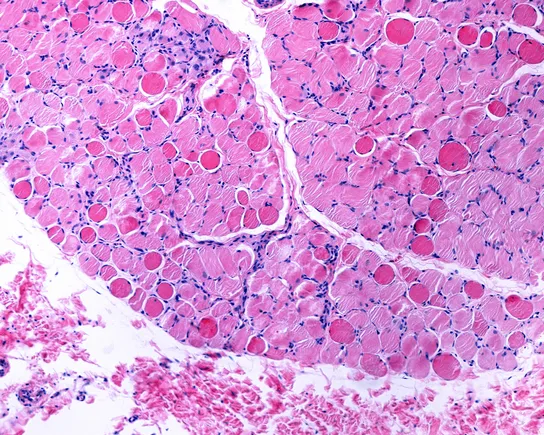
Today, a brief rundown of news involving Astellas Pharma and Keros Therapeutics, as well as updates from Stealth Biotherapeutics, PepGen and Taysha Gene Therapies that you may have missed.
Keros Therapeutics will stop developing its top drug in pulmonary arterial hypertension and lay off 45% of its staff while evaluating its next strategic steps, the company said Thursday. Keros halted all dosing in a Phase 2 study of the therapy in January after observing instances of a type of dangerous fluid buildup in participants who’d received the drug, called cibotercept. It’ll now assess the “appropriate development strategy” for cibotercept as well as its other programs. The restructuring will leave the company with 85 full-time employees and save Keros about $17 million annually. — Ben Fidler
The Food and Drug Administration has rejected a drug Stealth Biotherapeutics developed for the rare disease Barth syndrome, but gave the company a path to secure an accelerated approval. The FDA had delayed a verdict on the drug, elamipretide, missed an approval deadline in April and formally turned it back this month. Stealth said Thursday, though, that the agency has agreed to consider the drug’s effects on muscle strength as an “intermediate clinical endpoint” that could support a speedy approval. Stealth accrued that data already and intends to submit it as part of a new application. It will cut its workforce by 30%, however, to conserve cash ahead of the review. — Ben Fidler
PepGen will end all ongoing research into Duchenne muscular dystrophy after an experimental oligonucleotide drug it developed wasn’t as potent in early-stage testing as the company had anticipated. Instead, PepGen will focus resources on an experimental treatment for myotonic dystrophy type 1 that should produce Phase 2 study results early next year. In a research note, Stifel analyst Paul Matteis wrote that while the move is “disappointing,” investors had largely written off the Duchenne drug because of lackluster earlier results and safety issues that slowed testing. In myotonic dystrophy, “there are reasons to remain at least somewhat optimistic,” as initial study data were “promising.” PepGen has lost most of its market value since going public in 2022. — Ben Fidler
Taysha Gene Therapies has aligned with the FDA on the design of a study that could support approval of a gene therapy it’s testing against the rare disease Rett Syndrome. That study is a single-arm, open-label trial that will include about 15 people and will assess the therapy’s ability to help participants meet certain developmental milestones over the course of a year, with a potential interim analysis occurring after six months. The company also priced a stock offering expected to raise about $200 million in gross proceeds. Taysha will start the study in the third quarter. — Ben Fidler
Astellas Pharma said it is paying China-based Evopoint Biosciences$130 million up front for most development and commercial rights outside of China to an antibody-drug conjugate targeting a protein called Claudin 18.2 to treat cancer. The deal promises additional payments of more than $1 billion if the drug, called XNW27011, hits certain milestones, as well as potential commercial royalties. Astellas has already gained FDA approval for a Claudin 18.2-targeting drug called Vyloy, the first drug in its class, and has another in development. Claudin 18.2 has gained interest from other big drugmakers, although medicines in development have experienced recent setbacks.— Jonathan Gardner
A dual-acting drug developed by Summit Therapeutics and Akeso delayed tumor progression in a Phase 3 lung cancer trial but didn’t extend survival, complicating its potential path to approval in the U.S.
When administered alongside chemotherapy, the drug, known as ivonescimab, reduced the risk of death or disease progression by 48% compared to chemotherapy alone in patients whose non-small cell lung cancer has a mutation in a gene called EGFR. However, a 21% reduction in death risk, specifically, didn’t meet the threshold for statistical significance, Summit said in a statement Friday.
Summit intends to seek Food and Drug Administration approval based on the study results. Yet in its statement, the company indicated the timing of a filing is uncertain given the agency has made clear that a survival benefit is “necessary” to support a submission. Summit shares fell by nearly 20% early Friday.
Dive Insight:
Ivonescimab is the frontrunner among more than a dozen medicines that simultaneously block the proteins PD-1 and VEGF and are seen as a way to build upon widely used cancer immunotherapies like Keytruda. Its success or failure has broad implications for cancer research, making each study readout a closely scrutinized event among scientists and investors.
So far, the results Summit and its China-based partner Akeso have accrued are painting a mixed and incomplete picture. A Phase 3 trial in China in non-small cell lung cancer found the drug cut the risk of disease progression or death in half compared to Keytruda, a striking, first-of-its-kind result that sparked interest and investment in PD-1/VEGF drugs. But ivonescimab hasn’t yet clearly extended survival in that same study.
Summit’s drug also hasn’t yet proven superior to the Keytruda-chemotherapy regimen that’s standard therapy in many lung cancers. The results accrued so far were from trials in China, too, not the kind of multi-country test the FDA prefers.
The data revealed Friday were meant to address one of those issues, proving that the benefits Summit and Akeso have observed in China would be replicated in a broader study population. Summit, for its part, said invonescimab’s effects on tumor progression were “clinically meaningful” in “both Asia and ex-Asia sub-populations,” and demonstrated the “consistency” of the drug’s benefit in each group. The outcome also closely resembled what Akeso reported in a similar study of EGFR-mutated lung cancer in China. No new safety issues were observed either.
The data “demonstrates the potential benefit ivonescimab has to bring to patients around the world, including the United States,” said Summit chairman and co-CEO Robert Duggan, in a statement.
Still, the lack of a clear impact on survival in the trial, at least so far, could slow ivonescimab’s path to approval in the U.S. Summit implied its results could improve, as the follow-up time for “western” patients in its trial was less than the median overall survival figure when data were analyzed. It also noted how no FDA-approved regimens in the setting in which ivonescimab was tested have demonstrated a statistically significant effect on survival.
The FDA’s insistence on such data, though, “will weigh into Summit’s considerations” as to when it might make a submission, the company said.
The agency’s “high bar for demonstrated overall survival benefit make approval less likely,” wrote Leerink Partners analyst Daina Graybosch, in a Friday note to investors. Just this week, Merck and Daiichi Sankyo withdrew an approval application in EGFR lung cancer after a drug they’ve been developing failed to improve survival in a clinical trial.
Summit will disclose specific findings at a future medical meeting.
A study evaluating ivonescimab and chemotherapy against Keytruda and chemotherapy in non-small cell lung cancer is ongoing. A readout is expected in 2027, according to a federal database.
The U.S. The Department of Health and Human Services has canceled a contract with Moderna to develop messenger RNA vaccines against influenza strains seen as potential pandemic risks, leaving the future of the underlying research uncertain.
Moderna revealed in a statement Wednesday that the HHS had terminated the contract, which could have handed the company more than $700 million in total funding. Moderna also reported that an experimental H5 avian influenza vaccine it’s developed showed promising results in an early-stage clinical trial. But without the government’s help, it will now be forced to “explore alternatives for late-stage development and manufacturing.”
“While the termination of funding from HHS adds uncertainty, we are pleased by the robust immune response and safety profile observed in this interim analysis,” said CEO Stéphane Bancel, in a statement. “These clinical data in pandemic influenza underscore the critical role mRNA technology has played as a countermeasure to emerging health threats.”
In January, the Biden administration awarded Moderna $590 million via the Biomedical Advanced Research and Development Authority, or BARDA, as one of its final acts. The grant expanded on a $176 million award from last year to develop, manufacture and license mRNA vaccines against flu subtypes that could trigger pandemics.
The initiative came amidst an outbreak of avian influenza in animals, and was the latest attempt to deploy mRNA technology — which created, in record time, safe and effective shots to battle the COVID-19 pandemic — to prepare for a potential spillover in humans.
Since then, however, Robert F. Kennedy Jr., a prominent skeptic of mRNA vaccines, has been put in charge of the HHS. The agency has also directed $500 million in federal funding toward another vaccine initiative called Generation Gold Standard, whose goal is to use a different technology to develop universal shots against “pandemic-prone” viruses.
In an emailed statement, Andrew Nixon, the HHS’ director of communications, said that after a “rigorous review,” the agency has “concluded that continued investment in Moderna’s H5N1 mRNA vaccine was not scientifically or ethically justifiable.”
“The reality is that mRNA technology remains under-tested, and we are not going to spend taxpayer dollars repeating the mistakes of the last administration, which concealed legitimate safety concerns from the public,” Nixon wrote.
Moderna and Pfizer’s mRNA vaccines for COVID-19 were evaluated in tens of thousands of clinical trial participants in randomized, placebo-controlled studies before their initial authorizations were granted by the Food and Drug Administration. They’ve since been administered to millions of people across the globe and closely monitored via surveillance systems, with few side effects — most notably the risk in young males of a type of heart inflammation called myocarditis — linked to vaccination. Myocarditis is also associated with COVID-19.
The FDA has recently asked Moderna and Pfizer to expand the safety warnings for myocarditis on their shots’ prescribing information.
The cancellation of Moderna’s contract comes days after FDA officials outlined stricter approval standards for new COVID vaccines and the HHS narrowed guidance for who should receive them.
Intellia Therapeutics shares dropped 25% early Thursday after the gene-editing company disclosed that one patient in an ongoing Phase 3 trial had signs of liver stress.
Lab tests showed the patient had grade 4 liver transaminase elevations that “appear to be resolving” without hospitalization or medical treatment and have since fallen to less dangerous levels, Intellia said in a filing with the Securities and Exchange Commission late Wednesday. “We continue to monitor these events as the Magnitude study progresses,” the company said.
The Magnitude trial is testing Intellia’s experimental therapy in a type of deadly heart condition known as transthyretin amyloidosis with cardiomyopathy, or ATTR-CM. Intellia has already recruited 365 patients and plans to enroll a total of 765 by early 2027. Though the study is blinded, it’s likely that the patient with the potentially serious liver signals received treatment with Intellia’s therapy, analysts said.
Dive Insight:
The dramatic stock reaction illustrates the jitters among investors over genetic medicines that hold tremendous promise but also come with a raft of uncertainties.
Intellia’s somewhat messy disclosure process on Wednesday didn’t help. The company filed an 8-K after initially sharing the information during investor meetings. As after-market trading punished the stock, executives then held a conference call with analysts, many of whom said they were reassured that the patient was asymptomatic and timelines for the trial remained intact.
But investors appear less forgiving. A tough funding climate has already hampered Intellia and other companies focused on the potentially revolutionary gene editing technology known as CRISPR. In both January 2024 and January 2025, Intellia laid off staff and restructured research.
Safety concerns are also high on the minds of investors after Rocket Pharmaceuticals said this week that a patient who received its experimental gene therapy died following treatment. And the very idea of a one-time, permanent gene-altering therapy could be off-putting to patients who have other options to treat specific diseases.
In the case of Intellia, several other treatments are available to treat ATTR-CM. Two new options, from Alnylam Pharmaceuticals and BridgeBio Pharma, have received Food and Drug Administration approval since November. To win over doctors and patients, Intellia will need to have persuasive data from its research on nexiguran ziclumeran, also known as “nex-z.”
“Safety will be a consideration moving forward,” William Blair analyst Myles Minter said in a note to clients after the call with management. Still, “we continue to see nex-z’s TTR knockdown profile as impressive,” he said, referring to the treatment’s ability to halt production of the protein implicated in the disease.
William Blair has an “outperform” rating on the stock.
Cancer drugmaker iTeos Therapeutics said Wednesday it plans to wind down operations and seek to sell the company’s assets and intellectual property rights.
ITeos has for years struggled to develop a cancer treatment that sufficiently impressed investors and its pharmaceutical partners. Two weeks ago, it said it was shelving its most advanced drug prospect, a TIGIT-targeting treatment developed with GSK.
The immuno-oncology developer is the latest biotechnology company considering merger prospects or liquidatation of its assets this year. Others such as Cargo Therapeutics and Third Harmonic Bio have made their own plans to dissolve.
Dive Insight:
Investors are increasingly scrutinizing “zombie” biotechs, pressuring their executive teams to shut down and return capital to shareholders after their primary development efforts fail.
Typically, struggling companies have turned to mergers or pivoted to new programs to justify holding onto their cash reserves. Activist investors and analysts have argued they should give that money back to their investors instead. A new investment fund launched in April with the intention of liquidating billions of dollars in cash “trapped” on the balance sheets of nearly 300 public biotechs whose share prices have fallen significantly.
“Cash that was raised through an efficient capital process to fund specific projects … is now being allocated by a few insiders and spent on programs that investors are not willing to support,” Cantor Fitzgerald analyst Eric Schmidt wrote in a February note explaining how the goals of executive teams and investors can diverge in the wake of clinical setbacks. He specifically highlighted biotechs Cargo, BioAge Labs and Keros Therapeutics.
ITeos fits a similar mold. It developed an immunotherapy with Pfizer in the mid-2010s, but the pharma giant handed back rights to development in 2018 after the drug’s promise faded. A few years later, iTeos brokered a deal with GSK to develop a so-called TIGIT drug for use in combination with cancer immunotherapies.
Testing of that candidate was stopped in mid-May after study results showed the drug regimen failed to significantly delay tumor progression in non-small cell lung cancer. Data showed a “trend below the meaningful threshold” for drug responses in study participants with other cancers, iTeos said.
At the time, iTeos CEO Michel Detheux said: “We believe the best path forward is to promptly evaluate a full range of strategic alternatives to unlock the value of our assets.”
According to a regulatory filing Wednesday, iTeos plans to spend as much as $24.7 million in severance and other layoff costs, as well as another $11.1 million to wind down clinical development activities and terminate leases and other contracts. It expects to complete that by the third quarter of 2025.
As of March 31, iTeos held $156.5 million in cash and cash equivalents.
GSK plans to seek approval of a new antibiotic for complicated urinary tract infections after the drug succeeded in a Phase 3 trial.
An independent monitoring board recommended ending the study early based on the efficacy of the medicine, known as tebipenem HBr, GSK said Wednesday. It’s part of a class of antibiotics known as carbapenems and could be the first oral drug in that group approved to treat complicated urinary tract infections, GSK said.
The study, dubbed Pivot-PO, compared tebipenem with a common intravenous antibiotic treatment in patients hospitalized with complicated urinary tract infections. Tebipenem met the goal of non-inferiority and showed no new safety concerns beyond what had been seen in previous research, GSK said. The most common side effects were diarrhea and headaches.
Dive Insight:
With the success of the study, GSK is now hoping to offer doctors yet another new weapon to fight the surge in antimicrobial resistance. In March, the British drugmaker won Food and Drug Administration approval for a new kind of oral antibiotic now sold as Blujepa for people with certain uncomplicated urinary tract infections.
GSK bought most of the rights to tebipenem in 2022 from Spero Therapeutics, as the Massachusetts biotech was reeling from an FDA rejection of the medicine. At the time, GSK made an investment in Spero and paid the company $66 million upfront. The agreement included the possibility of royalties for Spero plus as much as $525 million in payments for reaching certain regulatory and sales milestones.
Spero long thought it had a winning antibiotic on its hands to help treat drug-resistant bacterial infections. A Phase 3 trial in 2020 looked successful and the FDA accepted the company’s marketing application in January 2022. But then the FDA challenged the company’s study analysis and ended up rejecting the medicine in June 2022. Almost all of Spero’s market value was wiped out.
The latest news caused Spero’s stock price to more than triple, climbing to about $2.15 early Wednesday. The shares, which traded around $22 in December 2020, closed at 68 cents apiece on Tuesday.
GSK said it plans to submit its application to the FDA in the second half of this year. Researchers also intend to share full results from the Pivot-PO study at an upcoming medical meeting and in a peer-reviewed medical journal, GSK said.
The Food and Drug Administration on Thursday recommended COVID-19 vaccine manufacturers tailor their shots for the upcoming fall and winter season to target the “JN.1” strain, ideally a subvariant known as LP.8.1.
The decision followed a vote by FDA advisers endorsing the JN.1 lineage as the preferred target, similar to the year before. Drugmakers Moderna and Pfizer said they expect to be able to update their shots in time and, on Friday, Moderna submitted an application for an LP.8.1-targeting shot to the FDA.
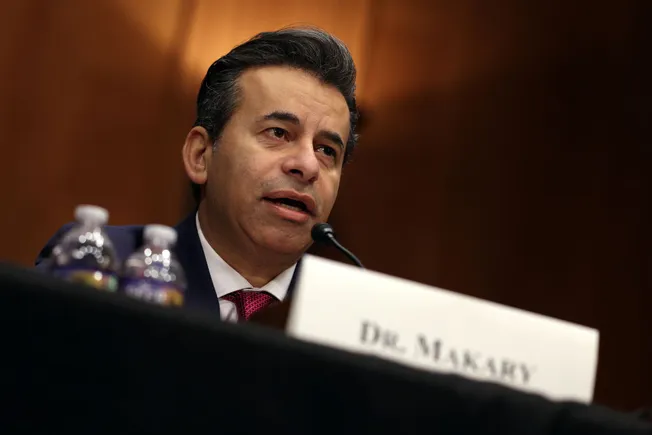
COVID vaccines will be handled differently under the new FDA leadership, however. Commissioner Martin Makary and top vaccine official Vinay Prasad recently set new approval standards, while on Tuesday Health Secretary Robert F. Kennedy Jr. said the Centers for Disease Control and Prevention had removed COVID shots from the recommended immunization schedule for healthy children and pregnant women.
Dive Insight:
Kennedy, Makary and Prasad are moving quickly to roll back COVID vaccine standards they have argued promoted overly broad use on too thin evidence.
“Last year, the Biden administration urged healthy children to get yet another COVID shot despite the lack of any clinical data to support the repeat booster standard in children,” Kennedy said on the social media platform X.
Removing COVID shots from the CDC immunization schedule could mean that some insurers no longer cover vaccination in healthy kids and pregnant women.
Kennedy’s announcement comes ahead of a scheduled meeting of CDC advisers next month, when the expert panel is expected to vote on who should receive COVID boosters.
The FDA will be reviewing new booster shot applications under the new standards laid out by Makary and Prasad, which allow immune data to support clearances in older adults or in those with health risks, but require placebo-controlled evidence for broader OKs in healthy adults and children.
At a recent meeting of an FDA advisory committee, panel members questioned whether strain updates would fall under the new framework, which would potentially lengthen the time until boosters were widely available.
Jerry Weir, director of the Division of Viral Products in the FDA’s Office of Vaccines Research and Review, said he wasn’t sure during the committee’s meeting Thursday.
While the panel unanimously voted in favor of updating shots to cover the JN.1 family, they debated whether to recommend a more specific tailoring to LP.8.1. The World Health Organization and the European Medicines Agency have both recently said monovalent shots targeting the JN.1 or KP.2 strains remain appropriate, but the EMA prefers vaccines target LP.8.1.
The FDA is taking a similar approach. “Based on the totality of the evidence, FDA has advised the manufacturers of the approved COVID-19 vaccines that to more closely match currently circulating SARS-CoV-2 viruses, the COVID-19 vaccines for use in the United States beginning in fall 2025 should be monovalent JN.1-lineage-based COVID-19 vaccines … preferentially using the LP.8.1 strain,” the agency said.
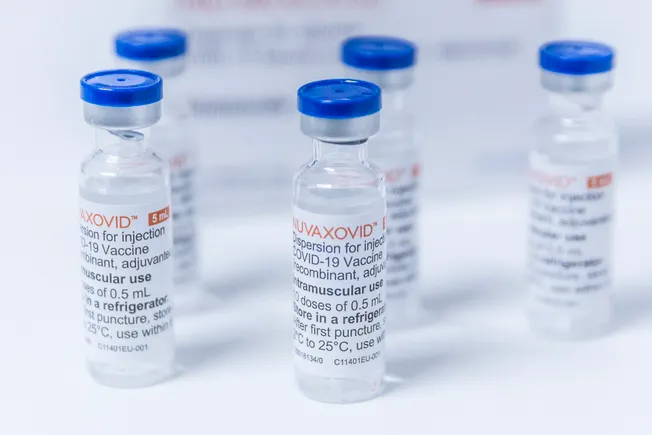
Regulators recently granted a full approval to Novavax’s COVID shot, but only in adults 65 years or over, and in individuals between 12 and 64 years who are high risk of severe disease. At the meeting Thursday, Novavax said updating its shot to match LP.8.1 might be more difficult, by the FDA’s guidance could give it some leeway.
In an email to BioPharma Dive Tuesday, Novavax said the company and its partner Sanofi intend to provide their COVID shot for the upcoming season and are “assessing input from the regulatory agencies,” and will provide an update on the selected strain as soon as possible.
The FDA did not give any information on clinical trial requirements or post-licensure studies in its statement on strain selection.
Editor’s note: This story has been updated with comment from Novavax.
A biotechnology startup developing drugs designed to eliminate troublesome proteins found outside of cells has raised $130 million to start its first clinical trial.
The startup, GlycoEra, will use the Series B funds to generate initial clinical data for its lead program, an immune disease treatment dubbed GE8820. It intends to bring a second immune drug into human testing as well.
GlycoEra views GE8820 as having the type of broad potential that could make it a “pipeline in a product,” said company president and CEO Ganesh Kaundinya. The drug targets IgG4, a circulating antibody that can be protective against allergies, but malfunctions and attacks the body’s own tissues in many autoimmune conditions, among them the skin disorder pemphigus and the kidney condition primary membranous nephropathy.
GE8820 is a dual-acting drug that coaxes the body into destroying this defective IgG4. One part of the molecule binds to the antibody and drags it to the liver. The other part then latches onto a receptor that absorbs IgG4 into cells, where it’s trashed by an internal protein-disposal system.
According to GlycoEra, preclinical testing has shown the approach can remove malfunctioning IgG4 antibodies with the type of precision not seen with other approaches. By doing so, GE8820 may avoid the broadly immunosuppressive effects of other autoimmune medicines. It may also ease the “burden on the healthcare system,” Kaundinya said.
Patients typically “get treated, they get better, they are fine, and then they come back to that relapse,” Kaundinya said. “Our approach not only enables the patients to live better lives, it also overall contributes to better healthcare economics across the board.”
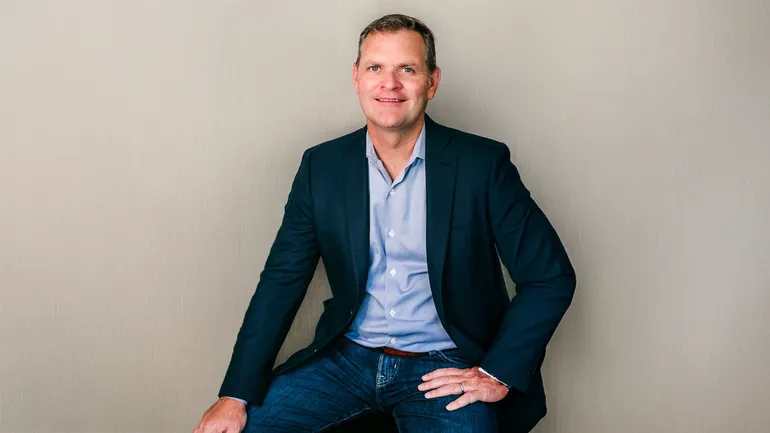
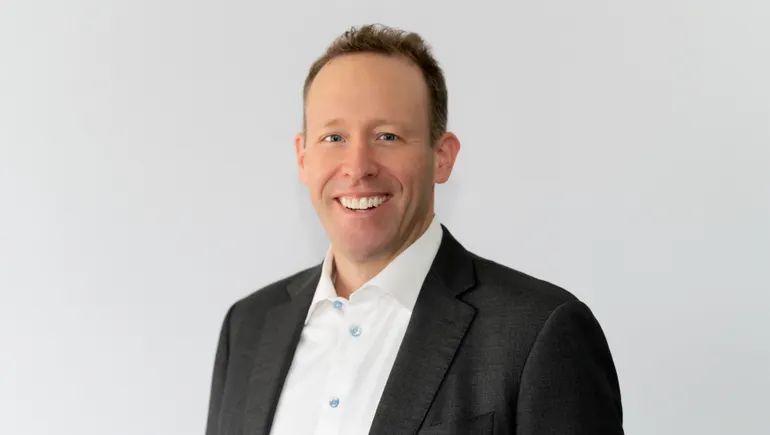
Ganesh Kaundinya is the president and CEO of GlycoEra.
Permission granted by GlycoEra
GlycoEra has publicly disclosed three other programs behind GE8820, but hasn’t specified which diseases they’re targeting. The company could submit a request to begin trials for its second drug in 2026, according to its website.
Novo Holdings led GlycoEra’s Series B round, which involved the venture arms of Roche and Bristol Myers Squibb, Sofinnova Partners and several other firms.
“What really stood out with GlycoEra is that you had a use case here where, in autoimmune disease, there’s limited competition, a high amount of medical need and the biological rationale is really strong,” said Novo Holdings partner Max Klement. “As we see the autoimmune disease space evolve, precision medicine makers such as GlycoEra are going to come to the forefront.”
GlycoEra is named after glycosylation, the process by which sugar chains are attached to proteins. The company is headquartered in Wädenswil, Switzerland and has a U.S. footprint in Newton, Massachusetts. It was spun out of Swiss biotech LimmaTechBiologics in January 2021, and raised approximately $49 million in Series A funding that November.
The company’s latest round is further evidence of continued interest in so-called protein degraders, which offer a way of getting to proteins traditional drugmaking methods can’t reach. Research into protein degradation has taken off since the turn of the century, yielding an array of companies using different methods to destroy harmful proteins.
Many of these companies are focused on protein targets inside of cells. GlycoEra is among those zeroing in on so-called extracellular proteins outside of cells or on their membranes. Fellow startups EpiBiologics and Lycia Therapeutics are as well.
After discussions with the Food and Drug Administration, Moderna on Wednesday said it has voluntarily withdrawn its application for a combination COVID-19 and influenza shot in adults aged 50 years and older.
The biotechnology company said it plans to resubmit its candidate later this year after it gathers data from an ongoing Phase 3 trial of a standalone seasonal influenza vaccine it’s developing. Earlier this month, Moderna had told investors the FDA would require efficacy data from this trial before considering approval of the combo vaccine.
Moderna’s confirmation comes one day after the FDA announced new rules for COVID vaccine approvals, for which it will now require placebo-controlled studies for any clearance in healthy adults under 65 years old.
Dive Insight:
COVID vaccines have been scrutinized by new leadership at the Department of Health and Human Services and at the FDA, where Commissioner Martin Makary and newly installed top vaccine official Vinay Prasad have set stricter standards.
The two co-authored an article published in The New England Journal of Medicine Tuesday, shifting the FDA’s past approach of approving updated COVID vaccines on “immunogenicity” data alone to a new age- and risk-based framework.
While the changes will raise requirements for broad OKs in healthy adults and children, analysts described them as manageable for larger companies like Pfizer and even Moderna. Shares in Moderna, which have fallen steadily since the heights of the pandemic, rose by more than 6% Tuesday.
But the stock gave back all of those gains Wednesday morning on news of Moderna’s decision to withdraw its application. During a May earnings call, Moderna executives had said they weren’t sure whether they would need to pull the filing, or whether they could instead add it as a “major amendment” to the submission.
While another setback, the announcement is “unsurprising in light of previous commentary on longer review timelines,” Leerink analyst Mani Foroohar wrote in a Wednesday note to clients.
The FDA is set to make an approval decision on Moderna’s next-generation COVID vaccine at the end of this month, and on an expanded clearance for its respiratory syncytial virus vaccine next month.
Moderna has been grappling with declining revenue for both its existing COVID vaccine and its RSV shot.
Expert advisers to the Food and Drug Administration on Tuesday backed Johnson & Johnson’s Darzalex for people with an asymptomatic form of multiple myeloma that often progresses into more severe blood cancer.
Members of the Oncologic Drugs Advisory Committee voted 6-2 that the benefits of Darzalex’s use in high-risk smoldering multiple myeloma outweighed its risks. However, panelists wrestled with some controversial aspects of the Phase 3 trial J&J is using to ask for an expanded approval. Namely, FDA staff had flagged the trial’s inclusion of patients that could be classified as having a lower risk of progression, as well as an unclear survival benefit following disease progression.
The FDA isn’t required to follow the advice of its outside expert panels, but usually does.
Darzalex, cell therapies and a type of drug called bispecific antibodies have transformed treatment for people with symptomatic multiple myeloma over the last decade, adding years to average survival. But no treatment exists for those diagnosed with the early, smoldering form of the disease, which is marked by a high level of abnormal plasma cells or antibodies, but no symptoms like anemia or bone lesions.
Those with the highest levels of those biological markers are at greatest risk of progression, with as many as 85% becoming symptomatic within five years under some models that predict prognosis.
In testing Darzalex in smoldering multiple myeloma, J&J sought to prove treatment could delay progression into symptomatic disease, with secondary goals of showing it could help patients stabilize on follow-up treatments as well as live longer. In the AQUILA study, Darazalex hit that main goal, reducing the risk of progression by 51% in people who received a shot once every 28 days for up to three years compared with those who were actively monitored.
But Darazalex has not yet shown a benefit on the trial’s secondary goals. No statistically significant difference could be seen in progression-free survival on a first-line treatment after a diagnosis of active multiple myeloma, nor on overall survival. However, there was a numerical difference on both endpoints that favored those who received Darzalex during the smoldering phase of the disease.
J&J continues to conduct follow-up on survival among participants in the study, Mark Wildgust, J&J’s head of global oncology medical affairs, said in an interview ahead of the vote.
FDA reviewers questioned the validity of some of the findings, pointing out that J&J had used some outdated definitions of high-risk disease in its enrollment criteria. This meant 60% some trial volunteers could be classified as intermediate or low risk under different guidelines. The criteria could have artificially inflated its benefit and unnecessarily exposed study participants to Darzalex side effects like infections or nerve pain.
Wildgust noted that, regardless of the criteria used to stratify risk, the chances of disease progression by two years remains roughly a coin flip. “The question is, is the criteria that you’re using able to identify a group of patients who have a high likelihood of going to full-blown symptomatic myeloma?” he said.
In casting their votes, the advisory committee acknowledged they were struggling with the mixed data and the downsides of Darzalex’s use in people at lower risk.
“There’s a group of patients that we’re overtreating, and a group of patients that we’re undertreating,” said committee member Neil Vasan, a New York University oncologist, who voted no. “We don’t really have great data right now to understand who those people are.”
Mark Conaway, a public health professor at the University of Virginia, voted yes despite acknowledging the uncertainty. “I don’t think there’s any doubt that there is a high-risk population for whom the benefits outweigh the risks, even if we don’t know exactly what that population is,” he said. “At the moment, I’m confident that there will be some resolution of that.”
J&J asked for FDA approval in smoldering multiple myeloma in November 2024. Standard review of a drug application takes up to 10 months from the date the FDA accepts it.
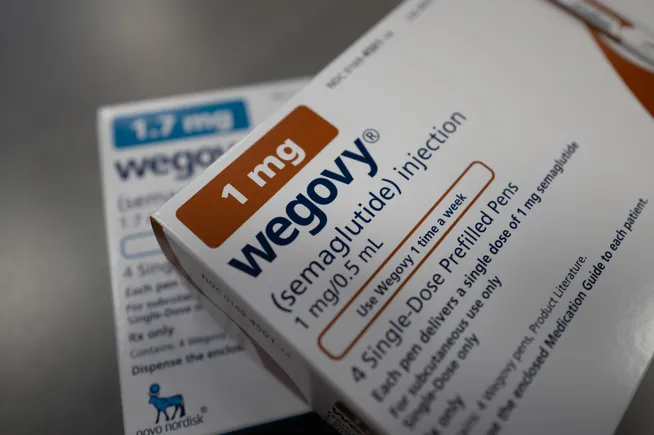
Novo Nordisk is ramping up its war on compounders making versions of its top-selling semaglutide medicine as the regulatory grace period for their products officially ends.
The Danish drugmaker on Thursday said it’s launching a “Choose the Real Thing” campaign designed to alert consumers of the potential dangers of knockoff products. It’s also offering self-paying customers a $300 discount for their first prescription of name-brand Wegovy and intensifying legal actions that have already spawned almost 120 lawsuits.
“Mass compounding of `semaglutide’ is illegal, dangerous and must stop now,” Dave Moore, Novo’s executive vice president of U.S. operations, said in the company’s statement.
Novo’s profits soared over the last few years as consumers raced to take drugs made with semaglutide – including Ozempic for diabetes and Wegovy for obesity – along with similar medicines made by Eli Lilly. Both Novo and Lilly struggled to keep up with demand, and compounders and telehealth companies like Hims & Hers stepped in, offering cheaper compounded versions of the GLP-1 medications.
The Food and Drug Administration allowed the compounded products while shortages persisted. But now that Novo and Lilly have caught up with demand, the FDA said that large-scale compounding must stop. The agency allowed compounding pharmacies to phase out their work, and the last grace period ended Thursday.
But Novo clearly sees a continued risk of compounding, which has hurt earnings growth and added to woes including supply chain issues, clinical trial setbacks and increased competition from Lilly. Novo this month announced its longtime CEO, Lars Fruergaard Jørgensen, would step down.
An attempt by compounders to reverse the FDA decision in court failed last month, but companies are still seeking ways around the ruling. At least one, Noom, plans to keep offering versions of semaglutide, saying its tailored method of titrating dosages complies with the law allowing compounding to fit personalized patient needs, Axios reported.
Novo contends that almost all of the compounded semaglutide is manufactured in China and by other foreign suppliers and may be dangerous for patients. The company notes that the FDA hasn’t subjected compounders to the same rigorous production standards that Novo and Lilly must meet.
The one-time Wegovy discount offer is good through June 30. It allows patients with a prescription for semaglutide who are new to brand-name Wegovy to pay $199 for their first month of medicine. After that, the cost will climb to $499 a month.
The House passed Republicans’ “big, beautiful bill” on Thursday in a razor-thin 215-214 vote, sending the legislation — which includes the most drastic overhaul to Medicaid since the program was founded — to the Senate for review.
It’s a major victory for Republicans. The multi-trillion dollar package was at risk of collapse heading into the vote, given tension in the party between hardliners calling for steeper cuts and moderates concerned about shrinking healthcare and social welfare programs.
However, House Speaker Mike Johnson, R-La. managed to corral a majority of his members into passage after negotiating a number of last-minute tweaks to the megabill, which enacts a number of President Donald Trump’s tax and policy priorities.
The absence of Democrat support for the legislation was unsurprising, given the party has criticized the package as a handout to the wealthiest Americans at the expense of the nation’s poor. Benefits from the legislation would flow to the top 10th of American households, while cutting resources for the lowest-earning citizens, according to the Congressional Budget Office.
Republican Reps. Thomas Massie of Kentucky and Warren Davidson of Ohio also voted no, while Andy Harris of Maryland voted present. Two other Republicans, Reps. Andrew Garbarino of New York and David Schweikert of Arizona, missed the vote.
The legislation extends tax cuts from Trump’s first term, cuts food stamps and education programs, eliminates clean energy initiatives from the Biden administration and provides more funding for immigration enforcement.
The work requirements would begin at the end of 2026. Originally, Republicans wanted the requirements to kick in in at the start of 2029, but agreed to move the start date sooner to appease conservatives who wanted more immediate cuts.
Along with other provisions affecting enrollment and eligibility, the bill would lead to roughly 7.6 million people losing Medicaid, according to estimates from the nonpartisan Congressional Budget Office.
Currently, Medicaid covers almost 80 million Americans along with its sister program for children.
The CBO reviewed the first iteration of the bill, prior to the GOP’s new amendments. Coverage losses would likely be higher under the newer version, given the earlier adoption of work requirements.
Another 4 million people would lose Affordable Care Act coverage from provisions restricting enrollment in the marketplace plans set up by the Obama-era law, according to the CBO’s report.
Overall, health insurance losses from the bill would reverse about half of the U.S.’ coverage gains since the passage of the ACA in 2010, Brookings Institution fellows wrote in an op-ed in the Washington Post this week.
Some moderate Republicans were worried about the heavy Medicaid cuts in the bill before its passage, concerned about the impact on voters in their districts — especially as a number of patient advocacy groups and community organizations took to the Hill this week to protest the bill.
On the other side, GOP hardliners were calling for steeper and earlier cuts to offset the bill’s costs. As it currently stands, the legislation is projected to add roughly $4 trillion to the U.S. debt.
That created a tightrope for Johnson, who spent the days before the House vote negotiating compromises to prevent holdouts on the bill from voting no. Trump also took to Congress this week to stump for the bill, attending a House GOP meeting on Tuesday and urging lawmakers to support it.
Trump also told Republicans “don’t f— around with Medicaid,” according to reports — a warning to preserve the safety-net program that’s directly opposed to the policies in the bill itself.
Republicans say the cuts are necessary to combat fraud, waste and abuse in federal programs, including Medicaid, and that the bill preserves benefits for the neediest Americans.
“Today, the House has passed generational, nation-shaping legislation that reduces spending, permanently lowers taxes for families and job creators, secures the border, unleashes American energy dominance, restores peace through strength, and makes government work more efficiently and effectively for all Americans,” Johnson said in a statement Thursday.
But restricting Medicaid will have a direct impact on Americans, especially some of the nation’s neediest people, according to Democrats, patient advocates and Medicaid experts.
Health insurance like Medicaid is directly linked to health outcomes. For example, people with Medicaid coverage are less likely to die, including from diseases like diabetes and cancer, than uninsured individuals, according to research.
That could force clinics and hospitals, especially those in rural or low-income areas that serve a greater portion of Medicaid patients, to scale back services or potentially close altogether, according to provider groups.
That’s especially as states don’t have room in their budgets to make up for the lack of federal funds.
“We have less workers and it’ll be quadrupling their workload, with no additional financial assistance. It is setting us up for an actual train wreck,” said Erin Gabriel, the government affairs representative of the advocacy group Pennsylvania Health Access Network, during a call with reporters on Tuesday.
Hospital groups decried the bill’s passage and urged lawmakers to reverse course on shrinking Medicaid.
The bill “will hand tie states’ abilities to fund their Medicaid programs, cause millions of Americans to lose coverage, and be a death knell to critical hospital services and entire communities’ access to care,” said Chip Kahn, the president and CEO of the Federation of American Hospitals, in a statement. “There is still time to take heed and turn this ship.”
“The sheer magnitude of the level of reductions to the Medicaid program alone will impact all patients, not just Medicaid beneficiaries, in every community across the nation,” said Rick Pollack, the president and CEO of the American Hospital Association.
Democrats also decried the breakneck speed at which Republicans advanced the more than 1,000-page bill. Republicans are moving the bill through a process called reconciliation, which allows one party to push partisan legislation through both chambers of Congress while avoiding a filibuster in the Senate.
“House Republicans promised to lower costs. Instead, Donald Trump’s One Big Ugly Bill will mean millions of families will pay higher premiums, copays and deductibles. Hospitals will close, nursing homes will shut down and communities will suffer,” Minority Leader Hakeem Jeffries said in a statement following the bill’s passage. “The GOP Tax Scam is deeply unpopular, which is why Republicans made every effort to advance it during the dead of night.”
The legislation now heads to the Senate, where Republican senators are expected to try to edit some of its proposals. GOP leadership is hoping to get the bill to Trump’s desk by July 4.
However, the legislation faces similar challenges in the Senate as it did in the House, given some GOP senators want deeper spending cuts while others are concerned about slashing Medicaid, including through eliminating financing mechanisms that allow states to draw down higher levels of federal Medicaid funds.
Sanofi has agreed to spend $470 million to take control of a young biotechnology company and its experimental drug for Alzheimer’s disease.
The newly announced acquisition has Sanofi paying $8 for each share of Vigil Neuroscience it doesn’t already own, reflecting a premium of nearly 250% to the price Vigil shares traded at Wednesday afternoon. The French pharmaceutical giant invested $40 million into Vigil last June, and in exchange got an exclusive right to be first in line for deal talks if Vigil chose to license out its platform of small molecule drugs that amplify a protein called TREM2.
The most advanced of those drugs, code-named VG-3927, several months ago completed an early-stage study that enrolled both healthy volunteers and patients with Alzheimer’s disease. Vigil’s president and CEO, Ivana Magovčević-Liebisch, said in a statement that the acquisition should help “fully unlock and accelerate the development of VG-3927.”
A second molecule from the platform, VGL101, is not being acquired by Sanofi. Instead, rights to that molecule will be returned to the original licensor, Amgen.
Neuroscience is one of Sanofi’s core “strategic” research focuses, alongside cancer, rare diseases and the immune system. Yet, in terms of product sales, it pales in comparison to those other three areas. Sanofi’s portfolio lists just one neurology drug, the multiple sclerosis therapy Aubagio, which last year accounted for less than 1% of the 41 billion euros in net sales recorded by the company’s biopharma unit.
Sanofi is trying to grow this pool with a few experimental medicines that have progressed to the later stages of development. One, frexalimab, is what Sanofi touts as a “pipeline-in-a-product” asset, since the company believes it has the potential to treat a range of illnesses, from MS to lupus to diabetes. Another, riliprubart, is being evaluated against “CIPD,” a rare disorder that harms the peripheral nerves, leading to arm and leg weakness.
A third, tolebrutinib, has been tested across different types of MS and is currently being considered for approval by Food and Drug Administration, with a decision deadline set for late September. Sanofi got ahold of tolebrutinib through its $3.7 billion purchase of Principia Biopharma in 2020.
Notably, all of these medicines work by regulating the immune system, which is characteristic of Sanofi’s approach to neurology.
The Vigil deal follows this approach, too, as TREM2 alerts the brain’s resident immune cells to threats like the toxic “abeta” plaques that are a hallmark of Alzheimer’s. When this protein is impaired or loses its function, it can increase the risk of nerve cell injury, inflammation and death.
“TREM2 represents a compelling target at the intersection of immune dysregulation and neurodegeneration,” said Houman Ashrafian, Sanofi’s head of R&D, in that Wednesday statement.
The acquisition also supports Sanofi’s strategy of “leveraging our expertise in immunology” to solve health problems with “critical unmet need,” Ashrafian added.
The companies expect their deal to close sometime between July and the end of September, provided investors holding a majority of the outstanding shares of Vigil common stock approve it. Sanofi said Magovčević-Liebisch — as well as Vigil backers Atlas Venture and Bruce Booth, a partner at the firm — have signed voting and support agreements in favor of the deal.
Together, they represent roughly 16.2% of Vigil’s total common shares outstanding.
In addition to the upfront payment, Vigil’s shareholders will receive a so-called contingent value right that would entitle them to receive a deferred cash payment of $2 for each share they own once VG-3927 has its first commercial sale.
“We believe this is a good outcome for shareholders in the current funding environment,” wrote Myles Minter, an analyst at William Blair who covers Vigil, in a note to clients.
Vigil debuted at $14 per share when it went public in January 2022, but has lost most of its market value since.
In his own note, Stifel analyst Paul Matteis argued the timing of the deal is “interesting,” given a TREM2-targeting drug from Alector and AbbVie recently failed in a mid-stage study. That setback “significantly diminished enthusiasm for the target,” according to Matteis, so while there were reasons to think Vigil’s drug could fare better, “it was going to be hard to have conviction in this until we saw [Phase 2] data.”
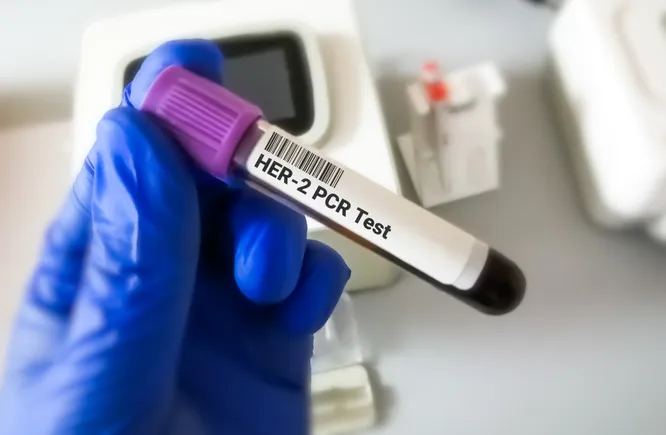
For decades now, doctors tasked with diagnosing breast cancer have peered into microscopes and pored over slides, hunting for signs the tumor cells they’re studying harbor a protein known as HER2.
A positive result meant they could deploy powerful drugs like Herceptin or Perjeta to knock the tumor into remission, vastly improving their patients’ prognosis. No HER2 expression, on the other hand, would guide them to choose other treatment. Until recently, that diagnostic work was relatively straightforward. Doctors bucketed cancers as either “HER2 positive” or “HER2 negative,” and went from there.
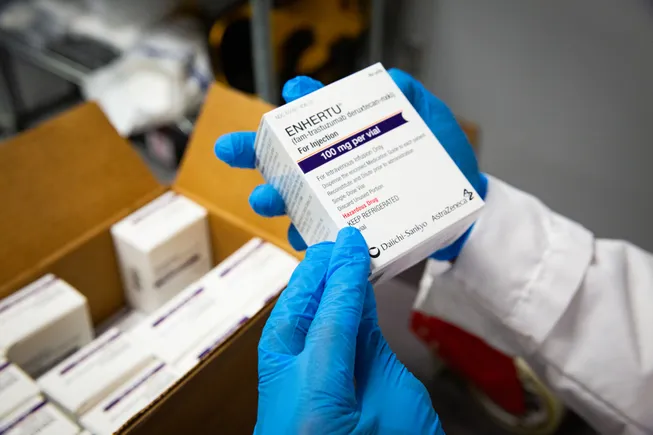
Pathologists’ jobs have become more complicated since the arrival of an antibody-drug conjugate called Enhertu, which delivers a tumor-killing toxin directly to cancerous cells positive for HER2. Testing by Enhertu’s makers, AstraZeneca and Daiichi Sankyo, proved it’s beneficial in as many as two-thirds of tumors that normally would have been classified as HER2 negative.
As a result, doctors must now determine whether tumors might be “HER2-low” or “HER2-ultralow,” and their patients eligible to receive Enhertu. Identifying these tumors is a challenge, though, as it’s easy to miss a scattering of HER2-positive cells among the panoply of others contained within a tissue sample.
“Many HER2-low or HER2-ultralow tumors are misinterpreted as HER2-null cancers, so these patients potentially miss access to effective therapy,” said Marina De Brot, a professor and associate breast pathologist at the A.C. Camargo Cancer Center in São Paolo, Brazil.
Artificial intelligence could help. Research by De Brot and others, unveiled Thursday and set to be presented at the American Society of Clinical Oncology’s upcoming annual meeting, show that an AI support tool can improve physicians’ identification of HER2-low and HER2-ultralow samples.
De Brot shared the researchers’ findings with reporters on a call held by ASCO ahead of the data’s release publicly.
“Our study provides the first multinational evidence that artificial intelligence can help close a critical diagnostic gap and open the door to new therapies like antibody-drug conjugates for a majority of patients who, until recently, had not been offered these options,” De Brot said in a statement provided by ASCO.
In the study, De Brot and her colleagues organized a series of sessions with 105 pathologists from 10 different countries. During the sessions, the pathologists were asked to evaluate 20 breast cancer cases across three different exams. In the third exam, they were given use of AI software developed by AstraZeneca and a diagnostic company called Mindpeak. Their diagnoses were compared to consensus HER2 scoring done by a panel of expert pathologists.
Researchers found that, with AI assistance, the pathologists’ scoring more often agreed with the central reference scores, rising from 76% of the time on average to about 90%. Notably, AI support reduced by more than 25 percentage points the number of HER2-ultralow cases that were misidentified as HER2-negative.
“These findings shed light on the promising role for AI in oncology, not as a replacement for the physician, but as a powerful tool to help us work smarter and faster to deliver high-quality, more personalized care,” said Julian Hong, an associate professor and medical director of radiation oncology informatics at the University of California, San Francisco, in an ASCO statement.
The researchers plan to share the AI support tool with more pathologists from additional countries. They also aim to conduct an “implementation” study that places the tool alongside routine diagnostics, so they can measure whether it leads to changes in treatment or enables patients with HER2-low and HER2-ultralow breast tumors to receive targeted therapy more quickly.
More broadly, studies like these could help raise awareness of the new classifications and encourage greater familiarity with their nuance.
“We’ve had to adapt ourselves,” De Brot said on the call with reporters. “Everything is changing quickly because of this new approach of HER2 assessment in breast cancer.”
A combination of Roche’s cancer immunotherapy Tecentriq and a drug called Zepzelca helped extend survival in people with a hard-to-treat form of lung cancer, according to clinical trial data made public Thursday.
The Phase 3 trial enrolled 660 people with small cell lung cancer that has metastasized, and sought to show that using Tecentriq and Zepzelca in combination as maintenance therapy could delay progression and death better than Tecentriq alone. The trial’s results are set to be presented at the American Society of Clinical Oncology’s annual meeting on June 2.
The Food and Drug Administration has approved four cycles of Tecentriq plus chemo as a first-line therapy, after which Tecentriq is used alone as maintenance. In testing supporting that clearance, the Tecentriq-based regimen helped people live a median of 12.3 months, two months longer than chemo alone, and kept their disease from progressing for 5.2 months, less than a month longer than chemo.
Maintenance therapy is used to delay the return of cancer or to stabilize disease once an initial round of treatment has helped control a patient’s tumor.
In the Roche-sponsored trial with Zepzelca, 483 participants were eligible to move on to the maintenance stage following initial treatment with chemo and Tecentriq. Among those who did, progression-free survival reached a median of 5.4 months for people given Tecentriq and Zepzelca, compared to 2.1 months in the Tecentriq-only group. Median overall survival was 13.2 months and 10.6 months, respectively.
Side effects were higher in the combination arm, though, affecting 84% of patients compared to 40% receiving only Tecentriq. Severe side effects were also higher. Two patients receiving the combination died, from sepsis and febrile neutropenia, respectively, while one patient on Tecentriq alone died from sepsis.
The FDA gave conditional approval to Zepzelca in 2020 to treat people whose small cell lung cancer has progressed. The clearance was based on tumor response rates and treatment duration, so it still needs to be confirmed in a trial that compares Zepzelca to another treatment regimen.
“We would anticipate that it would be moved into the first-line maintenance setting,” said Julie Gralow, ASCO’s chief medical officer, on a Wednesday call with reporters. “Progression-free survival is still quite low in both arms, and we need to work on additional ways of advancing this even further.”
“So it is a small next step,” she added.
Zepzelca was developed by the Spanish biotech PharmaMar, which has made human medicines from chemicals identified in marine organisms. Zepzelca is a synthetic version of a compound found in a type of marine invertebrate called a colonial ascidian.
Jazz Pharmaceuticals licensed U.S. rights to Zepzelca in 2019, and later added marketing rights in Canada. Jazz reported Zepzelca sales of $320 million last year and paid PharmaMar royalties of 56 million euros, or about $60 million.
Jazz recently submitted an approval application to the FDA for Zepzelca’s use as maintenance therapy based on the data that will be presented at ASCO.
Advisers to the Food and Drug Administration have recommended COVID-19 vaccine makers continue to target their shots to the so-called JN.1 coronavirus strain for the upcoming fall and winter seasons, maintaining guidance they gave last year.
The advisory committee convened Thursday for the first time under the Trump administration, meeting two days after FDA leadership unveiled new guidelines for COVID vaccine approvals. All nine members of the panel voted in favor of targeting shots to the JN.1 family of variants.
The FDA doesn’t have to follow the panel’s advice, but usually does.
The meeting featured introductory remarks from Vinay Prasad, who was recently made head of the FDA office that reviews vaccines and, together with Commissioner Martin Makary, wrote the new COVID framework. In it, they said the agency would continue to accept immune data for vaccine approvals in older adults and people with underlying medical conditions. But the FDA will now require placebo-controlled data to support clearances in healthy, younger adults, raising the bar for companies seeking broad OKs for new boosters they develop.
The new framework was not the focus of the meeting, however. “Ultimately, we still want to give people a little more time to digest the policy,” said Prasad. “We are asking for guidance to help the FDA decide what strains to select for COVID-19 vaccines going forward,” he added.
Committee members grappled with whether the current vaccine formulations needed to be updated at all. The World Health Organization and the European Medicines Agency both recently said monovalent shots targeting the JN.1 or KP.2 strains would continue to be appropriate. The EMA indicated it would prefer vaccine makers update shots to target a JN.1 subvariant known as LP.8.1, however.
That linage is currently the dominant strain in circulation in the U.S., although its spread may be leveling off. Some members weighed whether to get ahead of a new emerging variant, but noted it’s hard to predict how variants might evolve.
“From my perspective, I would say it’s maybe OK to stay with the current formulation for the summer, but we definitely should re-look at it,” said Archana Chatterjee, senior vice president for medical affairs at Rosalind Franklin University of Medicine and Science and a panel member.
Vaccine makers Pfizer, Moderna and Novavax all said they would be ready to deliver JN.1-targeting shot for the season, but Novavax noted timing would be close if LP.8.1 was chosen, which gave some advisers pause. (Novavax’s technology takes longer to adapt than the mRNA shots of Pfizer and Moderna.)
Henry Bernstein, a professor of pediatrics at Hofstra University School of Medicine and panel member, pressed FDA officials on how the new guidelines might affect vaccine access. “If we were to change strains, can we assume that age-specific licensure won’t change for any of these products?” he asked.
Jerry Weir, director of the Division of Viral Products in the FDA’s Office of Vaccines Research and Review, said he was unsure. “I don’t have an answer today. As I said at the start, I think a lot of this is still under discussion how this will be handled in the coming weeks and months.”
His boss, David Kaslow, said the agency couldn’t talk about specific company discussions, but added that the agency is “engaging with the manufacturers on this topic.”
Novavax just received a long-awaited FDA approval for its protein-based shot. But the clearance is limited to adults 65 years or over, or individuals between 12 and 64 years who are at high risk of severe disease — in keeping with the agency’s new guidance.
Separately, the FDA has asked Moderna and Pfizer to expand warning labels on their vaccines regarding heart in boys and young men, according to reporting from CBS News.
Advisers to the Centers for Disease Control and Prevention will meet next month and is expected to vote on updating its recommendations for who should receive boosters. In April, they discussed changes similar to the approval guidelines Prasad and Makary outlined Tuesday.
Today, a brief rundown of news involving Pfizer and Sarepta Therapeutics, as well as updates from UroGen Pharma, Altos Labs and BioNTech that you may have missed.
A Food and Drug Administration advisory panel on Wednesday voted unanimously against expanding use of Pfizer’s Talzenna in prostate cancer. All eight committee members concluded Pfizer’s data weren’t strong enough to support Talzenna’s benefits in metastatic prostate cancer patients who don’t have a specific set of genetic alterations called “homologous recombination repair” mutations. Talzenna, a so-called PARP inhibitor, was approved for use alongside Xtandi in that particular group of prostate cancer patients in 2023. Pfizer has been hoping survival data accrued since then might convince the FDA to clear treatment in all people newly diagnosed with metastatic disease. — Ben Fidler
Agency panelists also declined to endorse a drug Urogen Pharma has been developing for a form of bladder cancer. Urogen is seeking clearance of the therapy, a formulation of the chemotherapy mitomycin, in a recurrent type of non-muscle invasive bladder cancer. But by a slim, 5-4 margin, FDA advisers determined the drug’s benefits didn’t outweigh the risks of treatment. UroGen shares fell by more than 50% following the vote. The FDA will issue a verdict by June 13. — Ben Fidler
Health authorities in the U.K. are allowing Sarepta Therapeutics to continue dosing in a trial called Envision, which is testing the company’s gene therapy Elevidys in people with Duchenne muscular dystrophy who either can’t walk or who still can, but are older. In March, Sarepta revealed a boy who received Elevidys died from acute liver failure, which led to a pause in testing in Europe. Writing in a Wednesday note to clients, Brian Skorney, an analyst at Baird, described the decision by U.K. regulators as a “favorable signal” for how the Food and Drug Administration and the European Medicines Agency may view Elevidys. — Ned Pagliarulo
BioNTech will invest up to £1 billion, or about $1.34 billion, in drug research in the U.K. over the next decade, the company said Tuesday. Alongside that commitment, BioNTech will receive as much as £129 million in grant funding from the U.K. government over 10 years, one of the largest grants the country has handed to a pharmaceutical company. That money will help BioNTech establish two new R&D centers, one of which will be based in Cambridge, England and focus on genomics, oncology and other research priorities. BioNTech will build a U.K. headquarters in London as well. — Ben Fidler
Altos Labs, a buzzy startup backed by billions of dollars in venture investment, has put some of its funds to use buying Dorian Therapeutics, a small privately held company based in San Carlos, California. In a LinkedIn post, Dorian CEO Maddalena Adorno wrote that Dorian’s cellular rejuvenation research will continue at Altos, which is studying the basis of aging and how that translates to disease. Dorian’s research started at the Stanford University School of Medicine “years ago,” Adorno wrote. — Ned Pagliarulo
ReproNovo, a biotechnology company specializing in reproductive medicine, has raised $65 million to advance two drugs it thinks could help address fertility issues in men and women.
The Switzerland-based firm plans to use the new funds to run Phase 2 clinical trials of the drugs. The first, called leflutrozole, is designed to treat infertility in men with low testosterone, while the second, nolasiban, will be studied in women with a gynecological disorder called adenomyosis and as an adjunctive therapy alongside assisted reproductive technologies.
“We are here to fill the critical gaps for patients in reproductive medicine and women’s health,” Jean Maire Duvall, CEO and co-founder of ReproNovo, told BioPharma Dive.
Founded in 2021, ReproNovo gained rights to the candidates through licensing deals with Mereo BioPharma and ObsEva, respectively.
Leflutrozole is a small molecule that works by blocking an enzyme called aromatase. This effect, ReproNovo says, could help stabilize levels of testosterone and address male infertility. Some research has raised concerns about declines in male reproductive health, as fertility rates among women in the U.S. have also fallen.
Although infertility impactsboth men and women, the pressure and responsibility for solving the issue often falls on the woman. “We’d like to offer an alternative where the male could be treated directly,” said Duvall.
Nolasiban blocks oxytocin receptors, which ReproNovo sees as potentially helpful in managing adenomyosis, a condition where endometrial tissue grows in the uterine walls. Adenomyosis can cause similar symptoms as endometriosis, such as pelvic pain and heavy menstrual bleeding. The condition often occurs in women between the ages of 35 to 50. There are no drugs specifically approved to treat it.
ReproNovo is also studying whether nolasiban can improve embryo implantation by reducing uterine contractility and enhancing blood flow amid embryo transfer during in vitro fertilization. While other treatments are available and in development to increase the chances of IVF success, none are approved to support embryo implantation specifically, the company said.
The Series A funding round was led by Jeito Capital and co-led by AXA IM Alts and ReproNovo’s founding investor M Ventures, the venture arm of Merck KGaA. Ysios Capital and Alsa Ventures also participated.
Today, a brief rundown of news involving Tourmaline Bio, Schrödinger and Beckley Psytech, as well as updates from CRISPR Therapeutics and Regenxbio that you may have missed.
Shares in Tourmaline Bio fell by as much as 18% in Tuesday morning trading after the New York-based biotechnology company revealed Phase 2 study results for an antibody drug it’s developing for heart disease. Data showed that treatment reduced a biomarker linked to cardiovascular risk by significantly more than placebo through three months. Tourmaline is moving ahead with plans to test the drug, called pacibekitug, in a Phase 3 outcomes study, but will have to convince investors its treatment can beat a rival one from Novo Nordisk. — Ned Pagliarulo
Schrödinger and its chief financial officer, Geoffrey Porges, have “mutually agreed” he will leave the company to “pursue other opportunities,” according to an announcement Tuesday. A longtime biotech analyst, Porges was named Schrödinger CFO in 2022 and has “strengthened the company’s financial profile” since then, CEO Ramy Farid said. However, the announcement comes as Schrödinger shares trade near record lows and a day after the company, in a regulatory filing, revealed plans to lay off about 60 employees, or 7% of its staff, to cut costs. Porges will be replaced by Richie Jain, who previously served as the company’s senior vice president of strategic finance as well as head of corporate development. — Ben Fidler
Shares of Atai Life Sciences were up more than 5% by mid-morning Tuesday after the psychedelics developer reported high-level results from the second part of a mid-stage clinical trial. This part focused on a dozen patients with hard-to-treat depression, who each received a nasal-spray version of a compound known as mebufotenin. According to Atai, researchers found a single dose of the spray, when given along with SSRIs, produced a “rapid and durable antidepressant effect” for up to three months. Jefferies analysts called the results an “encouraging signal,” though they believe a separate, larger Phase 2 study that should produce results soon will be the drug’s key test. Atai got access to the drug, code-named BPL-300, by taking a nearly 36% stake in its developer, Beckley Psytech, in early 2024. — Jacob Bell
CRISPR Therapeutics is bringing new drugmaking technologies to its toolkit, announcing Monday an alliance with Sirius Therapeutics, which specializes in small interfering RNA therapies. Under the deal, CRISPR will pay Sirius $25 million upfront and make an equity investment of $70 million. Together, the two companies will develop an siRNA therapy dubbed SRSD107 that Sirius is positioning as a new kind of blood thinner that could minimize bleeding risk. It’s been tested in two Phase 1 trials and a mid-stage study is beginning. — Ned Pagliarulo
Regenxbio has secured $150 million in new funding and a provision to obtain $100 million more via a “royalty bond agreement” with Healthcare Royalty. The deal, which monetizes royalty and conditional payments Regenxbio is owed, will extend the gene therapy developer’s runway into early 2027. “This strategic financing brings future potential funds forward and extends our runway beyond multiple meaningful milestones,” said Regenxbio CFO Mitchell Chan. Among those milestones are a possible approval of Regenxbio’s therapy for MPS II and clinical trial readouts for medicines to treat Duchenne muscular dystrophy and a form of age-related macular degeneration. — Ned Pagliarulo
The Food and Drug Administration is changing how it reviews new COVID-19 vaccines, setting out stricter standards in place of the framework it used to quickly clear updated boosters for all adults the past few years.
The new guidelines were revealed Tuesday in a paper published in The New England Journal of Medicine and co-authored by commissioner Martin Makary and top vaccine official Vinay Prasad. In that paper, Makary and Prasad rejected the existing framework as the world’s “most aggressive” and outlined age- and risk-based recommendations instead.
The new plan Makary and Prasad devised will allow for immunogenicity data, or proof vaccination spurs production of protective antibodies, as the basis for clearing COVID shots for adults over 65 or people at least 6 months of age who have health issues that put them at high risk for severe COVID-19.
For healthy children and adults, though, the agency expects developers to provide randomized, placebo-controlled data evaluating clinical outcomes before granting an approval. When possible, it will also encourage developers that have won clearances in high-risk groups to run these types of rigorous trials in healthy people as a postmarketing requirement. The FDA recently did so in granting a full approval to a COVID shot from Novavax, for example.
The FDA envisions studies designed to prove booster shots can reduce the risk of symptomatic disease, with “special attention” paid to effects on severe disease, hospitalization and death, they wrote.
The added requirement would likely be time-consuming and more difficult for some vaccine developers, Jefferies analyst Akash Tewari wrote in a client note Tuesday, but uptake within this population is relatively low, so companies may not prioritize this slice of the market anyway.
Makary and Prasad discussed the new plan at a town hall meeting Tuesday afternoon, ahead of a Thursday meeting among agency advisers to discuss updating the formula of COVID-19 vaccines before the fall and winter seasons.
During the discussion, Prasad noted how he does not envision placebo-controlled trials will need to be conducted every year, but believes the FDA has an “obligation to generate credible evidence” for the public.
“I think we should react when the virus tells us to react,” he added.
Since COVID boosters were first developed, the FDA has adopted similar approval guidelines to what’s used to update yearly flu shots. In those cases, boosters are designed to match specific, currently circulating strains, and then approved and widely recommended based on their ability to generate an immune response against those variants.
This framework is designed to help combat viral threats like influenza and the coronavirus as they mutate and evolve. However, Makary and Prasad argued in their NEJM editorial that COVID is “distinct” from influenza, and that a “one-size-fits-all” approach isn’t backed up by the available evidence.
In the paper, Makary and Prasad said the benefit of repeat COVID vaccine doses — especially among healthy people who may have previously received multiple shots — is uncertain. They also argued Americans are “unconvinced” COVID boosters are helpful, citing data from the Centers for Disease Control and Prevention showing that less than one-quarter of the population have been boosted each year.
Skepticism regarding COVID boosters may be eroding public trust in vaccination in general, causing reluctance affecting “even vital immunization programs” like the MMR shot, which they described as “safe and highly effective.”
The new philosophy represents “a balance of regulatory flexibility and a commitment to gold-standard science,” Makary and Prasad wrote. “These new trials will provide information that is desperately craved by health care providers and the American people.”
The guidelines ease some investor concerns to “some extent,” as they track with recent commentary from vaccine advisers to the CDC, Jefferies analyst Michael Yee wrote in a note to clients Tuesday.
At a meeting in April, those advisers leaned toward favoring a risk-based, rather than universal, approach. They’re expected to vote on new recommendations in June. Typically, the CDC provides specific use recommendations for vaccines approved by the FDA.
The CDC “may issue recommendations on who should receive the FDA approved vaccines … but the FDA can only approve products if it concludes, based on the available scientific evidence, the benefit-to-harm balance is favorable,” Prasad said. “We simply need more data to have that confidence for younger individuals at low risk of severe disease.”
Editor’s note: This story has been updated with comments from Makary and Prasad at a town hall held Tuesday afternoon.
This audio is auto-generated. Please let us know if you have feedback.
Pfizer is wagering billions of dollars on a new kind of cancer immunotherapy, agreeing Monday to license a type of dual-targeting medicine that’s emerged as a must-have for drugmakers in oncology.
The pharmaceutical giant will pay biotechnology company 3SBio $1.25 billion upfront for rights outside of China to a therapy dubbed SSGJ-707. 3SBio, which is based in Shenyang, China, could receive up to $4.8 billion more in additional payouts if the drug hits certain goals and sales royalties should it eventually reach market. Pfizer will make a $100 million equity investment in 3SBio upon the deal’s closing as well.
The deal makes Pfizer the latest large drugmaker to bet on drugs that simultaneously block the proteins PD-1 and VEGF, signaling through which helps tumors slip past the immune system and grow. The wave of investment comes after one such drug, ivonescimab, bested Merck & Co’s dominant immunotherapy Keytruda in a Phase 3 trial in lung cancer in China last year. More than a dozen companies are now developing them. Many are based in China or acquired their prospects from Chinese drugmakers, reflecting the biotech sector’s growth there.
“It’s become obvious that every [multinational corporation] wants a PD-1/VEGF on hand,” wrote Jefferies analyst Cui Cui in a Tuesday note to clients.
These PD-1/VEGF inhibitors are drawing interest because they might build upon Keytruda and other drugs like it, which can treat an array of cancers and earn billions of dollars in annual sales.
Questions remain, however. Study results from ivonescimab’s main trial in China suggested a modest survival benefit compared to Keytruda, but the difference wasn’t substantive enough to prove ivonescimab is better. It’s unclear whether PD-1/VEGF inhibitors will improve on standard therapies in other tumor types, or in international trials with more diverse pools of participants.
Pfizer is looking to oncology to help turn around a prolonged stock slide and sinking COVID vaccine revenue, and PD-1/VEGF drugs have become part of that effort. In February, it partnered with ivonescimab developers Akeso and Summit Therapeutics to study their drug alongside cancer medicines in Pfizer’s pipeline. Now Pfizer’s grabbed rights to an ivonescimab competitor that is currently undergoing clinical trials in China in lung cancer, metastatic colorectal cancer and certain gynecological tumors.
Pfizer will have to prove 3SBio’s drug can stand out. Ivonescimab was cleared in China last month and is in several other late-stage studies. BioNTech has a PD-1/VEGF prospect also acquired from China that’s currently in Phase 3 testing.
By comparison, 3SBio’s drug should start its first Phase 3 trial in China later this year. Earlier study data were “similar” to what was observed in testing of PD-1/VEGF drugs Merck & Co. and BioNTech acquired, wrote Jefferies analyst Cui. Phase 2 results will be presented at the American Society of Clinical Oncology meeting at the end of the month.
The drug “dovetails well” with Pfizer’s stockpile of antibody-drug conjugates “and adds another important pipeline candidate to [its] oncology portfolio,” wrote Leerink Partners analyst David Risinger, in a separate note. “However, we will need to assess its competitive differentiation given crowding in the category.”
Pfizer said it will manufacture the drug substance for SSGJ-707 in Sanford, North Carolina, and the drug product in McPherson, Kansas. The company and its peers have been pledging more investment in U.S. drug production as the Trump administration weighs levying tariffs on pharmaceuticals imported from abroad.
Prime Medicine will lay off one-quarter of its workforce and deprioritize its clinical-stage program for a rare genetic disease as part of a restructuring announced Monday.
Moving forward, Prime will focus on Wilson’s disease and alpha-1 antitrypsin disease, as well as continue work with Cystic Fibrosis Foundation on a treatment for that condition. A collaboration with Bristol Myers Squibb in blood conditions, cancer and immune diseases will also continue.
Shares in Prime, which specializes in a gene-altering technology called prime editing, fell by nearly 20% Monday morning. The company’s stock has slid steadily lower since debuting on Wall Street in 2022.
Prime said the staff reduction and research restructuring are needed to “significantly reduce cash needs in advance of key data inflection points.” The reshuffle will also involve a change in leadership: Keith Gottsdiener, who has led Prime since 2020, will be replaced by the company’s Chief Financial Officer Allan Reine.
Prime announced its new plans the same day it announced the first clinical trial results involving prime editing in humans. The data were from the first participant treated in a Phase 1 trial of Prime’s treatment for chronic granulomatous disease. People with this condition can’t fend off certain bacterial and fungal infections, and may also develop other cardiometabolic and immune conditions.
Results showed improvement in a blood test for CGD, as well as “rapid engraftment” in neutrophils and blood platelets.
Analysts at Jefferies described the data as “solid proof-of-concept” that suggests Prime has “derisked” its prime editing technology, which can be used to correct and replace gene mutations without cutting both DNA strands. Prime is now looking at options to license or sell the treatment to a third party.
“These data also reinforce the critical importance of ensuring Prime Medicine is positioned to withstand the challenges of the current environment, so that we can one day deliver the tremendous promise of prime editing to address a wide spectrum of genetic diseases,” Reine said in a statement.
As of March 31, the company had just over $144 million in cash, cash equivalents and investments, according to its quarterly report. Prime’s financial runway stretches into the first half of 2026, it said.
Prime already announced last year it would streamline its operations to focus on fewer experimental therapies, which at the time included its CGD treatment and a companion program that Reine said in September could help it reach 90% of the CGD population.
At least half a dozen biotechs have announced layoffs and restructurings since the beginning of May. One of those, Korro Bio, is developing an AATD treatment in Phase 1/2 studies, putting it in competition with Prime, Beam Therapeutics and several other gene therapy contenders.
Prime also said Monday it had entered binding arbitration proceedings with Beam over a 2019 deal where the two companies agreed to pursue a treatment for AATD.
Retail and specialty-lite brand teams are facing a paradox – they’re drowning in data yet struggling to gain actionable insight. While manufacturers collect vast amounts of information, most are still making critical business decisions based on incomplete data sets that fail to capture the full prescription journey.
The costly data conundrum
Pharma commercialization teams typically rely heavily on claims data, which leaves significant blind spots in their understanding of the prescription journey. Despite an abundance of data, they still struggle to answer fundamental questions about their patient access strategy, such as whether they should offer more generous uncovered benefits or where exactly revenue leakage is occurring from a gross-to-net (GTN) perspective.
To secure formulary placement, pharmaceutical companies often have to offer rebates that substantially reduce their gross revenue. According to recent data, manufacturers’ GTN reductions for all brand-name drugs reached $334 billion in 2023, a 10% increase from the previous year. And the issue is becoming more problematic as pharmacy benefit managers (PBMs) tighten negotiations – in 2024, at least 600 drugs were excluded from major formularies.
Critical visibility gaps across the script journey
Pharmaceutical manufacturers operate largely in the dark once prescriptions leave providers’ offices. They miss any prescription not taken to the pharmacy, not enrolled in patient support programs, or substituted before processing. Pharmacists frequently substitute generics when they assume a medication isn’t covered or know they’ll be under-reimbursed for dispensing the branded product – all without manufacturers knowing how many prescriptions were actually written or how many patients attempted to fill them.
These blind spots directly impact business outcomes. When healthcare providers don’t submit prior authorizations (PAs) because they lack support or knowledge, patient starts are delayed or prevented entirely. When pharmacies substitute due to reimbursement concerns, brand share erodes despite successful marketing efforts. And when field teams can’t see which territories have PA submission issues, they waste valuable time with providers who aren’t the source of stuck scripts.
Data that drives branded retail and specialty-lite success
Forward-thinking manufacturers are now focusing on gathering comprehensive metrics across the entire script journey. Rather than managing access channels based on operational “call center” metrics, they’re evaluating success based on the value delivered to patients and overall brand performance.
For prescriber-level insights, tracking PA completion and drop-off rates is essential. At the plan level, monitoring approval rates, response times and denial reasons provides critical visibility. Pharmacy-level metrics reveal covered dispense rates and under-reimbursement patterns, while patient-level data illuminates program enrollment, copay utilization and adherence trends.
Key performance indicators that brands should track include:
New script volume and access program enrollment rates
Prior authorization (PA) submission and approval rates
Percentage of covered dispenses versus plans on formulary
Pharmacy reimbursement rates
Patient refill rates
Optimizing the prescription journey for success
Retail and specialty-lite teams should be striving to:
Maximize patient enrollment and engagement to reduce script abandonment
and improve refill adherence
Calibrate out-of-pocket cost to minimize financial burden while ensuring affordable access options for patients
Address PA bottlenecks to increase covered dispenses
Manage under-reimbursement issues to reduce prescription abandonment
Providing the right data insights to field teams is crucial for taking action to improve patient access and provider engagement. Territory performance data can highlight how effectively healthcare providers are clearing utilization management hurdles, allowing field teams to target their engagement strategically. For example, if a territory has an average PA submission rate of 80% but some providers are at 60-65%, sales reps can focus on educating those underperforming prescribers.
Turn your data into a strategic advantage
The pharmaceutical industry’s ability to leverage comprehensive data will increasingly separate market leaders from the competition. Brands that implement end-to-end data visibility solutions gain a significant competitive advantage – not just in optimizing GTN performance, but in making informed decisions that benefit patients, providers and their bottom line.
With real-time insights into the script journey, retail and specialty-lite brand teams can quickly adapt their strategies to overcome emerging barriers, identify territories requiring additional support and adjust patient assistance programs to maximize both access and financial performance. This adaptability is crucial in a market where formulary exclusions are increasing yearly.
As we move into an era of even greater market access complexity, the most successful brands will be those that transform from reactive data collectors to proactive insight generators, bridging data gaps to ensure patients receive their medications while optimizing brand performance.
To discover how PHIL can help your retail and specialty-lite brands tap into the power of your data to drive commercial success, visit our website.
AbbVie is staking hundreds of millions of dollars on RNA interference, agreeing on Wednesday to work with biotechnology startup ADARx Pharmaceuticals to develop experimental medicines for neurological conditions, immune diseases and cancer.
Under the terms of the deal, AbbVie will pay ADARx $335 million in cash upfront. The startup could receive “several billion dollars” more in the form of option-related fees and downstream payments, though that money isn’t guaranteed. ADARx would also get a share of royalties on any marketed products to emerge from the collaboration.
ADARx is part of a new generation of startups trying to take RNAi interference, a way of silencing disease-causing gene mutations, in new directions. While the technology has been used to make a handful of drugs now on the market, it’s still largely focused on rare conditions and disease targets in the liver. ADARx and several others are trying to break beyond those limitations.
The company has drugs in testing for rare as well as common conditions, and diseases of the eye and kidney. It also claims to be able to deliver RNAi drugs to the brain, an area of focus in its collaboration with AbbVie.
The partners didn’t disclose which specific diseases they’re targeting. But ADARx’s pipeline page shows “multiple” programs underway for central nervous system disorders, along with the planned work in immunology and cancer.
RNAi is “a promising genetic medicine approach for silencing disease-causing genes, but challenges still remain in targeting and delivering [it] effectively,” said Jonathon Sedgwick, AbbVie’s senior vice president and global head of discovery research, in a statement. “Together, we’re committed to developing innovative solutions for difficult-to-treat diseases across neuroscience, immunology and oncology.”
ADARx is backed by more than a dozen investment firms and, last year, raised a $200 million Series C round that included several “crossover” investors that back private and publicly traded companies. Alongside its RNAi work, the company is also pursuing RNA editing, another fast-growing area of drug research. It hasn’t publicly disclosed any RNA editing programs yet, however.
Sanofi plans to invest at least $20 billion in the U.S. over the next five years as the pharmaceutical industry braces for new tariffs from President Trump.
The French drugmaker intends to make direct investments in Sanofi sites as well as bolster partnerships with other manufacturers, according to a statement Wednesday. It also plans to “substantially increase spending” in the U.S. on research and development.
Still, the company warned that its investment decisions will “be adjusted as the external environment continues to evolve.” While Trump’s tariffs have so far excluded medicines, he has said that will change soon. And a host of other policy moves under his administration have put the pharmaceutical industry on edge.
Dive Insight:
With Sanofi’s latest announcement, major drugmakers have now pledged more than $200 billion in new investment in the U.S. since February as the industry tries to placate Trump and possibly give him enough of a win to back off the threat of new levies. In April, Trump promised tariffs would cause pharmaceutical manufacturers to “come rushing back into our country.”
Over the past six weeks, Trump has roiled worldwide markets by frequently changing tariff policies and those favored with exceptions. Stiff country-specific levies laid out on April 2 were mostly paused a week later. Meanwhile, the president escalated a trade war with China until reaching a truce this week.
The pharmaceutical industry has long been in Trump’s crosshairs. And while he has yet to impose industry-wide tariffs, the president this week signed an executive order designed to “equalize” U.S. drug prices with those in other countries. The effects of the order may be limited, but the action was reportedly enough to prompt Swiss drugmaker Roche to say it may rethink its recent $50 billion U.S. investment pledge.
Though based in France, Sanofi already has extensive U.S. operations, with some 13,000 employees based in the country. In April, Sanofi CFO Francois Roger said he was open to more U.S. investment as the company navigates new political realities.
The investments announced Wednesday will support production for “key medicines” as Sanofi prepares to launch a number of new products in the coming years, the company said. Sanofi has been growing its immune disease franchise through acquisitions, building on the success of its blockbuster drug Dupixent.
Connecticut-based Biohaven has been developing what it hopes will be the first medicine for a group of rare, nerve-destroying diseases. The company ran a couple late-stage clinical trials, submitted an approval application to the Food and Drug Administration, and expected a verdict sometime before the end of September.
But the path to approval is now longer, and with an added obstacle, as Biohaven announced late Wednesday that the FDA needs a few more months — as well as the input of outside advisers — before it’s ready to make an approval decision.
Wednesday’s news is a reversal from just a few days ago. Tucked into an earnings report on Monday, Biohaven said that during a recent meeting with the FDA, agency staff hadn’t indicated any intention of holding a so-called advisory committee meeting. Such meetings typically occur when the FDA has outstanding questions or is torn about the data supporting a drug under review.
The medicine, known scientifically as troriluzole, is the most advanced program in Biohaven’s pipeline, and is designed to break down into a molecule that’s already approved in the U.S. and Europe to treat amyotrophic lateral sclerosis, or ALS. The company is betting troriluzole can rewire the brains of people with rare illnesses like “spinocerebellar ataxia,” in addition to those with far more widespread conditions like obsessive compulsive disorder.
For Biohaven, which has no products since selling a portfolio of migraine medications to Pfizer in 2022 for nearly $12 billion, the success of trorilzuole could usher in a new chapter.
Yet the delay announcement appears to have further worn down investor confidence in Biohaven. The company’s share price had already tumbled over the past six months due to a few setbacks, and on Thursday morning it was down another 15%, to trade at roughly $16.75.
One of those setbacks came last month, when the European counterpart to the FDA revealed that Biohaven had withdrawn its marketing application for trorilzuole in late March.
At the time, staff at the European Medicines Agency had concerns about the drug and were leaning toward rejecting it. But Biohaven CEO Vlad Coric said his company ultimately chose to pull back once it was clear the agency didn’t intend on granting a special classification that came with valuable commercial perks.
While Biohaven plans to resubmit for approval in Europe, the disclosure spurred a stock sell-off, costing the company close to $400 million in market value.
The latest updates don’t much affect Biohaven’s stock outlook, though they do raise questions about the “overall regulatory picture” for troriluzole and increase the risk of an FDA rejection, according to Leonid Timashev, an analyst at the investment firm RBC Capital Markets.
Analysts noted the three-month extension could be due to the widespread layoffs that have led to staffing shortages at the FDA. The call for an advisory committee, meanwhile, suggests the agency is now “more skeptical of the package,” Timashev wrote in a note to clients.
Despite the uncertainty, analysts at William Blair and Leerink Partners still expect the FDA will give Biohaven the green light in the end.
“Whatever the reason [for these changes], we remain optimistic for approval and continue to be positive on the stock,” wrote Marc Goodman, of Leerink, in his own client note.
Today, a brief rundown of news involving Amgen and Regeneron, as well as updates from Travere Therapeutics, Allogene and Kyverna Therapeutics that you may have missed.
A federal jury has found Amgen liable for violating antitrust and tort laws by using “bundled rebates” to give its cholesterol drug Repatha preferred market positioning over Regeneron Pharmaceuticals‘rival Praluent. The suit, one of multiple legal spats between the two companies, accused Amgen of threatening to withhold rebates for Otezla and Enbrel — two popular autoimmune disease drugs — unless drug pricing middlemen chose Repatha and excluded Praluent from their formularies. Regeneron was awarded $135.6 million in compensatory damages and another $271.2 million in punitive damages. — Ben Fidler
Shares of Travere Therapeutics fell Friday morning after the company revealed a Food and Drug Administration advisory panel will meet to discuss the approval submission for its drug Filspari in the rare disease focal segmental glomerulosclerosis. The FDA will also use a standard evaluation timeline with a Jan. 13 decision date, instead of a speedier priority review, as some investors and analysts had hoped. In a research note, Leerink Partners analyst Joseph Schwartz wrote the FDA’s decision is “not all that surprising” given Filspari could be the first standard approval tied to a drug’s ability to lower levels of protein in the urine. The agency has also scheduled multiple advisory meetings of late, which could “partly be a function of the new administration trying to be more transparent with their regulatory decisions,” Schwartz wrote. — Ben Fidler
Allogene is laying off 28% of its workforce and reducing its manufacturing operations to focus resources on the cell therapies it has in clinical testing. In a quarterly earnings report Wednesday, the company disclosed the layoffs and delayed two anticipated study readouts for its donor-derived cell therapies to 2026. One trial is a pivotal study in early lymphoma, while the other is a Phase 1 trial in autoimmune conditions. The restructuring will enable Allogene to operate through the second half of 2027. — Ben Fidler
Kyverna Therapeutics, another cell therapy developer, has also cut staff. The company on Wednesday revealed it “streamlined the organization” during the first quarter, letting go 16% of a workforce that had 112 full-time employees at the beginning of March. Kyverna is prioritizing late-stage development plans, which are led by an autoimmune cell therapy in advanced testing for stiff person syndrome and myasthenia gravis. That therapy is in two early-stage studies in lupus as well. — Ben Fidler
Biotechnology startup Pathos AI said Thursday it raised $365 million in Series D funding from undisclosed investors to advance a pair of cancer drugs and invest in its artificial intelligence work. Pathos’ top two prospects were acquired in deals with Novo Nordisk and Prelude Therapeutics. One, dubbed P-500, has potential to treat solid tumors while the other, pocenbrodib, is in an early-stage trial in prostate cancer. The new funding leaves the company with a $1.6 billion value and follows a $62 million Series C led by New Enterprise Associates last October. — Ben Fidler
BioMarin Pharmaceutical has agreed to spend $270 million to take control of a Boston-based drug company with complementary expertise in rare disease research.
The all-cash deal, announced Friday, should close sometime between July and the end of September, having already received unanimous backing from the boards of both BioMarin and its target Inozyme Pharma. Once complete, the acquisition will hand BioMarin an experimental therapy that’s currently being tested against uncommon disorders with names so alien they look as though a house cat walked across a laptop keyboard.
Those disorders, known as ENPP1 deficiency and ABCC6 deficiency, can each be life-threatening. They arise when the body doesn’t create enough of an enzyme that turns out “inorganic pyrophosphate,” a molecule that keeps minerals like calcium from accumulating in soft tissues.
Without that molecule, the resulting mineral buildup can cause bone weakness and pain, or artery blockages that lead to strokes, tissue death or multiorgan failure. Research has indicated that, in newborns and infants with the most severe forms of these deficiencies, the mortality rate is more than 50%. To date, the Food and Drug Administration has yet to approve any medicines for the diseases Inozyme is targeting.
Inozyme — and now BioMarin — are hoping to change that with an enzyme replacement therapy code-named INZ-701.
As the name suggests, INZ-701 is designed to do the job of that missing protein and spur the production of inorganic pyrophosphate. Results from a late-stage study of the therapy in children with ENPP1 deficiency are expected next year, meaning FDA approval could come as early as 2027. A Phase 2 study of patients with ABCC6 deficiency completed last summer, as did a Phase 1 experiment focused on a different blood vessel-calcifying disease that often accompanies kidney failure.
To some analysts, the deal represents a bit of a shot in the arm for BioMarin, which last year trimmed its workforce, reduced some spending and culled several drug projects. Joseph Schwartz, of Leerink Partners, wrote in a note to clients that his team had been patiently waiting for BioMarin to do some business development, and is now “pleased” to see the Inozyme deal come through.
ENPP1 deficiency is very rare, with Inozyme estimating a global patient population of around 10,000. Yet Schwartz’s team believes this treatment area could grow into a “valuable” commercial opportunity for BioMarin. They “think this is a step in the right direction and hope that this is just the beginning of [the company’s] pipeline build out.”
Analysts also highlighted how Inozyme can be easily folded into BioMarin’s business, which already has other enzyme replacement therapies on the market like Vimizim, Naglazyme and Palynziq. The deal “fits like a glove,” according to Schwartz, while Paul Matteis of Stifel described it as a “very strong strategic fit” in his own client note.
BioMarin “has the commercial infrastructure and expertise to maximize the value of this late-stage asset,” Matteis wrote.
Others, though, weren’t as bullish. While the deal “makes total sense,” it’s “unlikely to move the needle” for BioMarin as a whole, wrote RBC Capital Markets’ Luca Issi.
The company’s share price was up a little more than 1% late Friday morning, to trade at almost $60.
“As BioMarin continues our transformation and delivers on our corporate strategy, we will continue to evaluate external innovation alongside internal innovation,” CEO Alexander Hardy said in a statement. “We are in a strong financial position to bring in additional assets as we accelerate the development of medicines for patients with significant unmet need.”
Per deal terms, BioMarin will purchase all outstanding shares of Inozyme for $4 apiece. That’s a roughly 180% premium from the $1.42 Inozyme shares were trading at on May 15.
BioMarin had close to $1.3 billion worth of cash, cash equivalents and short-term investments by the end of March. The company also last summer laid out plans to bring in $4 billion in annual revenue by 2027.
Novo Nordisk CEO Lars Fruergaard Jørgensen, who led the Danish drugmaker to new heights through its development of powerful medicines for diabetes and obesity, will step down from his position, the company said Friday.
While the runaway success of Novo’s GLP-1 drugs Ozempic and Wegovy made it for a time the second most valuable pharmaceutical company in the world, its stock has slumped amid supply chain bottlenecks, clinical trial setbacks and encroaching competition from rival Eli Lilly. Shares are worth less than half what they were one year ago.
In a statement on the change, Novo noted how Jørgensen helped nearly triple the company’s sales and profits during his eight years as CEO. But, it added, the recent stock price decline and rising market challenges spurred board discussions about an “accelerated” leadership succession.
Jørgensen, who steadily rose through Novo’s ranks since joining the company in 1991, will remain CEO for an unspecified time to ensure a successful transition. Novo said it has begun searching for a replacement and that it would make an announcement “in due course.”
Lars Rebien Sørensen, who chairs the board of the Novo Nordisk Foundation and was Jørgensen’s predecessor at Novo, will join the company’s board. (The Novo Nordisk Foundation owns a controlling stake in Novo Nordisk through a holding company.)
“Novo Nordisk’s strategy remains unchanged, and the board is confident in the company’s current business plans and its ability to execute on the plans,” Novo board chair Helge Lund said in a statement. “I would like to thank Lars Fruergaard Jørgensen for his outstanding contributions to Novo Nordisk’s success during his tenure as CEO.”
Shares in Novo fell by 3% in Friday morning trading on news of the transition.
A group of scientists successfully made a bespoke gene editing medicine for a critically ill baby in just a few months, suggesting CRISPR technology could be used to quickly develop personalized therapies for an array of ultra-rare diseases.
Study results published in The New England Journal of Medicine and presented at a medical meeting Thursday reveal that a treatment tailored to an infant with a deadly metabolic disorder was safely administered. They also describe early evidence the treatment has helped stabilize the infant’s disease.
Researchers at the Children’s Hospital of Philadelphia and several other institutions designed and developed the treatment within seven months of the baby’s birth. It’s meant to correct a specific genetic abnormality that causes the metabolic disorder, known as CPS1 deficiency for short.
Part of a family of “urea cycle disorders” that disrupt liver metabolism, CSP1 deficiency results in ammonia accumulation that’s toxic to the brain. Treatment, while limited in effect, typically involves diet restrictions, dialysis and certain drugs.
After receiving three doses of the therapy, the baby, named KJ and now nearly 10 months old, can consume more protein and requires less supportive medication. KJ has also withstood multiple viral infections that might normally worsen his condition.
“All the milestones that he’s reaching, or the developmental moments that he’s reaching, show us that things are working,” Nicole Muldoon, his mother, told reporters in a media briefing this week.
Longer follow-up is needed to determine how much the therapy actually ameliorates KJ’s disease and improves his long-term health. Doctors also couldn’t yet safely perform the liver biopsy that’s needed to show the treatment’s effects on a genetic level, leaving important questions unanswered.
“We are still in very early days,” said Rebecca Ahrens-Nicklas, an assistant professor of pediatrics at the University of Pennsylvania and study author. Doctors will monitor KJ’s progress, and are considering other ways to evaluate the therapy’s effects without a biopsy.
Yet the findings could carry important implications for drug research. There are more than 7,000 rare diseases, many of which are so uncommon they’re unlikely to be profitable for any companies that develop treatments for them. Gene editing could be a powerful solution, but an expensive development path and slim sales prospects make such medicines tough investment propositions. A large number of biotechnology firms pursuing gene editing are struggling to survive.
Speeding development of gene editing therapies tailored to individuals may be one answer. In an editorial also published in NEJM Thursday, Peter Marks, the former head of the Food and Drug Administration office that regulates gene editing, wrote that a “forward leaning, science-based regulatory approach” might address the commercial challenges limiting this approach’s use against these so-called N-of-1 disorders.
The results published Thursday, while “very early,” are a clear example, he wrote.
KJ’s case adds to other instances in recent years of researchers designing custom therapies for specific individuals. In 2018, a girl named Mila with Batten disease was given a bespoke medicine made using an older drugmaking technology. Scientists at Boston Children’s Hospital have followed that model several times since.
KJ’s disease is extremely uncommon, affecting an estimated one in every 1.3 million people born. While the condition’s severity can vary, its most serious form takes hold in early infancy and causes a panoply of potentially life-threatening health problems. Liver transplants may help, but babies diagnosed with the disease can suffer irreversible brain damage before they’ve grown enough to receive one. More than half die, according to Ahrens-Nicklas.
KJ experienced high ammonia levels immediately after birth and was quickly put on dialysis. He received supportive care at CHOP, and was closely monitored for serious health problems. The typical plan in cases like his was to wait until he could receive a new liver, she said.
Ahrens-Nicklaus had a different idea, though. For a few years, she had worked closely with Kiran Musunuru, a professor of medicine at UPenn who specializes in CRISPR gene editing. The two were collaborating on ways to develop personalized, gene editing therapies that could turn on enzymes that were defective or missing in people like KJ.
By the time KJ was born, they had already completed multiple “practice runs” of a monthslong process to design and test a corrective therapy, Musunuru said.
Once KJ was diagnosed, “we were ready,” he added.
Within four months, the researchers sketched out what they believed would be the most effective therapy design and met with the FDA to discuss testing it on KJ. They conducted preclinical safety tests over the next two months, and constructed a batch of the drug. The FDA cleared their clinical application one week after filing, enabling Ahrens-Nicklaus, Musunuru and the rest of the team to dose KJ when he was 7 months and 8 months old. KJ recently received third dose of the drug, which is expected to be his final infusion.
“The FDA recognized that this was an unusual circumstance. KJ was very, very sick, and there wasn’t time for business as usual,” Musunuru said. “They told us to do as good a job as we possibly could in the limited time we had, and they would take it from there.”
The speedy process represents a “milestone in the evolution of personalized therapies for rare and ultrarare inborn errors of metabolism,” wrote Alexis Komor, an associate professor at University of California, San Diego and Andrea Gropman, a pediatric neurogeneticist at St. Jude’s Children Hospital, in an accompanying editorial.
Still, they noted the “evidentiary” limitations of such N-of-1 experiments that make it harder to gauge whether the treatment is safe, works or provides lasting benefits.
The findings, Komor and Gropman wrote, “offer hope and yet require validation.”
This type of approach can hold hard-to-predict risks. A bespoke gene therapy designed for a person with Duchenne muscular dystrophy wasn’t successful, and the individual died days after treatment. In a “preprint” paper that hasn’t yet been peer-reviewed, the researchers behind that experiment note how its N-of-1 nature made it more difficult to draw conclusions about the cause of the patient’s death.
Marks, who while at the FDA pushed the agency to be more flexible in reviewing rare disease drugs, is still confident in a path forward, however. The study published Thursday, he wrote, points to a future in which U.S. regulators could “markedly reduce the complexity and cost of product development.”
Perhaps a gene editing drug for a rare disease could receive an initial approval for its “overall approach,” he said. If so, a slight switch of a single component, like the guiding sequence of RNA, could allow its use in similar-but-different diseases. That “could transform N-of-1 therapy into N-of-many therapies, thus leading to commercial viability of these products for rare diseases,” Marks wrote.
“I don’t think I’m exaggerating when I say this is the future of medicine,” Musunuru said. “We very much hope we are showing it’s possible to make a personalized gene editing therapy for a single patient, in real time in several months, and it will inspire others to do the same.”
There’s still significant support in Congress for overhauling the pharmacy benefit manager industry, after reforms almost made it across the finish line late last year but died at the 11th hour, lawmakers said during a Senate Judiciary Committee hearing on Tuesday.
“Americans are fed up… they’re eager for Congress to act to put a stop to shady PBM practices,” said Judiciary Chairman Chuck Grassley, R-Iowa, during the hearing.
But now, that gift is looking more like a brief reprieve than a total stay of execution. Congress is still interested in tweaking how PBMs do business, and should act quickly in light of evidence that PBMs contribute to higher drug prices, impede patient access to drugs and cause independent pharmacies to go out of business, senators on both sides of the aisle said Tuesday.
“This is a level of corporate violence that is costing American lives. A level of colossal greed at the expense of patient well-being,” said Sen. Cory Booker, D-N.J., adding: “This is a moral obscenity.”
‘Nobody can afford their drugs in this country’
PBMs negotiate discounts on drugs with manufacturers, contract with payers to oversee members’ access to medications and pay pharmacies for filling prescriptions.
Scrutiny of major players in the industry has been rising, with critics especially concerned about the highly concentrated and vertically integrated nature of the market. Just three PBMs — CVS’ Caremark, Cigna’s Express Scripts and UnitedHealth’s Optum Rx — control 80% of all U.S. prescriptions, and each company also operates a major insurer and pharmacy network of its own.
During the Judiciary hearing, witnesses testified how PBM practices impact different elements of the healthcare industry. However, much of the hearing focused on the ramifications on independent pharmacies and patient access to drugs.
PBMs commonly reimburse pharmacies below the cost of a drug, said pharmacist Randy McDonough, the CEO and co-owner of small business Towncrest Pharmacy Corporation in Iowa. McDonough gave an example of a patient who was prescribed a medication that cost over $700, but for which their PBM reimbursed only about $10.
Along with inadequate reimbursement, practices like charging pharmacies performance-based fees and enacting spread pricing, when a PBM reimburses pharmacies a lower rate for dispensing a drug than what it charges the health plan, are forcing independent pharmacies out of business, according to the pharmacist.
Towncrest, which owns six pharmacy locations, operated at a loss of $116,000 last year, McDonough said. The company has had to convert one pharmacy to a hybrid telepharmacy and recently decided to close another pharmacy entirely in order to stay afloat.
“At the end of the day I just call it a broken system. A system where I want to provide care but it’s become financially unfeasible,” McDonough said. “The race to the bottom has ended and I along with my community pharmacy colleagues can no longer survive.”
PBMs also create hoops that physicians need to jump through to get patients needed medications, testified Sheetal Kircher, an associate professor of hematology and oncology at Northwestern Medicine in Chicago.
The middlemen frequently switch where a patient can fill a medication to their in-house pharmacy, or change the drug a patient is prescribed to a pricier brand-name version — with no input from the patient or physicians, Kircher said.
“It’s unclear who benefits,” she said. “This committee has a meaningful opportunity to help reform the policies and practices that are causing delays, confusion and burden.”
PBMs maintain that their role in the pharmaceutical supply chain is to lower costs for their health plans and employers, and that their clients choose how to set up their contracts and decide on pharmacy networks and how services are paid.
Instead, the middlemen point to drug manufacturers as the biggest driver of high drug costs, given that drugmakers set list prices for medications.
“Our mission is to negotiate for lower net costs for employers and clients, which means lower costs for patients. A lower list price means a better starting point for those negotiations, and we have been actively calling on drug companies to lower their prices,” testified Juan Carlos Scott, the CEO of the Pharmaceutical Care Management Association, a major PBM lobby.
“I do not dispute that there is an affordability challenge for many patients and a need to continue to improve how the system serves consumers. Understanding drug costs must include a look at the entire supply chain, including drug companies,” Scott added.
Lawmakers allowed that drugmaker actions, including setting high list prices and frequent marketing, are influencing consumer access to medications. Multiple senators, for example, spoke out against round-the-clock pharmaceutical advertising on TV.
However, PBMs are not blameless, given their influential position in the pharmaceutical supply chain and researchthat they are profiting heavily off of it, lawmakers said.
The so-called “Big Three” PBMs also directed the most profitable prescriptions to affiliated pharmacies at the expense of independent operators, and paid themselves more than other pharmacies for dispensing drugs, the report says.
Caremark, Express Scripts and Optum Rx made $7.3 billion in additional revenue from marking up specialty generic drugs dispensed at affiliated pharmacies alone from 2017 to 2022, according to the FTC.
“Why is it that nobody can afford their drugs in this country but you’re making $7.3 billion? That’s more than the revenue of some nations,” Sen. Josh Hawley, R-Mo., asked Scott.
Scott refuted that PBMs pay affiliated pharmacies more than other operators and that vertical integration leads to higher costs for patients. However, the PCMA executive was frequently interrupted by senators, including in a testy exchange with Sen. John Kennedy, R-La., who fired question after question at Scott and accused him of not giving the committee clear answers.
“You speak Sanskrit. I’m sorry. You’re good at it and I know your job is to protect PBMs and, like [Sen. Thom] Tillis, I don’t think PBMs are the only ones at fault. But you don’t have unclean hands,” Kennedy said.
Creating transparency, fiduciary responsibility
Senators bandied about a variety of reforms during the hearing, from moderate actions, like forcing PBMs to give clients more information on prescription drug spending, to bigger steps, like forbidding spread pricing.
The Judiciary committee also debated more radical measures, such as forcing PBMs to separate from insurance businesses or divest pharmacies to eliminate conflicts of interest.
“Why is it a good idea for the biggest PBMs to be owned by the biggest insurers and now you’re buying up pharmacies as well? Why should we allow that?” Hawley asked Scott.
Sen. Josh Hawley, R-Mo., speaks during a Senate Judiciary committee hearing on pharmacy benefit managers on May 13, 2025, in Washington, D.C.
Forcing divestitures is aggressively opposed by the PBM industry, and could potentially raise prices for consumers down the line, experts have said.
Instead, Congress should consider forcing more transparency on PBMs and making them legally beholden to lowering drug costs for their clients, said Neeraj Sood, the interim chair of the department of health policy and management at the University of Southern California Price School of Public Policy. Sood has run extensive research into PBMs’ impact on the pharmaceutical market.
“I would implement price transparency so that everyone knows what they’re paying. And then the fiduciary responsibility says if you’re getting screwed, I can take you to court,” Sood said.“Those are I think better than banning particular practices. Because otherwise it’s whack-a-mole. You ban spread pricing and something else will show up a year from now.”
During the hearing, Grassley suggested that PBM reform could once again become a focus for Congress after it passes Trump’s “one big, beautiful bill” enacting conservative tax and policy priorities through the reconciliation process. Republicans are aiming to have the megabill on Trump’s desk by July 4.
“Let’s not walk away from this hearing and say, oh my god that’s really a mess. Let’s do something that we were elected to do and legislate,” said Ranking Member Dick Durbin, D-Ill. “I don’t see how PBMs in the examples we’ve heard today have done the right thing for the patient. They’ve done the right thing for their bottom line.”
Novo Nordisk on Wednesday said it will collaborate with biotechnology startup Septerna to hunt new obesity drug prospects, agreeing to pay the California drugmaker more than $200 million in upfront and near-term fees.
Septerna and Novo will initially prioritize four experimental programs aimed at drug targets like GLP-1, GIP or glucagon receptors. The companies will use Septerna’s technology for crafting drugs that can work on so-called G protein-coupled receptors, or GPCRs.
The deal is the latest step in Novo’s efforts to develop a pill that can complement or replace its blockbuster injectable medicine Wegovy for treating obesity. The company recently submitted an oral version of semaglutide — Wegovy’s main ingredient — for U.S. approval.
Dive Insight:
Novo is racing against rival Eli Lilly to develop and market an oral obesity pill. In April, Lilly read out promising data from a Phase 3 trial of its treatment orforglipron in a study of people with diabetes.
Establishing a convenient alternative to injectable therapies could be a lucrative opportunity in a market investors and analysts expect to exceed $100 billion in annual sales by next decade.
By turning to Septerna, a clinical-stage company testing a drug in hypoparathyroidism, Novo is focusing on GPCRs, a family of proteins that’s targeted by a large proportion of approved medicines. GLP-1, GIP and glucagon receptors are GPCRs.
“Septerna has demonstrated strong capabilities in GPCR drug discovery, and we are excited about the opportunity to develop oral small molecule medicines directed at multiple targets,” Novo’s Chief Scientific Officer Marcus Schindler said in a statement.
Both companies will collaborate on R&D from program discovery stages through to candidate selection. Novo will take over development for preclinical testing ahead of an application to trial a new drug. Septerna could receive as much as $2.2 billion in additional payments from Novo if it hits certain R&D and commercial milestones.
Under the agreement, Septerna also has the right to opt into global profit-sharing for one of the drugs in place of future milestone and royalty payments for that program.
Novo will cover all development costs for the experimental medicines.
The deal is the latest research collaboration Novo has struck to gain follow-up prospects to semaglutide. Among its investments are a “triple agonist” shot from a Chinese drugmaker and a long-acting GLP-1 shot it’s advancing with Ascendis Pharma.
While semaglutide continues to bring in billions of dollars for Novo, the drugmaker recently had to cut sales forecasts as competition from compounded versions hurt its growth.
President Donald Trump’s declaration Monday that the Department of Health and Human Services will pursue a plan to “equalize” drug prices with other countries both seeks to fulfill a campaign promise and fits with the “America first” theme of his second term.
The path forward is uncertain, however. At the end of Trump’s first term, his administration had proposed a plan to temporarily apply so-called most-favored nation pricing controls on a limited number of drugs in Medicare, which was rejected by the courts on procedural grounds.
In the new plan, as sketched out by administration officials and in an executive order, most-favored nation prices would be applied broadly to drugs in both government programs and commercial markets.
Monday’s announcement left many questions unanswered, not the least of which being the legal authority to impose price controls in the private sector. Trump also hinted he might try to persuade Congress to include his most-favored nation plan in a major tax and budget bill expected to move this year — although published reports suggested it’s already been rejected by congressional leaders.
What does the order accomplish?
The order seeks to show that Trump, whose record on fulfilling healthcare promises is spotty, is still working to help lower costs. Moreover, he aims to prove he can do better than former President Joe Biden, who in signing the Inflation Reduction Act implemented limited Medicare drug cost controls that have survived court challenges and will take effect in 2026 if not repealed by Congress.
The order could also be a bargaining chip in trade and tariff negotiations. In his comments, Trump portrayed other countries as “freeloaders” on U.S. consumers and investment. He has asked the Commerce Department and U.S. Trade Representative to explore whether the low prices in other countries constituted unfair trading practices.
Would patients see prices reduced by as much as Trump promised?
In a social media post, Trump promised prices would drop “almost immediately, by 30% to 80%.” That’s a simplification that assumes prices will immediately fall to those charged in other countries who are members of the Organization for Economic Co-operation and Development.
According to the policy think tank Rand, gross manufacturer prices there are about 36% of those in the U.S. However, that figure doesn’t account for the rebates and discounts drugmakers offer insurers in the U.S., which, depending on the type of drug, can substantially lower the net price.
If the U.S. were to impose a most-favored nation plan, drugmakers would need to make up their revenue elsewhere, which might result in a gradual increase in the reference prices used to establish the U.S. price. The practice of confidential rebates in other countries could also potentially skew the publicly disclosed price upward in those countries and, with them, the corresponding U.S. charges.
Moreover, drugmakers could choose to stop marketing high-cost drugs in certain countries where the price is lowest to prevent them from being used in most-favored nation calculations.
Will this be challenged in the courts?
Almost certainly. The administration has little authority under the law to impose price controls on the private sector, and what authority it has to do so in Medicare was established through passage of the IRA.
This could explain the construct of the executive order, which first establishes a direct-to-consumer mechanism for drugmakers to sell medicines at the most-favored nation prices and kicks off a negotiation and regulatory process to deliver the products at those prices.
Some Wall Street analysts are predicting price reductions will be achieved through limited voluntary industry action and a limited scope demonstration project for Medicare and Medicaid enrollees, which could dodge the likely legal action.
How is pharma responding?
The Pharmaceutical Research and Manufacturers of America, an industry trade group, called the proposal a “bad deal for American patients and workers.” John Crowley, CEO of the Biotechnology Innovation Organization, said: “Applying other countries’ antiquated approach to how they value — and pay — for medicines will stall investment across America’s biotech companies, risk access to vital treatments and cures for millions of American patients, and lead to fewer American jobs.”
A Roche spokesperson told Endpoints News the company may be rethinking a planned $50 billion manufacturing investment announced earlier this year because of U.S. policies.
Companies themselves were quiet, caught as they are in a myriad of new policy battles ranging from tariffs to domestic manufacturing investments to new tax cuts. All of these policies could be rolled up in the massive budget reconciliation bill that is expected to move through Congress this year, which may require intensive negotiation as the year progresses.
Which companies are most exposed?
If the policy is imposed in commercial as well as government channels, any company that sells to U.S. consumers is exposed. Given that about two-thirds to three-quarters of pharmaceutical profits come from the U.S. market, that’s just about every drugmaker.
If it’s restricted to just Medicare, on the other hand, then the companies that make drugs commonly used by older people would have the greatest exposure. That includes developers affected by the firsttwo rounds of IRA price negotiations, such as Johnson & Johnson, Bristol Myers Squibb, Novo Nordisk, Boehringer Ingelheim, AstraZeneca and AbbVie.
The women’s health field has a long way to go addressing persistent deficits in research and treatment. Common conditions that affect women like endometriosis and polycystic ovarian syndrome remain misunderstood, while maternal mortality in the U.S. remains higher than in similarly wealthy countries.
Yet there are green shoots. Startups focused on women’s health drew a record amount of venture funding in 2024, extending a run of recent momentum.
Researchers at Silicon Valley Bank, which tracks startup funding, tabulated in a report last month $2.6 billion in women’s health venture investment last year, up from $1.7 billion in 2023. Notably, biopharma-related investments made up 34% of the total sum, indicating rising interest in new treatments over the sector’s past focus on “healthtech” solutions.
“Women’s health has continued to grow,” said Raysa Bousleiman, vice president of life science and healthcare venture capital relationship management at SVB. Last year’s total is “the highest we’ve ever seen.”
Conditions that only or disproportionately affect women have long beenoverlooked by the life sciences industry. But that’s beginning to change as more venture capital flows into women’s health. And while reproductive care remains a top target of venture dollars, other areas such as menopause and maternal health are receiving more attention, too.
“Maternal healthcare outcomes are still not great for women in the U.S., and so there’s still the need [for innovation],” said Bousleiman.
One notable company to raise funds last year was Comanche Bio. The biotech drew in $75 million from NEA, Atlas Venture and F-Prime Capital, among others, to advance a treatment for preeclampsia, or high blood pressure related to a pregnancy that can lead to complications for the mother and fetus.
Companies are also recognizing how women’s health can encompass other, more well-known conditions. The largest pharmaceutical companies generate more than 60% of their revenue from treatments for conditions, like autoimmune, heart and bone disease, that uniquely or disproportionately affect women, according to a McKinsey Health Institute report.
“With this growing recognition of the ways that health conditions impact women differently than men, you start to grow the scope,” said Bousleiman. “And because the scope is growing, it paints a better picture for women’s health.”
Government headwinds
But the outlook may be shakier in academia, which is so often the source of ideas that later blossom into future drugs.
The Biden administration launched the White House Initiative in Women’s Health Research at the end of 2023 to help spur investment in the field. But while $113 million was distributed across startups, universities and health institutions, the initiative began at the tail end of Biden’s presidency and has an unclear future under President Donald Trump.
“By the time it got going, they lost the election — and it’s over,” said Sabra Klein, professor of molecular microbiology and immunology at the Johns Hopkins Bloomberg School of Public Health and co-director of the Johns Hopkins Center for Women’s Health, Sex and Gender Research.
“A year is not dedicated investment.”
The Trump administration has also implementedseveral actions that could further impede already neglected areas of research or hamper adoption of existing treatments.
“The field of women’s health is already underserved, so we can’t really afford further slowdown,” said Sabrina Johnson, CEO of women’s health-focused company Daré Biosciences.
The Trump administration has slashed grant funding and major research studies involving the National Institute of Health, raising alarms for industry leaders, investors and researchers alike.
In April, for example, the administration said it would withdraw federal funding from the Women’s Health Initiative, one of the largest ongoing women’s health studies that’s assessing menopause, osteoporosis and nutrition. The administration later backtracked, but reports indicate funding could still be in limbo.
“There’s a huge concern that restrictions that are being put in place are going to only harm women’s health care,” said Marcelle Cedars, a reproductive endocrinologist at University of California, San Francisco Health and former president of the American Society for Reproductive Medicine.
DEI restrictions
Research, and funding for it, has also been affected by Trump’s order to end diversity, equity and inclusion, or DEI, in federal programs. While transgender health research is the primary target of the administration, its policy to acknowledge only two sexes has hampered studies beyond women’s health for using the wrong language.
The orders could slow public funding for women’s health research further. A study presented last year by the National Academies of Sciences, Engineering and Medicines found that, of total grant funding from the National Institutes of Health between 2013 and 2023, only 8.8% was dedicated to women’s health, a shortfall the Biden administration’s initiative was meant to remedy.
“We can’t devote more than 9% of our research effort to taking care of 51% of the population; that’s a problem,” Cedars said.
And the U.S. already lags when it comes to evaluating sex and gender in clinical trials, as NIH-funded clinical trials weren’t required to involve women until 1993, leaving a huge deficit of information. The Food and Drug Administration has implemented guidance to promote diversity in clinical trials, but that may now conflict with new Trump administration policies.
The government cuts are impacting the private sector, too, as pharma companies adjust to layoffs and restructurings at the agencies that regulate them.
Thousands of jobs have been eliminated under Health and Human Services Secretary Robert F. Kennedy Jr, including at the FDA. The HHS has said agency inspectors and reviewers would not be impacted, but some fear the restructuring will impact the amount of support and guidance the FDA can offer companies.
“I think [the headwinds] can almost be particularly pronounced in women’s health, because there have been so few innovations and products that have gone through the FDA. Any sort of slowdowns or disruptions can have a really tough impact,” Johnson said.
For researchers like Cedars and Klein who have dedicated many years to their work, disruptive policies are discouraging. But for those starting out, the interference could deter them from conducting research in the U.S.
“If you have four years of decimating that pipeline [of researchers], it will take you decades to rebuild it,” Cedars said.
Cedars and Klein hope the upticks in private funding for women’s health biotechs will carry over to support the kind of necessary early science that is already “underfunded” and “under-acknowledged.” Some investors are already trying.
“It’s incredibly important to focus on how little money has gone into women’s health research, particularly from the NIH.” Cedars added.
“This could be a call to the private sector to invest earlier in a pipeline,” Klein said. “It’s a riskier investment, but without it we lose our standing in the world as being biotechnology leaders [and] biomedical leaders.”
The Trump administration is resurrecting a controversial policy that aims to tamp down some pharmaceutical costs in the U.S. by linking them to prices paid abroad, delivering another jolt to an industry it has already targeted for tariffs.
In an executive order announced Monday, President Donald Trump directed the Department of Health and Human Services and agencies governing international trade to pursue this approach, known as “most favored nation” for its resemblance to certain types of trade deals. The policy, which Trump unsuccessfully tried to implement in his first term, would link prices paid across the healthcare system to those in a group of other high-income countries, mostly in Europe.
In a social media post on Sunday announcing the forthcoming order, Trump said it would reduce prescription drug prices “almost immediately, by 30% to 80%.”
“Starting today, the United States will no longer subsidize the health care of foreign countries,” Trump said in an announcement Monday.
The policy will likely be challenged in court by drugmakers, who will argue the only legal way to negotiate drug prices is through congressional action governing Medicare and Medicaid, which already exists through such laws as the Inflation Reducation Act.
Sen. Ron Wyden, D-Ore., senior Democrat on the Senate Finance Committee, criticized the proposal as a likely ineffectual measure. “If Trump was serious about lowering drug prices, he would work with Congress to strengthen Medicare drug price negotiations, not just sign a piece of paper,” Wyden said in a statement.
The Pharmaceutical Research and Manufacturers of America, an industry trade group, called the proposal a “bad deal for American patients and workers.”
“It would mean less treatments and cures and would jeopardize the hundreds of billions our member companies are planning to invest in America – threatening jobs, hurting our economy and making us more reliant on China for innovative medicines,” said Stephen Ubl, the association’s CEO, in a statement.
Reports had indicated the Trump administration tried to negotiate the policy’s inclusion in budget legislation being drafted in Congress, but later abandoned that effort. As a result, the policy is being implemented via an executive order that has more limited legal authority.
The pharmaceutical industry has staunchly opposed the policy, which they warn will hamper their ability to develop new therapies. Analysts predict it could weigh substantially on drugmaker revenue, but the exact impact is unclear and varies across companies. Industry lobbyists have reportedly told Congress the initiative could cost drugmakers as much as $1 trillion over a decade.
On earnings calls in recent weeks, pharma executives have made a more nuanced argument as they attempt to influence the administration’s actions on tax and trade policy. “We don’t want to lose the leadership we have in this important field, and that’s what we’re trying to advocate for as we work with the administration,” Merck & Co. CEO Rob Davis told investors in late April.
In a press briefing on Monday, White House officials revealed key details in the order. HHS will communicate the most-favored-nation prices to drugmakers and establish a mechanism for selling them directly to consumers at that price. If companies don’t use those prices, a new figure would be set through negotiation or federal regulation.
The White House will also ask the Food and Drug Administration to expand reimportation from countries with lower drug costs, officials said, though those requests would occur at a time of heightened tensions regarding global trade.
The Department of Commerce and U.S. Trade Representative will additionally be instructed to take action against countries that keep their drug prices low, the officials added.
In research notes on Monday, multiple Wall Street analysts questioned HHS’ legal standing to implement Trump’s order. They also noted how the U.S. could have trouble establishing most-favored-nation pricing, given the complicated rebate deals involved in overseas drug prices. Drug companies could additionally respond by pulling drugs from their lowest-price markets while keeping U.S. prices higher, analysts added.
The move revives an effort first pursued late in Trump’s previous administration. Then, the HHS sought to establish a Medicare payment model that would have set a U.S. price for some physician-administered drugs at the lowest paid by another member of the Organization for Economic Co-operation and Development.
The program, run out of the Center for Medicare and Medicaid Innovation, would have applied to 50 patent-protected drugs that account for a substantial share of Medicare spending, like Eylea and Keytruda. As a demonstration program, the most-favored nation approach didn’t need congressional backing, unlike the broader drug negotiation strategy taken in the Inflation Reduction Act. However, it would have been time-limited, with a 2027 expiration.
Drugmakers quickly challenged the law, and a series of injunctions shut the program down. The legal judgments blocked the program because the government hadn’t followed the rules of the Administrative Procedures Act in its implementation, so the legality of a most-favored-nation approach hasn’t itself been determined.
Safety concerns have spurred the Food and Drug Administration and Centers for Disease Control and Prevention to recommend suspending use of Valneva’s chikungunya vaccine in people at least 60 years of age.
The recommendation announced Monday comes days after the European Medicines Agency temporarily suspended use of the vaccine, known as Ixchiq, in those over 65 pending an investigation. A committee advising the CDC previously suggested a precaution for use in a similar age group.
The FDA and CDC have upheld recommendations for use in adults between 18 and 60 years of age, while the EMA still endorses the shot for individuals between 12 and 64.
Ixchiq in November 2023 became the first shot approved in the U.S. to prevent illness from the chikungunya virus, which is typically transmitted through the bites of infected mosquitos. While the most common symptoms are fever and joint pain, the disease can also have lasting and potentially debilitating effects in some people, such as young children and the elderly.
The shot was cleared in Europe in June 2024. But its use has since been dialed back there and now the U.S. In a statement Friday, the FDA noted how postmarketing reports have uncovered 17 serious adverse events, including two deaths, in vaccinated adults between the ages of 62 and 89. Most occurred in people with underlying health conditions and were reported to the Vaccine Adverse Event Reporting System, or VAERS. Six involved people in the U.S., according to the agency.
The FDA said adverse events reported to VAERS may not be related to vaccination. In its own statement, Valneva said it is working with health authorities to review the data and anticipates “formal reviews” of the safety reports everywhere its shot is available.
Vaccine reviews and regulatory updates are facing additional scrutiny under new leadership at the FDA and Department of Health and Human Services. So far, the regulator has delayed approval decisions involving shots from Novavax and Moderna, in each case requesting more data.
VAERS, a reporting system that monitors safety signals in vaccines available in the U.S., has also been targeted by new HHS leadership. In a previous email to BioPharma Dive, HHS spokesperson Andrew Nixon called VAERS inadequate.
Abeona Therapeutics has quickly cashed in on a recent drug approval, agreeing on Monday to sell a so-called priority review voucher awarded by the Food and Drug Administration to an undisclosed buyer for $155 million.
Abeona earned the voucher two weeks ago, when the FDA cleared a cell therapy called Zevaskyn for a form of epidermoloysis bullosa, a rare skin condition. That approval, Abeona’s first, was critical for its future prospects, as the company is counting on drug sales to help it break even financially next year. Like many other small drugmakers, Abeona is struggling with a depressed stock price that makes it difficult to raise equity.
The voucher Abeona won is one tool it can use to bolster its cash holdings. These vouchers help speed up drug reviews and are regularly sold for $100 million or more. On a conference call last month discussing Zevaskyn’s approval, company executives expressed urgency in completing a deal, given the uncertainty about the future of the FDA program governing these regulatory fast passes.
On that call, CEO Vishwas Seshadri noted how the last four priority review voucher sales each totaled $150 million or more, and the company anticipated interest to “remain strong.” Since November, Zevra Therapeutics, Acadia Pharmaceuticals and PTC Therapeutics all sold vouchers for $150 million, while Ipsen got slightly more, at $158 million, in a deal last August.
“We’re confident that there is demand, and we will prioritize speed over any other further price optimization,” Seshadri said.
In a statement, Abeona Chief Financial Officer Joe Vazzano said the voucher sale leaves the company with enough cash to operate for more than two years without the need for additional funding or accounting for any Zevaskyn sales. Abeona expects to become profitable “in early 2026,” according to Vazzano.
Abeona’s cell therapy should be available in the third quarter. The company is competing for market share with Krystal Biotech, which sells a topical gel for a form of epidermolysis bullosa that’s administered weekly. Zevaskyn, by comparison, is a one-time treatment made from a person’s own skin cells.
Analysts at the investment firm Jefferies have estimated Zevaskyn could generate $460 million in yearly sales at its peak. Abeona executives have said to expect gradual growth in uptake, with 10 to 15 patients likely treated this year and an acceleration afterwards.
Abeona shares climbed 10% in early trading Monday, to about $6 apiece.
Emerging biopharma companies are now taking the lead on drug development, with smaller and more agile firms able to meet aggressive timelines and navigate unique logistical and regulatory challenges. From business development to clinical supply management, various project management duties play a vital role in the execution of clinical trials. This three-part podcast series provides insights and guidance about how emerging biopharma companies can successfully run complex clinical trials and deliver patient-benefitting drugs and treatments.
From Concept to Delivery: Navigating the Challenges of Clinical Trial Set-Up and Maintenance To Optimize Performance
In a fiercely competitive drug development landscape, traditional large-scale players are falling behind smaller and more agile firms. Emerging biopharma companies now need a lot of support and education to meet aggressive timelines. Learn how to navigate the challenges of clinical trial set-up and maintenance.
While revenue and profit rose year-over-year during the first quarter at Novo Nordisk, the Danish drugmaker on Wednesday scaled back its financial forecasts for 2025 due to the impact compounded copies of its popular GLP-1 medicines have had on sales.
Net sales and operating profit grew 19% and 22%, respectively, compared to the same period last year, according to earnings statements. Ozempic, the version of semaglutide that Novo sells for diabetes, earned the company nearly $5 billion during the quarter, while Wegovy, which Novo markets for obesity, brought in about $2.6 billion.
Sales of both drugs were slightly below what they were in the fourth quarter last year. Novo said the drugs’ volume growth was lower than expected because of the widespread availability of compounded GLP-1s in the U.S. As a result, the company reduced its sales growth guidance for 2025 by three percentage points and its operating profit guidance by five percentage points.
Dive Insight:
Telehealth companies capitalized on the immense popularity of GLP-1 obesity medicines from Novo and Eli Lilly, using regulatory rules on drug compounding to widely sell knock-off versions of the branded treatments.
However, the Food and Drug Administration recently determined both companies’ medicines are no longer in shortage, closing off the ability of compounders to mass produce off-brand counterparts. A grace period for certain compounding pharmacies ended late last month, and will lapse May 22 for others involved in bulk production. A federal judge dismissed an attempt by the compounding industry to prevent those deadlines from taking effect.
Despite those victories, the availability of compounded GLP-1 drugs has hurt Novo. Sales of both Ozempic and Wegovy dipped in the first three months of the year versus the quarter prior, and the company is now adjusting for “lower-than-planned” market penetration this year.
“We are actively focused on preventing unlawful and unsafe compounding and on efforts to expand patient access to our GLP-1 treatments,” said Novo CEO Lars Fruergaard Jørgensen in the company’s earnings statement Wednesday.
Prescription numbers shared by Novo also show that, in the U.S., Lilly’s rival obesity drug Zepbound is eclipsing Wegovy, highlighting the competitive threat Novo faces.
The company recently struck a deal with CVS Health that gives Wegovy preferred access over Zepbound on the insurer’s standard formulary. And it hopes to soon win approval of a pill formulation of semaglutide in obesity. (Oral semaglutide is sold as Rybelsus for diabetes, but at a much lower dose than Novo plans to use for obesity treatment.)
Despite the headwinds, Novo shares traded up by 2% on U.S. markets Wednesday morning.
To hear Vinay Prasad tell it, U.S. healthcare is too ready to intervene unnecessarily, use prescription drugs without sufficient evidence of their benefit and put patients at risk of side effects or other negative outcomes.
The Food and Drug Administration has, in Prasad’s opinion, leaned too heavily on measures of effectiveness for cancer medicines that don’t help people live meaningfully longer, and cost too much for the benefit they deliver.
Prasad’s views on medicine will be of considerable importance moving forward, after the physician and academic was named the next head of the FDA’s Center for Biologics Evaluation and Research, which oversees vaccines and blood products as well as gene and cell therapy products.
Prasad’s medical specialties are in hematology and oncology, in which he trained and now practices medicine at San Francisco General Hospital. He’s also a prolific researcher, penning hundreds of peer-reviewed papers from professorships at Oregon Health and Science University and the University of California, San Francisco.
His philosophy — laid out in those papers and in often brash and combative social media posts — is likely to have a profound influence on the standards by which CBER evaluates and approves new medicines.
Already, concerns about how CBER’s policies might change under Prasad are sinking the share prices of companies whose products CBER would review. Gene therapy maker Sarepta Therapeutics, mRNA vaccine manufacturer Moderna and cancer cell therapy developer Allogene Therapeutics are among more than a dozen companies that have lost large chunks of their market value since news of Prasad’s appointment.
Prasad’s work has received funding from Arnold Ventures, a foundation pushing for “evidence-based policy solutions” that has also backed the Institute for Clinical and Economic Review, which has developed sometimes controversial cost-effectiveness analyses of new drugs. Prasad also has received personal fees from insurer UnitedHealthcare.
While many of Prasad’s writings are about cancer drugs regulated by the Center for Drug Evaluation and Research, he has been on the record scrutinizing some of the types of products that will fall under his authority at CBER. (He also has a University of California, San Francisco appointment in epidemiology.)
For example, he argued againstemergency authorization of COVID-19 vaccines for kids and then, after they were cleared, raised concerns about how well the studies used to support them measured safety risks.
CAR-T cell therapies for cancer, which are regulated by CBER, have also drawn Prasad’s attention. In his view, Bristol Myers Squibb’s Abecma was too costly for a non-curative treatment for multiple myeloma. “It is crucial to question whether non-curative therapies like [Abecma] are worth it,” he wrote in a paper authored with two other researchers.
The FDA doesn’t regulate prices, but as head of CBER Prasad would be in a position to influence approval of therapeutics based on their efficacy as well as push for greater evidence of benefit in drug classes expected to be expensive.
The same could also be true of gene therapies, which are intended to be one-and-done treatments that can either alter or stop disease progression. Prasad was highly critical of the decision by his predecessor, Peter Marks, to approve Sarepta’s Duchenne muscular dystrophy treatment Elevidys because of the limited benefit it showed in placebo-controlled trials.
“Based upon Dr. Prasad’s comments, we are concerned that his anti-industry bias may lead to efficacy benchmarks being drawn at too high a level to attract capital for novel biologics,” Cantor Fitzgerald analyst Josh Schimmer wrote in a May 7 note to clients.
Prasad’s academic research also reveals strong views on the use of “surrogate endpoints” in clinical trials. Typically, these are biological signs that can indicate a drug’s potential to deliver meaningful outcomes like improved survival. They are used to support accelerated approvals of rare disease drugs that could come under his review.
A meta-analysis of cancer studies that he conducted found “low or moderate” correlation between surrogate endpoints and overall survival, the gold standard for oncology data. In that analysis, Prasad and his co-authors found that nearly all of the immunotherapy surrogate endpoints had a low correlation to survival.
Other research he conducted found that cancer trials measuring overall survival took only slightly longer than studies using less-demanding endpoints like progression-free survival or response rates. “Whether this tradeoff is beneficial or detrimental to patients deserves further scrutiny,” he and three colleagues wrote.
Prasad has raised quality-of-life questions regarding new cancer treatments, estimating that people with advanced cancer spent 16 more hours per month accessing and receiving treatment for a new drug compared to supportive care. “Time is a valuable resource for people who have cancer, but especially for patients who may have few to no remaining treatment options,” Prasad wrote.
He has challenged pharma companies for moving cancer drugs into so-called adjuvant settings, or those used following surgery or other primary therapies, where the goal is preventing relapses. An analysis he helped conduct concluded that adjuvant treatment costs $1.6 million for each cancer progression event it averts.
Analysts who cover biotechnology companies figure that, at CBER, Prasad’s views will translate into a more stringent regulatory environment for drug development and approvals. Yet he’ll be working for FDA Commissioner Martin Makary, who has expressed support for expediting reviews in certain circumstances, like rare diseases.
“Vinay had a well-documented relationship … with Makary,” Cantor’s Schimmer wrote. “It’s unclear if we should expect Vinay to rock the boat relative to the more streamlined approval pathways that Makary laid out in his plans for the agency.”
Gilead on Wednesday became the latest U.S. drugmaker to pledge new investments in U.S. manufacturing, as President Trump threatens the worldwide industry with tariffs.
The California biotech said it’s now planning an additional $11 billion in capital and operational investments in the U.S. on top of $21 billion already committed for U.S. manufacturing, research and development through 2030. The figure includes $4 billion for capital projects, $5 billion for technology, operations and research activities and $2 billion for digital and engineering projects.
The investments will help create about 800 new positions and indirectly support the creation of more than 2,200 jobs by 2028, Gilead said. The company said it’s planning to build three new facilities and upgrade three existing sites in the U.S. in the coming years.
Dive Insight:
Like other major drugmakers, Gilead is attempting to show that it’s serious about U.S. manufacturing investment as Trump weighs tariffs that could roil the pharmaceutical industry. Since February, top companies have announced more than $180 billion in new commitments, including $55 billion from Johnson & Johnson and $50 billion from Roche.
The pledged investments will take years to make an impact, even if they all come to fruition. Trump this week directed the Food and Drug Administration to streamline regulations to speed the building of U.S. drug manufacturing facilities. But all construction takes time, and pharmaceutical plants must meet specific requirements to ensure that their products are safe for consumers.
Gilead is already better positioned than many large drugmakers to stave off the effects of industry-specific tariffs. The “vast majority” of the company’s intellectual property is in the U.S. and more than 80% of profits are recognized in its home country, CEO Daniel O’Day told analysts and investors last month on a conference call.
Still, like other global companies, Gilead depends on suppliers around the world for certain items that may already be subject to levies. As executives think about higher costs in the future, Gilead is looking at items like steel, lab supplies, chemicals and reagents, O’Day said.
Meanwhile, the drug industry is facing threats from the Trump administration on other fronts as well. Health and Human Services Secretary Robert F. Kennedy Jr. has long been critical of pharmaceutical companies and has slashed jobs that the industry says are crucial for drug development. The FDA’s latest hire, Vinay Prasad, has been highly critical of previous agency leadership.
And Trump is threatening to take further actions to reduce pharmaceutical prices in tandem with tariffs. Early next week, he plans to sign an executive order directing the government to pursue a policy that would tie the amount that Medicare pays for certain medications to the lower prices that are available in foreign countries, Politico reported.
Today, a brief rundown of news involving Eli Lilly and Valneva, as well as updates from CRISPR Therapeutics, Vivo Capital and Charles River Laboratories that you may have missed.
Eli Lilly and Purdue University on Friday said they are expanding a long-standing alliance seeking to speed drug discovery and development and improve manufacturing. Lilly will spend up to $250 million over the next eight years and extend the end date of the collaboration from 2027 to 2032 in what Lilly said “has the potential to be the largest ever industry-academic agreement of its kind in the United States.” Purdue will make space available to Lilly researchers on its campus, and university researchers will collaborate with the pharma giant in its Indianapolis sites as well as Indiana’s LEAP Research and Innovation District. — Jonathan Gardner
The European Medicines Agency has temporarily suspended use of Valneva’s chikungunya vaccine Ixchiq in people aged 65 and older following reports of 17 severe adverse effects, including two deaths, in people aged 62 to 89 with underlying medical conditions, co-medications or both, the agency said Wednesday. The agency has maintained its recommendation for use in people aged 12 to 65. EMA is reviewing the data to determine whether to change its recommendations for Ixchiq’s use. EMA also urged physicians to avoid using Ixchiq, a live, attenuated virus vaccine, in people with weakened immune systems. So far, 43,000 people have received the vaccine. — Jonathan Gardner
An experimental “in vivo” gene editing treatment from CRISPR Therapeuticssignificantly lowered levels of certain fats in the bloodstream in an early-stage clinical trial, the company said. CRISPR’s therapy targets ANGPTL3, a gene that codes for a protein regulating low-density lipoprotein and triglyceride levels. Results from the first 10 patients with at least 30 days of follow-up show that a single dose led to reductions in triglyceride and LDL of as much as 82% and 81%, respectively, from the study’s start, without any treatment-related severe adverse events. CRISPR will present detailed data at a medical meeting later this year. The trial is testing its therapy in four different patient groups with high LDL, triglycerides, or both. — Ben Fidler
Vivo Capital has raised more than $740 million for its third evergreen public fund, the firm said Wednesday. Vivo Opportunity Fund invests in publicly traded, preclinical or clinical-stage drug companies and has a three-year investment cycle. The fund focuses on small- and mid-cap companies and invests ahead of milestones that can up their value. It’s has previously invested in companies that have later been acquired or brought drugs to market, among them Soleno Therapeutics, RayzeBio and Verona Pharmaceuticals. — Ben Fidler
Charles River Laboratories‘ board of directors will conduct a “strategic review” of the contract development and manufacturing group and assess “various alternatives” for boosting shareholder value. Alongside the review, Charles River’s board has also agreed to appoint four new directors and cooperate with activist investor Elliot Investment Management, which is now the company’s largest stockholder. Shares jumped on the news Wednesday, recovering all of the value they had lost after the Food and Drug Administration announced plans to phase out animal testing requirements, which could affect Charles River’s business. — Ned Pagliarulo
Pittsburgh-based pharmaceutical firm Viatris on Thursday said a pain drug it’s been developing succeeded in two large clinical trials, setting the stage for an approval filing later this year.
The drug is a reformulated version of an old medication, meloxicam, designed to more quickly treat the sharp, “acute” pain felt after an injury or operation. Researchers evaluated the drug in a dental pain study in 2022. Not long after, a pair of late-stage clinical trials began assessing it in nearly 1,000 people who had just undergone either a bunion removal or a hernia repair surgery.
Results from those trials, according to Viatris, now show that pain scores improved substantially more for participants given the drug rather than a placebo. The main goal of both experiments revolved around a scoring system that measures pain intensity over a two-day period. It’s the same system Vertex Pharmaceuticals used in the studies that ultimately led to the approval of Journavx, a closely watched, non-opioid pain reliever.
Viatris, like Vertex, also set up arms in its trials to compare the relief provided by its drug to that of an opioid. The company said after-the-fact analyses found the drug offered “significantly superior pain control” to tramadol. The amount of time it took for participants to sense some pain reduction and to classify that reduction as meaningful was also “comparable” between the two groups — and, in some cases, shorter for those on Viatris’ therapy.
Journavx did not significantly outperform the opioid arms in Vertex’s studies, though those used a combination of Tylenol and a more potent opioid, hydrocodone.
Additionally, Viatris said that during the main treatment phase of its studies, there was a “notable reduction in opioid usage” as well as a higher number of opioid-free patients in the drug group as opposed to the placebo group. Patients also generally tolerated the drug well. There were few so-called severe treatment emergent adverse events, and the incidence of them was comparable across the two groups.
All this evidence “optimally positions” Viatris’ drug to become a first-line treatment for moderate-to-severe acute pain, according to Philippe Martin, the company’s research and development head. “The data observed … is a critical step in the development of a safe and effective non-opioid option to address an important public health need,” he said in a statement.
The trial results were released alongside Viatris’ first quarter earnings report. The company, which officially formed in 2020, when Mylan merged with Pfizer’s Upjohn unit, recorded $3.3 billion between January and March, an 11% decrease from the same period a year prior. Viatris shares were up over 10% late Thursday morning, to trade around $9.48 apiece.
Shares of Vertex, meanwhile, were down more than 2%, capping off a week in which the company lost tens of billions of dollars in value thanks, in part, to an earnings report that disappointed investors.
Michael Yee, a Jefferies analyst who covers Vertex, wrote in a note to clients that first quarter revenue and earnings per share were “light.” But what stood out was the company saying Journavx revenue was “insignificant” during the period, even though cumulative prescriptions had grown to around 25,000 by late April.
Brian Skorney, a Baird analyst who also follows Vertex, wrote in his own note that the new Viatris data “highlight a number of concerns we have with Journavx’s profile, in particular, onset of action, a critical factor for post-operative pain.”
Skorney went on to suggest the respective bunionectomy studies make Journavx “look like an inferior option” compared to a “pretty old” — albeit new and fast-acting — non-steroidal anti-inflammatory drug, or NSAID.
“If NSAID’s don’t have the highest efficacy, as Vertex is fond of saying, what does that say about Journavx?” he wrote.
Four biotechnology companies are laying off staff in the latest examples of cutbacks in a sector struggling to hold its footing amid financial market turmoil.
On Thursday, Vor Bio, Korro Bio, Rallybio and Insitro all revealed plans to cut at least a fifth of their respective workforces. For Vor, the developer of a type of CRISPR-aided stem cell transplant, those cuts were particularly steep, involving 95% of its employees and a wind-down of its clinical and manufacturing operations.
The announced layoffs come during a tumultuous time for U.S. biotechs. Leadership turnover, staffing cuts at public health agencies, as well as the threat of pharmaceutical tariffs and new federal drug pricing policies have created market volatility that’s made it more difficult for companies to raise funding. Dealmaking, which helps drive investor interest in biotechs, has slowed, and initial public offerings — already difficult for companies to pull off — have essentially ground to a halt since February.
Those forces have pressured private and publicly traded drugmakers alike. On the public side, many companies have such depressed stock prices that they’re worth less than their cash holdings. Startups, meanwhile, are staying private for longer and being pushed by their venture backers toward pharmaceutical collaborations to fill funding gaps.
Many drug companies are also cutting costs to reach key study readouts that can boost their value. For instance, Korro’s layoffs, which affect about one-fifth of its workforce, are meant to give the RNA editing company enough time to complete an early-stage study for its lead program next year, nominate a second development candidate and advance a partnership with Novo Nordisk.
“Streamlining the organization is essential to enable Korro’s long-term success,” said Todd Chappell, the company’s chief operating officer, in a statement. Following the restructuring, the company should have enough cash to operate into 2027. Korro had 112 full-time employees at the end of March, according to a regulatory filing.
Insitro is taking similar steps. The company, a privately held AI drug discovery specialist, is laying off 22% of its workforce, leaving it with about 230 workers. In an emailed statement, Insitro noted how the restructuring would “sharpen our focus on key priorities,” ensure “clinic readiness” next year, and keep running into 2027. “This is a prudent step amidst macroeconomic uncertainty,” Insitro said.
In some cases, biotechs have been forced into multiple restructurings to survive. Rallybio, whose shares have lost nearly all of their value since an $81 million initial public offering four years ago, laid off 45% of its workforce in 2024 and announced intentions to cut another 40% on Thursday.
Increasingly, investors are pressing struggling biotechs to shut down and return cash to shareholders rather than pivot strategically or merge with another drugmaker. Multiple activist firms have pressured company boards in recent months, and one biotech, Third Harmonic Bio, approved a liquidation plan three weeks ago.
Vor may be headed down a similar path. The company was expected to disclose updated clinical study results in the first half of the year. But on Thursday, it cited “currently available clinical data from its key clinical programs” as well as a “challenging fundraising environment” for its decision to terminate nearly all of its staff and shutter its clinical work. Vor has begun a strategic review that could end in a variety of outcomes, among them a sale, but it will be left with only about eight employees following the layoffs.
Data compiled by Fierce Biotech show 95 drugmakers have cut staff this year.
Scientists long believed the human genome consisted mostly of useless DNA. These sequences, after all, aren’t translated into proteins, making them appear as bits of genetic material with no biological purpose. They were often referred to as “junk.”
Accumulating academicresearch over the last decade or so has proven otherwise. That “junk” is transcribed into so-called long non-coding RNAs, which are key cogs of the molecular machinery that switches genes on or off. Mining them for drug targets might yield a way to control those switches and, in the process, help treat an array of diseases.
The promise has tantalized venture capitalists for awhile now, leading to the formation of several companies startups — among them Rome Therapeutics and NextRNA Therapeutics — to sift through this “dark genome” for different types of drugs. While research remains early and hasn’t led to an approved medicine, investment has continued, with a fresh financing serving as the latest example.
Biotechnology startup Haya Therapeutics disclosed Thursday that it raised $65 million in Series A funding to probe for drug targets in this large portion of the genome.
The financing will propel Haya’s lead program, for an inherited heart condition called non-obstructive hypertrophic cardiomyopathy, into clinical testing. It will also support earlier programs in development for other conditions, including pulmonary fibrosis and obesity, as well as an expansion of the company’s research efforts.
Sofinnova Partners and Earlybird Venture Capital led the round, which involved Eli Lilly, Alexandria Venture Investments and eight other investment firms. The funding follows a $25 million seed round raised by the firm in 2021 and an obesity-focused partnership with Lilly last September.
Haya is using computing tools to build an internal “atlas” of the dark genome that can help it identify drug targets as well as “RNA-guided therapeutics” that can impact them. In a statement, co-founder and CEO Samir Ounzain claimed Haya’s treatments should “reprogram disease-driving cell states into healthy ones.”
Haya’s first test of that theory is a drug aimed at a long non-coding RNA dubbed “Wisper” that’s overexpressed in certain cardiovascular conditions — among them hypertrophic cardiomyopathy.
In 2022, Bristol Myers Squibb brought to market the first drug for the “obstructive” and most common form of this condition, which causes a potentially deadly stiffening of the heart muscles. But the pharmaceutical giant recently failed to prove its drug could effectively treat people with the “non-obstructive” form, giving others, such as Cytokinetics, Edgewise Therapeutics and Haya a chance to compete.
Bristol Myers;, Cytokinetics’ and Edgewise’s medicines are all designed to make the heart’s contractions less forceful. The failure of Bristol Myers’ Camzyos, though, raised questions as to whether that approach is helpful in non-obstructive disease.
Haya’s drug, named HTX-100, works differently, as it’s supposed to reduce the dangerous heart tissue thickening by suppressing Wisper.
In an email to BioPharma Dive, Ounzain noted how non-obstructive hypertrophic cardiomyopathy is primarily driven by mechanisms, such as progressive buildup of scar tissue, that current therapies “do not adequately target.”
Haya’s drug is “designed specifically to address these underlying drivers,” he wrote, noting Wisper plays a “central role” in the fibrosis that occurs.
A paper outlining the approach was co-authored by Ounzain and published in Science Translational Medicine in 2017, the year Haya was founded, but the company hasn’t proven it works in humans yet.
Ounzain said Haya’s first clinical trial in non-obstructive hypertrophic cardiomyopathy will start “in the near future.” Cytokinetics and Edgewise’s medicines are in or nearing Phase 3 testing.
A panel of Food and Drug Adminsitration advisers will meet May 22 to discuss updating the formula of COVID-19 vaccines ahead of the fall and winter season, according to a draft notice posted Wednesday.
The Vaccines and Related Biological Products Advisory Committee will provide recommendations on selecting the specific coronavirus variant COVID vaccine manufacturers should target with booster shots. Their advice isn’t binding, but the FDA tends to follow it.
The meeting will take place, however, as shakeups across the Department of Health and Human Services could raise new scrutiny on how boosters are developed and approved.
On Tuesday, the FDA announced the appointment of Vinay Prasad as the new director of the Center for Biologics Evaluation and Research, which oversees vaccines as well as some genetic medicines and blood products. Prasad will be taking over Peter Marks’ role, who resigned in March over differences with HHS Secretary Robert F. Kennedy Jr. on vaccines.
A critic of the FDA, Prasad has been skeptical of U.S. policies and recommendations around COVIDvaccines in the past. Leerink Partners analyst Mani Foroohar wrote in a Wednesday note that Prasad’s stance significantly increases the “probability of a more restrictive COVID vaccine recommendation.”
Advisers to the Centers for Disease Control and Prevention are separately contemplating a narrower, risk-based approach to COVID vaccine recommendations, which they will vote on at a June meeting.
Already, there are signs at the FDA of a shift in the agency’s handling of COVID shots. A deadline for the FDA to approve Novavax’s protein-based shot came and went last month without action. The company later said the FDA requested a postmarketing commitment to study the shot after an approval. It’s not entirely clear what the agency has asked to do, but The Wall Street Journal reported it demanded an additional randomized controlled trial.
The FDA also appears to have shifted its approval requirements. A spokesperson for HHS confirmed to BioPharma Dive that all new vaccines must be tested in placebo-controlled trials prior to approval. In years past, updates to formulations for COVID vaccines have not been considered new products, much like how influenza shots are treated.
More recently, the FDA asked Moderna for more data on a combination flu and COVID shot it’s developing before the agency would consider an approval, delaying the expected timeline. While Moderna said its interactions with the FDA have been business as usual, Foroohar described the FDA’s action as evidence of a “higher bar” for vaccines.
Vinay Prasad, a prolific academic and longtime critic of U.S. drug policies, was named Wednesday as the new leader of a main Food and Drug Administration office.
FDA Commissioner Martin Makary announced Prasad’s appointment as the new director of the Center for Biologics Evaluation and Research, which oversees review of vaccines, blood products and some genetic medicines.
“Dr. Prasad brings the kind of scientific rigor, independence, and transparency we need at CBER—a significant step forward,” Makary wrote in a post on the social media site X.
In an email cited by newsreports, Makary praised Prasad’s work across “a variety of public scientific, medical and academic institutions.” Currently a professor of epidemiology and biostatistics at the University of California, San Francisco, Prasad grew a social media following and platform while teaching at the Oregon Health and Science University. He runs a podcast discussing oncology research as well as a blog on the site Substack.
Prasad previously completed fellowships at the National Cancer Institute and National Institutes of Health in Hematology and Medical Oncology.
Prasad has criticized the pharmaceutical industry, the FDA and public health authorities who urged caution during the COVID-19 pandemic. Described in a STAT profile as a “professional scold,” he has levied some of his most strident criticism at pharma’s approach to cancer medicine, including accelerated approvals and precision medicine.
However, he also criticized President Donald Trump for taking disproven medicines to prevent spread of the virus as well as refusing to use facemasks at the White House.
As CBER’s new full-time director, Prasad takes over for Peter Marks, who resigned from the FDA in March following a dispute with Health and Human Services Secretary Robert F. Kennedy, Jr. Marks had been viewed as a champion of regulatory flexibility and endorsed speedy approvals — sometimes controversially — for rare disease treatments. He also helped lead the “Operation Warp Speed” initiative that allowed the U.S. to quickly develop COVID-19 vaccines.
The announcement of Prasad’s hiring sent the XBI, an exchange traded fund that tracks the biotech sector, tumbling sharply downward. The XBI has fallen by 15% so far this year amid news of Kennedy’s downsizing of public health agencies and broader regulatory uncertainty.
Vaccine developers such as Moderna, and several companies involved in genetic medicines — including Sarepta Therapeutics, Verve Therapeutics and Prime Medicine — also saw significant sell-offs Wednesday afternoon.
Shares in more than a dozen gene and cell therapy developers tumbled by double digits Wednesday after a well-known critic of the speedy approval paths their treatments often rely on was named to lead the Food and Drug Administration office that regulates them.
Vinay Prasad, an oncologist and contrarian voice in clinical research, was hired by FDA Commissioner Martin Makary to run the Center for Biologics Evaluation and Research. He will succeed Peter Marks, who resigned from the FDA in March after nine years in the role.
Marks’ departure was acutely felt by the makers of gene and cell therapies, many of which are currently struggling to attract investment. He oversaw clearance of the first gene therapy, the first cellular treatment for cancer and the first CRISPR gene editing medicine, among others. He also advocated strongly for the FDA to be more flexible in reviewing those treatments, earning both praise and criticism.
“Peter Marks’ vision, scientific rigor, and outstanding clinical judgment have been key reasons that cell and gene therapies have progressed as they have,” Katherine High, a prominent gene therapy researcher, told BioPharma Dive in March. “It would be difficult to imagine a successor who could fill his shoes.”
Biotech analysts were optimistic a successor would similarly endorse the “accelerated” approval paths Marks championed, particularly with genetic medicines for rare diseases. Scott Steele, who was temporarily made acting director after Marks left, seemed to fit a similar mold.
Prasad’s appointment has upended those expectations. On the social media platform X, his Youtube channel and blog posts, Prasad has regularly criticized Marks’ decisionmaking as “pro-pharma.” He opposed Marks’ handling of the review and approvals of COVID-19 vaccines and castigated Marks’ controversial decision to overrule other FDA reviewers in clearing Sarepta Therapeutics’ Duchenne muscular dystrophy treatment Elevidys.
“Peter Marks was one of the most dangerous, pro-pharma regulators of the 21st century,” Prasad wrote in March.
Prasad previously suggested he’d “hold development” of Verve Therapeutics’ CRISPR-based treatment for high cholesterol. He has also been skeptical of the push by cell therapy developers to test their products in inflammatory disease, noting in a 2024 op-ed how it is “likely that harms may swell in decades of follow-up” in people with conditions like lupus.
Following news of Prasad’s appointment, shares of most major public gene and cell therapy developers sold off, erasing billions of dollars in market value. Some, like Sarepta and UniQure, fell by nearly 30%, while share prices of others including Verve, Rocket Pharmaceuticals and Beam Therapeutics declined by almost 20%.
Multiple Wall Street analysts saw the change in leadership adding uncertainty to an already struggling field, though it’s unclear to what degree. Jefferies analyst Michael Yee wrote that Prasad’s views “seems to fly in the opposite barometer” of Marks’. William Blair analyst Matt Phipps called the announcement a “surprise” given it’s in “stark contrast to the themes and initiatives that have been laid out” by Makary, such as his apparent support of faster approvals for certain rare disease treatments.
“There are clearly outstanding questions and increased uncertainty now, as we wait to see whether Dr. Makary or Dr. Prasad will have more impact on the guidelines and regulatory development requirements for these novel therapies, particularly in rare diseases,” Phipps wrote.
To Andrew Tsai, another Jefferies analyst, the FDA can “still be supportive” of accelerated approvals with Prasad running CBER, companies just may need to “produce more supporting clinical evidence” and take “less ‘shortcuts.’”
Brian Skorney, of Baird, added that it may be much harder going forward for companies to “avoid accountability” with confirmatory studies. Pulling products from the market when they fail could become more common, too, he wrote.
“Cell and gene therapy now face a new challenge regarding the bar for full approval and the use of bioplausibility in granting accelerated approval,” Skorney added.
AI drug discovery specialist Recursion Pharmaceuticals is shelving three of its most advanced drug prospects in an effort to cut costs following a merger last year.
Alongside its latest quarterly earnings report, the company revealed plans to halt development of drugs for cerebral cavernous malformation and neurofibromatosis type II that were in mid-stage testing. Recursion will also pause testing and attempt to license out a therapy it’s been advancing for C. difficile infections.
The decisions reflect Recursion’s plan to focus on “areas of high unmet need where we believe we can have the greatest impact,” said Najat Khan, the company’s chief R&D officer and chief commercial officer, in a statement.
Following a merger with fellow AI biotech Exscientia last year, the company has been “proactively streamlining” its operations and “making deliberate tradeoffs” to focus resources on its most impactful programs, Khan added.
Four years ago, Recursion raised $436 million in one of the biotech sector’s most lucrative initial public offerings. The company secured those funds on the promise of AI, which is seen by proponents as a way to speed up drug discovery and increase its odds of success. And in combining with Exscientia in 2024, Recursion touted a sprawling pipeline that would produce 10 near-term clinical readouts and had the potential to deliver multiple blockbusters.
The company hasn’t yet fulfilled its promise, though. Early clinical data for its treatment for cerebral cavernous malformation disappointed investors and, according to the company’s statement Monday, the “totality” of the results accrued since then led it to stop testing. The neurofibromatosis type II therapy is being scrapped for similar reasons, while a changing treatment landscape has reduced the need for the C. difficile drug it’s been developing.
To Mani Foroohar, an analyst with Leerink Partners, the pipeline cuts were “inevitable” given the company’s “unsustainable cash burn.” The company booked a roughly $464 million net loss in 2024, following a $328 million net loss the year prior. It had $509 million in cash as of the end of March.
Foroohar added in a research note Monday that Phase 2 data the company released Sunday in a condition that causes the growth of potentially dangerous polyps were “hard to interpret.” The findings do “little to improve confidence in clinical execution, as cash burn and dilution risk are top of mind,” he wrote.
The company expects to spend as much as $450 million in cash this year, unless new or existing partnerships add more funds. The cuts will help extend its financial runway into the middle of 2027, Recursion said.
Last year, the combined cash burn of Recursion and Exscientia prior to the merger was roughly $606 million, excluding cash received from partnering and financings.
Shares fell about 13% on Monday and have lost a majority of their value since the company’s public debut.
Shares in PTC Therapeutics fell by double-digits Monday morning as investors parsed new clinical trial results for an important Huntington’s disease drug the biotechnology company has been developing.
Results from the study showed PTC’s drug lowered levels of a target protein associated with Huntington’s, confirming an earlier readout. According to the company, the data also suggested “trends” in benefit on scales designed to assess clinical outcomes.
PTC said it would discuss with regulators whether it could seek an accelerated approval. However, analysts expect the company will need to conduct a Phase 3 study to better establish whether the treatment is actually slowing disease.
Dive Insight:
The results PTC released Monday give a fuller look at a Phase 2 study dubbed PIVOT-HD, which randomized Huntington’s patients to receive either placebo or one of two doses of the company’s drug, PTC518.
Treatment with PTC518 hit the study’s main goal, which measure blood levels of a protein called huntingtin at 12 weeks. That lowering was then maintained through one year, the updated data show.
Normally, huntingtin protein plays a variety of helpful functions in the brain. But when mutated in Huntington’s disease, the protein can clump together in a manner that’s toxic to nerve cells. Treatments like PTC518 are designed to degrade the nucleic acid blueprints that encode for the protein, thereby lowering levels.
However, linking PTC518’s effect on huntingtin protein to clinical benefit is harder to assess. For patients who were in an earlier, “Stage 2” of disease, the data showed “dose-dependent trends of benefit” versus placebo on a key scale measuring disease progression, PTC said. Among later, “Stage 3” patients, there were similar trends in the low dose group, but not among patients given the higher dose.
PTC said this might suggest a different treatment effect in Stage 3 patients versus Stage 2 individuals.
The company also presented interim, 24-month results that compared study participants to a natural history control group. There, too, PTC said the data hinted at a clinical benefit.
Favorable trends may not be enough to prove PTC518 is worthy of regulatory approval, though.
“There are no mentions of any associations between mHTT lowering and clinical outcomes, which we think is the most important aspect of this data readout,” wrote Leerink Partners analyst Joseph Schwartz in a client note Monday. “As a reminder, the [Food and Drug Administration] told [PTC] that while they were aligned with [huntingtin] lowering in principle to support an accelerated approval pathway, they wanted to see associations with [huntingtin] lowering and clinical outcomes.”
Kristen Kluska, an analyst at Cantor Fitzgerald, added in a separate note that she thought “the market reaction today seems more focused on the potential for [accelerated approval] vs. focusing on whether or not these data are de-risking.”
Shares in PTC were trading down by about 18% near mid-day Monday.
More than 17,000 patients have now taken the drug, known as Rezdiffra, Madrigal said Thursday. It won Food and Drug Administration approval in March 2024, becoming the first medication cleared to treat metabolic dysfunction-associated steatohepatitis, or MASH.
The company said it’s now looking toward a potential mid-year approval that would position Rezdiffra as the first available MASH treatment in Europe. CEO Bill Sibold said he’s looking to build on what he described as an “exceptional launch” in the U.S.
Dive Insight:
Madrigal is once again answering critics who have doubted the company’s ability to create a significant market for Rezdiffra. A New England Journal of Medicine editorial published before the drug’s approval described its benefits as “modest,” and many were surprised at Madrigal’s decision to price a year’s worth of treatment at $47,400, well above the $30,000 estimated by some analysts.
In addition, diagnosis of the disease can be difficult. It often hides in a patient’s body for years and is usually confirmed through a liver biopsy. Some symptoms can be treated through diet and exercise, raising questions about whether an expensive treatment would be cost-effective.
But from the start, Rezdiffra sales exceeded expectations. In its first quarter on the market, the drug brought in $14.6 million, topping consensus expectations of about $4 million. Third-quarter sales climbed to $62 million, beating estimates of $36 million. Full-year revenue reached $180 million.
The “bull” case for the drug is peak sales of more than $5 billion, based on the argument that diagnoses of MASH will increase and Madrigal is positioned to capitalize on an already strong launch, Cantor Fitzgerald analyst Prakhar Agrawal wrote in a note to clients this week. The “bear” case notes that doctors may be less inclined to prescribe Rezdiffra if popular GLP-1 drugs enter the market, he said.
Novo Nordisk last year announced positive Phase 3 results in MASH for semaglutide, already sold under the brand names Ozempic for diabetes and Wegovy for obesity. And this week, the company said the FDA has accepted its application to expand approval of the GLP-1 drug to treat MASH as well.
Until Madrigal won approval last year, drugmakers had repeatedly failed in quests to introduce a new treatment for MASH, previously known as NASH. Intercept Pharmaceuticals faced two separate rejections from the FDA after announcing positive study results and abandoned the field; other companies never made it past the research stage.
AstraZeneca on Tuesday confirmed it has closed down its neuroscience research group to direct resources toward more “high value” projects.
On an earnings call with investors, Sharon Barr, AstraZeneca’s head of biopharmaceuticals research and development, explained that the decision allows the U.K.-based pharmaceutical giant to devote more attention to its “core therapeutic areas.” Of the nearly $51 billion in product sales AstraZeneca recorded last year, the majority came from medicines for cancer, cardiovascular illnesses and respiratory diseases.
“We cannot be everywhere,” CEO Pascal Soriot said on the call. The central nervous system is “probably better managed by other companies that have a focus on that.”
Success in those main areas will be critical if AstraZeneca hopes to meet a goal it set last year of having $80 billion in annual revenue and 20 new drug launches by 2030. Its research pipeline lists more than 100 programs, two of which target arguably the most talked about condition in drug development right now, obesity.
The company has also talked up another experimental drug meant to curb unhealthy levels of fat in the blood. That drug, code-named AZD0780, just scored positive results in a mid-stage clinical trial.
“You’ve heard our excitement about things like weight management, about dyslipidemia, about our very important respiratory portfolio and our growth in immunology,” Barr said. “And so this prioritization helps us to reinvest in the programs that we think are important for AstraZeneca.”
Considered one of the most challenging segments of drug development, neuroscience has scared off much of big pharma over past decade. Pfizer, for instance, stopped nervous system drug discovery in early 2018. Amgen then left the space a year later.
Even Biogen, which is often viewed as a pioneer in brain drug research, has spent the last few years branching into other research fields deemed less risky.
Speaking broadly about acquisitions in the biopharma industry, Tom Davidson, global co-head of investment banking at Leerink Partners, recently told BioPharma Dive that larger companies are right now interested in fortifying positions within their core therapeutic areas.
“You want to be very relevant across modalities, across related call points, in order to have a robust franchise, in order to have a well-positioned business,” he said. “In a market like this, it’s much easier to build into strength than it is to enter a new area.”
To that end, AstraZeneca has scrapped three programs aimed at Alzheimer’s disease, migraine, and pain associated with diabetes or osteoarthritis. The company does still have a Parkinson’s therapy in its pipeline, though that drug is lumped into rare disease research.
Today, a brief rundown of news involving Arvinas and Biogen, as well as updates from Merck & Co., Entrada Therapeutics and Valneva that you may have missed.
Arvinas will lay off about a third of its workforce and scrap a pair of anticipated Phase 3 studies involving its experimental breast cancer drug vepdegestrant, the company said Thursday. Alongside earnings, company CEO John Houston revealed that after evaluating the financial costs and the “evolving treatment landscape,” Arvinas and partner Pfizer have abandoned plans for two trials in first- and second-line metastatic breast cancer. That decision, and the layoffs, will extend Arvinas’ cash runway into the second half of 2028. Arvinas intends to seek approval of vepdegestrant in a subgroup of breast cancer patients, but faces competition from multiple other drugs. Shares fell by about 25% in early trading. — Ben Fidler
Biogen CEO Christopher Viehbacher waved off concerns about how tariffs would affect the business during an earnings call Thursday. He said his company is less exposed to tariff pressures than some of its peers, in part because 75% of its 2024 U.S. product revenue came from drugs with manufacturing operations in the states. Biogen recorded $2.4 billion in product revenue during the first three months of the year, reflecting a 6% increase that beat analyst expectations. — Jacob Bell
Entrada Therapeutics will reduce its workforce by 20% as part of a plan to focus resources on four drugs it’s developing for Duchenne muscular dystrophy and other “key preclinical programs,” according to a regulatory filing. The restructuring approved by Entrada’s board Tuesday and effective May 2 see the company “prioritizing the acceleration” of its four Duchenne drugs, each of which are so-called exon skipping therapies for subgroups of patients with the disease. The most advanced of those therapies was cleared for U.S. testing in February after a clinical hold that lasted more than two years. — Ben Fidler
Merck & Co. on Tuesday began construction on a $1 billion plant in Wilmington, Delaware devoted to producing an array of the company’s biologic drugs. According to Merck, the facility will also be equipped to manufacture its cancer immunotherapy Keytruda and become the “future U.S. home” for producing the drug for U.S. patients. The plant, anticipated to open in 2028, will create more than 500 full-time roles and roughly 4,000 construction jobs. Merck expects to expand beyond the initial investment as well, though it didn’t provide specifics. — Ben Fidler
Scholar Rock on Monday named four new top executives ahead of the anticipated approval of its first drug, a spinal muscular atrophy treatment that succeeded in late-stage testing last year. Longtime board chair and former Alexion Pharmaceuticals CEO David Hallal will take over for Jay Backstrom as Scholar Rock’s top executive. Additionally, ex-Alnylam Pharmaceuticals president Akshay Vaishnaw has stepped in as the company’s new head of research and development; former Alexion CFO Vikas Sinha will run its finances; and R. Keith Woods, previously of Argenx, will be Scholar Rock’s chief operating officer. Scholar Rock’s drug, apitegromab, could be approved in the U.S. by Sept. 22. — Ben Fidler
French health regulators suspended use of Valneva’s vaccine last week for chikungunya virus in people 65 years or older following reports of serious adverse events in three individuals who’d received the shot. The vaccine, Ixchiq, was cleared in France in July to help stem an escalating disease outbreak. However, three vaccinated individuals over 80 and with other underlying medical conditions were later hospitalized, and one died, leading the regulator to halt the rollout in that demographic pending an investigation. Ixchiq remains available for adults between 18 and 64 years of age. Valneva is working with the agency on next steps. — Ben Fidler
CVS Health’s pharmacy benefit manager Caremark reached an agreement with Danish drugmaker Novo Nordisk to give its weight loss drug Wegovy preferred access on Caremark’s standard formulary, which covers tens of millions of Americans. The deal should increase access to Wegovy at the expense of other therapies, such as Eli Lilly’s Zepbound.
The news was announced in tandem with CVS’ first quarter results, which exceeded investor expectations and represent a turnaround for CVS’ beleaguered insurance business, analysts said. The Rhode Island-based healthcare company reported net profit of $1.8 billion — up 60% year over year — on revenue of $94.6 billion.
CVS Health’s insurance division Aetna will also stop offering plans for individuals on the Affordable Care Act exchanges in 2026, after the company projected big losses in the business this year.
Dive Insight:
CVS’ deal with Novo Nordisk is a major shakeup in the lucrative market for obesity drugs — and a blow to rival drugmaker Eli Lilly, which also manufactures GLP-1 medications like Zepbound.
On July 1, Caremark will no longer prefer Zepbound in its standard formulary, replacing the drug instead with Novo Nordisk’s Wegovy.
As a result, Zepbound will likely cost more for Caremark clients to cover on their prescription drug plans, while Wegovy will cost less. Patients currently taking Zepbound will be able to transition to Wegovy, a CVS spokesperson said.
It’s a significant move in the coverage landscape for GLP-1s, which can spur significant weight loss but are significantly expensive, with prices surpassing $1,000 each month before discounts. Cost concerns have kept many insurers and employers from covering the drugs and, along with shortages of the medications, stymied access for many Americans.
“Now that both Zepbound and Wegovy are available in adequate supply, CVS Caremark was able to do what PBMs do best: compete clinically similar products against one another, and choose the option that delivers the lowest net cost for our clients,” the CVS spokesperson said.
The spokesperson did not comment directly on how much in savings Caremark negotiated for Wegovy, but said that Caremark passes along more than 99% of all rebates to its clients.
At this time, CVS is not forecasting any major earnings boost from the deal. But it could help Caremark by enticing more clients to the PBM’s weight management program, which pairs GLP-1 access with lifestyle and clinical support.
CVS’ pharmacy business — the largest retail drugstore chain in the nation — should also benefit. Novo Nordisk has selected CVS Pharmacy to sell Wegovy for $499, or less than half its list price, to cash-paying customers.
“It’s unknown at this point how the migration from the compounded pharmacies into other pharmacy settings are going to occur but we do expect there will be obviously some benefit by opening up 9,000 stores, 9,000 opportunities for patients to get the medication,” CEO David Joyner told investors on a Thursday morning call.
The deal comes as part of a larger program Novo Nordisk launched earlier this week that includes partnerships with telehealth companies like Hims & Hers to sell Wegovy at a lower price.
Novo Nordisk’s stock was up about 2% while Eli Lilly’s stock fell more than 11% following the news.
However, during a Thursday morning call to discuss its own first quarter earnings, Eli Lilly’s CEO Dave Ricks appeared to brush off CVS and Novo Nordisk’s partnership, saying that the drugmaker is focused on its direct relationships with consumers instead of deals with middlemen.
“The private pay market is an important segment. We’d like to grow that segment, and we’d like to grow choice and access in that segment. So we’re not interested at all in deals reducing access and choice for doctors and patients,” Ricks told investors.
Today, a brief rundown of news involving Cytokinetics and AstraZeneca, as well as updates from Repare Therapeutics, Amicus Therapeutics and Pliant Therapeutics that you may have missed.
The Food and Drug Administration has delayed an approval decision on Cytokinetics‘ experimental hypertrophic obstructive cardiomyopathy drug aficamtenso it can have more time to review the company’s proposed risk management plan. In a statement Thursday, Cytokinetics revealed it had discussed safety and risk mitigation protocols with the agency before filing its application, but didn’t include an official plan in its submission. The FDA requested one during its review and deemed the addition a “major amendment” that will extend the drug’s evaluation by three months. A decision is now expected by Dec. 26. The news surprised analysts and investors, as Cytokinetics executive “had been guiding to proposing a distinct risk mitigation strategy,” wrote Stifel analyst James Condulis. Shares fell by double digits in early trading Friday. — Ben Fidler
AstraZeneca’s combination drug Breztri Aerosphere outperformed inhaled corticosteroid and long-acting beta2-agonist medicines in two replicate Phase 3 studies, significantly improving lung function in people with asthma by a degree the company said Friday was clinically meaningful. The studies, dubbed Kalos and Logos, enrolled roughly 4,400 adults and teenagers with uncontrolled asthma. Breztri is already approved to treat chronic obstructive pulmonary disease in the U.S. and AstraZeneca hopes to use this new data to expand the drug’s use into asthma. The company expects Breztri to eventually generate $3 billion to $5 billion in peak annual revenues. — Ned Pagliarulo
Amicus Therapeutics will pay $30 million to license U.S. rights to a kidney disease drug developed by Australia-based biotech Dimerix, the companies announced Wednesday. Dubbed DMX-200, the drug is designed to treat focal segmental glomerulosclerosis, a rare disorder caused by progressive scarring of the kidney’s principal filtration system. Dimerix has been running a Phase 3 trial of DMX-200 that, at an interim analysis, showed treatment reduced protein levels in the urine, an accepted endpoint for FSGS. Dimerix will retain rights to DMX-200 outside of the U.S., and is eligible for additional payments from Amicus upon achievement of certain milestones. — Ned Pagliarulo
Struggling cancer drug developer Repare Therapeuticshas licensed its drug discovery work, intellectual property and certain other assets into a newly launched startup called DCx Biotherapeutics, according to a Friday statement. The startup, backed by Amplitude Ventures, will employ about 20 former Repare workers and develop so-called multi-modal antibody-drug conjugates for cancer. Repare, meanwhile, will get a roughly 10% stake in DCx and could receive unspecified future payments if drugs in the deal progress. — Ben Fidler
Pliant Therapeutics will lay off 45% of its staff as part of a plan to minimize costs and conserve cash as it awaits data from the recently halted late-stage study of its idiopathic pulmonary fibrosis drug, it said Friday. Pliant stopped the trial after two independent panels of trial monitors found an “imbalance” in adverse events between participants given the company’s treatment instead of a placebo. But it hasn’t given up on the drug, choosing instead to wait for final study results, expected this quarter, before determining its next steps. Pliant had 171 full-time employees as of Dec. 31, according to a regulatory filing. — Ben Fidler
Amgen on Thursday said its just-launched biosimilar of Johnson & Johnson’s autoimmune drug Stelara recorded $150 million in sales in the first quarter, spotlighting rising revenue from the biotech’s portfolio of copycat biologics.
During the company’s first quarter earnings call, commercial chief Murdo Gordon said Amgen’s biosimilar products recorded $735 million in sales, roughly 9% of the company’s revenues. Those sales climbed 35% compared to the same period last year, showing the business “continues to contribute meaningfully to our long-term growth,” CEO Robert Bradway said.
Still, Amgen’s overall performance is uneven. While some products are thriving, like an Avastin lookalike that booked $179 million in sales, others, such as its Humira biosimilar are struggling. Amgen recently launched a biosimilar version of Regeneron’s eye drug Eylea and could begin marketing a copycat form of AstraZeneca’s rare disease treatment Soliris sometime before the middle of the summer.
Dive Insight:
Amgen is nearly alone among its large drugmaker peers in committing to biosimilar drugs. But its decision has helped bolster revenues at a time when its own branded products are facing pressure from lookalike biologics.
Amgen’s investment in biosimilars isn’t slowing down, either. The company has in Phase 3 trials competitors to the checkpoint inhibitors that revolutionized cancer care over the past decade. The two top sellers, Bristol Myers Squibb’s Opdivo and Merck & Co.’s Keytruda, are due to lose patent protection in 2028, though subcutaneous versions of those drugs may complicate Amgen’s plans.
Amgen’s best-selling biosimilars are even surpassing other high-profile medicines in its branded portfolio, such as the targeted cancer drug Lumakras and newer drugs like Uplizna and Tavneos. That shift is increasing scrutiny of Amgen’s pipeline of innovative drugs, most notably the obesity treatment MariTide. That drug so far has fallen short of investor expectations, but upcoming data presentations at the American Diabetes Association meeting in June could change sentiment. Amgen has multiple late-stage trials underway.
Amgen recorded overall sales of $7.9 billion in the first quarter, up 11% over the same period in 2024 and exceeding consensus analyst estimates. Shares ticked down about 2% in early trading Friday.
The threat of tariffs on pharmaceuticals imported to the U.S. hasn’t yet pushed drugmakers off course, with many of the largest companies indicating they expect to be able to absorb any impact in the short term.
Speaking on earnings calls in recent weeks, pharma executives have, for the most part, told investors their supply chains are flexible enough to mitigate the effects of new levies — for this year, at least. With a few exceptions, the large drugmakers that have reported financials for the first quarter are maintaining their sales and profit guidance for 2025.
“We’ve taken, I think, appropriate actions with inventory levels and in terms of managing our supply chain to enable us to feel comfortable we can manage it this year and in the medium term,” said Novartis CEO Vas Narasimhan in the company’s April 29 earnings call. His comments were largely consistent with those of his counterparts at other drugmakers.
“I’m cautiously optimistic,” said Pfizer CEO Albert Bourla on a separate April 29 call. “I hope that we will weather it successfully.”
Pharma products were exempted from the broad tariffs President Donald Trump announced April 2. But the U.S. Department of Commerce has opened a trade investigation that analysts expect will lead to sector-specific tariffs on national security grounds. Trump has suggested the new tax could be high, floating rates between 50% and 200%. Typically, these so-called Section 232 probes take about nine months, but it’s thought the Trump administration will move more quickly.
Executives acknowledged the uncertainty they still face, but attempted to assure analysts during earnings calls that they’ve prepared for a range of scenarios. Many have already taken steps to insulate themselves, such as by moving inventory to the U.S. or by increasing U.S.-based production of key medicines.
“Companies are aggressively importing as much product as possible ahead of potential tariffs,” wrote David Risinger, an analyst at Leerink Partners, in an April 30 note to clients. If companies have one year or more of supply already in the U.S., he added, they should be able to avoid tariffs impacting their cost of goods and profits in the near term.
A few, namely Johnson & Johnson, Merck & Co. and Pfizer, have also detailed the indirect costs they expect to absorb from the general tariffs already imposed by the U.S., which will raise the expense of procuring goods like steel, laboratory supplies and chemicals. J&J expects a $400 million hit, due mainly to its medical device business, while Merck and Pfizer anticipate, respectively, expenses of $200 million and $150 million.
Those general tariffs — a baseline 10% duty and much higher, “reciprocal” rates that are temporarily paused for most countries except China — have whipsawed markets and roiled the planning of companies in other sectors, like aviation, automotive and consumer goods. Firms like Walmart, Delta and GM have withdrawn their financial forecasts for the year in response.
Over the longer term, drugmakers aim to reposition their manufacturing — a yearslong process many have already begun.
“We actually had started to change and rebalance our supply chain strategy, beginning with the Tax Cut and Jobs Act, where we started moving more towards being able to have U.S. for U.S., Europe for Europe, and Asia for Asia,” Merck CEO Rob Davis said on an April 24 call, referring to the 2017 U.S. tax law that lowered corporate rates.
The tariff threat appears to have accelerated efforts like Merck’s. Since February, big pharma firms have announced more than $170 billion in planned investment in U.S.-based manufacturing, including plans for $55 billion in spending from J&J and $50 billion from Roche.
“Our goal in the coming years is to have 100% of our key U.S. products fully produced end-to-end in the U.S. and we’re on track to do that,” said Narasimhan, of Novartis, which recently committed to $23 billion in new domestic spending.
However, many large firms still have a significant manufacturing presence in countries like Ireland, Switzerland and the Netherlands, the latter of which is also a common home for companies’ valuable intellectual property. Tariffs on those countries could cause more significant problems for the industry.
Executives are advocating for the Trump administration to lean on tax policy, rather than tariffs, to achieve its goal of reshoring drug supply chains.
“We support the U.S. government’s goals to increase domestic investment,” Lilly CEO David Ricks said Thursday. “However, we don’t believe tariffs are the right mechanism. Enhanced tax incentives and/or the extension of the Tax Cut and Jobs Act are better tools to achieve these goals.”
J&J CEO Joaquin Duato made a similar point on his company’s first quarter earnings call held April 15.
The Food and Drug Administration has asked Moderna for additional data before it will consider approving a combination shot the company developed for flu and COVID-19, the latest sign vaccines may face additional regulatory scrutiny under new agency leadership.
Alongside first quarter earnings Thursday, the biotechnology company said a U.S. approval decision previously expected this year may now occur in 2026. Moderna filed for approval in 2024 based on a late-stage study showing the shot sparked immune responses against both viruses in adults 50 years of age or older. But the FDA has communicated that it will require Phase 3 flu efficacy data before issuing a clearance, Moderna said.
It’s unclear whether Moderna will be able to submit the data as a “major amendment” to its current submission, or whether the company will have to refile the application, executives said on a conference call with analysts.
Moderna is also deprioritizing development of the vaccine in younger adults as part of a push by the company — already hurt by slowing product sales and a declining stock price — to cut $1.5 billion in annual spending by 2027.
On the conference call, Moderna president Stephen Hoge stressed that so far the company’s recent interactions with the FDA following the appointments of vaccine skeptic Robert F. Kennedy Jr. as Health and Human Services Secretary and new commissioner Martin Makary have been “business as usual.” The company isn’t expecting significant changes to the approval process or review timelines, he added, while noting that the agency’s request for additional flu shot data “makes good scientific sense.”
“We continue to have productive exchanges across all of our ongoing reviews,” Hoge said.
Some Wall Street analysts aren’t as optimistic. Moderna’s announcement comes amid an unusual regulatory delay for fellow COVID-19 vaccine developer Novavax and as HHS indicates new shots will need to be tested in placebo-controlled trials prior to regulatory approval. (The HHS policy, which spokesperson Andrew Nixon confirmed to BioPharma Dive, was first reported Wednesday by The Washington Post.)
The news “highlights increased scrutiny and (potentially) a higher bar for success in vaccine development – especially novel vaccines,” wrote Leerink Partners analyst Mani Foroohar. That higher bar could “negatively impact” the regulatory path for Moderna’s combination shot, he added.
Cory Kasimov, of Evercore ISI, wrote in a separate note that the upcoming decisions on Moderna’s new COVID shot, and expanded use of its respiratory syncytial virus vaccine in younger adults are near-term ”litmus tests” for vaccine regulation. Both are expected by the middle of June.
When asked about the apparent shift in approval requirements, Hoge said he could not “comment on a policy change that either hasn’t happened or that hasn’t been communicated directly” to Moderna. He also noted that many of its experimental shots have been tested in placebo-controlled studies.
“It will really depend on what the FDA and the HHS find appropriate and their guidance on a program by program level on what that will require,” he said. “Our responsibility as a manufacturer and drug developer is to make sure that we provide the data that regulators and public health officials feel like they need so that they can stand behind our products.”
Moderna recorded $108 million in revenue in the first three months of the year, down from $167 million in the same period in 2024. Shares fell by about 5% Thursday and, at roughly $27 apiece, have lost half of their value over the last six months.
Biotechnology startups usually turn to a few tried-and-true options to raise the money they need to develop a new drug. Company founders might get initial financial help from friends, family or an angel investor. Perhaps they’ll apply for grant funding or a spot in a startup accelerator. More often than not, they’ll then rely on venture funding to survive.
Siren Biotechnology, a San Francisco-based gene therapy startup, has already done some of that work. The company received a $4 million grant as well as $28 million in venture funding since its founding in 2020, and has the support of a few well-known firms like Founders Fund and Lux Capital.
Recently, though, Siren began testing a different idea to supplement its fundraising: the type of “community investment round” often employed by tech startups but rarely their biotech counterparts.
Last month, Siren announced plans to pursue what’s known as regulation crowdfunding, a financial tool that involves selling equity stakes to “accredited” investors who meet specific Securities and Exchange Commission income and net worth criteria, as well as non-accredited individuals who don’t. The SEC allows companies to use this approach to raise up to $5 million over a one-year period through an online, agency-registered intermediary, such as a funding portal. Siren is using a platform called WeFunder.
The amount Siren seeks represents a fraction of the typically hundreds of millions — if not more — that biotech companies need to bring a drug to market. However, CEO and scientific founder Nicole Paulk views the idea as a creative way to attract different types of investors.
“The scientist in me is just like, ‘We’re going to run this experiment and see if it works,’” she said in an interview.
Siren Biotechnology CEO Nicole Paulk.
Permission granted by Siren Biotechnology
Siren is developing a kind of medicine that blends elements of gene therapy and cancer immunotherapy. It’s using a type of virus to send into tumors engineered versions of cancer-fighting cytokines. The company’s lead program, for an aggressive form of brain cancer called high-grade glioma, is in preclinical testing. Siren aims to ask regulators around the end of the year to start human testing, according to Paulk.
Biotechs in Siren’s mold have had a difficult time of late raising funds for these experiments. Venture firms have coalesced around fewer but larger bets, leading a spike in $100 million-plus “megarounds” and a preference for more proven drug startups. Gene and cell therapy developers have been hit particularly hard during this shift, with funding totals falling significantly from their peak a few years ago.
Paulk says the investment climate didn’t factor into Siren’s decision to pursue crowdfunding. Nonetheless, Paulk believes such tools could be helpful for Siren and early-stage companies like it. A small amount of cash goes a long way for a preclinical startup, she said, and could be useful for biotechs that need to reach their next milestone but can’t secure cash from institutional investors.
Paulk, a former University of California, San Francisco assistant professor, said the idea was first suggested to her by a prominent local CEO who invested in Siren. She began looking into it in January, and became intrigued by crowdfunding’s novelty, as well as its potential to draw in individuals, like patients and their families, who might have a personal stake in the company’s research.
“I just became enamored with the concept,” she said.
Patients, caregivers and their friends can, of course, donate to disease foundations that often issue grants to academic labs and scientists. Yet those funds might go toward supporting projects that are years from human testing or may never get there. Paulk contends these communities might be inclined to invest in a company with a treatment their patients could later receive in a trial.
Such direct investment does pose risks, however. Siren’s WeFunder homepage doesn’t mention the gene therapy field’s recent headwinds, nor does it fully detail the arduous journey every biotech faces in proving the safety and efficacy of promising new therapies. Most drugs, even those based on cutting-edge and sophisticated science, later fail in testing.
Siren does provide information on its financial health and operations for 2023 and 2024, a rare window into the inner workings of a private company, as well as an independent auditor’s report. According to the WeFunder page, prospective investors who contribute $50,000 will receive quarterly reports from Siren, while anyone who invests $100,000 gets twice yearly calls with Paulk.
Paulk wouldn’t say exactly how much the company has raised so far. But she’s closely watching to see who the idea resonates with, what works or doesn’t, and intends to share the details with other aspiring founders. She’s already been contacted by others in the biotech startup community to discuss her experience.
“I’m talking about this everywhere,” she said. “I’m not trying to make it a secret by any means.”
Since opening the round, Siren has cleared the $50,000 minimum threshold WeFunder requires before disbursing funds. As of Wednesday, more than a dozen people had publicly identified themselves as investors. One “lead” investor, Lynn Fischer, a managing director at KMAK Capital, said her firm put in $200,000.
“Our investment is an expression of confidence in Siren Biotechnology’s scientific innovation, their ability to navigate the complexities of the regulatory landscape, and their power to deliver on the massive potential of AAV immuno-gene therapy for patients,” Fischer wrote on the funding portal webpage.
Novartis will pay $800 million upfront to acquire Regulus Therapeutics, a San Diego biotechnology company that launched nearly two decades ago with plans to make drugs capable of targeting small strips of nucleic acid known as microRNA.
Announced Wednesday, the acquisition will hand the Swiss pharmaceutical firm a drug prospect called farabursen, which recently completed a Phase 1b study in people with autosomal dominant polycystic kidney disease, or ADPKD.
Per deal terms, Regulus shareholders will receive $7 in cash per share, a premium of more than 100% to the stock’s closing price Tuesday. Additionally, Novartis has committed to pay an additional $7 per share via a so-called contingent value right that’s linked to the achievement of an unspecified regulatory milestone.
Regulus was launched in 2007 as a joint venture between Alnylam Pharmaceuticals and Ionis Pharmaceuticals, building on a paper published in Nature on how a kind of synthetic oligonucleotide could silence microRNA, which plays a role in genetic regulation.
After early successes, such as a 2010 partnership with Sanofi and a 2012 deal with AstraZeneca, the biotech hit setbacks from which it struggled to recover. It also had difficulty finding the right application for its drugmaking technology, trying its hand at a hepatitis C treatment that didn’t pan out. Since 2021, Regulus shares have traded below $4 per share.
The drug at the heart of its deal with Novartis, called farabursen, entered the clinic in 2022. Farabursen targets miR-17, which researchers have identified as potentially relevant to kidney disease.
People with ADPKD have few treatment options, relying on the drug tolvaptan to slow the rate of kidney function decline, as well as pain relievers and blood pressure-lowering drugs.
Acquiring Regulus is one of several investments Novartis has made in kidney disease, most notably a $3 billion deal in 2023 for Chinook Therapeutics that netted it Venrafia, which won accelerated approval to treat IgA nephropathy earlier this month. It’s also developing Fabhalta, already cleared in IgAN, for several other kidney-related conditions.
“This is a meaningful addition to our renal portfolio as we continue driving innovation in kidney care, following our recent approvals of treatments for IgAN and C3G,” Shreeram Aradhye, Novartis’ chief medical officer, wrote in a LinkedIn post.
The pharma hinted earlier this year that it would continue to be active in dealmaking. Its president of biomedical research, Fiona Marshall, told BioPharma Dive that it was looking for early-stage assets. Novartis previously identified ADPKD as a target in its renal portfolio.
“So often, it’s having our own program that makes us really like the project, and then if we see somebody else is doing it better than us externally, we’ll still bring that in,” she said in January.
Pfizer will maintain its 2025 financial forecasts for now, but warned Tuesday it can’t predict the impact of any tariffs or trade policy changes the Trump administration might impose on the pharmaceutical sector.
“While we continue to engage and plan for contingencies, we’re focusing day to day on what we can do to move our business forward,” Pfizer CEO Albert Bourla said in remarks prepared for the company’s earnings call for the first quarter.
The drugmaker expects to earn between $61 billion and $64 billion in revenue this year, an estimate that doesn’t include any provisional accounting for tariff-related charges. Some of Pfizer’s industry peers, such as Johnson & Johnson and Merck & Co., have shared initial estimates for the expenses they expect to incur as a result of tariffs already announced by the U.S.
Pharmaceutical products are exempt from tariffs President Donald Trump announced April 2 and then later partially paused for 90 days. However, his administration recently began a trade investigation that’s widely expected to result in sector-specific duties on pharmaceuticals, potentially as soon as next month. Trump has hinted levies could range anywhere from 50% to 200%.
The probe, known as a Section 232 investigation, is specifically meant to weigh national security risks, something that Bourla said was the primary concern voiced by administration officials in his conversations with them so far.
“We have had very productive discussions with all the secretaries that are involved,” said Bourla on a conference call Tuesday. “I’m cautiously optimistic.”
“We will work with the administration to make sure that their concern on national security will addressed [in] the best possible way,” he added.
In the meantime, Pfizer has put together an internal team to model possible trade policy outcomes and develop strategies, such as how the company manages product inventory levels, to lessen any impacts.
Broadly speaking, the pharma industry relies on China and India for many of the raw starting materials used in the production of small molecule drugs, as well as for a good share of the active ingredients in those medicines. Many drugmakers also have extensive manufacturing in European countries like Ireland, Switzerland and the Netherlands.
Bourla said he believes the Section 232 investigation will focus on countries “unfriendly” to the U.S., which, if borne out, could suggest less punitive measures on countries like Ireland, where the industry also domiciles much of its intellectual property.
In recent months, many of the largest pharma companies have announced plans for significant investment in U.S. manufacturing, moves that could eventually help reduce their exposure to supply chain risks like tariffs. Eli Lilly, for instance, in February said it would spend $27 billion to build four new U.S. factories at an event attended by Commerce Secretary Howard Lutnick, who oversees the Section 232 probe.
Since then, J&J, Merck, Novartis, Roche, and AbbVie have disclosed plans for U.S. manufacturing investment that will total nearly $150 billion over the next decade.
Pfizer, which has been cutting costs after over-expanding early in the COVID pandemic, hasn’t unveiled a similar target. Speaking on Tuesday’s call, however, Bourla said the company had substantial room in its existing U.S. facilities to expand production.
“We have huge manufacturing capacity right now in the U.S., particularly for everything that is injectable,” Bourla said. “Our ability, if there is a need, is clearly there without the need to build new facilities, just utilize the current ones and transfer production there.”
Overall in the first quarter, Pfizer reported $13.7 billion in revenue, down 8% from the same period last year due mainly to declining sales for the company’s COVID antiviral Paxlovid.
On an adjusted and diluted basis, earnings per share were $0.92, well above consensus Wall Street estimates as Pfizer’s operating costs came in lower than expected.
The company also shared plans to trim a further $1.2 billion in selling, informational and administrative costs by the end of 2027, as well as $500 million in R&D costs, which it plans to reinvest in its product pipeline. Combined with previously announced cuts to spending, Pfizer now expects $7.2 billion in net cost savings by 2027.
A shareholder of immune drug developer Acelyin believes the company is better off shutting down and returning cash to shareholders rather than pursuing a merger with fellow biotech Alumis.
Trium Capital, an England-based investment fund and Acelyrin stockholder, revealed in a regulatory filing Tuesday that it intends to vote against the planned merger after concluding it’s not in the best interest of shareholders. In a letter to Acelyrin’s board dated April 28, the firm instead argued that Alumis’ offer, as well as others Acelyrin has considered, are inferior to what equity holders would receive if Acelyrin were to liquidate its assets.
“We believe there is substantial upside to winding up the company as compared to the proposed merger,” Trium portfolio manager Felix Lo wrote in the letter.
Trium’s filing comes amid heightened investor scrutiny of companies that, like Acelyrin, have suffered a setback and are worth less than their cash holdings. These biotech “zombies” typically pivot to a different strategy or merge with another drugmaker. Increasingly, investors have argued their cash should be put to better use. Multiple activist firms have pressured company boards in recent months and one biotech, Third Harmonic Bio, approved a liquidation plan two weeks ago.
Acelyrin debuted on Wall Street in 2023 after raising $540 million in one of biotech’s largest initial public offerings. But disappointing study results led the company to abandon development of the drug at the heart of that offering the following year. A second therapy that became its focus also hasn’t entirely impressed, leaving the company with a depressed stock price.
Acelyrin has pursued other strategic options. Trium noted how the company formed a special transaction committee and began evaluating offers, contacting over 25 parties and considering a variety of different deals. That process culminated with an announcement in February that the company planned to merge with Alumis.
The planned deal is an all-stock transaction that would leave Acelyrin shareholders with about 48% of the combined company, giving them a stake in a company with a bigger cash balance and three drugs in clinical testing. The companies already amended deal terms to give Acelyrin shareholders more equity, with board chair Bruce Cozadd noting in a statement last week that he changes reflected discussions with shareholders.
Acelyrin was also pursued by Tang Capital Partners, which has acquired some struggling companies and bought up shares in others in bids to liquidate them. But Acelyrin rebuffed Tang’s efforts, adopted a “poison pill” to protect itself and threw support behind the Alumis deal instead.
In its letter, Trium argued Tang’s bid, as well as a wind down of the company, would both be better outcomes for shareholders than an Alumis deal that values Acelyrin at less than its cash holdings and carries more risk. The firm also contended Acelyrin failed to discuss such a scenario until early 2025 and, even then, didn’t seriously consider it.
“A liquidation of the company provides certainty of value well above the value from any of the offers received thus far and will allow shareholders to re-invest the proceeds as they see fit,” Lo wrote. “We believe there is no reason for shareholders to accept any transaction that provides upfront value less than value that can be expected in a liquidation.”
Acelyrin shares trade at about $2.50 apiece. Its net cash reserves of $448 million as of the fourth quarter of 2024 were worth $4.45 a share, Lo noted.
Concentra Biosciences, an entity controlled by Tang, had bid $3 per share in cash as well as the right to 80% of the proceeds if Concentra were to license or sell the company’s programs.
Merck KGaA has agreed to buy biotechnology company SpringWorks Therapeutics, announcing Monday a $3.9 billion deal after months of negotiations over an acquisition.
The German pharmaceutical firm will pay $47 per SpringWorks share, a small premium to the stock’s closing price Friday but 17% higher than the $40.28 it closed at on Feb. 7, the last trading day before reports emerged of the companies’ discussions.
SpringWorks has developed two drugs that are approved in the U.S. to treat rare tumors. Ogsiveo is cleared for adults with desmoid tumors, while Gomekli won the Food and Drug Administration’s OK in February for adults and children with neurofibromatosis type 1 who experience symptoms from a type of benign tumor.
Dive Insight:
Merck KGaA’s proposed acquisition of SpringWorks is the first biotech buyout worth more than $1 billion to be announced since mid-January, when Johnson & Johnson agreed to purchase Intra-Cellular Therapies for $14.6 billion. The deals in between have been smaller and more opportunistic, reflecting a negotiating environment that’s been frozen by uncertainty over tariffs and a gyrating stock market.
Some of that turmoil may have played a role in drawing out discussions between German Merck and SpringWorks, which in February confirmed the two companies were in “advanced talks.”
While sizable in dollar terms, the deal that emerged nearly two months later values SpringWorks at a relatively low premium, even after adjusting for the share price run-up that followed reports on the companies’ negotiations. Shares in SpringWorks were trading as high as $93.59 in early 2021, when the market for biotech stocks was booming.
The buyout is “a major step in our active portfolio strategy” to position the company “as a globally diversified, innovation and technology powerhouse,” CEO Belén Garijo said in a statement. “Beyond this planned transaction, we will continue to explore M&A opportunities across our three complementary business sectors.”
Once the deal is complete, Merck KGaA expects the addition of SpringWorks to immediately contribute to revenue via sales of the biotech’s two approved drugs. The company said it will fund the acquisition via available cash and new debt, while retaining “the ability to pursue larger transactions.”
Merck KGaA also touted the buyout as a way to expand its presence in the U.S.
The companies expect the transaction to close this quarter, contingent on their receipt of required regulatory sign-offs.
Novavax claims it can surmount the latest regulatory hurdle hindering its quest to win full U.S. clearance of its COVID-19 vaccine, saying Monday it believes its application is still approvable pending an agreement with the Food and Drug Administration on a postmarketing clinical trial.
Last week, Novavax revealed the agency had requested what’s known as a postmarketing commitment to further study the shot in clinical tests. On Friday, The Wall Street Journal reported the FDA had asked Novavax to conduct an additional randomized clinical trial, which would be a costly and time-consuming additional step for the company.
A spokesperson for Novavax, contacted by BioPharma Dive Friday, said the company “cannot comment on the details of the request” while engaging with the FDA. It’s unclear when exactly the agency wants Novavax to complete the study.
Postmarketing commitments “by their nature are completed after BLA approval,” Novavax said in its Monday statement, referring to the Biologics License Application it submitted. “We believe our application is approvable upon alignment on the details of the PMC.”
Novavax’s vaccine, which has been available under an emergency use authorization since 2022, demonstrated 90% efficacy across more than 25,000 adults who participated in prior clinical testing run by the company. Unlike Pfizer’s and Moderna’s COVID shots, Novavax’s is built around an older, protein-based technology.
All three companies have, at the FDA’s request, annually updated the coronavirus strain their shots target to better match what’s circulating each year. These updates have not previously been treated by the FDA as constituting a new product, similar to how the agency regulates influenza vaccines.
In a Saturday post on the social media site X, FDA commissioner Martin Makary appeared to change that policy: “This is a new product that Novavax is trying to introduce to the market with a study of a different product from 2021. New products require new clinical studies,” he wrote.
Asked to clarify Makary’s comments, Andrew Nixon, the Department of Health and Human Services’ director of communications, said in an email that “the urgency to rush approval of boosters without normal oversight no longer exists.”
“A four-year-old trial is also not a blank check for new vaccines each year without clinical trial data, unlike the flu shot which has been tried and tested for more than 80 years,” he added.
The FDA previously agreed to review Novavax’s application and set a decision deadline of April 1, which it missed, reportedly after unusual intervention by the agency’s top leadership. Novavax would receive a $175 million milestone payment from partner Sanofi should it win full FDA approval of its shot.
Vaccines have been under heightened scrutiny since the appointment of Robert F. Kennedy Jr. as HHS Secretary. A long-time critic of U.S. vaccination policies, Kennedy has come under criticism for his handling of the measles outbreak in West Texas. He has reportedly been considering changes to federal vaccine panels, two meetings of which have been disrupted since he was sworn in.
Rare diseases pose a significant challenge for healthcare systems, patients and pharmaceutical companies alike. The journey from symptom onset to diagnosis and treatment can take years—sometimes even decades. The scattered and often incomplete data associated with these conditions makes it difficult to identify patients early, track disease progression and improve outcomes.
To overcome these challenges, pharmaceutical companies are increasingly turning to integrated real-world data (RWD) approaches. By combining claims, lab results, electronic medical records (EMR), social determinants of health data, and unstructured physician notes, pharma organizations can gain a 360-degree view of the patient journey. Here’s how integrating RWD helps address key challenges, improves market engagement and ultimately enhances patient outcomes for rare diseases.
What is an integrated data approach?
An integrated data approach captures a holistic view of the patient journey by combining multiple RWD sources. It encompasses claims data, lab and biomarker data, EMR and unstructured physician notes, including details such as why certain treatments were chosen or discontinued, and how disease progression influences therapy decisions.
By integrating these diverse data streams, pharma companies can track patient journeys longitudinally, from precursor symptoms to diagnosis, treatment and disease progression. They can also uncover physician sentiment, gaining insights into their treatment rationales and clinical decision-making captured in notes, and improve patient stratification by identifying patient subgroups based on severity, progression and biomarker status.
This integrated data approach allows pharma companies to overcome several difficulties in working with rare disease data, including:
1. Partial visibility into the patient journey: One of the greatest challenges in rare disease identification is the lack of clear diagnostic codes (ICD codes) and the difficulty in tracking precursor symptoms. Claims data alone, once sufficient for chronic disease tracking, falls short for rare diseases. Without ICD codes, physicians often rely on unstructured notes and lab results to document symptoms and potential diagnoses.
By integrating multiple RWD modalities—including lab data, claims data and unstructured EMR notes—pharma companies can achieve a more comprehensive view of the patient journey. This includes identifying precursor symptoms (e.g., muscle cramps, headaches) that often go un-coded but are documented in physician notes; tracking temporal changes in lab values and biomarker trends over time; and leveraging natural language processing (NLP) to extract disease-related patterns from free-text notes. By combining these data sources, pharma companies can detect subtle patterns indicative of rare diseases, enabling earlier identification and intervention.
2. Loss of data fidelity when linking across vendors: Pharma companies often source RWD from multiple vendors, leading to data fragmentation. The challenge is that when linking datasets from different sources, patient capture rates decrease and data granularity is lost. Inconsistent tokenization practices further reduce the ability to follow individual patient journeys across datasets.
Pharma companies can address this by implementing a single patient token system that spans all data modalities, ensures consistency and preserves fidelity. By using the same tokenized ID across claims, lab and EMR data, companies can follow the complete patient journey without data loss. While repeated tokenization with different vendors can incur additional costs, a single patient token minimizes these expenses while preserving data quality. Additionally, pre-tokenized, de-identified data ensures compliance with privacy regulations while enabling rich longitudinal analysis.
Driving market dynamics and customer engagement with integrated data
An integrated data approach doesn’t just improve clinical insights—it also enhances pharma companies’ market strategies and customer engagement through:
1. Performance tracking and HCP identification
Physician-level insights: By analyzing prescribing patterns and treatment decisions, pharma companies can identify education and awareness opportunities.
Health system segmentation: Companies can segment healthcare systems based on their adoption of rare disease therapies, identifying high-potential partners and areas for growth.
Field team optimization: Integrated data allows field teams to prioritize HCPs who treat undiagnosed or misdiagnosed rare disease patients, driving targeted outreach.
2. Improving market access and coverage
Integrated RWD helps pharma companies better understand payer dynamics like prior authorization insights. By analyzing patient notes, companies can identify common payer barriers (e.g., step edits, testing requirements) and streamline access strategies. It also allows for formulary optimization, as richer payer data reveals coverage gaps, allowing companies to advocate for improved access and reduced treatment delays.
Enhancing patient outcomes with integrated RWD
The future of rare disease treatment lies in data integration. By combining claims, lab results, EMR and unstructured physician notes, pharma companies can overcome the limitations of fragmented data. This integrated RWD approach enables earlier identification of rare diseases, improves diagnostic accuracy and optimizes treatment pathways. Beyond patient outcomes, it empowers pharma companies to refine their market strategies, enhance customer engagement and ultimately bring innovative therapies to patients who need them most.
Want to find out more about how an integrated real-world data approach can improve rare disease patient outcomes? Contact us to learn more about Norstella’s integrated real-world data source, NorstellaLinQ and how Panalgo can help you today.
Sanofi’s first-quarter sales and profit exceeded analyst expectations, but the company held tight on its full-year guidance amid looming threats of new tariffs from the Trump administration and regulatory uncertainty.
Sales climbed 9.7% to 9.9 billion euros, or $11.3 billion, in the period, beating the consensus analyst estimate of 9.6 billion euros. Earnings for the core business rose almost 16% to 1.79 euros a share, topping the consensus expectation of 1.70 euros a share.
The French drugmaker benefited from the launch of new drugs and the continuing growth of Dupixent, a blockbuster medicine used to treat conditions including asthma, eczema and chronic obstructive pulmonary disease. The drug’s sales jumped 20% to 3.5 billion euros in the quarter, Sanofi said Thursday.
Dive Insight:
Like other top drugmakers, Sanofi is already seeing the impact of Trump’s trade war with China, a major market for medicines and a top producer of pharmaceutical ingredients. But CFO Francois Roger said Sanofi can’t yet account for Trump’s threat of U.S. tariffs on pharmaceuticals generally because there are no details yet on what those duties will look like.
“We don’t know which country they would apply to, which products would be impacted, which rights would be applied, when they will start,” Roger told analysts on a conference call. “But just be aware we have fully factored in whatever has been officially confirmed and announced.”
For 2025, Sanofi expects sales to grow by a mid-to-high single-digit percentage while core business earnings will increase by a low double-digit percentage before the costs of a 5 billion euro share buyback, 72% of which has been completed. The company said it confirmed the guidance for the year “with the knowledge of the external environment we have today.”
Johnson & Johnson last week said Trump’s tariffs will likely cost the company $400 million this year, while Merck & Co. said it’s factoring in about $200 million in costs for tariffs implemented so far. Like Sanofi, Bristol Myers Squibb didn’t give specifics, but raised its guidance for the year even with current tariffs included; the company said it also hasn’t accounted for potential tariffs on the sector as a whole.
Meanwhile, a number of drugmakers are racing to boost their investment in the U.S. amid Trump’s threats. Johnson & Johnson, Eli Lilly, Merck, Novartis and Roche have committed more than $160 billion combined to U.S. drug production in the coming years. Sanofi’s partner for Dupixent, Regeneron, also announced increased investment. Roger suggested such a move could be on the table for the French drugmaker as well.
“We are considering additional measures, potentially including investment in the U.S.,” Roger said on the call. “We are always exploring opportunities to expand our industrial footprint, including in the U.S., to meet both our production needs and the needs of our patients.”
Caribou Biosciences is laying off about a third of its staff and stopping work on an experimental lupus treatment in a gamble on the potential of a pair of cell therapies for cancer.
The company on Thursday said it’s cutting 32% of its workforce, which totaled 147 employees as of March 1, according to a regulatory filing. It also announced it’s delaying planned study readouts on those two cell therapies until the second half of this year. Results had been expected from a pair of Phase 1 studies in lymphoma and multiple myeloma this quarter, but will now come later so Caribou can accrue what it hopes will be a more convincing dataset.
Caribou had about $213 million in cash as of the end of March, enough to keep the company operating through the second half of next year. The restructuring will extend its financial runway through the back half of 2027.
“We recognize the challenges in the current market environment and believe the best approach is to present the most robust datasets for both programs,” CEO Rachel Haurwitz said in a statement.
Caribou was one of the first biotech companies formed to turn CRISPR gene editing into medicines for humans. Co-founded in 2011 by Nobel Prize winning scientist Jennifer Doudna, the company raised $304 million in an initial public offering in 2021 and has since largely focused on using CRISPR tools to make “off-the-shelf” cell therapies for cancer.
However, like many of its peers, Caribou has struggled to prove its medicines are as effective and long-lasting as the personalized “CAR-T” therapies approved to treat certain blood cancers, leading to a depressed share price and a previous restructuring. Caribou also joined a wave of cell therapy companies pivoting to autoimmune disease research, and was cleared by U.S. regulators last year to test, in humans, one of its cell therapies in lupus.
Through the restructuring announced Thursday, Caribou is abandoning the lupus program before dosing a patient in that planned trial. It’s also halting preclinical research and a Phase 1 study in leukemia. The company is now pinning its hopes on CB-010, a therapy for non-Hodgkin’s lymphoma, and CB-011, for multiple myeloma.
With CB-010, Caribou is enrolling patients in a Phase 1 trial in second-line large B cell lymphoma. By the time it reports results, the majority of study participants will have completed at least six months of follow-up, which would provide more insight into the medicine’s durability. It will also reveal data in up to 10 patients who have relapsed following other treatments that, like CB-010, target the CD-19 protein on B cells. Caribou, in a statement, said its existing data have suggested the therapy can “drive outcomes that are on par” with approved, personalized cell therapies for cancer.
Later this year the company will also present initial data on at least 25 multiple myeloma patients who’ve received CB-011 in an ongoing trial and have at least three months of follow-up.
Caribou shares currently trade at less than $1 apiece. The stock price debut at $16 when the company went public in July 2021.
Today, a brief rundown of news involving Merck and Vanda Pharmaceuticals, as well as updates from Sanofi and Novo Holdings that you may have missed.
Halozyme Therapeuticshas sued Merck & Co., alleging that the pharmaceutical company is infringing on multiple patents in developing a subcutaneous form of the cancer immunotherapy Keytruda. Halozyme has a drug delivery technology that can turn intravenously infused medicines into under-the-skin injections. The company licensed it to several drugmakers, among them Bristol Myers Squibb and Roche, which have used the technology to make subcutaneous versions of their own cancer immunotherapies. Halozyme expected Merck to do the same, but claimed the company instead used its technology to develop subcutaneous Keytruda “without Halozyme’s permission.” The Food and Drug Administration could approve the drug by Sept. 23. Halozyme is seeking damages and injunctive relief.— Jonathan Gardner
Recent mass job cuts have impacted the FDA’s ability to respond to Vanda Pharmaceuticals’ challenge to a drug rejection the agency issued last year. Vanda previously claimed the FDA “disregarded the evidence” from two placebo-controlled trials in turning back its gastroparesis drug. The company then challenged the ruling and accepted the agency’s offer of an opportunity for a hearing. However, in a federal court filing, the FDA said layoffs are “partially” to blame for that hearing not yet being recommended to commissioner Martin Makary, according to Vanda. The company called on Makary to step in and “restore adherence to the law.” — Ben Fidler
Sanofirevealed Thursday that a closely watched immune drug prospect failed a Phase 2 study in psoriasis. Called balinatunfib, the drug is a pill with the same target as popular injectable medicines like Humira. But while balinatunfib appeared as effective in testing as other oral psoriasis medicines, it missed its main objective because of the study’s “limited” nature. The company may explore its use in drug combinations and “internal assessments and external discussions are ongoing,” Sanofi said. — Ben Fidler
In a bid to bolster life sciences startups in the Nordic region, Novo Holdings and the Export and Investment Fund of Denmark are investing 48 million euros, or about $54.5 million, in the Swedish venture fund HealthCap IX. The new investment will enable HealthCap to “establish a presence” at the BioInnovation Institute in Copenhagen, according to a Thursday statement. HealthCap supports early-stage companies emerging from academia and corporate research, and has invested in more than 130 companies its founding in 1996. — Gwendolyn Wu
Avidicure, a new biotechnology startup working on antibody drugs, announced Thursday it raised $50 million in seed financing. The funding, led by EQT Life Sciences and involving five other firms, will help Avidicure advance a group of multifunctional antibodies it’s developing for cancer. Avidicure claimed these therapies, which it calls “AVC-boosters,” have properties that could make them superior to T cell engagers, checkpoint inhibitors and other popular cancer antibody drugs. Its top prospect is aimed at TROP2, a well-known lung cancer target. — Gwendolyn Wu
Gilead Sciences on Thursday reported $6.7 billion in revenue in the first quarter, missing consensus Wall Street estimates as its cancer drug sales fell short of analyst expectations.
Gilead’s oncology portfolio generated $758 million in sales over the first three months of the year, down about 4% compared to the same period in 2024. Slower-than-expected sales of Gilead’s breast cancer drug Trodelvy were the main culprit, though the company also blamed lower demand for a decline in cancer cell therapy revenue.
Gilead’s HIV drug business, though, helped offset those losses, garnering $4.6 billion and climbing 6% year over year. The company expects further growth in the future, as by June 19 the Food and Drug Administration could significantly expand use of lenacapavir, a twice-yearly injectable medicine proven in testing to prevent HIV infections.
Dive Insight:
Gilead has invested heavily in oncology over the last several years, using a string of deals to amass a portfolio of cancer drugs and cell therapies.
That effort has produced somewhat mixed results. Trodelvy — the product of a $21 billion buyout of Immunomedics — hasn’t yet lived up to initial expectations, though clinical results earlier this week in a tough-to-treat form of breast cancer could help improve its outlook. And while Gilead’s cell therapy revenue has steadily grown over the years, the company’s flagging first quarter total suggest competition is eroding its market share, wrote Leerink Partners analyst Daina Graybosch in a Friday note to clients.
Gilead’s core business, though, continues to drive the bulk of its revenue. Sales of its once-a-day oral drug Biktarvy grew 7% to $3.1 billion, while sales of another HIV medicine, Descovy, surged 38% to $586 million.
Lenacapavir, which the company already sells as Sunlenca, could further improve its outlook. The drug was approved in 2022 for people whose HIV infections can’t be controlled by existing treatments. But a pair of large studies last year showed it to be highly effective at preventing infections as well, positioning it to change the dynamics of the so-called pre-exposure prophylactic, or PrEP market currently dominated by pills.
Gilead faces some uncertainty ahead, as Trump administration cuts to a global HIV program could affect the drug’s rollout. The administration has also eliminated a Centers for Disease Control and Prevention office focused on HIV policy and prevention. Gilead faces “greater regulatory (and therefore commercial) risk” from the Department of Health and Human Services, which could affect lenacapavir’s “coverage and reimbursement kinetics,” Leerink’s Graybosch wrote.
Company executives, though, aren’t expecting any such issues as of yet.
“We haven’t heard or seen anything that would cause us to alter our plans or expectations for the … PrEP launch, or adversely affect our HIV business,” said Gilead CEO Daniel O’Day during a call with investors. Chief Commercial Officer Johanna Mercier also said the company believes the U.S. market will continue to grow “quite rapidly” and accelerate with the coming launch.
Gilead shares fell about 3% on Friday, but have climbed nearly 60% over the last year.
Biohaven lost close to $400 million in market value Friday on news that the Connecticut-based drug developer had withdrawn an application to get one of its most advanced experimental therapies approved in Europe.
The company first asked the European Medicines Agency for approval in late 2023, believing enough evidence had been gathered to show its drug, tentatively branded as Dazluma, is effective at treating “spinocerebellar ataxia,” a type of rare genetic disorder that impairs nerve cells. Once in the body, the drug is designed to break down into riluzole, a molecule already approved in Europe and the U.S. for patients with ALS.
On Friday, the EMA revealed that Biohaven withdrew its application on March 24. The agency’s main drug review committee said, by that time, it had some concerns about Dazluma, and its provisional opinion was a marketing authorization couldn’t be granted. The committee explained that not only was Dazluma’s effectiveness not proven, but Biohaven had requested the drug receive a “new active substance” classification, which comes with significant commercial benefits.
EMA staff weren’t convinced the drug is significantly different than plain riluzole. In an emailed statement, Biohaven CEO Vlad Coric said his company ultimately pulled the approval application once it became clear the committee didn’t intend on bestowing that classification.
Coric added that Biohaven is committed to quickly providing the committee with either further arguments, “appropriate data,” or both, and plans to do so in approximately three months. The company “remains committed to the Dazluma program and plans to resubmit to EMA this year once the data is generated to respond to” the new active substance issue.
“In our view, we view this as a speed bump, but not ultimately a roadblock, on the [European approval] front,” wrote Charles Duncan, an analyst for Cantor Fitzgerald, in a note to clients.
Biohaven shares were down roughly 16% Friday afternoon, to trade around $19.50 apiece.
Meanwhile, the company has also submitted an application to the Food and Drug Administration, and an approval verdict is expected sometime between July and the end of September. To Leonid Timashev, an analyst at the investment bank RBC Capital Markets, the withdrawal in Europe adds risk to the U.S. review, as it “calls into question whether the FDA would be similarly strict.”
Biohaven investors have “been more bearish lately, and questions have focused on what can drive a turnaround in shares,” he wrote in a note to clients. Most believe FDA approval is “critical to helping the stock recover. We believe this puts additional pressure on the news, and explains the outsized stock move.”
In late 2022, Biohaven completed selling off its portfolio of migraine medications to Pfizer for nearly $12 billion. Since then, the new company has been trying to find its next success story, amassing a research pipeline with more than a dozen experimental medicines targeting a range of disease categories, from oncology to immunology to neuroscience.
Yet a couple of those medicines recently hit setbacks in clinical testing. Investor confidence in the pipeline seems to have waned over the past year, with Biohaven shares now having lost two-thirds of their value from when they peaked at roughly $58 in March 2024.
The company doesn’t intend to use price hikes as a “lever” to offset tariff costs, CEO Rob Davis said on a conference call. However, Merck has brought enough drug supply to the U.S. to reduce tariff impacts for the rest of the year and started adding contract and in-house manufacturing capacity to lower future costs.
Merck’s $15.5 billion first quarter sales total was 1% higher than the same period a year ago when keeping currency exchange rates constant, slightly above Wall Street analysts’ expectations. Sales of its top product, the cancer immunotherapy Keytruda, grew 6% to $7.2 billion, but were below analyst forecasts. Shares fell as much as 3% in early Thursday trading.
Dive Insight:
Merck’s first-quarter earnings are among the first signs of the financial impact President Donald Trump’s tariff threats will have on pharmaceutical companies. Johnson & Johnson already reported a $400 million impact from tariff costs, primarily in its medical device business, but didn’t alter its forecast for the year. Other companies, such as Sanofi and Bristol Myers Squibb, have also reiterated or increased their financial outlooks, citing the lack of clarity about what their dues might look like.
Merck’s adjustment was minimal, too, with only a half-percent change — from 82.5% at the beginning of the year to 82% — in the guidance for its gross margin. The company also added $200 million to its operating expenses estimate and trimmed 6 cents from its earnings per share outlook, which is now expected to fall between $8.82 and $8.97. Both of those numbers will be affected by payments to development partners.
Davis expects that Merck’s longstanding plan to onshore drug manufacturing — which has been underway since 2017 — should help protect it from substantial tariff costs. Those moves, he said, have stimulated $12 billion in U.S. capital spending so far, along with another $9 billion in planned investments.
“As you look at 2025, we’re well-positioned with inventory to be able to mitigate anything we could see in the short term,” Davis said. “In the medium to long term, we’ve already started to identify where we can either reposition our own manufacturing, change the the priorities of existing plants, bring on external manufacturing, in some cases, to bridge gaps, and then finally, to build internal manufacturing.”
Merck faces its biggest potential tariff exposure in Keytruda, he added. But the company has enough inventory for 2025, and has prepared to produce “drug substance and drug product” in the U.S.” in the years ahead.
A new, closely watched schizophrenia medication from Bristol Myers Squibb sold well in its first full quarter on the market, according to both the company and analysts.
In its latest earnings report, Bristol Myers recorded $27 million in net sales from Cobenfy during the three-month period between January and March. Chief Financial Officer David Elkins called that a “solid start” and said the weekly number of Cobenfy prescriptions “remains strong, tracking ahead of all branded specific benchmarks.” As of April 11, that number was 1,655.
Matt Phipps, an analyst at the investment firm William Blair, echoed those sentiments in a note to clients, describing the results as a “nice start.” David Risinger, of Leerink Partners, noted that the sales total was 48% above the average analyst estimate.
The drug’s success is imperative for Bristol Myers, which has watched generic competition erode one of its most lucrative products, the blood cancer treatment Revlimid. Two of its other top-selling medicines, the blood thinner Eliquis and the cancer immunotherapy Opdivo, are also poised to lose patent protection in a few years. Across its whole business, Bristol Myers recorded $11.6 billion in revenue in the first quarter, a 6% decline from the same period last year.
Bristol Myers sees Cobenfy as a major product, hence why the company recently shelled out $14 billion to acquire its developer, Karuna Therapeutics. Analysts also have blockbuster expectations, though those were tempered a bit this week when the drug stumbled in testing.
Having already secured an approval in schizophrenia, Bristol Myers has been trying to show Cobenfy has a range of other uses. Those include treating bipolar disorder, autism spectrum disorder, symptoms associated with Alzheimer’s disease, or even being layered onto other antipsychotics for schizophrenia patients.
In that last category, however, a nearly 400-person clinical trial just found Cobenfy was not significantly better than a placebo. To some analysts, the setback erases billions of dollars in potential revenue.
Perhaps expectedly, Bristol Myers leadership talked down the study failure on a call with investors Thursday. Chief Commercialization Officer Adam Lenkowsky said schizophrenia monotherapy remains the “most significant” opportunity, accounting for 70% to 80% of the patients treated with Cobenfy.
“What happens in the real world? Psychiatrists exhaust monotherapy options before trying adjunctive use,” Lenkowsky said. “That’s exactly what we’ve been seeing in the market.”
“Physicians have also told us, both in research and through advisory boards, that missing the endpoint of the study would have no impact on monotherapy usage or their willingness to use Cobenfy,” he added.
More broadly, Bristol Myers upped its revenue forecast for the year by 2%, to a range of about $45.8 billion to $46.8 billion. The raise was based on operational sales as well as the impact of foreign exchange rates.
During the investor call, analysts also pressed the company about its plans to navigate the current political environment, especially Trump administration tariff policies. The U.S. pharmaceutical industry has so far avoided the worst of the tariff impact, but there are strong signs it could get caught in the crosshairs before too long.
“We have been up investing in core infrastructure in the U.S. for many years. So we need to ensure that, ultimately, our trade policies enhance the sector and support efforts like the ones we’ve been making,” CEO Chris Boerner told investors.
“In terms of our exposure, again, what we’ve said is the tariffs that have gone into place, namely around China, have been reflected in the guidance that we provided today,” Boerner added. “It really is simply too early to provide a lot more on pharma-specific sectors, so we’ll have to wait for the specifics there.”
Bristol Myers shares were about flat as of late Thursday morning, trading a little above $48 apiece.
Flagship Pioneering unveiled its latest biotechnology startup on Thursday, a company aiming to map the progression of diseases and tailor medicines to stages of a patient’s journey.
Called Etiome, the biotech wants to take on a slew of medical conditions, from Parkinson’s disease and rheumatoid arthritis to the common liver condition known as metabolic dysfunction-associated steatohepatitis. It’s starting up with $50 million from Flagship, the biotech company creator that founded Moderna.
Etiome’s name is a portmanteau of etiology — a disease’s origin — and the “omics” sciences that study types of biological molecules. The company was born out of an initiative within Flagship to develop preventive medicines. It’s using a type of AI technology and a trove of health data to closely analyze the various biological changes that occur as certain diseases take hold. It hopes to use this information to pinpoint markers of different disease “stages,” better understand which people are more likely to progress, and intervene with a medicine before they do.
Without that detailed data, it can be hard for drugmakers to figure out why some medicines don’t work on certain people, and why disease moves faster in some but not others. Having it should “lead to a dramatic increase in probability of success of the drugs that we push forward,” said Etiome president and Flagship origination partner Scott Lipnick.
In Parkinson’s, for example, Lipnick noted how there may be different molecular processes driving a person’s struggle to walk or control their brain, necessitating different therapeutic interventions. In metabolic dysfunction-associated steatohepatitis, or MASH, certain changes might underlie the progrssion from a fatty liver to inflammation and eventually cirrhosis.
If Etiome can understand those changes and target them at the right time, “we know it’s not too late,” Lipnick said. “That’s when you actually need to make a difference.”
Like many other Flagship startups, Etiome is launching with lofty ambitions. The company aims to develop medicines that can slow, stop or even reverse a variety of conditions, though it hasn’t yet revealed specific drug programs or when human testing might begin.
A tough funding climate has made it difficult for startups to pursue a journey like that, in turn heightening the importance of pharmaceutical partnerships. A Flagship initiative focused on fostering alliances for its portfolio companies has yielded several deals over the last year or so, and Lipnick said such collaborations are “key.”
“We are not going to do everything alone,” he said.
Veraxa Biotech, a cancer therapy developer backed by Swiss incubator Xlife Sciences, will go public through a combination with a blank-check entity in a deal that will value the company at as much as $1.6 billion and leave it with $253 million in cash.
In addition to Xlife, Veraxa’s major shareholders are the European Molecular Biology Laboratory and its technology transfer arm, Emblem. Veraxa, founded on scientific discoveries at the European lab, said it’s recently widened its scope to focus on two hot areas in cancer research: antibody-drug conjugates and T cell engagers.
Veraxa expects the transaction with Voyager Acquisition to close in the fourth quarter, after which the company will trade on the Nasdaq under the symbol “VERX.” The German biotech is also undertaking a crossover financing round that it expects to produce enough cash for two years’ worth of operations, according to a press release Wednesday.
Dive Insight:
The Voyager-Veraxa merger is part of an uptick in special purpose acquisition company, or SPAC activity that began in the second half of 2024.
SPAC deals boomed in 2020, offering a quicker path for startups to go public and allowing investors to keep a bigger share of the resulting company. But the returns largely failed to live up to the hype, and the number of transactions plummeted amid heightened regulatory oversight.
The deals are gaining new interest in a biotech market that’s been roiled by President Trump’s tariffs and regulatory uncertainty. IPOs have stalled since February, venture firms are making fewer bets, and the pace of startup creation is slowing.
Veraxa says its artificial intelligence-driven technology is designed to produce dual-target cancer therapies that work better with fewer side effects and may offer lucrative returns for investors. The market for antibody drug conjugates is estimated to reach $57 billion by 2030, while sales of T cell engagers should climb to $112 billion, the company said.
The popularity of the approach is evidenced by the fact that multiple deals worth more than $1 billion have come together in the space since 2023, Voyager board chair Warren Hosseinion said in a statement. Investors have also been rewarding early successes in research for companies including Janux Therapeutics.
At this stage, most of Veraxa’s pipeline is in the discovery phase, with one therapy for leukemia in Phase 1 research. But the company said it’s going to expand with both in-house breakthroughs and strategic partnerships. It expects to have three proprietary programs in the clinic by 2029 along with “a growing portfolio of licensed assets.”
Repertoire Immune Medicines has formed its second pharmaceutical partnership since changing course a few years ago, announcing Wednesday a new deal with Roche’s Genentech division to develop treatments for an unspecified autoimmune disease.
Genentech will pay Repertorie, a startup launched by biotechnology company creator Flagship Pioneering, $35 million upfront to start the collaboration. Repertoire will then lead early discovery work, with Genentech handling development and eventually commercialization. The startup could receive up to $730 million in future payouts, as well as sales royalties, if the alliance yields any marketed medicines.
Repertoire is built around a technology dubbed Decode that’s designed to identify the components of the “immune synapse,” a type of junction between white blood cells that plays a key role in immune responses. Repertoire uses that information to uncover drugs for cancer and autoimmune conditions and, so far, has publicly disclosed nine bispecific antibodies or vaccines in its pipeline. All are in preclinical testing.
Repertoire made much of that progress after a strategic reset, however. The company originally launched with a plan to make personalized cell therapies, but pivoted, laid off staff and switched its leadership after early study data disappointed.
That directional change yielded a partnership last year with Bristol Myers Squibb to make “tolerizing” vaccines for autoimmune disorders. And around that time, Repertoire and Roche began engaging in deal talks too, according to CEO Torben Straight Nissen.
The two collaborations have helped Repertoire navigate a tumultuous funding climate for drug startups. The company made partnerships a “core” piece of its strategy, in part because alliances could “create a path forward that was independent of, and less reliant on, raising capital through equity.”
“It harkens back to how biotech used to be in the old days,” he said, when startups could use pharma deals to “move up the value chain.”
Repertoire will help Roche develop therapies that treat an immune condition by targeting T cells. The companies aren’t divulging more specifics, including the disease at the center of the deal. However, Roche has been particularly active in immunology in recent years, cutting deals to acquire gut disease drug developer Telavant as well as autoimmune and cancer cell therapy maker Poseida Therapeutics.
Roche has also been studying multiple bispecific T cell engagers, among them its lymphoma drug Lunsumio, in lupus.
“We look forward to translating the new discoveries Decode and the team at Repertoire will reveal to develop novel medicines for patients suffering from autoimmune diseases,” Boris Zaïtra, Roche’s head of corporate business development, said in a statement.
Roche is the latest drugmaking planning to expand drug production in the U.S., announcing Tuesday a pledge to spend $50 billion over five years on new and existing manufacturing facilities in several states.
The investment promise comes at a time when the Trump administration’s tariff policies have thrown global trade into disarray and pressured drugmakers. Roche, in response, said it intends to build new factories for obesity medications, gene therapies, continuous glucose monitoring devices, as well as a new research and development center. Roche will expand several existing plants as well.
According to Roche, the investments will enable the company to export more drugs from the U.S. than it imports, something it already does with diagnostics. They will also create 12,000 new jobs, the company said.
Dive Insight:
Roche is the fifth big drugmaker this year to promise to significantly boost its U.S. manufacturing capacity, following Johnson & Johnson, Eli Lilly, Merck & Co. and Novartis. All told, the five have committed more than $160 billion to U.S. drug production in the coming years.
Roche’s outlay will create a series of new plants, such as a gene therapy facility in Pennsylvania and an AI-focused R&D hub in Massachusetts. It would also fund expansions and upgrades for existing facilities that make medicines and diagnostics. Those plants are located in Kentucky, Indiana, New Jersey, Oregon, Arizona and California.
“Today’s announced investments underscore our long-standing commitment to research, development and manufacturing in the U.S.,” said Roche CEO Thomas Schinecker, in a statement. “We are proud of our 110 year legacy in the United States which has been a key driver for jobs, innovation and the creation of intellectual property in the US, across both our pharmaceutical and diagnostics divisions.”
Pharmaceutical companies are facing the possibility of new tariffs from the Trump administration that could be implemented in the coming weeks. Senior administration officials believe they can use the levies to push drugmakers to “reshore” manufacturing of pharmaceuticals and their key ingredients.
Roche and its peers are trying to get ahead of these threats by announcing new U.S. investments. However,it could be several years before many of these new facilities are completed and have a measurable impact on drug imports.
In 2024, Roche sold a biologics plant in Vacaville, California, to Swiss contract manufacturer Lonza for $1.2 billion. Overall, the company recorded 827 million Swiss francs, or $940 million, of costs related to plant closures in 2024. Comparatively, Roche spent 1.7 billion Swiss francs on property, plants and equipment for its pharmaceutical division and 1.8 billion Swiss francs on such costs for its diagnostics business.
The Trump administration is radically revising the scale and scope of the federal health workforce.
Approximately 1 in 4 employees at the Department of Health and Human Services have been laid off, forced out or pushed to take early retirement through a series of cuts designed to shrink an agency that provides health insurance to tens of millions of Americans, regulates medical products and funds disease research.
The reduction-in-force hasn’t been distributed equally. While an official accounting has not emerged, it’s become clear that communications, policy, IT and HR offices across agencies have been gutted or closed. About half of HHS’ 28 divisions are being eliminated or consolidated.
More downsizing may be forthcoming, too. A leaked budget document shows the White House aims to slash HHS spending by one-third.
Carrying out this overhaul is HHS Secretary Robert F. Kennedy Jr., an environmental lawyer turned anti-vaccine activist whose role in the “Make America Healthy Again” movement won him a close relationship with President Donald Trump. Kennedy has wasted little time trying to bend HHS to his agenda, which he says is focused on addressing what he describes as a chronic disease epidemic. Yet his actions so far have also raised concerns he aims to restrict vaccines, in keeping with the years he’s spent spreading misinformation about their safety and efficacy.
BioPharma Dive is closely covering the changes underway at HHS. Keep tabs on the latest major developments using this tracker:
Novo Nordisk asked the Food and Drug Administration to approve a pill version of its popular weight loss drug in obesity earlier this year, a spokesperson confirmed to BioPharma Dive.
Novo first reported in 2023 that the drug, an oral form of semaglutide, succeeded in a Phase 3 trial, helping people on the highest dose lose about 15% of their body weight after 64 weeks. However, the Danish drugmaker didn’t seek approval immediately afterwards, instead focusing attention on other medicines that might improve upon the injectable drug it sells as Wegovy for obesity and Ozempic for diabetes.
The approval filing comes as a race with rival Eli Lilly to develop a weight loss pill has intensified. Lilly last week said its oral GLP-1 pill succeeded in a large trial in diabetes. That drug, orforglipron, could be submitted to regulators if an ongoing study in obesity also meets its objectives.
Dive Insight:
Drugmakers are scrambling to grab a share of a market that could top $100 billion annually next decade, and pills that can spur meaningful weight loss are a big part of those plans.
Novo has long appeared to be well ahead of others in that race. It had already developed Rybelsus, an oral formulation of semaglutide, for diabetes, and began testing a higher-dose version of it in obesity. And in May 2023, it reported success in a study that tested as high as a 50 milligram oral dose of semaglutide.
In a statement at the time, the company said it intended to seek approval in the U.S. and Europe in 2023. Yet in an earnings report shortly afterwards, Novo conceded that a launch was “contingent on portfolio prioritizations and manufacturing capacity.” The company has several would-be obesity drugs in clinical development, including a closely watched combination therapy called CagriSema. And unlike Lilly’s orforglipron, oral semaglutide is a peptide drug, making its production more complicated than a traditional small molecule.
However, CagriSema’s progress has been slowed by disappointing study results that have forced Novo to redraw its development plan. Another oral prospect has also underwhelmed.
Through a series of investments, Novo has finally begun to make enough of Wegovy to meet demand, easing a supply shortage that’s lasted for years. Yet the 25 milligram daily dose involved in the oral version — around 70 times the top dose of Wegovy — could once again test its production capacity.
Novo’s executive team will provide more details about the approval application alongside the company’s first quarter earnings report on May 7, the spokesperson said.
The Food and Drug Administration’s attempt to increase regulatory scrutiny over laboratory developed tests appears to be dead, much to the relief of clinical labs.
The FDA is unlikely to appeal the March 31 federal court order that set aside a final rule asserting the agency’s jurisdiction over LDTs, attorneys who handle regulatory matters said in interviews.
The possibility that Congress could still overhaul the regulatory framework for diagnostic testing lives on, though any new legislative effort would likely take time, as the issue has not been a top priority for lawmakers.
“The LDT concept is sort of like a vampire, and it’s risen many times in the past,” said Jeff Gibbs, a director at the law firm Hyman, Phelps & McNamara, which represented the Association for Molecular Pathology in the case against the FDA. “This isn’t quite the stake in the heart.”
Intended to strengthen oversight of labs that develop, manufacture and use their own diagnostic tests, the FDA’s final rule would have regulated LDTs as medical devices. Over four years, it would have phased in requirements such as adverse event reporting, premarket review, registration, labeling and other provisions.
Concerned that the high costs of complying with the rule would force labs to discontinue some test services, to the detriment of patients, the American Clinical Laboratory Association and AMP sued to stop the FDA from enforcing the regulation — and prevailed. Judge Sean Jordan of the U.S. District Court for the Eastern District of Texas vacated the rule, which would have taken effect next month.
Most labs, whether in larger hospitals that perform complex tests or community settings focused on routine care, use LDTs to meet specific clinical needs, where commercial in vitro diagnostic tests are unavailable. Sheldon Campbell, a professor at the Yale School of Medicine, said LDTs are “any test that’s not done exactly the way the FDA approved it.”
With implementation of the FDA rule halted, “those labs can basically keep going with the staff they’ve got,” said Campbell, who is director of laboratories for the VA Connecticut Healthcare System. “This is a real benefit for patients.”
LDTs are regulated under the Centers for Medicare and Medicaid Services’ Clinical Laboratory Improvement Amendments program, as established by Congress. The FDA, which regulatestests that it authorizes for use as medical devices, for decades followed an enforcement discretion policy toward LDTs.
“The FDA is aware of numerous examples of potentially inaccurate, unsafe, ineffective or poor quality IVDs offered as LDTs that caused or may have caused patient harm, including tests used to select cancer treatment, aid in the diagnosis of COVID-19, aid in the management of patients with rare diseases and identify a patient’s risk of cancer,” the agency said last year when it announced the final rule.
Then-FDA Commissioner Robert Califf said the agency could not “stand by” while Americans relied on the widely used tests “without assurance that they work.”
Campbell and others say LDTs already receive significant scrutiny under CLIA, a comprehensive framework through which issues with LDTs can be addressed. “Doing it incrementally and evolutionarily within the CLIA framework is a more sensible approach than creating a second entire regulatory apparatus for laboratories,” Campbell said.
The U.S. district court, which remanded the matter to newly confirmed Health and Human Services Secretary Robert F. Kennedy Jr., concluded the rule exceeded the FDA’s authority under the Federal Food, Drug, and Cosmetic Act of 1938. The opinion cited the Supreme Court’s decision last year in Loper Bright Enterprises v. Raimondo in finding the FDA lacked the statutory authority to regulate LDTs as devices.
Despite the FDA’s determination to increase oversight of the tests, attorneys said they don’t think the agency will appeal the district court’s decision, though it could.
“Certainly the government has the right to appeal this and can do that,” said Chad Landmon, attorney at the Polsinelli law firm. “But a lot of people have thought, and myself included, that the more likely outcome is that they won’t appeal, and they will just let this die for now, until either activity from Congress or the next administration four years from now.”
The FDA did not respond to an inquiry from MedTech Dive on whether it would appeal the case.
Any comment or other response to the court’s opinion, such as a formal revoking of the final rule, could be slowed by recent cuts to FDA staff, including in the communications department, Landmon said, adding, “I do expect it’s such an important issue that we’d likely get some sort of statement or clarification about it.”
“The LDT concept is sort of like a vampire, and it’s risen many times in the past. This isn’t quite the stake in the heart.”
Jeff Gibbs
Hyman, Phelps & McNamara director
Under the new Republican administration, the FDA might not challenge the court decision, given the rule’s unpopularity with industry, said Ben Wolf, a partner at the law firm Alston & Bird. “I would say, for now, industry should feel pretty good about where things stand, as far as not having to come into compliance with the FDA requirements,” he said.
As the FDA considers its next steps, one area to watch is whether the regulator begins actions toward products previously not targeted for active enforcement. “They may choose to put their enforcement dollars elsewhere, but it certainly is a possibility,” Wolf said.
As for the work that labs put into preparing for the FDA’s rule before it was halted, “it’s not that it was a completely useless effort,” said Yale’s Campbell, because labs continuously evaluate their test lists.
The case for reform
Zach Rothstein, executive director of AdvaMedDx, the diagnostics division of medical device trade group AdvaMed, said having dual regulatory roles — one at CMS and one at the FDA — for what amounts to the same product is not a good use of the government’s resources.
“Given the questions raised by the court’s decision, it is in the interest of everyone for Congress to act to finally decide how, as a country, we should treat LDTs, because right now you can have two different tests for the same patient regulated by two different regulatory programs,” Rothstein said. “That’s not an efficient way for us to review these products, and it’s also not in the public’s best interest.”
Legislation called the Verifying Accurate, Leading-edge IVCT Development Act that sought to reform the regulatory framework for IVDs failed to gain traction in Congress in recent years despite multiple attempts to advance the bill.
“Given the questions raised by the court’s decision, it is in the interest of everyone for Congress to act to finally decide how, as a country, we should treat LDTs.”
Zach Rothstein
AdvaMedDx executive director
Several attorneys said that while diagnostics regulatory reform is needed, they don’t anticipate the currentCongress, with both a Republican-controlled House and Senate, will pass legislation on LDTs anytime soon. For one thing, the VALID Act’s Republican sponsor, Larry Bucshon of Indiana, retired from the House in January.
State regulators could step in to help fill the void, said Matt Wetzel, a partner at the Goodwin law firm. He noted New York and Washington already have the infrastructure for regulating many aspects of lab operations. “The regulatory compliance I don’t think goes away,” Wetzel said. “I think we’re going to continue to see that as a significant cost for companies.”
At some point, however, a renewed legislative effort to modernize regulation of diagnostic testing and clarify FDA’s role in LDT oversight is likely, attorneys said.
“The subject of whether LDTs should be regulated is one that I don’t think vanishes. It’s now a question of congressional action, rather than FDA,” said Hyman, Phelps’Gibbs. “Barring a successful appeal, the battle shifts completely to Congress.”
The preliminary budget sets a total of $2.9 billion in requested congressional appropriations for the FDA, according to Steven Grossman, the former executive director of Alliance for a Stronger FDA, and a copy of the document obtained by MedTech Dive. That would be a roughly 18.6% decrease from $3.6 billion in budget authority the FDA received in its 2024 fiscal year. The 2024 FDA budget also included about $3.3 billion in industry user fees.
The fiscal 2026 budget must be passed by Congress and could look different from the current proposal.
The draft document, which was dated April 10 and labeled “pre-decisional,” appears to come from the Office of Management and Budget. Known in budgetary parlance as a passback, it outlines the Trump administration’s priorities for the agency. The Washington Post first reported on the document’s existence.
User fees, which are collected by the FDA from drug and medical device manufacturers, are expected to continue through the 2026 fiscal year, according to Grossman’s reading of the document. User fees made up about 69% of the FDA’s $2.34 billion budget for human drugs work in fiscal 2024. The document claims the preliminary budget would provide “sufficient budget authority levels to meet statutory requirements necessary for FDA to collect medical product user fees in support of its premarket review activities.”
Politico’s Agency IQ reported earlier this month that, due to the Trump administration’s laying off of thousands of staffers, the FDA risked hitting a “trigger,” whereby the FDA could be required to refund industry fees if spending by the agency falls below a certain level.
RBC Capital Markets analyst Brian Abrahams described the impact of the proposed budget cuts as “manageable,” adding that user fees could help bridge the majority of the funding gap.
Grossman disagreed, however, writing in an email that the loss in congressional appropriated funding would be a “direct loss, not offset by the modest, pre-specified increase in user fees.”
The document also proposes no funding for FDA buildings or facilities, or for pay increases, Grossman wrote in an FDA Matters blog post. The FDA would need to absorb any costs for the activities at the proposed budget levels.
The cuts to the FDA are just one piece of the budget proposal, which looks to slash the HHS’ discretionary spending by one-third. Other proposed cuts across the HHS could also affect drug- and device-makers, such as plans to reduce the National Institutes of Health’s budget by 40%, as reported by the Post.
Abrahams said the proposed NIH cuts could affect early-stage science and grant funding, while plans to shrink or eliminate other programs could reduce patient awareness around mental health conditions, sickle cell disease, cardiovascular and infectious diseases.
The budget cuts follow HHS Secretary Robert F. Kennedy Jr.’s orders to cut the department’s workforce by about 10,000 people in early April. While no official accounting of the layoffs has yet emerged, the reduction-in-force has dismantled entire offices and left others with drastically reduced staff, raising questions about agency functions.
Ultimately, analysts said Congress may provide more funding to the HHS than what is laid out in the president’s budget proposal. The budget requires 60 votes to pass, meaning seven Democratic votes would be needed, TD Cowen analyst Daniel Brennan said in a research note Thursday.
Historically, “NIH has had strong support from both sides of the aisle,” Brennan added, making a 40% cut to the agency seem “extremely unlikely.”
Today, a brief rundown of news involving GSK and Bristol Myers Squibb, as well as updates from Elevation Oncology, Bayer and Airna that you may have missed.
GSK’sBlenrep has been approved in the U.K. to treat people whose multiple myeloma has progressed after one line of therapy, the company said Thursday. The clearance is Blenrep’s first since it was withdrawn from the market three years ago following the failure of a confirmatory trial, and comes after the company succeeded in additional studies that have since positioned it for a relaunch. The Food and Drug Administration is set to decide on a new approval in the U.S. by July 23. — Jonathan Gardner
Investment firm BML Capital Management has called for cancer drug developer Elevation Oncology to liquidate and return all of its cash to shareholders, according to a regulatory filing. Elevation dropped its lead drug, laid off a majority of its staff, and began a strategic review after reporting disappointing study data last month. That process often ends in a “reverse merger” with a privately held company that then continues on in the public markets. However, BML, which owns 9.9% of Elevation stock, argued in a letter to management that winding down is the company’s “best course of action” given the state of the equity markets and the “abysmal performance” of many recent reverse mergers. Multiple other struggling biotechs, including fellow cancer drug developer Essa Pharma, have recently faced activist pressure as well. — Ben Fidler
The FDA updated the prescribing information for Bristol Myers Squibb’s hypertrophic cardiomyopathy drug Camzyos to ease risk monitoring requirements and lower the number of therapies it’s contraindicated with, the company said Thursday. The updated prescribing information lowers the frequency of echocardiogram monitoring for some patients and removes two kinds of inhibitor drugs as contraindicated therapies. The move suggests “greater comfort” with so-called cardiac myosin inhibitors like Camzyos and should help “build out the still nascent” market for them, wrote Stifel analyst James Condulis. Camzyos generated $602 million in sales last year, and could soon face competition from Cytokinetics’ aficamten, which is currently being reviewed by U.S. regulators. — Ben Fidler
Ligand Pharmaceuticals and Channel Therapeutics will combine a trio of subsidiaries in a deal that will create a new company, Pelthos Therapeutics, focused on selling an already-approved prescription gel for molluscum infections. Pelthos will also own a portfolio of pain drugs aimed at Nav1.7, a target of interest to other developers as well, including Vertex Pharmaceuticals and SiteOne Therapeutics.Ligand will invest $18 million in the combined company, with a group led by investment firm Murchinson kicking in another $32 million. — Ben Fidler
Bayer on Wednesday debuted a 70,000-square-foot expansion to a Myerstown, Pennsylvania, facility that now represents the largest manufacturing site for its consumer health division. The expansion follows a $44 million investment in 2022 and will help the company more efficiently manufacture products like Aspirin, Claritin and Midol. The facility employs more than 585 full-time workers, according to a published report.— Ben Fidler
RNA editing startup Airna has named former Sarepta Therapeutics executive Jacob Elkins as its chief medical officer. Elkins was most recently Sarepta’s CMO and head of development sciences, and in that role helped support the development of the company’s “exon skipping” RNA therapies and the Duchenne muscular dystrophy gene therapy Elevidys. At Airna, he’ll oversee development of an experimental treatment for alpha-1 antitrypsin deficiency that’s nearing human testing, and help expand the company’s pipeline into more common conditions as well. — Ben Fidler
The Food and Drug Administration will aim to limit the participation of industry experts in the advisory committees that the agency consults for some regulatory decisions, Martin Makary, the FDA’s new commissioner, announced Thursday.
Advisory committees, which the FDA typically convenes for additional input on high-profile reviews or thorny clinical and regulatory issues, regularly include an industry representative alongside a dozen or so independent experts.
These representatives don’t vote on questions put to the committee. They are meant to share the perspective of their industry broadly, rather than of the specific company that employs them. There are also usually patient or consumer representatives on the panels.
Now, when not explicitly required by statute, the FDA will restrict industry representatives from taking part as a committee member.
“Industry employees are welcome to attend FDA advisory committee meetings, along with the rest of the American public, but having industry employees serve as official members of FDA advisory committee members represents a cozy relationship that is concerning to many Americans,” said Makary. “In fact, the FDA has a history of being influenced unduly by corporate interests.”
The FDA’s statement said its new policy won’t prevent company employees from attending or presenting their views at advisory committee meetings, and noted that exceptions could be made in “rare circumstances.”
While advisory committee meetings offer a public window into the FDA’s regulatory processes, their input is not binding. The FDA can go against their recommendations, although in practice the agency and its committees often align.
Generally, the FDA shapes advisory committee discussions by posing specific questions to the panel and guiding the conversation. If the committee is asked for input on a specific drug review, the developer of that drug will usually give an overview of its data, followed by presentations from an FDA review team that scrutinized those results. Committee members ask follow-up questions and then later vote.
As non-voting members, industry representatives don’t typically drive the conversation, although they share their thoughts alongside other panelists.
Makary announced the new policy alongside his first interview as FDA commissioner, conducted at the agency’s offices with former Fox News host Megyn Kelly and posted to the social media site X.
“I was shocked when I learned that employees of big pharma companies sit on FDA advisory committees as members,” Makary told Kelly. “We’re going to be replacing them whenever statutorily possible with patients and family caregivers.”
It’s not clear whether Makary would try to add an additional patient representative in the many instances where existing advisory committees already have one. It’s also unclear which advisory committees could be stripped of their industry representative.
The Food and Drug Administration Modernization Act of 1997 amended existing law to direct the Health and Human Services Secretary, or their delegate, to establish expert panels that include “a representative of interests of the drug manufacturing industry not directly affected by the matter to be brought before the panel.”
Makary has made common cause with his boss, HHS Secretary Robert F. Kennedy Jr., in targeting perceived industry influence over regulators like the FDA. A Johns Hopkins surgeon and author, Makary built a reputation as a contrarian, challenging medical consensus on several issues, including the need for children to receive COVID-19 boosters.
He was sworn in as FDA commissioner on April 1 and has kept a relatively low profile as Kennedy has ordered a drastic downsizing of the federal health workforce, including layoffs for several thousand FDA employees.
Editor’s note: This story has been updated with additional detail on a 1997 law governing advisory committee formation.
The Food and Drug Administration on Friday approved a new use for Sanofi and Regeneron’s top-selling immune disease drug Dupixent, clearing the medicine to treat a chronic skin condition that causes hives.
The agency OK’d Dupixent for chronic spontaneous urticaria, an inflammatory skin disease that causes hives to form on the body and leads to severe itching, burning or swelling. Dupixent is specifically available for people 12 years of age or older whose symptoms persist despite antihistamine treatment. In a statement, Regeneron estimated more than 300,000 people in the U.S. fit that description.
Urticaria describes a group of hive-forming skin conditions that in recent years have become an active area of drug research. They can crop up either on their own or be induced by environmental factors, such as cold or warm temperatures, and last for weeks or even years at a time.
While people can receive antihistamines or the biologic Xolair, many don’t respond. And even if they do, relief can take weeks. Several drugmakers, including Sanofi and Regeneron, Celldex Therapeutics, Jasper Therapeutics and Novartis, are advancing therapies they claim can improve upon standard care.
Dupixent is the first of this new group to reach market, even after setbacks prolonged its development path. The drug missed the main goal of one of its key studies in 2022. The FDA rejected the companies’ initial application a year later and requested more efficacy data.
Sanofi and Regeneron provided those results in 2024 via a trial called Liberty-Cupid Study C, which enrolled patients who had uncontrolled symptoms and were taking antihistamines. They reported that patients who added Dupixent to their regimen experienced an almost 50% reduction in itch and urticaria activity scores compared to those given a placebo. Those data were the basis for the FDA’s approval Friday.
“Dupixent is the first new targeted treatment for chronic spontaneous urticaria, or CSU, in over ten years, with pivotal trials demonstrating its ability to help patients significantly reduce the hallmark symptoms of intense itch and unpredictable hives associated with this disease,” said Regeneron Chief Scientific Officer, George Yancopoulos, in the company’s statement.
The clearance gives Dupixent, which generated nearly $14 billion in sales last year, seven approved uses. Yet some analysts are skeptical of Dupixent’s commercial potential in urticaria. In a research note last year, analysts at Cantor Fitzgerald said they viewed Dupixent’s results in urticaria as “underwhelming” compared to the data generated so far by Celldex. In March, the investment bank Jefferies, after speaking with dermatologists, said the drug “seems a non factor” compared to other emerging agents for the condition.
Dupixent is already approved for chronic urticaria in Japan, Brazil and the United Arab Emirates. It’s currently under regulatory review elsewhere, including in the EU.
A British investment fund has launched with plans to extract tens of billions of dollars it believes to be “trapped” on the balance sheets of struggling, publicly traded biotechnology companies.
Called Alis Biosciences, the fund aims to return to shareholders the cash invested in these biotechs, while still supporting the companies’ management and boards, according to a Friday statement announcing its debut.
Alis said it is targeting “significant market inefficiencies” that have left over $30 billion in invested capital stuck in nearly 300 public biotechs that have suffered setbacks and have depressed stock prices as a result. These companies have market values ranging from $5 million to $100 million and cash reserves of anywhere from $10 million to $400 million.
Historically, these types of companies tend to pivot to a different pipeline prospect or merge with a privately held counterpart. However, this strategy often further dilutes equity stakes and forces existing backers to bet on a different strategy, Alis said.
Of late, investors and analysts have begun to more closely scrutinizing these biotech “zombies,” arguing their cash holdings should be put to better use. One firm, Tang Capital Partners, has acquired some struggling biotechs and bought up shares in others, aiming in large part to liquidate them and return cash to shareholders. Other activist firms such as BML Capital Management and Soleus Capital Management have recently cranked up pressure on company boards, too.
Alis intends to provide another answer. It’s offering public companies a “range of innovative and adaptive structures” to both return money to shareholders and give any residual intellectual property a chance to build value.
In each case, Alis would delist a company, place its assets in a special purpose vehicle, and disburse the vast majority of uncommitted cash to existing shareholders. However, Alis could also either sell back to certain shareholders IP they intend to develop, while retaining a small stake, or instead liquidate the assets more quickly than through a bankruptcy filing.
Alis plans to go public in the “near term” as well. Once it does, it may be able to offer a different option in which it pays investors while putting enough funds into an acquiring vehicle to develop a drug. In that scenario, investors could get a stake in Alis and a so-called contingent value right enabling them to benefit in the drug’s progress.
“This is too big a problem to ignore and Alis is committed to finding a fresh solution,” said Nicholas Johnston, a board member and founder of Alis, in the statement.
Alis is chaired by Annalisa Jenkins, who has sat on the boards of many biotech companies and was once the head of research at Merck Serono. In the statement, Jenkins said public and private investors have “expressed strong support” for the firm’s model.
This issue “needs to be solved if capital is to be effectively recycled within the capital market ecosystem to finance exciting new science that has the potential to succeed and deliver investor returns,” she said.
French drugmaker Sanofi agreed to pay $125 million to startup Earendil Labs for two drug candidates designed to treat autoimmune and inflammatory bowel diseases.
Under the terms of the deal announced Thursday, Earendil may receive as much as $1.72 billion in additional payments for reaching certain development and commercial goals, including $50 million described as a “near-term payment.” The startup will also be eligible for royalties if the drugs reach the market.
The candidates, HXN-1002 and HNX-1003, are bispecific antibodies designed to engage two different proteins in the body involved in inflammation and immune cell activation. HXN-1002 is being developed for patients with ulcerative colitis and Crohn’s disease. HXN-1003 has shown promise in preclinical models of colitis and skin inflammation, Earendil said.
Dive Insight:
Dual-targeting antibodies have drawn considerable interest from pharmaceutical companies in recent years. But while much of the early activity centered around oncology, many drugmakers of late have focused on bispecifics’ potential treating autoimmune conditions. Sanofi just last month agreed to pay $600 million to Dren Bio for a drug it hopes can “reset” the immune system.
HXN-1002 is designed to inhibit α4β7 and TL1A, while HXN-1003 takes aim at TL1A and IL23, the latter two of which have become popular targets for drugmakers. The approved medicines Tremfya, Skyrizi and Ilumya are all IL23 inhibitors. TL1A, meanwhile, is the focus of a raft of research by top drugmakers including Merck & Co., Roche, AbbVie and a collaboration between Sanofi and Teva Pharmaceuticals.
Earendil gave few details about its prior research on HXN-1002 and HXN-1003 in the news release on Thursday and its website consists only of a home page. The U.S. startup is associated with Helixon Therapeutics, which is backed by a number of Chinese venture capital firms, and is part of a growing biotechnology sector in China that is increasingly attracting partners in the U.S.
Earendil uses artificial intelligence to streamline drug discovery and speed up development. The company says it’s focused on protein-based biologics and aims to produce drugs that are either the first of their kind or the best in a particular group.
Eli Lilly’s weight loss pill orforglipron succeeded in a Phase 3 clinical trial in diabetes, helping study participants control their blood sugar while hinting at weight loss that might be comparable to injectable obesity medicines.
Enrollees in the 40-week trial saw their blood sugar levels reduced by up to 1.6 percentage points, with 65% achieving healthy levels, the company said Thursday. Notably, the drug spurred an average of up to 8% weight loss, or about 16 pounds, at the highest dose, indicating that the effects will be even greater in Lilly’s longer Phase 3 trial in obesity. Lilly said trial participants “had not yet reached a weight plateau” when the diabetes study ended.
A pill with similar weight loss effects to injectable GLP-1 therapies — like Novo Nordisk’s Wegovy or Lilly’s own Zepbound — could change the dynamics of the lucrative market for obesity drugs. As a small molecule, or chemical, drug, orforglipron would also be easier to manufacture than its injectable counterparts, which have faced production constraints that have limited uptake.
Dive Insight:
Orforglipron is one of the most closely watched drugs in the pharmaceutical industry. If successful in additional late-stage trials, it could offer people with diabetes or obesity a convenient, oral alternative to injectable therapies and quickly be scaled into mass production.
The drug could also give Lilly a bigger share of a market estimated to top $100 billion annually by next decade. Lilly’s already made significant inroads on that front, with Zepbound outperforming Wegovy in a head-to-head trial. It could further press its top rival with orforglipron, which is expected to produce Phase 3 results in obesity later this year and could be submitted to regulators afterwards. Novo, by comparison, hasn’t sought approval in obesity for an oral peptide drug called Rybelsus that’s shown it can stimulate weight loss.
One of Lilly’s top competitors, Pfizer, also suffered a significant setback earlier this week, when it abandoned development of a rival pill called danuglipron.
The diabetes trial toplined Thursday, Achieve-1, enrolled 559 people with Type 2 diabetes and randomized them to receive one of three daily doses of orforglipron or a placebo. The people in the drug arms started with just a 1 milligram dose of orforglipron and gradually increased to their assigned dose of 3, 12 or 36 milligrams.
Blood sugar reductions, from 8% on average at the study’s start, were 1.3, 1.6 and 1.5 percentage points respectively in the 3, 12 and 36 mg groups, compared to a 0.1 percentage point reduction in the placebo group. Trial participants, who had a baseline mean body weight of 199 pounds, lost 4.7%, 6.1% and 7.9% of their weight on the three doses, versus 1.6% in those receiving a placebo.
Orforglipron was associated with the same gastrointestinal side effects commonly seen with GLP-1 therapies. Notably, though, the rates of such side effects appear to be lower than what Lilly observed in earlier testing, which could be attributed to the gradual dosing increase in the Phase 3 study, wrote Evercore ISI analyst Umer Raffat.
Elevated liver enzymes, a sign of possible organ damage, had also been seen in earlier testing. Though Lilly didn’t provide specific details, it did say Thursday that “no hepatic safety signal was observed.”
In a separate research note, Leerink Partners analyst David Risinger called the results “picture perfect.” Though the data are from a shorter trial in diabetes, the drug’s safety and efficacy appear comparable to Novo’s drug, Risinger wrote. Multiple analysts had a similarly positive take, arguing orforglipron could set the standard for oral obesity drugs.
The results have implications for others following with such medicines. Structure Therapeutics is developing a small molecule GLP-1 pill, while Viking Therapeutics and Zealand Pharma have peptide counterparts that could be at a disadvantage. And Novo, without a “viable” oral drug, may start facing tougher competition next year should orforglipron get to market for obesity and diabetes, Jefferies analyst Benjamin Jackson wrote.
Lilly shares rose nearly 15% in morning trading, swelling its market value by more than $100 billion.
The most effective drug for Parkinson’s disease hasn’t changed in 50 years. But fresh research published in one of the country’s top scientific journals is helping build the case for a more cutting-edge approach that uses stem cells to restore important brain functions.
The second most common neurodegenerative illness, Parkinson’s, is caused by the loss of certain nerve cells. These cells produce a chemical messenger, dopamine, that plays a crucial role regulating movement. Since the 1970s, a drug called levodopa, which the body converts into dopamine, has been the mainstay treatment for combating the tremors, slowness, stiffness and balance issues that come with Parkinson’s.
Levodopa doesn’t stop the disease, however, so scientists have spent decades trying to find a more permanent fix. The latest development in that search comes from two clinical trials testing stem cell-derived therapies transplanted into the brains of Parkinson’s patients.
The first of those trials, conducted at the Kyoto University Hospital in Japan, evaluated seven people who received what are essentially blank slate cells that can turn into dopamine-producing neurons. These cells were created using a technology pioneered at Kyoto University, where roughly 20 years ago, scientists discovered how to reset some adult human cells to act like stem cells.
The study’s main focus was safety. Results, published Wednesday in Nature, show no serious adverse events were reported, though researchers did identify 73 mild to moderate events. Importantly, there was no evidence the introduced cells started growing in an unchecked, tumor-like fashion — a major concern with stem cell implants.
The study also explored whether this therapy had any effect on patients’ disease. Two years post-treatment, the six participants who were evaluable had gotten better on a scale clinicians use to measure the severity of Parkinson’s motor symptoms. Researchers looked at what’s known as “on” time, when medications are adequately controlling these symptoms, as well as the opposite “off” time, and found scores improved an average of 36% and 20%, respectively.
Another test indicated that dopamine-producing cell activity had increased substantially. This was determined through a technique in which researchers strap a radioactive element to a molecule of levodopa and then use a PET scan to follow its path through the nervous system, somewhat like how a submarine tracks objects on a sonar display.
The second trial took place at sites throughout the U.S. and Canada, and employed a different kind of stem cell that comes from human embryos. It enrolled a total of 12 participants and followed them for a year post-transplant.
Similar to the Japan study, there were no deaths, serious adverse events or tumor-like tissue growth related to the introduced cells. Trial runners did report two serious events overall. One participant was hospitalized with COVID-19, while another had a seizure that was attributed to the surgical procedure.
The trial also saw improvements in “off” scores on that disease severity scale and positive results from the radioactive levodopa test.
The cell therapy tested, called bemdaneprocel, is being developed by Bayer subsidiary BlueRock Therapeutics, which back in August 2023 announced some of the data published Tuesday. The company expects to start a Phase 3 trial before the end of June.
Hideyuki Okano, a stem-cell scientist at Keio University in Tokyo, argues more research is needed to confirm these types of cell therapies are effective against Parkinson’s.
Still, in an accompanying Nature editorial, he called the new trial results “encouraging” because they suggest treating Parkinson’s patients with donor cell transplants is likely safe. That both trials “proved to be safe, and hinted at possible efficacy, is an important step towards the establishment of this cell therapy for Parkinson’s disease in wider society,” he wrote.
Cell therapy for Parkinson’s isn’t a new idea. In 1989, a team led by neuroscientist Olle Lindvall performed the first cell transplantations for Parkinson’s patients. While the landmark study didn’t show a major therapeutic benefit, a few interesting signals encouraged the research community to keep exploring.
One ethical concern from that trial was that it used a relatively large amount of tissue derived from aborted fetuses. In the decades since, Parkinson’s and cell biology experts have made significant progress identifying other, less controversial sources of stem cells that can be scaled more easily.
A milestone of that work came in 2020, when the technique invented at Kyoto University was used to turn a Parkinson’s patient’s own skin cells into the early stages of dopamine-producing neurons, which were then implanted into his brain.
According to Okano, as of December, there were 115 clinical trials testing 83 products derived from “pluripotent” stem cells. And among those targeting central nervous system disorders, the ones for Parkinson’s disease are at a more advanced stage of development.
Further behind Bayer and BlueRock, Aspen Neuroscience, a San Diego-based biotechnology company, has a Parkinson’s therapy derived from patients’ own cells currently in early-stage human testing.
Bluebird bio is still waiting on a binding takeover bid from Ayrmid Ltd., three weeks after the company said it would pay $15 million more than SK Capital and Carlyle Group offered for the gene therapy maker.
In a Wednesday statement, Bluebird board chair Mark Vachon said Ayrmid has yet to present a binding offer or acquire the financing necessary to complete its $45 million proposal. The initial deadline for Ayrmid to produce an offer was April 11, which Bluebird had agreed to extend for four days.
“Ayrmid’s proposal remains highly conditional, despite an extension to the previously agreed-upon timeline to complete confirmatory diligence and submit a binding offer,” Vachon said.
In a regulatory filing, Bluebird reported that “representatives of Ayrmid informed management that they were unable to obtain committed financing and make a binding offer by that day’s deadline and that they were continuing to pursue financing and expected to provide an update in the coming week.”
The board of directors reiterated its recommendation that Bluebird pursue SK Capital and Carlyle’s takeover bid, which is worth almost $30 million. The two firms offered $3 per share in upfront cash, with a $6.84 per share contingent value right payment.
Ayrmid offered $4.50 per share upfront, along with the same contingent value right payment.
If Bluebird backs out of the offer with SK Capital and Carlyle, it could owe the two firms as much as $1.5 million in termination fees, or $300,000 in expense reimbursement, according to a regulatory filing. The deadline for shareholders to tender their stock to the offer is now May 2.
The gene therapy developer originally agreed to a take-private deal with SK Capital and Carlyle in February after revealing it was at risk of defaulting on its loans. Under the terms of the agreement, former Ipsen and Mirati Therapeutics CEO David Meek will take over as head of Bluebird. Capital provided by the private equity firms would be used to continue commercializing the three gene therapies Bluebird brought to the market for sickle cell disease, beta thalassemia and cerebral adrenoleukodystrophy.
Shares in Bluebird have lost about 80% of their value over the past year as the company hit financial difficulties and struggled to sell its treatments. Its share price fell 7% Wednesday.
Glycomine, a biotechnology startup working on a treatment for a rare genetic disorder, has raised a $115 million Series C round to push its lead program deeper into clinical testing.
The funding announced Wednesday for the San Carlos, California-based company will support development of its therapy GLM101, which is designed to treat phosphomannomutase 2-congenital disorder of glycosylation, or PMM2-CDG.
PMM2-CDG is the most common among a family of inherited disorders that cause errors in glycosylation, the biological process by which sugar chains called glycans are added to proteins. This type of malfunction can affect the structure and function of cellular proteins throughout the body, leading to an array of symptoms, developmental delays and impaired motor function. There are no approved treatments for the roughly 15,000 people who are estimated to have the condition in the U.S. and Europe, though a fewprograms are in clinical testing.
“That need is extremely high,” said Steven Axon, Glycomine’s CEO. “There’s no other therapies for these patients. There’s only supportive care.”
Glycomine aims to change that by delivering into the body a component used in glycosylation — mannose-1-phosphate — that’s deficient in people with PMM2-CDG.
The company’s approach is somewhat akin to the enzyme replacement therapies used to treat lysosomal storage disorders like Fabry or Pompe disease. Glycomine’s therapy is replacing a missing sugar molecule rather than an enzyme, however, and corrects a defective chemical process instead of clearing an accumulating toxin.
Last year, Glycomine released Phase 2 data showing the drug appeared to impact ataxia, a common symptom of PMM2-CDG, in a small group of patients. The Series C round will carry the company through a more rigorous, randomized and placebo-controlled Phase 2b study that should start in the middle of this year and enroll between 40 to 50 participants, Axon said.
The company hopes to report data in 2026 that “will really tell us whether the effect we were seeing in the earlier clinical program has been confirmed,” he said.
If those results are positive, Axon said the company may explore a partnership with a pharmaceutical company.
“Having this randomized controlled data and really knowing that the drug works and its path to approval would be highly derisking for a pharma partner,” he said.
Though Glycomine has not disclosed specifics about the rest of its pipeline, it’s developing drug candidates for other rare diseases outside of PMM2-CDG, according to Axon.
The company’s Series C funding was led by CTI Life Sciences Fund, funds managed by Abrdn, and Advent Life Sciences. Other backers include Novo Holdings, Sanofi Ventures and Abingworth. Glycomine previously raised $80 million across Series A and B rounds.
Johnson & Johnson is confident it can manage the impact of tariffs on its pharmaceuticals and medical device businesses this year, announcing Tuesday that it will maintain its financial forecast for the year while raising its sales guidance.
J&J, which is the first large drugmaker to report results for the first quarter, expects adjusted earnings per share of $10.60 for 2025. That number is the same as the company estimated in January, before President Donald Trump announced sweeping new tariff policies that will tax imports of medical devices along with most other goods.
Duties on drugs are likely coming soon, too. The Trump administration disclosed Monday an investigation into the national security effects of pharmaceutical imports in a move that analysts anticipate will result in new levies in the near future.
“We built into our guidance about $400 million in tariff costs based on what we know today,” said J&J CFO Joe Wolk in a CNBC interview Tuesday morning. “It was really a pretty healthy beat considering we didn’t have those things in January that we’re now absorbing.”
Much of that $400 million impact involves J&J’s medical device business, Wolk clarified on a company conference call held later on Tuesday morning, and also reflects retaliatory tariffs China has imposed on U.S. goods.
Wolk declined to share an annualized estimate for the impact of tariffs, citing the fast-changing nature of the Trump administration’s policies.
Yet, for an industry shaken by both Trump’s tariff threat and a chaotic regulatory restructuring, J&J’s stability may be welcome news.
“[J&J management] downplayed tariff risks this morning, which we view as an important positive development for perception about the threat to [J&J] and the branded biopharma industry at large,” wrote Leerink Partners analyst David Risinger in a client note.
Recently, J&J said it will spend $55 billion over the next four years on building new drug factories in the U.S., one of several drugmaker announcements of plans to reshore manufacturing to the U.S. — something Trump has leaned specifically on the industry to do. After those plants are complete, J&J expects that “essentially all” of its advanced medicines will be made in the U.S.
Speaking on the company’s conference call, J&J CEO Joaquin Duato made the case that tax policy, not tariffs, is more effective at spurring capital investment.
“Tariffs can create disruptions in the supply chain, leading to shortages,” Duato said. “If what you want is to build manufacturing capacity in the U.S. … the most effective answer is not tariffs, but tax policy.”
The pharmaceutical industry benefited mightily from the tax law passed in 2017 during Trump’s first administration, and is arguing for its renewal.
It’s unclear what kind of pharma tariffs might emerge from the newly begun probe by the Department of Commerce. According to a regulatory notice posted Monday, Commerce will look at both branded and generic medicines, as well as the active drug ingredients they contain and the starting materials from which they’re derived.
Trump has threatened duties between 50% and 200%, which, if imposed, would dramatically increase costs for an industry that has supply chains spread throughout Europe and Asia. Most precursor chemicals and active ingredients are sourced from China and India, while many branded manufacturers have production facilities in countries like Ireland, Switzerland, the Netherlands and Singapore.
Wolk, in his CNBC interview, speculated that the administration might focus on generic medicines and precursor chemicals, but stressed that was only J&J’s view of where national security concerns might be most acute.
“I think it’s also important that companies in healthcare partner with the administration to look to mitigate some of the vulnerabilities that exist today in other healthcare supply chains,” said Duato, on the conference call. “It is important for us to partner with the administration … and we plan to do it.”
Overall, J&J reported sales of about $21.9 billion during the first three months of the year, an increase of 2.4% from the same period the year prior and higher than consensus Wall Street estimates. Revenue from the company’s pharma business also beat expectations, totaling roughly $13.9 billion in the quarter.
J&J executives highlighted on the call several of the company’s approved medicines and two experimental therapies for which it thinks analysts forecasts are too low. Notably, the company expects sales of its cancer drug combination Rybrevant and Lazcluze to reach about twice as high in 2027 as Wall Street’s current estimate of $1.8 billion.
Shares were trading down about 0.5% by mid-morning Tuesday.
Pfizer is scrapping another obesity pill, announcing Monday it will stop testing an experimental therapy called danuglipron after uncovering a case of possible liver damage in one study participant.
The announcement marks the second time Pfizer has given up on an oral weight loss medicine since 2023 and is its latest setback in obesity, a lucrative market it seeks to break into. In a statement, Chris Boshoff, Pfizer’s top scientist, said the company is “disappointed” but remains “committed to evaluating and advancing promising programs.”
Drugmakers are racing to develop an oral alternative to the injectable obesity medicines that generated a combined $13 billion in sales last year. But they’ll have to leap frog market leaders Eli Lilly and Novo Nordisk, both of which have oral drugs in Phase 3 testing.
Dive Insight:
Danuglipron’s development has already been a roller coaster ride for Pfizer. Testing of a twice-daily regimen revealed a high rate of side effects in Phase 2 studies. Pfizer was confident a once-daily formulation would perform better, however. Last year, CEO Albert Bourla claimed the company could be second to market, behind only Lilly, with an obesity pill.
Pfizer will now have to look elsewhere. The company said the frequency of liver enzyme elevations, a sign of possible organ damage, in testing of danuglipron was “in-line” with other obesity medicines. But the “totality of information” from the danuglipron trials, the case of possible liver damage and recent input from regulators have led it to discontinue development, the company said.
Pfizer still has other candidates in its pipeline. One pill targeting a gut hormone called GIP is in Phaes 2 testing, while another GLP-1 drug it’s working on with Nxera Pharma is in Phase 1. The company is also searching for obesity drugs through a broad alliance with startup creator Flagship Pioneering.
Nonetheless, the setback sparked speculation among Wall Street analysts that Pfizer might turn to deals for new obesity medicines, particularly if the drugs in its pipeline have a similar molecular structure to danuglipron. Shares of Viking Therapeutics, Altimmune, Structure Therapeutics and Metsera — all of which have weight loss drugs in clinical testing — rose in trading Monday.
Viking has injectable and oral obesity drugs in advanced testing, while Altimmune has released promising Phase 2 data for a dual-acting treatment. Structure released positive Phase 2 data last year, and Metsera had strong enough data from a long-acting GLP-1 shot it’s developing that it was able to raise $275 million in an initial public offering in January.
The Trump administration is investigating the effects of pharmaceutical imports on national security, disclosing Monday a probe that is likely to lay the foundation for sector-wide tariffs in the near future.
The investigation, which was announced in a federal notice posted online, appears to be wide-ranging, covering branded and generic medicines, as well the active drug ingredients they contain. It will be conducted by the Department of Commerce under a legal authority known as Section 232, which President Donald Trump used earlier this year to expand duties on steel and aluminum.
The probe on pharmaceuticals, as well as a related one on semiconductors also disclosed Monday, were started on April 1 by Commerce Secretary Howard Lutnick, the notice said. While the notices were posted Monday, they’re considered unofficial until published in the Federal Register on Wednesday.
Both Trump and Lutnick have signaled plans to tax pharmaceutical imports, which were exempted from the tariffs announced April 2 and historically have been excluded from trade levies. The industry sources many of its raw materials and active ingredients from China and India, and has a large manufacturing footprint for finished dose products in countries like Switzerland, Ireland and the Netherlands.
“Semiconductors and pharmaceuticals will have a tariff model in order to encourage them to reshore, to be built in America,” Lutnick said in a Sunday interview with ABC News. “We need our medicines, and we need semiconductors and our electronics to be built in America.”
Anticipating tariffs, some pharma companies, including Eli Lilly, Johnson & Johnson and Novartis, have announced plans to spend billions of dollars building drug factories in the U.S. Constructing those new plants will take years, however, and won’t reroute the roots of the industry’s supply chain away from places like China and India.
In the meantime, analysts expect tariffs could add significant financial costs for drugmakers, potentially forcing them to curtail spending elsewhere, such as in R&D. David Ricks, CEO of Eli Lilly, indicated as much in a recent interview with the BBC. Generic manufacturers could also be particularly hurt, as they operate on much slimmer margins than their branded peers.
The Commerce Department is seeking comment on its plans within three weeks. Specifically, it wants input on whether domestic pharmaceuticals production can meet demand; whether imports are sourced from a small number of suppliers; whether increasing domestic manufacturing is feasible; and how new trade measures like tariffs would impact domestic output.
Typically, Section 232 investigations generate a report that’s delivered to the president within 270 days. But the Trump administration might move faster, as Lutnick indicated Sunday that pharma tariffs would come within one or two months. The White House could also impose tariffs using the emergency legal authority it took to install global 10% tariffs earlier this month, according to a Monday note from Leerink Partners analyst David Risinger.
Editor’s note: This story has been updated with additional detail.
Pharma companies are increasingly turning to real-world data to answer their commercial business questions, but not all realize that unstructured EMR data is the unsung hero of most queries. Whether a manufacturer is struggling to find a niche patient population, conduct unbiased outcomes research, or generate persuasive proof points, unstructured data can fill in the gaps left by other real-world data sources.
Until recently, this valuable information has been virtually impossible to analyze at scale. Much of the patient data contained in EMR systems—like a patient’s demographic information, vitals and procedural history—adheres to a defined format, which makes analysis feasible. But the qualitative information recorded by a patient’s care team, such as clinical notes, radiology reports and discharge summaries, is stored in free-text fields.
For years, the complexity of turning this data into insights meant manufacturers were unable to see the complete patient journey. But why is this data so pivotal in the first place?
Consider Sarah, a grandmother recently diagnosed with stage 3 breast cancer. While medical claims and lab results reveal glimpses of Sarah’s treatment journey, the richest details about her care—her tumor size, biomarker levels, diagnostic notes, symptoms and physician sentiment—are buried in her electronic medical records.
For the pharma company whose therapy is designed to treat Sarah’s tumor, this data is essential for finding Sarah and others like her: a highly specific subset of post-lumpectomy, stage 3 patients with both ER positive and HER2 negative tumors less than 3 cm in size. Without the ability to parse this unstructured EMR data, the manufacturer will never be able to find Sarah in time to impact her treatment—or improve her outcomes.
Precise patient identification and HCP targeting
With the evolution of AI and natural language processing (NLP), manufacturers can now comb through unstructured clinical data for any combination of terms, clinical scores or test results. A patient’s unstructured EMR data might include a physician’s observations about their family history, potential diagnoses, or nuances of their clinical progression. These tidbits are the missing puzzle pieces that help commercial and HEOR teams understand the full picture of patient’s care.
The oncology manufacturer in our scenario, for example, can now segment its starting cohort of patients based on where they are in their treatment journey. To find eligible patients, this manufacturer needs to know which patients have undergone genetic variant testing, and what those results indicate.
Using integrated lab, claims, and EMR data, the manufacturer can pull in test results and deploy NLP on the unstructured EMR data to see variant results of interest. While traditional datasets may only indicate if a biomarker is positive or negative, EMR data can return nuances like high, moderate or low expression levels.
By analyzing these real-world datasets in tandem, the manufacturer can pinpoint patients with the right metastatic diagnostic codes and exclude those with the wrong codes. Unstructured EMR data further narrows the focus to the patient’s tumor biology, returning patients with both the right variant and mutation status to be eligible for the manufacturer’s therapy.
Instead of a million potential patients, the manufacturer now knows exactly which patients can benefit from their treatment—and who their prescribing providers are. The pharma company’s sales reps can contact Sarah’s primary treating physician within the window of opportunity, ensuring that she is able to benefit from their targeted therapy.
Customized analytics for addressable patient populations
Leveraging unstructured EMR data in combination with other real-world datasets can help pharma companies create a bespoke data asset for a myriad of use cases. After developing a clinical algorithm to surface the right patient information from as many interconnected datasets as necessary, a manufacturer can use this asset on an ongoing basis, moving both forward and backward in the data.
For example, this data can help identify the right patients at exactly the right time: after a positive biopsy, variant testing and tumor grading is completed and before therapy begins. A manufacturer can track patients as they approach the treatment decision, using weekly trigger files to alert their sales reps to reach out to the prescribing physician before that decision has been made.
Pharma companies can also capitalize on the longitudinal nature of this data to run a comprehensive HEOR study that reviews historical patient outcomes. They could create a compelling value story for a new brand by leveraging suboptimal outcomes data for patients treated with competitor products. The data could also reveal trends in physician treatments, referral patterns or unmet needs that might inform future development priorities.
By bridging unstructured EMR data with open and closed medical claims, reference and hospital lab tests and results, and structured EMR data, pharma companies can create a tailor-made data asset that will be instrumental for a wide variety of use cases. Studying the nuances of this longitudinal data can help a manufacturer’s HEOR and commercial teams efficiently map the patient journey, identify barriers and ease access to their therapies.
AdvaMed and nine other healthcare organizations continue to pressure the White House to exempt medical devices and critical supplies from the Trump administration’s tariff policies.
AdvaMed, one of the largest medical device industry groups, and organizations including the American Dental Association, the Association of American Medical Colleges and America’s Essential Hospitals sent a letter on April 1 to Jamieson Greer, the White House’s top trade negotiator. They outlined multiple concerns about the effects tariffs will have on the healthcare industry, such as disrupting the supply chain and increasing costs of devices and dental equipment.
“This ultimately places further financial pressure on providers, hospitals, and health systems,” the letter stated, “particularly those located in rural and medically underserved areas.”
“We are also concerned that increased costs on medical and dental supplies could impede our ability to improve treatment outcomes, foster innovation, and meet the growing needs of pediatric and adult populations,” the groups wrote. The result, they added, could be longer wait times, reduced healthcare access and increased pressure on providers, some of which are already struggling financially.
As President Donald Trump continues with his unflinching tariff strategy — which has upended markets, sent manufacturers scrambling to reshore operations, forced companies to navigate confusing on-again-off-again actions and prompted retaliatory tariffs from countries such as China — healthcare groups are lobbying the administration to exempt critical medical supplies.
In the letter to Greer, the healthcare groups cited a survey of 200 industry professionals conducted by Black Book Market Research that found 80% expect costs for hospitals and health systems to go up by at least 15% in the next six months due to increased import costs.
“We respectfully request that medical and dental supplies, equipment, and devices are made exempt from tariffs to prevent further escalation of health care costs and ensure patient accessibility to these products,” the groups said in closing, stressing that they are willing to work with the Trump administration.
President Trump on Tuesday said he’s planning soon to announce “a major tariff on pharmaceuticals,” which were exempted from the new levies he imposed this month.
Trump didn’t offer any details on the scope of the tariffs or the timing for the announcement, though he said it would come “very shortly.” He promised the action would spur drugmakers to leave China and other countries and move manufacturing to the U.S.
“We’re going to tariff our pharmaceuticals,” Trump said in a speech to the National Republican Congressional Committee, the fundraising arm for the House GOP. “And once we do that, they’re going to come rushing back into our country because we’re the big market.”
Dive Insight:
Global pharmaceutical stocks plunged on the news Wednesday, with U.K.-based AstraZeneca dropping 5% and Swiss drugmaker Novartis losing 3% in early trading on U.S. exchanges. Top U.S. drugmakers, including Pfizer, Eli Lilly and Merck, also shed more than 3% of their value. The S&P 500, meanwhile, oscillated positive to negative after days of losses triggered by Trump’s earlier tariffs.
While Trump paints his tariffs as a simple equation where higher duties will prompt more U.S. manufacturing, the reality can be much more complicated. Pharmaceutical companies, like other industries, source materials from all over the world, and any changes in manufacturing would take significant time and regulatory oversight.
Though pharmaceuticals have been exempt from the tariffs announced until now, leaders in the drug industry have been bracing for their turn. “I think it’s a pivot point in U.S. policy and it feels like it’ll be hard to come back from here,” Lilly CEO David Ricks told the BBC last week. The tariffs will likely reduce the money companies spend on research and may lead to layoffs, he said.
Ricks’ take on the tariffs is significant because Lilly has announced dramatic investments in U.S. manufacturing over the last five years. Other companies are more reliant on plants overseas. Generic companies, in particular, often source their ingredients from China and India, meaning tariffs could raise the prices of usually cheap medicines such as antibiotics that are critical for health care.
In his brief remarks on the pharmaceutical tariffs, Trump zeroed in particularly on China. “What other presidents allow China to get away with is absolutely criminal,” Trump said. “But I’m not like other presidents.”
Trump is relying on presidential powers that allow him to declare tariffs in emergency situations and to address threats to national security. Critics say his actions amount to an illegal power grab. A group funded in part by conservative donor Charles Koch is taking part in a lawsuit filed by a Florida company against Trump, USA Today reported.
A group of senators led by Washington Democrat Maria Cantwell and Iowa Republican Charles Grassley is also trying to fight the tariffs. Cantwell and Grassley last week introduced a bill modeled after the War Powers Resolution of 1973, which limited a president’s ability to pursue military actions in the wake of the Vietnam War. But the bill looks unlikely to succeed in the Republican-led Congress.
Tempest Therapeutics is seeking a buyer or partner, saying Wednesday it has hired financial advisers to “advance its promising clinical stage programs and maximize stockholder value,” as the California-based biotechnology company prepares a liver cancer drug for late-stage testing.
Tempest didn’t set a deadline for reaching a deal, and doesn’t plan to disclose the nature of its talks or deal evaluation process until the company has “determined that further disclosure is appropriate or necessary.” That cancer drug, called amezalpat, poses a “rare opportunity for a partner,” according to CEO Stephen Brady, who pointed to supportive data as well as the drug being cleared for Phase 3 trials.
Tempest ended 2024 with just over $30 million in cash and equivalents, which it cautioned was not enough to fully fund a Phase 3 trial. Brady said “the capital markets have been unavailable” for the company to raise more money.
Dive Insight:
The biotech sector has struggled through a funding drought as initial public offerings and secondary share sales alike have declined. Tempest had set out to find some additional funding, but with its market capitalization hovering around its cash holdings, a secondary offering wasn’t a likely avenue of raising more cash.
The company completed a one-for-13 share consolidation on Tuesday, just as world markets were battered by the imposition of global tariffs, many now watered down, by President Donald Trump.
Tempest dodged some of the volatility of being a young biotech on the stock market, going public through a reverse merger with the University of Michigan spinout Millendo Therapeutics after the company had clinical setbacks. Millendo’s corporate shell had formed through a different reverse merger with a company that worked in female infertility, called OvaScience, which also struggled in clinical studies.
Tempest may have a promising asset in amezalpat. When combined with Roche’s Tecentriq and Avastin in the first-line setting, amezalpat reduced the risk of death by 35% in people with hepatocellular carcinoma compared with the two Roche drugs by themselves. (The pairing of Tecentriq and Avastin are one of two recommended first-line treatments for hepatocellular carcinoma.)
That Phase 2 trial also found people who received the amezalpat combination lived a median of 21 months, compared with 15 months for those getting only Tecentriq and Avastin.
The Food and Drug Administration aims to phase out animal toxicology testing for experimental drugs, announcing Thursday a plan to reduce, revise or replace such requirements in favor of newer methods that are more “human relevant.”
The agency’s plan outlines several steps by which it intends to move away from considering animal testing the default approach, including by encouraging drugmakers to adopt other methods, like “organ-on-a-chip” systems or computational modeling. The FDA will also lower its “routine” requirement for six months of toxicology testing in primates for monoclonal antibody drugs.
The FDA will start by asking companies to submit data from these alternative approaches with Investigational New Drug applications, which are used to request permission to begin human testing. The agency also intends to consider pre-existing human toxicity data obtained in other countries, if it exists.
Dive Insight:
The FDA’s plan, which acts on changes to law made through the 2022 FDA Modernization Act 2.0, is the first major regulatory policy of Commissioner Martin Makary’s tenure.
“This initiative marks a paradigm shift in drug evaluation and holds promise to accelerate cures and meaningful treatments for Americans while reducing animal use,” said Makary, who was sworn in April 1. “By leveraging AI-based computational modeling, human organ model-based lab testing, and real-world human data, we can get safer treatments to patients faster and more reliably, while also reducing R&D costs and drug prices.”
The FDA’s statement framed the policy as part of the agency’s efforts to be a “global leader in modern regulatory science” and set new standards for the pharmaceutical and biotechnology industries.
The agency has been building toward this point for some time, pushed by the 2022 legislation as well as by recommendations from its science board last year. But implementation may now be more challenging as the FDA struggles through potentiallycrippling staff cuts ordered by Health and Human Services Secretary Robert F. Kennedy Jr.
The layoffs have been sweeping, affecting roughly 20% of the FDA’s workforce and effectively shuttering some offices within key agency divisions. Policy staff, who do the difficult work of assembling the guidance documents the FDA uses to establish new rules, were particularly hard hit, including at the Center for Drug Evaluation and Research, which oversees many of the agency’s drug reviews.
The Trump administration has also issued an executive order requiring agencies to eliminate 10 regulations for every new regulation they establish. Importantly, this order covers guidance documents, not just formal regulations.
This backdrop could complicate major new policy efforts like the planned change to animal testing requirements. For instance, the plan calls for the agency to develop new guidance, stand up new workshops, collect data and track outcomes — work policy teams within the agency would likely help carry out.
Still, even if early work is slow to get going, reduction in animal testing requirements could have significant impacts on the industry down the road. Animal studies are widely used as a preliminary gauge of the safety and efficacy of new medicines before testing in humans begin. However, these studies are costly and, because biological systems in animals often differ substantially from humans, don’t always provide an accurate assessment of a drug’s true safety and efficacy.
Using more relevant in vitro systems, provided their utility is sufficiently validated, could help drugmakers move more quickly at lower cost.
Initially, the FDA will ask drugmakers to submit data obtained via these newer methods alongside traditional animal data, building up a “repository of experience” for how they align. The agency will pilot non-animal-based testing with select monoclonal antibody developers and host a public workshop this year to collect input on its plans.
Over time, the FDA expects to make broader policy changes across other kinds of drugs. Ultimately, it aims to “make animal studies the exception rather than the norm” for preclinical toxicology testing.
Today, a brief rundown of news involving Amgen and the Parker Institute, as well as updates from J&J, Alzheon and Amylyx Pharmaceuticals that you may have missed.
Amgen’s bispecific cancer antibody Imdelltra helped people with previously treated small cell lung cancer live longer than those who received chemotherapy, the company said Friday. The conclusion was made at an interim analysis of the Phase 3 DeLLphi-304 trial, which enrolled 500 people around the world and randomized half to receive Imdelltra and half to receive standard-of-care chemotherapy. Amgen didn’t disclose specific data, but said treatment with Imdelltra led to a “statistically significant and clinically meaningful improvement” in survival. The data, if confirmed, could help it convert Imdelltra’s conditional U.S. approval into a full clearance. — Jonathan Gardner
The Parker Institute for Cancer Immunotherapy has appointed two well-known researchers to its leadership in recent weeks. In March, the institute announced its new CEO would be Karen Knudsen, who recently served as the CEO of the American Cancer Society and its Cancer Action Network. And on Thursday the Parker Institute appointed Ira Mellman as its president of research. A Genentech veteran, Mellman played a major role in the development of new cancer medicines such as anti-TIGIT antibodies, patient-specific neo-antigen mRNA and DNA vaccines and the immunotherapy Tecentriq, which has been on the market for years. — Delilah Alvarado
Johnson & Johnson’s experimental autoimmune drug icotrokinra helped 84% of adolescents with psoriasis achieve clear or nearly clear skin after 16 weeks, compared with 27% of those receiving a placebo, the company said Thursday. The data came from an analysis presented at the World Congress of Pediatric Dermatology of the ICONIC-LEAD trial, which enrolled adolescents aged 12 and older along with adults to test the oral peptide drug. Icotrokinra targets IL-23, and if approved, would offer an oral alternative to injectable drugs like AbbVie’s Skyrizi and J&J’s own Tremfya in the skin condition. J&J is developing the drug as part of a collaboration with Protagonist Therapeutics. — Jonathan Gardner
Alzehon’s experimental Alzheimer’s disease drug valiltramiprosate failed to delay cognitive decline in a trial of people with genetic mutations that lead to early onset of the disease, the company said Thursday. The Phase 3 trial enrolled 325 early Alzheimer’s patients with two copies of the ε4 allele of the apolipoprotein E gene and randomized them to take valiltramiprosate or placebo. Researchers found no difference between people given the drug versus those on placebo when examining a measure called ADAS-Cog13, nor on any of the study’s secondary endpoints. Trial investigators identified a “nominal” benefit on ADAS-Cog13 and two other measures among participants who were categorized as having “mild cognitive impairment.” That difference didn’t meet pre-specified statistical analysis goals, however, and would likely need to be confirmed by additional trials before regulators would review valiltramiprosate. — Jonathan Gardner
Amylyx Pharmaceuticals on Wednesday said it dosed the first participant in a Phase 1 trial of a new treatment for ALS. The company, which previously pulled the ALS drug Relyvrio from market and switched its R&D focus, is looking again to target the neurodegenerative condition. Known as Lumina, the trial will evaluate the tolerability, safety, pharmacokinetics, and pharmacodynamics of Amylyx’s new experimental drug, an antisense oligonucleotide targeting the protease calpain-2. The trial will enroll 48 individuals with ALS in the U.S. who will be randomized 3-to-1 to receive either placebo or Amylyx’s drug. Early data from the trial is expected this year. — Delilah Alvarado
Biotech executives and venture capital investors are banding together to press Congress to act on Food and Drug Administration layoffs they say are already impacting drug development.
In a letter to Bill Cassidy, R-La., the head of the Senate’s health committee, dozens of executives and investors said the Senate needs to identify how the FDA has been affected “in order to quickly preserve and restore its core functions.” Drug development timelines, feedback for industry and regulatory judgment are all at risk, they said.
Institutional knowledge may be irretrievably lost because of the cuts, according to the group. “American patients, American industry, and American biomedical leadership will bear the consequences,” they wrote.
Dive Insight:
Health and Human Services Secretary Robert F. Kennedy Jr. has overseen a chaotic round of job cuts in his department. In March, Kennedy announced plans to fire 10,000 people at HHS, including 3,500 at the FDA. The ensuing April 1 layoffs were filled with errors, and Kennedy admitted that about 20% of the personnel let go would need to be rehired.
Key officials at the FDA have also resigned, some in protest over Kennedy’s policies. That includes the agency’s top vaccine official, Peter Marks, who left on March 28 and cited his concerns with Kennedy’s false claims about the dangers of vaccines.
The biotech industry is already feeling the effects, according to the letter. It cited examples like a Massachusetts biotech whose dispute resolution process was suspended because the company’s FDA contact “wasn’t confident there would be any senior staff to review it.” Another drugmaker is trying to work through a clinical hold but isn’t sure if any of its FDA project managers are still at the agency.
Larger policy issues are at play as well. The industry is set to begin negotiations with the FDA this year to renew the Prescription Drug User Fee Act, a critical tool that provides funding for the agency and speeds up approvals of medical products. But the FDA has fired key negotiators, and the broad layoffs may put the overall program in jeopardy by violating the statute’s minimum staffing levels.
In the letter, some biotech executives and investors laid out recommendations, including the rehiring of specific agency officials. They named Chris Joneckis and Betsy Valenti to keep the user fee program on track, Yaeming Chae and Isaac Dorfman for capacity planning and workload analysis, as well as four other critical employees: Andy Kish, Patrick Zhou, Emily Ewing and Josh Barton.
The FDA should also lift the hiring freeze to fill the jobs of head of human tissue, head of clinical evaluations and head of cell and gene therapy, the group said. And the agency can use the RARE disease hub model for other pilot programs to see if it makes sense to merge the centers that oversee drug evaluation and biotechnology, they suggested.
Peter Kolchinsky of RA Capital Management, the founder of No Patient Left Behind, is the lead signatory on the letter, which follows two others focused on defending science and warning about FDA budget cuts. Cassidy has called on Kennedy to testify about the cuts, but a planned hearing didn’t happen this week. HHS staff plan to brief members of a House committee on Friday, Politico reported.
Novartis will substantially expand its U.S. footprint, announcing Thursday plans to spend $23 billion over five years to build six new factories, expand three existing ones and add a new research and development hub.
The Swiss drugmaker said its expansion will allow it to manufacture all of the medicine intended for U.S. patients in the country, at a time when President Donald Trump’s tariff policies have thrown global trading plans into turmoil. Novartis follows Eli Lilly, Merck & Co. and Johnson & Johnson in rolling out new capital expenditure initiatives as Trump pressures major corporations to bring manufacturing to the U.S.
Novartis’ expansion will substantially boost its capital spending, which has run around $1 billion the past several years. It will also broaden Novartis’ commercial footprint, adding six new facilities to the 12 it already has. In the U.S., it currently lists its subsidiary headquarters in New Jersey, an R&D hub in Cambridge, Massachusetts, and plants in Indianapolis and New Jersey.
Novartis said it will build two new plants to manufacture radiopharmaceuticals like its cancer drugs Pluvicto and Lutathera in Florida and in Texas, as well as expand existing plants in Indianapolis, Millburn, New Jersey, and Carlsbad, California.
The sites for four facilities haven’t been determined yet. Three will make biologic drug substances, products, devices and packages, while the fourth will make chemical drug substances, pills and packaging.
Already, Novartis relies on U.S. sites to make some of its most complex medicines, such as cell and gene therapies. With the new investment, it will locate some of its antisense oligonucleotide drug manufacturing in the U.S. for the first time.
Novartis will also establish a $1.1 billion “biomedical research innovation hub” in San Diego. That site is due to open between 2028 and 2029.
“These investments will enable us to fully bring our supply chain and key technology platforms into the U.S. to support our strong U.S. growth outlook,” said CEO Vas Narasimhan, in a statement.
He also said the company is well-positioned to adjust to trade disruptions, stating that executives are “fully confident in our 2025 guidance, mid- to long-term sales growth outlook and 2027 core margin guidance of 40%+.”
Novartis is scheduled to release first quarter 2025 results on April 29.
Today, a brief rundown of news involving Ferring Pharmaceuticals and Solu Therapeutics, as well as updates from the American Society of Hematology, Bristol Myers Squibb, and PureTech Health that you may have missed.
In its first full year on the market, Ferring Pharmaceuticals’ bladder cancer therapy Adstiladrin earned 70 million euros, or about $77 million, according to financial figures released Wednesday by the Swiss company. The treatment, a kind of gene therapy delivered locally to bladder cells, won U.S. approval in late 2022, but wasn’t made fully available until January 2024. Ferring is continuing to build out its manufacturing capacity for the drug, which it sees as a major driver of business growth in the coming years. — Ned Pagliarulo
Solu Therapeutics said Wednesday it raised $41 million in a Series A round. The company also disclosed that it has dosed the first patient in a Phase 1 trial of people with blood cancers such as resistant/refractory chronic myelomonocytic leukemia. Cash from the raise will also be used to develop new experimental treatments including a mast cell depletor for immune conditions, according to Solu. The company, which was launched by Longwood Fund, debuted in 2023 with a $31 million seed round. It licensed technology and drug candidates from GSK. — Gwendolyn Wu
The American Society of Hematology and 95 other organizations wrote a letter to Health and Human Services Secretary Robert F. Kennedy Jr. asking him to restore a dismantled division within the Centers for Disease Control and Prevention. The Tuesday letter requested the Division of Blood Disorders and Public Health Genomics be reinstated immediately, arguing that elimination of the subagency would have “severe and irreversible consequences.” The division, which was affected by sweeping cuts across HHS, works directly with states and healthcare providers to address blood disorders. — Delilah Alvarado
Bristol Myers Squibb’s cancer immunotherapies Opdivo and Yervoy gained Food and Drug Administration approval as a first-line combination treatment for mutated forms of colorectal cancer that can’t be removed with surgery or has spread beyond the primary site, the company said Tuesday. Approval came more than two months ahead of the June 23, 2025 deadline the agency set when it accepted Bristol Myers’ application. The FDA based its approval on results of a study called Checkmate-8HW in people with the cancer, called microsatellite instability-high or mismatch repair deficient disease. The Opdivo-Yervoy regimen was tested against Opdivo alone and chemotherapy. In participants who had not been previously treated for their disease, the Opdivo-Yervoy combination reduced the risk of progression or death by 79% compared to chemotherapy. Among all patients, including those whose disease progressed after earlier treatments, Opdivo and Yervoy reduced the risk of progression or death by 38%. Opdivo alone was already approved for people with this form of colorectal cancer following progression on chemotherapy.— Jonathan Gardner
Sweden-based Nordic Capital will no longer move forward with an attempt to buy PureTech Health, after PureTech’s board of directors rejected the private equity firm’s offer. The biotechnology incubator, which launched companies like Karuna Therapeutics and Seaport Therapeutics, issued a statement on Monday about its back-and-forth with Nordic, giving the latter 28 days to make its plans clear. Nordic issued a statement of its own soon after. PureTech found itself in a similar situation in 2022, when merger talks with Nektar Therapeutics were called off. — Gwendolyn Wu
The U.S. is pausing most country-specific tariffs for 90 days while raising duties on imports from China to 125%, President Donald Trump announced Wednesday.
All countries besides China will still be subject to a 10% baseline tariff, Treasury Secretary Scott Bessent said in a White House press briefing Wednesday. He added that sector-specific tariffs will remain in place. The changes are effective immediately.
Trump said he was pausing his reciprocal tariffs because more than 75 countries have reached out to the White House to initiate trade negotiations. Japan, Vietnam, South Korea and India are “at the front of the queue,” according to Bessent.
On Tuesday, Trump had said he would impose tariffs on pharmaceuticals in the near future, which sunk shares in many large drugmakers until announcement of the 90-day pause sparked a broad market rally.
Meanwhile, the trade war between China and the U.S. continues to escalate. Trump has enacted multiple tariff hikes on China since February, most recently increasing the rate charged to products from the country by 50%. Prior to Trump’s most recent announcement, the White House indicated that all previous tariffs on China would stack for a total 104% rate. China has responded in kind, leveling an 84% tariff on the U.S., effective Thursday, to coincide with previous countermeasures.
The back-and-forth between the U.S. and China could have significant negative effects for the global trade community, per World Trade Organization Director-General Ngozi Okonjo-Iweala.
“This tit-for-tat approach between the world’s two largest economies, which together account for roughly 3% of global trade, carries wider implications that could severely damage the global economic outlook,” Okonjo-Iweala said in a statement Wednesday.
Merchandise trade between the U.S. and China could see an up to 80% decrease, based on WTO projections, Okonjo-Iweala said. WTO estimates the decline would drive a nearly 7% reduction in the global real gross domestic product.
The biotechnology company Rallybio is discontinuing its lead candidate for a rare blood disorder in pregnant women after disappointing data from a mid-stage study, sending shares down sharply Tuesday morning.
The drug, dubbed RLYB212, was in testing to treat the disorder known as fetal and neonatal alloimmune thrombocytopenia, or FNAIT, which has no approved treatment available in the U.S. Development was also supported from Johnson & Johnson, which provided Rallybio with an equity investment of $6.6 million, an upfront payment of $500,000 and additional funding of up to $3.7 million to support a natural history study.
Rallybio said Tuesday the drug did not meet expectations in a Phase 2 pharmacokinetic study and all screening of trial participants has stopped. The biotech will now focus on development of another candidate, RLYB116, and other preclinical programs.
Dive Insight:
Rallybio, spearheaded by former Alexion Pharmaceuticals leaders Steve Uden and Martin Mackay, has already faced tough decisions over the years including switching lead candidates and cutting its workforce by half to stay afloat.
RLYB212 was viewed as a major opportunity, however. After completing an epidemiological analysis of the risk of FNAIT across diverse ancestries, Rallybio estimated the drug’s commercial opportunity was greater than $1.6 billion.
In FNAIT, the mother’s immune cells are not compatible with the fetus’ platelets, so allo-antibodies can attack blood-clotting cells in the fetus leading to thrombocytopenia, or low platelet levels. The disease can be life-threatening or lead to miscarriages or neurological disabilities of the infant. Platelet transfusion is typically first line of treatment, but there are no other preventions available.
RLYB212 is a monoclonal antibody targeting “HPA-1a,” a protein thought to cause alloimmunization. Diagnostic tests for the disease include testing the mother for anti-HPA antibodies.
The Phase 2 trial assessed pharmacokinetics and safety in pregnant women at higher risk of HPA-1a alloimmunization and FNAIT. In testing, the drug did not achieve predicted target concentration levels, nor did it meet the bar set for efficacy. The company said it did not seem feasible to adjust the dose.
Rallybio said it believes HPA-1a antigen expression on the placenta could have impacted plasma concentrations of the antibody.
The company will now shift focus to RLYB116, an antibody mimetic fusion protein designed to inhibit C5, which is set to begin an early-stage study in the second quarter.
The U.S. risks losing a once-decisive edge over China in biotechnology unless the federal government prioritizes the sector’s advancement with new funding and policies, a bipartisan commission warned in a report issued Tuesday.
At minimum, the commission wrote, the U.S. should invest at least $15 billion over the next five years to strengthen the country’s biotech capabilities. It also called for a more “proactive” government strategy, including the establishment of a new National Biotechnology Coordination Office within the White House.
“China is quickly ascending to biotechnology dominance, having made biotechnology a strategic priority for 20 years,” the report states. “To remain competitive, the United States must take swift action in the next three years. Otherwise, we risk falling behind, a setback from which we may never recover.”
The report was authored by the National Security Commission on Emerging Biotechnology, which was established by Congress through defense appropriations legislation in 2022. Made up of 11 members, including lawmakers from both parties, the commission has spent the past two years studying the state of biotechnology competition between the U.S. and other countries, particularly China. Its recommendations are meant to provide the foundation for legislation, much as work by an earlier commission helped pave the way for the 2022 CHIPS Act, which was aimed at semiconductor manufacturing and research.
“The United States is locked in a competition with China that will define the coming century,” said commission chair and Senator Todd Young, R-Ind., in a statement on the report’s release. “Biotechnology is the next phase in that competition.”
Young and the rest of the commission take alarm at the rapid acceleration of China’s biotech capabilities, which they ascribe to its government’s industrial policies as well as to the advent of new artificial intelligence tools that China has adopted quickly.
They cite the strength of Chinese companies like WuXi AppTec, a contract manufacturer targeted in legislation that was proposed but ultimately dropped last year. And they warn that the Chinese government’s close involvement in biotech could lead to policies designed to strategically weaken the U.S.
“We must not treat Chinese state-run companies as ordinary competitors in our market, even if it means using more expensive alternatives,” the report states.
In response, the commission detailed dozens of recommendations to bolster U.S. biotech. Notably, it calls for Congress to establish an “Independence Investment Fund” to support new startups, as well as to direct the development of a network of precommercial bioindustrial manufacturing facilities.
It also recommends outbound investment rules to “ensure that U.S. capital does not support Chinese development” of biotechnologies that come with national security risks. Such rules could potentially complicate U.S. companies’ licensing of experimental new drugs developed by Chinese firms, although the report doesn’t specifically suggest barring these kind of deals.
Yet the commission’s call for greater biotech investment comes at a moment when the Trump administration has ordered drastic cuts to research funding and sweeping layoffs across agencies that oversee biotech regulation, most prominently at the Food and Drug Administration. And the commissioners urge the U.S. to leverage its ability to attract talented scientists to its “open innovation ecosystem” just as the administration has sparked widespread alarm in academia by revoking student visas and targeting universities.
U.S. companies are also watching carefully to see whether the Trump administration targets pharmaceuticals with sector-specific tariffs. The sector was exempted from the new duties President Donald Trump rolled out April 2, but taxing imports could be part of White House efforts to spur investment in U.S. biomanufacturing.
“The pharmaceutical companies are going to come roaring back,” Trump said in a White House address on April 2, during which he cited recent investments by Eli Lilly and Johnson & Johnson to build new U.S. plants.
Oncology drugmaker Tango Therapeutics has cut about 20% of its staff, following a year in which it twice trimmed its pipeline of experimental cancer drugs.
The company “made the difficult decision” to reduce spending on preclinical research and lay off approximately 30 employees, Tango CEO Barbara Weber confirmed Monday to BioPharma Dive. The company had 155 full-time staff as of Dec. 31.
“In light of the extremely challenging financial markets and our strong conviction in the value of our clinical programs, we, like so many others, have been forced to take steps to extend our cash runway and focus our resources on our PRMT5 programs,” Weber said, referring in a statement to its lead drug target.
Last May, the company discontinued a drug dubbed TNG348 after people enrolled in its Phase 1/2 trial developed abnormalities in tests of liver function. Tango had planned to study the drug in conjunction with the PARP inhibitor Lynparza.
Then, in November, Tango deprioritized one of three drugs it was then developing to block an enzyme called PRMT5. One of the two it advanced, TNG462, is now its lead compound and is being tested in people with certain pancreatic and lung cancers. Early clinical data from a Phase 1/2 trial showed the drug has a safety and tolerability profile that compares favorably with competitors, Tango has claimed.
PRMT5 inhibition emerged as a therapeutic approach in the 2010s. Pharmaceutical companies such as Amgen, Bristol Myers Squibb and Bayer have PRMT5 programs in development, as do several other firms.
Tango has a long-standing partnership with Gilead, and is also collaborating with Eli Lilly. The biotech is testing a second PRMT5 program, codenamed TNG456, together with Lilly’s drug Verzenio in people with the brain cancer glioblastoma.
Last year, Gilead licensed a Tango drug discovery program for $12 million, according to the biotech’s annual report, adding to the substantial payments Tango has received from Gilead since 2018.
Tango had about $258 million in cash, cash equivalents and short-term securities as of Dec. 31, it said in February, at which time it expected its financial runway would last into 2026.
Shares in Tango, which raised $353 million when it went public via a so-called SPAC deal in 2021, have zig-zagged over the past four years. At Monday’s close, the stock traded at just over $1 per share.
A number of notable biotechs have restructured and laid off staff so far in 2025, among them IGM Biosciences, Intellia Therapeutics and Cargo Therapeutics. Their troubles are part and parcel of the broader challenges facing biotech, which has seen investment flow away from the sector. New worries brought on by Trump administration policies on tariffs and federal health funding haven’t helped matters, either.
Research universities won an extended reprieve Friday when a federal judge permanently barred the National Institutes of Health from capping funding for indirect research costs at a 15% rate, a move that would cost institutions billions a year.
U.S. District Judge Angel Kelley ruled NIH had violated federal statute, was “arbitrary and capricious” in creating the cap, failed to follow rulemaking procedures when doing so and violated constitutional prohibitions on applying new rules retroactively.
The permanent injunction came in response to NIH’s request earlier on Friday for a final judgment in the case so as to expedite the appeals process — meaninglitigation is very likely to continue.
Dive Insight:
Kelley’s permanent injunction on Friday extends a preliminary injunction she issued in early March. In its Friday motion, NIH signaled that it planned to appeal the case in the 1st U.S. Circuit Court of Appeals, setting up more legal battles ahead.
Still, those who are fighting NIH’s indirect funding cap applauded Friday’s ruling. If nothing else, it bought institutions some time.
“We are grateful for the federal district court’s permanent injunction and judgment halting the implementation, application, or enforcement” of the NIH cap, the Association of American Universities, which is a plaintiff in the case, said Saturday in an update.
“The court’s injunction, previously temporary, will continue to apply to all institutions nationwide,” AAU added.
Kelley, a Biden appointee for the U.S. District Court in Massachusetts, has blocked NIH from instituting its indirect funding cap almost since the agency issued it in February. Multiple groups of plaintiffs sued over the cap, including more than 20 mostly Democratic state attorneys general as well as higher education groups, universities and others.
The NIH decision restricted its reimbursements for indirect costs to 15%. Research institutions previously have negotiated individual indirect cost rates, at an average of 27% to 28%, according to NIH. Those indirect costs include overhead expenses such as for buildings, laboratories, administrative staffing, equipment and utilities.
The agency said at the time, however, that the cap would “ensure that grant funds are, to the maximum extent possible, spent on furthering its mission.”
An attorney for NIH during a March hearing said the funds would be redirected to direct research activities, which contradicted an agency post on social media about saving $4 billion when it issued the guidance.
But plaintiffs in the multiple lawsuits filed against the agency have argued the NIH lacks the authority to unilaterally cap indirect cost funding, especially given that a 2018 statute specifically blocked the agency from altering reimbursement rates.
Despite Kelley’s orders barring NIH from carrying out its cap, the agency has already created widespread disruption in the research university world. Institutions from Columbia University to the University of California system have frozen hiring and taken other preemptive budgetary measures to maintain flexibility as they brace for slashed federal funding on several fronts.
The NIH cuts would land hard for many. For example, a 15% cap for indirect funding would mean a loss of $121 million at University of California, San Francisco, $136 million at Johns Hopkins University, $129 million at University of Pennsylvania and $119 million at University of Michigan, according to a New York Times analysis.
Universities have warned about dire impacts from the funding cuts. Ultimately, Kelley agreed with plaintiffs’ descriptions of the harms that would be caused by NIH’s cap. The move would hit grants already in progress and result in, in Kelley’s words from March, “the loss of jobs, the suspension of research, including clinical trials and infrastructure projects, and a reduction of teaching staff who are committed to cultivating medical students.”
Artis BioSolutions emerged from stealth Wednesday, announcing that it has acquired Landmark Bio, an alliance of academic institutions, hospitals and biotech companies founded in 2021 to help turn research ideas into broadly available genetic medicines.
Landmark will continue to operate as a distinct entity, based in Watertown, Massachusetts. The acquisition by Artis BioSolutions will allow Landmark to scale up operations and “bring breakthrough therapies to more patients” Landmark CEO Ran Zheng said in a statement.
Artis BioSolutions, backed by the venture capital firm Oak HC/FT, is now well positioned as a contract development and manufacturing organization for advanced therapies, the company said Wednesday. Artis BioSolutions said it can help customers speed up timelines, lower manufacturing costs and improve both product quality and supply chain management.
Dive Insight:
Artis is launching at a critical time for genetic medicine research. Funding for developers of the therapies dropped in 2024 as investors looked for less risky bets. Meanwhile, Trump administration policies have led to mass firings at health agencies and the departure of a key Food and Drug Administration official, Peter Marks, who was a champion of cell and gene therapies.
While genetic therapies hold incredible promise, they are also difficult to develop and produce. After a burst of investment in cell and gene therapy work, the industry in recent years has encountered shortages of the specialized facilities and manufacturing capacity needed to bring potential therapies to market.
Along with larger players like Catalent and Lonza, a group of startups including Landmark stepped into the breach. With founders ranging from Harvard University to Fujifilm Diosynth Biotechnologies, Landmark said its mission was to offer a “one-stop solution” for startups, with lab space, delivery tools like viral vectors and consulting for both drug development and regulatory issues.
Together, Artis BioSolutions and Landmark have the “opportunity to transform biomanufacturing at scale,” Oak HC/FT partner Andy Smith said in the press release Wednesday.
Artis BioSolutions is led by CEO Brian Neel and Chief Scientific Officer Mike Houston, both veterans of Maravai Life Sciences.
Biotechnology company funding rounds remain larger than they were in 2022 and 2023, in a sign venture firms continue to favor bigger bets rather than parceling their money into smaller, but more numerous, financings.
The median funding round involving one of the roughly two dozen venture firms tracked by BioPharma Dive was worth $93 million during the first three months of 2025, according to BioPharma Dive data. That’s roughly equal to the median for the same period last year, but higher than any other quarter in the two years previous.
Median figures for financings in the second, third and fourth quarters of 2024 all eclipsed $100 million, the threshold often used to define biotech “megarounds.”
During the first quarter this year, about $3.2 billion of the $4.1 billion in investment tracked by BioPharma Dive came via these megarounds. The largest were a $600 million round for AI drug discovery company Isomorphic Labs, followed by a $411 million Series A for obesity startup Verdiva Bio, and a $351 million Series D for Eikon Therapeutics, a well-funded biotech formed around a type of microscope technology.
The total number of megarounds involving the firms BioPharma Dive tracks climbed from 42 in 2023 to 72 last year. Another 13 took place in the first quarter, data show.
Gwendolyn Wu/BioPharma Dive, data from BioPharma Dive
The growth in round sizes is indicative of a trade-off venture firms appear more willing to make in the current climate. In joining bigger syndicates, investors dilute their ownership stake, but the companies they’re backing have a better chance to survive, grow and “not be immediately back in financing mode,” said Jack Bannister, senior managing director of Leerink Partners’ equity capital markets team.
Many recent megaround recipients had clinic-ready drug programs that originated from China. In the first two weeks of January alone, Verdiva, Windward Bio, Timberlyne Therapeutics and Ouro Medicines debuted with nine-figure raises to fund their China-sourced candidates. The trend reflects the close attention venture firms are now paying to China’s fast-growing biotech industry.
Startups in China can go from launch to clinical trials much more quickly, and at a lower cost, than their U.S. counterparts, making their drug prospects enticing to investors. Programs licensed from Chinese pharmaceutical companies are also now “clearly high quality,” said Srini Akkaraju, founder and managing general partner of Samsara BioCapital.
“You skip all of this, four years of toiling away to get to a drug and prove that it does something in humans,” Akkaraju said. “You end up paying the upfront that covers that, or maybe covers that plus some. But you’re starting right here, right now, with the actual clinical-stage asset.”
Venture investors are also “increasingly behaving like private equity firms,” searching for safer bets and quicker investment returns, said John Wu, a managing director and partner at Boston Consulting Group. That shift makes a “sure thing” like a clinic-ready program from China more appealing.
They’re finding willing partners in China, as developers there struggle through a tight funding climate and, due to differences in drug pricing policies, face thinner sales margins.
“In order for these biotechs to actually get a return on their investment, they need to go global,” Wu said.
The rise of these deals has created a cohort of startups with high valuations, which could complicate their path to public market. The result may be more “down rounds,” where companies get lower valuations than they did in previous financings, in order to set up favorable conditions for a public offering or acquisition.
According to Bannister, this valuation disconnect is a key reason why the pace of IPOs remain slow. Taking more money now allows startups to wait out the IPO market and potentially “revisit” the issue later.
The additional money “is worth more than the theoretical downside of a higher post-money value,” he said, referring to a company’s stepped-up valuation after a large financing.
Gwendolyn Wu/BioPharma Dive, data from BioPharma Dive
The increase in round size has helped investment rebound from a recent low in the fourth quarter of 2023, when about $2.4 billion was doled out across 28 deals involving firms tracked by BioPharma Dive. Since then, quarterly totals have twice surpassed $4 billion, including the first three months of 2025.
Some investors warn a slowdown could be coming, however. Sentiment among public investors is turning increasingly negative as biotech underperforms the broader market. Significant upheaval at the Food and Drug Administration has added regulatory uncertainty as well.
Akkaraju expects that bearish sentiment to show up in funding totals over the next few months. “Everybody’s hurting,” he said.
Mehmet Oz, a physician and TV personality, was confirmed Thursday by the U.S. Senate to lead the Centers for Medicare and Medicaid Services, which provides health insurance to more than 160 million people.
Oz, who was confirmed by a 53-45 party-line vote, will take office at CMS during a turbulent time for federal health programs and agencies as the Department of Health and Human Services cuts 10,000 federal health workers in a major restructuring. Robert F. Kennedy Jr., the recently appointed HHS secretary, said 300 CMS employees would lose their jobs.
Republican lawmakers are also weighing cuts to government spending that could impact the safety-net insurance program Medicaid.
In February, the House passed a budget resolution that called for the Energy and Commerce Committee, which oversees Medicare and Medicaid, to find $880 billion in savings. This week, the Senate unveiled its own blueprint that maintained the Energy and Commerce saving target, while allowing the Finance Committee, which also has jurisdiction over those programs, to add up to $1.5 trillion to the federal deficit.
Oz, who as CMS administrator will oversee Medicaid as well as Medicare, the Children’s Health Insurance Program and the Affordable Care Act marketplaces, largely avoided questions on cuts to the safety-net insurance program during his confirmation hearing last month.
However, he said he would support Medicaid work requirements, which tie eligibility for the insurance to work, volunteer or education hours.
Cuts to Medicaid could be politically challenging for Republicans, given their unpopularity with voters and worries among hospitals they could hit their bottom lines. Another coverage issue looming for lawmakers and regulators is more generous financial assistance for people who enroll in health plans on the Affordable Care Act exchanges, which expire at the end of the year.
Chip Kahn, CEO of the Federation of American Hospitals, said the nation’s health was “only as strong as Americans’ health coverage” in a statement Thursday.
Oz said he believed CMS could “simultaneously enforce” federal law mandating emergency care and “respect the many state laws” restricting abortion. Under the Biden administration, HHS argued hospitals were required to perform abortions for emergency care, even in states that banned the procedure.
However, he has promised to scrutinize MA insurers in an effort to rein in program costs, including by cracking down on upcoding by payers. Medicare will spend $84 billion more on MA enrollees this year than it would if those beneficiaries were in the traditional fee-for-service program, according to a report published last week by congressional advisory MedPAC.
The world’s largest pharmaceutical companies mostly steered clear of billion-dollar acquisitions in the early months of this year, perhaps indicating how a tumultuous U.S. political environment has led would-be buyers to view bigger deals as too risky for the time being.
Two acquisitions worth $1 billion up front or more — that of psychiatry drugmaker Intra-Cellular Therapies and cancer specialist IDRx — were announced between January and March, according to BioPharma Dive data on the industry’s more sizable transactions.
By comparison, six billion-dollar-plus deals were inked during the same three-month period in 2024, though this year’s tally is not much lower than the average seen across the starts of the last five years.
It’s not just the first quarter, either. Big-ticket biotech buyouts have been getting scarcer for months now. Only four that met BioPharma Dive’s criteria were struck across the second half of 2024, which, for the first time in at least seven years, featured no deals worth more than $5 billion.
“We really had a hard time getting through 2024 with regards to deals. It was a depressed environment. Companies were being very, very skittish,” said Kristin Ciriello Pothier, Global Deal Advisory and Strategy Leader for KPMG’s Healthcare and Life Sciences division. The hope is this year might be different, but “we haven’t seen that” yet.
In the first quarter, big pharma was behind five of the 12 deals tracked by BioPharma Dive. The deals included Johnson & Johnson’s $14.6 billion purchase of Intra-Cellular; GSK’s $1 billion buy of IDRx; Novartis’ $925 million acquisition of Anthos Therapeutics; and a couple smaller, cancer-centric offers from AstraZeneca and Bristol-Myers Squibb.
The rest came from less prolific dealmakers, and ranged in size from $83 million to $935 million.
2025 figures through April 3, 2025
Ned Pagliarulo/BioPharma Dive, data from BioPharma Dive
Oncology has been the hottest area of biopharma research and business development over the last decade, and that trend is continuing into 2025. Of those dozen deals, a majority were aimed at cancer assets. Just one focused on the immune system, marking somewhat of a departure from last year, when a spurt of interest brought five acquisitions in the first quarter alone.
Bankers reportedly had expected a boon in biotech M&A activity with President Donald Trump back in the White House. So far, though, the opposite has happened.
Reuters recently spoke to four bankers with expertise in healthcare transactions, who said the Trump administration’s economic policies have become a major distraction for dealmakers and have even pushed the timelines of some deals out by months.
The policy changes appear to be hurting an already down stock market. The Nasdaq Biotechnology Index, often considered a litmus test for the health of the biotech sector, has plummeted 15% since early November. It fell further this week amid mass layoffs at the Department of Health and Human Services, which oversees the Food and Drug Administration and National Institutes of Health, and sweeping new tariffs imposed by the Trump administration on foreign imports. (Pharmaceuticals are, for now, exempt.)
According to Bloomberg, the turbulence has caused some companies to pause or walk away from certain deals. “The year has started more slowly than anticipated,” Tom Miles, global co-head of M&A at Morgan Stanley, told Bloomberg. “M&A is by definition a long-term decision, and you need some stability in order to be in a position to make that type of decision.”
Conversely, Andrew Goodman, a partner in the M&A practice at law firm Paul Hastings, argued that workforce reductions at the FDA and other health agencies could ignite more M&A in the months to come.
In a recent note to clients, Goodman and other members of the Paul Hastings team wrote that layoffs will “stretch the FDA’s already limited resources and delay approvals of drugs and related products.” As such, “M&A may increasingly become a financing solution for smaller biotechs facing funding challenges from these delays.”
Today, a brief rundown of news involving Sarepta Therapeutics, Novartis and Allakos, as well as updates from CSL Behring and Roche that you may have missed.
A group of independent trial monitors on Friday recommended dosing continue in a trio of studies testing Sarepta Therapeutics’ Duchenne muscular dystrophy gene therapy, Elevidys, after a brief halt. Dosing in the trials was paused earlier this week at the request of the European Medicines Agency, which wanted researchers to conduct an analysis into the recent death of a Duchenne patient treated with Elevidys. On Thursday, they met and concluded Elevidys’ “risk-benefit profile remains favorable” and dosing should resume without any changes to the study protocols, Sarepta said in a statement. Sarepta and Roche, which owns European rights to Elevidys, will share the findings with regulators within a week, after which the EMA will evaluate the findings. The three trials affected include one called Envision that’s meant to confirm Elevidys’ benefits in Duchenne patients who can no longer walk. — Ben Fidler
Novartis on Thursday won accelerated approval of a kidney disease drug it acquired in a $3.2 billion buyout two years ago. Called Vanrafia, the drug was cleared by the Food and Drug Administration for use treating IgA nephropathy, a chronic condition that can lead to kidney failure as well as an increasingly competitive area of pharmaceutical research. Novartis aims to grab market share from Travere Therapeutics’ Filspari. One advantage it may have commercially, according to some Wall Street analysts, is that patients on Vanrafia won’t need to be periodically checked for liver problems. At about $163,000 per year, Vanrafia is priced at a slight premium to Filspari, which has a list price of just over $151,000. — Ben Fidler
Allakos has agreed to be acquired by Concentra Biosciences, a firm controlled by Tang Capital Partners, for $0.33 per share in cash, the company said Wednesday. The deal comes after two strategic resets and a pair of major restructurings for Allakos, a developer of immune disease drugs, in the last two years. It’s also the latest bid for a distressed biotech by Concentra, which since 2023 has acquired Theseus Pharmaceuticals and Jounce Therapeutics and amassed stakes in other struggling drugmakers with the intent of buying and liquidating them. — Ben Fidler
People in Germany living with hemophilia B now have access to a gene therapy for their condition after maker CSL Behring and a national association of health insurance funds in that country reached an agreement on a reimbursement price. The therapy, which CSL sells as Hemgenix, was conditionally authorized in the European Union in 2023. CSL has already secured access decisions in Denmark, Switzerland, Spain, Austria and the U.K, but said the agreement in Germany is the first time Hemgenix is being made available under a national, success-based reimbursement model. Last summer, two people in France became the first to be commercially treated with Hemgenix in Europe. — Ned Pagliarulo
A late-stage study testing a high dose of Roche’s multiple sclerosis drug Ocrevus failed to show a benefit over the the currently approved dose, the company disclosed Tuesday. Roche ran the trial to test whether a dose two or three times higher, depending on a patient’s weight, could further slow disability progression in people with the relapsing form of the disease. Instead, the data confirmed that Ocrevus is “optimally dosed,” said Roche Chief Medical Officer Levi Garraway. Roche plans to present full data from the study at an upcoming meeting. The company recently launched a subcutaneous form of the blockbuster drug. — Ned Pagliarulo
Healthcare industry groups and analysts are reeling after President Donald Trump unveiled a sweeping tariff policy Wednesday that could impact global supply chains for everything from needles and catheters to diagnostic tests and glucose sensors.
The policy adjustments include a universal baseline tariff of 10% effective April 5, and higher individual tariffs on some U.S. trading partners effective April 9. More levies, including pharmaceutical tariffs, could follow.
The import taxes will impact a broad array of materials necessary for healthcare delivery, said Kevin Holloran, senior director and sector leader of the not-for-profit healthcare group at Fitch Ratings. Prices could rise for medical instruments, including syringes and diagnostic tools, and equipment, such as X-ray machines and personal protective equipment.
The inclusion of medical devices in the Trump tariffs stands “in stark contrast to the historical pattern of strategic exemptions of lifesaving and life-sustaining devices,” Morningstar analyst Debbie Wang wrote in a note published Thursday.
Meanwhile, Jefferies analysts said companies that make life science instruments and diagnostics will struggle to find safe havens for relocating manufacturing given the widespread nature of the tariffs, adding that companies with existing Mexico or Canada capacity are better off given the lack of new levies on those countries.
“If costs on these products [go] up, so do either fixed or variable expenses,” Fitch’s Holloran wrote over email. “Without the ability to pass these expenses along to the end user (due to being contractually locked in with most payers for a period of years), hospitals will see operating income levels drop commensurately without other cost savings yet to be determined, or other revenue sources yet to [be] initiated.”
The push for exemptions
The American Hospital Association, the nation’s largest provider lobbying group, unsuccessfully lobbied the Trump administration for months ahead of Wednesday’s announcement in efforts to secure carve-outs for medical supplies, arguing that many hospital supply chains could not easily be reshored. The AHA said that tariffs threatened the nation’s supply of “life-saving medications and supplies.”
On Thursday, the organization reiterated its call for exemptions, following requests from AdvaMed, one of the medical device industry’s largest trade groups, a day prior to exempt medtech companies from the tariffs.
The AHA shares the administration’s goal of strengthening the domestic supply chain; however, that goal needed to be balanced against avoiding disruptions to patient care, said Akin Demehin, vice president of quality and patient safety policy for the AHA.
“We appreciate that the Administration has exempted pharmaceuticals from reciprocal tariffs. At the same time, we recommend that the Administration consider tariff exemptions for medical devices,” Demehin said. “It is especially critical to have exceptions for medical products already in shortage and for which production in countries subject to the increased tariffs supply a significant part of the U.S. market.”
Renton, Washington-based Providence said the tariffs could cost the health system between $10 million and $25 million per year. CEO Erik Wexler urged the Trump administration to consider the AHA’s pleas for exemptions, noting that the healthcare supply chain is “fragile.”
“We saw this during the pandemic when masks, ventilators and other products were in dangerously short supply. More recently, the destruction of the Baxter facilities during last year’s hurricanes resulted in significant shortages of critical IV fluids,” Wexler said.
The executive added that the tariffs come amid concerns about potential cuts to Medicaid, warning the cumulative impact could “cripple” health systems and create a national emergency for care access.
Supply chain resiliency and diversification has already been top of mind for providers in recent months, after damage to a plant in Marion, North Carolina, during Hurricane Helene disrupted 60% of the nation’s IV solution supply.
However, Mary Mayhew, president and CEO of Florida Hospital Association, told Healthcare Dive that for most hospitals making changes to supply chains is a “no-win situation.”
“Given the challenging margins in healthcare, it isn’t realistic to have… significant inventories that hospitals maintain — and sometimes it’s simply not practical because of the shelf life,” Mayhew said.
She added that over the past several years, hospitals have been incentivized to buy supplies through group purchasing organizations, which can offer efficiencies through enhanced buying power, but undercut health systems’ ability to maneuver to new suppliers quickly or directly purchase from a new partner.
Medical group practices are also bracing for the economic impact of tariffs, according to Anders Gilberg, senior vice president of government affairs for the Medical Group Management Association.
Many practices are already struggling amid recent Medicare reimbursement cuts and multiple years of post-COVID inflation, according to Gilberg. He worries about practices’ ability to absorb further cost hikes.
“Physician practices rely on a global supply chain, yet their ability to pass on increased costs is almost non-existent,” Gilberg said. “The potential consequences of tariff-induced cost increases may be severe, especially for medical practices struggling to keep their doors open in an already challenging healthcare environment.”
Still, not all think the tariffs will have an immediate negative impact on providers. In a Friday note, J.P. Morgan analysts said that providers should have a bit of protection from the immediate negative effects of tariffs due to fixed priced contracting. A spokesperson for Northwell Health, for example, told Healthcare Dive via email that the system didn’t “expect to see the effects [of tariffs] for quite some time” due to existing contracts.
Diabetes tech vulnerable
Among medical device manufacturers, diabetes technology companies including Dexcom, Insulet and Tandem Diabetes appear to be bearing the brunt of the Trump administration’s tariffs across countries, said Morningstar’s Wang. Tandem may be the most vulnerable, she said, because it relies on components and manufacturing outside of the U.S.
Diabetes device makers also face considerable competition from European firms, including Roche and Ypsomed, and any reciprocal tariffs by Europe would further hurt U.S.-based competitors, Wang wrote.
Large cardiac and orthopedic device makers such as Boston Scientific, Edwards Lifesciences and Zimmer Biomet can be expected to shift manufacturing around to minimize the tariff impact, Wang said.
William Blair analysts emphasized that medical devices are essential to healthcare because many treat chronic and acute conditions. The impact on costs in the sector will become clearer in 2026 as companies renegotiate purchasing contracts, Margaret Kaczor Andrew said in a report.
Device makers, including Edwards and Medtronic, have begun providing details on the tariff impact at public conferences, said Kaczor Andrew, and most are suggesting a minimal effect on earnings. The longer-term outlook is difficult to predict, she added, due to questions about how long the tariffs will be sustained, whether there will be exclusions and how healthcare demand is affected.
Headed into the weekend, medtech companies and providers are considering their next moves in an uncertain environment.
FHA’s Mayhew said it is “difficult to make critical decisions when it feels like every day could be different as we continue to go down these largely unchartered waters about the impact and implications for these tariffs.”
The Food and Drug Administration review deadline for Novavax’s COVID-19 vaccine has come and gone without a decision amid a major organizational shakeup that has already resulted in the resignation of the nation’s top vaccine regulator.
Novavax’s shot in 2022 was granted an emergency use authorization, a special approval handed out during a public health emergency. By April 1, however, the agency was scheduled to decide whether to convert that clearance to the type of standard approval already given to rival COVID-19 vaccine makers Pfizer and Moderna.
In a short Wednesday statement, though, Novavax said that the deadline had passed without any word from the FDA, despite the fact that the company believes it’s responded to all of the agency’s requests and that its application is “ready for approval.”
“As of today, we continue to wait on action from the agency and have not yet received an official decision,” Novavax said, adding that its application included “robust Phase 3 clinical trial data” showing its vaccine could safely and effectively prevent COVID-19.
Novavax added that it is “confident” its shot, which uses a protein-based approach, “represents an important alternative” to the messenger RNA vaccines from Pfizer and Moderna.
The company didn’t provide any additional details as to what may have caused the delay. However, published reports from Politico and the Wall Street Journal indicated that new senior leaders at the FDA have taken the unusual step of intervening to seek more information about the application.
In an email to BioPharma Dive, Department of Health and Human Services spokesperson Andrew Nixon called that information “false and inaccurate.”
The delayed decision comes days after Peter Marks, the longtime director of the Center for Biologics Evaluation and Research, resigned over disagreements with HHS secretary Robert F. Kennedy Jr. Marks was the architect of Operation Warp Speed, a cross-government initiative that enabled the U.S. to quickly develop, review and bring to market several safe and effective COVID-19 vaccines. His abrupt departure sent shares of vaccine makers plummeting and sounded new alarms about how Kennedy — who has spread misinformation about vaccines for years — might impact the review and regulation of new shots.
The potential conversion of Novavax’s emergency clearance to a full approval was the first such review on the FDA’s docket. That decision now be overseen by Scott Steele, who was named CBER’s acting director earlier this week.
Kennedy in 2021 petitioned the FDA to revoke its authorizations of COVID vaccines and, as HHS secretary, has the power to cancel them as well as other emergency clearances currently in place. A major restructuring of HHS initiated by the Trump administration has also led to concern among industry watchers that the FDA may struggle to meet drug review deadlines.
Novavax shares fell about 5% Thursday morning to trade at just over $5 apiece.
Roche has stopped enrolling and treating patients in three studies of the gene therapy Elevidys following the death of a 16-year-old patient with Duchenne muscular dystrophy.
The European Medicines Agency asked for the temporary clinical hold until researchers and regulators finish an analysis into the young man’s cause of death, Roche said in a letter to the patient community this week. Sarepta Therapeutics, which developed the therapy and licensed it to Roche in markets outside the U.S., announced the death last month.
The patient suffered from acute liver failure and also had a recent cytomegalovirus infection that might have contributed to his death. Sarepta noted that no other cases of acute liver failure leading to death had been seen in the more than 800 patients treated with Elevidys to date, though liver injury is a known possible side effect for Elevidys and similar gene therapies.
Dive Insight:
The clinical trial holds at European sites represent another setback for Elevidys, which has seen strong sales even as questions persist about its benefits. The Food and Drug Administration originally approved Elevidys for a limited population of Duchenne patients in 2023 and then expanded its clearance the next year despite mixed results in testing of patients with the muscle-wasting condition.
News of the patient’s death in March sent Sarepta shares tumbling, and the slide continued Thursday, outpacing the larger market drop on the heels of President Donald Trump’s tariff announcement. Sarepta shares fell more than 7% to about $58 apiece in early trading. The stock traded above $100 before Sarepta announced the patient death on March 18.
“This is yet another unfortunate development for a story that cannot seem to catch a break,” Leerink Partners analyst Joseph Schwartz wrote in a note to clients Wednesday.
Still, he and other analysts said investors are now discounting Sarepta too much. “We acknowledge that Elevidys has taken a reputational hit as of late; however, the pendulum seems to have swung too far,” Schwartz said.
The clinical holds could delay study results and affect the ongoing review in Europe, but sales outside the U.S. would account for a relatively small portion of Sarepta’s revenue, analysts said. The holds only affect the enrollment and dosing of new patients; those who have already received the one-time treatment will still be monitored as researchers continue to collect data, Roche said.
The three trials affected include one called Envision, which is a key global Phase 3 study of non-ambulatory patients and those between the ages of eight and 17 who can walk. Analysts had expected data from that trial in 2027.
In the U.S., Elevidys is currently cleared for patients who are at least four years old and have specific gene mutations. The therapy has full approval for patients in that group who can walk and an accelerated approval for non-ambulatory patients that must be confirmed by the Envision study.
Today, a brief rundown of news involving Eisai, Biogen and Sanofi, as well as updates from Opthea, Novartis, and PTC Therapeutics.
The saga to get Eisai and Biogen’s newer drug for Alzheimer’s disease approved in Europe continues. On Tuesday, the partners disclosed that the European Commission, which makes the final call on what medicines are cleared for market in European Union, referred the Leqembi case to an “appeal committee.” These committees offer representatives from member countries a forum to further discuss proposed actions, such as the approval of a drug marketing application. A key regulatory committee sided against Leqembi’s approval last summer, but reversed course after Eisai appealed that decision. — Jacob Bell
Sanofi has made former GSK executive Chris Corsico its new head of development, according to an internal company communication obtained by BioPharma Dive. Corsico, whose new position is effective immediately, will report to Sanofi’s global head of R&D Houman Ashrafian. At GSK, Corsico led development of the company’s drug portfolio. He spent more than two decades at Boehringer Ingelheim previously. — Ned Pagliarulo
Eye drug maker Opthea has scrapped plans to develop a treatment for a form of age-related macular degeneration, and warned investors it could run out of funding. In a Monday announcement, the company said it would terminate its Phase 3 trial of sozinibercept, which was tested as a combination with Lucentis. There “remains material uncertainty as to Opthea’s ability to continue as a going concern,” said the company, which had $100 million in cash and equivalents as of the end of March. — Gwendolyn Wu
Novartis appointed Karen Hale as its new chief legal and compliance officer, the Swiss pharma said Sunday, replacing Klaus Moosmayer. Hale, who joined Novartis in 2021 from AbbVie to become its chief legal officer, will now also oversee the company’s ethics and risk compliance policies. “Strengthening enterprise-wide risk alignment and ensuring our commitment to ethics, compliance, and integrity remains a guiding force in everything we do,” Hale wrote in a LinkedIn post. — Gwendolyn Wu
After years of regulatory back-and-forth, the European Commissionwill not renew the marketing authorization of PTC Therapeutics’ drug Translarna to treat Duchenne muscular dystrophy. Effectively, Translarna is no longer approved in Europe, although individual countries can use certain pathways to allow continued use. Translarna was initially authorized in Europe in 2014, but in 2022 failed a confirmatory testing. European regulators have repeatedly recommended against the drug’s continued availability, but those decisions went through several appeals. PTC is still working to win approval of Translarna in the U.S., where it has been rejected multiple times, too. — Ned Pagliarulo
The U.S. will implement a universal baseline tariff of 10%, effective April 5, along with increased tariff rates on various countries, President Donald Trump announced at the White House Wednesday.
The president said certain trading partners such as China, Japan and the European Union will be subject to higher duties than the baseline rate, effective April 9. Those countries will face levies equal to half of a calculated total of trade barriers, including tariffs and value-added taxes, that Trump said is imposed on the U.S. by each trading partner.
For example, the U.S. will charge China a 34% tariff based on a calculated 67% charge the country has placed on the U.S. through tariffs and other trade actions. Meanwhile, Japan will be charged 24%, the EU will be charged 20% and Vietnam will be charged 46%.
Pharmaceuticals and semiconductors, among other goods, do not appear to be subject to the new duties, based on an exemptions listed in Trump’s executive order. However, Trump has previously said the drug industry will face tariffs, and other levies could be applied in the future.
“Pharma companies are going to come roaring back” to the U.S., he said at Wednesday’s event, noting recent announcements by Eli Lilly and Johnson & Johnson of plans to invest tens of billions of dollars in domestic drug manufacturing. Trump also referenced the production of antibiotics, noting how the U.S. no longer makes enough of its own supplies to “treat our sick.”
The new tariff rates will only apply to non-U.S. content of finished goods if at least 20% of the value of the product was made in the U.S., per an executive order Trump signed enacting the new duties.
Although the memorandum called for proposed remedies, Trump initially said he would match tariff rates of other trading partners as part of this reciprocal tariff policy.
“In other words, they charge us a tax or tariff, and we charge them the exact same tax,” Trump said in an Oval Office news conference in February.
Trump consistently said that he would institute such reciprocal tariffs on April 2, a day after federal agencies were required to submit findings from the trade policy review he ordered on his first day in office. Although the findings have not been published yet, cabinet officials were tasked with evaluating trade agreements and potentially unfair trade practices by other countries.
In the run-up to April 2, Trump targeted specific countries and distinct sectors with increased import fees. His administration has hiked tariffs on China by 20% and considered 25% “secondary” tariffs on countries that buy oil from Venezuela.
Meanwhile, 25% tariffs on goods from China and Mexico were paused for products compliant within the United States-Mexico-Canada Agreement in March following an initial monthlong implementation delay.
U.S. trading partners have been responding in kind to Trump’s tariff barrage, with China and Canada rolling out their own retaliatory duties and the European Union promising its own countermeasures by mid-April. Meanwhile, Mexico President Claudia Sheinbaum in February said the country had several plans to retaliate against higher U.S. import fees.
Judge Sean Jordan, for the U.S. District Court for the Eastern District of Texas, vacated the FDA’s final rule in its entirety. The court remanded the matter to newly confirmed Health and Human Services Secretary Robert F. Kennedy Jr.
The FDA’s final rule was vehemently opposed by the laboratory industry, which argued it would slow development of critical diagnostics and force labs to scale back the number of tests they could perform, decreasing patient access to care. Trade groups have argued that LDTs are already successfully regulated under the Centers for Medicare and Medicaid Services’ Clinical Laboratory Improvement Amendments statutory framework.
The American Clinical Laboratory Association, which brought the case against the FDA, said the rule and its associated compliance deadlines are no longer in effect as a result of the court’s decision.
“This is a victory that protects patient access to critically needed testing services and removes burdensome regulations that would have undermined the clinical laboratory system in this country,” ACLA President Susan Van Meter said in a statement Monday.
The first stage of the new FDA rule was set to take effect May 6, requiring compliance with medical device reporting, correction and removal, and maintenance of complaint files. The rule would then phase in over the next four years.
FDA’s “creative attempt” to expand its jurisdiction under the Federal Food, Drug, and Cosmetic Act of 1938 failed for two reasons, Jordan held in his opinion: The move to regulate laboratory testing services as medical devices exceeded the authority granted to the agency in the FDCA, he wrote, and “only Congress can change the text.”
Second, FDA’s “overly broad reading” of the term “device” would extend its oversight to all surgical procedures and physical examinations that use devices, giving the term an “extraordinary, expansive meaning” rather than the ordinary definition required by Supreme Court precedent.
“The Court will not go down that road,” the judge added.
The Association for Molecular Pathology, which also sued the FDA, called the court’s ruling “clear and decisive.”
AMP President Jane Gibson said in a statement Monday night that the decision to vacate the FDA rule “will avoid adding billions of dollars to healthcare costs and protect access to high-quality care for hundreds of millions of Americans.”
The trade association maintained that the best way to ensure the continued development of accurate LDT procedures and the correct interpretation and use of molecular test results is by clarifying current CLIA regulations.
Zach Rothstein, executive director of AdvaMedDx, the AdvaMed division that oversees diagnostics, said the group was still reviewing the decision but noted that “maintaining two separate oversight regimes for tests used for the same clinical purposes is not good for public health, and it’s certainly not an efficient use of resources. This court decision is all the more reason for Congress to act.”
Congress for years failed to pass a bill known as the Verifying Accurate, Leading-edge IVCT Development (VALID) Act. The absence of legislation amending the FDCA to clarify the regulatory framework for LDTs opened the door for the FDA’s effort to expand its authority to ensure the safety and effectiveness of new diagnostic tests.
Employees across the Department of Health and Human Services began receiving layoff notices Tuesday, following days of anxious waiting to learn who would be included in the Trump administration’s drastic downsizing of the U.S. health department.
Emails went out Tuesday morning placing affected workers on immediate administrative leave, according to several HHS sources who spoke on the condition of anonymity.
“I regret to inform you that you are being affected by a reduction in force (RIF) action,” the email said, noting the termination “does not reflect directly on your service, performance, or conduct.” An attached memo described the layoffs as part of HHS’ efforts to improve efficiency.
“This RIF is necessary to reshape the workforce of HHS,” the memo said.
An email sent to affected HHS employees.
Rebecca Pifer/Healthcare Dive
Unionized HHS employees also received emails notifying them of the workforce reduction, but some were informed they’re not being laid off directly. Retention could be possible based on the employees’ tenure, length of service and performance ratings, among other factors.
Layoffs are taking place across HHS, affecting the Food and Drug Administration, the Centers for Medicare and Medicaid Services, the Centers for Disease Control and Prevention and the National Institutes of Health, as well as agencies like the Administration for Children and Families and the Substance Abuse and Mental Health Services Administration.
All told, the Trump administration aims to cut some 10,000 staff from HHS, which, when combined with previous employee terminations and departures, will reduce the department’s size by about 25%.
Within the FDA, the layoffs reached into the agency’s main offices that review drugs and medical devices, and included top leaders.
Peter Stein, head of the Office of New Drugs at the Center for Drug Evaluation and Research, said he is leaving the FDA after declining a “silly alternative job” in patient affairs he was offered instead.
“Many folks within OND were affected,” said Stein, who added that planning for the layoffs did not involve CDER or OND leadership.”I know the loss of many support and review functions across OND that are critical to the work we do is going to have a deep impact on our efficiency and our capabilities.”
“The FDA as we’ve known it is finished, with most of the leaders with institutional knowledge and a deep understanding of product development and safety no longer employed,” Robert Califf, who previously served as FDA commissioner twice, wrote in a LinkedIn post Tuesday. “I believe that history will see this a huge mistake.”
Scott Gottlieb, who served as FDA head in the first Trump administration, made similar comments on X, raising the concern that the layoffs risk bringing back “frustrating delays” for new medicines.
Some HHS employees weren’t aware they had been laid off until they arrived at work and found their badges didn’t grant them access, sources across different HHS divisions said.
At HHS buildings in Washington, D.C., lines wrapped around the block as employees waited to see whether or not they’d be allowed in.
“This is how most [workers] are finding out if they have been terminated or not in the reduction,” a former ACF staffer said. “Some people do not work remotely and their laptops are upstairs, so they are unable to enter the building to get their laptop, so they can see their notice of termination and download their personal files. We have not been told when we can access the building to gather our personal items or [our] laptops.”
A line of HHS employees wraps around the Switzer building, which houses the Administration for Children and Families, in Washington, D.C. on April 1, 2025.
Sydney Halleman/Healthcare Dive
Similarly, a person who worked at the FDA’s Center for Devices and Radiological Health said staff faced long security lines to get into the FDA’s campus in Silver Spring, Maryland because security staff didn’t know people were going to be laid off.
“Managers are walking around the building trying to verify who is here and who isn’t,” an FDA staffer said, adding that many agency staff are facing low morale because they don’t know if more cuts are coming.
“Are more emails coming out tomorrow? This afternoon? We don’t know,” they said.
“I’m in shock,” said one CDC employee in Georgia who was not affected by the layoffs. “I can hear people crying while packing their things … It’s hard not to have survivors guilt.”
At the CDC, cuts included senior leadership across the center and in offices focused on injury and violence prevention. At the NIH, it appears layoffs were targeted at communications and policy departments, along with staffers who worked to promote health diversity, in line with the Trump administration’s ongoing campaign against diversity, equity and inclusion initiatives. Cuts also hit workers focused on minority health at CMS.
HHS Secretary Robert F. Kennedy Jr. unveiled his plans to overhaul HHS on Thursday, part of the Trump administration’s effort to shrink what it views as a bloated federal bureaucracy.
A statement announcing the plans said 3,500 jobs would be eliminated at the FDA, along with 2,400 at the CDC and 1,200 at the NIH. CMS was slated to lose about 300 employees.
However, it’s not clear if those targets are still in place. RIF notices were delayed amid internal turmoil at the Department of Government Efficiency, the team of cost-cutters led by billionaire Elon Musk that’s spearheading the downsizing.
According to Politico, HHS’ DOGE lead, a former Trump administration official and healthcare entrepreneur named Brad Smith, was viewed as trying to shield CMS from steep cuts, causing tension within DOGE. Smith did not respond to a request for comment.
A group of Democrat lawmakers sent a letter to Kennedy on Monday pressing the secretary for more information on his plans to cut HHS, saying the restructuring has gone forward with “a complete lack of transparency.”
“Authoritatively stating that these drastic changes will improve the health of Americans without any explanation insults the American public and defies logic,” wrote Senator Patty Murray, D-Wash., Senator Tammy Baldwin, D-Wis., and Representative Rosa DeLauro, D-Conn.
Additional reporting by Ned Pagliarulo and Elise Reuter. Sydney Halleman and Susanna Vogel also contributed to the story.
Isomorphic Labs, a British company developing new ways to design and develop medicines, said Monday it raised $600 million to advance its artificial intelligence technology.
Isomorphic claims its AI platforms will help maximize laboratory scientists’ time by powering some of the tedious legwork involved in drug candidate research. It’s also developing an internal drug pipeline focused on cancer and autoimmune diseases.
The company, which is led and founded by Google DeepMind CEO Demis Hassabis, was built upon the foundation of DeepMind’s AlphaFold software, which uses machine learning to predict the structure of proteins. Last year, Isomorphic launched a new iteration of AlphaFold that can predict the structure of DNA and RNA, as well as ligands capable of binding to target proteins.
“This funding will further turbocharge the development of our next-generation AI drug design engine, help us advance our own programs into clinical development, and is a significant step forward towards our mission of one day solving all disease with the help of AI,” Hassabis said in a statement.
Hassabis was one of the three winners of the Nobel Prize in Chemistry in 2024 for his work on protein prediction.
Tech venture investor Thrive Capital led the financing round, which also included GV and Alphabet, Google’s parent company. Isomorphic previously raised £182 million via a stock issuance to Alphabet last August.
Isomorphic inked collaborations with Eli Lilly and Novartis in January 2024 aimed at finding new small molecules. The deals brought in more than $82 million in upfront payments to the British company.
“This collaboration harnesses our companies’ unique strengths, from AI and data science to medicinal chemistry and deep disease area expertise, to realize new possibilities in AI-driven drug discovery,” Fiona Marshall, head of biomedical research at Novartis, said in a statement at the time.
Novartis has been an active dealmaker in AI in recent years, also signing deals with Microsoft and Generate:Biomedicines. Last month, the pharma giant expanded its deal with Isomorphic by adding three more research programs to the collaboration.
“With any of these new technologies, you get early adopters, a lot of excitement,” Marshall told BioPharma Dive in January. “We’re in the AI peak at the moment.”
Over the past decade, several dozen cell and gene therapies have reached market in the U.S., bringing with them the promise of long-lasting benefits for serious diseases.
Peter Marks’ fingerprints are all over those approvals. As head of the Food and Drug Administration’s Center for Biologics Evaluation and Research since 2016, Marks oversaw the clearances of the first gene therapy, the first cellular treatment for cancer and the first CRISPR gene editing medicine, among others. He pushed the agency to be more flexible in reviewing those drugs, endorsing speedy development pathways that drew both praise and criticism.
Marks, who as CBER head also leads the agency’s vaccine work, resigned Friday, citing differences with Health and Human Services Secretary Robert F. Kennedy Jr. His exit leaves cell and gene therapy developers without their biggest proponent at the FDA. And it also adds another dose of uncertainty to what’s already a challenging time for the makers of these medicines, many of which are struggling to attract investment.
Stephan Grupp, head of Children’s Hospital of Philadelphia’s cell therapy and transplant section, called Marks “an absolute scientific and regulatory giant at the agency.”
“He was integral to so much of the recent progress in cell and gene therapy. He kept things safe and he kept things moving. He really got it,” added Grupp, who helped develop the first CAR-T therapy for cancer. “This is a huge loss to the field and to the FDA.”
“Peter Marks’ vision, scientific rigor, and outstanding clinical judgment have been key reasons that cell and gene therapies have progressed as they have,” said Katherine High, a prominent gene therapy researcher. “His tireless commitment to building and disseminating a rigorous regulatory infrastructure for these novel therapeutics has led to a gradual but definite increase in the pace of approvals, which have now extended to gene editing as well.”
Cell and gene therapy developers have more hurdles to overcome than companies specializing in more traditional drugmaking methods like small molecules or biologics. Their products are especially complex, involving the manipulation of cells or genetic material as well as the use of specialized tools like engineered viruses to deliver them into patients. Understanding how these components work in the body and ensuring they’re safe and effective has required the creation of new regulatory frameworks as well as manufacturing processes.
Because of their complexity, safety risks and high production costs, these therapies are often developed for rare or life-threatening diseases. The first gene therapy in the U.S. was approved in 2017 to treat an uncommon and inherited form of vision loss. That same year also saw the arrival of the first cell therapy as a last-ditch treatment for people with a stubborn blood cancer. There have been another 42 cell or gene therapy approvals since then, according to the industry lobbying group the Alliance for Regenerative Medicine.
While running CBER, Marks pushed the agency to develop the kind of expertise and larger staff required to review these therapies, applications for which are expected to increase in the years to come. In the last 18 months alone, he and other senior leaders hired “critical scientific personnel and dramatically moderniz[ed] the regulatory framework” for the “ever-expanding” pipeline of therapies, the Alliance for Regenerative Medicine said in a statement.
Marks advocated for using unorthodox approval pathways to accelerate development of these treatments for rare diseases, believing that doing so was the best way to entice drugmakers to invest.
“Although we’re a regulatory agency,” Marks said at a meeting hosted by a patient advocacy group last year, regulations “have to ultimately serve getting products to patients. So we’re trying to focus on the patient, and use that to negotiate the regulations to get there as rapidly as possible.”
Those negotiations involved regular communications with patient advocacy groups and drugmakers to develop approval paths — as well as an openness to clearing therapies based on thinner evidence of benefit. Marks was willing to do so despite the risk of approving a therapy later found to be unsafe or ineffective.
“He was our field’s biggest champion and moved mountains to improve regulatory paths to speed up treatments for children in particular with rare diseases,” said Nicole Paulk, a former UCSF researcher and the CEO of gene therapy startup Siren Biotechnology.
Perhaps the most prominent example is in Duchenne muscular dystrophy, a progressive and deadly neuromuscular condition. Pat Furlong, the head of advocacy group Parent Project Muscular Dystrophy, said in an email that Marks has been a “pivotal figure” in advancing gene therapies for Duchenne, “working tirelessly to ensure the voices of patients and their families” informed drug research, development and regulatory decisions. That culminated in the 2024 approval of Sarepta Therapeutics’ Elevidys, the first gene therapy for Duchenne.
Elevidys was a controversial case, however. It produced mixed results in clinical testing and missed its main goal in two placebo-controlled trials. Twice, Marks overruled fellow staffers and even other FDA leaders to approve the therapy and then expand its clearance. He argued Sarepta’s other study findings were compelling and made the case that even a small benefit in Duchenne is clinically meaningful.
His decision was lauded by patient organizations, but rebuked by critics who thought he had improperly lowered approval standards.
The mindset Marks instilled at the FDA may last beyond his tenure. In Duchenne, companies like Regenxbio and Solid Biosciences are following Sarepta’s lead and aiming for accelerated approvals. Similar discussions have put a first-of-its-kind Huntington’s disease gene therapy from UniQure on the path to approval, and helped advance heart treatments from Rocket Pharmaceuticals and Lexeo Therapeutics.
In his resignation letter, Marks said the agency “must do better to expedite the development of treatments” for people suffering from genetic diseases and called on the FDA to keep moving quickly.
“If thoughtfully approached and further developed and refined, these treatments have the potential to transform human health over the coming years,” Marks wrote.
Companies and their investors are counting on it. Murky commercial prospects have led to a pullback in funding for private as well as publicly traded cell and gene therapy developers. Marks’ departure adds regulatory upheaval to the mix, further depressing the stock prices of several gene therapy firms on Monday.
Cell and gene therapy companies “are particularly exposed to FDA disruption risks, given the need for support of science-based novel product development,” wrote Leerink Partners analyst David Risinger.
Companies developing new Duchene therapies could see a “stricter path to market” if incoming leadership changes direction, wrote RBC Capital Markets’ analyst Brian Abrahams, in a Monday investor note. He added that there might be “less leniency” towards cell therapies for autoimmune disease, which could impact more than a dozen companies, including Kyverna Therapeutics and Cabaletta Bio.
More broadly, the unknowns regarding Marks’ successor and whether other rank-and-file employees might also leave the agency creates more risk, wrote Mani Foroohar, another Leerink analyst.
Some industry watchers remain optimistic, however. Baird analyst Jack Allen noted how Marks’ dispute with Kennedy appeared to center on vaccines, not novel treatments like gene therapies. The team of analysts at William Blair added that Nicole Verdun, director of the Office of Therapeutic Products that reviews gene therapies, has also been an “outspoken advocate” for accelerated approvals. Incoming commissioner Marty Makary has signaled a willingness to be flexible in the case of “ultra-rare, life-threatening diseases,” too, they added.
“We have anecdotally heard from companies we cover that their experience has been that it’s not just Dr. Marks who believes in accelerated/flexible paths — many other leaders and reviewers at FDA are seemingly on board with his approach,” wrote Stifel’s Paul Matteis, in a separate note.
Yet experts in the field remain worried. Grupp noted how major academic centers working on cell therapy are “dependent on a functional FDA” and pointed to the agency’s existing staffing deficits even before the Trump administration ordered mass job cuts last week.
“This is a moment of great uncertainty across the biomedical field,” he said.
Against that backdrop, Marks could be tough to replace. Paulk called on the industry’s leaders and investors to head to Washington D.C., and “let it be known that they need to reinstate Dr. Marks at once.” Furlong, of PPMD, said that “strong, experienced leadership” is going to be critical for progress to continue.
“It would be difficult to imagine a successor who could fill his shoes,” added High. “His departure under the current circumstances is most unsettling.”
If you’re a discovery scientist, you’re probably familiar with the fierce competition that dominates the landscape of biomarker identification. As a cornerstone of precision medicine, biomarkers will only become more entrenched in our understanding and treatment of disease.
The key to biomarker identification is an open secret – discoveries are only as good as the data on which they are based. A wide selection of standardized data provides the best foundation for analysis and discovery, which lets you identify and validate the most promising avenues. With a greater diversity of data types and sources, you can create a more complete image of the biological systems and processes you’re studying, which means uncovering better and more accurate insights.
There’s no shortage of data to explore, with thousands of new ’omics studies published yearly. However, the resulting sea of information can be difficult to navigate, process and curate, with data silos and noise confounding your efforts. Without the right infrastructure, you may miss critical insights. On top of that, inconsistencies in data formats or methodologies make it even more challenging to draw meaningful comparisons. No one can read it all – and no one should have to.
This contributes to one of the biggest challenges with creating your high-quality data source; the process of creation itself. Data scientists spend up to 80% of their time collecting and cleaning data, leaving only 20% for discovery analysis. This imbalance limits the time you can spend on valuable research activities. On top of that, thousands of new studies are published every year, turning data collection into a treadmill that leaves less and less time for actual discovery.
If you want to push the boundaries of what’s possible, you need enough time to make quality discoveries. Access to an expert-curated, standardized database becomes invaluable. It removes a significant amount of manual work, allowing you to focus on interpreting your results and generating hypotheses. Imagine how much easier it would be to work with a fully integrated, compatible source of data, rather than dozens of disparate ones. With data that has been manually curated by experts, you can derive more reliable, repeatable and useful insights, giving you the confidence to move forward with your discoveries.
Since 2014, QIAGEN Digital Insights has provided the solution to over 90,000 users worldwide. Instead of wasting valuable time on data wrangling, you can dive straight into uncovering new biomarkers, therapeutic targets and molecular mechanisms with ease. We’ve made it our priority to provide you with regular updates and process the latest data to make sure your discoveries are always up to date.
You need one source for high-quality, expert-curated content:
24 million biological findings
640 million causal biomedical relationships
800,000+ ’omics datasets, including single-cell and spatial data
1900+ diseases in 50+ disease areas
Curious about the specific data we offer? Want to save time and resources without sacrificing your efficacy?
Learn more about how we’re helping researchers like you make discoveries founded on robust, reliable, trusted data.
Just before 9 a.m. Thursday in Washington, D.C, the Department of Health and Human Services sent out a press release with the subject line: “HHS Announces Transformation to Make America Healthy Again.” The transformation: 10,000 full-time employees will be fired. Twenty-eight of the department’s divisions will be cut down to 15 and the number of regional offices halved.
For hours, the 650 words in the press release were all the details some HHS employees had about a reorganization that will significantly shrink an agency responsible for overseeing much of the country’s healthcare.
An hour after the press release went out, around 10 a.m., an employee at the National Institutes of Health opened a Reddit forum for federal employees and saw a post with the restructuring announcement. “My heart goes out to all the HHS employees,” one user commented. “This is all bull***,” another said.
This is how the NIH employee learned of layoffs that, combined with voluntary dismissals, buyouts and early retirements, will cut HHS’s staff by a quarter. It was hours later when the worker, who spoke on the condition of anonymity, finally received direct notice of the cuts.
The planned layoffs will target administrative functions like human resources, information technology and procurement — what HHS Secretary Robert F. Kennedy Jr. described as “bureaucratic sprawl.” It will also shift the department’s functions to align more closely with Kennedy’s priorities, such as addressing chronic diseases.
At the Food and Drug Administration, some 3,500 staff, or about 20% of the agency, will be let go. More than 2,000 workers at the Centers for Disease Control and Prevention will be cut, along with 1,200 employees at the NIH, which was already in turmoil from major changes to how it funds and reviews scientific research.
Beyond those high-level numbers, however, few details are available — even still to staff — on how those cuts will be distributed across individual agencies. And while HHS claims core functions, such as drug reviews at FDA or the administration of Medicare at CMS, won’t be affected, many outside of the agencies are skeptical.
“The administration’s claims that such deep cuts to the Food and Drug Administration and other critical HHS offices won’t be harmful are preposterous,” said Doreen Greenwald, national president of the National Treasury Employees Union, which represents some HHS workers.
Robert Califf, who led the FDA during the Obama and Biden administrations, said administrative cuts can still hamper product development and assessment. “The work at FDA is highly interactive across areas of expertise,” he wrote in an email.
Even Kennedy, who said HHS bureaucracy has harmed Americans’ health, acknowledged in comments on the social media platform X that the coming cuts would be a “painful period” for the agency.
Throughout HHS, many managers across departments that will be downsized, moved or absorbed were surprised by the reorganization. All the HHS employees interviewed for this story asked for anonymity so they could speak freely about their experience.
One longtime lawyer with the HHS told Healthcare Dive their department leaders were unaware of the restructuring. “It caught a lot of management off guard,” the lawyer said. “They had been concerned, but nobody really knew anything specific.”
Another employee at the FDA’s Center for Devices and Radiological Health said their director was given no input or information about the restructuring and had met with other division directors to seek answers.
“Everything is word of mouth these days,” the CDRH employee said.
An employee at the Administration for Children and Families had not heard additional details about the restructuring from their department heads as of Friday morning, outside of those shared in Thursday’s press release.
Democratic lawmakers and some former HHS leaders criticized the cuts and said they were likely to compromise the agency’s mission.
Xavier Becerra, former HHS Secretary under former President Joe Biden, said the cuts had “the makings of a manmade disaster” in a Thursday post on X.
“It’s hard to make sense of the HHS cuts announced this morning,” Becerra said. “Downgrading services for our elderly and our disabled, downgrading services for mental health, downgrading our strategic preparedness and response capabilities – how can that be good for the health of any American?”
Others, like Scott Whitaker, head of the medical device lobby Advamed, were more sanguine. “My understanding is that FDA experts whose entire mission is to improve and not stand in the way of patient access to innovative medtech will not be affected. This is good news,” he said in a statement.
“I recognize the changes for HHS and the FDA may be challenging for some employees, who we value as both colleagues and friends,” Sara Brenner, acting FDA commissioner and principal deputy FDA commissioner, wrote in an email to staff Thursday. “I firmly believe the changes for the FDA, as outlined by Secretary Kennedy, will position the agency for the future and empower us to maximally deliver on our regulatory mission.”
HHS employees are waiting to hear if they’ll be fired; notices could come as soon as Friday. Employees have been told to prepare their personnel files in case they’re told to abruptly leave.
For some, the restructuring caps a highly challenging period at an agency that has feared cuts since President Donald Trump was elected in November.
“The stress level — it’s horrible for everybody. It’s almost like waking up saying, am I going to get cancer today?” the employee at NIH said. “It’s like going through every single day thinking, ‘Is today going to be the day I get the diagnosis?’”
Elise Reuter, Susanna Vogel and Delilah Alvarado contributed reporting.
Novartis’ radiopharmaceutical drug Pluvicto can now be used much more widely to treat men with a type of metastatic prostate cancer after U.S. regulators on Friday cleared the medicine for use before chemotherapy.
Specifically, Pluvicto can now be given to patients following initial treatment with a type of hormonal drug known as androgen receptor pathway inhibitors. Only individuals whose tumors are considered castration resistant and express a protein called PSMA are eligible for treatment.
In late-stage testing, Pluvicto reduced the risk of disease progression or death by 59% compared to switching patients onto another “ARPI” drug. However, an analysis of overall survival did not find a difference between the two groups, although Novartis said this was due to many patients in the control arm “crossing over” to receive Pluvicto.
Dive Insight:
Pluvicto, a drug Novartis gained by acquiring the biotechnology company Endocyte six years ago, is one of the pharma giant’s priority products. Known as a radiopharmaceutical, it links a cancer-killing radioisotope to a targeting molecule designed to home in on the PSMA protein that’s found on prostate tumors.
Beyond boosting Novartis, the success of Pluvicto has lifted the broader field of radiopharmaceutical drug research, which has drawn in other large drugmakers like Bristol Myers Squibb, Eli Lilly, AstraZeneca and Sanofi. Smaller biotechs and newer startups are also benefiting from the boom.
However, radiopharmaceuticals are difficult to produce and delivering them requires a precise choreography to ensure the radioisotope they contain doesn’t decay to a point treatment is ineffective.
Even Novartis, a company that’s mastered complex therapies like CAR-T cell therapy, has struggled on this point. In May 2022, it had to suspend production of Pluvicto at certain plants to fix issues in the drug’s manufacturing.
Those have since been fixed and last September, Novartis announced plans to expand a factory in Indianapolis and build a new plant in California. The company said it can “fully meet supply needs” to support the expand approval, which triples the number of prostate cancer patients who are eligible for treatment. Delivery can be made to almost 600 treatment sites in the U.S., usually within five days, Novartis said.
In the Phase 3 study supporting Pluvicto’s new indication, more than 60% of patients in the ARPI arm went on to receive Novartis’ drug, muddying the survival comparison between the two groups.
Novartis ran another analysis that uses statistical assumptions and weighting to adjust for that crossover. According to that data, which as an after-the-fact analysis is considered less conclusive evidence, the relative reduction in the risk of death was 41%, Novartis said. (Unadjusted, the risk reduction was measured at 9% versus switching to another ARPI.)
Sales of Pluvicto reached nearly $1.4 billion, and Novartis expects the expanded approval will lift those even higher — to more than $5 billion annually over time. The company has recently started advertising Pluvicto on TV as well.
Peter Marks, the Food and Drug Administration’s top vaccine official, abruptly resigned from the agency on Friday, citing disagreement with Health and Human Services Secretary Robert F. Kennedy Jr.
Marks, who helped lead the successful advancement of COVID-19 vaccines during the first Trump administration, said he had tried to address Kennedy’s concerns around vaccine safety and transparency.
“However, it has become clear that truth and transparency are not desired by the Secretary, but rather he wishes subservient confirmation of his misinformation and lies,” Marks wrote in a letter to acting FDA Commissioner Sara Brenner, a copy of which was obtained by BioPharma Dive.
“My hope is that during the coming years, the unprecedented assault on scientific truth that has adversely impacted public health in our nation comes to an end so that the citizens of our country can fully benefit from the breadth of advances in medical science,” he continued.
Marks’ resignation is effective April 5. His departure will leave both of the FDA’s principal drug review offices without a permanent leader. Patrizia Cavazzoni, who was formerly head of the other office, stepped down from her role on January 18. In addition to Marks and Cavazzoni, several other agency leaders have either departed or been fired in recent months.
The Wall Street Journal first reported news of Marks’ resignation. Both HHS and FDA did not respond to multiple requests by BioPharma Dive for comment.
Marks, a physician and hematologist, has led the Center for Biologics Evaluation and Research since 2016, overseeing the agency’s review of vaccines, blood products and some genetic medicines. He helped come up with the idea for Operation Warp Speed, a cross-government initiative that helped the U.S. quickly develop, review and produce several safe and effective vaccines for COVID-19. He’s also championed the development of cell and gene therapies, pushing the agency to be more flexible and move faster — sometimes controversially so.
“I had the chance to work closely with [Marks],” Robert Califf, a former FDA commissioner under Presidents Barack Obama and Joe Biden, wrote on Bluesky. “While many people disagreed with one or another decision he made, I can assert that his interest was always with the combination of public health and the special needs of patients in this rapidly evolving world of technology.”
Marks’ ouster could spark concerns within the biopharmaceutical industry, which has been cautious in opposing Trump administration actions at HHS and the FDA.
“We are deeply concerned that the loss of experienced leadership at the FDA will erode scientific standards and broadly impact the development of new, transformative therapies to fight diseases for the American people,” John Crowley, head of the biotech lobbying group BIO, said in a statement.
“Marks will be sorely missed,” John Maraganore, a biotechnology leader and former CEO of Alnylam Pharmaceuticals, wrote on X.
In his letter, Marks directly cited the current measles outbreak that has sickened at least 483 people across 20 states through Thursday and led to the first U.S. death from the disease in 10 years. Kennedy, who for years pushed unproven claims about the safety of many vaccines, has been criticized for his handling of the outbreak. While he recommended parents discuss vaccination with their child’s physicians, he has also touted ineffective treatments like cod liver oil, which can cause injury if overdosed.
“Undermining confidence in well-established vaccines that have met the high standards for quality, safety, and effectiveness that have been in place for decades at FDA is irresponsible, detrimental to public health, and a clear danger to our nation’s health, safety and security,” Marks wrote in his letter.
Two doses of the measles vaccine available in the U.S. are 97% effective at preventing the disease and side effects are mild in the vast majority of cases. It has not been linked to autism, as Kennedy has long claimed.
Other actions by Kennedy since he became health secretary have also raised alarms. A meeting of advisers to the Centers for Disease Control and Prevention was postponed soon after Kennedy was sworn in, although it has since been rescheduled. According to reporting by Politico, Kennedy is also considering forcing out some of the advisers on the panel, and is scrutinizing other vaccine advisory committees.
Most significantly, Kennedy on Thursday unveiled plans to dramatically shrink HHS, including by cutting some 2,400 employees at the CDC and 3,500 at FDA. The layoffs follow a number of moves by the Trump administration to force government workers to leave or retire early, as well as to reduce funding for scientific research.
Martin Makary, President Donald Trump’s pick to run the FDA, was confirmed by the Senate Tuesday, but it’s not clear if he has been sworn in yet as commissioner.
Bluebird bio on Friday received a new buyout offer that surpasses a take-private bid the pioneering gene therapy developer received last month.
In a short statement, Bluebird confirmed Ayrmid Ltd., the parent company of cell therapy developer Gamida Cell, has offered to buy the company in a deal valuing it at about $45 million. Through that deal, Ayrmid would acquire Bluebird for $4.50 per share upfront as well as a so-called contingent value right that would give its stockholders another $6.84 per share if an unspecified sales milestone is met.
The deal values Bluebird at a fraction of its worth several years ago, when it had a market capitalization in the billions of dollars. But it’s higher than the roughly $30 million bid submitted in February by private equity firms Carlyle Group and SK Capital. The two firms are similarly offering a $6.84 per share contingent value right payment for Bluebird, but only a $3 per share upfront cash payout.
According to a regulatory filing, Bluebird could owe the two firms a $1.5 million breakup fee or $300,000 in expense reimbursement, if it backs out of the deal. In its statement, the company said it is “carefully reviewing” the proposal with its legal and financial advisors, but its board “has not changed its recommendation in support of the merger” with Carlyle and SK Capital. “The board will provide further updates to its stockholders as appropriate,” the company said.
Bluebird, a company long at the forefront of gene therapy research, was pushed to find a buyer after years of financial problems that culminated with a possible default. Though the company brought three rare disease gene therapies to market, it faced significant challenges selling them and wasn’t able to turn a profit, a reflection of the tall task of commercializing treatments made from a patient’s own stem cells. Bluebird has burned through about $4.5 billion since its inception, and posted a net loss of about $241 million last year.
The company began reviewing strategic alternatives in recent months, meeting with more than 70 potential investors and partners. Bluebird confirmed Friday that Ayrmid was one of those parties, but the firm hadn’t previously submitted a bid.
When Bluebird announced its deal with Carlyle Group and SK Capital on Feb. 21, it said in a statement then that the buyout was the “only viable solution.”
Bluebird shares closed Friday at about $4 apiece, but rose higher in postmarket trading.
The Food and Drug Administration approved on Friday a new type of medicine for people with the rare bleeding disorder hemophilia.
Current hemophilia treatments generally try to replace or spur the production of key blood-clotting proteins that are missing because of genetic mutations. But this newly approved medicine works differently. A snippet of genetic code, it gums up production of a separate protein that keeps blood cells from sticking together.
The medicine, known scientifically as fitusiran, has been in human testing for the past decade. The FDA cleared fitusiran for market based on two late-stage clinical trials that, together, showed it kept bleeding events in check for the two most common forms of hemophilia. It was also effective whether or not participants had “inhibitors,” a type of antibody that attacks the “replacement” blood-clotting protein many hemophilia patients require.
Each trial pitted fitusiran against a control arm, wherein participants were infused with one of two kinds of clotting agents. Between those two experiments and a so-called extension study, researchers found the drug cut annualized bleeding rates by about 70% compared to the control groups.
French pharmaceutical giant Sanofi co-developed fitusiran with Alnylam Pharmaceuticals and, in 2018, secured global rights to it through a revised partnership deal. Sanofi will now sell the drug under the brand name Qfitlia, with Alnylam eligible for royalty payments based on net sales.
The FDA specifically approved Qfitlia as a routine prophylaxis treatment for people aged 12 years or older, who have hemophilia “A” or “B” with or without neutralizing antibodies. The drug is given as an under-the-skin injection once every two months, with doses adjusted using a companion diagnostic test.
“Qfitlia has the potential to meaningfully change the hemophilia landscape through effective bleed protection, infrequent dosing, and simplified administration,” said Brian Foard, Sanofi’s head of specialty care, in a statement.
Also in that statement, Guy Young, director of the Hemostasis and Thrombosis Center at Children’s Hospital, Los Angeles, noted how Qfitlia “delivers the fewest doses of any prophylactic therapy in hemophilia.”
At the list price set by Sanofi, Qfitlia’s average annual cost will be about $642,000, though the company expects actual cost to be lower — and comparable to other prophylactic therapies — once discounts, rebates and patient assistance programs are factored in. Hemlibra, a popular hemophilia drug from Roche, had a list price north of $480,000 after it gained an FDA nod in 2017.
Sanofi said it’s “committed to offering responsible pricing to ensure all patients who want to switch to Qfitlia can have access.” The company has a program offering first-time patients six months of medication while their insurance provider decides on coverage plans. It also said it can help bring down out-of-pocket costs by providing co-pay assistance as well as a bridge for patients who lose their insurance coverage or hit other payer obstacles.
Sanofi has extensive experience selling drugs for rare diseases. Its portfolio already includes three other hemophilia products. Yet it could still have trouble marketing Qfitlia, as there are already handfuls of effective treatments for the disease.
Patient advocates have acknowledged, too, that the hemophilia community can be hesitant to try cutting-edge products like genetic medicines. Sales of gene therapies from CSL Behring and BioMarin Pharmaceuticals have been slow. And just last month, Pfizer ceased development and commercialization for its hemophilia B gene therapy, Beqvez, citing weak demand.
The leading eye-care company Alcon on Wednesday said it has acquired a majority stake in Aurion Biotech, capping months of legal wrangling over the future of the cell therapy developer.
As part of the takeover, Aurion’s board appointed Chief Scientific Officer Arnaud Lacoste as the company’s new CEO, immediately replacing Greg Kunst. Aurion will continue as a separate company, “with full support from Alcon,” according to Wednesday’s press release.
Aurion is focused on diseases that affect the endothelium, the layer of cells on the posterior surface of the cornea. Using cell therapy, the company aims to reverse vision loss and offer patients an easier recovery than treatments that involve corneal endothelial transplant procedures. Aurion has an approved product in Japan and is advancing another, AURN001, in Phase 1/2 research in the U.S.
The company had generated interest among investors, raising $120 million in a 2022 financing led by Deerfield Management that included participation from Alcon. As Aurion looked for further funding, Alcon expressed interest in buying the company, but its offer was rejected, according to court documents. Aurion then made plans to go public.
Alcon, however, was already a top shareholder and sued to block Aurion’s IPO, losing in court in January. Deerfield also sued Alcon, saying Alcon was trying to thwart the IPO so it could buy Aurion itself at a discount. Independent analyses placed a multibillion-dollar value on Aurion even before it launched its first product in Japan and completed a clinical trial in the U.S., Deerfield said.
For more than two years, Alcon “has waged an unrelenting campaign” to take over Aurion “at a highly discounted valuation,” Deerfield alleged. “Alcon has sought to cut off Aurion’s ability to obtain financing from sources other than Alcon.”
As of February, Alcon held about 40.5% of Aurion and Deerfield held about 34%, according to Deerfield’s lawsuit. Alcon’s statement on Wednesday made no mention of the planned IPO. An Aurion spokesperson declined to comment to BioPharma Dive. Officials at Alcon and Deerfield didn’t immediately respond to requests for comment.
In Alcon’s release, new Aurion CEO Lacoste said his company looks forward to “leveraging Alcon’s global resources and commercial expertise” to move AURN001 into Phase 3 development later this year. The Phase 1/2 study included 97 patients with corneal edema secondary to corneal endothelial dysfunction.
Nkarta is laying off a third of its workforce, and more than half its executive team, in a bid to survive long enough to see if an experimental cell therapy it’s developing will show promise against multiple autoimmune conditions.
Nkarta revealed the initiative alongside fourth quarter earnings on Wednesday. The cuts will impact 53 positions, freeze some future hires and enable it to operate into 2029. In a statement, CEO Paul Hastings said the restructuring prioritizes “investment in clinical execution and impacts every level of the organization,” including a majority of senior leadership.
According to a regulatory filing, for example, Chief Strategy and Business Officer Alyssa Levin is being let go effective March 31. The board has appointed current president Nadir Mahmood to take her place as principal financial and accounting officer.
“We believe that this decision is necessary in today’s challenging financial and competitive environment to fulfill Nkarta’s vision of bringing potentially life-saving cellular therapies to people with autoimmune disease,” Hastings said of the layoffs.
The company had 157 full-time employees, and just under $381 million in cash, as of Dec. 31. It booked a net loss of about $109 million in 2024.
Nkarta raised more than $100 million in private funding before going public in 2020 to develop an emerging type of donor-derived cell therapy. Those treatments harness “natural killer” cells, different immune defenders than the ones involved in personalized cancer cell therapies like Yescarta and Kymriah. Initially, Nkarta intended to prove its therapies could be a convenient, “off-the-shelf” alternative, running multiple trials in leukemia and lymphoma.
But like many of its peers, Nkarta struggled to show its lead therapy could match the long-lasting benefits of its personalized counterparts. Its share price eroded amid a difficult funding climate for biotechs, making it difficult to raise cash. And last year, the company fully pivoted its research focus to autoimmune conditions, leaning on academic research suggesting these therapies might help “reset” the immune systems of people with diseases like lupus.
“I believe that our drug is developable in oncology, because usually in Phase 1, you’re discovering and you’re testing different regimens,” Hastings said in an interview in January. “You don’t have the luxury of doing that anymore. If it’s the first time your data comes out, that’s it.”
In shifting its strategy, Nkarta joined more than a dozen companies vying to reproduce that research either with cell therapies or antibody drugs. Still, Nkarta believes its treatments might represent the best solution, offering the power of personalized cell therapies with the convenience of an off-the-shelf solution. Individualized cell therapies are “impractical” for autoimmune conditions, Chief Medical Officer David Shook said in January. It’s also unclear how effective T cell engagers, a popular type of antibody drug being tested in autoimmune diseases, will be, and they also have safety concerns that prevent their widespread use in oncology, he added.
Nkarta hasn’t yet proven that in human testing. Initial data from a pair of studies evaluating its therapy, NKX019, in multiple autoimmune conditions are expected later this year.
The U.S. Senate on Tuesday confirmed Johns Hopkins University surgeon Martin Makary to be commissioner of the Food and Drug Administration, giving him authority over an agency that regulates a wide swathe of the U.S. economy that includes food, tobacco, drugs and medical devices.
Three Democrats joined 53 Republicans to confirm Makary in a 56-44 vote. Sen. Bernie Sanders, the senior minority member of the Senate Health, Education, Labor and Pensions Committee, voted no.
HELP Committee Chairman Bill Cassidy, R-La., praised Makary’s confirmation, saying in a statement that his “medical background and strong vision make him more than qualified to lead the FDA.”
Makary will take the helm of an agency employing some 18,000 people under likely orders from President Donald Trump to cut the workforce while reviewing a growing number of drugs, devices and food and tobacco products. About half of the FDA’s workforce is funded through user fees such as those authorized under the Prescription Drug User Fee Act, which could complicate layoff plans.
In his confirmation hearing before the HELP committee, Makary said he wasn’t involved in the decision to lay off hundreds of FDA employees, some of whom were hired back, and indicated his evaluation of any future reductions would be independent and ensure that remaining agency workers would have all the necessary resources to do their jobs well.
John Crowley, head of the Biotechnology Innovation Organization, a powerful trade group, cautioned in an op-ed in Stat against “aggressive and often indiscriminate personnel cuts.”
Makary will also be under pressure to change the FDA’s direction on some drug regulation issues in response to guidance from Trump and new HHS Secretary Robert F. Kennedy Jr., a prominent skeptic of vaccines. Already, the agency has already faced a mini-controversy over its cancellation of a key vaccine advisory committee meeting. Direct-to-consumer drug advertising could receive renewed scrutiny, although Trump has previously failed to ban it. Trump has also raised concerns about the role of pharmaceuticals in chronic disease trends, the topic of a recent closed-door federal commission meeting.
An approval decision of a next-generation COVID-19 vaccine developed by Moderna is due by May 31. While not an outright skeptic of COVID vaccines, Makary objected to vaccine mandates during the pandemic and claimed public health officials didn’t take into account the natural immunity that many workers had from prior infections.
The Food and Drug Administration on Wednesday approved the first treatment for the insatiable hunger associated with the rare disease Prader-Willi syndrome, a long-awaited decision that follows an unorthodox pitch from the drug’s developer.
The agency oncleared Vykat XR, from biotechnology company Soleno Therapeutics, for this hyperphagia that’s caused by Prader-Willi. Treatment has specifically been approved for adults and children at least four years of age.Soleno hasn’t yet disclosed the drug’s list price.
The approval is a milestone for research into a disease that’s proven difficult to target. Prader-Willi affects an estimated 10,000 to 20,000 people in the U.S. and causes multiple cognitive and behavioral symptoms. The most debilitating is a hunger that can be so consuming caregivers may use locks or alarms to keep patients from accessing food or binge eating, which can cause extreme obesity, poor metabolic health and even death.
Prader-Willi is typically managed through supportive care and human growth hormone to boost muscle and lower body fat. The anti-seizure medication topiramate can also help reduce appetite and is sometimes prescribed off-label.
But until now, no other drug therapies were approved, in part because of the disease’s myriad manifestations as well as complex — and still poorly understood — genetics. Since the clearance of human growth hormone 25 years ago, every drug to reach Phase 3 testing hasfailed or been rejected by regulators.
The need for a new therapy led a group of experts, in a 2023 editorial published in the International Journal of Molecular Sciences, to call for more “flexibility” in the review of Prader-Willi drugs. The authors highlighted exceptions the FDA has made in clearing drugs for diseases like amyotrophic lateral sclerosis and Alzheimer’s disease — life-threatening illnesses with few, if any, treatments available.
“All of these factors apply to [Prader-Willi],” they wrote, arguing the “inherent rigidity” to the approval process was leading the agency to overlook drug benefits that, while not main study goals, were still “significant” for patients.
Among the medicines mentioned in that editorial was Soleno’s therapy, which has traveled an unusual path to approval. Formerly known as DCCR, the drug is an extended-release form of a molecule, diazoxide, that’s used to treat low blood sugar. It failed the primary objective of a Phase 3 trial five years ago. But Soleno claimed the COVID-19 pandemic skewed the results, arguing there were vast differences in the data collected before and after March 1, 2020 and that Vykat displayed meaningful differences on secondary measures.
Soleno collaborated with the FDA to find a workaround and came up with an unusual answer. It added a new part to the study in which patients were randomized to either continue or stop receiving Vykat and then tested for hyperphagia levels over time. The company claimed success in that evaluation in September 2023, and filed an approval application afterwards.
Since then, Soleno’s market value has surged past $2 billion amid anticipation of an approval. A delayed decision in November fueled doubt among investors. Still, multiple Wall Street analysts have been optimistic because of the lack of Prader-Willi therapies and the fact Soleno succeeded in a study the FDA endorsed.
“Although not as straightforward of an application as the division is used to seeing, we believe the strength of evidence and unmet need position Soleno for a major positive catalyst in the near term,” Baird analyst Brian Skorney wrote in a note to clients in February.
Vykat’s approval unlocks a market opportunity that analysts at the investment firm Stifel estimate is worth more than $1.5 billion annually. Hyperphagia is the “biggest burden” for Prader-Willi patients and there is “significant patient and physician enthusiasm/awareness” for Soleno’s drug, they wrote in a research note earlier this month.
Character Biosciences, a biotechnology startup developing treatments for vision loss, said Tuesday it raised $93 million in a Series B round.
The financing will help Character bring its two most advanced programs into clinical testing. One, dubbed CTX114, is being tested in geographic atrophy, a common eye condition and an advanced stage of age-related macular degeneration, or AMD. The other, CTX203, is designed to halt progression in people with “intermediate” AMD, so they don’t develop geographic atrophy or other forms of advanced disease. Both drug prospects should begin Phase 1 trials this year.
In geographic atrophy, Character aims to challenge two marketed drugs — Apellis Pharmaceuticals’ Syfovre and Astellas Pharma’s Izervay. Both can slow the growth of the patchy, map-like eye lesions that create blind spots in people with geographic atrophy. However, testing hasn’t clearly shown that doing so preserves vision. And in rare cases, Syfovre has been associated with severe side effects.
Like Syfovre and Izervay, CTX114 works on the complement system, an arm of the body’s immune system. According to Character co-founder and CEO Cheng Zhang, CTX114 does so differently, mimicking the function of a protein that stops the complement system from overactivating, but that malfunctions in AMD. Preclinical testing has suggested the approach may be more effective, though that hasn’t been proven in humans.
Character’s second drug is being developed for people who don’t yet have advanced AMD and aren’t typically treated. CTX203 is designed to stabilize expression of a protein called ABCA1 that’s involved in lipid transport by retinal cells. Lower ABCA1 levels are associated with an abnormal buildup of lipids that can lead to AMD progression.
While there are many medications for “wet” AMD, drugmakers have had less success with the “dry” form that accounts for the bulk of the estimated 200 million people worldwide with the disease. Zhang says a big reason why is the disease’s heterogeneity and varied progression, which makes it difficult to design clinical trials. Character has collected a trove of AMD patient data to help design its drugs and identify the specific groups of people it intends to enroll in studies.
“What gives us comfort is that we have mapped out those challenges, we have a deeper understanding of how we might mitigate those risks,” Zhang said. “We can subtype patients, understand those patients who are more likely to respond to our therapy, and have a drug that has more applications in the first place.”
Character’s Series B round was led by aMoon and Luma Group, and involved Bausch + Lomb, Jefferson Life Sciences and four other investors. Bausch + Lomb also announced a collaboration with the biotech in January.
“Character’s patient-first approach is unique in its ability to identify those who are most likely to benefit from therapy, and we look forward to seeing the clinical impact of this approach with the use of proceeds from this financing,” Jamie Kasuboski, a partner and head of research at Luma Group, said in a statement.
Character was formerly known as Clover Therapeutics, which was launched in 2019 by the health insurance firm Clover Health. The company previously raised an $28 million in funding, Zhang said.
Merck & Co. has entered a competitive race for a new type of heart drug, announcing Tuesday it will pay China-based Jiangsu Hengrui Pharmaceuticals $200 million upfront to license a pill that blocks a protein particle believed to contribute to blood vessel blockages.
Per deal terms, Merck will receive rights outside of the greater China region to the therapy, dubbed HRS-5346 and is currently in Phase 2 testing. Jiangsu Hengrui could receive another $1.77 billion in additional payments, as well as sales royalties, if the drug hits certain development, regulatory and commercial milestones.
Jiangsu Hengrui’s pill is one of many experimental LpA-blocking drugs in clinical development. The furthest along is an RNA-based medicine from Novartis that’s currently in Phase 3 testing. Cardiovascular outcomes data are expected in 2026 and considered an important indicator of how strongly these drugs impact heart health.
Dive Insight:
Merck was one of the pioneers of the cholesterol-lowering statins that launched in the 1980s and 1990s and changed medical practice. But it hasn’t been as successful with cholesterol medicines since then, with cancer immunotherapy, not heart disease, now its main revenue driver.
Still, Merck has shown an interest in making heart medicines a bigger part of its future. A drug it acquired in a buyout of Acceleron Pharma is now approved for pulmonary arterial hypertension and expected to become a future blockbuster. An oral medication aimed at PCSK9, a target of marketed injectable medicines, is currently in Phase 3 testing. And with Tuesday’s deal, the company has bought into the potential of drugs that block Lp(a).
The alliance gives the company “an important addition that expands and complements our cardio-metabolic pipeline,” said Dean Li, president of Merck Research Laboratories, in a statement.
The frontrunners in the chase, among them Novartis and Amgen, are using oligonucleotide therapies to stop production of Lp(a). But oral alternatives are advancing, too. A Lilly drug called muvalaplin has completed Phase 2 trials, while AstraZeneca paid China-based biotech CSPC Pharmaceutical $100 million for an Lp(a)-blocking drug in preclinical testing.
The deal “suggests the industry is moving towards orals,” wrote Jefferies analyst Dennis Ding, in a Tuesday note to clients.
The drug Merck has licensed is currently in a Phase 2 trial in Beijing. Jiangsu Hengrui has been recruiting volunteers with heart disease or at high risk of developing it, and is testing three doses against a placebo to see how well the drug lowers Lp(a) levels over 12 weeks. That trial is expected to conclude by the end of the year.
Early data from the injectable RNA therapies have set a high bar for Merck to clear, stimulating greater than 90% reduction of Lp(a) in clinical testing, Jefferies analyst Ding wrote. Lilly’s muvalaplin has done almost as well, with up to an 85% reduction.
Still, Ding noted that effective oral medicines might compete with injectables in the 10% to 15% of people with very high levels of Lp(a). They could also capture the “vast majority” of people with Lp(a) levels that aren’t high enough to qualify for injectable therapies, he added.
“Regardless, the Lp(a) market is very large and we consider this as pharma white space given [there are] no approved therapies,” Ding wrote.
CEO and co-founder Anne Wojcicki resigned on Sunday but will remain a director on the board. Joseph Selsavage, 23andMe’s chief financial and accounting officer, was named interim CEO.
Wojcicki proposed taking 23andMe private last year, but a special committee of the board found the offer insufficient. The company is pursuing Chapter 11 bankruptcy to facilitate a sale, which board chair Mark Jensen said in a statement is “the best path forward to maximize the value of the business.”
Dive Insight:
23andMe’s finances have declined amid waning demand for consumer DNA tests. The company reported $191.8 million in revenue in 2024, a 28% decline year over year.
At the end of the year, the company had about $277 million in total assets and $215 million in total debts, according to a petition filed in the U.S. Bankruptcy Court for the Eastern District of Missouri.
23andMe named creditors with the largest unsecured claims in the petition, including Labcorp’s National Genetics Institute subsidiary, marketing company Jellyfish and Blue Shield of California.
Now, as the company navigates a court-supervised sale, 23andMe will continue to operate its business as usual. There are no changes to how the company stores, manages or protects customer data, the company said in a statement.
23andMe filed motions with the court seeking the ability to pay employees, vendors and suppliers going forward. The company is also seeking the ability to reject several contracts, including real estate leases in Sunnyvale, California, and San Francisco. 23andMe also plans to use the proceeds to resolve legal liabilities from an October 2023 data breach.
23andMe has received a commitment for up to $35 million in debtor-in-possession financing from investment firm JMB Capital Partners.
The company’s stock price was down nearly 50% to 90 cents Monday afternoon.
Verve Therapeutics is expanding a gene editing trial for a cholesterol and heart disease treatment into the U.S., the company said Monday after receiving clearance from the Food and Drug Administration.
The treatment Verve is testing, dubbed VERVE-102, changes a single nucleotide, or base, in the gene PCSK9, which produces a protein that regulates liver cells’ uptake of cholesterol from the blood.
Two antibody drugs and one RNA medicine that target PCSK9 are approved in the U.S. to lower cholesterol, high levels of which are strongly linked to heart disease risk. The best-selling of those, Amgen’s Repatha, made north of $2.2 billion for the California drugmaker in 2024, according to its most recent earnings report.
But those drugs require regular injections ranging from every other week to every six months. VERVE-102, by contrast, offers the promise of lifelong cholesterol lowering by turning off the PCSK9 gene in the liver. Verve is testing the therapy in people with heterozygous familial hypercholesterolemia, an inherited condition that causes persistently high cholesterol, or premature coronary artery disease.
“There are multiple cholesterol lowering medicines currently available that can lower LDL-C at a single time point; however, time on treatment for these medicines remains low,” Verve CEO Sekar Kathiresan said in a statement. “To address this unmet need, Verve’s medicines are designed to deliver lifelong cholesterol lowering after a single course of treatment and, consequently, drive more meaningful efficacy.”
Verve has been running a Phase 1b trial of VERVE-102 called Heart-2 in Australia, New Zealand, Canada and the U.K., and said it expects to announce initial safety and efficacy data before the end of June. Later in the year, the company plans to publish dose escalation data and start a Phase 2 clinical trial for the drug.
VERVE-102 is a successor treatment of an earlier medicine called VERVE-101. The company paused its trial of VERVE-101 last year after a study participant developed a worrisome liver enzyme increase, as well as lower counts of a clot-forming blood cell, or thrombocytopenia.
The mechanics by which VERVE-101 and VERVE-102 knock out the PCSK9 gene are similar, but the latter uses a different lipid nanoparticle for delivery into the body. When it paused the VERVE-101 study, the company suggested the lipid nanoparticle used for that treatment may have been a cause.
Verve has also disclosed two other base editing therapies, one of which has entered Phase 1 testing. The company is partnered with Eli Lilly, which can opt in to share development costs and profits for VERVE-102 after seeing data from Heart-2.
Shares in Verve bounced up by as much as 8% Monday morning, recovering some of the decline that followed Verve’s announcement in February that Vertex Pharmaceuticals had ended a partnership with the company.
To say global markets have been choppy in 2025 is an understatement. Unsurprisingly, biopharma remains one of the most dynamic sectors, driven by late-stage clinical developments, regulatory decisions and intensifying competition for novel therapies. By the end of Q2 alone, 64 Phase 3 catalysts and 43 PDUFA catalysts are anticipated, followed by another 81 Phase 3 catalysts and 69 PDUFA catalysts by the end of Q3. These and other market-moving catalysts will surely cause investors to monitor the industry closely as breakthroughs in drug development, acquisitions and FDA approvals create both opportunities and volatility.
The impact of private companies on the public market
While public companies typically dominate headlines, the novel advancements and innovations by private biotechs often fuel these major market catalysts.
This was seen recently in January 2025, when GSK (LSE/NYSE: GSK) acquired IDRx, a Boston-based biotech specializing in precision therapies for gastrointestinal stromal tumors (GIST). Initially, GSK stock fell 1% on January 13, but investor sentiment quickly turned positive as the stock climbed 4% in January, 7% in February and 5% MTD.
Understanding clinical and financial catalysts in the private sector
As public companies increasingly acquire private biotechs to strengthen their portfolios and remain competitive, it is critical to view the entire landscape by tracking the lesser-known clinical and financial data powering these private trailblazers.
Keeping a close watch on private biotech funding enables investors to better anticipate emerging therapies, competitive pressures and market saturation within specific therapeutic areas. Funding for private cell therapy companies peaked in 2021, reflecting a broader trend in biotech. However, companies working on CAR-T and other innovative cell therapies remain a crucial focus for investors—especially in key disease areas such as Cancer ($17.1B raised since 2019 across 221 deals), Autoimmune Disease ($5.4B across 51 deals), Genetic Diseases ($2.9B across 34 deals), Neurological Disorders ($2B across 28 deals) and Infectious Diseases ($1.5B across 29 deals).
Notable 2025 funding rounds
Tracking the clinical successes of novel, first-in-class therapies in private pipelines can aid investors in understanding opportunities for M&A. Investors who stay informed about these developments can better gauge whether a company is poised to outperform increased competition and adjust their strategies accordingly to capitalize on growth or mitigate risk.
Staying ahead in biopharma investing
As innovative therapies emerge in the market, staying informed on catalysts in both the public andprivate sectors is critical. Learn how by joining BYTE51 co-founders, Matthew Gibbs and Ben Bau, and BioPharmCatalyst Senior Director, John Gagliano, on April 2nd for a detailed discussion on leveraging new tools to make data-driven decisions in investing, effective prospecting and client acquisition in biopharma.
Register today for the live webinar, Leveraging New Data Sets: How to Improve Prospecting, Investing, and Data-Driven Decisions in Biotech, to learn about how the BYTE51 platform provides access to $650B in venture capital funding data, plus detailed insights on clinical stages, indications and scientific approaches. With a database featuring 14,000 private life science companies worldwide, BYTE51 enables users to pinpoint high-potential prospects in real time. Attendees will also gain insight into the power of BioPharmCatalyst, a platform that enables investors to access the latest developments, clinical trials and regulatory updates in the public sector.
By closely monitoring developments in both publicly traded and privately held companies, investors can better anticipate market shifts and make informed decisions. As the biopharma industry evolves, those who are well-equipped with comprehensive information and strategic foresight will be best positioned to stay ahead in this competitive, volatile arena.
Johnson & Johnson is planning a major U.S. expansion, announcing Friday it will spend $55 billion over the next four years on manufacturing, research and development and technology in its domestic market.
The investments will support three advanced manufacturing facilities and expansion of other sites in its pharmaceutical and medical technology businesses, J&J said. The company officially broke ground Friday on a new 500,000-square-foot biologics manufacturing facility in Wilson, North Carolina.
J&J’s announcement follows splashy releases from Eli Lilly, Merck & Co. and Amgen emphasizing their investment in U.S.-based manufacturing. The companies are hoping their effort will ease the burden of tariffs as well as persuade the Trump administration to extend tax cuts enacted in his first term and soften the blow of Medicare price cuts.
Dive Insight:
J&J said the U.S. expansion plan will represent a 25% increase in its investment compared to the past four years. In its annual reports, the company said it spent around $4 billion each year between 2021 and 2024 on “additions to property, plant and equipment,” a measure that largely captures the company’s capital expenditures.
The Trump administration has pushed corporations to open more facilities in the U.S., emphasizing its “America first” policies that seek to discourage imports and increase manufacturing employment.
Big pharmas say their decision to reshore manufacturing has been enabled by the Tax Cut and Jobs Act enacted in 2017 — which, in addition to cutting the base corporate rate, also lowered taxes on profits that are earned by overseas subsidiaries and paid back to the U.S. parent.
Rising demand for their products, as well as the risk of tariffs from overseas production, is driving manufacturing expansions. Lilly has struggled to meet the appetite for its GLP-1 product tirzepatide, sold as Ozempic in diabetes and Zepbound in obesity. Sales of the drug tripled between 2023 and 2024. J&J also has fast-growing biologic medicines like Darazalex and Carvykti in cancer and Tremfya in psoriasis, underscoring the need to build production facilities close to their biggest-selling markets.
J&J said the North Carolina plant will employ 5,000 people in construction and create 500 permanent positions. The remaining manufacturing sites will be announced at a later date, as will expansions of R&D facilities and “increased technology investments to help make drug discovery and development faster, support workforce training and enhance our business operations.”
Before these expansions are accounted for, J&J claims its benefit to the U.S. economy exceeds $100 billion a year.
Alynlam Pharmaceuticals will sell its drug for a life-threatening heart disease at almost double the cost of other treatments available for the condition, company executives said Thursday.
The price of the drug, Amvuttra, was revealed on a Thursday evening conference call discussing the Food and Drug Administration’s decision to clear the treatment in people with transthyretin amyloidosis, or ATTR, cardiomyopathy. Alnylam already markets the medicine for people with a form of the condition that affects the nerves, but has long looked to an approval in cardiomyopathy as the kind of revenue driver that can help it turn a consistent profit.
Alnylam will begin selling Amvuttra as two other treatments, Pfizer’s tafamidis and BridgeBio Pharma’s Attruby, are already accessible. Both tafamidis and Attruby are taken orally, while Amvuttra is injected. Although none of the drugs have been tested directly against another and cross-trial comparisons come with caveats, Amvuttra’s benefits also don’t appear to be clearly superior to its rivals.
Investors and Wall Street analysts were therefore paying close attention to the FDA’s labeling as well as Amvuttra’s price tag. Both could shape how doctors, insurers and patients decide which treatment they prefer moving forward. Tafamidis sales surpassed $5 billion last year, while Attruby’s early prescription numbers have outpaced investor expectations. The market is expected to grow in the coming years, as Alnylam believes the majority of an estimated 150,000 patients in the U.S. remain undiagnosed.
Amvuttra’s label is largely similar to its competitors. The drug was approved to reduce hospitalizations or death resulting from heart complications, as tafamidis and Attruby are. But the label also included mention of urgent care visits for heart failure, something Alnylam’s Chief Medical Officer Pushkal Garg highlighted on Thursday as “unique” to the company’s drug.
Alnylam priced Amvuttra at its current cost in the polyneuropathy form of the condition, which equals about $476,000 for a year’s supply. That figure far surpasses the list prices for tafamidis and Attruby, which are respectively about $250,000 and $244,000.
Prior to the announcement, analysts and investors had debated whether Alnylam might cut the price of Amvuttra in cardiomyopathy to boost access, Stifel analyst Paul Matteis wrote in an investor note. However, on Thursday’s call, Chief Commercial Officer Tolga Tanguler said the company believes its drug “offers a compelling and highly differentiated value for patients and physicians, as well as payers.”
One reason, Tanguler said, is that Amvuttra is the first medicine of its kind for ATTR cardiomyopathy, working by “silencing” the misfolded protein implicated in the disease rather than stabilizing it as others do. It’s also the only one cleared for both forms of the condition, and showed benefits in a study involving many people who were less sick and on other medicines, including tafamidis.
Tanguler suggested patients are more likely to stick to quarterly injections of Amvuttra than remembering to take their pills every day. He said Alnylam has seen over 95% treatment adherence rate in ATTR polyneuropathy, and believes that dosing regimen will give clinicians, health insurers and patients “peace of mind.”
Alnylam intends to gradually cut Amvuttra’s price through rebates and pay-per-performance deals as patient uptake increases, Tanguler added. He didn’t detail the thresholds for doing so, however.
While Amvuttra’s initial price is much higher than that of its rivals, Stifel’s Matteis wrote that the company’s strategy “makes a lot of sense.” A key reason why: Amvuttra is administered through Medicare Part B, which covers physician-administered medicines, instead of via Part D like tafamidis and Attruby. Medicare accounts for about 75% to 80% of eligible patients, and doctors may have a financial incentive to write prescriptions for more expensive Part B medicines.
The program also involves less administrative hurdles than private plans, meaning people may be less likely to have to try other drugs before getting Amvuttra.
“We believe very firmly that in the majority of cases we will not be ‘stepped through’ tafamidis or any other stabilizer,” Tanguler told analysts.
Still, because of its much higher price, Amvuttra may face “significant payer headwinds to commercial uptake,” according to Leerink Partners analyst Mani Foroohar. In his own client note, Foroohar indicated that the benefit related to hospitalizations and urgent heart failure visits on Amvuttra’s label is “well below” what’s written into Attruby’s prescribing information. He argues that Wall Street’s “elevated” projections for market share “skew risk to the downside” for Alnylam’s stock over the next year or so.
Alnylam expects initial uptake to be slow before accelerating later this year. It’s predicting $1.6 billion to just over $1.7 billion in sales in 2025 for its ATTR business, which also includes an older drug it sells for polyneuropathy. That business generated a little more than $1.2 billion last year.
Company shares climbed about 10% to about $280 apiece on Friday.
Optum Rx is shifting to a new pharmacy reimbursement model that should result in pharmacies being paid more for brand-name drugs and less for generics. It’s the latest move from a major drug middleman to reform how pharmacies are paid amid widespread criticism of the status quo.
Optum Rx said Thursday that it would pay pharmacies in a cost-based model, which should give them more reliable revenue and allow them to stock more drugs, also helping consumers access their medications.
The massive pharmacy benefit manager, which is owned by healthcare conglomerate UnitedHealth, has already begun transitioning employer and health plan clients over to the new arrangement and expects full implementation by the start of 2028.
Dive Insight:
Pharmacy operators say the existing reimbursement model is broken. Generally, pharmacies are paid for drugs based on a variety of complex factors beyond cost, which results in them relying on higher rates for some medications to offset losses on others — a delicate balancing act that has become more difficult as pricier branded drugs enter the market.
As a result, pharmacies are often reimbursed less than it costs to acquire and dispense drugs, contributing to losses for many operators. Many pharmacies blame PBMs like Optum Rx, because they reimburse pharmacies for dispensing drugs to their members.
PBMs, on the other hand, accuse drug manufacturers of setting high list prices, arguing that price hikes result in pharmacies having to pay more to acquire drugs in the first place.
Still, major PBMs are taking actions they say will make pharmacy operations more tenable as they face rising public pressure to lower drug prices.
Under such models, pharmacies are generally paid the drug’s acquisition cost, plus a defined markup and occasionally an additional dispensing fee.
However, it’s not clear how Optum Rx plans to structure its model, including how it will calculate any additional markup for the pharmacy.
When asked by Healthcare Dive for more details, a spokesperson said Optum Rx’s approach “incorporates multiple market indices and data to inform how drugs will be reimbursed.”
Changes to Optum Rx’s reimbursement structure have major implications for U.S. pharmacies. Last year, the PBM managed $178 billion in pharmaceutical spending for more than 61 million people, according to a securities filing and information on the company’s website.
Pharmacy groups said they welcome the change, but it’s difficult to say how helpful it will be without more details.
“We have seen announcements like this in the past by PBMs that claim they want to work with independent pharmacies. Based on the results to date, some were obviously intended as political cover or public relations,” the National Community Pharmacists Association said in a statement.
“If this is a good-faith effort, it would be a good first step,” the NCPA added. “Otherwise, this will be another cost-shifting gambit that will leave independent pharmacies in the same position.”
The Optum Rx spokesperson did not respond directly to questions on how the reimbursement model will affect the PBM’s finances, or whether it expected pharmacies would be paid more overall as a result.
“We expect these changes will rebalance reimbursement to promote long-term financial stability for pharmacies in our network,” they said. “When implementing cost-based reimbursement, a pharmacy may receive more for certain drugs and less for other drugs.”
Along with PBM’s impact on pharmacies, lawmakers and antitrust regulators have also taken issue with how the middlemen negotiate savings with drugmakers, contributing to rising momentum in Washington to crack down on PBMs.
Today, a brief rundown of news involving AstraZeneca and Novartis, as well as updates from Editas, Adaptimmune and Pfizer that you may have missed.
AstraZeneca will spend $2.5 billion over the next five years to set up a research and development center in Beijing, part of a broader engagement by the company with China’s biotechnology sector. The British firm, which has come under investigation by the Chinese government, said Friday it would partner with local government authorities on the planned investment. Simultaneously, AstraZeneca announced collaborations with three China-based biotechs: Harbour BioMed, Syneron Bio and BioKangtai. In the deal with Harbour, AstraZeneca will invest $105 million in company in return for an option to license two preclinical immune disease drugs. The companies will also work together on developing “multi-specific antibodies.” With Syneron, AstraZeneca is paying $75 million upfront to gain access to that company’s macrocyclic peptide platform. AstraZeneca also has a research hub in Shanghai. — Ned Pagliarulo
The Food and Drug Administration on Thursday approved Novartis’ complement inhibitor Fabhalta to treat C3 glomerulopathy, the drug’s third indication. Fabhalta is cleared to reduce protein levels in the urine of people with C3 glomerulopathy, a progressive and ultra-rare kidney disease. It’s the first drug to be made available in the U.S. specifically for the disease, according to Novartis, giving patients an option beyond broad immunosuppression and general symptom management. Novartis expects sales of Fabhalta to eventually climb above $3 billion annually. — Ned Pagliarulo
Editas Medicine’s chief financial officer Erick Lucera is stepping down on March 28 to take on the CFO role at Duchenne muscular dystrophy drug developer Dyne Therapeutics, the companiessaid Thursday. Lucera joined Editas in May 2023 and oversaw its finances amid an overhaul of its executive suite and a strategic shift to “in vivo” gene editing. Amy Parison, Editas’ senior vice president of finance, will take Lucera’s place. The departure adds to a long list of executive turnover at Editas over the past several years. — Gwendolyn Wu
Cell therapy developer Adaptimmunesaid Thursday there is “substantial doubt” about its ability to remain solvent, and has hired TD Cowen to evaluate “strategic options” for the company and all of its programs. The company laid off 29% of its staff in the first quarter as part of a plan to cut expenses and become profitable in 2027. Adaptimmune won an approval from U.S. regulators in 2024 for a first-of-its-kind cell therapy called Tecelra, but analysts have been skeptical of its sales potential. — Gwendolyn Wu
Pfizer has sold off its remaining stake in Haleon, the consumer health joint venture it formed with GSK that has since been spun into an independent company. The pharmaceutical giant raised about $3.3 billion by selling 618 million shares to investors and offloading another 44 million shares back to Haleon in a different transaction. The deals finalize Pfizer’s long-planned separation from Haleon, which debuted on the London stock exchange in 2022. GSK exited its investment in the company last year. — Ben Fidler
A postponed meeting of vaccine advisers to the Centers for Disease Control and Prevention is now scheduled to take place in April, a spokesperson for the Department of Health and Human Services confirmed.
The Advisory Committee on Immunization Practices, or ACIP, had originally been scheduled to meet Feb. 26 to Feb. 28, but was unexpectedly delayed soon after Robert F. Kennedy Jr., a longtime critic of U.S. vaccination policies, took office as health secretary. At that time, an HHS spokesperson said the rescheduling was to allow extra time for public comment.
ACIP, which includes outside vaccine experts as well as federal health officials, will now convene on April 15 and April 16, Andrew Nixon, HHS’ director of communications, wrote in an email to BioPharma Dive.
Endpoints News first reported the rescheduling.
A notice posted Friday ahead of publication Monday in the federal register indicated that advisers will discuss the current measles outbreak, as well as vaccines for COVID-19, human papillomavirus, monkeypox, respiratory syncytial virus and other pathogens.
The agenda for the original February meeting had indicated the advisers would also discuss and vote on influenza vaccine guidelines, but those are no longer on the schedule.
The meeting’s postponement was quickly followed by the abrupt cancellation of a Food and Drug Administration meeting that was slated to discuss flu shot composition ahead of fall and winter season. The FDA held an interagency meeting instead and provided provided its recommendations to vaccine manufacturers without consulting its advisers as it typically does.
The ACIP committee meets several times a year to review data and vote on vaccine recommendations to the CDC director. The administration is currently weighing new nominees to the post after withdrawing President Donald Trump’s original pick Dave Weldon right before a Senate hearing last week.
The CDC director reports to Kennedy and leads public health responses to threats and outbreaks, such as the rising spread of measles in Texas and Oklahoma. There are now 301 confirmed cases in the current outbreak, which led to the first death of a child infected by measles since 2015.
Kennedy has for years questioned the safety and efficacy of many vaccines, including the MMR vaccine that protects against measles, mumps and rubella. Following the child’s death, Kennedy wrote in an opinion piece that the “decision to vaccinate is a personal one.”
Meanwhile, the CDC is reportedly also planning to conduct a large study on vaccines and autism despite ample evidence disproving a connection. During his confirmation hearings, Kennedy would not disavow his long-held position that rising rates of autism in the U.S. are linked to vaccination.
The Food and Drug Administration on Thursday approved an Alnylam Pharmaceuticals medicine for a serious heart condition, a decision that should help the biotechnology firm secure its position as one of the sector’s most valuable companies.
The agency cleared the drug, called Amvuttra, for people with a cardiac form of the rare disease transthyretin amyloidosis. Alnylam already sells the therapy for individuals with a genetic type of the disease that causes progressive nerve damage.
Transthyretin amyloidosis with cardiomyopathy is considered deadlier than the nerve type, and often leads to hospitalizations and heart failure. It’s also thought to be more common, making it a target for drugmakers seeking a lucrative market opportunity.
In testing, treatment with Amvuttra led to a 28% lower risk of recurrent cardiovascular events or death from any cause than placebo in people with the disease. The drug similarly reduced that risk versus placebo among people who weren’t receiving another medication for the condition, Pfizer’s tafamidis, at the study’s start.
Both measures were the study’s main goals after statistical changes Alnylam made to the study a year ago.
Amvuttra labeling specifies treatment can reduce hospitalizations or death resulting from heart complications, as well as urgent visits for heart failure. That indication could help the drug’s commercial prospects, as tafamidis and the other available medication, BridgeBio Pharma’s Attruby, are also cleared for that use.
The approval provides a “new and clinically differentiated treatment option that has been shown to improve outcomes,” said CEO Yvonne Greenstreet, in a statement.
Amvuttra will initially be priced in line with the cost in its other approved indication, for which a year’s supply has a roughly $464,000 list price, the company revealed on a conference call. Alnylam will then reduce the drug’s net price as patient uptake increases. By comparison, tafamidis has a list price of over $250,000 while Attruby’s yearly cost is about $244,000.
Approval of Amvuttra in transthyretin amyloidosis, or ATTR, cardiomyopathy is important for the future of Alnylam, which pioneered a drugmaking method called RNA interference.
Though the company has developed four other marketed medicines — cementing itself as one of the industry’s most prolific developers — it’s still not profitable. Alnylam has accumulated a deficit of more than $7 billion since its 2002 founding, including $1.85 billion in combined net losses over the last three years, according to its most recent annual report.
Wall Street analysts and investors view approval in ATTR cardiomyopathy as Alnylam’s best opportunity yet to turn a regular profit. Historically, the disease has been underdiagnosed as it can be mistaken for other conditions. But better awareness, diagnostic tools and the availability of tafamidis since 2019 have grown the market, leading analysts to forecast annual sales for drugs that treat the condition rising to $15 billion to $20 billion over time. Global sales of tafamidis surpassed $5 billion last year.
Alnylam has sought to prove its medicines can deliver powerful benefits by “silencing” the misfolded protein implicated in the disease rather than stabilizing it like tafamidis does. The company came close to an approval with an earlier drug, Onpattro. But the FDA rejected it in 2023 after determining the supportive data weren’t meaningful enough to warrant an OK, and Alnylam abandoned seeking a clearance of Onpattro in cardiomyopathy.
The company tried again with Amvuttra, which works similarly to Onpattro but is administered through an under-the-skin injection rather than an infusion. Alnylam also ran the main trial supporting its approval for long enough to assess whether treatment could extend lives — the kind of evidence underlying tafamidis’ approval — and detected a benefit that appears to have satisfied U.S. regulators.
Amvuttra’s sales potential may not end up being as high as some on Wall Street predict, however. The drug will compete for market share tafamidis and Attruby, both of which are taken orally. The latter was approved last year and is off to a faster-than-expected start. Alnylam’s drug wasn’t tested directly against either one and, while cross-trial comparisons can be misleading, its results don’t appear strong enough to indicate vutrisiran is clearly superior. Physicians interviewed by BioPharma Dive last year said that deciding which drug to start new patients on, or switch to if one therapy stops working, will be difficult.
Given the drugs’ costs, insurers may not approve use of Amvuttra alongside tafamidis or Attruby. Generic versions of tafamidis, which could arrive later this decade, will further shift the market balance. Ionis Pharmaceuticals and Intellia Therapeutics are advancing other medicines, meanwhile.
In an interview ahead of the FDA’s decision, Chief Commercial Officer Tolga Tanguler said Amvuttra can help grow the market. While diagnosis rates have climbed since tafamidis’ initial approval, the majority of patients aren’t on treatment, leaving room for new entrants to gain share, he said.
Tanguler said Alnylam sees Amvuttra as “well positioned to become the standard of care.” He noted how adherence to the drug, which is injected four times a year, is very high in the neuropathy form of ATTR. “You don’t get that on an oral therapy,” he added. Good results “can only happen if you’re actually taking your medicine.”
Alnylam’s therapy also was tested in people who were already on other background therapies, among them tafamidis, which “set the bar very high.” Amvuttra nevertheless succeeded, with benefit reported across different subgroups.
“I have every confidence we’ll be able to communicate that very effectively to both payers and prescribers,” Tanguler said.
The company projects Amvuttra and Onpattro will generate about $1.6 billion to $1.7 billion in combined revenue this year, versus just over $1.2 billion last year. Tanguler expects Amvuttra’s usage to grow over the second half of the year and accelerate after.
Editor’s note: This story has been updated with Amvuttra’s list price.
On Wednesday, Novartis gave a more detailed look at long-awaited clinical data that the company believes will help secure a broad approval for a successor drug to its blockbuster gene therapy Zolgensma.
The drug, code-named OAV101, shares the same active ingredient as Zolgensma, which in 2019 gained U.S. approval for the treatment of a rare, muscle-wasting illness known as spinal muscular atrophy. Zolgensma, though, is injected into the veins, and is only cleared for use in patients under two years of age. Novartis has spent years trying to show OAV101, which is shot right into the spine, can be a safe and effective therapy for older kids.
Key to that mission is the “STEER” study, a late-stage trial of children with moderate SMA who are older than two years and have never before received certain targeted medicines like Zolgensma, Biogen’s Spinraza or Roche’s Evrysdi. The study pitted OAV101 against a sham control over a one-year period. Researchers then gauged the drug’s effects using a 66-point scale that evaluates patients’ motor function to quantify how their disease is progressing.
Novartis had already announced late last year that its drug had succeeded on the study’s main goal by substantially beating the control. Now, the company is disclosing specific data. Participants given OAV101 showed a 2.39-point improvement on that motor function scale, compared to a 0.51-point gain in the sham group. Novartis said all of the trial’s secondary goals “consistently” favored its drug, too, though they did not achieve statistical significance.
Regarding safety, the company said the overall incidence of adverse events — including those deemed serious or of “special interest” — was similar between the two arms. The most common were upper respiratory tract infection and fever. Of the serious adverse events, the most frequent were pneumonia and vomiting in the OAV101 group and pneumonia and lower respiratory tract infection for the sham group.
Many gene therapies use adeno-associated viruses — modified pathogens that act like shipping containers — to deliver their medicinal cargo to the right tissues. But these viruses have a natural attraction to the liver, where they can cause severe health problems. Liver health has therefore become a major concern and focal point for gene therapy developers. Novartis has been among them, as two fatal cases of acute liver failure were reported among patients treated with Zolgensma.
One sign the organ is under stress is increasing levels of an enzyme called transaminase. According to Novartis, its study found these increases were infrequent. Most were low-grade and transient. The company also noted that there were no cases of “Hy’s law,” a guideline drug researchers use to identify when a patient is at risk of severe liver damage.
In a statement, Novartis said the STEER results add to a “growing body of evidence” supporting OAV101. The data “reinforce our belief in this therapy, which has the potential to have a meaningful impact on a broad range of people with SMA through its continuous benefit via a one-time dose,” according to Shreeram Aradhye, the company’s chief medical officer.
Novartis intends to submit an approval application by the end of June.
In addition to STEER, the Swiss pharmaceutical giant has data from experiments dubbed “STRONG” and “STRENGTH.” The former was an earlier-stage study, while the latter was an open-label trial that enrolled 27 participants who had previously tried and discontinued treatment with Spinraza or Evrysdi.
Novartis said its drug appeared to stabilize motor function in STRENGTH. All patients in the trial experienced at least one adverse event, with the most frequent being common cold, fever and vomiting. Nearly half had an adverse event that researchers determined was related to OAV101.
Taken together, the results from STRENGTH and STEER indicate that Novartis’ drug could be a “meaningful treatment option,” said Crystal Proud, a pediatric neurologist and principal investigator at Children’s Hospital of the King’s Daughters in Virginia.
Novartis, too, expects the drug to be meaningful in multiple ways. The company trudged forward with therapy despite development delays in 2019 and 2020. Just a couple months ago, CEO Vas Narasimhan affirmed that the company envisions OAV101 eventually generating $3 billion in annual sales.
Narasimhan told investors that, if approval is granted, the launch should be similar to Zolgensma’s, with a fast initial ramp up that then hits a “steady state.”
“Our hope is by going to the physician and patient population, saying, ‘Look, you have a one-time gene therapy using the gold standard [scoring scale] … with a very expected safety profile,’ that could be very compelling for a large number of patients,” he said. “That’s the approach we’re going to take in rolling the medicine out.”
Immunovant gave investors a mixed set of news Wednesday, touting late-stage results for an experimental autoimmune disease drug while saying the company doesn’t currently plan to seek regulatory approval.
According to Immunovant, the medicine, batoclimab, succeeded in a Phase 3 study of patients with myasthenia gravis and the first part of a Phase 2b trial focused on an immune condition that damages nerves. But the company is prioritizing a follow-on drug called IMVT-1402 and doesn’t plan to submit batoclimab for approval for those indications at this time.
Instead of using the latest clinical trials to get batoclimab to market, Immunovant plans on “leveraging data and learnings from the batoclimab studies to inform and accelerate its programs with IMVT-1402.” Still, the company said no final decisions will be made until ongoing Phase 3 studies of batoclimab in thyroid eye disease are available.
Dive Insight:
Immunovant believes IMVT-1402 has “best-in-class” potential and wants to maximize that drug, even if it’s behind batoclimab in development. The company already told investors it was making IMVT-1402 the priority in May 2024, when it pushed back timelines for those mid- to late-stage trials, wagering the knowledge available from a longer period of research would bolster IMVT-1402.
Batoclimab and IMVT-1402 are FcRn inhibitors, which work by preventing the body from recycling immunoglobulin, or IgG, back into the blood. Both Argenx and UCB already sell medicines in the class, and Johnson & Johnson is developing another one.
In a presentation for investors on Wednesday, Immunovant said batoclimab has shown better results than other medicines in its class, based on comparisons of individual clinical trials. Yet such comparisons can be misleading due to differences in patient population and the duration of study.
Thomas Smith, an analyst at Leerink Partners, wrote in a note to clients that such differences made Immunovant’s data more difficult to compare versus other drugs. “However, we believe the totality of these data are largely supportive of the value proposition” for IMVT-1402, Smith wrote.
IMVT-1402 could improve on batoclimab’s data by offering better tolerability for patients along with deep and durable responses, the company said.
IMVT-1402 would be the only drug in its class positioned to launch in an autoinjector, according to Immunovant. That may allow patients to self-administer the drug at home, per the company’s website. Competing drugs such as Vyvgart require injections at doctors’ offices.
Immunovant expects to have four to five potentially registrational trials of IMVT-1402 underway in the near-term and as many as 10 different indications under study by the end of March next year.
Immunovant’s stock price climbed 6% to nearly $20 per share in morning trading Wednesday, while shares of parent company Roivant Sciences, which owns 57% of the voting power of Immunovant’s outstanding stock, rose by about 5% before falling back. Immunovant’s stock traded above $31 in mid-May last year before the company announced its shift in priorities toward IMVT-1402.
Optum Rx is moving to eliminate prior authorization requirements for dozens of drugs, the UnitedHealth-owned pharmacy benefit manager said Wednesday, easing a key pain point for physicians and patients at a time of widespread discontent with healthcare middlemen.
Starting May 1, Optum Rx will eliminate reauthorizations — when drugs already being used by a patient need to be reapproved by their plan — for roughly 80 drugs. The program will cut up to 25% of all reauthorizations, or 10% of prior authorizations overall, the PBM said.
The drugs included treat high cholesterol, lung disease, multiple sclerosis, migraines and other conditions. Optum Rx said it plans to apply the policy to additional drugs in the future.
Dive Insight:
Prior authorization requires doctors to get approval from a patient’s health or drug plan before providing a medical service, like performing surgery or prescribing a medication. Insurers and PBMs argue prior authorization is important to reduce nonessential healthcare costs and ensure treatment is safe and effective.
Reauthorizations are occasionally necessary to ensure that the ongoing use of drug is safe, that the current dosage is appropriate and that a patient doesn’t need additional testing, according to Optum Rx. But for many drugs, there is “minimal additional value” in reauthorization, the PBM said in its Wednesday statement.
Nixing reauthorizations is meant to simplify patient experiences, expand access to medications and reduce work for pharmacists and doctors, Patrick Conway, the CEO of Optum Rx, said in a statement.
Drugs included in the program don’t present an added safety risk for patients, have established long-term effectiveness and constant dose requirements, a spokesperson for the PBM said.
Patients using the drugs also have to have an established diagnosis of a chronic condition, and have considered alternative therapy for authorization to be waived.
Future drugs that will be considered for the program will follow the same clinical criteria, the spokesperson said.
Reducing prior authorizations can also be viewed as a public relations move by Optum Rx, one of the so-called “Big Three” U.S. PBMs that have been targeted by antitrust regulators and lawmakers for their alleged role in driving up drug costs.
Spurred by public pressure, major PBMs including Optum have announced a number of internal changes that they say make them more straightforward and effective.
In January, Optum Rx announced it would phase out models that allow it to retain savings from negotiations with drugmakers over the next three years.
Optum Rx, Cigna-owned Express Scripts and CVS-owned Caremark have also launched “transparent” PBM models based on the net cost of drugs, a move analysts say is likely in response to client ire over confusing business practices and meant to offset political and regulatory scrutiny.
Optum Rx will no longer require reauthorization for Amgen’s Repatha, Novartis’ Leqvio, Pfizer’s Nurtec and other major drugs
The drugs included in Optum Rx’s new program, by clinical indication
Today, a brief rundown of news involving executive changes at Stoke Therapeutics and the Centers of Medicare and Medicaid Services, as well as updates from Incyte, Precision BioSciences and AstraZeneca that you may have missed.
Edward Kaye, CEO of genetic medicines developer Stoke Therapeutics, will step down on Wednesday and be replaced on an interim basis by Ian Smith, a company board member and former chief financial officer at Vertex Pharmaceuticals. Board Chairman Arthur Tzianabos has been appointed to interim executive chairman. Stoke didn’t disclose a reason for the change-ups, which come on the heels of a licensing agreement with Biogen. Tzianabos did note that he thinks Smith will provide “continuity” and support as the company works toward its strategic and growth goals. Kaye, who has been Stoke’s top executive for most of the past decade, isn’t stepping back entirely. He plans to stay on as a board director. — Jacob Bell
The Centers for Medicare and Medicaid Services has signed agreements with the 12 companies whose drugs will be involved in the next round of price negotiations, the agency said Friday. The CMS will next hold a series of roundtable meetings and make initial “maximum fair price” offers to drugmakers before working to negotiate a final price by Nov. 1. Fifteen drugs are subject to negotiations in this round, including diabetes and obesity drugs Ozempic and Wegovy, cancer medications Calquence and Ibrance and depression treatment Vraylar. The new prices will take effect in 2027. — Jonathan Gardner
Shares in Incyte dropped by double digits Monday morning after clinical trial results released by the company for an experimental drug fell somewhat short of Wall Street’s expectations. The drug, called povorcitinib, met its goal in two Phase 3 trials involving people with moderate-to-severe hidradenitis suppurativa, an inflammatory skin condition. According to Incyte, treatment reduced abscesses and inflammatory nodules by 50% or more in a significantly greater share of participants than did placebo. Some analysts and investors were anticipating a greater difference between study groups, however. Incyte plans to seek regulatory approval. — Ned Pagliarulo
The Food and Drug Administration has given Precision BioSciences a green light to begin enrolling people in the U.S. into a clinical trial testing its gene editing treatment for chronic hepatitis B infection. Already underway in Moldova, Hong Kong and New Zealand, the trial is testing ascending doses of Precision’s therapy, which uses a nuclease called ARCUS to cut DNA. Precision released initial data last month from the first cohort of patients treated in the study, and the company intends to release more results later this year. — Ned Pagliarulo
AstraZenecaon Tuesday tapped South Korea-based biotech Alteogen for help manufacturing subcutaneous versions of its cancer drugs. AstraZeneca’s therapies Enhertu, Imfinzi and Imjudo are all delivered intravenously, and developing subcutaneous versions could be more convenient for patients while extending their market exclusivity. Alteogen has already cut a deal with AstraZeneca’s partner Daiichi Sankyo to develop a subcutaneous Enhertu, and previously collaborated with Merck & Co. on an under-the-skin Keytruda shot. — Jonathan Gardner
Prime Medicine will test its gene editing technology as treatment for a rare liver and lung disorder, revealing on Tuesday plans for a research program in alpha-1 antitrypsin deficiency.
The company, which is developing “prime editing” as a way to flexibly edit genes without cutting through both strands of DNA, expects to ask regulators next year for permission to begin human testing of the new treatment.
The program in alpha-1 antitrypsin deficiency, or AATD, is the first new target Prime has picked since significantly paring back its research plans last September. As with other developers of genetic medicines, Prime has faced investor scrutiny on the pace and cost of its research.
Dive Insight:
With Tuesday’s announcement, Prime joins a competitive field of drug research. AATD has drawn interest from a range of biotechnology and pharmaceutical companies, including Prime rival Beam Therapeutics, which earlier this month released early trial data it said establishes “proof of concept” for its DNA editing approach to treating the disease. Others, like Wave Life Sciences, are testing ways to edit RNA, while Sanofi is studying a fusion protein-based drug for AATD.
Prime sees AATD as a good match for its technology, which it claims could restore the mutated gene responsible for the disease back to its normal state. To support its plans, the company also released Tuesday data from preclinical testing that showed prime editing could correct the target gene in the liver cells of mice.
“These data reinforce the potential of prime editing to restore the disease-causing mutation back to wild-type and address the underlying pathology of both lung and liver manifestations of AATD, without the risk of bystander edits or detectable off-target edits,” Prime CEO Keith Gottesdiener said in a statement.
Beam has already done something similar in its early-stage study. Data disclosed by the company March 10 showed that treatment worked as intended, lowering levels of misfolded protein in the blood and increasing the amount of corrected, functional protein. This protein, known as AAT, builds up in the liver when misfolded, causing damage. It’s also unable to carry out its normal task of protecting lung cells from an infection-fighting enzyme when it’s misfolded.
Prime is currently advancing through the final stages of “lead optimization,” when researchers fine-tune the design of the drug candidate they intend to advance into testing. The company will file in mid-2026 an application seeking permission to begin clinical testing
An experimental cellular medicine developed by Orca Bio outperformed a standard stem cell transplant in treating people with several types of blood cancer by helping avert a potentially dangerous side effect.
According to clinical trial results announced by Orca on Monday, about three-quarters of people treated with the company’s T cell immunotherapy did not experience moderate-to-severe chronic graft-versus-host disease through one year, compared to only 38% of those given the standard transplant.
Graft-versus-host disease, or GvHD, is a serious complication of transplants involving cells sourced from matched donors. Orca aims to develop its therapy, which uses a purified mix of donor-derived T cells and stem cells, as a safer transplant alternative in cancers like acute myeloid leukemia.
Dive Insight:
For certain blood cancers, a stem cell transplant can be an effective treatment, replacing diseased or destroyed cells with healthy ones. But balancing those benefits with the risks of transplant, such as GvHD, is difficult.
In GvHD, the transplanted stem cells from a donor attack the cells of the person receiving treatment, leading to potentially dangerous damage to a range of organs. While this risk is reduced somewhat by using “matched” donors, who share certain genetic markers with the patient being treated, GvHD remains a challenge and, for some, an unacceptable trade-off.
Orca’s therapy, dubbed Orca-T, is built from a purified blend of regulatory T cells, a specific type of stem cell and conventional T cells sourced from the peripheral blood of a donor.
So far in testing, it appears Orca-T could be a superior option to standard stem cell transplants, at least for people with acute myeloid leukemia, high-risk myelodysplastic syndrome and mixed-phenotype acute leukemia. Just under 190 people with one of those three cancer types were enrolled in Orca’s Phase 3 study and randomized to receive either Orca-T or standard transplant.
Investigators in the trial followed each group and after one year measured survival without moderate-to-severe GvHD. Seventy-eight percent of people treated with Orca-T met this mark, more than double the 38% among the control group.
Overall, 94% of patients in the treatment arm survived, compared to 83% of those in the control. This difference was not statistically significant, however.
Over the course of the study period, 13% of participants given Orca-T experienced moderate-to-severe GvHD, while 44% of those who received standard transplant did. The rate of severe acute GvHD was also lower in the treatment arm (6%) than the control (17%).
Orca manufactured its treatment in a centralized facility and delivered it to patients at 19 treatment sites in the U.S within three days of donor cell collection.
“We are working closely with the FDA and expect to submit a Biologics License Application this year,” said Orca CEO Ivan Dimov, in a statement.
Orca plans to present full study results at a medical conference on April 2.
The two companies have worked together since 2023, when they agreed to use Araris’ technology to explore and develop new drug candidates aimed at targets chosen by Taiho. The deal announced Monday, which they expect to close in the first half of this year, could hand Araris up to $740 million more if certain milestones are met.
Antibody-drug conjugates, or ADCs, pair tumor-killing toxins with a targeting molecule via a “linker.” Improvements in this linking technology have helped buoy the field, yielding new treatments and sparking greater investment. Many large pharmaceutical companies, among them AstraZeneca, Pfizer and Merck & Co, have inked multibillion-dollar deals to pad their pipelines with ADC prospects. AstraZeneca, together with its partner Daiichi Sankyo, have arguably had the most success recently with their ADC drugs Enhertu and Datroway.
Spun off from the Paul Scherrer Institute six years ago, Araris was funded by 4BIO Capital in 2020 and again in 2022. The biotech touts its “AraLinQ” technology, which it claims can provide more stable and more potent ADCs. It is developing three candidates for blood and solid tumors, and expects to advance these prospects into clinical testing this year and next.
“Araris’ unique ADC technology represents a quantum leap for the ADC field, potentially offering precise payload delivery of multiple mechanisms of action simultaneously to the tumor, with less toxicity,” Dragan Grabulovski, CEO and co-founder of Araris, said in a statement.
Taiho, a subsidiary of Japan’s Otsuka, sells several cancer drugs in the U.S: Lytgobi for bile duct cancer, Lonsurf for colorectal cancer and the myelodysplastic syndromes treatment Inqovi. It also markets other anticancer medicines in Japan.
The Inflation Reduction Act seems to be sticking around under the new Trump administration, but potential reforms could be coming. One target is a provision of the law that subjects small molecules to pricing negotiations earlier than other medicines.
Currently, the IRA makes small molecule drugs eligible for price cuts nine years after approval, while biologics have 13 years before they’re affected. Critics of the rule, including the industry lobbying group PhRMA, call the difference the small molecule “penalty,” claiming it discourages development of these medications.
Late last month, Congress reintroduced a bill known as the Ensuring Pathways to Innovative Cures Act, or EPIC, that would equalize the eligibility period between small molecule drugs and biologics. The same bill was crafted last year and never make it to a floor vote, but this time a different political party holds the congressional majority.
“The most notable thing is Republicans being in control,” said John Stanford, executive director of Incubate, a lobbying coalition for venture capitalists that has tracked the impact the IRA has had on investment. “Republicans understand this and aren’t scared, from a political standpoint, to fix this.”
Unlike last year, there is also Senate bill to match the House bill. Incubate is pushing it to be wrapped in Republicans’ reconciliation package in 2025, which would put any review alongside a number of other Trump administration priorities, such as funding cuts for government agencies.
Investment impact
Medicare will begin paying negotiated prices for the first 10 drugs in the program in 2026 and, in January, the agency revealed the next 15 medicines up for negotiations in 2027.
According to Incubate, the prices and drugs selected have already deterred small molecule investments and led some biotechs to switch gears on their R&D programs. The group reported that 44 research programs and 23 drugs have been discontinued as a result of the IRA.
“The industry, for better or worse, sometimes is accused of crying wolf, and innovation is ending and the sky is falling,” Stanford said. “We have chronicled deals, earnings calls, SEC filings, where a company has said, ‘I am shutting down this small molecule because of the IRA.’”
Still, companies making cuts face business challenges beyond the scope of the IRA, so the extent to which the law has forced their hand isn’t always clear.
Many of the companies listed on Incubate’s investment tracker are small biotechs, including Boston-based Kojin Therapeutics, which was developing small molecule oncology and immunology drugs before announcing it was winding down operations last month due to insufficient funding. The company noted a lack of investor interest in funding early-stage companies in general, not just small molecule R&D.
And Kojin isn’t the only drug company facing financial trouble. Many private and publicly traded biotechs have had trouble raising funds during a prolonged downturn, making layoffs and strategic resets a fairly common occurrence over the last few years.
Incubate pointed to instances over the last year in which pharmaceuticals companies like Pfizer, Bristol Myers Squibb and Roche, too, have cut small molecule programs and related research.
Yet executives of companies affected by the initial round of price talks have largely downplayed the financial impact, at least in the short term. Bristol Myers CEO Christopher Boerner noted that the company will be able to withstand the final negotiated price of its blood thinner Eliquis, while an Amgen executive minimized the inclusion of Enbrel. A handful of studies have also found that claims of innovation being squashed are exaggerated.
Stanford, though, countered that the IRA’s impact will grow as more drugs are added to the program.
“On one product at a massive manufacturer, you can manage the impact. Absolutely,” he said. “The first set of drugs being picked had the benefit of being pretty old drugs that were basically losing exclusivity anyway, and many of them had actually already seen competition drive down the cost.”
Ionis Pharmaceuticals is licensing out another experimental medicine, entering an agreement with Ono Pharmaceutical that offers $280 million upfront and as much as $660 million more for reaching certain development, regulatory and sales goals.
The drug, sapablursen, is designed to treat polycythemia vera, a rare disease that can cause life-threatening blood clots. Ionis is currently testing sapablursen in a Phase 2 trial and will continue to be responsible for that study.
Ono will handle development after the completion of the Phase 2 study, as well as regulatory filings and commercialization. If sapablursen reaches the market, Ionis is in line for royalties in the “mid-teen” percentage range, the companies said Tuesday.
Dive Insight:
Ionis has a long history of discovering medicines and then finding partners for them, but recently has expressed interest in developing and commercializing more drugs on its own, taking on additional risk for the possibility of bigger profits. The first test of that new strategy will be the launch of Tryngolza, which was approved in December, for a rare disease that causes dangerous buildups of triglycerides in the body.
The commitment to advancing wholly owned medicines hasn’t changed, Ionis CEO Brett Monia said in a statement. Rather, deals like the Ono agreement allow the company “financial flexibility” to pursue commercial opportunities and revenue growth, he said. Ionis expects to undertake three more independent launches in the next three years, he said.
Sapablursen is an RNA-targeting medicine designed to boost levels of a hormone called hepcidin that plays a key role in regulating iron in the body. Another drug that harnesses hepcidin, Protagonist Therapeutics and Takeda’s rusfertide, recently succeeded in a Phase 3 study.
While sapablursen works in a different way than rusfertide, the successful study helps make the case for targeting hepcidin, William Blair analyst Myles Minter said in a note to clients. And there’s still room for treatment options like sapablursen that may offer more convenient dosing than rusfertide, he said.
The Ionis-Ono deal is “positive for both sides,” Minter said. It gives Ionis cash to continue pursuing the development of wholly owned drugs, while giving Ono an experimental medicine that’s poised to offer an “attractive” option to doctors and patients who have with polycythemia vera, he said.
Today, a brief rundown of news involving Martin Makary, as well as updates from Pliant Therapeutics, Acelyrin and Sutro Biopharma that you may have missed.
The Senate Health, Education, Labor and Pensions Committee voted 14-9 Thursday to advance President Donald Trump’s nominee to head the Food and Drug Administration, Johns Hopkins University surgeon Martin Makary, to a confirmation vote by the full Senate. Before the vote, Committee Chairperson Bill Cassidy, R-La., praised Makary for “promoting medical innovation while upholding FDA’s gold standard of review, so Americans can benefit from the latest lifesaving medicines and devices.” Sen. Bernie Sanders, I-Vt., the committee’s senior minority member, led the opposition, stating Makary and the agency haven’t made an effort to make FDA-approved drugs more affordable. The full Senate will soon vote on Makary’s nomination. — Jonathan Gardner
Acelyrin and Pliant Therapeutics have adopted “poisonpills” after activist investor Tang Capital Partners acquired stakes in their respective companies. Acelyrin aims to merge with fellow immune drugmaker Alumis, while Pliant is adjusting its strategy after scrapping its top clinical trial. Both have had shares bought up by Tang, which uses an investment vehicle, Concentra Biosciences, to acquire struggling biotechs. Tang already made one offer Acelyrin has rejected. In response, both companies on Thursday adopted shareholder rights plans that would make it more difficult for Tang to gain control. — Ben Fidler
Antibody-drug conjugate maker Sutro Biopharma is slashing its staff in half and rearranging its pipeline, it said Thursday. The company is “deprioritizing additional investment” into its lead program luveltamab tazevibulin, which was in testing for lung and ovarian cancer, and is now looking to license out the drug. Sutro is instead focusing on its exatecan antibody-drug conjugate, which could enter the clinic by the end of the year. As part of the shift, Sutro COO and former AstraZeneca executive Jane Chung will take over as CEO, replacing Bill Newell. The company had $317 million in cash and cash equivalents as of the end of 2024. — Gwendolyn Wu
Two years ago, the Centers for Medicare and Medicaid Services — then led by Biden administration appointee Chiquita Brooks-LaSure — announced three pilot programs it thought could lower drug costs and improve access to new genetic medicines. On Wednesday, CMS canceled two of those pilots as part of a suite of changes rolled out by the agency’s innovation center. Apparently left intact was the third, which is testing whether centrally coordinating Medicaid coverage across states can help more people with sickle cell disease receive pricey new gene therapies for the blood condition. — Ned Pagliarulo
The Food and Drug Administration on Thursday recommended to influenza vaccine manufacturers which virus strains to include in next season’s shots.
Typically, the agency sets its advice after consulting a committee of outside advisers, a meeting of whom had been scheduled to take place in March. But that meeting was abruptly canceled last month without explanation.
The cancellation raised some alarms as it followed the postponement of another vaccine panel meeting involved advisers to the Centers for Disease Control and Prevention. Public health experts are concerned Robert F. Kennedy Jr., in his new role as health secretary, may seek to disrupt or change existing processes for vetting vaccines.
The FDA made its strain recommendation after agency officials met with staff from the CDC and the Department of Defense. Similar to last year, they advised vaccine makers to prepare trivalent shots that target the H1N1, H3N1 and B/Victoria influenza lineages. They reached their decision after reviewing data on currently circulating strains as well as the efficacy of the shots now on market.
The regulator said it anticipates an “adequate and diverse supply of approved trivalent seasonal influenza vaccines for the 2025-2026 U.S. influenza season.”
While the recommendations of the FDA’s outside advisers usually follow international guidelines, lawmakers raised concerns last week that canceling the meeting reduced transparency in the process. Senators on the powerful health committee repeatedly quizzed Marty Makary, President Donald Trump’s nominee to run the FDA, on the issue. He denied any involvement in the decision to cancel, but said he would reevaluate which topics “deserve a convening of the advisory committee members” and which may not.
The committee on Thursday voted 14-9 to advance Makary’s nomination to the full Senate. If confirmed, Makary would report to Kennedy, who has spent years questioning the safety and efficacy of established vaccines.
There is a growing outbreak of measles in Texas, where the first death from the disease since 2015 was recently reported. While Kennedy has written an op-ed recommending people discuss vaccination with their doctor, he also has promoted fringe theories and reiterated his view that vaccination is a “personal choice.”
Mallinckrodt and Endo Pharmaceuticals, which have struggled through bankruptcies related to opioid litigation, said Thursday that they will merge in a cash and stock transaction that will leave a combined company valued at $6.7 billion.
Shareholders of Mallinckrodt will end up with 50.1% of the combined company and current Mallinckrodt CEO Siggi Olafsson will take the top job at the new entity as well. Per deal terms, Endo shareholders will receive Mallinckrodt stock and a share of $80 million in cash.
After the merger, a business made up of Endo’s sterile injectables and both companies’ generic pharmaceuticals will be separated out. The companies haven’t yet decided what that separation will look like, Olafsson told analysts and investors on a conference call. The board will “make the best decision going forward” after the combination of the businesses, he said.
Dive Insight:
After years of reeling from claims related to the opioid crisis, Mallinckrodt and Endo are now looking to the future. Mallinckrodt emerged from a second bankruptcy in November 2023 and Endo reached a settlement with the Justice Department in February 2024 to resolve its bankruptcy and investigations related to opioids.
The two companies will be stronger together by marrying “two highly complementary businesses” and leveraging cost savings of $150 million annually within three years, Mallinckrodt and Endo said. “We see multiple avenues full of growth for the branded business,” Olafsson said on Thursday’s call.
According to Olaffson, until now, both companies have been focused largely on expanding the market for their current brands. “This changes the scene completely,” Olafsson said. The merger will leave the new company will a much stronger balance sheet and the ability to go after licensing deals as well as increase investment in research and development, he said.
Both companies have grown over the last two decades through acquisitions and together have “a strong foundation in rare and orphan diseases,” they said. Mallinckrodt and Endo expect the combined company to have pro forma revenue of $3.6 billion and adjusted EBITDA of $1.2 billion in 2025.
The new company will use Mallinckrodt’s headquarters in Dublin, Ireland, as its global home base. The U.S. headquarters and the name of the new entity will be announced later, they said. They expect the new business to trade on the New York Stock Exchange after the deal closes in the second half of 2025.
Gene therapy specialist MeiraGTx is spinning some of its experimental medicines for the central nervous system into a startup that hopes to develop them further using artificial intelligence.
Aptly named Hologen Neuro AI, the startup is a joint venture between MeiraGTx and Hologen, a healthcare-focused, generative AI firm that taps what’s known as real-world data to better understand the biology of diseases and how to treat them. While Hologen hasn’t publicly disclosed much about itself, the firm’s team includes Eric Schmidt, the former CEO of Google, as well as Pierre-François Filet, the co-founder and former CEO of QuantHouse, a financial data provider.
Hologen and MeiraGTx say their joint venture aims to “transform the discovery and development of therapies targeting CNS circuitry.” The partners also claim it’s the first company of its type, operating at the intersection of AI and neuroscience.
In this setup, MeiraGTx is bringing the drugmaking technology and research programs. A gene therapy for Parkinson’s disease, which has advanced through mid-stage clinical testing, is going to the joint venture. So are some earlier-stage assets, namely a possible treatment for obesity that’s directed at the part of the brain that controls hunger.
Hologen, meanwhile, will provide its own “multi-modal generative foundation models,” along with $230 million to “fully finance the development” of MeiraGTx’s therapies.
Deal terms hold that MeiraGTx will receive $200 million in cash up front and a 30% stake in the joint venture. It will also lead clinical development and manufacturing operations and be the exclusive supplier of the drug product needed for testing and commercial use.
Additionally, MeiraGTx agreed to let Hologen take a minority stake in its manufacturing subsidiary. There, Hologen will “contribute to the annual funding” and use its generative AI platform along with MeiraGTx’s “unique data” to “further optimize” the manufacturing process, according to the companies’ statement.
The upfront money, plus the manufacturing funding and help developing the Parkinson’s program makes this deal financially “transformative” for MeiraGTx, according to CEO and co-founder Alexandria Forbes. It not only extends the company’s cash runway, she said, but provides the resources to speed up a program targeting dry mouth. It should also accelerate the development of a technology designed to switch the production of certain proteins on and off.
The company recorded a $164 million operating loss in 2024. At the end of last year, it had $106 million worth of cash, cash equivalents and restricted cash.
The initial focus, however, is to “increase the robustness, efficiency and probability of success” of the planned Phase 3 study of the Parkinson’s therapy, Forbes said in the statement. Hologen’s AI has already “significantly de-risked” the program when applied to the mid-stage data collected so far. She claims it also found disease-modifying changes in brain function in response to the therapy.
MeiraGTx and Hologen expect their deal to close sometime between April and June.
Shares of the former were up almost 25% late Thursday morning, to trade around $8 apiece. The company’s share price has roughly doubled over the last six months.
Today, a brief rundown of news involving Harbour BioMed and Gilead Sciences, as well as updates from Geron, Biogen and Genmab that you may have missed.
Harbour BioMed on Wednesday launched a new biotechnology company, Élancé Therapeutics, that will develop bispecific antibody drugs for obesity. Elance will prioritize advancing therapies that can address the shortcomings of current weight loss medicines, such as by better preserving muscle or providing more durable benefits. Muscle mass preservation has become a new focus for the obesity field as other biotechs trying to develop weight-loss drugs that can compete with Novo Nordisk’s Wegovy and Ozempic and Eli Lilly’s Zepbound. Élancé will use an AI platform from Nona Biosciences to support its work. — Delilah Alvarado
After obtaining promising Phase 1 study data, Gilead Sciences plans to move directly into Phase 3 testing of once-yearly formulations of its HIV medicine lencapavir as a preventive treatment. Results from that Phase 1 trial showed blood plasma concentrations of lenacapavir remained above 95% effective levels for at least 56 weeks with either of two tested formulations, Gilead said Tuesday. The annual dosing formulations are being developed as intramuscular shots, rather than the subcutaneous version that proved effective as a twice-yearly regimen. Lenacapavir is already approved in several countries as treatment for multidrug-resistant HIV. — Ned Pagliarulo
Geron CEO John “Chip” Scarlett, who has led the company for more than a decade, will leave at the end of this month, the drugmaker said Tuesday. Board member Dawn Carter Bir will serve as interim president and chief executive while Geron conducts a search for a new leader who has “significant commercial experience.” The 35-year-old company last year won U.S. approval for its first drug, Rytelo, for myelodysplastic syndromes. “It has been an honor to serve Geron over the last 14 years and participate in the development and launch of our first-in-class telomerase inhibitor,” Scarlett said in a statement. — Ned Pagliarulo
Biogen has begun late-stage testing for what the company describes as a “key asset” in its pursuit to become a bigger player in immunology research. A trial codenamed “Transcend” plans to enroll around 120 kidney transplant patients who are experiencing antibody-mediated rejection, or AMR, meaning their bodies view the organ as a foreign invader and are deploying the immune system to attack it. AMR is a leading cause of kidney transplant loss, and Biogen estimates around 23,000 people are living with it in the U.S. The drug, called felzartamab, was originally developed by MorphoSys, but most rights were sold to another company, HI-Bio, in 2022. Novartis and Biogen have since bought the two developers, respectively. Biogen said it intends to start Phase 3 trials evaluating felzartamab as a treatment for two types of kidney damage later this year.— Jacob Bell
Johnson & Johnson has passed on an opportunity to license a Genmab drug for multiple myeloma, deciding against exercising its option on the Danish company’s HexaBody-CD38. While Genmab said Monday data for the drug looked promising, it won’t move forward with developing the drug on its own after reviewing the market landscape and its own development priorities. The companies had partnered on HexaBody-CD38 — a would-be successor to the CD38-targeting Darzalex — in 2019. As part of that arrangement, Genmab provided J&J with data from a proof-of-concept study comparing the drug to Darzalex. Genmab said the news does not affect its 2025 financial guidance. — Delilah Alvarado
Roche has raised its bet on obesity, agreeing to pay Zealand Pharma $1.65 billion to license an experimental shot the Danish company put into a Phase 2b trial in December, Zealand said Wednesday.
Per deal terms, Roche will pay $1.4 billion immediately and $250 million in anniversary payments to license petrelintide. With further milestone payments, Zealand could receive up to $5.3 billion. Roche and Zealand will co-commercialize the shot in the U.S. and Europe, and share in any profits and losses.
The deal gives Roche access to a type of experimental drug known as an amylin analog, a class the Swiss pharmaceutical company didn’t obtain when it acquired Carmot Therapeutics 15 months ago. Roche plans on testing petrelintide with one of those drugs, for which Zealand could reimburse Roche $350 million.
Dive Insight:
Drugmakers have scoured the biotech world looking for new assets in obesity, enticed by forecasts the market will grow to $100 billion in annual sales. Amylin analogs, which stimulate a gut hormone that regulates appetite and blood-sugar levels, are the latest trend, with the Zealand deal following AbbVie’s $350 million licensing deal with Denmark-based Gubra.
That interest comes despite some doubts following Novo’s setbacks with a combination treatment called CagriSema, which pairs an amylin-targeting drug with the main ingredient in Novo Nordisk’s Wegovy. While the combination treatment appears to improve upon Wegovy, which stimulates another gut hormone called GLP-1, it didn’t appear better than Eli Lilly’s Zepbound, which pairs GLP-1 with an agent that targets a third gut hormone, GIP.
The GLP-1/GIP combinations “likely represent the most promising approach to promote weight loss that can be generalized to the broadest population while retaining a manageable tolerability profile,” William Blair analyst Andy Hsieh wrote March 10 in a note about CagriSema’s most recent clinical trial data.
Nonetheless, amylin-stimulating drugs appear to help people with obesity lose weight and could add to other types of drugs when used in combination. In addition to Zealand, Novo and AbbVie, Lilly, AstraZeneca and startup Metsera are testing amylin agents.
Zealand said Roche plans on developing petrelintide as a single agent and in concert with its own drugs, including a fixed-dose combination with a Carmot-developed drug called CT-388, a GLP-1/GIP combination.
Under the terms of the deal, Roche also will be responsible for commercial manufacturing and supply, removing a potential roadblock for Zealand launching the drug solo. Novo and Lilly initially struggled to produce enough of their drugs to keep up with skyrocketing demand, and Zealand’s obesity rival Viking just paid $150 million to a contract manufacturer to supply its experimental drugs.
“We are encouraged that Roche is now responsible for manufacturing and supply,” Tsieh wrote in a note Wednesday on the Zealand deal.
Merck & Co. on Tuesday opened a new vaccine manufacturing plant in Durham, North Carolina, that will boost the company’s domestic production at a time when President Donald Trump has roiled trade relations with tariffs on foreign imports.
The $1 billion facility is the product of a broader investment campaign by Merck to increase U.S. manufacturing and R&D. The pharmaceutical firm, which has spent more than $12 billion on U.S. capital investment since 2018, plans to invest another $8 billion in the country by 2028.
“Expanding our state-of-the-art manufacturing facility in Durham marks a significant milestone in our efforts to strengthen our production and manufacturing capabilities in the U.S.,” said Sanat Chattopadhyay, head of Merck’s manufacturing division, in a statement.
Merck sells a number of vaccines, including Gardasil, which protects against human papillomavirus, as well as shots for pneumococcal disease, rotavirus, measles, mumps and rubella.
In February, the CEOs of Merck, Pfizer and Eli Lilly met with Trump and reportedly discussed the president’s plans to impose tariffs on pharmaceutical imports if drugmakers don’t reshore production to the U.S.
Lilly, which makes the popular GLP-1 drugs Zepbound and Mounjaro, has made a big push in that direction, later announcing it will invest $27 billion to build four drug production facilities in the U.S.
As a vaccine manufacturer, Merck could face pressure beyond tariffs, too. Health secretary Robert F. Kennedy, Jr., a noted vaccine critic, could shake up the process by which new shots are reviewed and recommended. Two scheduled federal advisory meetings on vaccines have been delayed or canceled since Kennedy was sworn in.
Faced with a growing measles outbreak, Kennedy has promotedfringe theories and treatments like cod liver oil, while questioning the risks of vaccination. While he recently wrote an op-ed encouraging people to consult their doctor about the measles vaccine, he also described the choice to vaccinate as a “personal one” and promoted the use of vitamin A.
Kennedy, who has for years linked the rise in autism to vaccines despite evidence disproving a connection, was previously involved in litigation against Merck over its Gardasil shot. The lawsuit claimed Merck overstated the vaccine’s benefit and concealed side effects from the public.
Viking Therapeutics is secure production capacity for its experimental obesity drug, announcing Tuesday it will prepay contract manufacturer CordenPharma $150 million to produce up to 200 million injectable and 1 billion oral doses of the treatment annually.
The deal comes as Viking prepares to start late-stage testing of an injectable form of the therapy, VK2735, by the end of June. The company said in February it has enough drug supply to complete its Phase 3 program.
The agreement could help Viking meet eventual demand for its weight loss drug, if approved, something even market leaders Novo Nordisk and Eli Lilly struggled with initially. Still, company shares fell in Tuesday morning trading, as “investors could view the deal as a negative development with respect to Viking’s takeout prospects,” wrote William Blair analyst Andy Hsieh.
Dive Insight:
Like Eli Lilly’s fast-selling obesity drug Zepbound, VK2735 stimulates two gut hormones called GLP-1 and GIP. Phase 2 testing has shown the therapy could be competitive with Lilly’s offering, with the drug spurring 15% weight loss study participants over about three months. An oral version of the treatment showed early promise, too.
With late-stage testing and, potentially, a drug launch ahead, Viking needs to ensure it can produce enough of its drug to compete with larger, established rivals. The deal announced Tuesday is meant to solve that problem.
“CordenPharma’s established presence in commercial peptide manufacturing gives us confidence in their ability to deliver supply commensurate with what we anticipate will be significant commercial demand,” said Viking CEO Brian Lian, in a statement.
Viking shares soared to record highs last year in part because it’s seen as a potential acquisition target. Indications that it might remain independent instead have eroded its stock price, which has fallen nearly 40% this year. Hsieh noted that, while some investors may be disappointed, he’s “bullish on the deal and believe it removes one of the major uncertainties” facing the company.
Stifel analyst Annabel Samimy agreed, writing in a separate note the deal gives Viking “the flexibility to develop VK2735 independently indefinitely and supply the high-demand obesity market.”
Viking’s prepayments will be made over the next four years and be credited against future orders. The deal enables the company to produce 100 million autotinjector pens and an additional 100 million vial and syringe products for the injectable formulation of VK2735. Viking won’t relinquish any drug rights.
At the end of 2024, Viking had $2.5 billion in cash and cash equivalents on its balance sheet.
Novo Nordisk’s experimental drug CagriSema helped people who are overweight or obese and have diabetes lose about 14% of their body weight over 68 weeks, or 11 percentage points more than those given placebo, the company said Monday.
The Danish company aims to position CagriSema as a more potent successor to its popular obesity drug Wegovy, which recorded sales of 58 billion kroner, or about $8.4 billion, in 2024. But earlier trial results in people without diabetes also fell short of expectations, casting doubt on CagriSema’s potential.
Novo Nordisk shares fell nearly 10% following the announcement, continuing a monthslong stock slide fueled by concerns over the company’s competitive standing versus top rival Eli Lilly. The company has already outlined plans for a new Phase 3 trial to test whether CagriSema can generate greater weight loss at higher doses.
Dive Insight:
Novo had an early lead on Lilly, with Wegovy reaching market before Lilly’s rival Zepbound and, at least so far, securing broader insurance coverage.
But that early advantage may be dissipating. Zepbound drives greater weight loss than Wegovy, giving it an edge commercially. And both companies have made steady progress shoring up their drug supply.
Novo has hoped CagriSema might answer Lilly’s competitive threat. The drug combines semaglutide, the main ingredient in Wegovy, with a second drug called cagrilintide. Executives believed doing so might spur greater weight loss than Zepbound, which works differently.
So far in testing, CagriSema appears to be an improvement on Wegovy alone. But it hasn’t lived up to the expectations of investors or company executives. Novo executives had set a target of 25% weight loss for a Phase 3 trial in people with obesity but not diabetes, a mark it missed in December. In a smaller Phase 2 trial in diabetics, CagriSema was associated with 16% weight loss after 32 weeks, raising expectations it might have bigger benefits in a longer Phase 3 study.
“We had believed that adults living with both overweight or obesity and type 2 diabetes represent the patient segment for which CagriSema has the best chance to outperform Zepbound,” wrote William Blair analyst Andy Hsieh, in a Monday note to clients. “Therefore, we believe today’s results are especially disappointing.”
Selling CagriSema, if approved, may prove to be difficult, too. While Zepbound has a single main ingredient, CagriSema’s two components can’t be dissolved together, requiring them to be manufactured separately and then delivered with a dual-chambered pen. Novo’s “future manufacturing capacity is TBD,” wrote Leerink Partners analyst David Risinger, in a separate note.
Hsieh added that the result may prove Zepbound’s mechanism of action — stimulating the gut hormones GLP-1 and GIP — yields better results. That, in turn, could boost other developers working on similar approaches, such as Amgen, Roche and Viking Therapeutics.
Preliminary results from a small clinical trial suggest that a cutting-edge genetic medicine developed by Beam Therapeutics can repair the damaged DNA that gives rise to a rare liver and lung disorder.
The data, from the first nine patients treated in the trial, are an important proof point for Beam, which specializes in a form of CRISPR gene editing that can precisely rewrite misspelled DNA sequences by changing individual nucleotides, or “letters.” Although the biotechnology company has previously released data for other experimental editing medicines, Monday’s findings are the first from a therapy designed to directly correct a disease-causing genetic mutation.
In this case, Beam aims to treat a genetic condition called alpha-1 antitrypsin deficiency, or AATD, by fixing the DNA misspelling at the disease’s root. Delivered into the liver by tiny globules of fat, the base editing machinery of Beam’s medicine swaps an “A” for a “G” in the SERPINA1 gene variant linked to the most severe form of AATD.
While only a first look at the medicine’s potential, the results Beam disclosed Monday suggest treatment is working as intended, without causing any alarming side effects that could derail testing. Still, in a sign of the difficulties currently facing developers of genetic medicine, shares in Beam fell by nearly 15% in Monday morning trading.
AATD’s damage to the liver and lungs is tied to a misfolded “AAT” protein that’s produced by the mutant SERPINA1 gene. Normally, this protein is secreted by liver cells and travels to the lungs, where it protects healthy tissue from an enzyme released by white blood cells to fight infections. When it’s misfolded, however, the protein mostly accumulates inside liver cells, eventually causing inflammation and cirrhosis. And left unprotected, the lungs are vulnerable to attack by the enzyme, called neutrophil elastase.
Beam’s medicine, dubbed BEAM-302, is meant to address both consequences of AATD. In theory, correction of the SERPINA1 mutation should restore production of correctly folded AAT protein, thereby easing the stress on the liver and rebuilding the lung’s defenses against neutrophil elastase.
The data released Monday give reason to believe in that promise. All nine of the treated patients had lung disease associated with AATD, and received intravenously one of three ascending doses of BEAM-302. One month after treatment, researchers running the trial measured increases in total AAT protein that were between 1.6 and 2.8 times baseline levels. This occurred alongside reductions in circulating misfolded protein, indicating the higher levels were the result of properly produced AAT protein.
In one patient treated with the highest of the three doses, circulating levels of misfolded protein were 78% lower than baseline after one month. And in the three patients on that dose, total AAT protein levels reached an average of 12.4 micromolars — above a threshold that’s considered protective as it is seen in people with a “carrier” AATD genotype.
“We believe BEAM-302 has the potential to be a transformative therapy that could treat the entire spectrum of disease manifestations in severely deficient AATD patients,” said Beam CEO John Evans in a Monday statement.
Importantly, wrote Jefferies analyst Michael Yee in a client note, BEAM-302’s “safety looks clean.” Adverse events are always a particular focus in early testing of new kinds of medicine, but are especially so in genetic medicine, where unwanted side effects have hampered studies of other therapies.
Beam plans to continue with testing higher doses of BEAM-302 in more patients, as well as to open a second phase of its study which will enroll AAT patients with mild-to-moderate liver disease. The company also expects to report additional study data at a medical conference later this year.
Alongside the data, Beam announced the pricing of a stock sale that it anticipates will raise $500 million in gross proceeds. The biotech had $850 million in cash, cash equivalents and short-term securities at the end of last year, which it said last month will last into 2027. The new funds should extend that runway to 2028, according to analysts at Leerink Partners.
Beam has plenty of company in targeting AATD. Several companies, Wave Life Sciences among them, are working on an “RNA editing” approach to treatment, while Arrowhead Pharmaceuticals and Takeda have been studying a gene-silencing method known as RNA interference. However, one of Beam’s gene editing competitors, Intellia Therapeutics, recently said it would stop work on its AATD therapy.
Cell and gene therapy innovators are after “a gene and a dream.”
Those are the words of Hugh Murray, Senior Scientist, Upstream Process Development with MilliporeSigma, whose team works with clients to take cell and gene therapy from concept to reality. At the company’s 202,000 square-foot production facility in Carlsbad, California, the CDMO team develops and manufactures processes for viral vector-based therapies. These processes utilize scalable equipment and instrumentation, predictive modeling and automated robotics to maximize throughput while minimizing uncertainty and risk.
“We employ a development strategy designed to reduce the unknowns so that cell and gene therapy innovators can develop robust processes efficiently, allowing them to gain an edge on timelines and enter into clinical trials quickly,” says Murray.
To keep projects on track, Murray shared the following advice to reduce risks in cell and gene therapy development and manufacturing.
1. Consistency is key from start to finish.
From the earliest stages of development, it’s critical to think about the end goal and work backwards so that every process unit operation is repeatable and scalable. That starts at a project’s initiation at MilliporeSigma’s viral vector CDMO facility, where the pilot scale lab is an extension of the process development lab. This allows for well characterized and consistent performance in every step of the process across scales. “With the development and manufacturing teams under the same roof, a client’s project can transition from early stage through clinical and commercial without having to leave the facility,” says Murray.
Throughout the project’s development journey, the process development, MSAT, and manufacturing teams work together intensively to study and learn all about the process as it scales up, and all team members are available to lend expertise throughout the lifecycle. “Having the teams in the same facility builds a lot of confidence in the process through ongoing interaction and exchange and enables a smooth and effective project transition to GMP manufacturing,” says Murray.
In addition, Murray says it’s important to use identical equipment in development and manufacturing. To prevent unexpected delays, everything from pH meters to bioreactors are mirrored between the pilot production lab and the manufacturing facility. “In our viral vector facility, we utilize mirrored equipment in both development and manufacturing,” says Murray. “This helps minimize production delays and accelerates tech transfer for our clients and helps to ensure process and product consistency.”
2. Predictive modeling can minimize risks before they even arise.
Taking a data-driven approach, such as leveraging design of experiments (DOE) methodology, allows Murray and his team to characterize processes in a systematic fashion, ultimately building a bench-scale predictive model that can be used by clients to make critical decisions about their process before clinical material is generated. “Predictive models are very useful to clients because you’re able to get a good understanding of what the process performance is going to look like before investing in costly large-scale production runs,” says Murray. ”It is an invaluable tool to sit with clients and present the critical control elements of the process at our disposal. Understanding how varying parameters can allow for different outputs, such as yield and product quality, allows the client to tailor the process that’s the best fit for their goals.”
Murray adds that a predictive model can also highlight “danger zones,” so that they can anticipate potential challenges to avoid when scaling the process. “For example, if we find through our DOE studies and subsequent predictive modeling that low pH can negatively impact a critical product quality attribute of the viral vector,” says Murray, “We know that we must add tight process controls for that parameter into the process.” Demonstrating to regulatory agencies that cell and gene therapy innovators understand their process is critical to regulatory filings, Murray adds, and this approach ensures that an understanding of quality is built into the process from inception.
3. Success depends on advanced, high throughput viral characterization capabilities.
Again, it’s essential to start with the end in mind when developing and manufacturing cell and gene therapy products. “You should have an understanding of what your target product quality profile is and work backwards,” says Murray. At MilliporeSigma, Murray and his team quickly characterize those qualities using a statistical approach, as well as automated robotic tools that enable one scientist to execute experiments at a rate that would traditionally take five scientists or more. “Automating routine workflows takes a lot of work off our hands. And it also allows us to quickly conduct tests with a high degree of replication, reducing process development timelines,” says Murray. “That allows for a deeper understanding of our innate process variance and allows us to screen for a lot of different process iterations at once.”
By testing early and often, the scientists understand exactly what they’re producing and can determine if it’s going to meet the end goal. “Utilizing high-throughput and automated workflows provides a valuable set of tools to ensure that we’re going to be able to deliver success to the client,” says Murray.
Chasing “a gene and a dream” always comes with risk. However, a seasoned CDMO partner, like MilliporeSigma, can help identify and minimize those uncertainties. When that happens, cell and gene therapy innovators can enter into clinical trials feeling more confident in their therapeutic, says Dayne Callum, Senior Scientist, Downstream Process Development with MilliporeSigma.
“Working with us, clients will already know their quality attributes are well-characterized and that there aren’t going to be any surprises as they scale up and transfer to manufacturing,” says Callum. “We tell clients that we are here to focus on the manufacturing for them so that they can focus on the cure.”
Marty Makary, the Johns Hopkins surgeon who President Donald Trump chose to lead the Food and Drug Administration, fended off pressure from Republican and Democratic senators Thursday over a canceled agency meeting on influenza vaccines.
Questioned by several lawmakers at a hearing held to evaluate his nomination, Makary would not commit to reconvening the meeting, at which agency advisers were set to discuss the composition of this year’s flu shots. Members of the panel were notified last week that they would not meet as scheduled.
Instead, Makary seemed to indicate he would take a broader look at the role the advisory committee plays in the FDA’s vaccine decisionmaking and whether it is providing useful advice.
“You have my commitment to review what the committees are doing [and] how they are being used,” Makary told Senator Bill Cassidy, R-La., who serves as chair of the Senate Health, Education, Labor, and Pensions Committee reviewing Markary’s nomination.
While the advisory committee in question typically endorses recommendations set by an international group, the meeting’s cancellation set off alarms among some experts concerned that newly confirmed health secretary Robert F. Kennedy Jr. might push the FDA to change its vaccine review processes. Kennedy has spent years challenging vaccination policies in the U.S. and has questioned the benefits of certain standard shots like those for measles and hepatitis B.
Cassidy, who previously extracted several vaccine-related promises from Kennedy, noted how the meeting’s cancellation “seems to go backwards” on Kennedy’s calls for transparency in the federal government’s medical decisionmaking.
“How can you as FDA commissioner advocate for that transparency?” Cassidy said. “Obviously canceling that meeting will shut that door a little bit.”
Makary responded by repeating he was not involved in the decision to cancel, which seemed to somewhat exasperate Cassidy.
“Man, we’re voting for you. How are you going to make it happen?” Cassidy responded.
Other senators, including Democrats Patty Murray of Washington, Tammy Baldwin of Wisonsin and Republican Susan Collins of Maine, questioned how Makary would manage the advisory committee if confirmed as commissioner.
“I would reevaluate which topics deserve a convening of the advisory committee members on [the vaccine panel] and which may not require a convening,” Makary said in response to a question from Murray.
And in answering Senator Rand Paul, R-Ky., Makary echoed concerns over the potential for conflicts of interest among committee members, a complaint that Kennedy has frequently leveled against the FDA in general. (Committee members are vetted for conflicts and disclose any relevant ties to industry.)
“I think it deserves a look,” said Makary, adding that he wants to review the ethics policies for advisory committees.
If confirmed as FDA commissioner, Makary would oversee an agency that regulates large swathes of the U.S. economy, including foods, tobacco, drugs and medical devices. Beyond the regular demands of the job, Makary would need to lead the FDA through potentially significant reorganization as the Trump administration has ordered a large-scale reduction in the federal workforce.
Layoffs have already hit the FDA, although some staff were later asked to return to their jobs. Unlike other agencies, a good portion of the FDA’s work is funded by industry user fees.
While he is seen as a more conventional pick than Kennedy, Makary has also criticized the FDA in the past, particularly for some of the decisions it made during the pandemic. An author of several books, Makary has attacked what he terms scientific “groupthink” and called for the reevaluation of certain medical “dogmas” around topics like peanut allergies and hormone replacement therapy.
Editor’s note: This story has been updated with additional background detail.
Walgreens has entered into a definitive agreement to be acquired by private equity firm Sycamore Partners and leave the public markets, the retail and pharmacy chain said Thursday.
The private equity firm will pay $11.45 per share in cash for Walgreens, giving the financially struggling company an equity value of about $10 billion.
But shareholders could earn another $3 per share based on proceeds from a potential sale of primary care chain VillageMD, according to a press release. The deal is expected to close in the fourth quarter.
Dive Insight:
The total value of the transaction could be nearly $24 billion, including debt and future payouts.
The purchase also includes a 35-day period where Walgreens can solicit additional proposals. But given the deal’s potential size and complexity, a competing bid likely wouldn’t be successful, Leerink Partners analysts said in a Thursday note.
Rumors of the Sycamore sale, which could end Walgreens’ nearly 100-year run as a public company, have been circulating for months.
The deal isn’t surprising, given that Walgreens’ core retail pharmacy business is in “drastic need of changes” that would be challenging to undertake on the public markets, according to a Thursday note by TD Cowen analysts Charles Rhyee and Lucas Romanski.
The company’s shareprice has plummeted over the past decade as Walgreens faces lower prescription reimbursements and heightened retail competition. In first quarter results released in January, Walgreens reported an operating loss of $245 million compared to a loss of $39 million in the prior-year period.
“While we are making progress against our ambitious turnaround strategy, meaningful value creation will take time, focus and change that is better managed as a private company,” Wentworth said in a statement. “Sycamore will provide us with the expertise and experience of a partner with a strong track record of successful retail turnarounds.”
Walgreens hadalso walked back a planned pivot to health services. Before the Sycamore deal, the retailer said in the summer it was considering a sale of VillageMD, a primary care chain that received billions of dollars in Walgreens’ investment.
The company’s U.S. Healthcare segment reported an operating loss of $325 million in the first quarter, even as VillageMD and specialty pharmacy business Shields Health Solutions saw improved performance.
Walgreens will report second-quarter financial results on April 8.
Jeb Keiper, the longtime head of Nimbus Therapeutics, is stepping down in a planned transition that will promote the biotechnology startup’s top business executive to chief executive officer.
Nimbus on Friday said Abbas Kazimi, its current chief business officer, has been named CEO effective immediately. He’ll replace Keiper, a former GSK executive who joined Nimbus 11 years ago and has led the company since 2018.
In its statement, Nimbus said Kazimi’s appointment is part of a succession plan to create the “next chapter in leadership” at the company. Kazimi earned the board’s unanimous support and has been a “critical leader in the last decade of success” at Nimbus, said board chair and Atlas Venture partner Bruce Booth, in a statement.
“This is the perfect time for a transition; the company is on solid ground with an excellent pipeline and the right team in place to deliver on the next wave of breakthrough medicines for patients,” Keiper wrote in a LinkedIn post, adding that he will remain a “committed investor” in the company.
Since its formation in 2009, Nimbus has made itself into one of biotech’s more successful privately held companies, using two lucrative deals to generate investor returns while sidestepping public markets.
The company was started as a financial experiment during the Great Recession, given access to computing tools from drug discovery specialist Schrodinger and structured as a limited liability company. Subsidiaries each owned separate programs.
Nimbus used that “hub-and-spoke” approach to advance drug prospects, increase their value and then sell them at a premium. In 2016, Gilead acquired a Nimbus liver disease medicine for $400 million upfront. Three years ago, Takeda paid $4 billion in cash for an autoimmune disease treatment it sees as a future blockbuster.
Those deals, as well as a handful of funding rounds, have enabled Nimbus to build a sizable bank account during stretches of time when it’s been difficult for drug startups to go public.
“We want to build a great R&D organization that is around for not just 13 or 14 years, but 30 years,” Keiper said in a 2022 interview.
Kazimi will now take on that task. The company has one cancer drug prospect that recently completed early-stage clinical testing and another headed for human trials this year. Two others are following, as is metabolic disease research through a partnership with Eli Lilly.
“I am honored to lead Nimbus at this pivotal time in the company’s evolution,” Kazimi said in a statement.
This week has brought enough announcements and updates to fill a third news roundup. Today, we’ve got a rundown of news from Roche and AskBio, as well as updates from the NIH and Pfizer.
Roche is expanding its presence in the Boston area, announcing Friday the launch of a new “innovation center” at Harvard University’s Enterprise Research Campus in nearby Allston, Massachusetts. The company plans for its new center to act as a hub for its research work in cardiovascular, renal and metabolic diseases, as well as to support some of its AI activities. Manu Chakravarthy, Roche’s global head for CVRM product diseases, will lead the site, which eventually could employ as many as 500 people, Roche said. The Swiss drugmaker joins peers like Novo Nordisk and Eli Lilly in growing its Boston footprint. — Ned Pagliarulo
The National Institutes of Healthsaid Thursday it will centralize peer review for all grants, research and development contracts and cooperative agreements under a single center. The policy change will apply to the first step of the peer review process, in which review groups score proposals for scientific and technical merit. Of those, 22% have in the past been conducted by individual institutes while the rest are done in the NIH’s Center for Scientific Review. Those done by study groups in the individual centers now will shift to the main Center for Scientific Review. The second step of the peer review process, for mission relevance, will continue to be done by the individual centers or the NIH director’s office. The NIH said the scientific and technical merit reviews conducted by the individual centers cost 300% of those done by the Center for Scientific Review. The policy change will save $65 million a year, NIH said. The policy change follows layoffs at NIH and a Trump administration bid to cut reimbursement of overhead costs at NIH grantees. Jay Bhattacharya, President Donald Trump’s nominee for NIH director, is awaiting Senate votes on his confirmation. — Jonathan Gardner
AskBio, the gene therapy subsidiary of Bayer, has begun dosing patients in the second cohort of a trial testing its treatment for limb-girdle muscular dystrophy. Started in 2023, the study is enrolling adults with a specific “21/R9” form of the progressive muscle-wasting disease. Enrollment of the second cohort follows a review by the trial’s monitoring board of data from the study’s first phase. Sarepta Therapeutics is also developing gene therapies for limb-girdle muscular dystrophy. — Ned Pagliarulo
Pfizer on Thursday appointed James List to lead its internal medicine portfolio, putting the endocrinologist in charge of the company’s pipeline of drugs for cardiometabolic diseases, including obesity. List was previously global therapeutic head for cardiovascular and metabolism at Johnson & Johnson and, before that, head of diabetes development at Bristol Myers Squibb. He conducted post-doctoral research at Massachusetts General Hospital on GLP-1, the hormone that’s now at the center of obesity treatment. — Ned Pagliarulo
Johnson & Johnson is terminating some research for an experimental drug that the company previously predicted could be a multibillion-dollar product.
In a statement released Thursday afternoon, J&J said it will stop developing the drug, called aticaprant, as an add-on therapy for patients with major depressive disorder. Over the past few years, a series of large, late-stage clinical trials tested aticaprant in adults who have hard-to-treat MDD and moderate-to-severe cases of a defining symptom of the disorder, anhedonia, which presents as a loss of interest or an inability to experience joy.
While the drug continues to look safe and well-tolerated, the program has shown “insufficient efficacy in the target patient population,” according to J&J. Aticaprant may still have potential, however, so the company plans to “explore future development opportunities” in other “areas of high unmet need.”
J&J says it remains committed to the neuroscience space, as evidenced by its recent agreement to acquire Intra-Cellular Therapies — maker of the mind-stabilizing therapy Caplyta — for nearly $15 billion. The pharmaceutical giant noted, too, that it still expects its medicines division to hit a compound annual growth rate of 5% to 7%. That division recorded $57 billion in sales last year, an increase of 4% from 2023.
For now, though, prospects appear dimmer for one of J&J’s more closely followed projects. David Risinger, an analyst at Leerink Partners, wrote in a note to clients that Wall Street has been penciling about $1 billion in annual sales from aticaprant by 2032.
J&J had outlined an even rosier forecast in late 2023, when it projected peak annual sales could fall anywhere between $1 billion and $5 billion.
The setback will almost certainly dent those estimates, and could make J&J’s goal of becoming the top neuroscience company by 2030 more difficult. Yet for a behemoth like J&J, aticaprant was just one of nearly 20 novel drug programs across its pipeline that it had said could eventually reach blockbuster status.
Perhaps that’s why J&J’s stock was little affected Friday, rising more than 1%. Meanwhile, shares of Neumora Therapeutics, a biotechnology startup working on a similar drug, were down close to 5%.
Neumora debuted in late 2021, armed with half a billion dollars in funding from some of the industry’s most prolific venture capital firms, including Arch Venture Partners and Polaris Partners, as well as Amgen. The biotech continued to raise money and, in the summer of 2023, raked in another $250 million by going public.
Neumora’s stock took a sharp dive early this year, though, when a late-stage study found its drug navacaprant to be no better than a placebo at treating moderate-to-severe MDD. J&J’s and Neumora’s are both designed to block “kappa opioid receptors,” a type of protein that regulates various parts of the nervous system. Research indicates these proteins affect mood, stress and pain perception.
Brian Abrahams, an analyst at RBC Capital Markets, suspects the discontinued J&J trials could erode “any residual hope” these drugs might be useful in depression. It may also “cast further doubt” on the likelihood of success for Neumora’s ongoing studies.
Stifel analyst Paul Matteis echoed those sentiments, writing in a note to clients that the news is a “big blow” to the thesis around kappa opioid receptor drugs. Matteis downgraded his rating on Neumora stock to “Hold,” arguing the stock “becomes much harder to defend” following J&J’s decision.
Neumora shares are down more than 90% since the company’s initial public offering, and, as of late Friday morning, they traded at roughly $1.45 apiece.
AbbVie is also developing a kappa opioid antagonist it acquired via its Cerevel Therapeutics acquisition last year. According to the company’s pipeline chart, the drug is in Phase 1 testing.
Optum Rx, a pharmacy benefit manager owned by one of the country’s largest insurance companies, UnitedHealth Group, has added a new, much-anticipated pain drug to some of its commercial formularies.
Sold as Journavx, the drug received U.S. approval in late January as a treatment for the short-lived “acute” pain typically felt after an operation or accident. Journavx works differently than other available medications, and its developer, the biotechnology juggernaut Vertex Pharmaceuticals, has positioned it as an important, non-opioid option for pain management.
While doctors have welcomed this additional tool, and some analysts see it as a multibillion-dollar product, substantial commercial barriers could constrain patient access as well as sales. Cheap opioids have long dominated the pain drug market. At a list price of $31 a day, Journavx is many times more expensive than generic versions of drugs like hydrocodone.
Ahead of the drug’s approval, Stuart Arbuckle, Vertex’s chief operations officer, said price and access were the biggest issues stakeholders had raised in discussions on Journavx. Still, he said then that conversations with insurers were going well.
“We’re encouraged Optum has added Journavx to its formulary, reflecting the unmet need for new treatment options and the promise of Journavx in acute pain, and we continue to work with them and other payers to ensure broad availability,” Heather Nichols, a Vertex spokesperson, said in a statement.
Optum’s move, first initially reported by Bloomberg, appears to be the first significant, public update about Journavx coverage from a major commercial payer. Other healthcare giants, including CVS, Humana and Cigna, either declined or didn’t immediately respond to requests for updates on their coverage plans.
The team that crafts the list of prescription drugs that Optum covers is still evaluating the clinical data underpinning Journavx “and will make a recommendation on formulary placement soon,” according to Elizabeth Hoff, a spokesperson for Optum’s pharmacy care services division.
“In the interim, Journavx was added to our standard commercial formularies to allow immediate access to a non-opioid option for moderate-to-severe pain in the acute setting,” Hoff added.
Optum has, for now, put Journavx on “Tier 3” of its formulary, which is designated for “higher-cost brand name” drugs along with some generics. Optum notes that using lower tier or “preferred medications” can help lower out-of-pocket costs for patients.
Not long before Journavx’s approval, analysts at the investment firm Cantor Fitzgerald said they spoke to a senior director of product development at UnitedHealth Group. According to analyst Olivia Brayer, the director expected Journavx to receive broad coverage because insurers are under pressure to cover non-opioid pain medications.
He also did not anticipate Journavx having to go through “step therapy,” a controversial practice in which patients must “fail” on cheaper drugs before an insurer agrees to cover pricier medicines.
In a note to clients, Leerink Partners analyst David Risinger described UnitedHealth’s initial coverage as “encouraging.”
“Bottom line: We are pleased to see a major PBM cover Journavx ahead of its launch for acute pain,” Risinger wrote.
Medicaid plans in two states — New York and Arkansas — have also put policies in place for Journavx.
Marty Makary, President Donald Trump’s nominee to run the Food and Drug Administration, said he would undertake an “assessment” of agency staffing if confirmed but didn’t offer any views on the appropriateness of layoffs ordered by the Department of Government Efficiency.
At a Senate confirmation hearing Thursday, the Johns Hopkins University surgeon said he wasn’t involved in decisions to fire hundreds of FDA employees, but vowed to make sure that the staff has “all the resources they need to do their job well.”
“I’m a big believer in the professional career staff at the FDA,” Makary said in response to questions from Sen. Angela Alsobrooks, D-Md., who represents the suburbs where the FDA headquarters are located. “You have my promise that if confirmed, I will do my own independent assessment on personnel.”
But he also hinted that current staffing levels may not be maintained because of a large expansion in FDA staff, which now number around 19,000.
“I understand there were some layoffs recently,” Makary said. “I understand some of many were hired back. But I just wanted to let you know that, to put things in context, we have seen a doubling of the agency in terms of number of employees since 2007.”
However, the user fees collected from drugmakers to support the FDA’s review work have more than tripled since 2007. During that time, new user free structures have also been put in place to speed evaluations of generic and biosimilar drugs.
The agency has also made an effort to hire staff in new areas of technological advancement, such as around artificial intelligence and genetic medicine. Device staff working on AI were among those initially laid off, although it’s unclear whether some have since been rehired.
Sen. Susan Collins, R-Maine, questioned the decision to lay off “probationary” employees, specifically, because of the agency’s need to bring new scientists and researchers in to replace older ones as they retire.
“Ironically, more than half of the FDA employees are funded under various industry user fee agreements, so there is revenue coming into the FDA to pay for these employees,” Collins said. “If confirmed, will you — not an outside force but you — have full authority over FDA staffing decisions?”
Sen. Tim Kaine, D-Va., objected to how the layoffs were made as broad decisions, such as by going after the probationary employees who have fewer protections. “If you look at this going forward, do you think personnel policy, including layoffs, should be done strategically, rather than just kind of willy nilly across the board?” Kaine asked.
“I’m a surgeon, so, you know, I’m going to give you a surgical answer,” Makary answered.
Drugmakers and their lobbying organizations have for the most part been quiet on layoffs at the agency, even as the cuts included staff doing work that companies helped fund through fees.
John Crowley, head of the trade group BIO, recently warned against continuing with haphazard layoffs in an op-ed in Stat, however. “Some of the administration’s recent efforts to reform the federal government through aggressive and often indiscriminate personnel cuts have lacked the strategic insights necessary to modernize and reform our nation’s health care agencies, especially the FDA,” he wrote.
Investors, noted RBC Capital Markets analyst Brian Abrahams, remain cautious about the “risk of FDA attrition” and the “disruption this could bring to the review processes and recent flexibility.”
Bayer CEO Bill Anderson is asking investors to bear with the German conglomerate through one more challenging year before a turnaround effort starts showing significant results.
The company on Wednesday reported a net loss of 2.55 billion euros, or 2.60 euros a share, in 2024 on sales of 46.6 billion euros, or about $50 billion. Currency exchange rates hurt the company’s results, Bayer said. In 2023, Bayer reported a net loss of 2.94 billion euros, or 2.99 euros a share, on revenue of 47.6 billion euros.
Next year will be “difficult in terms of financial performance,” with sales little changed from 2024 and earnings and cash flow falling behind the previous year, Anderson said in prepared remarks. “We see an improved trajectory starting in 2026.”
Dive Insight:
Bayer has been around since 1863, growing from a two-man partnership focused on making dyes to one of the largest players in pharmaceuticals, consumer health and crop science. But the company’s shares have been in steady decline for almost eight years amid sluggish financial results.
Anderson became CEO in 2023 promising a “radical realignment” of Bayer’s internal culture that would shed layers of bureaucracy and make the company more nimble and profitable. In the latest earnings announcement, he said the company would be adding profitability at the crop science division to its list of focus areas along with a five-year plan to improve earnings.
The outlook boosted Bayer’s American depositary receipts, which rose more than 6%, to $6.60 apiece, in early trading Wednesday. They have gradually been recovering from a sharp drop in November, when Bayer lowered 2025 earnings guidance. The ADRs traded above $33 in October 2017.
Anderson has so far resisted calls to shed any of the company’s main business units, as rivals such as Merck & Co., Johnson & Johnson and Novartis have done. “We have three great businesses, with attractive long-term prospects,” Anderson said Wednesday. “We expect them to compete at the forefront of their fields. Whenever that’s not the case, we’re going to take action.”
In pharmaceuticals, Bayer is fighting through the expiration of patent protection for Xarelto, but Anderson said the company is “rejuvenating” its pipeline and expects to soon reap the rewards of that effort. Growth in the unit should return in 2027, with margins starting to expand in 2028, Anderson said.
Growth will be led by the company’s Nubeqa prostate cancer drug and Kerendia kidney disease treatment, which together should bring in sales of more than 2.5 billion euros in 2025, Anderson said.
The company is also planning to launch two drugs it sees as future top sellers. In April, Bayer expects to start booking European sales of the heart medicine Beyonttra which, according to development partner BridgeBio Pharma, has caught on quickly with U.S. doctors. The company also hoping to start selling a menopause drug called elinzanetant in the U.S. later this year.
Jazz Pharmaceuticals is expanding its foothold in cancer drug research, announcing Wednesday it will pay $935 million to buy Chimerix and an experimental medicine under Food and Drug Administration review for treatment of a form of the brain cancer glioma.
Per deal terms, Chimerix investors will receive $8.55 a share, a 72% premium on Tuesday’s closing price. Jazz expects the deal to close in the second quarter of 2025. The deal is all in cash, which Jazz will draw from holdings and investments that amounted to $3 billion at the end of 2024.
If approved, Chimerix’s drug would join five other marketed cancer medicines in Jazz’s portfolio, potentially helping the Dublin-based company diversify revenue away from its biggest seller, the sleep drug Xywav.
Called ONC201 or dordaviprone, the drug has been submitted for accelerated FDA approval in people who have gliomas with a mutation called H3 27M. A small 2014 study suggests that such mutations are common in people under the age of 50 who are diagnosed with glioma.
Chimerix’s submission was supported by testing that found dordaviprone shrank tumors or kept new ones from appearing in 28% of participants in a small trial. The study didn’t compare dodaviprone to placebo or active treatment, but Chimerix has a Phase 3 trial underway that tests it against placebo in people with glioma after radiation therapy. Interim results are expected in the third quarter of 2025.
“If approved, dordaviprone has the potential to rapidly become a standard of care for a rare oncology disease and also contribute durable revenue beginning in the near-term,” said Bruce Cozadd, Jazz chairman and CEO, in a statement.
Chimerix’s progress enrolling that Phase 3 trial may have persuaded the FDA to accept the accelerated approval application, which has priority review and will be decided on in the third quarter, Jefferies analyst Maury Raycroft wrote in a December note to clients. In the indication now under FDA review, Raycroft estimates peak sales of around $550 million.
The transaction will blend two of the longer-lived independent companies in biotechnology. Jazz was founded in 2003 to develop neurology and psychology drugs, while Chimerix started out in 2002 to advance antiviral treatments for smallpox and HIV.
Cozadd recently announced he was retiring from Jazz, which he helped co-found.
Today, a brief rundown of news involving Acelyrin and Neumora Therapeutics, as well as updates from Biohaven, Lexicon Pharmaceuticals and Pliant Therapeutics you may have missed.
Acelyrin on Tuesday rejected an unsolicited bid from Concentra Biosciences and urged shareholders to support its plans to merge with fellow immune drugmaker Alumis. In a pair of announcements, Acelyrin said Concentra’s offer “is not reasonably expected to result in a superior proposal” to the Alumis deal, which, by comparison, “maximizes long-term value” for its shareholders and creates “a leading clinical stage biopharma company for immune-mediated diseases.” Concentra bid $3 in cash per share for Acelyrin, plus the right to most of the proceeds from any licensing deals or sales it might have pursued. Acelyrin stockholders would own about 45% of the combined company in the planned merger with Alumis. — Ben Fidler
Atara Biotherapeutics is laying off 50% of its workforce after deciding to discontinue development of two cell therapy programs. The first, ATA3219, is in Phase 1 testing for non-Hodgkin lymphoma and lupus nephritis, while the second, ATA3431, is in preclinical stages. Atara, whose stock has fallen by more than 60% over the past year, had 159 employees as of the end of September, but cut some staff in January. — Ned Pagliarulo
Robert Lenz, head of research and development at Neumora Therapeutics, is leaving the buzzy biotechnology company to “pursue other interests.” It isn’t clear who Lenz’s successor will be, but his departure is the latest change to an executive team that’s been shaken up in the wake of a major setback. Neumora lost most of its share value in January, after the biotech’s most advanced drug, navacaprant, failed in a late-stage study as a treatment for major depression. Two more major depression studies are still underway, and Neumora says it’s prioritizing them with its resource allocation. To that end, the company also said Monday that it discontinued a mid-stage study testing navacaprant against bipolar depression. Neumora had $308 million in cash, cash equivalents and marketable securities at the close of last year. — Jacob Bell
Biohaven gave several research updates on Monday alongside issuing its latest earnings report. On the positive side, an experimental protein-degrading molecule appears to be working well. Biohaven said a small trial found the molecule reduced levels of “Immunoglobulin G” — an antibody tied to various immune system disorders — by a median of 80%. Meanwhile, a different Biohaven drug that works by regulating so-called ion channels did not succeed in a bipolar mania study. RBC Capital Markets analyst Leonid Timashev described the news as “one step forward, one step back” for the company. By Tuesday morning Biohaven shares had dipped more than 18% from Friday’s close. — Jacob Bell
Shares of Lexicon Pharmaceuticals also fell Monday as fresh data for the company’s experimental pain medicine disappointed investors. Lexicon has hoped this non-opioid therapy will become an effective, non-addictive tool for pain management, and has been testing three regimens of it in a mid-stage trial focused on the chronic nerve pain felt by some diabetes patients. To analysts, the new results are a bit confusing — the lower dose regimens look more potent than the higher — and suggest the therapy may have only a modest effect. — Jacob Bell
Pliant Therapeutics on Monday stopped a late-stage study of its idiopathic pulmonary fibrosis drug after two independent panels of trial monitors — one of which it assembled last month — found an “imbalance” in adverse events between those who got the company’s treatment or a placebo. Pliant hired the second committee after its trial monitors advised it to stop dosing patients. The company had hoped doing so would enable it to remain blinded to the findings and keep its study progress intact. Now, though, the company is evaluating its next steps, which may include mid-stage trials of lower doses it believes to be effective and safer. The news effectively puts Pliant, which has lost most of its market value since early February, “in limbo,” wrote Leerink Partners analyst Faisal Khurshid. — Ben Fidler
European venture capital firm Sofinnova Partners has raised 1.2 billion euros, or nearly $1.3 billion, in fresh funds to invest in life sciences and healthcare companies, the group announced Tuesday.
“With the new funds, we anticipate supporting 50 to 60 new companies, empowering a new wave of entrepreneurs tackling some of the world’s most pressing health and sustainability challenges,” Antoine Papiernik, Sofinnova’s chairman, said in a statement.
Sofinnova is one of the most active biotech investors, according to data from BioPharma Dive. Since 2022, it has backed 21 biotech companies, spanning many drugmaking modalities and disease areas. Among its investments are gene therapy company Chroma Medicine, which announced late last year it would merge with Nvelop Therapeutics to form nChroma Bio, as well as CinCor Pharma and Amolyt Pharma, which were acquired by AstraZeneca in 2023 and 2024 respectively.
The €1.2 billion haul means the firm, which was launched in 1972, has more than €4 billion in assets under management. Sofinnova didn’t specify how those funds will be allocated across its investment strategies, which include backing drug startups as well as companies developing medical devices and digital therapeutics. Further details on individual funds will be revealed “upon their final closings,” the firm said.
The raise is one of the first for a major life sciences venture firm in 2025. Last year, notable startup backers including Arch Venture Partners, Forbion and Flagship Pioneering announced fresh funds each exceeding $2 billion, despite what industry observers described as a sluggish fundraising environment.
The number of biotech funds raised by venture capital firms peaked in 2021 with 137 new funds bringing in $30.8 billion, according PitchBook — the height of a frenzy in investment and initial public offerings for healthcare and life sciences companies. In 2024, that number dropped to 38, though the amount raised, at $16 billion, didn’t drop as sharply.
More capital is flowing into fewer, but larger deals as investors prioritize “companies that demonstrate validated clinical data and clear commercialization pathways,” Pitchbook report author Kazi Helal wrote.
“Conversely, seed and early-stage investments are likely to face significant challenges, as the scarcity of new fund closures among emerging managers and weak exit activity will constrain capital recycling,” he wrote.
AbbVie is joining the industry’s rush to develop new obesity medicines, announcing Monday a deal with Denmark-based Gubra to license a drug that could compete with experimental therapies being developed by Novo Nordisk, Eli Lilly and Zealand Pharma.
Per deal terms, AbbVie will pay Gubra $350 million up front and offer up to $1.9 billion in additional payments tied to the achievement of development and sales milestones. AbbVie will assume responsibility for development and commercialization.
Gubra is developing a type of drug called an amylin analog that regulates appetite and blood sugar levels. If successful, these drugs could be used as alternatives to or in combination with marketed drugs like Novo’s Wegovy and Lilly’s Zepbound to increase weight loss or reduce side effects.
Dive Insight:
Lilly and Novo have a significant lead on the obesity field, as they market the only two blockbuster drugs proven in testing to result in double-digit percentage weight loss. But those GLP-1 drugs have drawbacks, including side effects like nausea and vomiting in many people who take the once-weekly shots. They also have high discontinuation rates due to those side effects as well as their costs.
Those shortcomings, along with the draw of a market forecast to exceed $100 billion annually by the 2030s, have energized obesity drug research and dealmaking. Even companies like AbbVie and Amgen that don’t have a long track record in metabolic drugs are getting involved.
AbbVie found an attractive deal with Gubra, which is developing an agent it calls GUB014295 or GUBamy. The experimental drug has completed a Phase 1 dosing trial in men considered lean or overweight by body-mass index. Trial volunteers who received the highest dose lost an average of 3% of their body weight over six weeks.
An additional dosing trial is underway, with results from various parts of that study due to be available throughout 2025.
At this stage of development, Gubra’s candidate is around a year and a half behind Zealand, which has an amylin-targeting drug in a Phase 2 trial due to read out in 2026, Cantor Fitzgerald analyst Prakhar Agrawal wrote in a note to clients.
Novo, meanwhile, already has Phase 3 data on its amylin drug cagrilintide, which was assessed in a trial alone and as part of a combination with Wegovy called CagriSema. Lilly has an amylin drug in Phase 2, and AstraZeneca and Metsera are developing similar agents.
While the Gubra trial results so far suggest the drug is active, Agrawal added that it’s “hard to know whether it’s differentiated in any way.”
However, Gubra developed its drug to be more stable than other amylin-targeting drugs, Agrawal wrote. Those drugs commonly undergo a chemical reaction called “fibrillation” that can reduce potency, raise the risk of side effects and affect quality.
Callio Therapeutics on Monday launched with $187 million in Series A funding and a license to a technology that can make antibody-drug conjugates, or ADCs, with multiple tumor-killing payloads.
The startup’s ADC capabilities come via a deal with Hummingbird Bioscience, a Singapore-based antibody specialist. Hummingbird granted Callio an exclusive license to use its “multi-payload” ADC technology in oncology. In return, Hummingbird received equity in Callio and could get additional milestone payments.
Headquartered in Seattle and Singapore, Callio was launched by Frazier Life Sciences. Its Series A was led by Frazier and involved nine other investors, among them Jeito Capital, Novo Holdings and Omega Funds.
Dive Insight:
While drugmakers have been working on ADCs for decades, technical advances and clinical trial successes over the last several years have spurred broader interest in the approach, which some see as a way to improve upon standard chemotherapy.
ADCs link a toxin to a targeting antibody so that they’re meant to hit cancer cells without destroying surrounding healthy tissue. One of the most successful examples is Enhertu, which has helped change how some breast cancers are treated on its way to becoming a multibillion-dollar seller for its makers AstraZeneca and Daiichi Sankyo. Newer developers like Callio aim to take the technology further.
The lead prospect Callio licensed from Hummingbird targets the well-known cancer protein HER2, as Enhertu does. But unlike Enhertu, it carries more than one payload. That additional cargo is supposed to boost its potency and help overcome resistance to ADCs that, like Enhertu, deliver a so-called topoisomerase 1 inhibitor to malignant cells.
Piers Ingram is the CEO and co-founder of Callio Therapeutics and Hummingbird Bioscience.
Permission granted by Callio Therapeutics
Callio licensed a second ADC from Hummingbird as well, but didn’t reveal what it targets.
“Multi-payload ADCs have the potential to enable the targeted delivery of rational drug combinations to cancer cells, and may provide significantly enhanced efficacy,” Piers Ingram, Callio’s CEO, said in a statement.
Ingram, who co-founded Callio, is also the CEO and co-founder of Hummingbird. The startup’s C-suite includes two other executives, Jerome Boyd-Kirkup and Angele Maki, from Hummingbird, as well as Naomi Hunder, the former chief medical officer of ProfoundBio, an ADC startup Genmab acquired last year.
Eikon Therapeutics, a well-funded drug startup run by Merck & Co.’s former research chief, has raised one of the biggest venture rounds for a biotechnology company so far this year.
The company on Wednesday announced nearly $351 million in Series D financing from more than a dozen investment firms, among them Lux Capital and Alexandria Venture Investments. The round is the second-largest in 2025 among the nearly two dozen venture firms tracked by BioPharma Dive. Eikon has now secured about $1.1 billion in venture dollars since its inception in 2019.
Eikon was formed around a Nobel Prize-winning technology that helps scientists look at how proteins move inside of cells. The company debuted publicly in 2021 with Roger Perlmutter, Merck’s longtime head of research, as its CEO. Since then, it’s amassed a pipeline of more than 15 drug candidates for cancer, inflammatory conditions and neurological diseases. The ones now furthest along were acquired through dealmaking.
Eikon’s lead candidate, EIK1001, spurs anti-tumor activity by targeting a pair of so-called toll-like receptor proteins. Eikon acquired EIK1001 from its original developer, Seven and Eight Biopharmaceuticals, and has since brought it into late-stage testing. A Phase 3 trial is testing a combination of the drug and Merck’s Keytruda against Keytruda alone in frontline melanoma. A Phase 2 study in non-small cell lung cancer is underway as well.
Also in Eikon’s arsenal are two PARP inhibitors. One is meant to be more selective than similar, existing medicines, and is in early-stage testing for certain solid tumors. A second is designed to penetrate the blood-brain barrier and treat brain cancers. A Phase 1 trial should start later this year, Perlmutter said in a presentation at the J.P. Morgan Healthcare Conference in January.
In a statement, Perlmutter said the funding would provide the resources needed to “build a fully-integrated, 21st-century biotechnology company” that leverages “decades of experience” as well as advanced computing and data sciences. In 2023, he told BioPharma Dive he expected the company’s pipeline to “continue to grow both organically and through strategic partnerships, largely asset acquisitions.”
Eikon’s latest funding adds to a trend of megarounds, or financings larger than $100 million, for biotechs. Such fundings have become more common over the last year or so, as investors preferred making fewer, but larger bets with many co-investors. “It seemed to be a ‘safety in numbers’ philosophy,” Jonathan Norris, a partner at HSBC Innovation Banking, wrote in a January report.
That trend has continued in 2025 when, already, at least 11 biotechs have raised megarounds, BioPharma Dive data show. Among that group, Eikon’s round is only surpassed by a $411 million haul for obesity drug developer Verdiva Bio.
In addition to Perlmutter, the biotech’s executive suite also includes Merck veterans Roy Baynes, now Eikon’s chief medical officer, and Mike Klobuchar, its chief operating officer.
Eli Lilly will invest tens of billions more dollars in U.S. drug manufacturing in a significant enlargement of plans the Indianapolis company had already described as historic.
Lilly, which makes the popular obesity medicine Zepbound, previously pledged to spend $23 billion on constructing and refurbishing factories in the U.S. to churn out the company’s new pills and injections. On Tuesday, the company more than doubled that target. Including commitments made since 2020, it expects to pour over $50 billion into U.S. capital expenditures.
According to Lilly, the planned spending is the largest pharmaceutical investment in domestic manufacturing of the past decade.
The $27 billion in new investment will go toward building four drug production facilities, three of which will be dedicated to making the active pharmaceutical ingredients the industry regularly imports from abroad. Specifically, Lilly said its investment will help to reshore “critical capabilities of small molecule chemical synthesis.” The fourth site will support the company’s global manufacturing network for injectable therapies.
Overall, Lilly expects the four facilities will eventually employ more than 3,000 technicians, scientists and other personnel, as well as create nearly 10,000 construction jobs.
Lilly announced its plans at a press conference in Washington, D.C., six days after company head David Ricks, along with his CEO peers at Pfizer and Merck & Co., met with President Donald Trump at the White House. According to Bloomberg, Trump warned the executives their industry could face tariffs if they don’t move manufacturing back to the U.S. Earlier last week, Trump had said he would impose tariffs “in the neighborhood of 25%” on pharmaceuticals, among other goods.
In a statement, Ricks said the company’s decision to further invest in domestic manufacturing capacity reflected its conviction in its drug pipeline. But his statement included an economic message, too: “Our confidence positions us to help reinvigorate domestic manufacturing, which will benefit hard-working American families and increase exports of medicines made in the U.S.A.”
Ricks also called for an extension of tax cuts passed in 2017 during Trump’s first term, calling them “foundational” to Lilly’s domestic investment. In addition to lowering corporate levies, that law also reduced the rate at which profits earned overseas would be taxed upon repatriation to the U.S., aiding drugmakers in particular.
Lilly, and the pharmaceutical industry more broadly, hope to secure similar benefits from this administration, as well as to revise a Biden-era law that for the first time allowed Medicare to directly negotiate drug prices. Earning Trump’s support may be harder, however. Per Bloomberg, Trump didn’t commit to making changes in his meeting with Ricks last week, and expressed dissatisfaction at the higher costs of drugs in the U.S. versus overseas.
The commercial success of Zepbound has played a major role motivating Lilly’s manufacturing spending. The company initially struggled to keep up with demand, only recently resolving shortages that had opened the door for compounding pharmacies to make off-brand copies. Previously announced investments in Indiana and in Wisconsin were aimed at expanding production of Zepbound and drugs like it.
Lilly hasn’t yet finalized the locations for the four new factories. The company is currently in negotiations with several states and expects to announce the future site locations this year. It anticipates the new facilities will begin making drugs for patients within five years.
Prior to 2022, Lilly averaged about $1.4 billion in annual capital expenditures. Spending increased to $3.45 billion in 2023 and $5.06 billion last year. Analysts expect Lilly sales, which reached $45 billion in 2025, to grow substantially on the back of Zepbound and successor obesity drugs the company is developing.
Today, a brief rundown of news involving Praxis Medicines and Bristol Myers Squibb, as well as updates from Eli Lilly and Zevra Therapeutics.
Shares in Praxis Precision Medicines fell by nearly 40% in Friday morning trading after the biotechnology company disclosed that trial monitors overseeing a Phase 3 study of its top drug recommended testing be stopped for “futility.” According to Praxis, the monitors informed the company that results were “unlikely to meet the primary efficacy endpoint under the parameters set by the statistical model.” Yet Praxis, which said it was “surprised and disappointed” by this finding, has chosen to continue the study as well as another also underway to obtain final results. The drug, called ulixacaltamide, is being tested as treatment for essential tremor. — Ned Pagliarulo
Bristol Myers Squibb is laying off 223 more employees in Lawrence Township, N.J., according to a WARN notice. The cuts, which have effective dates stretching from May to August, follow plans revealed earlier this month to lay off 67 workers in New Jersey. Each of those restructuring moves are part of a cost-cutting initiative Bristol Myers announced last year and has since broadened in the hopes of saving $2 billion in annual expenses by the end of 2027. In an email to BioPharma Dive, a spokesperson said the affected employees were previously notified and that the WARN notice’s effective dates reflect their final days of employment. — Delilah Alvarado
Eli Lilly will hunt for molecular glue drugs together with Magnet Biomedicine, the companies said Friday. The deal hands Magnet up to $40 million in upfront and near-term milestones, as well as an equity investment. Magnet could earn up to $1.25 billion more if it hits certain R&D and commercialization milestones. Magnet is making molecular glues, a type of drug that forces two proteins together to modify or eliminate harmful proteins. “In the world of oncology and immunology, providing tissue specificity and targeting hard-to-drug proteins is really where our glue technology is going to make its mark,” Magnet CEO Brian Safina said in an interview. — Gwendolyn Wu
Zevra Therapeutics has sold a priority review voucher for $150 million to an unspecified buyer, capitalizing on the regulatory “fast pass” that it won upon Food and Drug Administration approval of its medicine Miplyffa for Niemann-Pick disease type C. The deal follows a flurry of sales of other vouchers, which now seem to regularly fetch $150 million or so after a long stretch during which their value dropped to around $100 million. Zevra plans to invest the proceeds in the launches of Miplyffa and Olpruva, a treatment for urea cycle disorders. — Ned Pagliarulo
BridgeBio Oncology Therapeutics, a cancer drug startup spun out of biotechnology company BridgeBio Pharma, will go public by merging with a blank-check entity.
In a deal announced Friday, BridgeBio Oncology expects to get around $450 million by combining with Helix Acquisition Corp., a special purpose acquisition company, or SPAC, formed by biotech investor Cormorant Asset Management. The proceeds include $196 million held by Helix as well as commitments by more than a dozen investors to buy about $260 million in shares at $10.36 apiece.
The deal puts the startup’s equity value at $949 million. Including existing cash reserves, the company will have around $550 million in the bank. The deal is expected to close in the third quarter, after which BridgeBio Oncology would trade on the Nasdaq stock exchange under the symbol “BBOT.”
The SPAC deal gives BridgeBio Oncology an alternative path to public markets. Formerly TheRas, the company was a division of BridgeBio, a “hub-and-spoke” biotech with subsidiaries focused on different drug programs. Some of these units have broken off from BridgeBio, among them heart drug developer Eidos Therapeutics — later reacquired — and the rare disease-focused GondolaBio. TheRas separated from its parent company last May, gaining $200 million from Cormorant and several other firms that were involved in Friday’s deal.
In a January interview, BridgeBio CEO Neil Kumar said the GondolaBio and BridgeBio Oncology spinouts were a result of investors pressing the company to focus on its most advanced drug programs, like a treatment called Attruby that’s now approved. BridgeBio Oncology has three drugs in Phase 1 or preclinical testing.
“We’ve had to get super creative and effectively de-consolidate some of these,” he said. “Some of the spokes had to go and create a different hub.”
In SPAC deals, a publicly traded investment vehicle buys or combines with a private company, giving the startup an easier way to go public and allowing its investors to keep a larger stake than they otherwise would.
SPACs boomed in 2020 but fell out of favor over the next few years amid disappointing returns and increased federal oversight. There have been signs of a resurgence, though. In a Feb. 18 report, research firm Renaissance Capital counted 12 pricings and 17 initial filings so far this year, a pace that, if sustained, would put 2025 above 2019 in terms of total activity.
The upswing has occurred even as most of the SPACs that priced over the last five years now trade below their offering price, Renaissance added.
For BridgeBio Oncology, the deal allows it to sidestep what’s been a difficult market for biotech IPOs. In a statement, CEO Eli Wallace said the deal provides “the optimal path to advance our programs.”
Two of BridgeBio Oncology’s drugs target cancers driven to growth by mutations in a gene known as KRAS. One, called BBO-8520 and currently in Phase 1 testing, binds to a specific KRAS protein in both its “on” and “off” state — unlike available medicines from Amgen and Bristol Myers Squibb. The other targets different types of mutated KRAS proteins. Patient dosing in a Phase 1 trial for that drug could start later this year.
A third prospect mutes signaling between two proteins, PI3Ka and RAS, that are implicated in tumor growth. It’s in an early-stage trial in multiple types of solid tumors.
European drug reviewers have “reaffirmed” their positive view of Eisai and Biogen’s Alzheimer’s disease drug Leqembi, clearing the way for an approval decision by the European Commission, the companies said Friday.
The recommendation from the European Medicines Agency followed a request by the EC to review new safety data that emerged after an EMA panel endorsed the drug in November. The committee chose not to change its stance after that evaluation.
Clearance in Europe would open up use of Leqembi in the 30 countries of the European Economic Area, where around 22 million people have Alzheimer’s-related disability or dementia. It would also represent a comeback of sorts for Leqembi there, as the EMA initially rejected the drug before reversing course after the companies appealed.
Dive Insight:
Leqembi and Eli Lilly’s rival drug Kisunla modestly delay the progression of Alzheimer’s disease by removing a toxic protein called amyloid beta from the brains of people with the disorder. But both so do at the risk of what’s known as “ARIA,” a type of micro-bleeding or swelling in the brain.
The frequency of ARIA-related events in drug recipients has made Alzheimer’s doctors cautious about who should be treated with Leqembi and Kisunla. The EMA panel expressed similar concerns when it first rejected Leqembi last July, saying its ability to slow cognitive decline “does not counterbalance the risk of serious side effects.”
Eisai and Biogen appealed the ruling, beginning a process that, typically, doesn’t lead to a reversal. The companies succeeded, however, as the panel later agreed the risk of ARIA was low enough in people with a certain genetic profile to justify Leqembi’s use. People with no copies or one copy of the gene variant ApoE4 were at lower risk, while for those with two copies, who are more likely to have early-onset disease, the risk was deemed too high.
Vertex Pharmaceuticals has pulled out of a planned four-year collaboration with Verve Therapeutics, returning all rights to a preclinical gene editing program for liver disease.
Verve announced the end of the partnership on Thursday along with its fourth quarter financial results and the retirement of its chief medical officer, Frederick Fiedorek. Vertex’s decision stemmed from “changing priorities within its development portfolio,” Verve said.
Verve and Vertex signed the collaboration in July 2022 as Verve was riding high from a successful initial public offering the previous year. As part of the deal, Verve received $25 million in cash, a $35 million investment and reimbursement for research expenses. The agreement also included as much as $406 million in potential payments for reaching certain goals.
Dive Insight:
The end of the Vertex-Verve collaboration comes as investors are reevaluating once sky-high expectations for the gene editing industry as commercial realities set in. Shares of Verve and top companies in the field have dropped dramatically from highs reached in 2021. Verve’s stock topped $73 in September 2021; the company’s shares were little changed at $6.27 Thursday morning.
Verve’s main focus is cardiovascular disease, and it has three lead therapies outside of the liver disease program previously partnered with Vertex. Eli Lilly is working with Verve on VERVE-301, which is designed to turn off the LPA gene in the liver to reduce levels of blood lipoprotein (a), a risk factor for complications such as stroke.
Lilly also has the right to opt in to programs targeting the PCSK9 and ANGPTL3 genes to reduce cholesterol that are being tested in Phase 1 studies. Verve expects to have initial data on the PCSK9 program — with a gene editing therapy called VERVE-102 — in the second quarter. The company is looking for an answer from Lilly about opting into that program in the second half of this year.
A meeting of Food and Drug Administration advisers to determine the composition of flu vaccines for the upcoming season has been canceled, a member of the committee confirmed to BioPharma Dive.
Paul Offit, a vaccine expert and professor of pediatrics at The Children’s Hospital of Philadelphia, said committee members are concerned by the cancellation, which he said was done without any effort to reschedule. No reason was given, according to Offit.
The meeting, which was tentatively slated for mid-March, is the second gathering of federal vaccine advisers to be disrupted since Robert F. Kennedy Jr., who has often criticized public vaccination policies, was sworn in as Health and Human Services Secretary.
Last week, the Centers for Disease Control and Prevention’s vaccine advisory committee meeting was postponed, ostensibly to allow extra time for public comment. Reports have indicated that Kennedy is considering whether to remove members of the vaccine panels.
“At a time when vaccine confidence and access are critically important, disruptions to the advisory process can have far-reaching consequences for public health,” Robert Hopkins, a medical director of the National Foundation for Infectious Diseases, wrote in an email to BioPharma Dive about the CDC meeting delay.
During confirmation hearings, Kennedy pledged to “work within” existing vaccine approval and safety frameworks. But the HHS Secretary has a history of promoting anti-vaccine rhetoric, including questioning the safety and efficacy of vaccines. He previously founded and chaired Children’s Health Defense, an organization that has claimed certain vaccines are linked to autism, despite many studies showing otherwise.
This particular FDA committee meeting occurs annually to advise the agency on which influenza strains should be targeted in vaccines prepared ahead of the usual flu season in the fall and winter. It’s typically held every March to review recommendations that come out of an annual committee meeting held by the World Health Organization.
An HHS spokesperson told BioPharma Dive in an email that the FDA would make public its recommendations to vaccine manufacturers in time for their preparations ahead of the 2025-26 flu season.
The WHO is meeting this week to discuss which influenza strains to target for the next 2025-26 flu season in the Northern Hemisphere. On Monday, STAT reported officials from the FDA and the Centers for Disease Control and Prevention will attend virtually, despite an executive order from President Donald Trump to withdraw the U.S. from the WHO.
Editor’s note: This story has been updated to include comments received after publication.
Eight years ago, Eli Lilly CEO David Ricks stood in front of a red banner emblazoned with the words “Invested in America” to tout an $850 million investment his company was making in U.S. manufacturing. He used the moment to urge Congress pass corporate tax cuts that President Donald Trump had made a priority for his first administration.
On Tuesday, Ricks was in front of red Lilly banners again with a similar message, but on a much grander scale. Joined by newly confirmed Commerce Secretary Howard Lutnick, Ricks announced his company would undertake what he described as an “expansion agenda unprecedented in history.” In the coming years, Lilly plans to spend $27 billion building four new drug factories in the U.S., adding to commitments it’s made since 2020 to invest $23 billion in domestic manufacturing.
“Eli Lilly is doing exactly what the president is hoping would happen, which is having tens of billions of dollars in investment in America,” Lutnick said at the event, which was held in a federal building in Washington, D.C. “We need steel mills. We need precursor medicines. These are fundamental underpinnings of America that we need to reshore.”
Speaking Tuesday, Ricks framed Lilly’s planned investment as an opportunity to reduce the company’s “reliance on foreign suppliers” and gain greater control over its supply chain. Notably, three of the four plants will be used to produce active pharmaceutical ingredients for small molecule drugs, a capability Ricks noted has been “absent from the landscape in the U.S. for some time.”
But Ricks also noted how the 2017 tax cuts, which expire at the end of this year, are “fundamental” to Lilly’s investment. “It’s essential these policies are extended permanently this year.”
The administration, Ricks said, is using tariffs as a tool, or “stick,” to force companies to reshore manufacturing. “We point out here today that, as a company, tax reform is the carrot. When that’s not in balance, I don’t think they’re going to get the outcome they want.”
The prospects of a tax cut extension grew Tuesday as the House of Representatives narrowly passed a bill that would renew them. The 2017 law reduced the base corporate tax rate to 21% and, importantly for drugmakers, lowered levies on profits earned abroad that are later repatriated to the U.S.
Ricks also advocated for other policies important to both Lilly and the broader pharma industry. Drugmakers are seeking changes to a Biden-era law that granted Medicare authority to negotiate prices on certain drugs. Specifically, they hope to extend the timeline provided in the law for when small molecule drugs are eligible for negotiation.
If that timeline isn’t lengthened, Ricks said, companies will invest less in small molecules, which are often produced as pills and can more readily treat certain diseases, and change how they study the ones they do develop.
“I think we’ll get fewer preventative medicines and more acute medicines. I think that flies right in the face of what Secretary Kennedy is trying to do,” he said, referring to Robert F. Kennedy Jr., who now leads the Department of Health and Human Services.
Lilly also wants the Centers for Medicare and Medicaid Services to finalize a rule allowing Medicare to cover obesity medicines. The insurance program is currently barred from covering drugs for weight loss drugs like Lilly’s popular GLP-1 medicine Zepbound.
“We look forward to working with this administration to finalize the proposed rule to cover those medications,” Ricks said.
Today, a brief rundown of news involving AstraZeneca and Madrigal Pharmaceuticals, as well as updates from Lava Therapeutics, PepGen and Entrada Therapeutics that you might have missed.
AstraZeneca said Wednesday that its experimental drug camizestrant delayed tumor progression in a Phase 3 testing its use as a first-line treatment in people with a certain type of breast cancer. The drug, an oral, hormone receptor protein-degrading therapy known as a SERD, was tested alongside an approved CDK4/6 inhibitor in people whose HR-positive, HER2-negative tumors have an “emergent” ESR1 mutation. People in the study were receiving standard hormone therapy and a CDK4/6 drug and then either continued, or swapped out the hormone treatment for camizestrant, once a tumor scan showed signs of an ESR1 mutation. The result was a “highly statistically significant and clinically meaningful improvement” in progression-free survival for camizestrant recipients, AstraZeneca said. Menarini Group’s similar drug Orserdu is available in the second-line setting, while others from Arvinas, Eli Lilly and Roche are in advanced testing. — Jonathan Gardner
Sales of Rezdiffra, the first approved therapy in the U.S. for the liver disease metabolic dysfunction-associated steatohepatitis, continue to outpace Wall Street’s projections. Madrigal Pharmaceuticals, the drug’s developer, said Wednesday that fourth-quarter and full-year sales in 2024 reached $103.3 million and $180 million, respectively, with more than 11,800 patients on treatment by the end of the year. According to the team at Leerink Partners, general consensus among analysts in January was that the fourth-quarter total would be around $92 million. Rezdiffra could be cleared for use in Europe later this year. — Ben Fidler
Lava Therapeutics is laying off about 30% of its workforce and evaluating strategic options such as a sale or merger, the company said Tuesday. Lava has been developing so-called gama delta T cell engagers for blood cancers, and has partnerships in place with Pfizer and Johnson & Johnson. But the company abandoned one program in December after disappointing study results and, with “only one product in clinical development and an early-stage pipeline,” decided it was “appropriate to investigate strategic opportunities,” said CEO Steve Hurly, in a statement. — Ben Fidler
Shares of PepGen nearly doubled Monday on early study results suggesting its treatment for a rare form of muscular dystrophy may be as potent as others in clinical testing. Those findings showed a single dose of PepGen’s oligonucleotide-based therapy appeared to help correct an RNA splicing error implicated in the disease. The level at which it did so, at least so far, indicated the drug is “at least competitive” with therapies being developed by Avidity Biosciences and Dyne Therapeutics, with room for better efficacy at higher or additional doses, wrote Leerink Partners analyst Joseph Schwartz. More data are expected later this year and early next. — Ben Fidler
The Food and Drug Administration has cleared Entrada Therapeutics to begin U.S. testing of an experimental Duchenne muscular dystrophy drug that the regulator placed on hold more than two years ago. The FDA in December 2022 halted a planned study of the therapy, which is being developed for a particular genetic subset of Duchenne patients. But while it loosened restrictions on Monday, the agency is still only allowing Entrada to test the therapy in adults, whereas U.K. regulators recently cleared the company to enroll children and adults in a separate trial. After speaking with management, William Blair analyst Myles Minter wrote to investors that Entrada executives “implied that the FDA remains ‘conservative,’” asking the company to accrue data in adults first before greenlighting broader testing. — Ben Fidler
Ten of 11 children born profoundly deaf experienced some degree of hearing improvement after receiving an experimental gene therapy developed by Regeneron Pharmaceuticals.
A few of the children can now hear sound at near-normal levels, like conversational speech. One, who was 10 months old when treated and has been followed for more than a year, correctly identified spoken words, like “mommy,” “cookies” and “airplane,” without visual cues in a formal test.
The findings, disclosed by the company Monday alongside a presentation at a medical meeting, are a notable achievement in the development of gene therapies for congenital deafness. Other companies and groups, including Eli Lilly, France’s Sensorion and researchers at Fudan University in Shanghai, are working on similar treatments as Regeneron.
All aim to fix an ultra-rare form of deafness caused by mutations in a gene known as OTOF. Deep within the ear, thousands of specialized cells transmute the vibrations of sound into a signal passed to the brain via the auditory nerve. In people with this type of hearing loss, though, OTOF mutations leave those specialized cells without a vital protein called otoferlin, disrupting sound signaling.
Gene therapy can deliver a working copy of OTOF into the ear, rekindling production of otoferlin and restoring signaling to the brain. Prior to Monday, initial data from the Fudan researchers, Regeneron and Lilly had shown this was possible; fuller data from the former group published last summer and, now, from Regeneron establish the potential of treatment more firmly.
“We’re still learning,” said Jonathon Whitton, head of the auditory global program at Regeneron. “It’s the first time anybody has been able to do something like this.”
The children in Regeneron’s study were anywhere from 10 months to 16 years old at the time of enrollment, a wide range of ages that reflects both the early stage of the trial and some of the questions Regeneron hopes to answer.
When starting out, for example, Whitton noted how the company wasn’t sure if, in older children, there are enough specialized ear cells for its gene therapy to have an effect. Language acquisition looks different earlier in life than later, so it wasn’t completely clear whether older children would benefit equally from gene therapy.
“It’s a pretty exciting time for the field to ask some of those questions,” added Whitton.
Dubbed DB-OTO, Regeneron’s therapy consists of benign viruses engineered to carry a functional copy of the OTOF gene. The therapy is injected directly into the cochlea via a procedure that’s similar to cochlear implantation.
Researchers primarily measured the effect of DB-OTO using two tests. In the first, researchers played tones of different frequencies and intensities, recording behavioral responses like participants turning their head toward sound. The second test helps to corroborate those data by measuring brain activity via electrodes placed on the head.
At the start of the study, participants didn’t even respond to loud sounds of 100 or 120 decibels. In the weeks after treatment, all but one of the children experienced some hearing improvement. Three of the five who reached their six-month assessment could hear sounds in the “nearly normal” or “normal” ranges, akin to regular conversation and whispers.
So far, no adverse events were specifically related to DB-OTO, although five of 12 participants had transient side effects after surgery that affected their vestibular system, which controls eye movements and the body’s sense of equilibrium in space.
The first trial participant developed an ear infection — unrelated to gene therapy — that coincided with a change in hearing on the auditory tone test around six months after treatment. Whitton noted Regeneron continues to track that participant’s hearing, but doesn’t have concerns about the durability of benefits reported so far.
For Regeneron, the results are a scientific and clinical success. Known for its protein drugs, the company has staked a substantial investment to exploring gene therapy. DB-OTO came to it via a $109 million buyout of longtime partner Decibel Therapeutics, only Regeneron’s second acquisition in its 37-year history.
“It’s at the beginning of everything we’re doing in genetic medicine more broadly, even outside of hearing,” said Whitton.
But Regeneron’s achievement comes at a time when gene therapy, as a field, is struggling. While more and more therapies have won U.S. approval, those milestones haven’t brought the sales investors originally envisioned. Funding has dried up for many developers still in the clinic as a result, while other companies have shut down. Bluebird bio, a pioneer that sells three gene therapies, recently agreed to a take-private deal worth less than $30 million upfront. Pfizer, which once had a large research presence, has essentially left the sector.
“This is not the best time for gene therapy,” said Christos Kyratsous, co-head of Regeneron Genetic Medicines. “I think it is our obligation — Regeneron’s, the industry’s and society’s in general — to figure out how to best develop these therapies. We’re taking a long-term view.”
According to a spokesperson, Regeneron plans to continue enrolling patients in the trial testing DB-OTO. The company is in discussions with regulators on the therapy’s path forward, but thinks the current trial could potentially serve as a “pivotal” study that supports an approval application.
If Regeneron does reach market in the years ahead, it will face some of the same challenges other gene therapy developers have wrestled with, most notably how to price and sell a complex therapy in a tiny market. According to estimates from the company, there are only 20 to 45 new patients with otoferlin-related hearing loss in the U.S. each year.
Drug compounders are suing the Food and Drug Administration again over obesity and diabetes drugs, claiming in a complaint Monday the agency’s decision to remove Novo Nordisk’s semaglutide from its shortage list will “deprive patients of a vital treatment.”
The original shortage declaration had permitted drug compounders to supply alternative versions of semaglutide, which Novo sells as Wegovy for weight loss and Ozempic for diabetes. Monday’s lawsuit follows an earlier action against the FDA for removing Eli Lilly’s drug tirzeptatide from its shortage list, a case that is still in federal court.
Online health company Hims & Hers, a major seller of compounded semaglutide, will begin telling customers in coming months to begin looking for “alternative options on the commercial dosing,” CEO Andrew Dudum told Wall Street analysts Monday. The company’s shares have fallen by more than one-third since the FDA’s announcement.
Dive Insight:
The FDA’s declaration set a deadline for compounders to stop offering their versions of semaglutide — April 22 or May 22, depending on which type of legal authorization they have to sell the drug.
In the complaint filed in federal court for the Northern District of Texas, the Outsourcing Facilities Association and North American Custom Laboratories claimed the decision was “arbitrary, capricious, and contrary to law” because the FDA didn’t notify compounders in advance, nor allow for public comment.
The compounders argue a shortage still exists because the FDA acknowledged that there may still be “intermittent and limited localized supply disruptions as the products move through the supply chain,” while Novo has stated that “supply constraints” may still continue. The FDA “acted to benefit special interests, raise drug prices, and deprive much of the public access to a needed medicine,” the complaint said.
Hims, which earned $225 million in revenue from compounded semaglutide and other drugs from the GLP-1 drug class in 2024, said it intends to comply with the FDA’s ruling. “We are pretty clear with regard to what the regulation states,” Dudum said. “So my expectation is most parties in markets that have been offering commercial available doses of semaglutide will seek to [stop] in the next couple of months.”
The company is expecting to earn $725 million in revenue from weight loss drugs, even without a growing contribution from semaglutide, as part of the $2.3 to $2.4 billion it expects to earn overall. It forecast profits of between $270 million and $320 million.
Among the ways Hims expects to hit that revenue target is through “personalization” of semaglutide doses, a legally permitted approach to mitigate the drug’s side effects and help people stay on the drug.
As compounders continue their fight with the FDA, both Novo and Lilly have also been pushing back with a mix of legal filings and lettersto the public warning of compounded drugs’ risks.
Separately, Lilly has also been testing a new sales strategy involving a self pay program. On Tuesday, the company announced it would begin lowering prices for Zepbound doses and offer new doses through the program. The doses are offered in vials rather than the standard autoinjectors.
Lilly lowered prices for its 2.5 milligram dose from $399 a month to $349, and its 5 milligram dose from $549 to $499. The new doses of 7.5 and 10 milligrams will be offered at $499 a month at first fill and refills completed within 45 days of the previous delivery, down from the $599 and $699 previously.
Many people who were fired from the Food and Drug Administration’s medical device center last week had their termination letters rescinded over the weekend, according to the industry group Advamed and three FDA employees who spoke on condition of anonymity.
The three people working at the Center for Devices and Radiological Health said they received calls over the weekend asking them to come back. They received follow-up emails from the FDA confirming their IT and security access had been restored. The employees returned Monday.
An industry source with knowledge of the matter said “most, if not all of the CDRH people are being asked back.”
One of the CDRH employees said people on their team who work on diabetes devices were reinstated, while another said some people working on AI devices came back. The third employee said people working on neurological, cardiovascular, and anesthesiology and respiratory devices were invited back.
“Coming out of the weekend, it appears a sizable number of expert reviewers will return to FDA,” Scott Whitaker, CEO of medical device industry group Advamed, said in an emailed statement. “This would be welcome news, and I appreciate the administration for acting quickly. We all share the same goal — an efficient, effective FDA review process that helps advance the medical technologies American patients depend on. Bringing these specific experts back would help fulfill that mission.”
Whitaker spoke out against the cuts last week, saying Advamed had already heard from people who had received notice that the applications for medical devices may be delayed or suspended. Whitaker said the firings could affect the U.S.’ position as a medical device leader and put patients at risk. At the time, he heard between 230 and 240 were cut from CDRH.
It’s unclear if the timeline for applications affected by the recent terminations will change, even as staff return, as some had already turned in their laptops and badges.
Reuters reported Saturday that the FDA planned to rehire around 300 people in total, citing sources with second-hand knowledge. The Trump administration fired more than 1,000 FDA employees over Presidents Day weekend, according to Reuters. The people who were rehired include staff who reviewed Elon Musk’s Neuralink, according to the report.
People were also reinstated who worked in surgical and infection control devices, digital health, and cardiovascular devices, according to a report from Stat, citing anonymous sources.
Steven Grossman, a regulatory consultant with HPS Group, said in an email that probationary employees, who are either in their first few years of government service or promoted in a competitive recruitment, seem to have been targeted in the cuts.
“Beyond that, the process seems like it was arbitrary,” Grossman wrote. “It is good that some are being called back, but that doesn’t undo the harm of lay-off done by fiat rather than performance reviews.”
The Food and Drug Administration on Friday approved a drug from Mirum Pharmaceuticals to treat a rare genetic disorder that causes toxic depositions of fat in different organs of the body.
Called Ctexli, the drug is cleared for adults cerebrotendinous xanthomatosis, or CTX. A genetic mutation in people with this disease disrupts production of an enzyme needed to break down cholesterol. As a result, abnormal cholesterol metabolites accumulate in the body, leading to progressive damage and neurological deterioration.
Mirum gained Ctexli through a 2023 deal with Travere Therapeutics that handed Mirum Travere’s bile acid portfolio for $210 million. A synthetic form of chenodeoxycholic acid, the drug was previously approved for the treatment of radiolucent gallstones in the gallbladder.
Dive Insight:
Ctexli’s approval was supported by data from a Phase 3 study testing the drug in adults with CTX. Over 24 weeks, trial participants were given 250 milligrams of Ctexli three times daily. Treatment led to a significant reduction compared to placebo in plasma cholestanol and bile alcohols — the toxic cholesterol metabolites.
The label granted by the FDA includes a warning for liver toxicity. People taking Ctexli will need to have liver tests performed both before and during treatment. Other side effects of treatment include headache, constipation, diarrhea, hypertension, muscle weakness and upper respiratory tract infection.
The approval gives Mirum a form of regulatory exclusivity on the drug’s use treating CTX.
“The FDA’s approval of Ctexli is tremendous as it unlocks an opportunity to better identify and treat adult patients with CTX in the United States,’ Mirum CEO Chris Peetz said in a statement. “Our hope is that patients are diagnosed sooner and have a chance to avoid some of the debilitating and lasting symptoms associated with CTX.”
Ctexli will be available through Mirum’s patient support platform. In a statement, Mirum said Ctexli would be priced “in line” with the cost of the prior version of the drug used to treat gallstones. The “majority of patients” will pay $10 or less for access to treatment, the company said.
The FTC’s lawsuit against Caremark, Express Scripts and Optum Rx — known as the “big three” for their outsized control of the U.S. PBM market — hinges on allegations the drug middlemen favor more expensive insulin products to gain higher rebates in negotiations with drugmakers.
That preference drives drugmakers to increase the list price of their medications, raising costs for payers and consumers down the line, according to the FTC.
Caremark, Express Scripts and Optum Rx deny their practices contribute to higher prices, and characterize the FTC’s suit as part of a crusade by the antitrust regulator against the PBM industry.
The three companies also claim that how the FTC lodged its suit — in an in-house administrative court, instead of a federal one — is unconstitutional, as it allows the agency to act both as a prosecutor and a judge.
Judge Matthew Schelp of the U.S. District Court for the Eastern District of Missouri was not convinced. In an order filed Tuesday, Schlep wrote that the PBMs’ arguments don’t have enough merit to dismiss the case entirely at this stage.
The PBMs also haven’t shown irreparable harm to warrant a preliminary injunction and precedent shows the FTC’s adjudicative functions don’t deny due process, Schelp found.
An injunction now would be “against the public’s interest,” Schelp said.
“Here, the Commission found it proper to bring in-house proceedings against Plaintiffs for what the Commission alleges are Plaintiffs’ unfair methods of competition — something Congress directed them to do … Thus, Plaintiffs’ request is one to stop the execution of federal law absent a showing of its unconstitutionality,” the judge ruled.
Schelp’s order is a setback for the PBMs and their parent companies, which earn billions of dollars in profits annually from the drug middlemen.
The FTC under the Trump administration could take a different tack when it comes to policing the industry, though it’s difficult to forecast the new administration’s approach.
The Biden administration was aggressive in cracking down on what it viewed as anticompetitive practices in the industry, so the Trump administration — generally viewed as more friendly to the private sector — could change tack.
However, the president has criticized the pharmacy intermediaries, saying he plans to “knock out the middleman” during a news conference in December.
The sudden firing of Food and Drug Administration employees this past week is already affecting medical device companies.
The layoffs could delay the time it takes to bring new products to market and add pressure on remaining staff at the FDA’s device center. Advamed, one of the industry’s largest lobby groups, has criticized the cuts, saying they will negatively affect medical device makers and put patients at risk.
“We’ve heard from folks who have already gotten notice that current applications may be delayed or suspended,” Advamed CEO Scott Whitaker said on a Wednesday call with reporters.
One current and one recently terminated FDA employee, who spoke to MedTech Dive on condition of anonymity, as well as an attorney all raised concerns staff cuts could slow the preparation and review of medical device submissions, especially for devices with complex components such as artificial intelligence.
“You’re adding months if not years to the overall timeline of getting products to market as a result,” said Jason Brooke, an attorney and managing member at digital health advisory firm Brooke and Associates.
The cuts already impacted a meeting Brooke had scheduled for Tuesday to discuss a client’s 510(k) submission for a medical device.
“Unfortunately, the lead reviewer called me this morning and told me the three subject matter experts that were supposed to be on the call today were let go over the weekend,” Brooke said.
Top medical device companies, including Johnson & Johnson, Boston Scientific and Edwards Lifesciences, declined to comment on the firings. Medtronic, Stryker and Abbott did not immediately respond to requests for comment.
CDRH likely lost more than 200 people
The FDA and the Department of Health and Human Services have not disclosed the number of employees cut. The FDA did not respond to MedTech Dive’s requests for comment, and HHS spokesperson Andrew Nixon declined to confirm specific numbers.
Whitaker said he heard between 230 and 240 people were affected at the Center for Devices and Radiological Health, and Brooke said he heard from FDA sources that more than 200 people were laid off.
“Folks are just uncertain and unsure about what the impact will be, and you really don’t like to have uncertainty right now,” Whitaker said.
Whitaker and the current and former CDRH employees said the cuts largely affected probationary workers. Probationary employees have typically been at the HHS for less than two years, but the designation can also include people who recently moved to a new position. Probationary employees have fewer employment protections than other federal workers.
The Associated Press reported last week that officials on a recorded meeting said they expected HHS to fire 5,200 probationary employees across its agencies, which include the FDA, the Centers for Medicare and Medicaid Services and the Centers for Disease Control and Prevention.
Thousands of federal positions have been slashed in the opening weeks of the Trump administration, according to a tally from the AP. The cuts have been spearheaded by the recently renamed Department of Government Efficiency and Elon Musk, a close adviser to President Donald Trump and the world’s richest person.
Several managers and staff at the CDRH were caught off guard by the sudden firings, according to the former and current CDRH employees, who spoke with their colleagues. An AI expert who worked at CDRH until last week said they received a letter from the HHS with the subject line, “read this email immediately.” The email contained an attachment claiming they were being “terminated for poor performance.” The former employee, who had been at the FDA for less than two years, said they had received strong performance reviews, and their managers didn’t know what was happening.
The current CDRH employee wrote that they spoke to colleagues cut over the weekend, who noted that their managers, including deputy directors, did not receive any notice of the terminations on their staff.
AI expertise affected
The firings spanned several parts of CDRH, in particular affecting staff who specialize in AI.
The AI expert estimated about half their division was cut. Other publications, including Stat, have reported that AI and digital health staff were hit hard by the terminations.
“One of the areas we’re most concerned about … is really the fact that a lot of these appear to be newer employees that had a new tech, AI expertise,” Advamed’s Whitaker said, adding that new technologies can be the most challenging and complicated part of the device approval process.
The current CDRH employee said nearly a quarter of staff was laid off in the Office of Science and Engineering Laboratories, including staff fellows and probationary employees. The people who work there are often subject matter experts pulled in to help with reviews of complicated or new technologies, the person said.
Ross Segan, who was named head of device evaluation and quality for the CDRH in September, was also caught up in the firings, according to Stat. Whitaker assumed Segan was cut because he had been in the position for less than a year, adding that Advamed hopes to “correct that so we can get him back in that role.”
Former FDA Commissioner Robert Califf condemned the cuts, raising concerns about safety and postmarket surveillance.
“Any place that gets cut, it’s going to have an impact, because there’s not any spare personnel at FDA,” Califf said in an interview with sister publication BioPharma Dive.
The role of user fees
CDRH has grown in recent years in part because of requirements set out in the center’s latest user fee agreement, which sets out the amount the FDA can charge device makers in fees in exchange for agreeing to certain staffing milestones and product review timelines. Those goals included 144 hires in 2023 and 42 hires in 2024.
The FDA will review the next Medical Device User Fee Amendments, or MDUFA, with device makers in 2027.
Whitaker said new employees hired under those user fee goals may have fallen into the category of probationary workers that were cut.
“If your intent was to cut some of the fat out of an agency, the result of your action is not that,” Whitaker said. “It’s to cut the newest employees with the most specialized skills relative to emerging technologies, particularly in the digital and AI space.”
Whitaker said Advamed is still assessing the legality of the firings. Advamed plans to focus on user fees over the next few days and hopes that by getting the administration to understand the impact of the cuts, the situation can be fixed.
“If that’s fixed then I don’t think we have a problem,” Whitaker said. “If that isn’t fixed, and there are a large scale of MDUFA employees that have been impacted by that, then we’re going to have to consider what we do about it, either through Congress or through other means.”
Brooke, the attorney, said the firings could both affect the time it takes for the FDA to review submissions, and also slow work done before a submission is sent to the agency. For example, it may take longer for companies to get feedback on clinical trial protocols. Meetings that give developers an opportunity to ask the FDA for feedback on planned devices may be delayed or potentially not happen at all, Brooke said.
“I have substantial concerns as should everyone in the medical device industry and the United States,” Brooke said. “At some point in our lives, someone we know, if not ourselves, will be impacted by medical devices.”
Bluebird bio, a pioneering gene therapy developer that in recent years has struggled to stay afloat, has agreed to be acquired and taken private in a deal with investment firms Carlyle Group and SK Capital.
Under an agreement announced Friday, Bluebird will sell to the two firms for $3 per share upfront. Bluebird shareholders could receive an additional $6.84 per share via a so-called contingent value right, should its currently marketed gene therapies reach $600 million in net yearly sales by the end of 2027.
The deal values Bluebird at just over $29 million upfront, and potentially about $96 million if the CVR is redeemed.
The new, privately held company will be helmed by former Mirati Therapeutics and Ipsen CEO David Meek. Carlyle and SK will provide fresh capital to scale use of the gene therapies Bluebird developed for two chronic blood diseases as well as a rare brain disorder, the company said.
“Bluebird is built on an extraordinary legacy of scientific breakthroughs, and we are committed to unlocking its full potential for patients,” Meek said in a statement. “With the backing of Carlyle and SK Capital, we will bring the capital and commercial capabilities needed to accelerate and expand patient access to bluebird’s life-changing gene therapies.”
The deal marks an ending of sorts for a company that’s been at the forefront of gene therapy research and whose scientific achievements — and struggles — have been emblematic of the field’s ups and downs.
The company’s progress developing treatments for rare genetic diseases early last decade helped boost confidence in gene therapy. It went public in 2013 and saw its share price climb rapidly. Others, like Spark Therapeutics and UniQure, followed Bluebird to the public markets. Gene therapy became a fast-growing field with dozens of startups raising record levels of investment from venture investors.
But Bluebird’s fortunes have been in decline as the field’s growth has sputtered. Clinical delays and manufacturing setbacks eroded its share price. The company split off its cancer drug pipeline into a separate company, 2seventy bio, that later restructured and sold off much of its research. And though Bluebird went on to win approvals of gene therapies for sickle cell disease, beta thalassemia and cerebral adrenoleukodystrophy, it’s had a difficult time selling them — a reflection of the challenge of marketing treatments produced from a patient’s own stem cells.
Along the way, Bluebird has run into financial problems, at times warning of insolvency. It’s used a variety of financial instruments and restructuring moves to stay afloat. Last year, the company had been hoping for a cash lifeline that could help it break even financially in 2025. And over the last several months it began reviewing strategic alternatives, meeting with more than 70 potential investors and partners.
But Bluebird didn’t receive a Food and Drug Administration voucher it had planned to sell, making a default on its debts likely without a “significant infusion of capital.” The deal announced Friday was the “only viable solution,” Bluebird said in a statement.
The company reported a net loss of over $212 million on about $45 million in product revenue through the first nine months of 2024.
“As our financial challenges mounted, it became clear that securing the right strategic partner was critical to maximizing value for our stockholders and ensuring the long-term future of our therapies,” said CEO Andrew Obenshain, in the statement. “After an extensive review process, this acquisition represents the best path forward — maximizing value for stockholders and bringing significant capital, commercial expertise, and a commitment to provide more patients the opportunity to benefit from potentially transformative gene therapies.”
Analysts at the investment firm Baird had previously projected Bluebird’s revenues could reach $337 million this year and $675 million in 2026. The $600 million revenue threshold to trigger additional shareholder payouts is a “fairly achievable goal,” wrote analyst Jack Allen on Friday. Still, Allen gave Bluebird only a 1-in-3 chance of hitting that mark.
Bluebird shares, which will be delisted following the deal, fell by about one-third Friday, to less than $5 apiece.
Weak demand for Pfizer’s hemophilia gene therapy Beqvez has led the pharmaceutical company to “cease further development and commercialization” of the one-time treatment, a Pfizer spokesperson confirmed to BioPharma Dive.
Originally developed by Spark Therapeutics, Beqvez was licensed by Pfizer in 2014 and gained U.S. approval last April for people with hemophilia B, the less common form of the genetic bleeding condition. No sales have been disclosed by Pfizer.
Pfizer intends to focus its resources on treatments it thinks “will have the greatest impact on patients,” such as a new drug for hemophilia A called Hympavzi that was recently cleared, the spokesperson added.
Dive Insight:
Pfizer’s decision to drop Beqvez essentially marks the company’s exit from the field of virally delivered gene replacement treatments. The drugmaker backed away from early research in 2023 to focus its efforts on later-stage gene therapies for Duchenne muscular dystrophy, hemophilia A and hemophilia B.
Those projects have now all been abandoned. Last July, Pfizer gave up developing the Duchenne therapy after disappointing data from Phase 3 testing, laying off some 150 employees in the process. Then, in January, it surprised partner Sangamo Therapeutics by handing back rights to the hemophilia A treatment, which was set to be submitted for regulatory approval.
Beqvez remained, but Pfizer appears to have lost confidence in its sales potential. In explaining Pfizer’s decision, the company spokesperson cited “the limited interest patients and their doctors have demonstrated in hemophilia gene therapies to date.”
Two others are approved in the U.S.: Hemgenix, which is sold by CSL Behring for hemophilia B, and Roctavian, marketed by BioMarin Pharmaceutical for hemophilia A.
Sales of both have been slow. CSL hasn’t broken out specific figures for Hemgenix, which carries a list price in the U.S. of $3.5 million. BioMarin reported $26 million in revenue for Roctavian, which it sells for $2.9 million. The company has limited sales to only the U.S., Italy and Germany, while ending most clinical development work as it focuses on other parts of its business.
All three therapies promise long-term control of bleeding by delivering functional copies of the genes mutated in people with the disease. Studies have proven them to be potent for at least several years, but hemophilia patients have other, effective treatments to choose from. And because of the way the therapies are built, patients may only be able to try one of the treatments, potentially incentivizing them to wait and see.
Pfizer said it will communicate its decision to the patients who are in the process of qualifying for Beqvez treatment. For anyone who was treated with the therapy in a clinical trial, Pfizer said it will continue to support the treatment sites in follow-up monitoring.
Pfizer has also informed Roche, which previously bought Spark, of its decision and is discussing the “best next steps” for Beqvez.
Today, a brief rundown of news involving Novo Nordisk, Acelyrin and Intra-Cellular Therapies, as well as updates from Gilead Sciences and PhRMA that you might have missed.
The Food and Drug Administration has declared a two-and-a-half year shortage of Novo Nordisk’s metabolic drugs Ozempic for diabetes and Wegovy for obesity to be “resolved,” as of Friday. The decision follows the FDA’s declaration of an end to shortages for Eli Lilly’s competing drugs Mounjaro and Zepbound. The two companies have struggled with capacity as demand for the drugs has soared, particularly in obesity. To ensure supplies of compounded alternatives of the Novo drugs aren’t disrupted, the FDA said it won’t enforce any bans on those products until April 22 if manufactured at a state-licensed pharmacy or May 22 if they’re made at a federally authorized outsourcing facility. Shares in Hims & Hers Health, which has marketed compounded versions of the drugs, fell by more than 20% in Friday morning trading. — Jonathan Gardner
Concentra Biosciences, an entity controlled by investment firm Tang Capital Partners, has made an unsolicited bid for Acelyrin weeks after the company agreed to merge with fellow immune drug developer Alumis. Through the offer announced Thursday, Concentra intends to acquire Acelyrin for $3 per share in cash as well as the right to 80% of the proceeds if Concentra licenses or sells the company’s programs. Acelyrin stockholders would get about 45% of Alumis’ shares — which currently trade around $5 apiece — in the planned merger. Acelyrin said its board will act in “the best interests of all stockholders” and it will make a further announcement “in due course.” If approved by shareholders, its merger with Alumis would close in the second quarter. — Ben Fidler
Intra-Cellular Therapies, maker of the mind-stabilizing medicine Caplyta, reported on Friday that net sales of the product totaled almost $681 million last year. That sum is up 47% compared to 2023. Caplyta is already approved in the U.S. as a treatment for schizophrenia and bipolar depression, and could be cleared in major depression before too long. Sensing the drug’s blockbuster potential, Johnson & Johnson recently agreed to acquire Intra-Cellular for nearly $15 billion. The deal is expected to close later this year. — Jacob Bell
European regulators have granted conditional authorization to Gilead Sciences’ seladelpar in primary biliary cholangitis, a rare autoimmune condition of the liver. The European Commission’s decision follows by six months the Food and Drug Administration’s decision to grant accelerated authorization to the drug, which Gilead sells as Livdelzi in the U.S. Testing showed seladelpar reduced levels of a liver enzyme that is elevated in PBC patients. To gain full approval, Gilead is working on a confirmatory trial designed to show seladelpar can reduce PBC-related complications in people with the condition and compensated cirrhosis. The company gained the drug in its $4.3 billion acquisition of CymaBay Therapeutics. — Jonathan Gardner
Pfizer CEO Albert Bourla has assumed the role of chair of the Pharmaceutical Research and Manufacturers of America’s board. Bourla, who has been Pfizer’s CEO since 2019, said he wants drugmakers’ biggest lobbying group to work with policymakers to “address the burden of chronic disease and other devastating conditions, improve patients’ lives, and ensure lifechanging medicines are available and affordable for people who need them.” Bourla will take PhRMA’s reins from Gilead Sciences CEO Daniel O’Day. Sanofi CEO Paul Hudson was elected as PhRMA’s chair-elect and Merck & Co.’s CEO Robert Davis will serve as treasurer.— Jonathan Gardner
Incyte and Genesis Therapeutics are teaming up on an AI collaboration the companies said will help them find new small molecule drug candidates more quickly. Announced Thursday, the deal hands Genesis $30 million upfront with the potential for $295 million more upon hitting certain milestones. If successful, Incyte retains the rights to develop and commercialize any drugs that emerge from the partnership. Neither company said which disease area would be pursued first. — Gwendolyn Wu
An upcoming meeting of vaccine advisers to the Centers for Disease Control and Prevention has been postponed, delaying what was set to be the committee’s first gathering after the swearing-in of Robert F. Kennedy Jr. as U.S. health secretary.
The Advisory Committee on Immunization Practices was scheduled to meet Feb. 26 to Feb. 28 to discuss vaccines for respiratory syncytial virus, meningococcal disease and human papillomavirus. The meeting is now “postponed to accommodate public comment in advance of the meeting,” according to Andrew Nixon, the director of communications for the Department of Health and Human Services, which oversees the CDC.
“The ACIP workgroups met as scheduled this month and will present at the upcoming ACIP meeting,” Nixon added in an email.
ACIP convenes regularly throughout the year to discuss emerging safety and efficacy data on vaccines, and to develop recommendations that are then formalized by the CDC. The February meeting has been on the calendar since at least last October, according to older webpages saved by Internet Archive.
In winning congressional confirmation, Kennedy promised Sen. Bill Cassidy, R-La., a physician who admitted to “struggling” with Kennedy’s history of anti-vaccine views, that he’d maintain ACIP without change, as well as “work within” existing vaccine approval and safety frameworks.
Cassidy’s office did not respond to BioPharma Dive’s request for comment.
Kennedy, who previously sought to restrict vaccination in the U.S. through lawsuits and work with the group Children’s Health Defense, has signaled his intentions to shake up HHS agencies. According to reporting by Politico, he’s considering whether to remove members of panels like ACIP that advise the government on vaccines if he finds conflicts of interest. The HHS secretary oversees ACIP and can select its members.
Politico also noted how the online portal for public comments ahead of ACIP’s meeting next was never activated, which apparently contributed to the decision to postpone.
The firing of possibly thousands of people working in U.S. health agencies this past week is likely to ripple across the biomedical ecosystem, affecting basic scientific research and disease tracking to regulatory oversight of new products.
Enacted by the Trump administration, the layoffs affected a wide range of agencies under the Department of Health and Human Services. The exact number of affected employees at each HHS agency isn’t clear, and a department spokesperson declined to provide details. Reports have indicated up to 5,000staff across HHS may be dismissed, but the actual number could turn out to be lower.
At the Centers for Disease Control and Prevention, staff cutbacks could weaken the federal government’s monitoring of diseases that affect many Americans, experts said. Layoffs at the National Institutes of Health could curtail the early research that provides the foundation for new medicines in the future.
A diminished Food and Drug Administration, meanwhile, could have repercussions for the drug and device industries, as well as hamper oversight of food safety.
“Any place that gets cut, it’s going to have an impact, because there’s not any spare personnel at FDA,” said Robert Califf, a former commissioner under Presidents Barack Obama and Joe Biden. “I’m very concerned for the public.”
It’s not clear how much the agency’s main drug review offices were affected. “I think it’s pretty accurate that [they] were relatively spared,” Califf said. “That leaves the rest of it.” According to Scott Whitaker, head of the medical device lobbying group Advamed, “at least 230, perhaps more” employees in the FDA office charged with regulating devices were cut.
As with other federal agencies cut by the Trump administration, dismissals were targeted to “probationary” staff — recent hires or long-term employees who were recently promoted — which could impede the FDA’s efforts to expand in newly prioritized areas.
“The cuts at [the] FDA will be terribly harmful for the American people. Indiscriminately firing people because they are new to the agency or new to their current position within the agency makes no sense,” Patti Zettler, a former deputy general counsel at HHS, wrote in an email. “It also disproportionately affects cutting-edge technologies and other areas of focus, like AI and nutrition, in which FDA has been working to increase capacity to meet public health and industry needs.”
A related executive order by President Donald Trump also limits future hiring across the federal government, specifying that agencies can only add one new employee for every four who depart. That policy could impact future staffing and regulatory capacity in many areas affecting public health and drug regulation.
The layoffs and executive orders are part of a campaign that’s being carried out by billionaire Elon Musk’s Department of Government Efficiency, a new service designed to slim down the government and reduce federal spending. While Musk has pledged “radical transparency,” there has been little information made public about how the cuts are being carried out or why they’re targeted to one agency or office versus another.
“Let’s note that there’s no indication that the cuts are done,” said James Shehan, chair of the FDA Regulatory Practice at law firm Lowenstein Sandler.
Other industry experts criticized DOGE’s cuts as haphazard and sloppily implemented.
“I challenge anyone to say that it makes good sense to start [cuts] with your new people and the people who have been promoted,” added Shehan. “If you’re going to cut the fat off a steak, you use a knife. This is like hitting the steak with a sledgehammer, and the possibility that you’re going to render it inedible.”
Kenneth Kaitin, a professor and senior fellow at Tufts University School of Medicine, noted the potential impact on FDA staff’s experience in the future.
“You’re eliminating the learning chain of people who come into the agency,” said Kaitin, who was formerly director of the Tufts University Center for the Study of Drug Development. “You learn in the FDA. There’s a long learning curve and you’re eliminating people at the early stage.”
It’s unclear how widely positions at the FDA funded by industry user fees, such as those authorized under the Prescription Drug User Fee Act, were affected. Those user fee-financed positions are intended to help enable speedy review and approval of drugs and devices.
“It’s hard to actually make sense of why you would make cuts in an area that doesn’t save the taxpayer anything,” said Califf. “It just makes it harder for people to get their work done.”
So far, the pharmaceutical industry and its lobbying groups have been largely quiet. The Pharmaceutical Research and Manufacturers of America declined a request for comment. In a statement, the Biotechnology Innovation Organization said “our ability to protect Americans’ health and our national security, and to drive medical and scientific advances, relies on an ecosystem of innovator companies and government agencies.”
“I’m disappointed they’ve been so quiet,” Califf said. “They’re living in an environment where, if you cross this administration, you’ll likely pay a price.”
Advamed, by contrast, has been more critical, and called for the cuts to be reversed.
“The vast majority of drugs and devices that enter clinical development never make it to market because the risks outweigh the benefits,” he added. “If we don’t have a system that detects that and deals with it, we’ll just recapitulate the whole reason the FDA legislation was put in place to begin with, which is that people were harmed.”
Ned Pagliarulo and Elise Reuter contributed reporting
Advamed CEO Scott Whitaker warned the Department of Health and Human Services that job cuts made over the weekend at the Food and Drug Administration could have a “very negative impact” on patient care and threaten the country’s position as the world’s medical technology leader.
In a LinkedIn post Tuesday, Whitaker noted how the “significant” cuts to the FDA’s staff were planned before Robert F. Kennedy Jr. was even sworn into office as HHS Secretary last week. The round of cuts does not align with Kennedy’s goal to “make America healthy again,” Whitaker wrote in a letter to HHS.
The cuts at the FDA come as President Donald Trump carries out a large-scale plan to reduce the federal workforce through the Department of Government Efficiency service, led by businessman Elon Musk, the world’s richest person and a Trump adviser.
One of the largest medical device groups, Advamed supports Trump’s aim to use taxpayer dollars more efficiently, but sees the FDA layoffs as undermining that goal, Whitaker said.
“I hope we are able to work with Secretary Kennedy, his leadership team, and that of FDA to reverse these cuts, and then put our heads together on policies that will achieve the aims of President Trump and DOGE but without putting patients and America’s leadership role in medtech at risk,” Whitaker said in the post.
The FDA was already struggling to keep up with tens of thousands of annual applications for devices, Whitaker said. Review times were improving, though, due to the industry’s latest user fee agreement that created incentives for the agency to be more efficient, Whitaker added.
“Unfortunately, as a result of these reductions, FDA will lose hundreds of new employees, the best and most innovative hires under our most recent agreement,” said Whitaker.
He called out the elimination of critical hires in the FDA’s AI operation as a particular concern, requiring non-experts to be reassigned to review artificial intelligence technologies with the potential to dramatically slow the process and make inappropriate decisions.
Today, a brief rundown of news involving Sanofi and Supernus Pharmaceuticals, as well as updates from Arcus Biosciences, Gilead Sciences and Ultragenyx Pharmaceutical that you might have missed.
Sanofi and CD&R reached an agreement to hand the private equity firm a 50% stake in the French pharmaceutical company’s consumer health business Opella. Bpifrance, the state-owned investment bank of France, will take a 2% minority stake. The deal, which was outlined last October, is expected to close in the second quarter, Sanofi said. Selling off a stake will give Sanofi funds to invest more in its prescription drug research. — Ned Pagliarulo
An experimental drug from Supernus Pharmaceuticals has failed in a mid-stage study of adults with treatment-resistant depression. The oral drug, code-named SPN-820, is meant to enhance a protein complex that research suggests is involved with brain cell signaling and function. Supernus said that, while well-tolerated, SPN-820 was not significantly better than a placebo at improving depressive symptoms after four weeks of treatment. According to CEO Jack Khattar, the company plans to further analyze data from the trial and discuss the future of the program with its development partner, Navitor Pharmaceuticals. Supernus shares were down by double digits Wednesday morning. — Jacob Bell
Arcus Biosciences will keep control of its experimental cancer drug casdatifan after Gilead Sciences declined to license it via an option right granted under a 10-year collaboration the companies signed in 2020. Casdatifan is what’s known as a HIF-2a inhibitor, similar in mechanism to Merck & Co.’s recently approved medicine Welireg. Arcus is developing casdatifan for clear cell renal cell carcinoma and on Tuesday announced a $150 million stock offering that will fund independent development of the drug. — Ned Pagliarulo
Gilead hopes to this year win U.S. clearance of its drug lenacapavir as pre-exposure prophylaxis for HIV. The big biotechnology firm on Tuesday announced the Food and Drug Administration accepted its approval application and set a decision deadline of June 19, 2025. A new kind of HIV antiviral, lenacapavir is already marketed in several countries as a treatment, together with other medicines, for multi-drug resistant HIV. If approved for PrEP, lenacapavir would be the first twice-yearly option for HIV prevention, according to Gilead. — Ned Pagliarulo
By mid-August, the FDA will decide whether to approve a gene therapy developed by Ultragenyx Pharmaceutical for Sanfilippo syndrome type A, a rare and deadly lysosomal storage disease. The therapy, called UX111, uses an adeno-associated virus to deliver a functional gene capable of producing an enzyme people with Sanfilippo lack. Originally developed by Abeona Therapeutics, UX111 was transferred to Ultragenyx in a 2022 deal. The company does not expect the FDA to call an advisory committee meeting as part of the agency’s review. — Ned Pagliarulo
An experimental Duchenne muscular dystrophy gene therapy from Solid Biosciences showed potential in a small clinical trial, leading the biotechnology company to quickly raise funds on the findings.
Three months after treatment with Solid’s therapy, SGT-003, the first three participants in an early-stage clinical trial produced higher-than-normal levels of a tiny protein linked to muscle function, Solid said Tuesday. No serious side effects were observed so far, the company added.
Solid claims the results, while early, suggest SGT-003 could be more potent than Sarepta Therapeutics’ Elevidys, the only approved Duchenne gene therapy. The company intends to discuss an accelerated approval pathway with U.S. regulators later this year. Solid’s share price rose by as much as 79% Tuesday morning before settling back to trade up 40%. It announced a $200 million stock offering alongside the study results.
Dive Insight:
Solid’s results are a step in the company’s yearslong turnaround.
Solid was one of the first developers of so-called microdystrophin gene therapy for Duchenne, a progressive and fatal muscle-wasting condition. As their name suggests, these treatments help people produce a miniature or “micro” version of a protein — dystrophin — that stabilizes muscles. Developers have hoped doing so might halt or even reverse Duchenne’s inexorable onslaught.
Yet, while other gene therapies advanced, Solid’s initial program was stalled multiple times due to safety concerns. Those issues led to a depressed share price and corporate restructuring. In 2022, the company overhauled its management team and strategy upon merging with a gene therapy startup. Since then, Elevidys won approval and a Regenxbio treatment reached late-stage testing, raising the bar for would-be competitors.
Solid has claimed SGT-003 could be more potent than its predecessor and potentially other programs, too. There’s room to improve upon Elevidys, which in multiple placebo-controlled trials produced mixed results that have led to persistent questions about its benefit.
While Solid’s results are from only three study participants between five and seven years old, they point to a “highly differentiated, potential class-leading” medicine, said CEO Bo Cumbo, a former Sarepta executive, on a Tuesday conference call.
Notably, the average microdystrophin levels after three months were higher than what’s been reported at similar time points in testing of Elevidys and Regenxbio’s therapy. A treatment Pfizer brought to late-stage testing but later shelved was also associated with lower levels, albeit at a later time point.
Solid released other data points indicating reductions in markers of muscle damage and stress that, taken together, suggest the company is a “serious contender vs. key competitors,” wrote Leerink Partners analyst Joseph Schwartz.
Yet conflicting study results from Duchenne gene therapies have left uncertain the connection between microdystrophin production and functional benefits. Jefferies analyst Andrew Tsai also noted how Elevidys has shown “clean safety” in hundreds of patients for up to five years. Efficacy results — at least compared to historical data — suggest improved outcomes, he added.
And with Elevidys in high demand, “we are unsure if most [Duchenne] patients would elect to wait for a potentially better gene therapy,” as it’s unclear whether people can receive more than one, Tsai added.
Solid aims to move quickly and by the middle of this year request a meeting with the Food and Drug Administration about what it would take to win accelerated approval. The company hopes to have data from 10 to 12 participants when it begins those talks, said Chief Medical Officer Gabriel Brooks.
“We believe that we will have a very productive discussion with the agency” given “multiple markers here that can show differentiation as well as a reasonably likely benefit,” Brooks said.
Through a new deal, Biogen has bought access to a potentially first-of-its-kind drug that some doctors and analysts see as a promising treatment for a rare form of epilepsy.
Biogen on Tuesday agreed to pay $165 million upfront for exclusive rights to sell the drug, called zorevunersen, outside the U.S., Canada and Mexico. The company also agreed to split external development costs 30-70 with the drug’s owner, Stoke Therapeutics.
Stoke may receive as much as $385 million more if specific development and commercialization goals are hit. Per deal terms, the Massachusetts-based biotechnology company also granted Biogen an option to license rights to certain follow-on products that work in similar ways as zorevunersen. The drug is being evaluated as a treatment for Dravet syndrome, and is currently on track to enter late-stage testing this year, with results expected in 2027.
Dive Insight:
Biogen’s top-selling drugs, which include the rare disease medication Spinraza and a fleet of multiple sclerosis treatments, are no longer the growth drivers they once were. Overall revenue at the big biotech has declined over much of the last five years, a trend it expects to continue in 2025.
Investors are eager for Biogen to add more lucrative products to its portfolio, a task that can be done relatively quickly through dealmaking. CEO Christopher Viehbacher has been in favor of that strategy since taking the helm in late 2022. Under his command, the company dropped $7.3 billion on rare disease drugmaker Reata Pharmaceuticals, $1.2 billion on immunology specialist HI-Bio, and recently tried to buy out its own development partner Sage Therapeutics.
To Paul Matteis, an analyst at the investment bank Stifel, the new agreement is fitting since Biogen already has a foothold in the field of uncommon nervous system disorders. Not only does the company have Spinraza, it also sells the Friedreich’s ataxia drug Skyclarys — the main asset it got from the Reata acquisition.
“Strategically, it’s very easy to see why Biogen sees this drug as a logical fit within their portfolio,” Matteis wrote in a note to clients, “and the upfront payment is pretty modest relative to what zorevunersen could sell in a bull case.”
That case, however, rests on zorevunersen emerging victorious from late-stage testing. Matteis argues the odds of success are good. But there’s pressure. The Stifel team spoke to physicians, who were clear that the efficacy bar zorevunersen needs to meet is “very high.”
TD Cowen last year surveyed 25 epilepsy doctors and, according to the bank, 60% viewed Stoke’s drug as a more promising alternative compared to current treatment options for Dravet syndrome.
Even if the drug ultimately does secure approval, there could be commercial challenges. It would be given intravenously “in a market full of oral options,” Matteis highlighted. There’s also “an open question whether zorevunersen can garner rare disease level pricing” in non-U.S. markets, given that other seizure medicines like Epidiolex and Fintepla have struggled.
Ultimately, Matteis sees the Stoke agreement as an “interesting deal for Biogen, albeit one that won’t change the investment thesis here in the near-to-mid term.” He said about the same when Biogen put in the offer to buy Sage.
Biogen shares were mostly unchanged in morning trading Tuesday.
Last spring, Stoke released more data from a small study of zorevunersen. The trial showed a high dose of the drug was substantially better than a placebo at reducing the frequency of convulsive seizures in Dravet syndrome patients. The company recently reached an agreement with regulators in the U.S., Europe and Japan on design of its planned Phase 3 study.
By Biogen’s estimates, Dravet syndrome affects up to 38,000 people in the U.S., U.K., Japan and several European countries.
Zorevunersen is a type of genetic medicine known as an antisense oligonucleotide. It’s designed to bind to select sequences of RNA to increase the expression of a sodium channel protein tied to Dravet Syndrome. Sodium channels are embedded in the outer coating of cells throughout the body, including in the brain, and have long been seen as promising targets to treat pain, epilepsies and mood disorders.
The Trump administration has directed federal agencies to “undertake plans for large-scale reductions in force” as part of a sweeping plan to shrink the size of the U.S. government.
The executive order, signed by President Donald Trump Tuesday, instructs agency heads to coordinate their plans with the Department of Government Efficiency, the cost-cutting initiative led by Elon Musk, one of Trump’s closest advisers and the world’s richest person.
Speaking with Trump at the White House Tuesday evening, Musk tried to defend the drastic actions taken so far by DOGE, which has dismantled the U.S. Agency for International Development and effectively shuttered the Consumer Financial Protection Bureau. Claiming his goal is to “restore democracy,” he described the ranks of career government workers as an “unelected, fourth, unconstitutional branch of government.”
The order tasks agencies to prioritize for layoffs all temporary employees and any staff of offices not “mandated by statute or other law.” Additionally, the order aims to put in place a policy limiting hiring to no more than one employee for every four that leave their positions.
The Wall Street Journal and BioCentury previously reported the White House was preparing plans for thousands of layoffs across the Department of Health and Human Services, which oversees the Food and Drug Administration, the National Institutes of Health and the Centers for Disease Control and Prevention.
The executive order Trump signed Tuesday is less targeted and, possibly, less severe than those reported plans, which, according to BioCentury, would have instructed the FDA to halve its workforce.
Employees at the FDA who are funded by industry user fees, rather than federal appropriations, may also be unaffected, depending on how the order’s language around jobs “not mandated by statute” is interpreted. User fees are set in legislation passed every few years by Congress; the current iteration provides funding through 2027.
Neither the hiring policy nor the requirement to draft workforce cuts are applicable to “functions related to public safety, immigration enforcement, or law enforcement.” But it’s not clear exactly what offices or positions are covered by the term “public safety.” The order defines immigration enforcement and law enforcement, but doesn’t spell out a specific meaning for public safety. (Military personnel are exempt from the order entirely.)
Still, the order provides DOGE with substantial power, and could seriously hamper agencies like the FDA that have already been struggling to hire sufficient staff.
The Senate is currently weighing Trump’s nomination of Robert F. Kennedy Jr. to serve as HHS Secretary. Kennedy recently secured the backing of the Senate Finance Committee — a key step — despite Democrat and Republican concerns over his views on vaccines and history of sharing vaccine misinformation. A confirmation vote could come as soon as this week.
While Kennedy has spoken more about his plans to address chronic diseases, he’s been an outspoken critic of the FDA and previously told staff there to “pack their bags.”