
How do PCB flex rigid boards save space?
PCB flex rigid boards save space
Rigid flex boards combine the best of both worlds, combining the stability and rigidity of a hard circuit board with the flexibility and adaptability of a soft one. This hybrid design has multiple benefits, including reducing costs, cutting down on space requirements and eliminating the need for connectors in many applications. Rigid flex boards are often used in products that require extensive bending, vibration or movement, such as medical or military equipment.
Flex PCBs are able to bend and twist without cracking, which can be an important factor in these types of environments. They also have improved reliability in harsh environments because they can withstand high levels of vibration, shock and temperature fluctuations. Rigid flex boards are also more versatile, with the ability to be bent into various shapes and sizes, making them useful in a wide range of applications.
Using pcb flex rigid for your project can save space, eliminate the need for costly connectors, and reduce the overall weight of your device. However, the flexible properties of these boards can present challenges if not properly planned and executed. Taking the time to communicate with your ECM’s engineering team throughout the process can help ensure that your rigid flex design is successful.
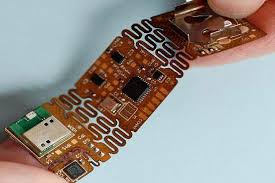
How do PCB flex rigid boards save space?
When designing a pcb flex rigid, consider the effects of flexing on the metal plating. Thicker metals are less likely to flex and break, while thinner metals are more susceptible to buckling. To avoid buckling and other metal failures, it’s important to keep track of the thickness of your metals and to plan for the maximum bending radius that will be possible for the design.
Also, be sure to take into account the potential stress that will be placed on the flexible part of your design during the forming process. Mechanical stress in the bend area can weaken the copper circuits and cause premature failure. To prevent this, it’s important to route traces perpendicularly to the bend line and use dummy traces for support when necessary.
Additionally, be sure to plan for thermal expansion and contraction in your flex circuits. The flex area should have a hatched polygon for the ground plane instead of solid copper to improve heat dissipation and flex life.
Rigid flex circuit boards are an excellent option for many applications, especially those with complex designs and a need for high reliability. By working with an experienced ECM, you can ensure that your rigid flex circuits are ready for the challenges of the manufacturing process. Levison Enterprises offers a full range of turnkey PCB services, from design to fabrication to assembly, and we can manufacture rigid flex boards that meet your specific specifications. Contact us today for more information, and we’ll work with you to bring your design to life. We offer both commercial and military-grade circuit boards, with quality certifications to prove our expertise. Our goal is to help you take your product from concept to production with ease and efficiency.