
How do you select components for a PCB prototype?
select components for a PCB prototype
Selecting components for a PCB prototype is a critical step in the design process, as the performance and reliability of the final product largely depend on the chosen components. A well-designed PCB prototype can only function as intended if the right components are selected to match the electrical, mechanical, and environmental requirements of the application. The process of selecting components involves considering various factors, such as component specifications, availability, cost, and manufacturability, to ensure that the PCB prototype meets both design objectives and performance standards.
The first step in selecting components for a PCB prototype is understanding the specific requirements of the project. This includes determining the power, voltage, current, and frequency that each component must handle. For example, in a high-power PCB prototype, components like resistors, capacitors, and transistors must be capable of withstanding higher power levels and heat dissipation. Conversely, in low-power applications, components with lower power consumption and minimal heat generation would be more suitable. Understanding the operational conditions of the PCB prototype allows engineers to choose components that will function optimally and reliably under the expected conditions.
Another key consideration is the component’s electrical characteristics, including its voltage rating, current rating, resistance, capacitance, and inductance. These specifications must align with the design requirements of the PCB prototype to ensure that each component can handle the electrical load and perform as needed. For example, selecting a capacitor with the wrong capacitance or voltage rating could result in poor performance or failure of the PCB prototype. It’s also important to consider factors such as tolerance, accuracy, and the temperature range of components to ensure that the PCB prototype operates within the desired parameters.
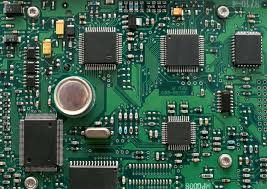
How do you select components for a PCB prototype?
The physical size and package type of the components also play a crucial role in the selection process. Components come in a variety of package types, such as through-hole, surface-mount (SMT), and chip-on-board (COB), each with its own advantages and disadvantages. For example, SMT components are generally preferred for their smaller size and ease of integration into automated assembly processes, while through-hole components may be necessary for more robust or high-current applications. The physical space available on the pcb prototype will influence the selection of component sizes and package types, as it is important to ensure that the components fit within the designated layout and don’t interfere with other parts of the design.
Availability and lead times are additional factors that must be considered when selecting components for a PCB prototype. Some components may have long lead times, which can delay the development process. For rapid prototyping, it is often beneficial to select components that are readily available or have shorter lead times to avoid delays in the manufacturing process. Additionally, choosing components from widely used and trusted manufacturers can help reduce the risk of supply chain issues and ensure that the components meet high standards of quality and reliability.
Cost is another important consideration when selecting components for a PCB prototype. While it is tempting to choose the highest quality components, cost constraints may require engineers to balance performance and quality with the available budget. By carefully evaluating the cost of components and considering alternatives, engineers can maintain the performance of the PCB prototype while staying within budget constraints. However, it is crucial not to compromise too much on quality, as low-cost components may lead to reliability issues in the long run, potentially affecting the overall success of the prototype.